Hello Kitty Coloring Pages

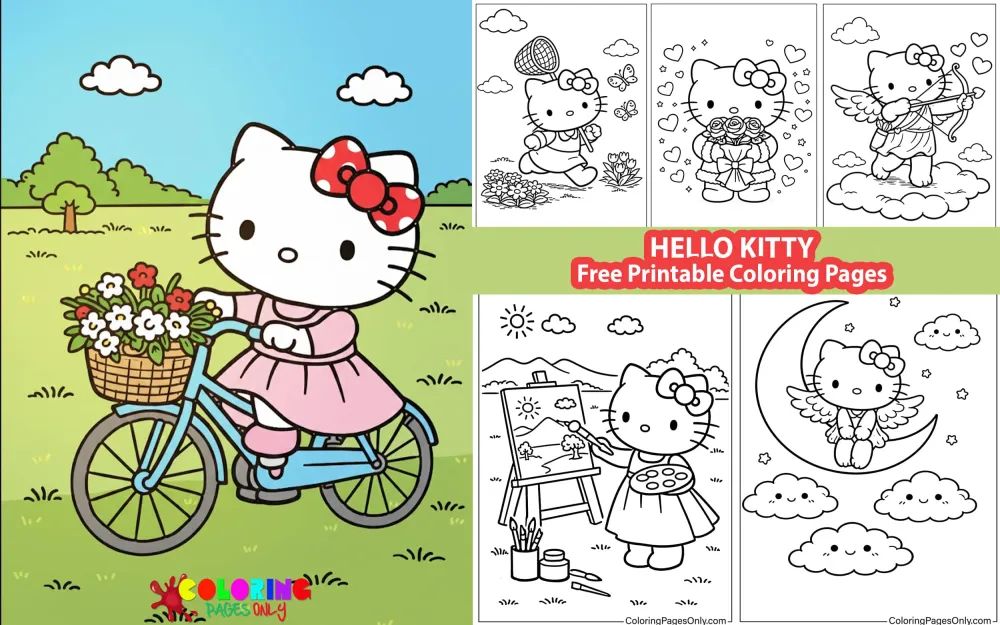
Hello Kitty Coloring Pages bring one of the most recognized characters in the world to your coloring table – and this collection at ColoringPagesOnly.com is one I have been building and adding to since 2021, now grown to 570+ free pages covering every version of Hello Kitty I love most: classic portraits, seasonal holiday pages, Sanrio friends and crossovers, activity scenes, kawaii designs, and the full range from simple outlines for toddlers to detailed illustrations for older fans and adults. The full Sanrio universe on this site is available through our Sanrio Coloring Pages hub.
Every page is completely free – download as PDF to print or color online in your browser. No sign-up, no cost.

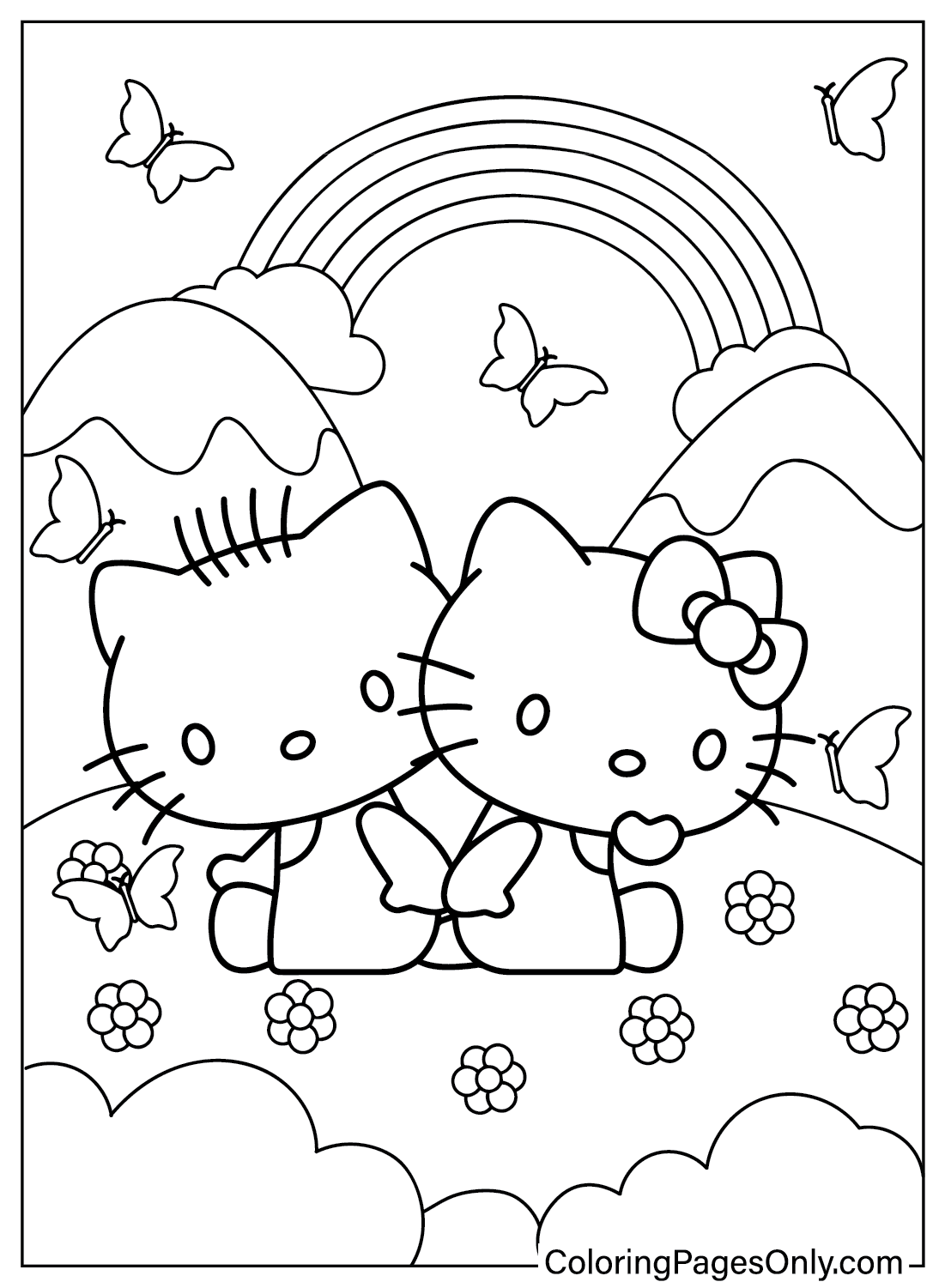

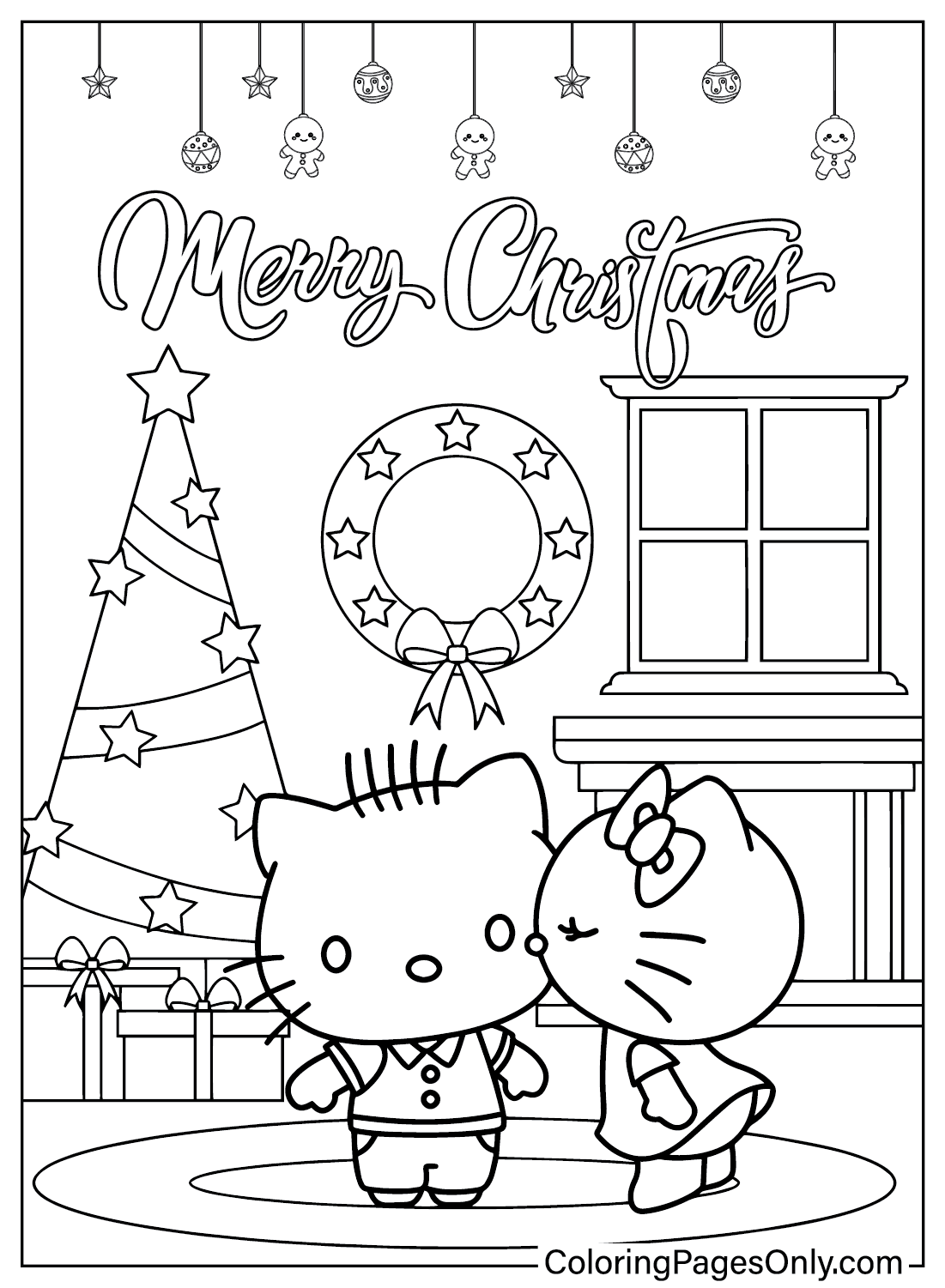
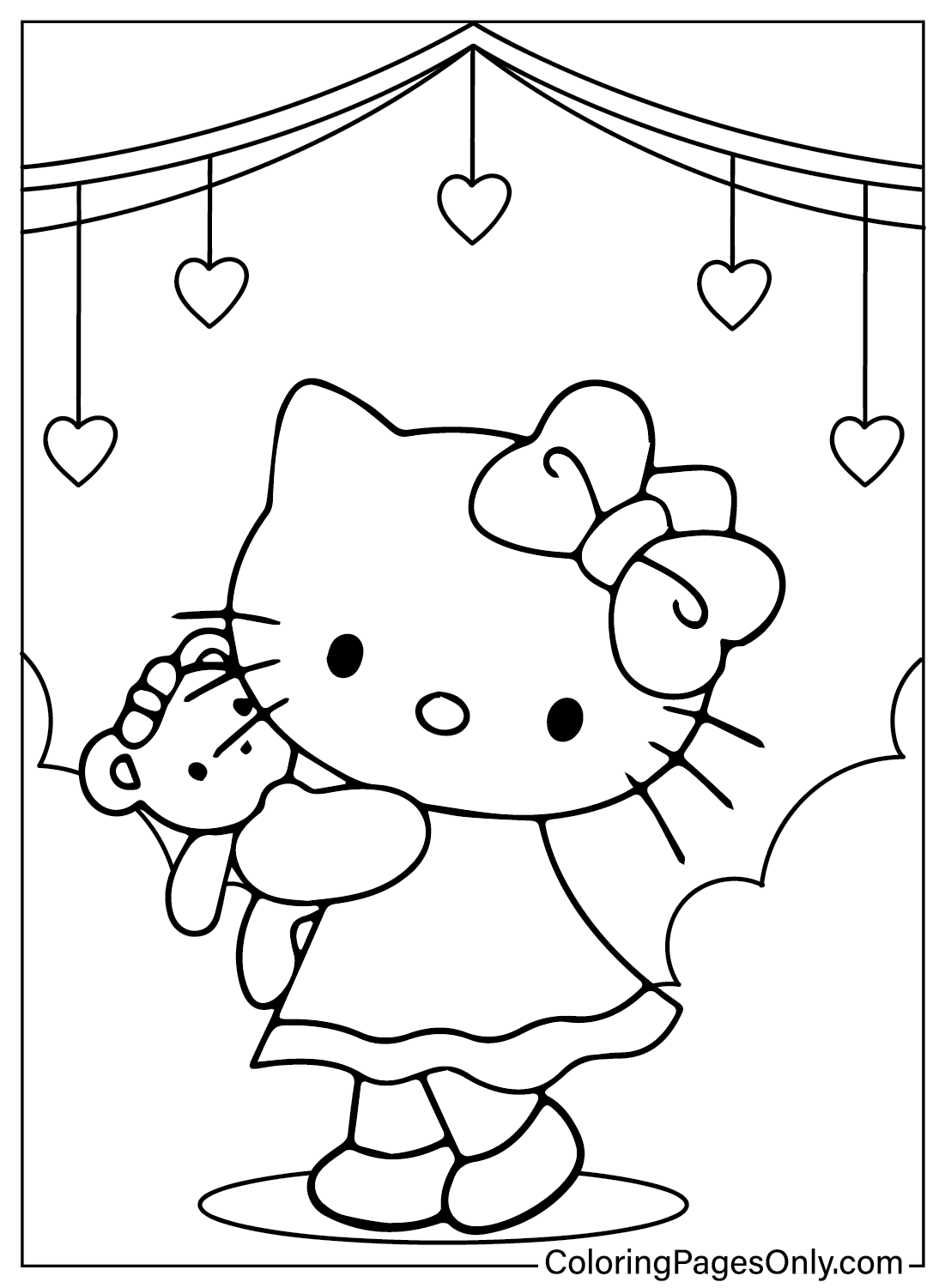
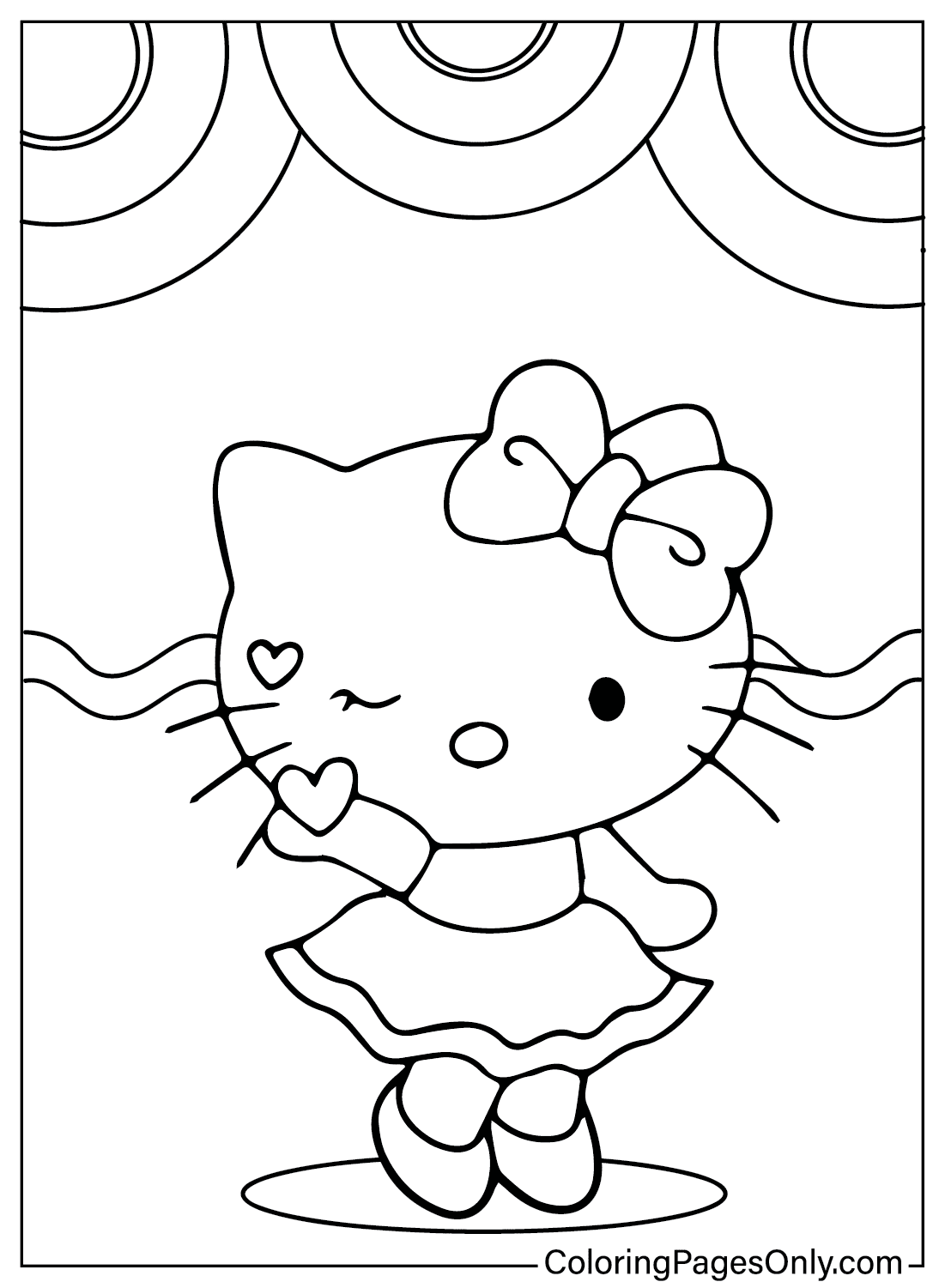




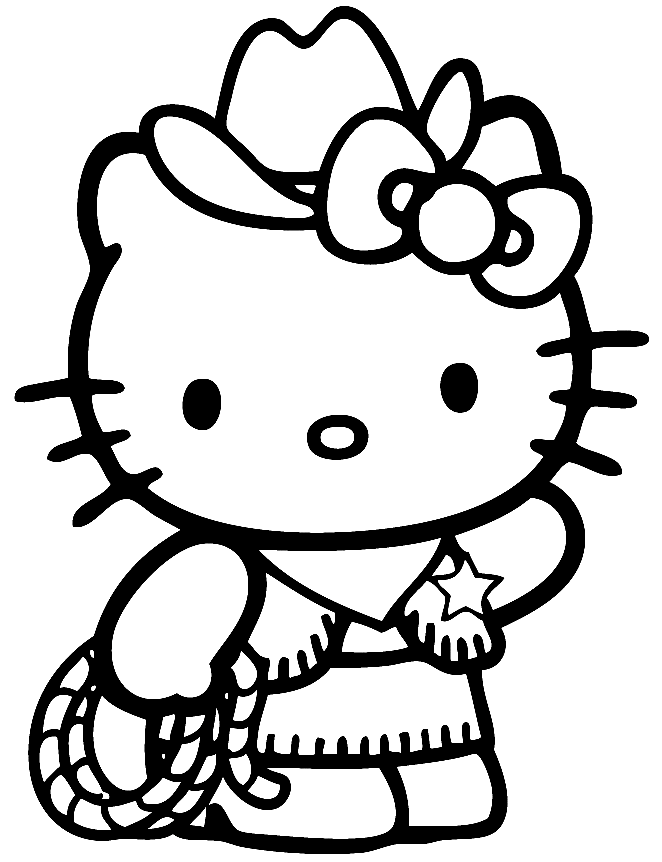
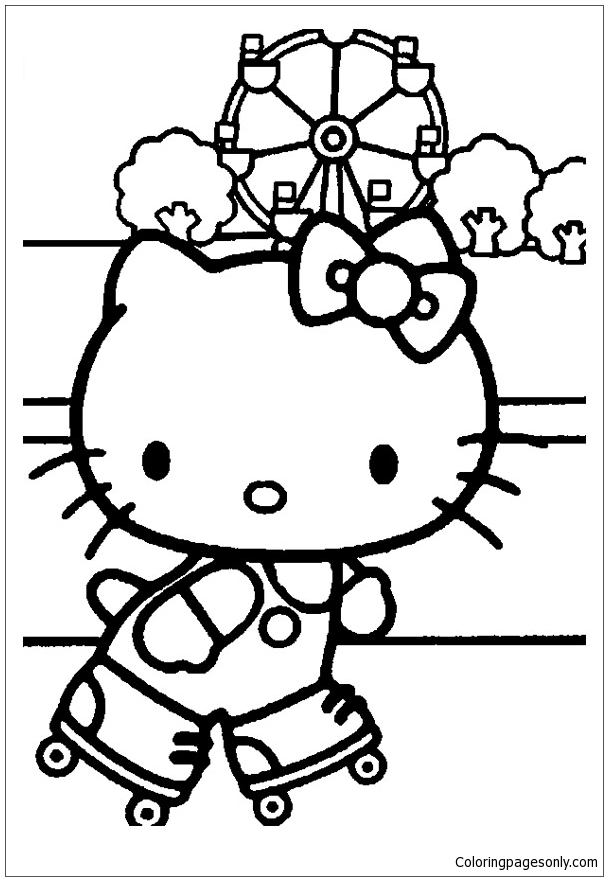
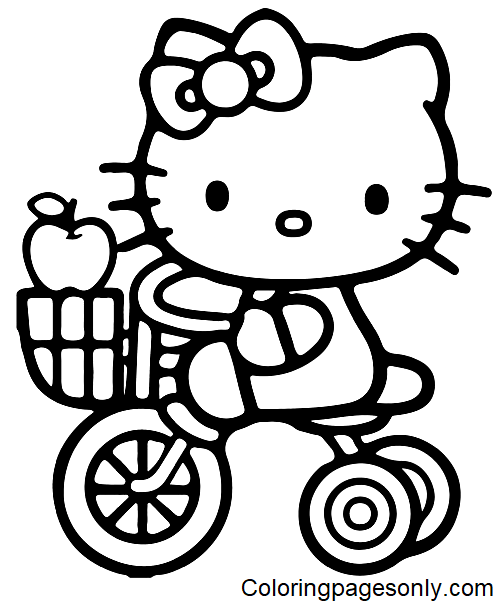
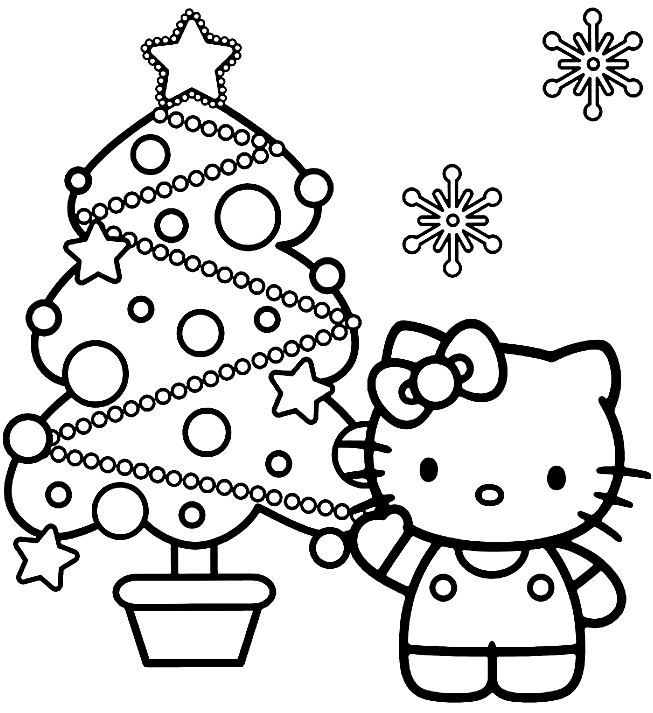





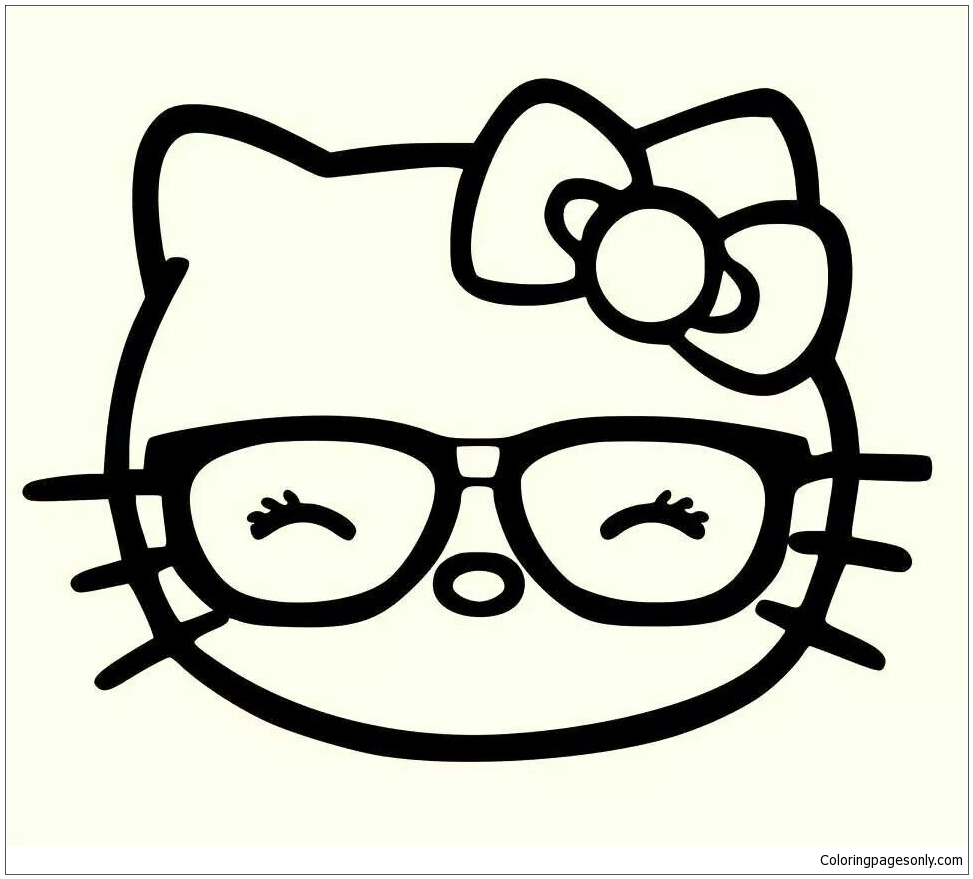
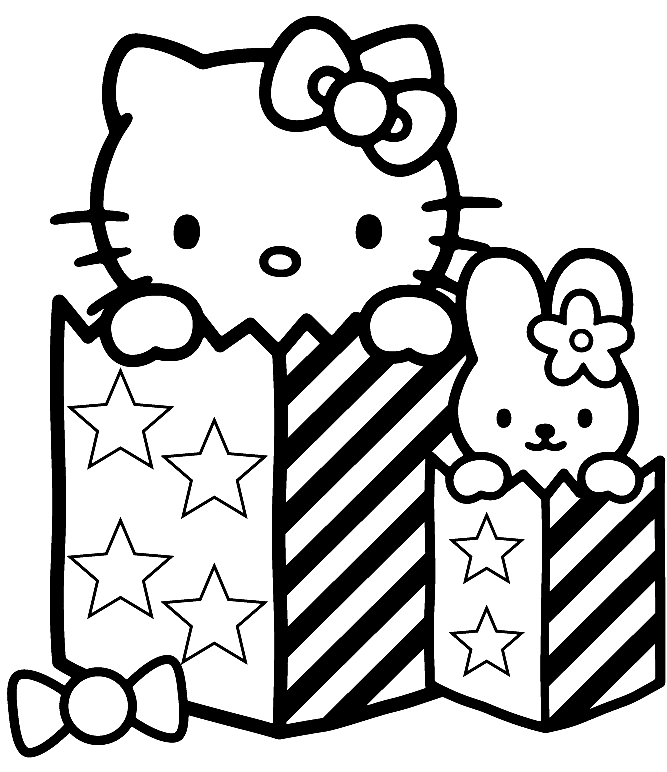
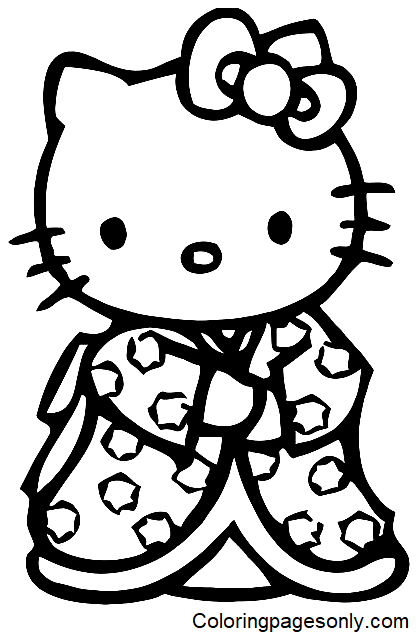
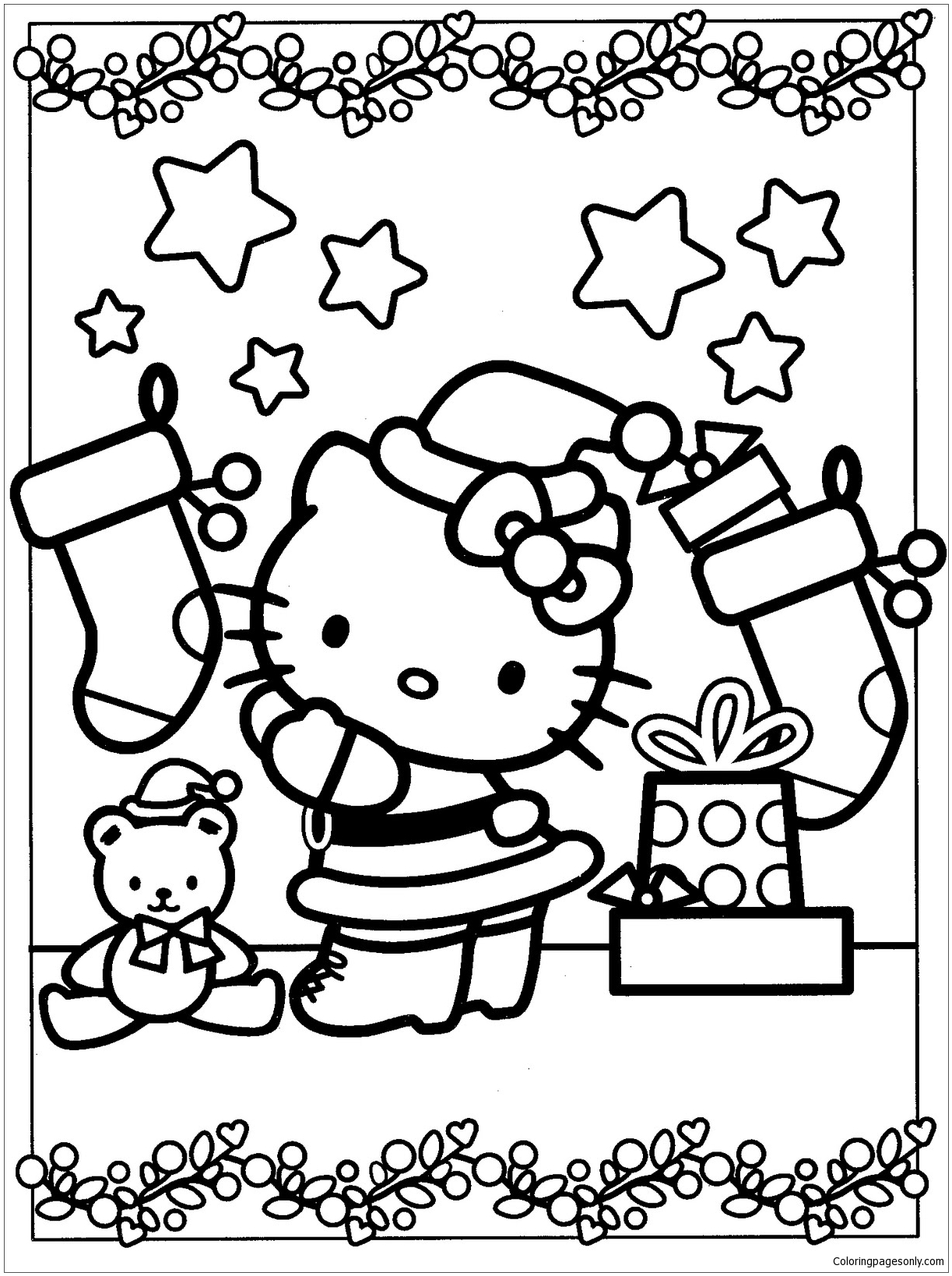





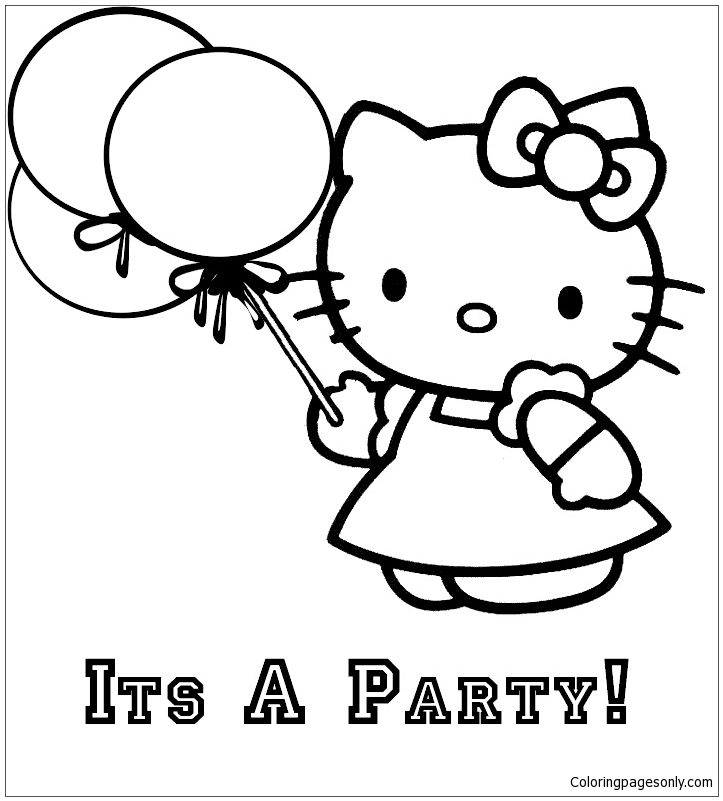
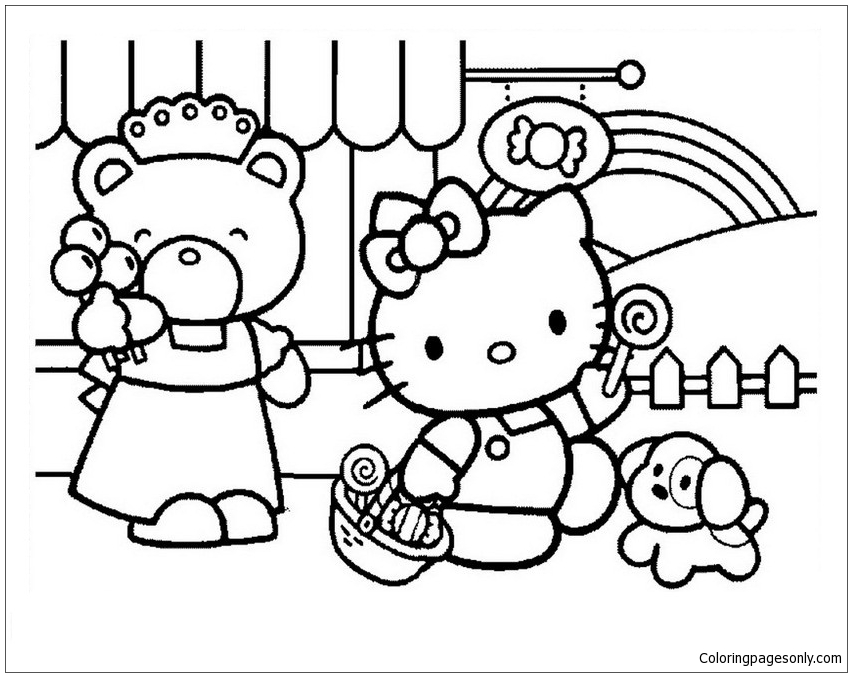
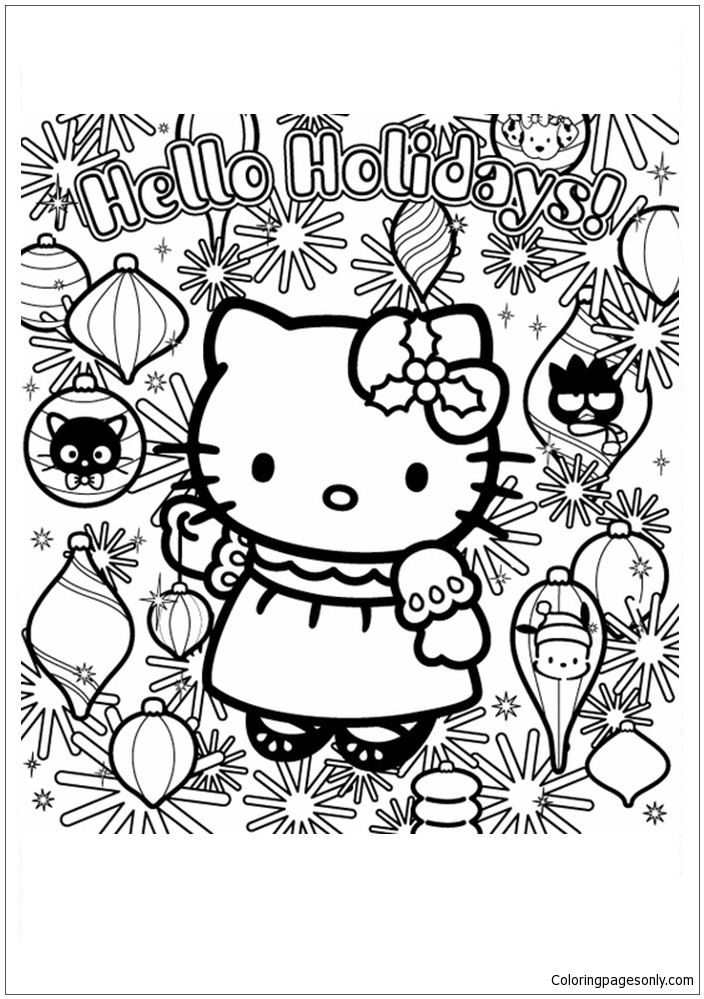
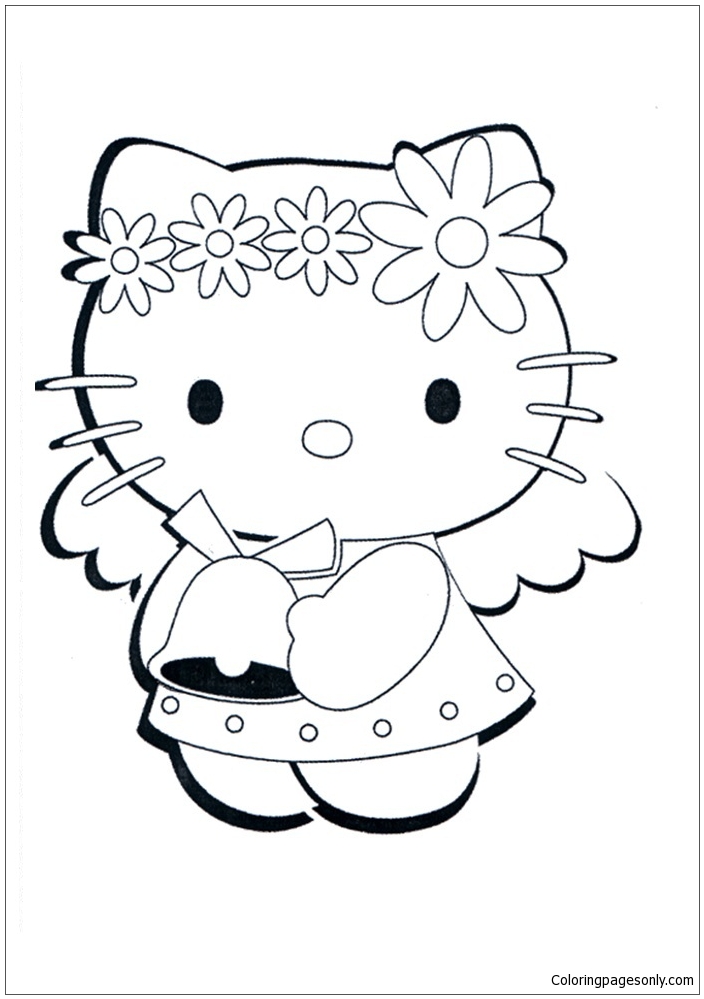















Who Is Hello Kitty?
Hello Kitty (ハロー・キティ) is a Sanrio character first designed by Yuko Shimizu and debuted in Japan in 1974 – originally appearing on a small vinyl coin purse that sold in Japanese shops for about 240 yen. That coin purse launched one of the most commercially successful character franchises in history. Since 1980, the character’s design has been maintained and evolved by designer Yuko Yamaguchi, who has been responsible for Hello Kitty’s visual identity across the decades of costume changes, seasonal variations, and collaboration designs that have kept the character continuously fresh.
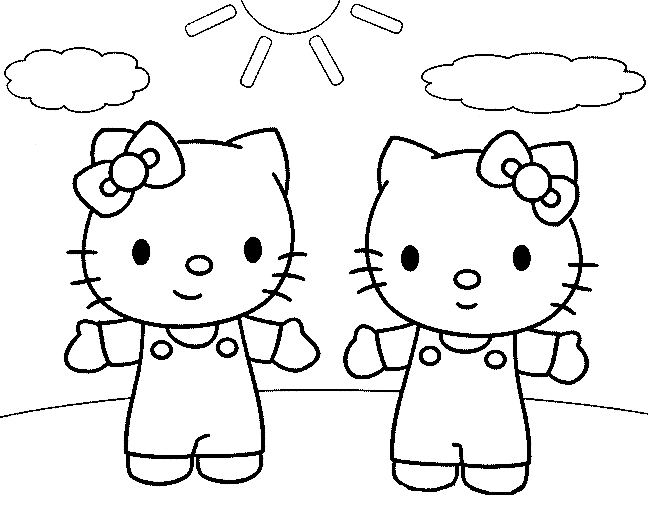
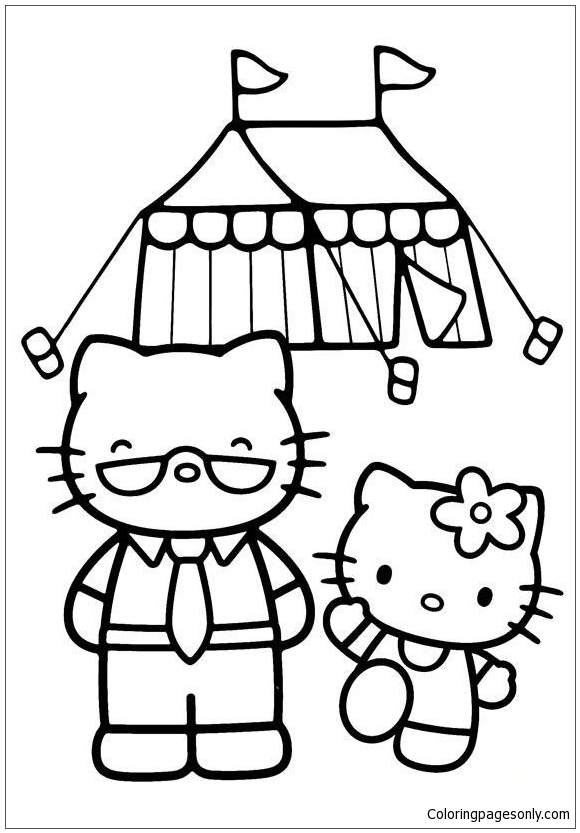
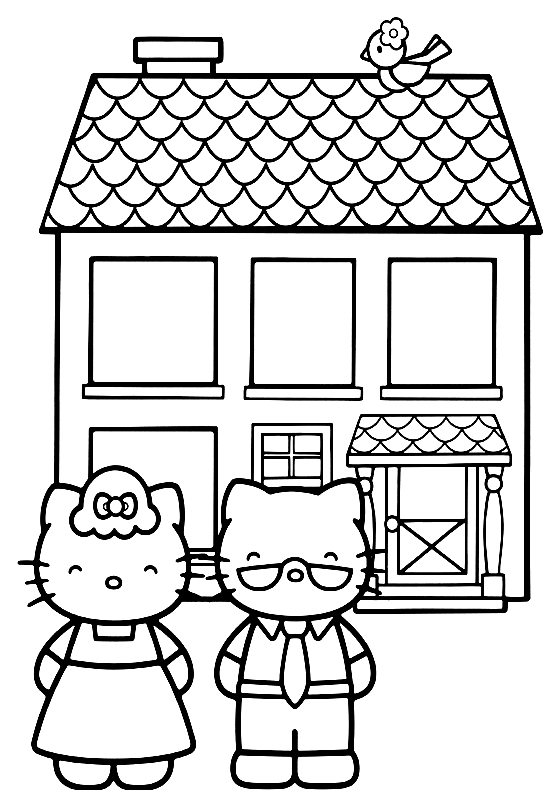
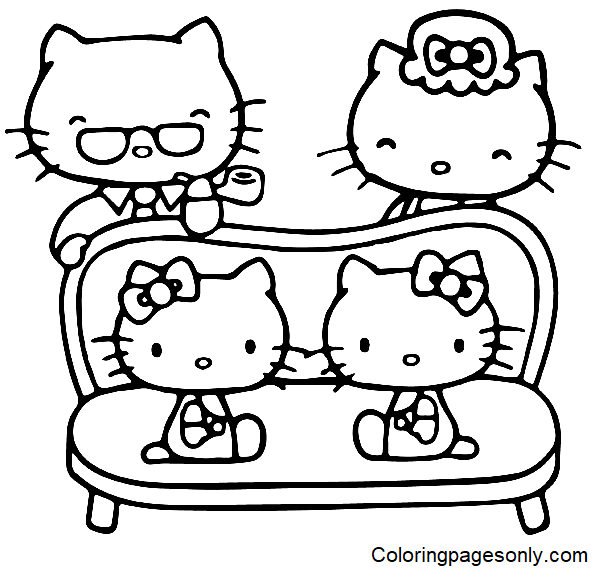
Her full name is Kitty White. She lives in the suburbs of London, England, with her family – her parents, George and Mary White, and her twin sister Mimmy, whose most immediately identifying feature is the bow on her right ear (Hello Kitty wears her signature bow on her left ear – this is the simplest visual way to distinguish the twins). Hello Kitty also has a pet white cat named Charmmy Kitty and a pet hamster named Sugar. Her birthday is November 1, and she is described in Sanrio’s official character profile as a bright, cheerful girl who loves baking cookies, collecting cute things, and spending time with her friends and family.
One of the most frequently asked questions about Hello Kitty is whether she is a cat. Sanrio’s official position – stated explicitly in 2014 when a University of Hawaii anthropologist researching Hello Kitty merchandise prompted Sanrio to clarify – is that Hello Kitty is not a cat. She is a little girl. She walks on two legs, wears clothes, goes to school, and has a cat as a pet. The cat-like ears and nose are part of her design as a character, not indicators of species. This distinction has been the subject of genuine debate among fans and cultural commentators for decades and remains one of the most interesting factual questions Hello Kitty raises.
The deliberate absence of a mouth is one of the most significant design choices in Hello Kitty’s history. Sanrio has offered several explanations over the years, the most widely cited being that Hello Kitty speaks with her heart rather than her mouth – and that the absence of a fixed expression allows the person looking at her to project whatever emotion they bring to the encounter onto the character. A Hello Kitty page can feel happy or wistful or celebratory depending entirely on its context, because the character’s face never commits to a specific emotional state. This emotional neutrality has been central to Hello Kitty’s extraordinary cross-cultural reach.
Hello Kitty celebrated her 50th anniversary in 2024 – fifty years from that first coin purse to a global franchise encompassing over 50,000 licensed products, Hello Kitty-branded cafés, theme park attractions, and collaborations with brands ranging from fashion houses to airlines to sports teams. In 2008, Japan’s Ministry of Foreign Affairs appointed Hello Kitty as an official tourism ambassador to China and Hong Kong – a recognition of the character’s extraordinary soft power as a cultural export. She remains one of the highest-grossing character franchises in the world.
What’s Inside the Hello Kitty Collection
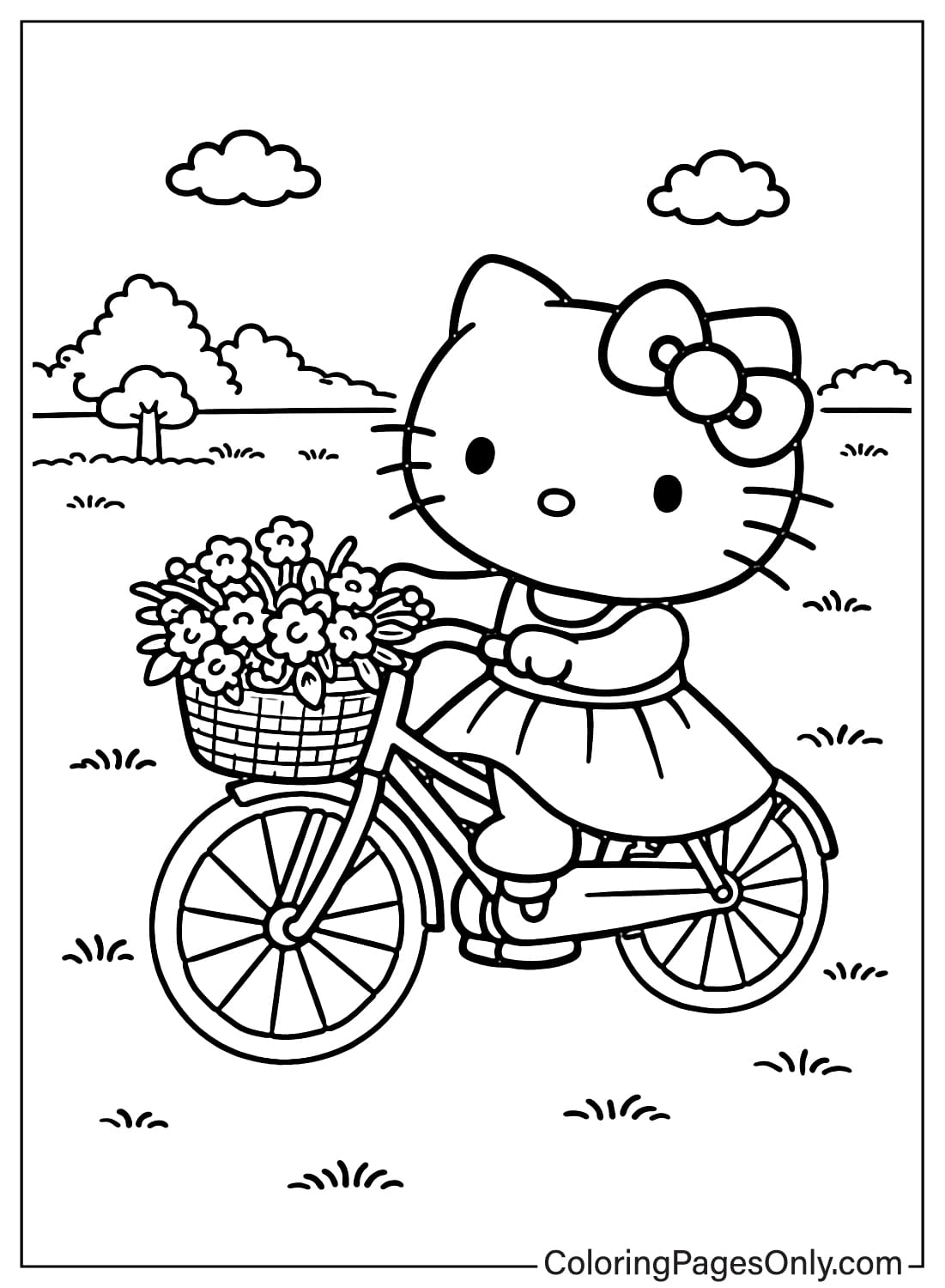
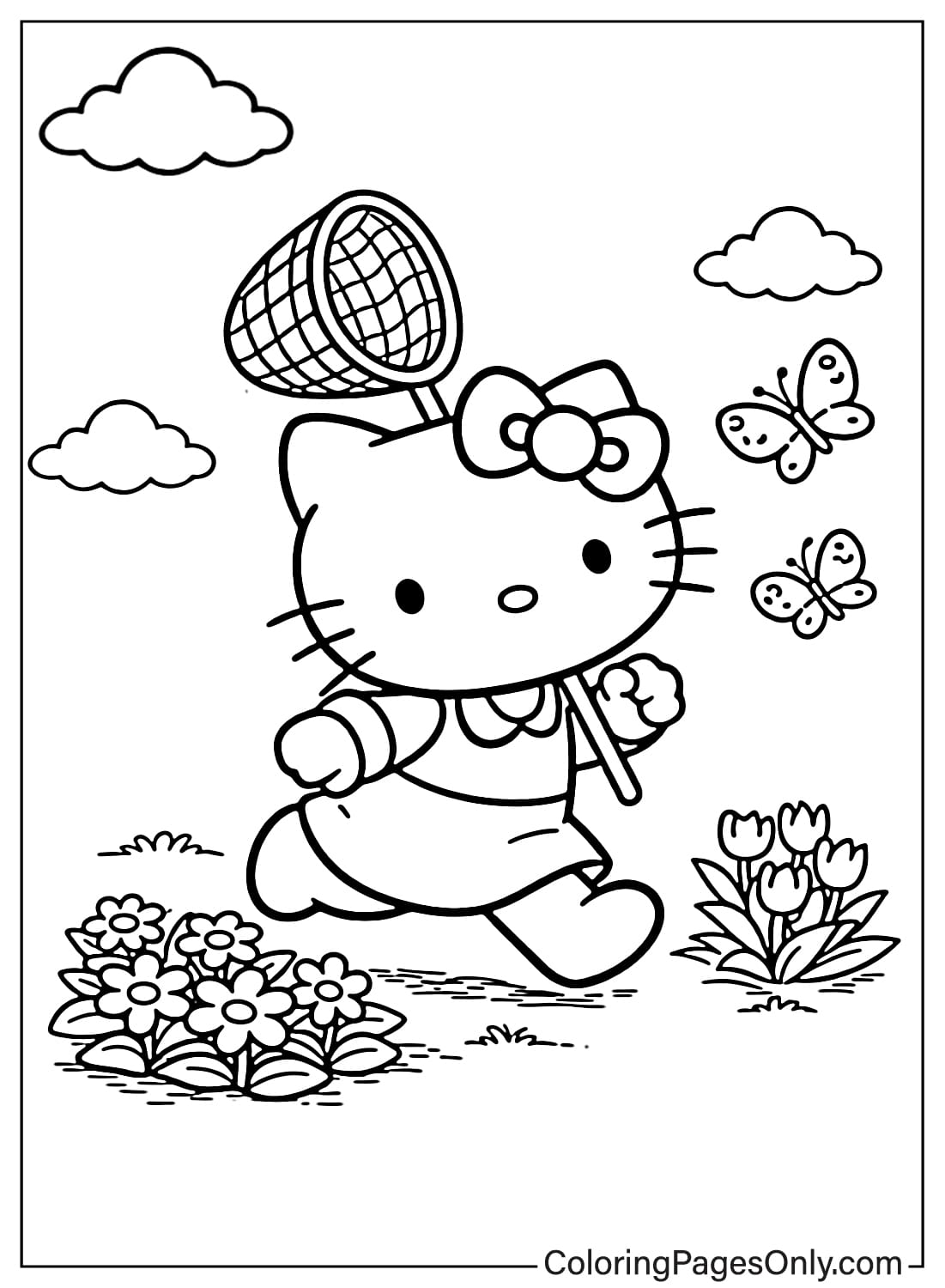
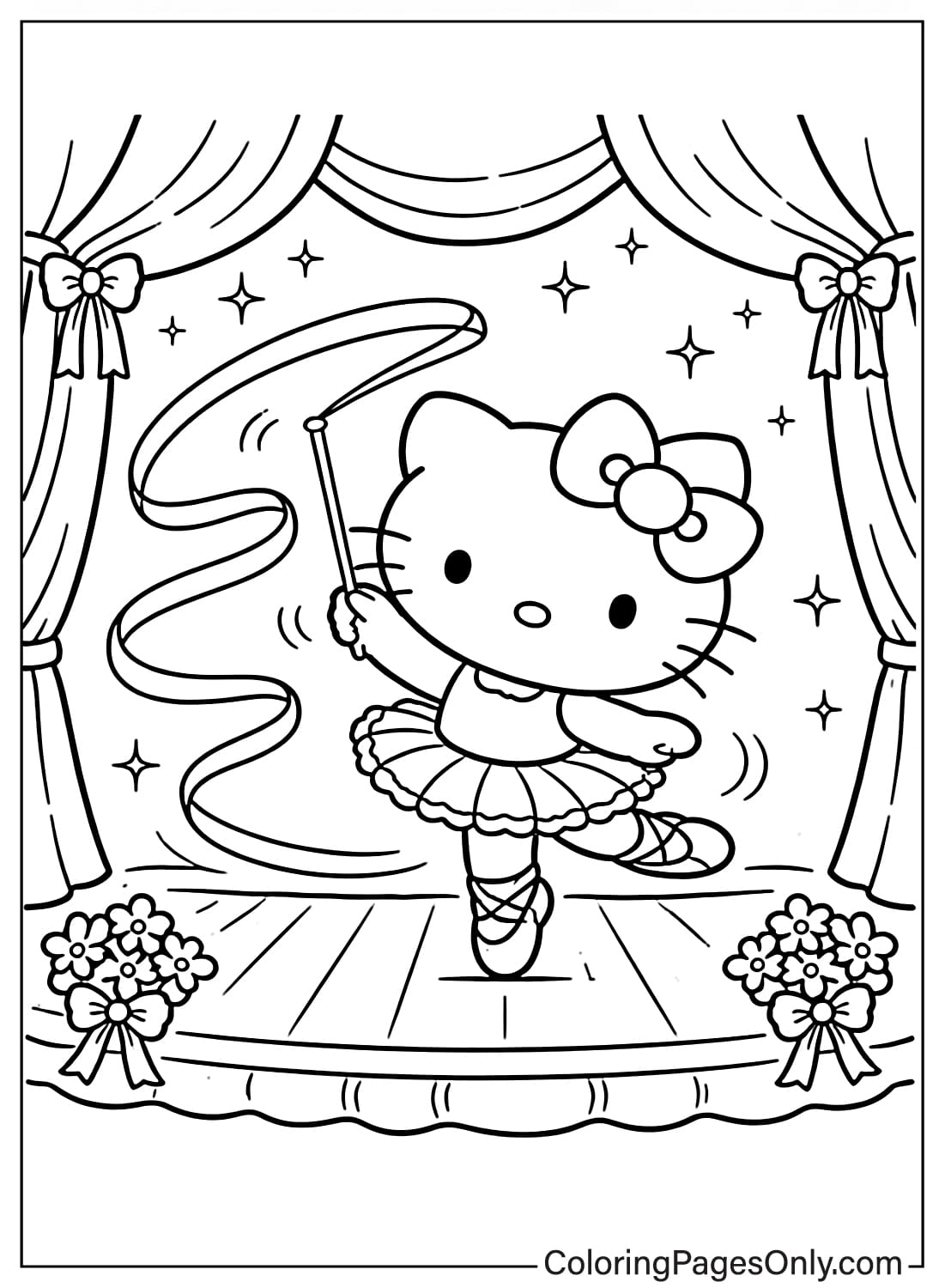
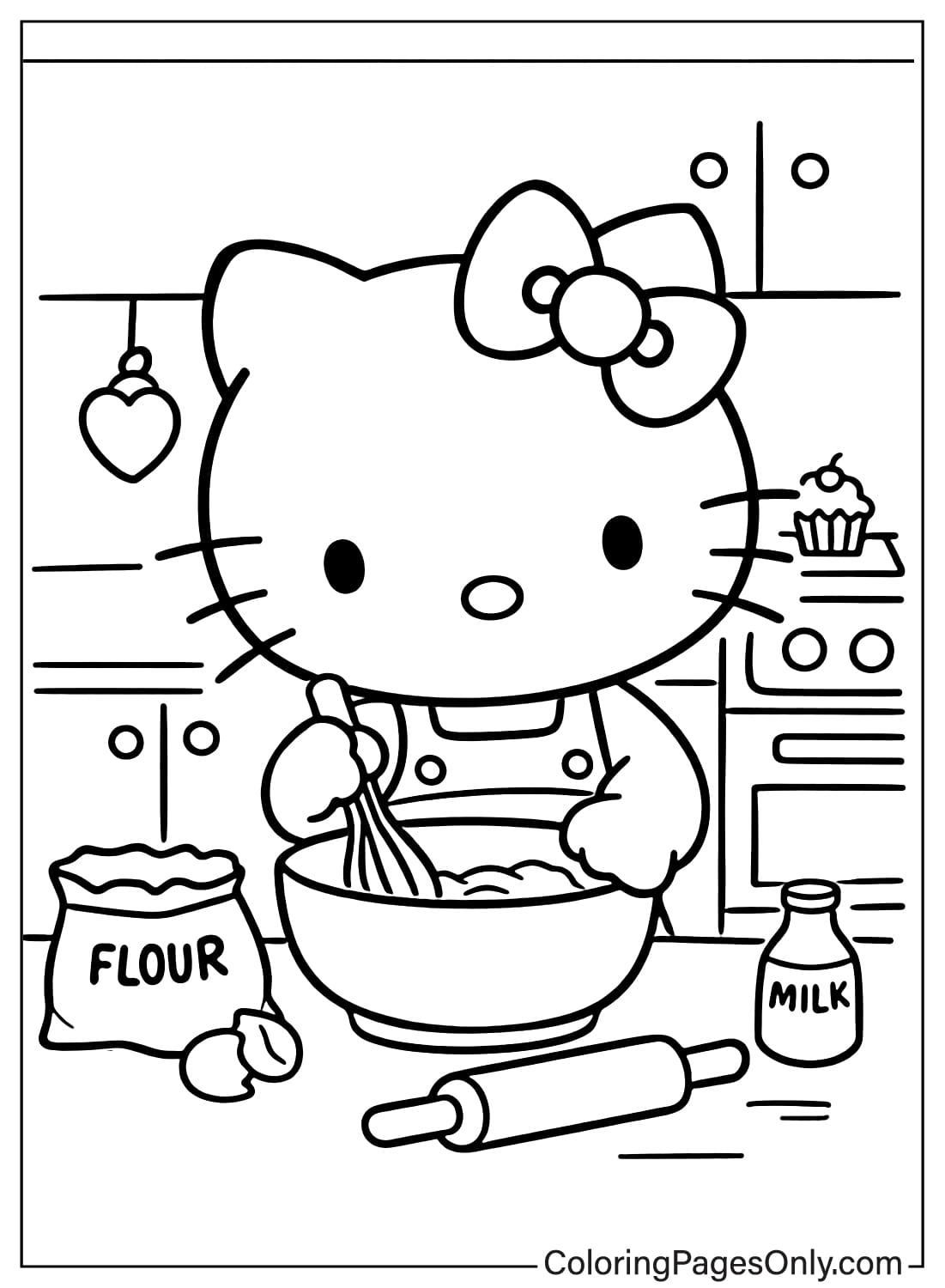
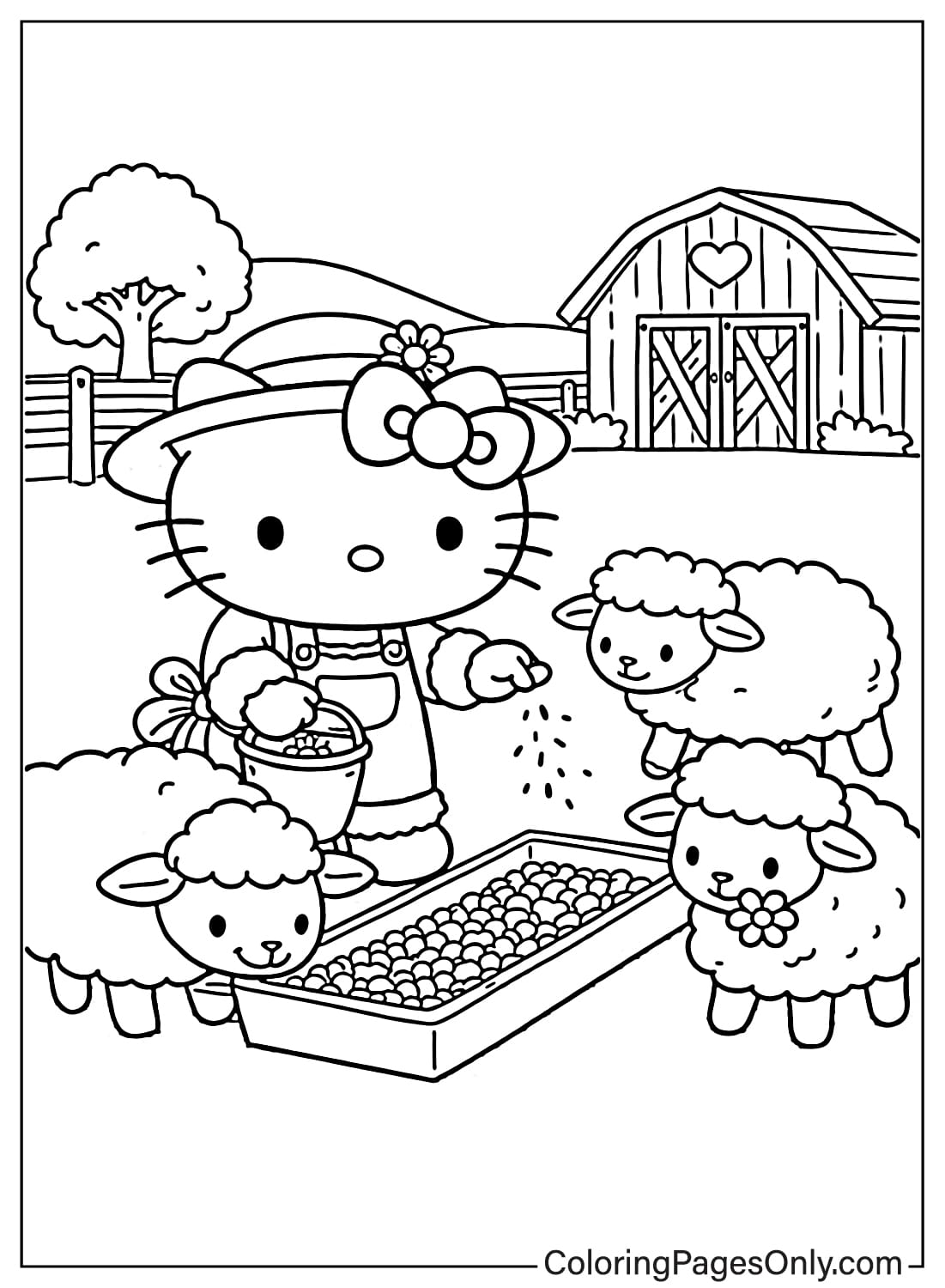
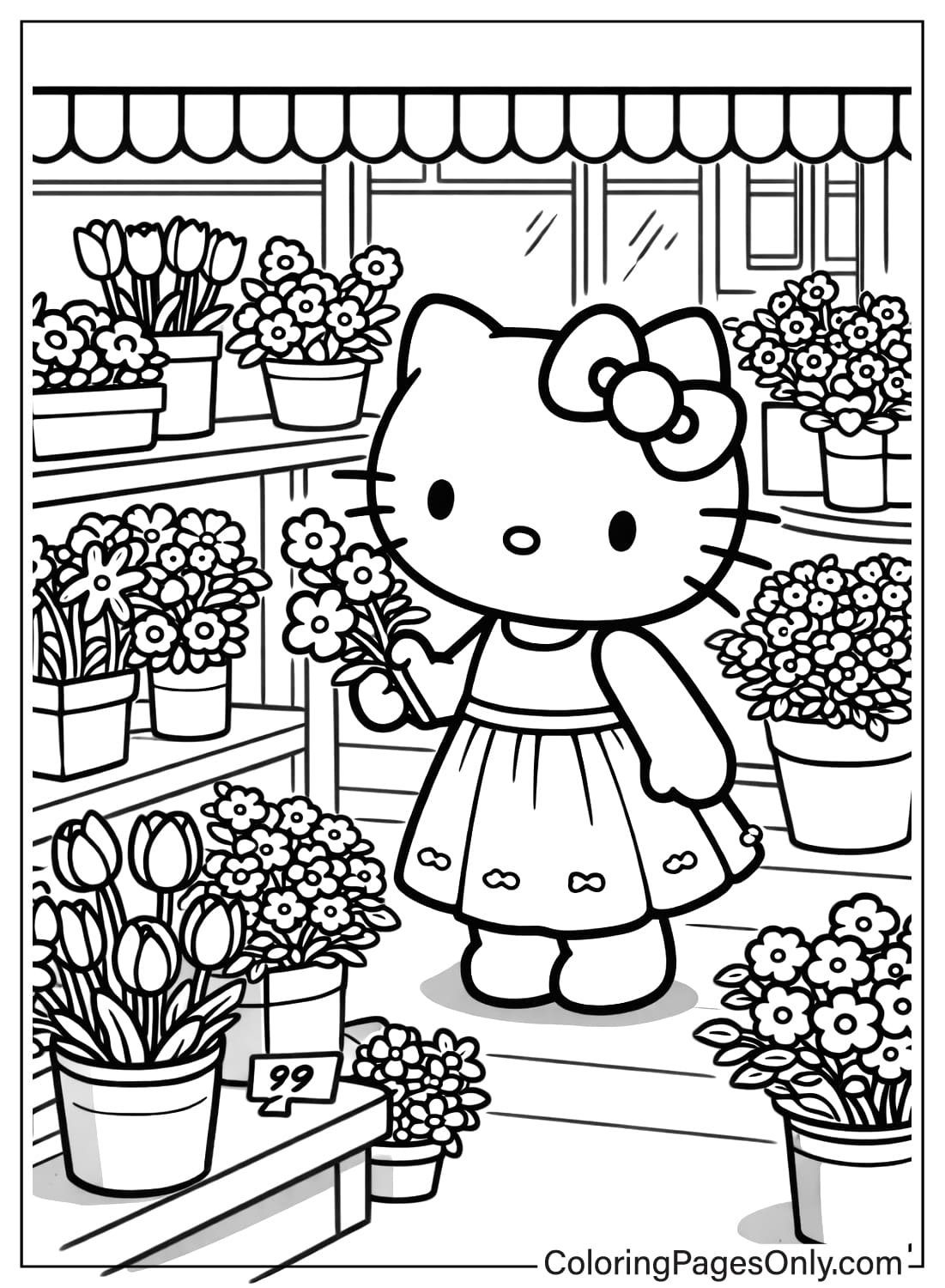
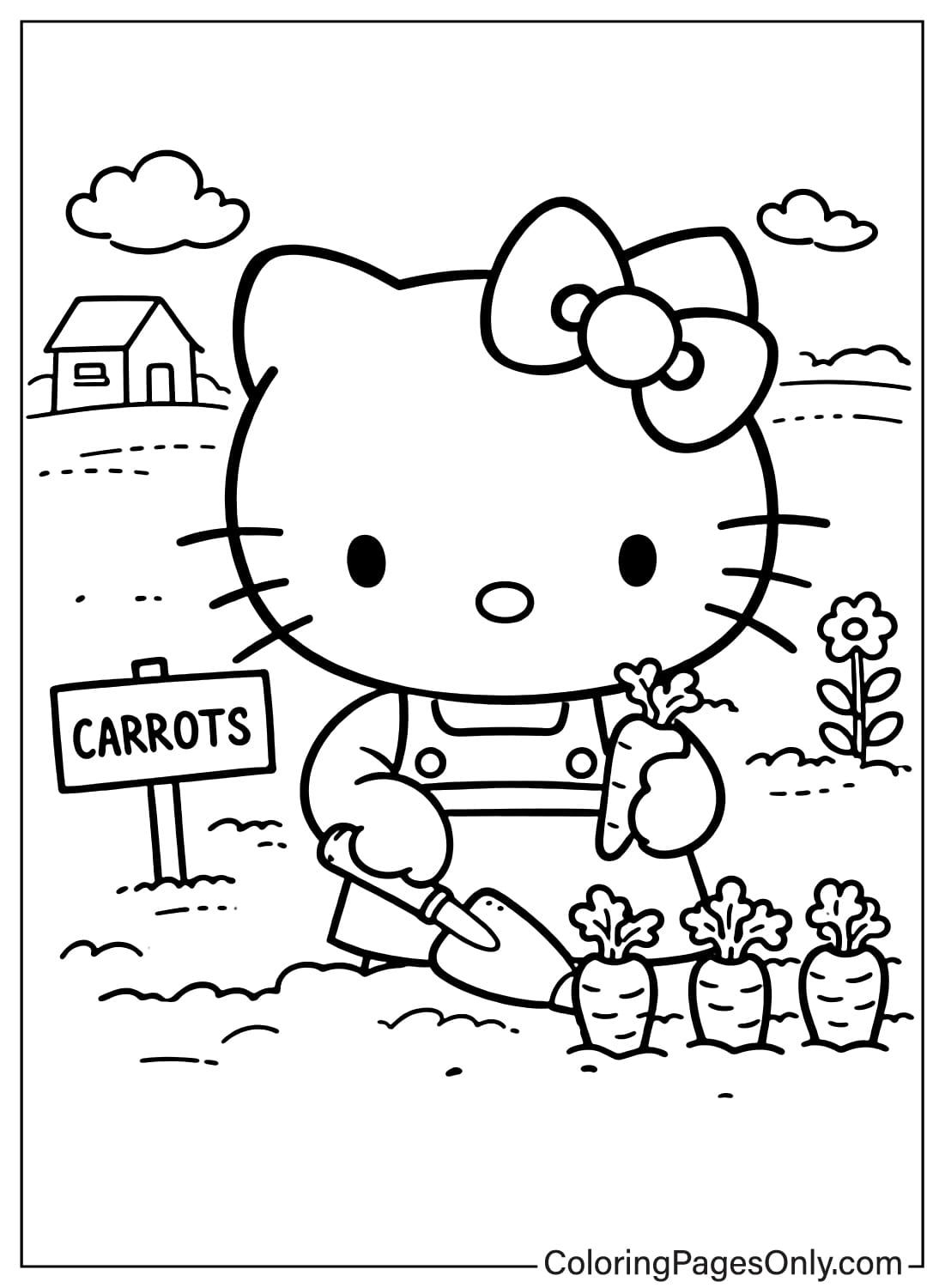
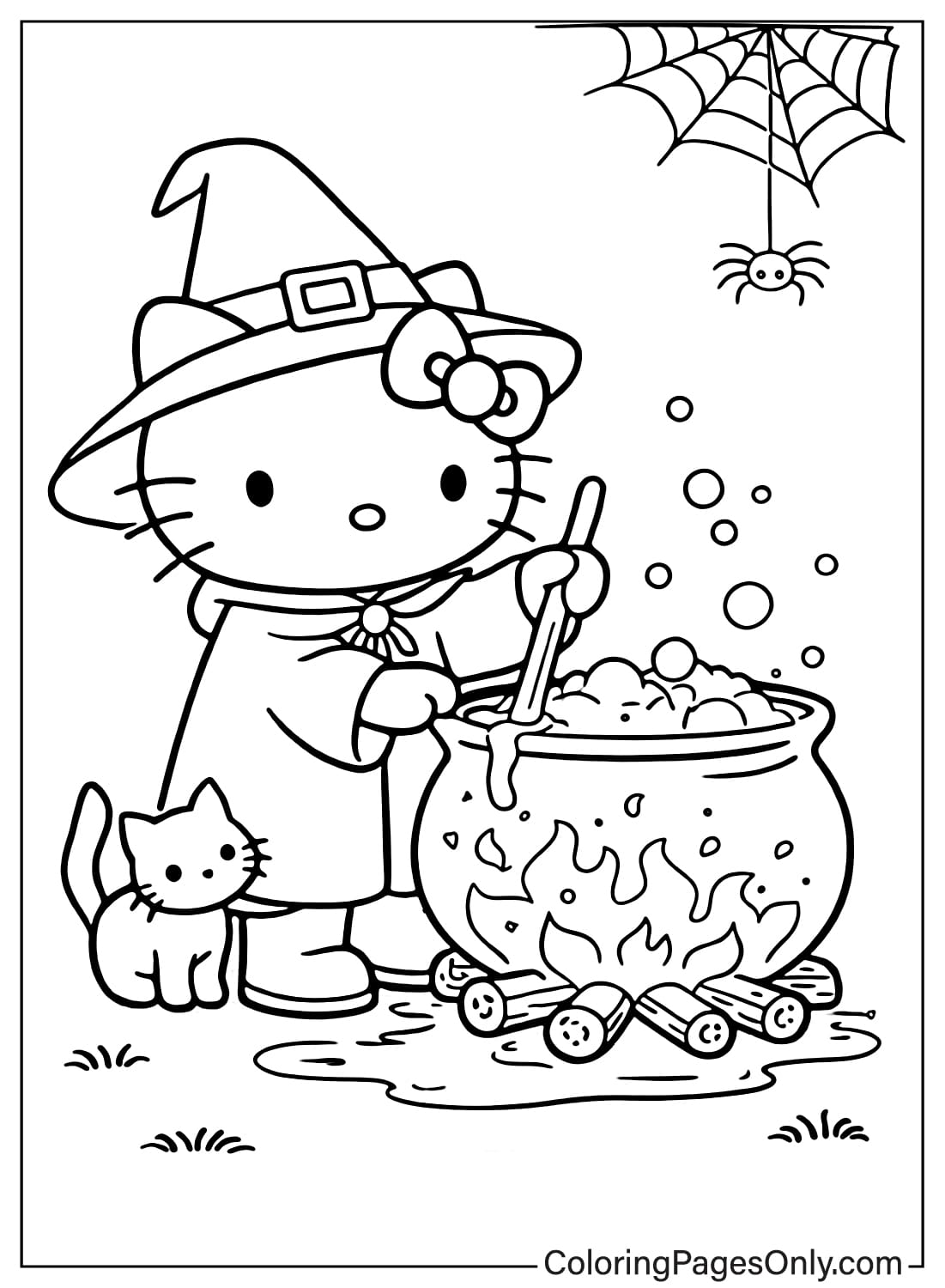
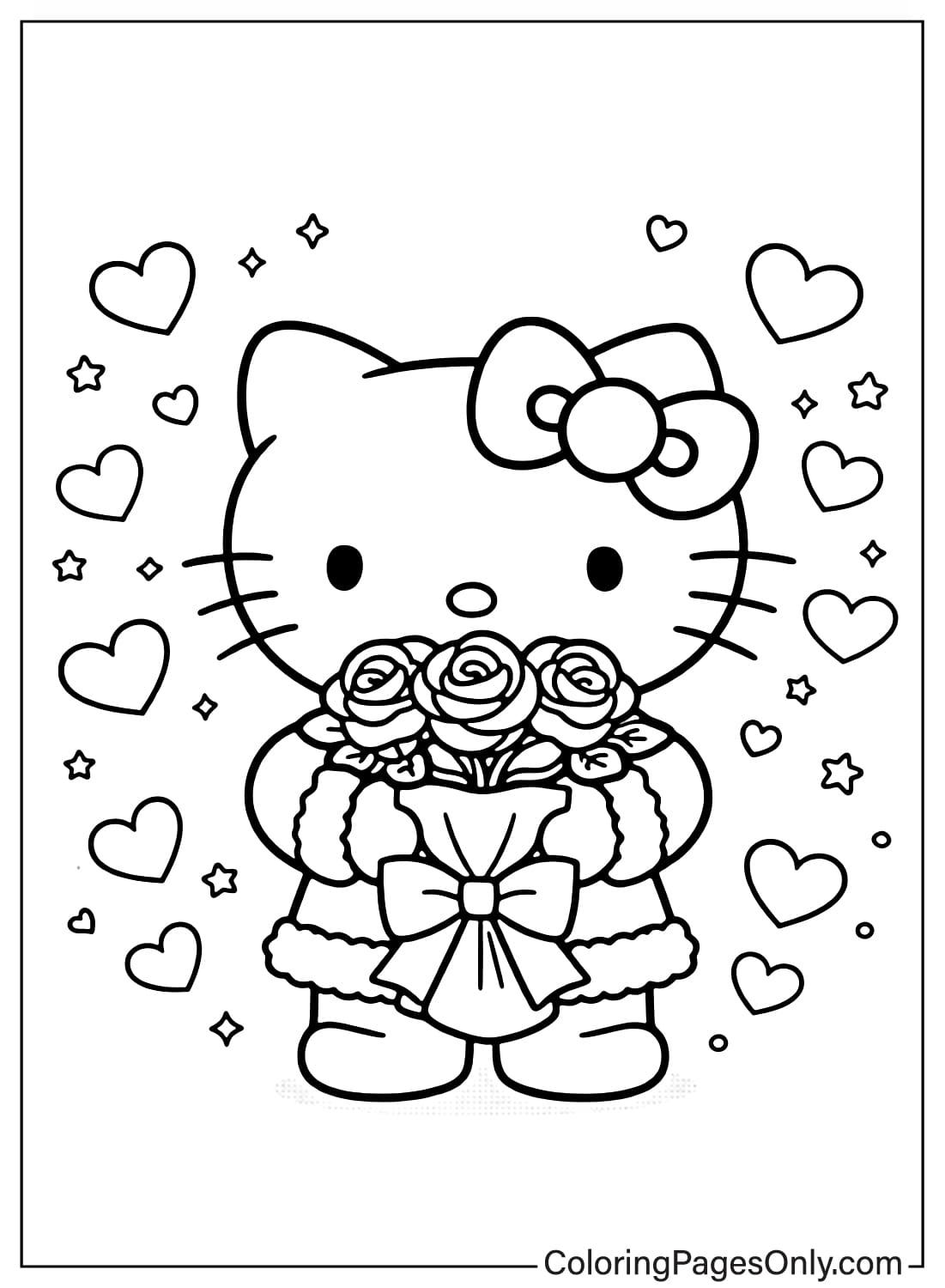
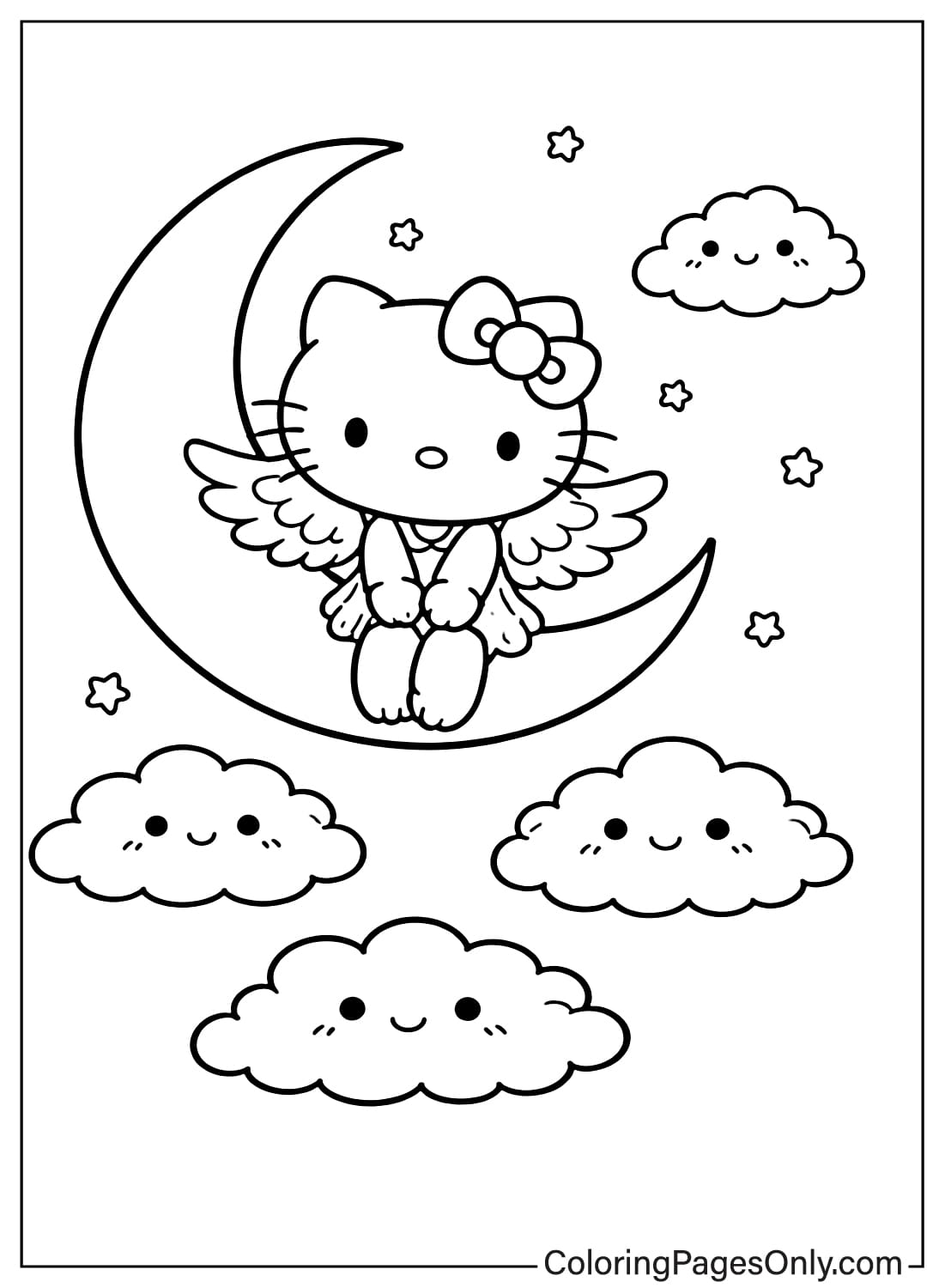
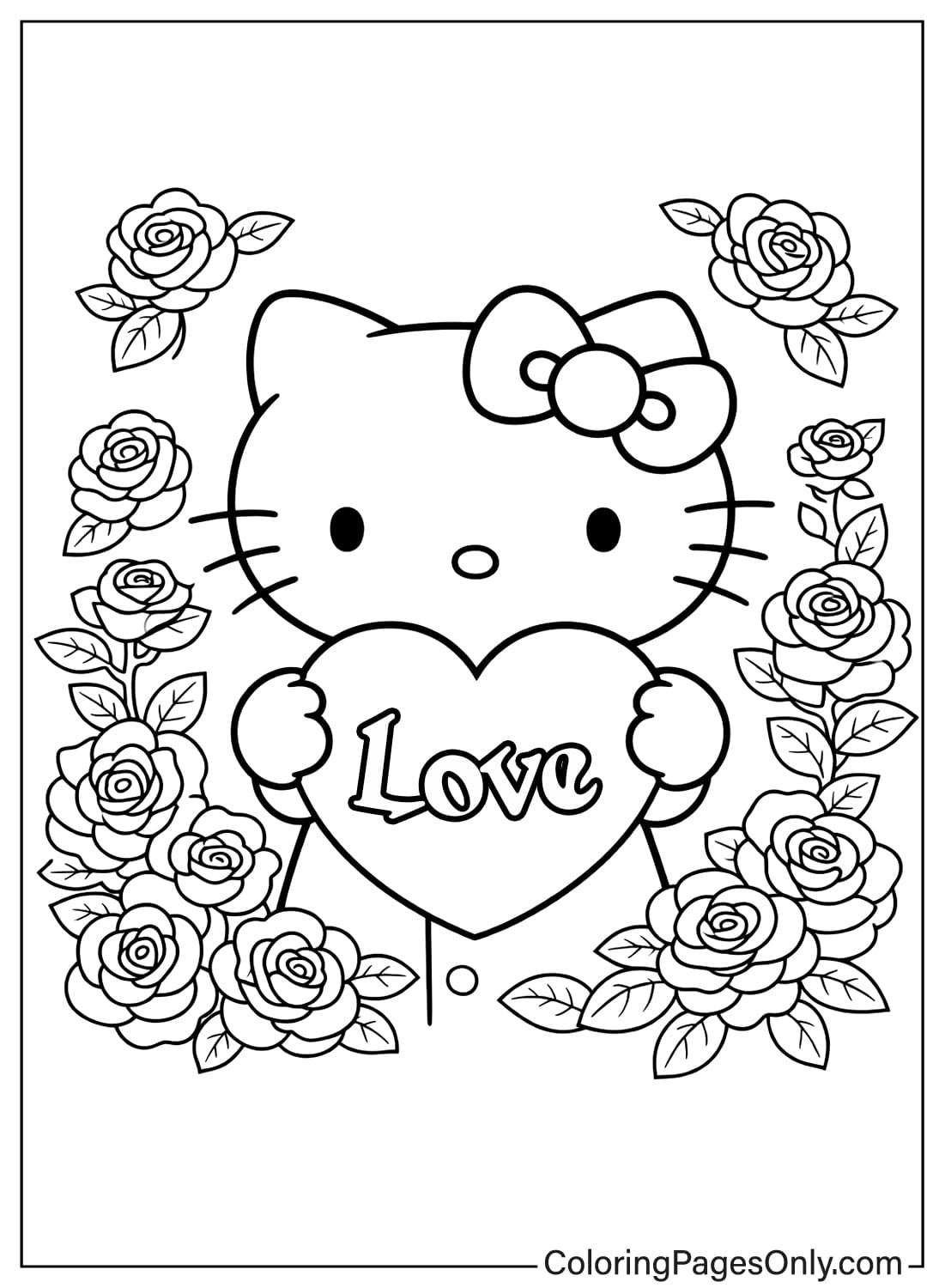
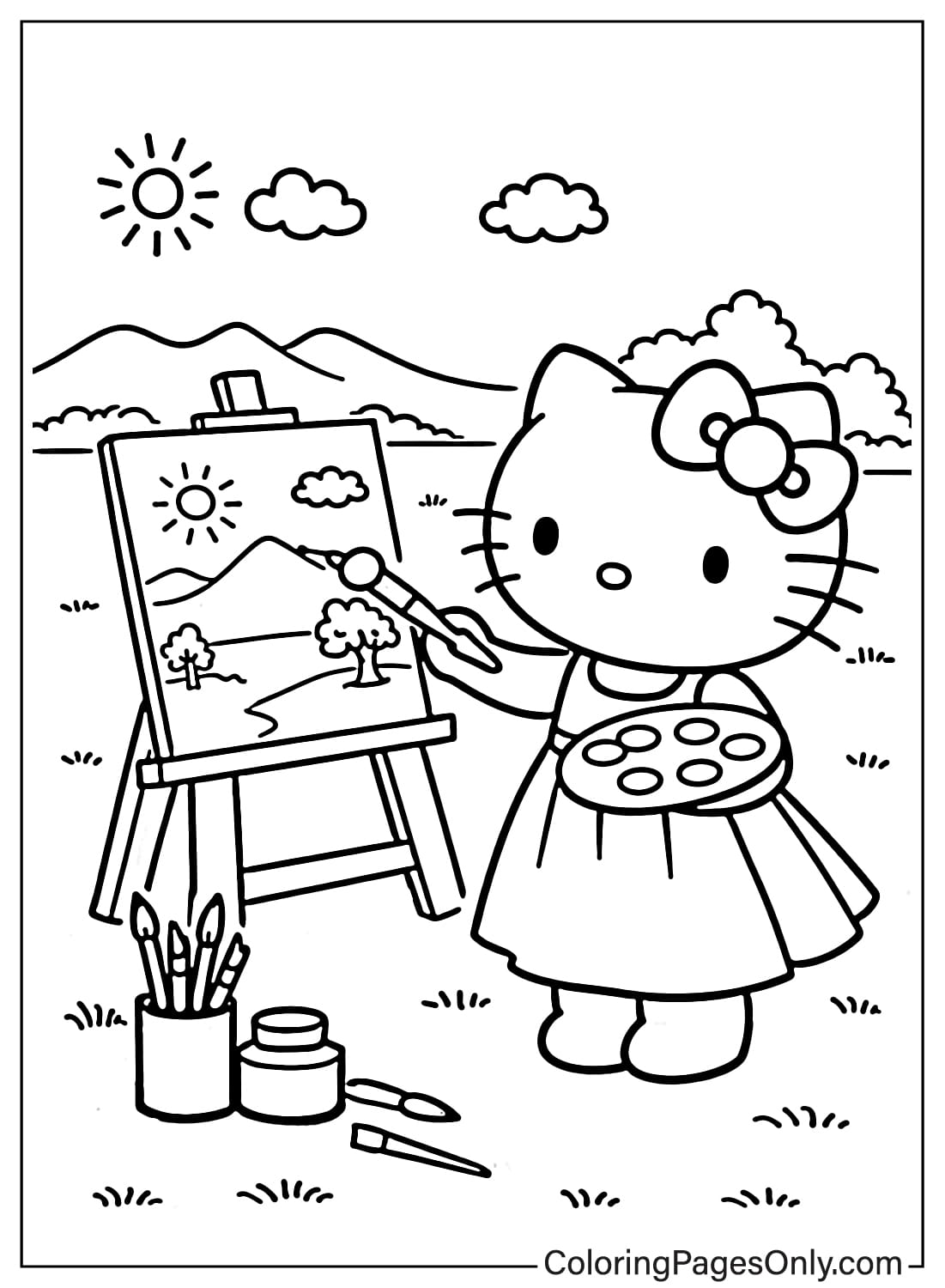
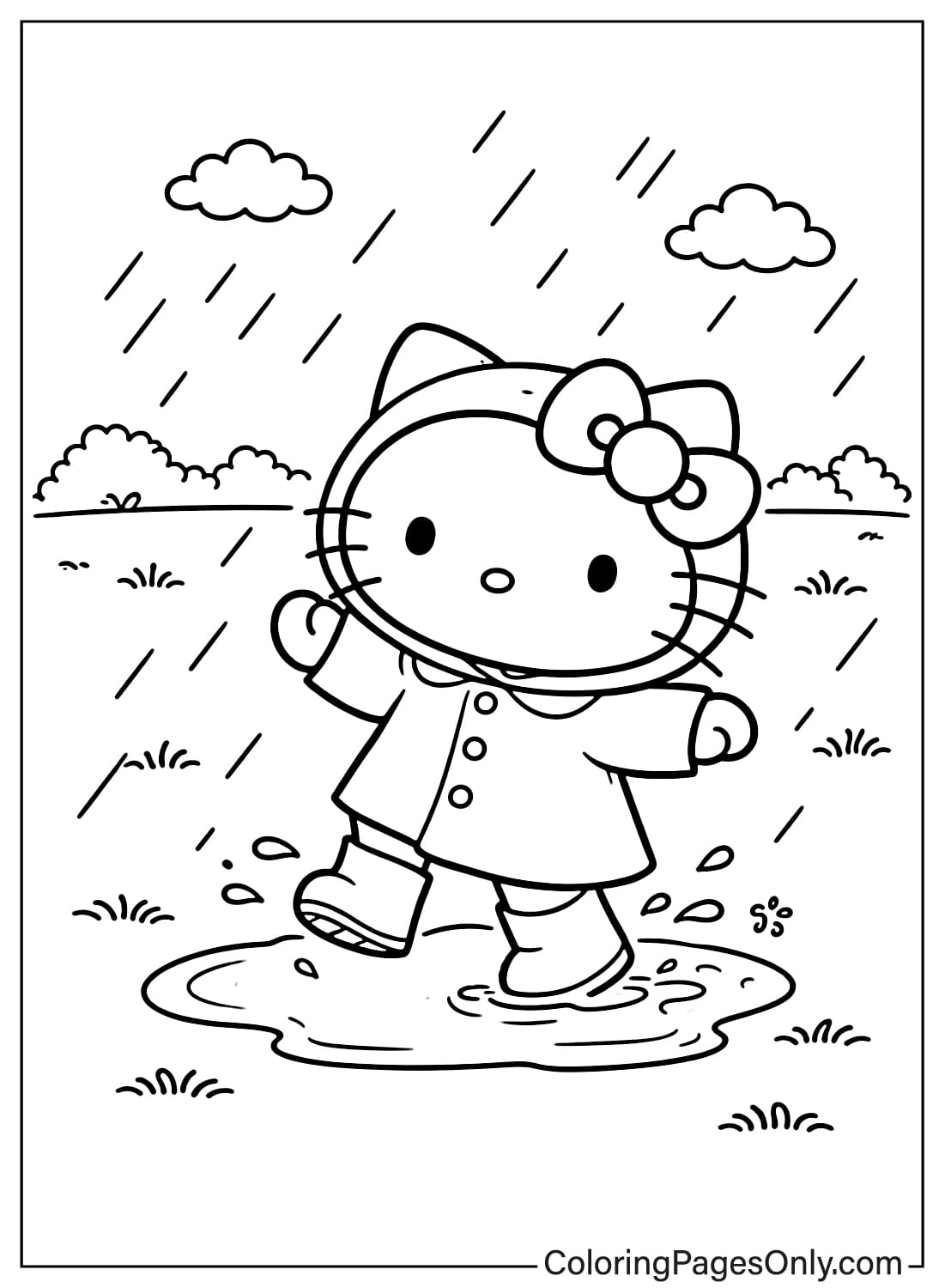
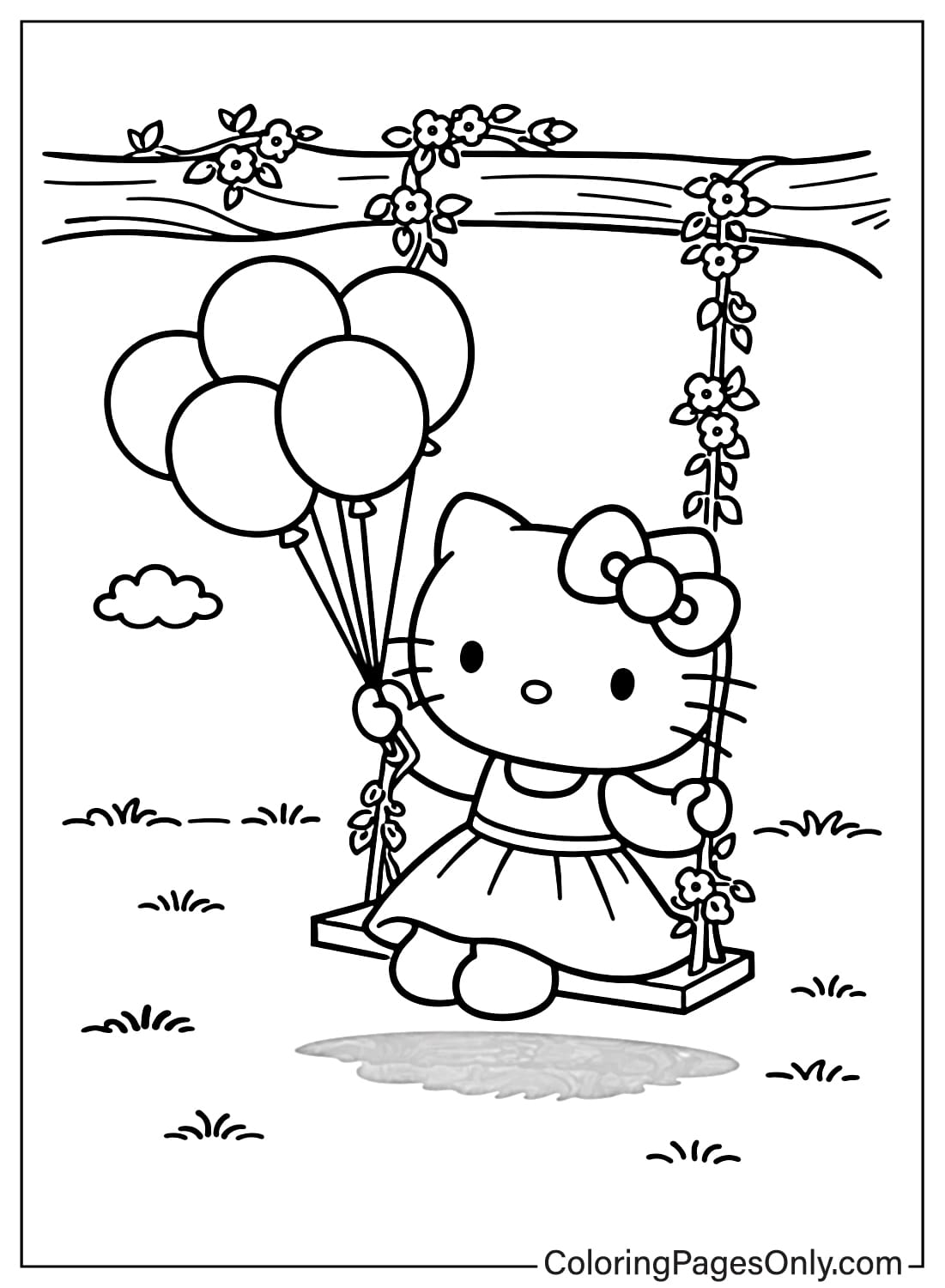
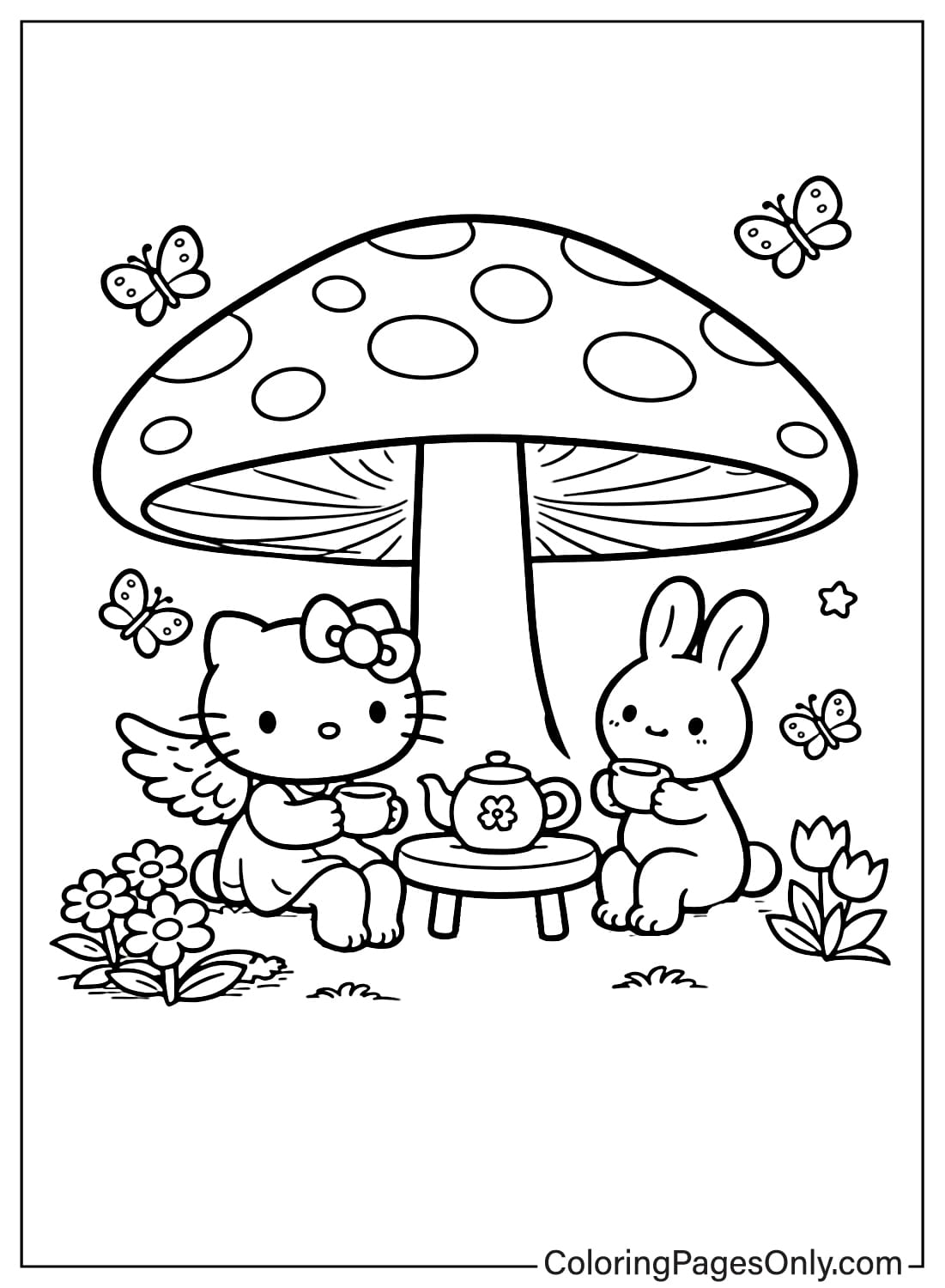
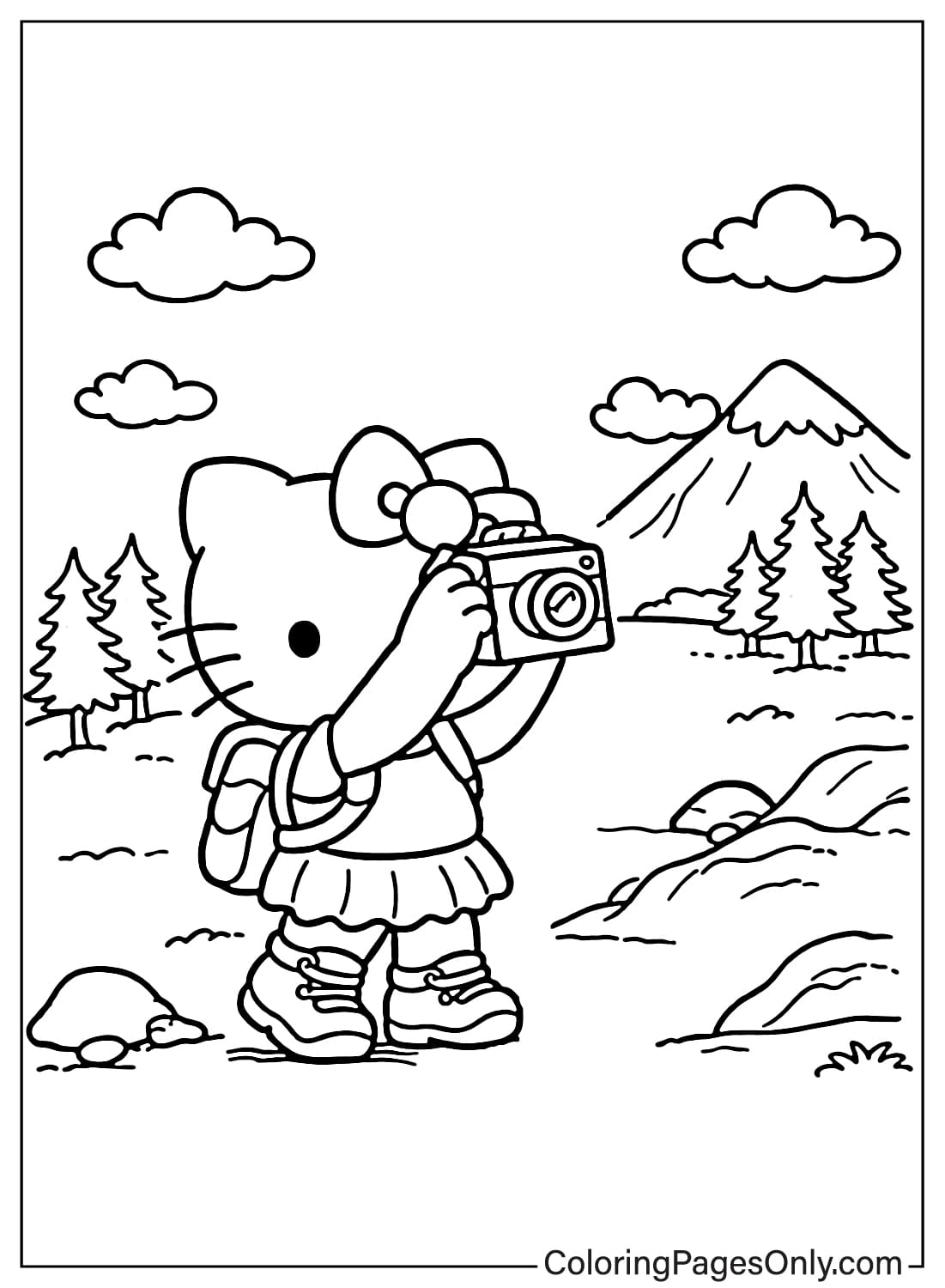
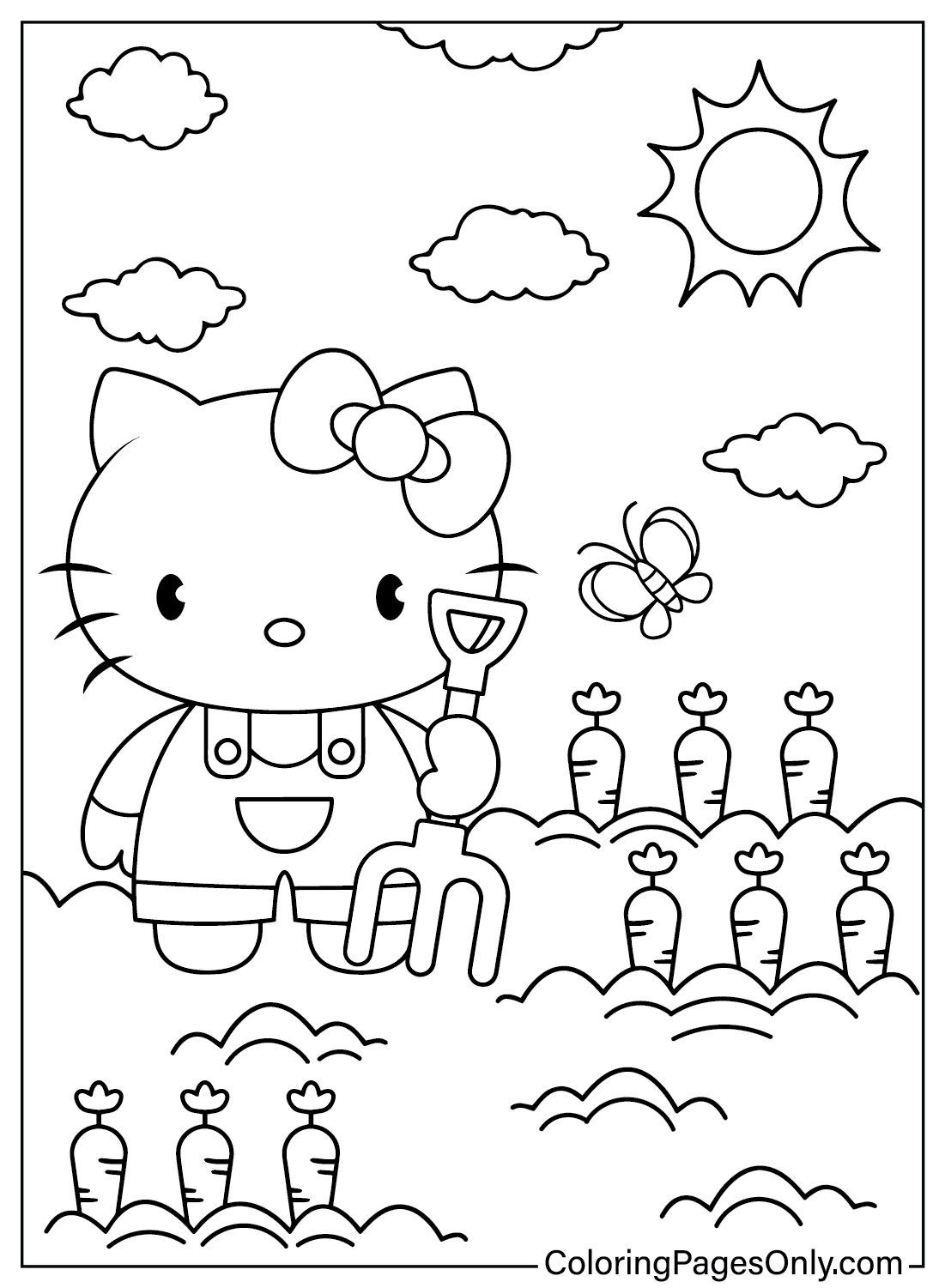
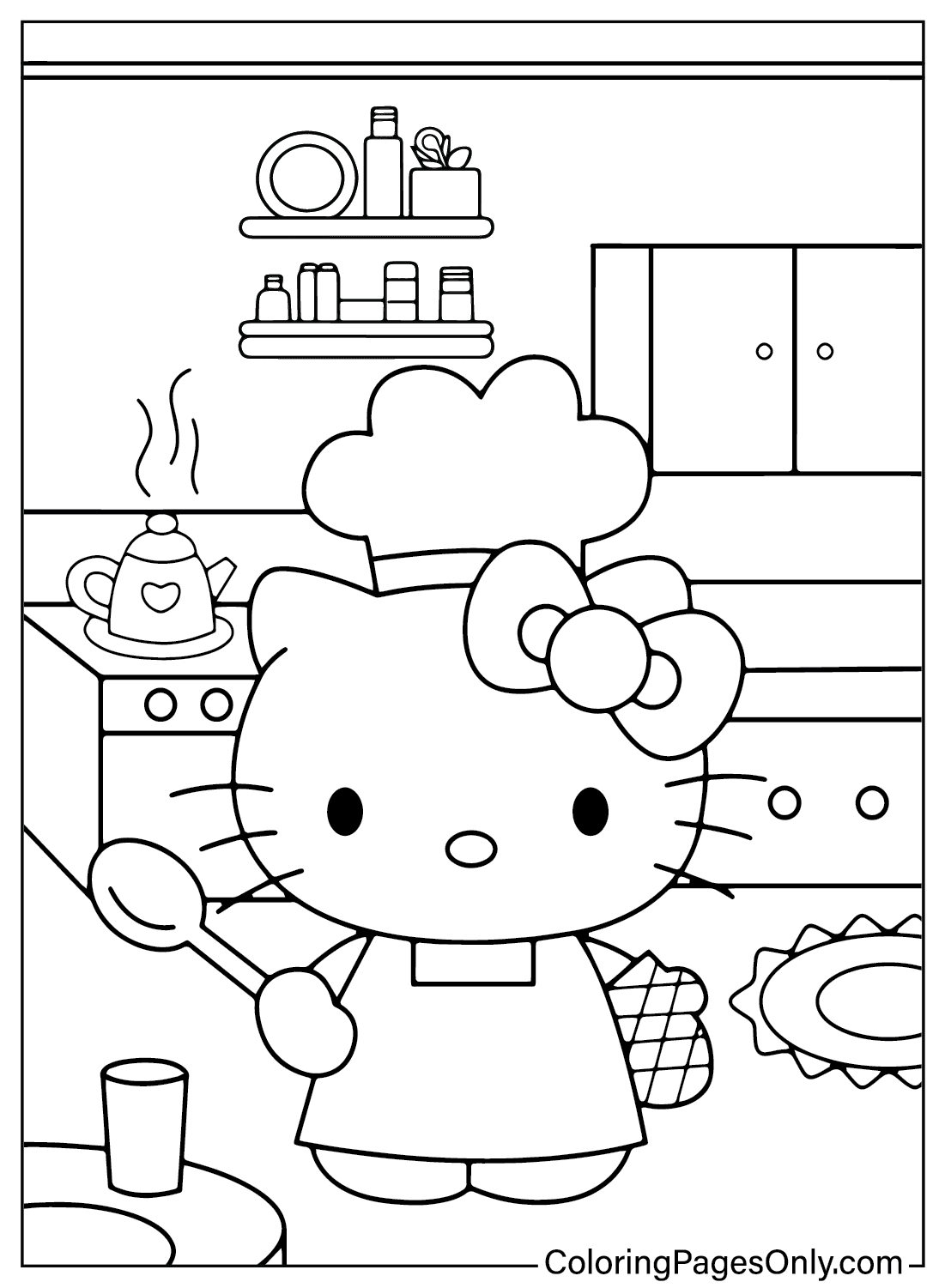
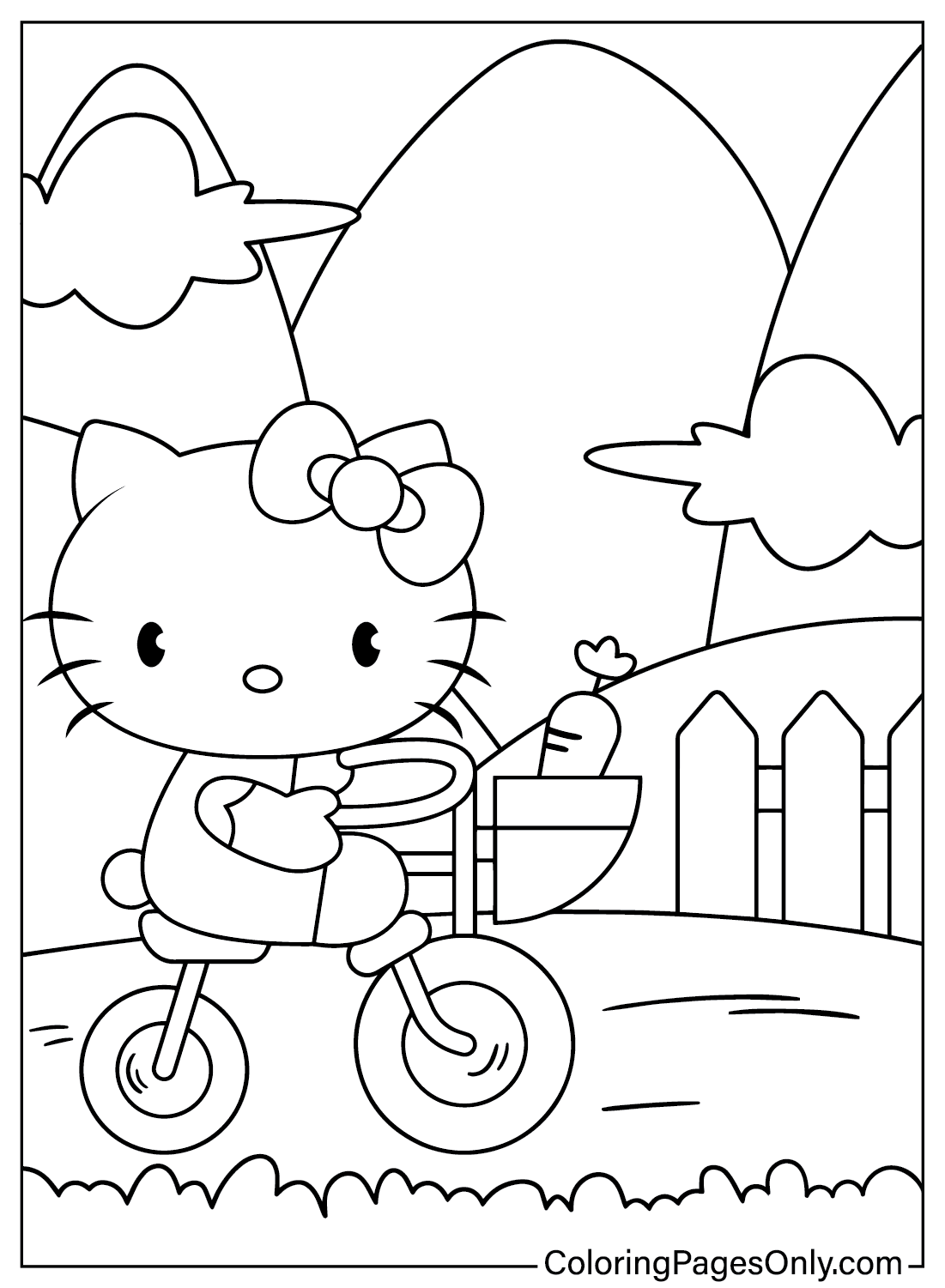
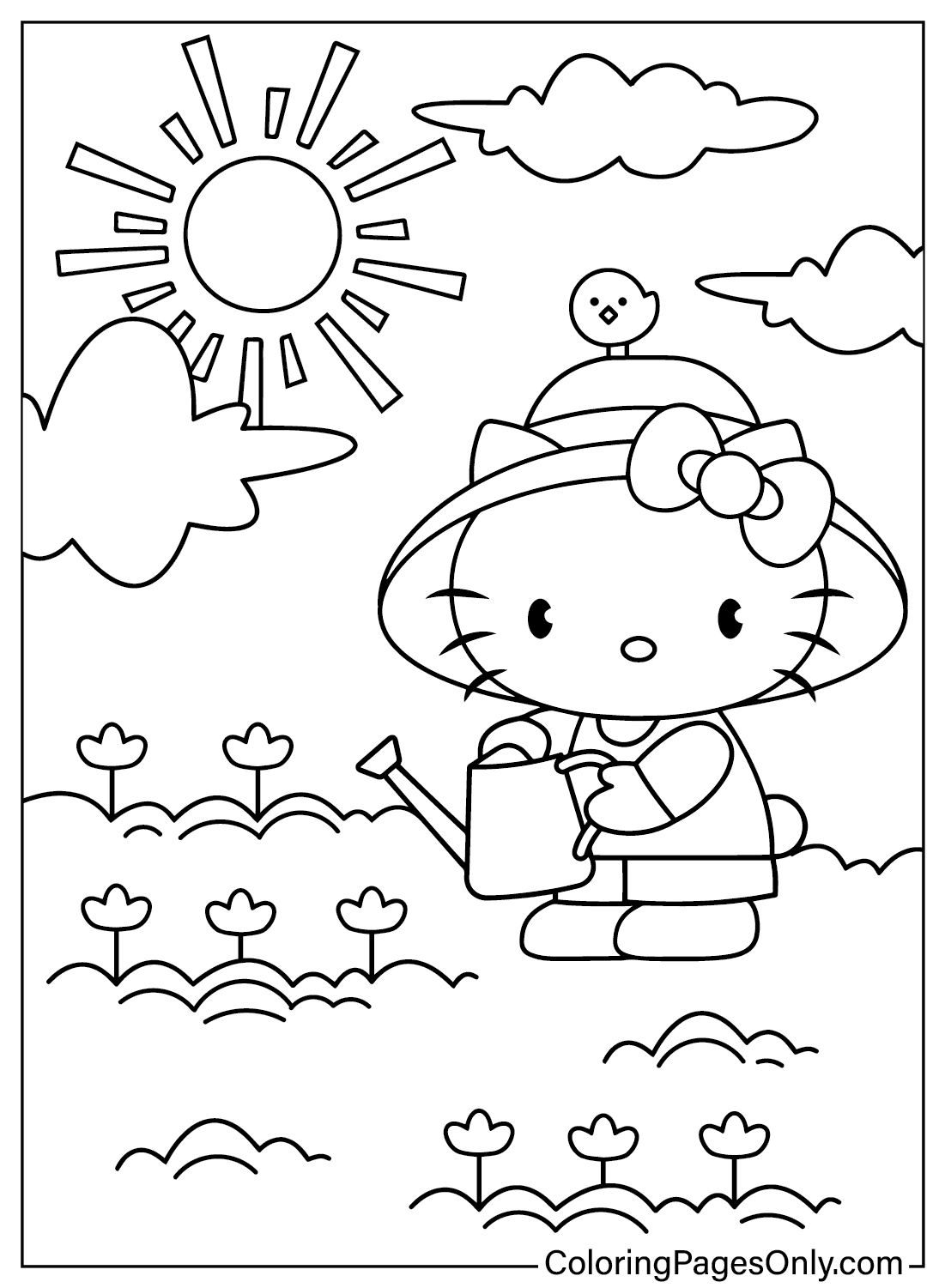
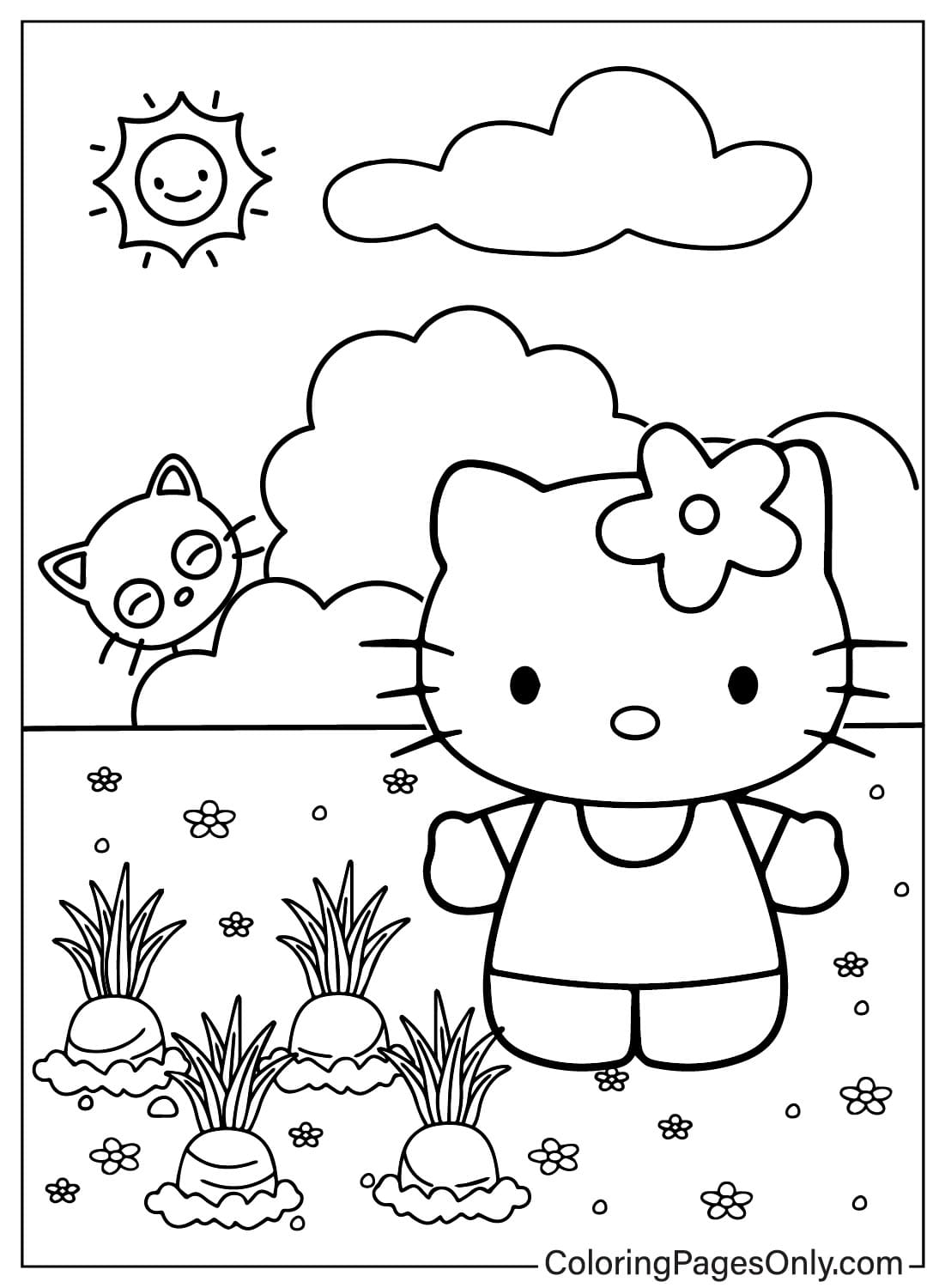
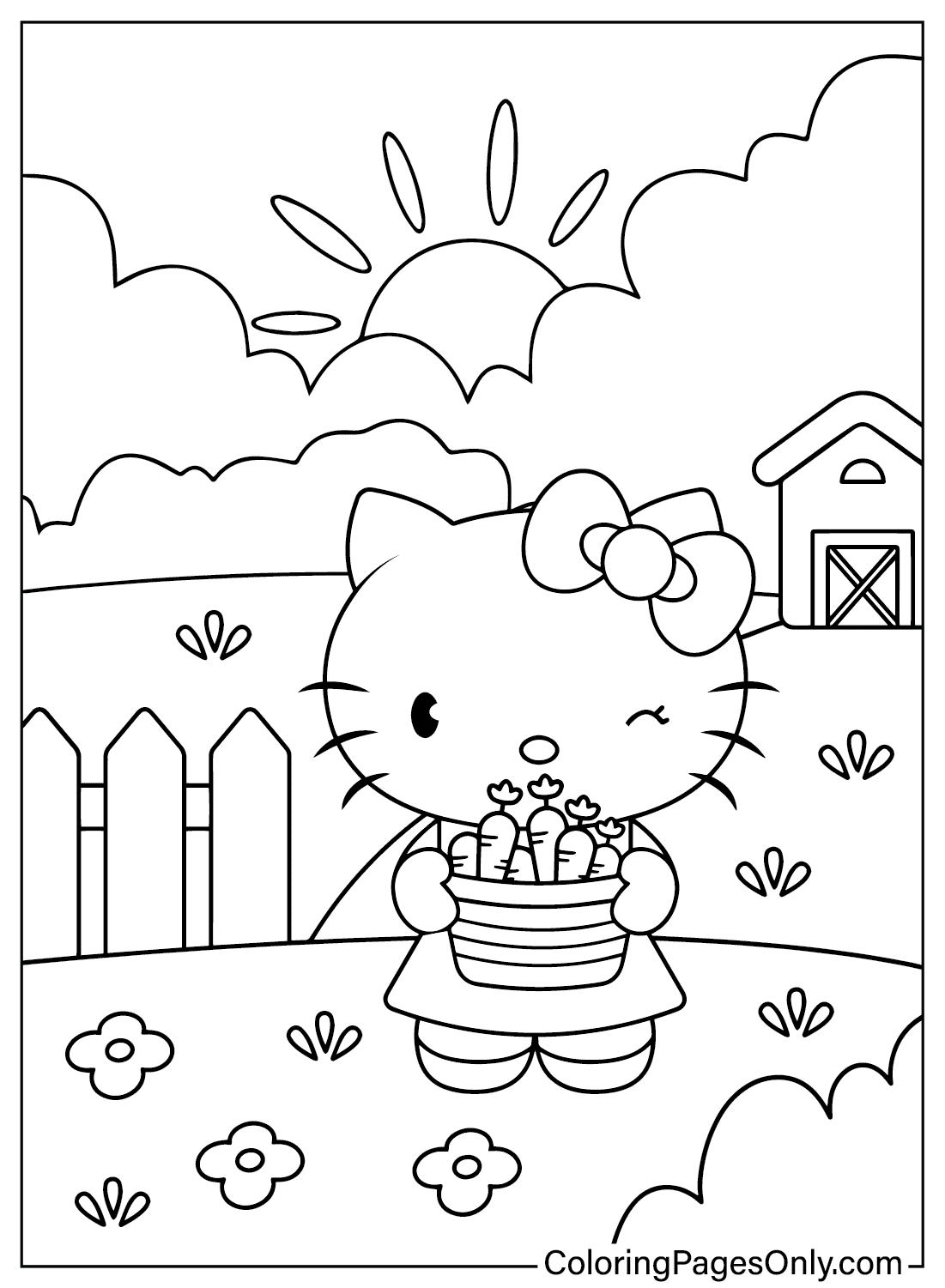
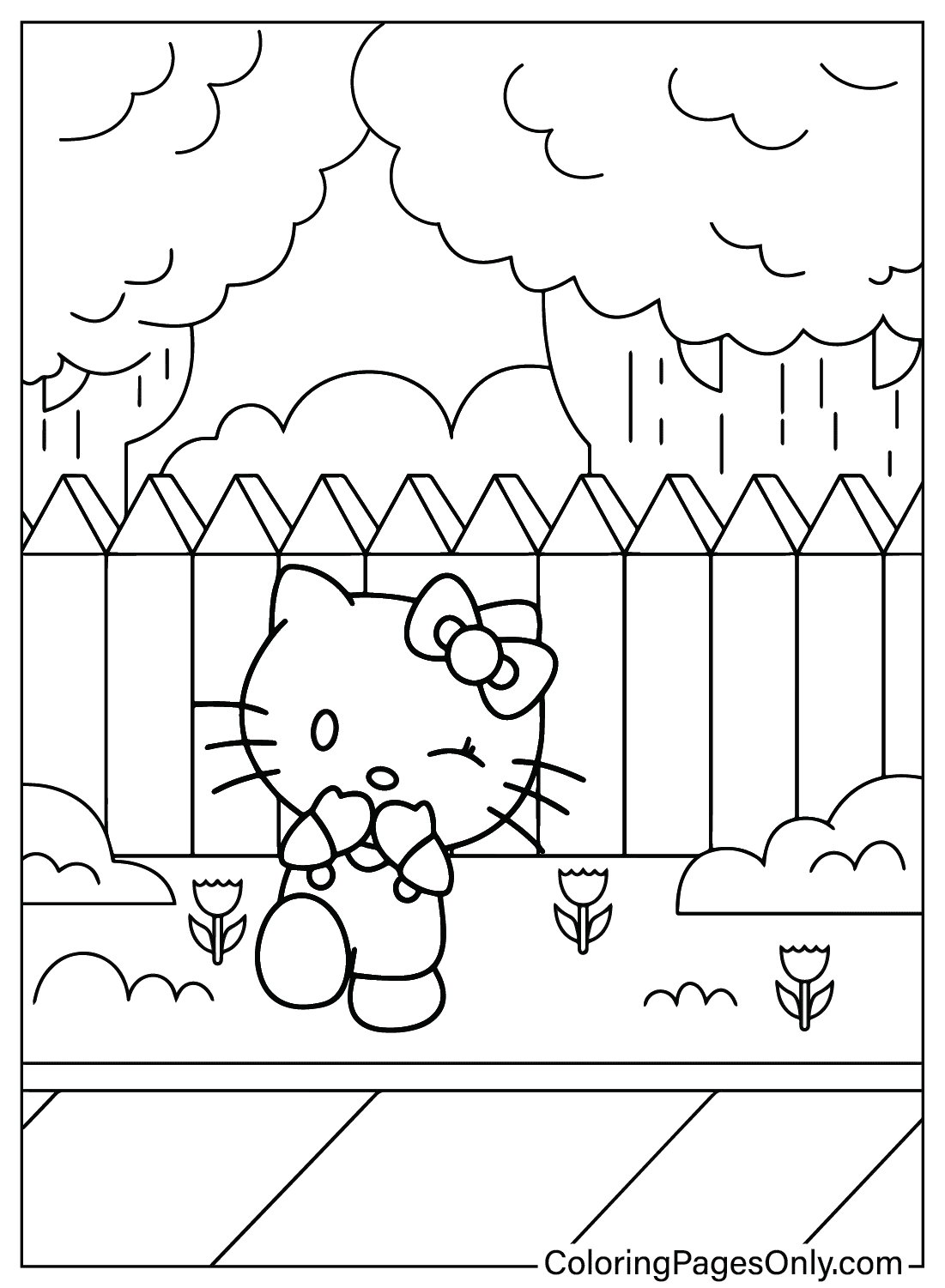
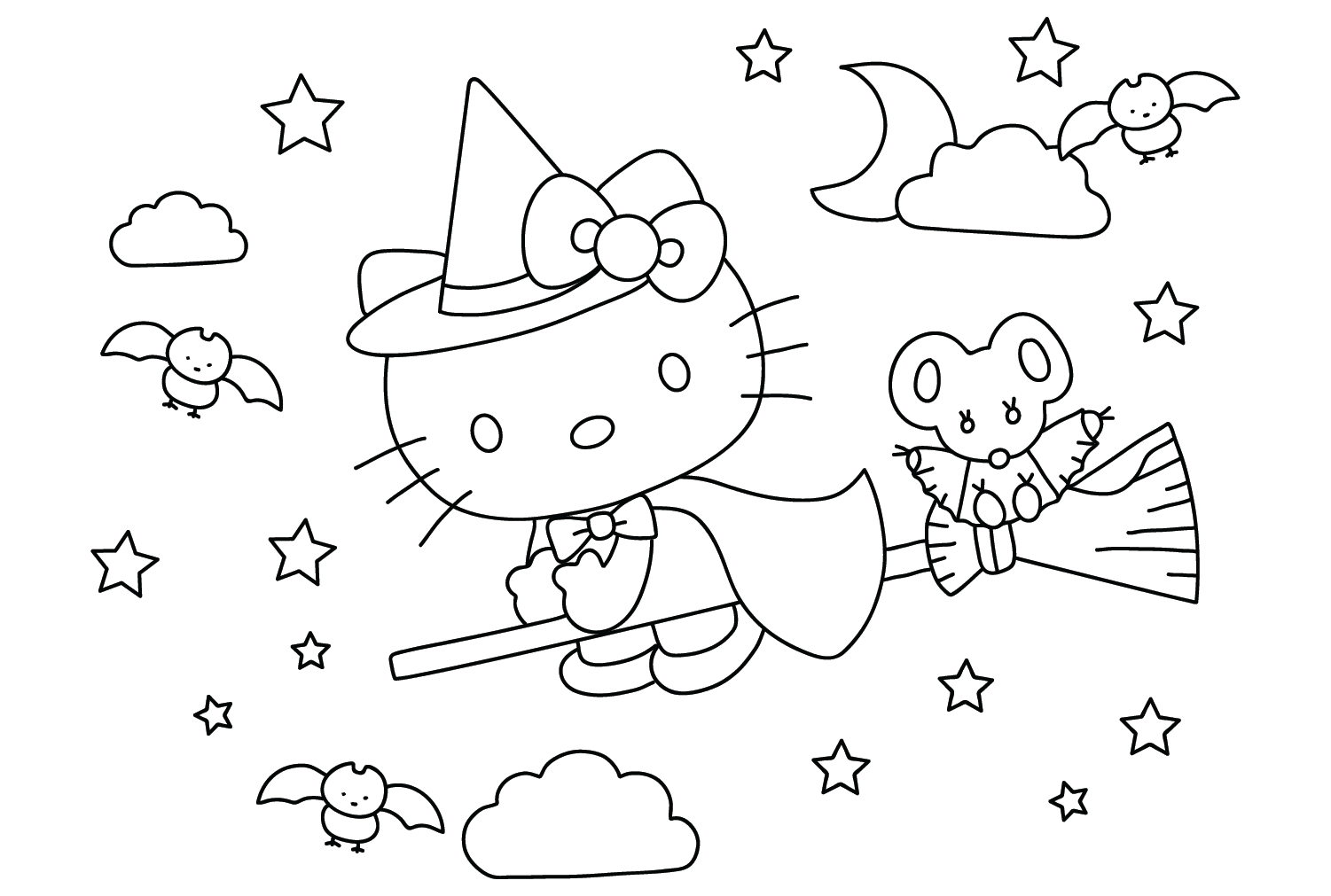
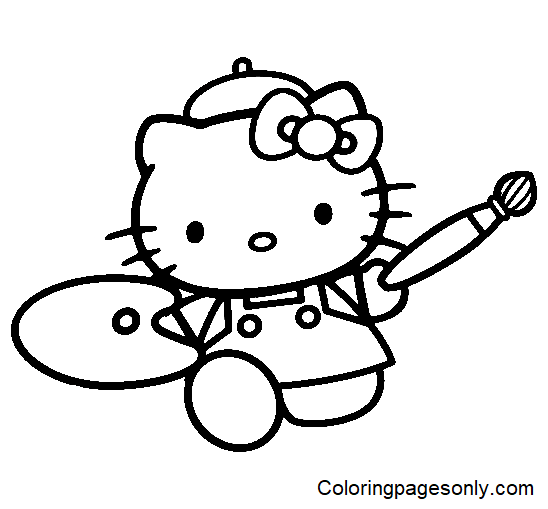
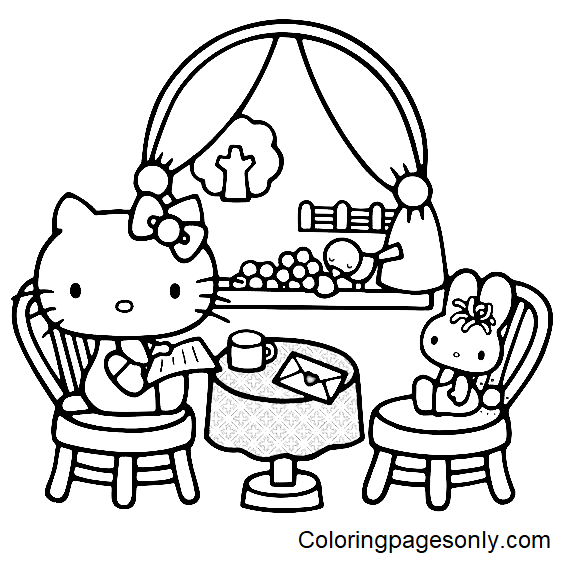
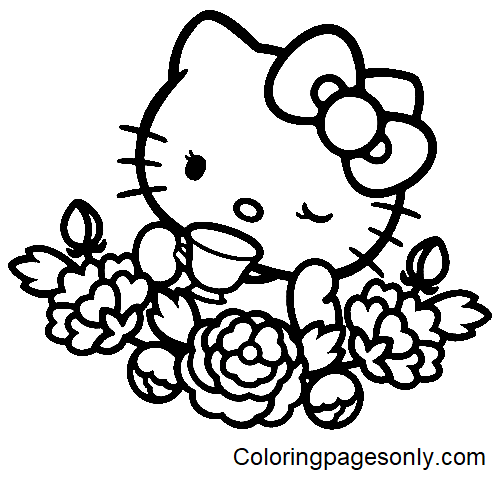
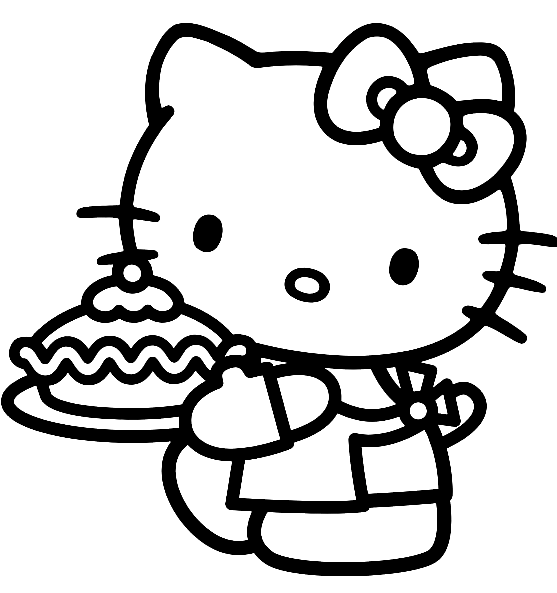
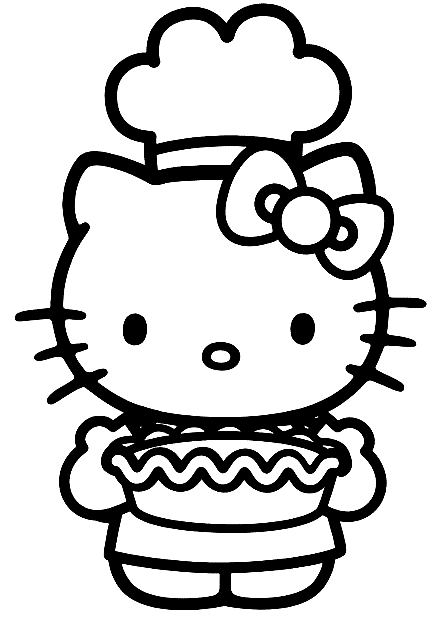
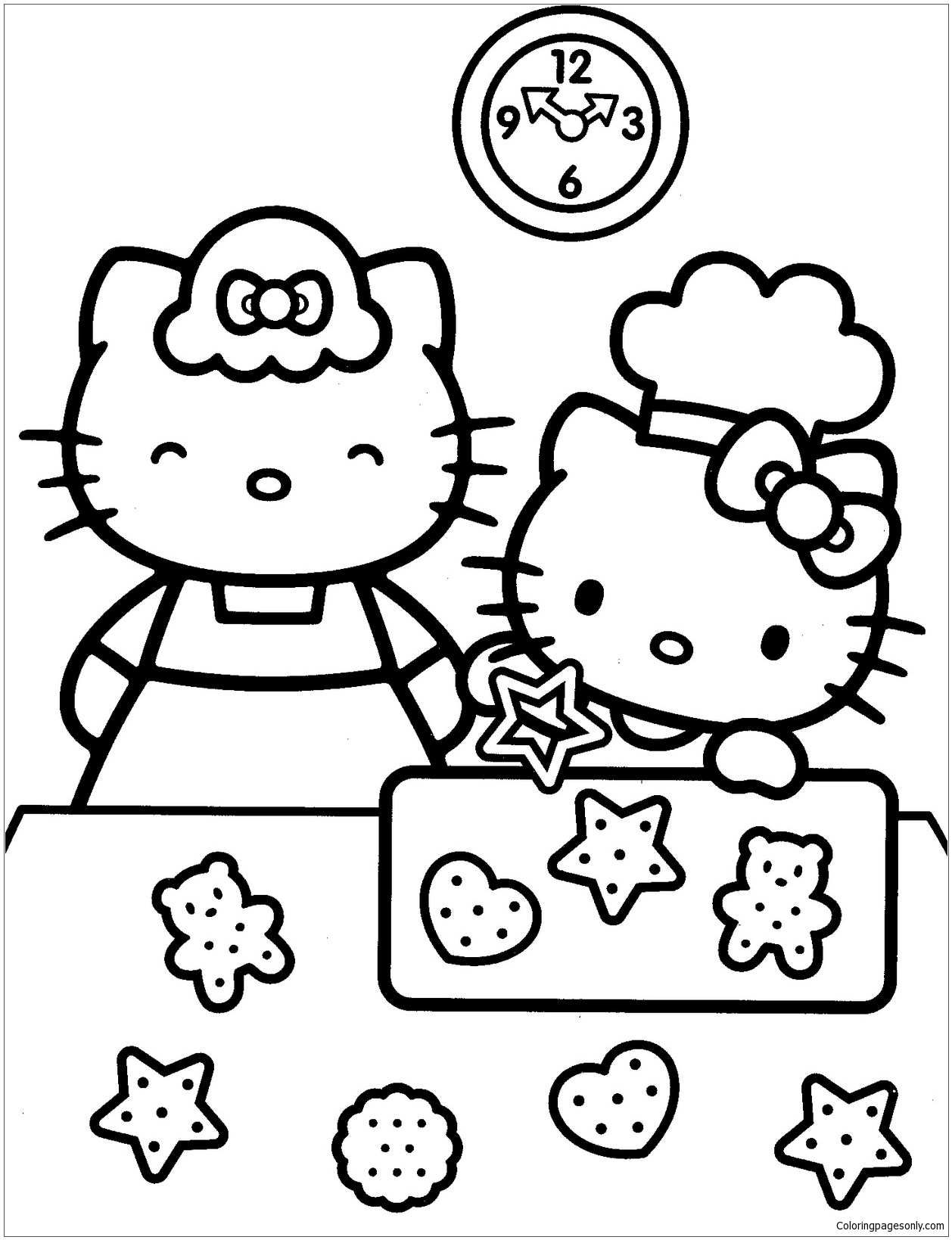
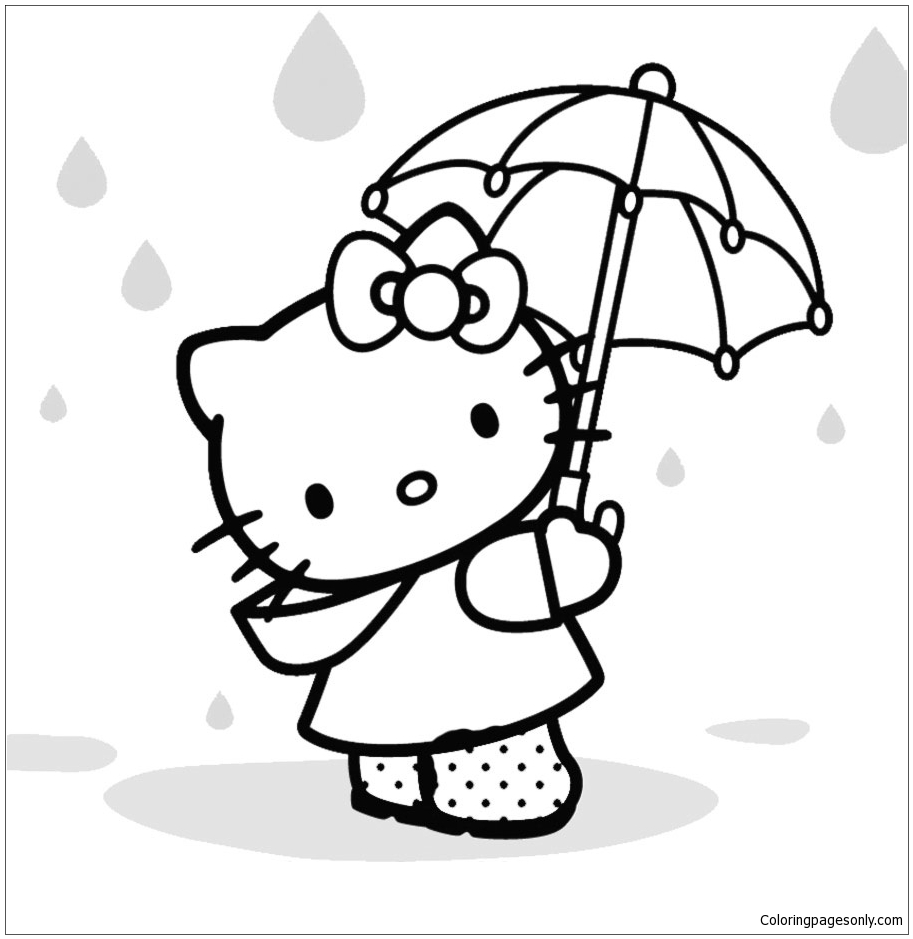
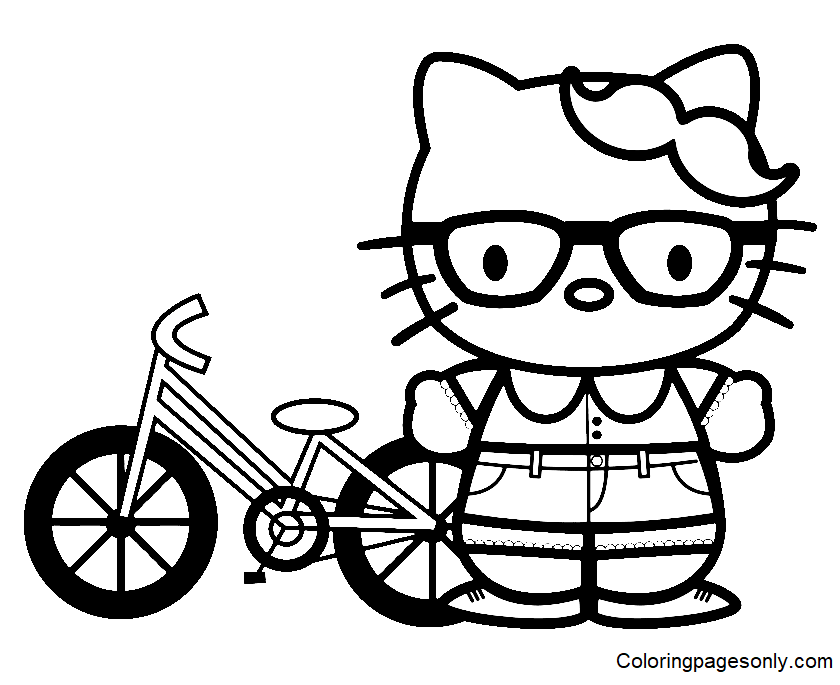
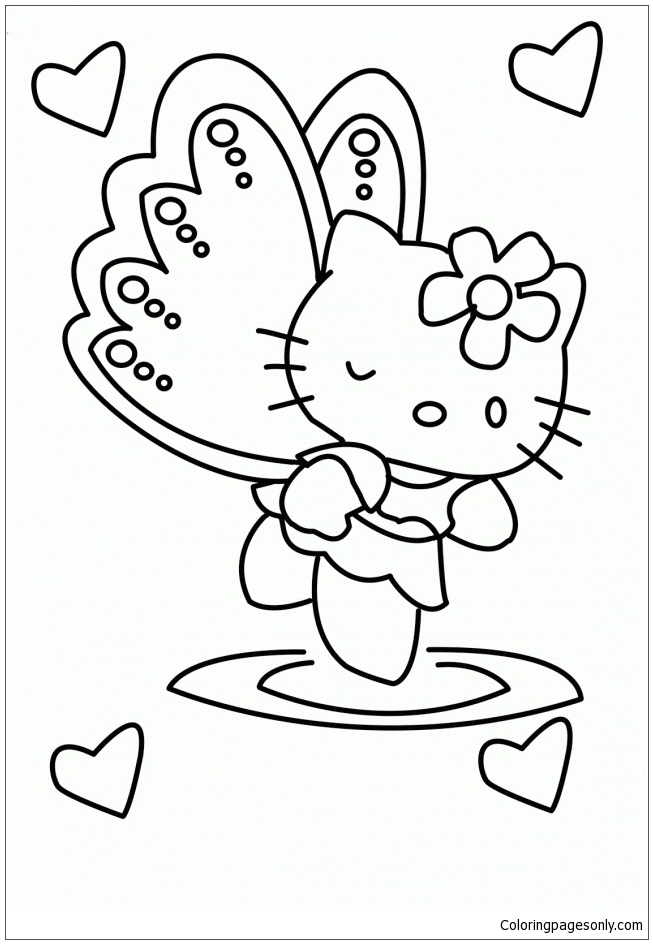
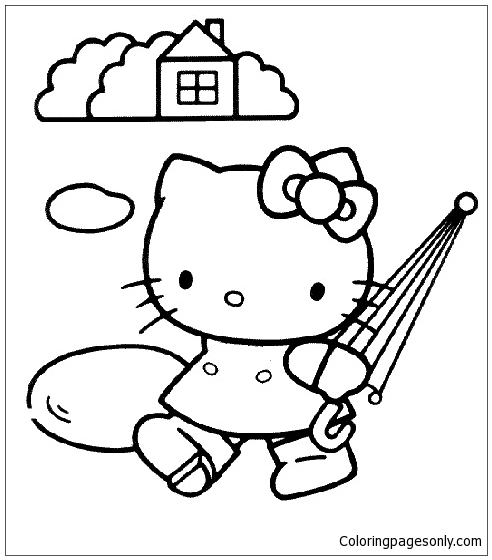
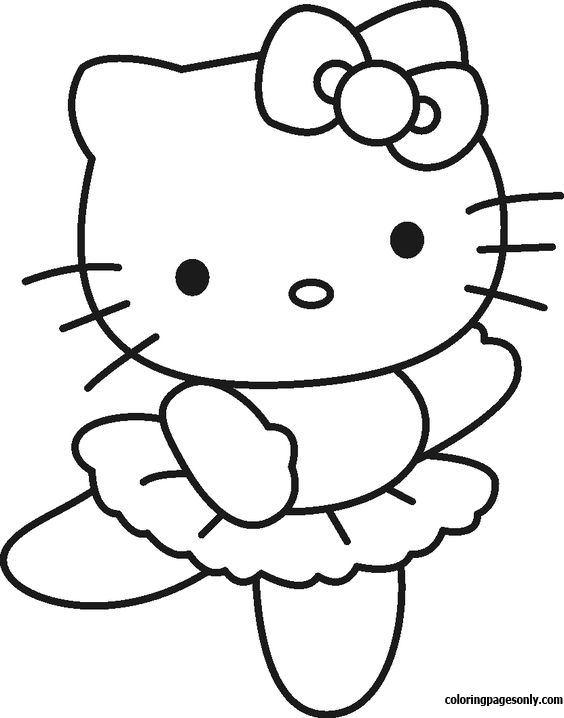
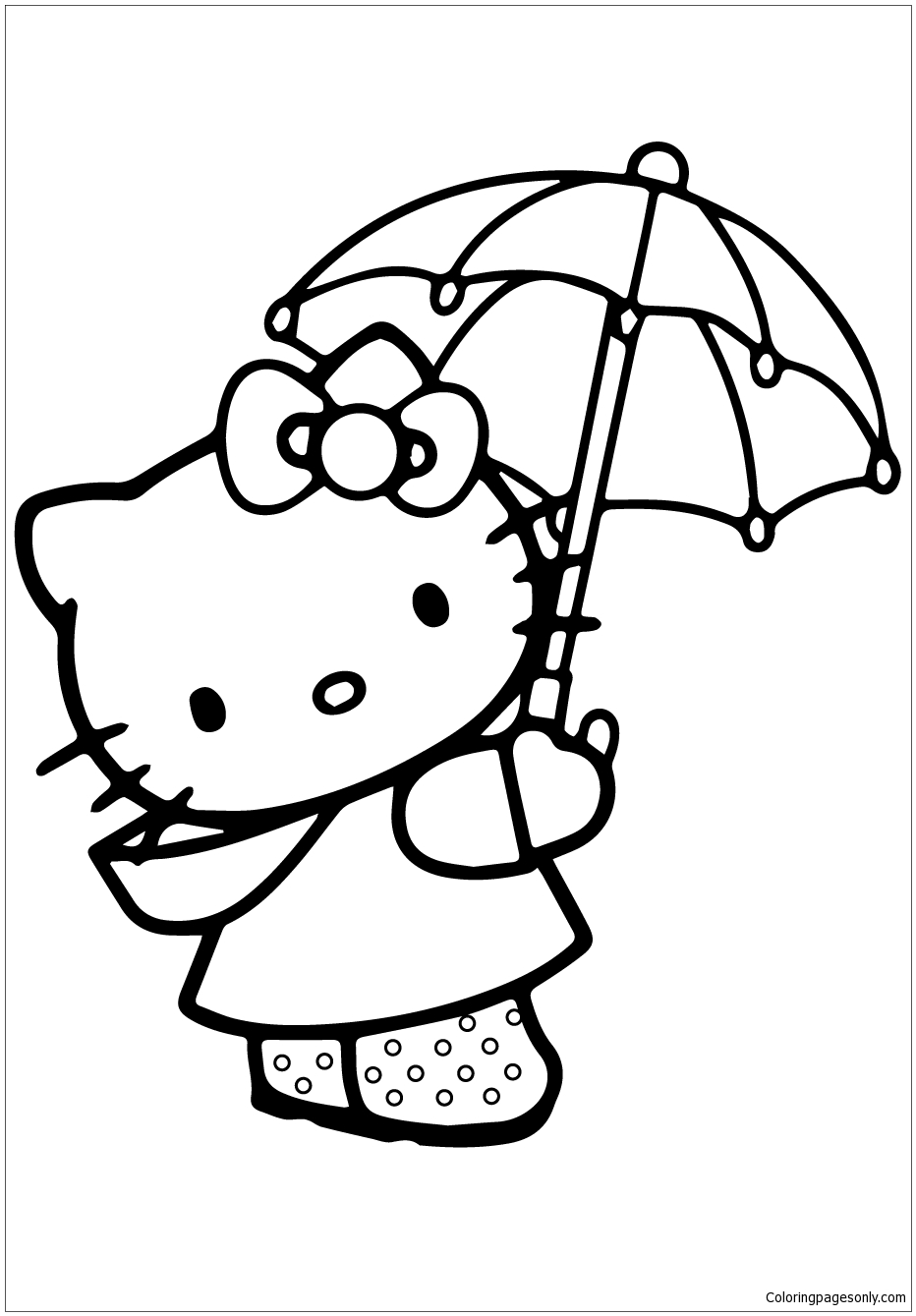
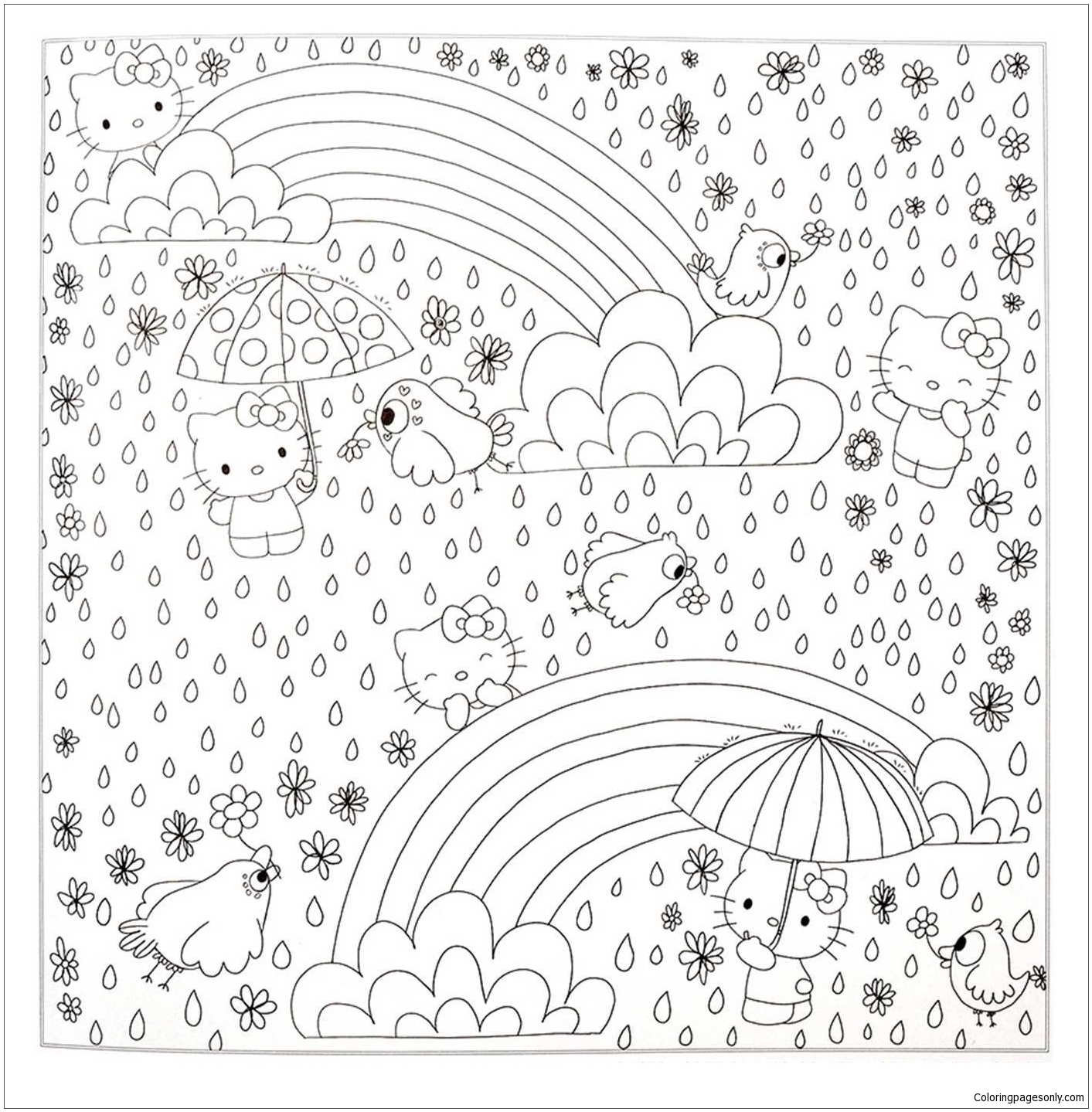
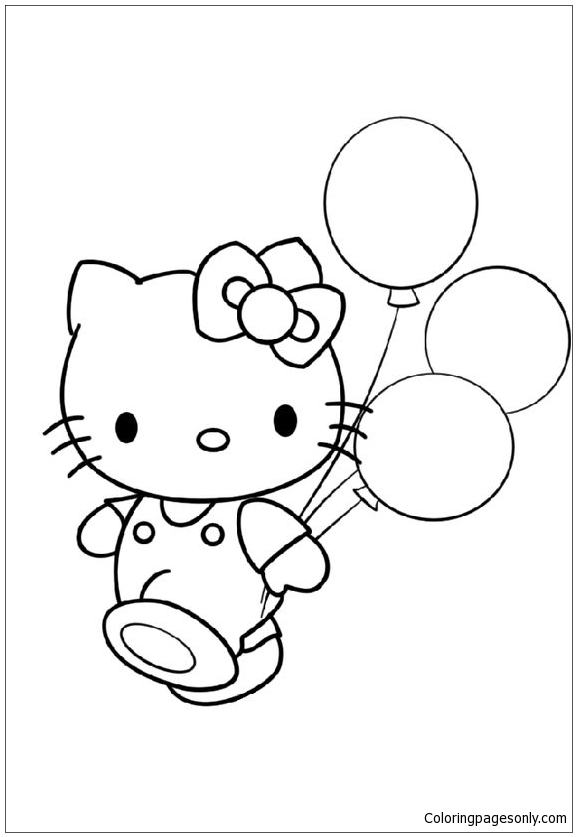
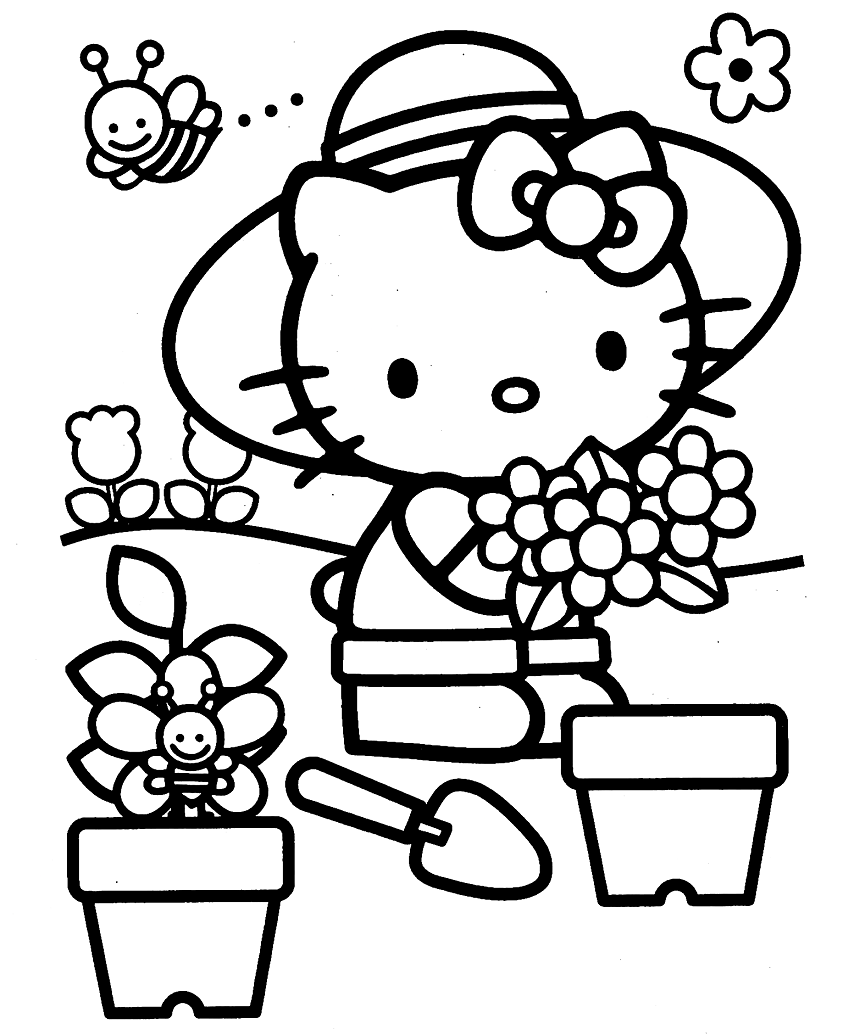
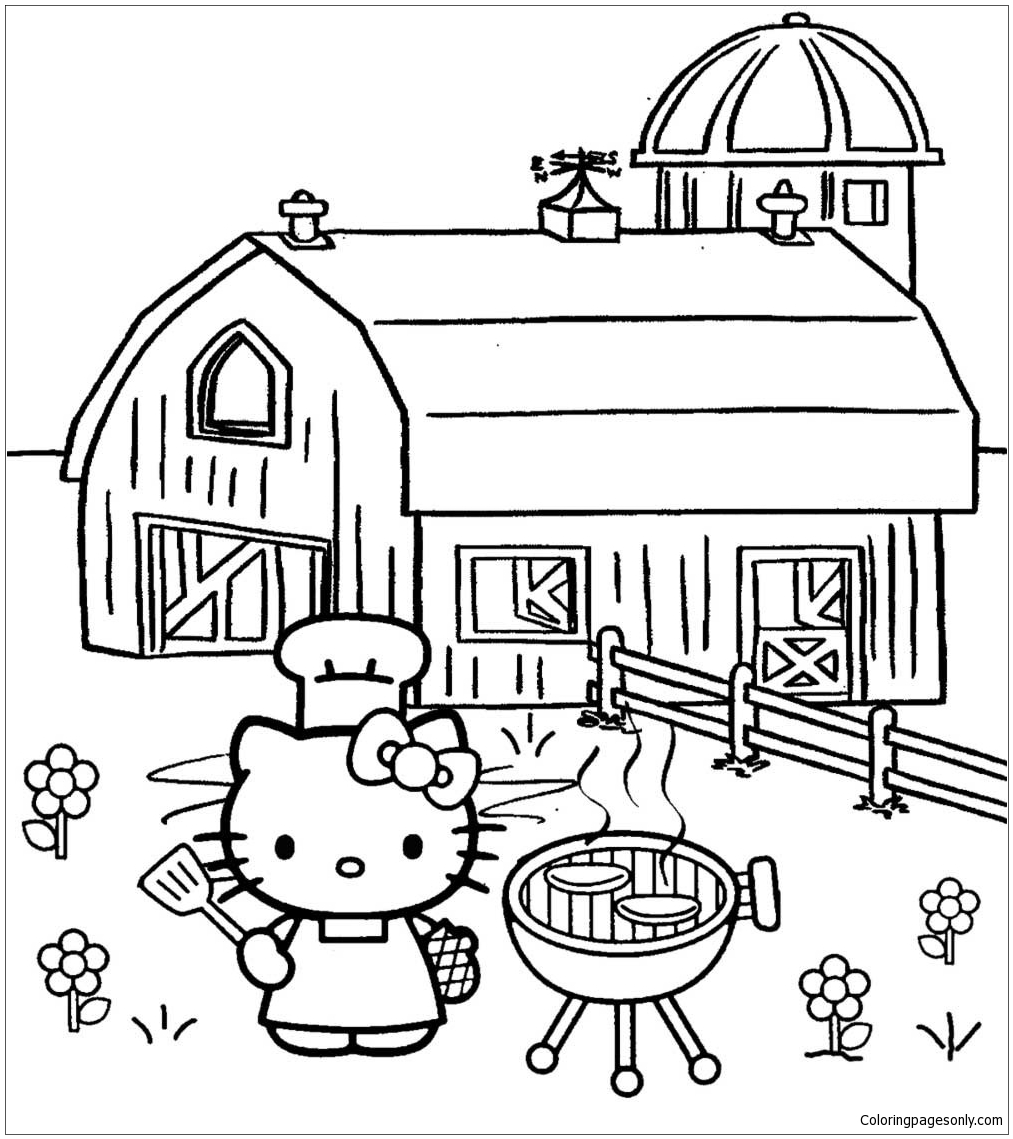
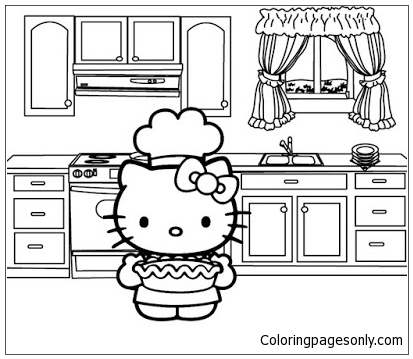
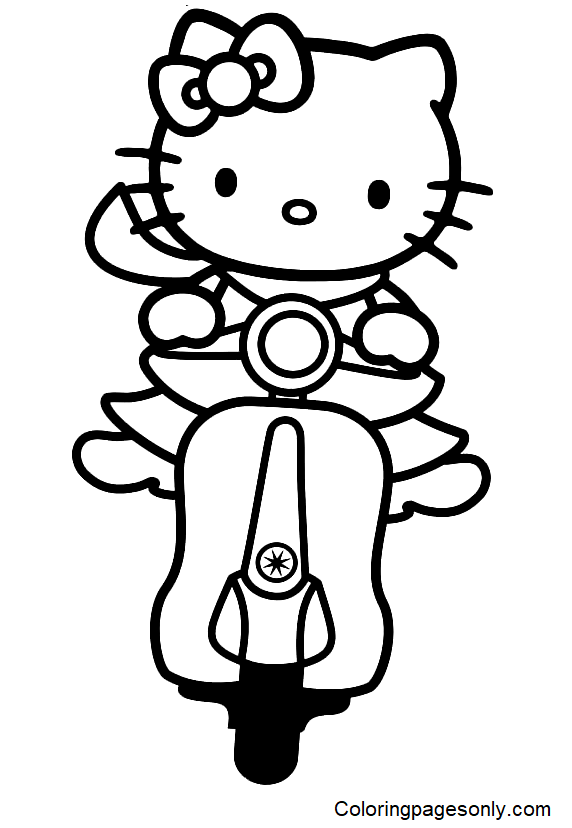
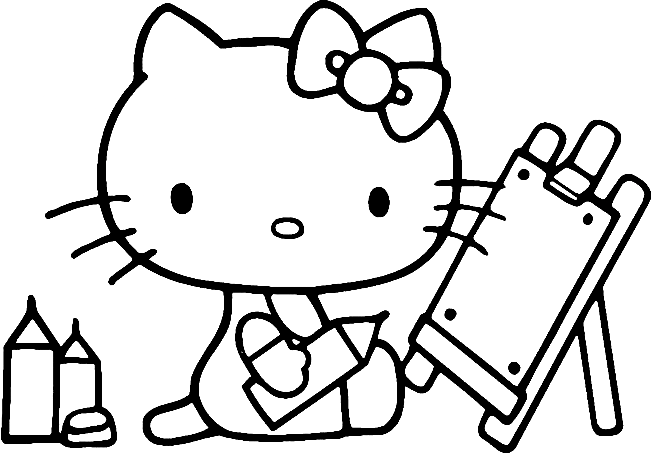
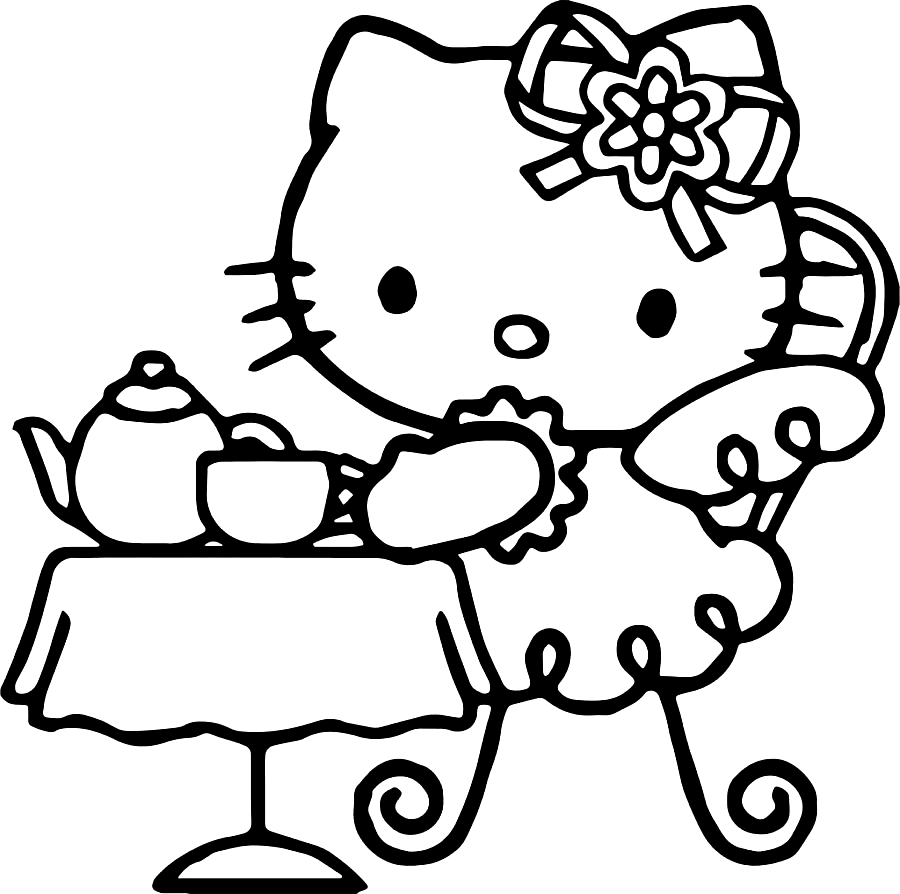
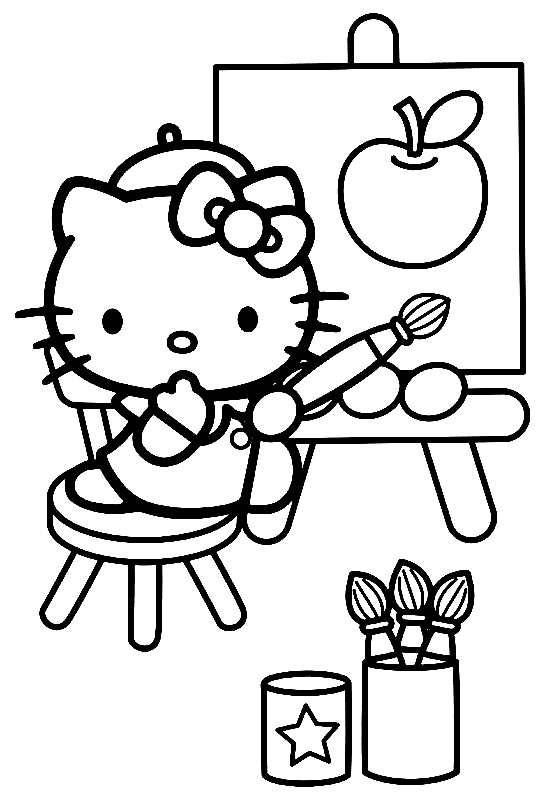
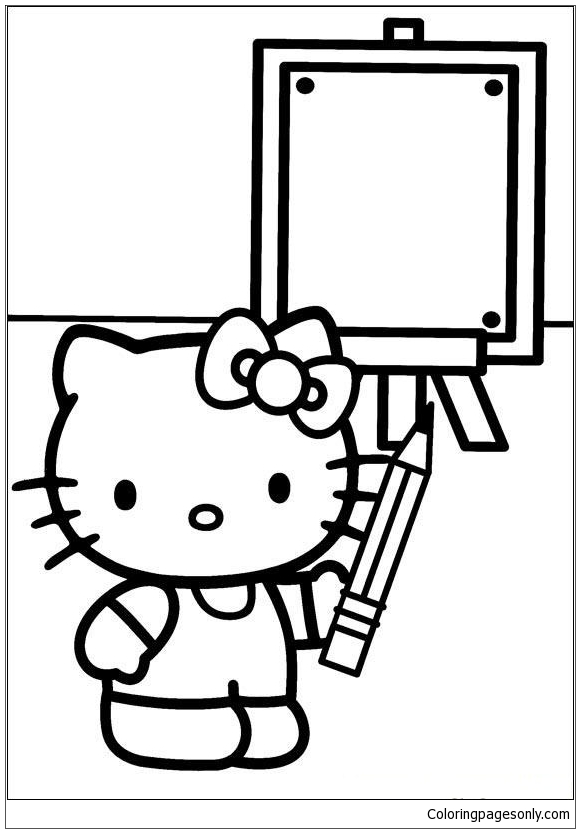
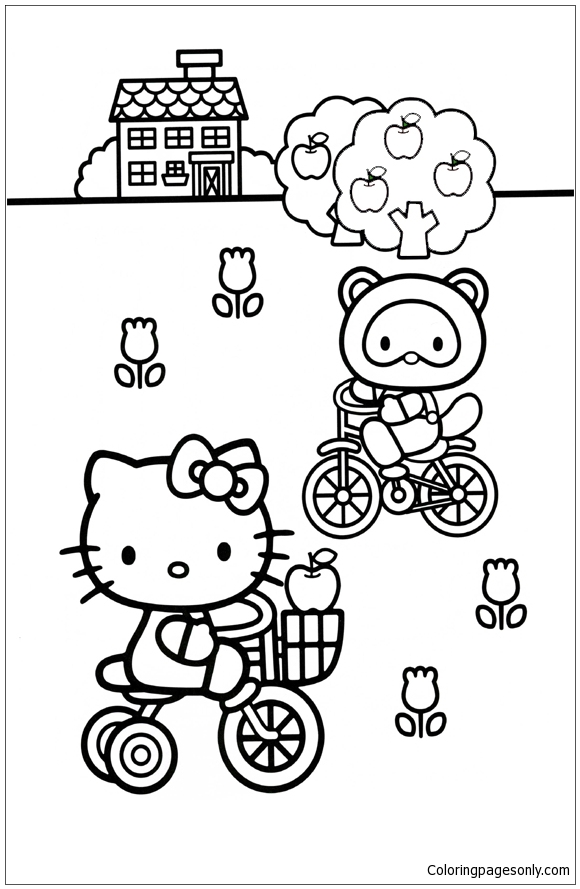
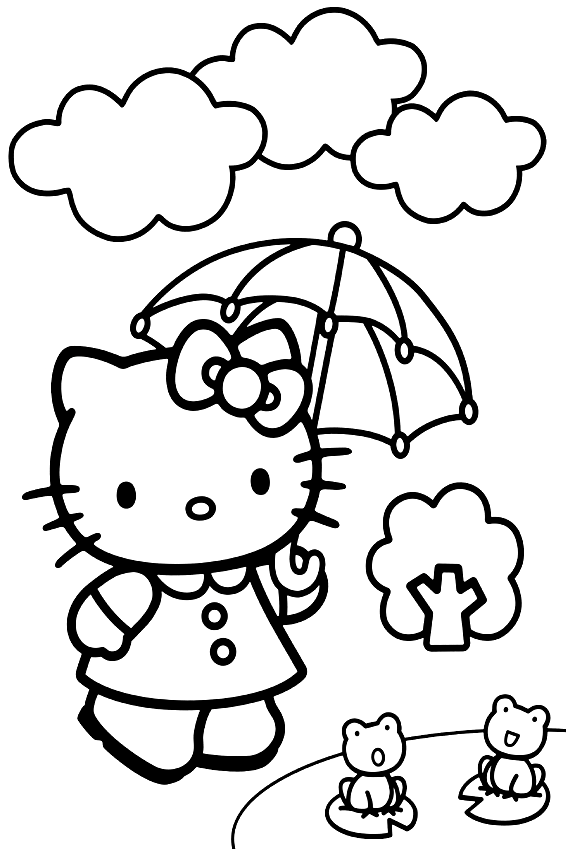
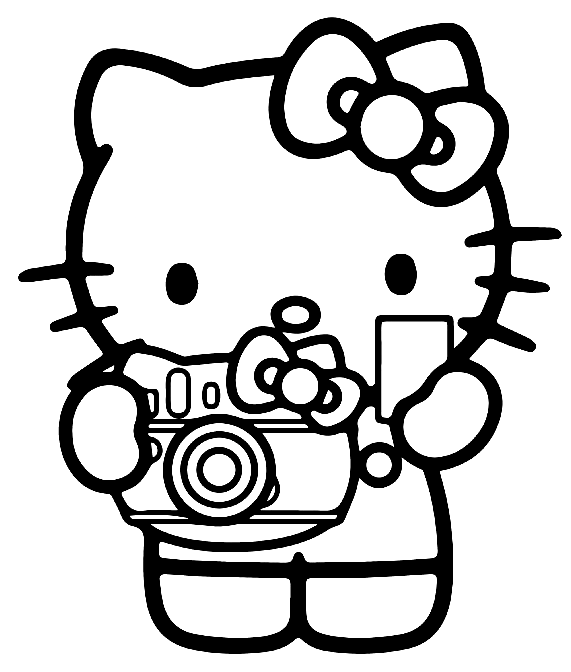
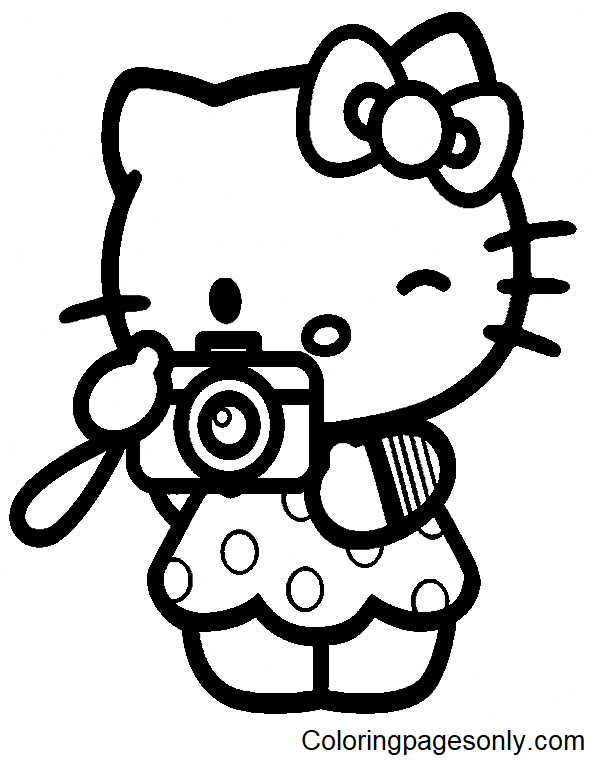
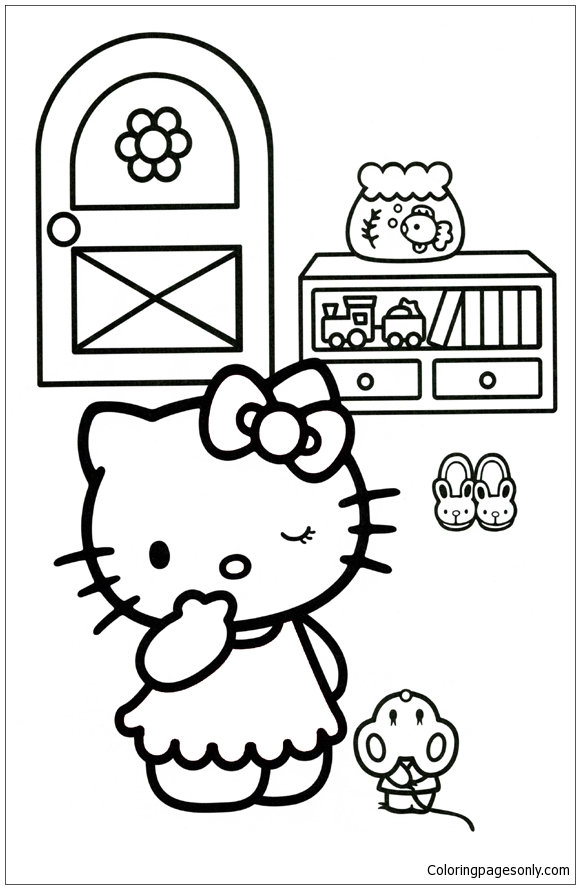
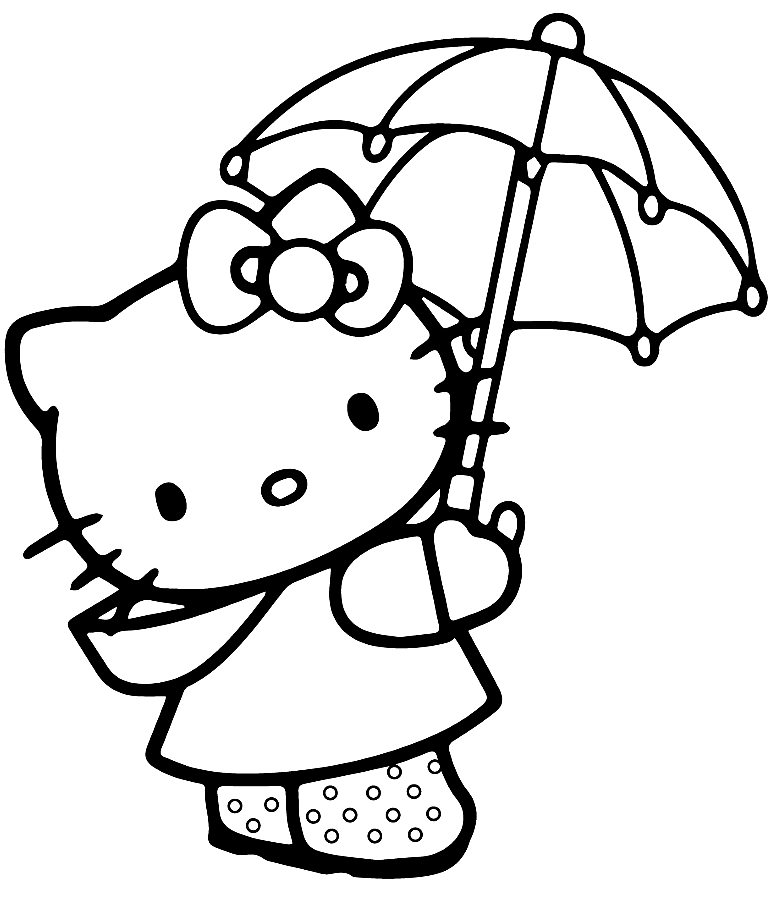
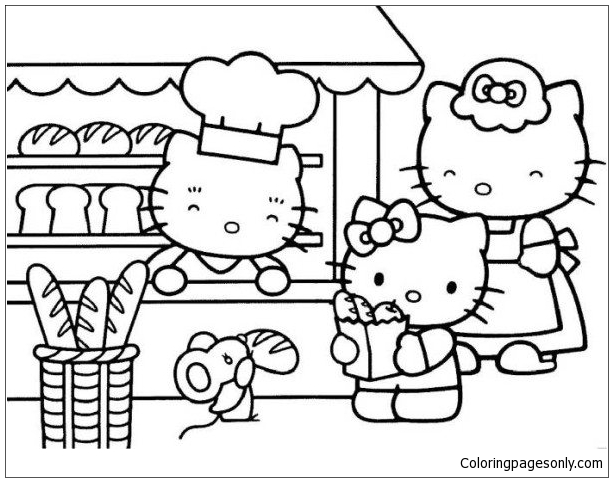
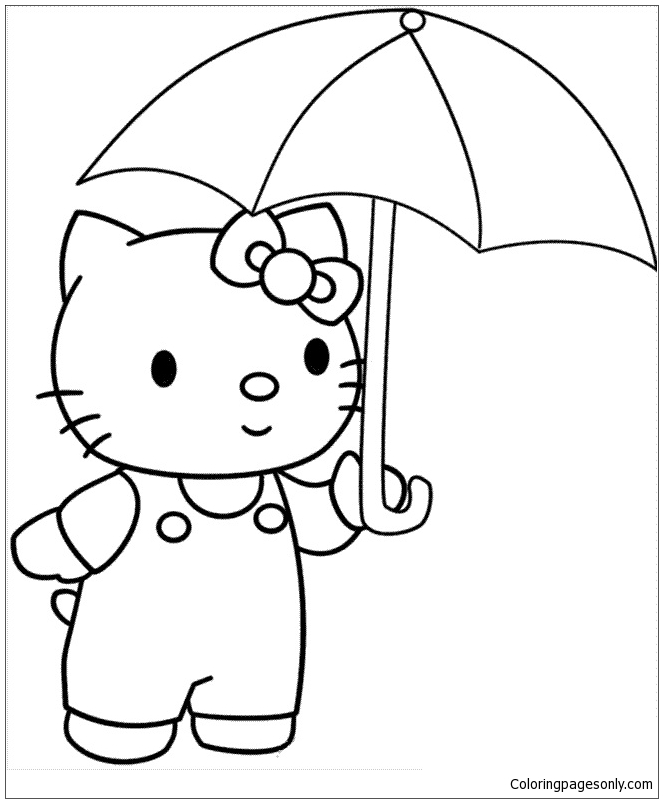
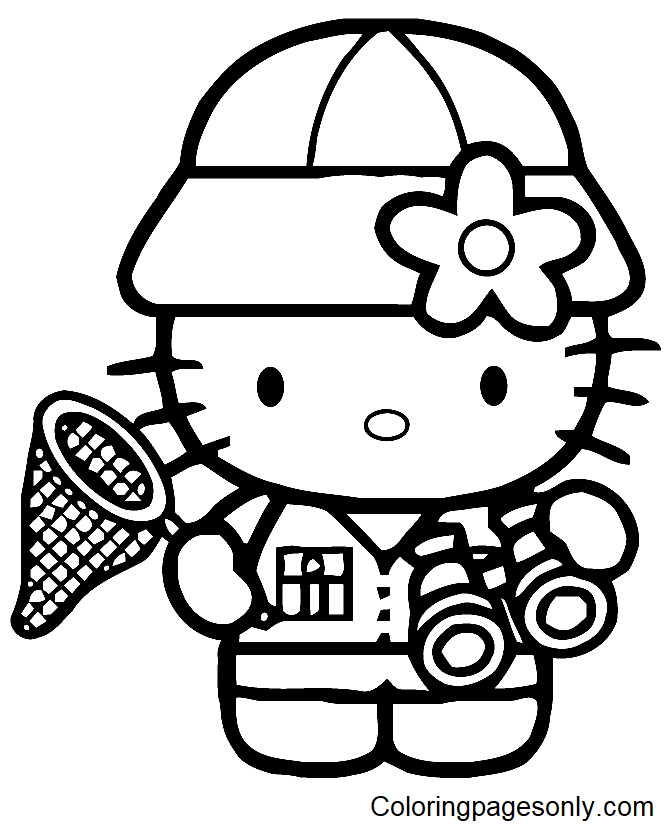
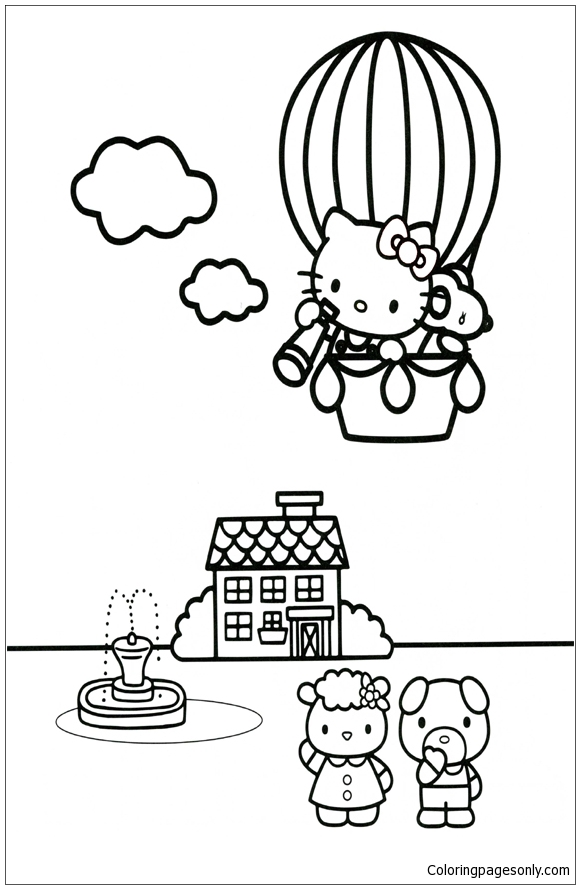
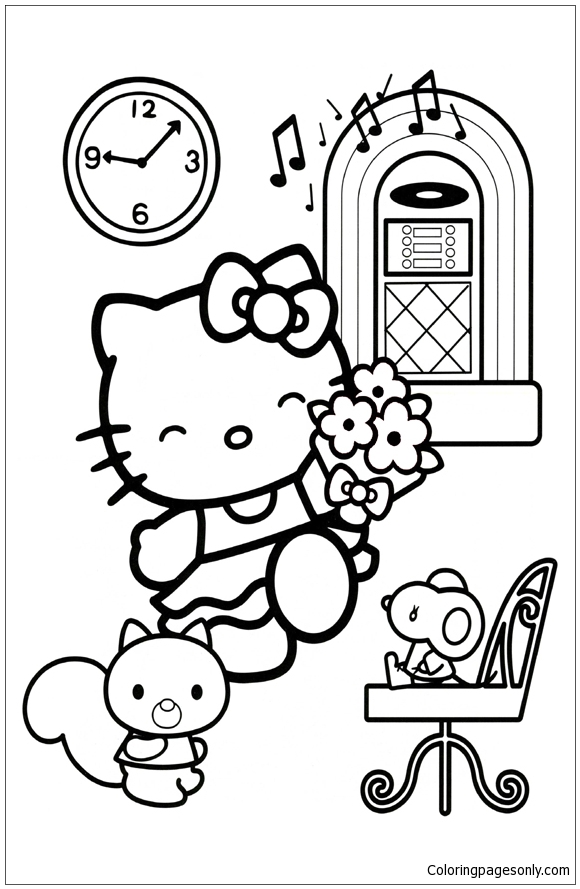
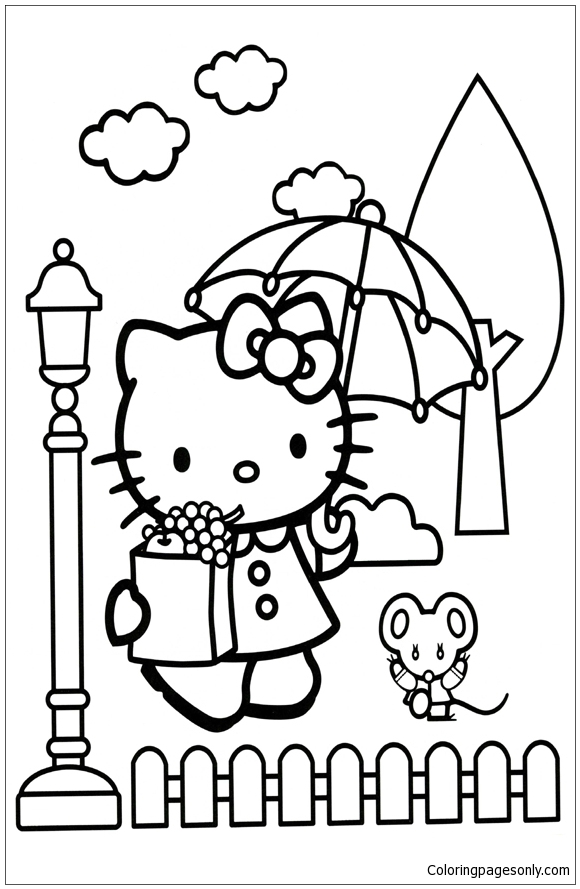
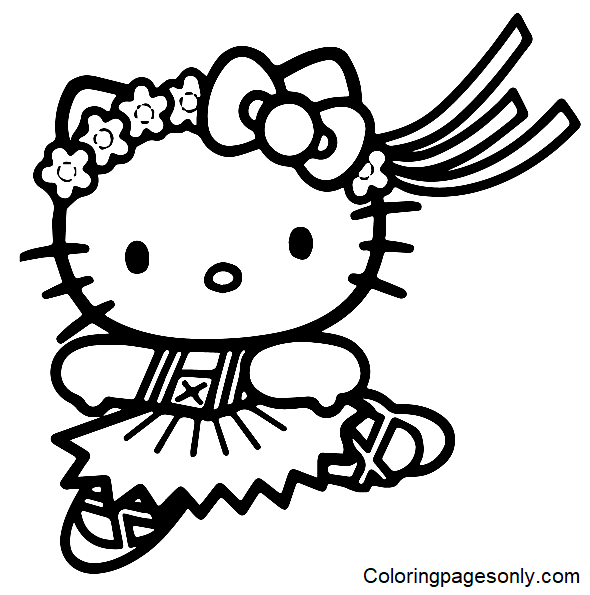
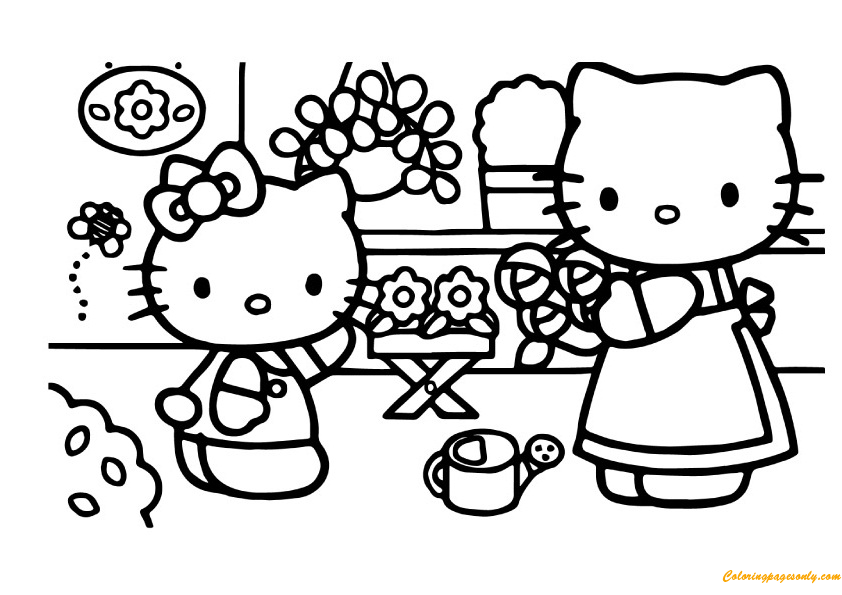
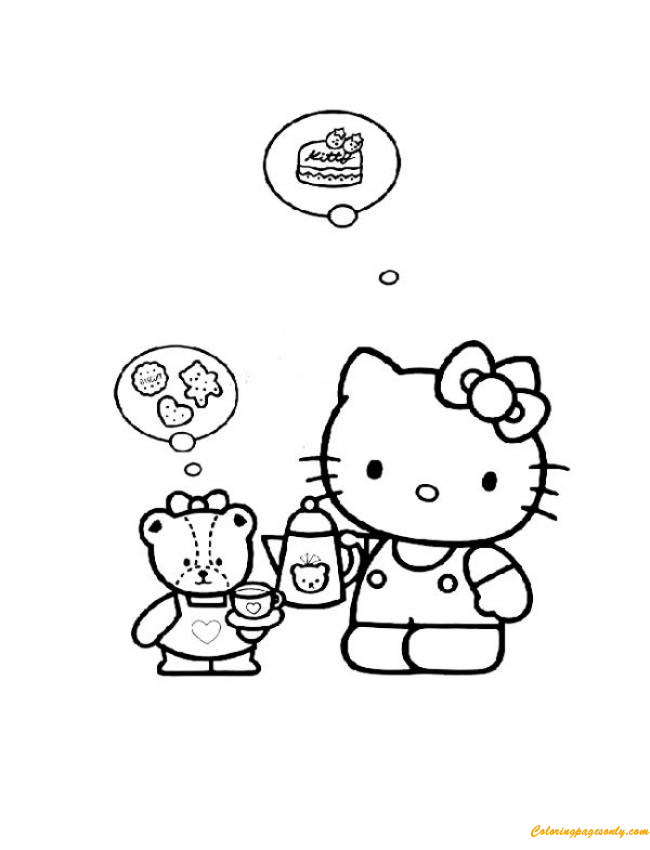
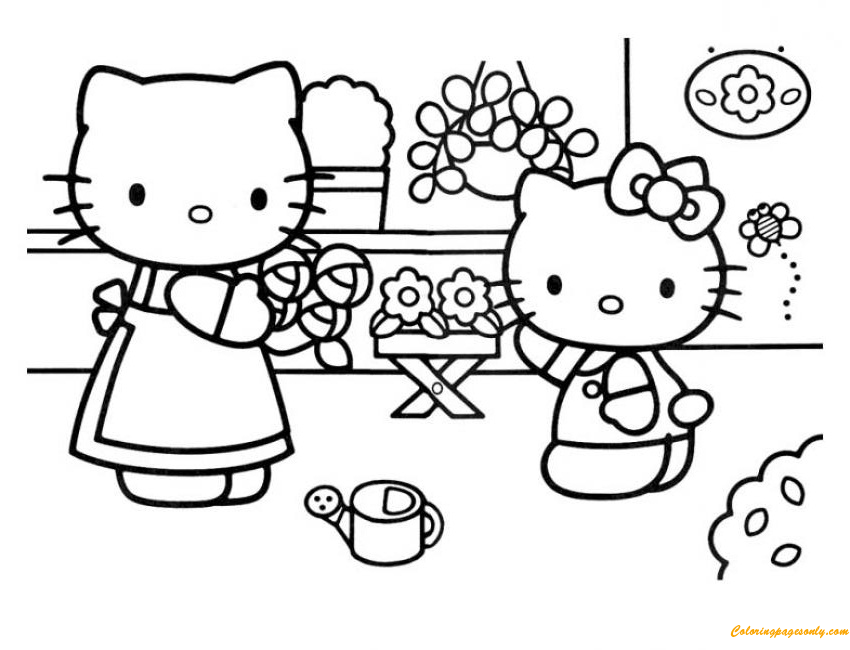
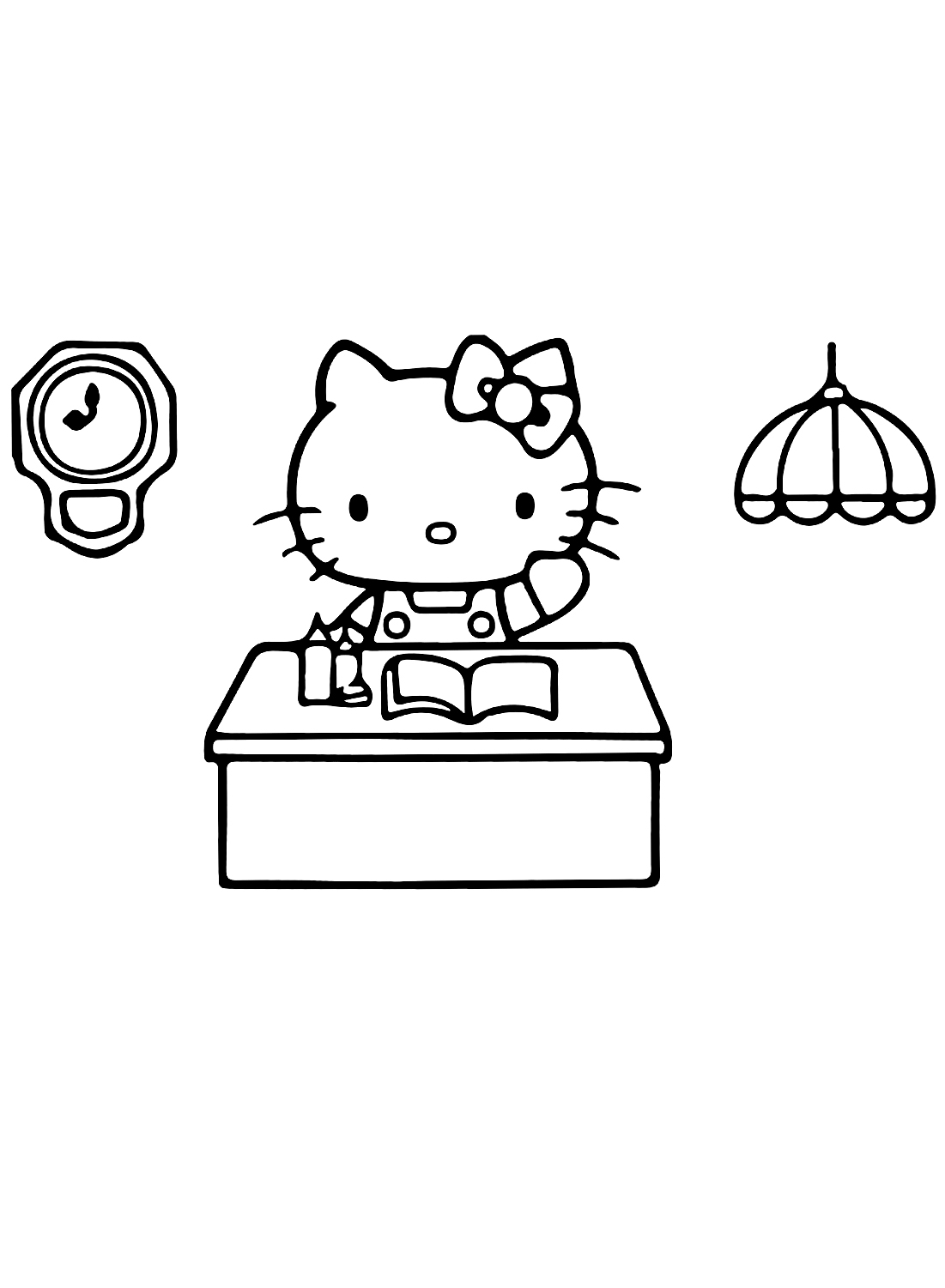
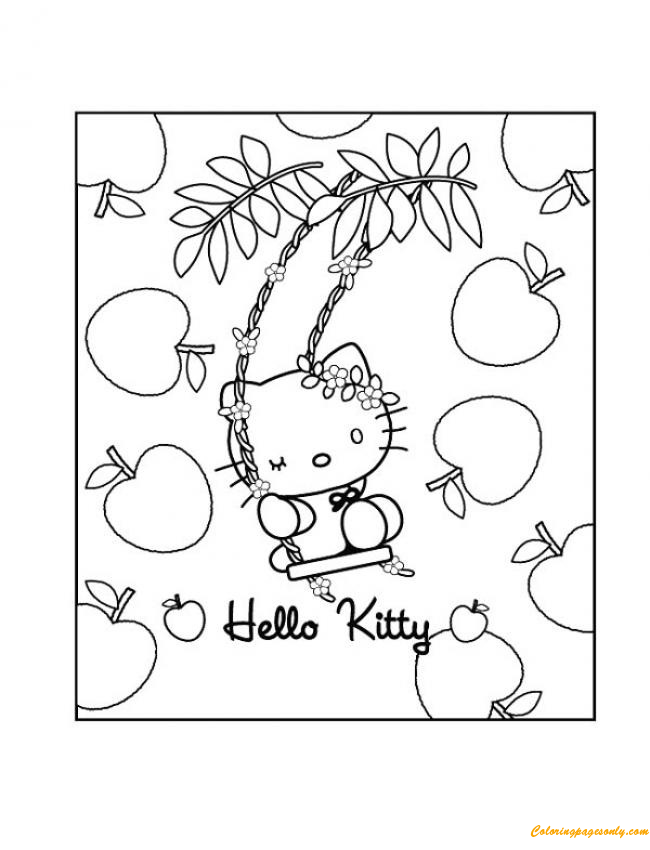
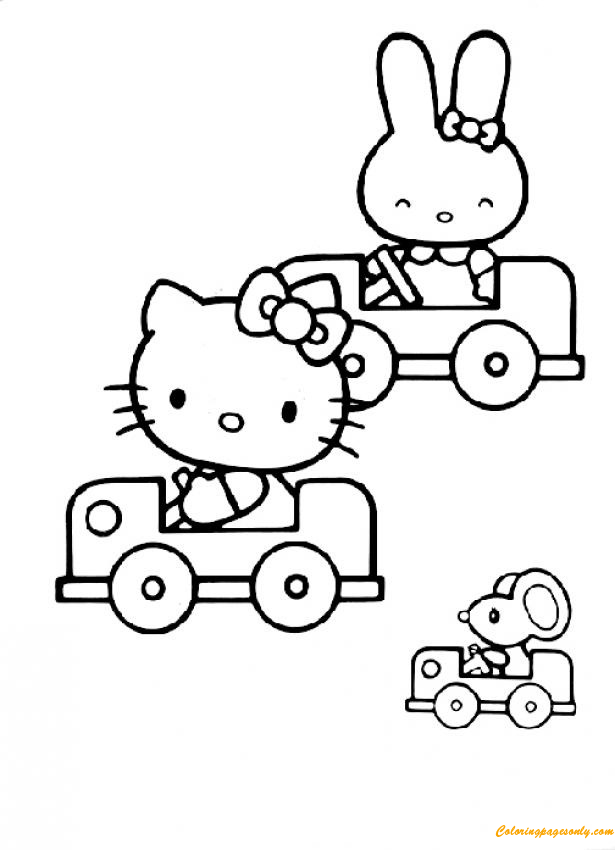
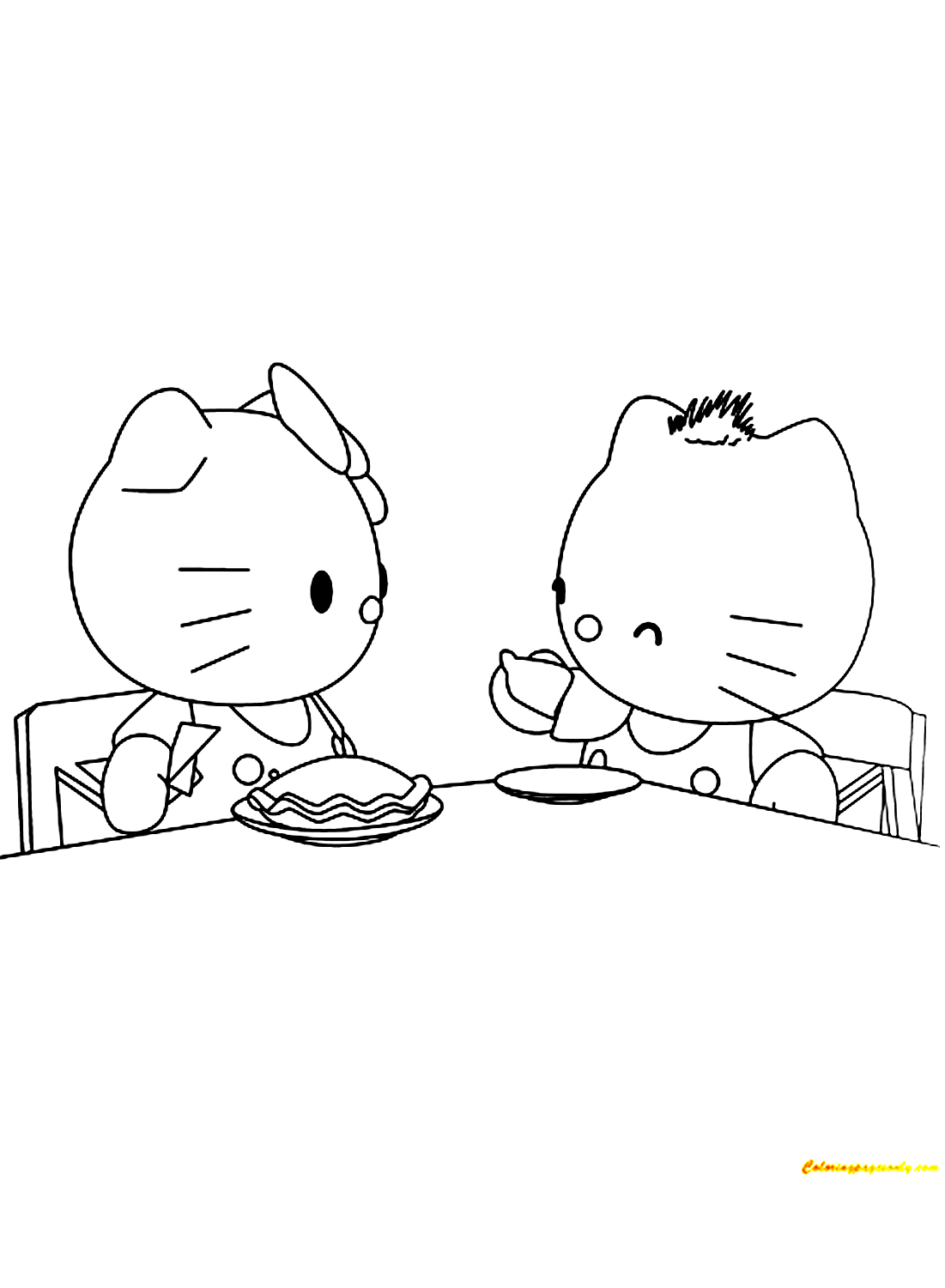
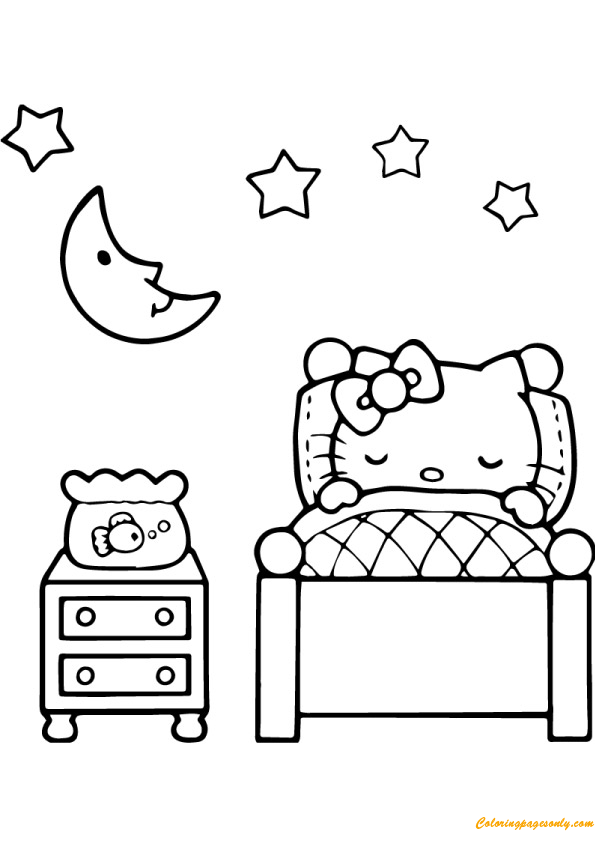
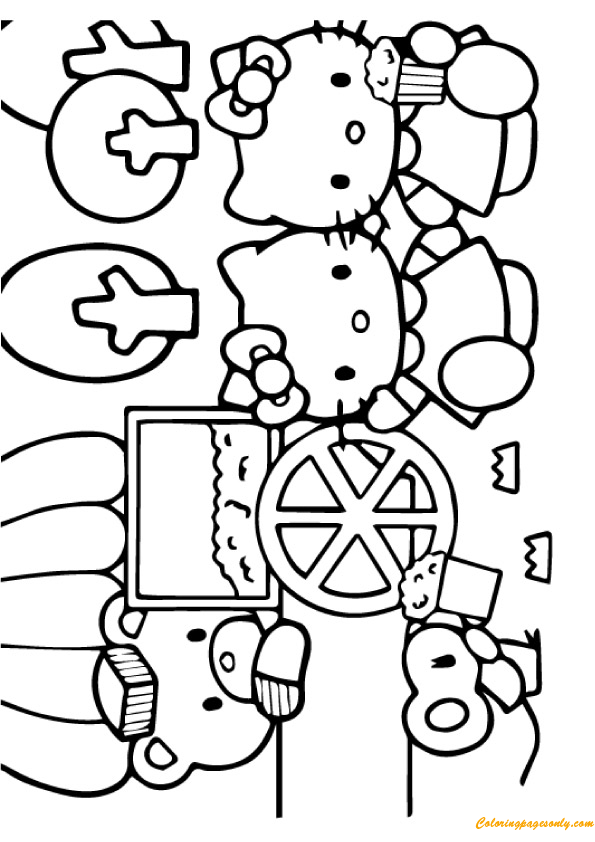
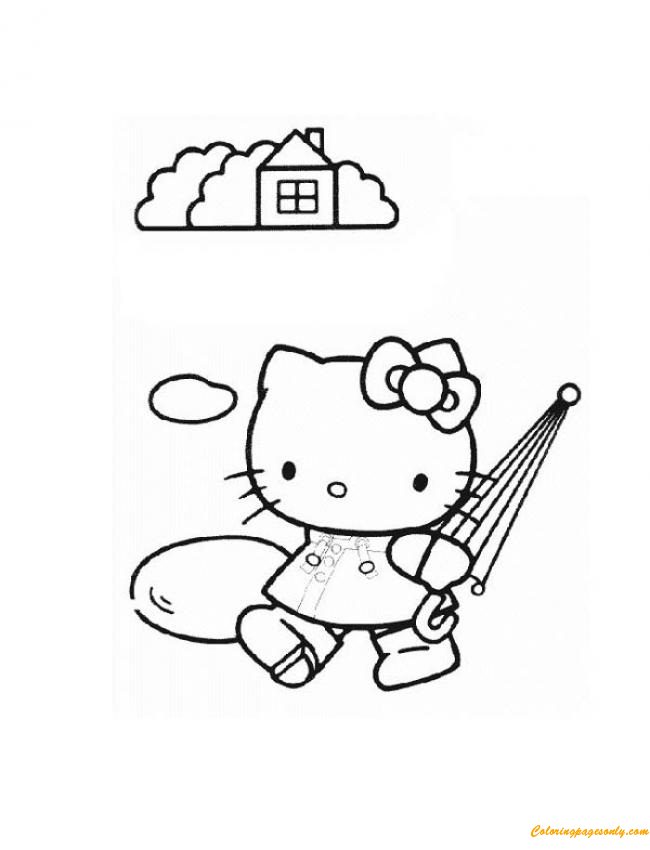
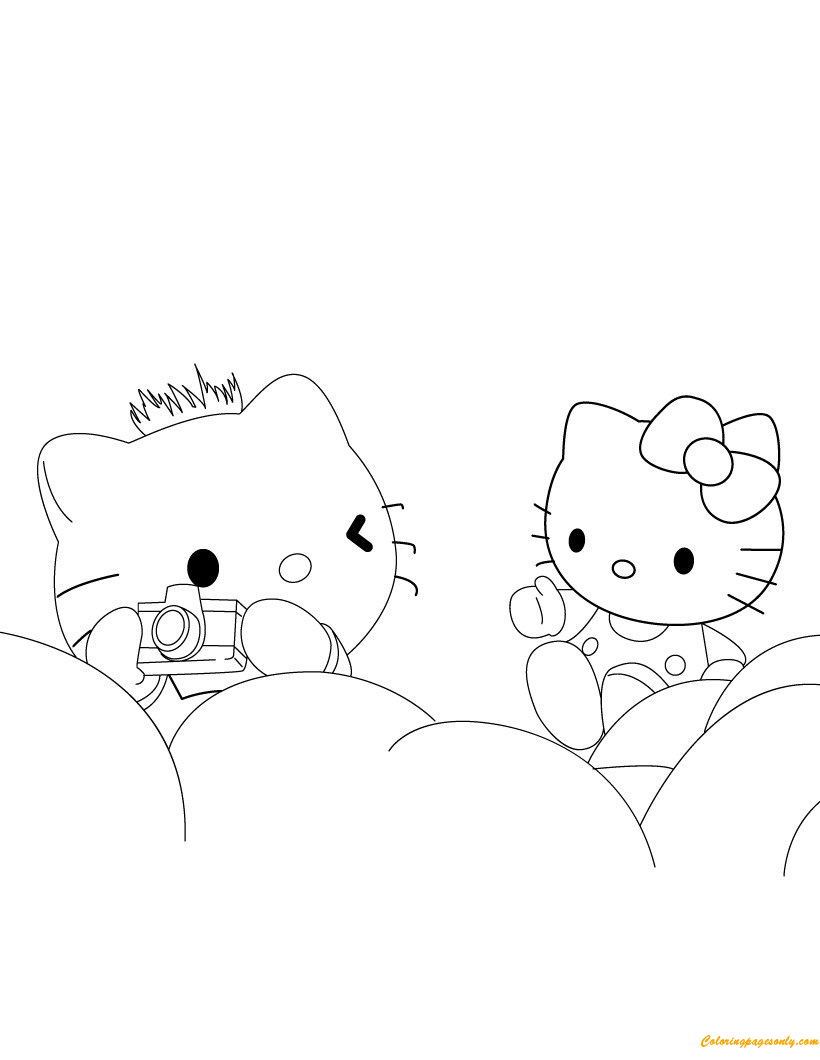
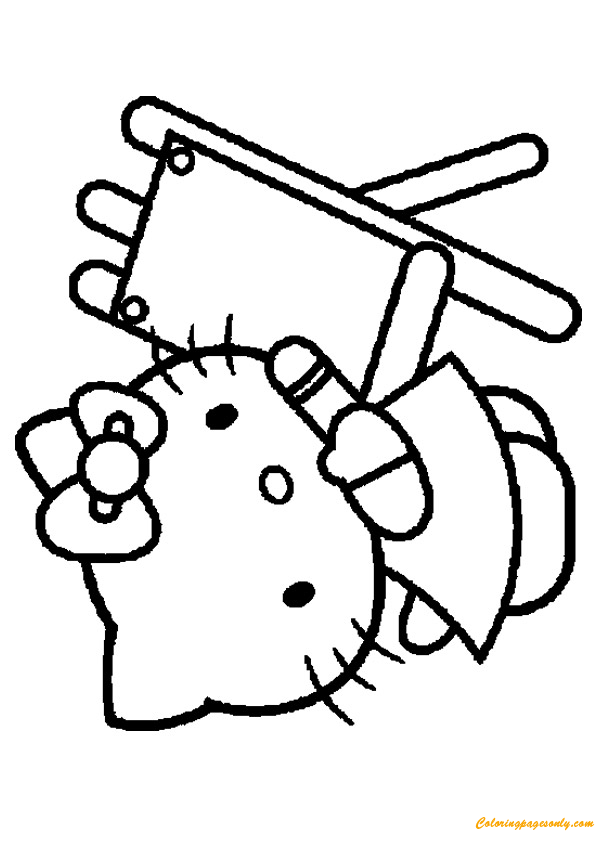
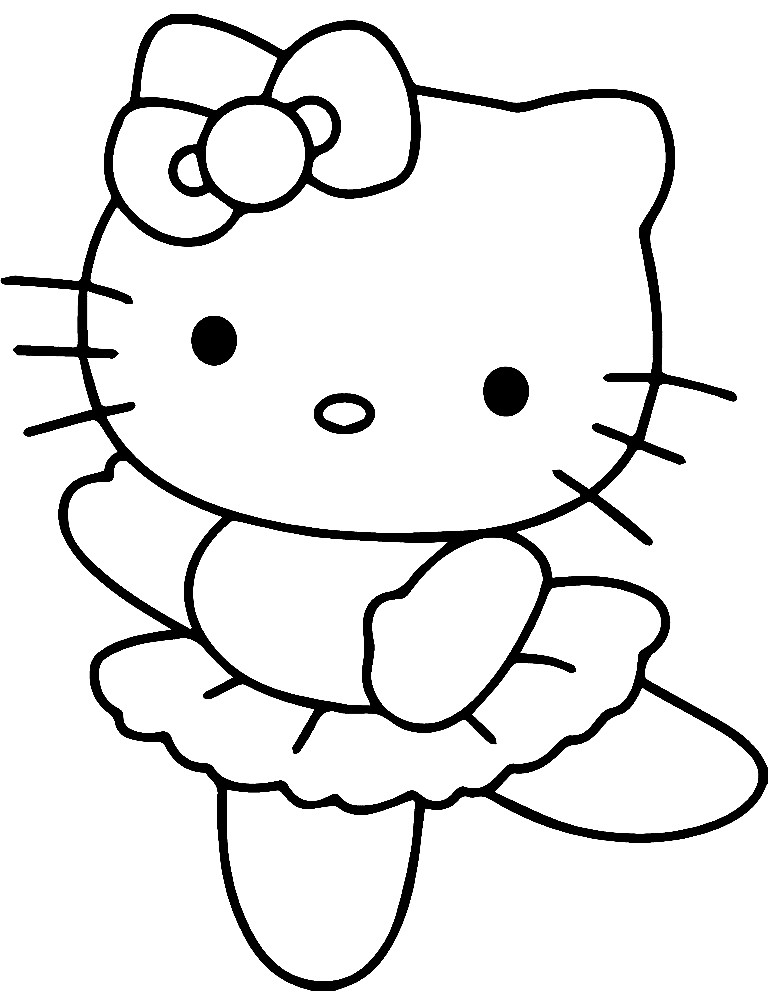
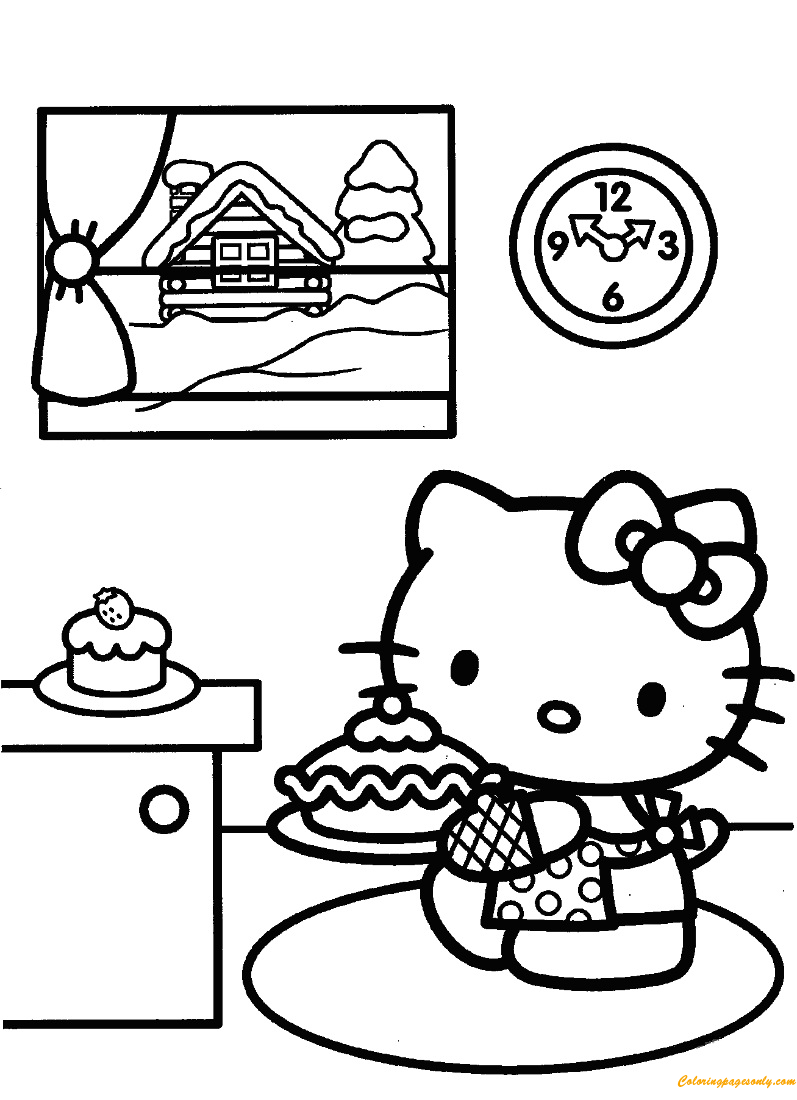
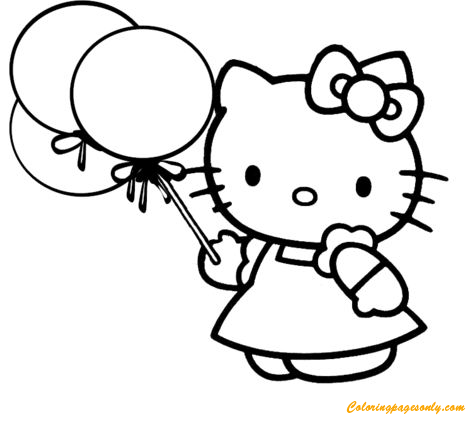
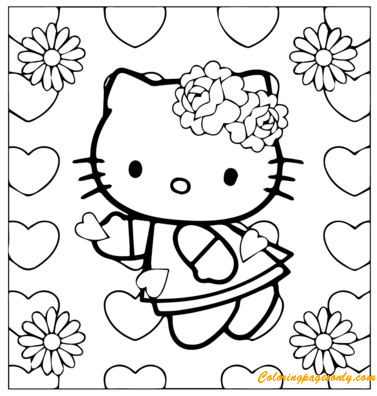
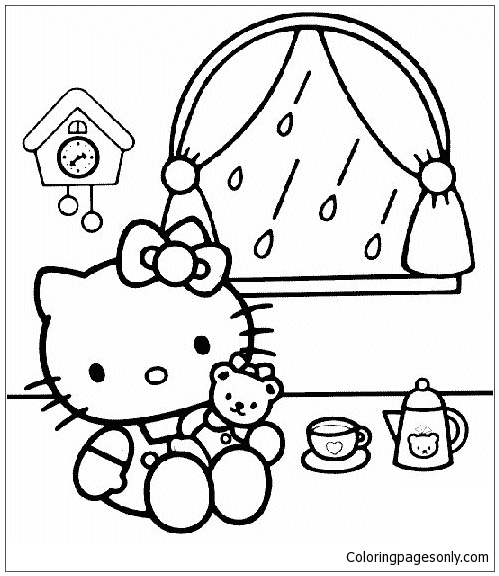
The 2026 activity scene pages – the most recently added and the most compositionally detailed in the collection – show Hello Kitty engaged in specific activities with specific settings. Hello Kitty Bicycle Coloring Page (riding a bicycle outdoors), Hello Kitty Catch Butterflies Coloring Page (in a garden with a net and butterflies), Hello Kitty Ballet Coloring Page (in a tutu at a dance barre), Hello Kitty Baking Coloring Page (in an apron in a kitchen with baked goods), Hello Kitty Farm Coloring Page (at a farm with animals and produce), Hello Kitty Flower Shop Coloring Page (surrounded by arranged flowers), Hello Kitty Gardening Coloring Page (harvesting carrots in a garden), Hello Kitty Halloween Coloring Page (as a witch with a cauldron), Hello Kitty Love Coloring Page (holding flowers), Hello Kitty Moon Angel Coloring Page (as an angel figure on a crescent moon), Hello Kitty Painting Coloring Page (with a canvas and paintbrush), Hello Kitty Rainy Day Coloring Page, Hello Kitty Swing Coloring Page (on a swing with balloons), Hello Kitty Tea Party Coloring Page (at a table set for tea), and Hello Kitty Travel Coloring Page (with a camera outdoors). These are the pages with the clearest scene compositions and the most coloring territory to work with.
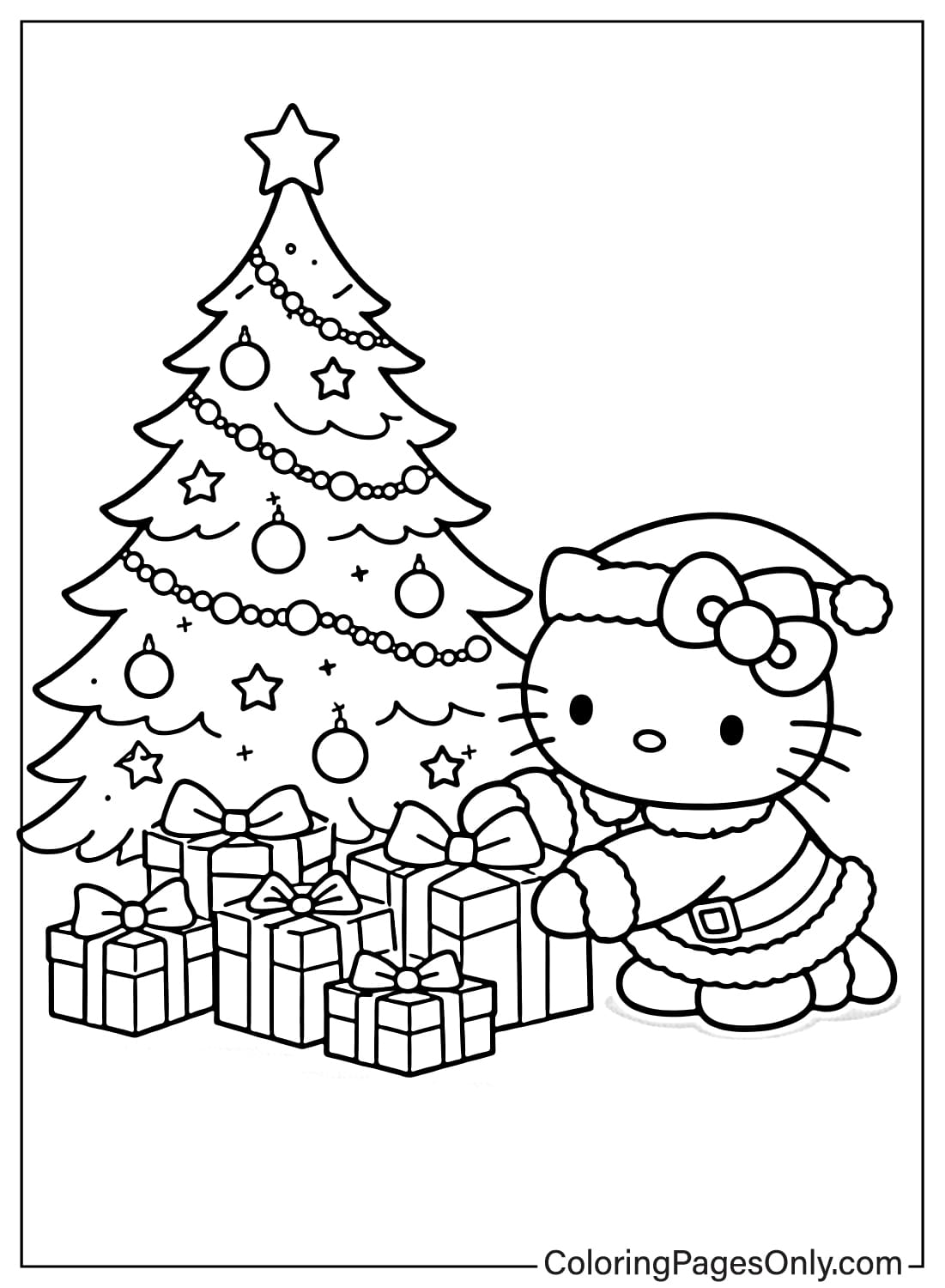
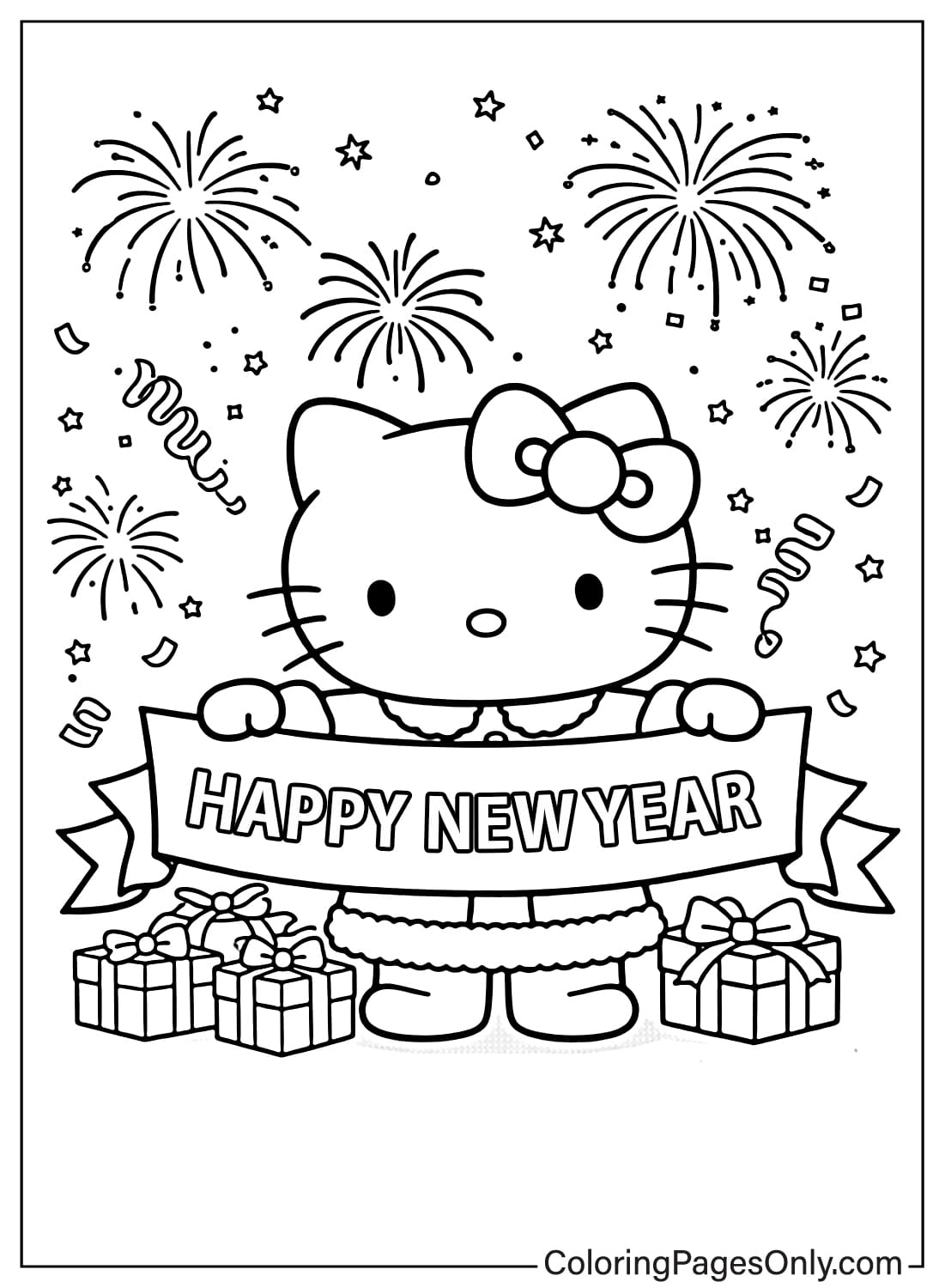
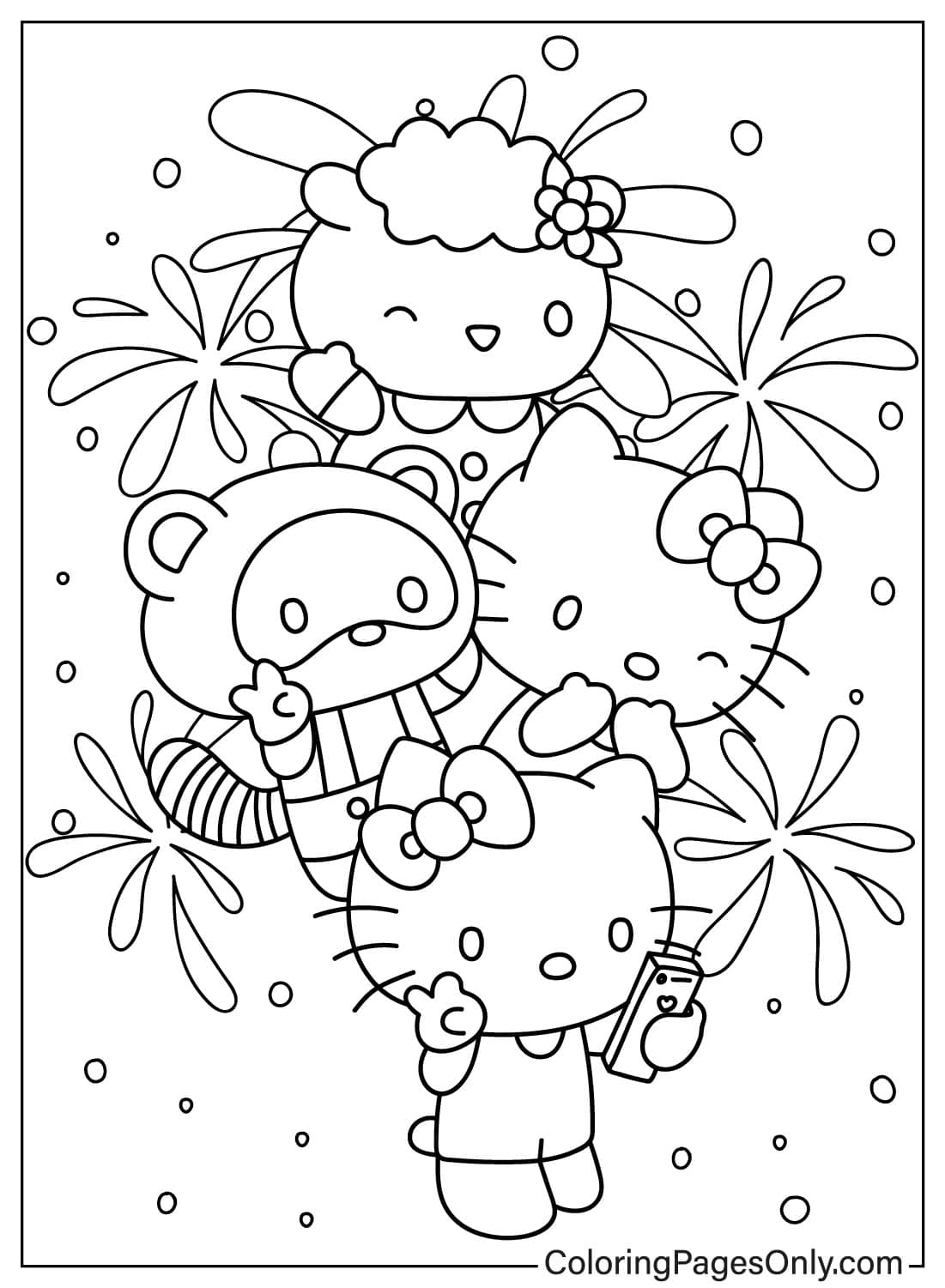
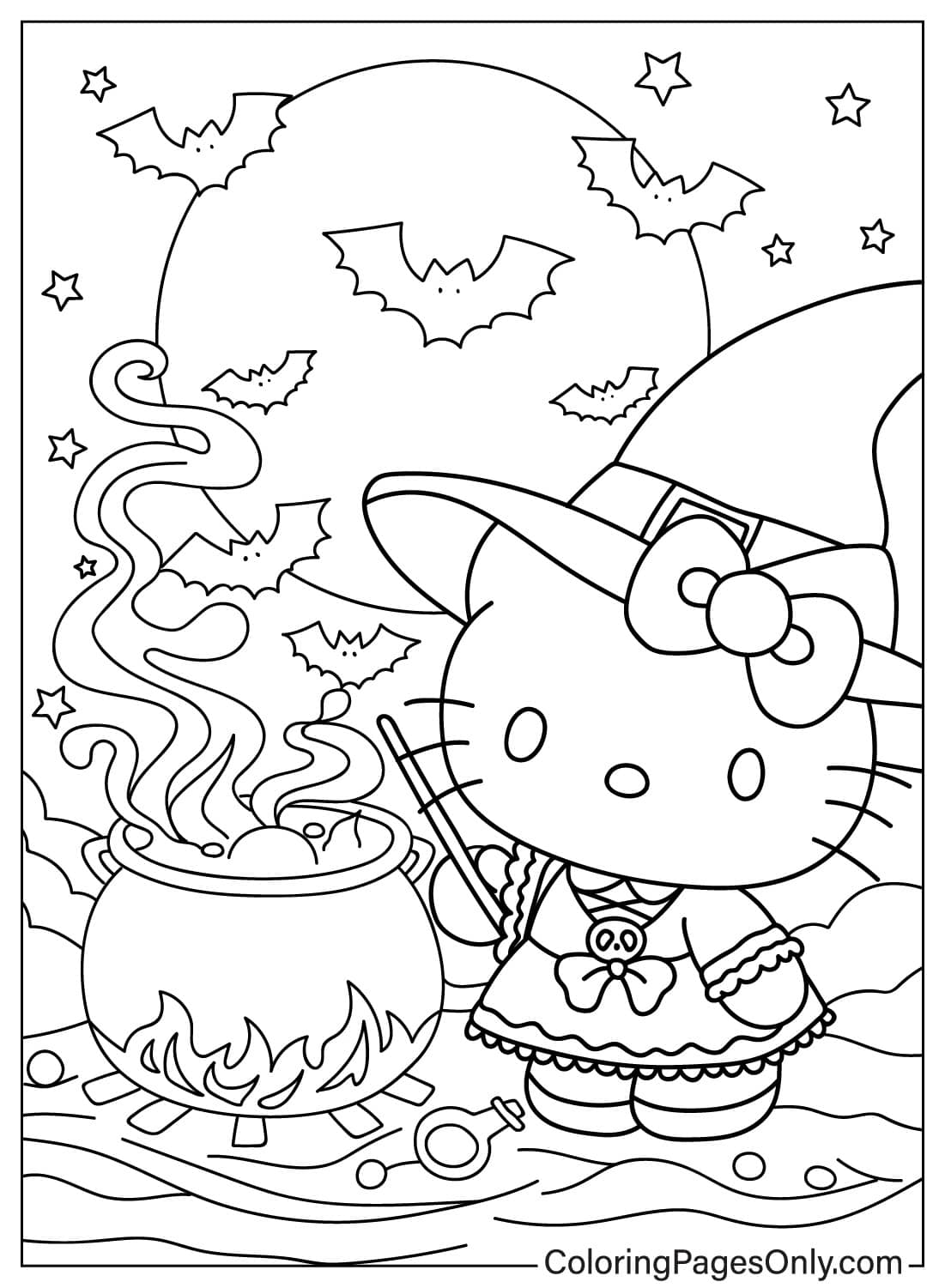
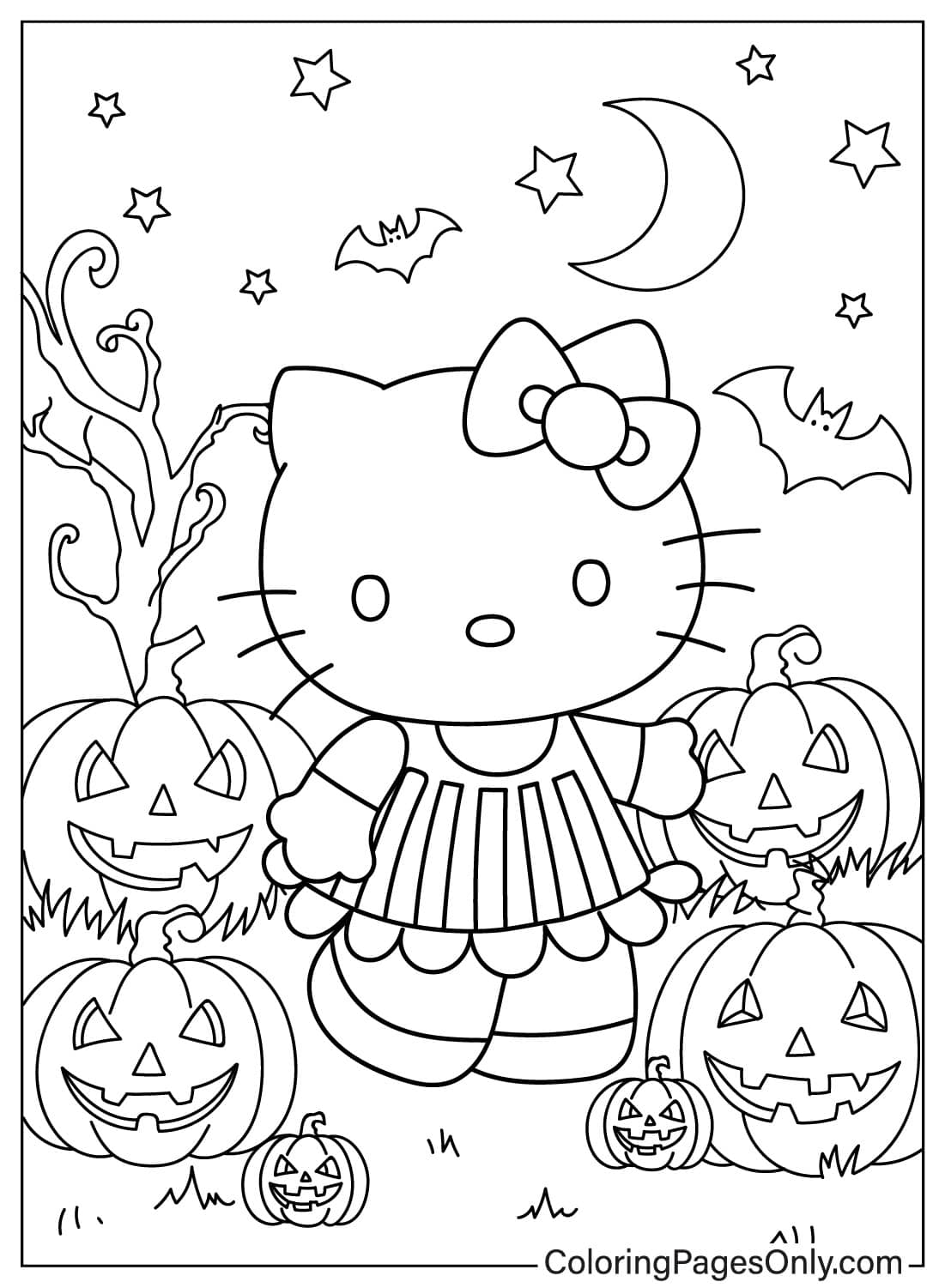
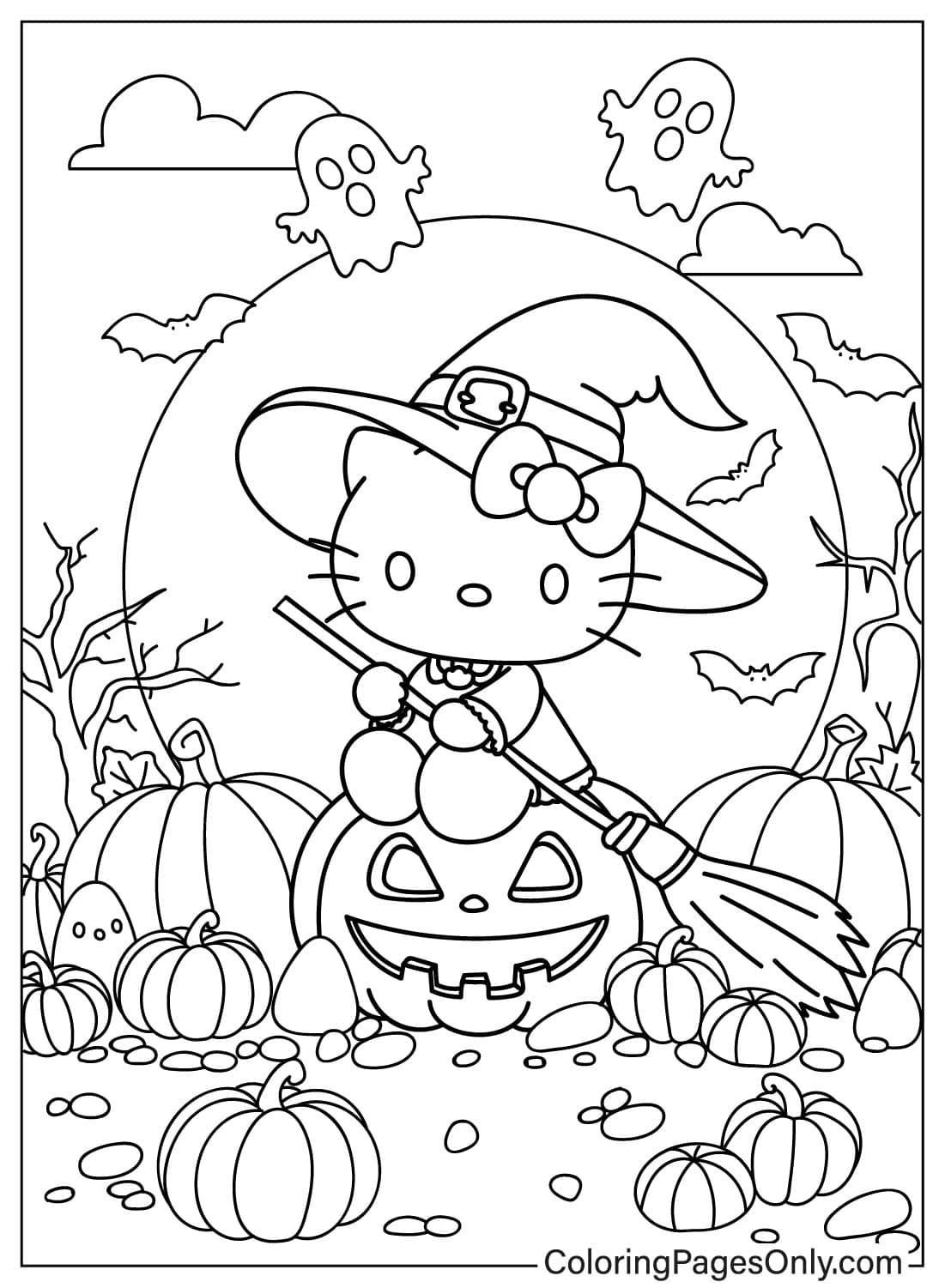
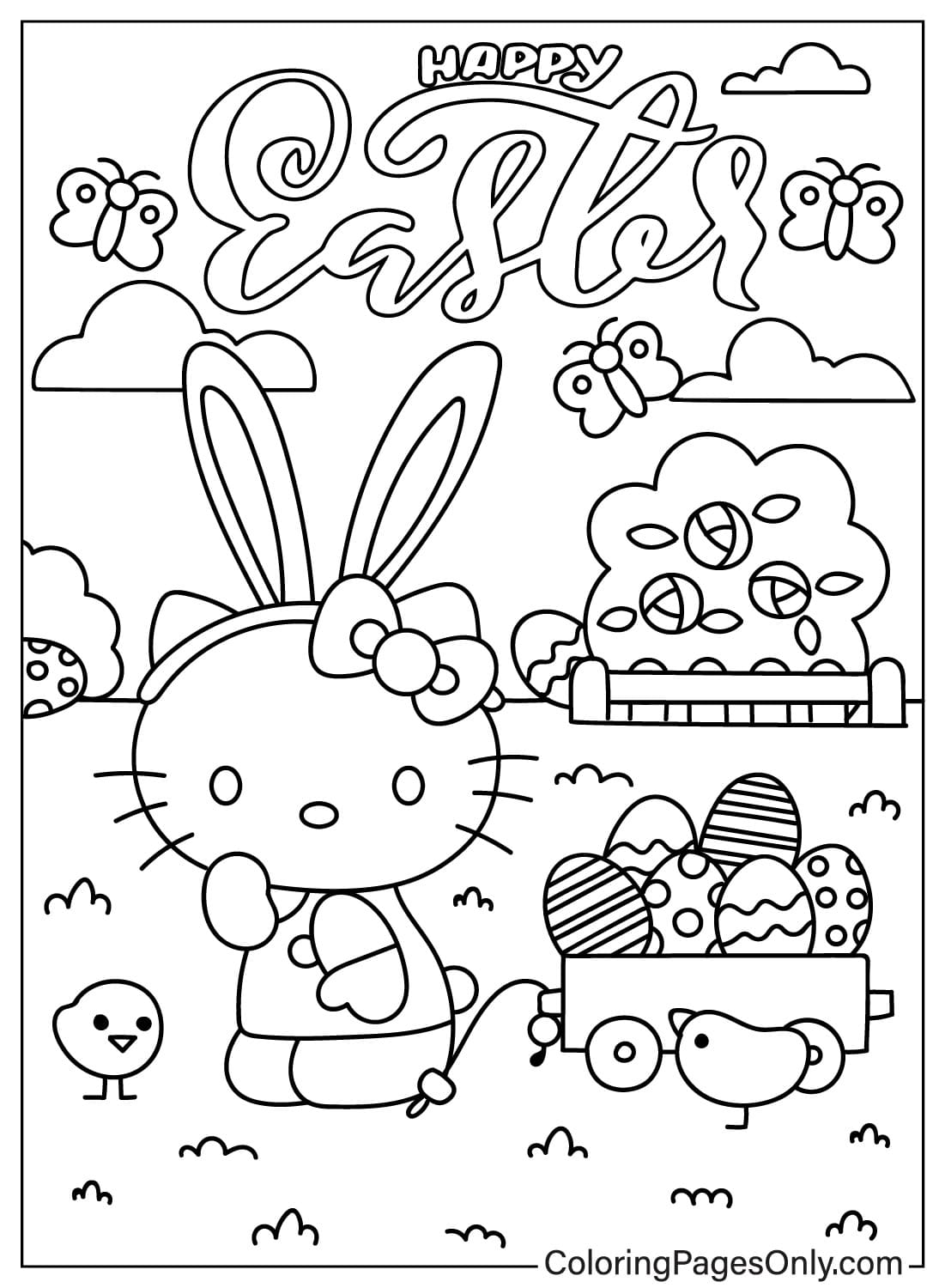
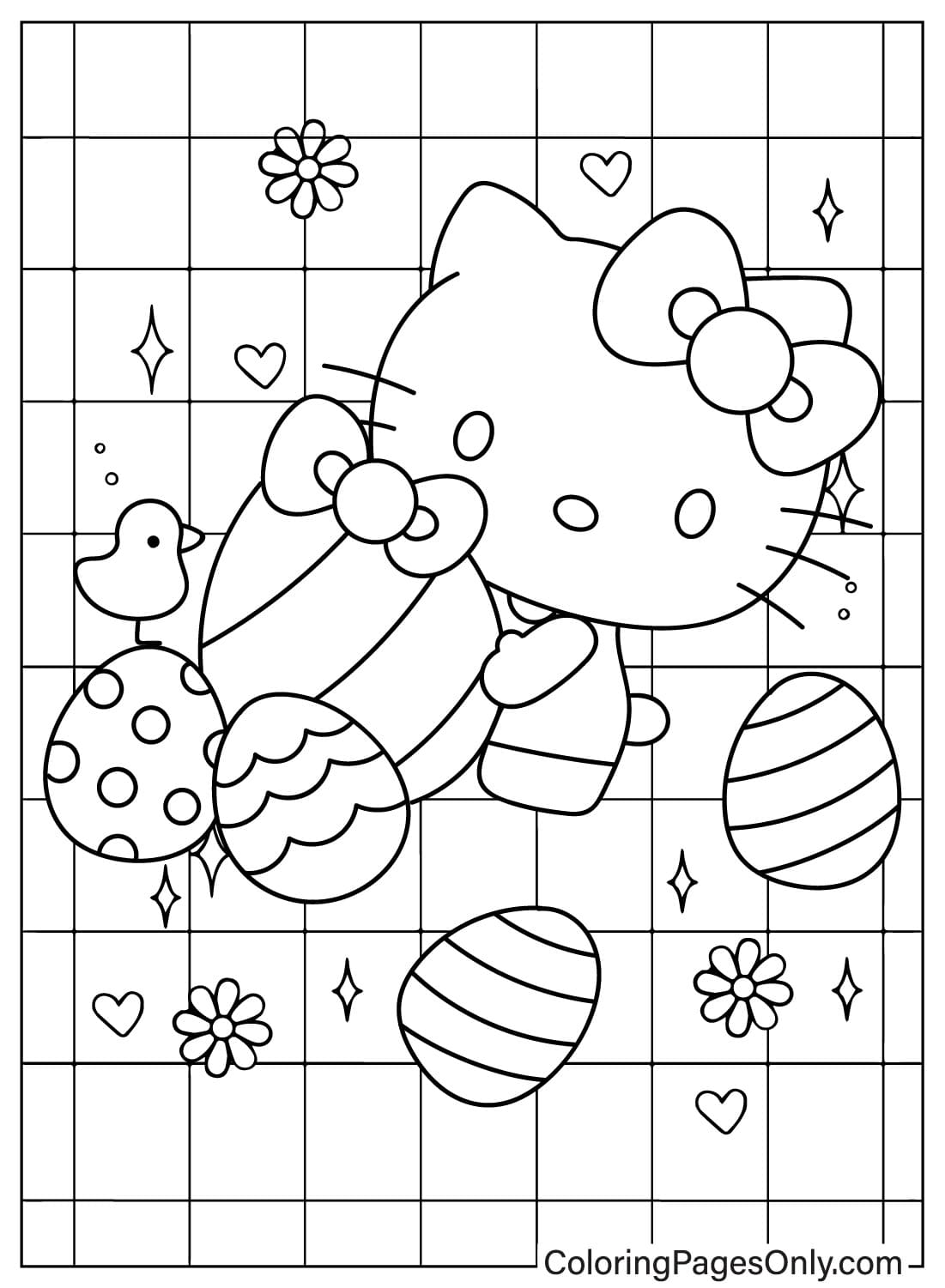
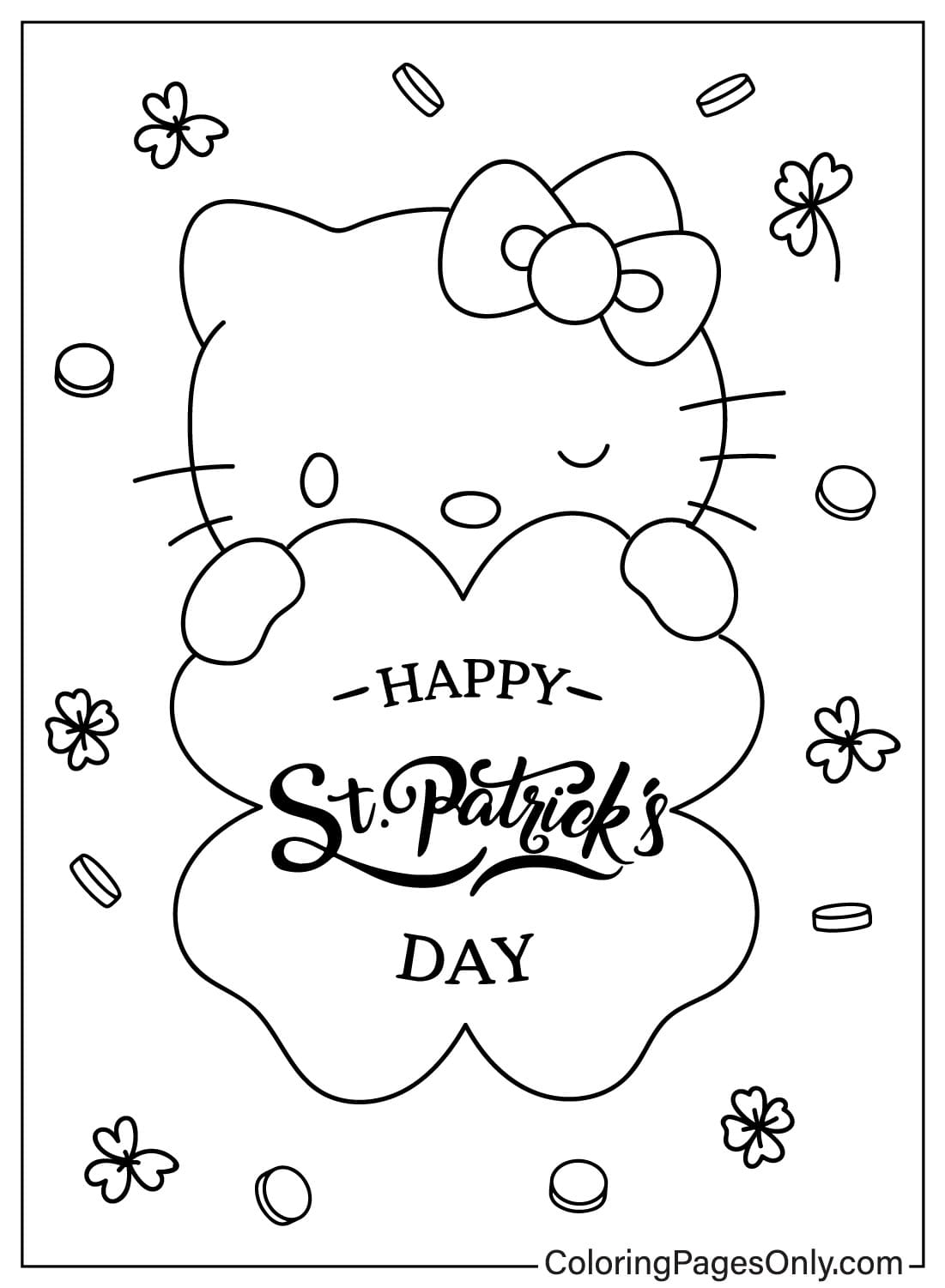
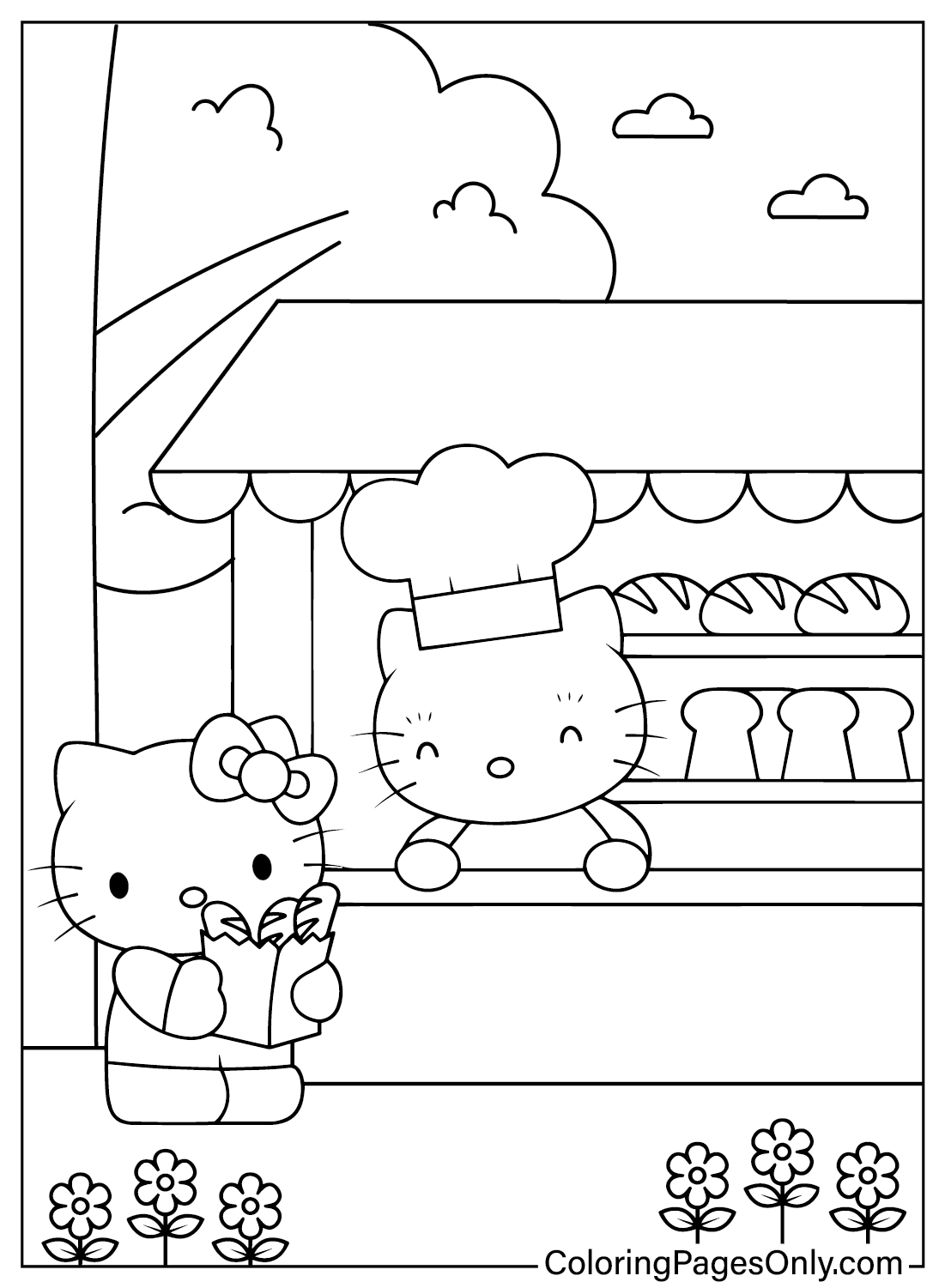
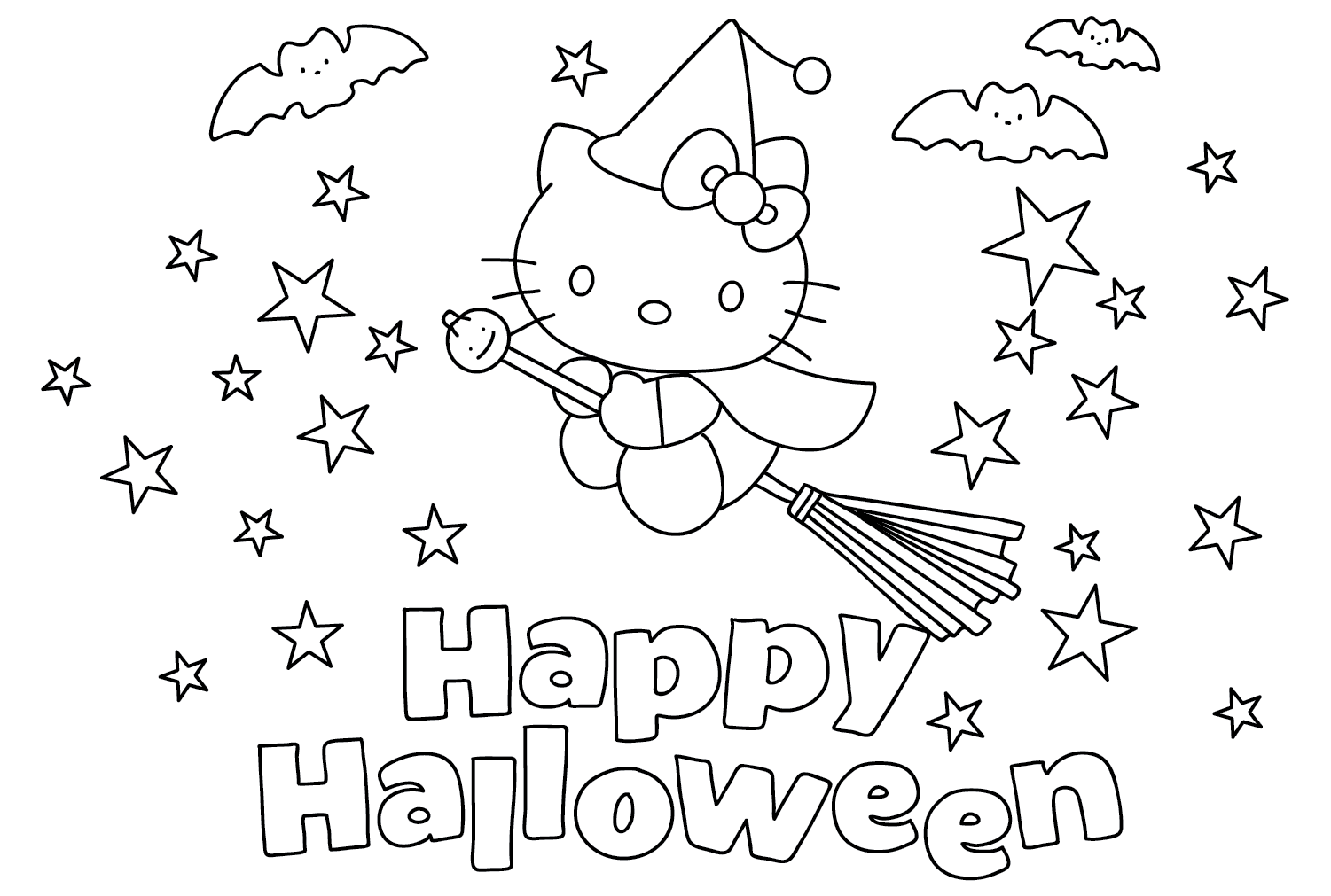
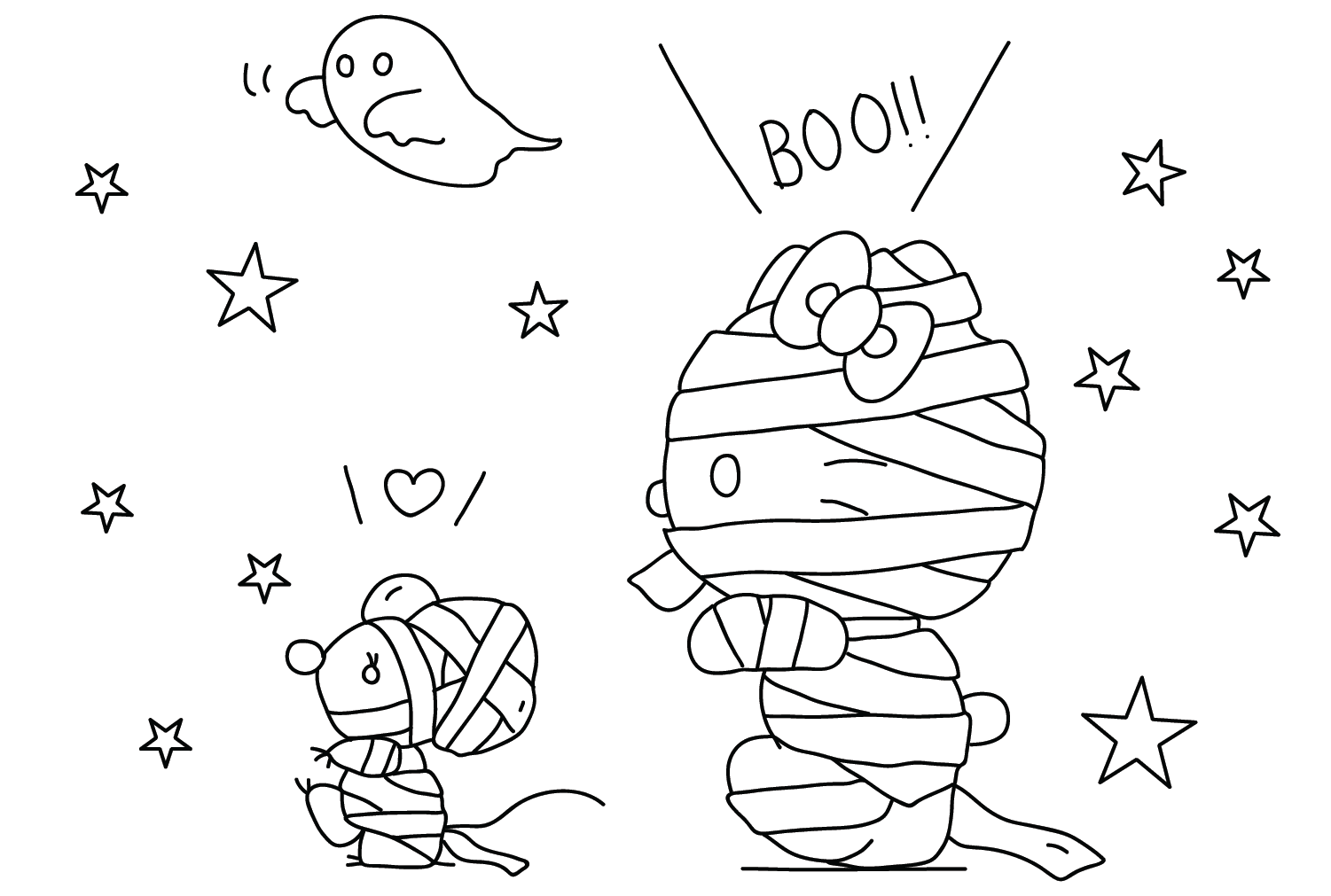
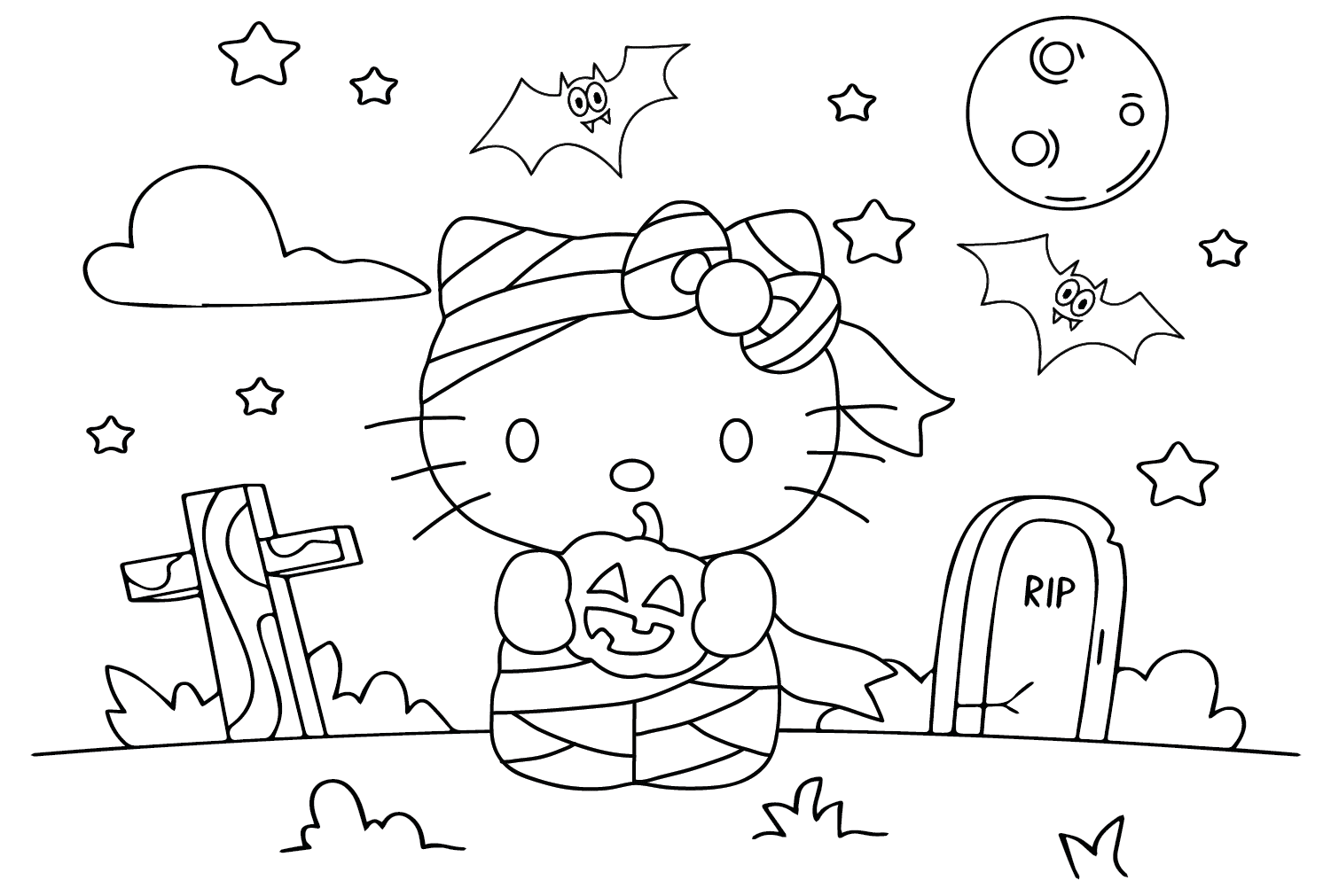
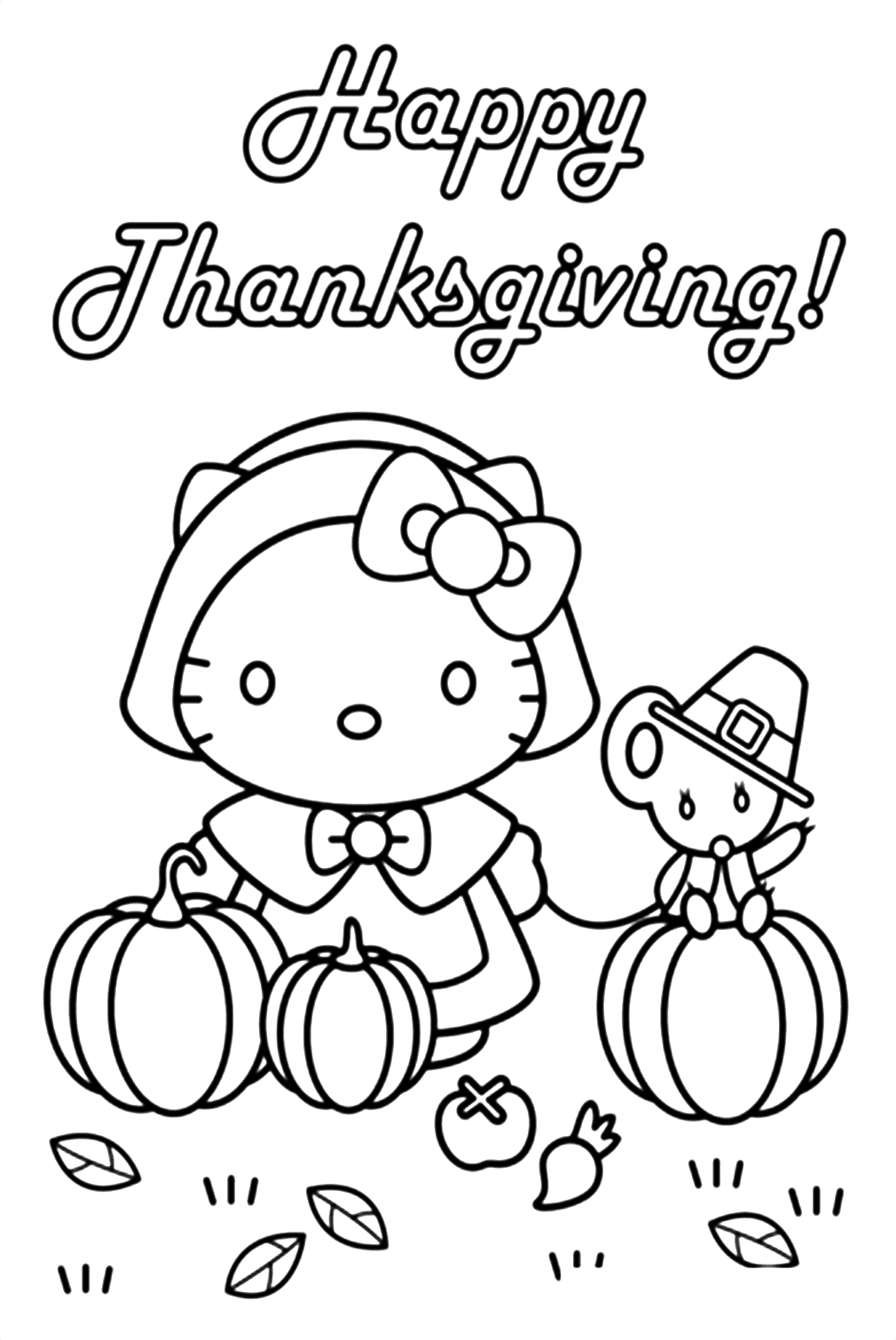
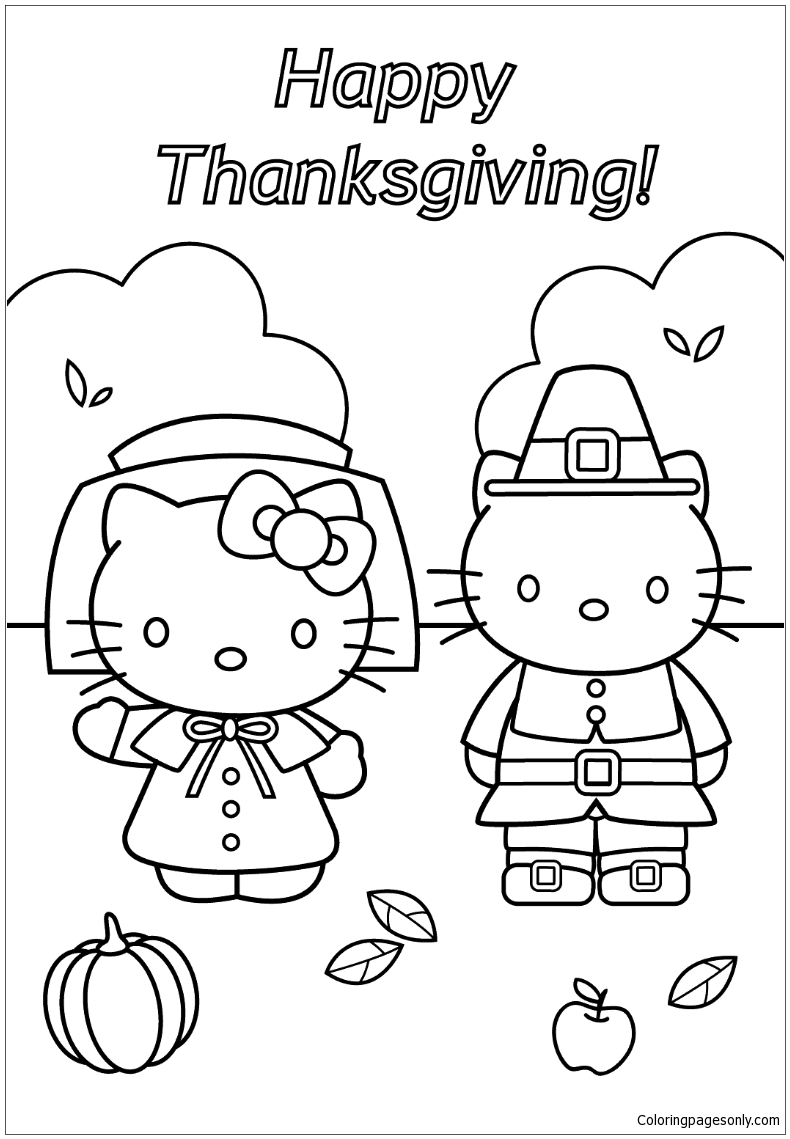
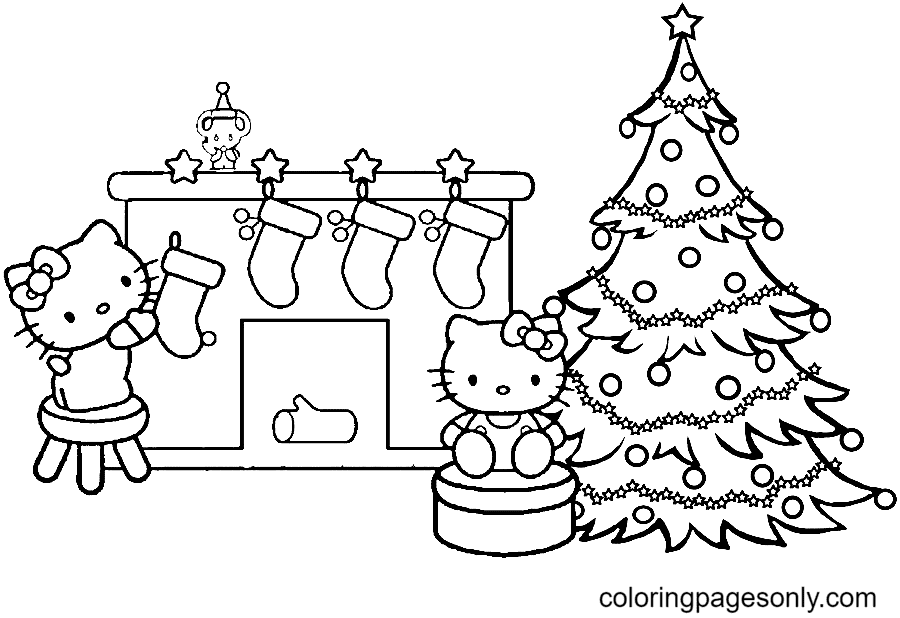
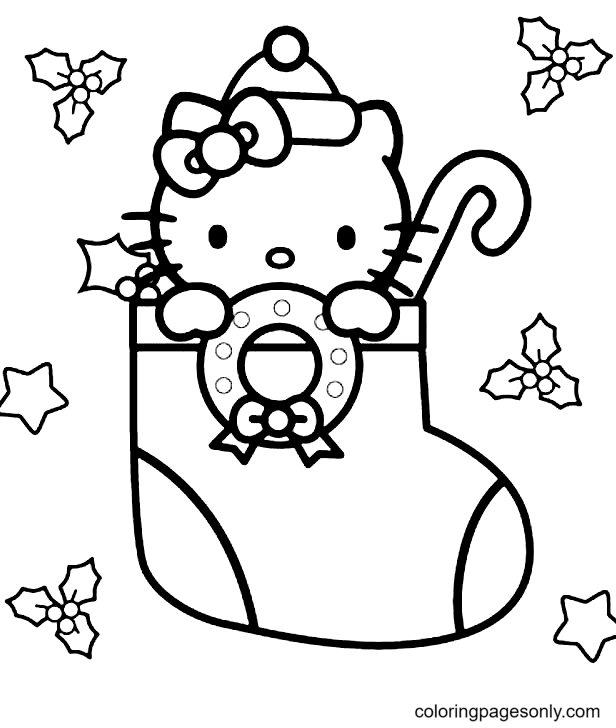
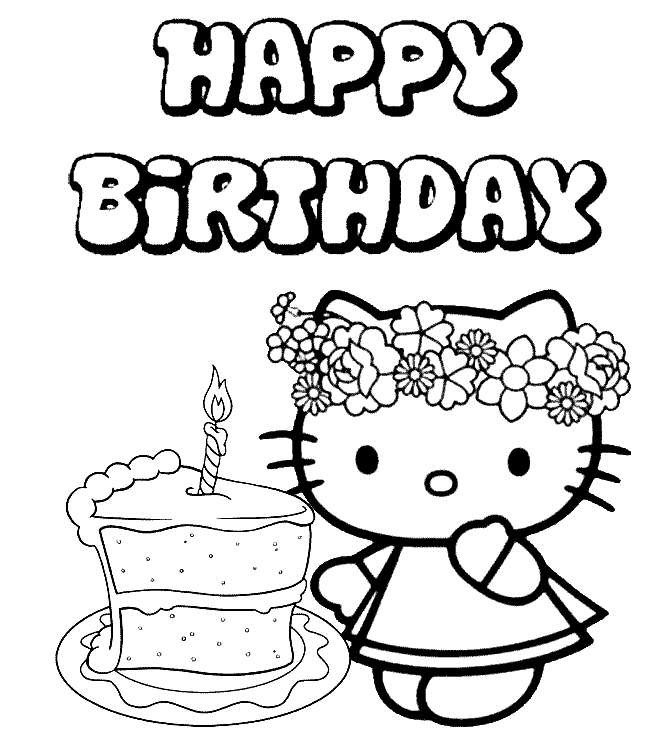
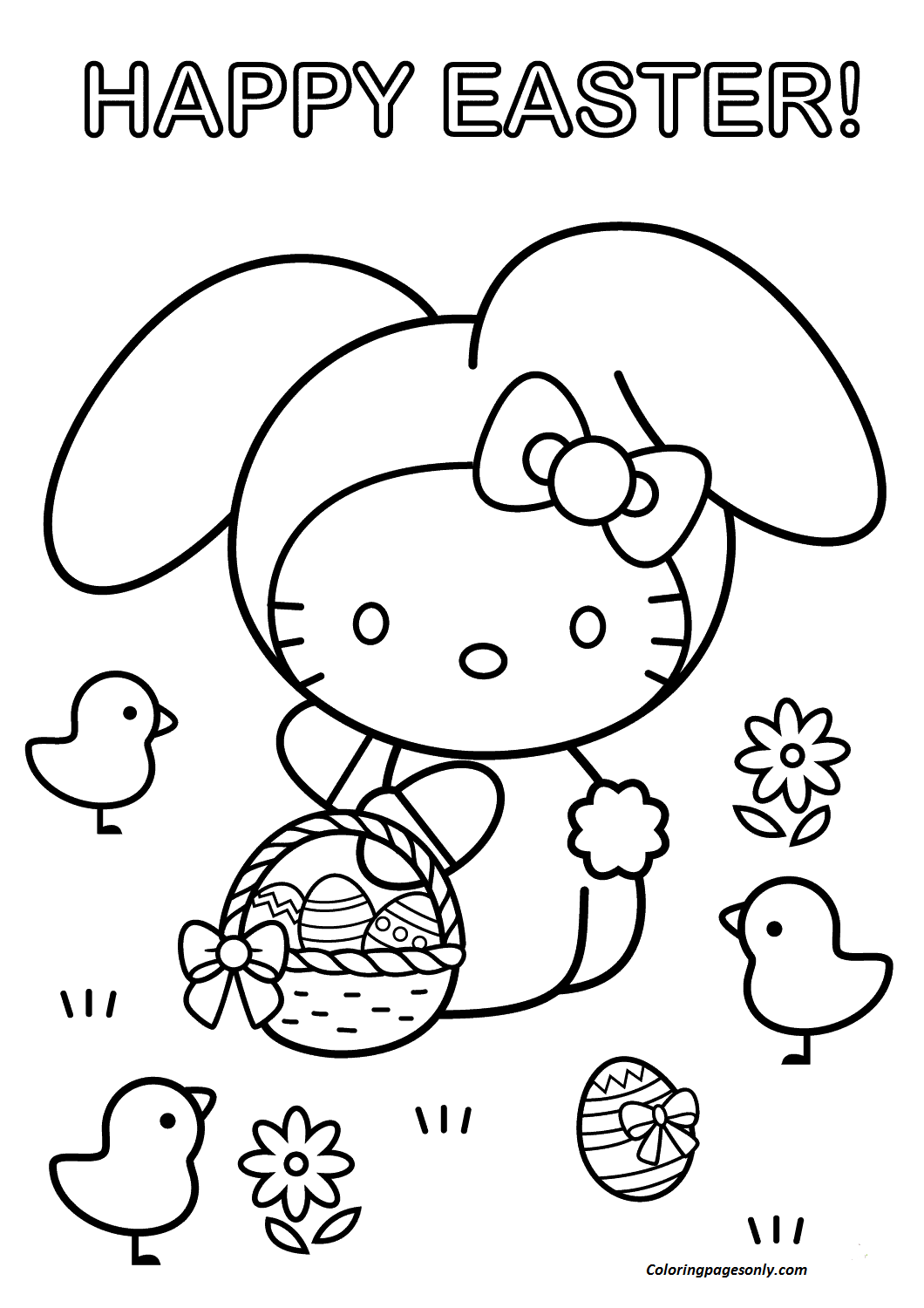
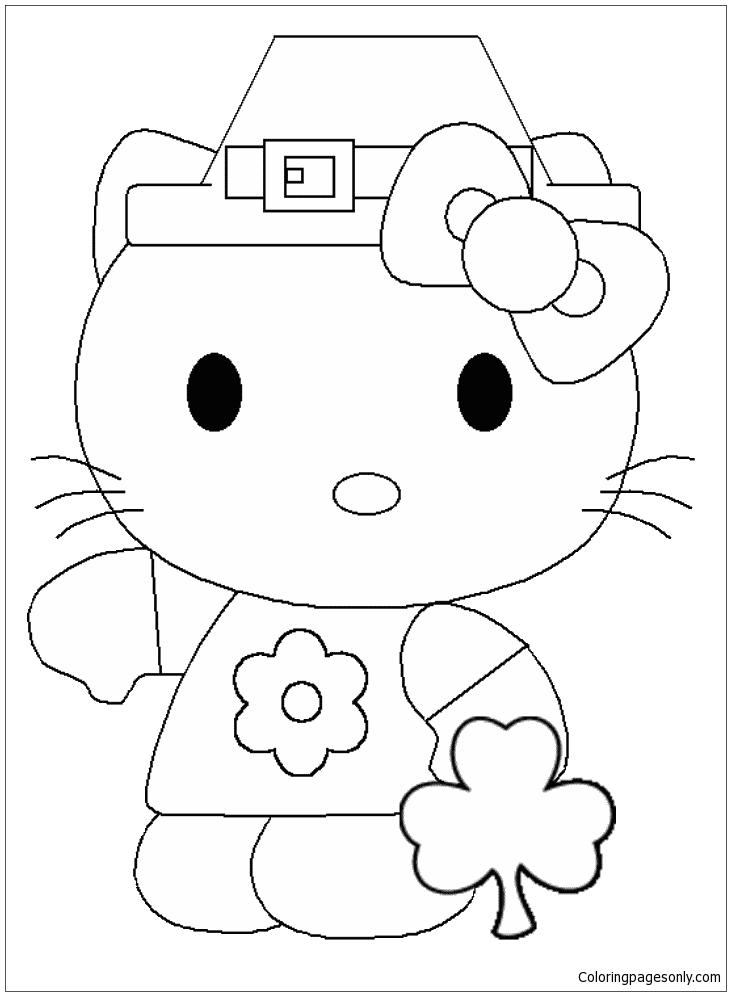
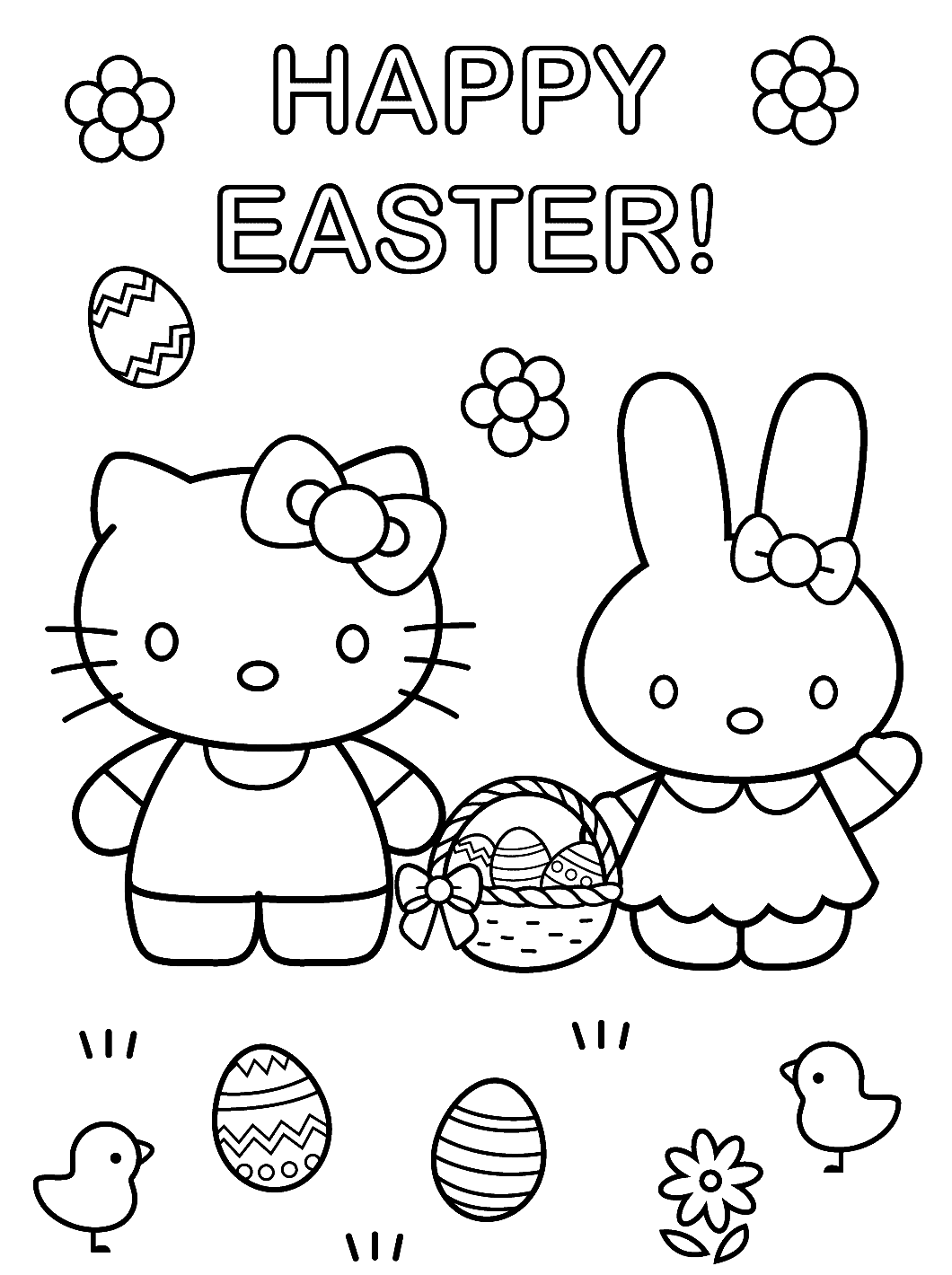
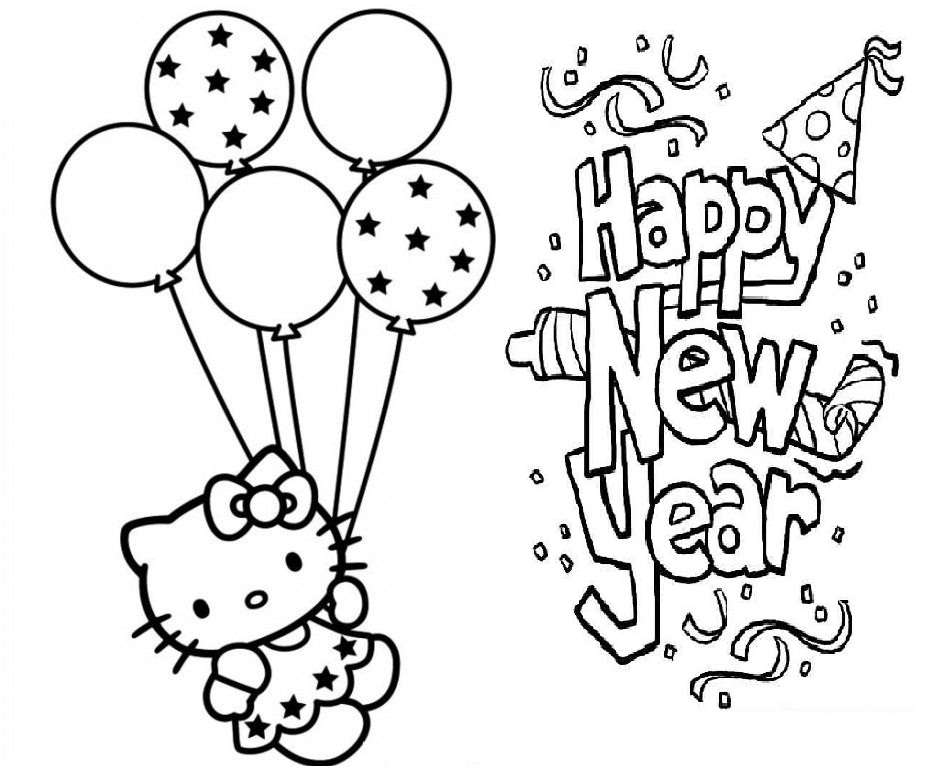
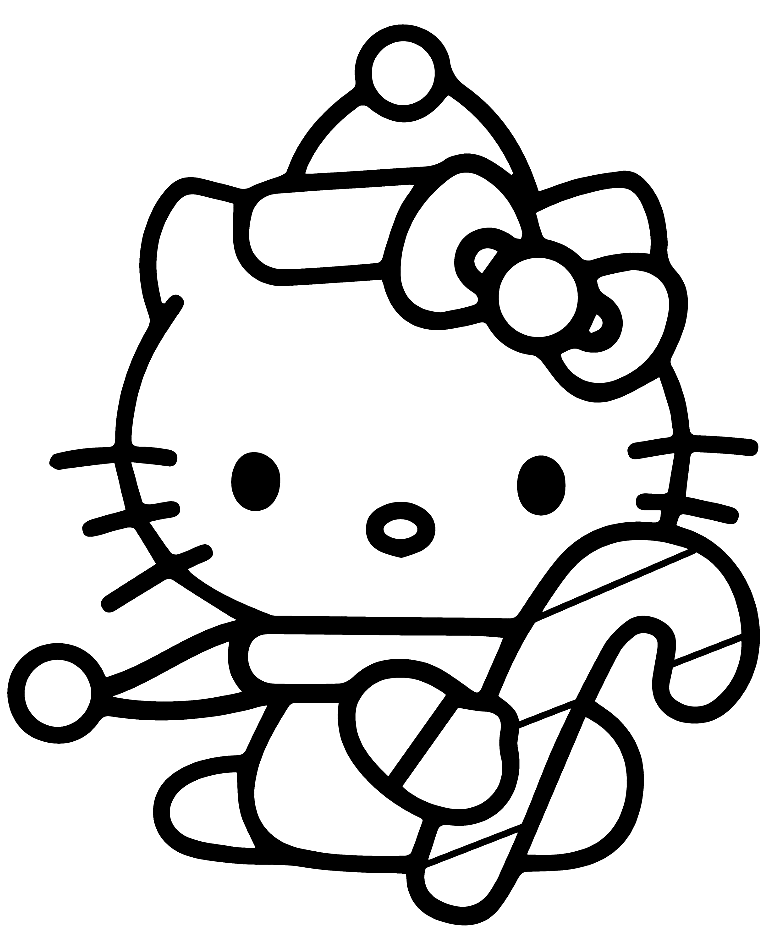
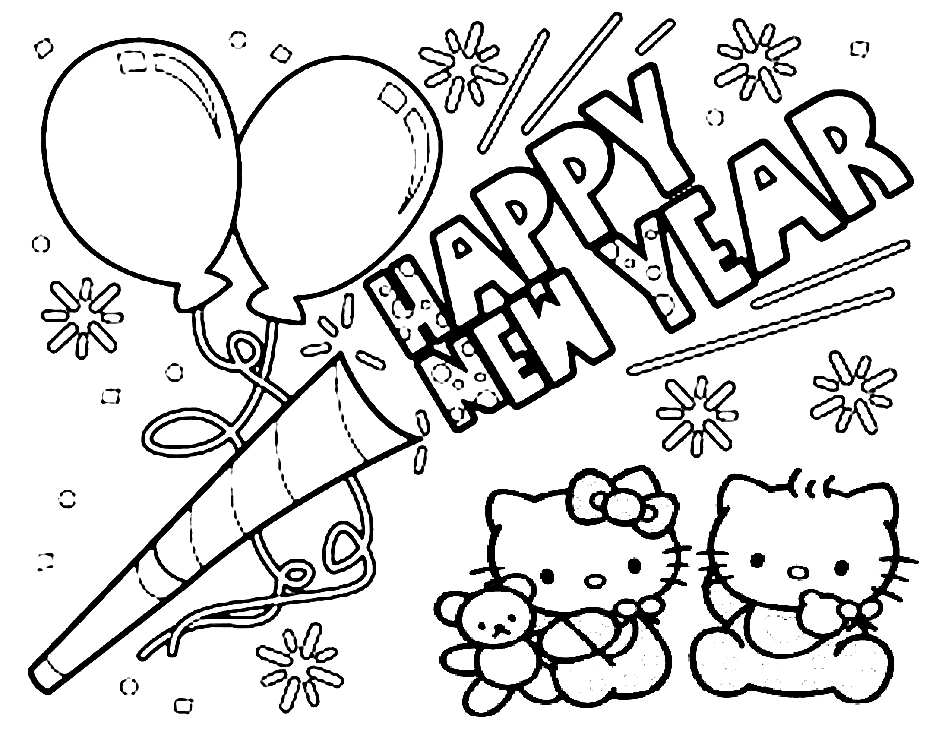
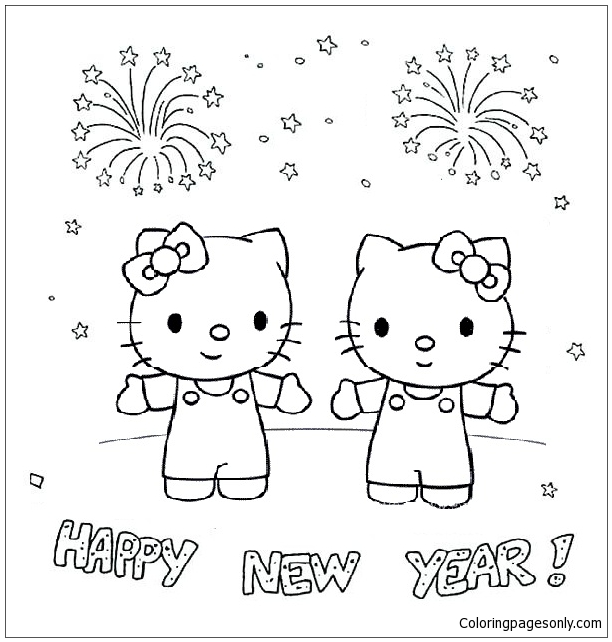
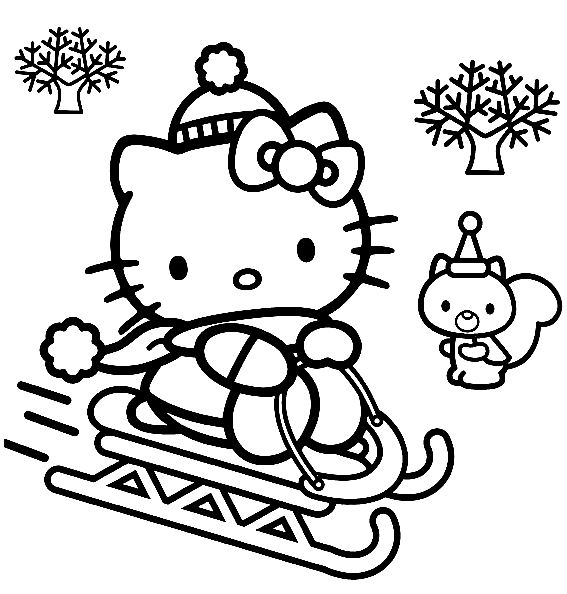
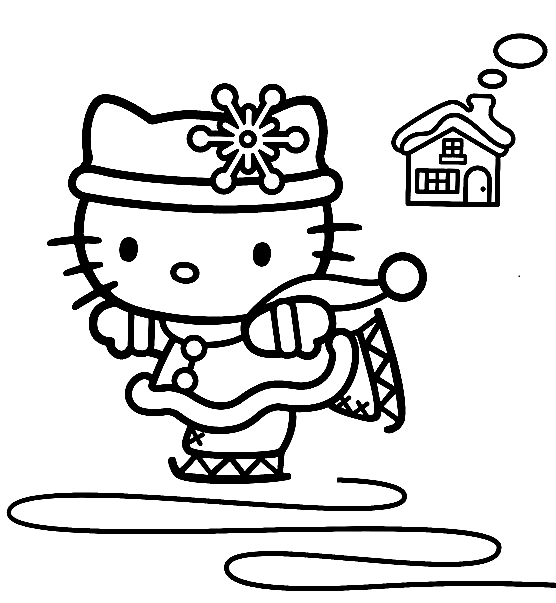
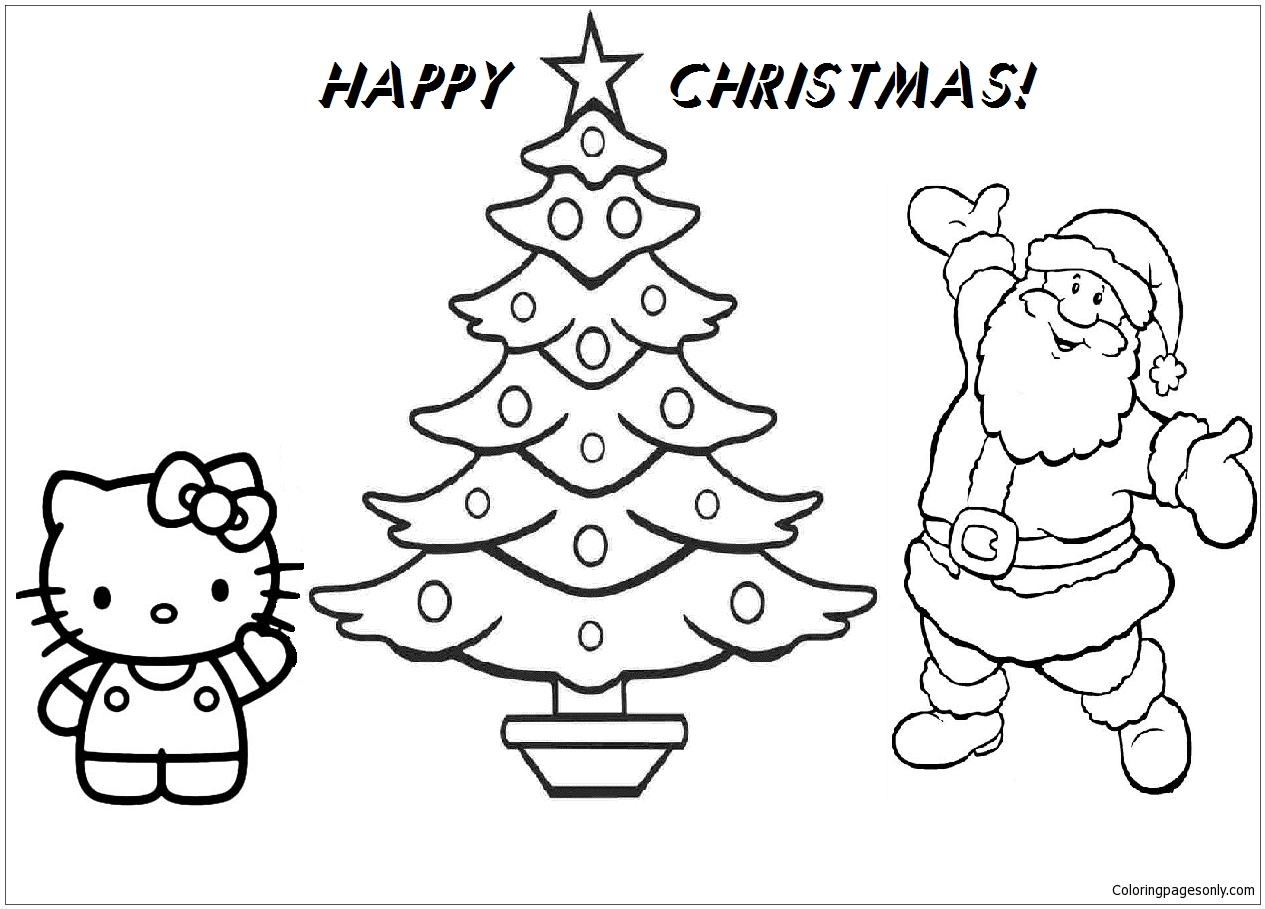
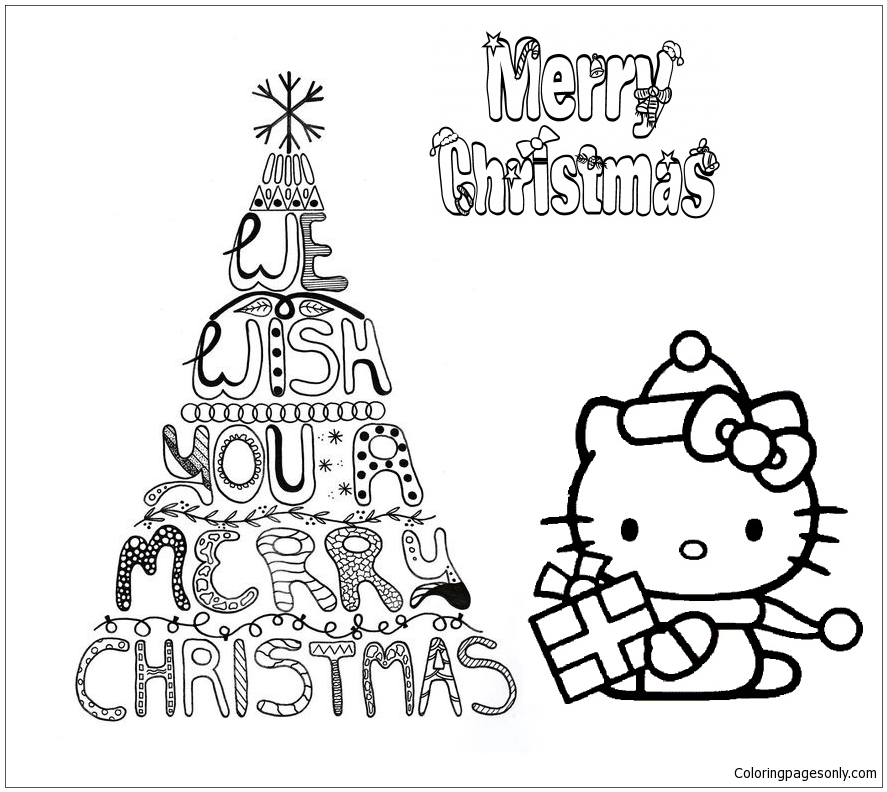
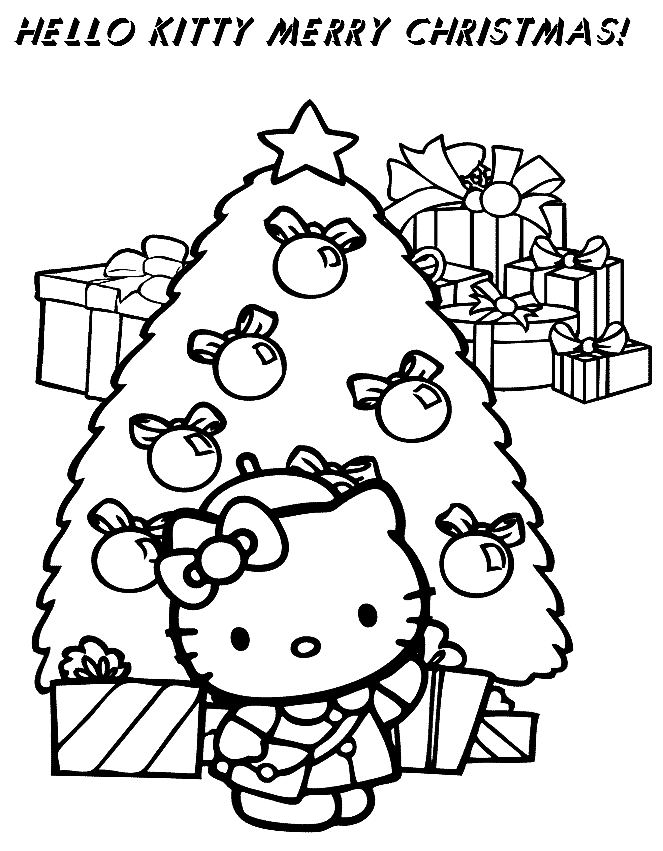
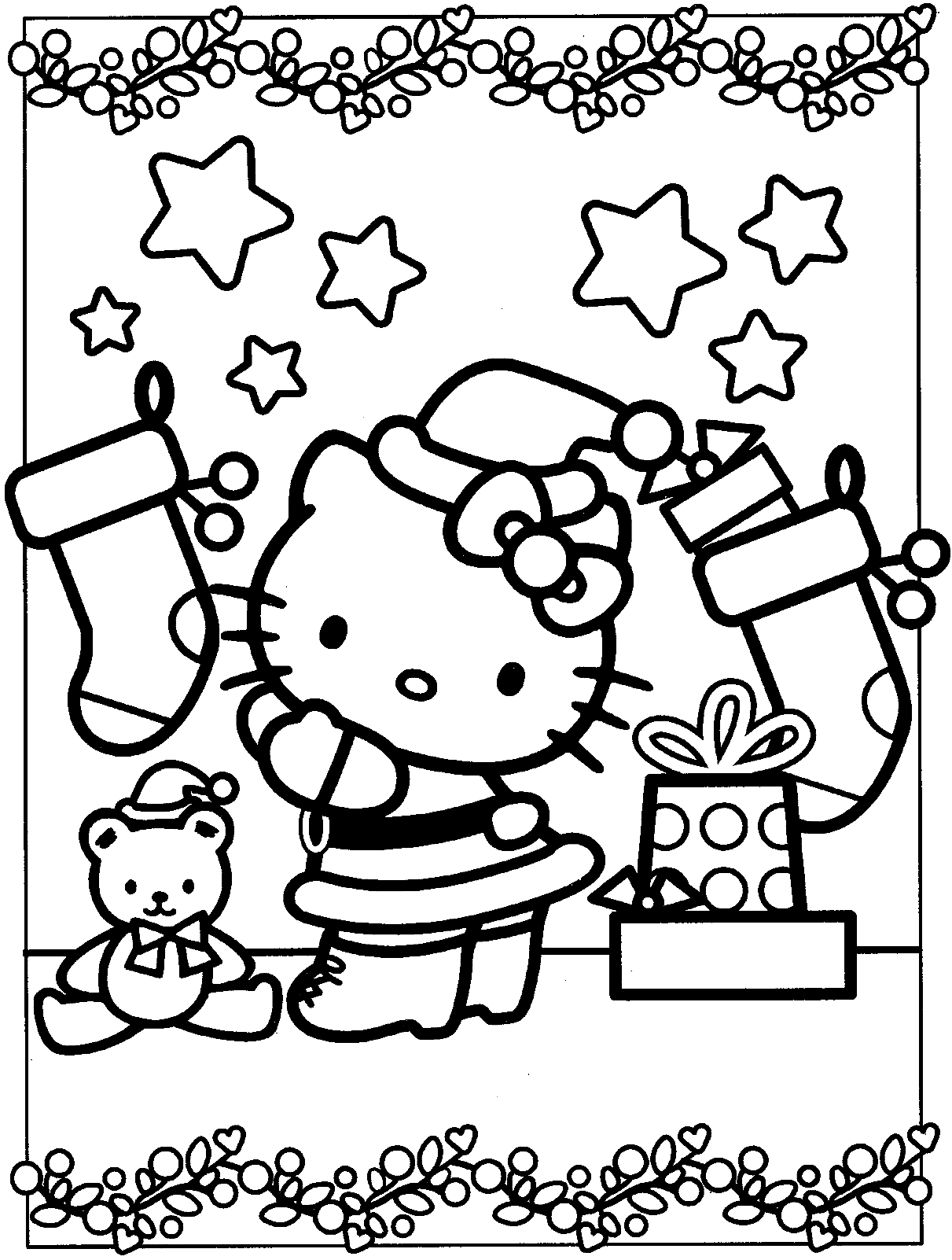
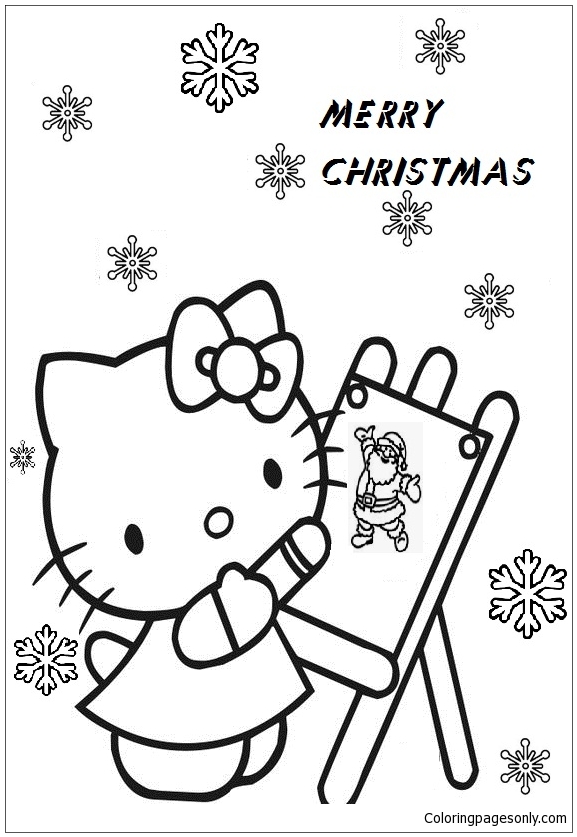
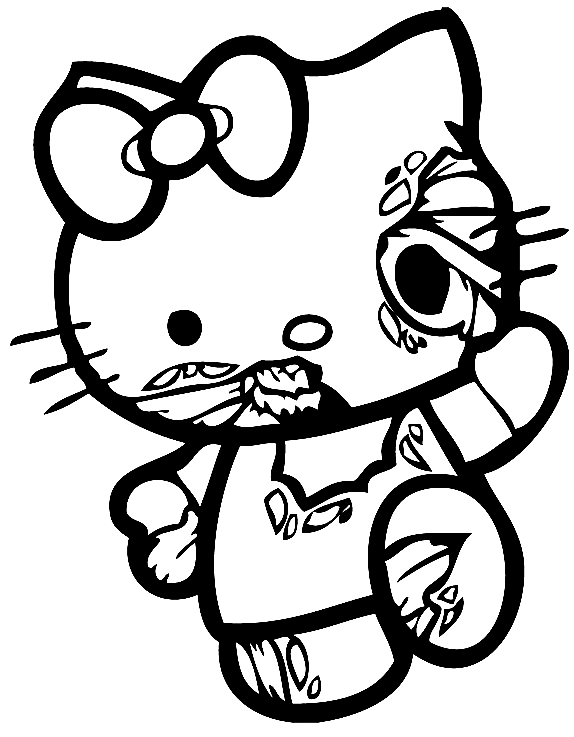
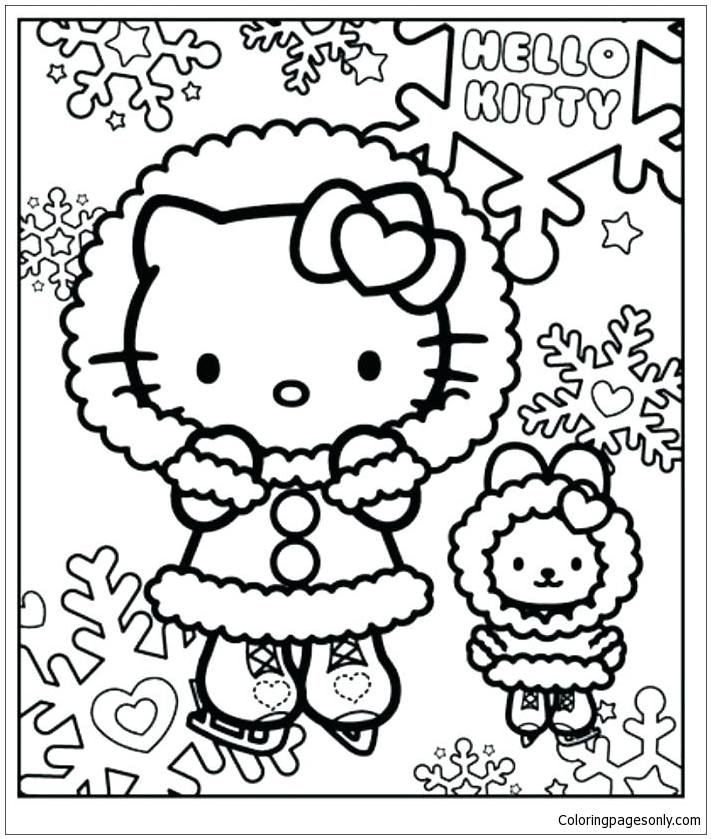
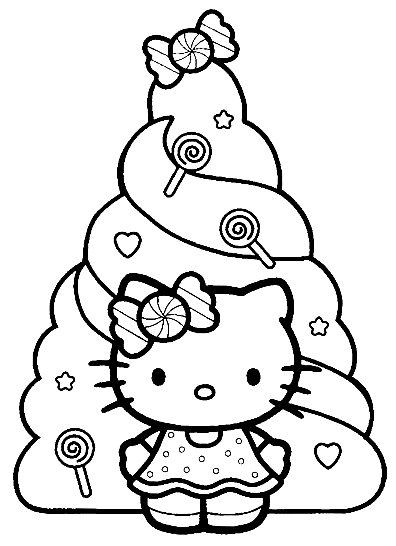
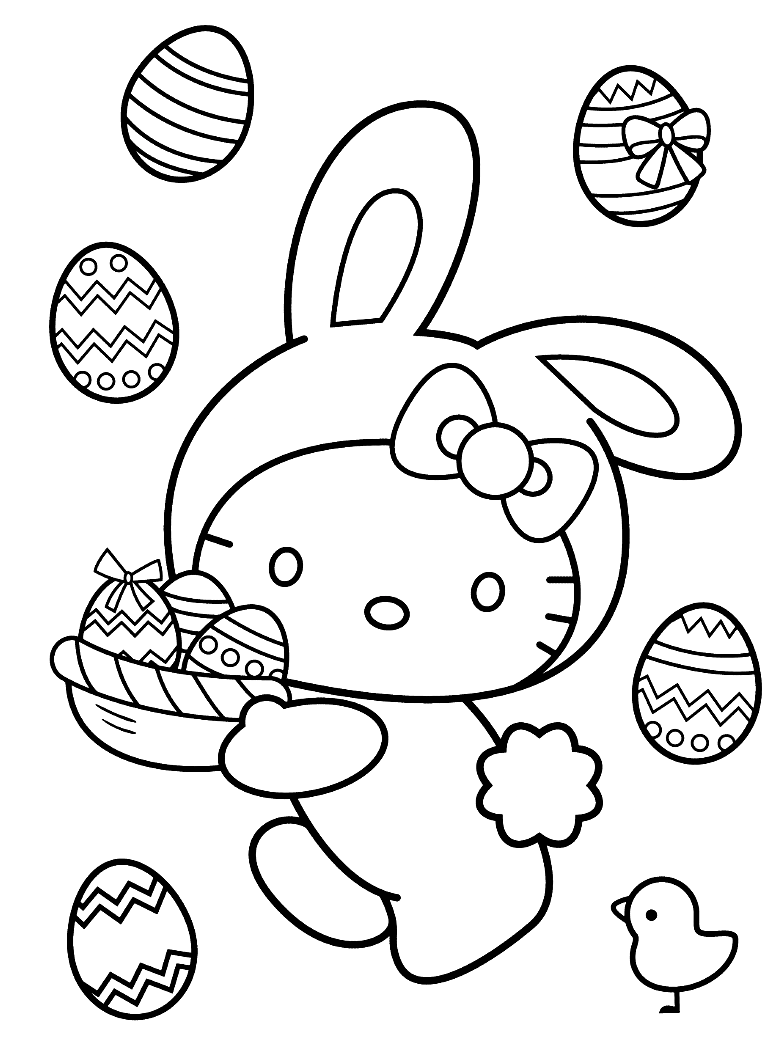
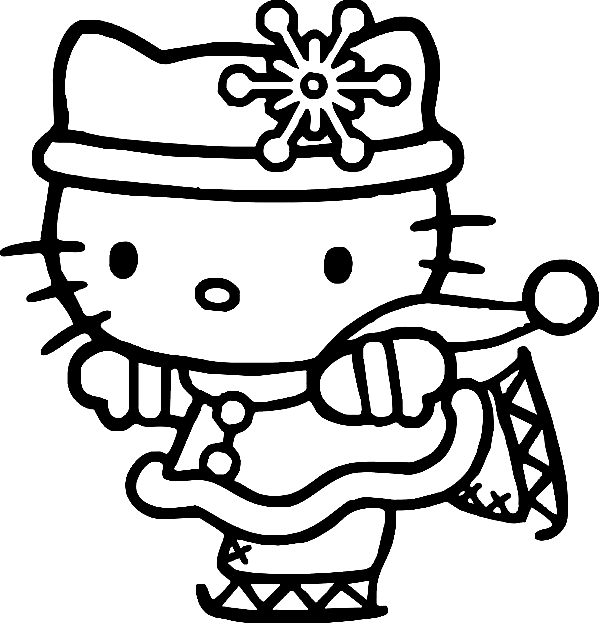
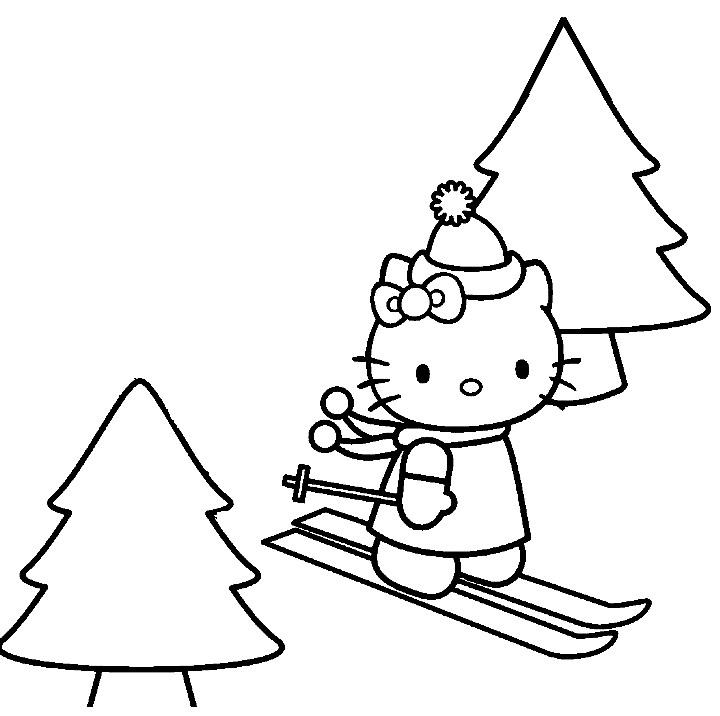
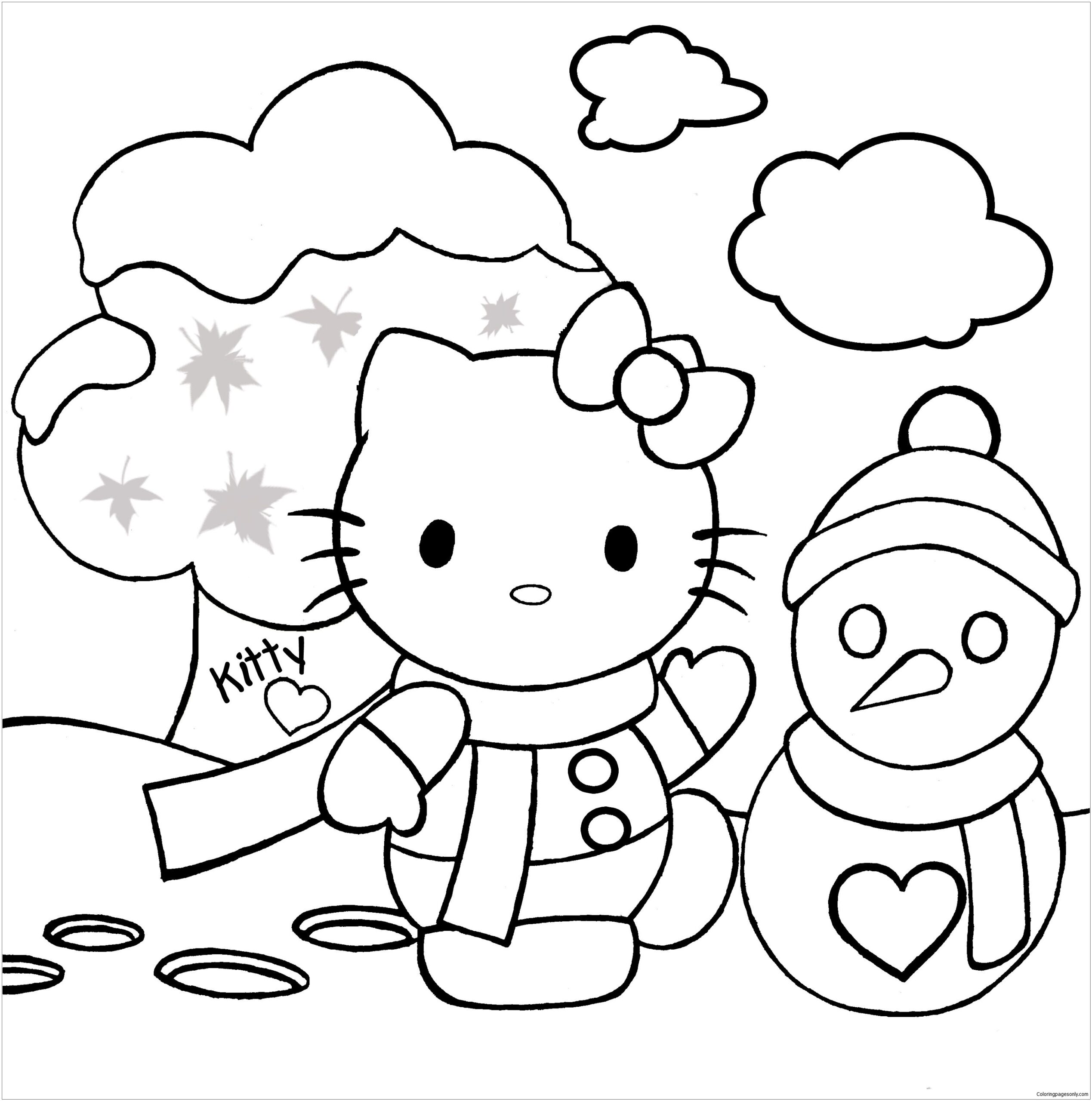
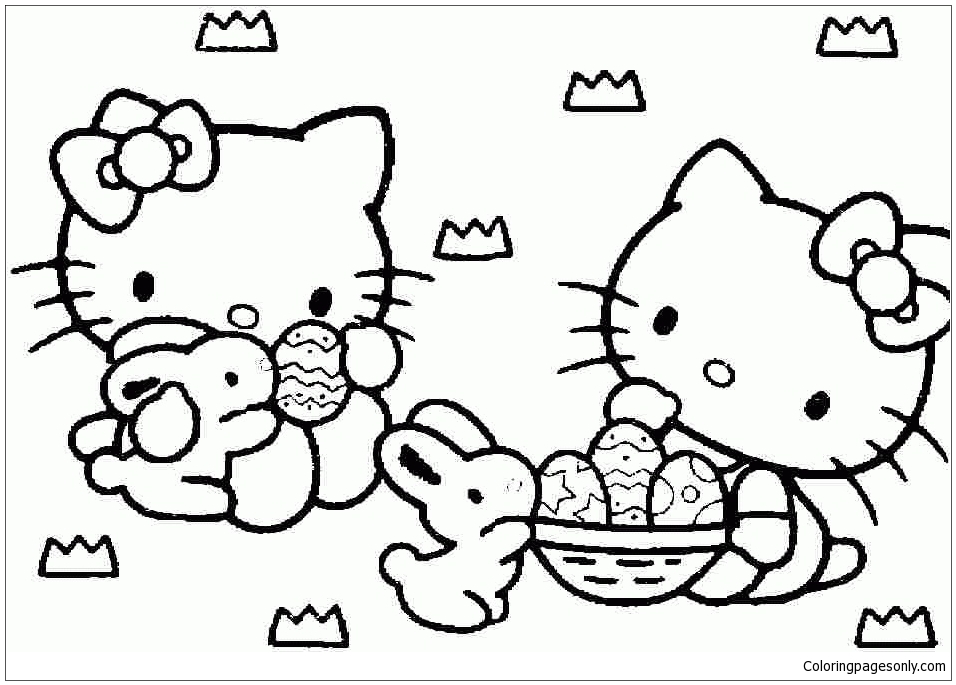
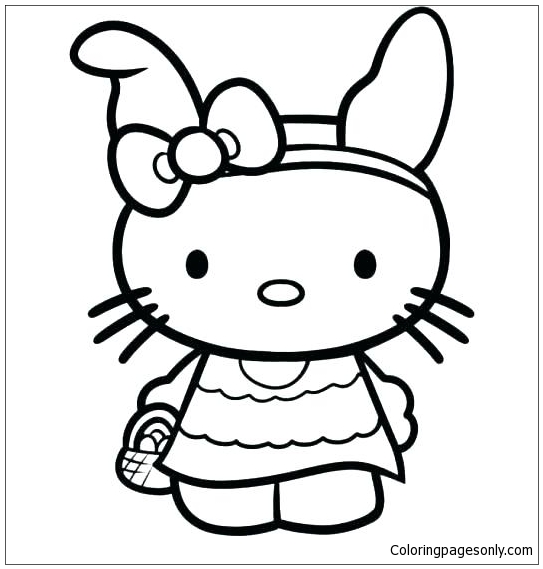
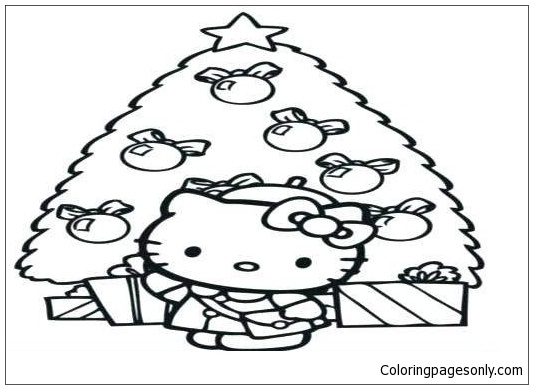
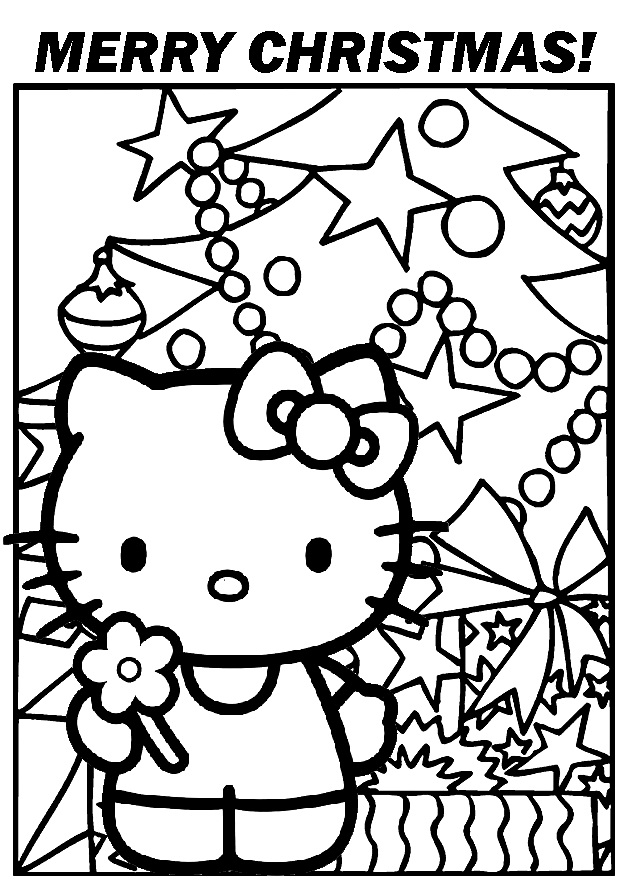
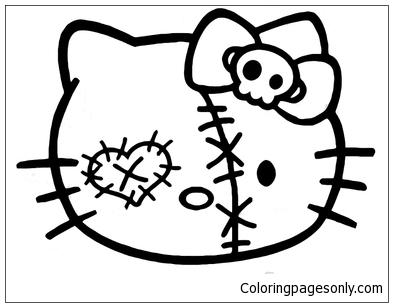
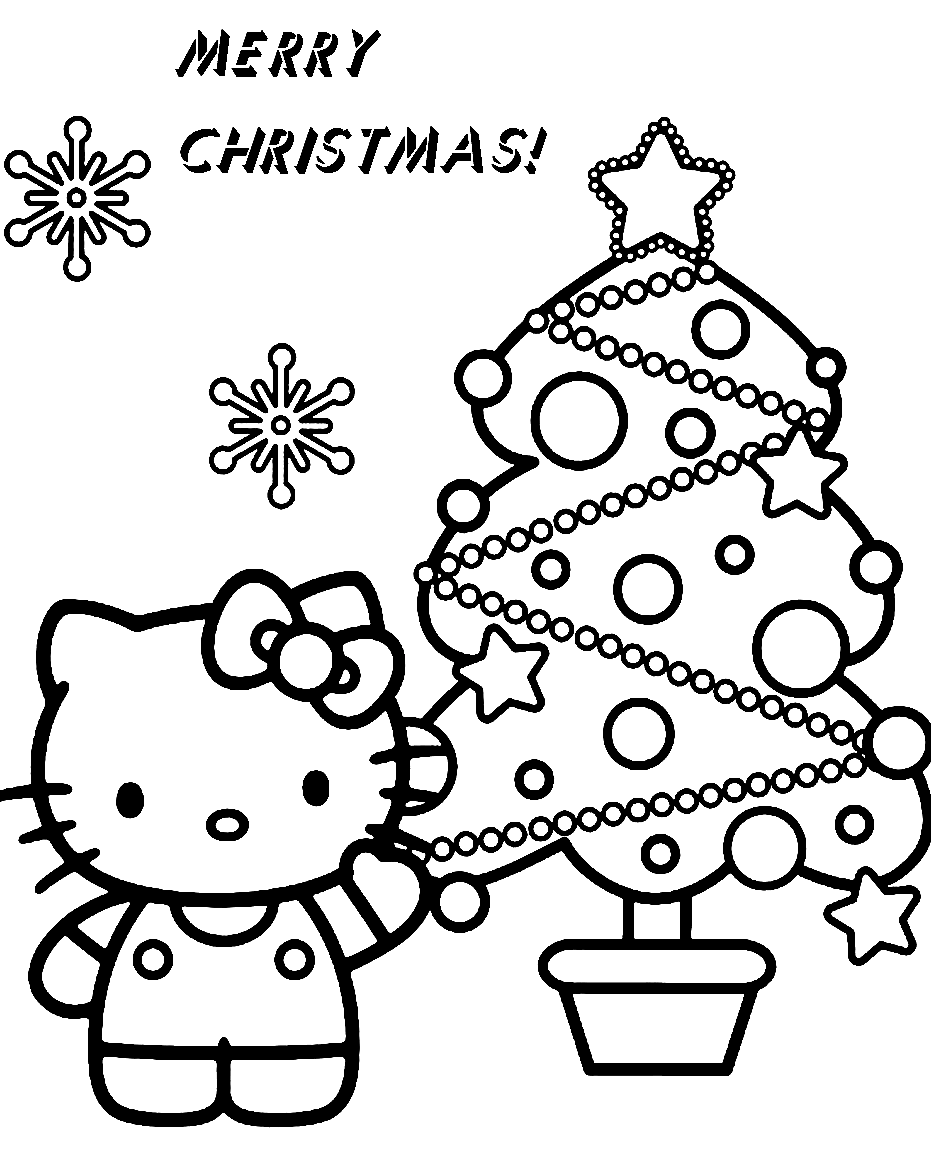
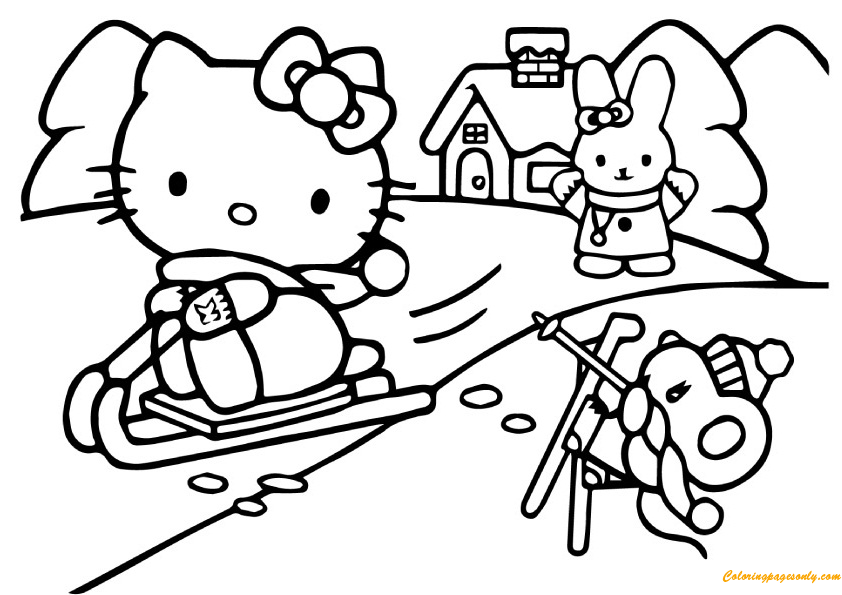
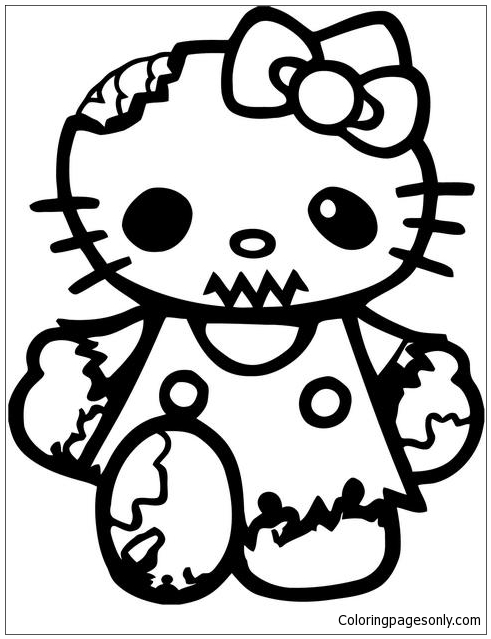
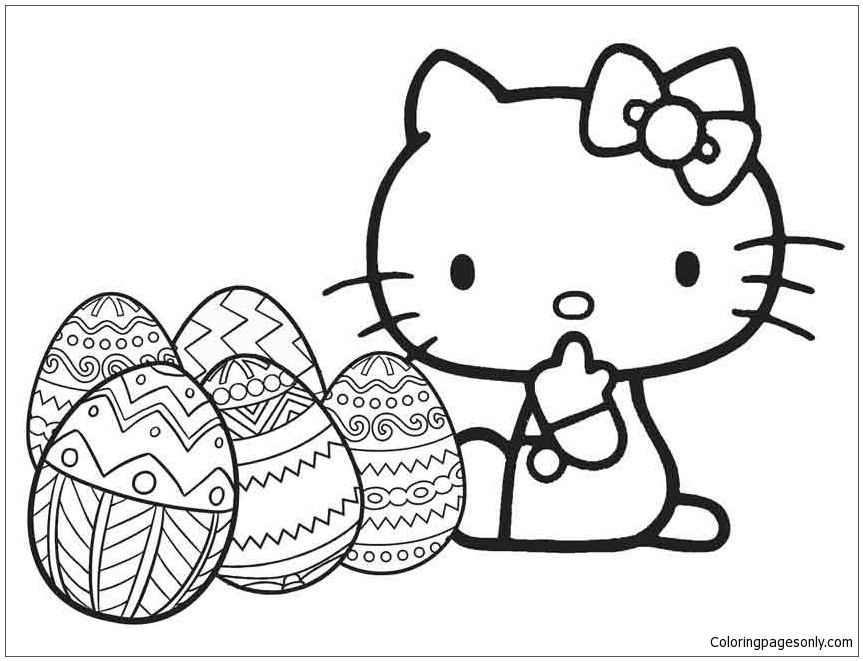
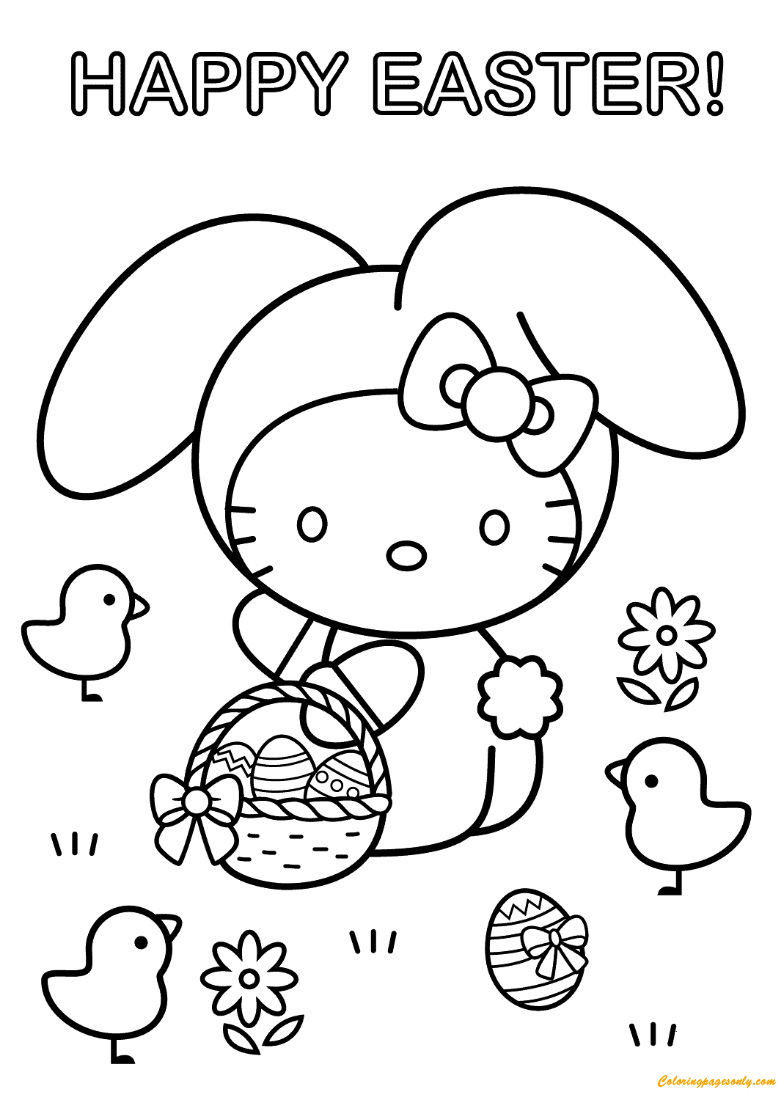
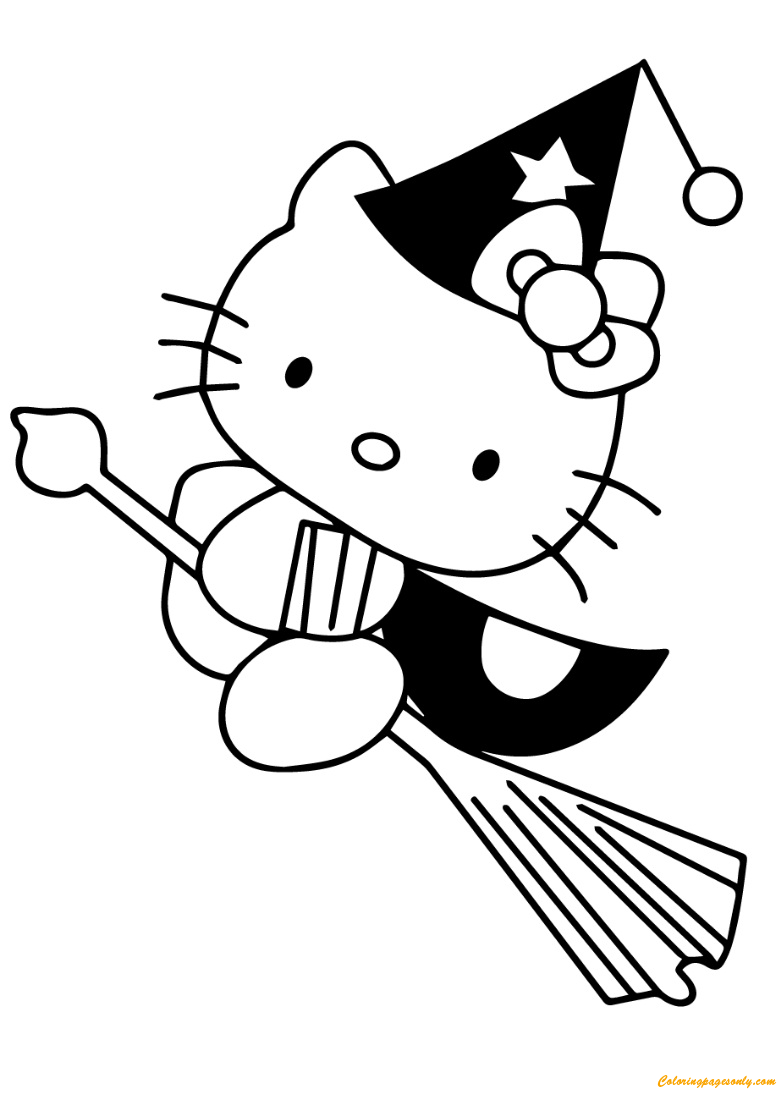
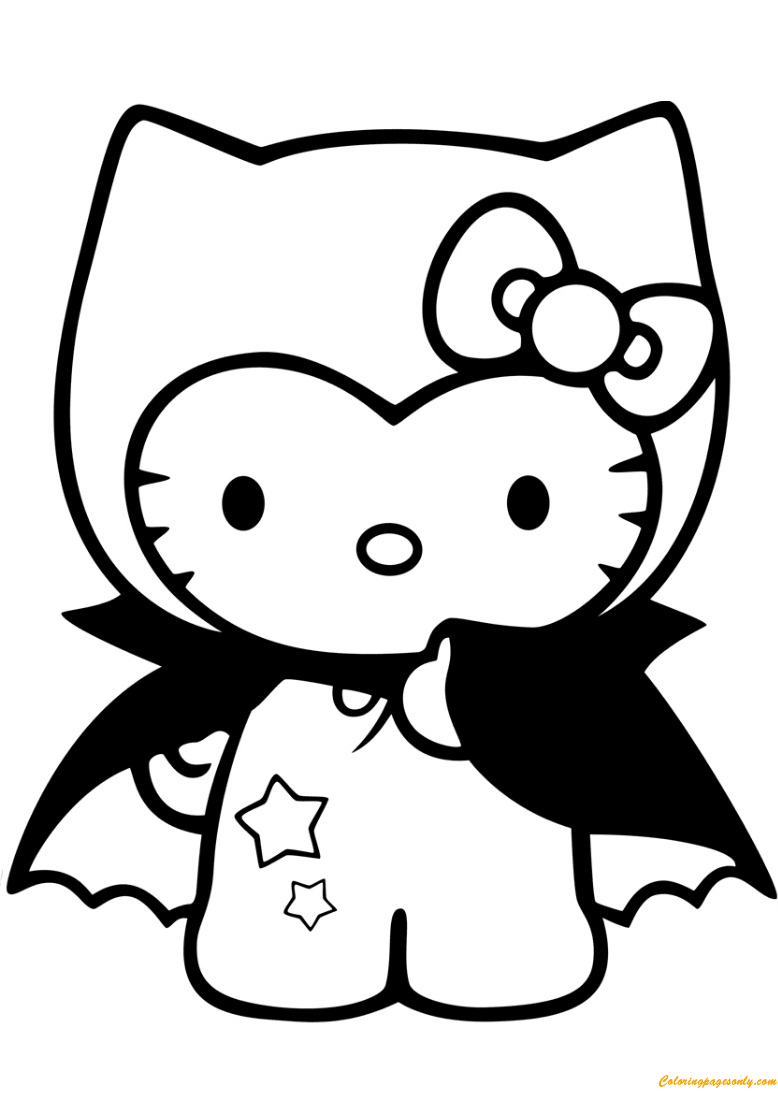
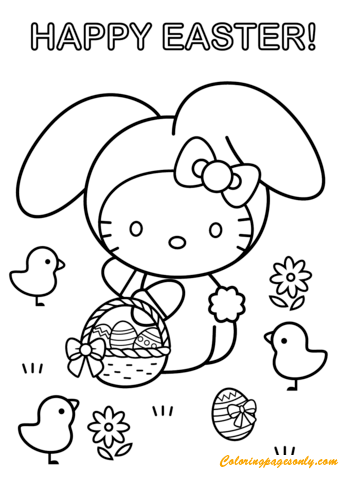
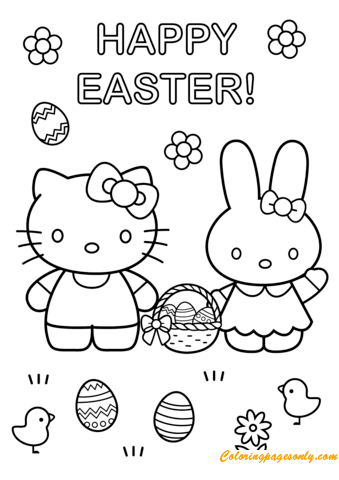
The seasonal and holiday pages form one of the largest thematic clusters in the collection, covering Hello Kitty through the full calendar year. Halloween is the most extensively covered season – Hello Kitty Witch Cooking In The Cauldron, Hello Kitty In Halloween Night, Hello Kitty Halloween Sitting On Jack-o-Lantern, Hello Kitty Coloring Pages Halloween, Hello Kitty Halloween Coloring Page, and Halloween Hello Kitty variants provide multiple different Halloween compositions. Christmas is the second most covered – Hello Kitty Christmas Tree Coloring Page and Hello Kitty Christmas 2 join the broad holiday coverage. Easter, St. Patrick’s Day (Hello Kitty Happy St. Patrick’s Day Coloring Page), New Year (Hello Kitty New Year Coloring Page), and Guy Fawkes Night (Hello Kitty and Sanrio Characters on Guy Fawkes Night) extend the seasonal calendar further.
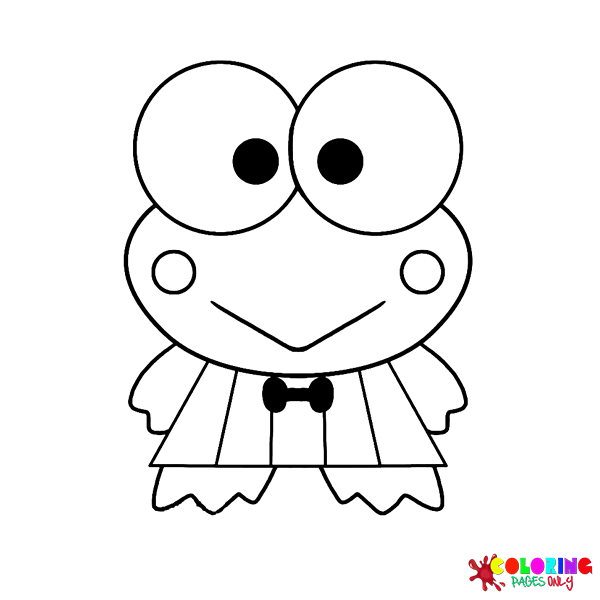
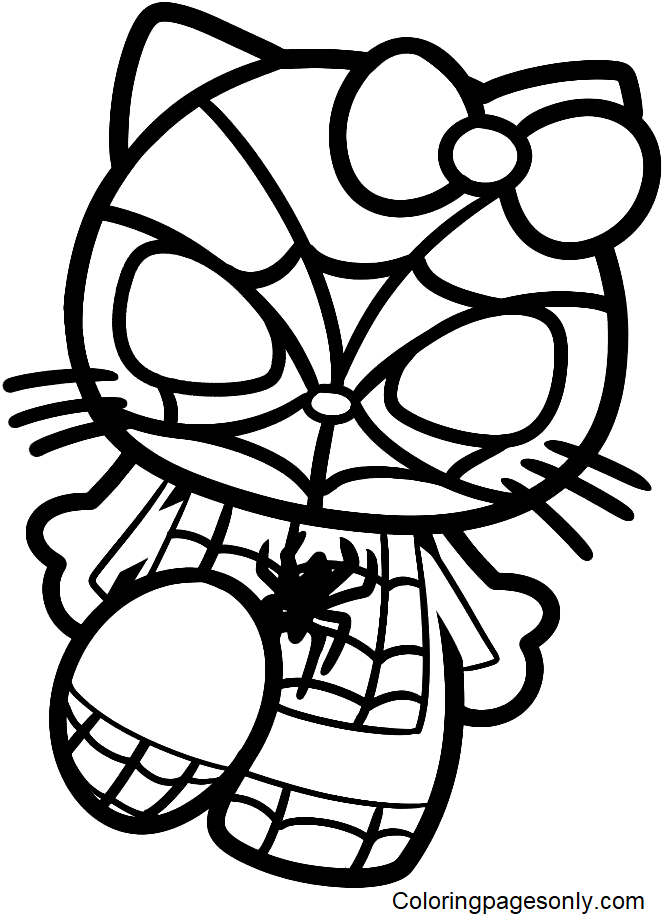
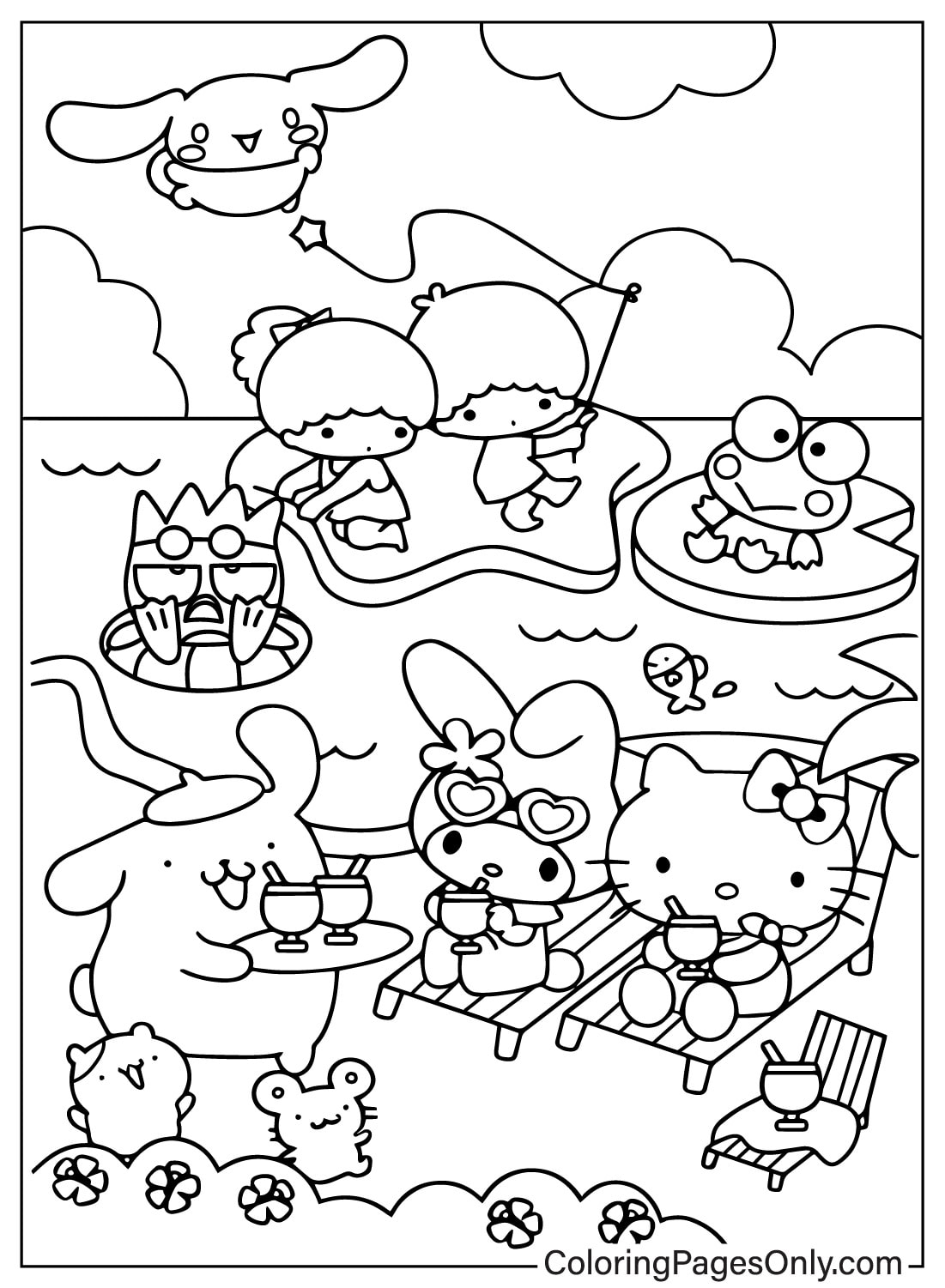
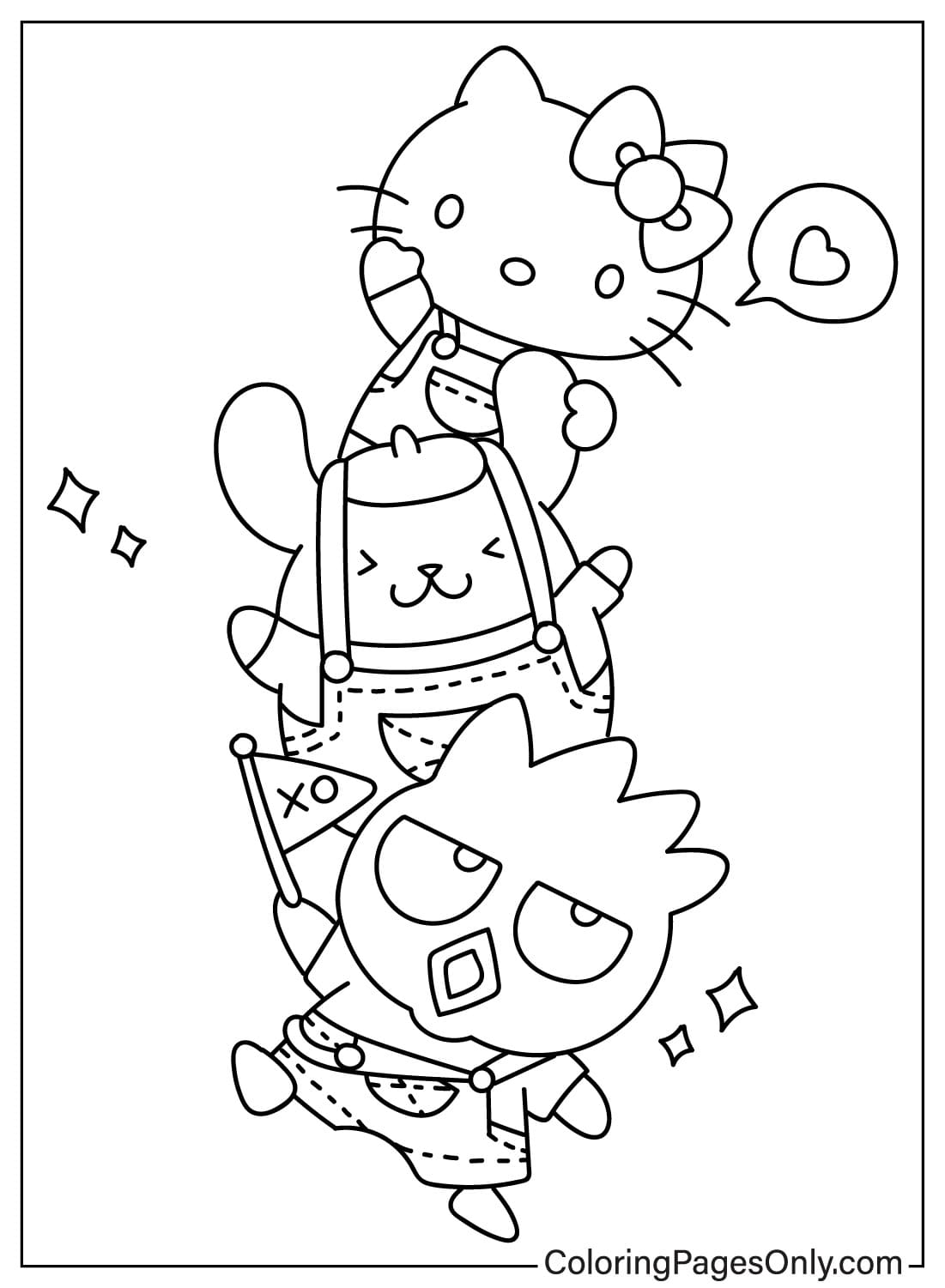
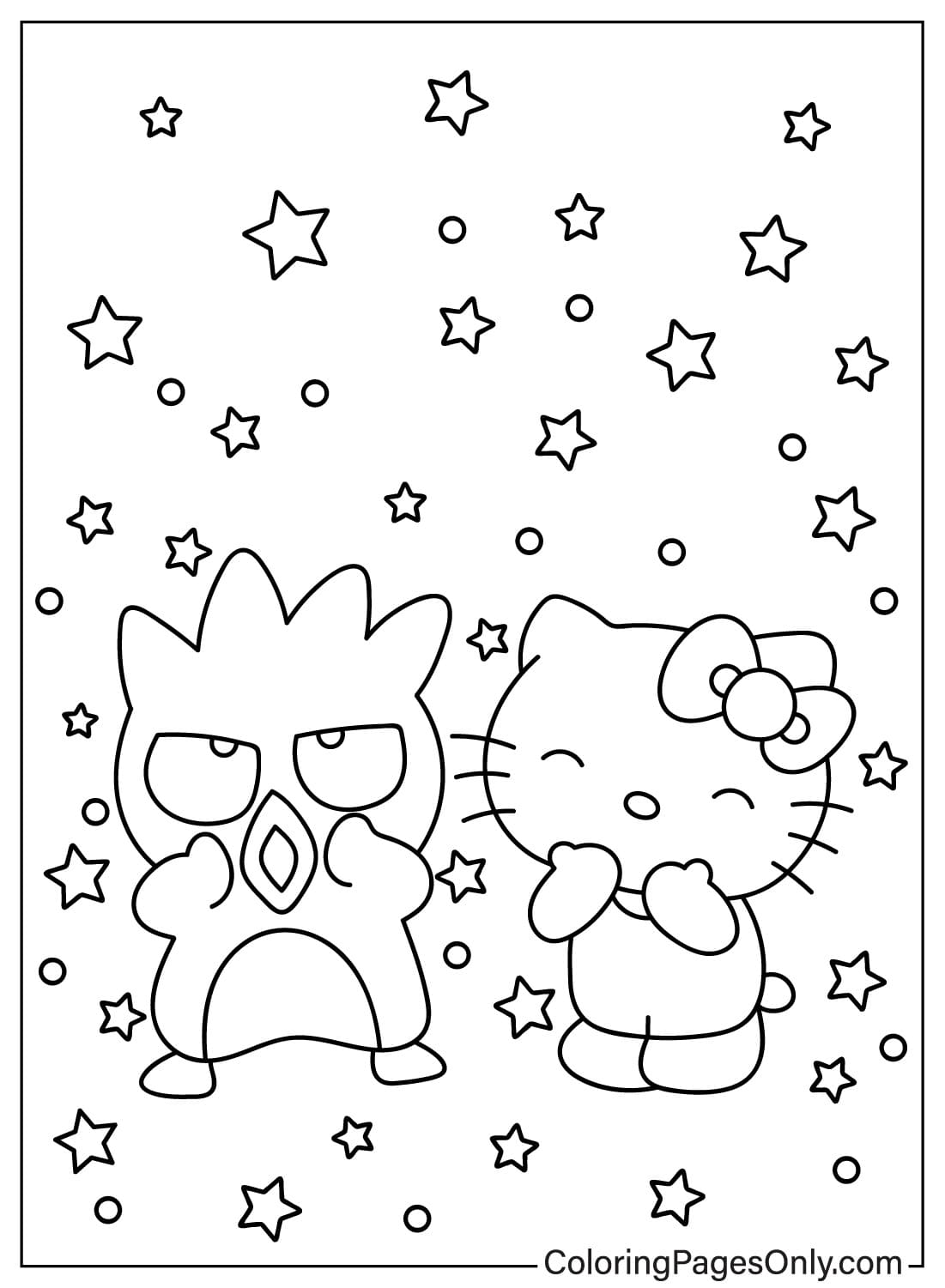
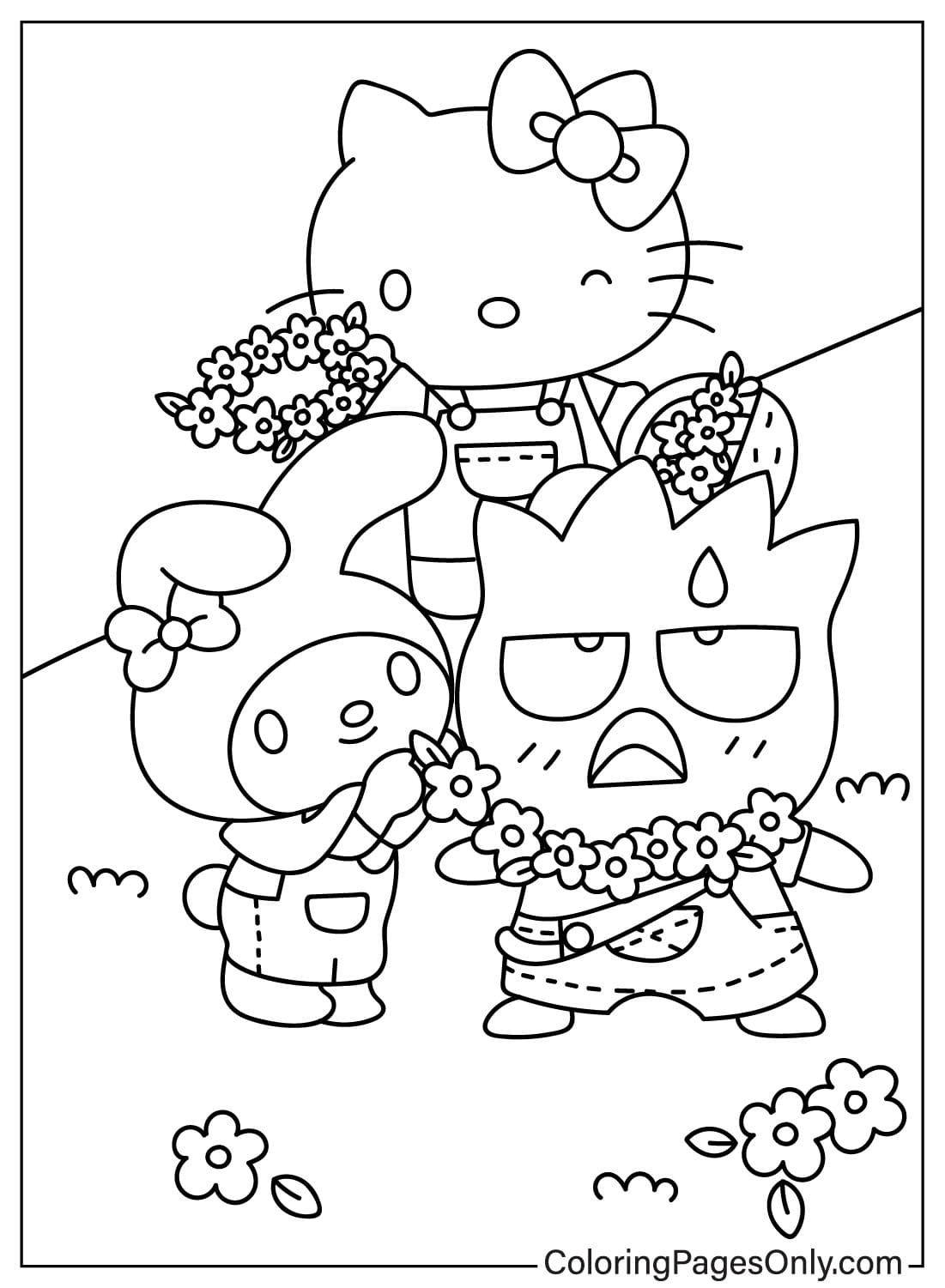
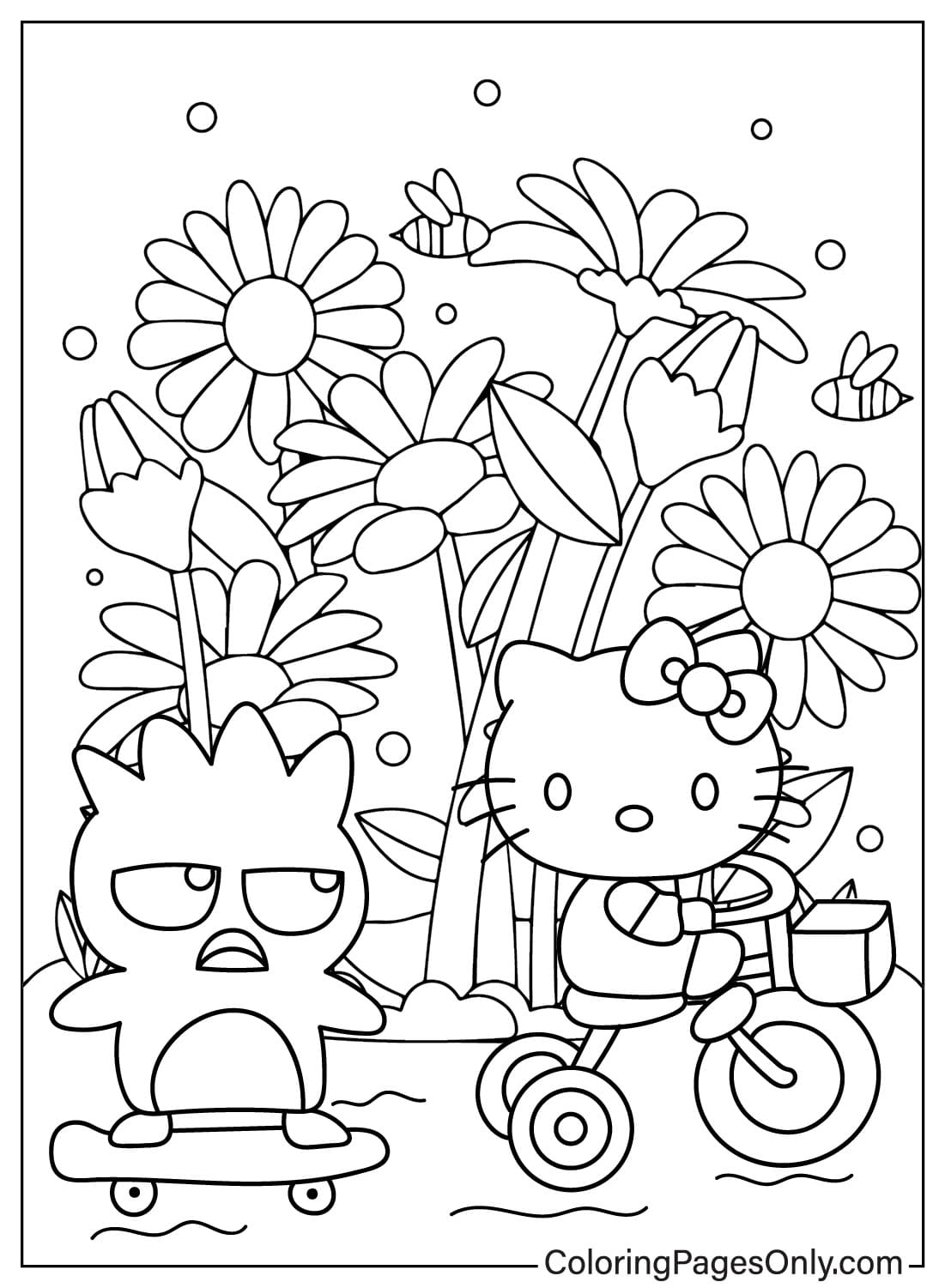
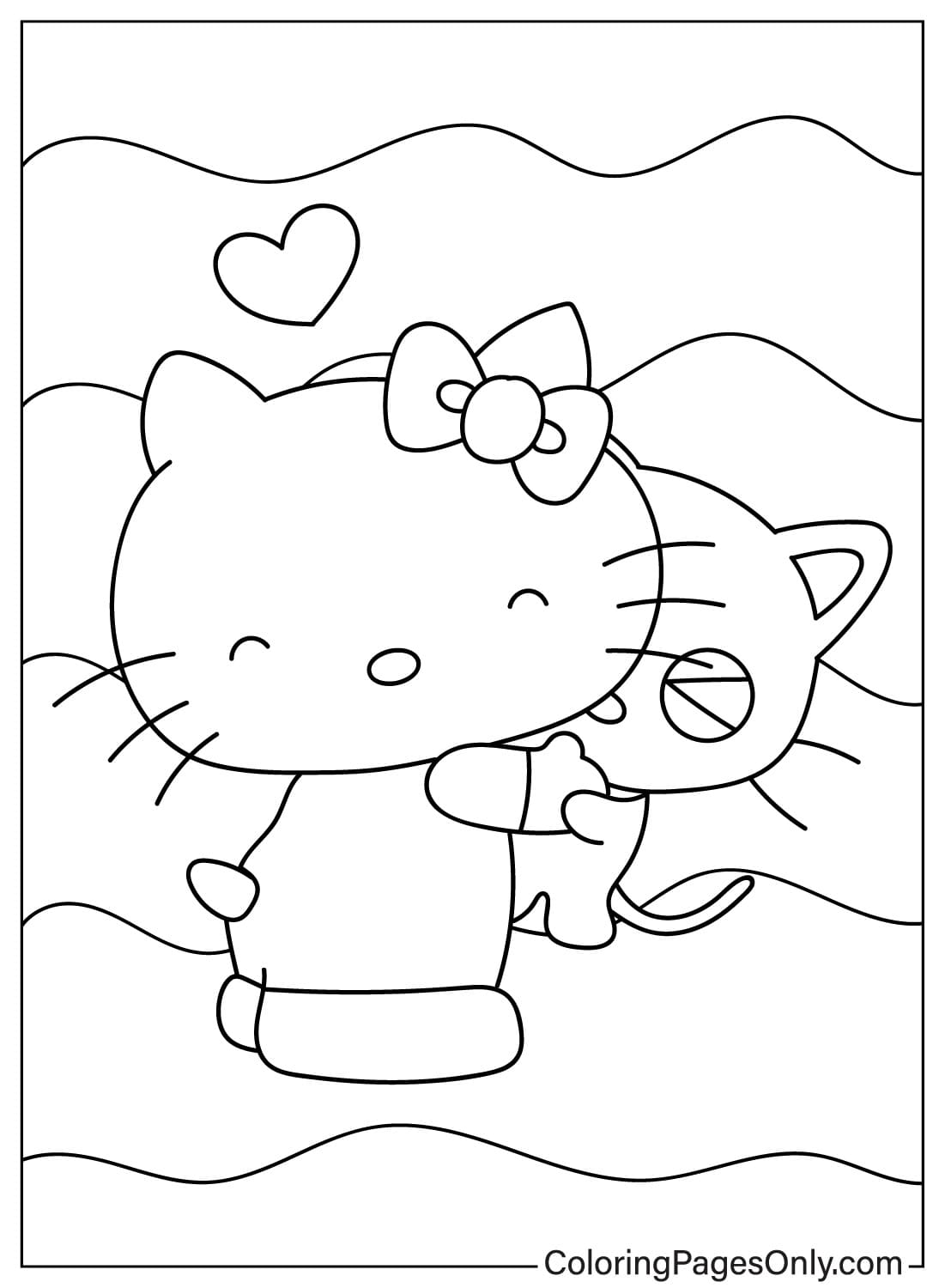
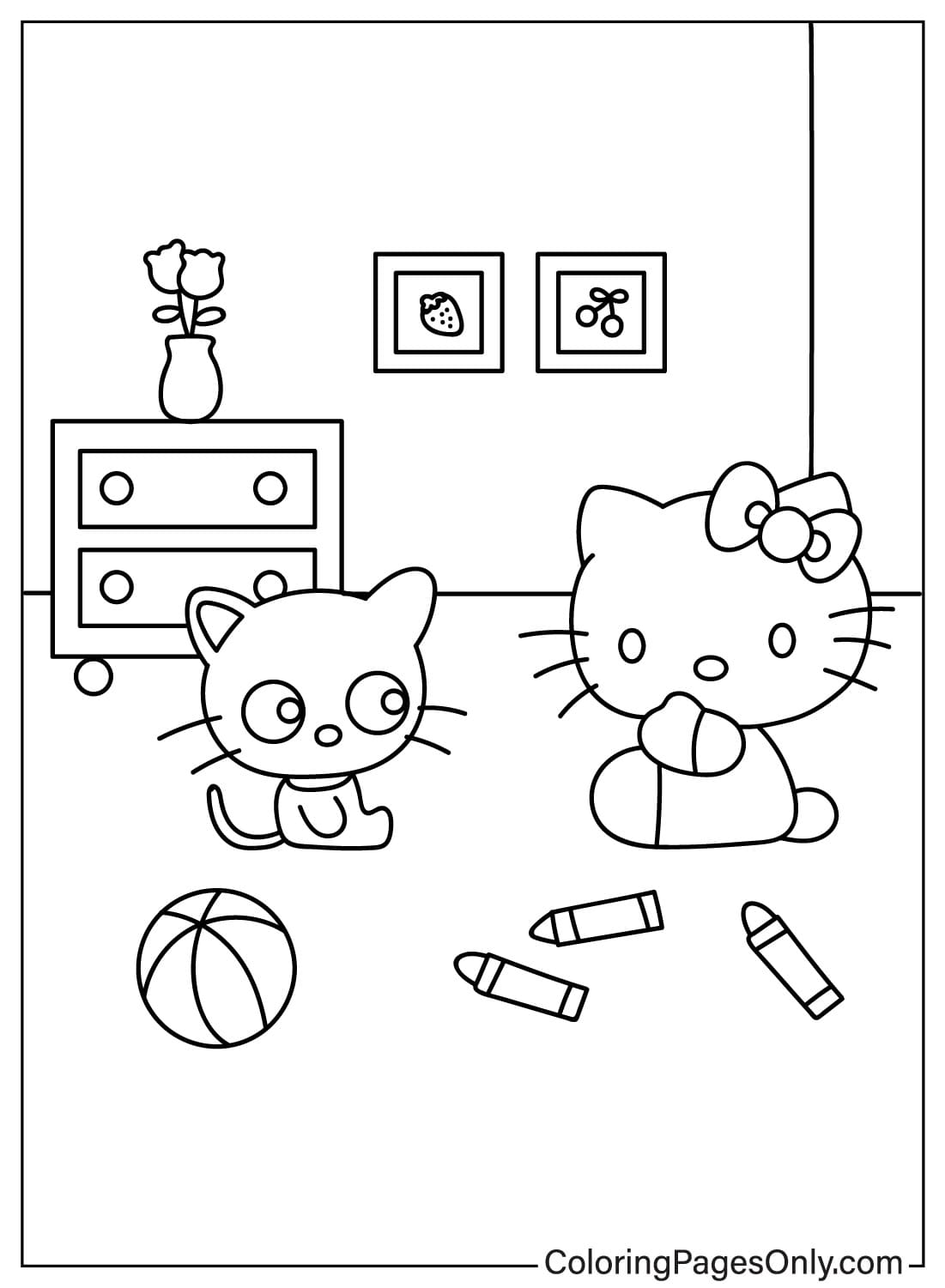
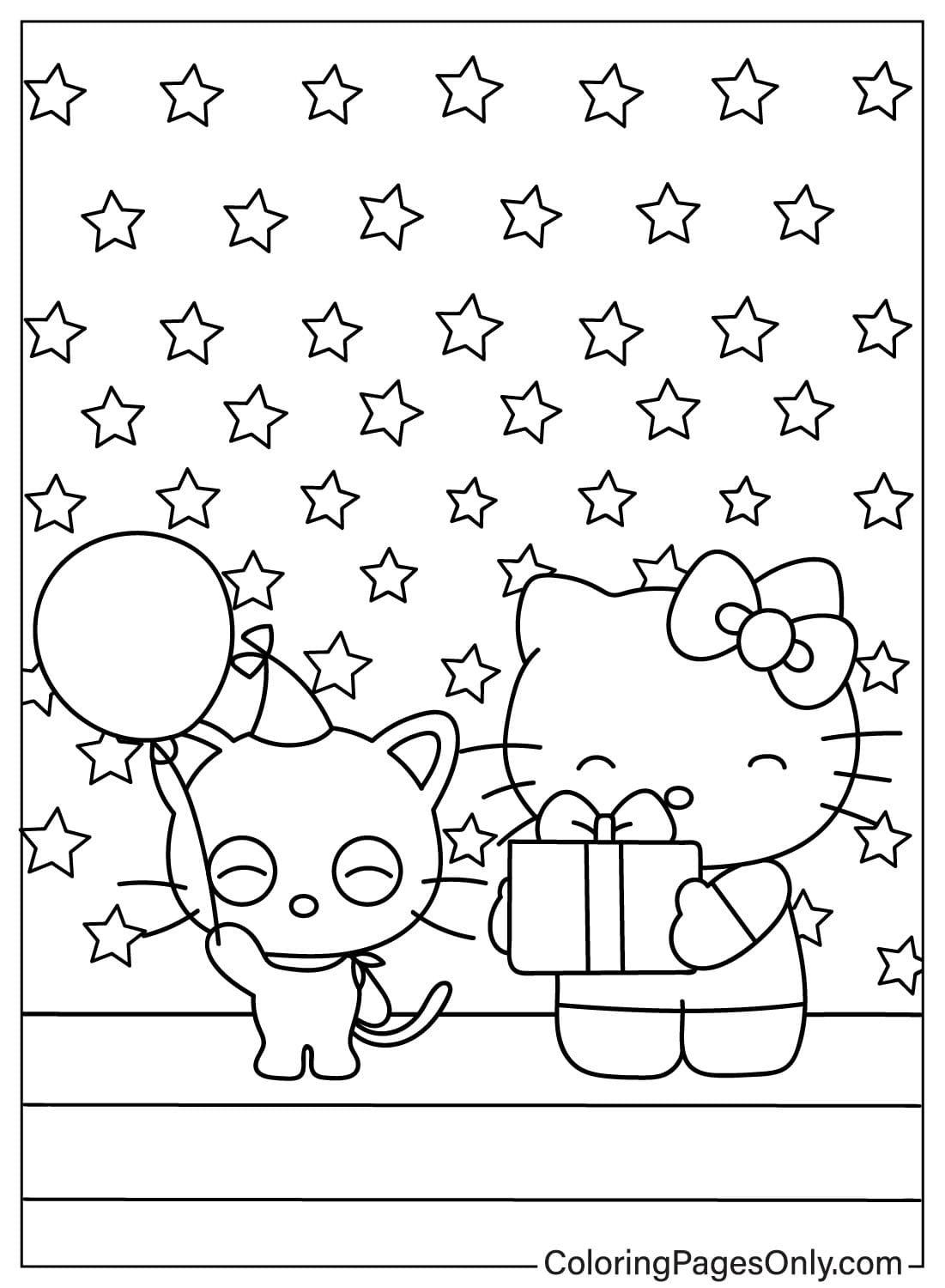
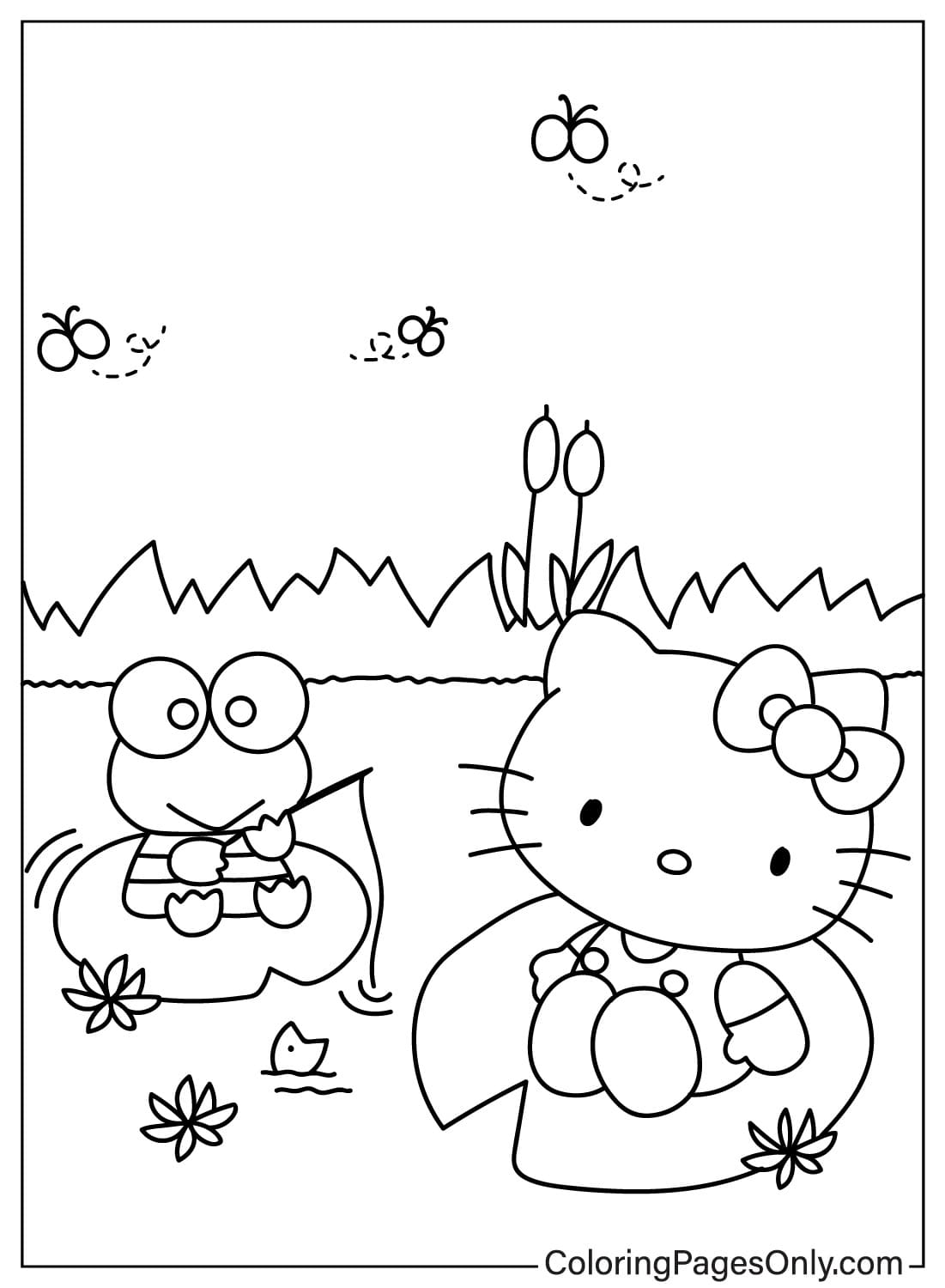
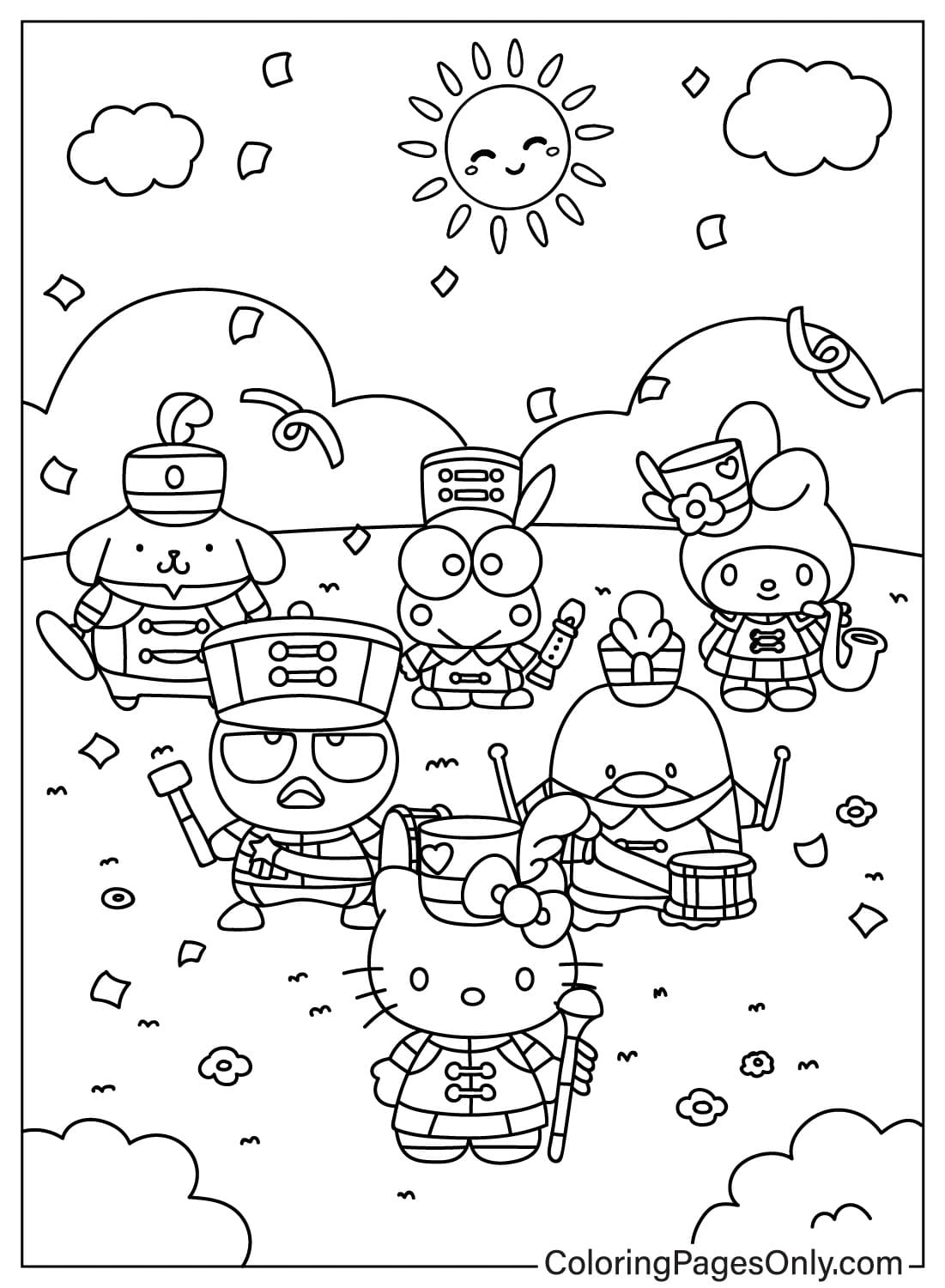
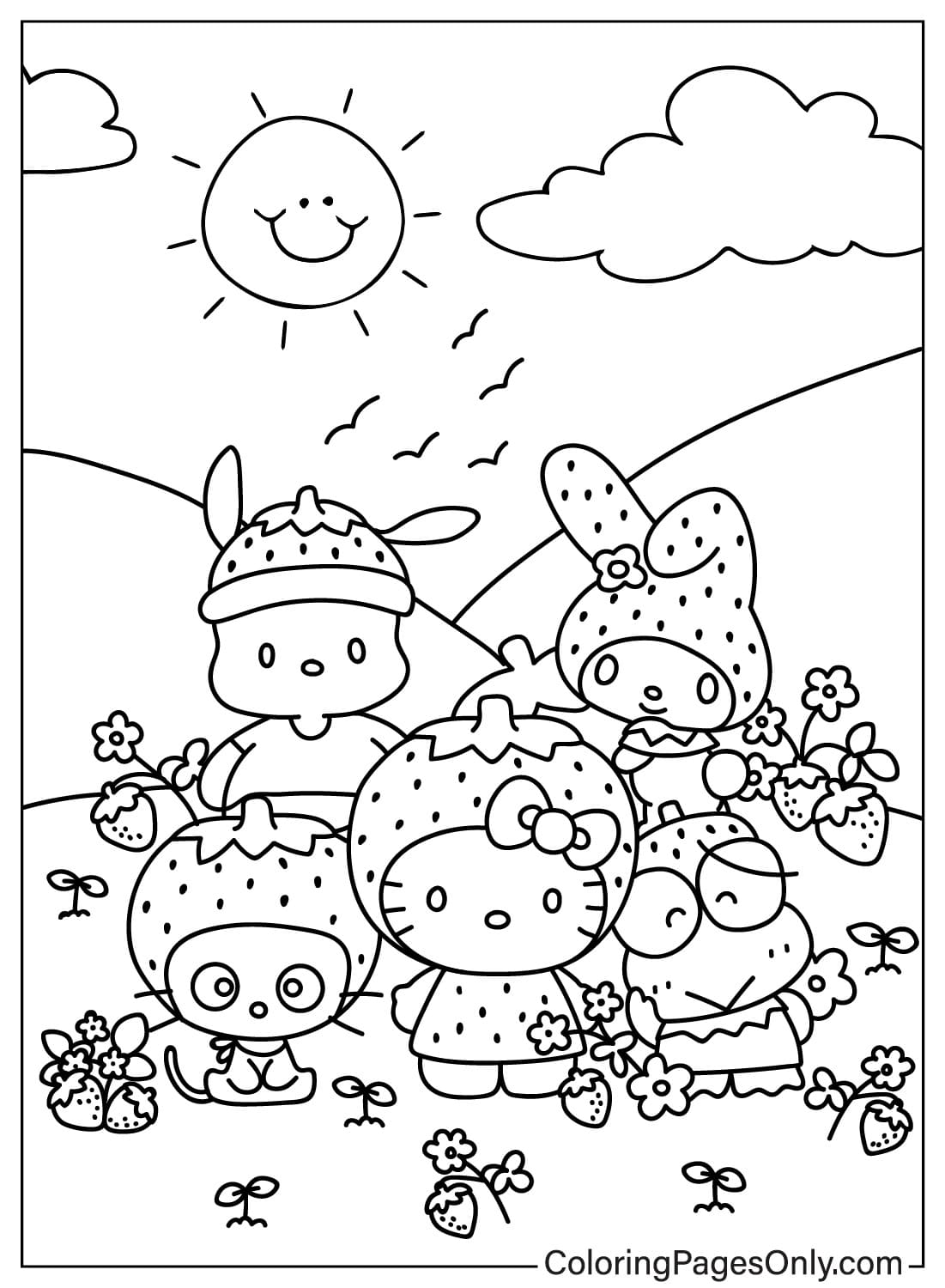
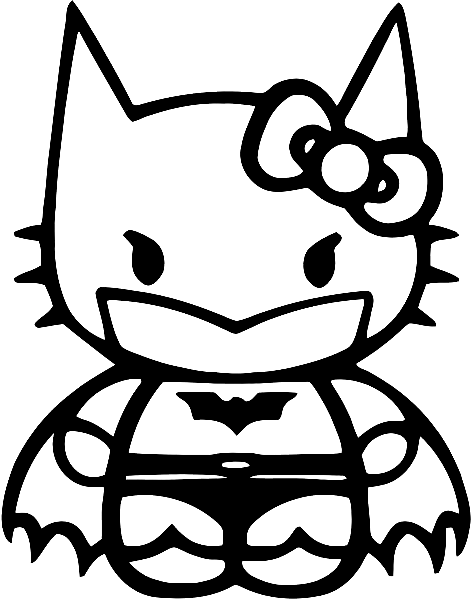
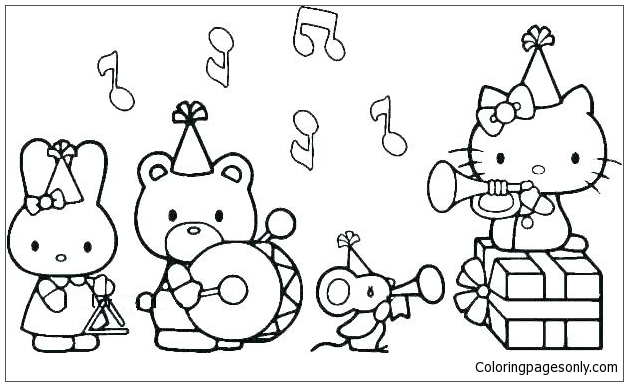
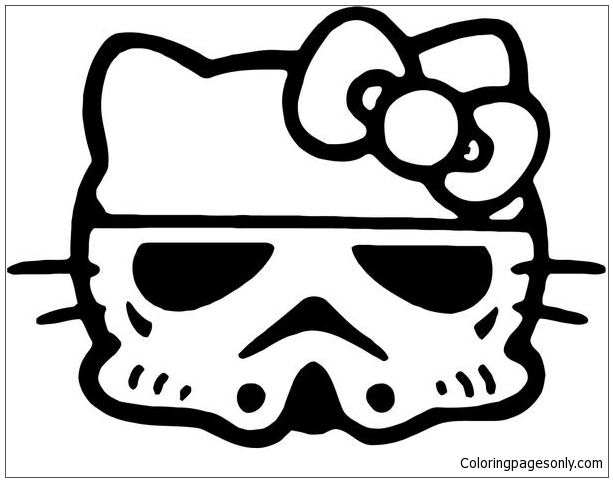
The Sanrio friends and crossover pages bring Hello Kitty into shared compositions with the broader Sanrio universe. Badtz-Maru appears in multiple pages alongside Hello Kitty – Hello Kitty and Badtz-Maru Coloring Page, Badtz-Maru and Hello Kitty Coloring Page, Badtz-Maru, Pompompurin and Hello Kitty Coloring Page, and Badtz-Maru and Hello Kitty, My Melody Coloring Page. Chococat appears in Hello Kitty Chococat Coloring Page, Chococat and Hello Kitty to Color, Chococat Hello Kitty Coloring Page Free, and Chococat and Hello Kitty Coloring Page. Keroppi appears in Keroppi, Hello Kitty Coloring Page. The broader Free Sanrio Coloring Page and Sanrio Free Coloring Page provide ensemble Sanrio character group compositions. Spider-Man Hello Kitty is the most unusual crossover page in the collection – Hello Kitty in Spider-Man’s costume and color scheme.
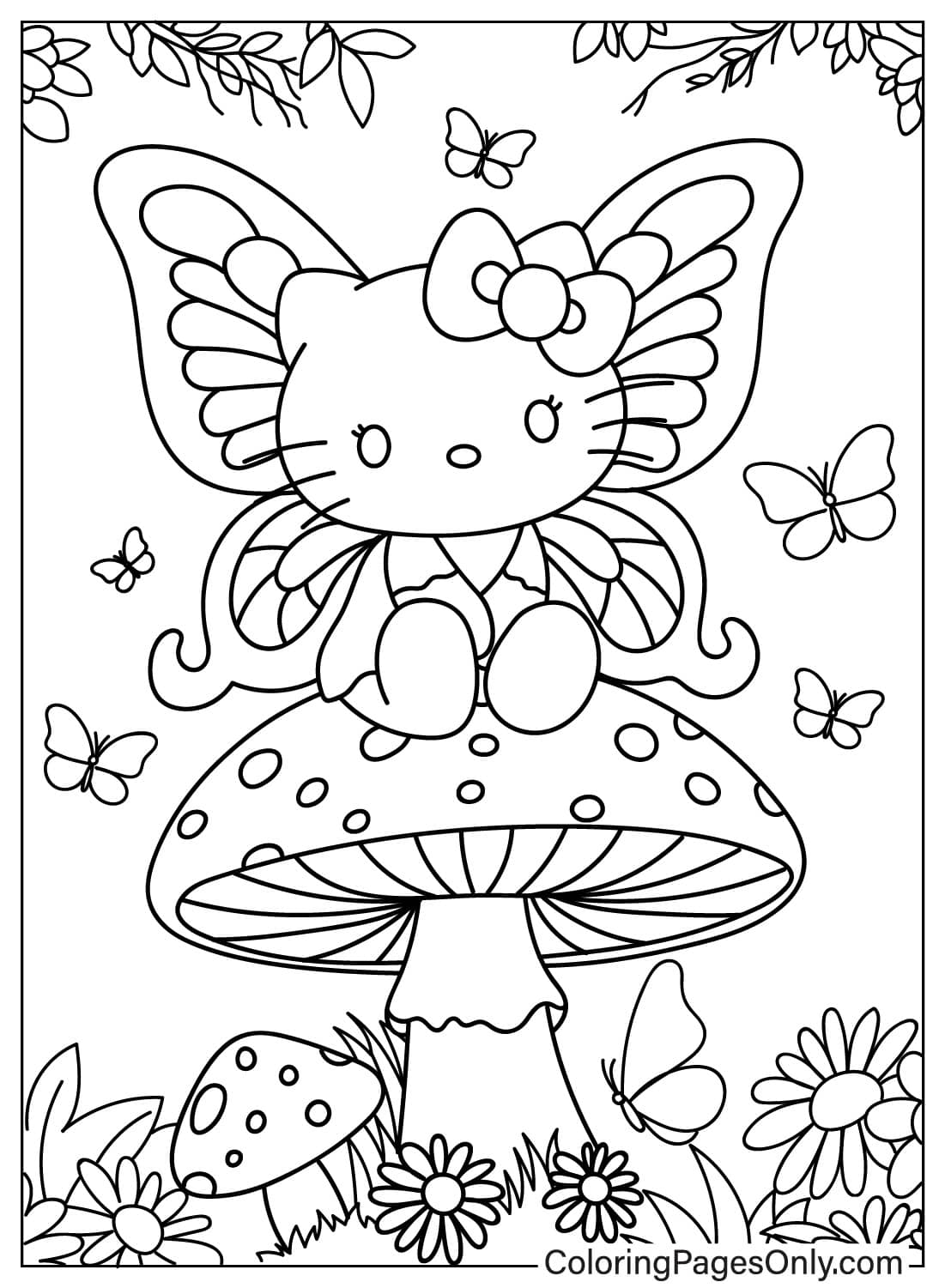
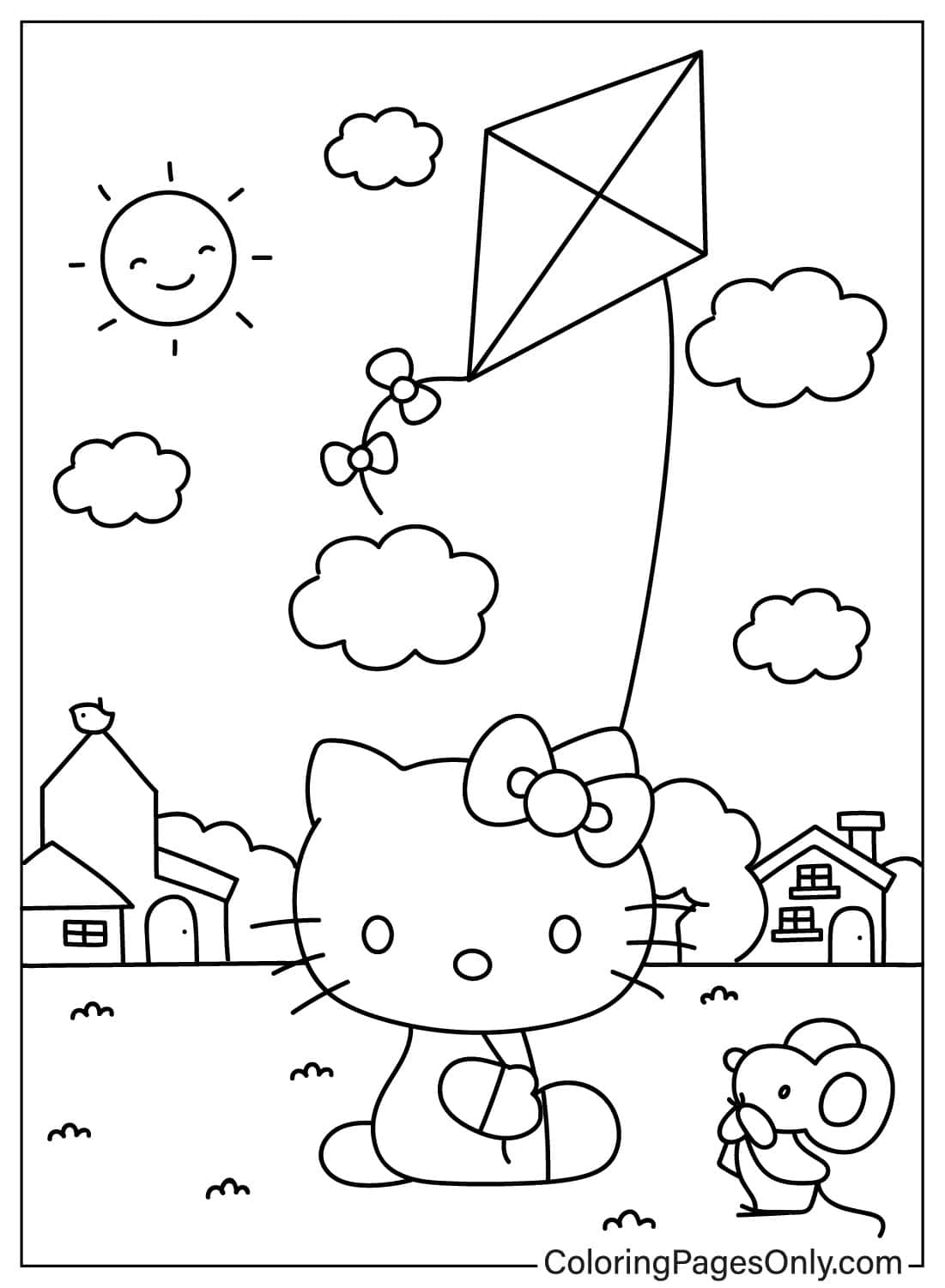
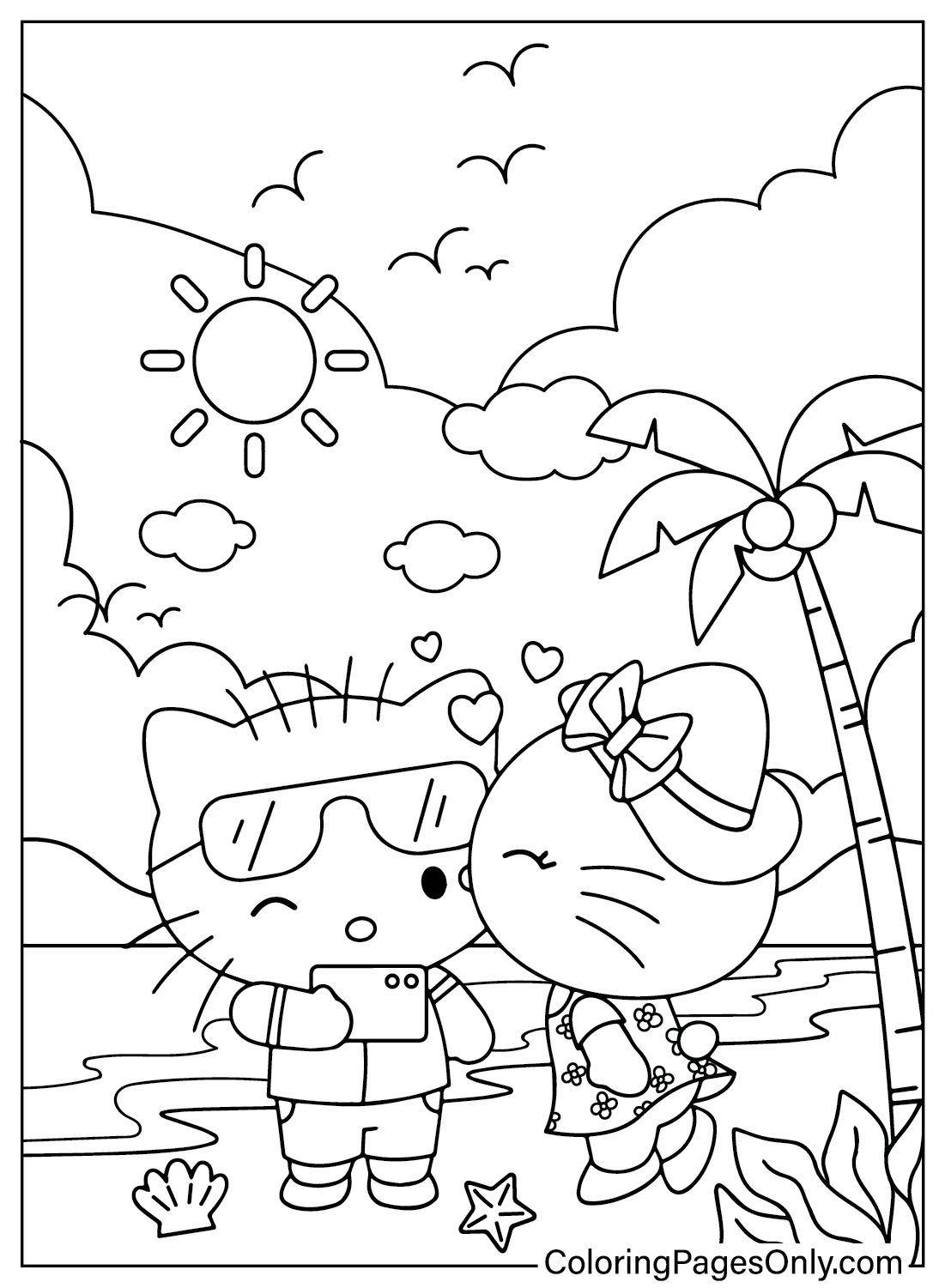
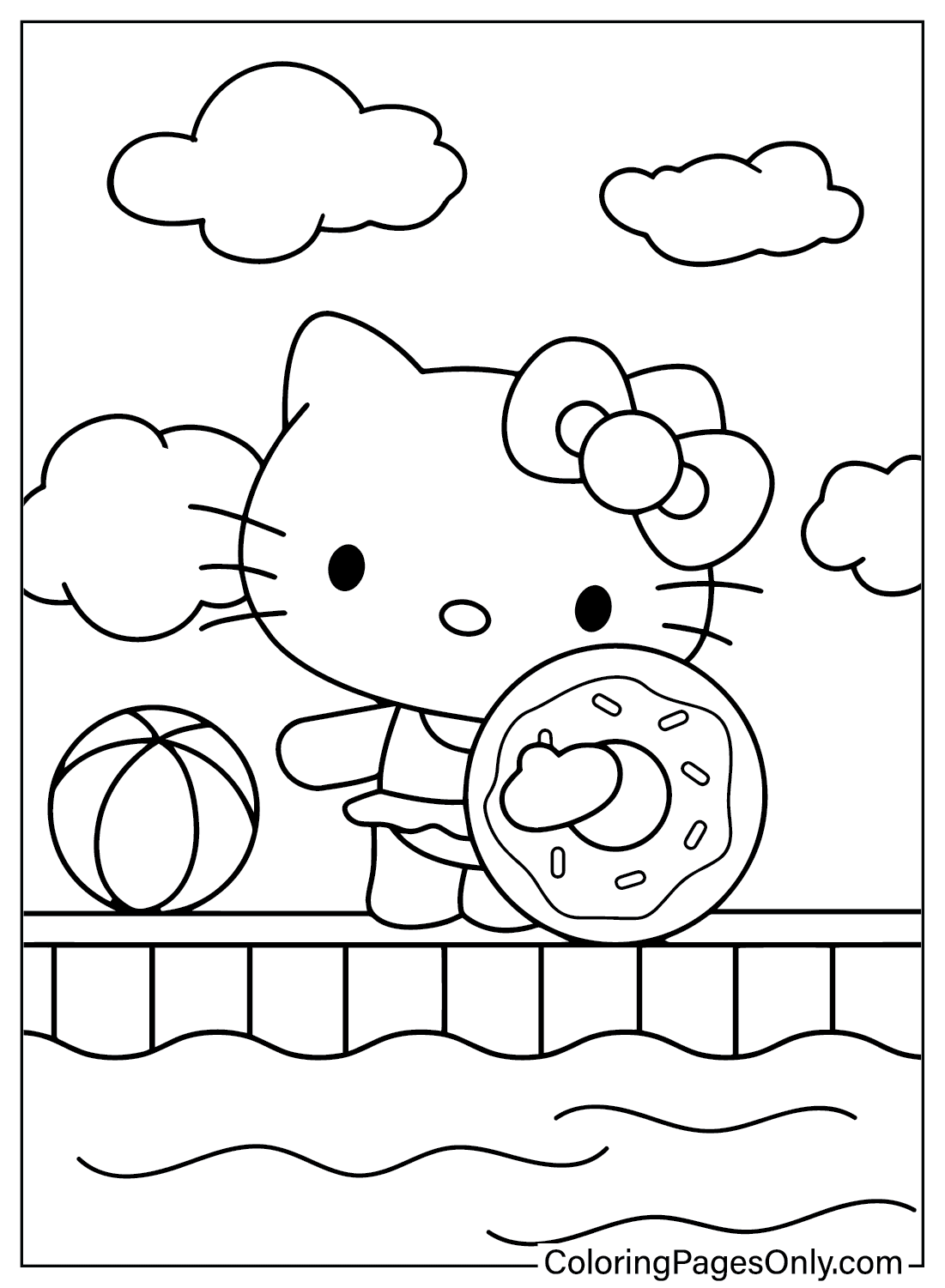
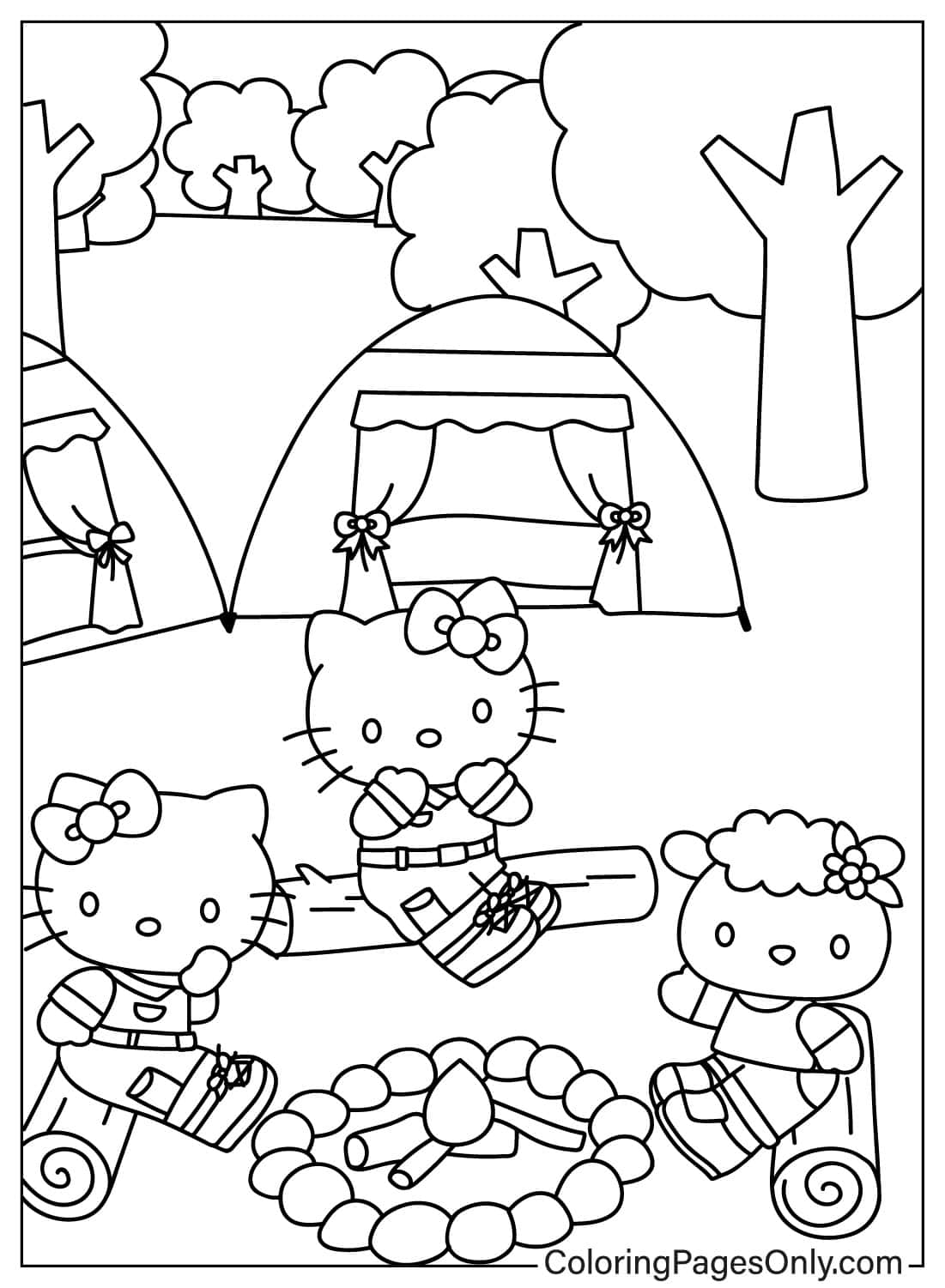
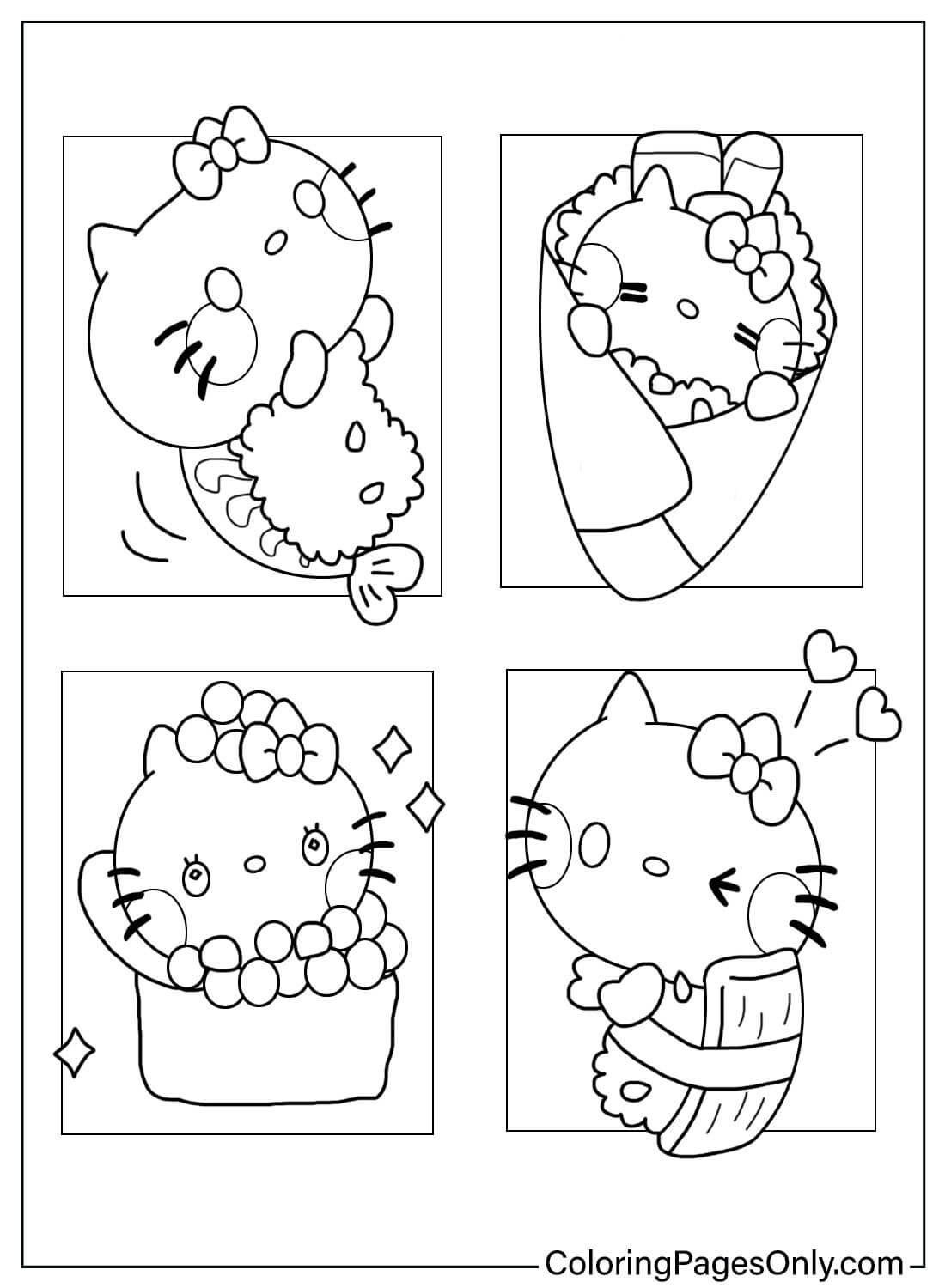
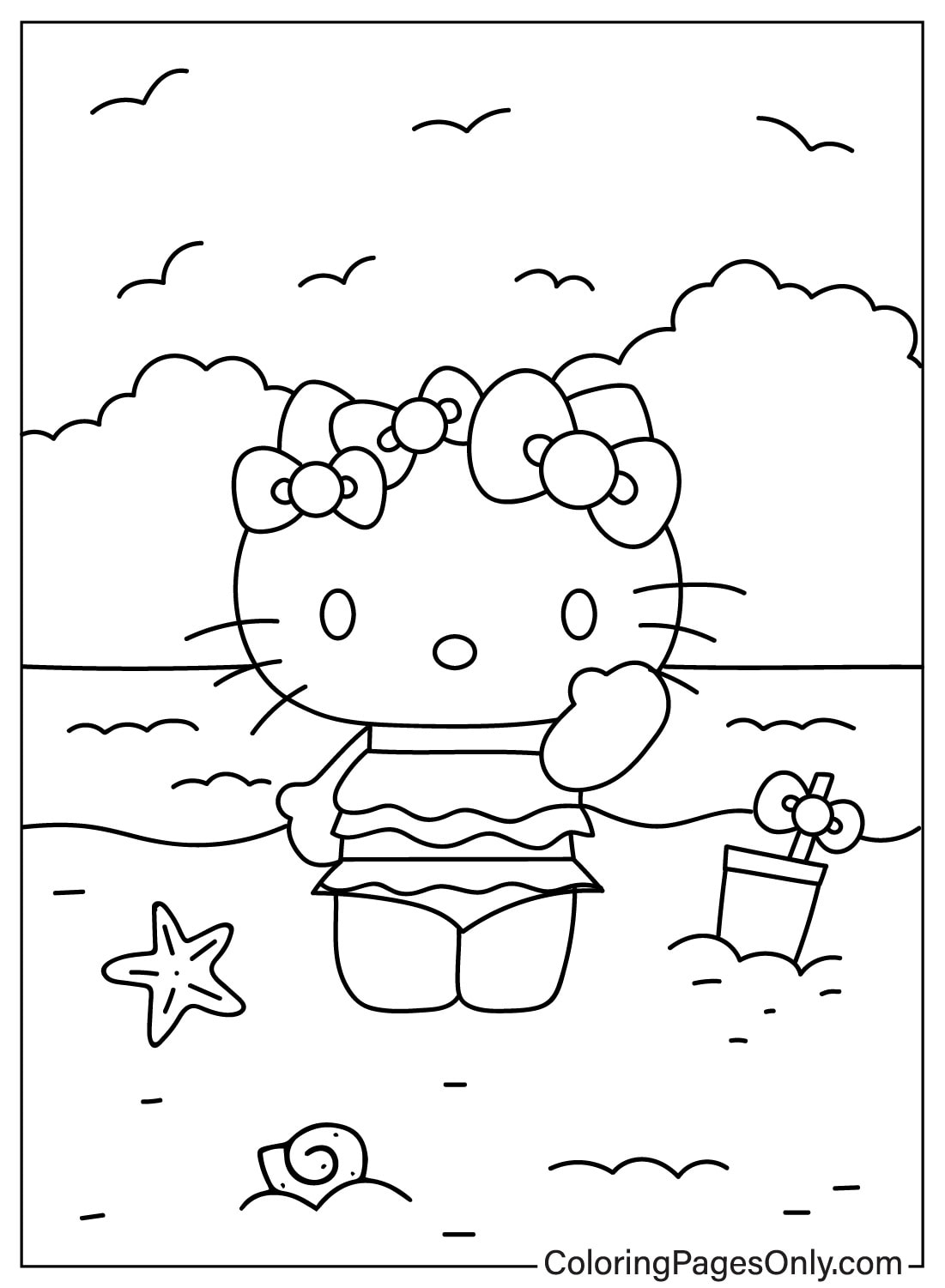
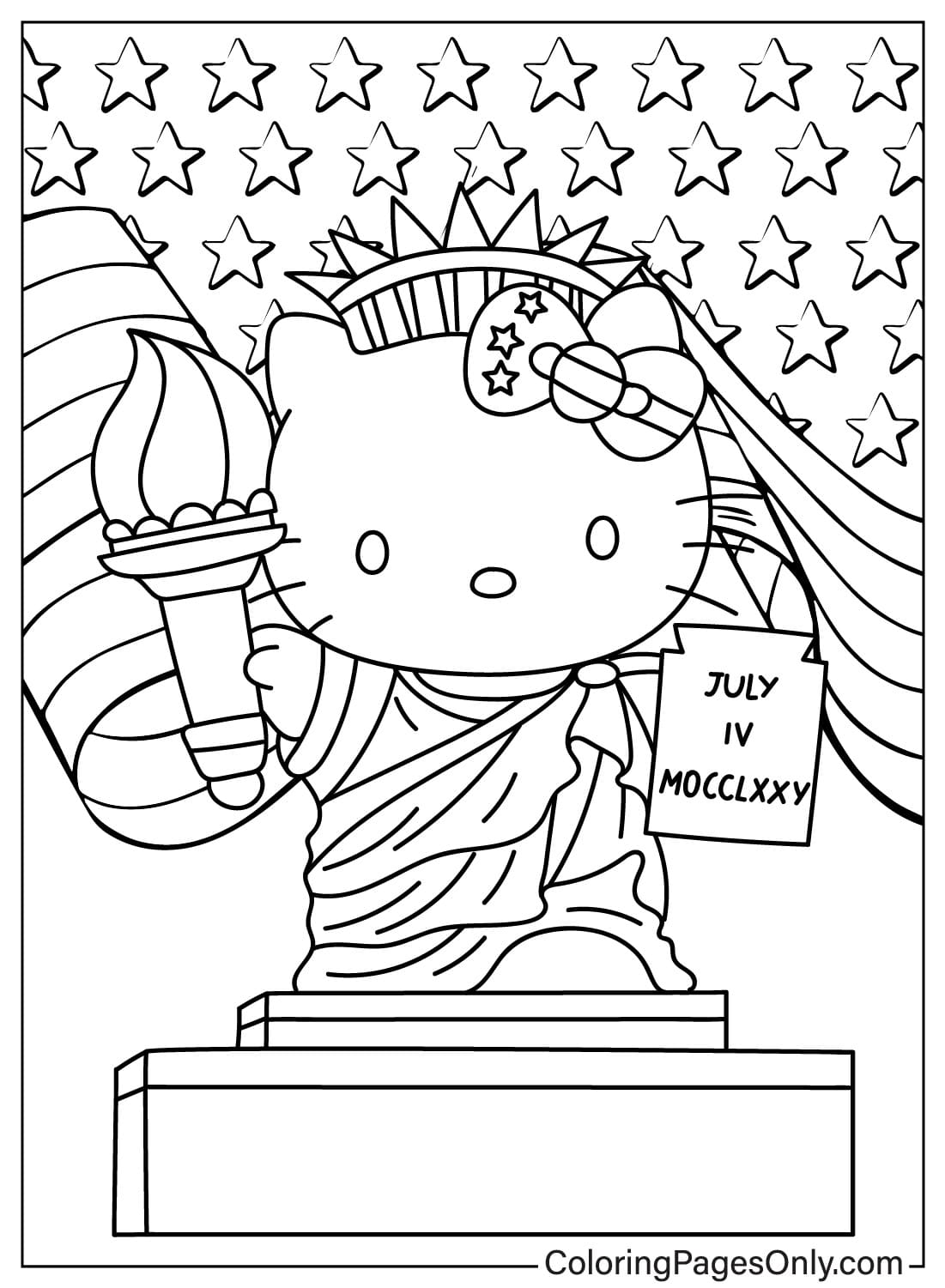
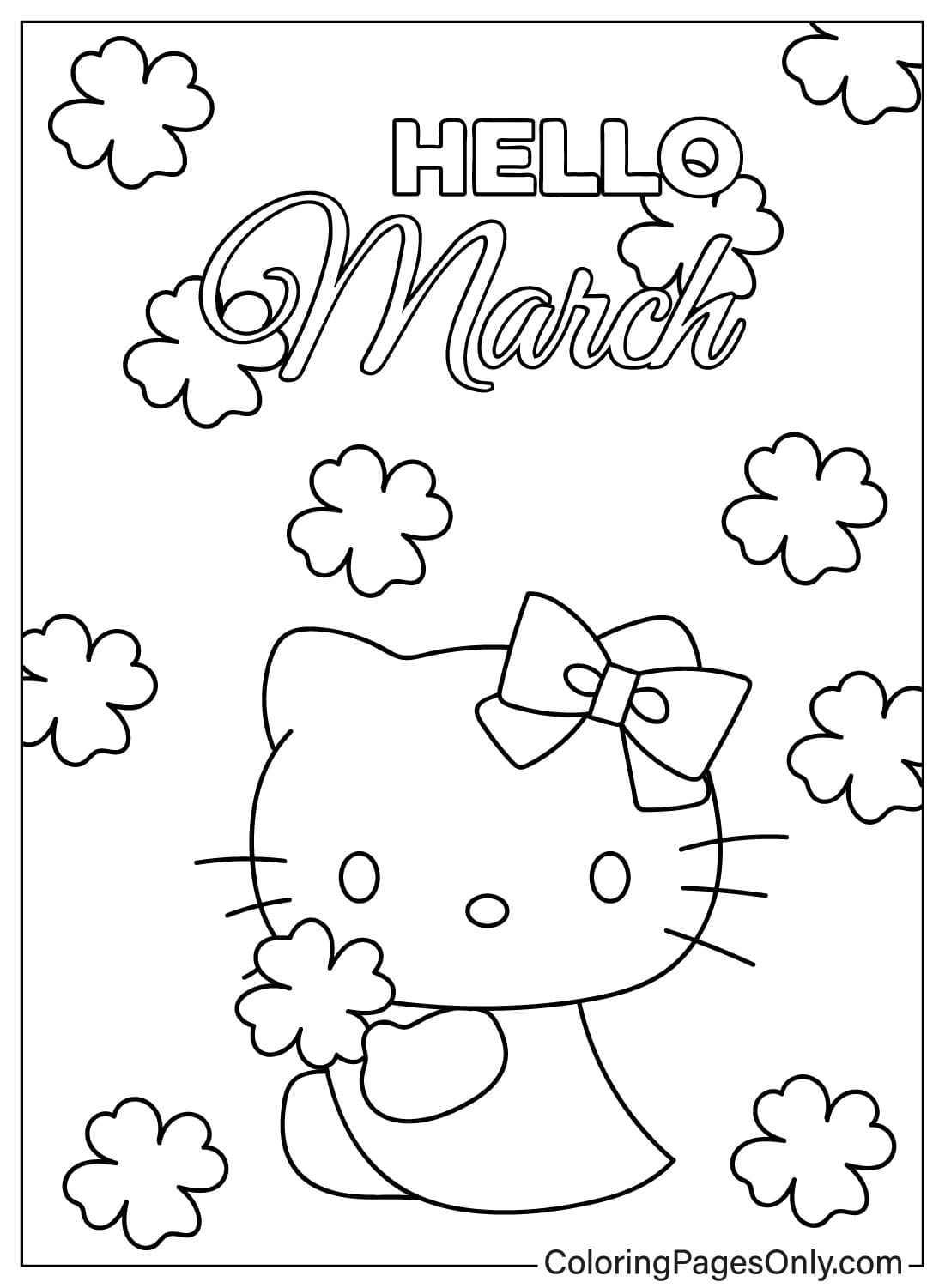
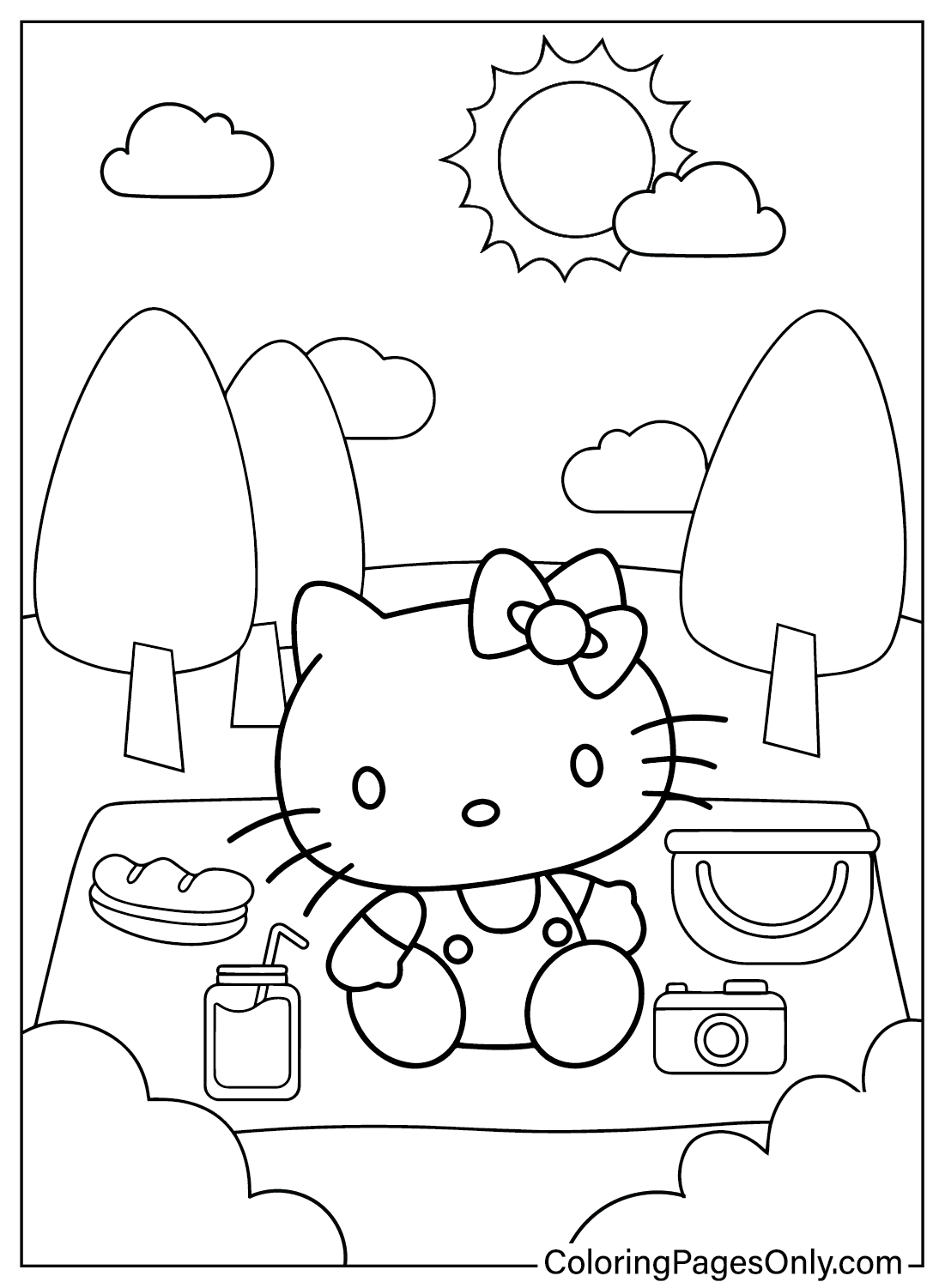
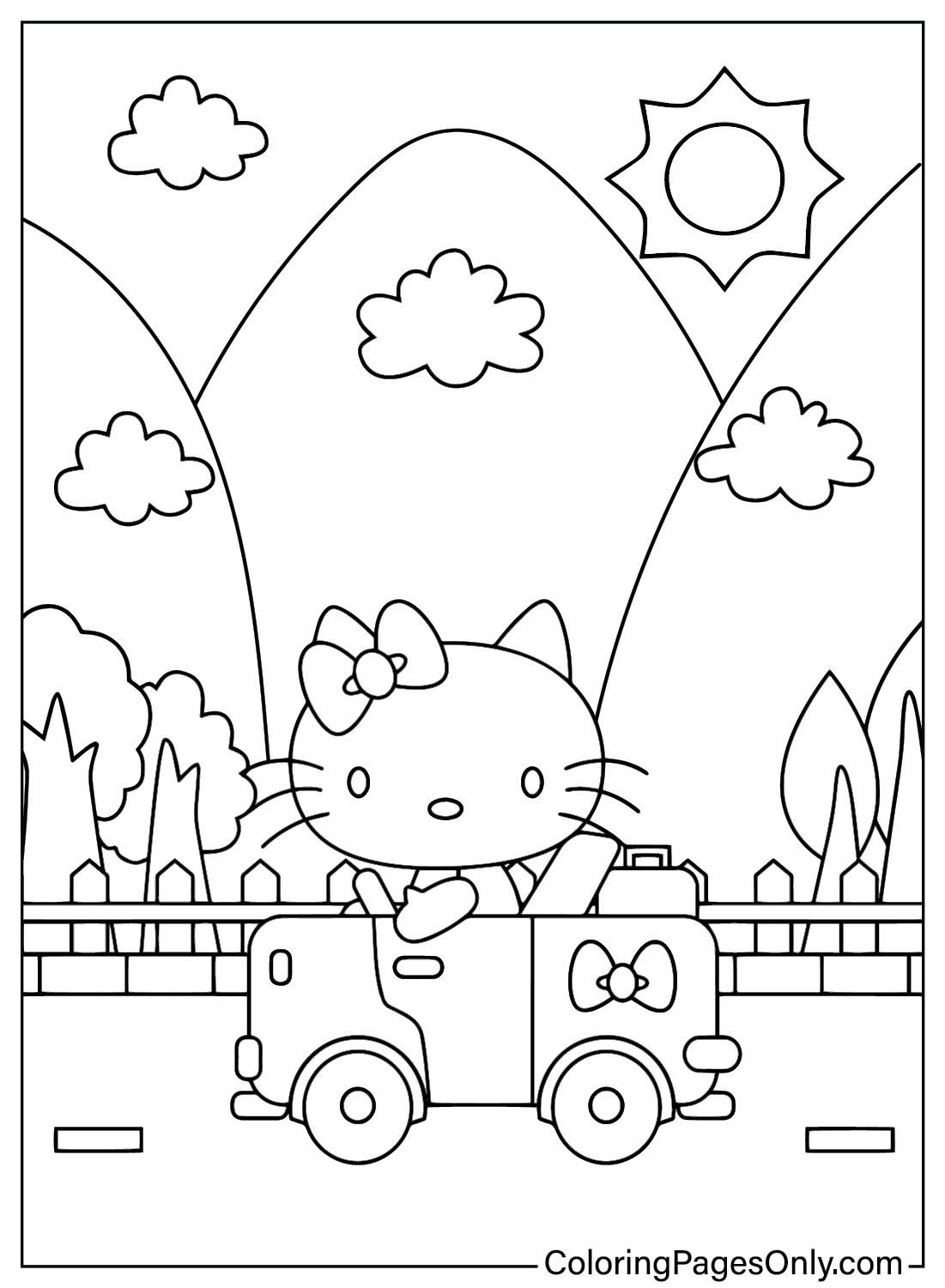
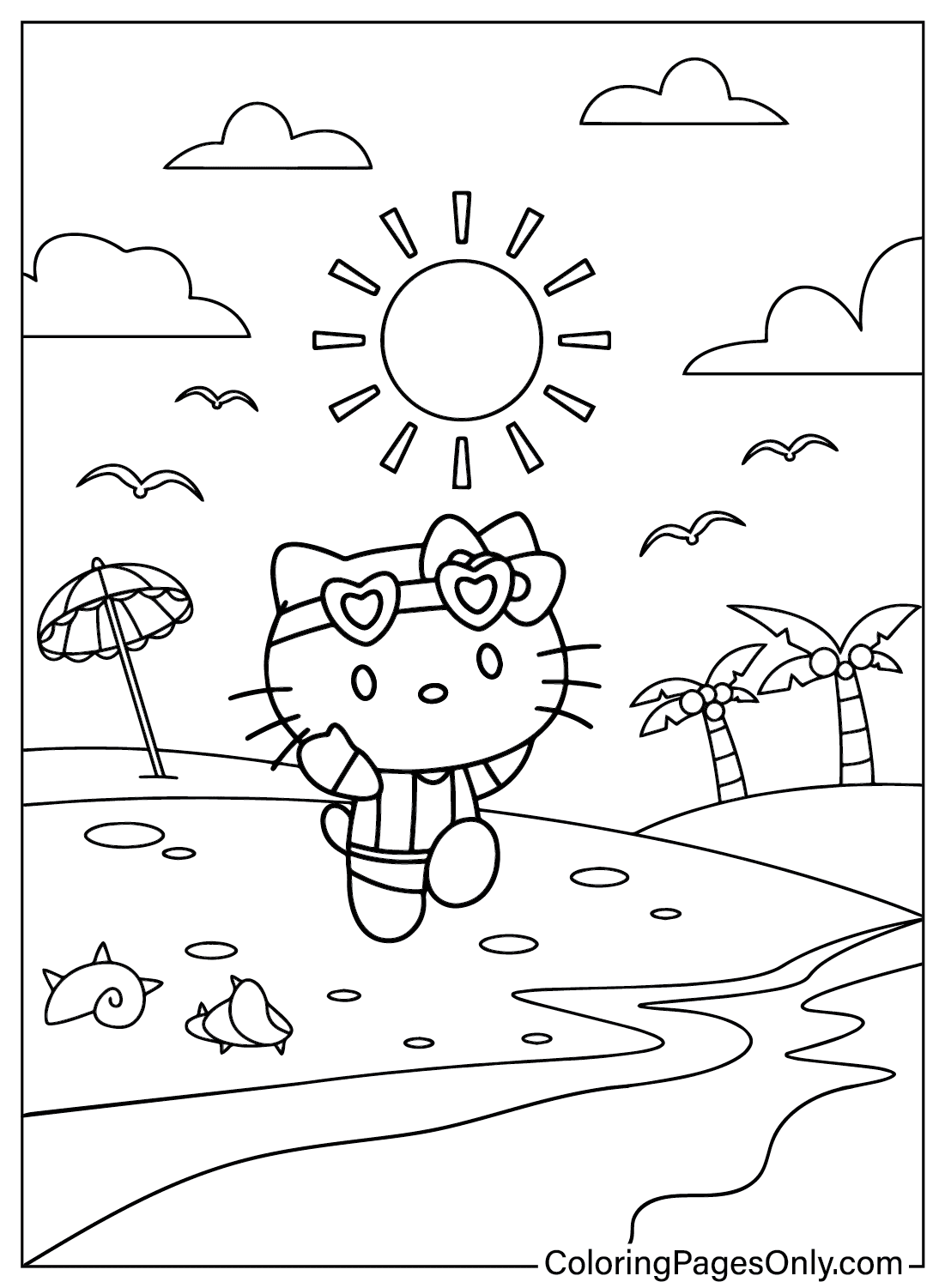
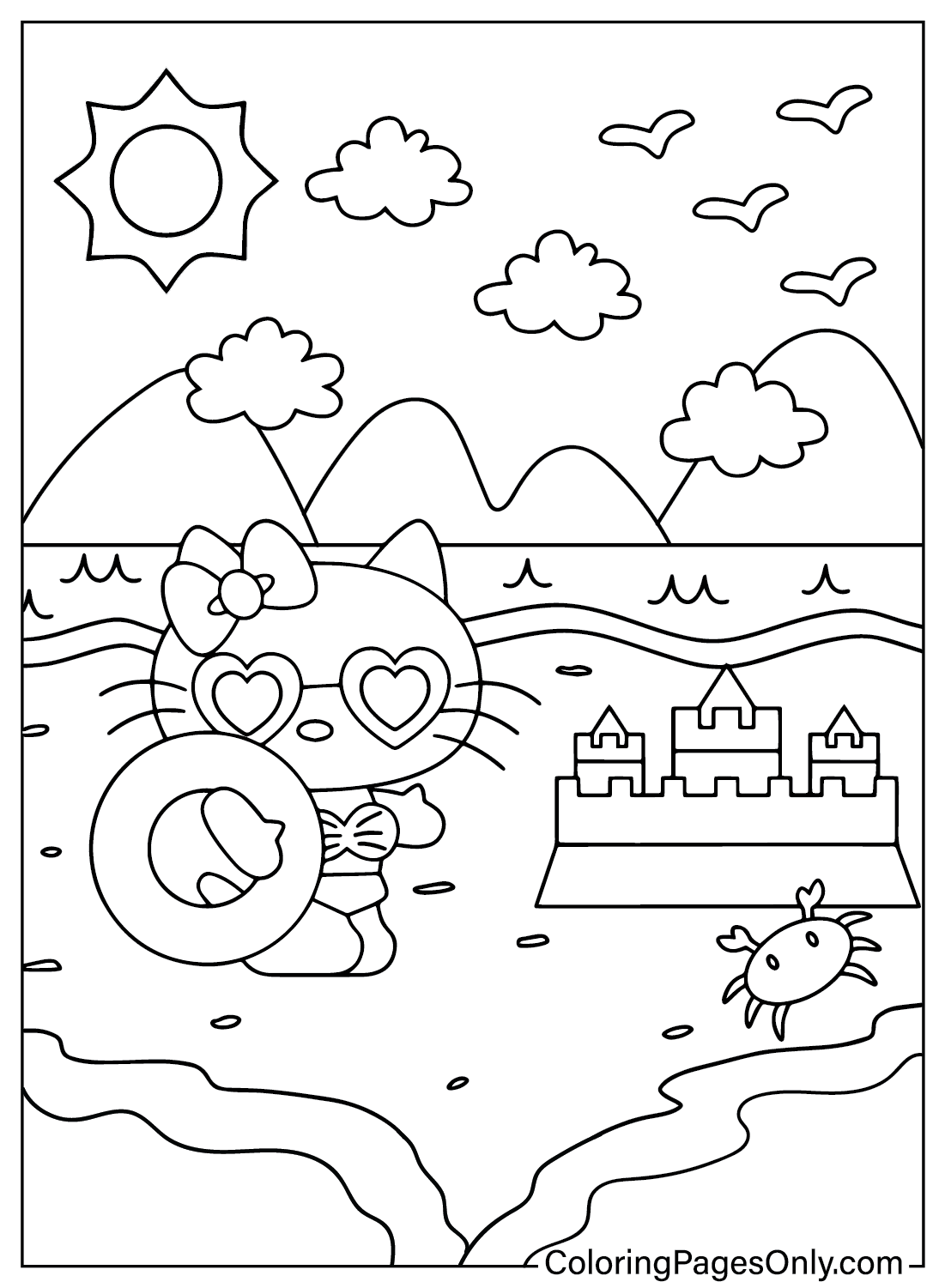
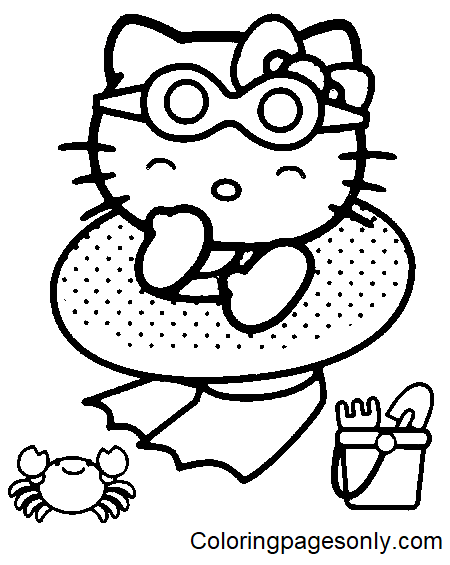
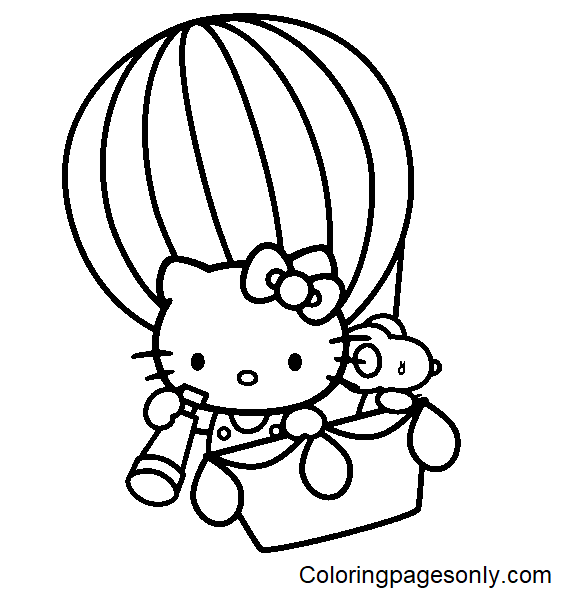
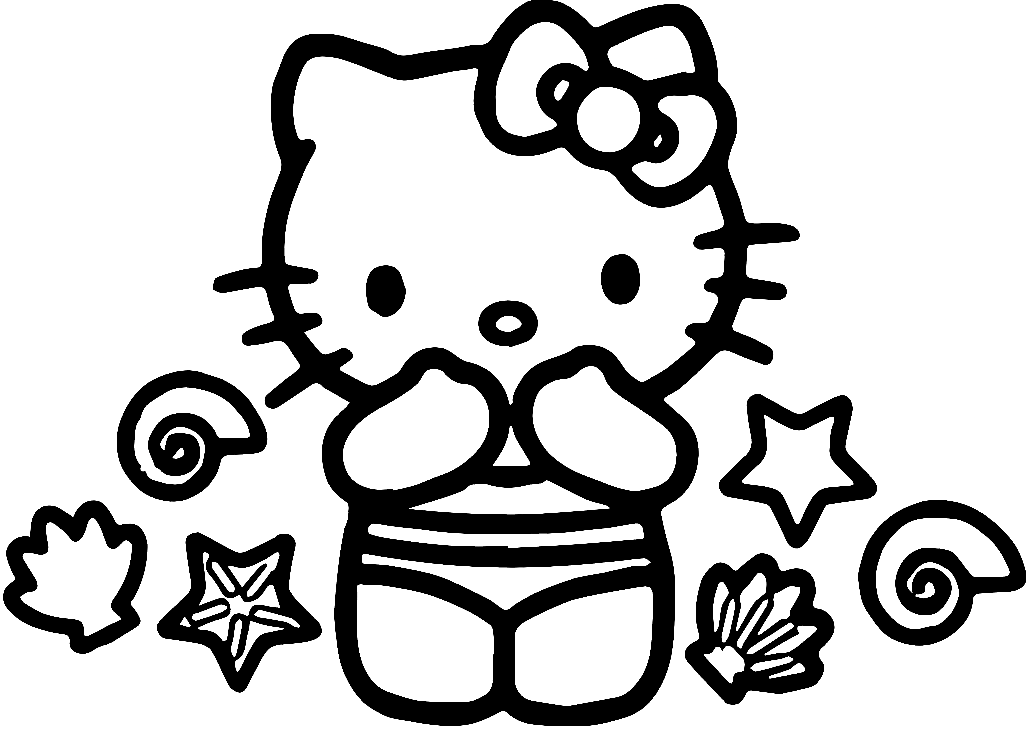
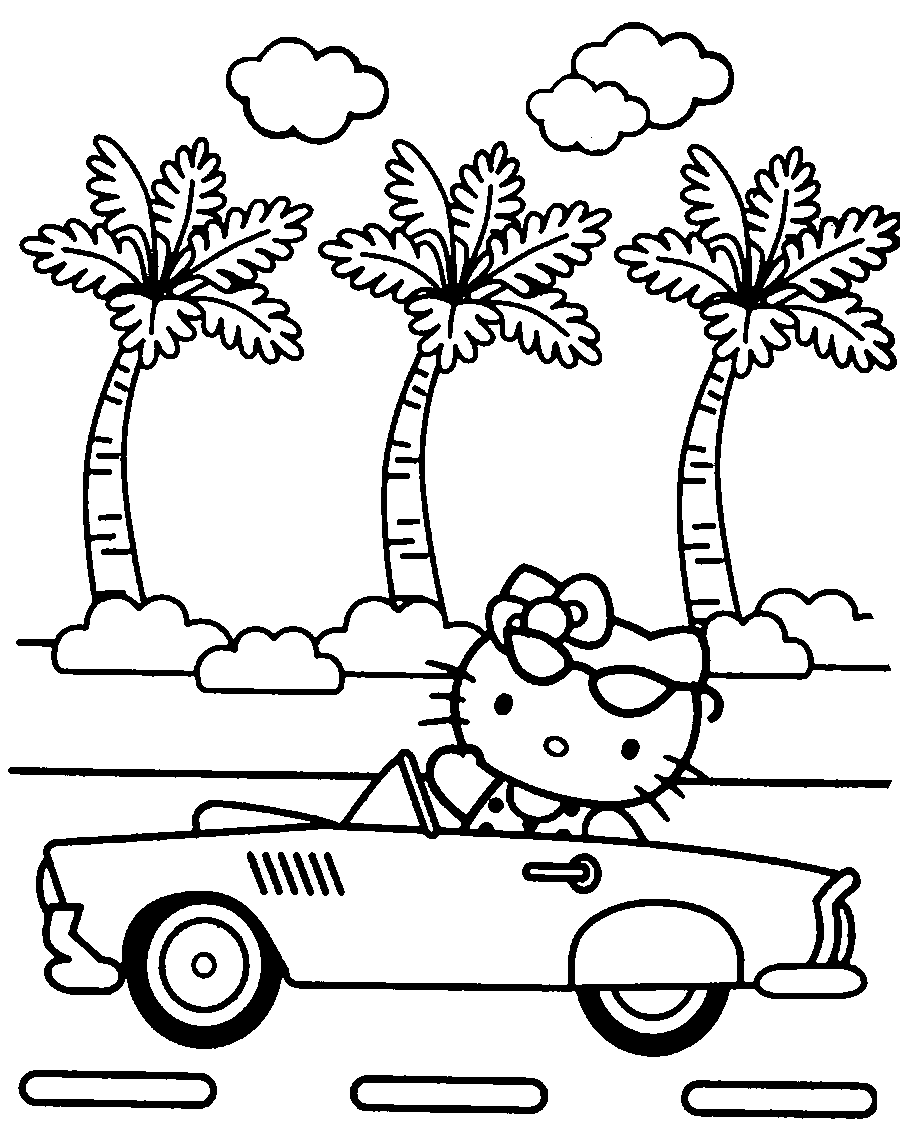
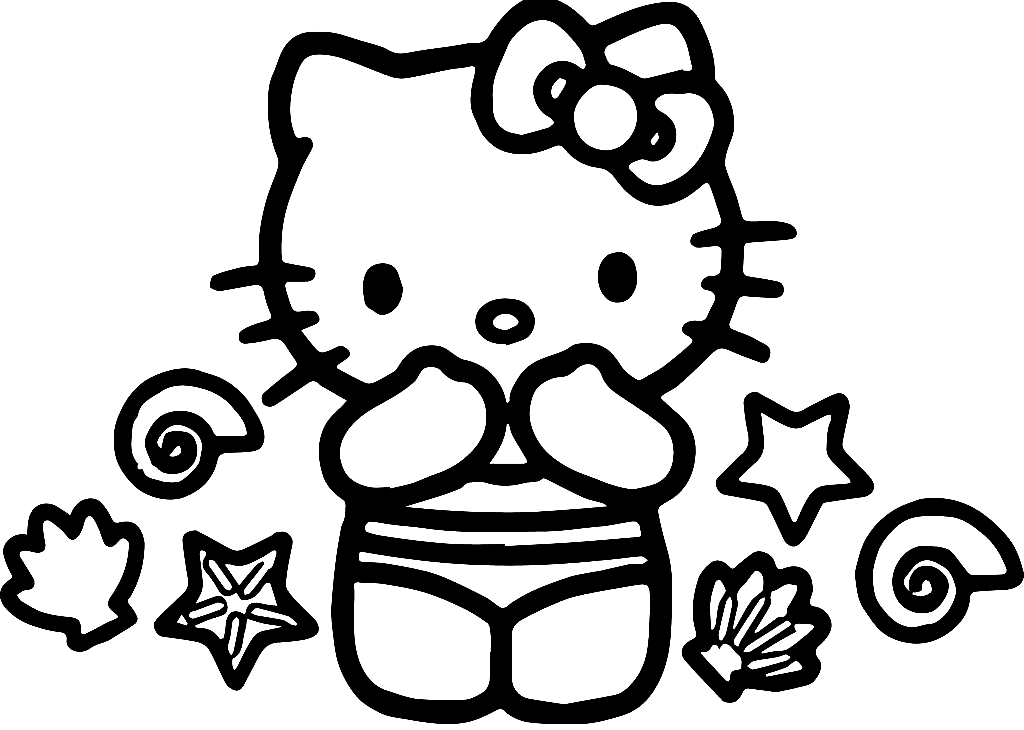
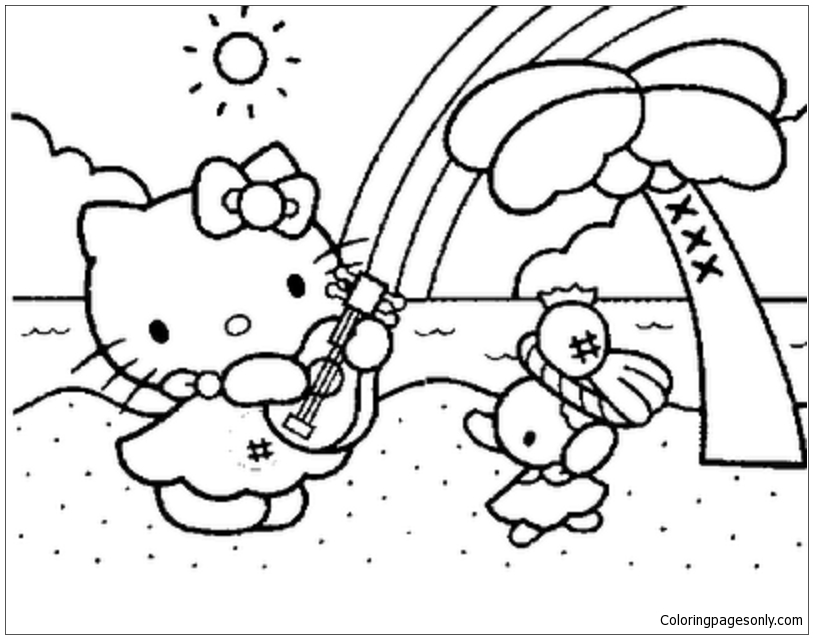
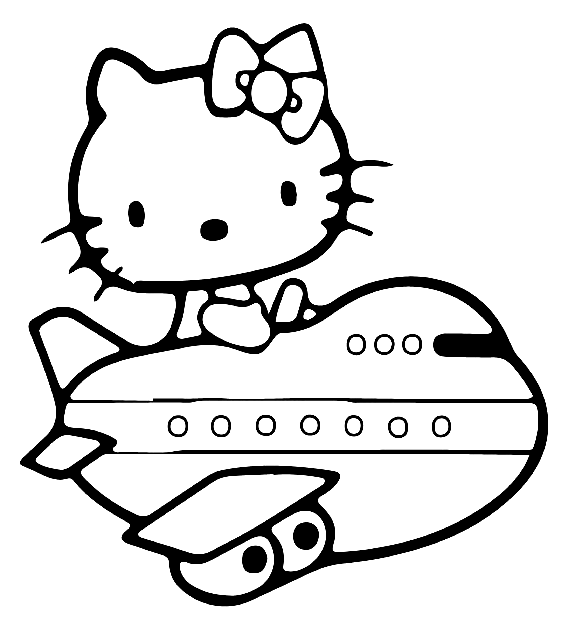
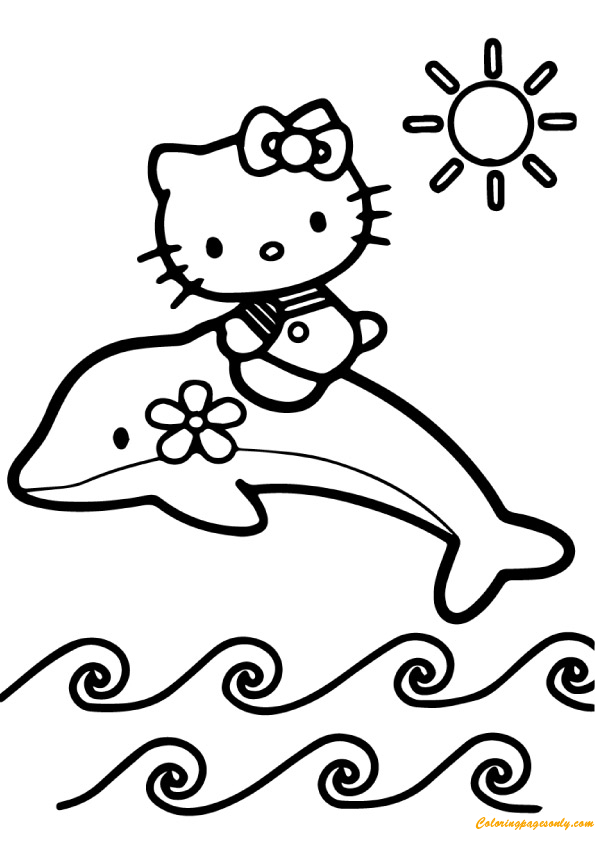
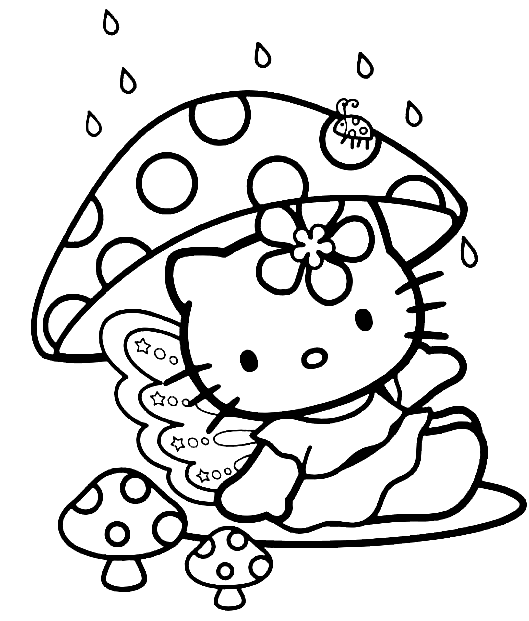
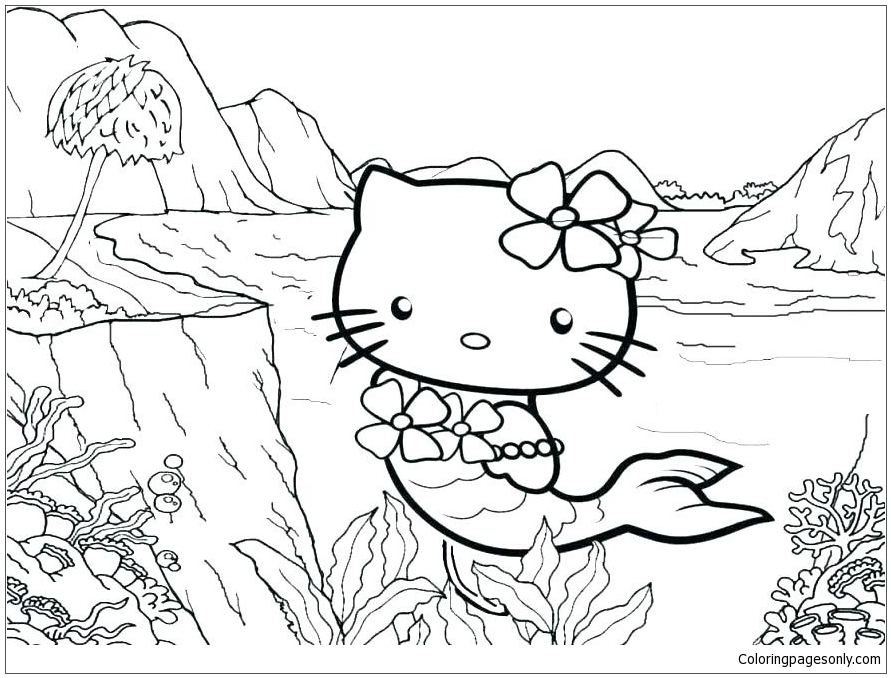
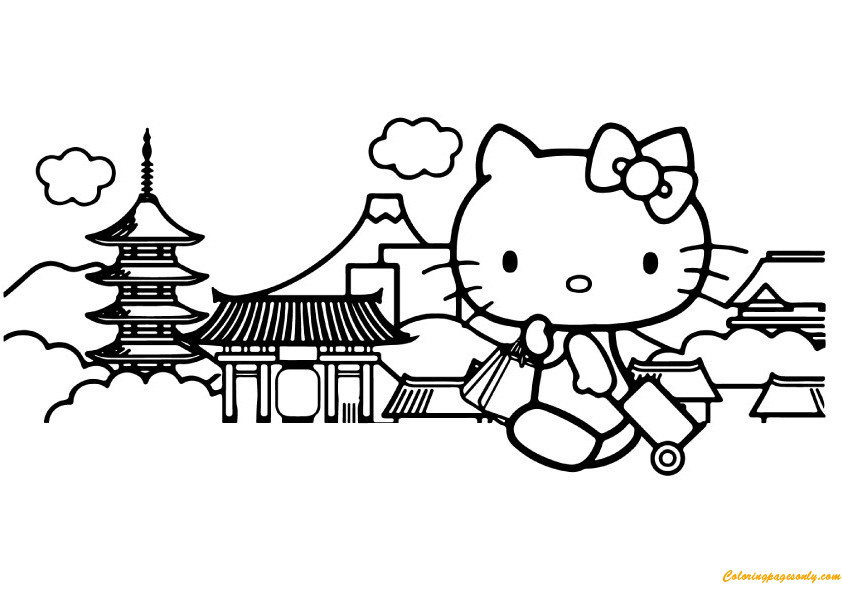
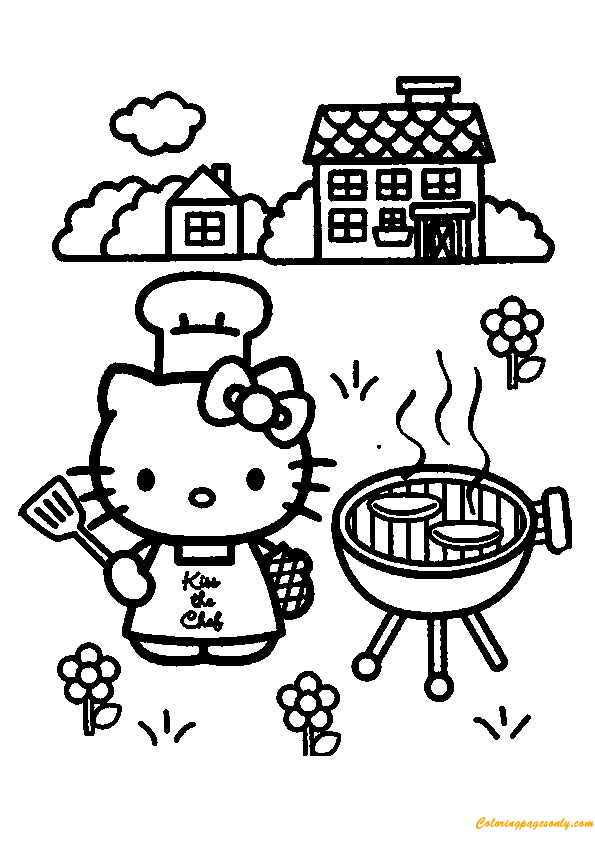
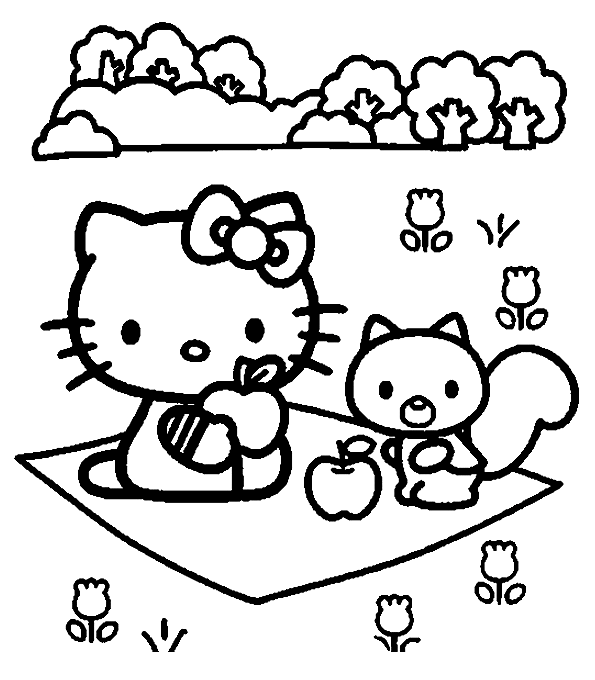
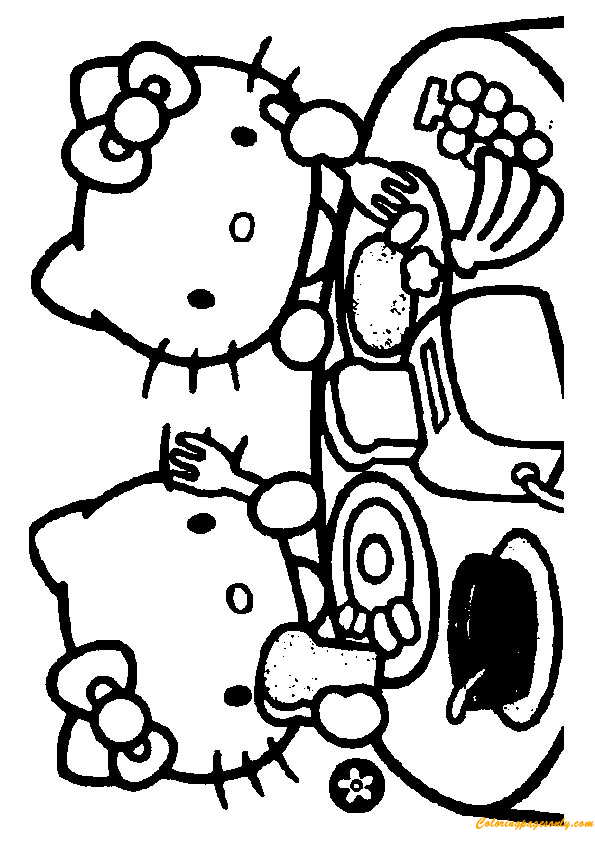
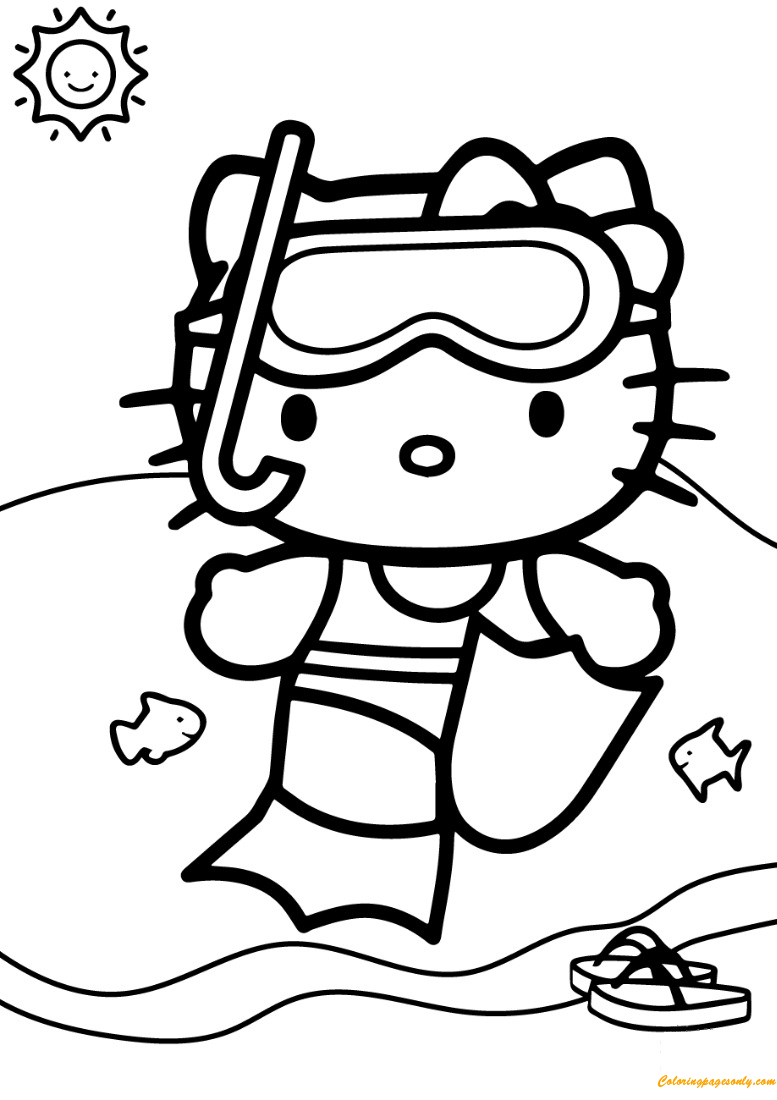
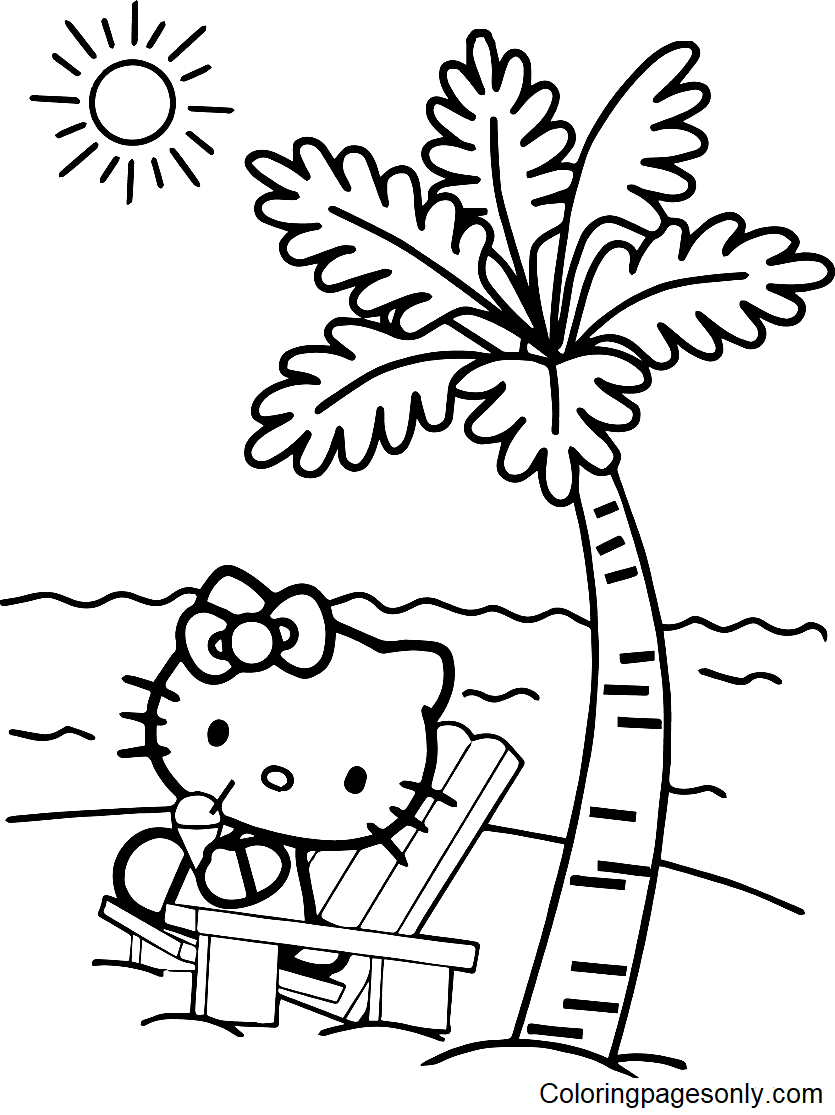
The outdoor and adventure pages show Hello Kitty in natural settings and travel contexts: Hello Kitty Sitting On A Mushroom, Hello Kitty Flying a Kite, Hello Kitty Camping, Hello Kitty and Friends Go Picnic, Hello Kitty on the Beach, Hello Kitty and Friends Have Fun on the Beach, Hello Kitty Statue Of Liberty Coloring Page, Hello Kitty Sushi, and Hello Kitty March Coloring Page.
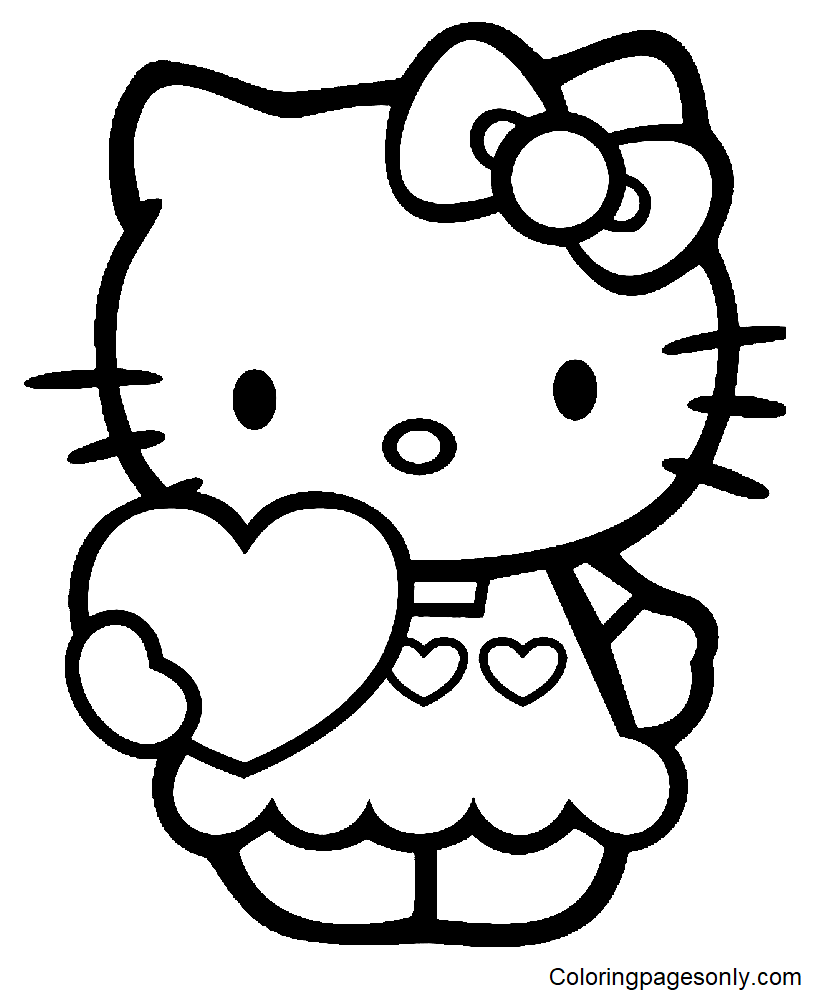
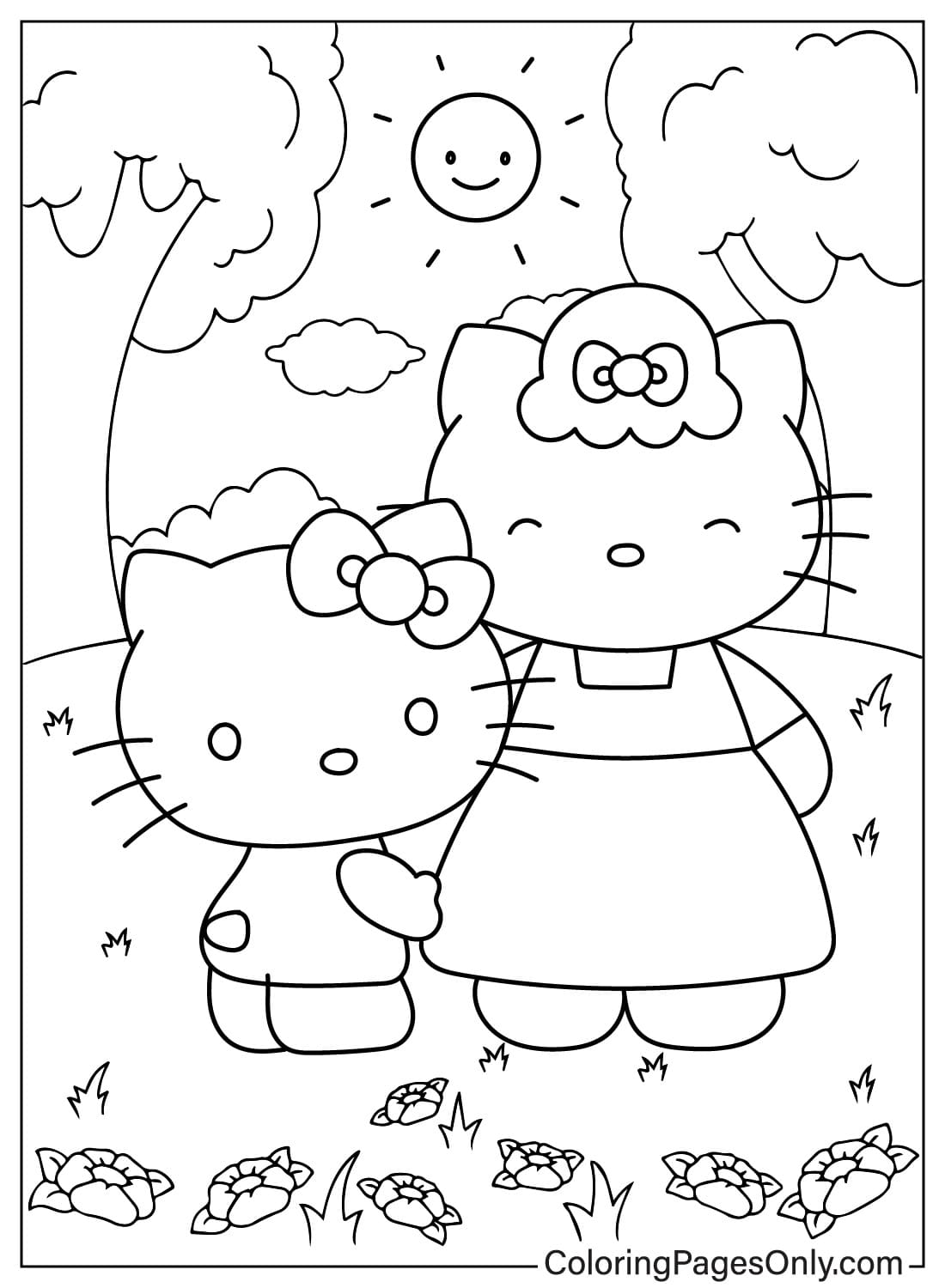
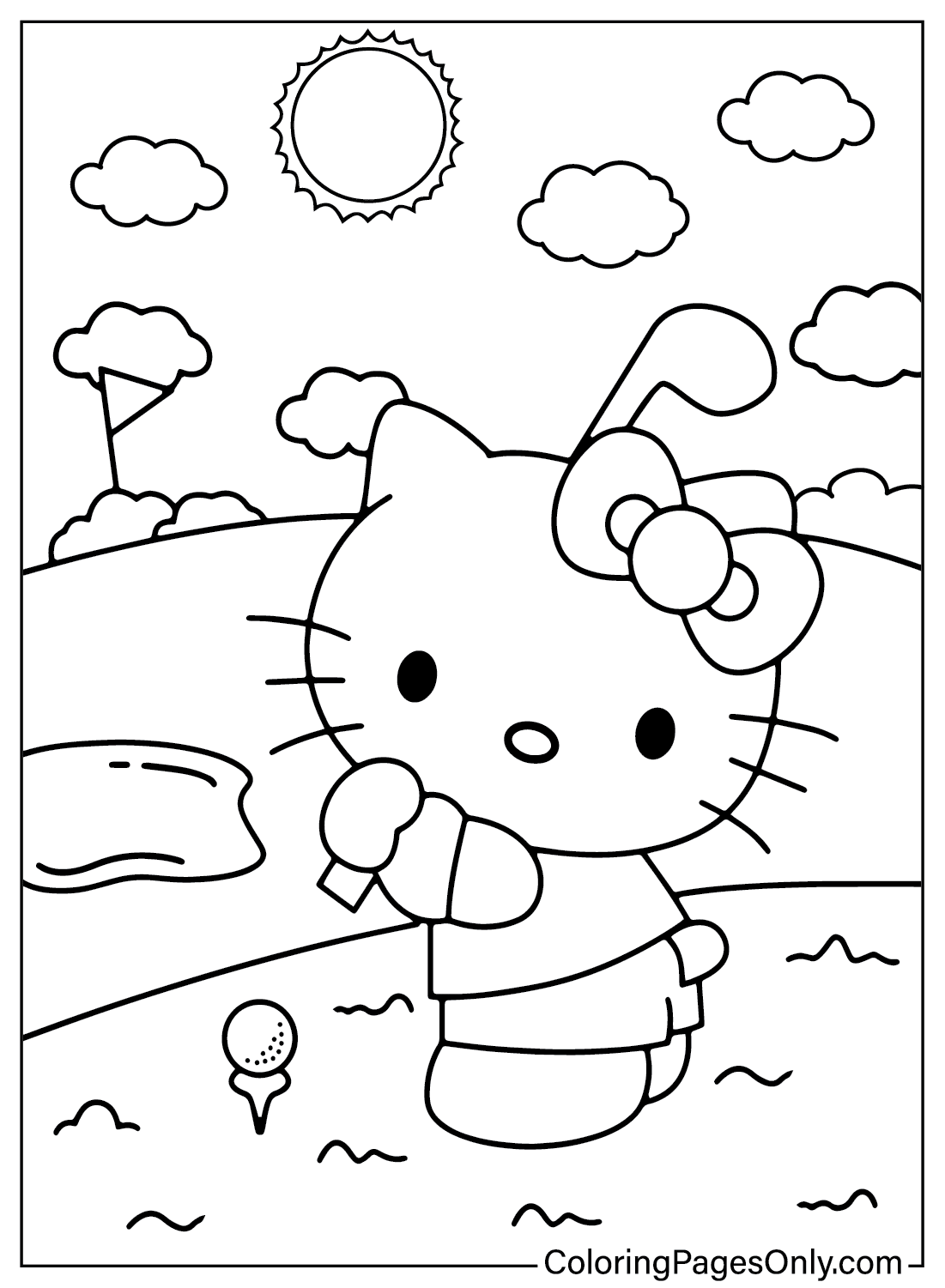
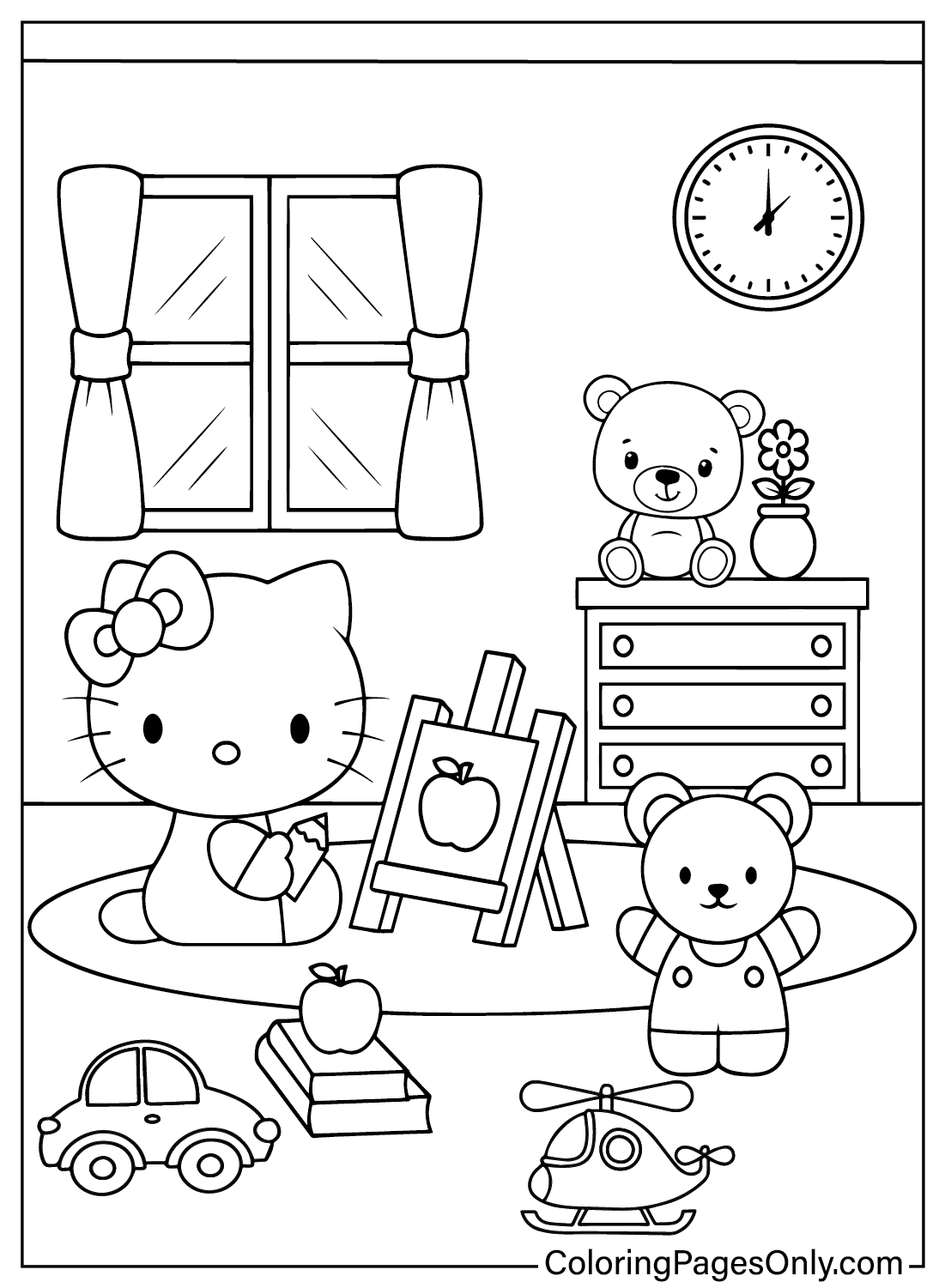
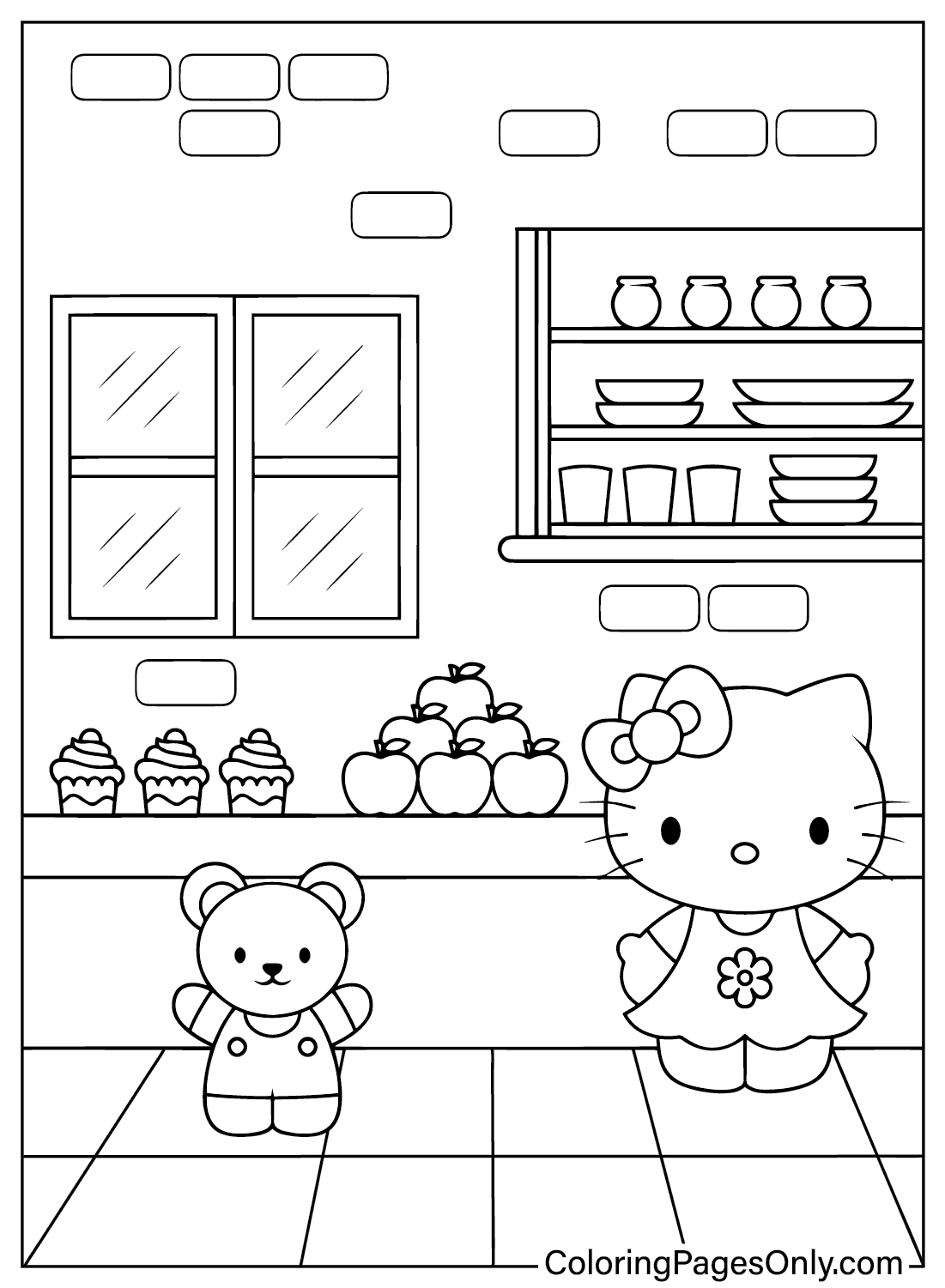
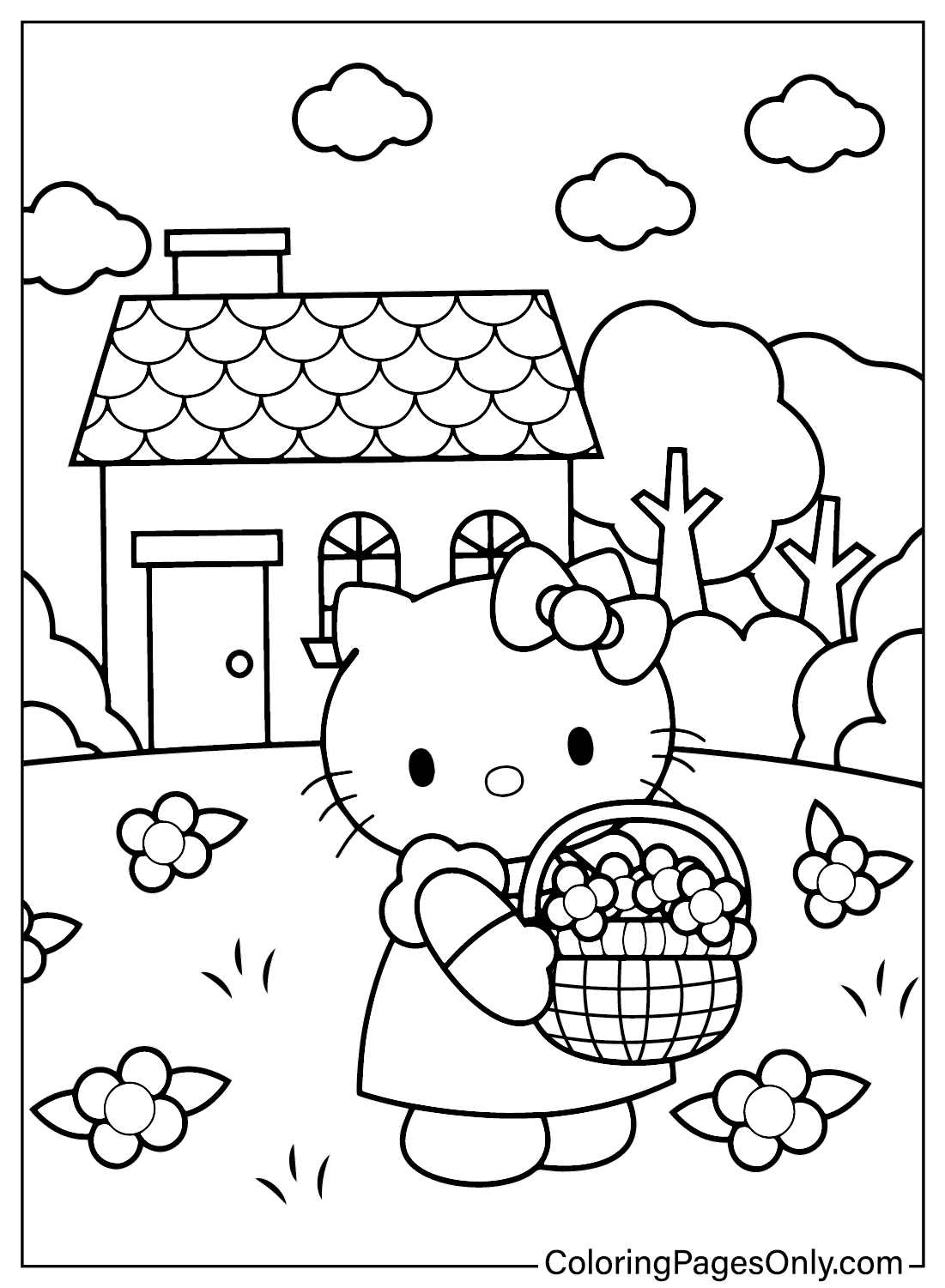
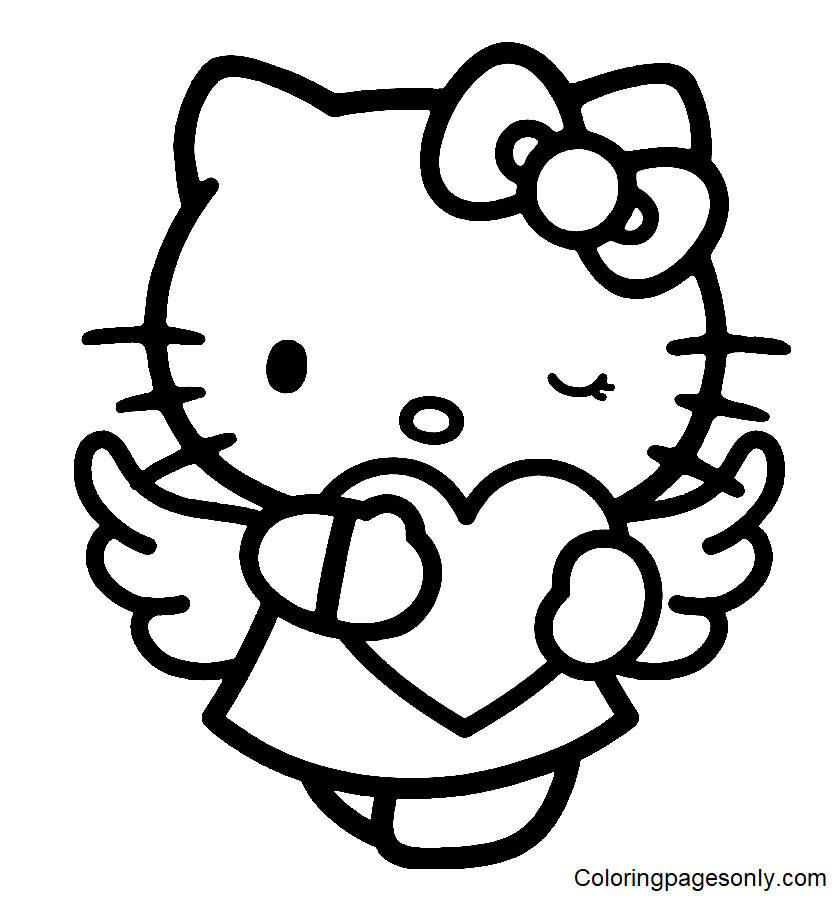
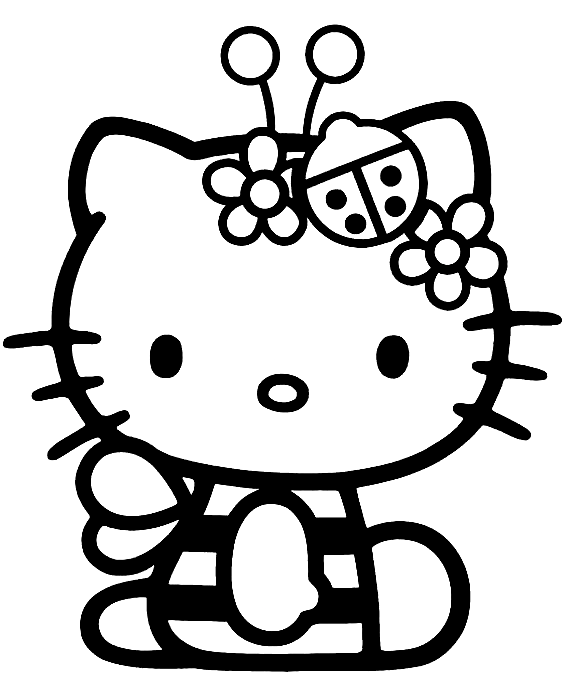
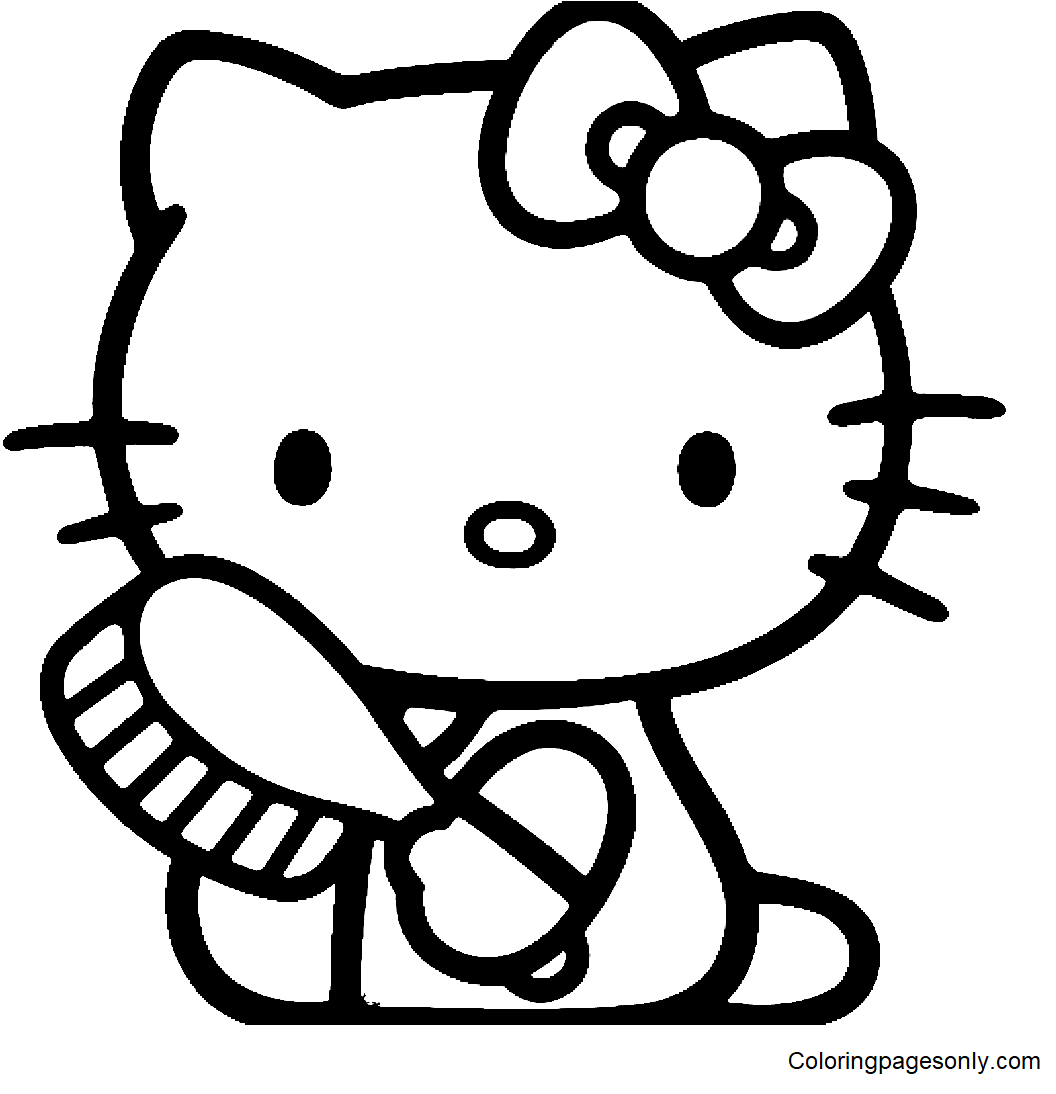
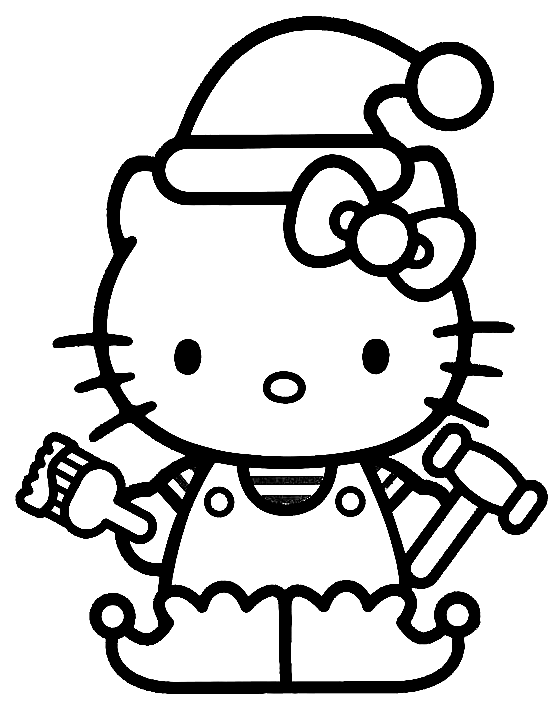
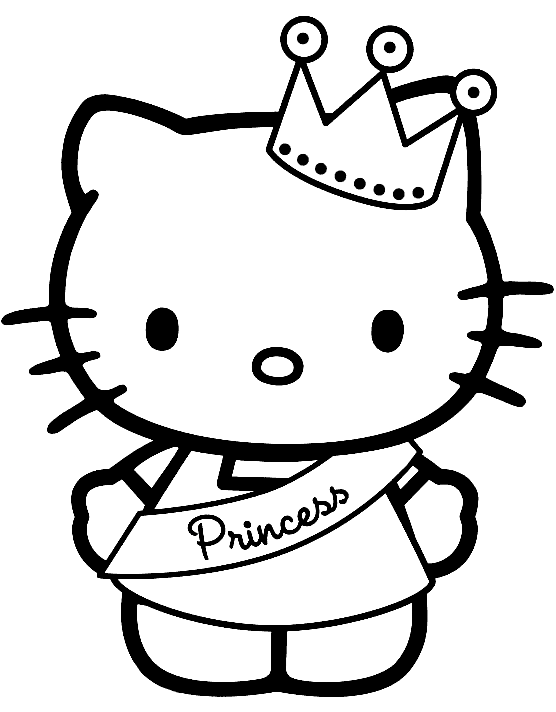
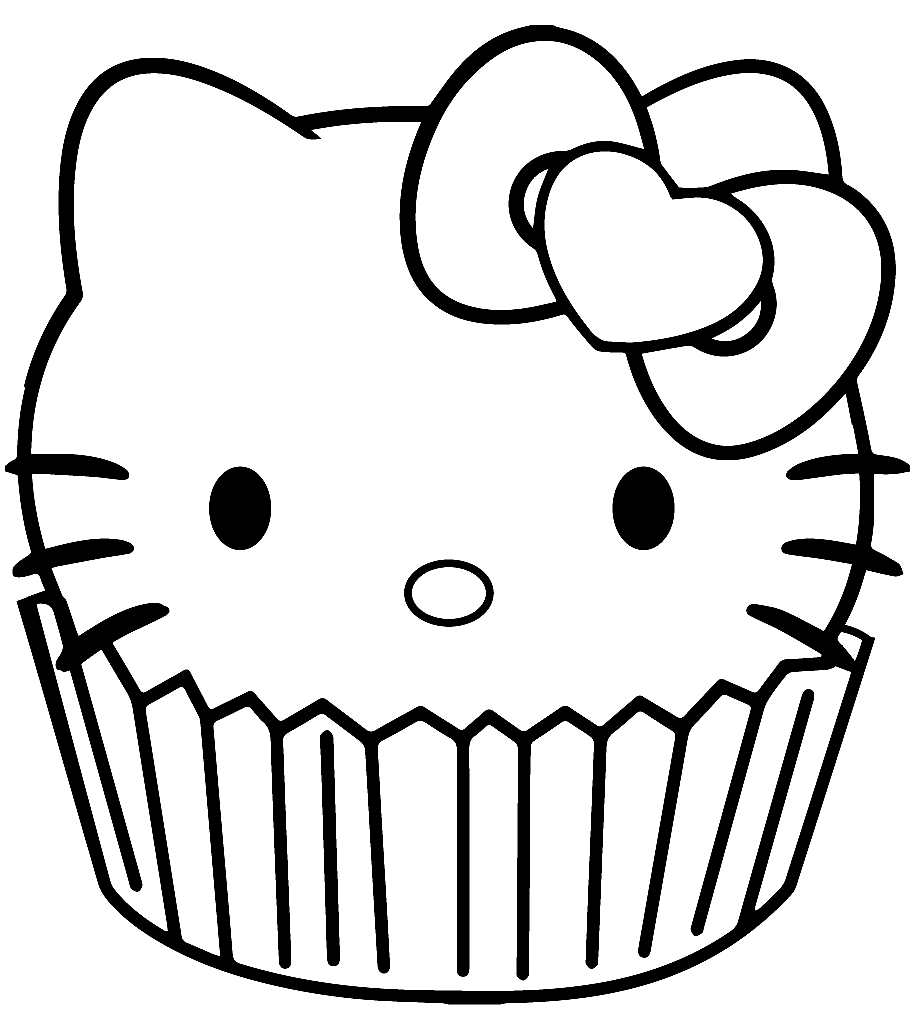
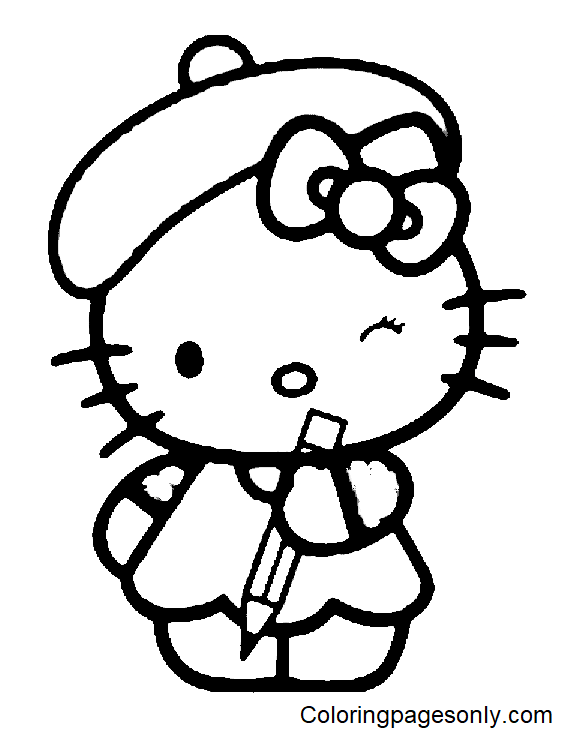
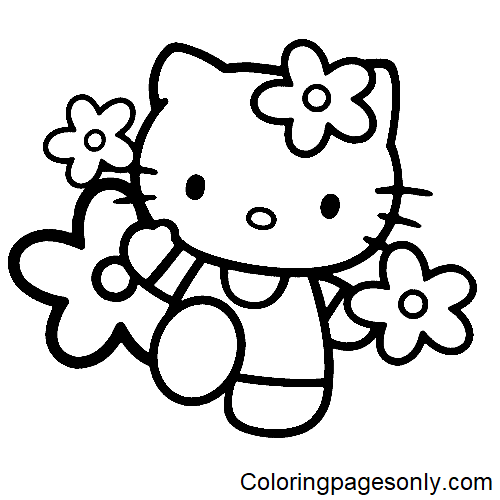
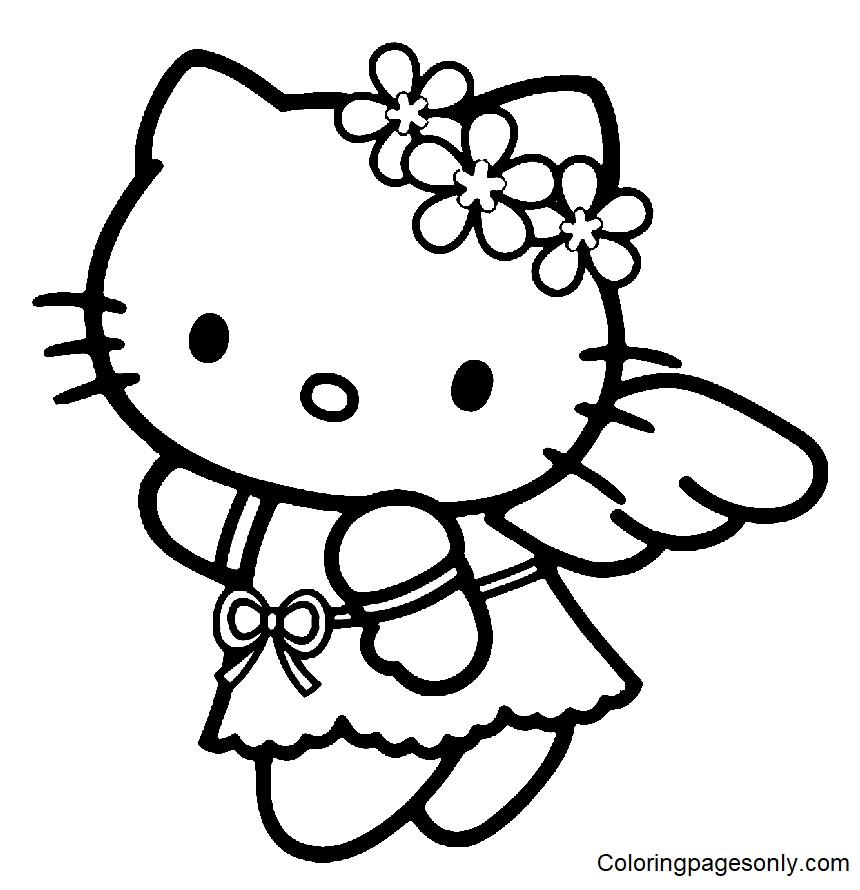
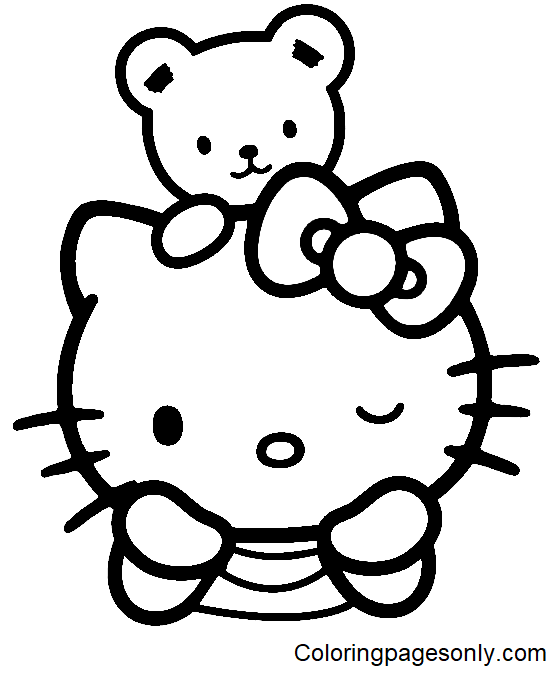
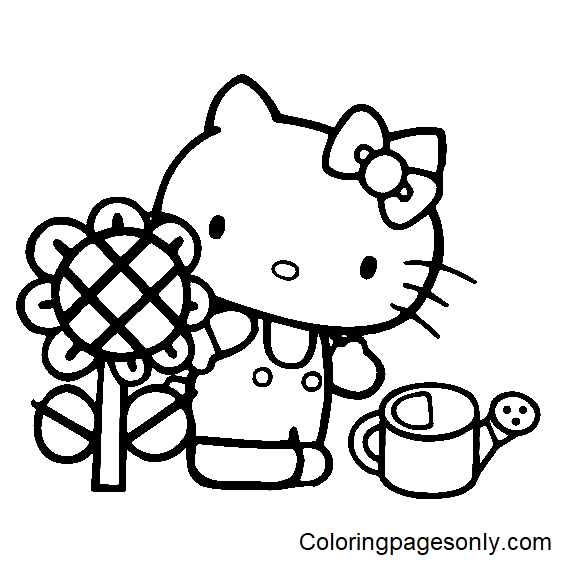
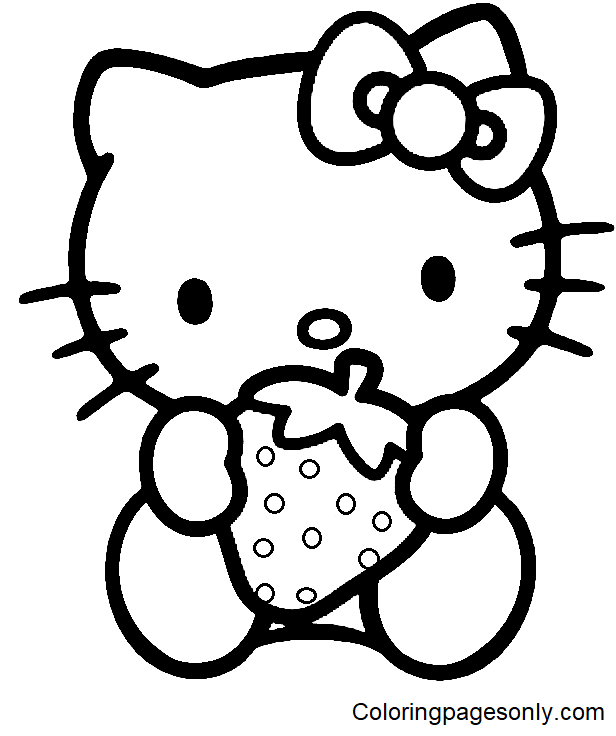
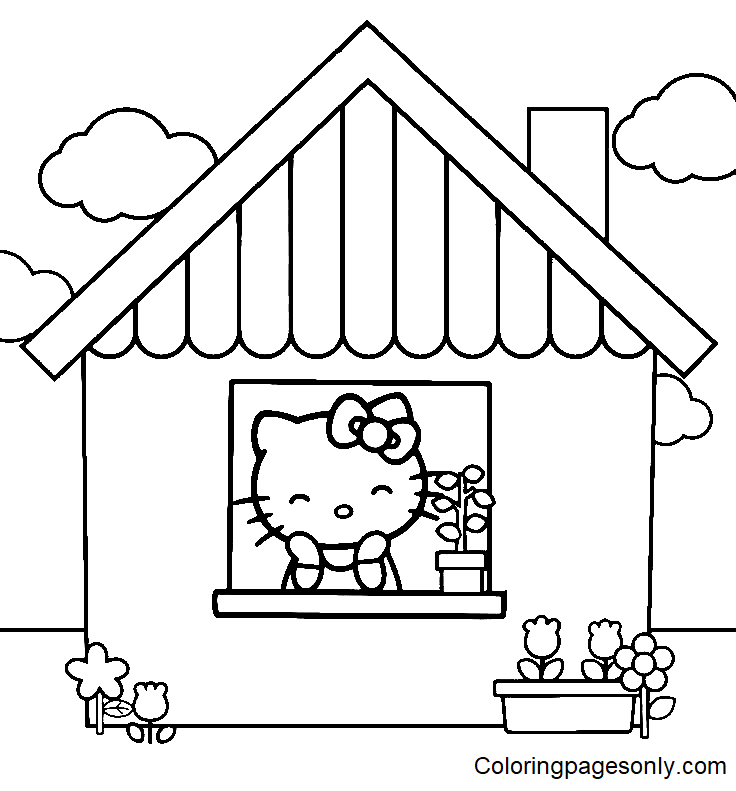
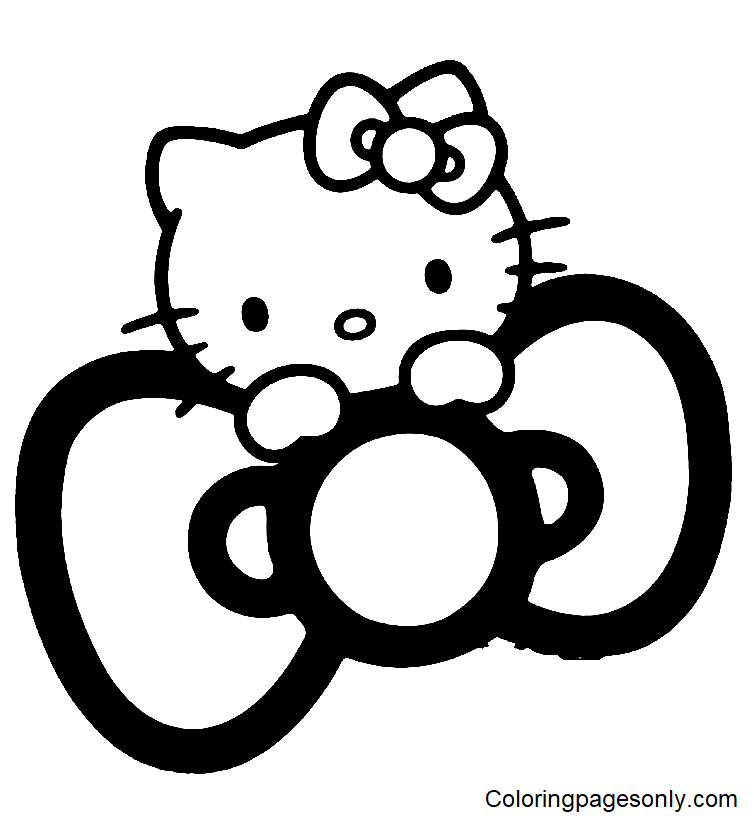
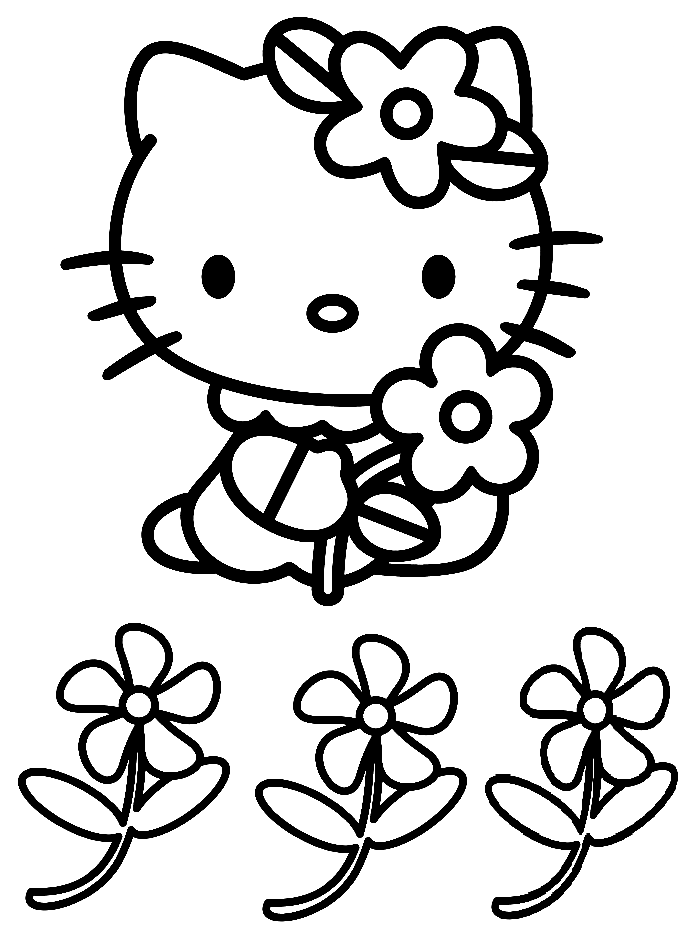
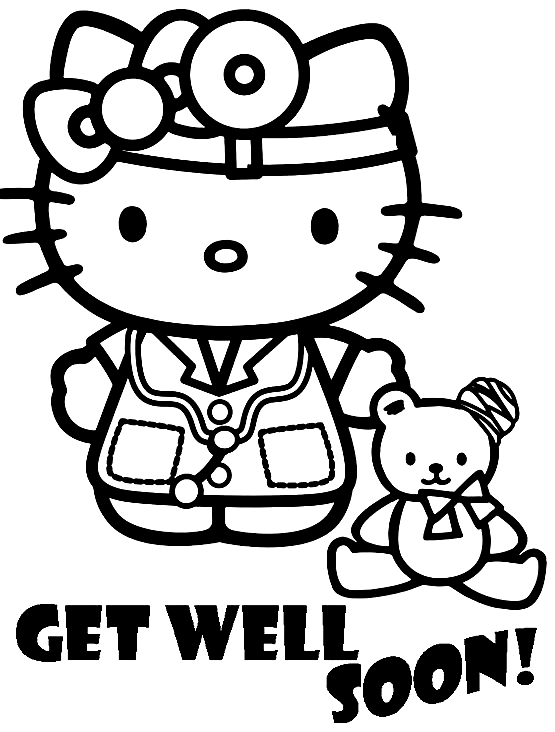
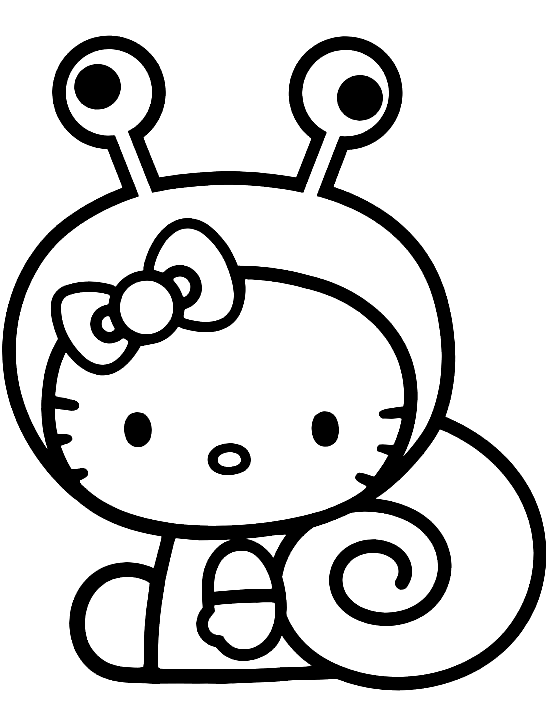
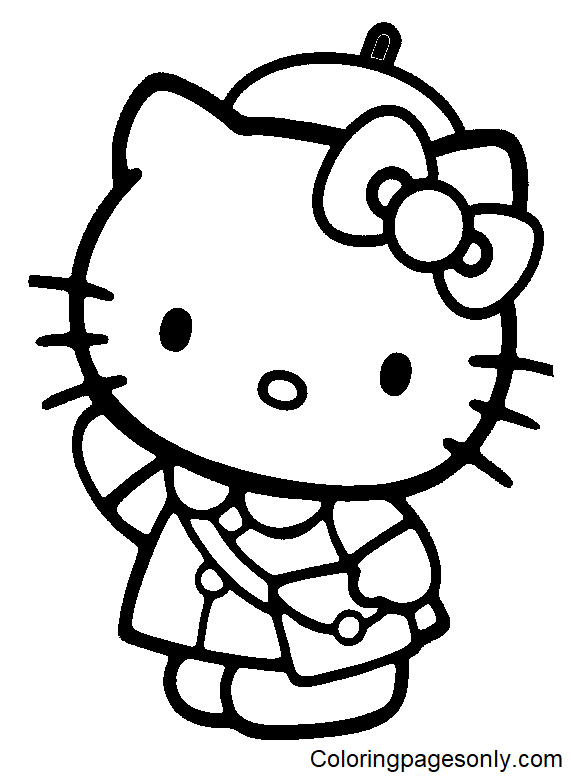
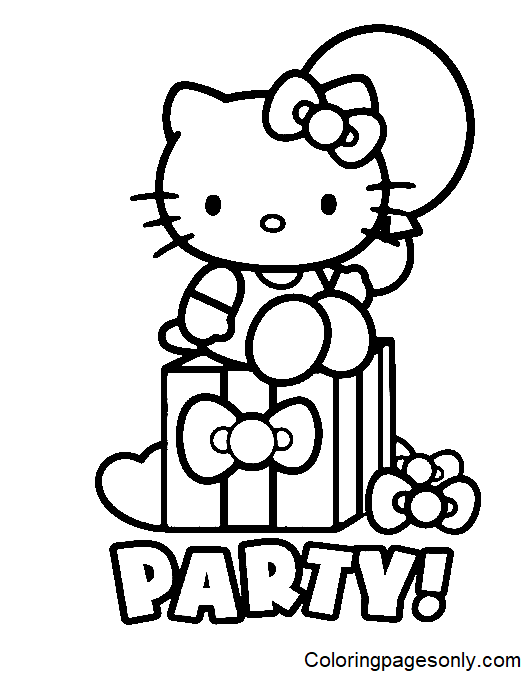
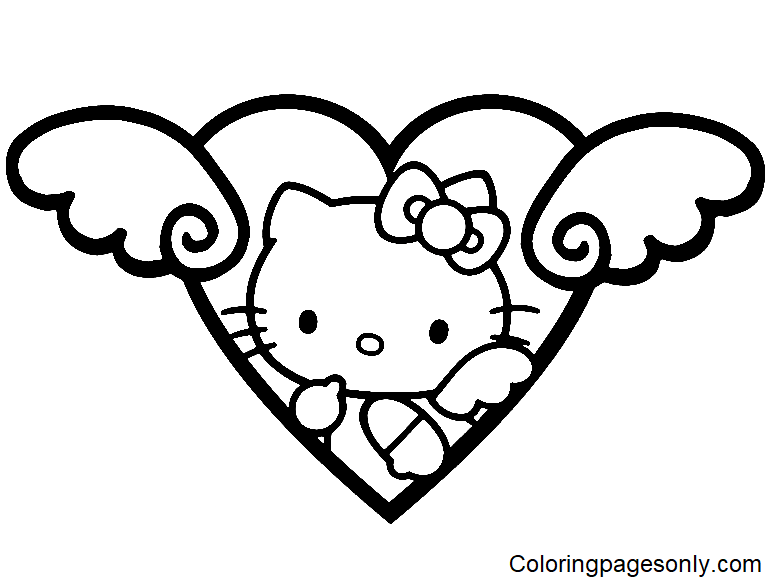
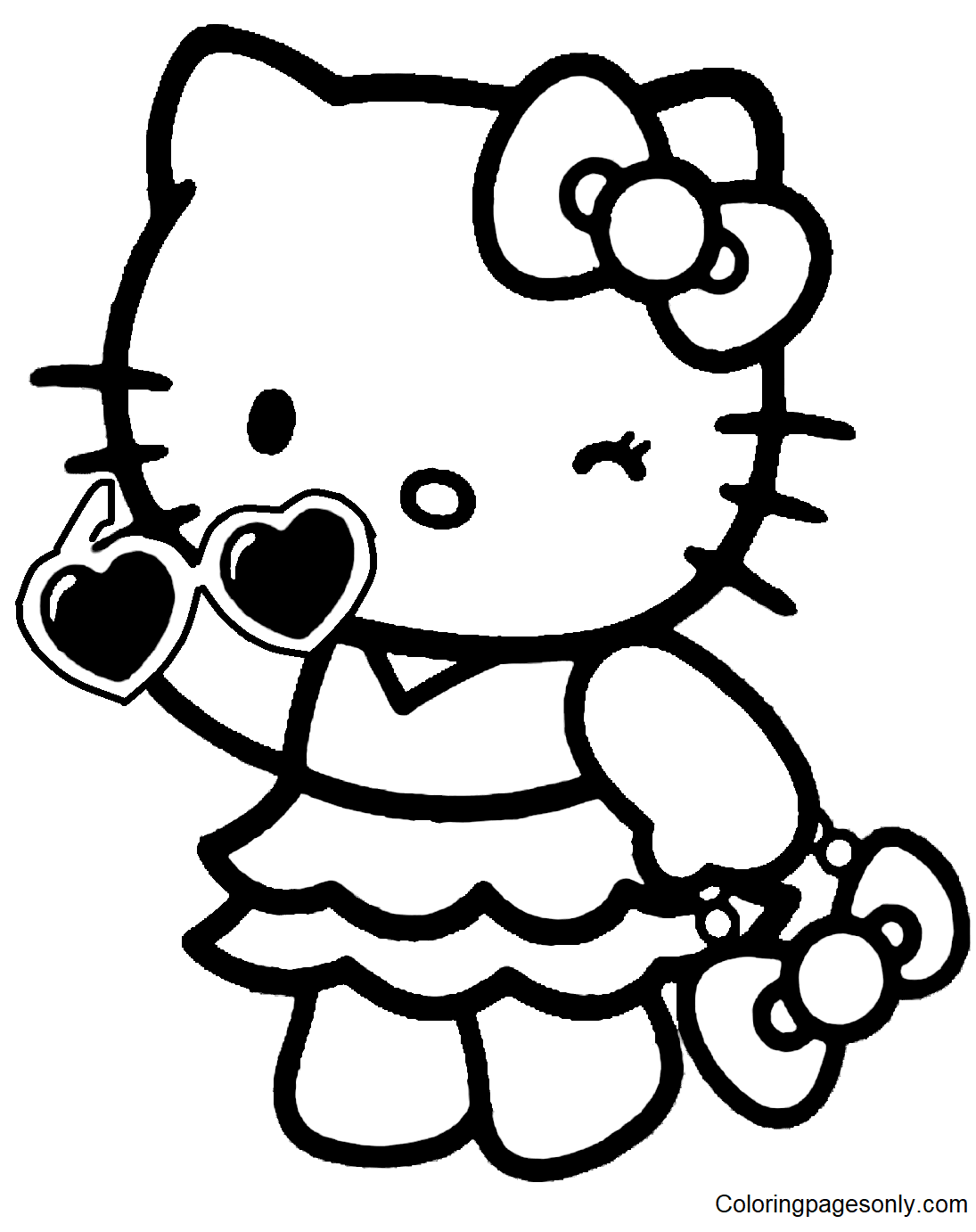
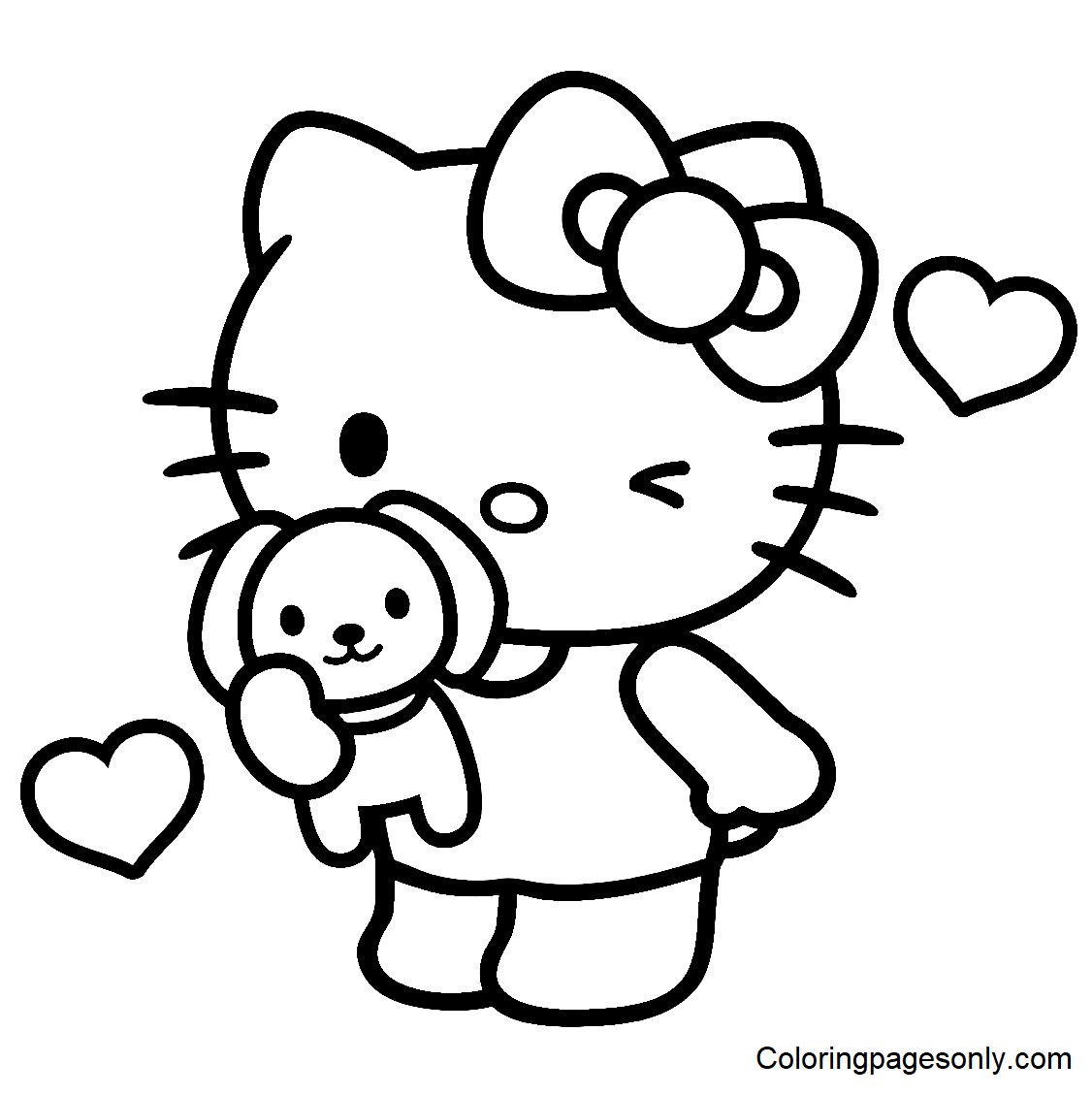
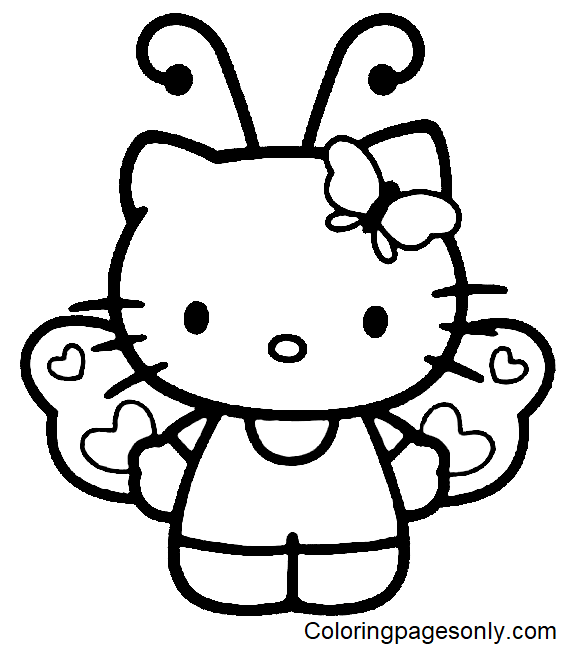
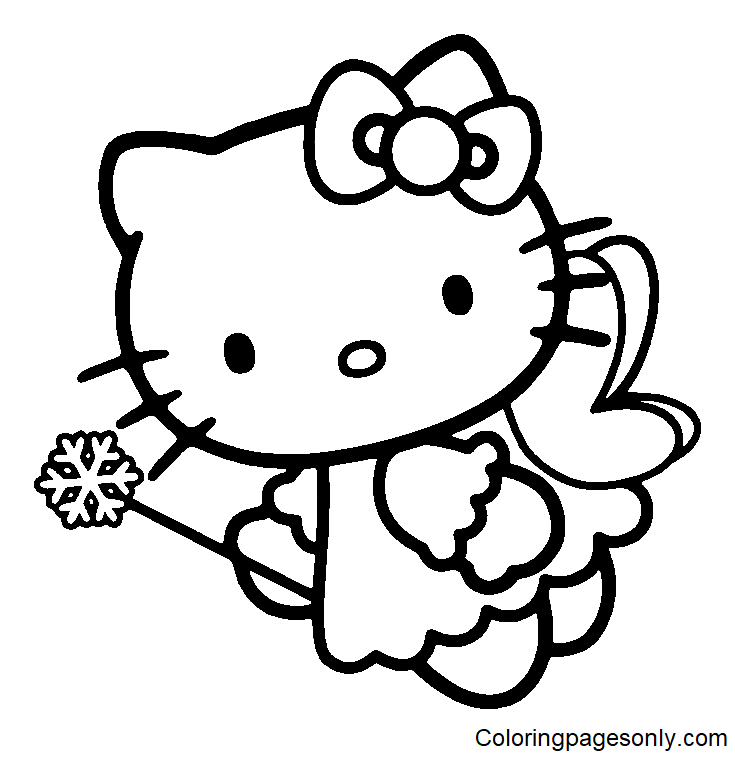
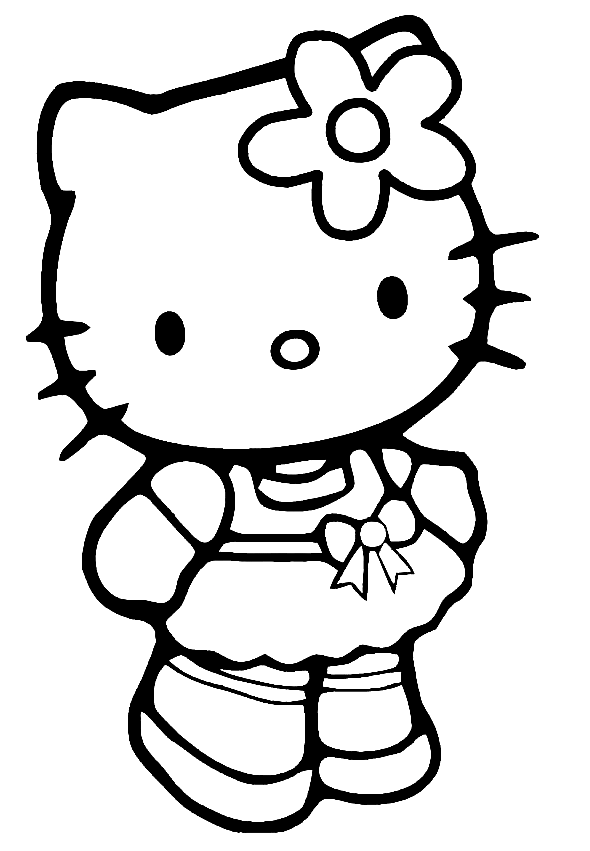
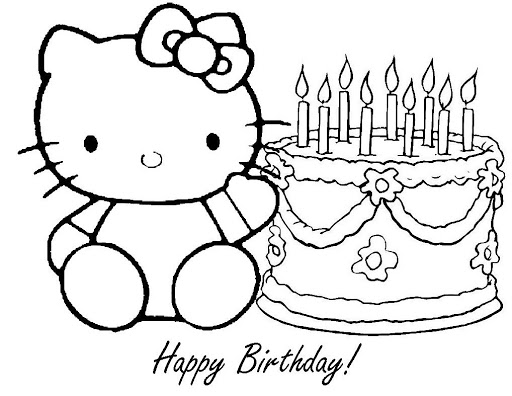
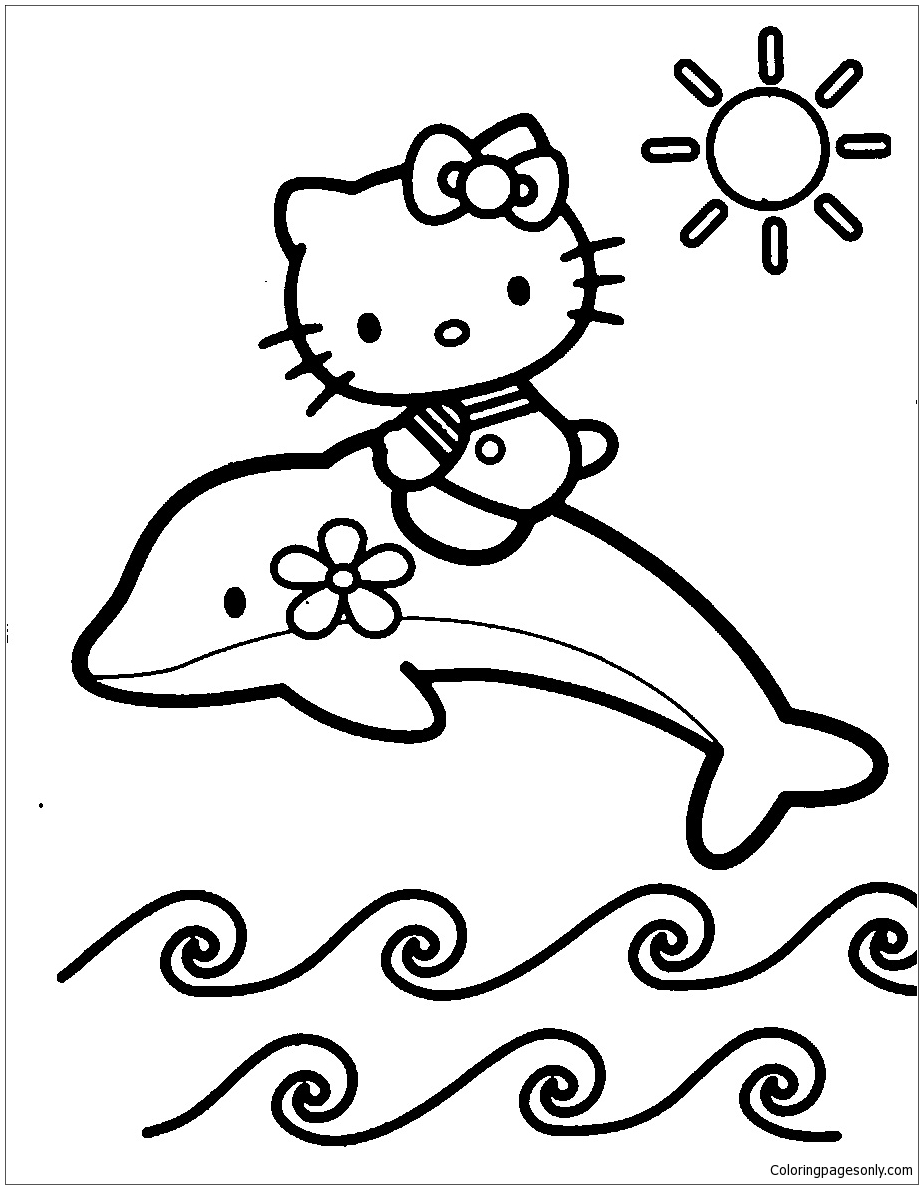
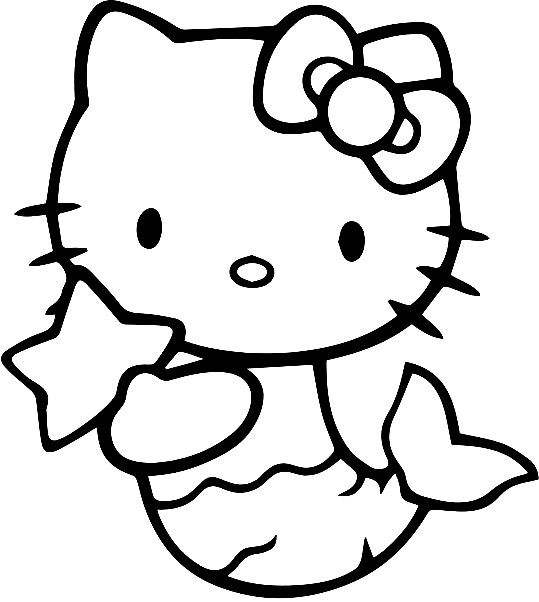
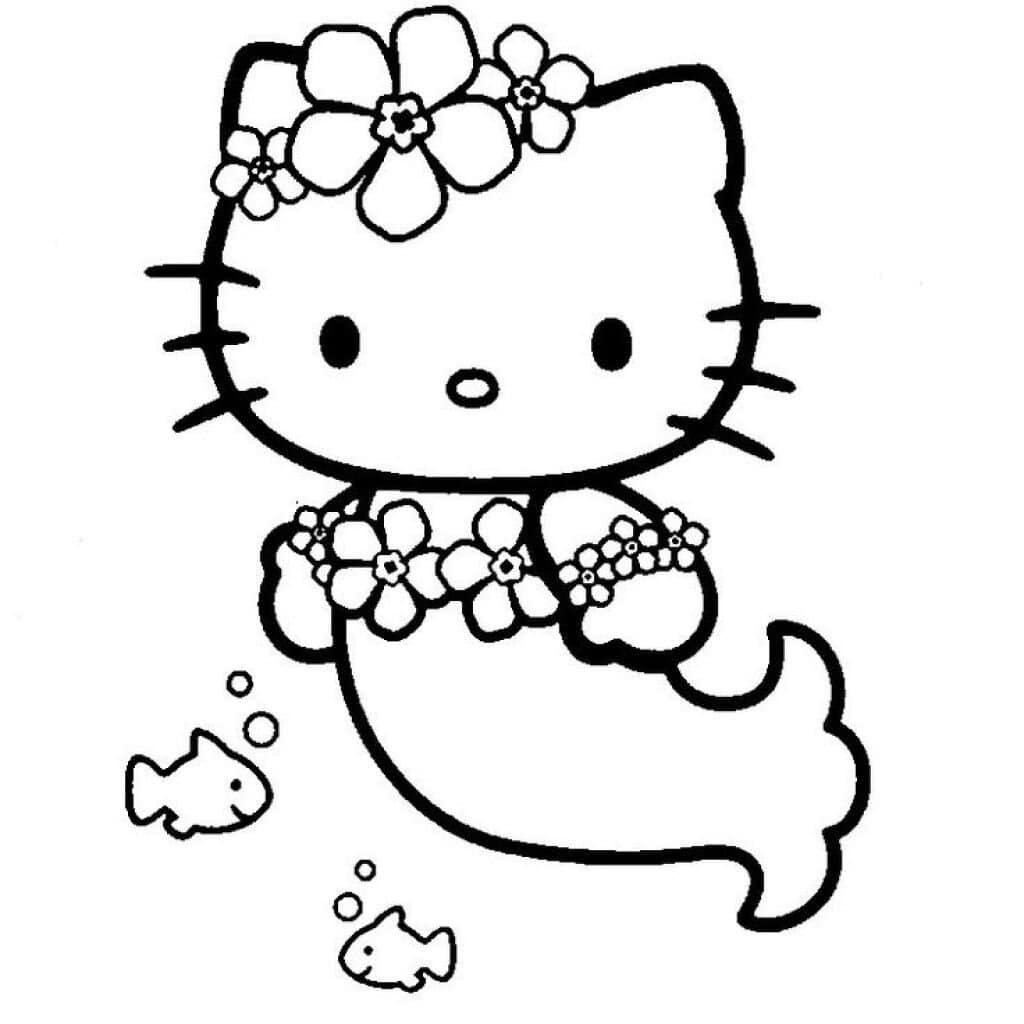
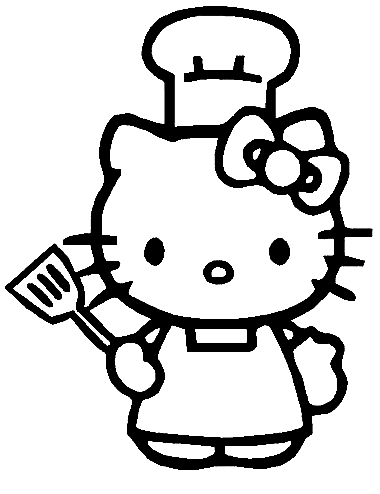
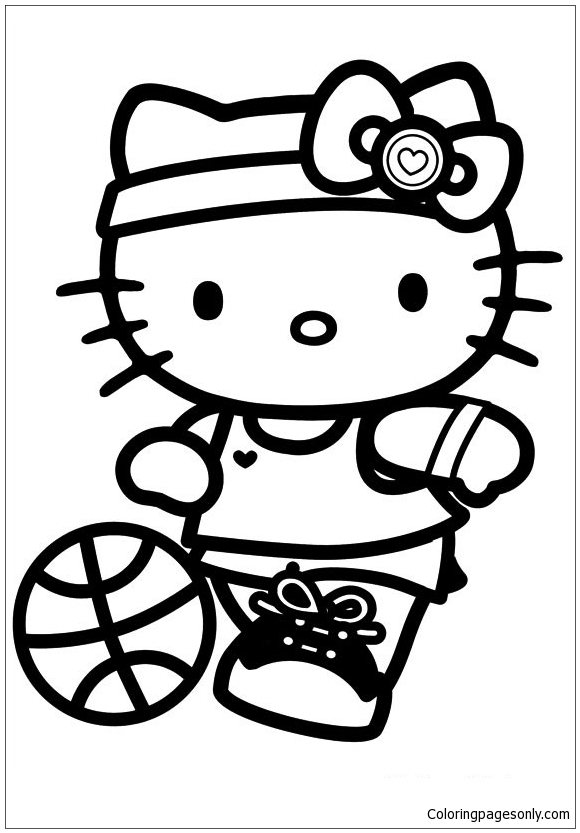
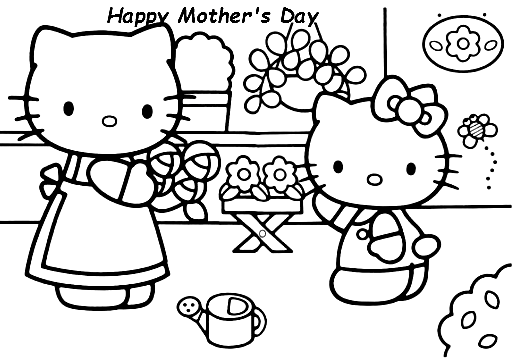
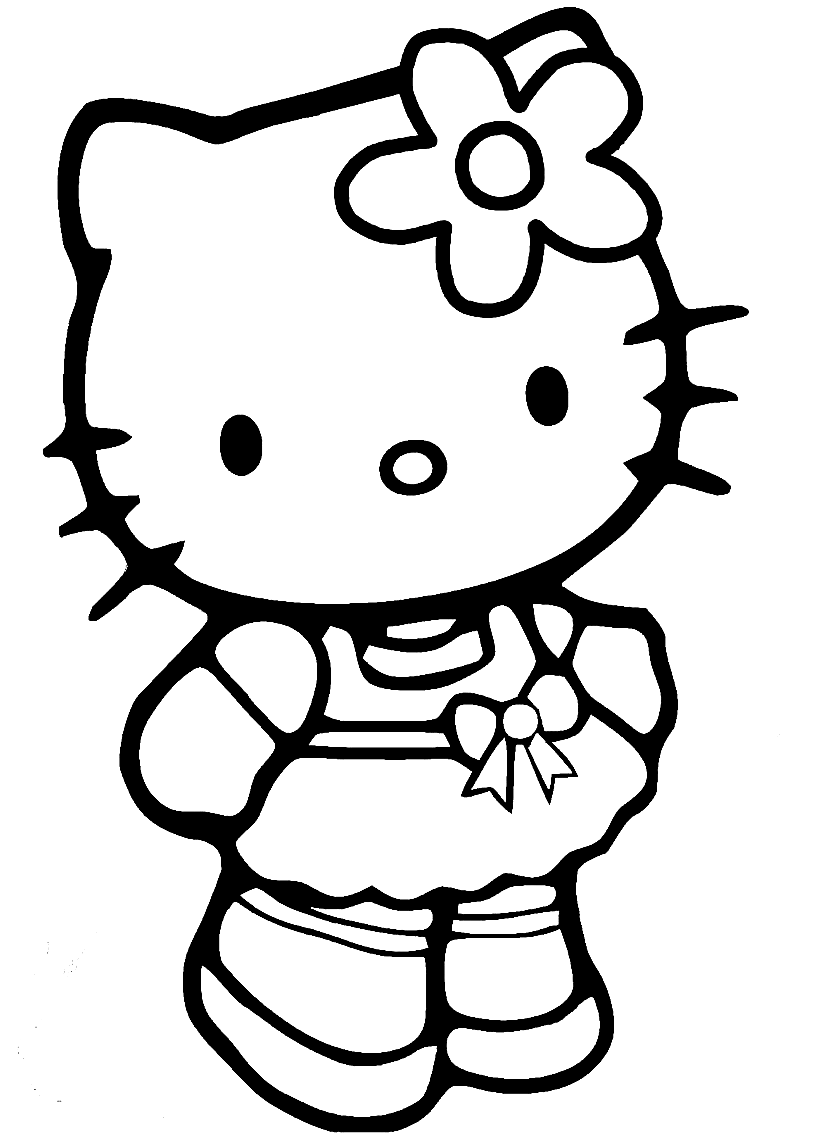
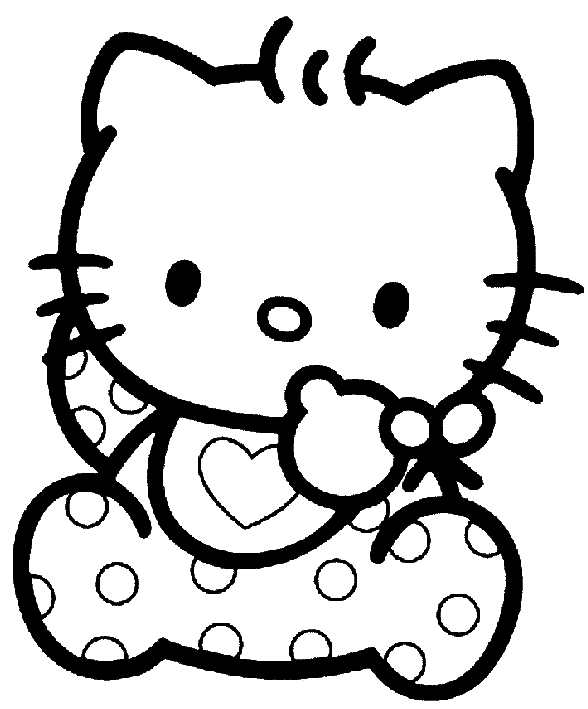
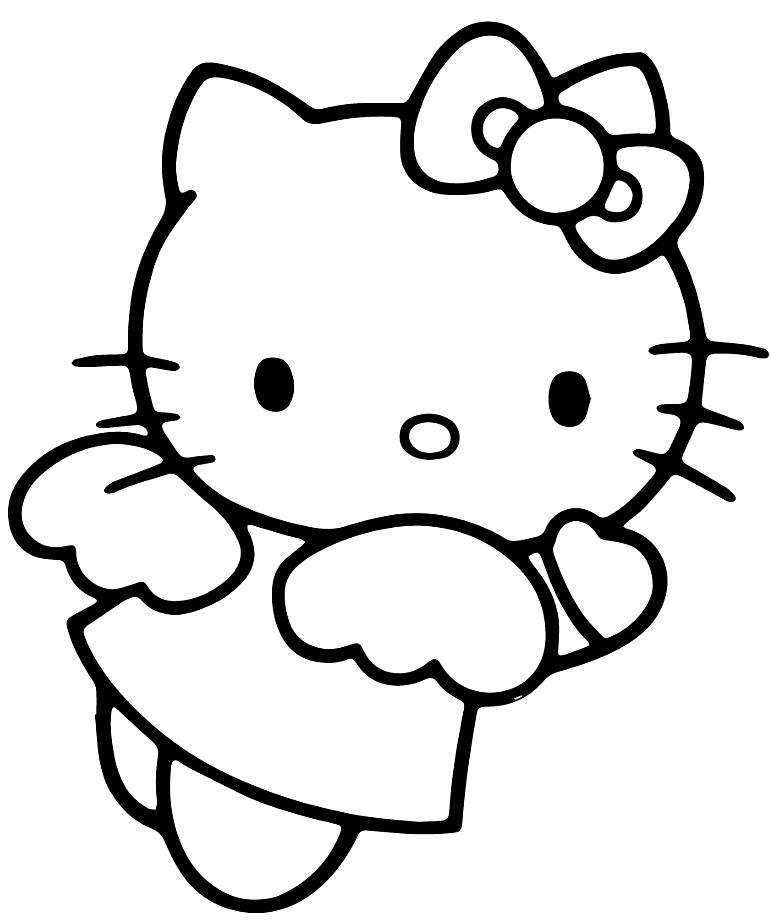
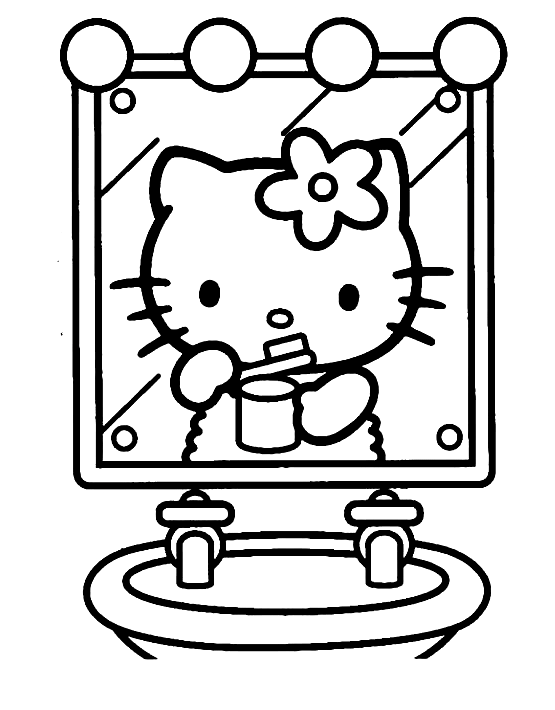
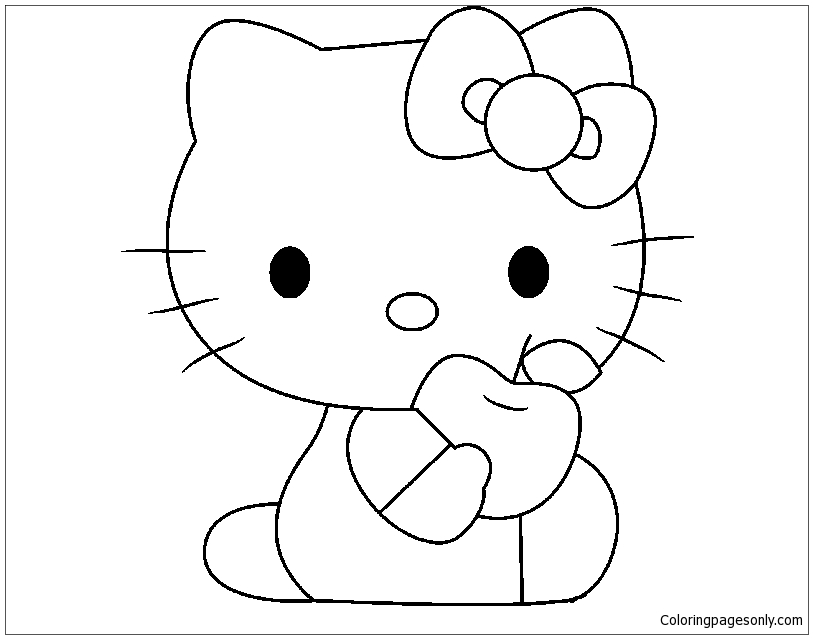
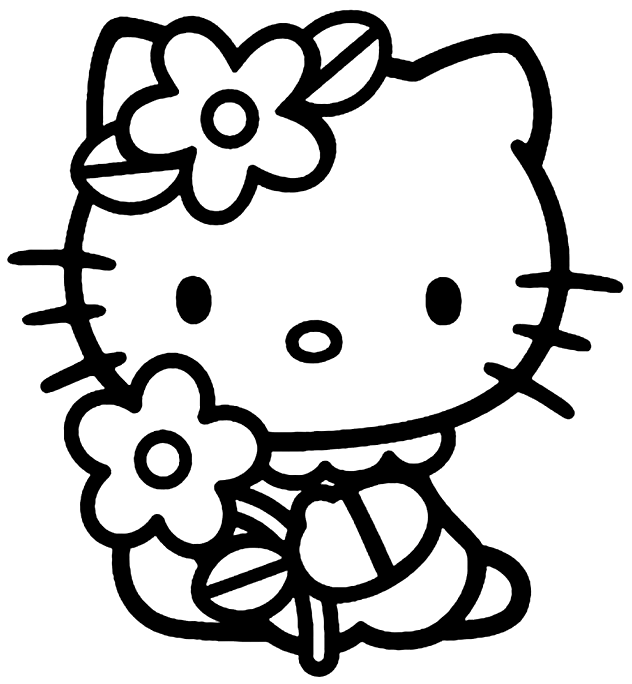
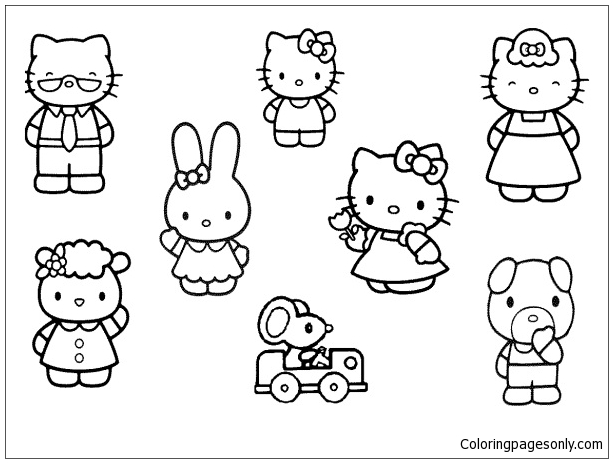
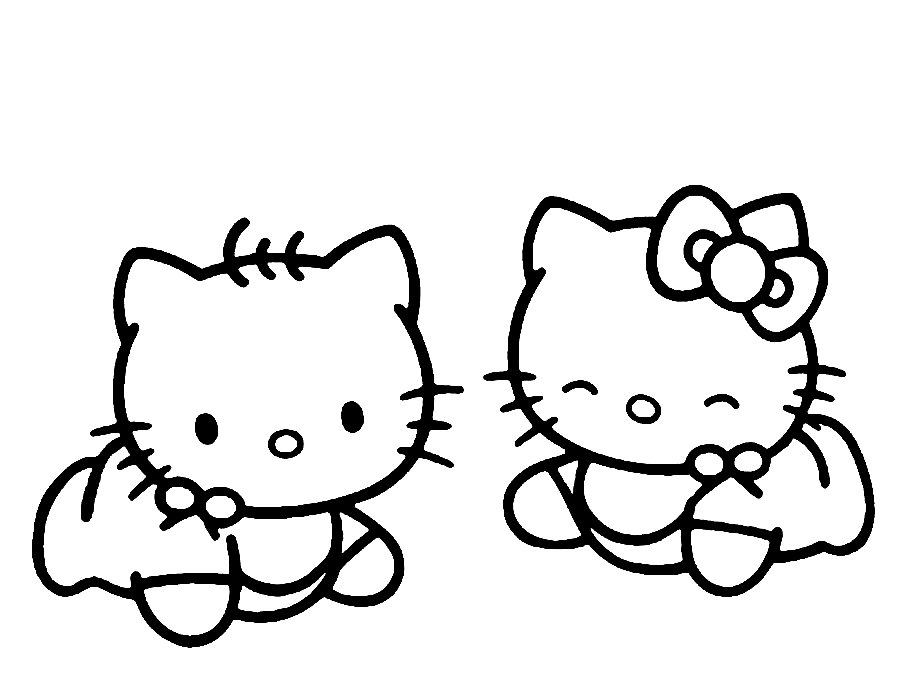
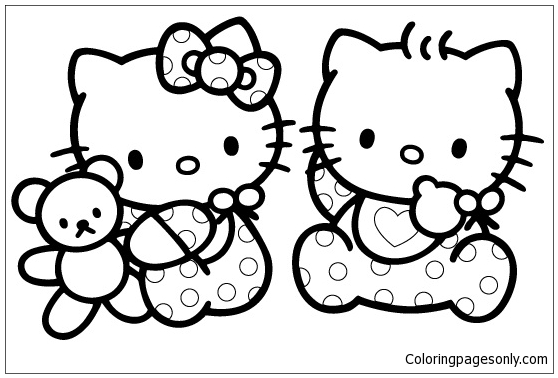
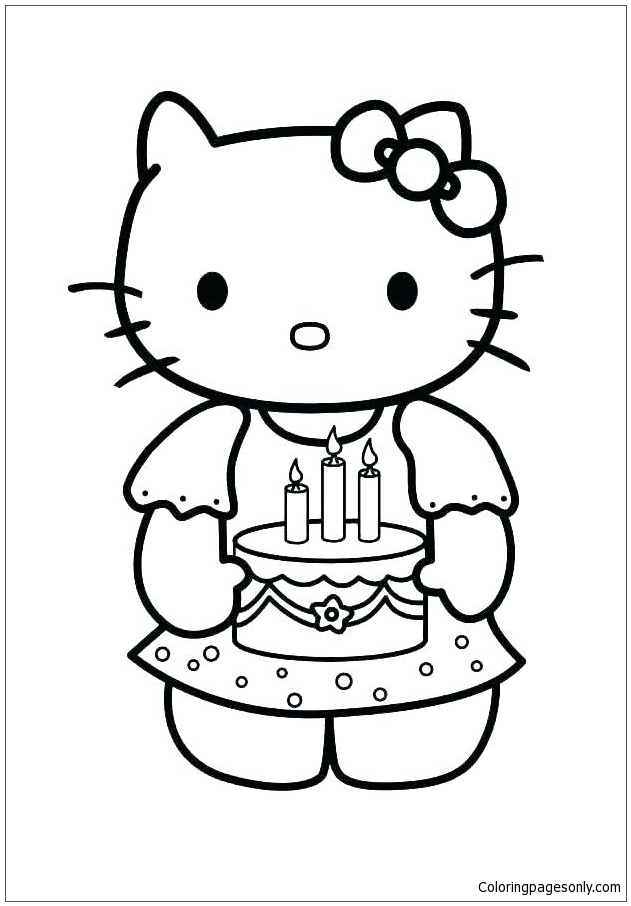
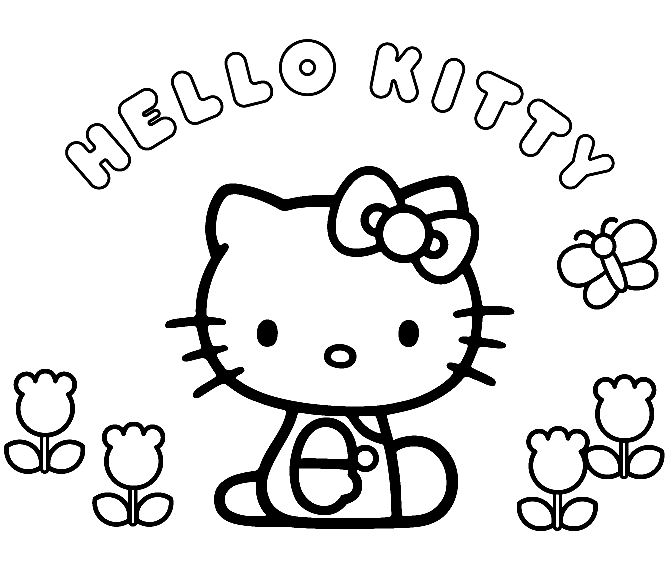
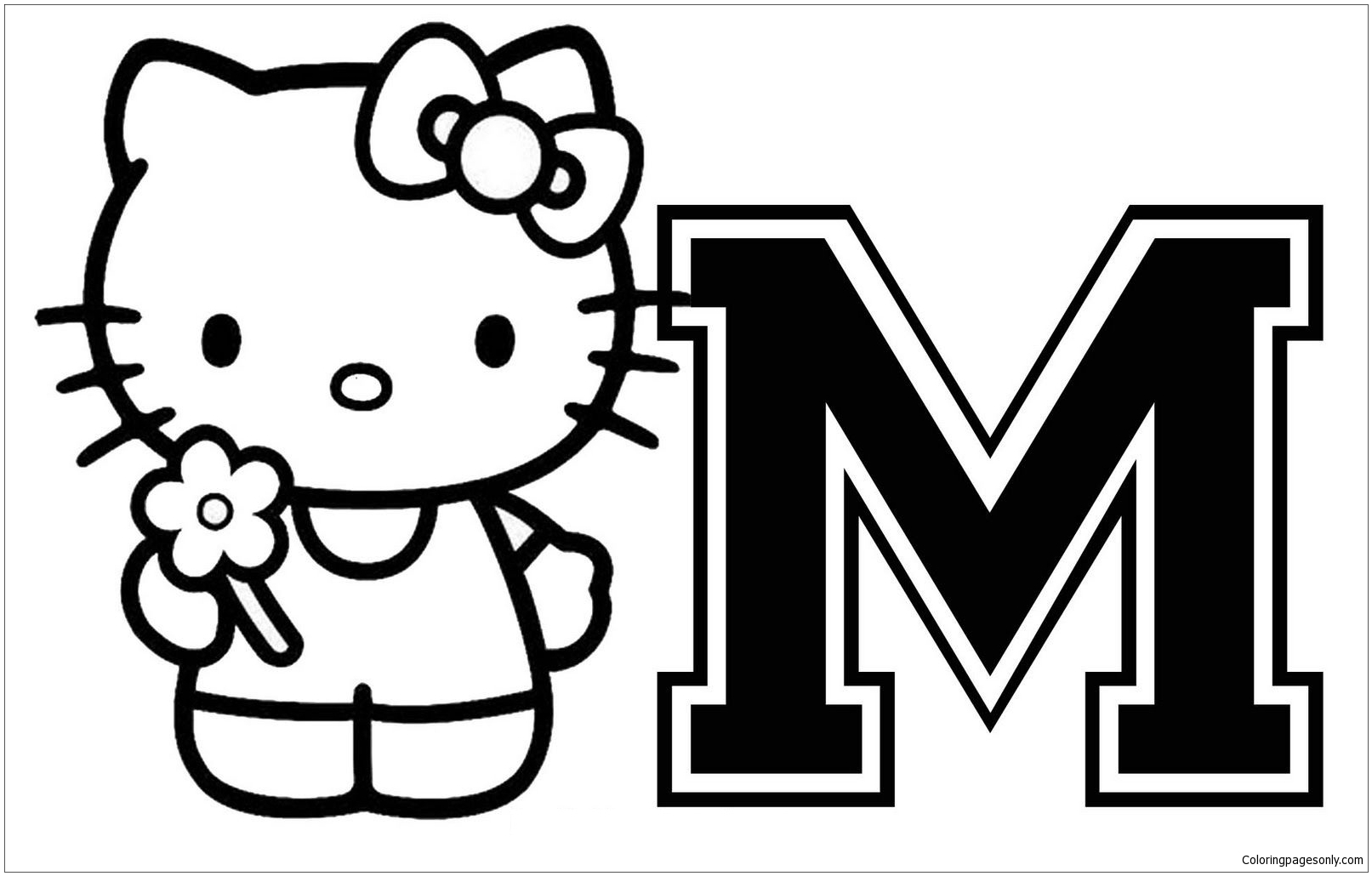
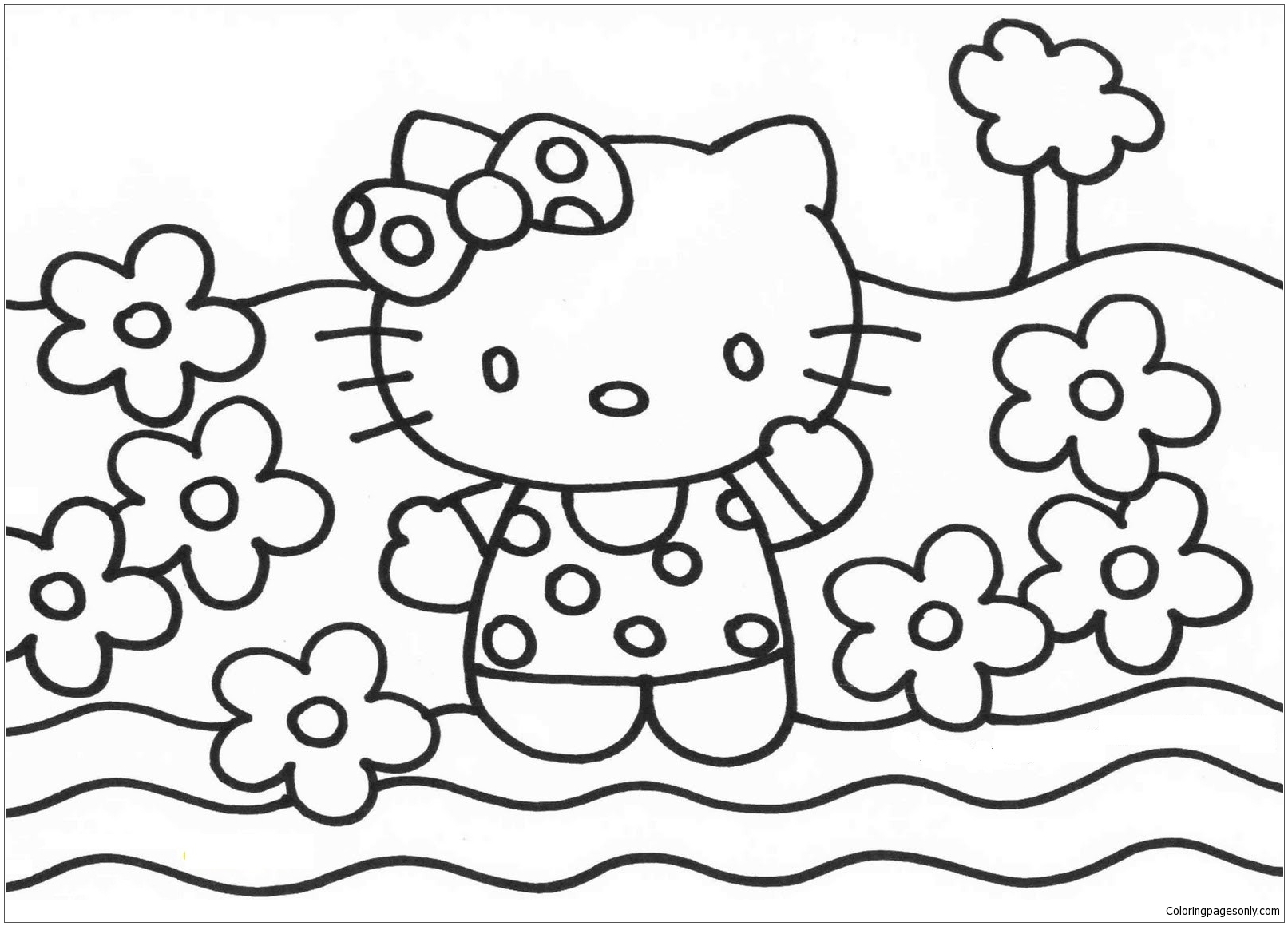
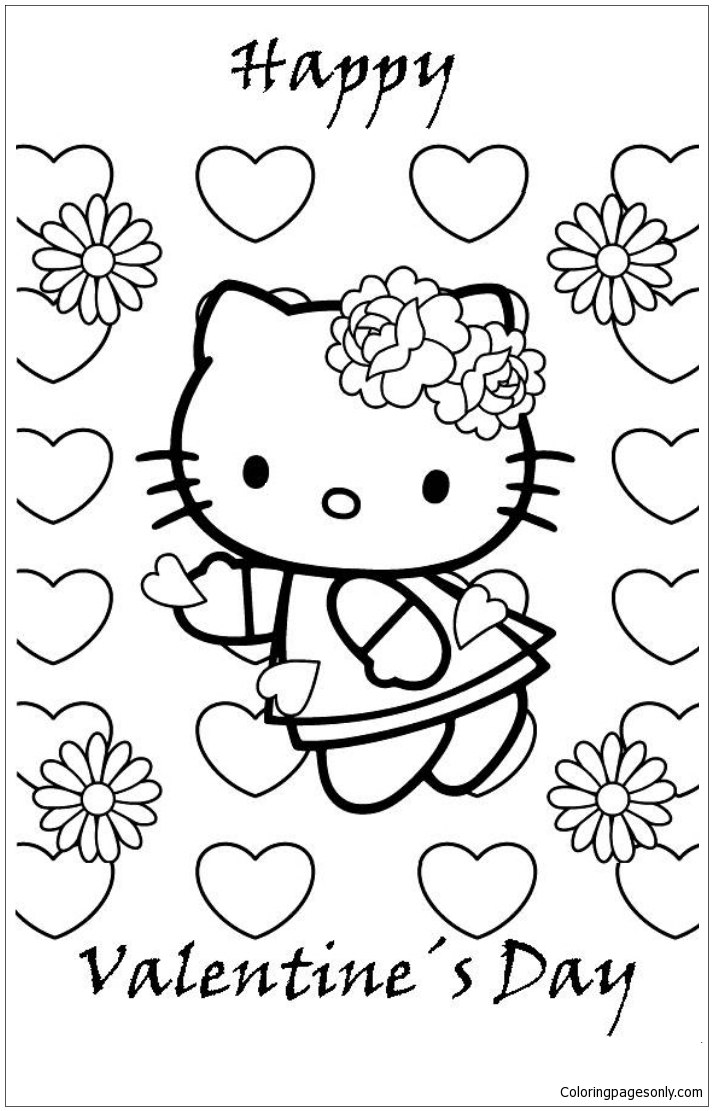
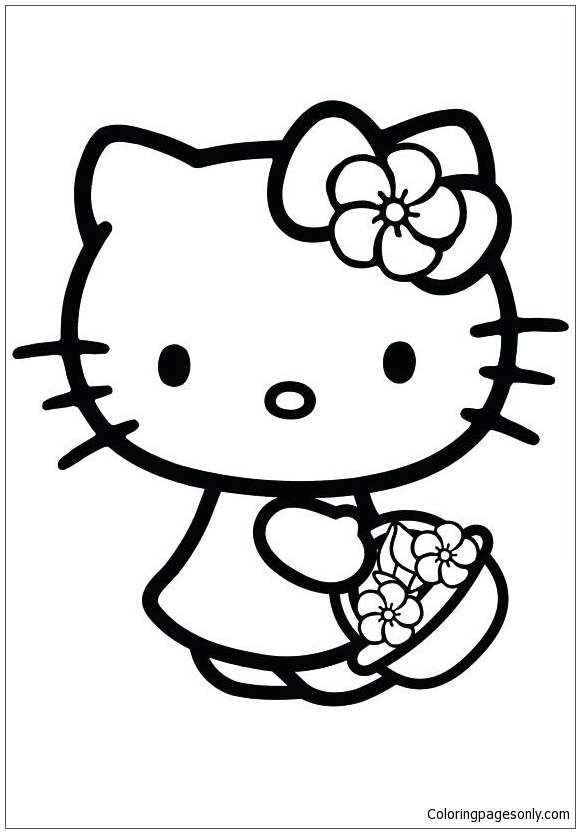
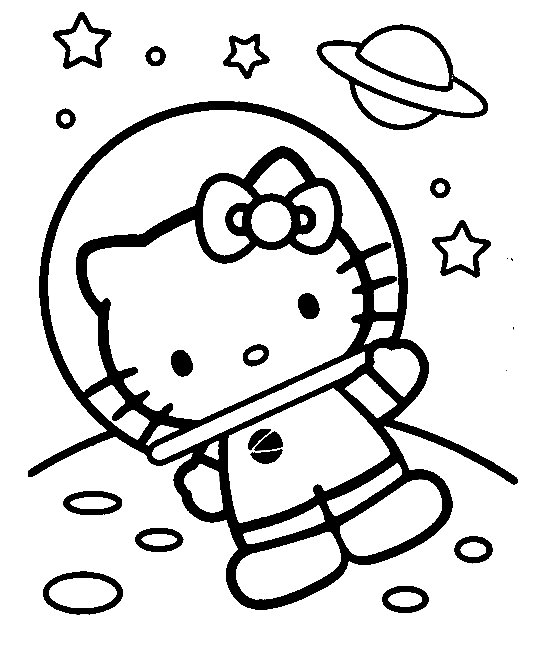
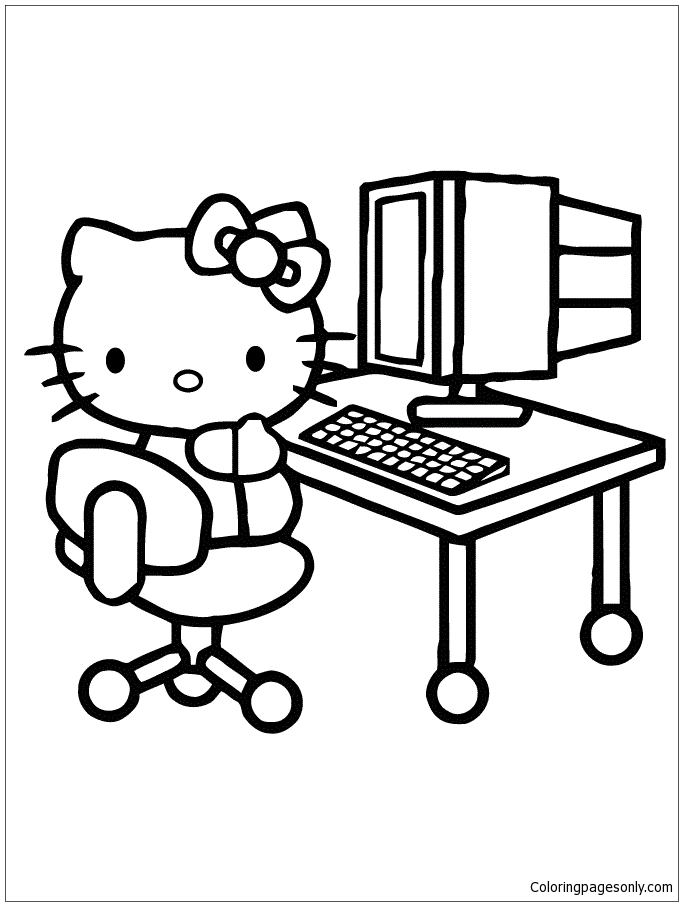
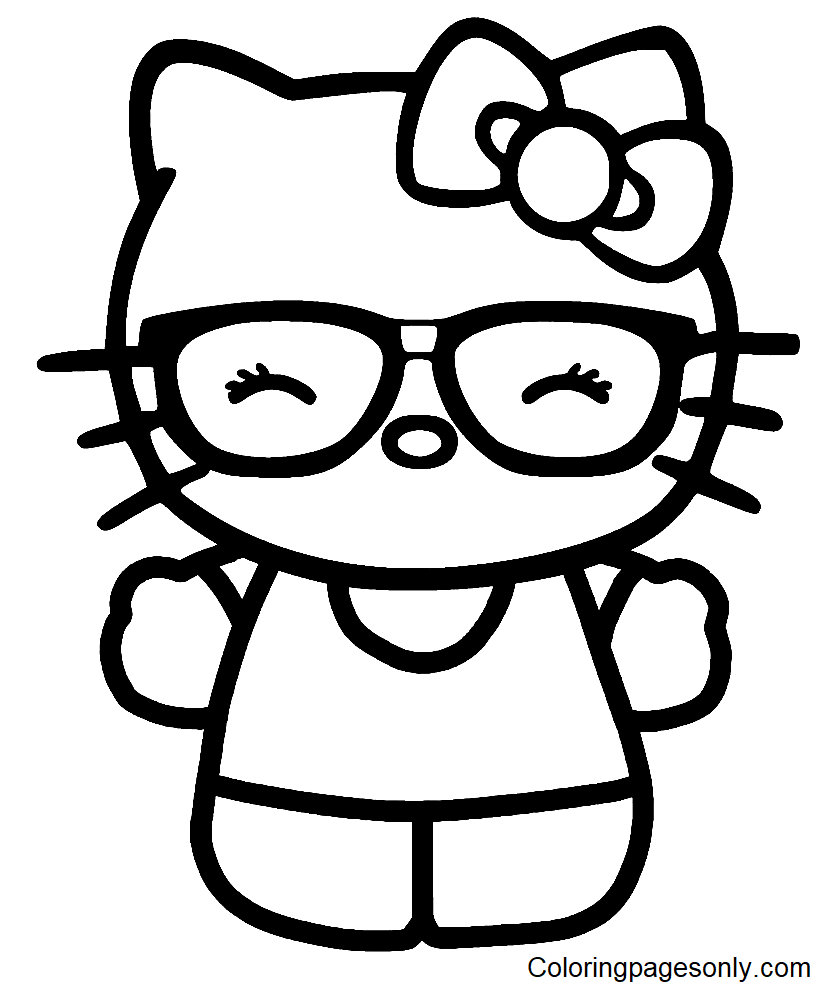
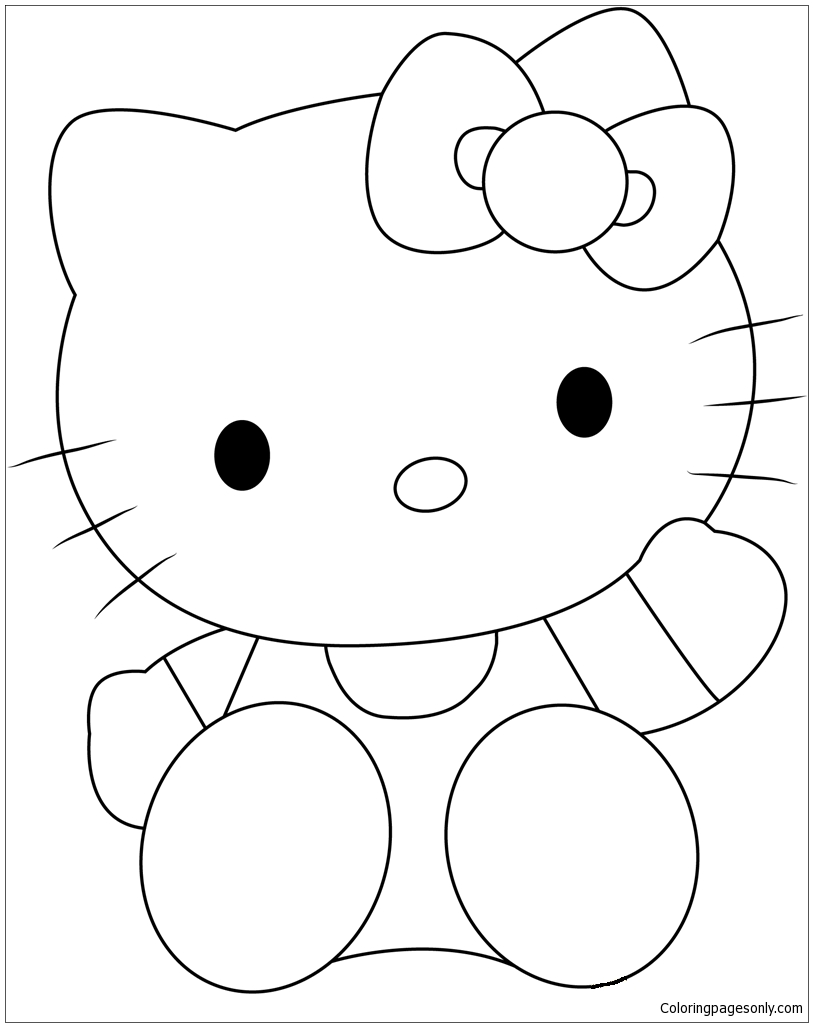
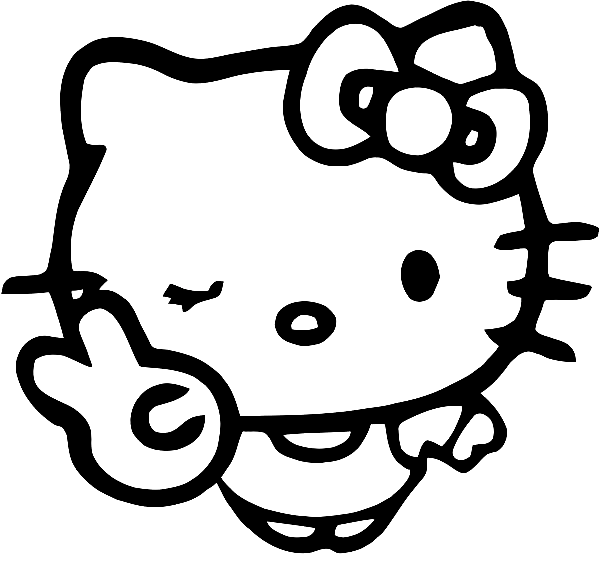
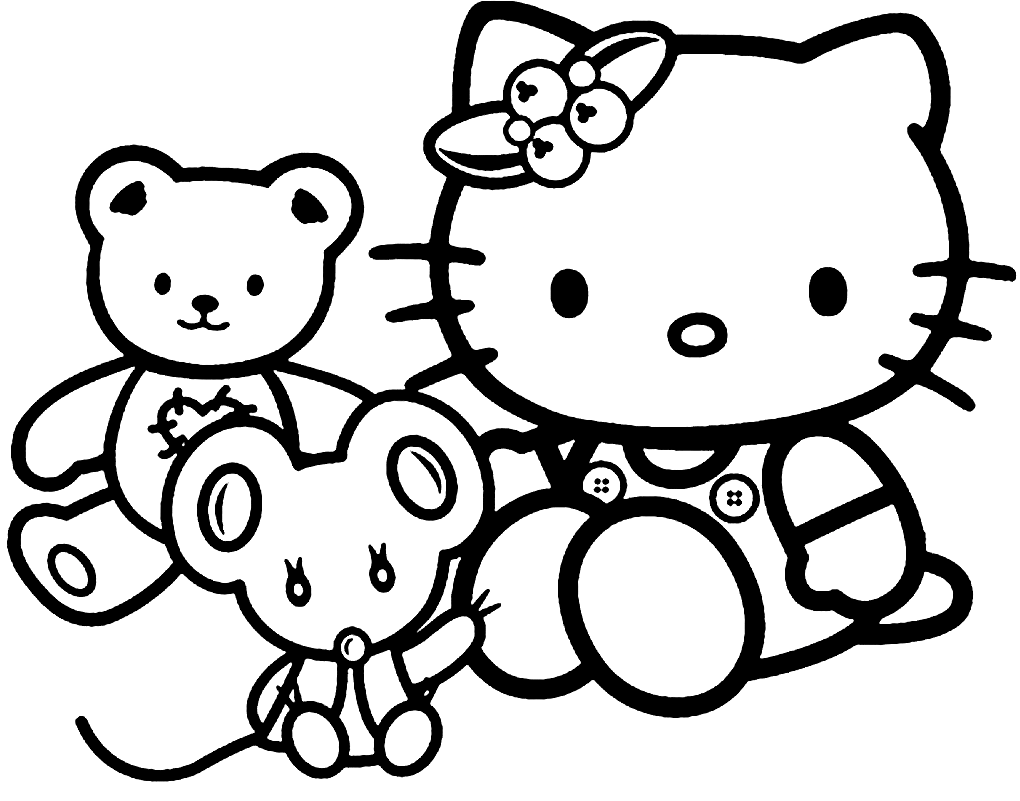
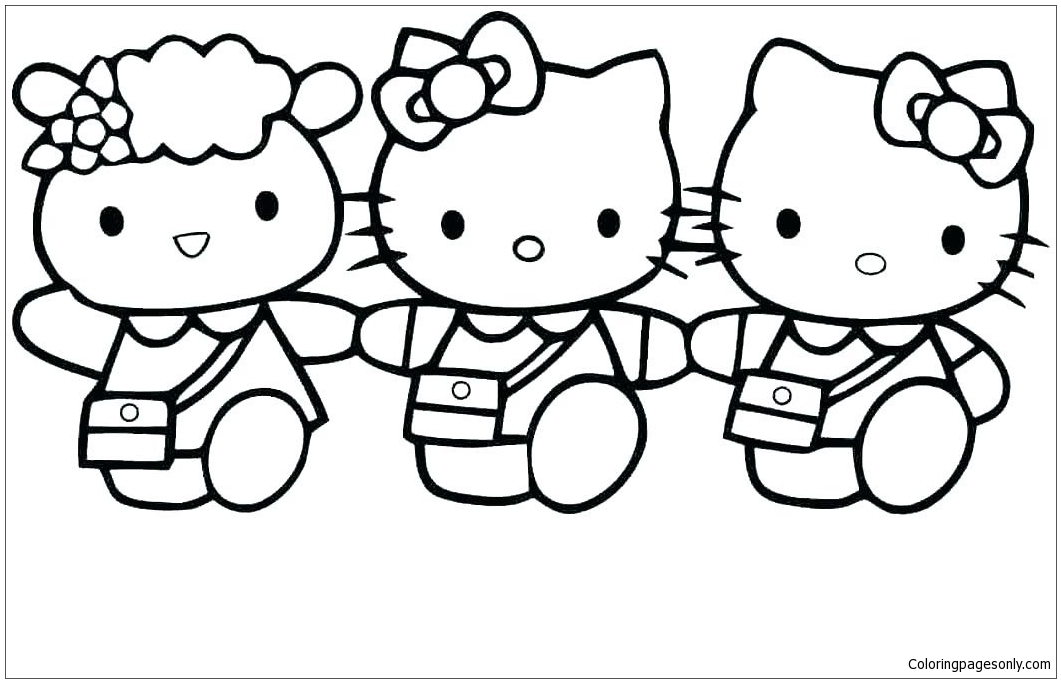
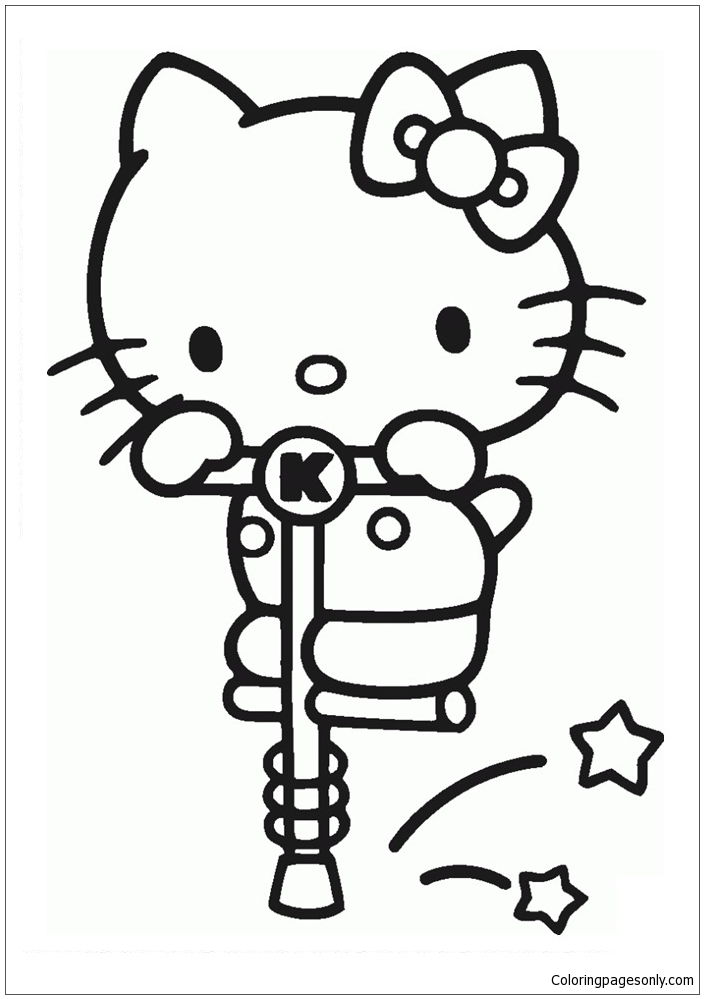
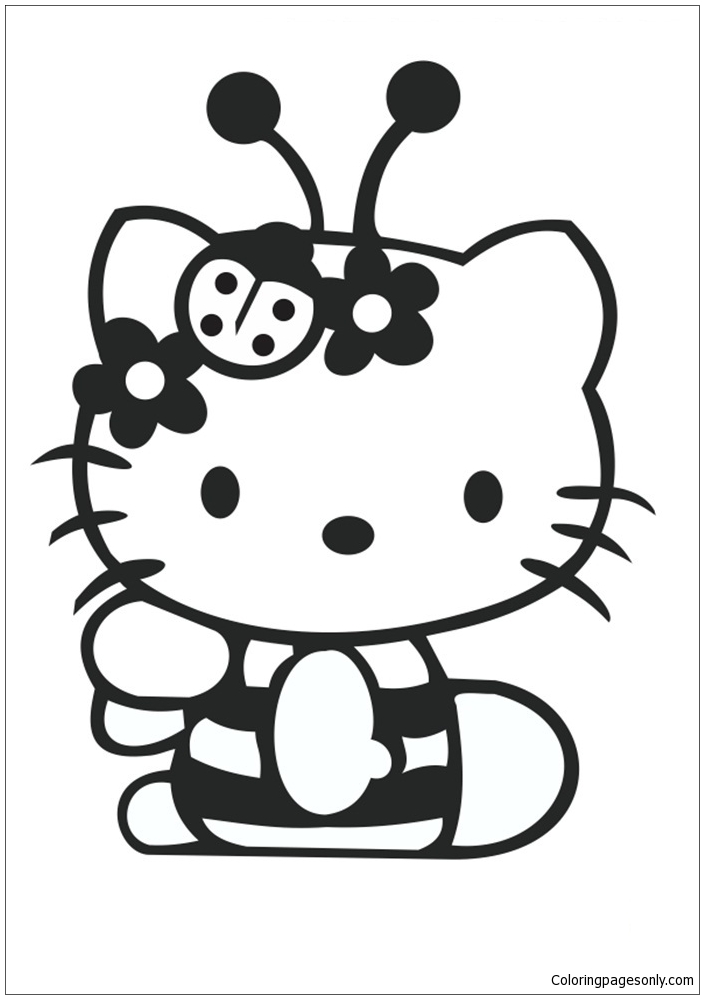
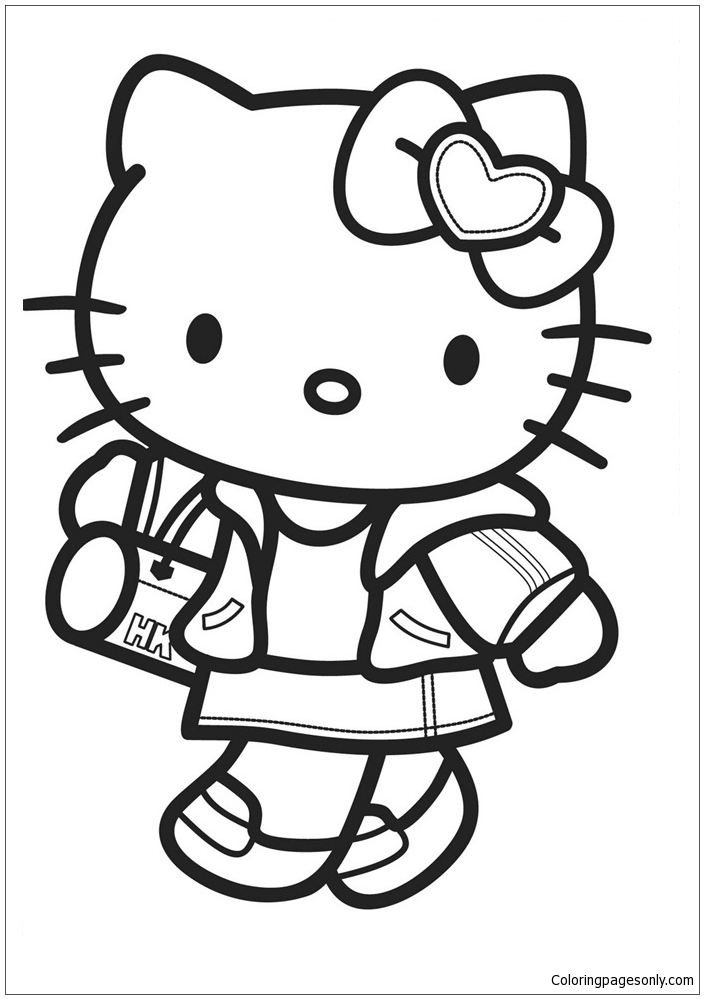
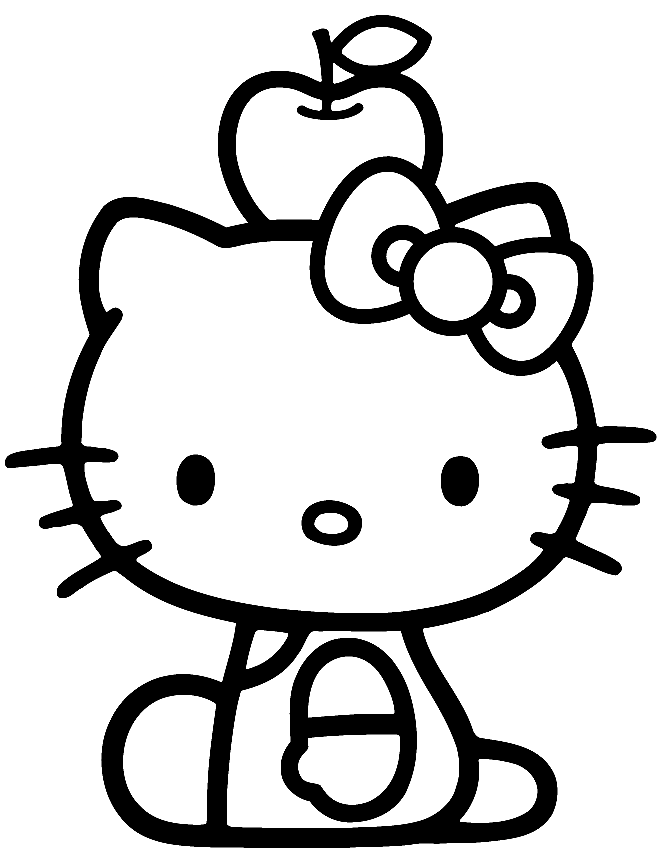
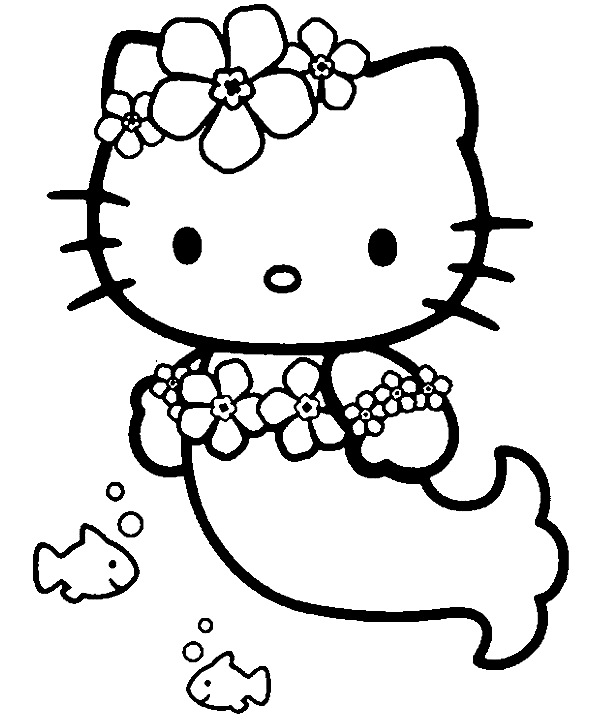
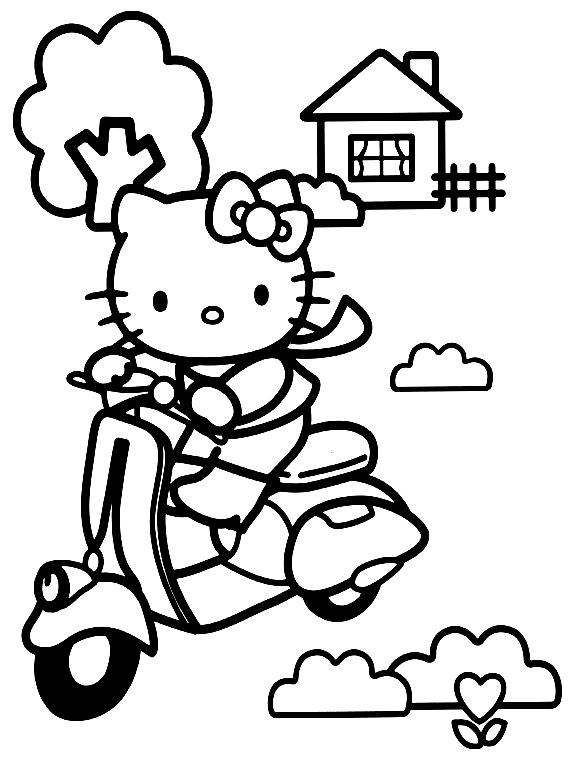
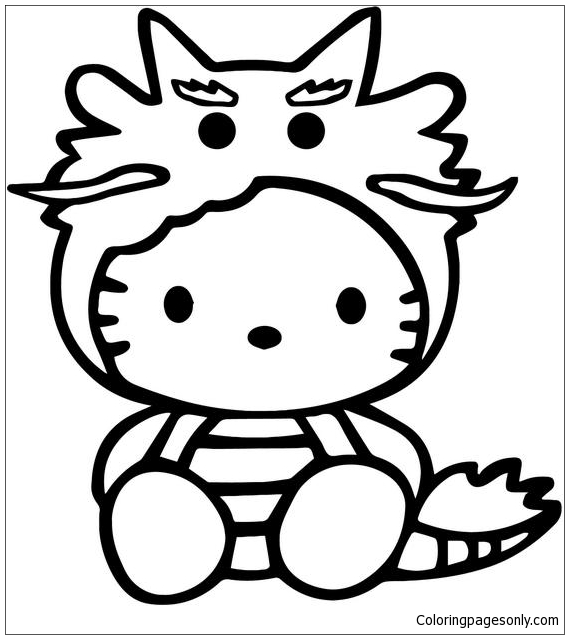
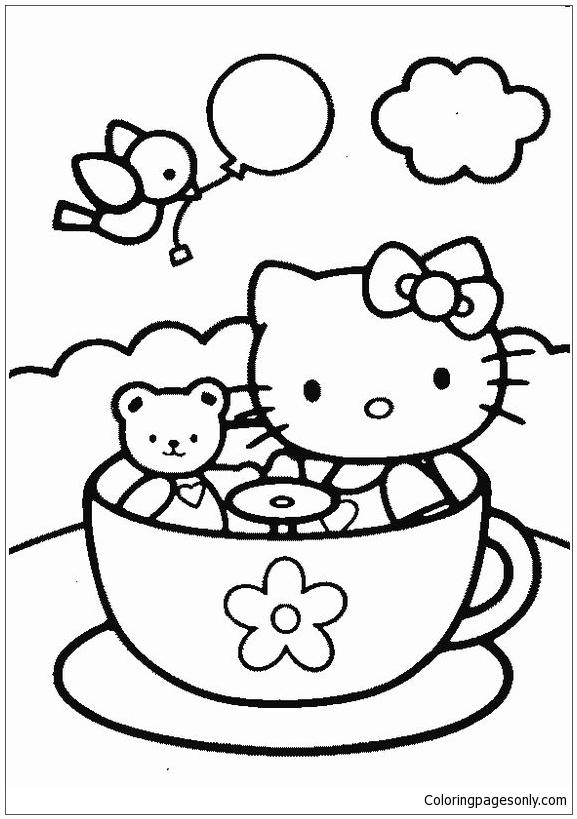
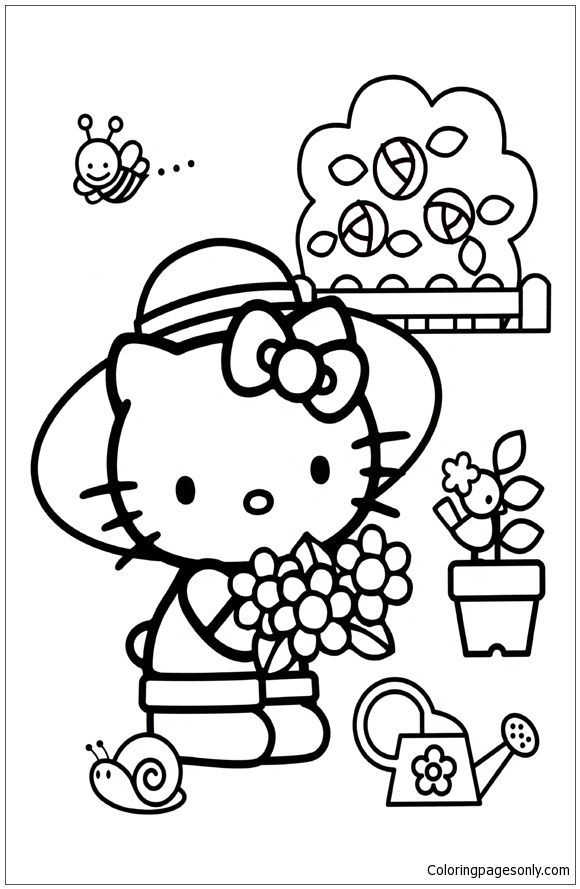
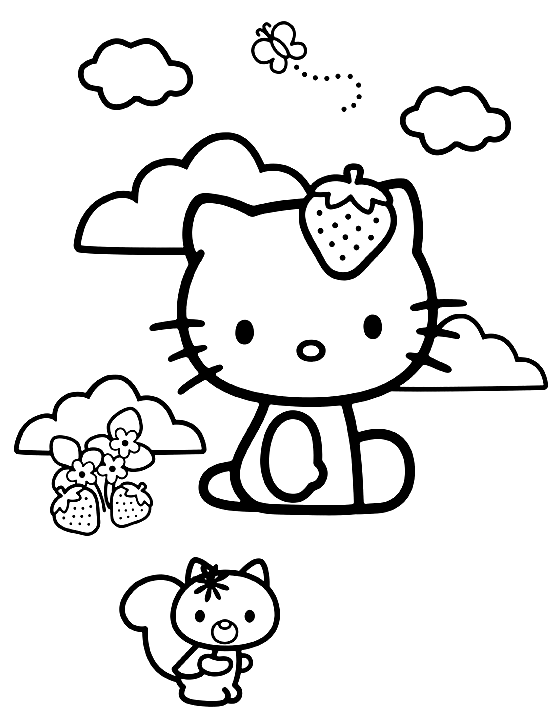
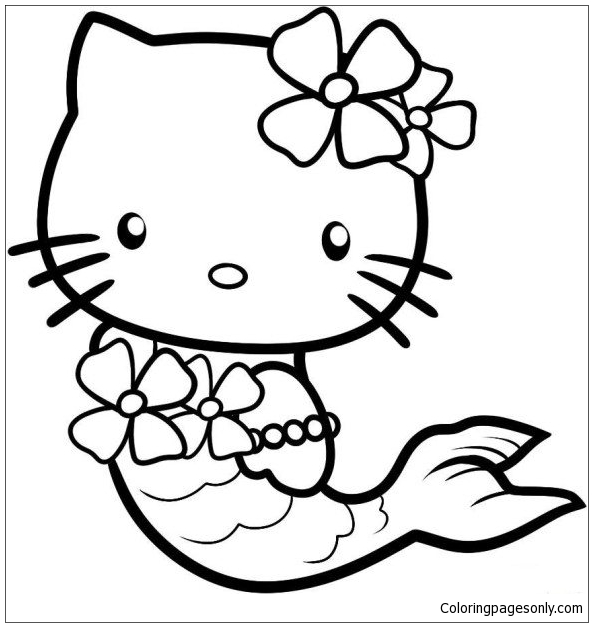
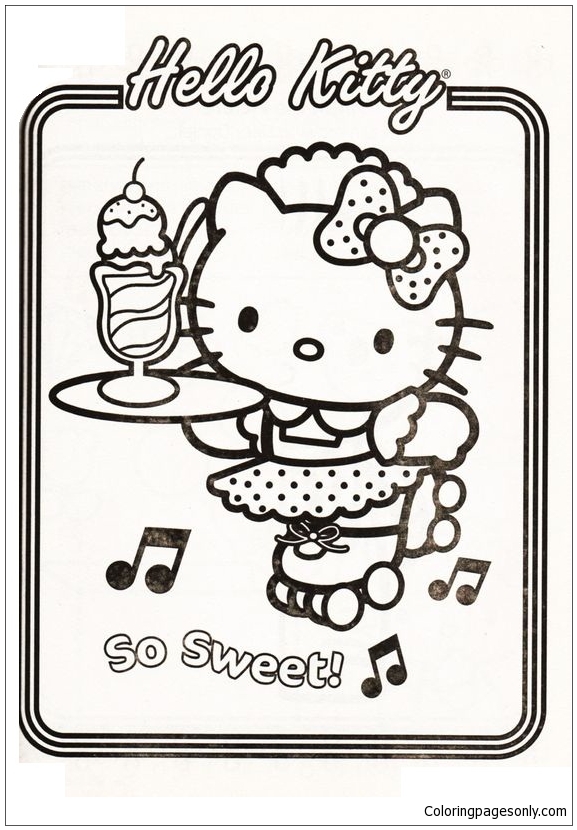
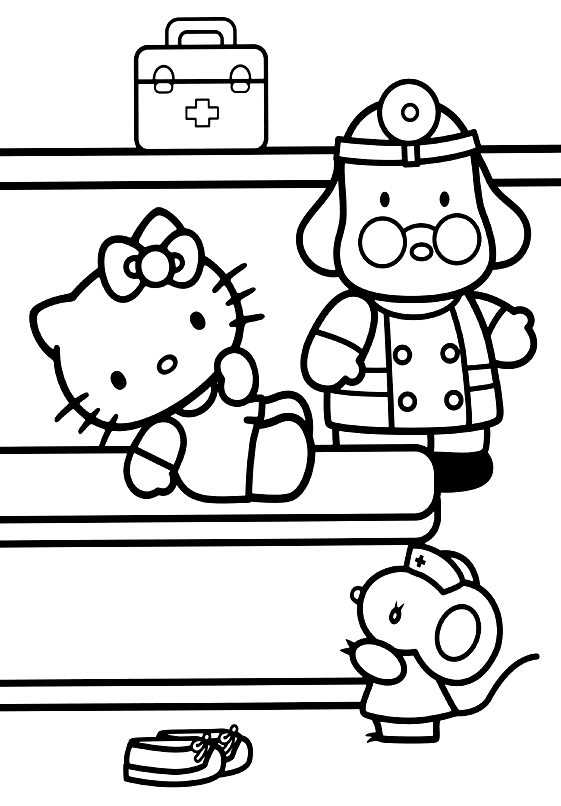
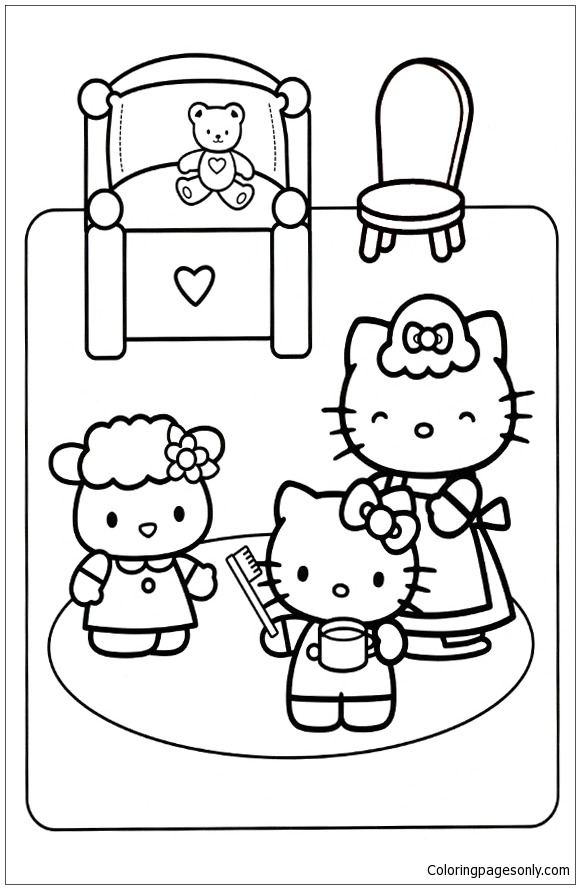
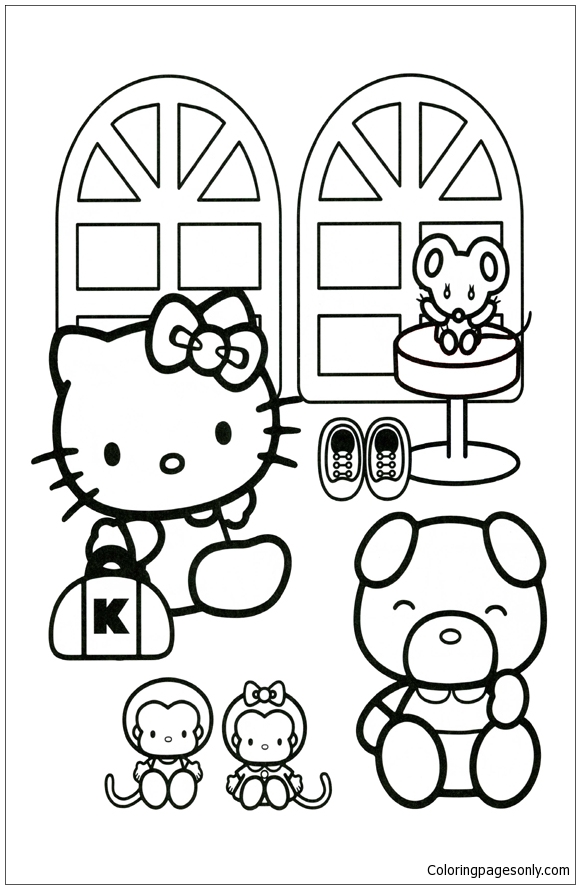
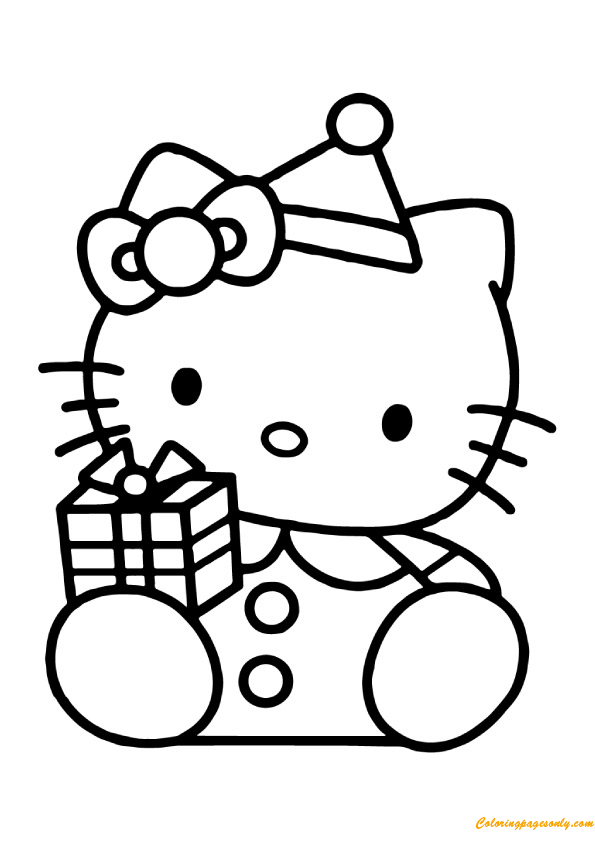
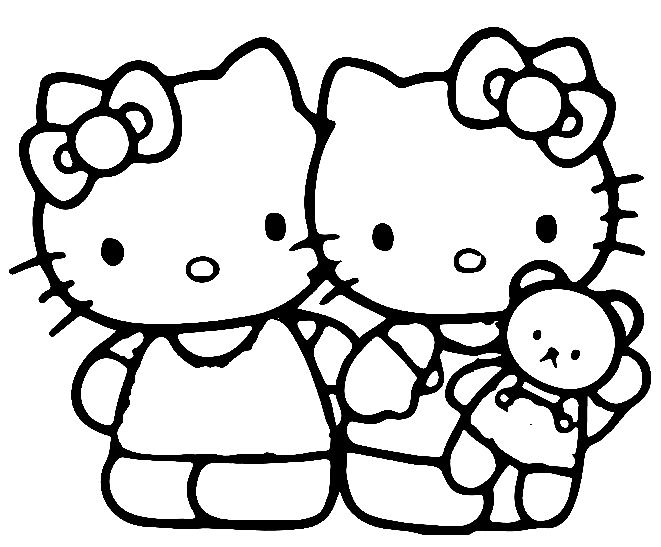
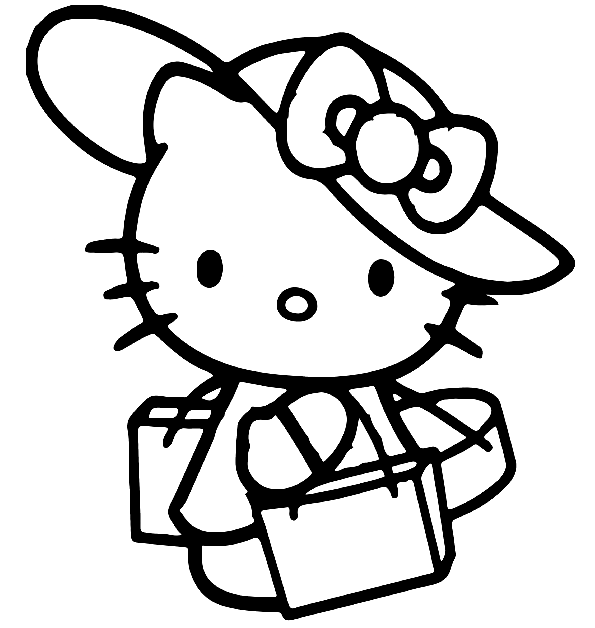
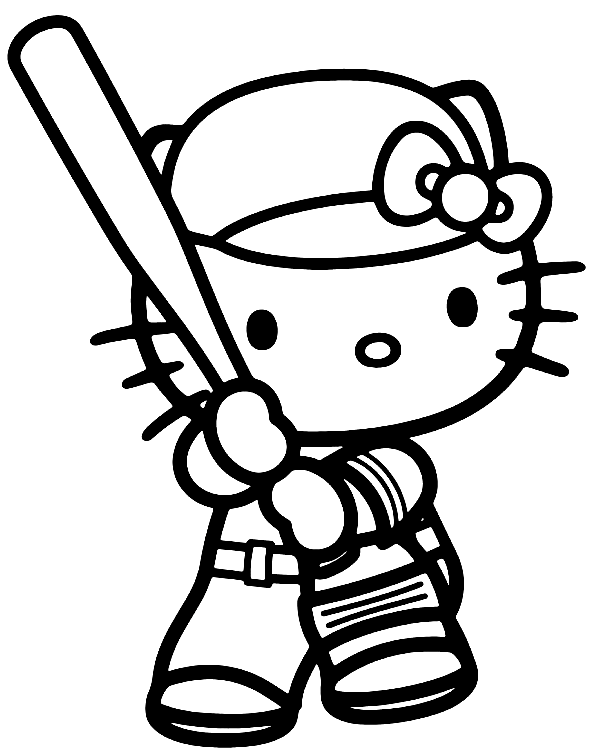
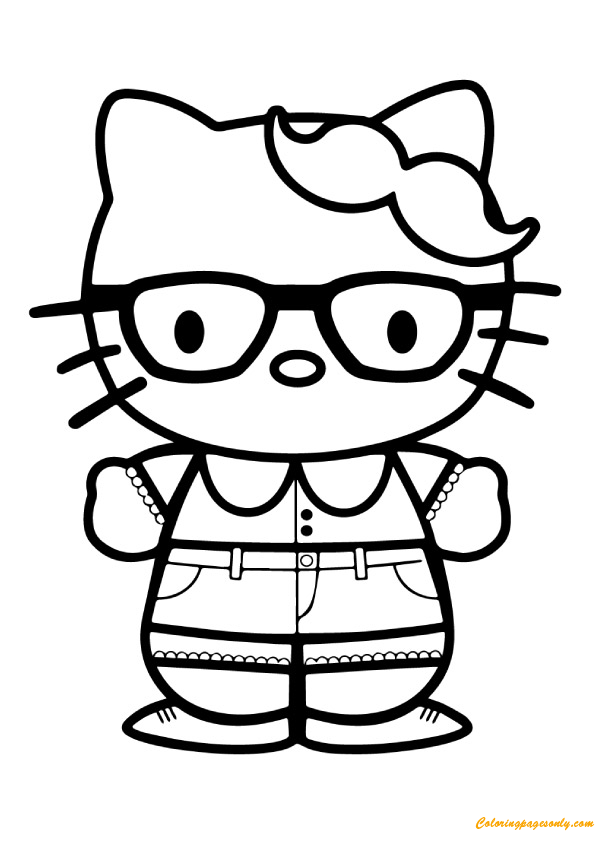
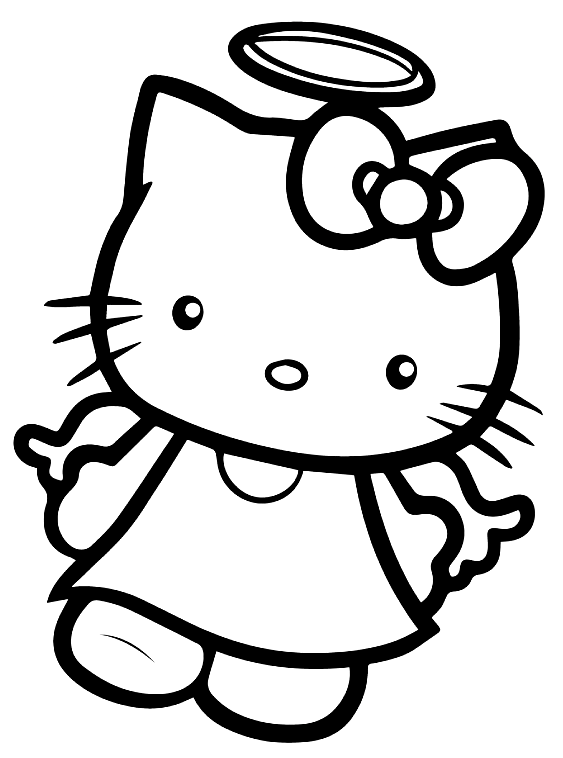
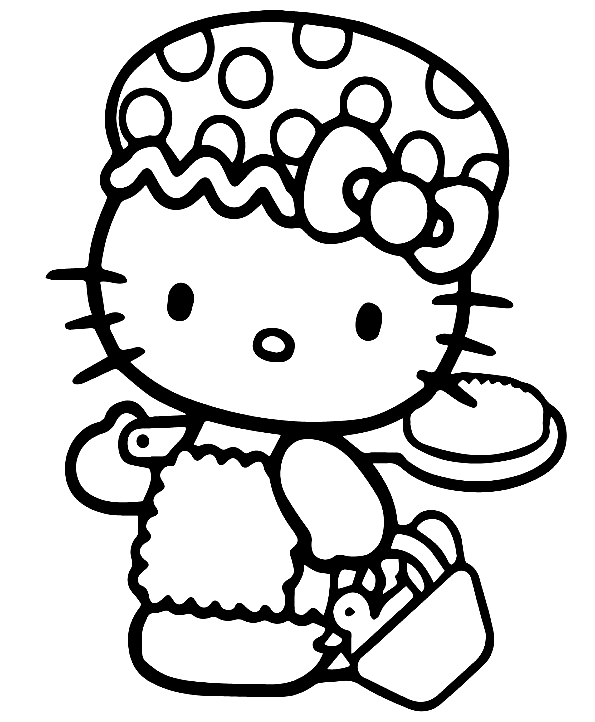
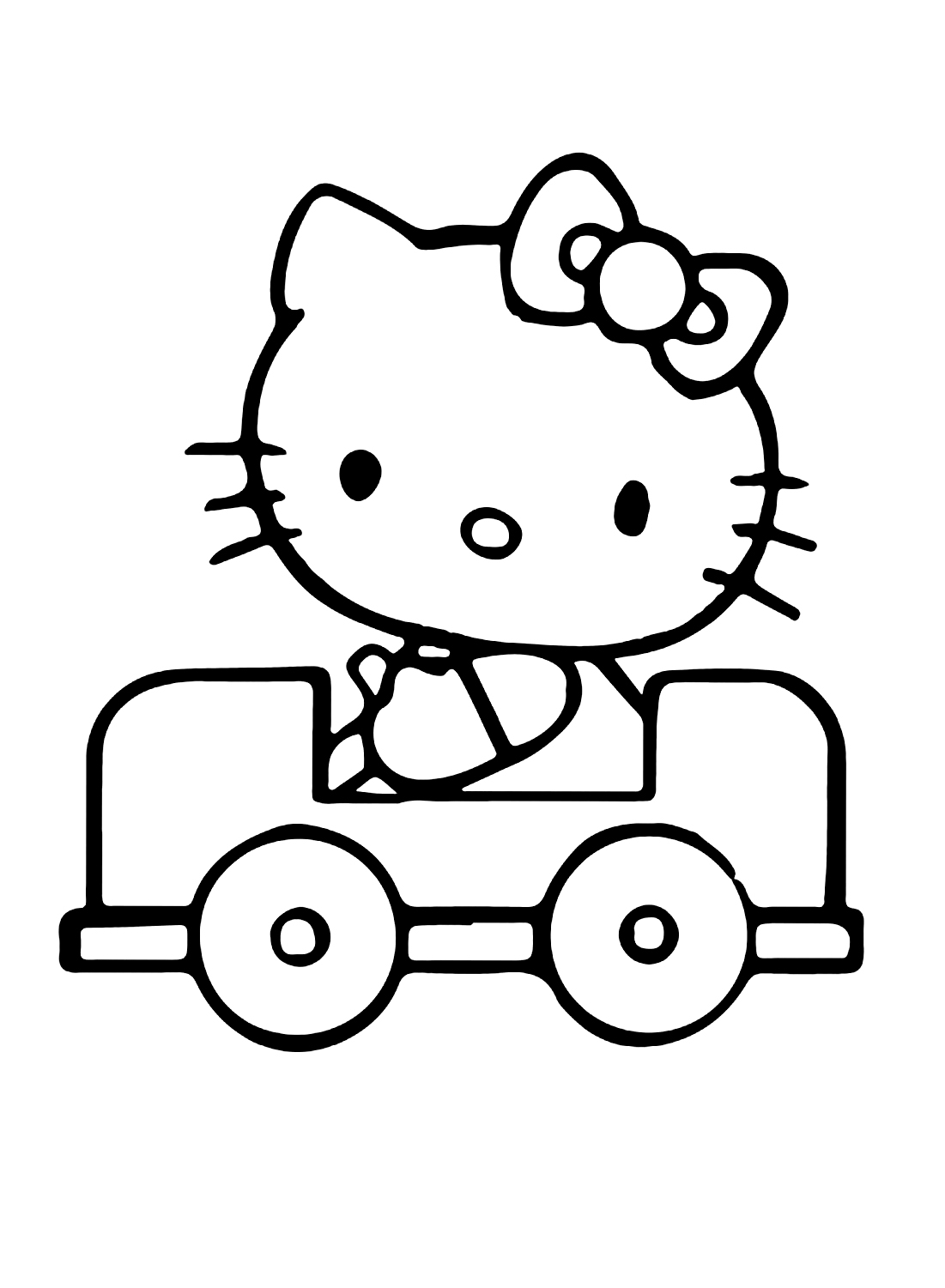
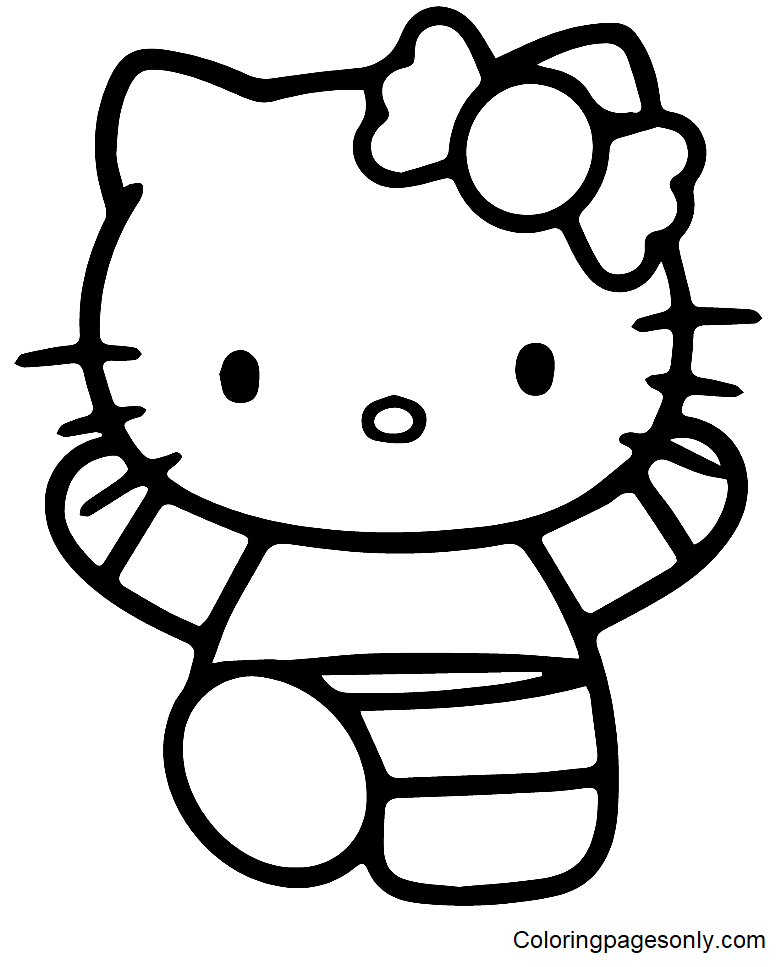
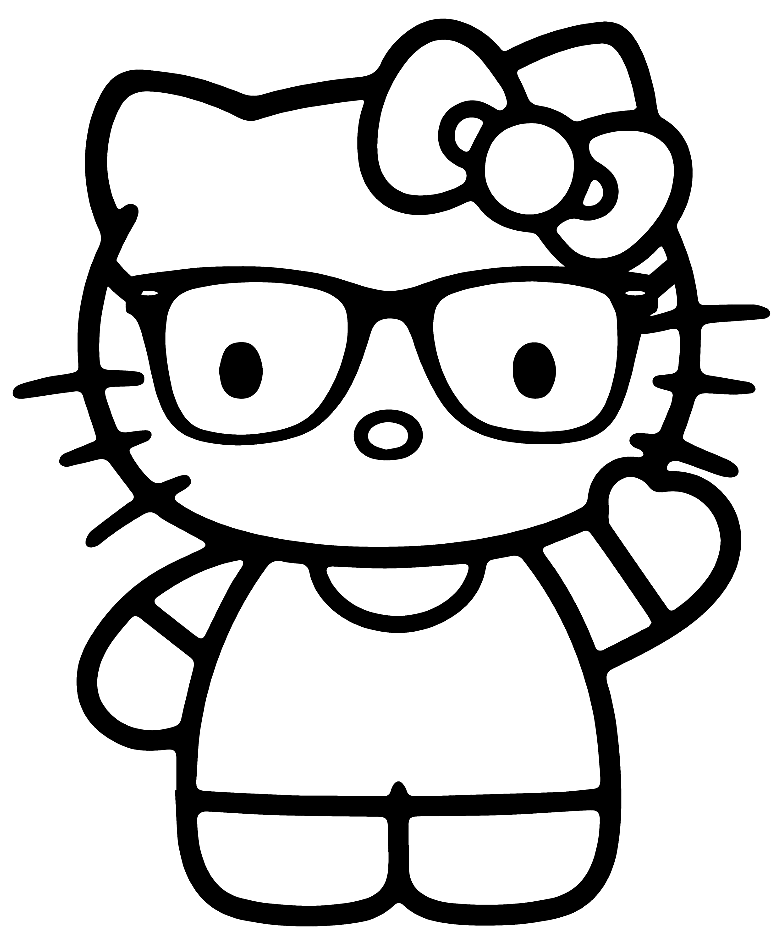
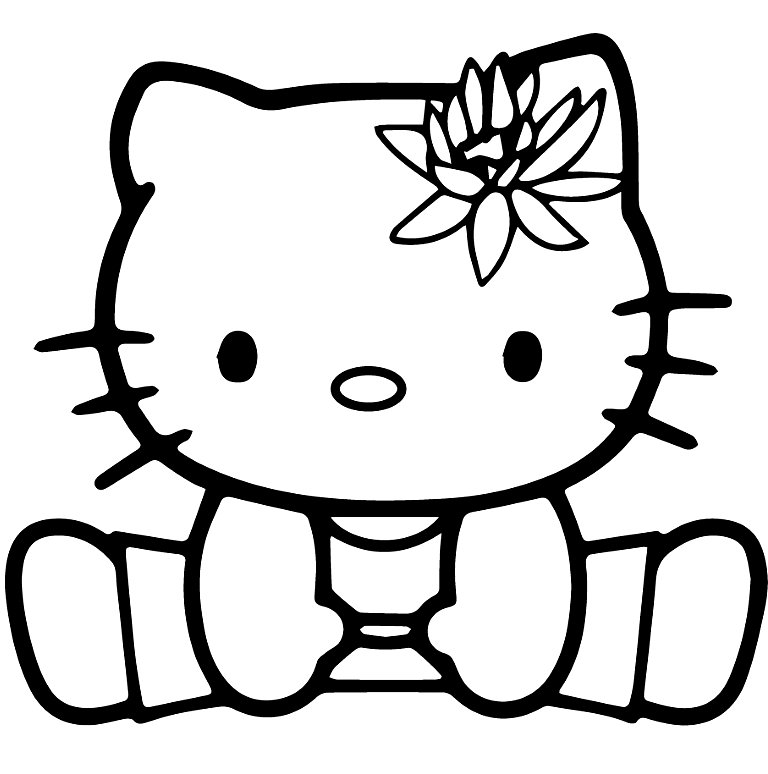
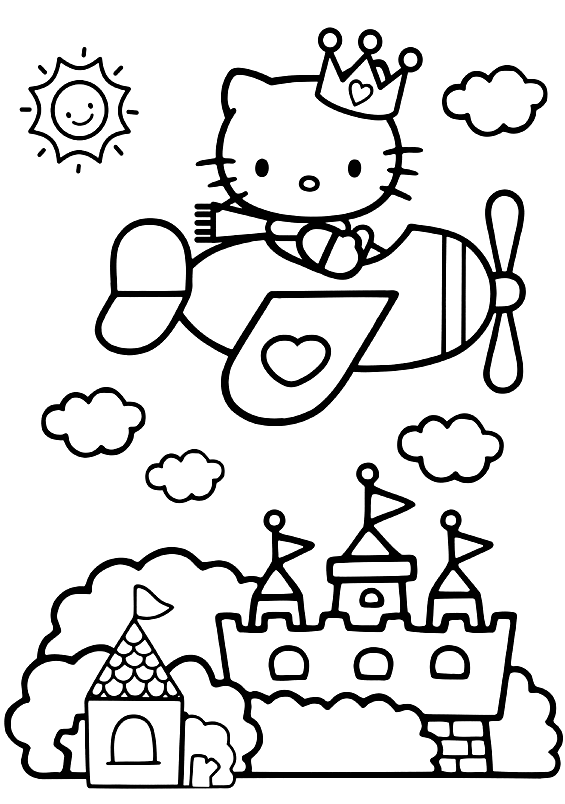
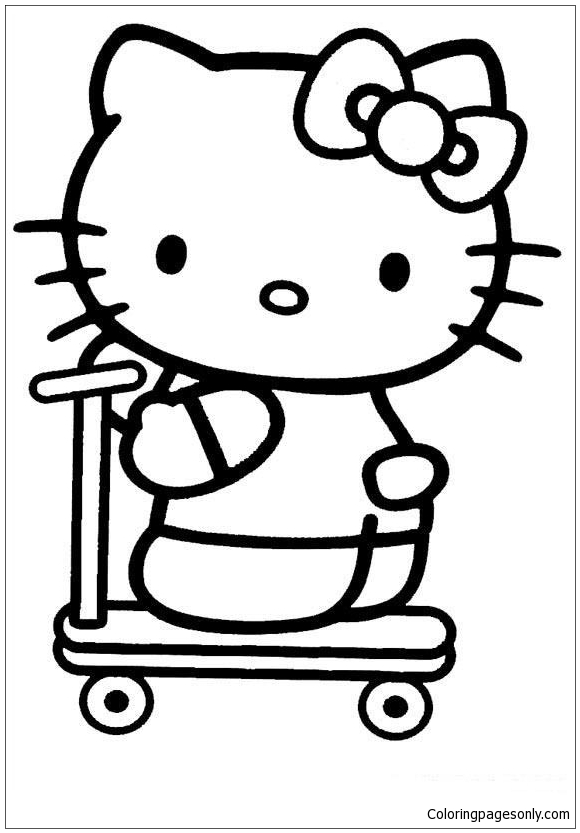
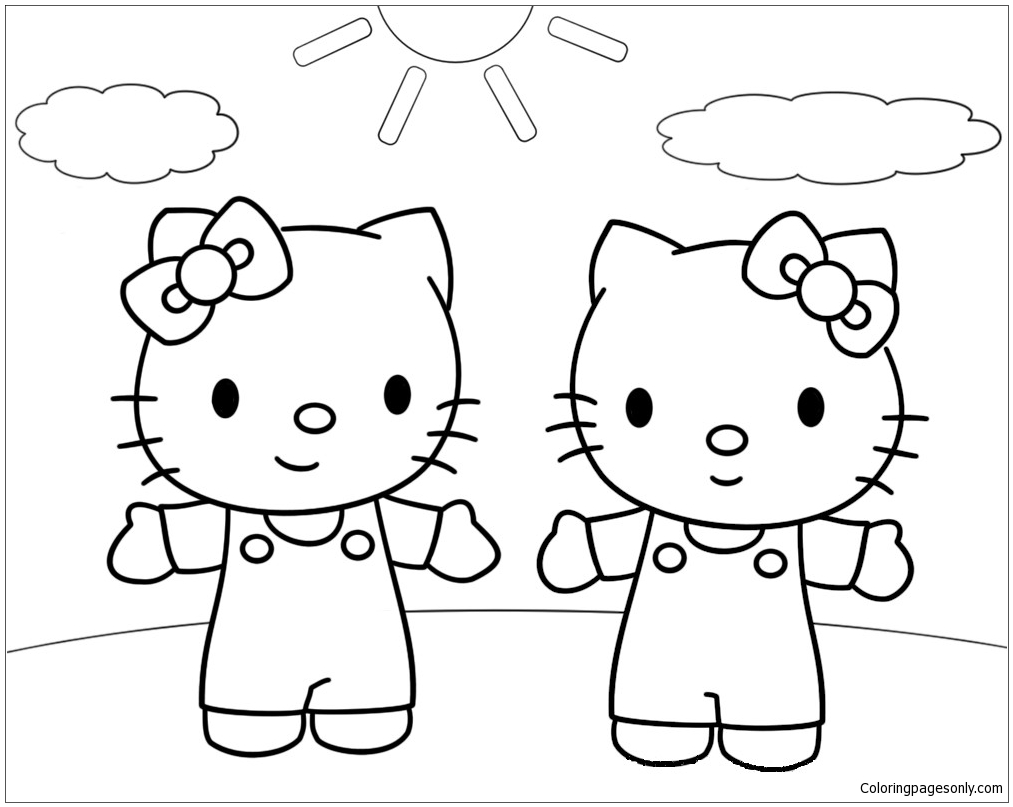
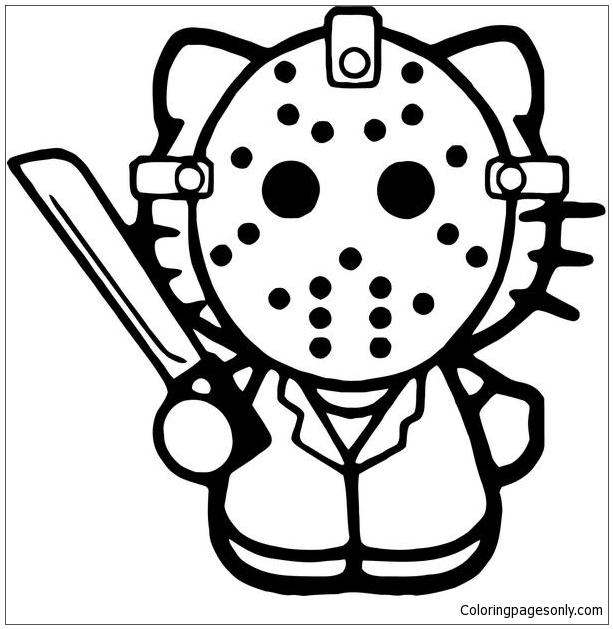
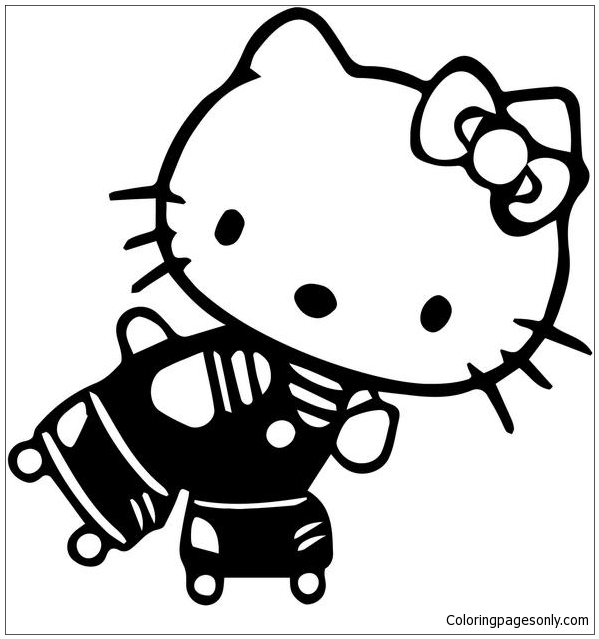
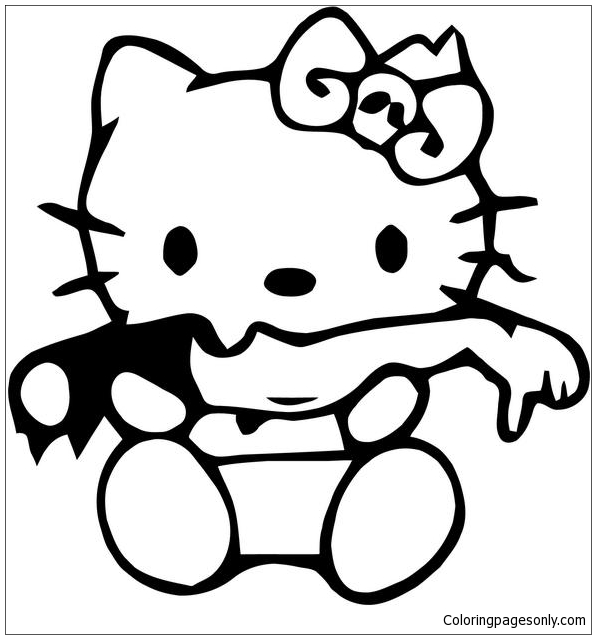
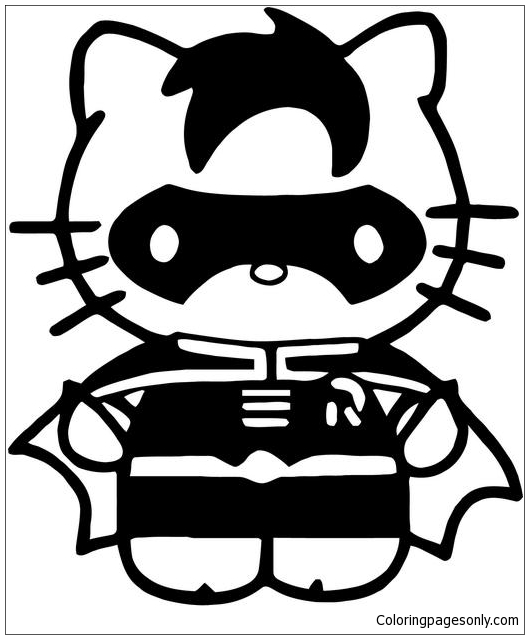
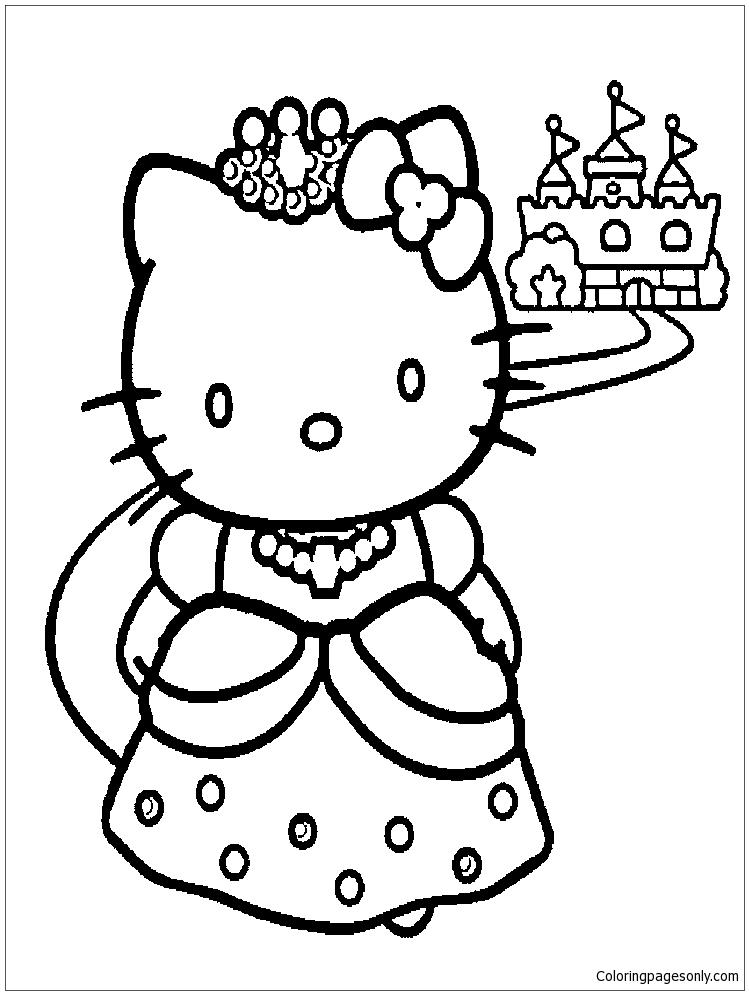
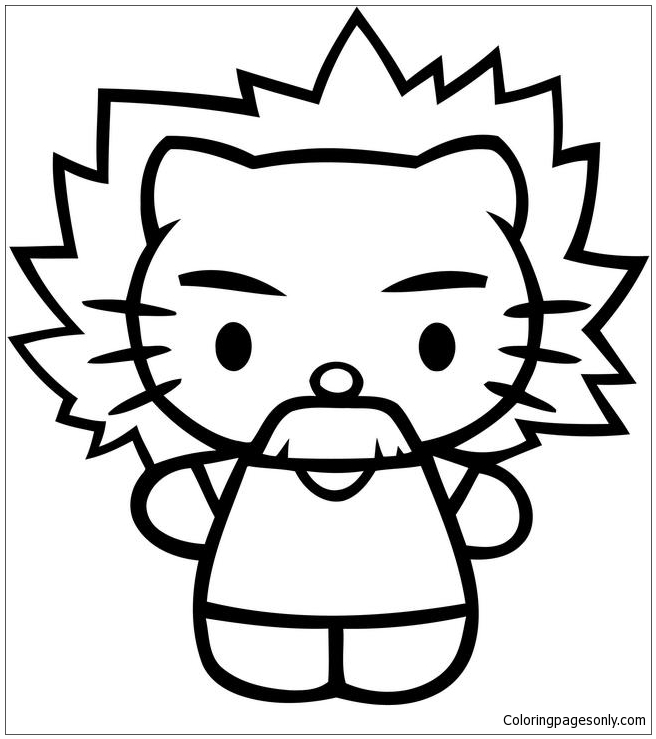
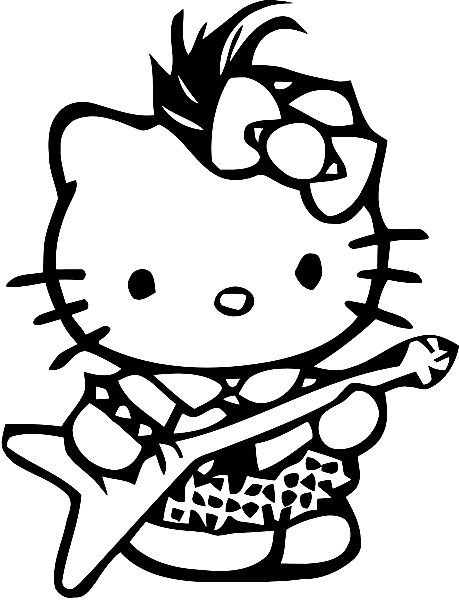
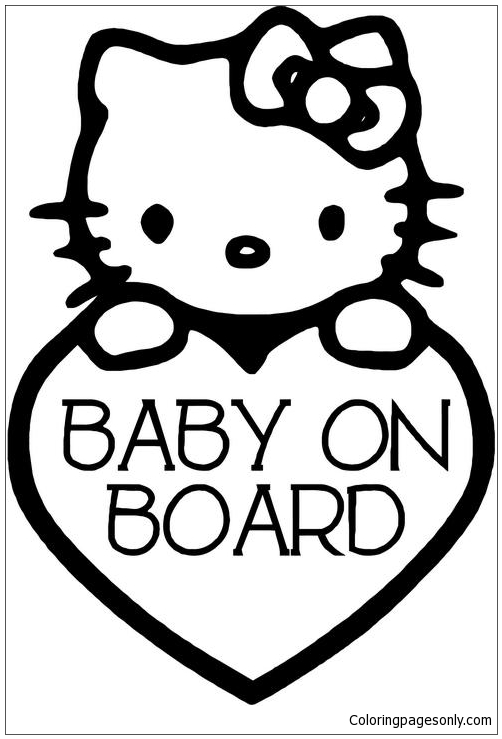
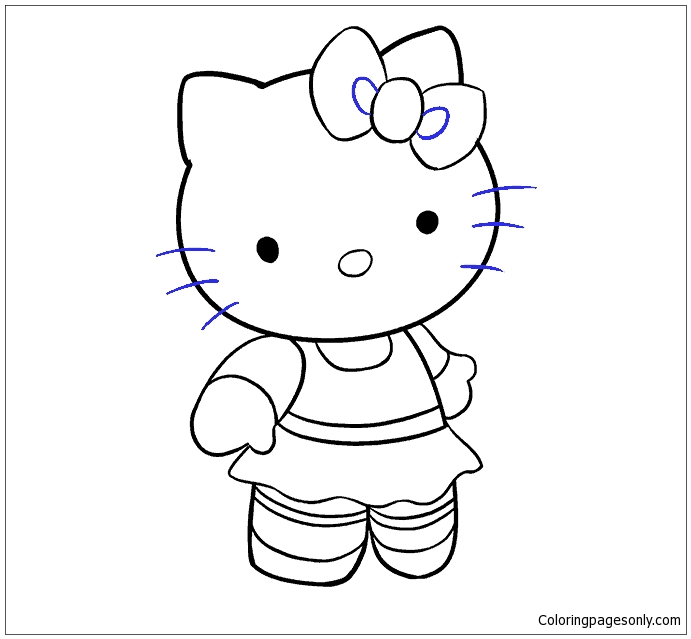
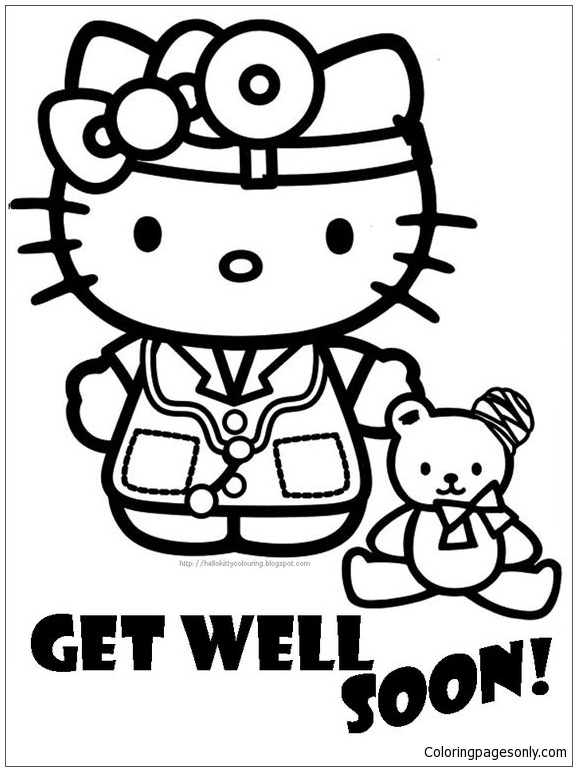
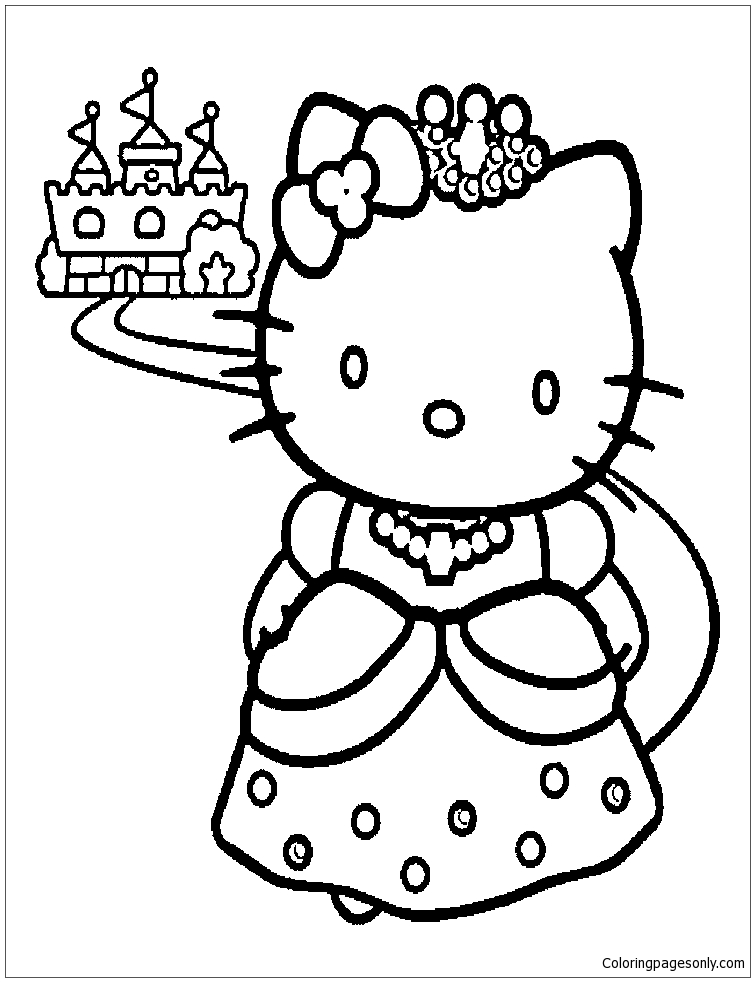
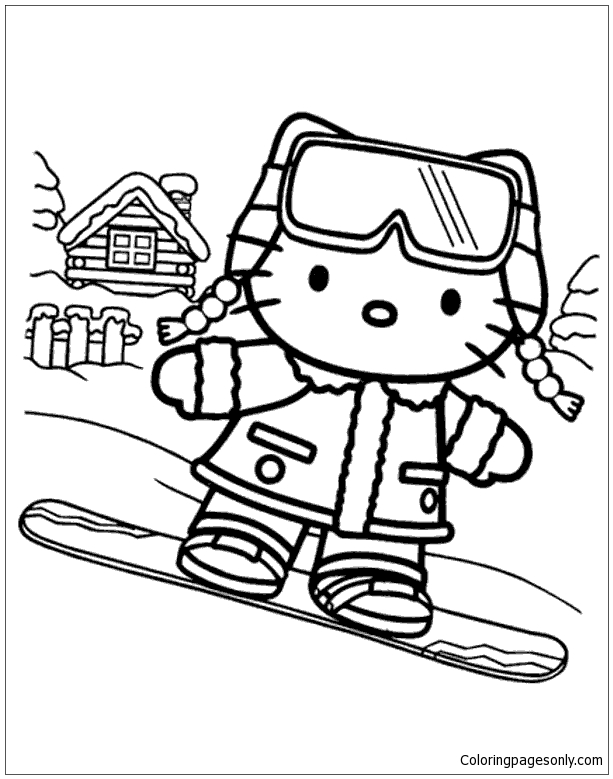
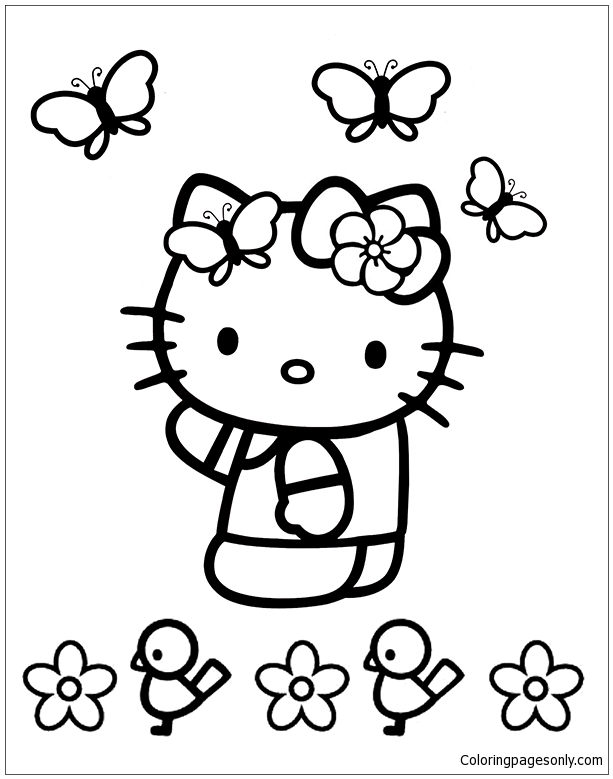
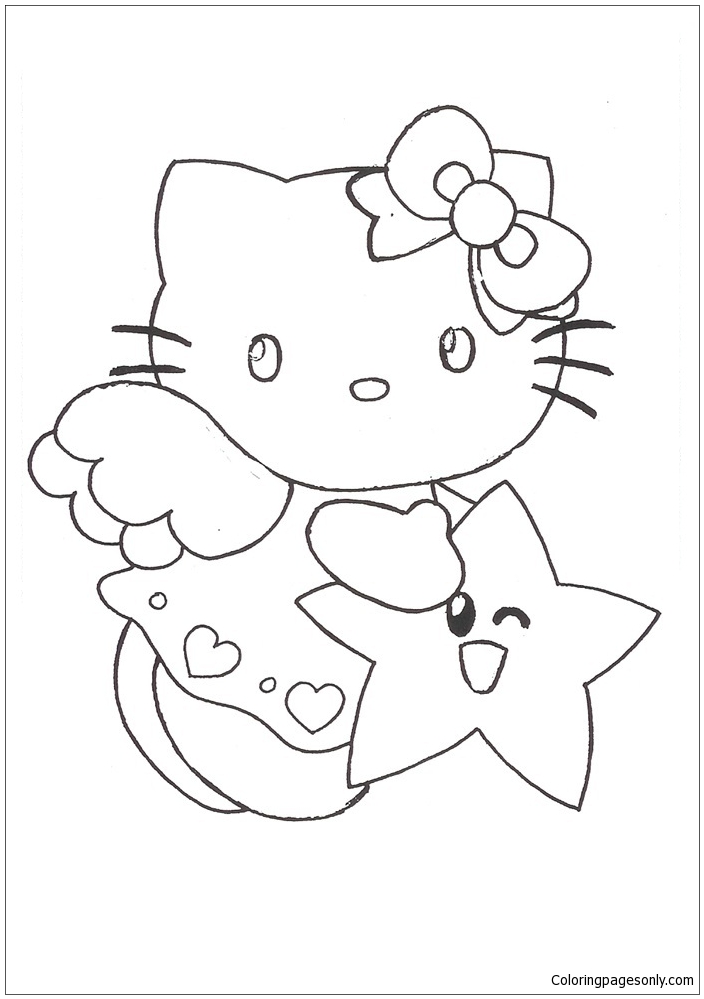
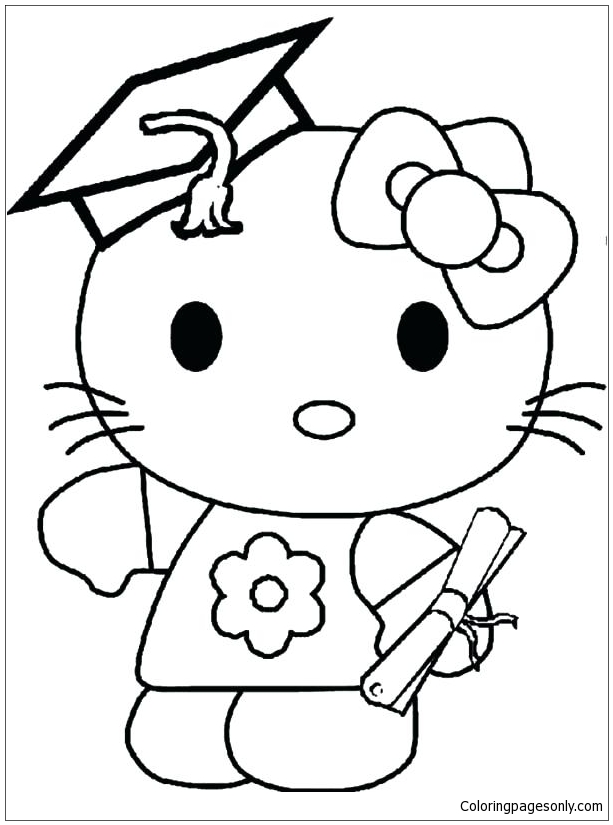
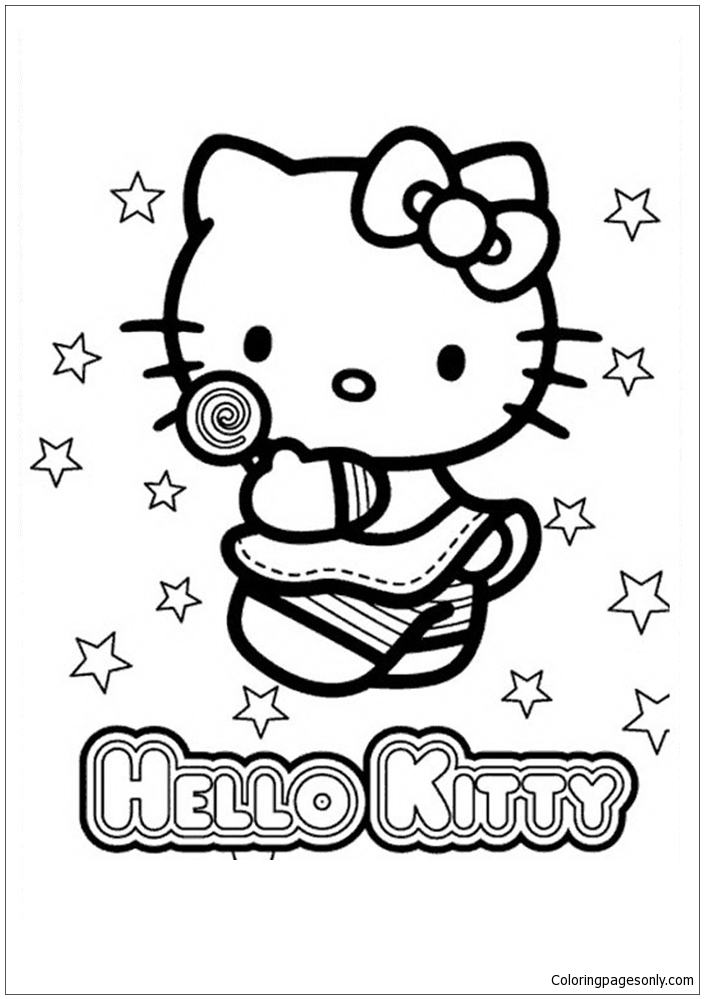
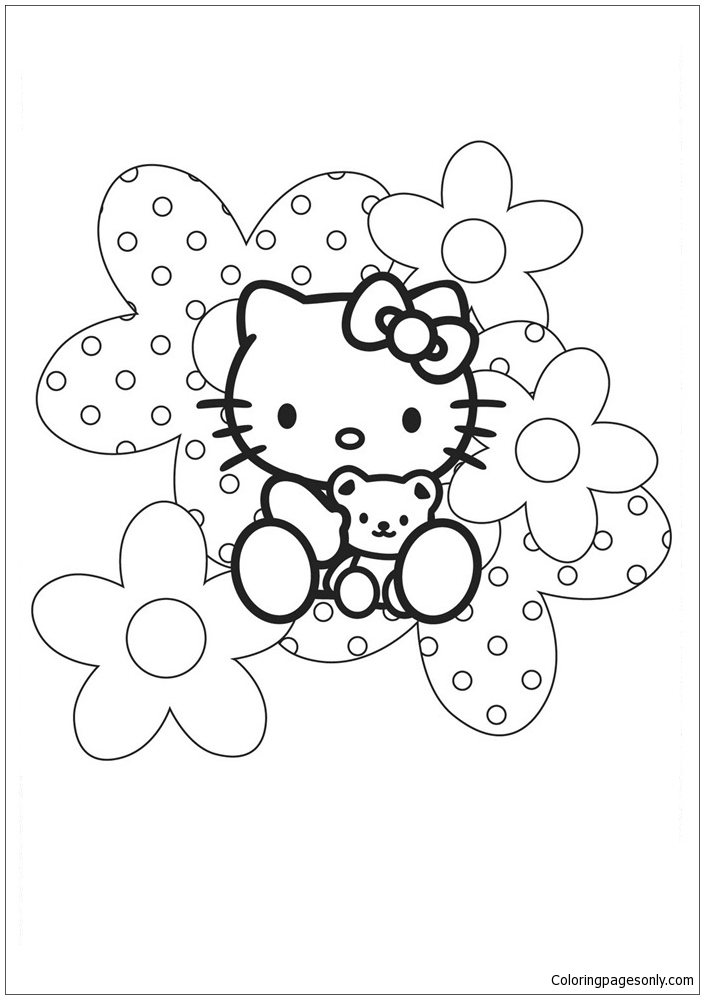
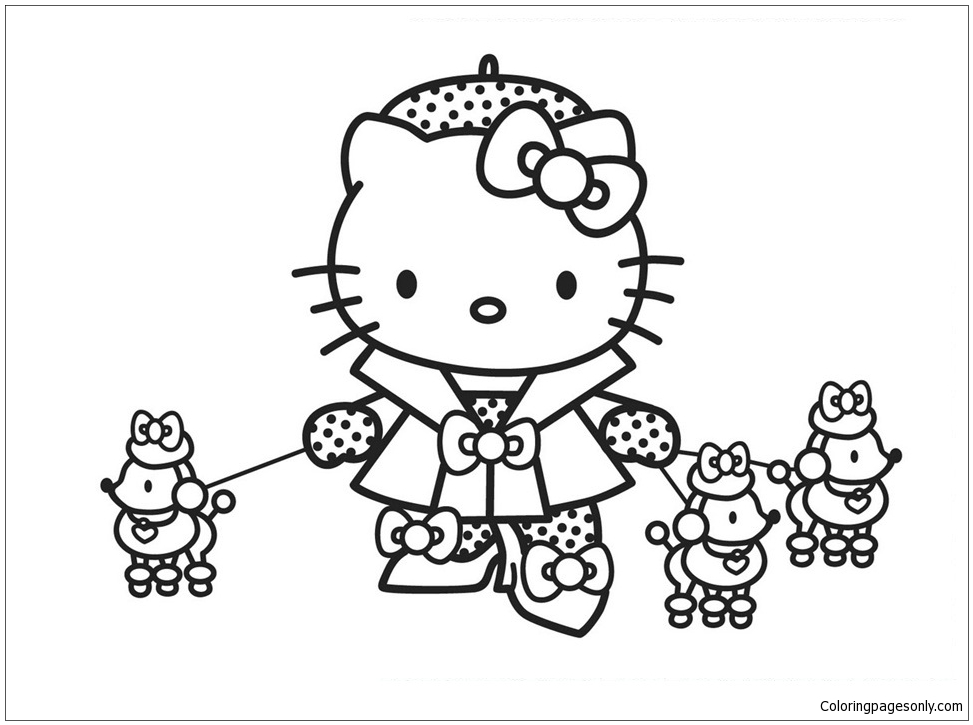
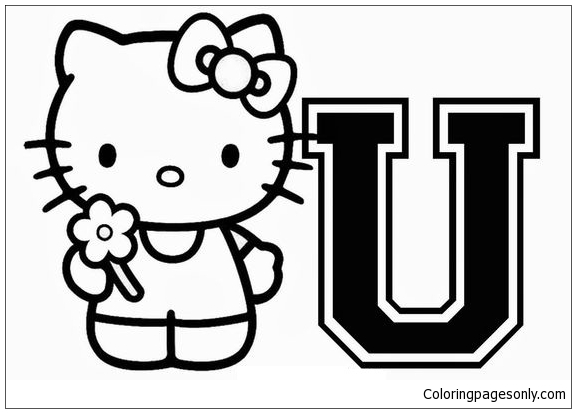
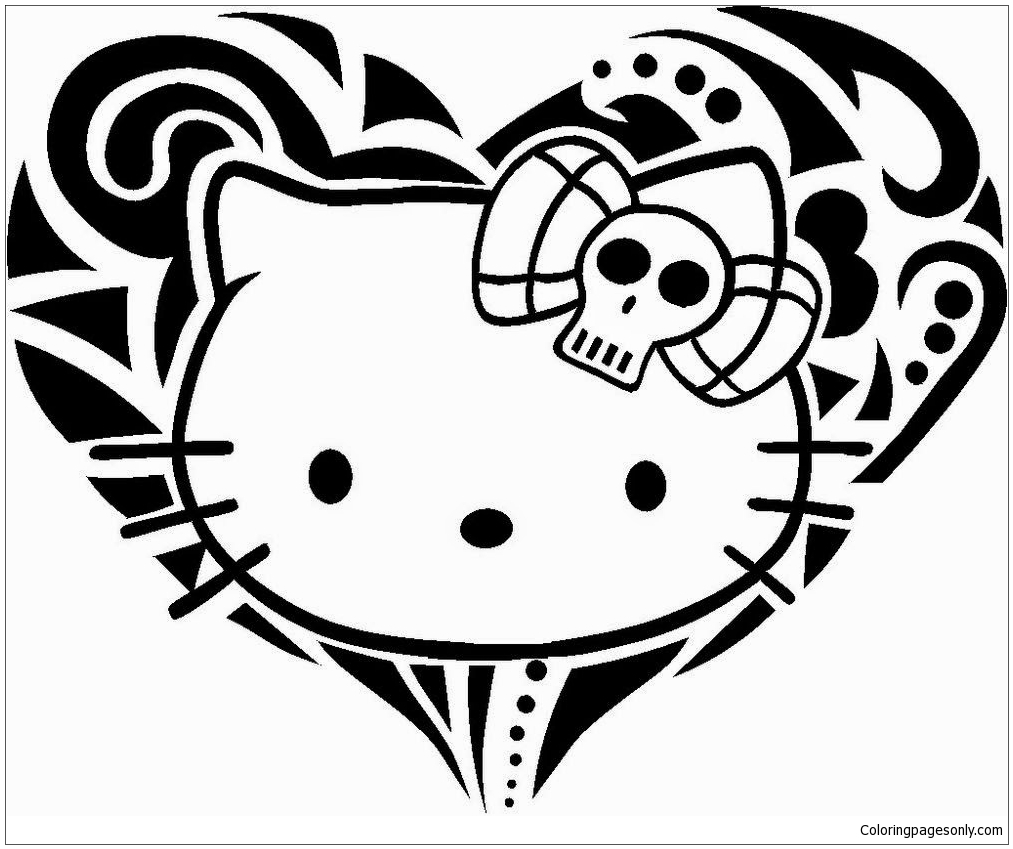
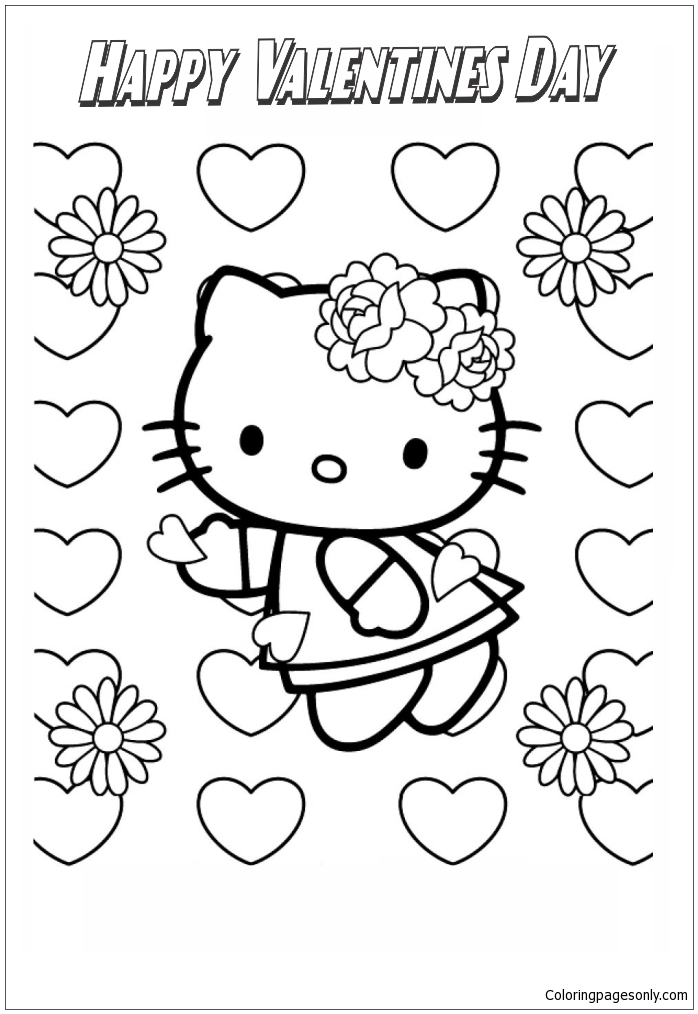
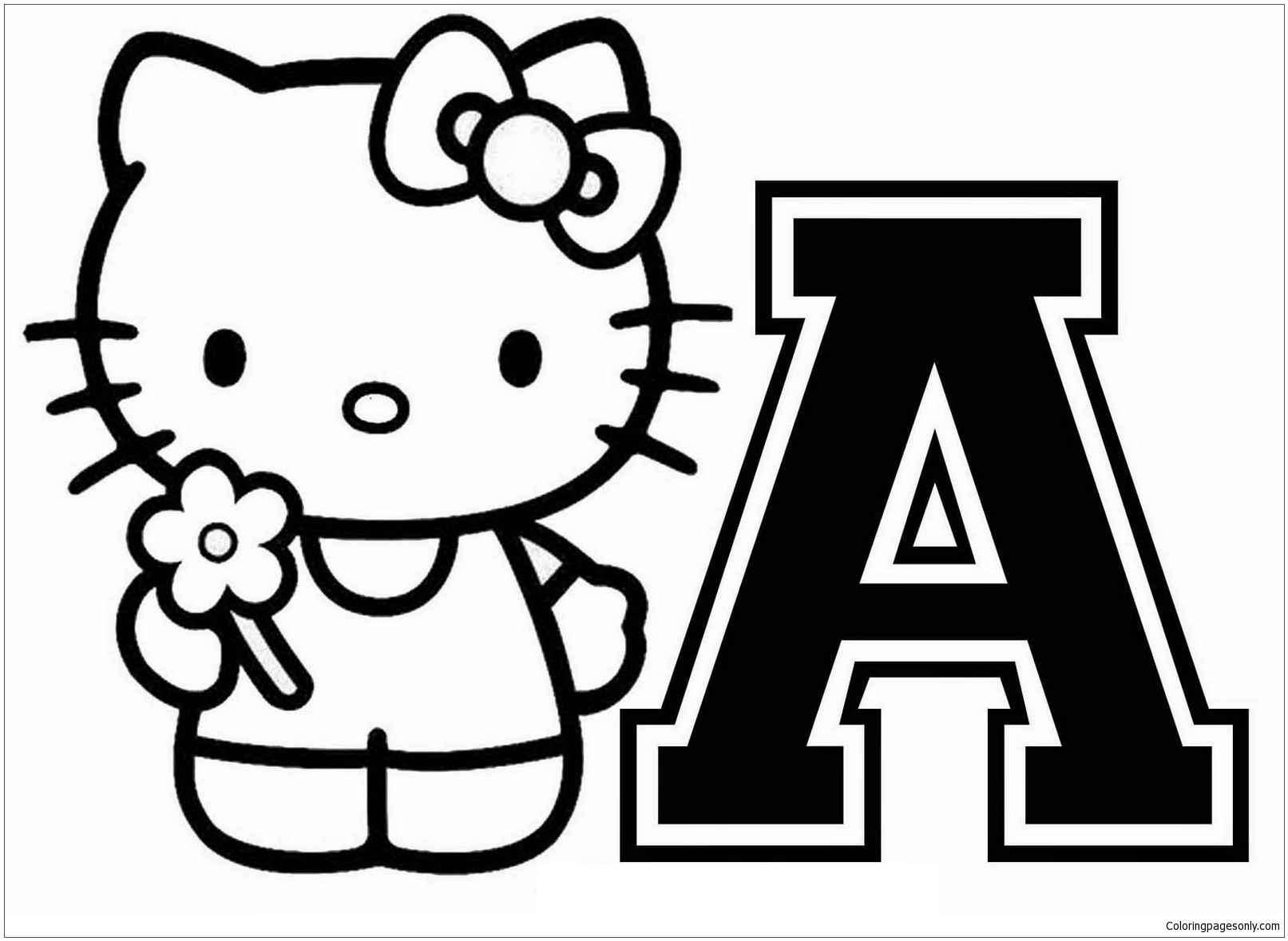
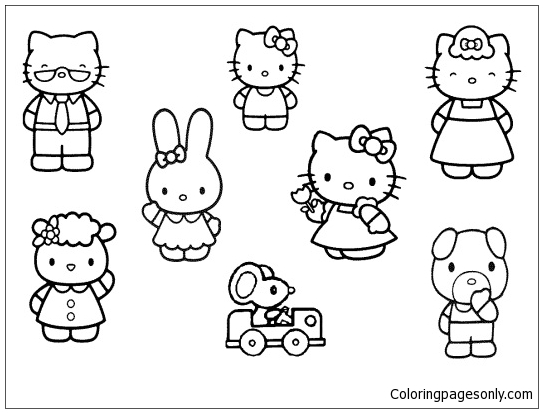
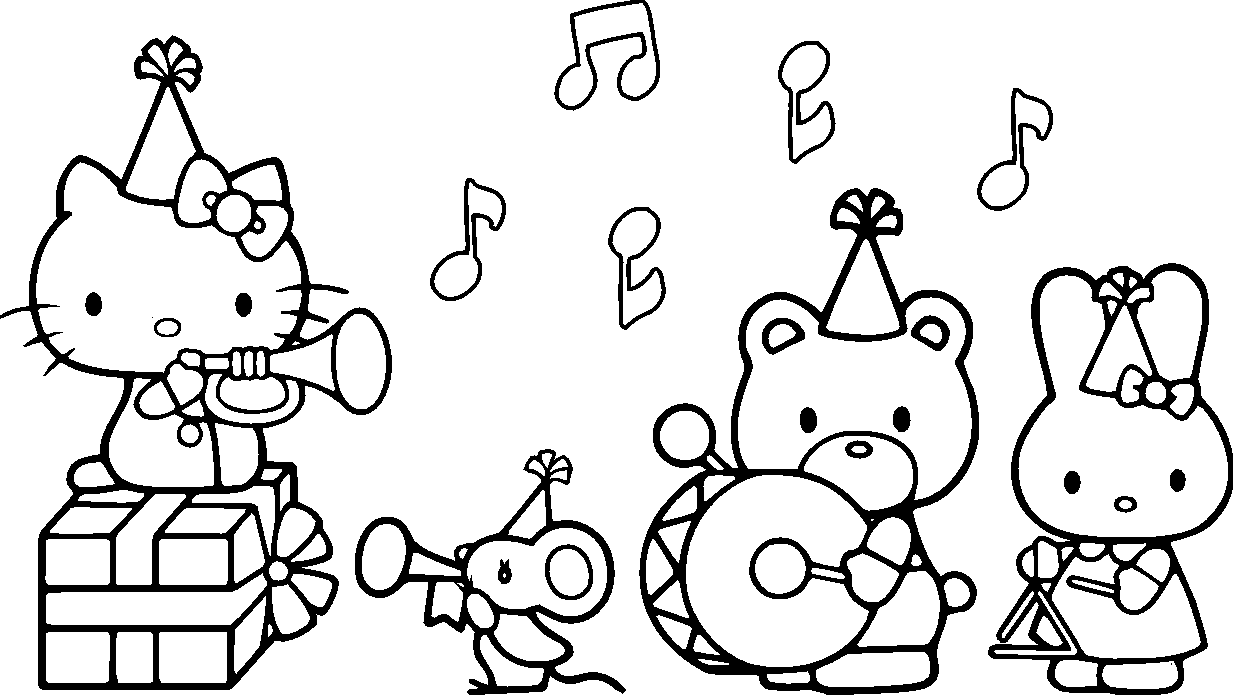
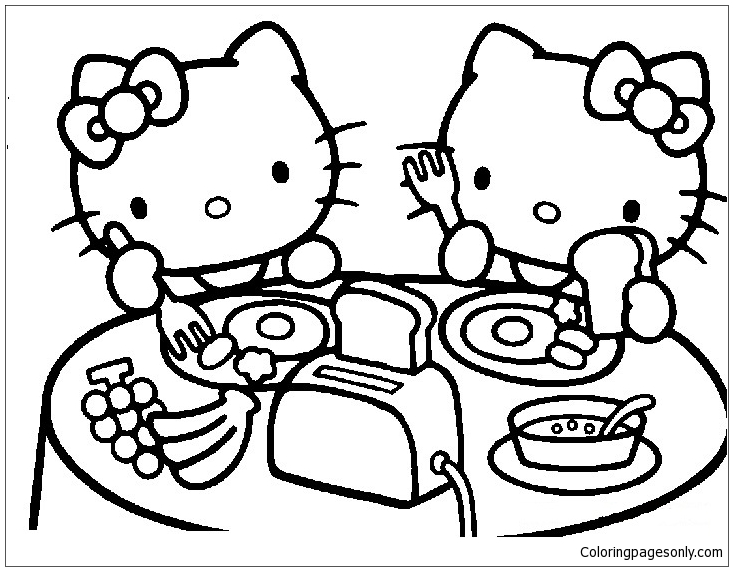
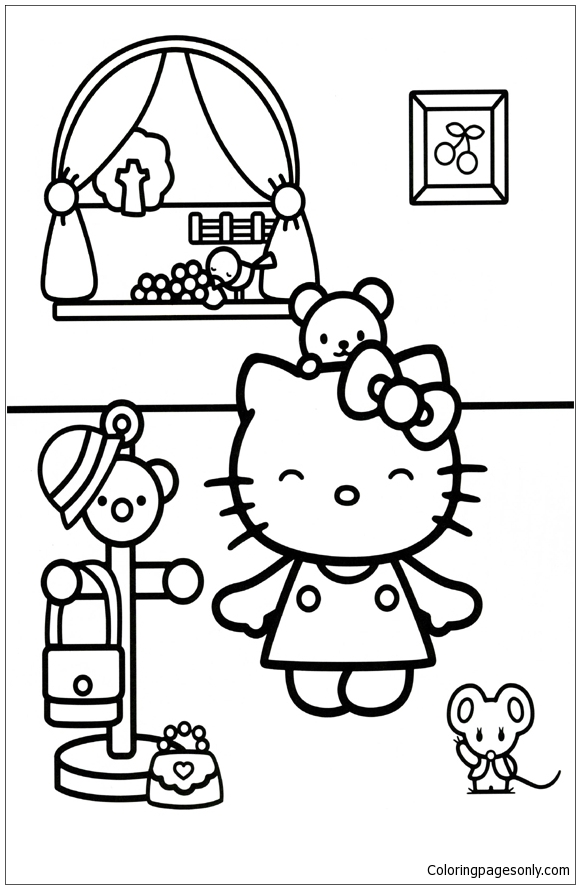
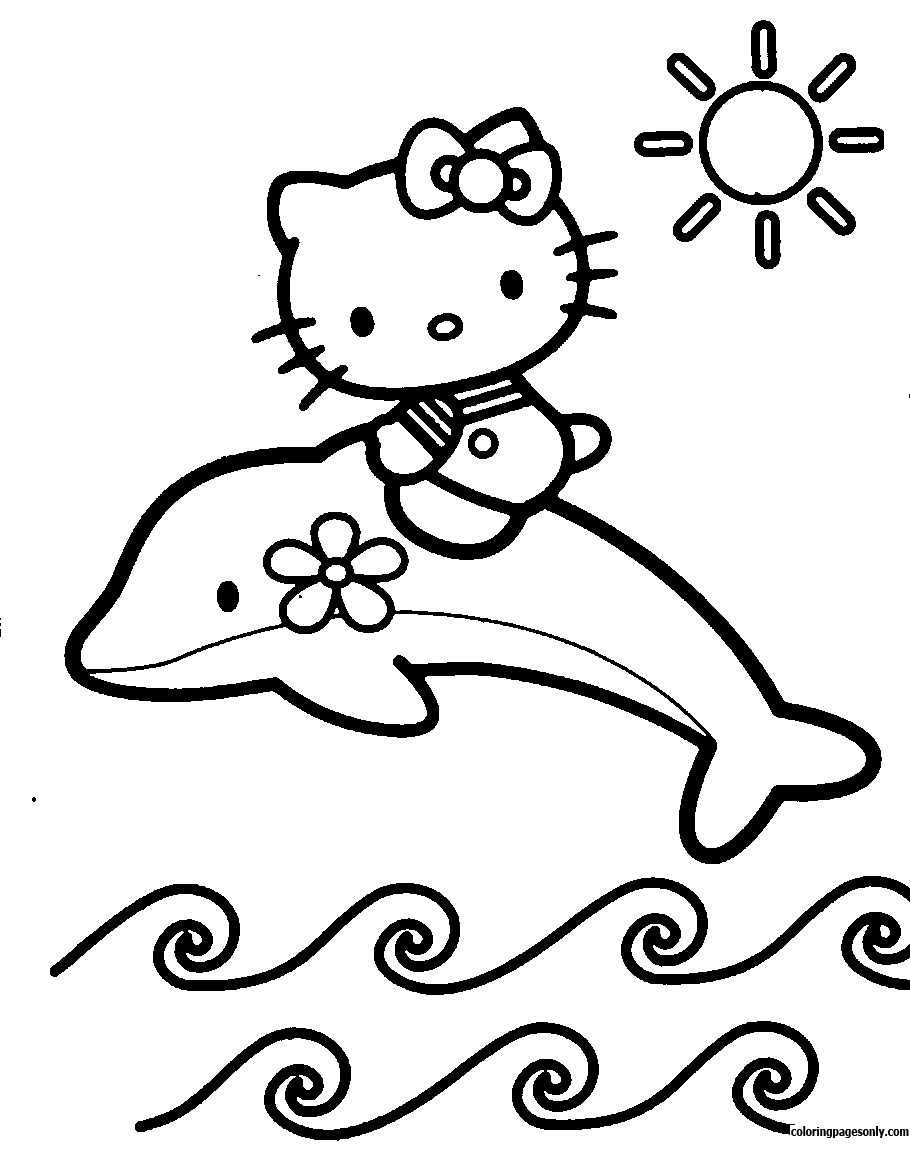
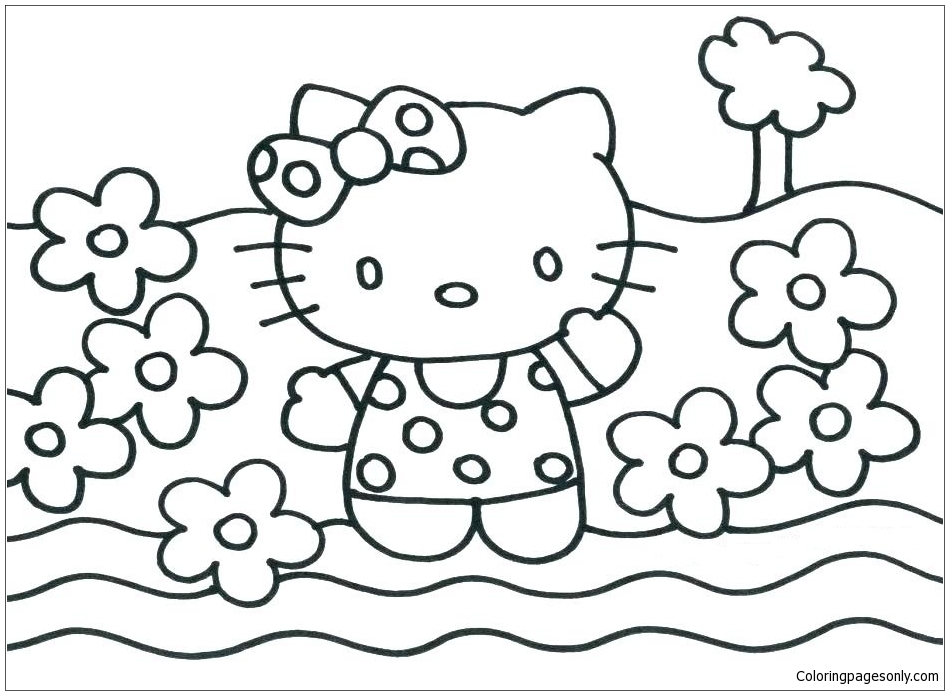
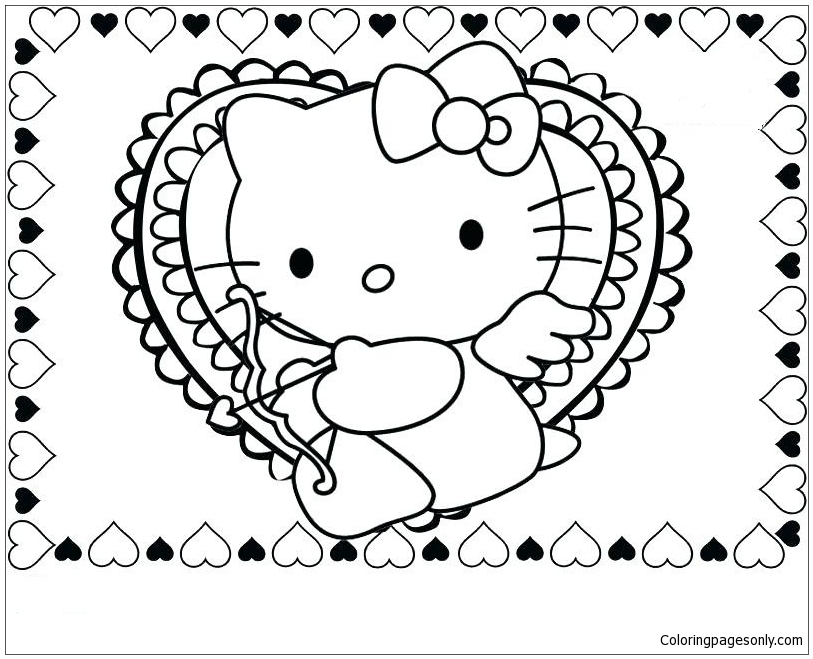
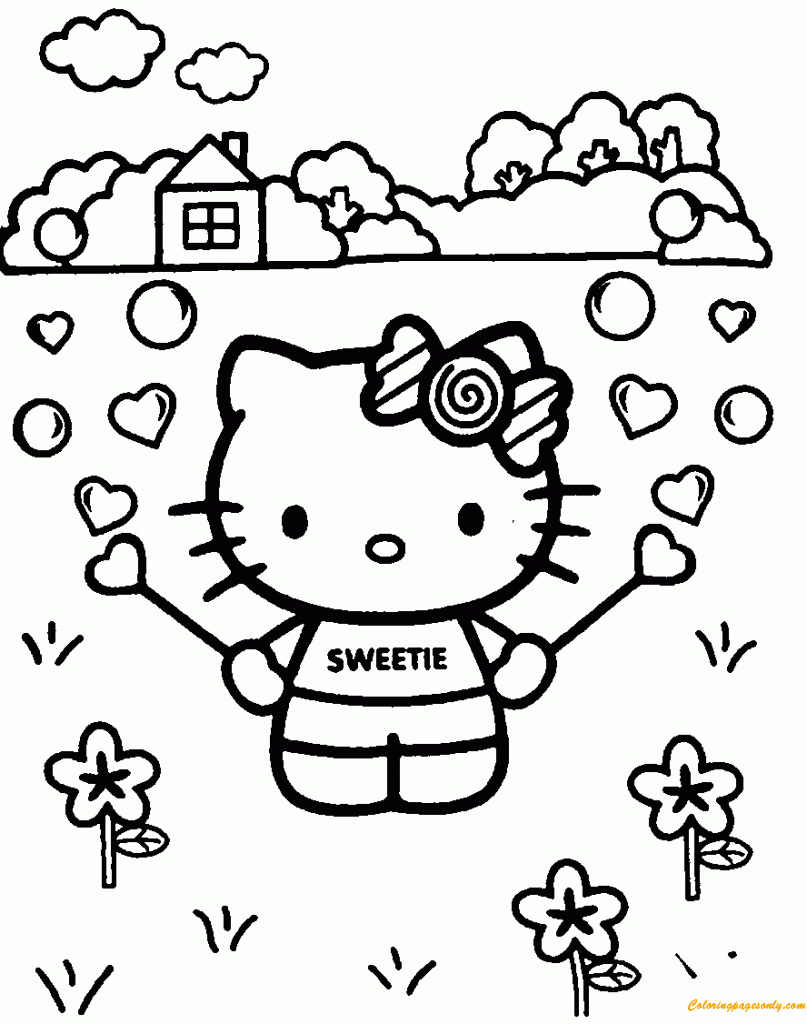
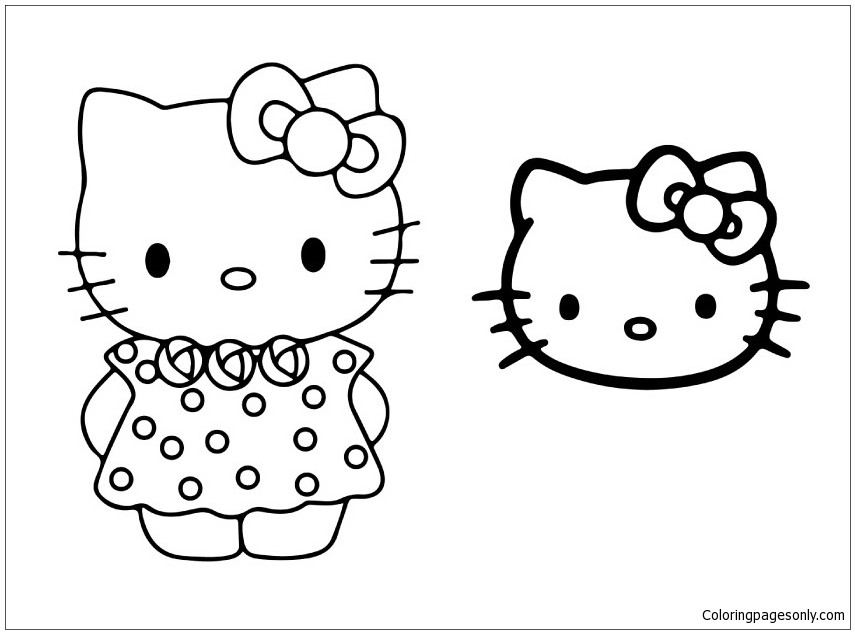
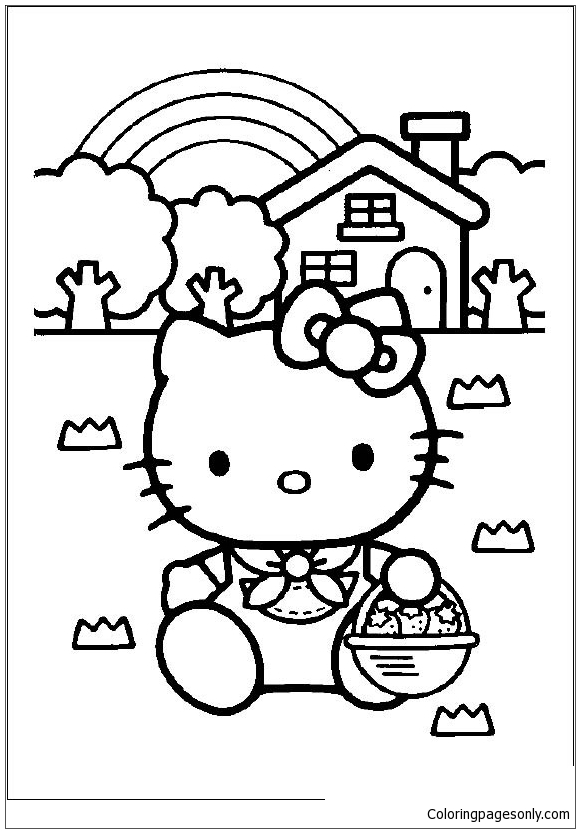
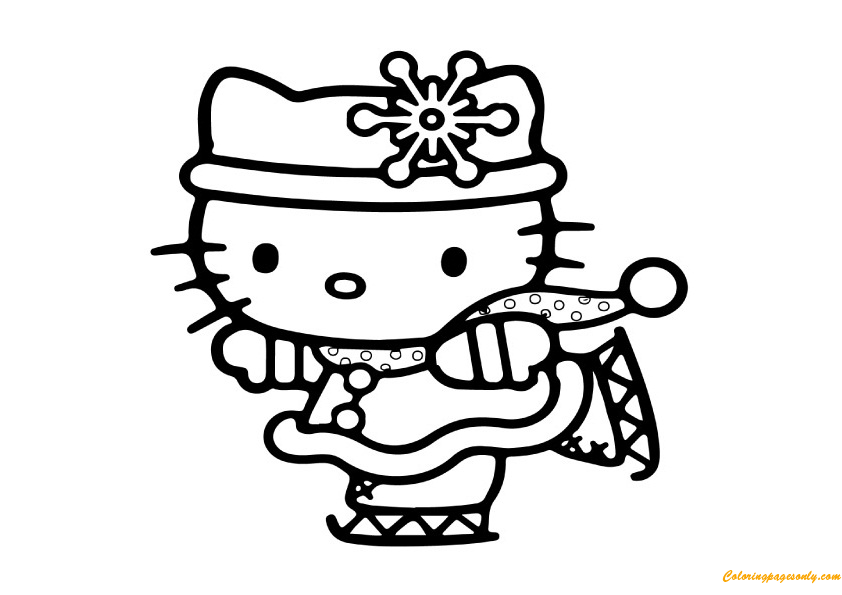
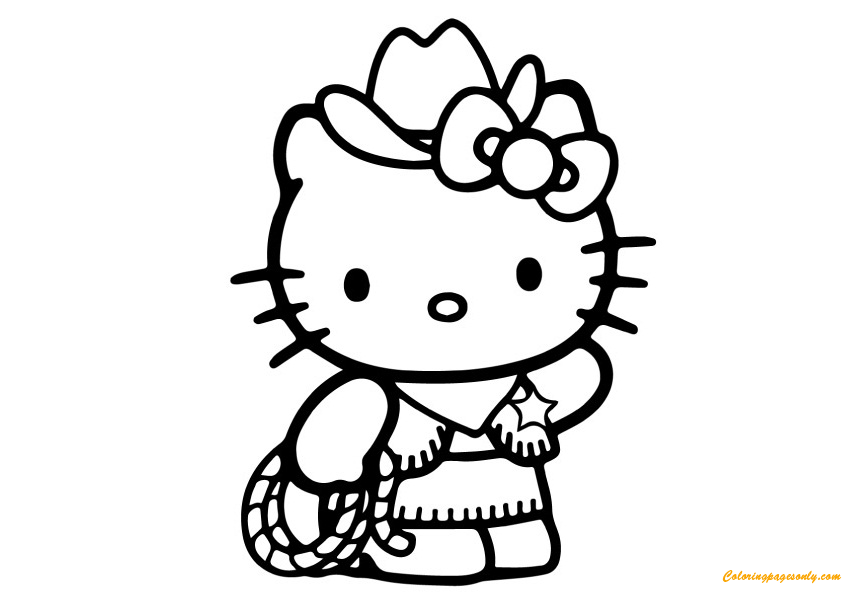
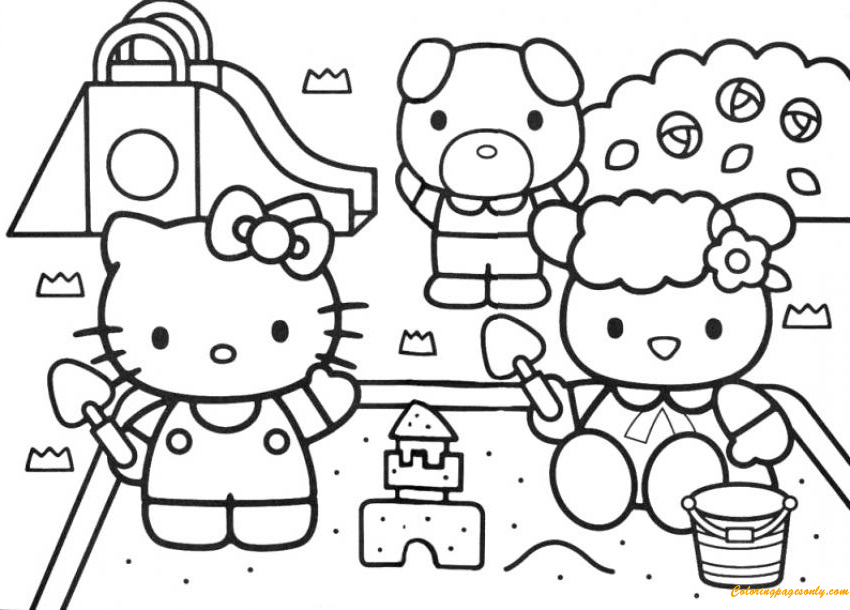
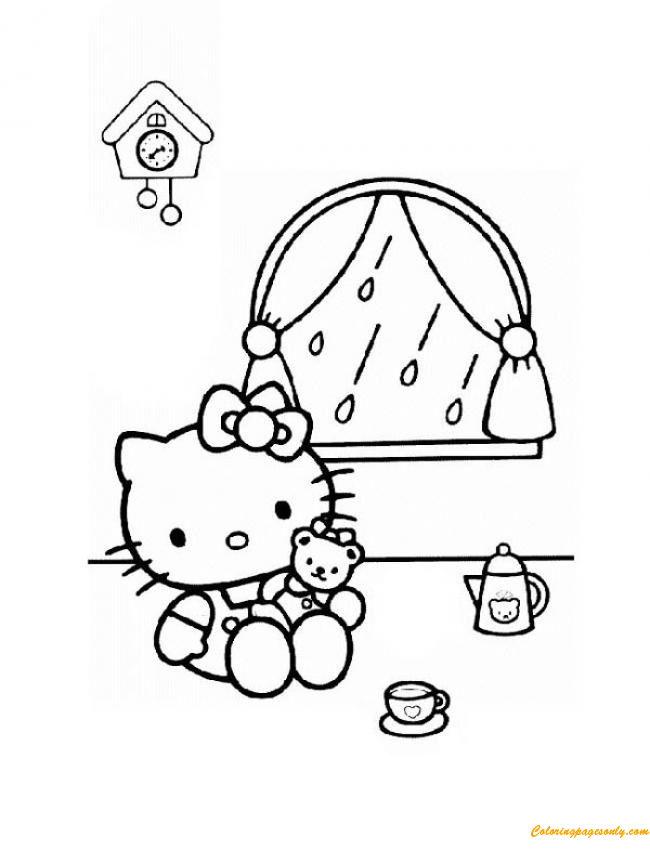
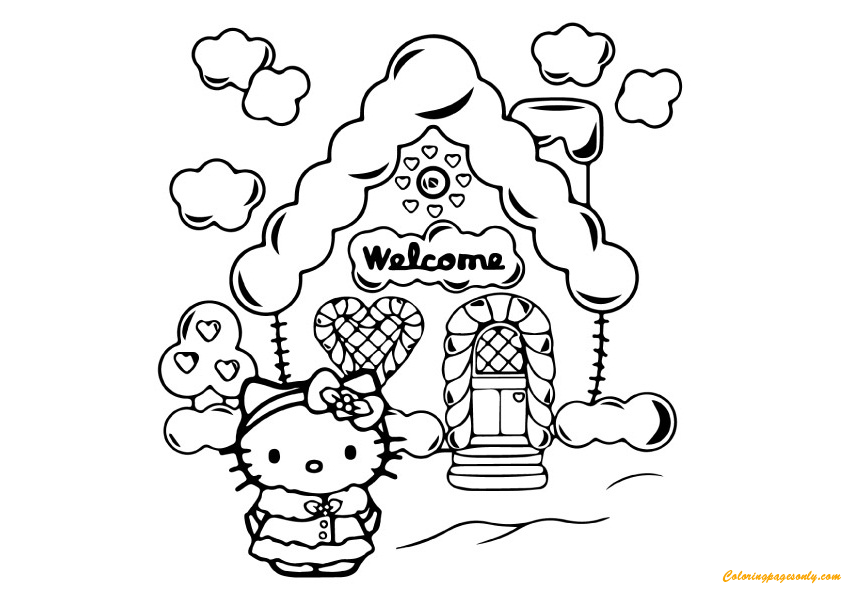
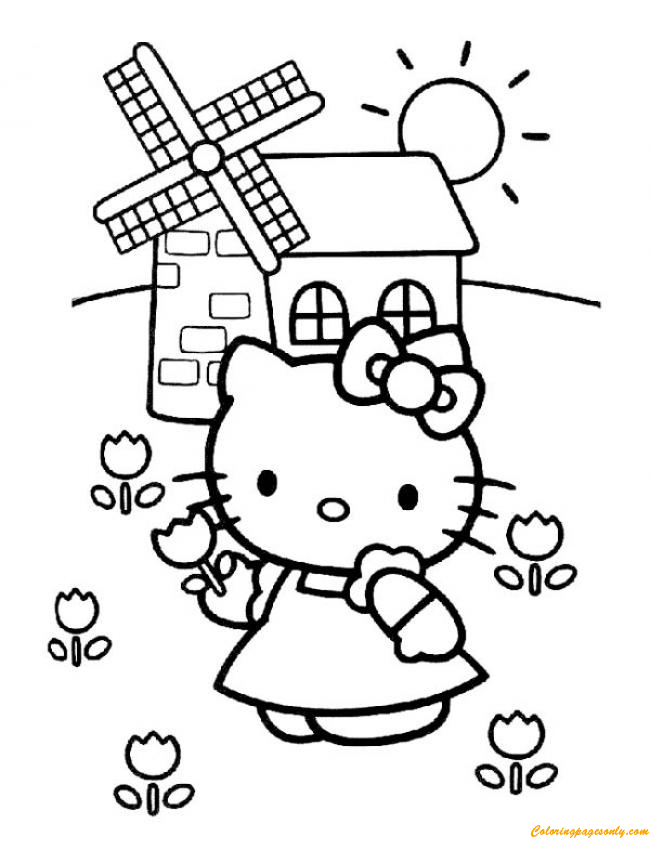
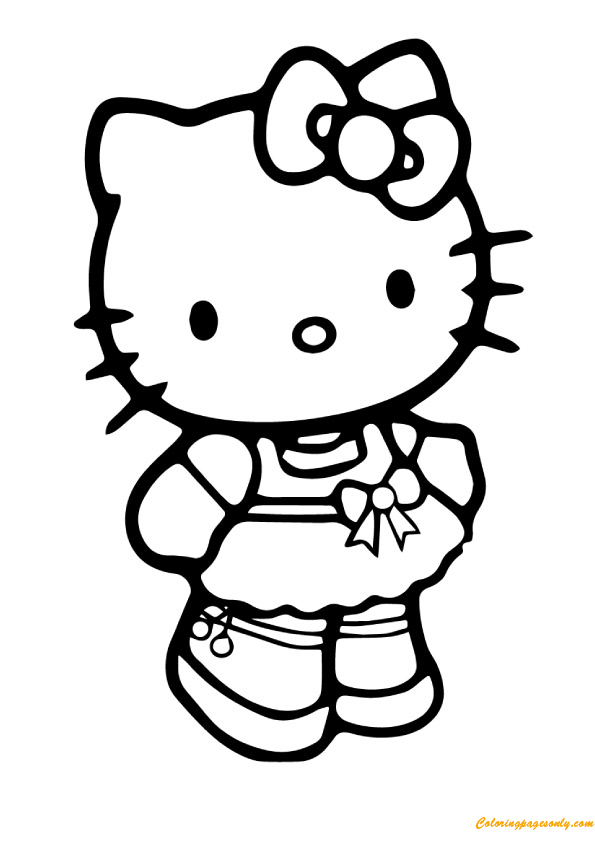
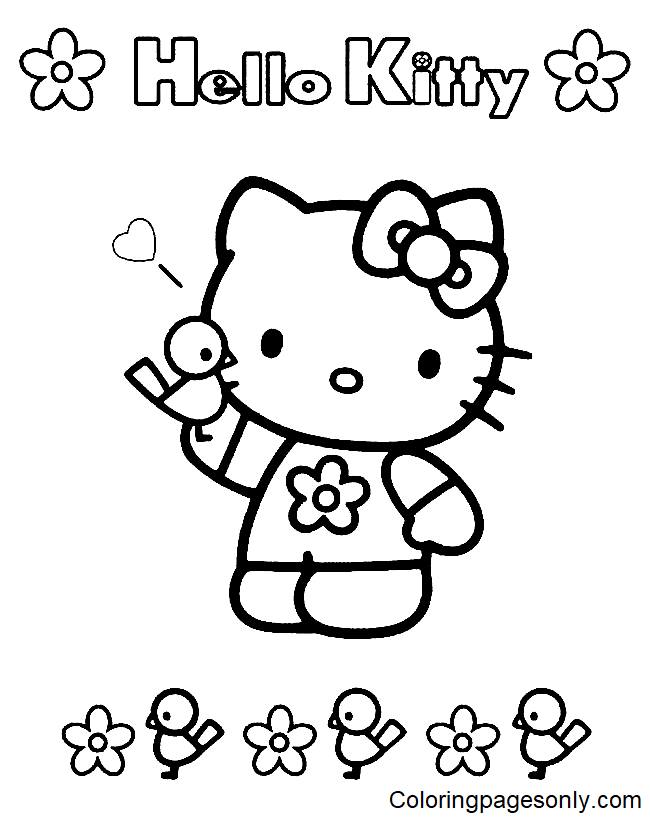
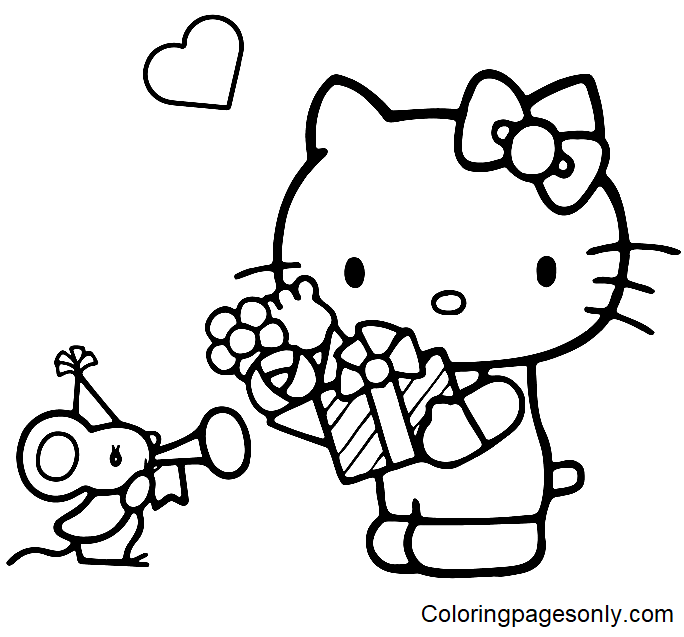
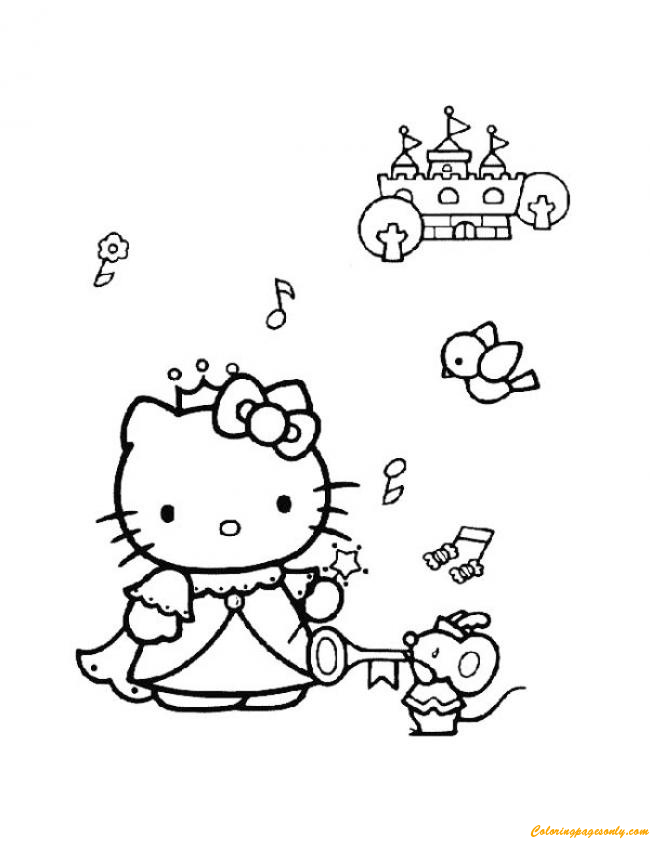
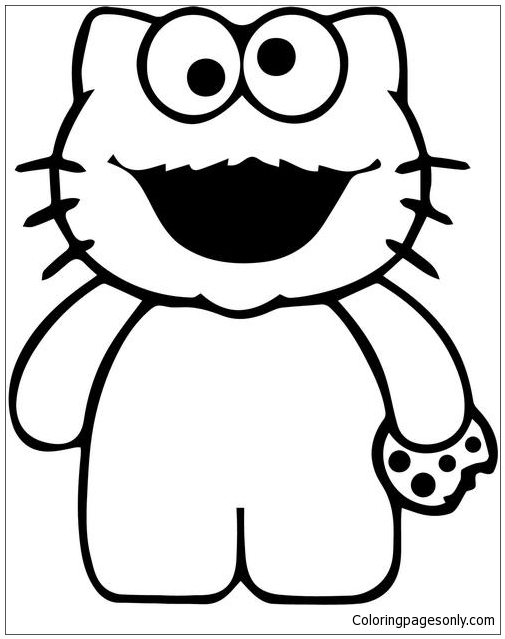
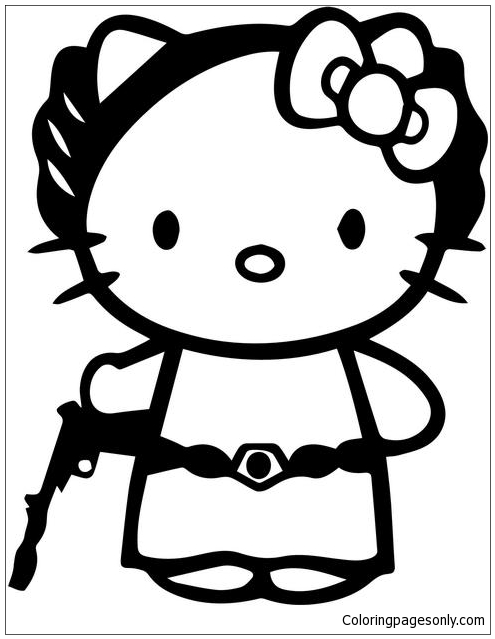
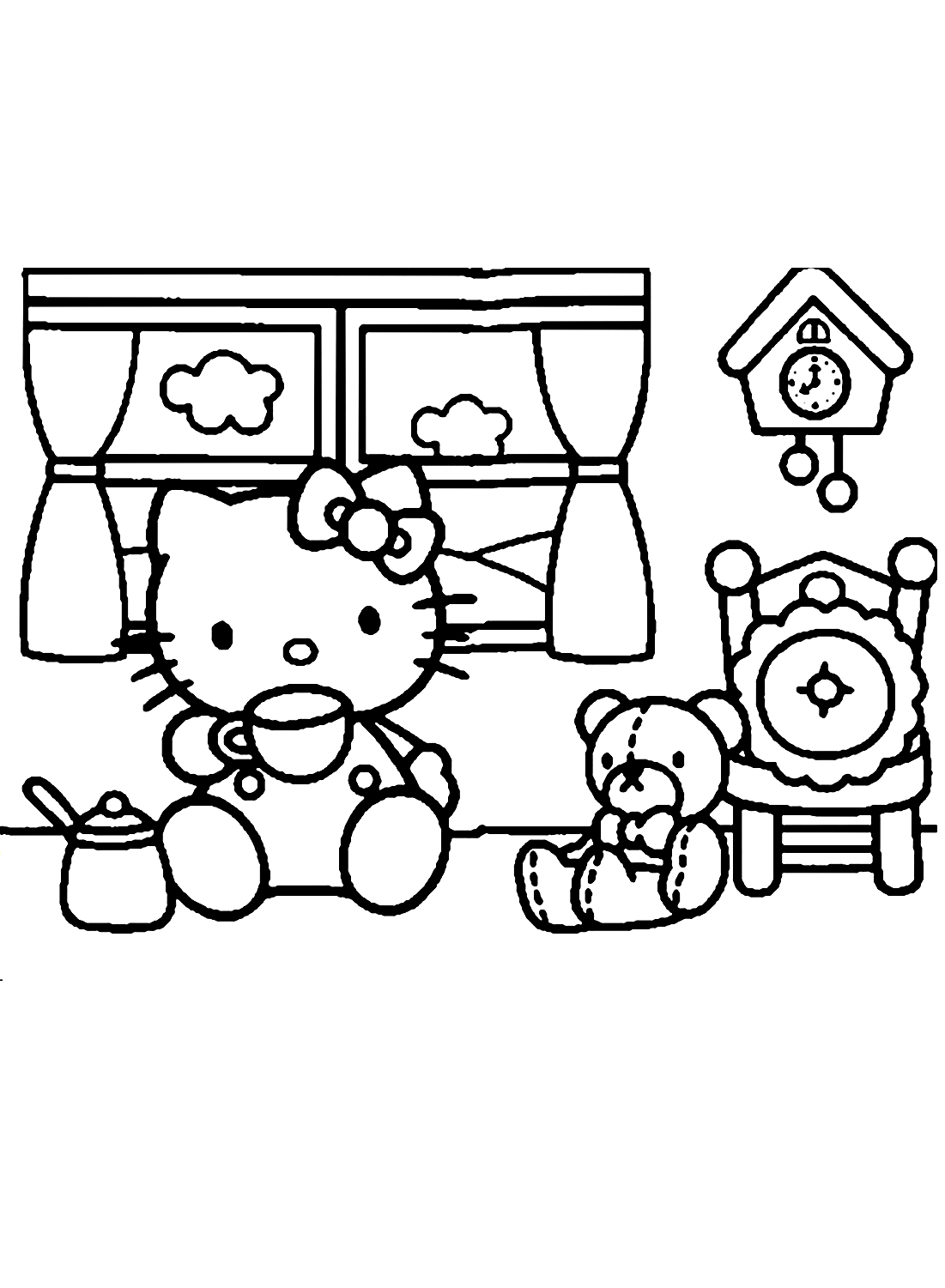
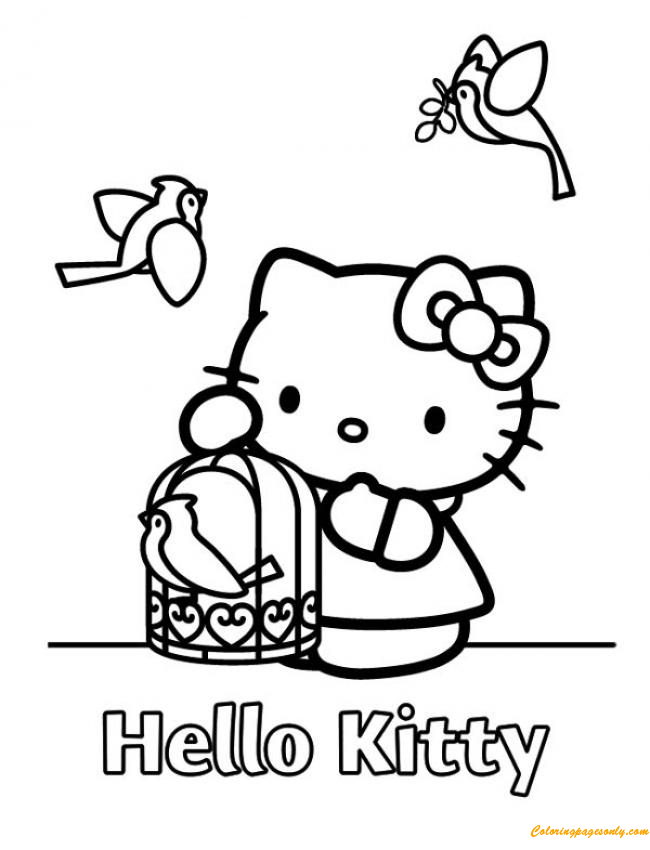
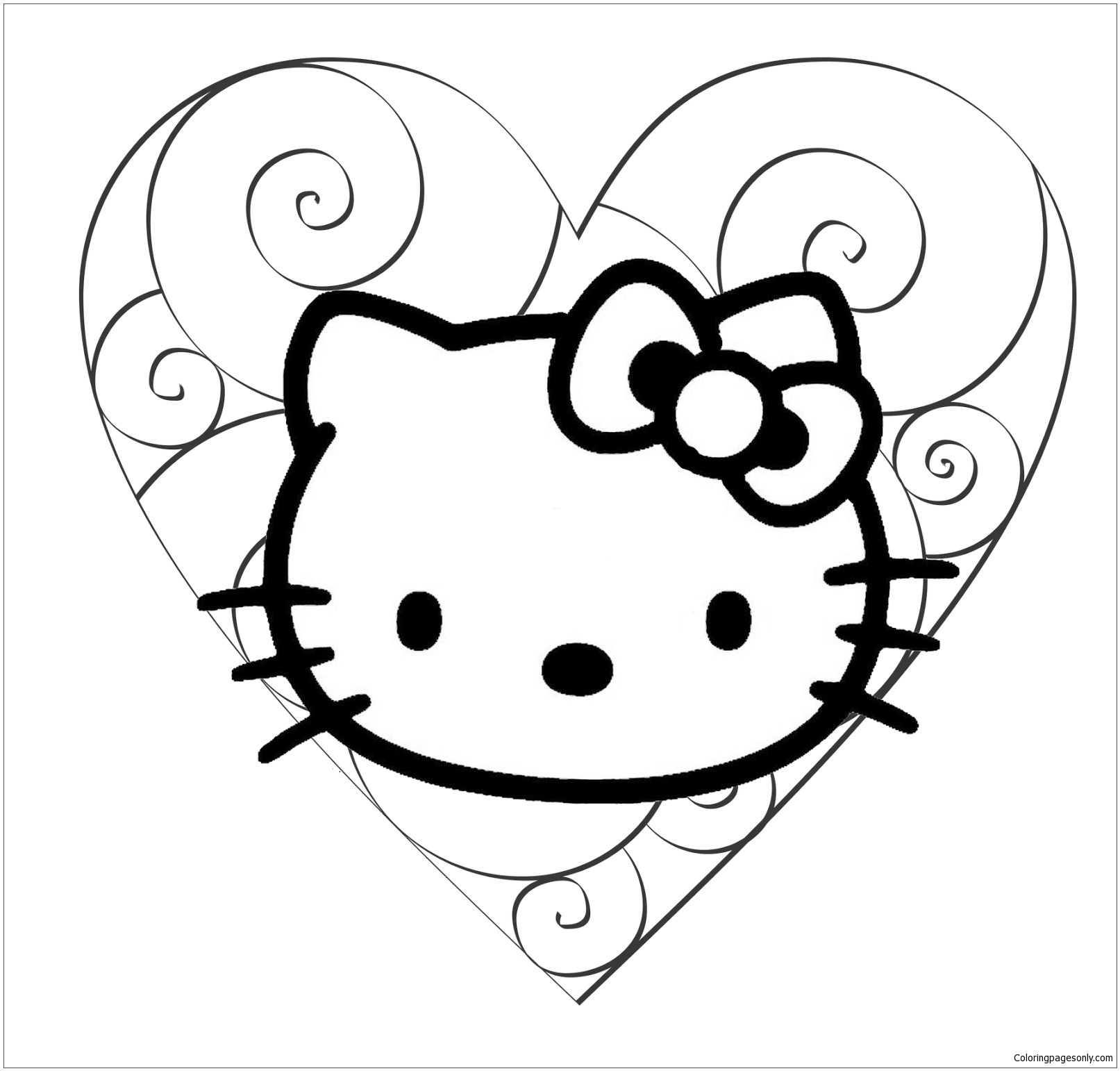
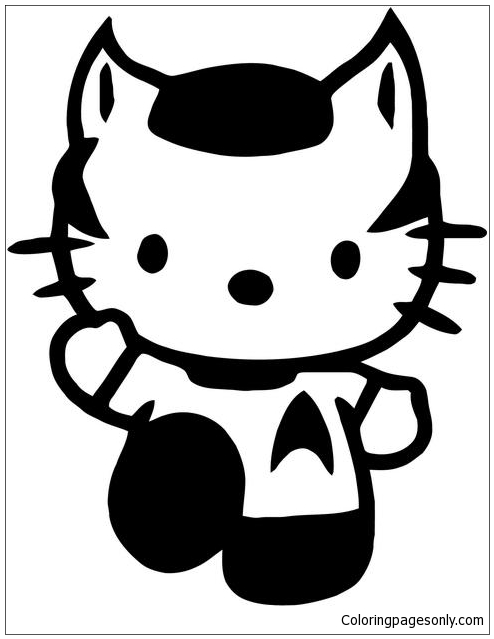
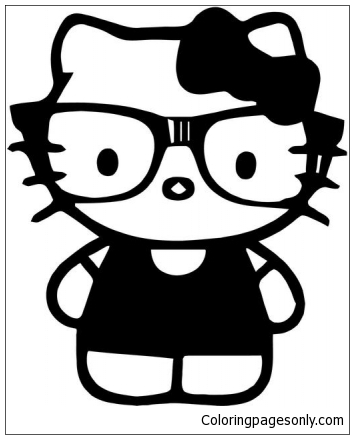
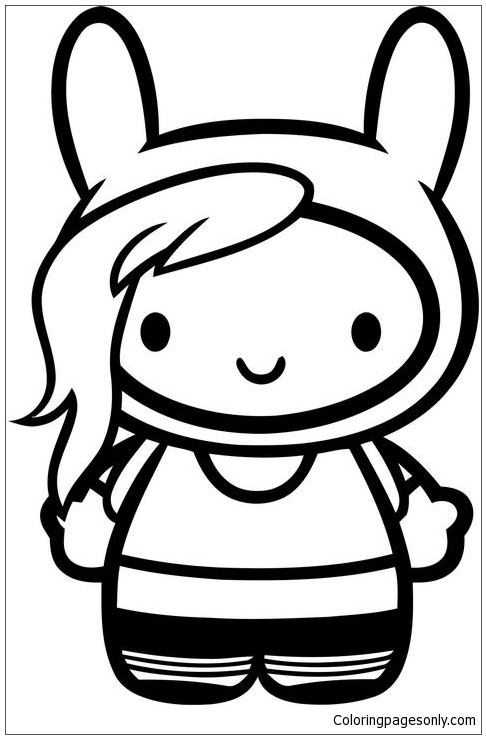
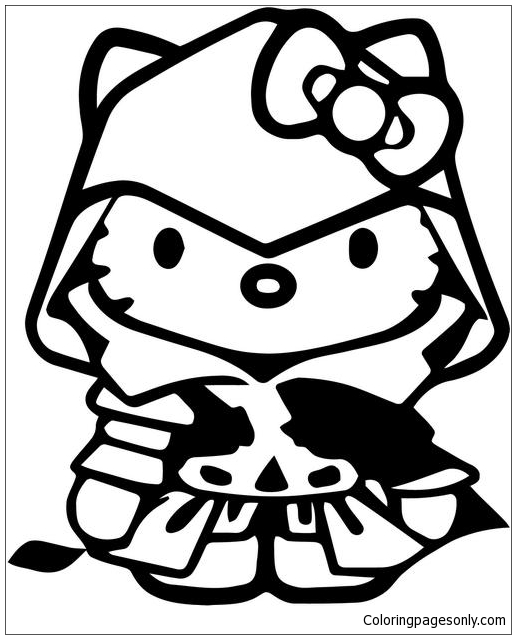
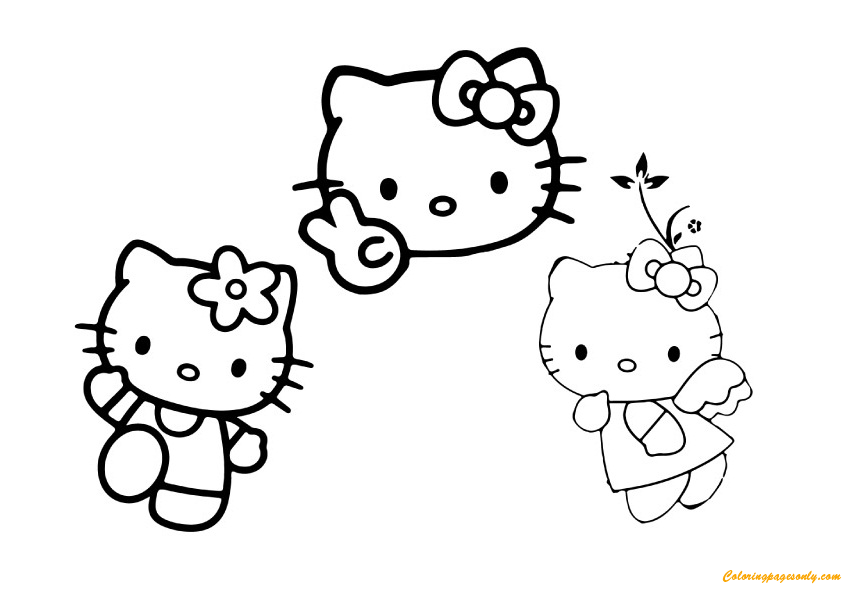
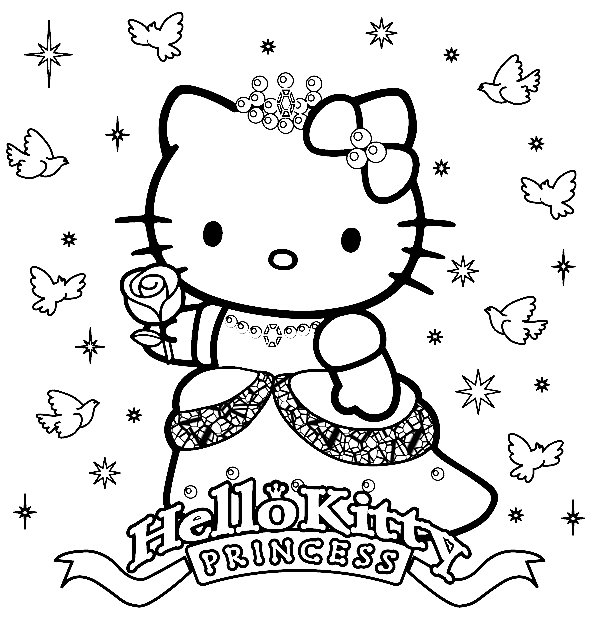
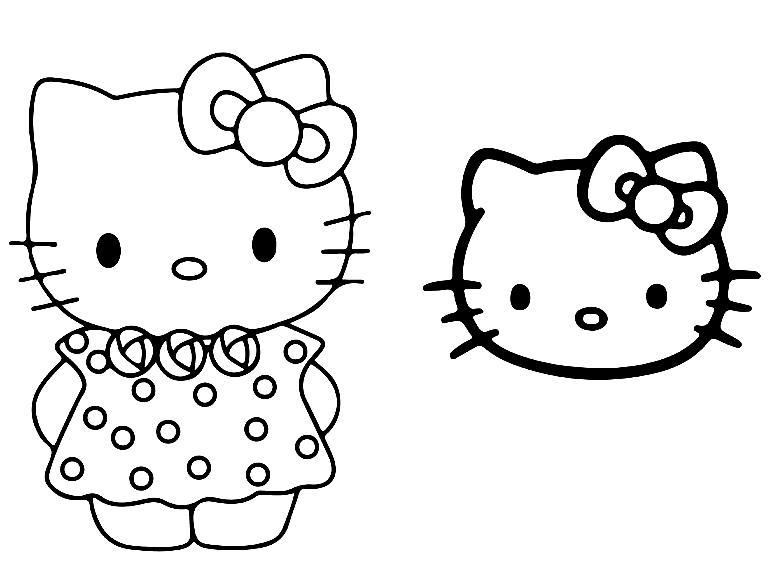
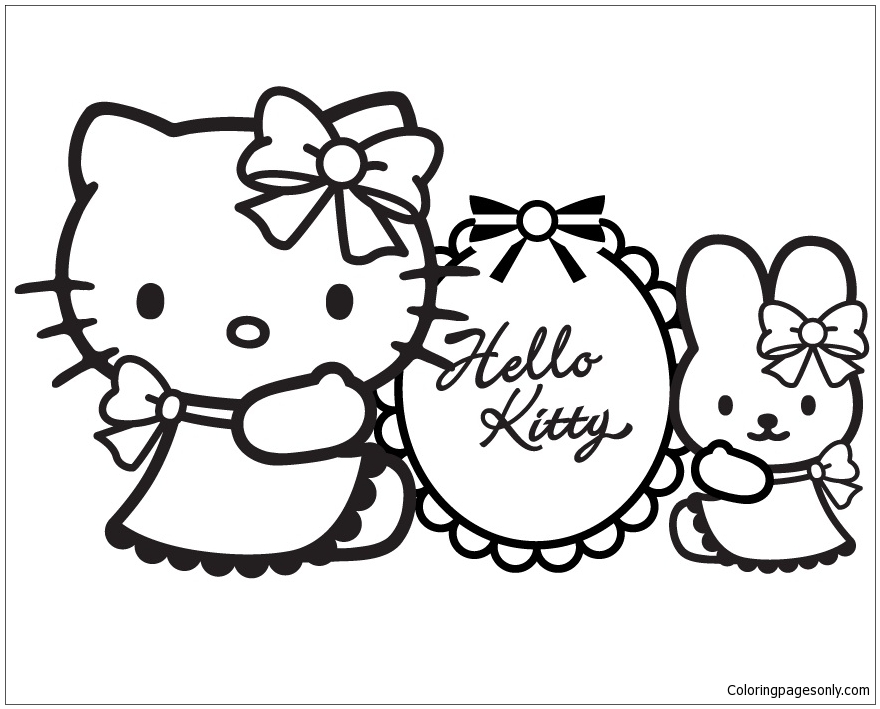
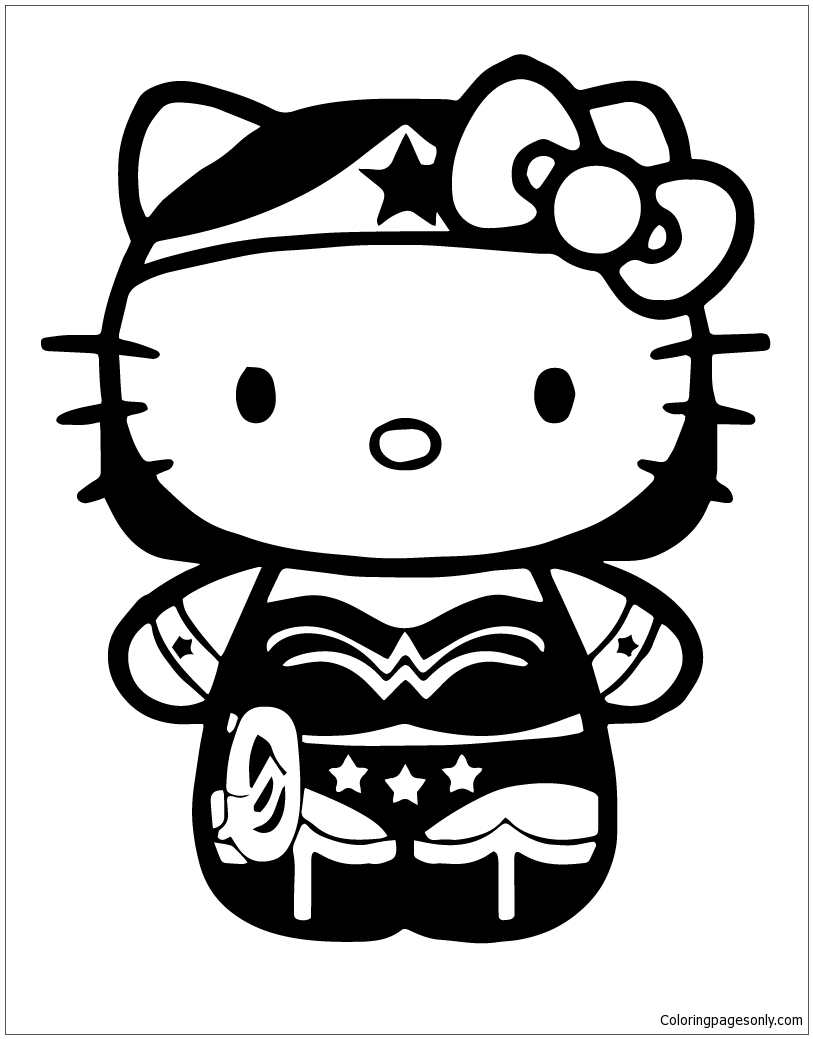
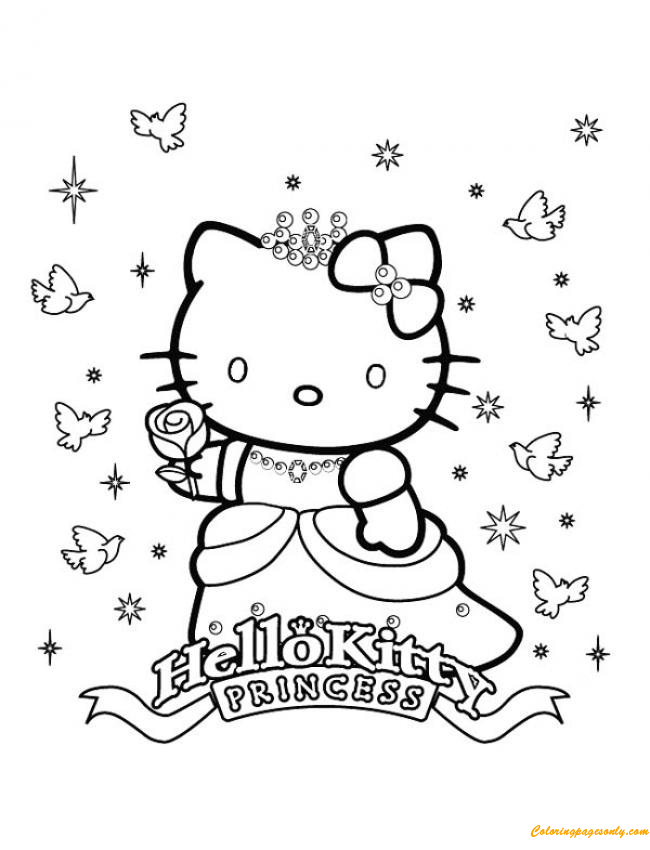
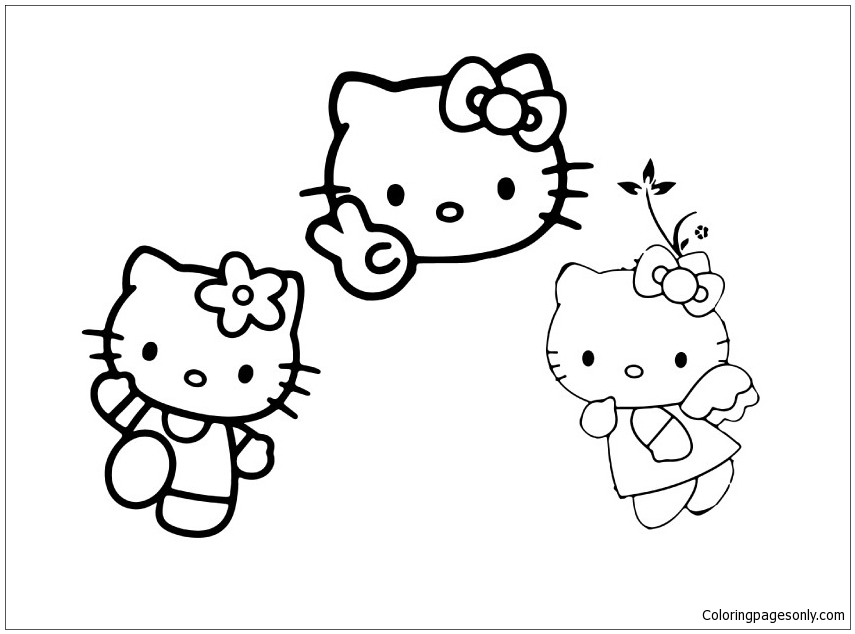
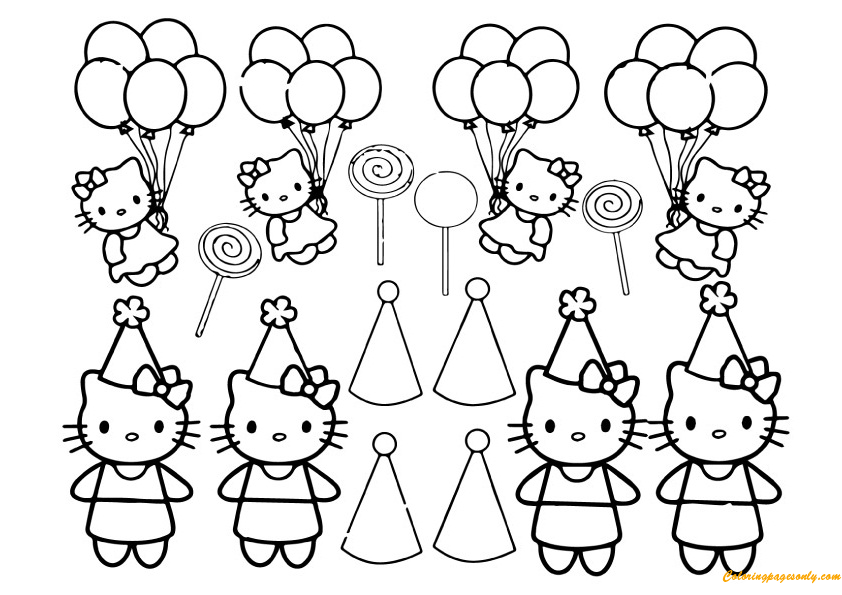
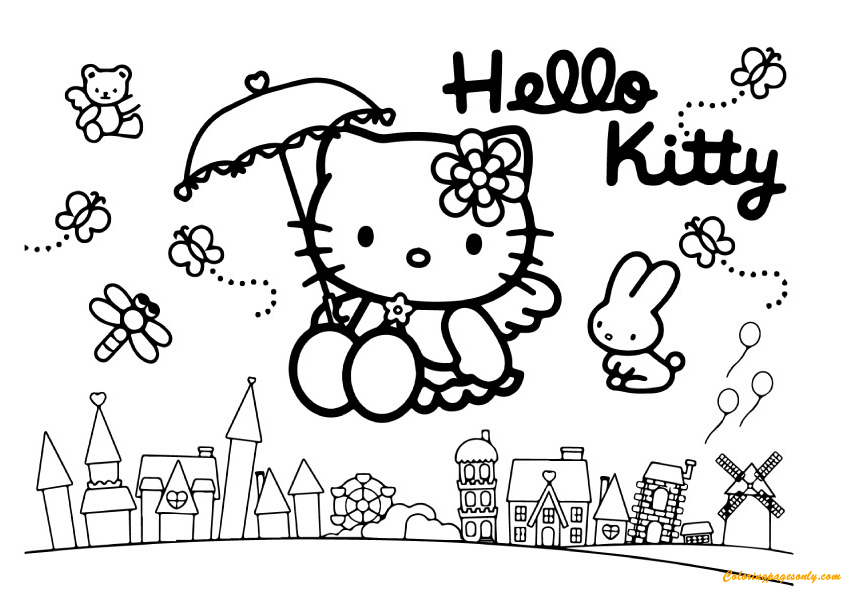
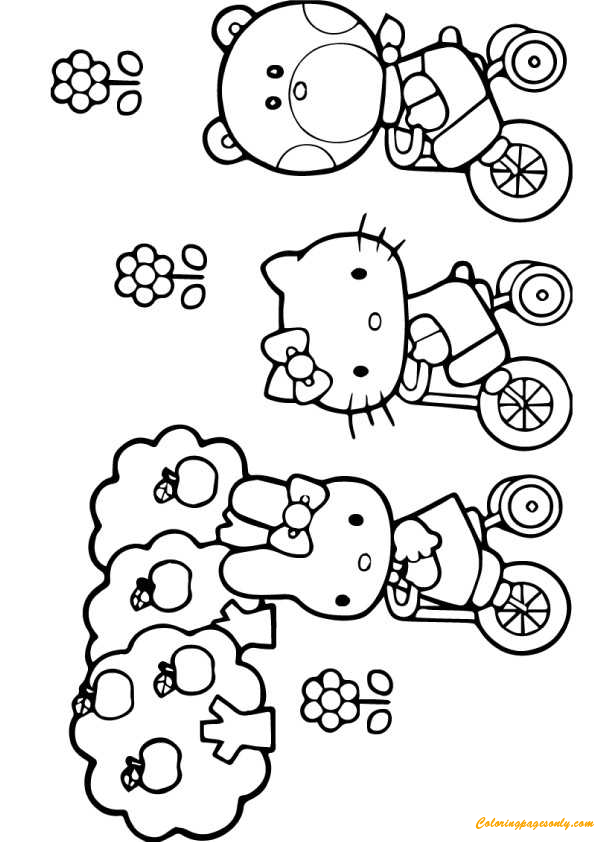
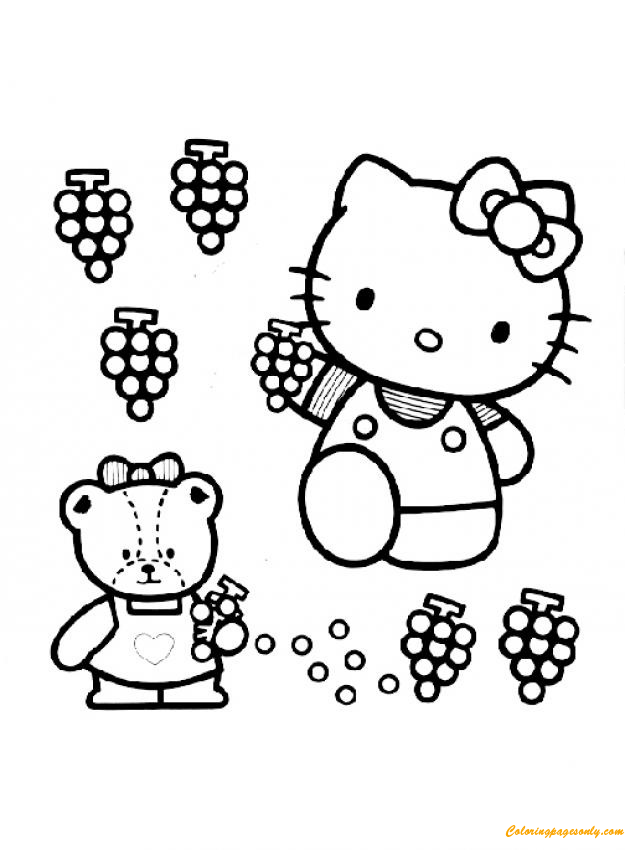
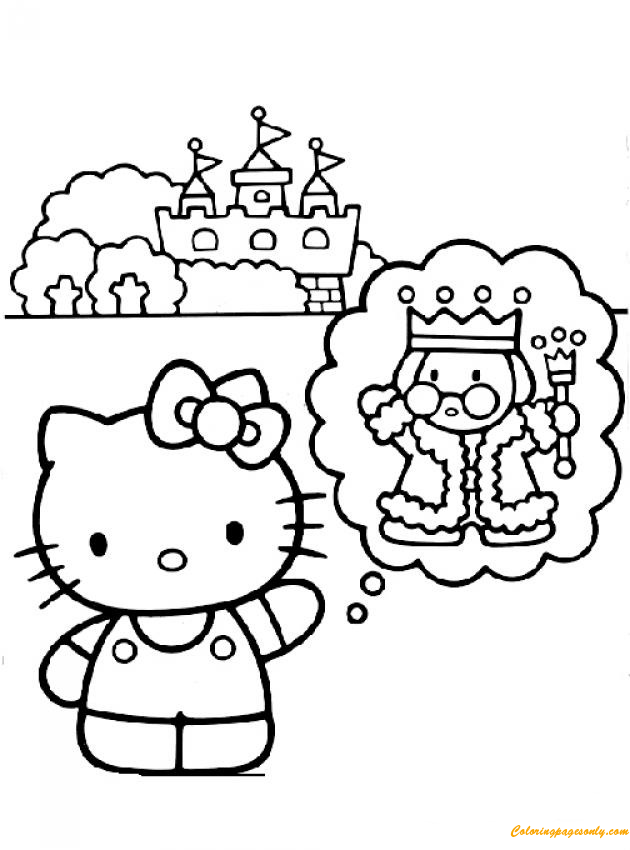
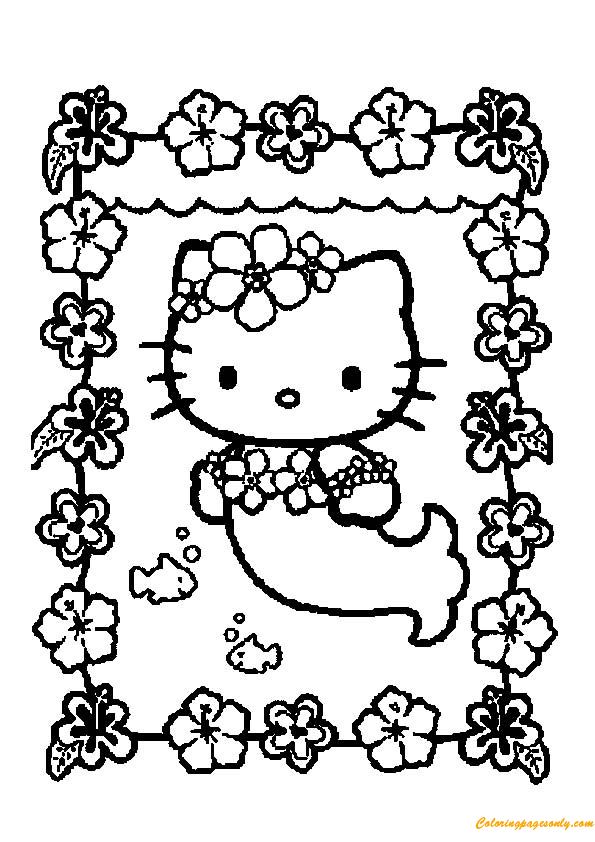
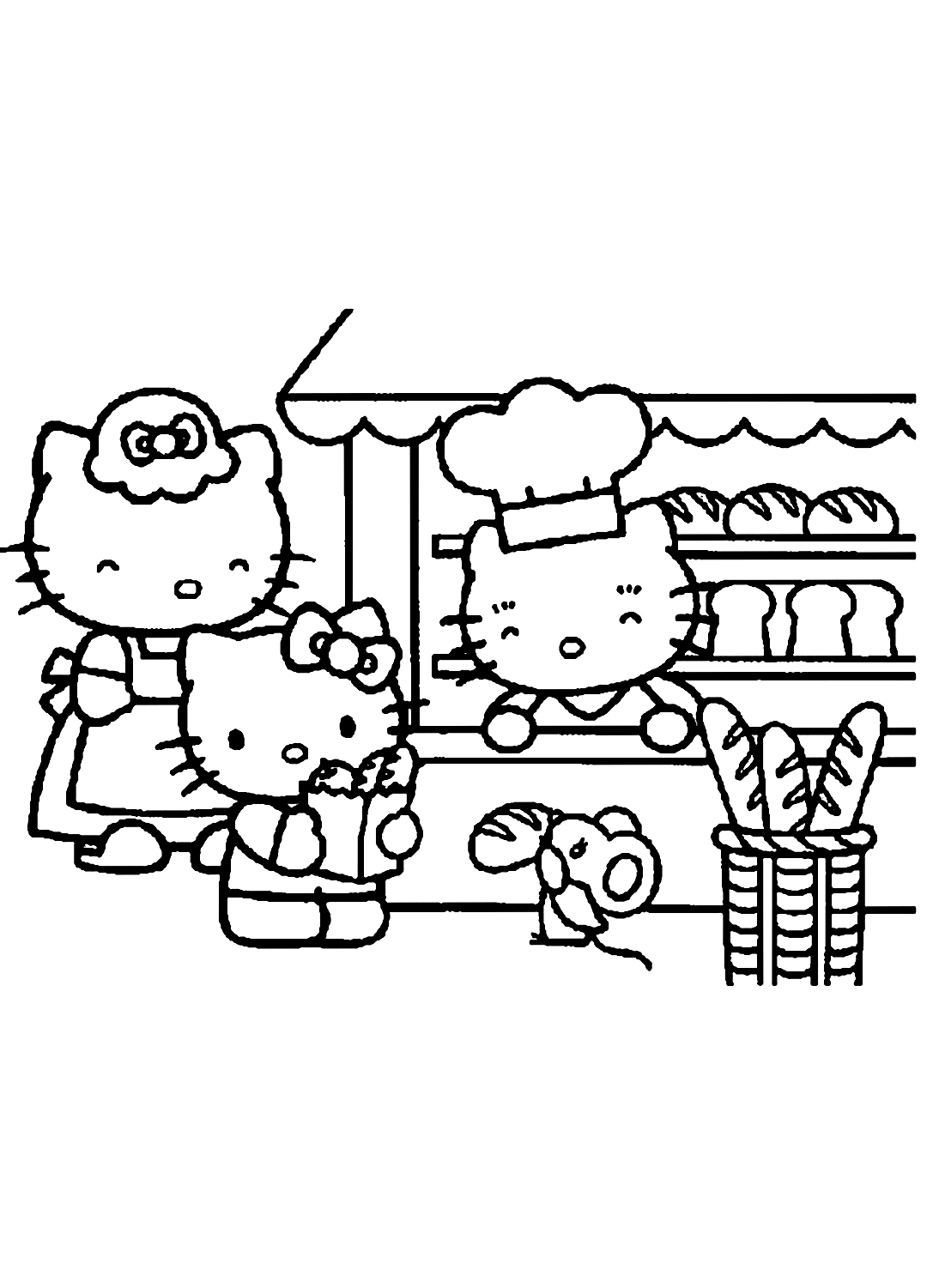
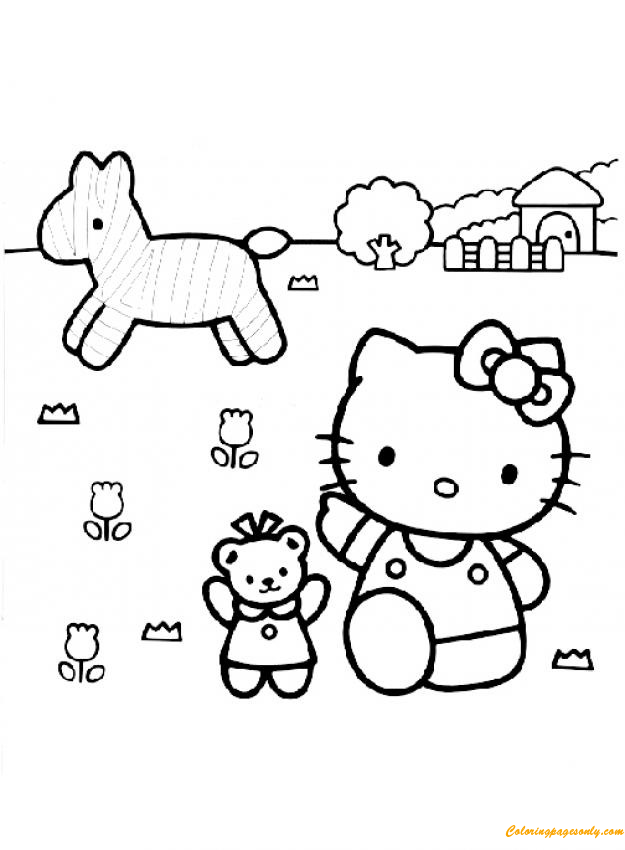
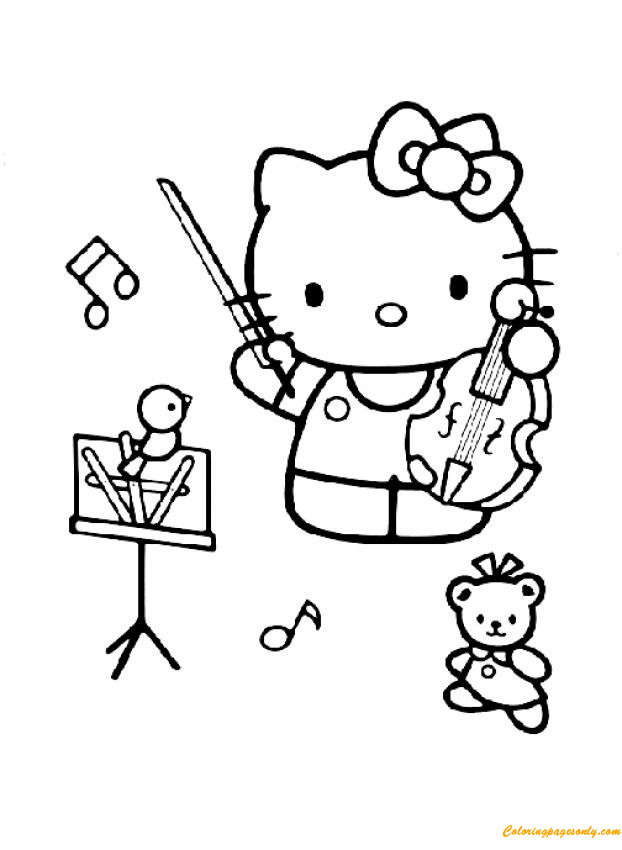
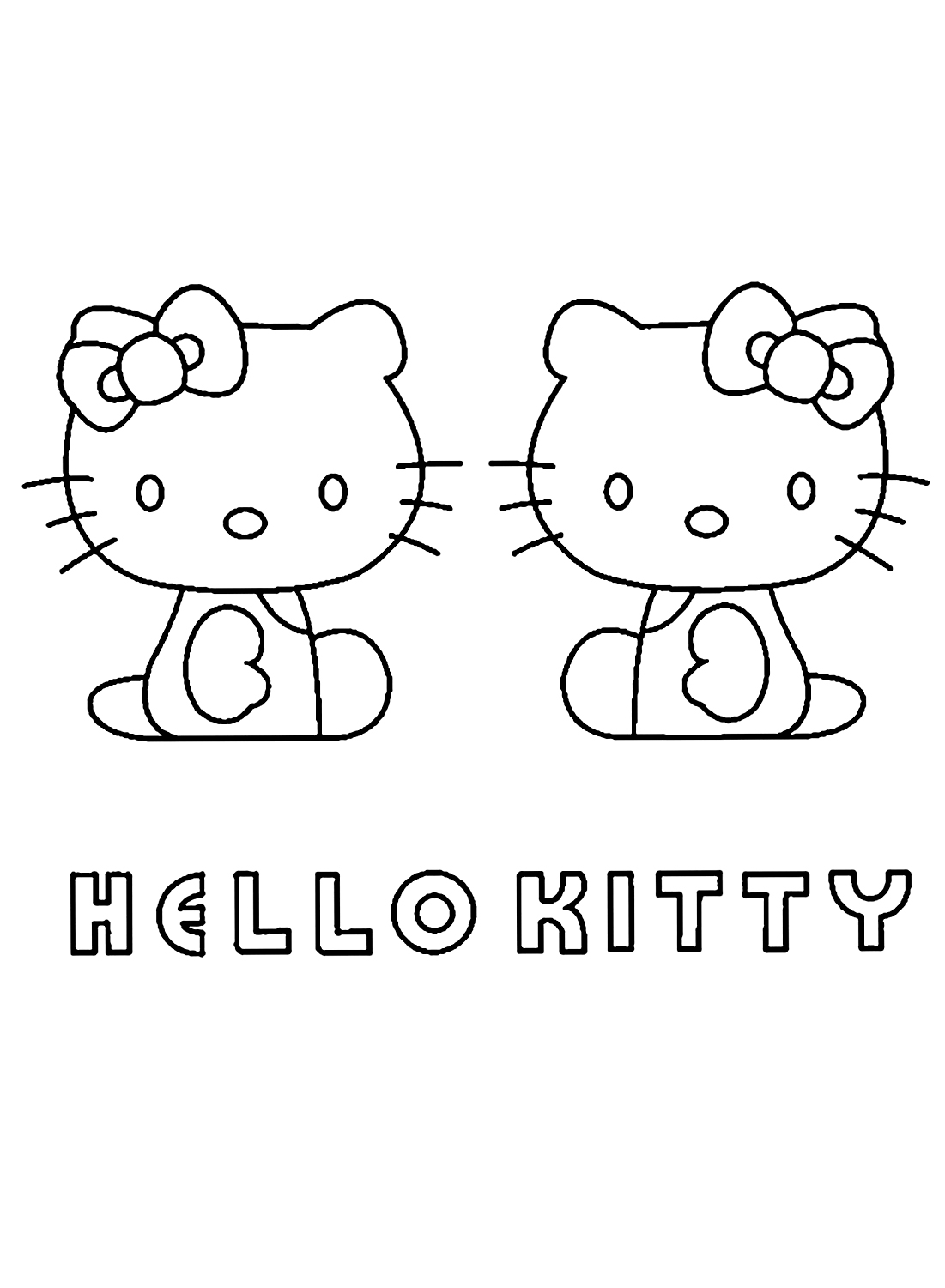
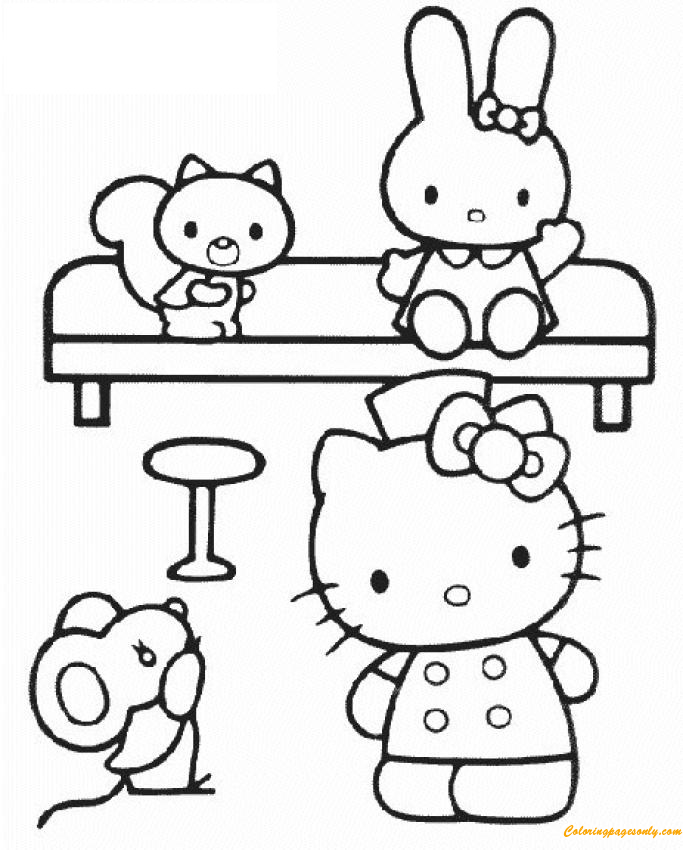
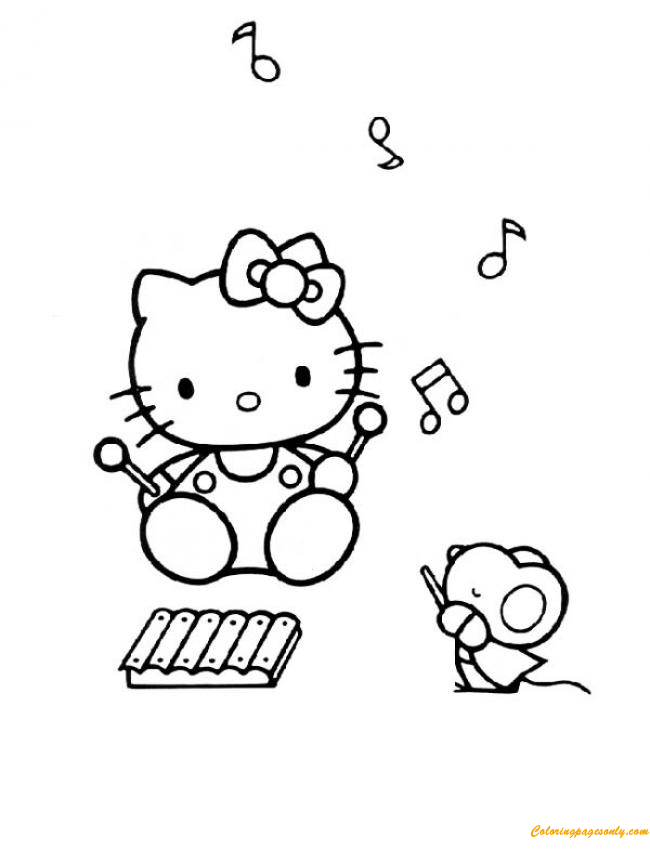
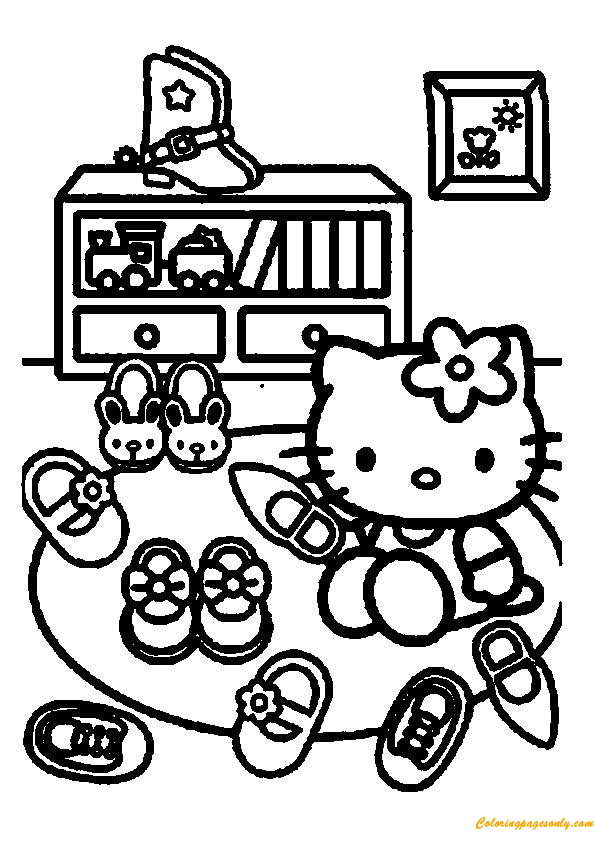
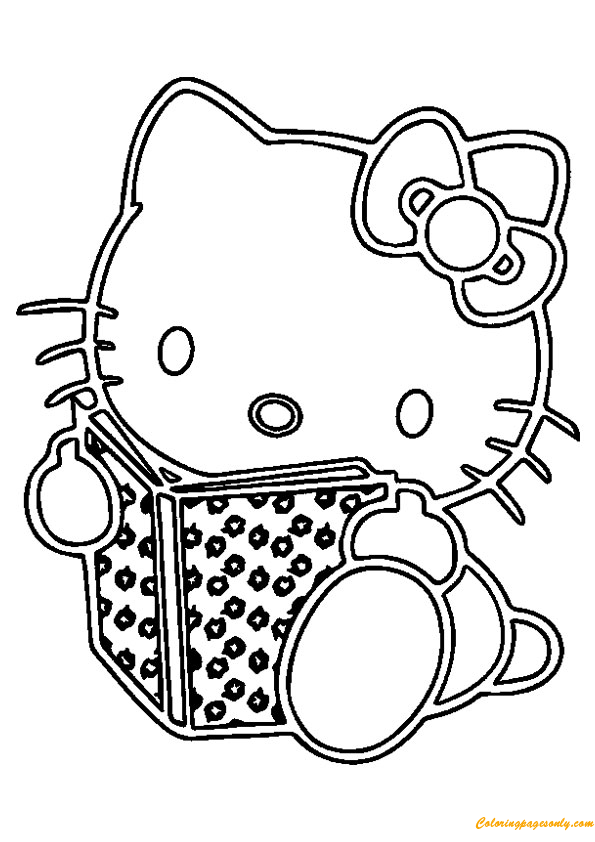
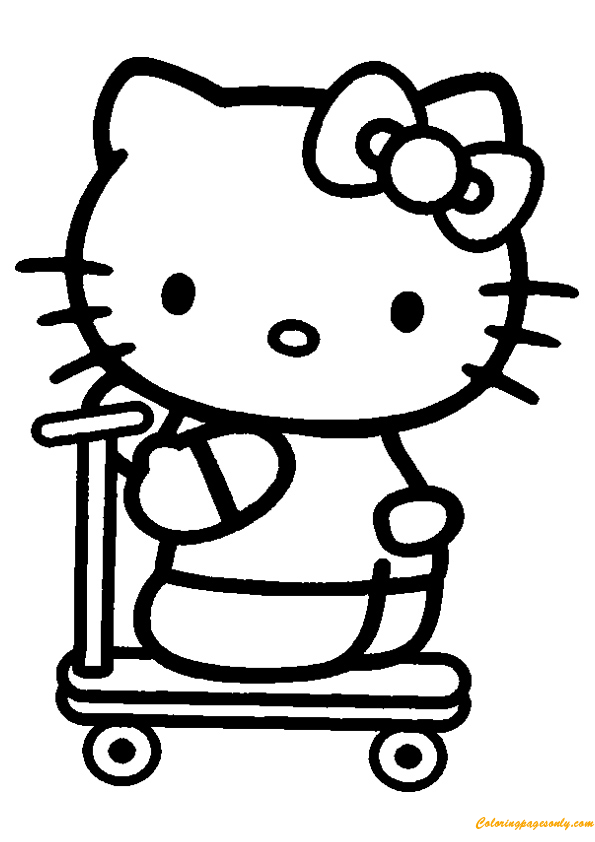
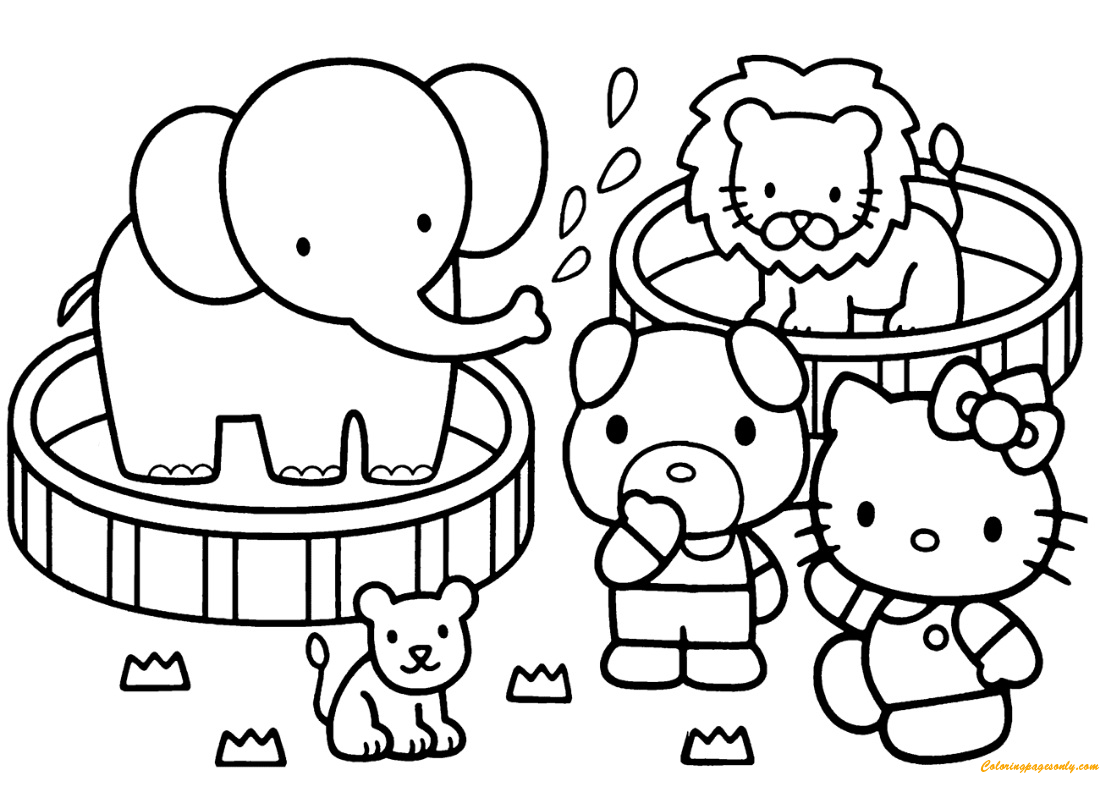
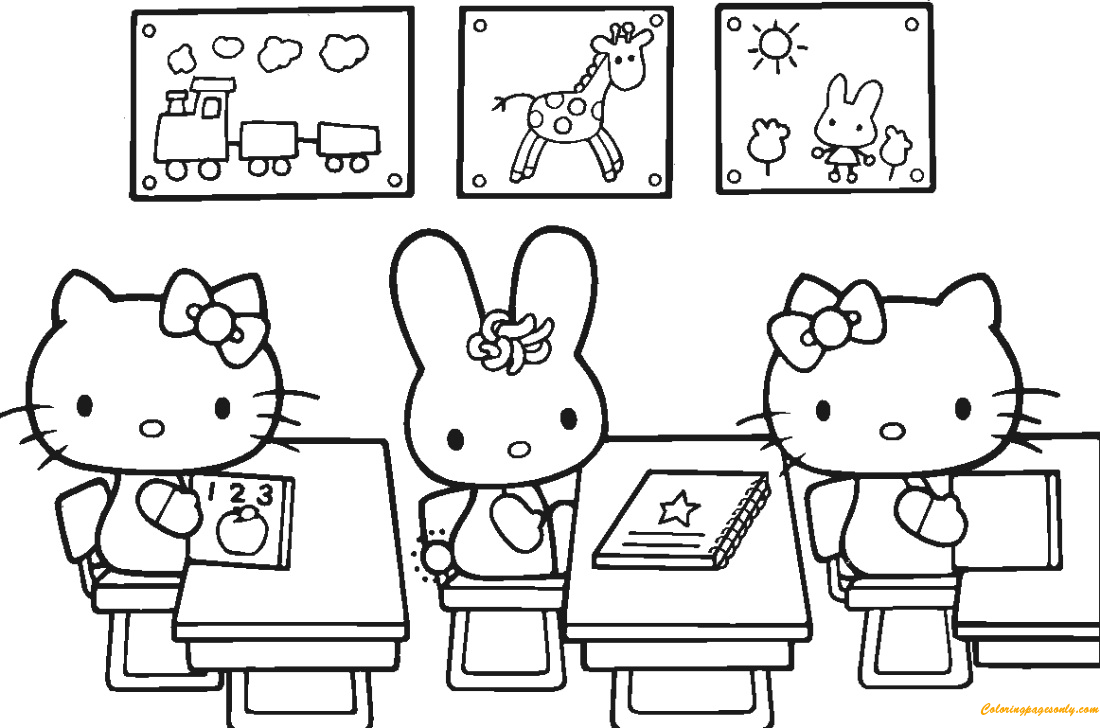
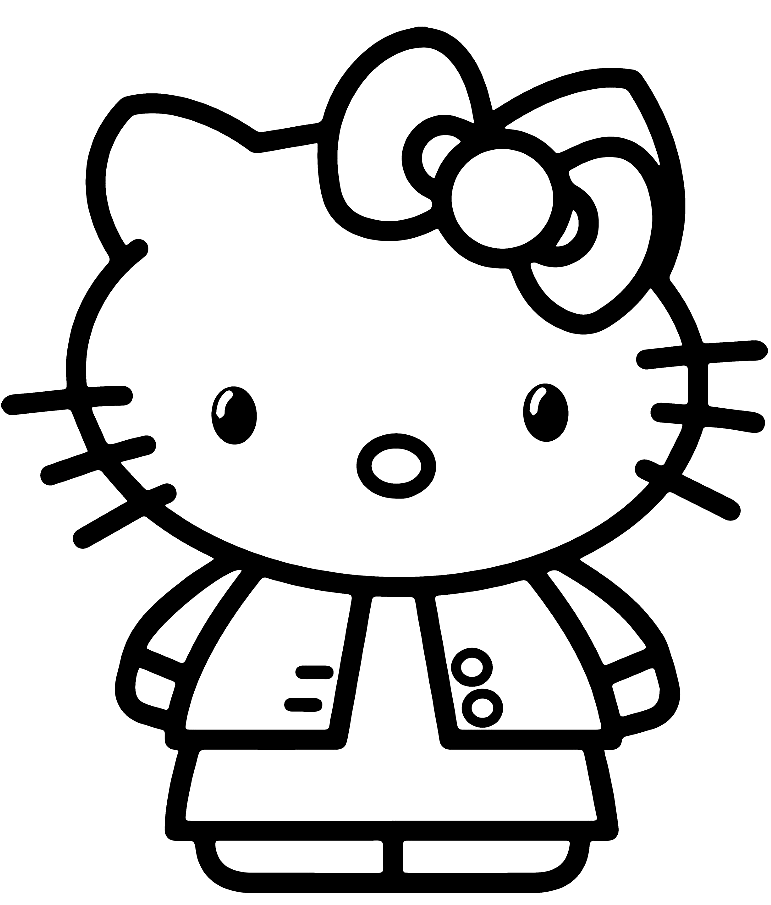
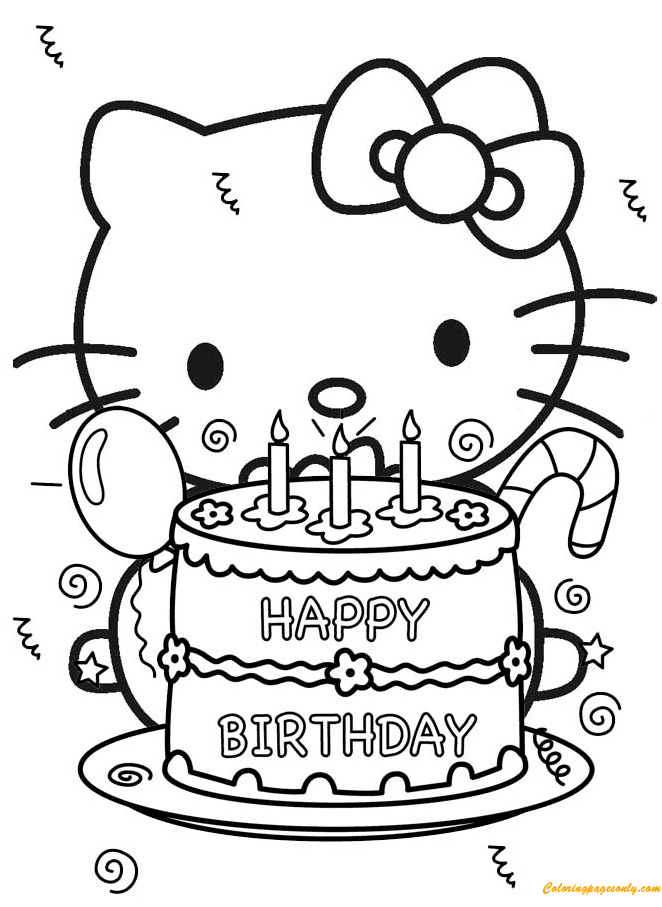
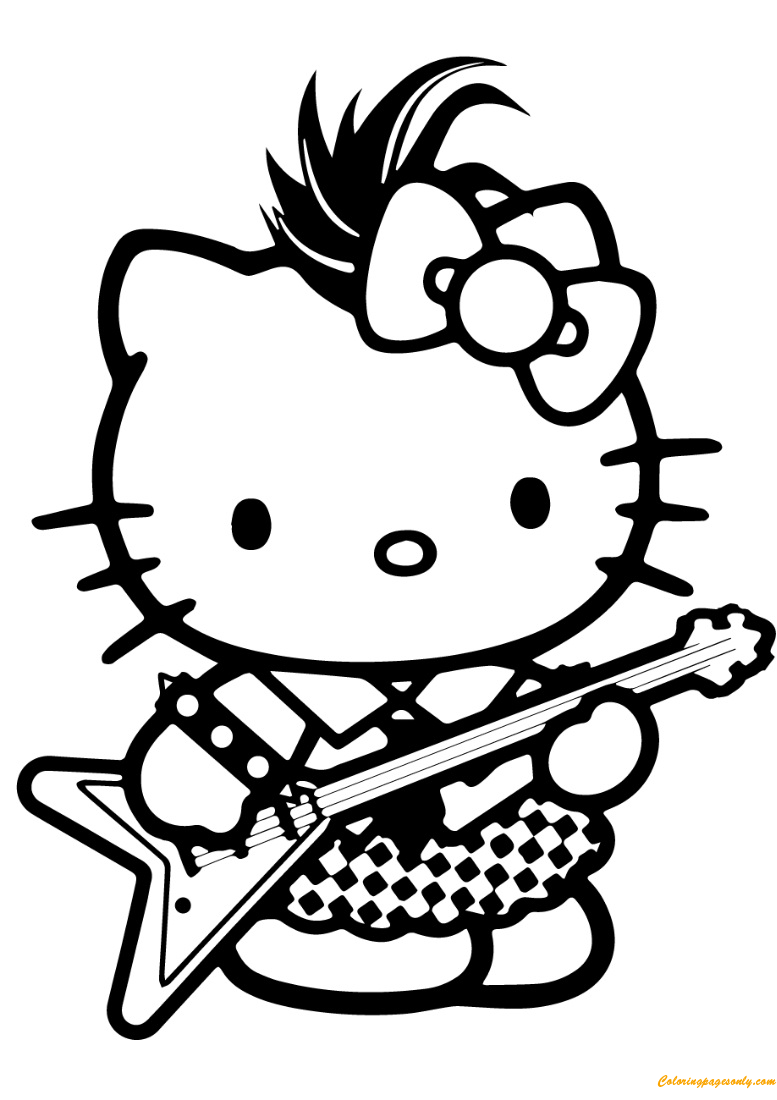
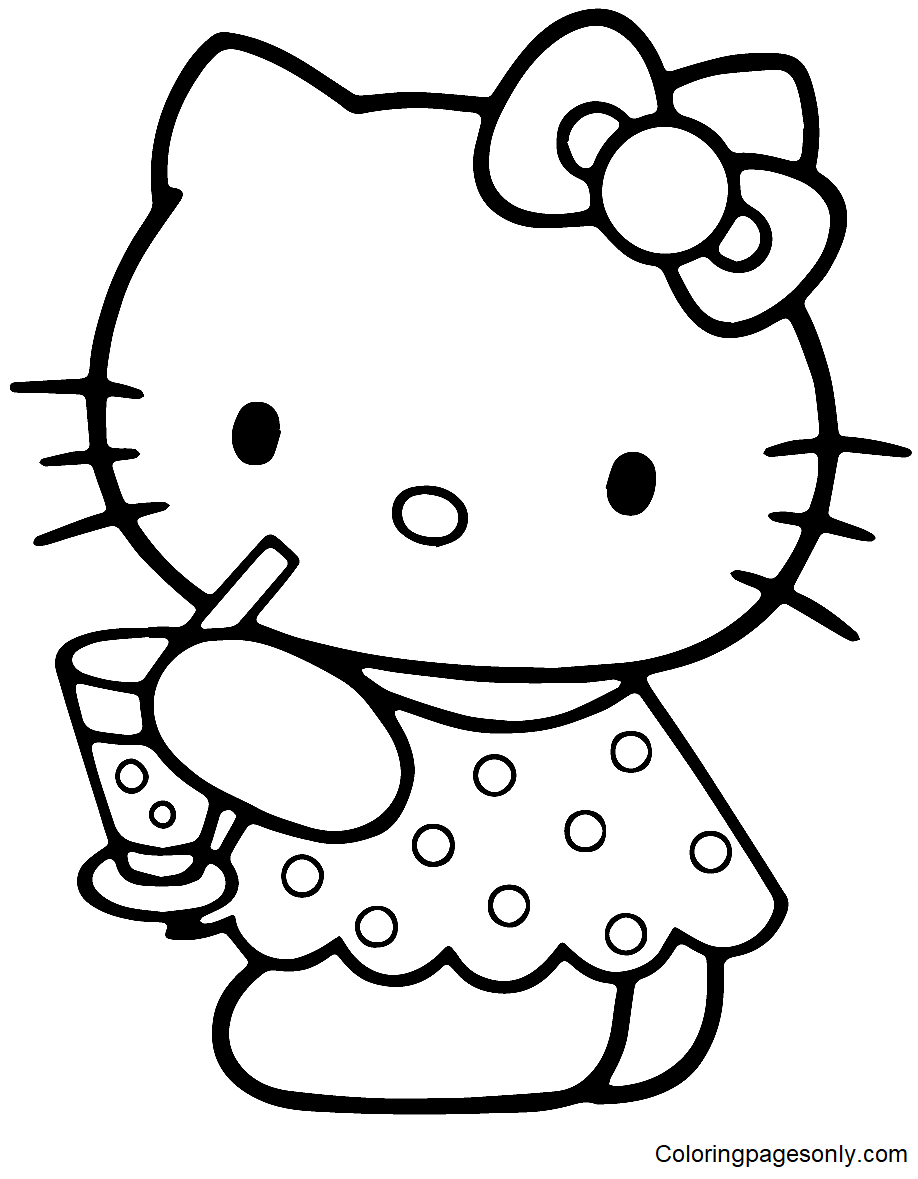
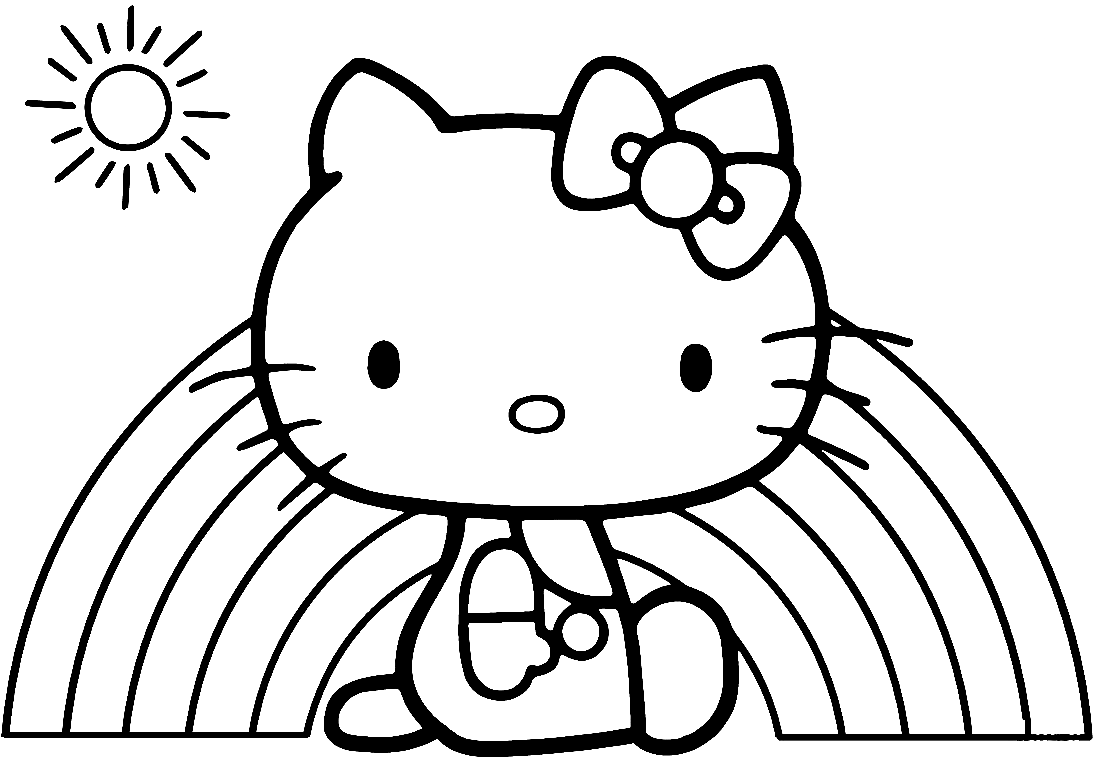
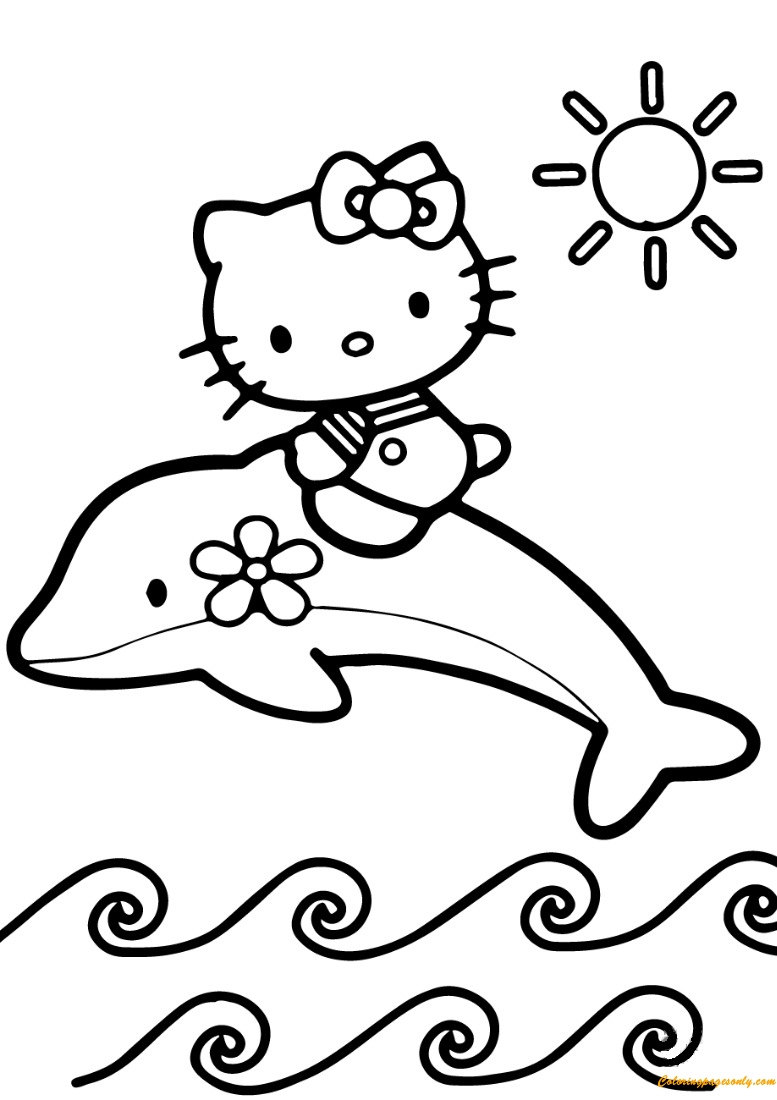
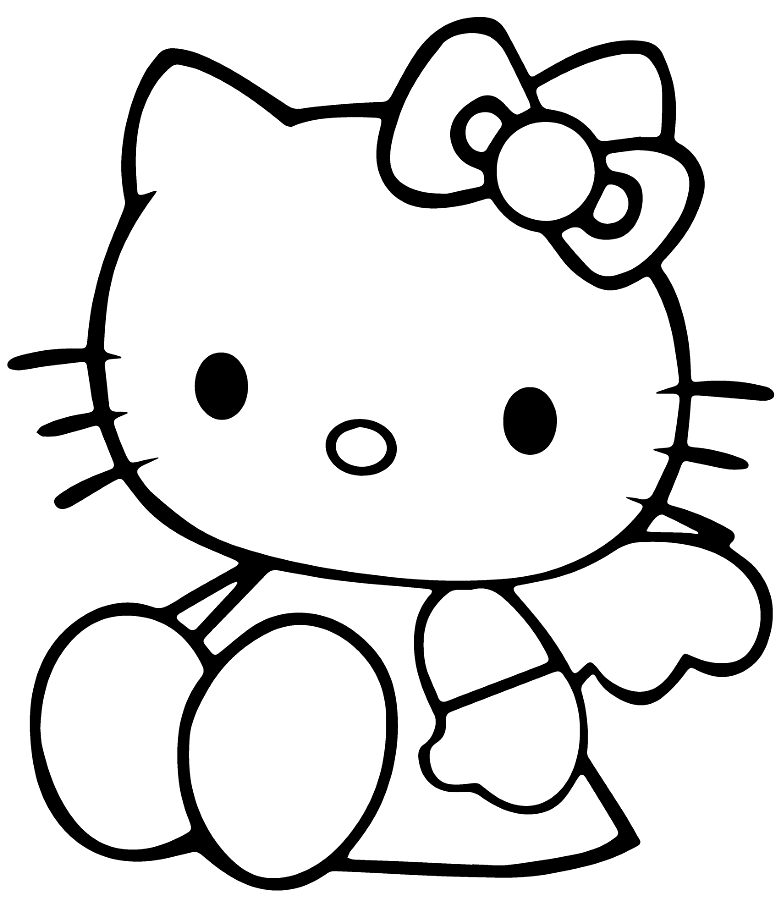
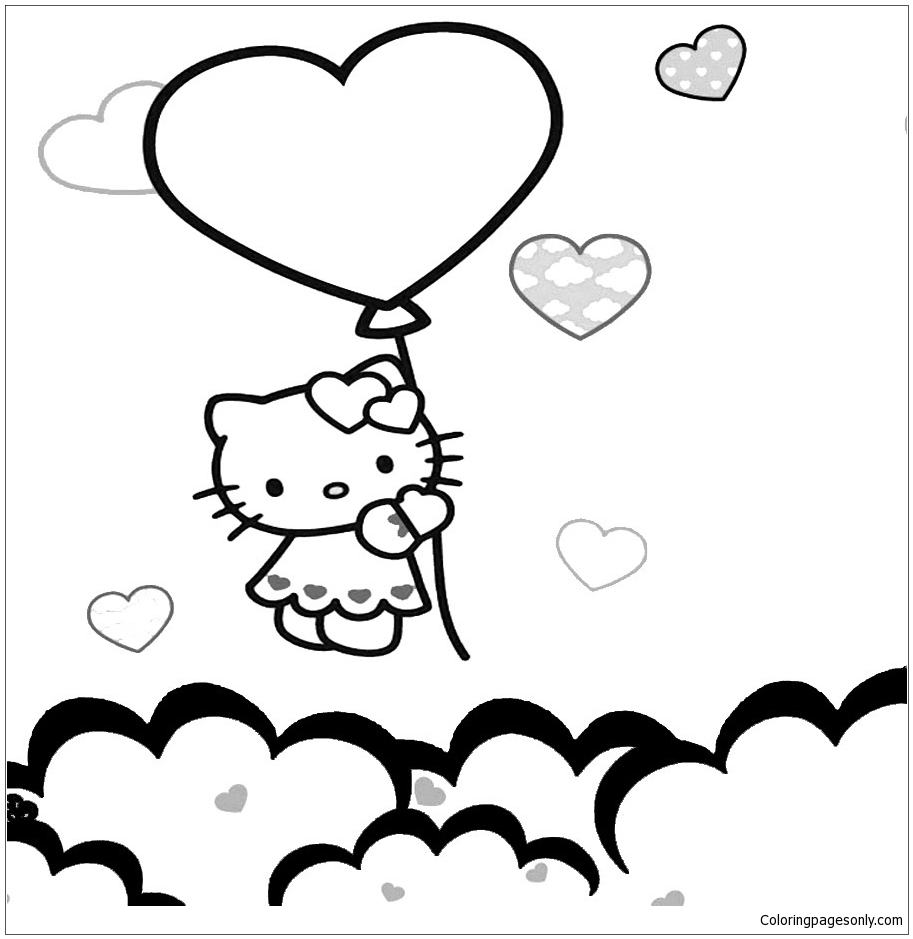
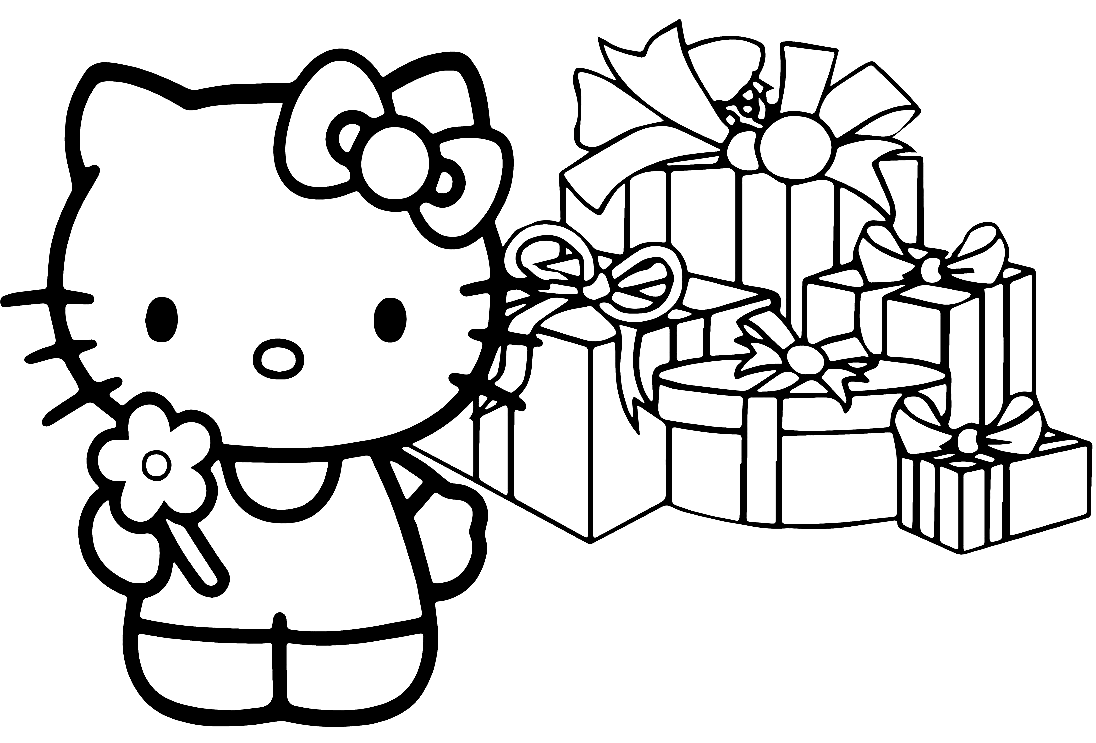
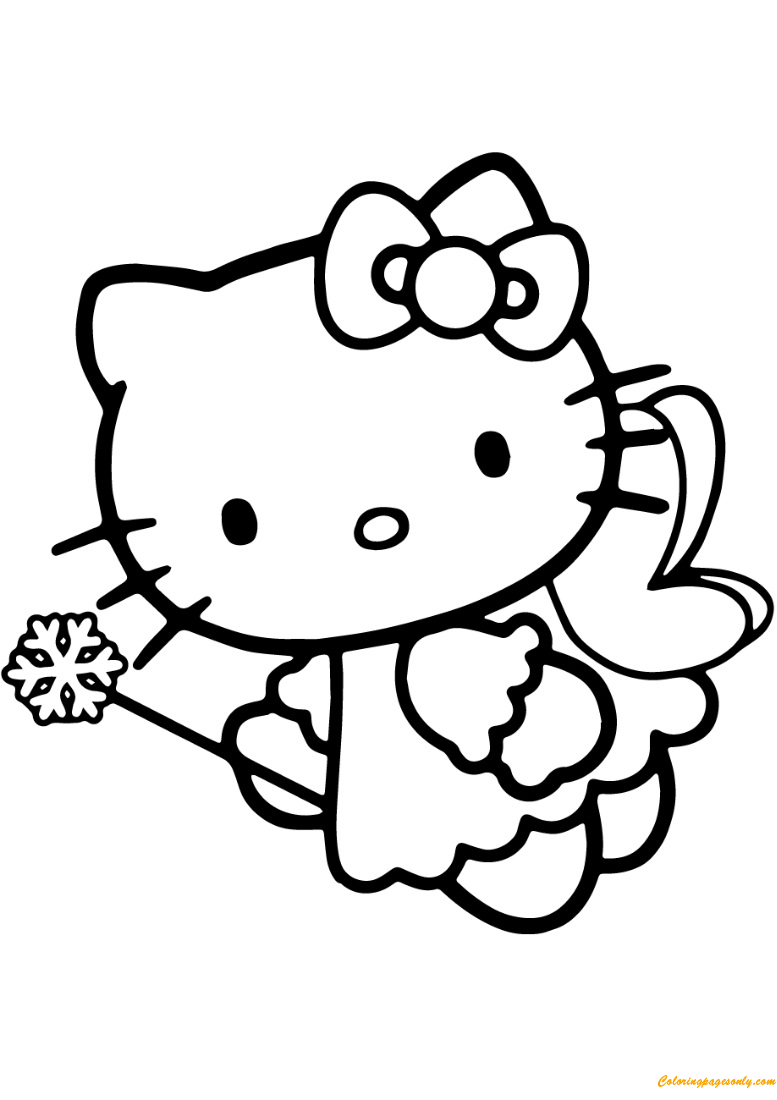
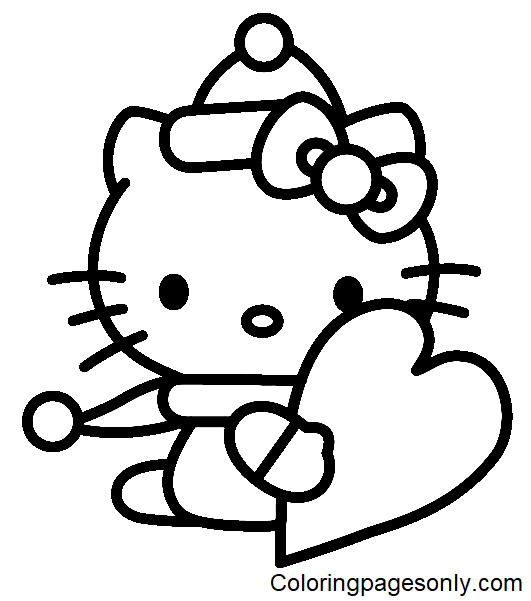
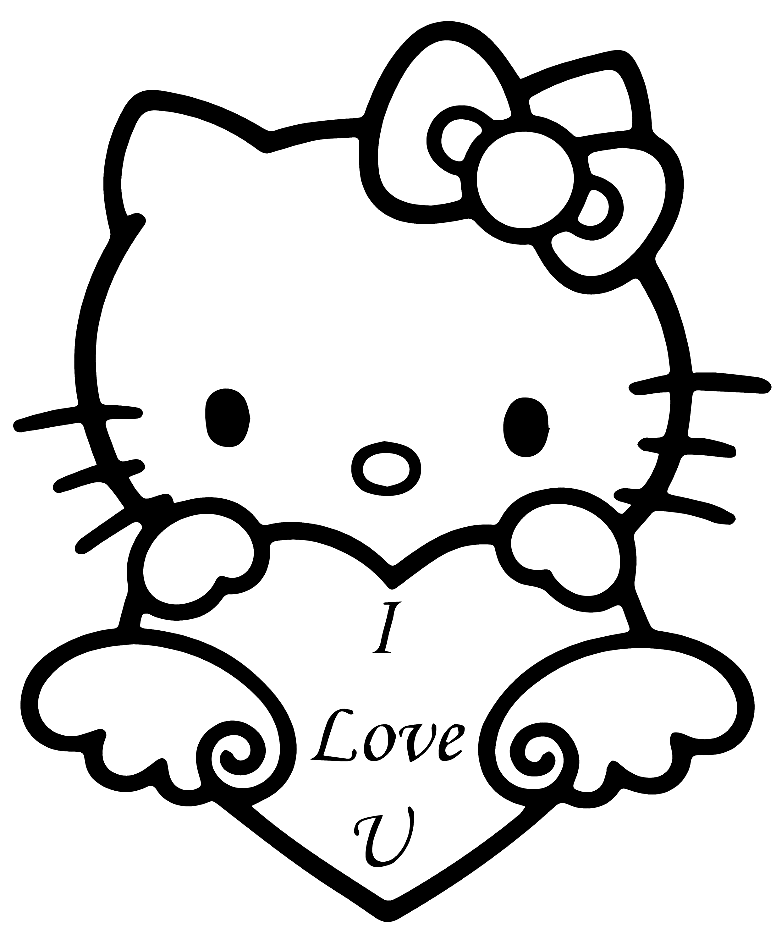
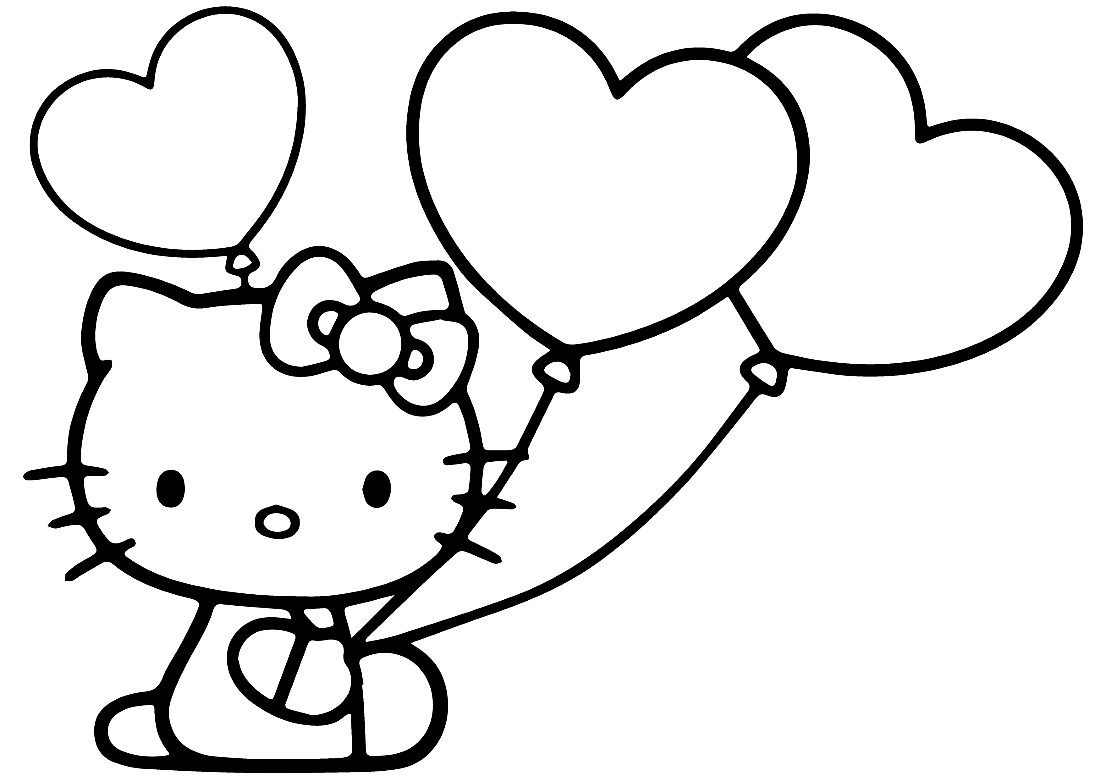
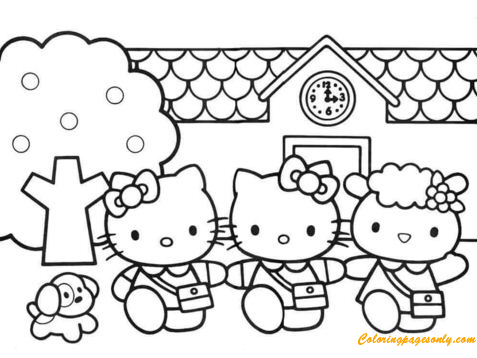
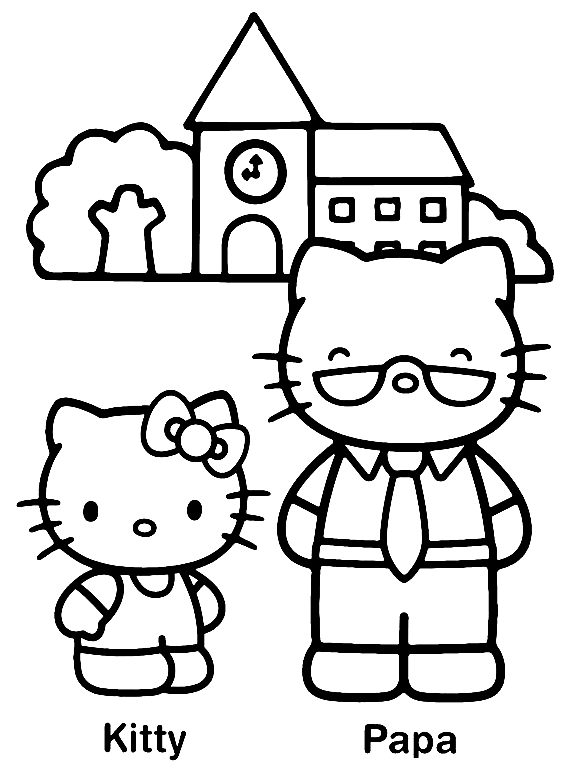
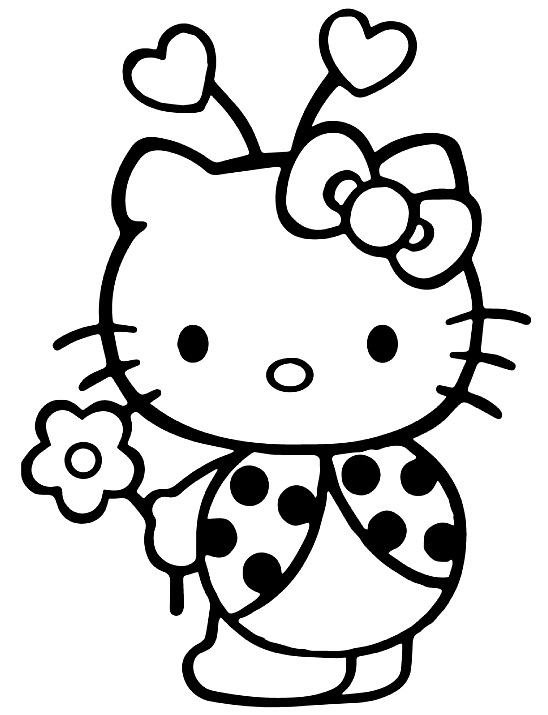
The classic portrait and simple pages – the 2021-2023 tiles – show Hello Kitty in her most iconic standing and seated poses with minimal background. Hello Kitty Angel with Heart, Hello Kitty Bee, Hello Kitty with Toy Bear, Hello Kitty with Sunflower, Hello Kitty with Strawberry, Hello Kitty with Paintbrush, Hello Kitty with House, Hello Kitty with Flowers, Hello Kitty with Big Bow, Hello Kitty Mother and Child, Hello Kitty Cupcake, Hello Kitty Princess 2, Hello Kitty Kitten Sanrio, Hello Kitty Holding Brush, Hello Kitty with Friends Coloring Book, and the other early-collection pages provide the simplest and most immediately accessible Hello Kitty coloring experience in the collection.
Coloring Tips for Hello Kitty Pages
Hello Kitty’s visual design is one of the most instantly recognizable in the world – and the key to coloring her pages effectively is understanding what makes that design work. There are very few colors in Hello Kitty’s canonical palette, and each one carries a specific meaning and recognition value.
Hello Kitty’s body is pure white – not cream, not ivory, not off-white, but a clean, bright white that is the visual anchor of every composition she appears in. This white reads as her default state, her neutrality, her openness to whatever context she is placed in. When coloring the body itself, treat it as the lightest tone on the page: use very minimal cool blue-gray shadows only in the deepest recessed areas (the underside of her arms where they meet her body, the shadow line beneath her head on her neck, the shadow under a bow or accessory) to give her form dimension without losing the fundamental whiteness that is essential to her identity.
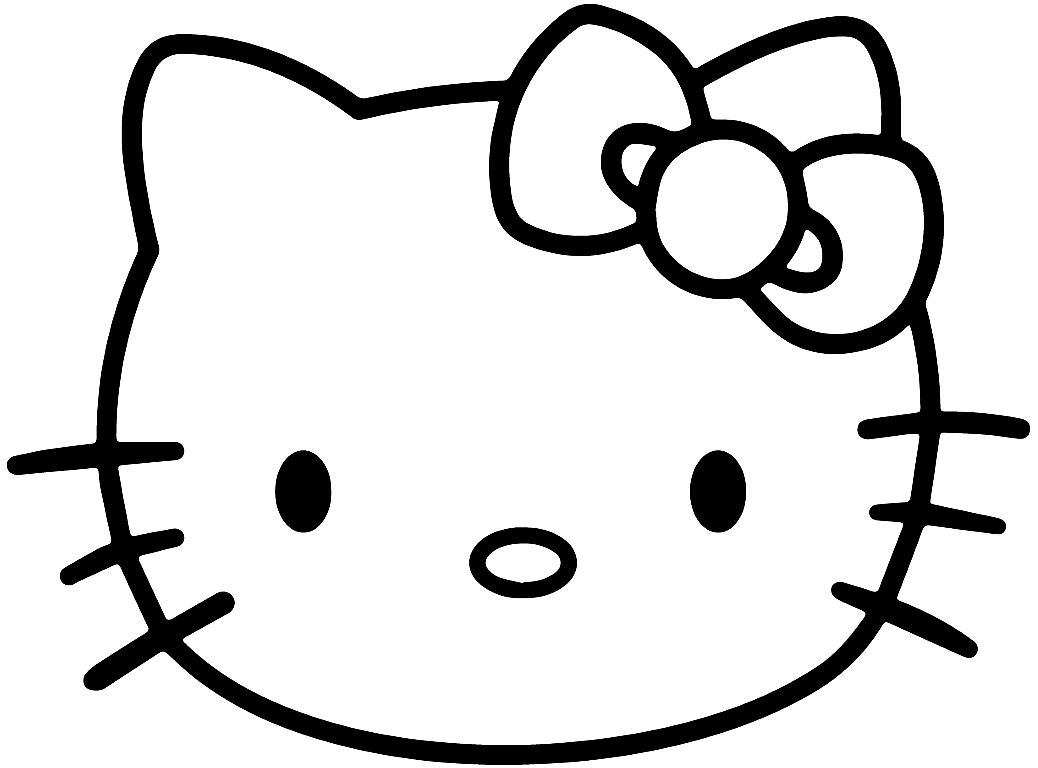
The bow is the single most important coloring decision in any Hello Kitty page. The canonical bow color is red – a vivid, warm red that has been the default bow color since Hello Kitty’s introduction in 1974, and that is the color most immediately associated with the character. However, Hello Kitty’s bow changes color frequently in official Sanrio merchandise and seasonal collections: pink bows are extremely common in the standard Sanrio product line, yellow bows appear in summer and tropical themes, and blue bows in school and winter contexts. For seasonal and themed pages, the bow color often reflects the season: orange for Halloween, green for St. Patrick’s Day, gold or white for Christmas and New Year. The bow sits on her left ear (your right as you look at her face) – always left, never right. Getting this placement detail correct is the simplest way to distinguish an accurately colored Hello Kitty from her twin sister Mimmy.
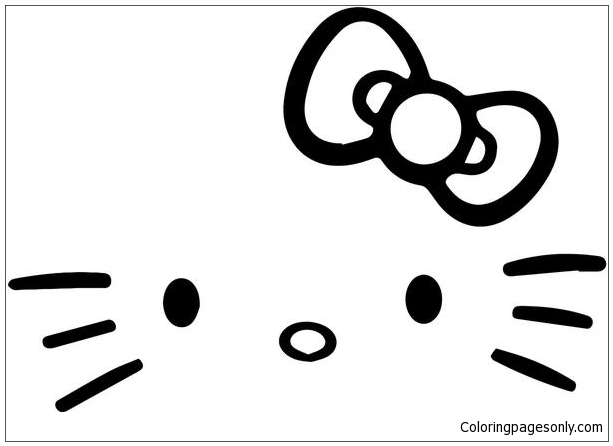
The facial features are extremely minimal – two small black oval eyes, a small yellow nose dot, and the deliberately absent mouth that defines her expression-free face. The eyes should be the darkest element of her face, a genuine near-black rather than a diluted dark brown. The nose dot is specifically yellow in canonical Hello Kitty illustration, not pink or orange – this is a small but visually specific detail. The absence of a mouth means there is no expression to reinforce or contradict your color choices, which gives the surrounding composition and color choices a disproportionate influence on the emotional tone of the finished page.
For the activity and scene pages, the background and prop colors are where most of the visual interest and coloring work is concentrated. The 2026 activity pages have well-developed scene compositions – the Baking page includes kitchen details, baked goods, and an apron; the Tea Party page includes a table setting with cups, plates, and food items; the Ballet page includes the barre, the tutu, and a studio setting. For these pages, the strategy is to choose a warm, soft palette for the domestic and interior setting elements (the warm cream and golden tones of baked goods, the soft pastel of the ballet studio walls, the warm wood of a kitchen table) that creates a comfortable, inviting atmosphere around Hello Kitty’s white figure.
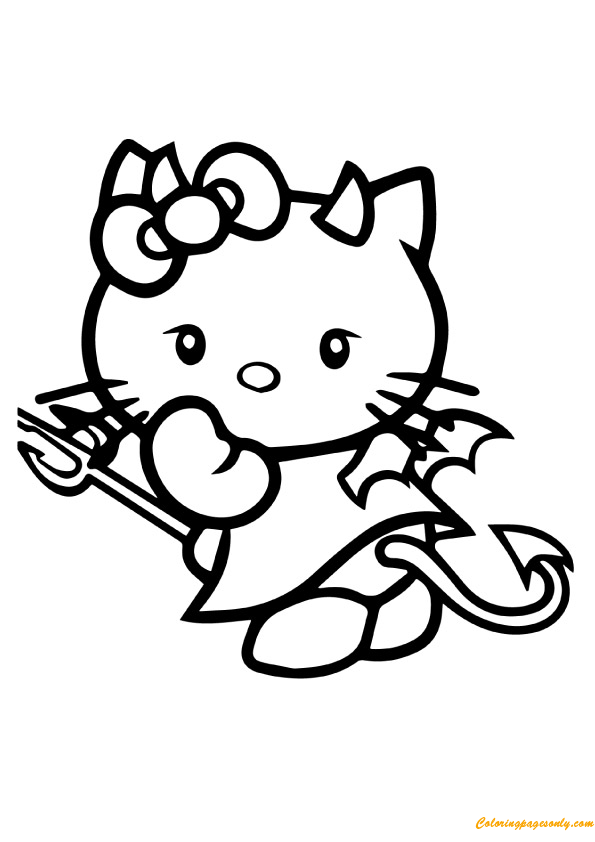
For the Halloween pages, the classic approach is to use the vivid orange-and-black Halloween palette in the surrounding scene and props while keeping Hello Kitty herself in her standard white – the white figure in a Halloween setting creates a specific visual contrast that is more visually effective than trying to render Hello Kitty in Halloween colors herself. The witch’s hat (typically black), the cauldron (black with green or orange potion), the pumpkin (vivid orange), and the night sky (deep blue-black) provide the Halloween atmosphere while Hello Kitty remains her invariant white self at the center.
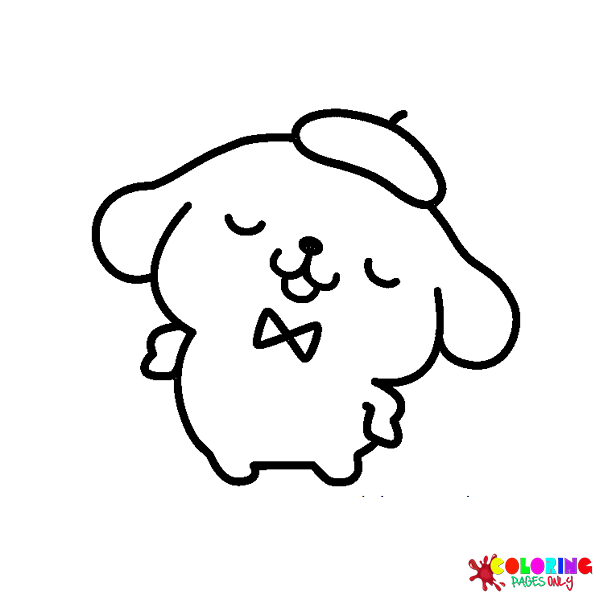
For the Sanrio friends pages, each character in the broader Sanrio universe has canonical colors that should be rendered consistently: Badtz-Maru is black with a white belly and orange beak and feet; Pompompurin is golden yellow with a brown beret; My Melody is white with a pink hood; Chococat is black with chocolate-brown details; Keroppi is vivid green with white facial areas. Placing these characters’ vivid colors alongside Hello Kitty’s white creates natural color contrast and visual clarity in ensemble pages.
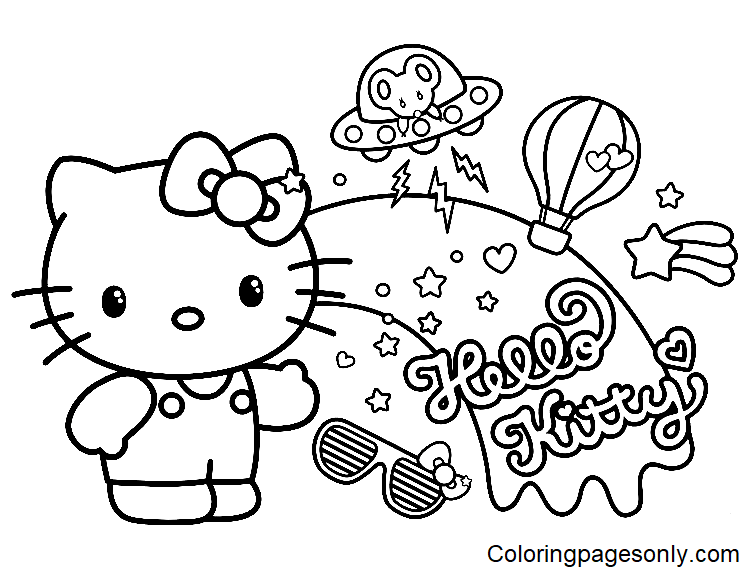
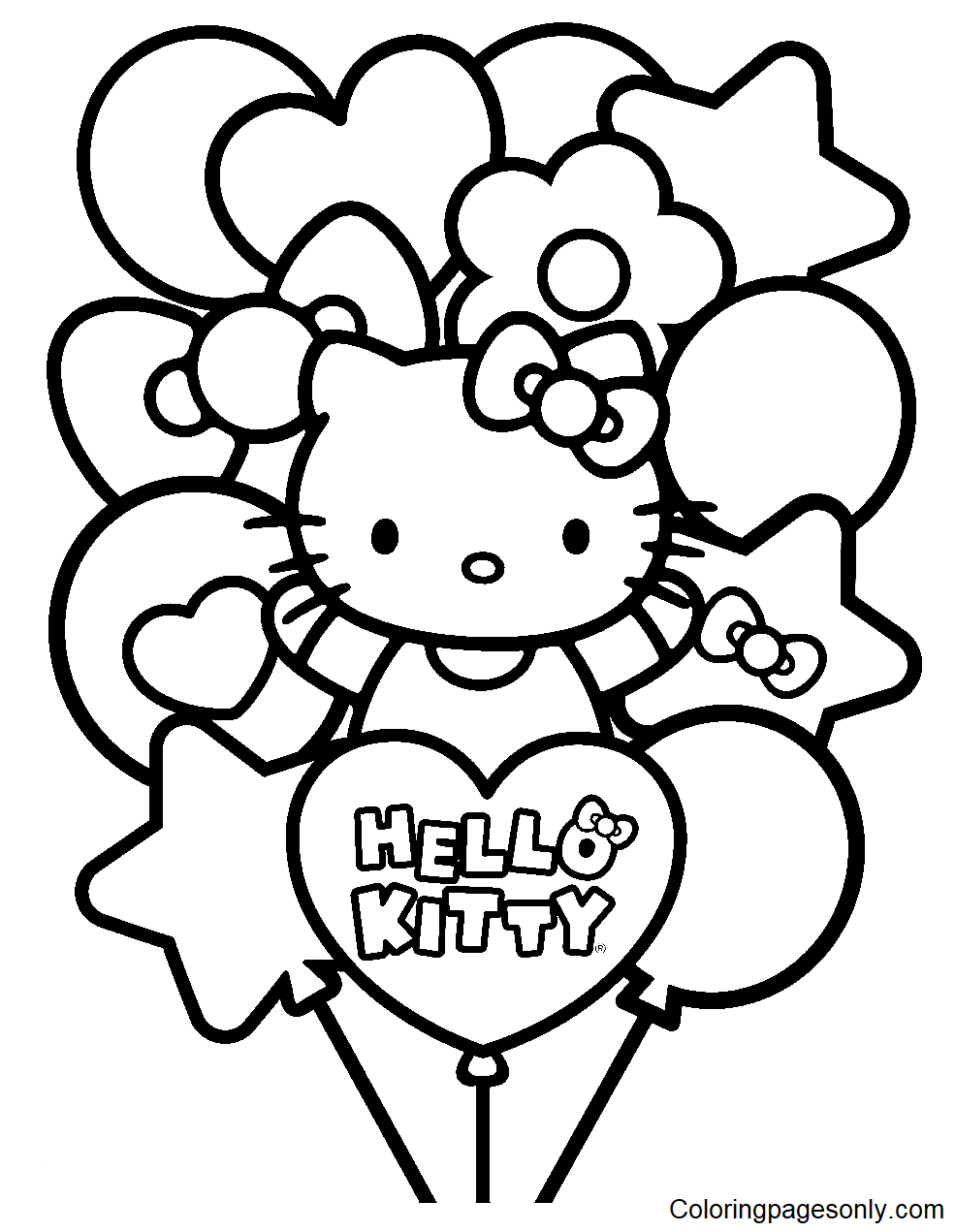
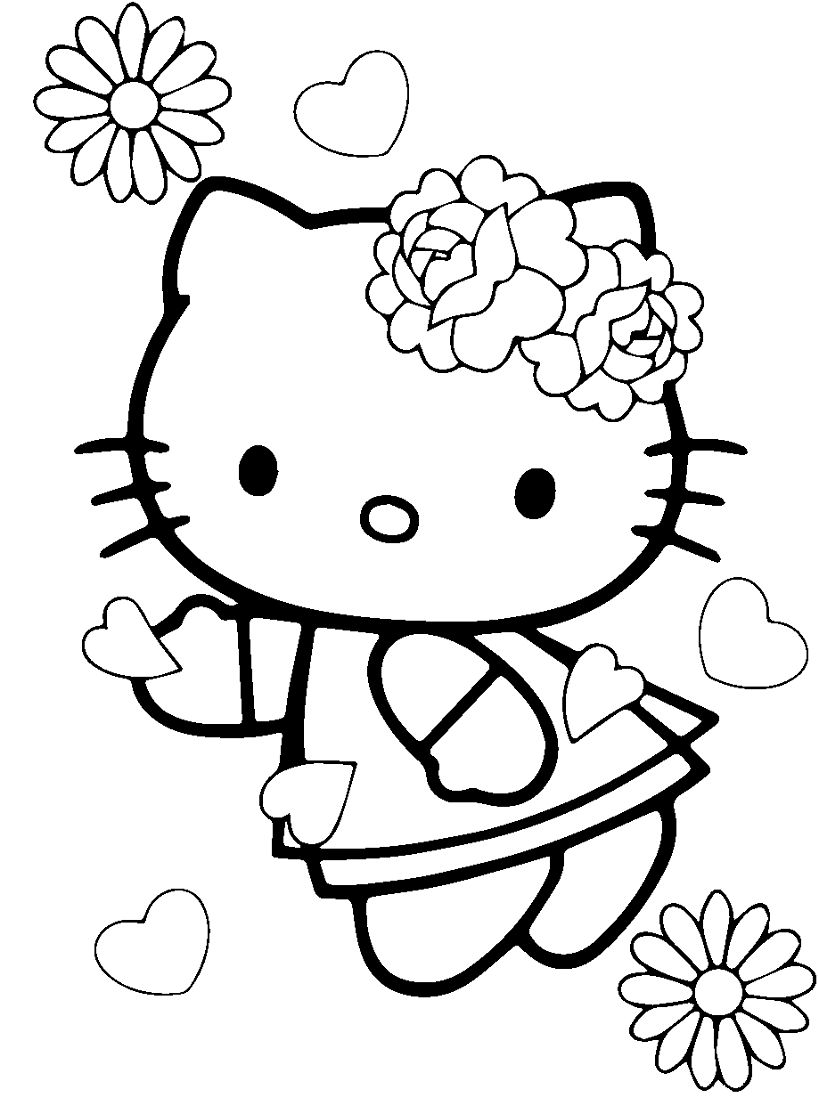
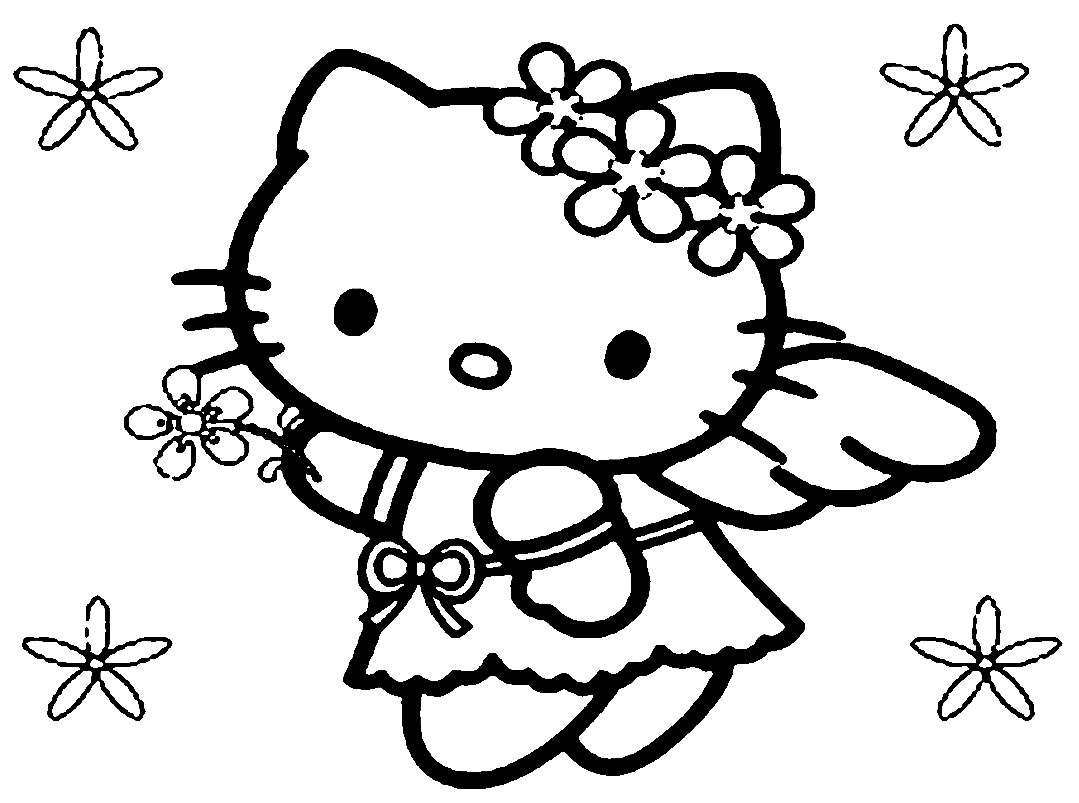
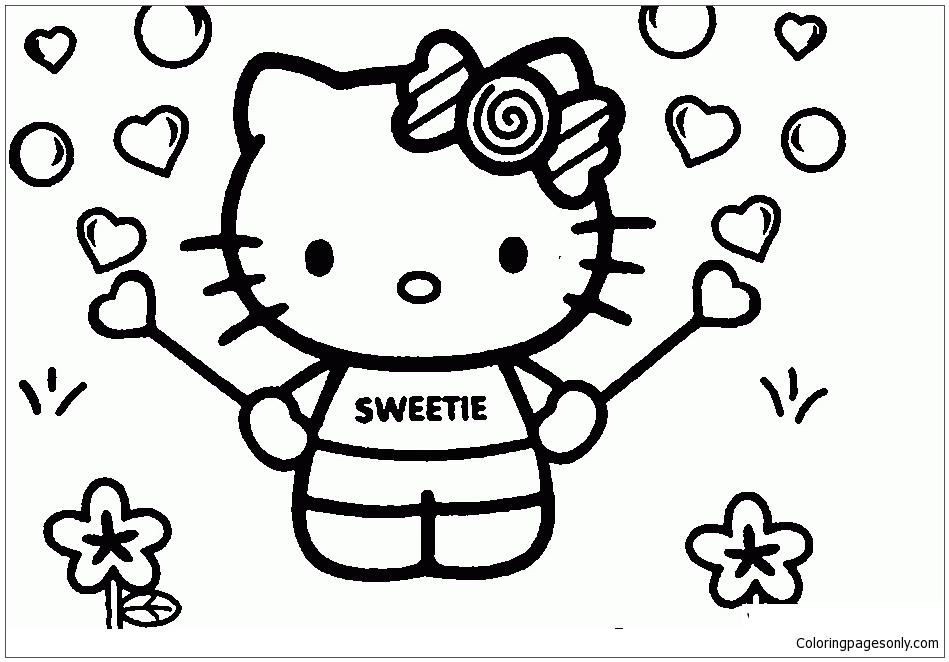
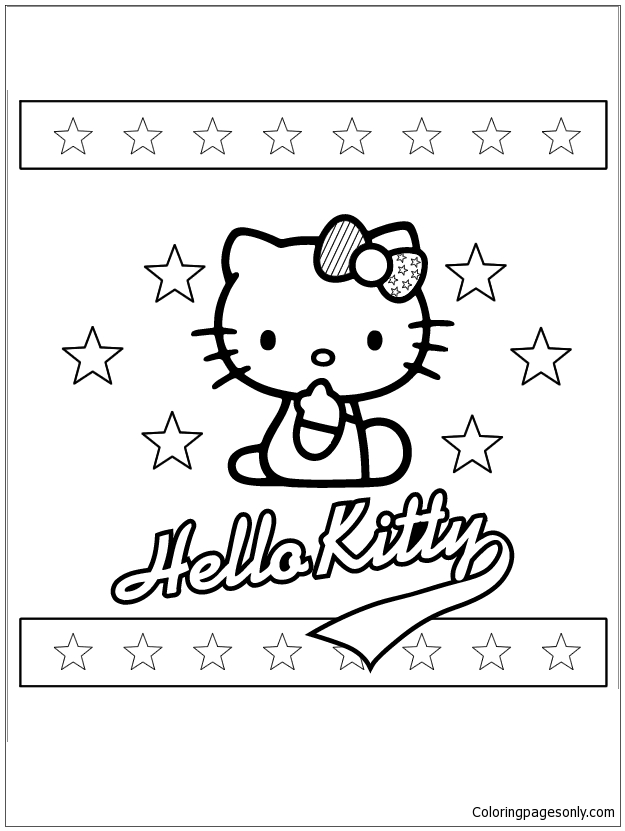
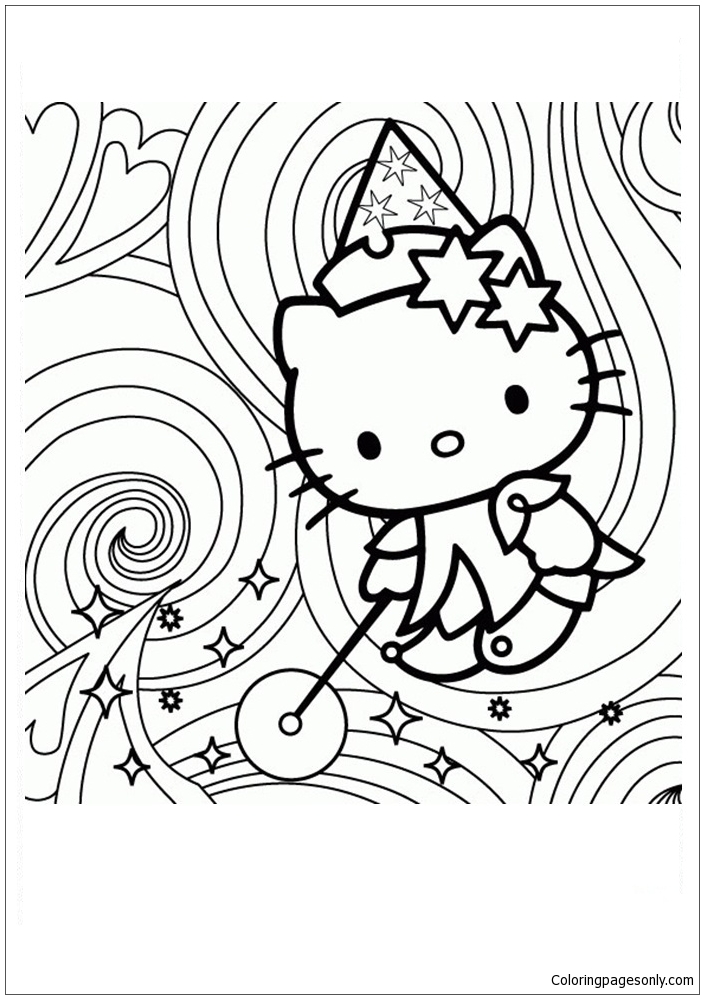
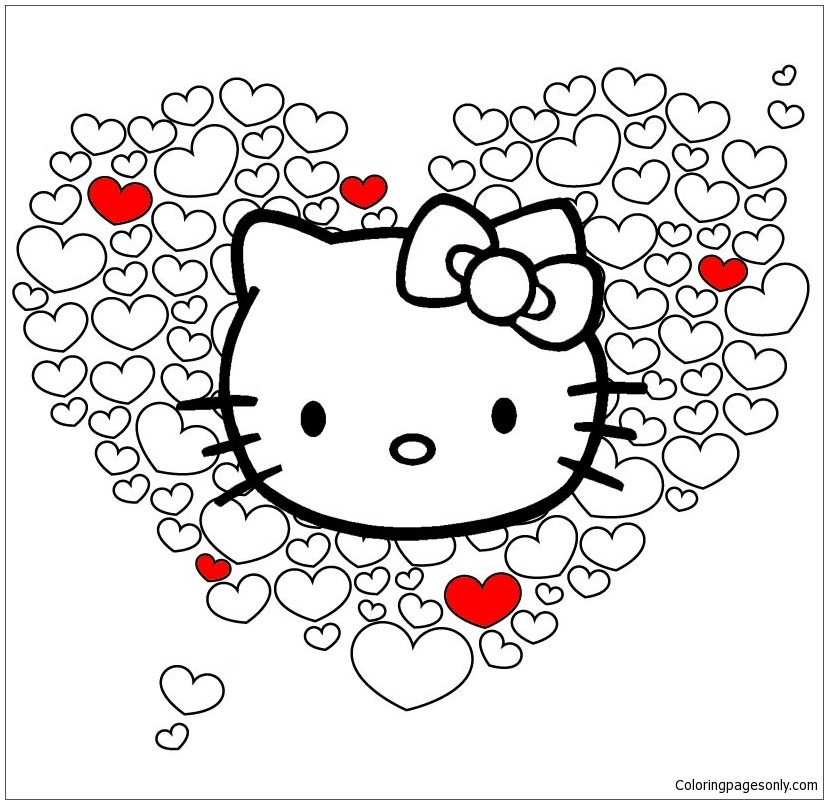
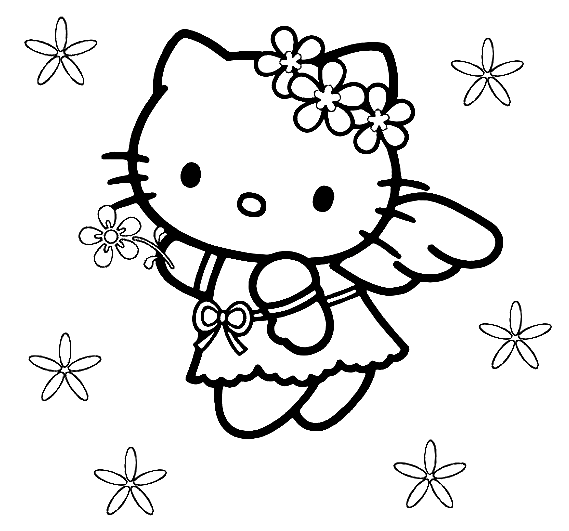
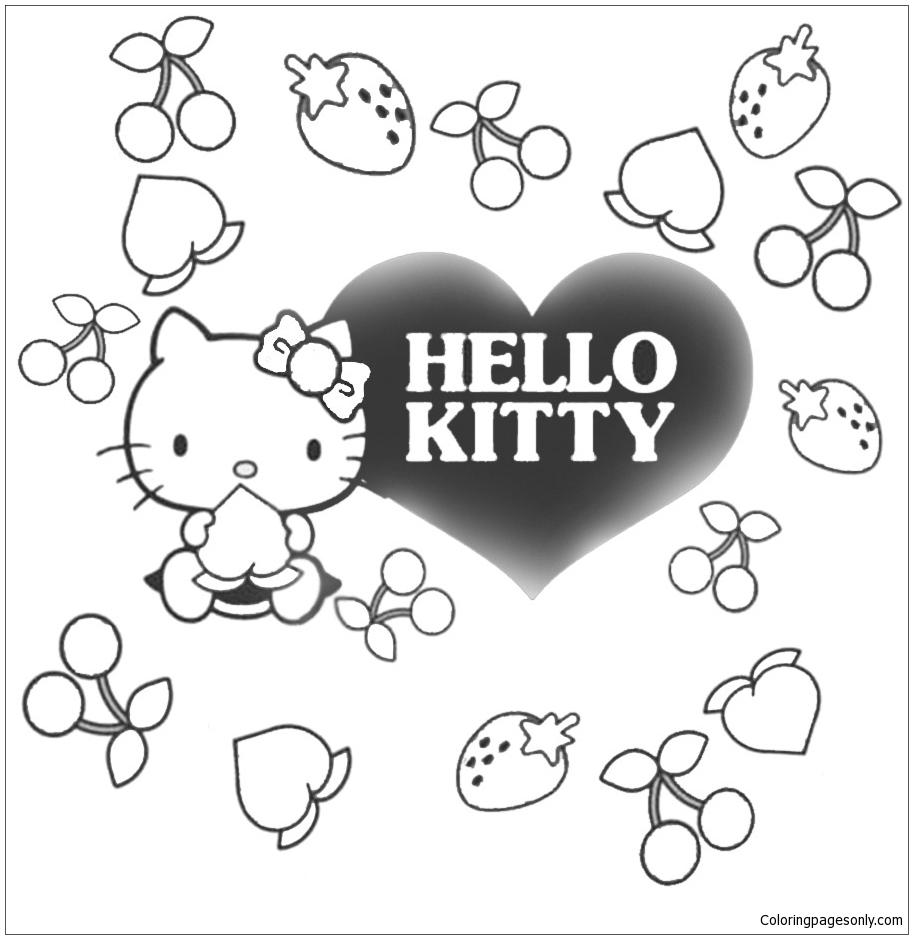
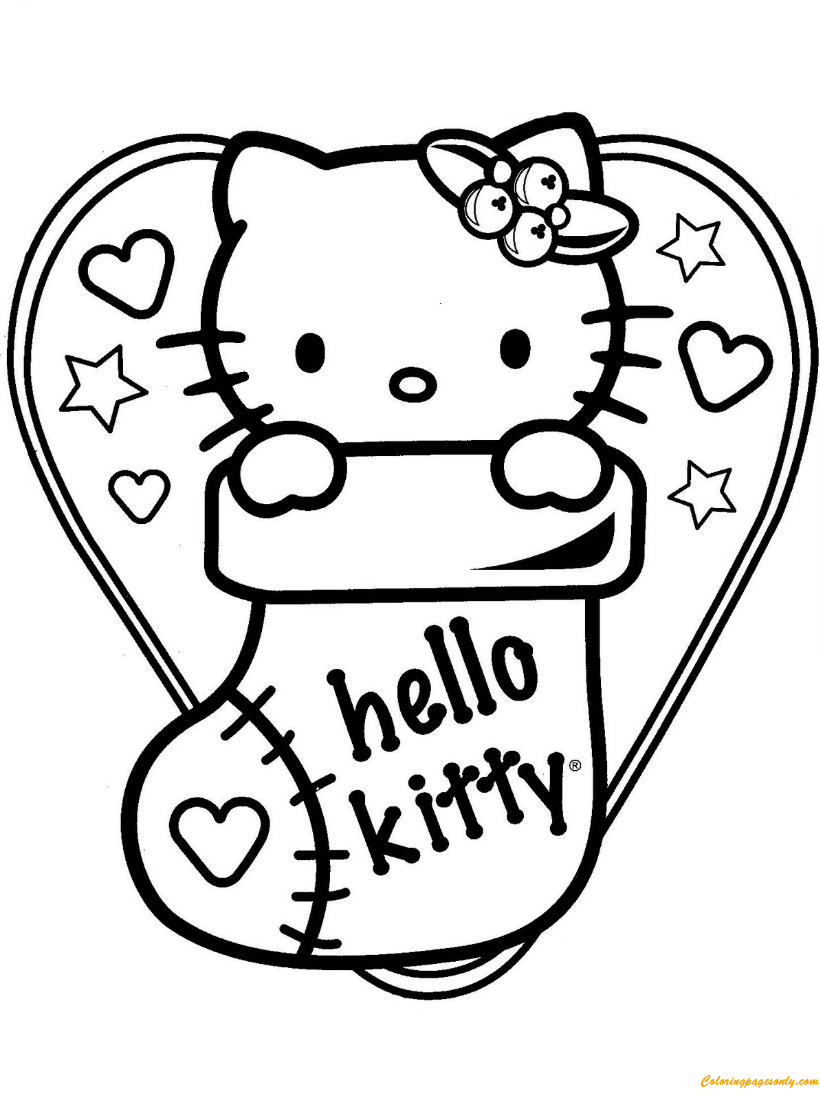
For the kawaii and decorative pages with stars, hearts, flowers, and surrounding decorative elements, the approach is to treat the decorative elements as opportunities to introduce the full Sanrio pastel palette: soft pink, pale yellow, mint green, powder blue, lilac, and peach – the specific soft, slightly desaturated pastels that define the kawaii aesthetic – while keeping Hello Kitty’s figure white at the center of the composition.
5 Activities to Do With Your Hello Kitty Pages
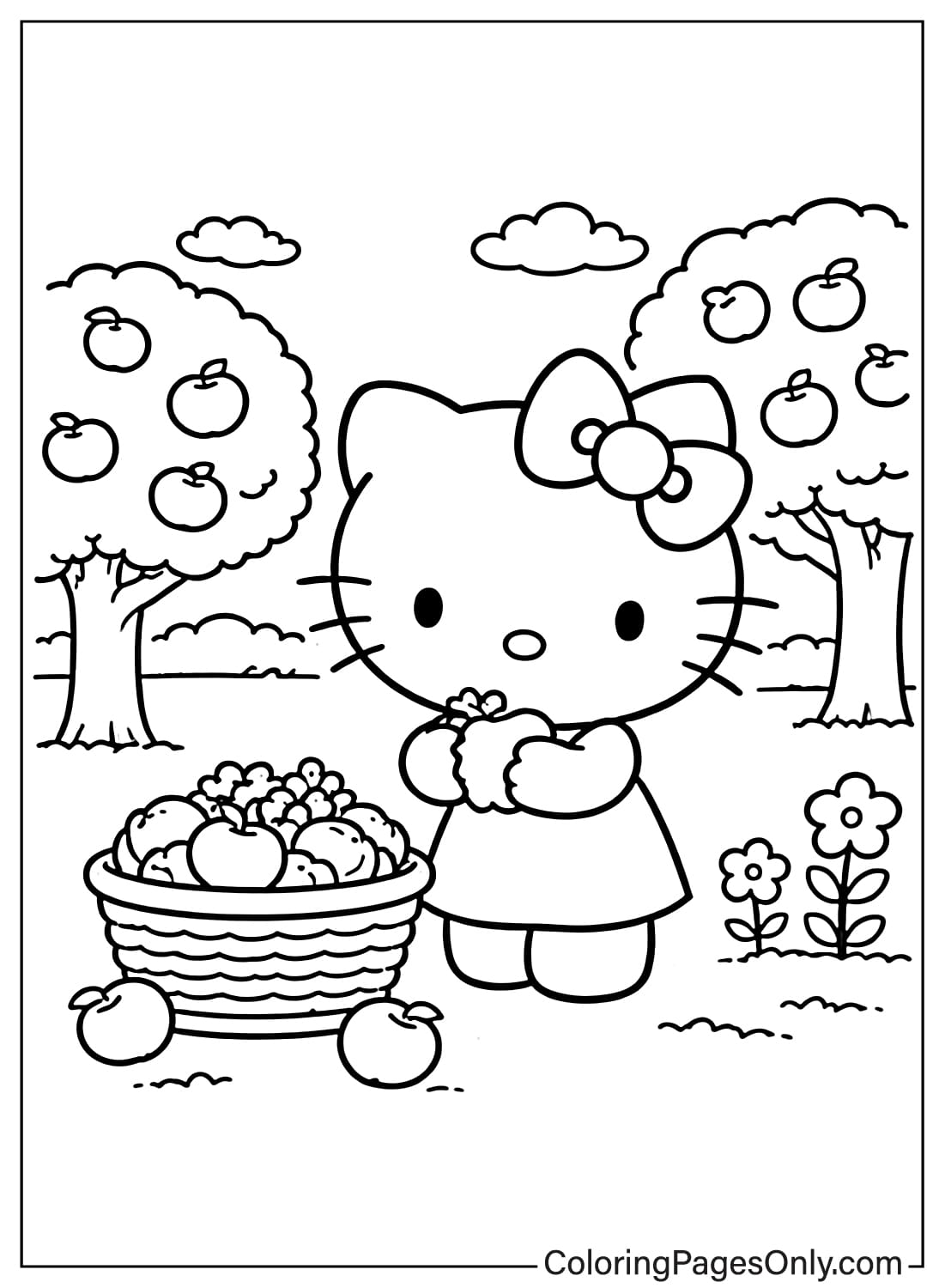
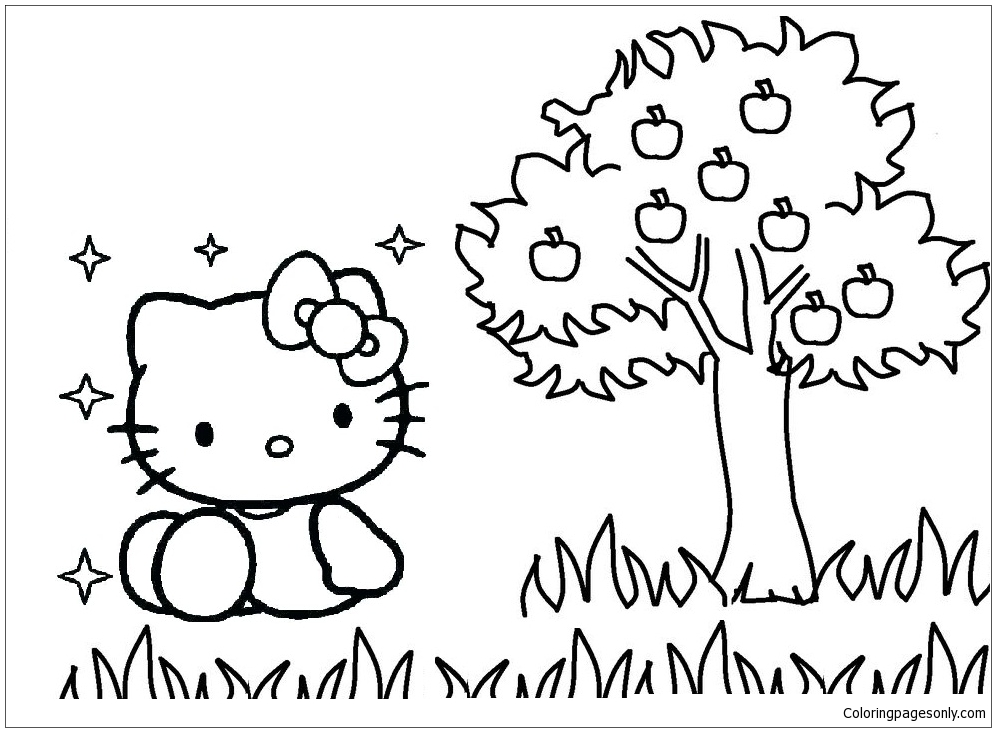
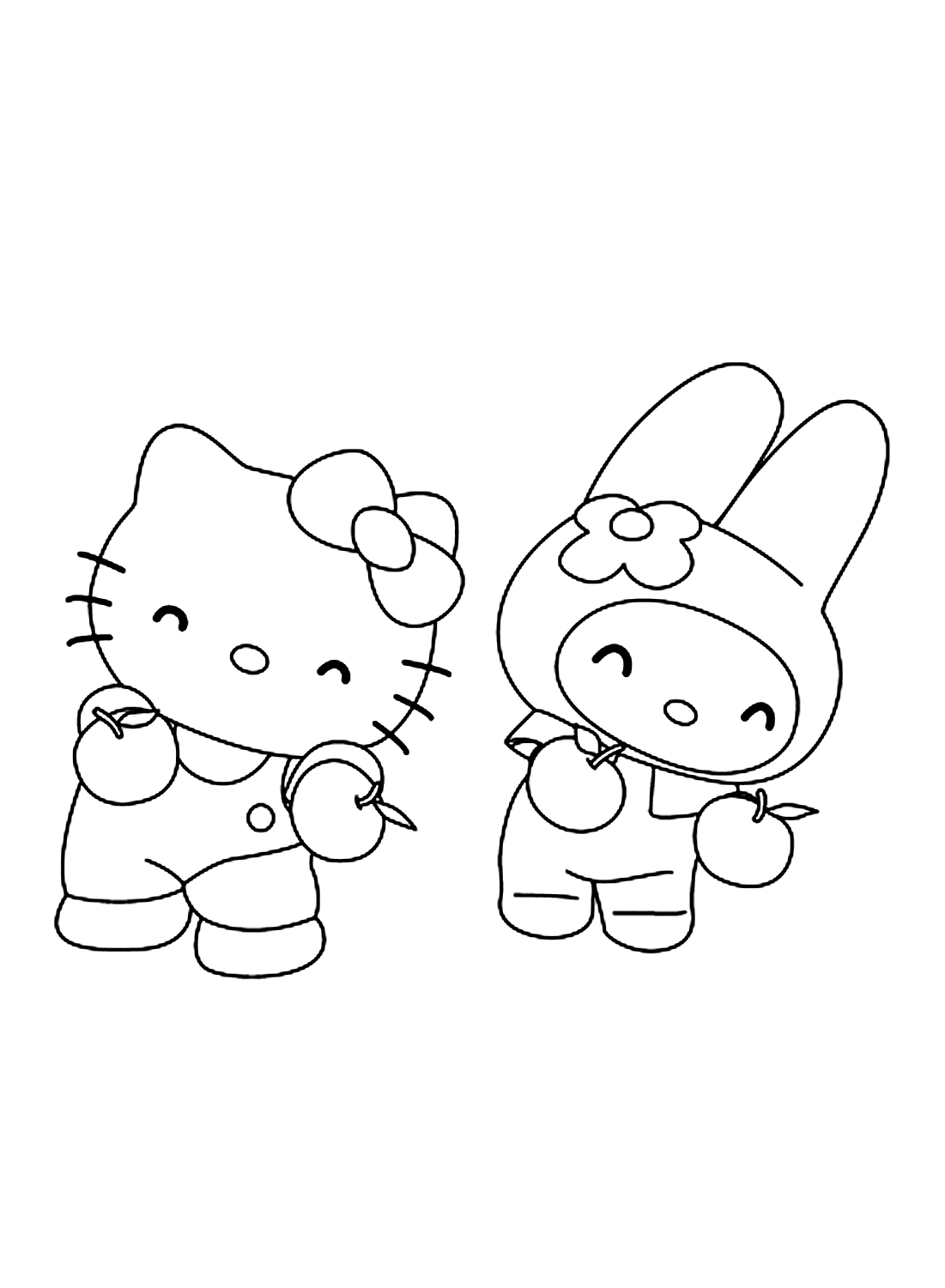
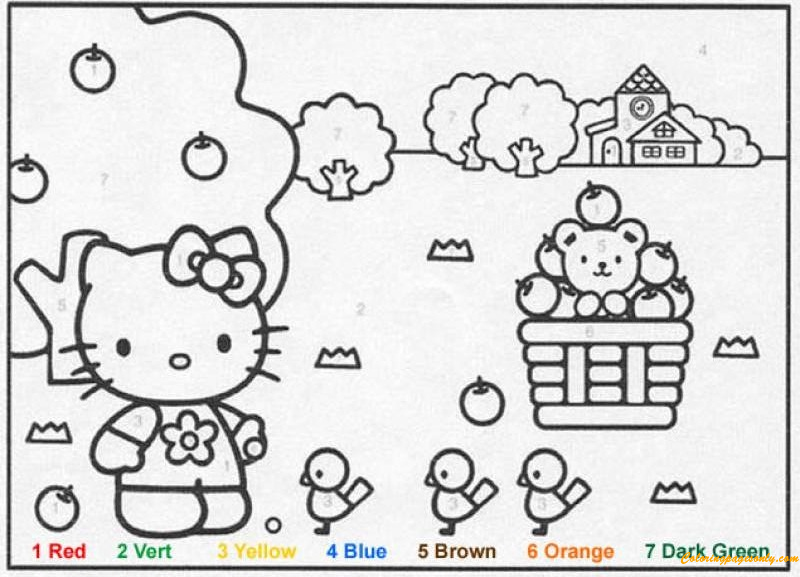
Create a Hello Kitty seasonal calendar display. Print one page from each of the major seasonal clusters in the collection – the St. Patrick’s Day page for spring, the Beach page for summer, the Gardening/Apple Harvest page for autumn, and the Christmas Tree page for winter – and color each one in the seasonal palette appropriate to its time of year. Keep Hello Kitty’s white body and red bow consistent across all four pages – the same character, the same colors – and let the seasonal setting and background palette carry each page’s specific seasonal mood. Mounted in a row or grid, the four pages create a year-in-Hello-Kitty ‘s-life display that demonstrates how one character with one consistent design vocabulary can move through the seasons without changing her essential identity.
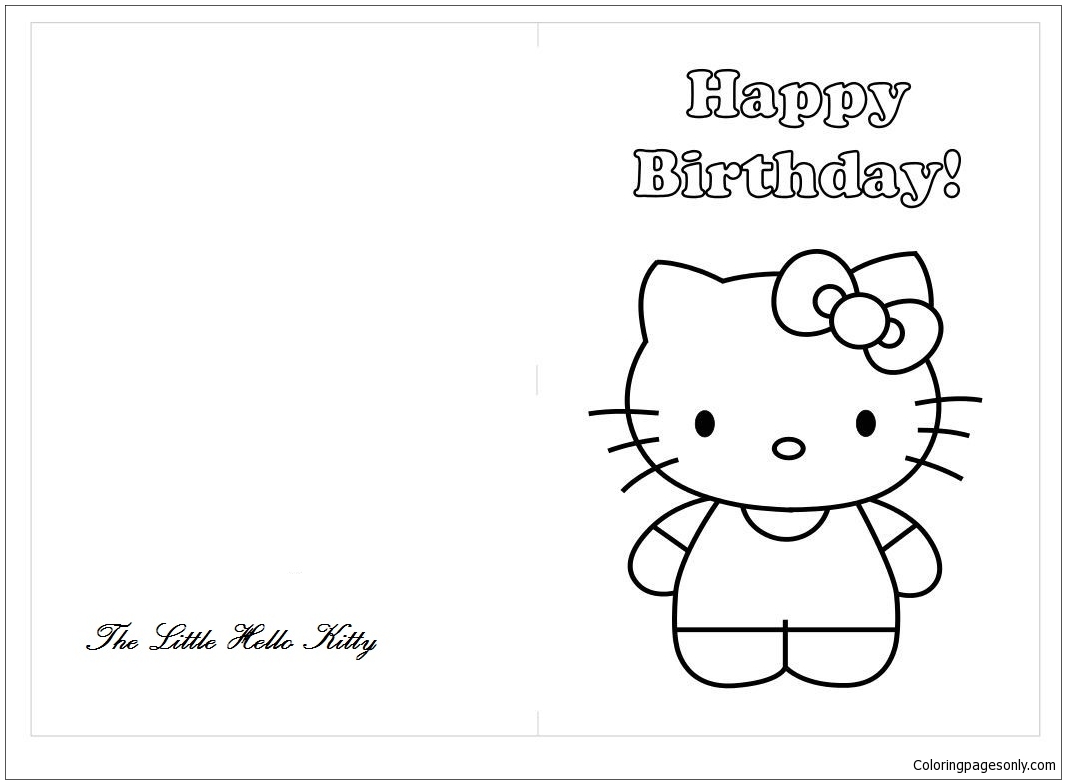
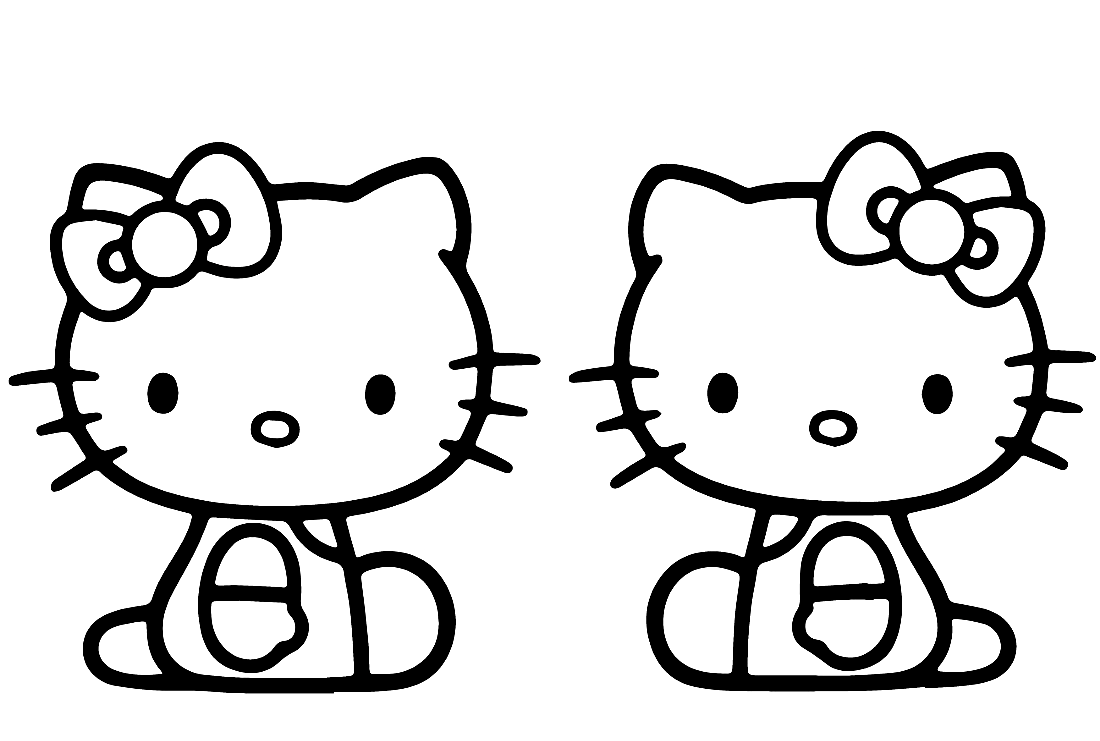
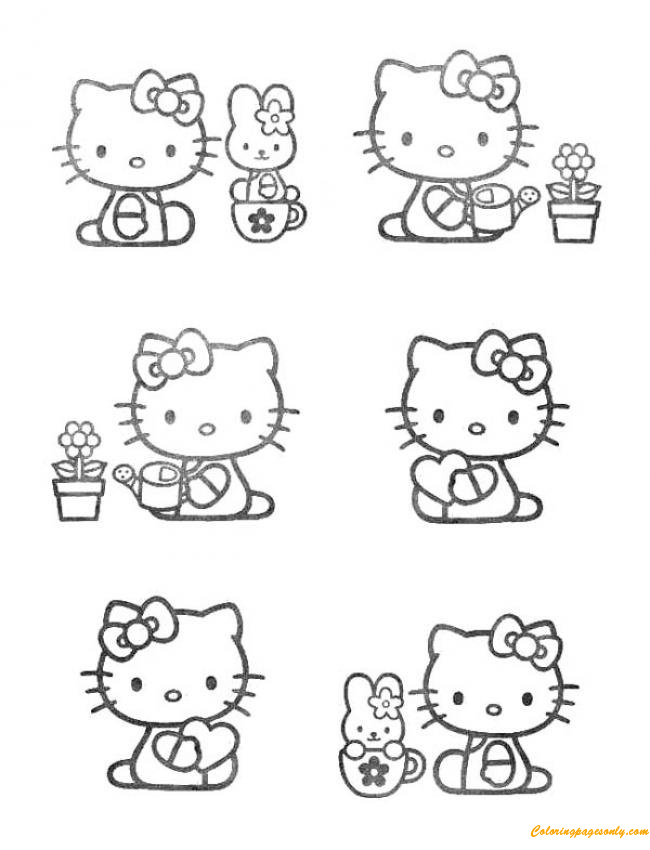
Color all the bow variations. The bow appears on Hello Kitty on every single page in the collection, and its color is one of the most frequently varied elements across different Hello Kitty illustrations. Print six identical Hello Kitty portrait pages (any of the simple standing or seated pages work well for this) and color each one with a different bow color: canonical red, soft pink, bright yellow, mint green, orange, and deep blue. Keep everything else – the white body, the black eyes, the yellow nose – identical across all six pages. Line them up and observe how dramatically a single changed element alters the character’s mood and seasonal feel. This is one of the clearest visual demonstrations available in coloring that color is meaningful – each bow color tells a different story about the same face.
Build a Sanrio friends portrait series. Print the Badtz-Maru, Pompompurin, and Hello Kitty page, the Chococat and Hello Kitty page, the Keroppi Hello Kitty page, and the Badtz-Maru and Hello Kitty My Melody page. Color each page with careful attention to every character’s canonical Sanrio color identity – Badtz-Maru’s black, Pompompurin’s golden yellow, My Melody’s white with pink hood, Chococat’s black, Keroppi’s vivid green – alongside Hello Kitty’s white. Before starting, write down the specific color you will use for each character and commit to using the same color consistently across all four pages. The result is a Sanrio friend portrait series where Hello Kitty appears in a different social context on each page, always white and bow-red, always recognizable, surrounded by friends who bring the color she does not provide herself.
Color the Tea Party page and design the menu. Color the Hello Kitty Tea Party Coloring Page in a carefully chosen palette – warm cream and gold for the tablecloth and ceramic, rose-pink and lavender for the china pattern, Hello Kitty in her canonical white and red bow at the head of the table. Then, on a separate blank piece of paper, design the tea party menu: list the baked goods and drinks visible in the illustration with invented names and descriptions. A small illustrated version of each item (a simple sketch of a teacup, a scone, a small cake) alongside each menu item. Color the menu in the same palette as the coloring page. The result is a matched set – the scene and the menu that belongs with it – that together create a complete Hello Kitty tea party world.
Design a Hello Kitty around-the-world collection. Print the Hello Kitty Statue of Liberty page, the Hello Kitty Travel page (with camera outdoors), and any two or three pages that can serve as settings for different world destinations – the Farm page can become a countryside scene, the Flower Shop page can become a Parisian market, the Tea Party page can become a traditional English setting. Color each page with the specific regional palette most associated with its implied location: the warm red-white-blue of the American flag scene, the pale gold and cream of a Parisian street, the deep green and grey of an English garden. Keep Hello Kitty white and red-bowed in every setting. This creates a Hello Kitty world travel collection that shows the character visiting different cultural contexts while remaining completely and invariably herself.
Download Your Free Hello Kitty Pages Today!
All 570+ Hello Kitty Coloring Pages are completely free – download as PDF to print or color online in your browser with one click. No sign-up, no cost. Whether you are here because a child in your life has just discovered Hello Kitty for the first time, because you have been a fan since the 1990s, or because you want to spend an afternoon with one of the most enduring character designs in the history of popular culture, this collection has something for every version of Hello Kitty enthusiasm.
Share your finished pages with us on Facebook and Pinterest at ColoringPagesOnly.com!