Numberblocks Coloring Pages
 By:
Emily Lewis – Lead Developer & Technical Manager
Updated:
By:
Emily Lewis – Lead Developer & Technical Manager
Updated:
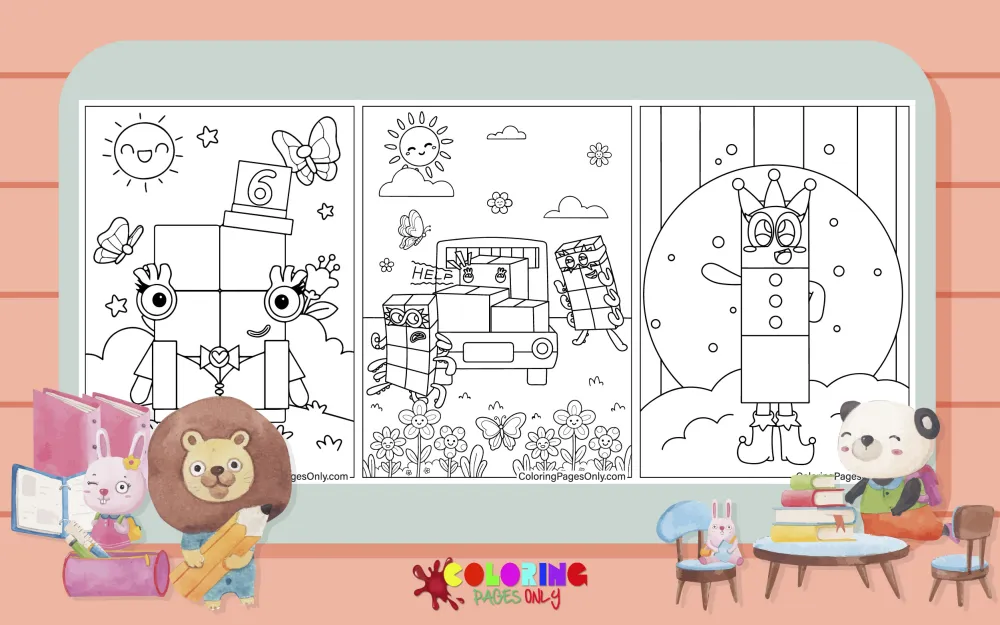
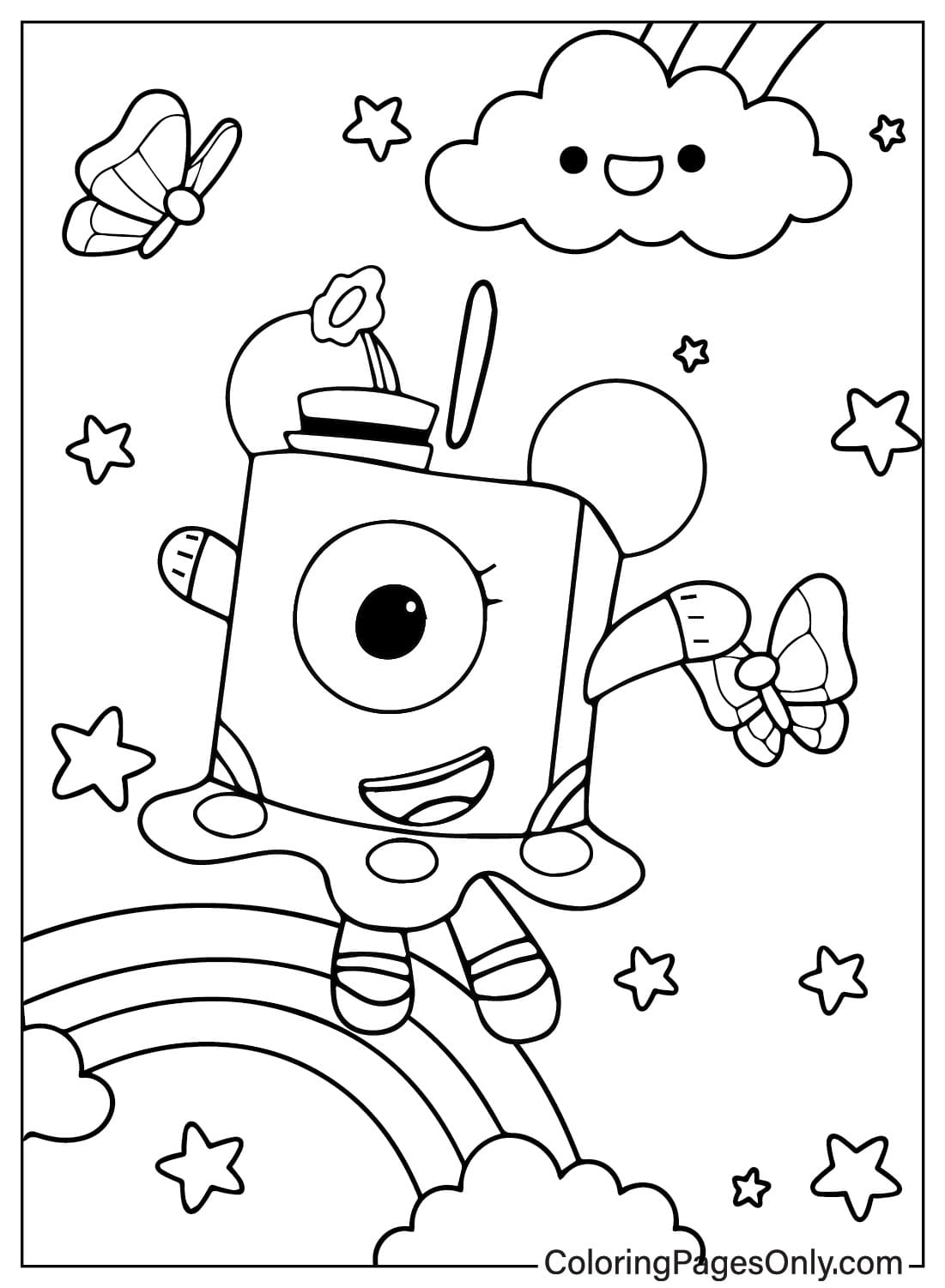
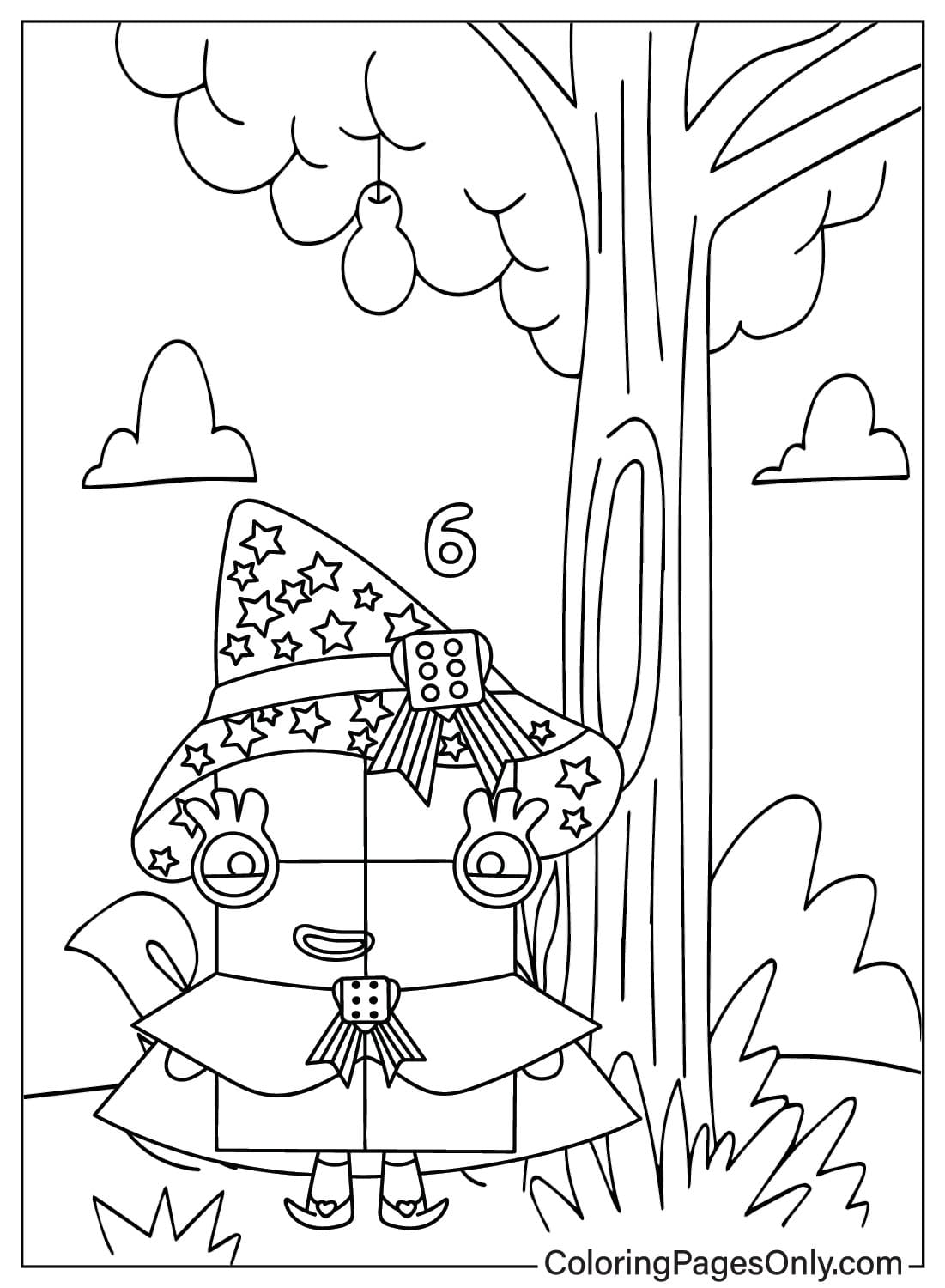
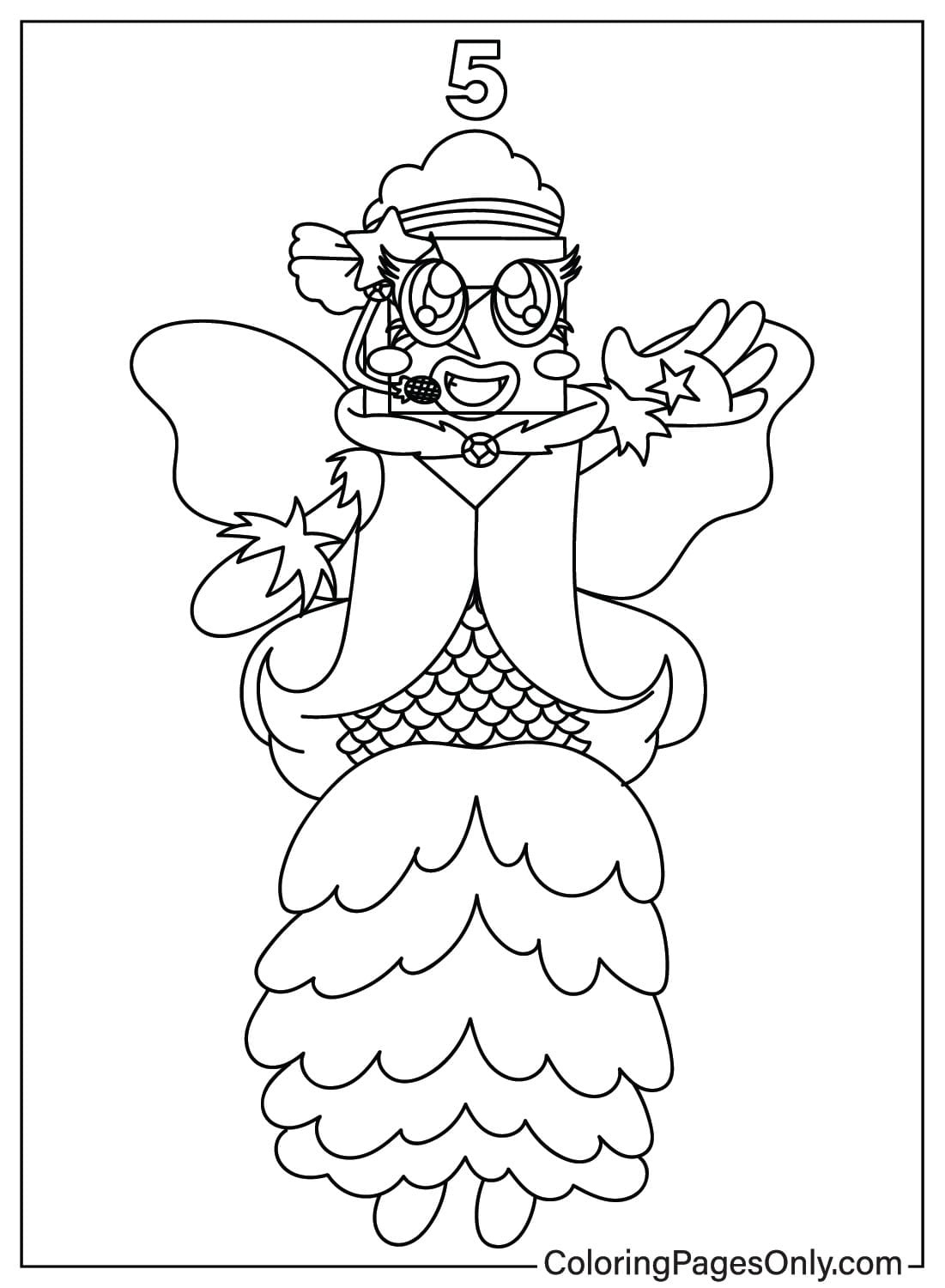
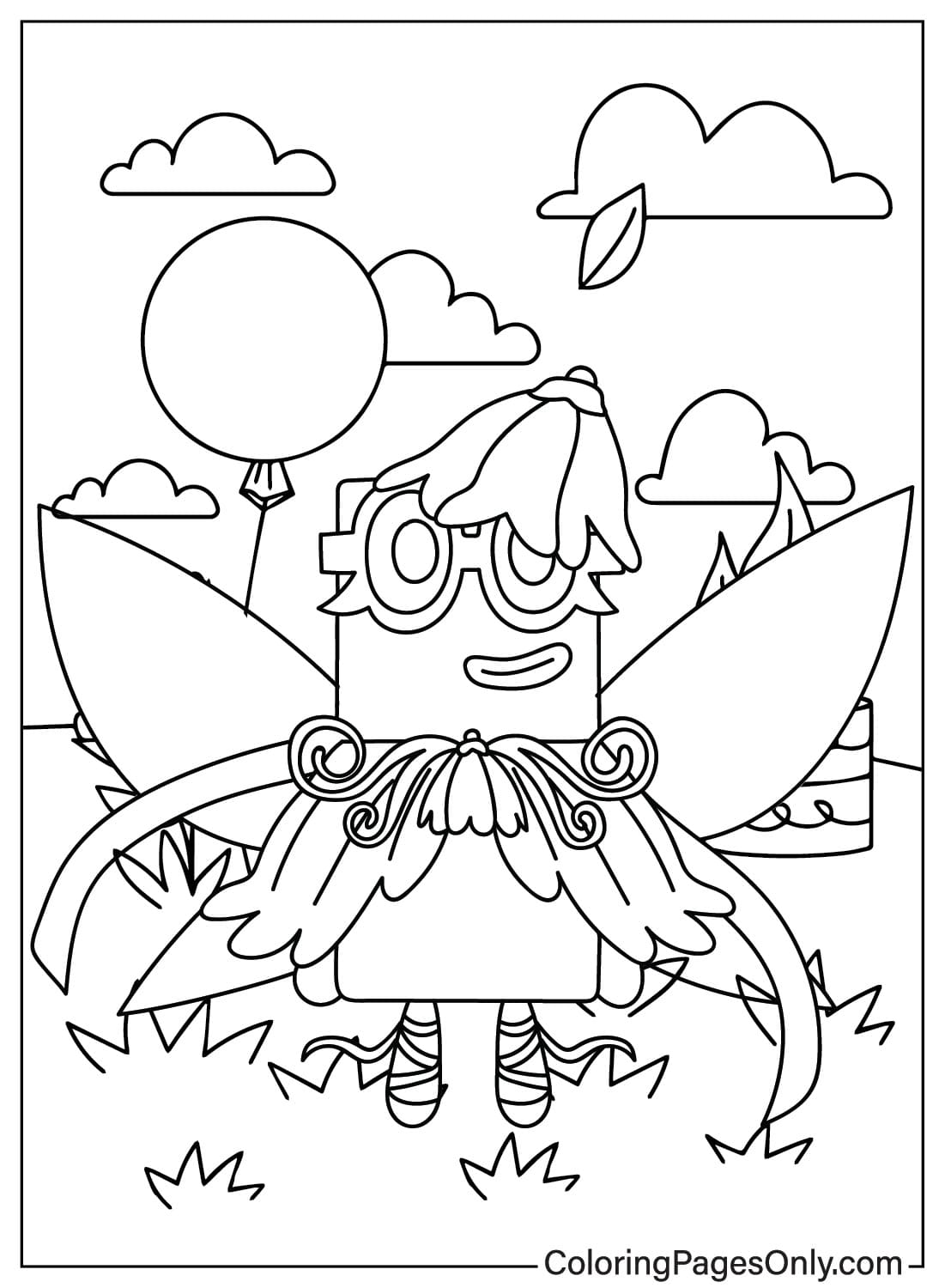
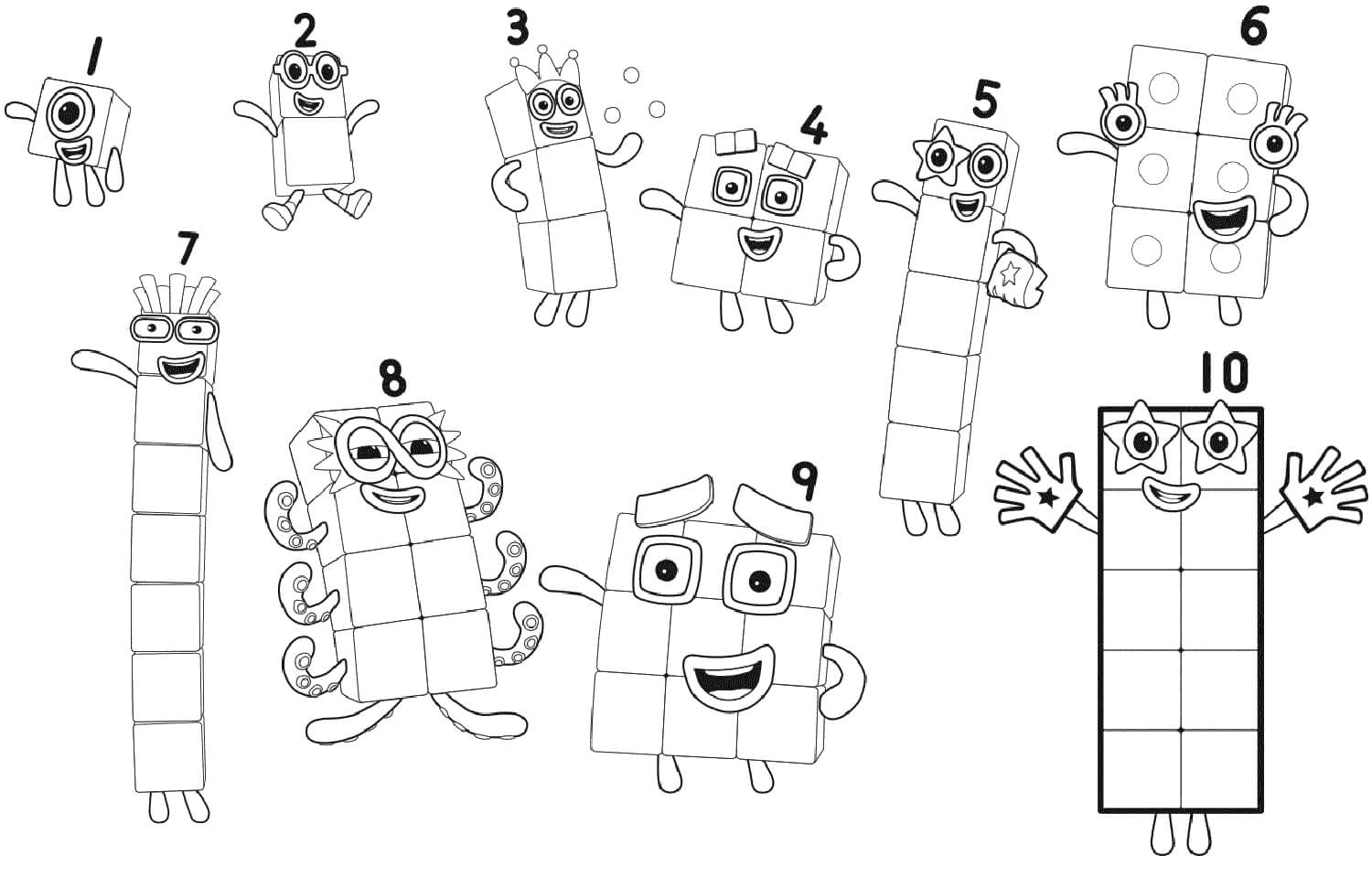
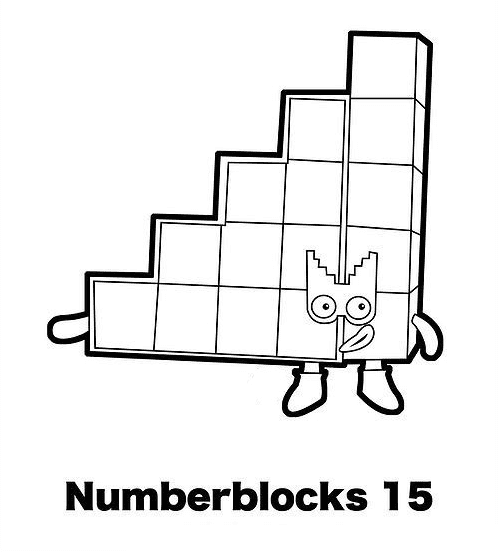
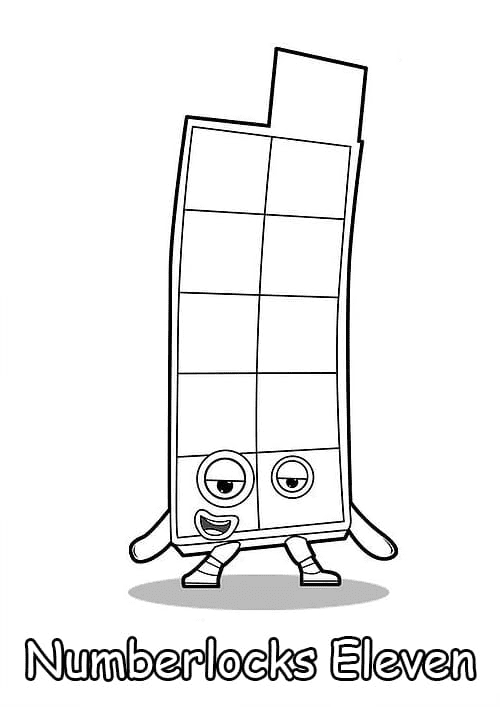
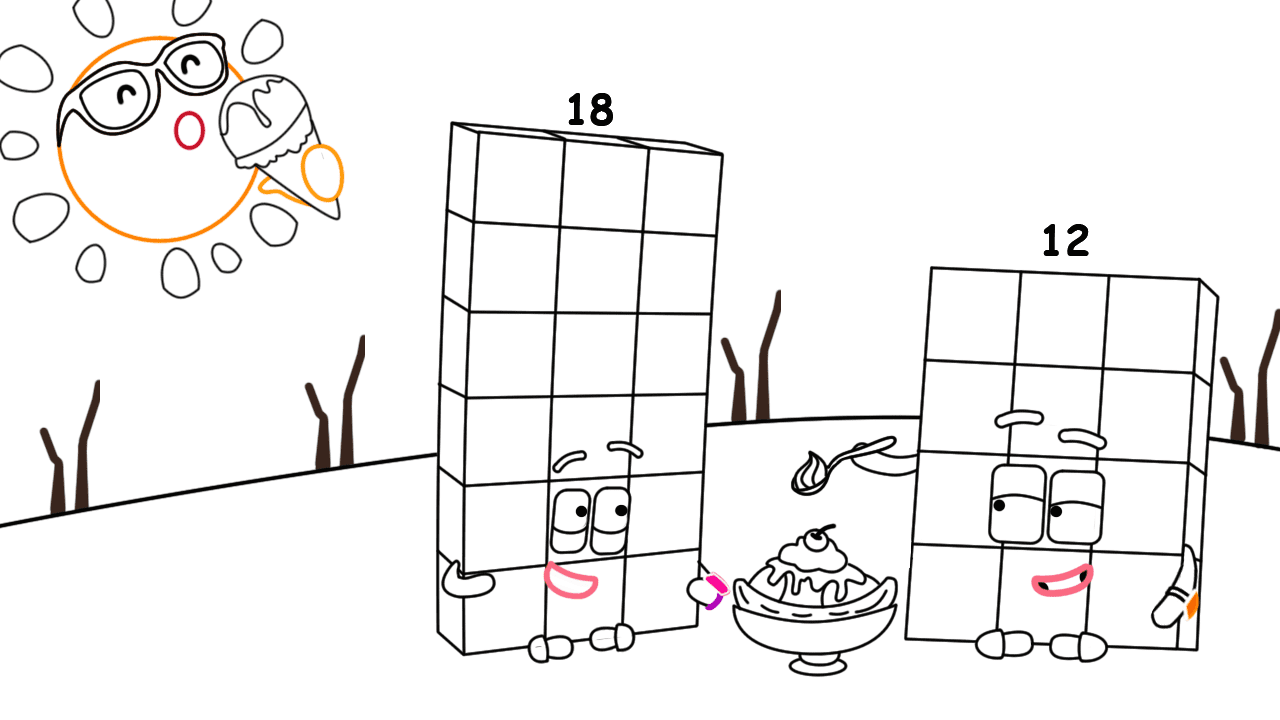
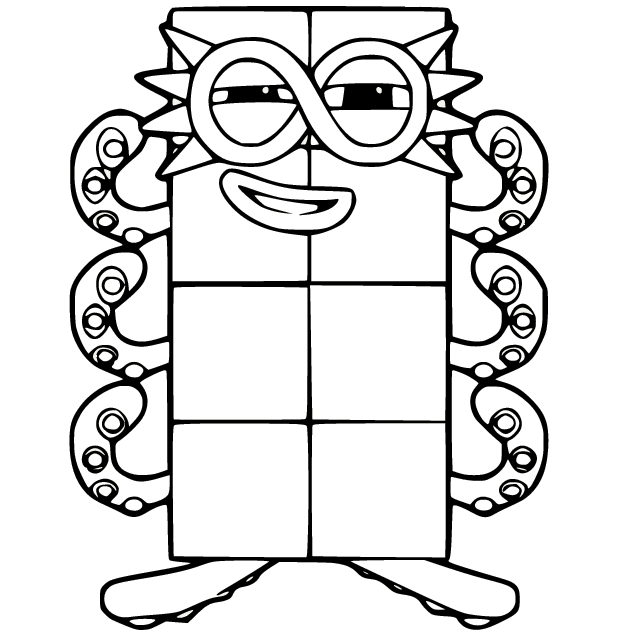
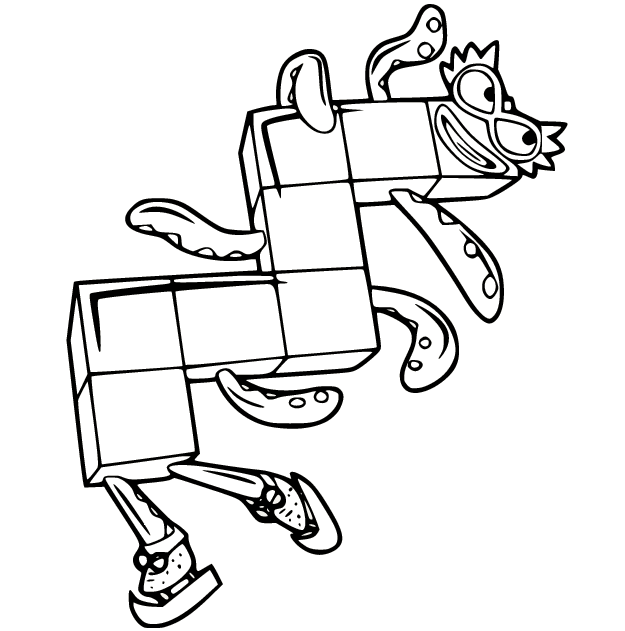
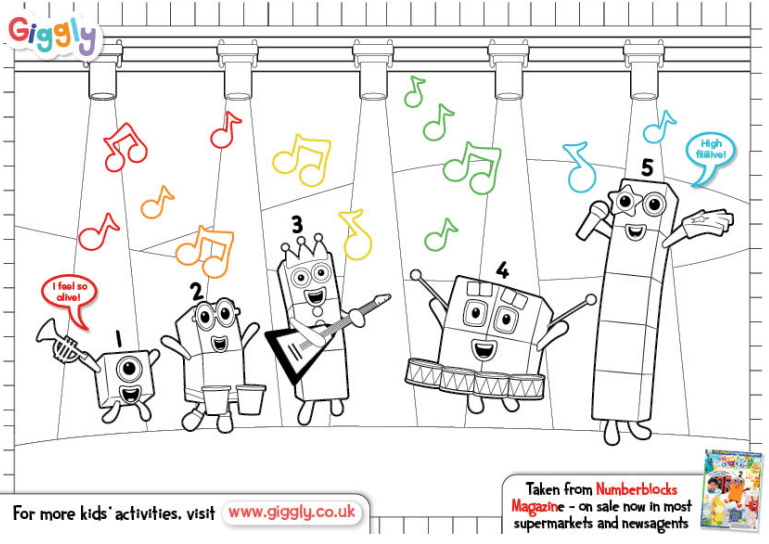
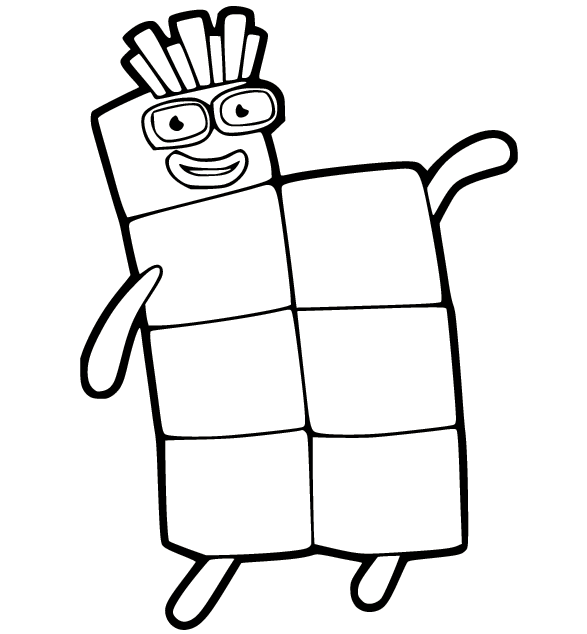
Numberblocks Coloring Pages at ColoringPagesOnly.com brings together 60+ free printable pages featuring the colorful block characters from the beloved BBC CBeebies mathematics series – One, Two, Three, Four, Five, Six, Seven, Eight, Nine, Ten, and beyond, each in their distinctive canonical color, in portrait poses, action scenes, group compositions, and Numberland adventures. Download any page as a free PDF to print, or color online directly in your browser.
For related educational animated series coloring pages, explore TV Shows and Films Coloring Pages. For math-focused learning activities, see Numbers Coloring Pages, Fun Counting Coloring Pages, and Color by Number Coloring Pages.
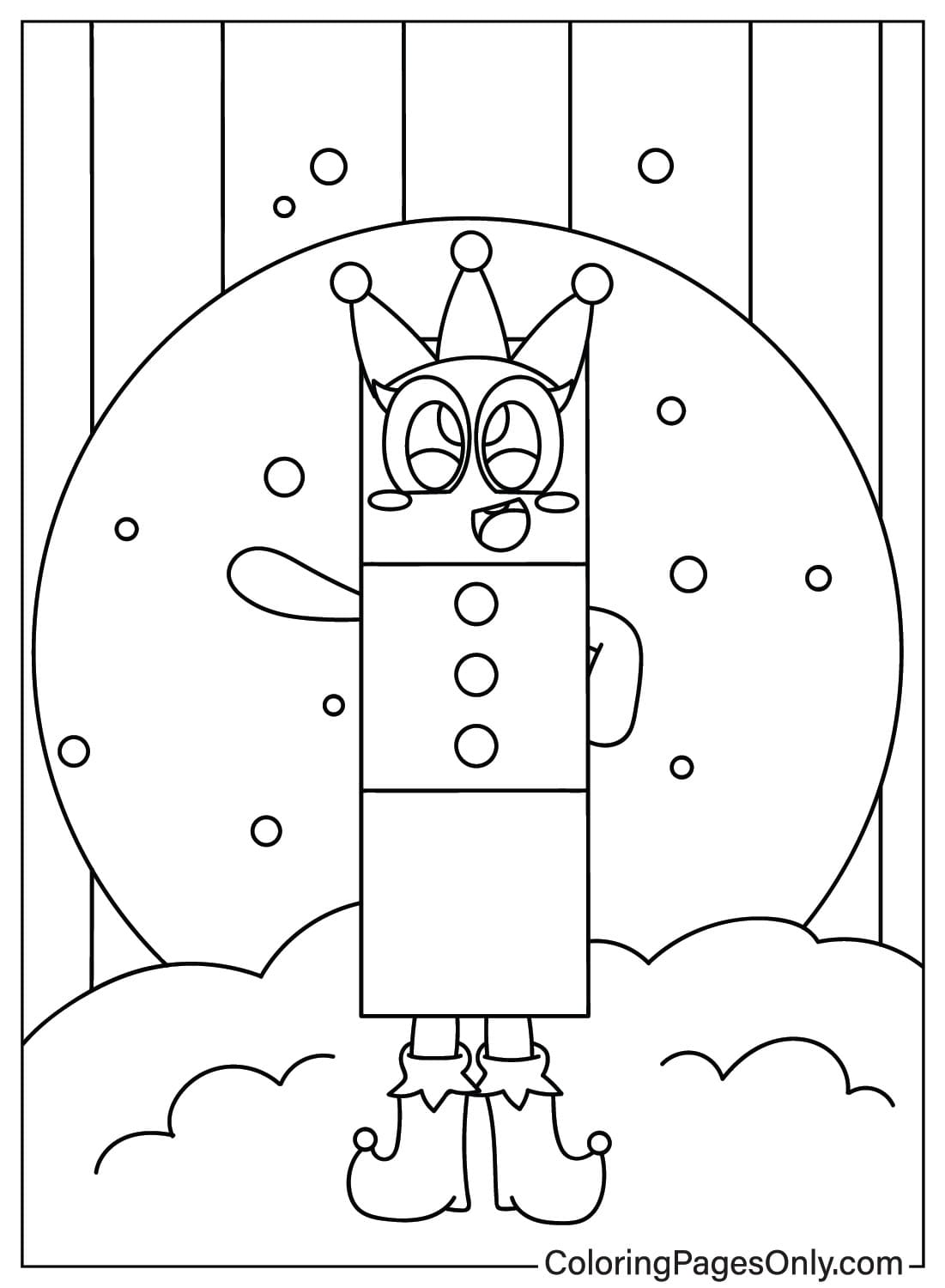
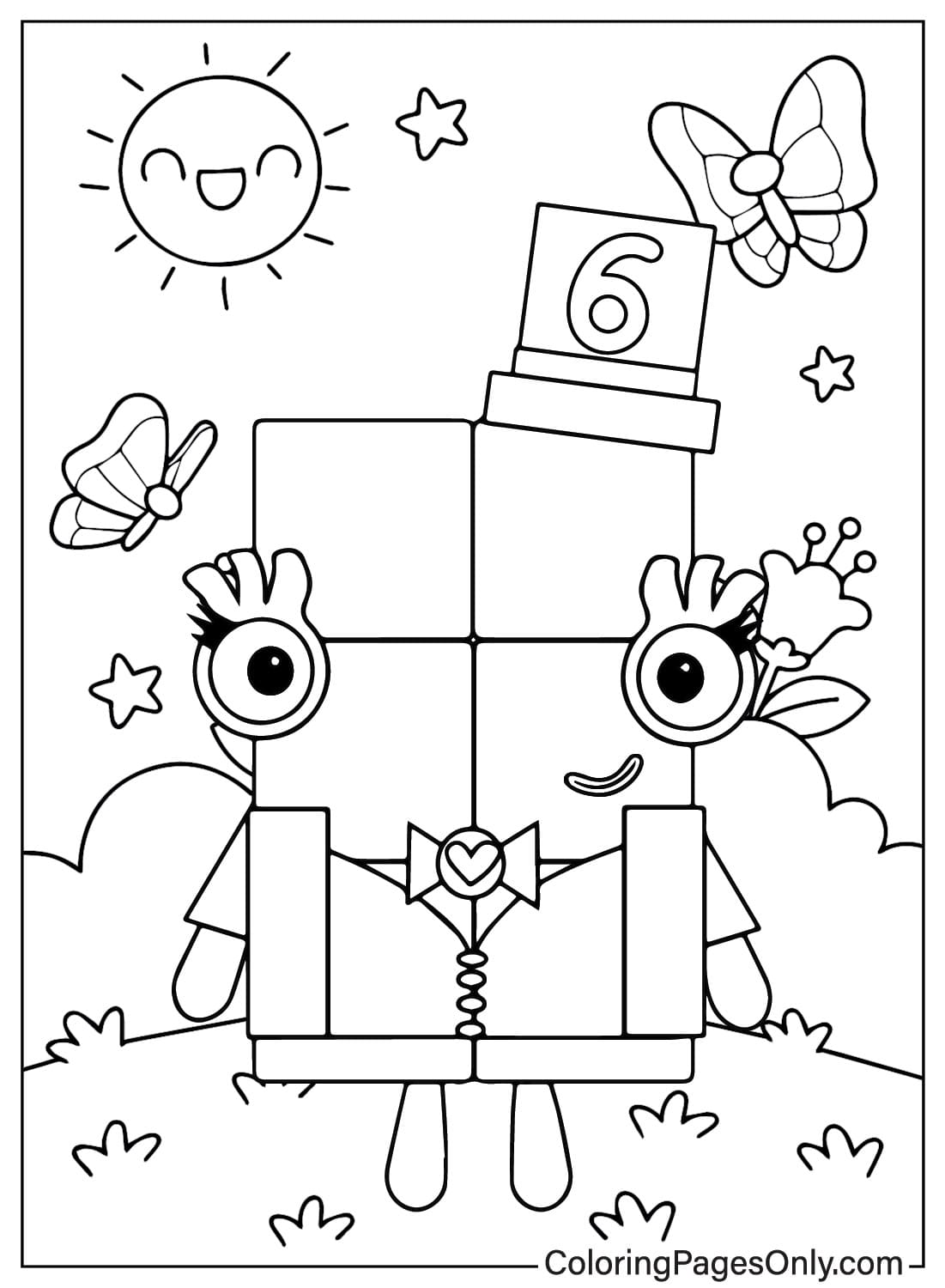
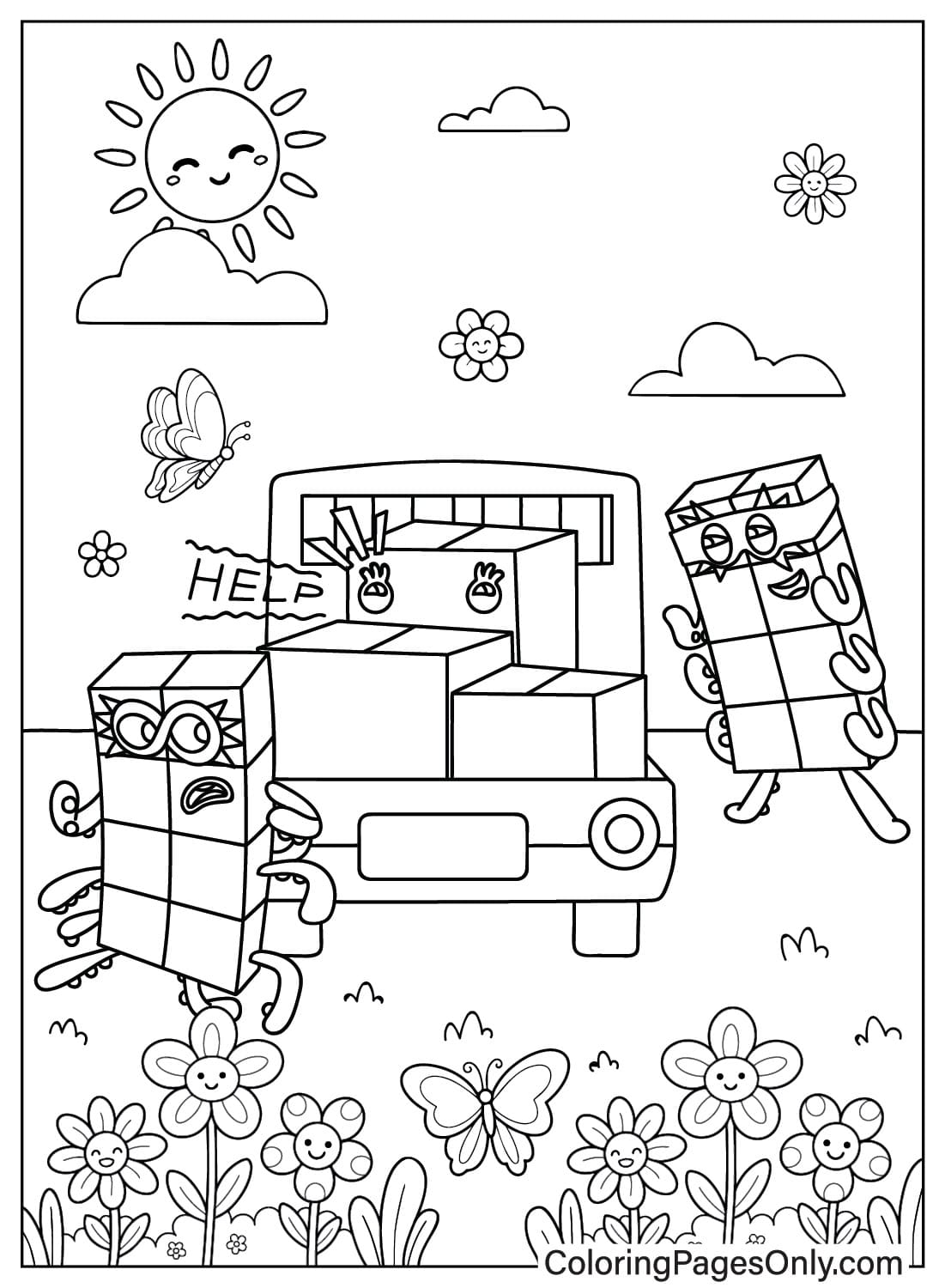
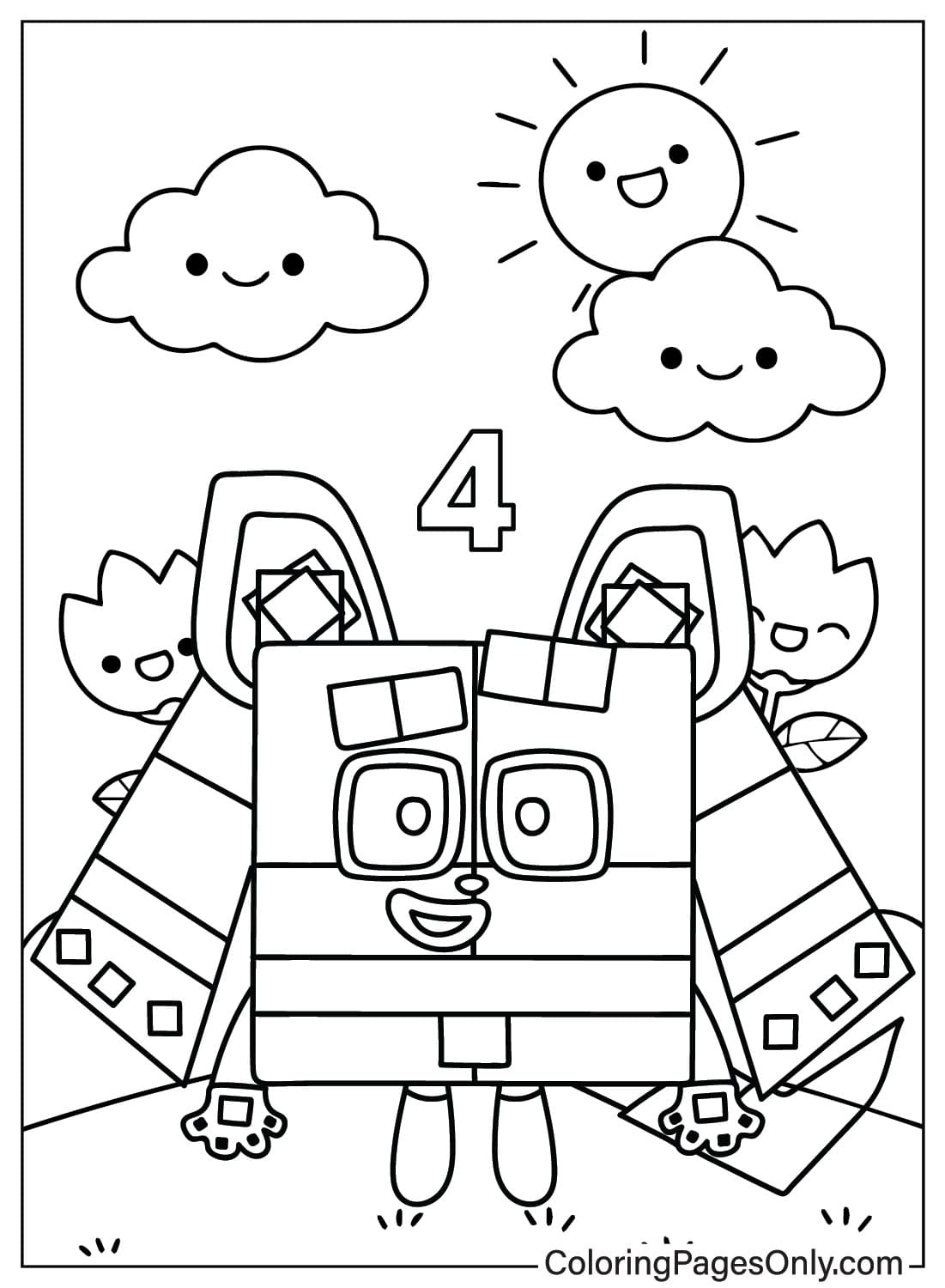
What Is Numberblocks? – Show Overview
Numberblocks is a British animated television series for preschoolers that premiered on CBeebies on January 23, 2017. The series was created by Joe Elliot, a former mathematics teacher, and is produced by Alphablocks Ltd with animation by Blue Zoo Animation Studio. It was commissioned by the BBC, making it part of the same public broadcasting ecosystem as the BBC Bitesize Daily learning resources and the wider CBeebies educational programming slate.
The show was the direct successor to Alphablocks (premiered 2010), Elliot’s earlier CBeebies series that taught phonics using animated letter characters. Where Alphablocks taught reading, Numberblocks teaches mathematics – and the structural approach is the same: sentient characters represent the core units of their subject (letters or numbers), and their interactions with each other demonstrate how those units combine, separate, and relate.
Elliot conceived the idea for Numberblocks after observing that many children struggled with mathematics as an abstract discipline while simultaneously engaging enthusiastically with physical blocks and stacking games. His insight was that if numbers could be made visible – if children could see that Five is literally five blocks tall, that Two plus Three makes a character of five blocks – the abstract could become concrete, and the conceptual barriers to early mathematics could dissolve.
The show was developed in partnership with the National Center for Excellence in the Teaching of Mathematics (NCETM), the UK’s government-backed mathematics education authority. Every episode was crafted with NCETM input to ensure the mathematical content aligns with the Early Years Foundation Stage (EYFS) framework and the Key Stage 1 (KS1) curriculum, making Numberblocks one of the few children’s television programs whose educational content has been formally validated by a national mathematics body.
Numberblocks was nominated for a BAFTA in the “Learning” category in 2017 and won a BAFTA for Children’s Preschool Animation in 2019. It has also been nominated for the Prix Jeunesse and the Japan Prize Audiovisual Pre-School awards. By 2025, the show had produced eight series and more than 180 regular episodes – each five minutes long, totaling approximately 15 hours of continuous viewing – and is available on BBC iPlayer, the Numberblocks YouTube channel, and the Numberblocks World app.
Series 8, commissioned by BBC Children’s and announced in August 2025, introduces more complex curriculum-led topics including perimeter, area, capacity, and data handling, alongside key skills such as “bridging the ten” and understanding parts of 50 and 100 – reflecting the show’s ongoing expansion from its preschool foundations into more sophisticated primary school mathematics.
Why the Format Works – The Educational Genius of Block Representation
The central premise of Numberblocks – that each character is literally made of the number of blocks their value represents – is not merely a visual conceit. It is a carefully designed pedagogical system that encodes mathematical concepts directly into the characters’ physical appearances.
Quantity becomes visible. When a child looks at Numberblock Five, they see five blocks. They do not have to interpret an abstract numeral or memorize an arbitrary symbol. The quantity is the character. This direct visual encoding is what early childhood mathematics education calls a concrete representation – and research consistently shows that children who develop number sense through concrete representations (blocks, objects, visual models) before abstract numerals build stronger and more flexible mathematical understanding.
Addition and subtraction become physical. When Two and Three join together in an episode, they literally combine into Five – a character of five blocks. When Five loses two of its blocks, it becomes Three. The show uses the characters’ physical combination and separation to demonstrate addition and subtraction not as abstract operations but as visible, reversible changes in a block arrangement. Parents who watch the show with children often report that their children begin to “see” these operations in physical objects in the real world – they spontaneously count blocks on a train or cookies on a plate in ways that reveal an emerging number sense that pre-Numberblocks children typically do not show.
Number properties become personality traits. Numberblock Four is a blue square – because four blocks can form a 2×2 square. This shape is literally part of Four’s character design, and episodes explore the concept of square numbers through Four’s identity and adventures. Nine is dark blue and deeply proud because nine blocks make a perfect 3×3 square – the only perfect square that also has a square number of rows and columns. The odd numbers (One, Three, Five, Seven) have an “odd block” that sticks out at the top of their arrangement, making oddness visible: something that doesn’t pair up evenly. Even numbers (Two, Four, Six, Eight, Ten) are symmetrically arranged, making evenness visible: everything pairs.
This embedding of mathematical properties into visual character design means that watching and coloring Numberblocks characters teaches mathematical concepts through passive visual exposure – children internalize what a square number looks like, or what odd versus even arrangement looks like, before they ever encounter the formal vocabulary.
The Numberling anchors the abstract numeral. Above each Numberblock’s head floats a black numeral – called a Numberling – showing the character’s value in standard written form. This connects the visual block representation to the written symbol children will encounter in formal education. Children who engage with Numberblocks see this connection – block arrangement and abstract numeral – repeated hundreds of times across episodes, creating exactly the durable numeral-quantity association that early mathematics instruction works to establish.
The Characters – Canonical Colors and Personalities
The Numberblocks each have a fixed, specific color that is consistent across all episodes, merchandise, and illustrations. Coloring any Numberblock page using the correct canonical color is the most important single step in creating an accurate and recognizable Numberblocks coloring.
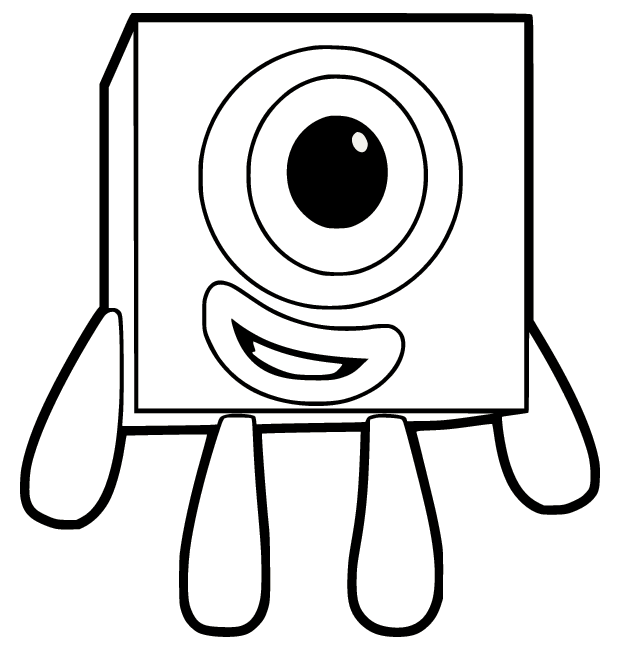
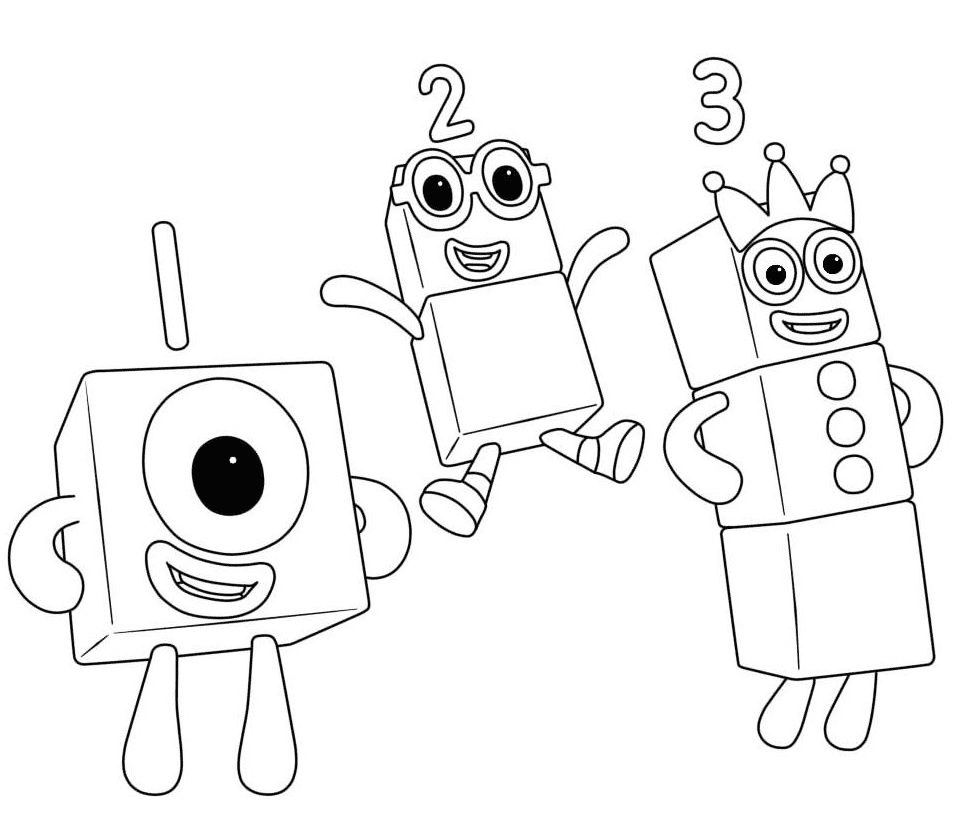
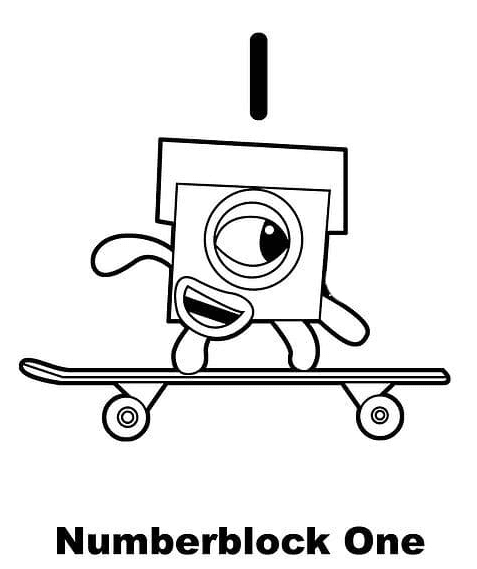
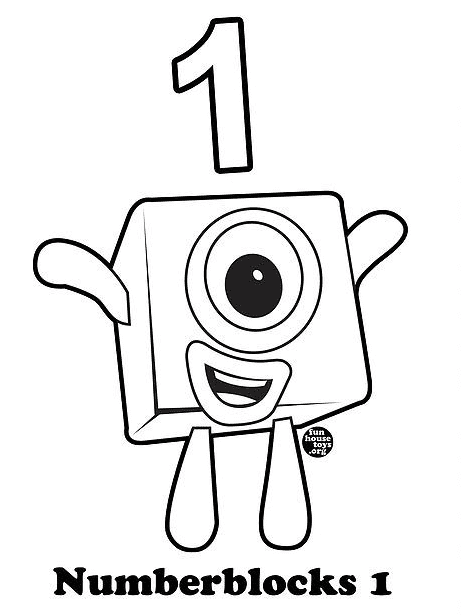
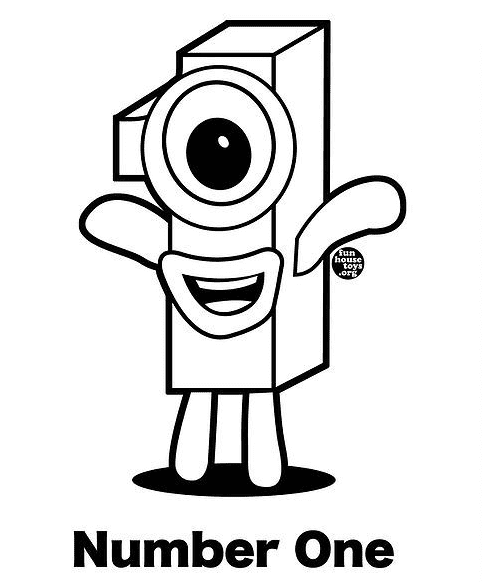
One is red. One is a single red cube – the simplest possible Numberblock – with a cheerful, curious personality. She is the first character children meet and the character who “discovers” numbers by finding new blocks. One’s single-cube simplicity makes her the easiest page in the collection to color accurately: one consistent red across the entire block.
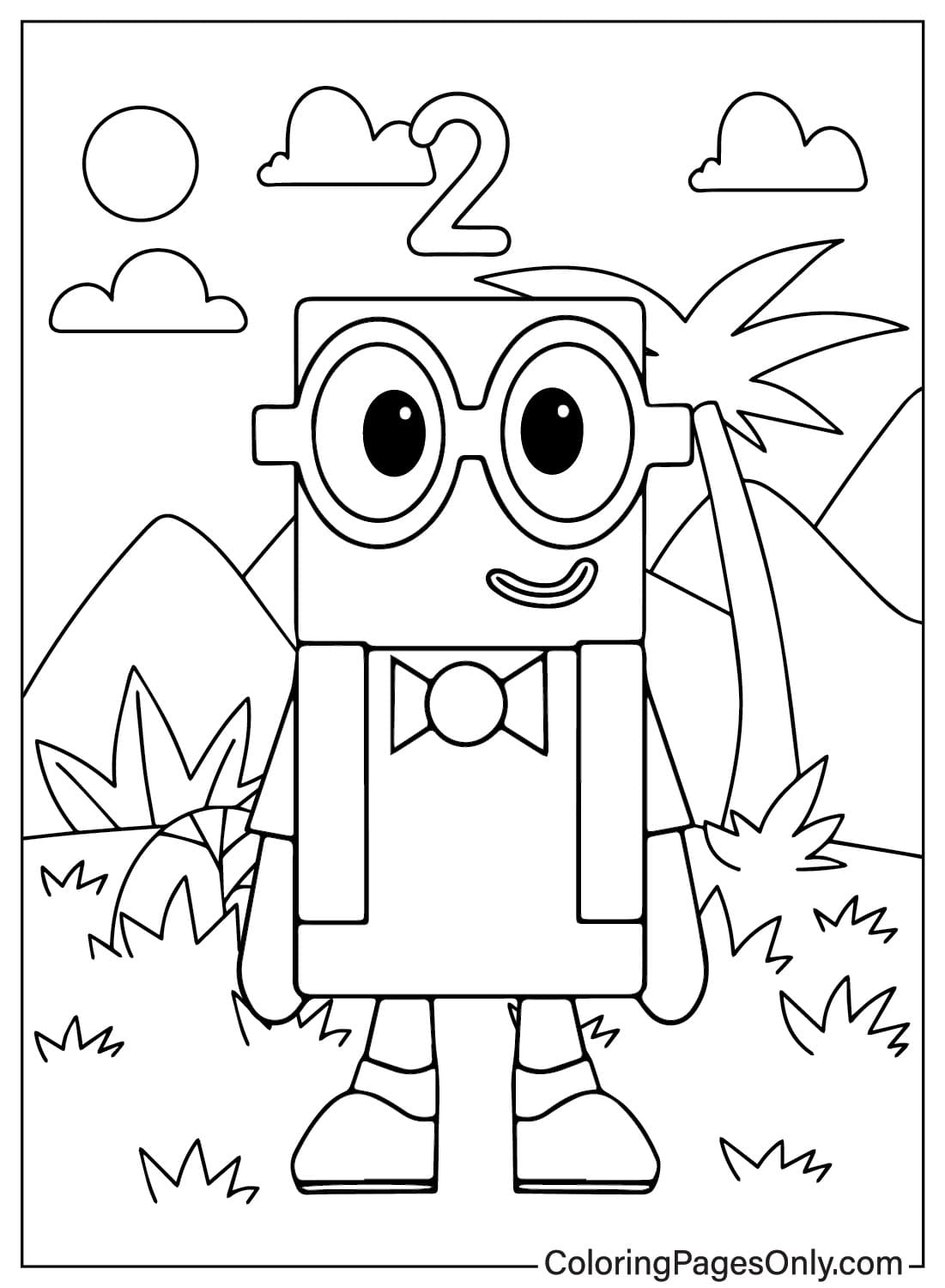
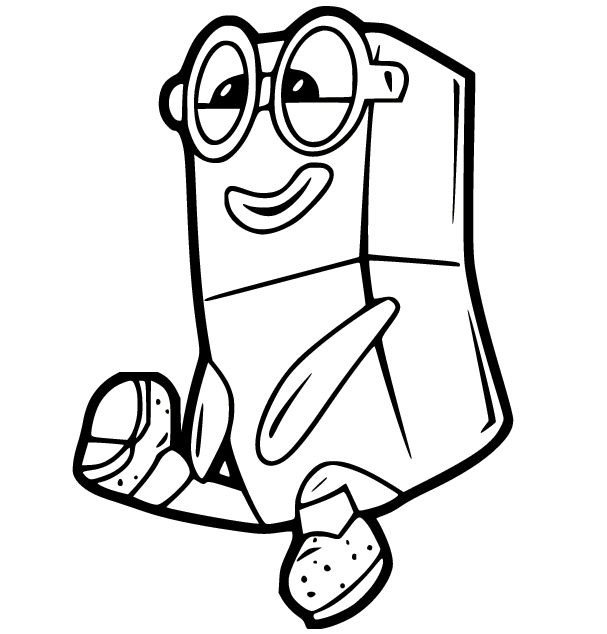
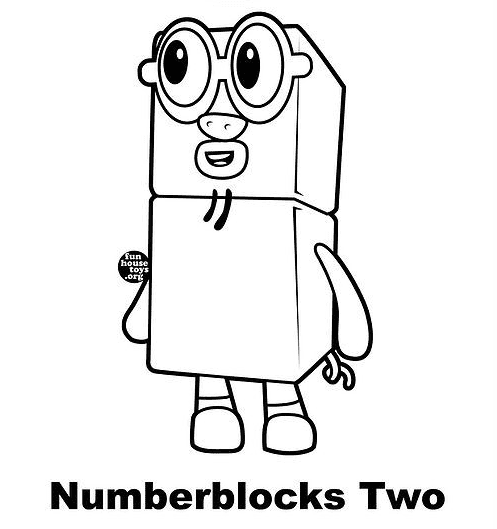
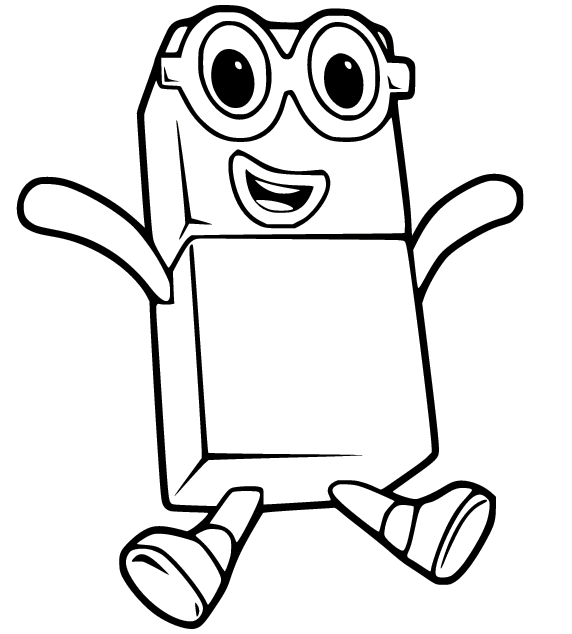
Two is orange (a warm, vivid orange) with dancing shoes. Two has the playful energy associated with pairs and partnerships – two blocks, two feet, natural symmetry. Two’s personality in the show reflects the duet quality of the number: every part of Two has a partner. Two pages appear multiple times in this collection, including scene-specific poses (sitting down, waving), which are the highest-quality tile names in the collection.
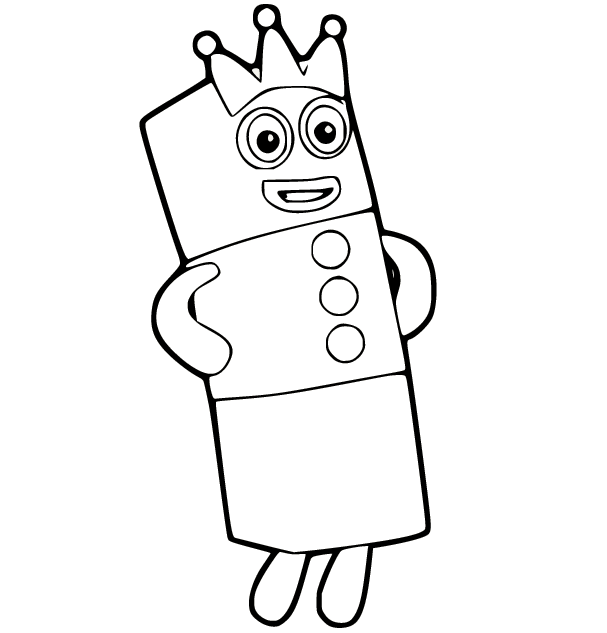
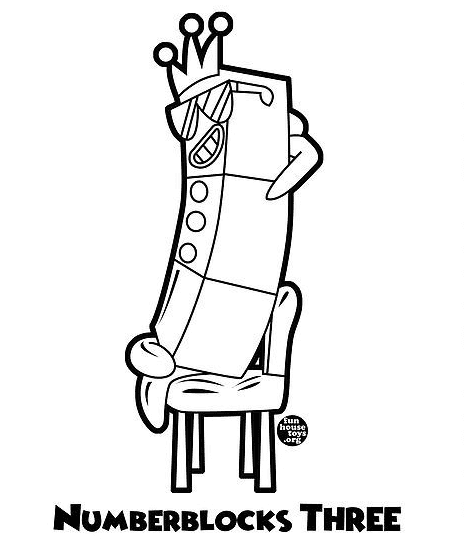
Three is yellow. Three has a cheerful but occasionally independent personality – a single odd block at the top of her arrangement gives her a slightly asymmetric silhouette. Three loves juggling balls, which often appear in her episode scenes (three balls for three, naturally). Yellow should be vivid and warm rather than pale – the show’s design palette uses fully saturated primaries.
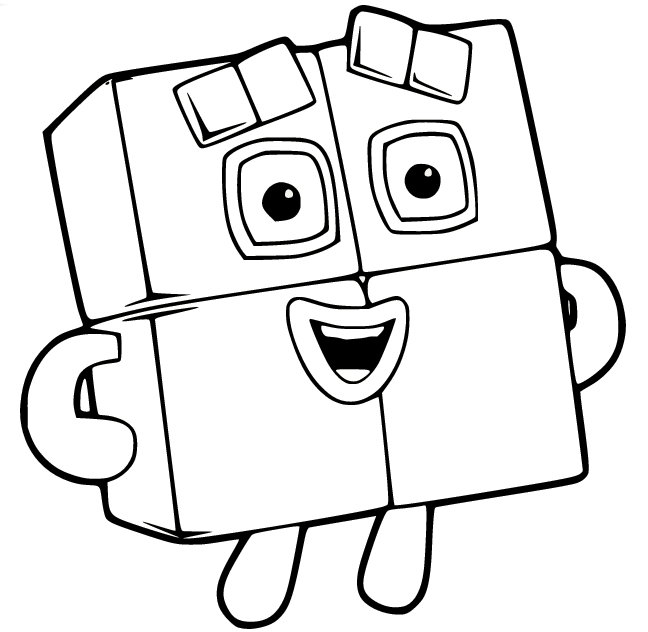
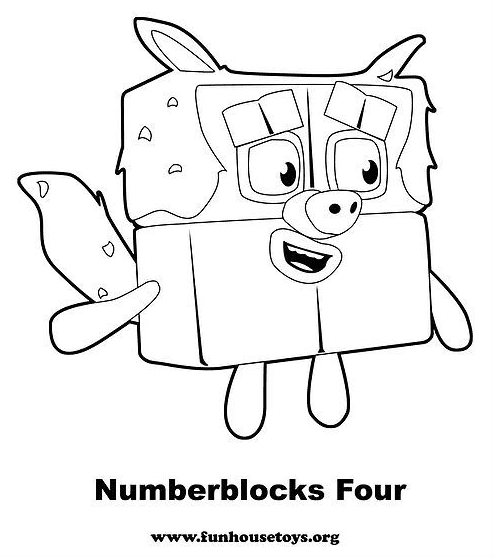
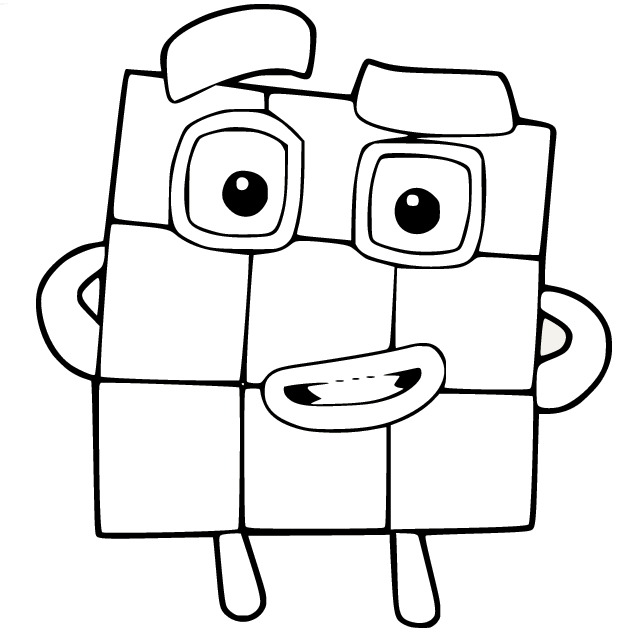
Four is blue (a medium, bright blue). Four is a neat 2×2 square – the first Numberblock that can form a perfect square – and this square shape is part of Four’s fundamental design identity. Four’s rectangular or square block arrangement is one of the most geometrically satisfying in the series. The blue should be a clear, medium blue – not navy and not sky blue, but a fully saturated pure blue.
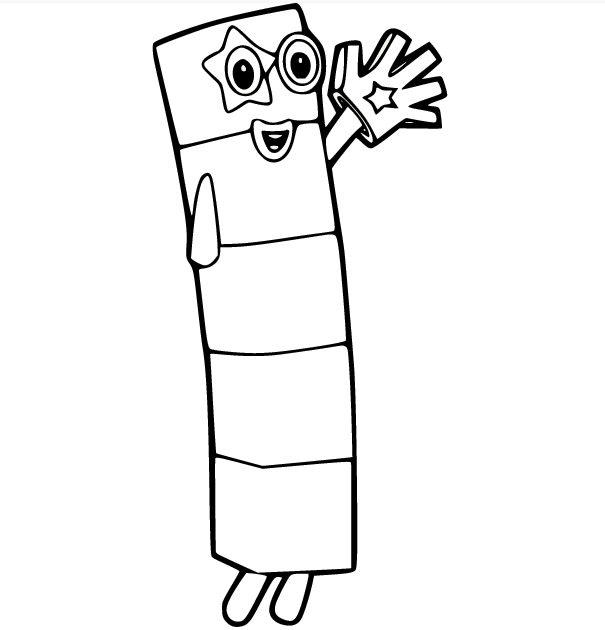
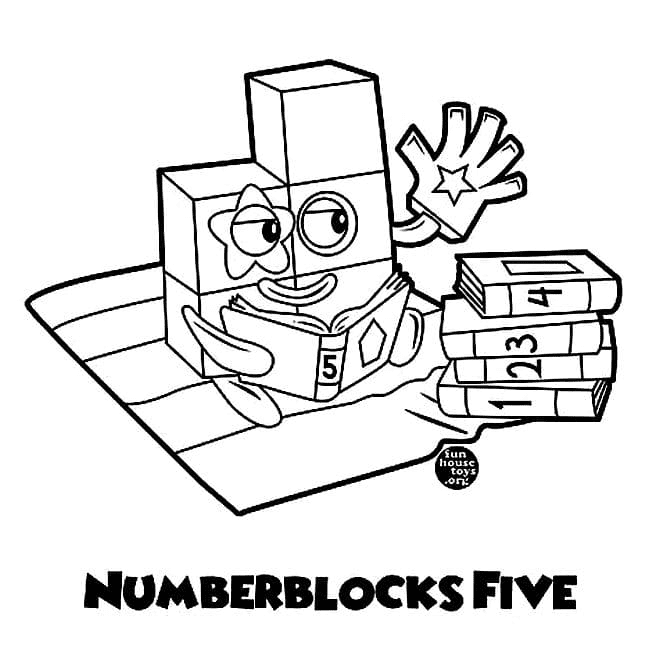
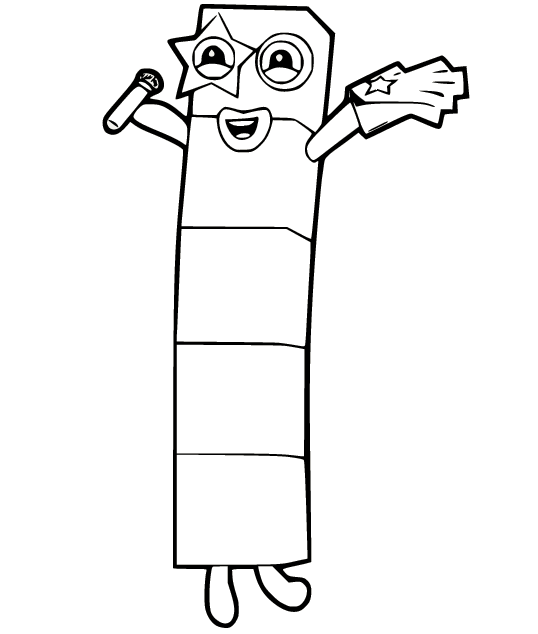
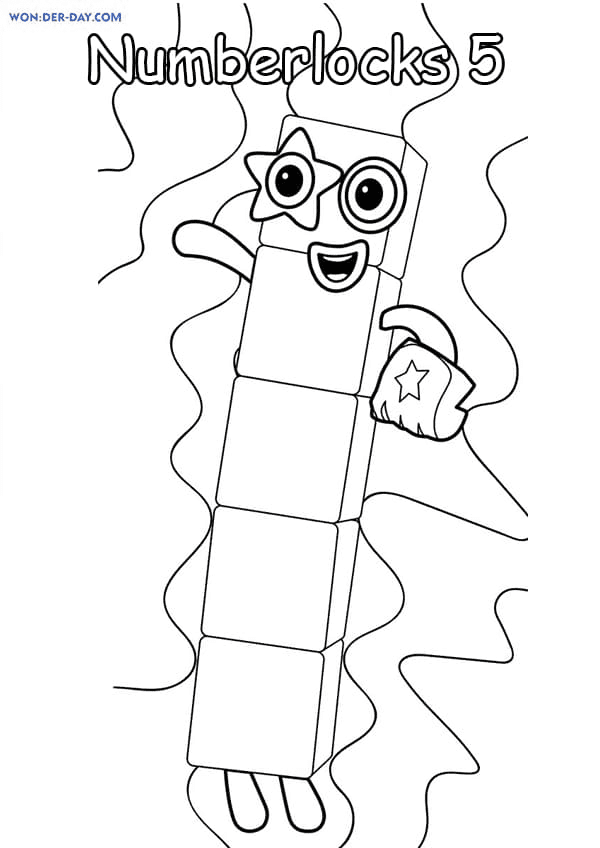
Five is green (a vivid, mid-range green). Five is perhaps the show’s most celebrated character – the first Numberblock to form a consistent “step-squad” shape (blocks arranged as stairs), a shape that recurs throughout the series. Five has a confident, exuberant personality appropriate to the midpoint of the single-digit numbers.
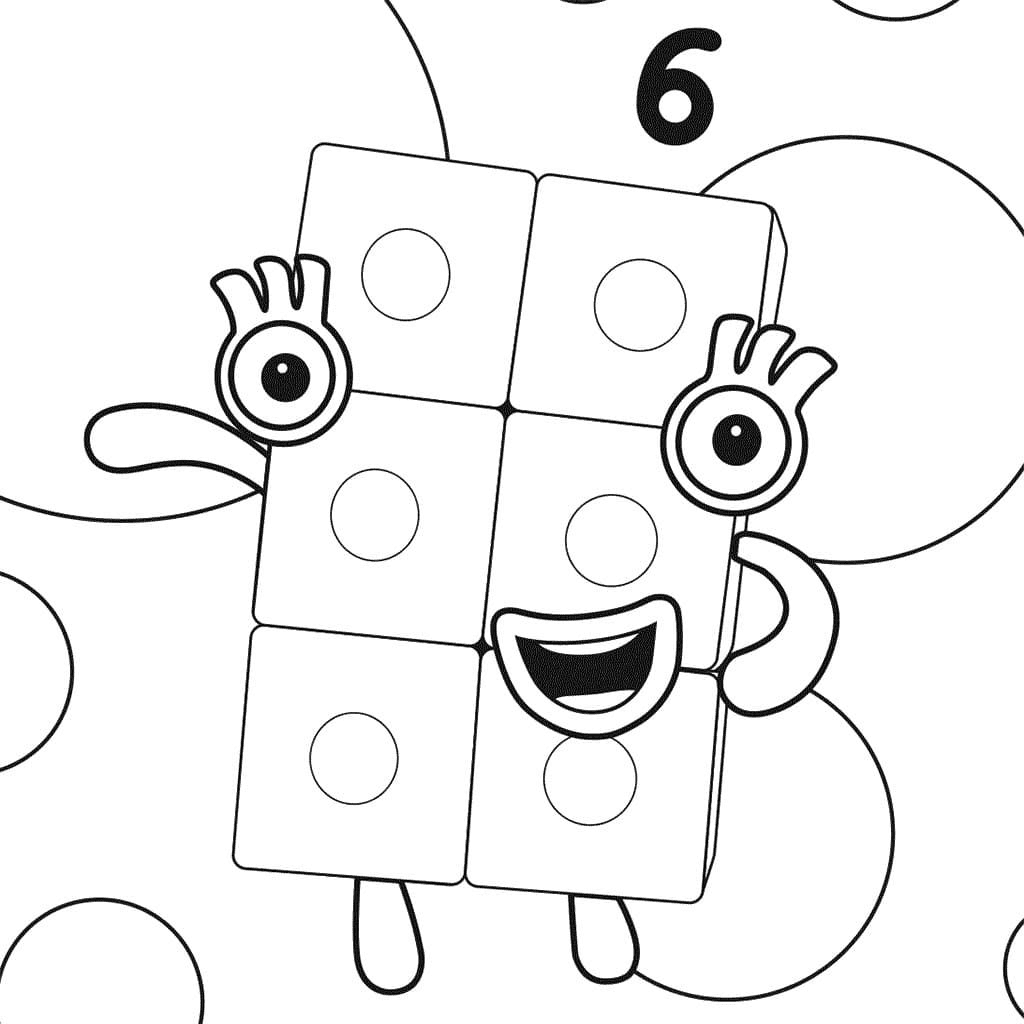
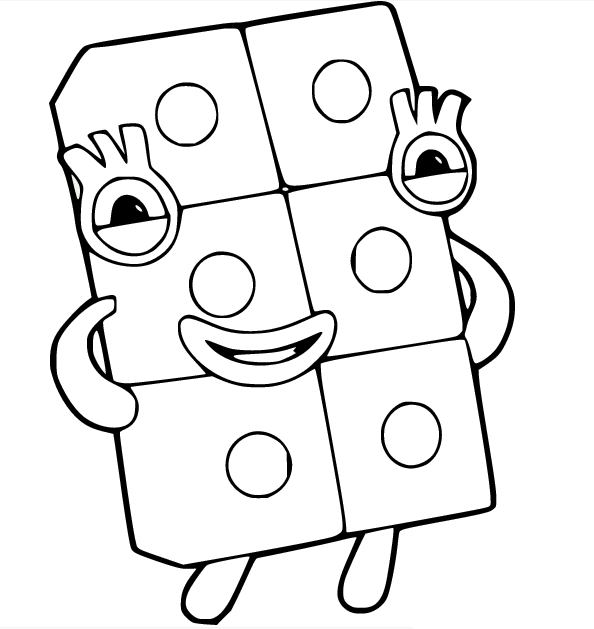
Six is deep pink/hot pink (sometimes described as magenta or dark pink in fan communities). Six can arrange its six blocks into a 2×3 rectangle – a key mathematical property that the show explores through Six’s ability to rearrange. Six appears multiple times in this collection.
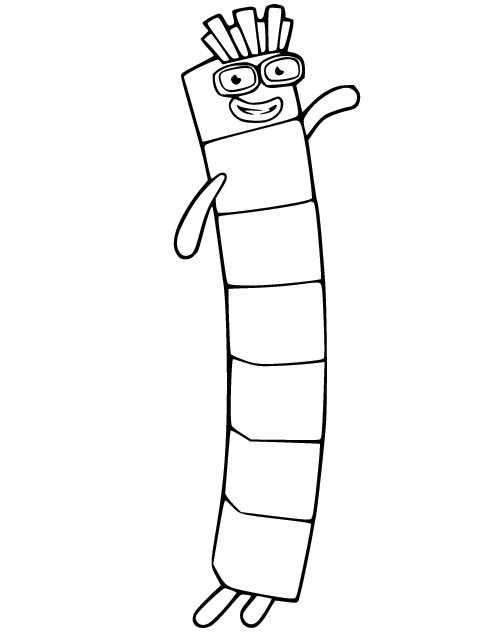
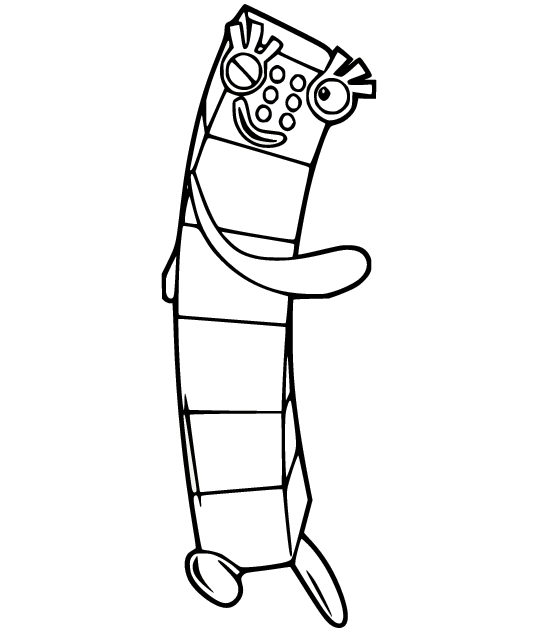
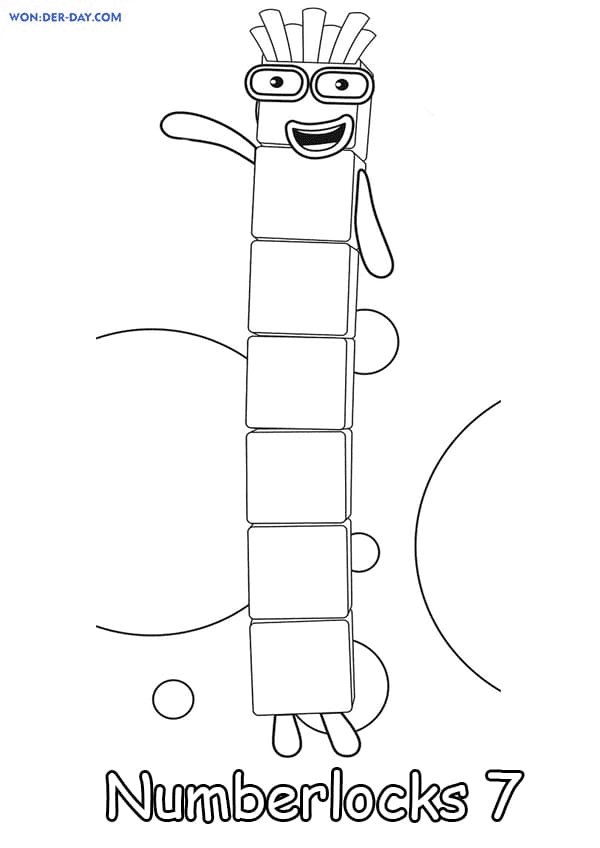
Seven is dark orange (a deeper, more burnt-orange tone than Two’s brighter orange). Seven has a characteristically irregular arrangement – seven does not divide evenly into a simple rectangle – which gives Seven a more complex and unpredictable block shape. The “Thin Numberblocks Seven” tile in this collection likely shows a specific tall, narrow arrangement of Seven’s blocks.
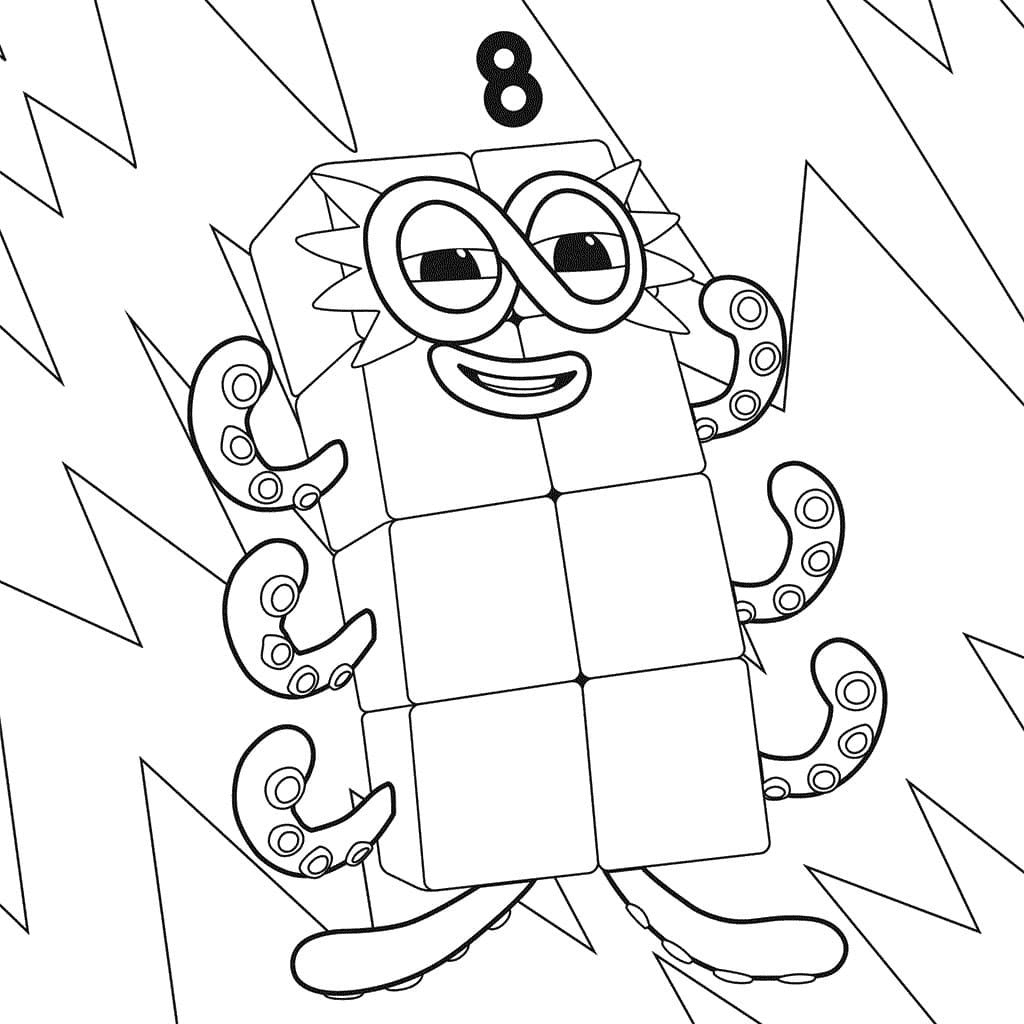
Eight is purple (a vivid medium purple). Eight was one of the first Numberblocks to demonstrate significant “shape-shifting” – the ability to rearrange blocks into different configurations (a 2×4 rectangle, a 2×2×2 cube in three-dimensional episodes). Purple, used fully saturated, makes Eight one of the most visually striking single-character pages in the collection.
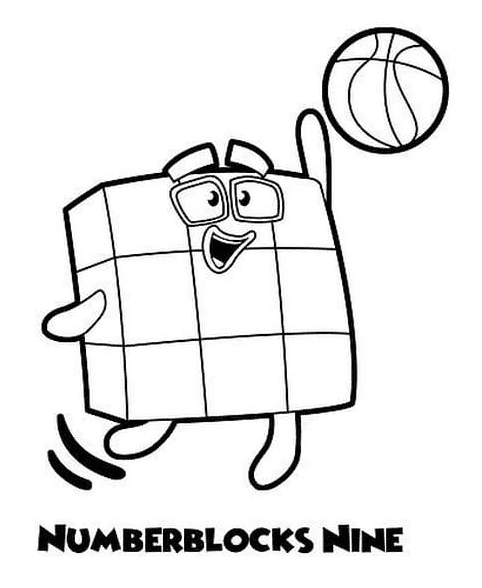
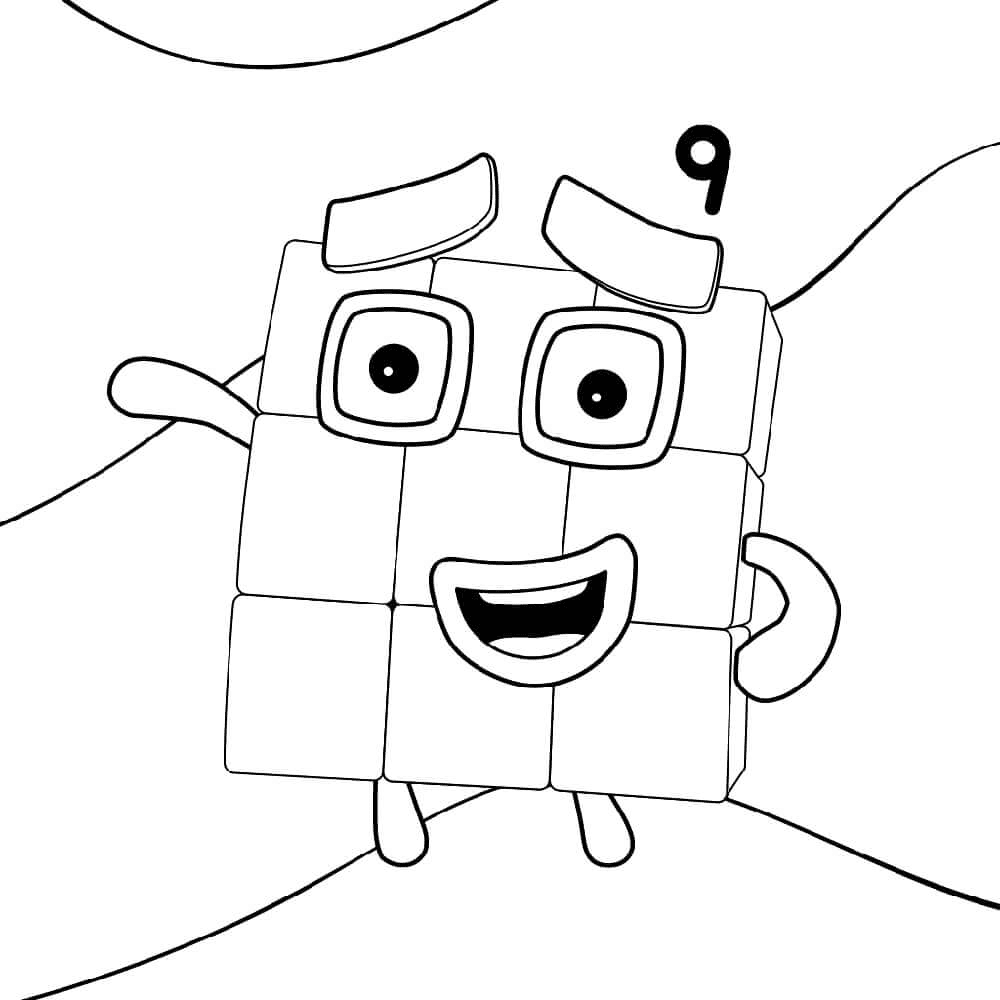
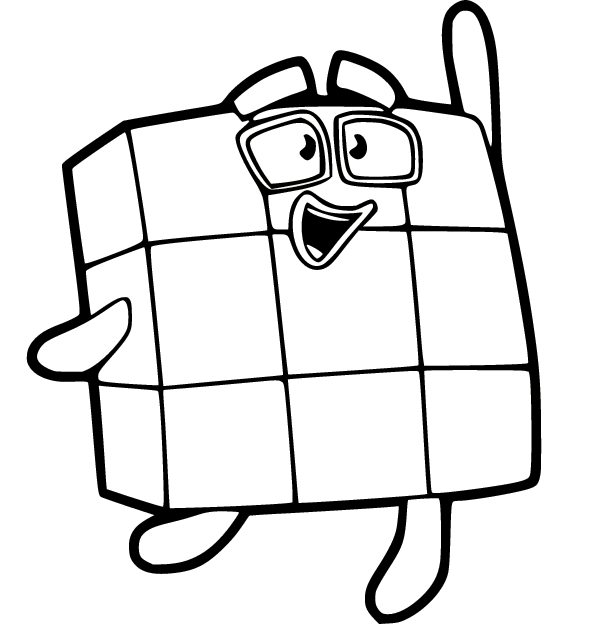
Nine is dark blue (a deep, rich blue – darker and more saturated than Four’s lighter blue). Nine is a perfect 3×3 square – the second square number after Four – and is intensely proud of this fact. Nine’s square arrangement gives pages featuring Nine a satisfying, symmetric block layout.
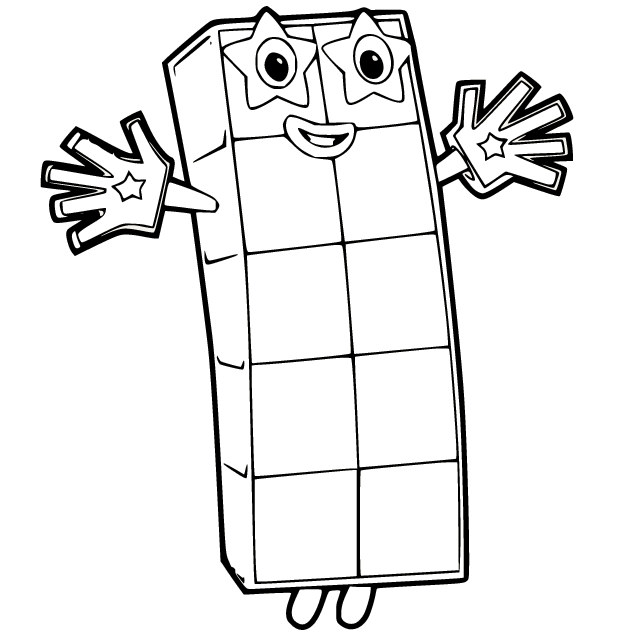
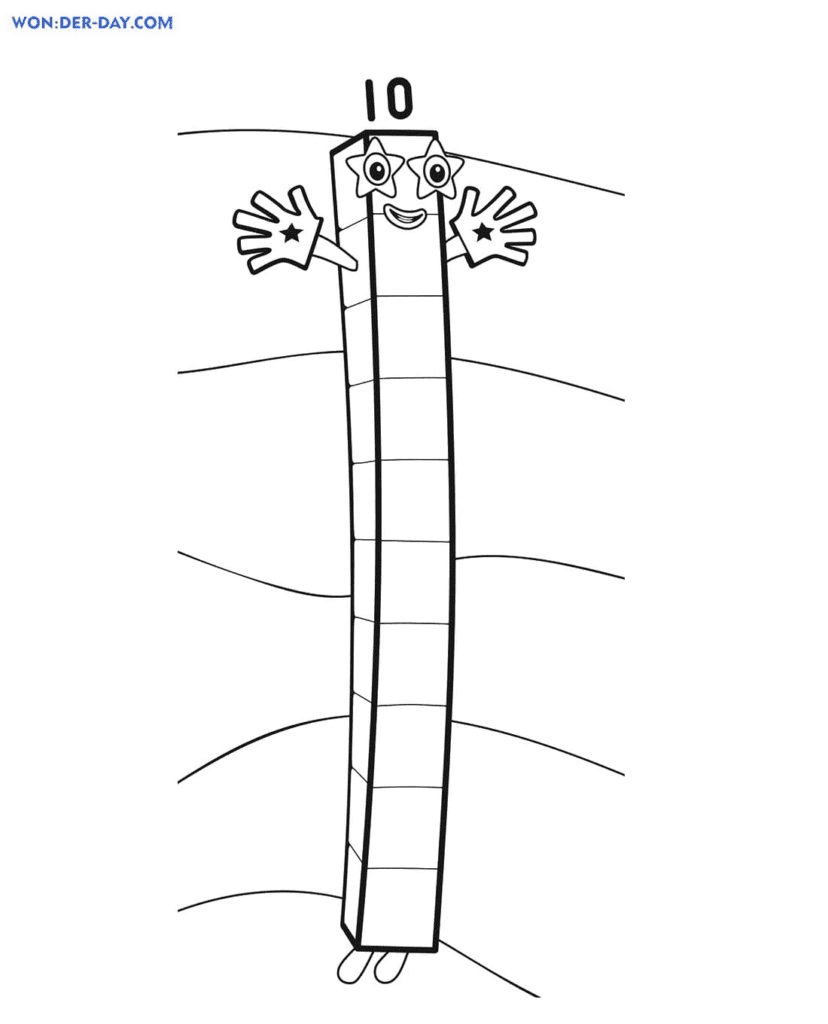
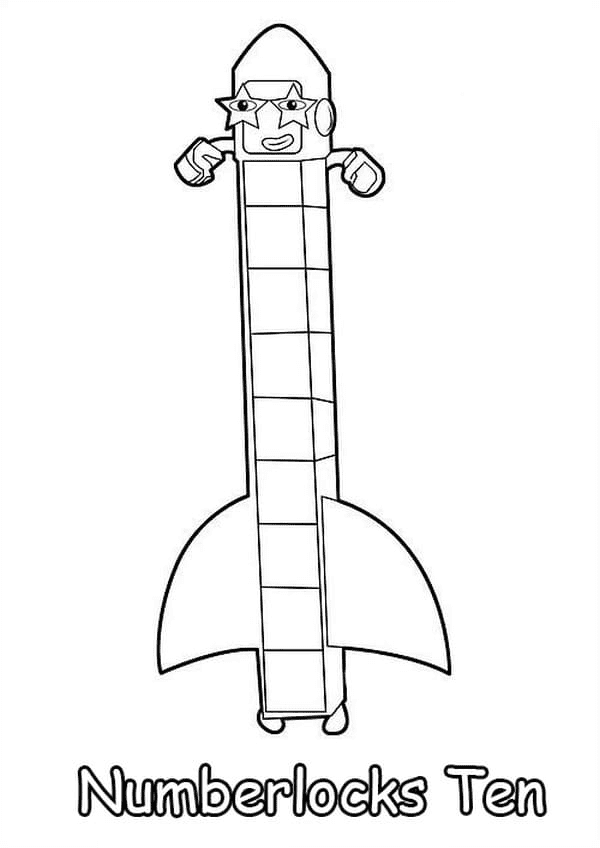
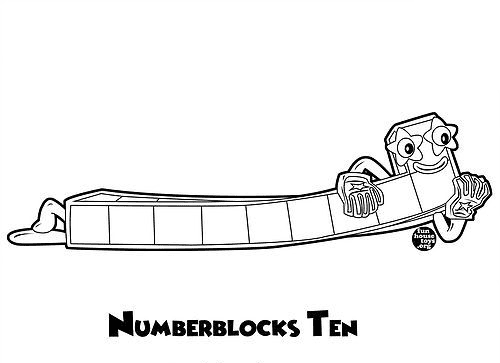
Ten is orange with rainbow accents, or sometimes shown as a spectrum of colors reflecting the combination of One through Ten within it. Ten is often characterized as a joyful, celebratory character representing a milestone – the first two-digit number and the basis of the decimal number system.
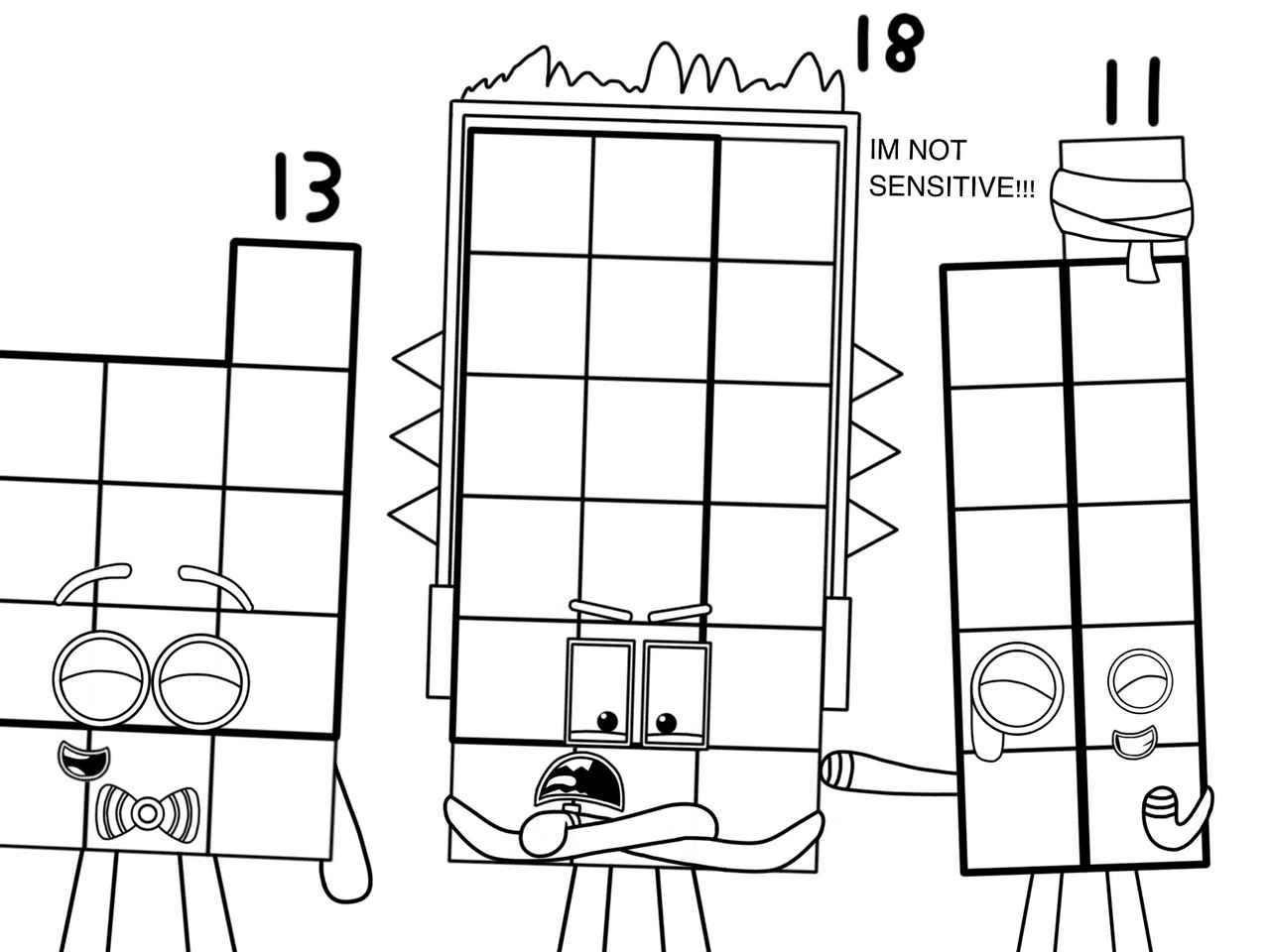
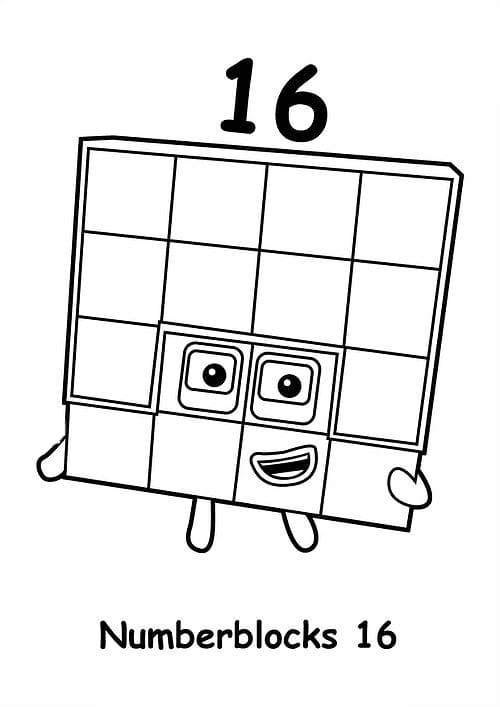
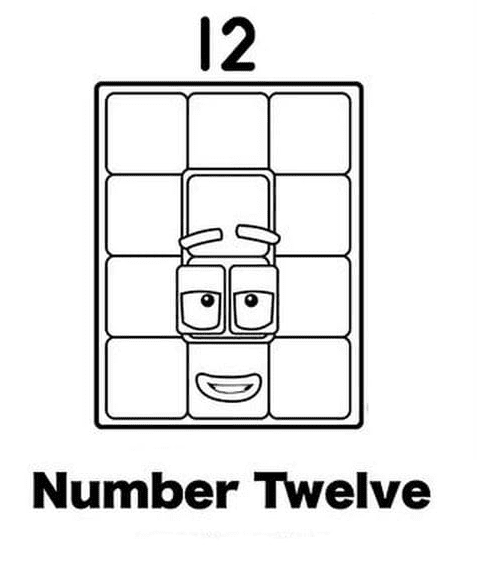
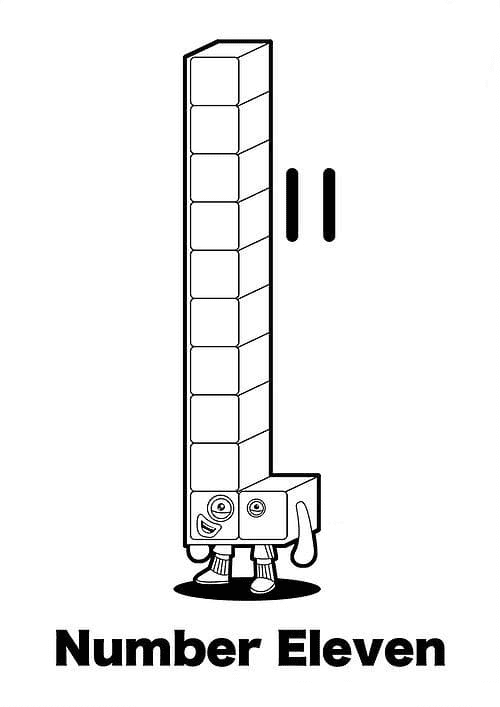
Characters above ten appear in the show’s later series and introduce more advanced mathematical concepts. Thirteen famously “falls apart” when its name is said – splitting into Ten and Three – as a representation of the number’s digits. Sixteen loves parties; Twenty loves dancing; Thirty-six is a puzzle master who can form a square (6×6).
Types of Pages in This Collection
The collection’s tiles span several visual formats, each offering different coloring challenges and educational value.
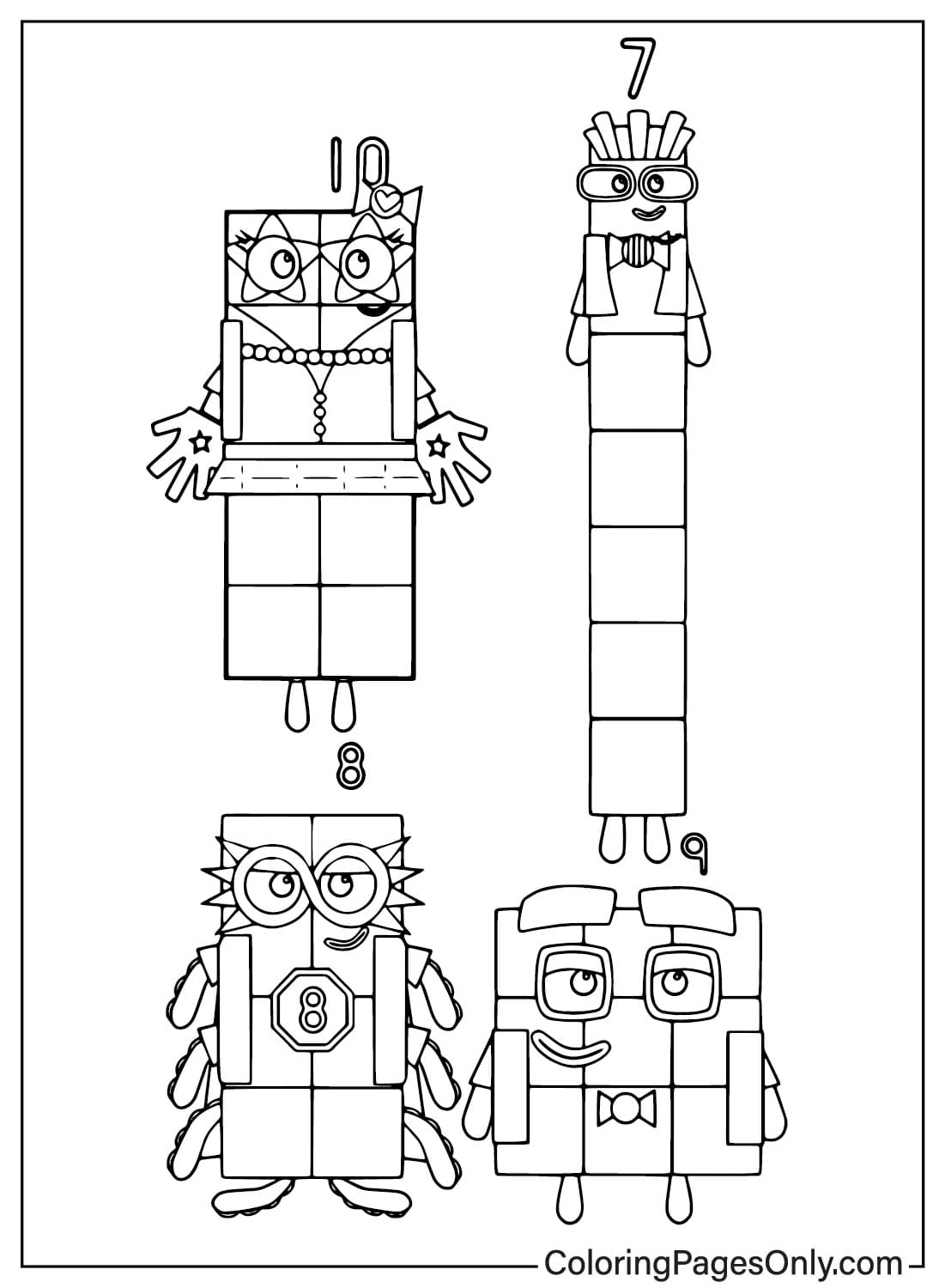
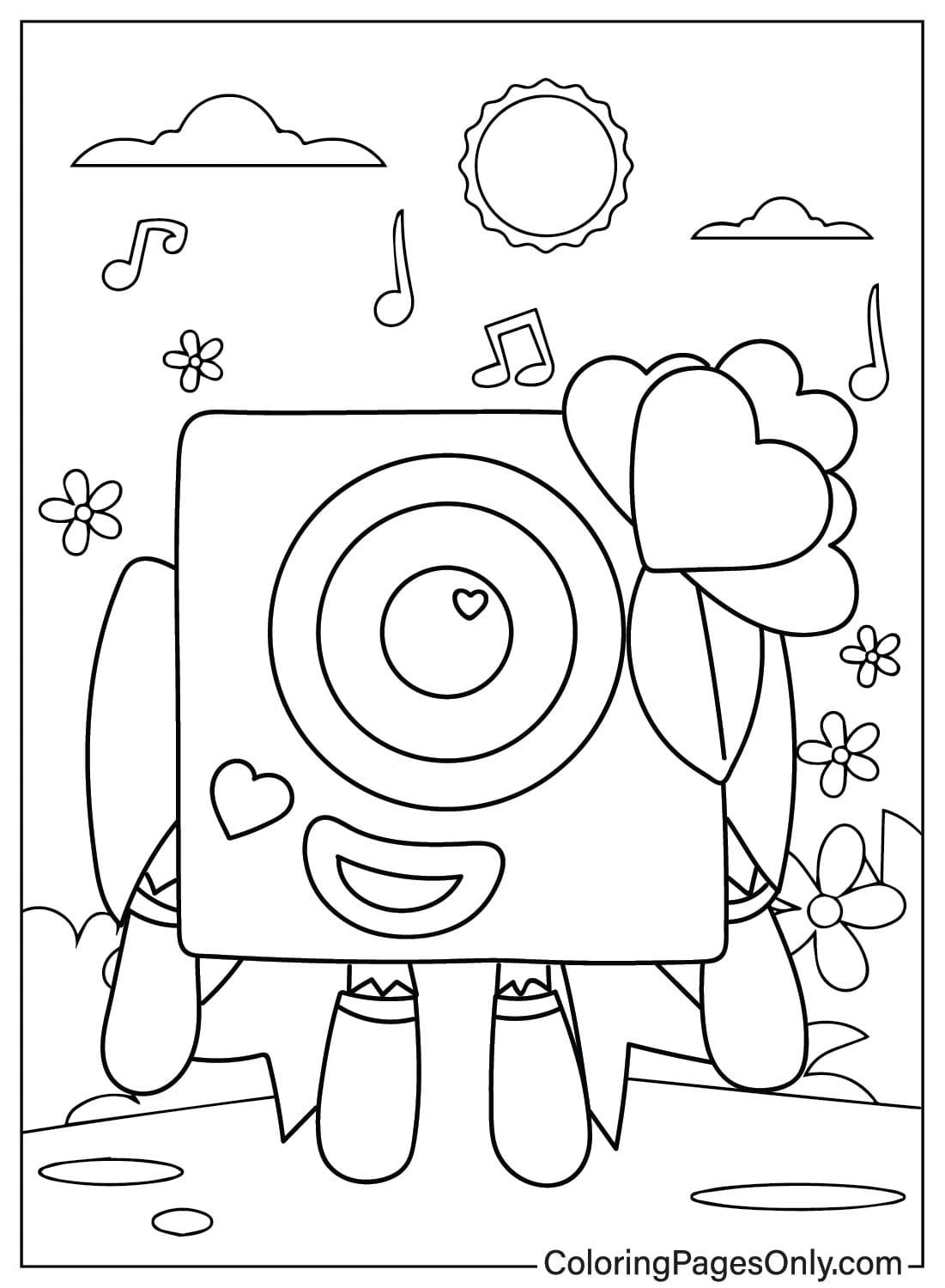
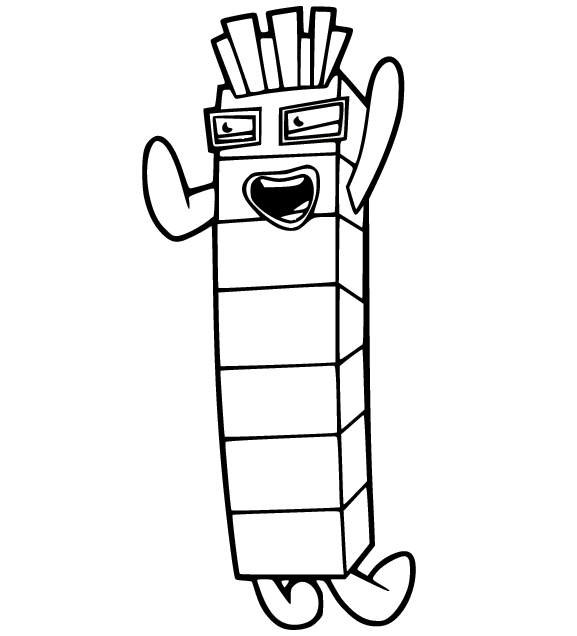
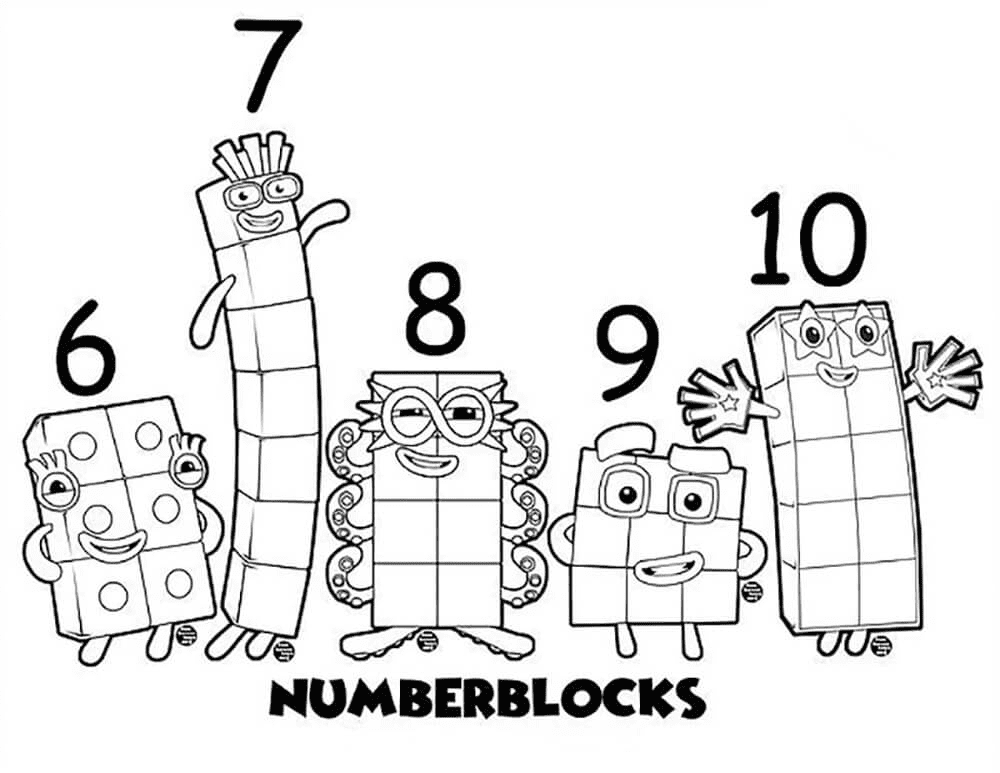
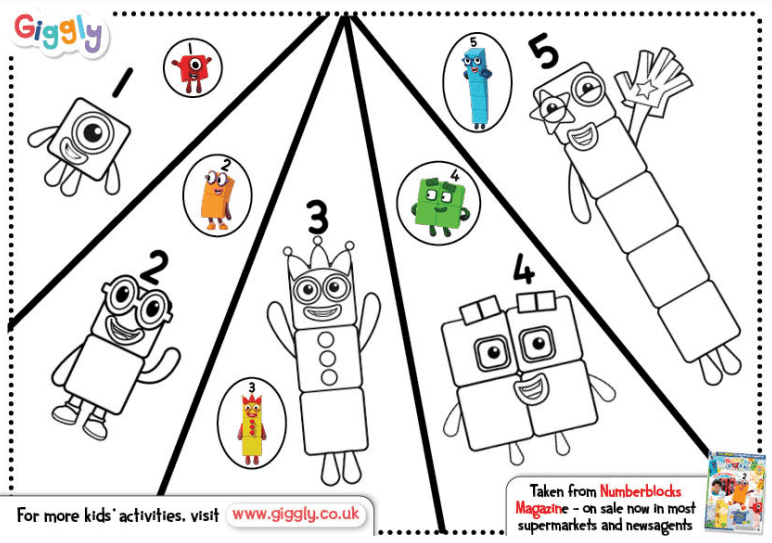
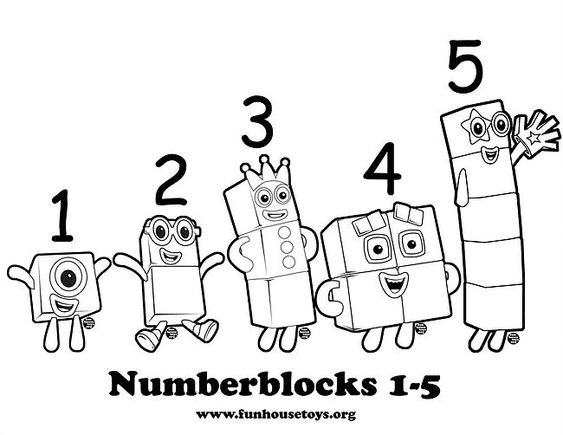
Portrait/character pages – tiles like Numberblocks One, Numberblocks Two, Numberblocks Three through Ten, each showing a single character in a standard standing or facing pose. These are the simplest pages and the most directly educational: color the character in their exact canonical color, match the block structure to the number value, and add the Numberling floating above. These pages work best as a complete numbered series – coloring One through Ten in order, using the correct canonical color for each.
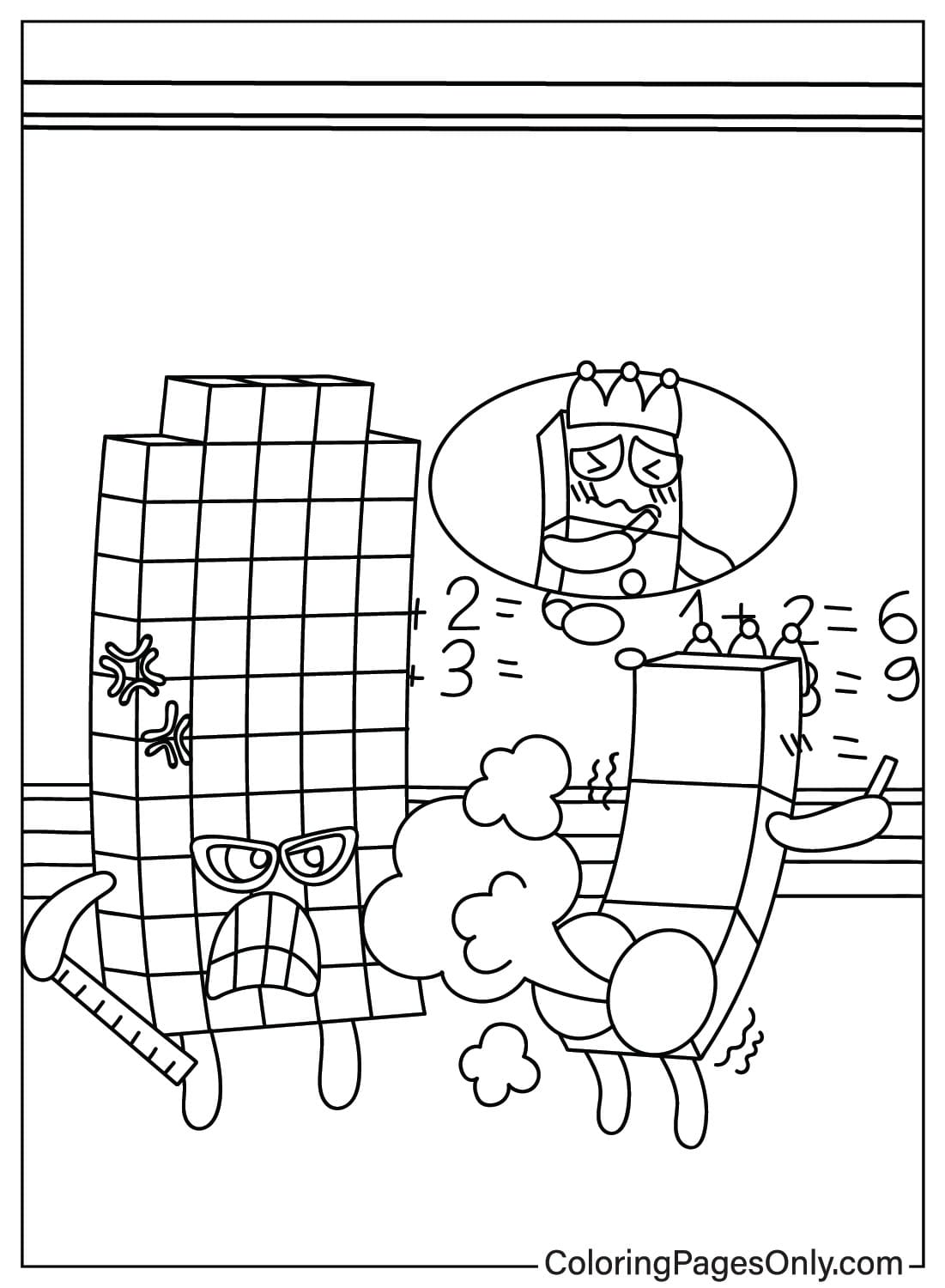
Scene/action pages – tiles like “Numberblocks Two Sits Down” and other action-specific names. These pages show characters in specific poses, actions, or Numberland settings, adding narrative context to the block characters. They reward more creative background coloring while keeping the character’s canonical color and block structure accurate.
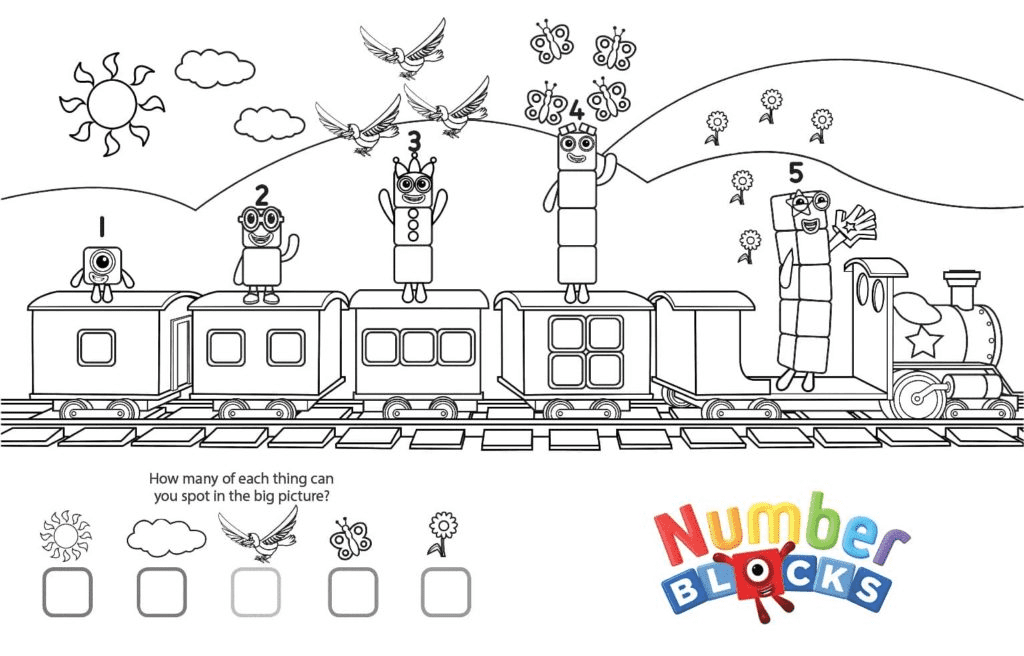
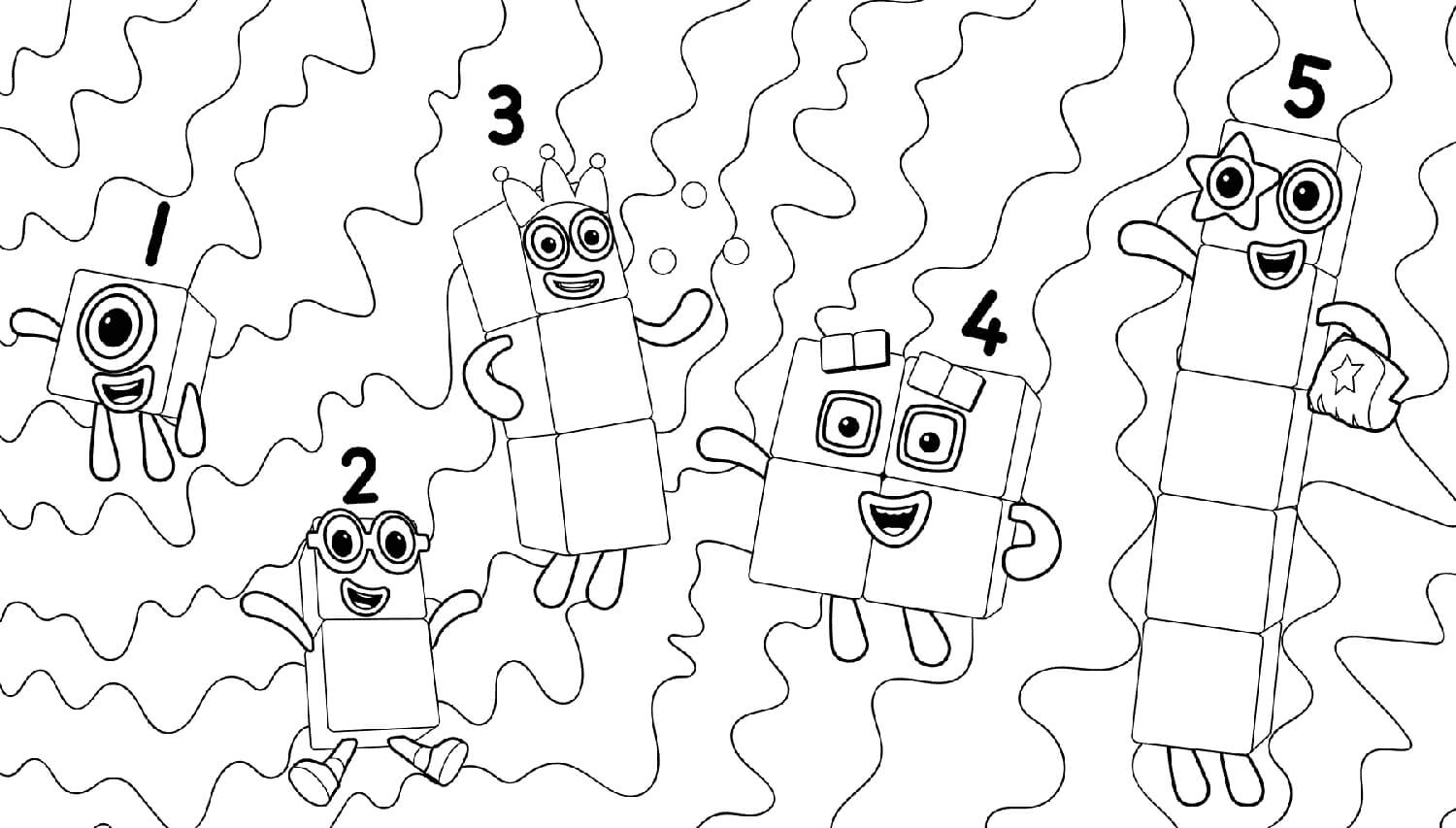
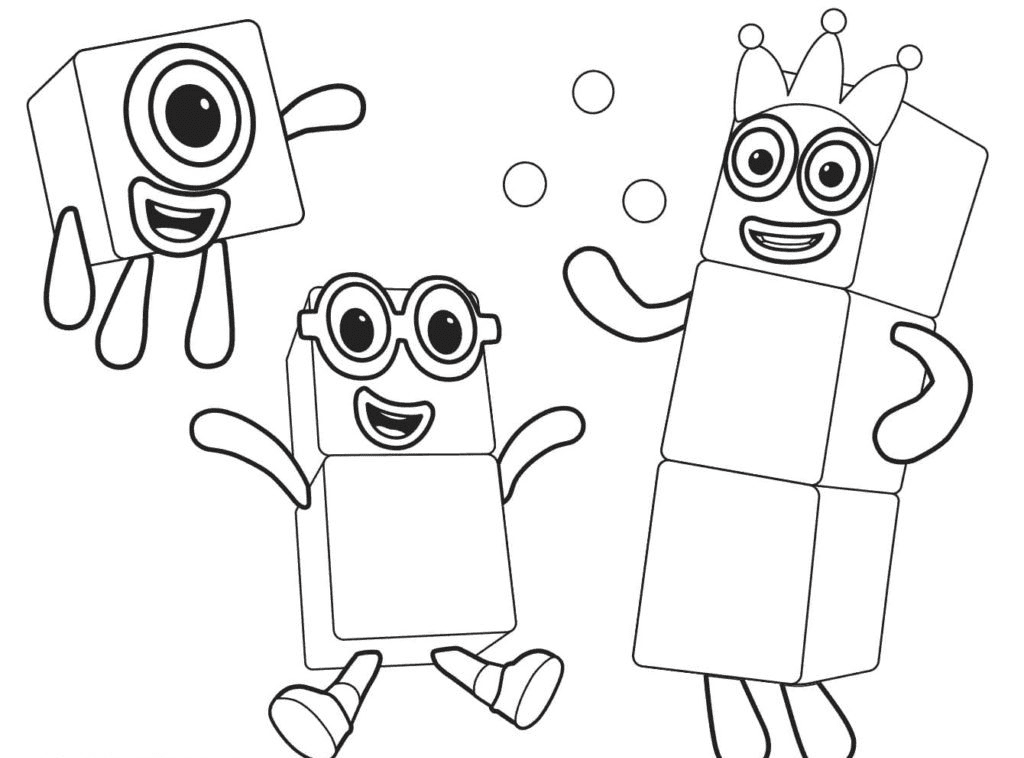
Group composition pages – tiles that feature multiple Numberblocks together, or the Numberland environment in which they live. These are the most complex coloring pages in the collection: multiple characters, each requiring its own specific canonical color, with backgrounds that should complement the character palette without overwhelming it.
Coloring Tips for Numberblocks Pages
Get the canonical colors right first. Numberblocks is one of the few children’s coloring page subjects with a completely fixed, unambiguous color system – each character has exactly one correct color. Unlike a princess page where any gown color is valid, or an animal page where you can choose the coat color, a Numberblock’s color is part of its identity. A red Two or a blue One would be immediately wrong to any fan of the show. Before starting any Numberblocks page, confirm the correct canonical color for the character shown.
Block geometry is the second priority. Numberblocks pages show characters whose bodies are made of distinct square blocks. Each block unit in the illustration should receive consistent coloring – the same pressure, the same color saturation, in every block. The lines between blocks (the block joints) are typically rendered as slightly darker than the face of each block, suggesting depth between the cube surfaces. Use a slightly darker value of the character’s canonical color to color these joint lines, giving the block character a three-dimensional presence.
Use two values of each color: full-saturation for faces, slightly deeper for edges. In the show’s actual animation, each block has a slightly lighter face (the front-facing surface catching light) and slightly darker edges (the joints between blocks). To recreate this, apply your main canonical color across all block faces, then use a slightly deeper or darker version of the same color to trace along the vertical and horizontal block joint lines. This simple two-value approach makes any Numberblocks page look consistent with the show’s visual style.
Numberlings need to pop. The floating numeral above each character’s head – the Numberling – is always rendered in black in the show. On a coloring page, use a firm, solid black or near-black for the Numberling. If the page background is colored, ensure the background behind the numbering is pale enough that the numeral remains legible. The Numberling is educational content, not a decorative element – its clarity matters.
Backgrounds in Numberland – warm yellows and sky blues. The Numberland environment in the show is typically rendered with warm yellow-gold ground planes and bright, optimistic sky backgrounds. For group scene pages or pages that include Numberland environments, these are the canonical background colors. If you prefer creative interpretation, ensure the background color contrasts with the character’s canonical block color: a red One should stand before a cool blue or green background; a blue Four before a warm orange or yellow background.
For group pages – establish a clear visual hierarchy. When multiple Numberblocks appear on the same page, decide before coloring which character is the compositional “star” of the page (typically the largest or most centrally positioned character) and give that character the most complete, careful coloring. Supporting characters can be colored accurately but with slightly softer saturation, allowing the focal character to command attention.
Make coloring a counting exercise. For any Numberblocks character page, count the blocks visible in the character’s body before beginning to color. Confirm the count matches the character’s name (Nine should have nine blocks, Four should have four). If the count is unexpected – perhaps because the character is shown in a rotated or unusual arrangement – note that the block count should always equal the character’s number, regardless of arrangement. This pre-coloring counting step turns the activity into exactly the mathematical awareness exercise the show itself is designed to foster.
5 Activities
The color-by-number bar. Before coloring any single-character Numberblocks page, use a ruler to draw a number bar at the bottom of the page – a horizontal row of small squares, one per block in the character. Color each square in the bar as you color each corresponding block on the character. When the character is complete, the bar at the bottom shows the quantity in a linear, one-to-one form that mirrors the show’s core representation system. A page featuring Numberblock Seven will have a completed bar of seven colored squares beneath it – making the connection between character, blocks, and quantity visible in three simultaneous representations: the character illustration, the block count, and the number bar. This is the exact multi-representation approach that mathematics education research identifies as most effective for building durable number sense in young children.
The block-building parallel. Gather a set of wooden blocks, LEGO bricks, or building cubes (hands2mind’s official Numberblocks MathLink Cubes are designed specifically for this). As you color each Numberblock page, simultaneously build that character’s number using the physical blocks – seven physical cubes for Seven, four physical cubes for Four. Place the finished physical block structure next to the colored page. This activity creates the concrete-to-pictorial connection that the show’s educational framework calls the CPA (Concrete-Pictorial-Abstract) approach: first building physically, then representing pictorially (the colored page), then connecting to the abstract numeral (the Numberling). This three-stage sequence is how mathematics educators introduce number concepts to the youngest learners.
The addition discovery. Take any two completed Numberblocks character pages – say, Three and Four. Place them side by side. Ask: “If Three and Four joined together, what Numberblock would they make?” Count the total blocks across both pages (seven). Find the Numberblocks Seven page and confirm that it has seven blocks. Color the Seven page, then arrange all three pages in order (Three, Four, Seven) with a plus sign and an equals sign drawn on small pieces of card between them. This creates a physical addition equation displayed in the same visual language the show uses – block characters, not abstract numerals. The same activity can be done with any pair of characters in the collection, creating a growing library of visual addition equations.
The number property hunt. After coloring a complete set of Numberblocks One through Ten, lay all pages out in numerical order. Then sort them into groups based on their block arrangements: which characters can form a square? (One, Four, Nine) Which are rectangles? (Two, Four, Six, Eight, Ten) Which have an “odd block” sticking out at the top? (One, Three, Five, Seven, Nine) Coloring enthusiasts who do this activity discover, through visual inspection alone, the concepts of square numbers, even numbers, and odd numbers – mathematical categories that the show itself teaches through exactly this kind of block arrangement observation. Children who can physically sort the colored pages into these groups have internalized the number properties that the sorting represents.
The Numberblocks character book. Color one Numberblock page per session – working through the collection in numerical order from One to Ten (or beyond, if higher numbers are available). After coloring each page, write three facts about that Numberblock’s number on the back: one fact from the show (“Seven can’t form a rectangle without some blocks left over”), one mathematical fact (“Seven is a prime number – it can only be divided evenly by one and itself”), and one real-world appearance of that number (“There are seven days in a week”). Bind the finished pages in number order into a personal Numberblocks fact book. This activity transforms coloring sessions into a structured number-knowledge building project, and the completed book becomes a personal reference document that the child created – capturing what they know about each number in their own handwriting, illustrated by their own coloring.