Emotions Coloring Pages
 By:
Jennifer Thoa – Content Editor & Designer
Updated:
By:
Jennifer Thoa – Content Editor & Designer
Updated:
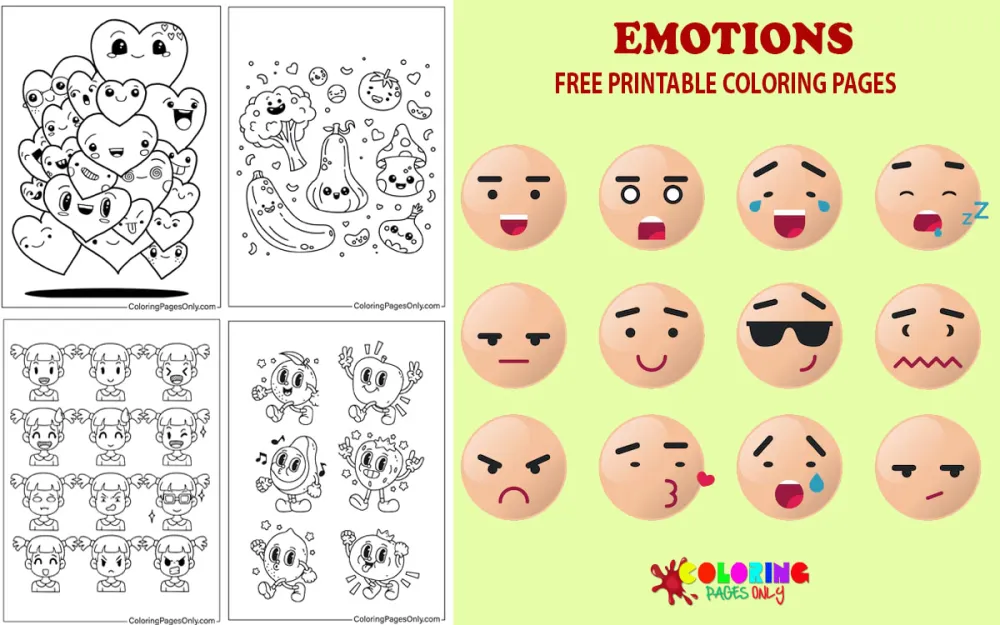
Free emotions coloring pages: 30 printable PDF designs that help children explore and name feelings like happy, sad, angry, and surprised through expressive faces and characters. Each page can be downloaded as a PDF to print or colored online in the browser.
Emotion coloring pages are a simple, hands-on way to help children learn about their feelings. The pages show a range of faces and characters expressing different emotions, which gives children a gentle way to recognize, name, and talk about how they feel. Learning to identify emotions is an important part of early development, and these pages support that learning while staying fun and relaxing. They work well at home, in the classroom, and in counseling or therapy settings, where they are often used as part of social and emotional learning.
The collection ranges from simple single-face designs for younger children to busier pages showing several emotions together. Because feelings can be linked to colors, these pages are also a nice way to talk about how different colors can match different moods.
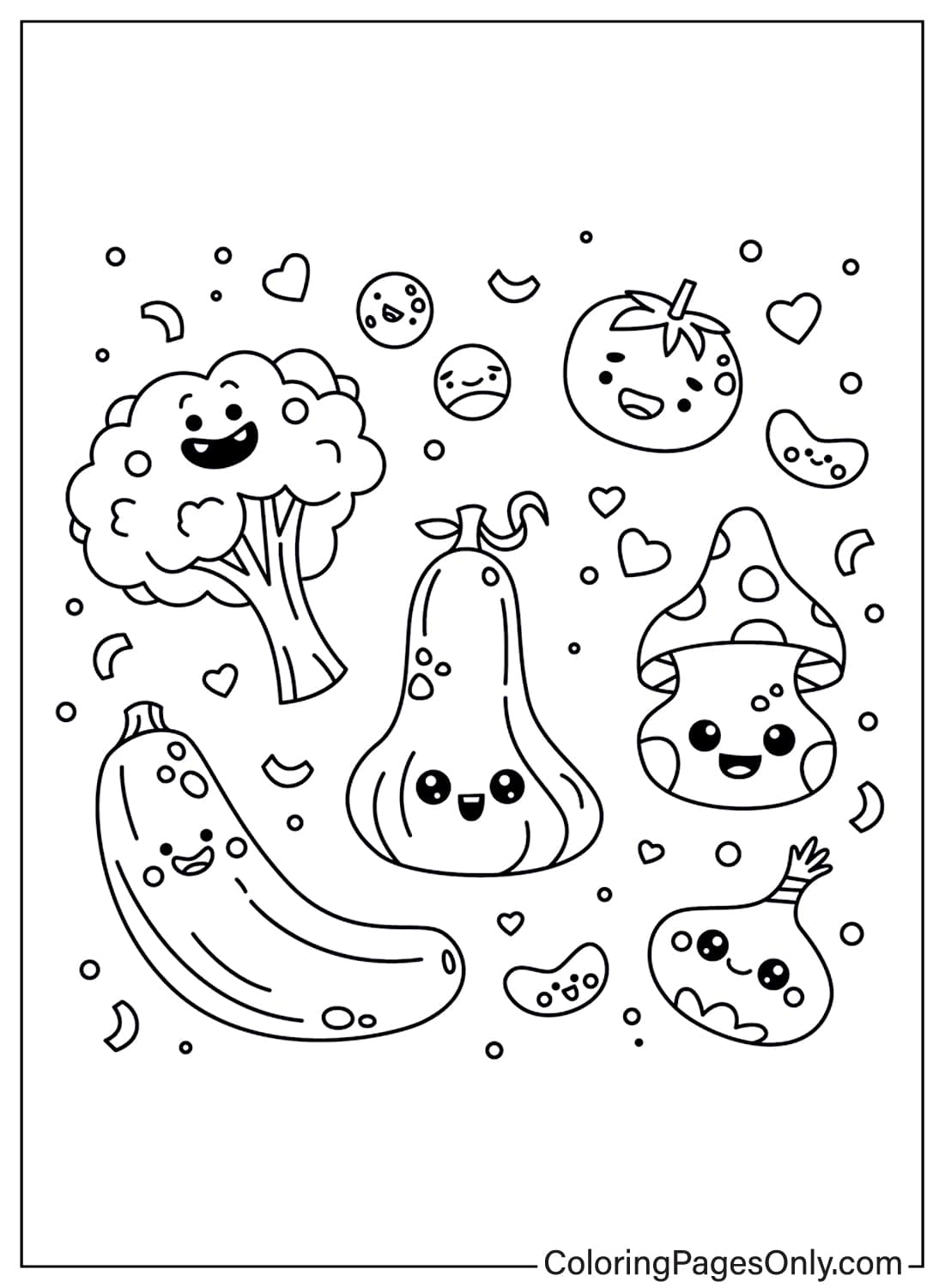
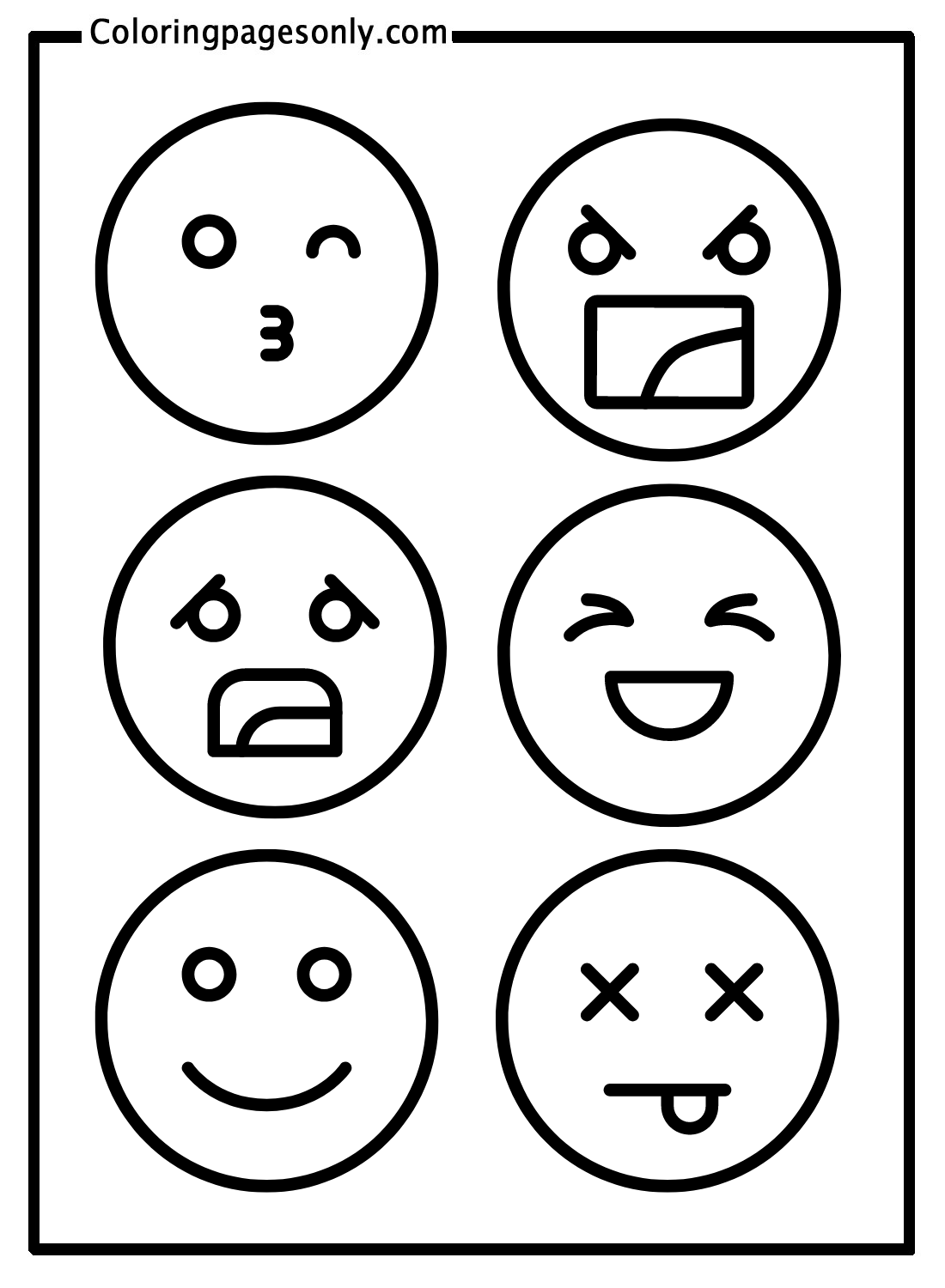
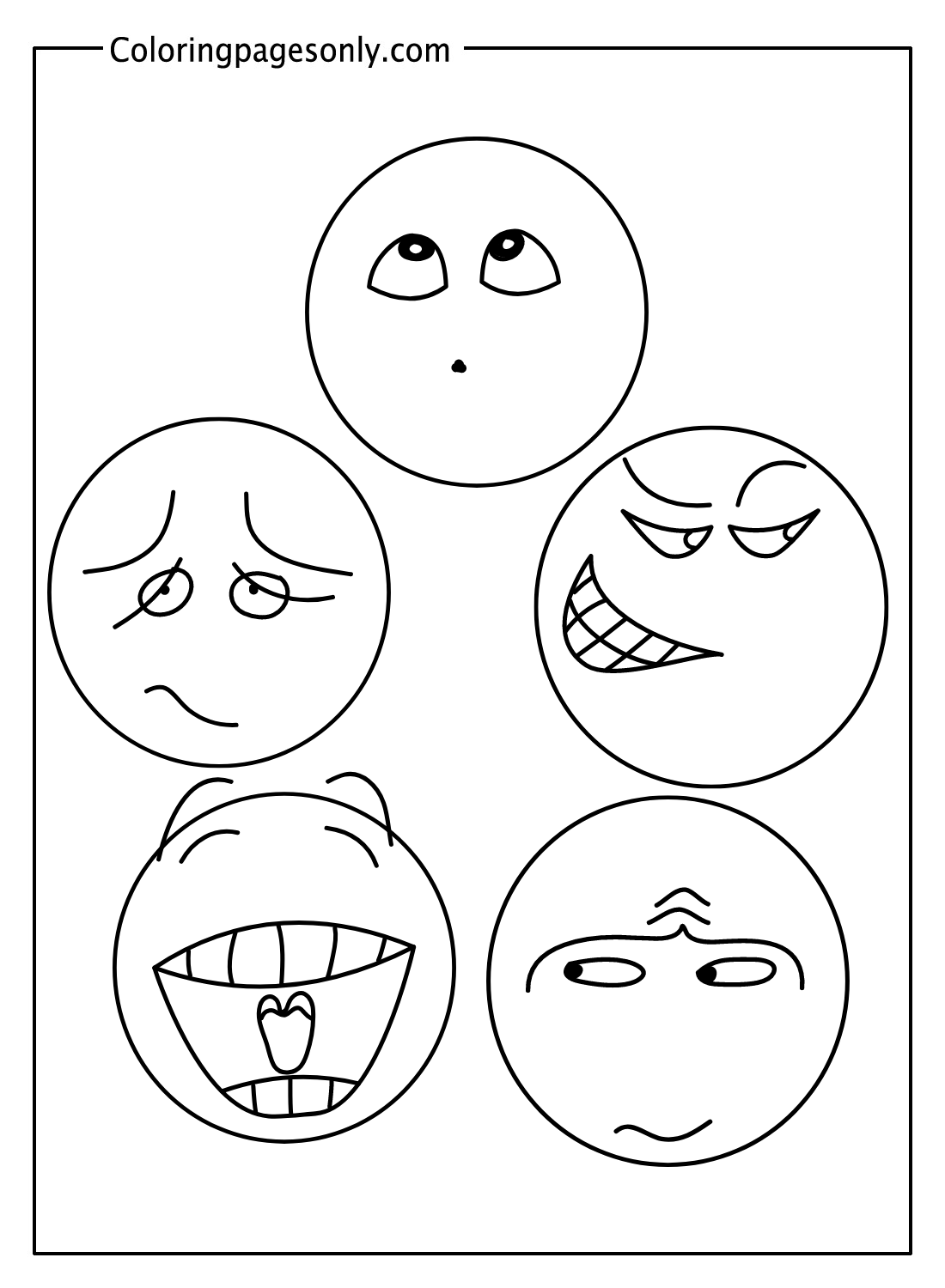
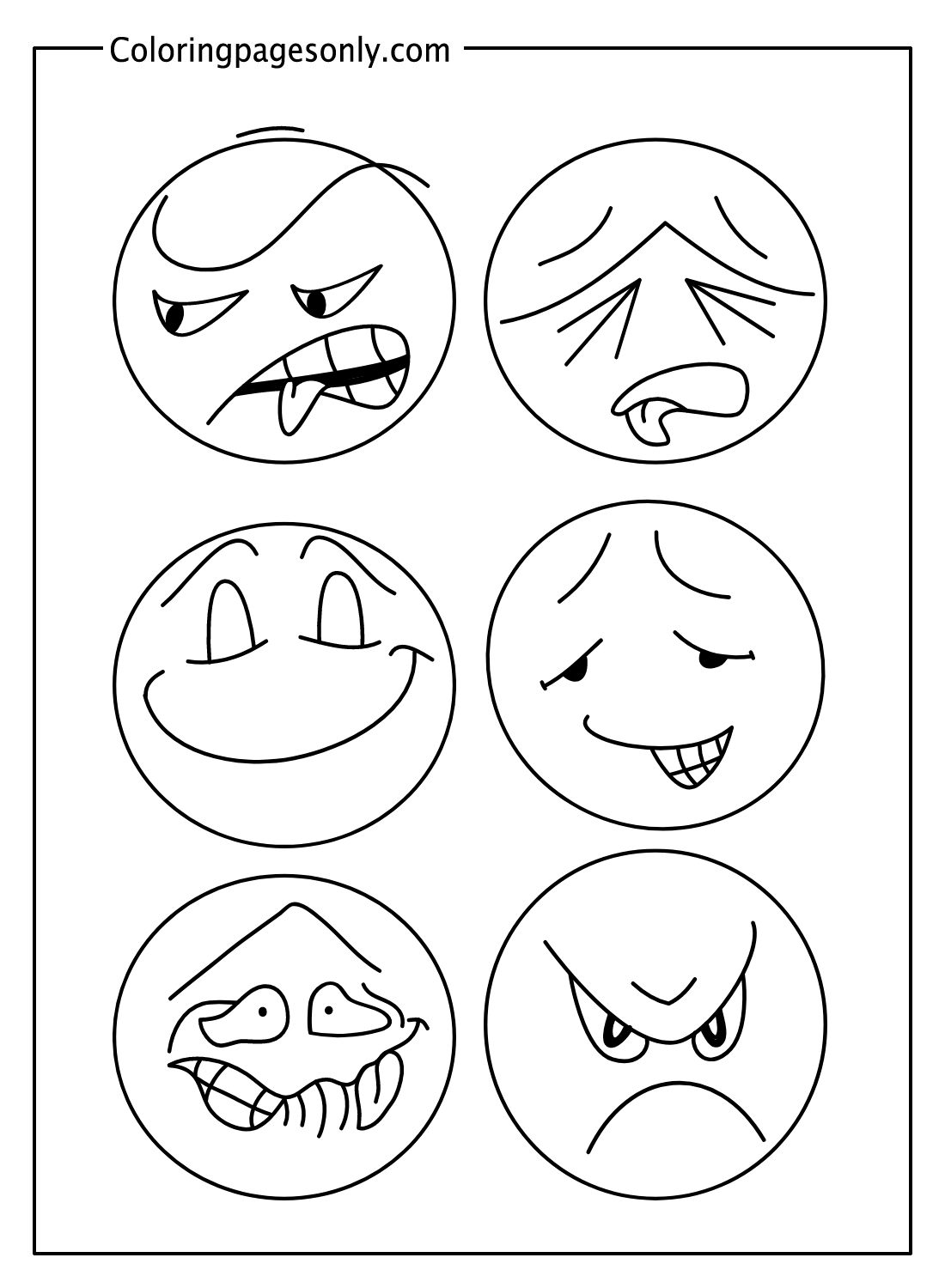

What Is Inside This Collection
The pages cover several styles, so there is something for every age and setting.
Expressive Faces
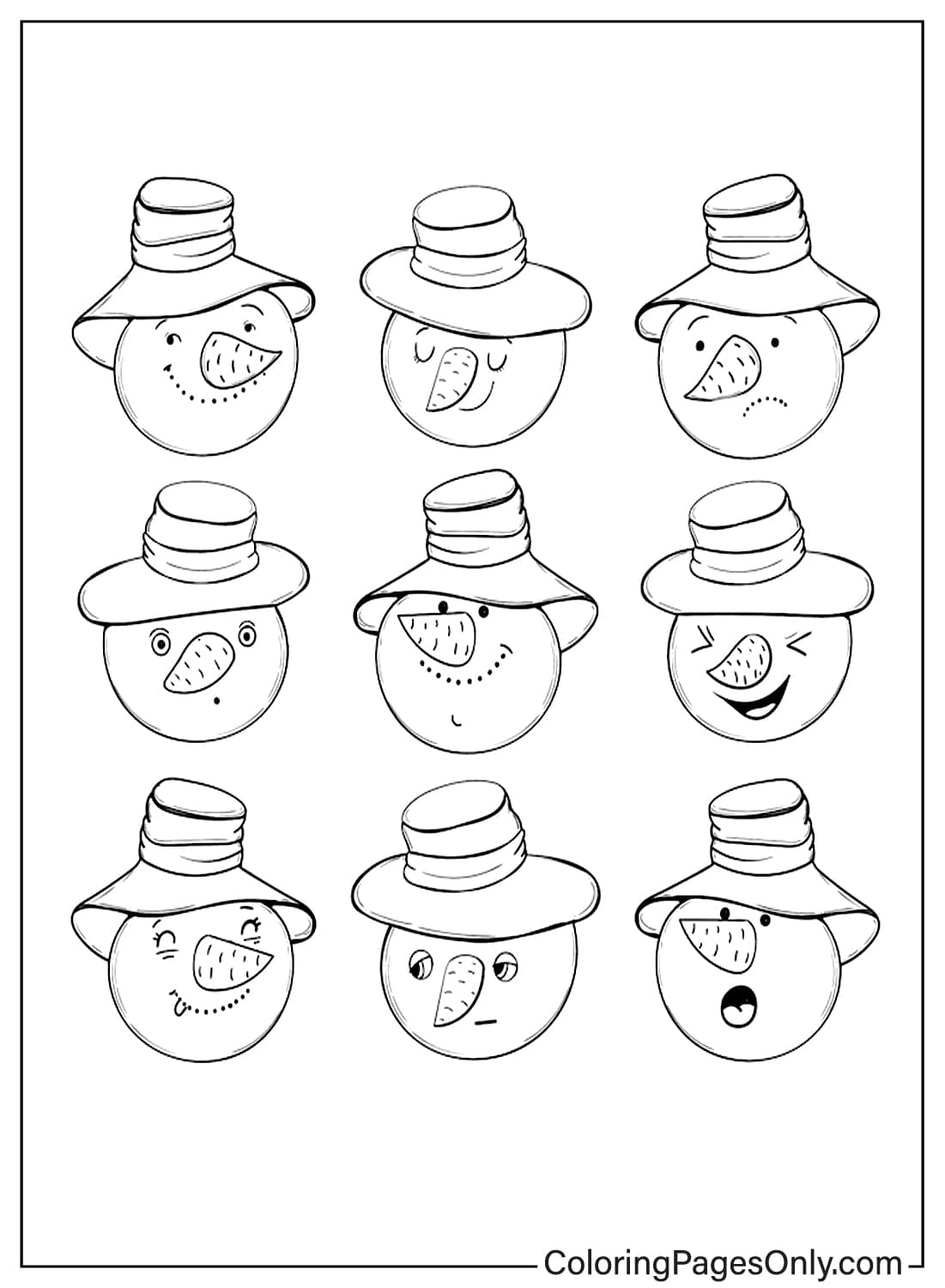
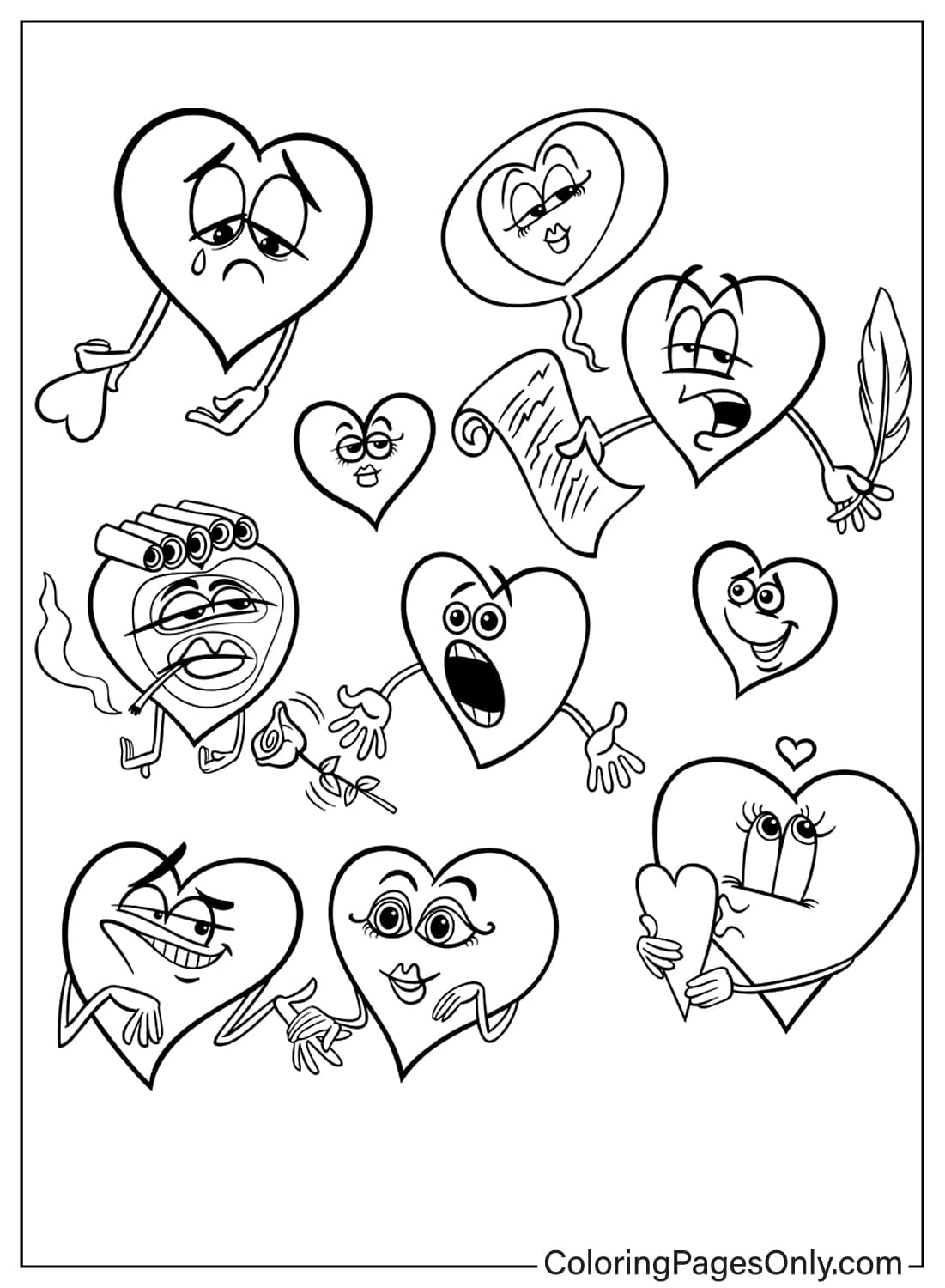
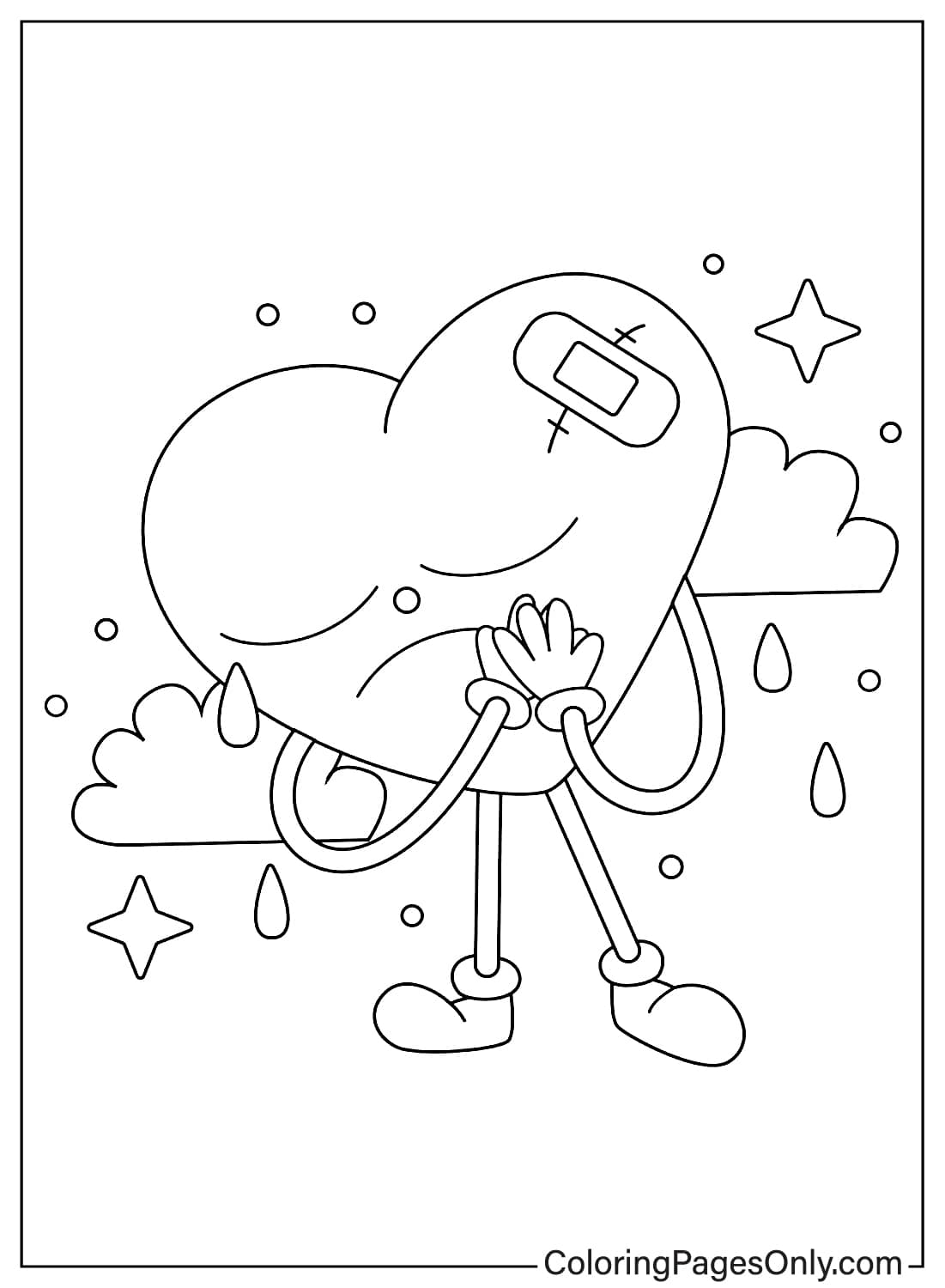
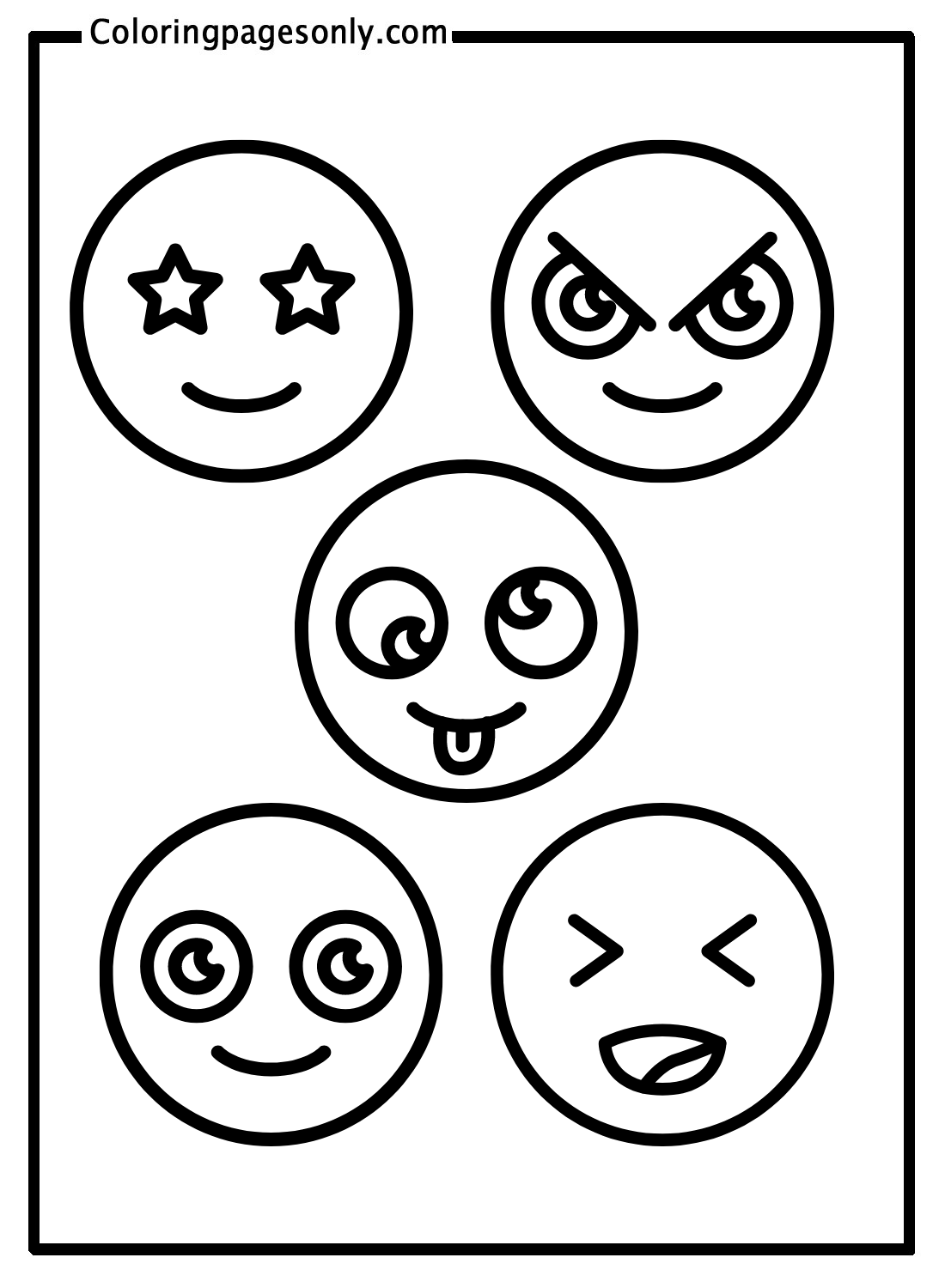
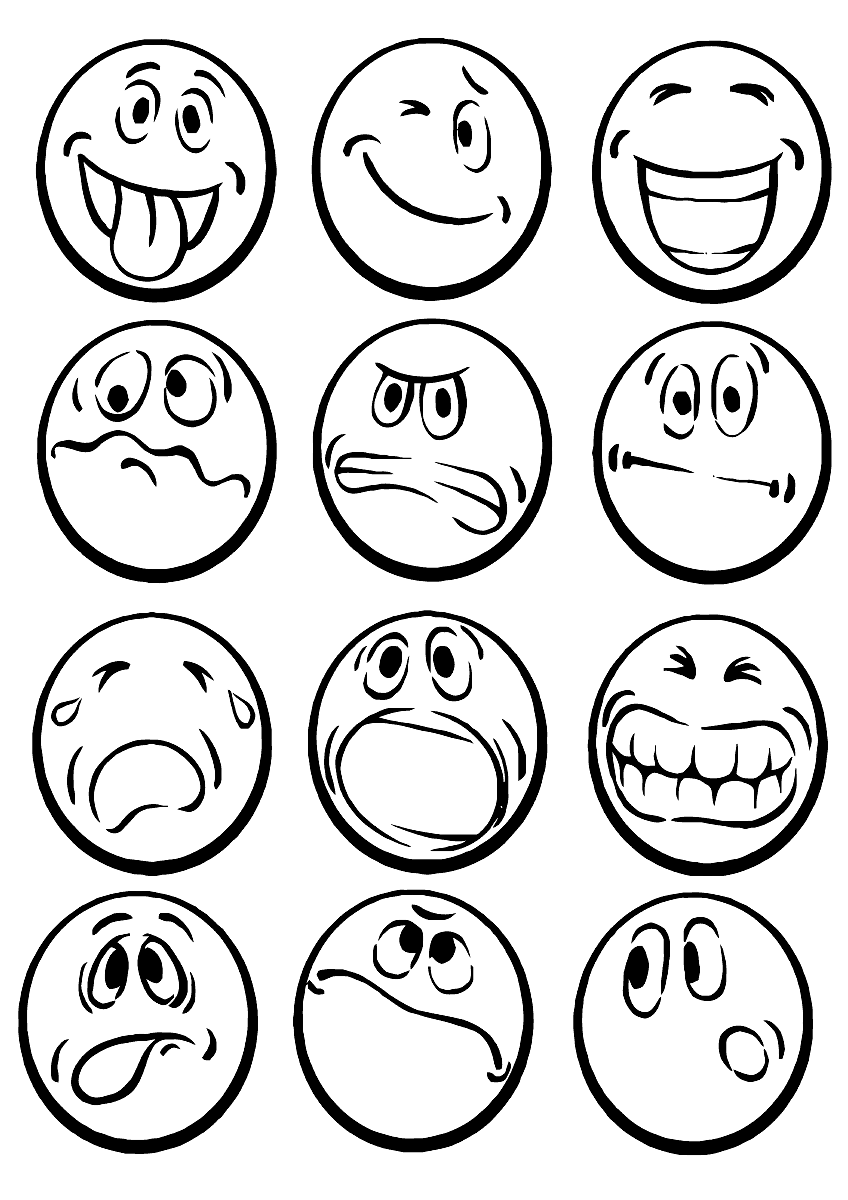
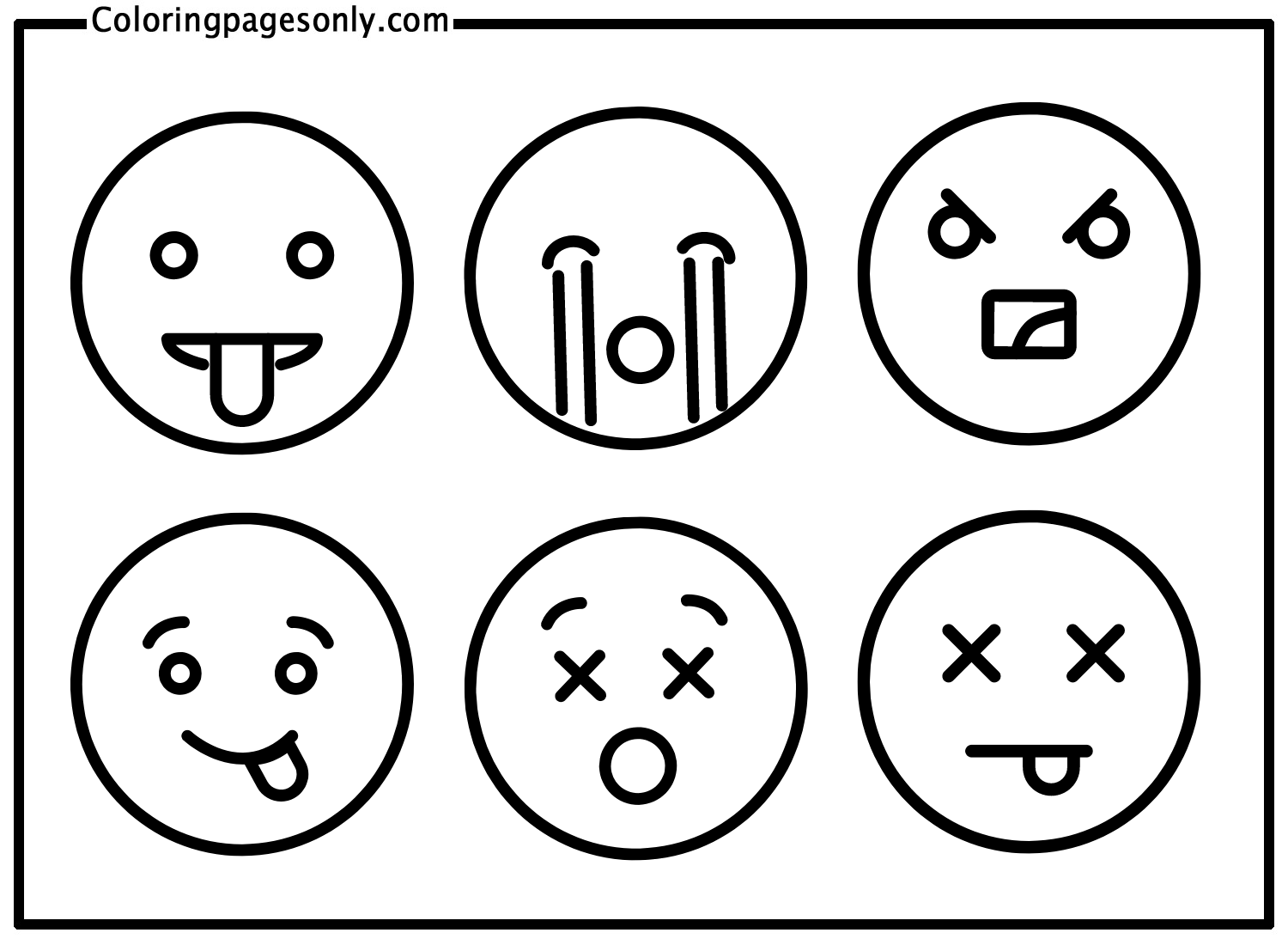
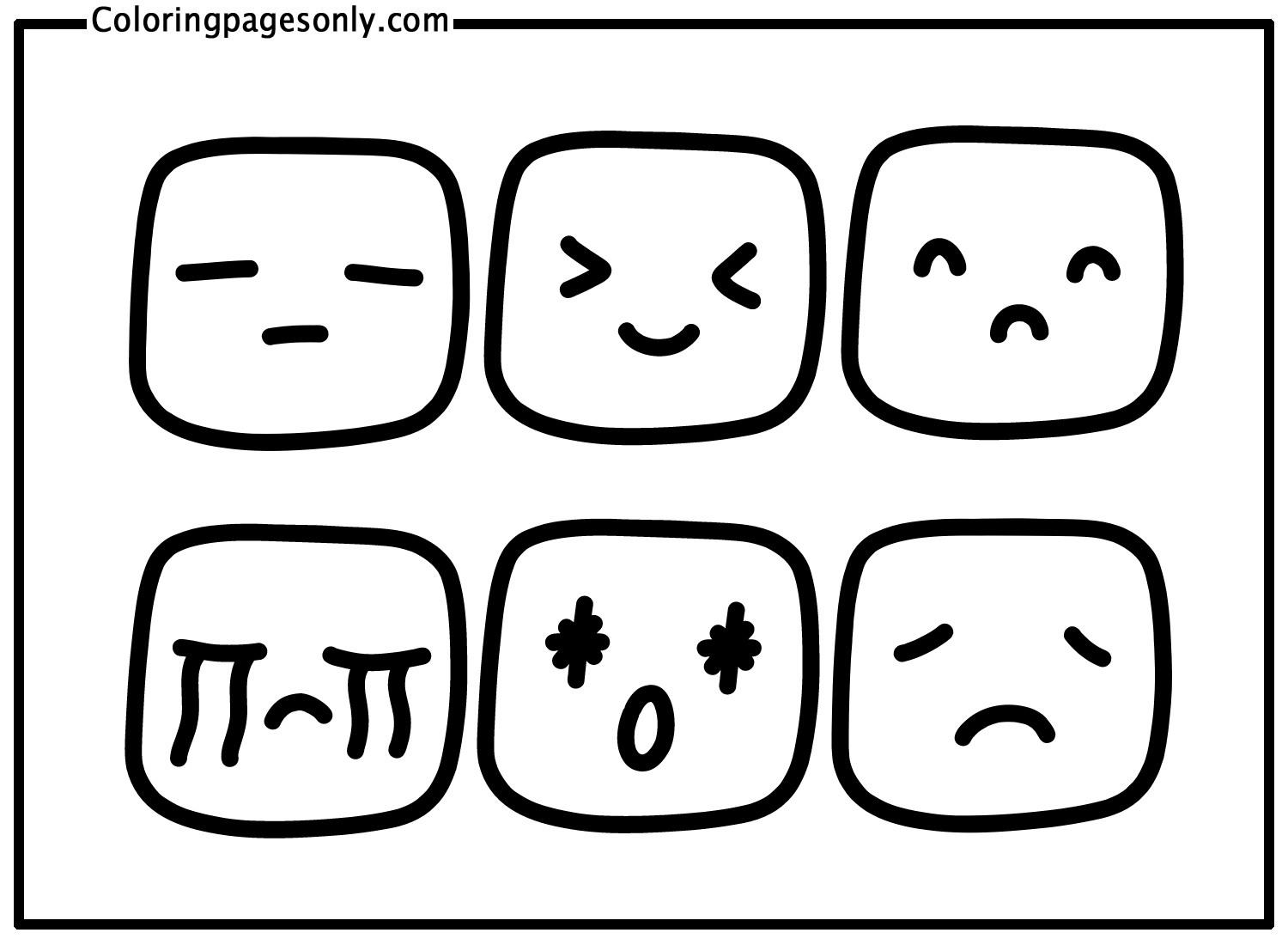
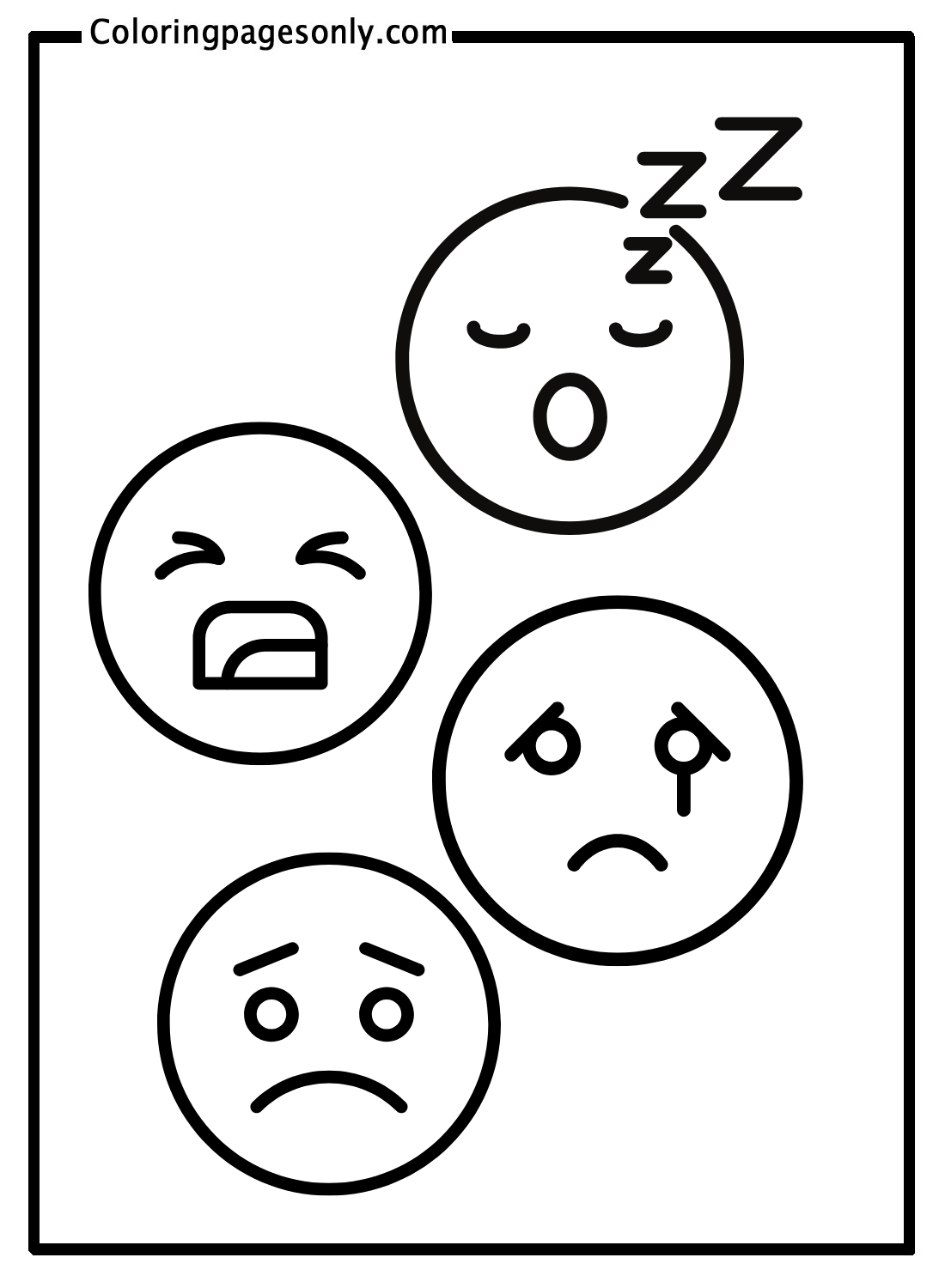
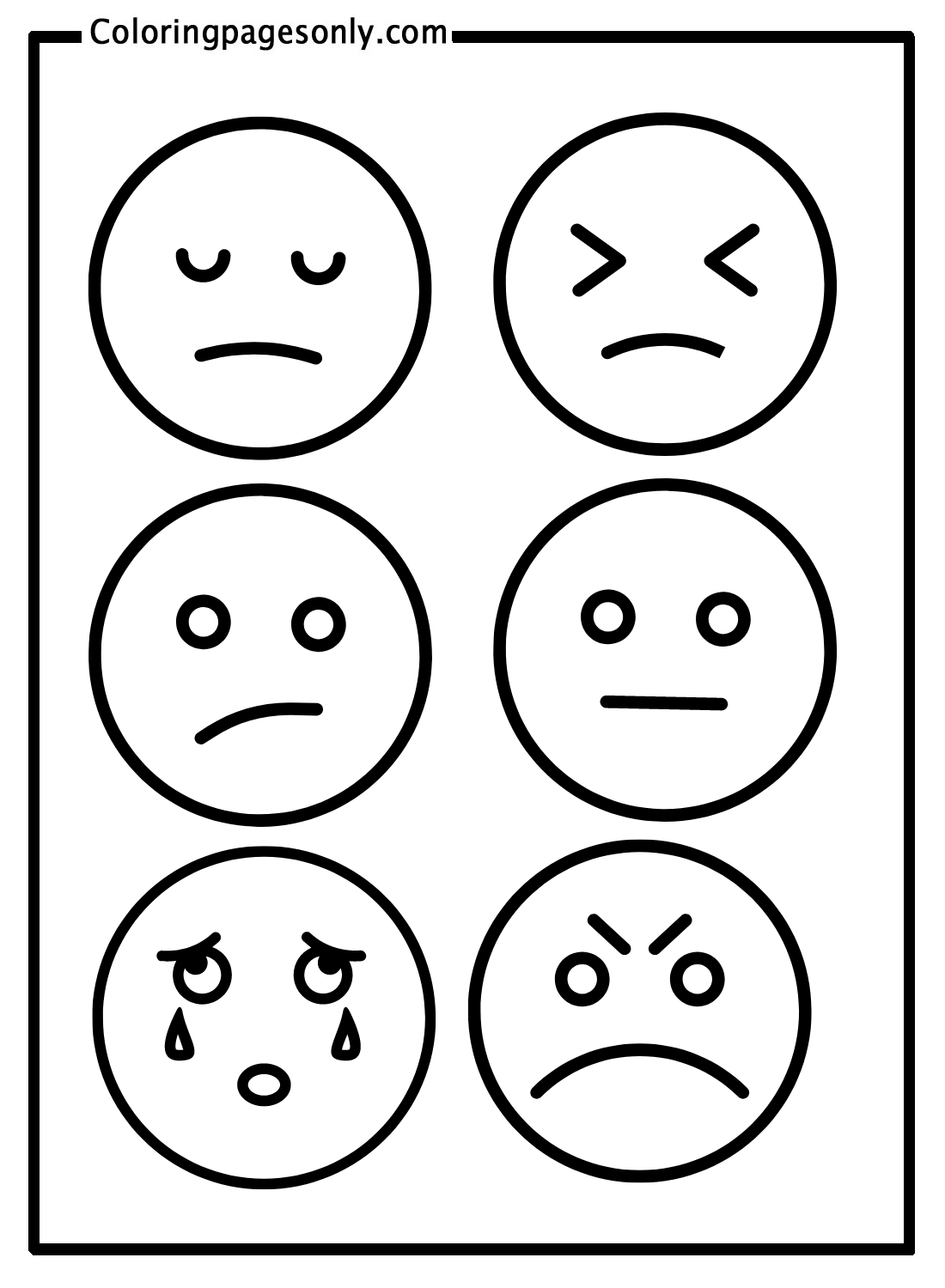
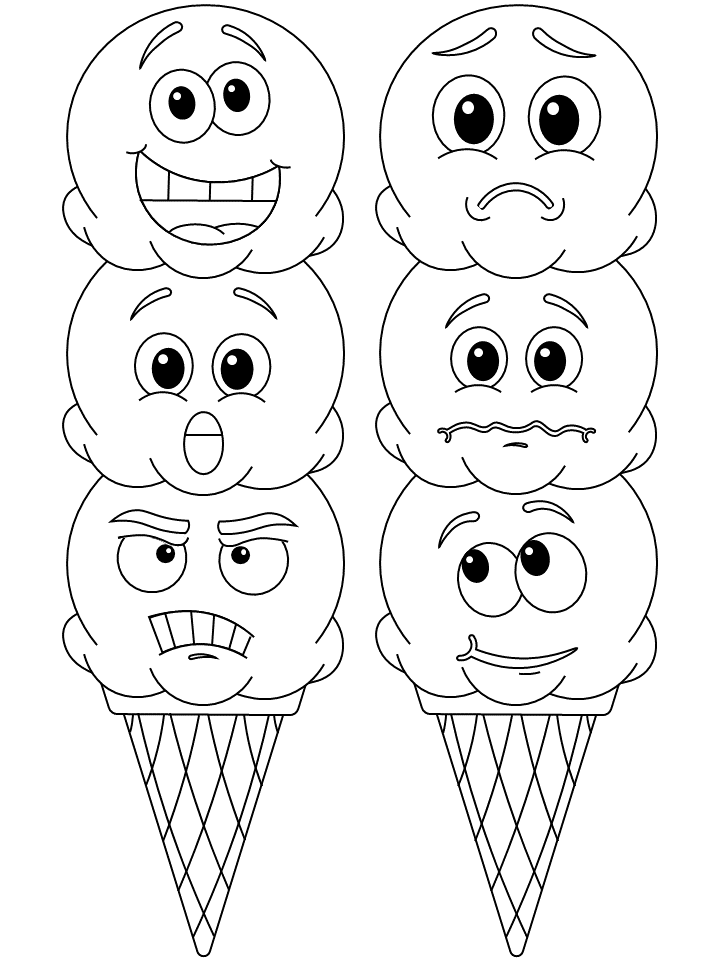
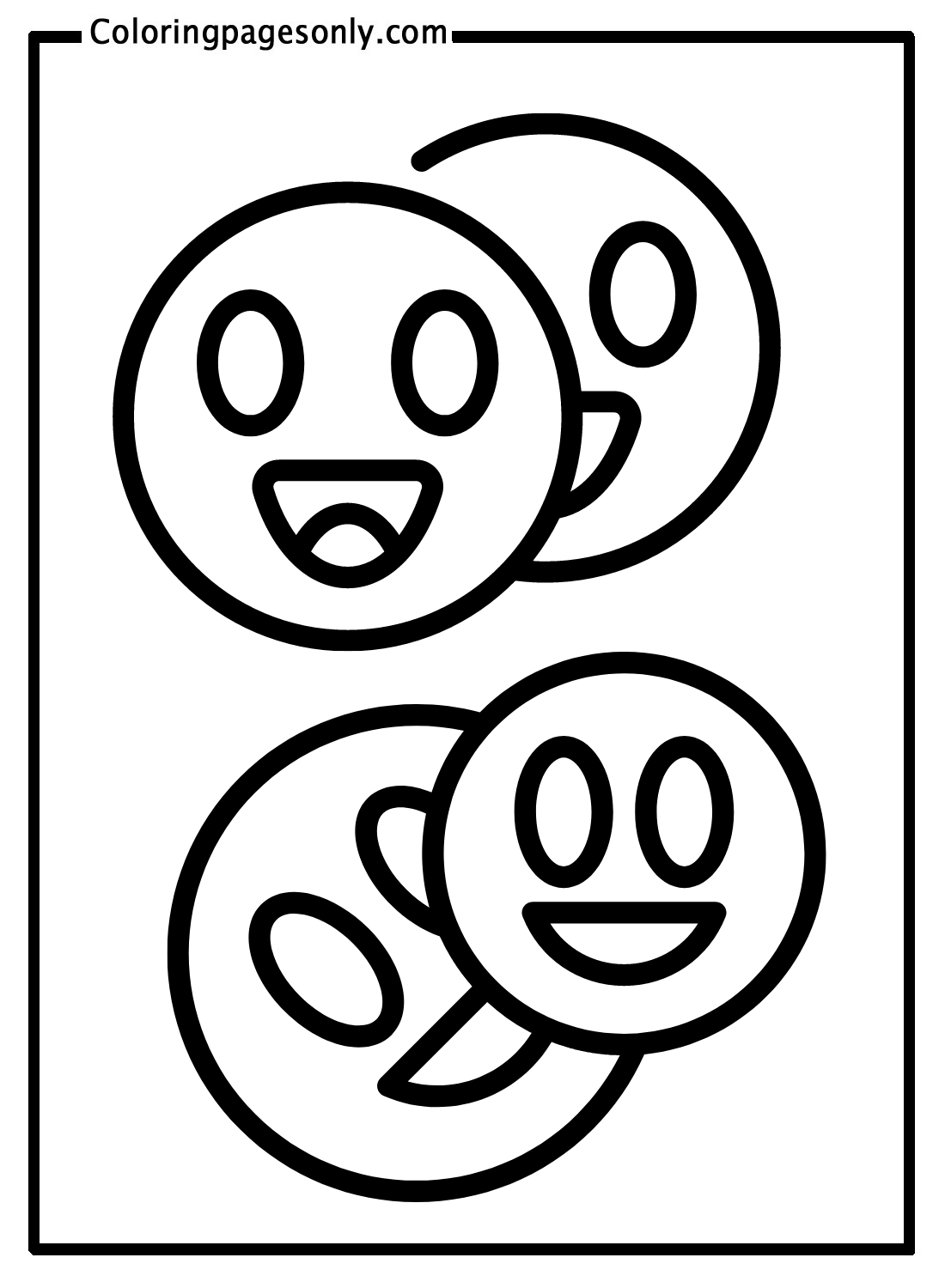
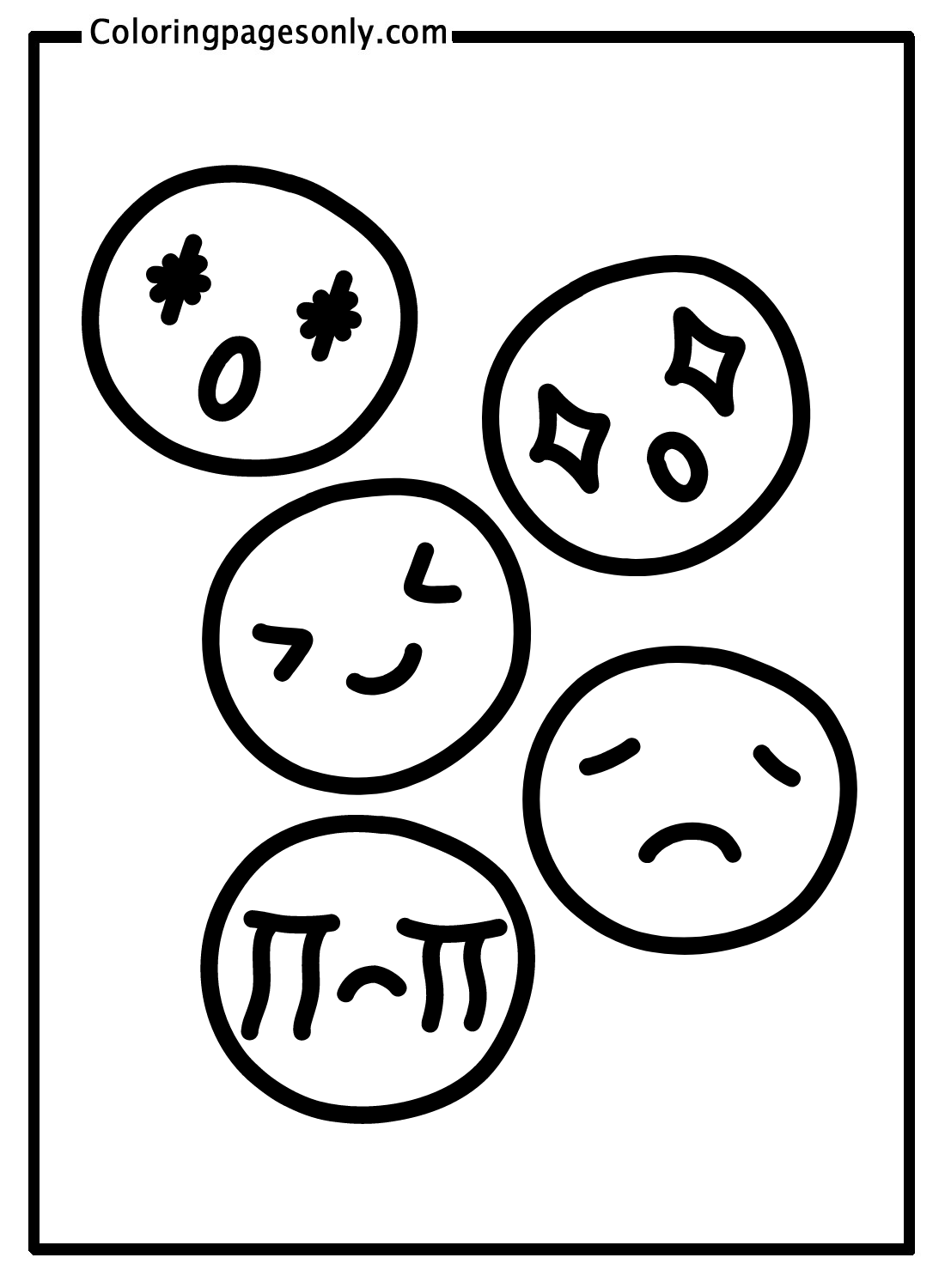
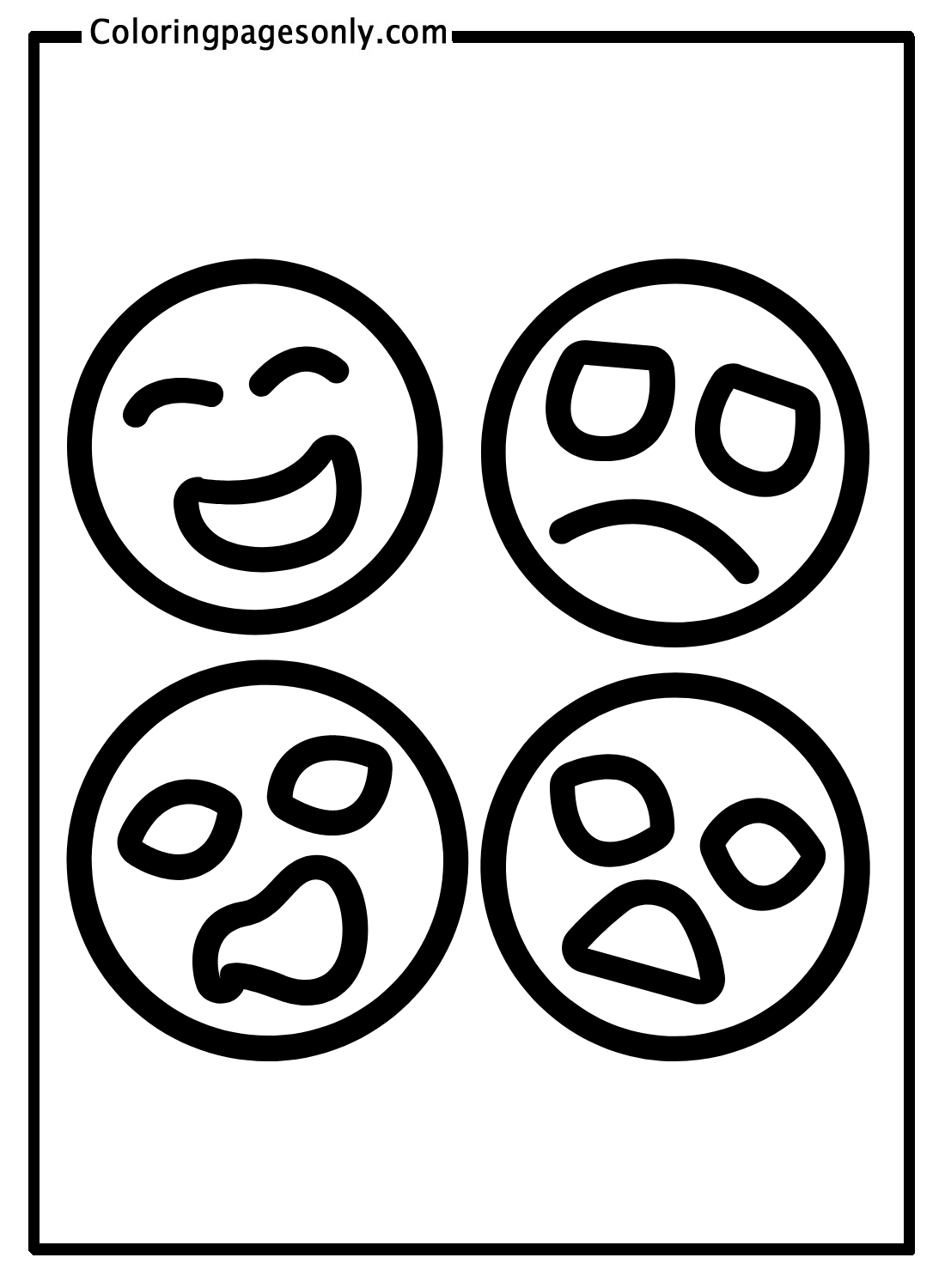
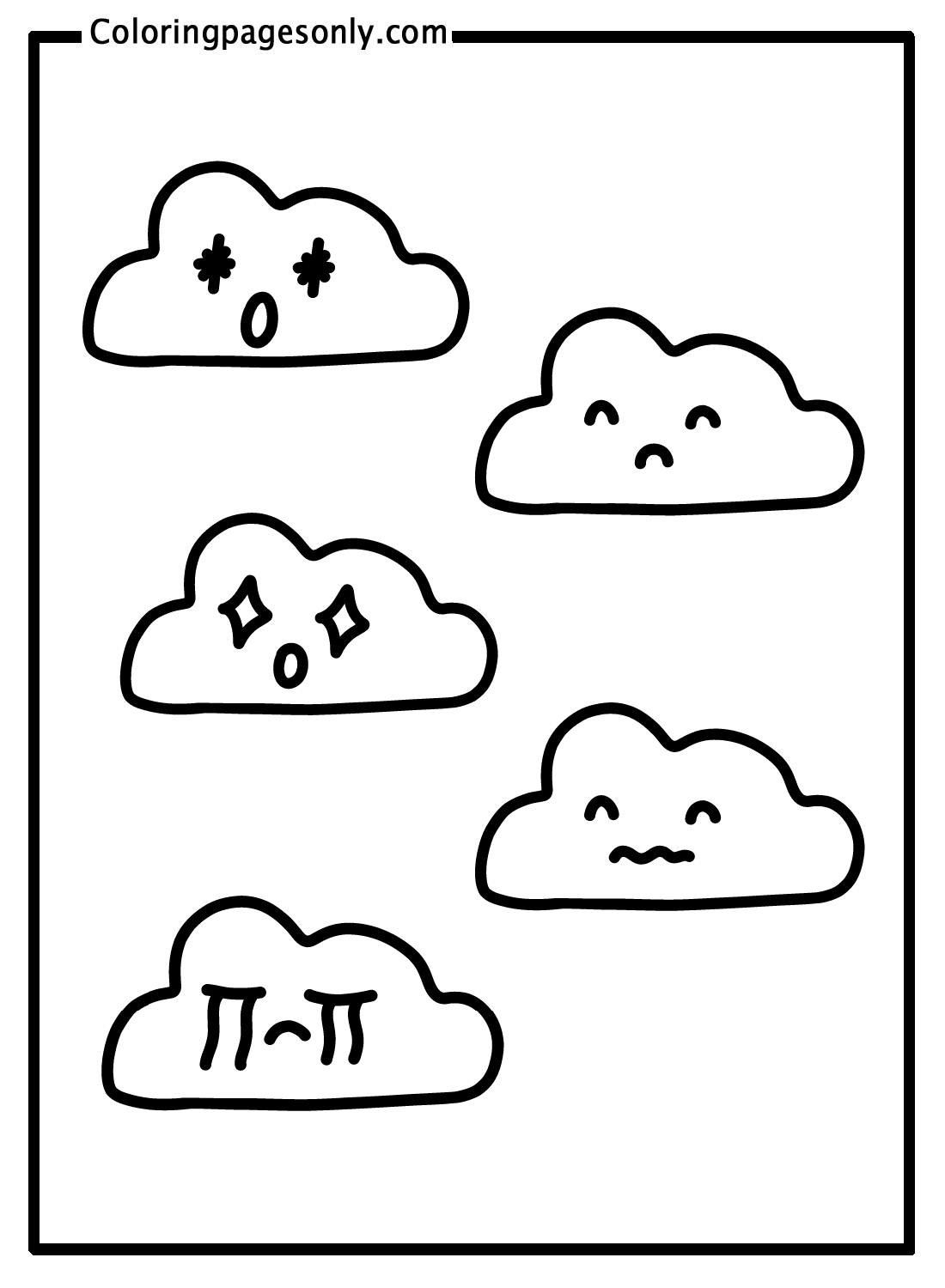
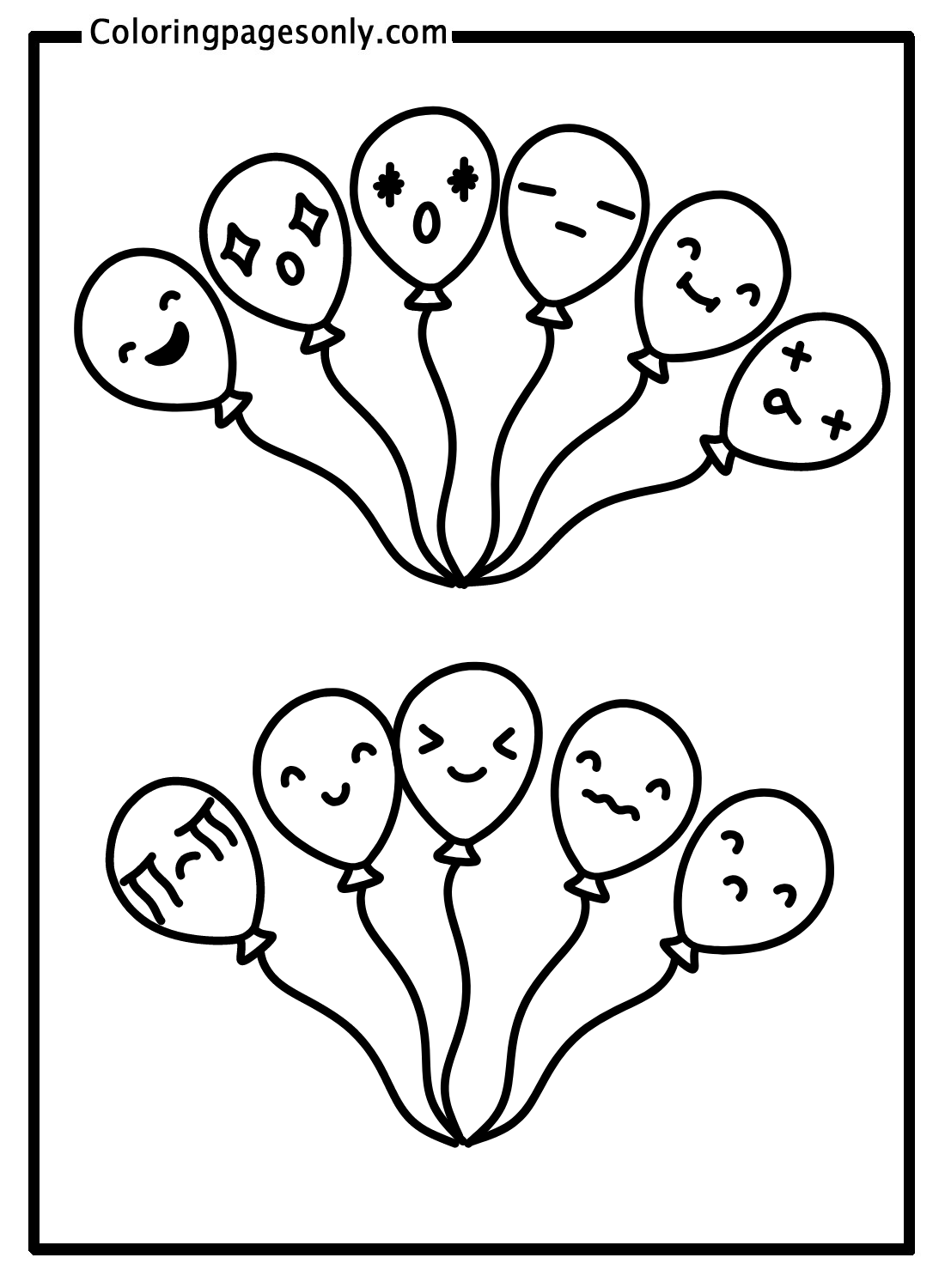
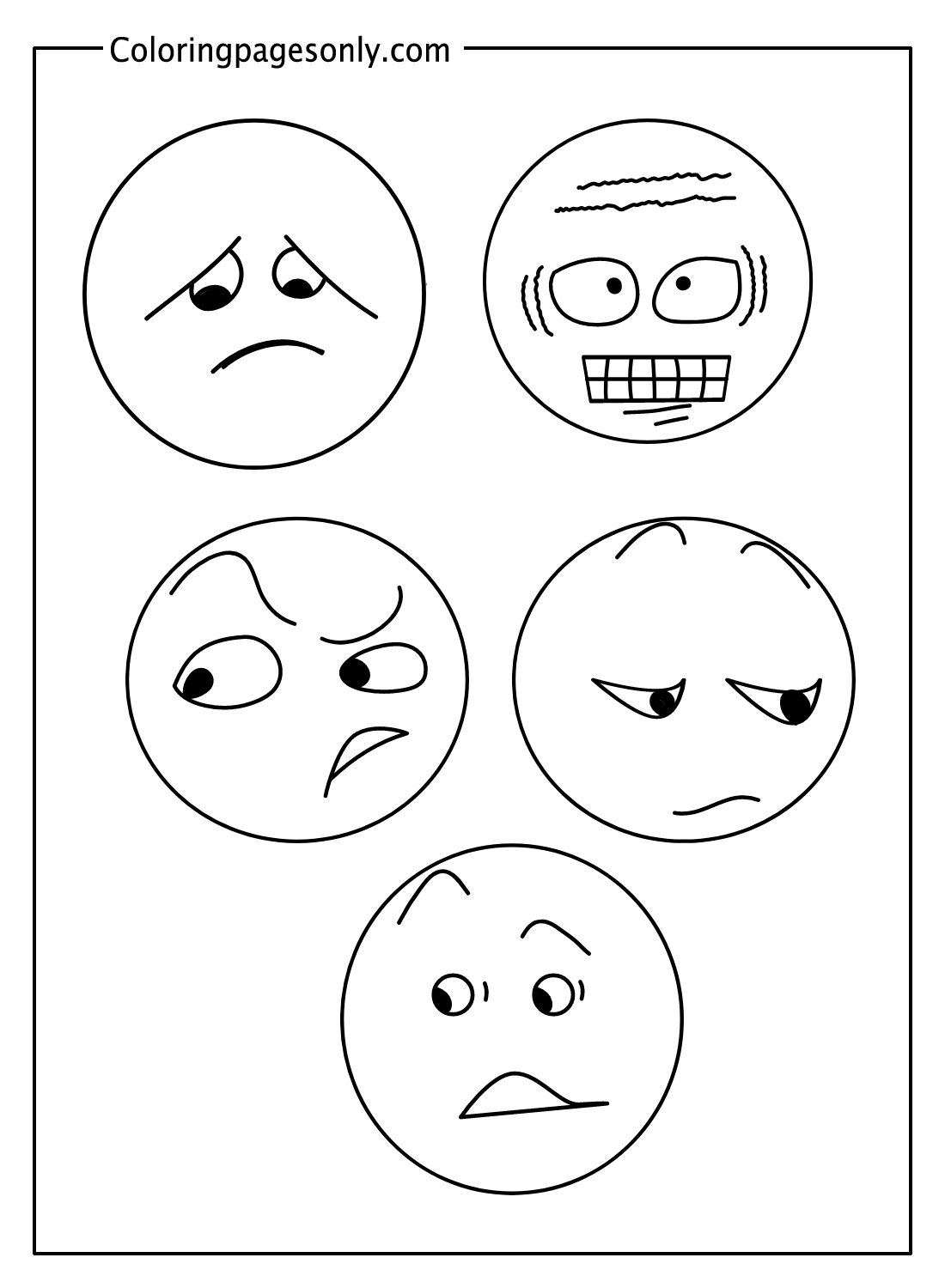
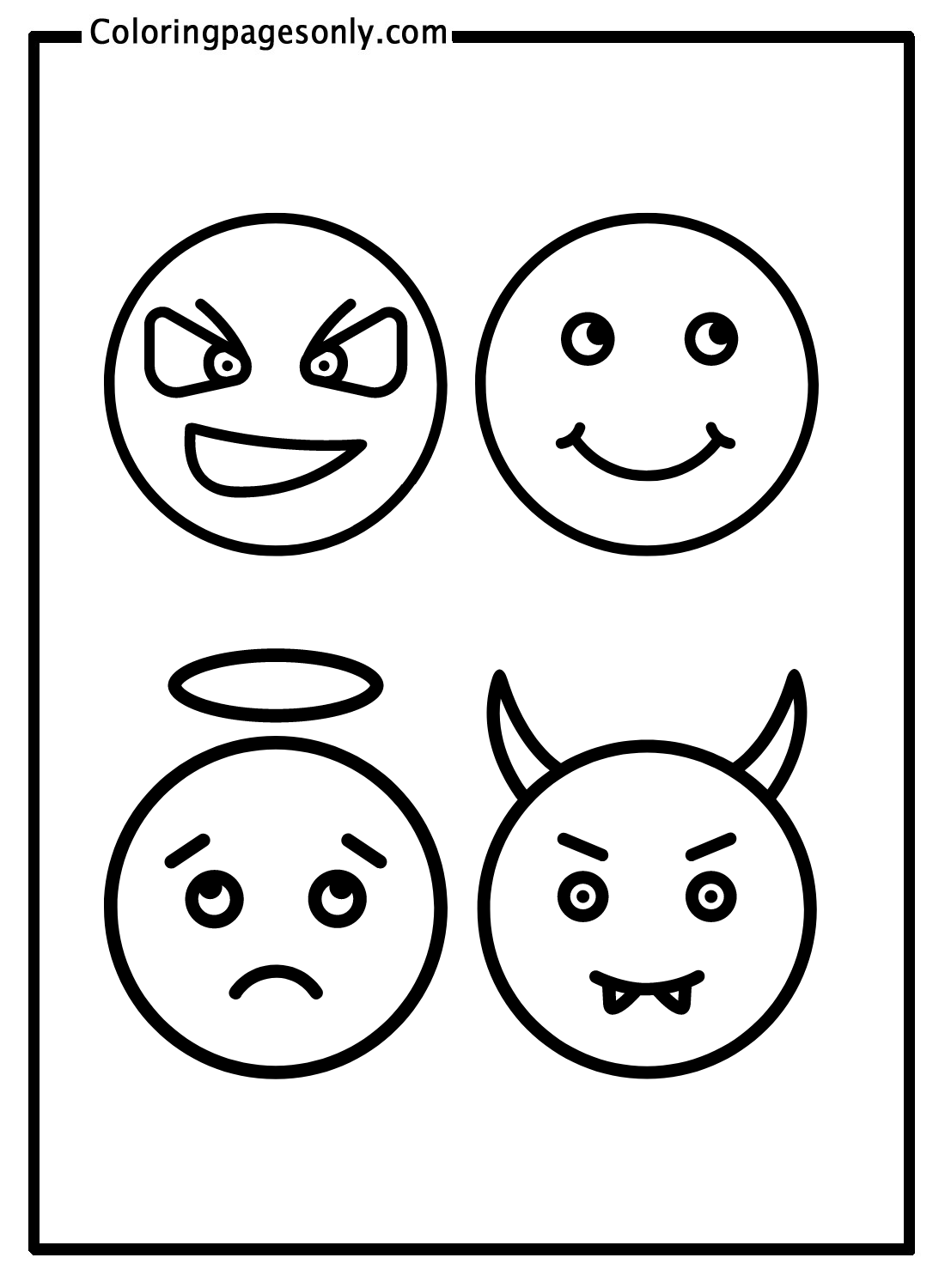
Many pages show simple faces expressing different emotions, like happy, sad, angry, and surprised. These clear designs make it easy for children to recognize and name each feeling.
Emotion Characters
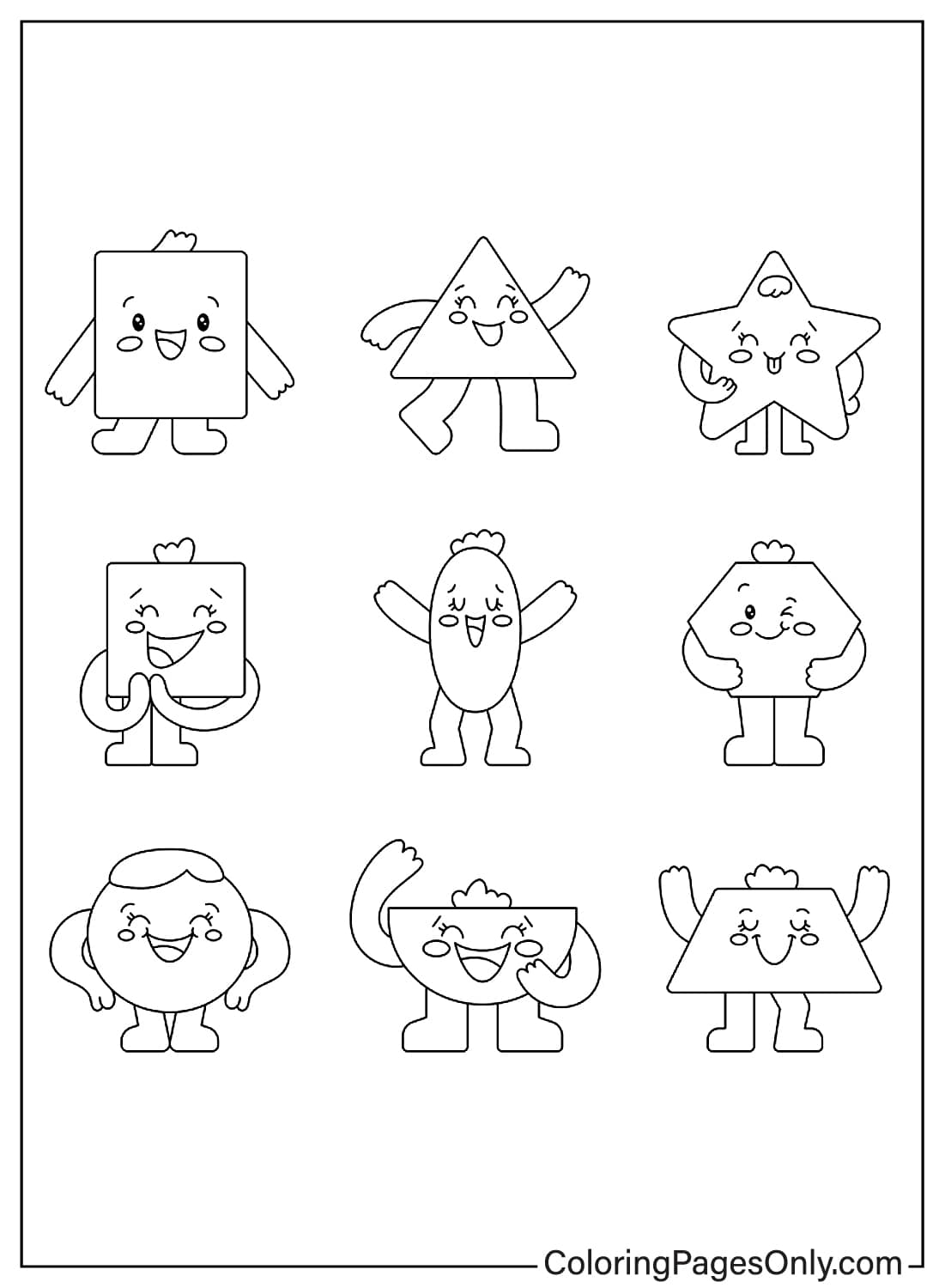
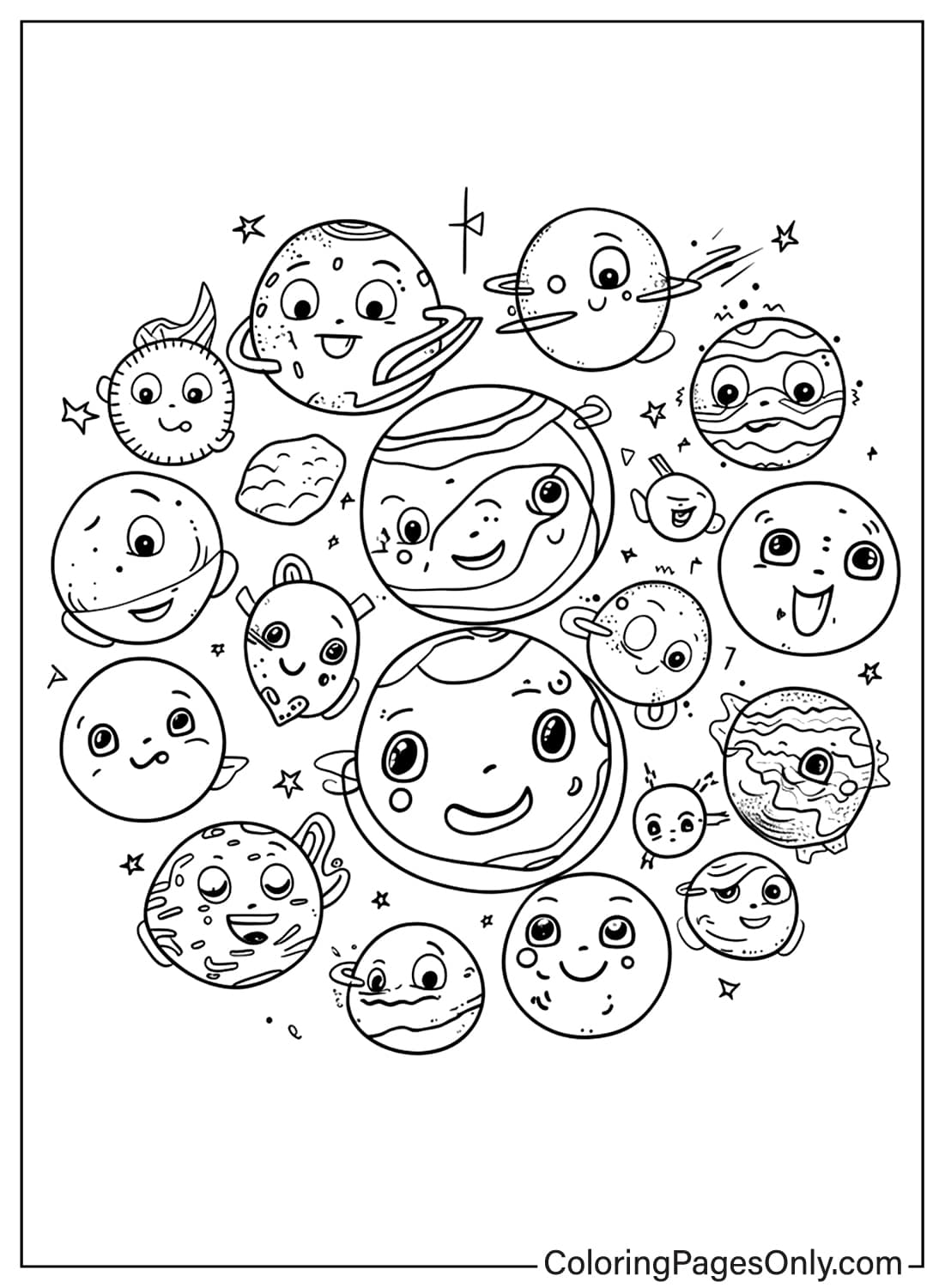
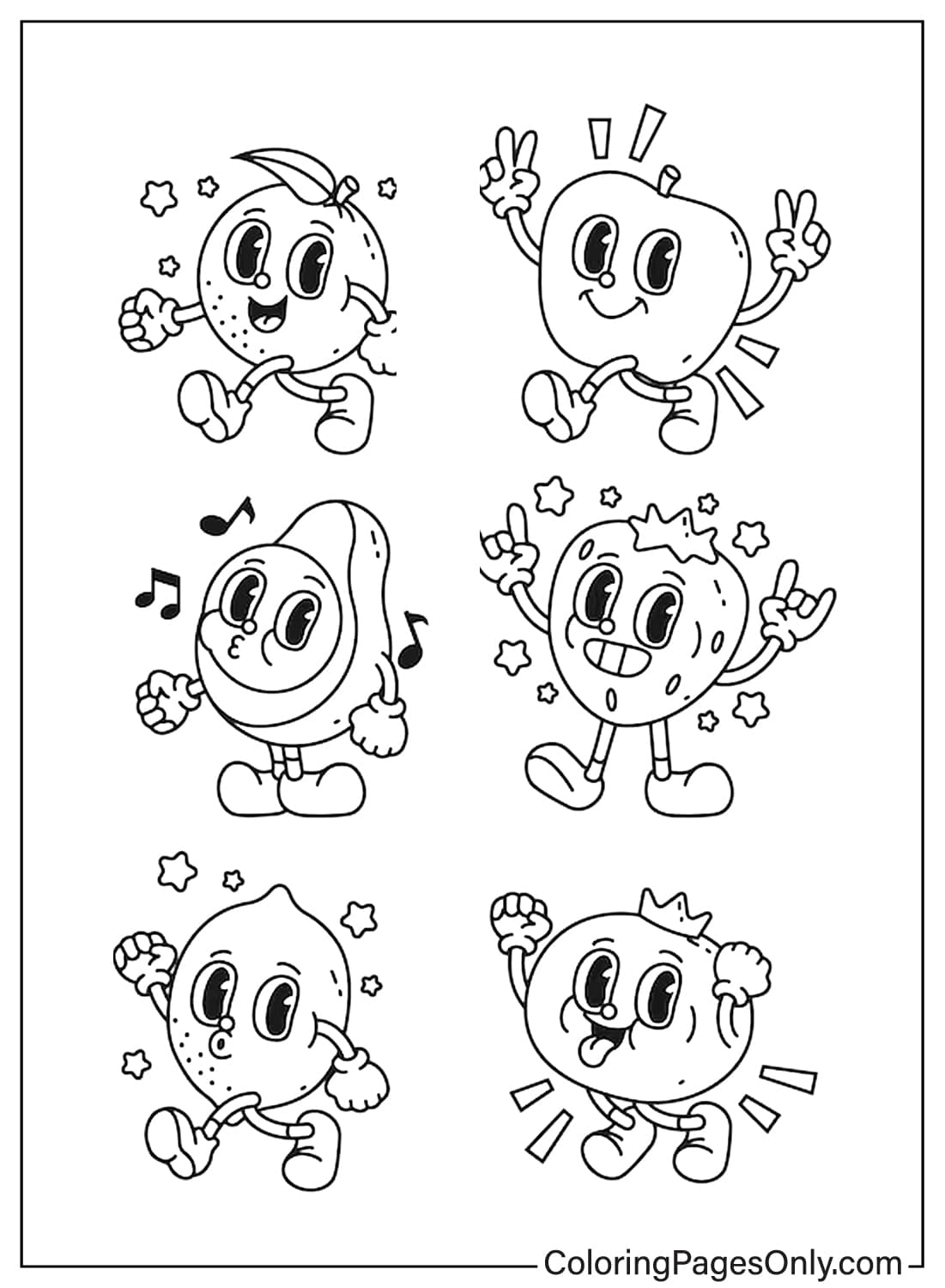
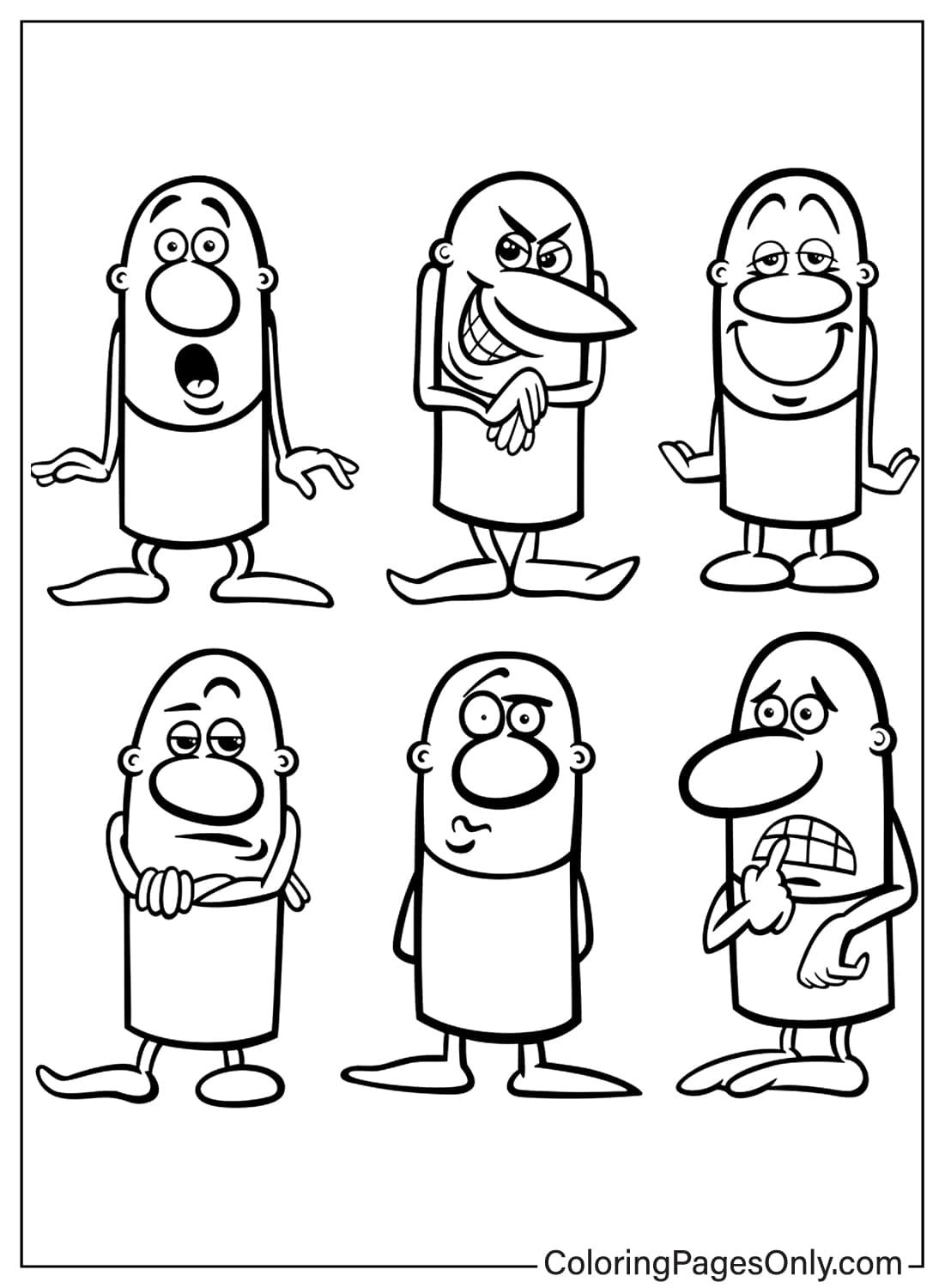
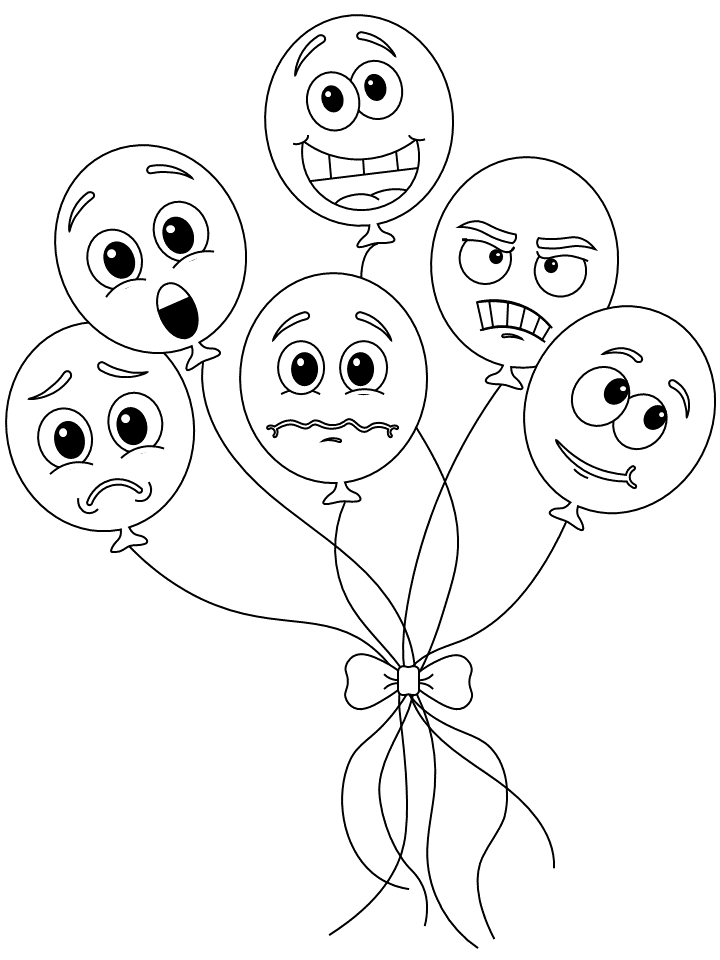
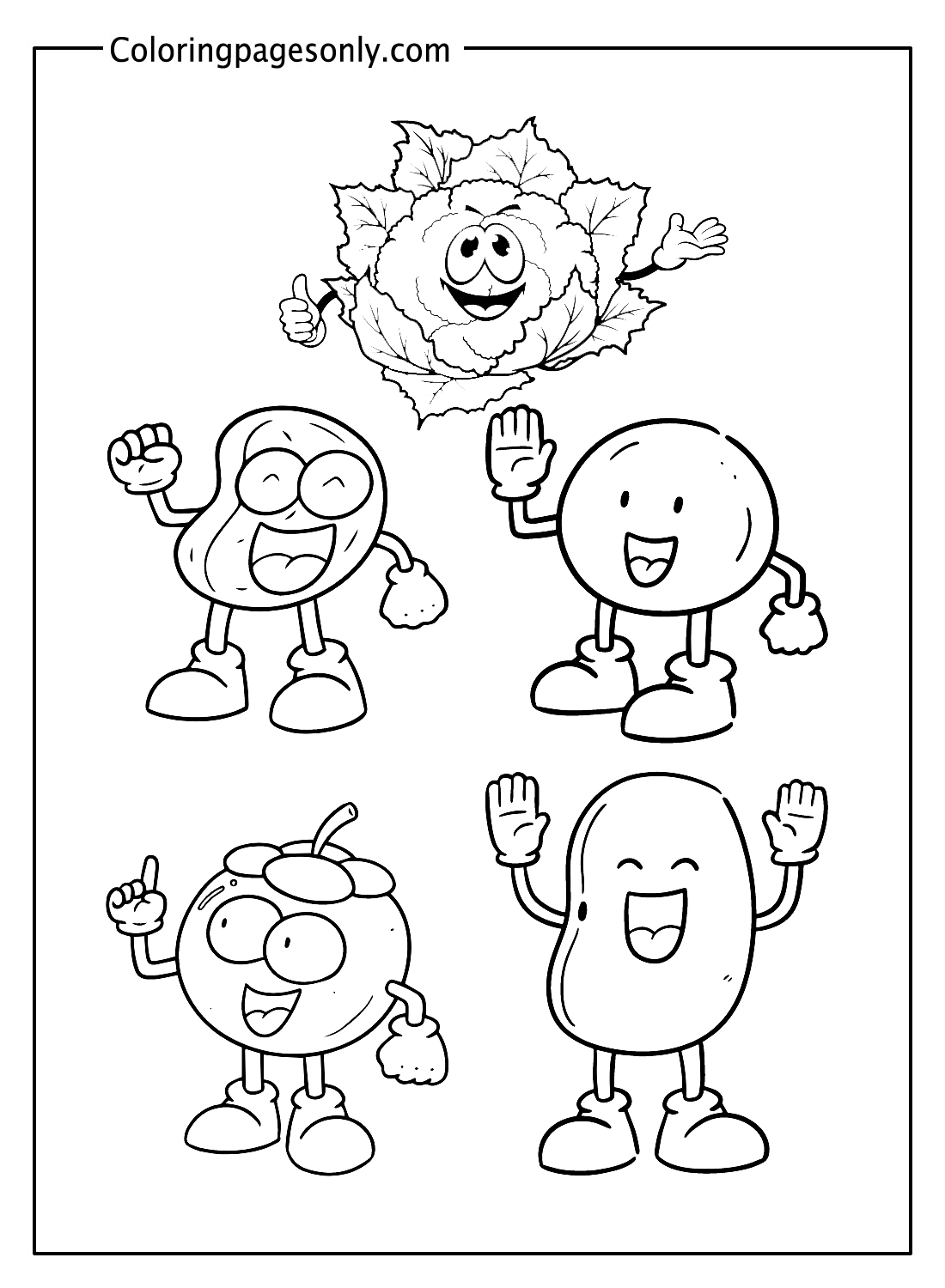
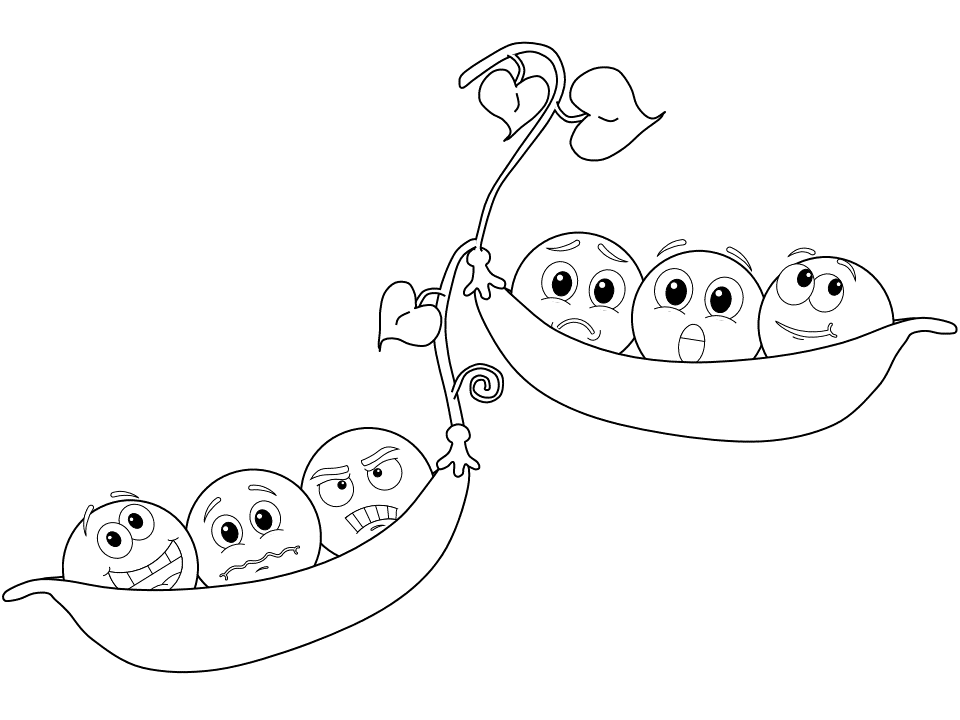
Some pages show cartoon characters and children showing different emotions through their faces and body language. These add context that helps children connect feelings to situations.
Baby and Toddler Emotions
Several pages feature baby and toddler faces, which are simple and friendly. These suit the youngest children who are just beginning to learn about feelings.
Emotion Charts
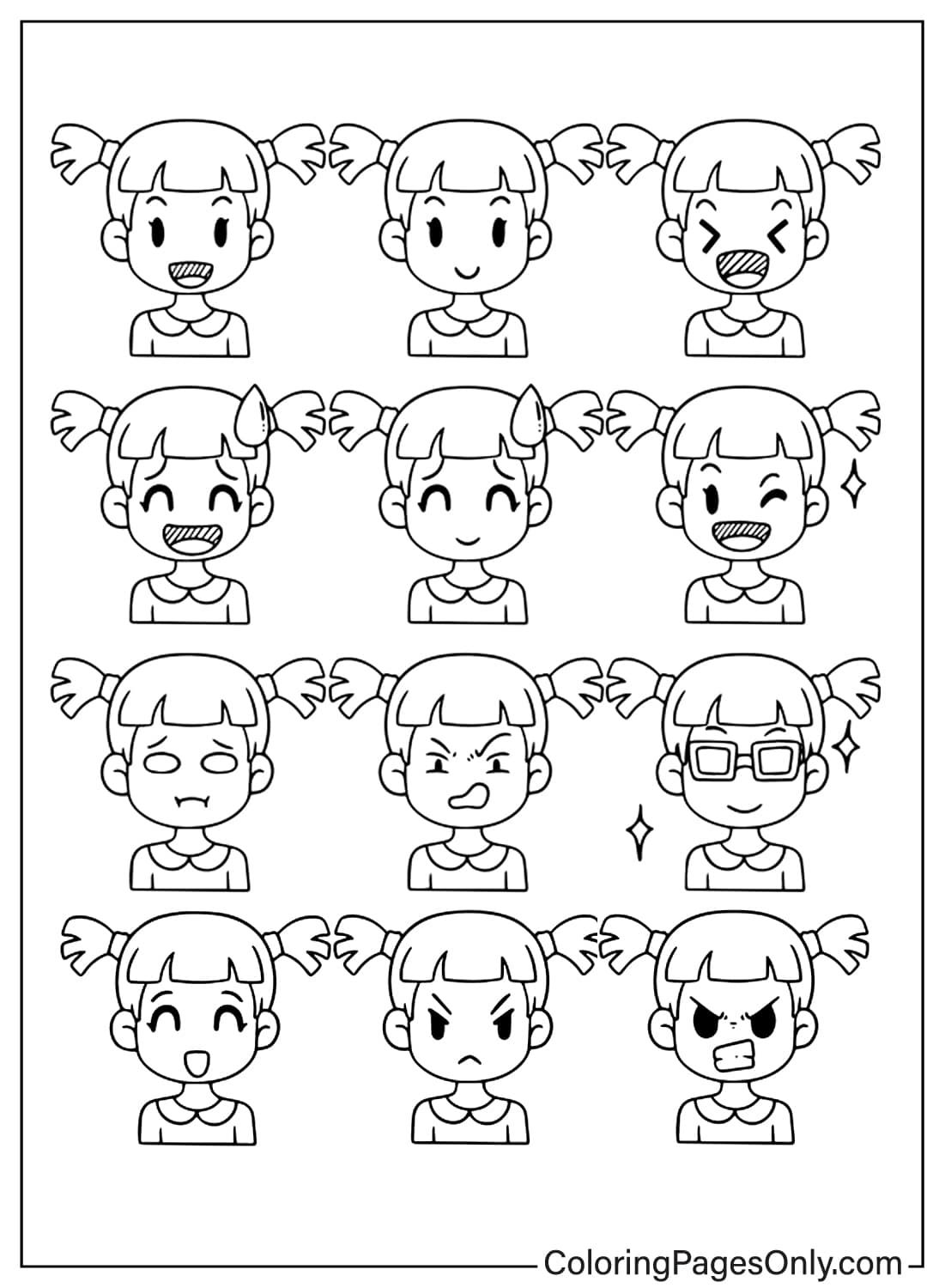
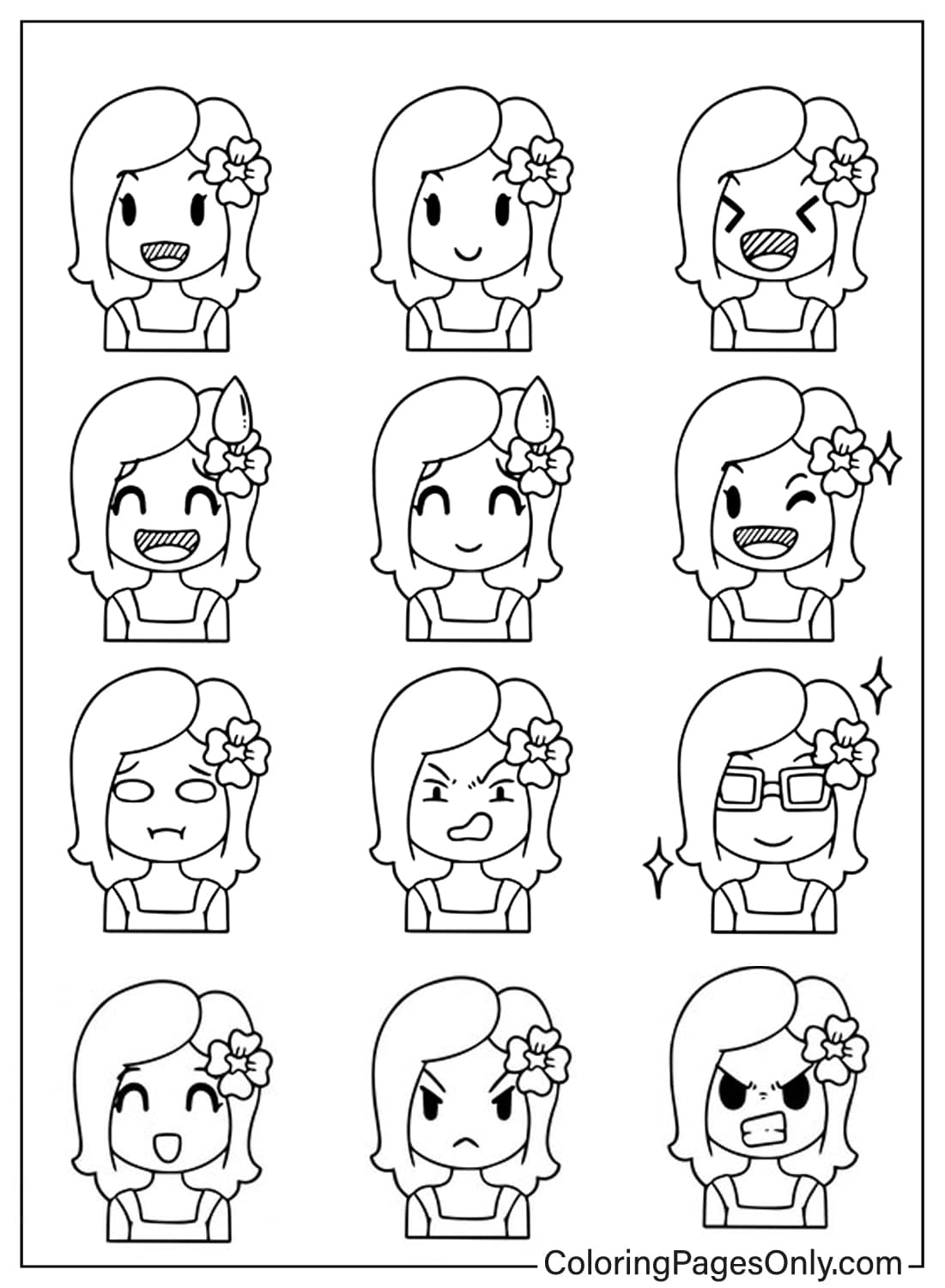
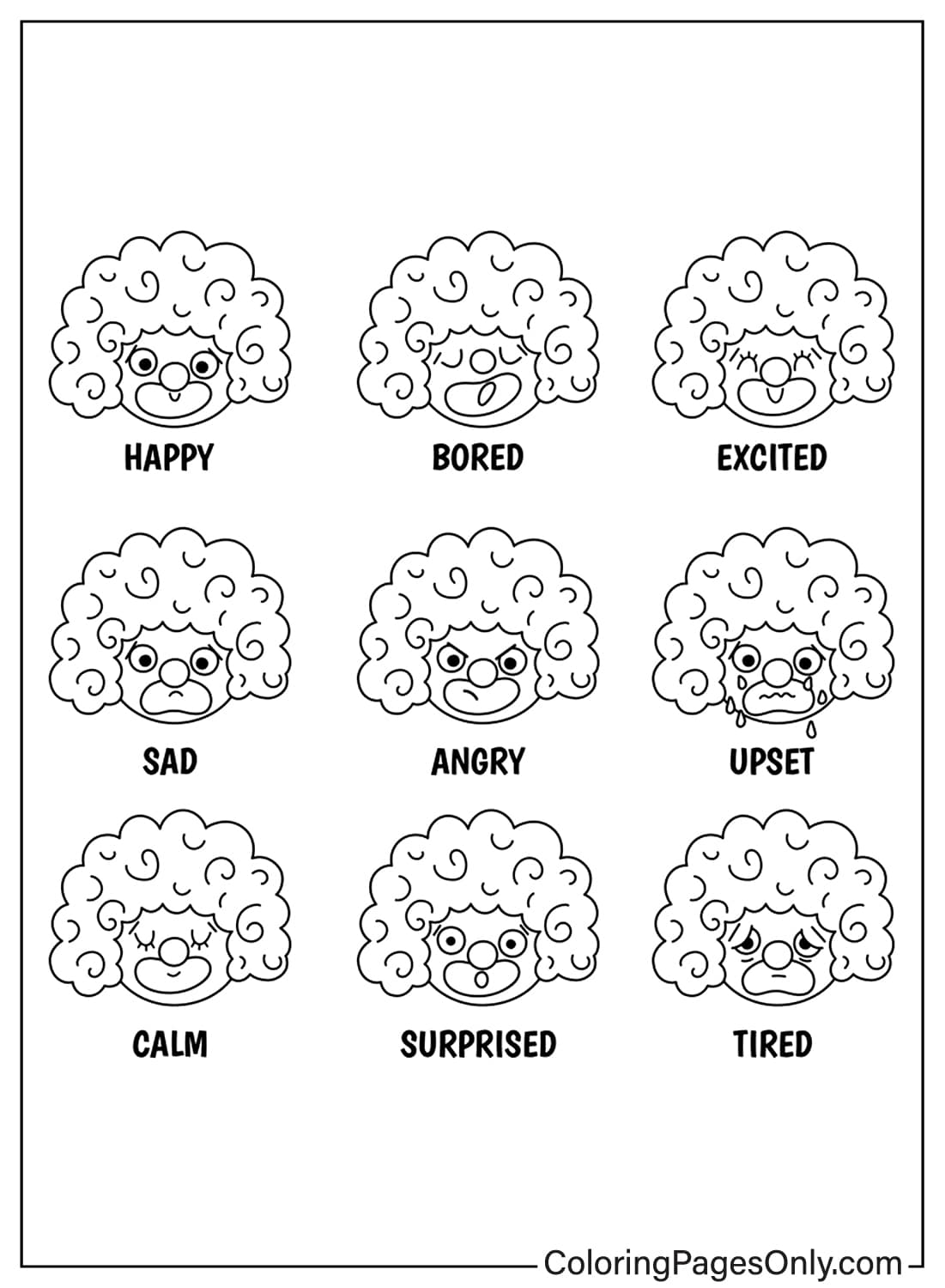
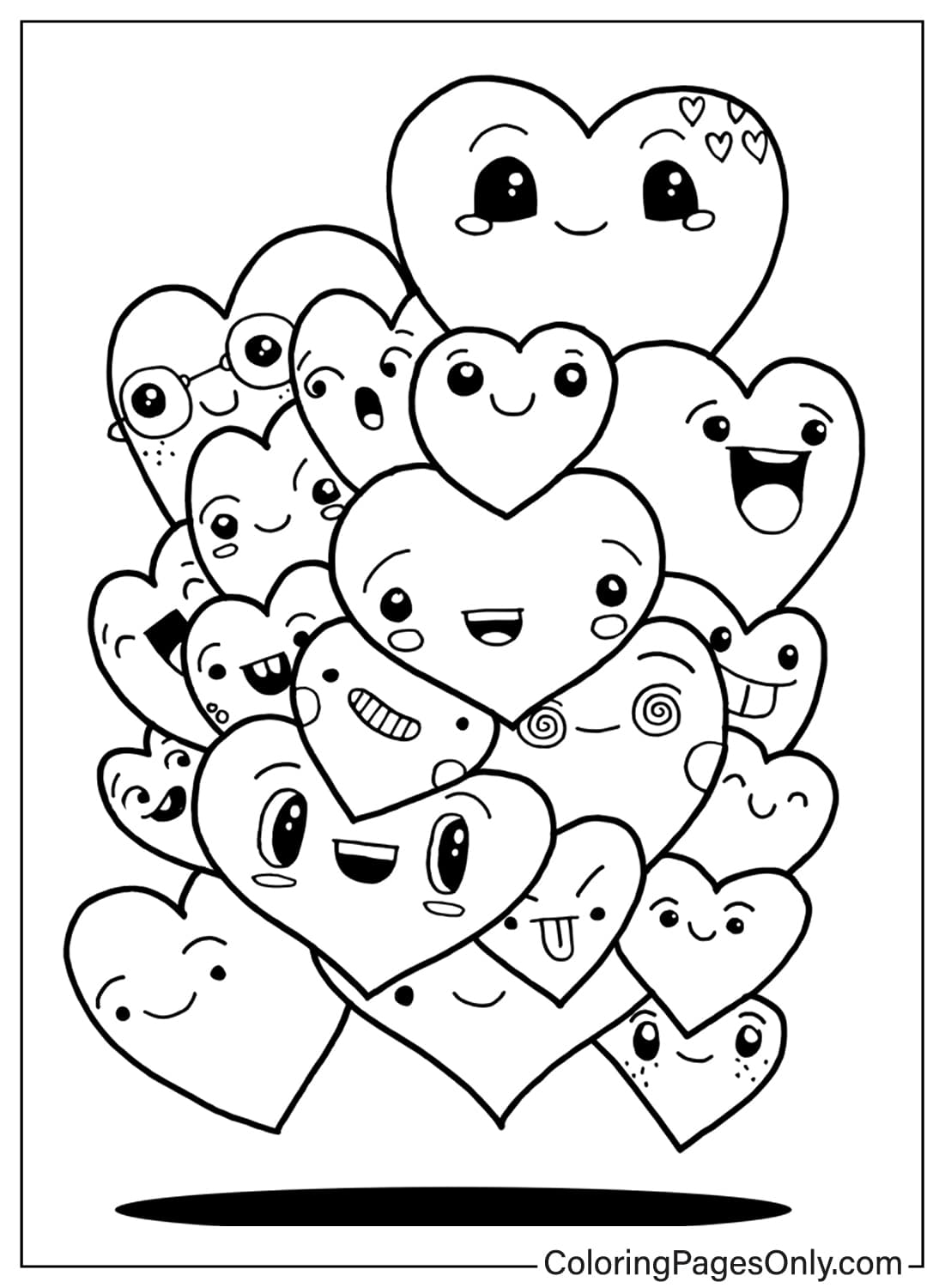
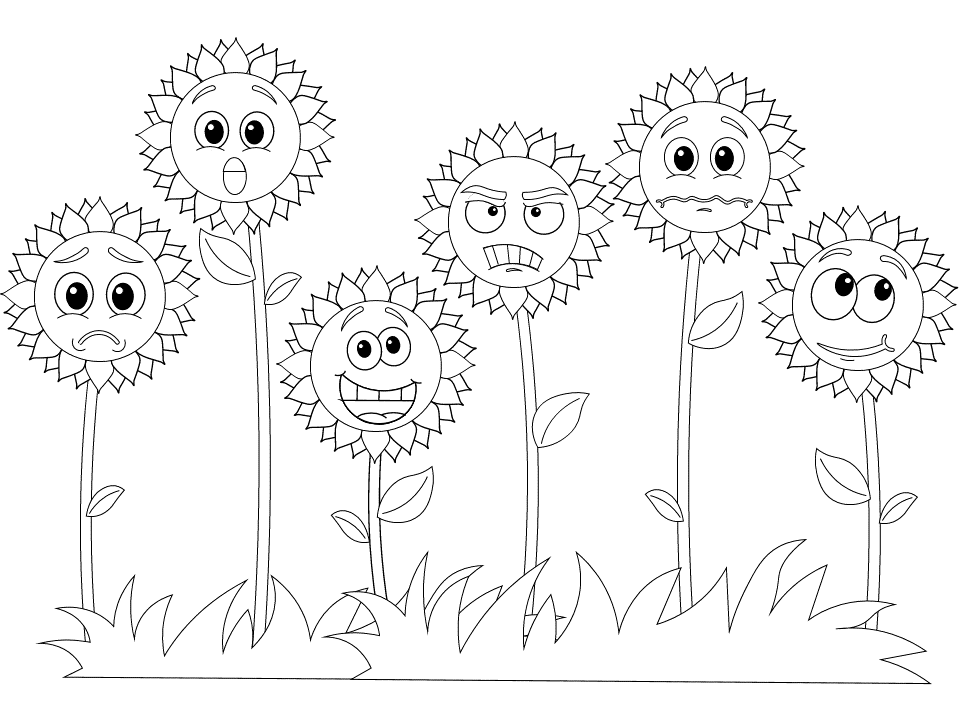
Other pages bring several emotions together on one sheet, like a feelings chart. These are useful for classrooms and counseling, helping children point to how they feel.
What Emotions Coloring Pages Do
Fine motor development. The American Academy of Pediatrics identifies fine motor skill development as a core benefit of structured coloring for children ages 2 through 7. These pages build hand control while also supporting emotional learning, making them doubly useful for young children.
Emotional learning. Recognizing and naming feelings is a key part of early development. These pages give children a calm, visual way to learn about emotions, which can help them understand and talk about their own feelings.
Anxiety reduction through focus. A 2005 study in the Art Therapy Journal documented measurable reductions in anxiety following structured coloring sessions. Coloring emotion faces is especially fitting, since the calm activity itself can help children feel settled while they think about feelings.
A tool for conversation. These pages give parents, teachers, and counselors a gentle starting point for talking about feelings. Coloring a sad or happy face together can open up a conversation about how a child is doing.
How to Color Emotions Pages Well
- Match colors to feelings: Talk about which colors make you feel happy, calm, or angry. Many children pick warm yellows for happy and cool blues for calm, which is a fun way to explore mood and color.
- Bright for happy faces: Use cheerful colors like Crayola “Yellow” and “Orange” for happy and excited faces to match their mood.
- Cool for calm or sad: Use blues and soft greens for calm or sad faces, which can help show the quieter feelings.
- Skin and hair: Color the faces in any skin and hair tones, which is a nice chance to talk about how everyone shows feelings.
- Add your own touch: Encourage children to add details, like tears for sad or a big smile for happy, to make each feeling clear.
- Keep it relaxed: There is no wrong way to color a feeling, so let children choose colors freely, which keeps the activity calm and open.
5 Creative Craft Ideas With Emotion Coloring Pages
1. Feelings Chart. Color several emotion faces, cut them out, and arrange them on a chart so children can point to how they feel each day.
2. Emotion Flashcards. Color each emotion, glue it to a card, and write the feeling’s name on the back to make simple flashcards for learning feelings.
3. Feelings Wheel. Color several emotions, arrange them around a circle, and add a spinner so children can point the arrow to their mood.
4. Mood Journal. Color a feeling each day and keep the pages in a folder to make a simple mood journal over time.
5. Classroom Display. Color a set of emotions and display them on a classroom wall as a reference for talking about feelings.
Frequently Asked Questions
What are emotions coloring pages?
Emotion coloring pages are printable designs showing faces and characters expressing different feelings, like happy, sad, and angry. They help children recognize and name emotions, and can be printed as PDFs or colored online in the browser.
How do coloring pages help children?
They give children a calm, visual way to learn about feelings. By coloring and naming different emotions, children build the ability to recognize and talk about how they feel, which is an important part of early emotional development.
What emotions are included in this collection?
The collection covers common feelings such as happy, sad, angry, surprised, and calm, shown through faces, characters, and feeling charts. The range helps children learn to recognize many different emotions.
Are coloring pages with emotions good for classrooms?
Yes. These pages are popular in classrooms and counseling settings as part of social and emotional learning. Teachers and counselors use them to help children identify feelings and to start gentle conversations about emotions.
What colors should I use for different emotions?
There is no fixed rule, which makes it a great talking point. Many children link warm colors like yellow and orange to happy feelings, and cool colors like blue to calm or sad ones. Letting children choose helps them connect color and mood.
Are coloring pages with emotions suitable for young children?
Yes. The simple face designs and baby emotion pages suit children ages 3 and up, while the busier charts suit older children. The pages are gentle and friendly for all ages.
Are these coloring pages free to print?
All pages are free to download as a PDF and print, or to color online in the browser. No account, email, or payment is required. Pages can be printed at home or in a classroom on standard paper for personal use.
How can parents use emotion coloring pages at home?
Parents can color the pages together with their child and talk about each feeling as they go. Coloring a happy or sad face can be a gentle, low-pressure way to start a conversation about how a child is doing.
Start Coloring
Download any page by clicking the design. No account, email, or payment is required. Pages print directly from the browser at full resolution or open in the online coloring tool for screen use. Share finished pages on Facebook or Pinterest with the share buttons at the top of each design page.