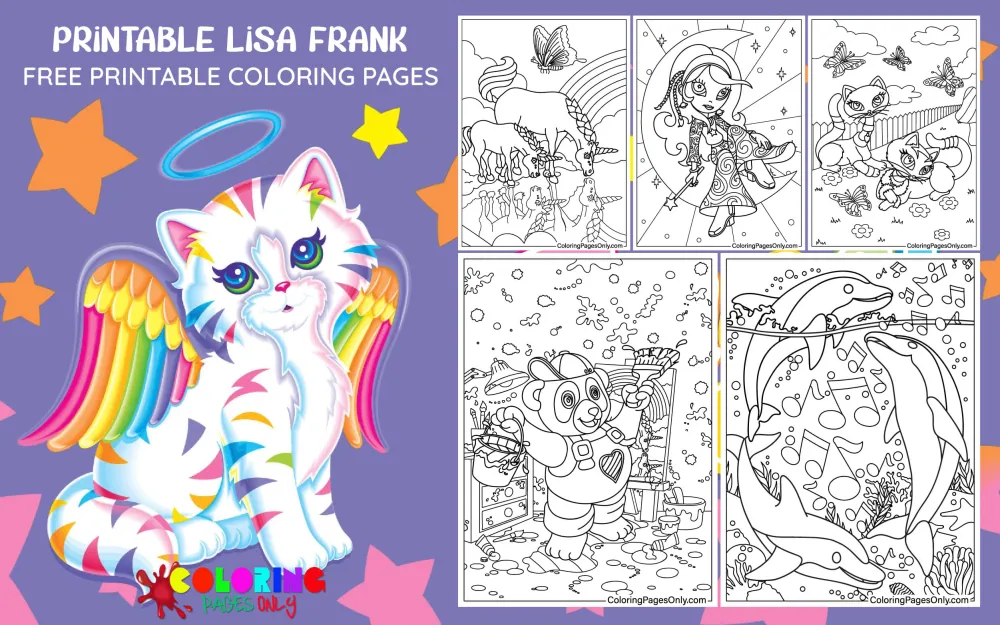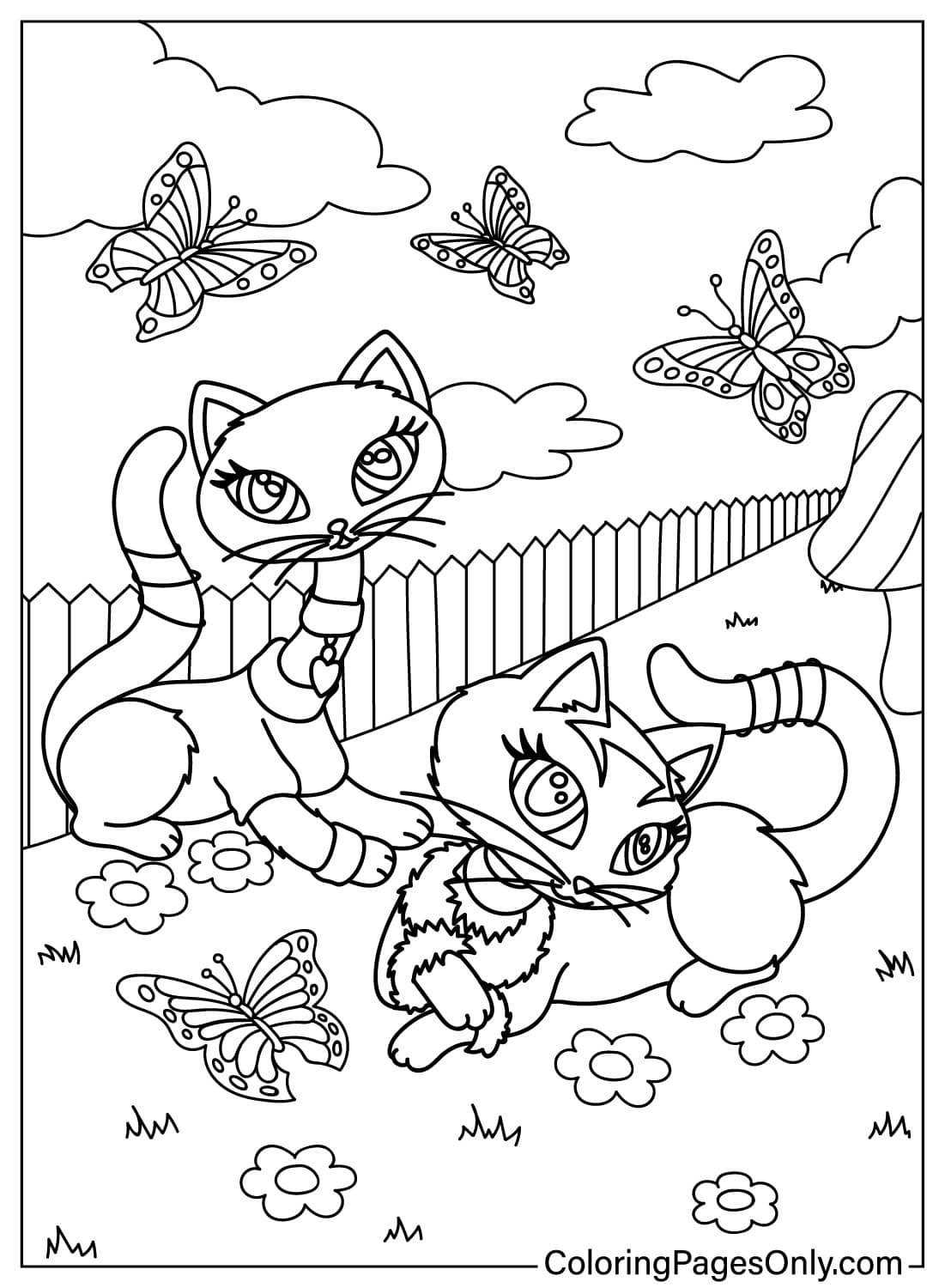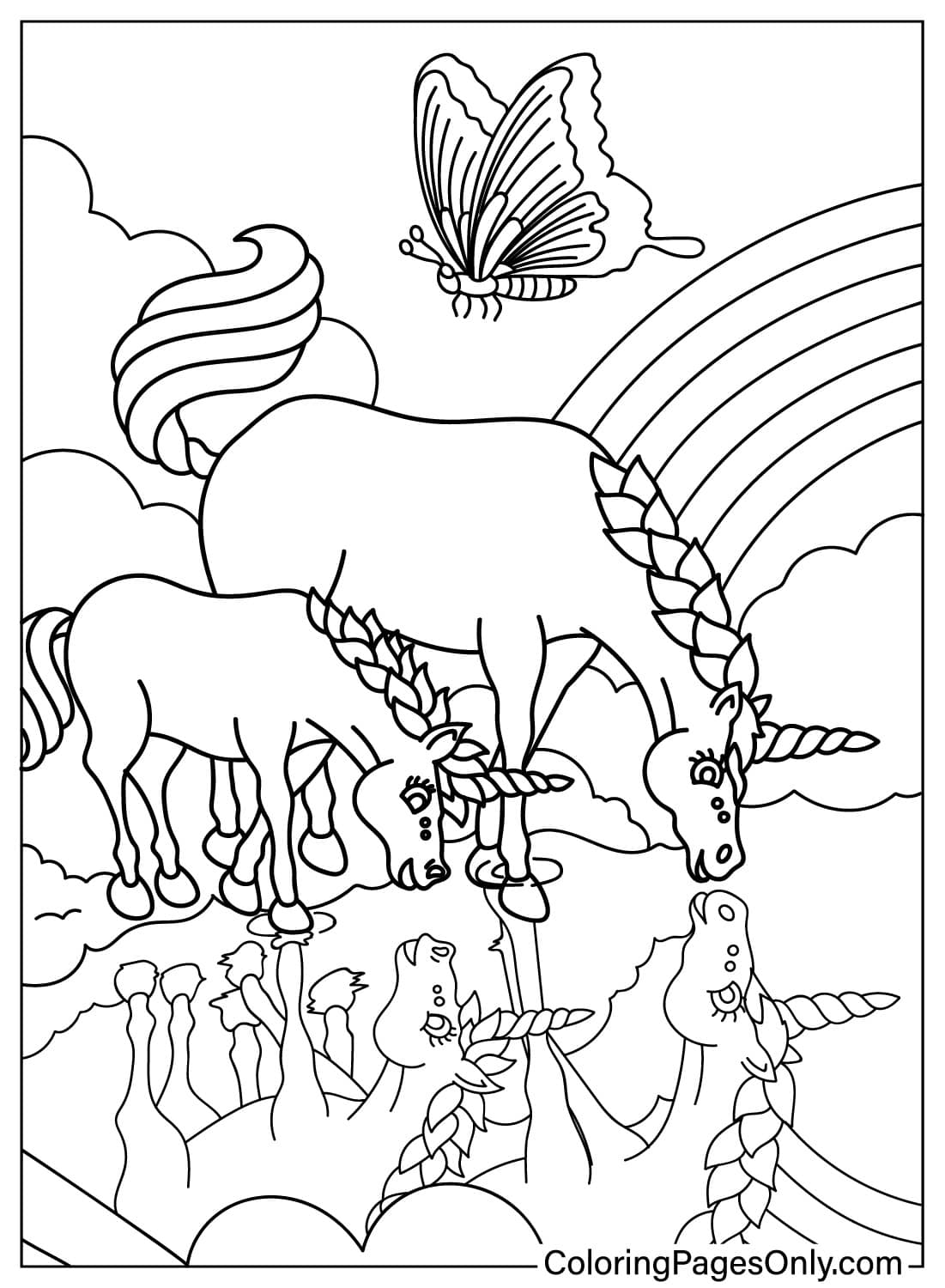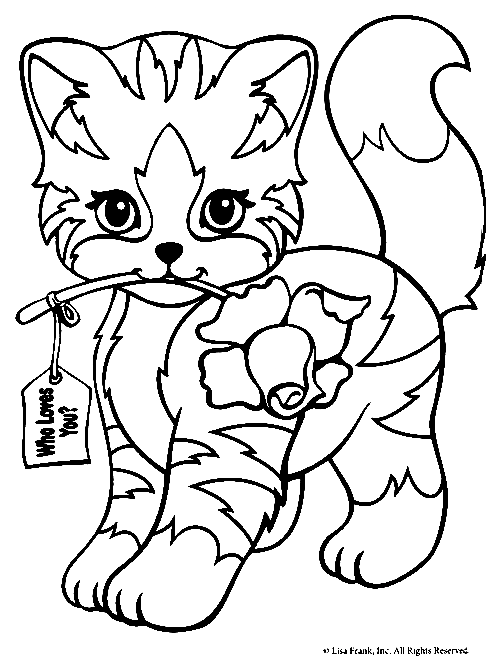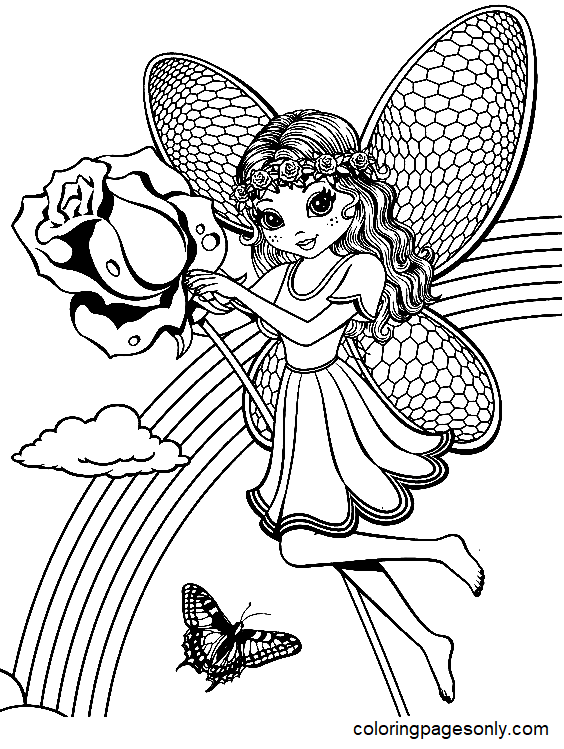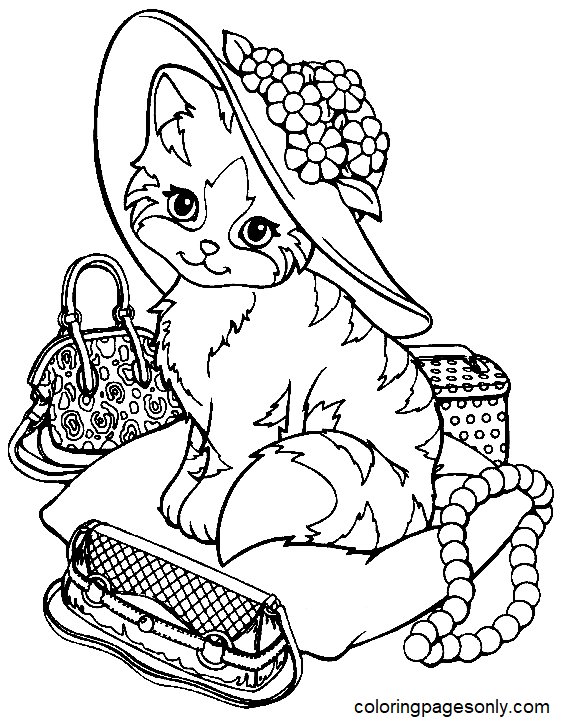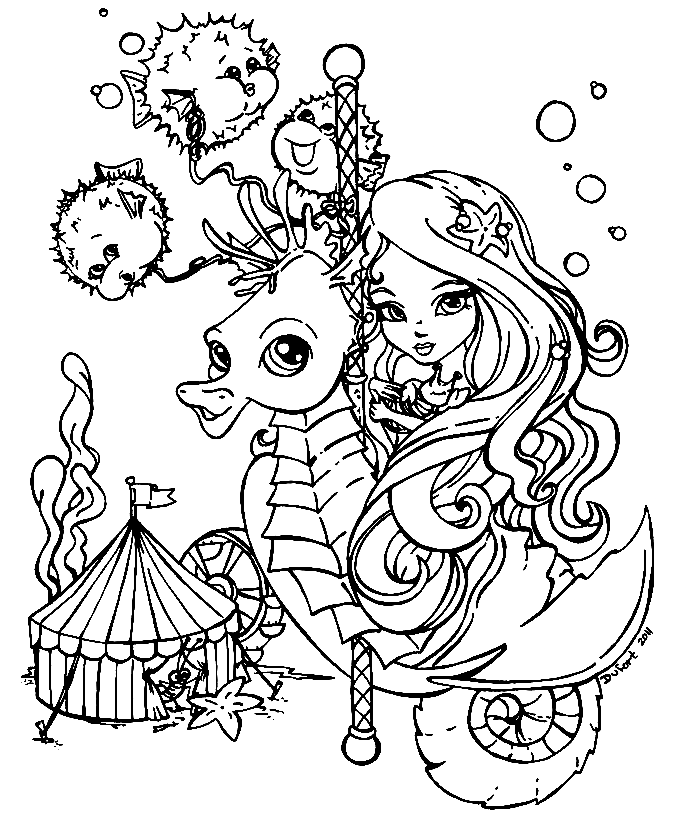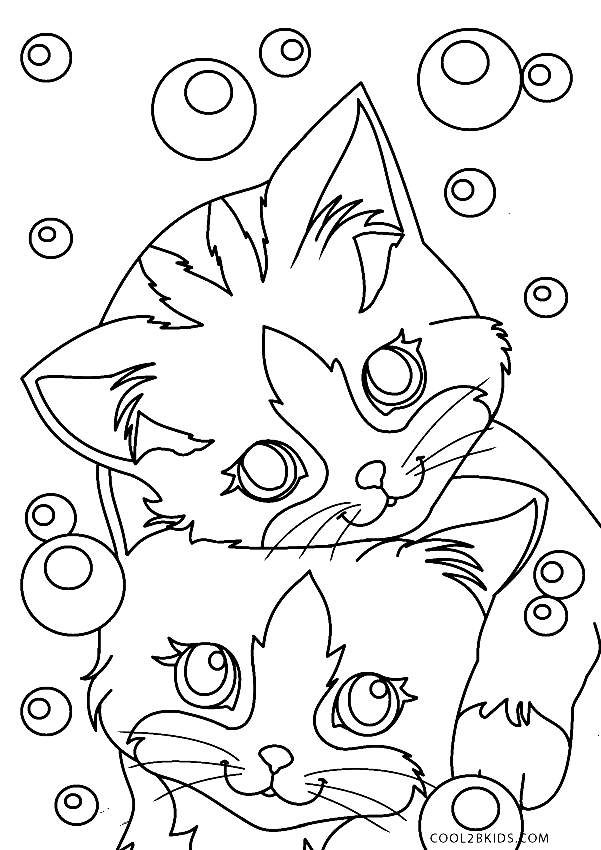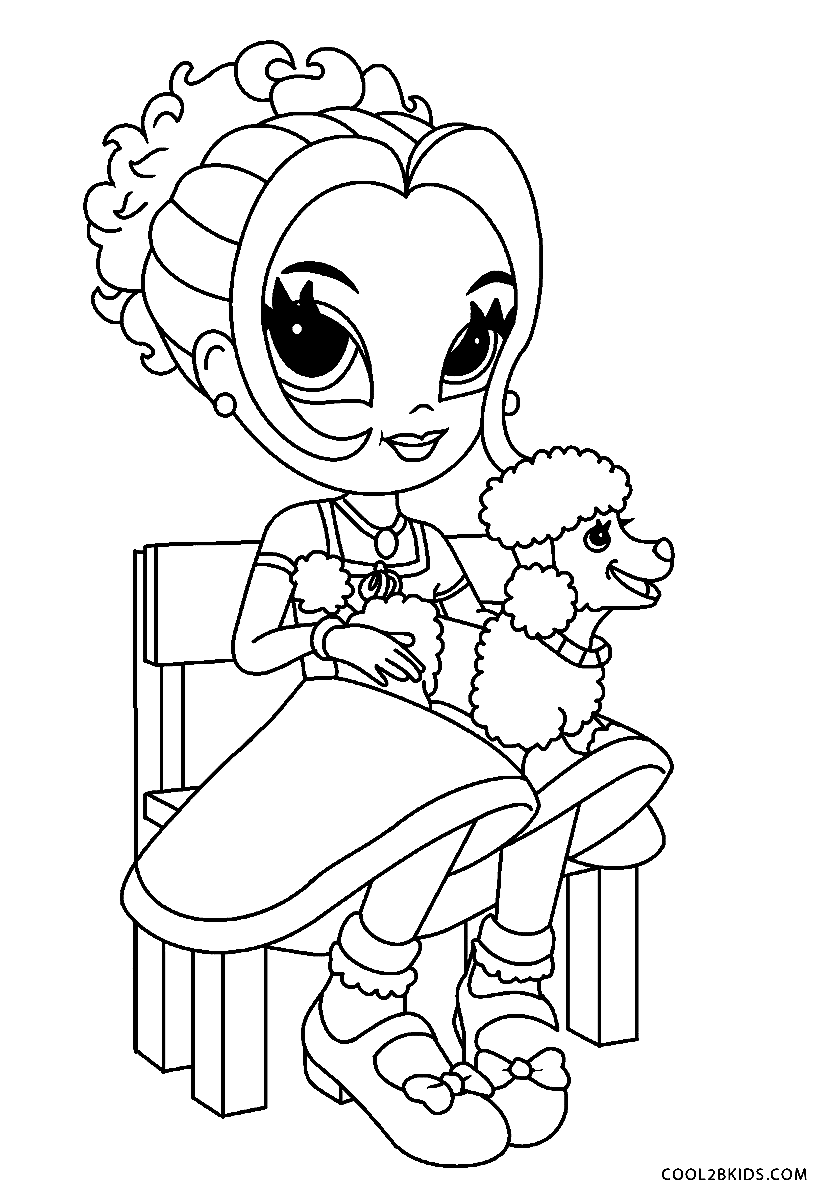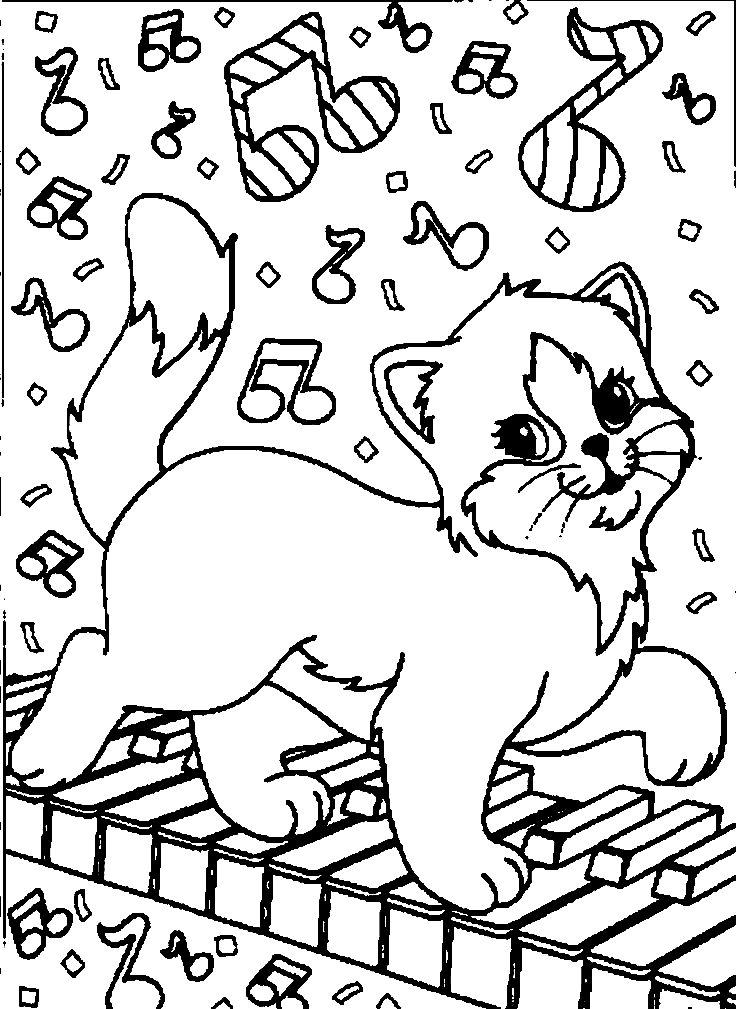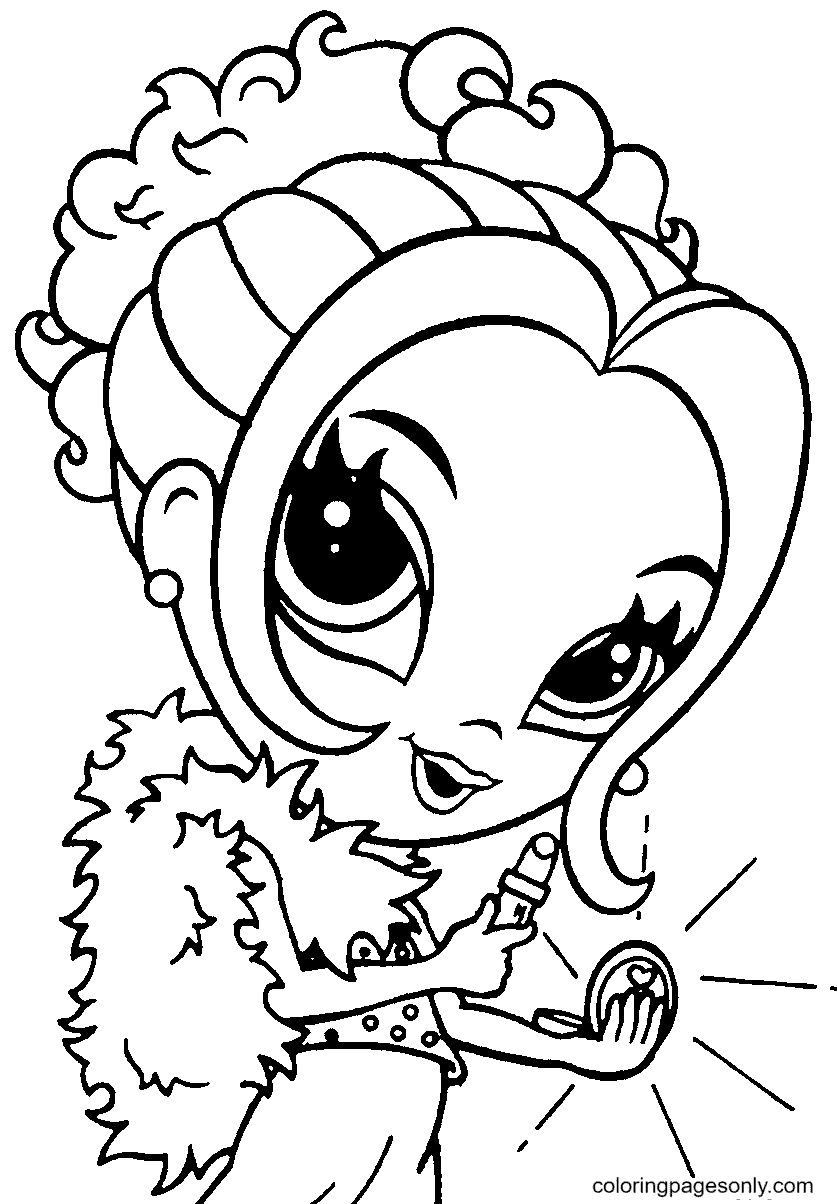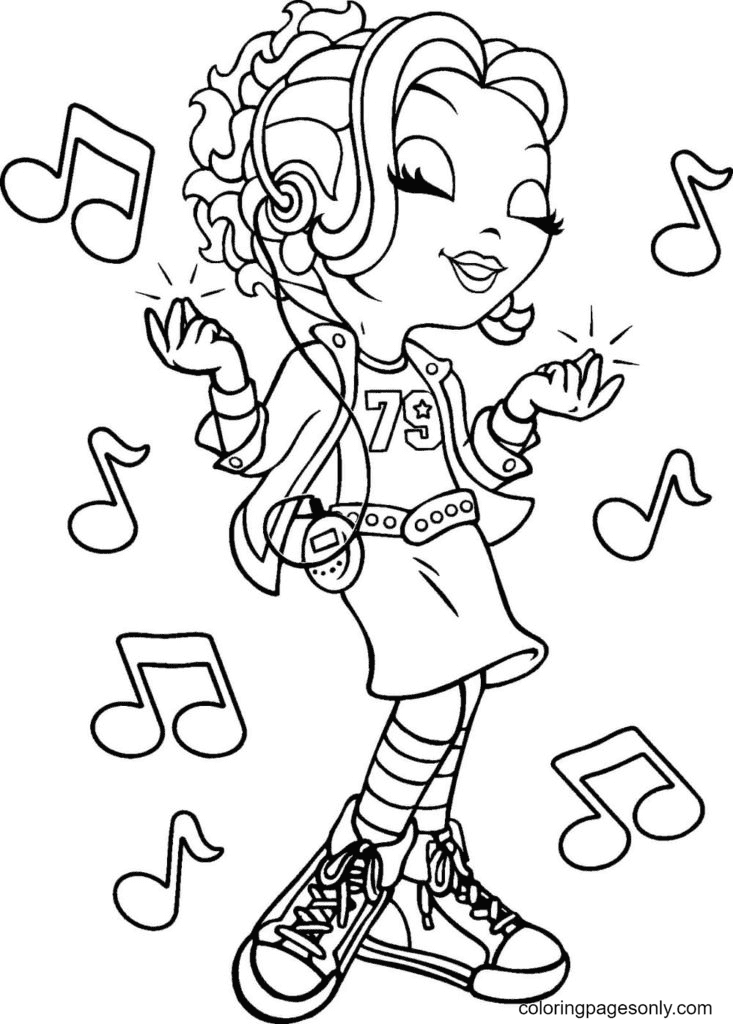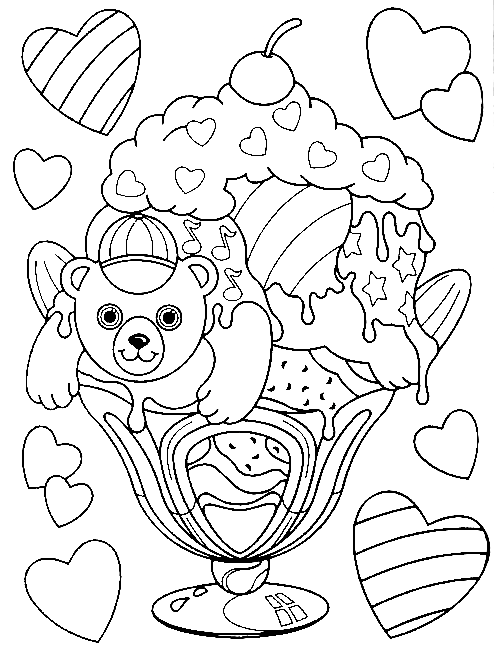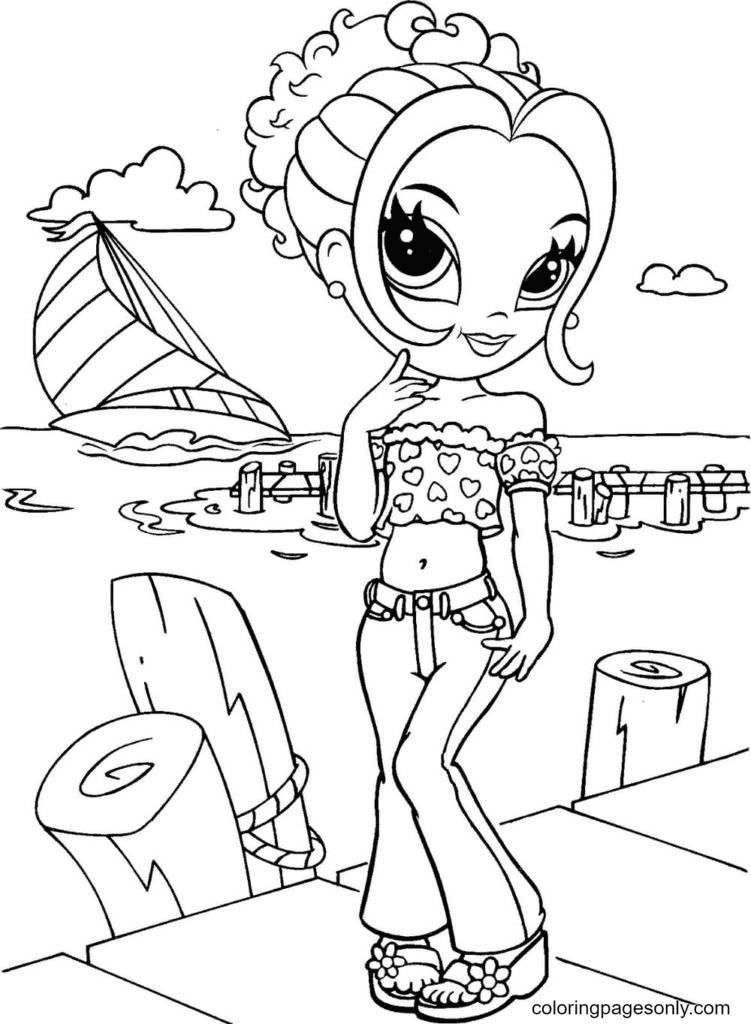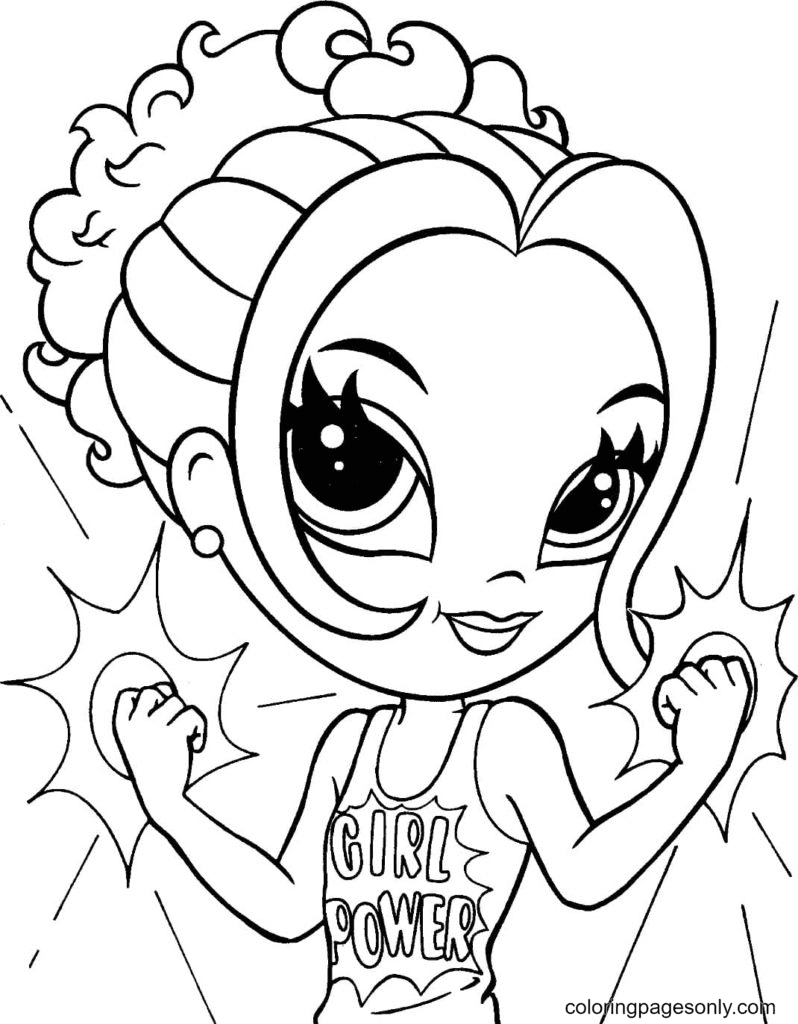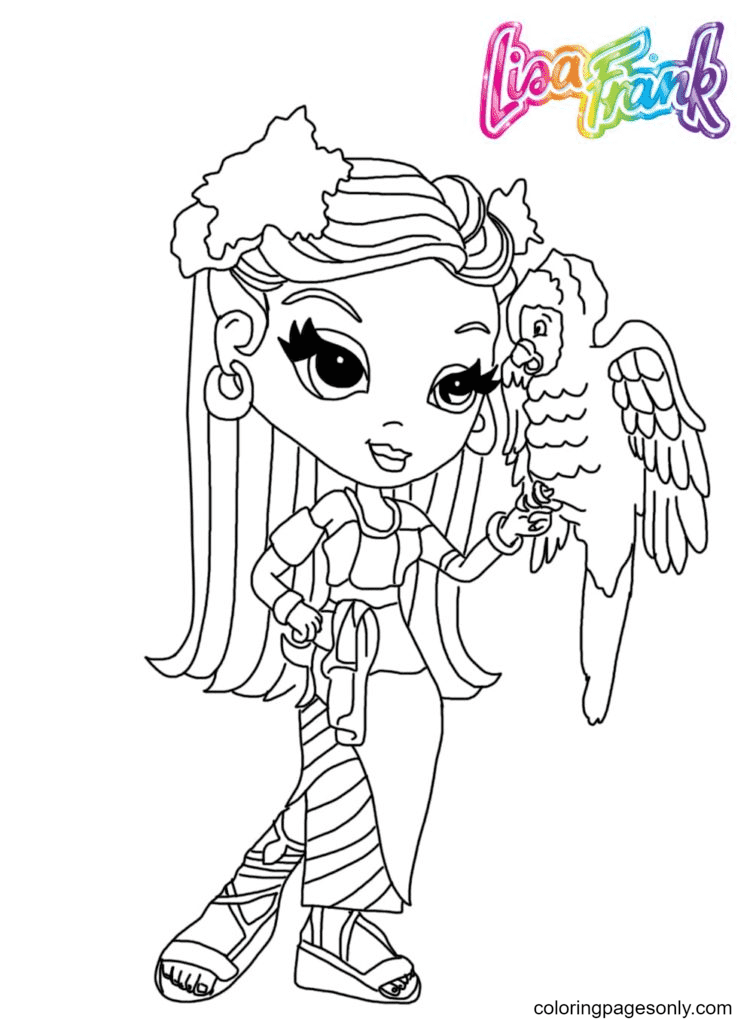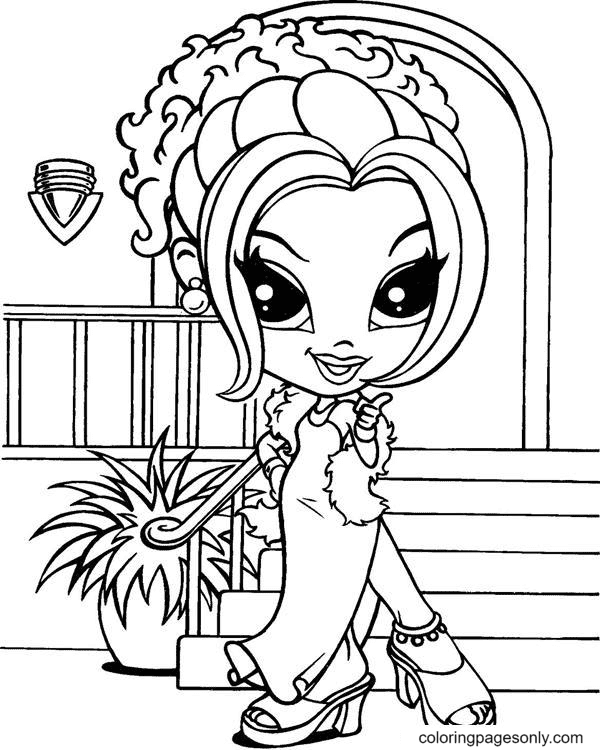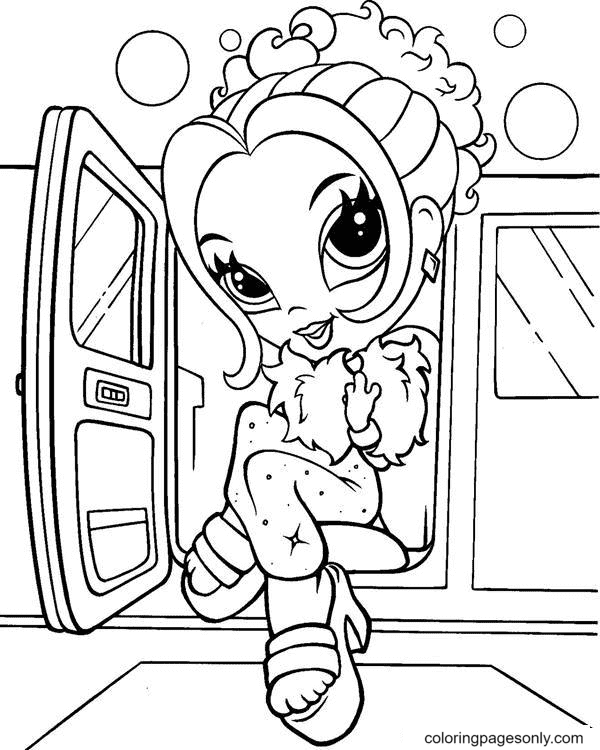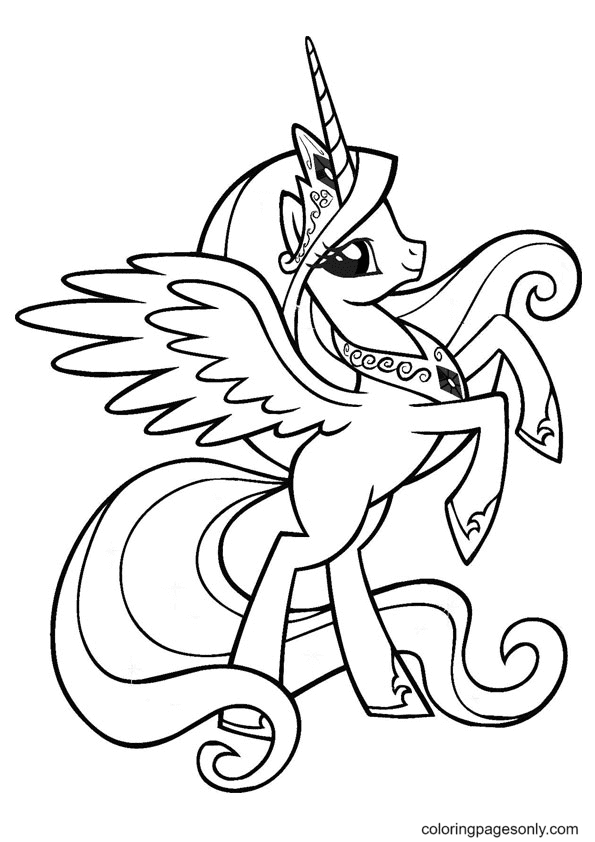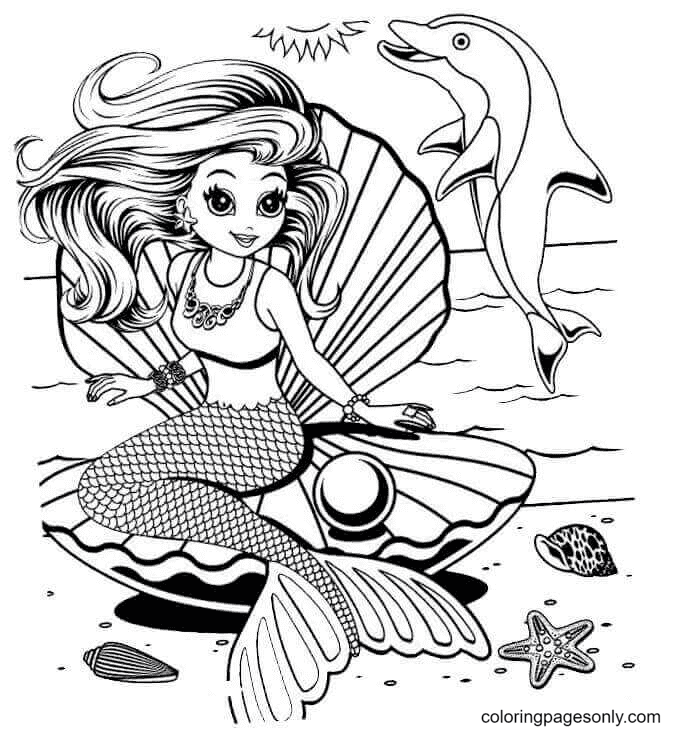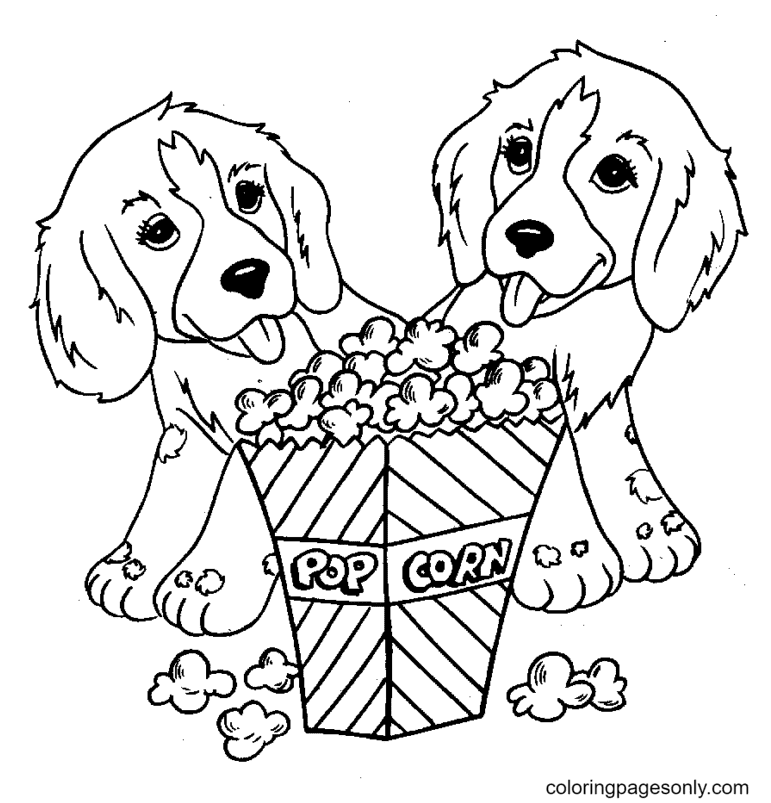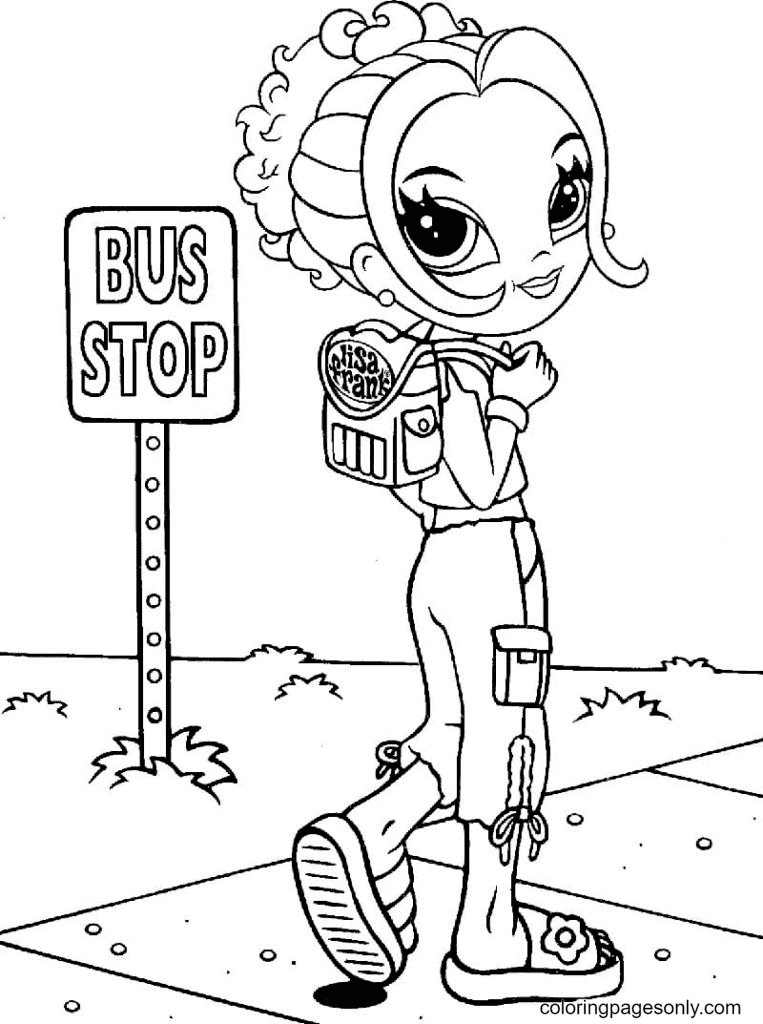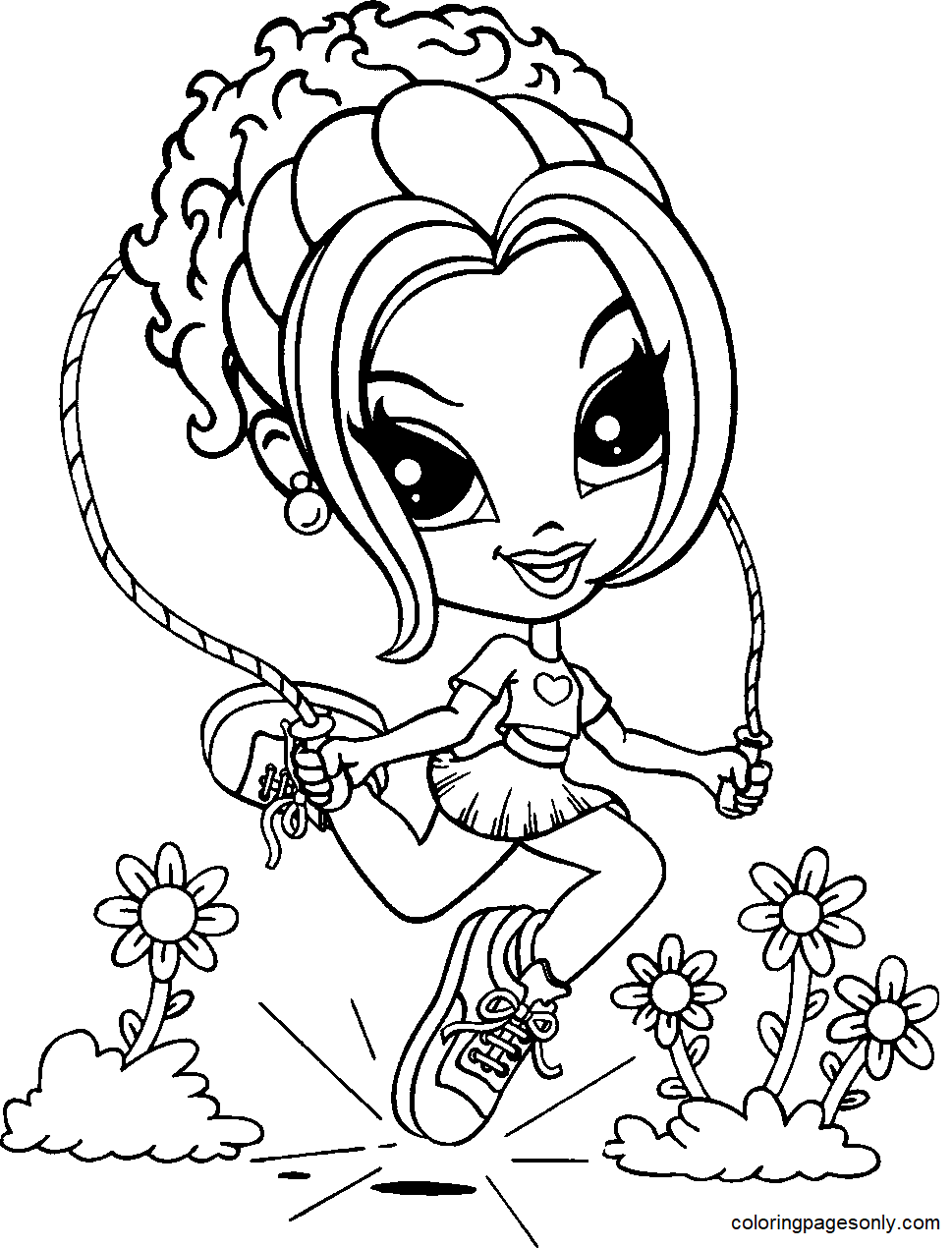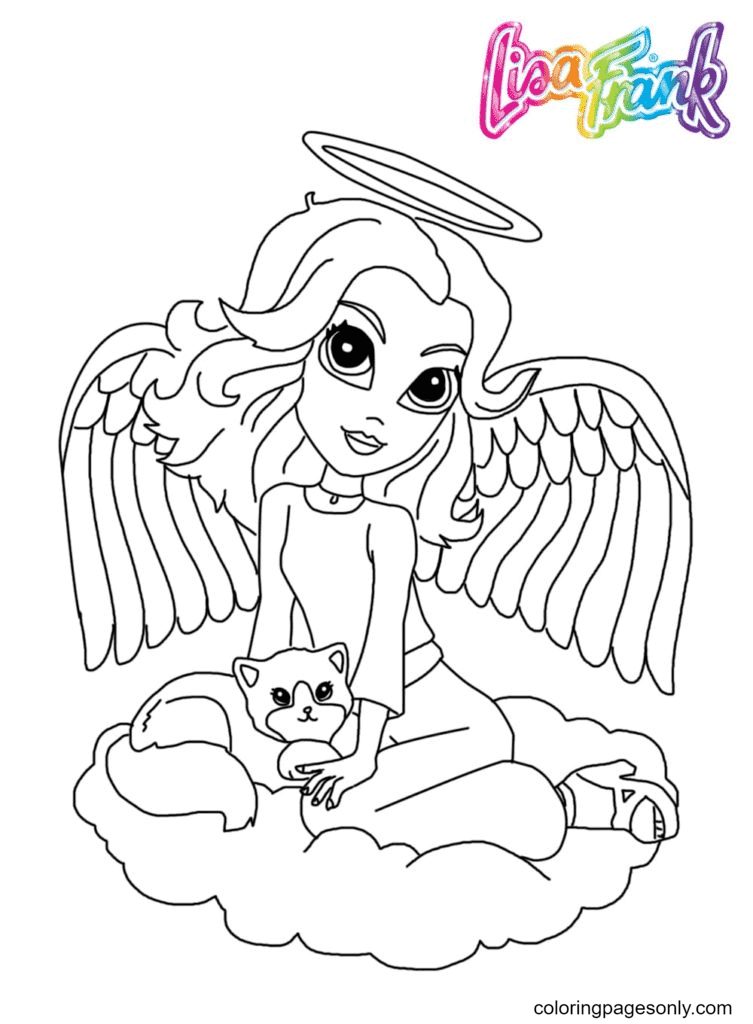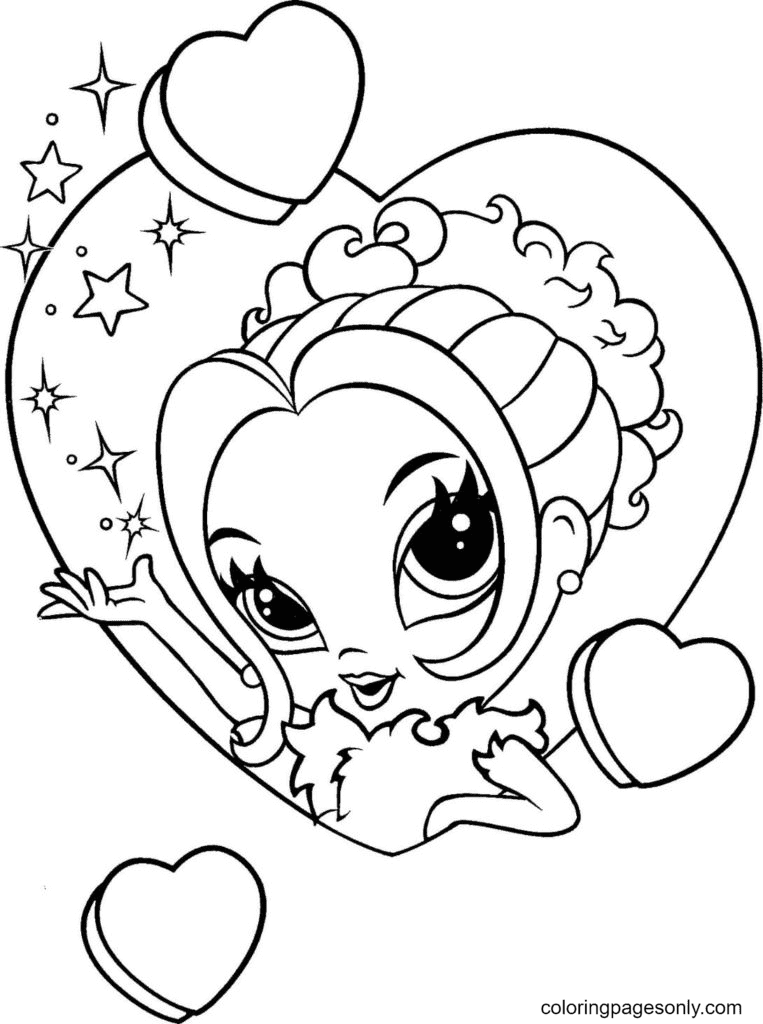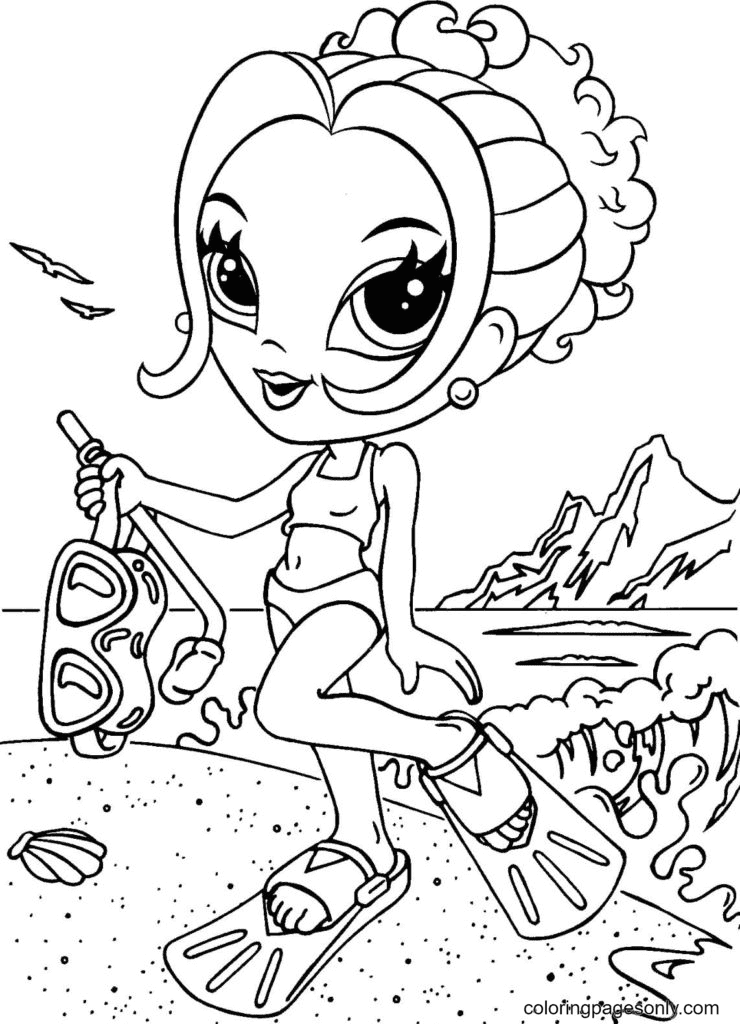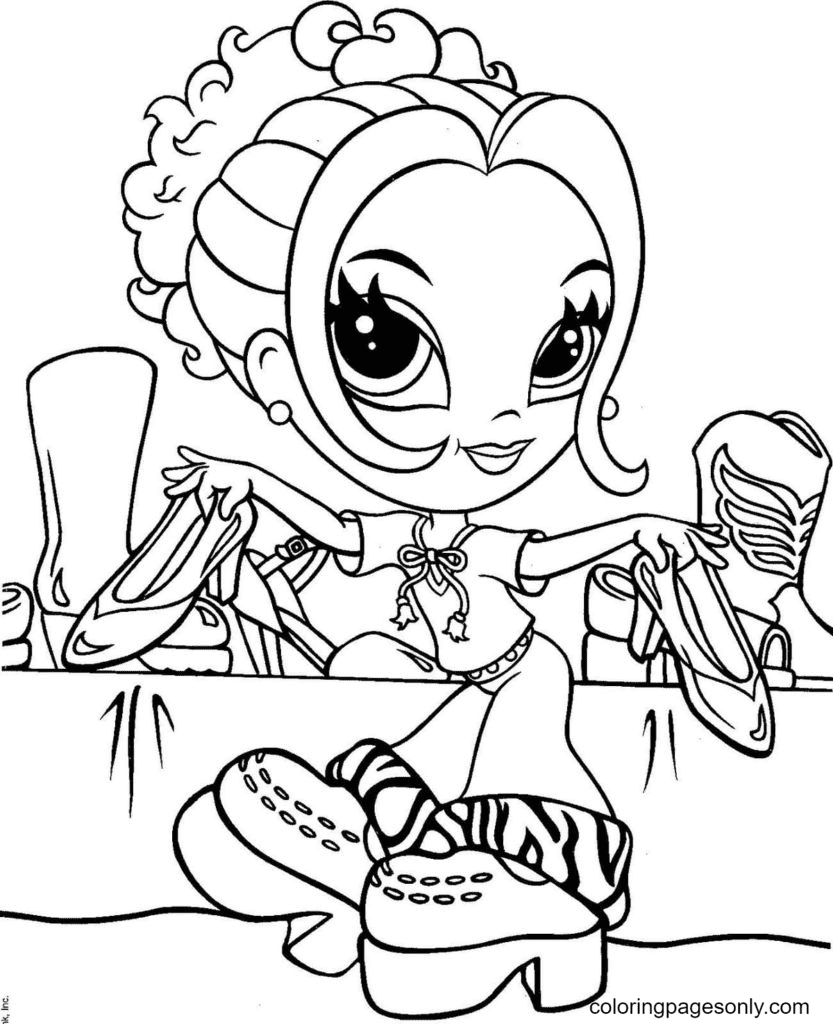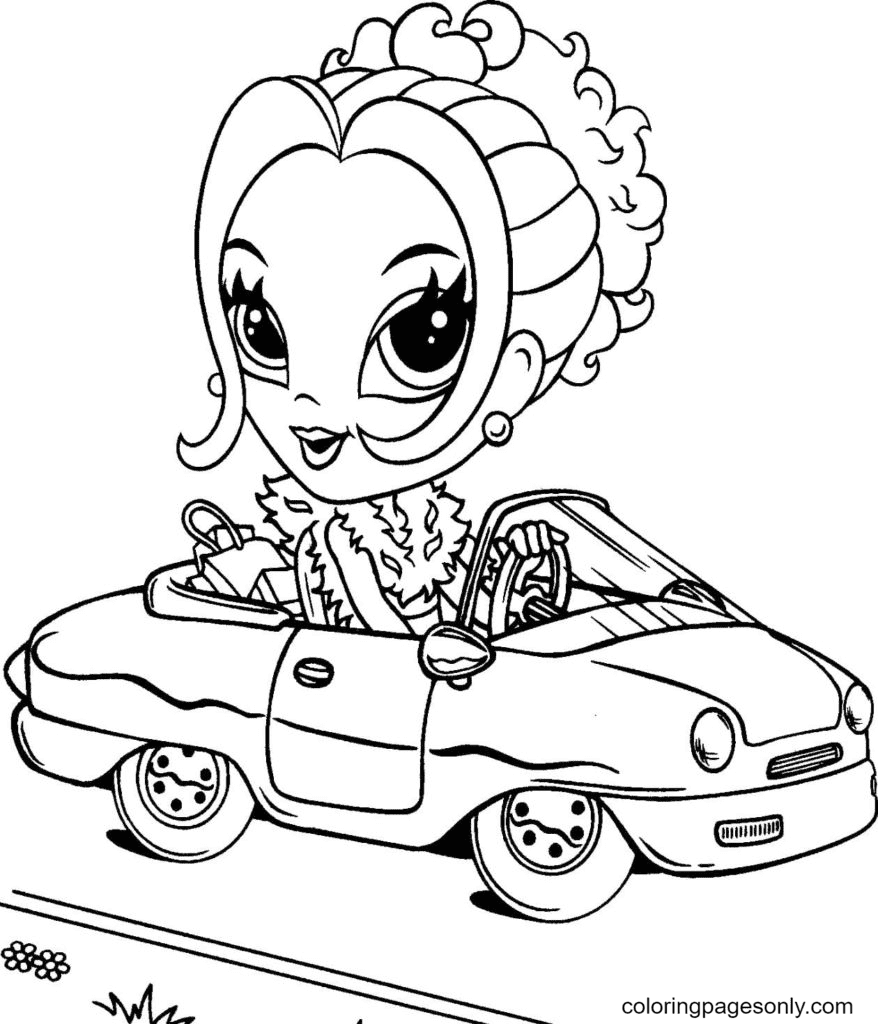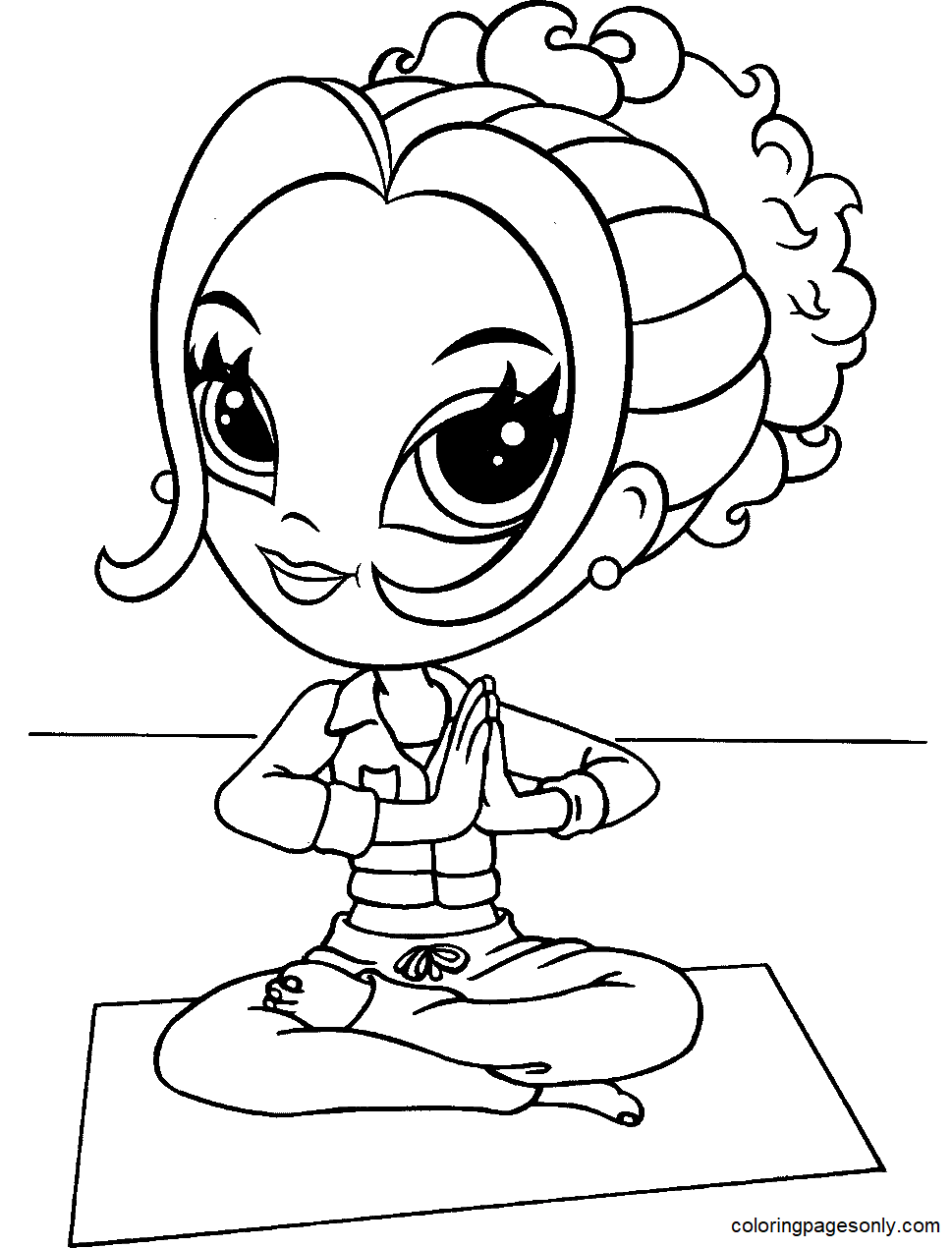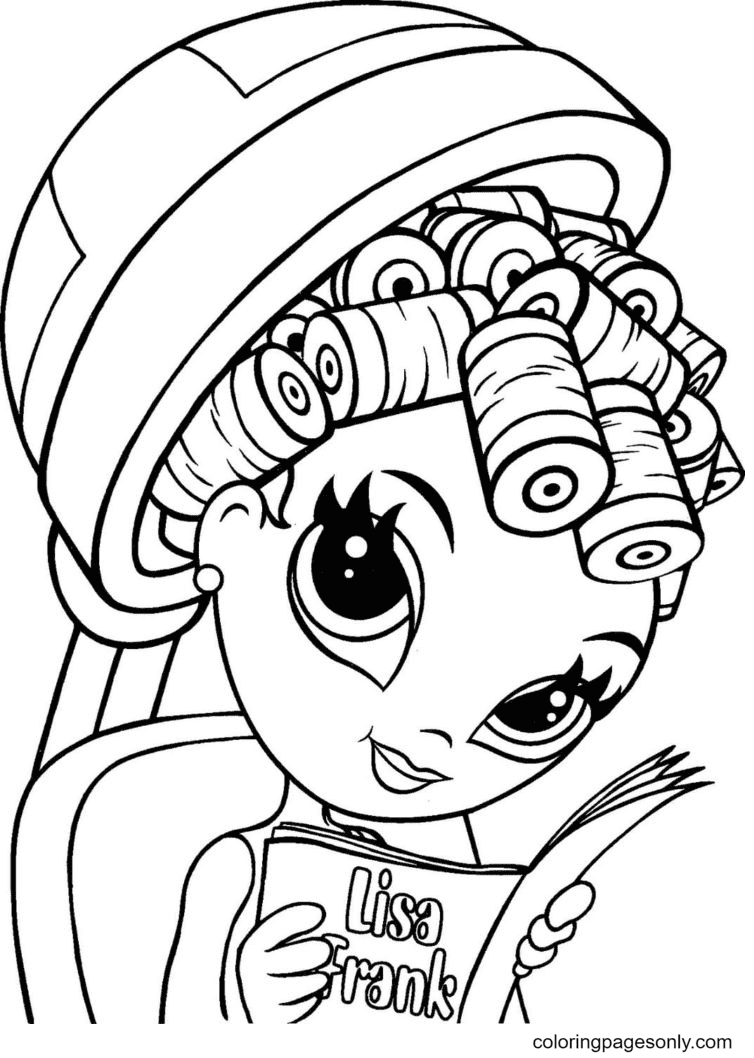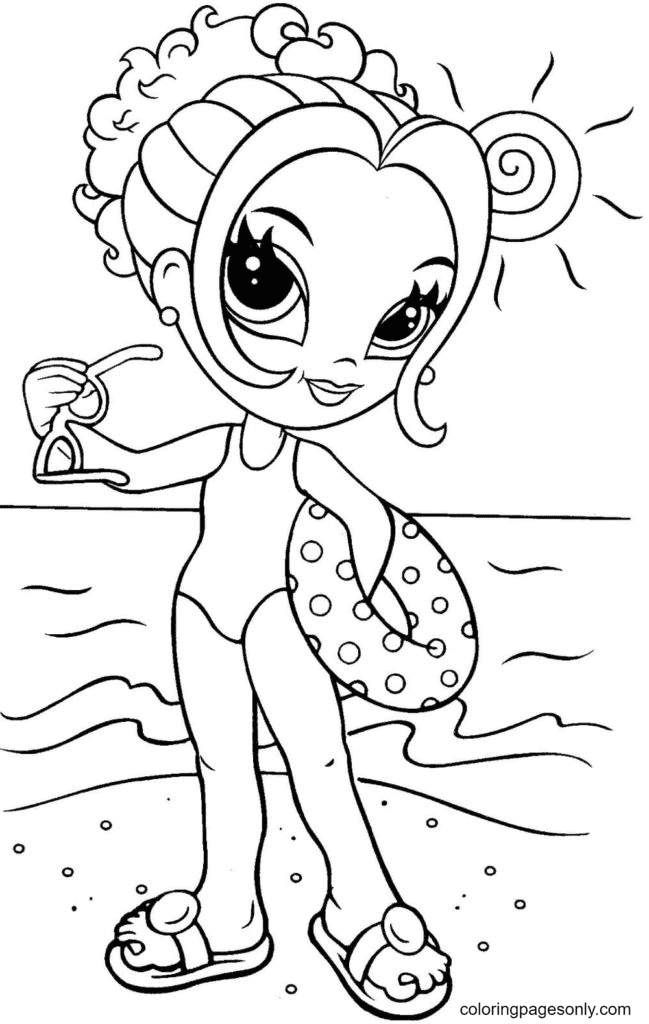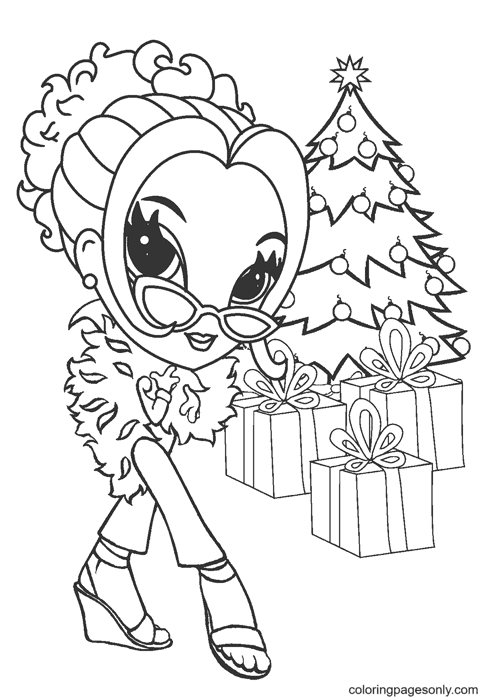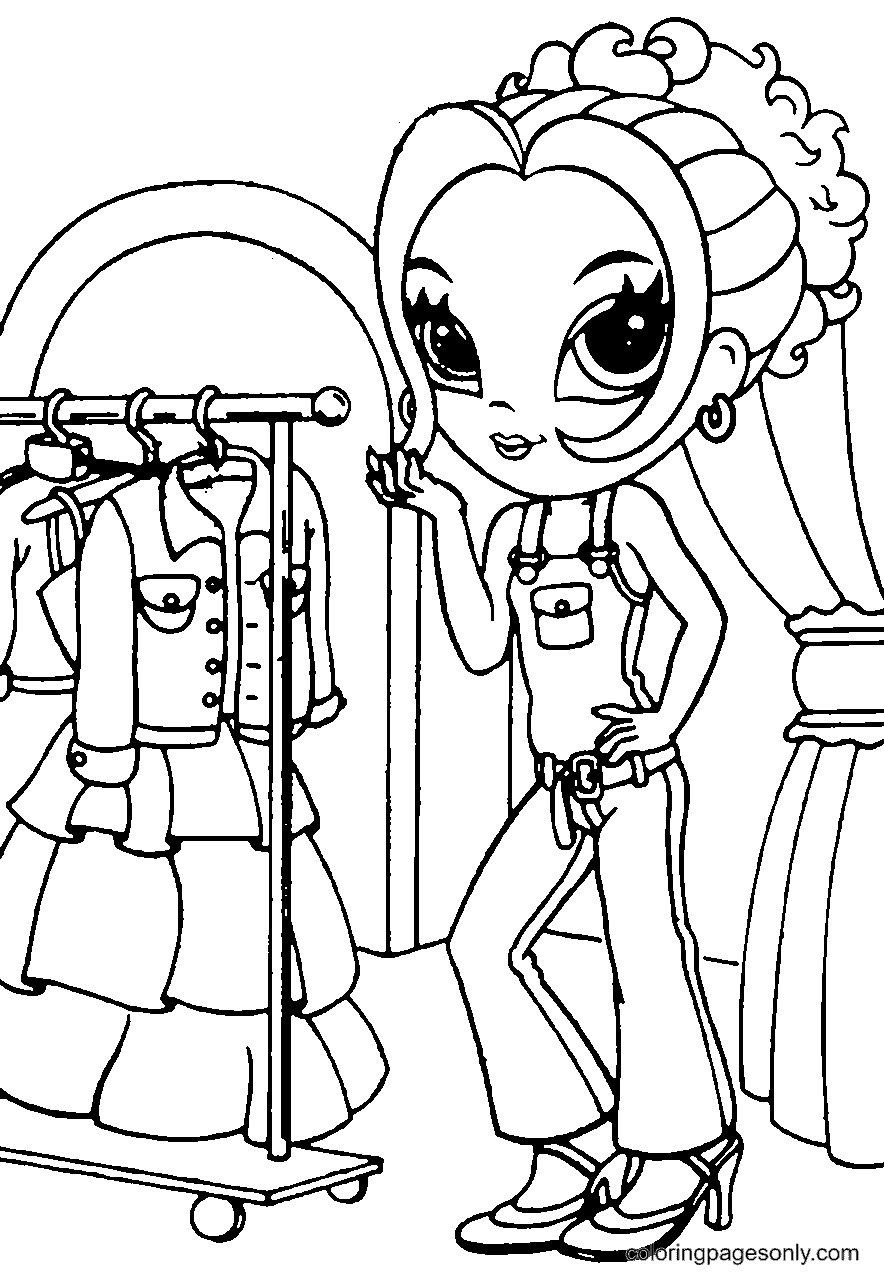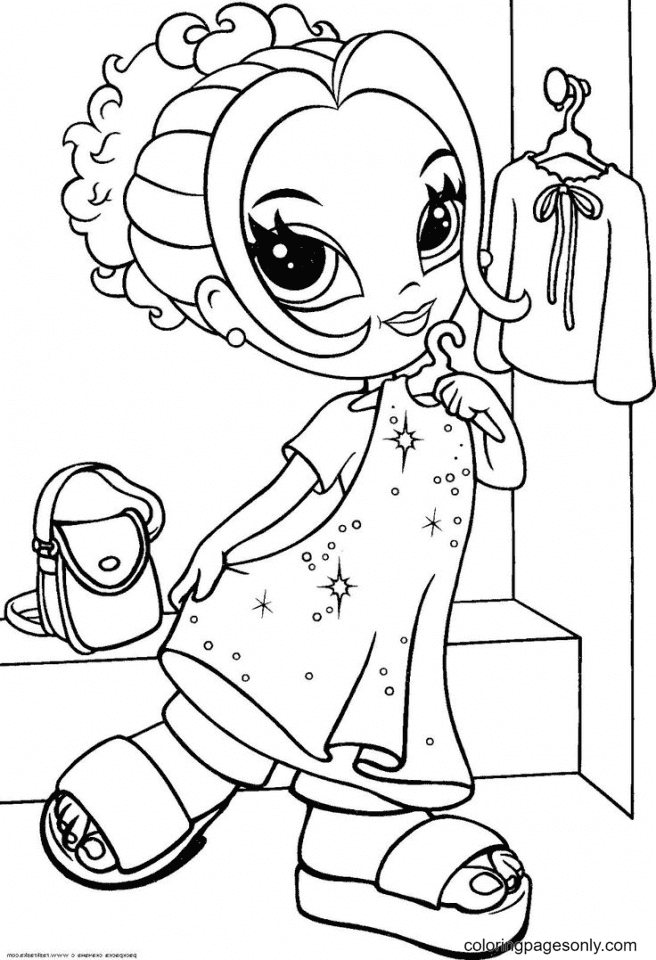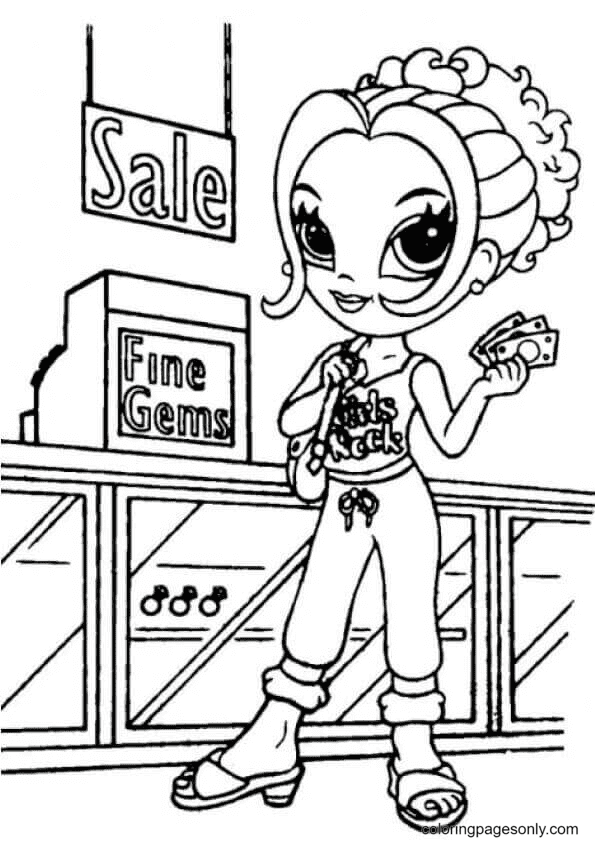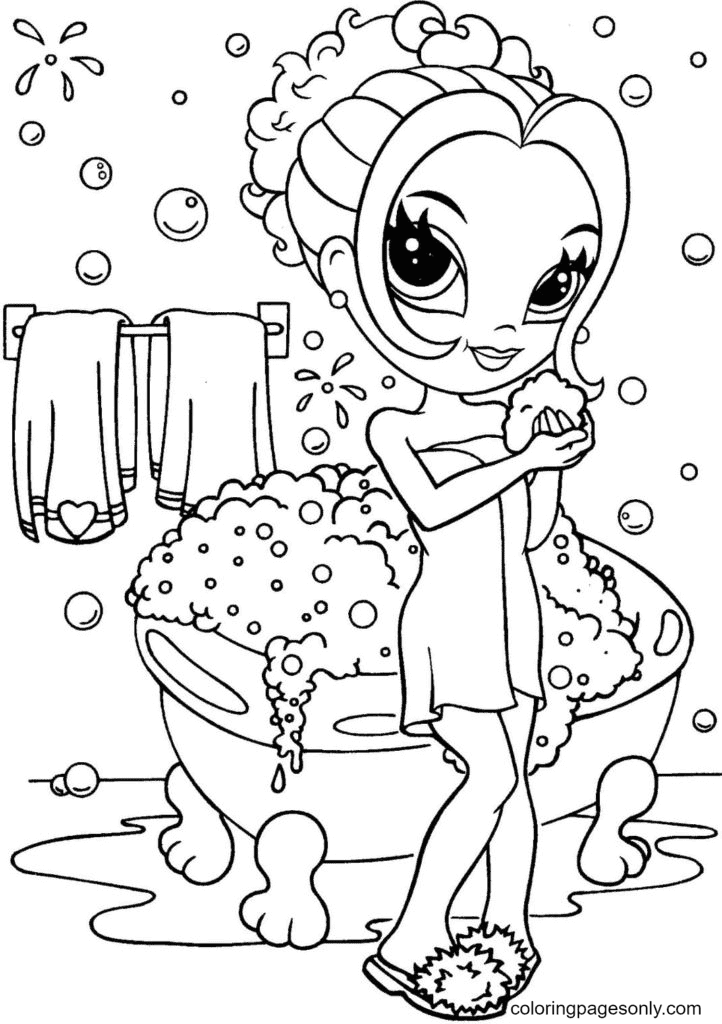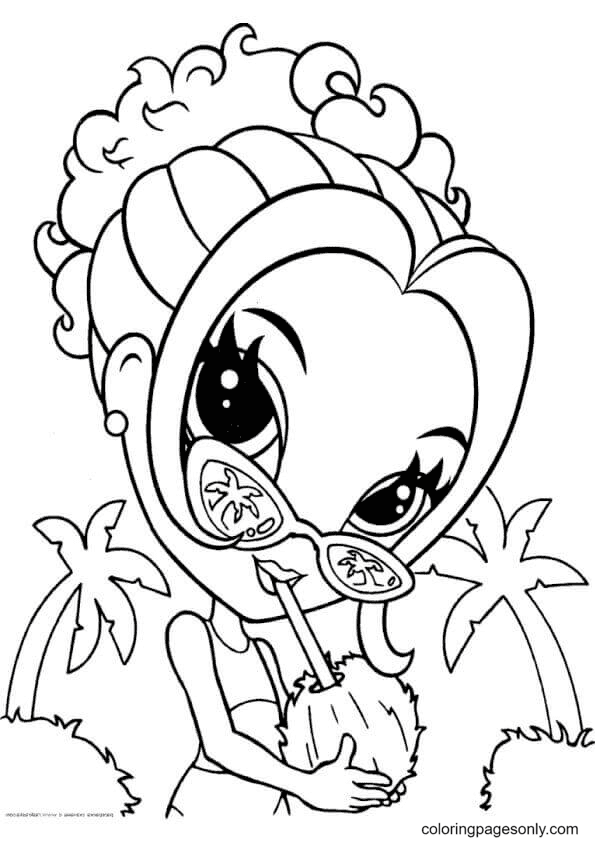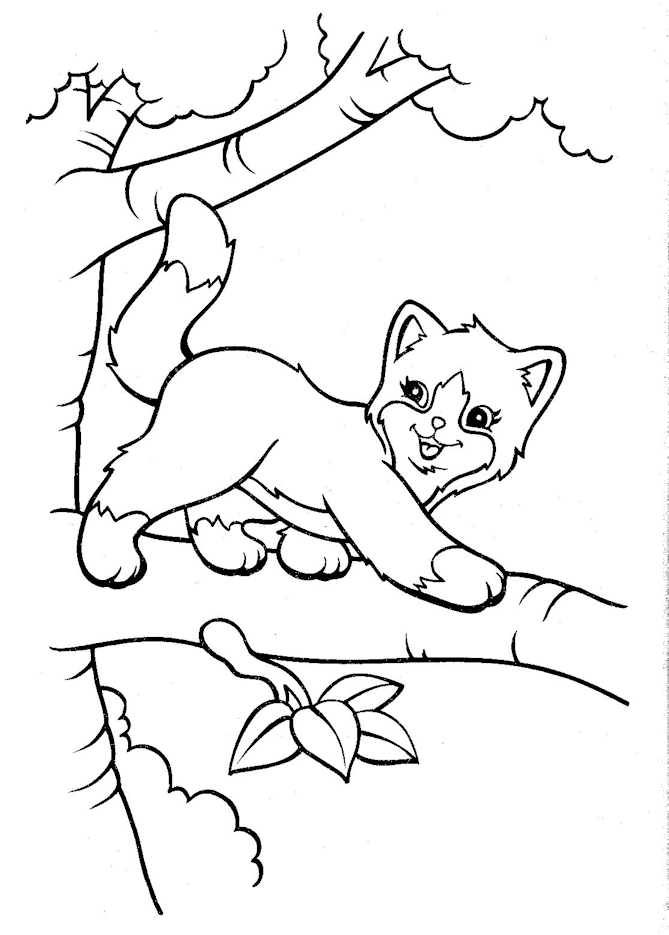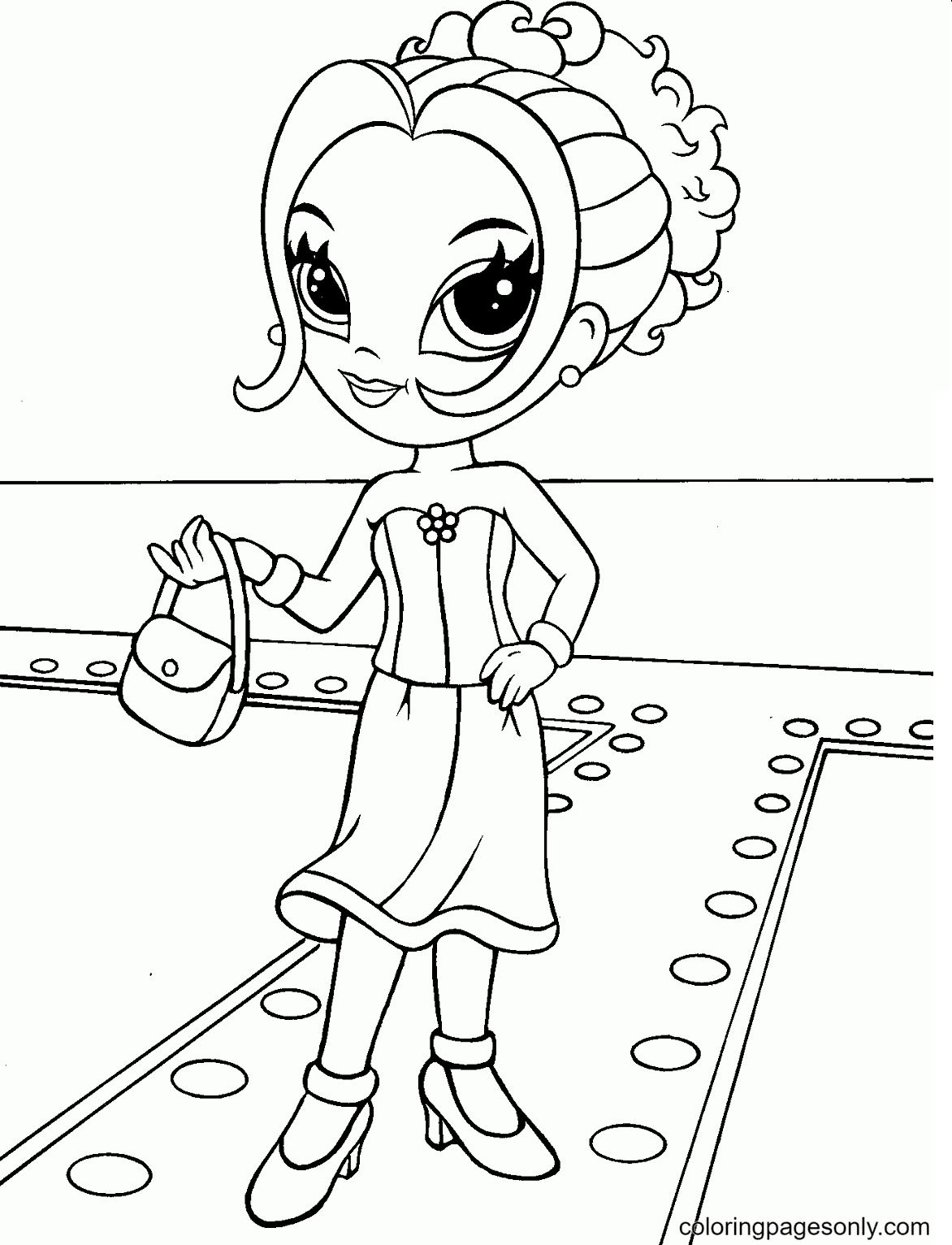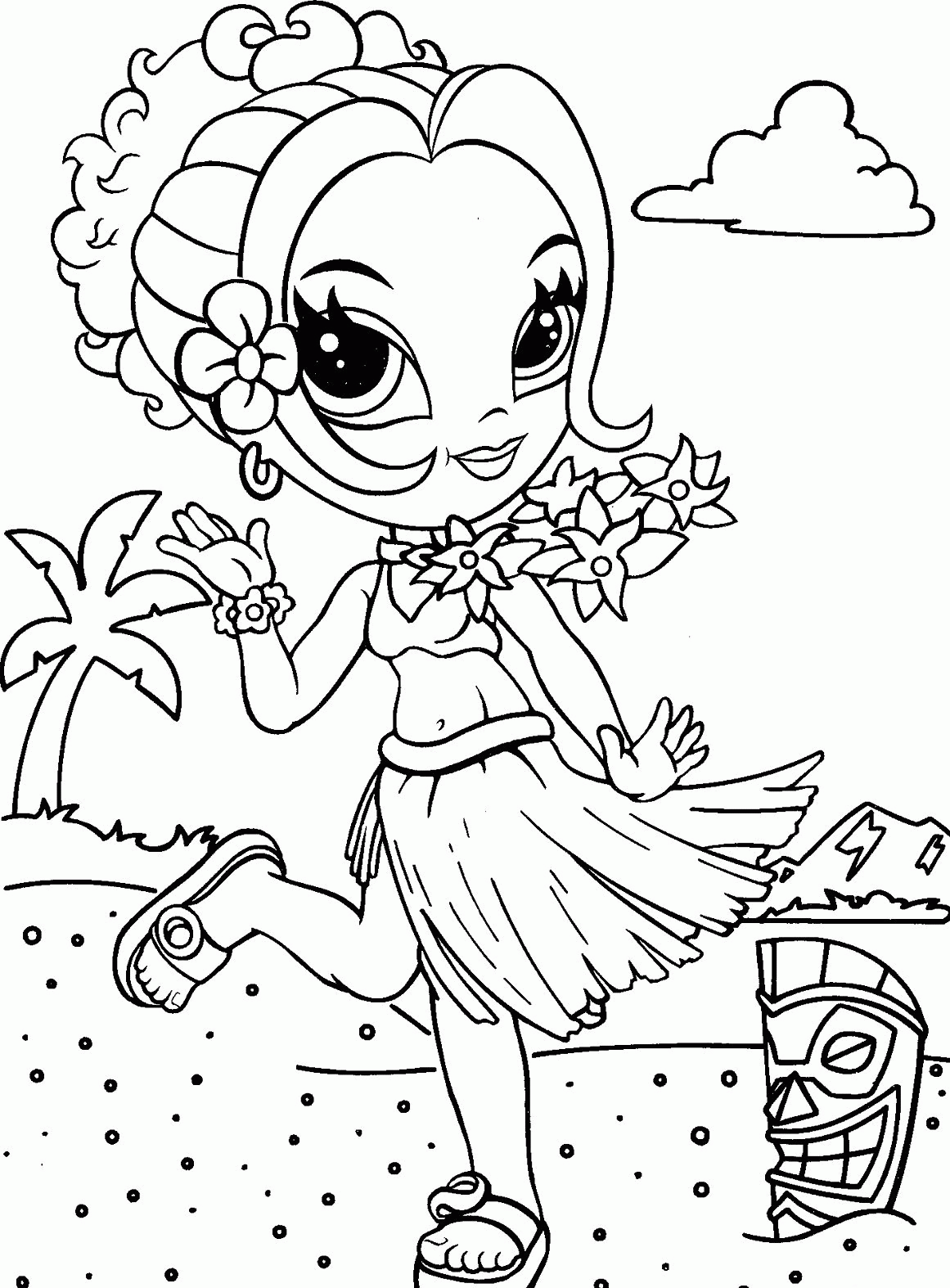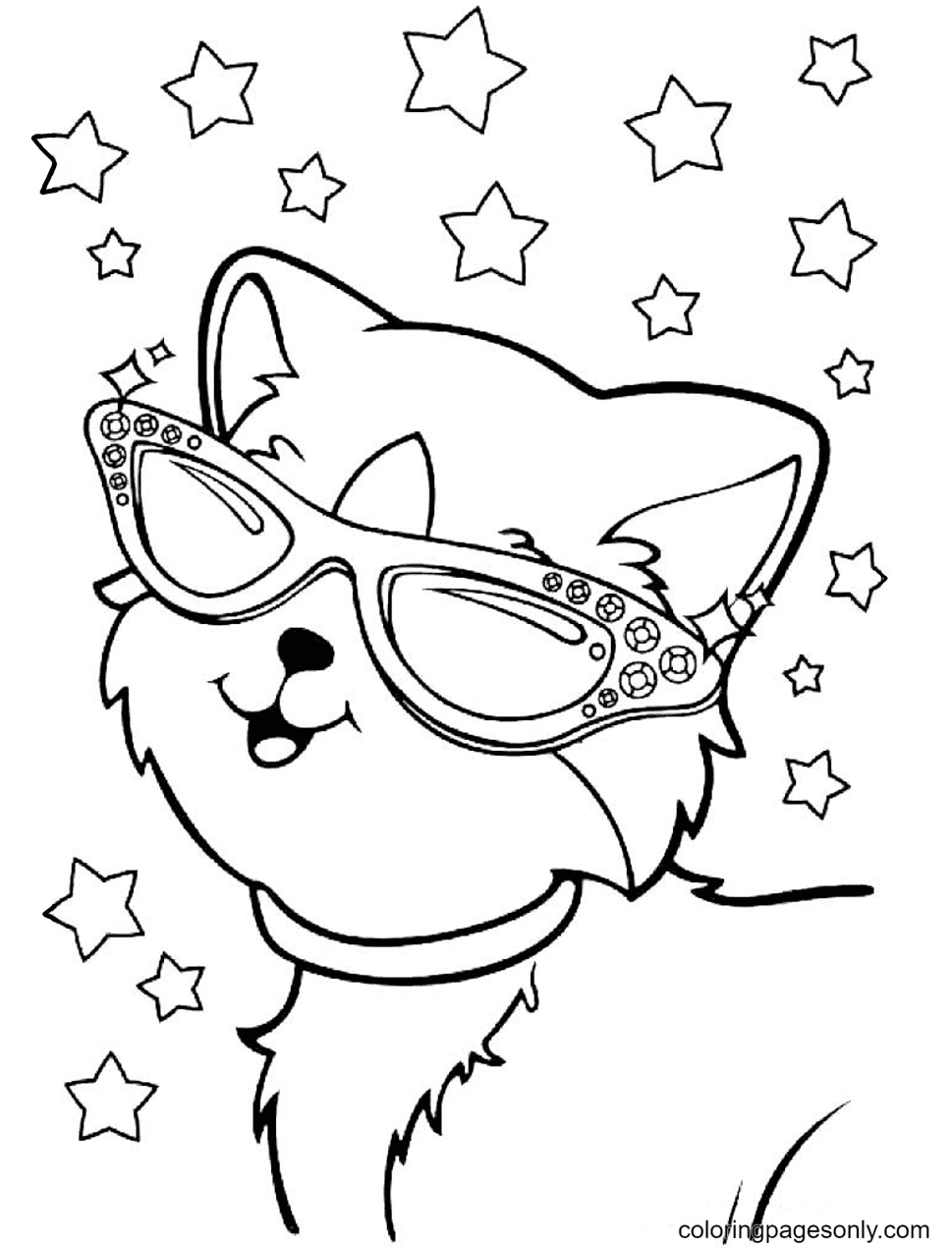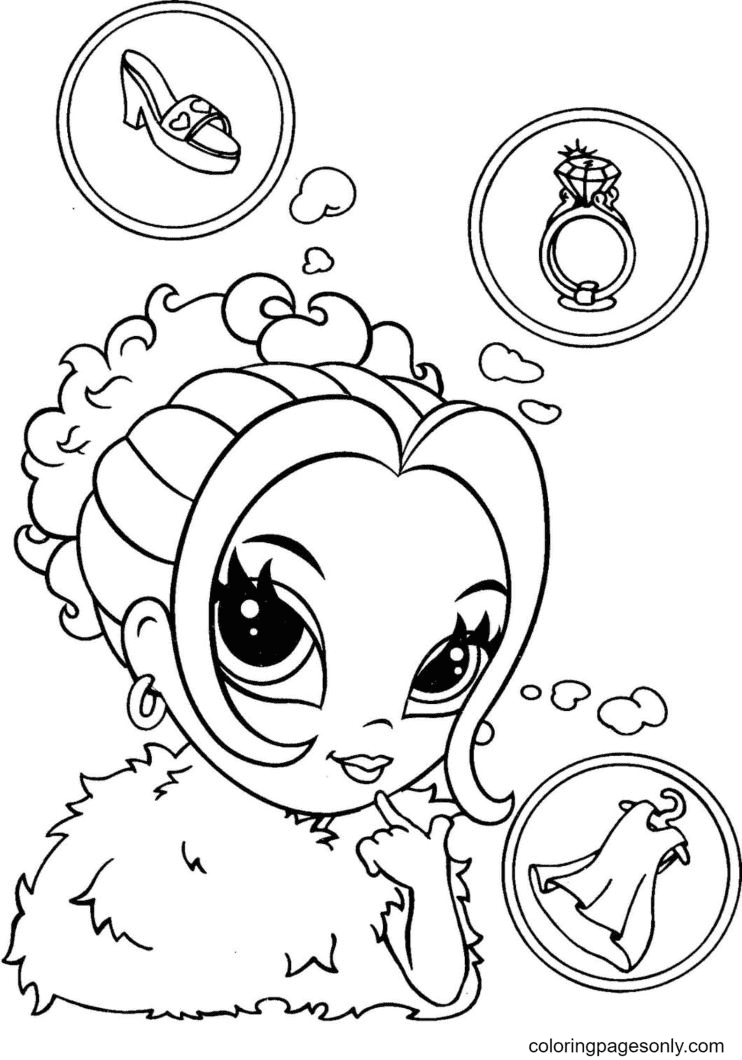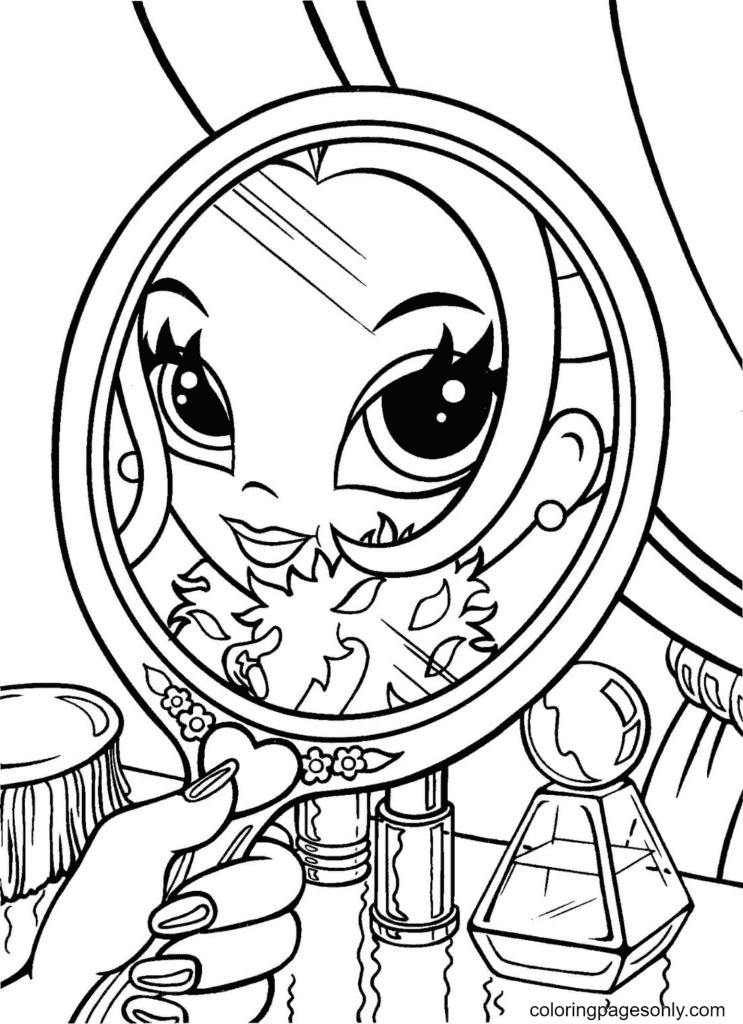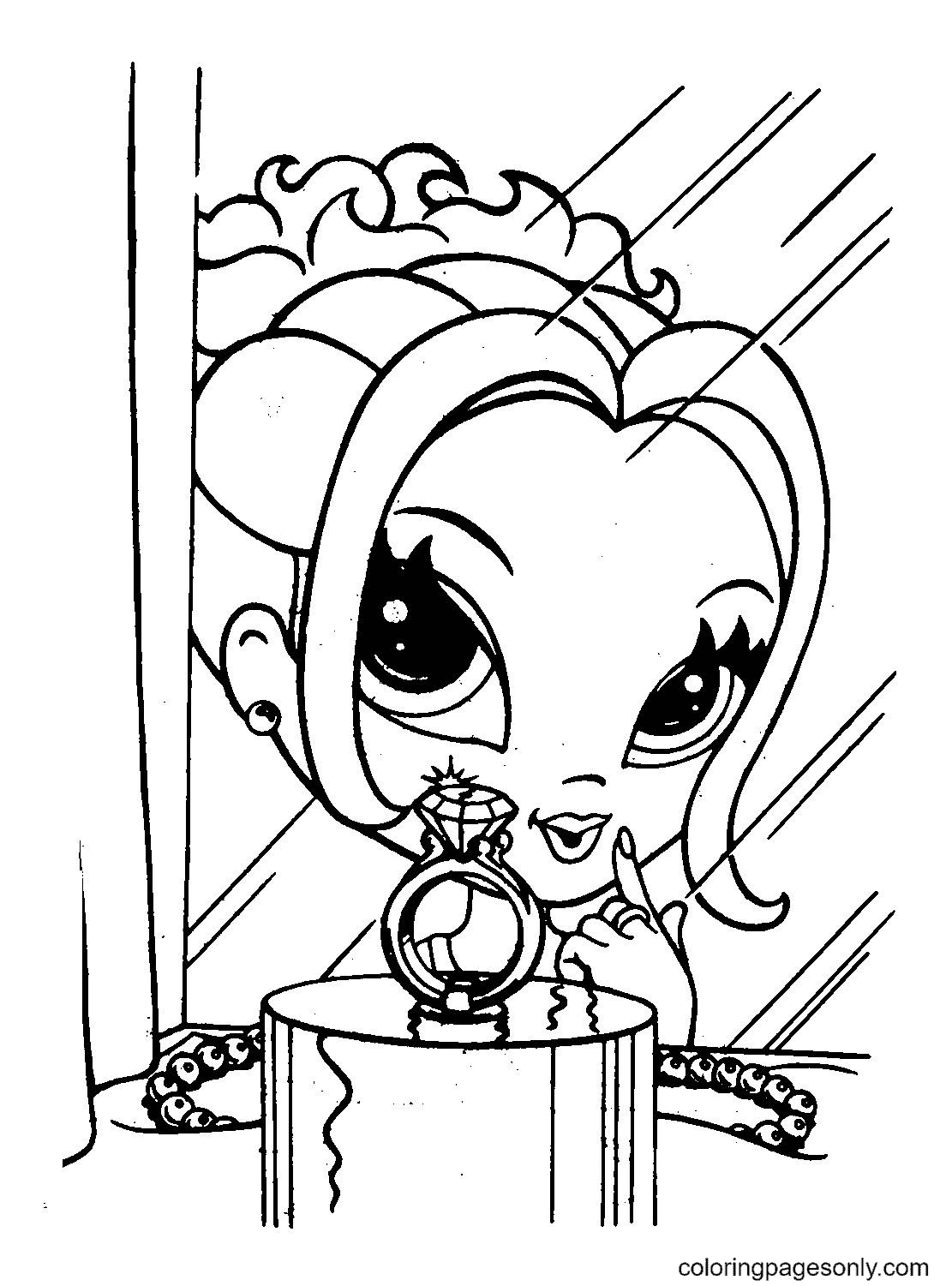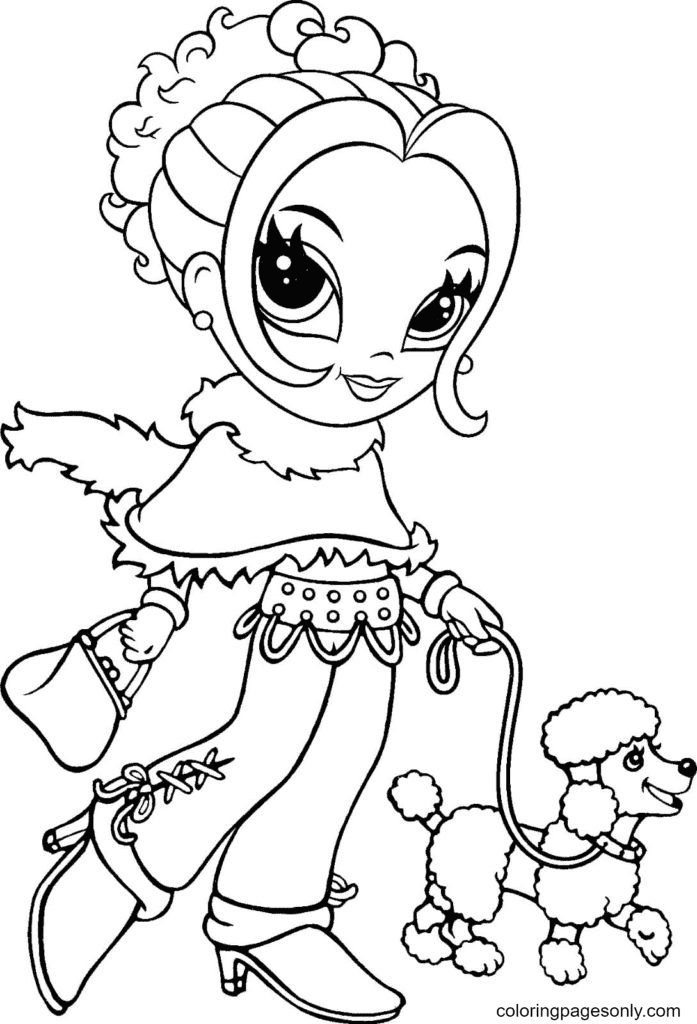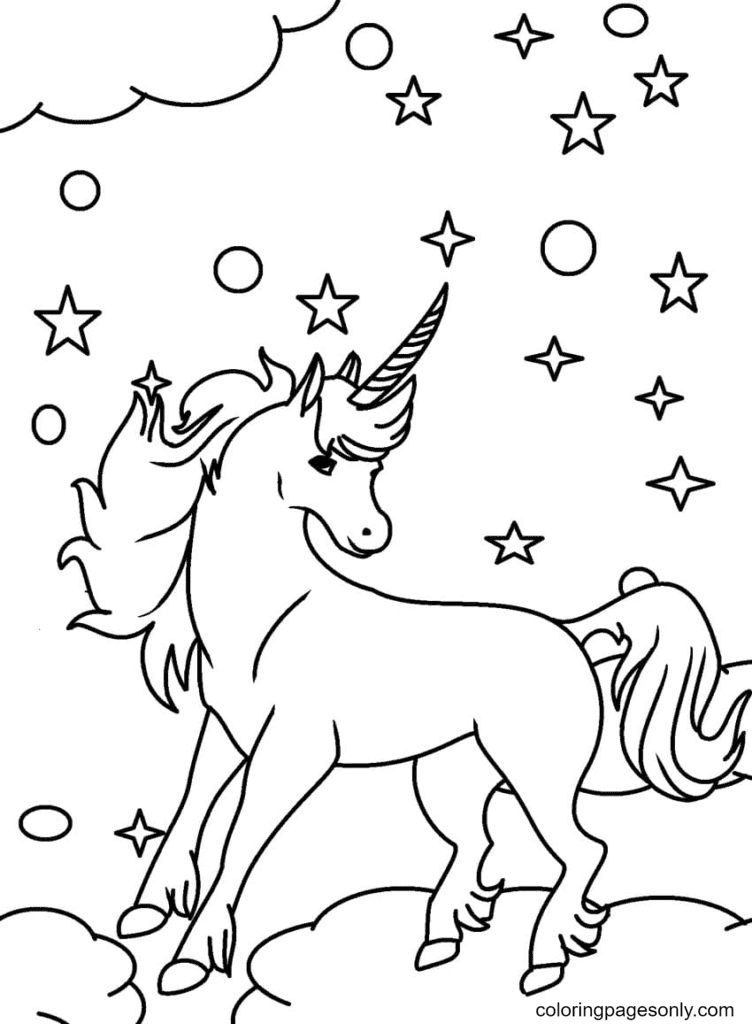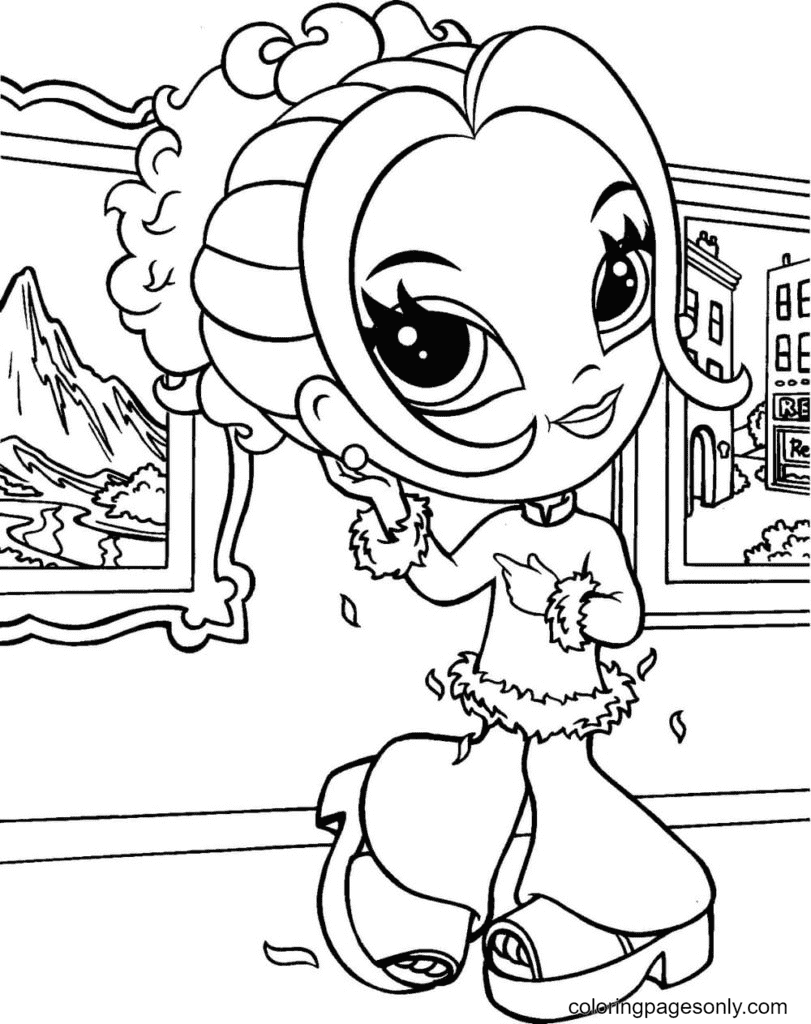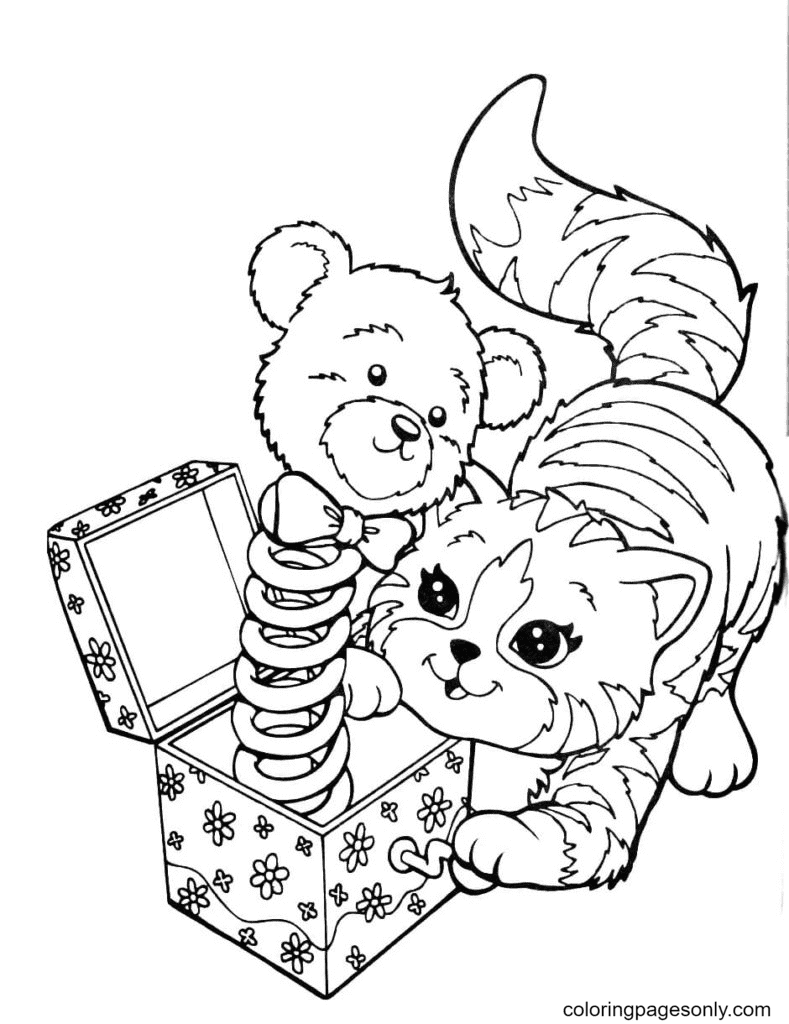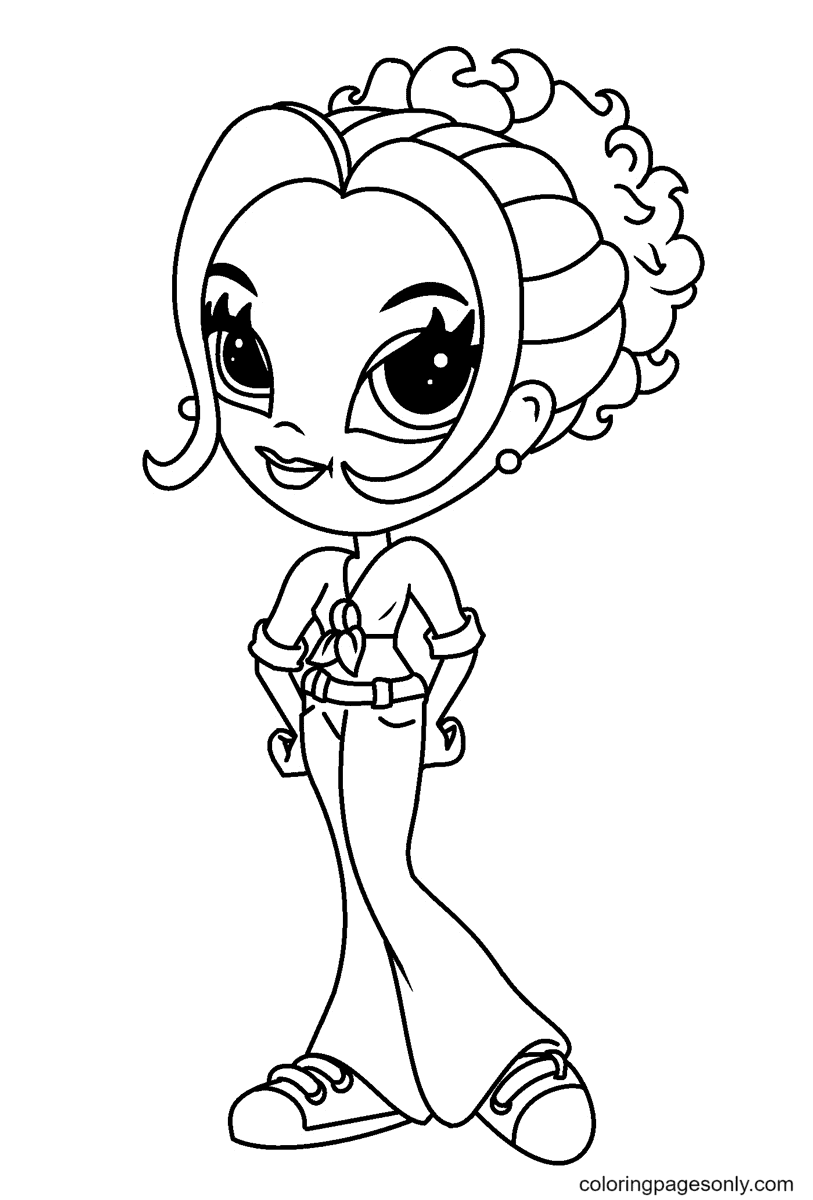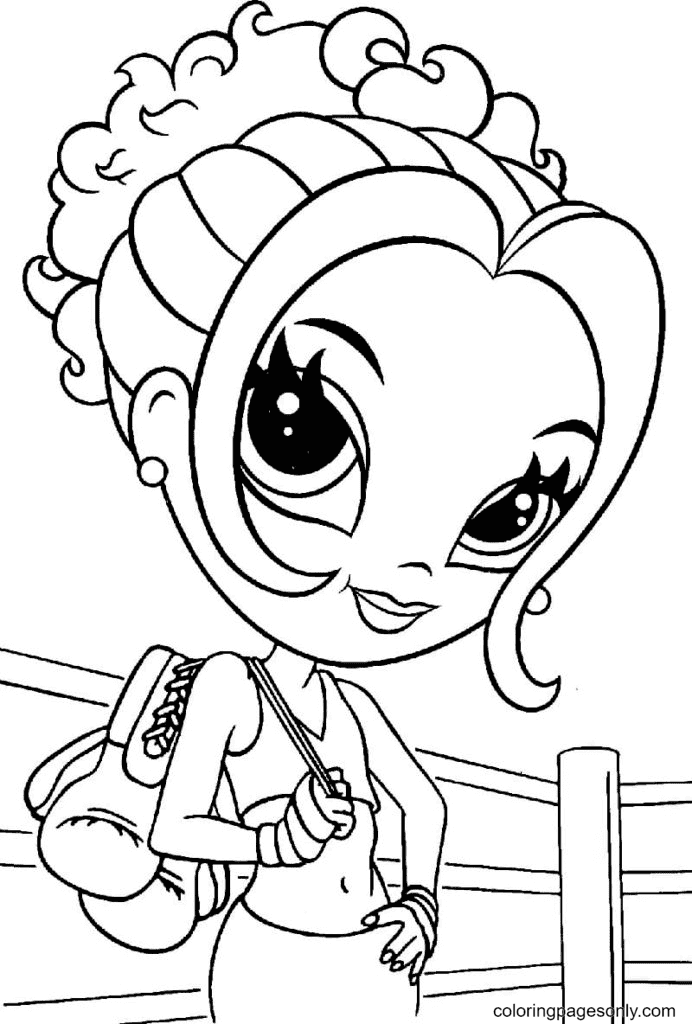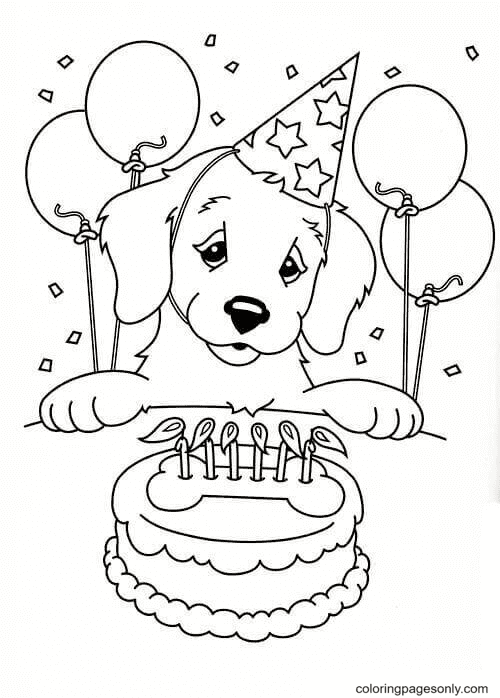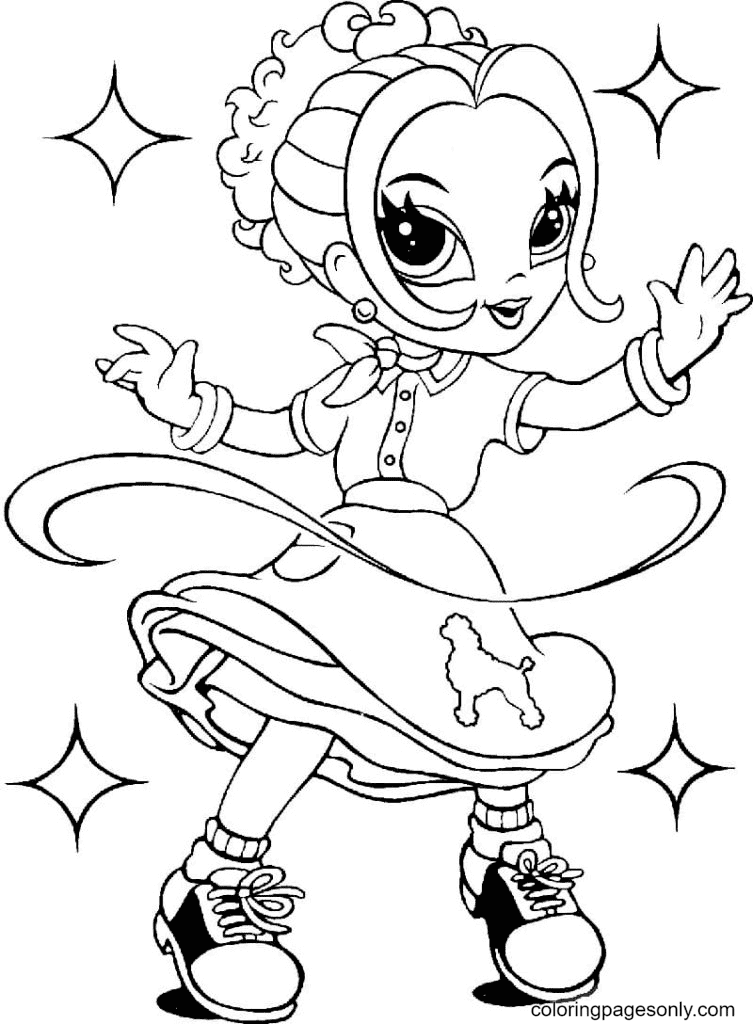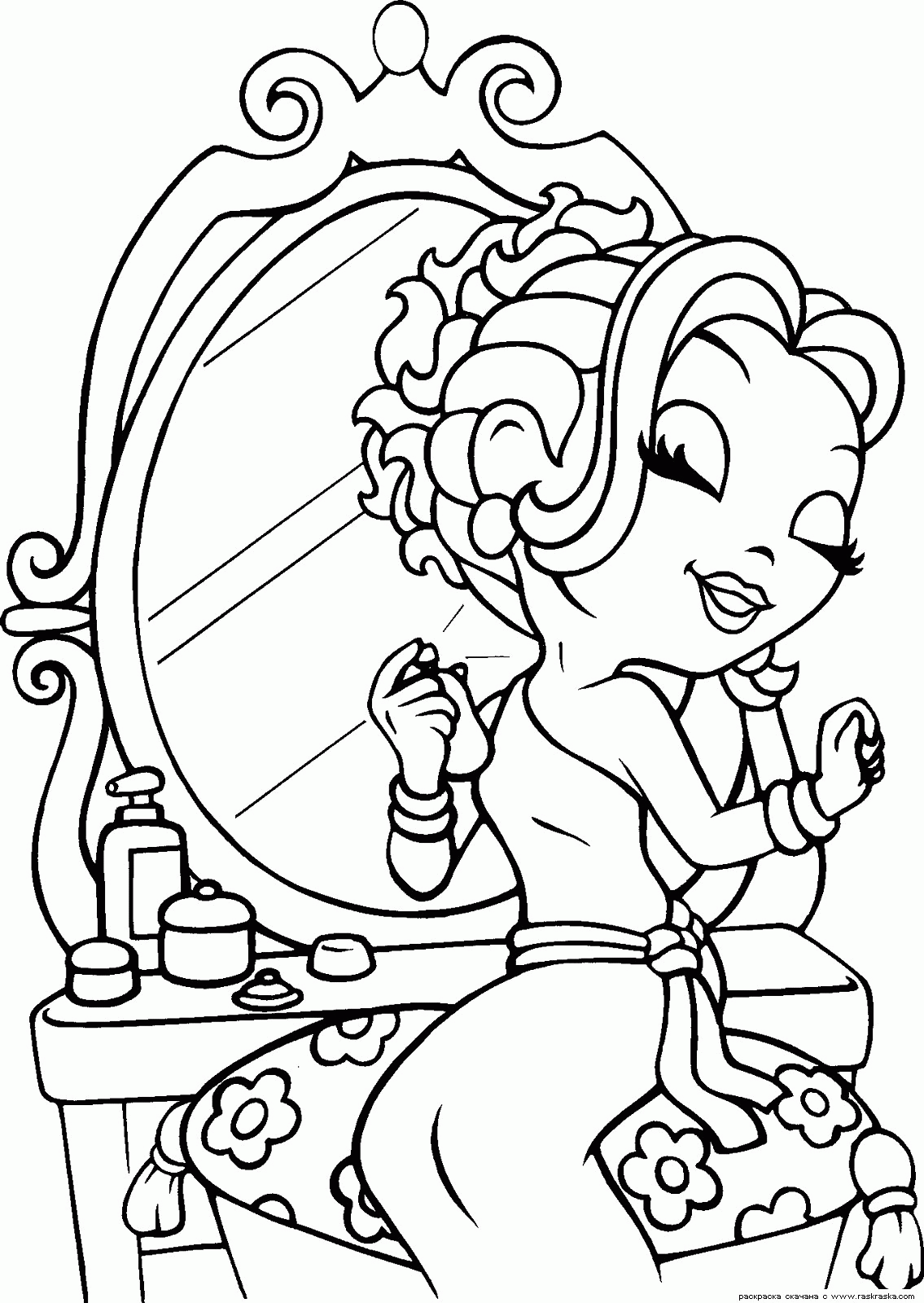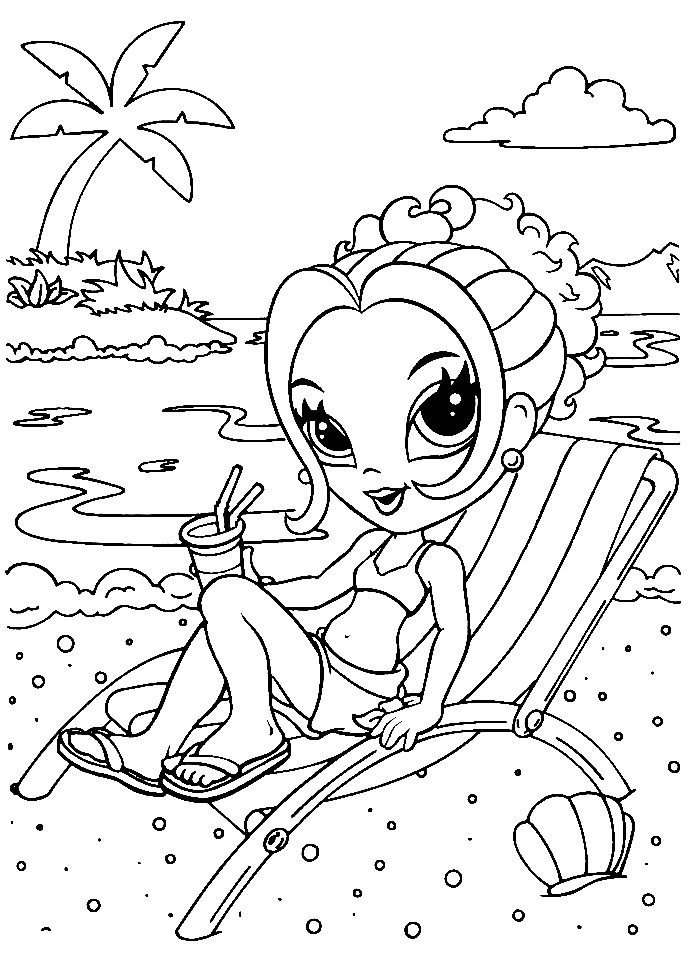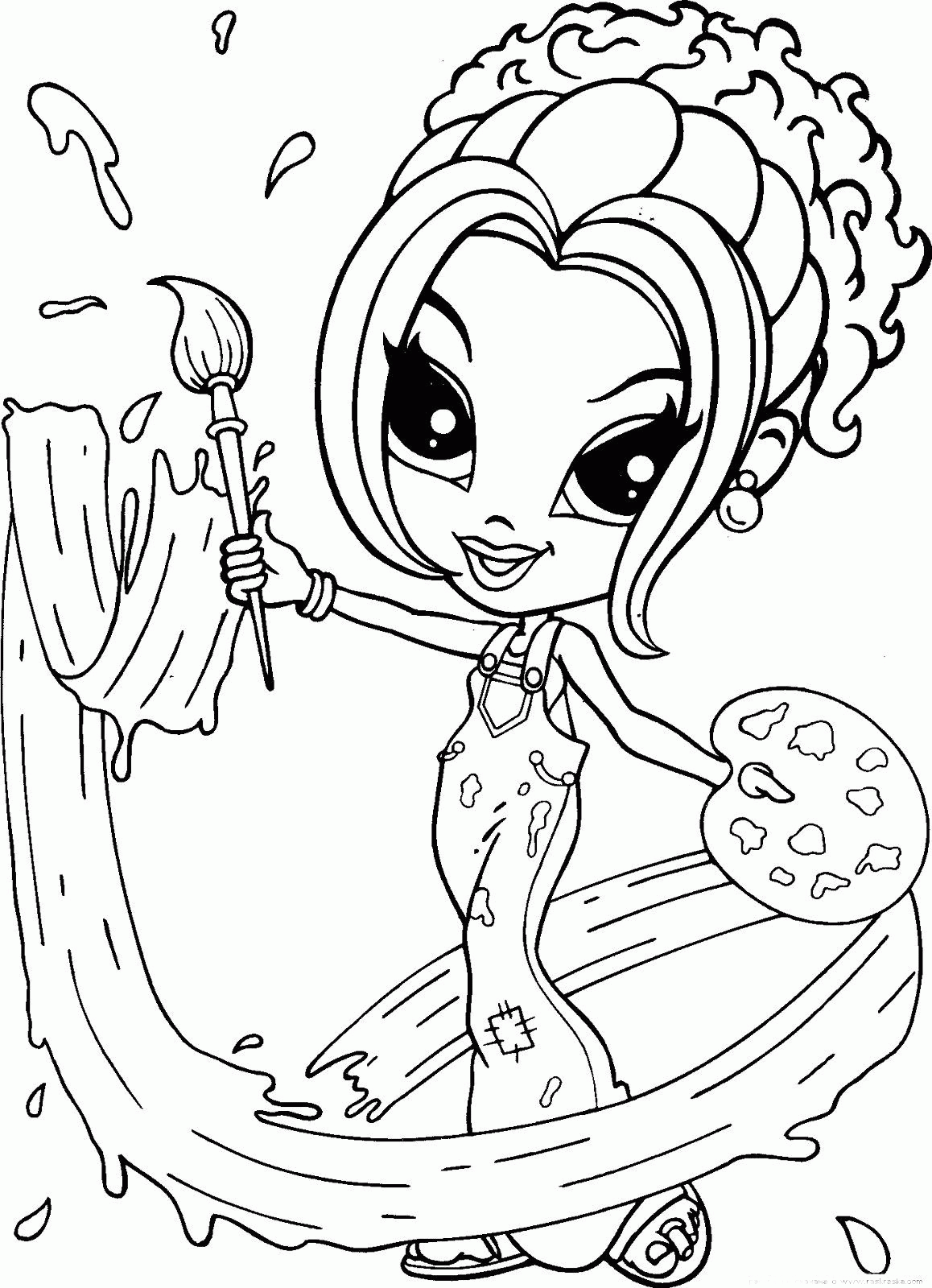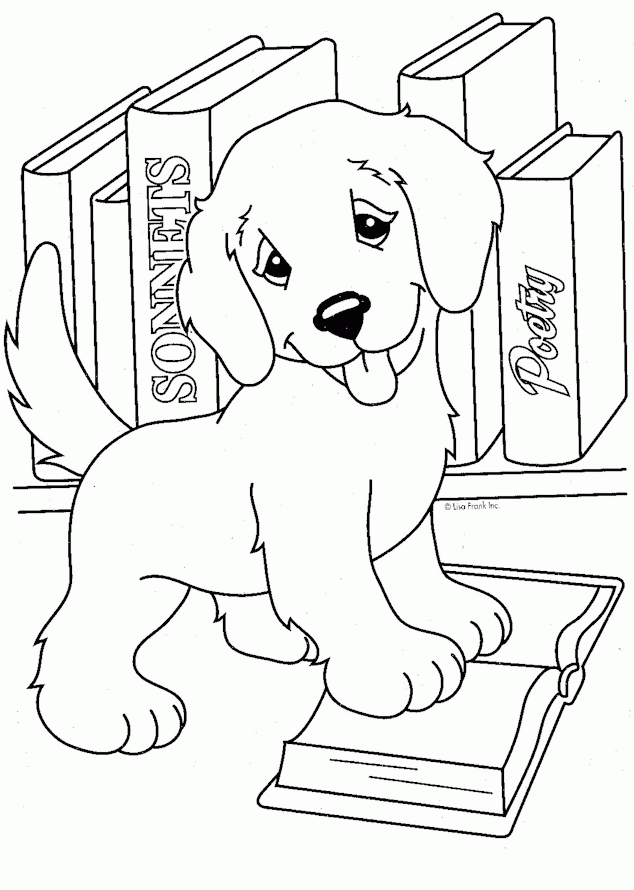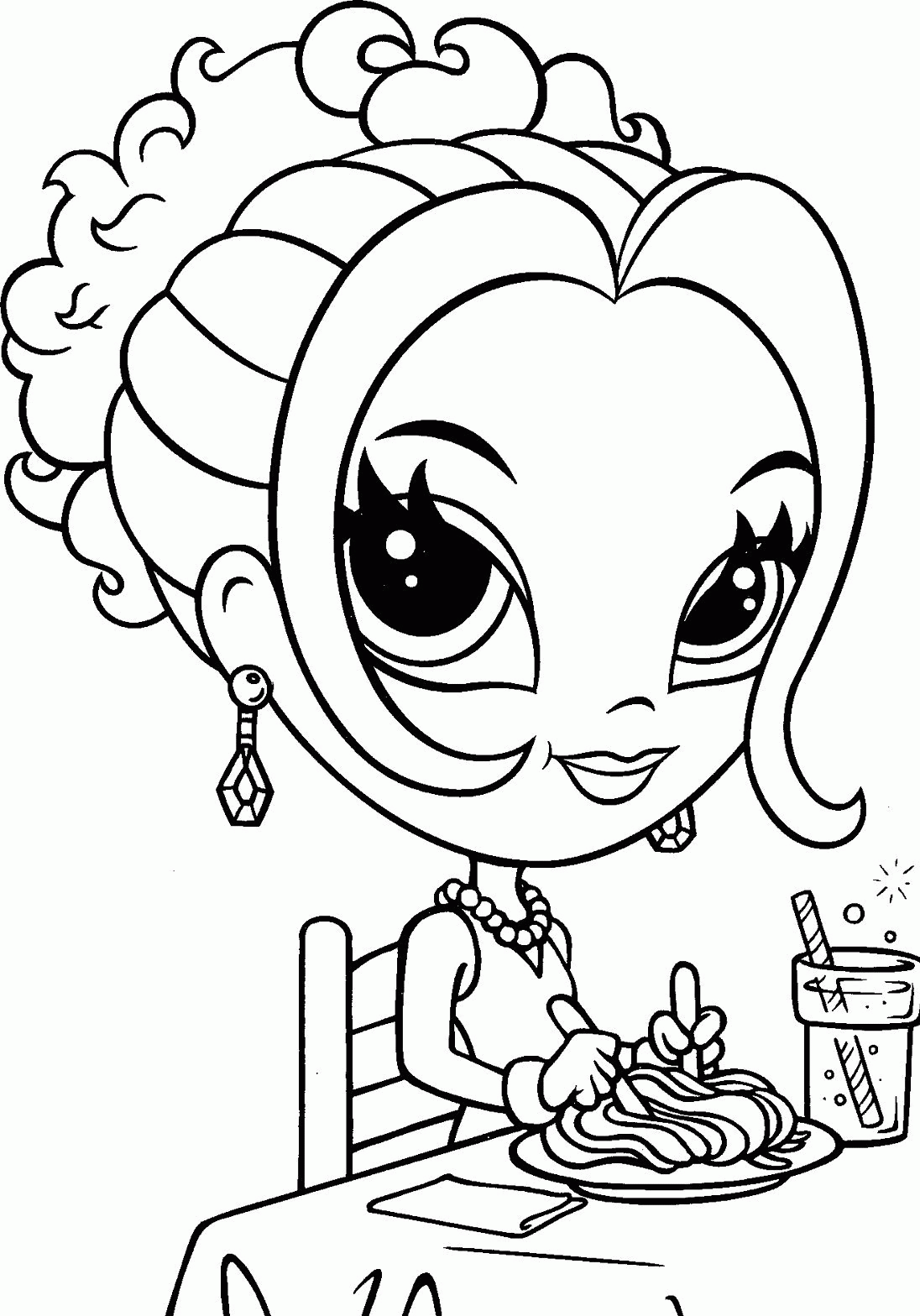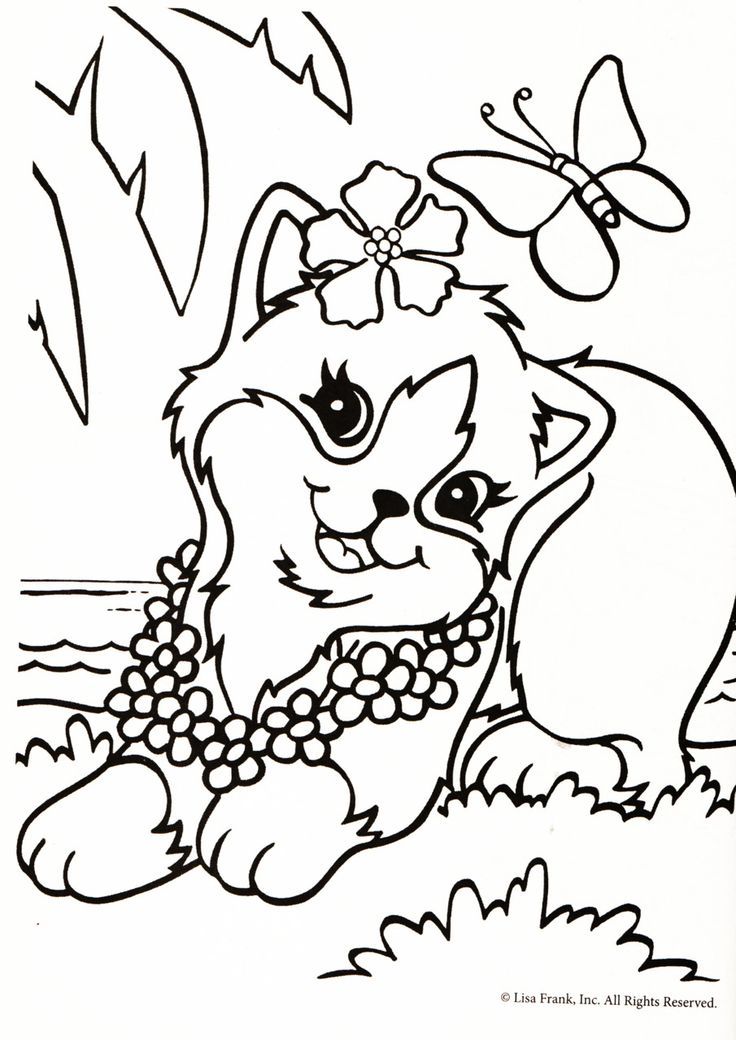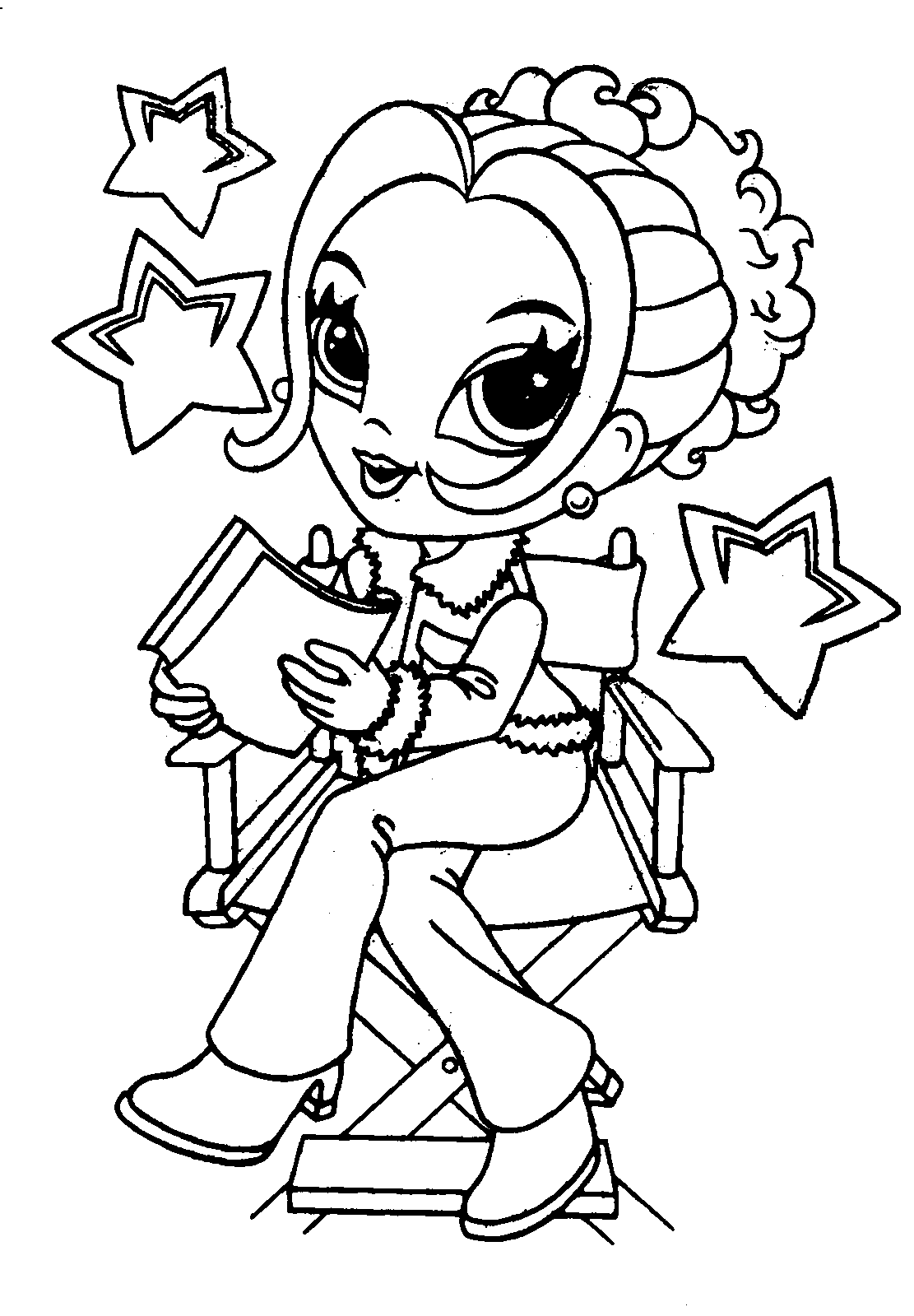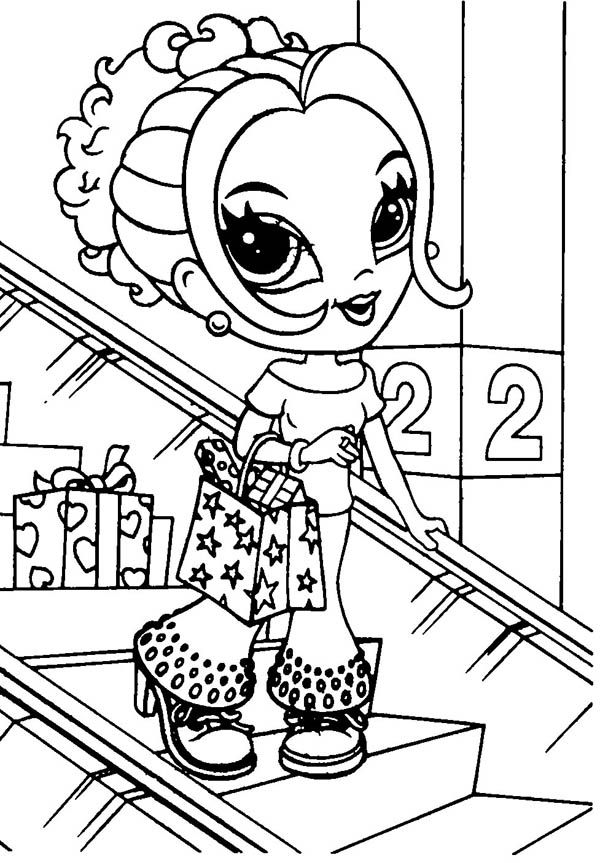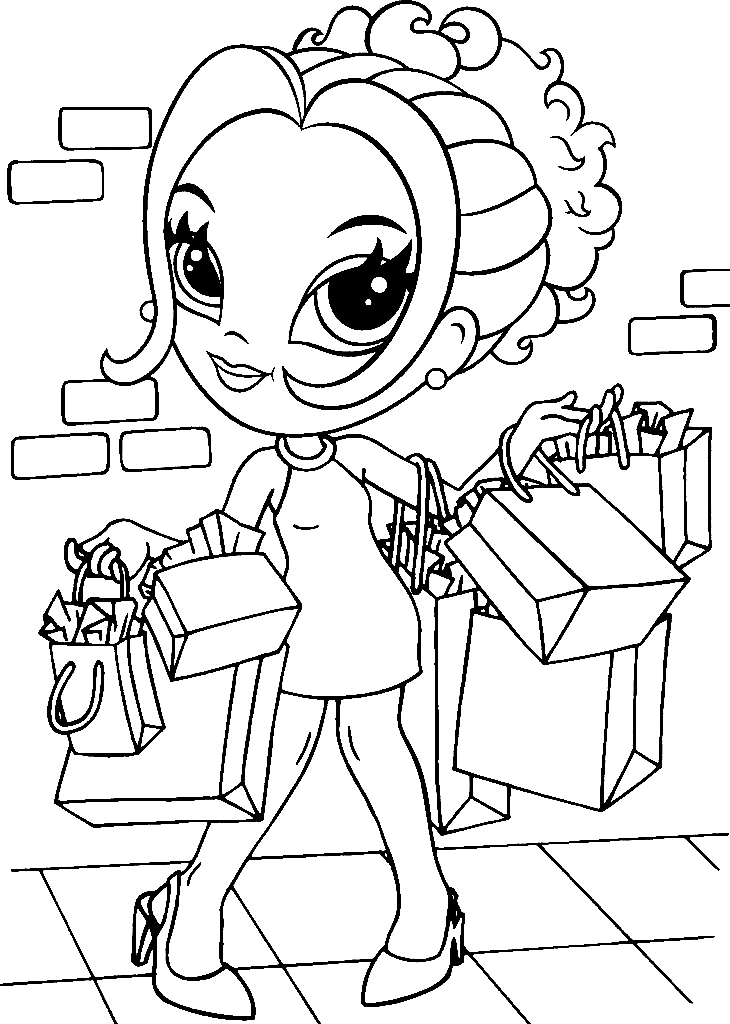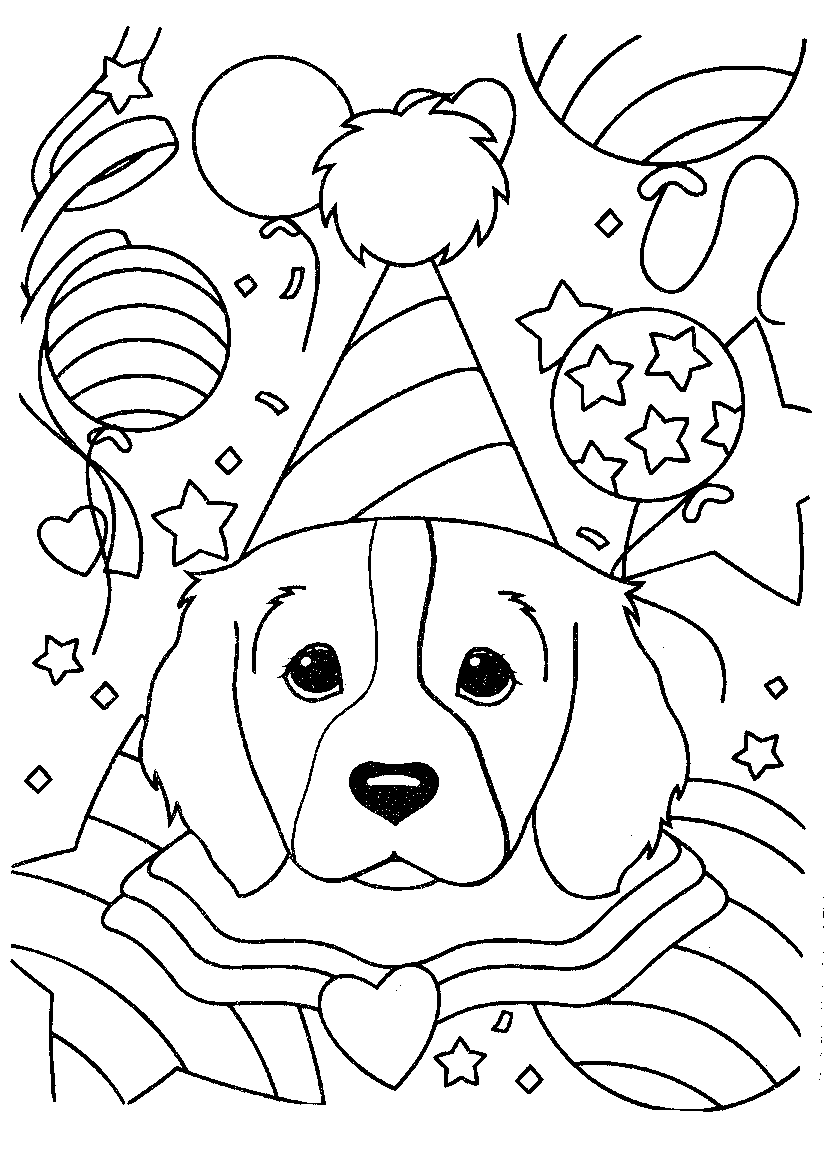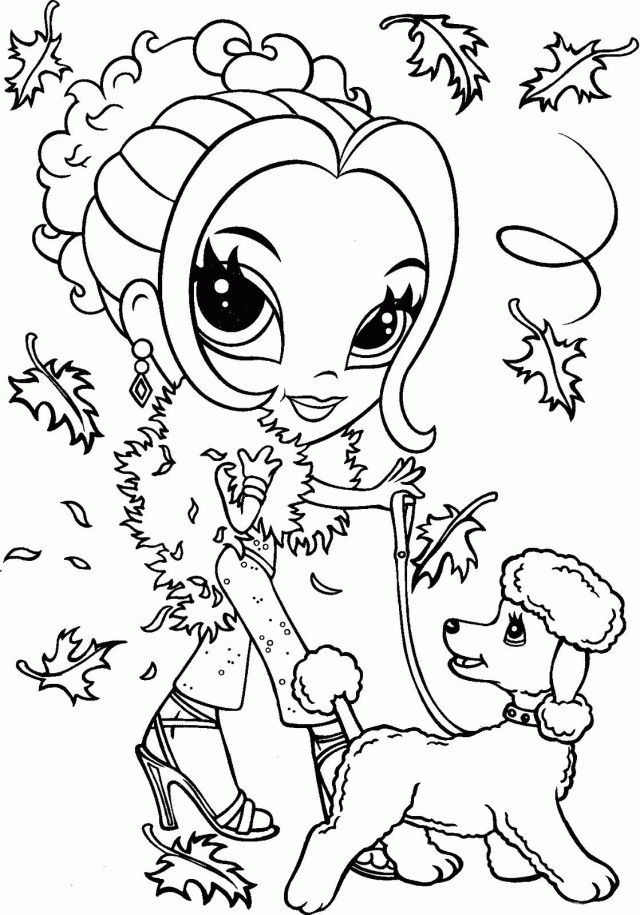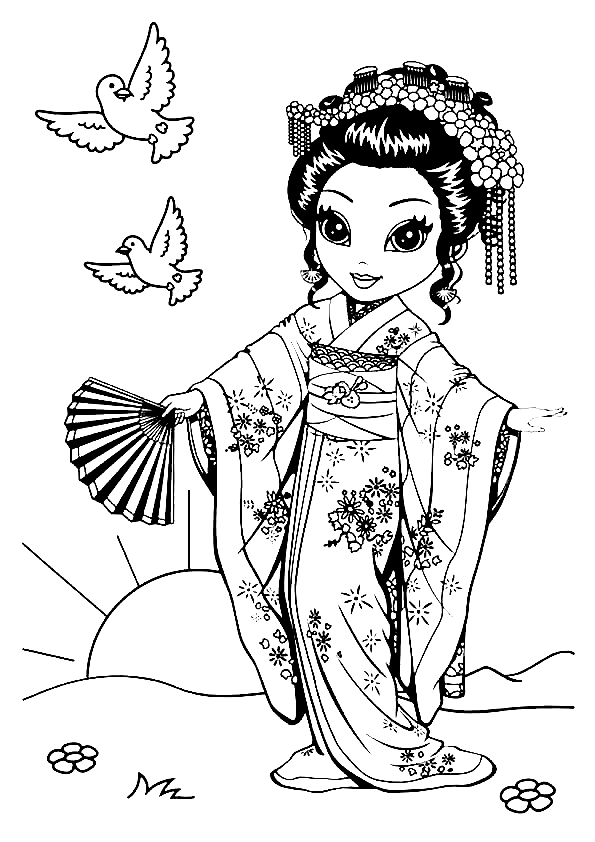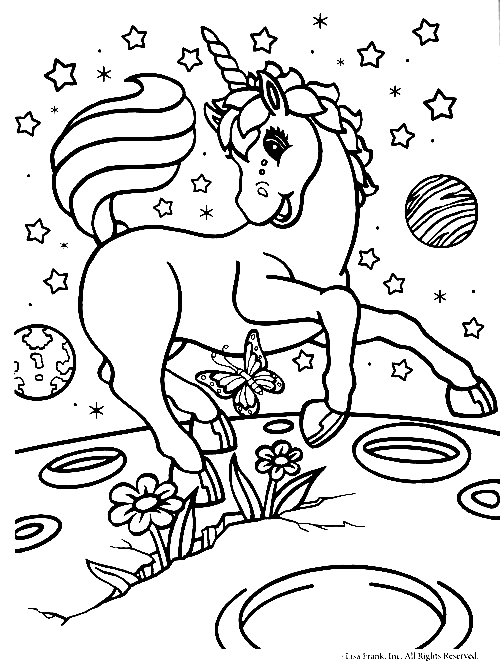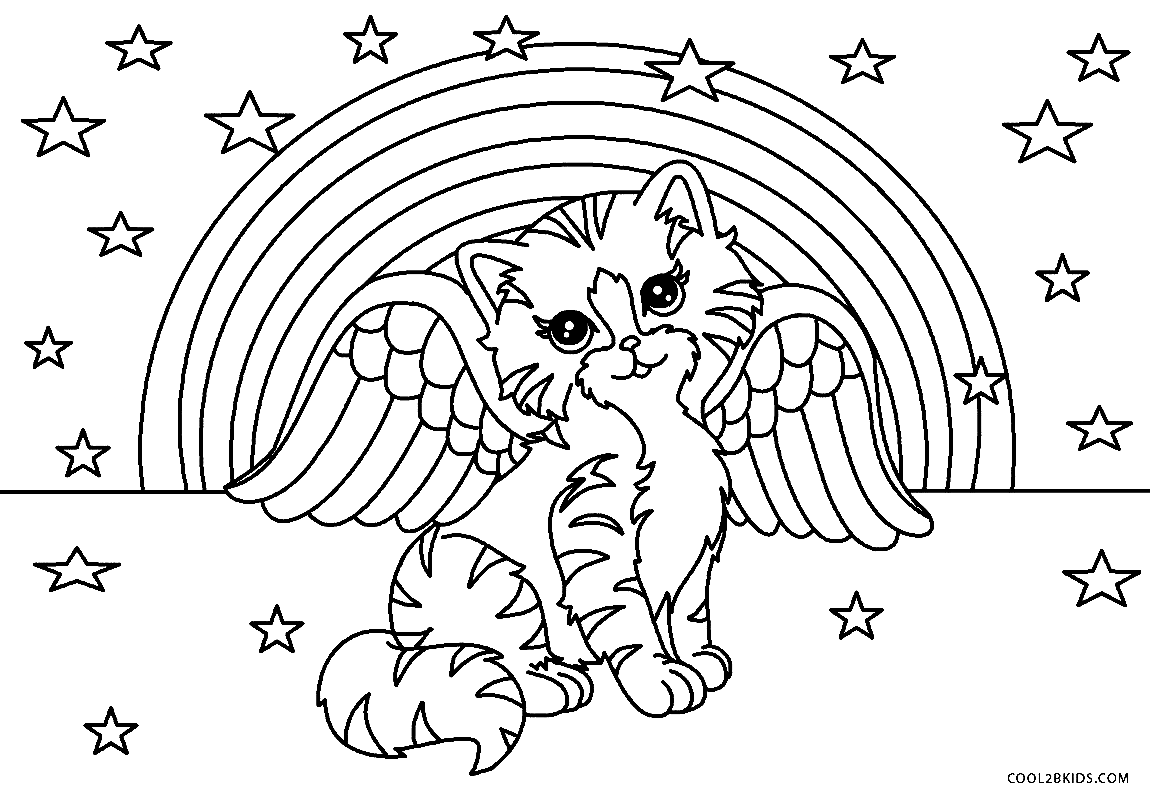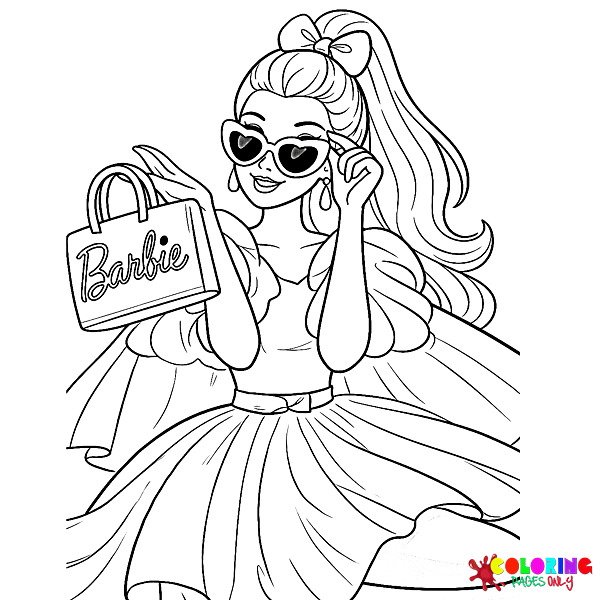
Lisa Frank Coloring Pages at ColoringPagesOnly.com brings together 100+ free pages spanning the complete Lisa Frank universe – individual animal portraits of the rainbow leopard Hunter, the unicorn Markie, dolphin Max Splash, tiger Forrest, and the Panda Painter, group scene compositions, holiday variants like the Easter Bunny Rainbow, fantasy scenes on the moon, underwater sea compositions, and party spreads. Download any page as a PDF to print, or color online in your browser. Connect with related collections at Unicorn Coloring Pages, Rainbow Coloring Pages, and Cat Coloring Pages.

What is Lisa Frank?

Lisa Frank is an American artist and businesswoman born in 1955 in Bloomfield Hills, Michigan, who founded Lisa Frank Incorporated in 1979 in Tucson, Arizona – the company that produced one of the most visually distinct and culturally specific bodies of commercial design in the history of American children’s products.

The brand’s visual language is immediately recognizable: rainbow-gradient animals with large, luminous eyes, neon and pastel colors used simultaneously rather than sequentially, compositions overflowing with hearts, stars, bubbles, and sparkles, and an overall aesthetic that communicates pure, unapologetic joy. The technical foundation of the original designs was airbrush – every image Lisa Frank produced from the company’s founding through 1989 was hand-airbrushed, a process that took between nine and thirty-six hours per image. The soft gradients, glowing color transitions, and halo-of-light quality that define the Lisa Frank look are direct products of the airbrush technique. When the company transitioned to computer software in 1989, the aesthetic was preserved and extended – the same rainbow gradients, the same glowing eyes, the same neon palette – but at a pace and scale that allowed the product line to expand from hundreds to thousands of designs.

The company’s defining commercial period was 1987 through the late 1990s, when Lisa Frank launched its school supplies line and became inseparable from the back-to-school experience for a generation of American girls. Trapper Keepers, three-ring binders, folders, pencil cases, lunch boxes, notebooks, and sticker sheets bearing Lisa Frank designs were ubiquitous in elementary and middle school classrooms across the United States. At its peak in the mid-1990s, Lisa Frank Incorporated grossed over $60 million a year in annual revenue, employed approximately 500 people, and operated from a 320,000-square-foot factory in Tucson that announced itself with a rainbow-painted loading dock and pink glass entry. The company is notable for maintaining a proprietary ink formula whose exact composition is covered by a non-disclosure agreement and remains a closely guarded trade secret.

The brand declined through the 2000s as digital communication reduced demand for physical stationery, and the factory closed in 2013. However, in 2021, Lisa Frank’s son Forrest Green took over as Director of Business Development and rebuilt the brand’s social media presence – gaining over 700,000 Instagram followers – by positioning Lisa Frank as a lifestyle brand with nostalgic appeal to the now-adult consumers who grew up with the original products. This strategy led to collaborations with Morphe (makeup palettes, 2020), Crocs (iridescent footwear, 2023), Pillsbury, Urban Outfitters, and BlendJet, among others.

In December 2024, Amazon Prime Video released Glitter and Greed: The Lisa Frank Story, a four-part documentary series exploring the brand’s history through interviews with former employees and associates. Lisa Frank herself did not participate in the documentary.

The Audience – Who These Pages Are For

Lisa Frank coloring pages serve two genuinely distinct audiences who often exist in the same household, and understanding this dual nature changes how you approach the collection.

Children currently discovering Lisa Frank come to the collection through the same path the original audience did: vivid colors, recognizable animals, and designs that communicate energy and imagination without requiring any context. For this audience, the pages are purely about making bright things brighter – the more saturated the better, the more colors the better, the bigger the smile on the dolphin, the more delightful the result. Younger children work best with the simpler individual character portraits; older children enjoy the more compositionally complex group scenes and holiday variants.

Adult millennials reconnecting with Lisa Frank are a larger and more engaged coloring page audience than most coloring sites acknowledge. These are people who owned the Trapper Keepers, the sticker books, the lunchboxes – who associate the specific Lisa Frank rainbow-gradient palette with the specific texture of late-1980s and 1990s childhood. For this audience, coloring a Lisa Frank page is a form of memory retrieval. The goal is not just to color an animal but to reproduce the specific feeling of the original brand’s color register, which requires understanding what made the Lisa Frank aesthetic technically distinctive and how to recreate it with modern coloring tools. This audience benefits from technical guidance that would be irrelevant for younger colorists.
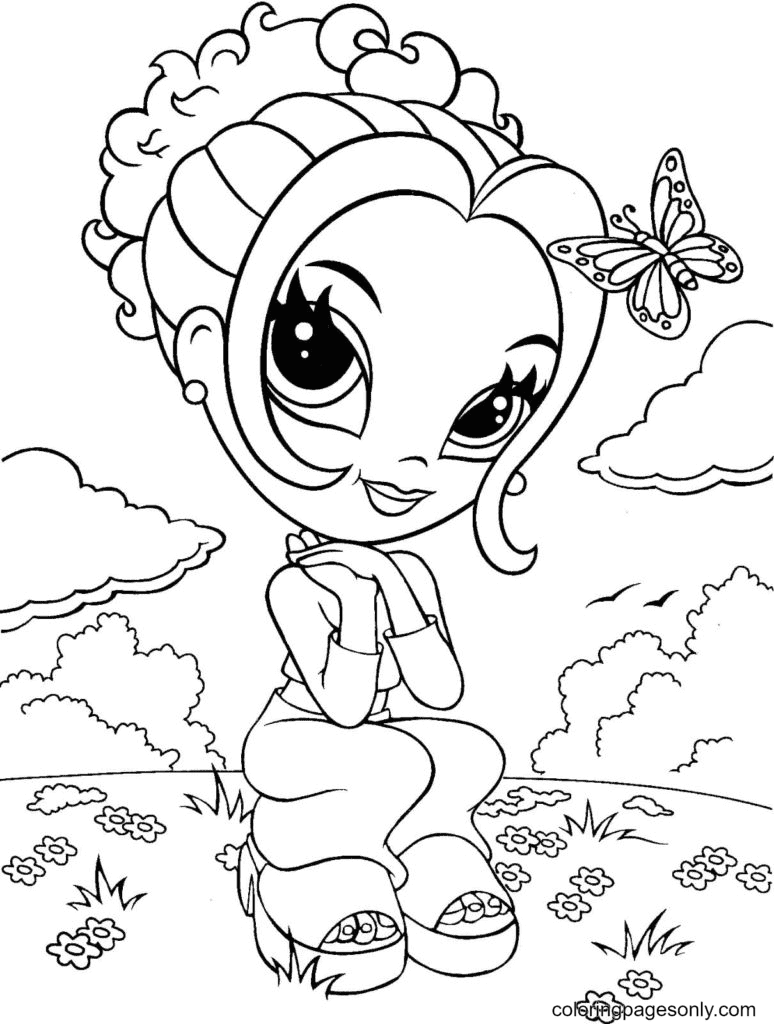
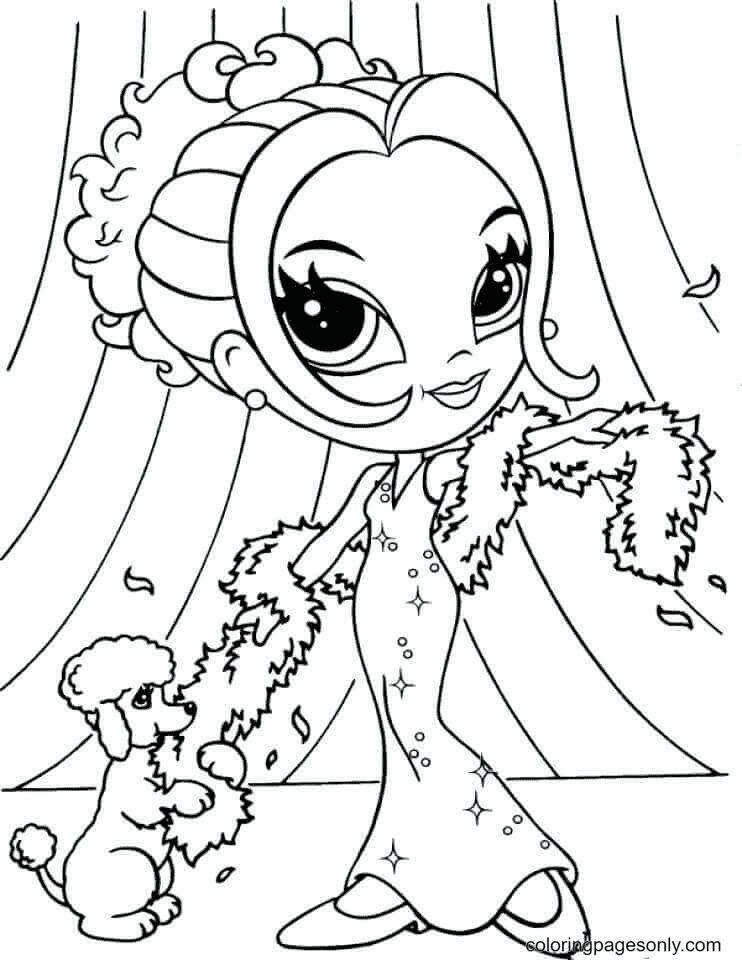
Named Character Guide

Lisa Frank designs feature dozens of named recurring characters, each with a specific personality and canonical visual description. The collection includes pages for several of the most recognizable:

Hunter is the original rainbow leopard – one of the earliest and most beloved characters in the Lisa Frank roster, introduced with the 1987 school supplies launch. Hunter is depicted as a young male leopard rendered in an impossible but completely committed rainbow-gradient palette: rather than the realistic tawny gold of an actual leopard, Hunter’s body moves through the full spectrum, with each section of his coat shifting from one saturated hue to the next. He is always depicted with large, luminous eyes and a playful, competitive personality – described in Lisa Frank’s character materials as loving challenges and wanting to explore where no other leopard has been.

Forrest is the tiger, and like Hunter, he is depicted not in naturalistic orange-and-black stripes but in a full rainbow palette. The name Forrest is shared with Lisa Frank’s son (born during the brand’s height), who later took over the company’s social media. Forrest the tiger is described as the protector of Emerald the deer – strong, loyal, and the physical embodiment of the brand’s ethos that bright colors and courage go together.

Emerald is the shy and sensitive deer – one of the few Lisa Frank characters associated with a quieter energy rather than the brand’s typical exuberance. She is depicted in soft greens and forest tones relative to the other characters, and is identified by her love of butterflies and her close bond with Forrest. Pages featuring Emerald are among the gentler, more detail-focused compositions in the collection.

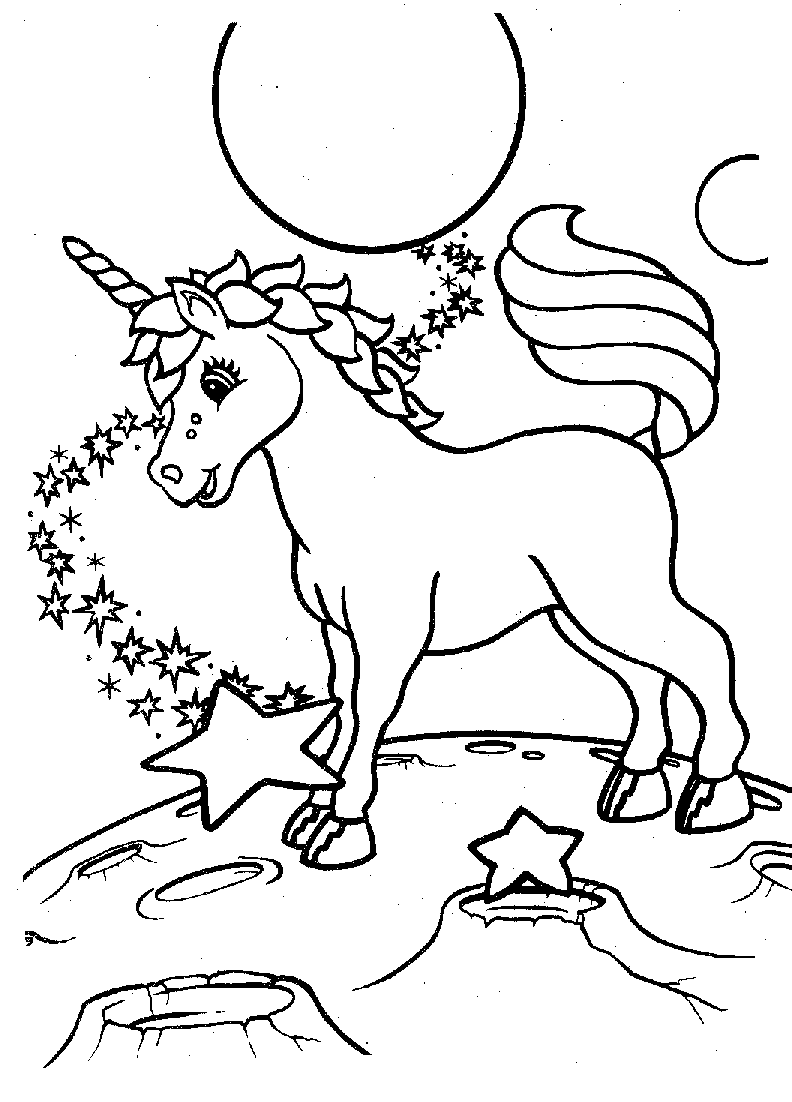
Markie is the unicorn with an elaborate mane styled in beads and braids – one of the most complex mane designs in the Lisa Frank character roster and one of the more technically demanding pages in the collection because the mane requires managing multiple color transitions within a single flowing element. Markie is described as living in the clouds above the Fantastic Land of Lisa Frank and is the character most associated with the brand’s unicorn imagery in the community’s memory.

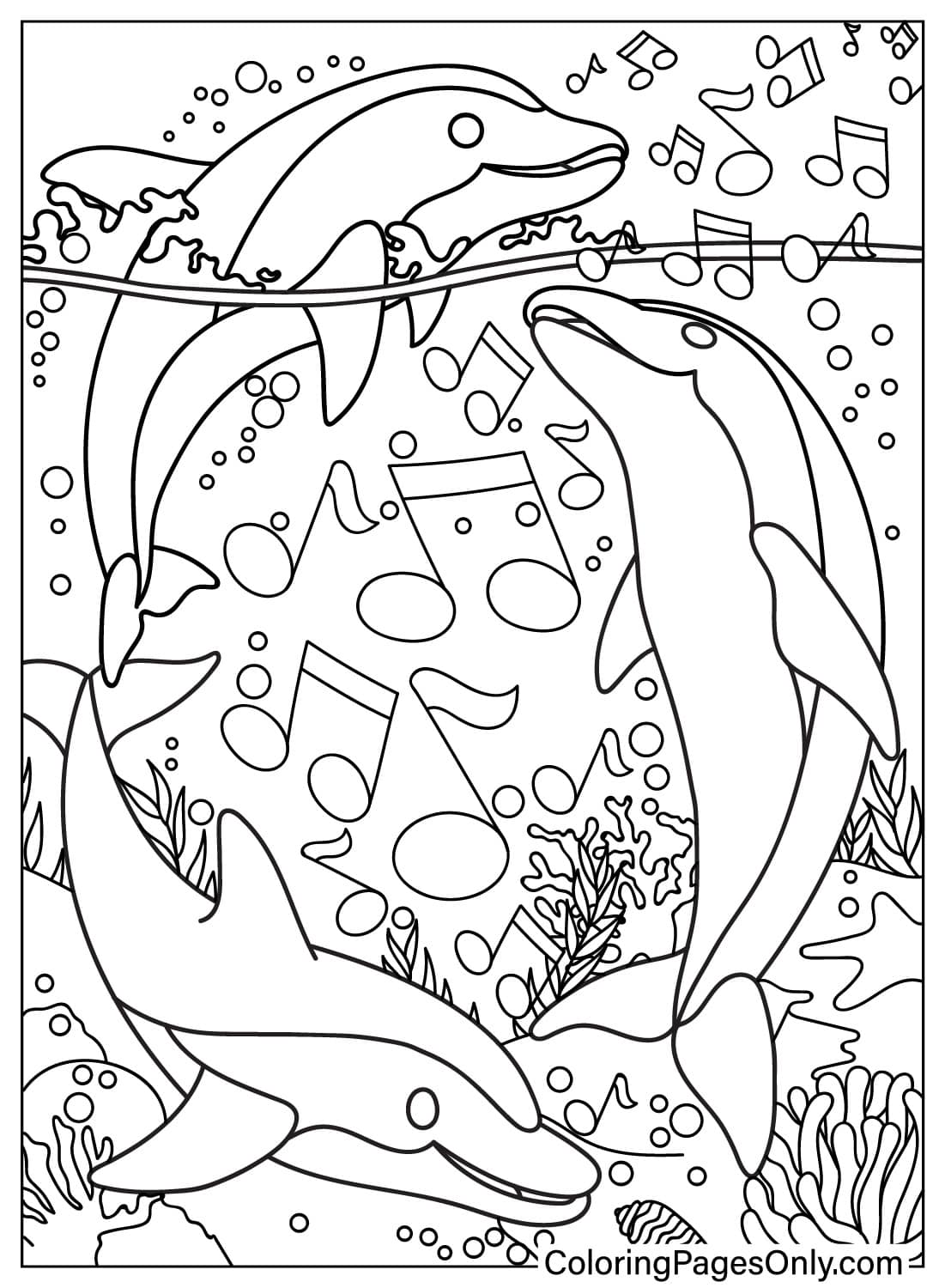
Max Splash is the dolphin – depicted in the brand’s signature style with a rainbow gradient body and oversized expressive eyes, described as a confident and fearless character who travels across seas to perform stunts. Dolphin imagery is among the most iconic in the Lisa Frank canon, alongside unicorns; the pairing of unicorn and dolphin is one of the brand’s most recognizable visual motifs.

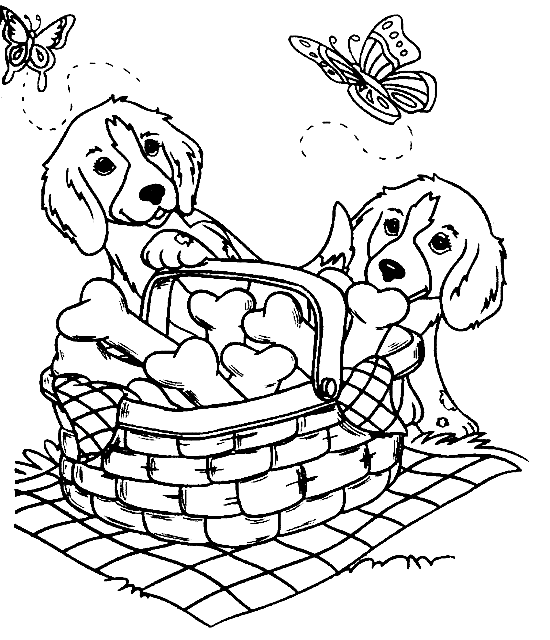
Ruckus, Raider, and Risky are three puppies – described as each weighing over 100 pounds, loving tug of war, and chasing balls – who appear together in group pages. The trio represents the brand’s dog character line, which, alongside unicorns and dolphins, formed the backbone of the original product range.

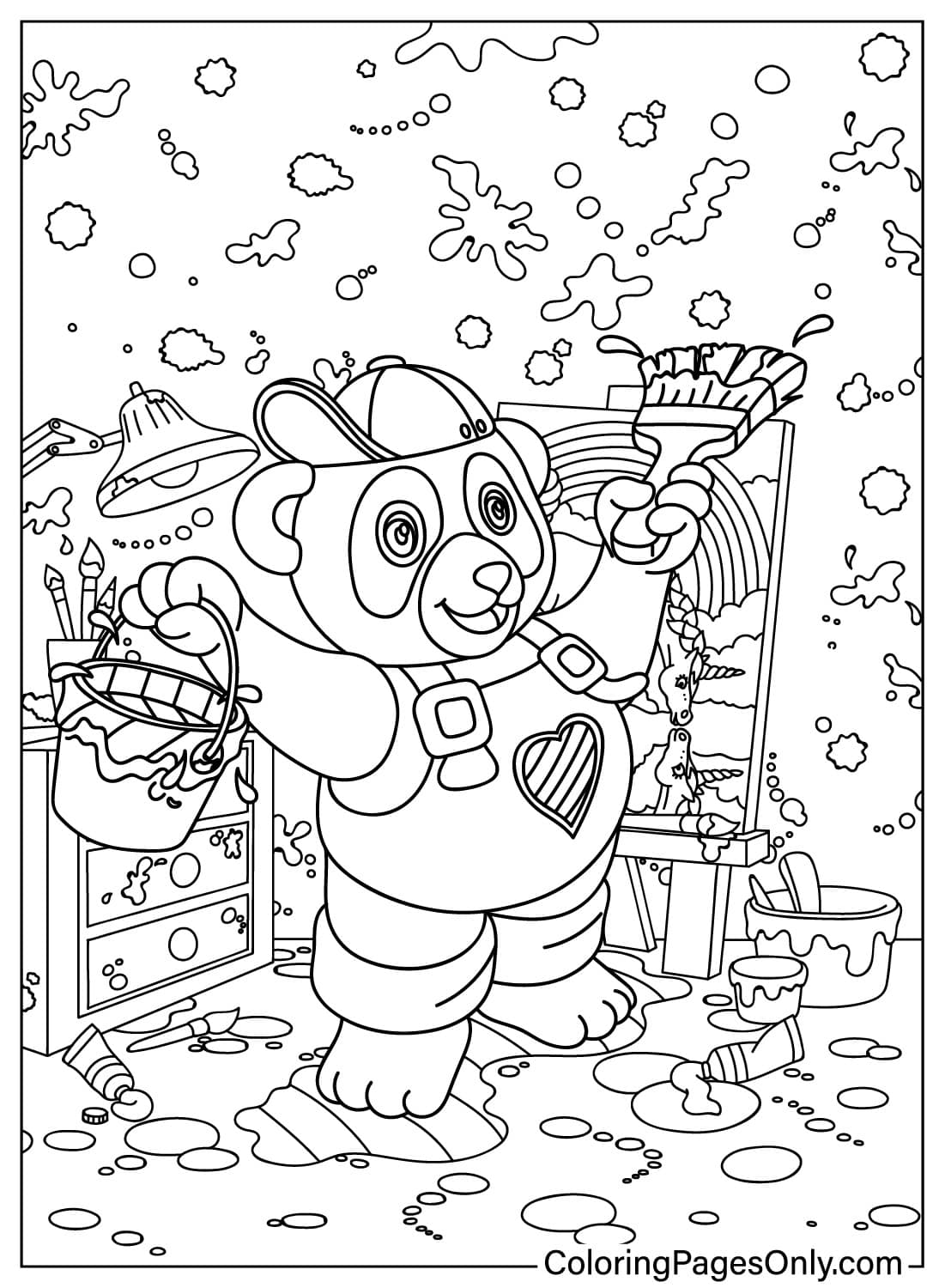
Panda Painter is one of the original 1987 characters that launched the school supplies line – an anthropomorphic panda in overalls holding a can of rainbow paint and a brush. The company has cited the original characters, including Panda Painter, as continuing to be their most popular designs despite all new additions. The giant Panda Painter statue in the Tucson factory lobby – poised to paint the world brighter – became one of the most documented elements of the now-closed facility.

Coloring Tips – Recreating the Lisa Frank Aesthetic

The Lisa Frank aesthetic is not accidental, and it is not arbitrary. It was developed by a trained artist over a decade of hand-airbrushing, codified into a design language that ran a $60-million-a-year company, and is recognizable at a glance across decades. Understanding its specific technical rules is what separates a finished Lisa Frank coloring page that reads as “Lisa Frank” from one that is just brightly colored.

Rule 1: Rainbow gradients are not optional – they are the point. In a genuine Lisa Frank design, a leopard is not yellow-tan with black spots. A dolphin is not grey. A tiger is not orange. Every animal’s body is a vehicle for a rainbow gradient – the hue shifts continuously across the body, typically moving through the full spectrum or a significant portion of it. The gradient is what defines the character as a Lisa Frank character rather than a generic animal. When coloring any animal page in this collection, the first decision is: where does the gradient start, and where does it end? The most common pattern in the original designs moves from warm to cool or from one fully saturated hue to another across the body, with the transition zones blending smoothly rather than stepping abruptly.
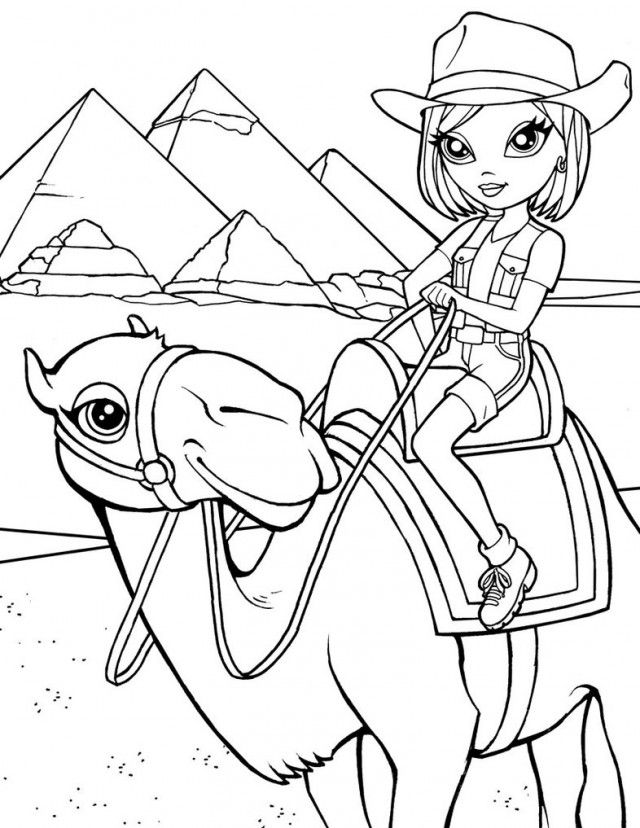
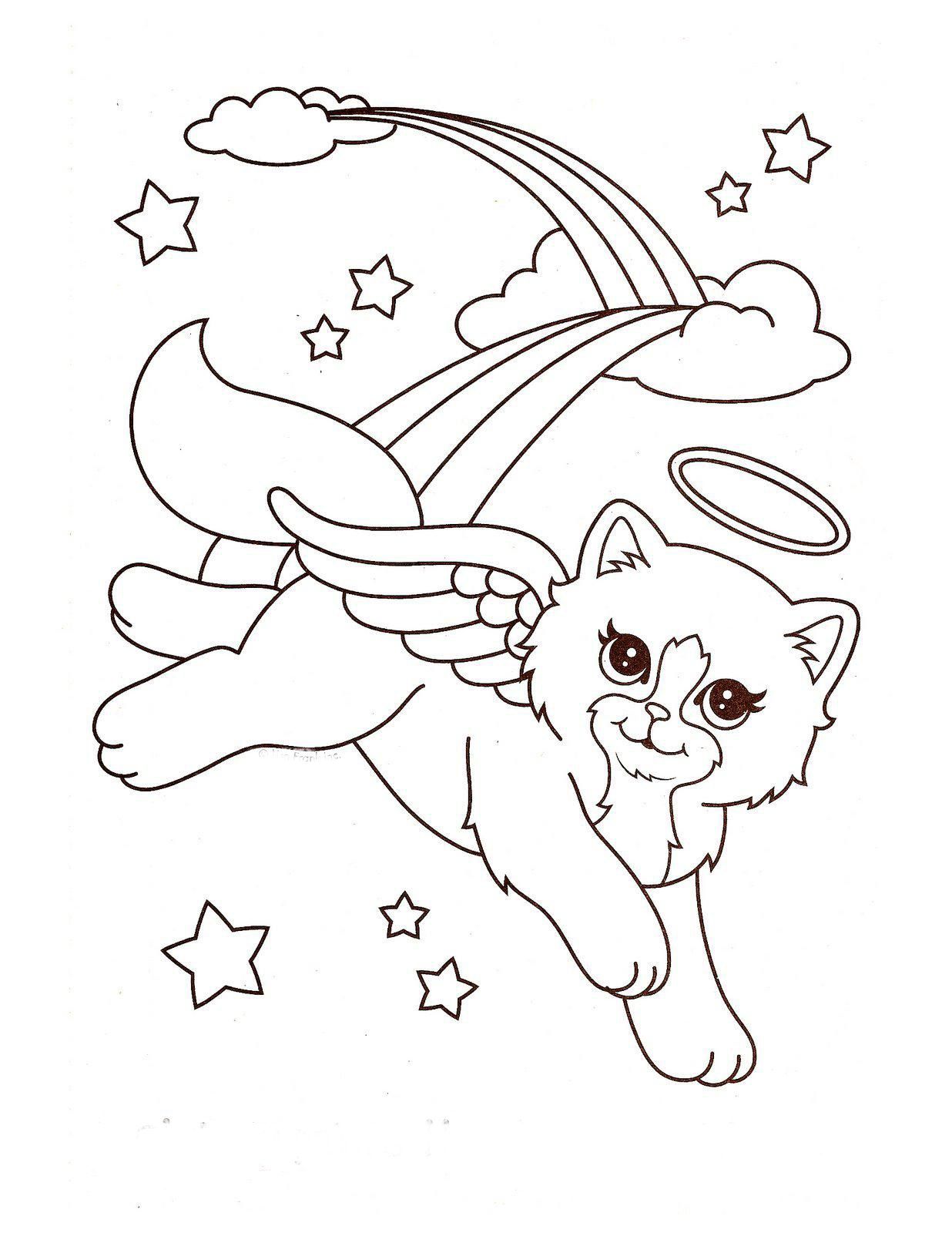
Rule 2: The eyes are the most important element of any character page. Lisa Frank’s animals have enormous, luminous, soulful eyes that carry the entire emotional register of the character. In the original airbrush work, eyes were rendered with multiple layers: a deep, dark base color for the pupil, a rich, saturated color for the iris, a bright highlight ring, and a pure white reflection spot that created the “glowing from within” quality. When coloring any character page in this collection, spend more time proportionally on the eyes than on any other element. A character whose eyes are rushed or flat will not read as Lisa Frank. A character whose eyes are carefully rendered will communicate the brand’s specific emotional quality even if everything else is slightly imperfect.

Rule 3: Backgrounds are full, never empty. Lisa Frank compositions do not have negative space in the traditional artistic sense. Every background area is populated with stars, hearts, bubbles, rainbows, sparkles, clouds, flowers, or other secondary elements – each one individually small, collectively creating a sense of magical density. When filling background areas on pages that include these elements, resist the urge to use a single neutral color. Stars, hearts, and sparkles should each receive a distinct color, and those colors should vary across the background rather than repeating in a mechanical pattern.

Rule 4: Neon and pastel are used simultaneously. This is counterintuitive for most colorists trained in traditional color theory, which suggests that neon and pastel palettes clash. In Lisa Frank design, they coexist constantly – a neon pink might transition into a soft lavender, an electric blue might soften to a powder blue at the edges. The reason this works is the graduation: the transitions between neon and pastel are smooth rather than abrupt. If you are using colored pencils or markers, the technique is blending: lay the neon color first, then overlay the pastel at the transition zone to create a softened edge rather than a hard boundary.

Rule 5: For adults recreating the authentic original quality, tool choice matters. The original Lisa Frank designs used airbrush, which produces a specific softness – colors feel illuminated rather than applied. For adults trying to get closest to that quality with standard coloring tools, the best approximation is alcohol-based markers for the gradient transitions (Copics or equivalent), with gel pens over the top for the bright highlight spots and sparkle elements. Colored pencils can achieve the gradients with patient layering, but require a lighter paper pressure in the transition zones. Glitter pens or a light application of glitter gel over finished work adds the luminous quality of the original. Printing on 120–160 gsm paper rather than standard copy paper significantly improves how neon tones render, preventing the bleed-through that can make dense neon areas look muddy.

For the Markie mane pages specifically: The beaded-and-braided mane is the single most technically demanding element in the collection. Each braid section should receive its own gradient – not the same gradient repeated, but individual gradient arcs across each section. The beads interspersed through the mane should each be rendered as small individual jewels: dark on the shaded side, bright in the center, with a white highlight spot. This level of detail rewards patience and fine-tipped tools but is completely approachable with colored pencils if done section by section rather than attempting the whole mane at once.

5 Activities

Recreate the airbrush gradient technique using colored pencils. Print any single animal character page – Hunter the rainbow leopard or Forrest the tiger are ideal for this exercise. Before starting, plan the full gradient sequence across the animal’s body: identify the starting hue (perhaps at the head) and the ending hue (at the tail), and list the intermediate hues in the sequence. Using colored pencils with a very light pressure in the transition zones, apply each hue in broad strokes, overlapping the previous color by about a third of its width before transitioning to the next. The goal is to eliminate any visible boundary between adjacent colors while maintaining the clarity of each hue at the center of its section. This exercise directly replicates the core technical challenge of the original Lisa Frank airbrush technique – smooth color transitions with no hard edges – and is one of the most transferable gradient skills in any colored pencil medium.

The dual-audience comparison project. Print any character page twice – the rainbow dolphin is ideal because it is one of the most recognizable images in the collection. Give one copy to a child and color the second yourself. The child colors freely in whatever palette they choose; you color with the technical rules above in mind: planned rainbow gradient, detailed eye rendering, and background elements individually colored. When both are finished, display them side by side. The comparison makes visible something important about Lisa Frank as a visual system: the same simple line drawing can produce both a child’s spontaneous color exploration and an adult’s technically careful recreation of a specific aesthetic from memory. Neither is more valid, but they are genuinely different activities happening on the same page.

The complete character rainbow lineup. Print one page for each named character in the collection: Hunter, Forrest, Emerald, Markie, Max Splash, and any puppy or panda pages. Color each character in a distinctly different section of the rainbow spectrum as the dominant hue – Hunter in the warm red-orange range, Markie in violet-purple, Max Splash in blue-green, Forrest in the orange-yellow range, and Emerald in the green range. When all pages are finished, arrange them in spectral order. The exercise demonstrates the most fundamental principle of the Lisa Frank brand’s character design: the characters collectively cover the full color spectrum so that any collection of multiple characters presents a complete rainbow lineup without any two characters competing for the same dominant hue.

The before-and-after nostalgia study. This activity is specifically for adult colorists. Before opening the coloring page, write down from memory every Lisa Frank product you owned or remember seeing as a child – the specific images, the subjects, the colors you remember most clearly. Then, color any character page using those specific memory colors as your reference. After finishing, look up reference images of actual Lisa Frank originals online and compare your finished coloring to the actual designs. Notice where your memory was accurate (probably the basic color register and the animal choices) and where it diverged (probably the specific gradient sequences and background detail density). Memory is imprecise, but the exercise makes the brand’s specific aesthetic qualities visible by measuring the gap between memory and reality.

Design a new Lisa Frank character following the brand’s design rules. On a blank page, sketch a new animal character for the Lisa Frank Fantastic Land. Follow the brand’s established rules: choose a real animal species not yet in the main character roster; give it a name that suggests its personality; assign it a dominant rainbow zone (what section of the spectrum will its body primarily occupy?); give it large, luminous eyes with detailed iris rendering; place it in a background populated with hearts, stars, and at least one rainbow. Write a one-sentence character bio in the style of the brand’s existing character descriptions – Emerald-style (shy, loves small things), Hunter-style (competitive, adventurous), or Ruckus-style (playful, physically enthusiastic). This activity engages directly with the brand’s design methodology, which is built on the premise that any animal species becomes more joyful and more appealing when rendered in neon rainbow gradients with large expressive eyes.

These related coloring collections will help you explore the wonderful world of colors. Let’s choose, be creative, and show us your great pictures!

Jennifer Thoa – Writer and Content Creator

Hi there! I’m Jennifer Thoa, a writer and content creator at Coloringpagesonly.com. With a love for storytelling and a passion for creativity, I’m here to inspire and share exciting ideas that bring color and joy to your world. Let’s dive into a fun and imaginative adventure together!