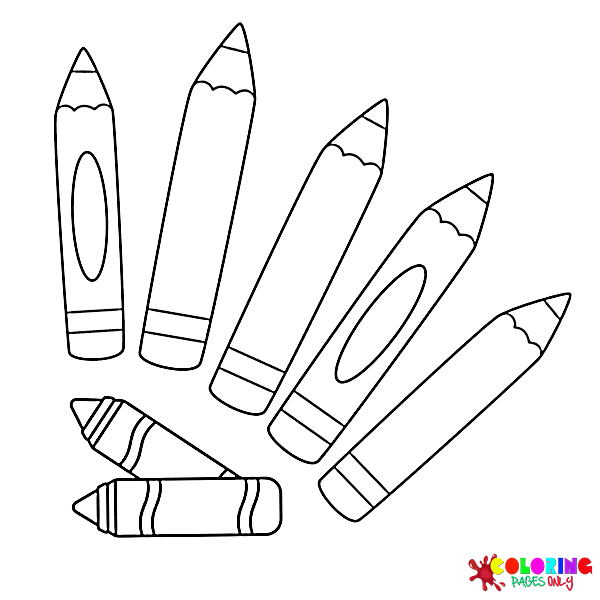
Preschool Coloring Pages
 By:
Charlotte Taylor - Content Writer
Updated:
By:
Charlotte Taylor - Content Writer
Updated:
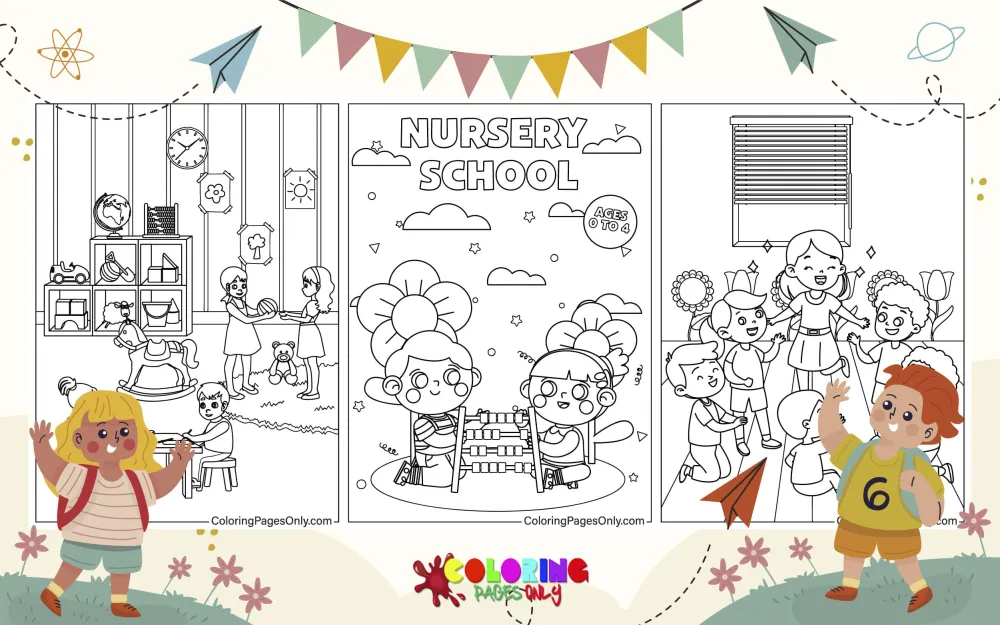
Free preschool coloring pages: 16 printable PDF designs featuring classroom activities, letters, numbers, shapes, and playground scenes for young children. Each page can be downloaded as a PDF to print or colored online in the browser.
Preschool typically covers children roughly ages 3 to 5, the years before kindergarten, though the exact age range and terminology, preschool, nursery school, or pre-K, vary by country and school system. This collection reflects that early stage with large, simple outlines built around everyday preschool experiences, playing in the classroom, exploring toys, and time on the playground, alongside early academic content like letters, numbers, and shapes. A smaller set of pages uses a matching or memory-game format, giving children practice with recognition skills alongside the coloring itself. Because children at this age are just beginning to develop the fine motor control needed to stay inside lines, the designs in this collection use fewer small details and larger color-in areas than the pages made for older grade levels on the site.
The 16 pages are split into everyday classroom and play scenes, early letters and numbers content, matching and memory games, and school and playground settings, giving a broad introduction to preschool-age coloring.

What Is Inside This Collection
The 16 pages sort into four groups, covering classroom and play scenes, letters and numbers, matching games, and school settings.
Classroom and Everyday Preschool Life
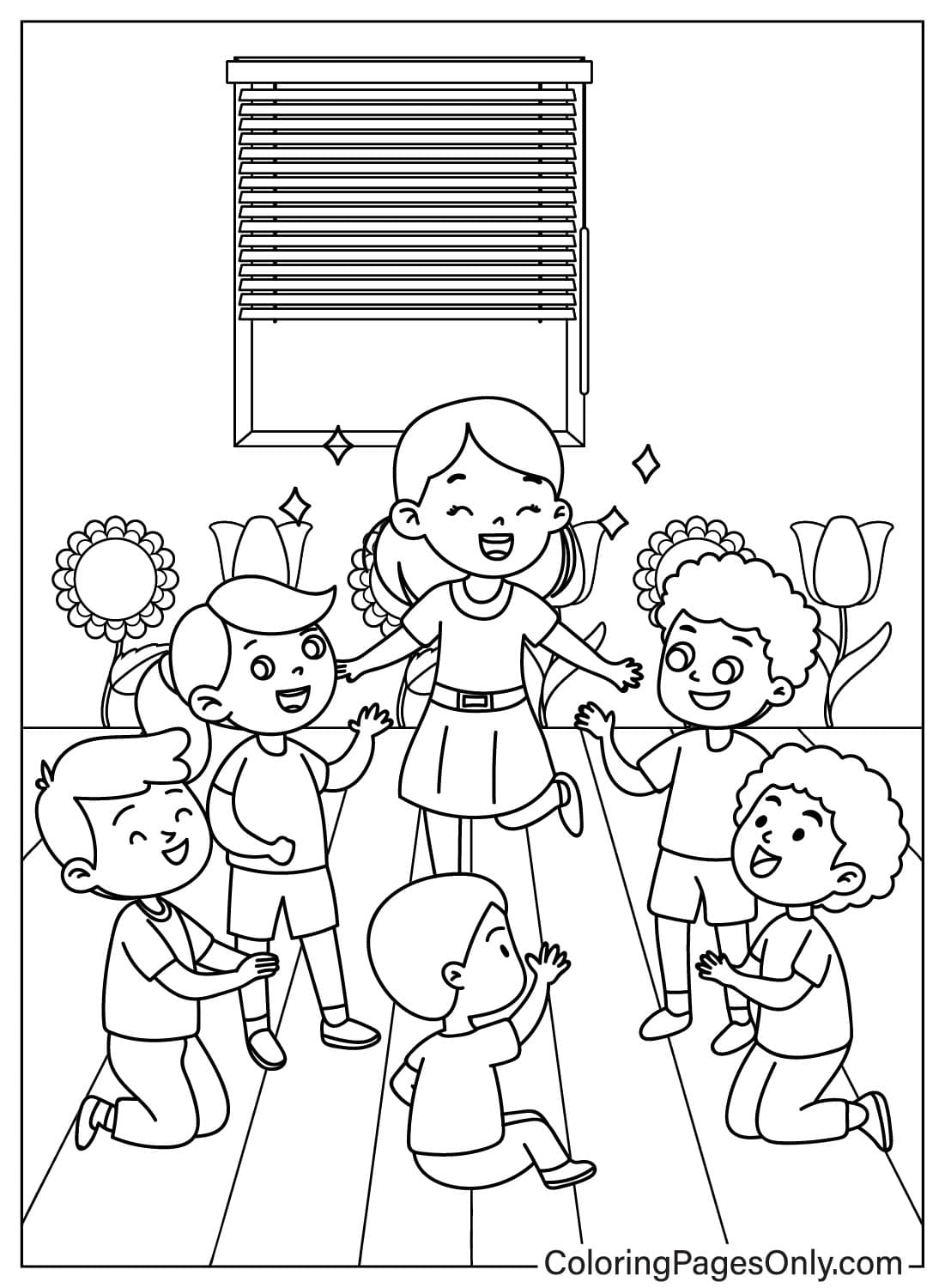
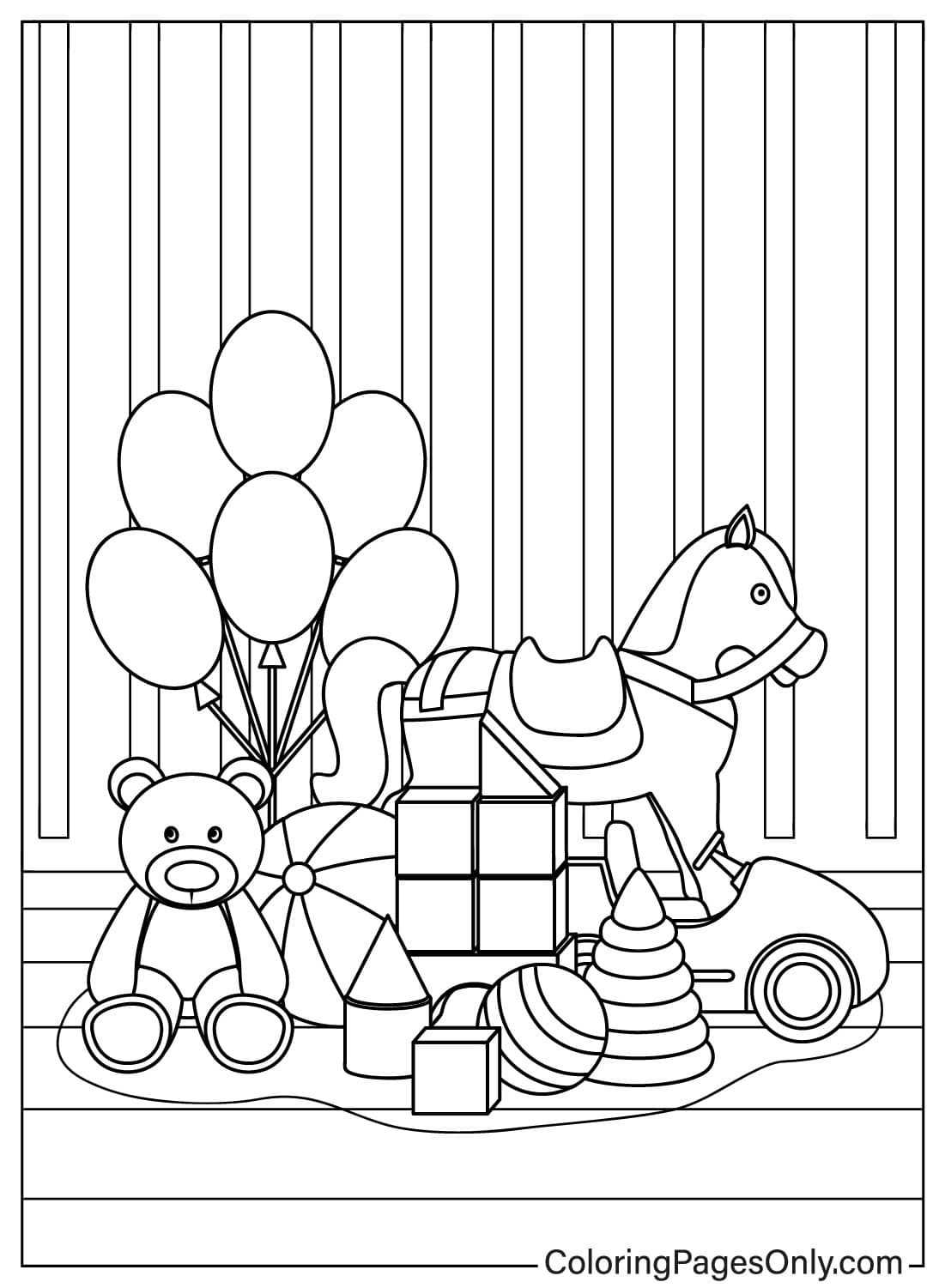
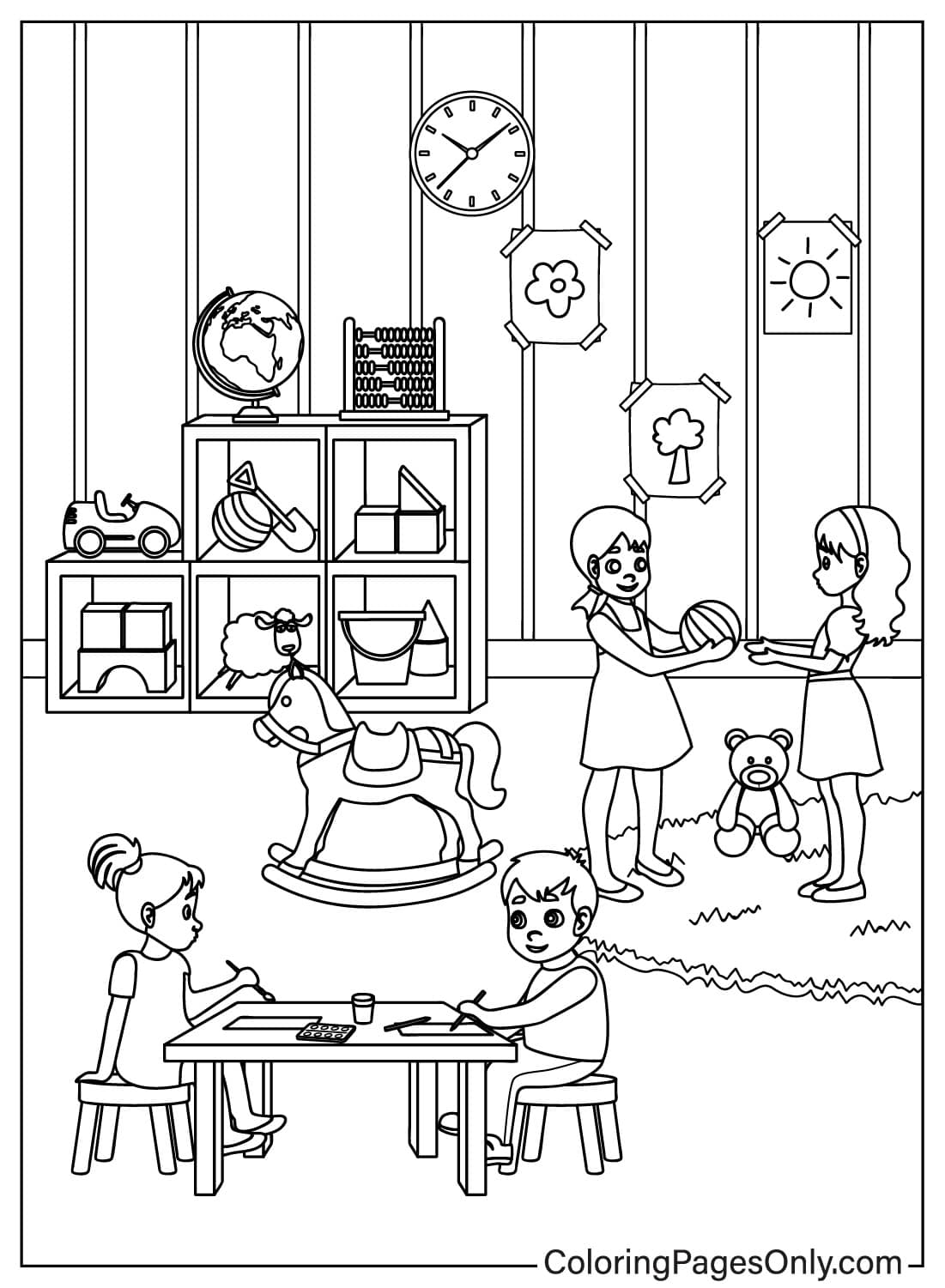
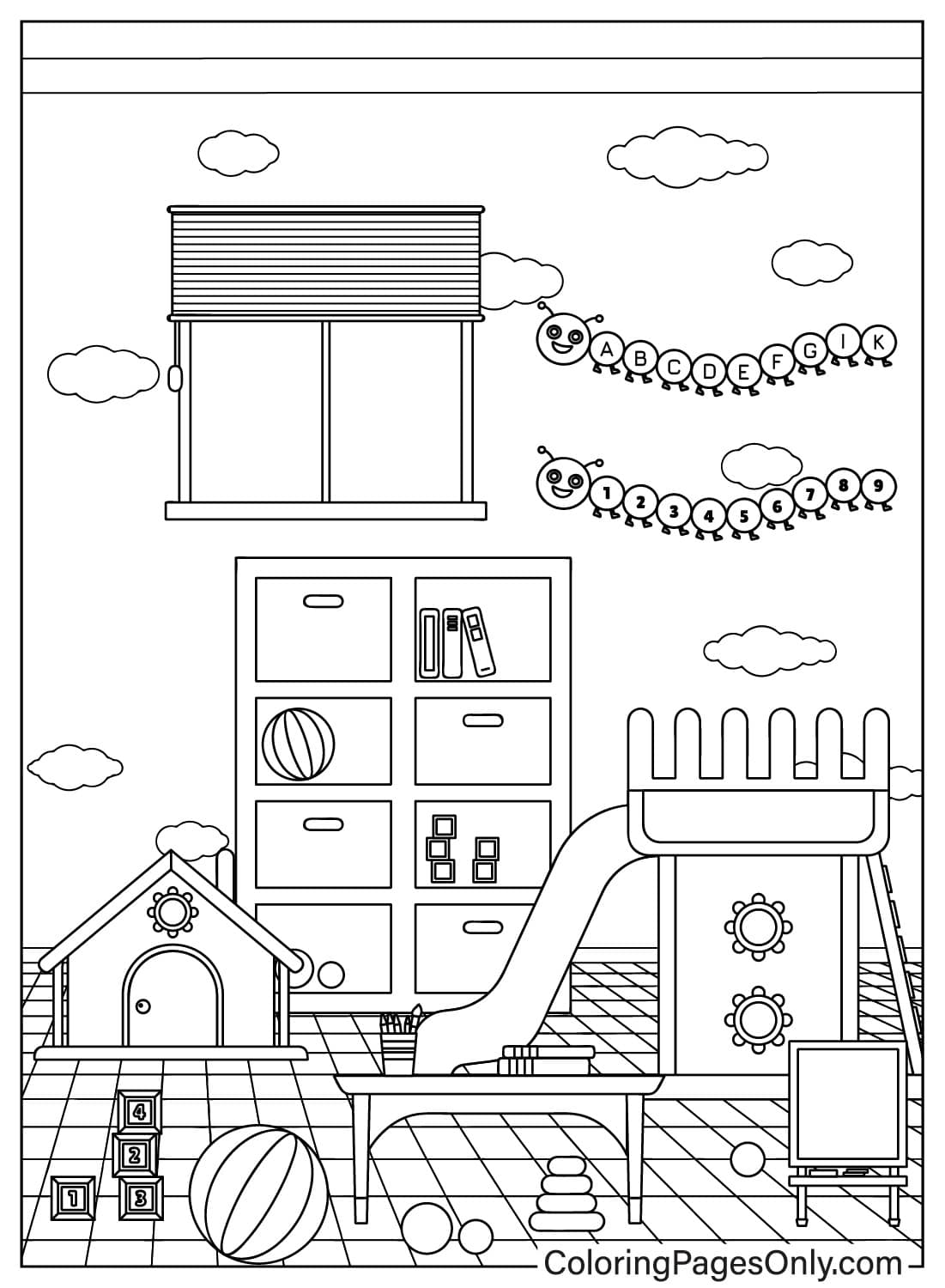
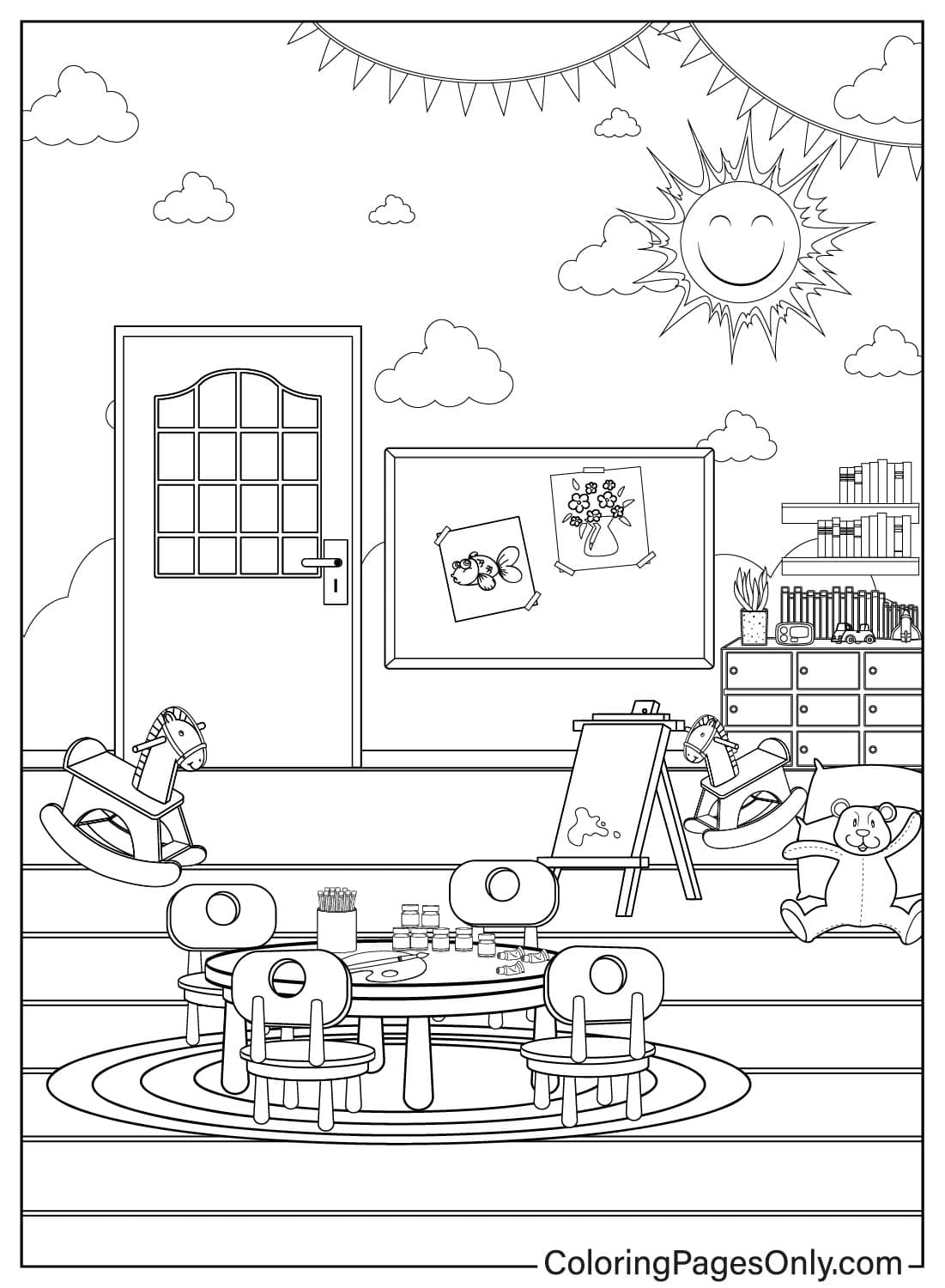
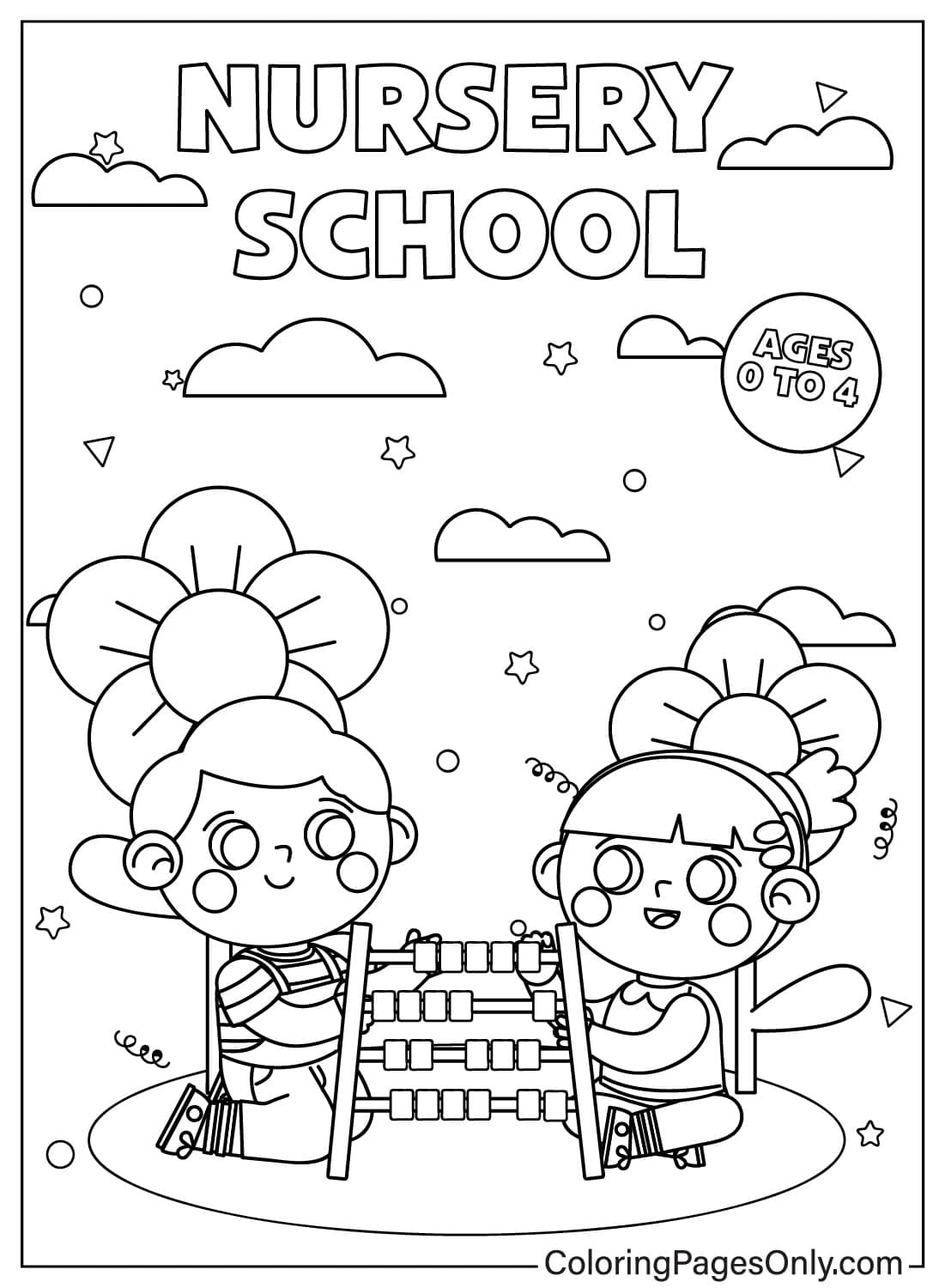
Several pages show general preschool activities, classroom play, favorite toys, and a fun classroom scene, giving a broad picture of daily preschool life without focusing on one specific skill.
Letters, Numbers, and Shapes
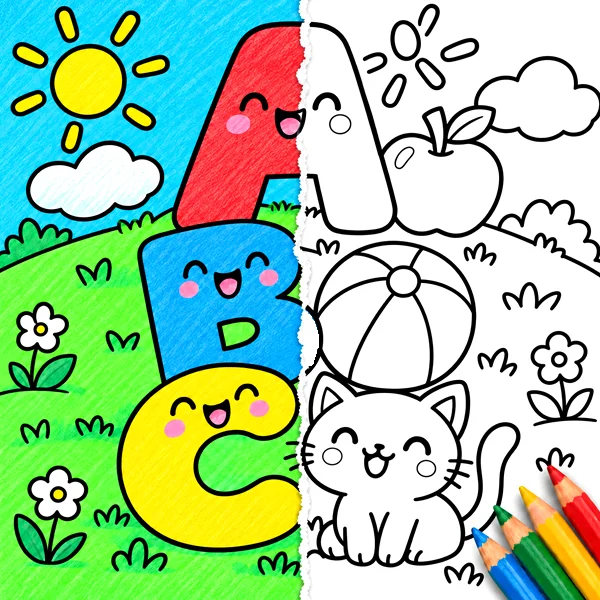
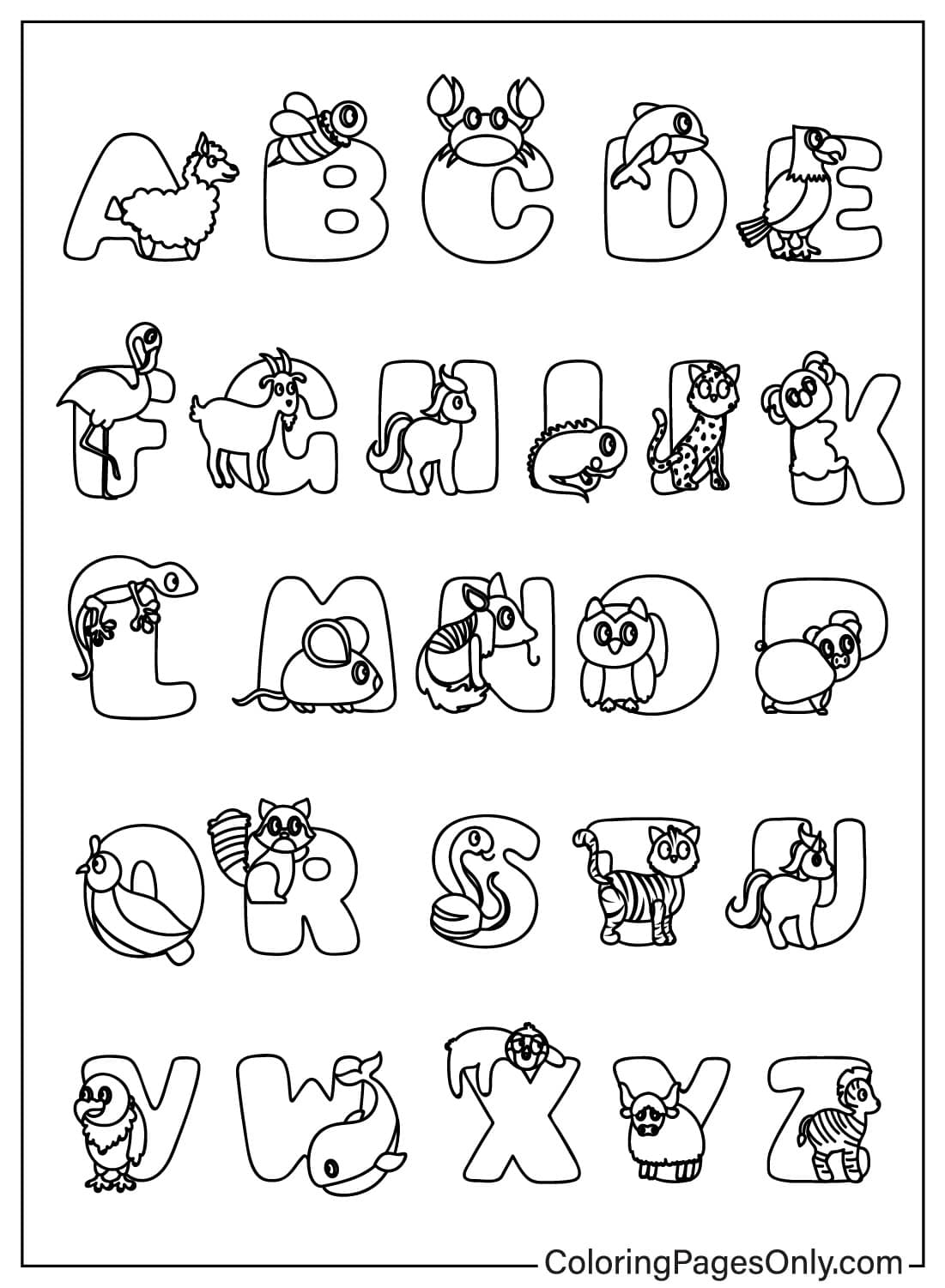
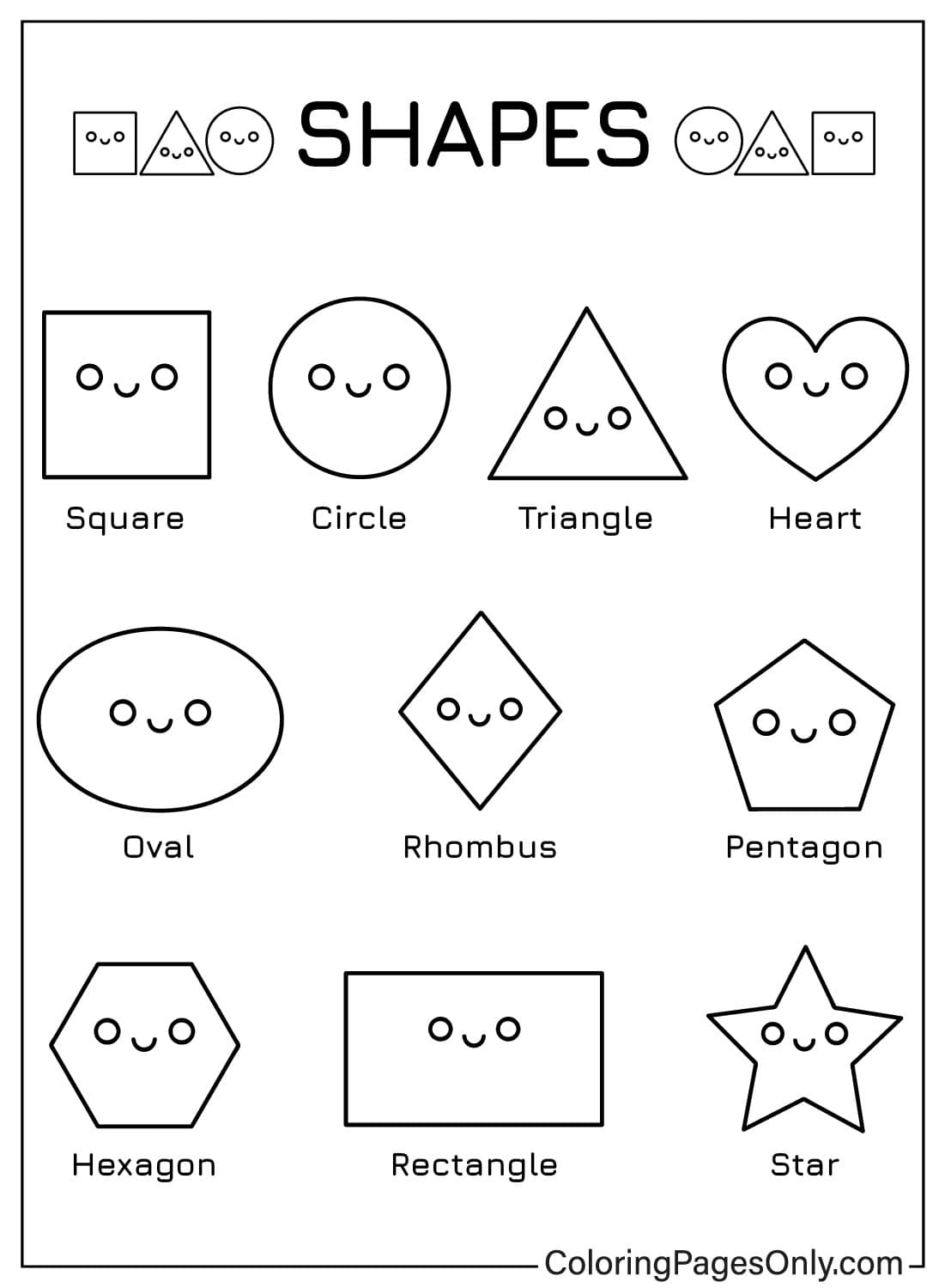
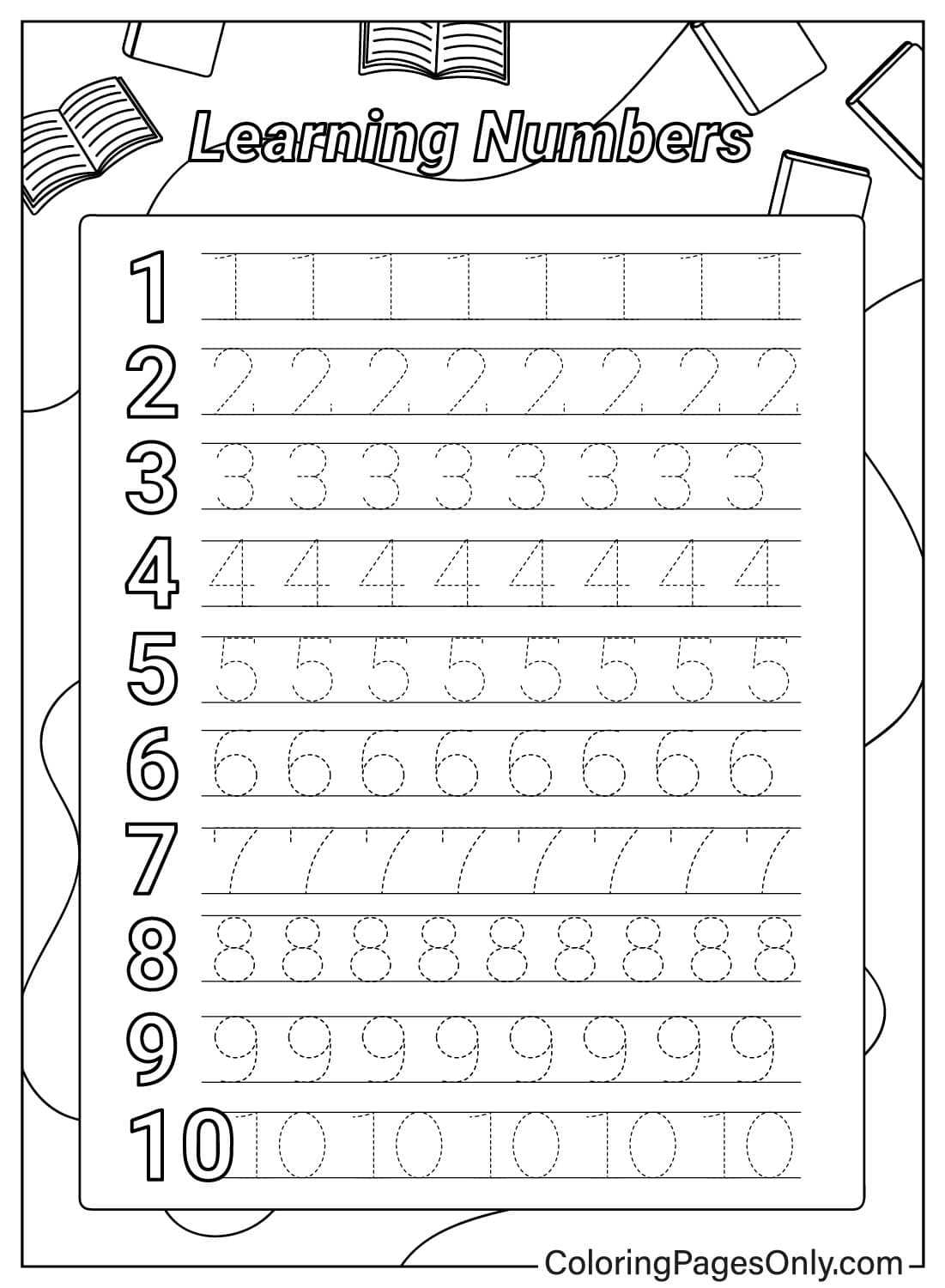
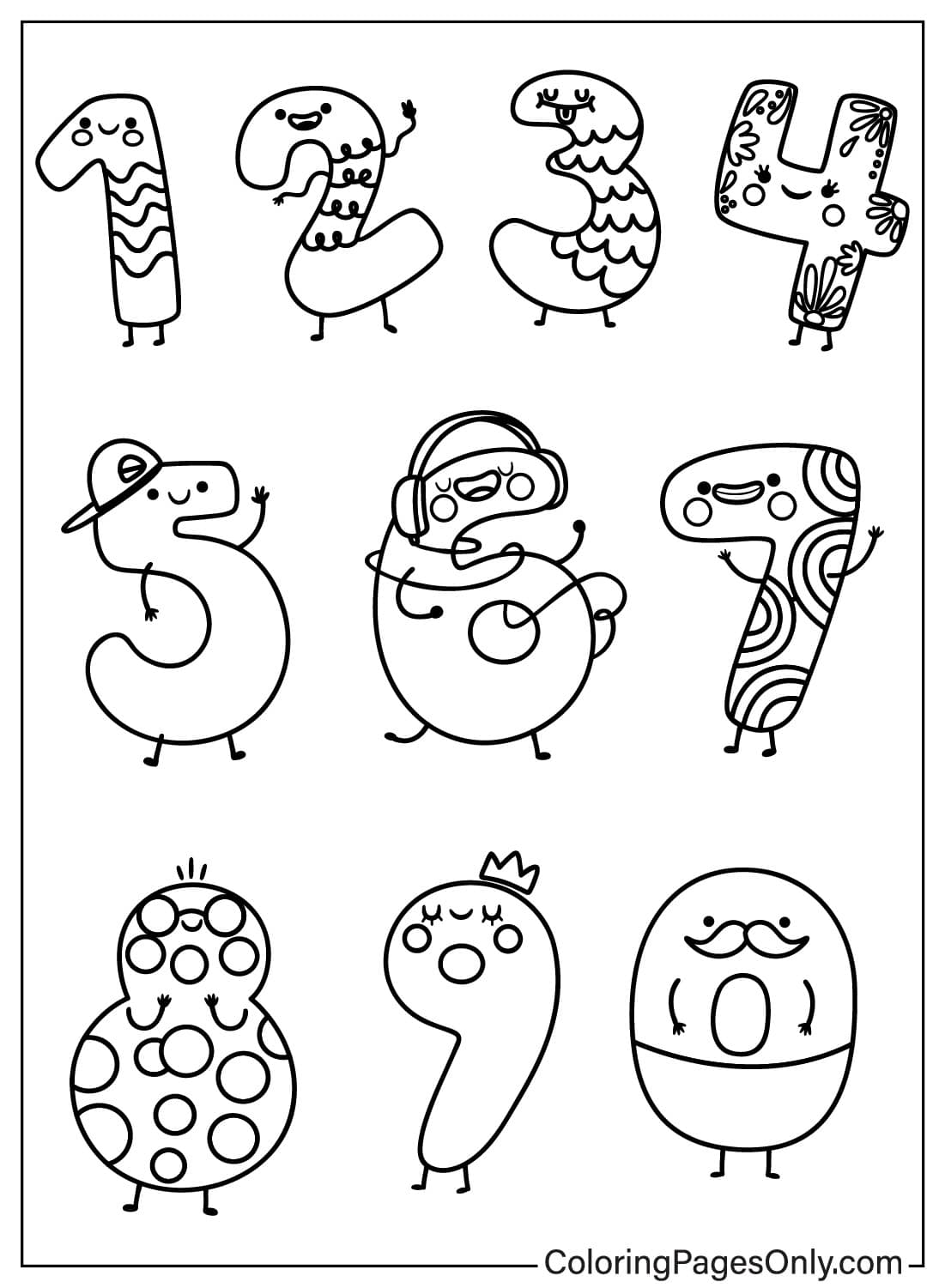
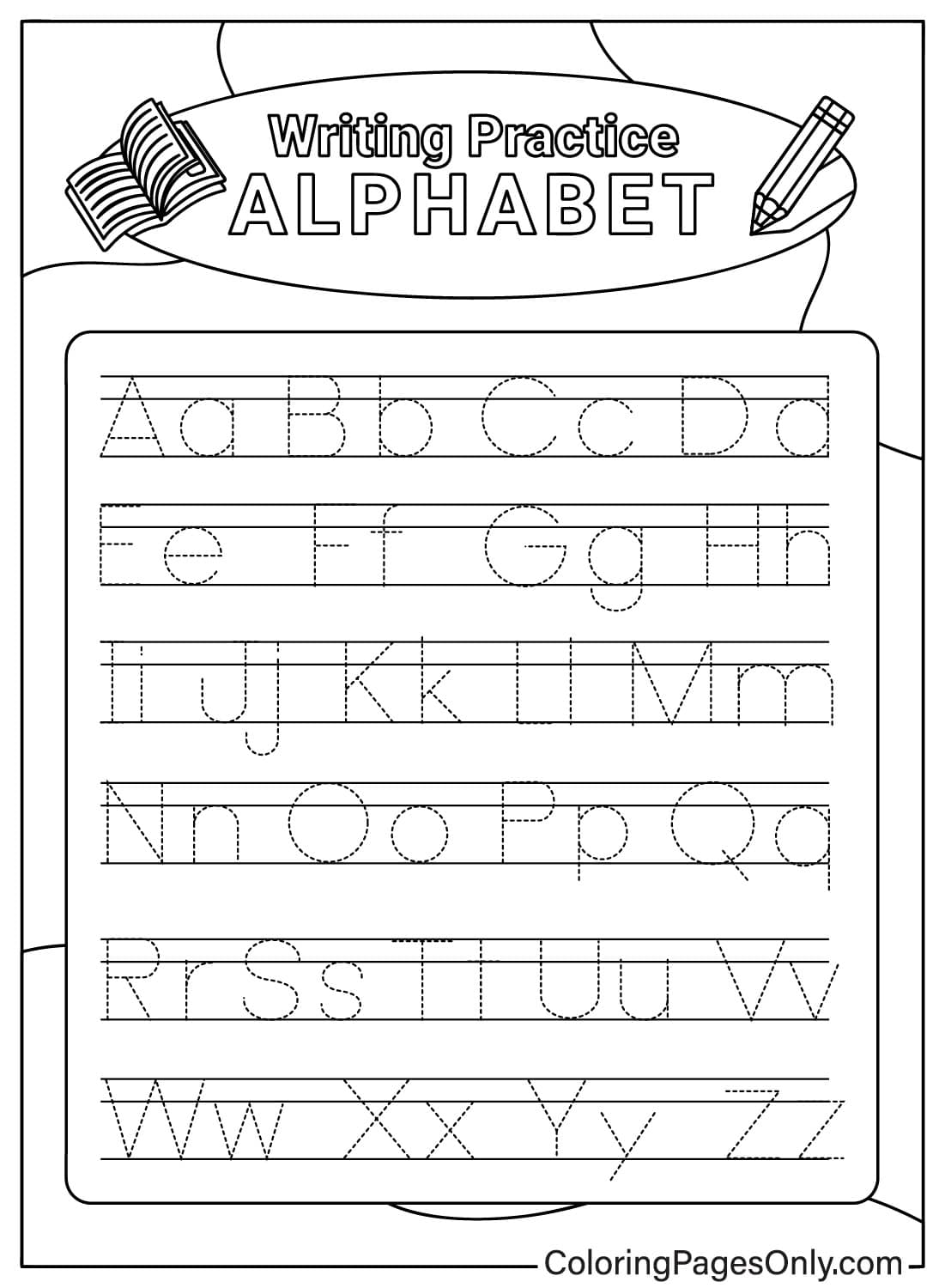
A similarly sized group covers foundational academic content, including an animal-themed alphabet page, shape recognition, number practice, and alphabet writing practice.
Games and Matching Activities
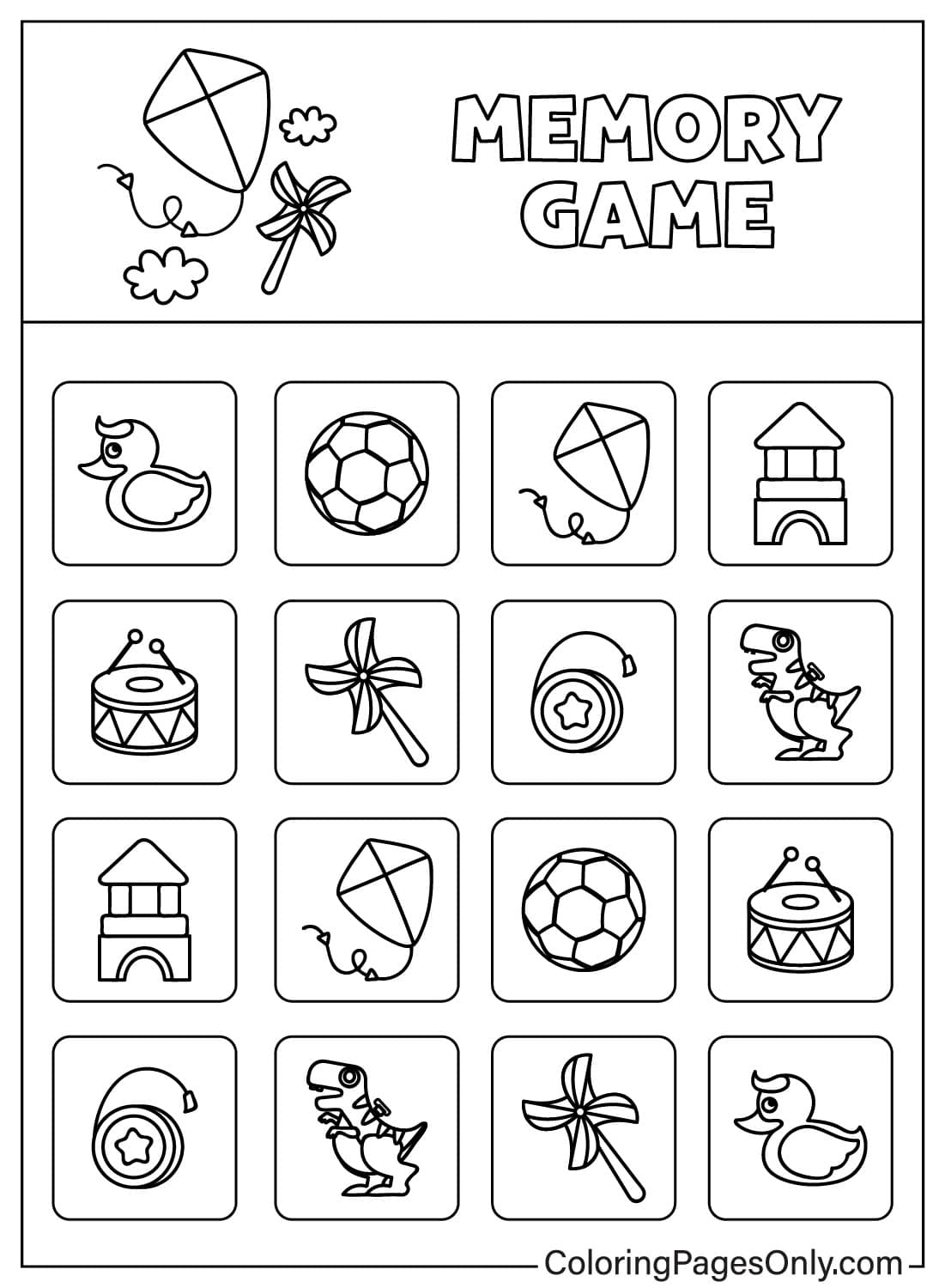
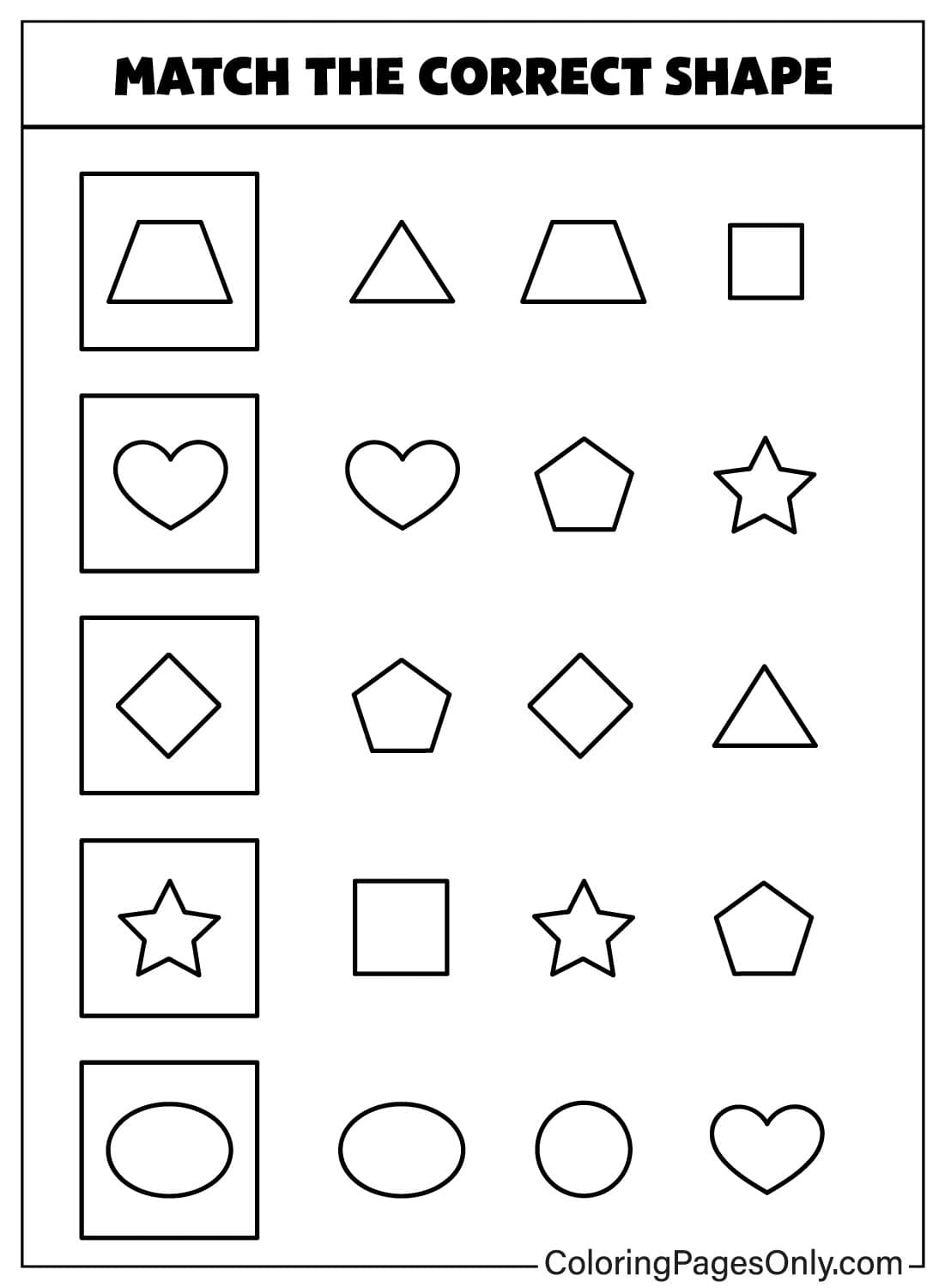
Two pages use a matching or memory-game format, pairing items or shapes so children can color and then practice matching them.
School Settings and Playground
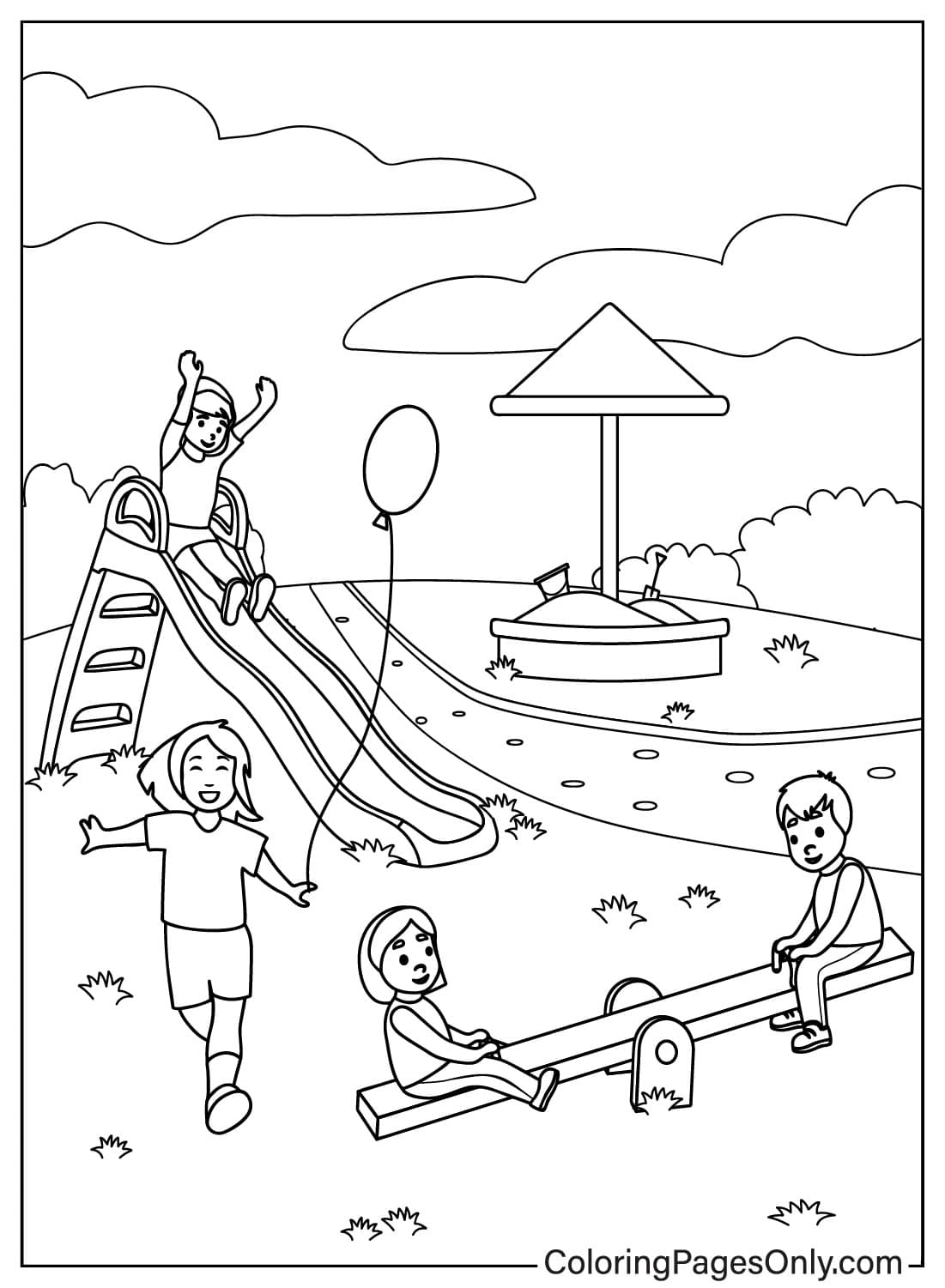
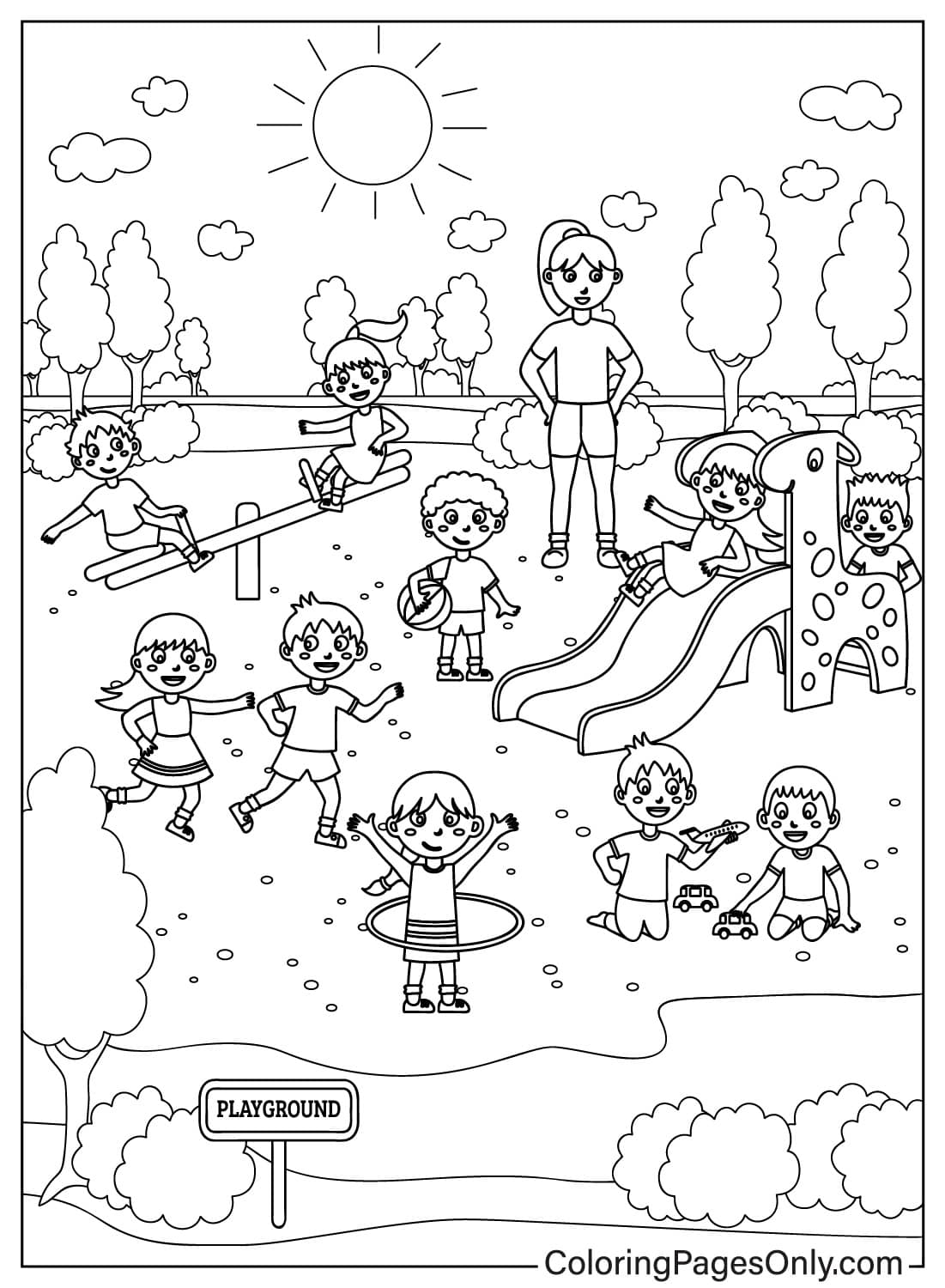
A final group of pages covers the preschool or kindergarten setting itself, including a nursery school scene and two playground designs.
What Preschool Coloring Pages Do
Introducing early academic concepts. Pages built around letters, numbers, and shapes give preschool-age children a gentle, low-pressure way to encounter concepts they will build on in kindergarten.
Fine motor development. The American Academy of Pediatrics identifies fine motor skill development as a core benefit of structured coloring for children ages 2 through 7, an age range that lines up closely with preschool itself. The large, simple outlines in this collection suit children just beginning to develop that control.
Anxiety reduction through focus. A 2005 study in the Art Therapy Journal documented measurable reductions in anxiety following structured coloring sessions. A short coloring activity can offer young children a calm, focused break between more structured preschool activities.
Supporting recognition and matching skills. The memory and shape-matching pages in this collection add a light cognitive challenge beyond coloring, helping children practice visual recognition in a playful format.
How to Color Preschool Pages Well
- Large simple shapes: Use one bold color per shape rather than mixing several colors into one small area, since preschool-age children benefit from broad, easy color-in space.
- Letters and numbers: Color each letter or number a single bright color, such as Red, Yellow, or Blue, to help reinforce shape recognition through color.
- Classroom scenes: Color desks and toys in Burnt Orange or Brown, and use Sky Blue or Beige for classroom walls.
- Playground equipment: Use bright Red, Yellow, or Blue for slides and swings, with Fern green for the surrounding grass.
- Groups of children: Use a range of skin tones, such as Apricot, Burnt Sienna, and Mahogany, along with varied hair colors like Raw Umber, Black, and Golden Yellow.
- Matching game pieces: Use the same color pair for matching shapes or items across both halves of a memory or matching page, reinforcing the matching concept visually.
5 Creative Craft Ideas With Preschool Coloring Pages
1. Alphabet and Number Chart. Color a set of letter and number pages, cut them out, and arrange them in order on a large board to make a personal learning chart for the classroom or playroom.
2. Color Bingo Game. Color several pages, cut them out, and glue them onto a bingo board to build a personalized matching game for a classroom or playdate.
3. Picture Frame. Color a few favorite pages, cut them out, and glue them around the edge of a simple frame to make a handmade picture frame for a child’s photo.
4. Animal Album. Color pages featuring different animals, cut them out, and glue them onto cardboard pages to build a simple animal album or flip book.
5. Paper Airplane. Color a page with bright colors, then fold it into a simple paper airplane to turn the finished design into a toy that can be flown.
Frequently Asked Questions
What are preschool coloring pages?
Preschool coloring pages are printable designs built around early classroom experiences, including letters, numbers, shapes, playground scenes, and simple matching games. Each design in this collection can be downloaded as a PDF for printing or colored directly online in the browser, with no software required.
What ages does preschool cover?
Preschool typically covers children roughly ages 3 to 5, the years before kindergarten, though the exact age range and terminology vary by country and school system. This collection uses large, simple outlines suited to children who are still developing the fine motor control needed for more detailed coloring.
What themes are included in the preschool collection?
The 16 pages cover everyday classroom and play scenes, early letters and numbers content, matching and memory games, and school or playground settings. Some pages focus on a single concept, like shapes or numbers, while others show a broader classroom scene.
What colors work best for coloring preschool pages?
Use bold, single colors for large shapes and letters, such as Red, Yellow, or Blue, rather than mixing several colors into one small area. For classroom scenes, color desks and furniture in Burnt Orange or Brown, and use Fern green and bright primary colors for playground equipment.
How is this collection different from the site’s Elementary School collection?
This preschool collection uses larger, simpler outlines and focuses on foundational concepts like letters, numbers, and shapes, suited to children roughly ages 3 to 5. The Elementary School collection uses more detailed outlines and covers the specific routines of grades 1 through 5, suited to a slightly older age range.
Can preschool coloring pages be used in a classroom or at home?
Yes. The letters, numbers, and shapes pages work well for a preschool or homeschool lesson, while the matching and memory game pages can be turned into a simple group activity for a classroom or playdate.
Are preschool coloring pages suitable for very young children?
Yes. The large, simple outlines in this collection are designed specifically for the fine motor skill level of preschool-age children, making them a good starting point for children just beginning to color.
How do the matching and memory game pages work?
These pages pair matching shapes or items, either side by side or cut apart, so children can color each piece and then practice matching them by shape, color, or category, adding a light cognitive activity alongside the coloring itself.
Start Coloring
Download any page by clicking the design. No account, email, or payment is required. Pages print directly from the browser at full resolution or open in the online coloring tool for screen use. Share finished pages on Facebook or Pinterest with the share buttons at the top of each design page.