Free Mars Coloring Pages: 19 printable PDF designs featuring realistic Mars illustrations, landscape and astronaut scenes, cartoon and kid-friendly characters, sketch-style line art, and a simple beginner sheet. Each page can be downloaded as a PDF to print or colored online in the browser.
Mars, the fourth planet from the sun, is named after the Roman god of war and is often called the Red Planet because iron in its surface dust has rusted, the same chemical reaction that turns iron reddish-brown here on Earth. At about 6,779 kilometers across, Mars is the second-smallest planet in the solar system after Mercury, roughly half the diameter of Earth. It is also home to Olympus Mons, the largest volcano anywhere in the solar system, and Valles Marineris, a canyon system long enough to stretch across the entire continental United States.
This collection groups its 19 pages by style, from true-to-life Mars illustrations to cartoon and astronaut scenes, so kids and adults can pick a version that matches their skill level. Each page is available as a downloadable PDF or as an online coloring tool that works directly in the browser.
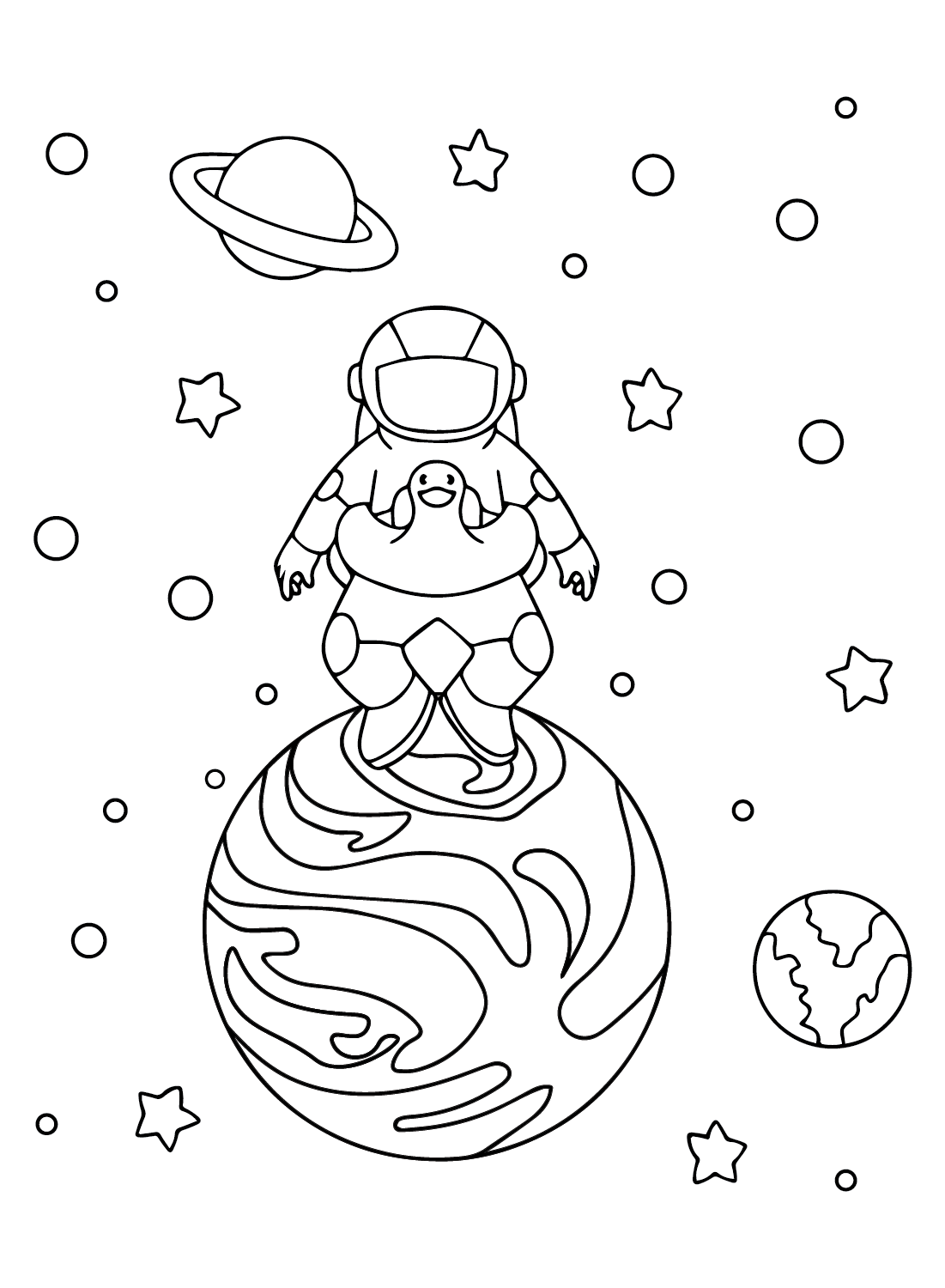
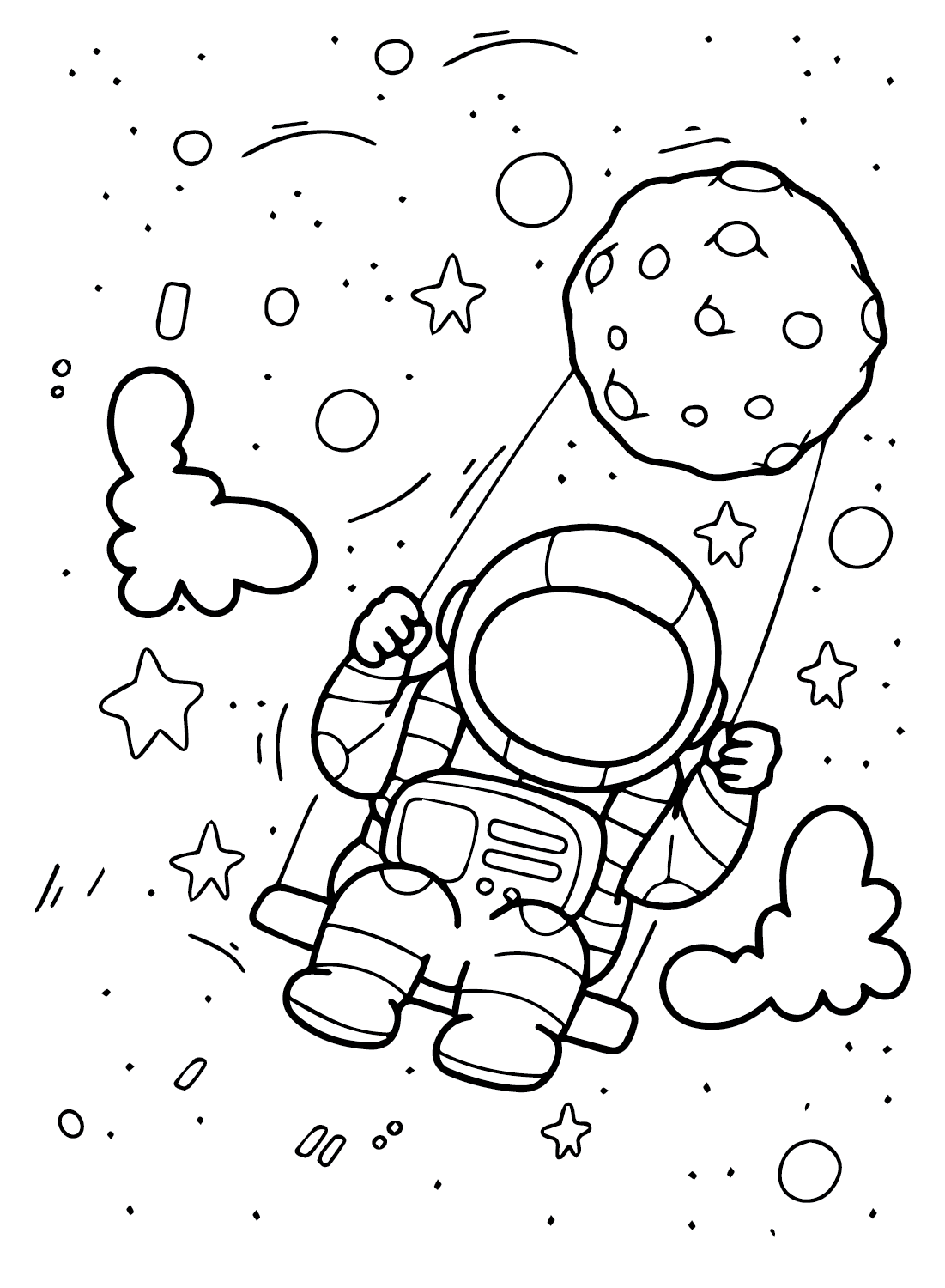
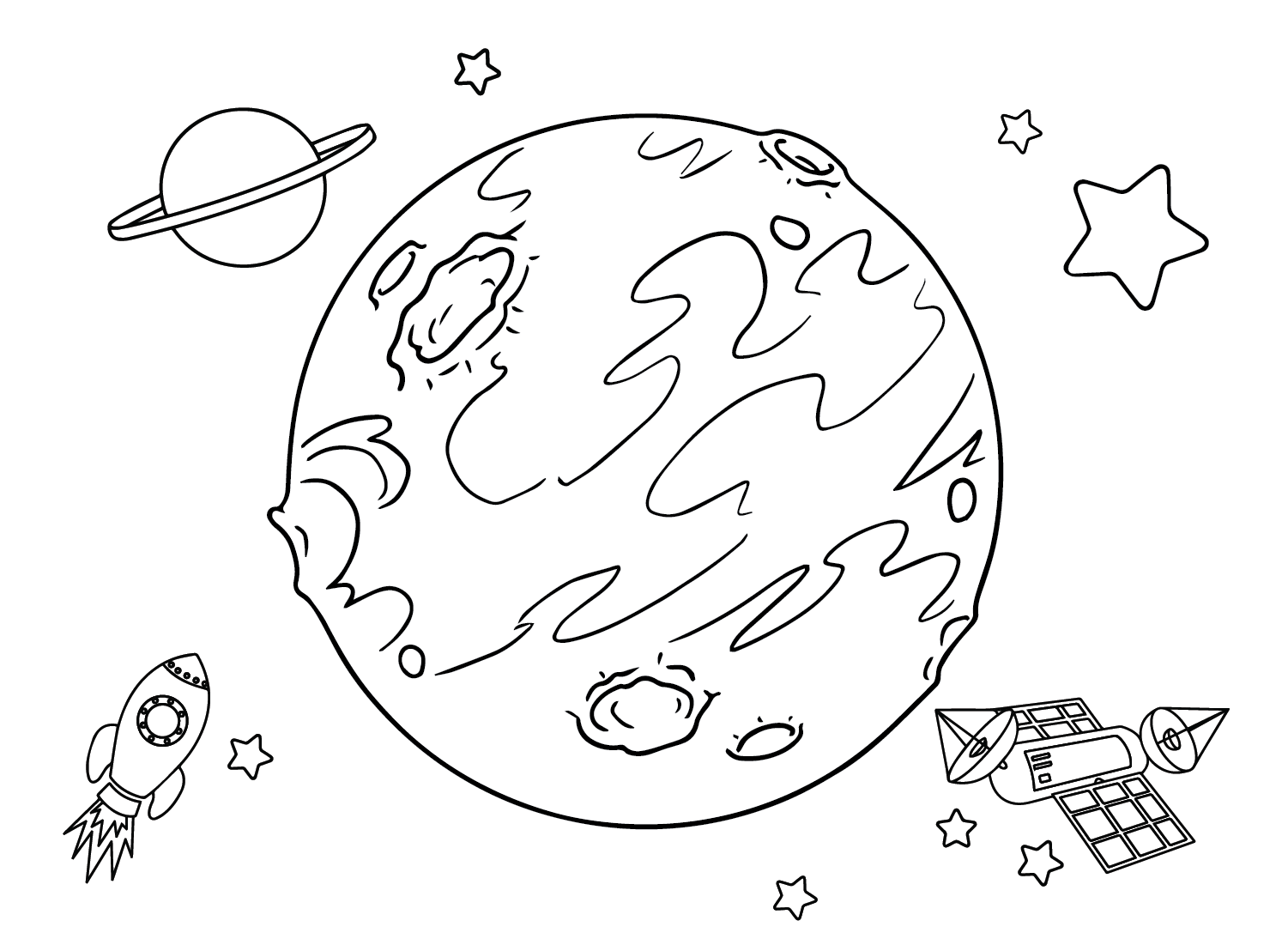
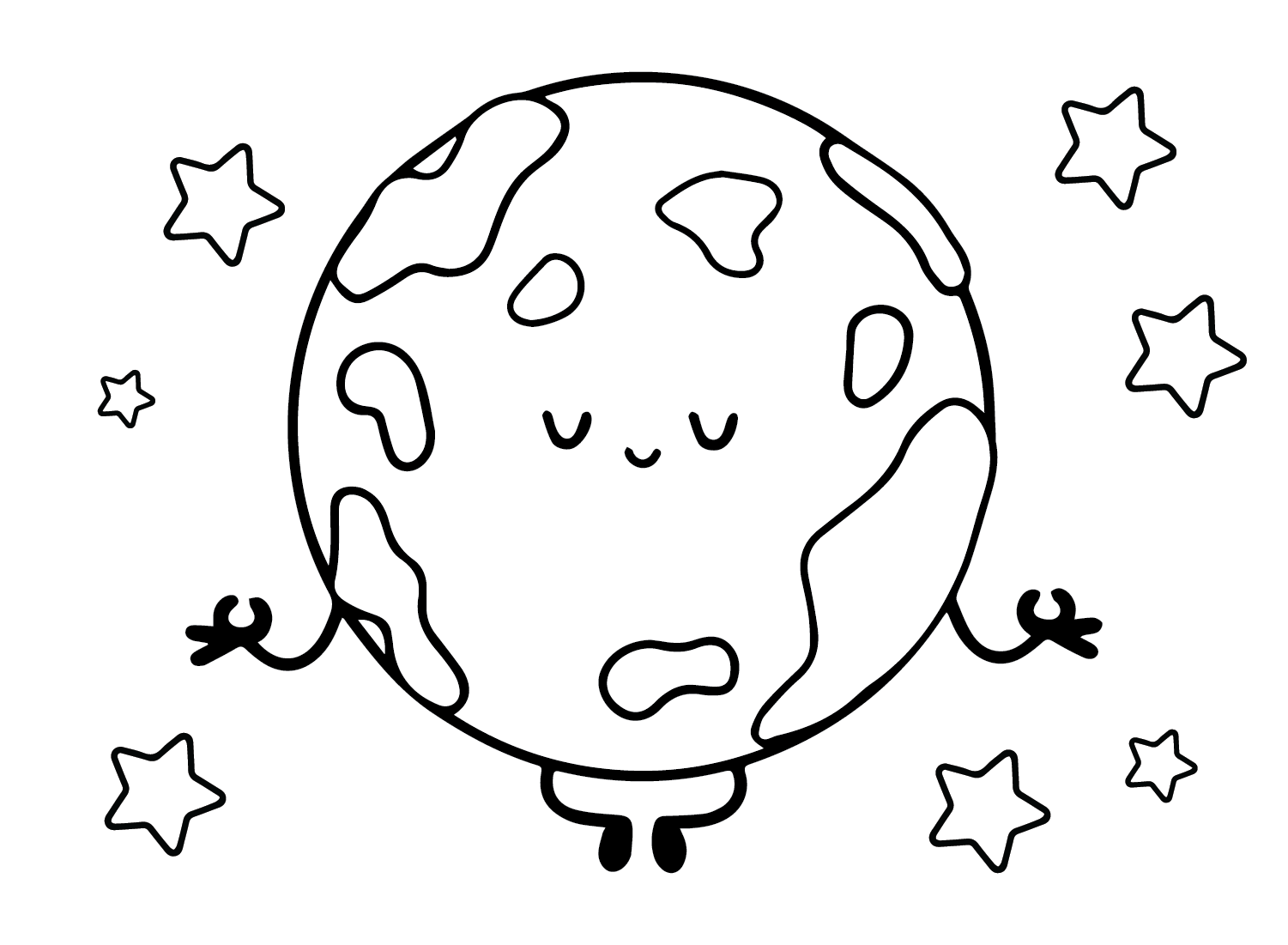
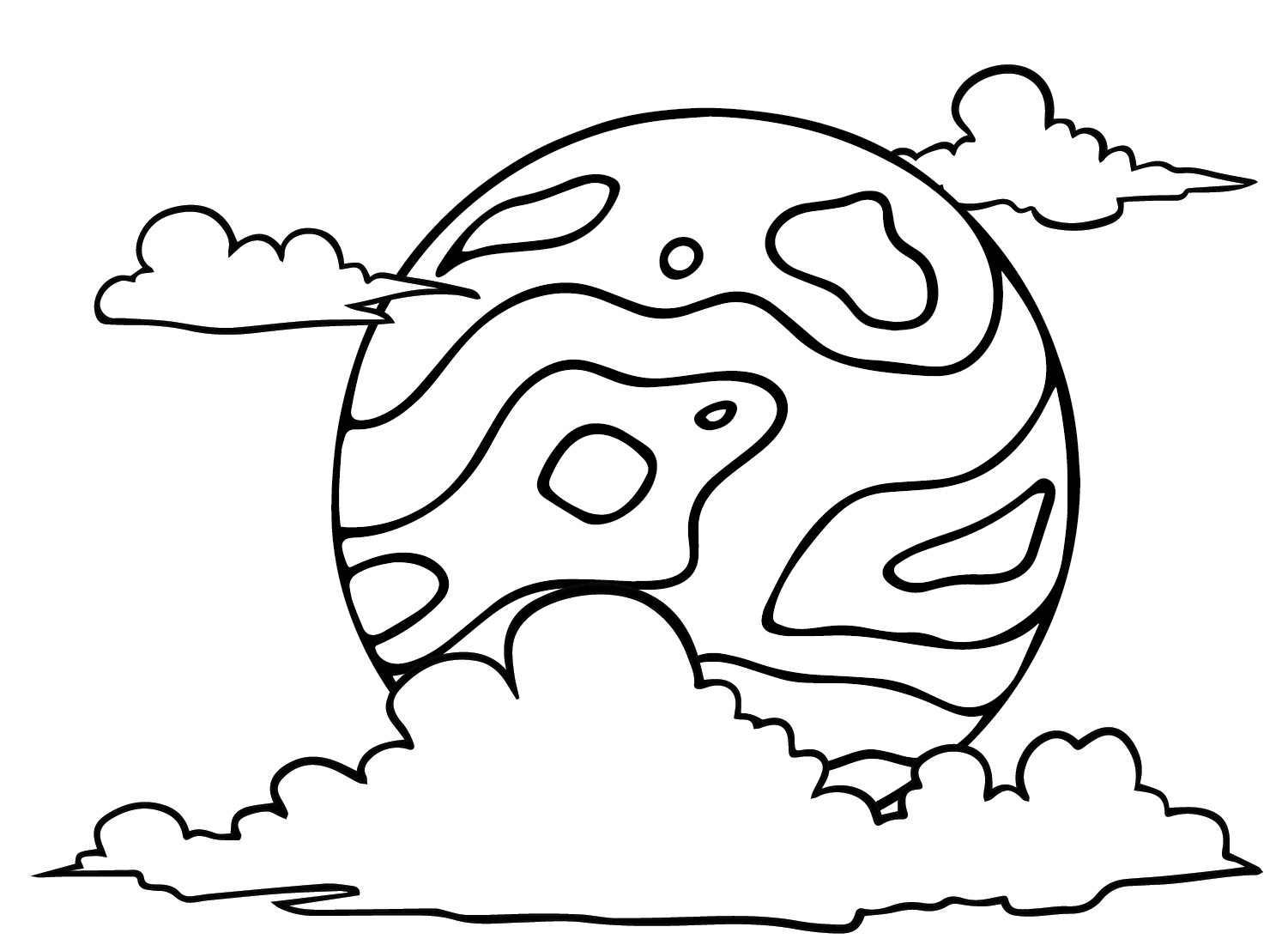
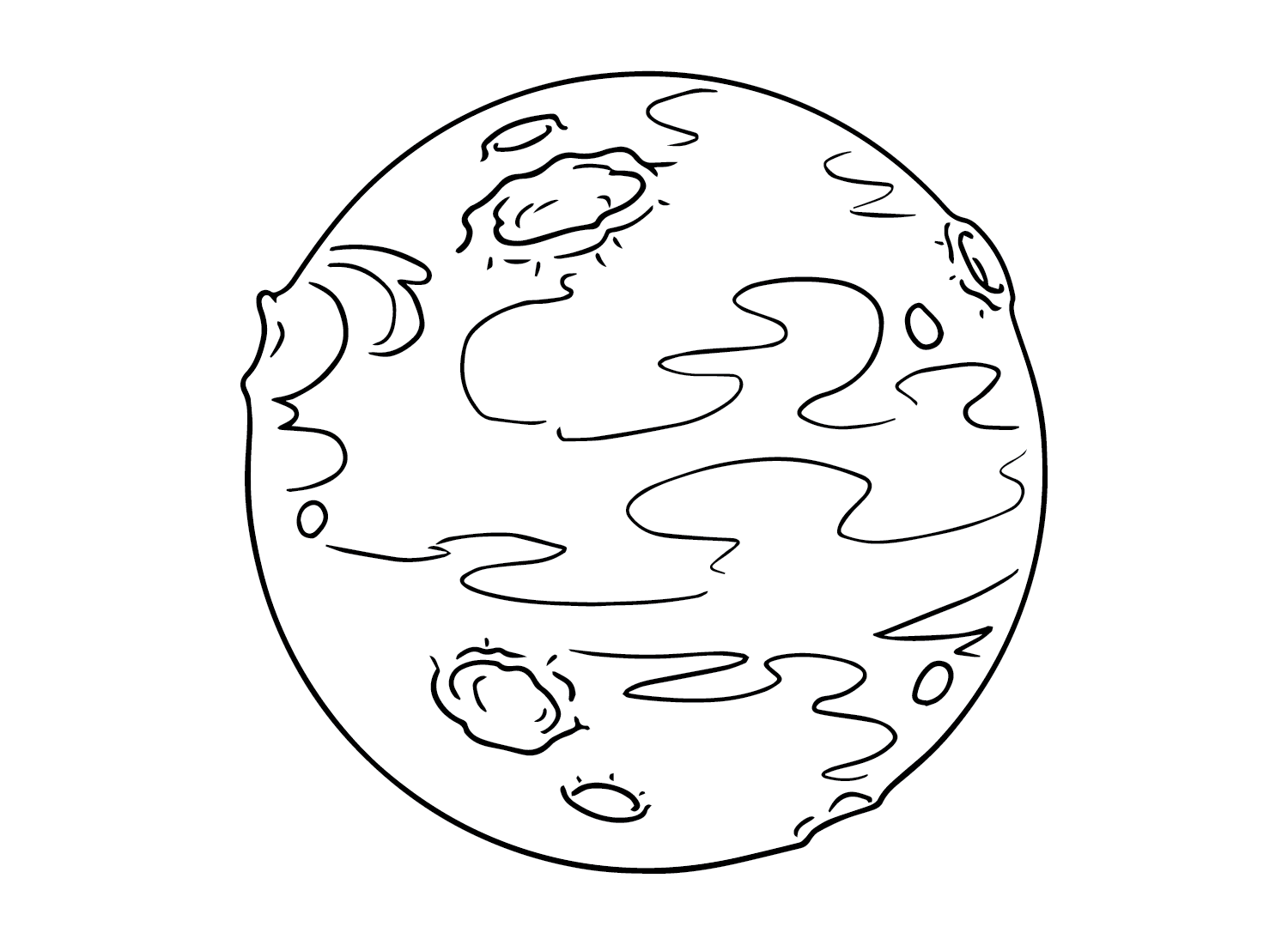
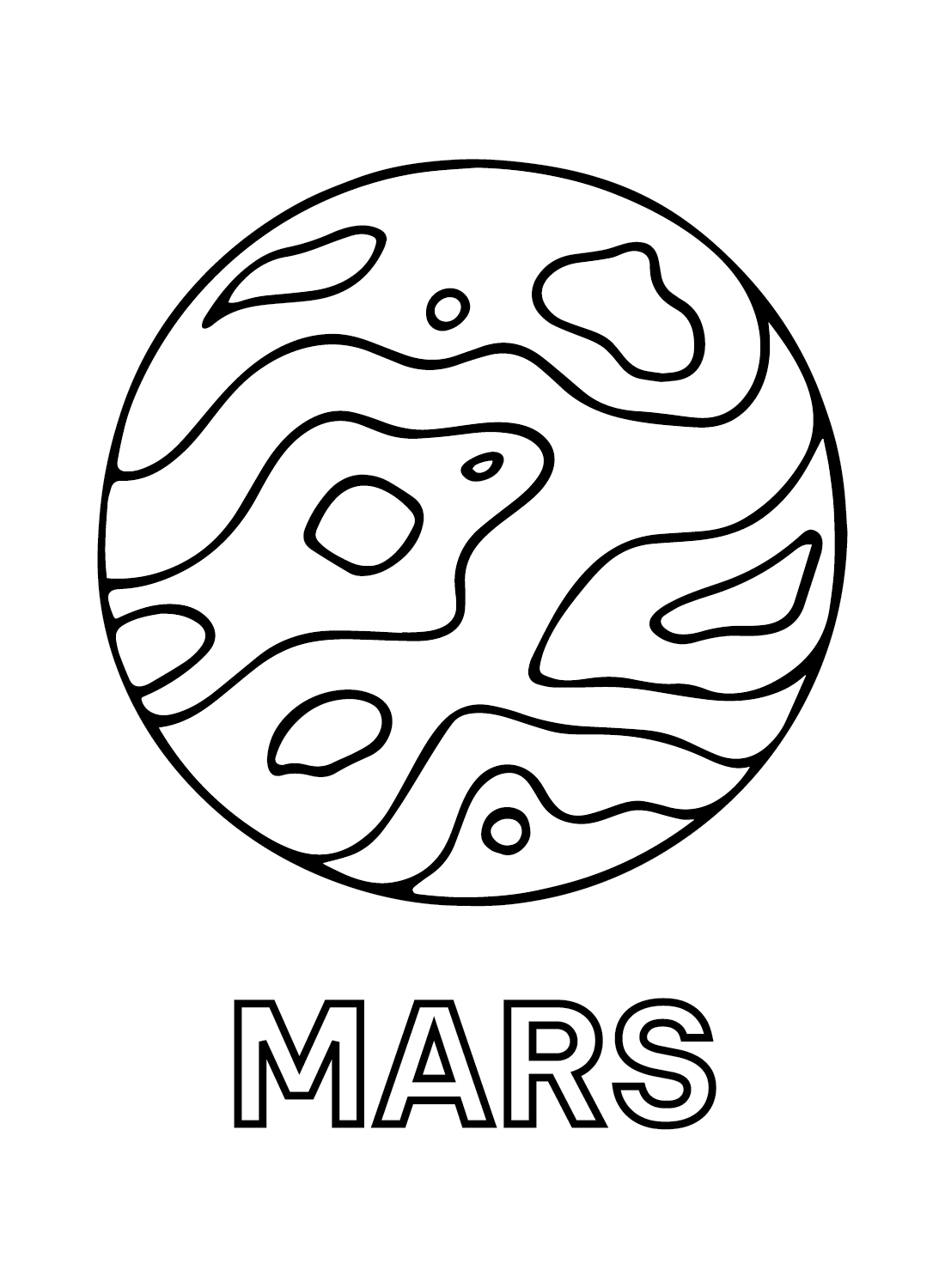
What Is Inside This Collection
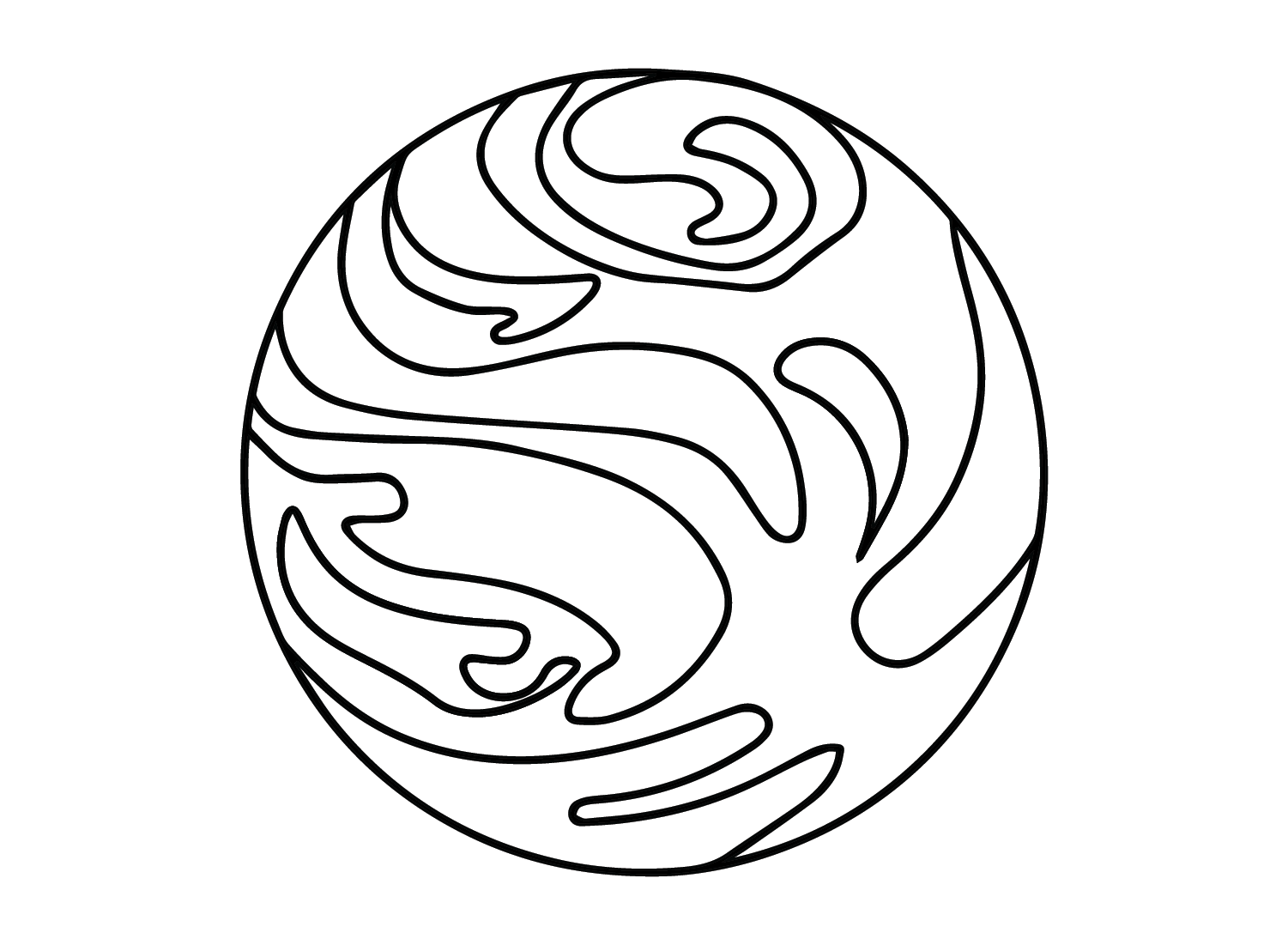
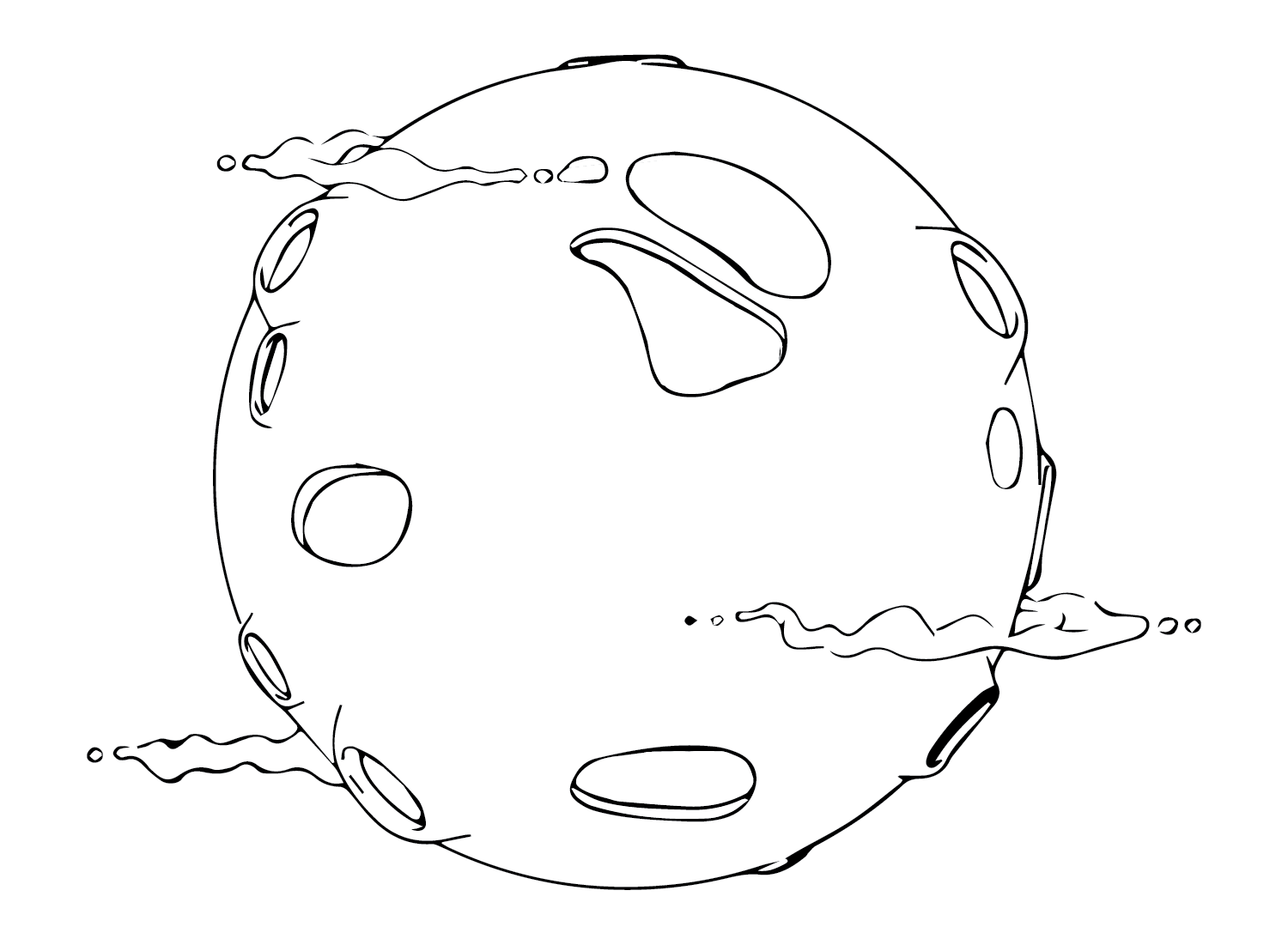
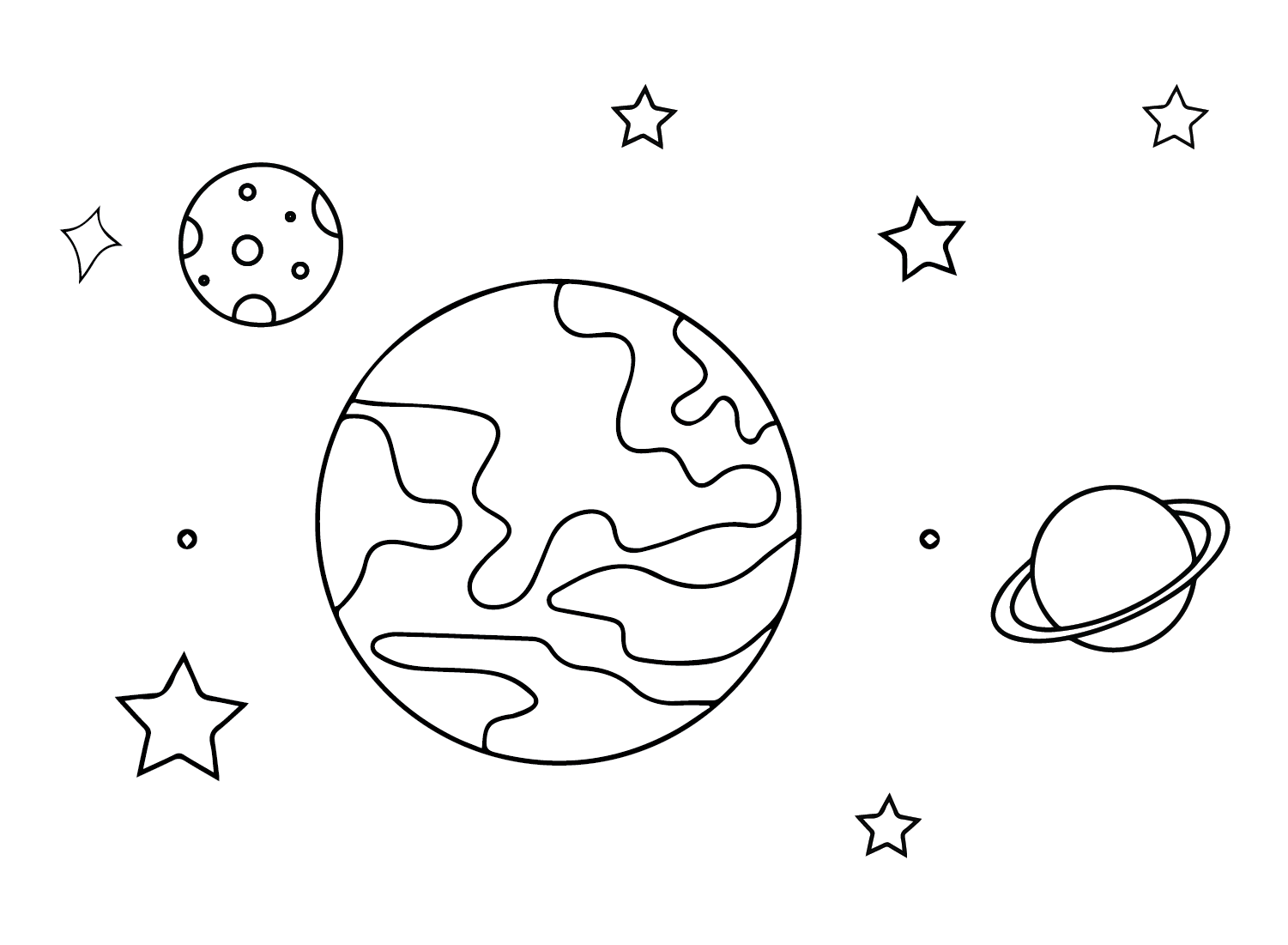
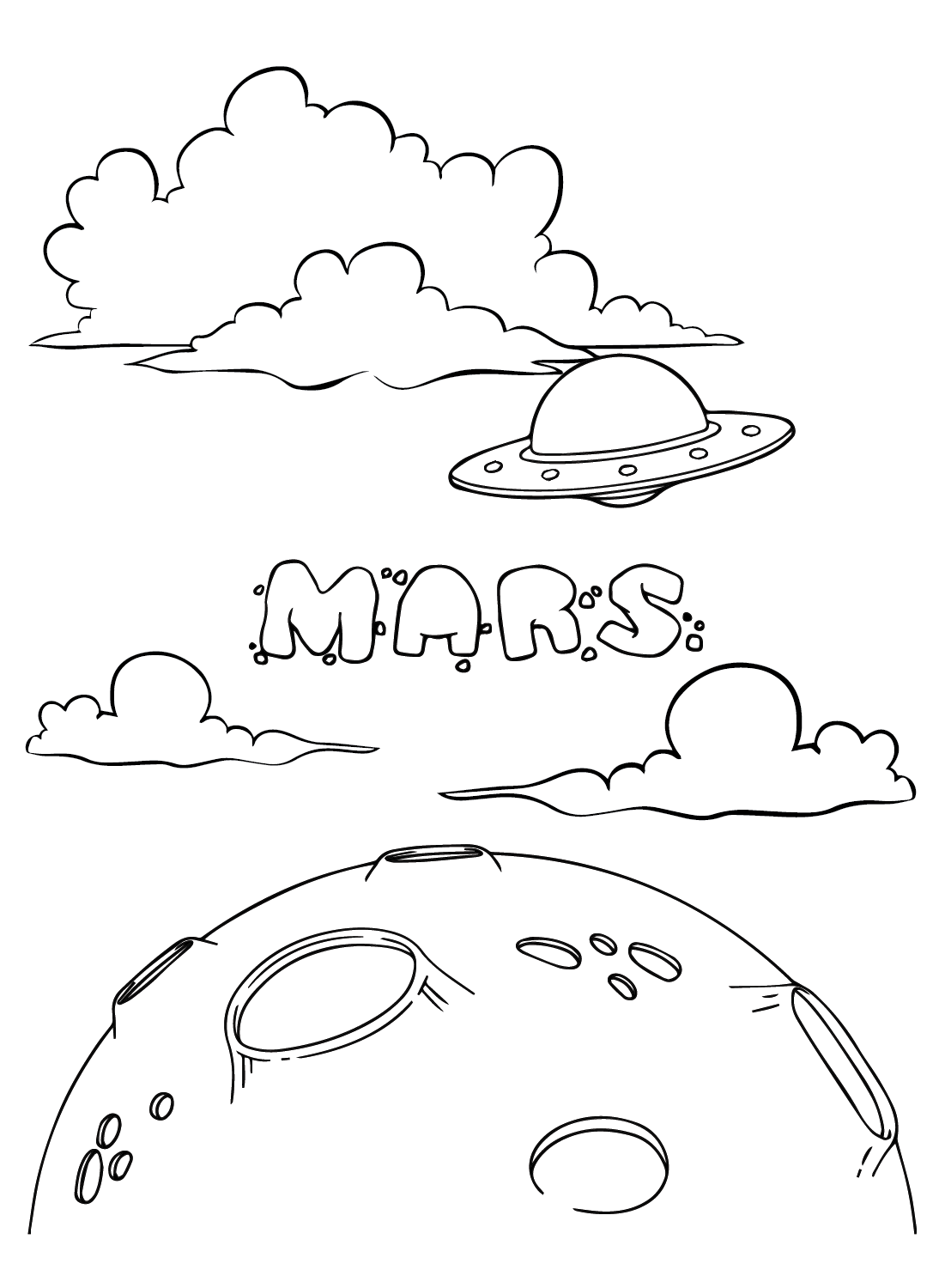
The 19 pages are split into five groups based on style and complexity, ranging from detailed, realistic illustrations to simple cartoon shapes.
Realistic Mars Designs
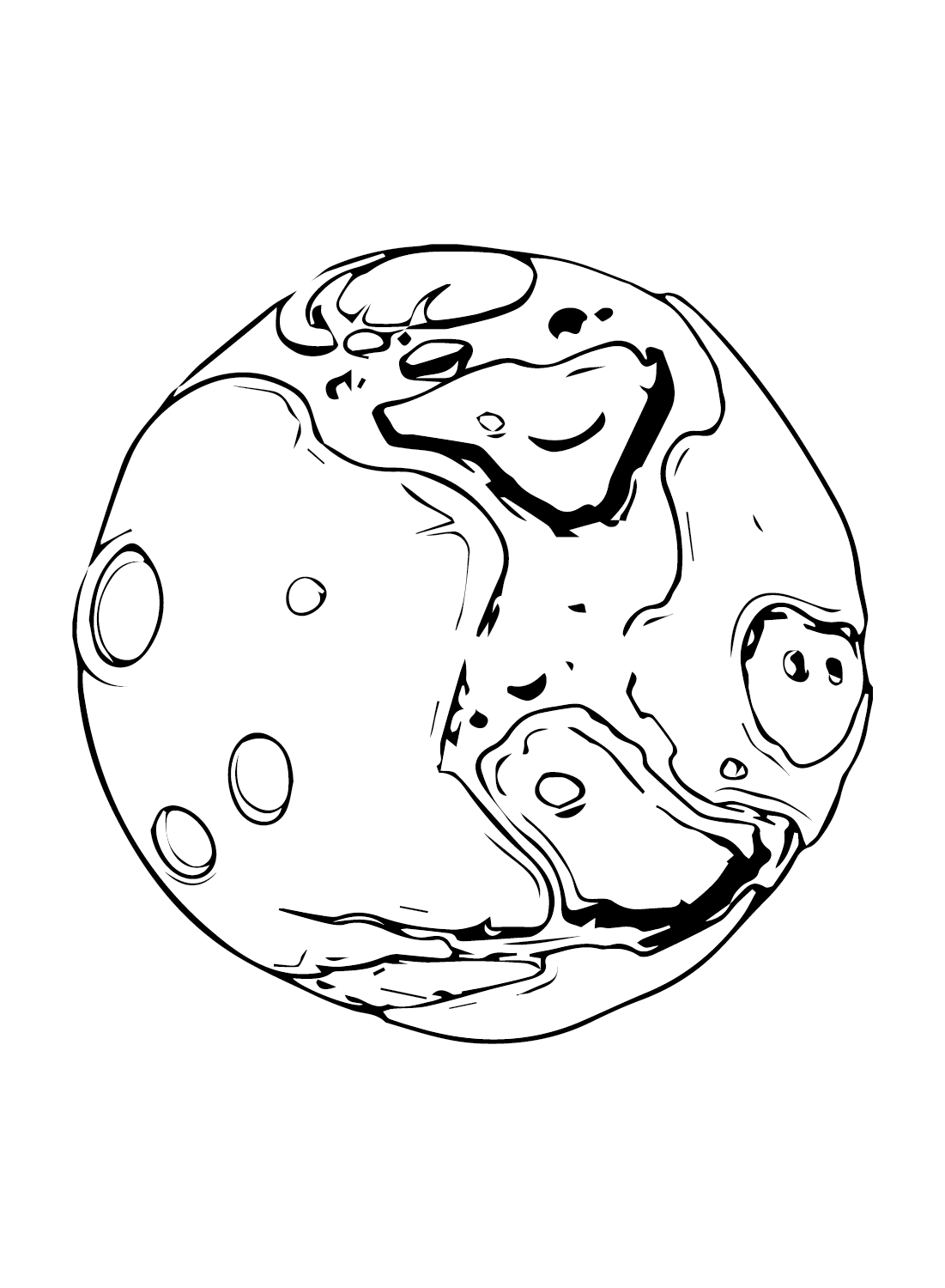
The largest group shows the planet as a detailed sphere, with craters, canyons, and surface texture visible. Use Red Orange or Brick Red as a base, then add darker Red-Brown shading inside craters and along canyon lines to give the surface depth.
Mars Landscape and Astronaut Scenes
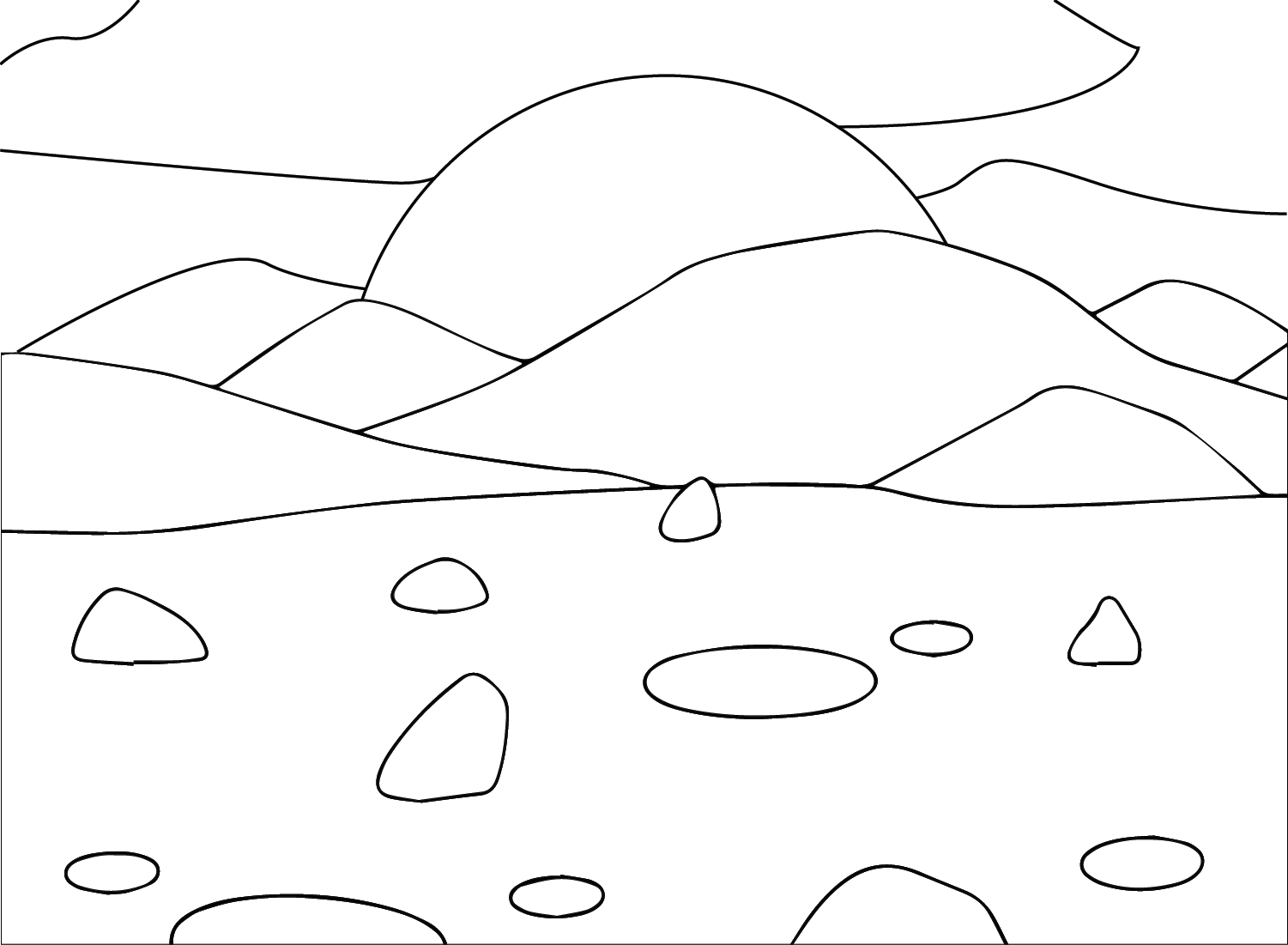
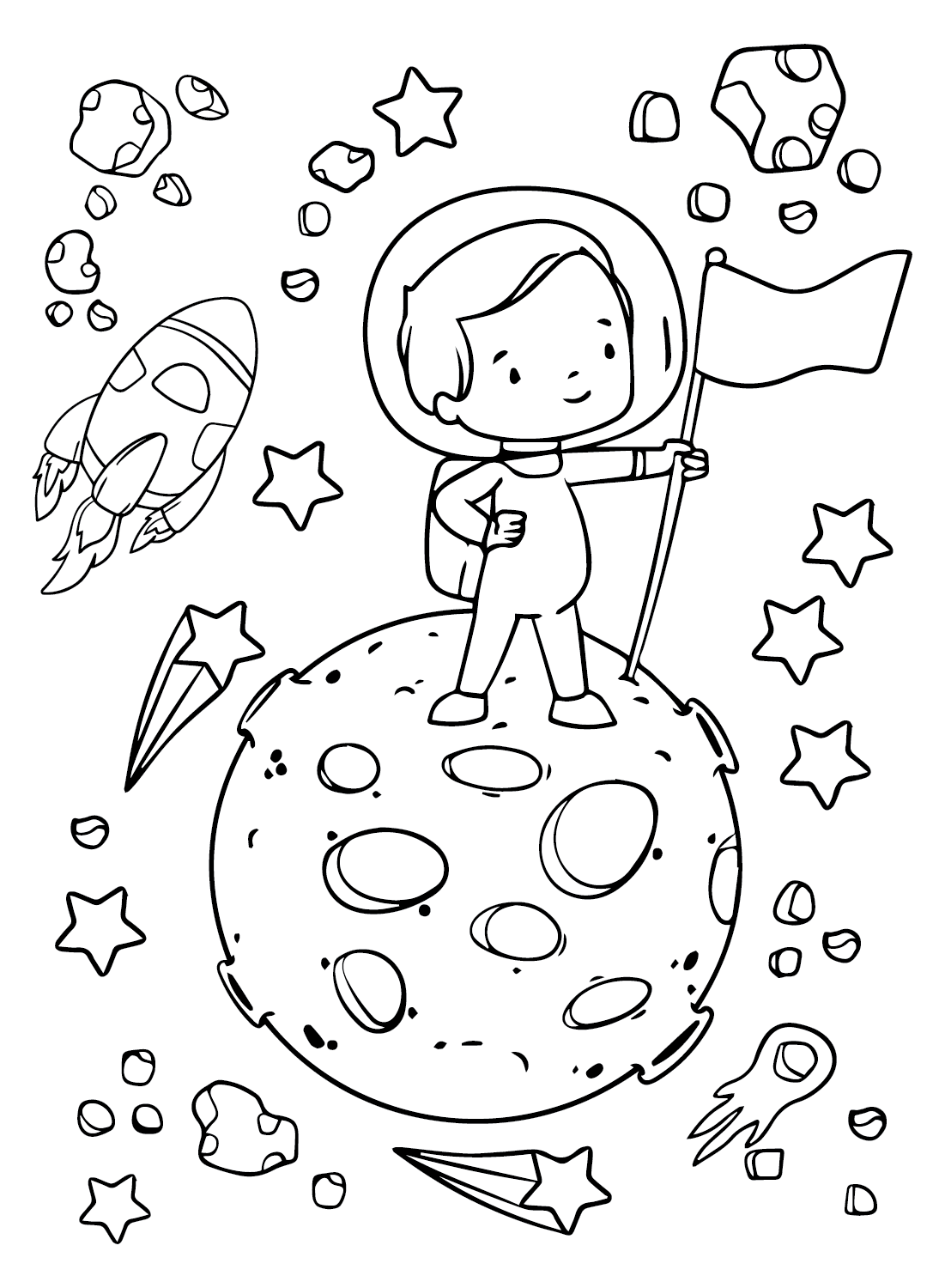
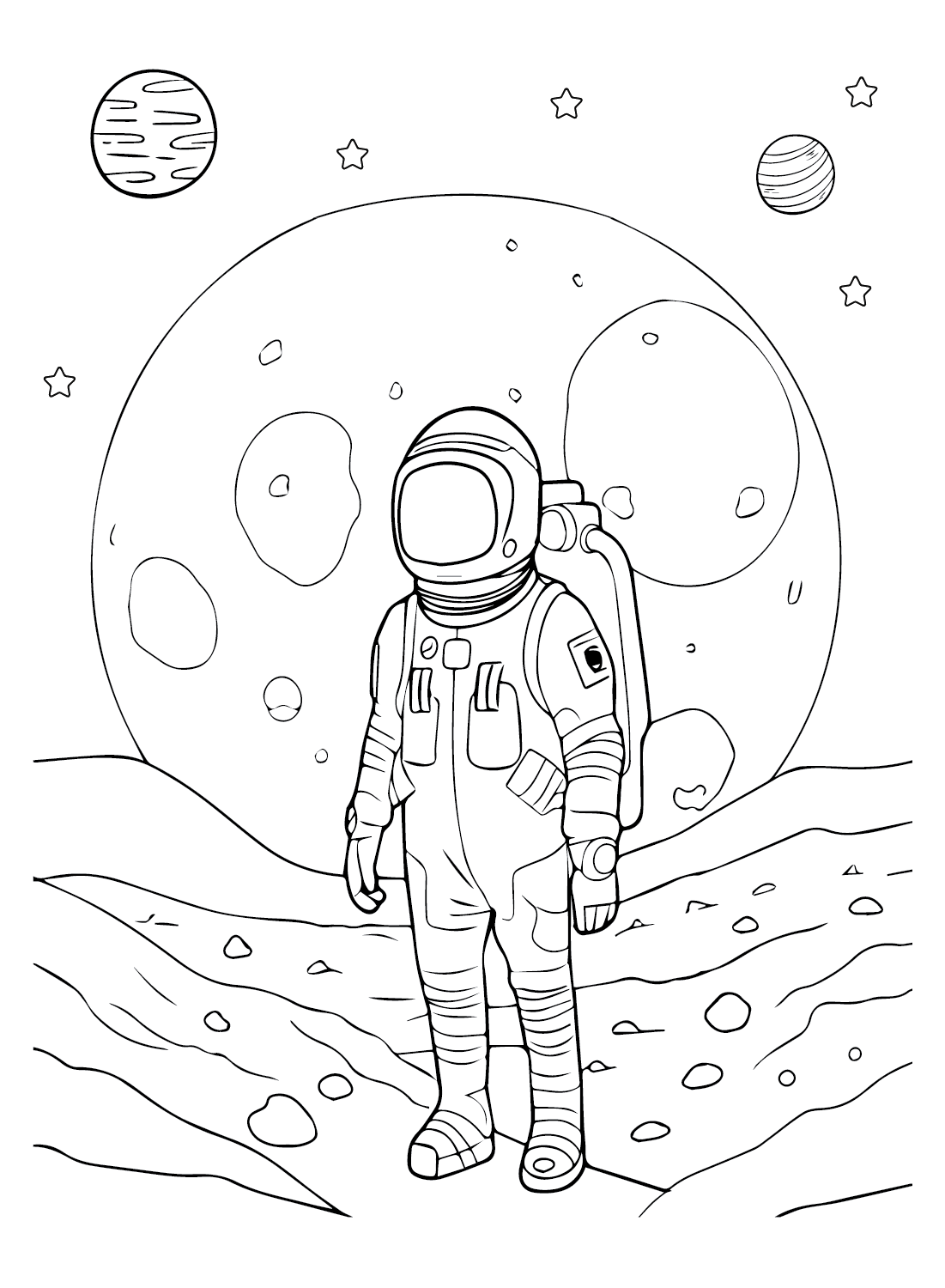
Two pages set Mars within a larger scene, including one with an astronaut exploring the surface. Color the ground in red, orange, and Brown tones, keep the sky a dark Navy or Black dotted with stars, and use White, Silver, and touches of Blue or Orange for the astronaut’s suit.
Cartoon and Kid-Friendly Mars
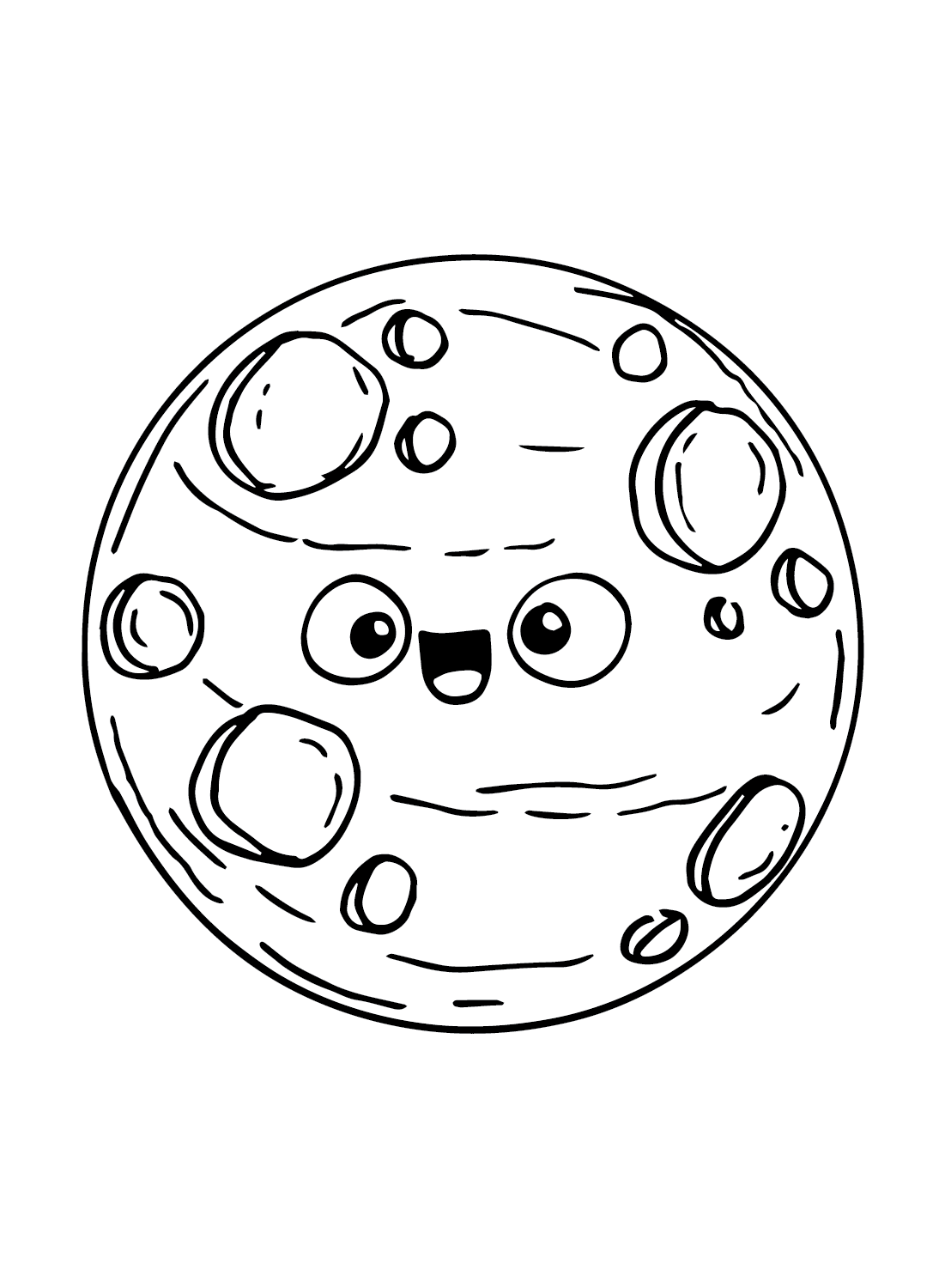
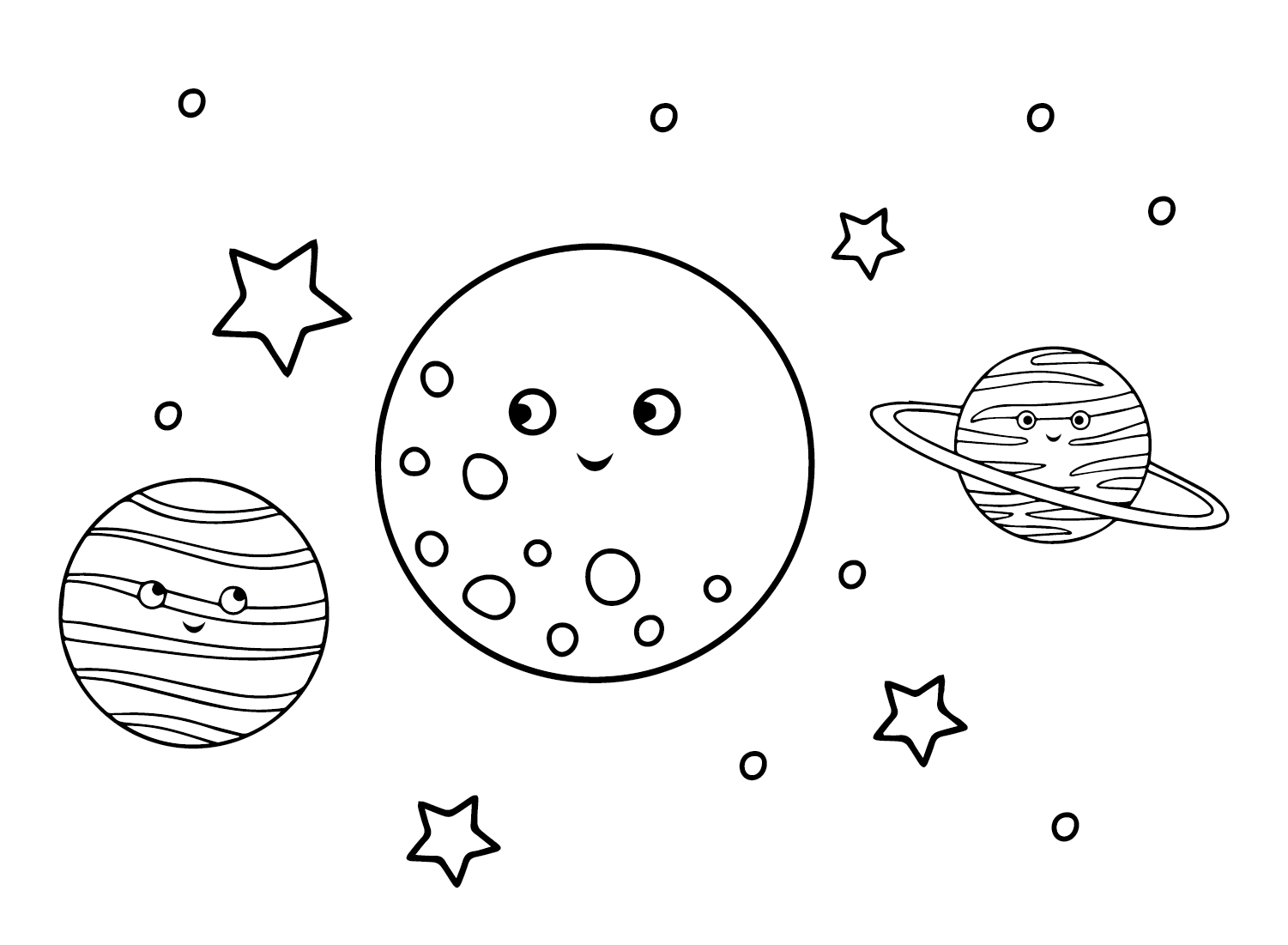
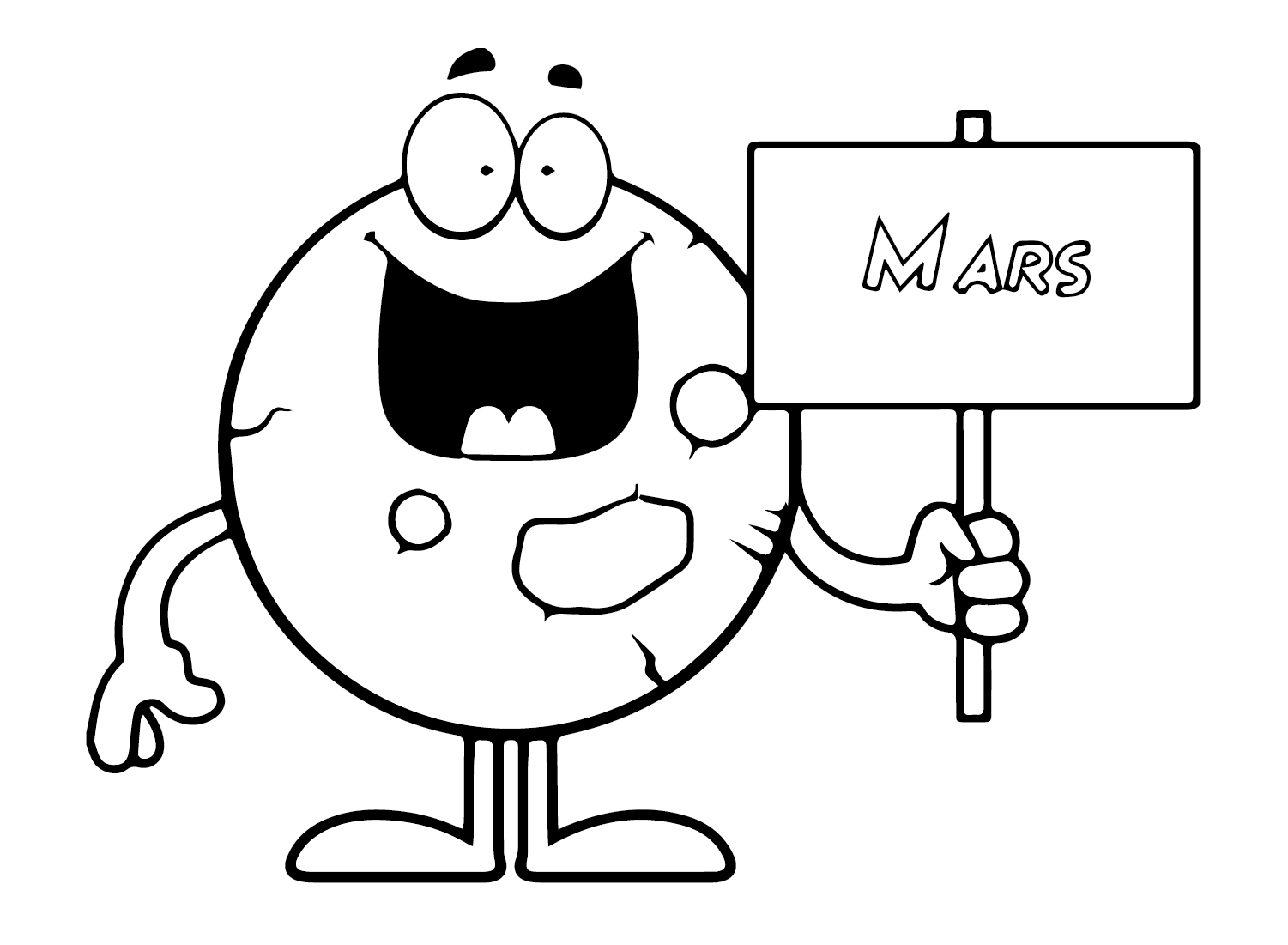
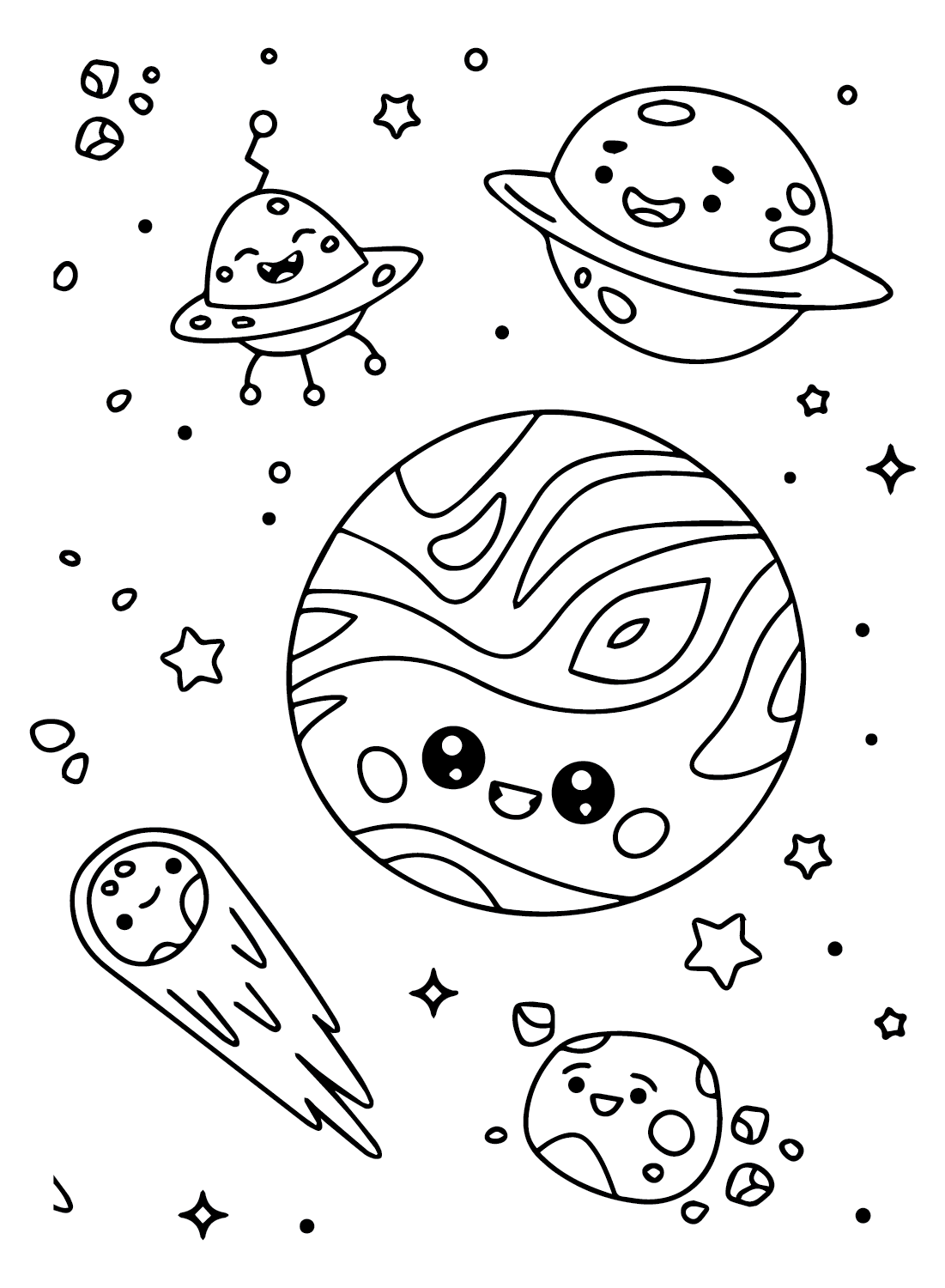
Six pages give the planet a face or a softer, rounder shape. Since Mars itself has no built-in cuteness, feel free to move away from strict red and try softer Pink, Light Blue, or Lavender tones alongside simple Black facial features for a friendlier look.
Sketch and Line-Art Style
Two pages use a looser, hand-drawn outline instead of a clean, simple design. Colored pencil suits this style better than marker, starting with a light red-orange base and adding Brown shading only inside individual craters.
Simple Beginner Sheet
One page uses a large, bold Mars outline with very few small details, making it a good starting point for toddlers and preschoolers. A single flat Red or Orange fill is enough to complete this design well.
What Mars Coloring Pages Do
Fine motor development. Mars is covered in impact craters and cut by Valles Marineris, a canyon system far longer and deeper than the Grand Canyon, and shading that many small, uneven surface features takes closer hand control than filling in a plain circle. The American Academy of Pediatrics identifies fine motor skill development as a core benefit of structured coloring for children ages 2 through 7, and a crater-covered Mars page gives that practice a genuinely textured challenge.
A real chemistry lesson hiding in the color. Mars looks red for the same reason old iron tools rust, because the iron in its surface dust has reacted with oxygen over billions of years. That gives parents and teachers a natural opening to connect a planet millions of miles away to something as ordinary as a rusty nail here on Earth.
Anxiety reduction through focus. A 2005 study in the Art Therapy Journal documented measurable reductions in anxiety following structured coloring sessions. The repeated dotting of stars and craters across a Mars landscape page offers exactly the kind of steady, low-stakes detail work that suits an unhurried coloring session.
Unexpected color practice. Mars actually has a butterscotch-pink daytime sky and blue sunsets, the reverse of Earth’s blue sky and orange sunsets. That surprising detail gives colorists a reason to move beyond an all-black space background and experiment with warmer sky tones that are still scientifically accurate.
How to Color Mars Pages Well
- Planet surface: Use Crayola Red, Orange, or Brick Red as a base, then add Red-Brown shading inside craters and canyons for depth.
- Sky and space background: Keep the background a dark Navy or Black for a nighttime scene, or try a Butterscotch or soft Pink for a daytime Martian sky, which is scientifically accurate even though it looks unusual.
- Astronaut suits: Color the suit White or Silver as a base, with touches of Blue or Orange for the helmet trim, oxygen tank, or visor.
- Cartoon and kid-friendly characters: Move past strict red if you like, using Pink, Light Blue, or Lavender for a softer, friendlier version of the planet, paired with simple Black facial features.
- Craters and canyons: Add small circles of darker Red-Brown for craters, and a long, uneven darker line for canyon systems like Valles Marineris.
- Sketch-style line art: Layer colored pencil starting with a light red-orange base, then add Brown shading only inside individual craters.
5 Creative Craft Ideas With Mars Coloring Pages
1. Textured Crater Craft
Color a realistic Mars page, then dab small circles of red and brown paint using a sponge or crumpled paper to give the craters a raised, textured look.
2. Mini Solar System Diorama
Color a Mars page alongside a few other planet pages, cut them out, and arrange them in order inside a shoebox to build a simple solar system scene.
3. Mars Fact Poster
Color a large Mars page and add hand-written facts around it, such as why the planet looks red, for a simple classroom science poster.
4. Mars Bookmark
Color one of the smaller Mars designs, trim it to a bookmark shape, and add a ribbon or paper tassel through a hole punched at the top.
5. Mars Garland
Color multiple Mars pages, cut around each one, and string them together with twine for a space-themed room decoration.
Frequently Asked Questions
What are Mars coloring pages?
Mars coloring pages are printable designs that show the planet in different styles, including realistic illustrations, landscape and astronaut scenes, cartoon characters, sketch art, and a simple beginner sheet. This collection includes 19 pages, each downloadable as a PDF or available to color online.
Why is Mars red?
Mars looks red because iron in its surface dust has reacted with oxygen over billions of years, forming iron oxide, the same chemical process that causes rust here on Earth.
How big is Mars compared to Earth?
Mars is about 6,779 kilometers across, roughly half of Earth’s diameter, which makes it the second-smallest planet in the solar system after Mercury.
How many moons does Mars have?
Mars has two small moons, Phobos and Deimos, both thought to be captured asteroids. Phobos orbits so close and fast that it appears to rise in the west and set in the east several times each Martian day.
What is Olympus Mons?
Olympus Mons is a massive shield volcano on Mars and the largest volcano anywhere in the solar system, standing roughly three times taller than Mount Everest.
How many Mars coloring pages are in this collection?
This collection includes 19 Mars coloring pages, split across realistic illustrations, landscape and astronaut scenes, cartoon and kid-friendly designs, sketch-style line art, and one simple beginner sheet.
Are Mars coloring pages suitable for young children?
Yes. The simple beginner sheet and cartoon designs use bold, easy shapes that suit toddlers and preschoolers. The realistic and landscape pages, with their detailed craters and canyons, suit older children and adults who want more shading practice.
How long is a day on Mars?
A day on Mars, called a sol, lasts about 24 hours and 37 minutes, only slightly longer than a day on Earth, even though a full year on Mars takes almost twice as long as an Earth year.
Start Coloring
Download any page by clicking the design. No account, email, or payment is required. Pages print directly from the browser at full resolution or open in the online coloring tool for screen use. Share finished pages on Facebook or Pinterest with the share buttons at the top of each design page.