Balloon Coloring Pages
 By:
Jennifer Thoa - Content Editor & Designer
Updated:
By:
Jennifer Thoa - Content Editor & Designer
Updated:
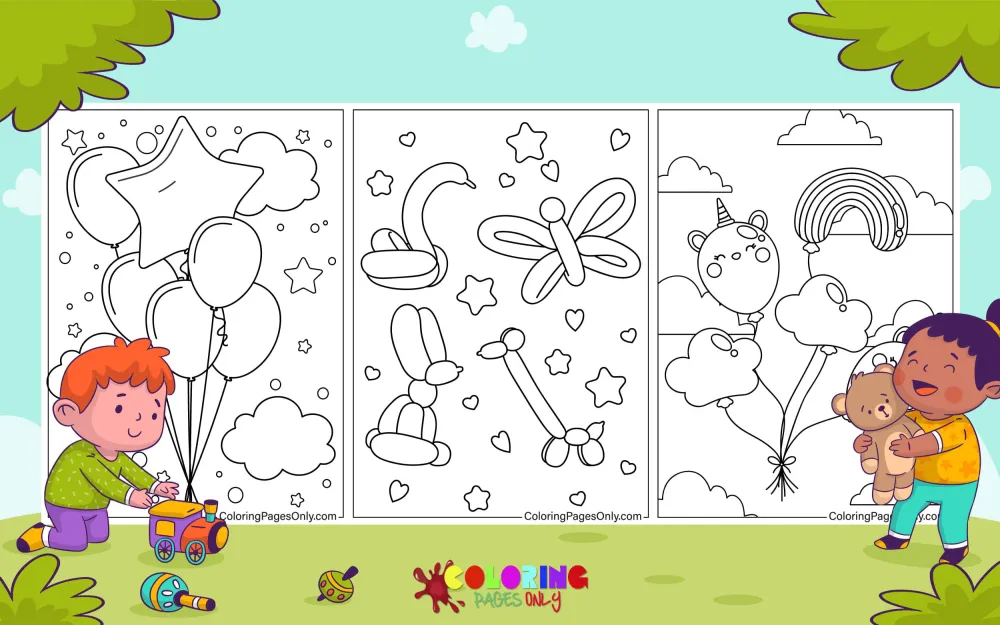
Free Balloon Coloring Pages: 30 printable PDF designs covering solo balloon bunches, animals holding balloons, and celebration scenes. Each page can be downloaded as a PDF to print or colored online in the browser, with no account required.
The rubber balloon dates back further than most party supplies. Michael Faraday made the first one in 1824 out of two sheets of rubber, not for a celebration but for his own hydrogen experiments at the Royal Institution in London. Toy versions followed within a year, and it took until 1931, when Neil Tillotson introduced the modern latex balloon, for the shape most people picture today to become a mass-produced party staple.
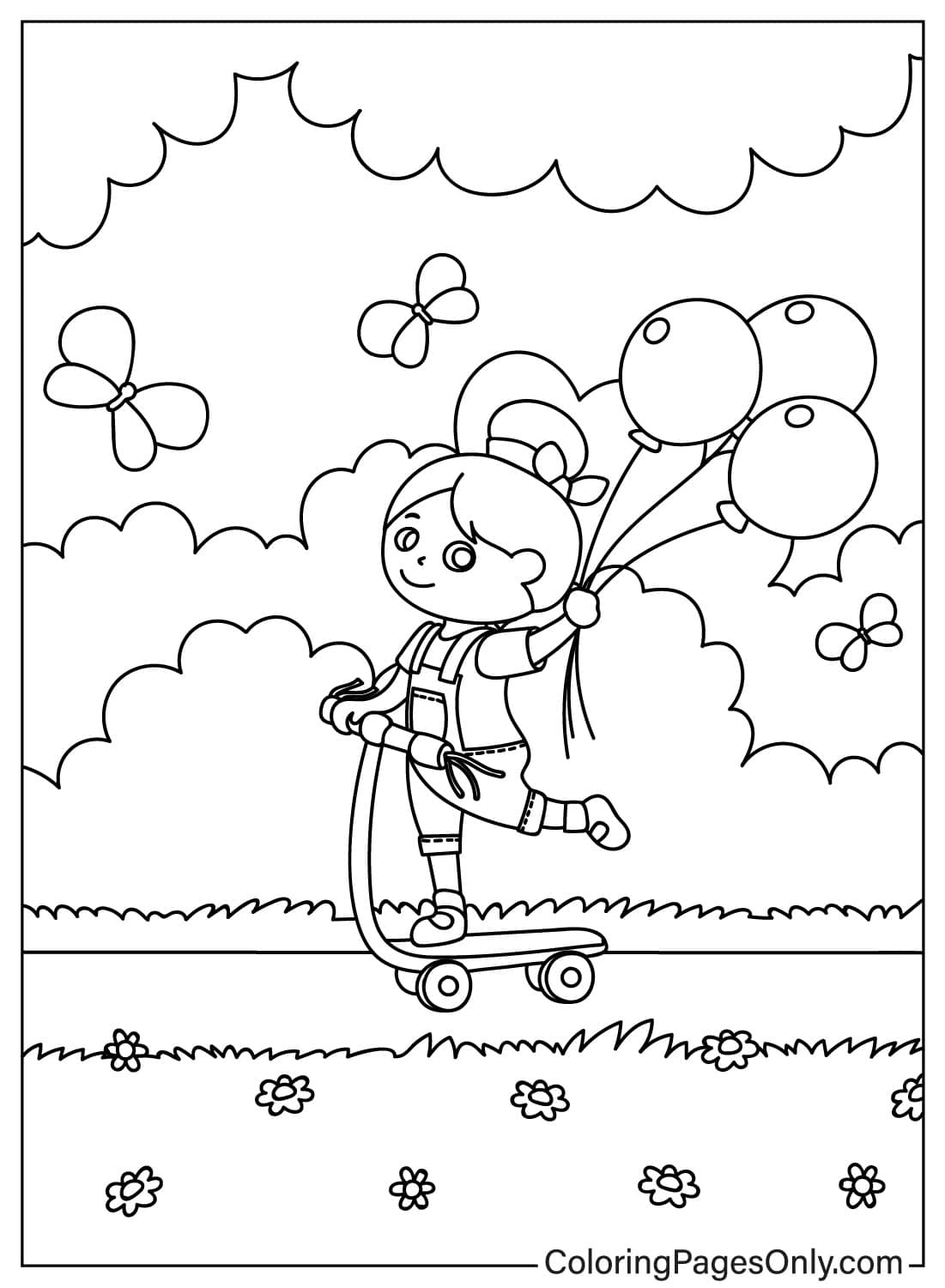
The 30 pages in this set are split into solo and bunched balloon designs, animals holding or flying with balloons, celebration and gift scenes, and a couple of pages referencing specific licensed characters, giving colorists a wide range of balloon-themed moments to work through.
What Is Inside This Collection
The 30 pages are grouped by what accompanies the balloons rather than by a single repeated scene.
Solo and Bunched Balloon Designs
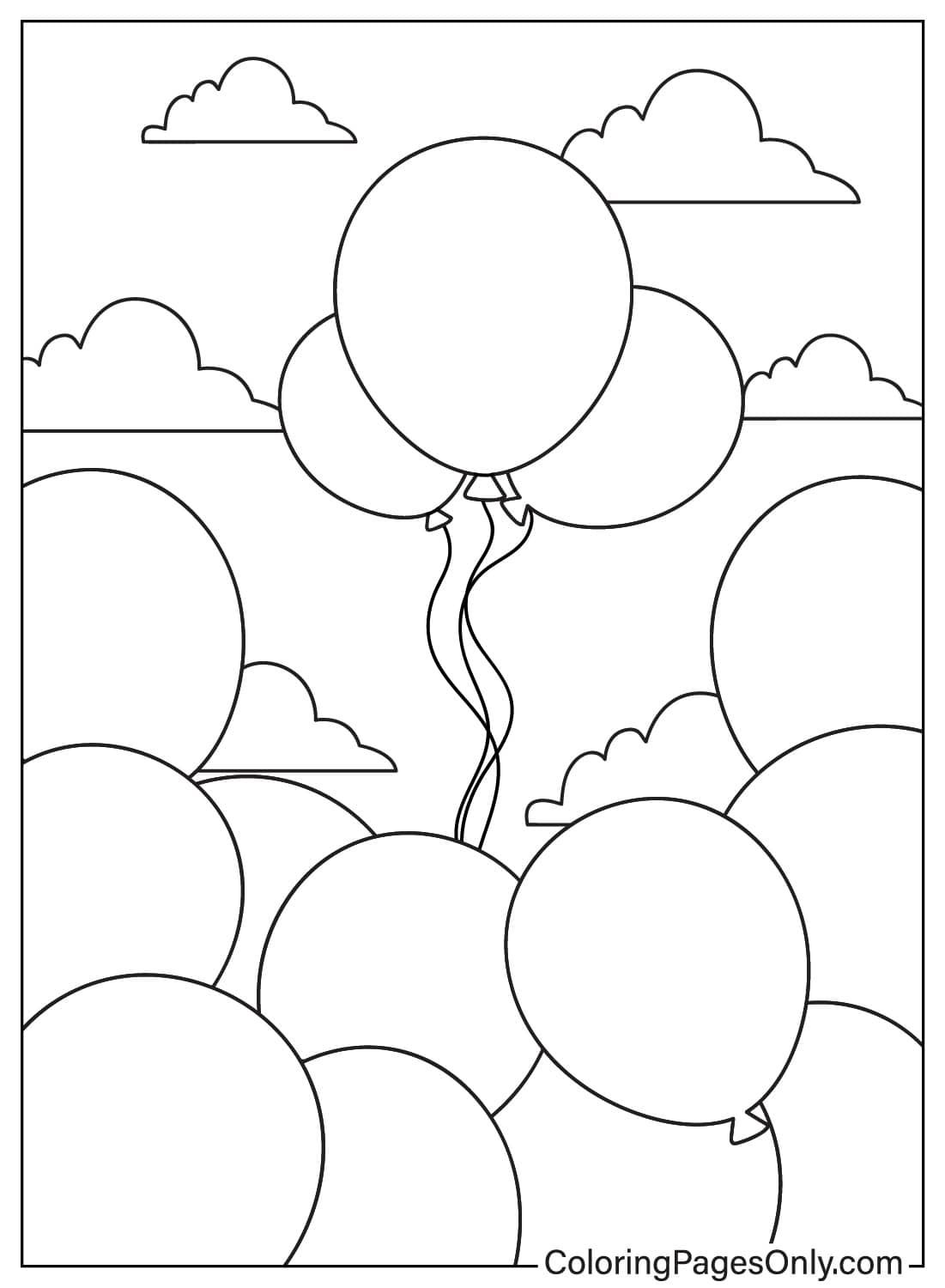
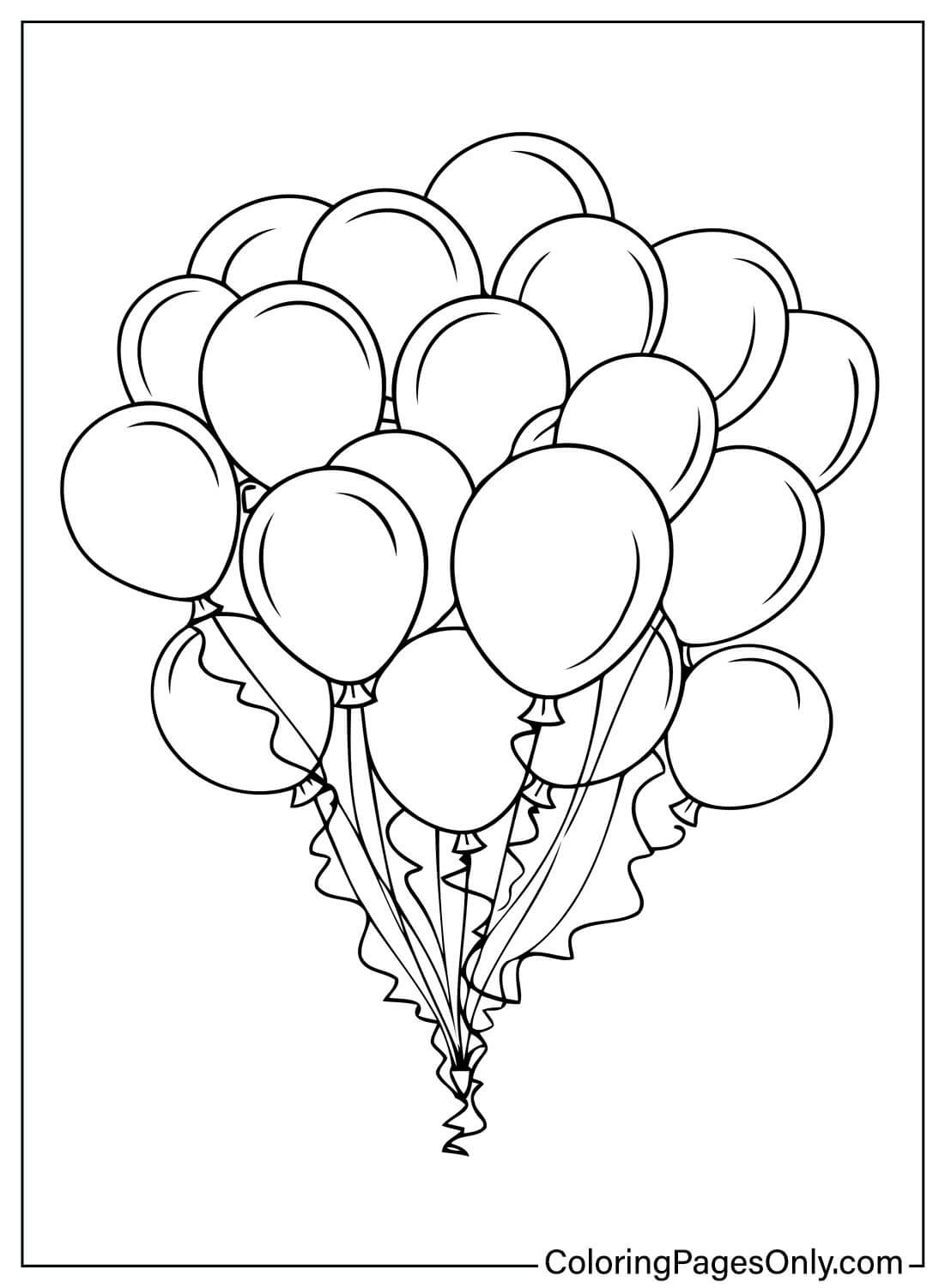
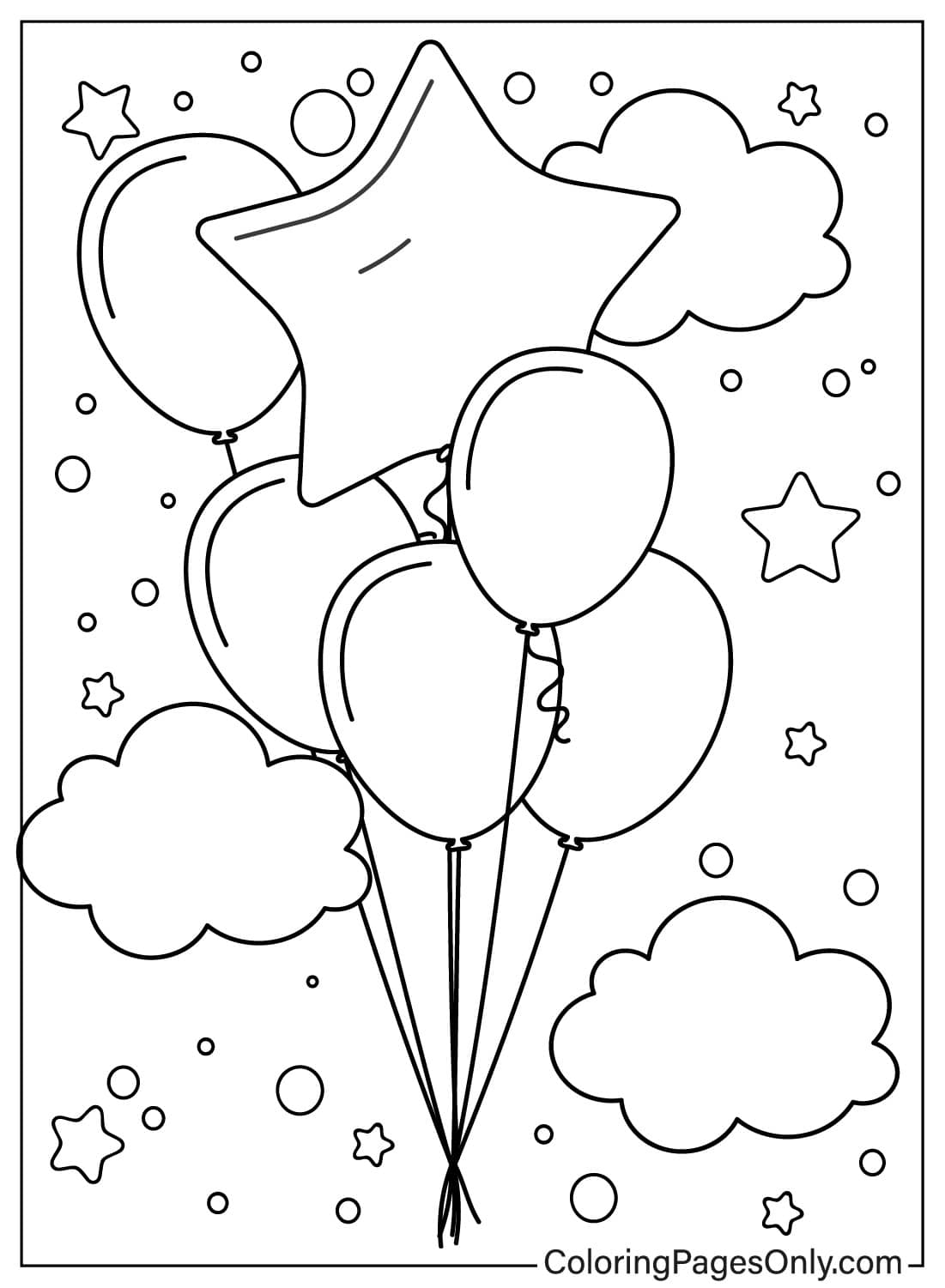
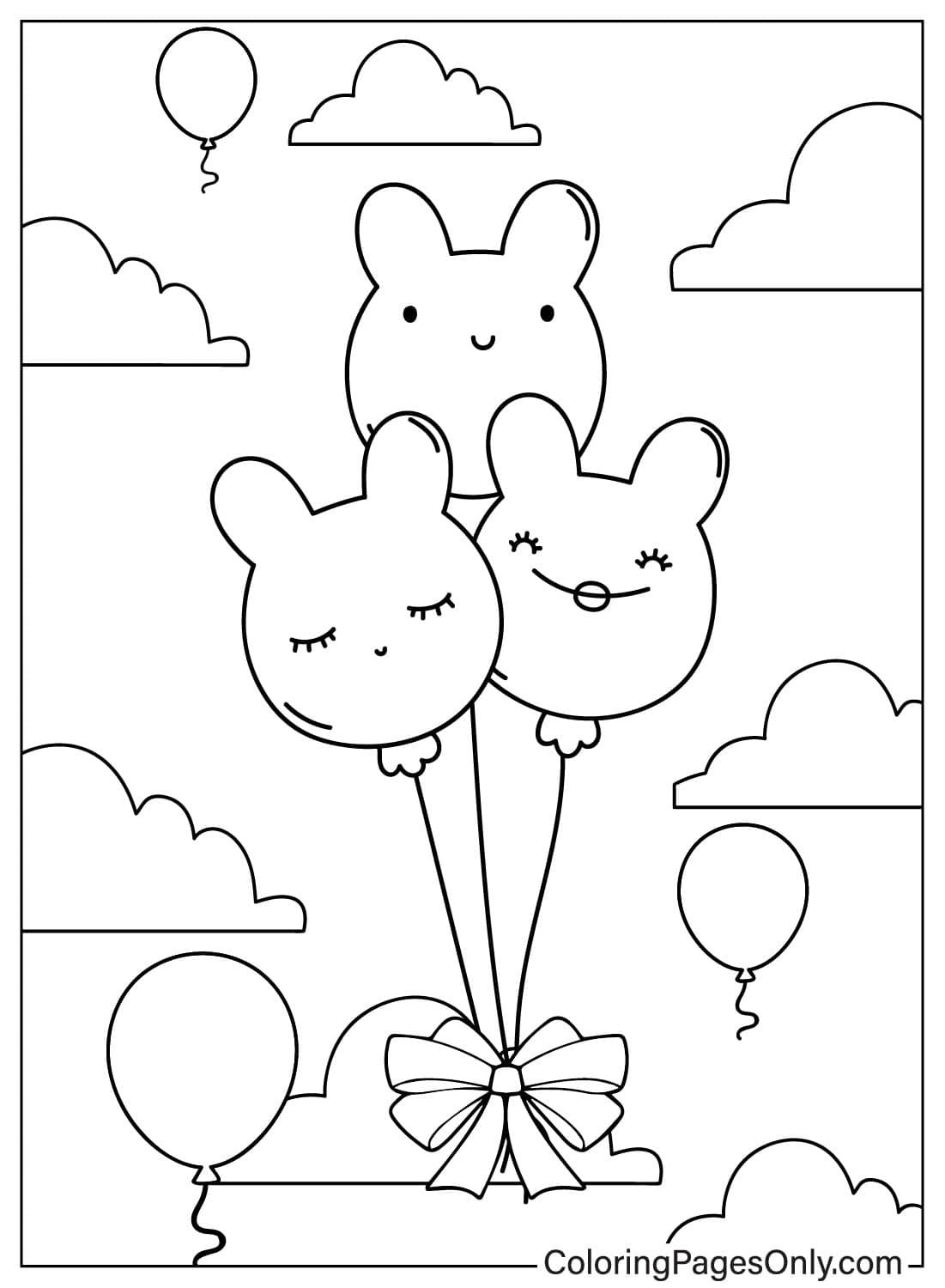
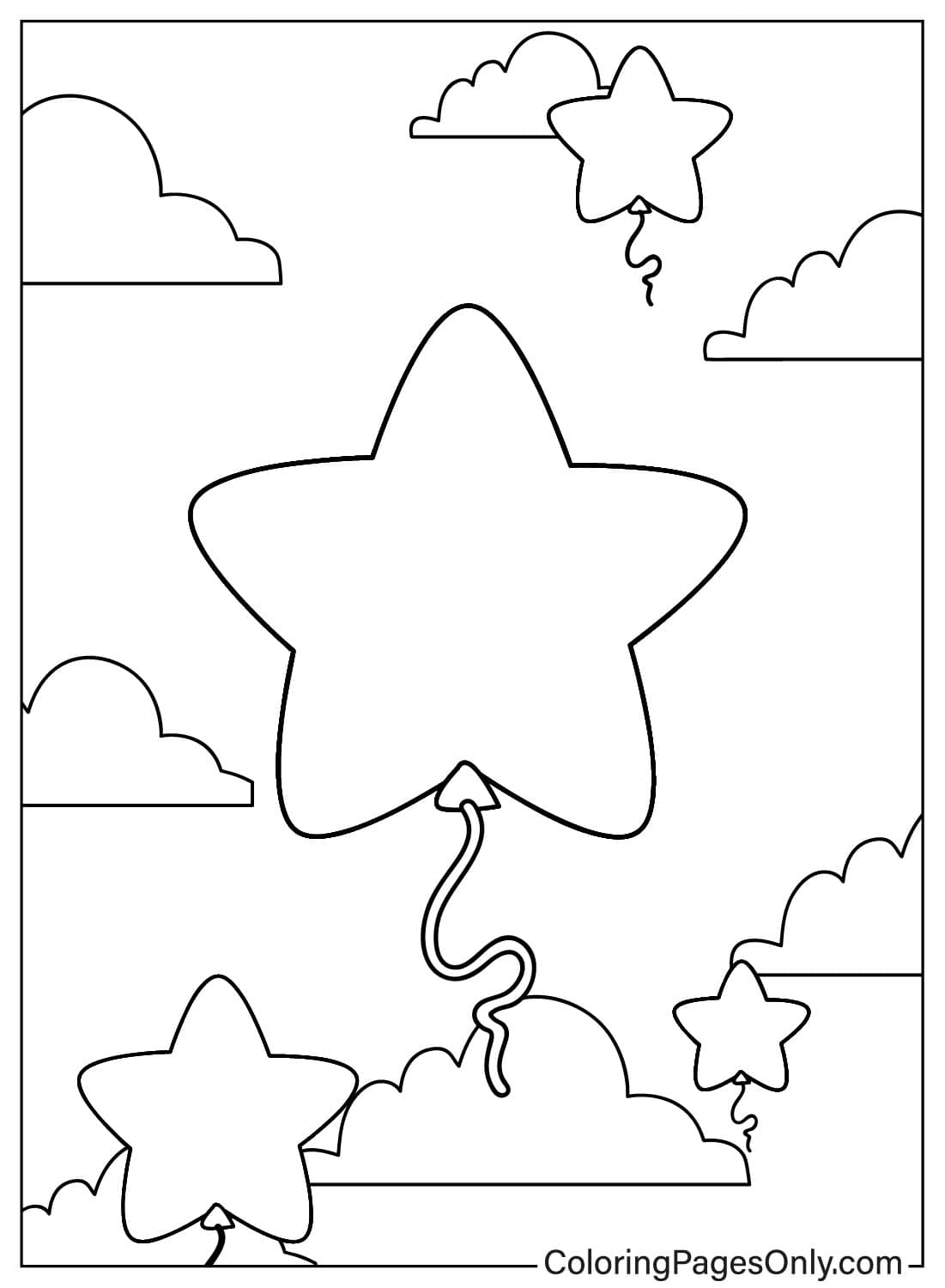
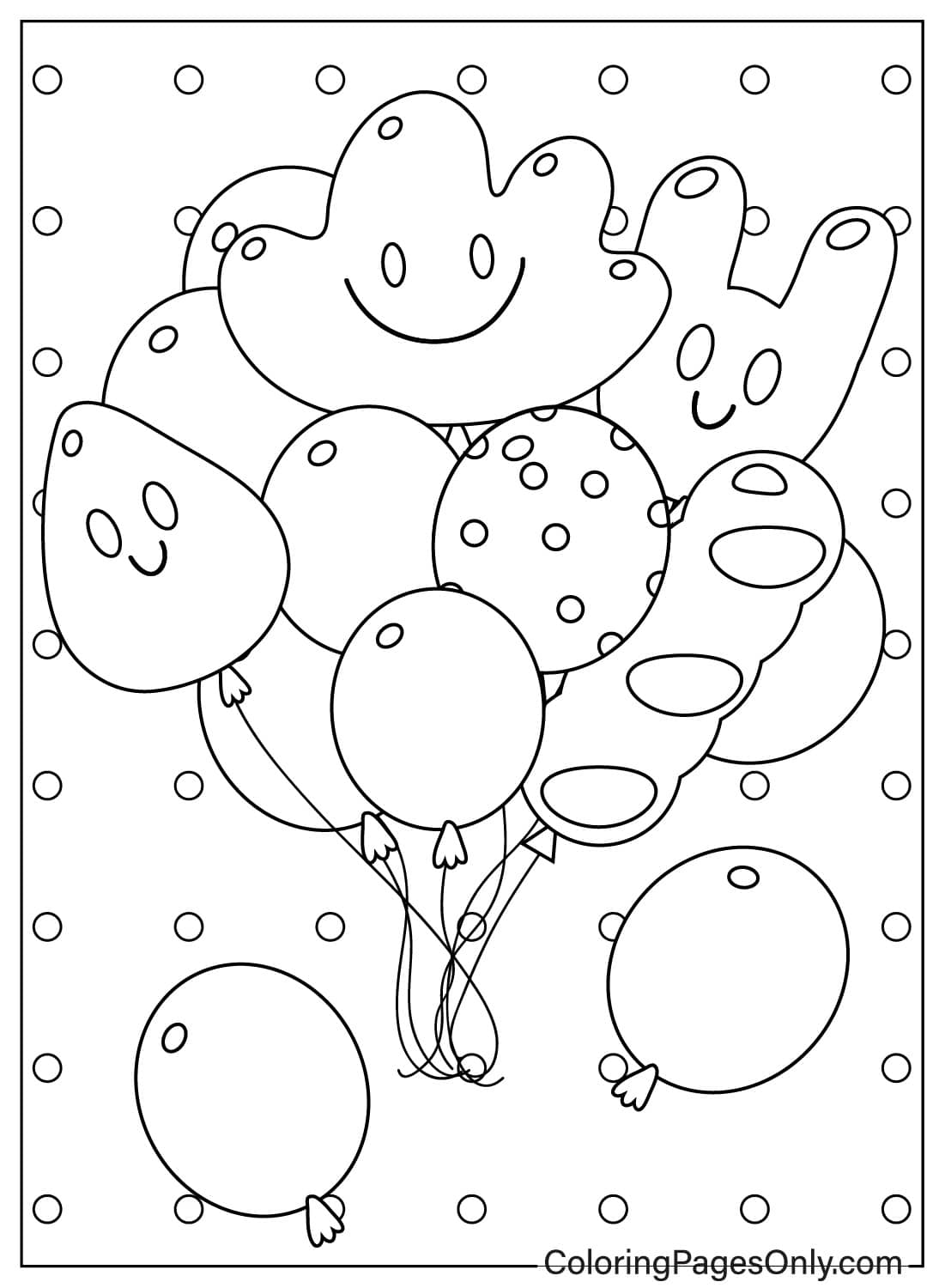
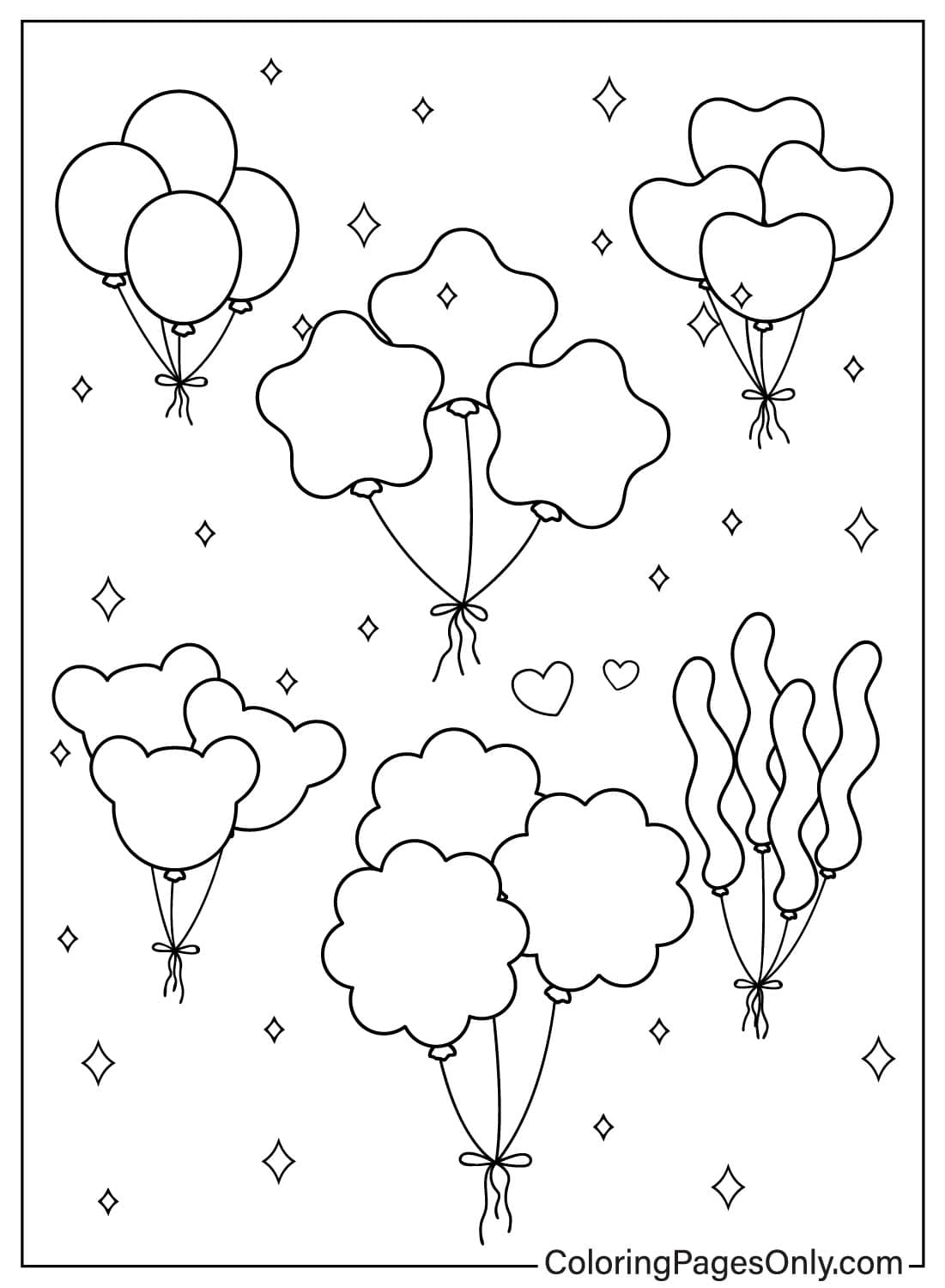
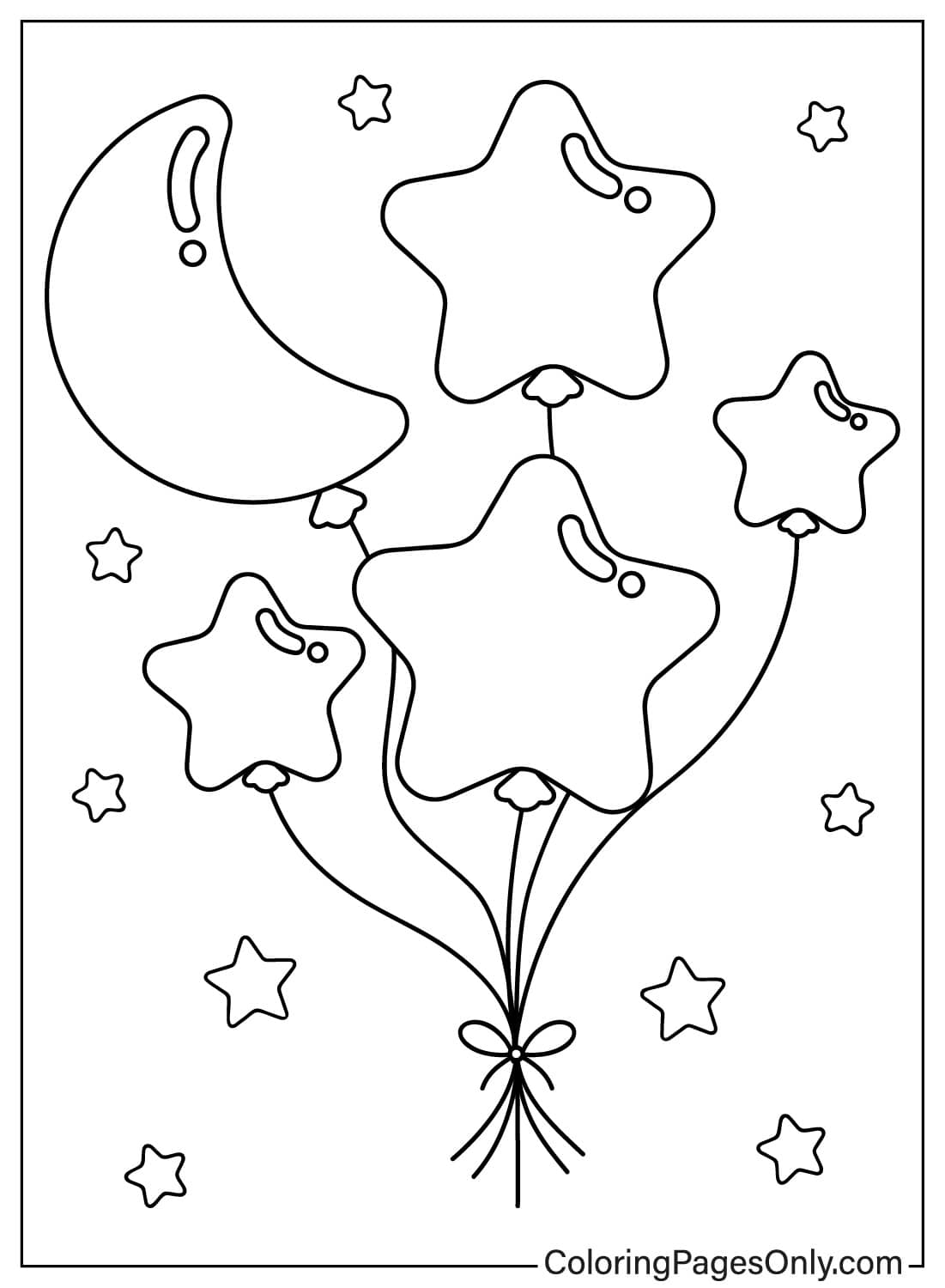
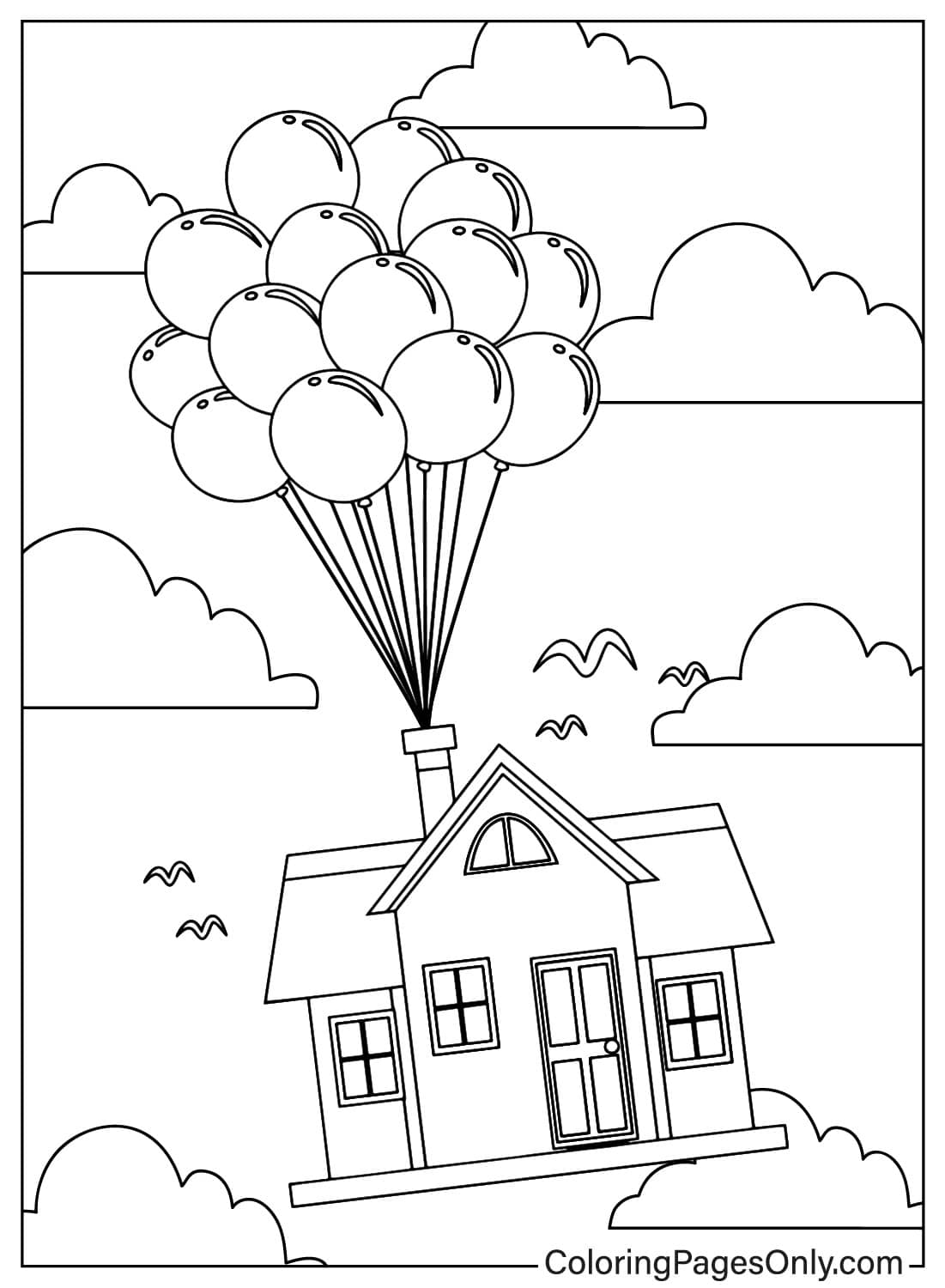
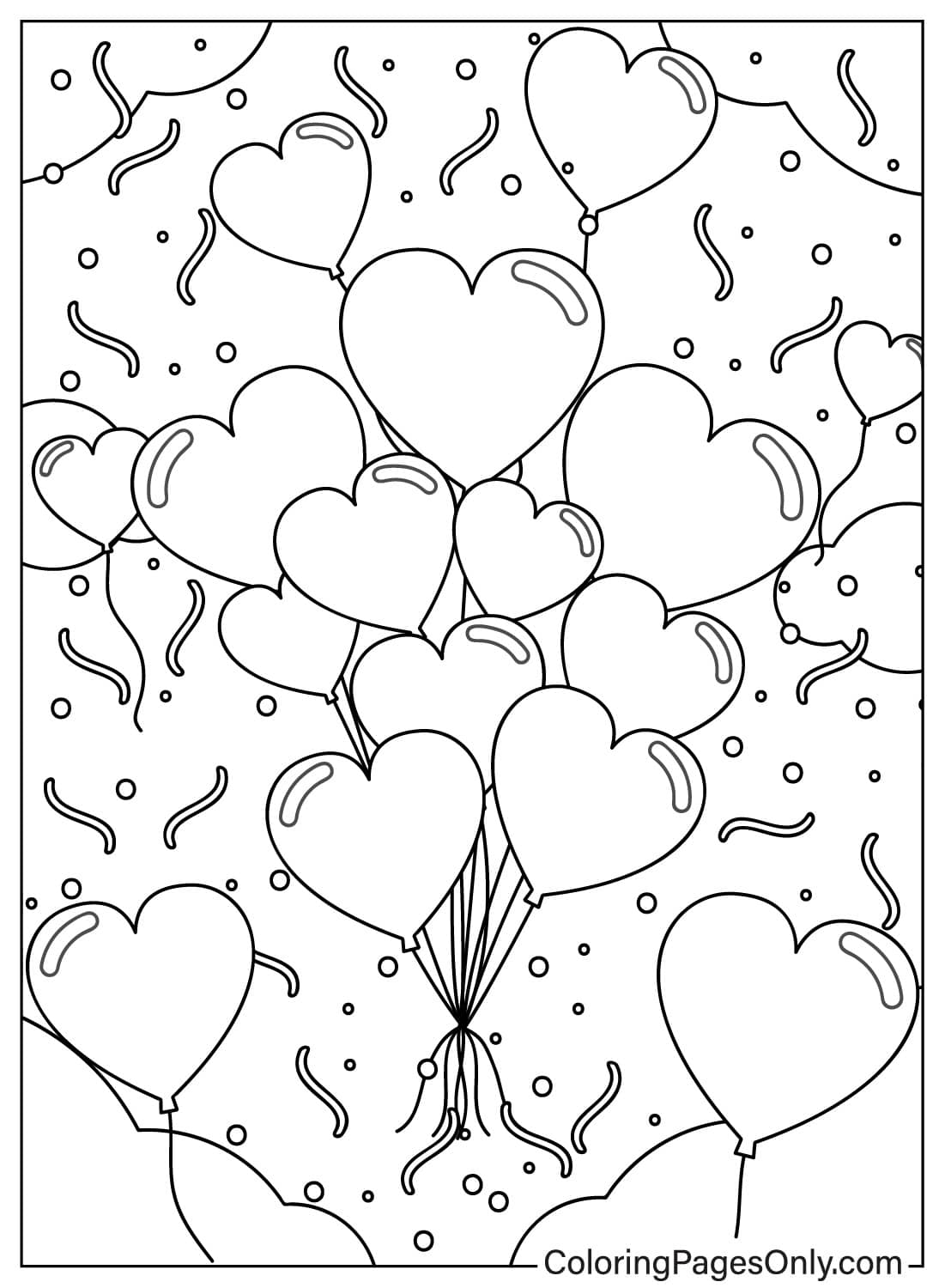
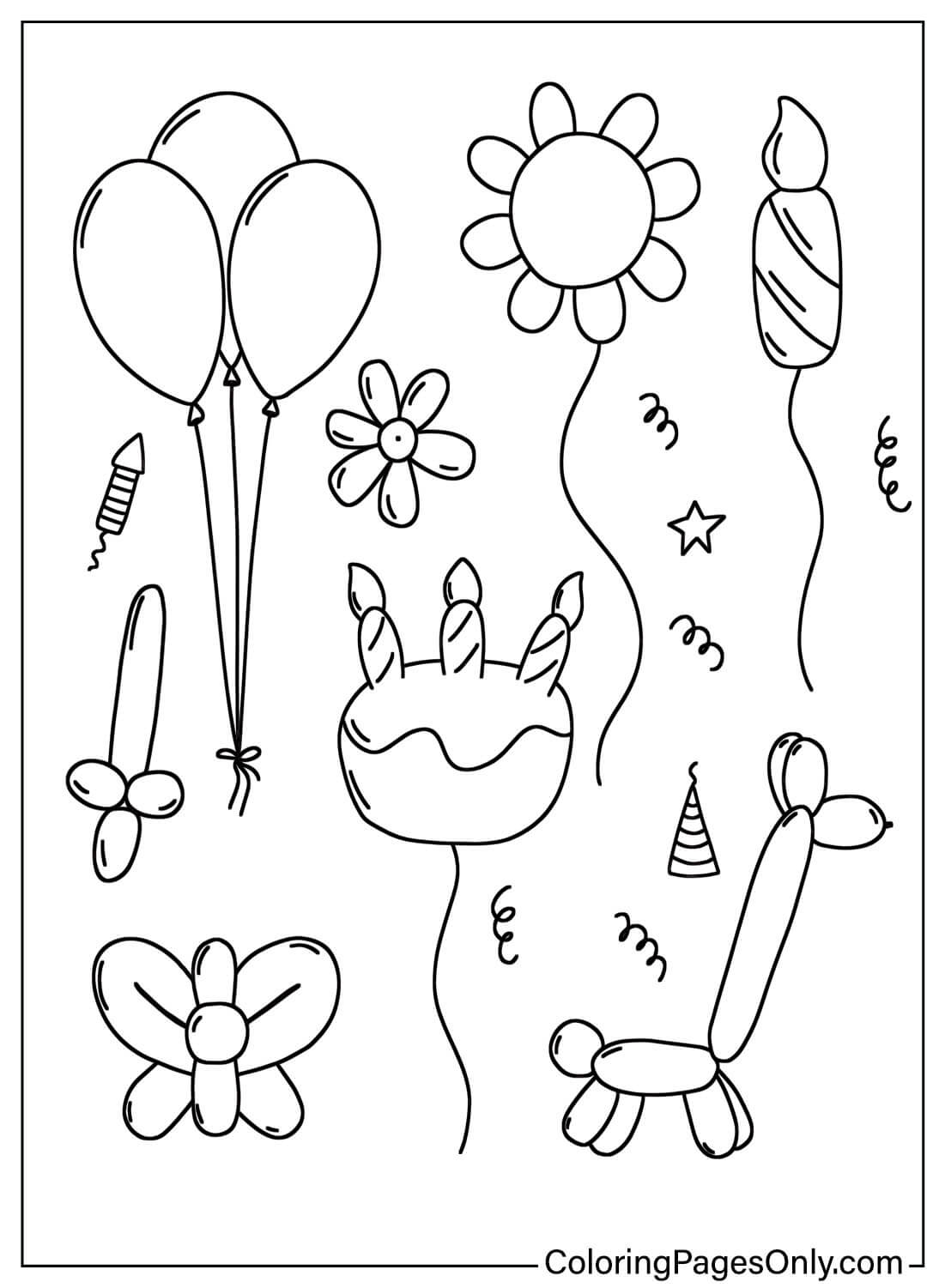
The largest group keeps the focus purely on the balloons themselves, from a single cluster floating against the sky to a full confetti-filled background. These suit a wide, varied palette, since a bunch of balloons reads best when no two are colored the same.
Animals with Balloons
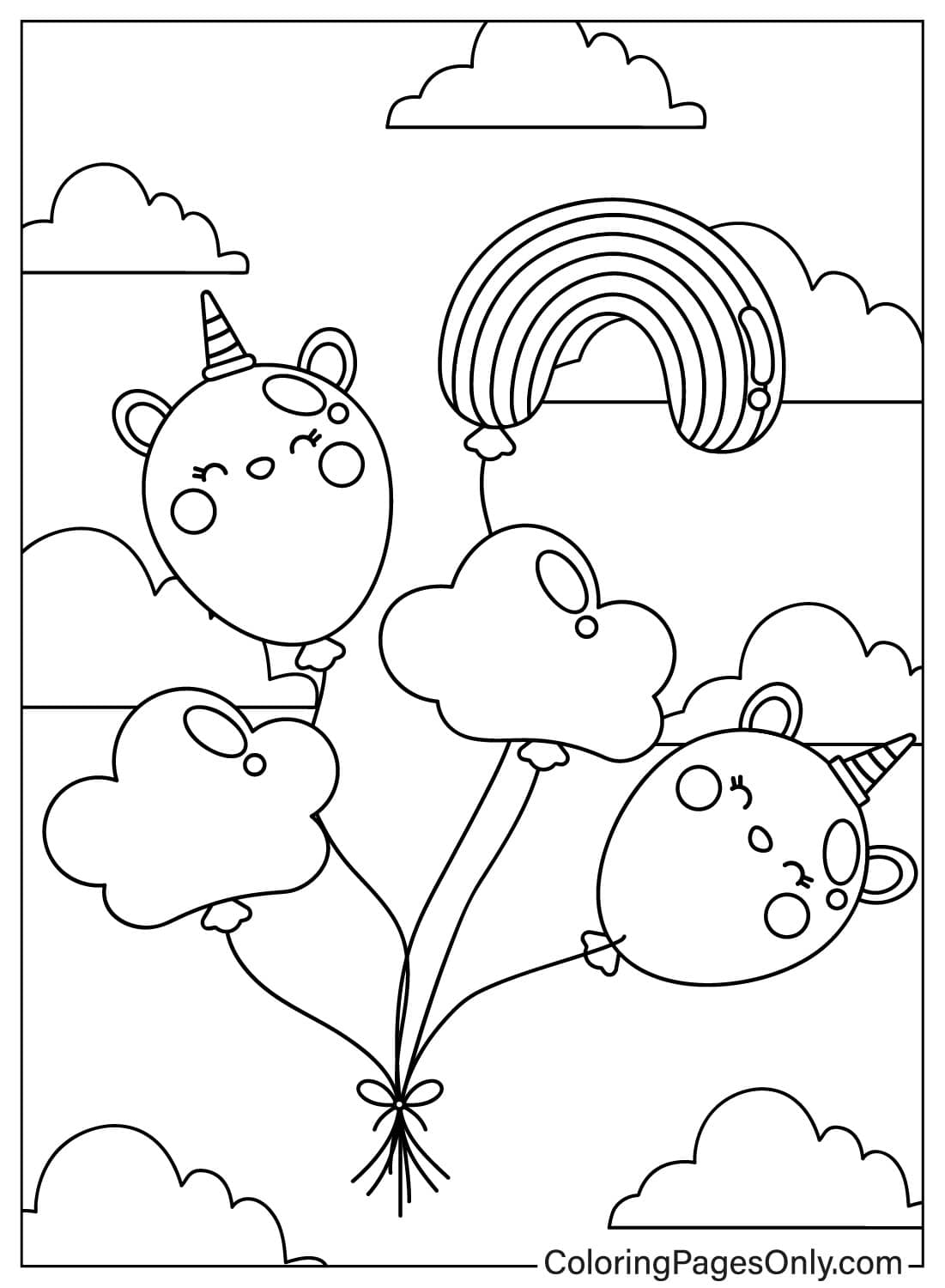
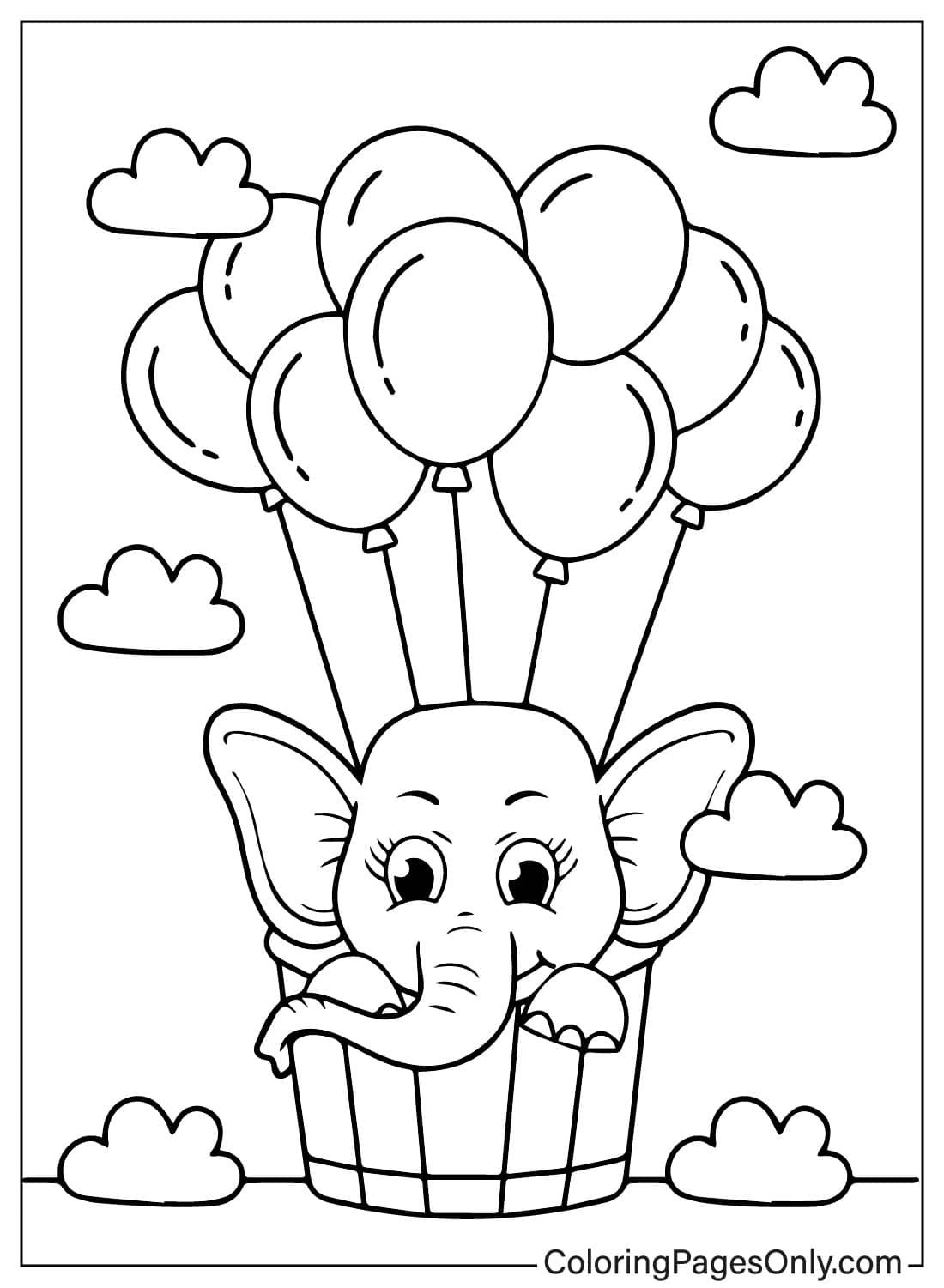
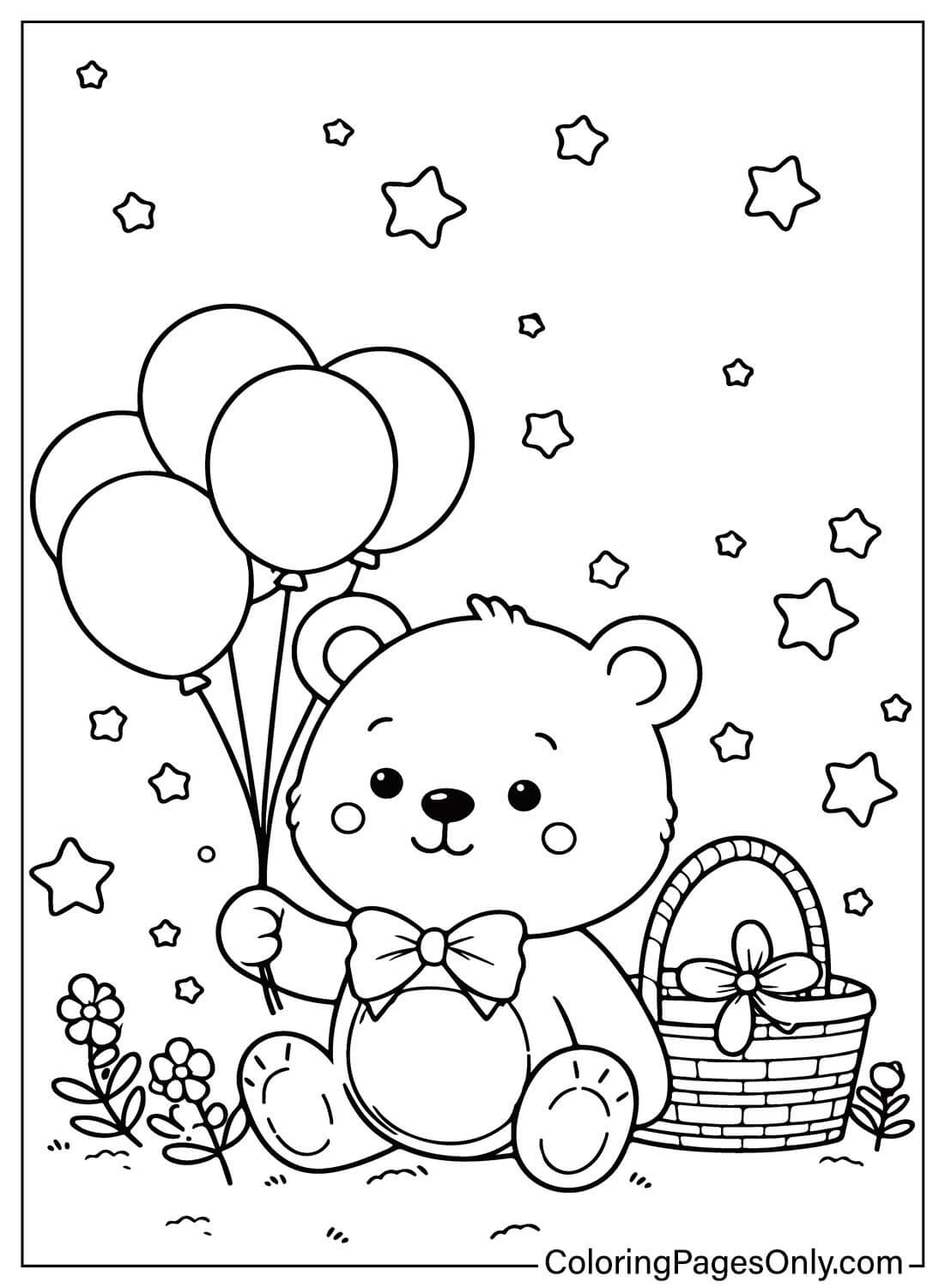
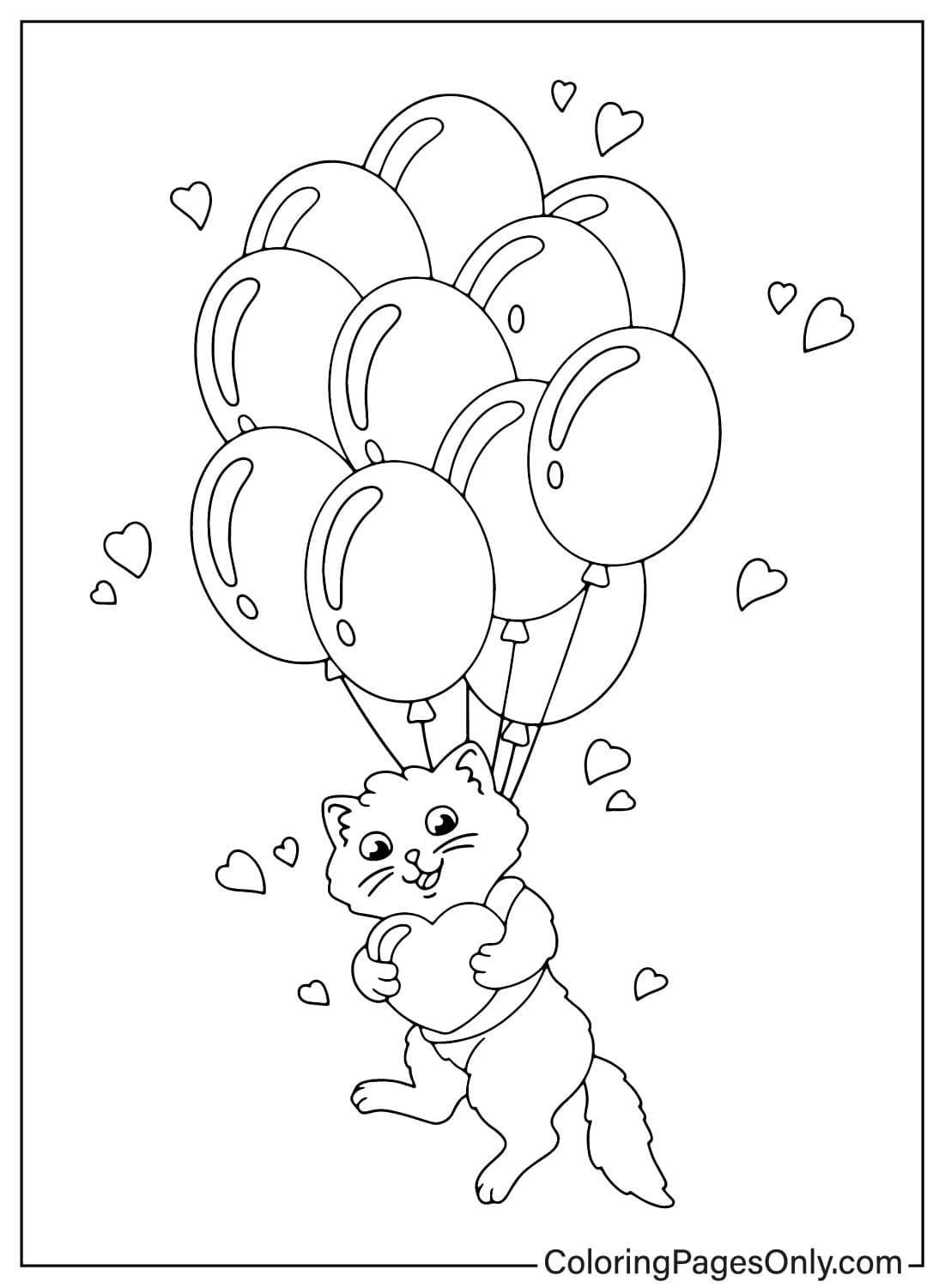
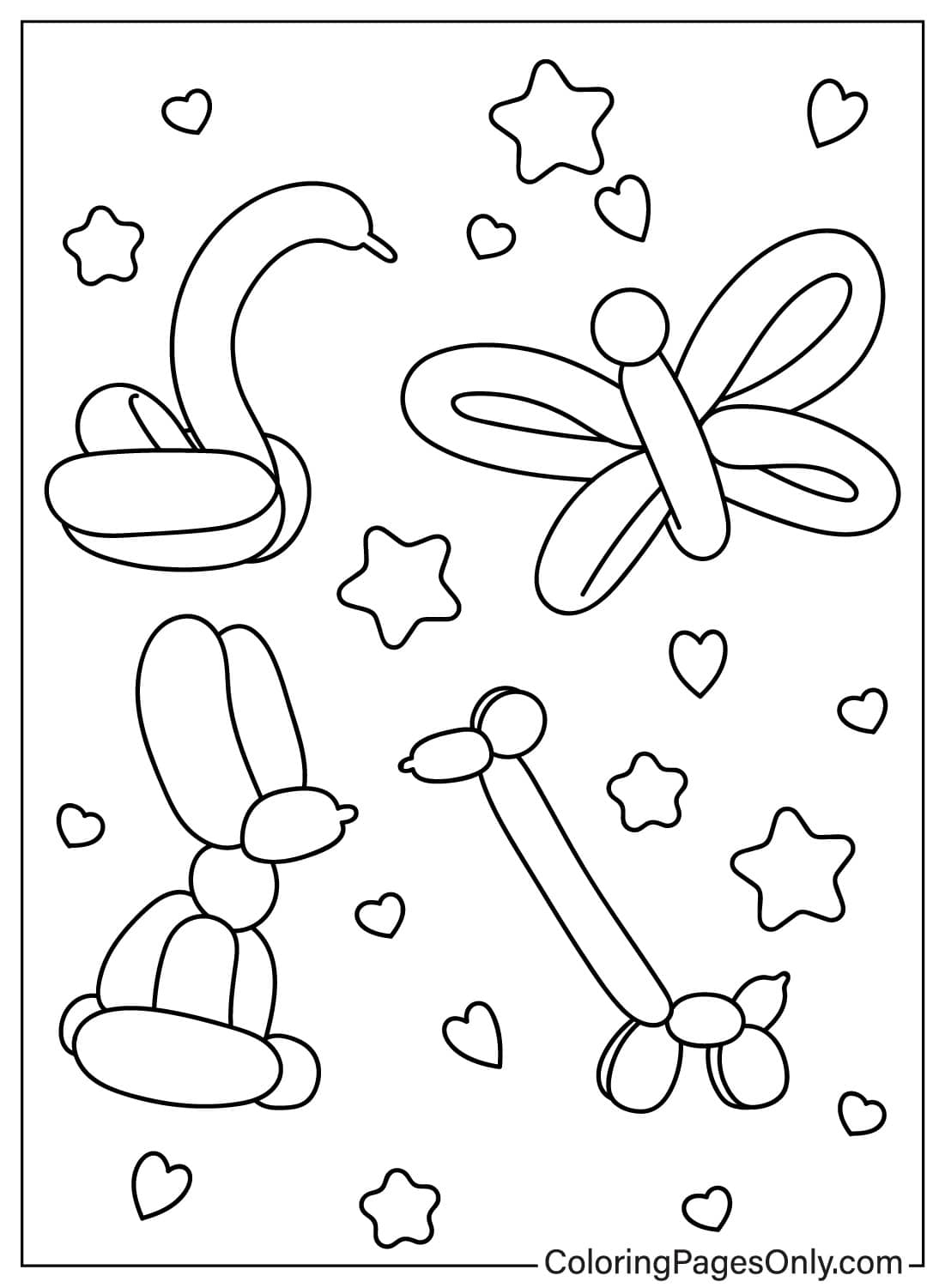
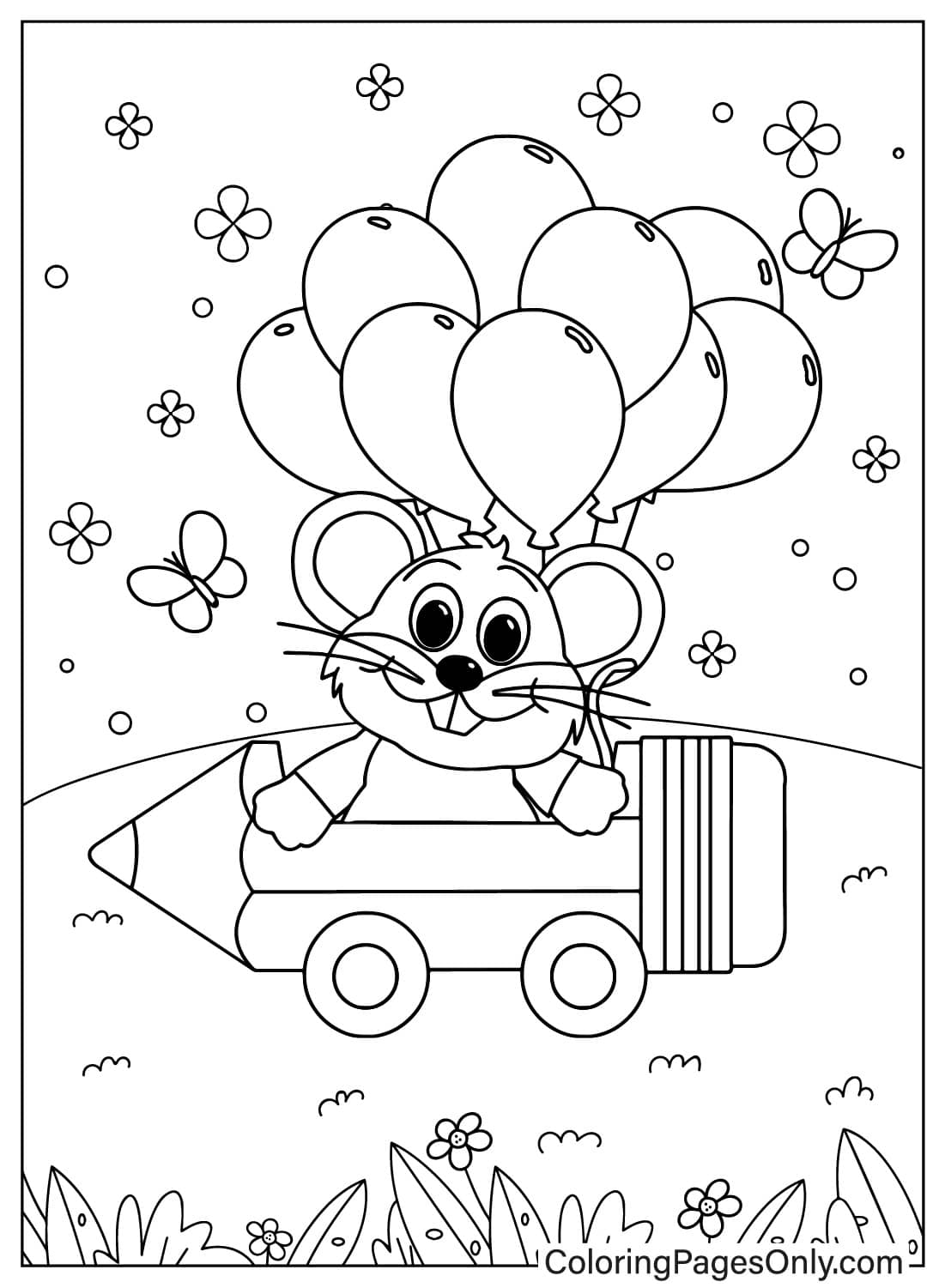
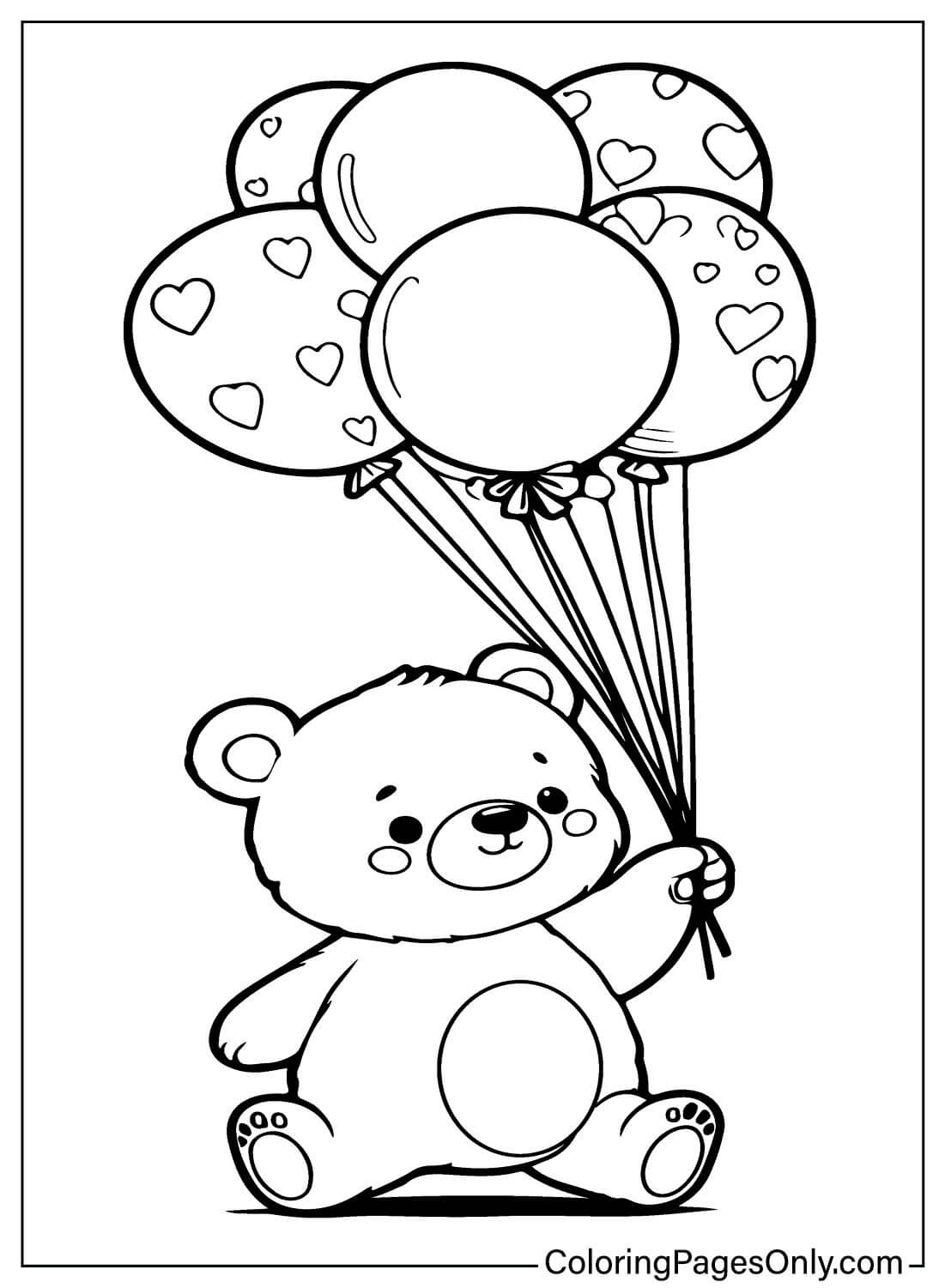
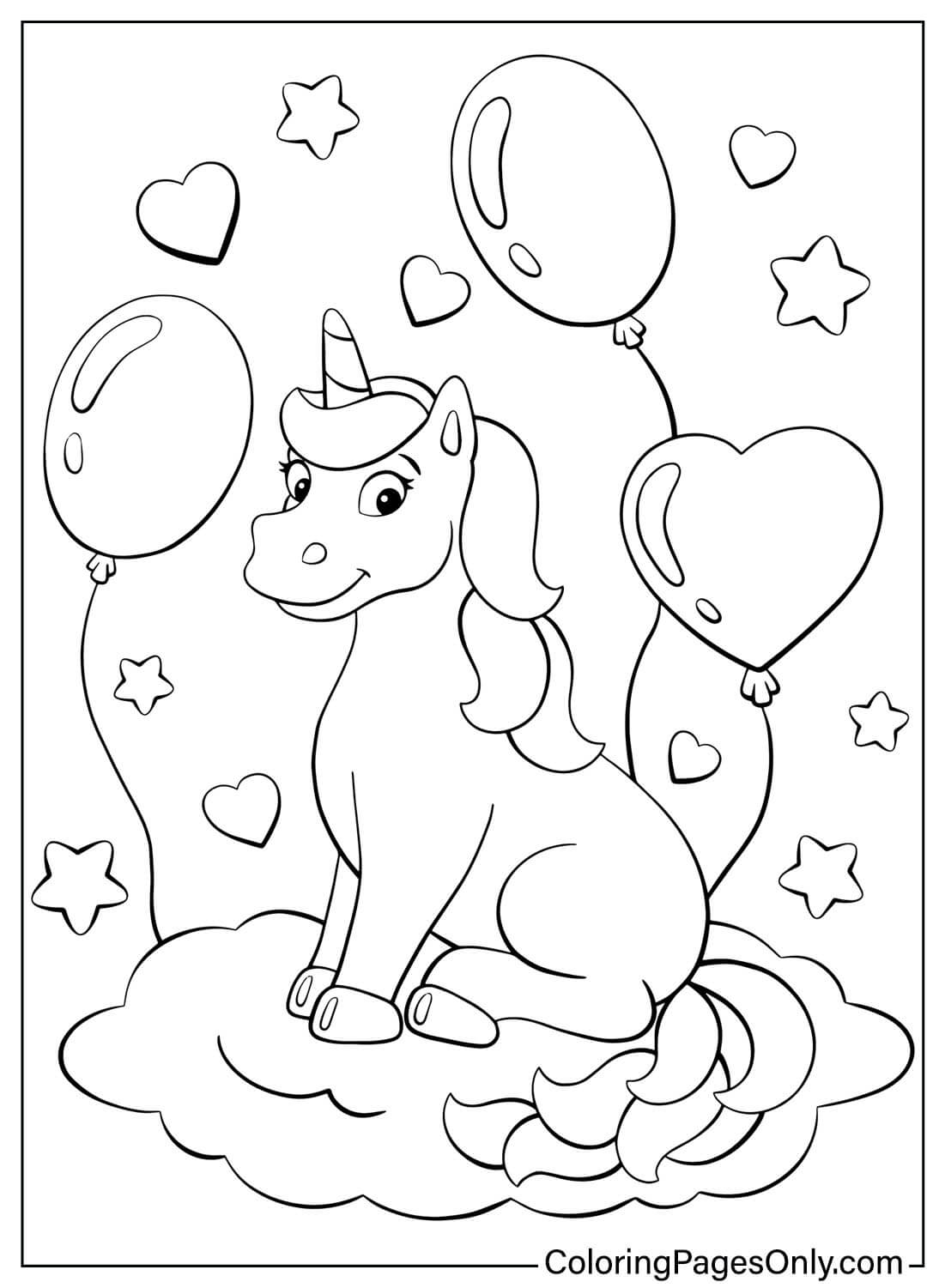
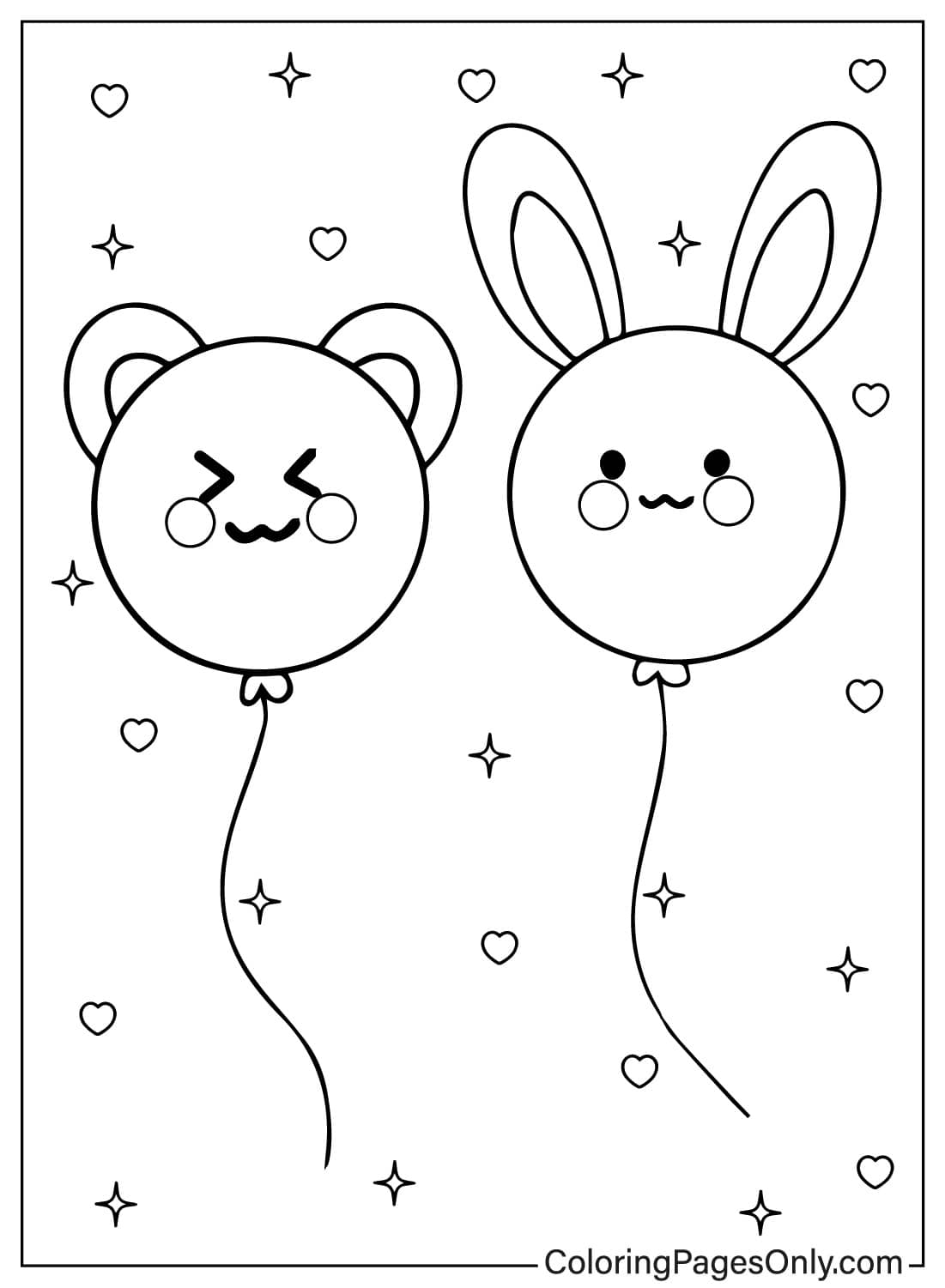
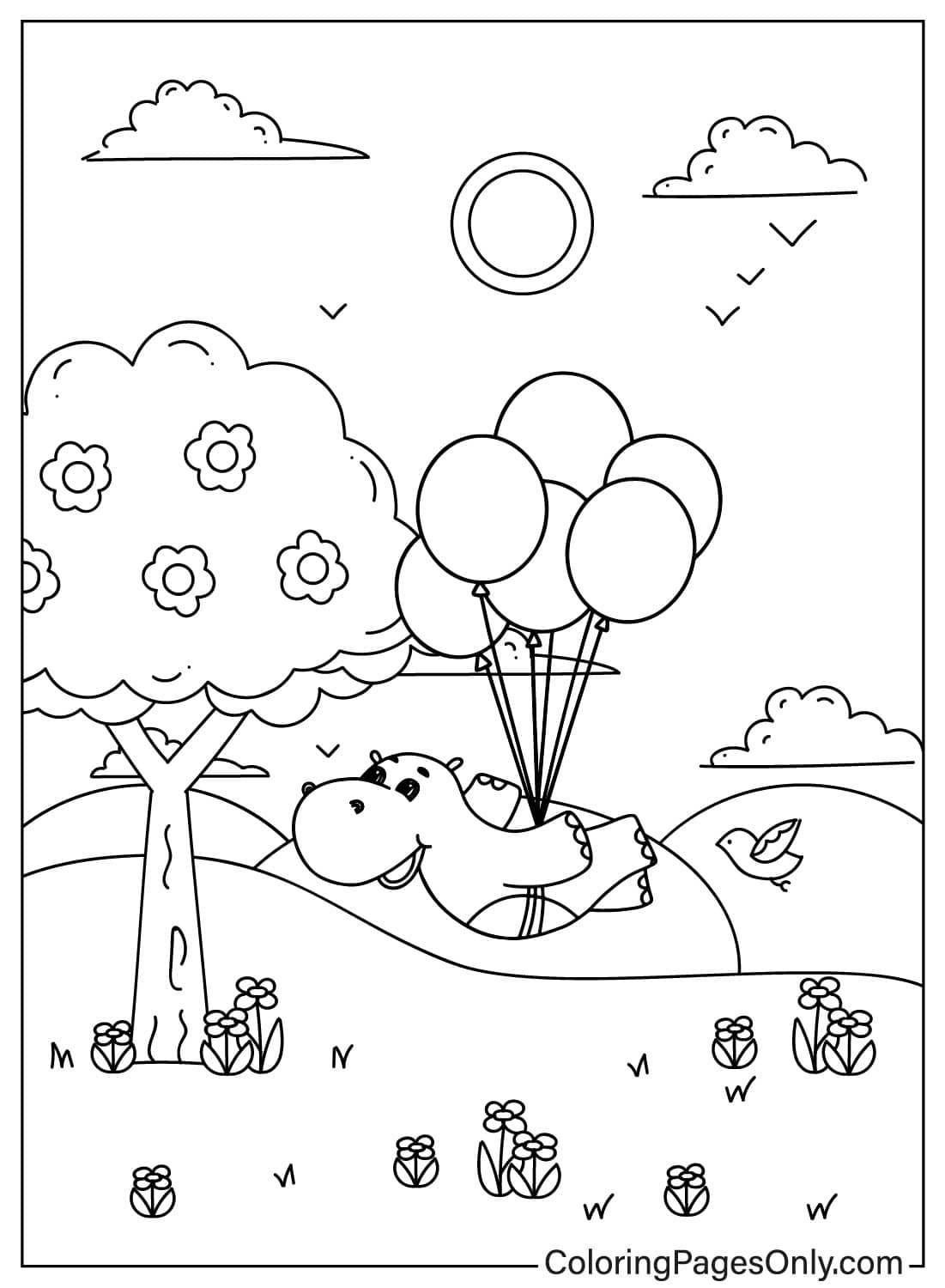
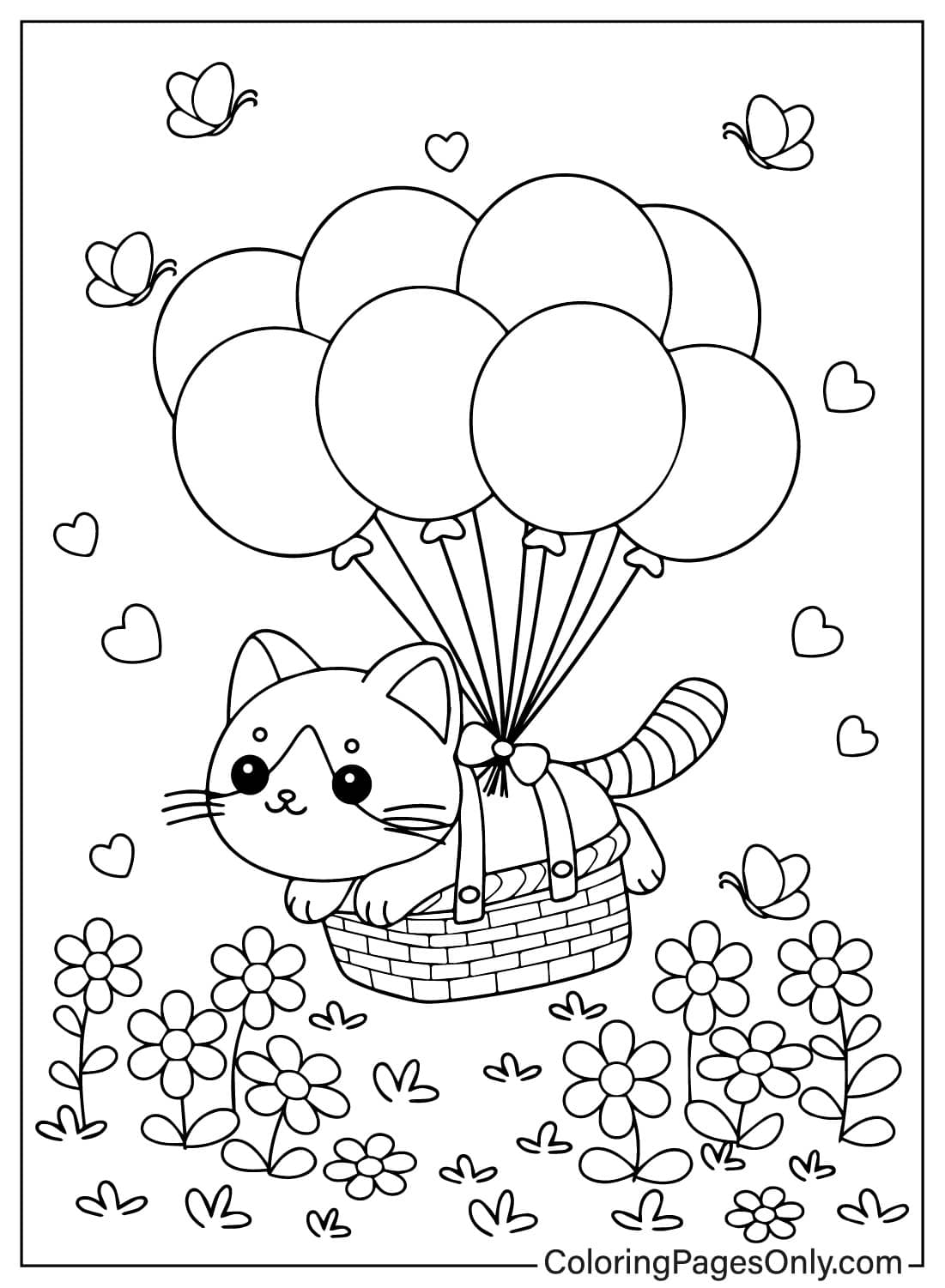
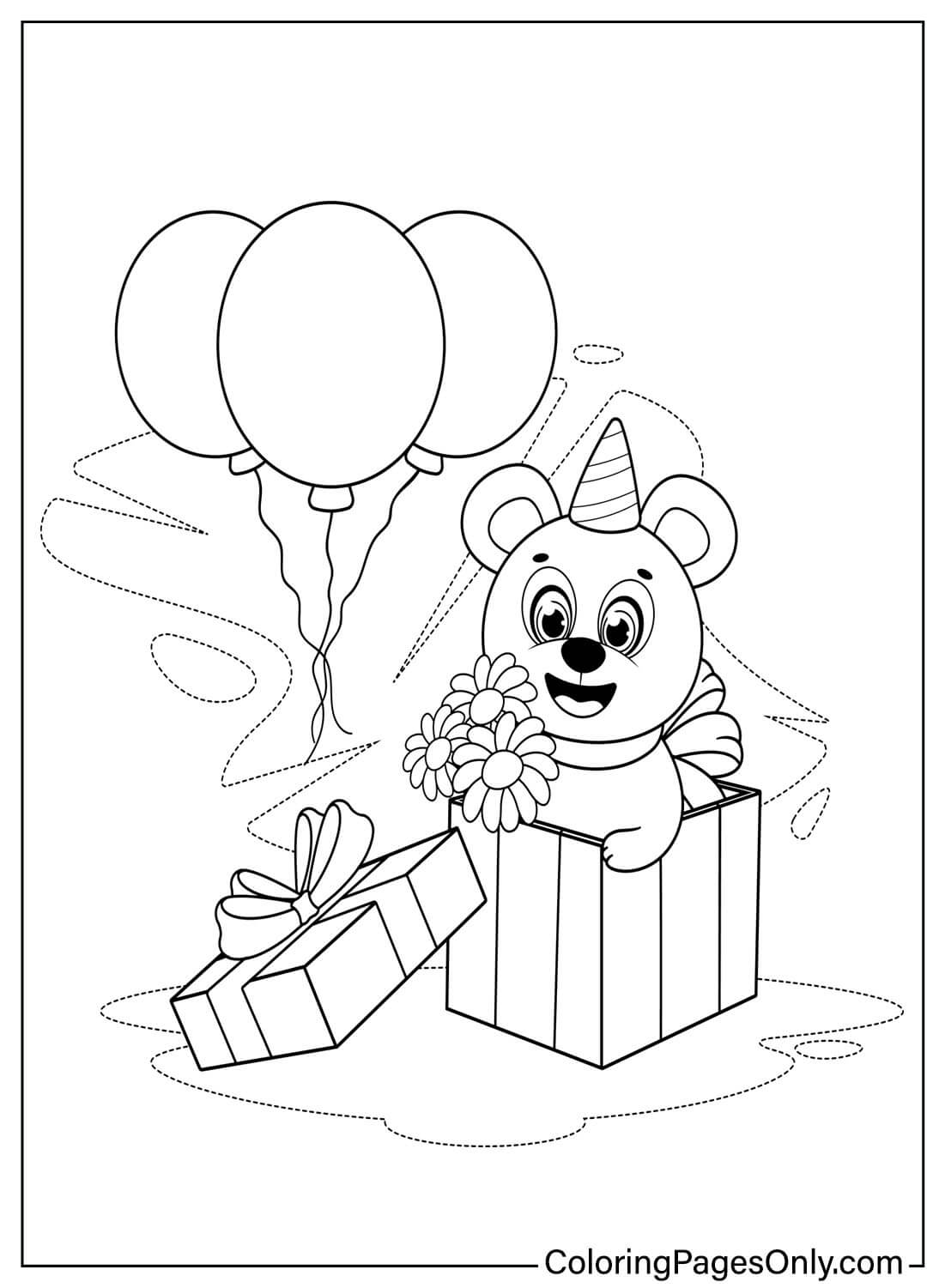
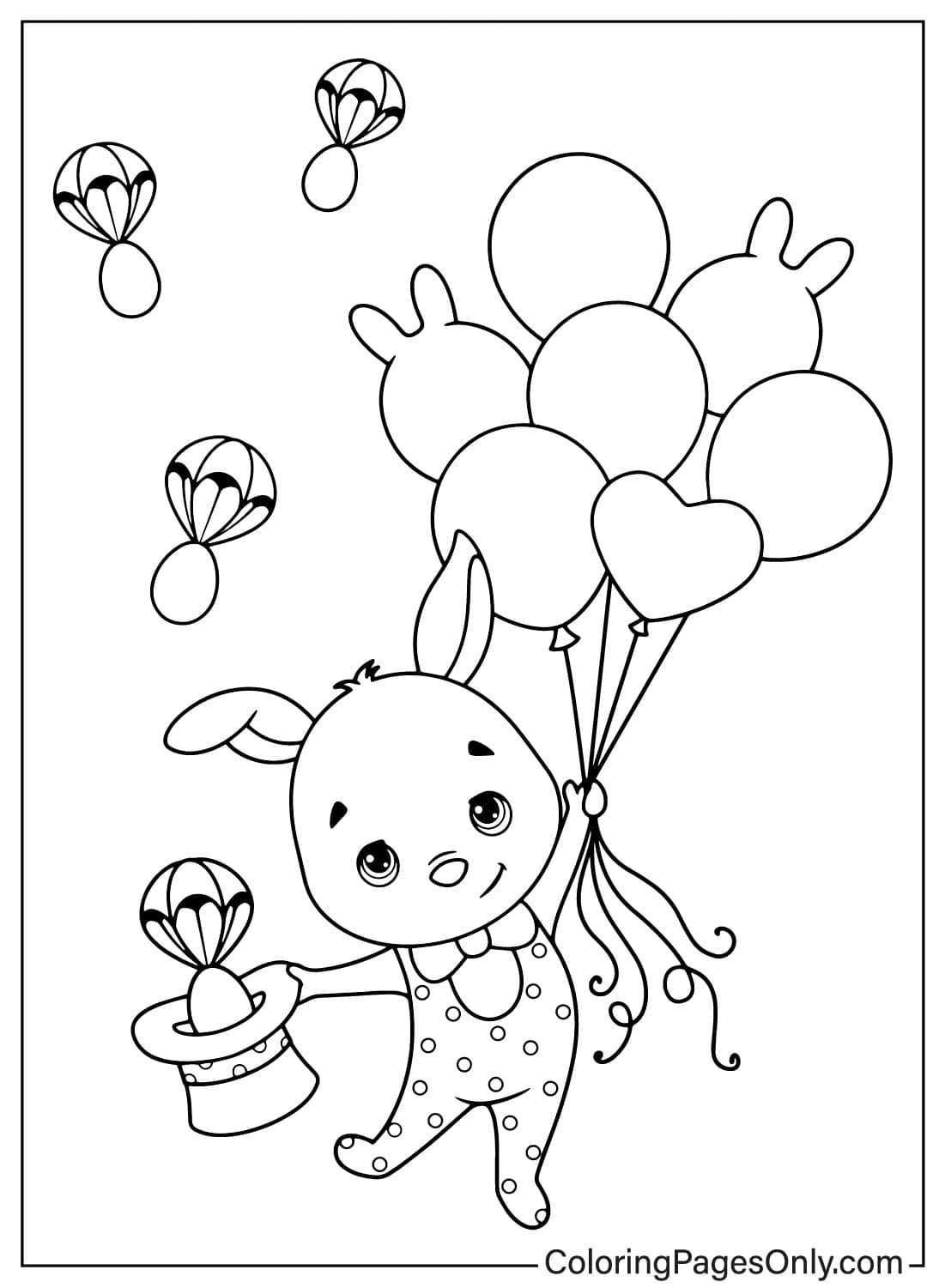
A large second group pairs balloons with an animal character, including a bear, cat, elephant, hippo, unicorn, and rabbit. These suit the animal’s natural or established coloring first, with the balloons themselves free to use brighter, more varied colors as the secondary focus.
Celebration and Gift Scenes
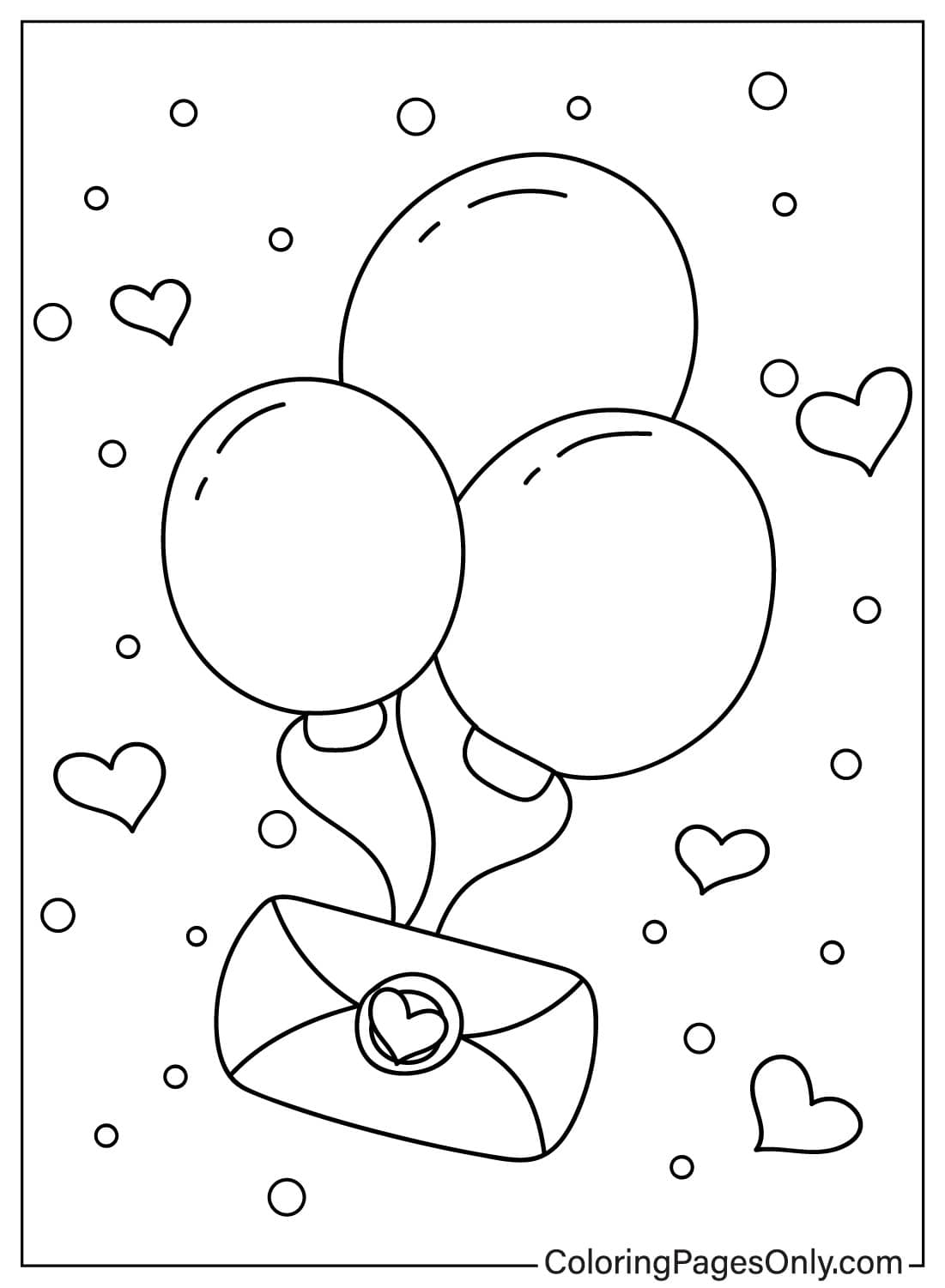
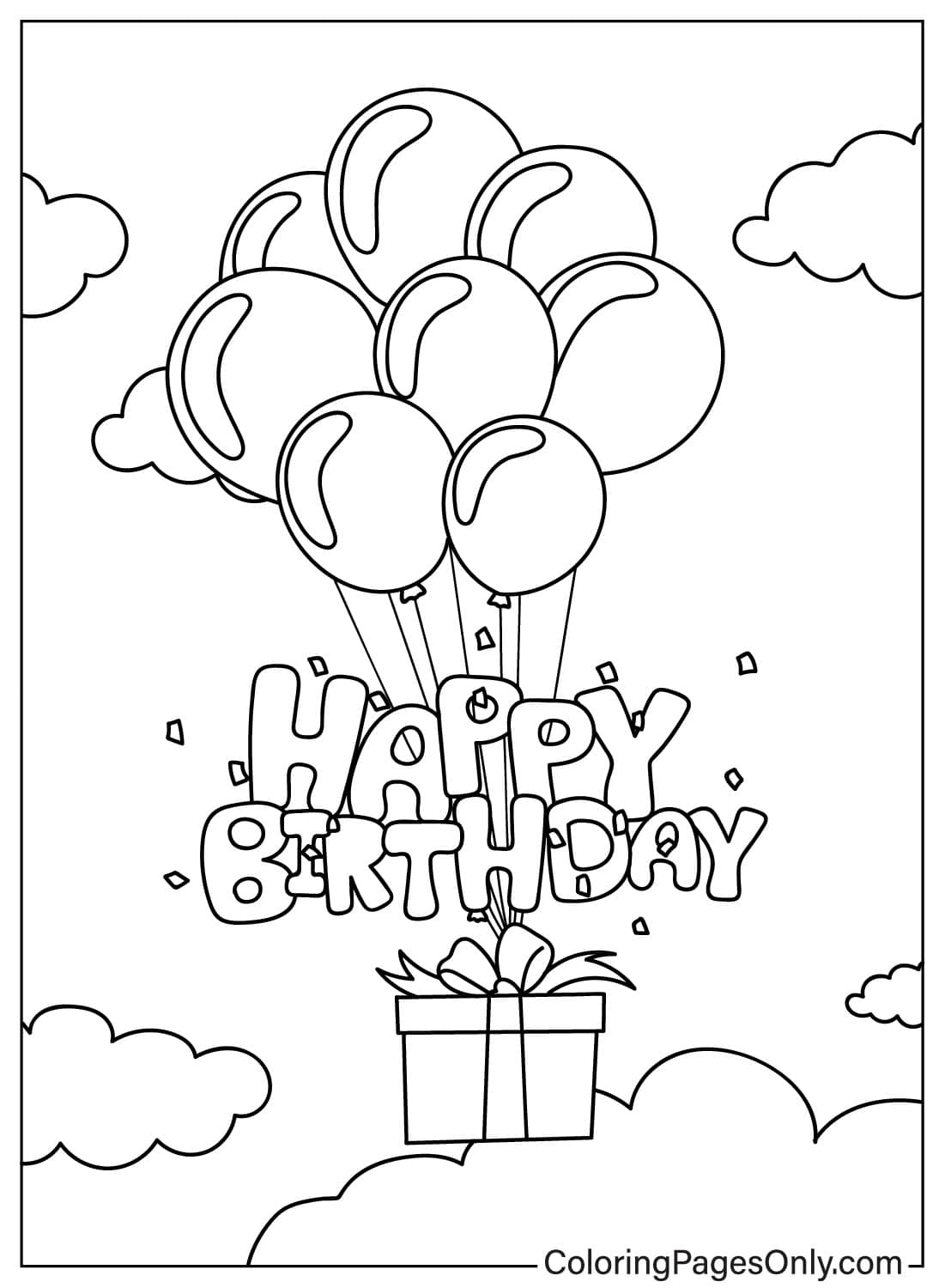
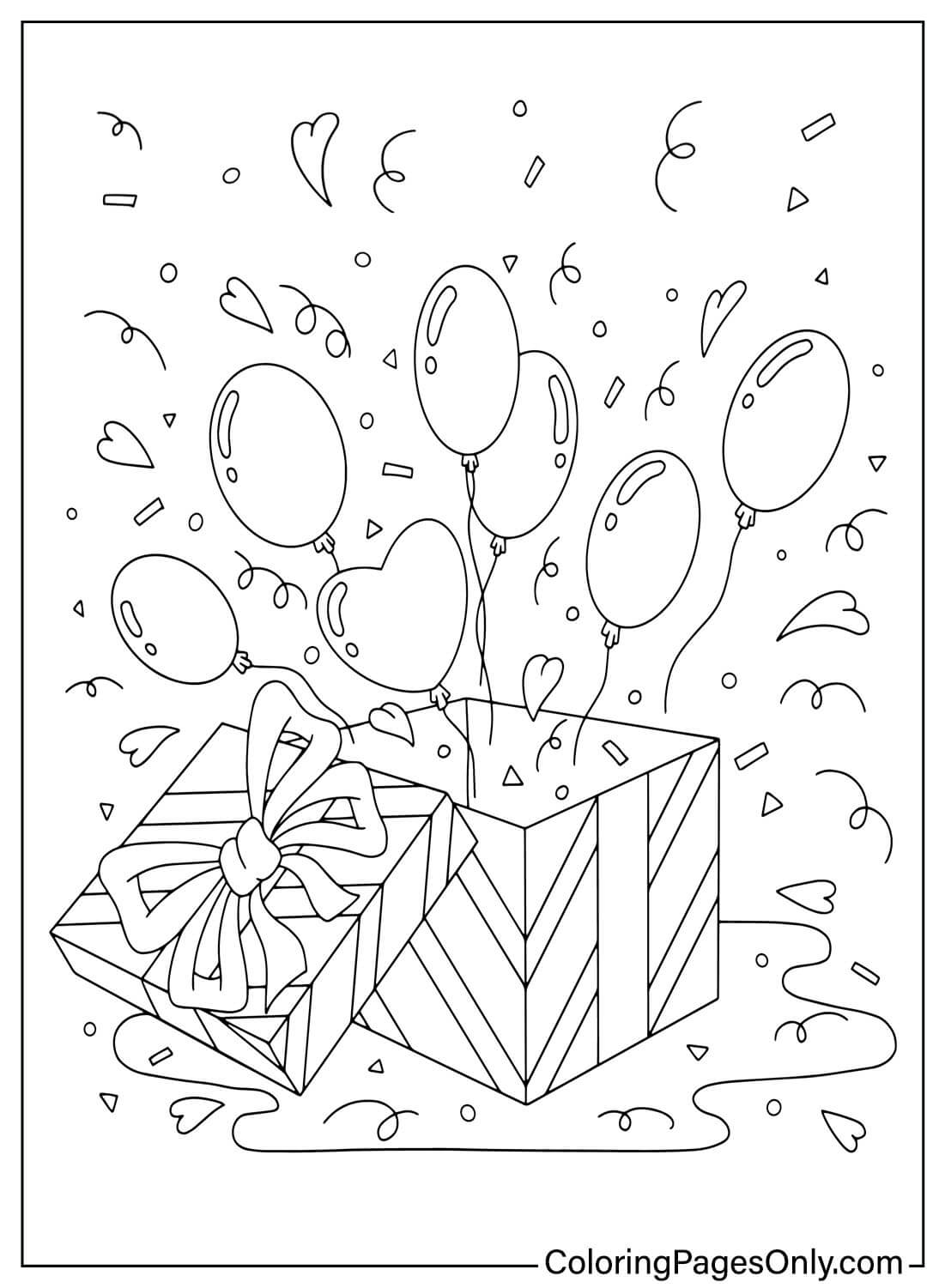
A smaller group ties the balloons directly to an occasion, including birthday scenes, a gift box, and a Valentine-style envelope. These suit color choices matched to the occasion: warm reds and pinks for the Valentine page, bright primary colors for a general birthday scene.
Named Character References
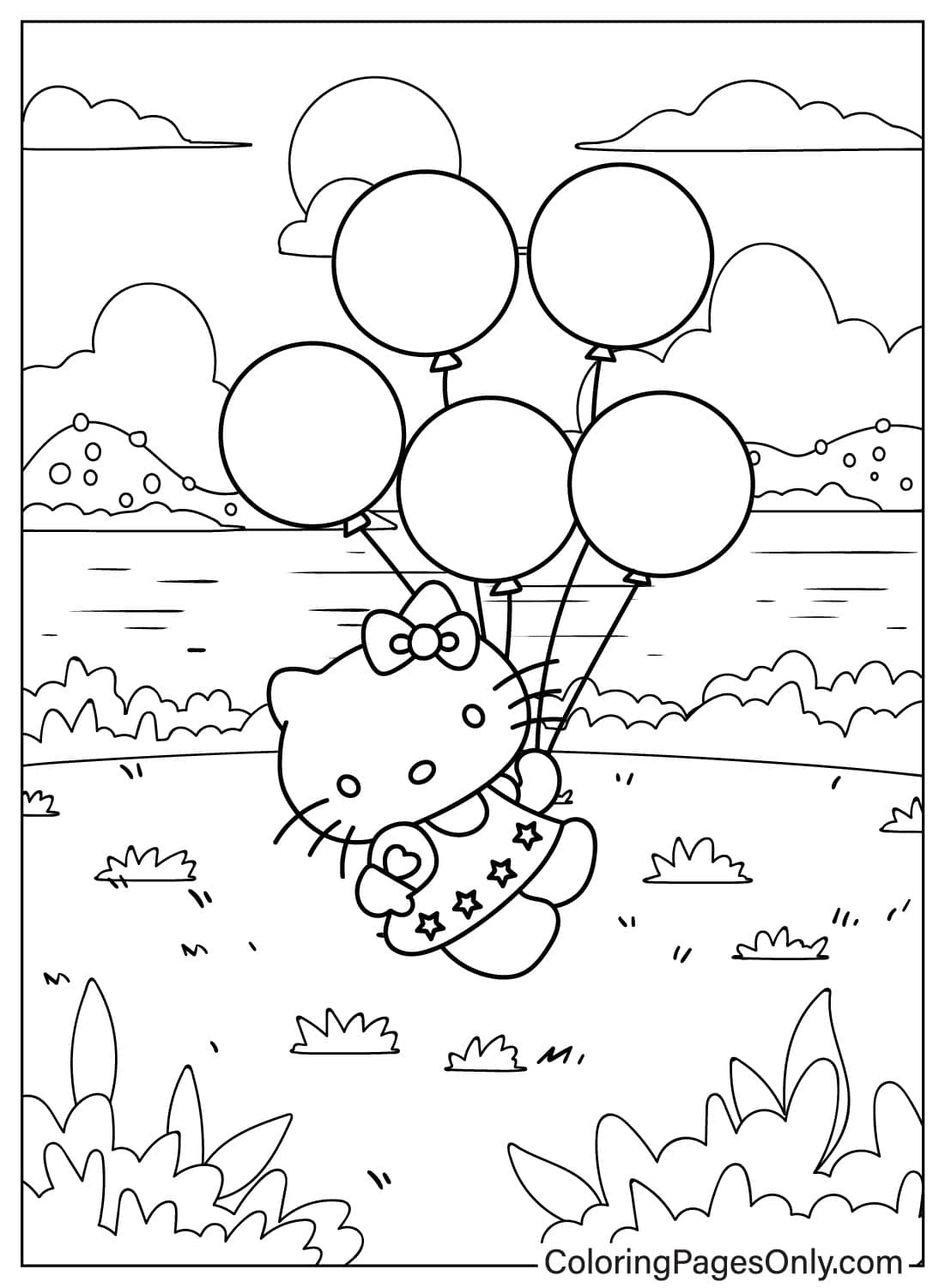
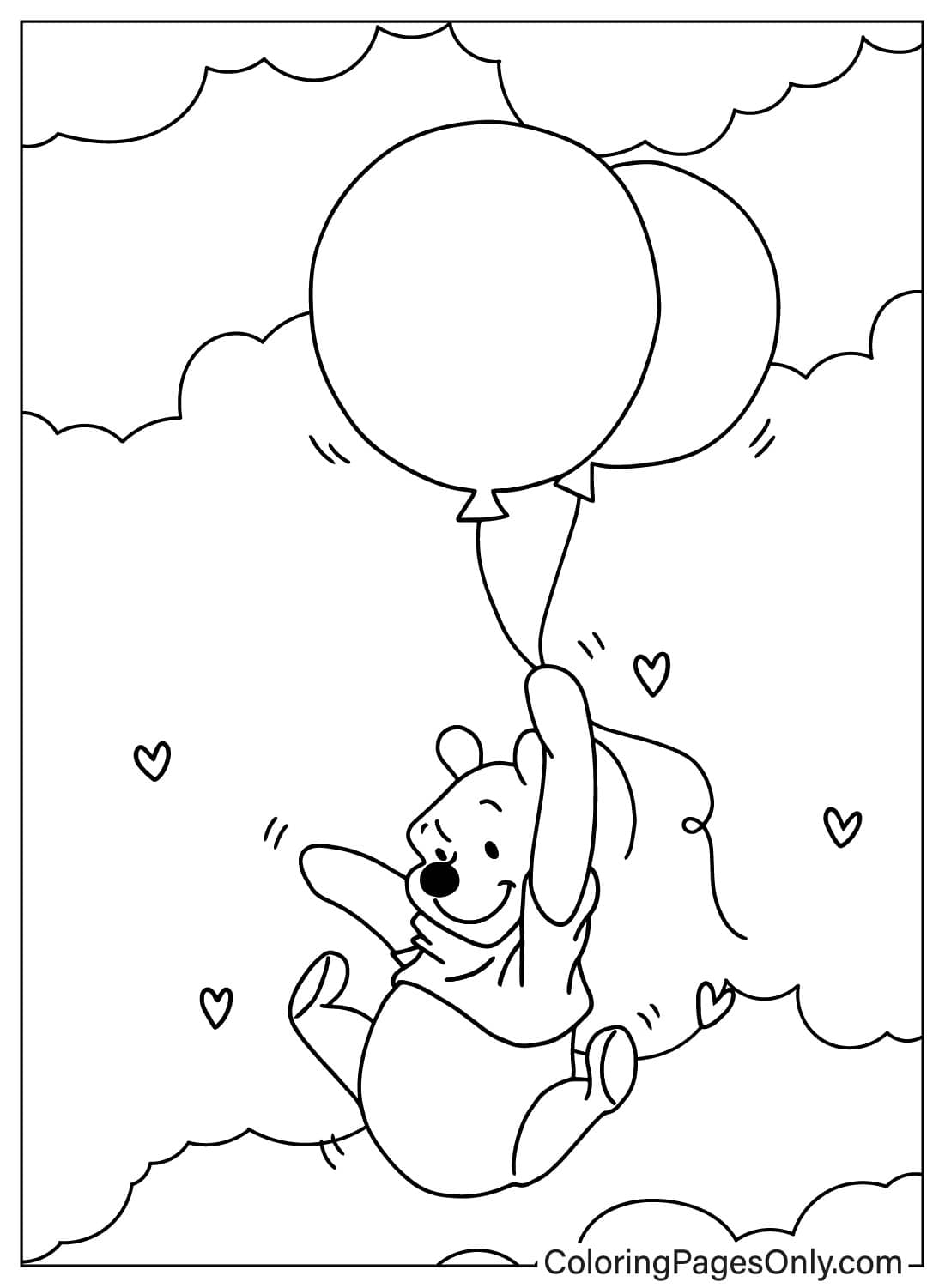
Two pages reference specific licensed characters rather than a generic animal or figure. These are addressed honestly in the FAQ rather than treated as original designs.
What Balloon Coloring Pages Do
Fine motor development through consistent round shapes. The American Academy of Pediatrics identifies fine motor skill development as a core benefit of structured coloring for children ages 2 through 7. A page full of balloons gives that practice a repeated round shape to work through multiple times on a single page, along with the thin curved strings that ask for a steadier line than the balloons themselves.
A real invention with a specific, verifiable history. Unlike many decorative objects, the balloon traces back to a documented moment, Michael Faraday’s 1824 hydrogen experiments, followed by Thomas Hancock’s early toy kits and Neil Tillotson’s 1931 modern latex design. Coloring a balloon page connects to that real history rather than a generic party prop with no origin story.
Calm, repetitive shading through gradient practice. A 2005 study in the Art Therapy Journal documented measurable reductions in anxiety following structured coloring sessions, and shading a single balloon from a darker base to a lighter highlight calls for the same slow, deliberate blending that the study associated with that calming effect, especially across a page with many balloons to work through one at a time.
One shape is connected to an unusually wide range of occasions. Because this collection ties balloons to birthdays, Valentine’s-style scenes, general gift-giving, and simply floating for fun, it gives colorists a chance to see how a single, simple object gets reused across very different moments, rather than being tied to just one holiday or event.
How to Color These Pages Well
- Balloon gradients: Shade each balloon from a darker tone near the tie at the bottom to a lighter highlight near the top, since real balloons catch light unevenly across their rounded surface.
- Bunches and groups: Use a genuinely varied palette across a group of balloons, avoiding repeating the same color twice in a row, since real balloon bunches rarely group identical colors.
- Strings: Keep balloon strings a thin, consistent line in Black or Gray, letting the curve of the string suggest gentle movement rather than a perfectly straight line.
- Animal characters: Color the animal in its natural or established palette first, then let the balloons use brighter, more varied colors as a secondary layer.
- Celebration scenes: Match the palette to the occasion, warm Red and Pink for a Valentine-style page, a broader mix of primary colors for a general birthday scene.
- Backgrounds: Keep skies a simple Sky Blue or soft gradient, so the balloons themselves stay the clear visual focus of the page.
5 Creative Craft Ideas With Balloon Coloring Pages
1. Real Balloon Pairing
Color a balloon page, then inflate a real balloon in a closely matching color. Display the colored page next to the real balloon to compare the flat design with the actual object.
2. Balloon Bunting Garland
Color several small balloon designs, cut around each one, and string them together along a piece of ribbon or twine. Hang the finished garland as a simple party decoration.
3. Birthday Card Topper
Color a balloon bunch page, trim it down, and glue it to the front of a folded birthday card as a decorative topper. Write a birthday message inside to finish the card.
4. Balloon Animal Match Game
Color several of the animal-with-balloon pages, cut them into cards, and use them for a simple matching game, pairing each animal with the correct balloon colors from its own page.
5. Photo Booth Backdrop
Color one of the larger balloon bunch or confetti pages and mount it on cardstock or poster board. Use the finished piece as a simple backdrop for pretend or real photos at a party.
Frequently Asked Questions
What are balloon coloring pages?
A free set of 30 printable PDF and online coloring designs covering solo balloon bunches, animals holding balloons, and celebration scenes. Every page downloads free or opens for online coloring, with no account required.
Who invented the balloon?
Michael Faraday made the first rubber balloon in 1824 for his hydrogen experiments at the Royal Institution in London. Toy versions followed the next year, and the modern latex party balloon most people recognize today was introduced by Neil Tillotson in 1931.
Are the Hello Kitty and Pooh Bear pages part of their official franchises?
No. Those pages are fan-made designs referencing the general look of each well-known character. They are not affiliated with, licensed by, or endorsed by Sanrio, Disney, or the respective rights holders of either character.
What animals appear with balloons in this collection?
The set includes a bear, cat, elephant, hippo, unicorn, and rabbit, each shown holding, flying with, or playing near a group of balloons.
What occasions are represented in this collection?
The set includes general birthday scenes, a gift box page, and a Valentine-style envelope design, alongside plenty of pages that keep the focus purely on the balloons themselves without tying them to a specific event.
Are balloon coloring pages appropriate for young children?
Yes. The simple solo balloon and bunch designs suit toddlers and preschoolers, while the more detailed animal and celebration scenes work well for older children who want more to color.
Can this collection be used for a real birthday party?
Yes. Several pages work well as printable party activities or decorations, and a few of the craft ideas in this article turn a colored page into an actual card topper, garland, or photo backdrop.
Can this collection be used for a classroom lesson on inventions?
Yes. The balloon’s documented invention history, from Michael Faraday’s 1824 experiment to Neil Tillotson’s 1931 modern design, pairs well with a simple lesson on how everyday objects were first invented for very different purposes.
Start Coloring
Download any page by clicking the design. No account, email, or payment is required. Pages print directly from the browser at full resolution or open in the online coloring tool for screen use. Share finished pages on Facebook or Pinterest using the share buttons at the top of each design page.