
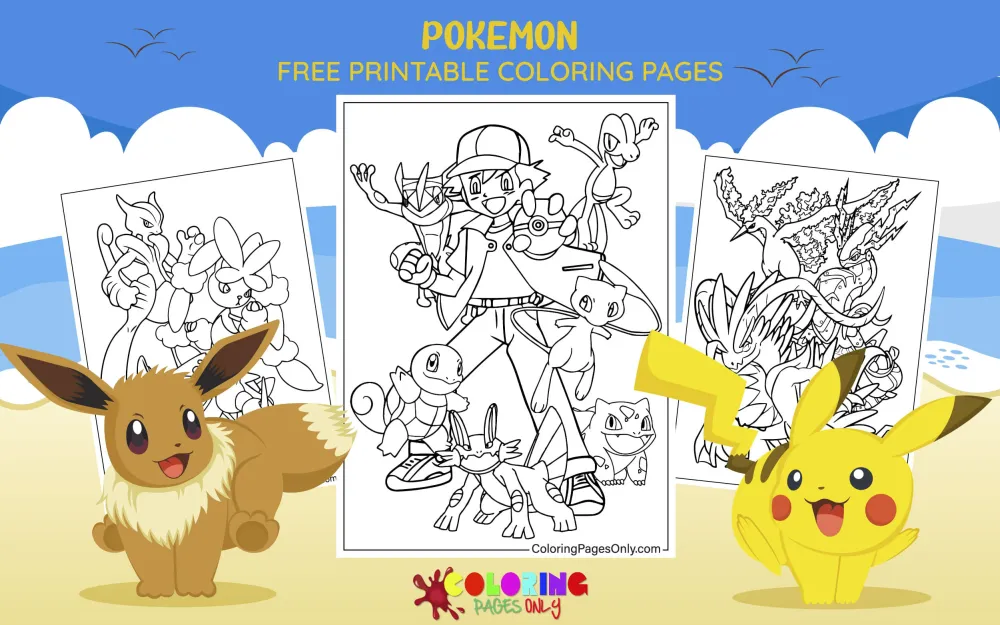
Pokemon coloring pages at ColoringPagesOnly.com is the largest single collection on the site, 3,239 pages across 115 sub-collections covering the full Pokemon universe: the iconic starter Pokemon from every generation, individual Pokemon from Kanto through Paldea, the Legendary and Mythical Pokemon that define each game’s story climax, the Trainers and human characters from the anime across its 25-plus years of broadcast, Mega Evolutions, Pokemon card art designs, and the Eevee evolution family that has become its own dedicated collecting culture within Pokemon fandom. The full Cartoons collection on this site is available through the Cartoons Coloring Pages hub. Every page is free to download as a PDF and print, or color online in the browser.




About Pokemon
Pokemon (Pocket Monsters) is a media franchise created by Satoshi Tajiri and Ken Sugimori, developed by Game Freak, and published by Nintendo. The first games, Pocket Monsters Red and Green, were released in Japan on February 27, 1996, a date now celebrated annually as Pokemon Day. The international release of Pokemon Red and Blue followed in September 1998. The Pokemon anime series premiered in Japan on April 1, 1997, and ran for over 1,200 episodes following protagonist Ash Ketchum before concluding his story in January 2023 and transitioning to a new protagonist pair, Liko and Roy, in Pokemon Horizons: The Series.
The franchise has released nine generations of mainline games as of 2024, from the original Kanto region games through Pokemon Scarlet and Violet (2022), which introduced the Paldea region. The total number of Pokemon species reached 1,025 with the Indigo Disk DLC for Scarlet and Violet. Pokemon is the highest-grossing media franchise in history, with cumulative revenue across games, merchandise, the trading card game, and other media estimated at over $147 billion, exceeding Star Wars and the Marvel Cinematic Universe.
The Pokemon Trading Card Game, launched in 1996 in Japan and 1998 internationally, has printed over 43 billion cards and maintains an active competitive scene and secondary market. The Pokemon card pages in this collection draw from the trading card game’s art style.
What’s in This Collection
The Starter Pokemon, Most Searched
The three original Kanto starters from Generation 1 are the most-searched Pokemon coloring subjects on the site and have the deepest individual coverage in this collection.
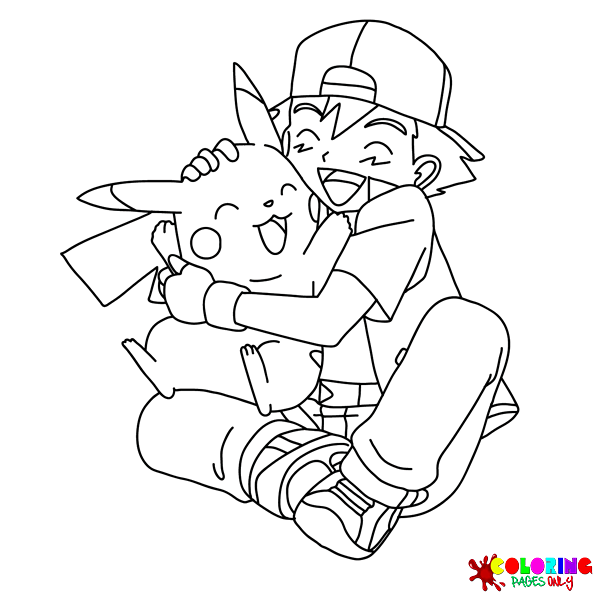
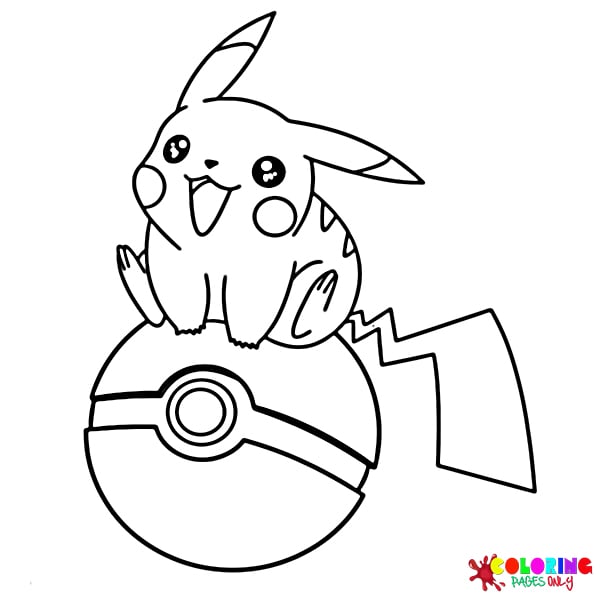
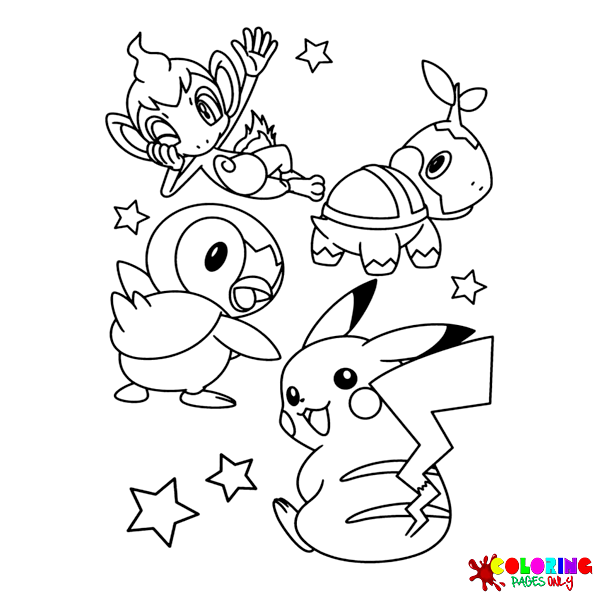
Pikachu is Pokemon’s global mascot, the Electric-type Mouse Pokemon that appears on every piece of official franchise branding and served as Ash’s iconic companion throughout the original anime. Pikachu pages are the simplest and most accessible in the collection, making them the standard first choice for young children.
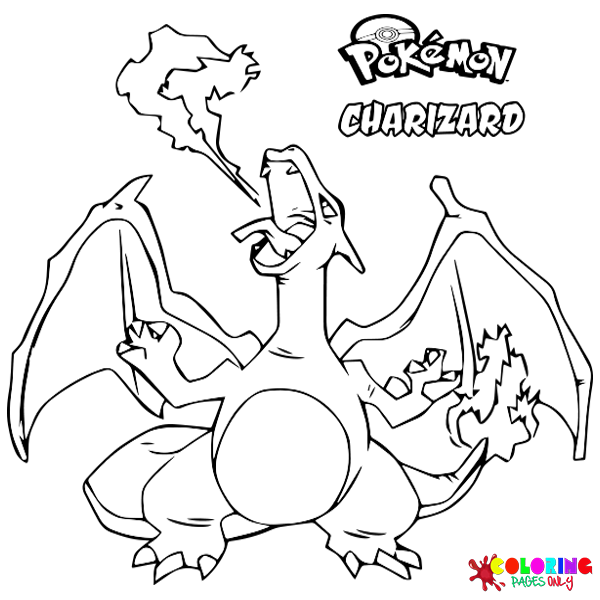
Charizard is the fully evolved form of Charmander, a large, winged, dragon-like Fire and Flying-type Pokemon that has been among the most popular in the franchise since 1996. Charizard pages are more compositionally complex than Pikachu pages, appealing most strongly to older children and adult fans.
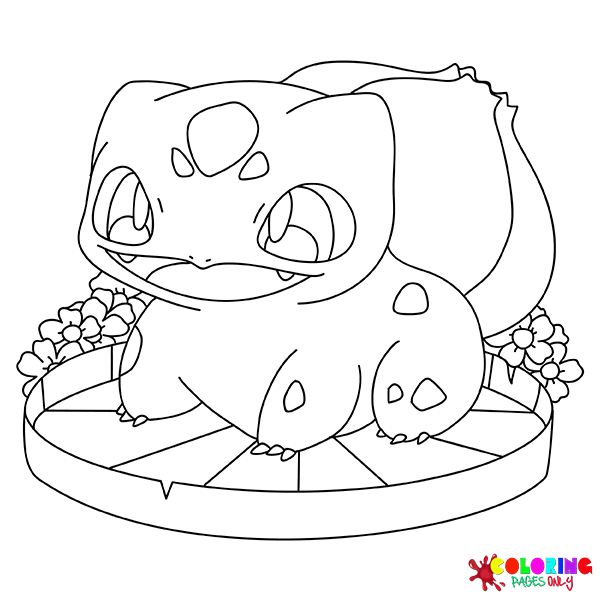
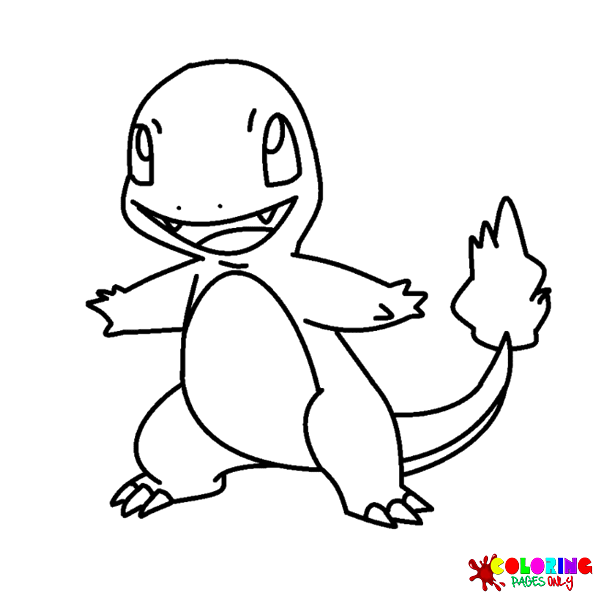
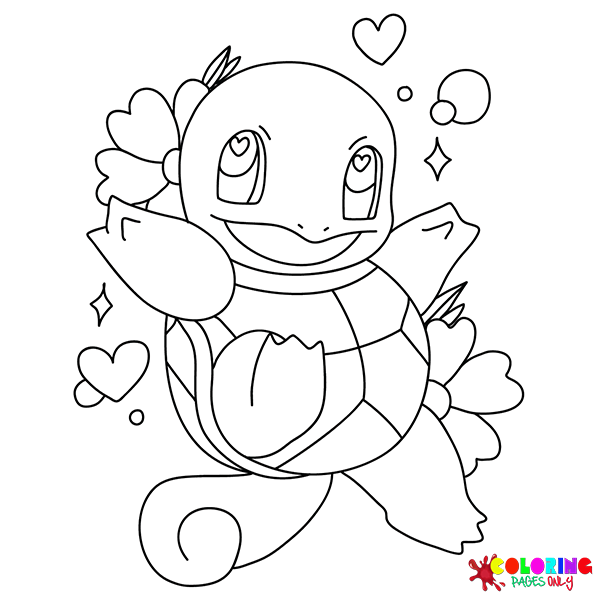
Charmander is the first-stage Fire-type starter from Kanto, a small, bipedal orange lizard with a flame burning at the tip of its tail. Bulbasaur is the Grass and Poison-type starter, a blue-green quadruped with a seed bulb growing on its back. Squirtle is the Water-type starter, a small blue turtle with a curled tail shell. Together, Charmander, Bulbasaur, and Squirtle constitute the original starter trio that players first chose from in 1996.
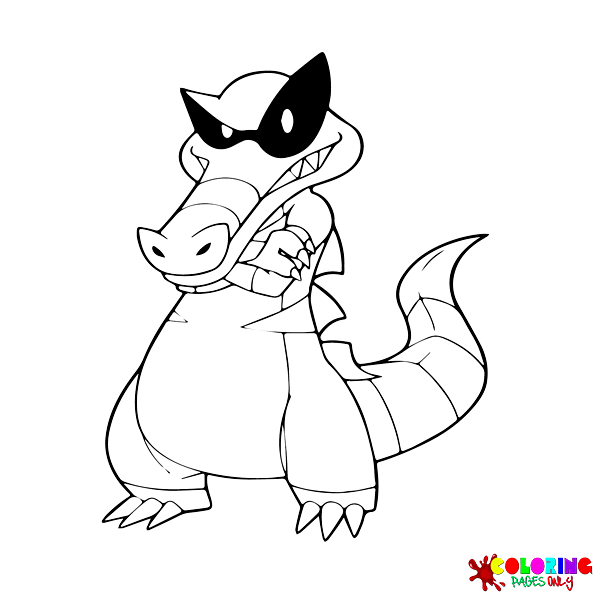
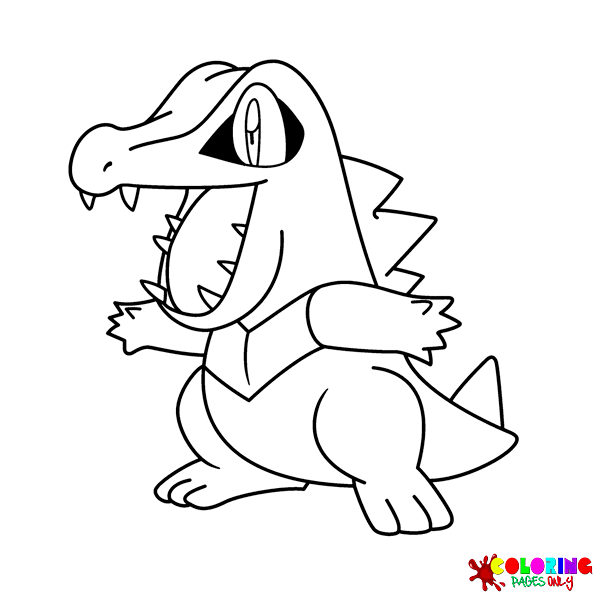
Totodile brings a Generation 2 Johto starter into the collection, the Water-type starter, a blue crocodile with a red ridge along its back.
Fan Favorites with Deep Coverage
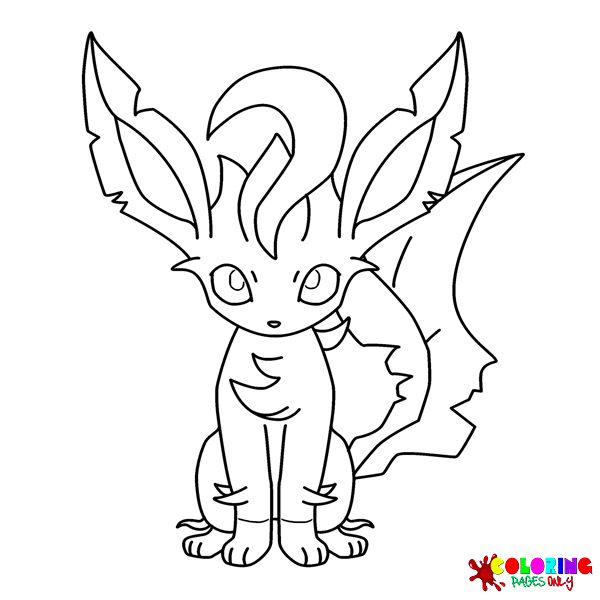
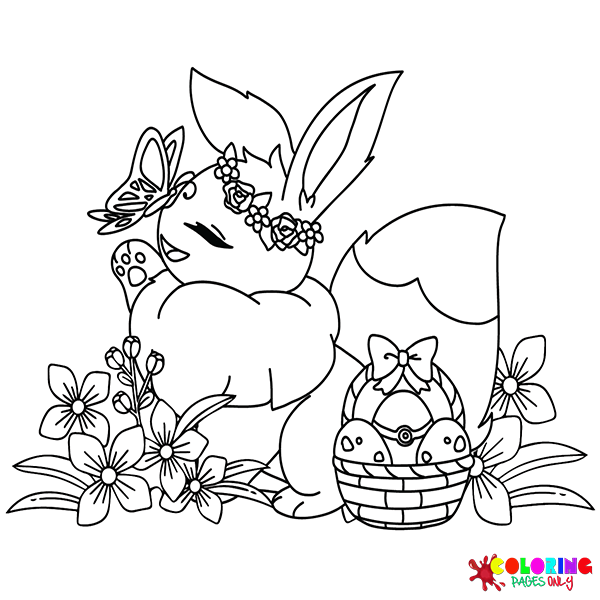
Eevee is the Normal-type Evolution Pokemon and one of the most beloved characters in the franchise, a small, fox-like Pokemon with a cream-colored ruff and tail tip, brown body, and large, expressive eyes. Eevee’s extraordinary popularity comes largely from its eight different final evolutions, each corresponding to a different Pokemon type. Leafeon, the Grass-type Eevee evolution rendered in warm spring green with leaf-shaped tail and ear tips, is the Eevee-family member with dedicated coverage in this collection.
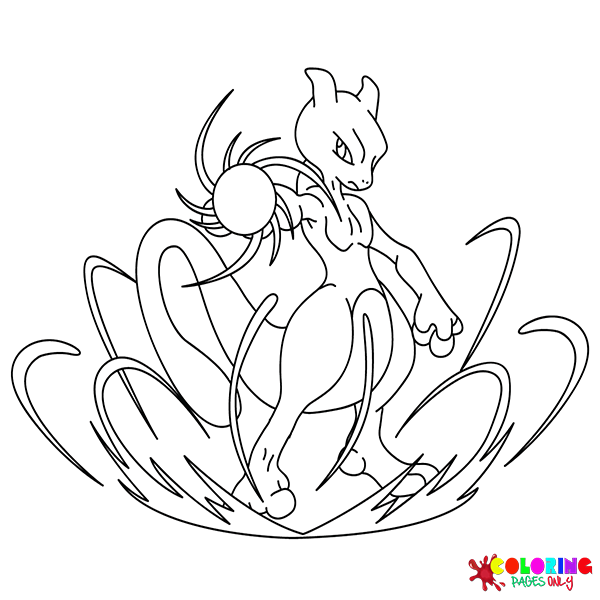
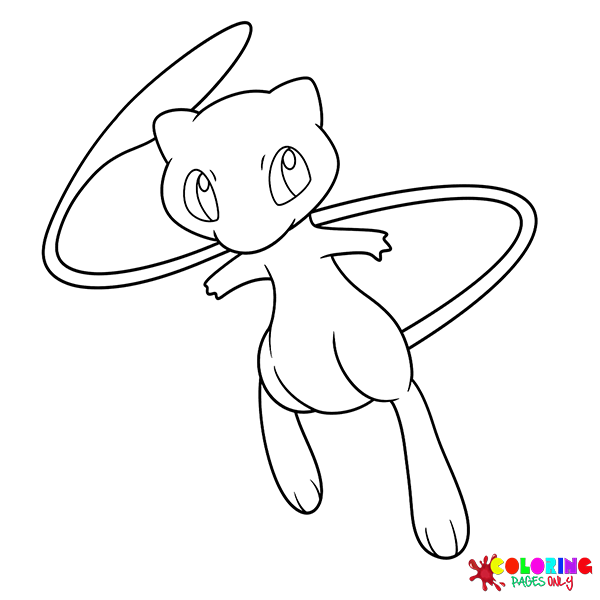
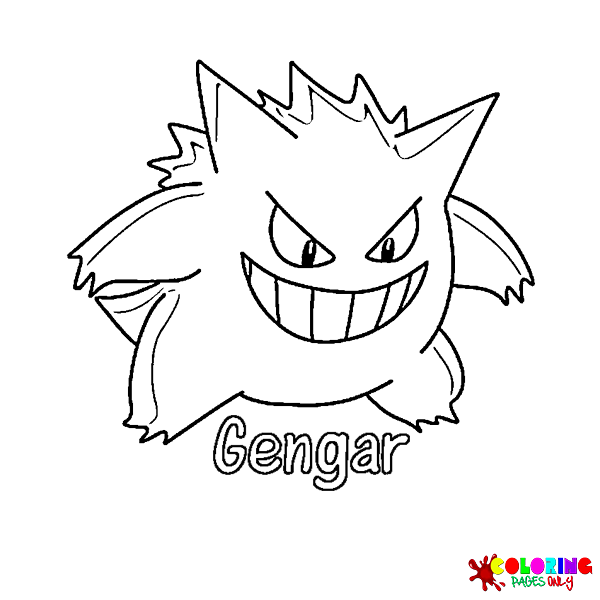
Gengar is the Shadow Pokemon, a Ghost and Poison-type that has been one of the franchise’s most popular characters since Generation 1. Mewtwo is the Psychic-type Genetic Pokemon, the climactic Legendary of the original Kanto games, genetically engineered from the DNA of Mew. Mew is the Mythical Psychic-type, a small, pink, cat-like Pokemon considered the ancestor of all modern Pokemon species in the game’s lore.
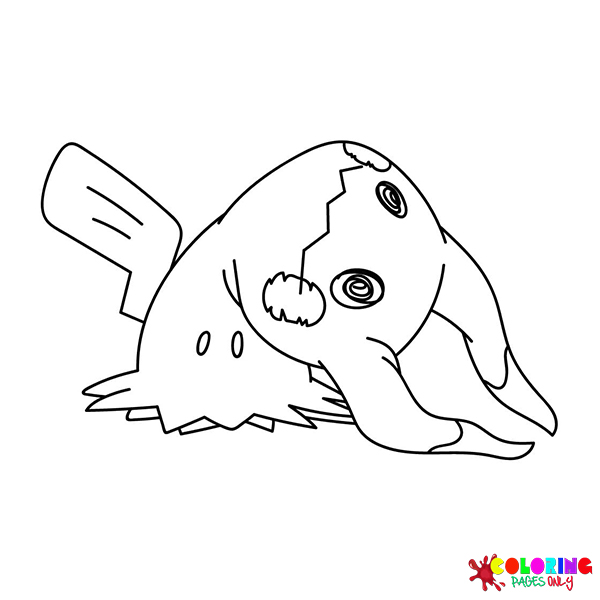
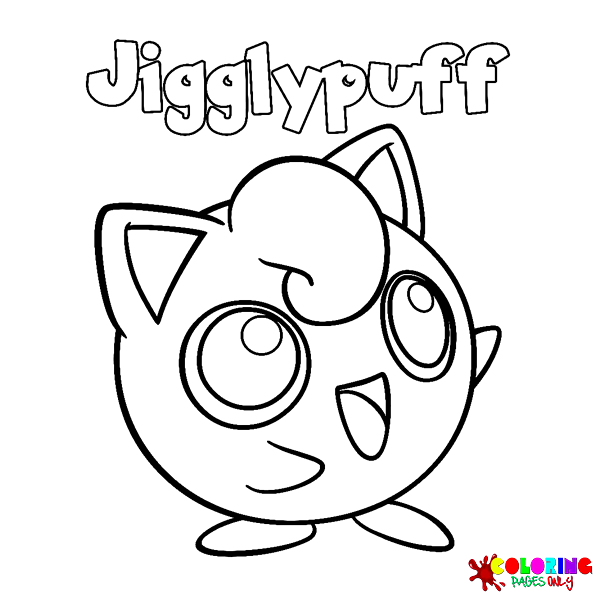
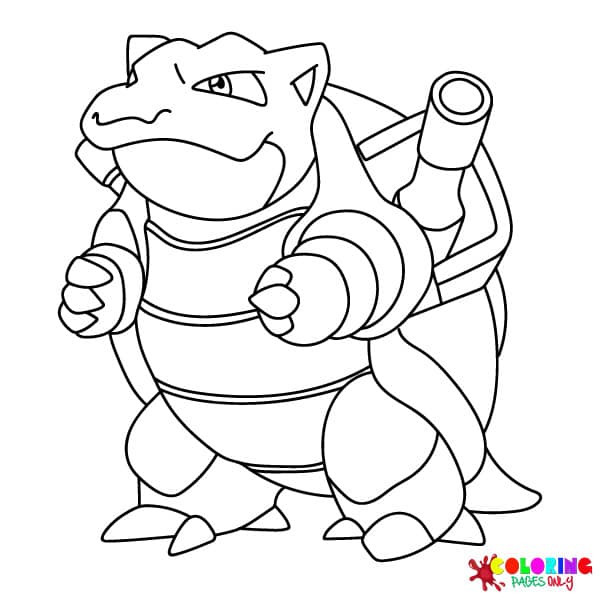
Blastoise is Squirtle’s final evolution, a large, heavily built blue turtle with two water cannons mounted on its shell. Jigglypuff is the round, pink, song-singing Normal and Fairy-type Pokemon. Mimikyu is the Ghost and Fairy-type Disguise Pokemon from Generation 7, hiding its true form beneath a hand-drawn Pikachu costume.
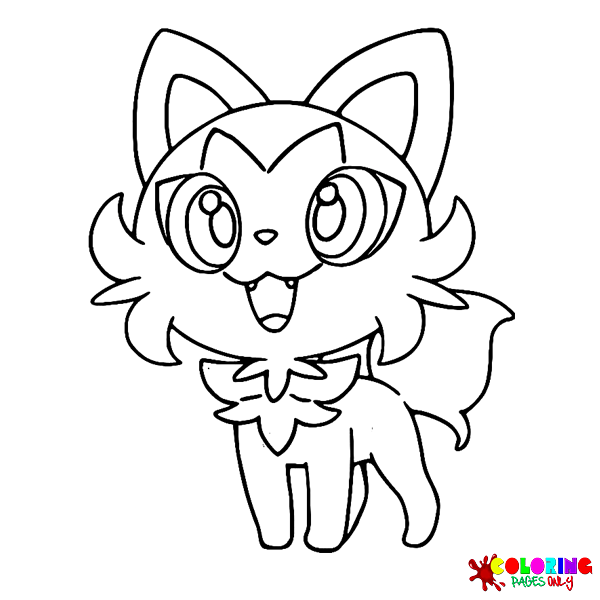
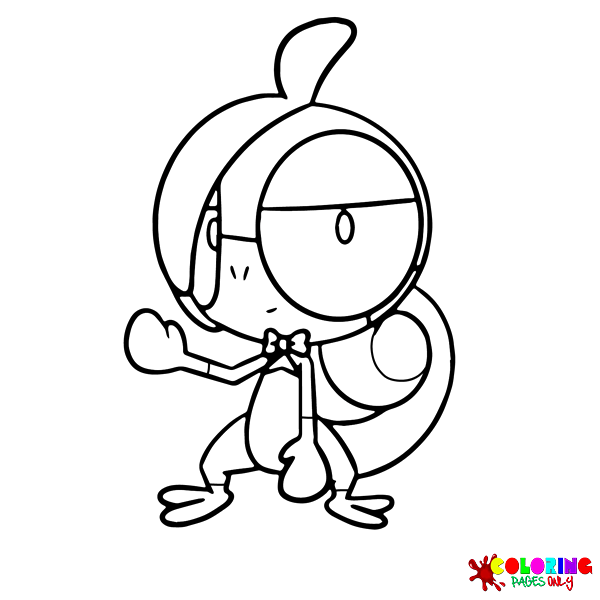
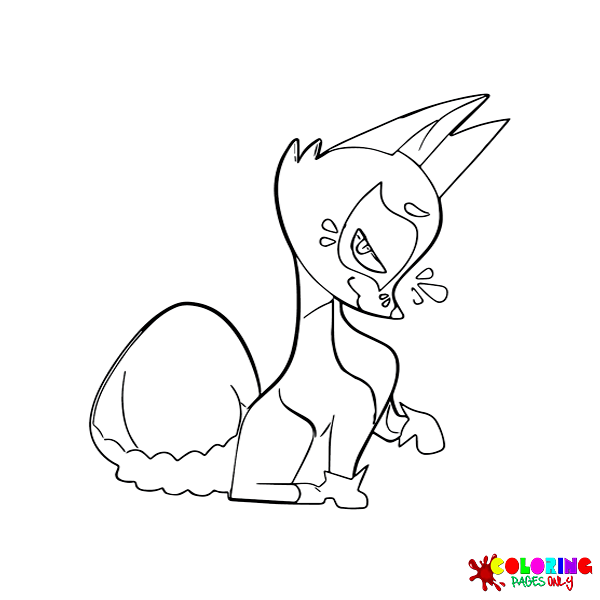
Sprigatito is the Grass-type Cat Pokemon starter from Pokemon Scarlet and Violet (Generation 9, Paldea region), a small green cat with a distinctive flower-like patterning on its face.
Legendary and Mythical Pokemon
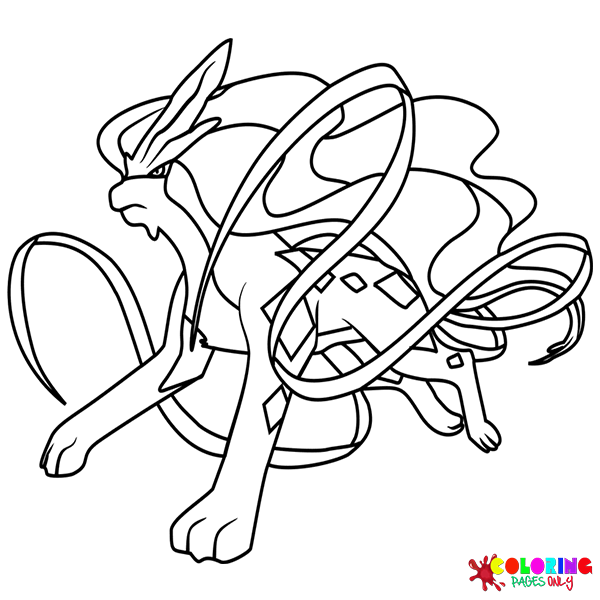
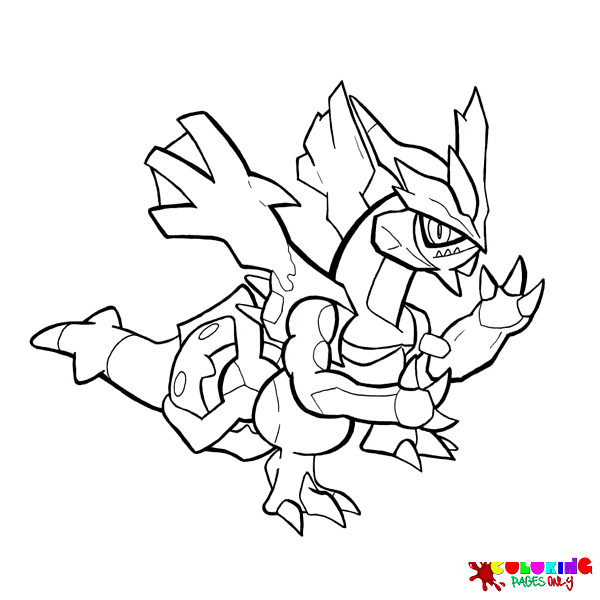
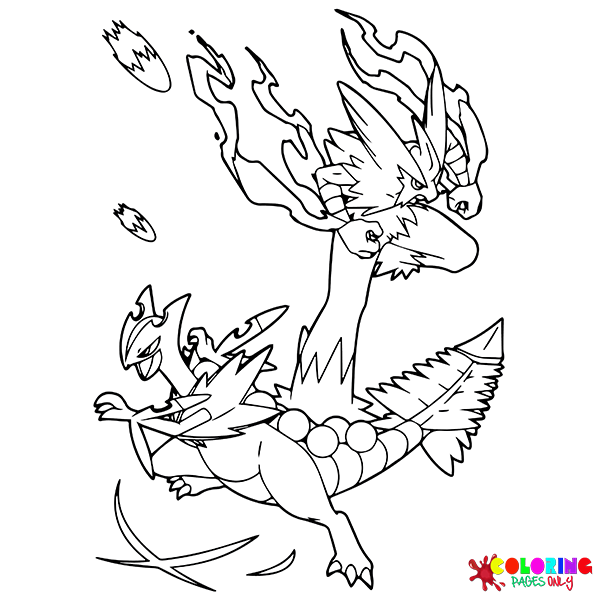
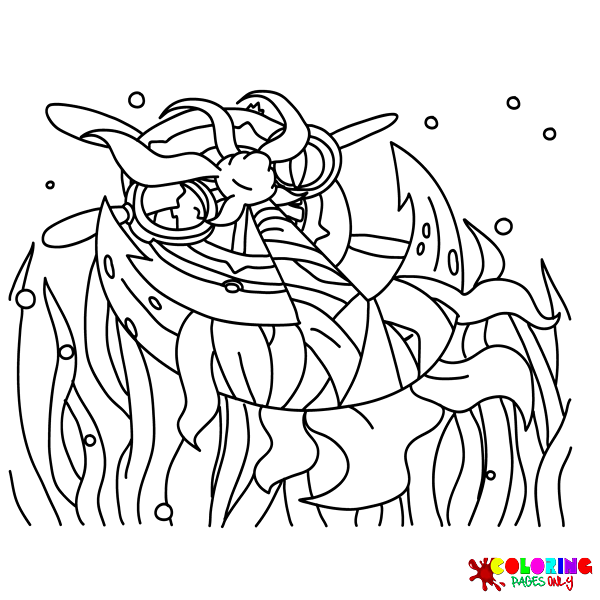
Legendary Pokemon is the dedicated sub-collection covering the powerful, rare Pokemon that form the narrative centerpiece of each mainline game, including the box Legendaries from each generation and other rare story-significant Pokemon like the legendary birds, the legendary beasts, and generation-defining Legendaries such as Kyogre, Groudon, and Rayquaza. Kyurem, the Boundary Pokemon from Generation 5 Unova, an Ice and Dragon-type legendary with a distinctive angular, crystalline form, has a dedicated page in the collection. Mega Pokemon covers the Mega Evolution forms introduced in Pokemon X and Y (Generation 6), which temporarily transform certain Pokemon into more powerful versions with altered designs.
The Pokemon Card Collection
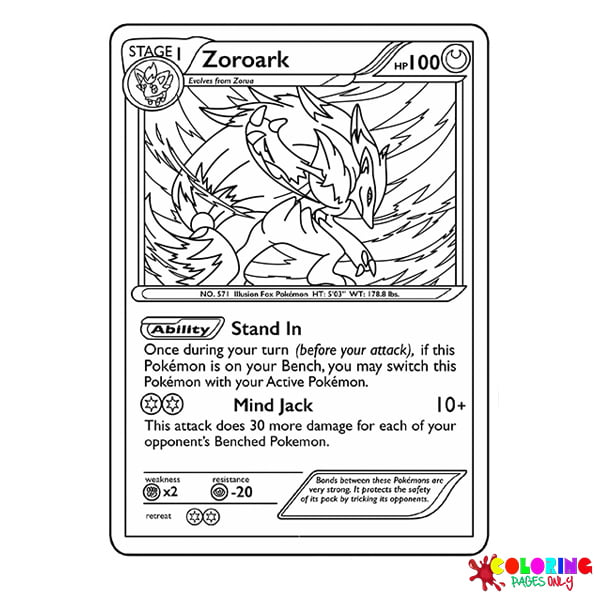
Pokemon Card is one of the most distinctive sub-collections in the hub, pages formatted in the trading card game’s visual style, with individual Pokemon depicted in the pose and presentation they appear on TCG cards.
Trainers and Human Characters
The collection covers the full roster of human characters from the Pokemon anime across its complete run, organized by series era.
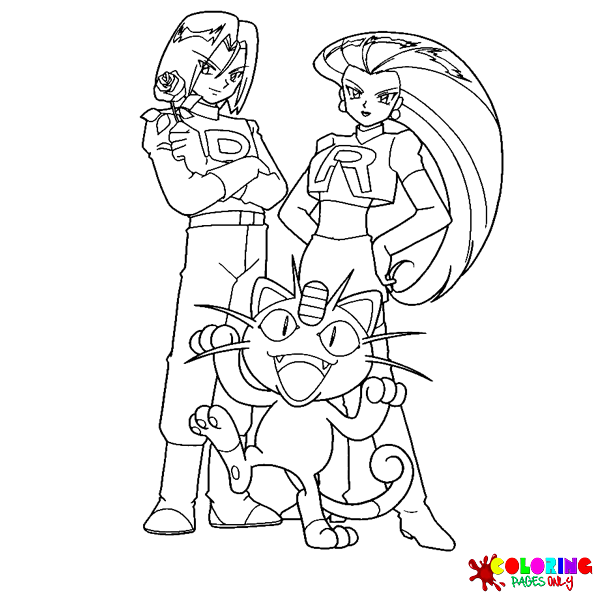
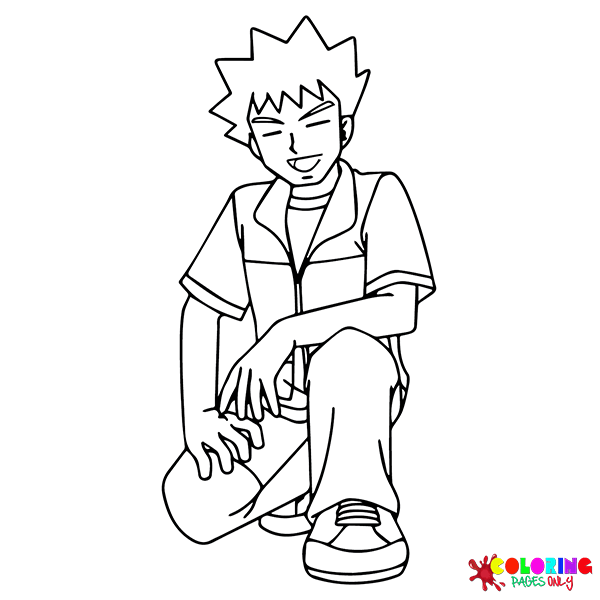
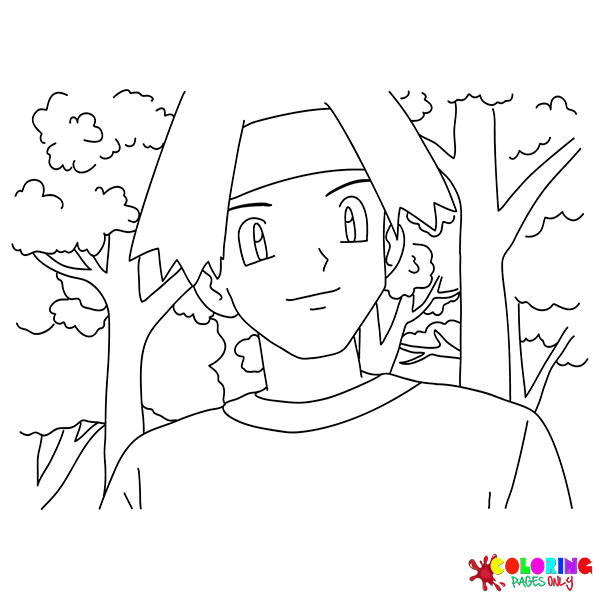
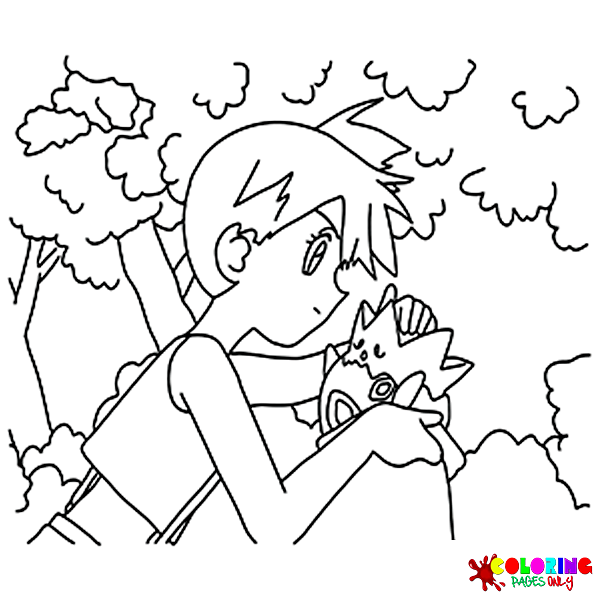
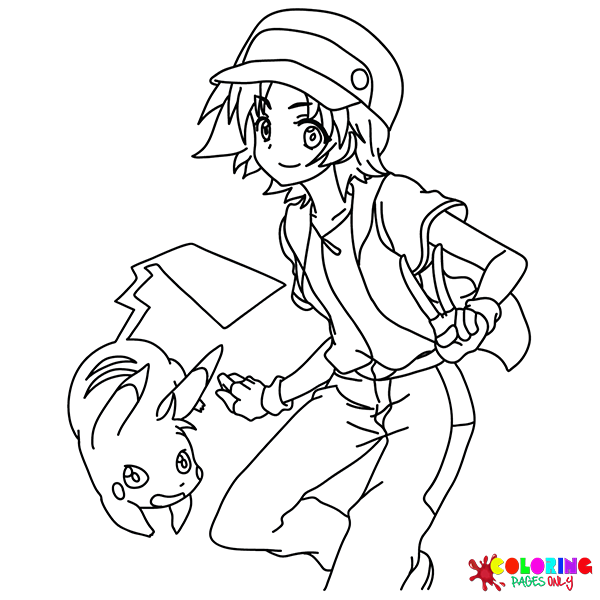
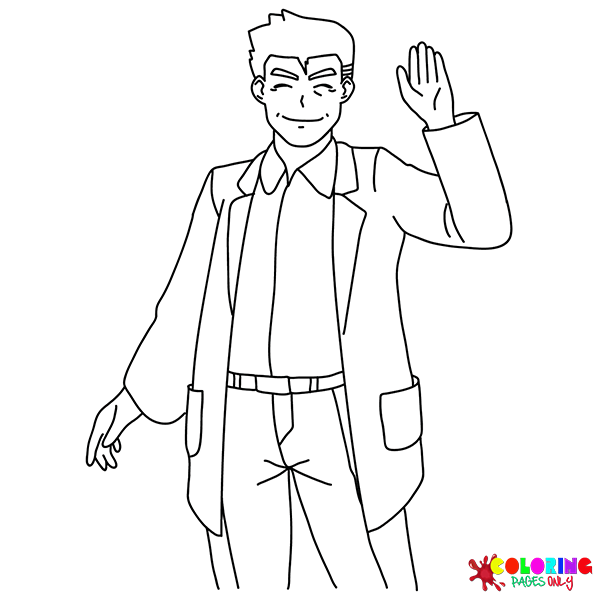
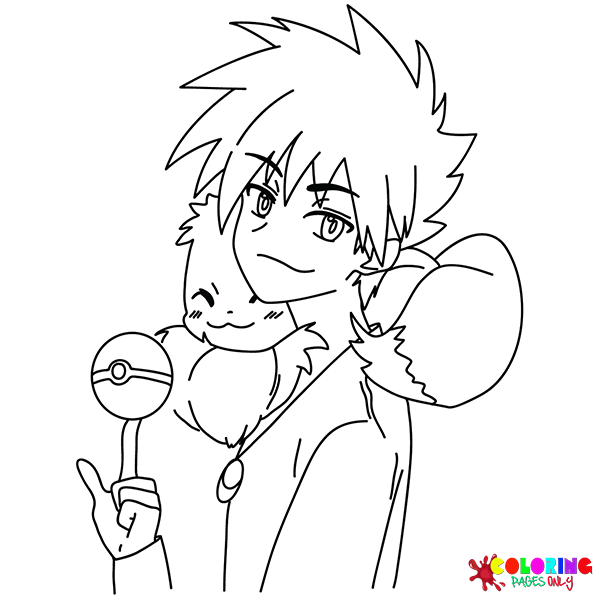
The original series trainers: Ash Ketchum (the protagonist of the anime’s first 25 seasons), Misty (the Water-type Gym Leader and Ash’s original companion), Brock (the Rock-type Gym Leader and recurring companion), Professor Oak (the Kanto region’s Pokemon researcher), Gary Oak (Ash’s rival), Ritchie (Ash’s occasional friend and rival from the Indigo League arc), and Tracey Sketchit (the Pokemon Watcher who joined Ash and Misty during the Orange Islands arc). Team Rocket, Jessie, James, and Meowth are among the most beloved recurring characters in the entire anime franchise.
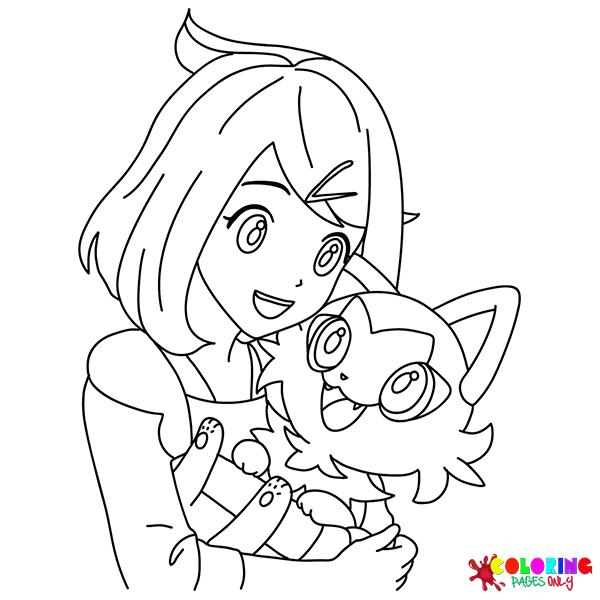
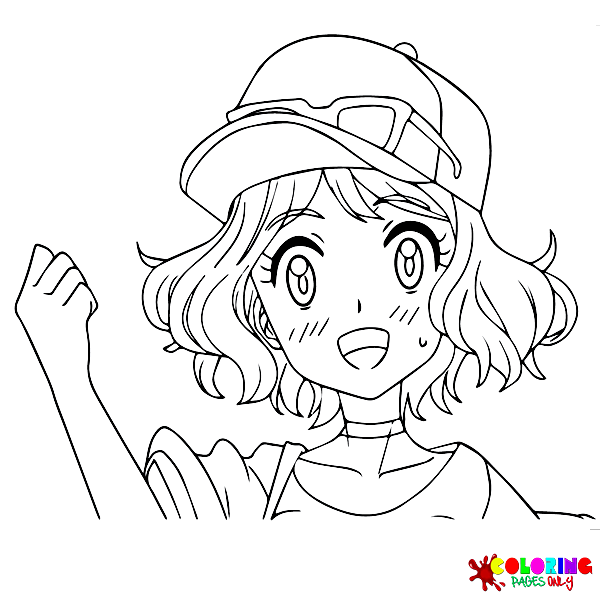
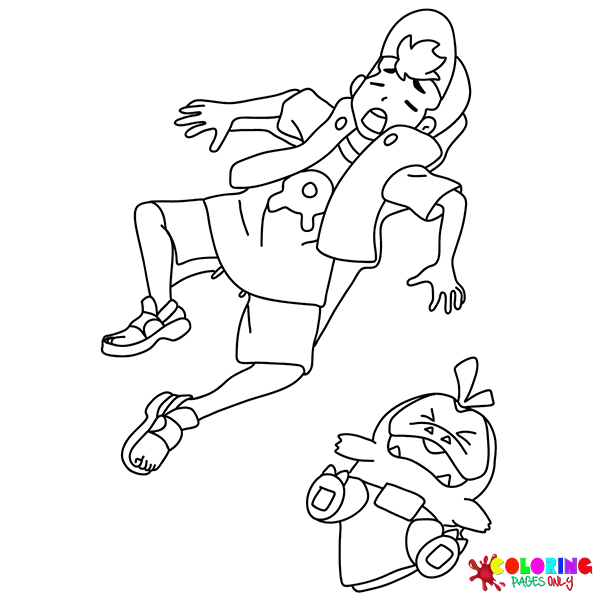
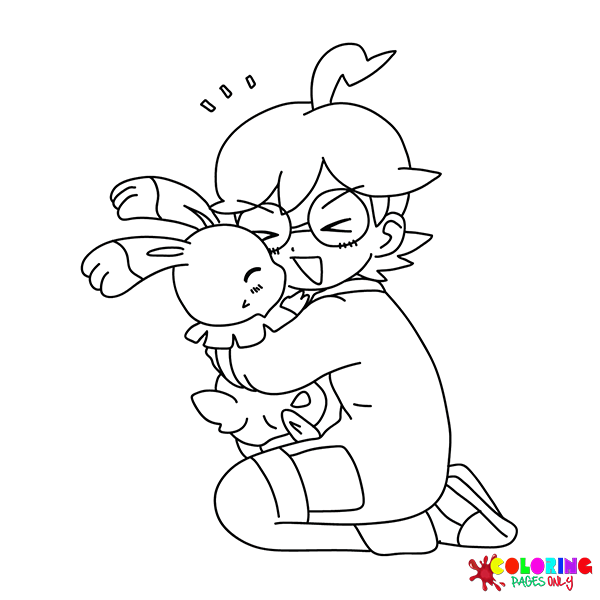
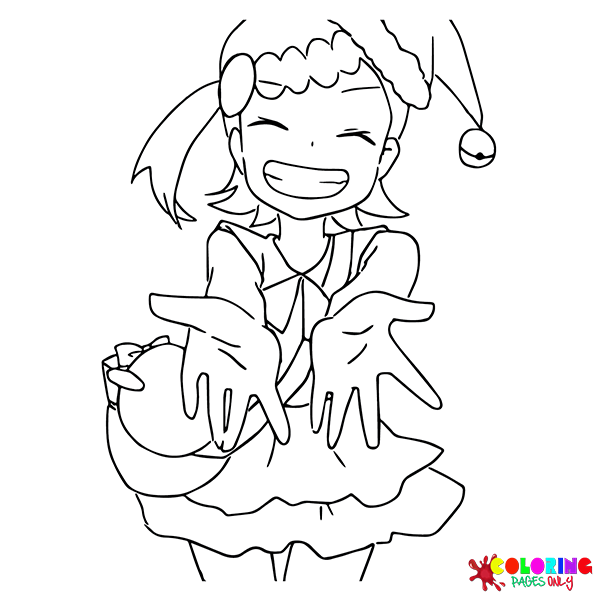
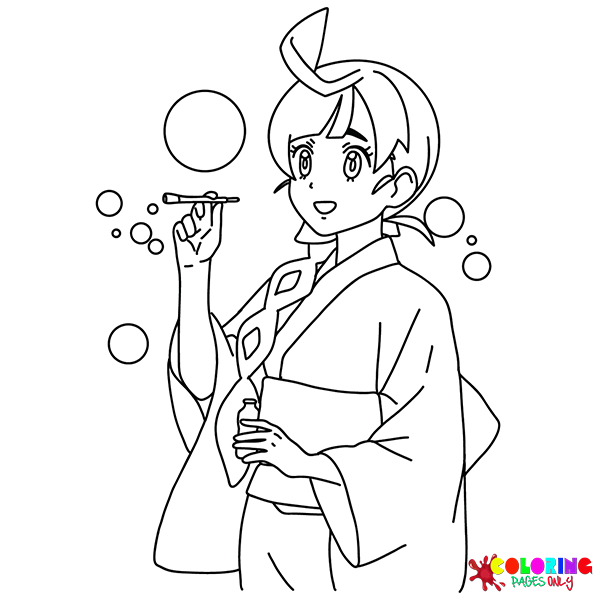
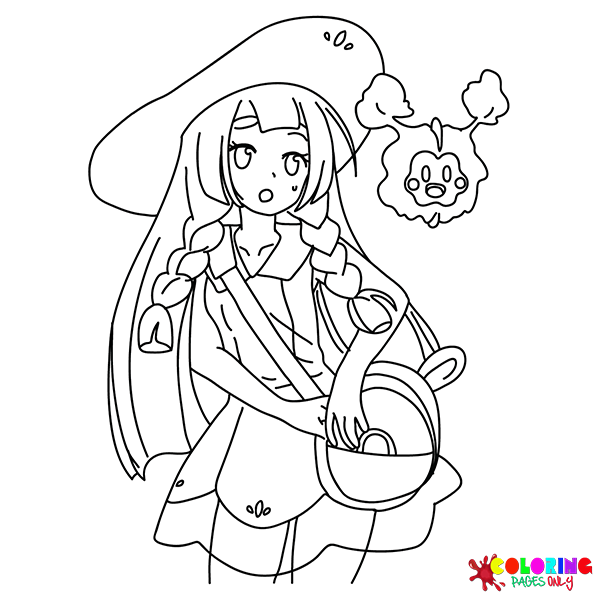
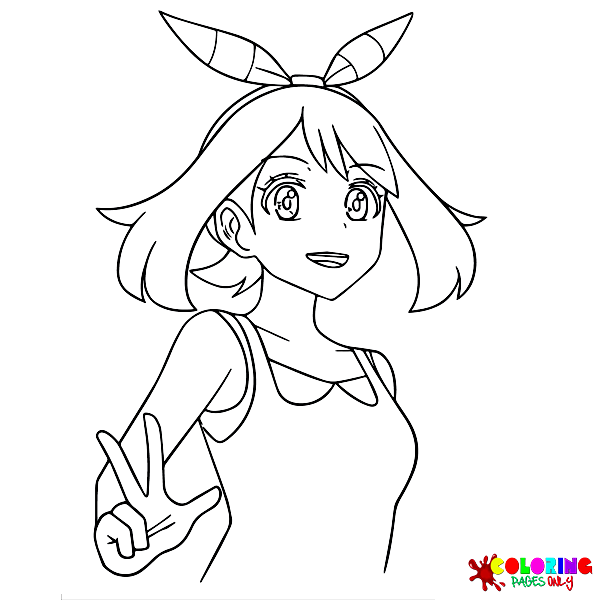
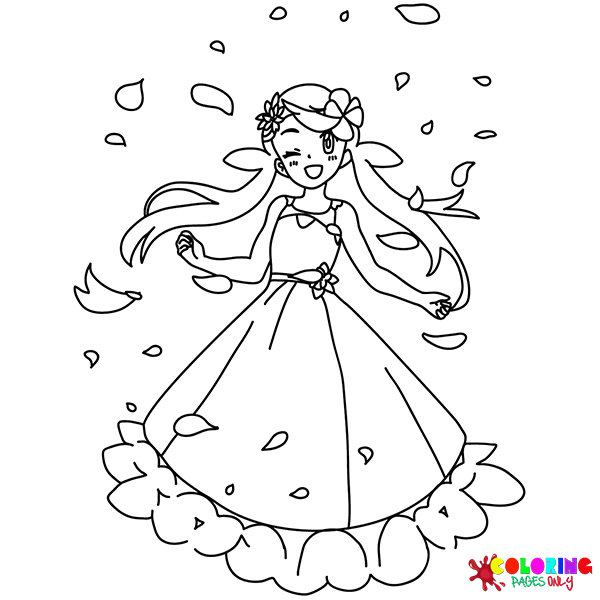
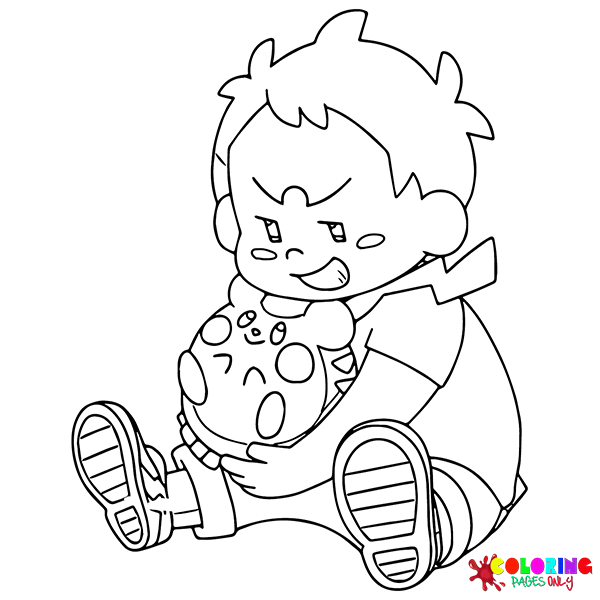
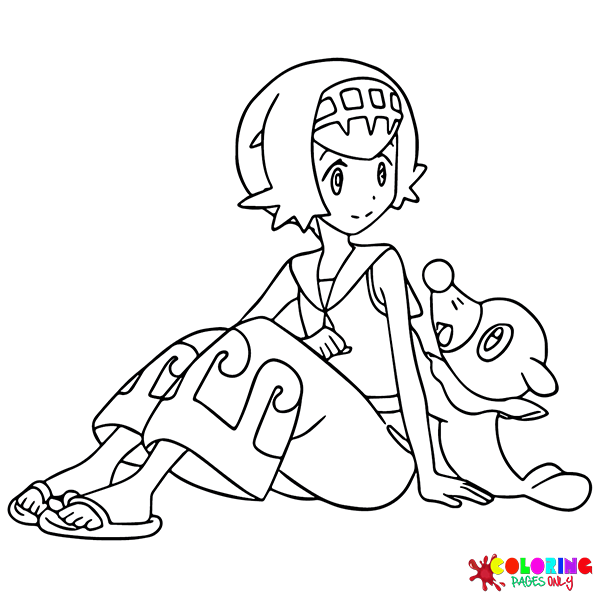
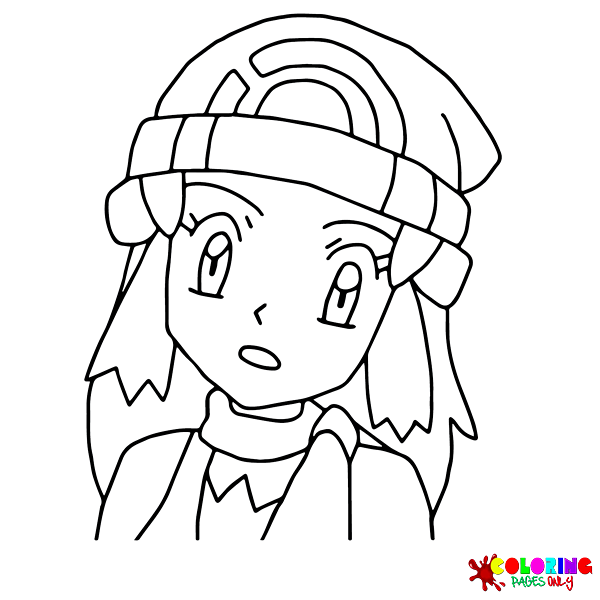
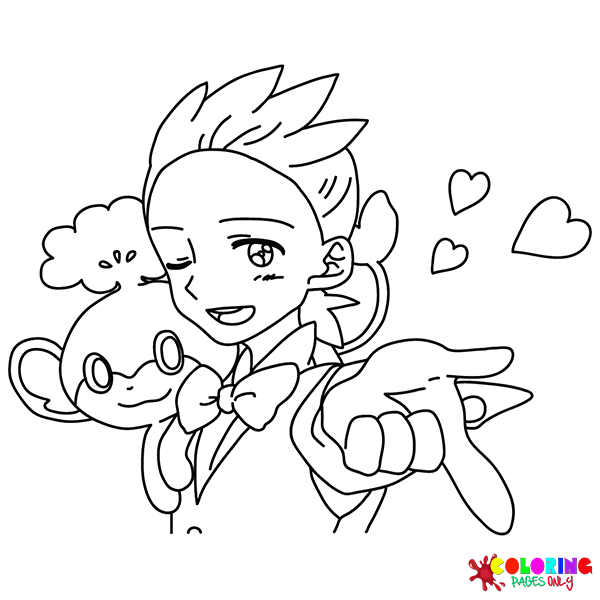
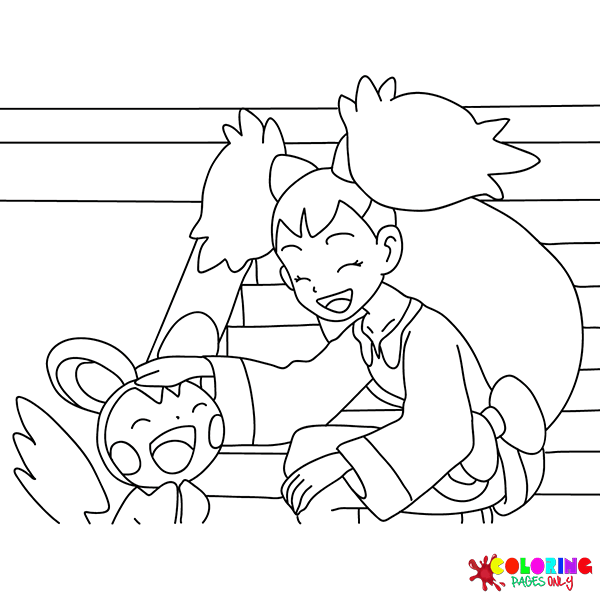
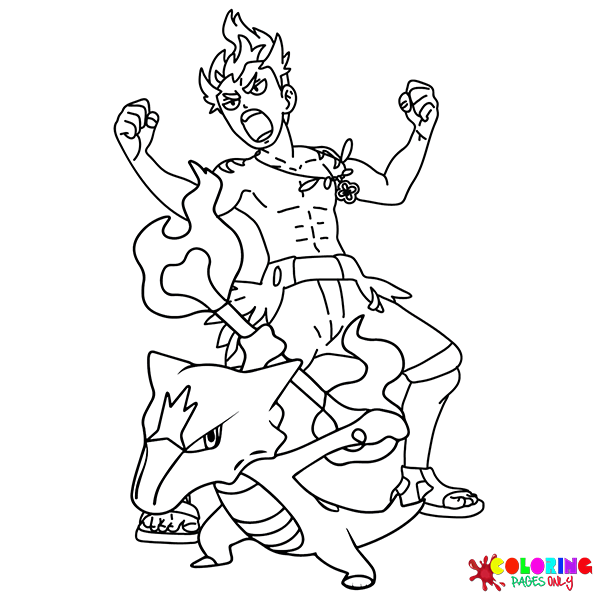
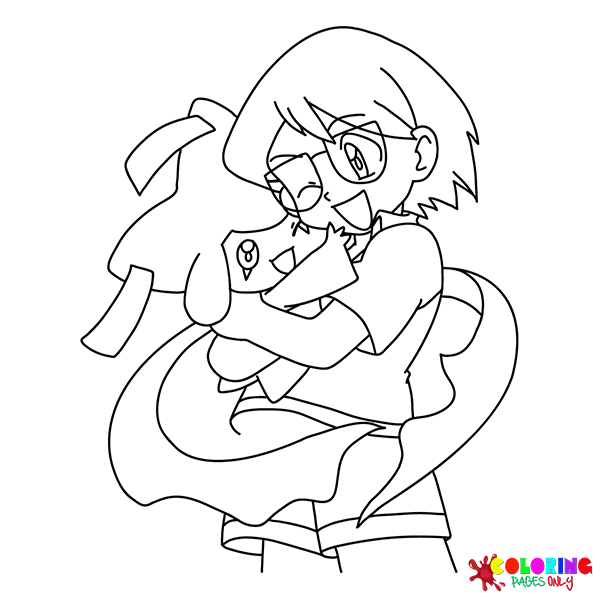
The Advanced Generation companions: May and Max, the siblings who traveled with Ash through Hoenn. The Diamond and Pearl companion: Dawn, the Pokemon Coordinator from Twinleaf Town. The Black and White companions: Iris and Cilan. The XY companions: Serena, Clemont, and Bonnie. The Sun and Moon companions: Lillie, Kiawe, Lana, Mallow, and Sophocles. The Journeys companions: Goh and Chloe Cerise. The Horizons protagonists: Liko and Roy, the new main characters who took over from Ash in 2023.
Generation 7 and 8 Individual Pokemon
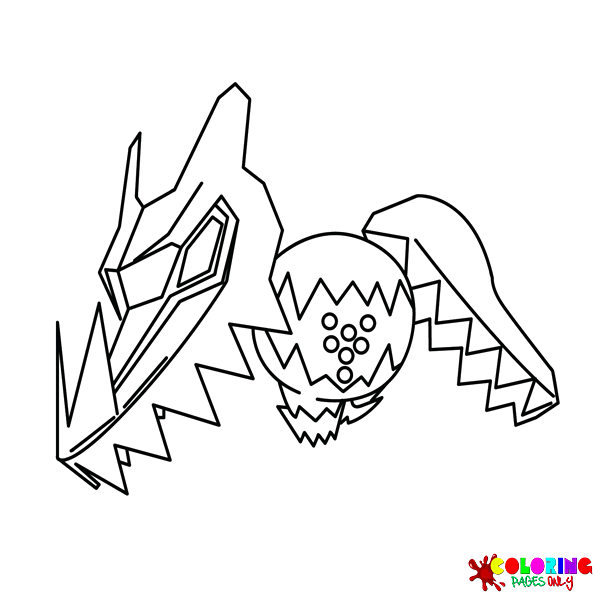
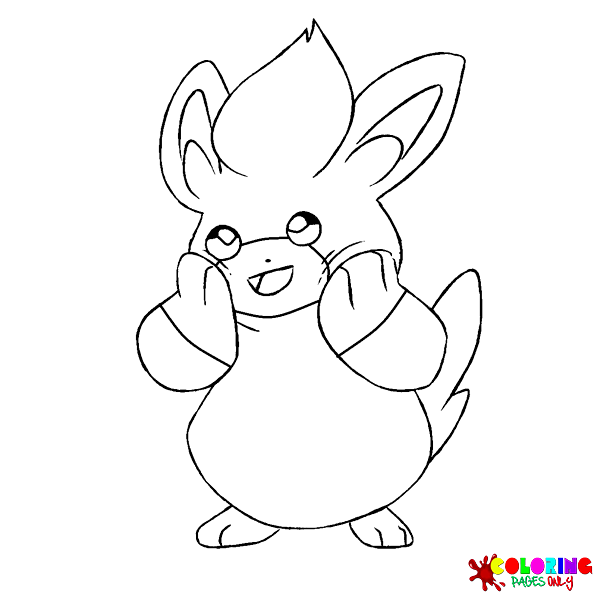
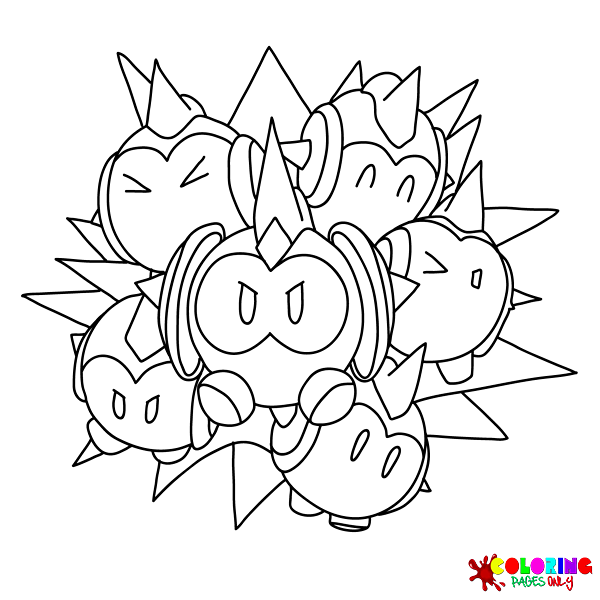
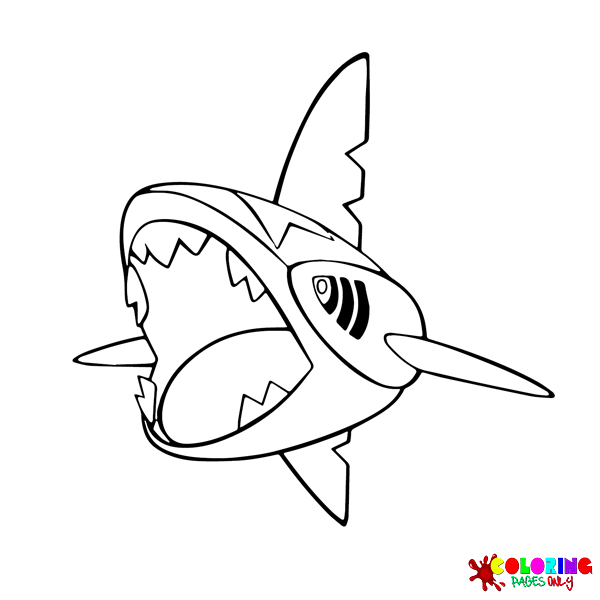
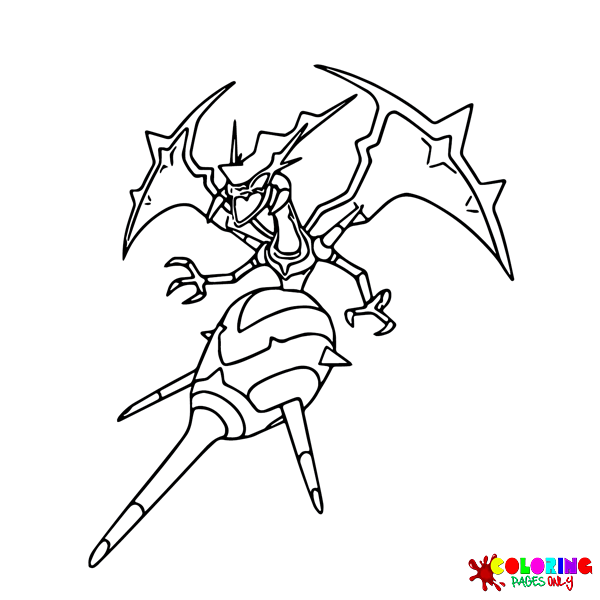
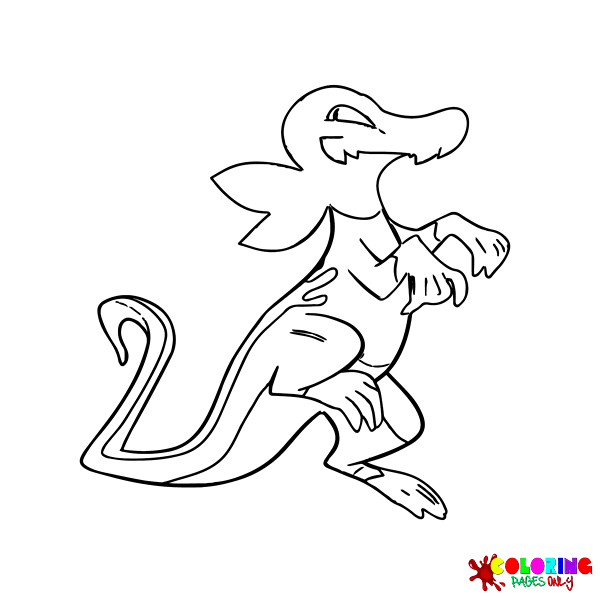
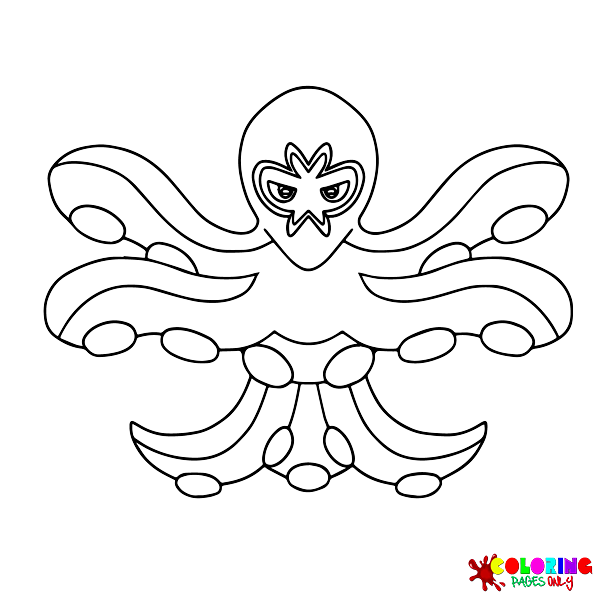
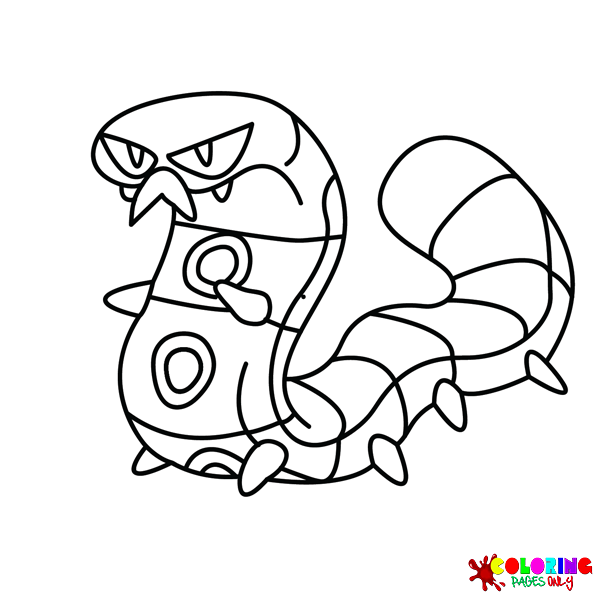
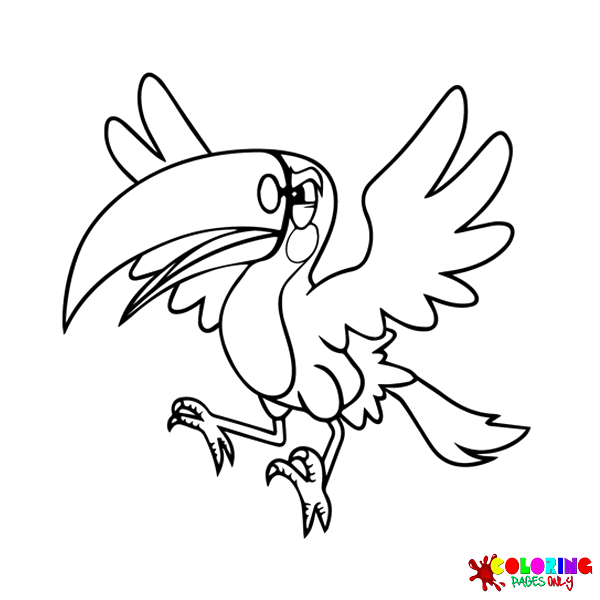
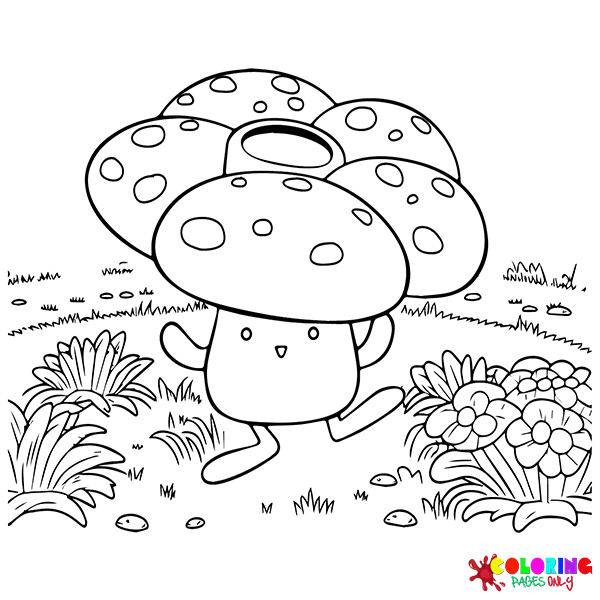
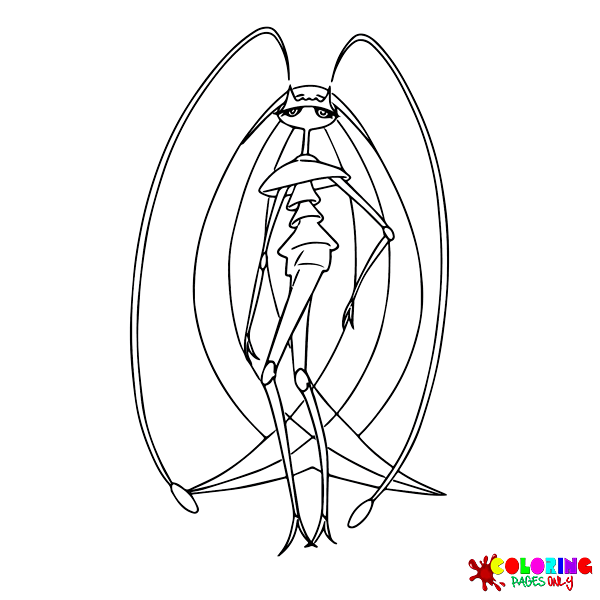
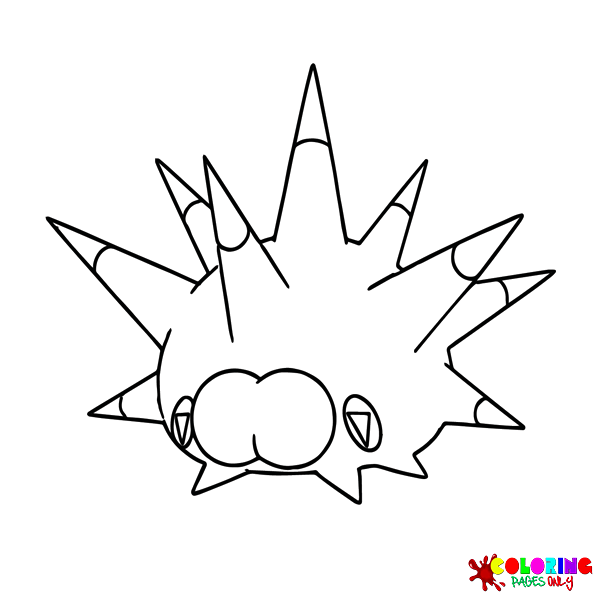
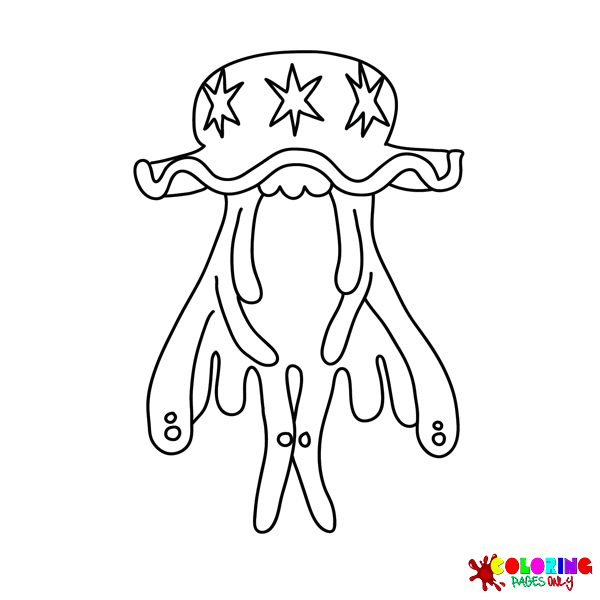
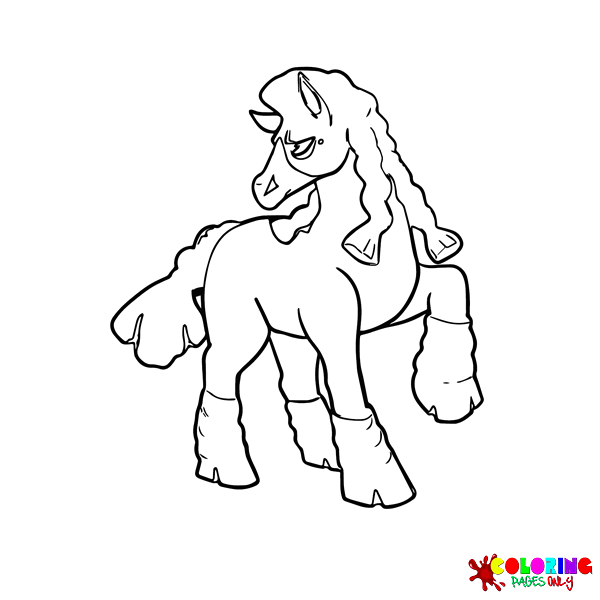
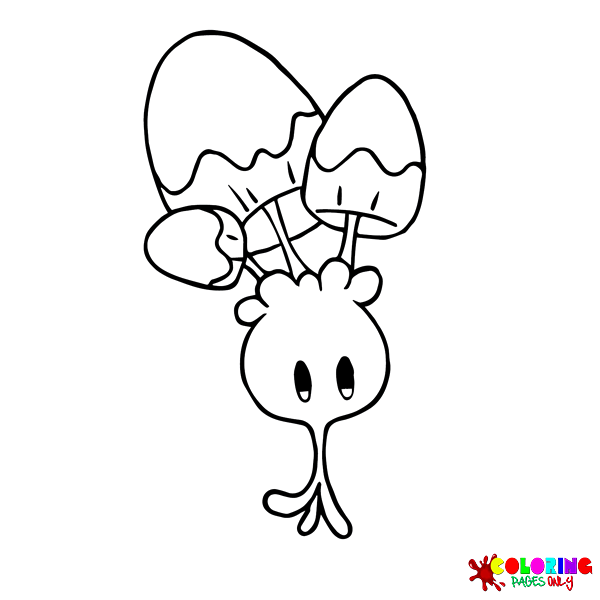
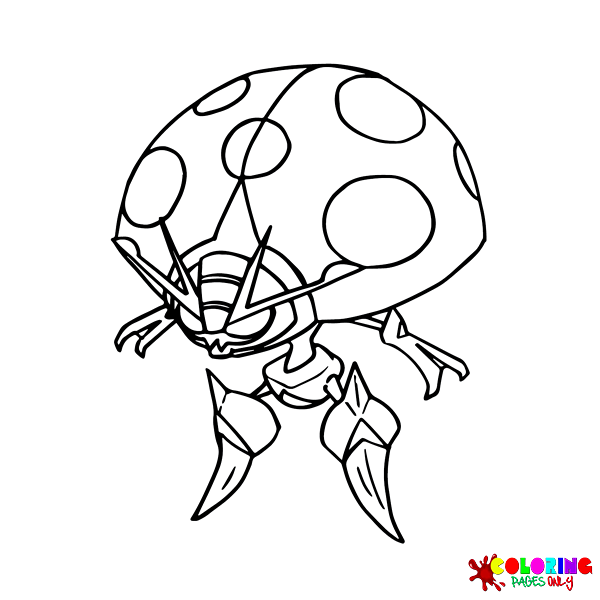
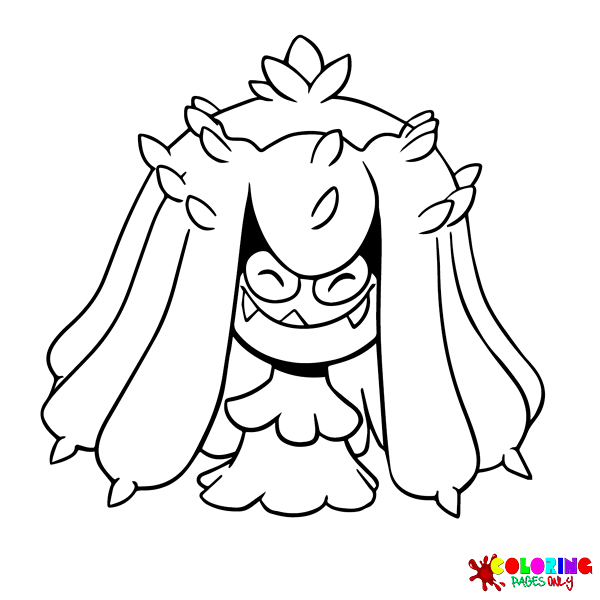
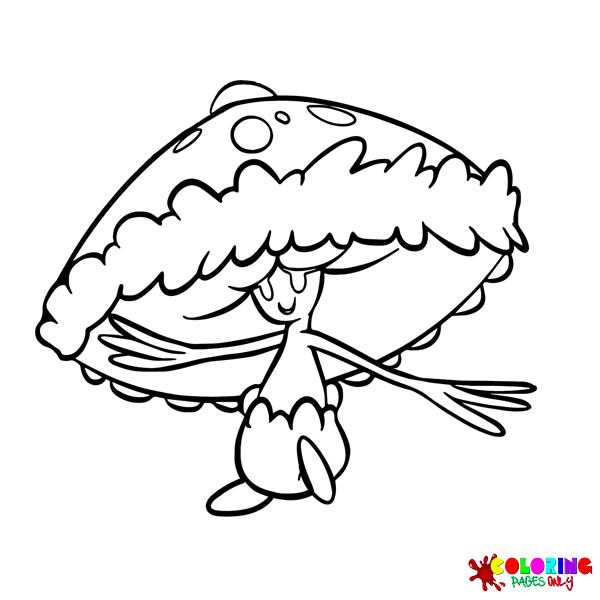
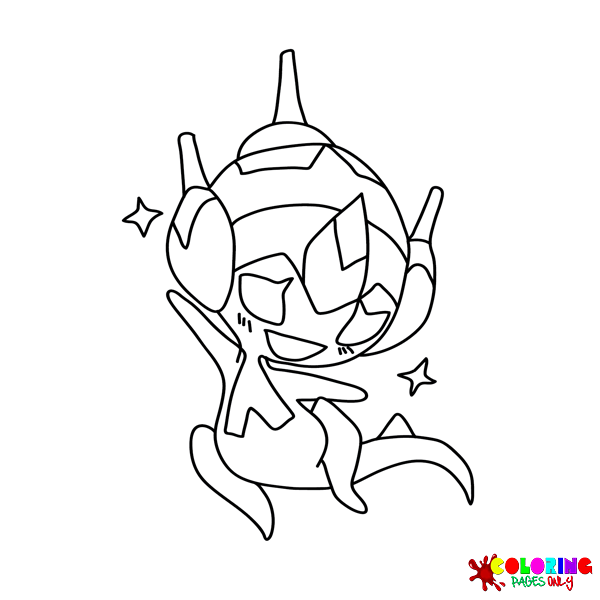
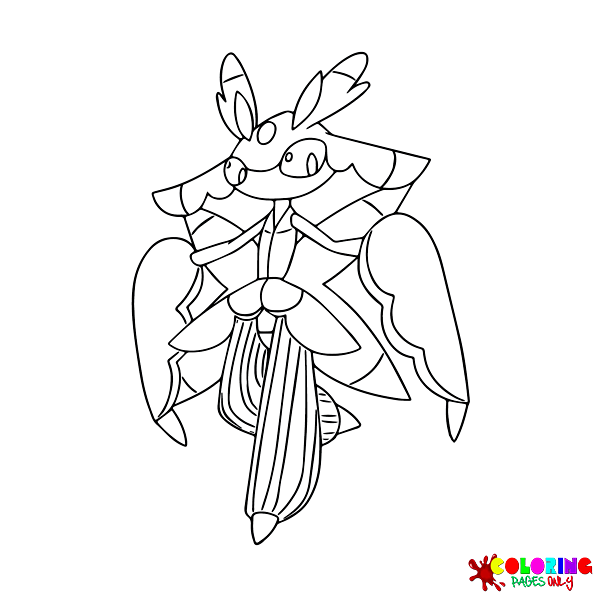
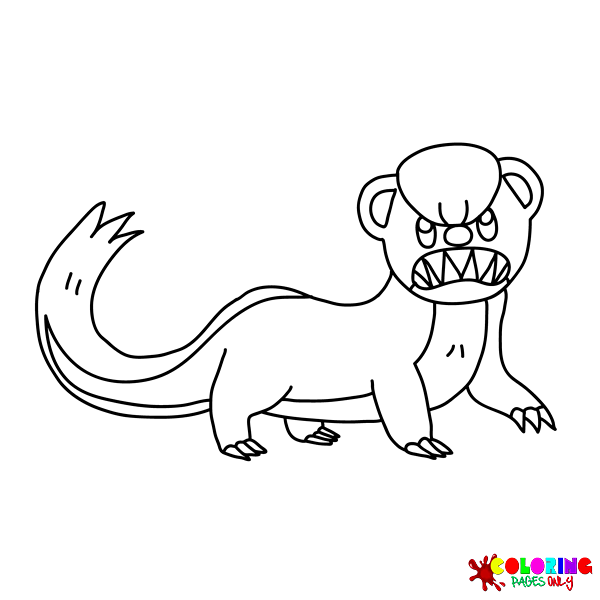
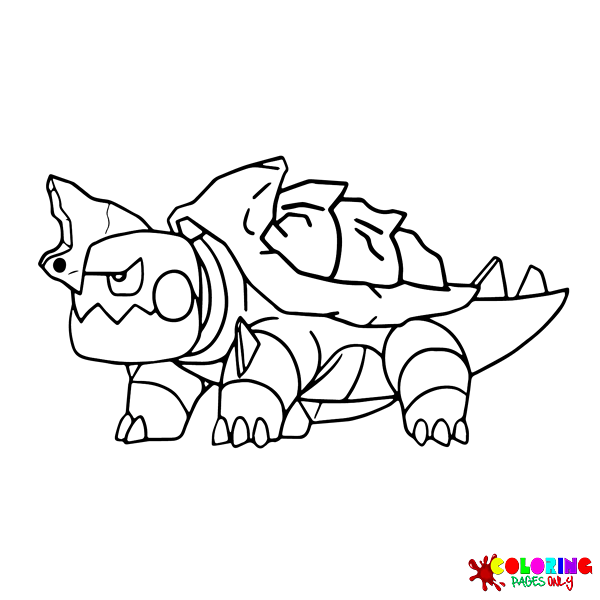
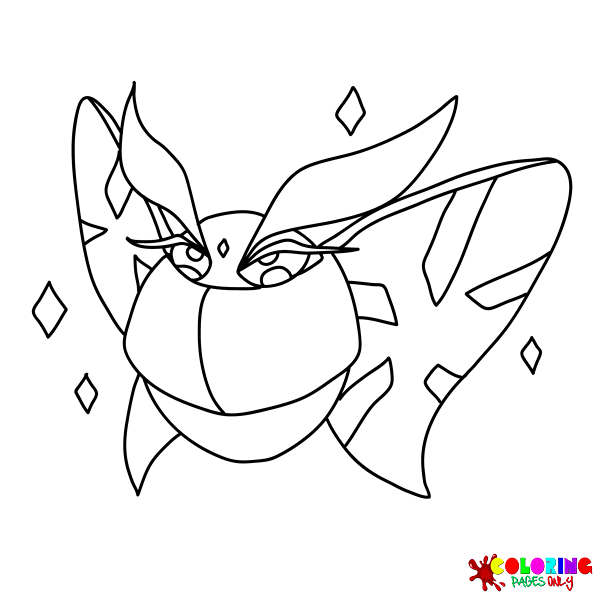
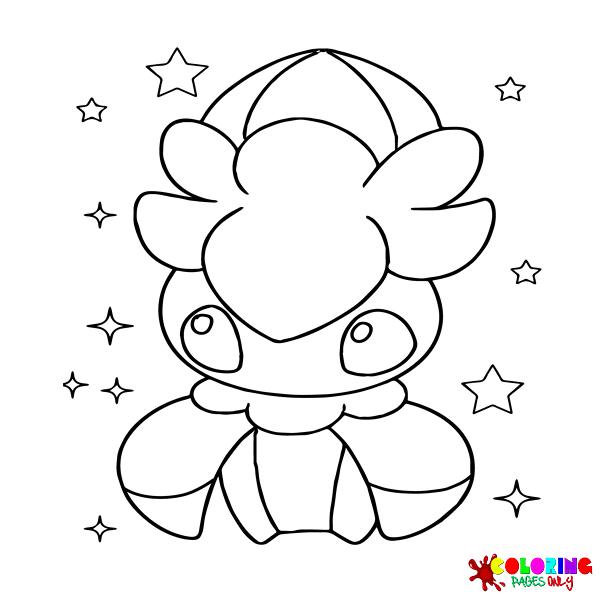
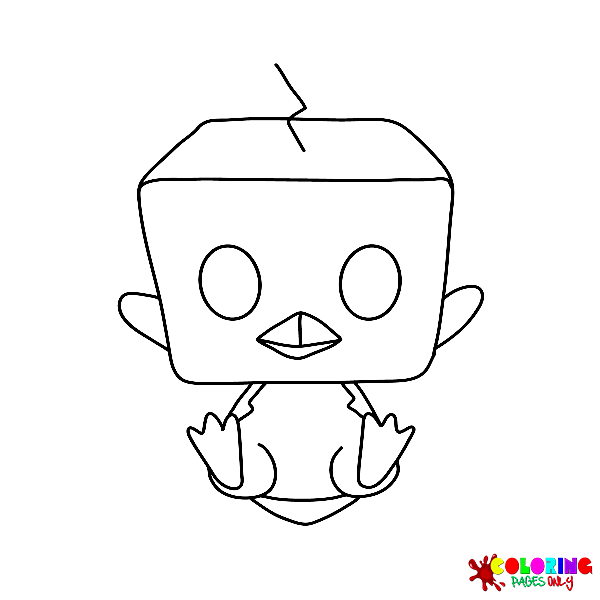
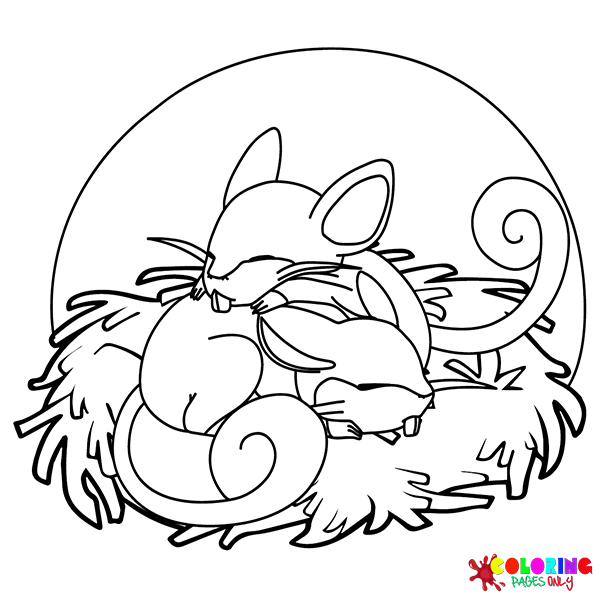
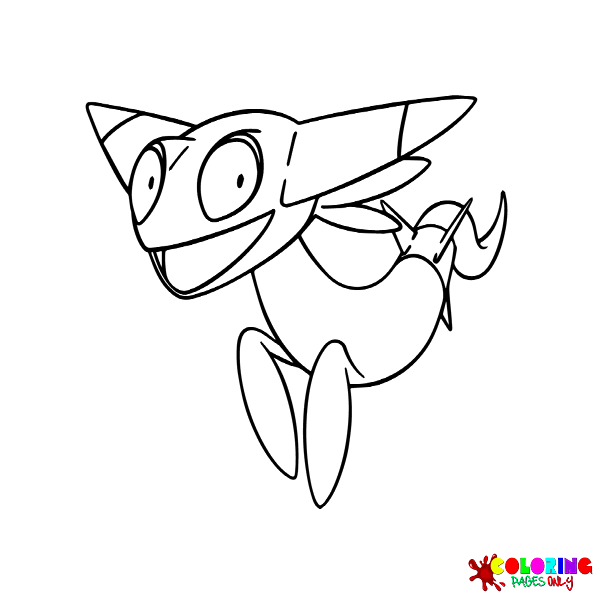
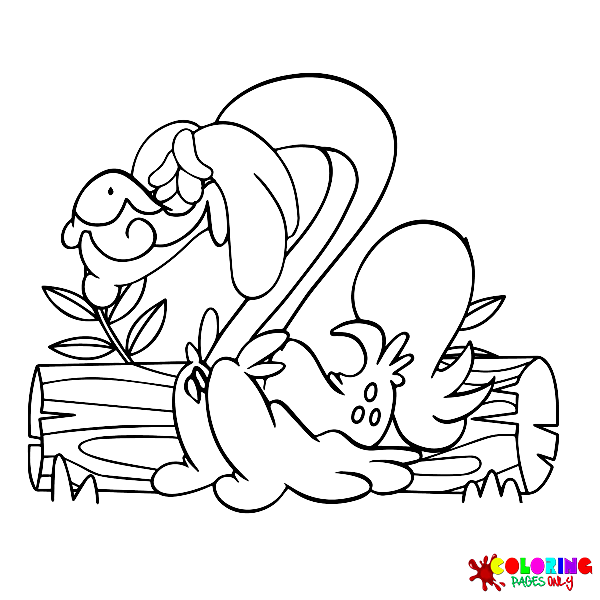
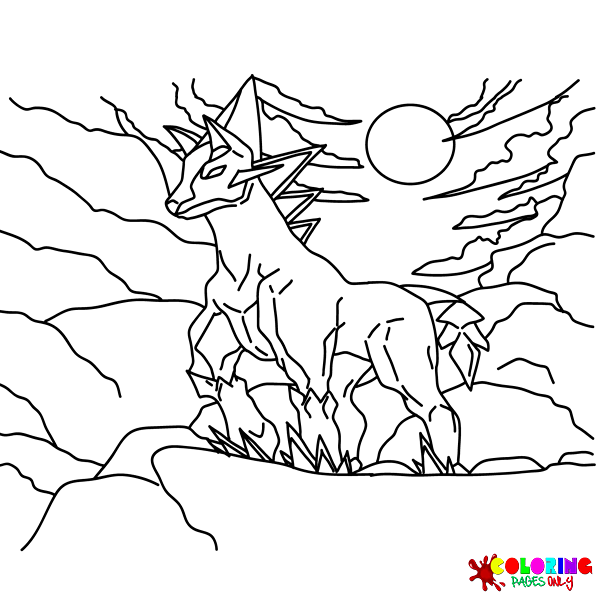
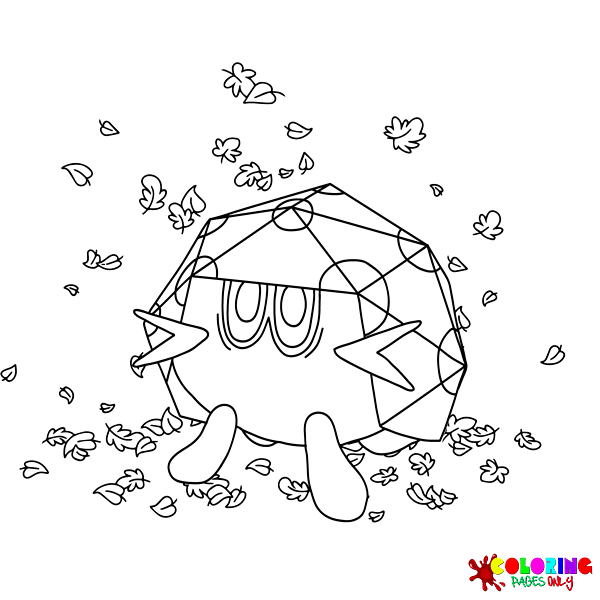
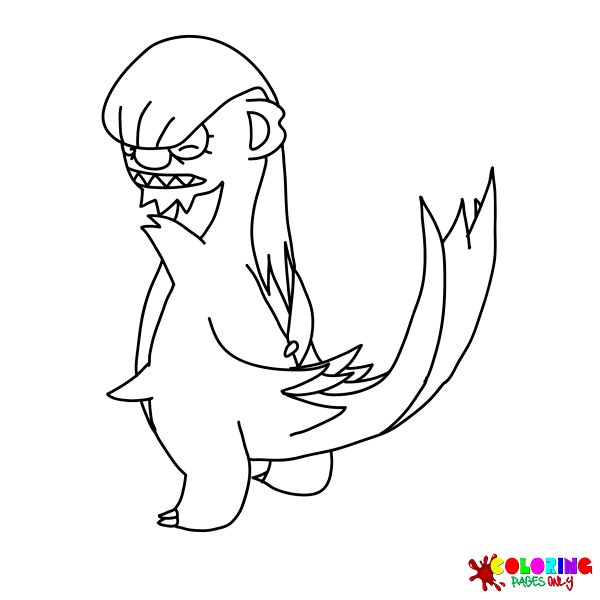
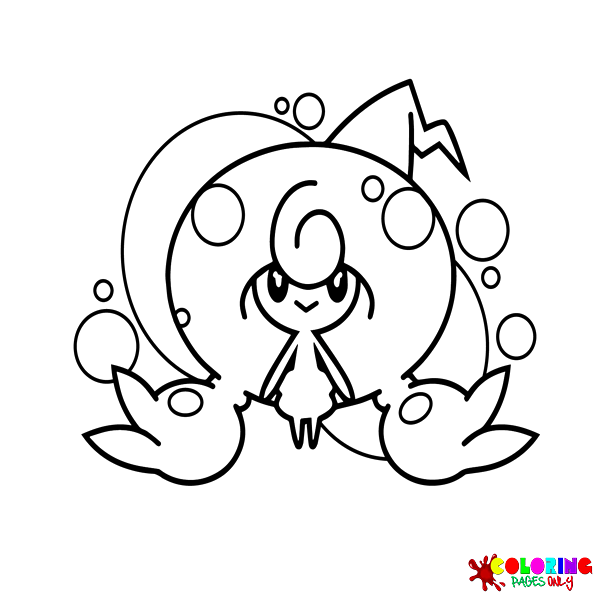
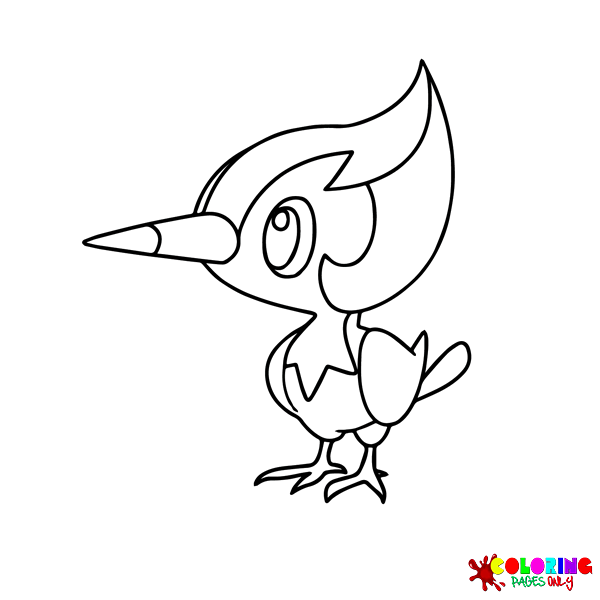
A large portion of the collection covers individual Pokemon from the Alola region (Generation 7, Sun and Moon) and the Galar region (Generation 8, Sword and Shield). Notable Alola pages include Salandit (Fire and Poison-type lizard), Pikipek (Normal and Flying-type woodpecker), Trumbeak and Toucannon (the Pikipek evolution line), Yungoos and Gumshoos (Normal-type mongoose-inspired Pokemon), Morelull and Shiinotic (Grass and Fairy-type glowing mushroom Pokemon), Fomantis and Lurantis (Grass-type orchid mantis Pokemon), Mareanie (Poison and Water-type), Mudsdale (Ground-type draft horse), and the Ultra Beasts, Nihilego, Pheromosa, Naganadel, and Poipole, the dimension-crossing Pokemon that form the narrative spine of the Alola games.
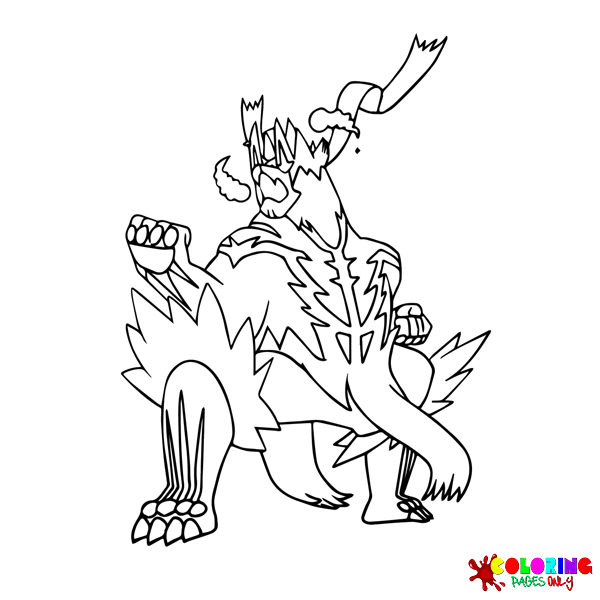
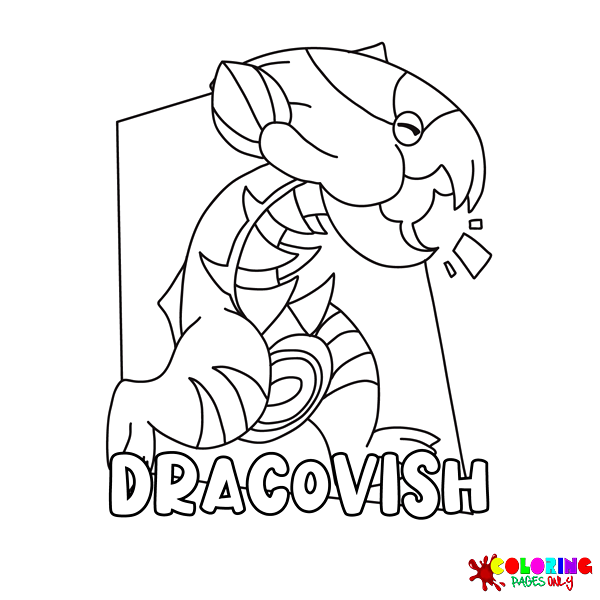
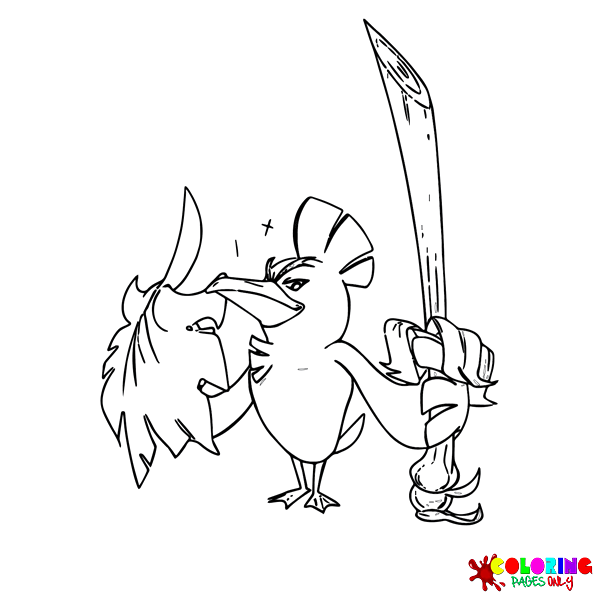
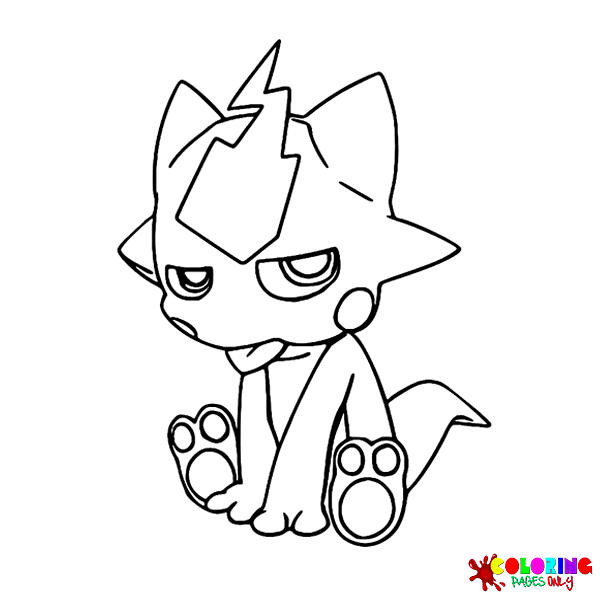
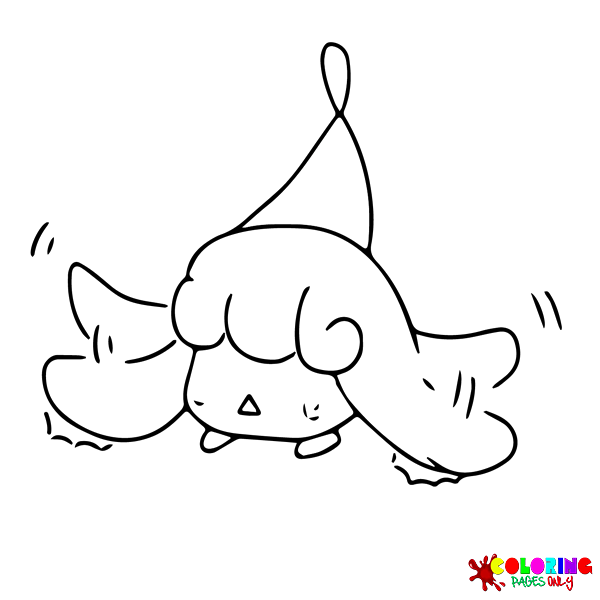
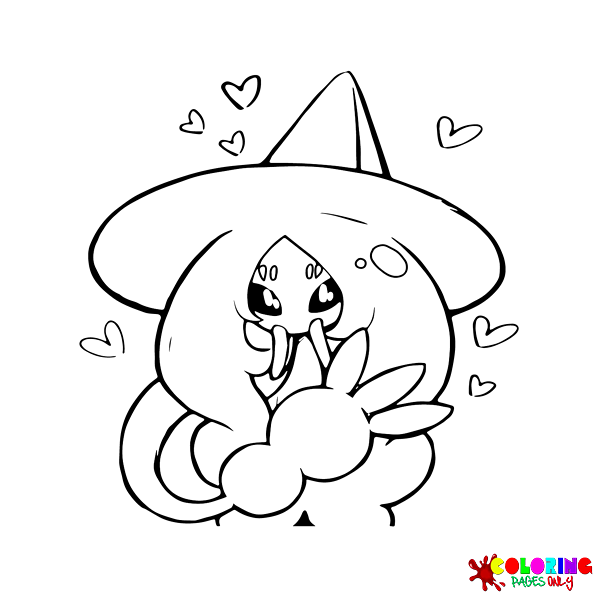
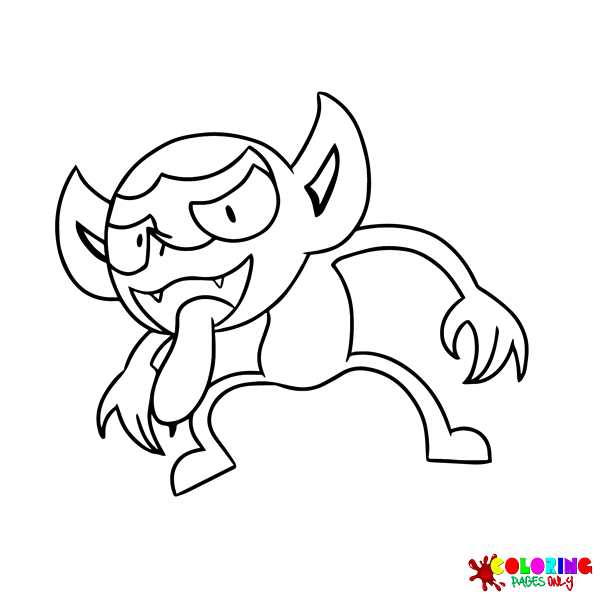
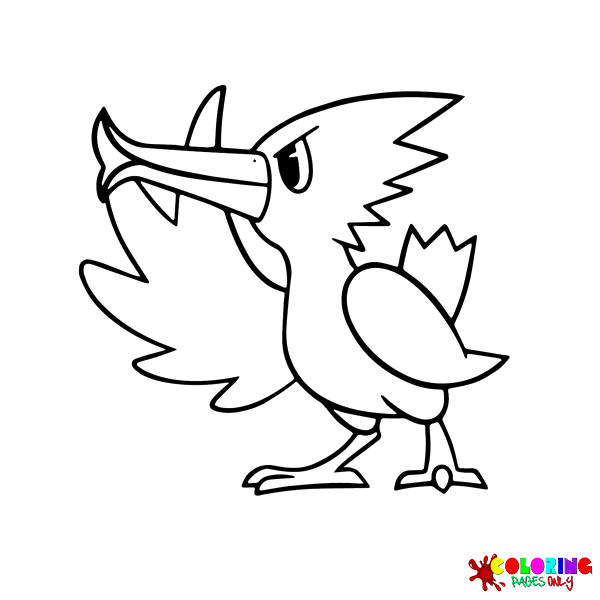
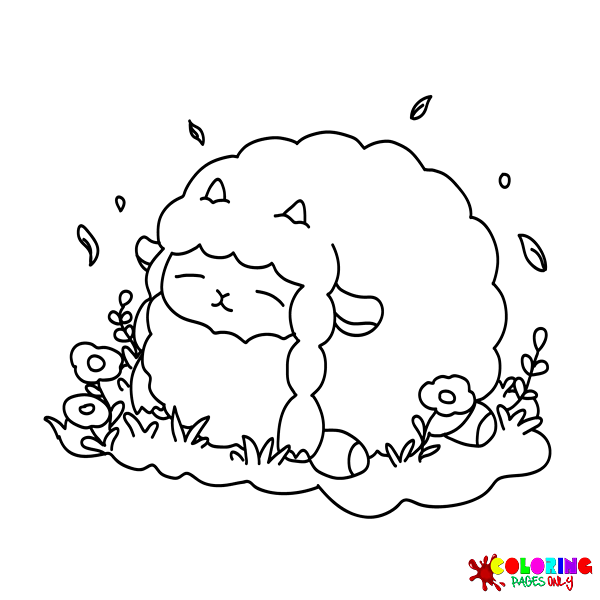
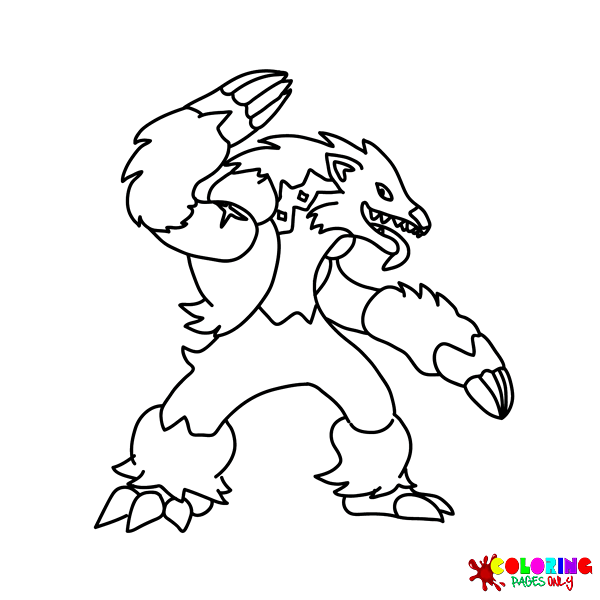
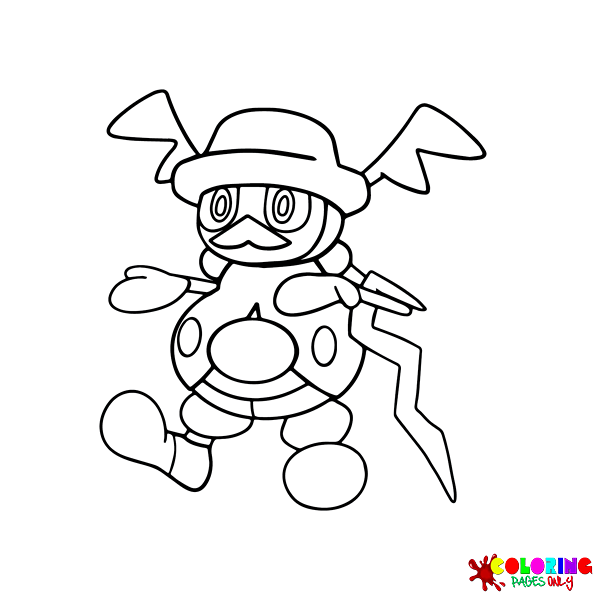
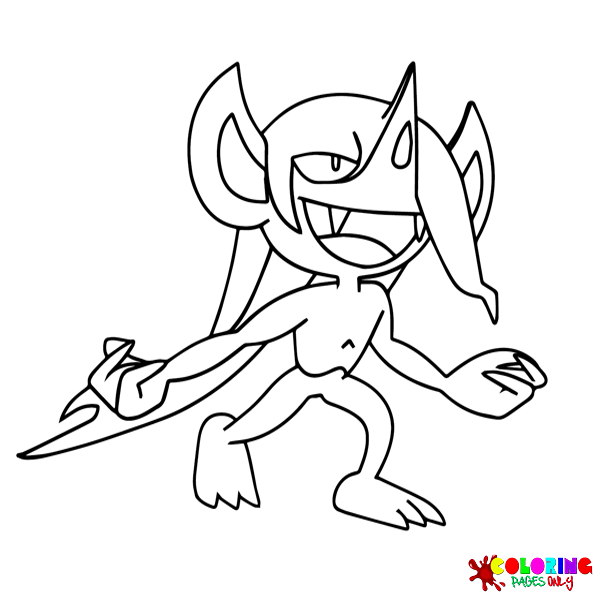
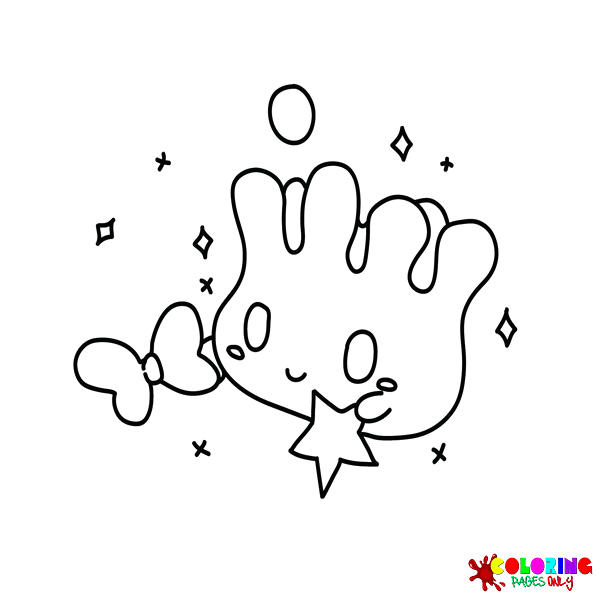
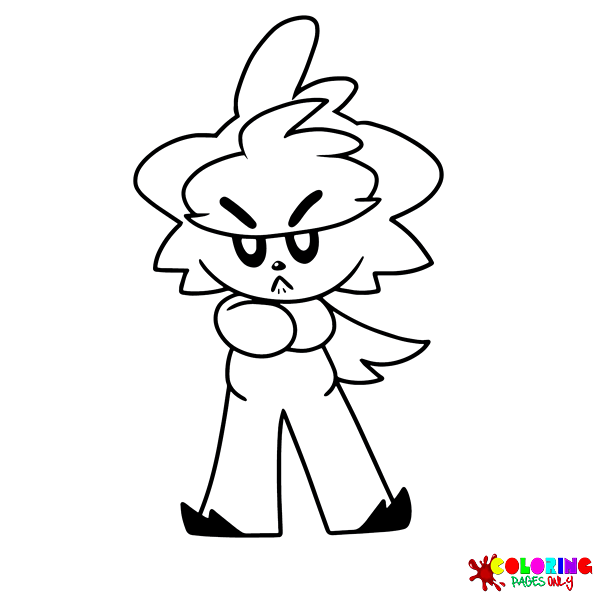
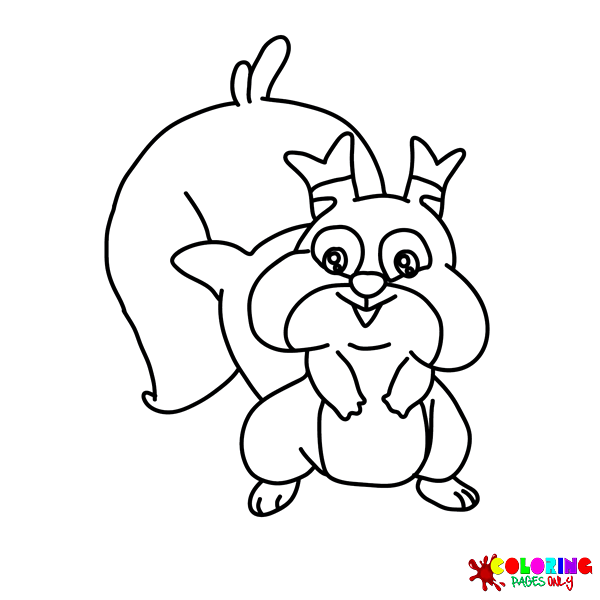
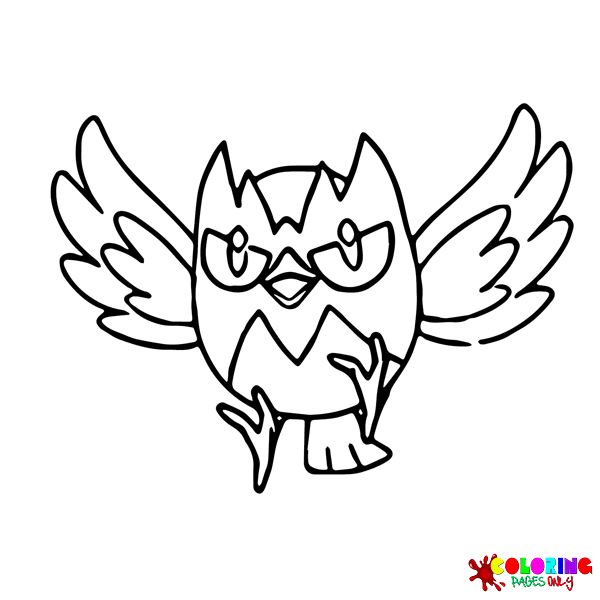
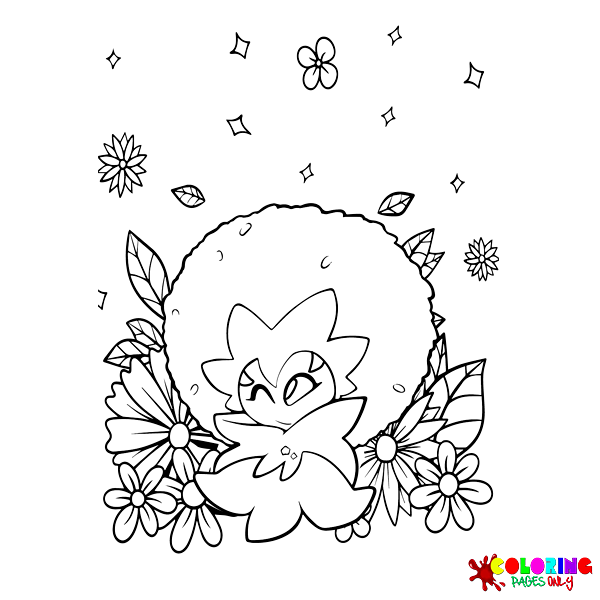
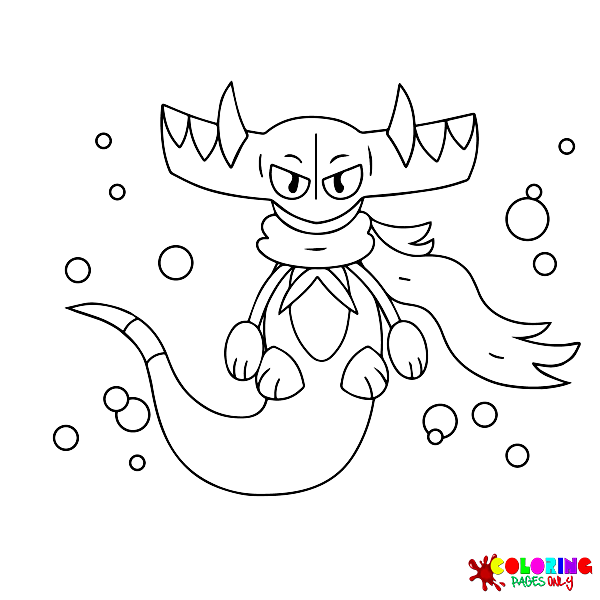
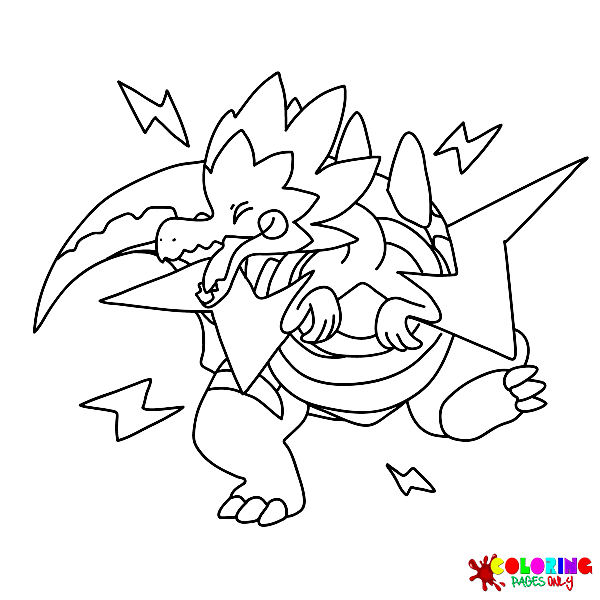
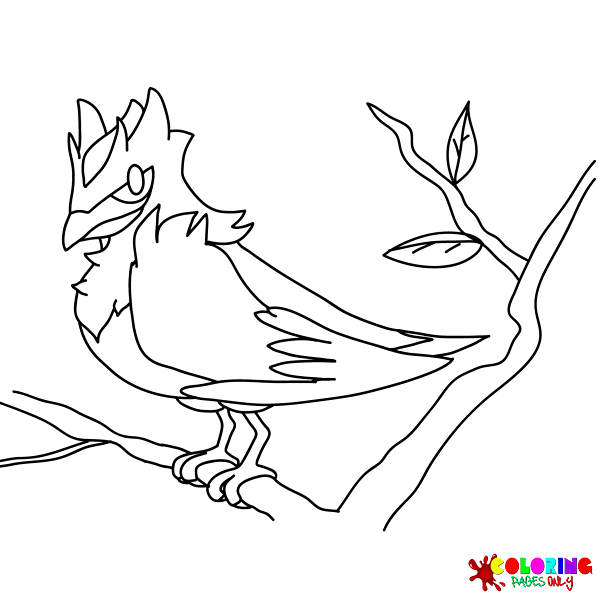
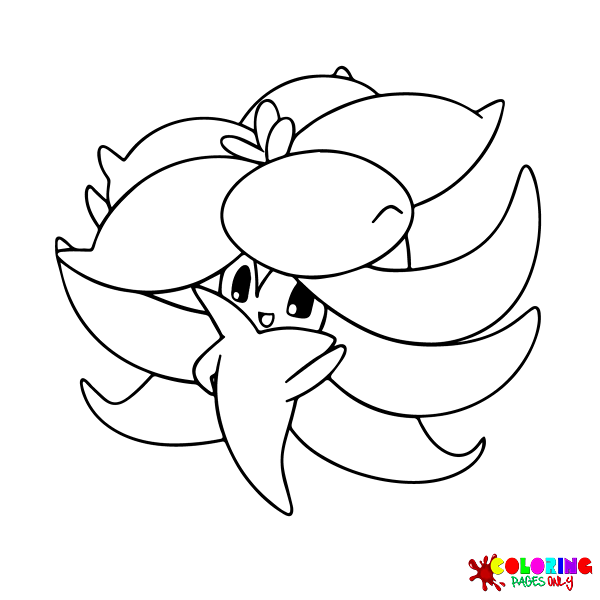
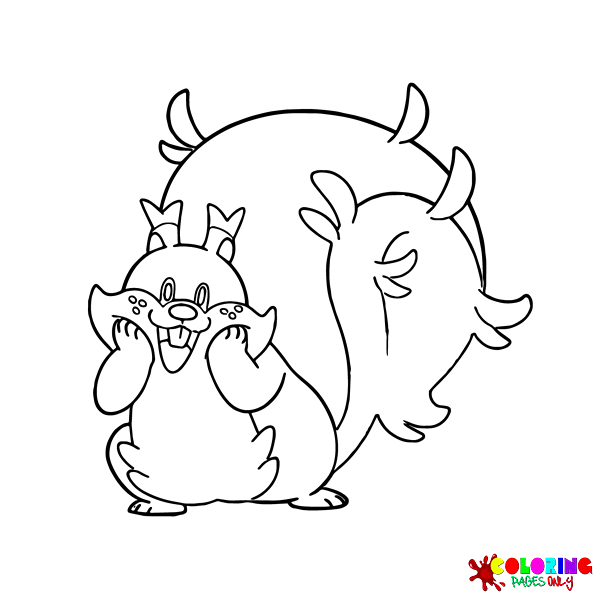
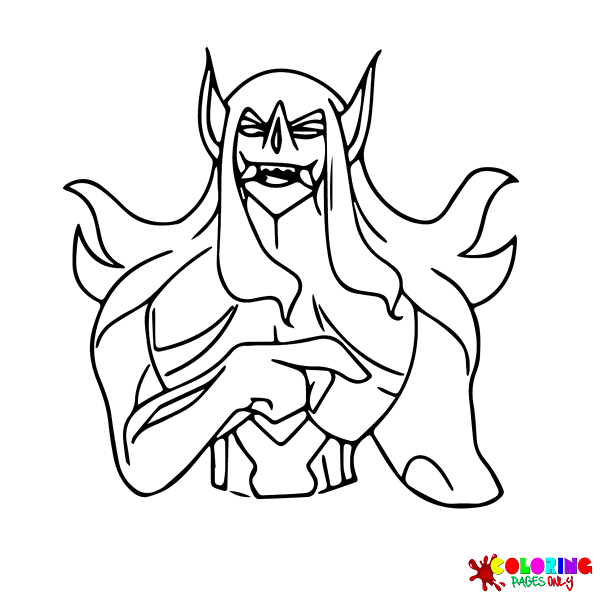
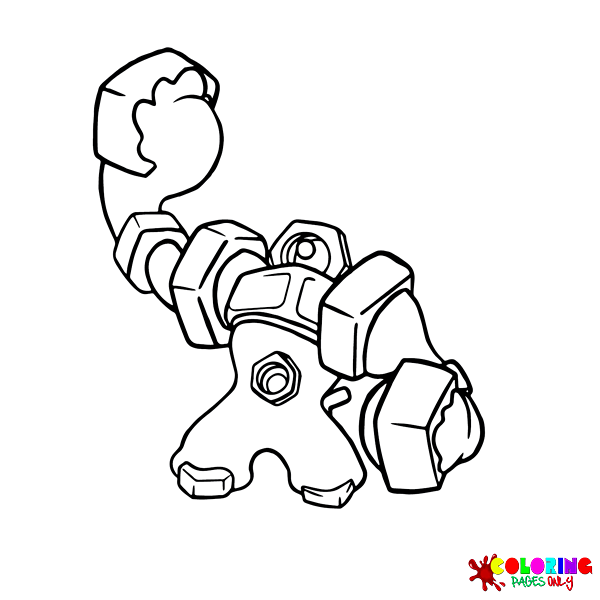
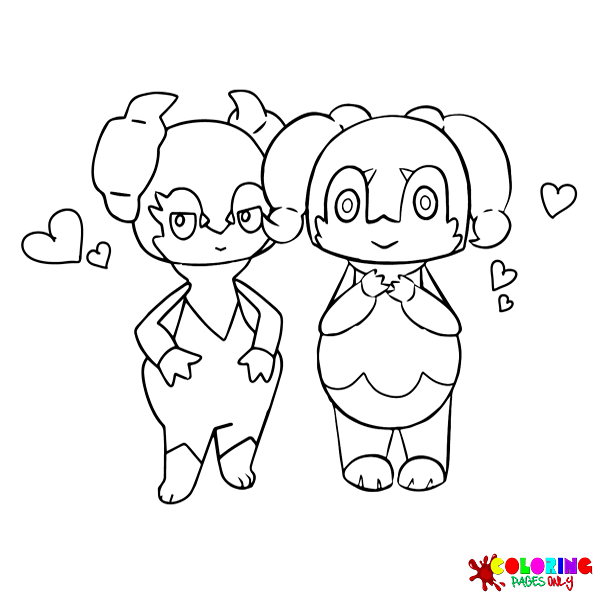
Notable Galar pages include Wooloo and Dubwool (the round woolly sheep), Gossifleur and Eldegoss (Grass-type cotton plant Pokemon), Cramorant (Water and Flying-type cormorant), Corvisquire (Flying-type corvid), Impidimp, Morgrem, and Grimmsnarl (a Dark and Fairy-type evolution line), Hatenna, Hattrem, and Hatterene (a Psychic-type evolution line), Greedent (Normal-type), Skwovet (Normal-type squirrel), Rookidee (Flying-type), Sizzlipede (Fire and Bug-type), Toxel (Electric and Poison-type), Milcery (Fairy-type), Falinks (Fighting-type), Eiscue (Ice-type), Dreepy and Drakloak (Dragon and Ghost-type pre-evolutions), the fossil Pokemon Dracozolt and Dracovish, the Isle of Armor Pokemon Kubfu and Urshifu, and the Crown Tundra Legendary Glastrier and Regidrago. Pokemon Characters covers multi-character ensemble pages drawing from the broader cast.
Coloring Guide for the Most Popular Pokemon
Pikachu is pure yellow, specifically the vivid, warm yellow-orange that has been Pikachu’s canonical color since 1996. The ears are black at their tips and tips only. The cheeks carry the iconic red circles, a small, clearly defined red circular patch on each cheek, not pink and not orange, but a clean, vivid red. The tail is yellow with a brown zigzag base section. The back stripes are dark brown, not black. Getting the cheek color right, vivid red, small and round, sitting cleanly on yellow, is the single most important coloring decision in a Pikachu page.
Charizard is orange, a vivid, warm orange for the body, with a lighter cream-tan on the underbelly and inner wing surfaces. The wings’ outer membrane is the same orange as the body exterior, but the visible underside surface when the wings are spread is a noticeably lighter, more blue-tinted cream. The eyes are vivid blue-teal. The tail flame is vivid orange-yellow at the base, with the flame itself graduating toward red at the outer edges.
Gengar is the specific purple that has defined the character since 1996, a medium, slightly cool purple that leans slightly more blue than red-purple. The mouth interior is a very dark, near-black purple. The eyes are red, with a vivid, slightly orange-red rather than a cool red.
Eevee is a warm brown, lighter and more golden-tan than chocolate brown, with the fluffy ruff and tail tip in a clean, bright cream. Eevee’s eyes are a very dark brown that reads as near-black at a distance. The overall palette is warm, soft, and natural, with no vivid or saturated colors except in the eyes.
Mewtwo is a pale, cool lavender-gray, lighter and more desaturated than Gengar’s purple, with a slightly pink or lilac bias rather than a blue-gray bias. Mewtwo’s eyes are a striking pale blue.
Legendary Pokemon generally follow a palette logic where the type identity of each Legendary is reflected in its dominant color: ice Legendaries in white and pale blue, fire Legendaries in red and orange, and ghost Legendaries in dark and faded tones.
What These Pages Do
The American Academy of Pediatrics identifies fine motor skill development as a core benefit of structured coloring for children ages 2 through 7. A simple Pikachu page suits the youngest colorists, while detailed Charizard, Mewtwo, or trainer portrait pages challenge older children and adults with more demanding linework.
A 2005 study in the Art Therapy Journal documented measurable reductions in anxiety following structured coloring sessions. The specific, canonical colors that define each Pokemon reward the same slow, careful attention associated with the study’s calming findings, especially on detailed pages like Charizard’s wings or Legendary Pokemon’s type-coded palettes.
5 Creative Craft Ideas With Pokemon Coloring Pages
1. Evolution Line Display. Color a Pokemon and its evolutions in sequence, Charmander into Charizard, for example, and mount them in a row to show the full evolution line.
2. Trainer Card Set. Color a trainer page, trim it to card size, and write their region and starter Pokemon on the back to build a set of homemade trainer cards.
3. Type Match Bookmark Set. Color several Pokemon of the same type, Fire, Water, or Grass, trim to bookmark size, and laminate for a color-coded bookmark set by type.
4. Pokemon Card Craft. Color a Pokemon card page, trim it to real card size, and slide it into a card sleeve for a handmade addition to a card collection.
5. Legendary Team Poster. Color a set of Legendary Pokemon pages, cut them out, and arrange them on a poster to build a legendary team roster display.
Frequently Asked Questions
How many Pokemon are there?
As of the Indigo Disk DLC for Pokemon Scarlet and Violet (2023), there are 1,025 Pokemon species in the National Pokedex.
What generation does the collection cover?
The collection covers Pokemon and Trainers from all nine generations, with the strongest coverage in Generation 1 (Kanto), Generation 7 (Alola), and Generation 8 (Galar), plus Trainers spanning the anime’s full broadcast history from 1997 to the current Horizons series.
Who is the most popular Pokemon for coloring pages?
Pikachu consistently generates the highest search volume of any single Pokemon on this site, followed by Charizard, Eevee, Gengar, and Charmander.
What color is Pikachu?
Pikachu is vivid warm yellow with red circular cheek markings, black ear tips, brown back stripes, and a brown zigzag section at the base of the tail. The red cheek circles are the most important coloring detail.
Is there a Pokemon for every type?
Yes. The collection covers Pokemon of all 18 types, from common types like Fire, Water, and Grass through rarer types like Ghost, Dragon, and Fairy.
Which sub-collection gets the most traffic?
Sprigatito, Liko, and Legendary Pokemon are among the strongest-performing sub-collections in this hub.
Are these pages suitable for young children?
Yes. Pikachu and other starter Pokemon pages use simple, rounded shapes well-suited to children ages 3 to 6, while detailed Legendary and trainer portrait pages suit older children and adults.
Are these pages free to print?
All 3,239 Pokemon coloring pages are free to download as a PDF and print, or to color online in the browser. No account, email, or payment is required.
Start Coloring
Choose a Pokemon or trainer above to browse that collection, or open any page to download it as a free PDF or color it online in the browser. Share finished pages on Facebook or Pinterest with the share buttons on each page.
More Pokemon Coloring Pages
Jump straight to a specific collection: