Pinwheel Coloring Pages
 By:
Jennifer Thoa - Content Editor & Designer
Updated:
By:
Jennifer Thoa - Content Editor & Designer
Updated:
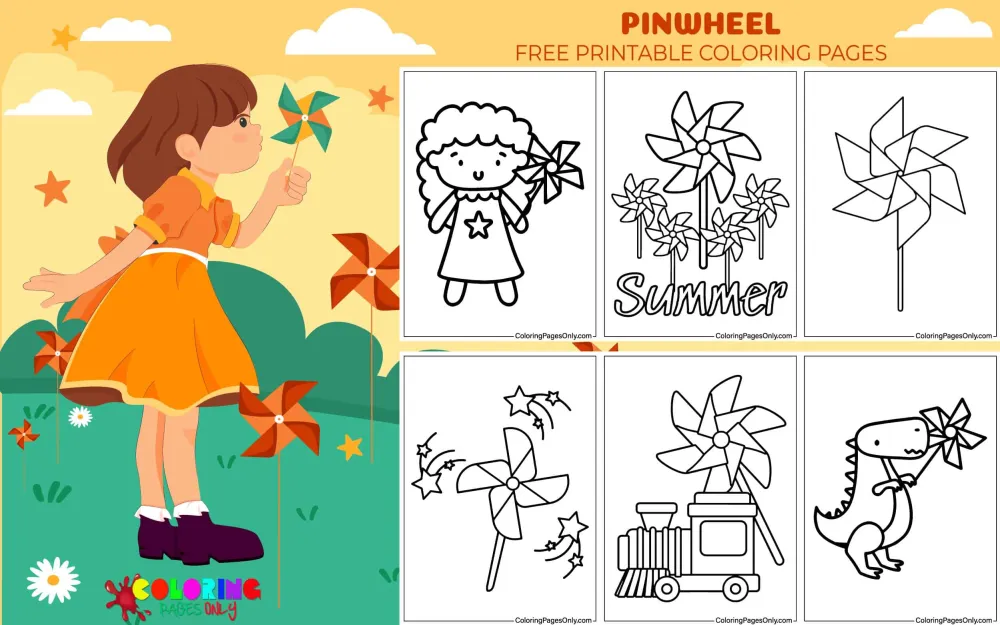
Free Pinwheel Coloring Pages: 33 printable PDF designs of the classic spinning toy, solo, in multiples, and held by characters and vehicles. Downloading a page as a PDF or coloring it directly online are both free, with no account required for either.
Pinwheels have independent origins in several parts of the world. Similar spinning toys were developed in Polynesia, made from coconut palm leaflets or pandanus leaves, and in New Zealand, where the Māori version, called pepepe, used phormium leaves. The style most people picture today traces to East Asia, closely resembling a Japanese origami folding technique. In 19th-century America, any wind-driven toy carried by a running child, pinwheels included, was called a whirligig.
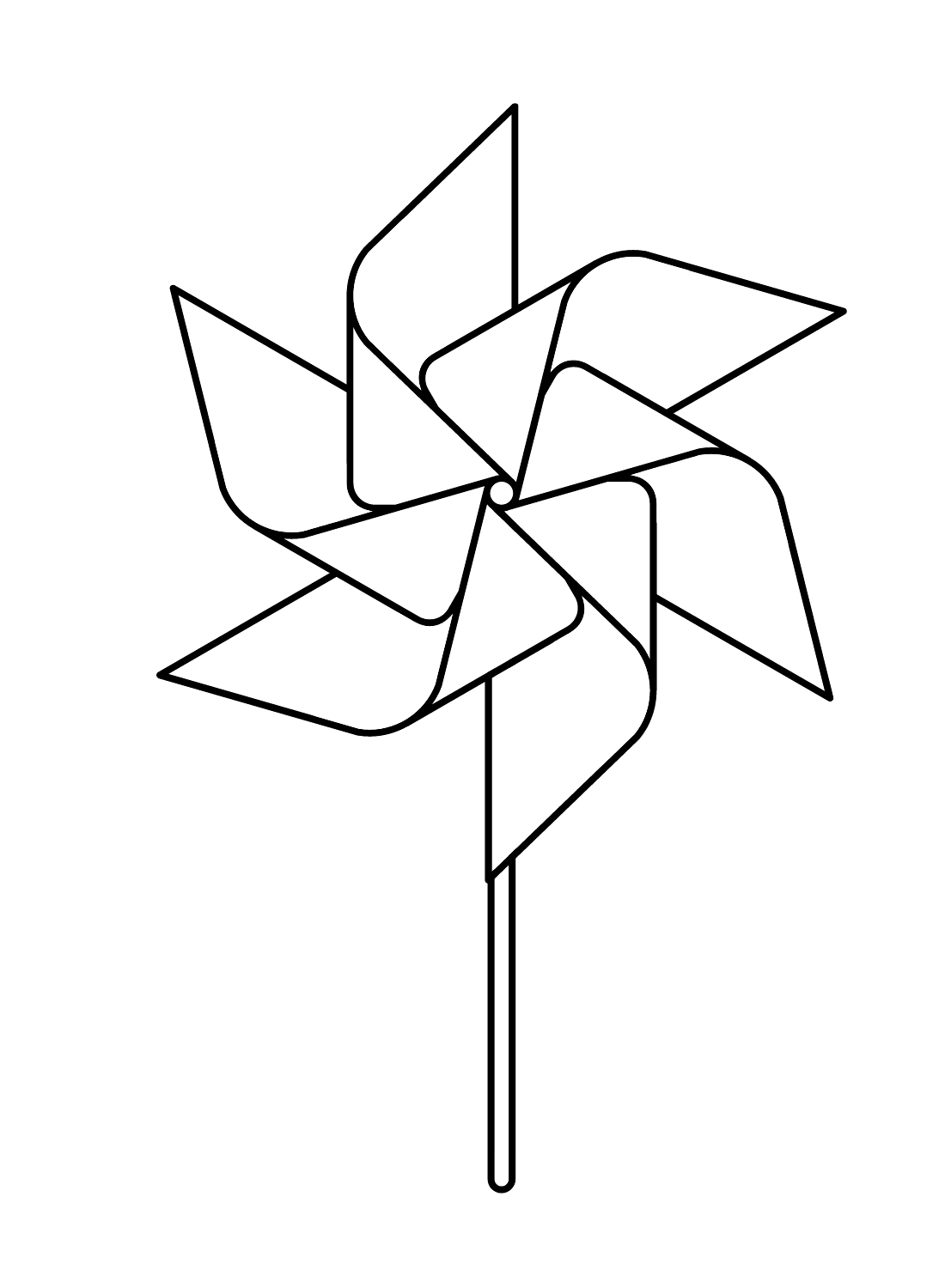
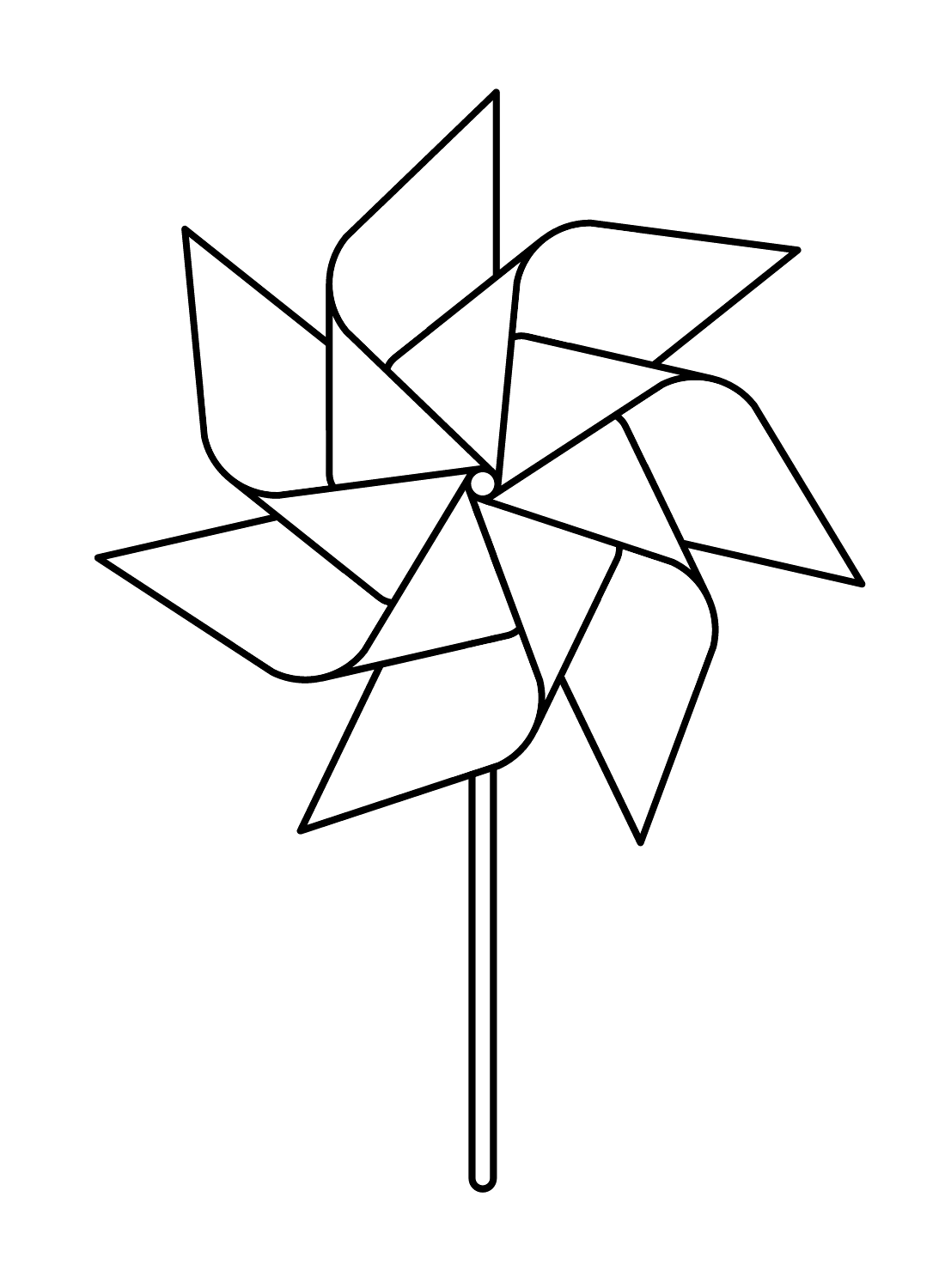
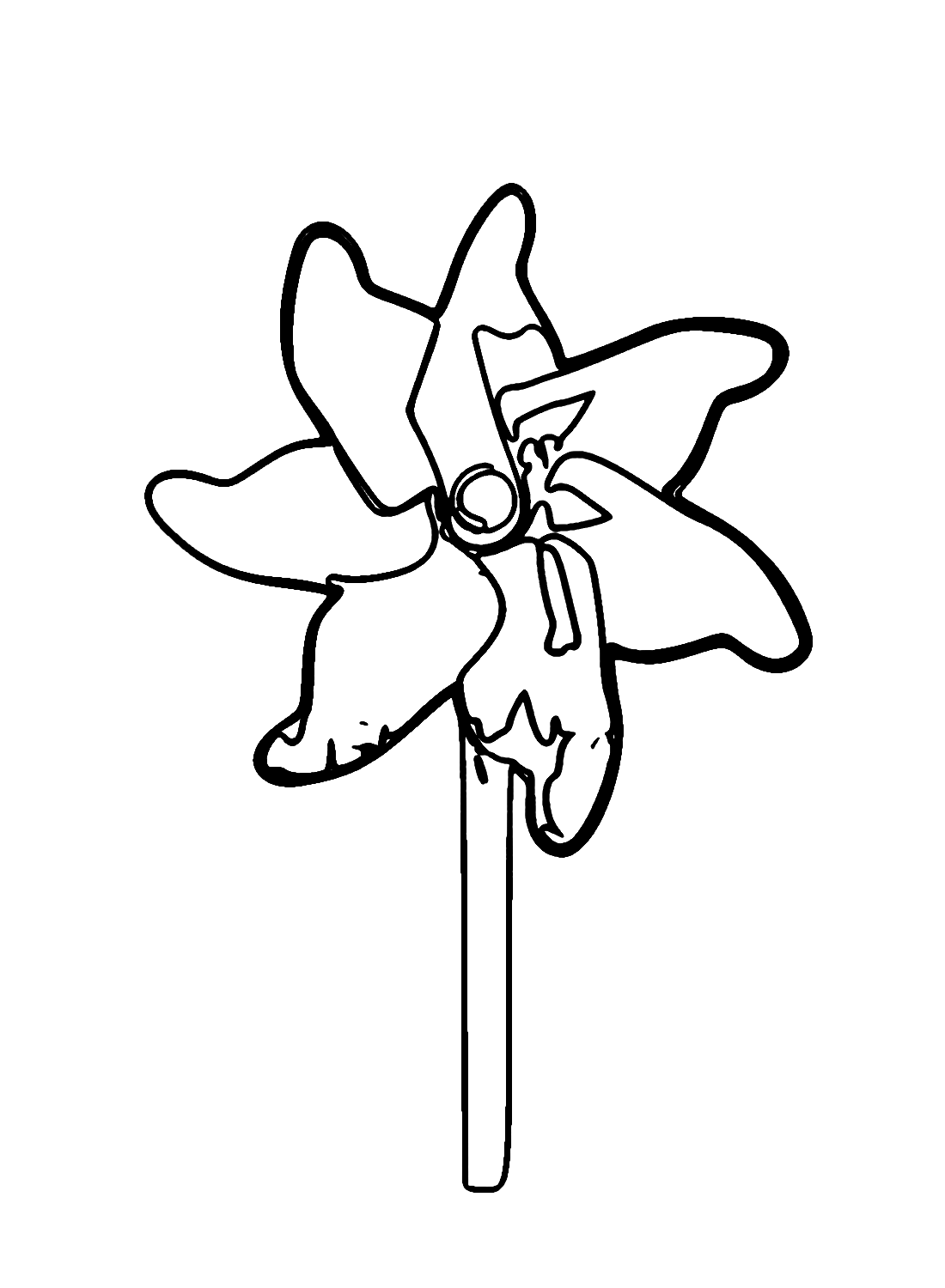
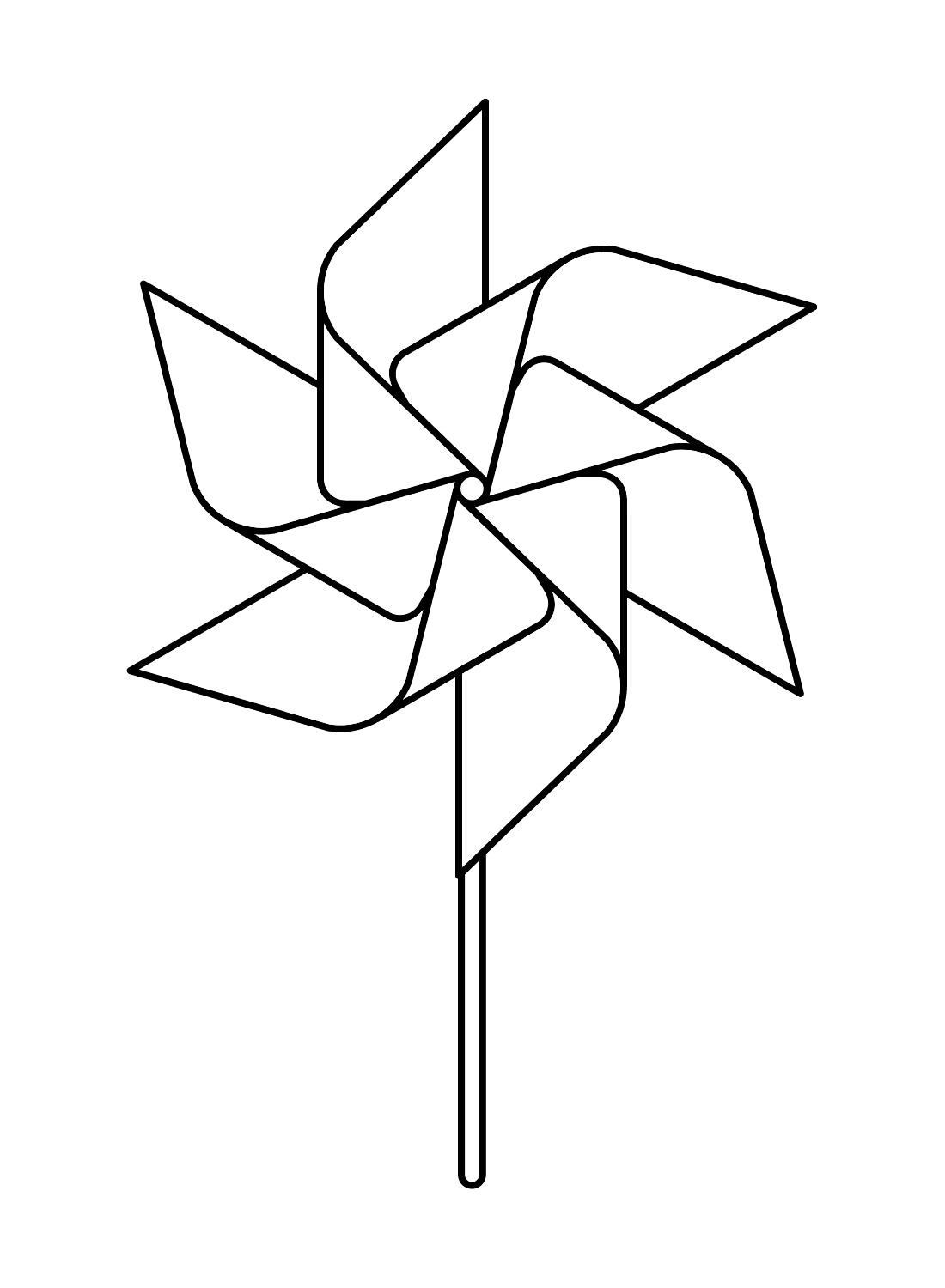
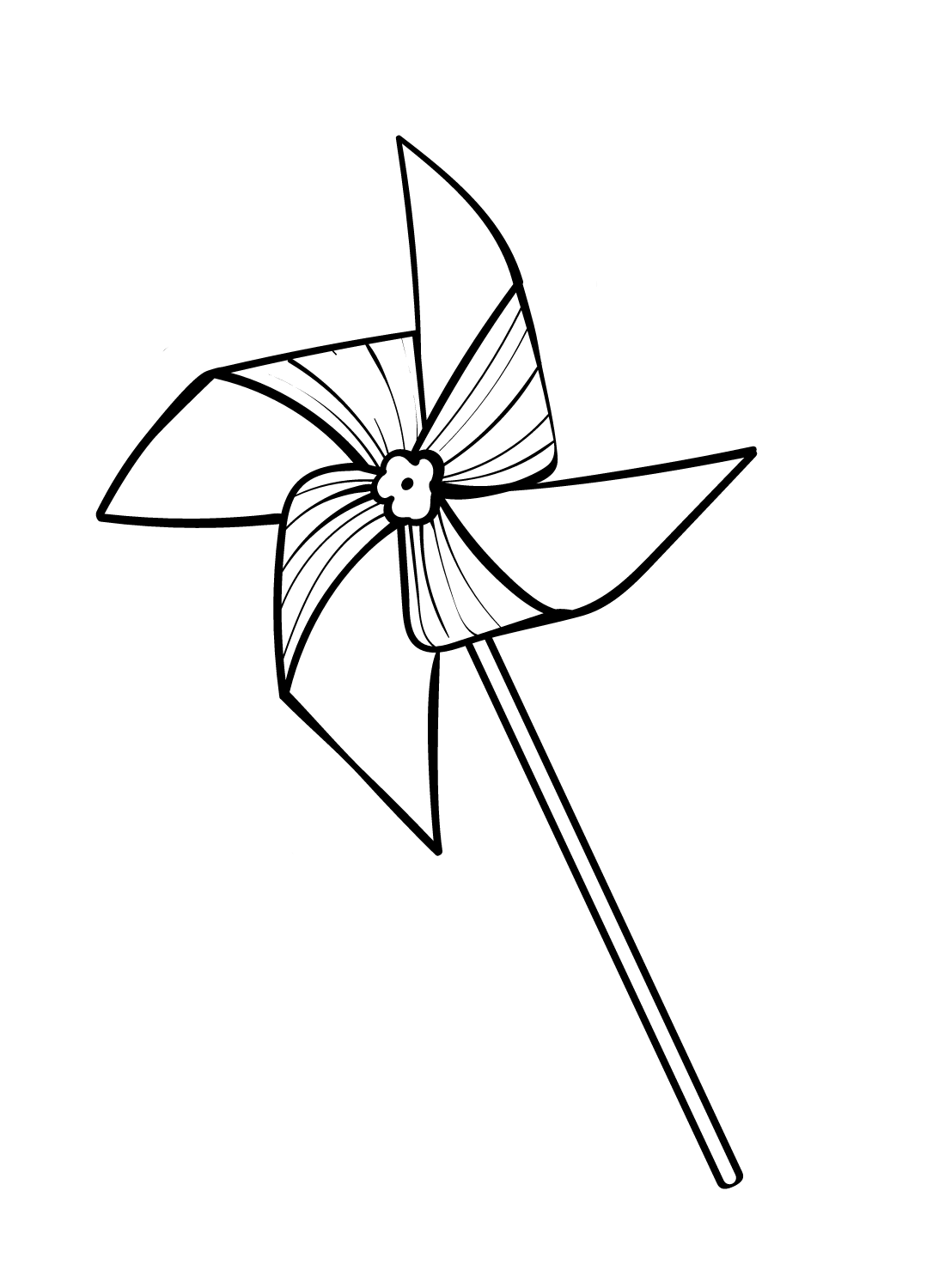
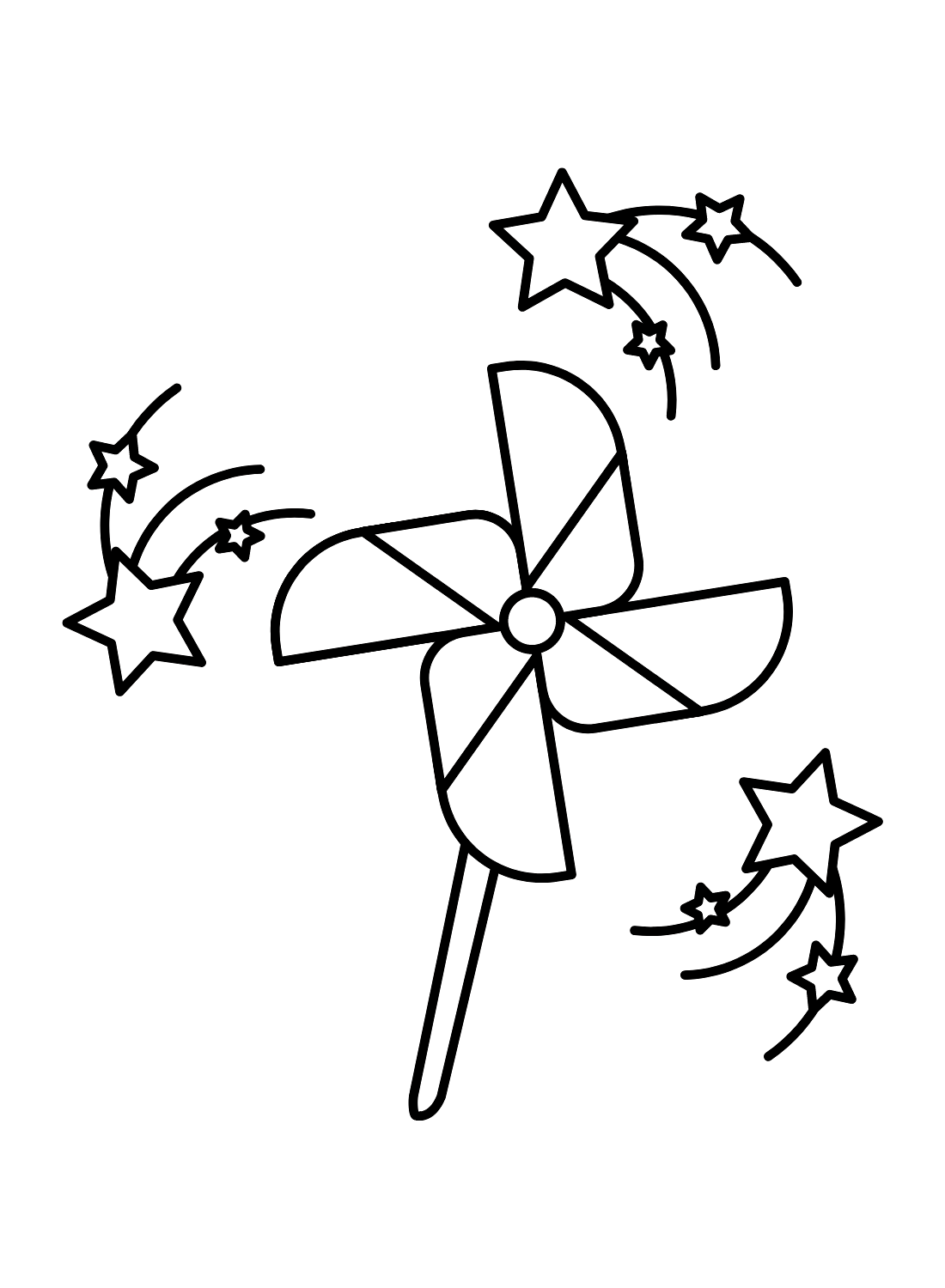
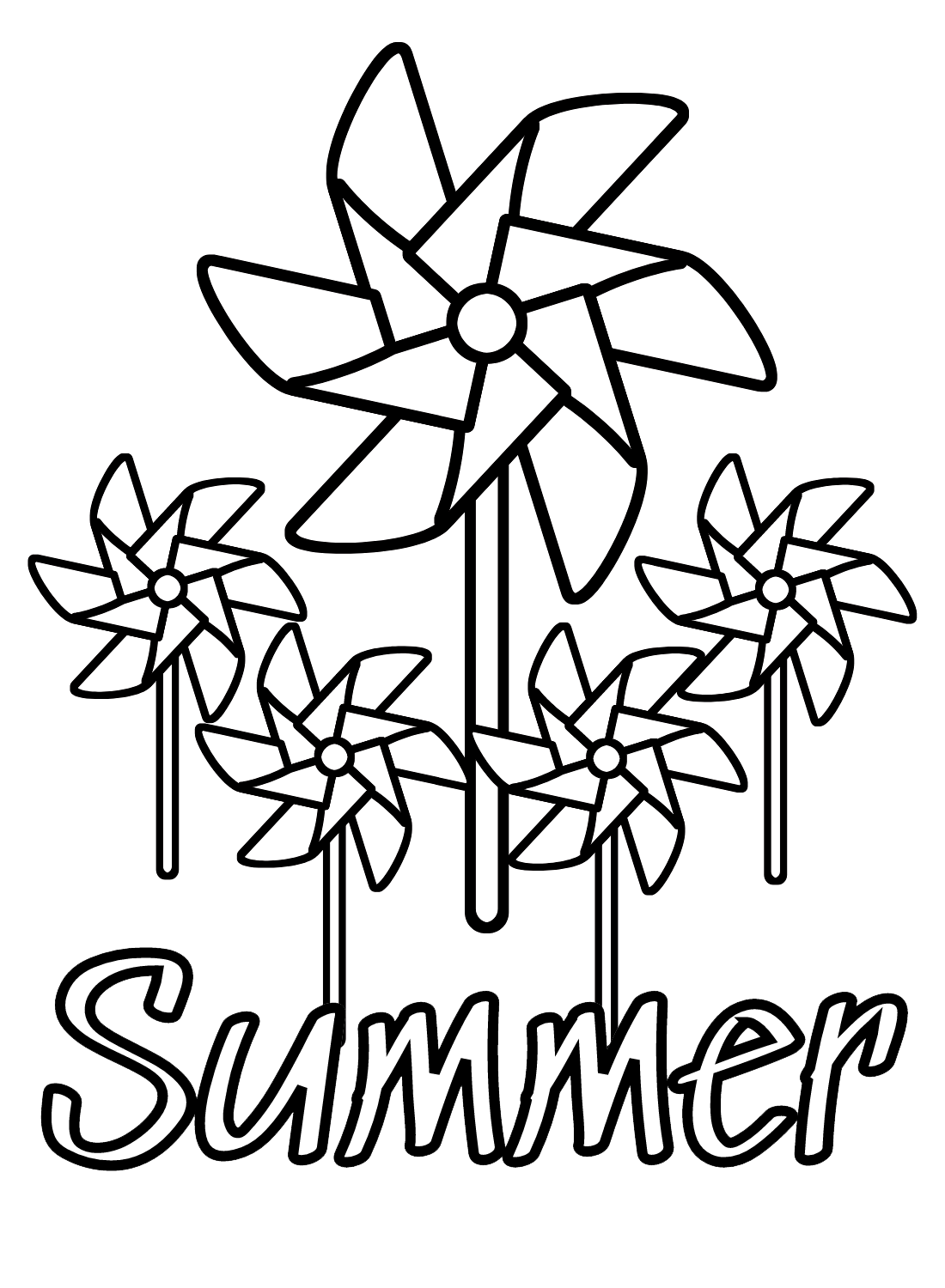
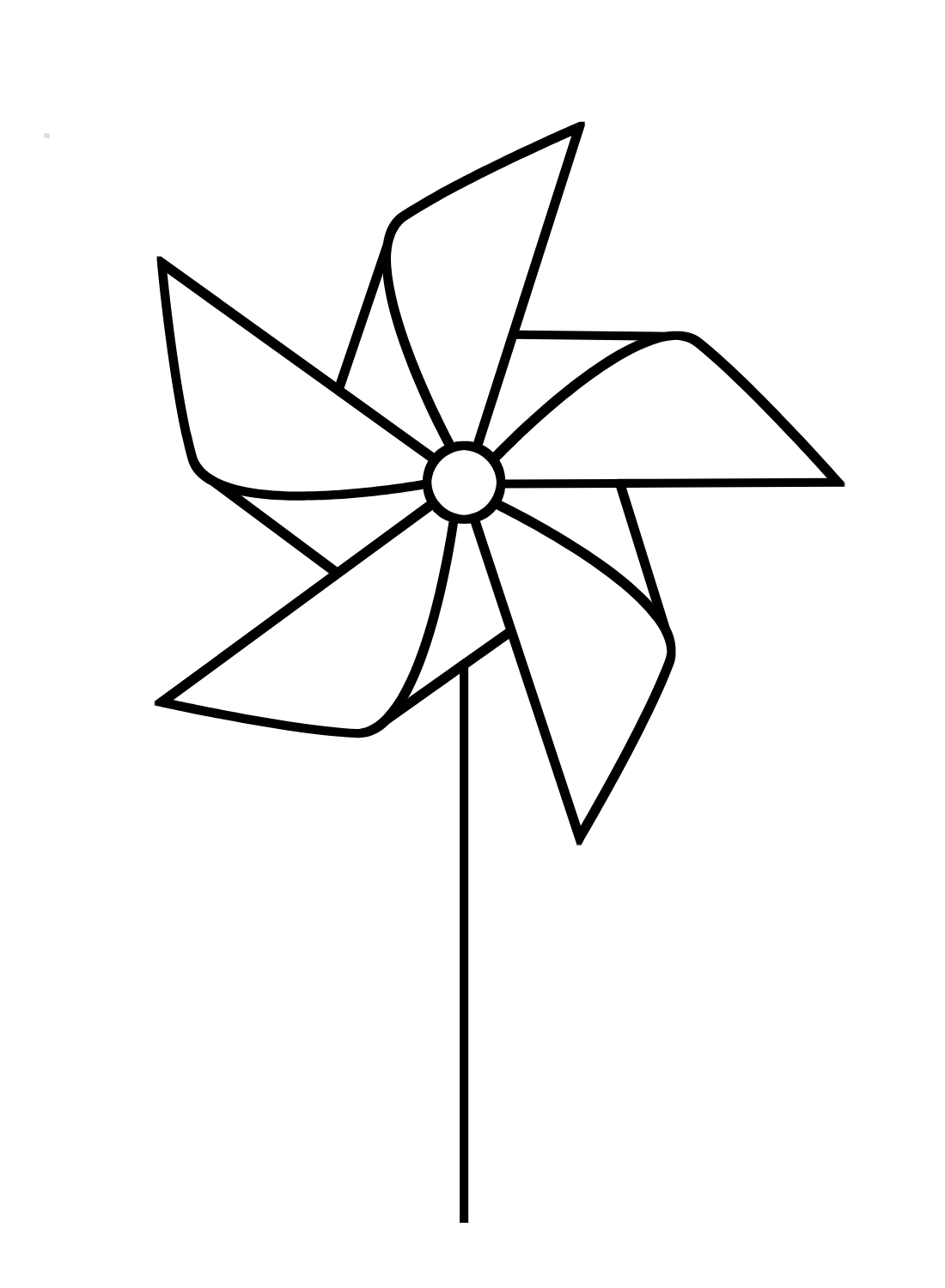
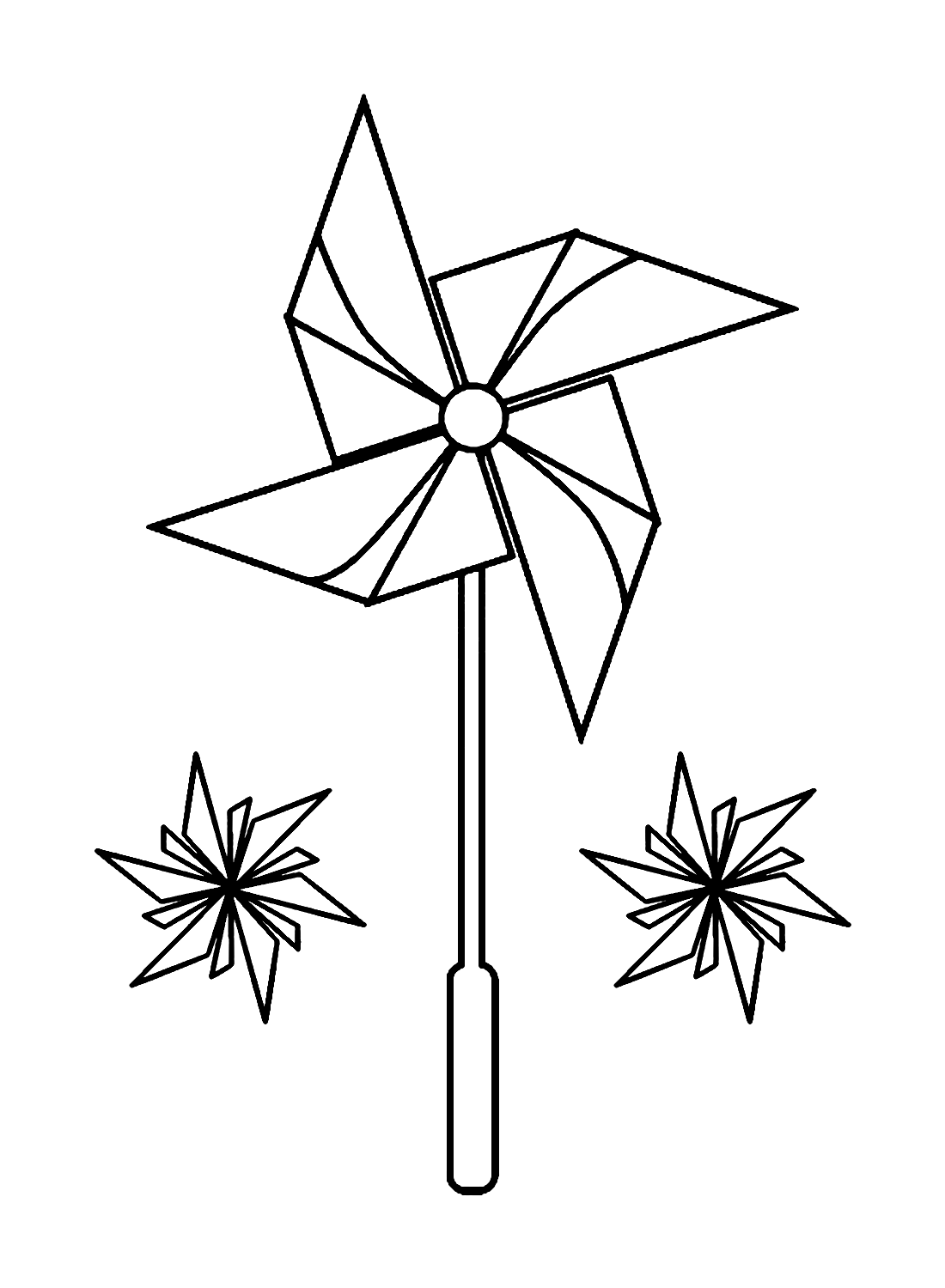
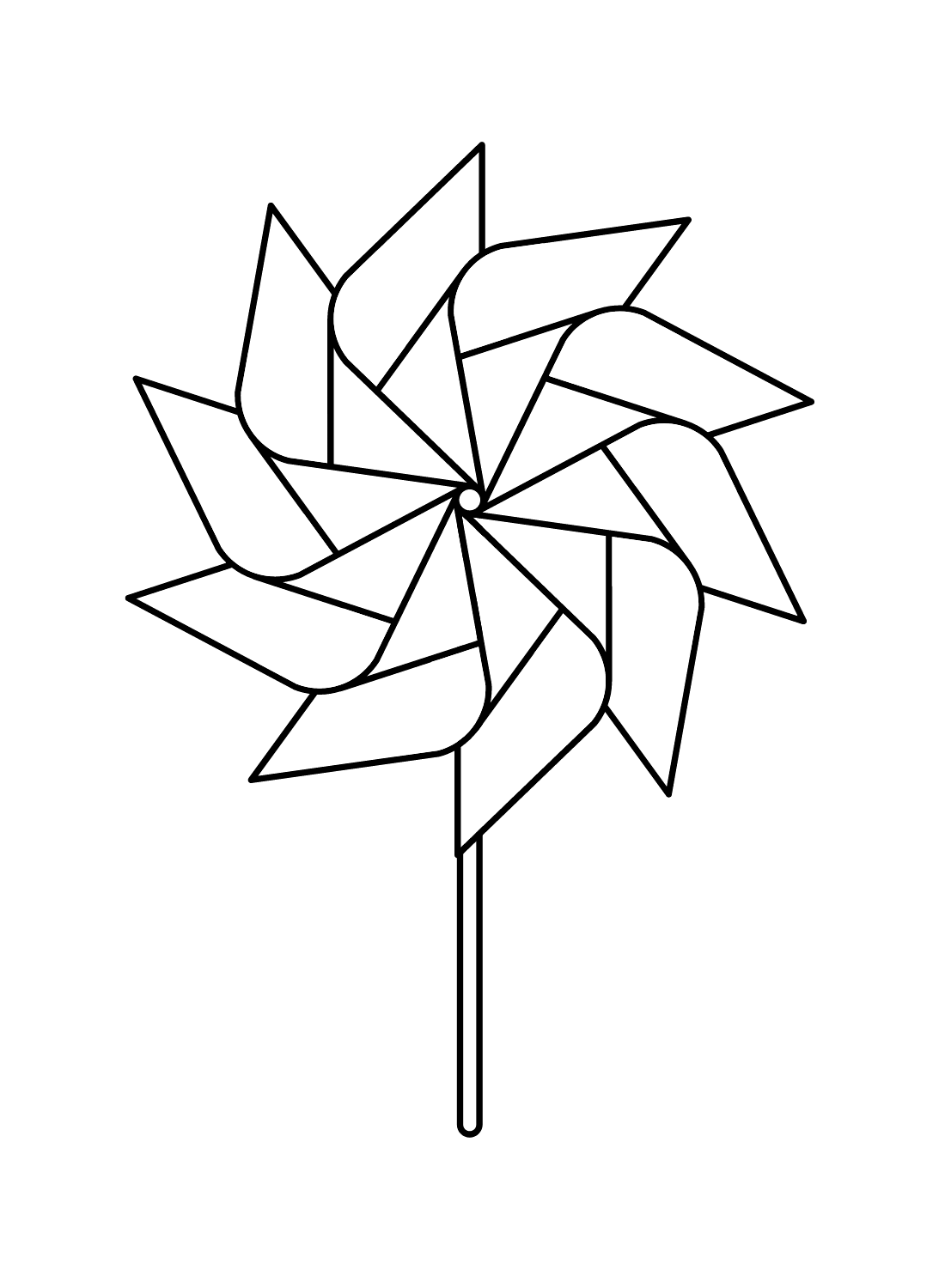
Fourteen of the 33 pages are simple solo pinwheel portraits distinguished mostly by file name, with the rest split between counting-style multiples, decorative variants, and characters or vehicles holding a pinwheel. Since the pinwheel shape itself stays simple, the coloring variety comes mostly from what’s paired with it.
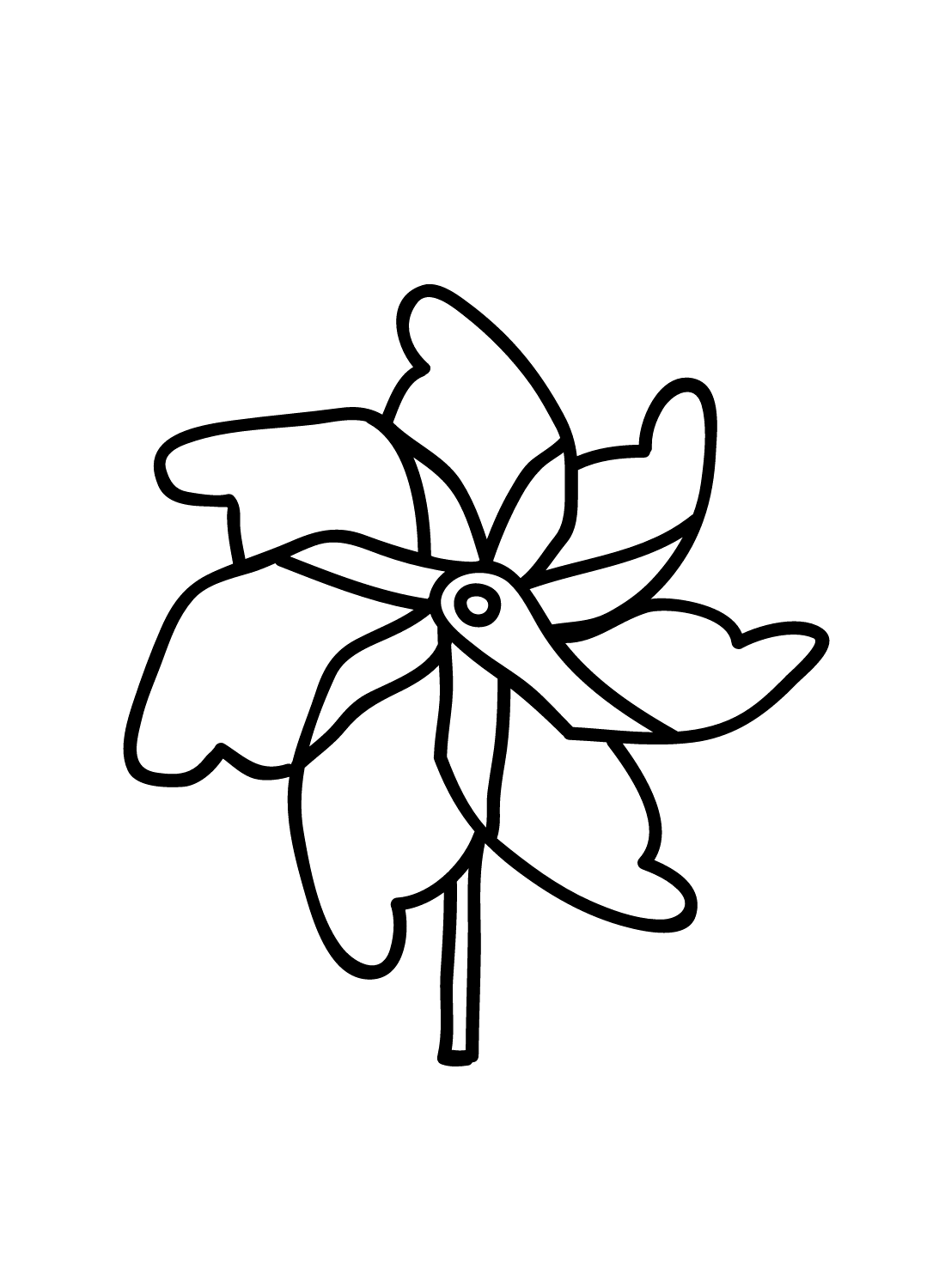
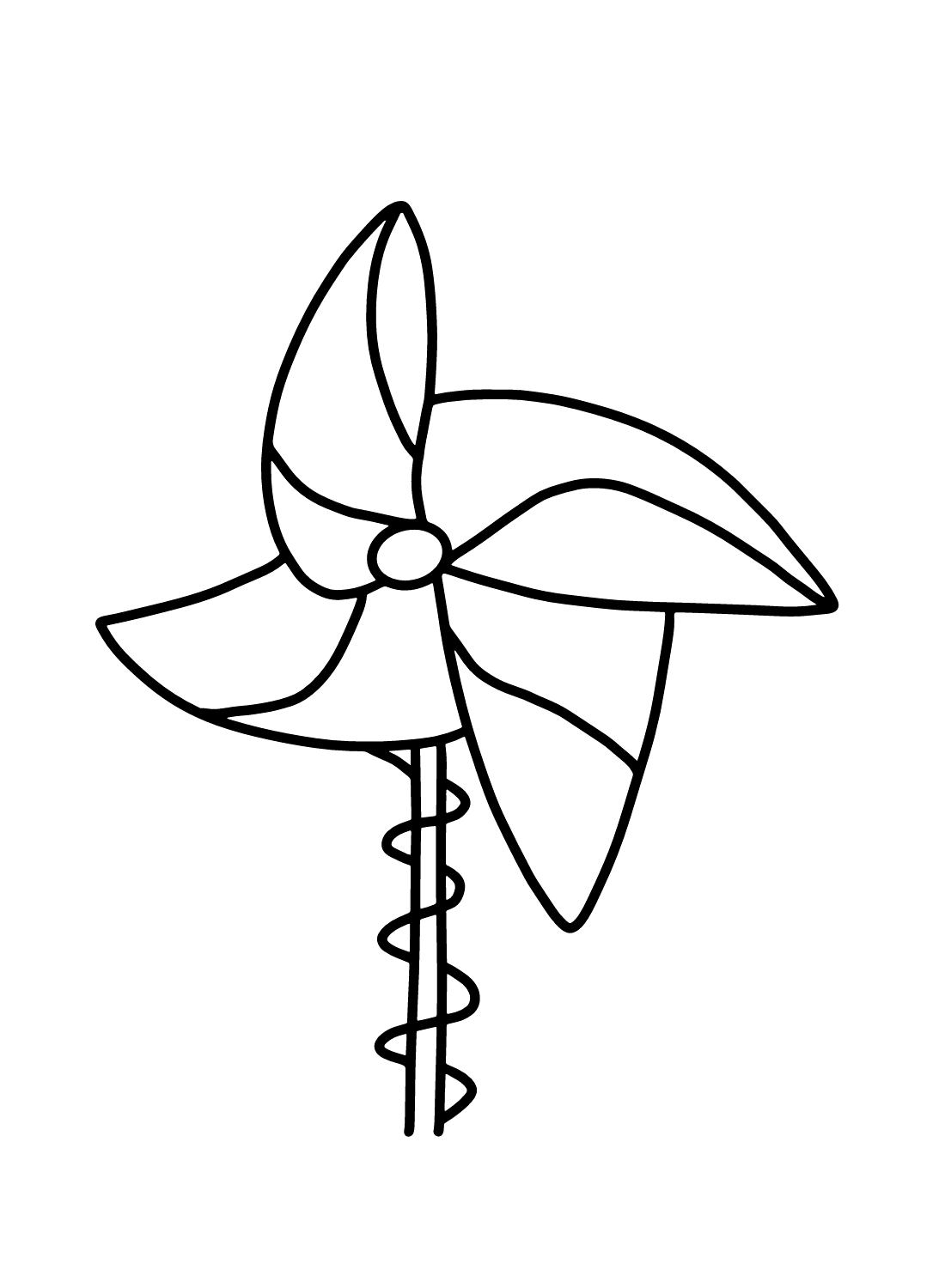
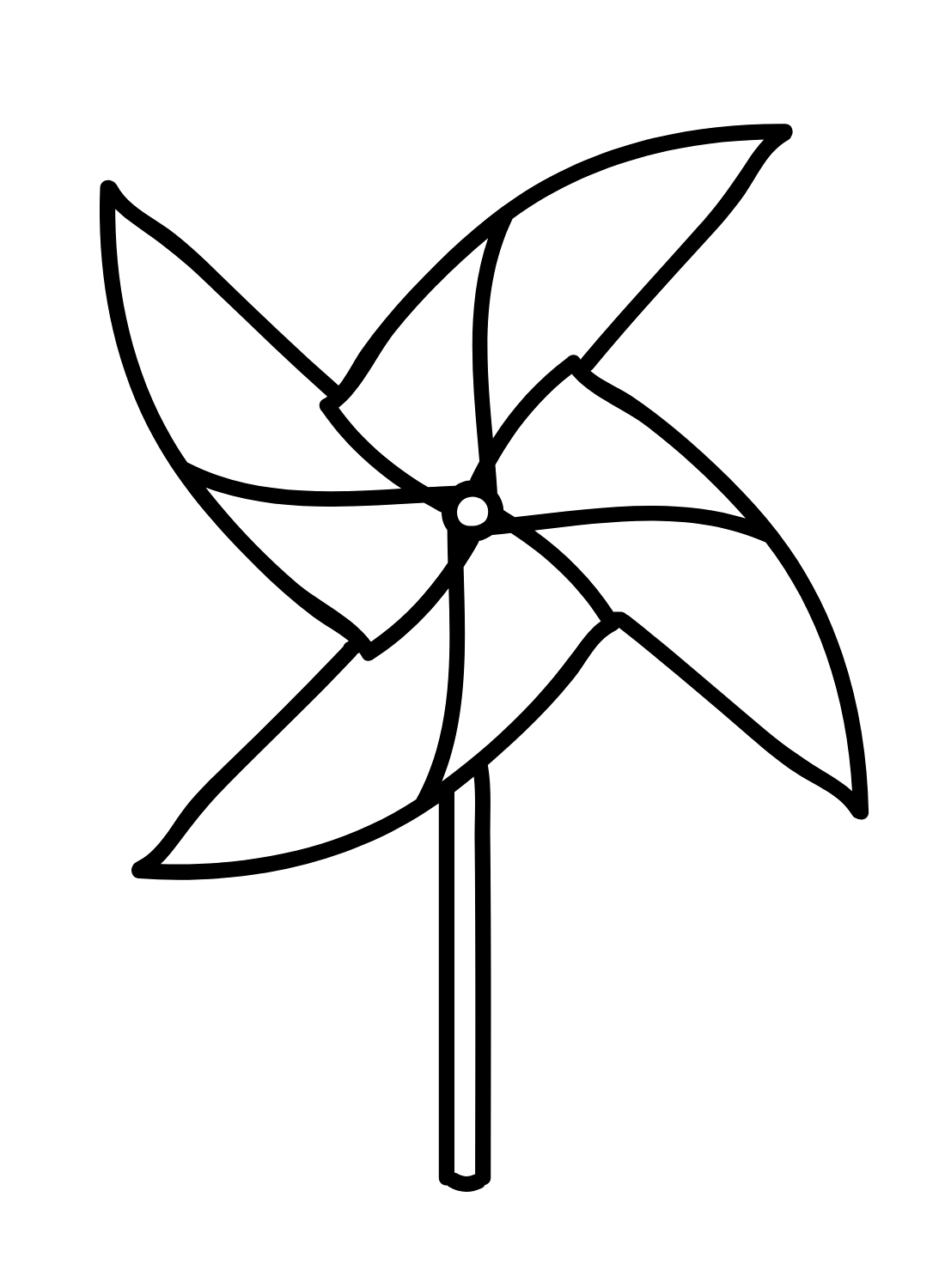
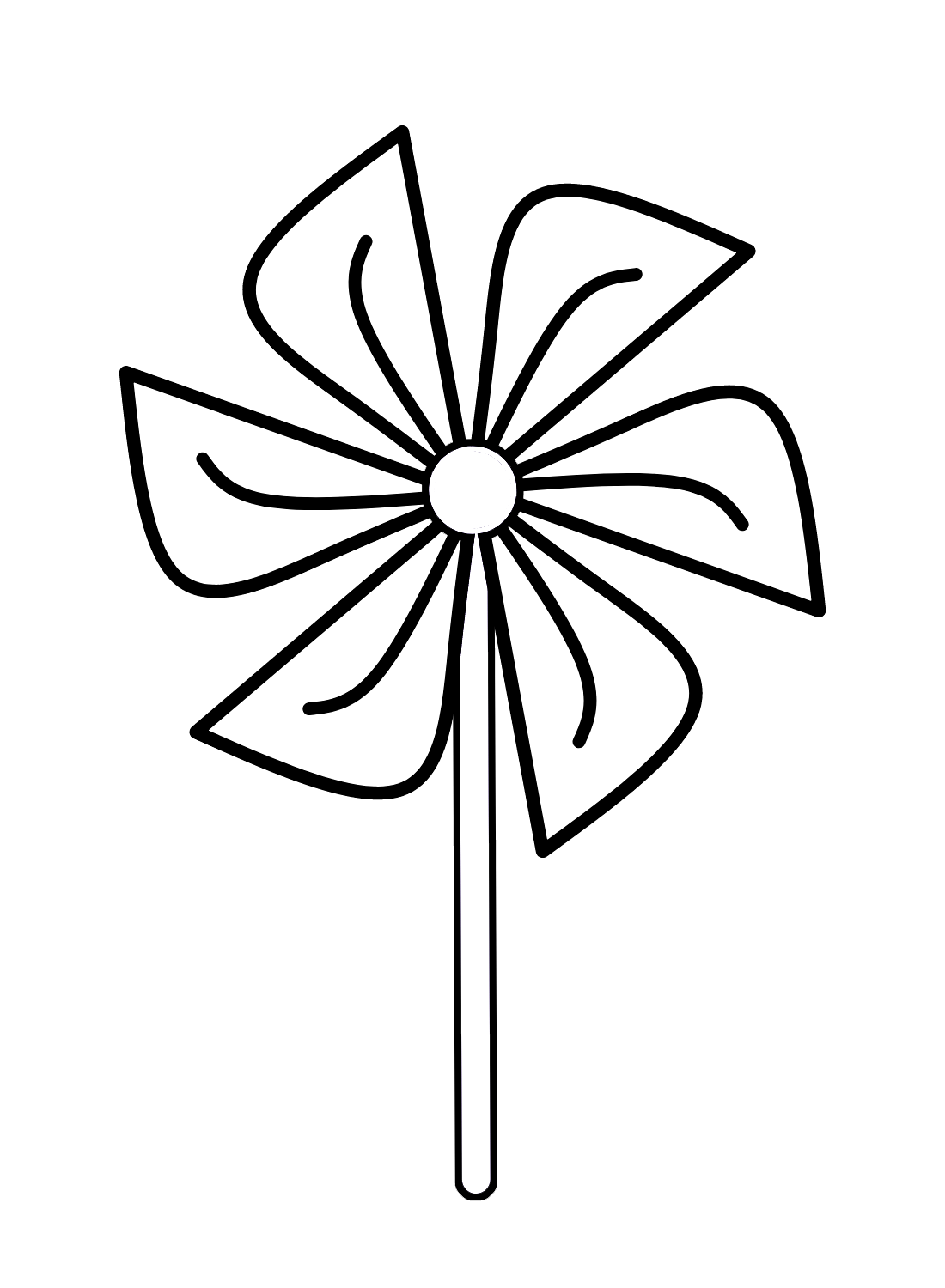
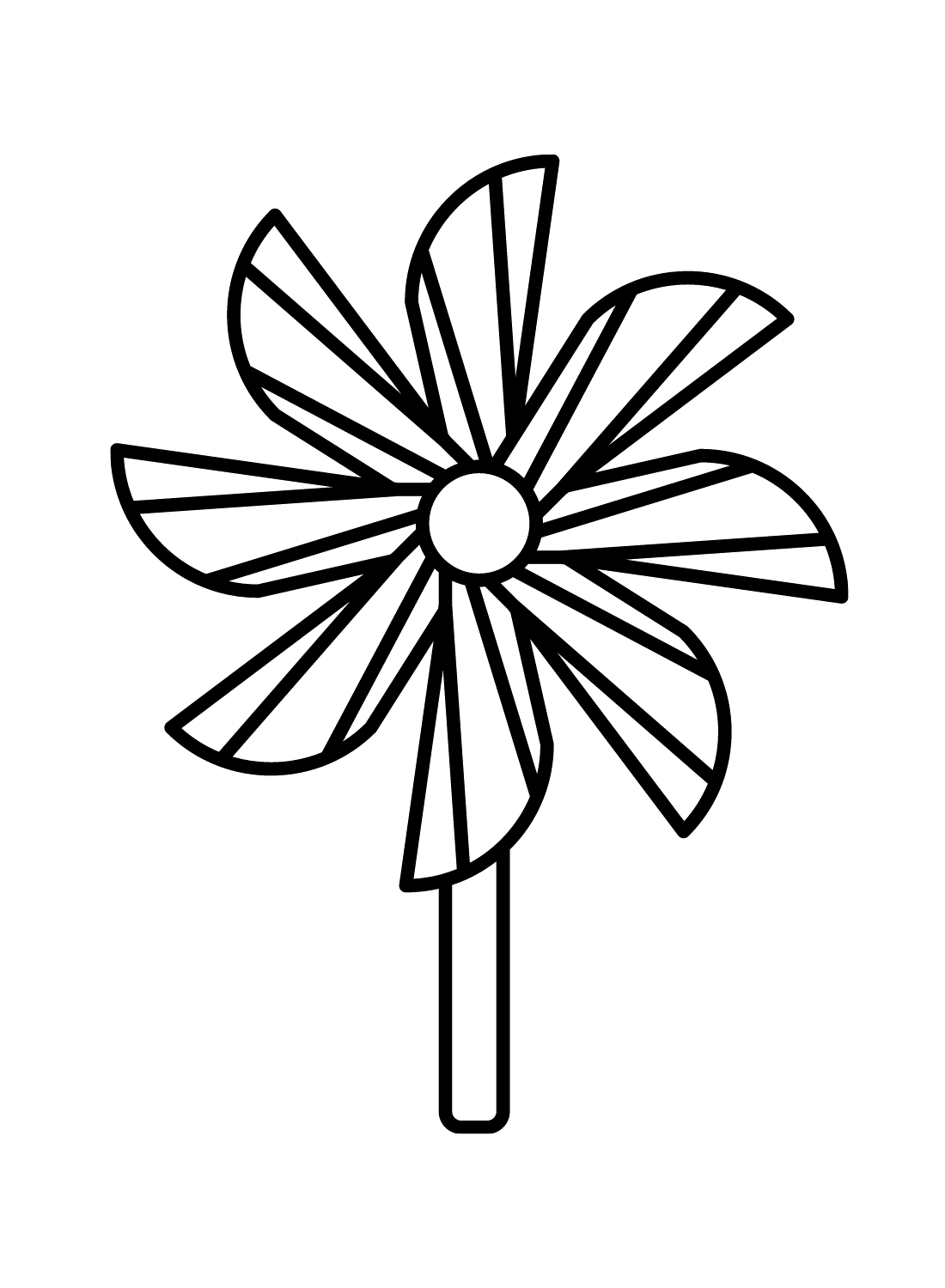
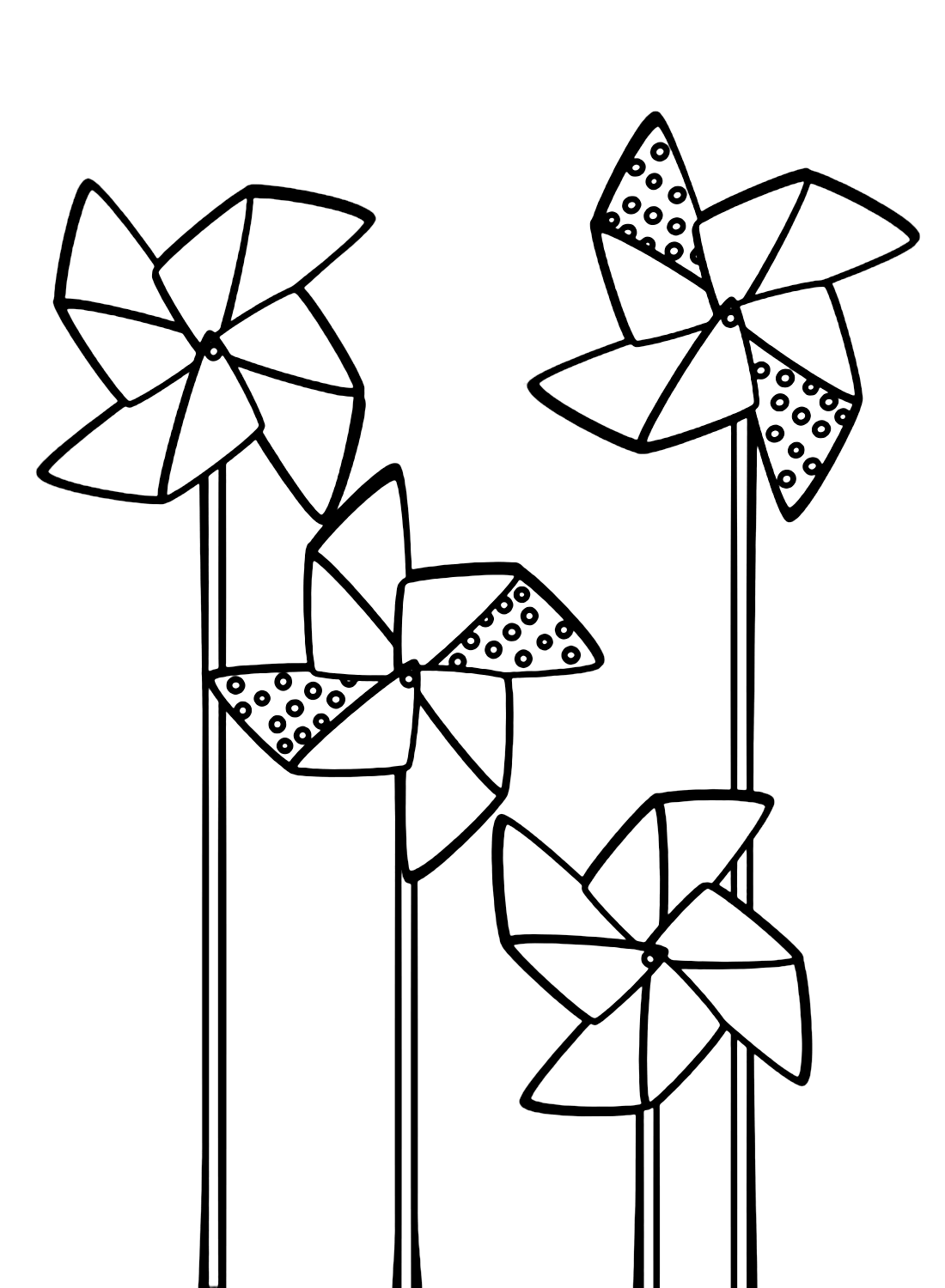
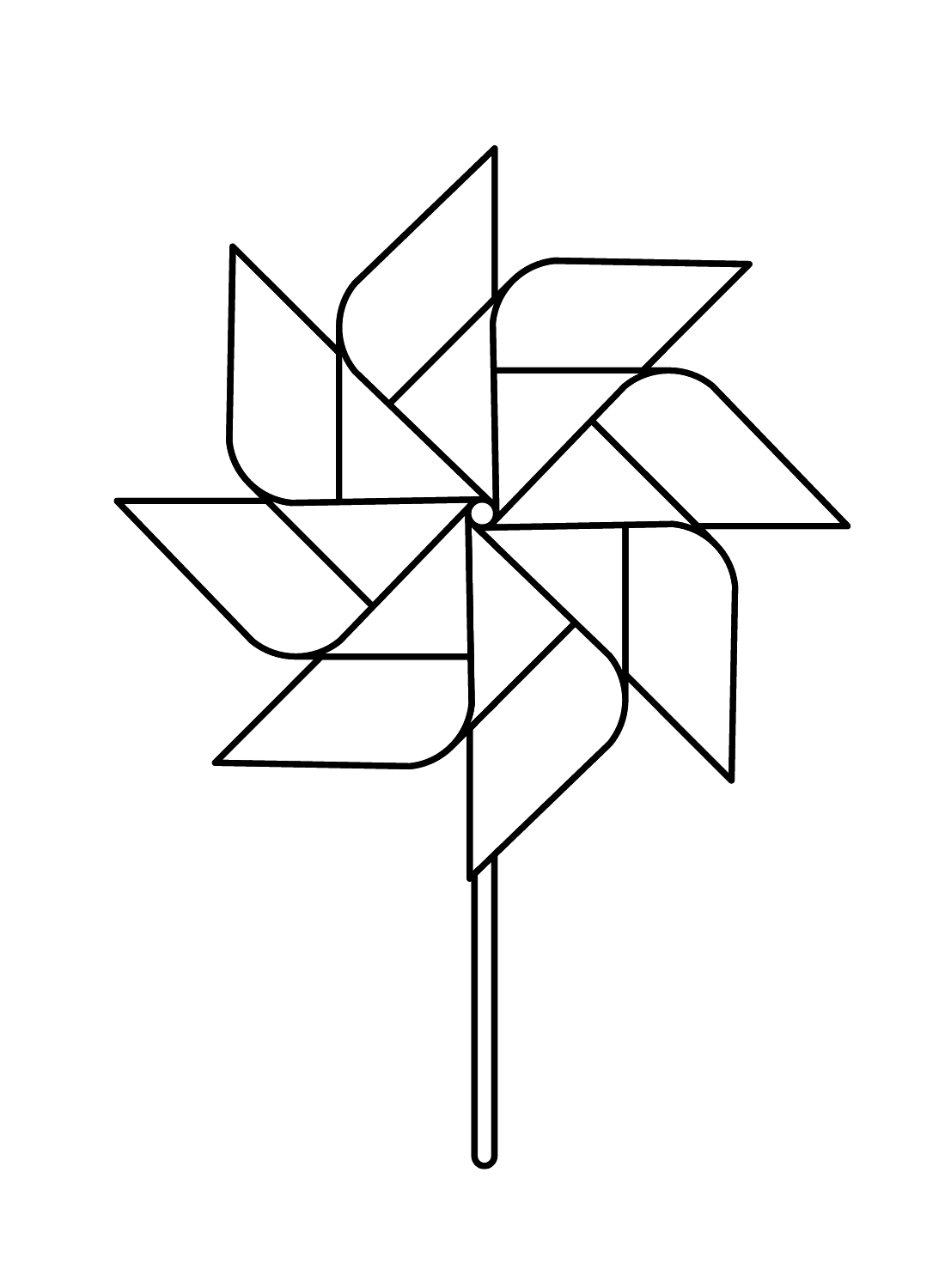
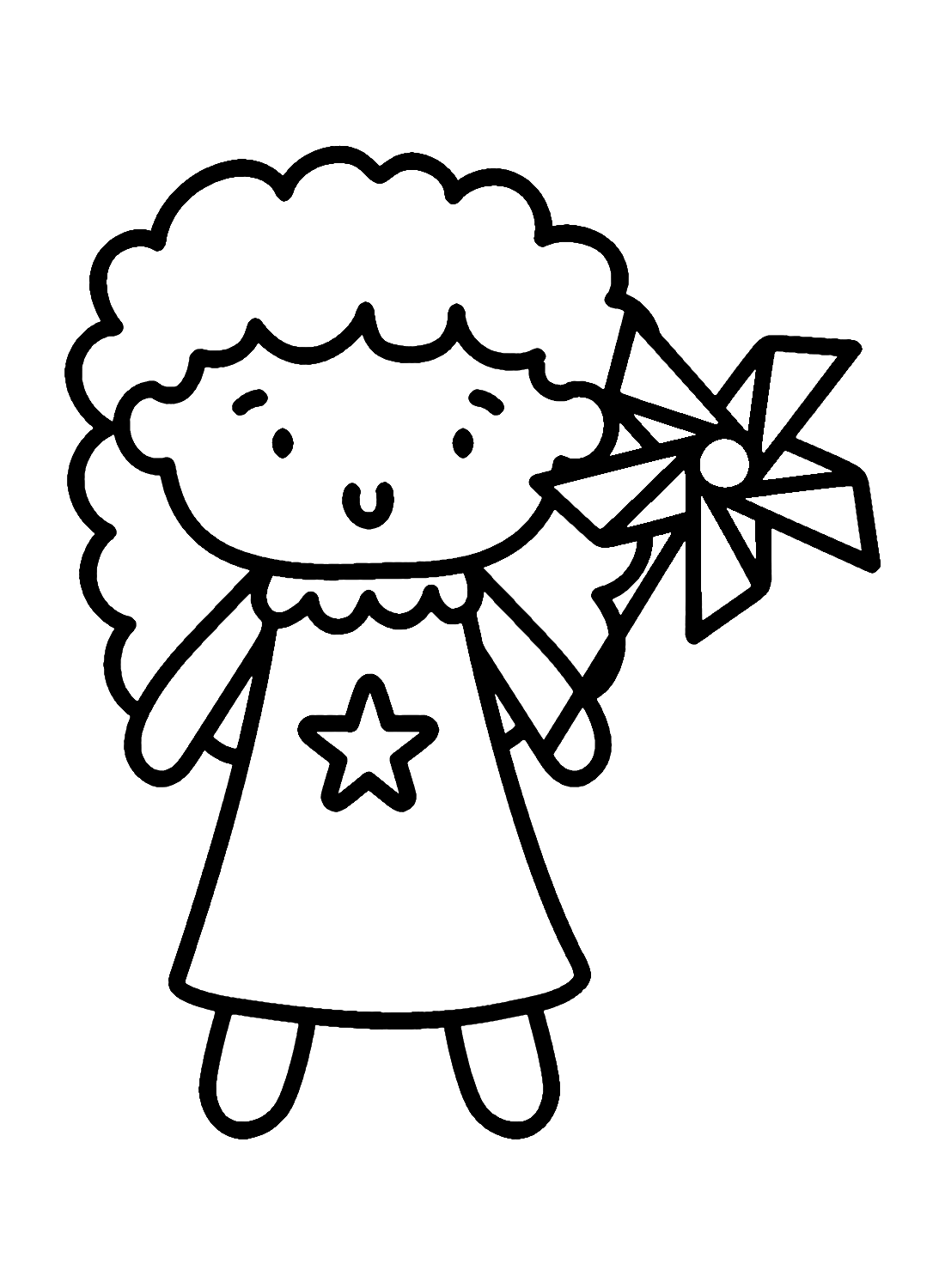
What’s Inside This Collection
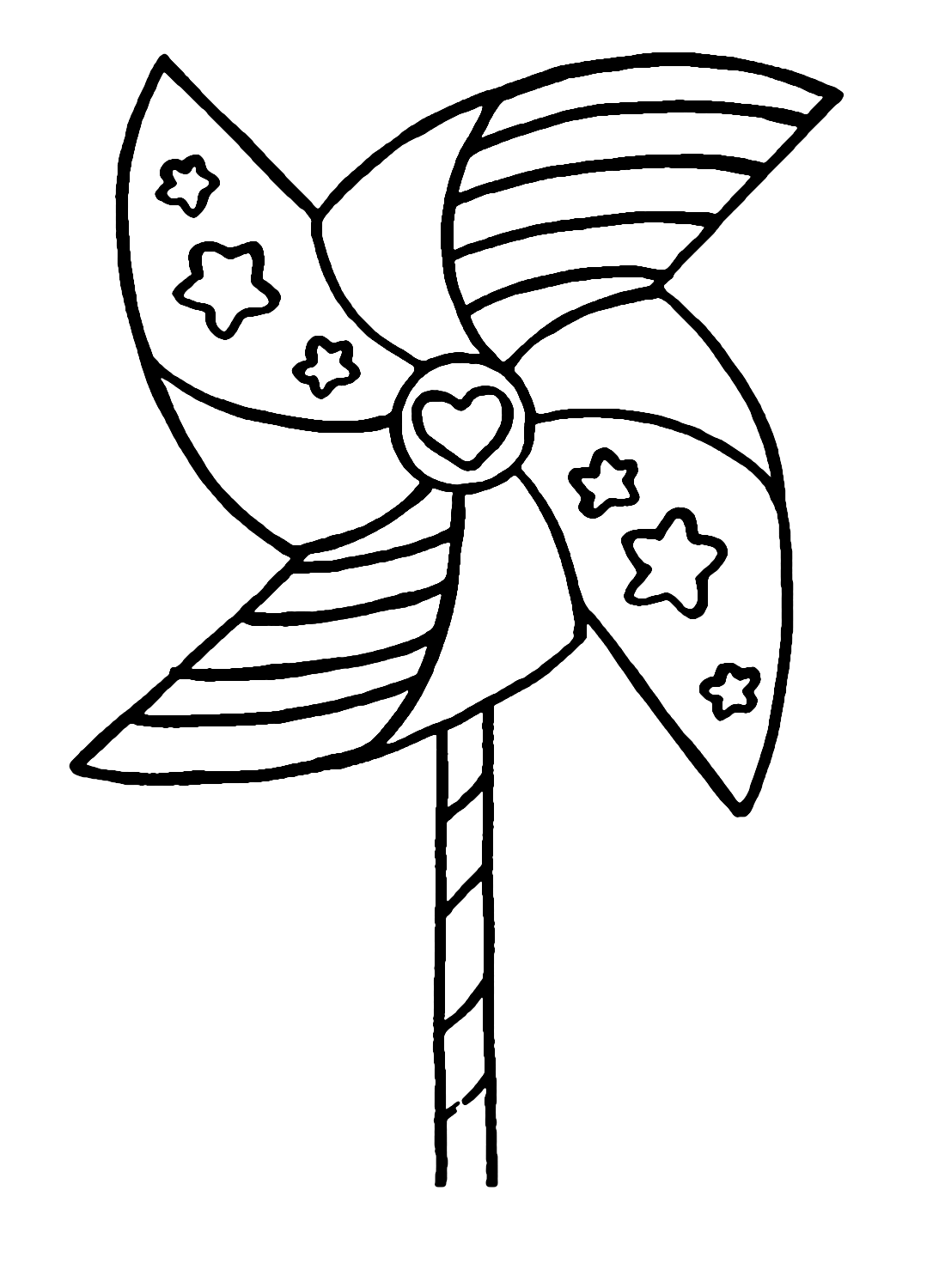
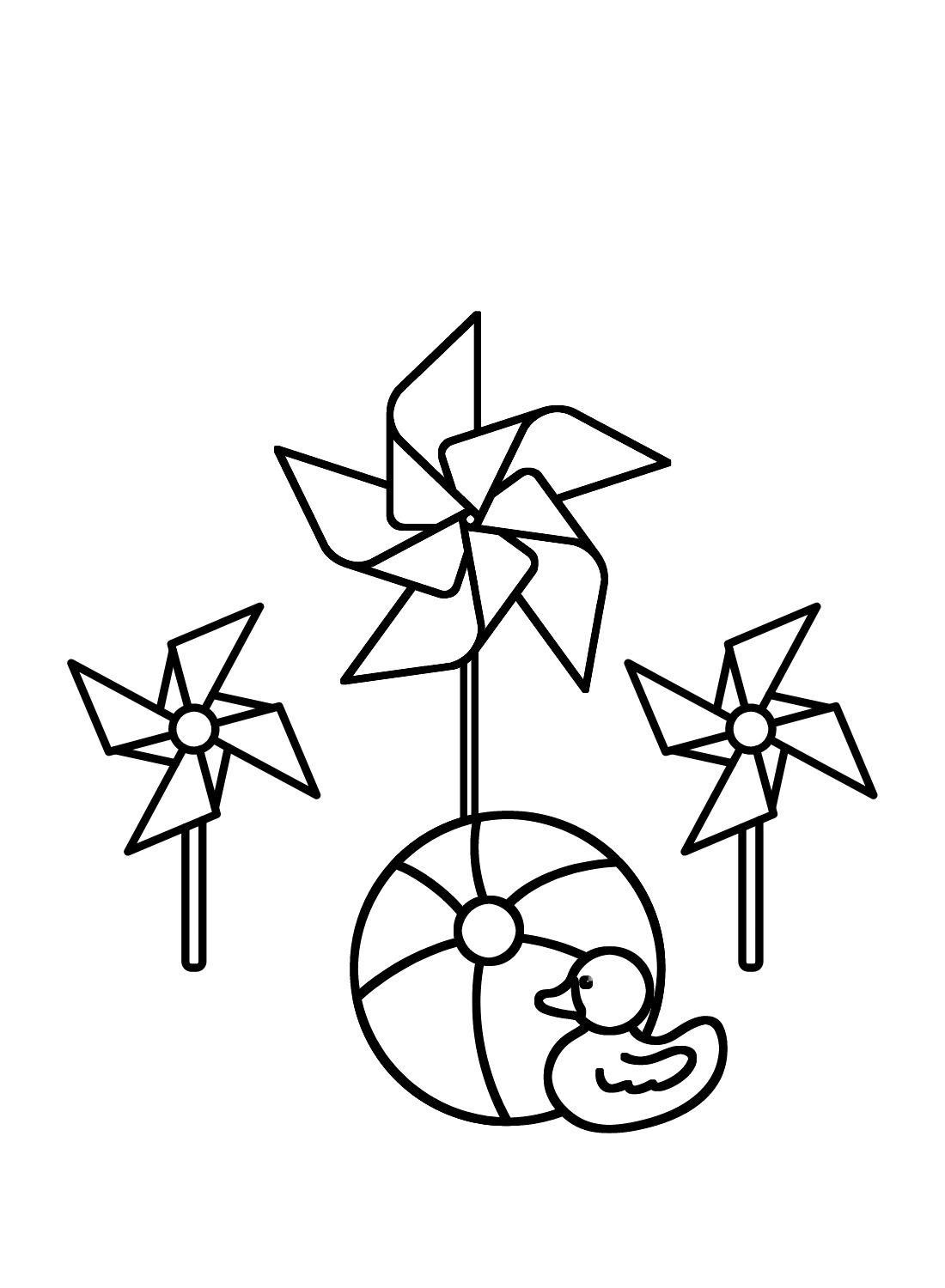
Four groups organize the 33 pages, ranging from a plain single pinwheel to full scenes built around one.
Simple Solo Pinwheels
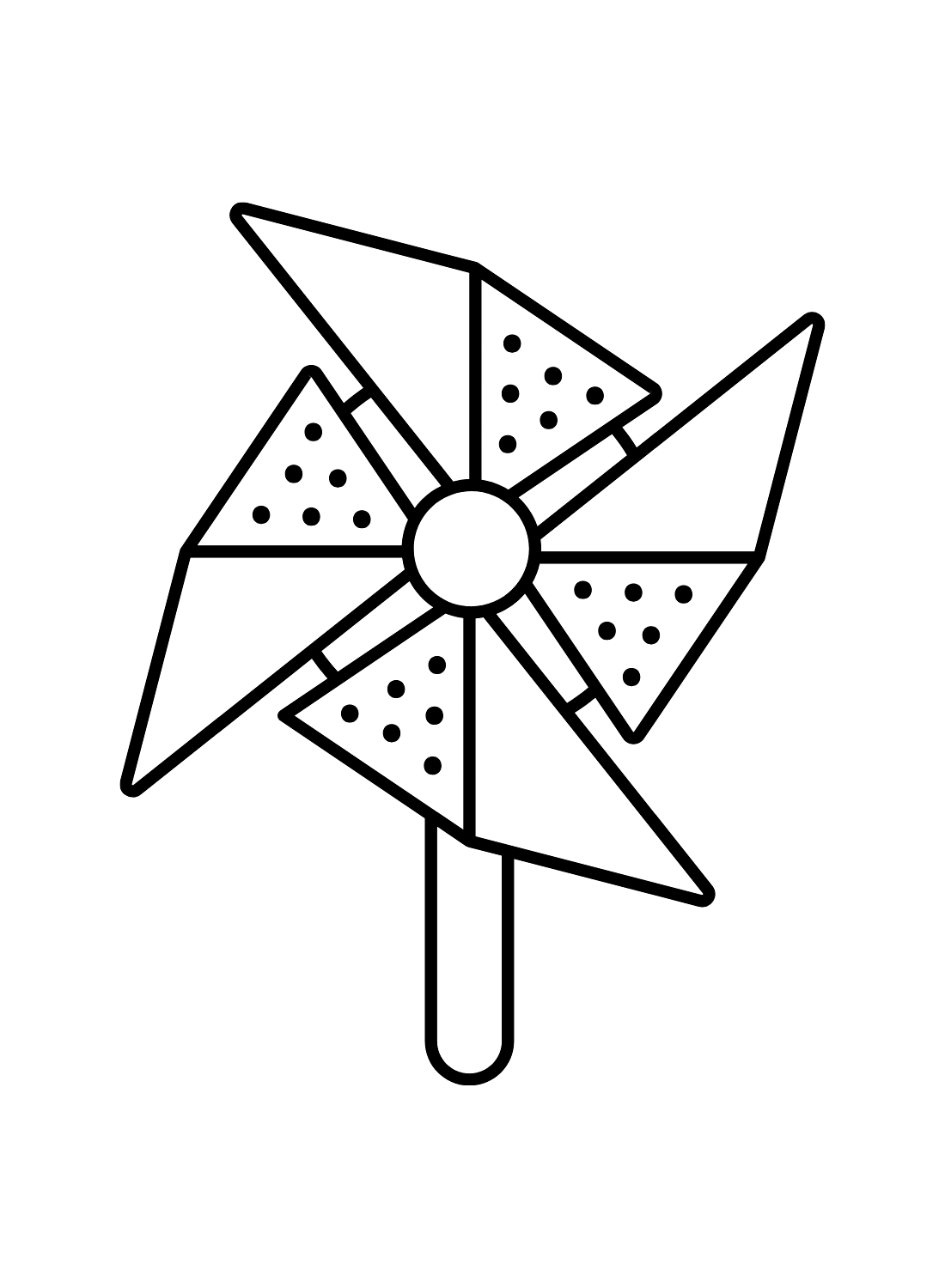
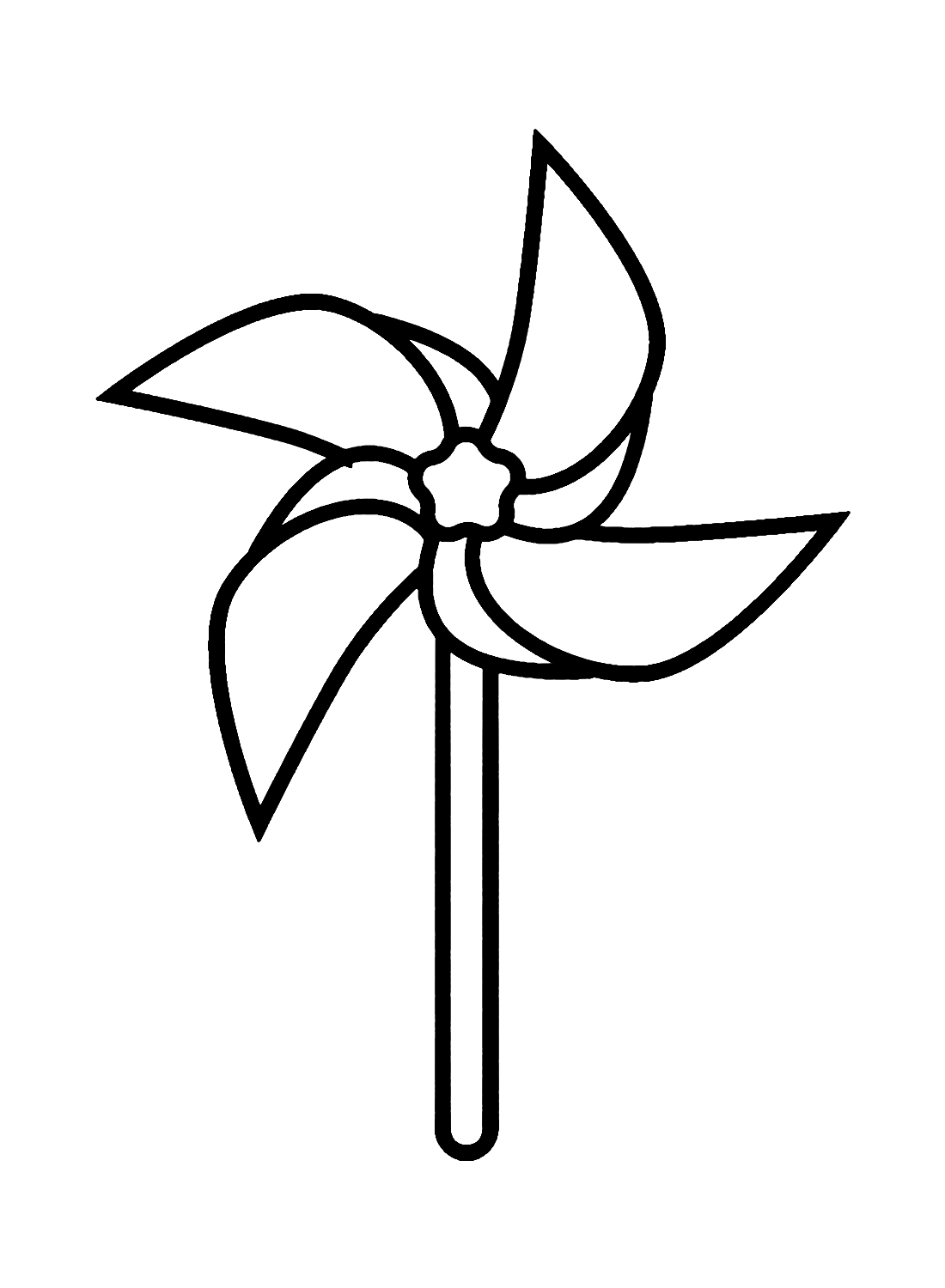
The largest group shows one pinwheel alone, repeated across many pages under different file names. Coloring suggestion: Use this repetition to try a different color-wheel pattern on each page, rainbow, pastel, or two-tone, rather than defaulting to the same combination every time.
Multiple Pinwheels and Counting Pages
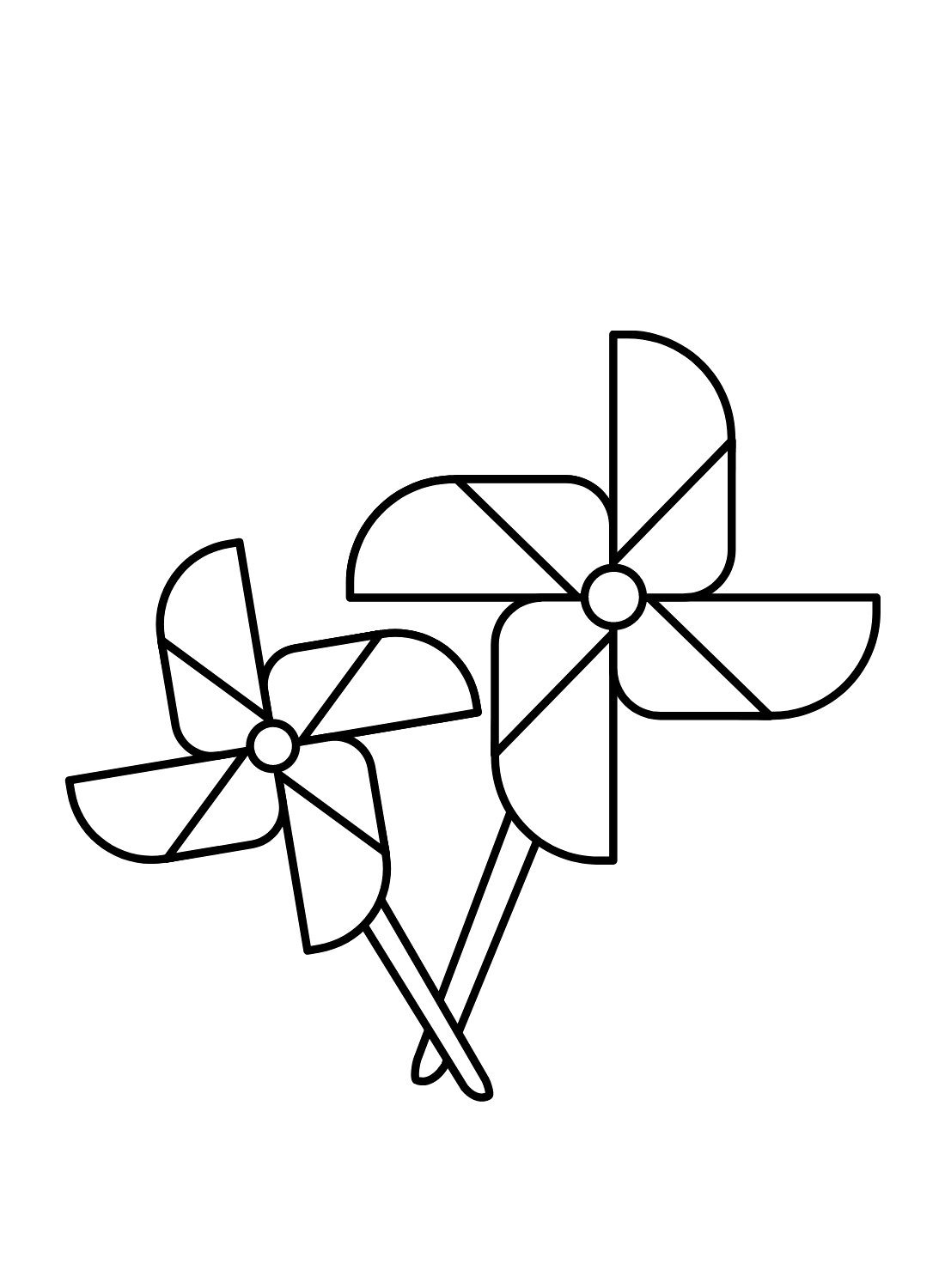
This group shows two, four, six, seven, eight, or nine pinwheels together on one page. Coloring suggestion: give each individual pinwheel in the group its own distinct color scheme, since these pages work well as informal counting practice alongside the coloring itself.
Decorative and Themed Variants
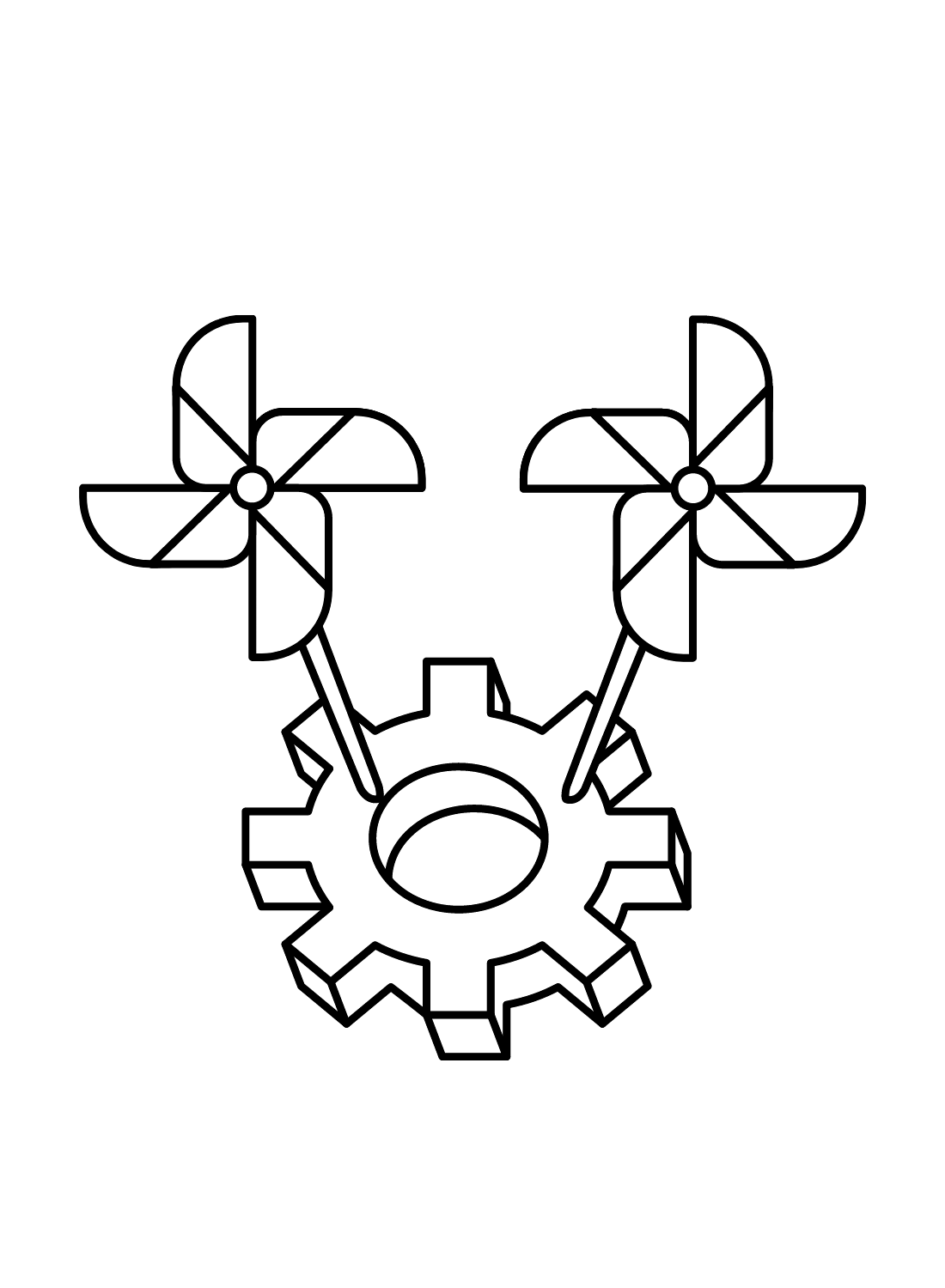
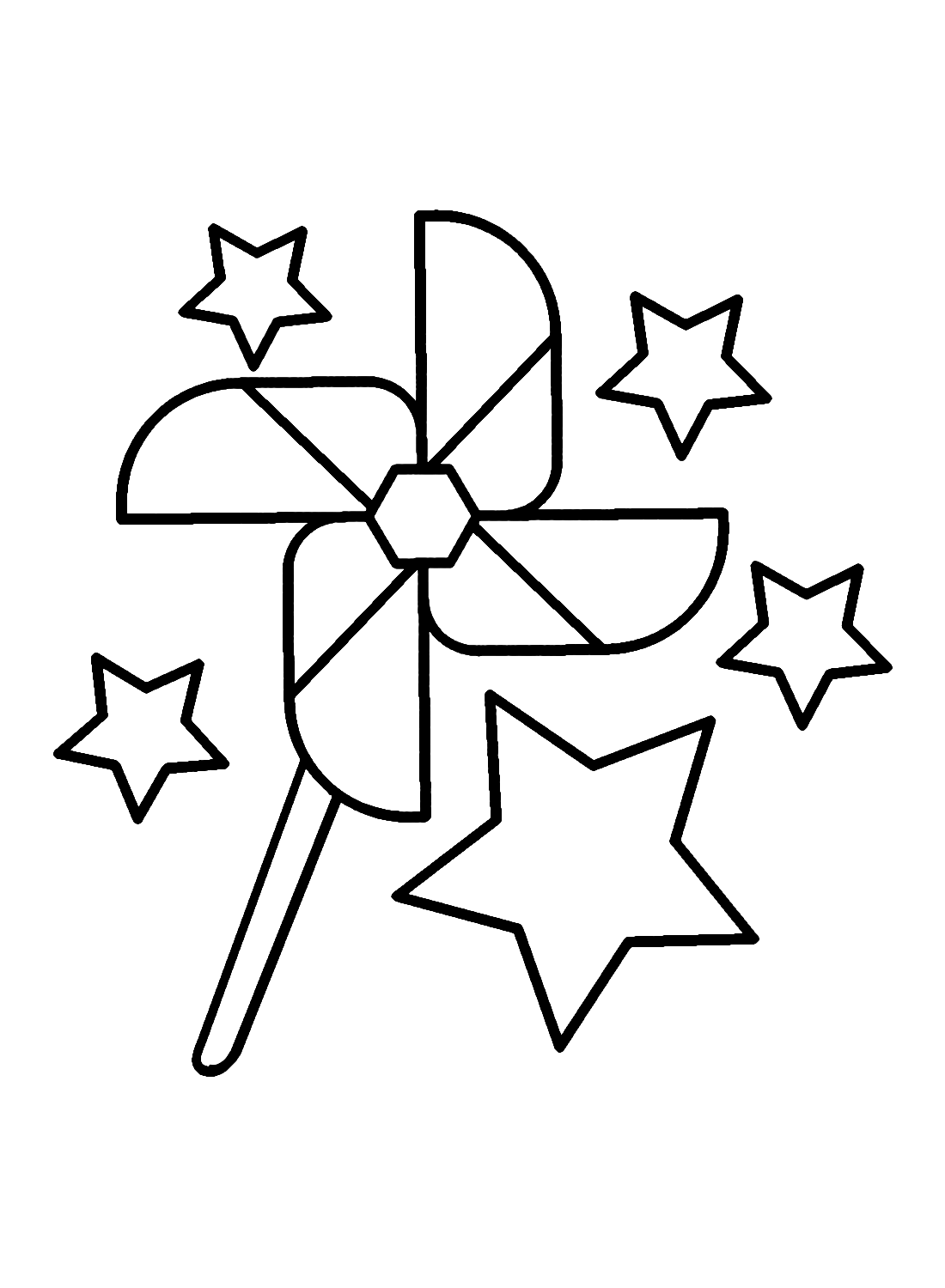
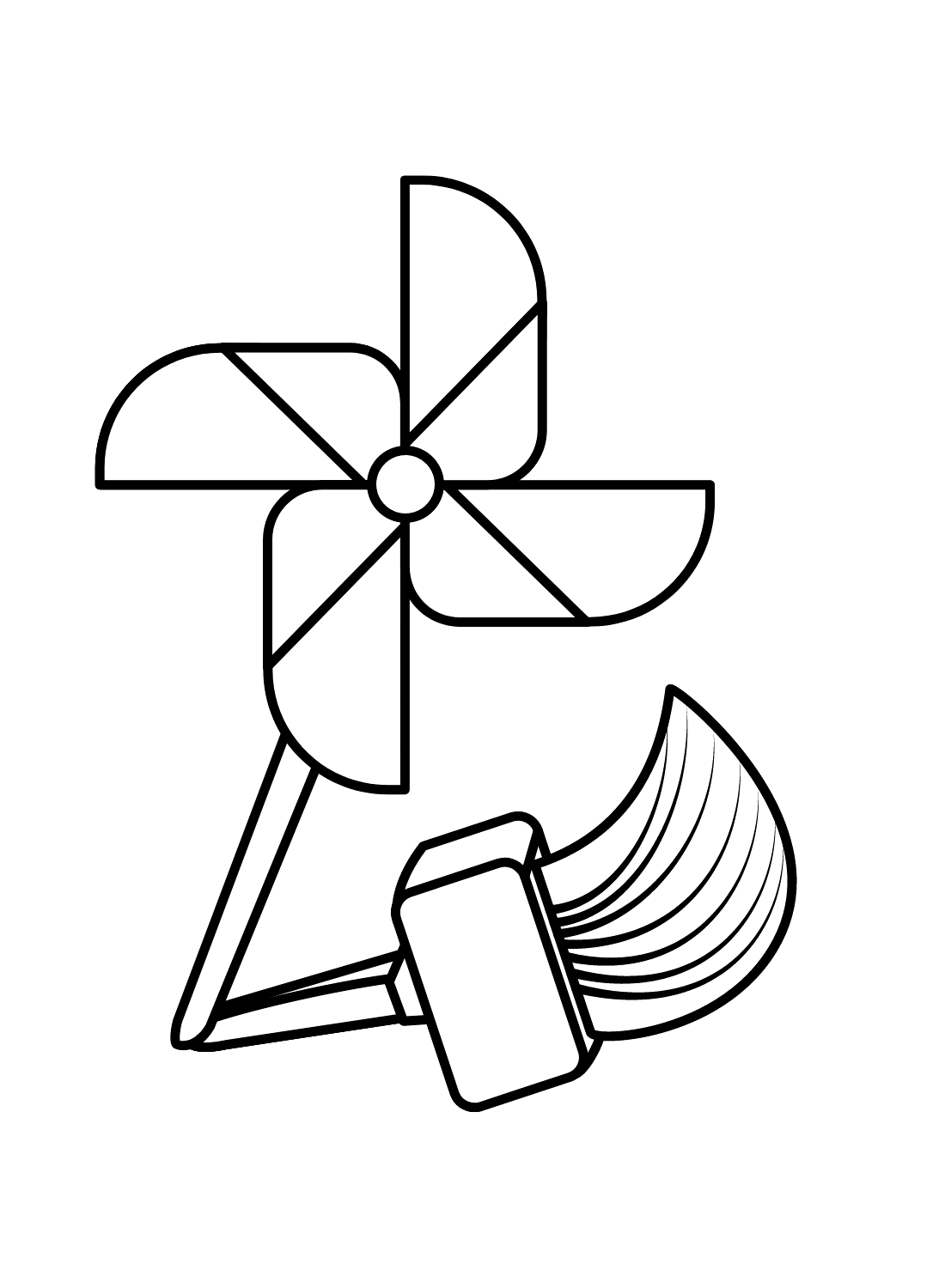
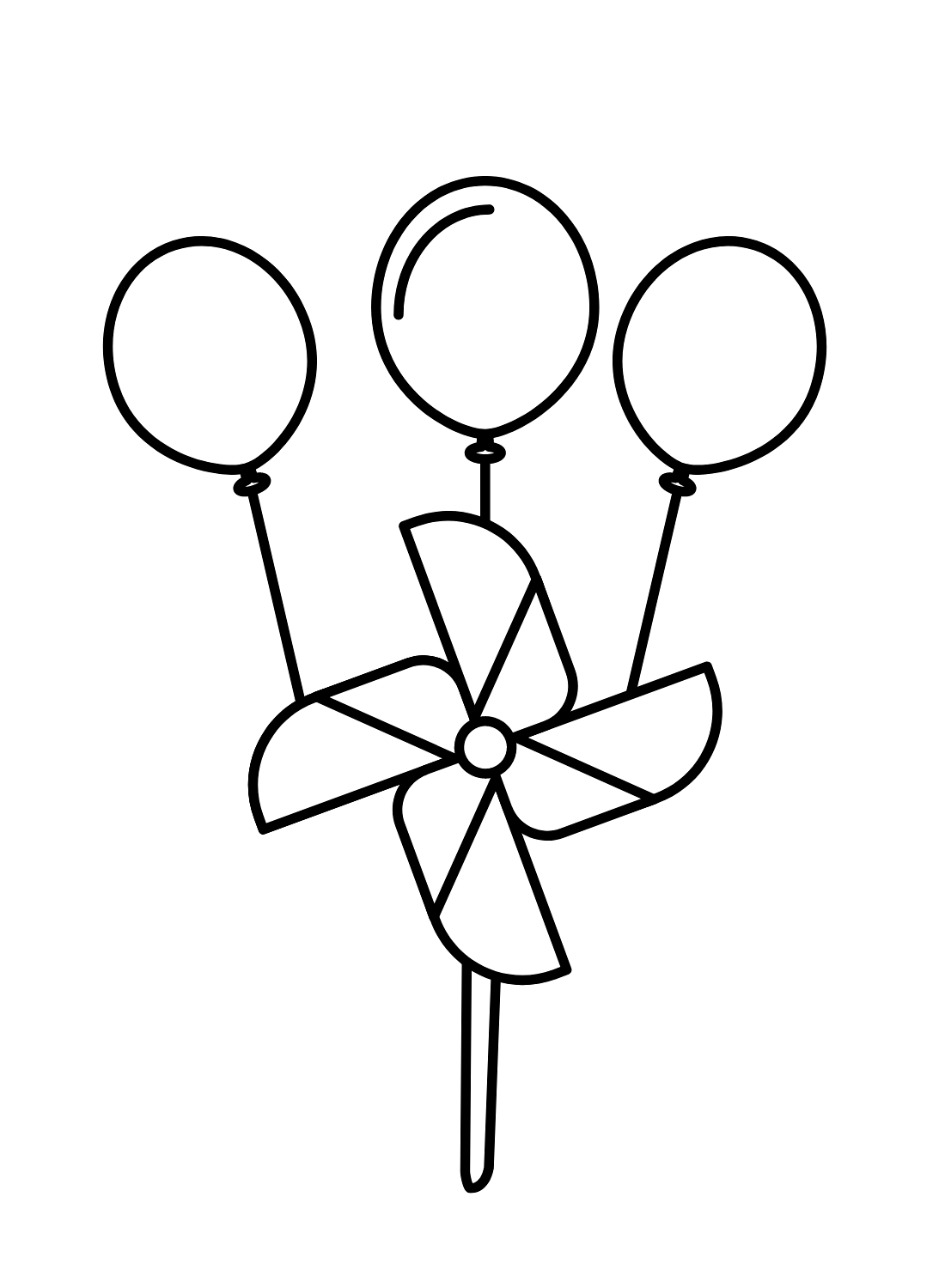
These pages dress the pinwheel up with stars, balloons, a paintbrush, gears, or a rainbow pattern. Coloring suggestion: let the added element, balloons, stars, guide the color choices, since these pages are built around a specific decorative theme rather than a plain pinwheel.
Characters and Vehicles Holding a Pinwheel
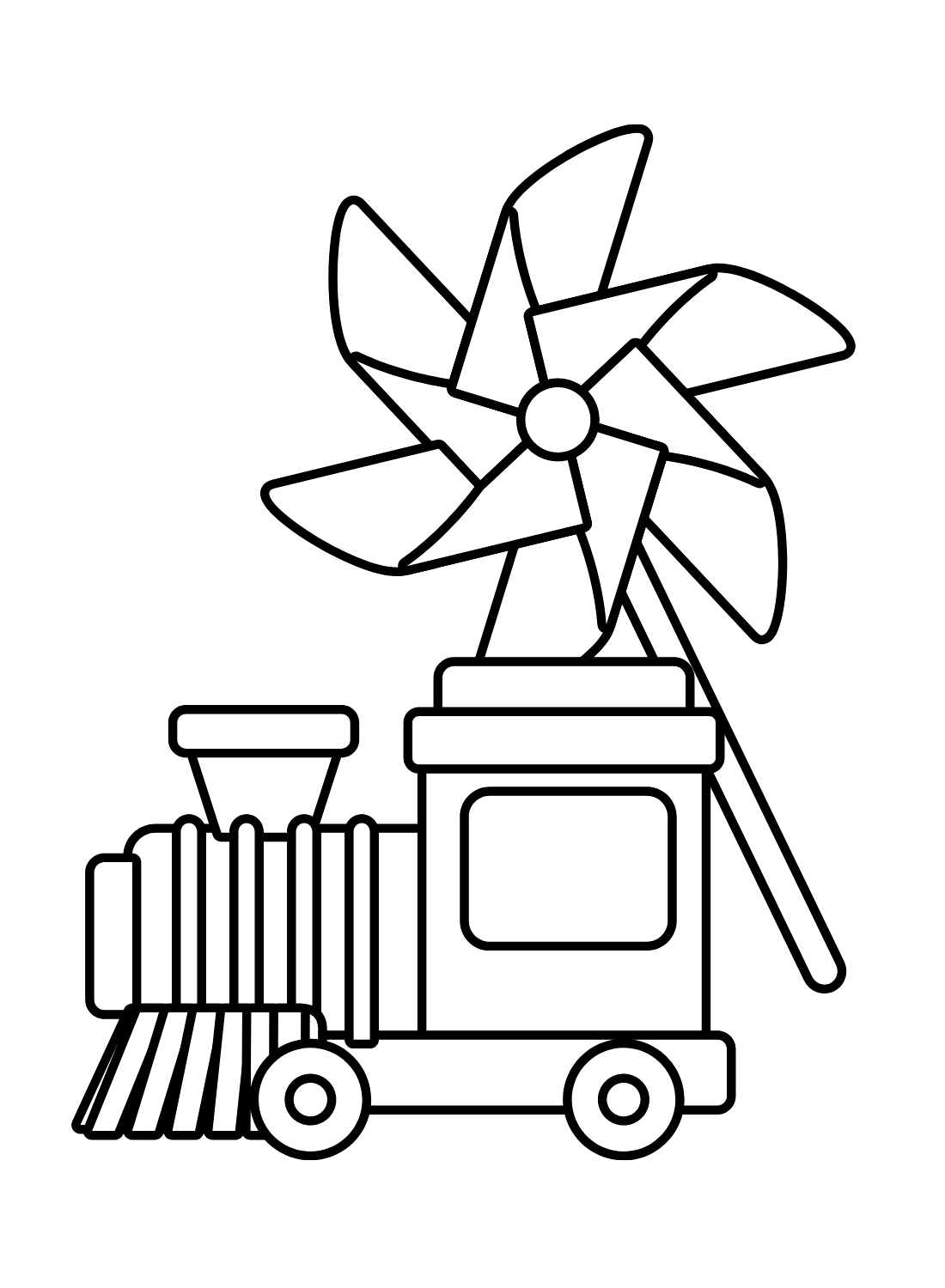
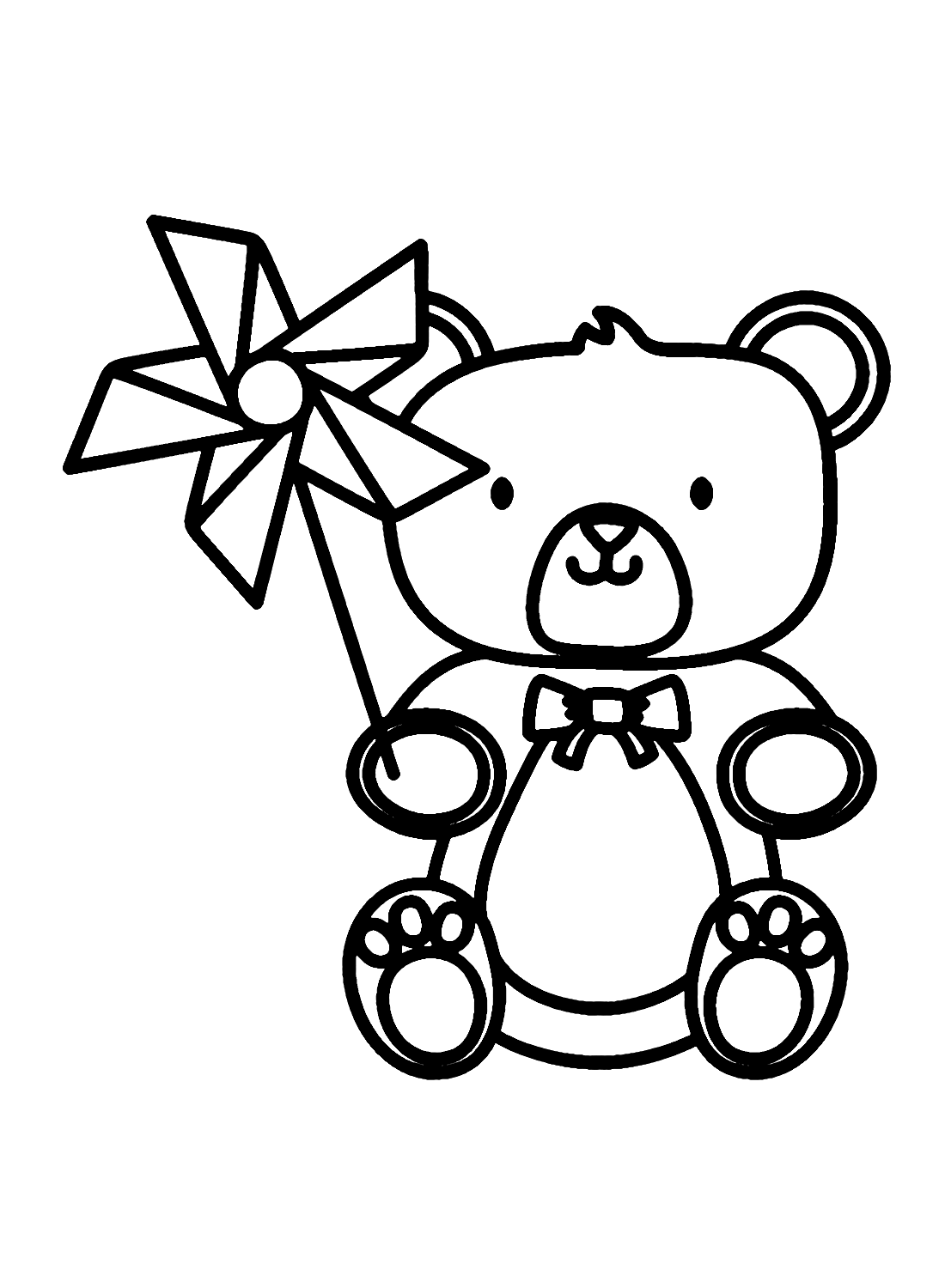
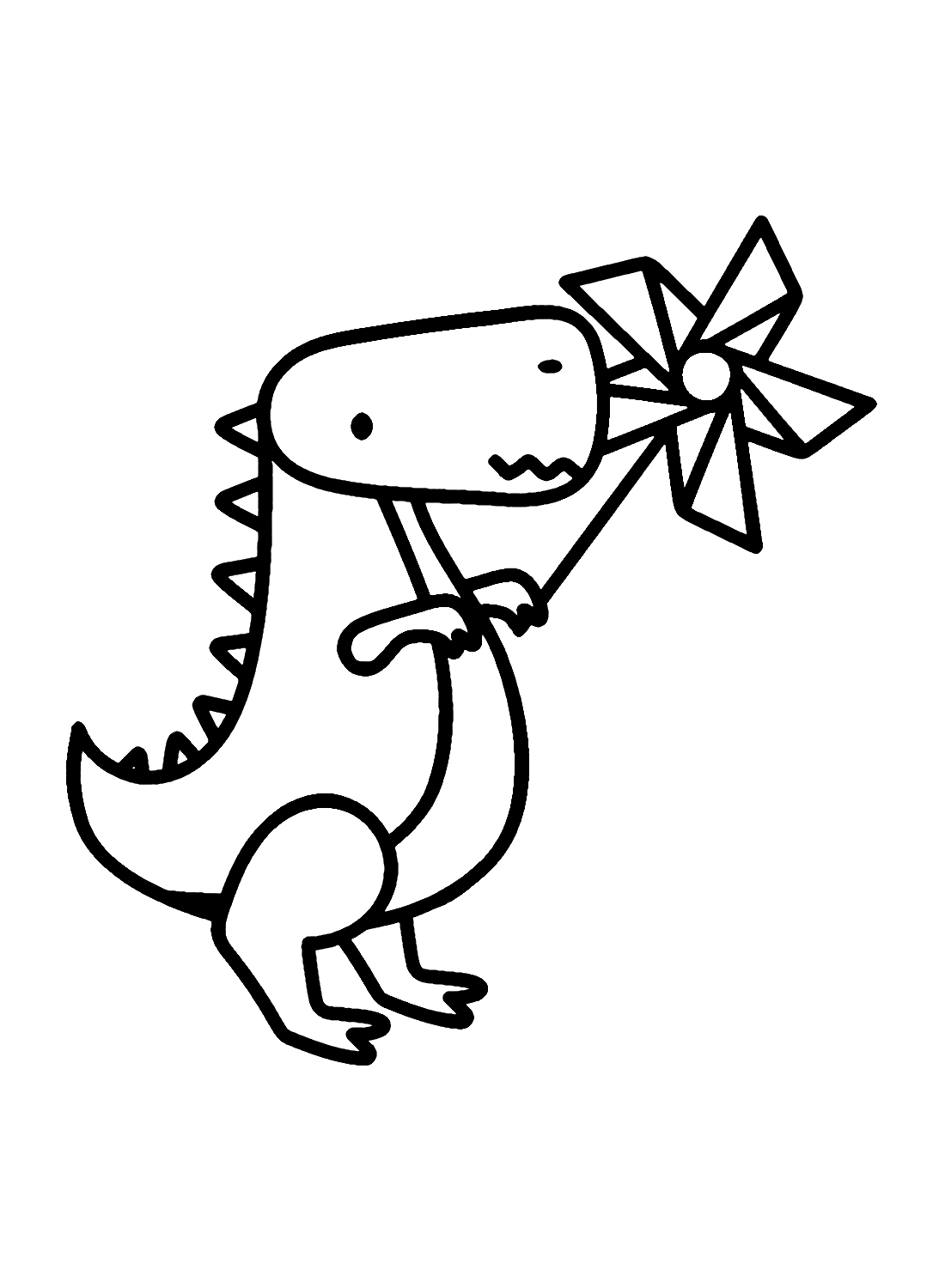
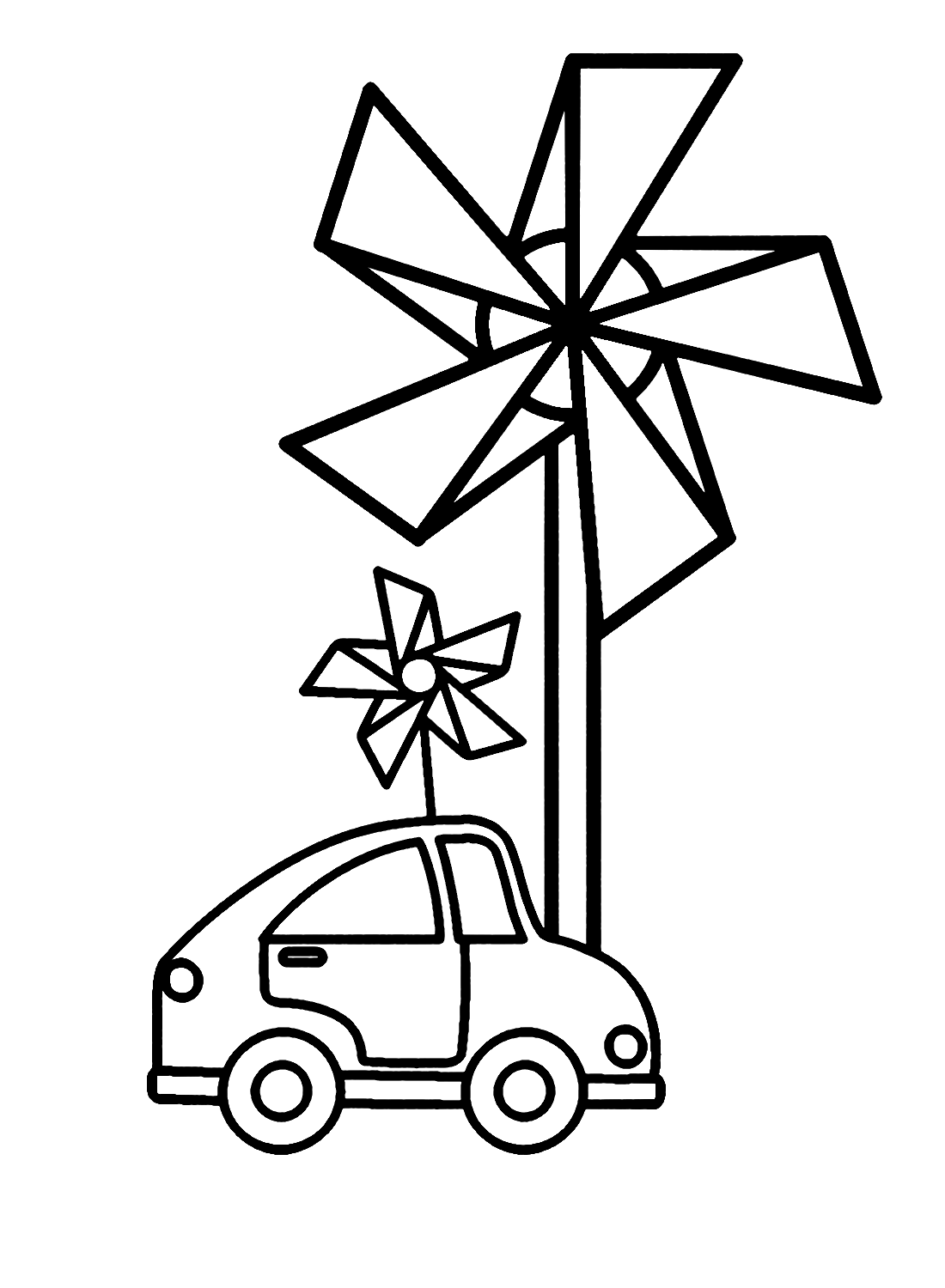
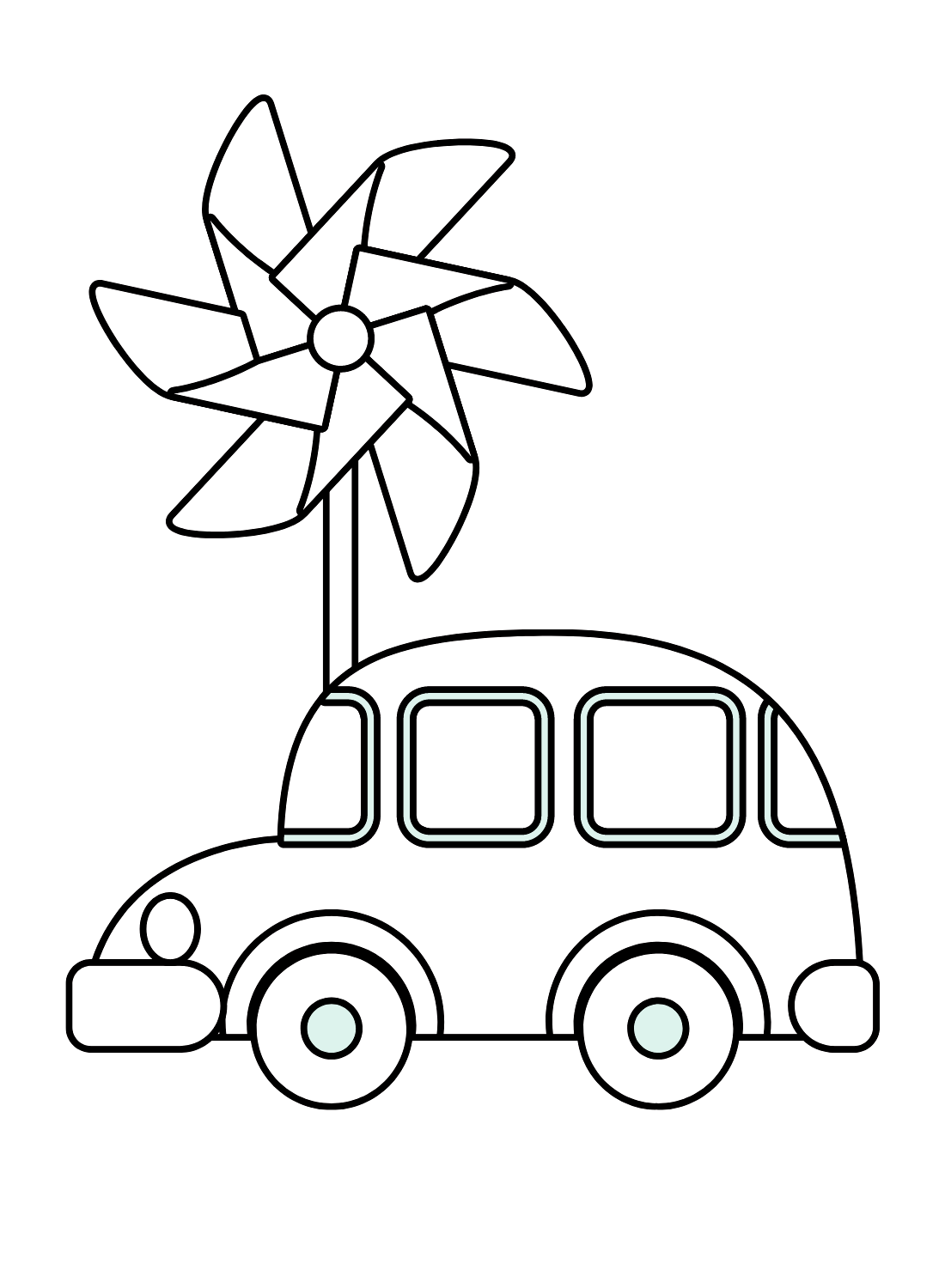
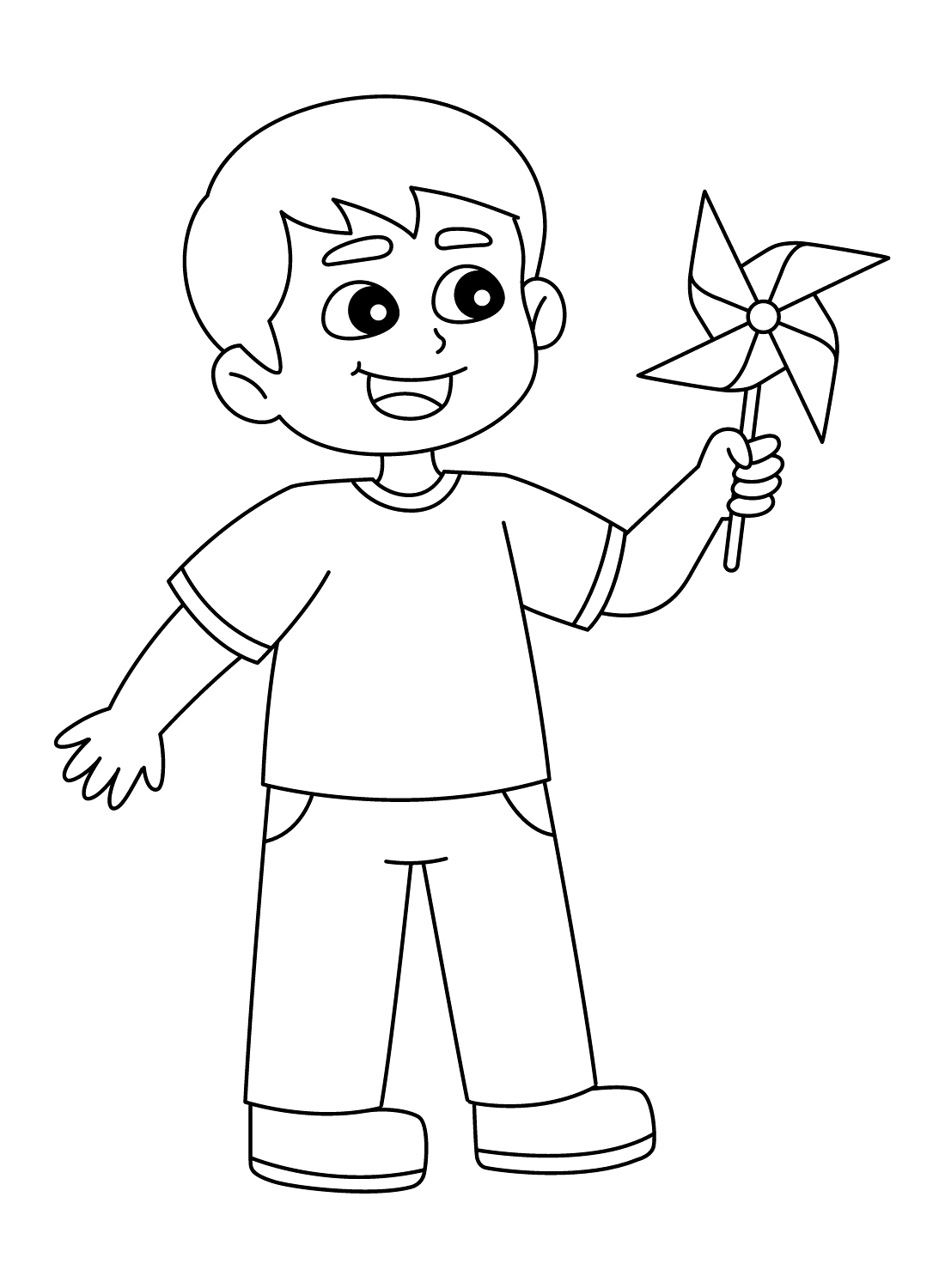
A smaller group shows a boy, a doll, a teddy bear, a dinosaur, a train, or a car holding or paired with a pinwheel. Coloring suggestion: keep the pinwheel itself bright and colorful, and use more muted, realistic tones for the character or vehicle so the pinwheel still reads as the focal point.
What Pinwheel Coloring Pages Do
A radial pattern was kept consistent. A pinwheel’s blades repeat around a central point in a radial pattern, and keeping each blade’s color and shape consistent with the others takes a different kind of attention than a single asymmetrical shape does, the sort of repeated precision the American Academy of Pediatrics associates with fine motor development in structured coloring for children ages two through seven.
Invented more than once, in more than one place. Similar spinning toys developed independently in Polynesia using palm leaflets and in New Zealand using phormium leaves, alongside the East Asian paper style most people recognize today, a reminder that a simple, satisfying idea can occur to different people in different places without anyone copying anyone else.
Stillness borrowed from something built to spin. A real pinwheel is defined by motion, spinning in the wind. However, a coloring page captures it perfectly still, and working slowly through a design normally associated with quick spinning offers its own kind of calm, the structured stillness a 2005 Art Therapy Journal study linked to reduced anxiety.
A toy that used to have a different name. In 19th-century America, any wind-driven toy a child ran with to keep spinning, pinwheels included, was generally called a whirligig rather than the more specific name used today.
How to Color Pinwheel Pages Well
- Blades: give each blade in the pinwheel a different color for a classic rainbow effect, or alternate two colors for a simpler, bold pattern.
- Center and pin: Use a metallic silver or gold for the small center pin, since that detail is easy to overlook but adds a nice finishing touch.
- Stick or handle: a plain wood-tone brown or a bright solid color both work well, depending on whether the page leans realistic or playful.
- Multiple-pinwheel pages: give each pinwheel its own distinct color scheme rather than repeating the same pattern across all of them.
- Decorative variants: let the added element, stars, balloons, or a rainbow pattern, guide the palette, since these pages are built around that specific theme.
- Character and vehicle pages: keep the pinwheel itself the brightest, most colorful part of the page, with more muted tones for the character or vehicle alongside it.
5 Creative Craft Ideas With Pinwheel Coloring Pages
1. Real Paper Pinwheel
Color a pinwheel page, cut it out following a real pinwheel template, and attach it to a stick with a pin so it actually spins.
2. Counting Pinwheel Chart
Color one of the multiple-pinwheel pages and use it as a simple counting practice chart alongside a child learning numbers.
3. Pinwheel Garden Display
Color several pinwheel pages and pin them to a bulletin board or garden stake arrangement for a colorful display.
4. Whirligig Fact Card
Color a page and write the fact that pinwheels were once commonly called whirligigs on the back for a simple fact card.
5. Pinwheel Greeting Card
Fold a colored pinwheel page into a card for a birthday, spring celebration, or thank-you note.
Frequently Asked Questions
What are Pinwheel coloring pages?
A free set of 33 printable designs of pinwheels, including simple solo portraits, multiples, decorative variants, and characters holding one. Every page downloads as a PDF or opens in the online coloring tool without an account.
Where do pinwheels come from?
Similar spinning toys developed independently in several places: Polynesia, using coconut palm leaflets, New Zealand, using phormium leaves, and East Asia, where the paper style closely resembles a Japanese origami technique.
Were pinwheels always called pinwheels?
Not exactly. In 19th-century America, any wind-driven toy a running child carried, pinwheels included, was generally called a whirligig.
Why do some pages show more than one pinwheel?
A group of pages shows two, four, six, seven, eight, or nine pinwheels together, which doubles as light, informal counting practice alongside the coloring itself.
Why do so many pages look so similar?
Most of the collection is a plain solo pinwheel repeated under different file names, while the multiple, decorative, and character pages offer the set’s real visual variety.
Can these pages be colored without printing them?
Yes. Every page in the set opens directly in the site’s browser-based coloring tool, so a page can be finished on screen before deciding whether to print it.
Are Pinwheel coloring pages suitable for young children?
Nearly every page in this set uses one simple, symmetrical shape with minimal background, making the whole collection approachable for very young children.
Can a colored pinwheel page actually be turned into a spinning toy?
Yes, with the right template. Following a real pinwheel-folding guide after coloring lets the page be cut, folded, and pinned to a stick so it genuinely spins in the wind.
Start Coloring
Still on the page, ready to spin in real life: pick a pinwheel above, download the PDF, or color it online, free and without an account. Share the finished piece through the Facebook or Pinterest buttons at the top of the design.