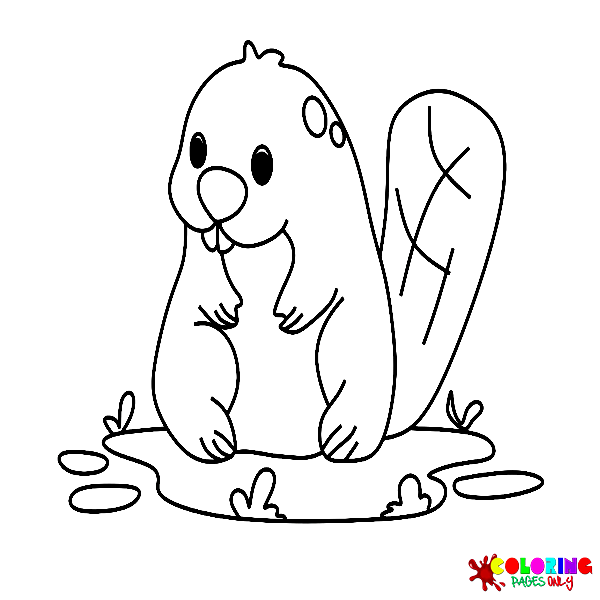

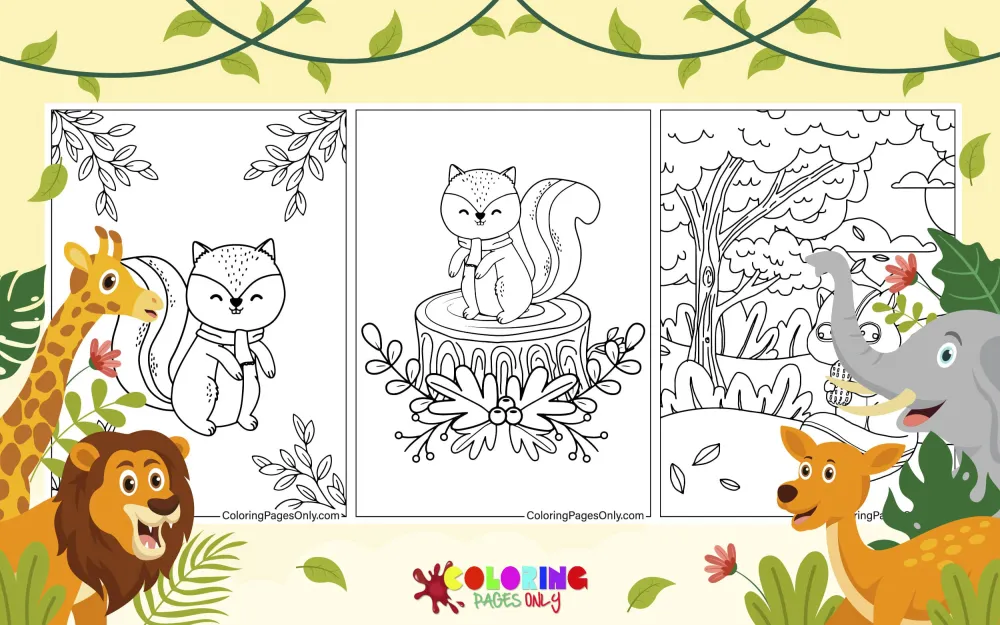
Free Chipmunk Coloring Pages: 41 printable PDF designs featuring realistic chipmunks, cute cartoon styles, and a few character crossovers. Each page can be downloaded as a PDF to print or colored online in the browser.
Chipmunks belong to the genus Tamias, part of the squirrel family, and their scientific name translates roughly to “striped steward,” a fitting description for an animal whose whole life revolves around collecting and hiding food. Their most recognizable feature, the cheek pouches on either side of the mouth, can stretch to about three times the size of their own head, letting them carry dozens of seeds and nuts back to an underground burrow in a single trip. Despite common belief, chipmunks do not fully hibernate through winter. Instead, they enter a state called torpor, during which their heart rate can drop from around 350 beats per minute to as low as four, waking periodically to eat from the food they cached in the fall.
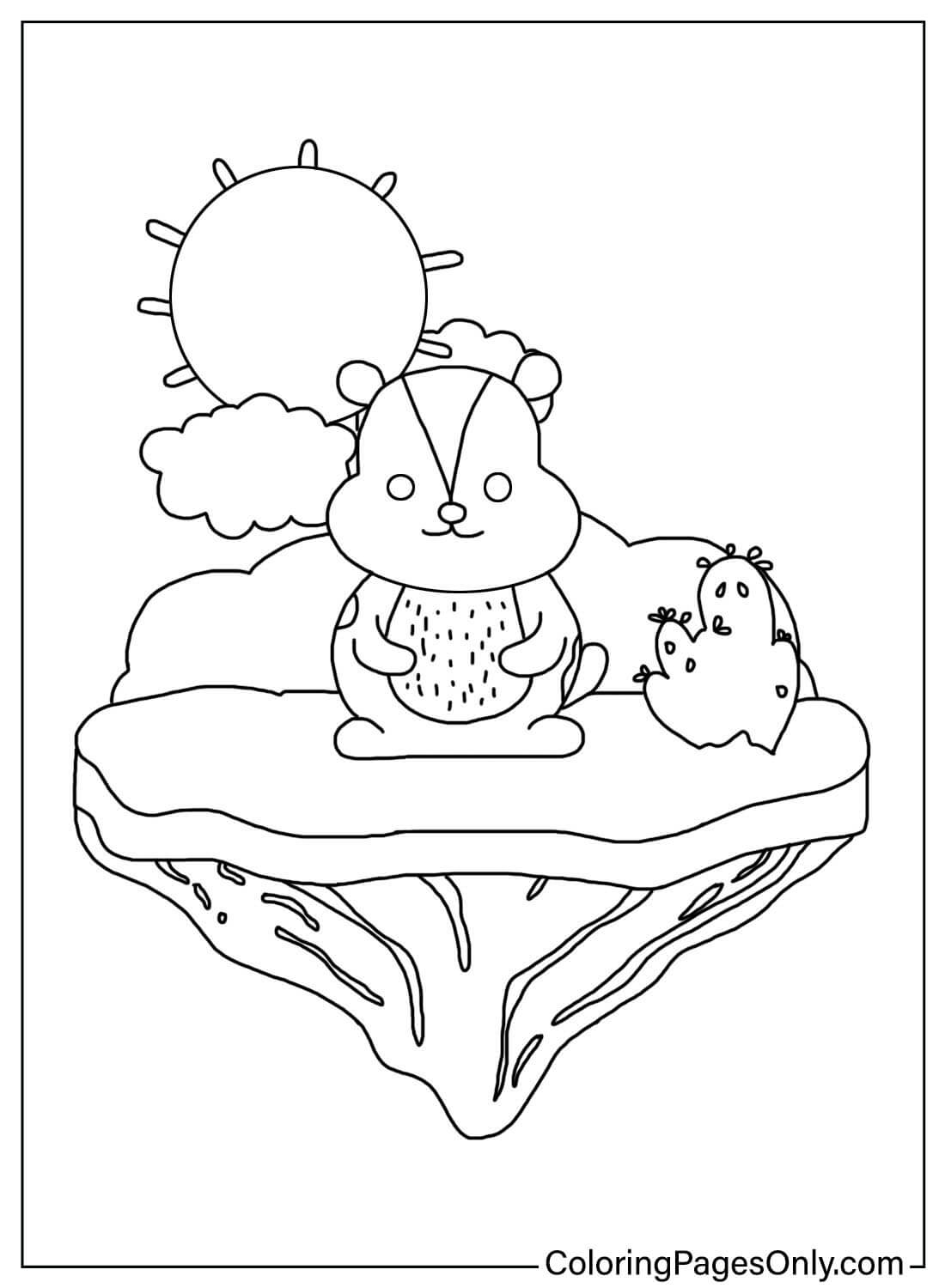
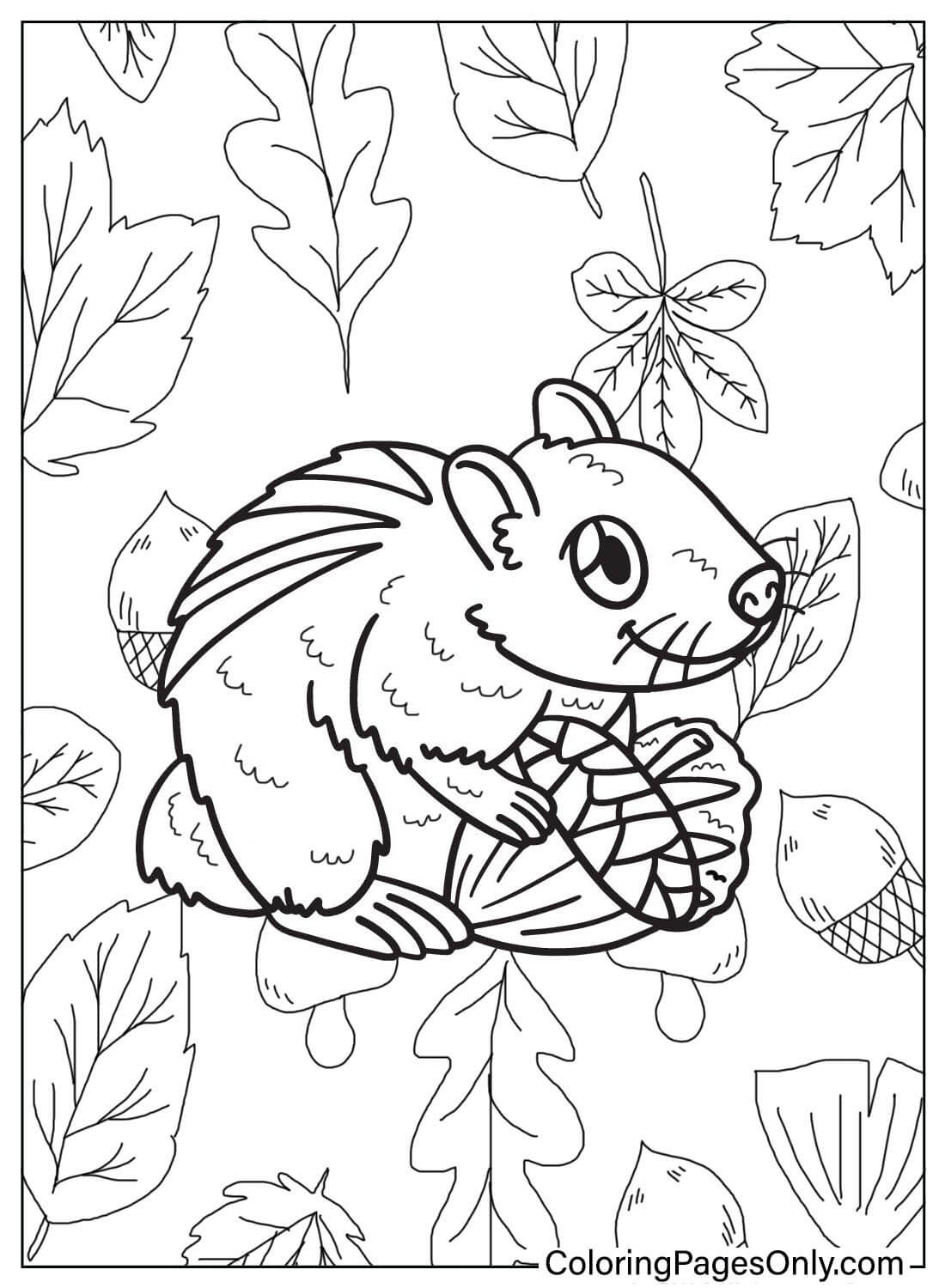
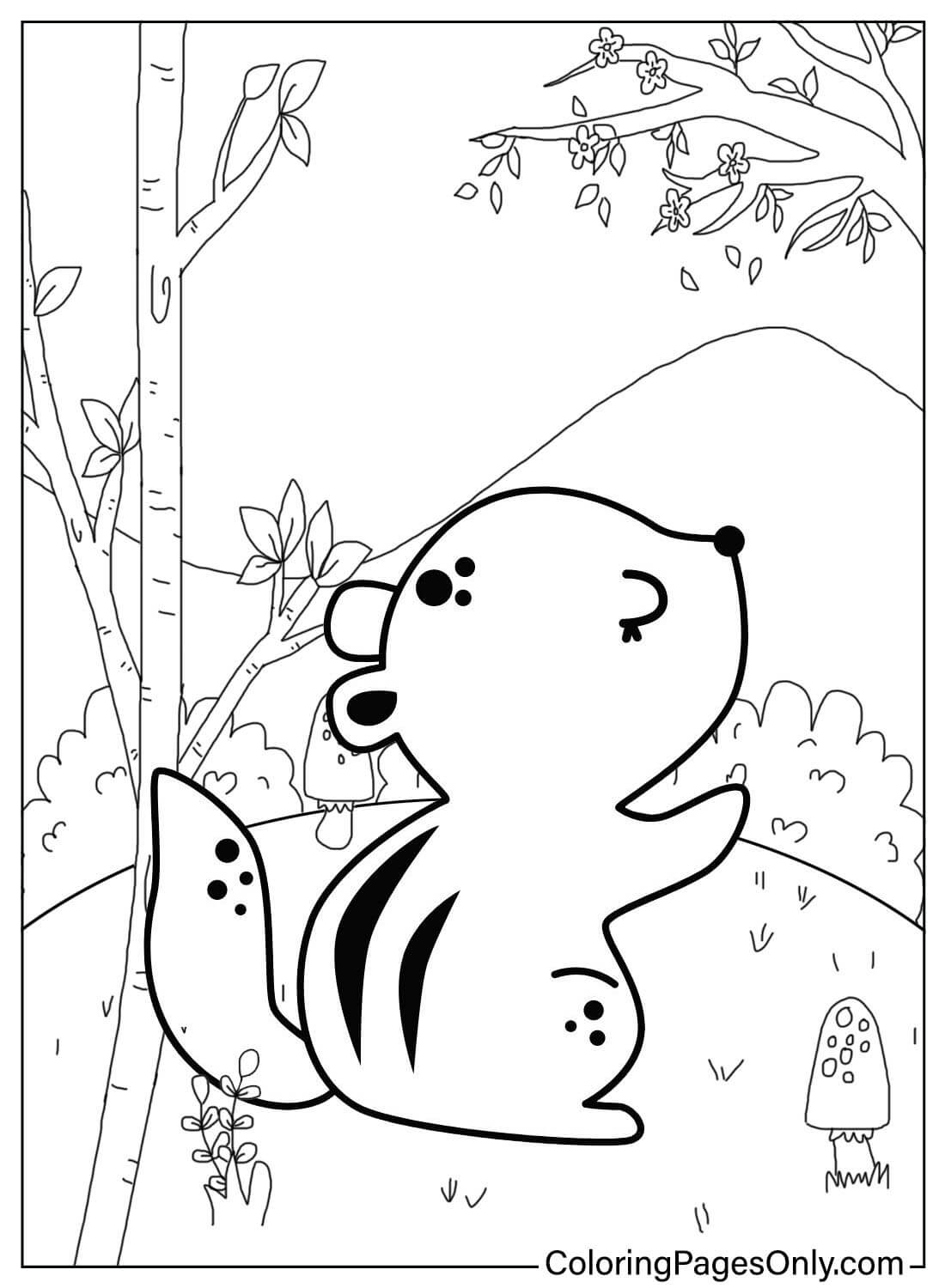
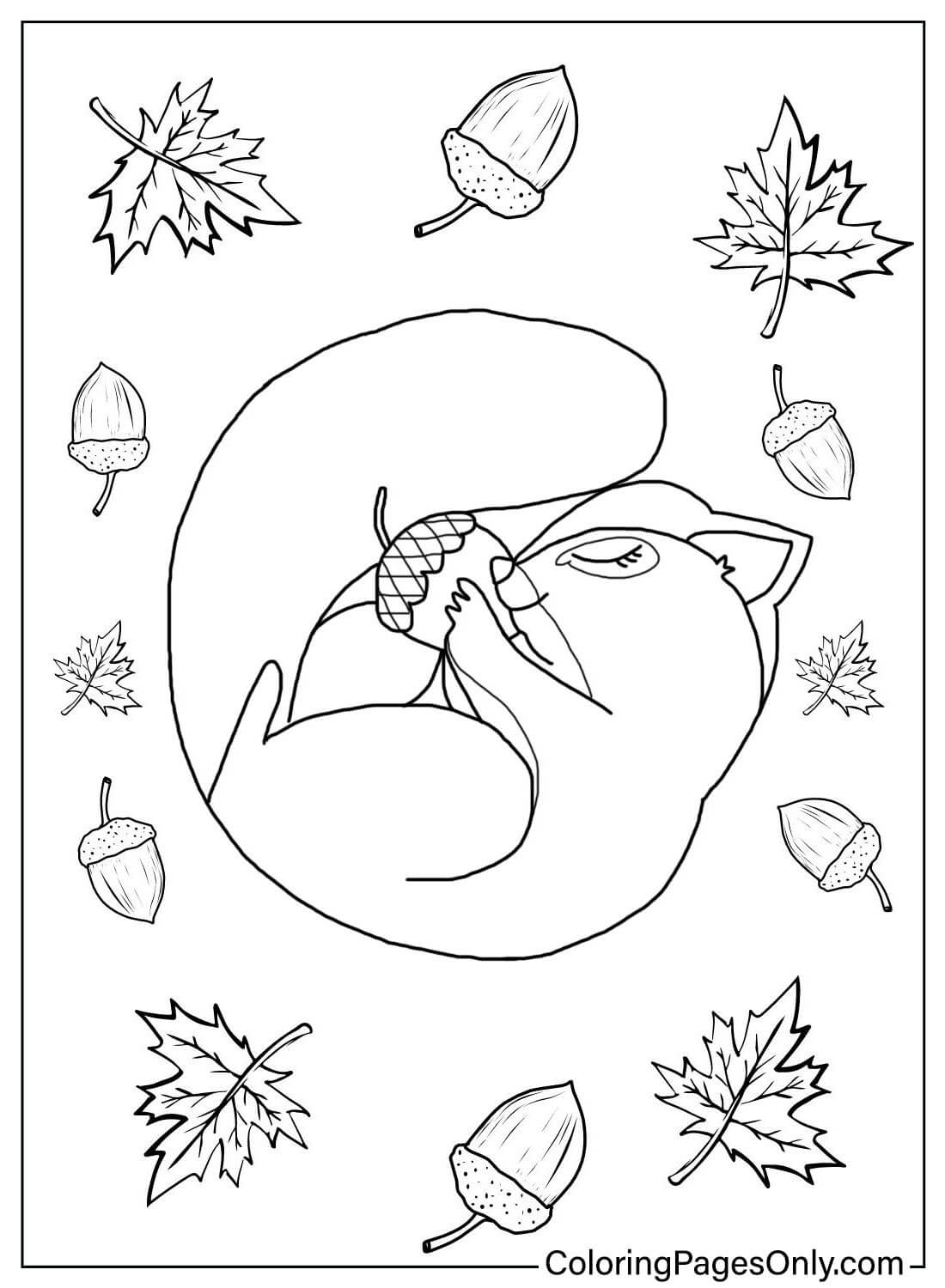
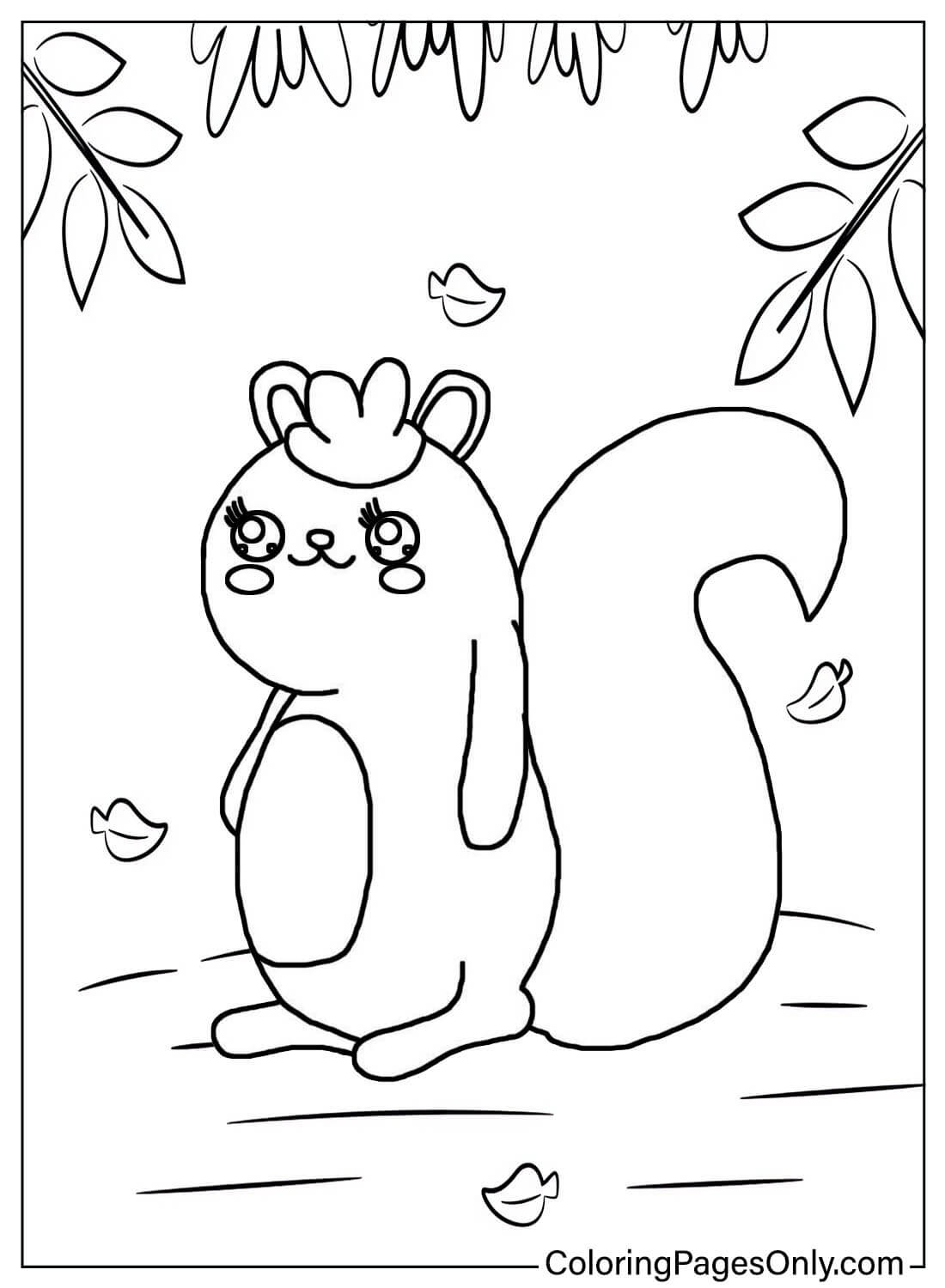
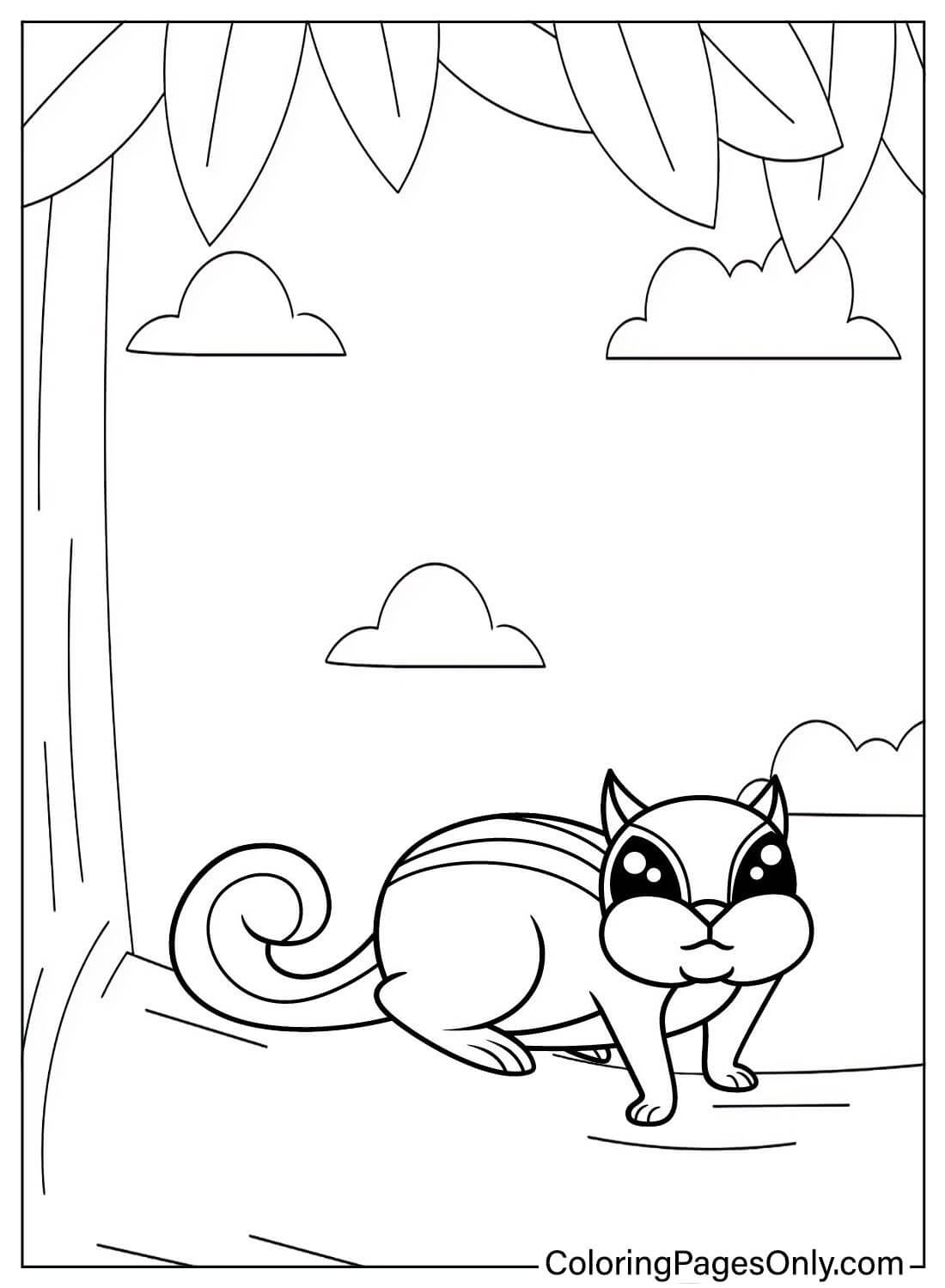
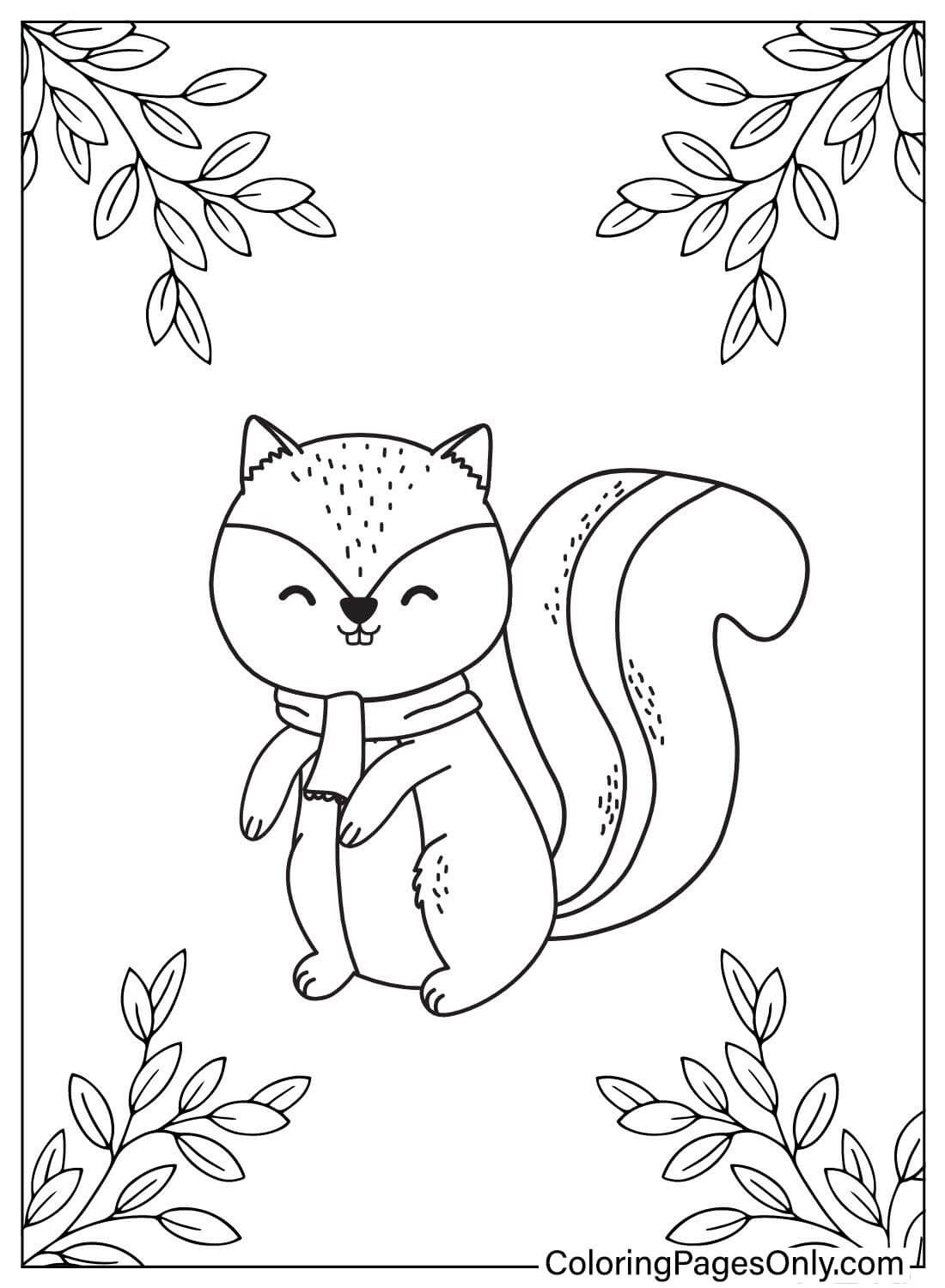
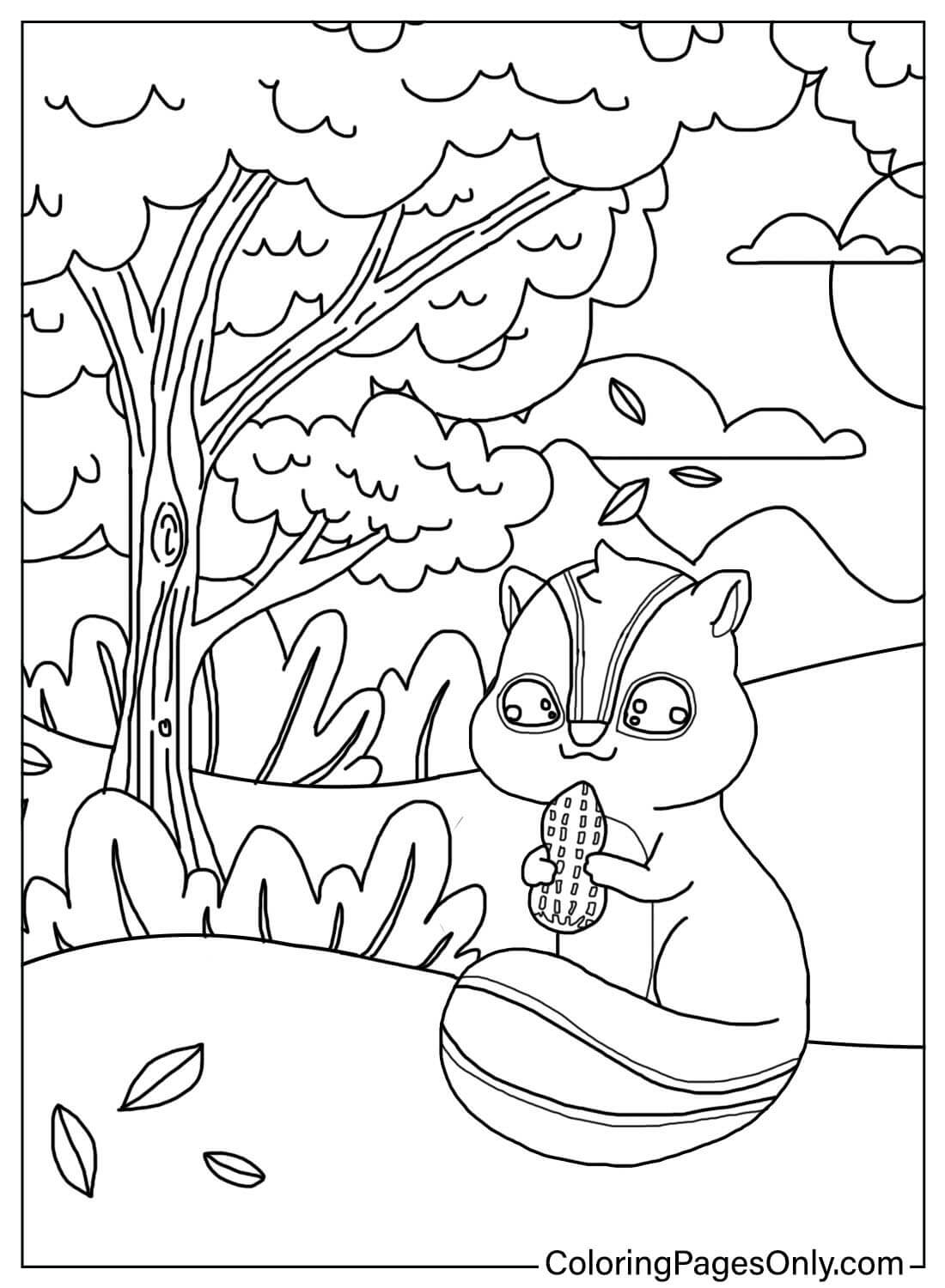
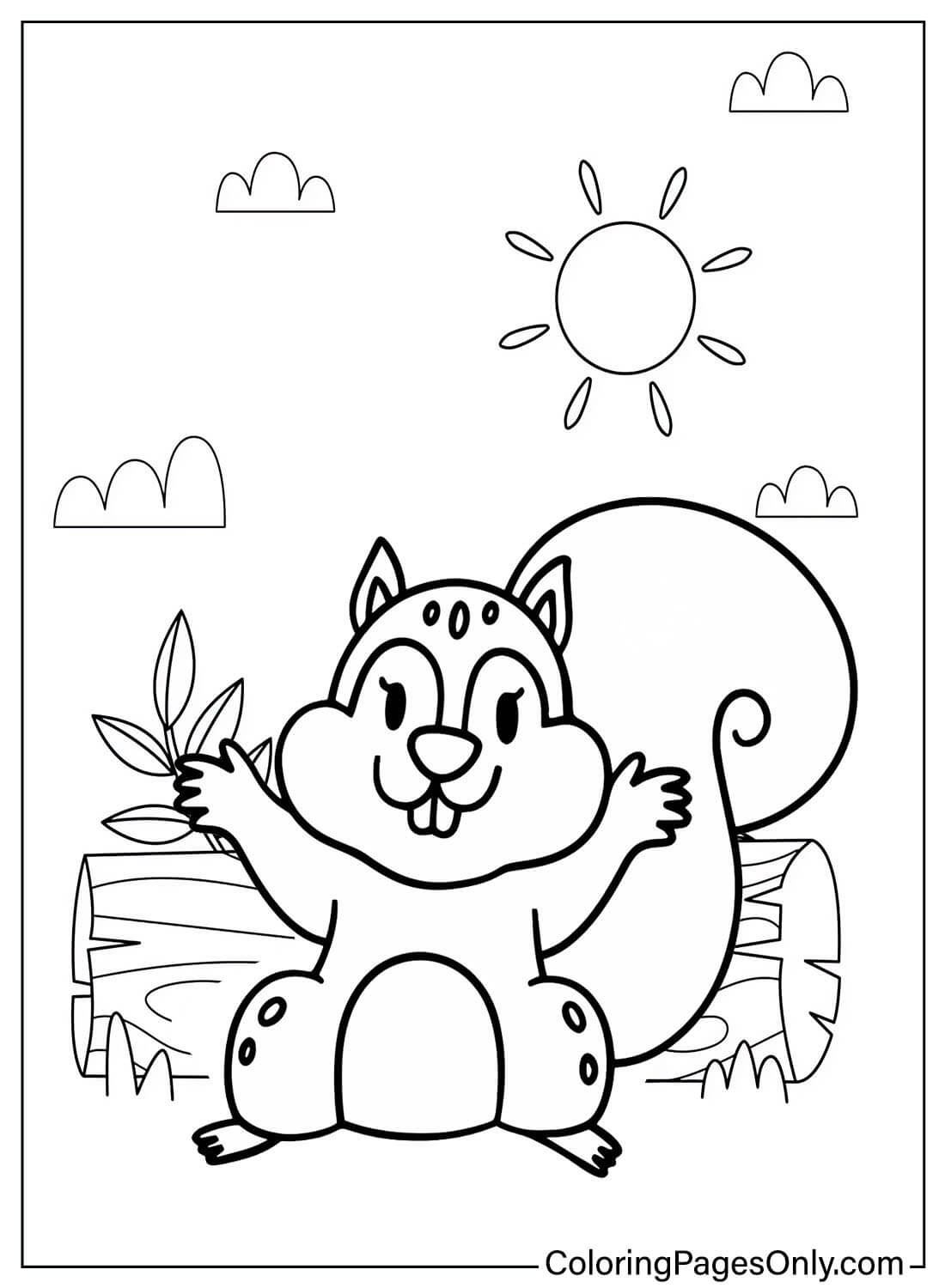
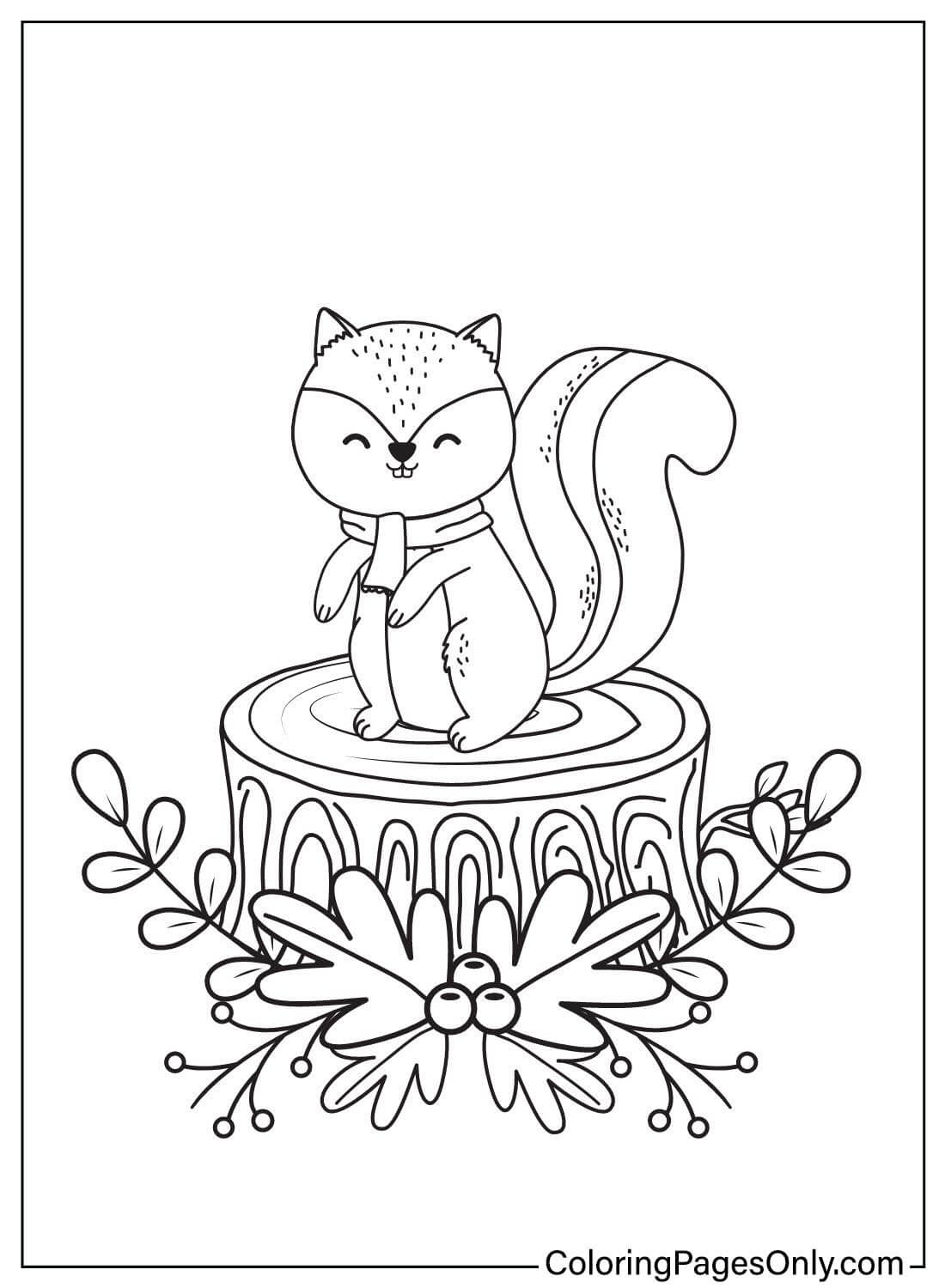
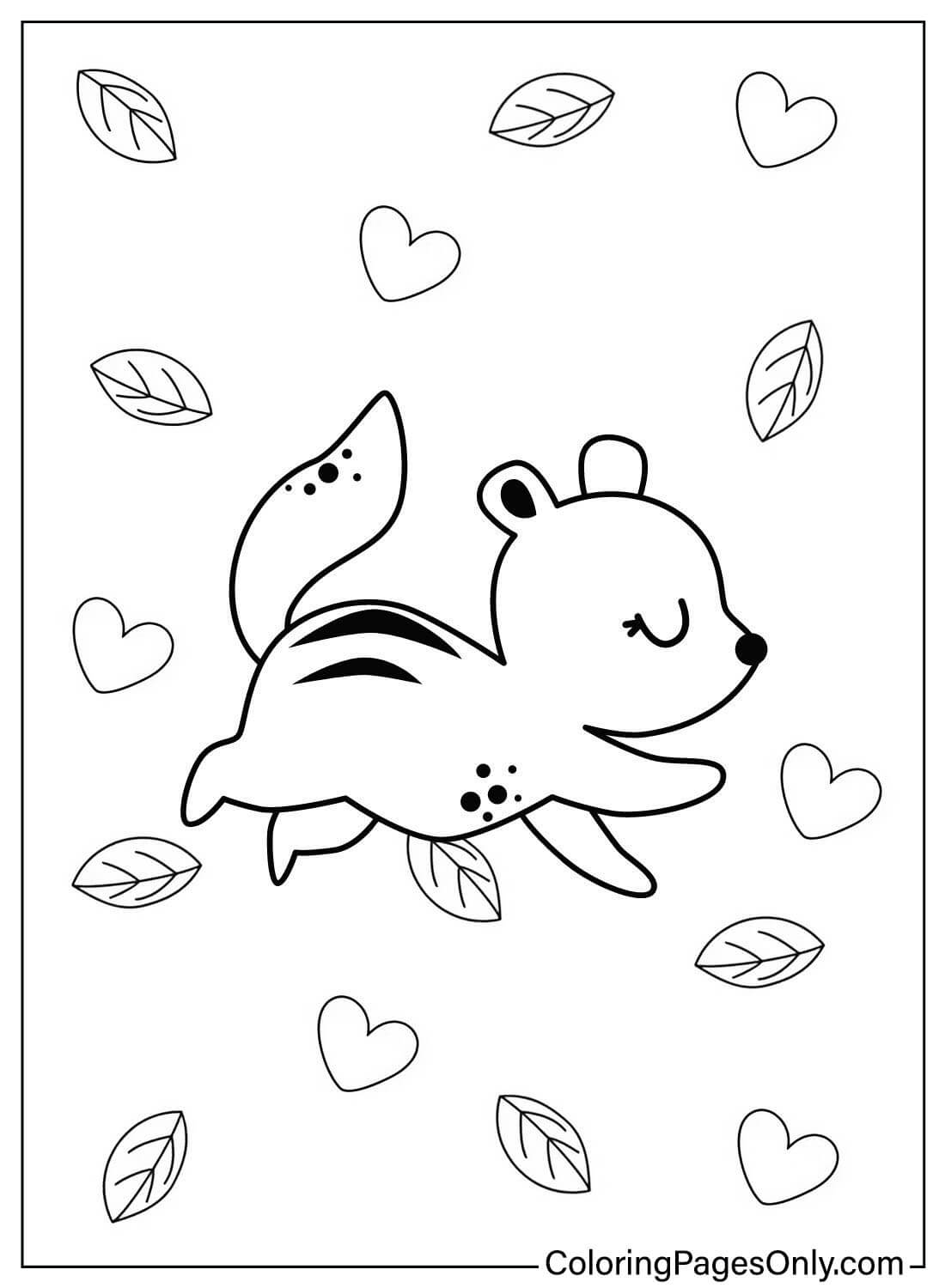
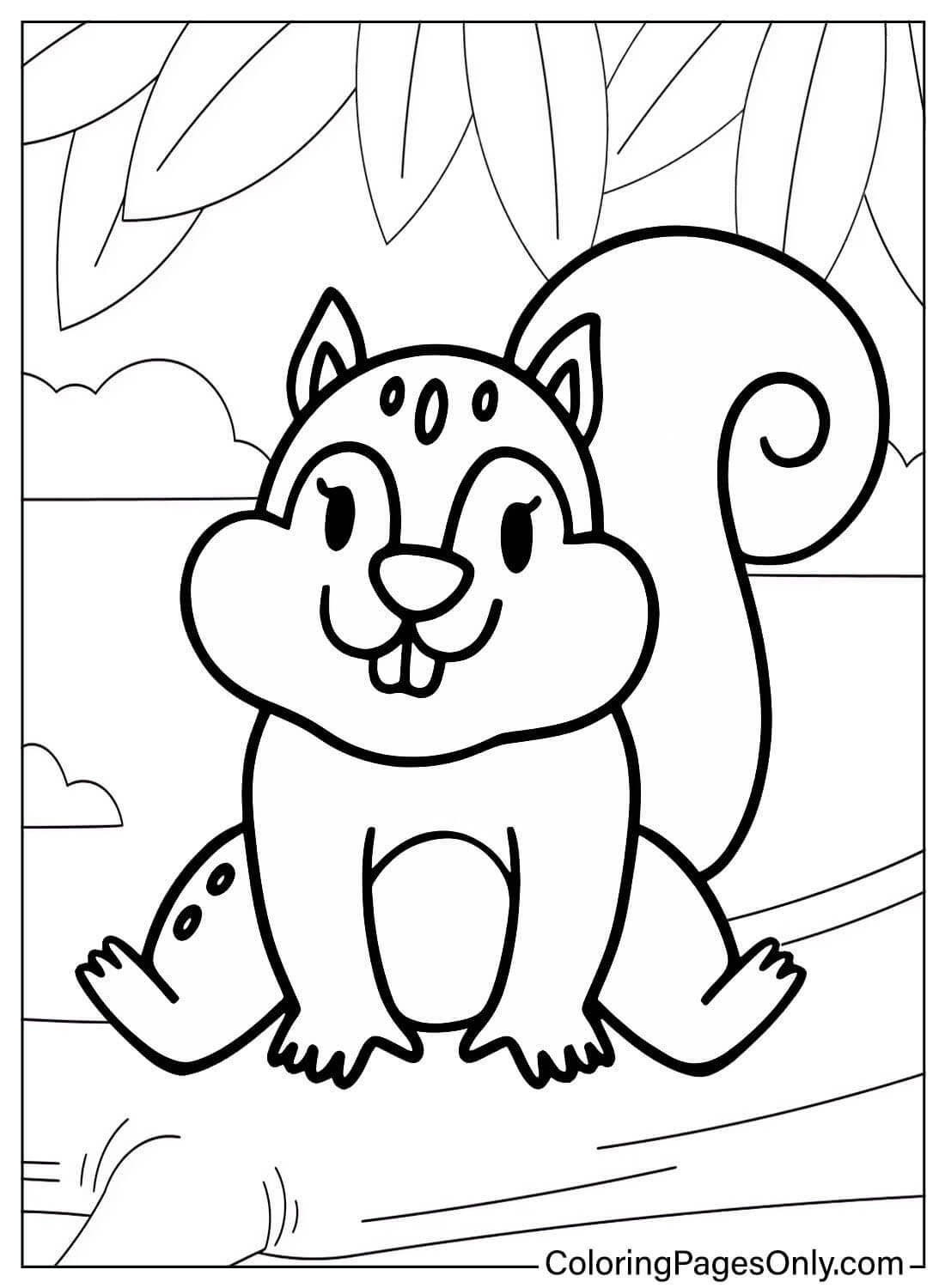
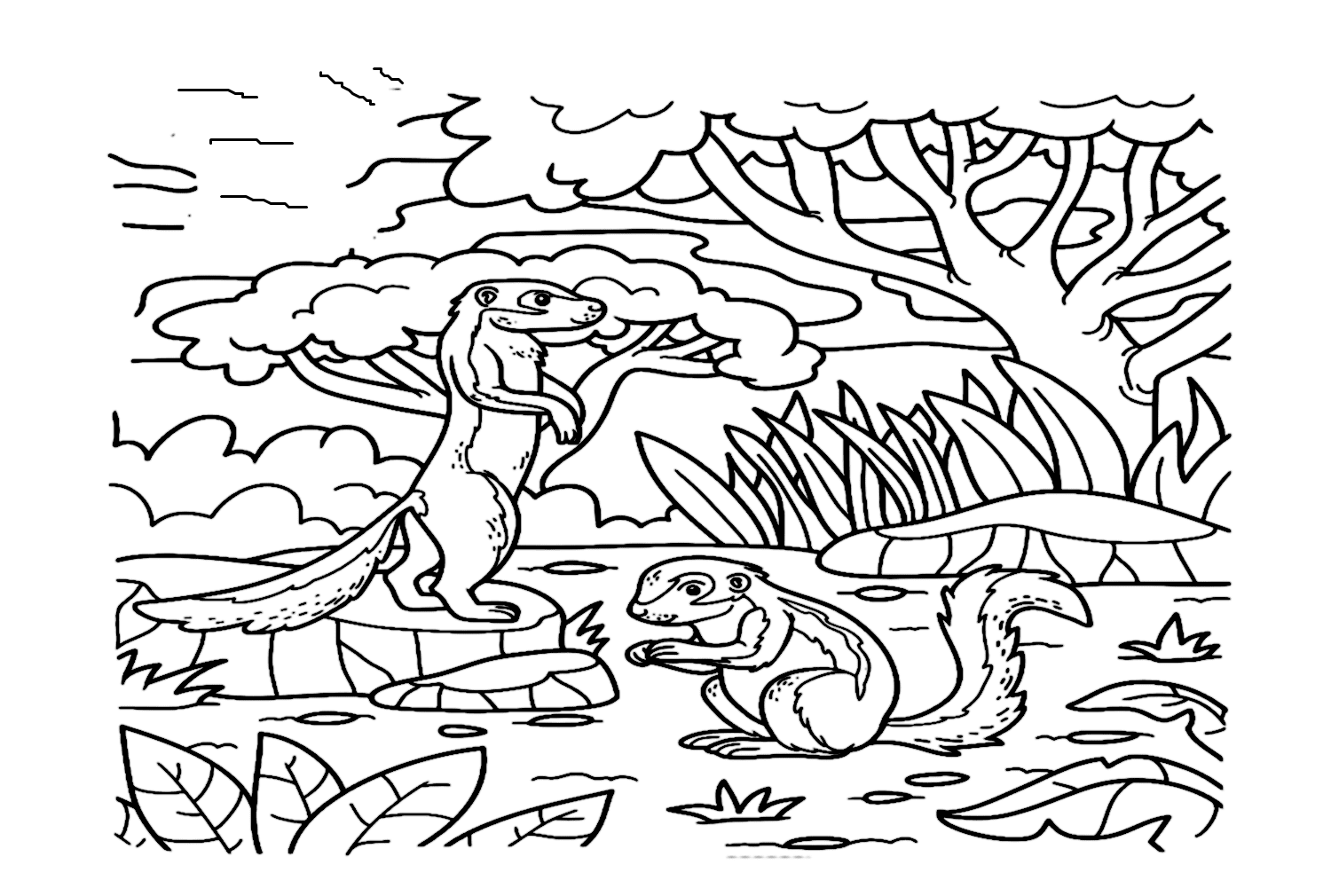
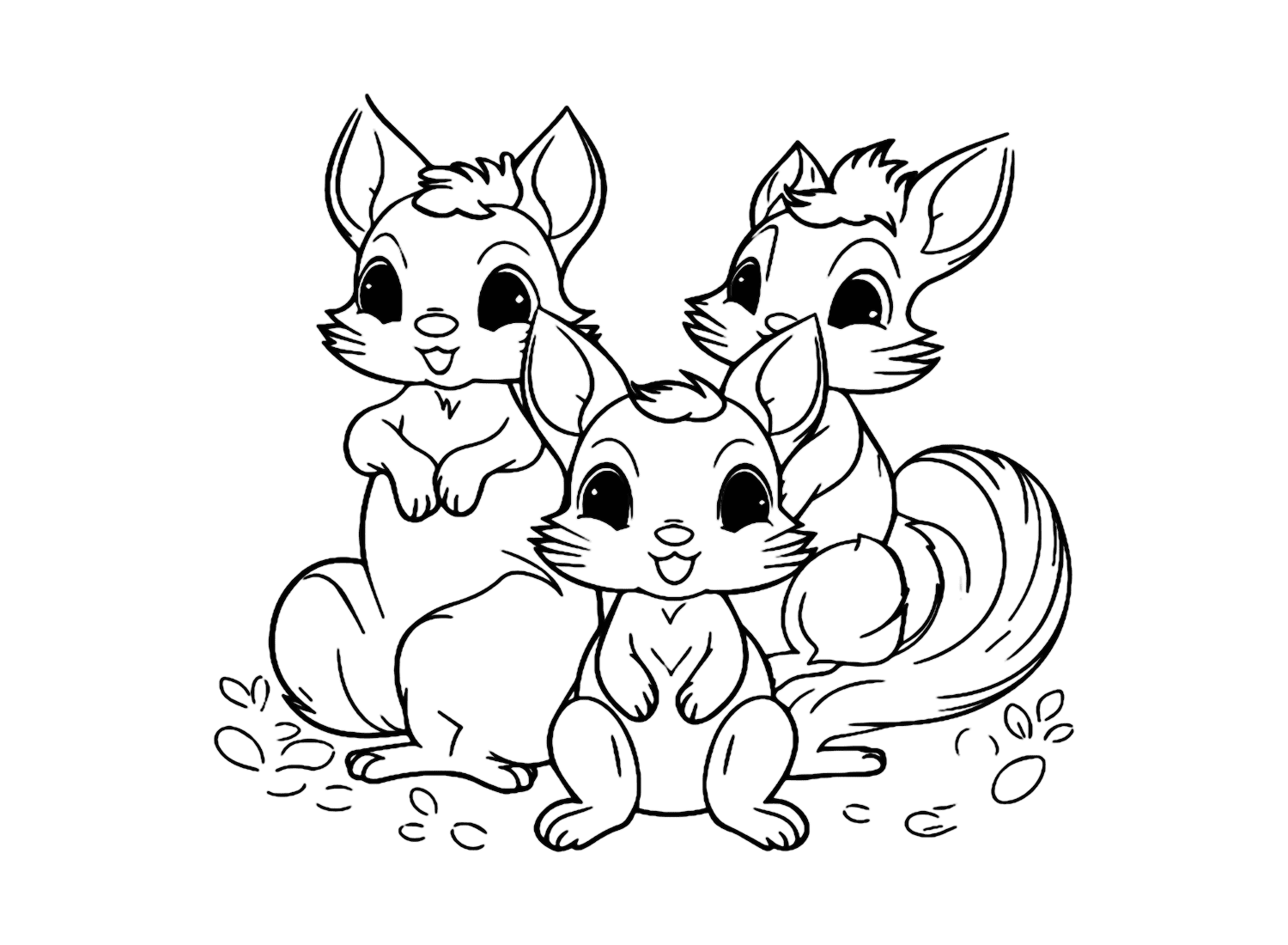
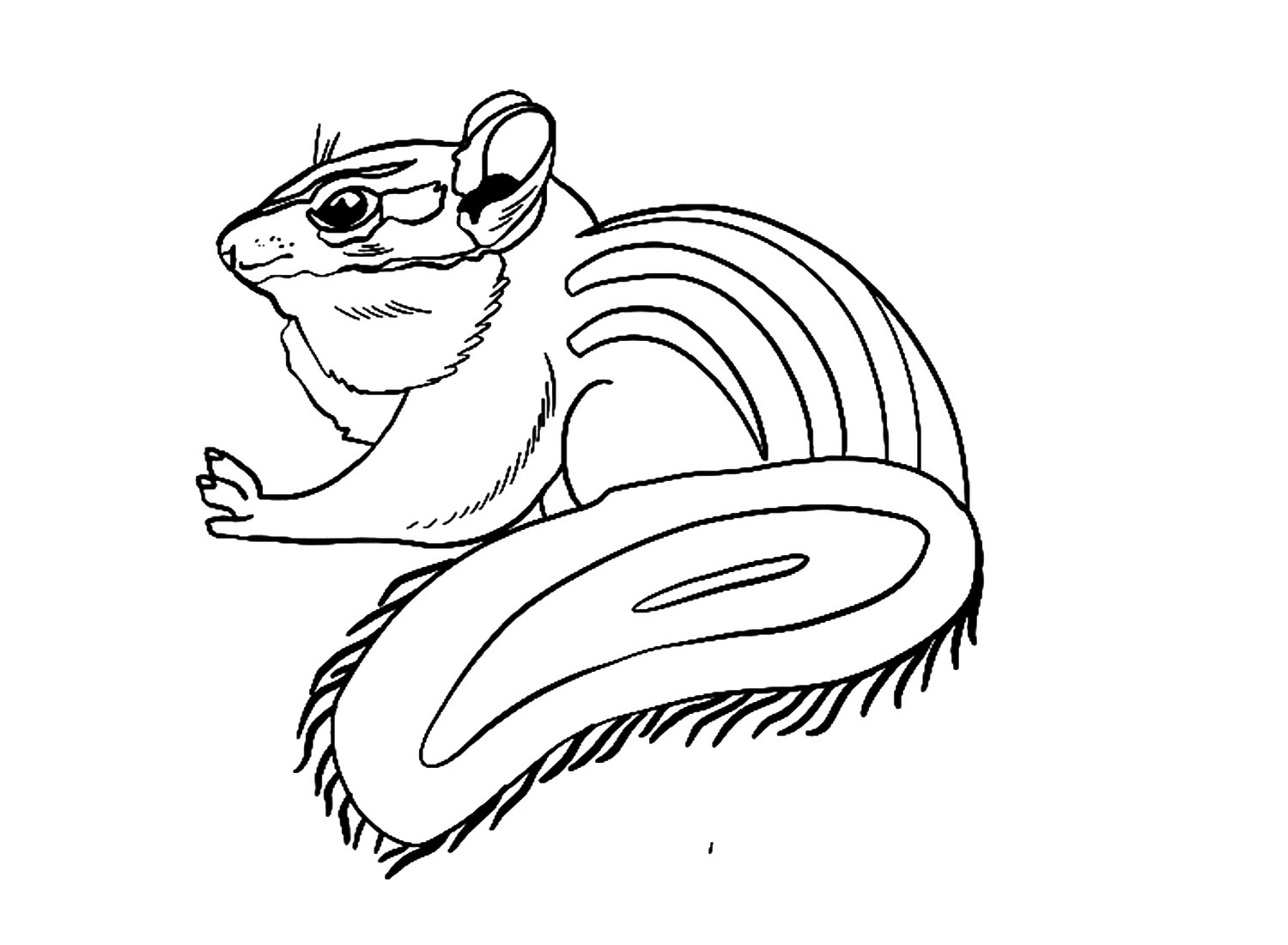
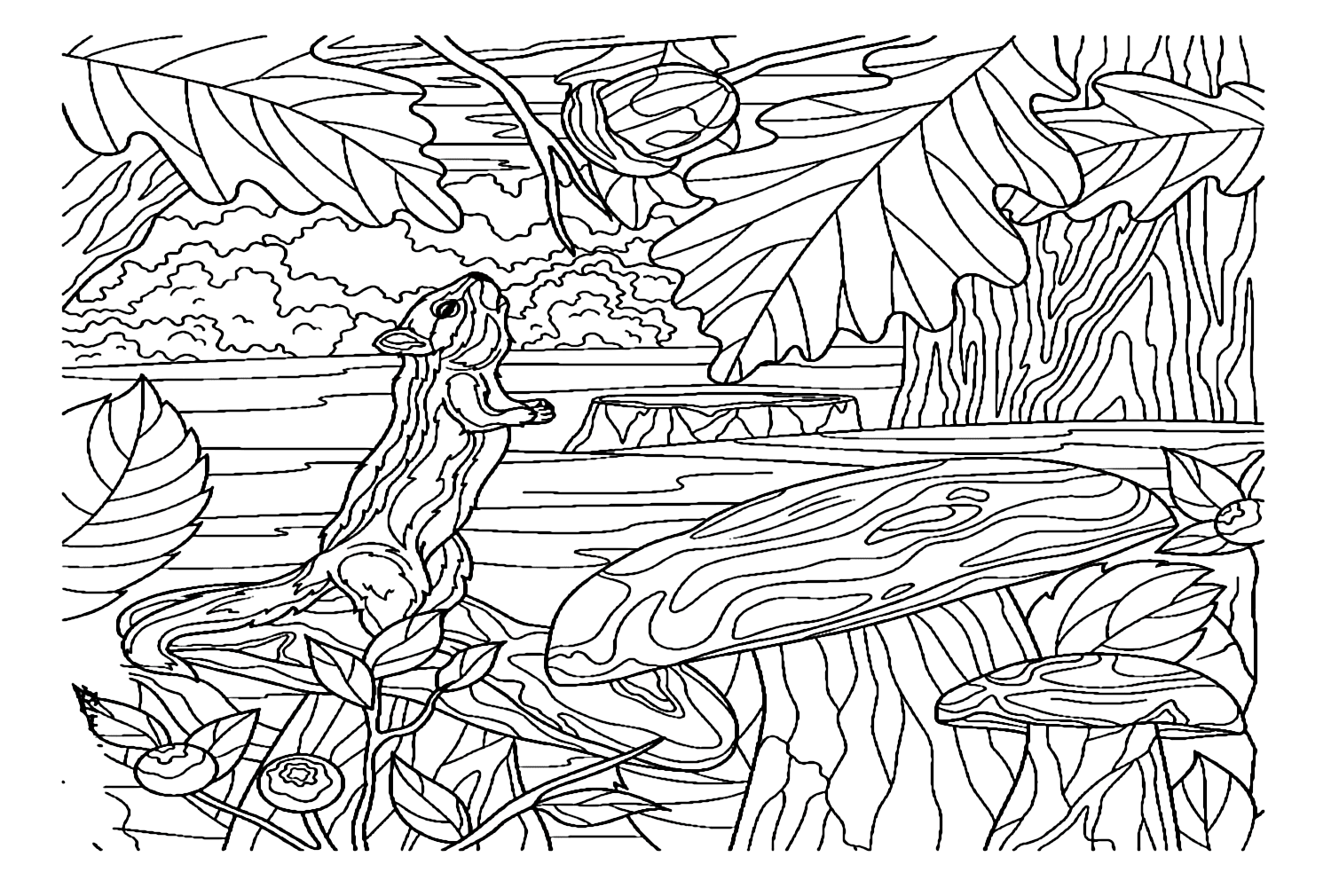
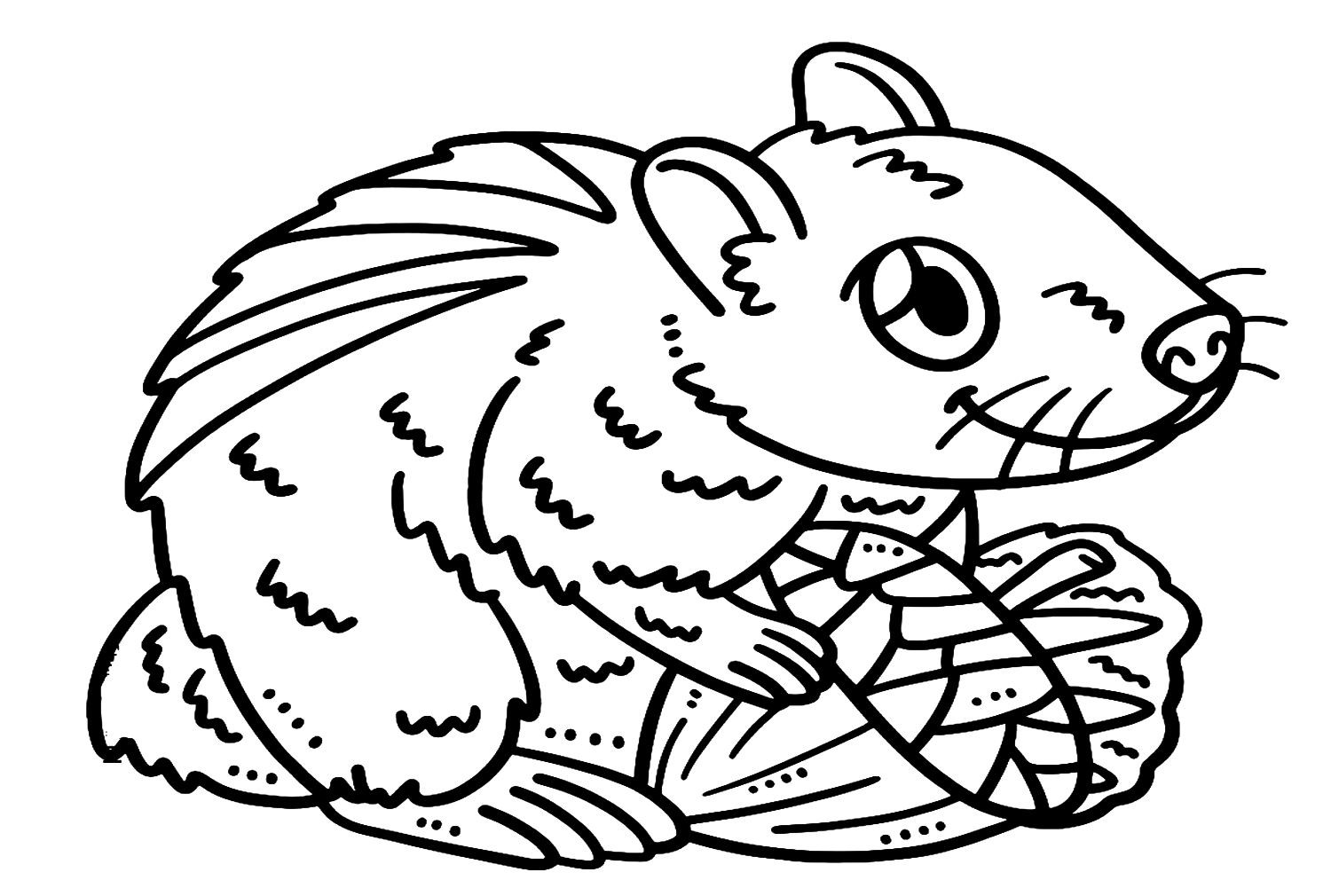
This collection reflects that mix of nature fact and cartoon fun across 41 pages: a large set of classic single-chipmunk portraits, realistic nature scenes showing real chipmunk behavior, cute and simplified cartoon designs, and a small group referencing chipmunk characters from film and television. The distinctive striped back and stuffed cheeks are the throughline across nearly every page, whatever the style.
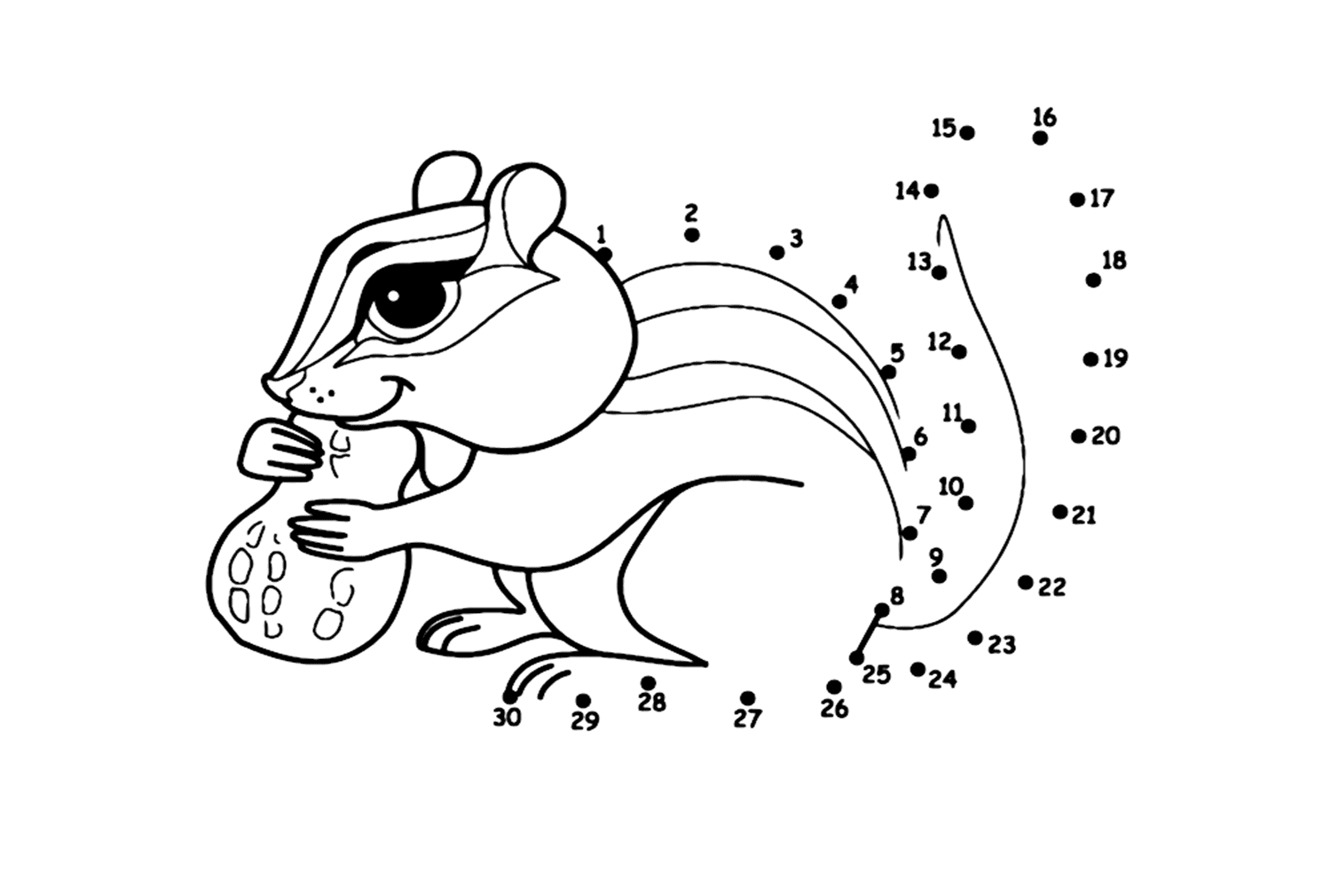
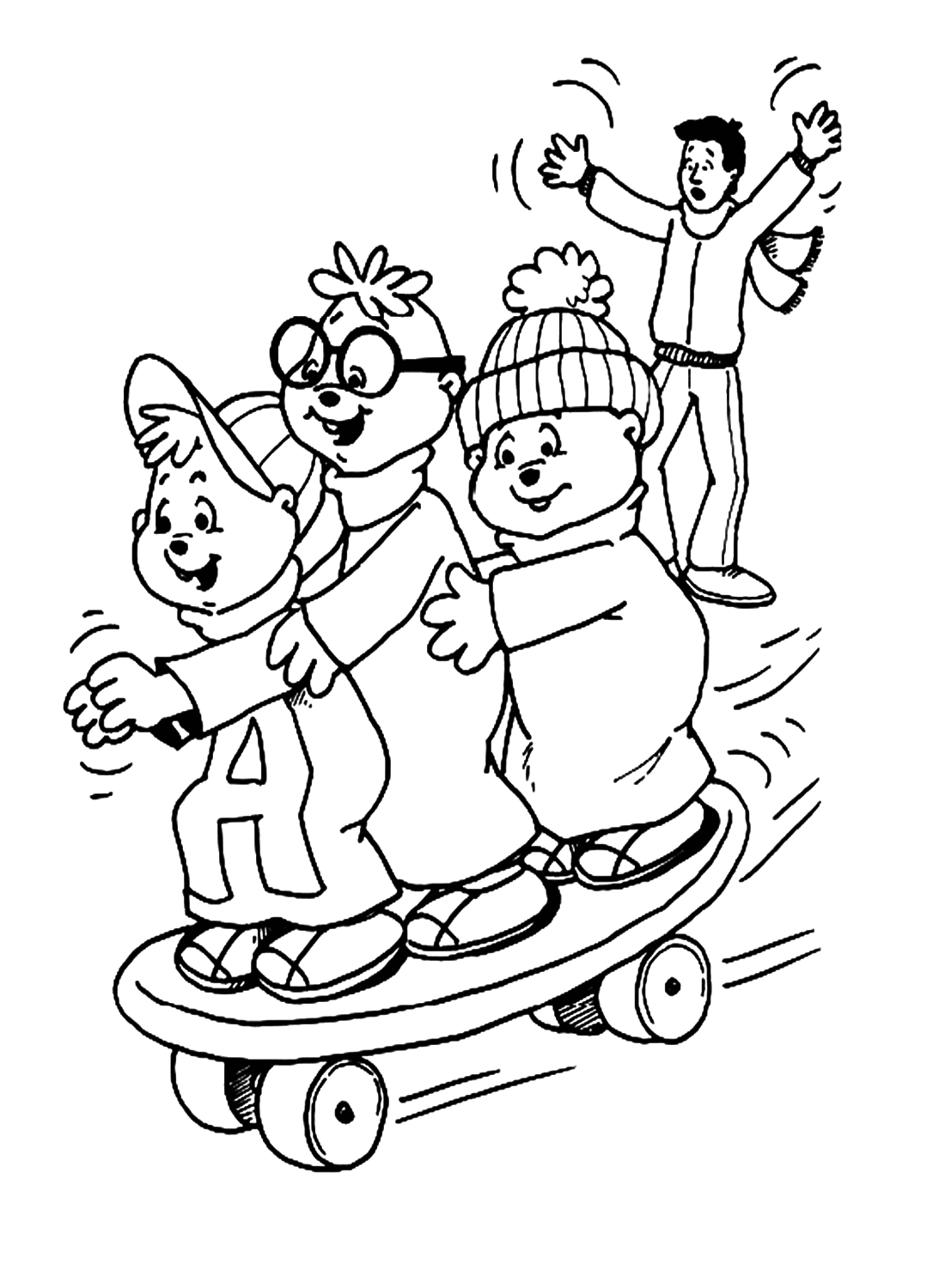
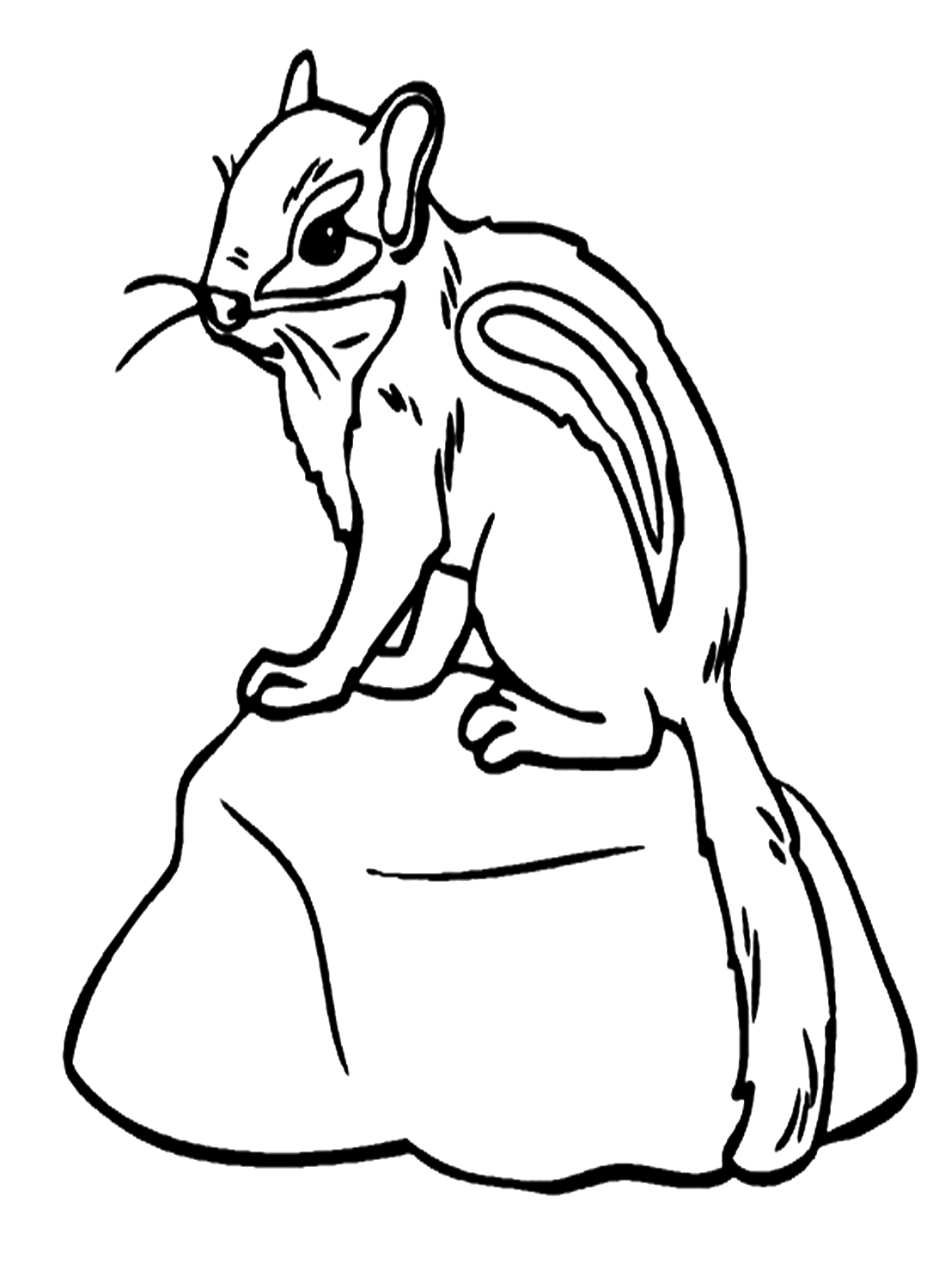
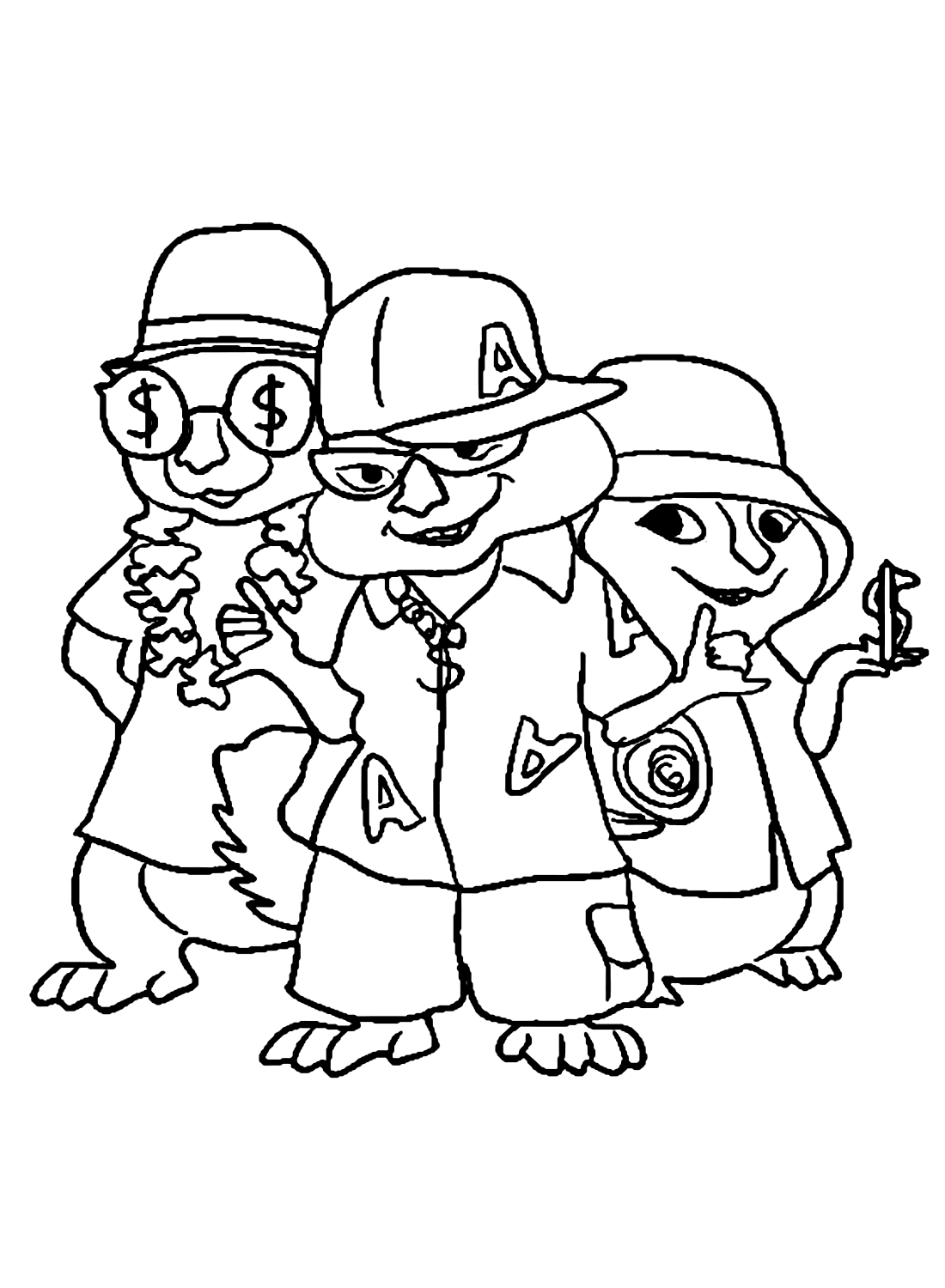
What Is Inside This Collection
The 41 pages are broken into four groups based on style and content.
Classic Chipmunk Portraits
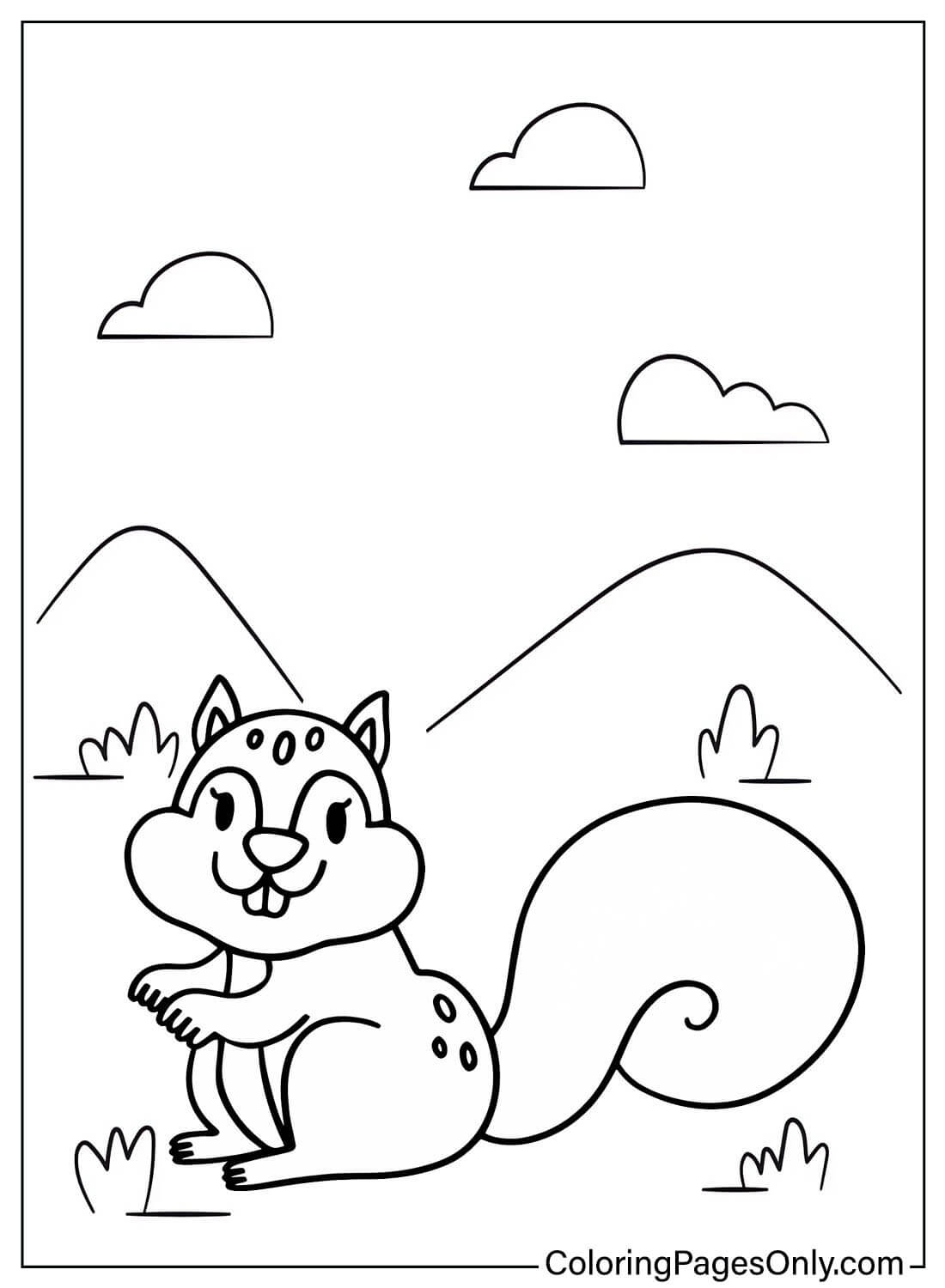
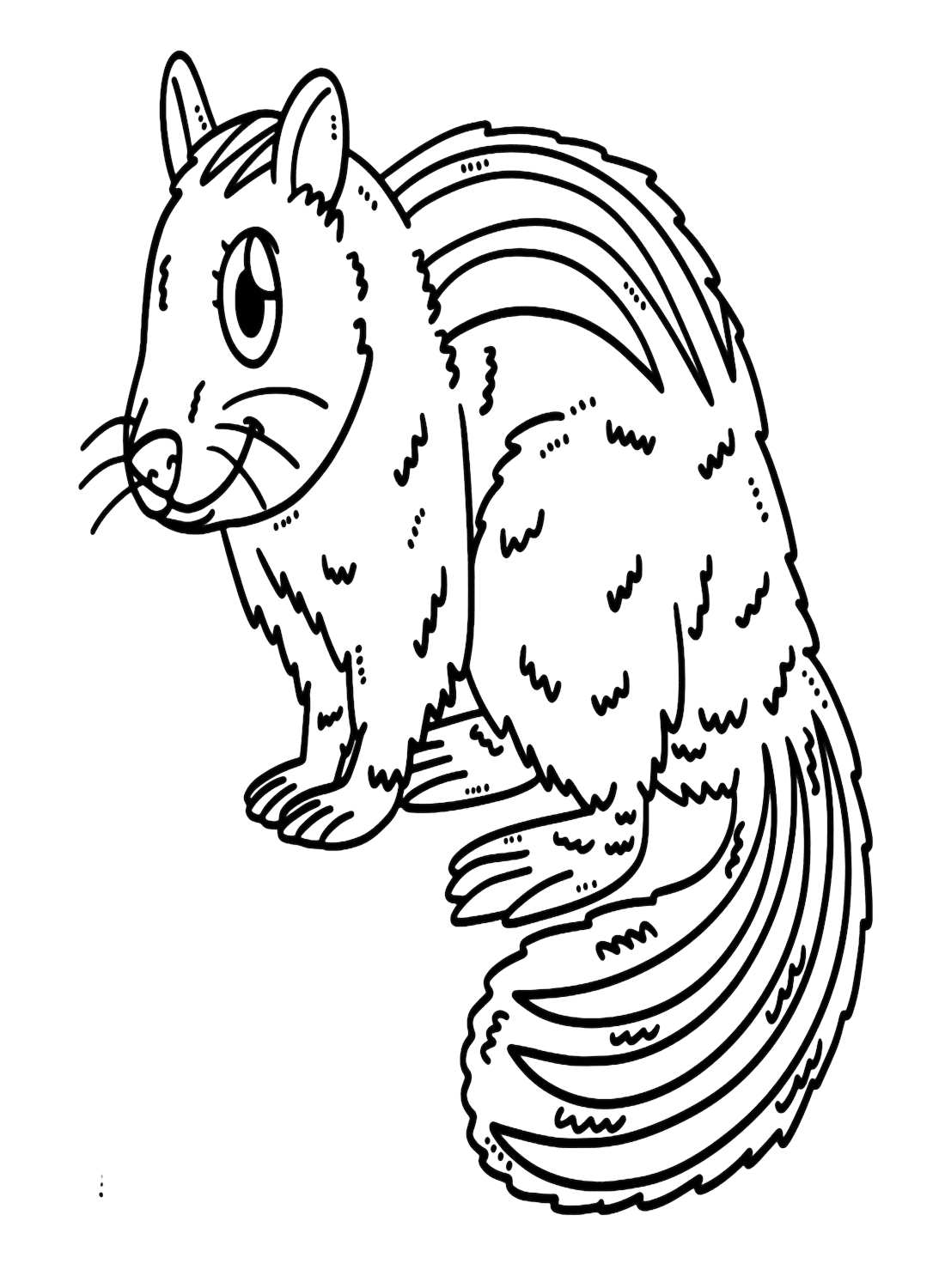
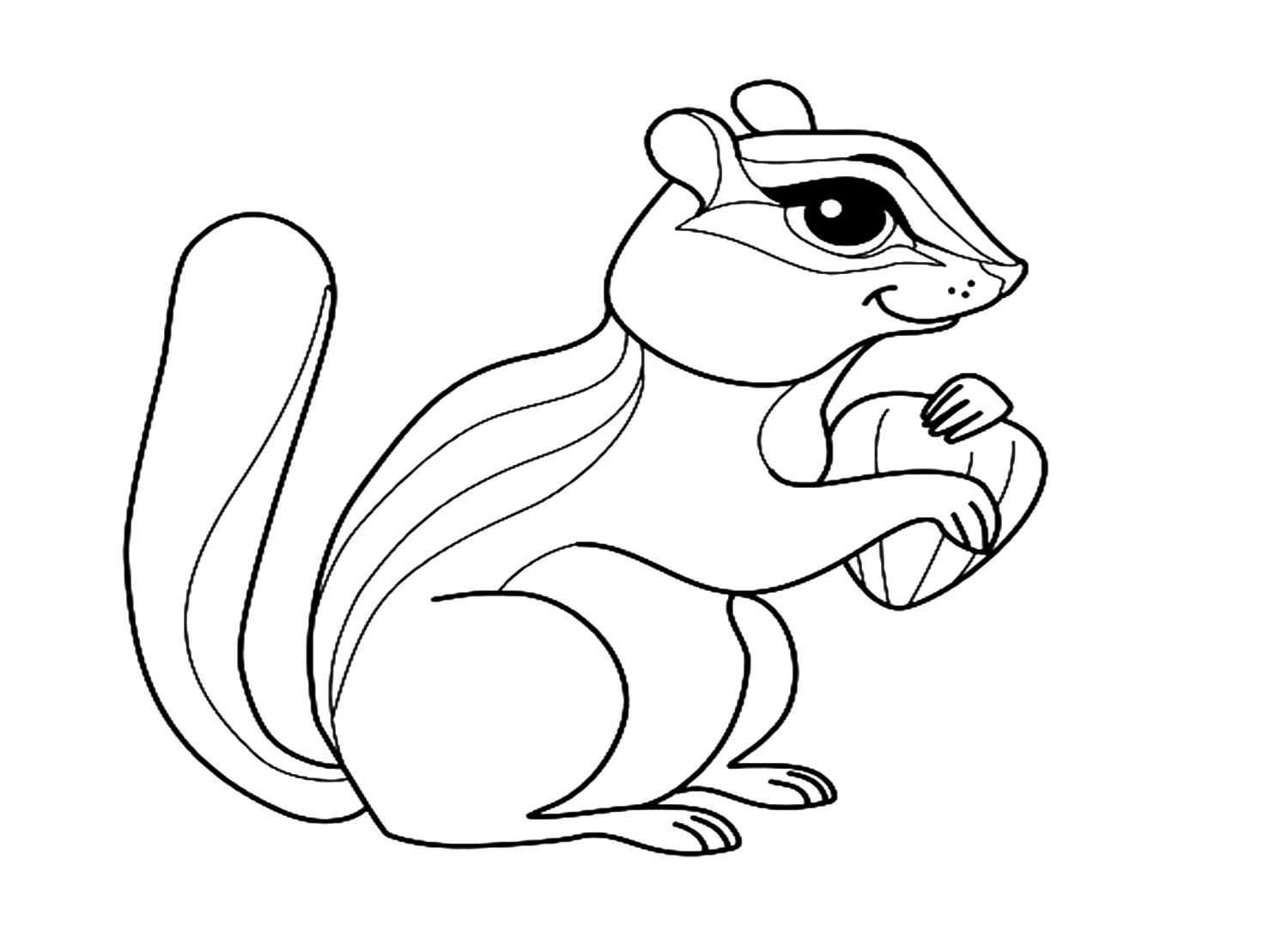
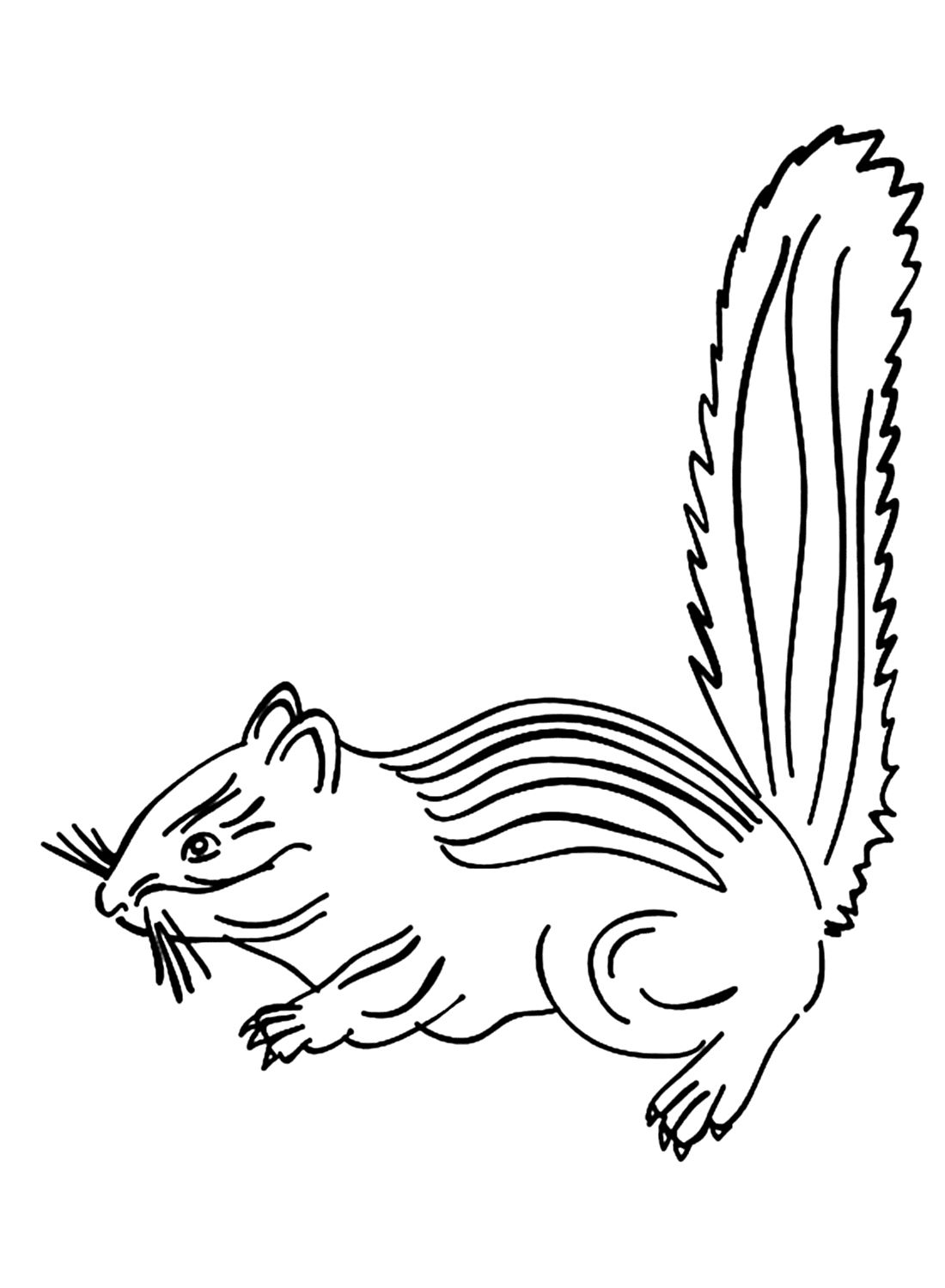
Fourteen pages show a single chipmunk in a consistent outline style, distinguished mainly by pose and line detail rather than by scene or setting. Color suggestion: keep the signature back stripes in a consistent dark brown across every portrait so the set reads as one cohesive animal rather than several different designs.
Realistic Nature Scenes
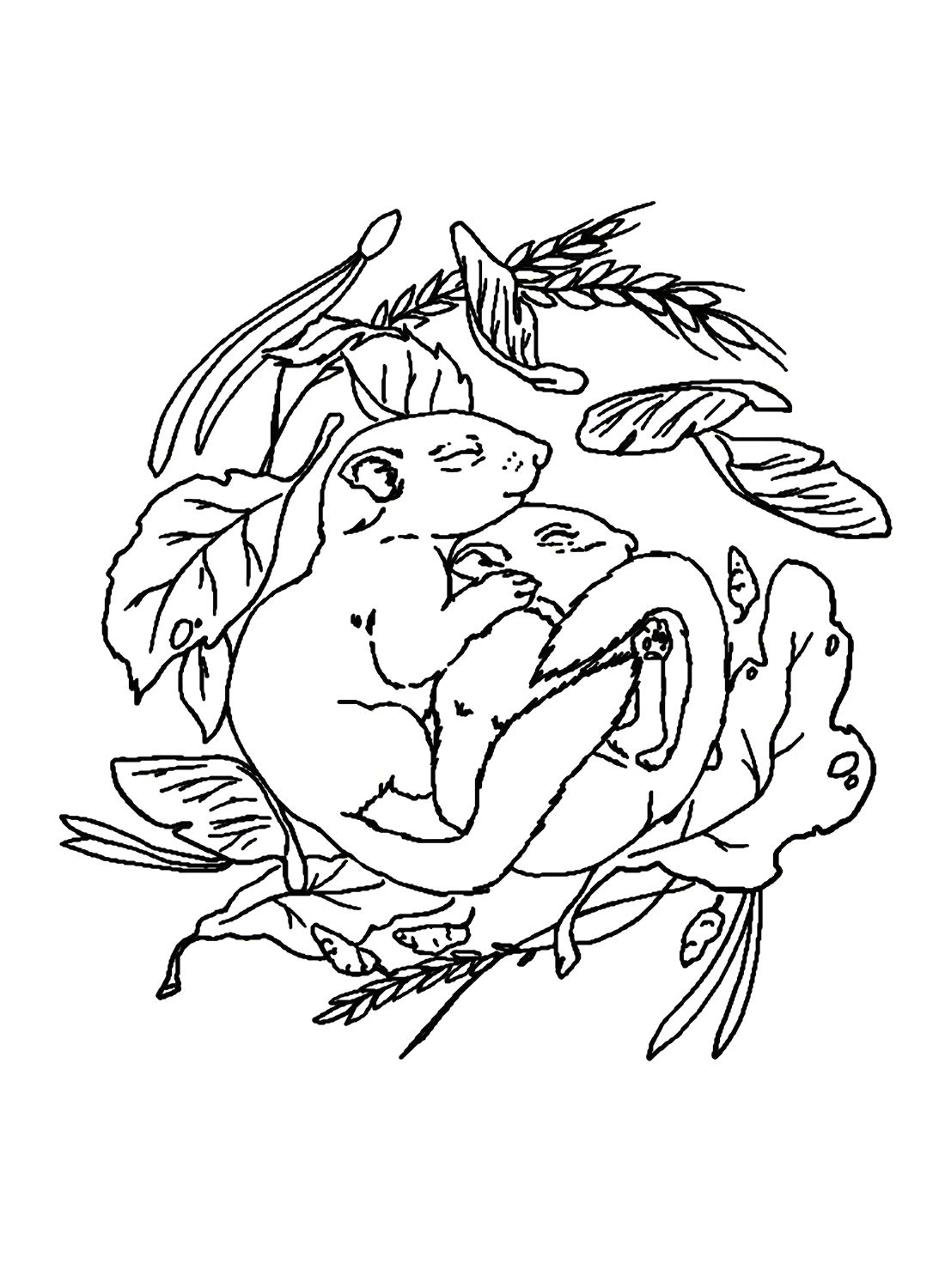
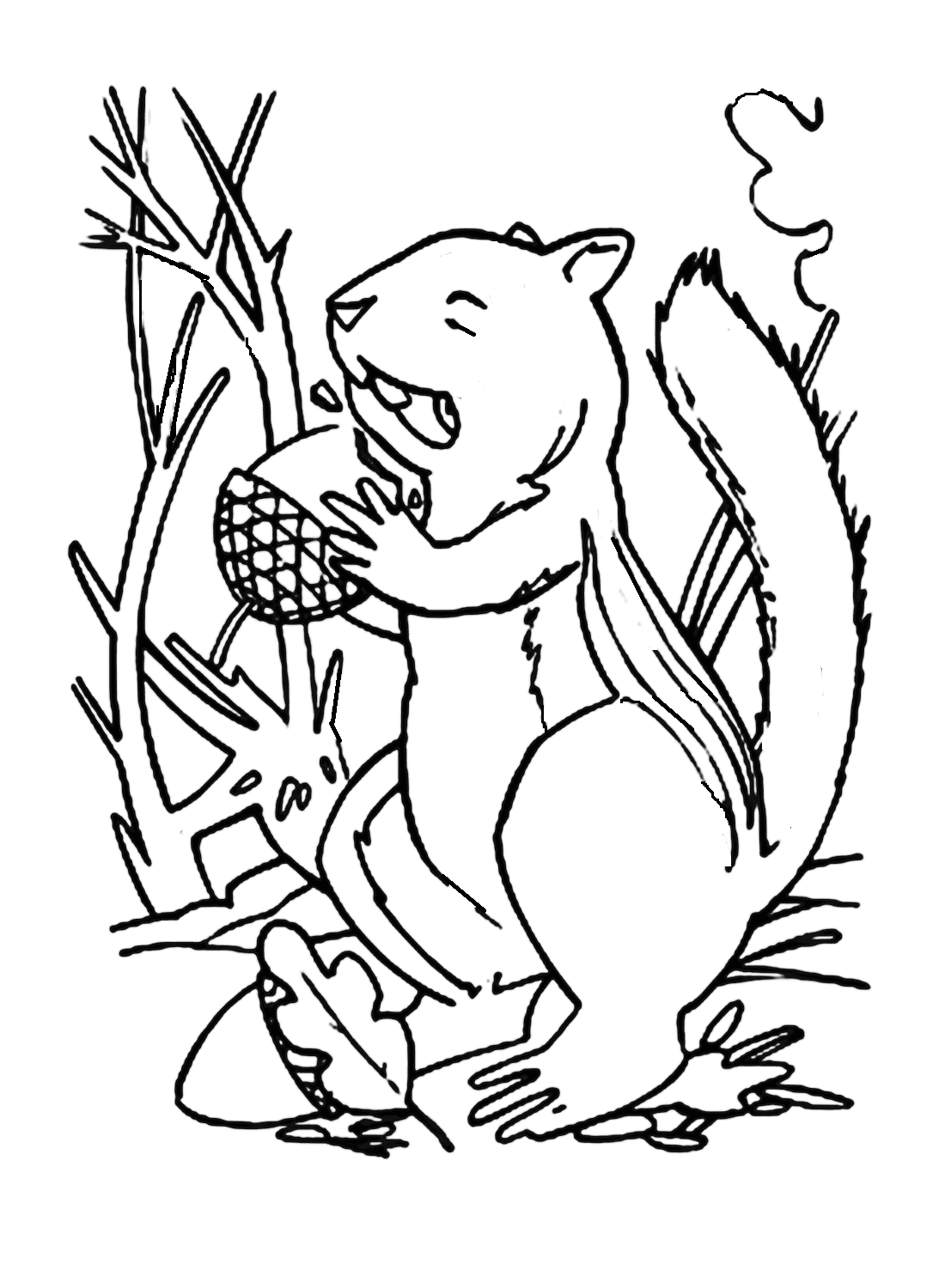
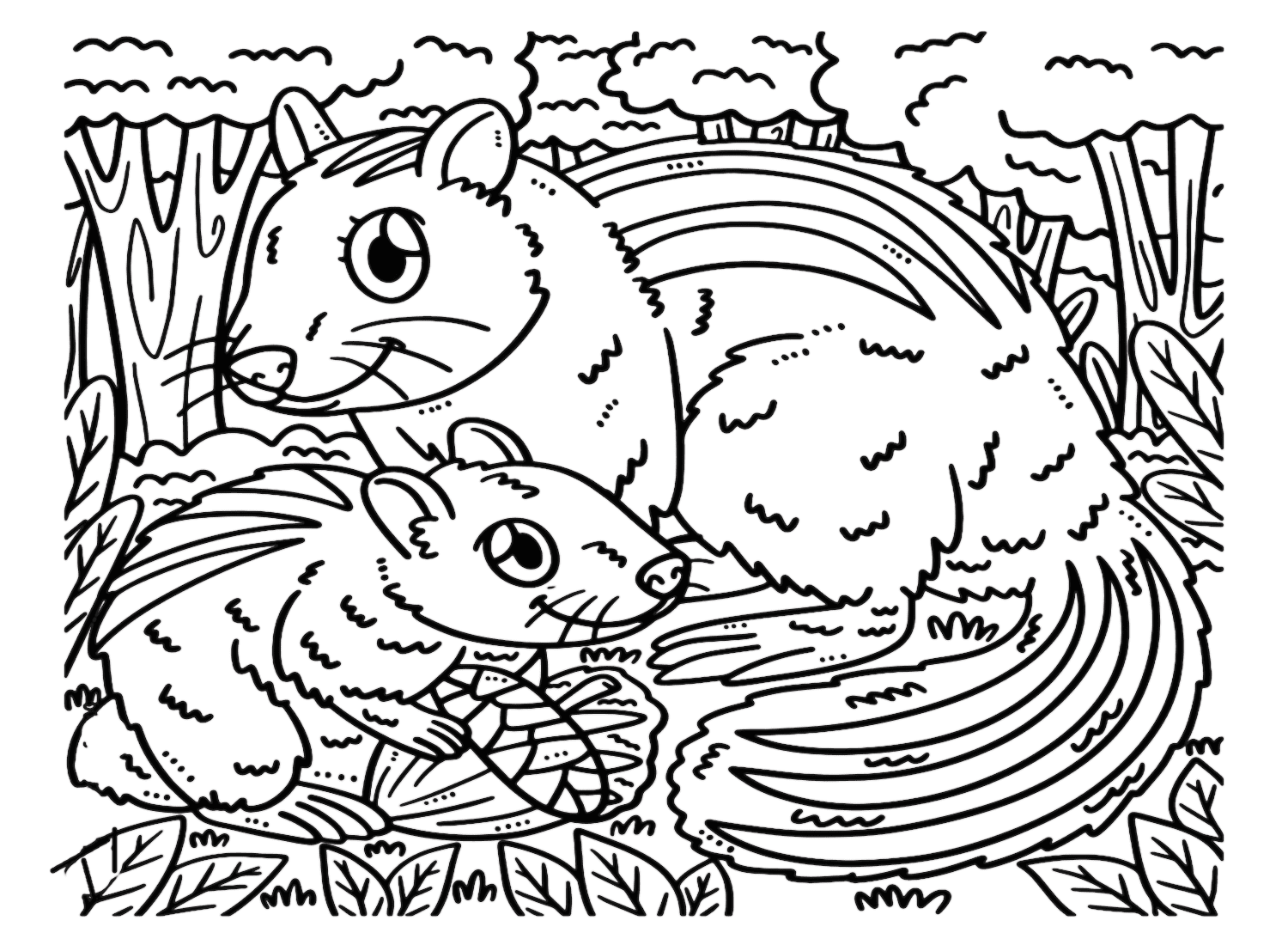
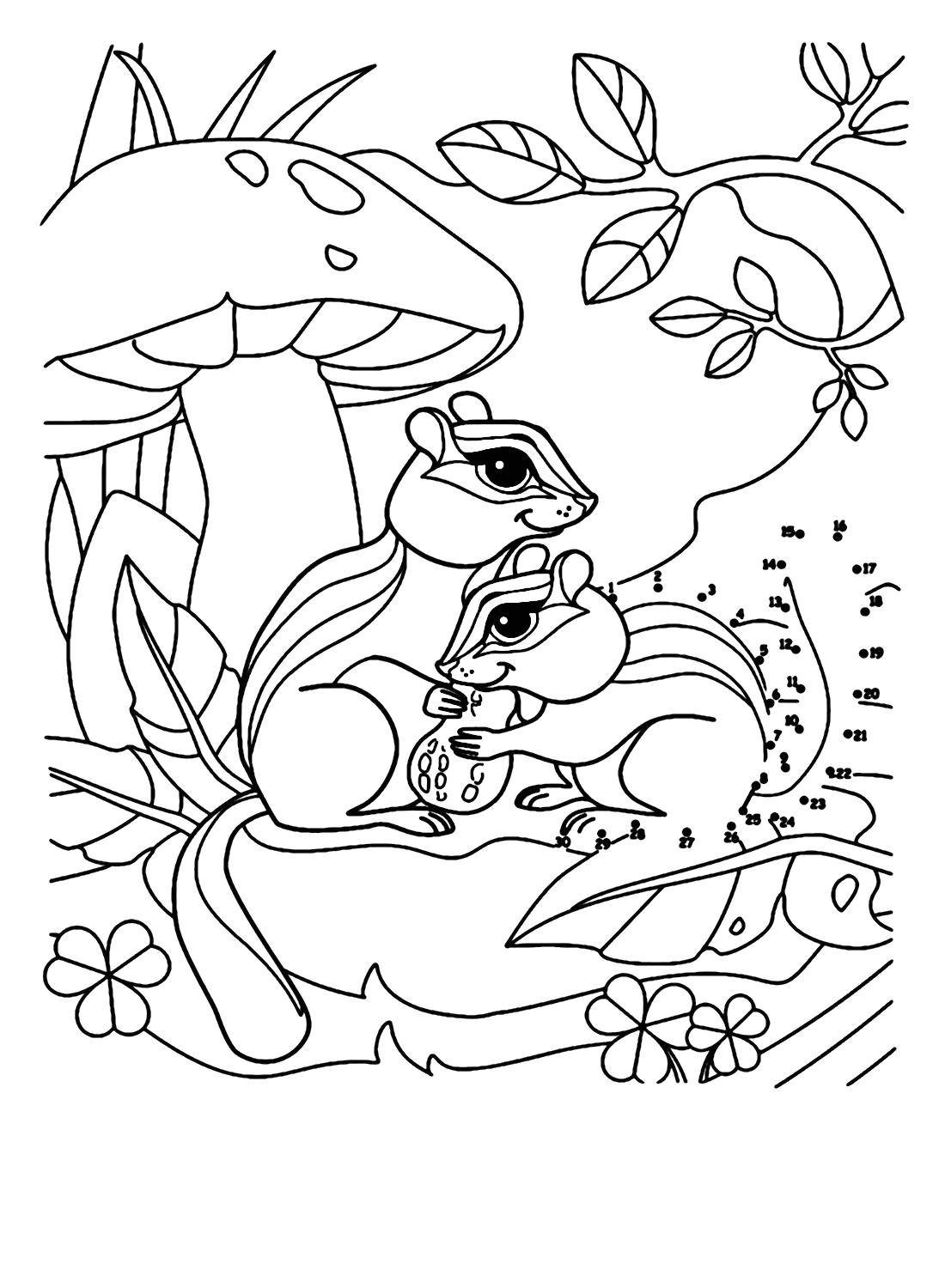
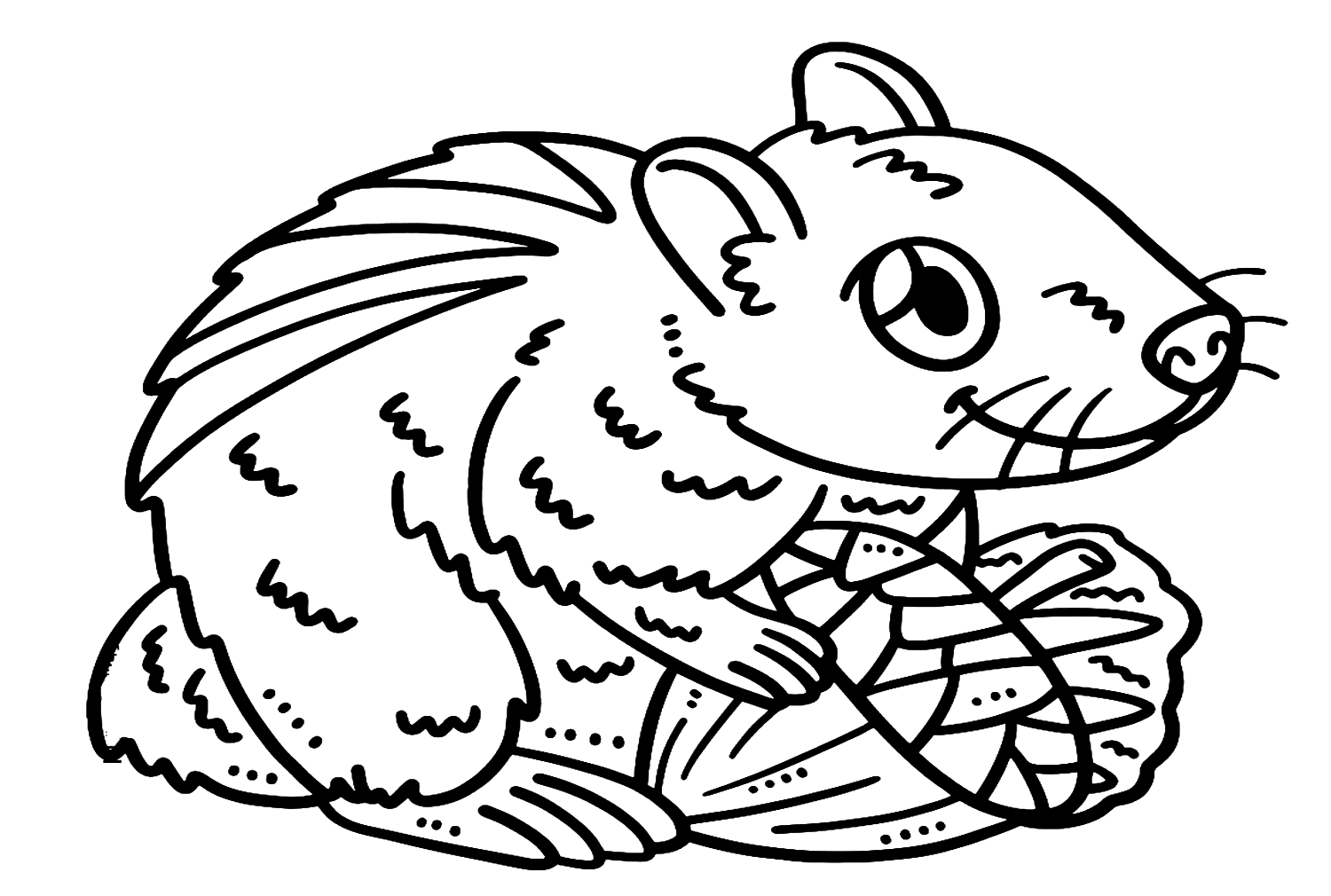
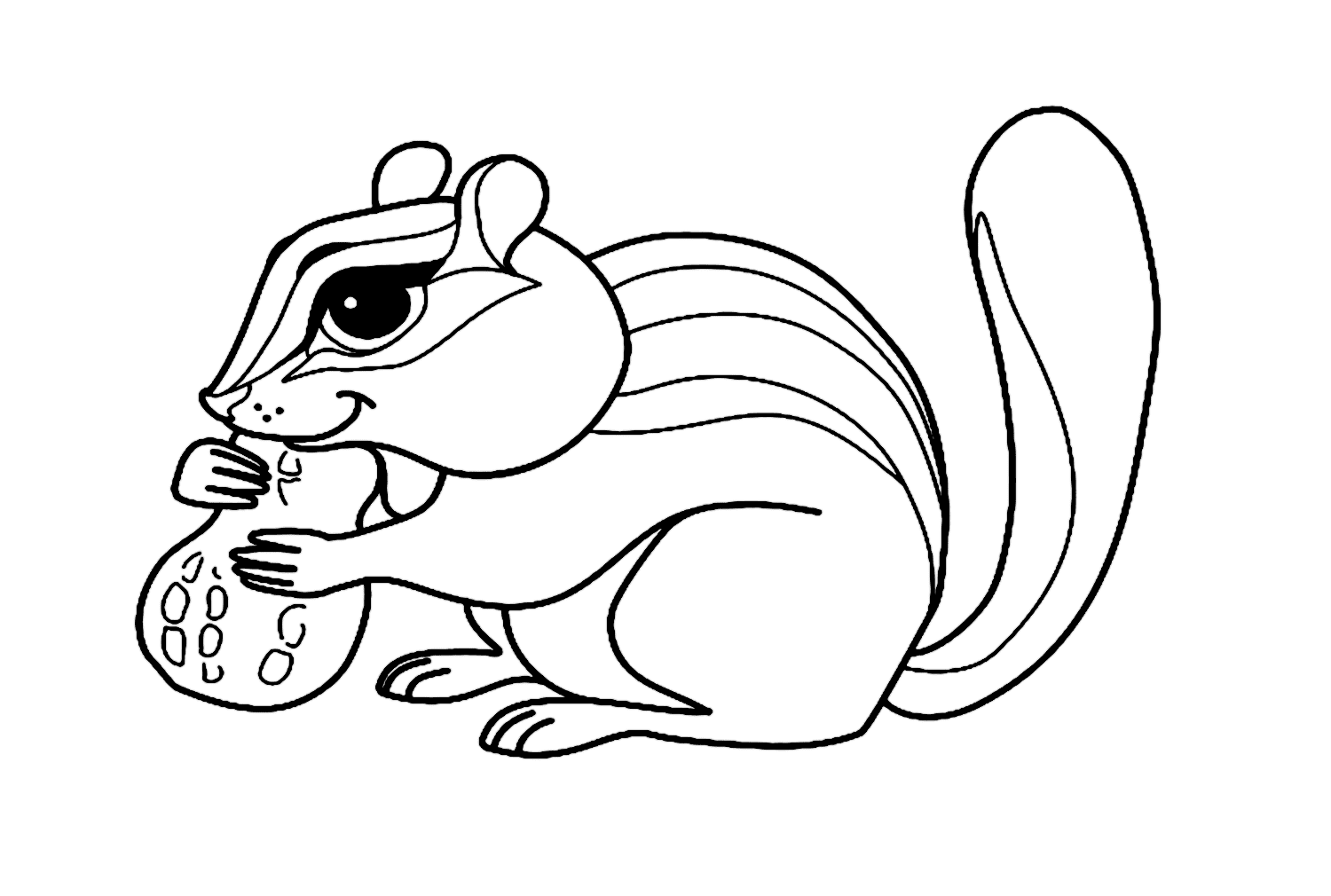
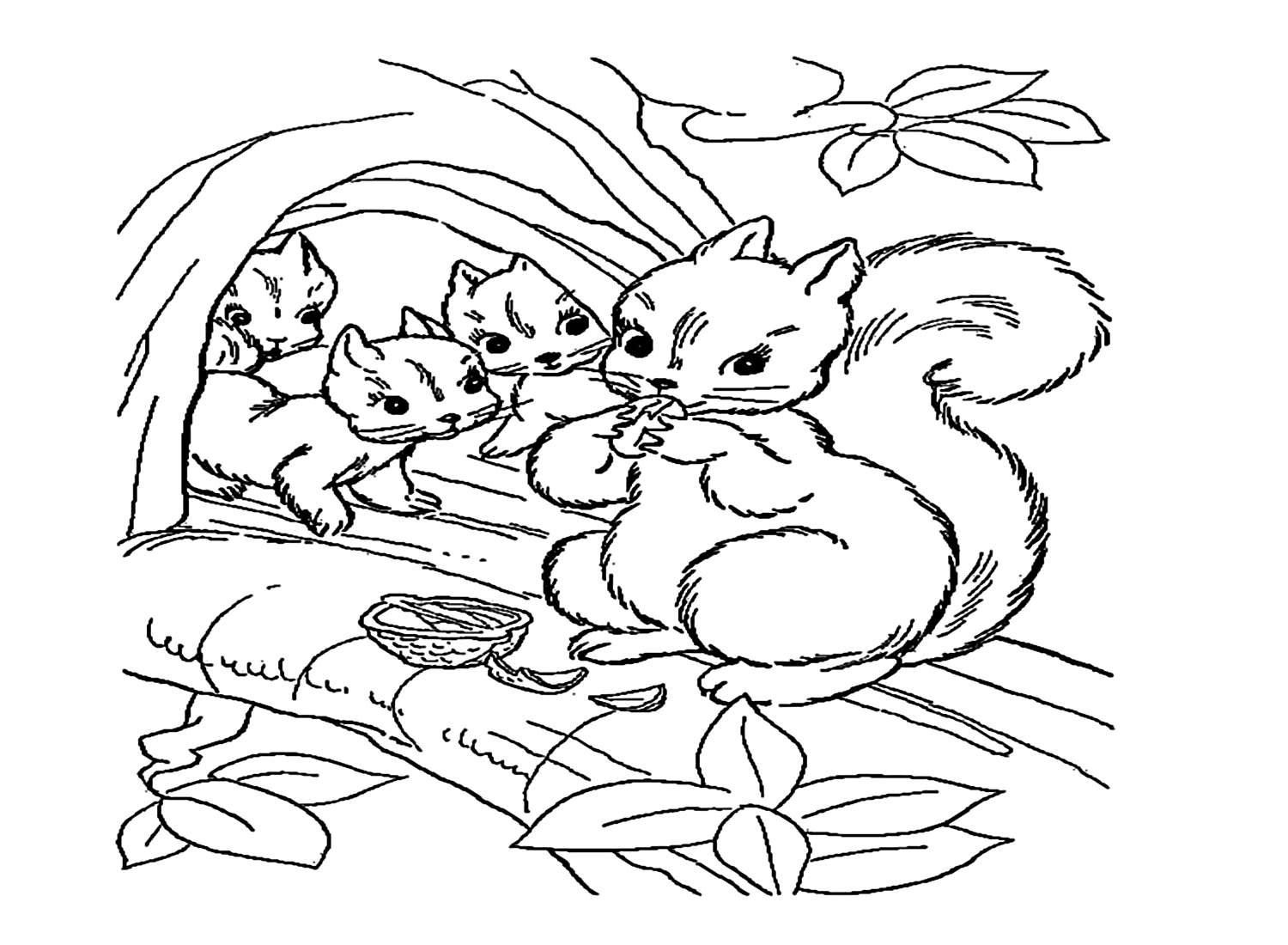
Eleven pages show chipmunks behaving the way they do in the wild: gathering food, sleeping, standing on a stone, or gnawing on a nut, with a couple of pages showing a mother and baby together. Color suggestion: use warm, natural browns and tans for the fur and stick to earthy greens and browns in any forest background, since these pages work best with a realistic rather than fantasy palette.
Cute and Cartoon Styles
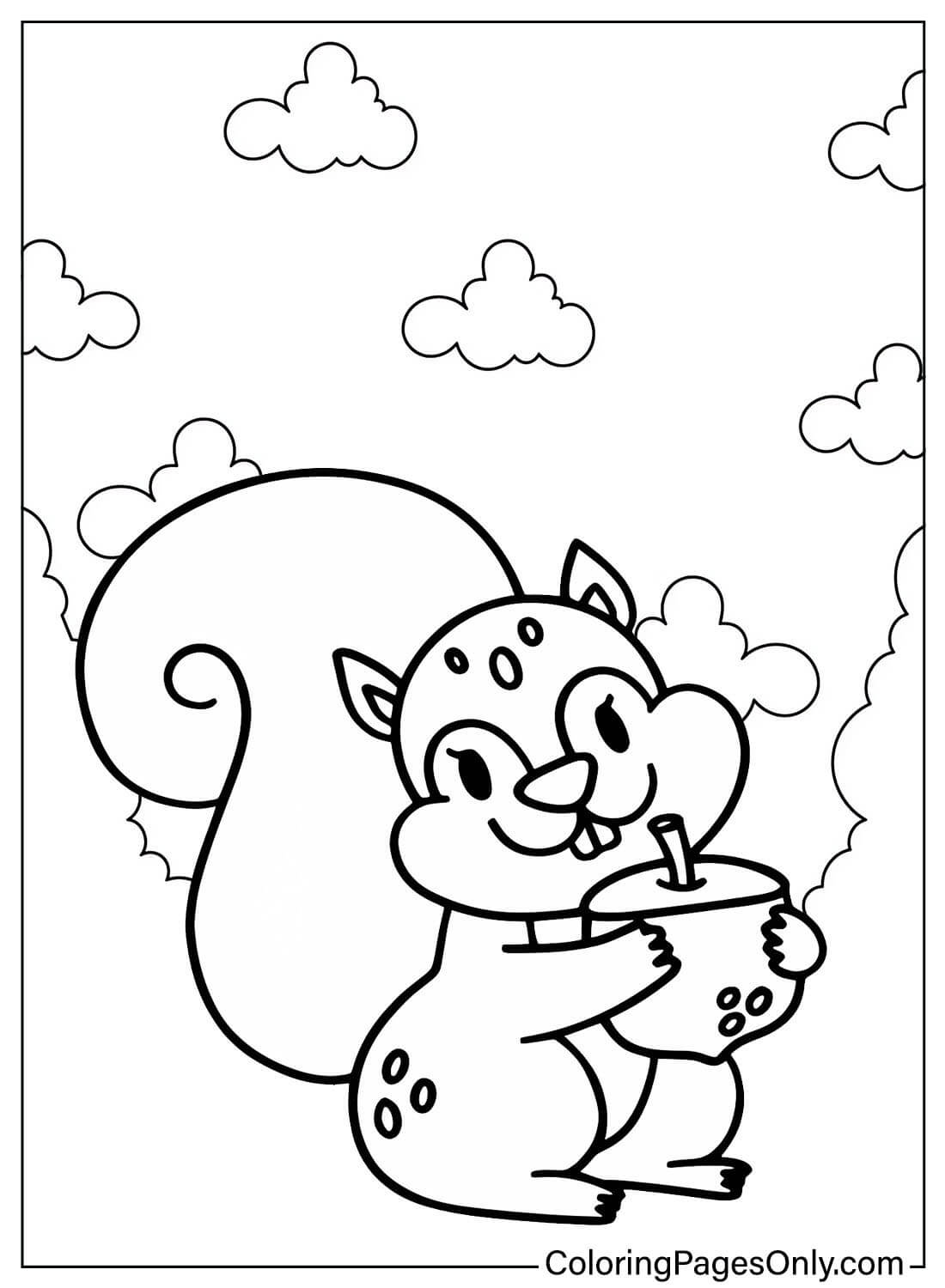
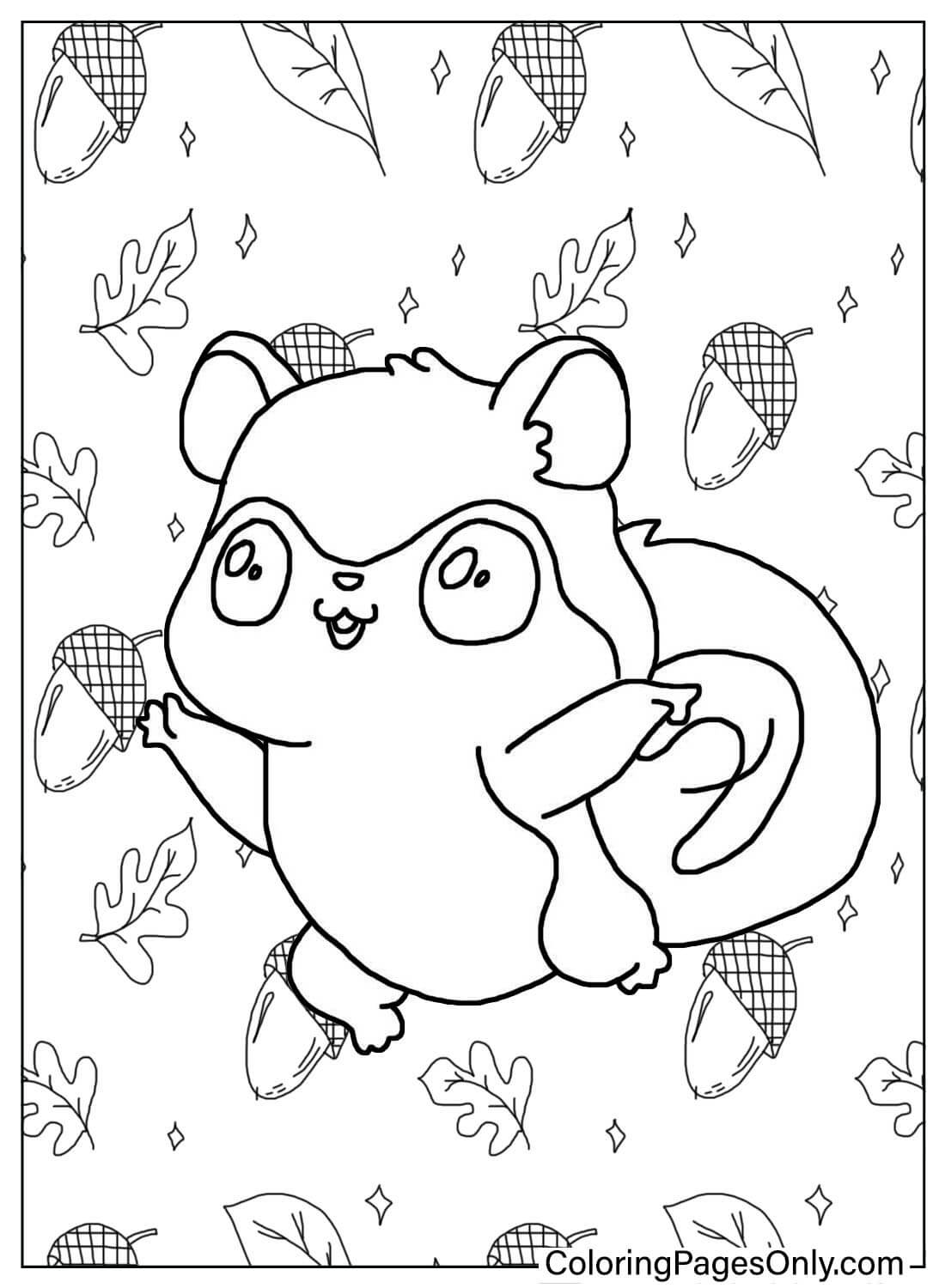
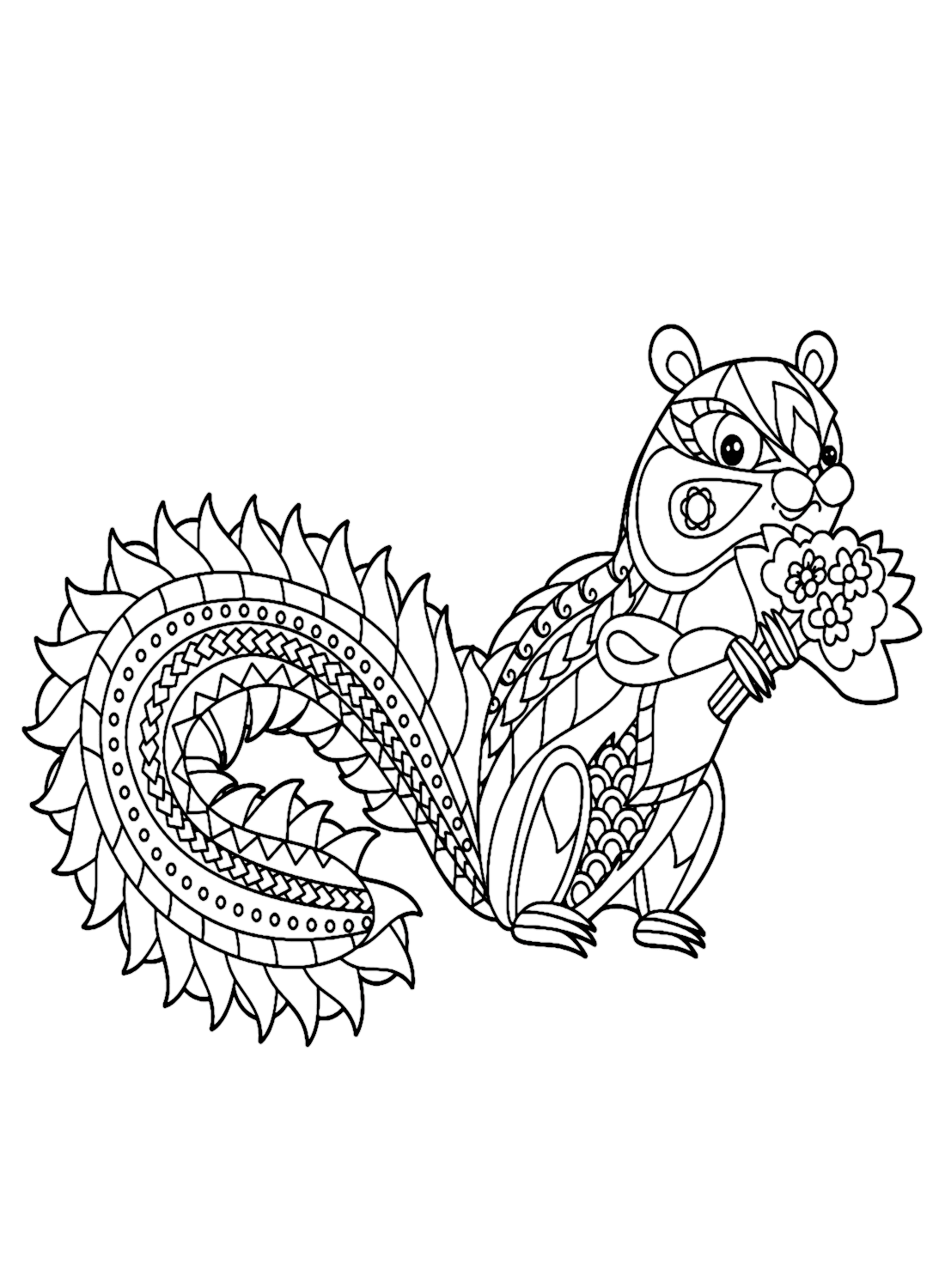
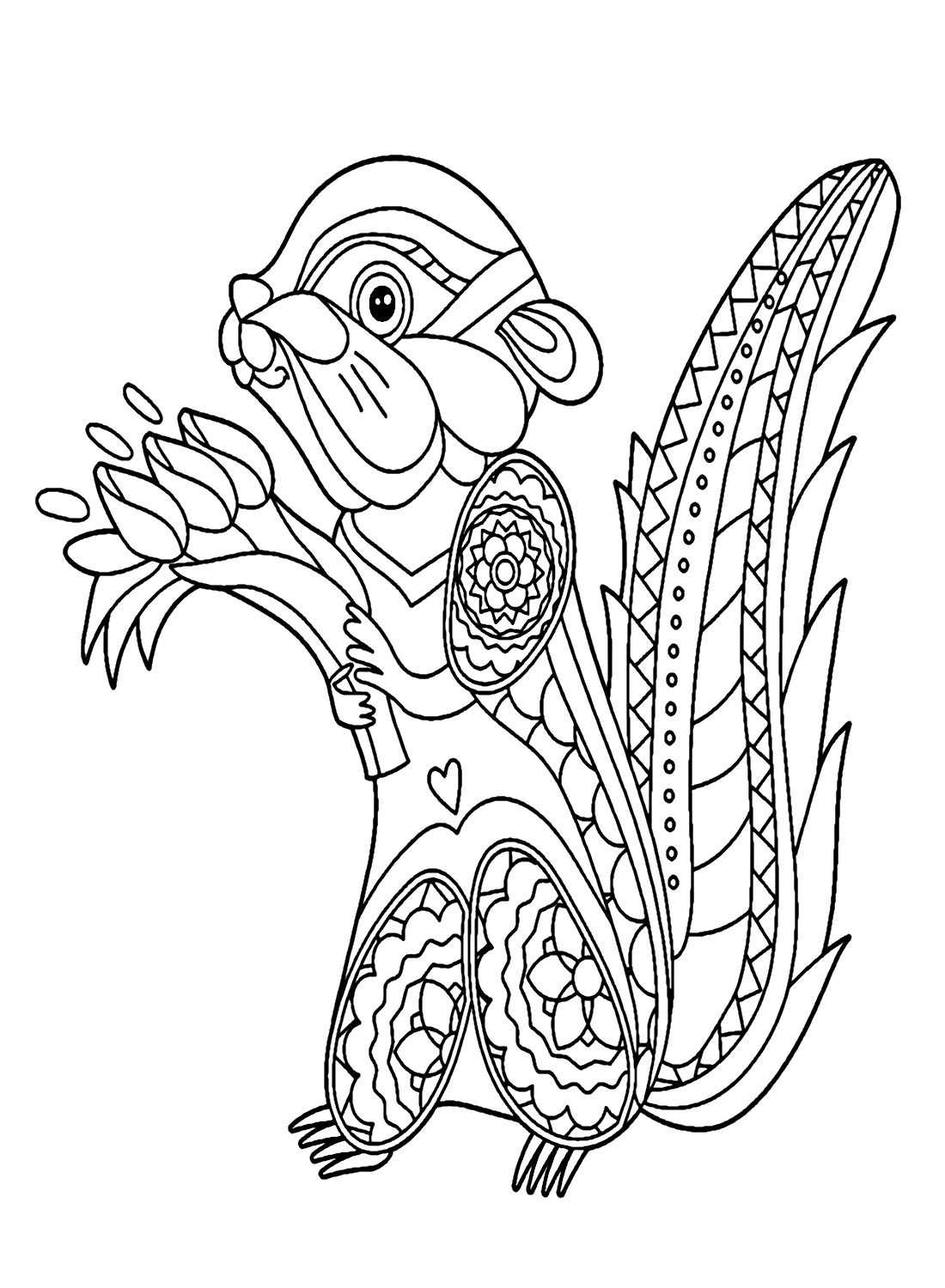
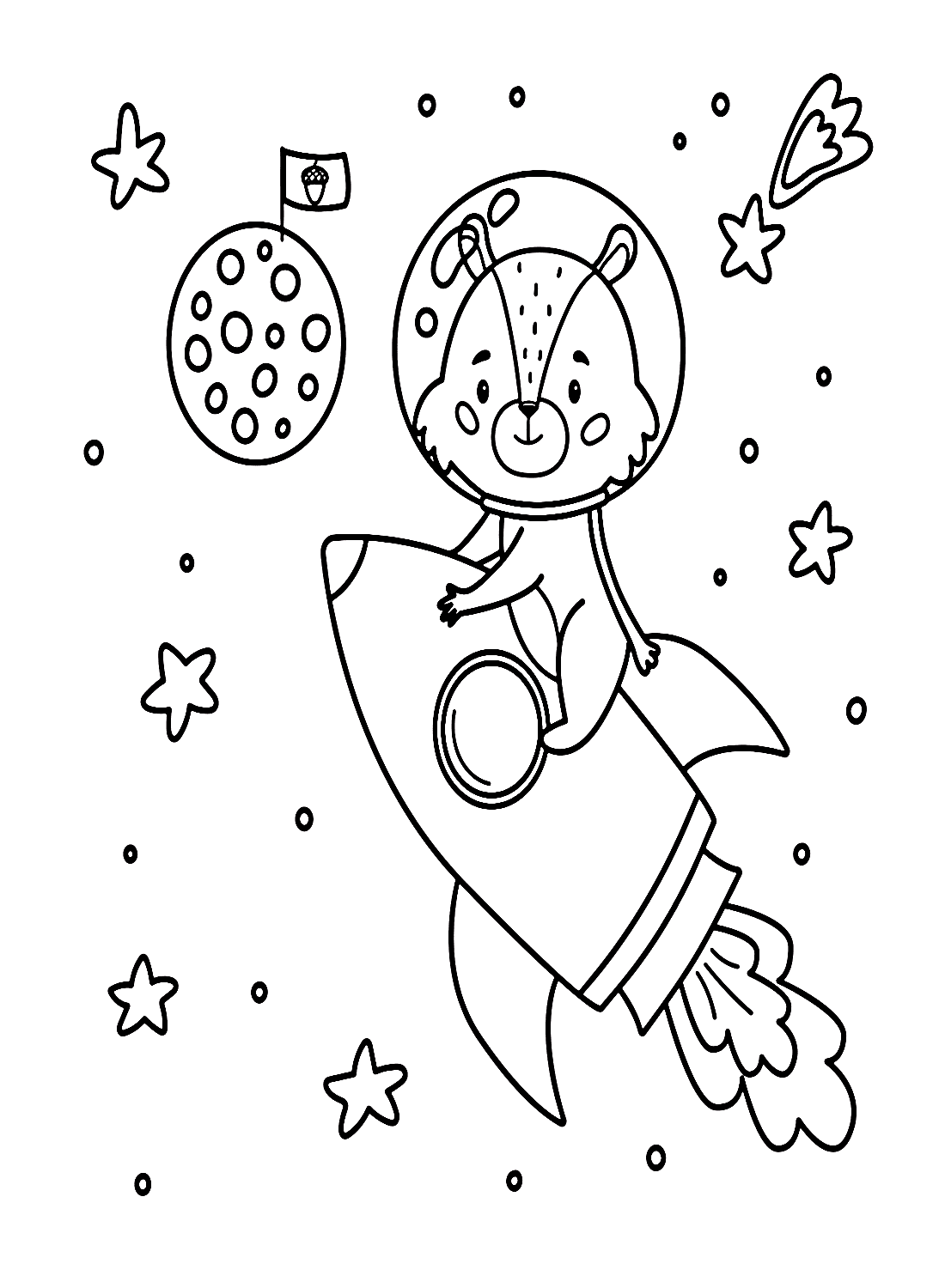
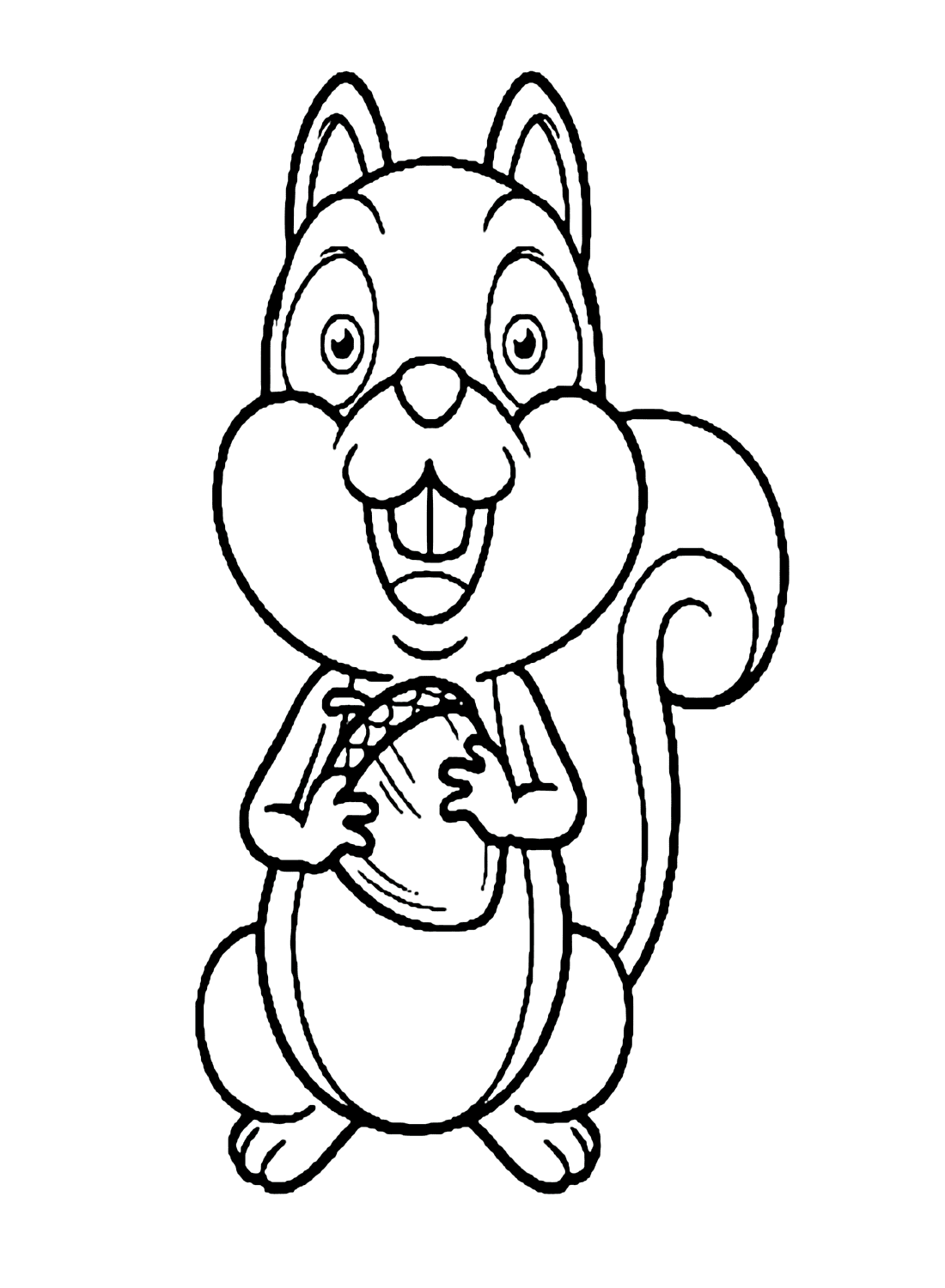
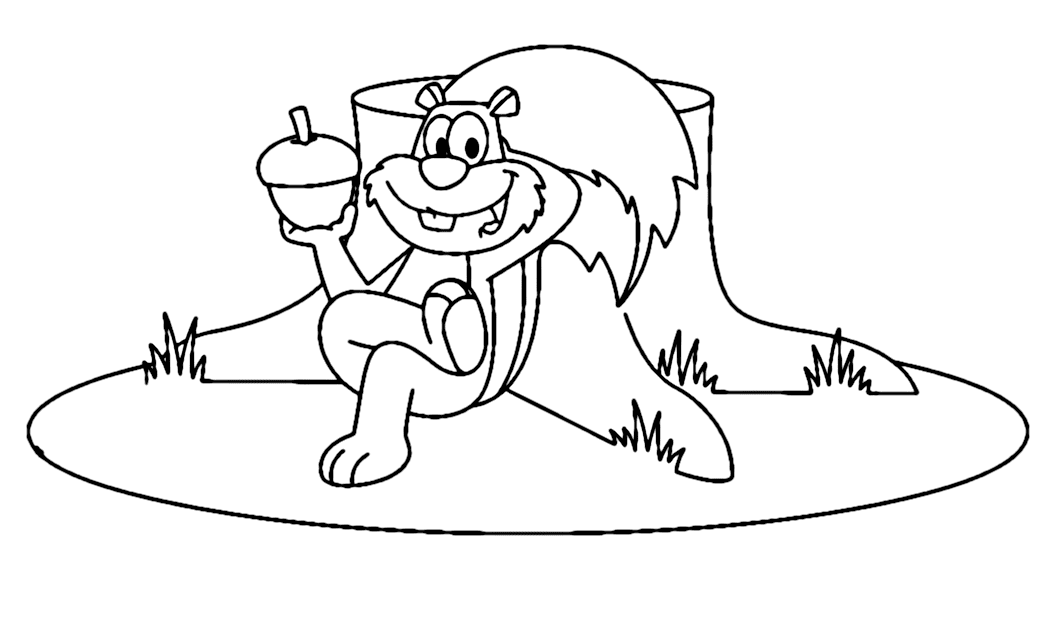
Thirteen pages take a rounder, more playful approach, including a couple of dot-to-dot activity pages and designs showing a chipmunk holding flowers or riding a rocket. Color suggestion: brighter, more saturated colors suit these simplified shapes better than the muted, natural tones used on the realistic pages.
Character Crossovers and Novelty Designs
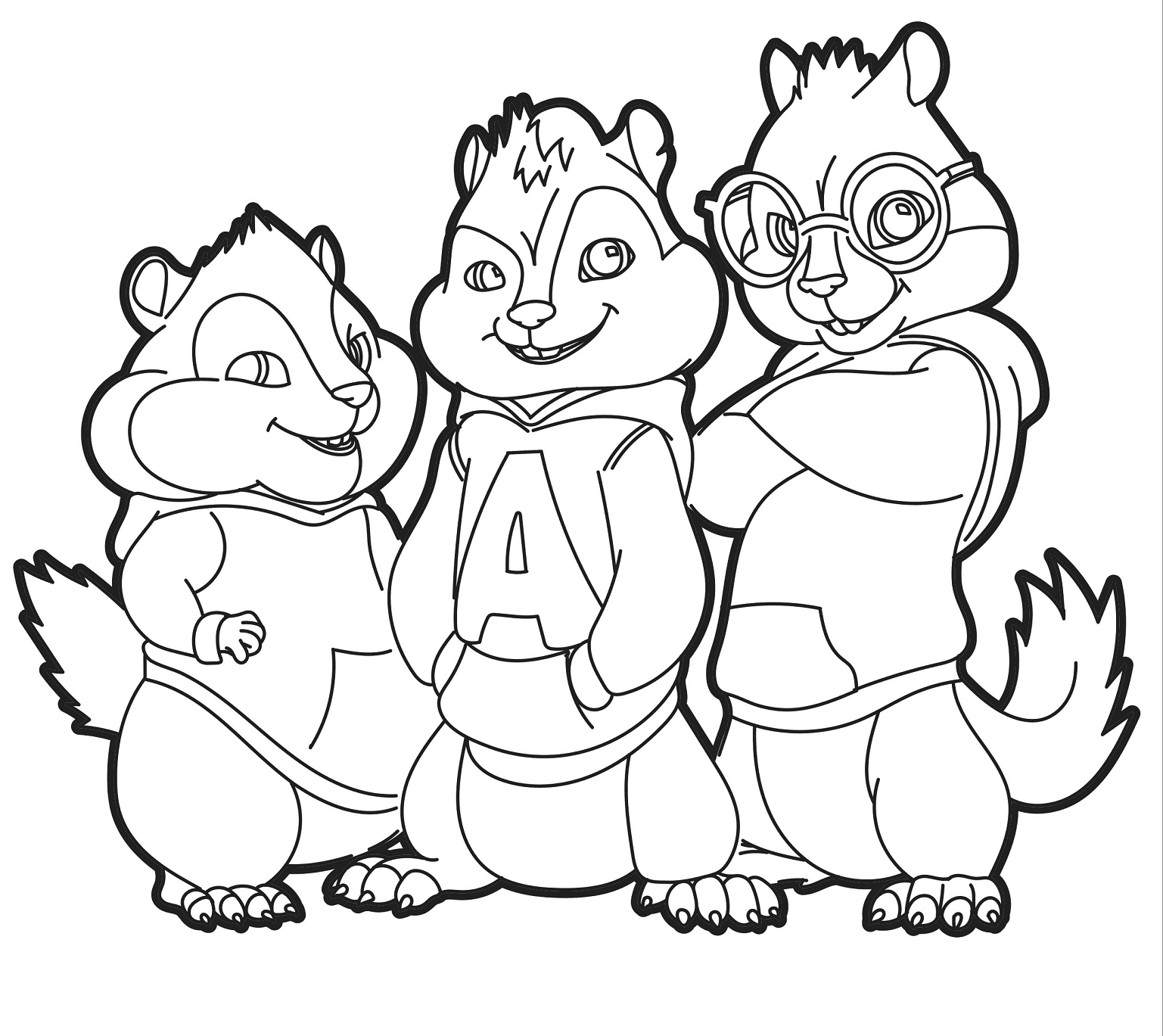
Three pages reference chipmunk characters from outside the natural world, including one that pairs a chipmunk with Alvin from the Alvin and the Chipmunks franchise. Color suggestion: keep the crossover character’s own established colors intact, and use the same natural chipmunk palette from the rest of the set for the animal itself.
What Chipmunk Coloring Pages Do
A close look at real animal behavior. Because this set includes pages showing food gathering, food storage, and rest, kids get a more complete picture of a chipmunk’s actual daily life than a single static portrait would give them.
Fine motor practice with detailed stripes. The American Academy of Pediatrics identifies fine motor skill development as a core benefit of structured coloring for children ages 2 through 7, and the thin, repeated stripes along a chipmunk’s back give more precise practice than a single solid-colored shape.
A natural bridge into a science lesson. The genuinely surprising facts about chipmunks, such as cheek pouches that triple in size or a winter torpor state instead of true hibernation, give teachers and parents an easy way to turn a coloring session into a short nature lesson.
A calm, familiar activity. Research published in the Art Therapy Journal in 2005 found that structured coloring sessions were associated with a measurable reduction in reported anxiety. A small, familiar backyard animal like a chipmunk makes a gentle, low-pressure subject for a first coloring session.
How to Color Chipmunk Pages Well
- For base: Use Crayola Raw Sienna or Redwood for the main coat, since real chipmunks range from reddish-brown to grayish-brown depending on the species.
- Back stripes: Alternate Crayola Sepia for the dark stripes with a narrow band of Crayola Desert Sand or white left uncolored between them, matching the real light-and-dark striping pattern.
- Face stripes: Add a thin dark stripe through the eye area in Crayola Black or Sepia, since chipmunks have distinctive light and dark markings around their eyes as well as their back.
- Cheek pouches: On pages where the cheeks look puffed out with food, shade them slightly lighter than the rest of the face to suggest the stretched skin over stored nuts.
- Tail: Color the tail a slightly darker shade than the body fur, since a chipmunk’s tail is flattened and less bushy than a full squirrel’s.
- Nature backgrounds: Use Crayola Forest Green and Sepia for forest floor and tree scenes, keeping the palette natural rather than bright to match the realistic pages.
5 Creative Craft Ideas With Chipmunk Coloring Pages
1. Cheek Pouch Feeding Game
Color a chipmunk portrait, cut small paper circles to represent seeds or nuts, and practice “feeding” them into the cheek area of the drawing to visualize how much a real chipmunk’s pouches can hold.
2. Chipmunk Habitat Collage
Color several chipmunk pages differently, cut them out, and arrange them on a larger sheet of paper along with hand-drawn trees, leaves, and rocks to build a simple forest habitat scene.
3. Memory Match Game
Print two copies of a few chipmunk pages, color each pair to match, cut them into individual cards, and use them to play a classic memory matching game.
4. Greeting Card
Color one of the cute or realistic pages, fold a piece of cardstock in half, and glue the colored page to the front for a simple handmade card.
5. Mini Comic Book
Color several pages showing chipmunks in different activities, arrange them in order, and staple them together, adding speech bubbles or captions to tell a short chipmunk story.
Frequently Asked Questions
What are chipmunk coloring pages?
Free printable designs of chipmunks in realistic, cute, and cartoon styles. This collection has 41 pages available as PDF downloads or online coloring, with no account required.
What are chipmunks?
Chipmunks are small striped members of the squirrel family, genus Tamias, known for the large cheek pouches they use to carry and store food.
What is a chipmunk’s cheek pouch for?
The pouches let a chipmunk carry seeds and nuts back to its burrow without chewing them first, and can stretch to about three times the size of its own head.
Do chipmunks hibernate?
Not fully. Chipmunks enter a state called torpor through winter, during which their heart rate drops dramatically, but they wake periodically to eat food they stored earlier in the year.
Where does the word chipmunk come from?
It comes from a Native American word generally translated as describing an animal that runs down trees headfirst, referencing the chipmunk’s climbing habits.
Are these official Alvin and the Chipmunks pages?
No. One page in this set references the Alvin and the Chipmunks franchise, but these are fan-made coloring designs and are not affiliated with, licensed by, or endorsed by the franchise’s rights holders.
What age group are these pages best suited for?
The simplified cartoon pages suit children as young as three, while the more detailed, realistic nature scenes work well for children five and up.
Can these pages be used for a nature or animal science lesson?
Yes. The realistic behavior scenes, combined with facts about cheek pouches and winter torpor, make this set a natural fit for a backyard wildlife or animal habits lesson.
Start Coloring
Download any page by clicking the design. No account, email, or payment is required. Pages print directly from the browser at full resolution or open in the online coloring tool for screen use. Share finished pages on Facebook or Pinterest using the share buttons at the top of each design page.