Mammals Coloring Pages
 By:
Jennifer Thoa - Content Editor & Designer
Updated:
By:
Jennifer Thoa - Content Editor & Designer
Updated:
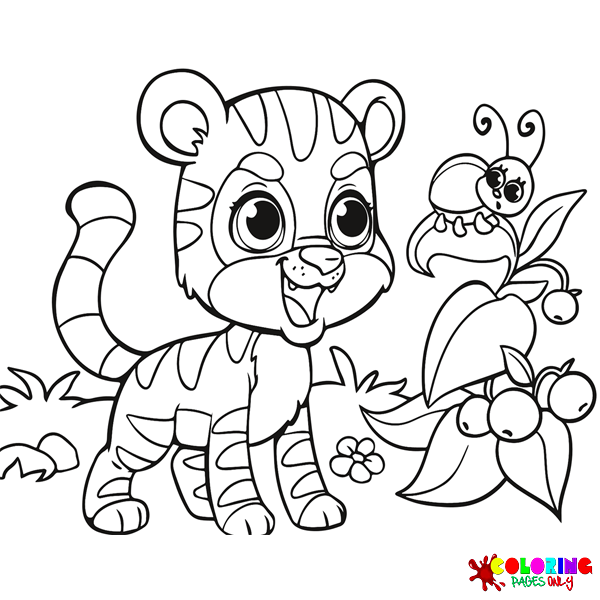
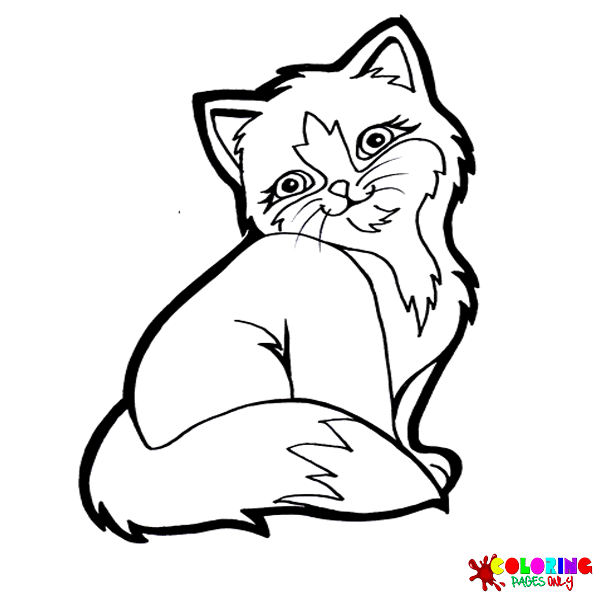
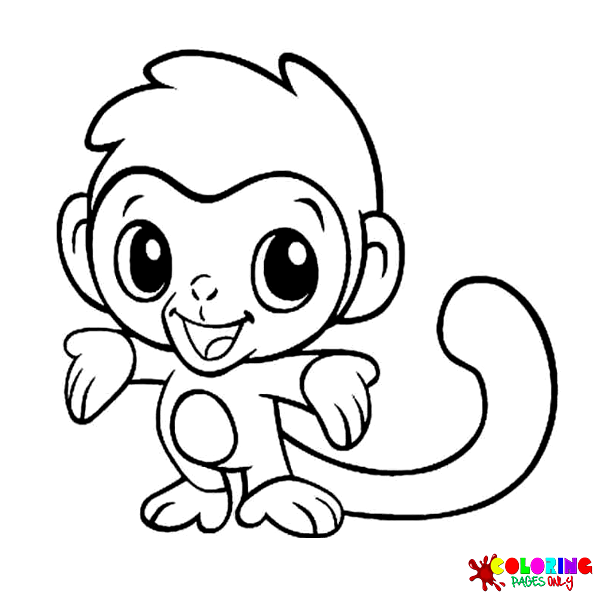
Free mammal coloring pages: 3,782 printable designs across 70 sub-collections covering every mammal from the thundering lion and the silent leopard to the humble hedgehog and the improbable platypus, plus beloved pets, farm animals, ocean mammals, and jungle specialists. Every page is free to download as a PDF and print, or to color online directly in the browser.
Related collections worth exploring alongside this one include Animals, Birds, Fish, and Cute Animal coloring pages.





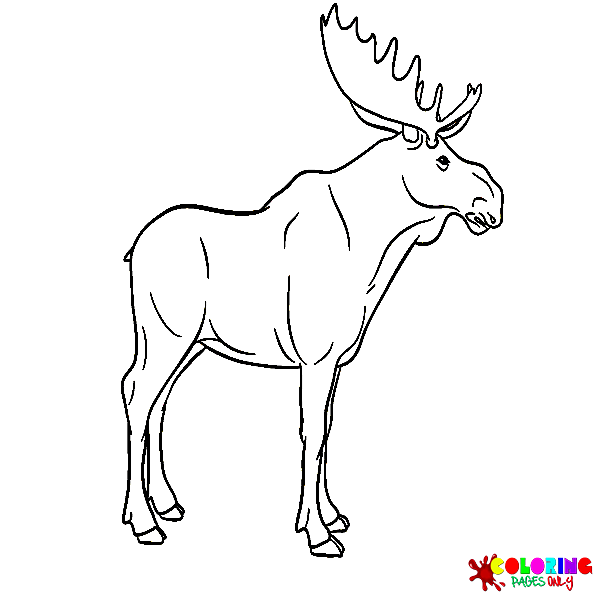
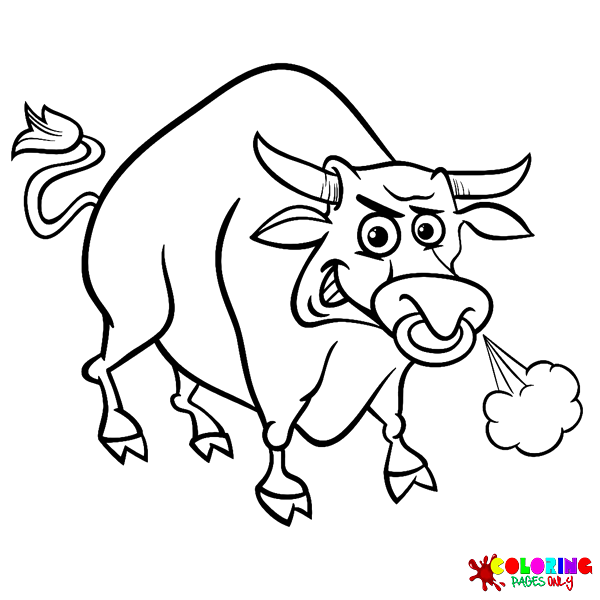
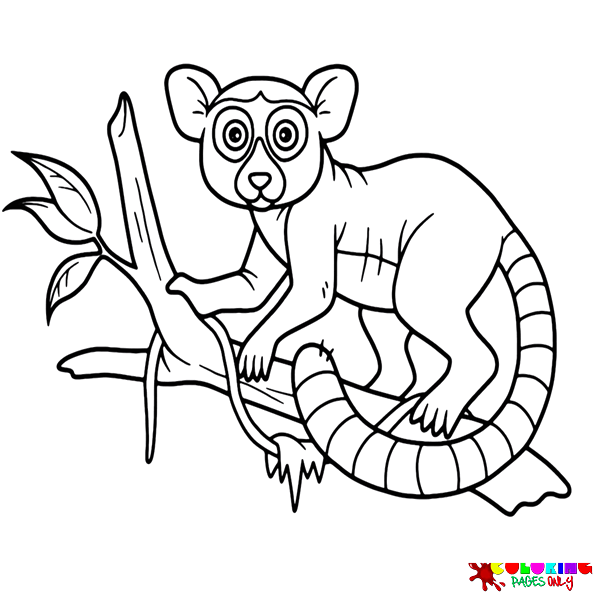
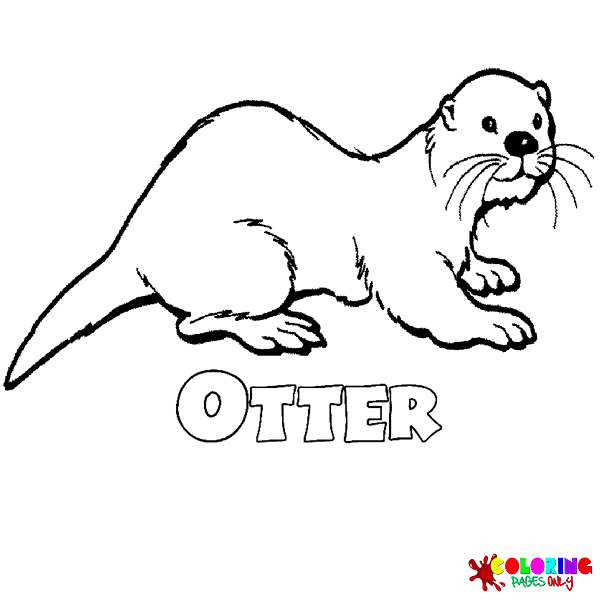
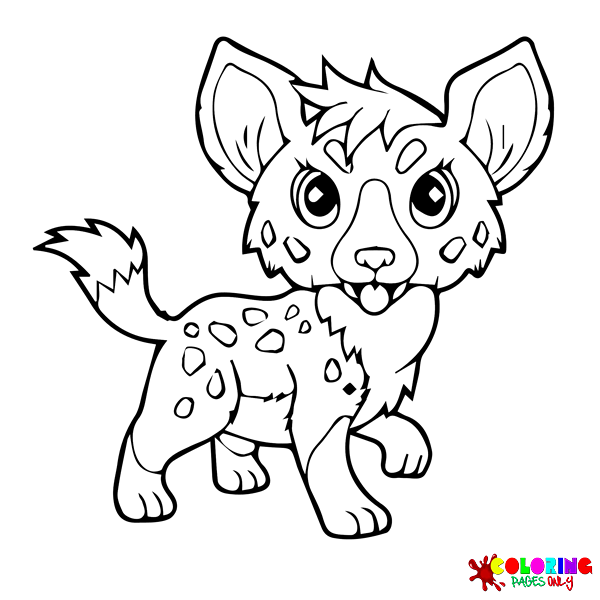

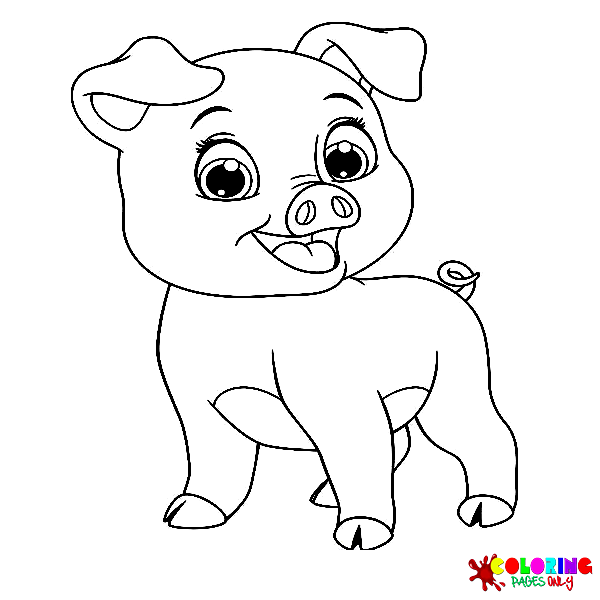
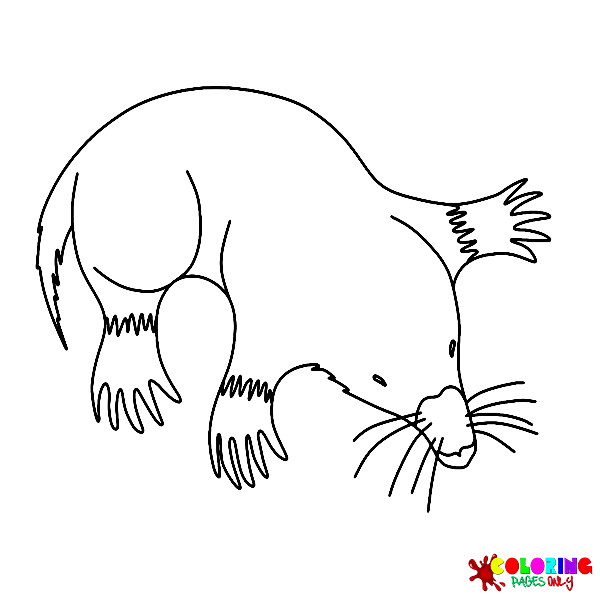
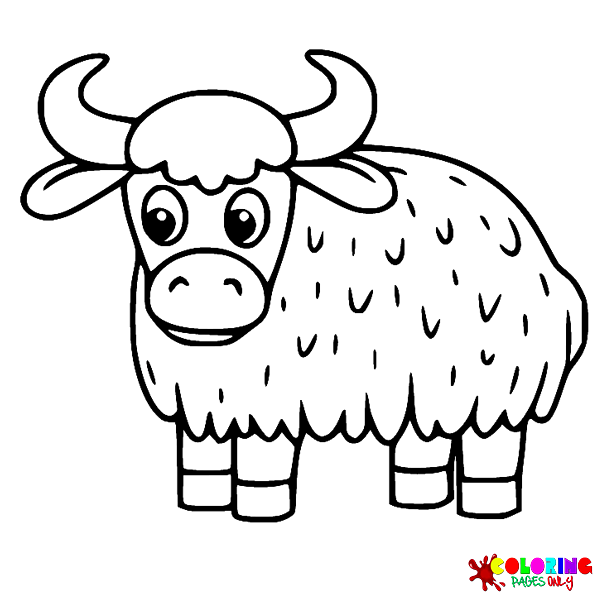
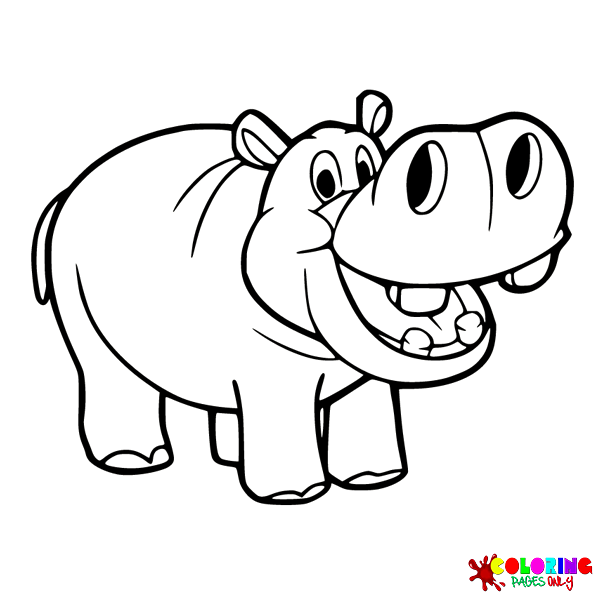
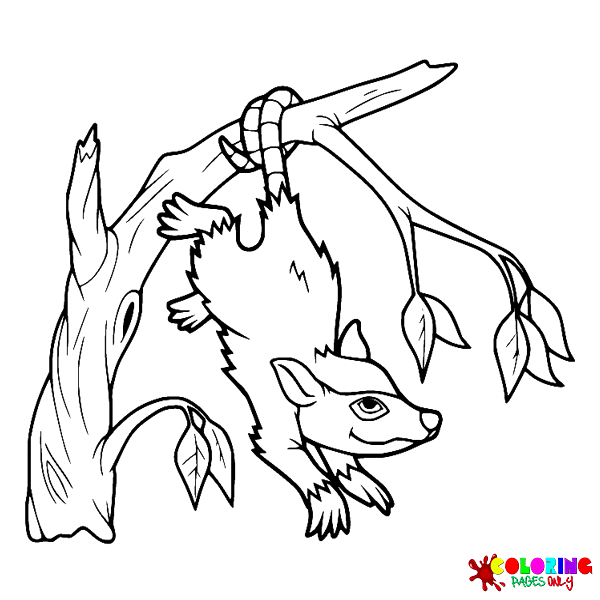
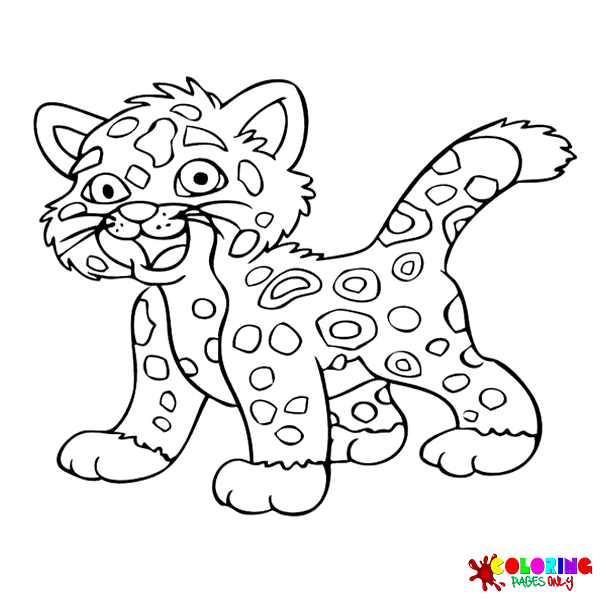
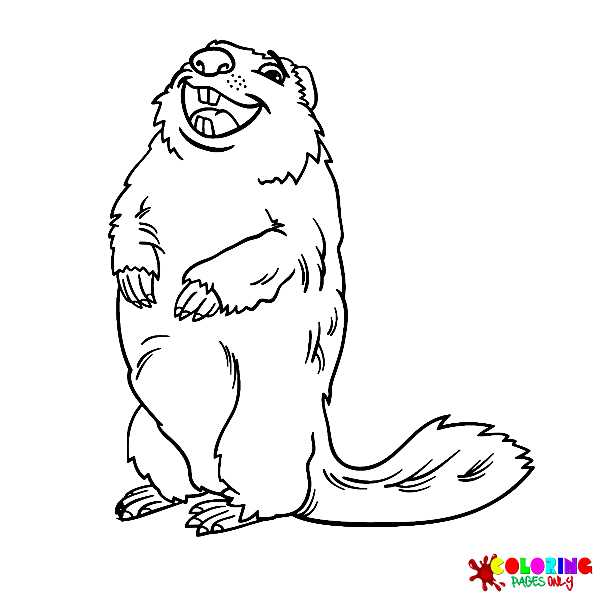
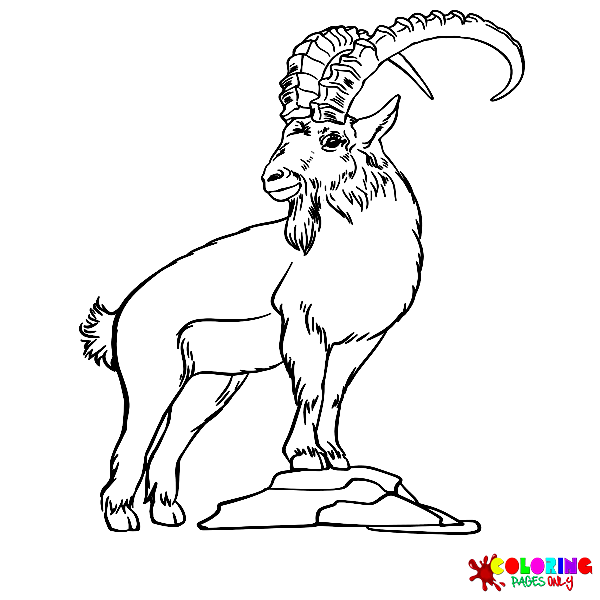
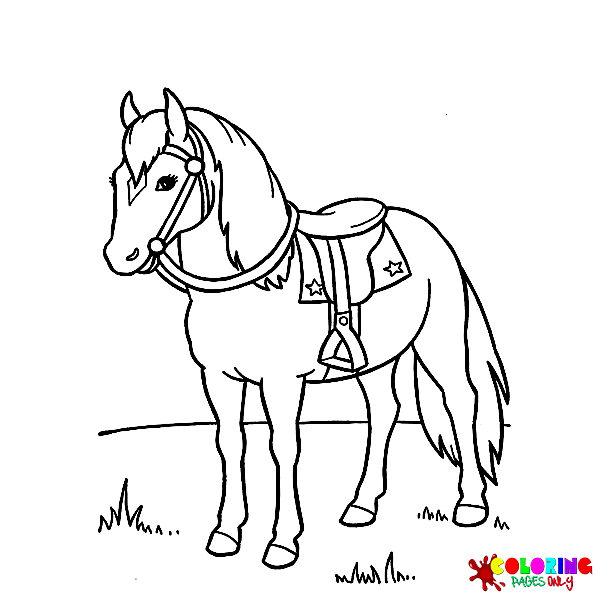
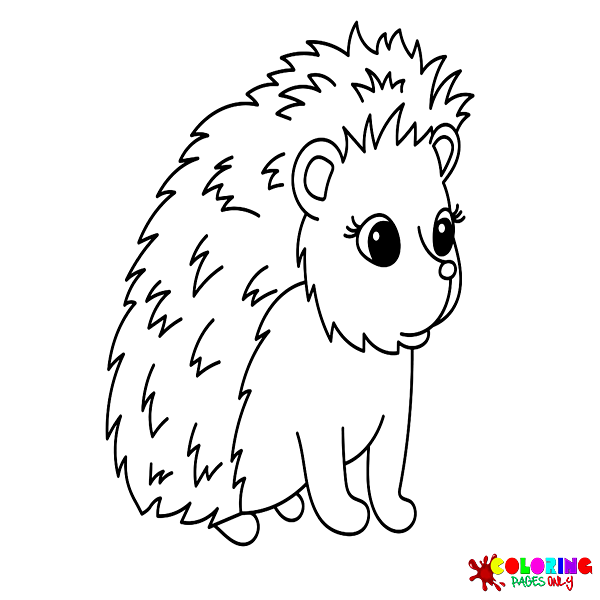
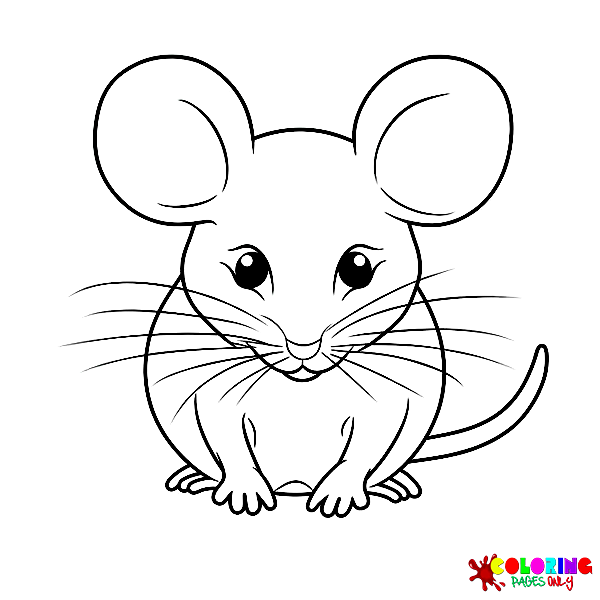

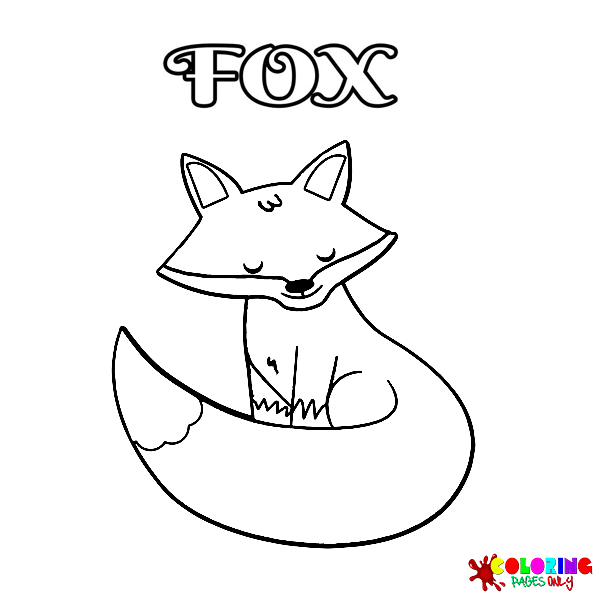
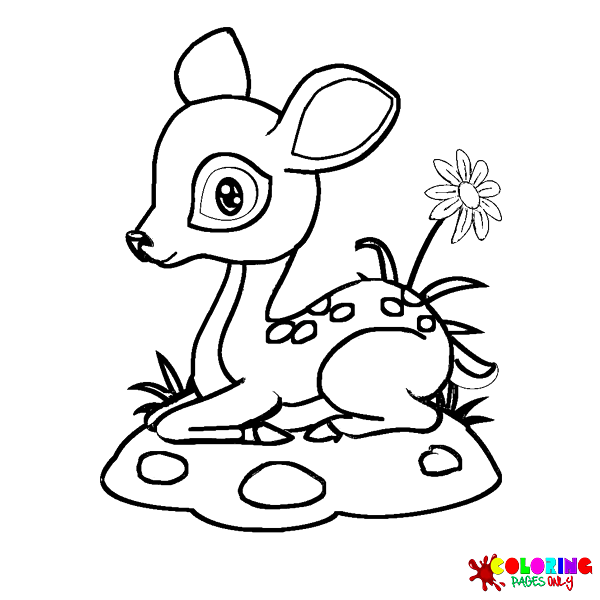
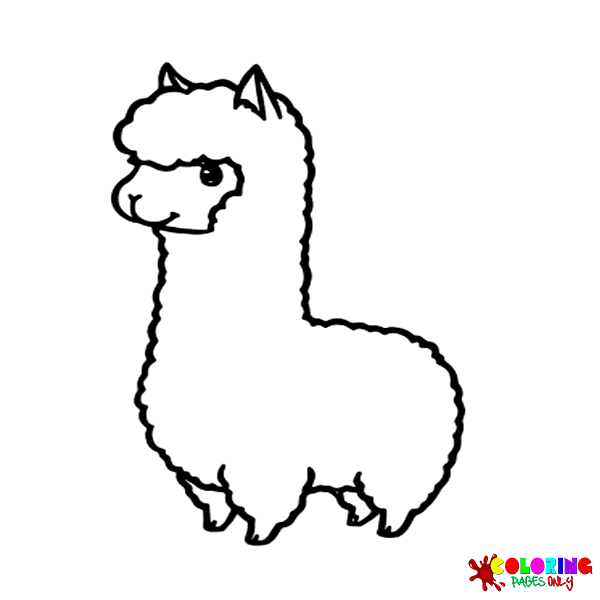
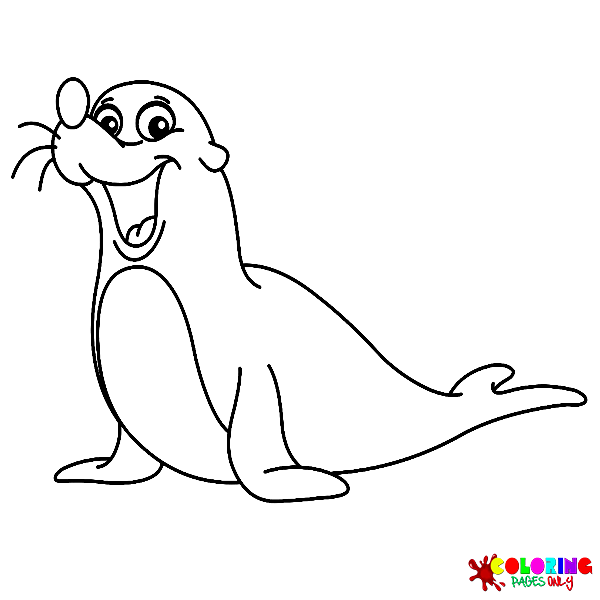
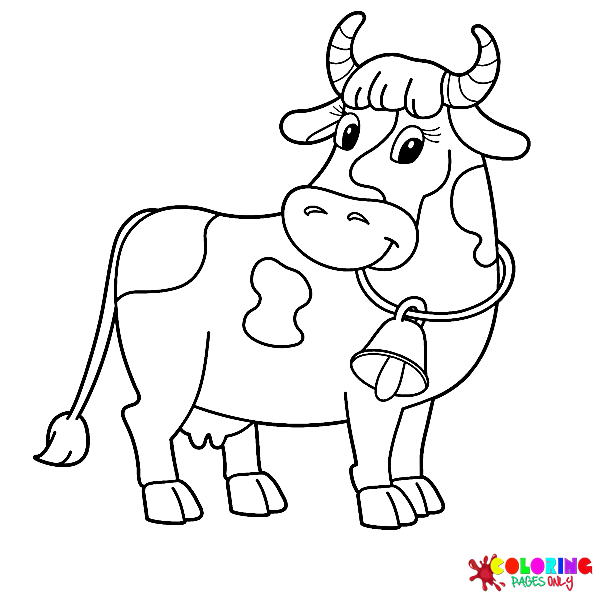
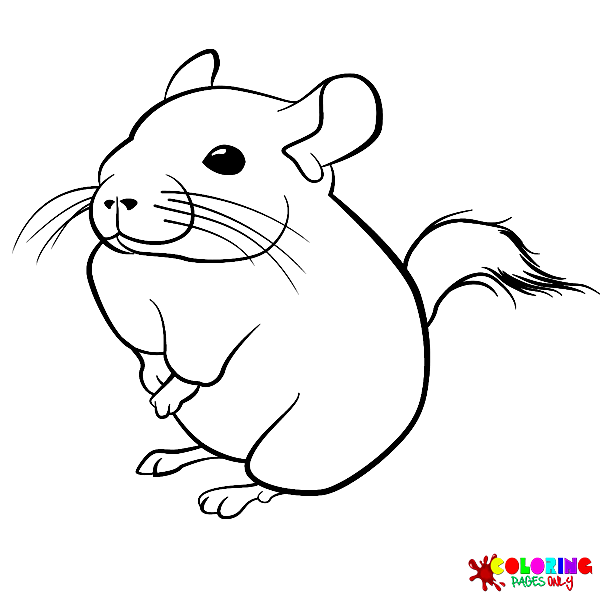
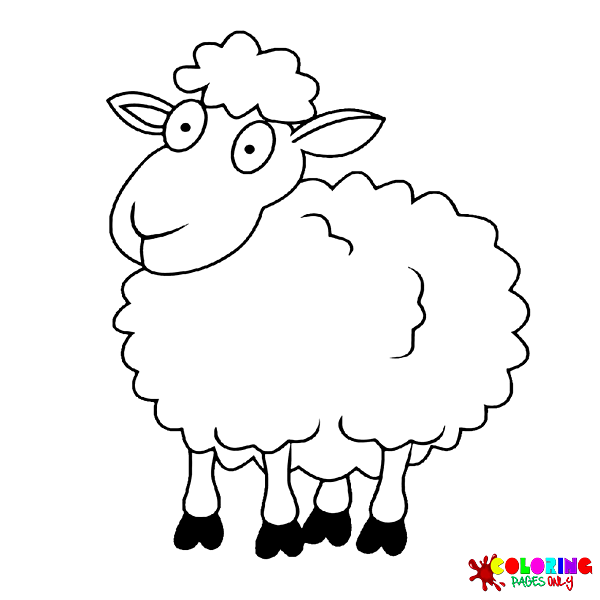
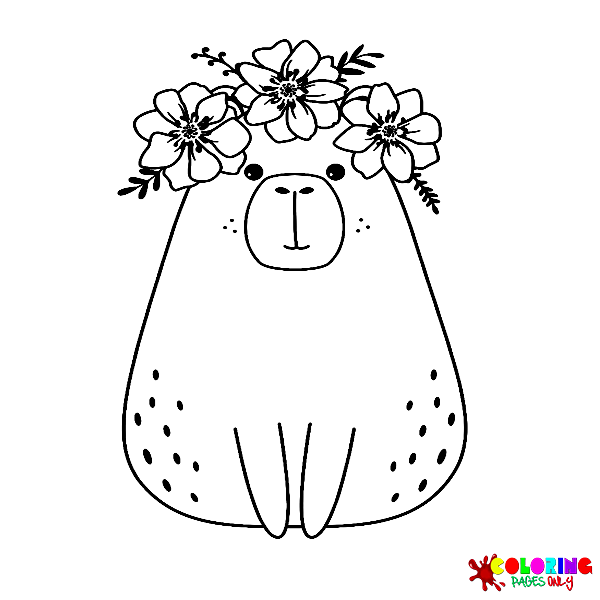
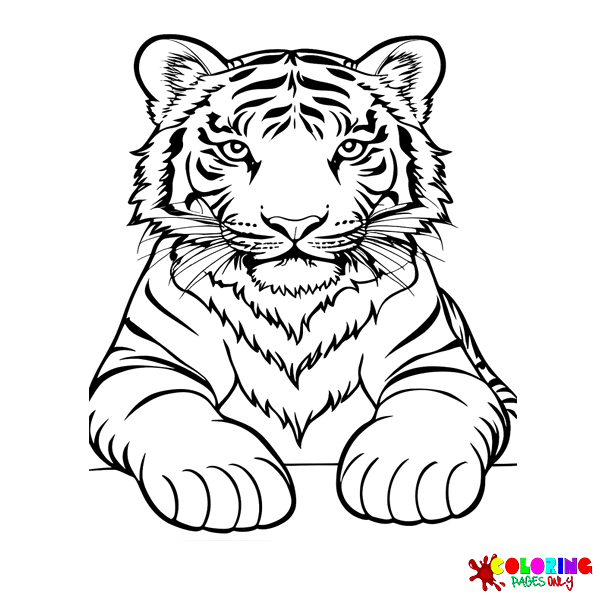
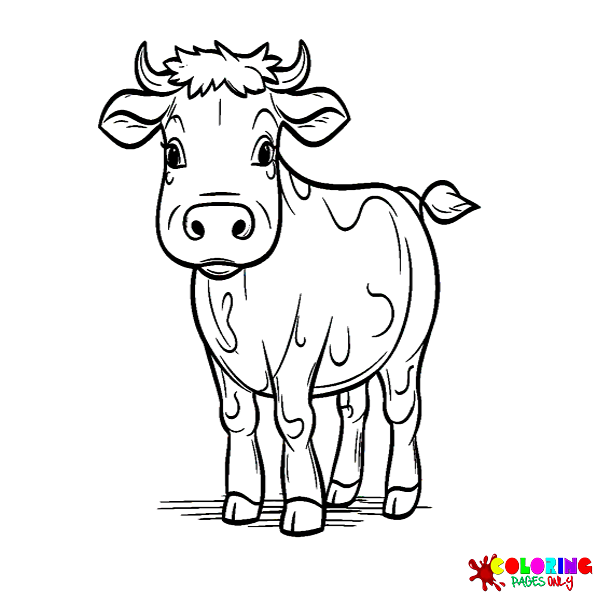
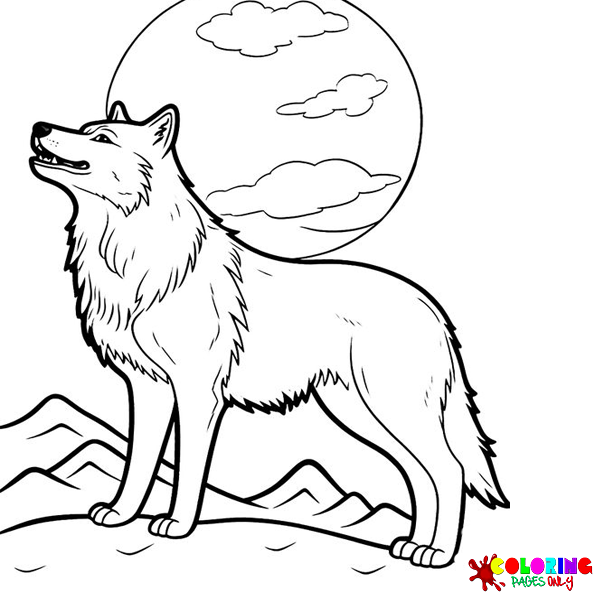
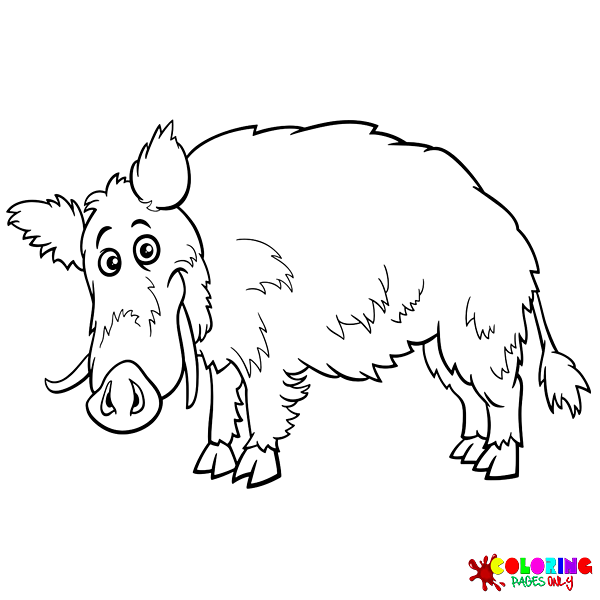
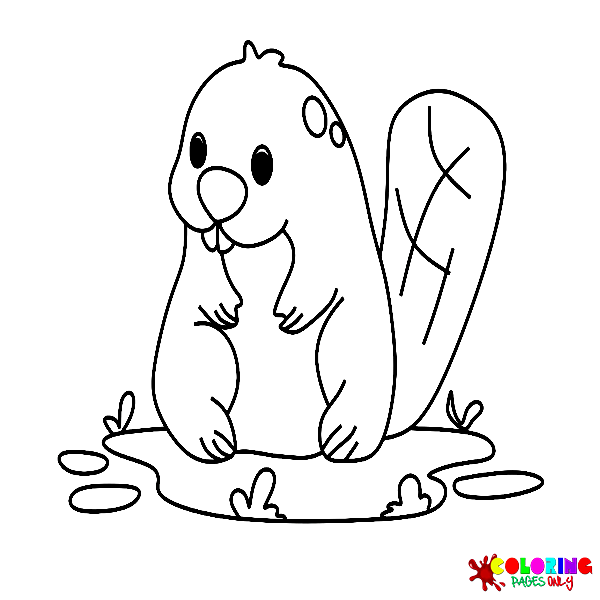
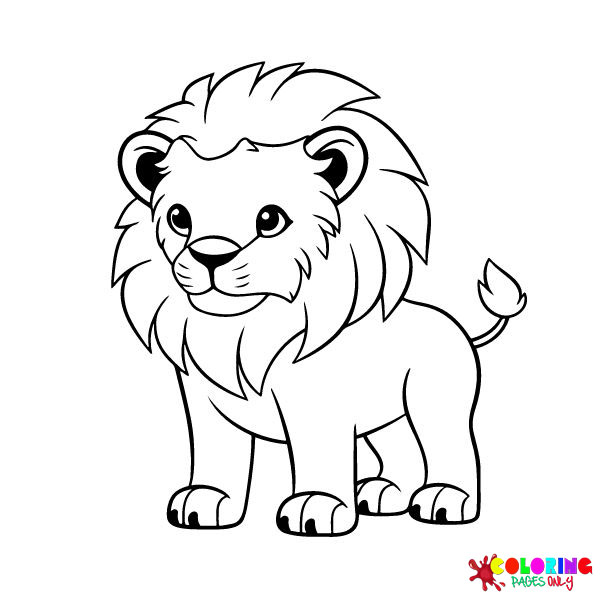
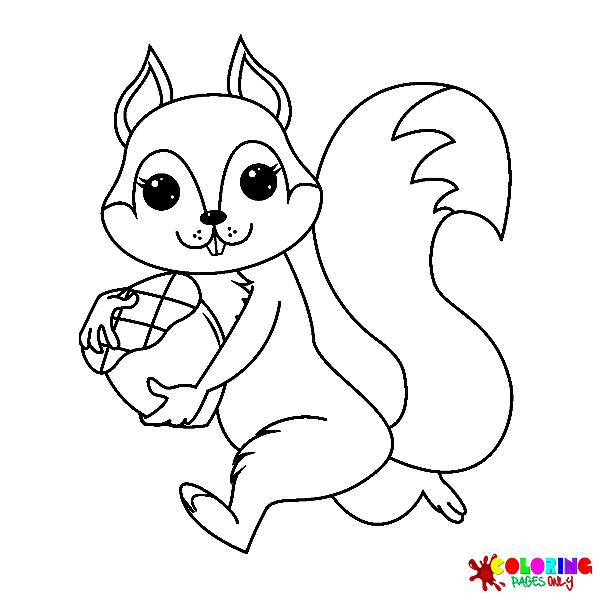
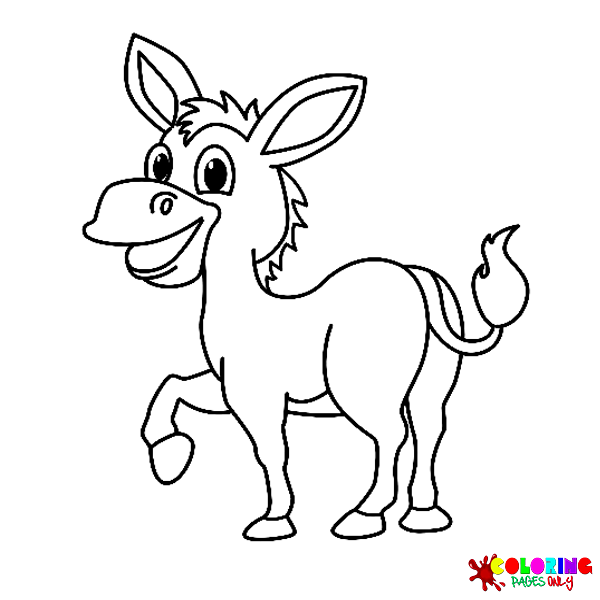
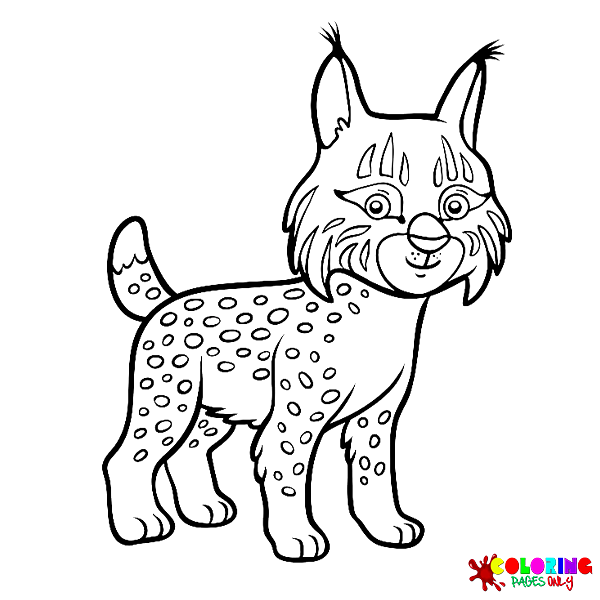
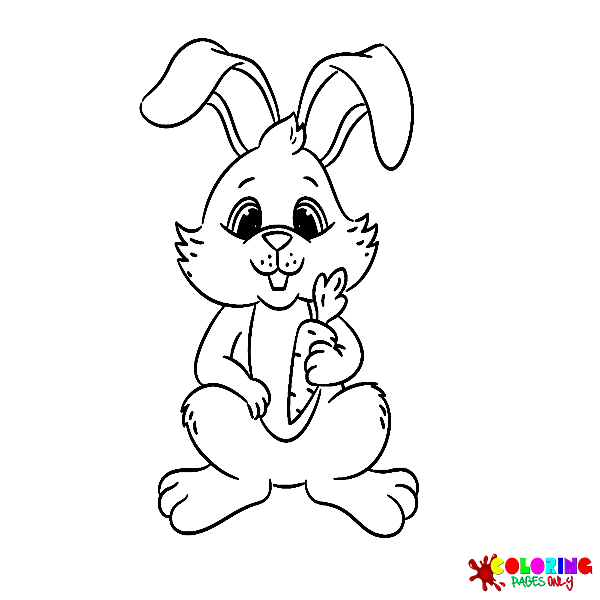
Browse by Category
With 3,782 pages across 70 sub-collections, here is how the collection is organized:
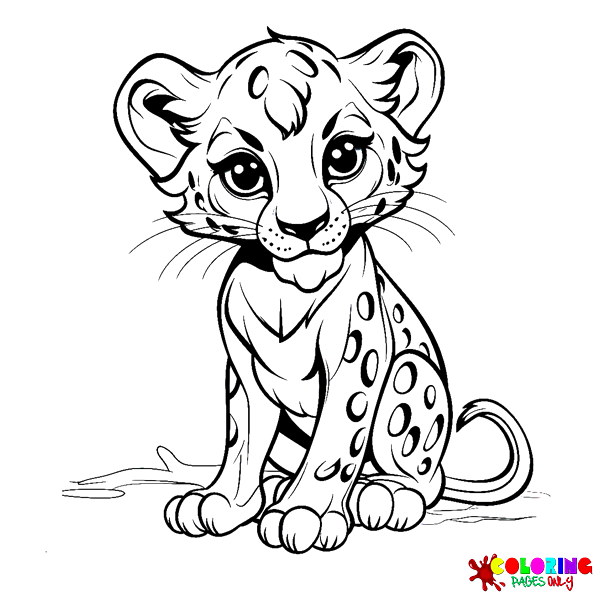
Big Cats and Apex Predators: the most powerful hunters on land, all in one place. Lion, Tiger, Leopard, Jaguar, Cheetah, Wolf, Lynx, and Hyena, each with dozens of pages covering portraits, action poses, cubs, and habitat scenes.
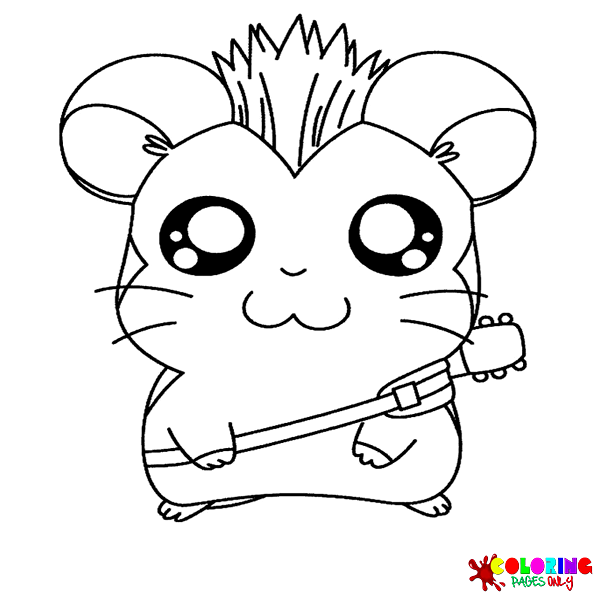
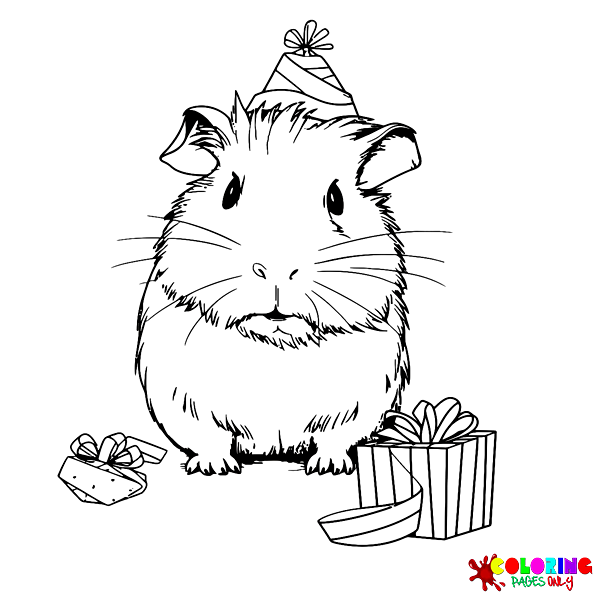
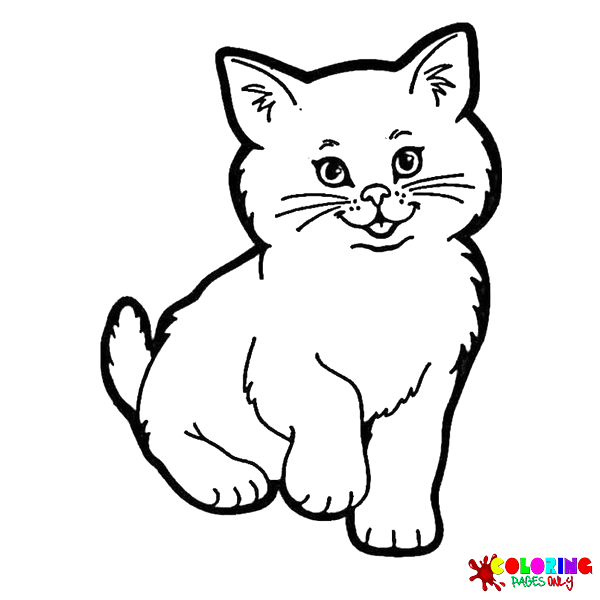
Beloved Pets: the animals most children know best and love most. Cat, Dog, Rabbit, Hamster, Guinea Pig, Mouse, Rat, and Chinchilla, with kitten and puppy pages alongside adult portraits for every skill level.
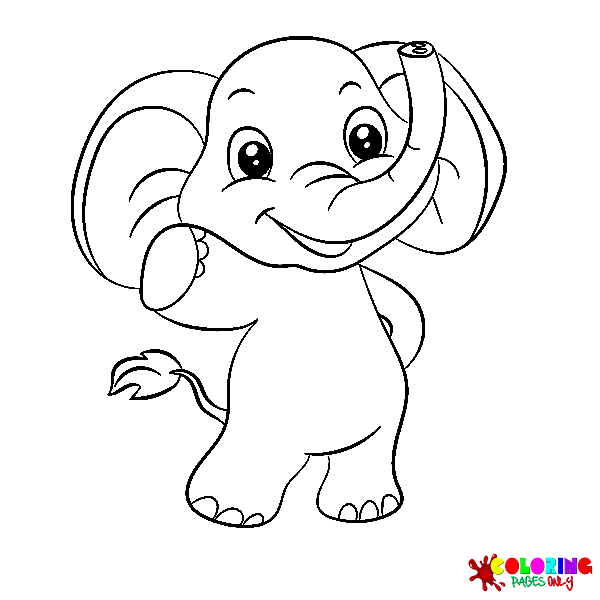
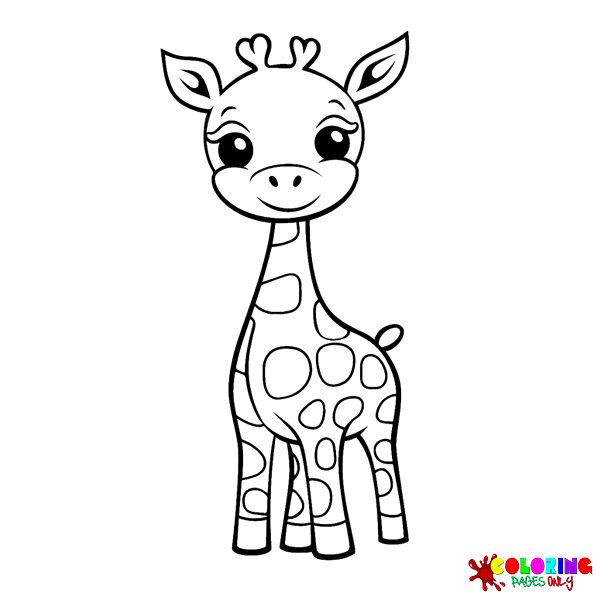
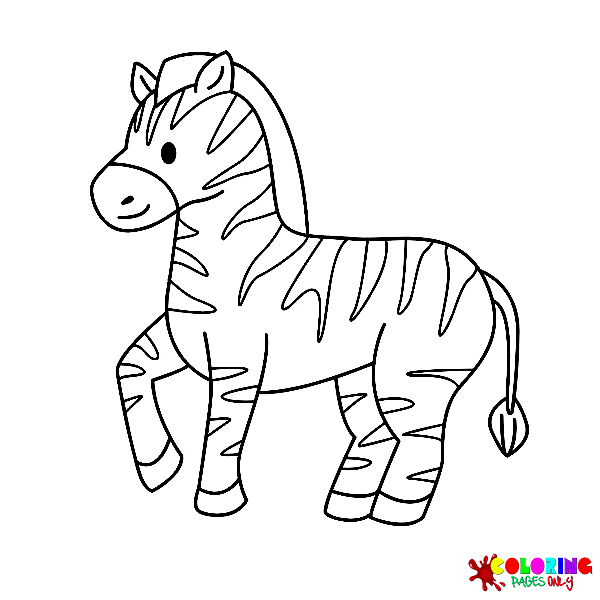
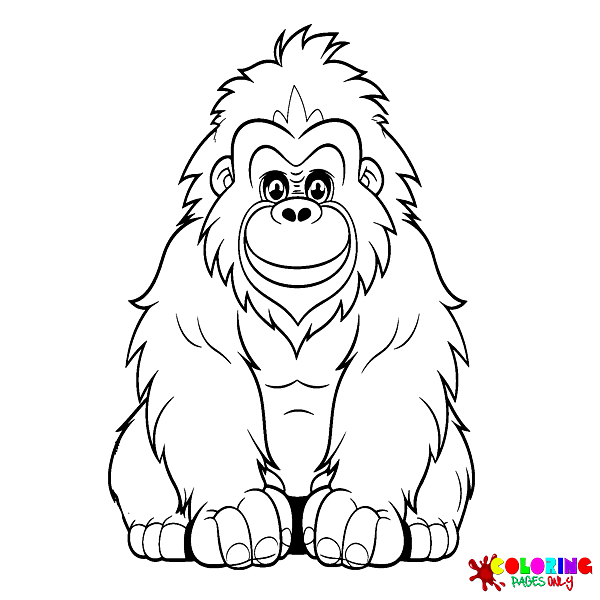
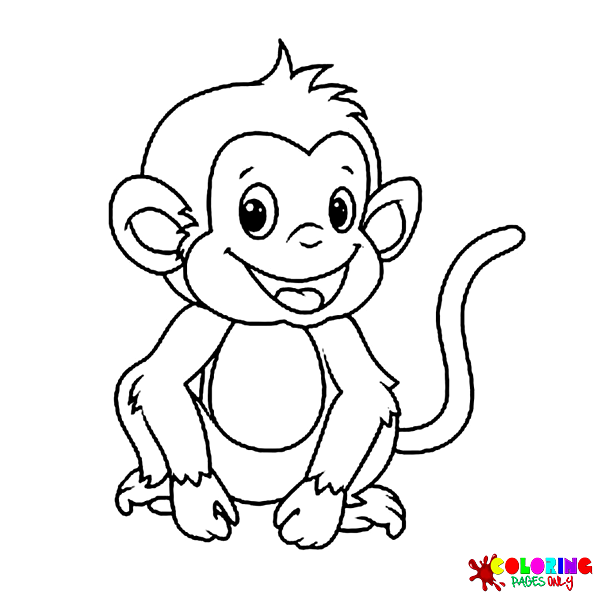
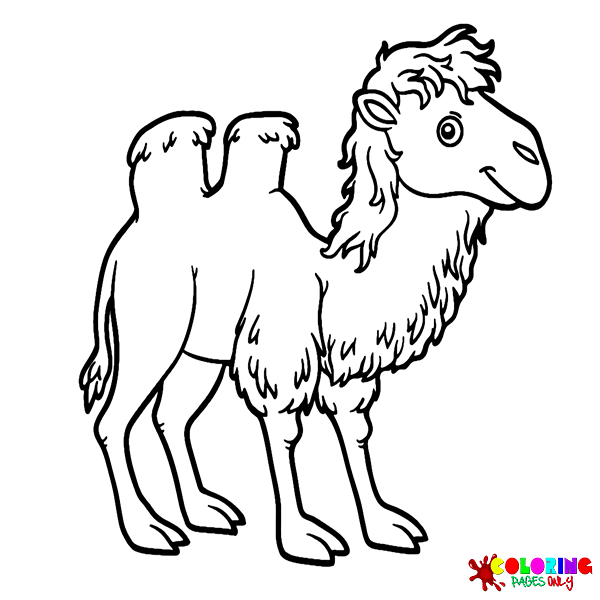
Giants and Safari Mammals: the animals of the African and Asian savanna, rainforest, and highland. Elephant, Giraffe, Hippo, Zebra, Gorilla, Monkey, Panda, Mandrill, Camel, and Rhino, featuring iconic scenes alongside detailed close-up portraits.
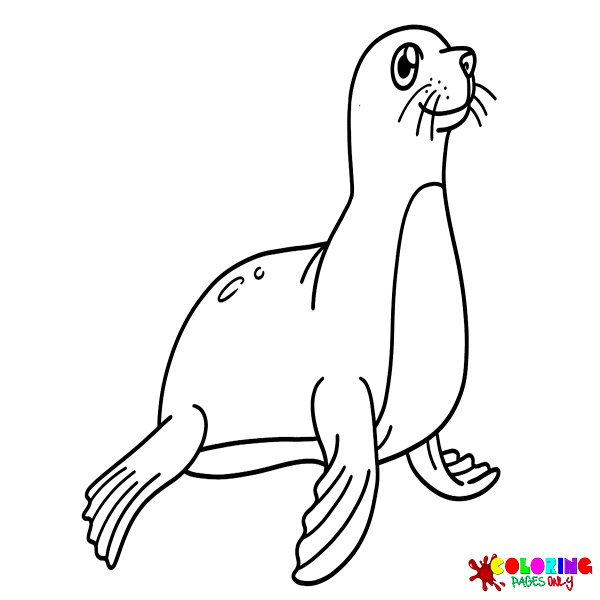
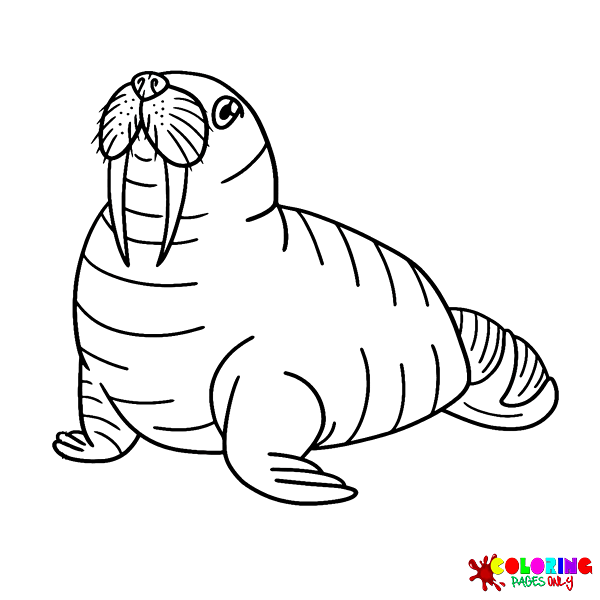
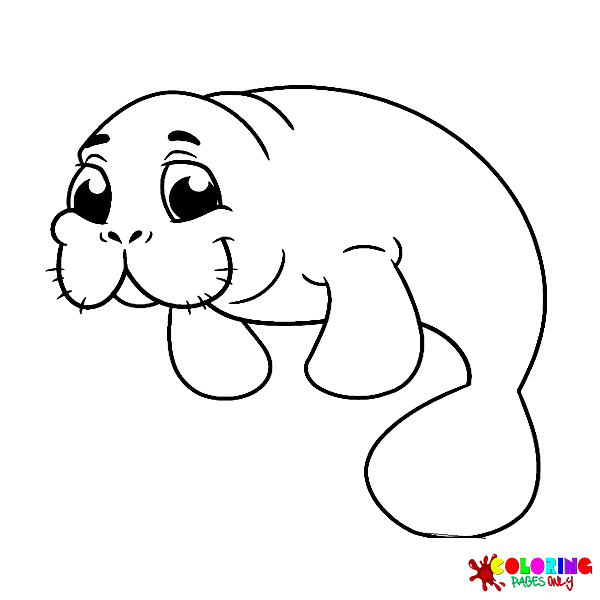
Ocean and Coastal Mammals: marine mammals that live at the boundary between land and sea. Sea Lion, Walrus, Otter, Manatee, and Seal, with underwater settings, ice floe scenes, and coastal habitat pages.
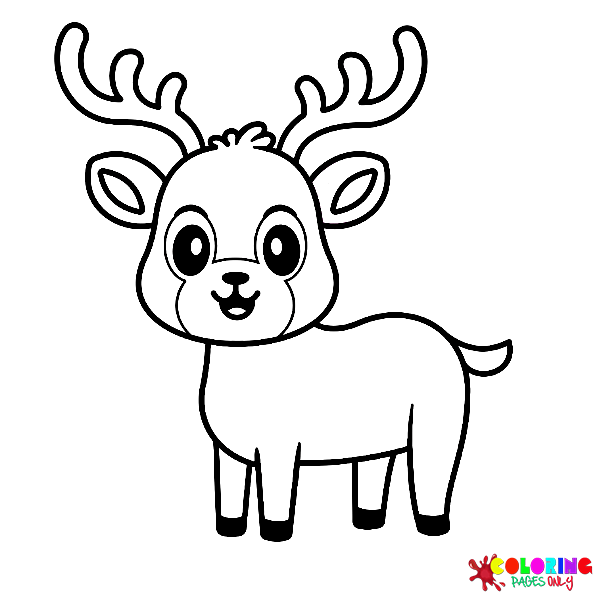
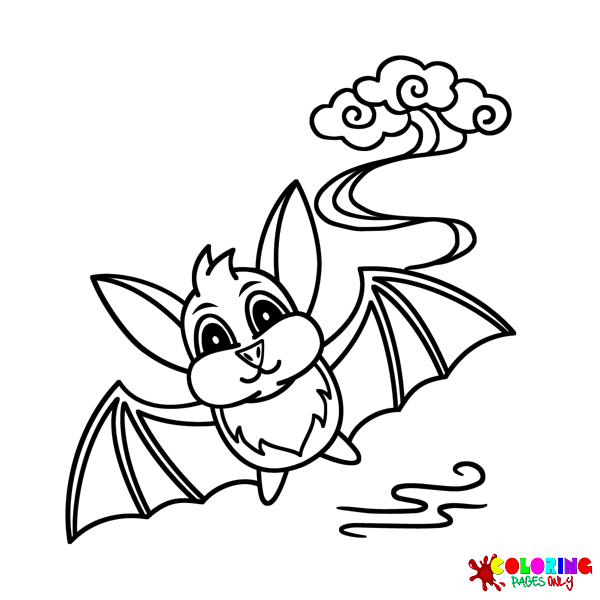
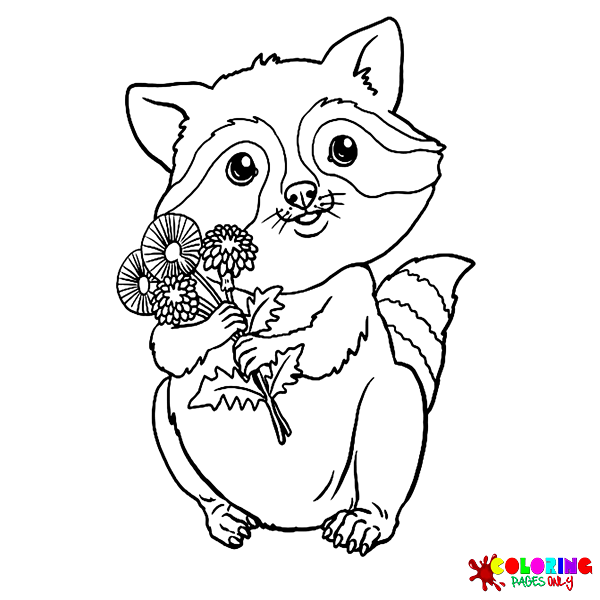
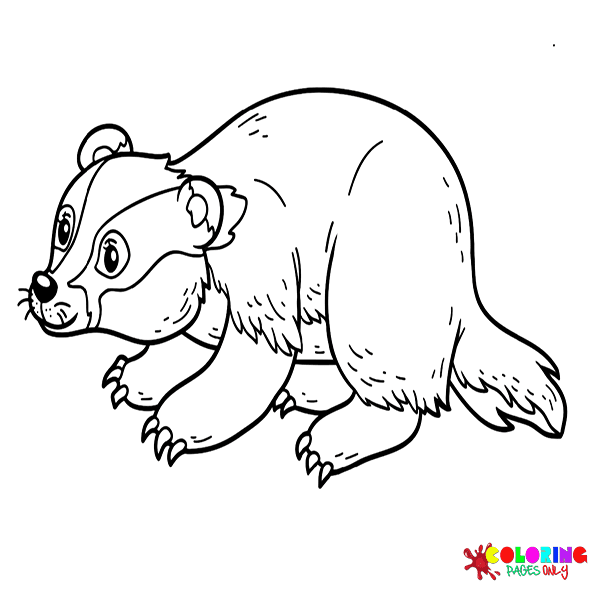
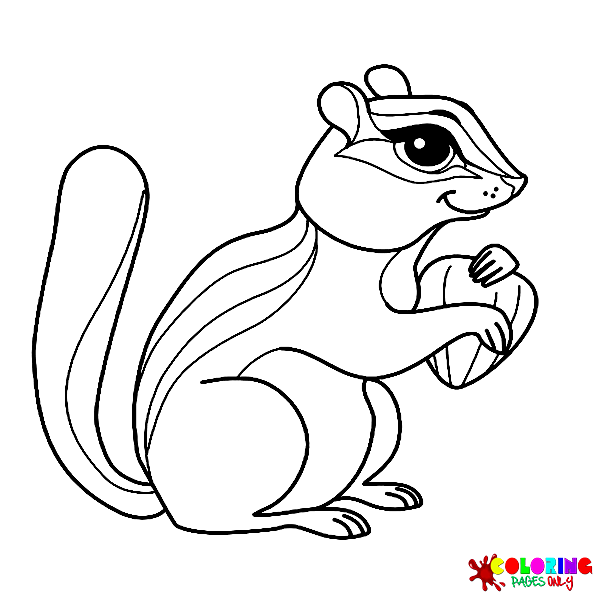
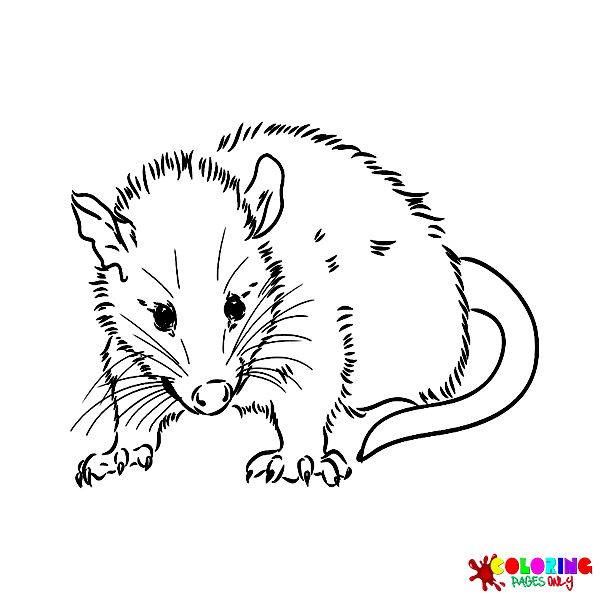
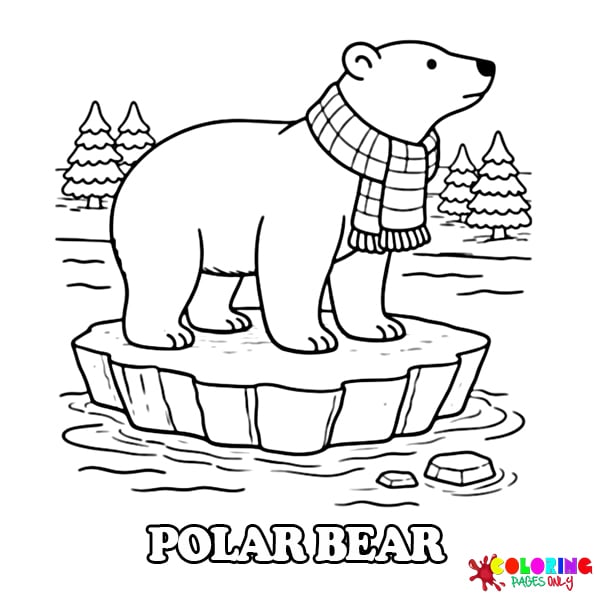
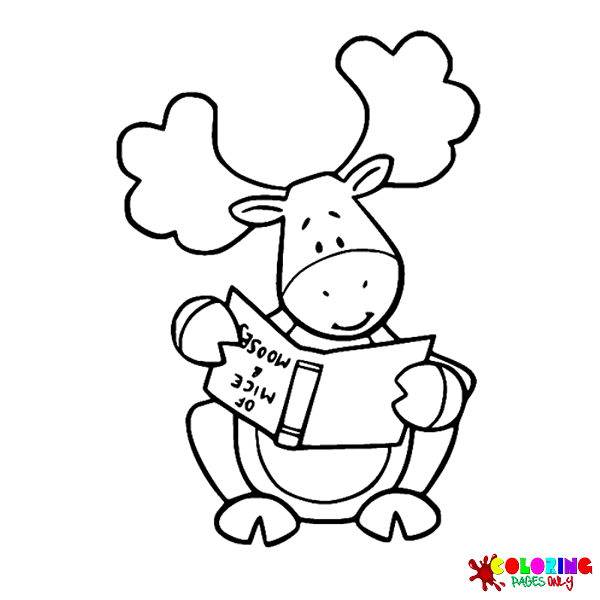
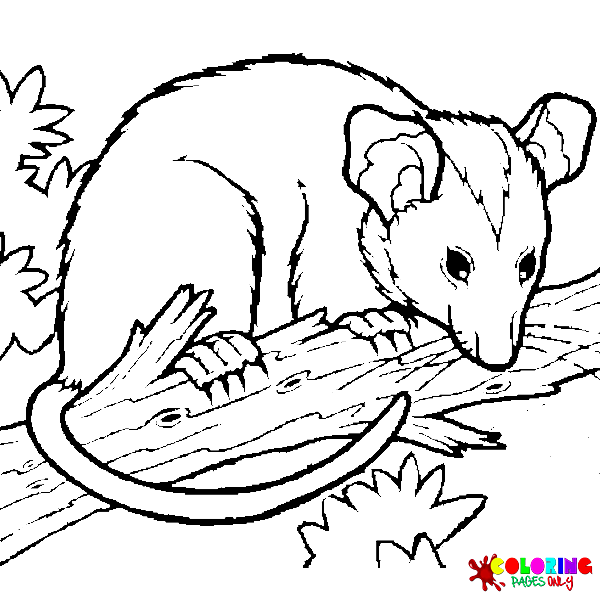
Forest and Wild Mammals: the mammals of temperate forests, mountain slopes, and open countryside. Deer, Horse, Elk, Moose, Fox, Raccoon, Squirrel, Chipmunk, Hedgehog, Bat, Sloth, Polar Bear, Mole, Beaver, Porcupine, Marmot, Mouflon, Badger, Lemur, Opossum, Possum, and Fawn, featuring seasonal scenes and habitat-specific settings.
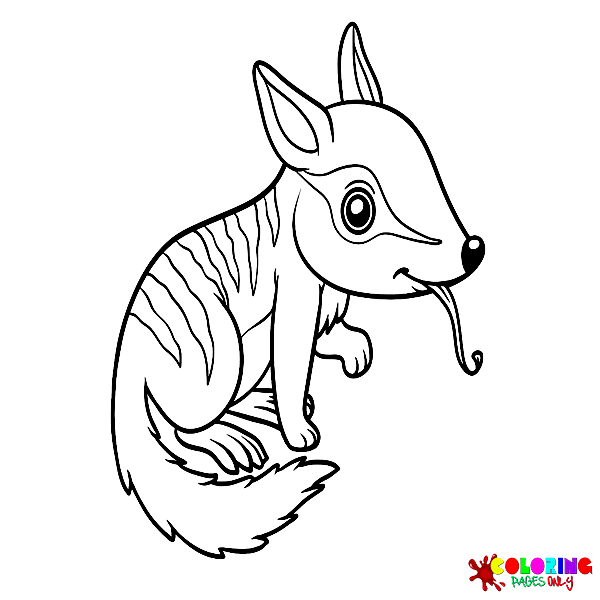
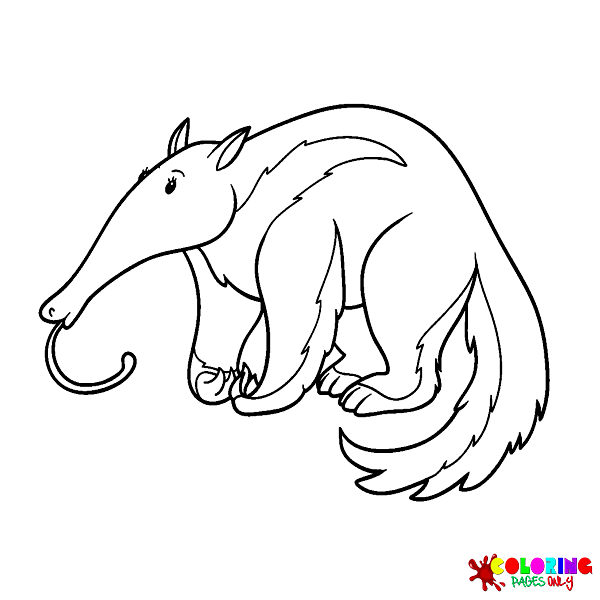
Australian and Unusual Mammals: the mammals that break every rule. Kangaroo, Koala, Platypus, Numbat, Anteater, and Capybara, including the monotremes, the egg-laying mammals that confounded zoologists for over a century.
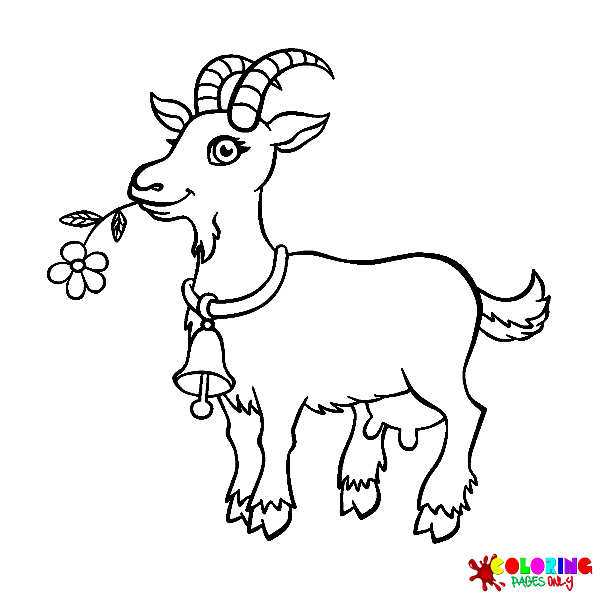
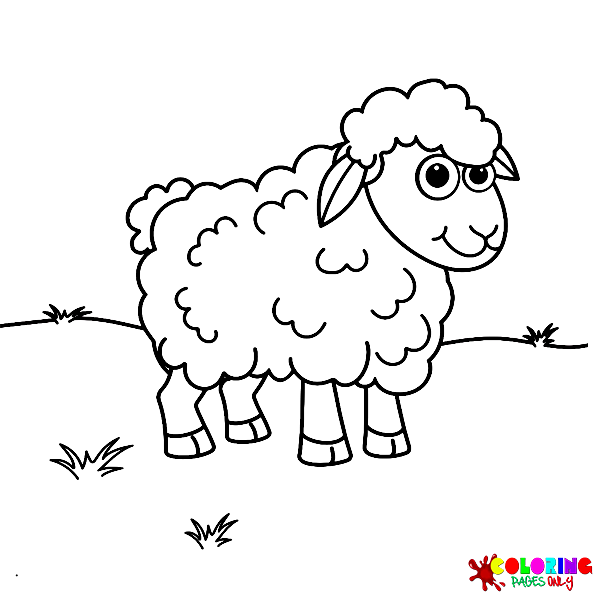
Farm and Domestic Mammals: the animals that have lived alongside humans for thousands of years. Pig, Sheep, Lamb, Goat, Boar, Calf, Bull, Cow, Donkey, Llama, and Yak, from farmyard scenes to detailed breed portraits.
What Makes a Mammal? The Features That Unite 6,500 Species
Mammals are one of the most diverse classes of animals on Earth, a group that includes a 30-gram pygmy shrew, a 150,000-kilogram blue whale, a bat that flies using echolocation, a platypus that lays eggs and detects prey through electrical signals in its bill, and a human being reading this page. Four defining features, and a fifth that surprises many people, unite such wildly different creatures into a single biological class.
Warm blood (endothermy). Mammals regulate their own body temperature internally, maintaining it within a narrow range regardless of the external environment. This costs significant energy, since mammals must eat far more than cold-blooded animals of the same size, but it enables mammals to be active in cold environments, at night, and in climates where reptiles cannot function. Every mammal in this collection, from the Arctic polar bear to the desert fox, shares this thermal independence.
Hair or fur. Every mammal has hair at some stage of its life, even dolphins and whales, which have hair follicles and may have a few facial whiskers. Hair serves multiple functions: insulation, camouflage, communication through raised hackles or mane display, sensory input through whiskers, and protection through porcupine quills, which are modified hairs. The visual diversity of mammal fur, from the leopard’s rosettes to the zebra’s stripes to the polar bear’s translucent hollow hairs, makes mammals uniquely rich subjects for coloring.
Live birth and milk. With two remarkable exceptions, the platypus and echidna, which lay eggs, all mammals give birth to live young and feed them with milk produced by the mother. Milk is nutritionally complete for the newborn and contains not just calories but antibodies, hormones, and growth factors specific to each species. This extended parental investment is one of the reasons mammals tend to have smaller litters and longer-lived offspring than most other animal classes.
A single lower jawbone. This is the fact that surprises most people, and the one paleontologists actually use to identify mammal fossils. The lower jaw of every mammal consists of a single bone, the dentary, on each side. In all other vertebrates, the lower jaw consists of multiple fused bones. Two of those additional bones, freed from jaw duty in mammal evolution, migrated into the inner ear and became the malleus and incus, two of the three tiny bones that transmit sound in the human ear.
The neocortex. Mammals possess a brain structure not found in other animals, the outer layer of the brain associated with higher-order processing, sensory interpretation, spatial reasoning, and, in the most complex species, social cognition and problem-solving. The variation in neocortex development across mammals explains much of the behavioral diversity in this collection, from the relatively simple stimulus-response world of a hedgehog to the complex social life of an elephant.
Did You Know? Eight Mammal Facts Worth Coloring About
The blue whale is the largest animal that has ever lived on Earth, including every dinosaur. A blue whale can reach 30 meters in length and weigh 150,000 kilograms. Its heart alone weighs approximately 400 kilograms.
Elephants are the only non-human animals known to recognize themselves in a mirror, a cognitive ability shared otherwise only with great apes, dolphins, and magpies. Elephants recognize family members after decades of separation and demonstrate measurable grief behaviors at the deaths of herd members.
The platypus is one of only five living mammal species that lay eggs, the others being the four species of echidna. The platypus also has a venomous spur on its hind leg in males only, uses electroreception to detect prey underwater, and was initially dismissed as a fake by European scientists who received the first specimen in 1799.
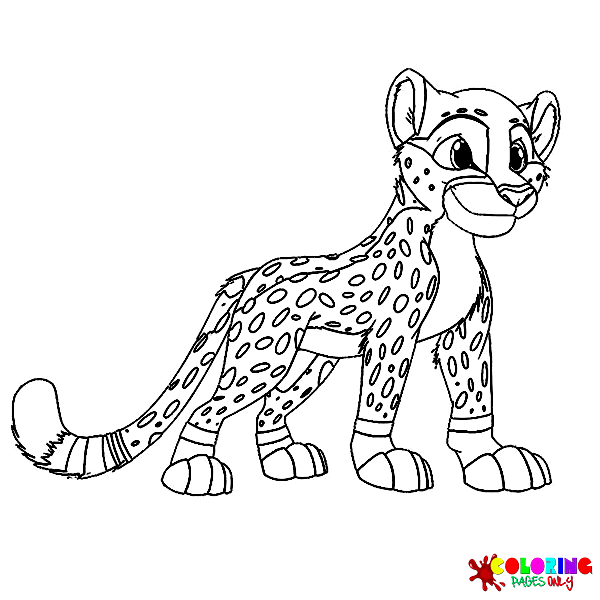
The cheetah is the only member of its genus, Acinonyx, and cannot retract its claws fully, unlike most other cats. This gives it the grip of a track athlete on open ground and enables its top speed of approximately 112 kilometers per hour, the fastest land animal on Earth.
Bats are the only mammals capable of true powered flight. They represent approximately 20 percent of all mammal species and play essential roles in pollination, insect control, and seed dispersal. A single colony of Mexican free-tailed bats in Texas can consume approximately 250 tonnes of insects per night.
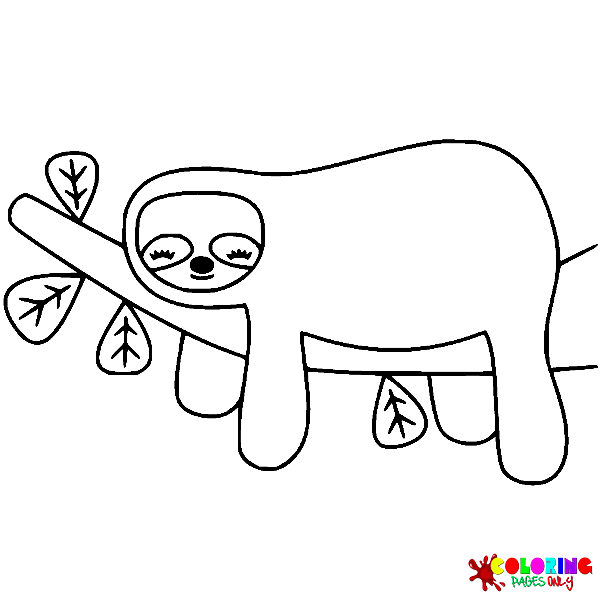
Sloths move so slowly that algae grows in their fur, which they deliberately use for camouflage. They descend to the ground approximately once a week to defecate, which is when they are most vulnerable to predators. Hanging from branches requires no muscular effort for a sloth, since their claws lock around branches passively.
The giraffe’s heart weighs approximately 11 kilograms and pumps blood with twice the pressure of a human heart, necessary to send blood up the giraffe’s 1.8-meter neck to its brain. A system of pressure-equalizing valves prevents a fatal blood pressure shift when the giraffe bends down to drink.
Wolves communicate across long distances through howls that can carry up to 10 kilometers in open terrain. A pack’s howl is individually distinctive, and wolves can identify specific individuals by howl signature.
How to Color Mammal Pages Well
- Lion: Use Goldenrod or Raw Sienna for the coat and a deeper Burnt Sienna for the mane, keeping the mane texture loose and layered rather than flat.
- Zebra: keep the stripes pure black against white or leave them uncolored, since the sharp contrast is the whole point of the pattern.
- Panda: use flat black patches around the eyes, ears, and legs against a white body, with no shading in between, matching the animal’s real high-contrast coloring.
- Giraffe: Use Tan or Desert Sand for the base coat with Burnt Sienna or Brown patches, keeping the patch edges soft rather than geometric.
- Fox: Use Burnt Orange or Mahogany for the body with a white chest and tail tip and black for the lower legs and ear tips.
- Wolf: Use layered Gray and white, with darker gray along the back and lighter gray on the belly and face, to capture the coat’s natural gradient.
What These Pages Do
The American Academy of Pediatrics identifies fine motor skill development as a core benefit of structured coloring for children ages 2 through 7. Simple, rounded mammal shapes like a hamster or a rabbit suit the youngest colorists, while detailed portrait pages in the Wolf, Horse, or Deer collections challenge older children and adults with more demanding linework.
A 2005 study in the Art Therapy Journal documented measurable reductions in anxiety following structured coloring sessions. The repetitive detail in fur texture and pattern work, a zebra’s stripes or a leopard’s rosettes, provides the kind of focused, detailed task associated with the study’s calming findings.
How to Find Your Mammal
With 70 sub-collections and 3,782 individual pages, the collection can feel overwhelming at first. Here are the most popular starting points depending on what a colorist is looking for.
For young children, ages 3 to 6: start with Dog, Cat, Rabbit, or Hamster, since these collections include the simplest, most rounded outline styles with bold lines well-suited to young hands. Elephant and Panda also have excellent beginner-friendly pages.
For school-age children, ages 7 to 12, the big cat collections (Lion, Tiger, Cheetah, Leopard) are consistently the most popular with this age group, offering action scenes, cub pages, and increasingly detailed portraits. Elephant, Gorilla, and Kangaroo add safari and world-animal variety.
For teenagers and adults: the detailed portrait pages within the Wolf, Horse, Fox, and Deer collections offer the most complex linework and the richest opportunity for sophisticated shading. Polar Bear, Jaguar, and Mandrill pages are also particularly striking at their most detailed level.
For classroom nature study: organize by habitat, African savanna (Lion, Elephant, Giraffes, Zebra, Cheetah), rainforest (Gorilla, Leopard, Jaguar, Monkey, Sloth), polar regions (Polar Bear, Walrus, Sea Lion), and Australian wildlife (Kangaroo, Koala, Platypus, Numbat), for an illustrated world habitat study.
5 Creative Craft Ideas With Mammal Coloring Pages
1. The Mammal Habitat Map. After coloring one page each from Polar Bear, Elephant, Kangaroo, Fox, and Manatee, create a world map on a large piece of paper and place each colored portrait on its correct continent or ocean, with a note on what it eats and its biggest survival threat.
2. The Mammal Family Comparison. Color one page each from Lion, Dog, Rabbit, Bat, and Sea Lion, then write one sentence below each explaining the feature that makes it unmistakably a mammal: warm blood, hair, live birth, milk-feeding, or the neocortex.
3. The Spot the Mammal Field Project. Using any completed mammal page as inspiration, spend 20 minutes outside watching for a wild mammal near home, a squirrel, a rabbit, a bat at dusk, or a neighborhood cat or dog, and write observations on the back of the colored page.
4. Fur Pattern Swatch Book. Color small sample squares showing the fur pattern of five different mammals, a zebra’s stripes, a leopard’s rosettes, a giraffe’s patches, and bind them into a swatch book that doubles as a pattern-matching reference.
5. Continent Diorama. Color several mammals native to one continent, cut them out, and stand them inside a shoebox painted with that continent’s landscape to build a simple habitat diorama.
Frequently Asked Questions
What exactly is a mammal?
A mammal is a warm-blooded vertebrate animal that has hair or fur at some point in its life, feeds its young on milk produced by the mother, and, with two egg-laying exceptions, gives birth to live young. There are approximately 6,500 known species of mammals living today.
Are humans mammals?
Yes. Humans are warm-blooded, have hair, feed infants on milk, give birth to live young, and possess the neocortex brain structure that characterizes the mammal class. Humans are most closely related to the other great apes, chimpanzees, bonobos, gorillas, and orangutans, which are also mammals.
What is the rarest mammal in the world?
Several species are critically endangered to the point of near-extinction. The Amur leopard, a subspecies of leopard found in the Russian Far East, has fewer than 100 individuals remaining in the wild. The vaquita, a small porpoise in the Gulf of California, may have fewer than 10 individuals remaining, making it the world’s most critically endangered marine mammal.
Are all mammals found on land?
No. Mammals have colonized virtually every environment on Earth, including the open ocean, coastal waters, freshwater, and even the air through bats. Some mammals, like seals and sea otters, live primarily in water but must come to land or ice to give birth.
Are these mammal coloring pages suitable for young children?
Yes. Simple, rounded designs in the Dog, Cat, Rabbit, and Hamster collections work well for children ages 3 to 6, while detailed portrait pages in the Wolf, Horse, and Deer collections suit older children and adults.
Which mammal collection gets the most traffic?
Deer, Elephant, and Hamster are among the strongest-performing sub-collections in this hub.
Can these pages be used for a classroom biology or habitat unit?
Yes. The Browse by Category grouping above sorts the collection by real habitat and biological grouping, which pairs well with a classroom unit on animal classification, habitats, or the features that define mammals as a class.
Are these pages free to print?
All pages are free to download as a PDF and print, or to color online in the browser. No account, email, or payment is required.
Start Coloring
Choose a mammal above to browse that collection, or open any page to download it as a free PDF or color it online in the browser. No account, email, or payment is required. Share finished pages on Facebook or Pinterest with the share buttons on each page.
More Mammals Coloring Pages
Jump straight to a specific collection: