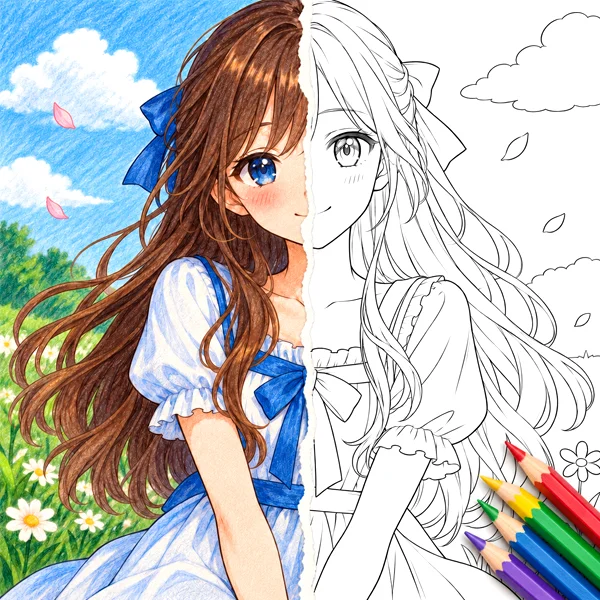
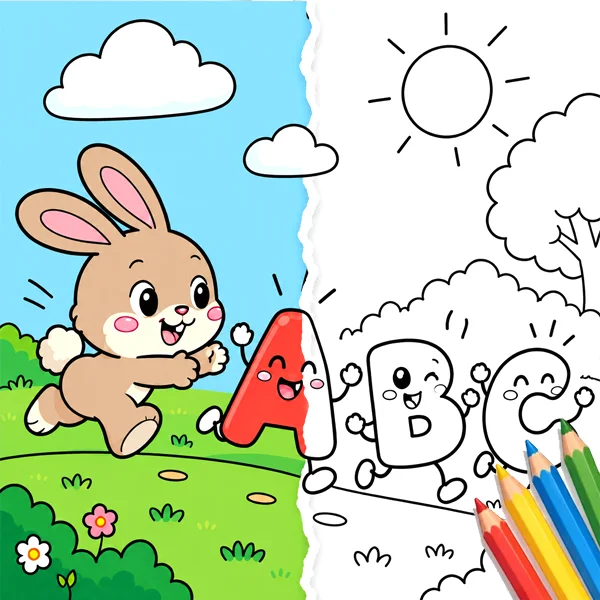
Animals coloring pages: 10,207 printable designs across 19 categories, the largest single collection on the site, spanning every major animal group from land, water, and air to the prehistoric past. Each page can be downloaded as a PDF to print or colored online in the browser.
This hub is organized in four ways: by biological group, by setting, by illustration style, and by specific animal. Three further animal groups, Crab, Snail, and Jellyfish, each have their own single dedicated page and are not counted in the 10,207 total above.
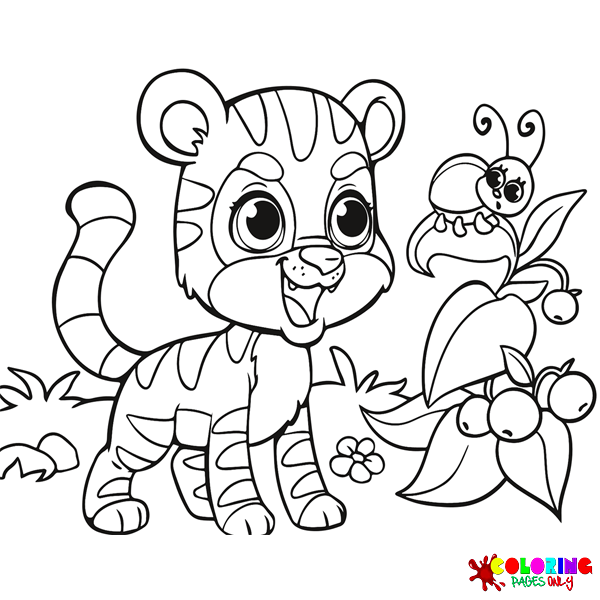
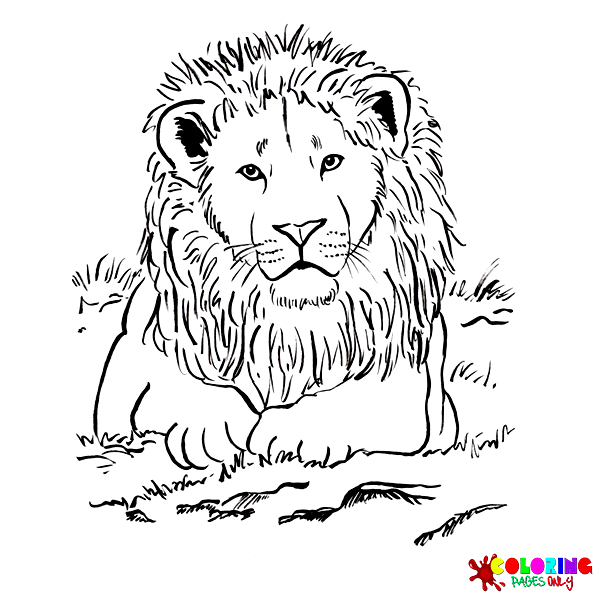
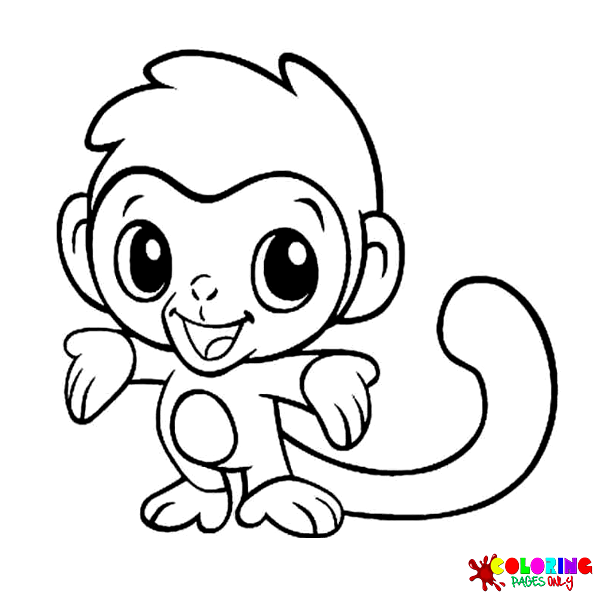
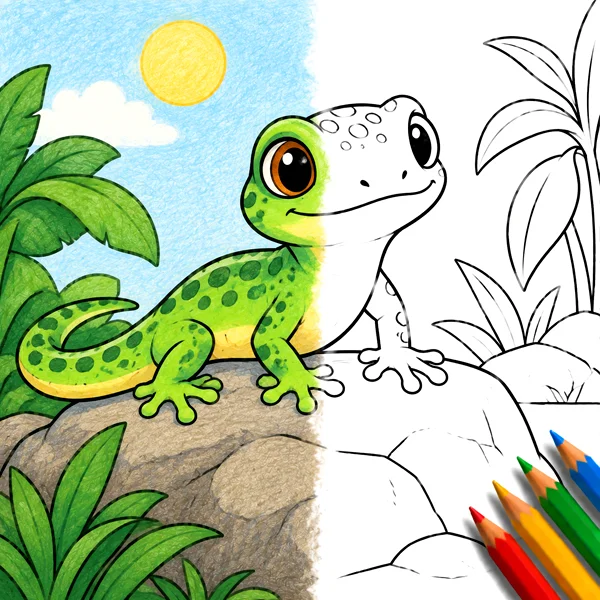
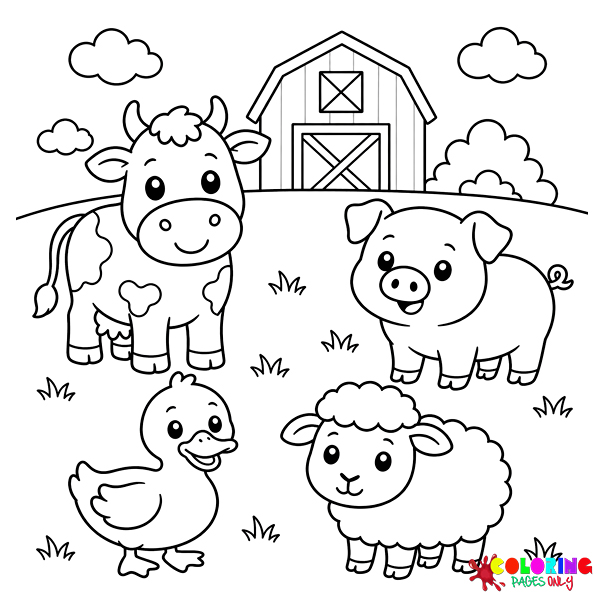
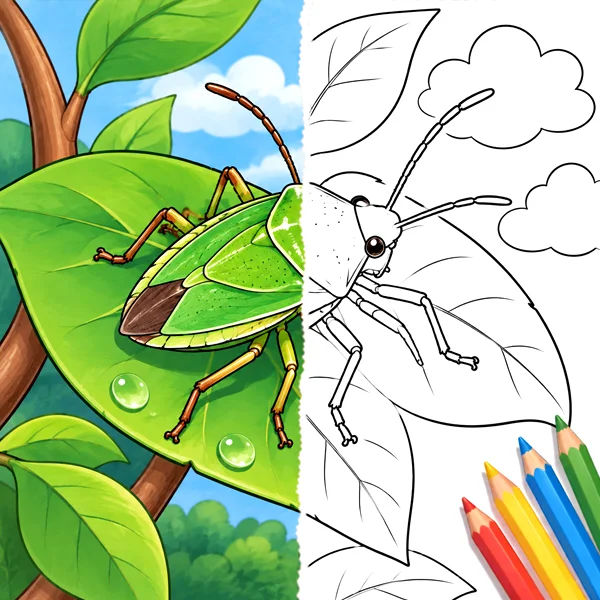
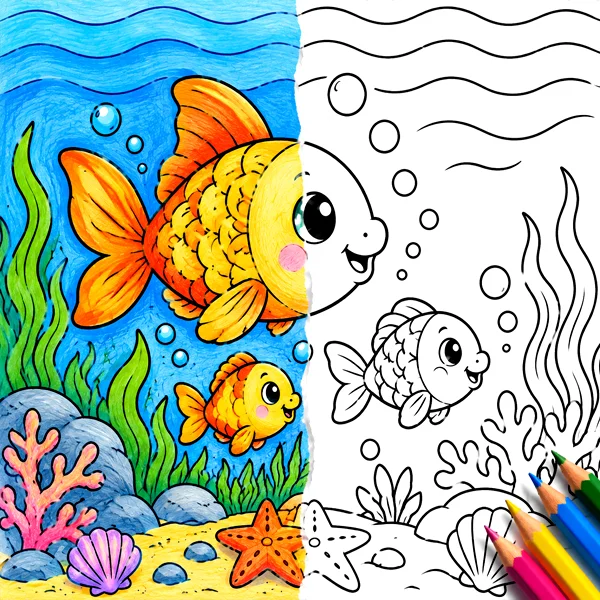
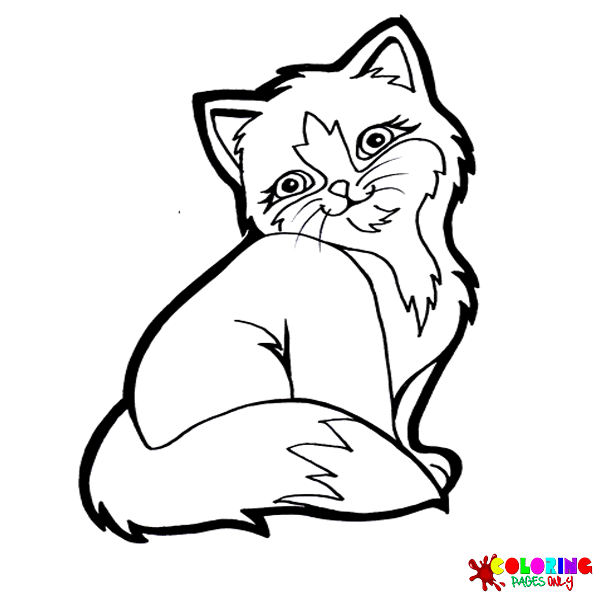
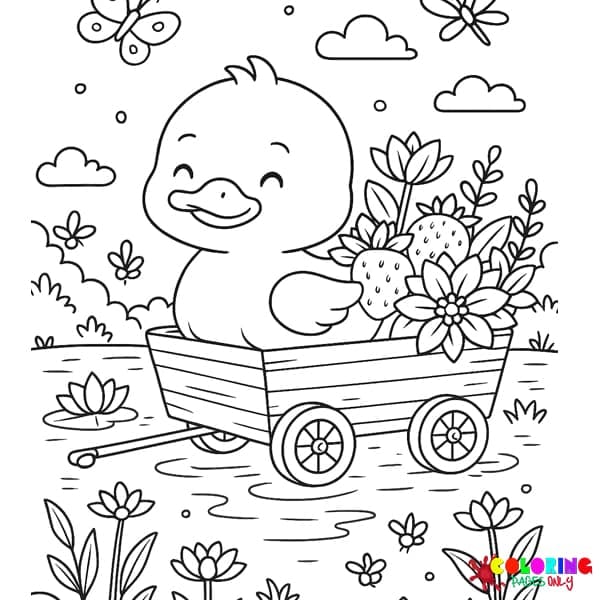
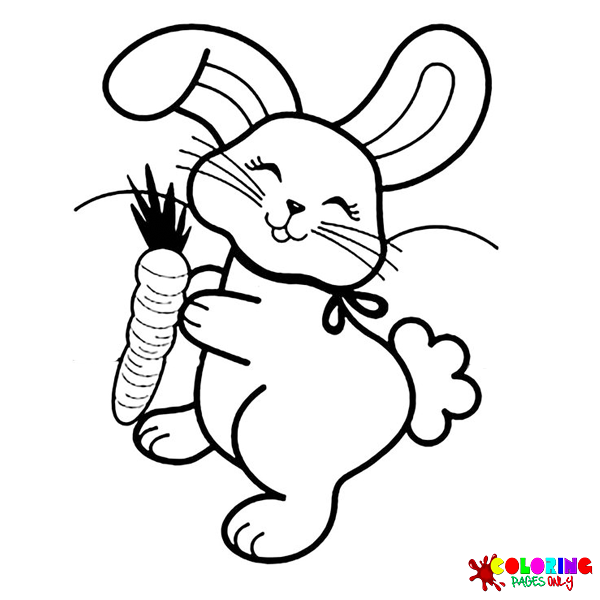
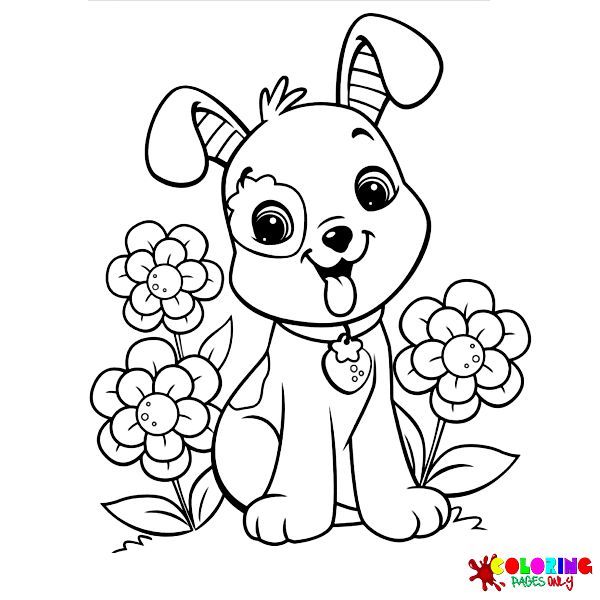
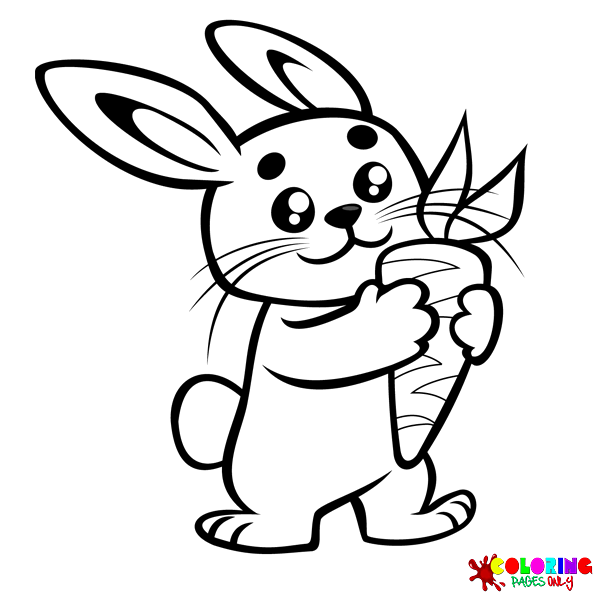
Browse by Animal Type
The biological sub-categories cover the major vertebrate groups plus several invertebrate groups, making this collection genuinely useful for anyone looking to color a specific kind of animal.
Mammals (3,782 designs)
The broadest category covers land mammals from lions and elephants to bears and foxes, as well as marine mammals like dolphins and whales.
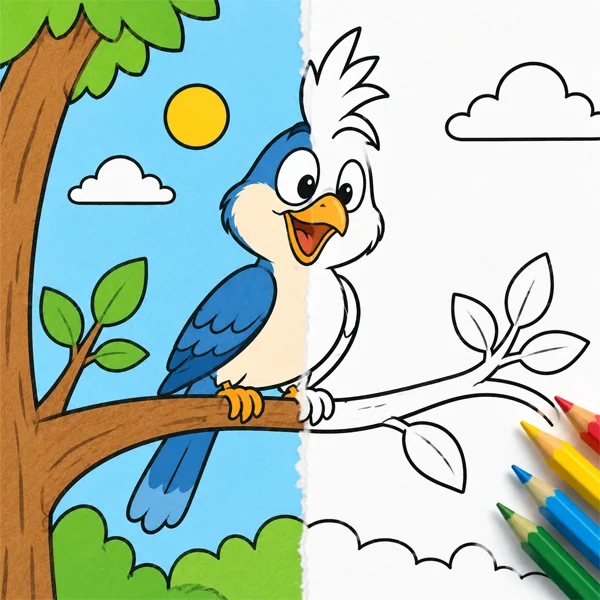
Birds (1,486 designs)
Covers the full range from familiar garden visitors to exotic species: parrots, eagles, owls, penguins, hummingbirds, flamingos, and more.
Fish (1,945 designs)
Covers freshwater and saltwater fish, from goldfish and koi to the vivid patterns of clownfish, angelfish, and tropical reef species.
Reptiles (491 designs)
Covers snakes, lizards, turtles, crocodilians, and their relatives, with scales and shell textures that make these pages technically interesting to color.
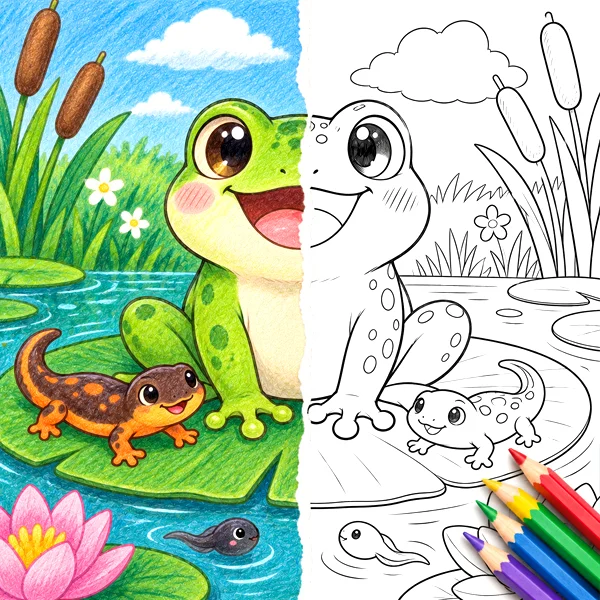
Amphibian (227 designs)
Covers frogs, salamanders, and toads, the group that lives between aquatic and terrestrial worlds.
Insects (660 designs)
Covers butterflies, beetles, bees, dragonflies, ants, ladybugs, and the broader world of small arthropods.
Dinosaurs (962 designs)
The most historically specific sub-category, covering T. rex, Triceratops, Brachiosaurus, Velociraptor, Stegosaurus, and their relatives.
Crab, Snail, and Jellyfish (72, 21, and 59 designs)
Three more invertebrate groups each have one dedicated page: Crab, Snail, and Jellyfish. These are the site’s only current pages for crustaceans, mollusks, and cnidarians.
Browse by Setting
Some visitors know what environment they want to explore rather than what biological group. These sub-categories organize the animal world by where animals live and how they appear in human-centered contexts.
Farm Animal (66 designs)
Covers cows, pigs, chickens, sheep, horses, and goats, the animals that define agricultural life. These pages are among the most recognizable for younger children.
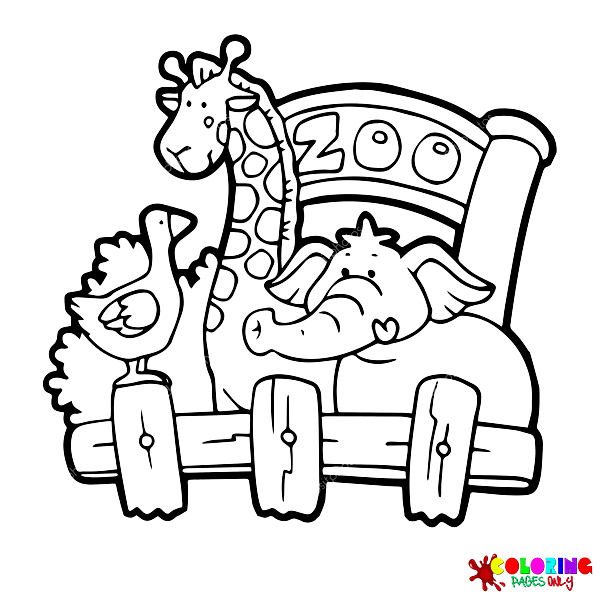
Zoo (56 designs)
Collects the animals most commonly encountered in zoo settings: lions, giraffes, elephants, rhinos, gorillas, and meerkats.
Pets (41 designs)
Covers domestic companions that share human homes: cats, dogs, guinea pigs, hamsters, rabbits, and parrots.
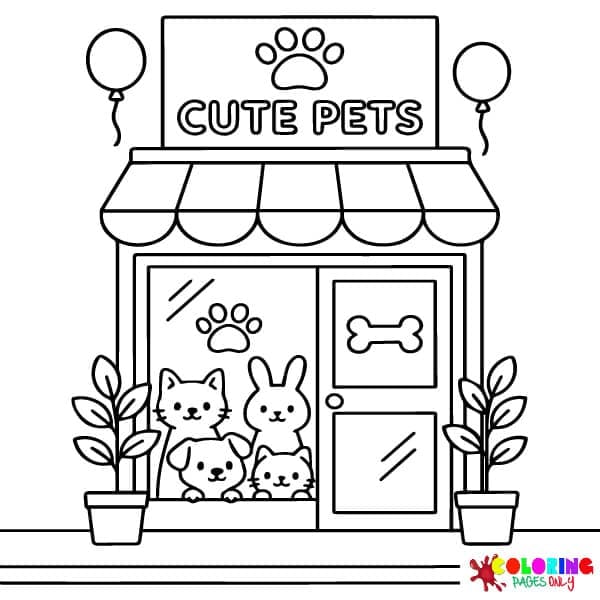
Pets Shop (35 designs)
Covers the commercial pet store setting and the small companion animals associated with it, such as fish tanks and small cages.
Browse by Art Style
Animals appear in very different illustration traditions, and these sub-categories are organized by visual approach rather than biological category.
Kawaii Animal (31 designs)
Renders any animal in the Japanese kawaii aesthetic: simplified, rounded, large-eyed, with the characteristic blush circles of cute character design.
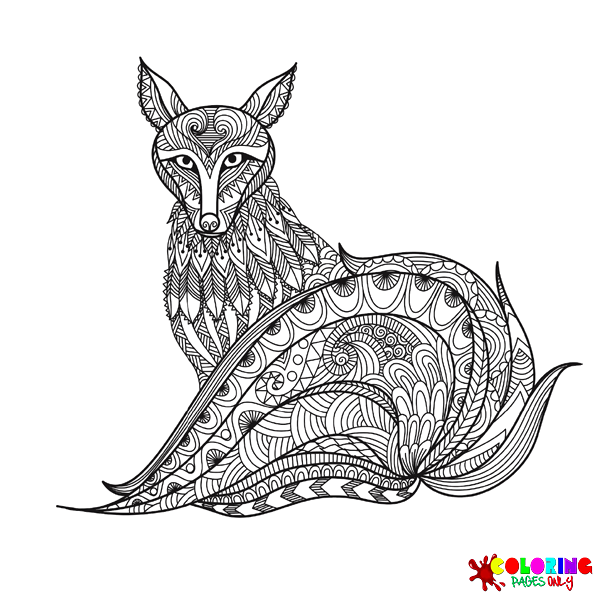
Zentangle Animal (70 designs)
Fills animal silhouettes with intricate mandala-like patterns, the most meditative pages in the entire collection.
Realistic Animal (81 designs)
Depicts animals in a naturalistic, accurate style rather than a simplified or stylized approach, suited to older children and adults.
Cute Animal (65 designs)
A broadly accessible style between realistic and kawaii, with simplified, appealing proportions suitable for all ages.
Browse by Specific Animal
Some animals appear in such volume and with such consistent demand that they have their own dedicated sub-categories.
Bunny and Cute Bunnies (57 and 50 designs)
Together form the largest rabbit-specific cluster on the site, spanning styles from realistic to kawaii.
Kitten (77 designs)
Covers young cats specifically, with the rounder proportions and wider eyes of kittens as distinct from fully grown cats.
Cute Critters Wagon (25 designs)
Covers small animals in a charming, illustrated woodland style: squirrels, hedgehogs, foxes, and mice.
What Animals Coloring Pages Do
Fine motor development. The American Academy of Pediatrics identifies fine motor skill development as a core benefit of structured coloring for children ages 2 through 7. Filling in fur patterns, feathers, or scales without crossing the lines builds controlled pencil movement.
Real species knowledge. Coloring an animal drawn from its real colors and proportions, whether a butterfly’s wing pattern or a dinosaur’s silhouette, is a form of observational learning that builds genuine knowledge about the natural world.
Anxiety reduction through focus. A 2005 study in the Art Therapy Journal documented measurable reductions in anxiety following structured coloring sessions. A familiar animal page can make that steady, low-pressure focus feel approachable.
A way to explore a whole category at once. Because the collection is organized by biology, setting, style, and specific animal, a child curious about one angle, all zoo animals, or every animal in kawaii style, can browse that angle directly.
How to Color Animals Pages Well
- Fur and feathers: Use short, layered strokes in the direction of natural growth rather than a single flat fill to suggest texture.
- Reptile scales: add a slightly darker outline around each scale shape to give the skin visible structure.
- Dinosaurs: since no one knows a dinosaur’s exact real color, treat this as an open creative choice rather than a fixed palette.
- Kawaii-style animals: keep colors soft and pastel, and add a small pink blush circle on the cheeks for the signature cute look.
- Zentangle patterns: work section by section rather than trying to plan the whole design at once, since each small repeated pattern only needs to be consistent within its own shape.
5 Creative Craft Ideas With Animals Coloring Pages
1. Zoo Visit Scrapbook Page
Color a few zoo animal pages, mount them on a single sheet of cardstock with a short list of a real or imagined zoo visit’s highlights, for a simple keepsake page.
2. Animal Habitat Diorama
Color a favorite animal, mount it inside a shoebox turned on its side, and build a simple matching habitat scene from paper and craft materials.
3. My Pet Portrait Frame
Color a pet-themed page to resemble a real pet at home, then mount it in a simple paper frame decorated with the pet’s name.
4. Dinosaur Fossil Dig Display
Color several dinosaur pages, cut them out, and arrange them on a poster board labeled with each dinosaur’s name for a simple prehistoric display.
5. Animal Kingdom Classification Chart
Color one animal from each biological group, a mammal, a bird, a fish, a reptile, an amphibian, an insect, then arrange and label them on a poster board as a simple classification chart.
Frequently Asked Questions
What are animal coloring pages?
Animals coloring pages are printable line-art designs of real animals, organized by biological group, setting, illustration style, and specific animal. This collection includes 10,207 free designs across 19 categories, plus 3 further single-topic pages (Crab, Snail, and Jellyfish), available as PDFs or online coloring.
Which category has the most pages?
Mammals are by far the largest category with 3,782 designs, followed by Fish with 1,945 and Birds with 1,486.
Why are there four different ways to browse this collection?
Different visitors think about animals differently. Some know the biological group they want (Mammals, Birds), some know the setting (Zoo, Farm Animal), some want a specific illustration style (Kawaii Animal, Realistic Animal), and some are looking for one specific animal (Bunny, Kitten). Organizing the hub in four ways lets each visitor browse from whichever starting point matches how they are thinking about the search.
Are crab, snail, and jellyfish pages part of a larger collection?
Each currently has its own single dedicated page rather than a full crustacean, mollusk, or cnidarian collection. They are the site’s only pages for those animal groups today.
What is included in the Dinosaurs category?
T. rex, Triceratops, Brachiosaurus, Velociraptor, Stegosaurus, and other prehistoric animals across a range of poses and illustration styles.
What does “kawaii” mean in Kawaii Animal pages?
Kawaii is a Japanese aesthetic built around cute, simplified, rounded designs with large eyes and small blush details, applied here to animal subjects.
Are animal coloring pages suitable for young children?
Yes. Farm Animal, Zoo, and Cute Animal pages suit children ages 2 through 7, while Realistic Animal and Zentangle Animal pages suit older children and adults.
What is the difference between Bunny and Cute Bunnies?
Both cover rabbits. Together they form the largest rabbit-specific cluster on the site, spanning styles from realistic to kawaii rather than one being a subset of the other.
Start Coloring
Choose a category above to browse that collection, or open any page to download it as a free PDF or color it online in the browser. No account, email, or payment is required. Share finished pages on Facebook or Pinterest with the share buttons on each page.
More Animals Coloring Pages