Marmot Coloring Pages
 By:
Jennifer Thoa - Content Editor & Designer
Updated:
By:
Jennifer Thoa - Content Editor & Designer
Updated:
Free marmot coloring pages: 24 printable PDF designs featuring this large, burrowing member of the squirrel family in realistic portraits, burrow scenes, and a wide range of everyday character poses. Each page can be downloaded as a PDF to print or colored online in the browser.
A marmot can spend up to eight months of the year in a deep hibernation, living entirely off fat reserves built up over a single summer of feeding. This collection holds 24 marmot coloring pages, ranging from detailed, realistic portraits to burrow and riverbank scenes, family moments, and a set of playful pages showing a marmot going about everyday activities like gardening or sipping from a steaming cup.
The set includes solo realistic portraits, habitat and burrow scenes, family and social scenes, character and everyday-activity poses, and a group of pattern and early-learning pages. Every page downloads as a free PDF or opens directly in the browser for online coloring, with no account required.


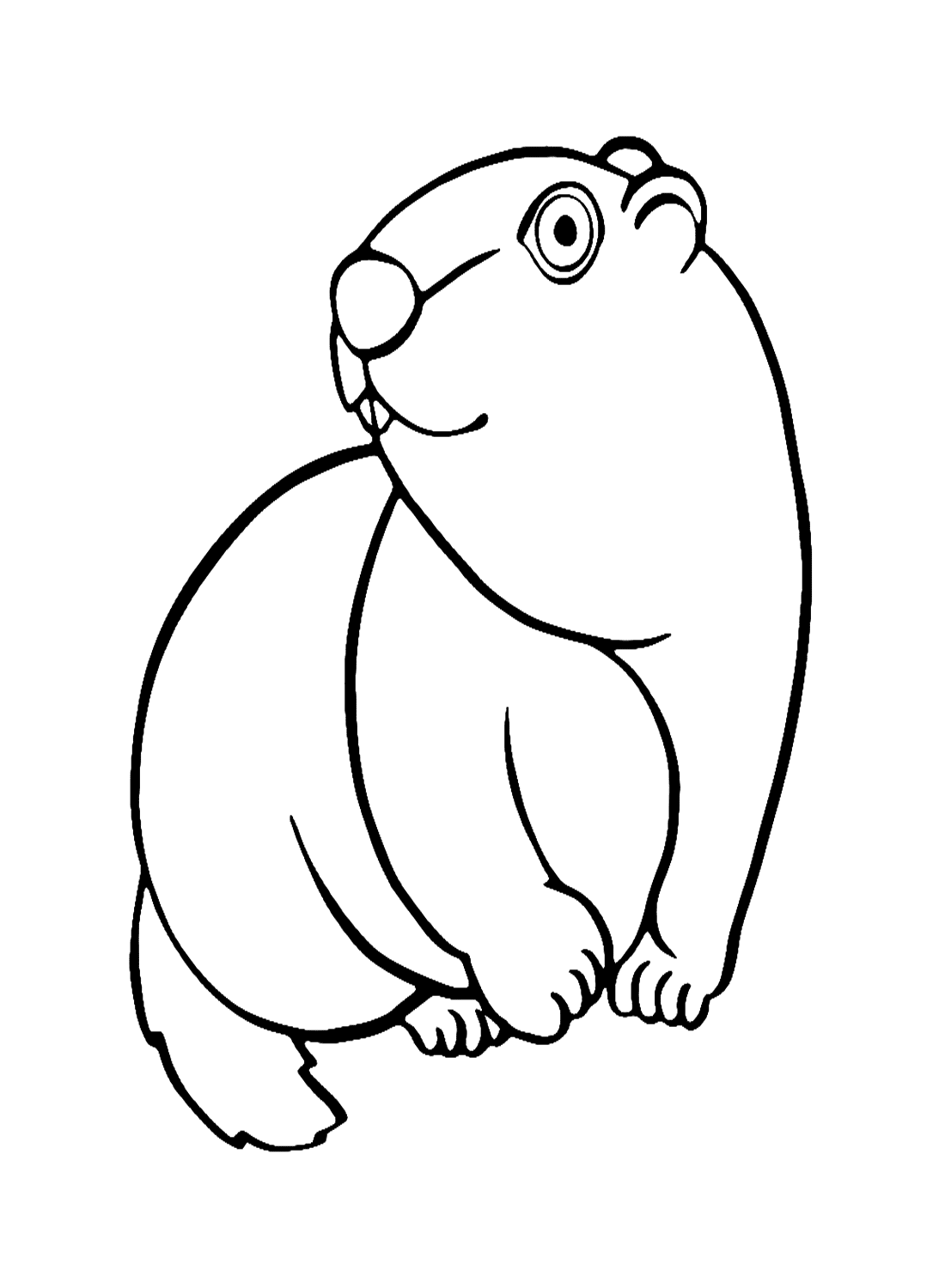
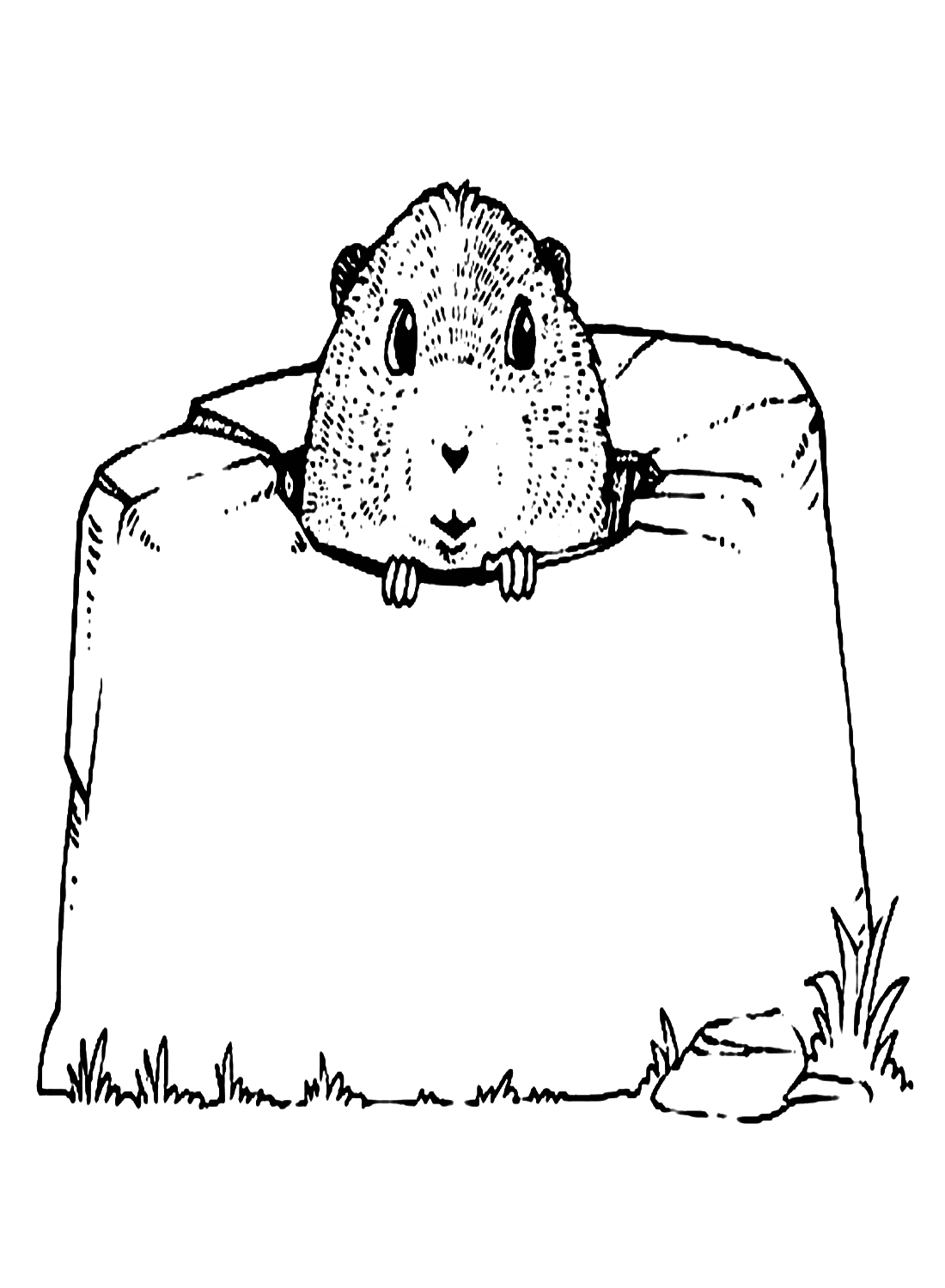
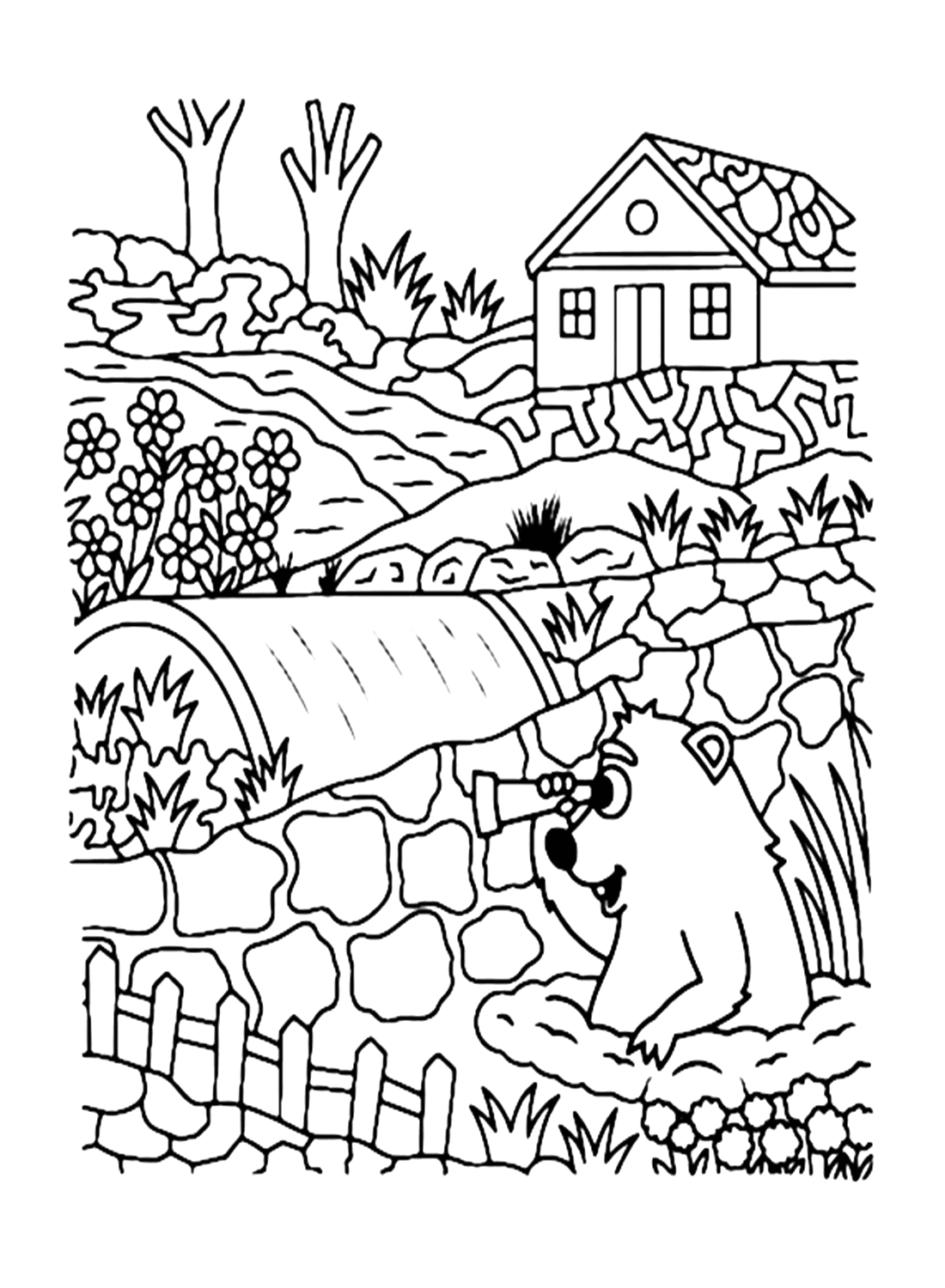
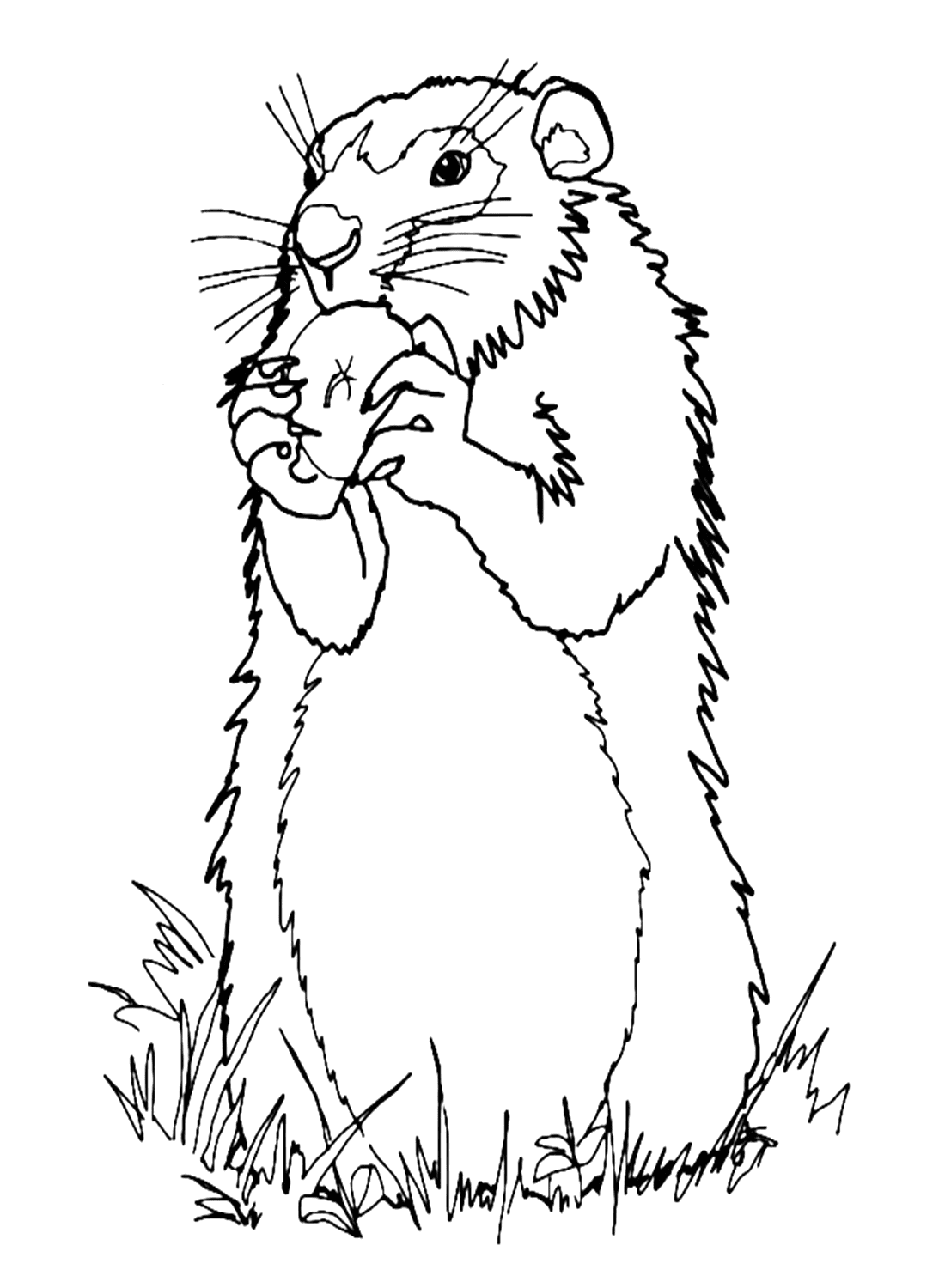

What Is Inside This Collection
Realistic Marmot Portraits
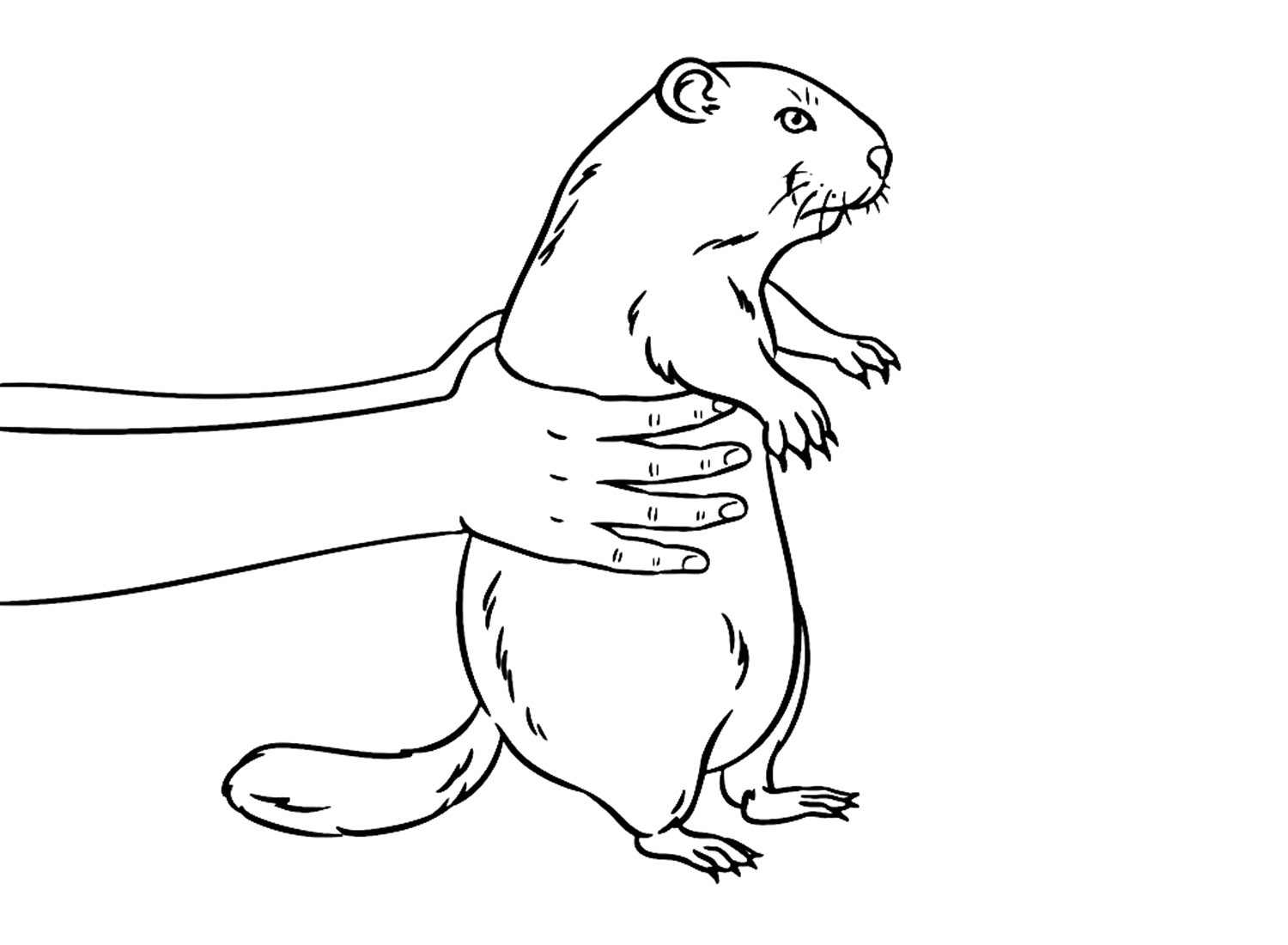
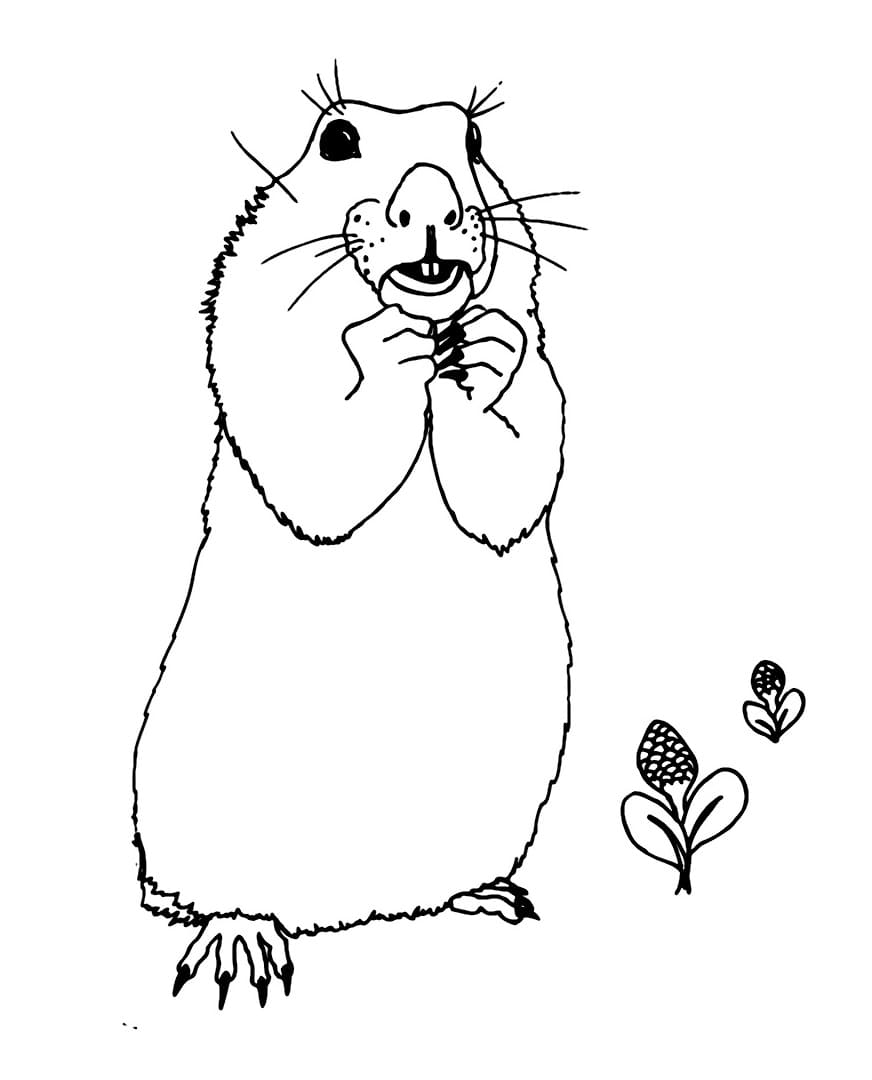
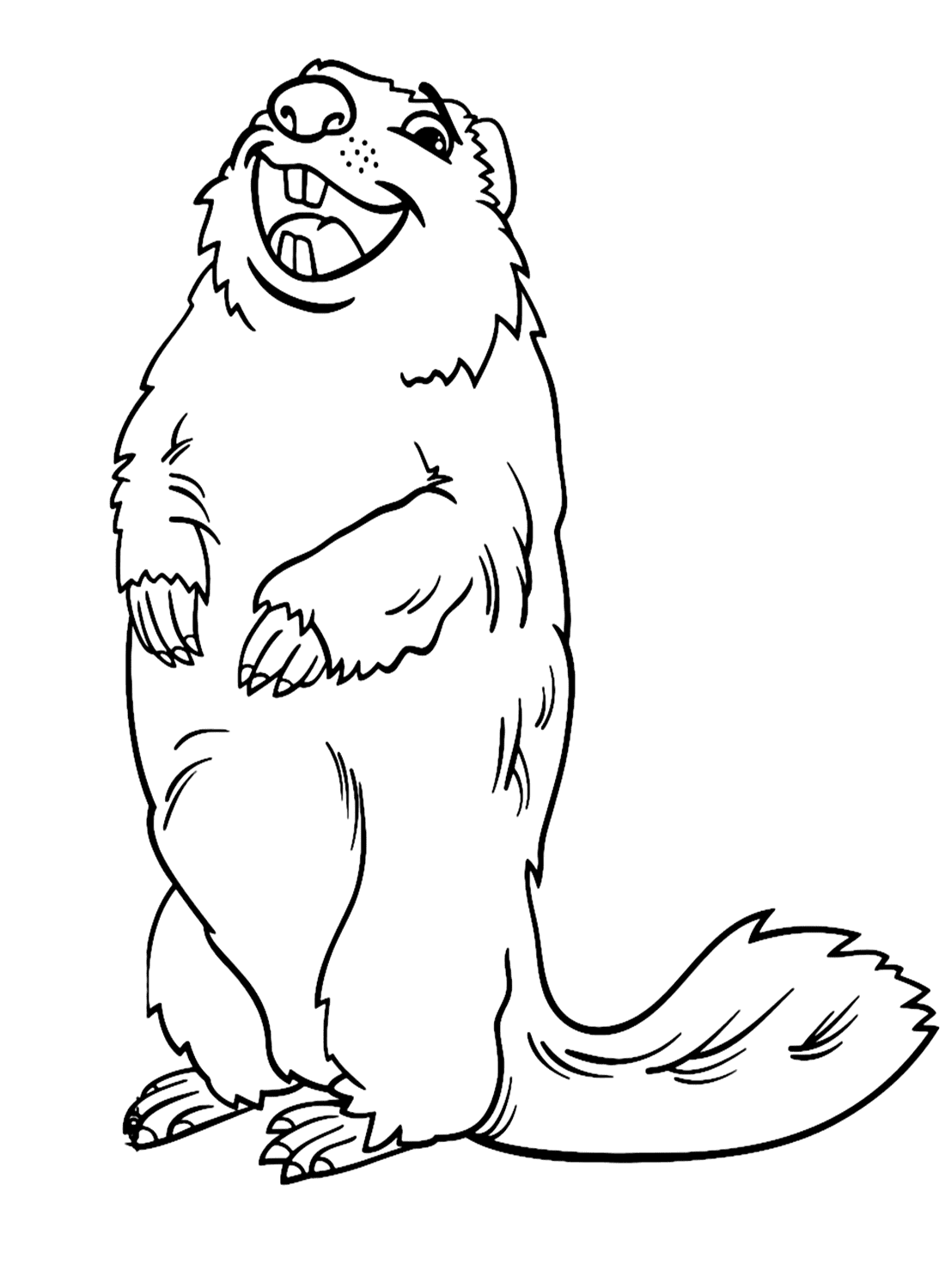
These pages focus on the marmot’s true physical features, including its stocky body, short legs, and bushy tail. Realistic Marmot Being Carried and Marmot With Patterns give colorists an accurate subject to study in detail.
Habitat and Burrow Scenes
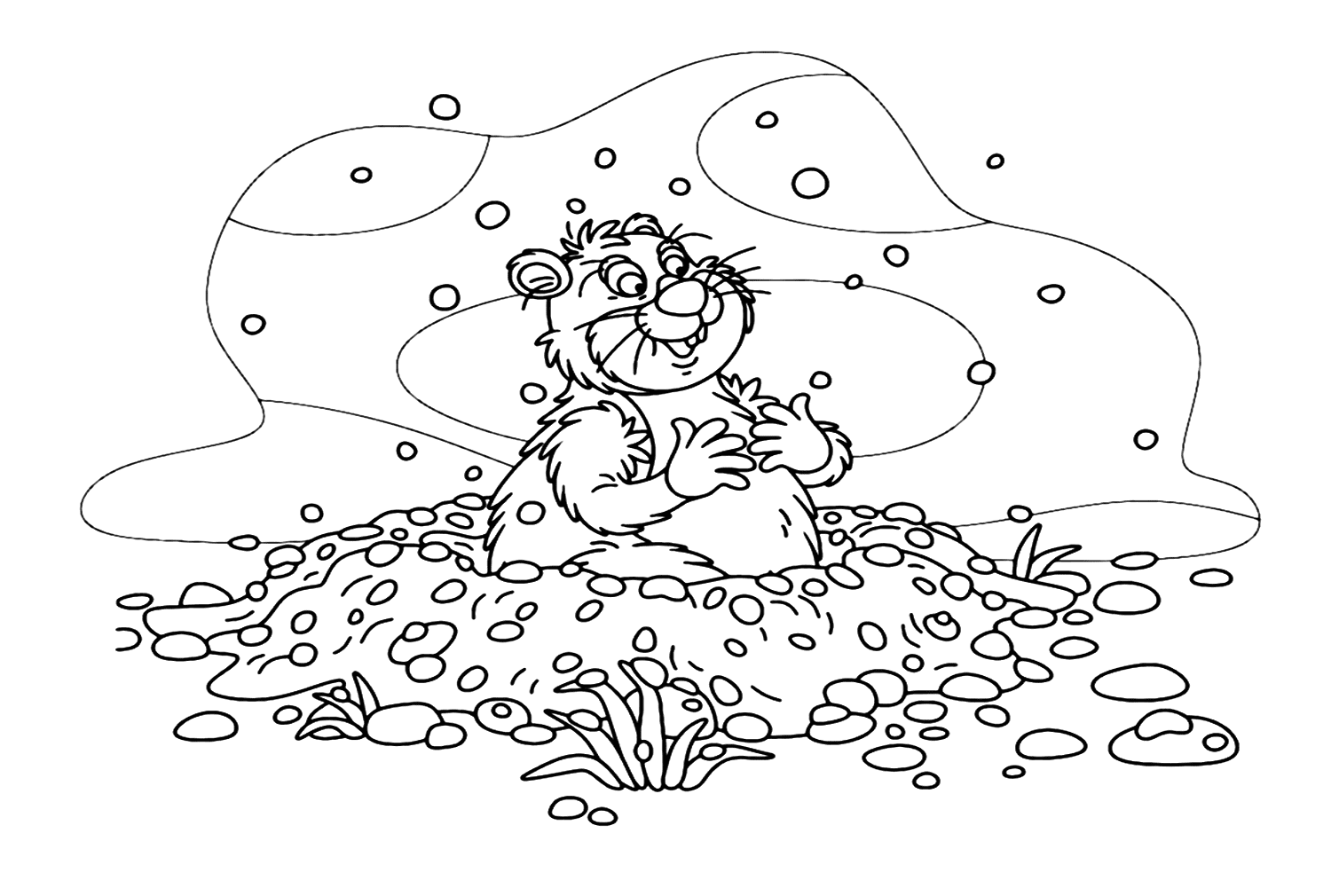
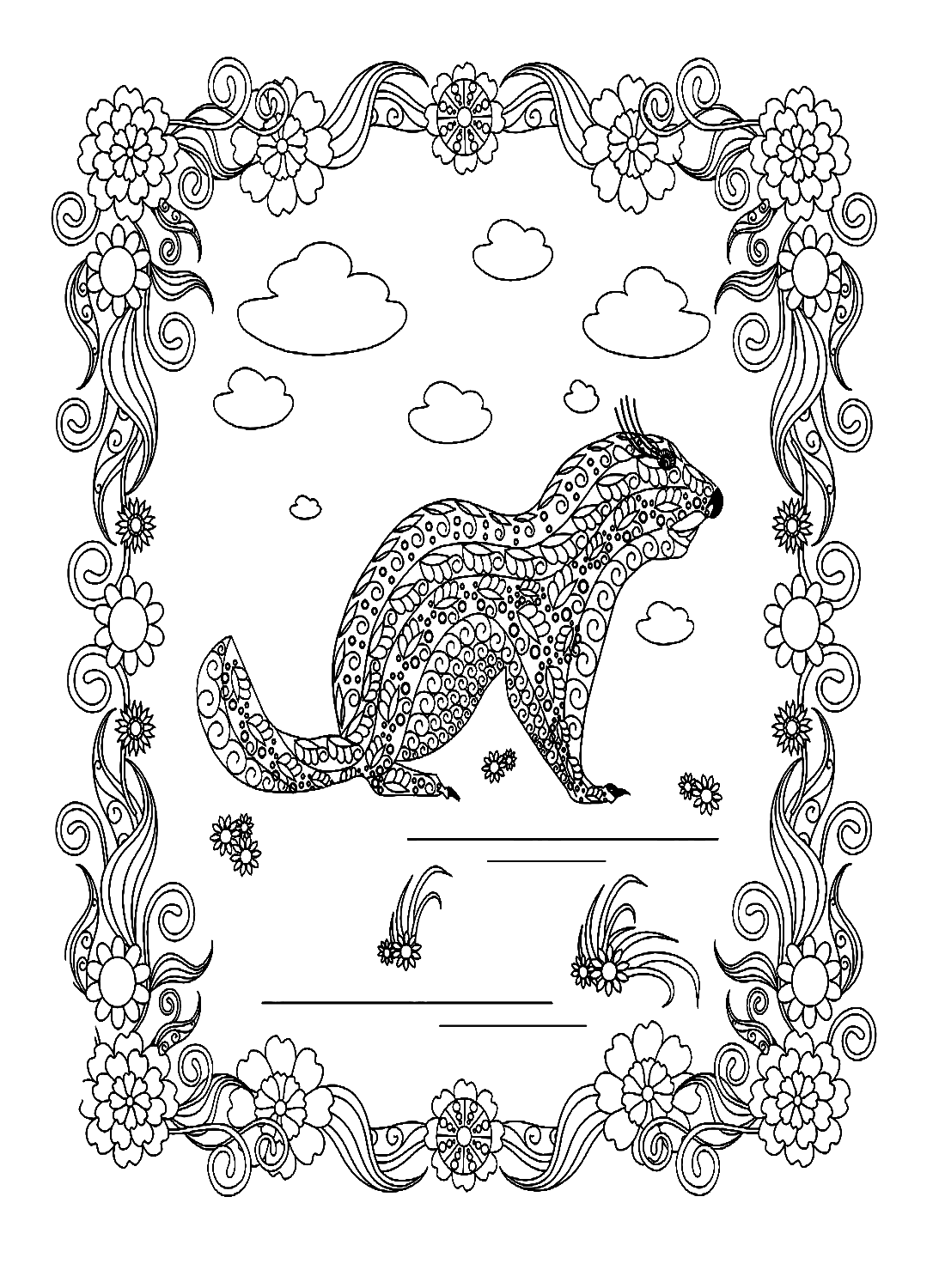
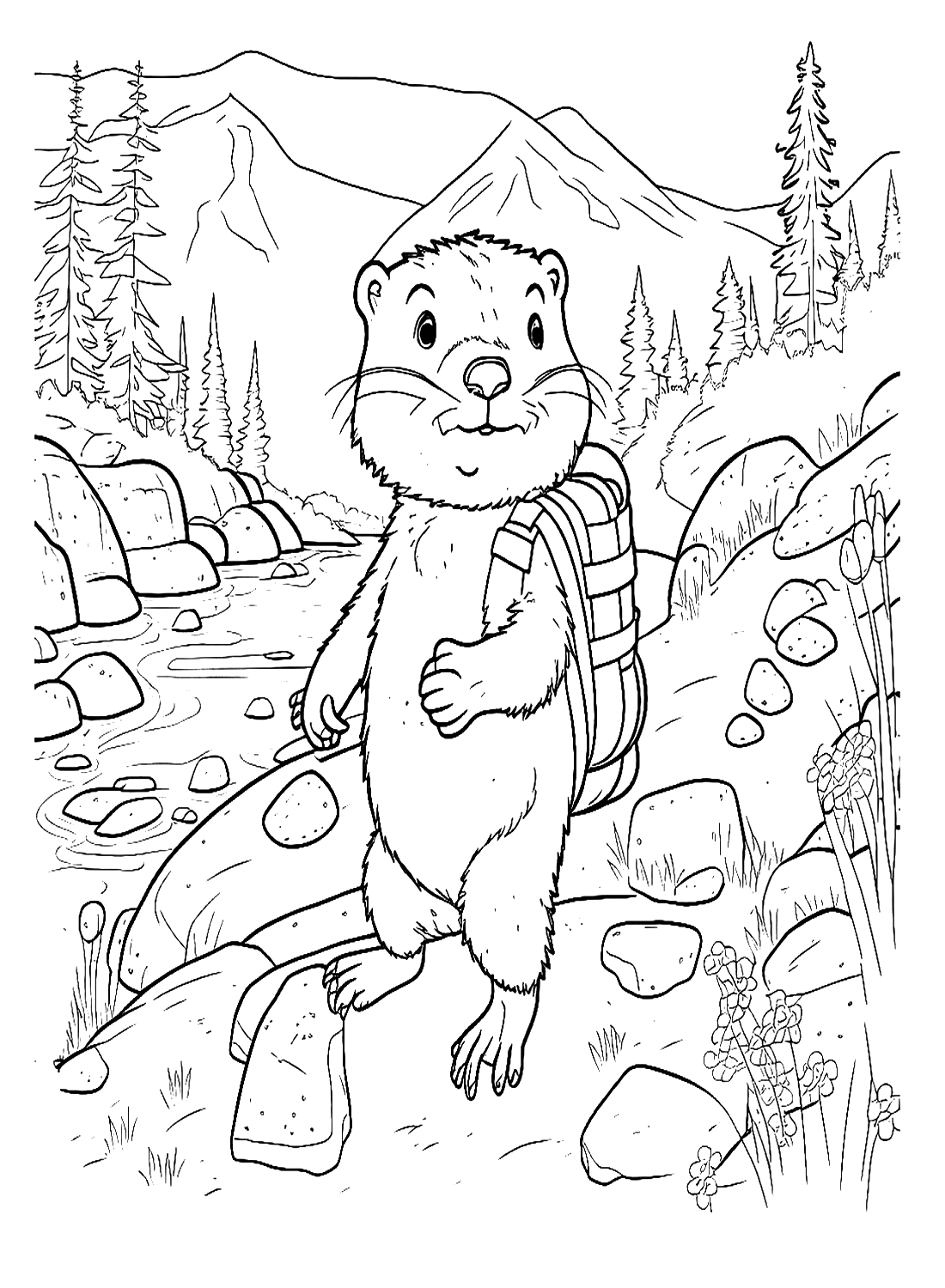
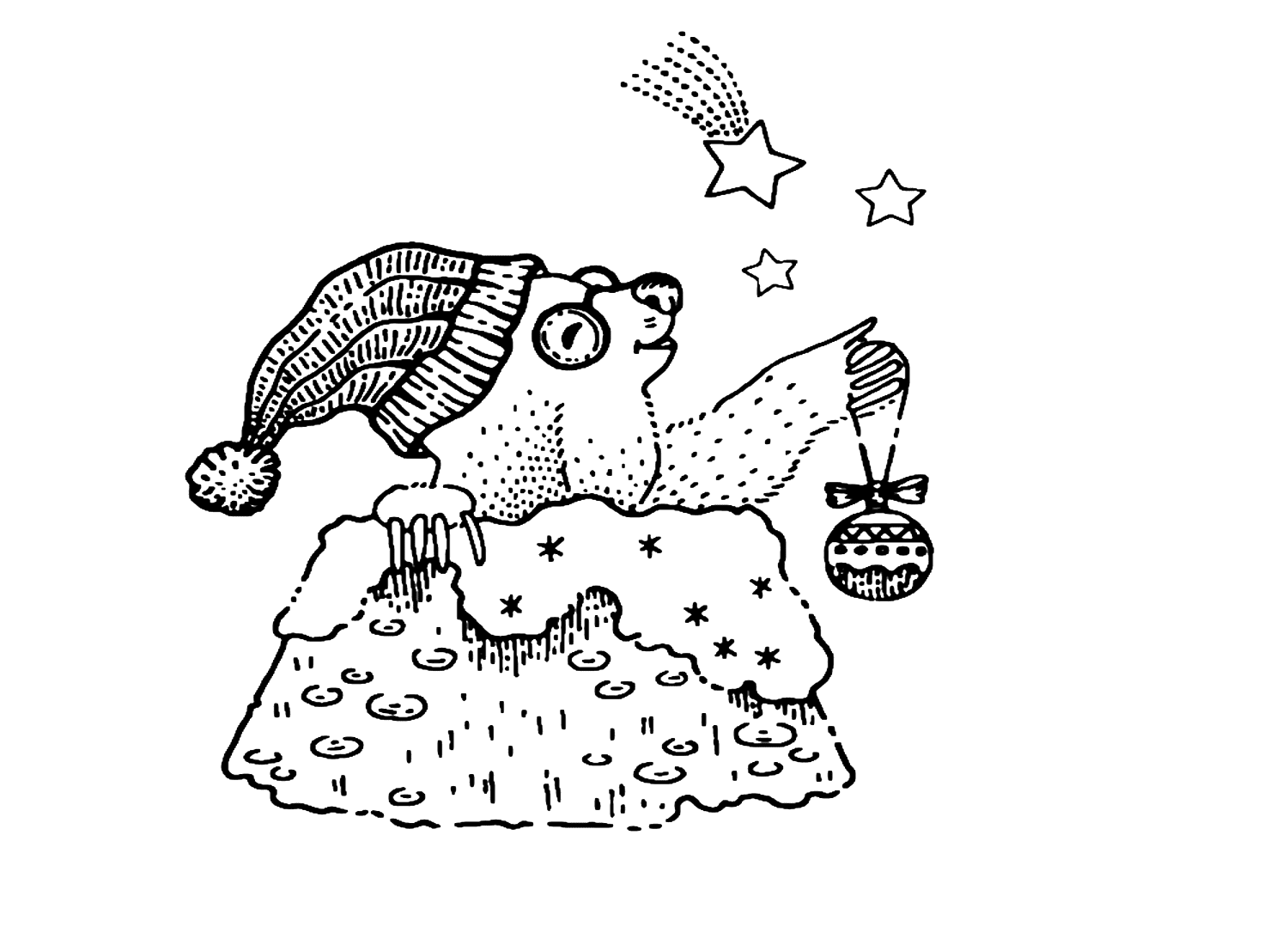
A group of pages sets the marmot near the rocky slopes and burrows it actually lives in, whether peeking out of a hole or walking along a riverbank. Marmot Looking Out From Burrow and Marmot Walking On The River Bank help colorists build the surrounding habitat around the animal.
Family and Social Scenes
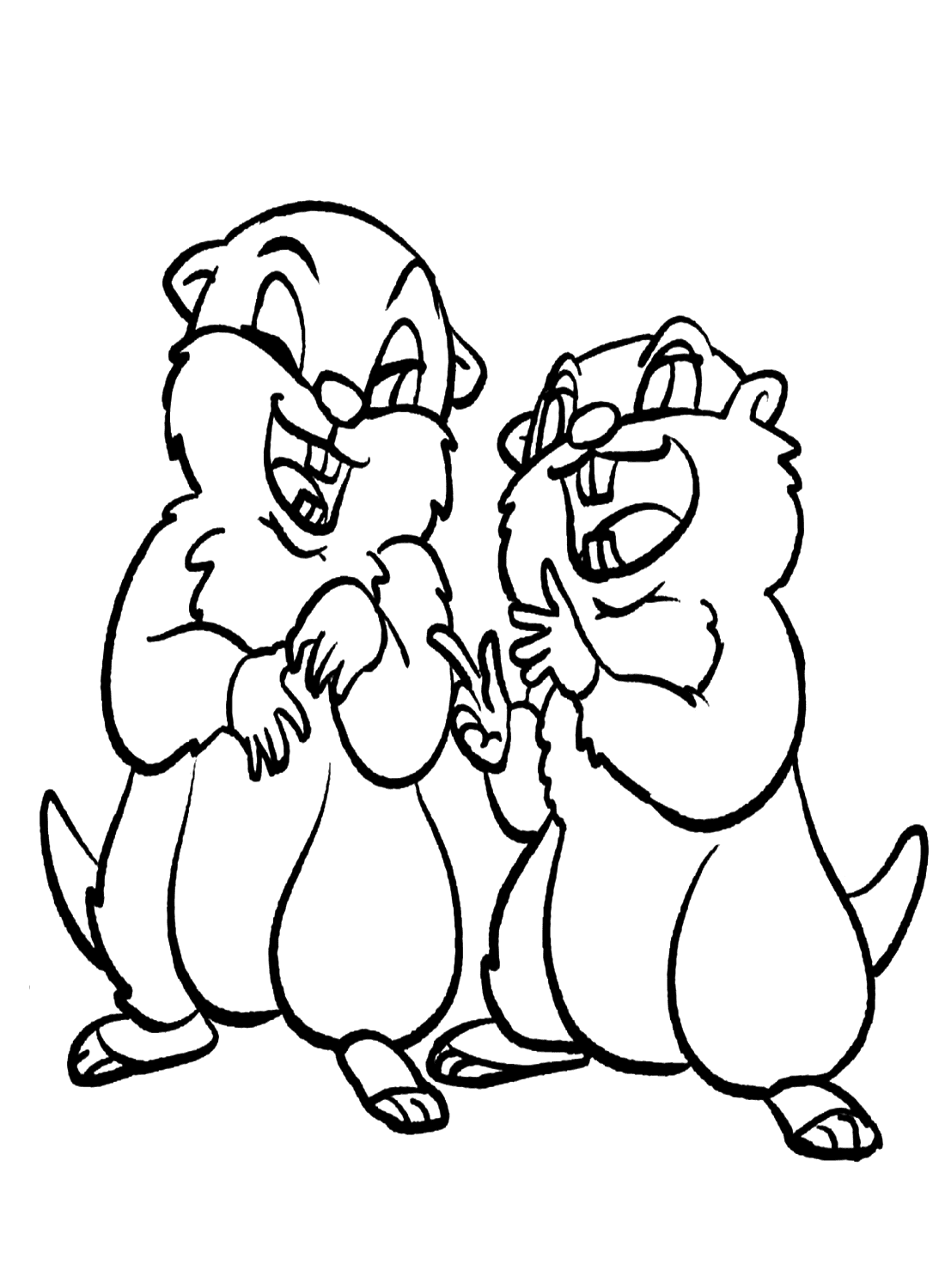
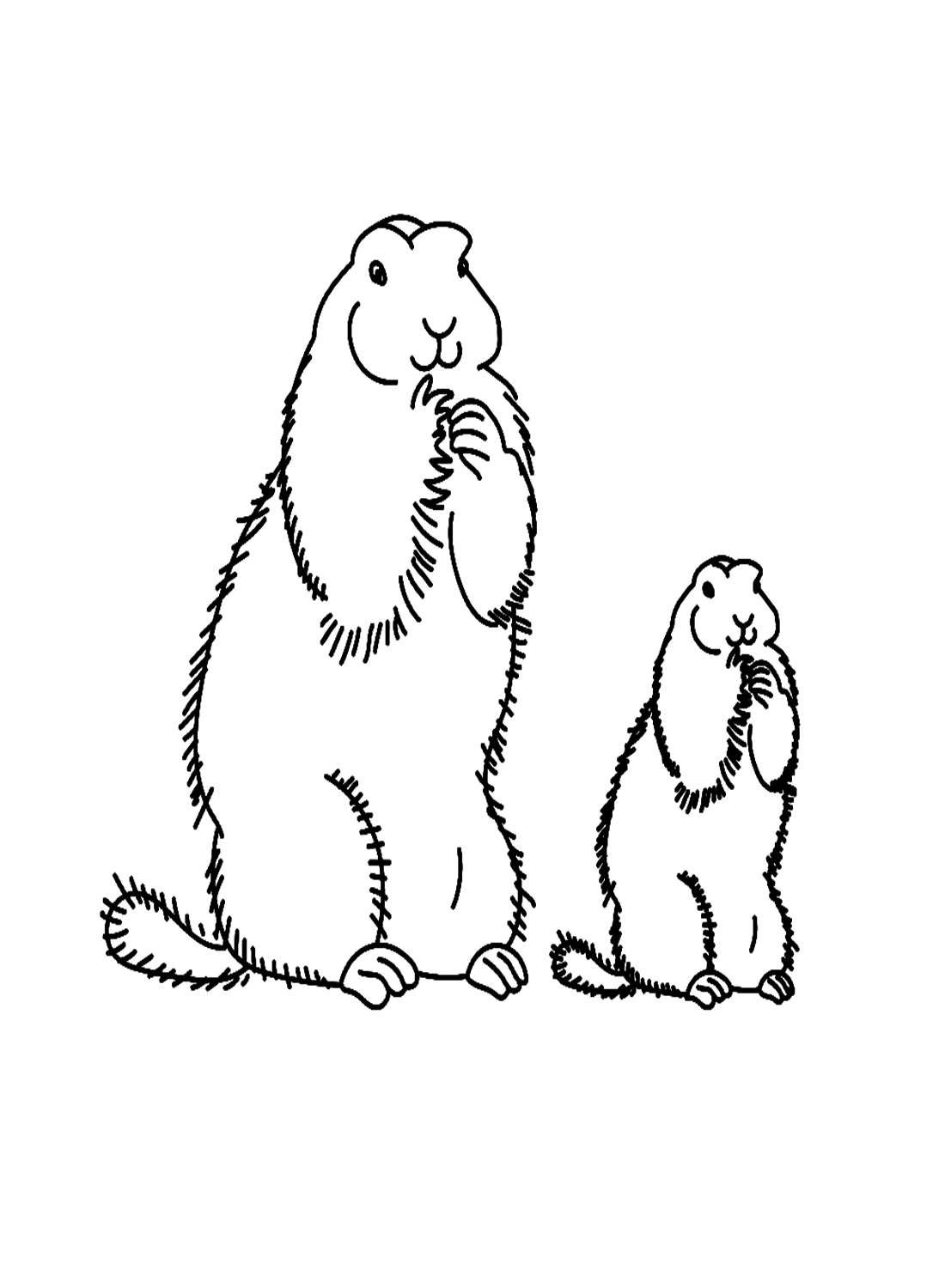
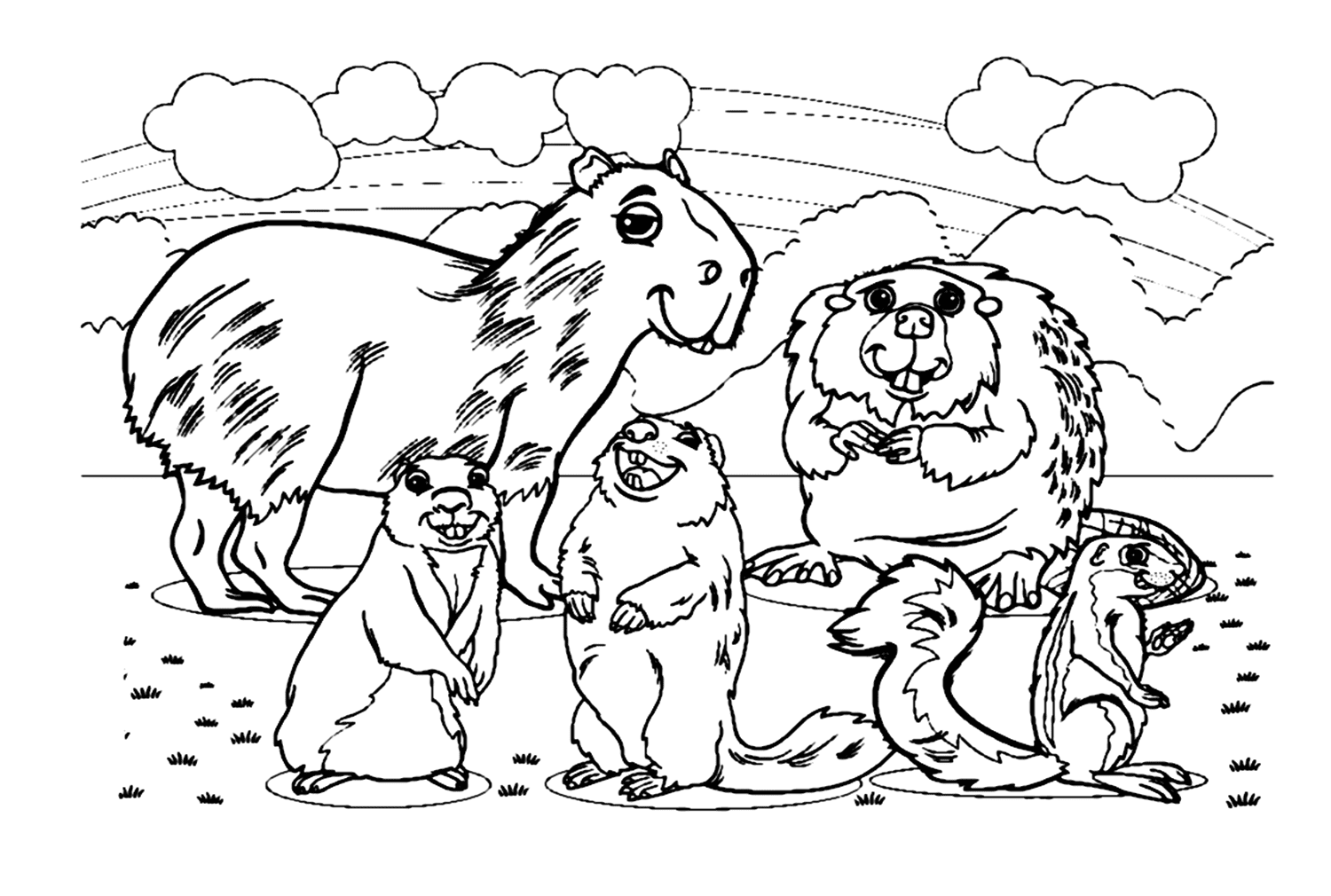
These pages highlight the marmot’s colony life, including a full family group and a page with two marmots together. Family of Marmots and Two Cartoon Marmots suit colorists who want a warmer, character-driven scene.
Character and Everyday-Activity Poses
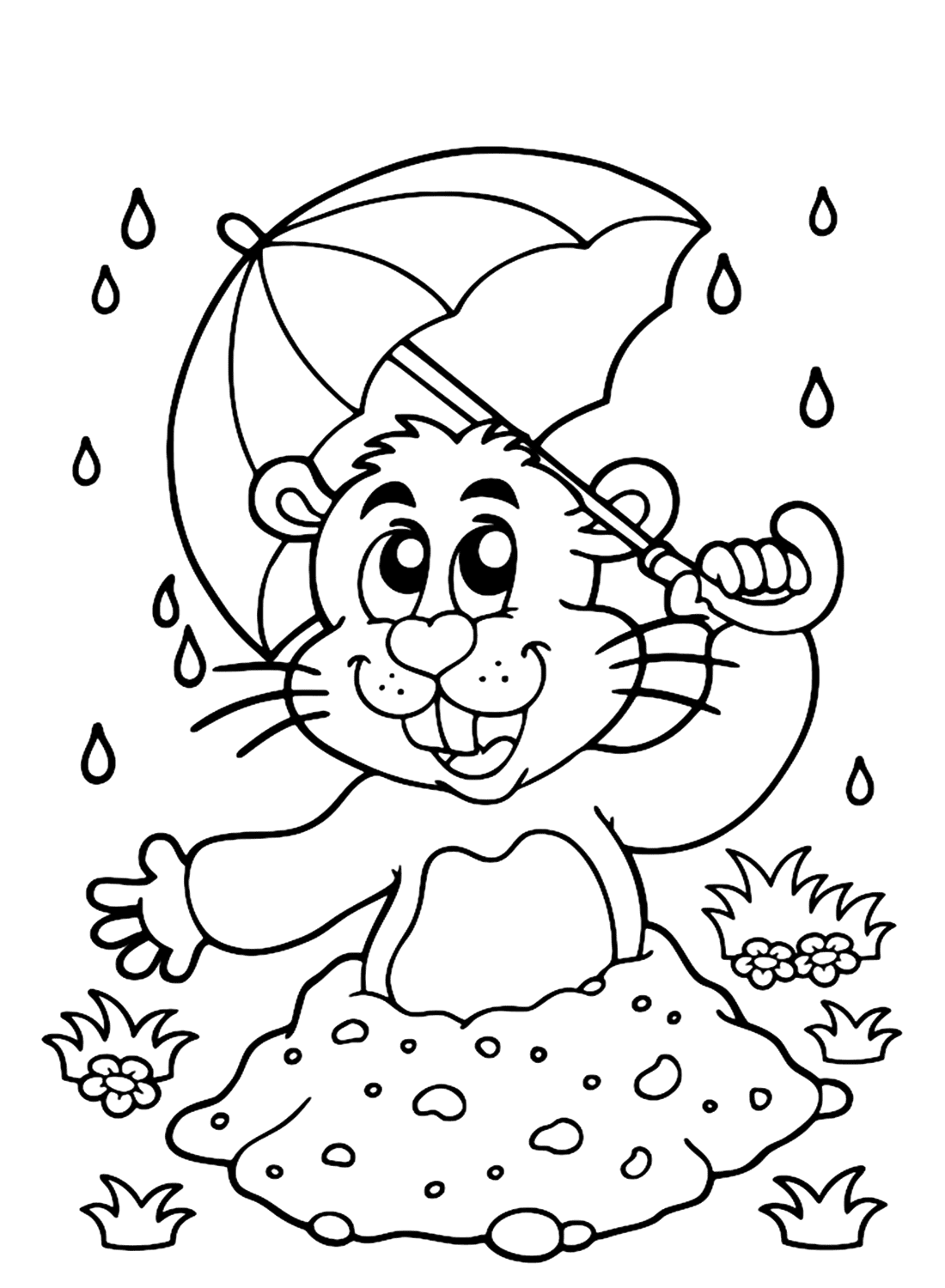
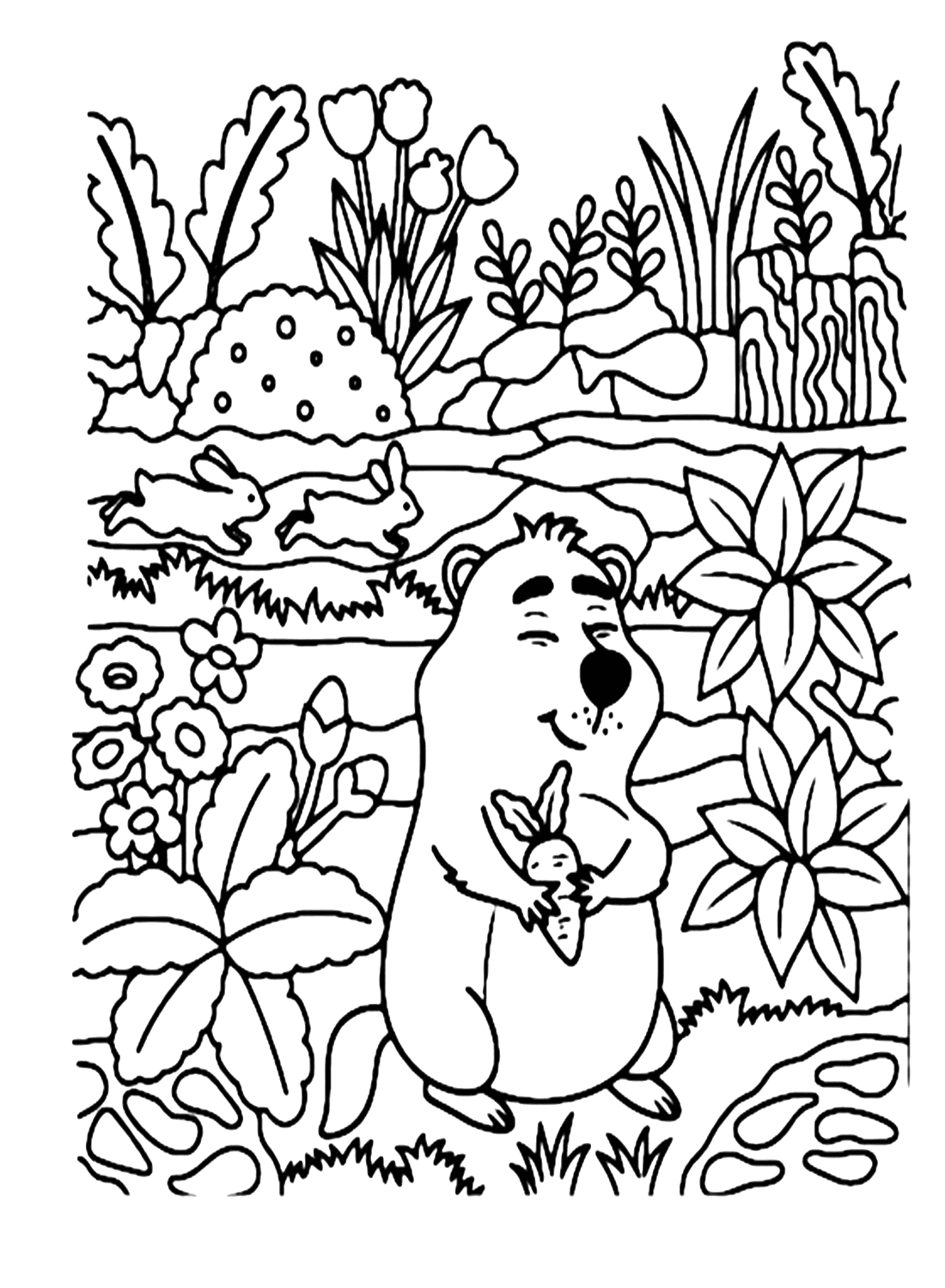
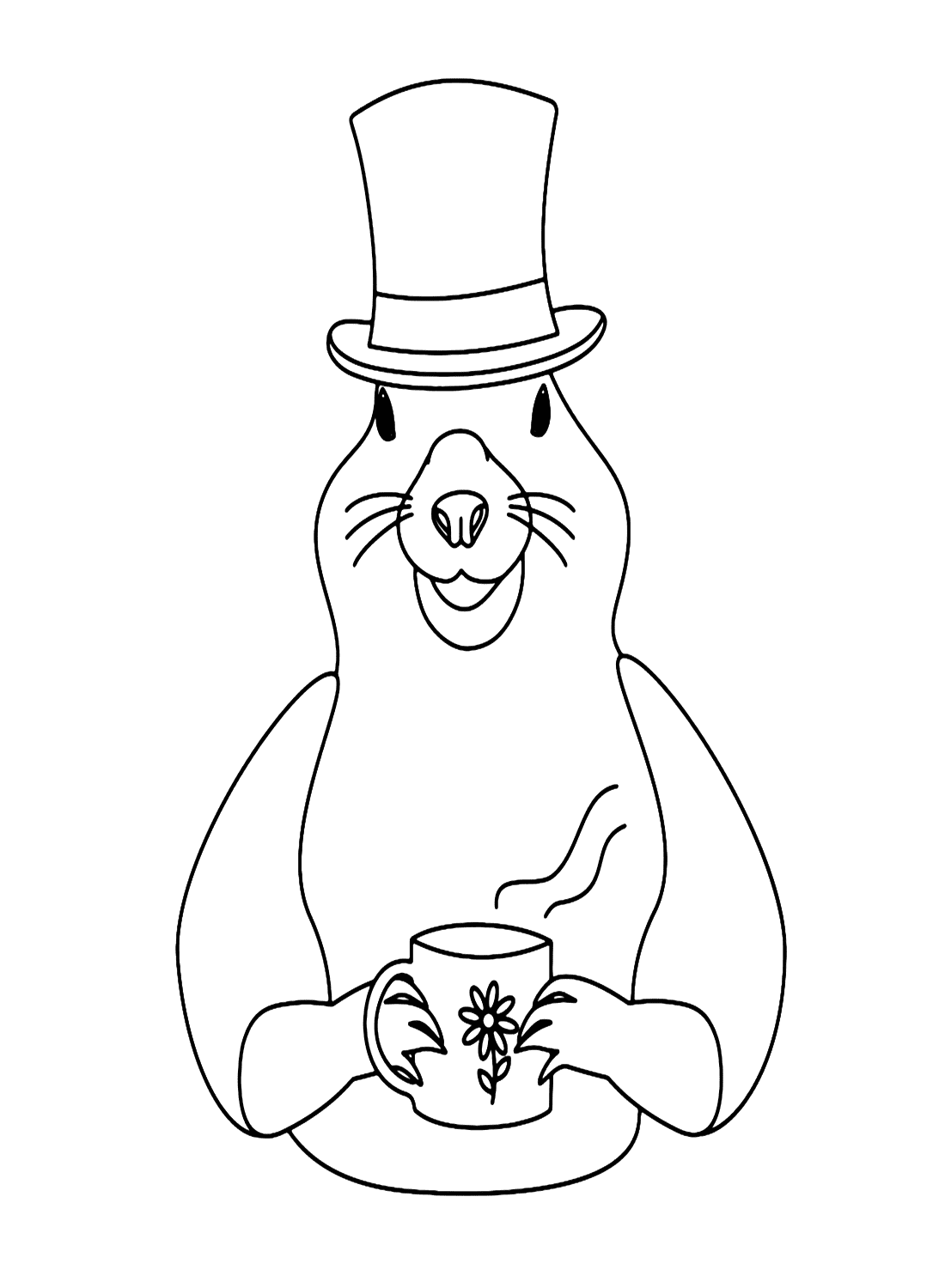
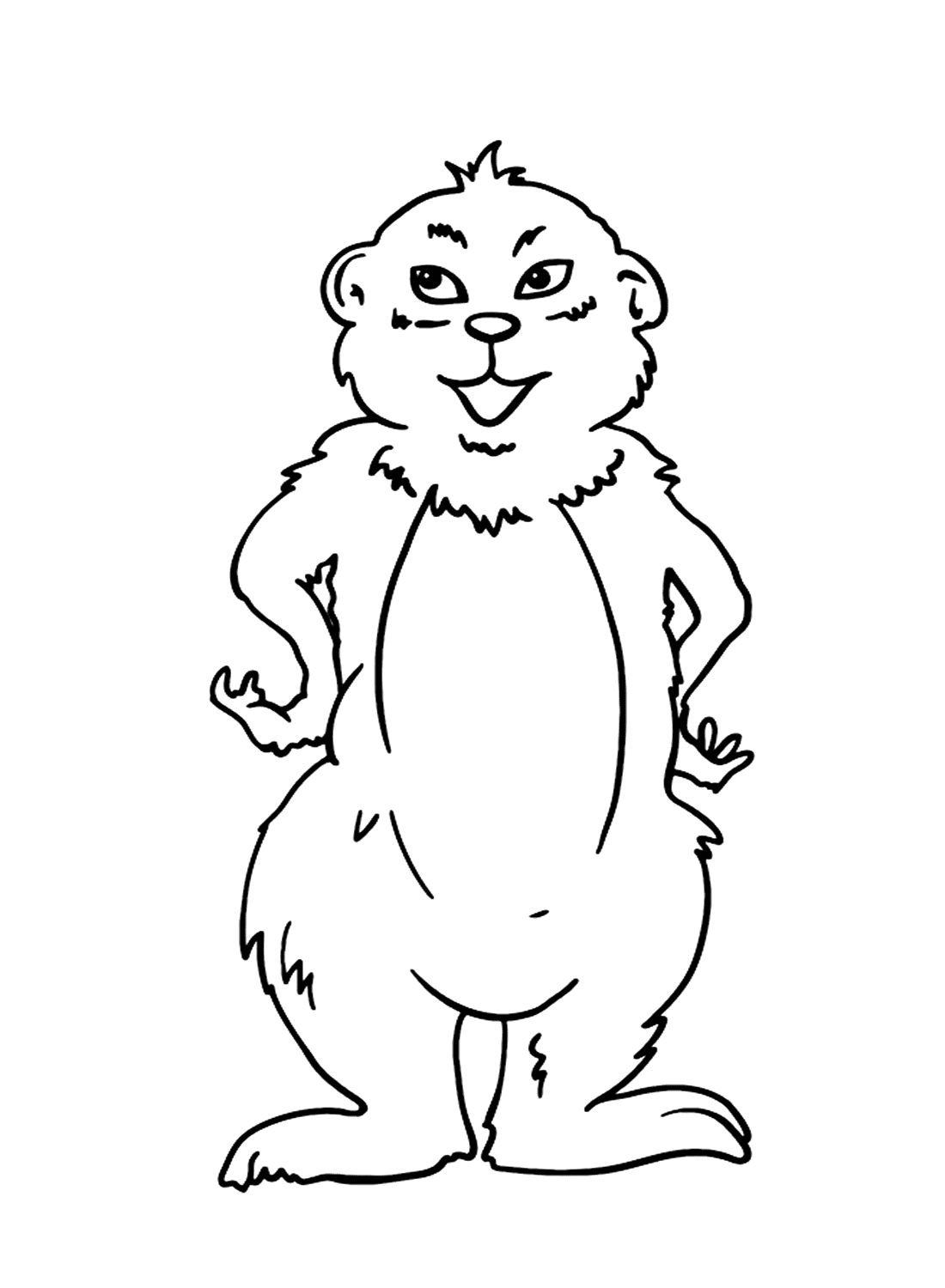
A large set of pages gives the marmot a specific personality or activity, from gardening to holding a warm drink. Cartoon Marmot With Umbrella and Marmot In A Hat With A Steaming Cup let colorists focus on personality and props rather than habitat detail.
Pattern and Early-Learning Pages
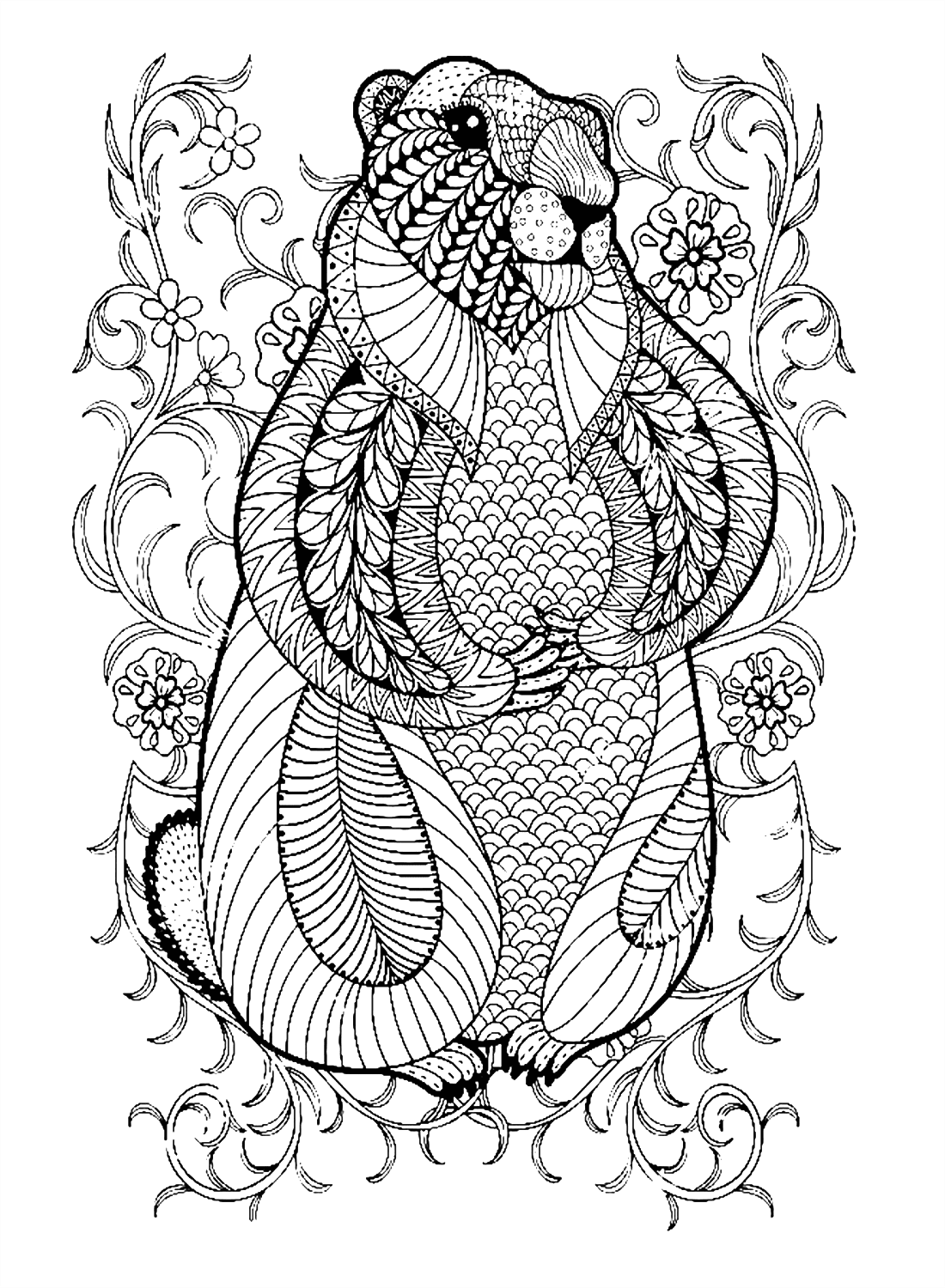
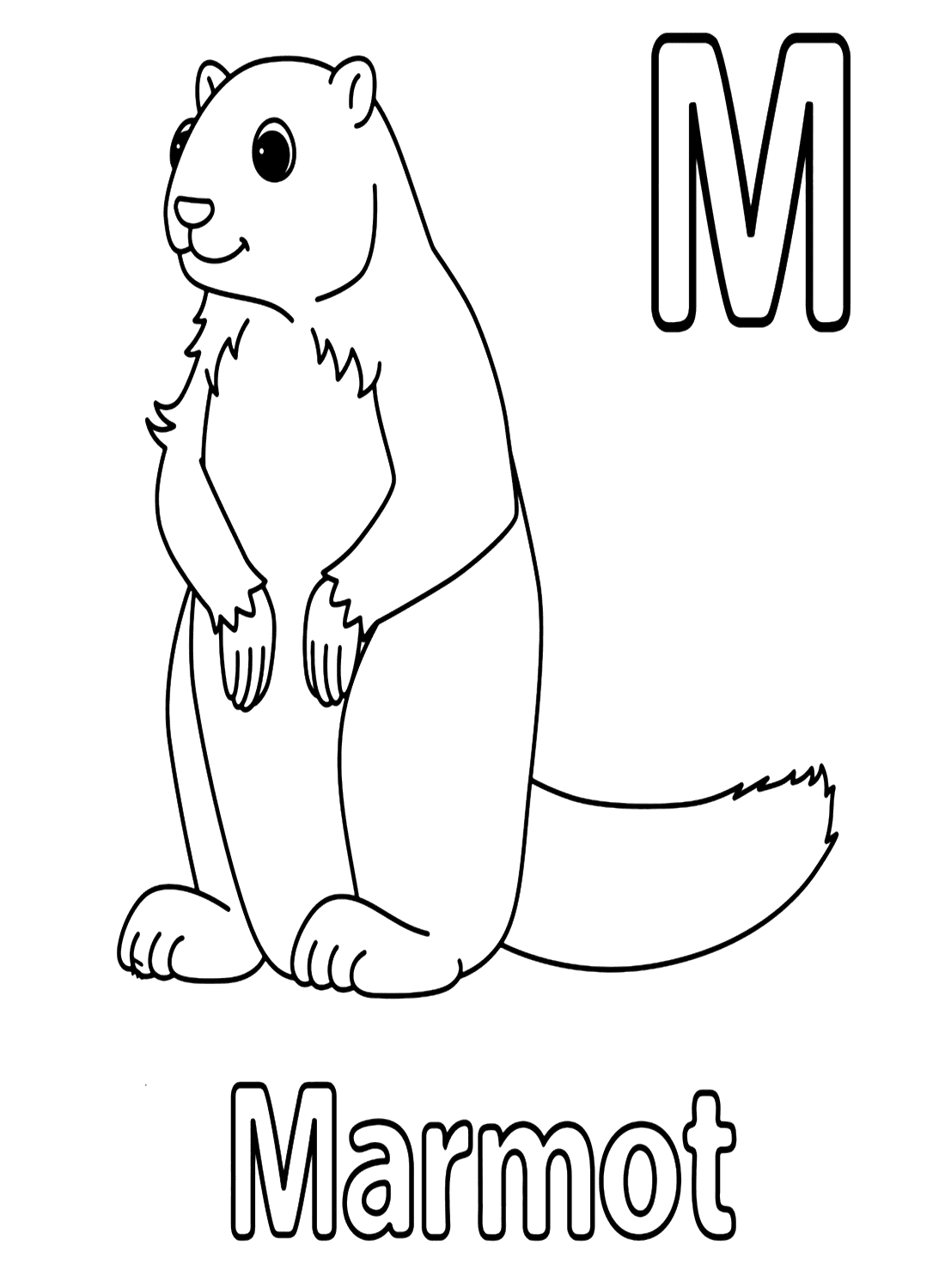
Letter M For Marmot is built as an early-learning practice page, while Mandala Marmot and Marmot In Zentangle Style offer detailed pattern work for older colorists.
What Marmot Coloring Pages Do
A close study of a stocky, powerful build. A marmot’s short legs and strong claws are built for digging extensive burrow systems, and coloring the compact shape accurately rewards close attention to its proportions rather than stretching it into a leaner animal. The American Academy of Pediatrics points to structured coloring as a reliable way to build fine motor control, and tracing the marmot’s rounded body and bushy tail calls for exactly that kind of careful, deliberate line work.
A lesson in extreme hibernation. Some marmots spend up to eight months of the year in a deep hibernation, with their heart rate and body temperature dropping sharply to help them survive without eating, which gives a coloring session a natural opening to talk about how some animals shut down almost completely to get through a hard season.
Calm focus through detailed pattern work. A 2005 study in the Art Therapy Journal documented measurable reductions in anxiety following structured coloring sessions, and the zentangle and mandala pages in this set lean directly into that kind of slow, repetitive, meditative coloring.
A story about group lookout duty. Marmots living in a colony take turns watching for predators and give a sharp whistle to warn the group when danger is near, which is why they are sometimes called whistle pigs, offering a good example of how a group can look out for each other rather than every individual watching alone.
How to Color These Pages Well
- Body base: Use Raw Umber or Tan for most of the coat, since many marmot species have a grizzled brown to gray coloring.
- Face and cheeks: Add a lighter Cream or Light Gray around the face and cheeks to match the softer coloring many species show there.
- Tail: Use layered strokes in Brown and Black for the bushy tail, keeping the texture fuller than the rest of the body.
- Rocky habitat: Blend Warm Gray into Tan for rocky slopes and boulders, using angular strokes to suggest hard, uneven surfaces.
- Burrow entrances: Color burrow openings in Dark Brown or Black to create clear depth against the surrounding ground.
- Pattern pages: On zentangle and mandala designs, use a small, repeating color set rather than many different colors so the pattern reads as one cohesive design.
5 Creative Craft Ideas With Marmot Coloring Pages
1. Burrow Tunnel Diorama
Build a simple tunnel system from a paper towel roll cut in half and mount it on cardstock alongside a colored marmot page peeking out.
2. Rocky Mountain Scene Collage
Color a marmot page and glue it onto cardstock with crumpled gray and brown paper to build a textured rocky slope background.
3. Marmot Bookmark
Trim a simple marmot page into a tall strip and laminate it, or cover it in clear contact paper.
4. Greeting Card
Glue a colored marmot onto a folded card for a birthday or nature-themed thank-you note.
5. Lookout Whistle Game
Color a few marmot pages and take turns being the colony’s lookout, calling out a signal whenever a chosen “predator” picture is shown.
Frequently Asked Questions
What are marmot coloring pages?
Printable line-art designs of marmots in realistic, burrow-habitat, and everyday character styles. Free to download as a PDF or color online, no account needed.
What family do marmots belong to?
Marmots belong to the squirrel family, Sciuridae, and are the largest members of that family, which also includes chipmunks and prairie dogs.
Why are marmots called whistle pigs?
Marmots give a sharp, high-pitched whistle to warn their colony when a predator is nearby, which earned them the nickname whistle pig.
How long do marmots hibernate?
Some marmot species hibernate for up to eight months of the year, living off fat reserves built up during the warmer months.
Is a groundhog a type of marmot?
Yes. The groundhog, also called a woodchuck, is one of about fifteen marmot species, though it tends to be more solitary than some of its colony-dwelling relatives.
Are marmots social animals?
Many marmot species live in colonies and take turns watching for predators, though some, like the groundhog, are more solitary and mainly come together to mate.
Are marmot coloring pages appropriate for all ages?
Yes. Simple cartoon and character pages suit toddlers and preschoolers, while the detailed, realistic portraits and pattern pages suit older kids, teens, and adults.
Can these marmot coloring pages be used for a classroom lesson on animal behavior?
Yes. The family scenes and habitat pages pair well with a lesson on colony living and alarm calls, while the hibernation fact supports a discussion on seasonal animal survival strategies.
Start Coloring
All 24 marmot designs are free to download as a PDF or open for online coloring, no account required. Print a page for a classroom activity, or pull it up on a tablet for coloring on the go. Once finished, share it on Facebook or save it to Pinterest.