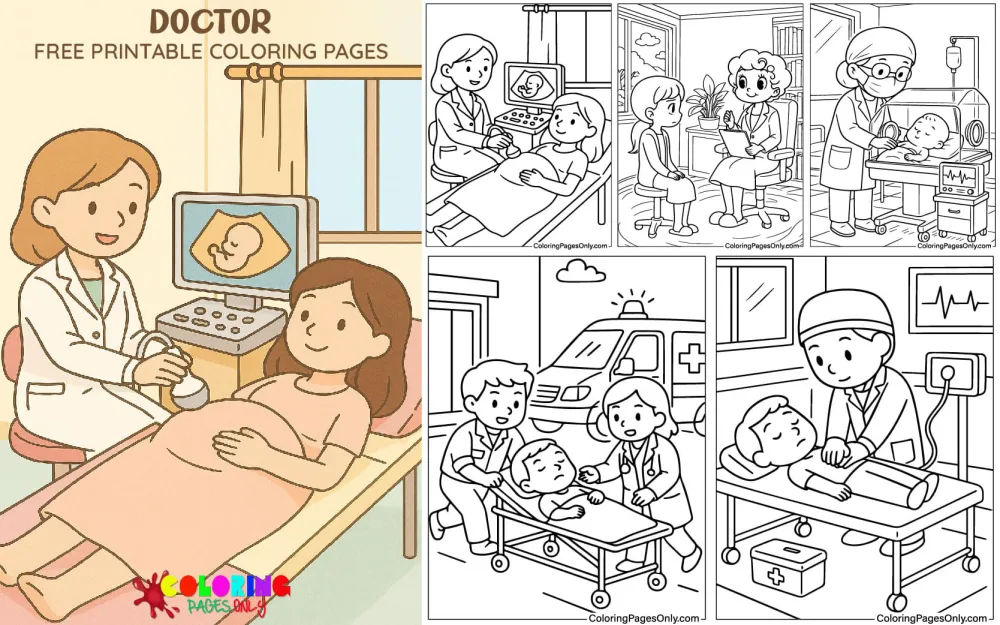
Free Doctor Coloring Pages: 37 printable PDF designs covering general physicians, named medical specialists, and everyday moments between a doctor and a patient. No printer is required to use any page, since the online coloring tool holds the same design as the PDF version made for printing.
General practice makes up a large share of this set, with the rest split between named medical specialties and the patient’s side of a visit, so the groupings below follow that same practical division. Several pages focus purely on a doctor at work, in a coat, holding a chart, or standing beside medical equipment. In contrast, others name a specific specialty, a surgeon, an eye doctor, or a cardiologist. A separate group of pages shifts the focus to the patient, often a child, being examined, measured, or comforted during a routine visit.
Thirty-seven pages covering one profession from several angles give the set enough range to work as a single coloring session or as a running theme across several classroom or bedtime sittings.

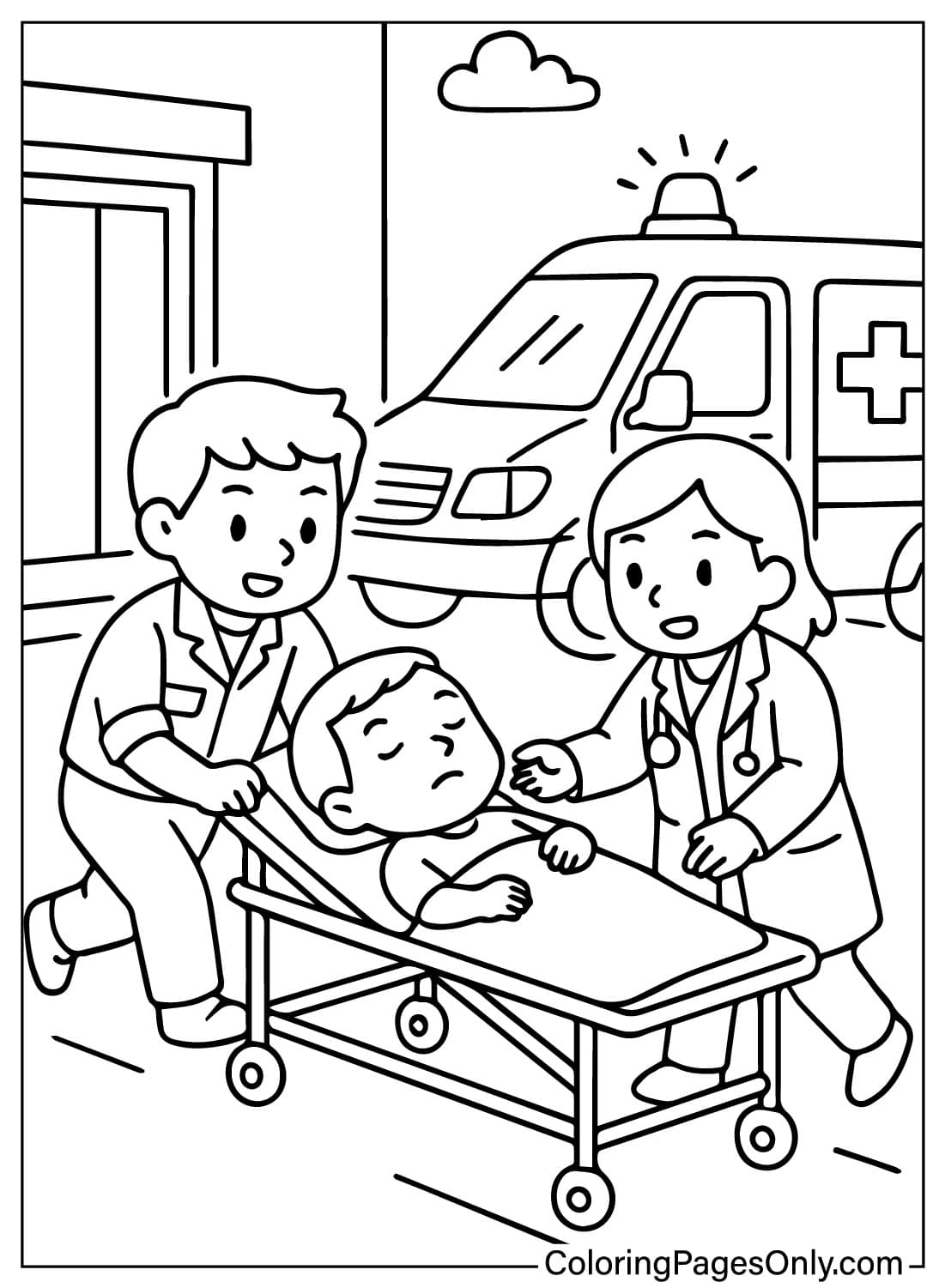
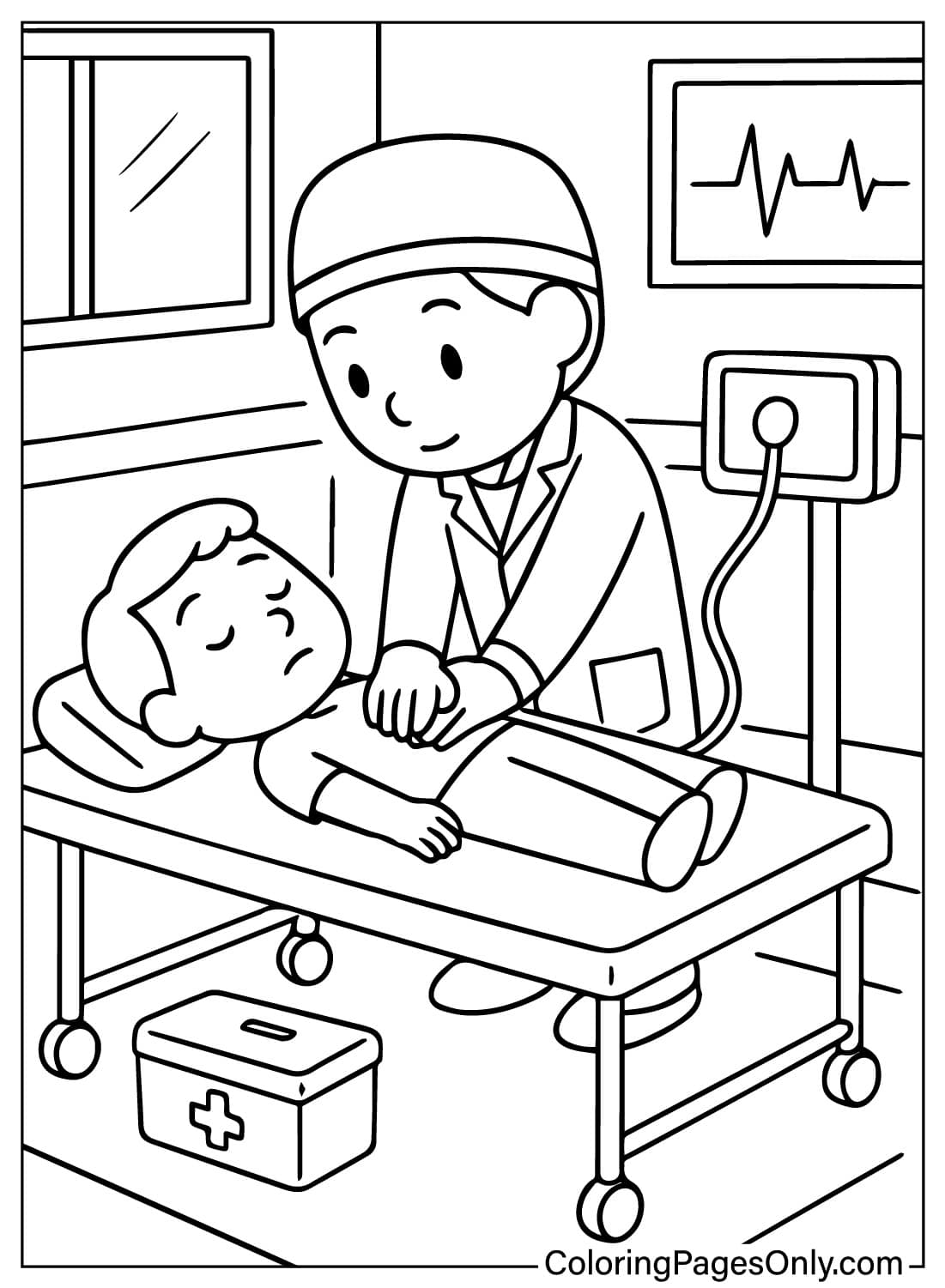
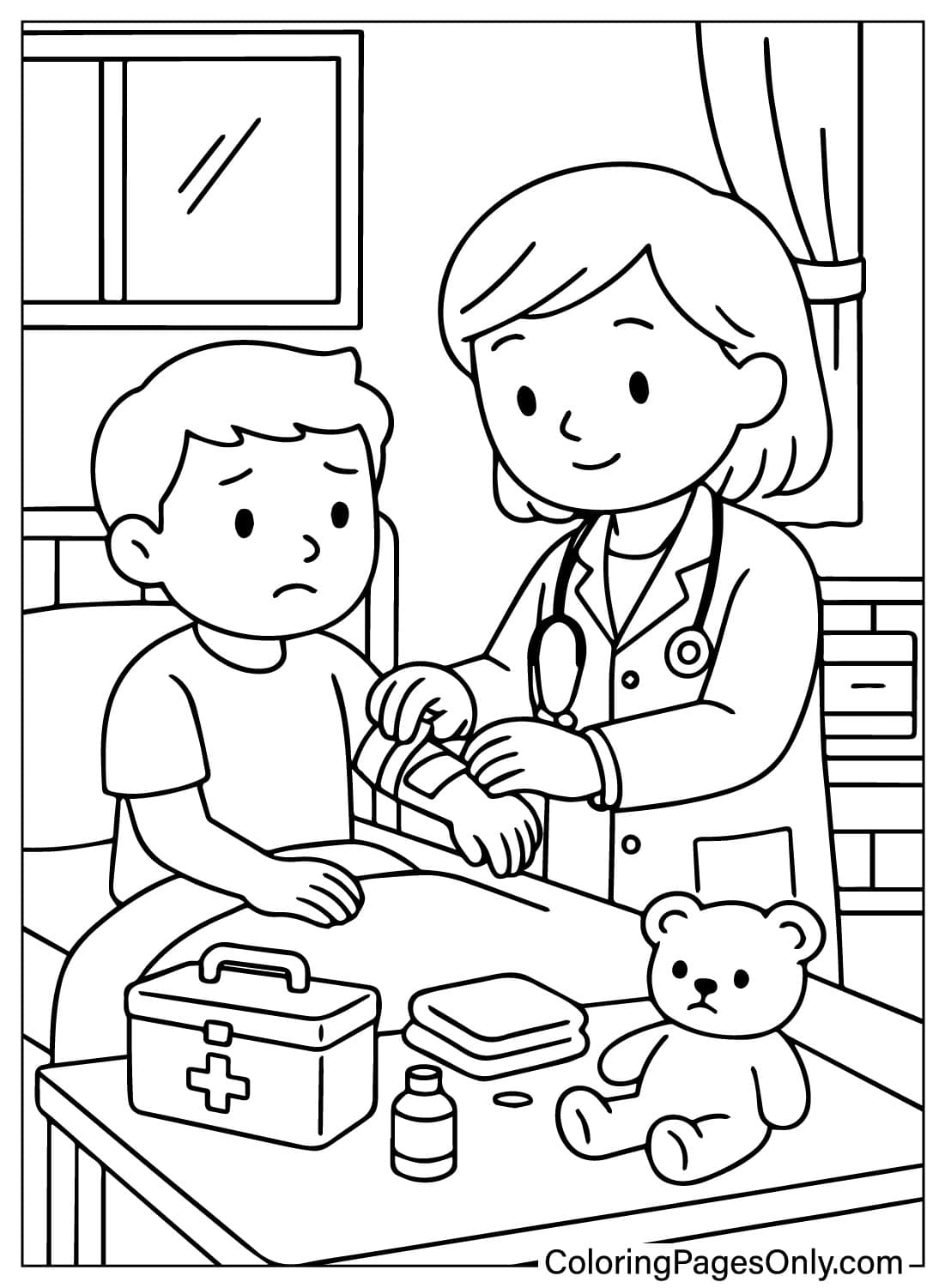
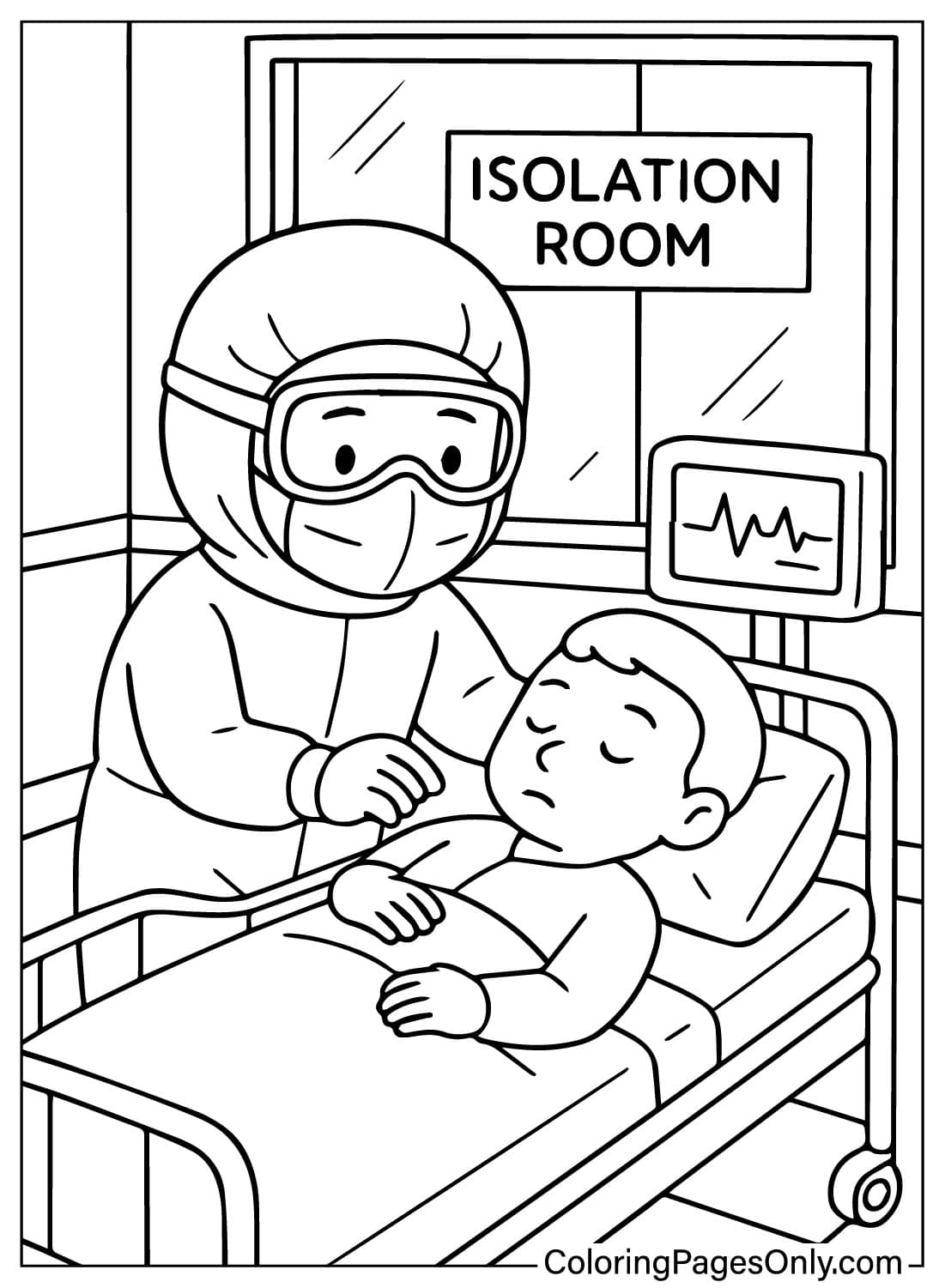
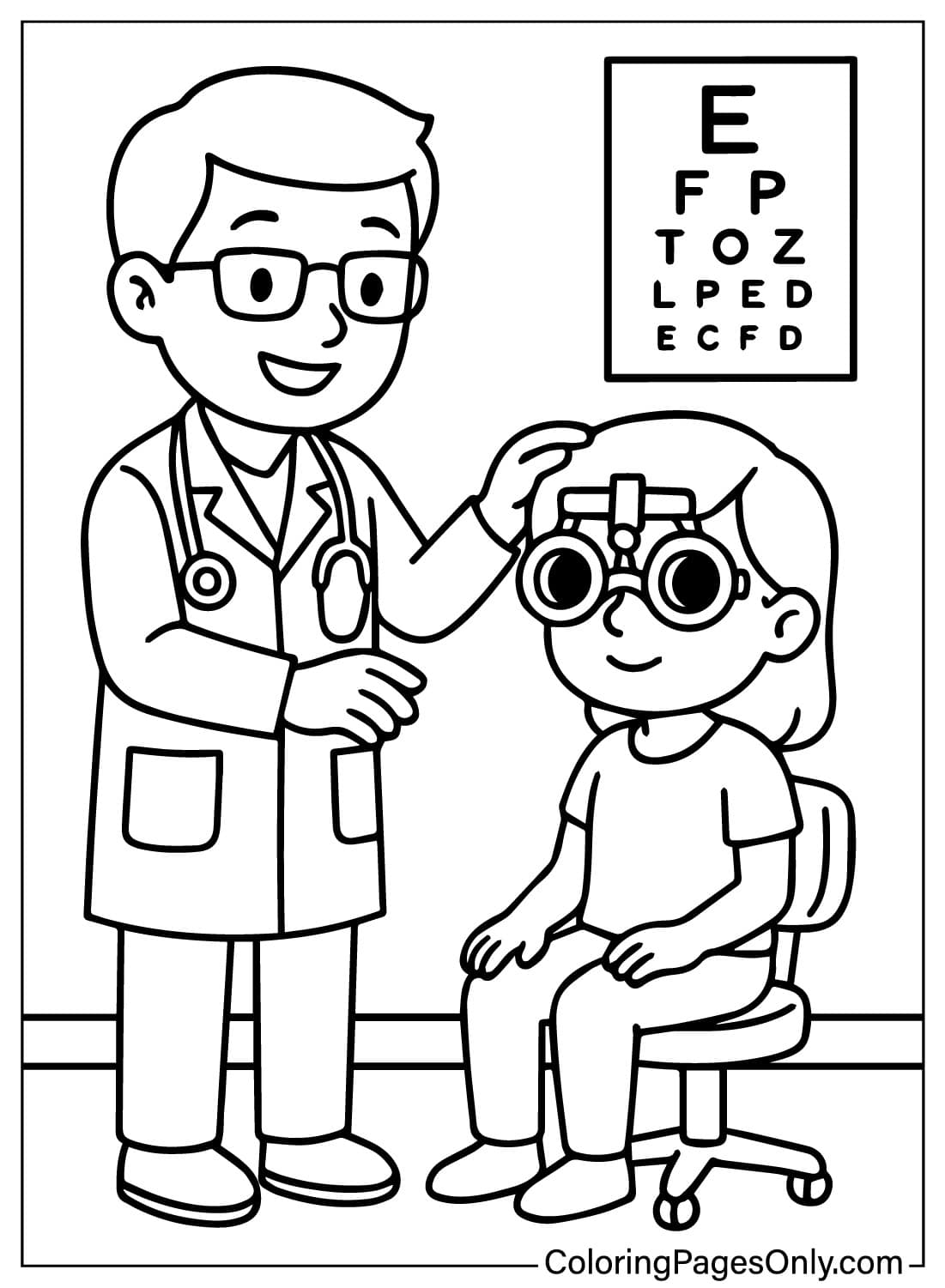
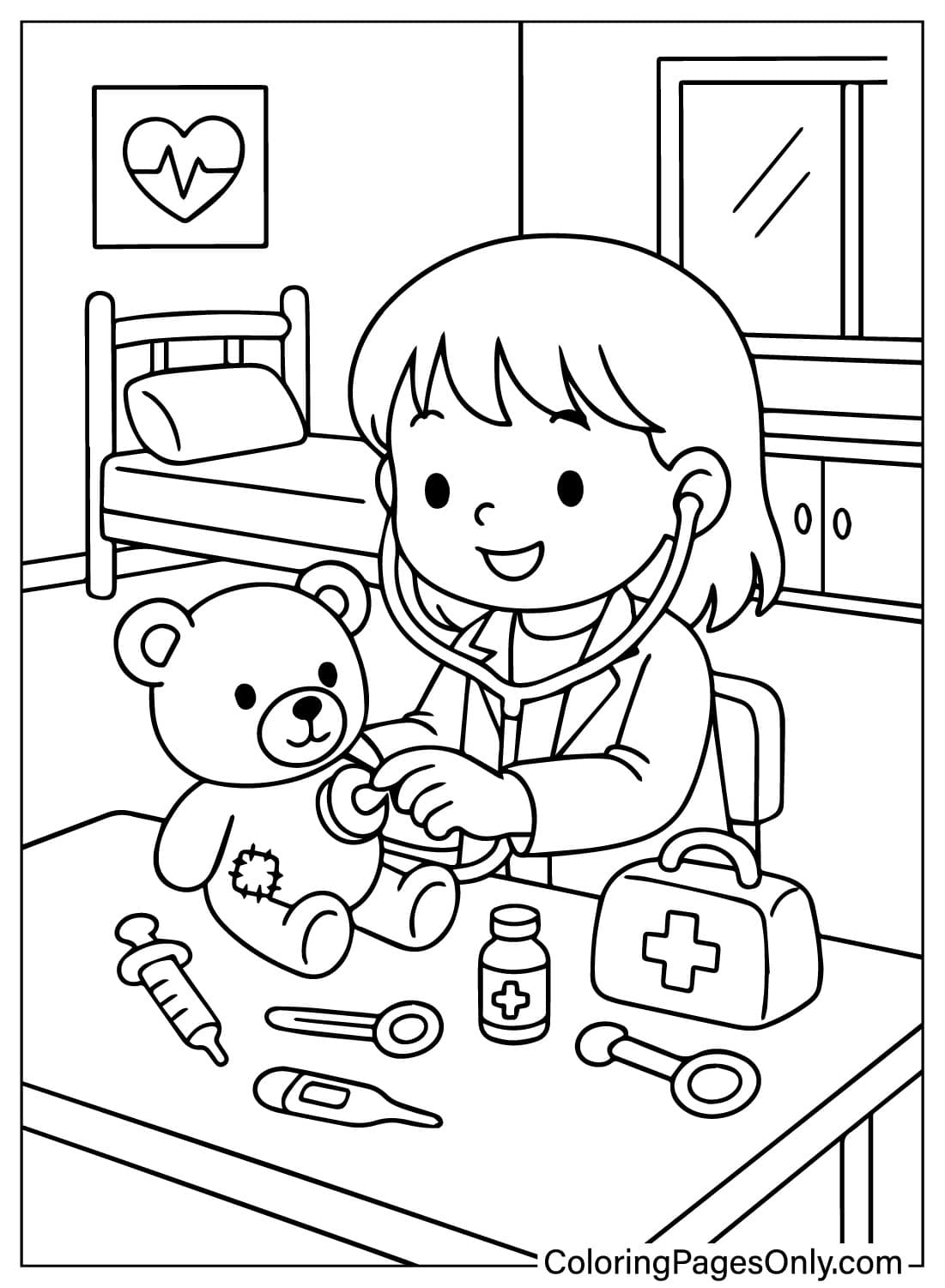
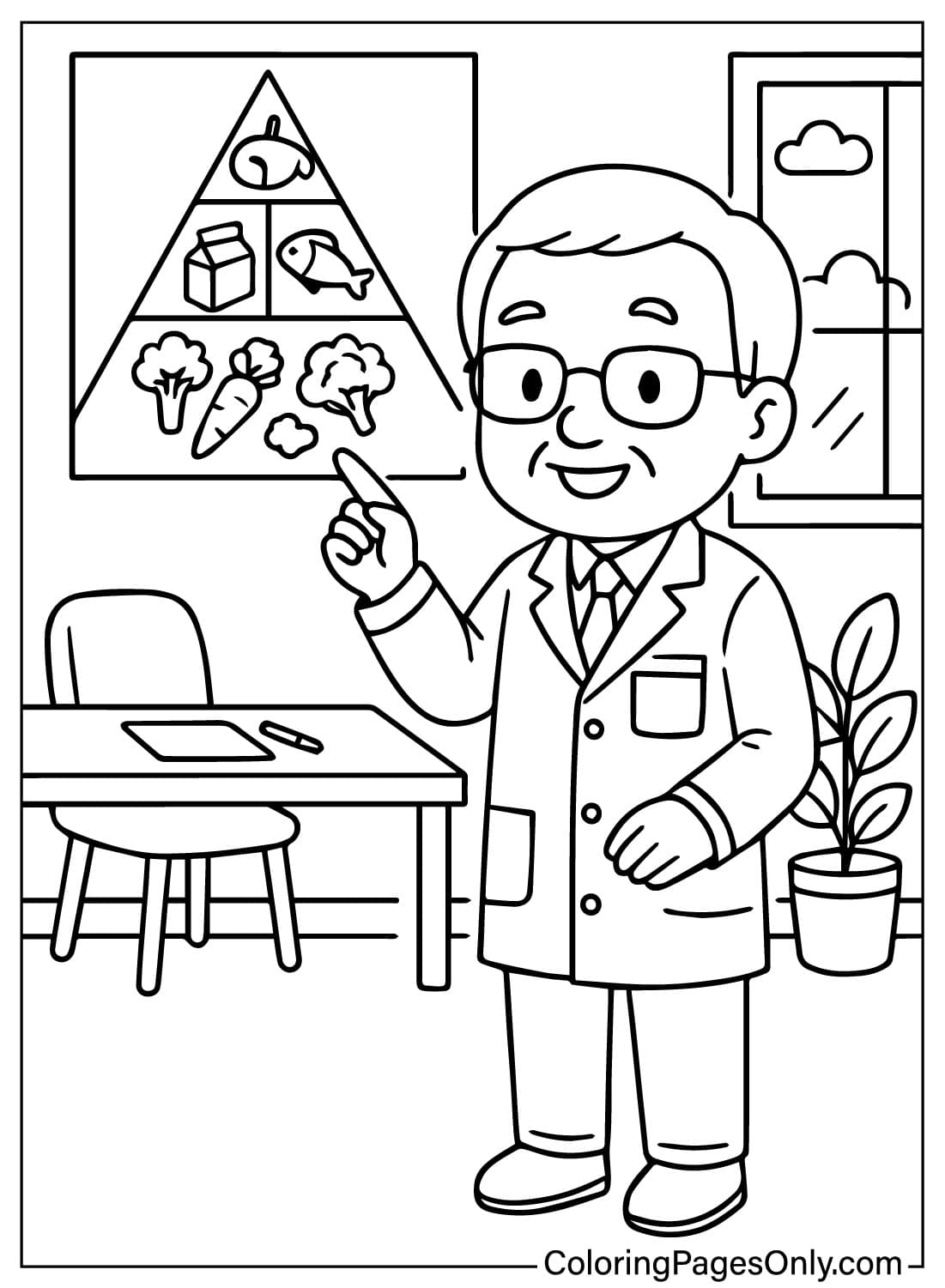
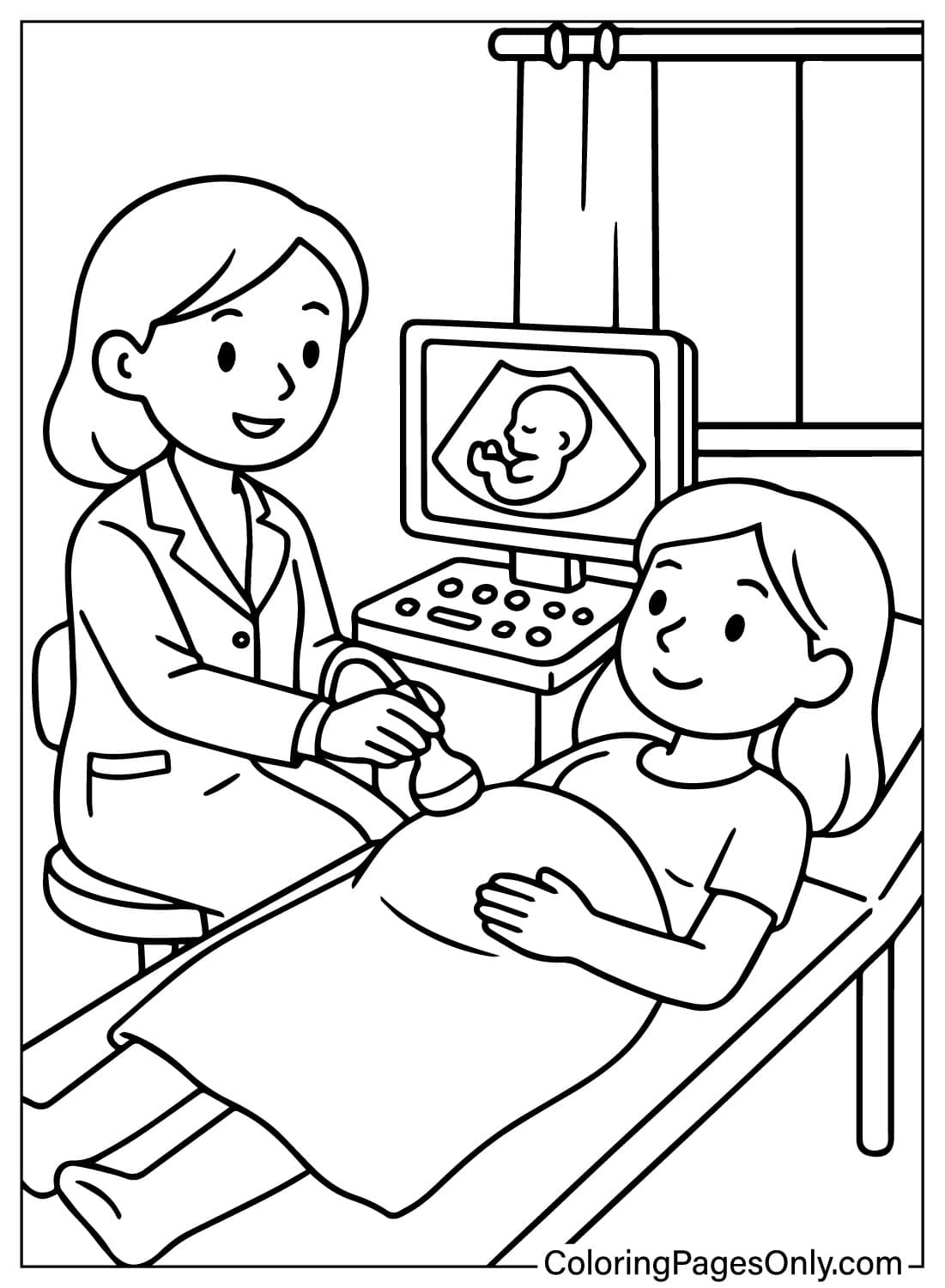
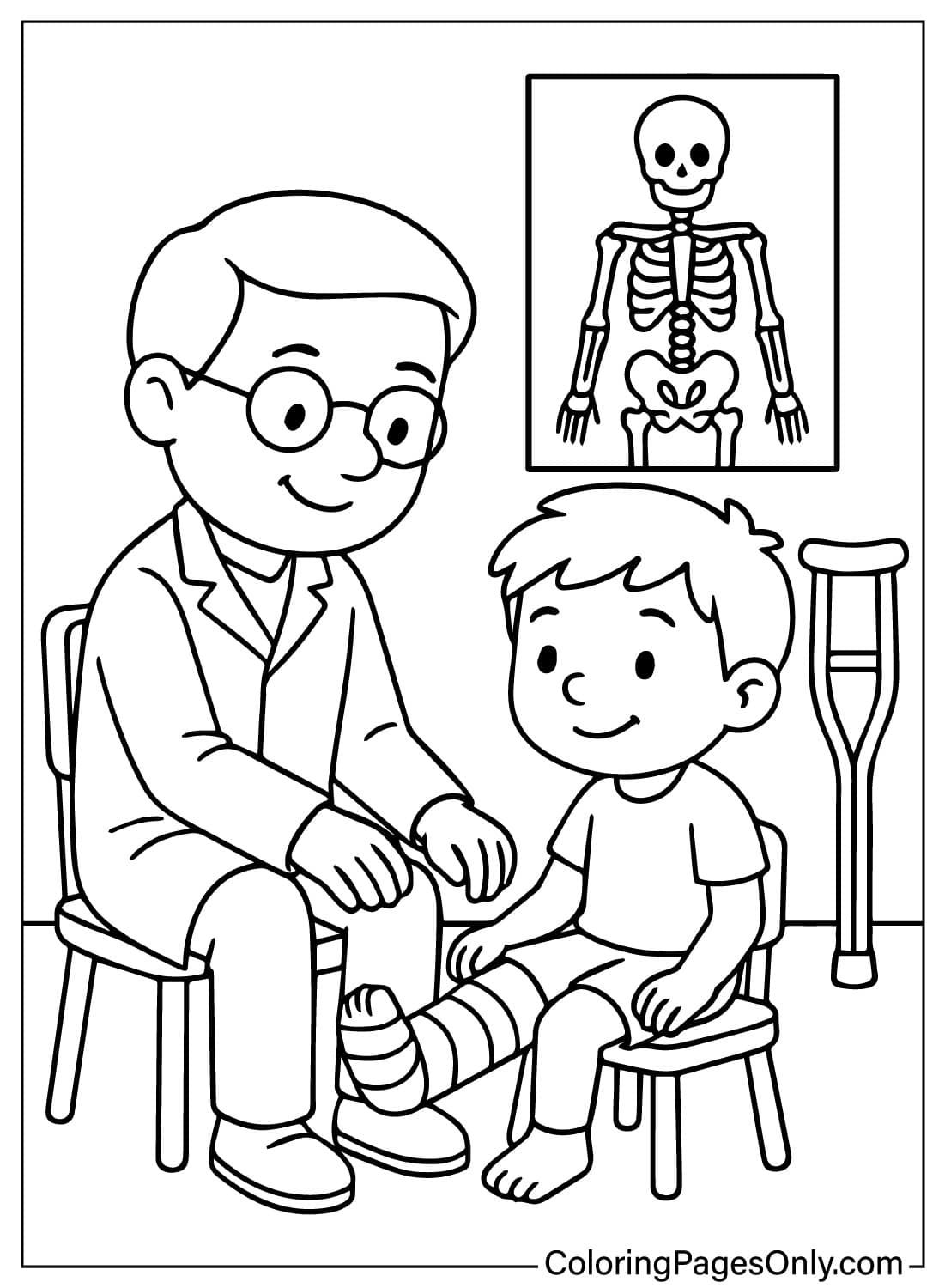
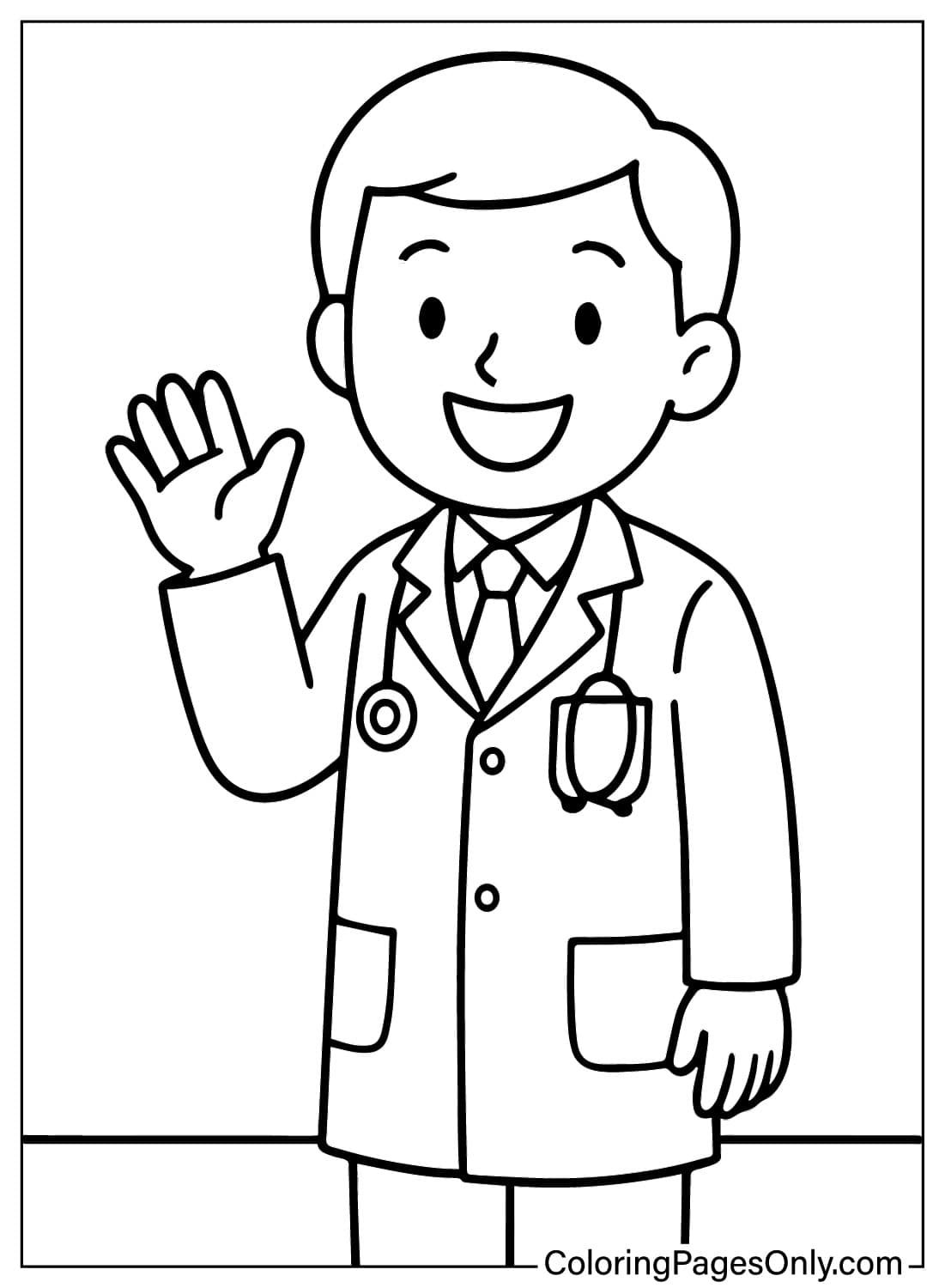
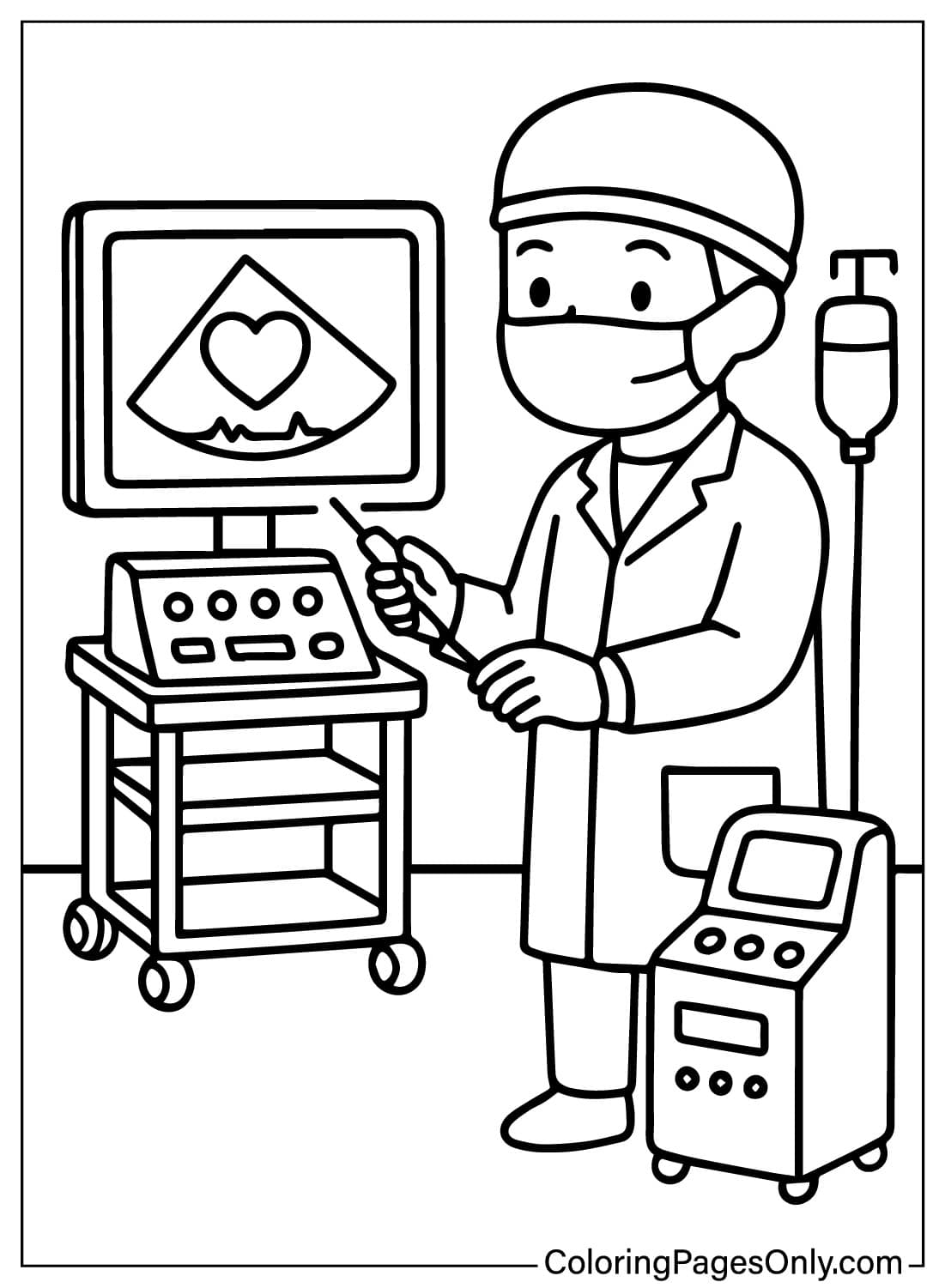
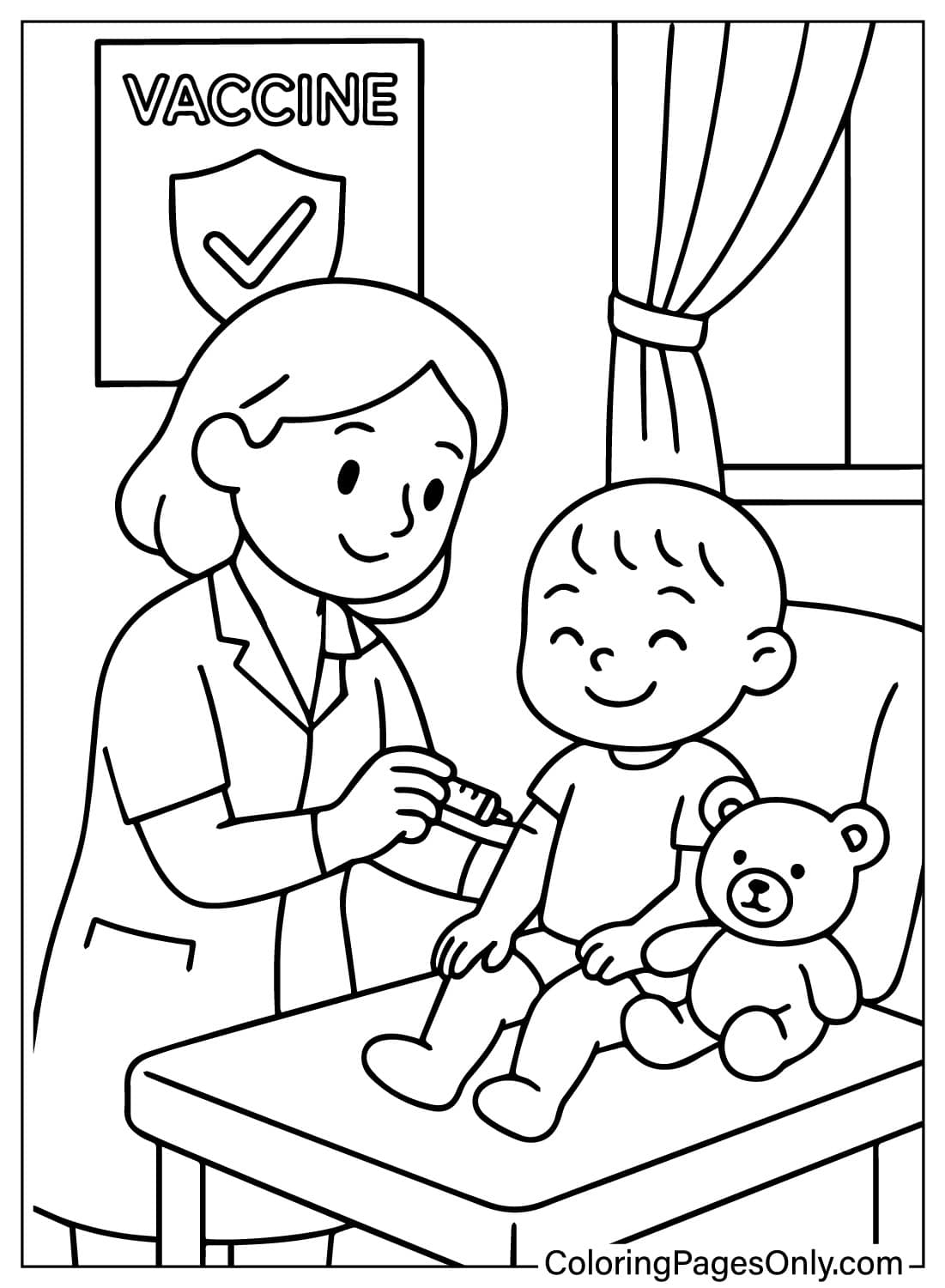

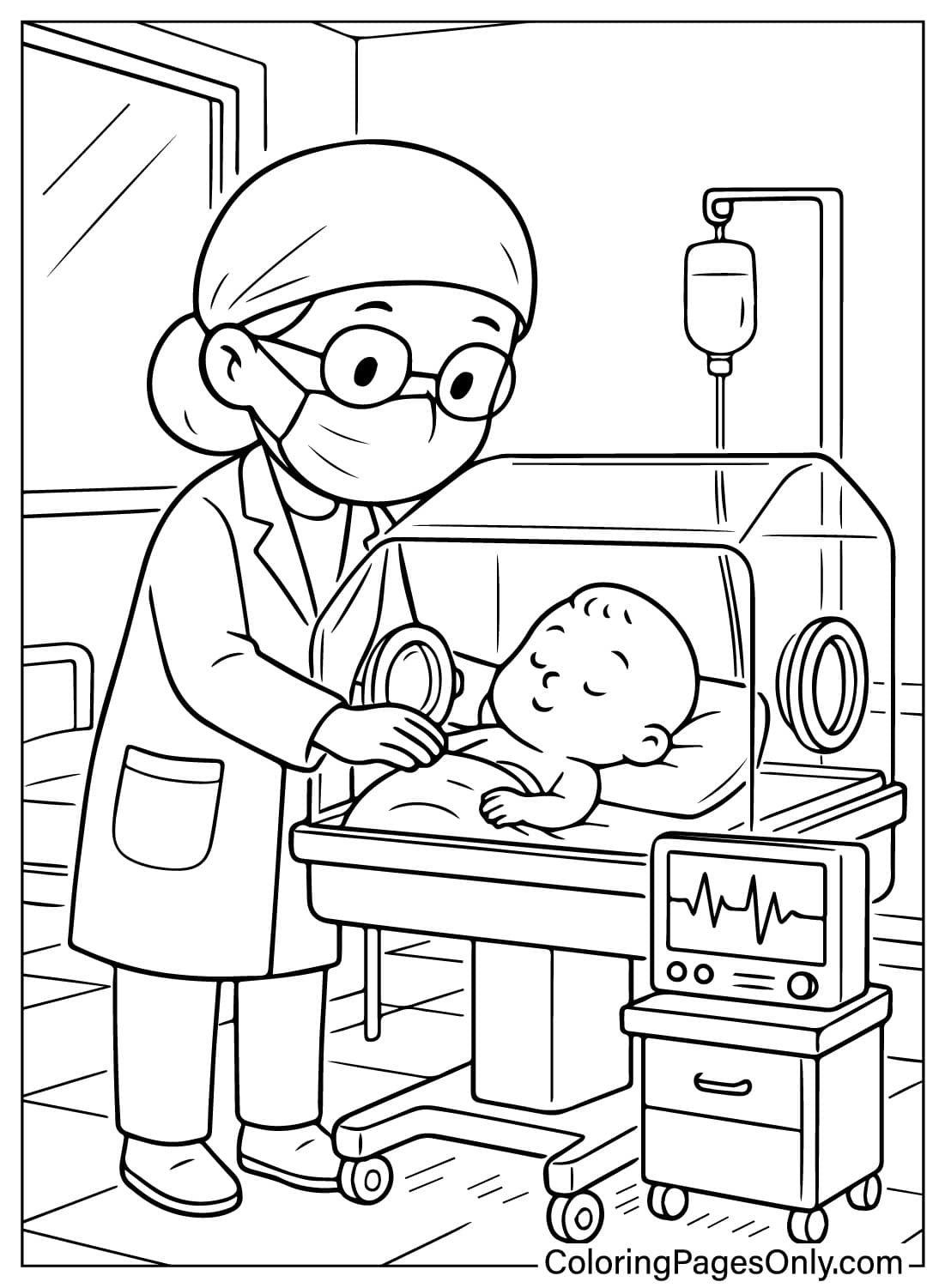
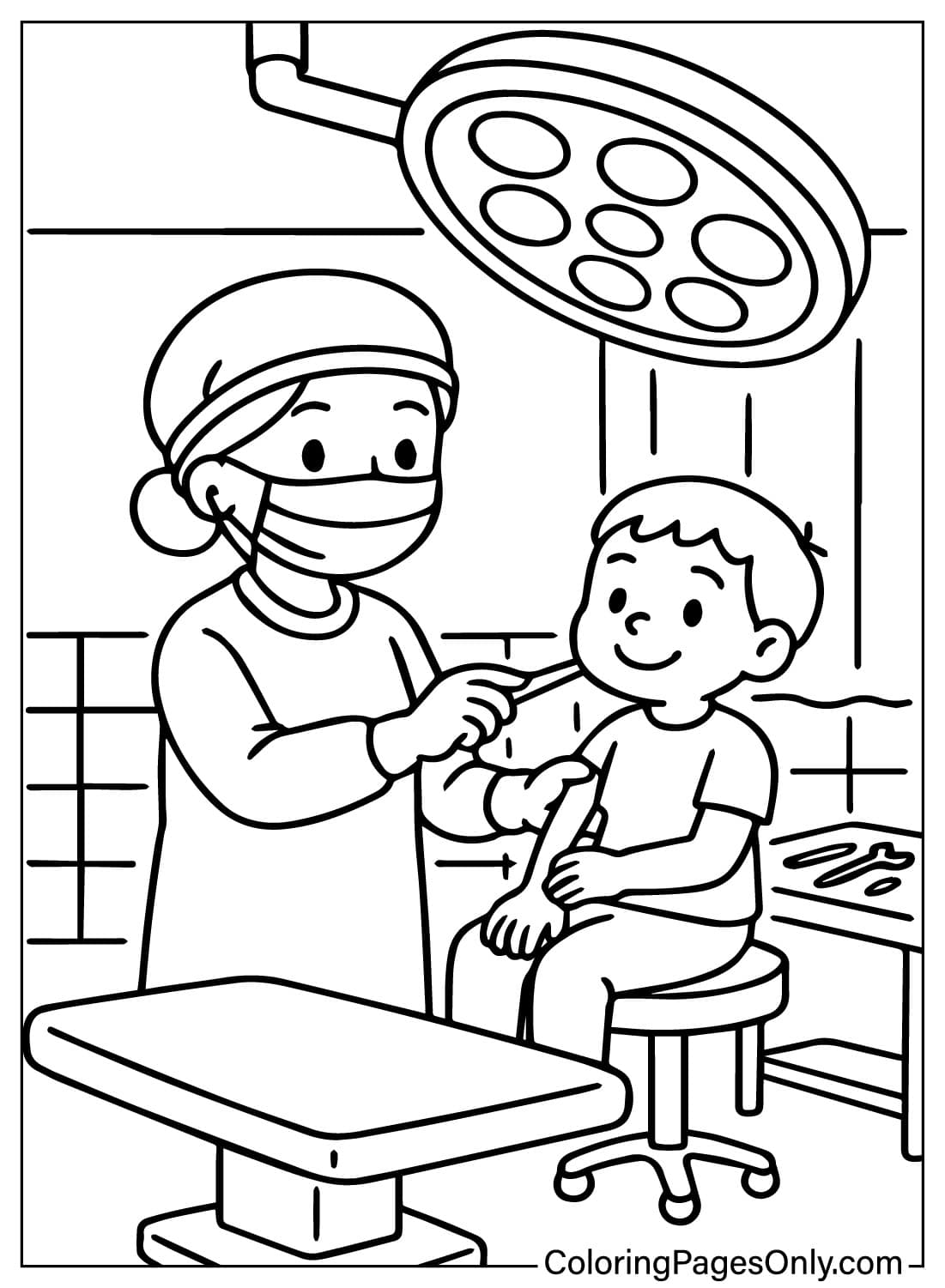
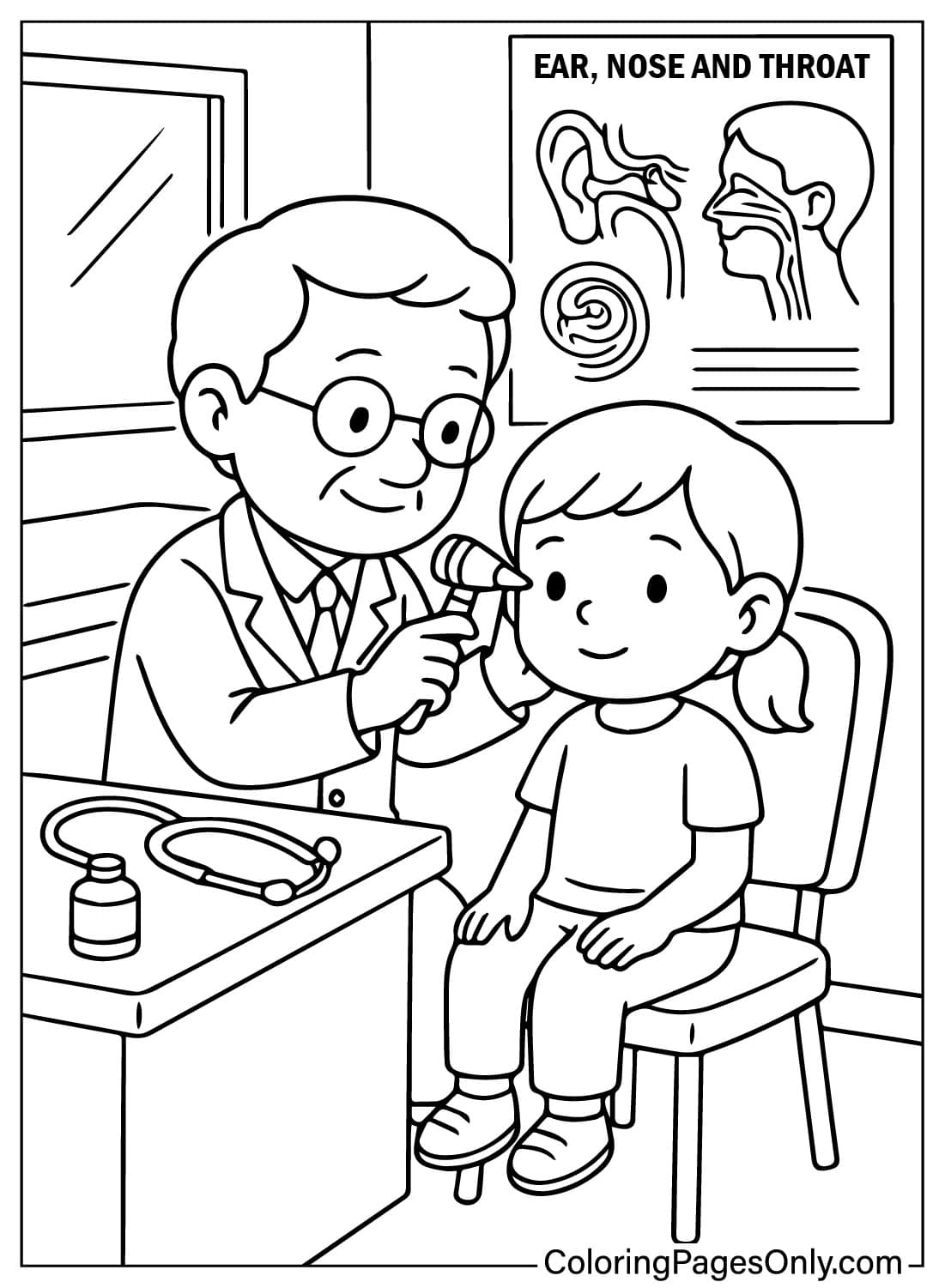
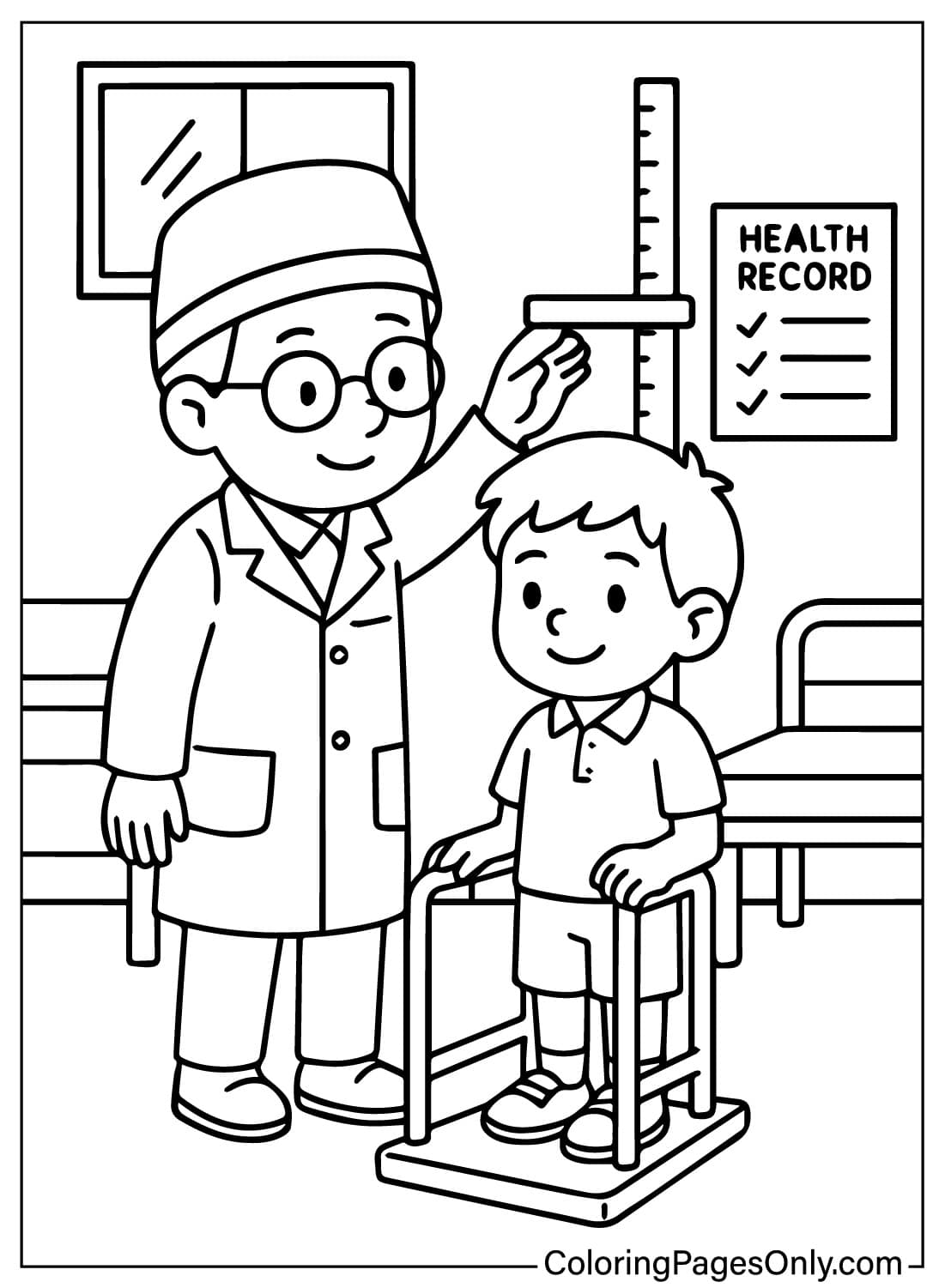
What Is Inside This Collection
Doctors and Physicians at Work
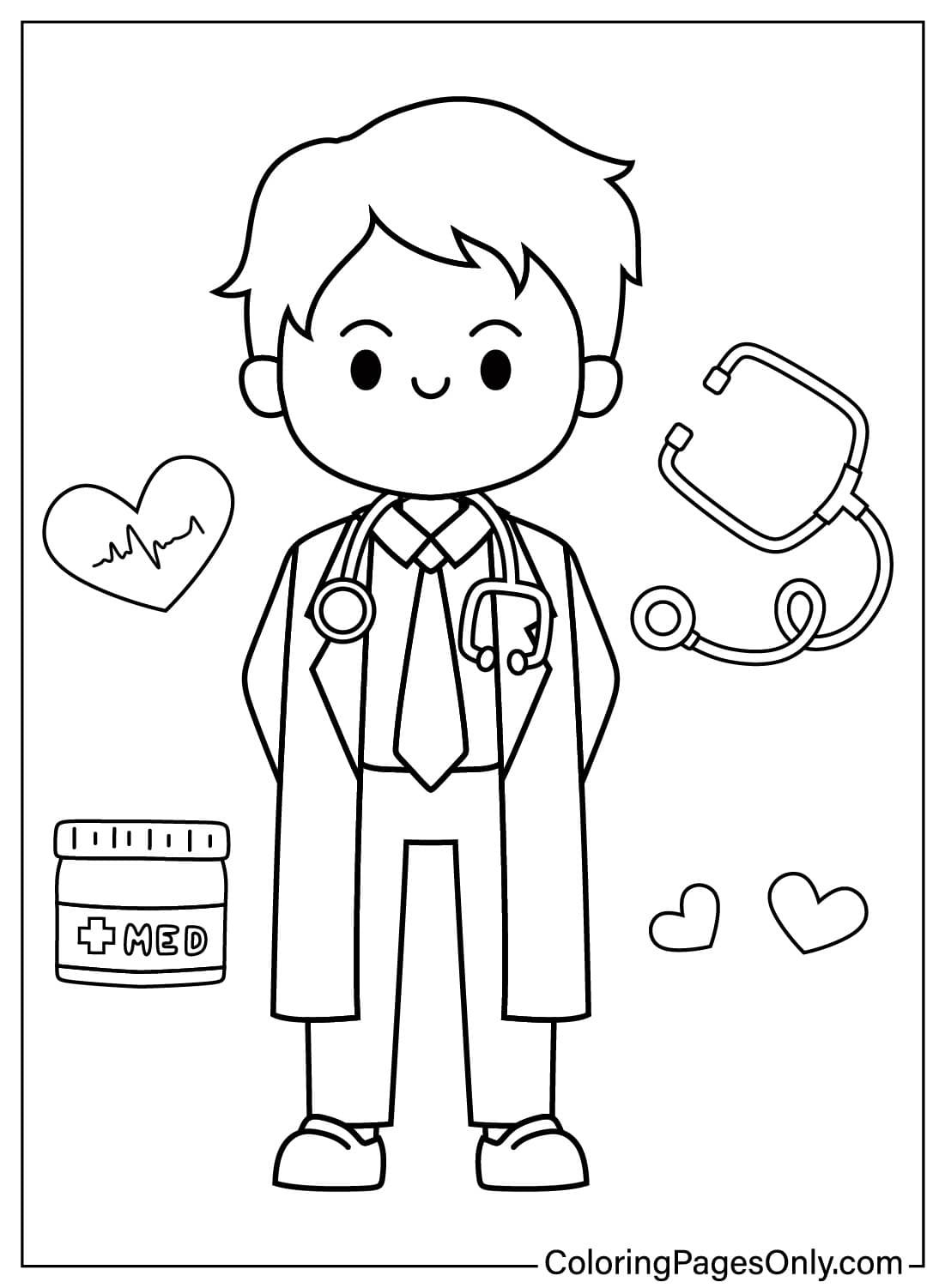
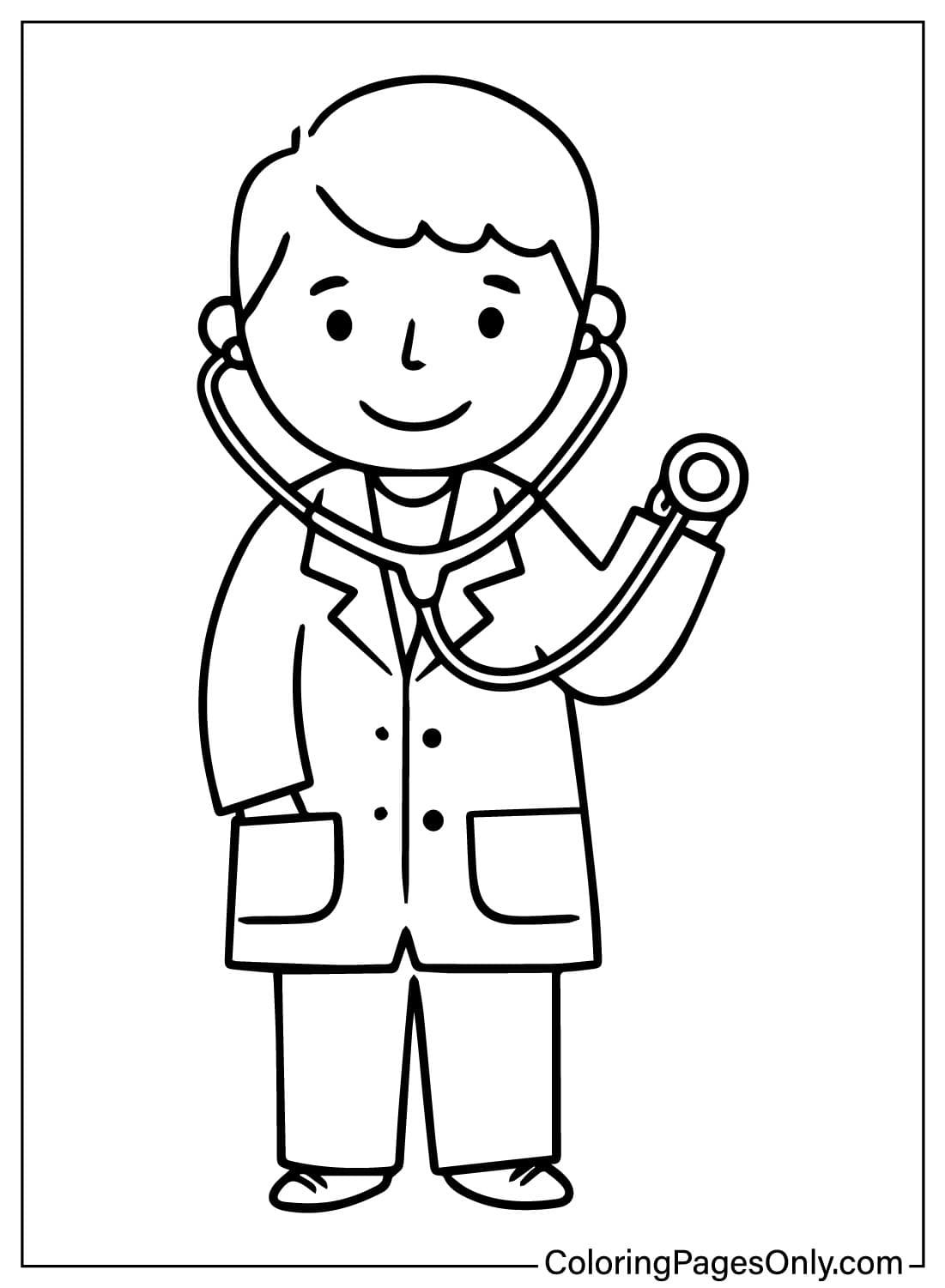
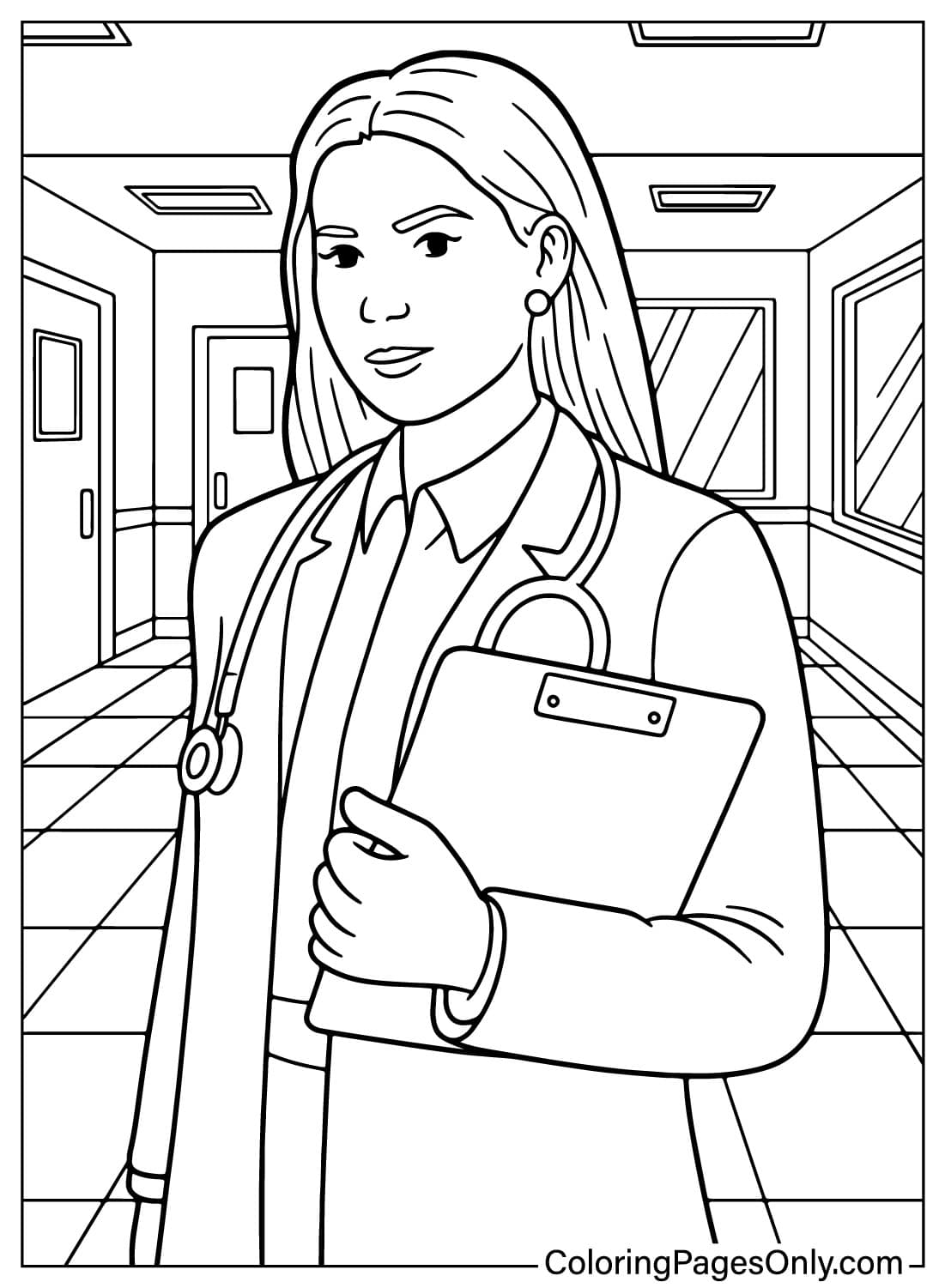
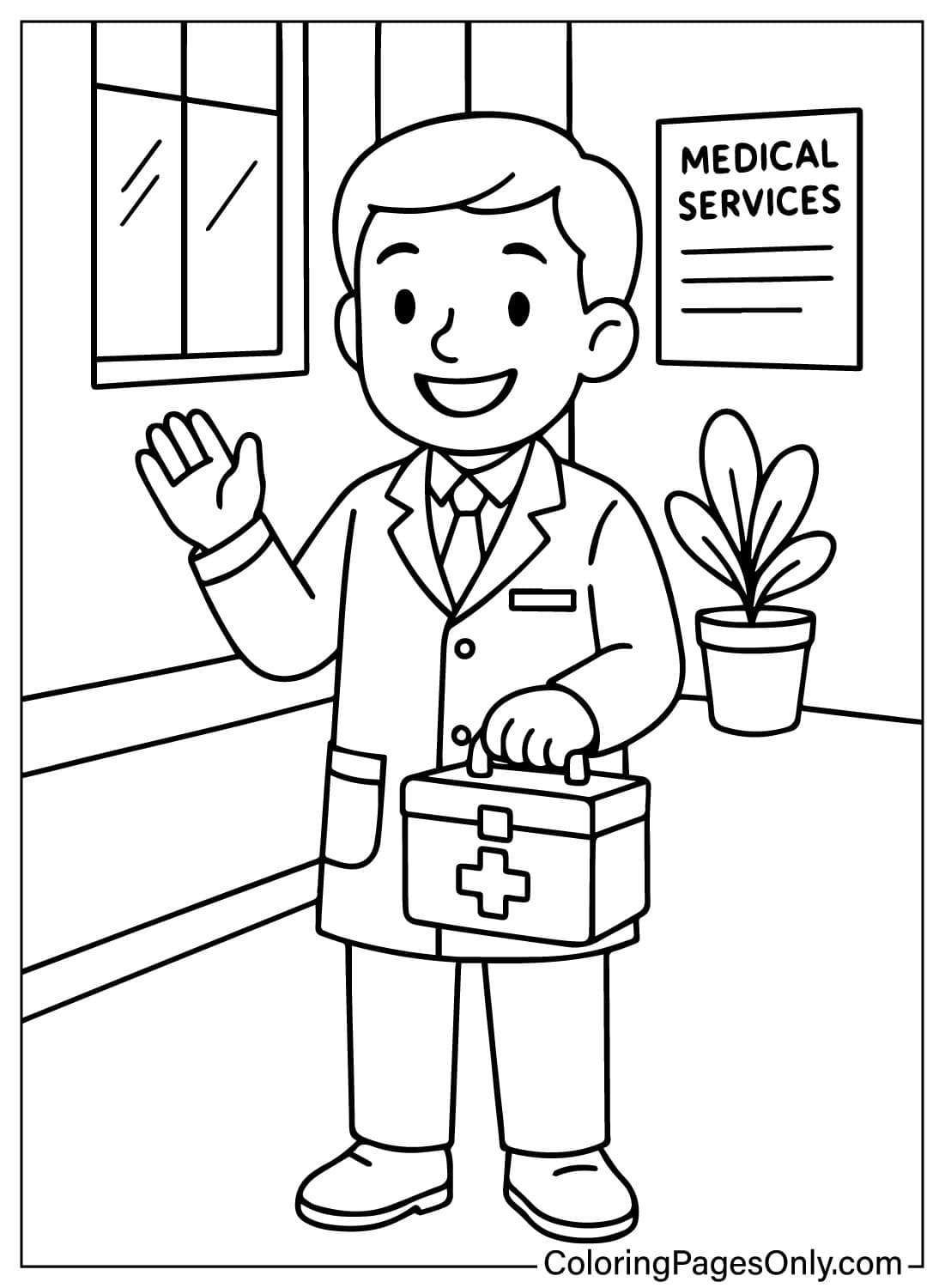
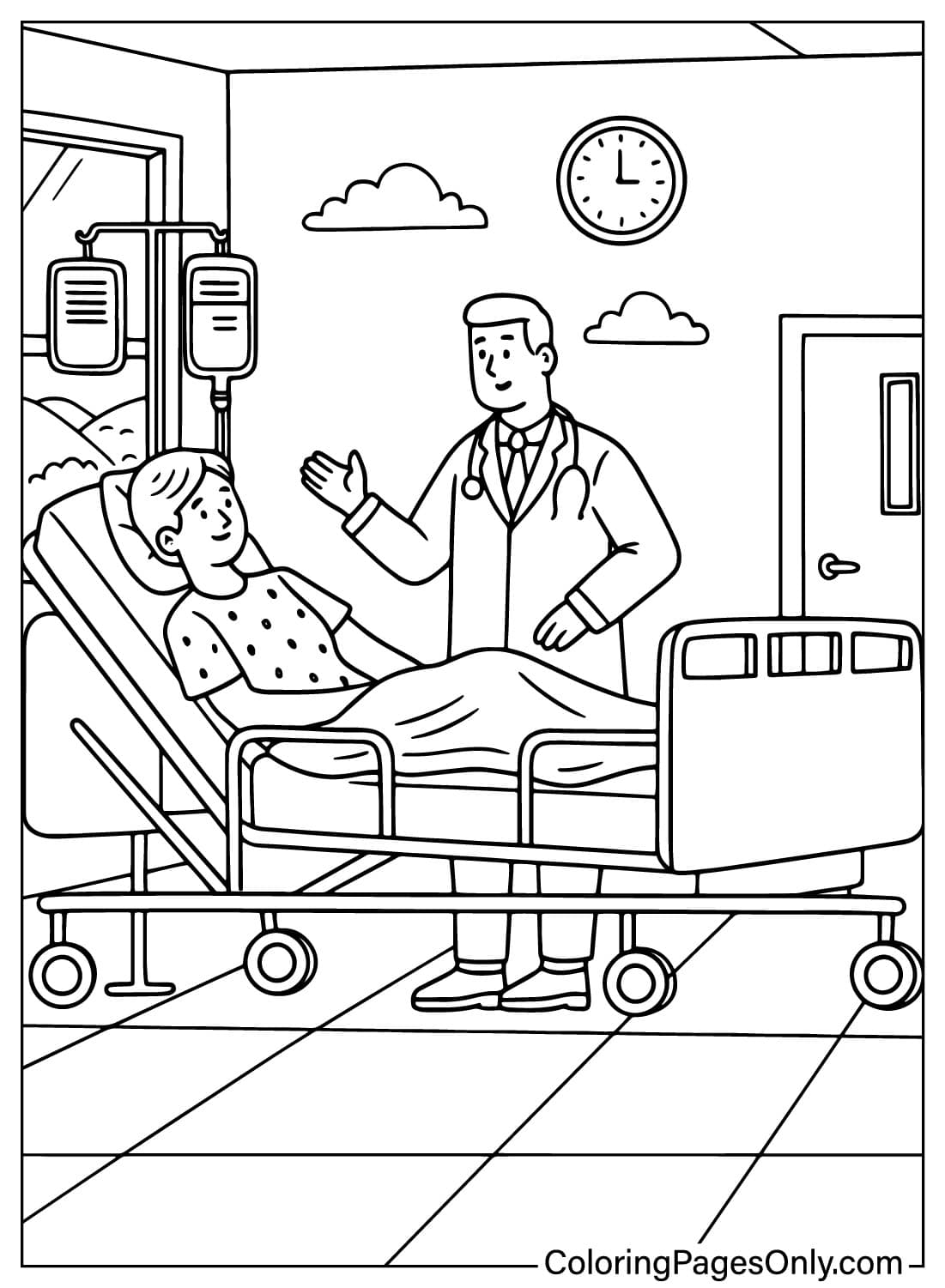
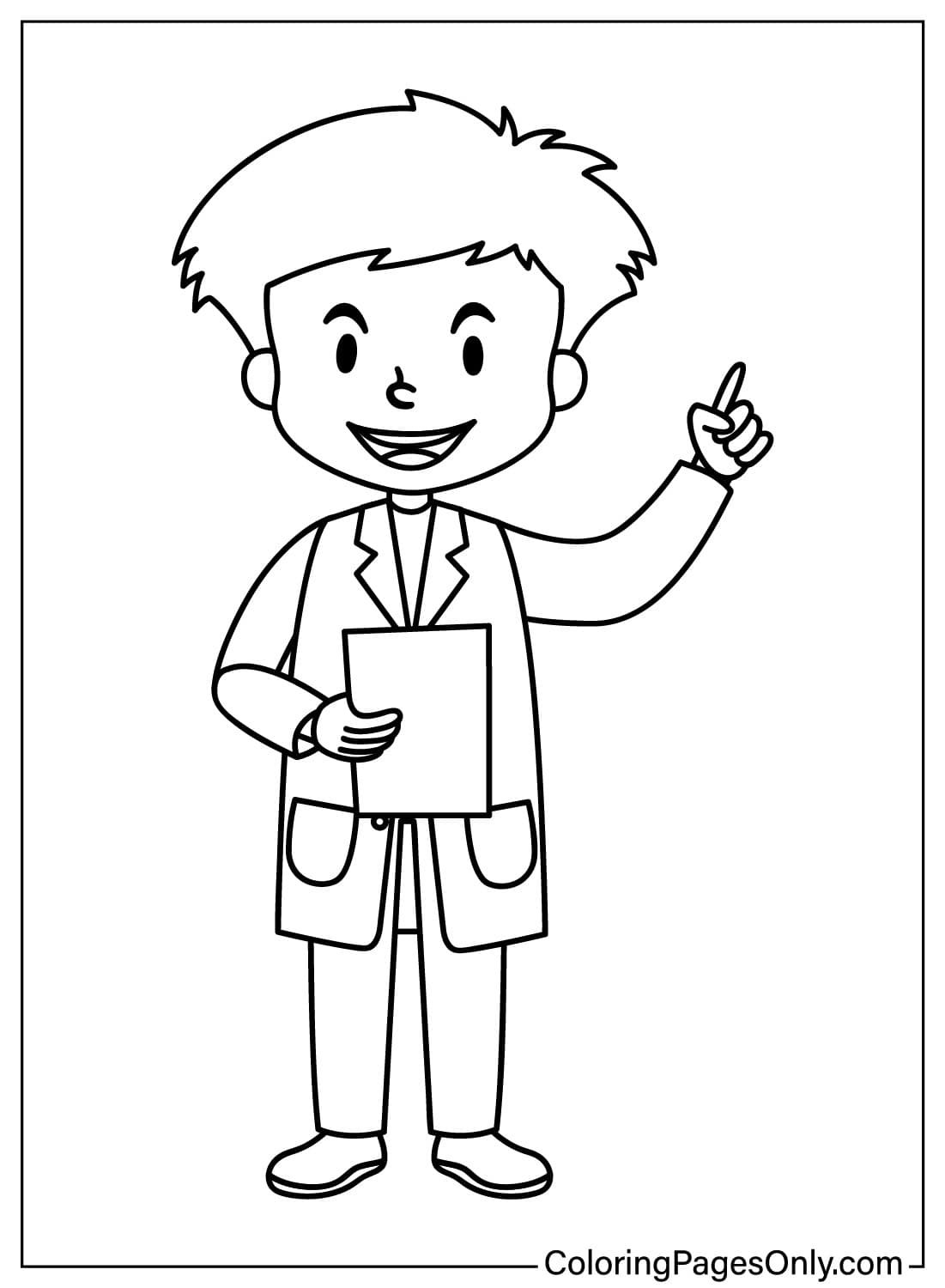
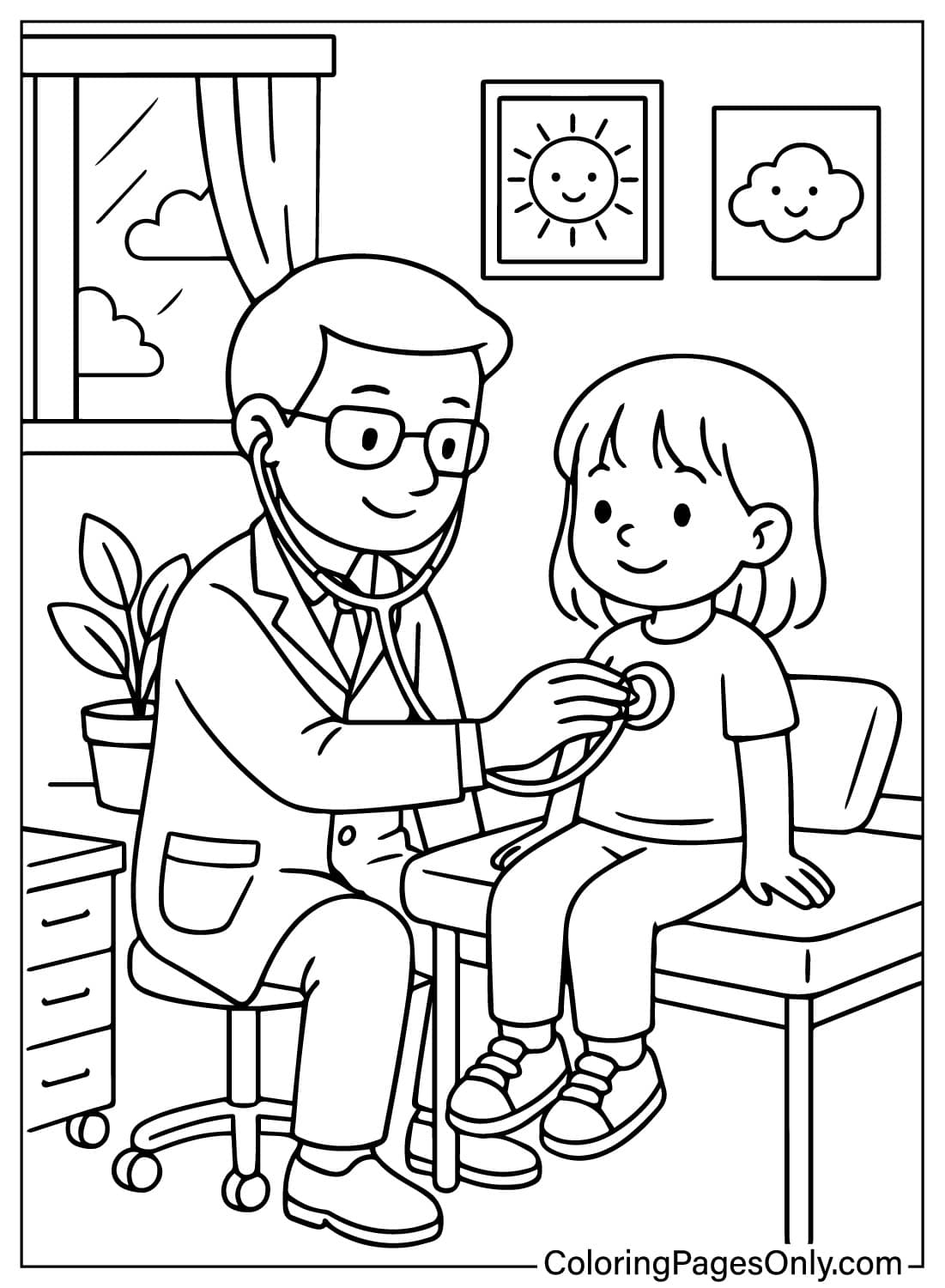
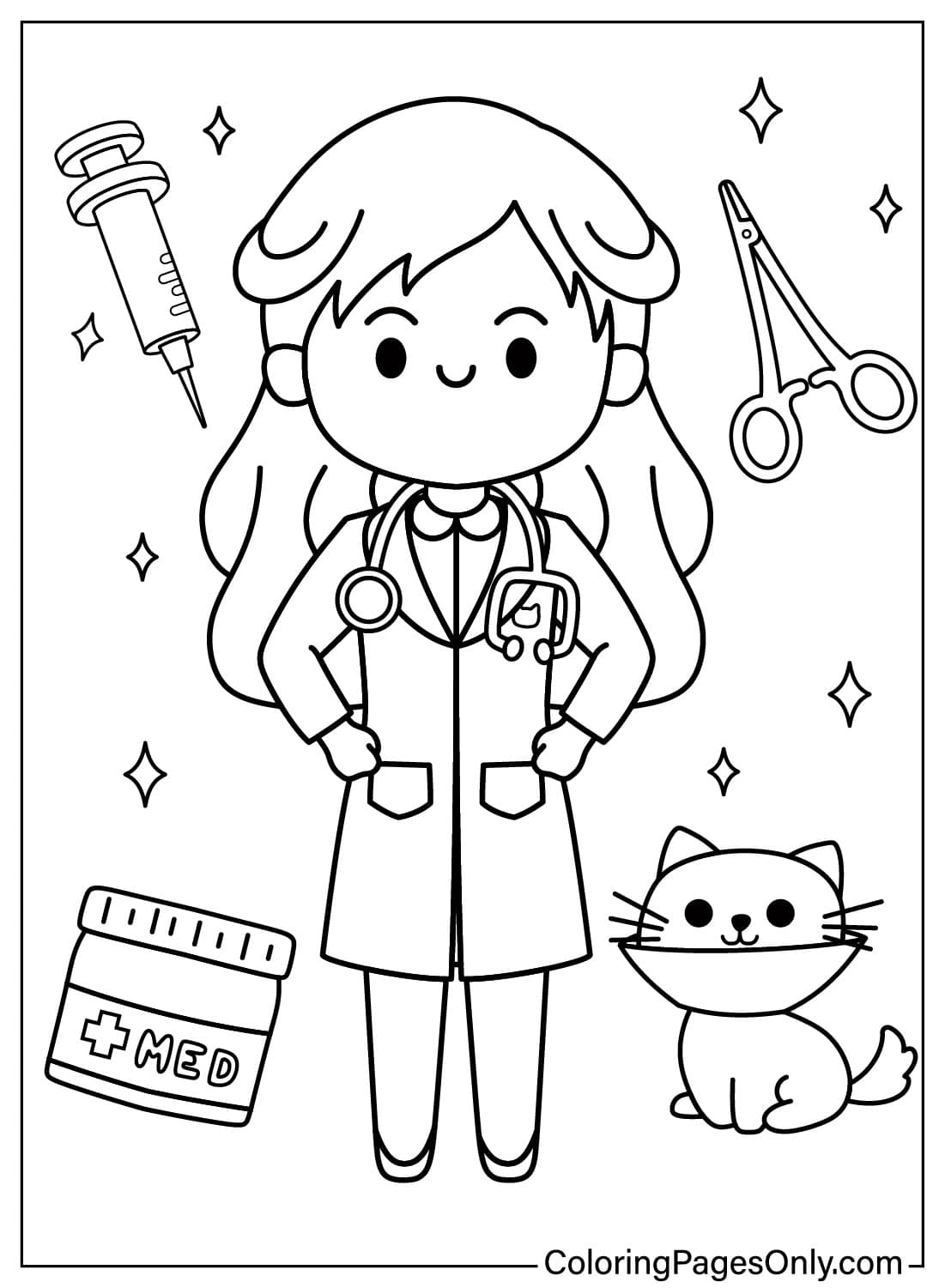
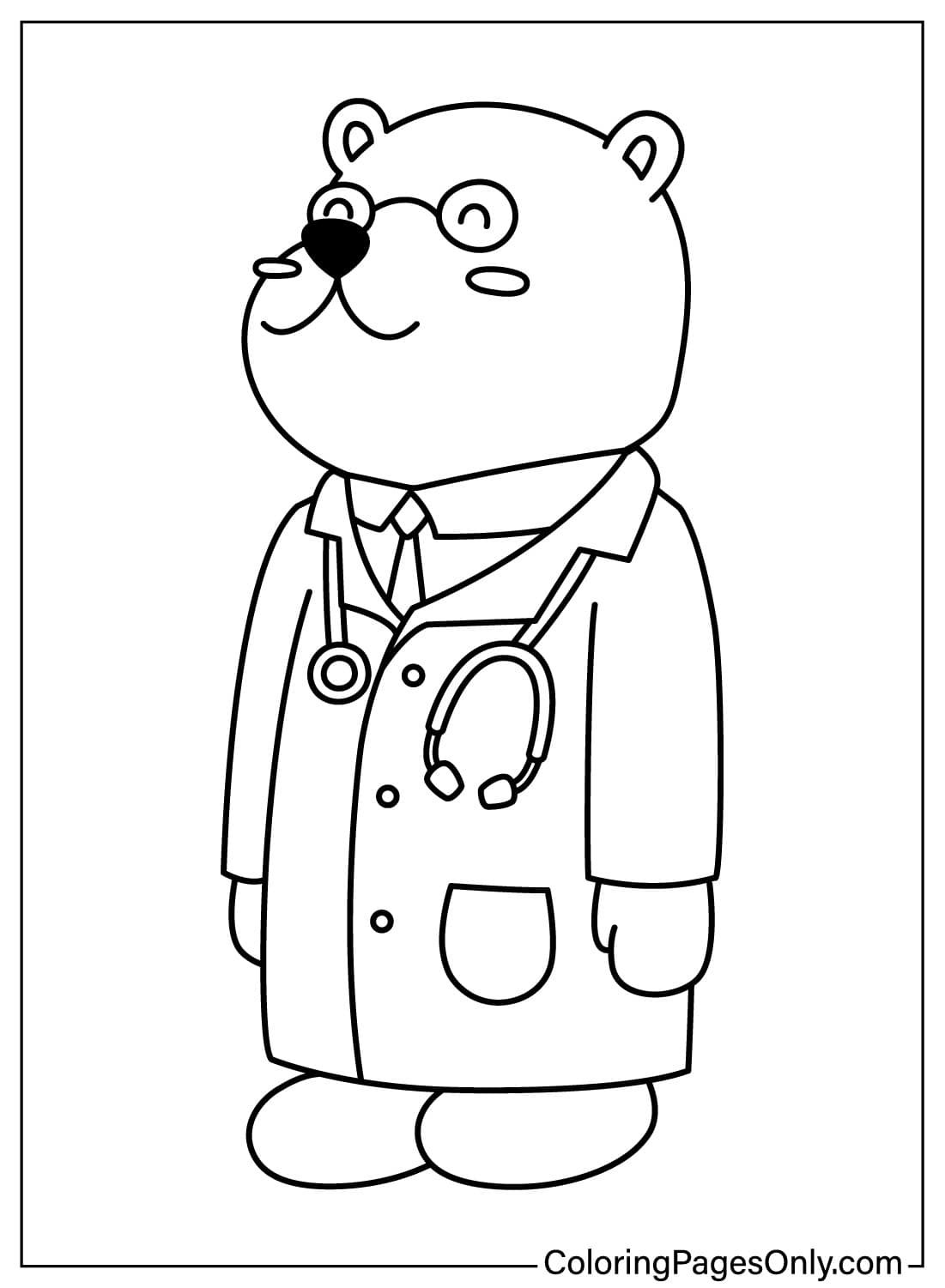
The largest group shows a general doctor in an ordinary work moment, in a white coat, holding equipment, or standing in a clinical setting without naming a specific specialty.
Medical Specialists
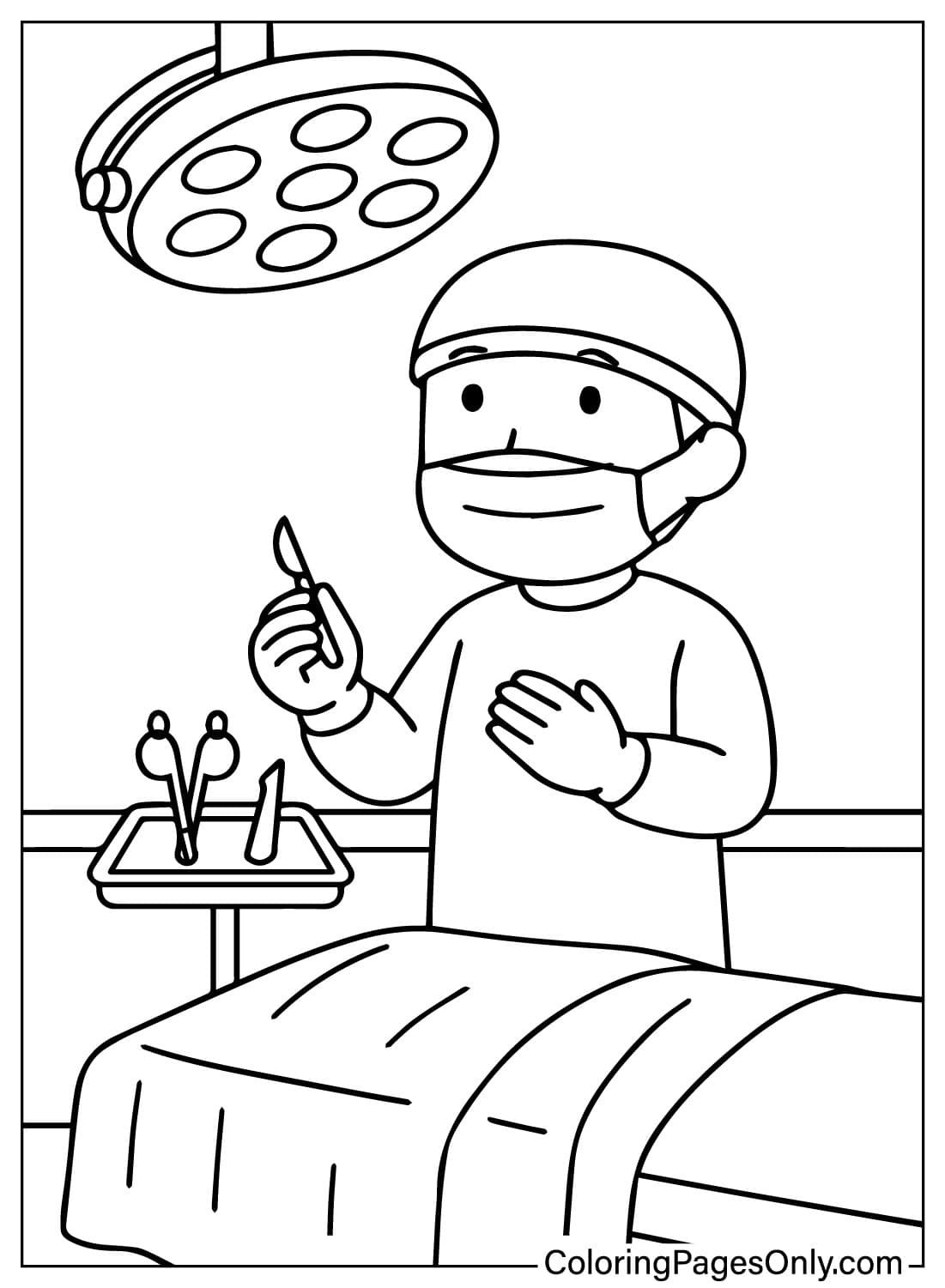
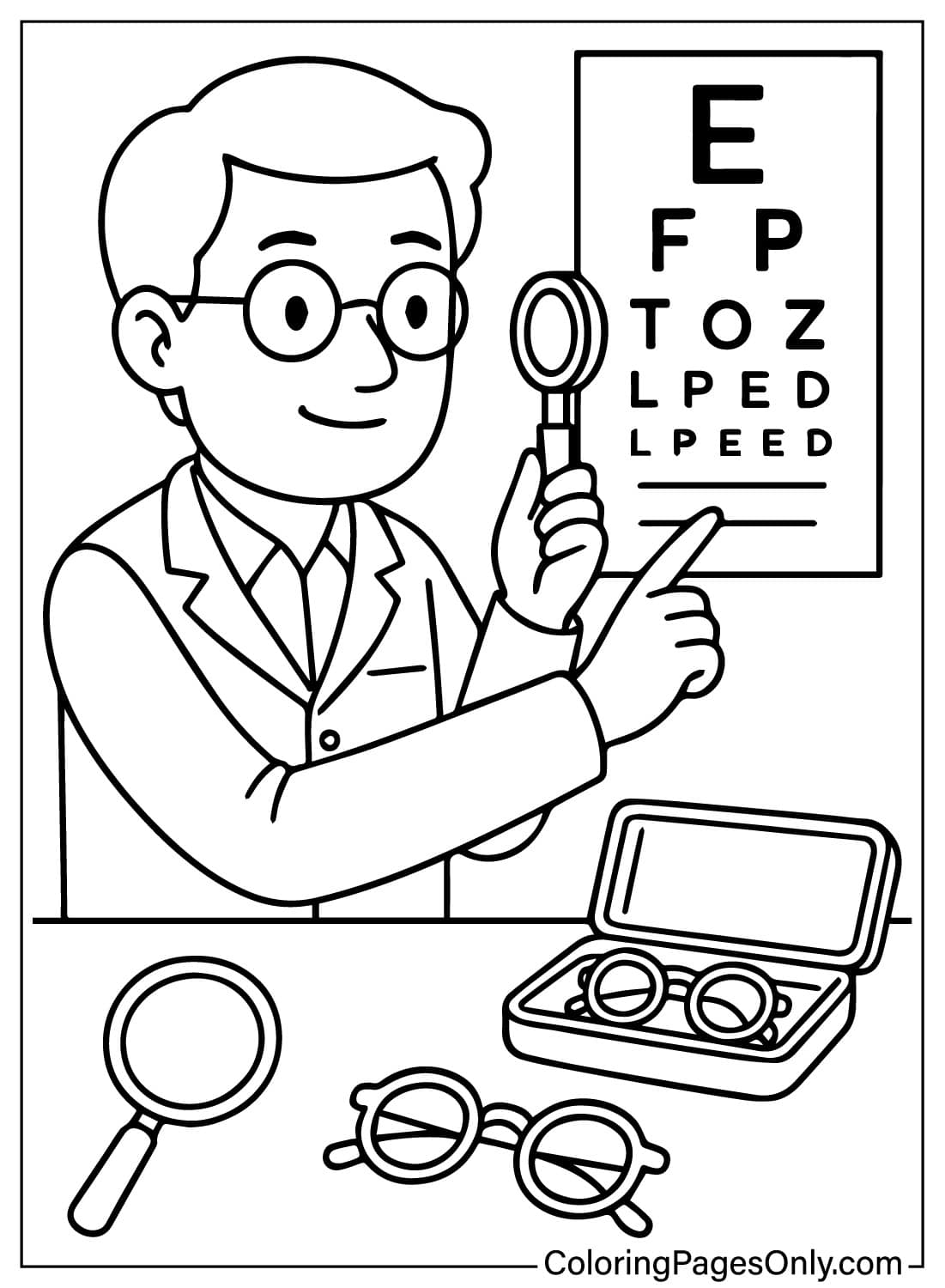
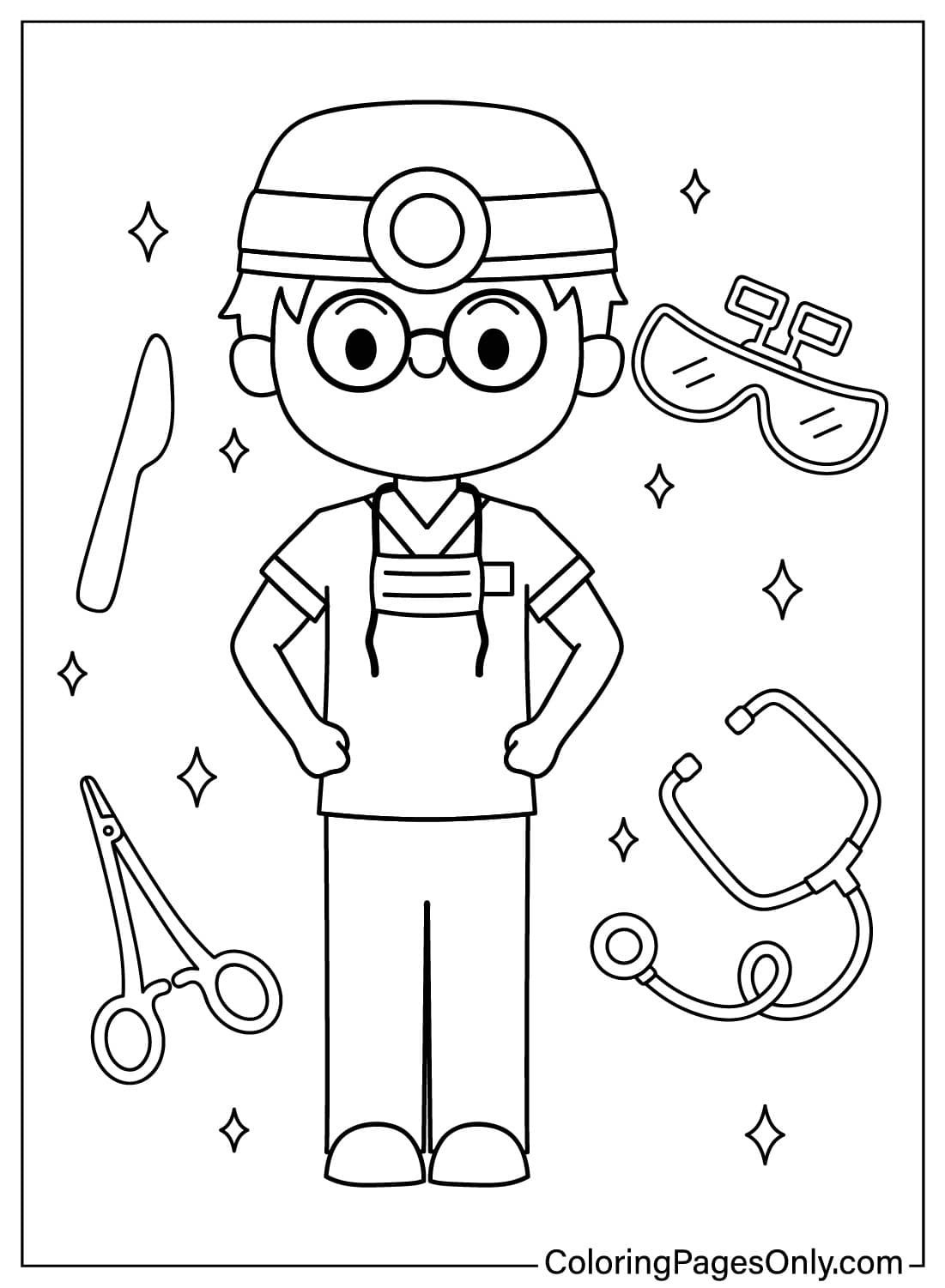
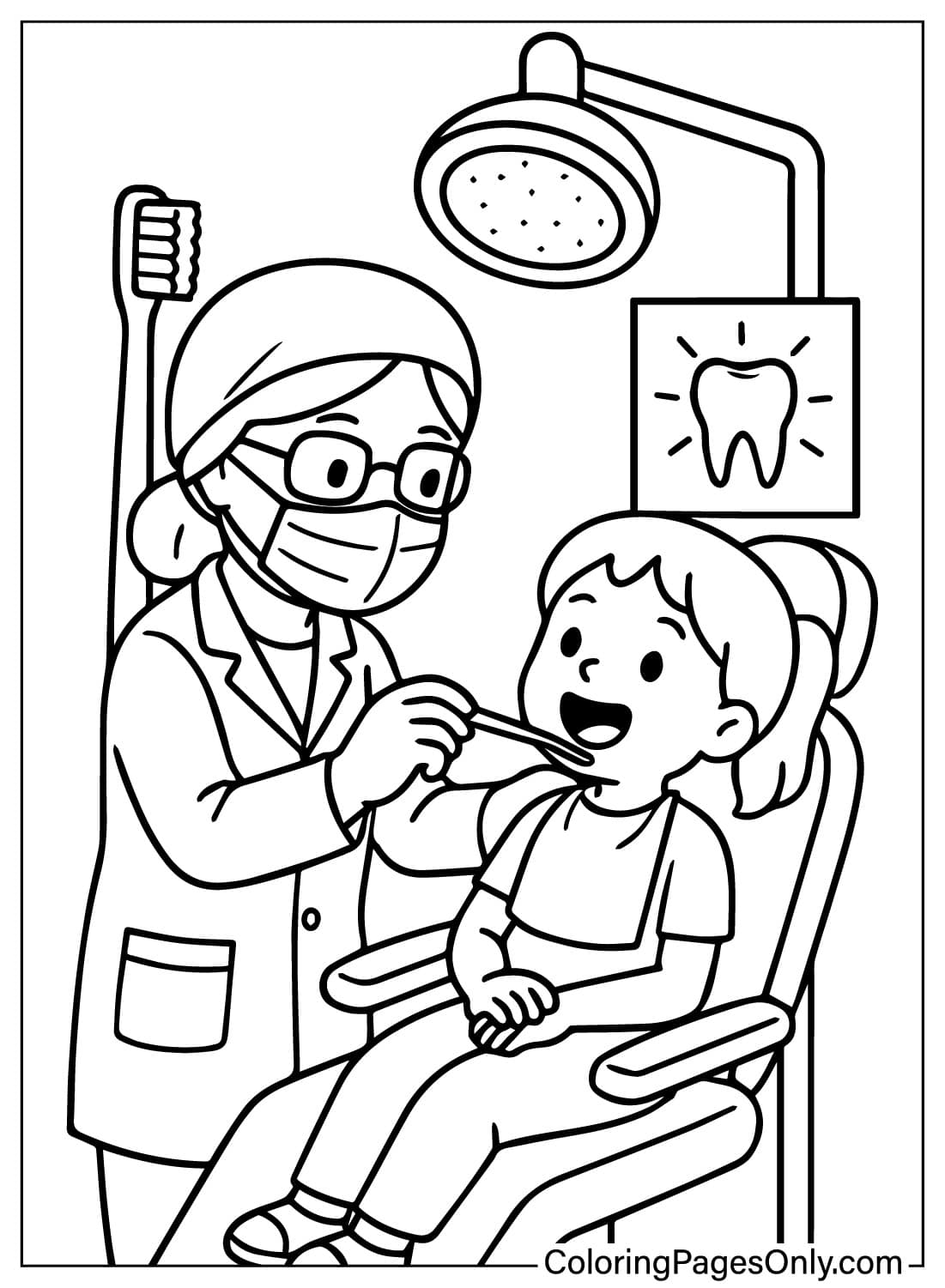
Another group names a specific field within medicine, covering surgery, eye care, ear and throat care, nutrition, heart care, dentistry, and other named specialties on a single page each.
Doctor and Patient Moments
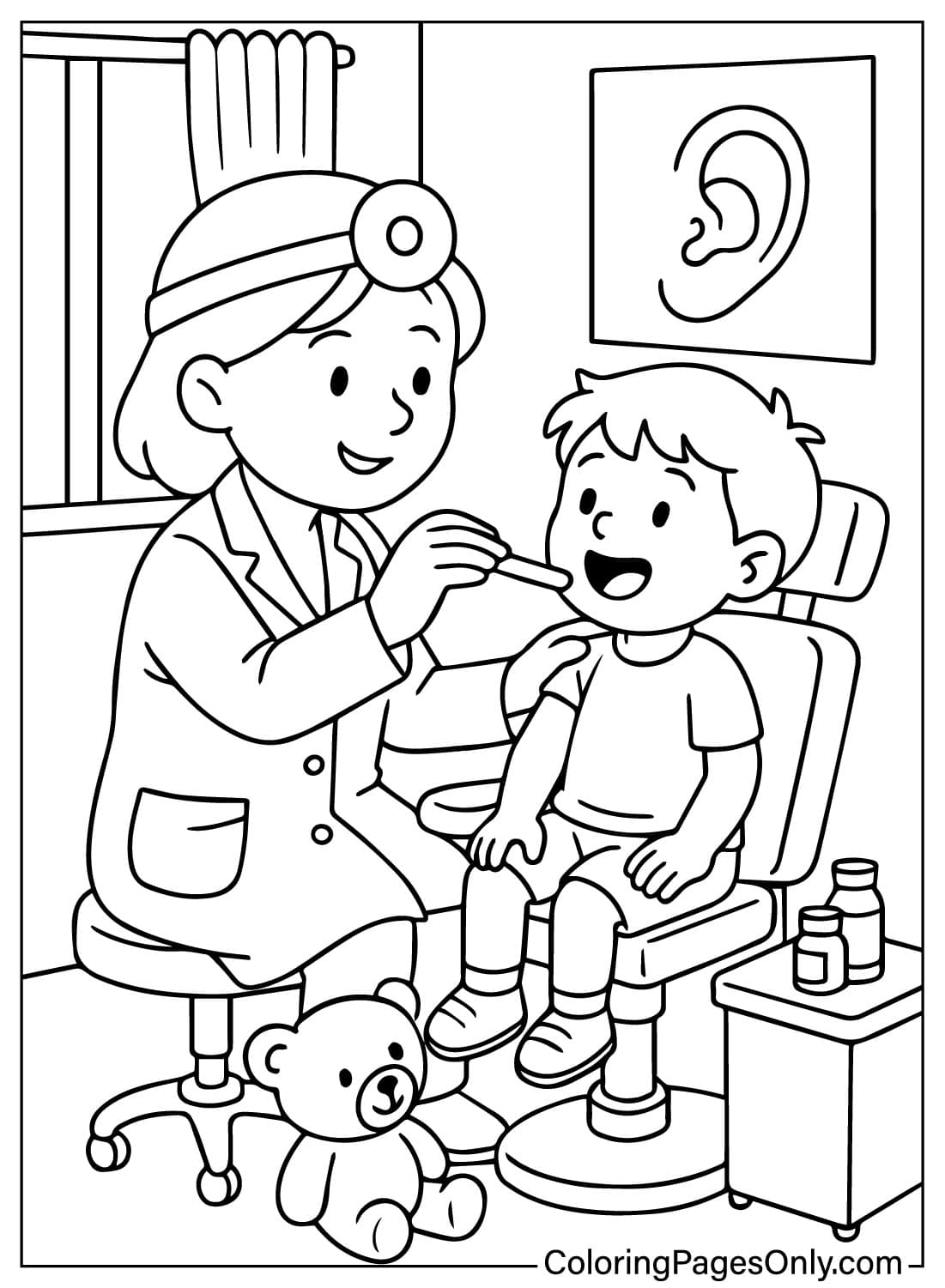
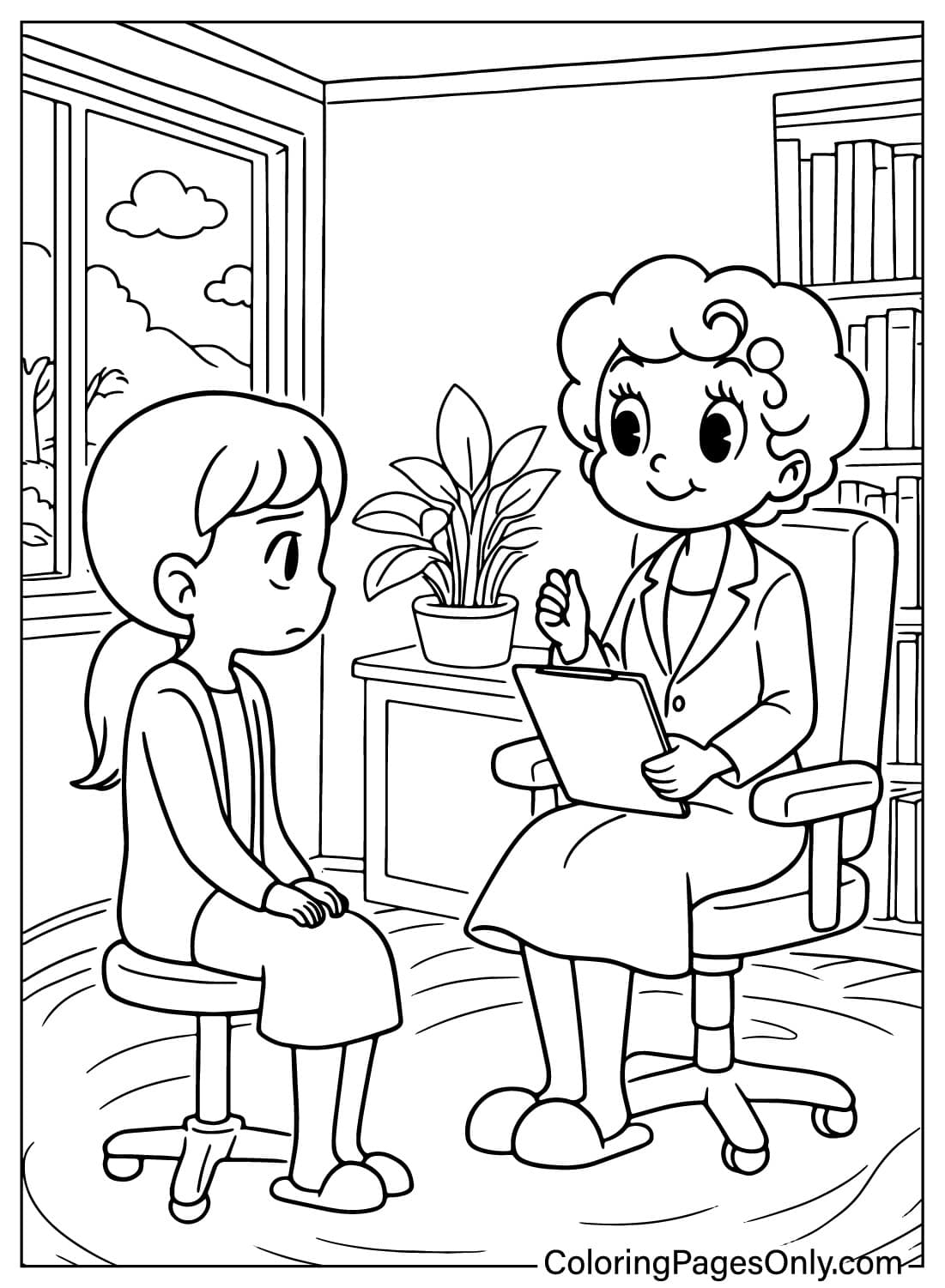
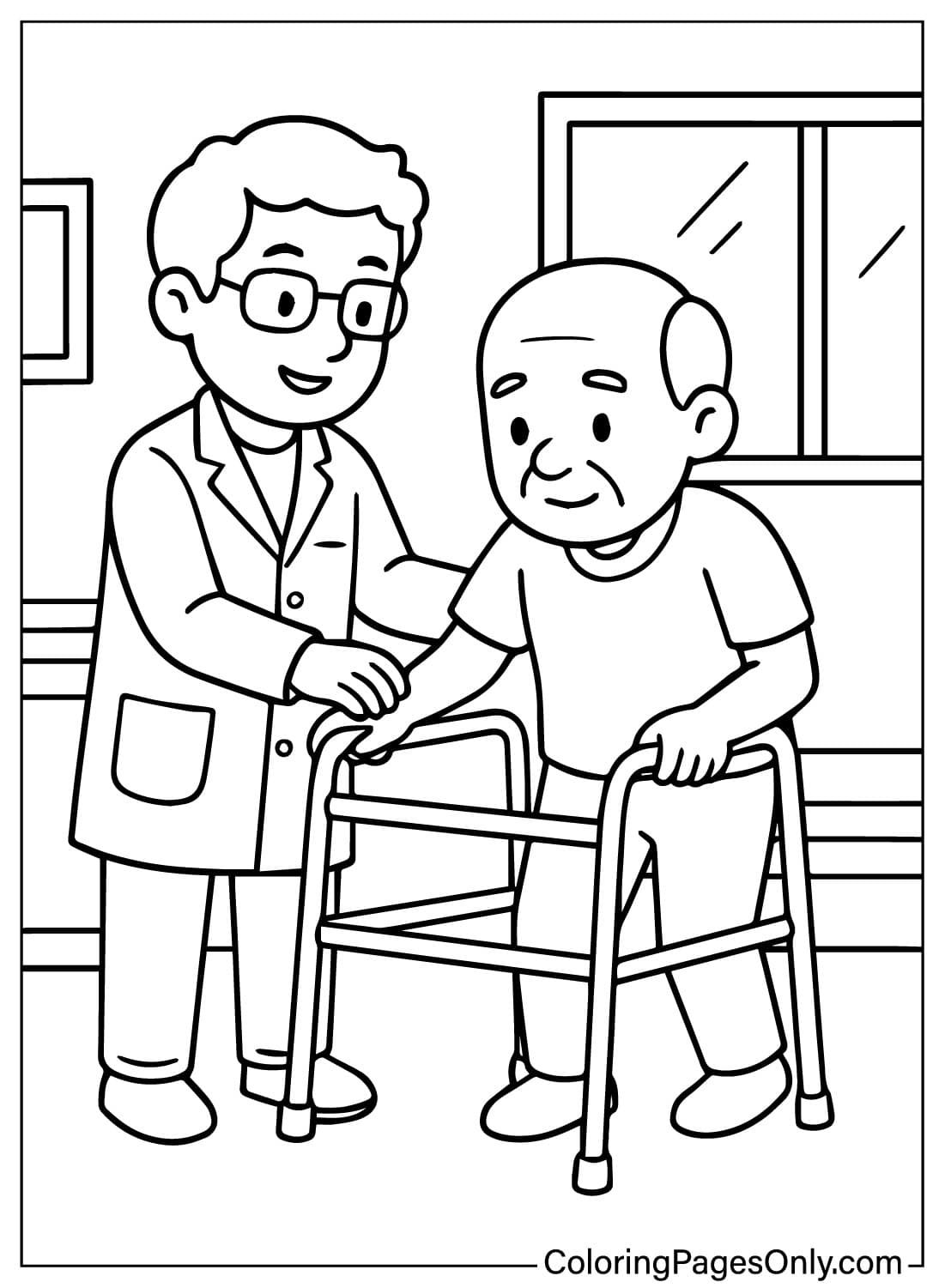
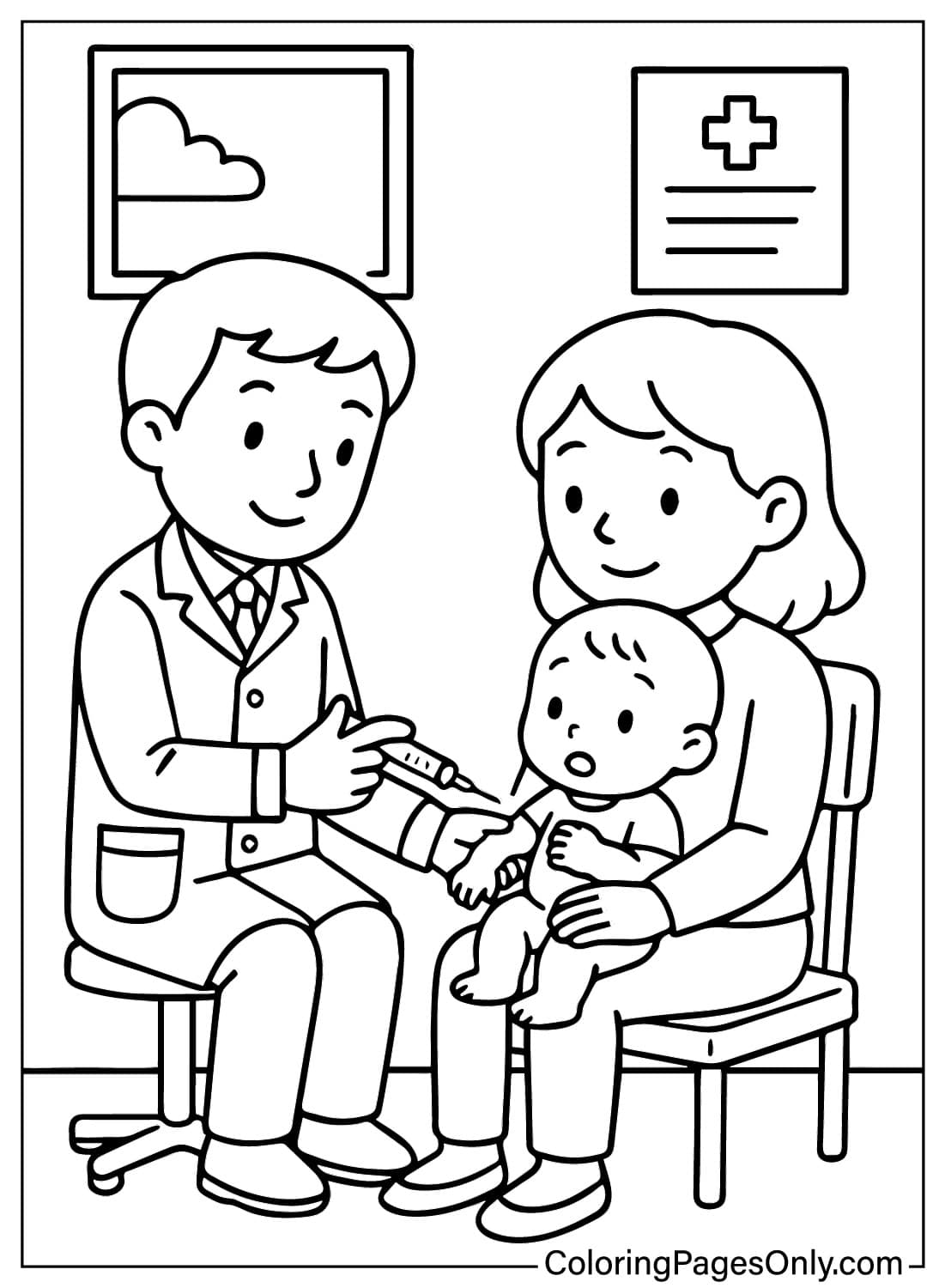
Several pages shift focus to the patient side of a visit, showing a doctor comforting, examining, or checking in on someone, often a child, an older adult, or a baby, during a routine appointment.
Pediatric Checkups and Young Patients
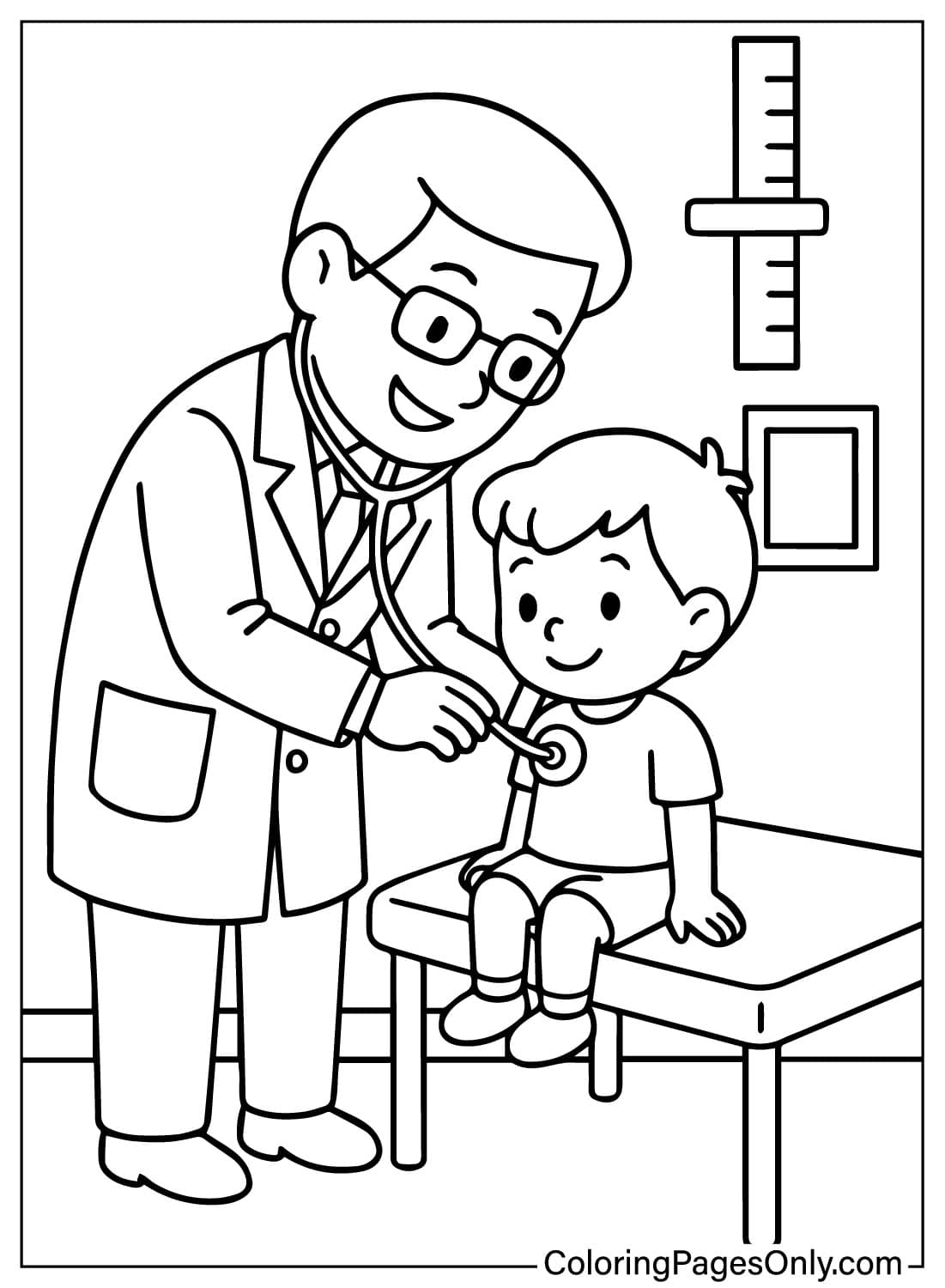
The remaining pages focus specifically on children during a checkup, an eye exam, a height measurement, a dental visit, or a child imagining themselves as a future doctor.
What Doctor Coloring Pages Do
Fine motor development. Fine motor skill practice for children ages 2 through 7 is a benefit the American Academy of Pediatrics associates directly with structured coloring, and the small medical tools scattered across these pages, stethoscopes, thermometers, syringes, give a young hand plenty of fine detail to work through.
Familiarity with medical settings. Coloring a calm, friendly version of a doctor’s visit ahead of time gives a child a low-pressure preview of what an actual checkup might look like, which can make the real appointment feel less unfamiliar.
Anxiety reduction through focus. The measurable anxiety reduction a 2005 Art Therapy Journal study linked to structured coloring sessions carries particular weight here, since a coloring page can double as a gentle first exposure to medical settings for a child who feels nervous about a real checkup.
Early exposure to a caring profession. Naming specialties like cardiologist or obstetrician alongside general doctor pages gives a child an early sense that medicine covers many different jobs, not just one general role.
How to Color Doctor Pages Well
- White coats: Keep the coat in plain Crayola White with light Crayola Gray shading in the folds, since a coat that is too heavily shaded starts to look gray overall instead of white.
- Scrubs and specialist uniforms: Color scrubs in Crayola Sky Blue, Sea Green, or Periwinkle, depending on the specialty shown, keeping the tone soft rather than bright so it reads as clinical rather than costume-like.
- Stethoscopes and metal tools: Use Crayola Silver or Gray with a small streak of Crayola White left unshaded to suggest the shine of metal or plastic tubing.
- Skin tones: Vary skin tone naturally across the doctor and patient in each scene using Crayola’s range of skin-tone crayons, since the collection includes doctors and patients of different backgrounds throughout.
- Medical charts and equipment: Color clipboards and charts in Crayola Tan with thin gray lines for text, and keep larger equipment like scales or exam tables in neutral White or Gray so they don’t compete with the people in the scene.
- Clinic and hospital backgrounds: Use soft, muted Crayola Sea Green or Sky Blue for walls, keeping the background calm and uncluttered so the doctor and patient stay the visual focus of the page.
5 Creative Craft Ideas With Doctor Coloring Pages
1. Pretend Doctor Kit Cards
Color a few of the medical tools and equipment pages and cut around each item. Use the cutouts as pretend tools during imaginative doctor play. The finished set turns flat pages into props for a game.
2. Thank-You Card for a Real Doctor
Color a doctor page and trim it to fit the front of a folded piece of cardstock. Write a short thank-you note inside for a real doctor, nurse, or dentist the child has visited. The card works well after an actual appointment.
3. Community Helper Poster
Color several of the specialist pages and mount them together on a poster board with a label under each one. The finished poster works as a simple classroom display on different medical jobs.
4. My Checkup Storybook
Color a sequence of checkup-related pages, an eye exam, a height measurement, and a dental visit, and bind them together along one edge. Add a short caption describing what happens at each step. The finished booklet walks through a routine visit in order.
5. Doctor Badge
Color one of the doctor pages and cut it down into a small badge or ID card shape. Attach a safety pin or loop of tape to the back so it can be worn during pretend play. The badge adds a wearable piece to an imaginative doctor game.
Frequently Asked Questions
What are Doctor coloring pages?
A free set of 37 printable designs covering general physicians, named medical specialists, and moments between a doctor and a patient, including several pages focused specifically on children during a checkup.
Are these pages meant to represent a specific medical specialty?
Only some of them. A number of pages show a general doctor without naming a field, while others are labeled with a specific specialty like surgeon, cardiologist, or obstetrician.
What medical specialists appear in the collection?
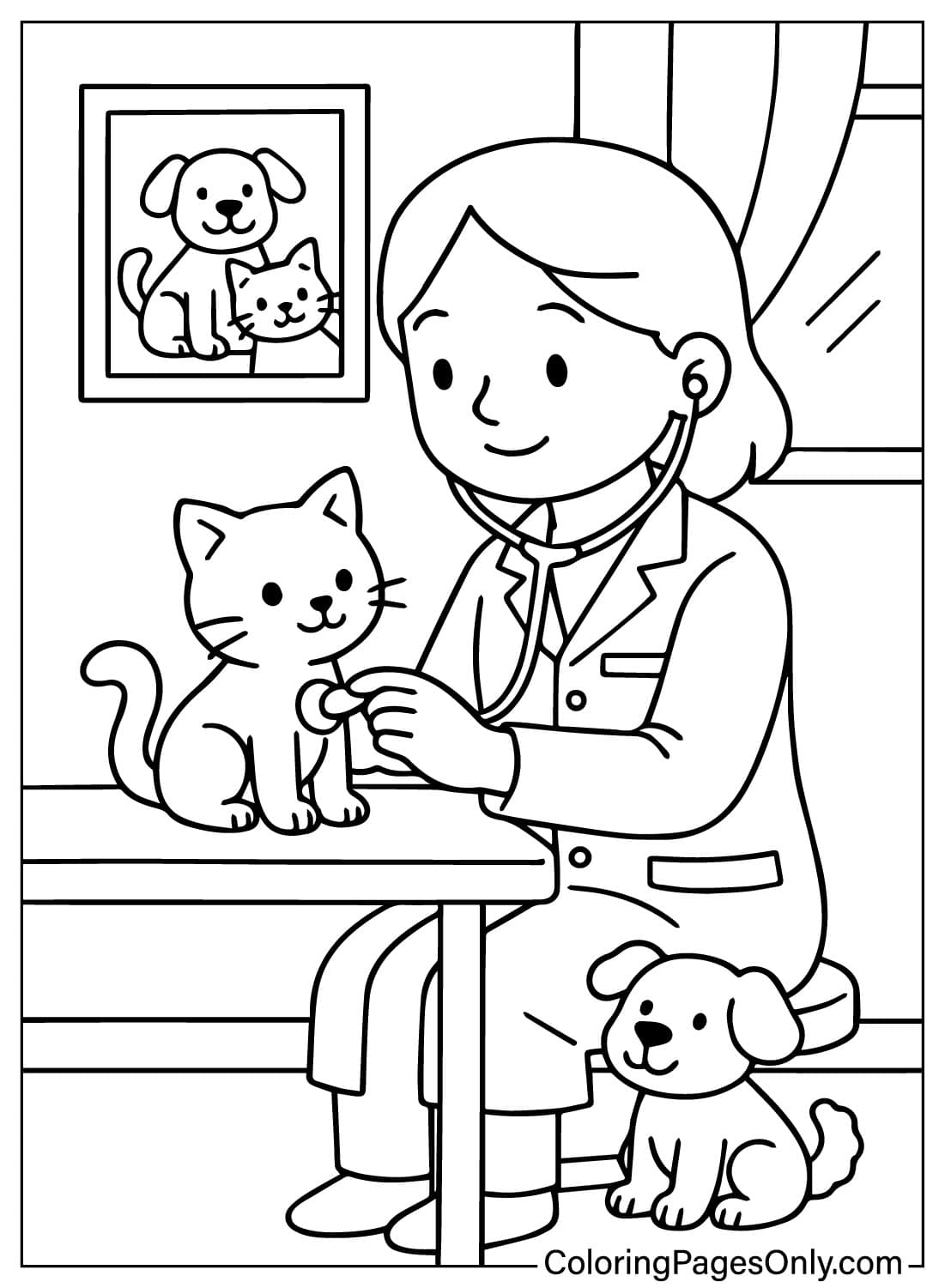
The set includes a surgeon, an eye doctor, an ENT doctor, a nutritionist, an obstetrician, a cardiologist, a dentist, and a veterinarian, each shown on a separate page.
What tools and equipment show up across the pages?
Common medical tools appear throughout, including stethoscopes, thermometers, charts, and exam equipment, giving several pages a focus on the objects a doctor uses rather than the doctor alone.
What colors work well for a medical scene?
Soft blues and greens work well for scrubs and clinic backgrounds, plain white suits a doctor’s coat, and silver or gray fits metal tools like a stethoscope, keeping the overall palette calm rather than bright.
Can these pages be colored online instead of being printed?
Yes. Every design in the set opens in the browser-based coloring tool, so a page can be finished on a tablet or computer without printing anything first.
Are Doctor coloring pages suitable for young children?
A single doctor drawn simply against a plain background suits a child around age four, just starting to color within lines. Pages naming a specific specialty or showing several small medical tools in one scene ask for more focus and fit better with children six and up.
Can this set be used to help a child feel less nervous about a doctor visit?
Yes. Coloring a calm, friendly depiction of a checkup ahead of a real appointment can give a child a gentler, more familiar mental picture of what to expect, without the page needing to describe any specific procedure in detail.
Start Coloring
Downloading any page costs nothing and needs no account, just a click on the design itself. The online coloring tool stands ready for anyone finishing a page on screen rather than paper. Once a page is complete, the Facebook and Pinterest share buttons above it send the finished artwork out directly.