
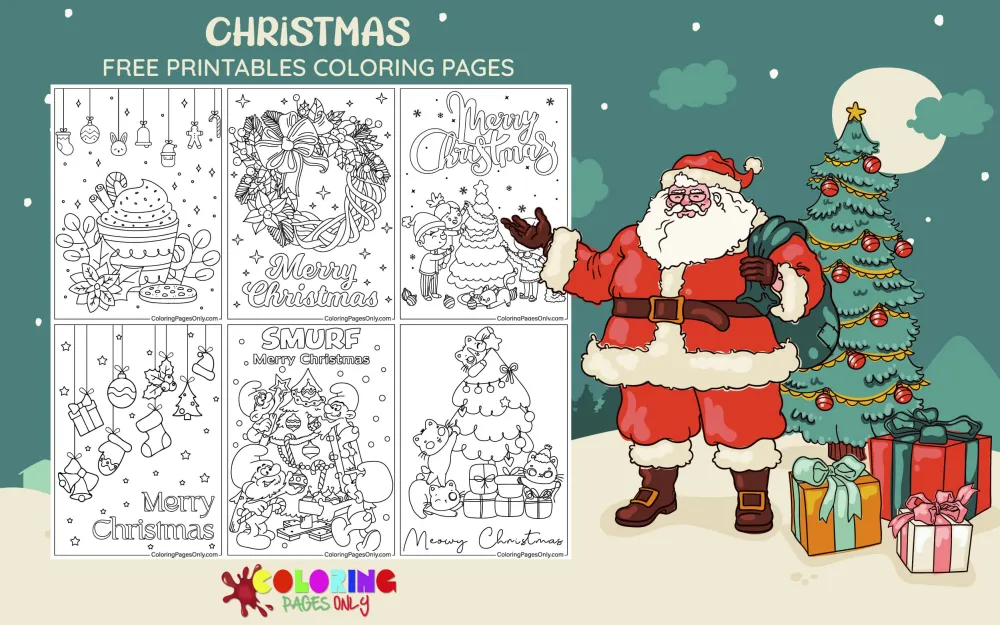
Christmas coloring pages: 2,169 printable designs across 36 sub-categories, covering core characters such as Santa, Rudolph, and the Grinch, decorative elements like trees and ornaments, food and sweets, religious tradition, character crossovers, and pattern collections for older colorists. Each page can be downloaded as a PDF to print or colored online in the browser.
Whether the goal is a simple Santa page for a young child, a detailed nativity scene for a religious household, an intricate Christmas mandala for an adult, or a Disney character in a holiday setting, this collection is organized so each theme has its own sub-gallery. The full holiday collection on this site is available through the Holidays hub.
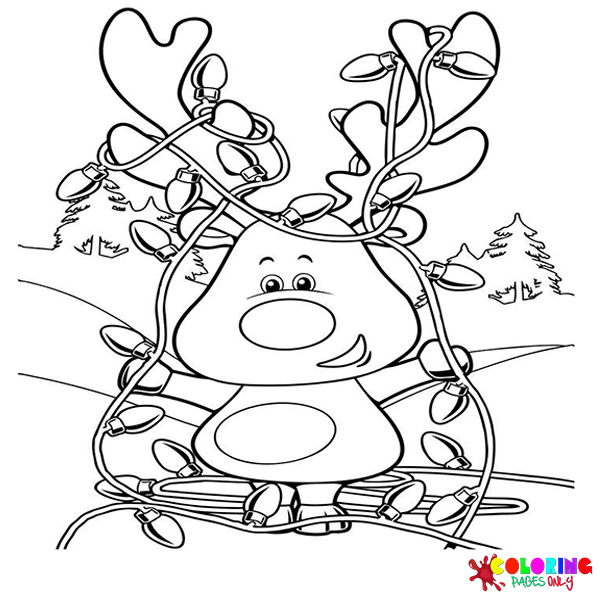
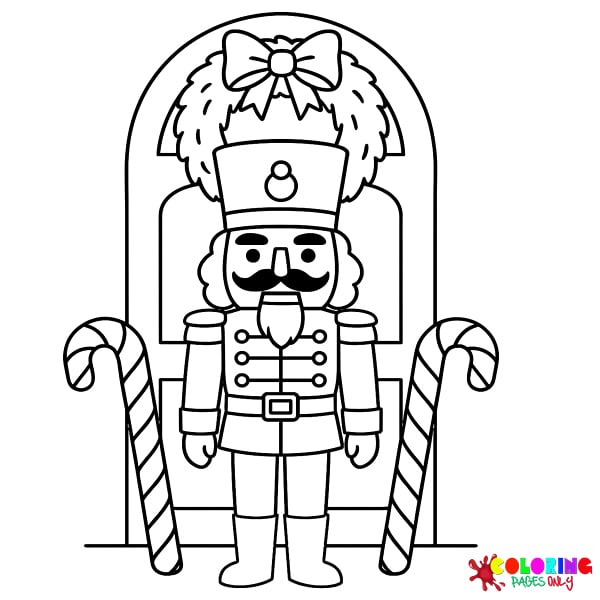
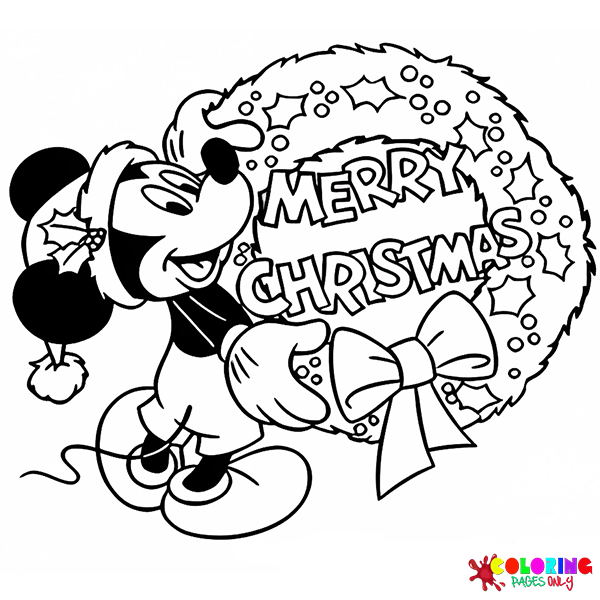
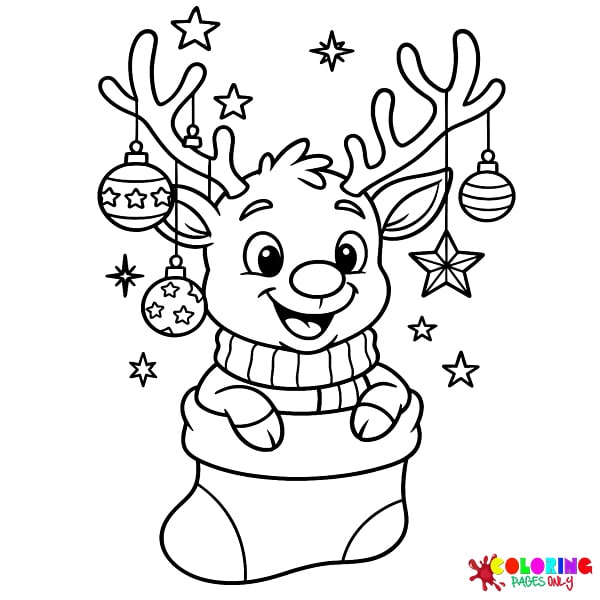


Christmas History and Visual Identity
Christmas is celebrated on December 25 and, in Christian tradition, marks the birth of Jesus Christ, while also functioning as a broadly secular, cultural winter holiday across much of the world. The modern figure of Santa Claus descends from Saint Nicholas, a fourth-century bishop of Myra known for secret gift-giving, filtered through Dutch Sinterklaas tradition and popularized in the United States by Clement Clarke Moore’s 1823 poem “A Visit from St. Nicholas.” The specific red-suited, white-bearded image most people picture today was further cemented by 20th-century illustration and advertising.
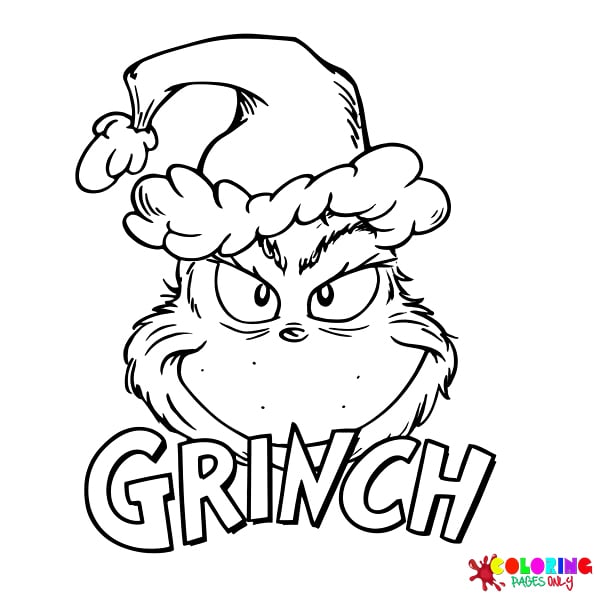
Several of Christmas’s most familiar characters have precise, documented origins. Rudolph the Red-Nosed Reindeer was created by Robert L. May in 1939 for a department-store promotional booklet, later becoming a hit song and a 1964 stop-motion television special. The Grinch originates from Dr. Seuss’s 1957 book “How the Grinch Stole Christmas!”, later adapted into a 1966 animated special and two feature films. The Nutcracker traces to Pyotr Ilyich Tchaikovsky’s 1892 ballet, itself based on E.T.A. Hoffmann’s 1816 story. Gingerbread house traditions trace to German baking customs, popularized in part by the Brothers Grimm’s 1812 story “Hansel and Gretel.”
What Christmas Coloring Pages Do
Making a season of tradition tangible. Coloring pages give children a hands-on way to engage with Christmas imagery, characters, and traditions at their own pace, alongside the busier parts of the holiday season.
Fine motor development. The American Academy of Pediatrics identifies fine motor skill development as a core benefit of structured coloring for children ages 2 through 7, and the range of complexity across this collection, from simple gingerbread man outlines to detailed nativity scenes, suits a broad range of skill levels within that age range and beyond.
Anxiety reduction through focus. A 2005 study in the Art Therapy Journal documented measurable reductions in anxiety following structured coloring sessions. The holiday season can be a busy, high-stimulation time for children, and a calm, focused coloring session offers a low-stakes counterbalance.
A shared activity across a household’s different traditions. Because the collection separates secular, religious, and character-based Christmas imagery into their own sub-categories, a household can choose pages that match its specific traditions rather than a single generic approach to the holiday.
Core Christmas Characters
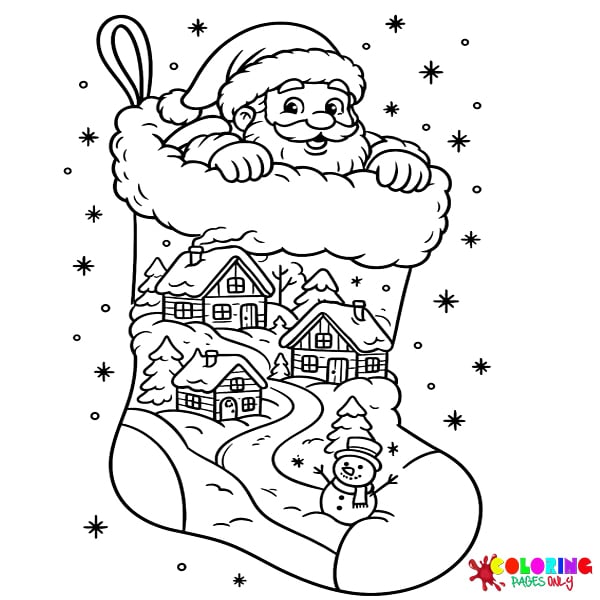
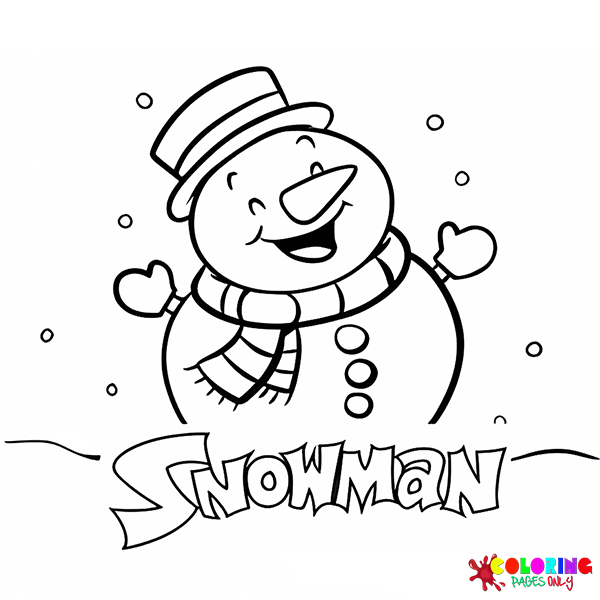
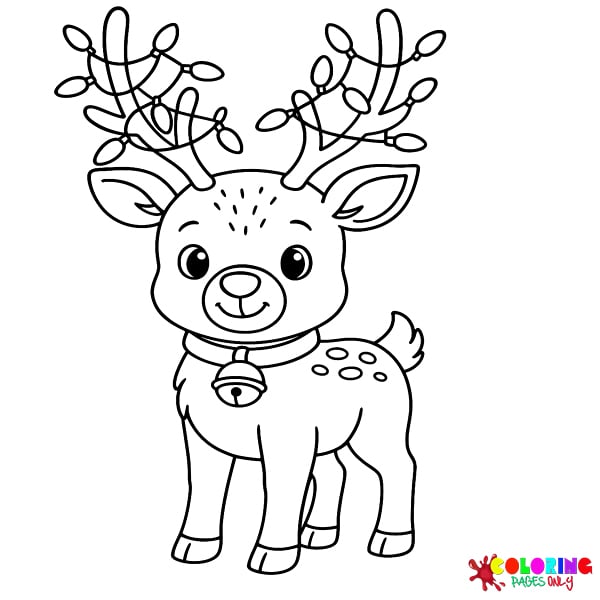
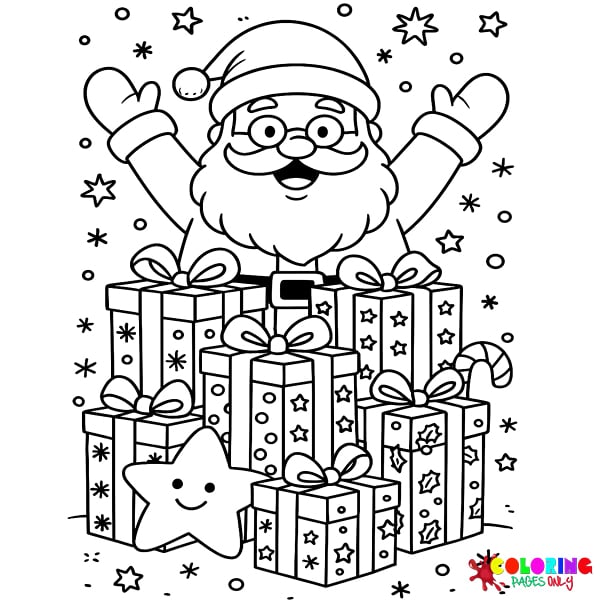
Santa Claus, Rudolph, the Grinch, the Nutcracker, and the Elf cover the collection’s central named characters, alongside the reindeer for the wider sleigh team beyond Rudolph specifically. Snowman and Gnome round out the group with two of the season’s most recognizable non-narrative figures, the classic three-snowball snowman and the pointed-hat Nordic-style gnome that has become a popular modern Christmas decoration.
Decorative Elements
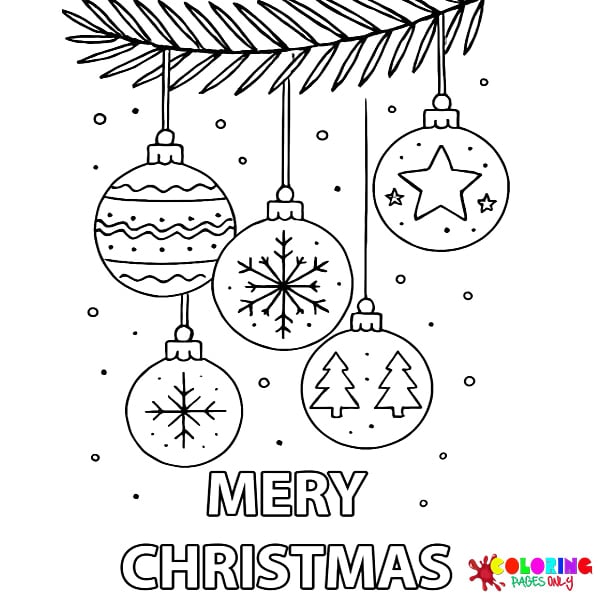
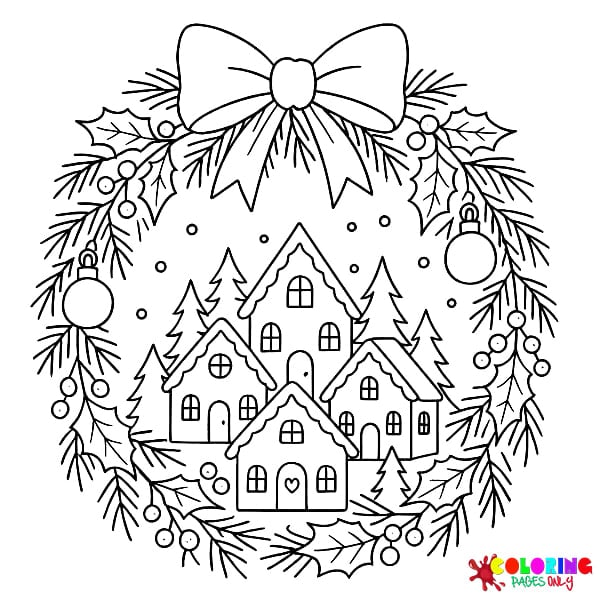
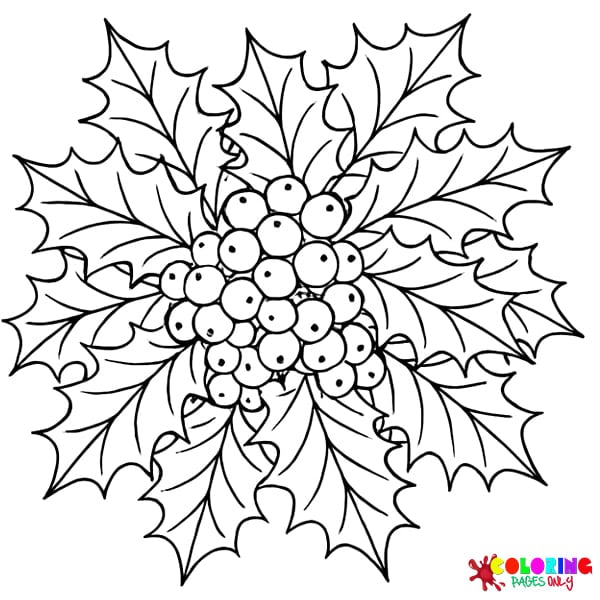
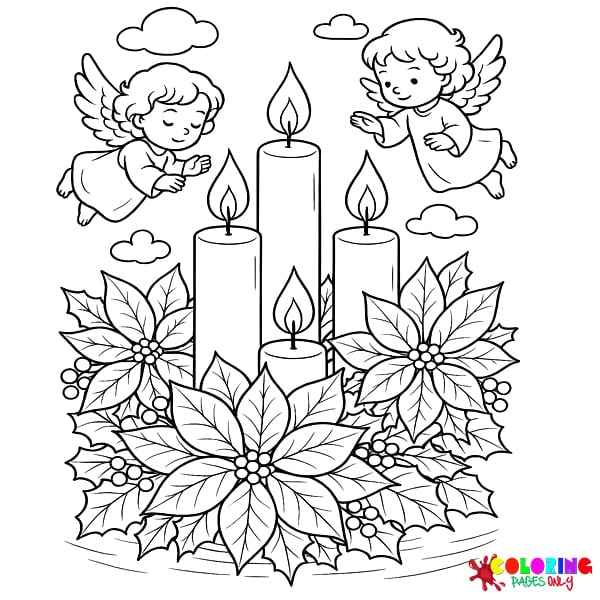
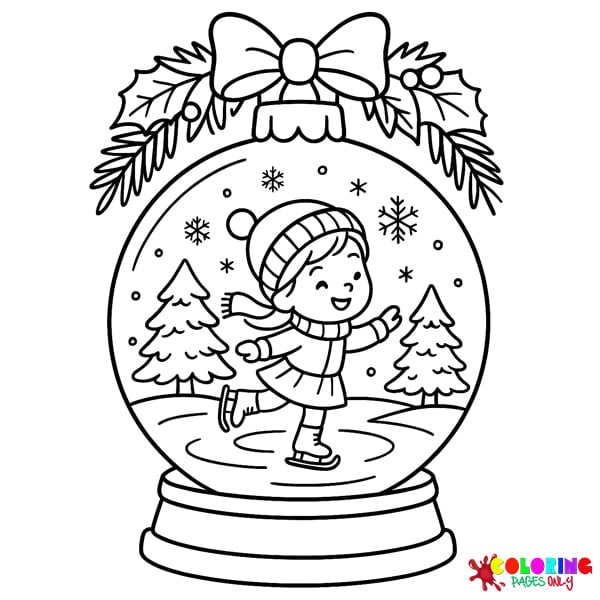
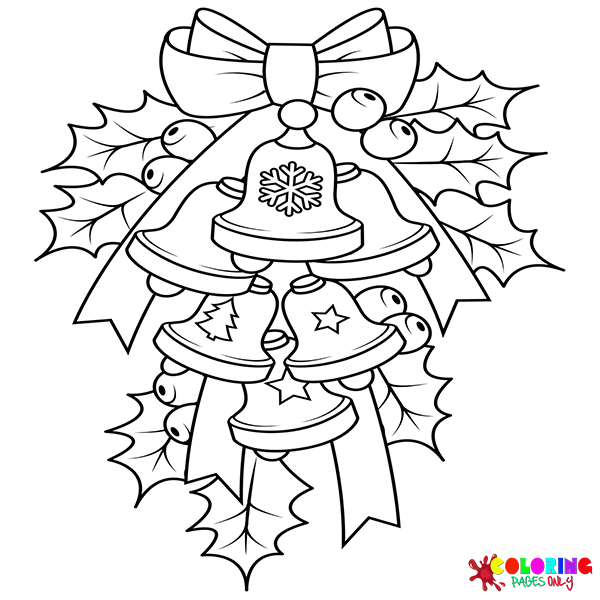
Christmas Tree and Christmas Wreath cover the two most central decorative objects of the holiday, while Advent Wreath covers the specific liturgical object with four candles used to mark the four weeks before Christmas in Christian tradition. Christmas Ornaments, Christmas Stockings, Christmas Lights, Christmas Holly, Christmas Bells, Snow Globe, and Christmas Candles round out the collection’s decorative subject matter.
Food and Sweets
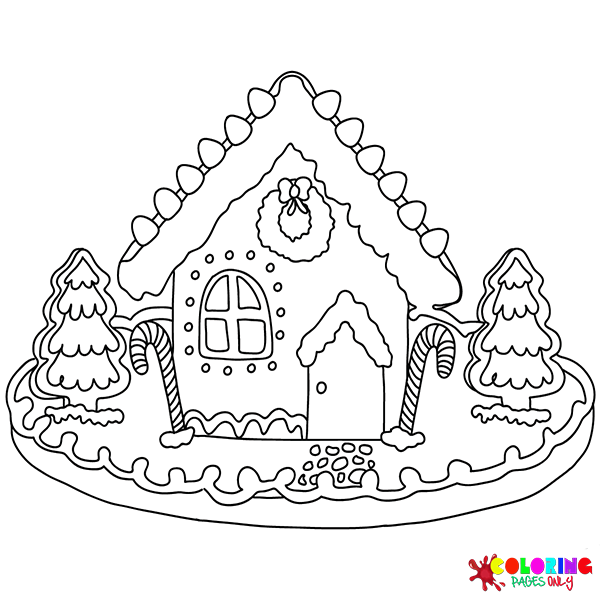
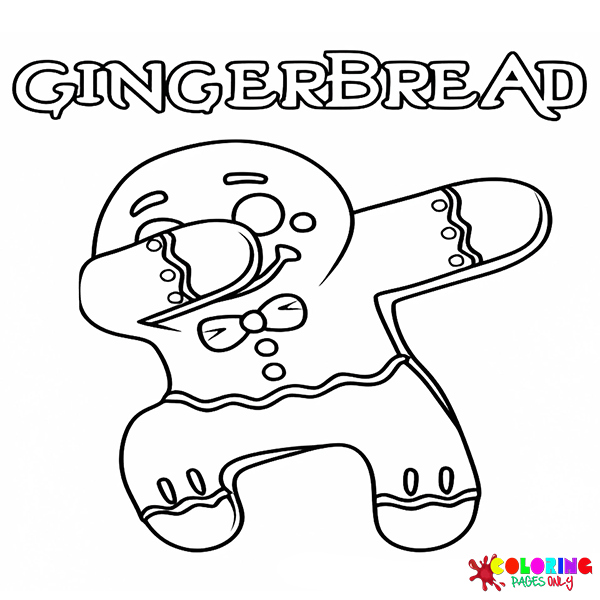
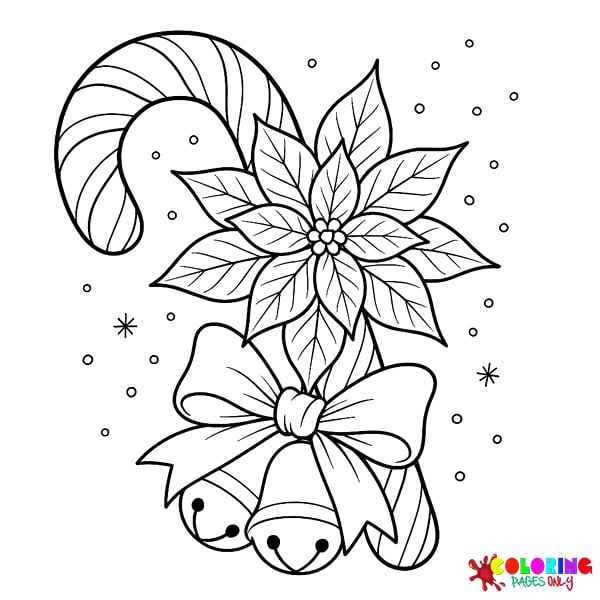
Gingerbread Man and Gingerbread House cover the baked-good tradition of the season, alongside Christmas Candy Cane for the striped peppermint treat, and Christmas Milkshake for a more contemporary seasonal food subject.
Religious Tradition
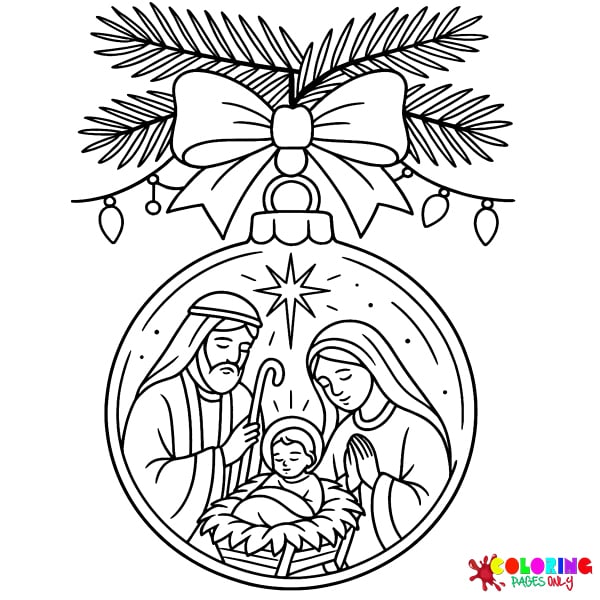
Nativity focuses specifically on the manger scene, Mary, Joseph, the infant Jesus, shepherds, wise men, and animals in the Bethlehem stable. Religious Christmas is broader, covering the Star of Bethlehem, the Magi, and other Biblical Christmas imagery not necessarily depicted in a nativity tableau. Christmas Angels rounds out the group’s religious and celestial imagery.
Character and Family Themes
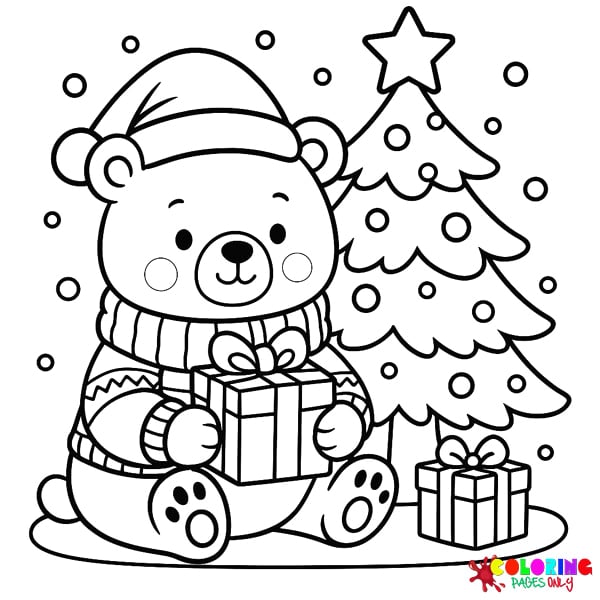
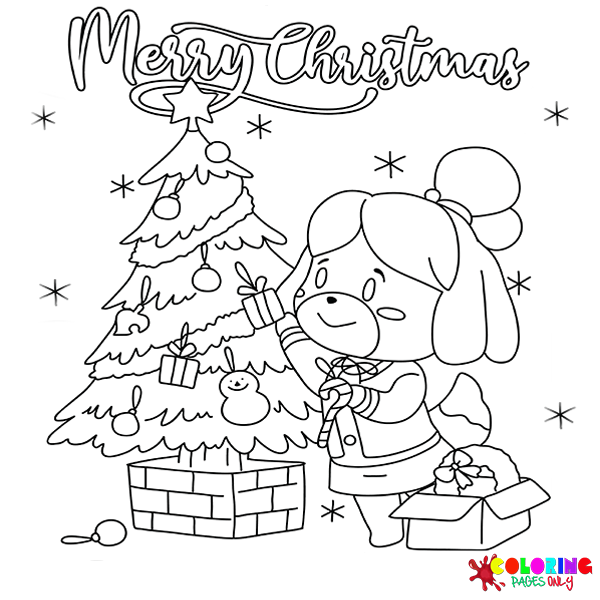
Disney Christmas covers Disney and Pixar characters in holiday settings, and Christmas Animals extends the season to animal subjects more broadly. Cute Christmas and Christmas Cartoon cover softer, more stylized takes on holiday imagery, while Christmas Cards and Christmas Gifts cover the season’s card-giving and gift-giving traditions. Christmas in July covers the off-season celebration of the holiday, a tradition with roots in mid-20th-century American culture.
Pattern and Design Collections
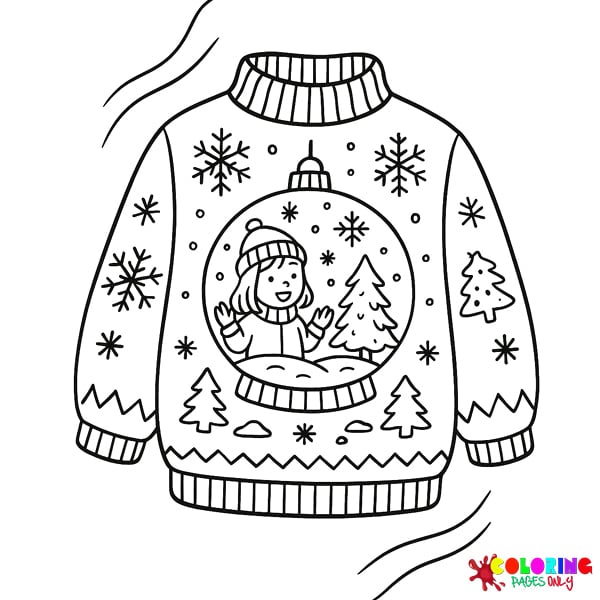
Christmas Mandala, Christmas Sweater, Christmas Wallpaper, and Christmas Pattern cover the collection’s more intricate, repeating-pattern designs, generally aimed at older children and adults looking for a longer, more detailed coloring session.
Coloring Tips for Christmas Pages
The classic Christmas palette centers on Red and Green as the two dominant colors, joined by Gold, Silver, and White for metallic and snow accents. For Santa Claus, use a true Red for the suit with White fur trim, keeping the black boots and belt for contrast. For Rudolph and the reindeer, use warm Brown for the body with a bright Red nose specifically on Rudolph to distinguish him from the rest of the team.
For nativity and religious scenes, favor warmer, more muted tones, Gold, deep Blue, and warm Brown, rather than the brighter primary colors used for secular characters, to give these pages a more solemn, reverent feel. For gingerbread pages, use warm Brown for the base with White icing detail and small bright accents, Red and Green candy pieces, for the decorative elements.
For pattern and mandala pages, work outward from the center in a consistent color sequence, alternating two or three colors so the repeating structure of the design stays visually clear rather than becoming a solid mass of color.
5 Creative Craft Ideas With Christmas Coloring Pages
1. Christmas Card Set
Color several small Christmas Card pages, fold each in half, and write a holiday message inside for family and friends.
2. Ornament Standee
Color a Christmas ornament page, mount it on cardstock, punch a hole at the top, and thread a ribbon through to hang it on the tree.
3. Advent Countdown Set
Print and color one small Christmas page per day leading up to the 25th, then arrange the completed pages in order on a wall or door as a visual countdown to Christmas.
4. Gingerbread House Display
Color a Gingerbread House page, mount it on cardstock, and fold a small tab at the base so it can stand upright next to a real gingerbread house display.
5. Nativity Scene Diorama
Color several Nativity pages, cut around each figure, and arrange them inside a small box or shoebox turned on its side to build a simple paper nativity diorama.
Frequently Asked Questions
What age range are Christmas coloring pages suitable for?
This collection serves ages 2 through adult. The simplest pages, basic gingerbread men, simple snowman outlines, and Santa portraits with large bordered areas work for toddlers and preschoolers. The mandala, pattern, and detailed nativity pages are designed for adults and older teens.
Are there Christmas pages for classroom use?
Yes. Pages in this collection are free to print in unlimited quantities and require no sign-up, making them suited for classroom holiday activities. Simple pages, gingerbread man, Christmas tree, Santa, work well for groups, while individual character pages work better for take-home activities.
What is the difference between the Nativity and Religious Christmas sub-collections?
The Nativity collection focuses specifically on the manger scene, Mary, Joseph, the infant Jesus, shepherds, wise men, and animals in the Bethlehem stable. The Religious Christmas collection is broader and includes the Star of Bethlehem, the Magi separately, and other Biblical Christmas imagery not necessarily depicted in a nativity tableau.
Do the Christmas pages include secular imagery as well as religious content?
Yes. The collection is organized by theme: secular imagery, such as snowmen, candy canes, and Christmas trees; religious imagery, such as nativity and angels; character imagery, such as the Grinch and Disney Christmas; and pattern imagery are all separate sub-collections, allowing readers to navigate directly to the type of Christmas content that suits their household or classroom.
What is the difference between the Christmas Wreath and Advent Wreath collections?
A Christmas wreath is a decorative evergreen circle hung as a door or wall decoration, associated with the secular holiday season. An Advent wreath is a specific liturgical object with four candles used to mark the four weeks before Christmas in Christian tradition, with candle colors that follow the Advent calendar.
Who created Rudolph the Red-Nosed Reindeer?
Rudolph was created by Robert L. May in 1939 for a department-store promotional booklet. The character later became a popular song and a 1964 stop-motion television special.
Where does the Grinch character come from?
The Grinch originates from Dr. Seuss’s 1957 book “How the Grinch Stole Christmas!,” later adapted into a 1966 animated television special and two feature films.
How many total Christmas coloring pages are available?
This hub currently organizes 2,169 pages across 36 sub-categories, though the exact count should be confirmed against the site’s current total, since collections are updated regularly.
Start Coloring
Choose a sub-category above to browse that collection, or open any page to download it as a free PDF or color it online in the browser. No account, email, or payment is required. Share finished pages on Facebook or Pinterest with the share buttons on each page.
More Christmas Coloring Pages