Sanrio Coloring Pages
 By:
Jennifer Thoa - Content Editor & Designer
Updated:
By:
Jennifer Thoa - Content Editor & Designer
Updated:
Free Sanrio Coloring Pages: 1,563 printable designs organized into 18 character collections spanning the Sanrio roster. Each page can be downloaded as a PDF to print or colored online in the browser.
Sanrio Co., Ltd. is a Japanese company founded in 1960 in Tokyo by Shintaro Tsuji, which began as a silk scarf manufacturer before shifting toward gift products such as greeting cards and stationery featuring original character designs. Hello Kitty, the company’s most recognized character, debuted in 1974 and was designed without a mouth, a deliberate choice meant to let the character reflect whatever emotion the viewer brings to her rather than a fixed expression. Sanrio has since developed hundreds of characters and holds an annual Sanrio Character Ranking, a fan vote running since 1986 that determines each year’s most popular character. Cinnamoroll, introduced in 2001, held the top spot for several consecutive years starting in 2020 before Pompompurin, one of Sanrio’s older characters, returned to first place in 2025 and again in the most recent contest.
This hub organizes the collection by character, since each has its own dedicated page with its own art style and color palette. The directory below links to every character collection currently available, along with the number of pages in each.

Browse by Character
Each character below has its own dedicated collection.
Core Characters
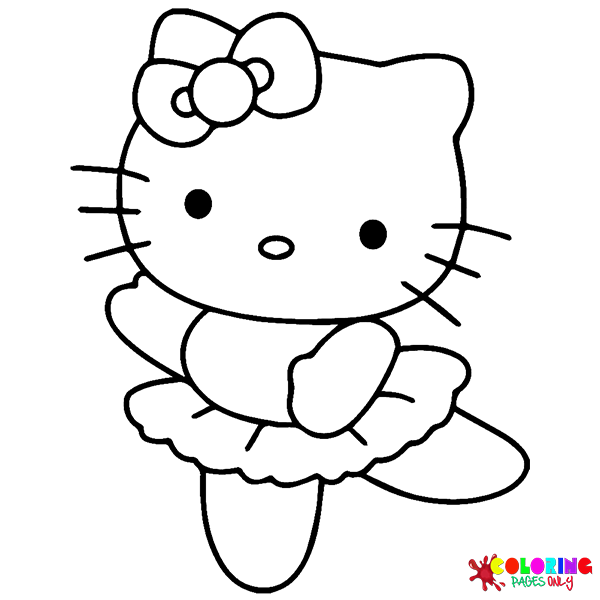
- Hello Kitty Coloring Pages (575 Pages), Sanrio’s flagship character, a white cat with a red bow always worn on her left ear.
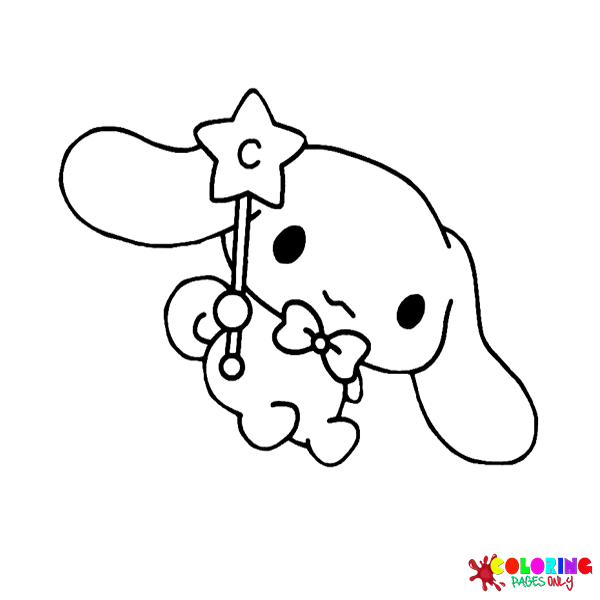
- Cinnamoroll Coloring Pages (84 Pages), a white puppy with large ears that let him fly, known for his cinnamon-roll-shaped curled tail.
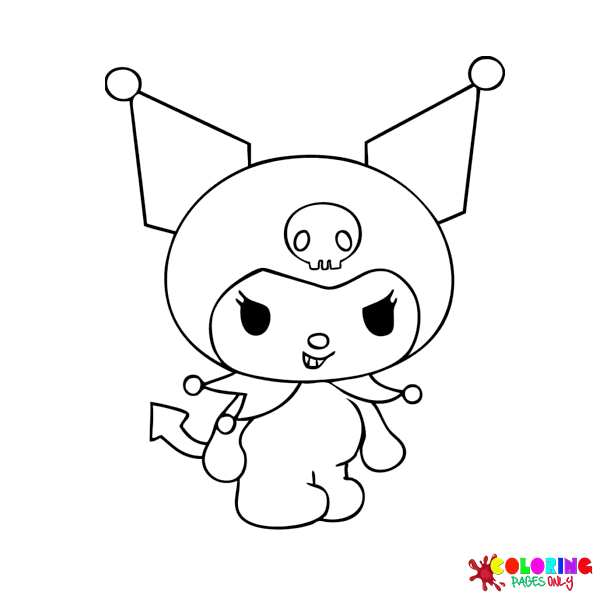
- Kuromi Coloring Pages (73 Pages), a mischievous rabbit-imp character in a black jester’s hood with a pink skull emblem.
- My Melody Coloring Pages (76 Pages), a white rabbit in a pink hood, one of Sanrio’s oldest active characters.
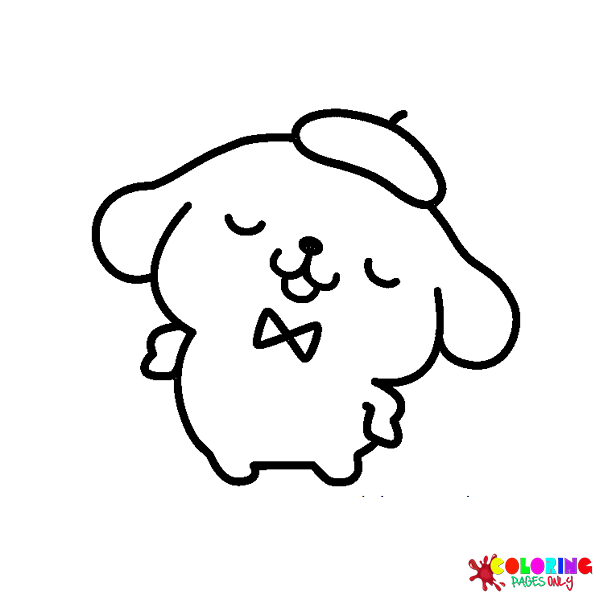
- Pompompurin Coloring Pages (101 Pages), a golden retriever puppy in a brown beret, is named after a custard pudding dessert.
Additional Characters
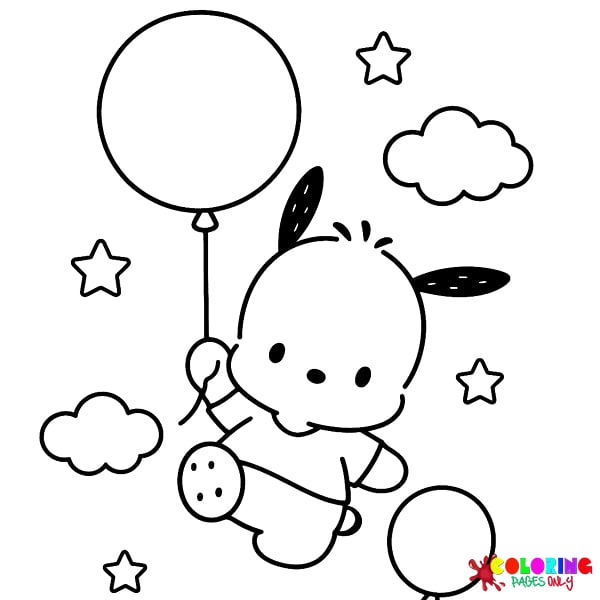
- Pochacco Coloring Pages (52 Pages), an athletic white dog in a blue cap.
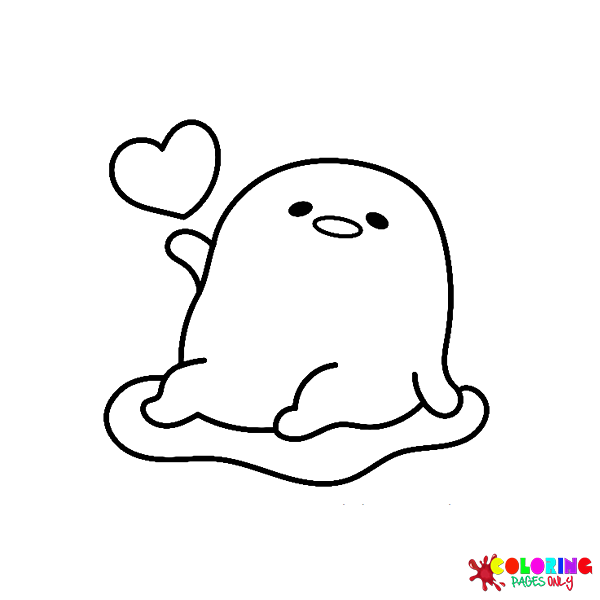
- Gudetama Coloring Pages (80 Pages), a pale yellow egg yolk character known for its lazy, minimalist design.
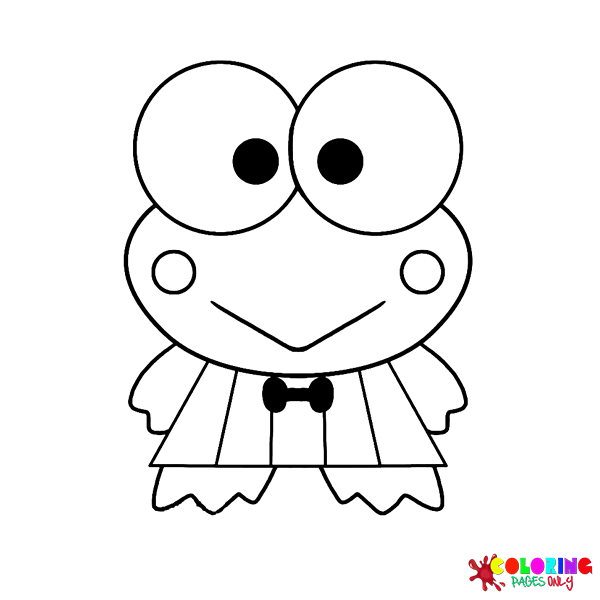
- Keroppi Coloring Pages (92 Pages), a vivid green frog with a white belly and distinctive cross-shaped pupils.
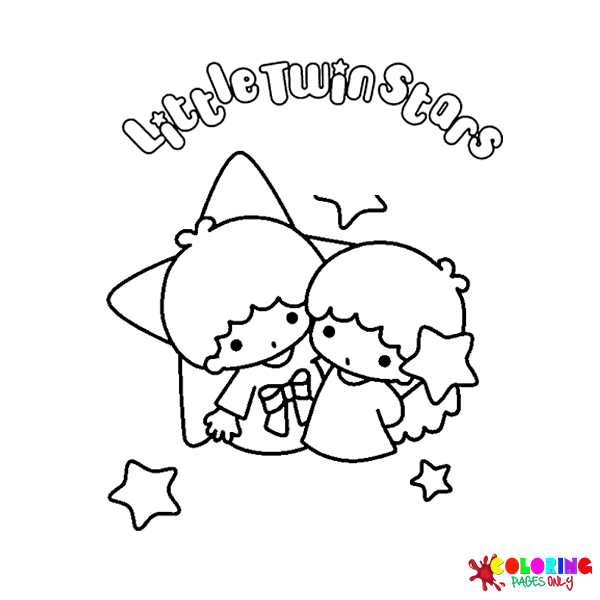
- Little Twin Stars Coloring Pages (80 Pages), twin star-born characters, Kiki in blue and Lala in pink.
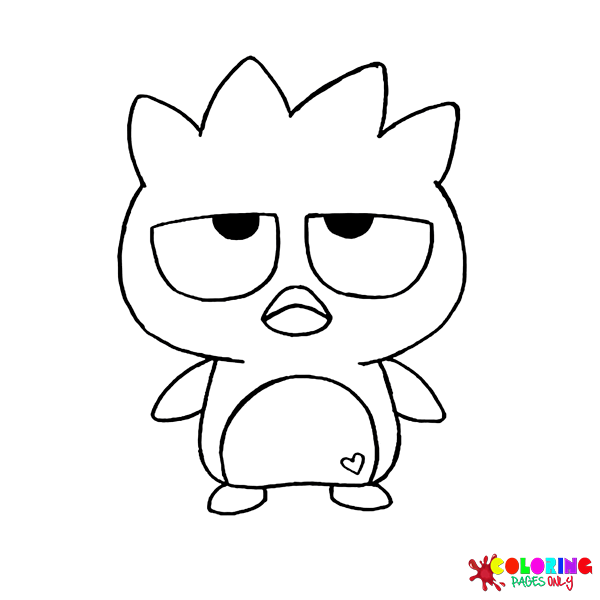
- Badtz-Maru Coloring Pages (48 Pages), a black penguin-like character with a deliberately cheeky, anti-cute personality.
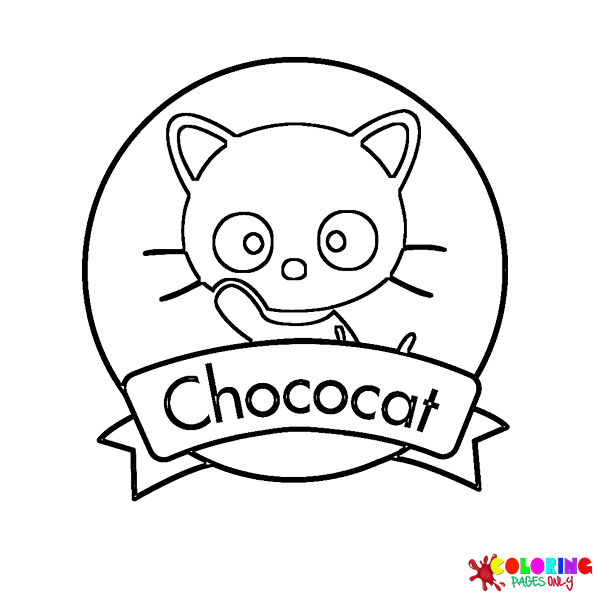
- Chococat Coloring Pages (60 Pages), an all-black cat with a distinctive four-dot chocolate-brown nose.
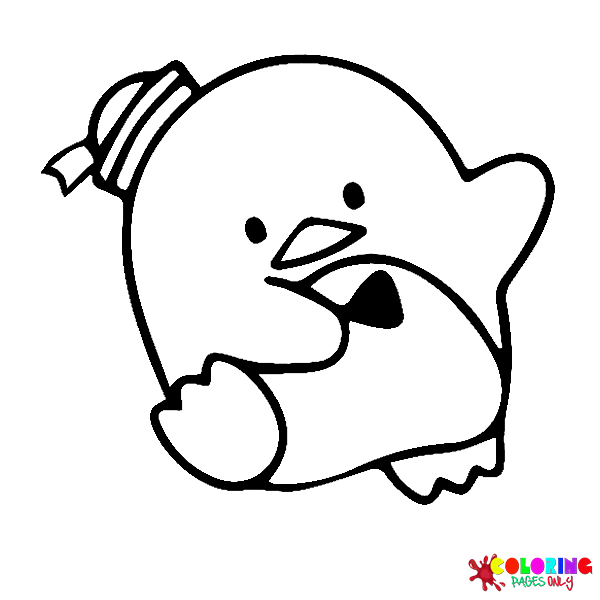
- Tuxedo Sam Coloring Pages (54 Pages), a blue penguin who always wears a tuxedo and red bow tie.
Other Characters
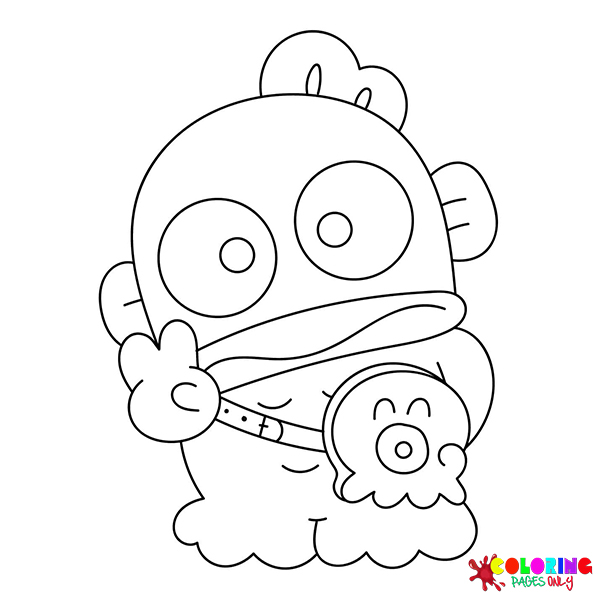
- Hangyodon Coloring Pages (22 Pages), a half-fish, half-human character with a blue-gray body.
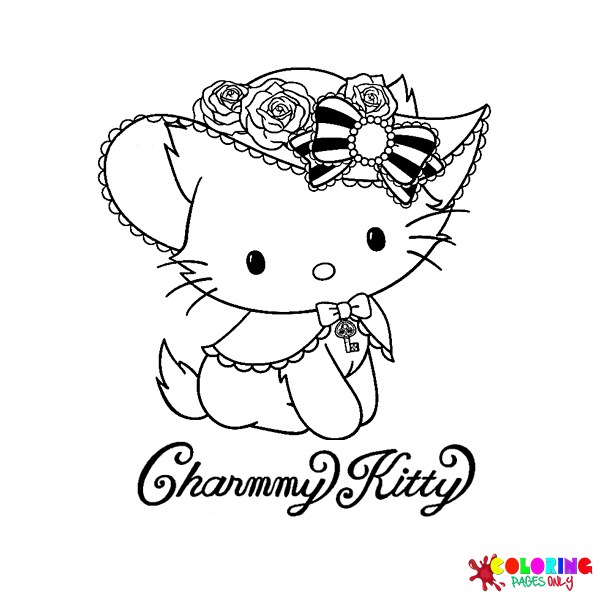
- Charmmy Kitty Coloring Pages (40 Pages), Hello Kitty’s pet Persian cat.
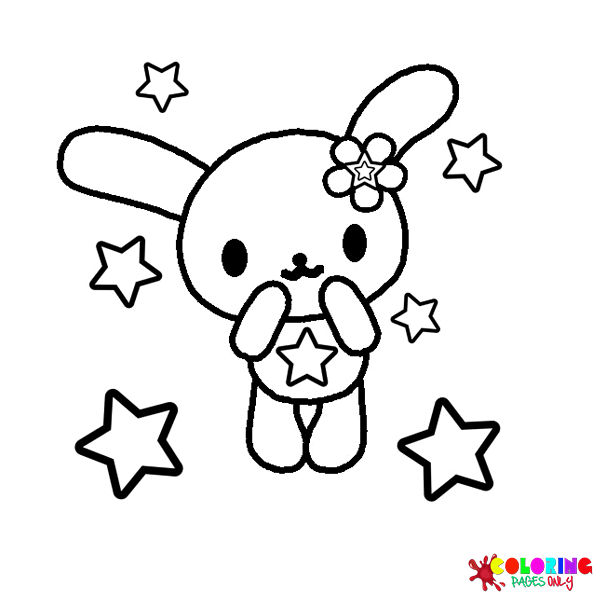
- Usahana Coloring Pages (29 Pages), a pink rabbit with a ballet and floral theme.
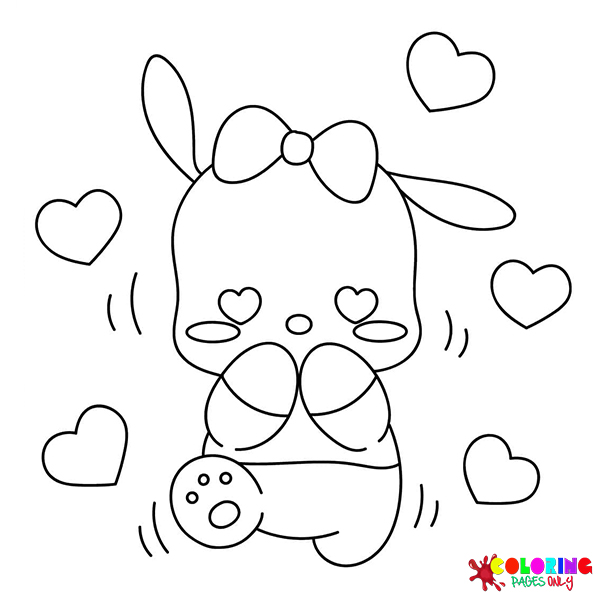
- Pochamii Coloring Pages (18 Pages), one of Sanrio’s newer character additions.
- Macaroon Sanrio Coloring Pages (27 Pages), a dessert-themed Sanrio design set.
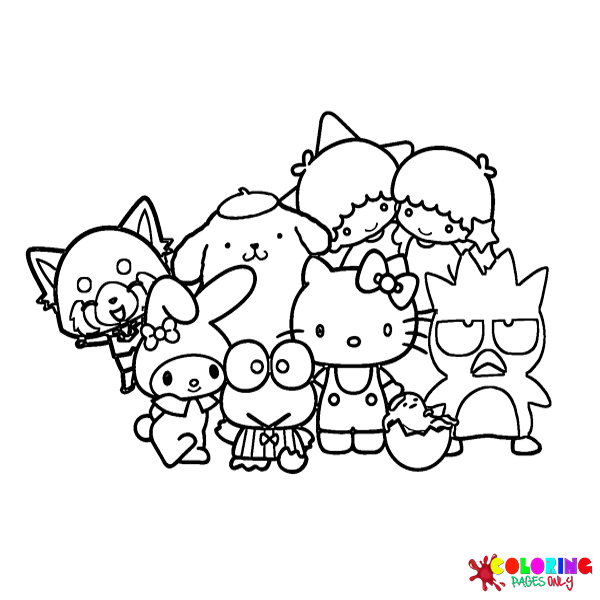
- Sanrio Characters Coloring Pages (52 Pages), ensemble pages featuring multiple characters together.
What Sanrio Coloring Pages Do
Fine motor development. The American Academy of Pediatrics identifies fine motor skill development as a core benefit of structured coloring for children ages 2 through 7. Simple portrait pages suit younger colorers, while detailed multi-character scenes give older kids more to work through.
A structured way to build color recognition. Because each Sanrio character is tied to a fixed, recognizable color palette, this collection gives young colorers a consistent pattern to practice matching a character to a specific set of colors.
Anxiety reduction through focus. A 2005 study in the Art Therapy Journal documented measurable reductions in anxiety following structured coloring sessions. A familiar character page can make that steady, focused activity feel approachable for younger children.
An easy way to find a favorite character. Organizing the collection by character means a fan of one specific Sanrio character can go straight to that character’s full page count rather than searching through a mixed catalog.
Keeping Colors Consistent Across Characters
Each core character relies on a small, fixed color palette that functions as its identity: Hello Kitty in white with a red bow, Cinnamoroll in white with pale blue eyes and a cream tail, Kuromi in black and dark purple with pink accents, My Melody in white with a pink hood, Pompompurin in warm golden-yellow with a brown beret, Keroppi in vivid green with a white belly, and Badtz-Maru in near-black with a white belly. Keeping these palettes consistent across multiple pages from the same character collection produces a more recognizable, cohesive result.
5 Creative Craft Ideas With Sanrio Coloring Pages
1. Character Sticker Sheet. Color several character pages, cut out each one, and use them as homemade stickers for notebooks, water bottles, or cards.
2. Friendship Bracelet Card. Color a favorite character page, trim it to card size, and pair it with a handmade friendship bracelet for a simple gift set.
3. Character Roster Poster. Color a full set of core characters, cut them out, and arrange them on a poster to build a Sanrio character roster display.
4. Bookmark Set. Color a favorite character page, trim it to bookmark size, and laminate it for a lasting keepsake.
5. Pen Pal Envelope Art. Color a small character page and glue it to the front of an envelope for a decorated pen pal letter or party invitation.
Frequently Asked Questions
What is included in the Sanrio collection?
The collection spans 18 sub-categories and 1,563 pages, covering core characters like Hello Kitty, Cinnamoroll, Kuromi, My Melody, and Pompompurin, plus additional characters like Gudetama, Keroppi, and Little Twin Stars.
Which sub-collection gets the most traffic?
Hello Kitty, Pochacco, and Pompompurin are among the strongest-performing sub-collections in this hub.
What is the Sanrio Character Ranking?
The Sanrio Character Ranking is an annual fan vote running since 1986 that determines each year’s most popular character. Cinnamoroll held the top spot for several consecutive years starting in 2020 before Pompompurin returned to first place in 2025.
Why doesn’t Hello Kitty have a mouth?
Hello Kitty was designed without a mouth as a deliberate choice, meant to let the character reflect whatever emotion the viewer brings to her rather than showing a single fixed expression.
Are these pages suitable for young children?
Yes. Most Sanrio characters use simple, rounded shapes and bold outlines, making this one of the more approachable categories on the site for children ages 3 to 6.
Can these pages be used for a Sanrio-themed birthday party?
Yes. The Character Sticker Sheet and Bookmark Set crafts above work well as party activities or take-home favors for a Sanrio or Hello Kitty themed party.
Are these pages free to print?
All pages are free to download as a PDF and print, or to color online in the browser. No account, email, or payment is required.
What is Gudetama?
Gudetama is a pale yellow egg yolk character known for its lazy, minimalist design and deadpan personality, one of Sanrio’s more unconventional characters.
Start Coloring
Choose a character above to browse that collection, or open any page to download it as a free PDF or color it online in the browser. No account, email, or payment is required. Share finished pages on Facebook or Pinterest with the share buttons at the top of each design page.
More Sanrio Coloring Pages
Jump straight to a specific collection: