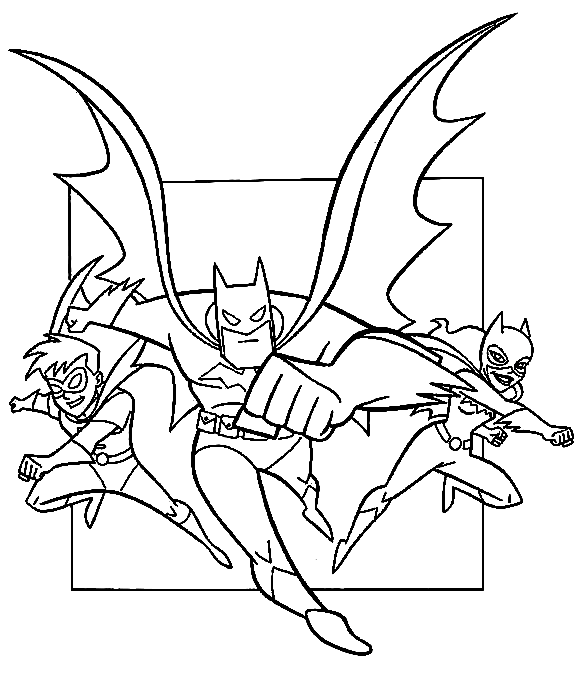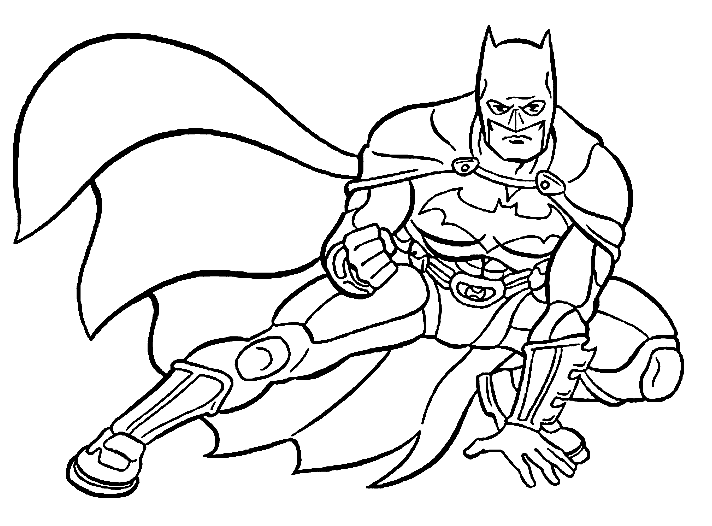
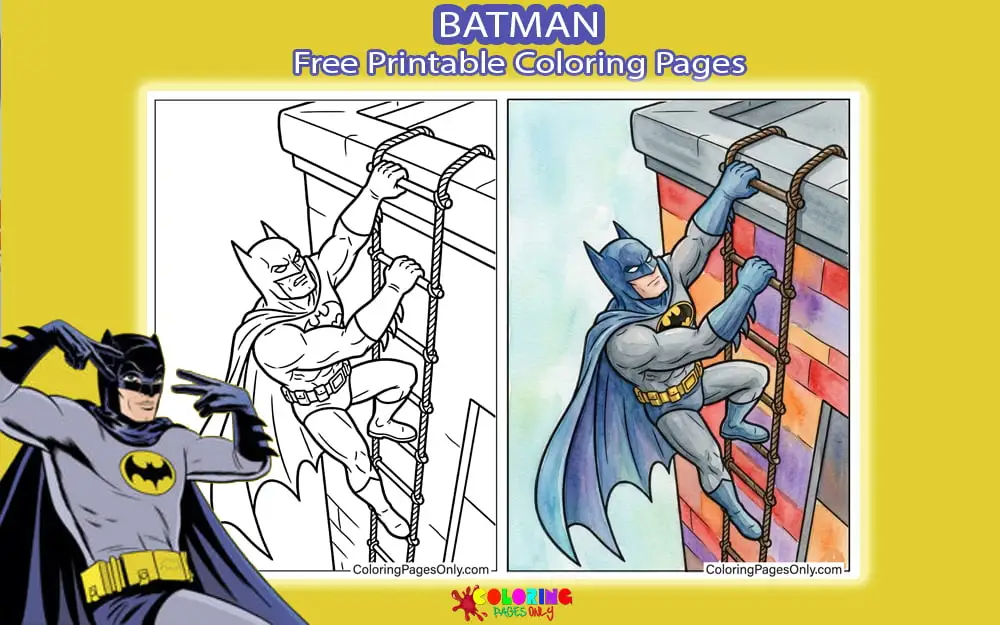
Free Batman coloring pages – 40+ pages featuring classic Batman poses, Gotham City scenes, Batwing action, Batman and Robin, Lego Batman, chibi Batman, motorcycle scenes, detective-style pages, bats, capes, heroic moments, and many more printable designs. Download your favorite pages as PDF, print them at home, or color online.

Batman is one of the most recognizable superheroes because his design is built from strong shapes: the pointed cowl, dark cape, Bat symbol, utility belt, gloves, boots, and dramatic silhouette. Even before color is added, children can usually recognize Batman from the mask, cape, and bat-shaped emblem.

Batman coloring pages feel different from many bright superhero pages. His world often uses shadows, rooftops, city skylines, moonlit skies, caves, vehicles, and serious action poses. That darker visual style gives older kids room to practice contrast and shading, while simple Batman outlines still work well for younger children who want a clear hero figure to color.

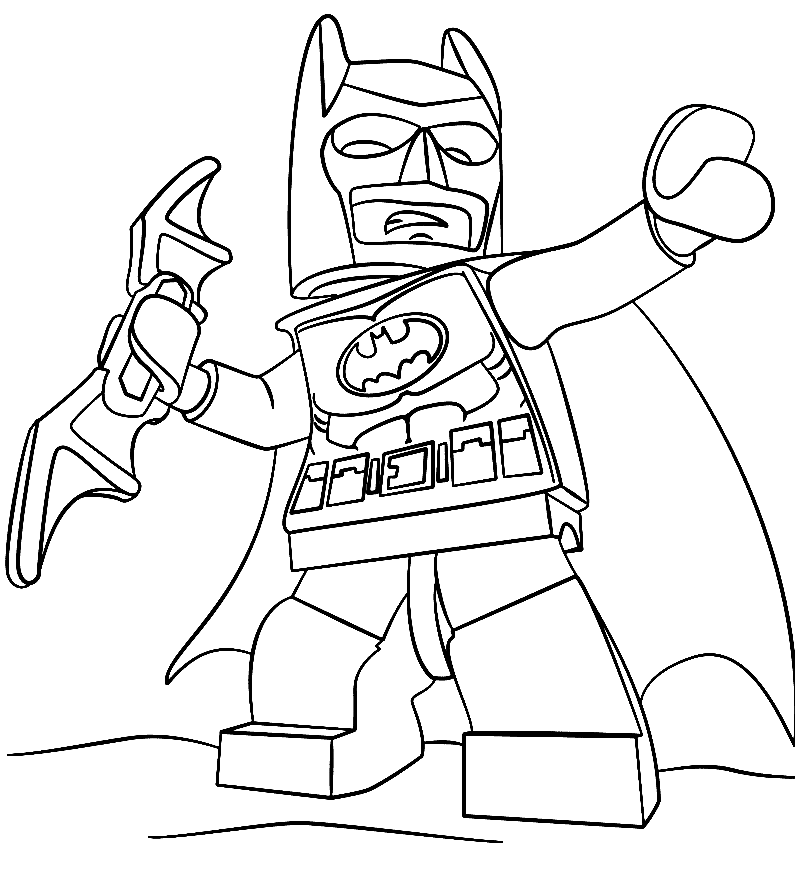
This collection includes many Batman moods and scenes. Some pages show Batman standing, flying, climbing, driving, or ready for action. Some are lighter and more playful, such as chibi Batman, Lego Batman, Batman playing sports, or Batman doing everyday activities. Others include Gotham City, Robin, Catwoman, bats, the Batwing, motorcycles, and scenes that feel closer to comic books or movies.

A simple Batman page can become a quick superhero activity. A more detailed Gotham scene or Batwing page can become a longer art project with background color, shadows, sky effects, and small costume details. Parents can print a few pages for quiet time, teachers can use them for classroom art breaks, and superhero fans can color online anytime.

All 40+ pages are free at ColoringPagesOnly.com. Print your favorite Batman page at home or color it online.

What’s Inside

Classic Batman Coloring Pages

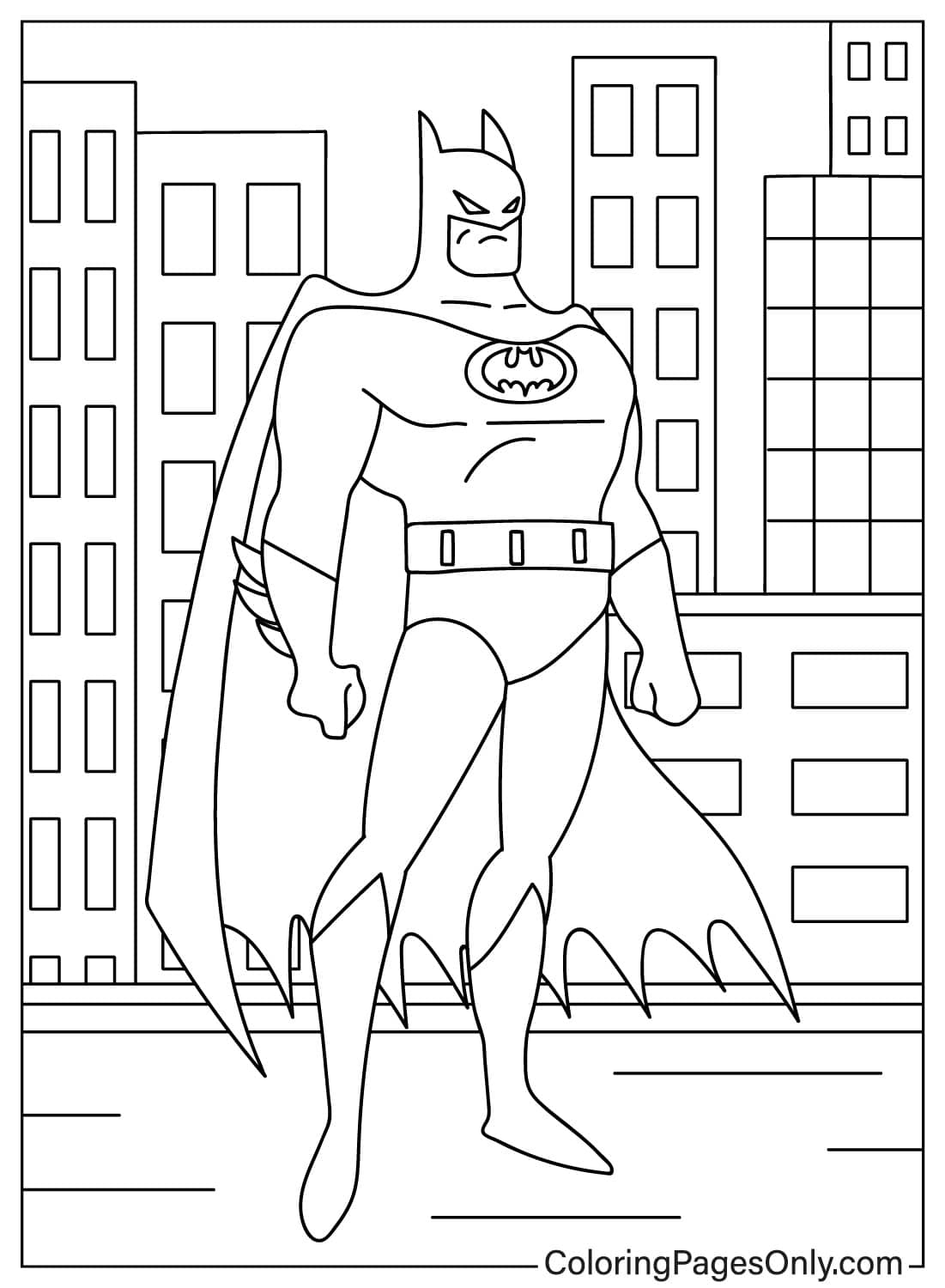
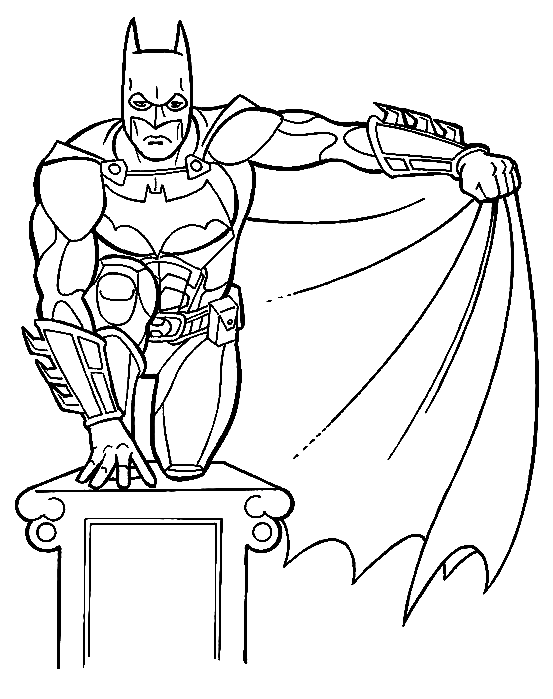
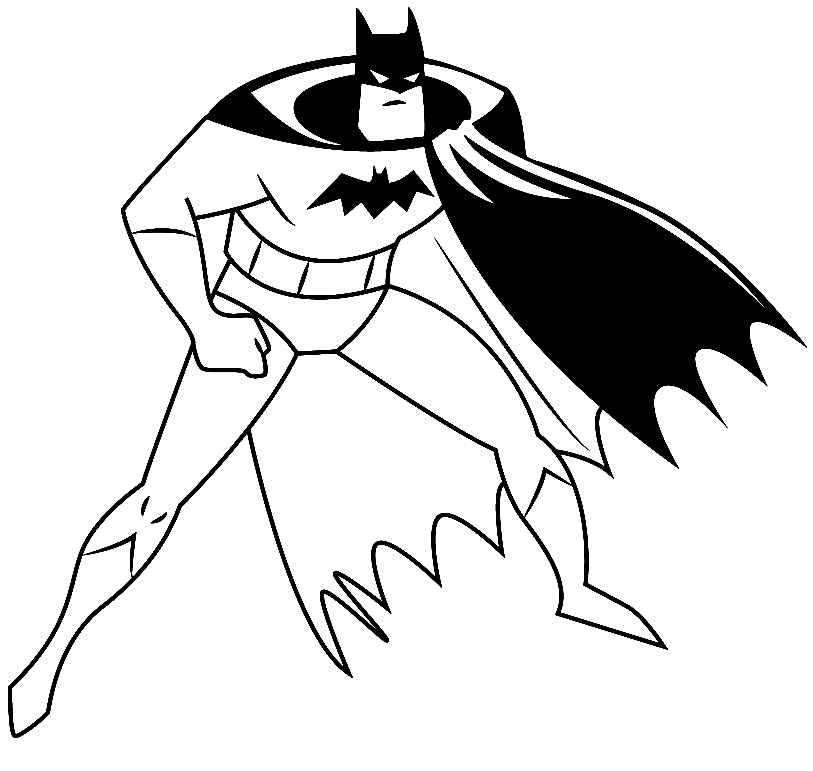
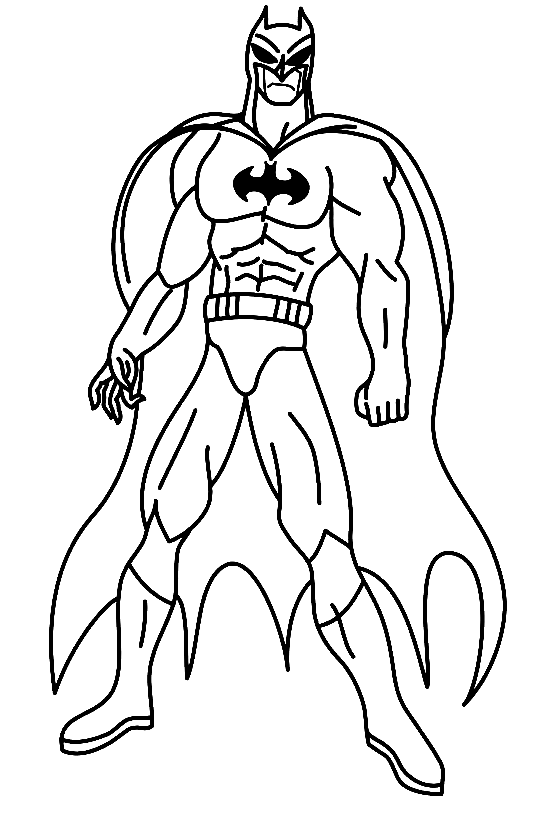
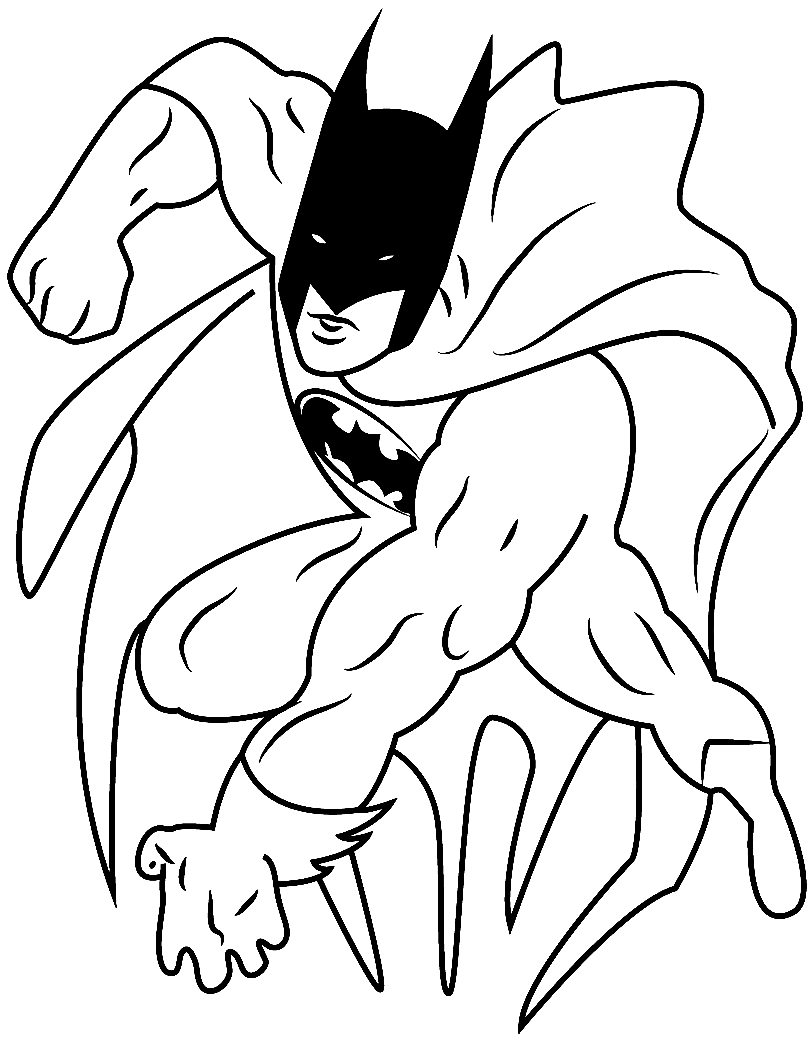
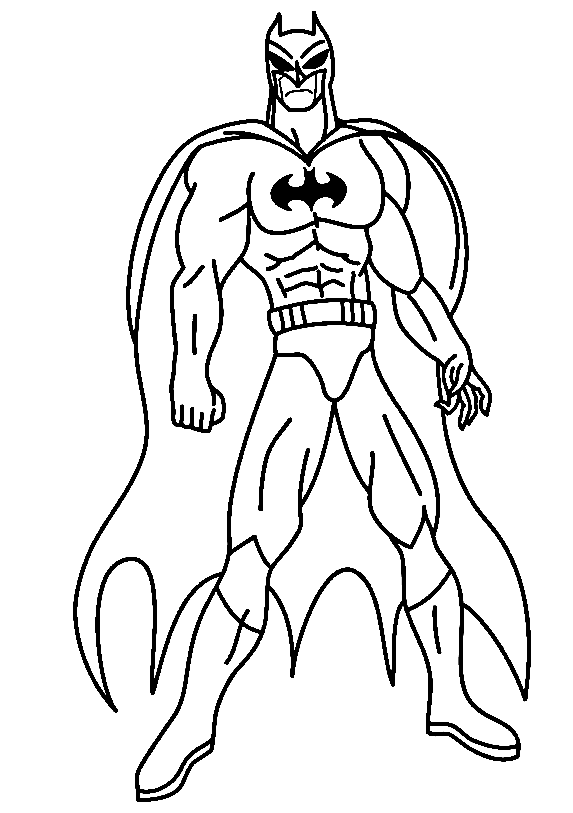
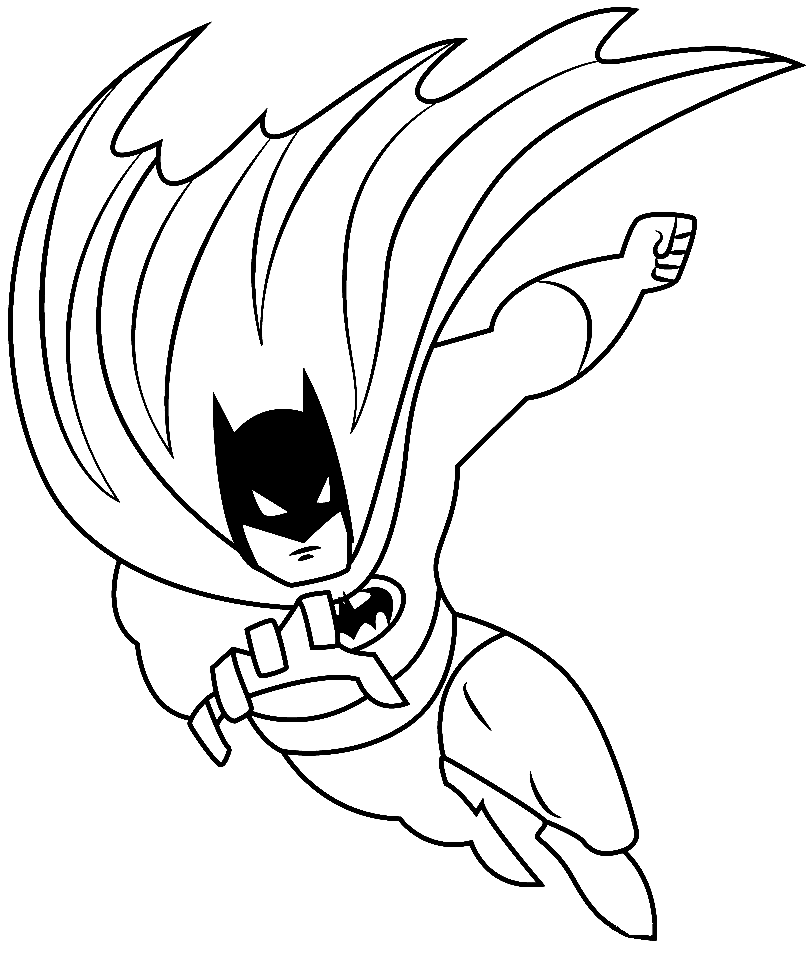
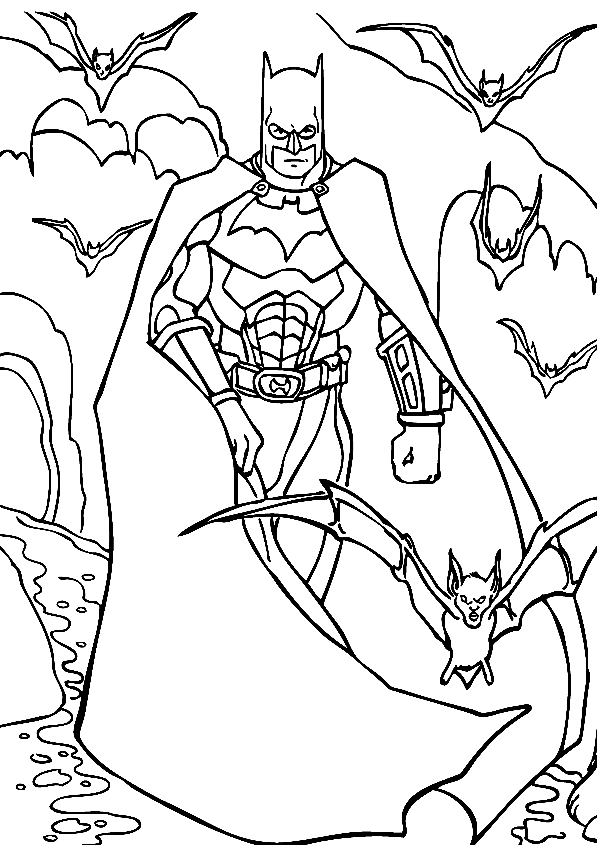
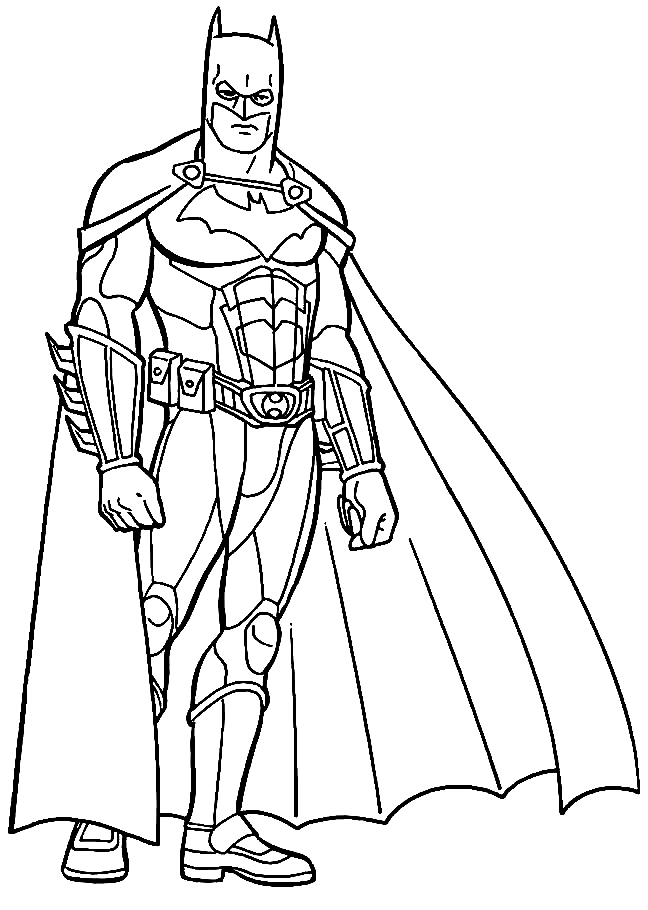
Classic Batman coloring pages focus on the most familiar Batman look: cowl, cape, Bat symbol, gloves, boots, utility belt, and a strong hero pose. These pages may show Batman standing, ready to fly, hanging down, attacking, or looking serious like the Dark Knight.

The strength of a classic Batman page is the silhouette. Batman does not need many props to feel complete. The pointed ears, cape shape, and chest emblem already tell children who the character is. This makes classic pages useful for both simple coloring and more detailed shading.

For younger children, choose pages where Batman has a large body outline and fewer background details. The cape, mask, belt, and symbol give enough structure without making the page too hard. Older kids can use the same type of page to practice darker colors, shadows, highlights, and dramatic contrast.

Coloring Batman is not just filling the suit with black. If the entire figure becomes too dark, the lines can disappear. A better approach is to use dark gray, charcoal, navy, or black in different areas. The cape can be darker than the body suit, the belt can stay yellow or gold, and the Bat symbol can remain strong against the chest.

A classic Batman page is a good starting point before moving into Gotham scenes, vehicle pages, Lego Batman pages, or group scenes with Robin and other characters.

Gotham City and Dark Knight Scene Pages

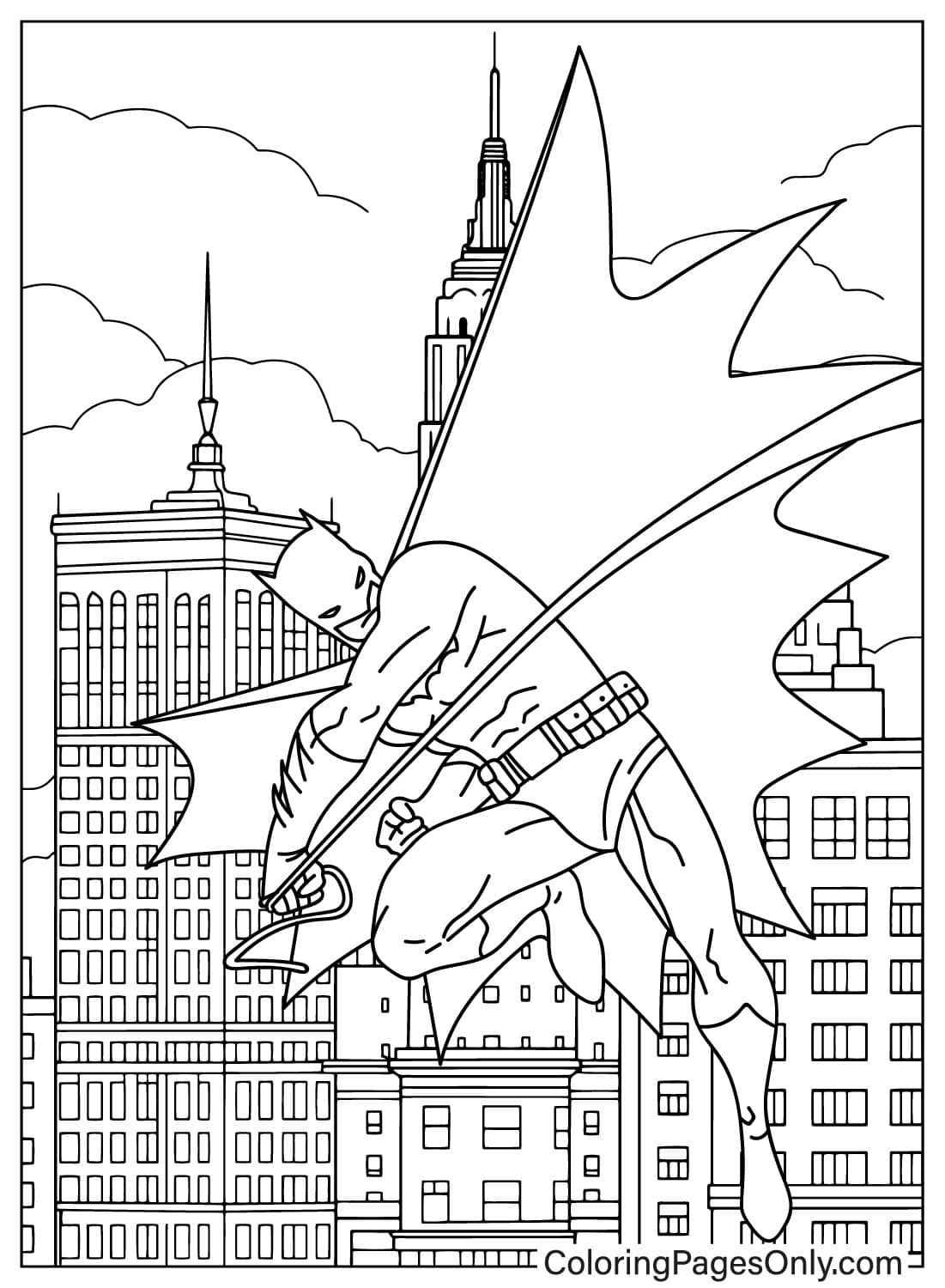
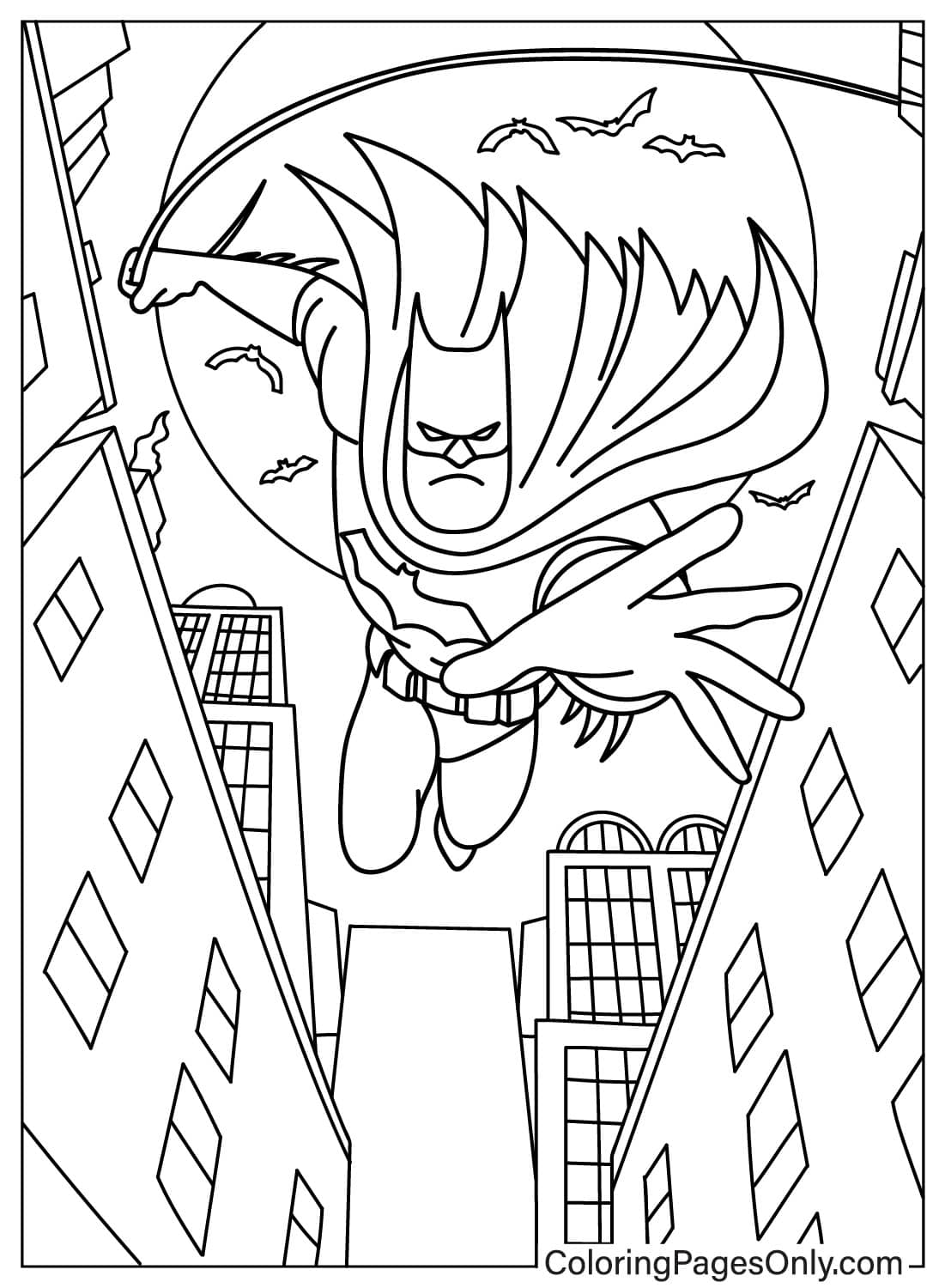
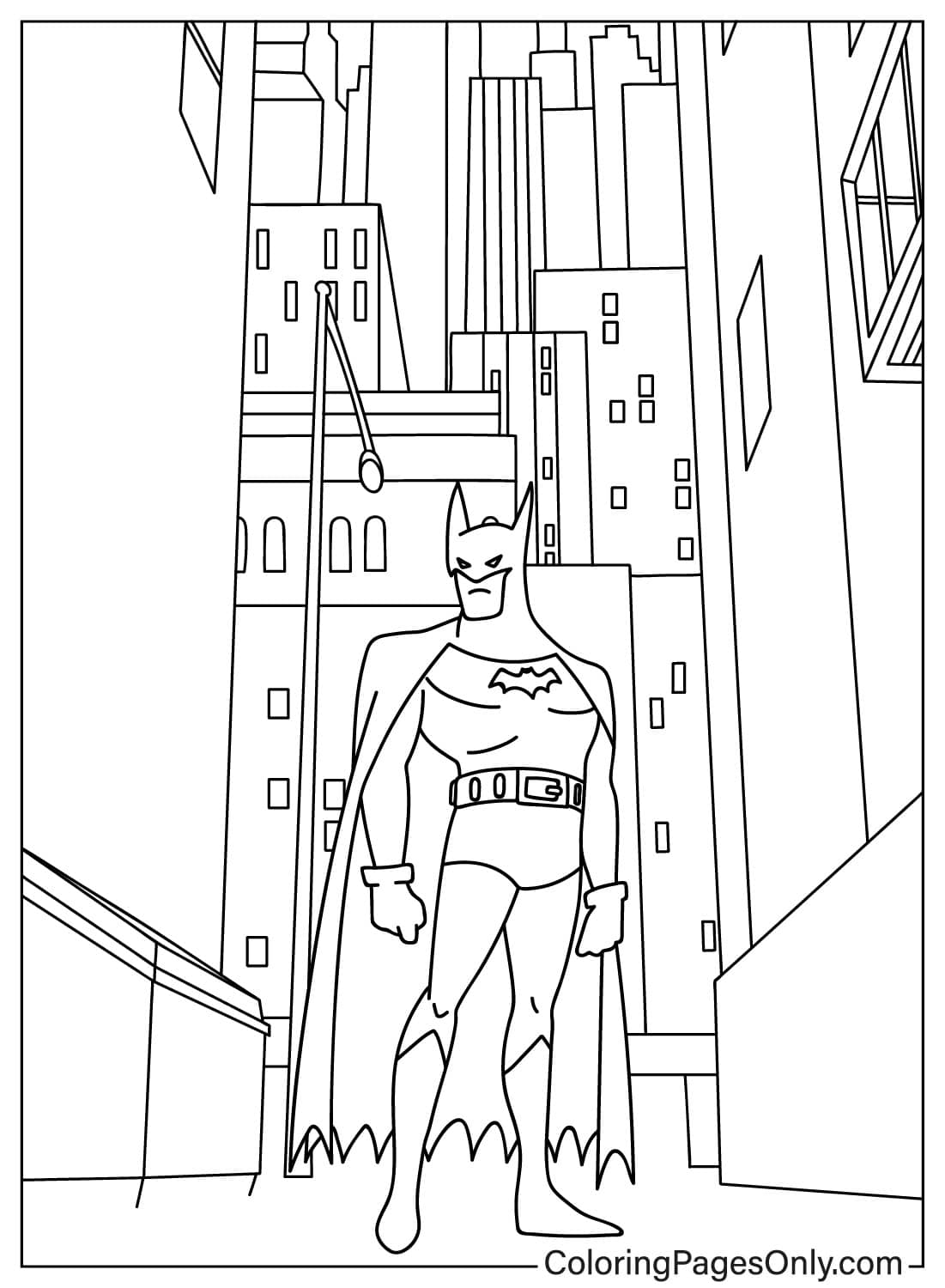
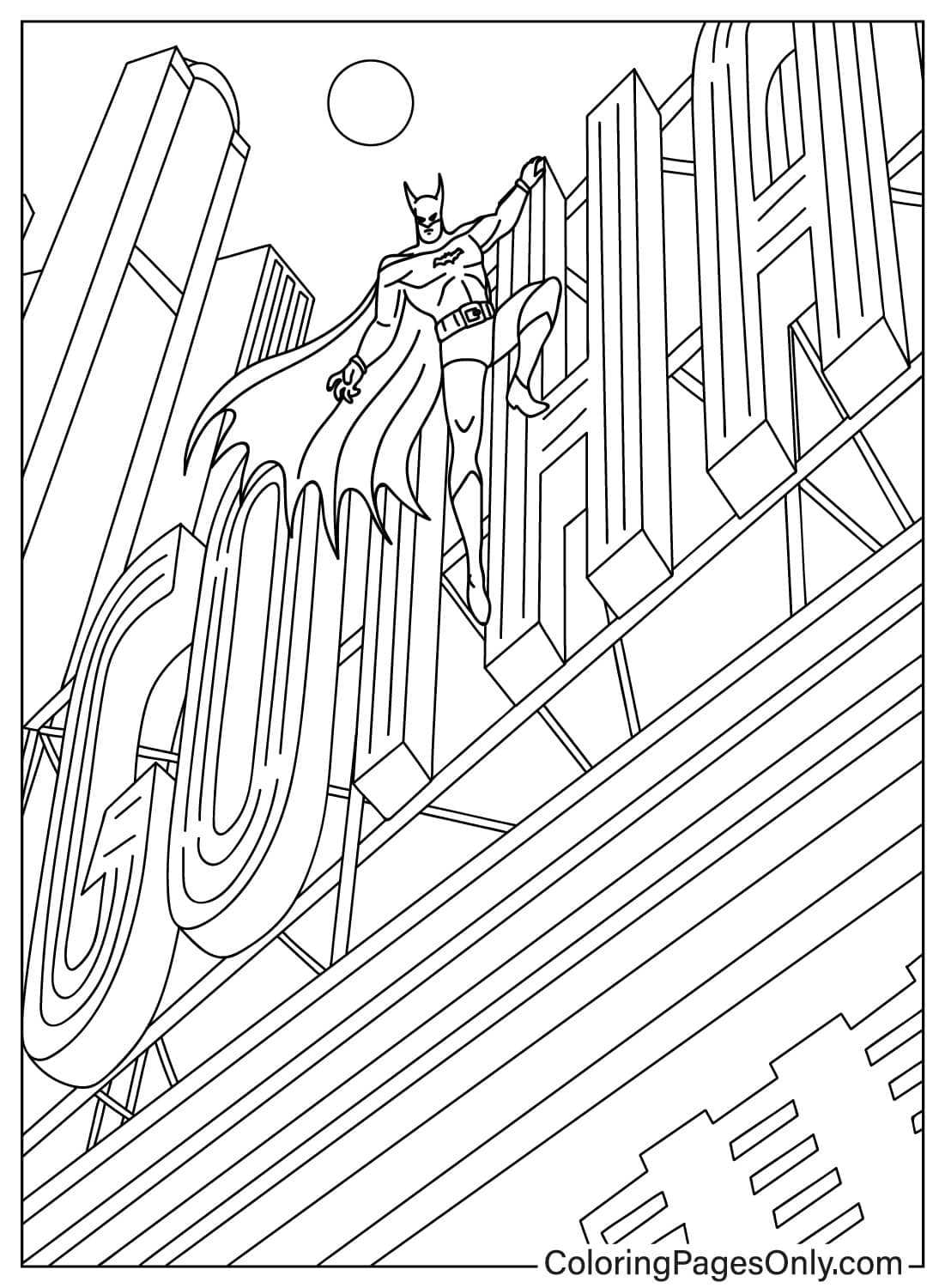
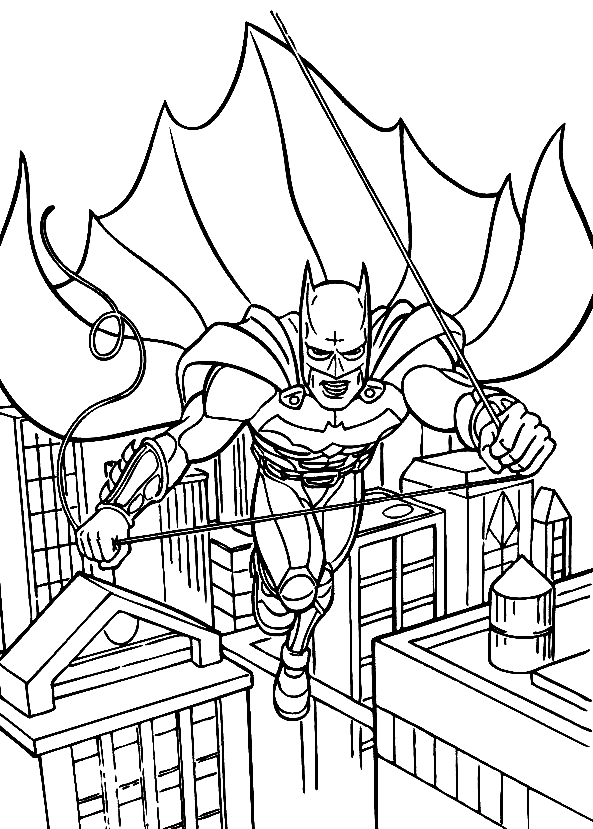
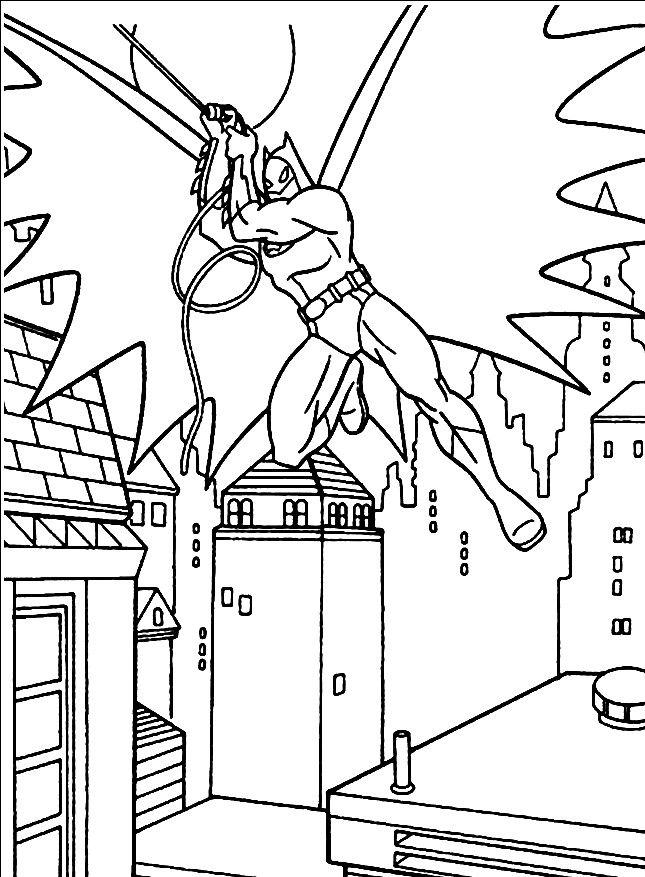
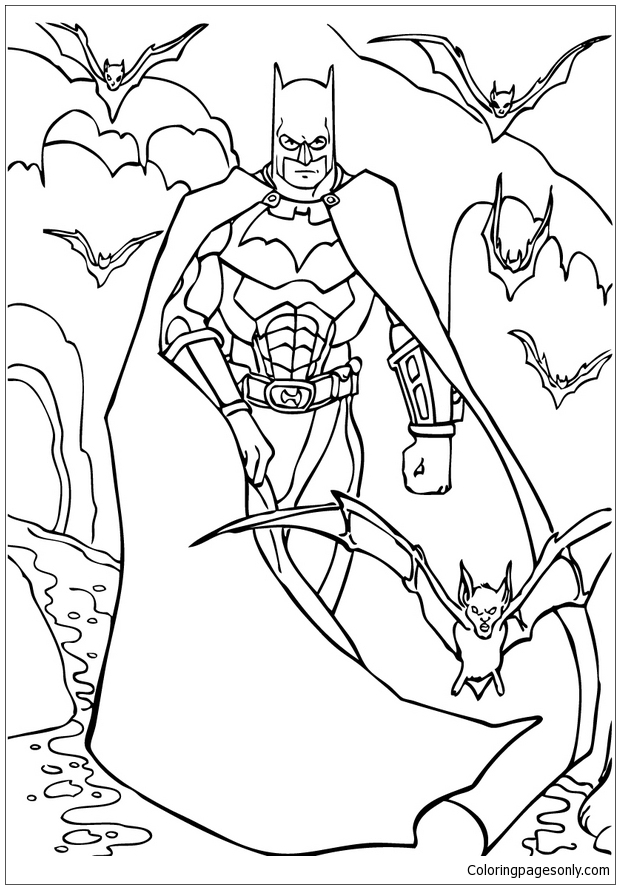
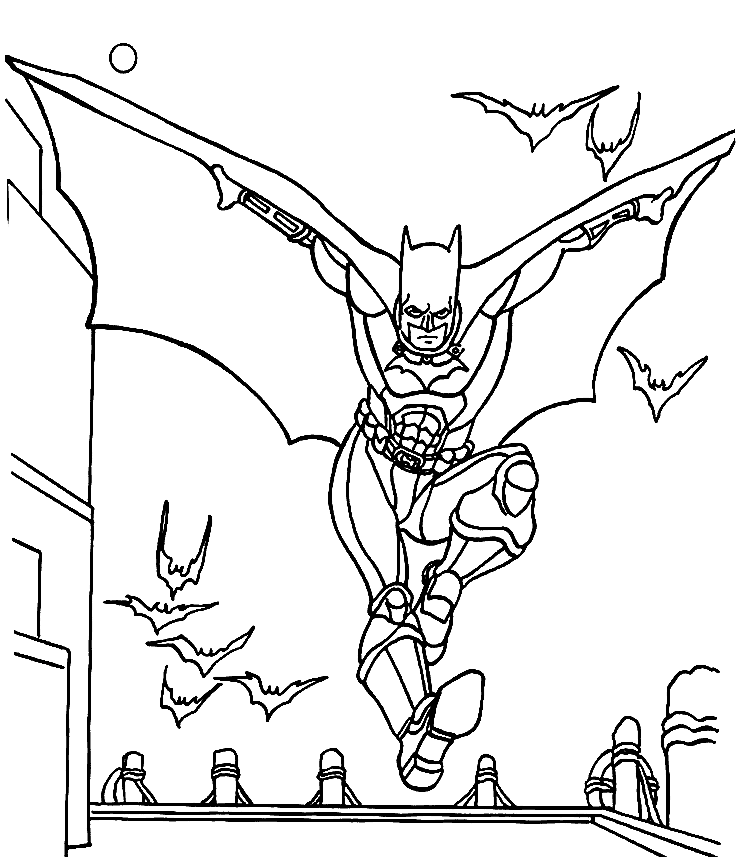
Gotham City pages bring Batman’s world into the artwork. These designs may include rooftops, buildings, night skies, bats, city lights, moon shapes, windows, alleyways, or Batman standing above the skyline.

The background matters here. Gotham is not just decoration; it gives the page mood. A simple Batman figure can feel heroic, but Batman against a city skyline feels more mysterious and cinematic. Children can use darker blues, purples, grays, and black shadows to create a night scene.

City pages are useful for older kids because they offer more than one layer to color. Batman can stay dark and bold in the front, while the buildings can use lighter gray or blue tones behind him. Windows can be yellow, pale orange, or white to make the city feel alive.

The sky can change the whole page. A deep navy sky makes Batman feel serious. A purple sky makes the scene more comic-book-like. A gray sky gives the page a rainy Gotham feeling. A moonlit background can make the cape and cowl stand out.

For younger children, Gotham pages with only a few buildings are easier. For older kids, detailed skyline scenes give more room for shading, window patterns, roof edges, bats, and dramatic light.

Batman Action and Vehicle Coloring Pages

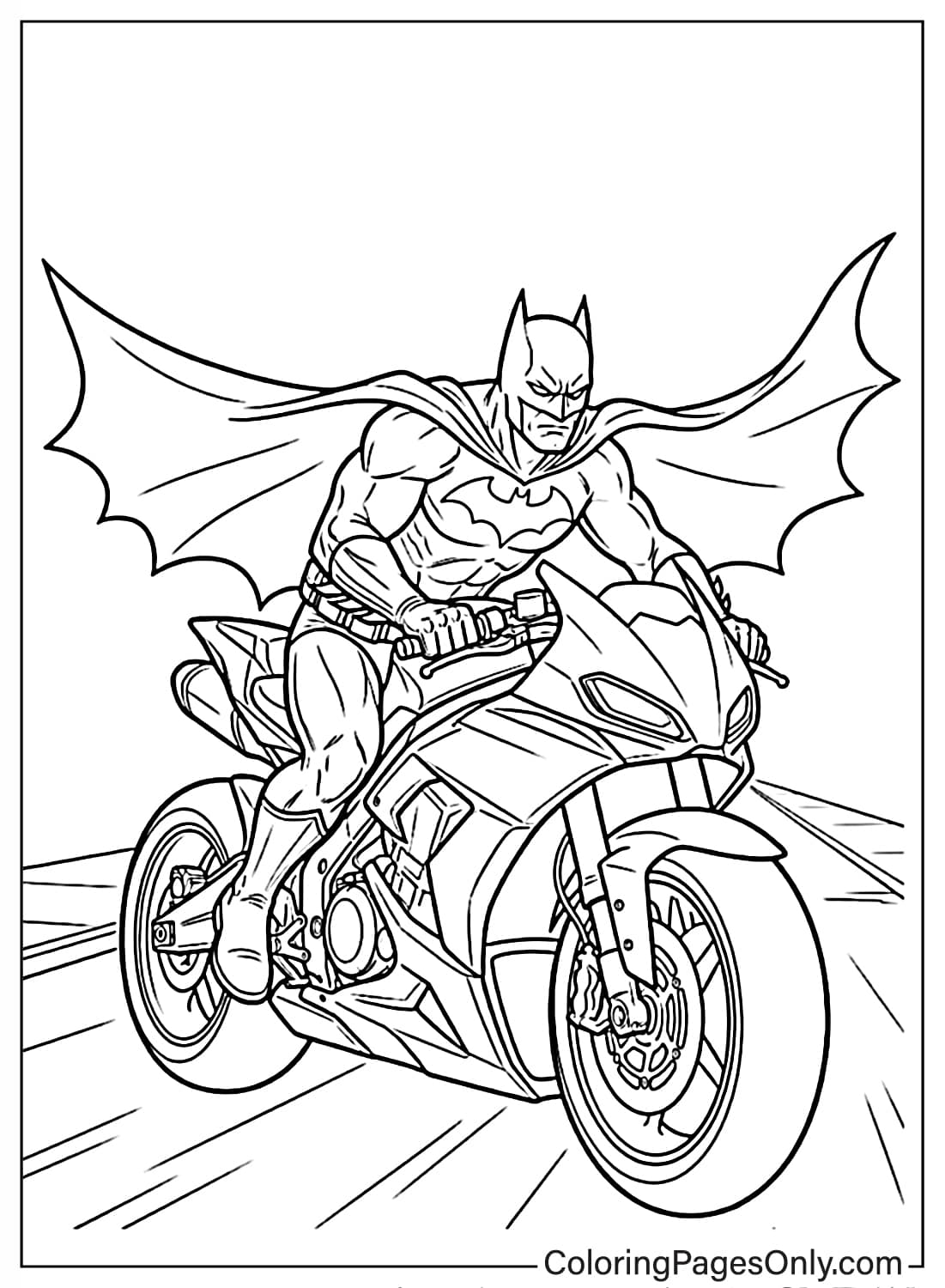
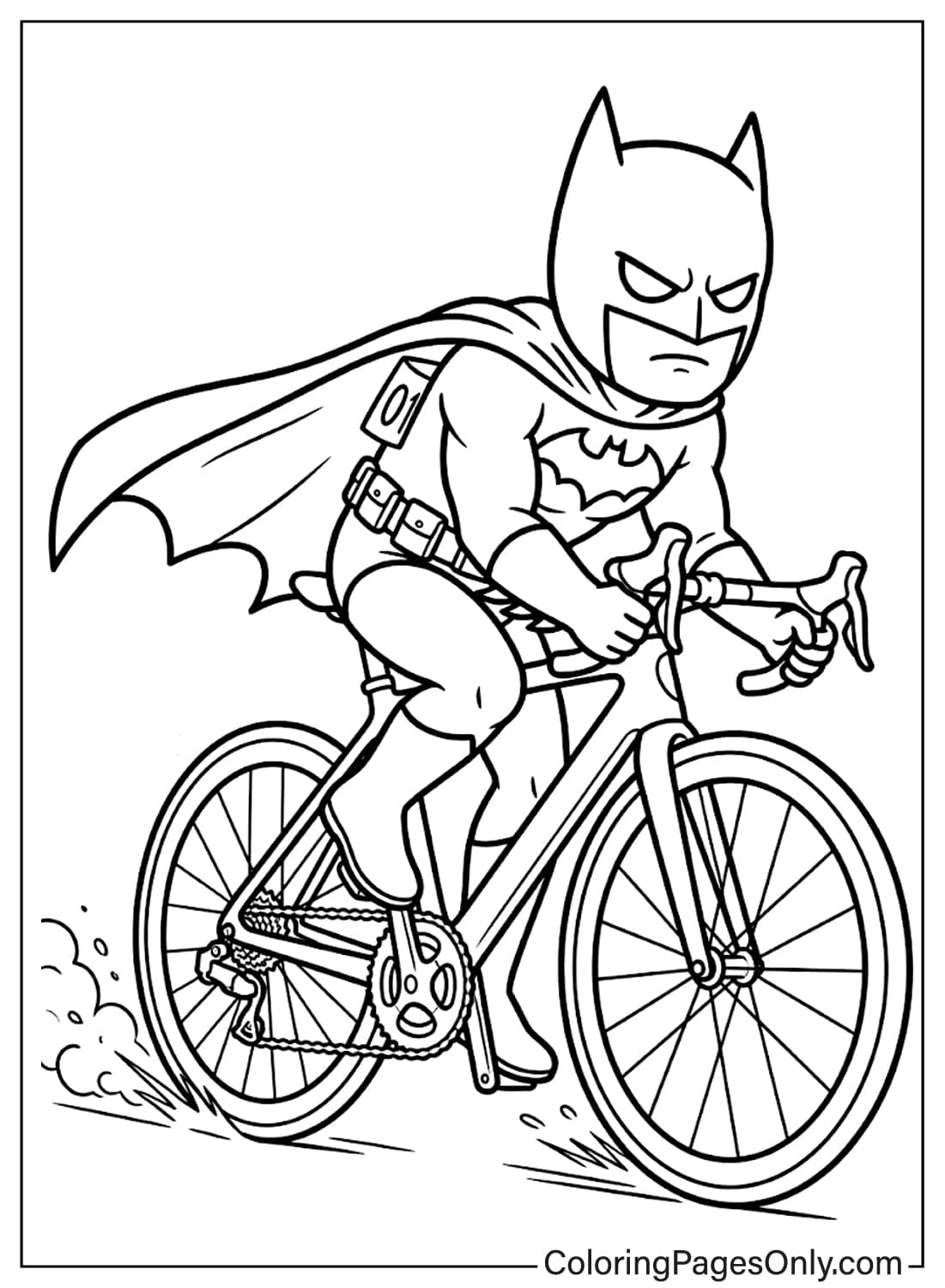
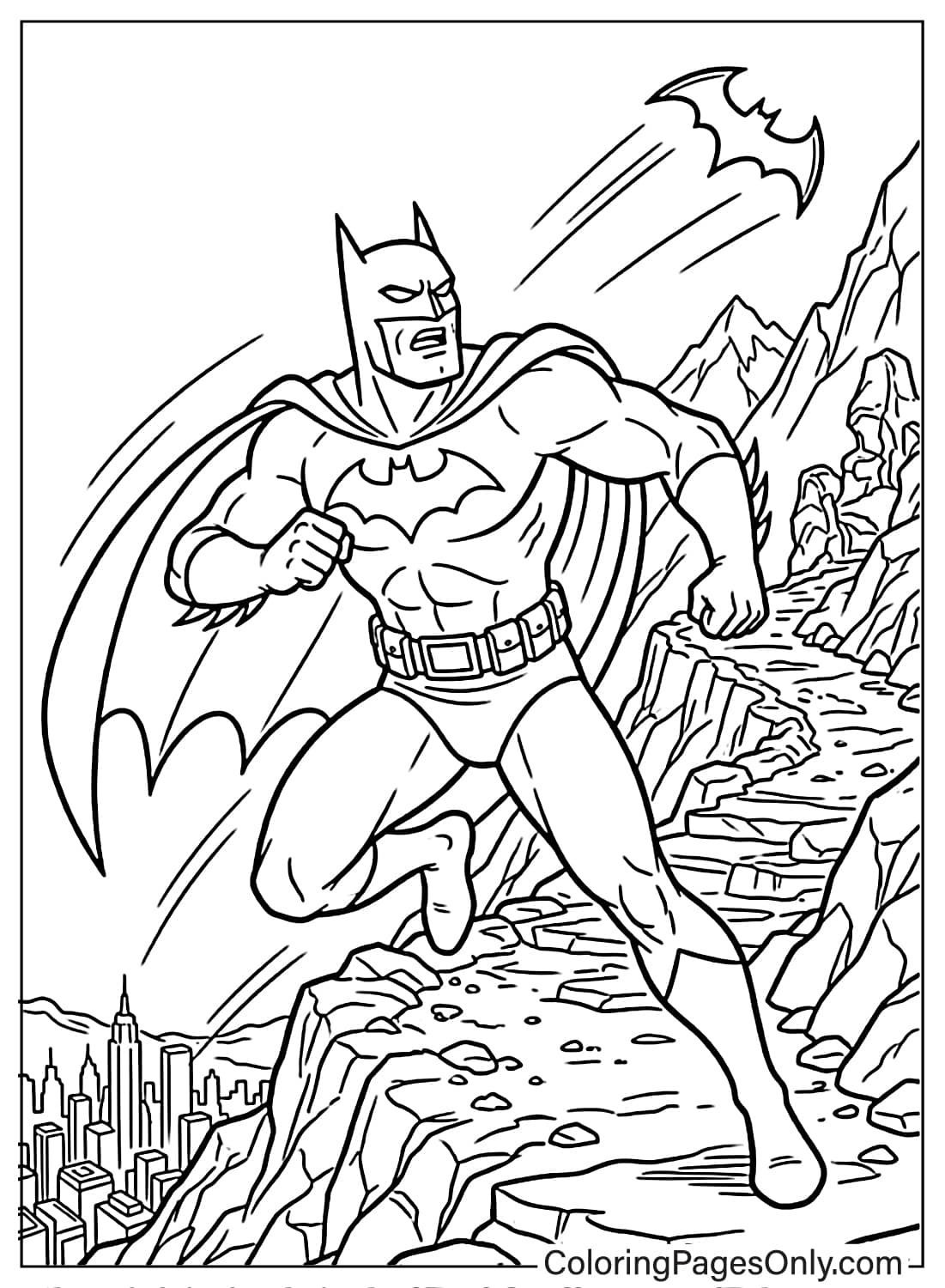
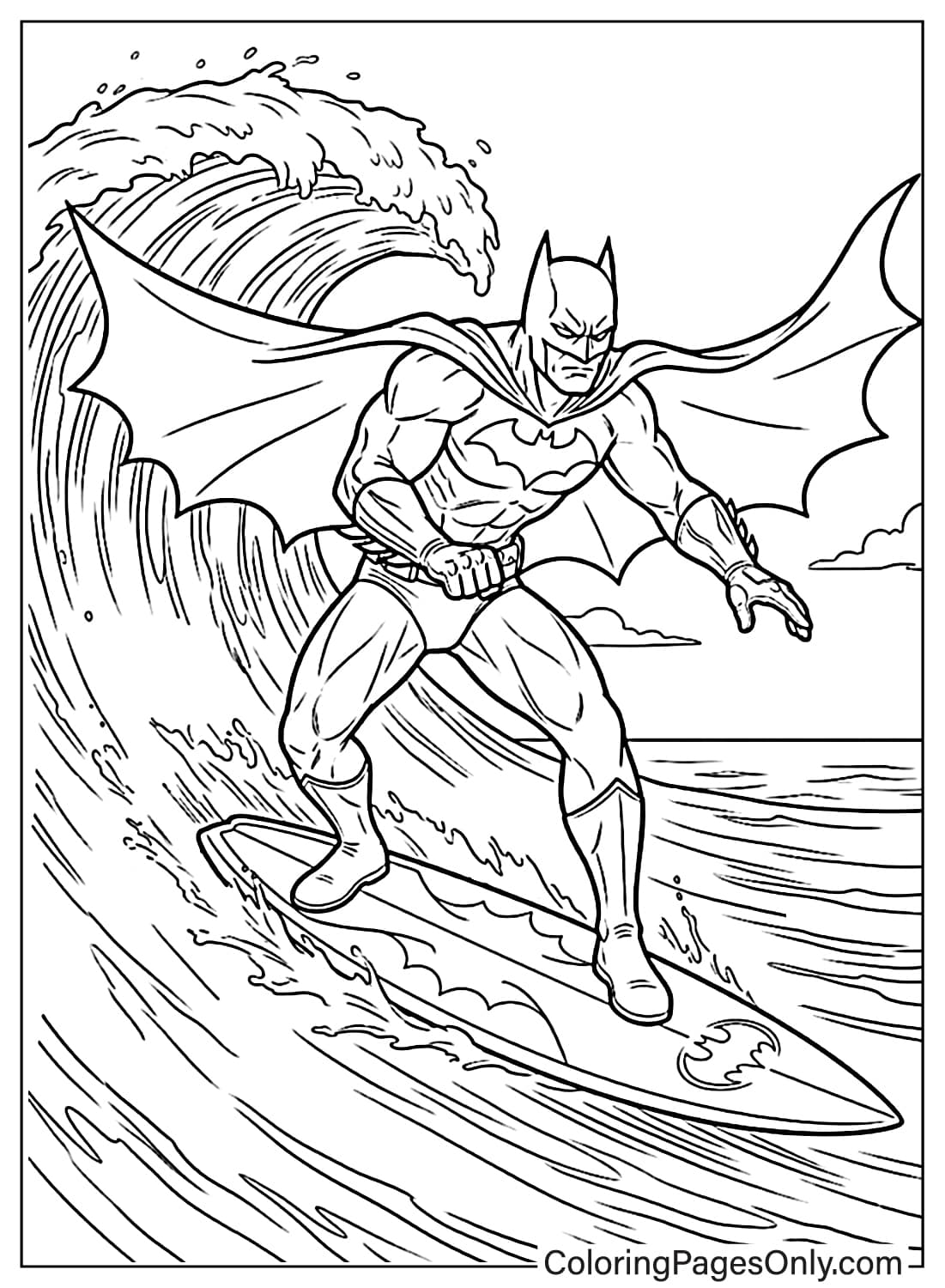
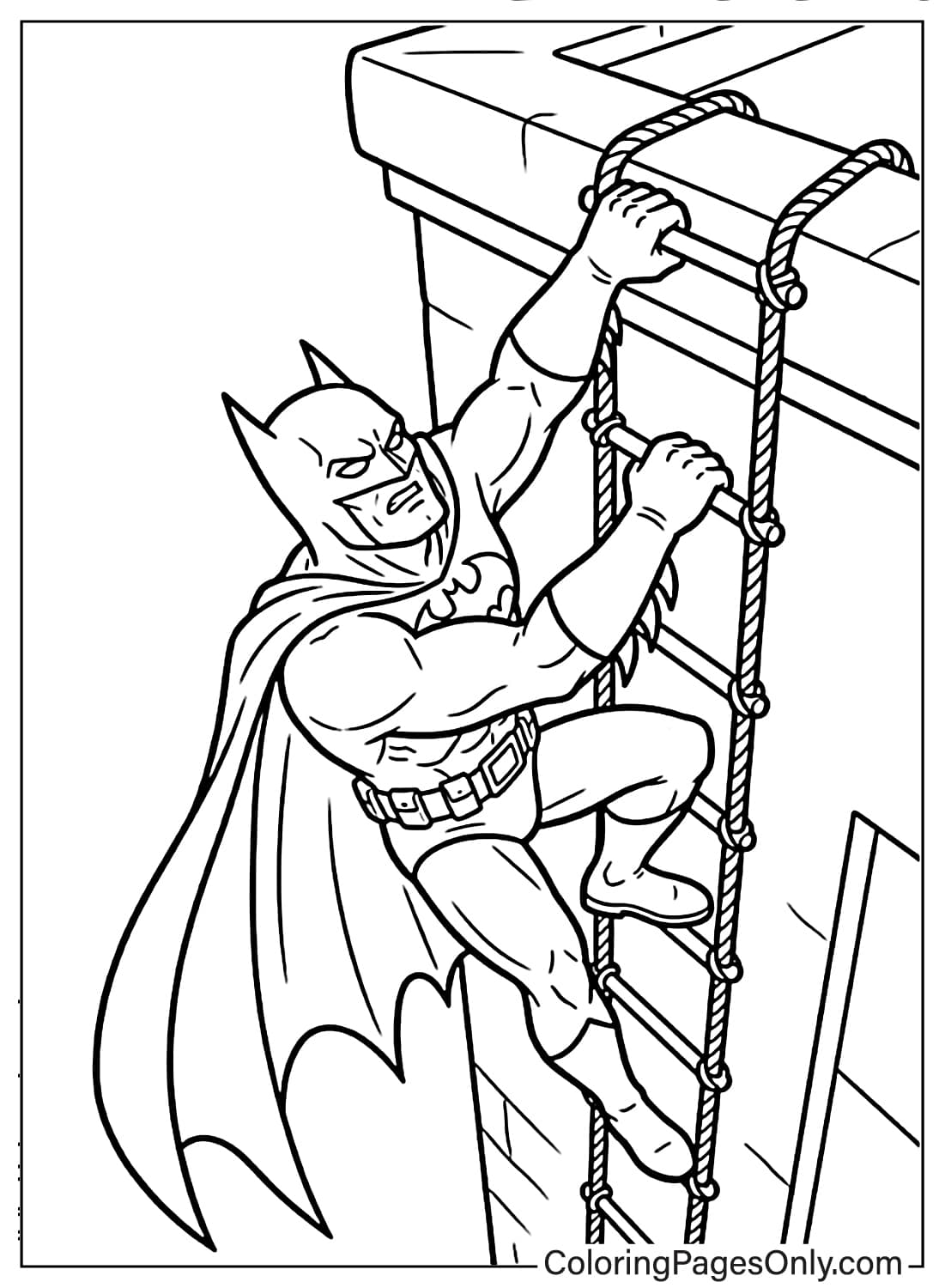
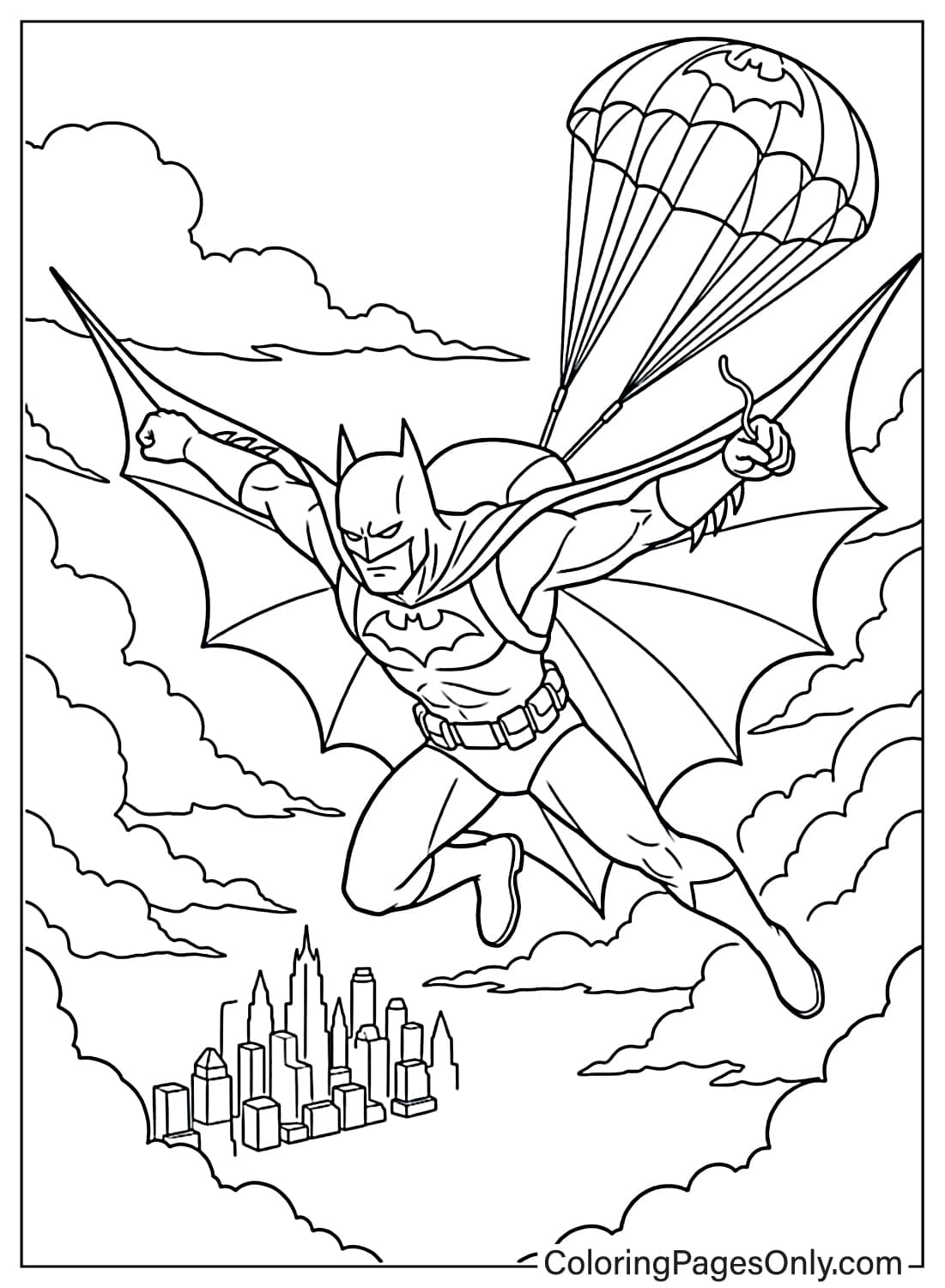
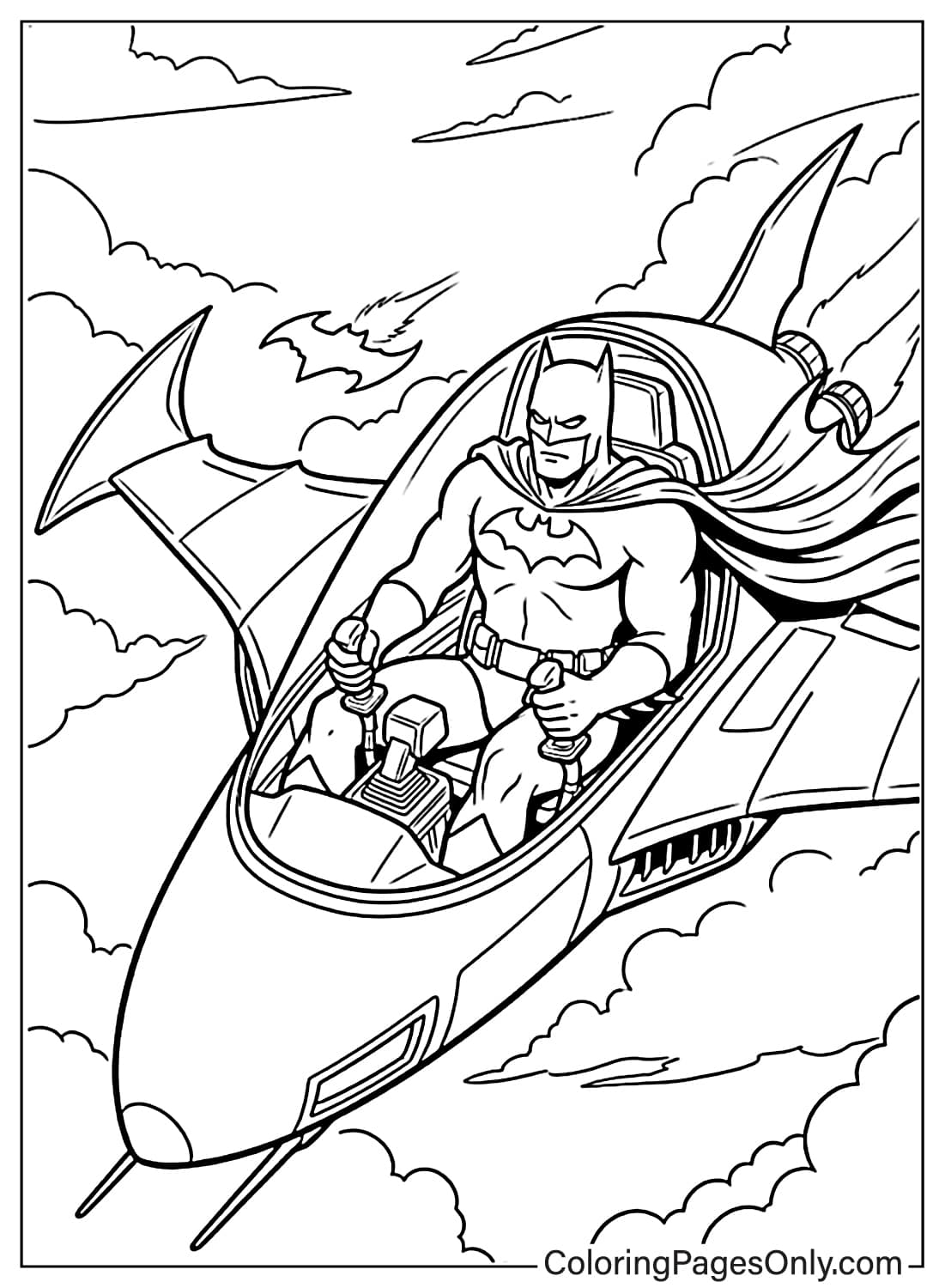
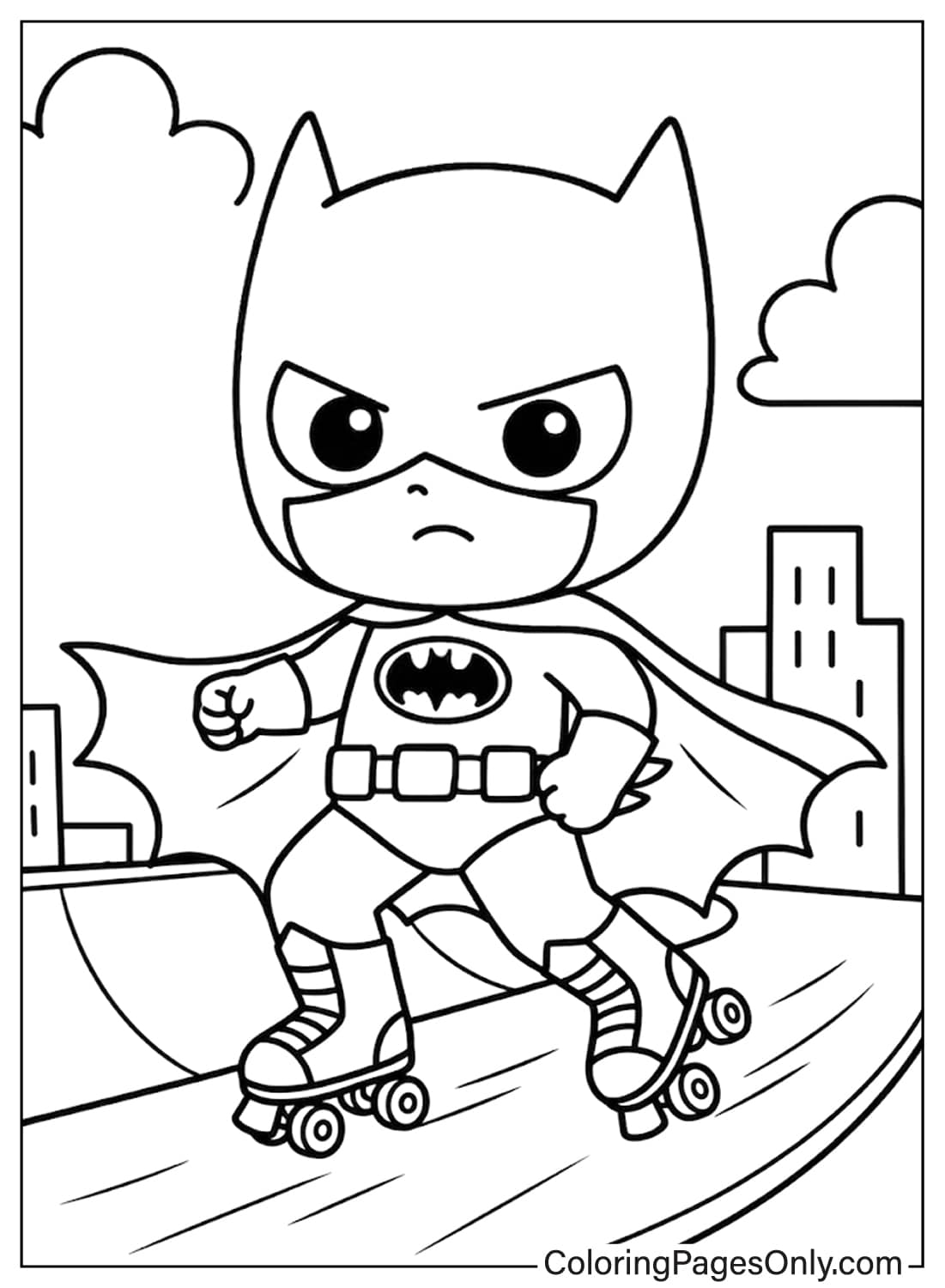
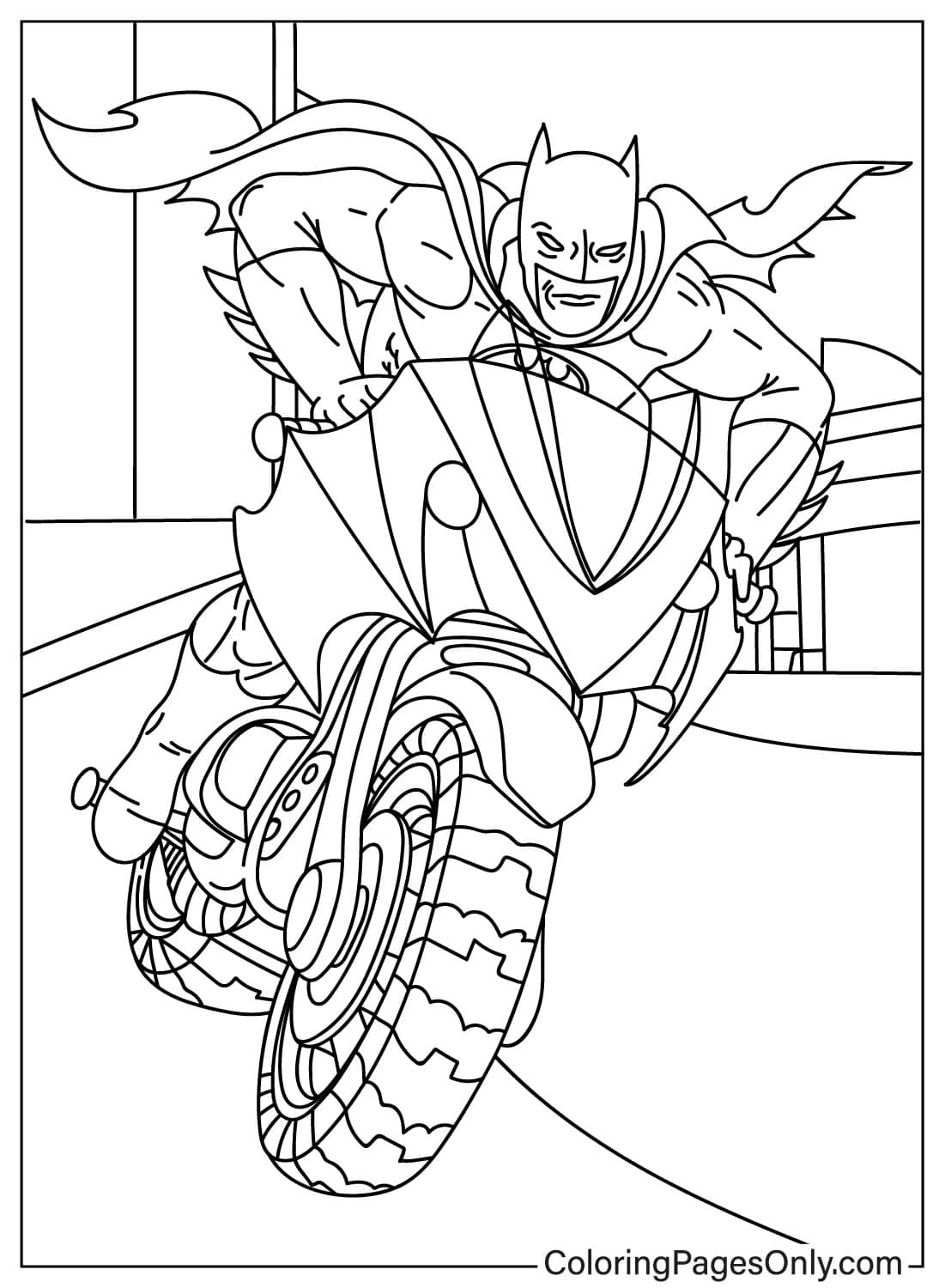
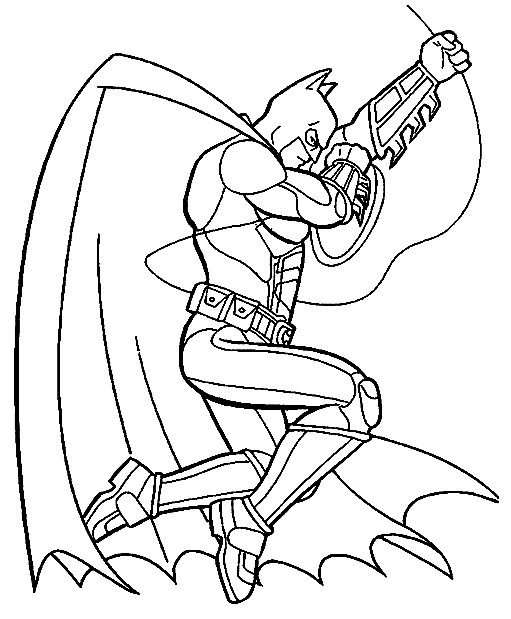
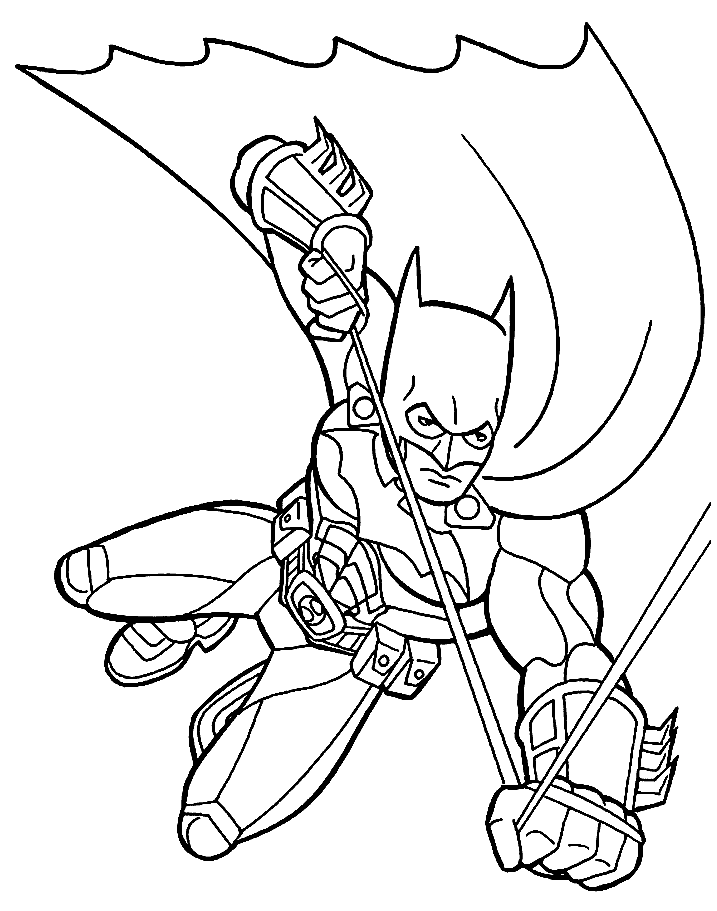
Batman action pages show movement. These may include Batman riding a motorcycle, piloting the Batwing, parachuting, climbing a rope ladder, running on a mountain path, surfing a giant wave, kicking a soccer ball, riding a bicycle, or roller skating in chibi style.

These pages feel more energetic than a standing pose. The cape may stretch behind Batman, the vehicle may create motion, or the body angle may show speed. Children can use color to make the action easier to read: darker colors on Batman, lighter colors behind him, and brighter accents on motion lines, lights, wheels, or sky.

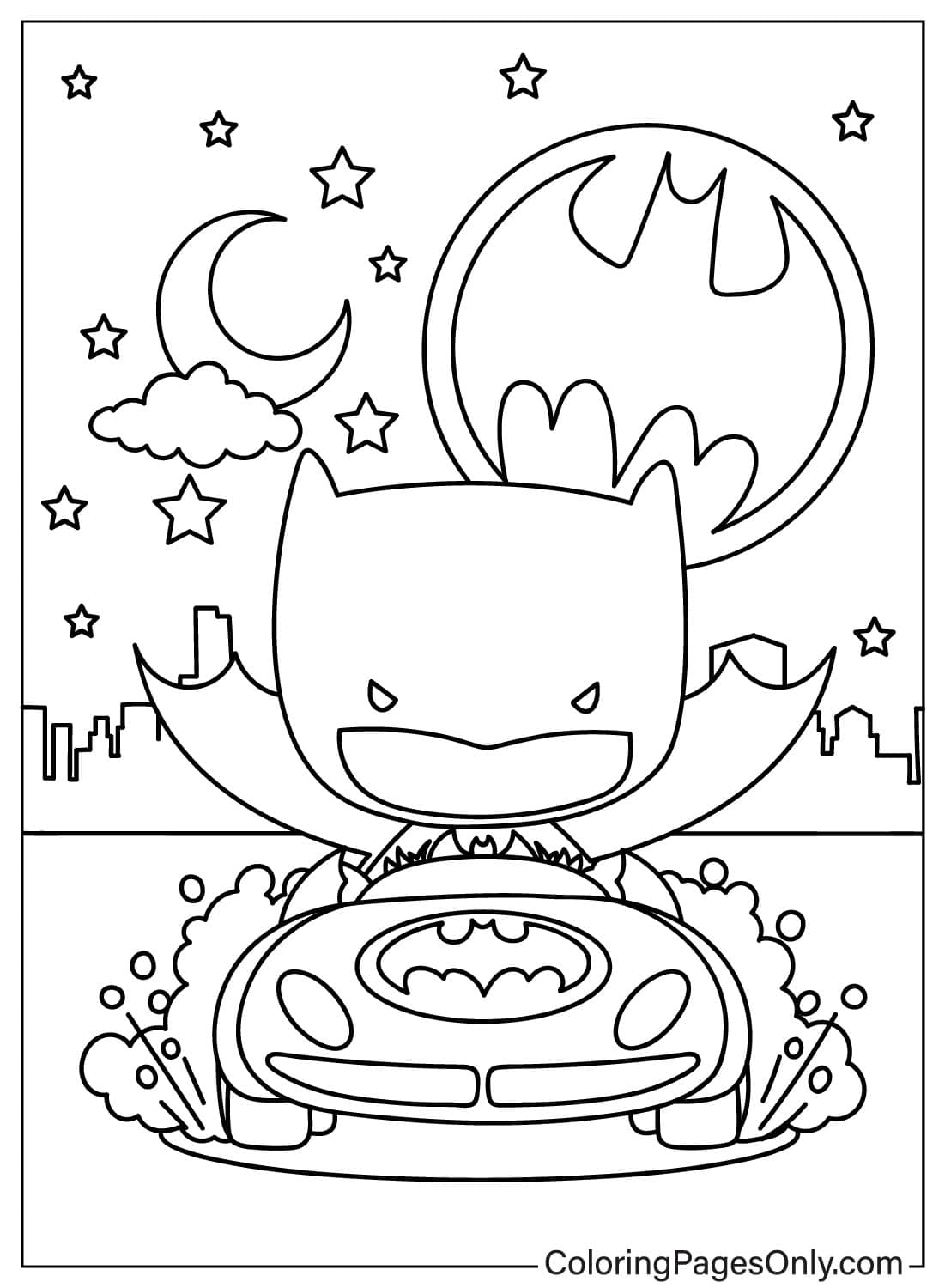
Vehicle pages add mechanical details. A Batwing jet can use black, gray, silver, or dark blue. A motorcycle can use black tires, gray metal, and small highlights. A bicycle or sports scene can use brighter colors because the mood is lighter than a Gotham rooftop scene.

The challenge is keeping Batman visible. If the vehicle, background, and suit are all dark, the page can feel heavy. Use gray shading for machines, light blue or pale gray for the sky, and a clear yellow or gold belt to break up the dark costume.

Action pages work well for kids who like superhero movement. They also give older children a chance to practice speed, direction, and background atmosphere.

Lego Batman and Chibi Batman Coloring Pages

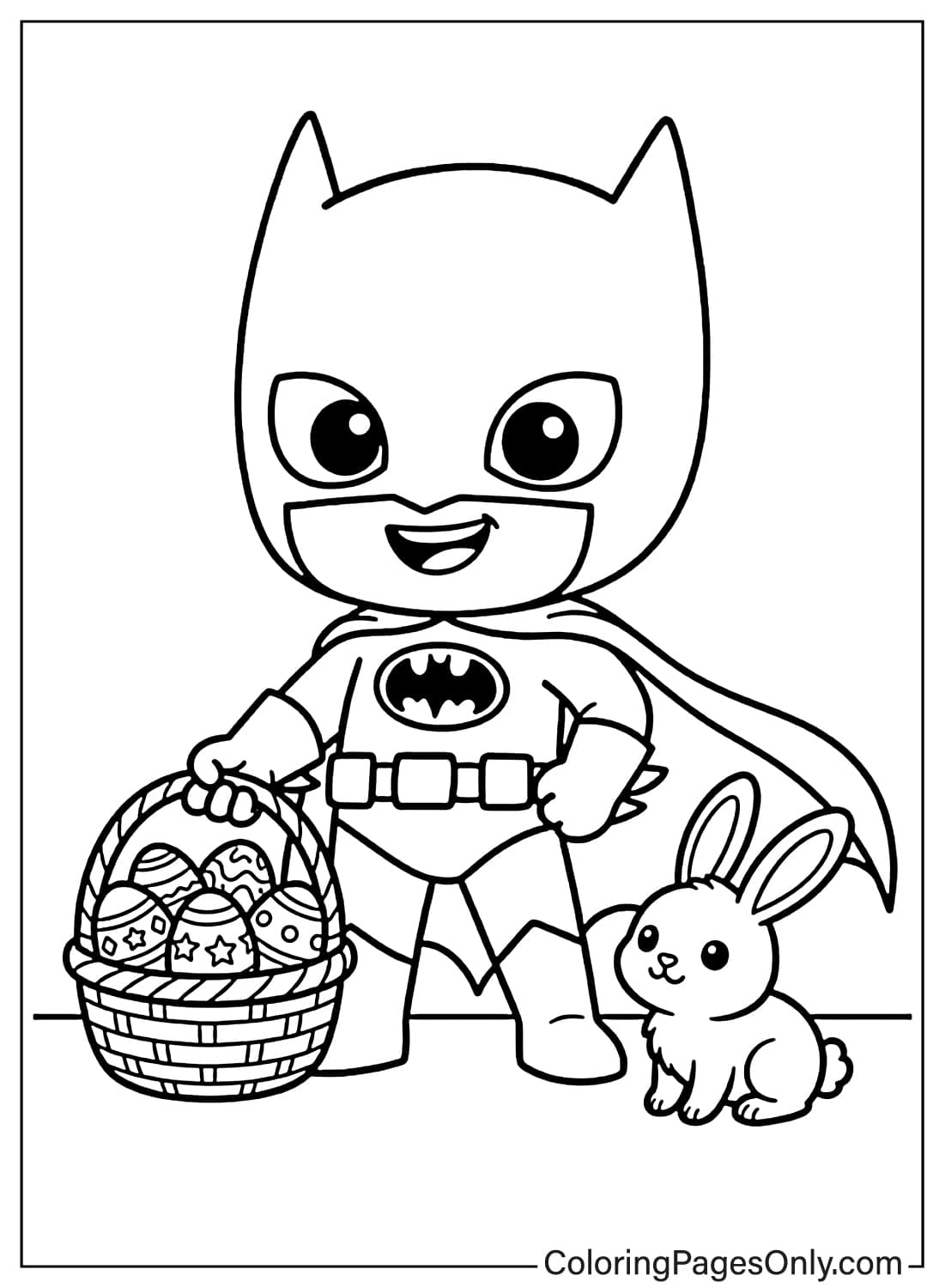
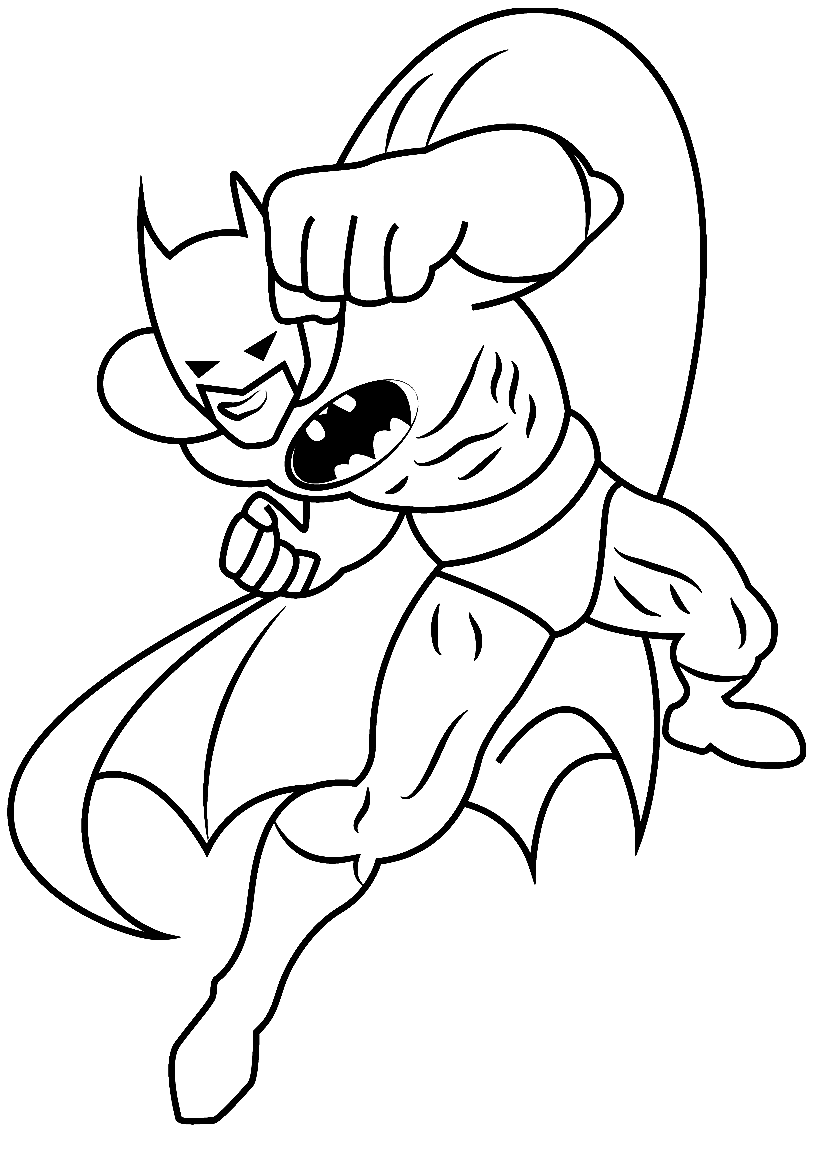
Lego Batman and chibi Batman pages make the character lighter, funnier, and easier for younger kids. These pages may show Lego Batman, Batman toys, chibi Batman roller skating, chibi Batman with an Easter basket, or cartoon-style Batman with softer expressions.

The shapes in these pages are usually simpler than classic comic-style Batman. The head may be larger, the body shorter, and the expression more playful. That makes the page feel less serious and more approachable for preschool and elementary-age children.

Lego Batman pages are especially good for clean color areas. The block-like body gives children clear sections: head, mask, torso, cape, belt, hands, and legs. Chibi pages are also easy to enjoy because the large face and small body create a cute hero look.

Color choices can be brighter here. The suit can still use black, dark gray, or navy, but backgrounds and props can use cheerful colors. Easter baskets, toys, roller skates, or playful objects can bring in yellow, red, blue, green, pink, or orange.

These pages are a good option when children like Batman but do not want a dark or intense action scene. They keep the character recognizable while making the coloring experience softer and more fun.

Batman, Robin, and Character Scene Pages

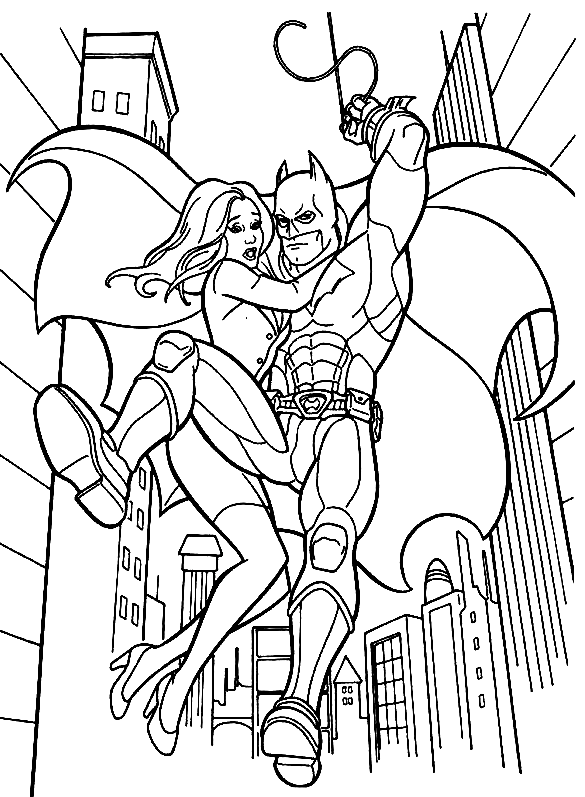
Batman feels different when other characters appear with him. Pages with Robin, Catwoman, or group scenes give children more storytelling possibilities. Instead of coloring one hero alone, they can color a relationship, a team-up, a rescue, or a dramatic moment.

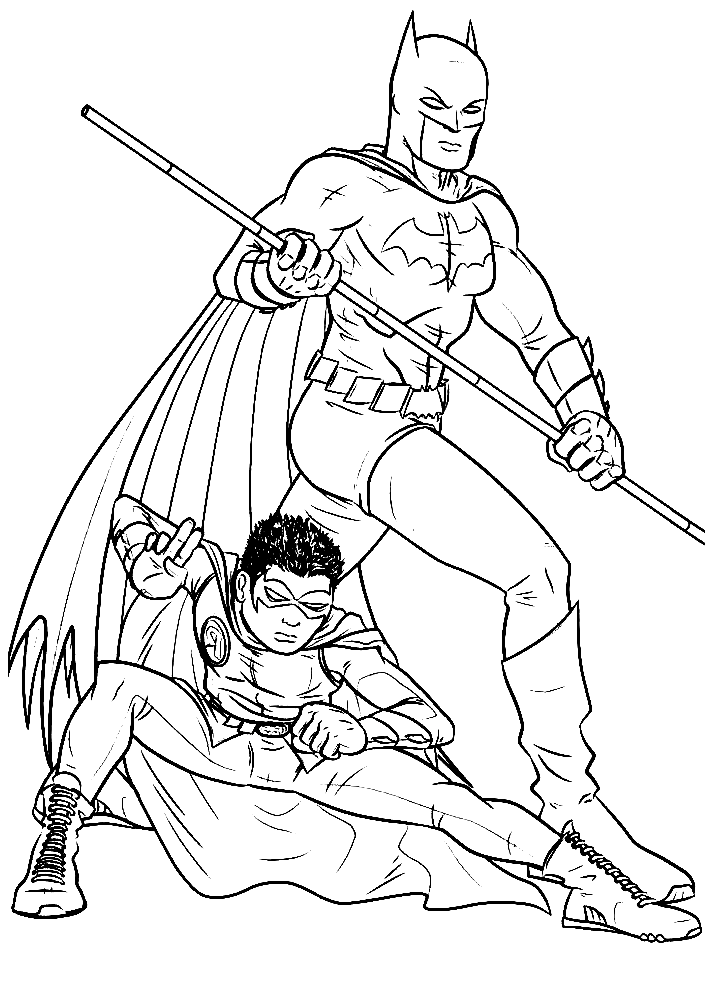
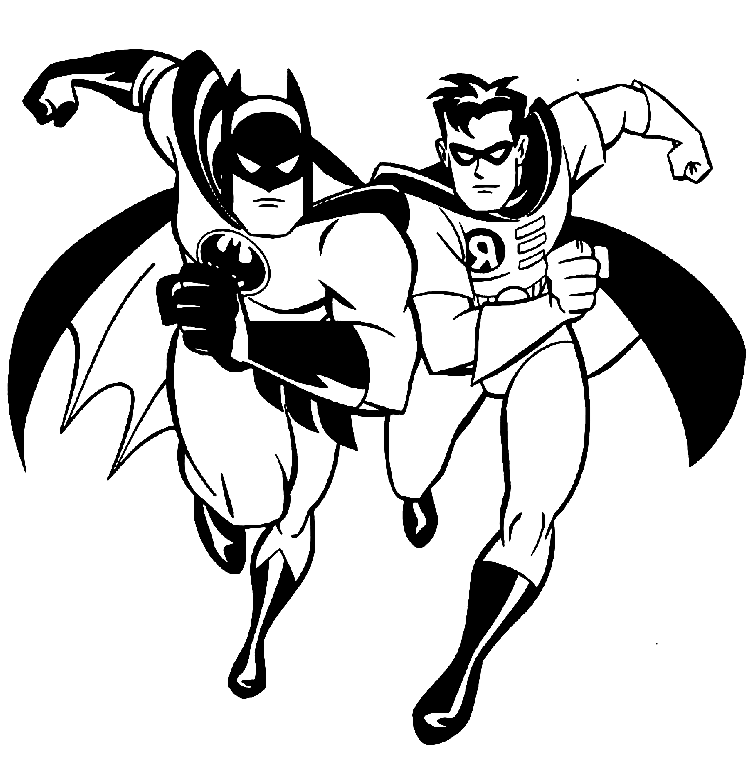
Batman and Robin pages often feel like teamwork. Batman can stay darker and more serious, while Robin brings brighter colors such as red, green, yellow, and black. This contrast helps the two characters stand apart.

Catwoman pages can use black, gray, purple, or darker tones, depending on the style. Villain or team scenes usually bring stronger contrast because Batman’s dark suit has to stand apart from brighter costumes, faces, and background details.

The main skill here is separating characters. Batman should not disappear into the background, and supporting characters should not all compete for the same focus. Color Batman first, then color the second character, then use softer background colors to connect the scene.

These pages are good for children who like storytelling. They can imagine what happened before the scene, what each character is doing, and what might happen next.

Eco, Sports, and Everyday Batman Pages

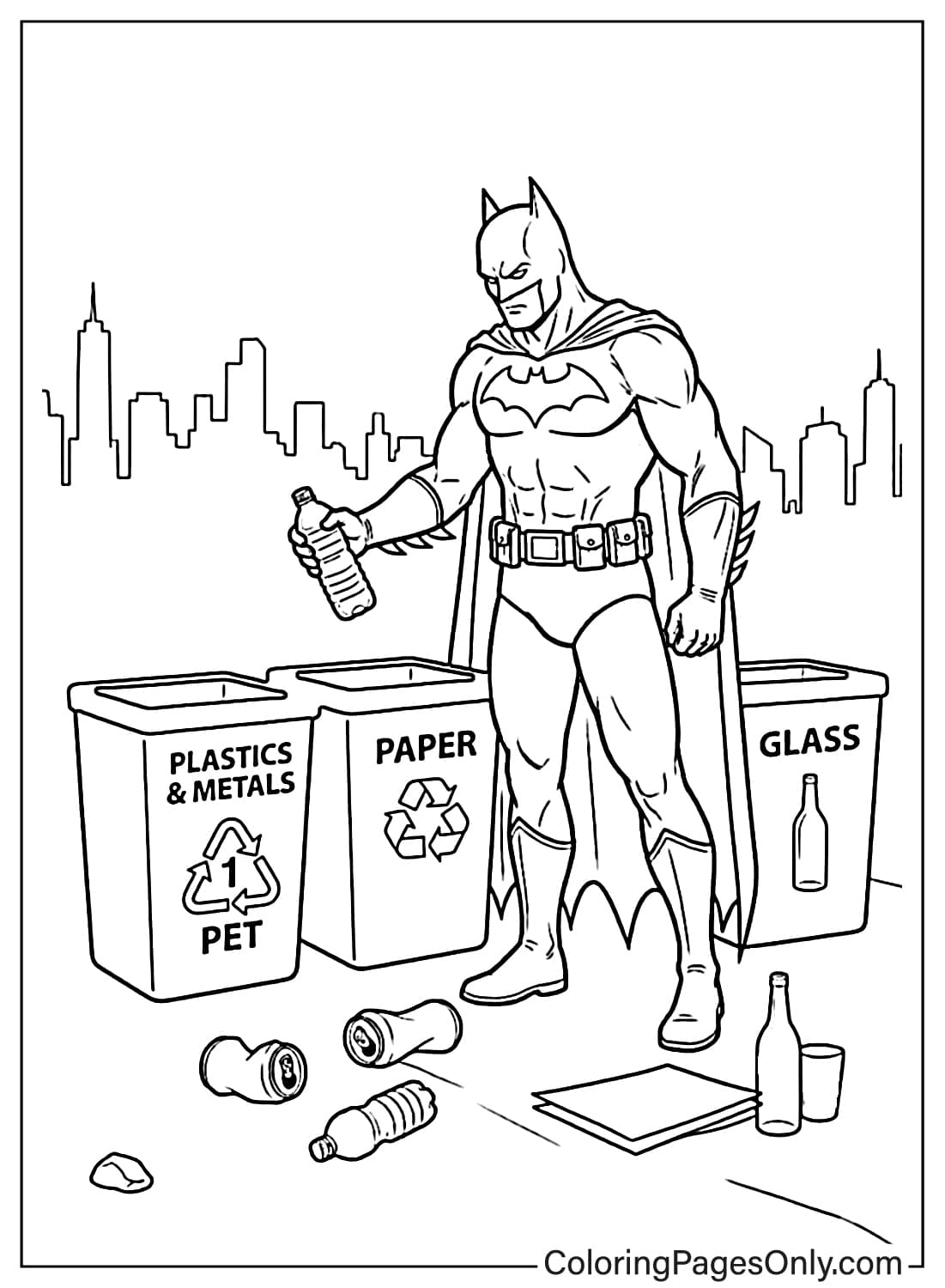
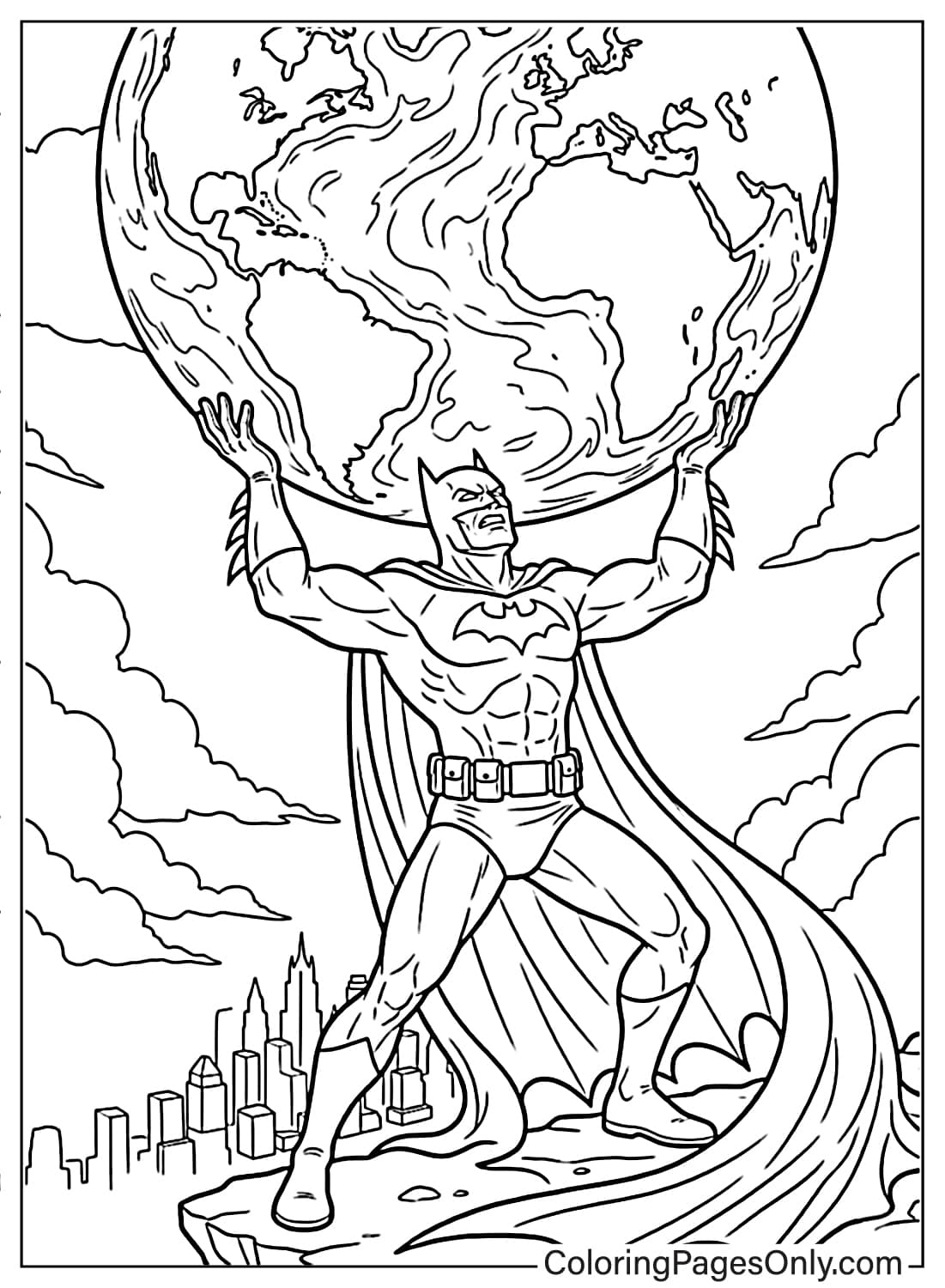
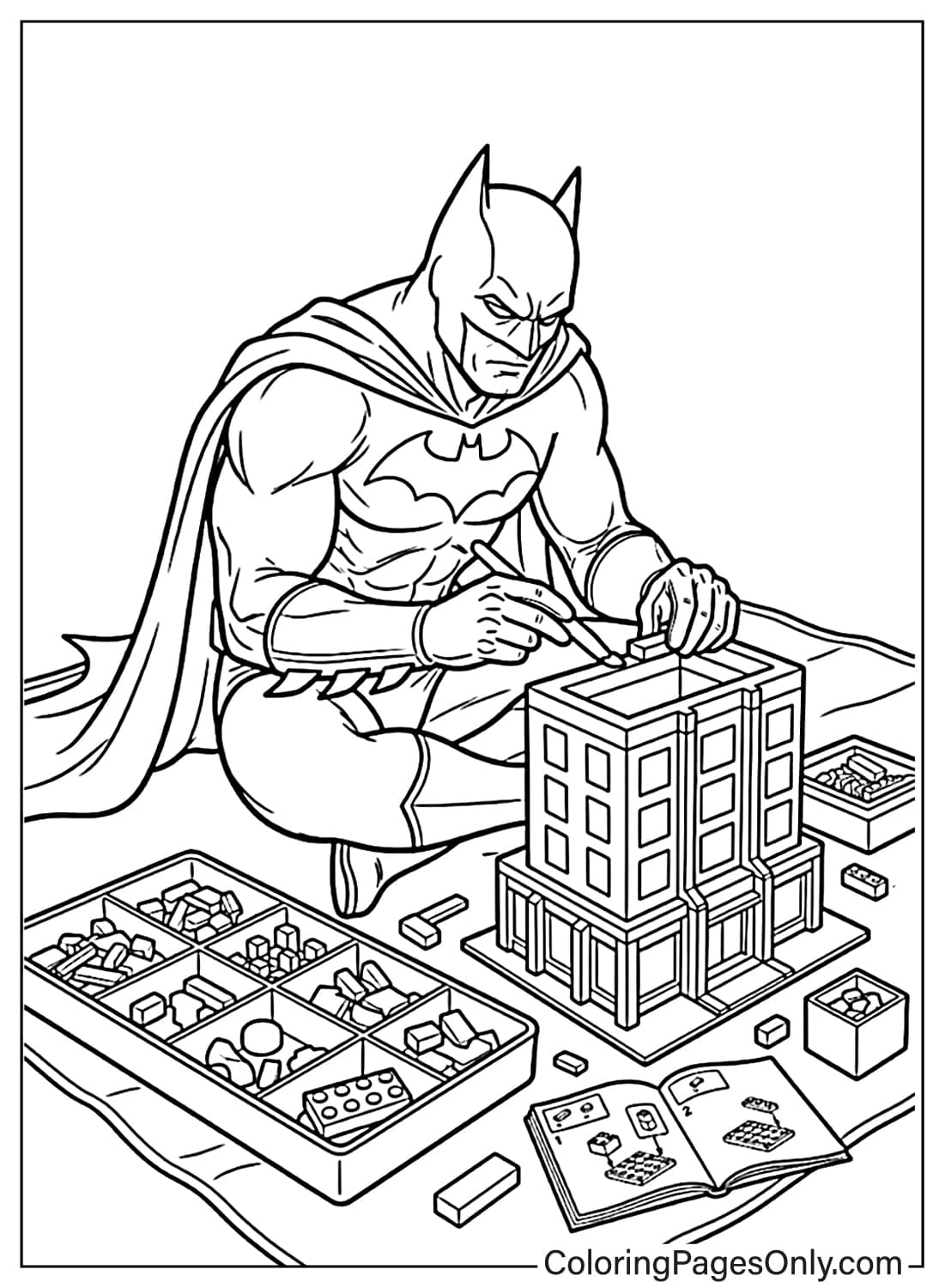
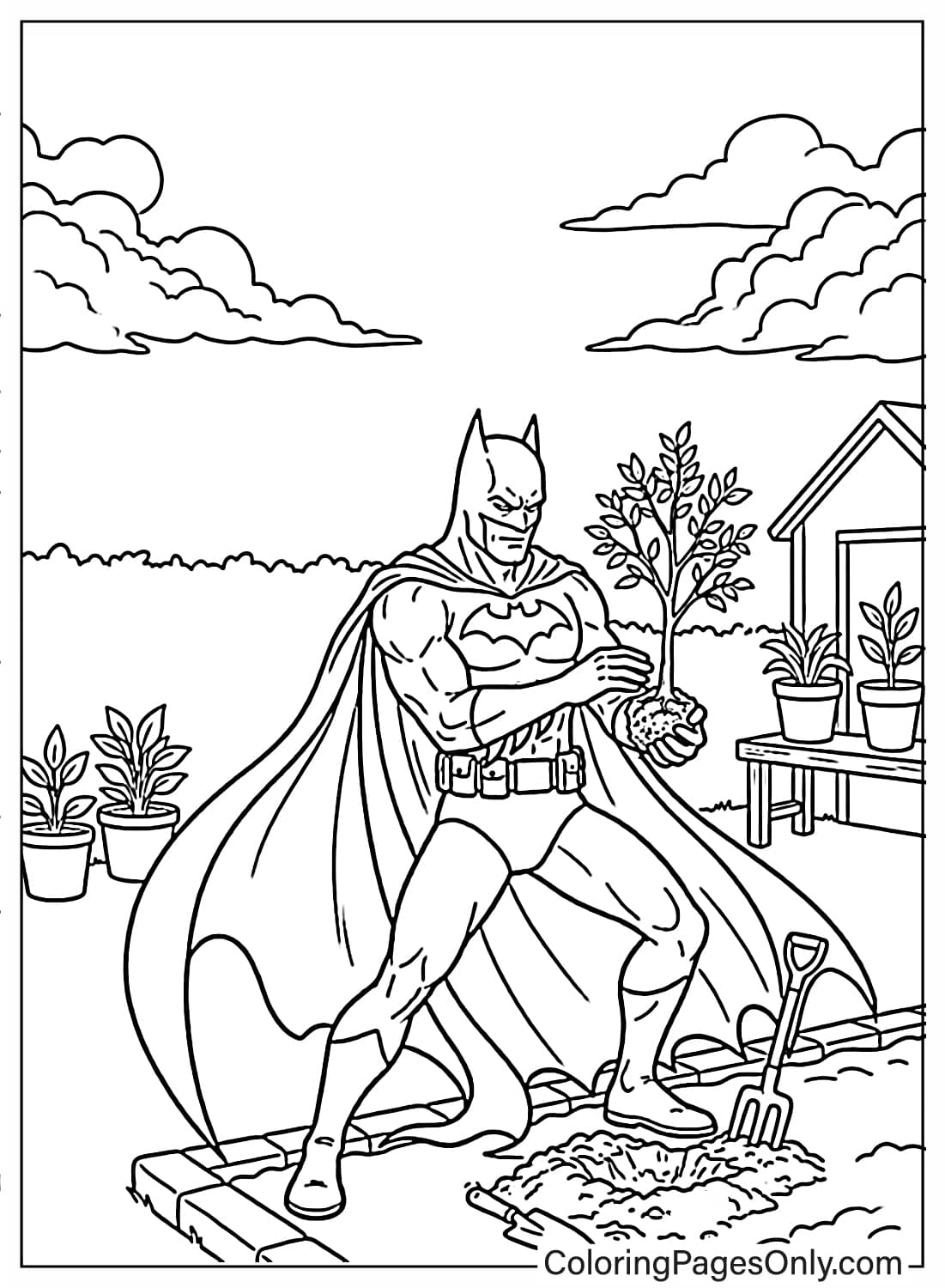
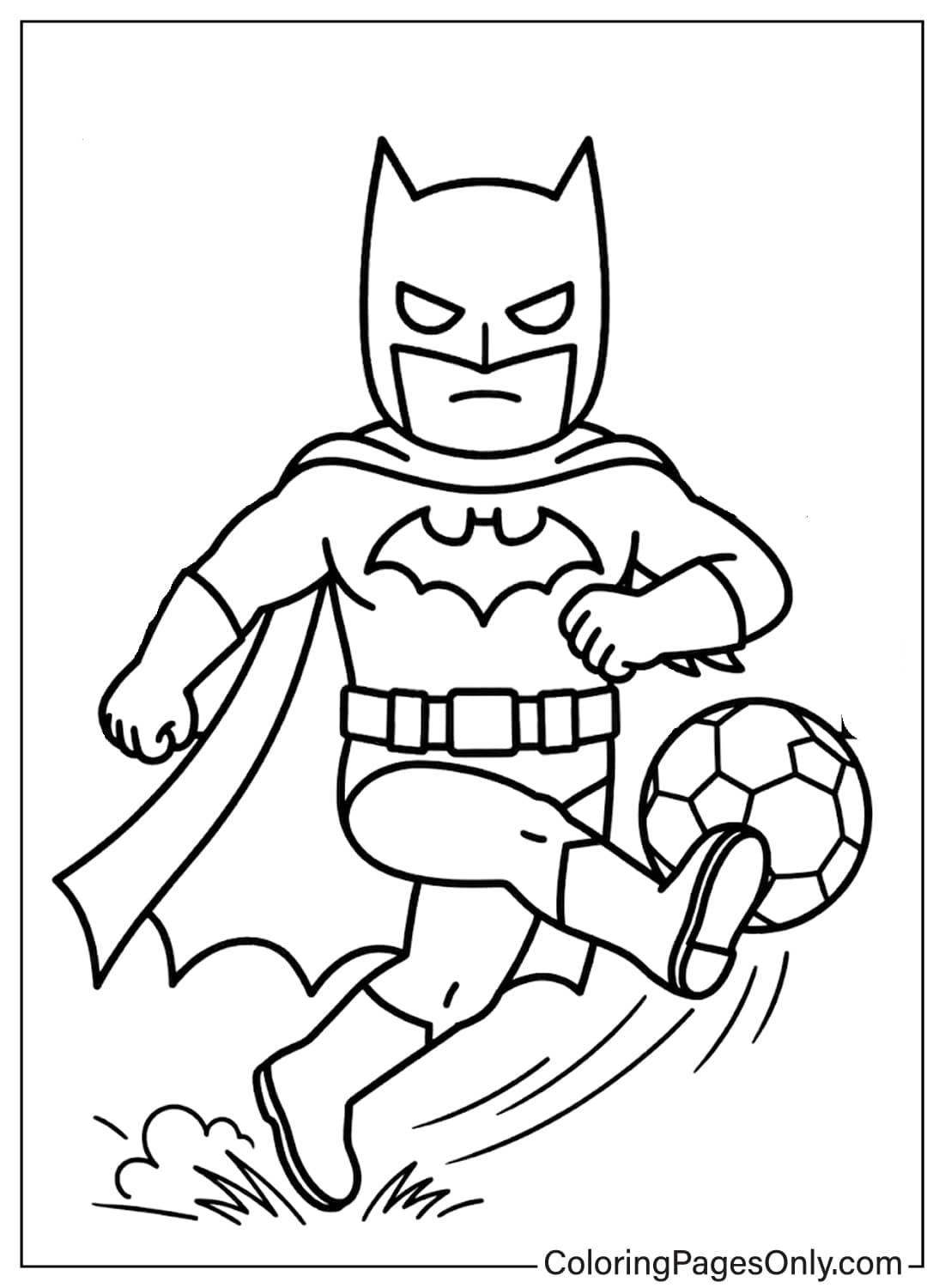
Some Batman pages show the hero outside the usual rooftop or battle scene. These may include Batman recycling trash, holding the Earth, gardening and planting a tree, building a Lego model, kicking a soccer ball, riding a bicycle, or surfing.

These pages are useful because they show a lighter side of Batman. He is still recognizable, but the activity changes the mood. Batman, holding the Earth, can feel protective. Batman planting a tree can connect the page to nature. Batman playing soccer or surfing can make the character more playful.

Coloring these pages gives children more variety. Earth pages can use blue and green. Gardening pages can use brown soil, green leaves, and soft sky colors. Sports pages can use brighter outdoor colors. Lego-building pages can use many small block colors.

These pages can also lead naturally into small classroom conversations about recycling, teamwork, helping others, or taking care of the planet. They are good for younger kids who may prefer a friendly Batman scene over a dark Gotham image.

The key is to keep Batman clear while letting the activity carry the mood. His suit can stay dark, while the objects around him add color and context.

Movie, Animated, and Comic-Style Batman Pages

Some Batman pages draw from different styles: animated series looks, movie-inspired designs, comic poses, The Dark Knight-style pages, Batman Returns-style pages, Arkham City-style pages, and dramatic Bat-symbol scenes.

These pages can feel more detailed than the simpler printable designs. The cowl may have sharper lines, the cape may be longer, the suit may have armor sections, or the pose may feel more serious. Older kids and adults may enjoy these pages because they leave more room for shading and atmosphere.

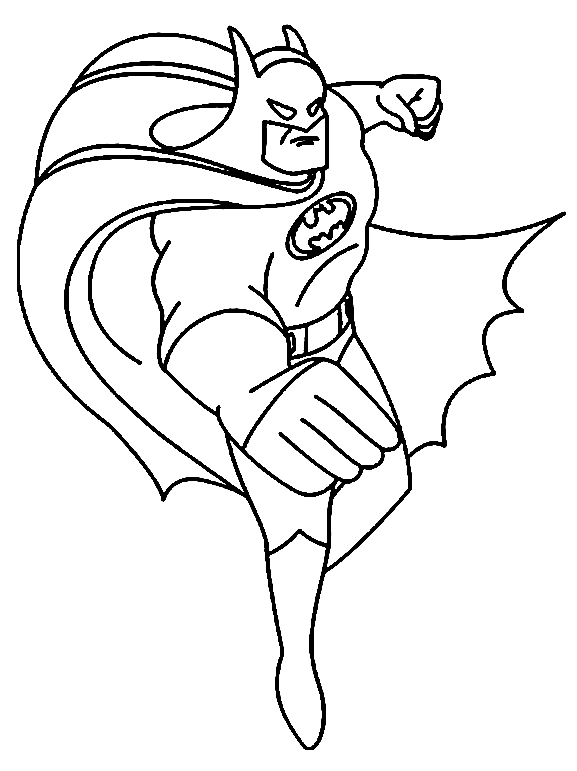
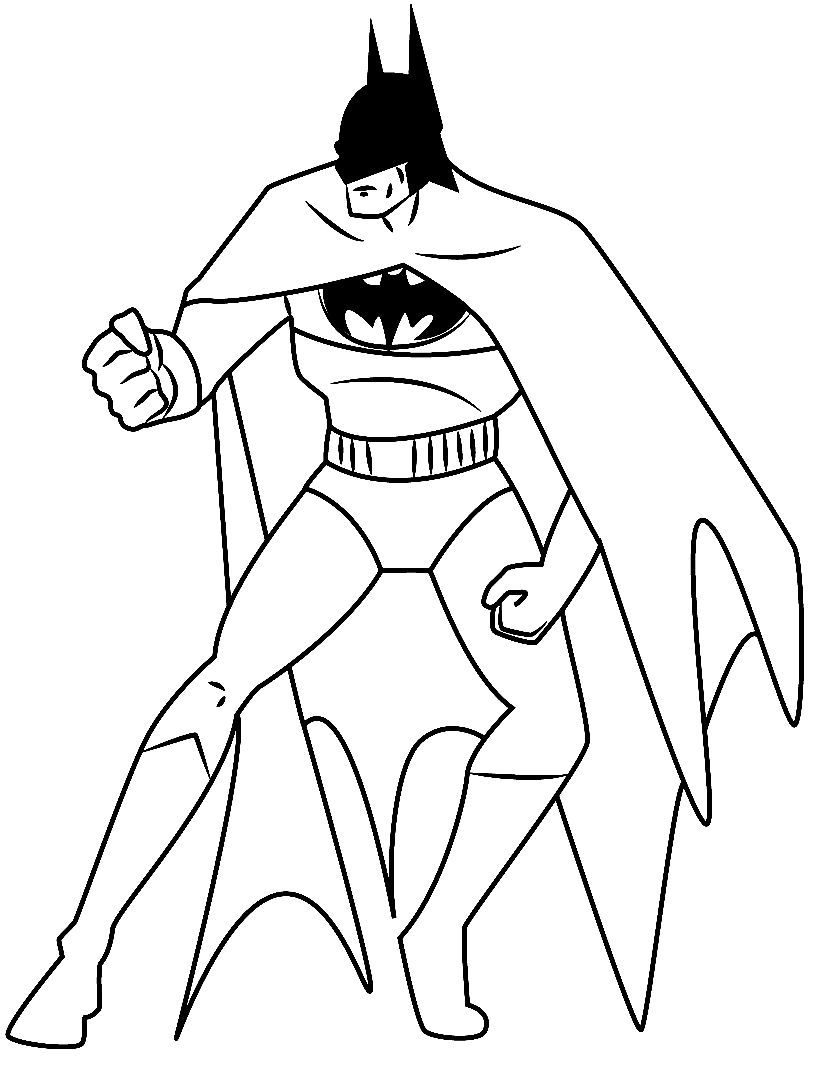
Animated-style pages usually have cleaner shapes and strong outlines. Comic-style pages may include action poses, capes, bats, and city backgrounds. Movie-inspired pages often feel darker and more realistic, with stronger shadows and fewer bright colors.

For coloring, match the tone of the page. Animated Batman can use clean, flat colors. Comic Batman can use bold contrast and dramatic sky colors. Movie-style Batman can use dark gray, charcoal, navy, black, and carefully placed highlights.

These pages are best for colorists who want more than a quick activity. They invite patience, shading, and a stronger sense of mood.

What These Pages Do

Batman coloring pages help children understand how a character can be built from shape, contrast, and mood. Batman is not recognized by bright colors first. He is recognized by silhouette: the pointed cowl, wide cape, strong shoulders, Bat symbol, and dark figure against a city or sky.

Coloring Batman teaches children that a page can feel powerful even with a limited palette. Black, gray, blue, yellow, and white can create many different moods when used carefully. A dark cape, a yellow belt, a pale moon, and a gray skyline can tell a whole story without needing many colors.

For younger children, Batman pages support confidence because the main figure is bold and easy to identify. A simple Batman outline gives them large areas to color and a familiar hero to finish.

For older children, the value comes from contrast and scene-building. They can shade the cape, separate the suit from the background, color Gotham windows, add moonlight, build a night sky, or make a vehicle page feel fast and dramatic.

The pages also encourage storytelling. Batman can be flying over Gotham, helping Robin, riding the Batcycle, planting a tree, holding the Earth, or investigating a mystery. Children can describe the scene, create a short superhero story, or write a caption under the finished page.

Parents can use these pages for quiet time, superhero-themed activities, birthday crafts, or screen-free play. Teachers can use them for art breaks, story prompts, Earth Day activities, teamwork discussions, or classroom displays.

How to Color These Pages Well

Batman’s color system looks simple, but the best pages usually avoid one flat black color. If everything is colored solid black, the suit lines, cape folds, gloves, boots, and symbol can disappear. Using several dark tones makes the finished page cleaner.

For the suit, try dark gray, charcoal, black, or navy. The cape can be darker than the body suit. The inside of the cape can use deep blue or dark purple for a comic-book effect. The gloves and boots can be black or very dark gray.

The Bat symbol should stay clear. Depending on the design, it may be black on the chest, yellow and black inside an oval, or a simple dark emblem. Color the chest carefully so the symbol does not get lost.

The utility belt is a useful accent. Yellow, gold, or muted orange can break up the dark suit and make the character easier to see. Younger children can use one yellow color, while older kids can add a small, darker edge to each belt pouch.

Batman’s eyes should usually stay white or very pale blue. This keeps the mask sharp and expressive. Coloring the eyes too dark can make the face harder to read, especially on pages with heavy shadows.

Gotham backgrounds work well with cool colors. Use gray for buildings, navy or purple for the night sky, pale yellow for windows, and soft white or light gray for the moon. If the skyline is detailed, keep the buildings lighter than Batman, so the hero stays in front.

Vehicle pages need metal and motion. The Batwing, motorcycle, or gadgets can use black, gray, silver, and blue highlights. Motion lines can stay light gray or pale blue. Small lights can use yellow, red, or white.

For Lego Batman and chibi Batman, colors can be cleaner and brighter. Use strong flat colors, simple shadows, and cheerful backgrounds. These pages do not need the same heavy atmosphere as Gotham scenes.

For younger kids, the easiest order is suit first, belt second, cape third, face and eyes fourth, then background. Older kids can color the main figure first, then add shadows, highlights, city lights, moon glow, vehicle details, and dramatic sky effects.

5 Creative Craft Ideas

Batman Gotham Skyline Poster

Choose a Batman page with a cape, rooftop, or city background. After coloring Batman, glue the page onto a larger sheet of dark paper.

Children can draw extra buildings, windows, bats, clouds, or a moon around the original page. Yellow windows and a pale moon can make the skyline feel alive.

This craft works well for older kids who enjoy building a full scene around the character.

Design a New Bat Symbol

Pick a simple Batman page with a clear chest emblem or draw a blank Bat symbol on a separate sheet. After coloring Batman, children can design their own version of the symbol.
They can make it sharp, round, simple, dramatic, futuristic, or cartoon-like. Add a name such as “Night Bat,” “Gotham Hero,” or “My Batman Logo.”

This activity helps children notice how one symbol can represent a whole character.

Batman Hero Card

Choose a standing Batman pose or a portrait-style page. Color the character, cut him out, and glue him onto a folded card.

Inside the card, children can write a message such as “You are brave,” “Have a heroic day,” or “To the rescue!” They can decorate the card with bats, stars, city lights, or a moon.

This craft is good for birthdays, classroom encouragement cards, or superhero-themed activities.

Batcycle or Batwing Action Scene

Print a Batman page with a motorcycle, Batwing, parachute, or flying pose. After coloring the main page, children can add motion lines, clouds, roads, buildings, or speed effects.

The goal is to make the page feel like it is moving. Light gray, blue, white, and yellow can be used for motion and highlights.

This craft works well for kids who enjoy action scenes and vehicles.

Batman and Robin Story Page

Choose a page with Batman and Robin, Batman with another character, or a group scene. After coloring, place the page on a larger sheet of paper and add a short story below it.

Children can answer: Where are they? What problem are they solving? What happens next? They can also add speech bubbles above the characters.

This turns a coloring page into a storytelling activity and works well for classrooms or homeschool projects.

Frequently Asked Questions

What makes Batman easy to recognize on coloring pages?

Batman works well on coloring pages because his outline is readable even without color. The mask, cape, belt, and emblem give children clear landmarks, so they can recognize the hero before adding shadows or background details.

That strong outline also helps different age groups. Younger children can enjoy a simple Batman pose, while older kids can make the same figure more dramatic with Gotham buildings, moonlight, bats, or a darker sky.

What colors should I use for Batman?

Start with the version of Batman on the page. A classic comic-style page can use blue-gray tones, a movie-style page can stay darker, and Lego or chibi Batman can use cleaner, brighter colors.

The main goal is to keep the suit details visible instead of making the whole figure one flat black shape. A small yellow or gold belt, white eyes, or lighter gray highlights can help the character stand out.

Are Batman coloring pages good for young children?

Yes. Simple Batman pages with large outlines, clear symbols, and fewer background details are good for young children. A standing Batman pose, a chibi Batman page, a Lego Batman design, or a Bat symbol page can be easy to finish.

For preschool and early elementary kids, avoid pages with too many buildings, tiny bats, or complex shadows. A clean outline helps children enjoy the character without feeling stuck.

Which Batman pages are better for older kids?

Older kids may enjoy Gotham City scenes, Batwing pages, motorcycle pages, Batman and Robin pages, comic-style action poses, and movie-inspired designs. These pages give more room for shading, background color, and dramatic effects.

A detailed Batman page can become a longer project. Children can add moonlight, windows, dark skies, shadows under the cape, or highlights on vehicles and gadgets.

How can I make Batman’s cape look better?

Use more than one dark tone. The outside of the cape can be black or charcoal, while the inside can be dark blue, navy, or purple. This helps the cape look wide and dramatic without turning into one flat shape.

Cape folds can be shaded along the edges or under the arms. A small highlight near the top of the cape can make the figure easier to see.

How should I color Gotham City backgrounds?

Gotham backgrounds usually look best with cool colors. Gray buildings, navy skies, purple shadows, pale yellow windows, and a white or light gray moon can create a night scene.

Keep Batman darker and stronger than the city, but do not make the buildings too dark. If the whole page becomes black, the character and background may blend.

Can kids color Batman in different colors?

Yes. Kids can create their own Batman version if they want. They can try blue-and-gray Batman, black-and-gold Batman, cartoon Batman, rainbow Batman, or a futuristic suit design.

If they want the character to stay recognizable, it helps to keep the cowl, cape, Bat symbol, and utility belt clear. Those details make the page still feel like Batman, even when the colors change.

How can teachers use Batman coloring pages in class?

Teachers can use Batman pages for art time, story prompts, superhero-themed activities, group coloring, classroom rewards, or discussions about helping others. Pages with Batman holding the Earth, recycling, or planting a tree can connect to Earth Day or responsibility themes.

For writing practice, students can color a page and write a sentence about what Batman is doing. For teamwork activities, students can color Batman, Robin, Gotham City, or vehicles separately and combine them into a class display.

What paper and coloring tools work best?

Regular printer paper works well for crayons and colored pencils. If children use markers, place a blank sheet underneath to protect the table and the next page. Thicker paper is better for pages with large dark areas or heavy marker use.

Crayons are easy for younger children. Colored pencils are better for shading, city backgrounds, cape folds, and small details. Markers create strong colors, but children should color slowly around the Bat symbol, eyes, belt, and small gadgets.

Are Lego Batman and chibi Batman pages easier to color?

Yes. Lego Batman and chibi Batman pages are usually easier because the shapes are larger, simpler, and more playful. The face, body, cape, and belt are often easier to separate than in detailed comic-style pages.
These pages are a good choice for younger children or for kids who prefer a funny Batman instead of a dark Gotham scene.

Choose a Batman page you love, print it at home, or color it online anytime. We’d love to see your finished artwork – share it on Facebook or Pinterest and tag #Coloringpagesonly.

More from Our Superhero Collections

More from our superhero collections:

Jennifer Thoa – Content Editor & Designer

Jennifer Thoa is Content Editor and Designer at ColoringPagesOnly.com. Degree in Journalism and Creative Writing, University of Kansas. She writes and edits long-form educational articles on anime, film, animals, world cultures, and automotive history - verified against named primary sources before publication.