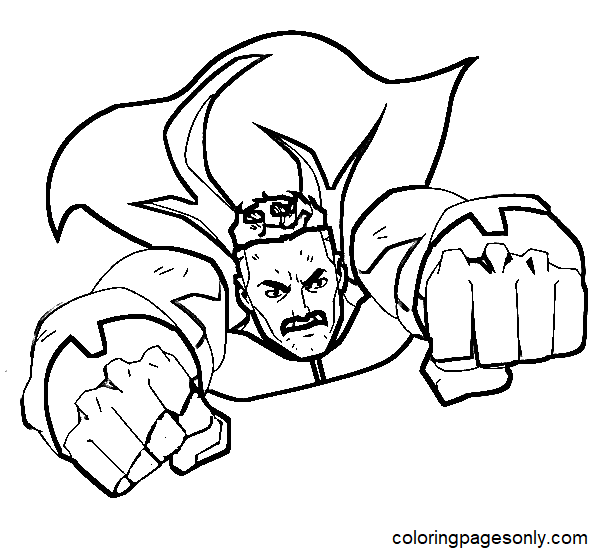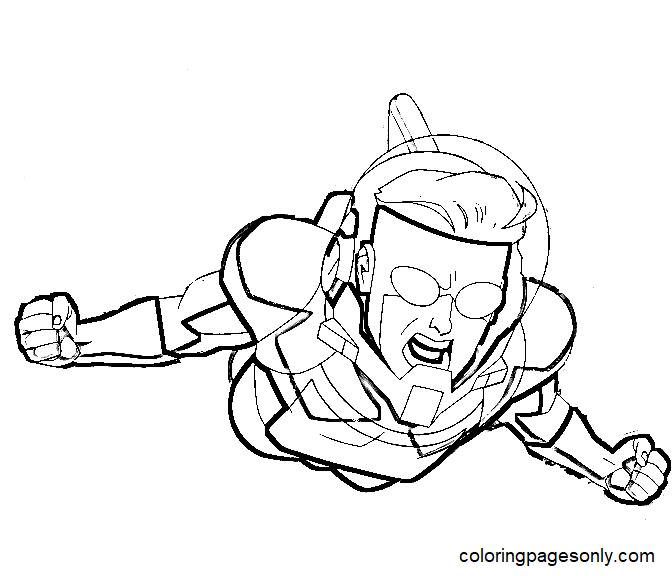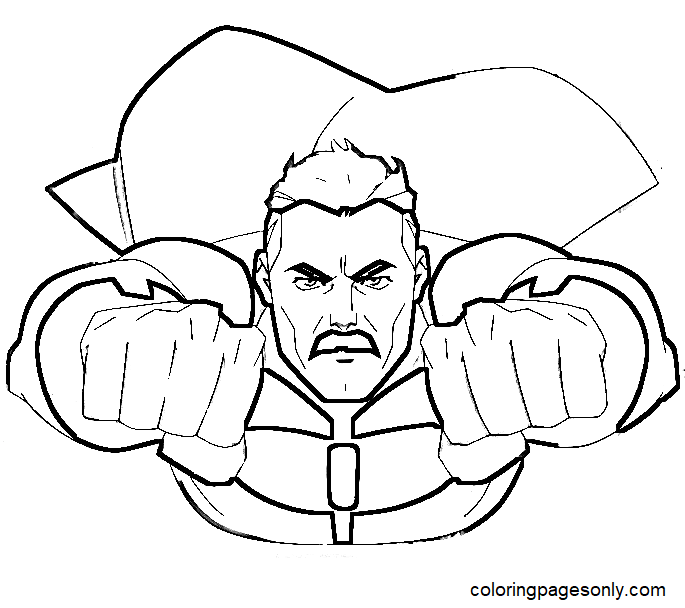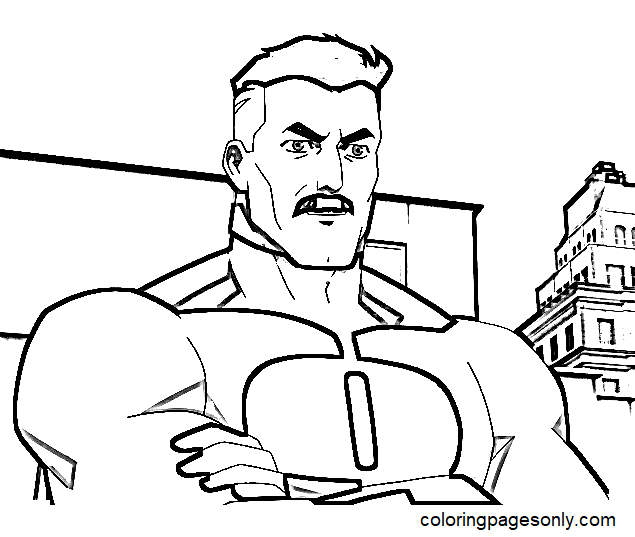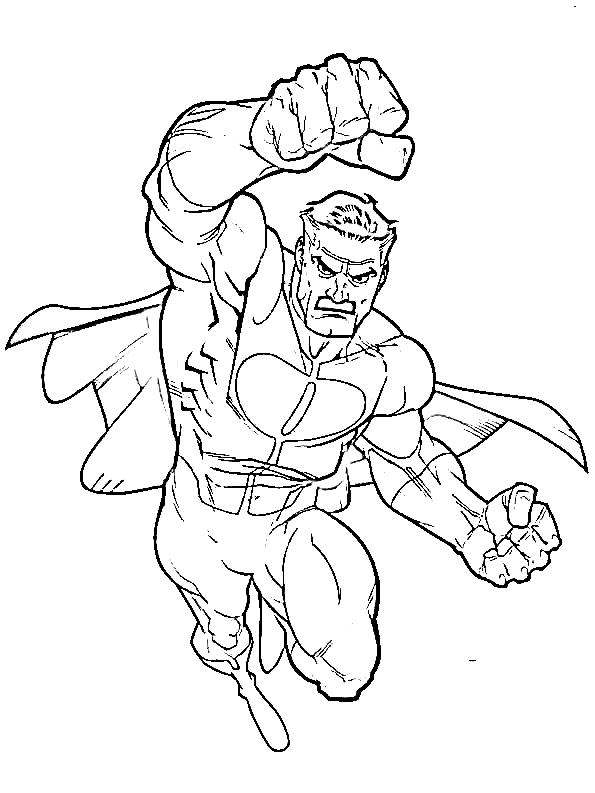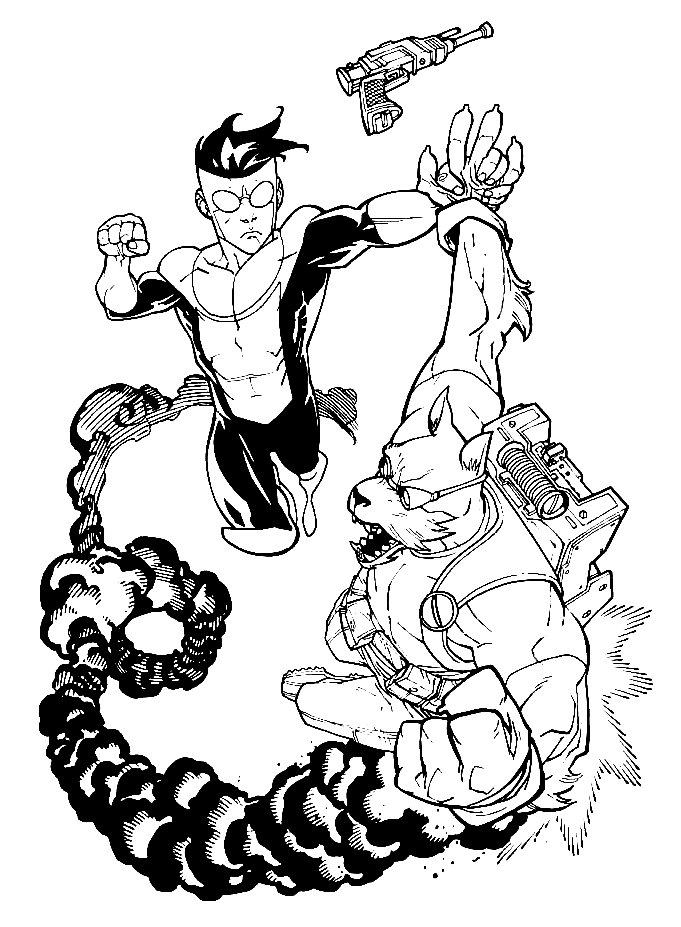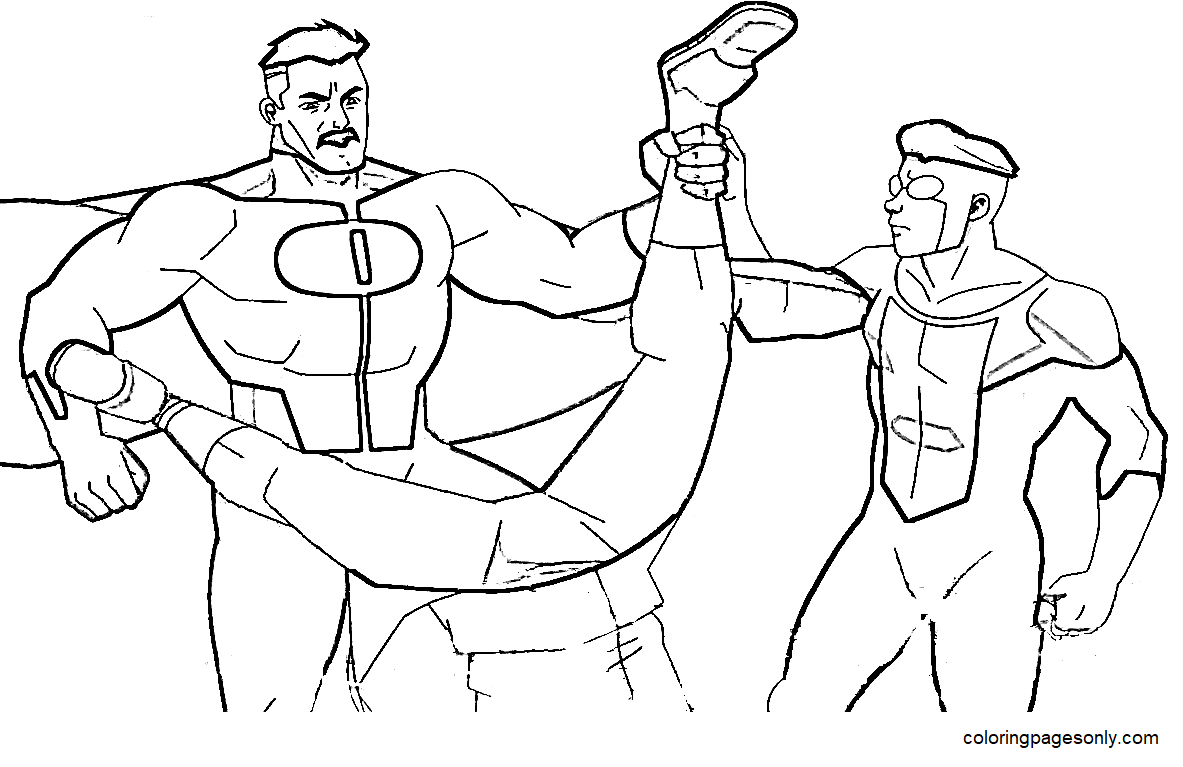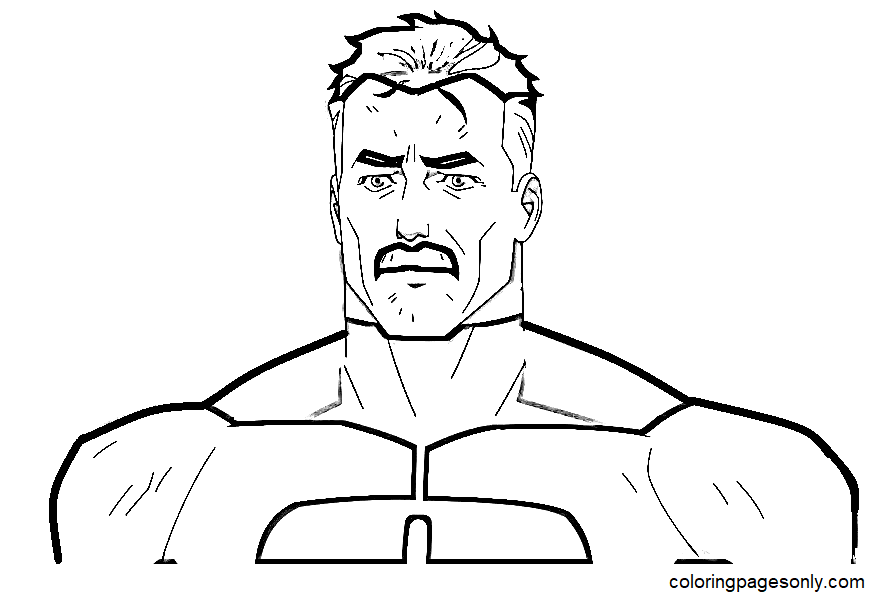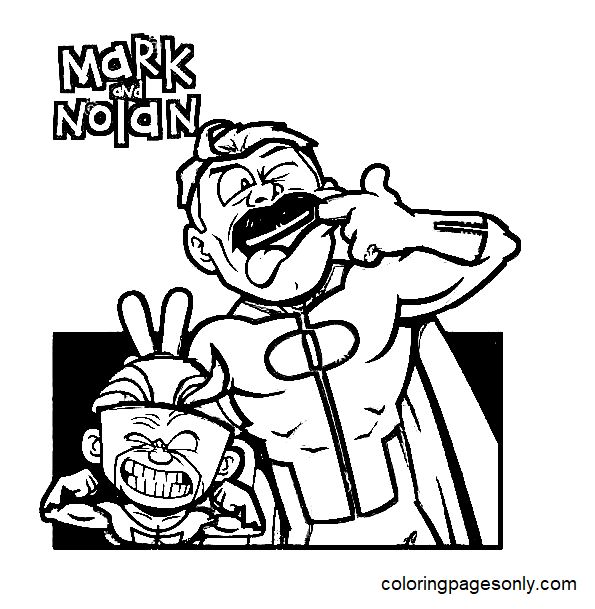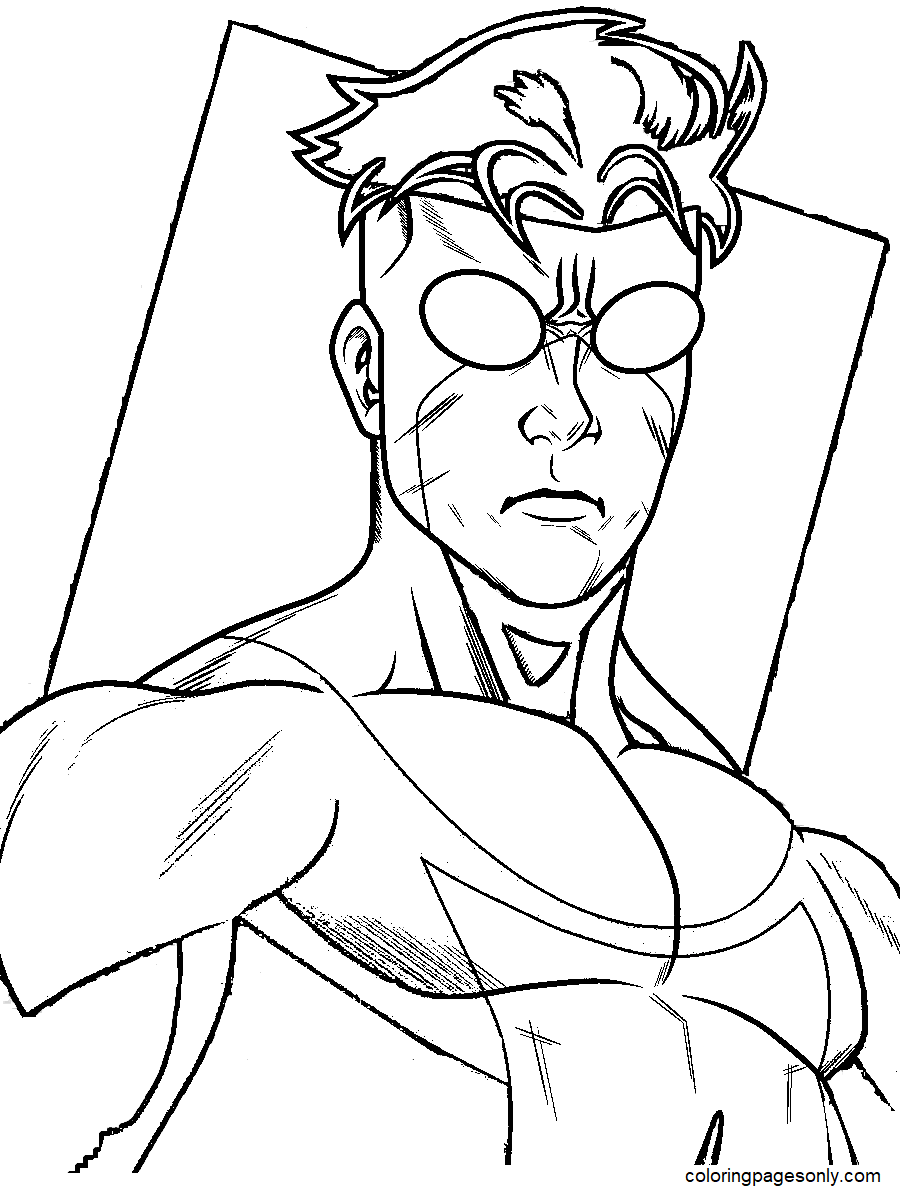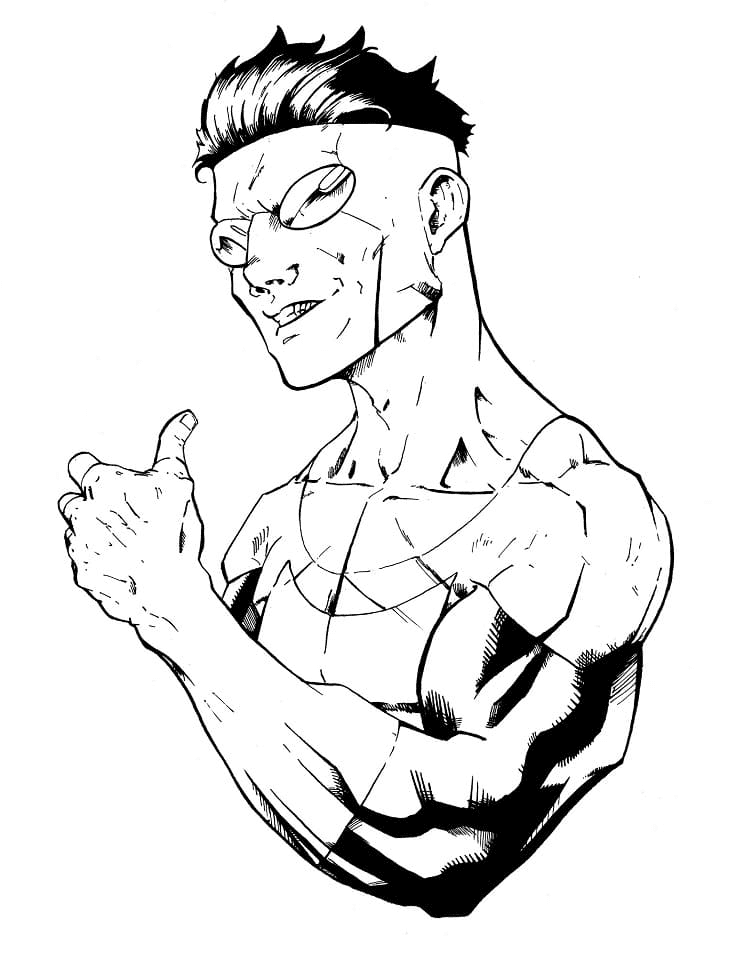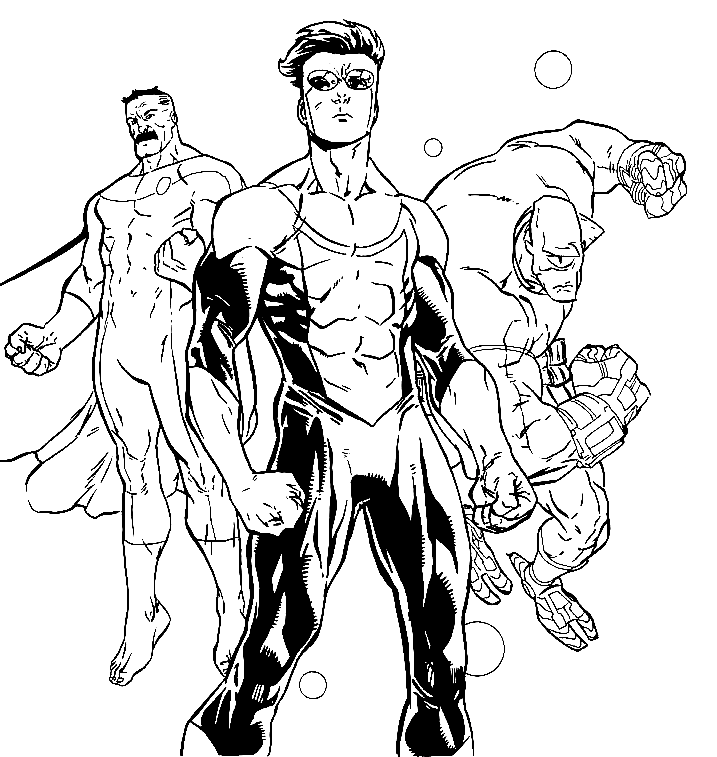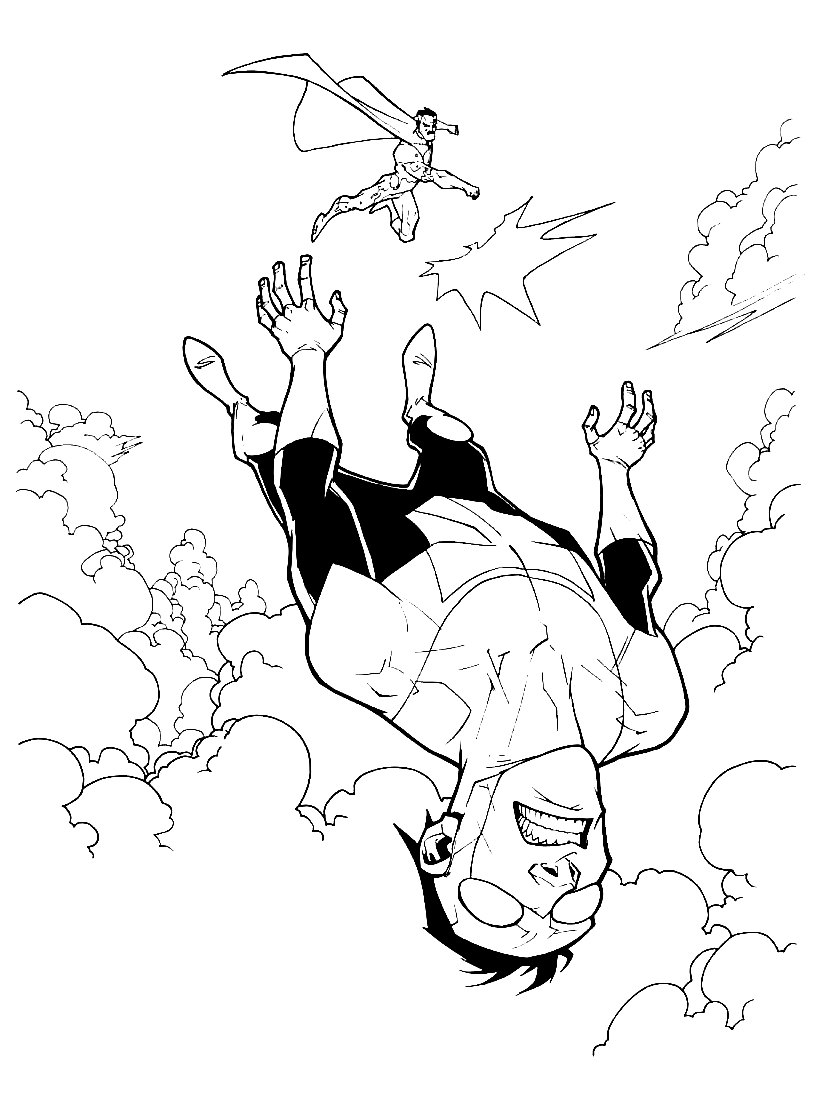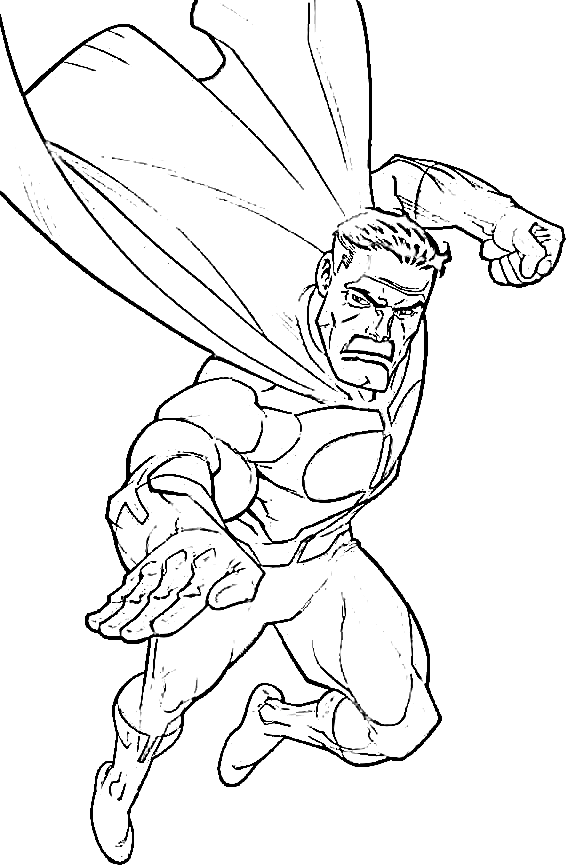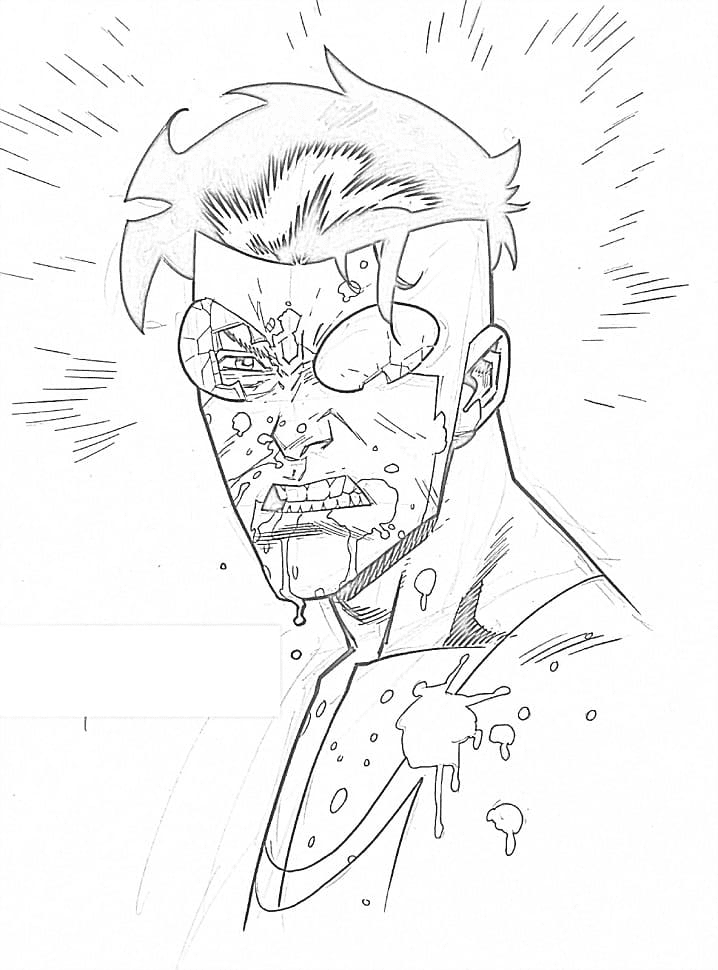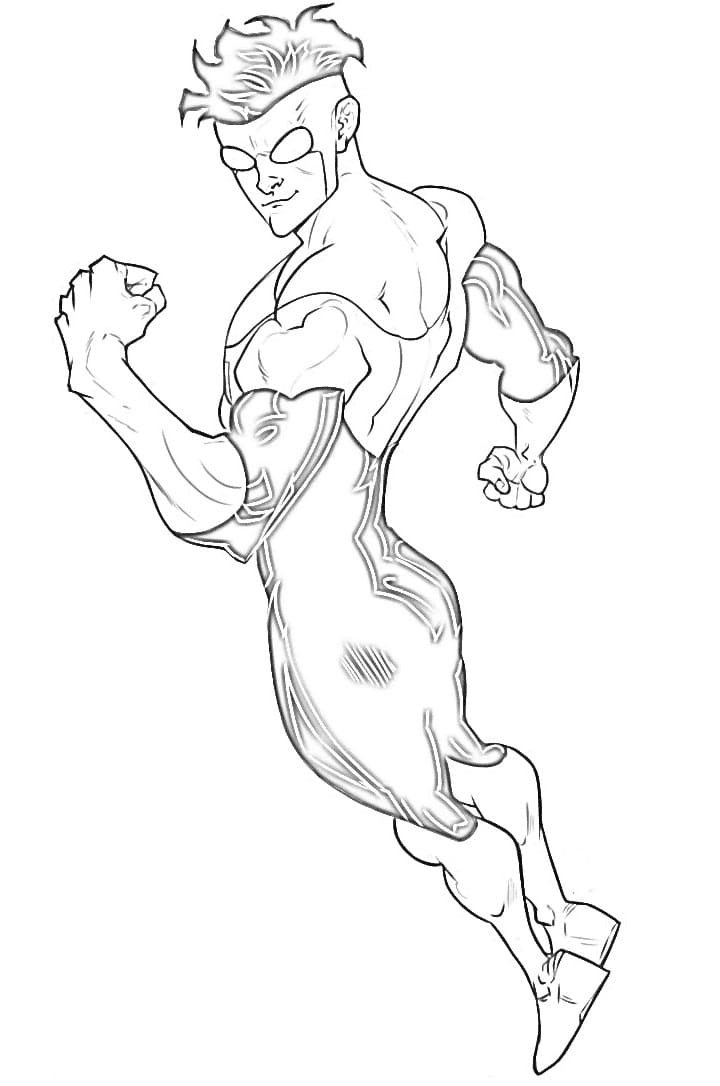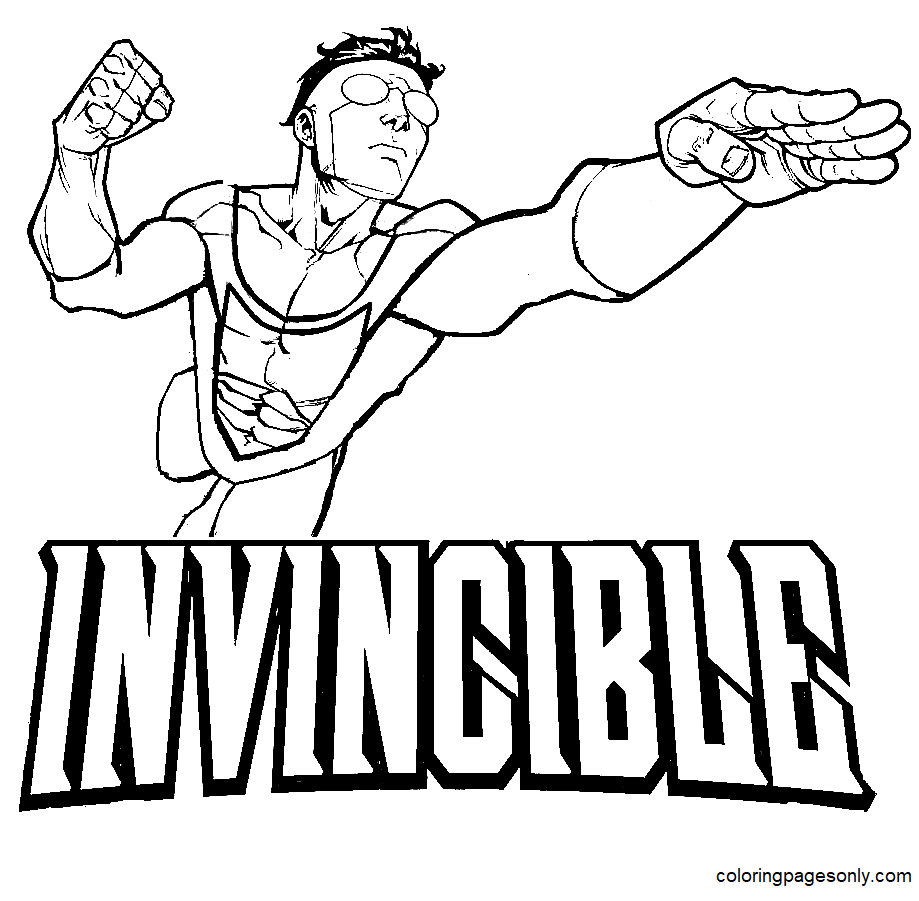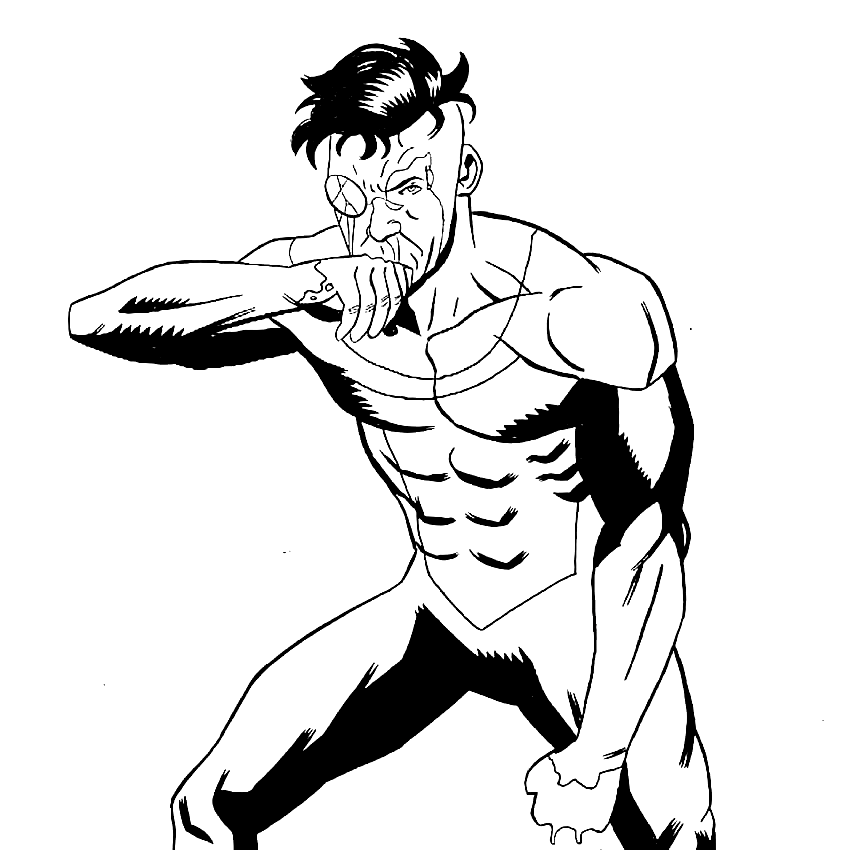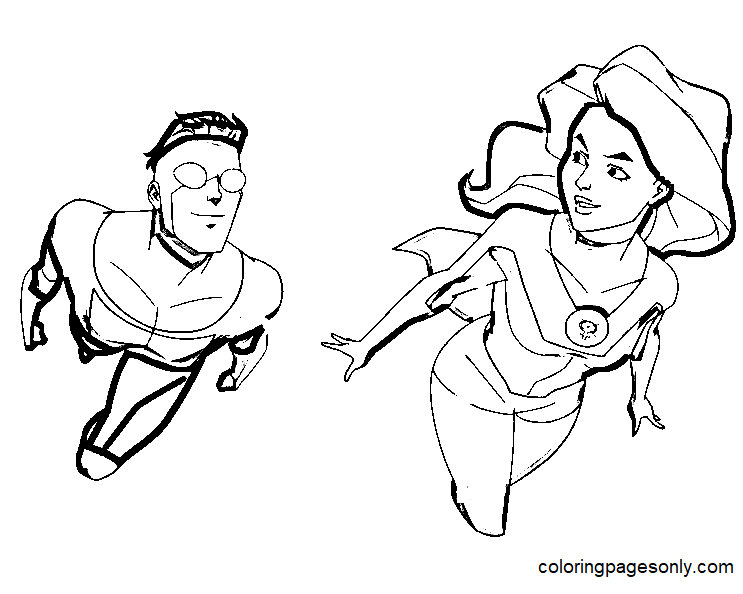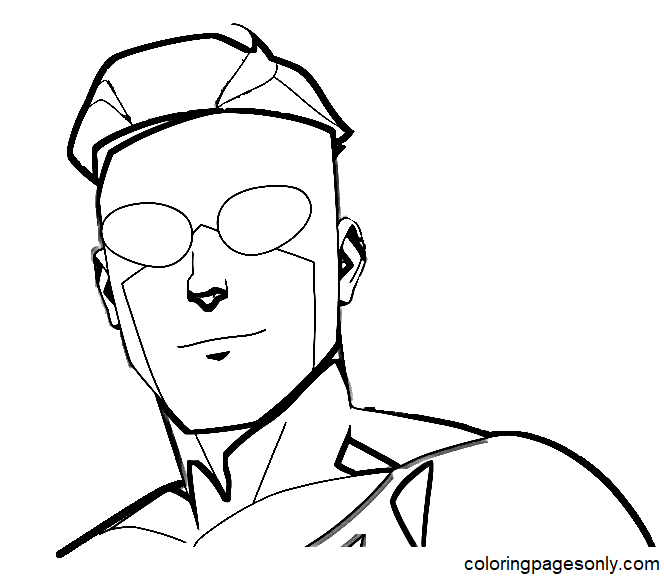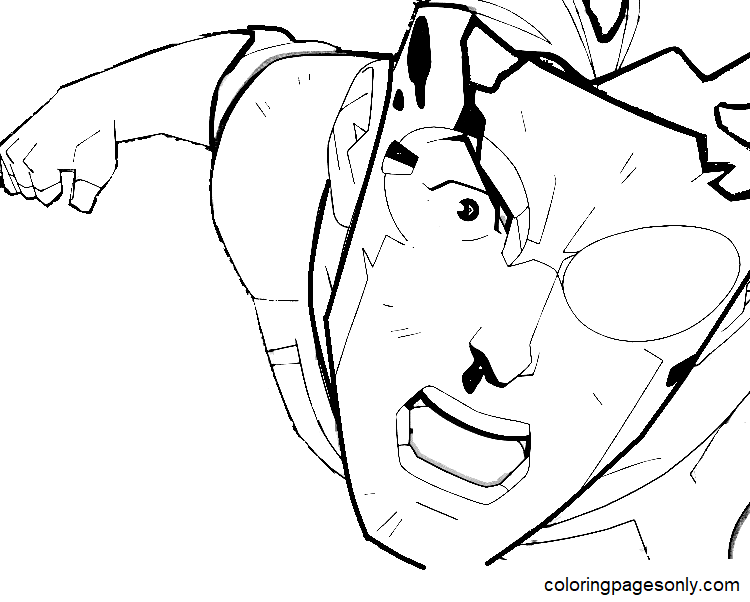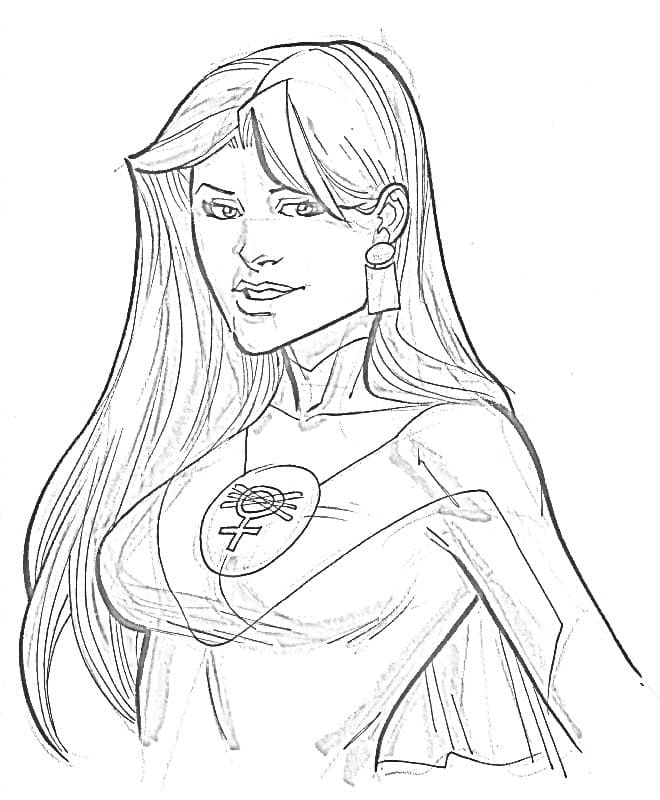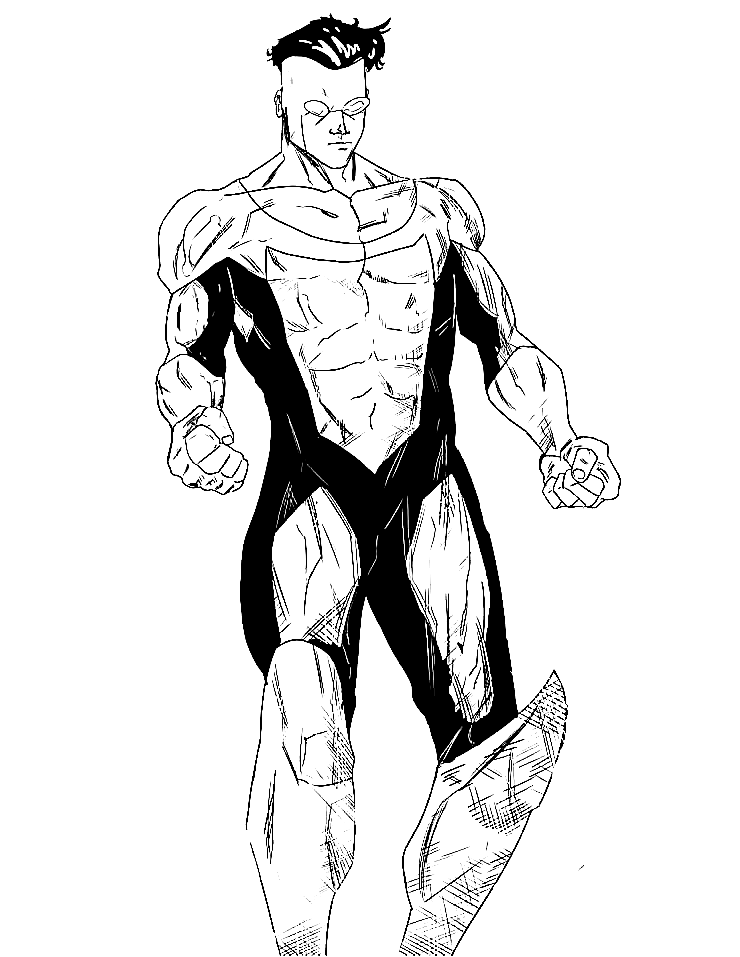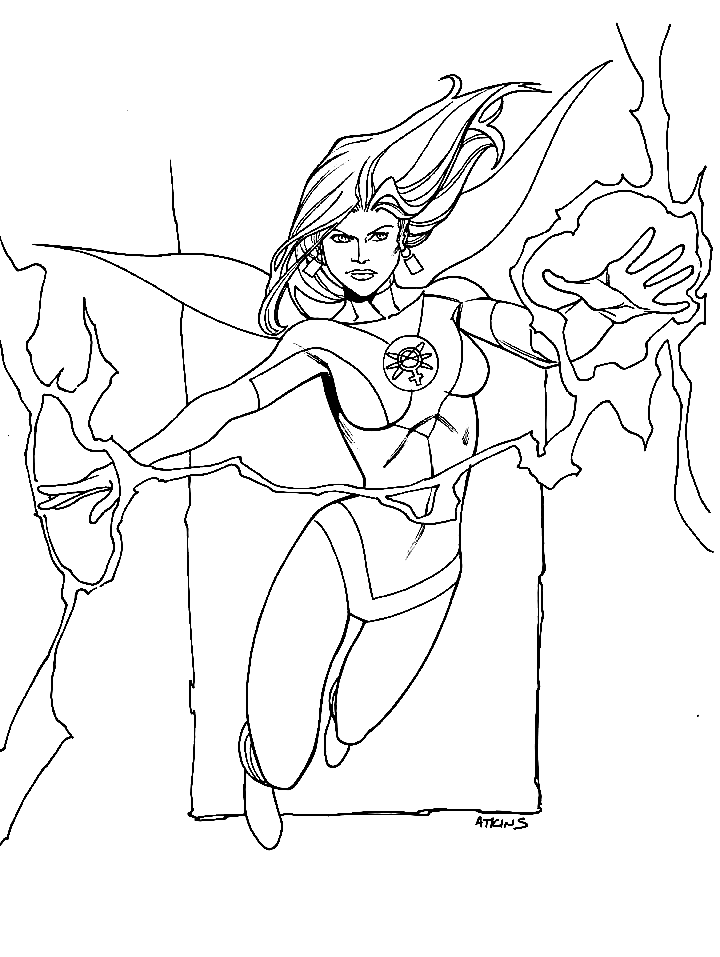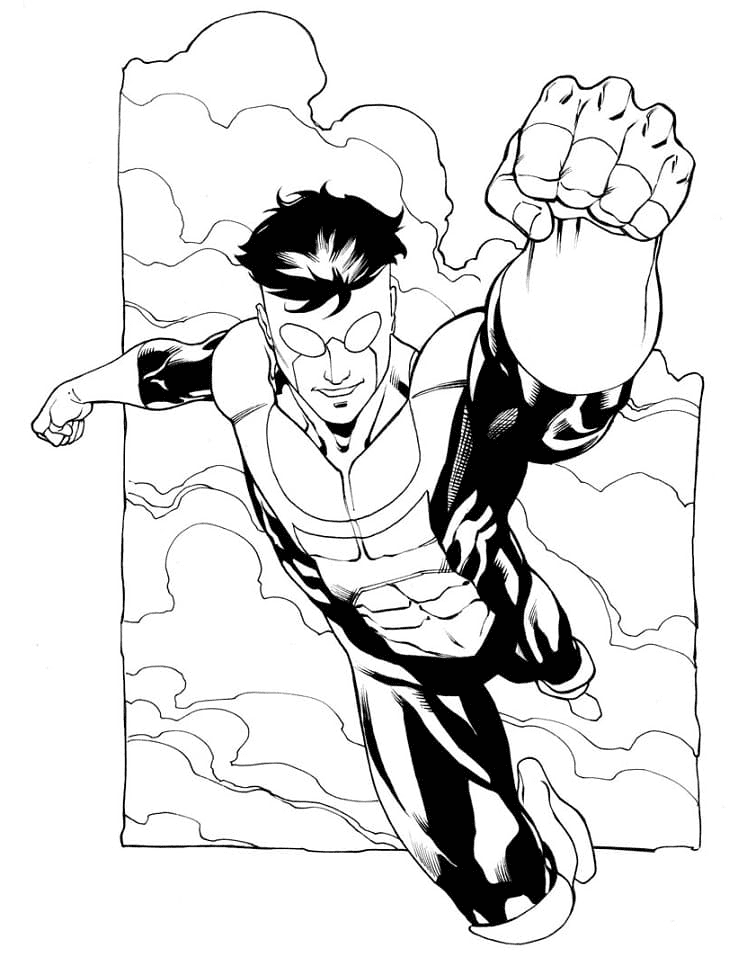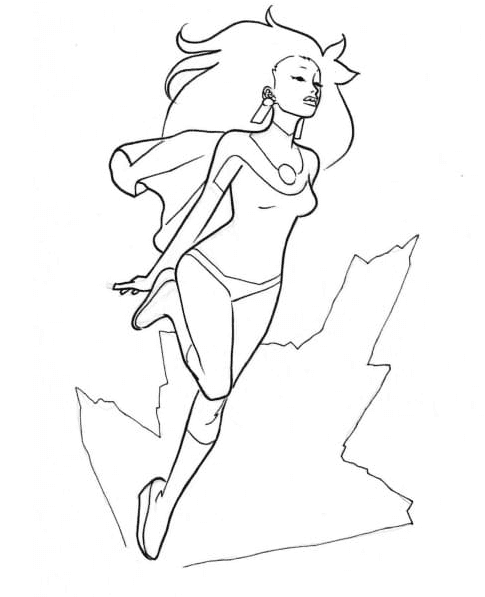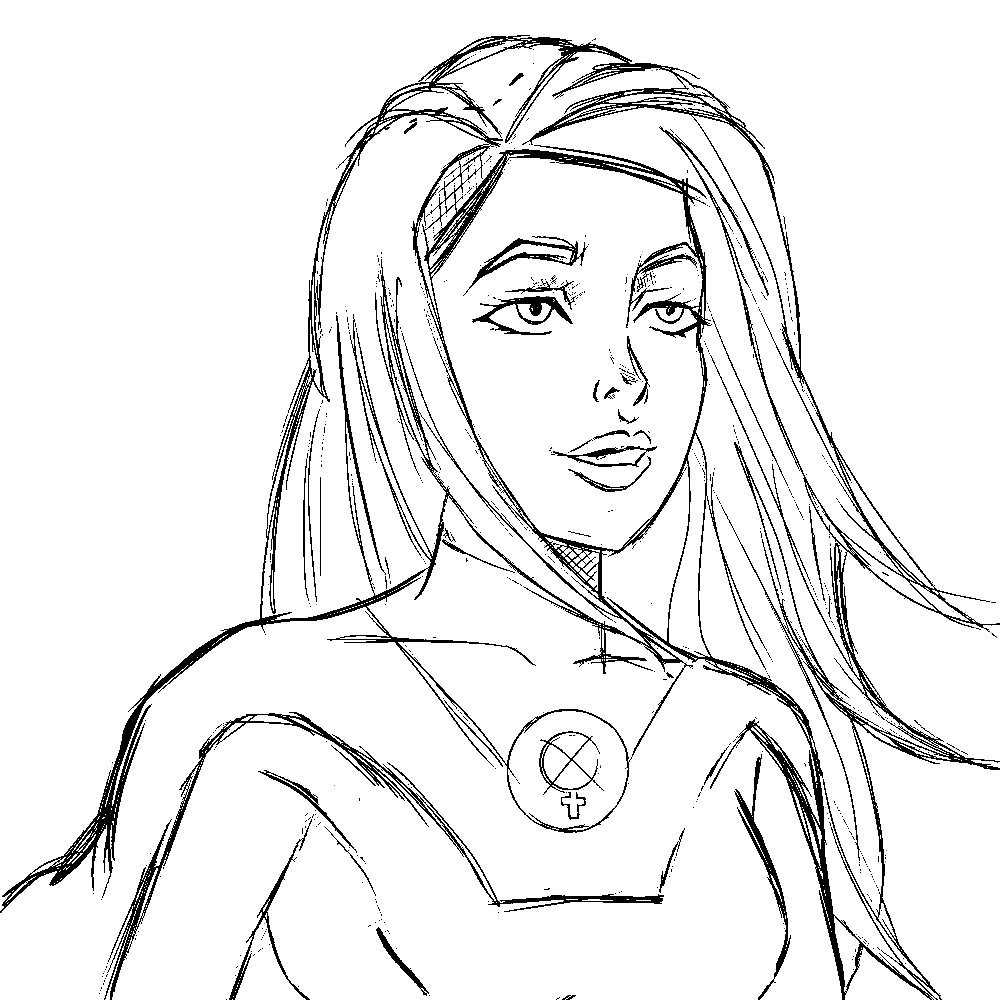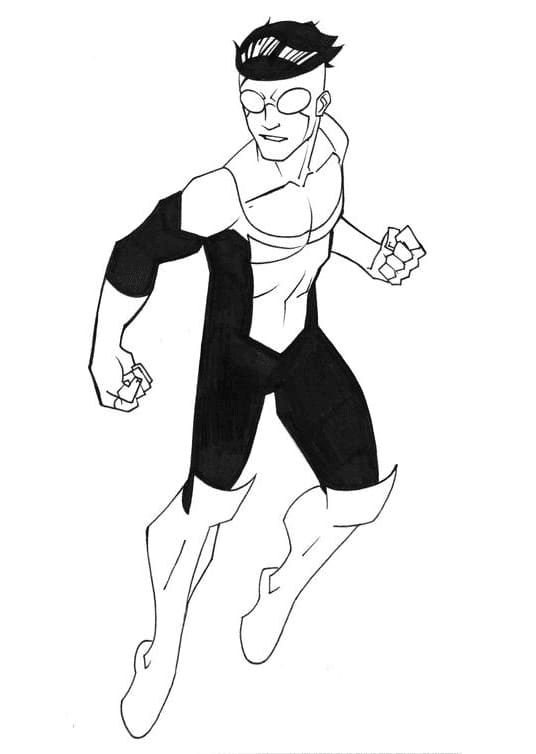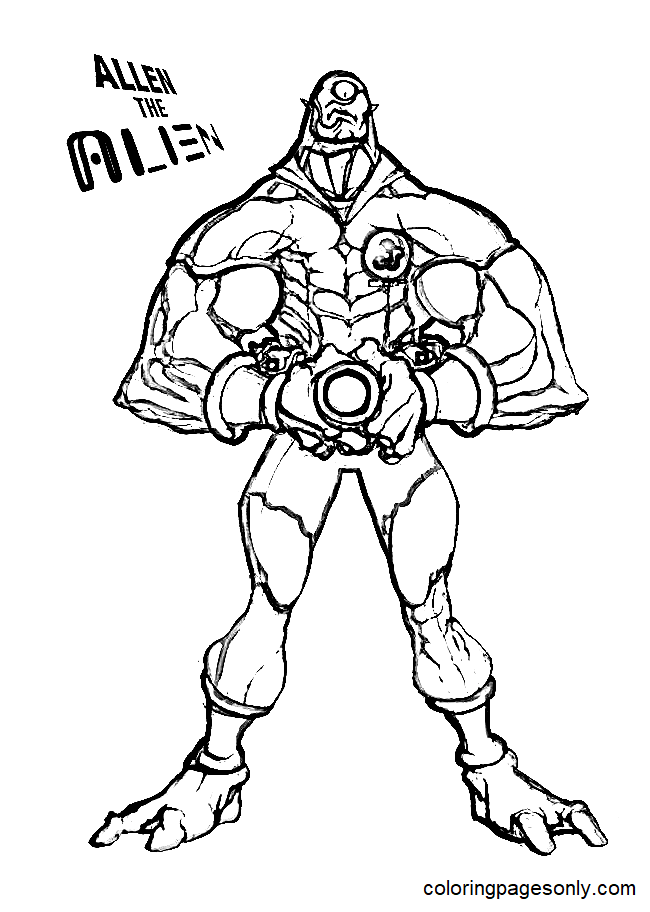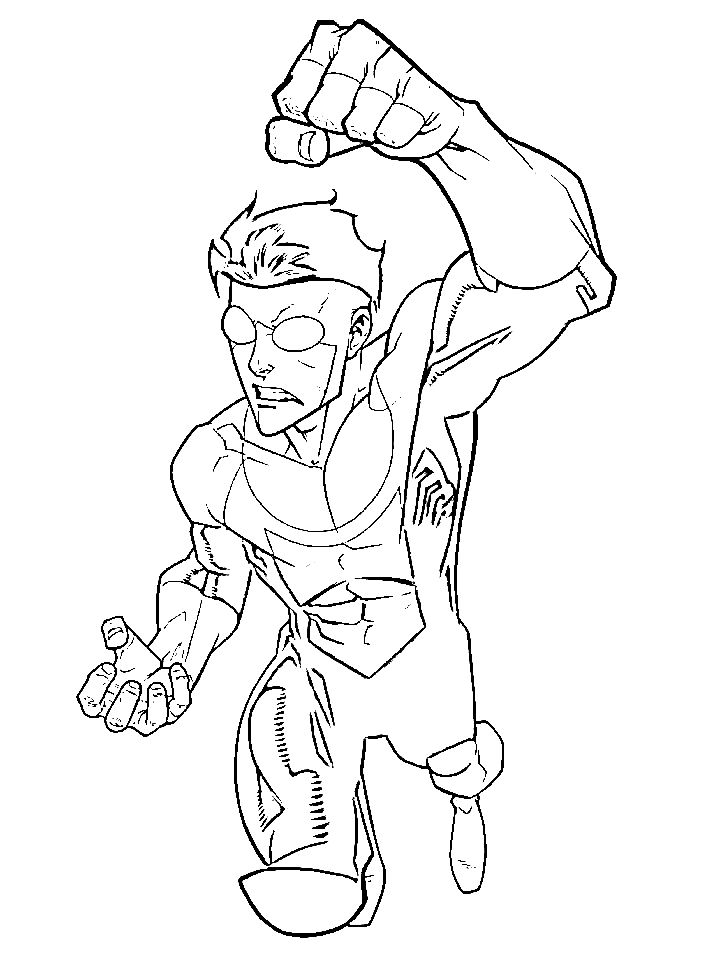
Invincible Coloring Pages at ColoringPagesOnly.com brings together 40+ free pages from one of the most acclaimed adult animated superhero series of the decade – Mark Grayson as Invincible in action and portrait poses across both his yellow-and-black and blue-and-black suit eras, Omni-Man in flight and fighting stances, father-and-son scenes between Nolan and Mark, battle compositions, character studies, and scenes from key moments across the series. Download any page as a free PDF to print, or color online directly in your browser.
Invincible shares its superhero space with the Superhero Coloring Pages hub and a dedicated TV Show and Films Coloring Pages collection for more animated series.

⚠️ Audience Note

Invincible – both the original Image Comics series and the Amazon Prime Video animated adaptation – is rated for adults and mature teens. The series contains graphic violence, complex moral themes, and content not appropriate for younger children. These coloring pages feature the show’s characters and aesthetic but are suitable for fans who are familiar with the source material. If you are looking for superhero coloring pages for young children, our Superhero Coloring Pages hub includes many age-appropriate options.

What Is Invincible?

Invincible is an American superhero comic book series written by Robert Kirkman, illustrated by Cory Walker (who co-created the series) and later primarily by Ryan Ottley, and published by Image Comics. The series began publication on January 22, 2003, and concluded on February 14, 2018, with a total of 144 issues – making it one of the few major superhero properties written from its inception with a defined ending in mind. Kirkman has described this as a deliberate subversion of the conventional superhero narrative, which typically continues indefinitely across rotating creative teams: “Most superhero stories go on forever and ever and ever,” he said at San Diego Comic-Con in 2023. “That’s what superhero stories do.”

An animated television adaptation began streaming on Amazon Prime Video on March 25, 2021, produced by Skybound Entertainment, the company Kirkman founded, in partnership with Amazon, MGM Studios, and Point Grey Pictures (Seth Rogen’s production company). The animated series reunited Kirkman with the source material as showrunner and executive producer. It has aired three seasons as of early 2025, with a fourth season in production for a 2026 premiere, and a fifth season officially renewed in July 2025. Kirkman has estimated it will take approximately seven to nine seasons to complete the full story.
The animated series premiere drew significant critical attention not only for its storytelling quality but for its voice cast – one of the most stacked in adult animation: Steven Yeun as Mark Grayson/Invincible, J.K. Simmons as Nolan Grayson/Omni-Man, Sandra Oh as Debbie Grayson, Gillian Jacobs as Atom Eve, Seth Rogen as Allen the Alien, Zazie Beetz as Amber Bennett, Sterling K. Brown as Angstrom Levy, Walton Goggins as Cecil Stedman, Jason Mantzoukas as Rex Splode, and Mark Hamill among the supporting cast.

The animation style, produced by Maven Image Platform, deliberately borrows from the visual language of early 2000s Saturday morning cartoons – approachable, clean, character-driven – and then uses that familiarity as a contrast mechanism against some of the most violent and emotionally complex superhero storytelling in any animated medium. Kirkman described this contrast as intentional: starting the series light-hearted, specifically to make certain revelations more shocking. The title sequence of Season 1 becomes progressively bloodier with each episode, a visual signal of what the story is becoming.

The Story – What Fans Are Coloring

Invincible follows Mark Grayson, a 17-year-old whose father, Nolan (publicly known as Omni-Man), is Earth’s most powerful superhero and secretly a member of the Viltrumite alien race. When Mark’s own Viltrumite powers emerge, he begins training under his father as a superhero – a coming-of-age narrative that functions initially like a more grounded, emotionally literate take on conventional superhero origin stories.

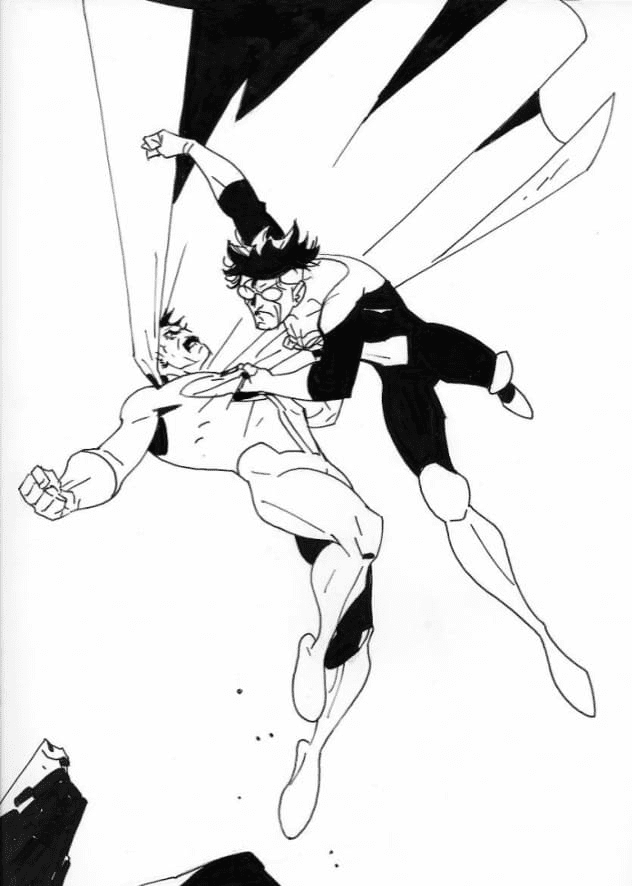
The series fundamentally reframes itself in its first major turn: Omni-Man massacres the Guardians of the Globe – the series’ Justice League analog – and it is revealed that his mission on Earth was not heroic protection but conquest preparation. He was sent to weaken Earth’s defenses in advance of a Viltrumite takeover. When Mark refuses to join his father’s mission, Nolan beats him near to death across multiple major locations, killing thousands of bystanders, before ultimately being unable to kill his own son and leaving Earth.
This turn – Kirkman called it “the Omni-Man moment” – defines the series’ moral and emotional architecture for everything that follows. Omni-Man is simultaneously the character who caused enormous destruction and the character whose eventual arc toward complexity and redemption becomes one of the series’ most compelling threads. J.K. Simmons’s voice performance in the key episodes of Season 1 was widely cited as one of the best performances in any animated series of the decade.

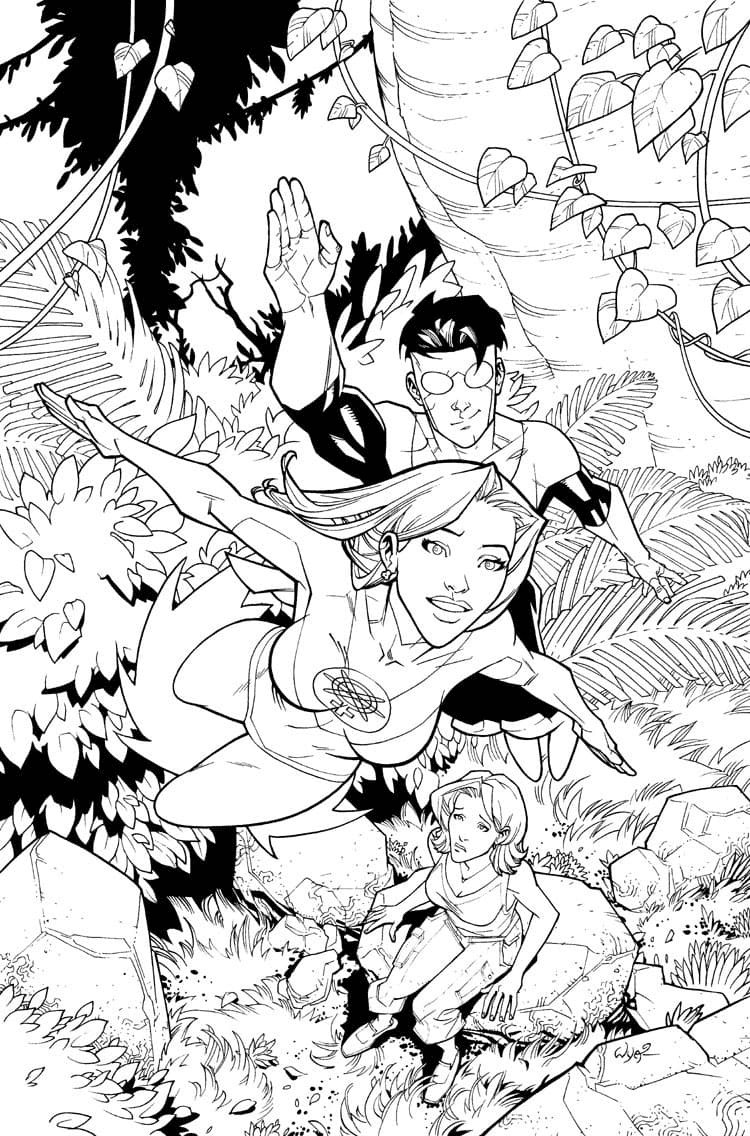
The subsequent seasons track Mark’s struggle to define himself as a hero in the shadow of his father’s betrayal, his relationship with Atom Eve (Samantha Eve Wilkins, a matter-manipulating superhero who becomes his primary partner), and the escalating conflict with the Viltrum Empire led by Grand Regent Thragg.

The Characters – Design and Color Reference

Mark Grayson / Invincible

Mark is a dark-haired young man of Korean-American heritage (a detail emphasized in the animated series with Steven Yeun’s casting), with an athletic build appropriate to his Viltrumite-hybrid physiology. As a civilian, he appears as a relatable young adult – nothing that marks him as unusual.

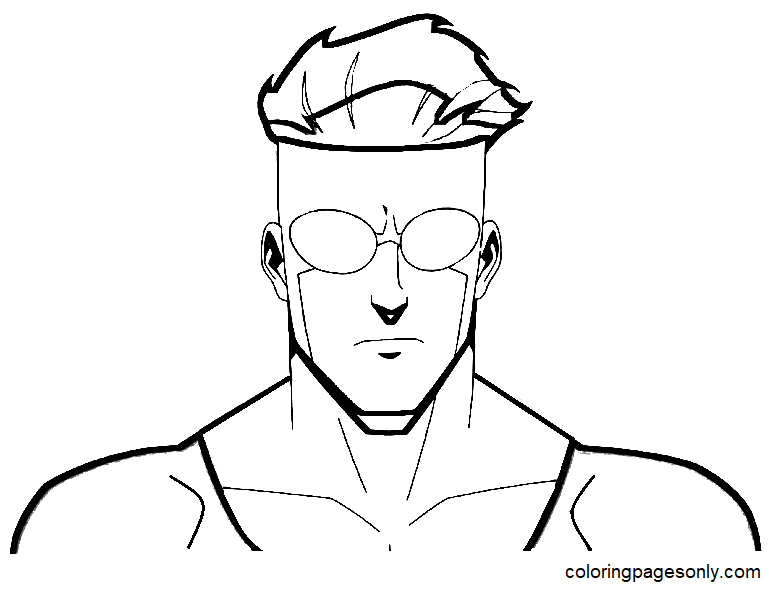
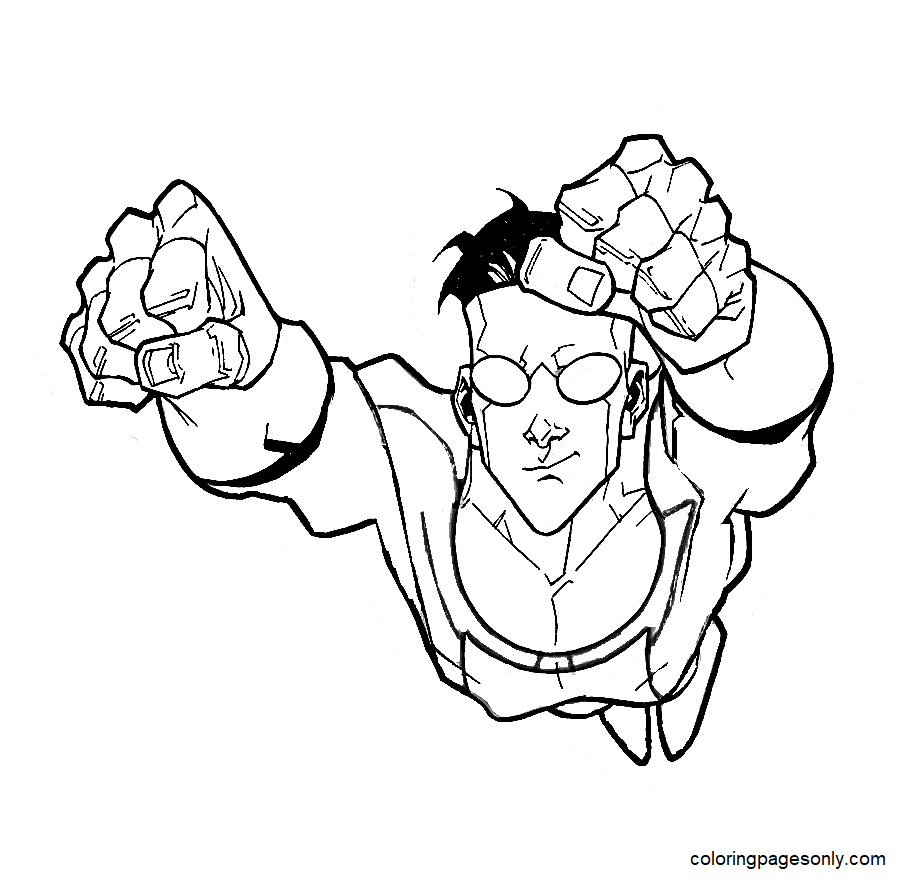
Primary costume (yellow-and-black suit): The original Invincible costume, designed by Art Rosenbaum in the series, features a vivid yellow as the dominant color across the torso, shoulders, and upper portion. The remainder of the suit is black, with yellow gloves and blue boots extending from the knees downward. The suit includes goggles – a distinctive element that sets Invincible apart from most superhero designs. This yellow-dominant suit is the most iconic version of the character and represents the hopeful, early-hero phase of Mark’s development.

Alternate costume (blue-and-black suit, Season 3/Comics Vol. 51+): Mark adopts a primarily blue and black suit that closely mirrors the structure of the original but with the yellow replaced entirely by blue, black boots (rather than the distinctive blue), and goggles with white highlights. Kirkman described this suit as representing “the darkest and most intense” era of Mark’s story – a visual externalization of his psychological state during a period of major trauma and moral complexity. This suit corresponds to Mark’s “Spider-Man in the symbiote suit” moment: a costume choice that signals something is wrong beneath the surface.

Nolan Grayson / Omni-Man

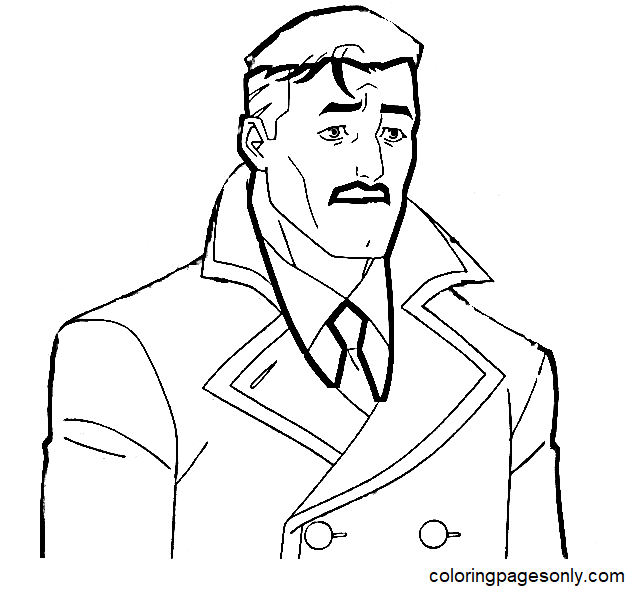
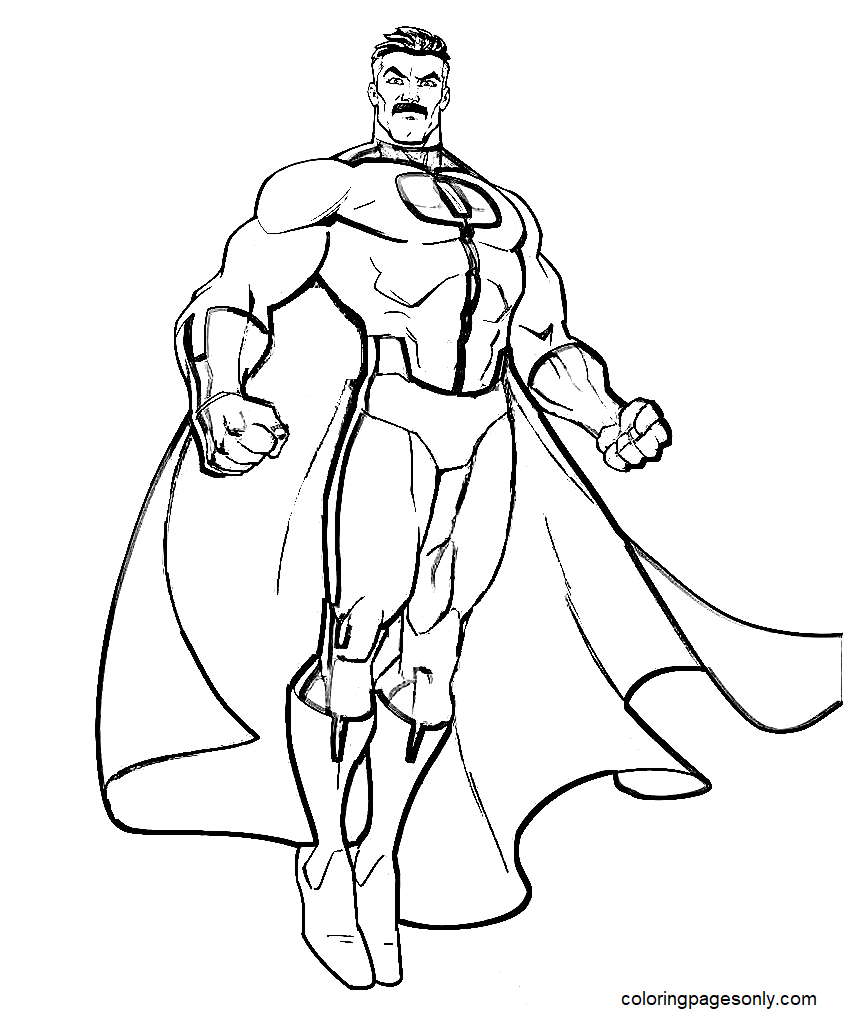
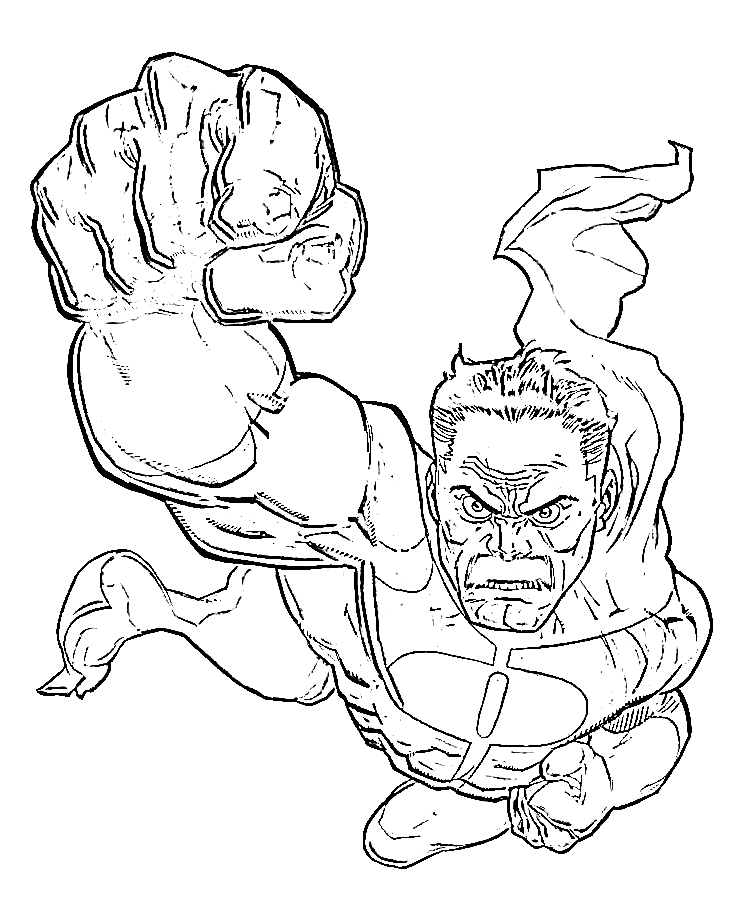
Omni-Man’s costume is one of the most visually striking in the series – a bright red bodysuit with a large white circular emblem on the chest (his Viltrumite symbol, rather than a letter). The costume includes a short red cape, white boots, and gloves. This design deliberately echoes the visual language of Superman – bold primary colors, confident symmetry, heroic cape – which functions as visual misdirection in the early story before the betrayal reveal. Nolan himself is large and physically imposing, with a thick black mustache that has become one of the most memeable elements of the character’s design. His civilian appearance – a normal-looking man in casual or domestic clothes – creates the contrast that defines the series’ central dramatic irony.

Atom Eve / Samantha Eve Wilkins

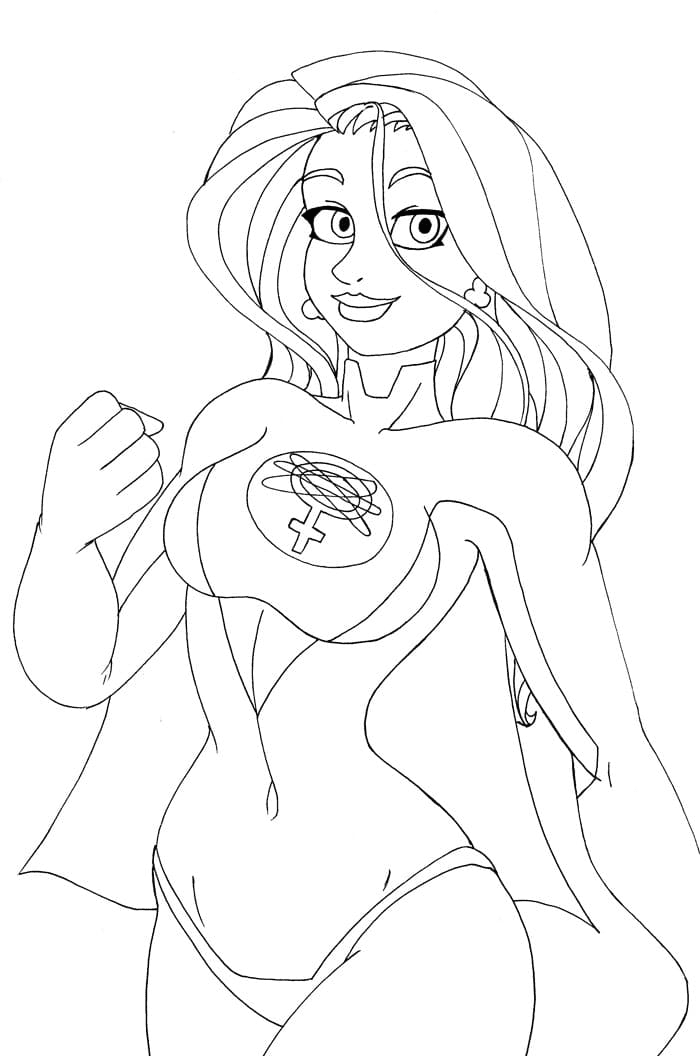
Atom Eve’s costume is a light pink bodysuit – specifically a pink that reads as warm and slightly soft rather than hot or electric, in the range of rose-pink or coral-pink. The suit features a distinctive emblem and a short pink cape in its classic comic version. The animated series version features a slightly streamlined design with similar colors. Eve’s civilian appearance involves her naturally red hair and standard modern clothing. Her power – the manipulation of matter at a molecular level – is visually rendered as a soft pink energy in both the comics and the animated series, creating a distinctive visual signature when she uses her abilities.

Allen the Alien

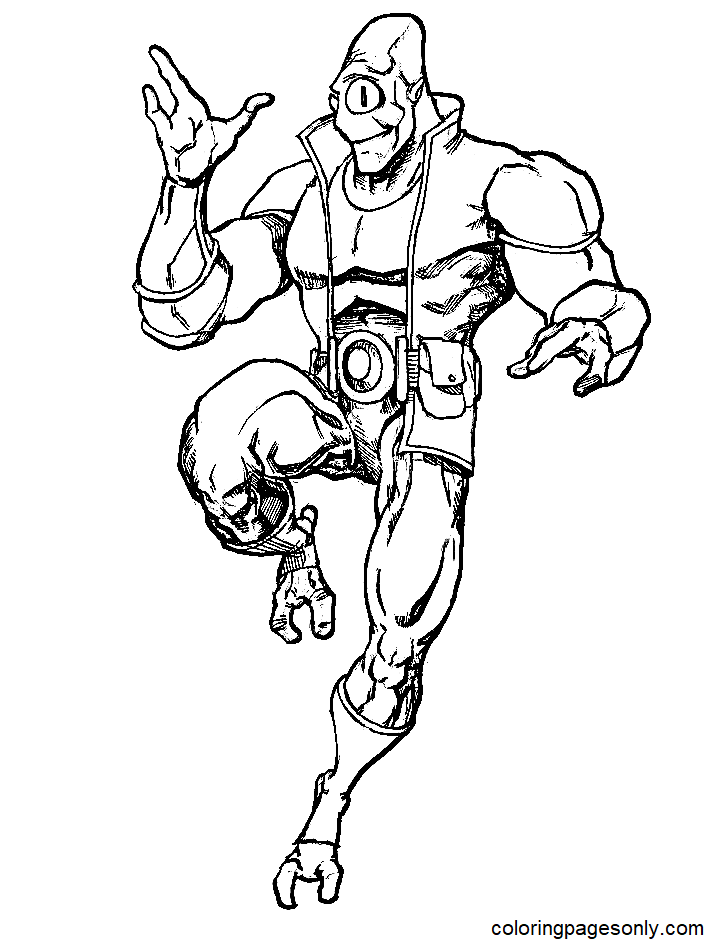
Allen has a distinctive alien appearance: a single large central eye (rather than two), blue-grey or violet skin, a compact, powerful build, and a friendly expression that belies his considerable physical power. In the animated series, he is one of the more visually distinctive supporting characters due to the Cyclops-like single eye design.

Angstrom Levy (Season 2 Primary Antagonist)

Following his accident – in which multiple dimensional versions of himself attempt to merge their knowledge into one body – Angstrom Levy develops a dramatically enlarged and misshapen head. His pre-accident appearance is that of a normal, clean-cut human. His post-accident appearance features a grotesquely enlarged cranium while his body remains human-scaled. His coloring is a pale or normal human skin tone rendered increasingly bizarre by the physical distortion. Sterling K. Brown’s voice performance as Levy was noted as one of the standout elements of Season 2.

Coloring Tips

The yellow suit is a statement. The primary Invincible costume depends entirely on its yellow being bright and unambiguous – not gold, not warm khaki, not ochre, but the vivid, saturated yellow associated with optimism and hero-era confidence. Test your yellow against a white background: if it reads as muted or brownish, it is too dark or warm. The yellow should pop immediately and clearly. The black portions of the suit should be a clean, deep black rather than a warm or navy black – the contrast between saturated yellow and neutral deep black is what gives the costume its graphic impact.

The goggles are Mark’s signature detail. The white or light-colored goggles that define the Invincible mask are the character’s most distinguishing silhouette element – what makes him immediately recognizable even as a simplified outline. On any Mark Grayson page, render the goggles clearly with a light, clean tone (white or pale grey) that stands out against the darker portions of the suit. The goggle lenses can pick up a subtle blue or yellow tint depending on whether you want to connect them to the suit’s primary color or keep them neutral.

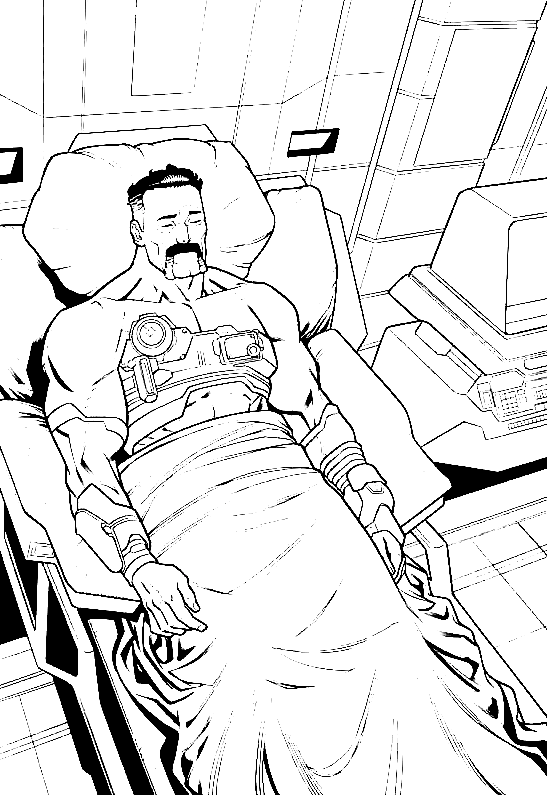
Omni-Man’s red is Superman-red, intentionally. The bright red of Omni-Man’s costume is not a muted crimson or a brick red – it is a primary, fully saturated red that visually rhymes with Superman’s costume by design. This visual parallel is the point: Kirkman wanted readers to file Omni-Man initially under “Superman archetype” before the reveal. For pages showing Omni-Man in his heroic mode, this clean primary red against the white emblem and gloves is the target. For pages showing him in darker emotional contexts – the “Sad Omni-man” tile, the hospital scene, the father-son confrontation – consider whether the background palette should push cooler and darker to reflect the emotional register.

The suit era tells you the emotional context. If a page shows Mark in yellow-and-black, the emotional context is early-series hopefulness and growing confidence. If a page shows Mark in blue-and-black (Season 3 / Volume 51+ era), the emotional context is the darkest period of his story. Calibrate your approach accordingly: warm, higher-saturation backgrounds work for yellow-suit pages; cooler, more desaturated environments support the blue-suit emotional register.

Atom Eve’s pink is soft and warm, not hot. The common mistake with Eve’s pink is applying a hot pink or magenta that reads as electric. Her suit’s pink sits in the warm rose-to-coral range – vivid enough to be instantly recognizable as pink, but not neon or harsh. Think of it as the pink of a warm sunset or a pink camellia rather than a highlighter marker. The short cape, if visible, should match this exact tone.

For duo pages featuring Mark and Nolan together, the visual tension between the yellow-black Invincible suit and the red-white Omni-Man suit is the entire emotional content of these pages. Both are bold, heroic color schemes in the conventional superhero register, but they belong to fundamentally different characters whose relationship drives the series. Give each costume its full, uncompromised canonical palette. The contrast between them – warm red versus warm yellow, different values of white and black – should read as two heroes who are visually similar in design language but distinct in color identity.

For “Sad Omni-Man” and emotionally charged pages, several tiles in the collection capture emotional rather than action moments. These pages benefit from a restrained approach to background color: grey or blue-grey backgrounds, slightly muted versions of the costume colors rather than full saturation. The emotional weight of these scenes in the series comes partly from the contrast between Omni-Man’s physically imposing appearance and his moment of emotional collapse – honor that contrast in the coloring.

5 Activities

The costume evolution timeline. Print one Mark Grayson page in the yellow suit and one in the blue-and-black suit (if available in the collection). Color both in their canonical palettes. Between the two pages, write one sentence describing what changed in Mark’s life and mindset between the two suit eras – in the same way that Kirkman said the blue suit reflects “a different headspace.” After finishing, consider: how does your choice of background color for each page communicate the emotional difference? The exercise builds understanding of how superhero costume design functions as visual storytelling, carrying narrative information without a single word.

The Omni-Man moral complexity map. The “Sad Omni-Man” tile in this collection captures one of the most emotionally resonant moments in the series’ first season. Print this page and color it. Then, while coloring, consider two columns on a separate piece of paper: on one side, list what Omni-Man has done that makes him a villain; on the other, list what he has done that makes him sympathetic or complex. After finishing the coloring, look at both lists. The exercise engages directly with what makes Invincible different from conventional superhero narratives – Kirkman constructed a villain whose actions are genuinely catastrophic but whose motivation and eventual arc resist simple moral classification. This is E-E-A-T in an activity format: the coloring page becomes an entry point to genuine critical engagement with the text.

The father-son composition study. Several tiles in the collection show Omni-Man and Invincible together – teaching, fighting, or in other configurations of their relationship. Print one of these duo pages. Color it with the canonical palettes for both characters. Then consider the compositional elements: who is larger in the frame? Who is higher? Who is in a power position and who is not? Who is facing forward and who is turned away? These compositional elements – which Ryan Ottley crafted deliberately in the comics – communicate the shifting power dynamics of the father-son relationship across different moments in the story. This activity develops awareness of how visual composition carries narrative meaning beyond the literal content of an image.

Design a Guardians of the Globe memorial page. The first major narrative event of Invincible – Omni-Man’s massacre of the original Guardians of the Globe – introduces a cast of characters explicitly designed as analogs to the Justice League (Aquarius/Aquaman, Red Rush/Flash, Darkwing/Batman, War Woman/Wonder Woman, and others) before killing them all in the first episode’s final sequence. On blank paper, design costume sketches for three of these characters – using their descriptions as reference – and color them. The exercise engages with Kirkman’s design philosophy (creating recognizable archetypes before subverting them) and with the specific visual tradition of superhero costume design that Invincible both honors and deconstructs.

The title card progression. One of the most praised formal elements of Invincible‘s animated adaptation is its title card – the moment in each episode where the word “INVINCIBLE” appears, typically replacing what a character would have said. Across Season 1, the title card becomes progressively more blood-splattered with each episode. Print a blank rectangular page and write “INVINCIBLE” in bold letters. Then create eight versions of increasing red/blood splatter around and over the letters, representing each episode’s escalation. Color each version in the appropriate level of intensity. This activity engages directly with one of the most formally sophisticated visual design choices in recent animated television and builds understanding of how visual language can function as foreshadowing.

These related coloring collections will help you explore the wonderful world of colors. Let’s choose, be creative, and show us your great pictures!

Mantasstonys Allen – Designer

Hello! I'm Mantasstonys Allen, a web designer at Coloringpagesonly.com. My passion is bringing creativity to life through beautiful and user-friendly designs. I'm here to make your experience on our site smooth, fun, and inspiring—so you can focus on what matters most: coloring and unleashing your imagination!