
Toys Coloring Pages at ColoringPagesOnly.com gives kids 30+ free pages based on the physical toys that live in playrooms, toy boxes, and under beds – the actual objects children reach for every day. All pages download free as PDF or color online in your browser. The full Toys and Dolls collection is at Toys and Dolls Coloring Pages.


What’s in This Toy Box
Toys as a coloring subject are different from toys as a category in games or cartoons. These pages show the physical objects themselves – the round wheels, the painted wood grain of a rocking horse, the hard plastic of a toy car. The coloring activity mirrors something kids already do: decide what color a toy should be, then make it that color.
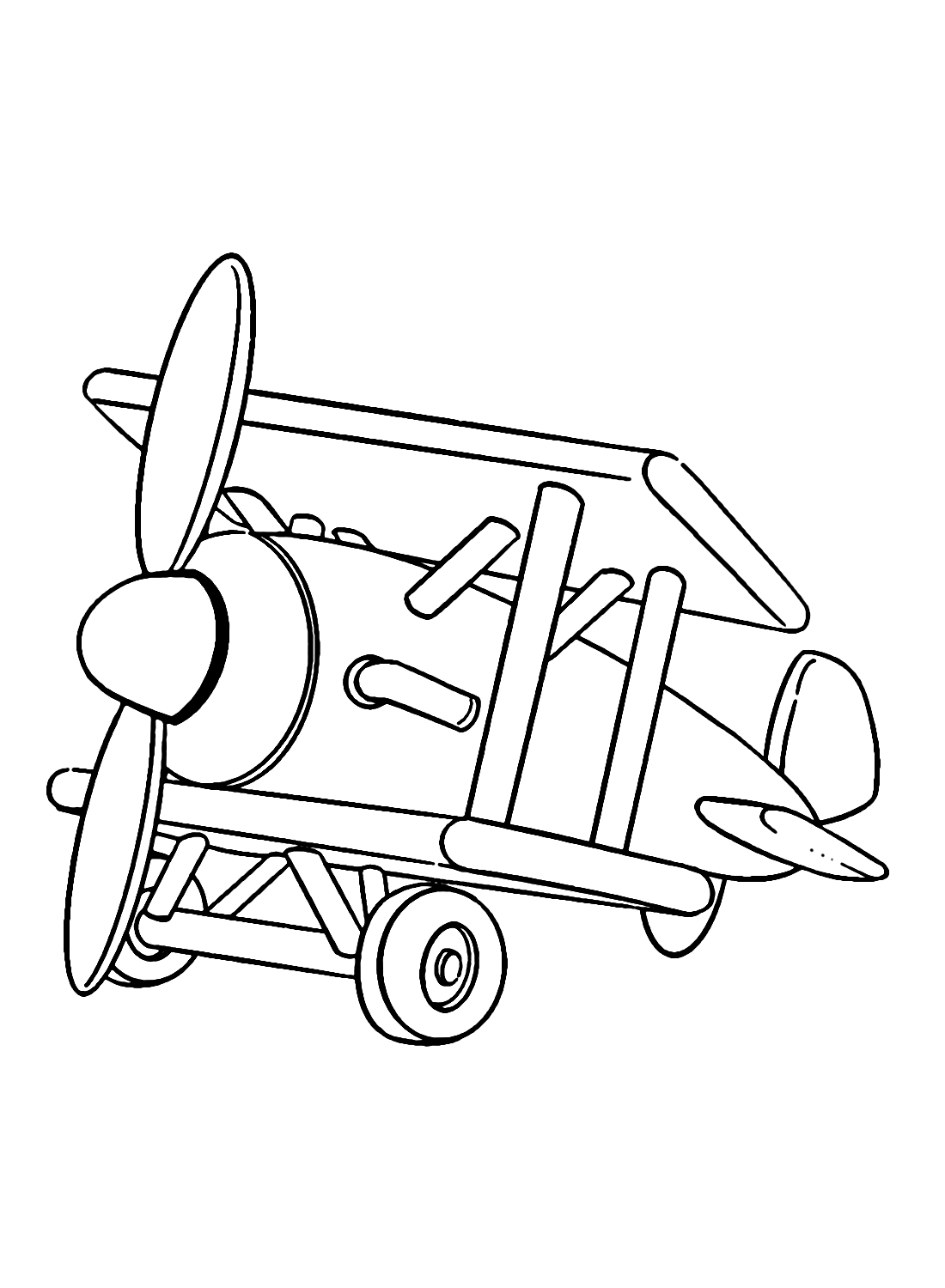
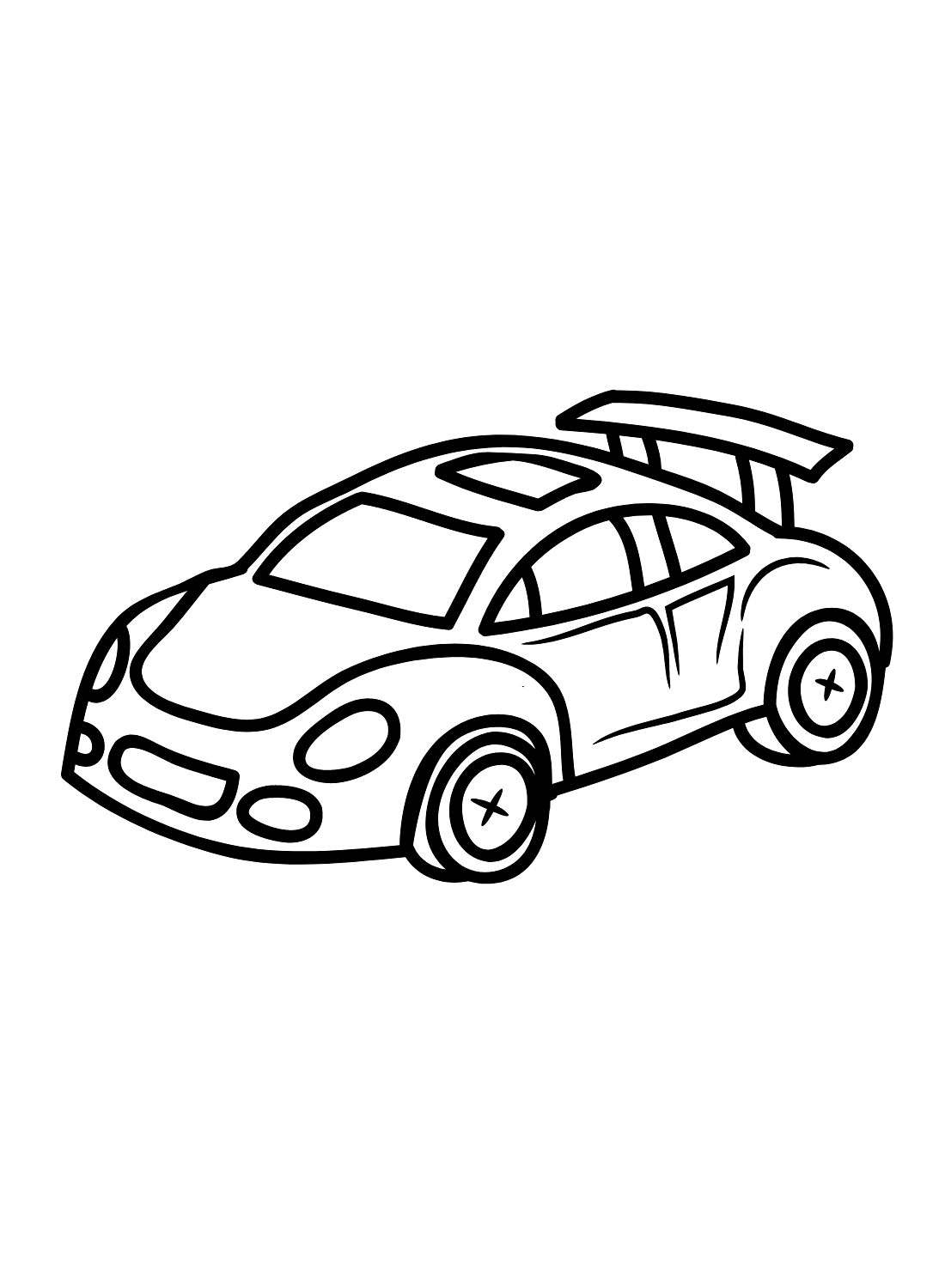
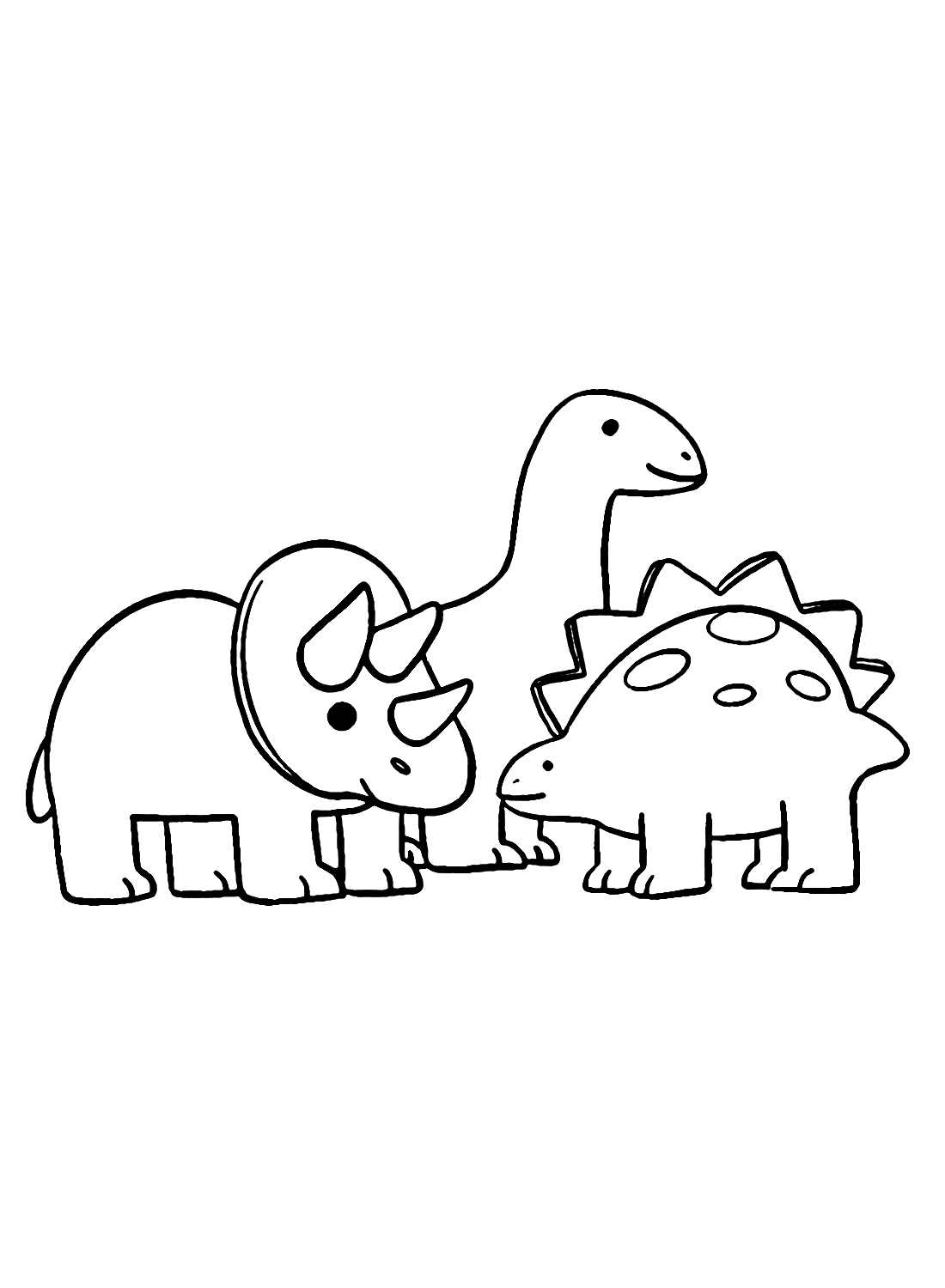
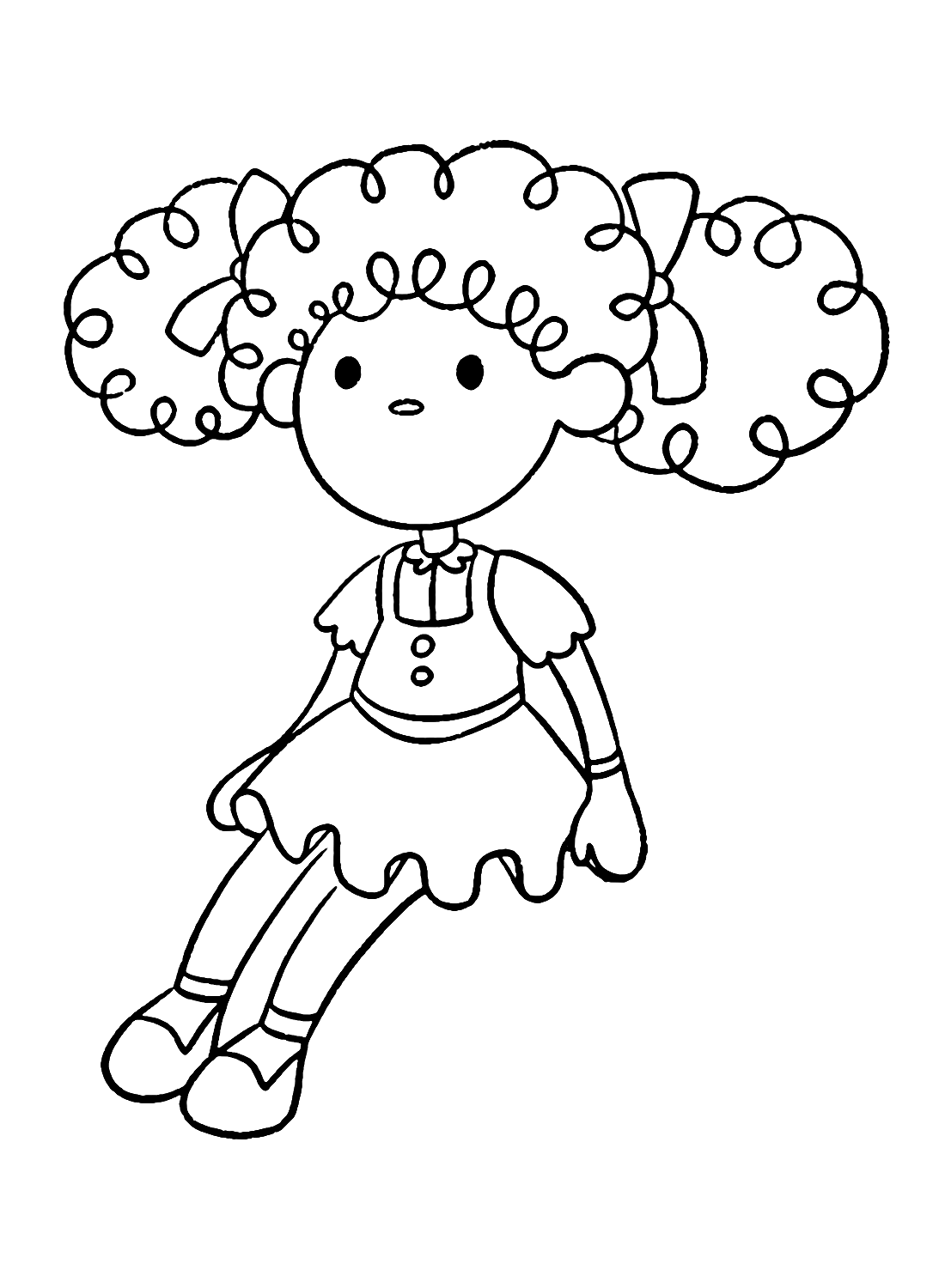
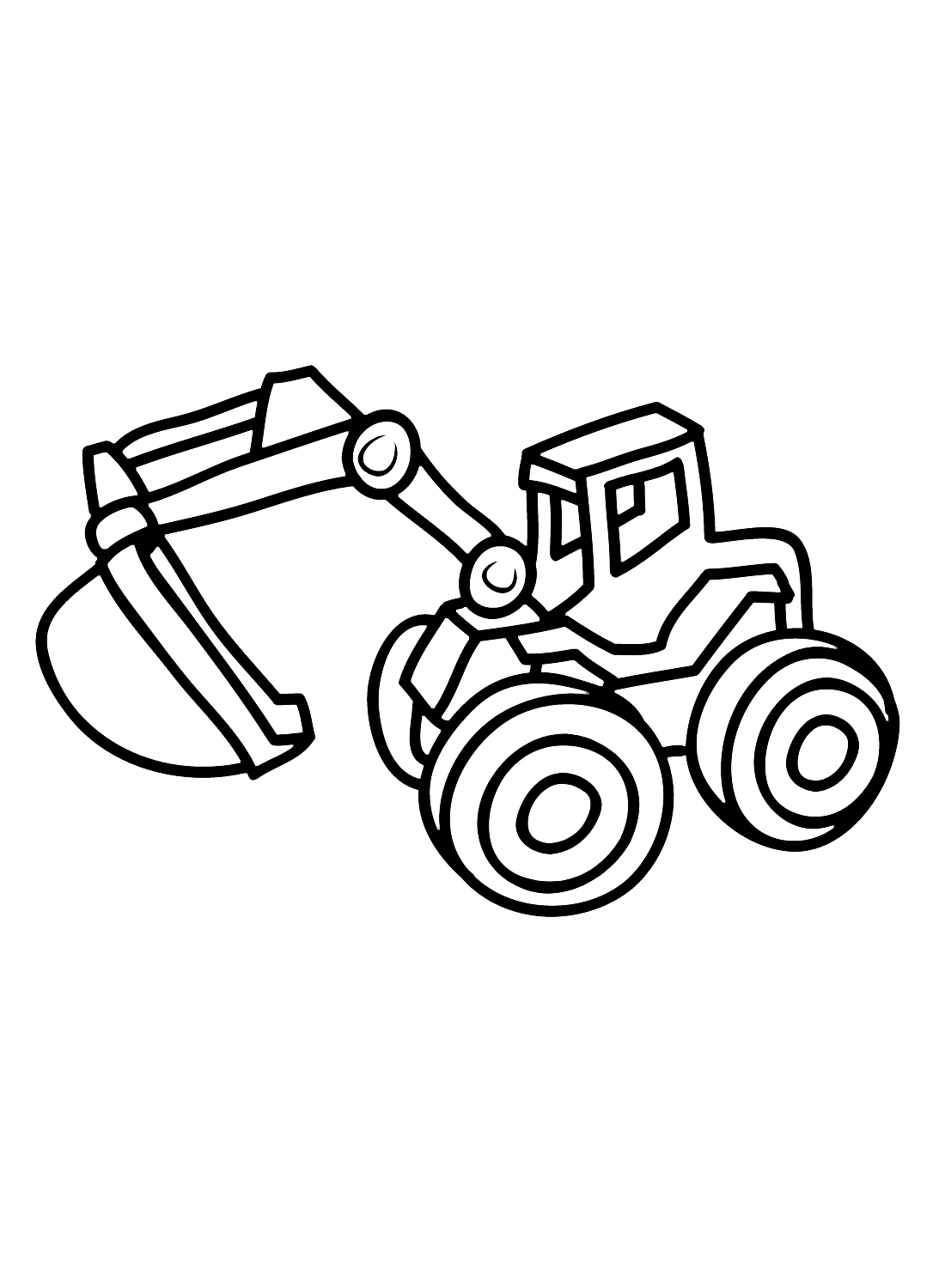
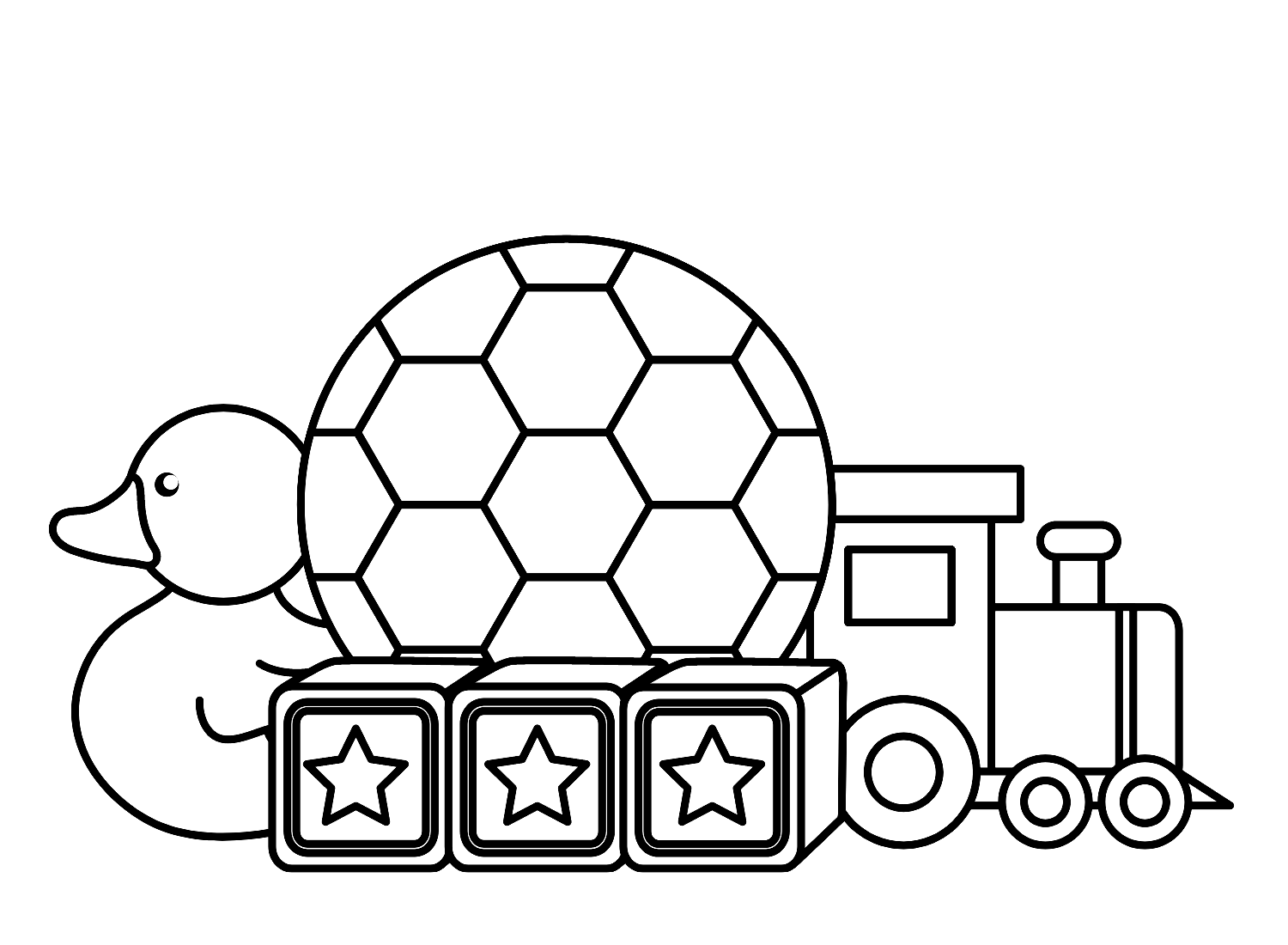
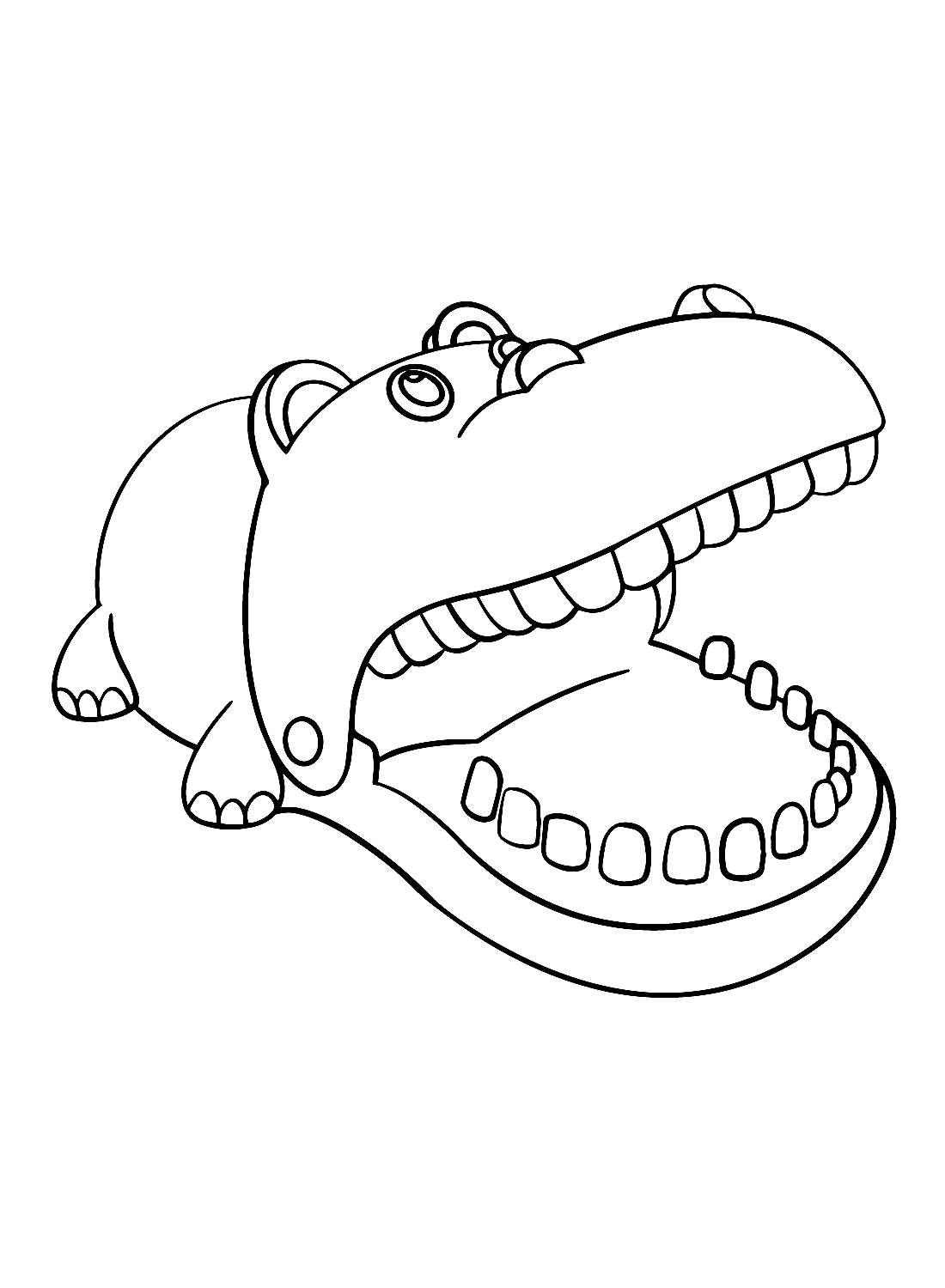
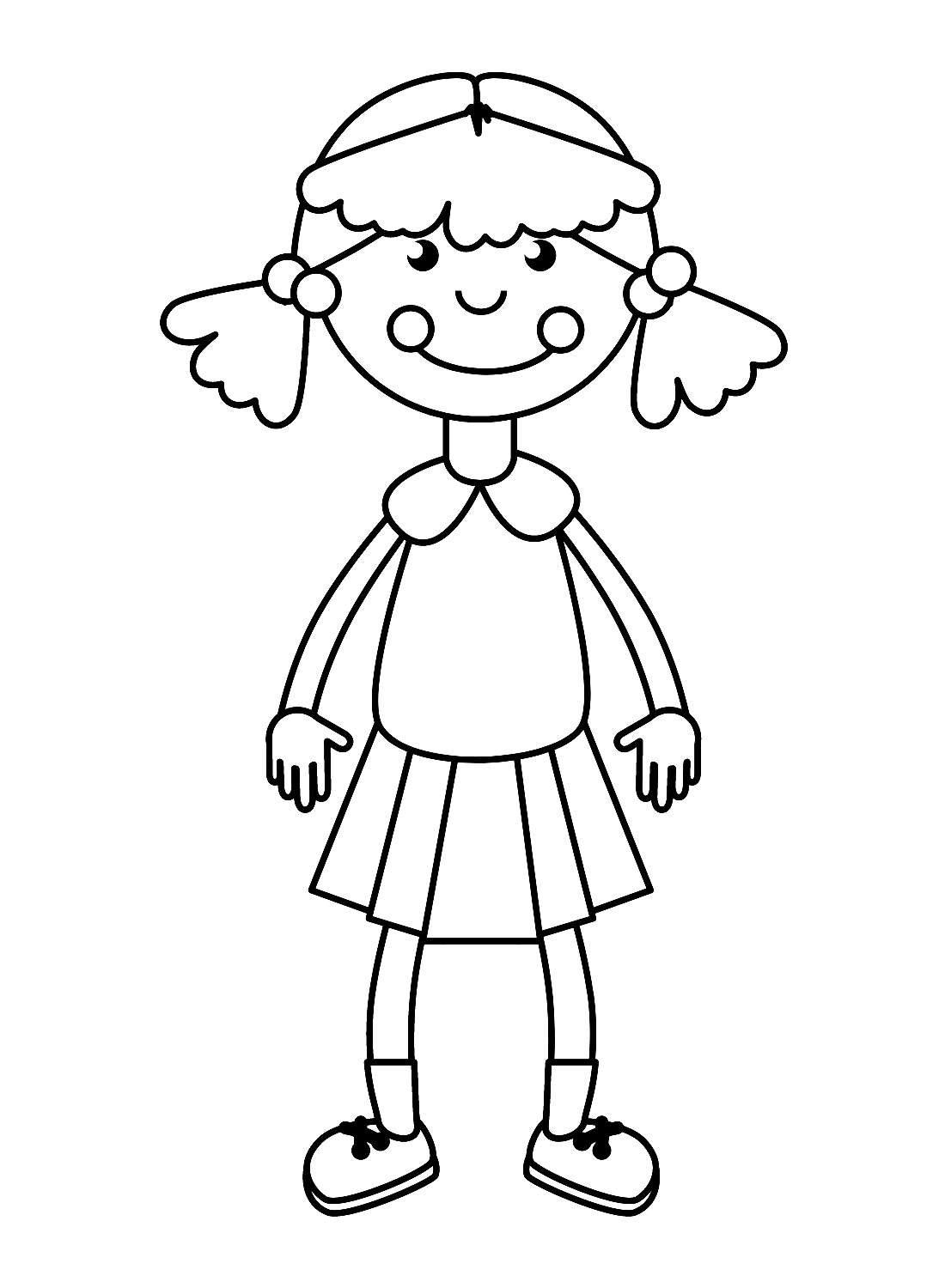
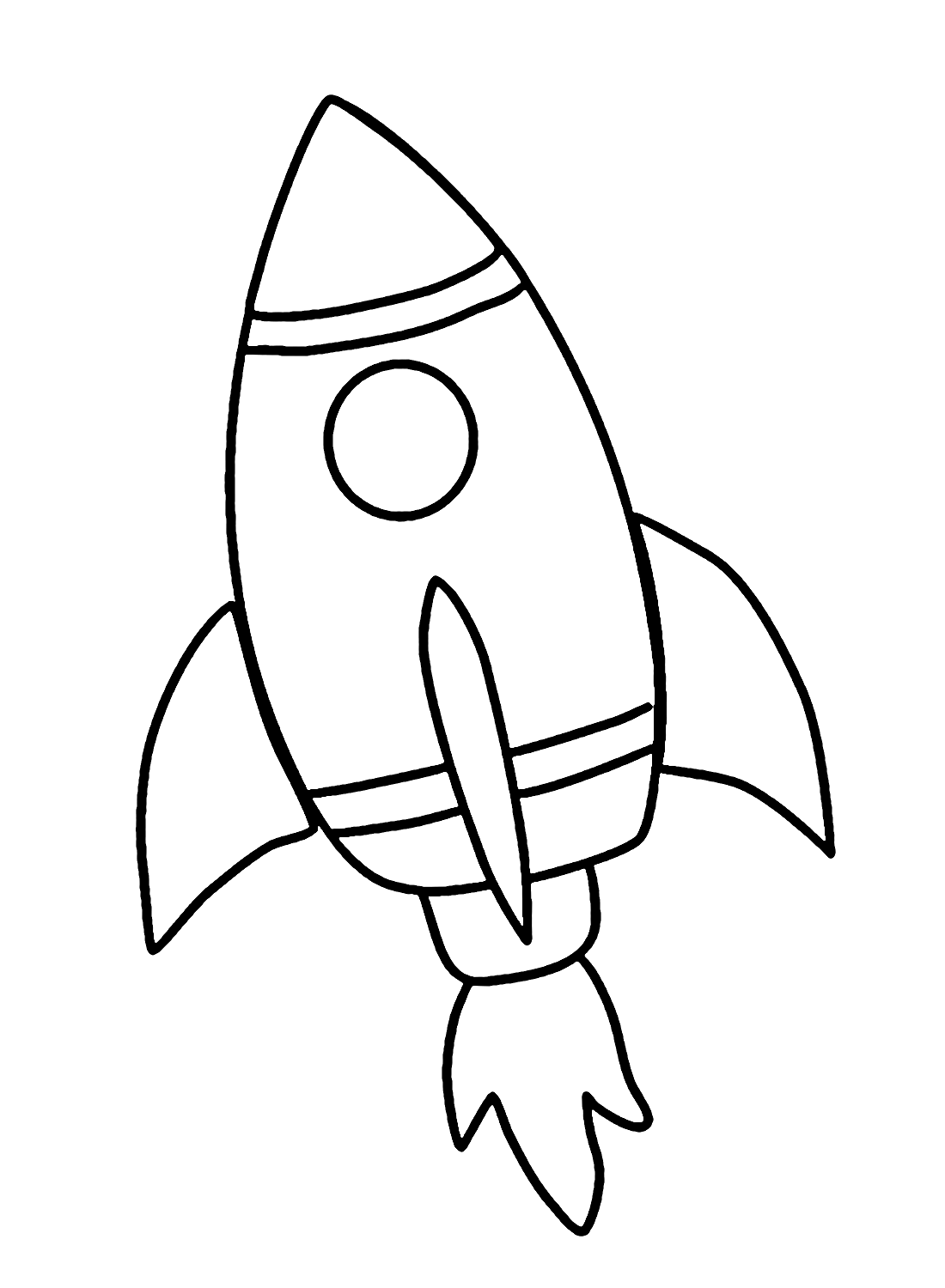
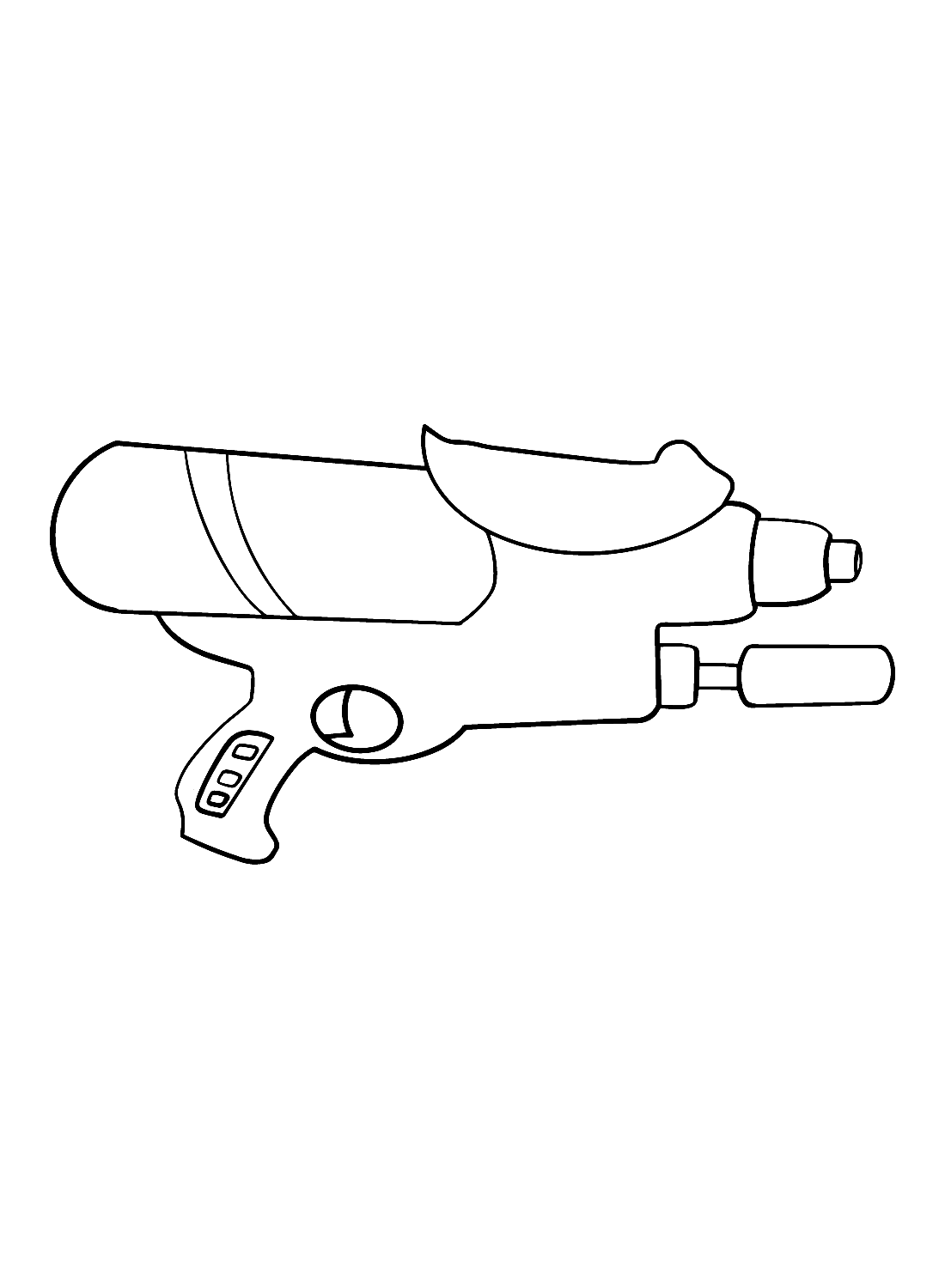
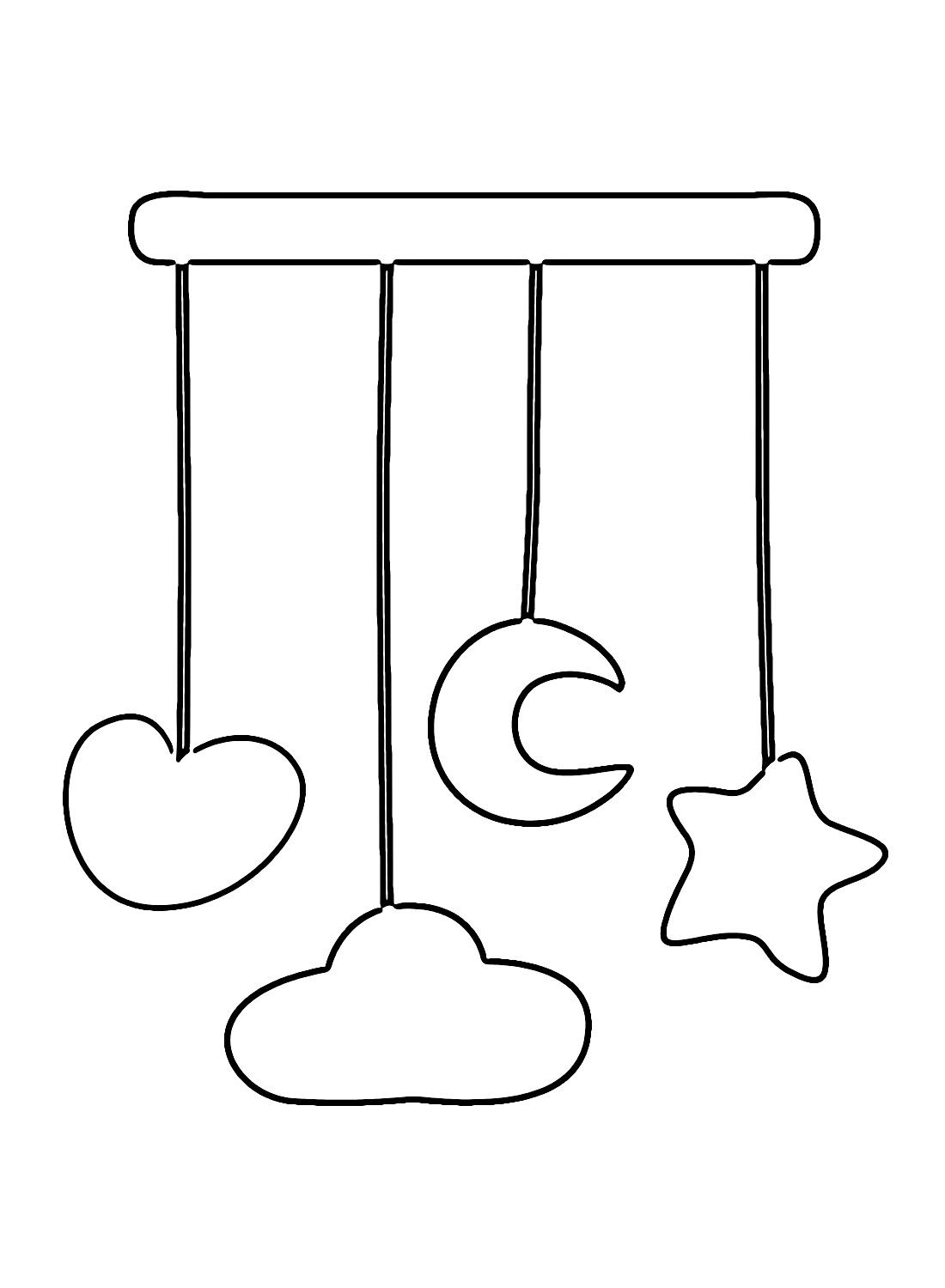
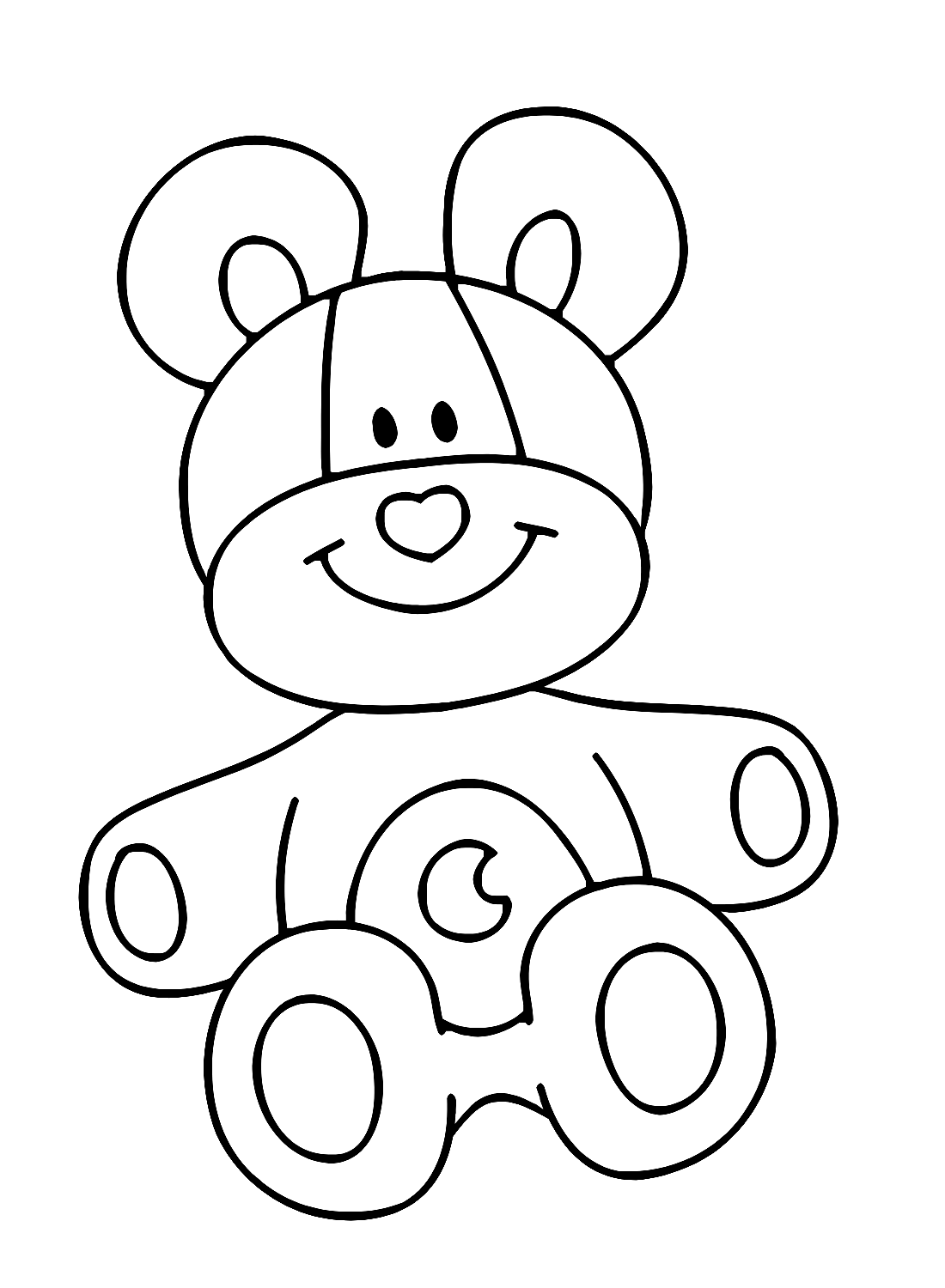
The collection divides naturally into a few groups. The biggest is toy vehicles – cars, trucks, a race car, a train, and a plane – covering both the simple rounded “toy” proportions of children’s pull-along toys and slightly more detailed miniature versions of real vehicles. There are also animal toys (a dinosaur, a hippo, a bear), doll and figure toys (a classic ragdoll, a generic toy doll), baby toys (rubber duck, blocks, hanging rattle), and a handful of creative and imaginative toys – robot, rocket, water gun, music toys, bubble toy.
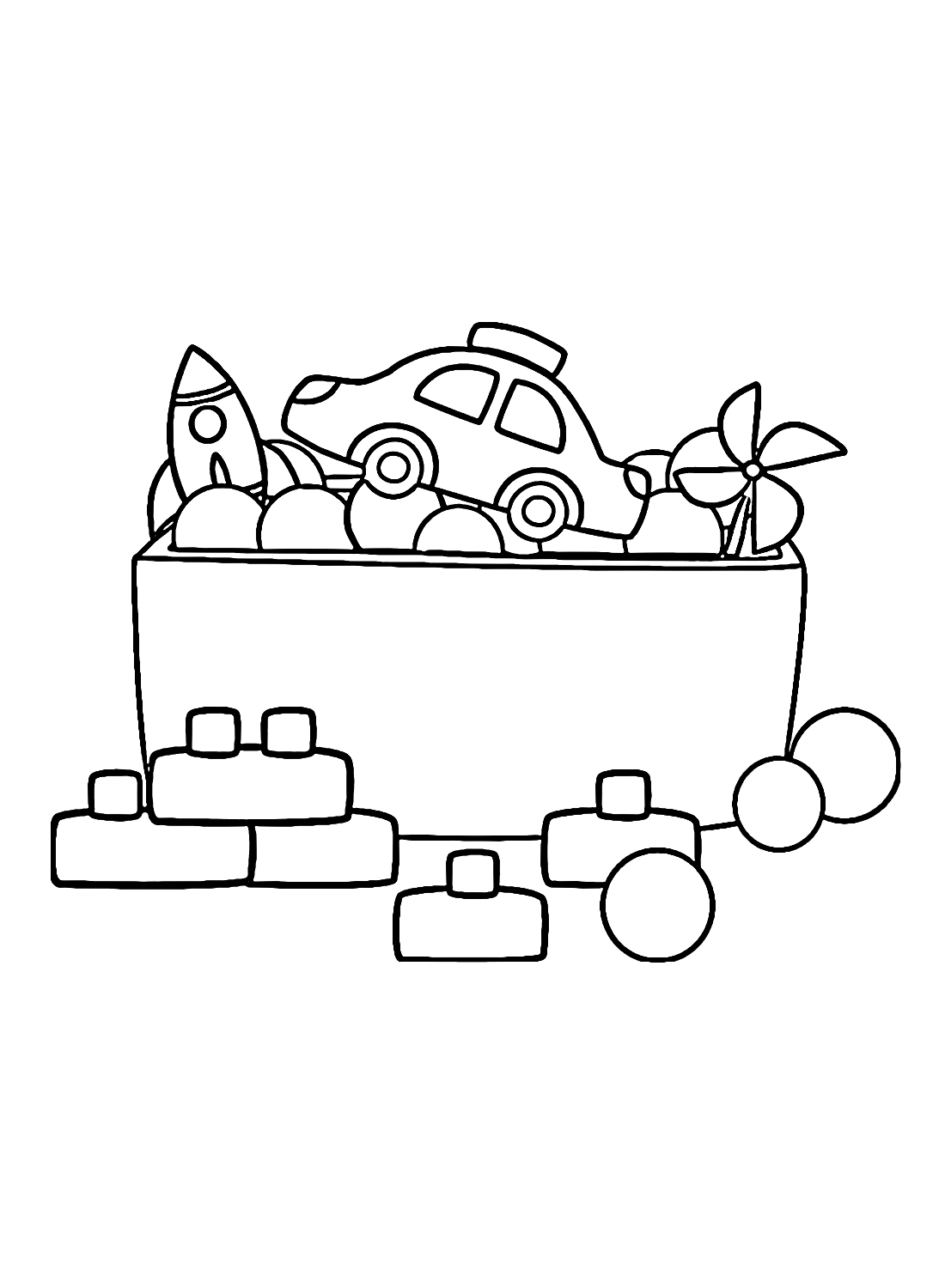
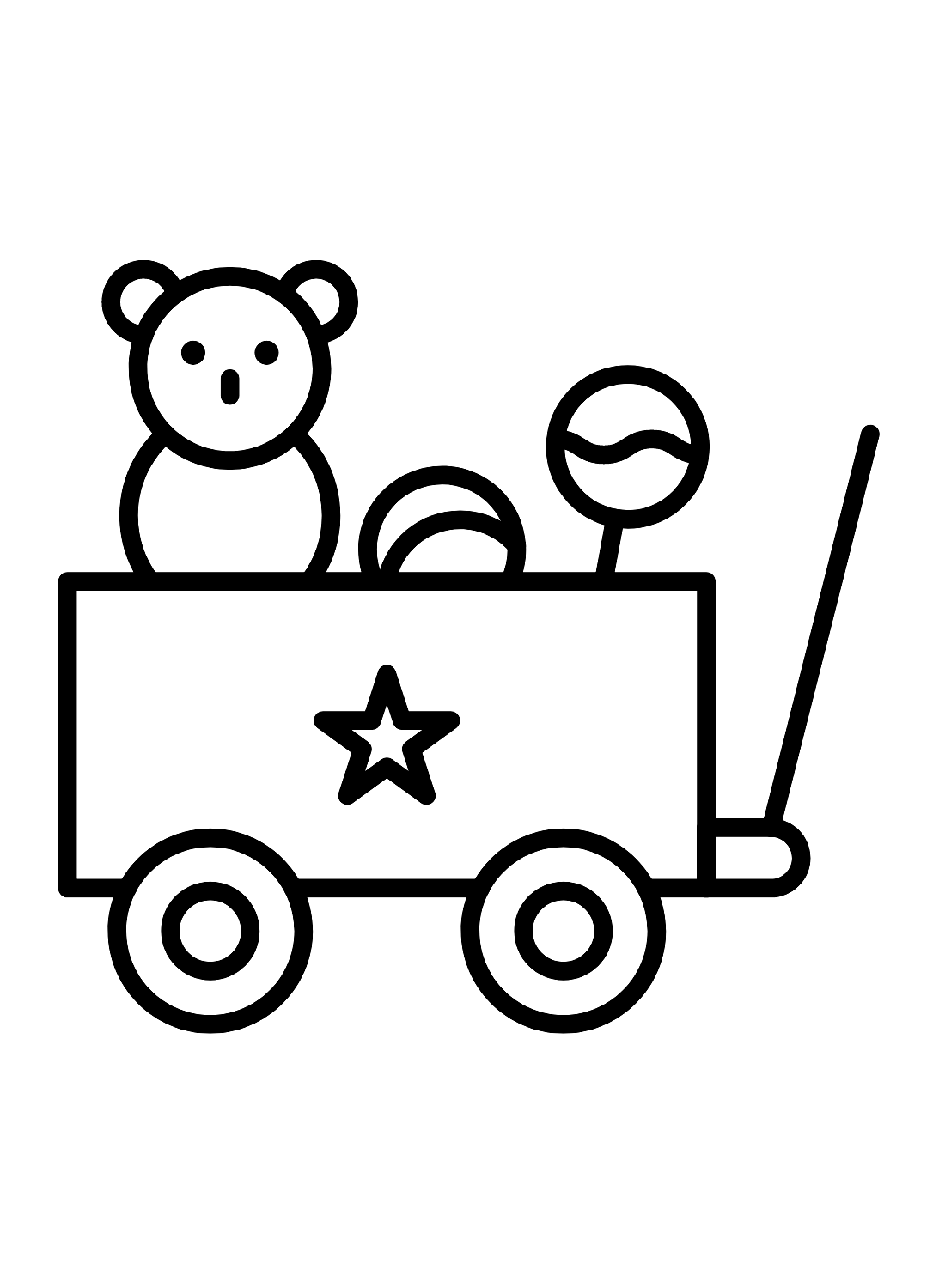
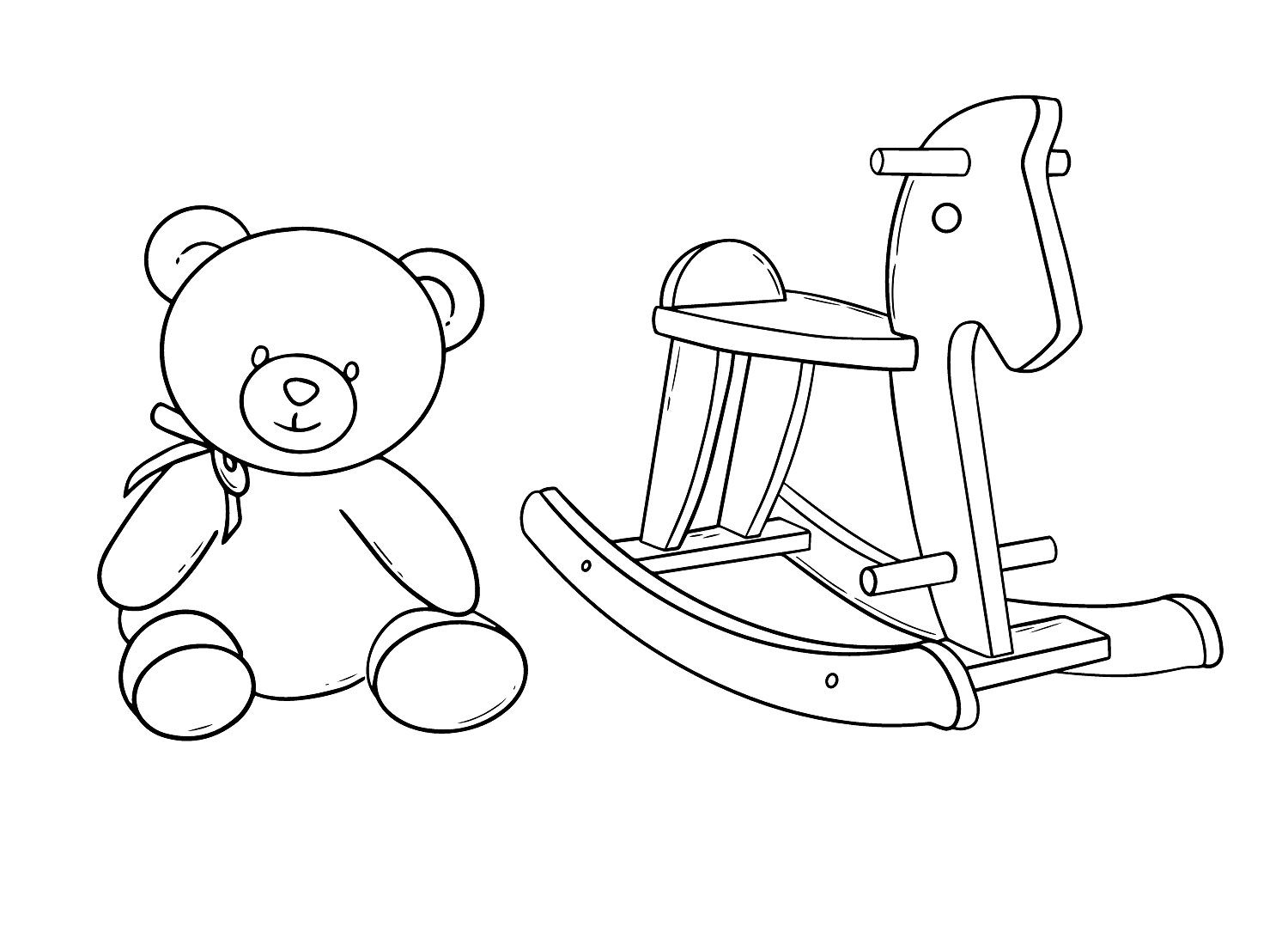
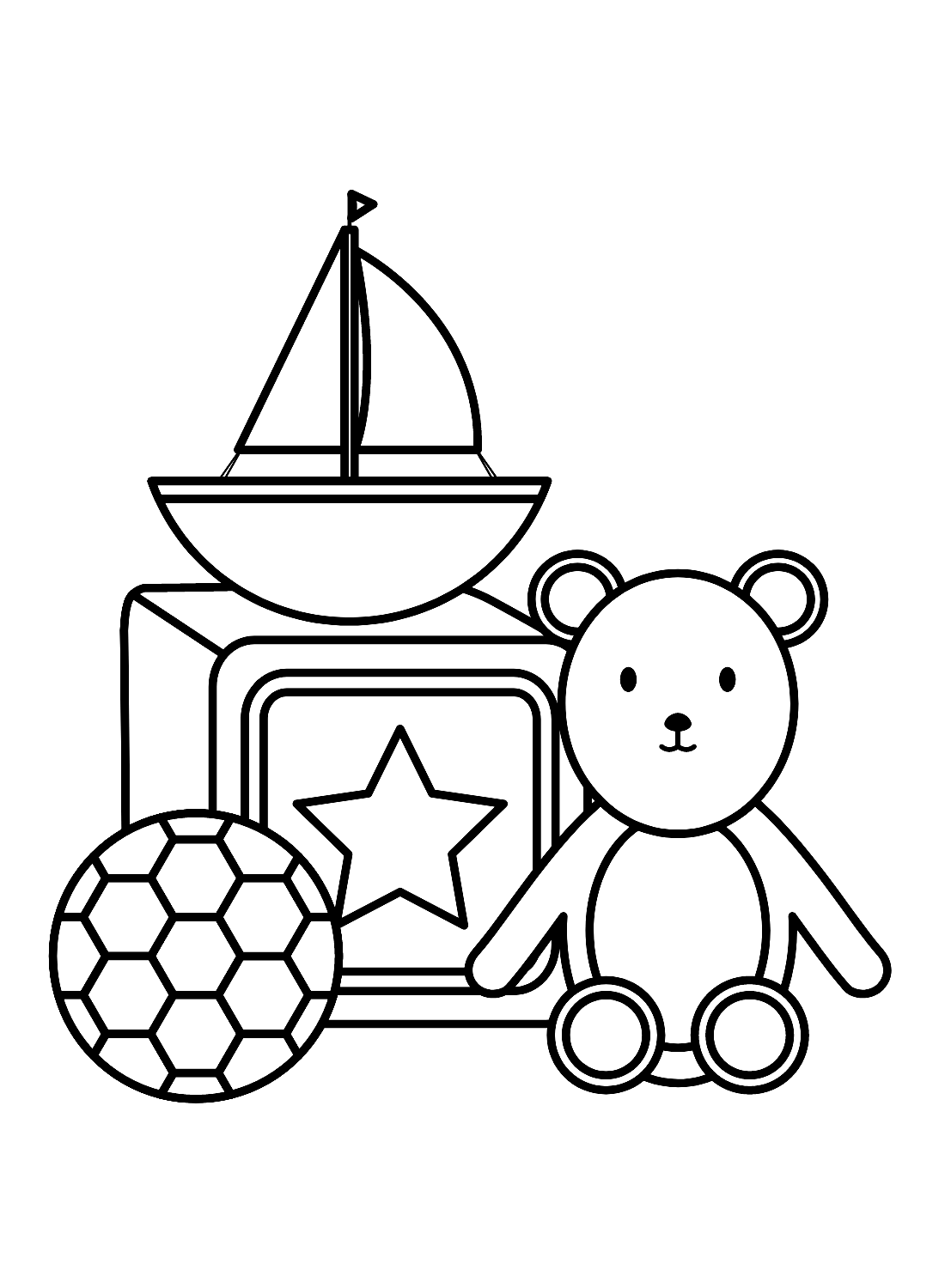
A few pages show toys in context rather than in isolation: Teddy Bear with Rocking Horse puts two classic toys together, Set of Toys and Toys Box show toys collected in groups, and Sailboat Toy with Block and Ball shows three different toy types sharing a single composition.
Coloring Tips
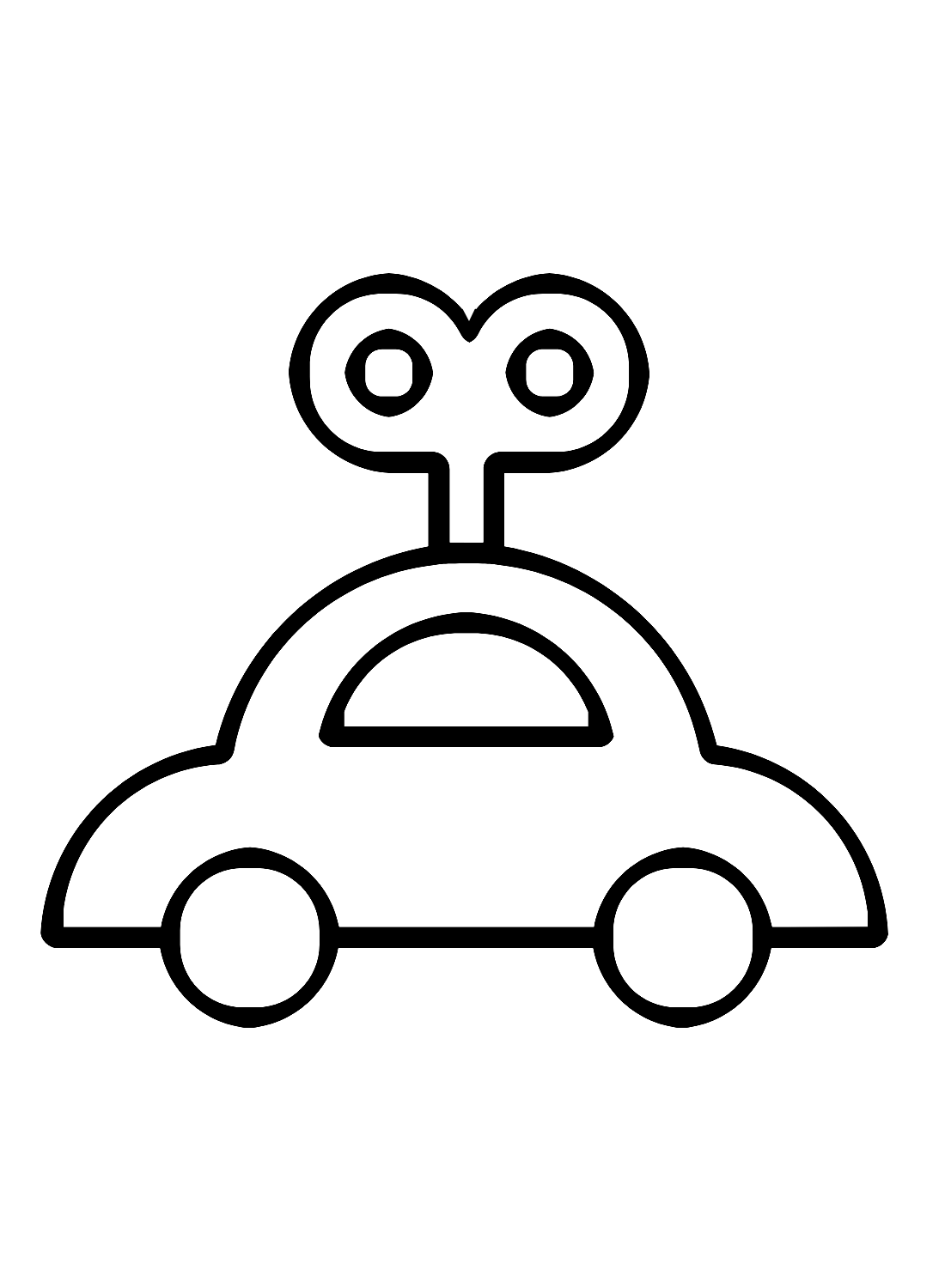
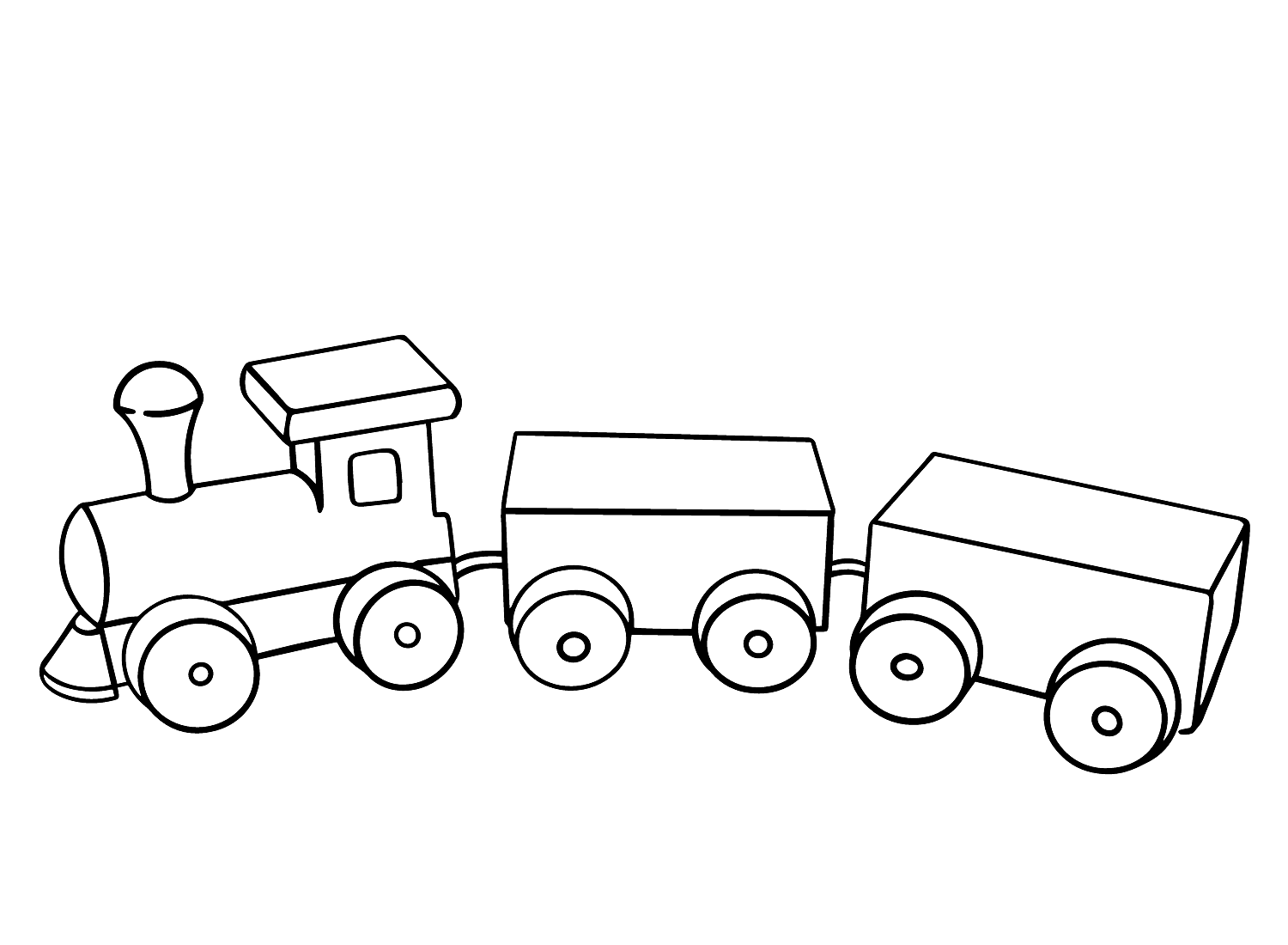
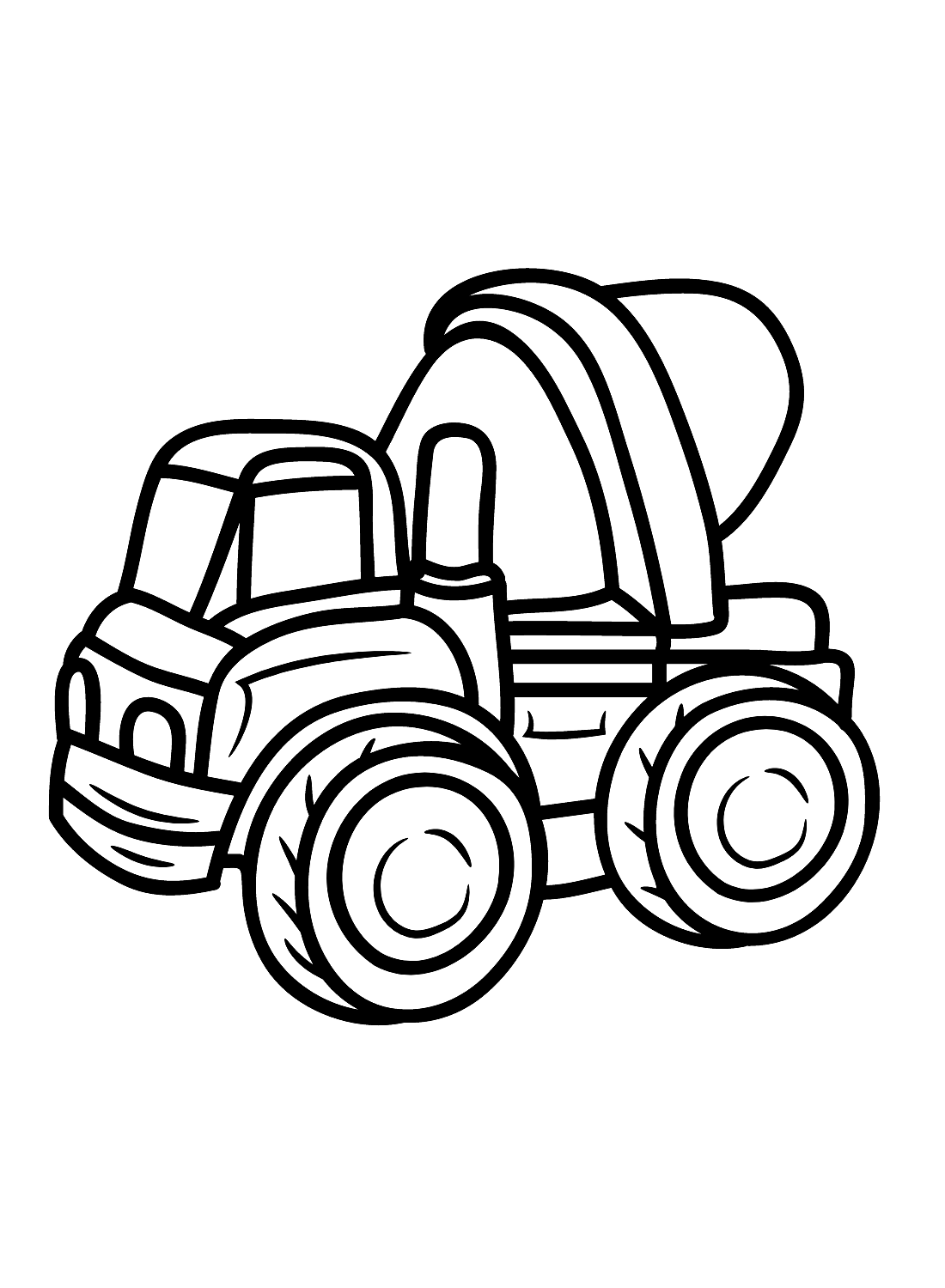
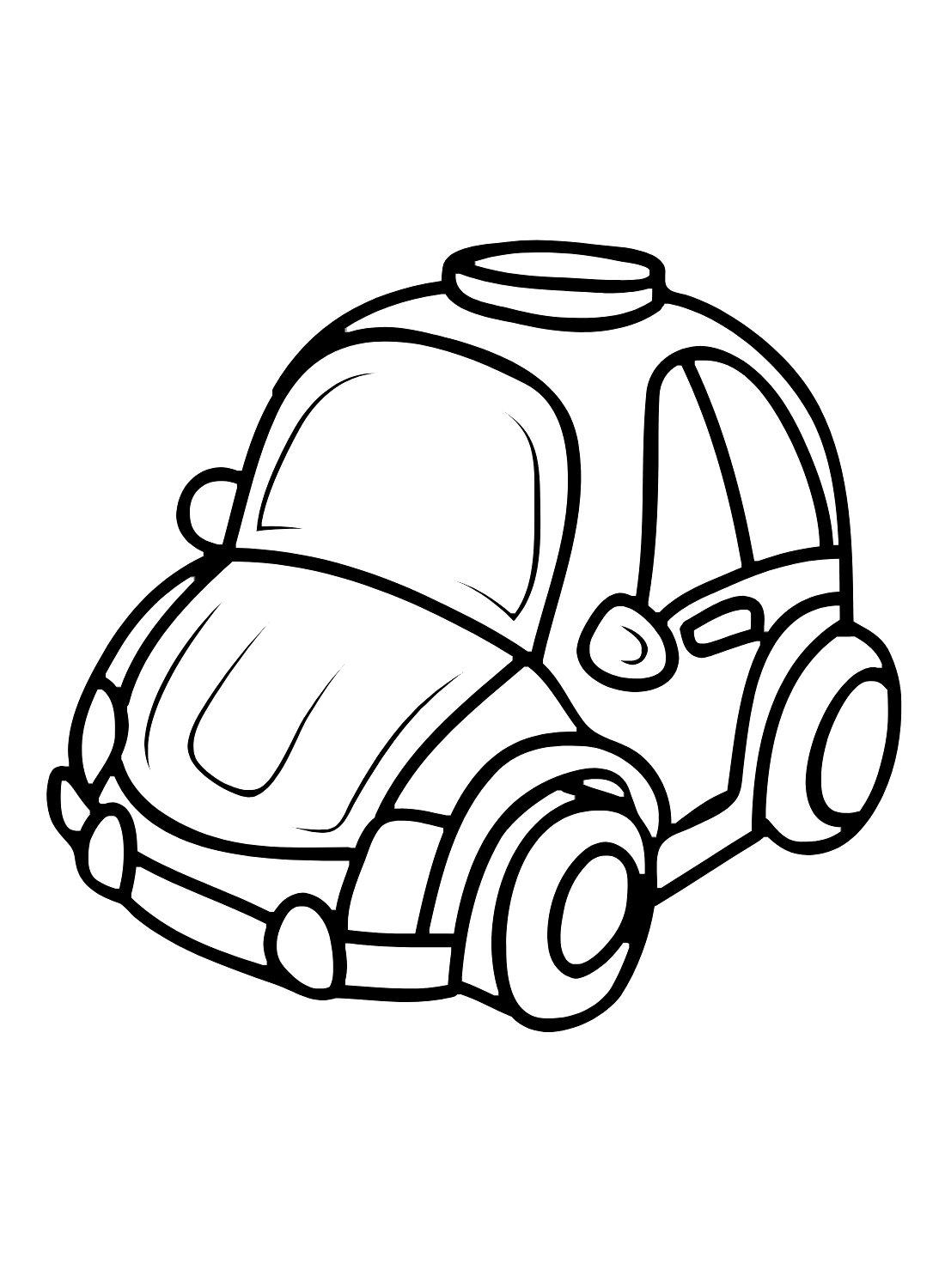
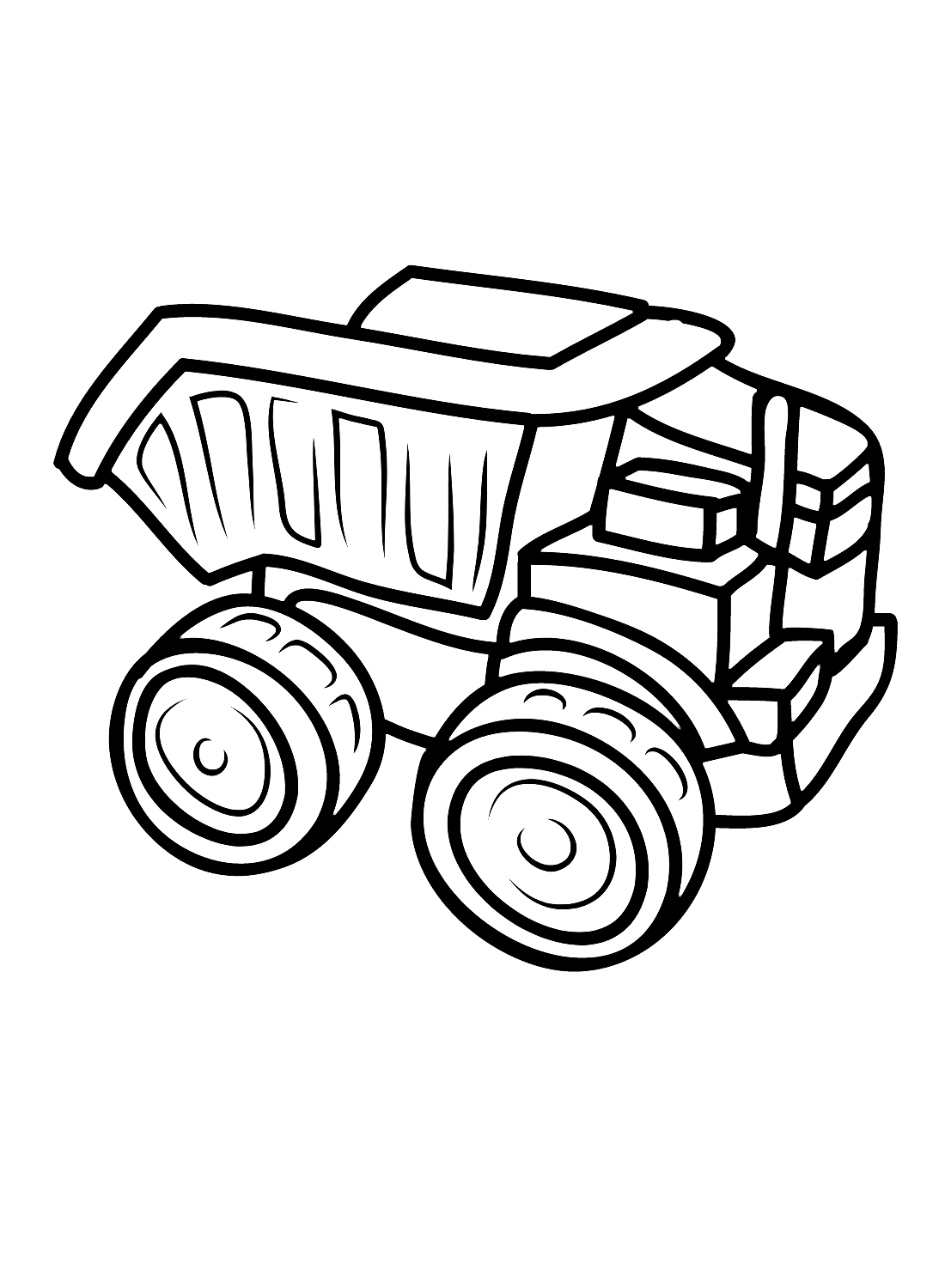
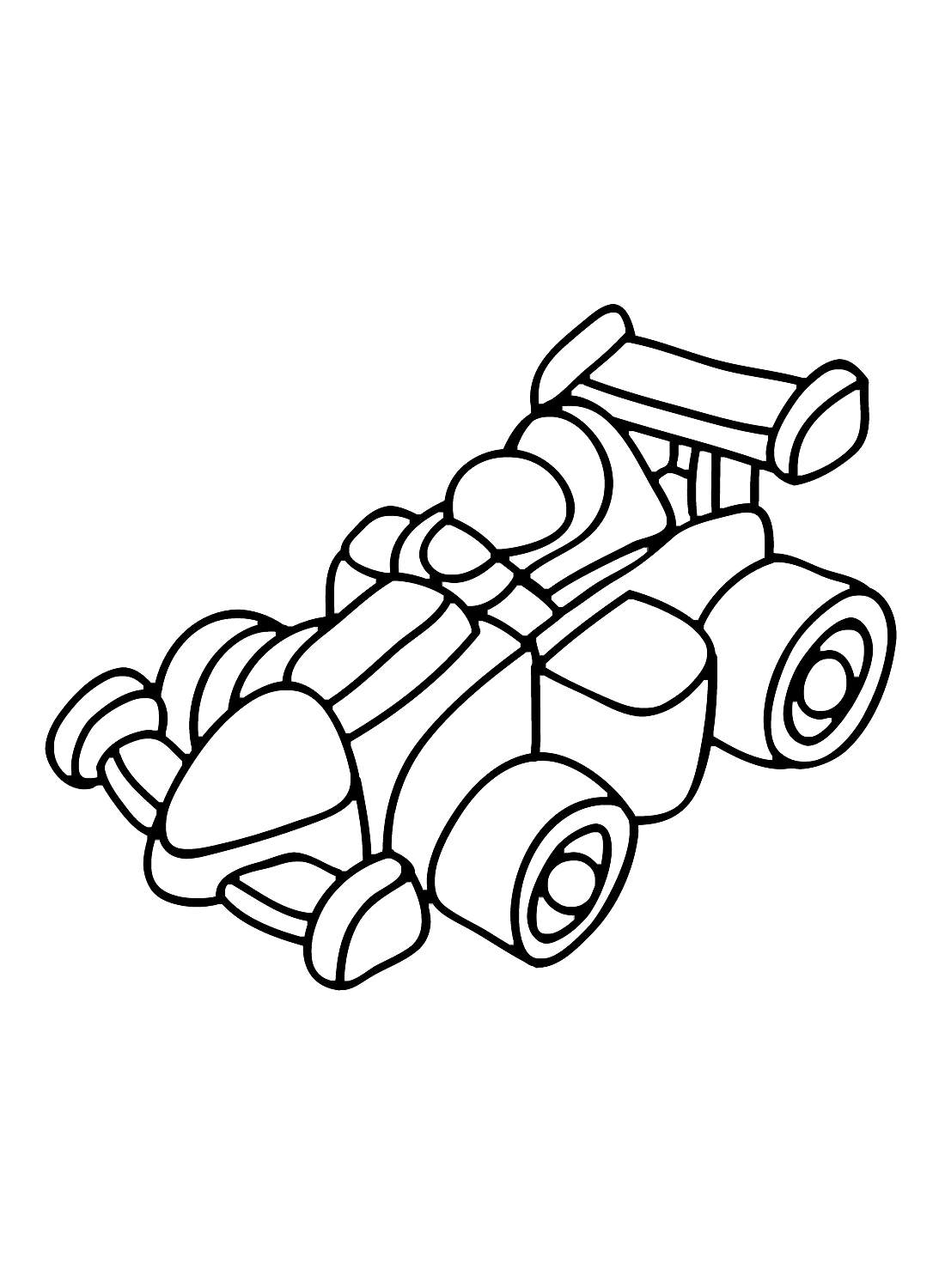
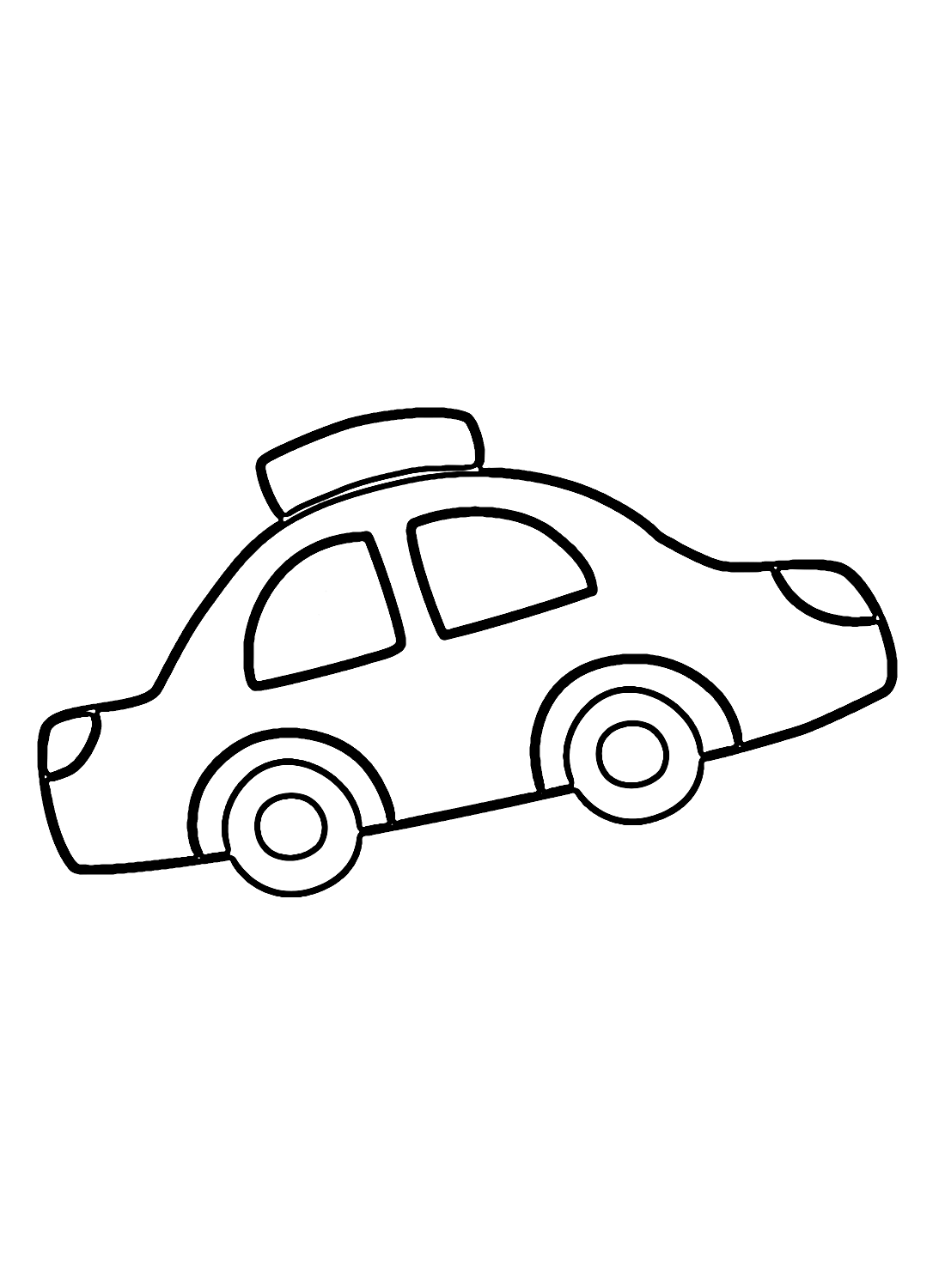
Toy vehicles – Toy Car, Toy Race Car, Toy Truck, Toy Beetle Car, Toy Train, Toy Plane – work best in vivid, saturated primary colors. Toy cars in the real world are almost always red, blue, or yellow because toy manufacturers know those colors read as “fun” from across the room. The simpler the toy design, the more confidently you can apply a flat, bold color without shading.
The Toy Beetle Car is worth special attention because the Volkswagen Beetle silhouette – the rounded roofline, the split rear window – is one of the most charming toy car shapes in the collection. A classic Beetle yellow or a mint green makes this page feel immediately vintage.
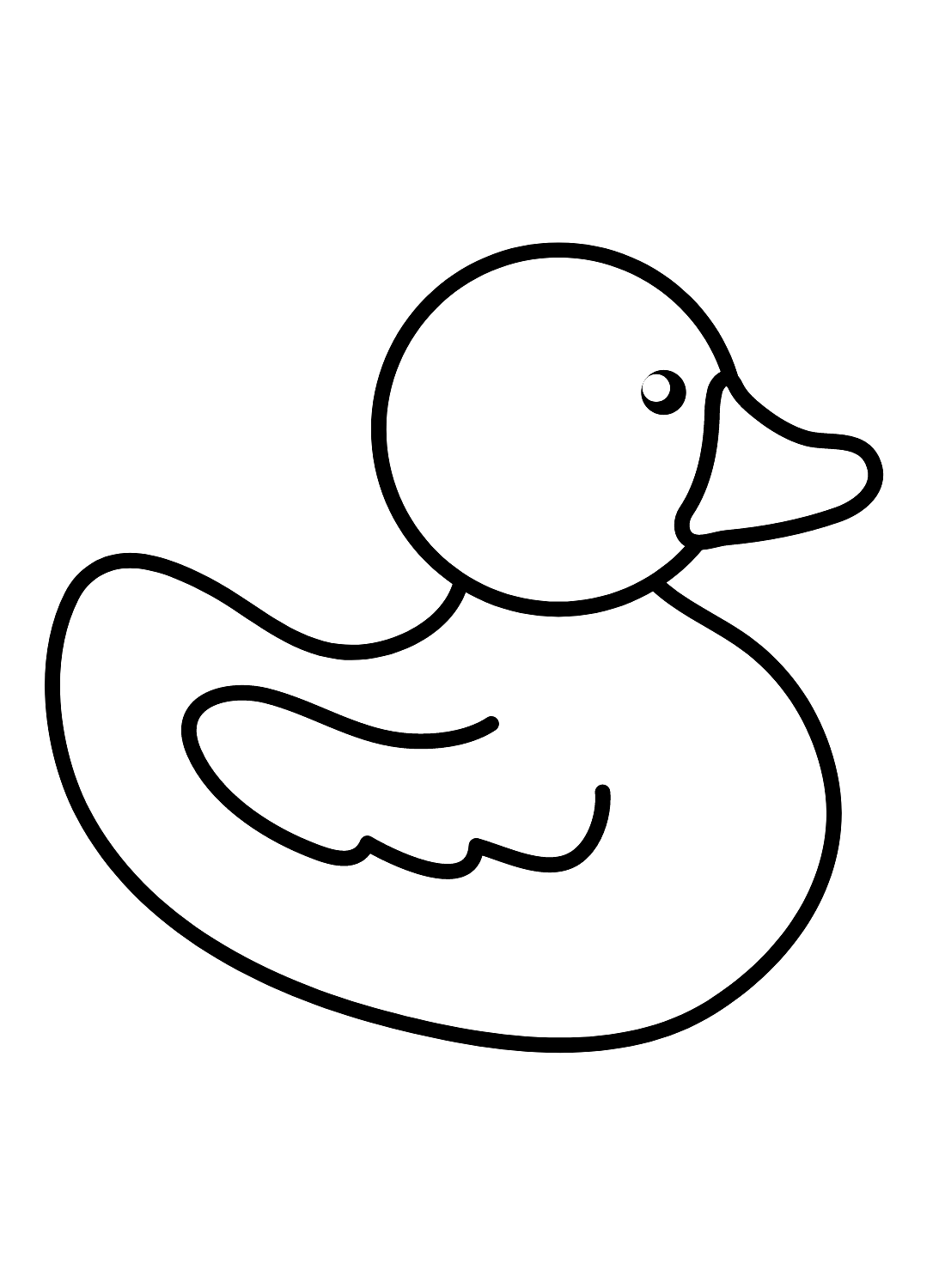
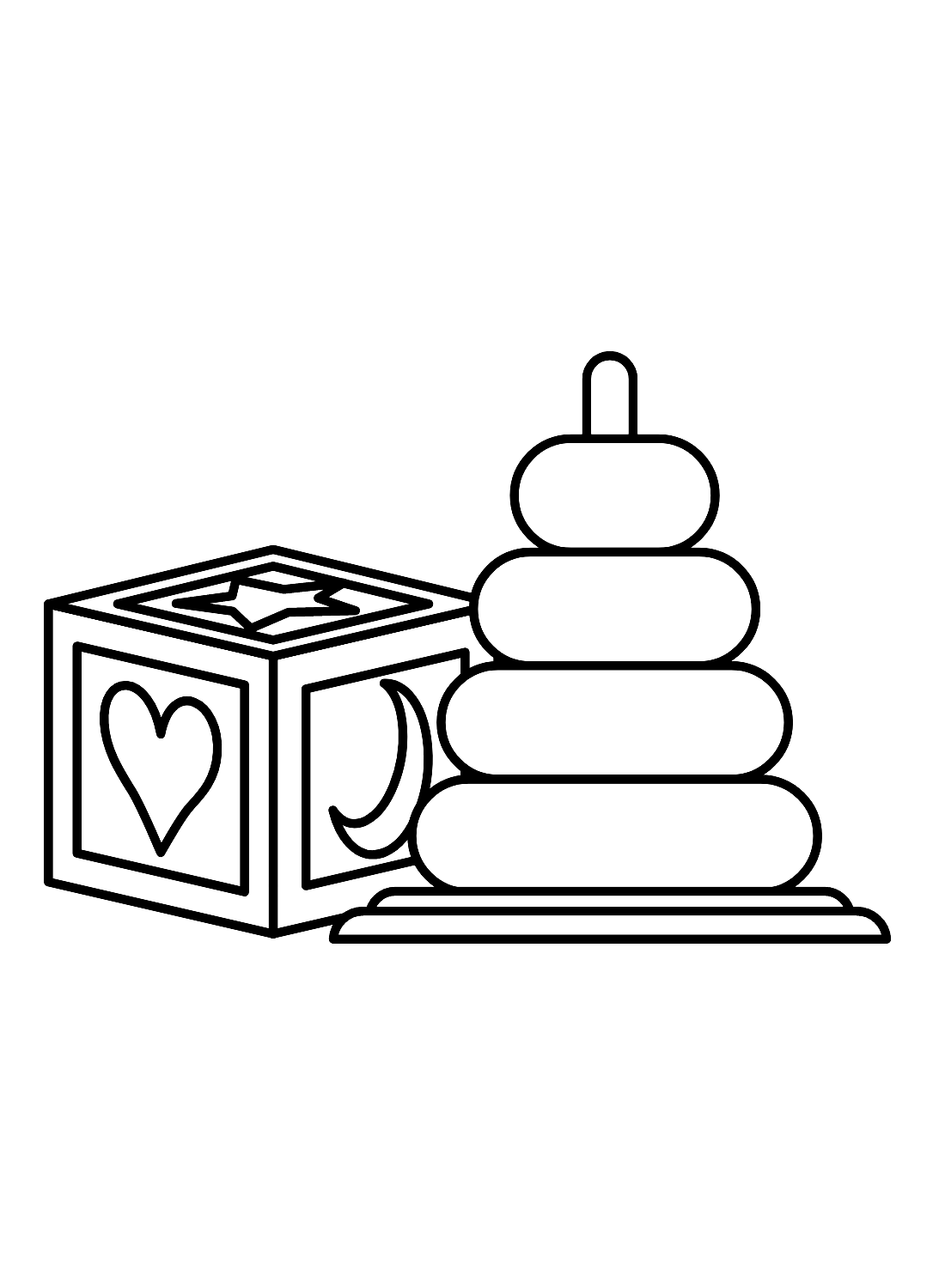
Baby toys – Baby Toys, Baby Blocks Toy, Baby Toy Bear, Children Toy Rubber Duckie, Children Toy Hanging Rattle – call for the softest, most gentle palette in the collection. Baby toys in the real world are designed to be visually gentle: pastel yellow, soft mint, pale pink, cream white. The rubber duck page is the exception – the classic rubber duck is a vivid, assertive yellow with an orange beak, and that contrast is part of what makes it so recognizable.
The Teddy Bear with Rocking Horse page has two subjects with very different texture challenges. The bear calls for a warm golden-brown with slightly darker shadow in the fur creases. The rocking horse calls for a decision: painted wood (red, white, or yellow with visible wood grain lines) or a more realistic horse coat (bay brown, dapple grey, or palomino cream). Either works – just decide before you start and stay consistent.
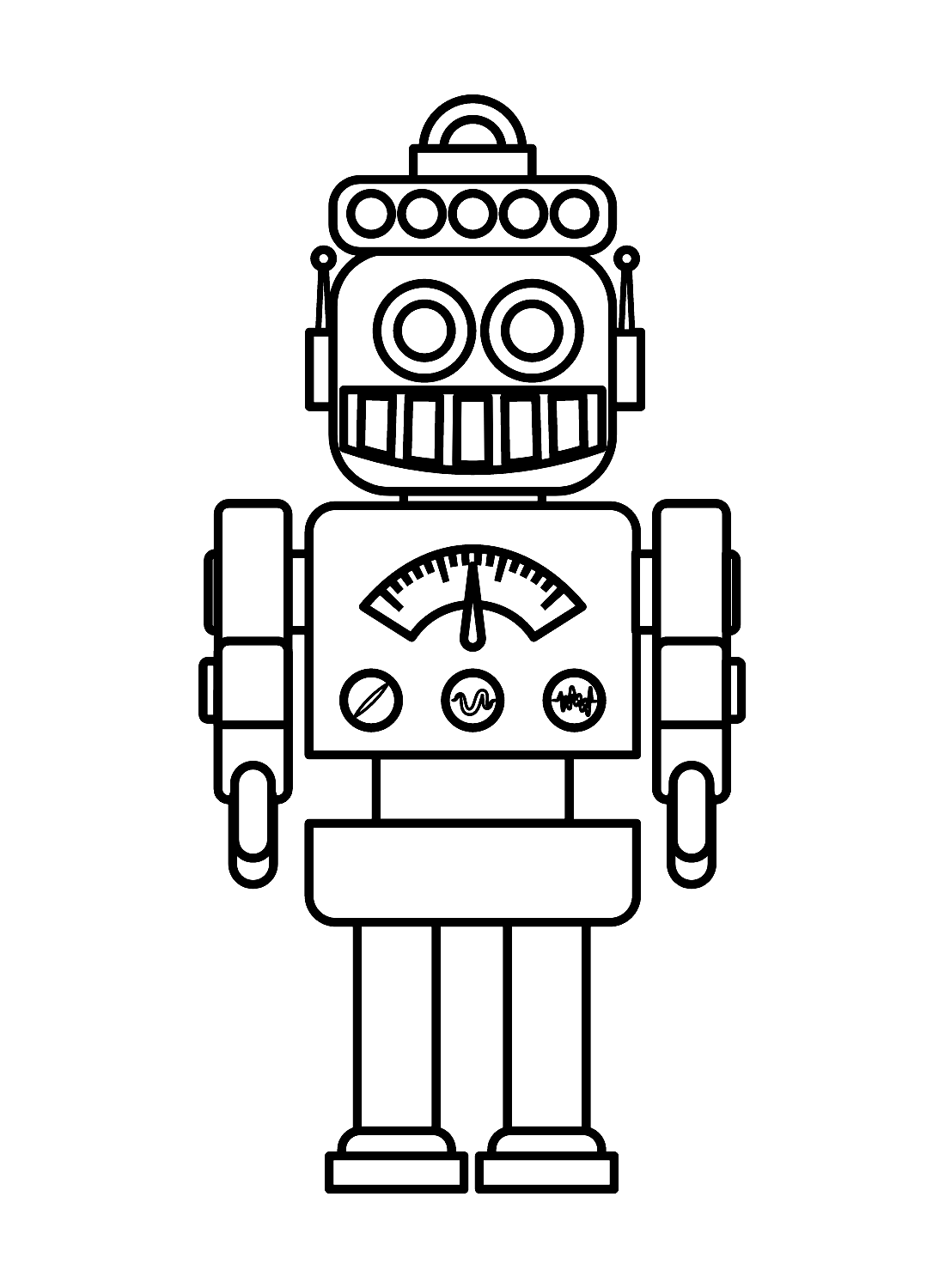
The Robot Toy is one of the most technically rewarding pages in the set. Toy robots are designed with visible mechanical details – panel lines, rivets, window-like eye shapes, grid patterns on the chest – and the classic color palette is silver or light grey for the body with bright red, yellow, or blue accents on the buttons, lights, and joints. Adding a subtle warm tone to the silver (a wash of tan or beige) makes it read as painted metal rather than chrome.
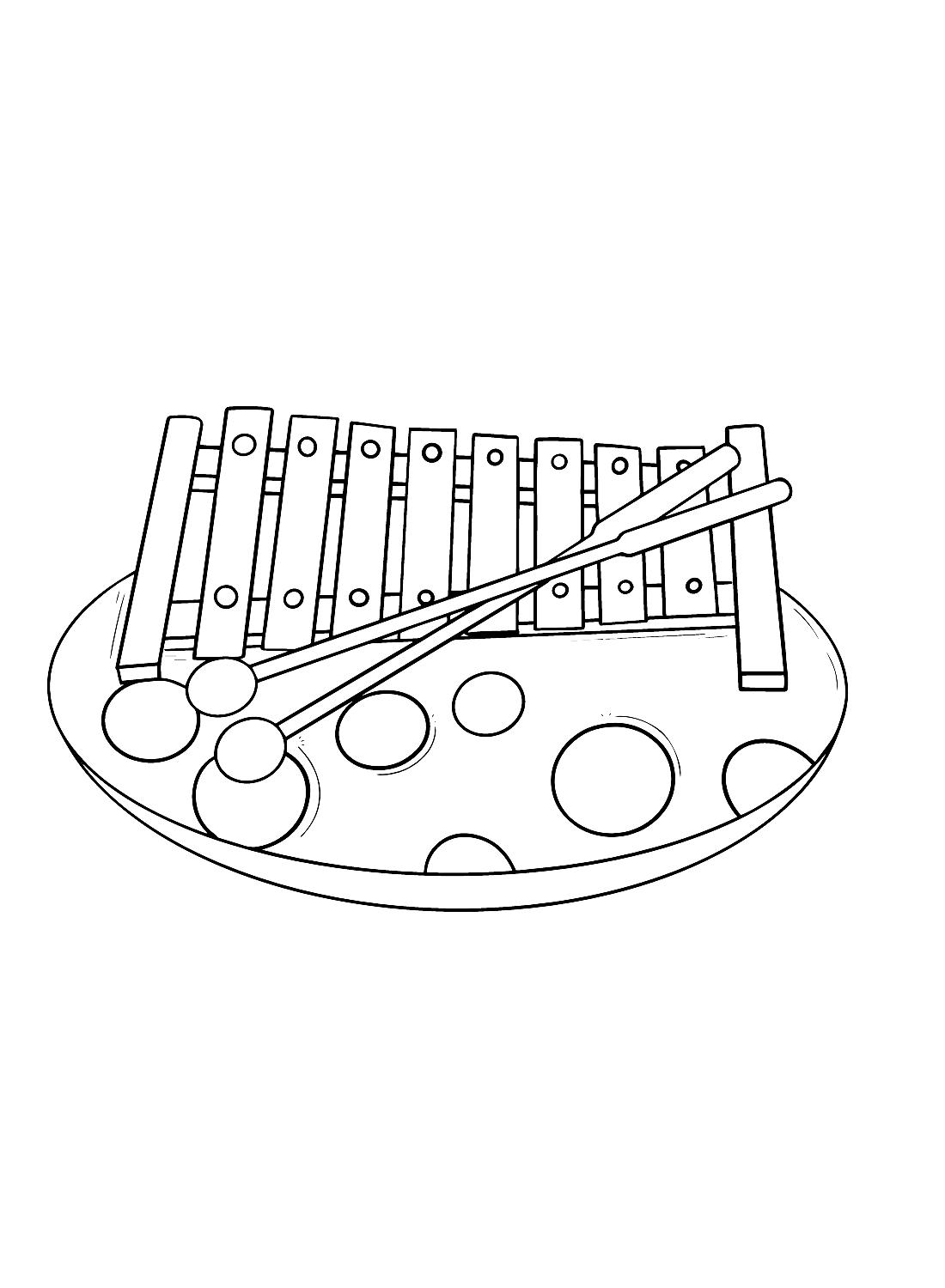
The Music Toys page typically shows small instruments: a drum, maracas, a xylophone, and a small keyboard. The xylophone is the most color-specific item – its bars run in rainbow order from left to right, which is both canonical and a natural guide for anyone who wants to add real color progression to the page.
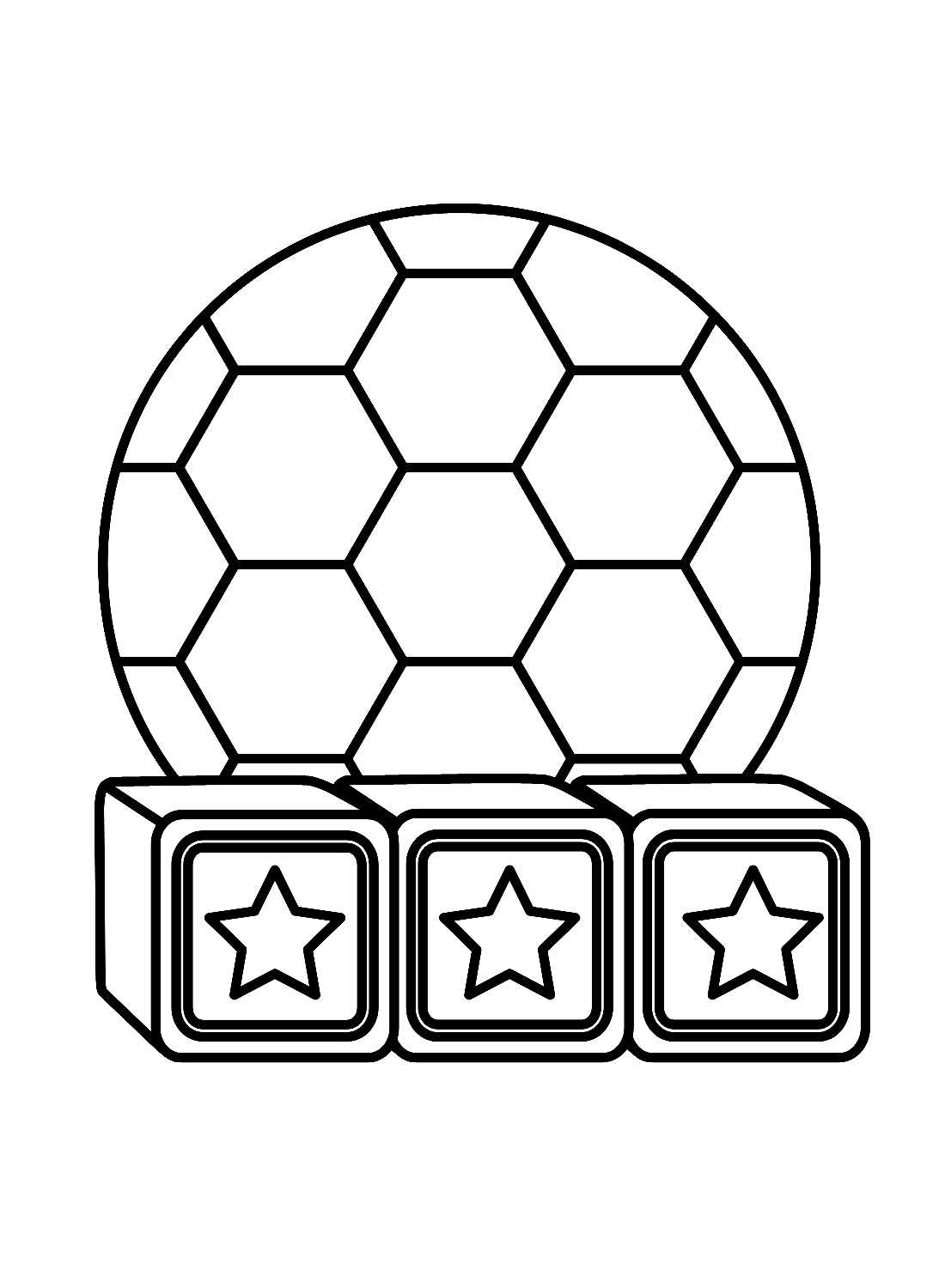
For building block pages – Cubes Blocks with Star and Ball, Baby Blocks Toy, Sailboat Toy with Block and Ball – the standard toy block palette is primary colors in rotation: red, yellow, blue, and sometimes green, alternating so no two adjacent blocks share a color. That alternating logic is both how real toy blocks are colored and how the page reads most clearly when finished.
5 Activities with Your Toy Pages
Design your own toy car livery. Print two copies of either the Toy Race Car or the Children’s Toy Race Car. Color the first one in a realistic racing livery – choose a single dominant color, add a contrasting stripe, and put a number on the door. Color the second one in any combination you invent. Compare the two finished pages: one follows real-world racing conventions, one is entirely yours. Ask a younger sibling which one they like more – they usually pick the invented one.
Make a “toy box” scene. Print the Toys Box page and several of the individual toy pages (Toy Car, Toy Dinosaur, Teddy Bear with Rocking Horse, Toy Train). Color all the individual toys in vivid colors. Then color the Toys Box page last, matching the toys inside the box to the same colors you chose for the individual pages. Cut out your individual toy pages and stack them on top of the box page to create a layered display where the toys “belong” to the box.
Color the baby toy set as a baby shower gift. Print Baby Toys, Baby Blocks Toy, Baby Toy Bear, and Children Toy Rubber Duckie. Choose a single color palette for the whole set – all soft pastels, or all primary brights, or a specific gender-neutral combination like yellow, mint, and white. Color all four pages using only your chosen palette. The finished set can be mounted as a framed four-page display.
Build the robot. Print the Robot Toy page twice. Color the first version in classic silver and grey with red and blue accent buttons – the standard toy robot look. On the second version, design your own robot color scheme from scratch, as if you were the toy manufacturer deciding what this robot should look like on the shelf. Give your robot a name. Write it at the bottom of the second page.
Try the coloring challenge: no outlines. Pick the Set of Toys page and try coloring each toy without staying inside the lines. Instead, color each toy as a solid shape of a single color – the whole car in red, the whole train in blue, the whole bear in brown – without worrying about internal details. The result looks like a graphic design flat-lay. Compare it to a version where you color all the details carefully. Which one do you prefer displayed on the wall?