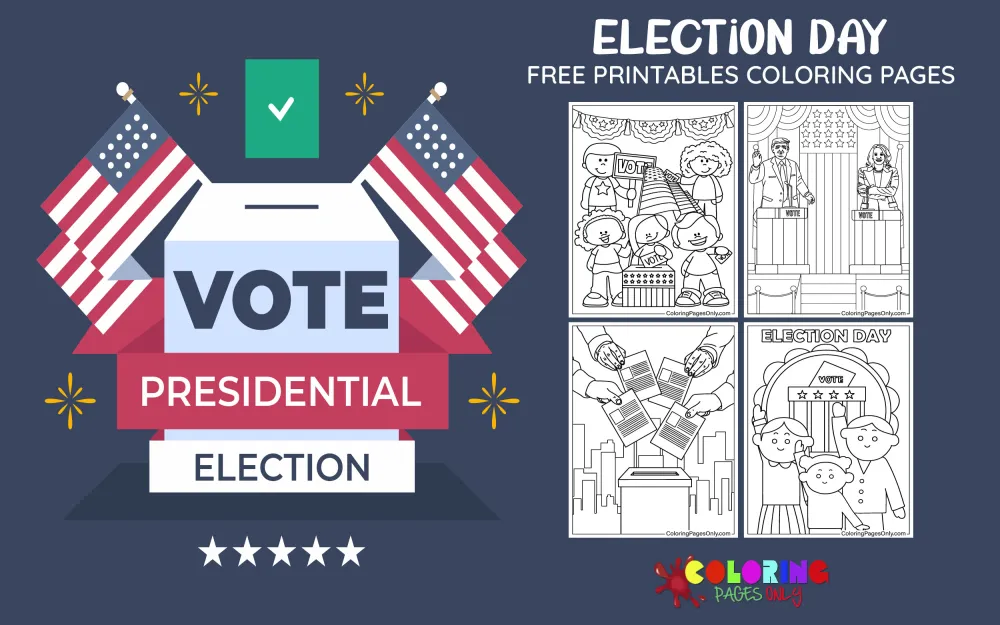
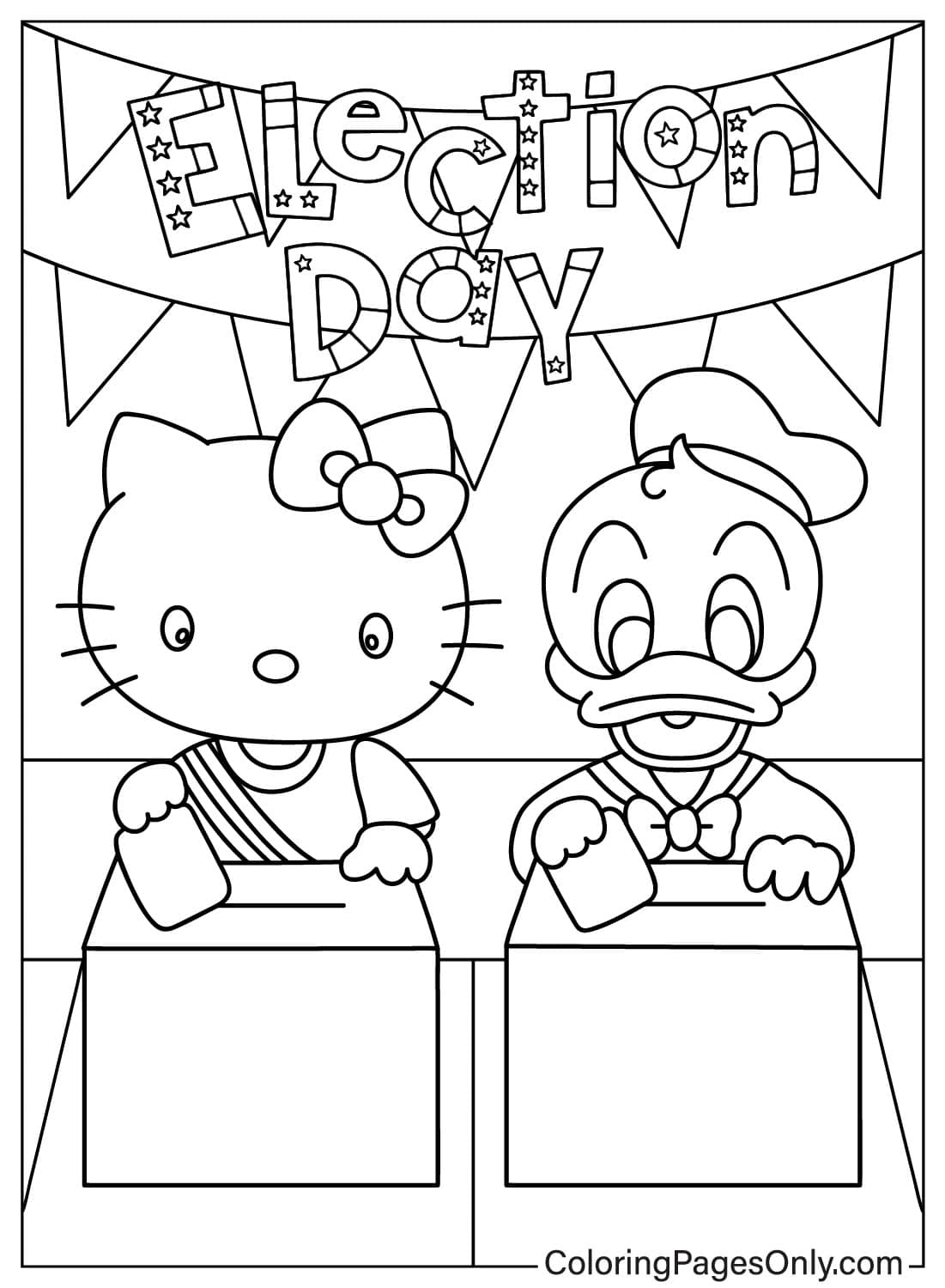
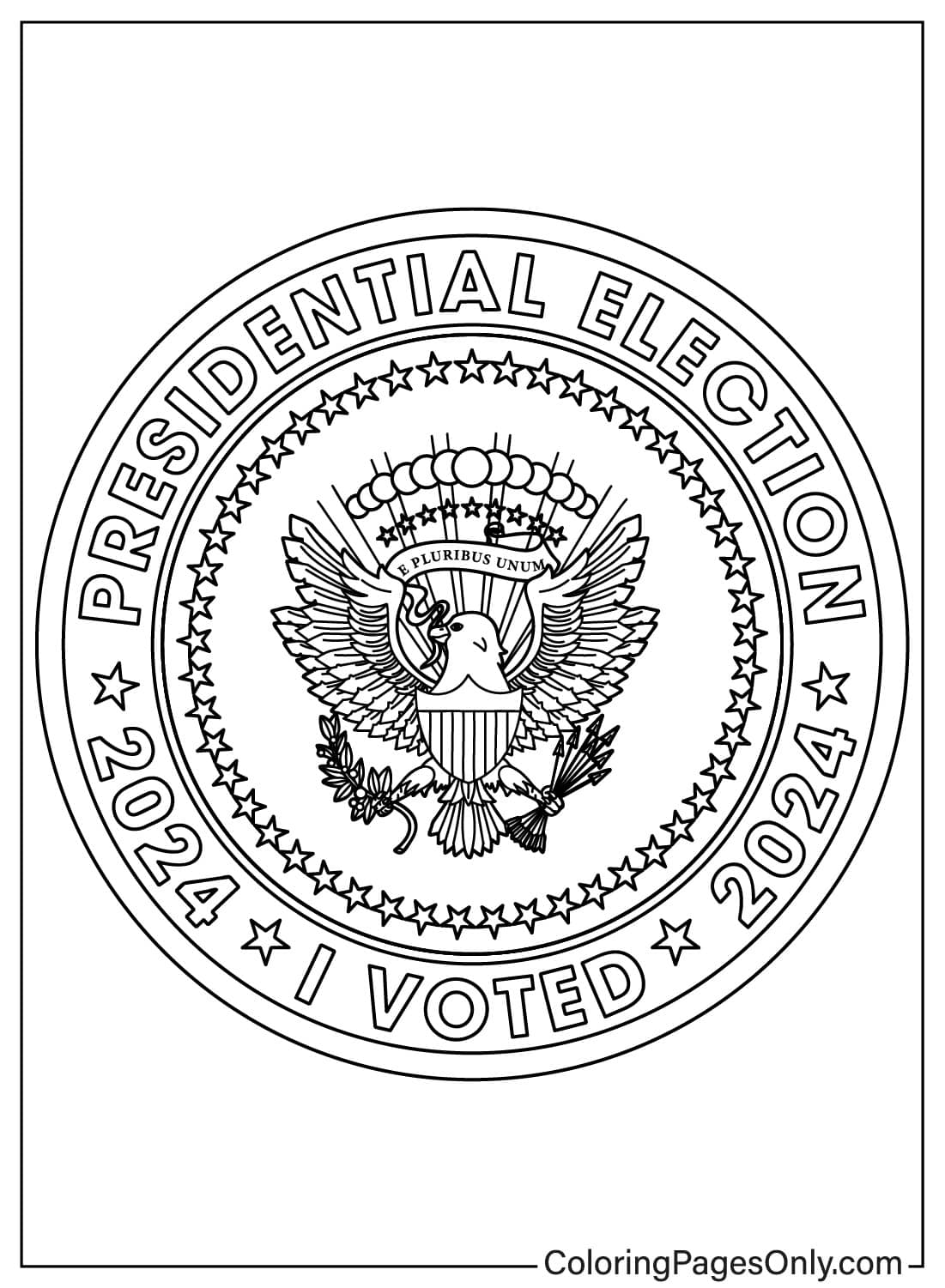
Free Election Day coloring pages: 21 printable PDF designs featuring ballots, voting booths, party symbols, voter badges, and people heading to the polls. Each page can be downloaded as a PDF to print or colored online in the browser.
Election Day is the day set aside for voting in public elections. In the United States, federal Election Day falls on the first Tuesday after the first Monday in November, and it is the day citizens cast their votes for offices such as president, members of Congress, and many state and local positions. These coloring pages turn the symbols of that day into a hands-on activity, giving children a friendly, visual way to learn how voting works. The designs include ballots, ballot boxes, polling booths, voter badges, and the well-known animal symbols of the two major American parties.
The collection ranges from simple single-symbol pages for younger children to busier polling scenes for older students. Because the pages focus on the process of voting rather than any one candidate or party, they work well as a neutral, educational resource for classrooms, homeschooling, and family activities around any election season.

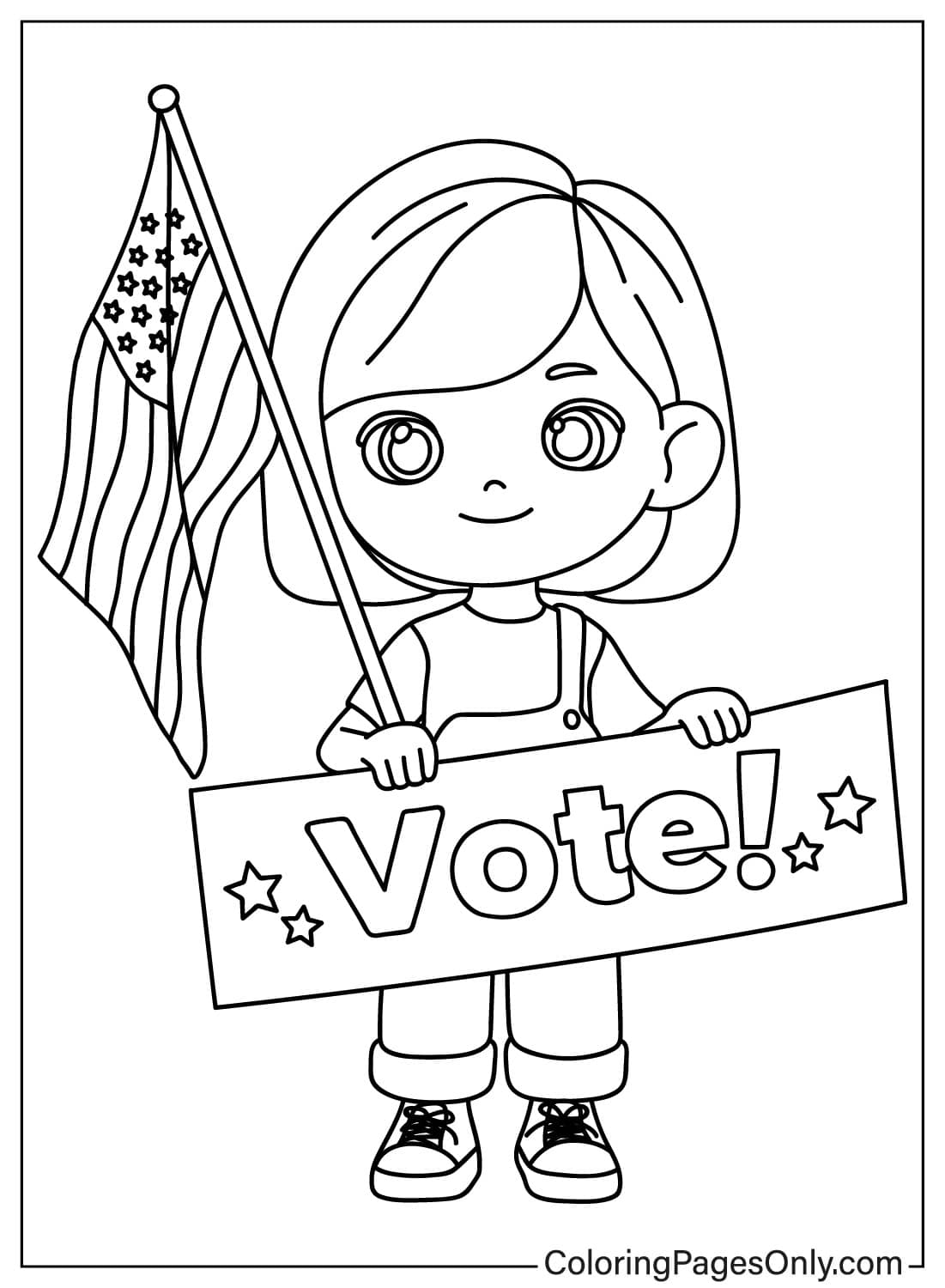
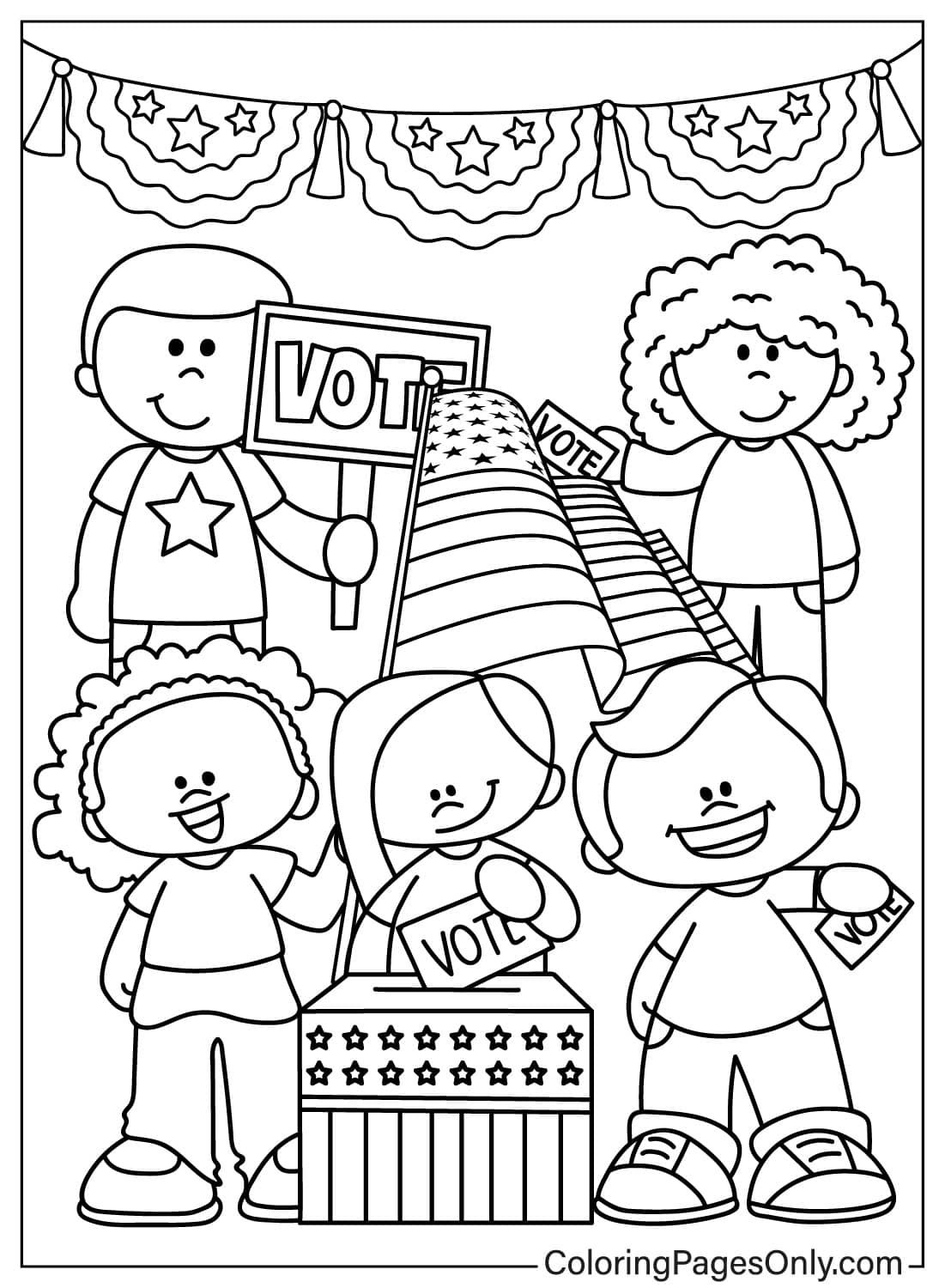
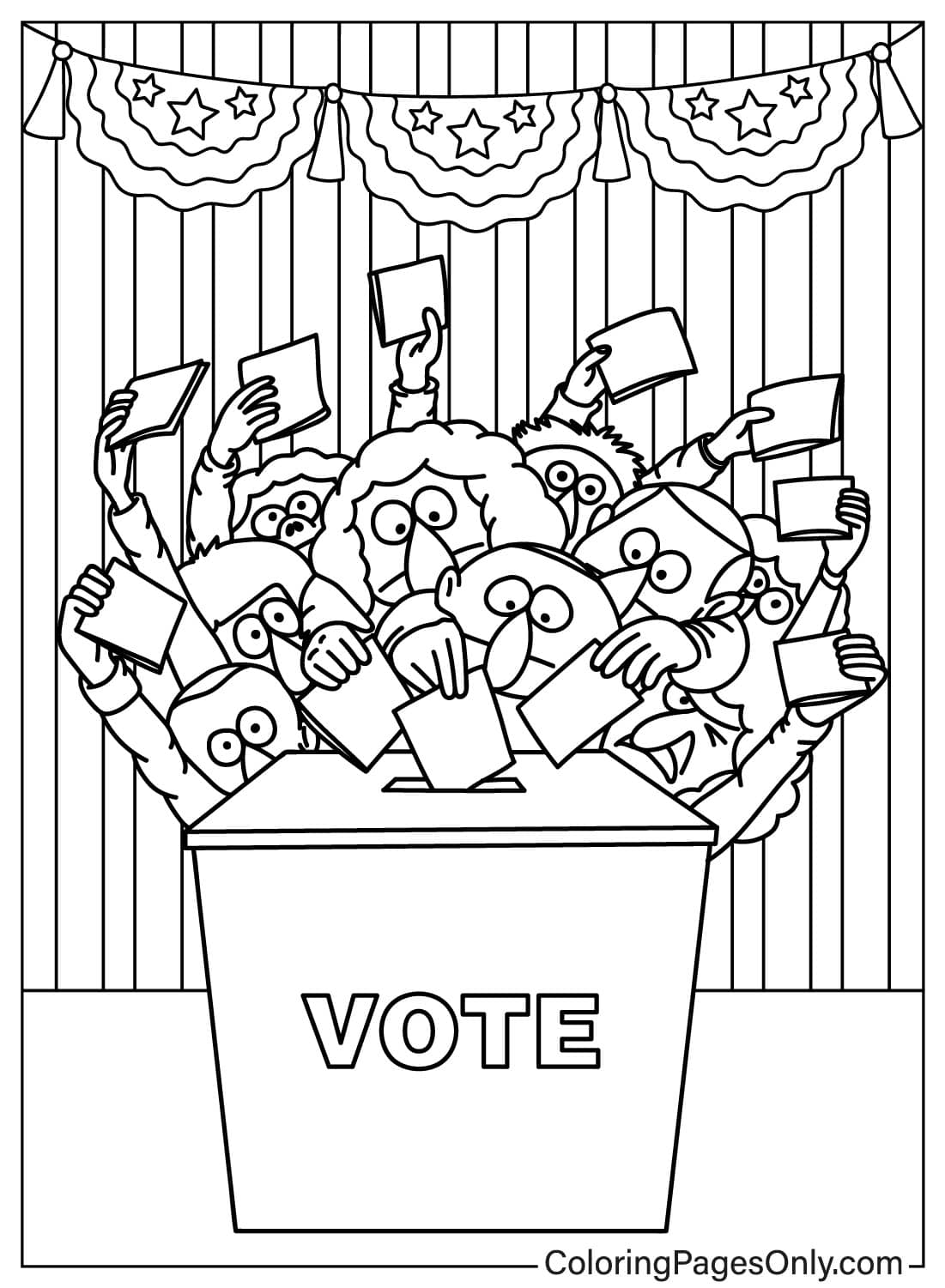
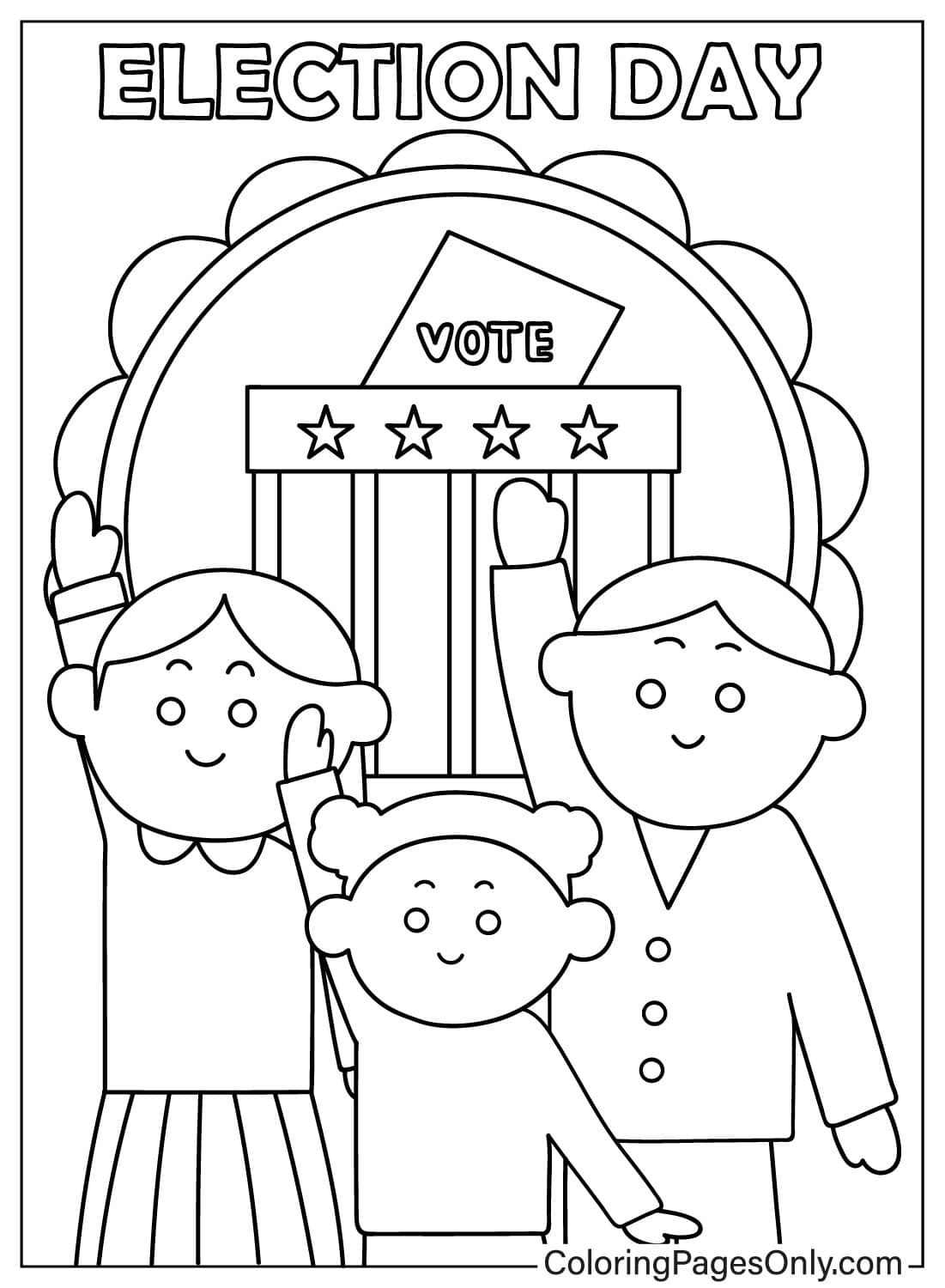
What Is Inside This Collection
The 21 pages cover several styles, so there is something for every age and learning level.
Voting Symbols and Ballots
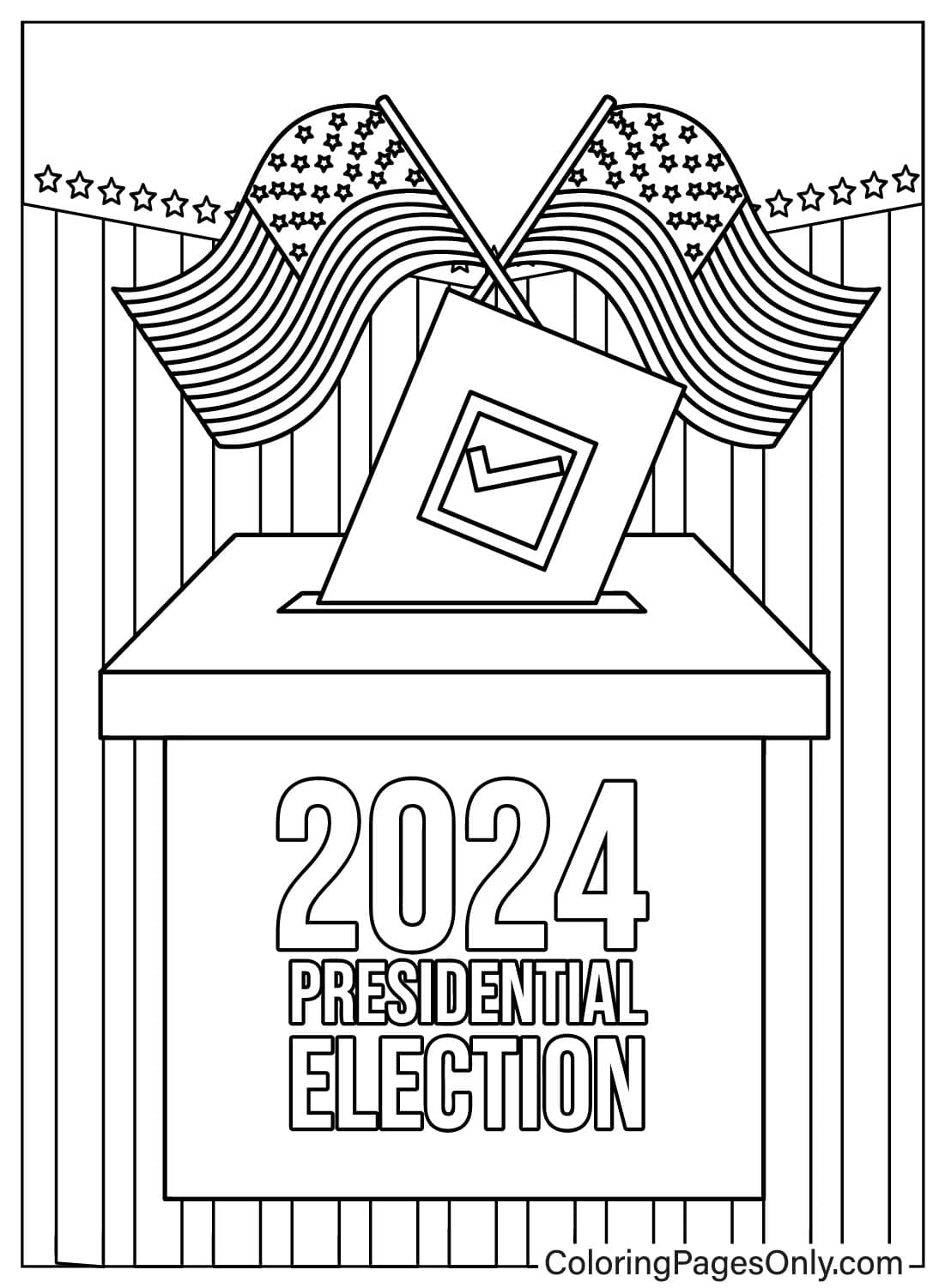
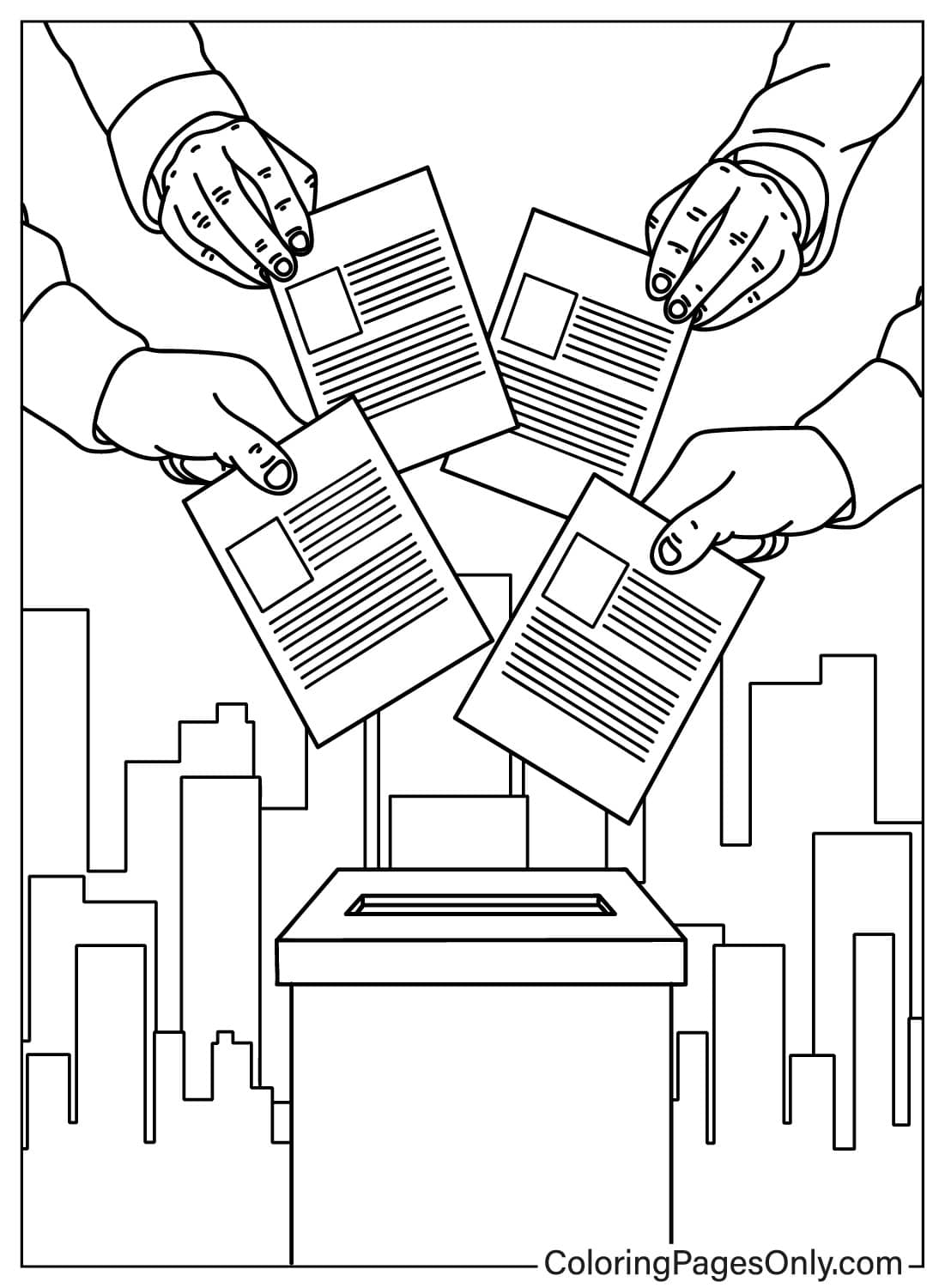
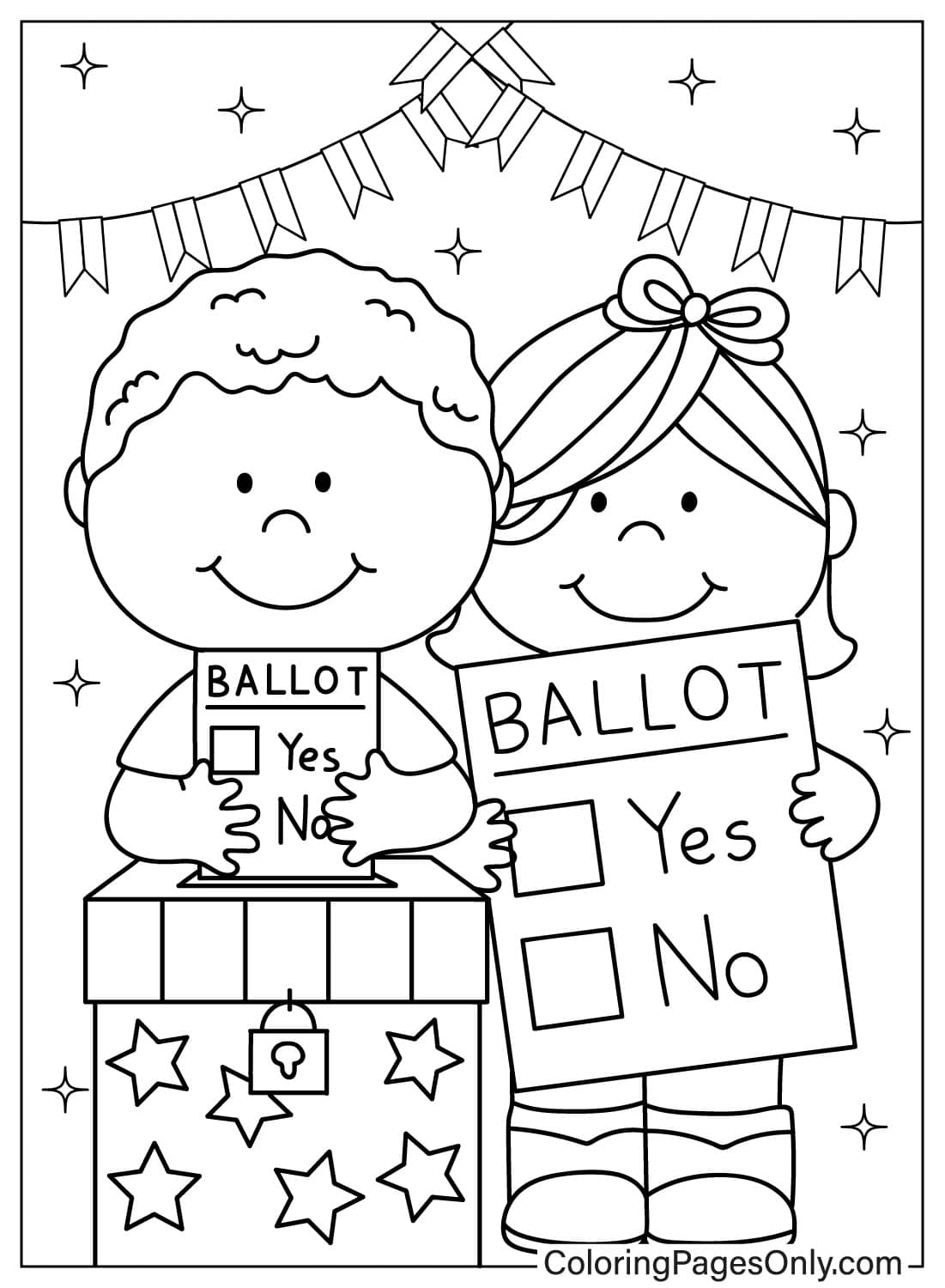
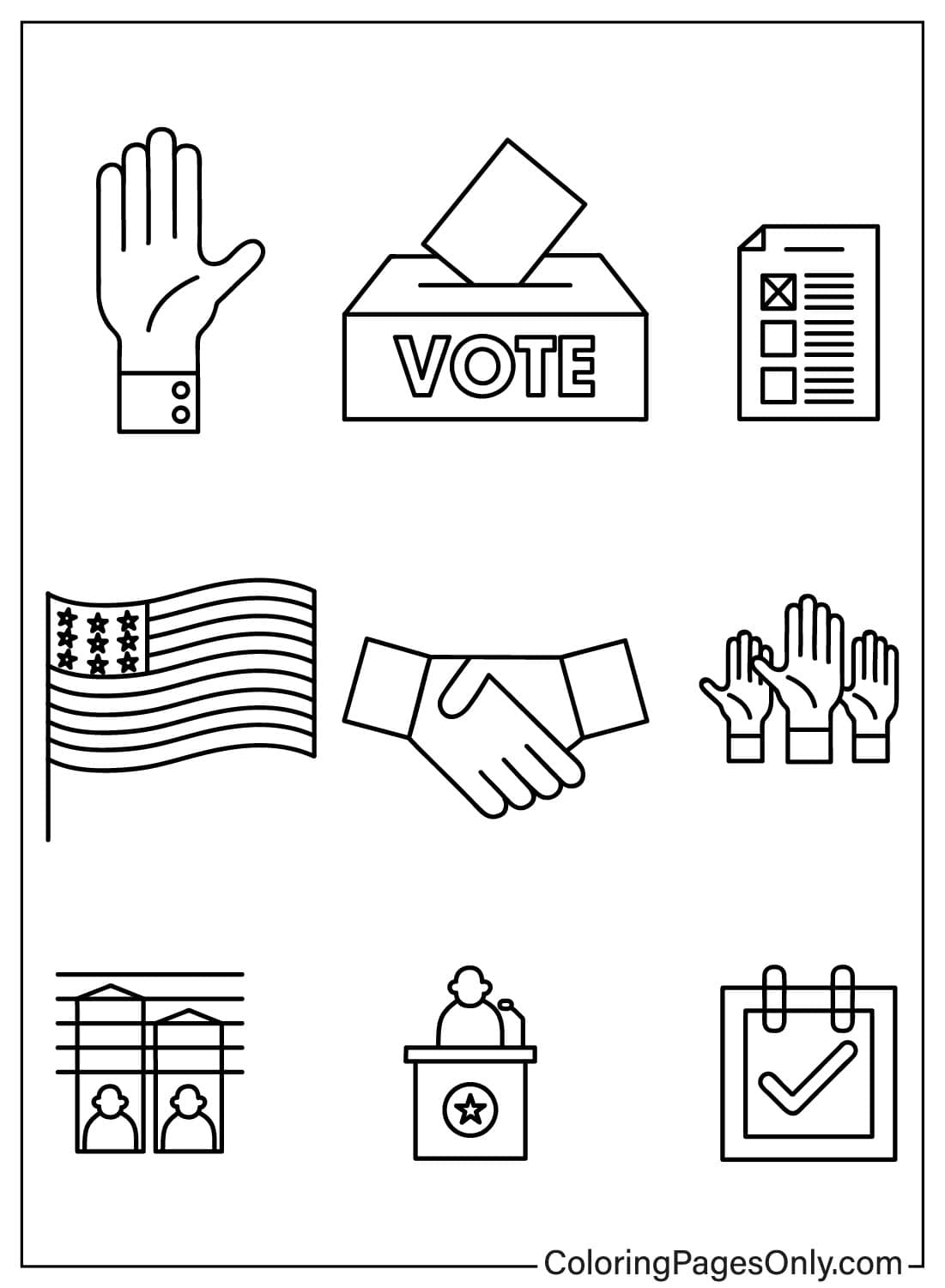
Several pages focus on the core symbols of voting, including ballots, ballot boxes, voter badges, and election symbol pages. These clear, simple designs introduce the basic objects of an election.
Party Symbols
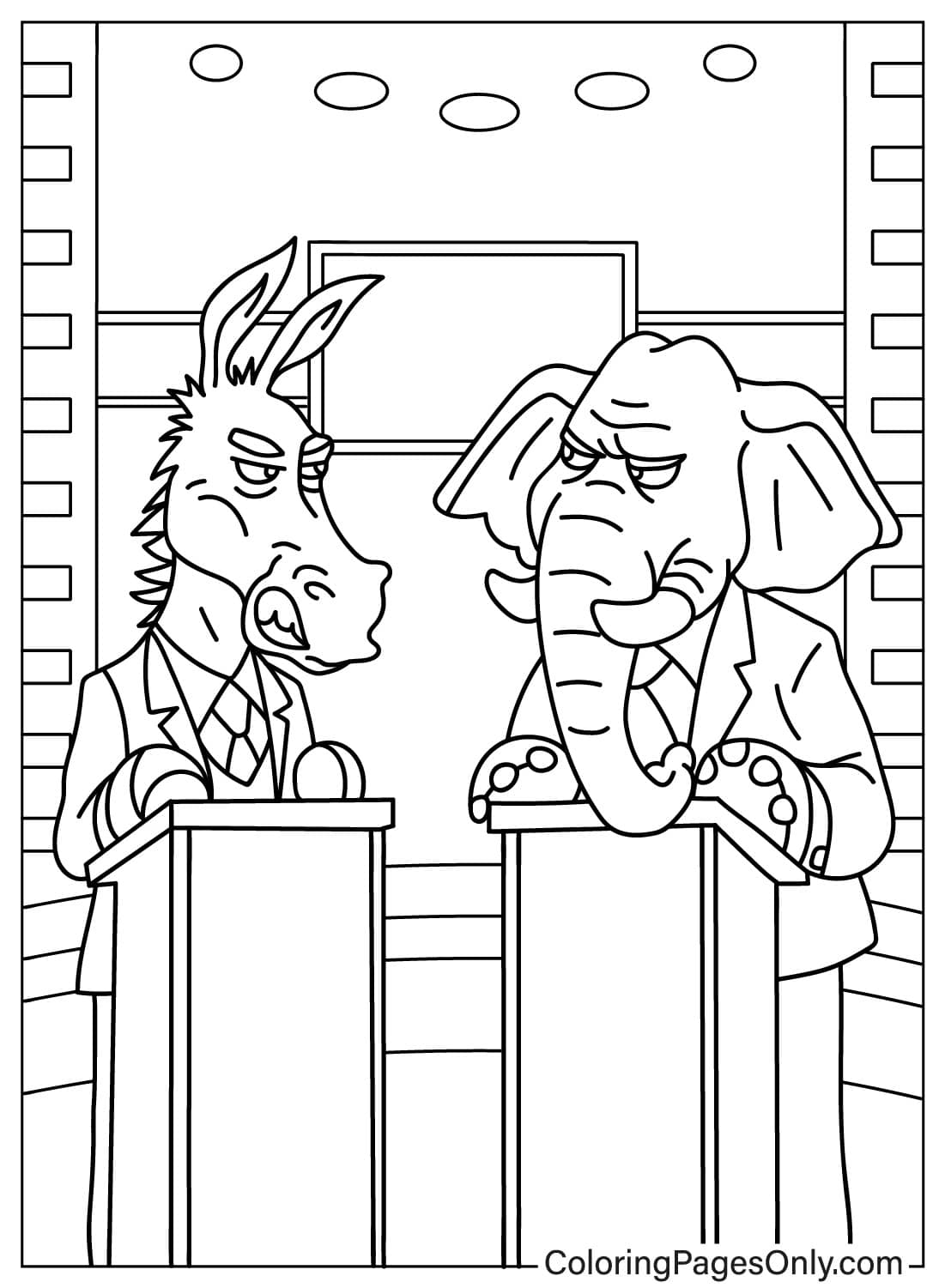
Some pages show the animal symbols long associated with the two major American political parties, the donkey and the elephant. These pages present both symbols side by side in a neutral, balanced way.
Polling and People Scenes
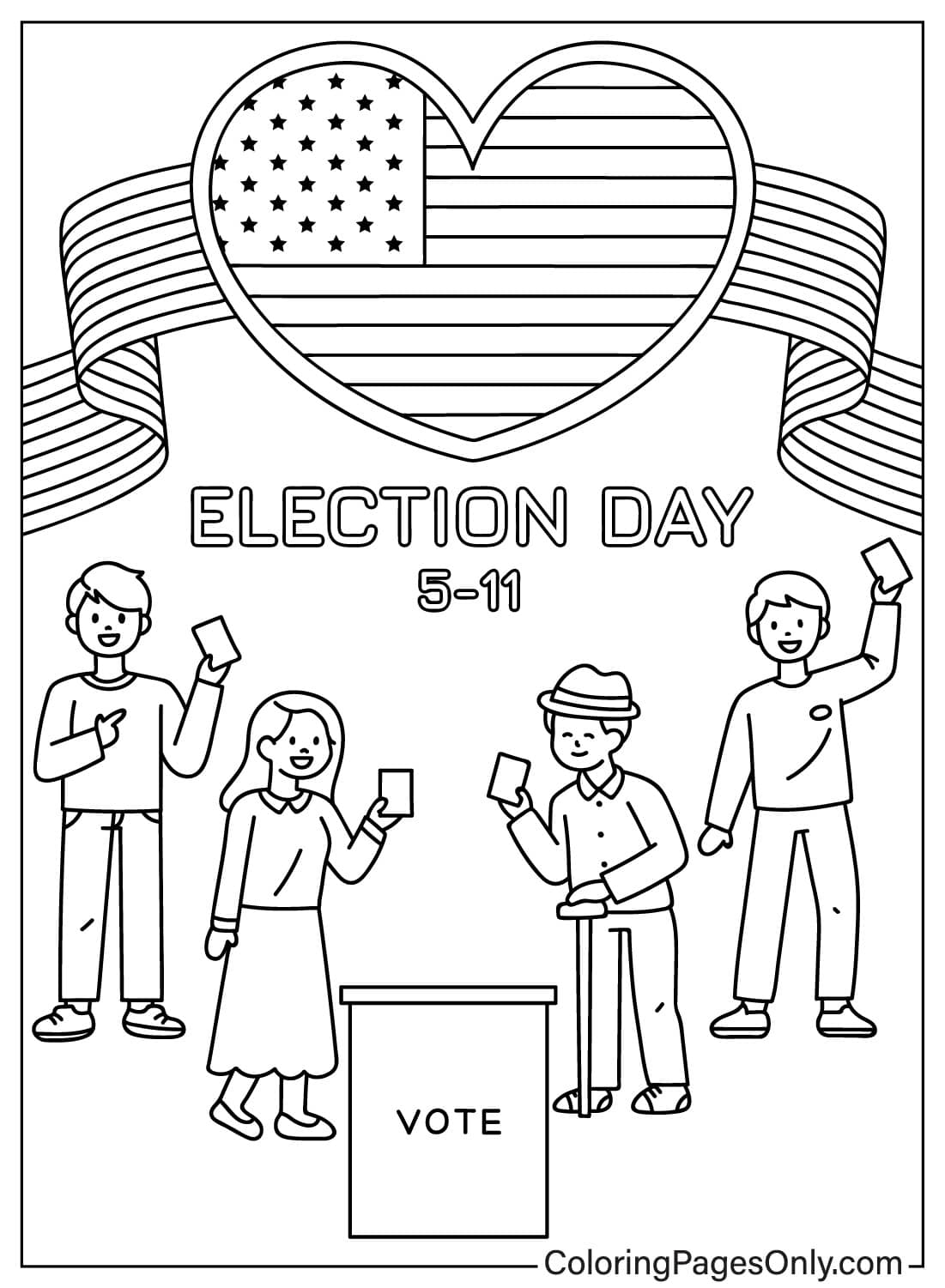
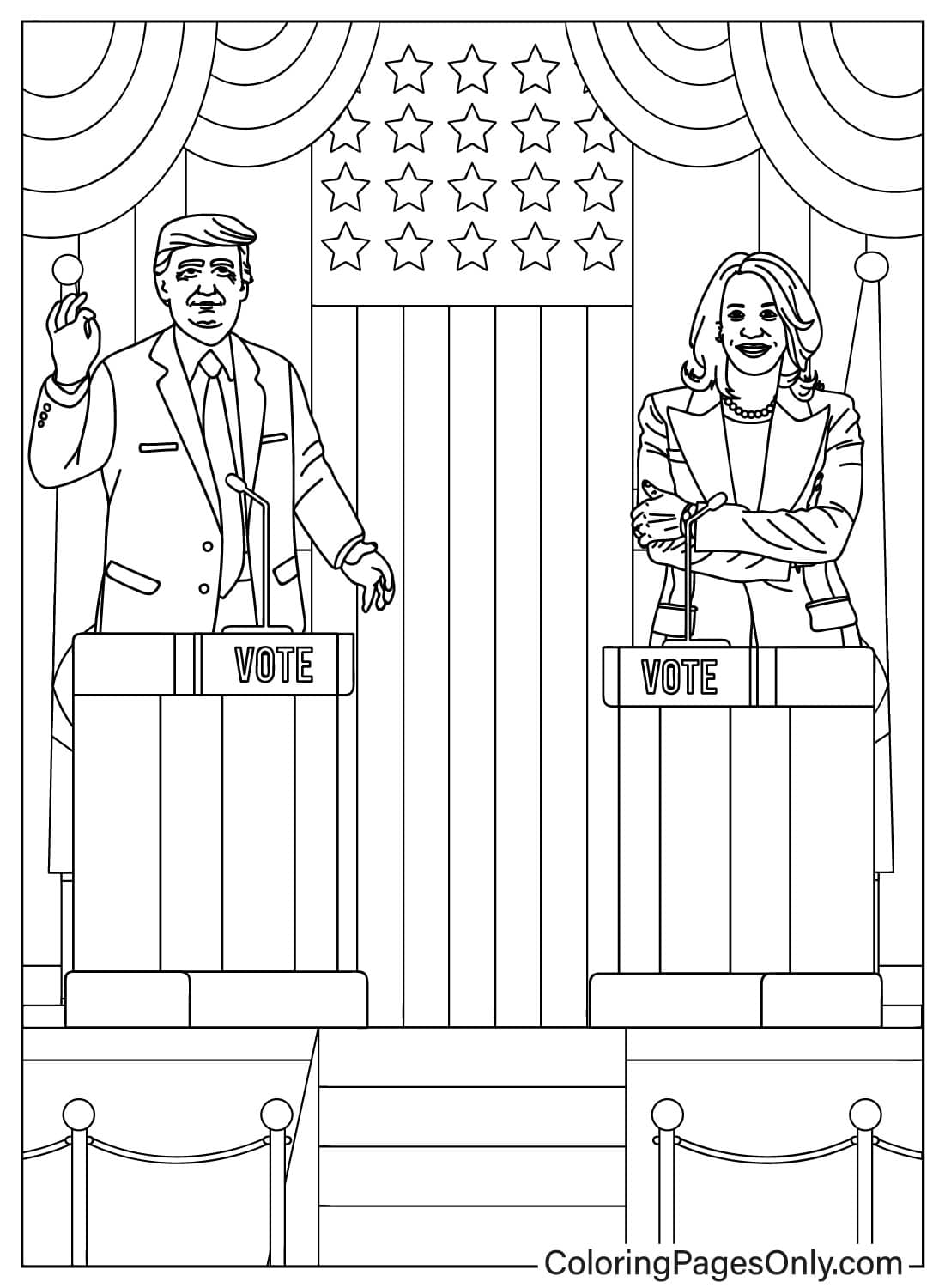
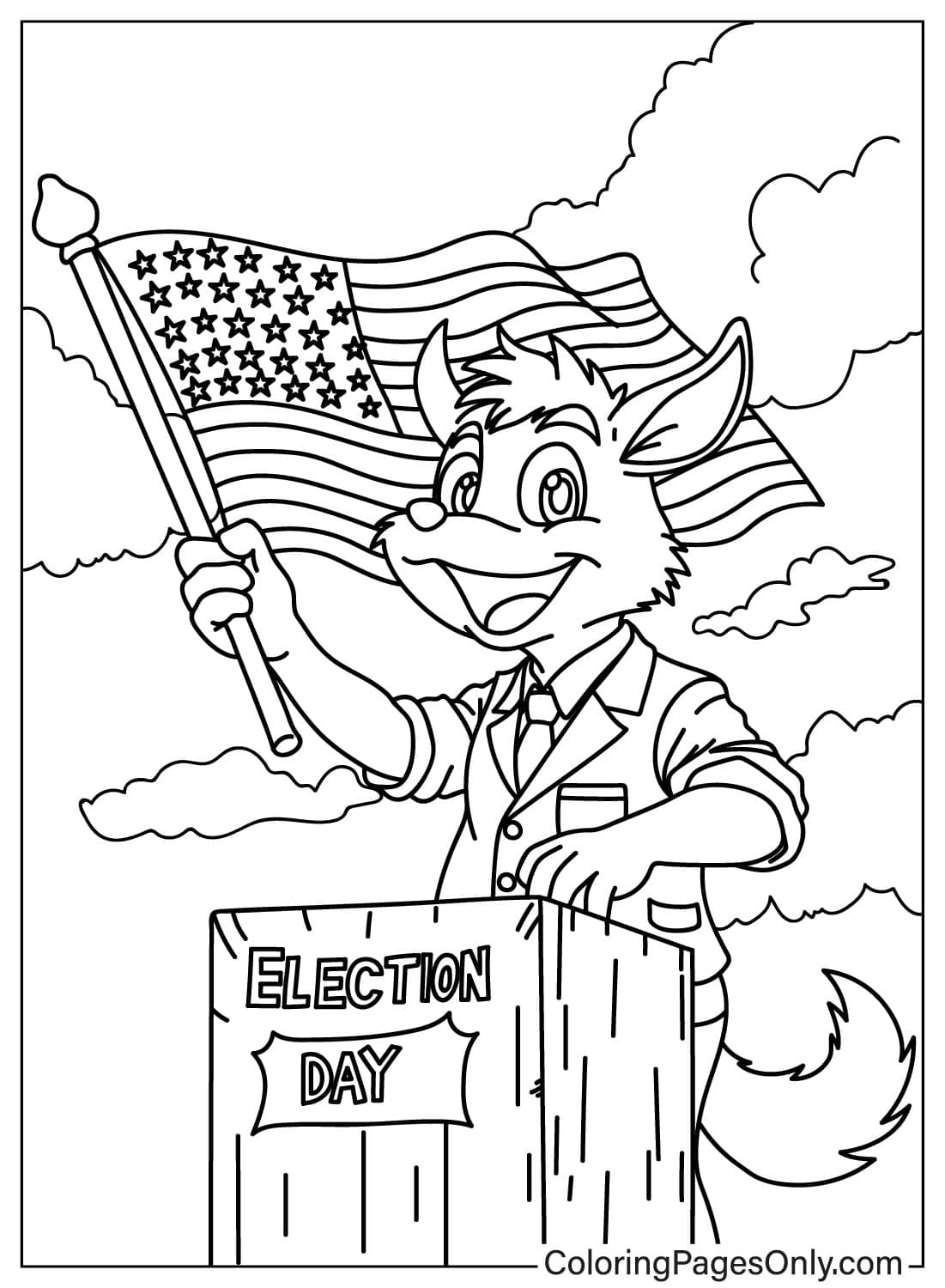
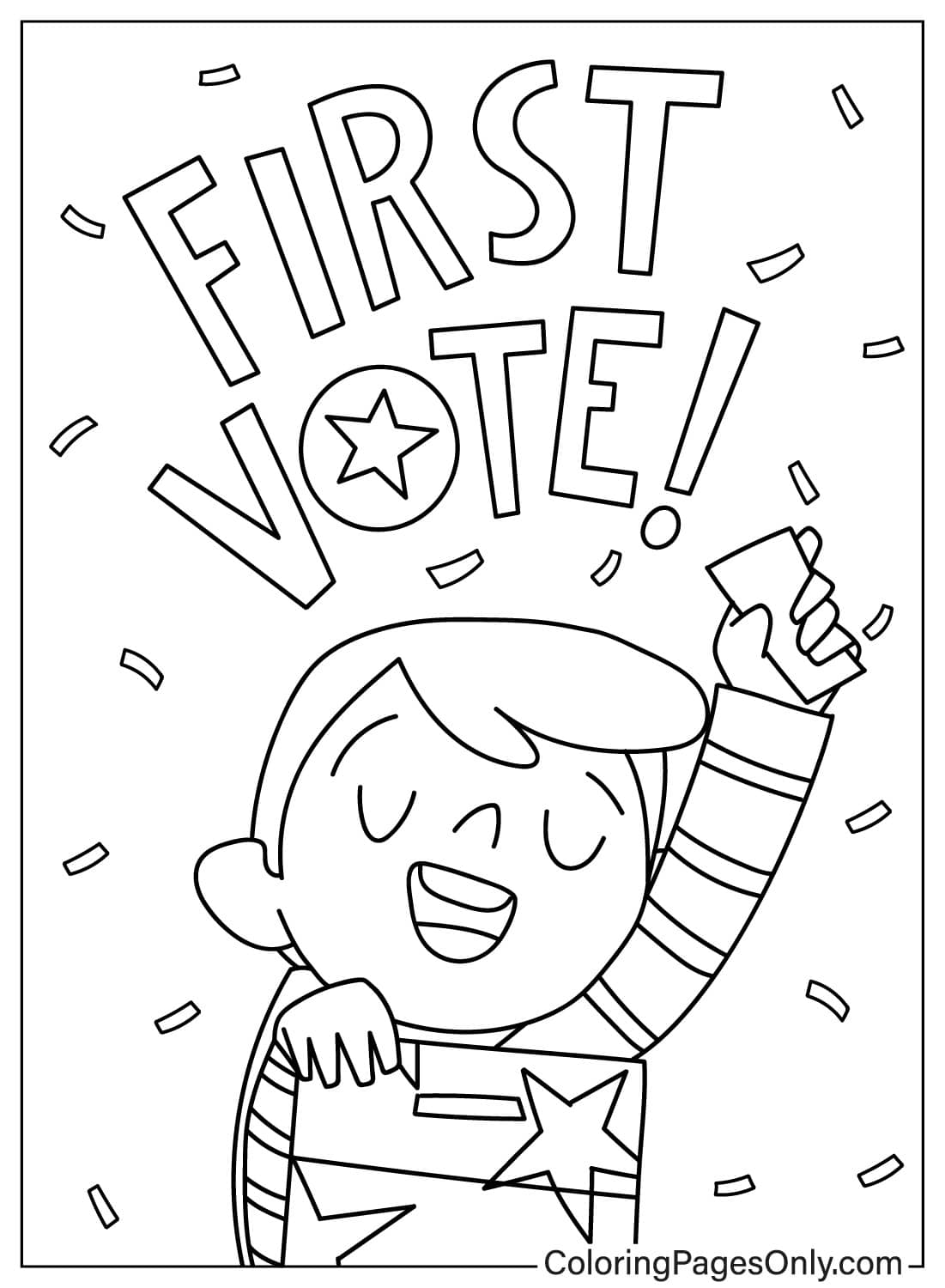
Many pages show the act of voting itself, such as people going to vote, children on Election Day, and busy polling scenes. These connect the symbols to the real activity of casting a vote.
Patriotic and Celebration Pages
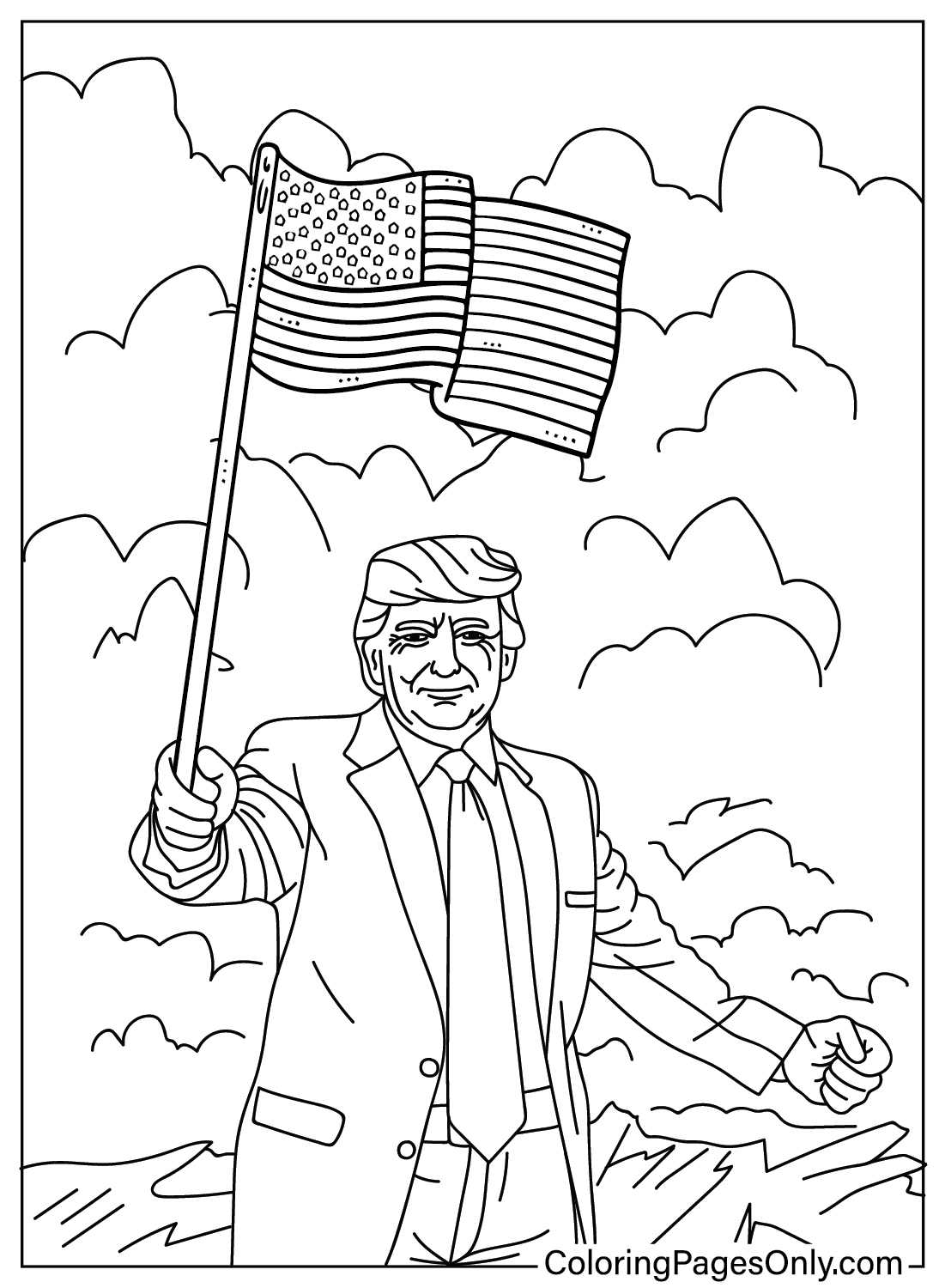
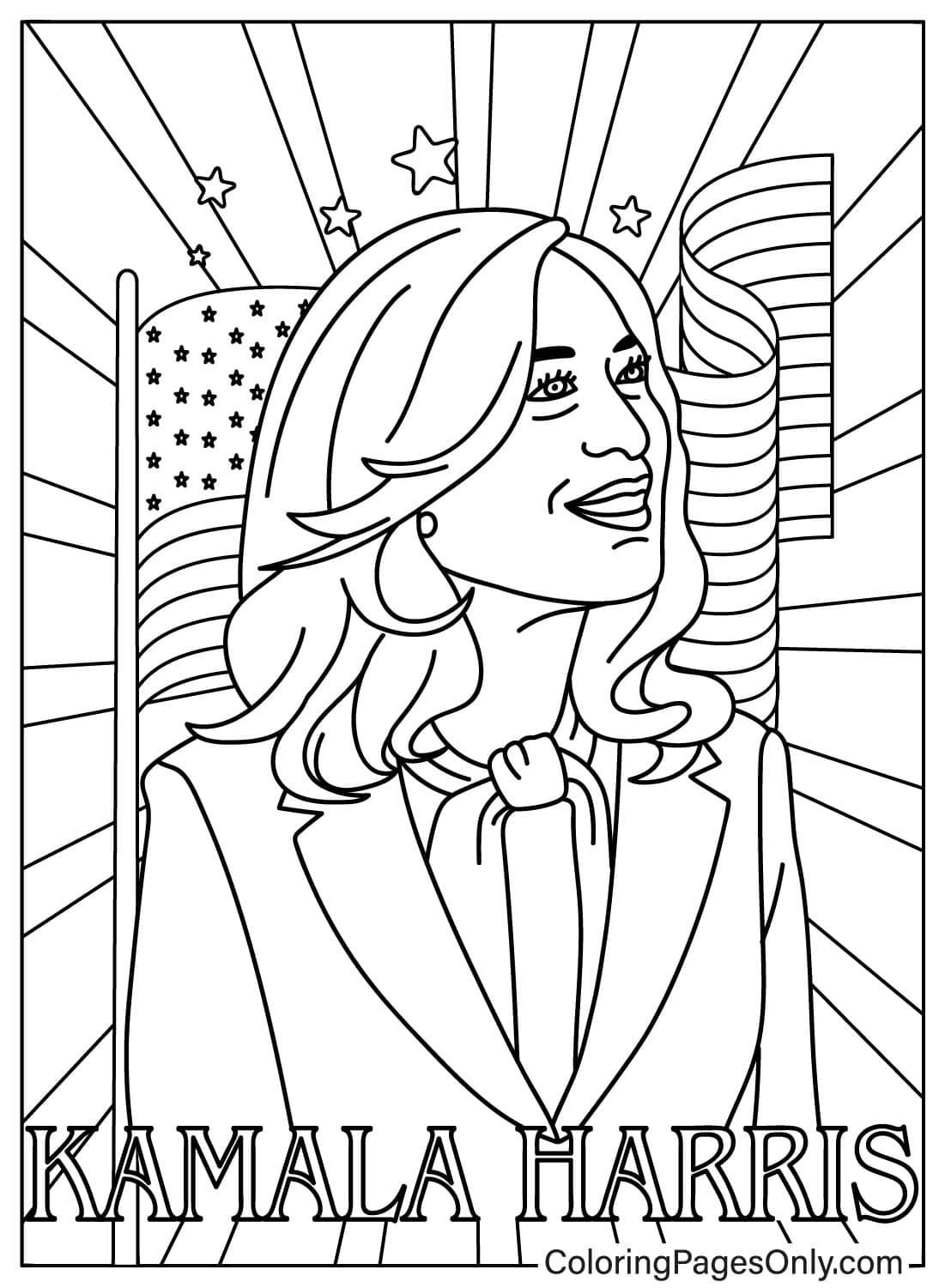
Other pages take a festive, patriotic approach, with “Happy Election Day” and “USA Election Day” designs featuring flags, stars, and red-white-and-blue themes for a celebratory feel.
What Election Day Coloring Pages Do
Fine motor development. The American Academy of Pediatrics identifies fine motor skill development as a core benefit of structured coloring for children ages 2 through 7. These pages support a wide range. A young child fills the simple shape of a voter badge, while an older child manages the fine details of a busy polling scene.
Civic education. Coloring ballots, ballot boxes, and polling booths gives children a hands-on, visual introduction to how voting works. Pairing the activity with simple explanations of what a ballot is or why people vote turns coloring into an early civics lesson.
Anxiety reduction through focus. A 2005 study in the Art Therapy Journal documented measurable reductions in anxiety following structured coloring sessions. The detailed polling scenes provide the kind of focused, absorbing task associated with the study’s calming findings, making them a calm activity during what can be a busy news season.
Recognizing national symbols. The pages include flags, stars, and the red-white-and-blue palette, helping children recognize common patriotic symbols and connect them to the idea of taking part in a democracy.
How to Color Election Day Pages Well
- Patriotic palette: Many pages suit the classic red, white, and blue. Use Crayola “Red” and “Blue” with plenty of white space for a clean, patriotic look on flags and banners.
- Ballots and badges: Keep ballots and badges simple, with a white or light background and a single bold accent color, so the text and check marks stand out clearly.
- Party symbols: The donkey and elephant are traditionally shown in red, white, and blue. Coloring both in the same balanced palette keeps the page neutral and even.
- Polling scenes: Use different colors for each person’s clothing in a polling-line scene, so the figures stay distinct, with neutral grays and browns for booths and boxes.
- Stars and fireworks: Add bright yellow or gold to stars and fireworks, leaving a small white highlight, to give celebration pages a festive glow.
- Flags: On American flag designs, keep the stripes evenly red and white and the star field blue, which is good practice in following a real pattern.
5 Creative Craft Ideas With Election Day Coloring Pages
1. Election Day Poster. Color several symbol pages, cut out the main images like ballot boxes and flags, and arrange them on a large sheet to make a poster about voting.
2. Voter Badge. Color a voter badge page, cut it out, glue it to a card or foam, and add tape on the back so children can wear it during a classroom mock election.
3. Classroom Mock Ballot Box. Color a ballot box design, glue it to a small box with a slot cut in the top, and use it for a pretend class vote to show how voting works.
4. Bookmark. Color a small election symbol, cut it into a strip, glue it to a card, and laminate it to make a civics-themed bookmark.
5. Patriotic Wreath. Color stars and flag designs in red, white, and blue, cut them out, and arrange them around a paper-plate ring to make a patriotic wreath.
Frequently Asked Questions
What are Election Day coloring pages?
Election Day coloring pages are printable designs featuring the symbols of voting, including ballots, ballot boxes, polling booths, voter badges, and party symbols. They give children a friendly, visual way to learn about elections and can be printed as PDFs or colored online.
When is Election Day in the United States?
In the United States, federal Election Day is the first Tuesday after the first Monday in November. This means it falls between November 2 and November 8, depending on the year. Major elections, including presidential elections, are held on this day.
What symbols appear on these coloring pages?
The pages include ballots, ballot boxes, polling booths, voter badges, American flags, stars, and the donkey and elephant that represent the two major American political parties. These symbols are presented in a neutral, educational way.
Why are a donkey and an elephant used as party symbols?
In the United States, the donkey is the traditional symbol of the Democratic Party, and the elephant is the symbol of the Republican Party. Both became popular through political cartoons in the 1800s and are still widely recognized today.
How can these pages teach children about voting?
Coloring ballots, booths, and badges gives children a hands-on way to learn the basic parts of an election. Teachers and parents can pair the pages with simple explanations or a classroom mock election to show how voting works in a fun, age-appropriate way.
Are Election Day coloring pages suitable for young children?
Yes. The simple symbol and badge pages have large, clear shapes that suit children ages 3 and up. The busier polling scenes suit older children and students learning about civics and government.
Are these Election Day coloring pages free to print?
All pages are free to download as a PDF and print, or to color online in the browser. No account, email, or payment is required. Pages can be printed at home or in a classroom on standard paper for personal use.
Are these pages good for classroom use?
Yes. The pages work well for social studies, history, and art lessons about elections and democracy. They are neutral and focus on the voting process rather than any candidate, which makes them suitable for a wide range of classrooms.
Start Coloring
Download any page by clicking the design. No account, email, or payment is required. Pages print directly from the browser at full resolution or open in the online coloring tool for screen use. Share finished pages on Facebook or Pinterest with the share buttons at the top of each design page.