
Free Galaxy Coloring Pages: 15 printable PDF designs featuring realistic galaxy and nebula illustrations, a Milky Way spotlight, a pattern-style wallpaper design, and simple kid-friendly sheets. Each page can be downloaded as a PDF to print or colored online in the browser.
Our home galaxy, the Milky Way, is a barred spiral galaxy containing somewhere between 100 and 400 billion stars, spanning roughly 100,000 light-years from edge to edge. For decades, astronomers assumed the Milky Way was on a near-certain collision course with the neighboring Andromeda galaxy in about 4 to 5 billion years, but newer research published in 2025 using updated telescope data found the odds are closer to a coin flip once the gravitational pull of other nearby galaxies is factored in. Even the total number of galaxies in the observable universe remains genuinely uncertain, with estimates ranging from around 100 billion up to 2 trillion depending on the method astronomers use.
This collection groups its 15 pages by style, from true-to-life galaxy illustrations to a Milky Way spotlight and simple sheets, so kids and adults can pick a page that matches their skill level. Each page is available as a downloadable PDF or as an online coloring tool that works directly in the browser.

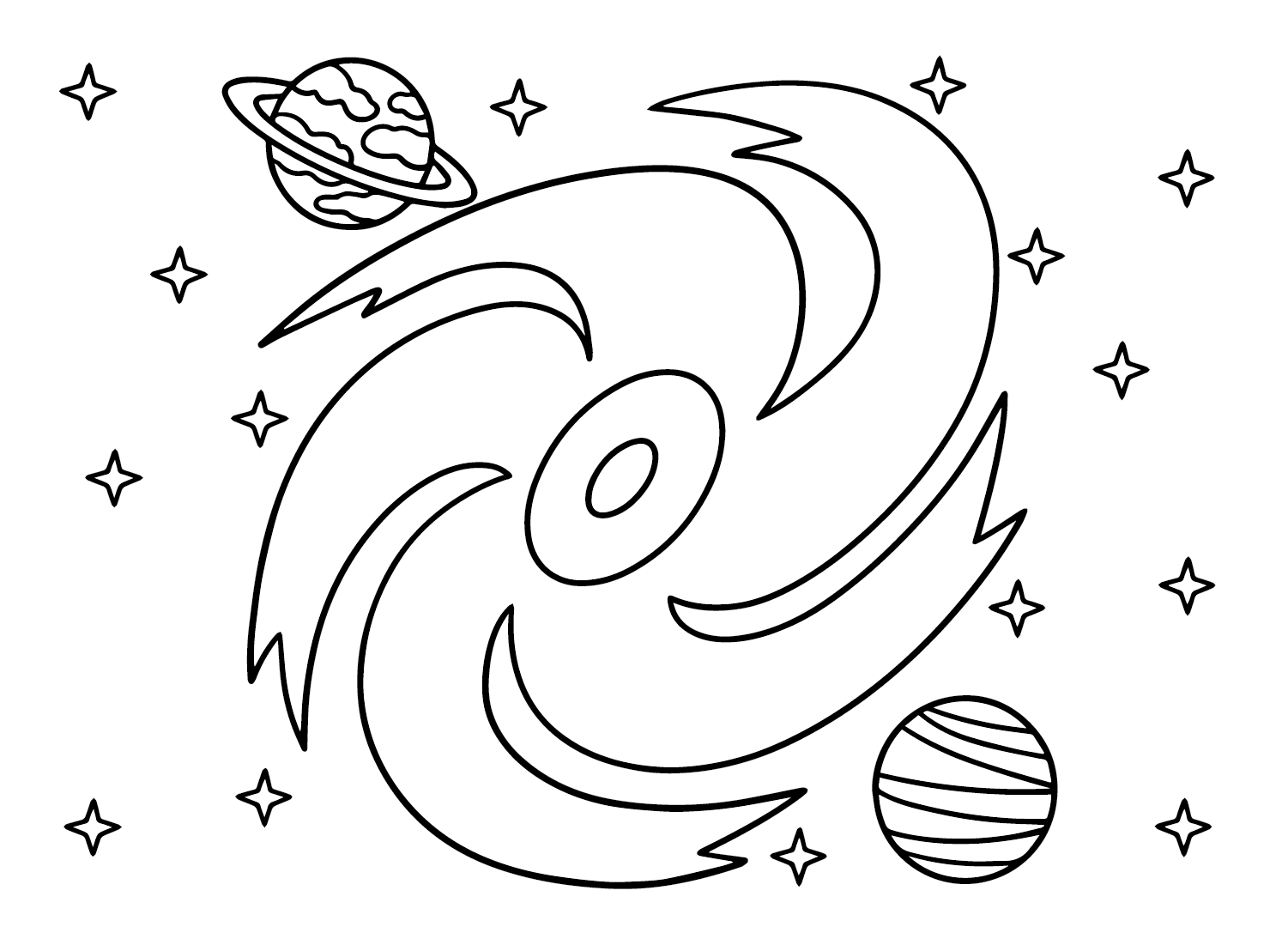

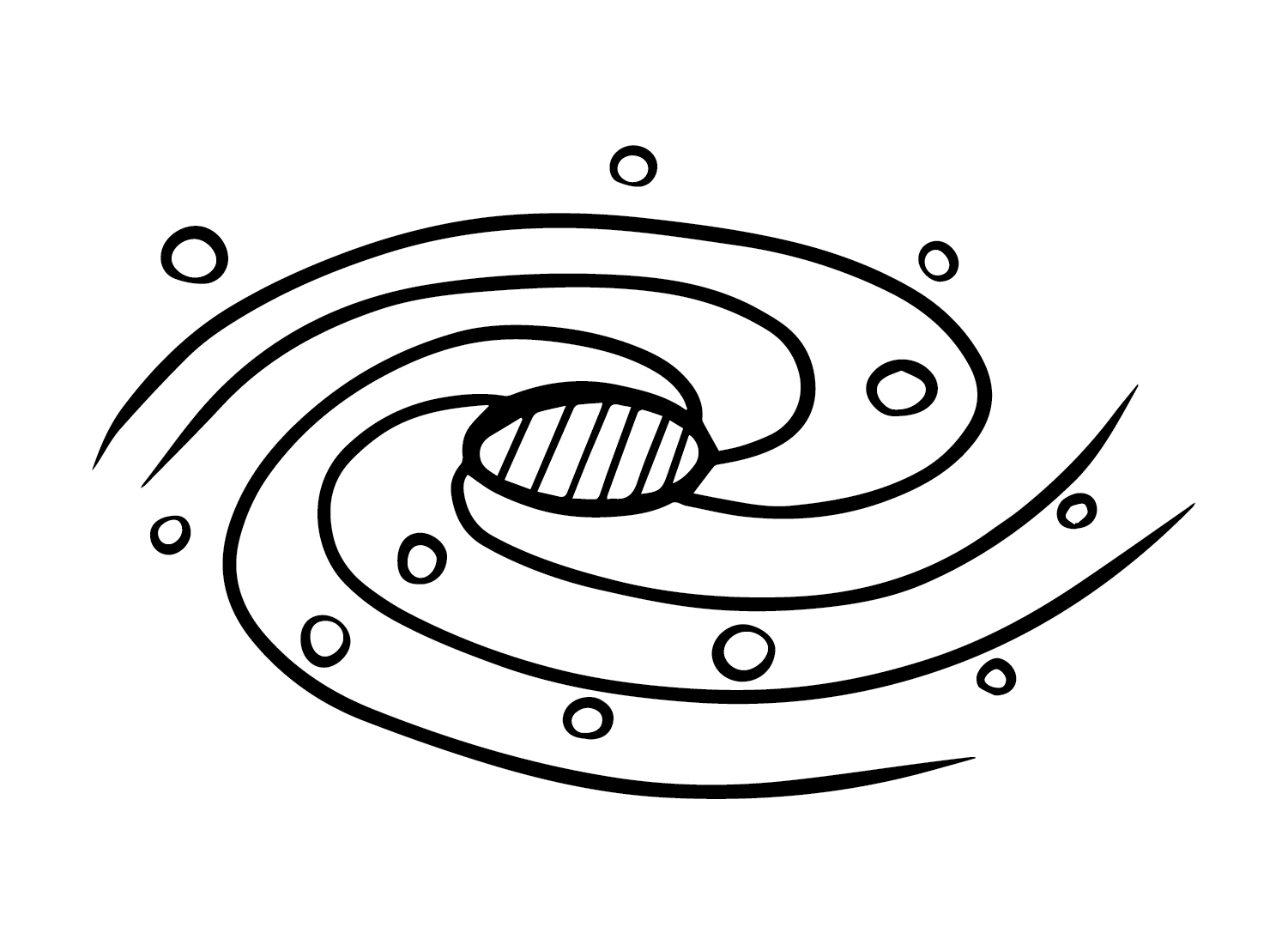
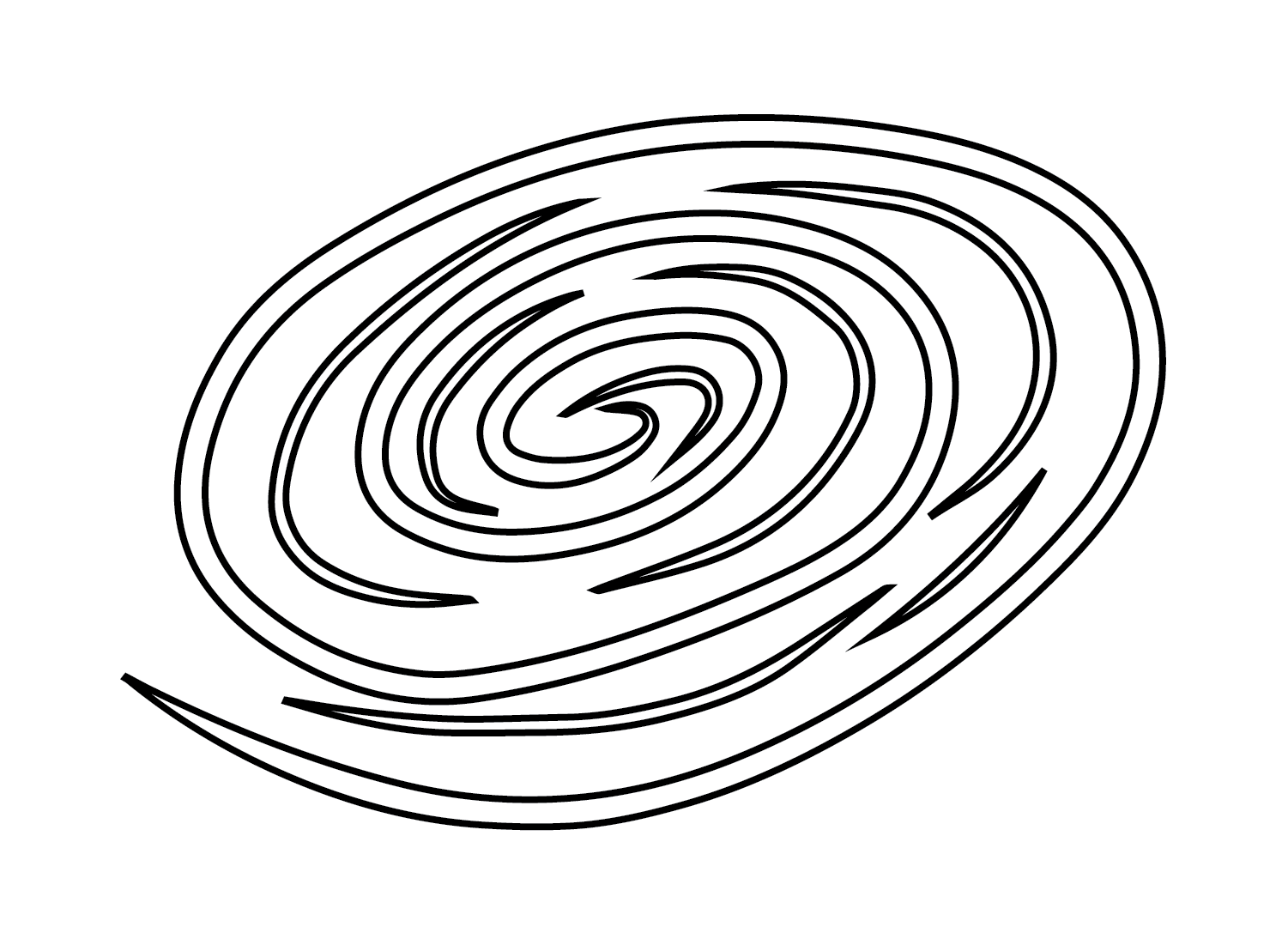
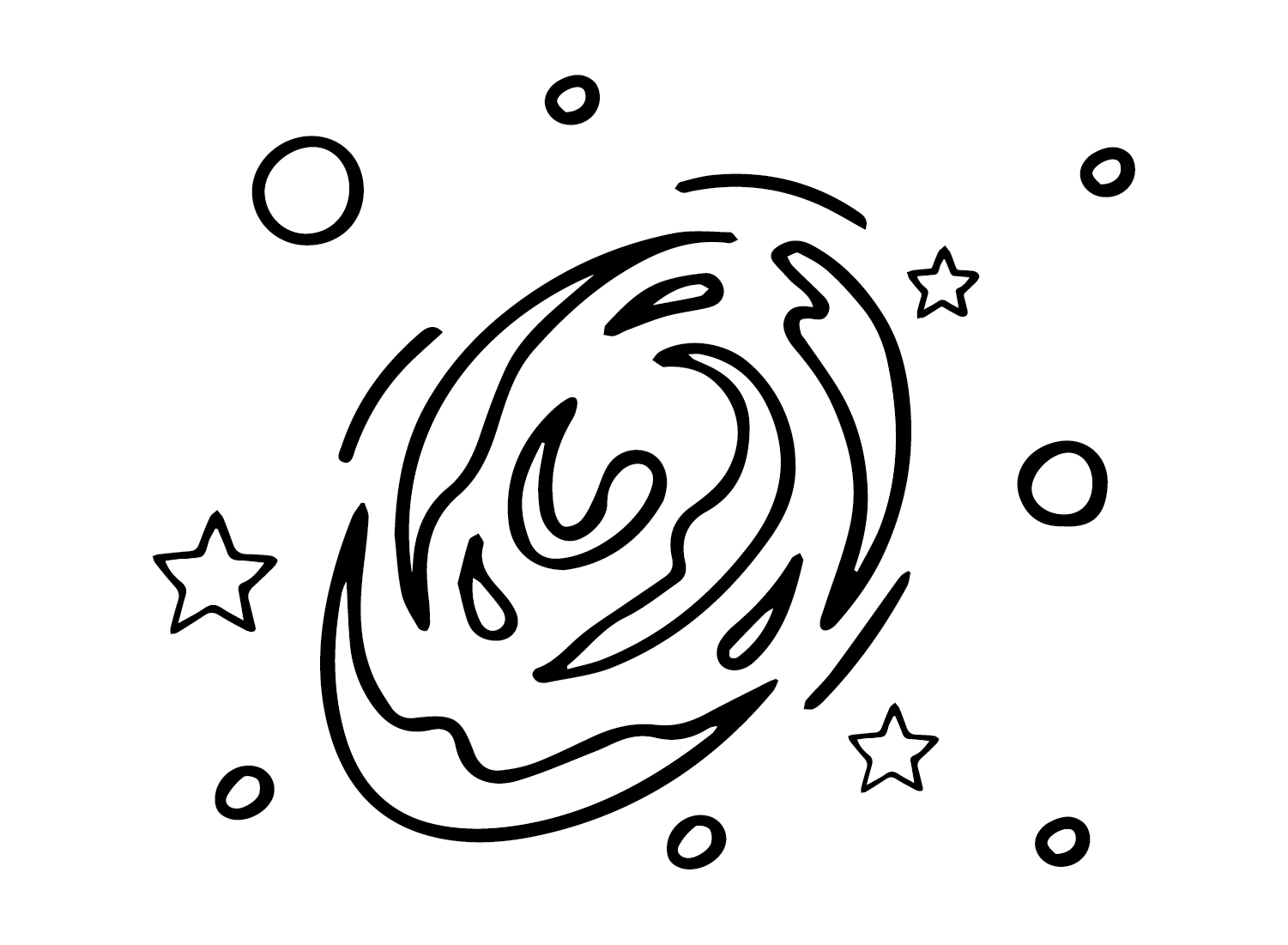
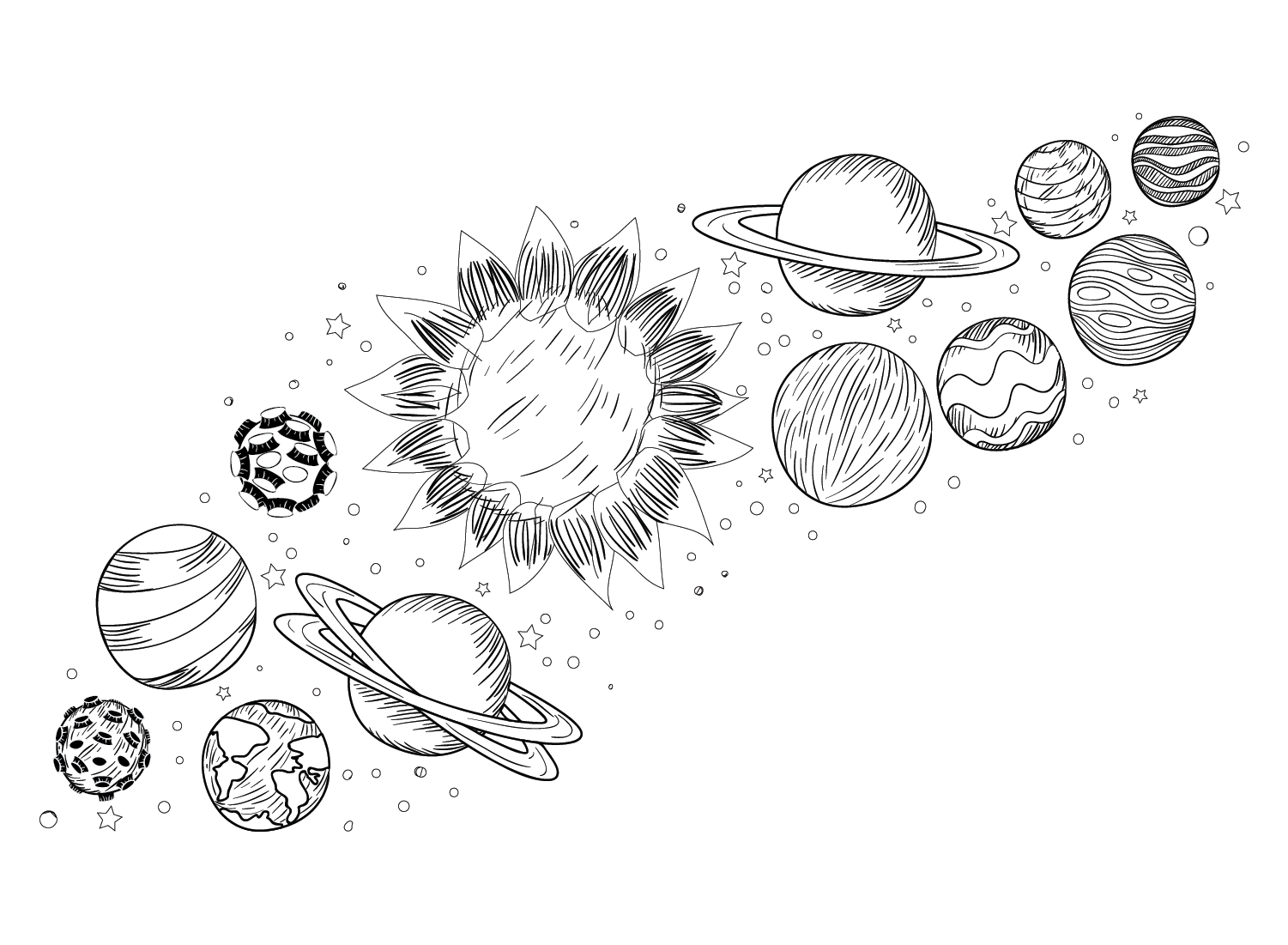
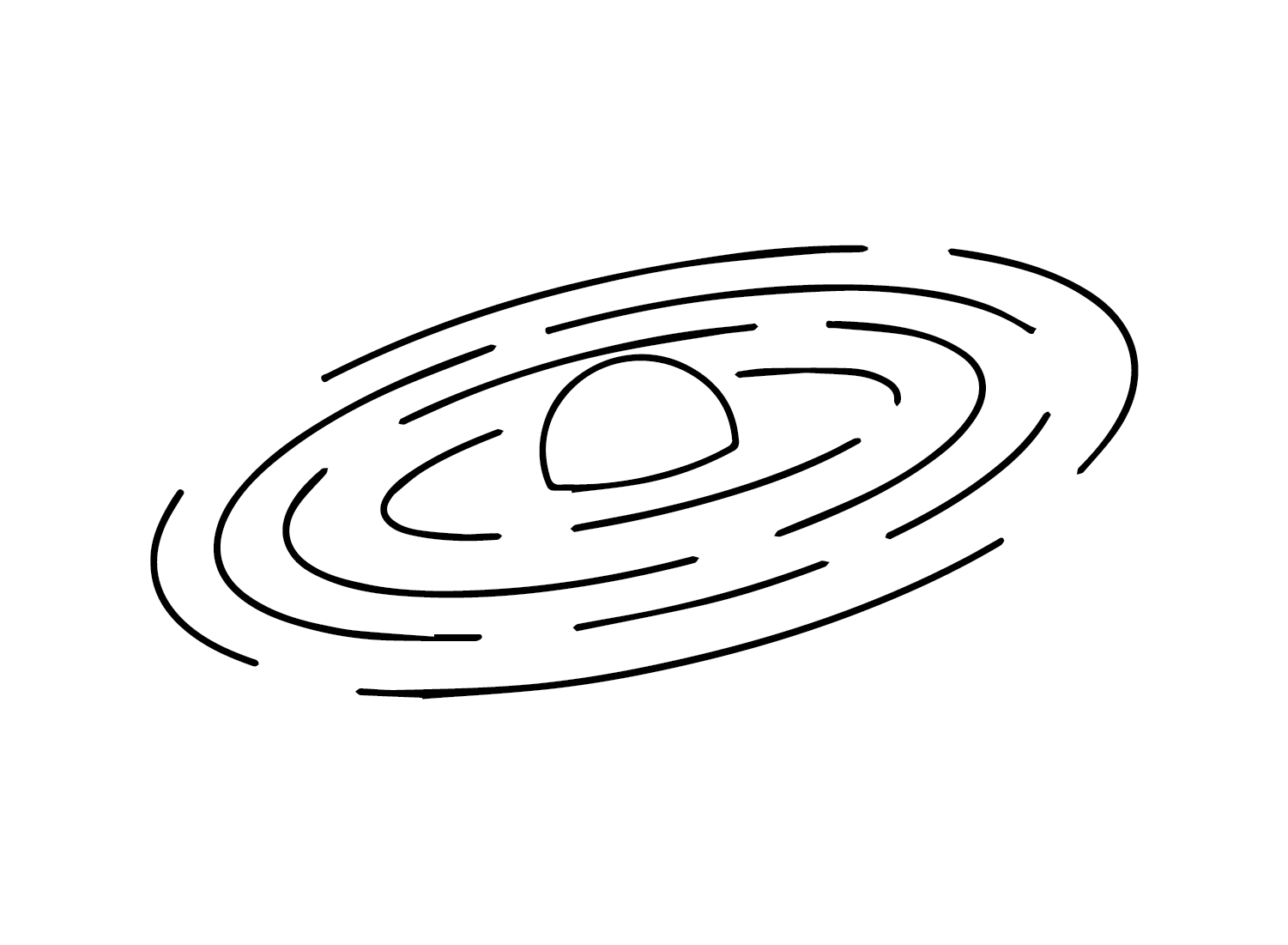
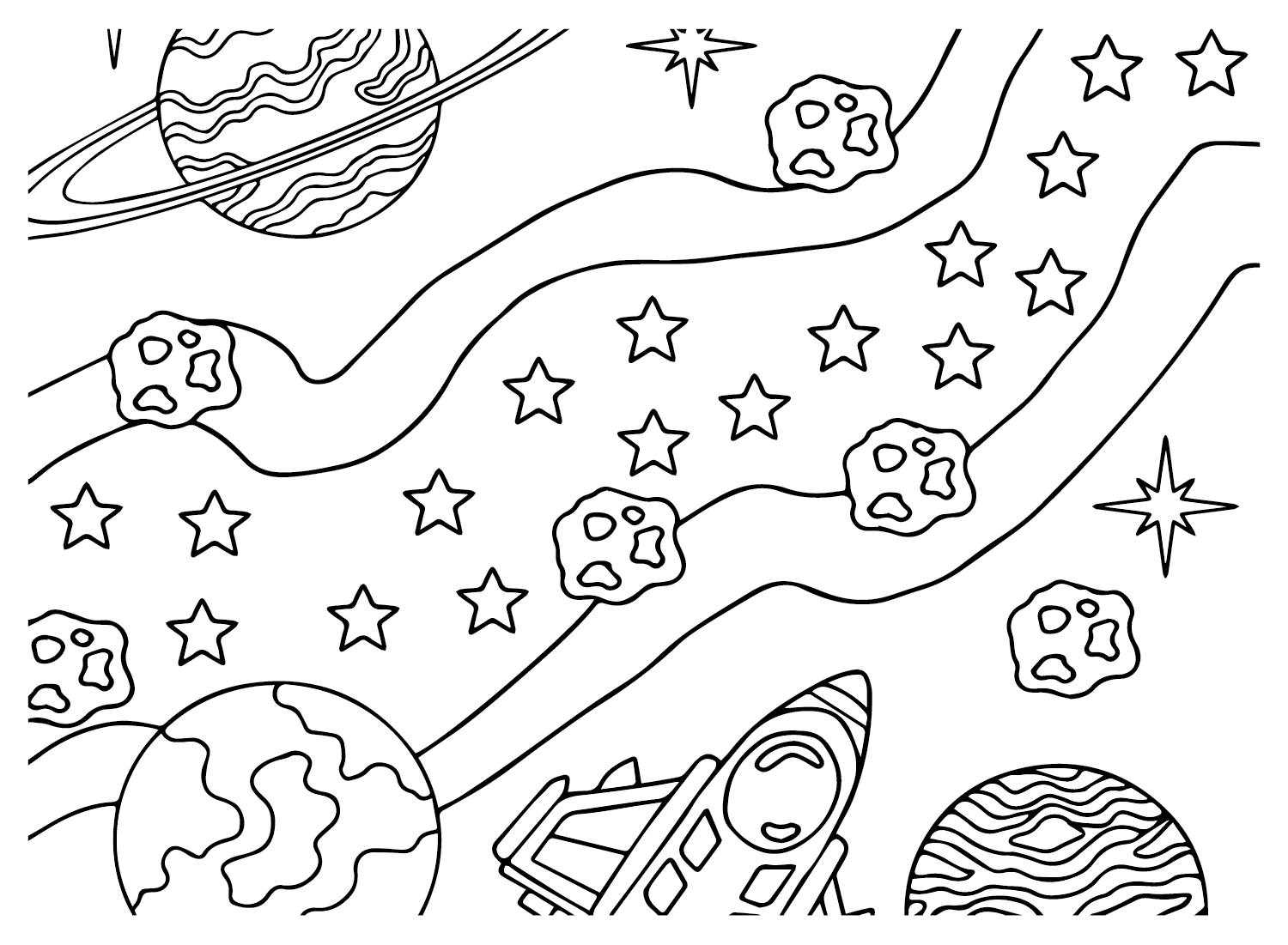
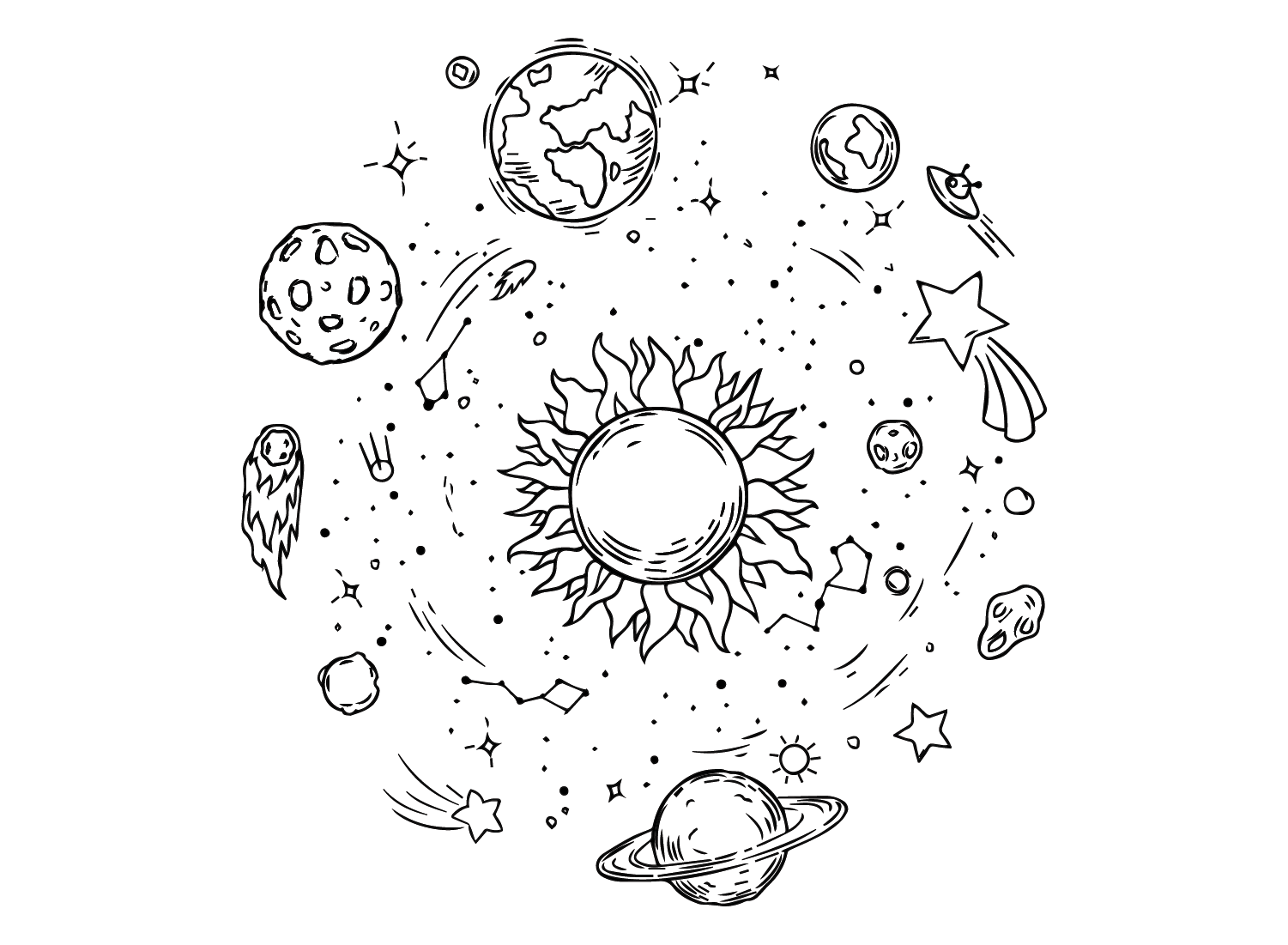
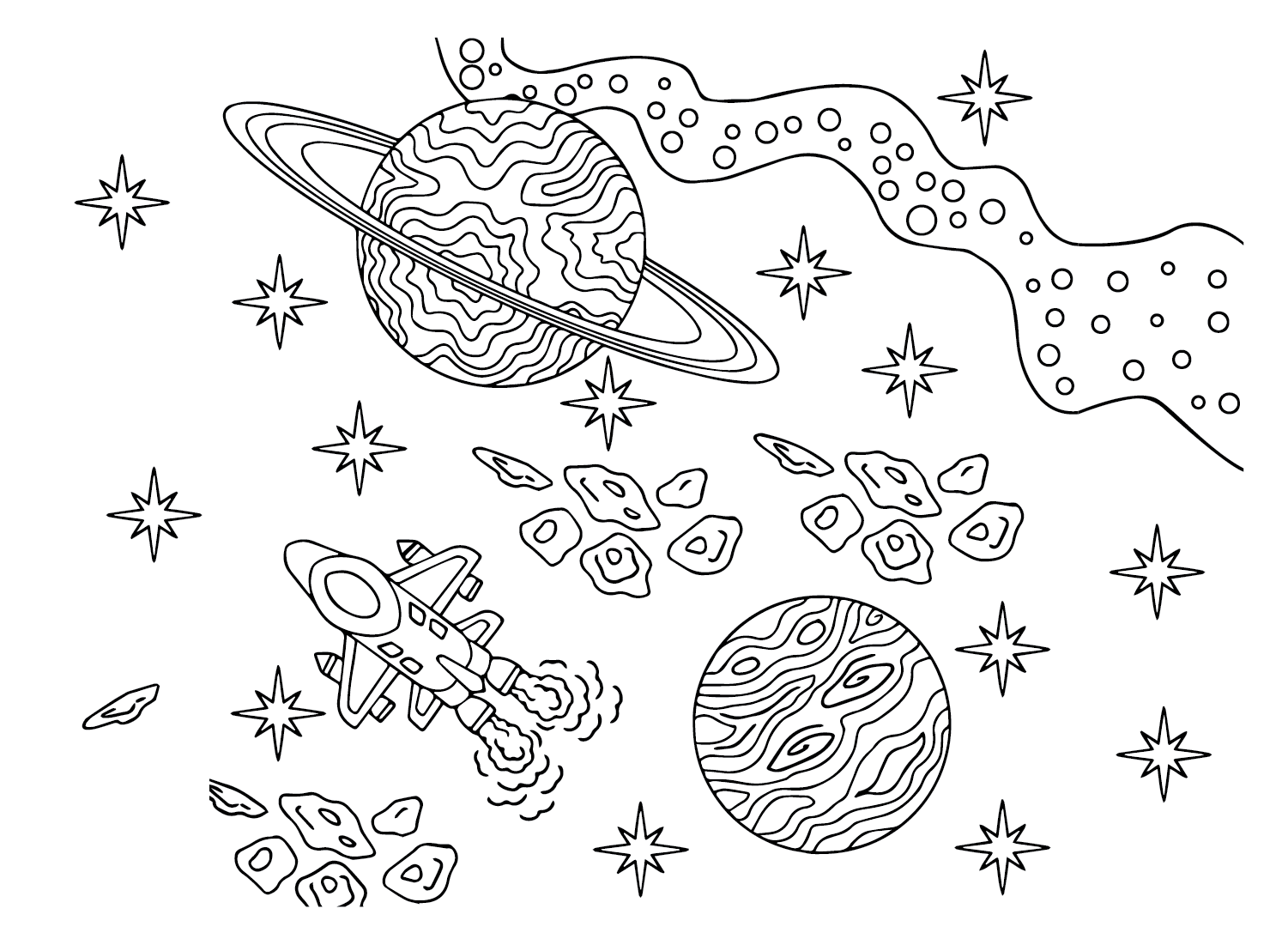
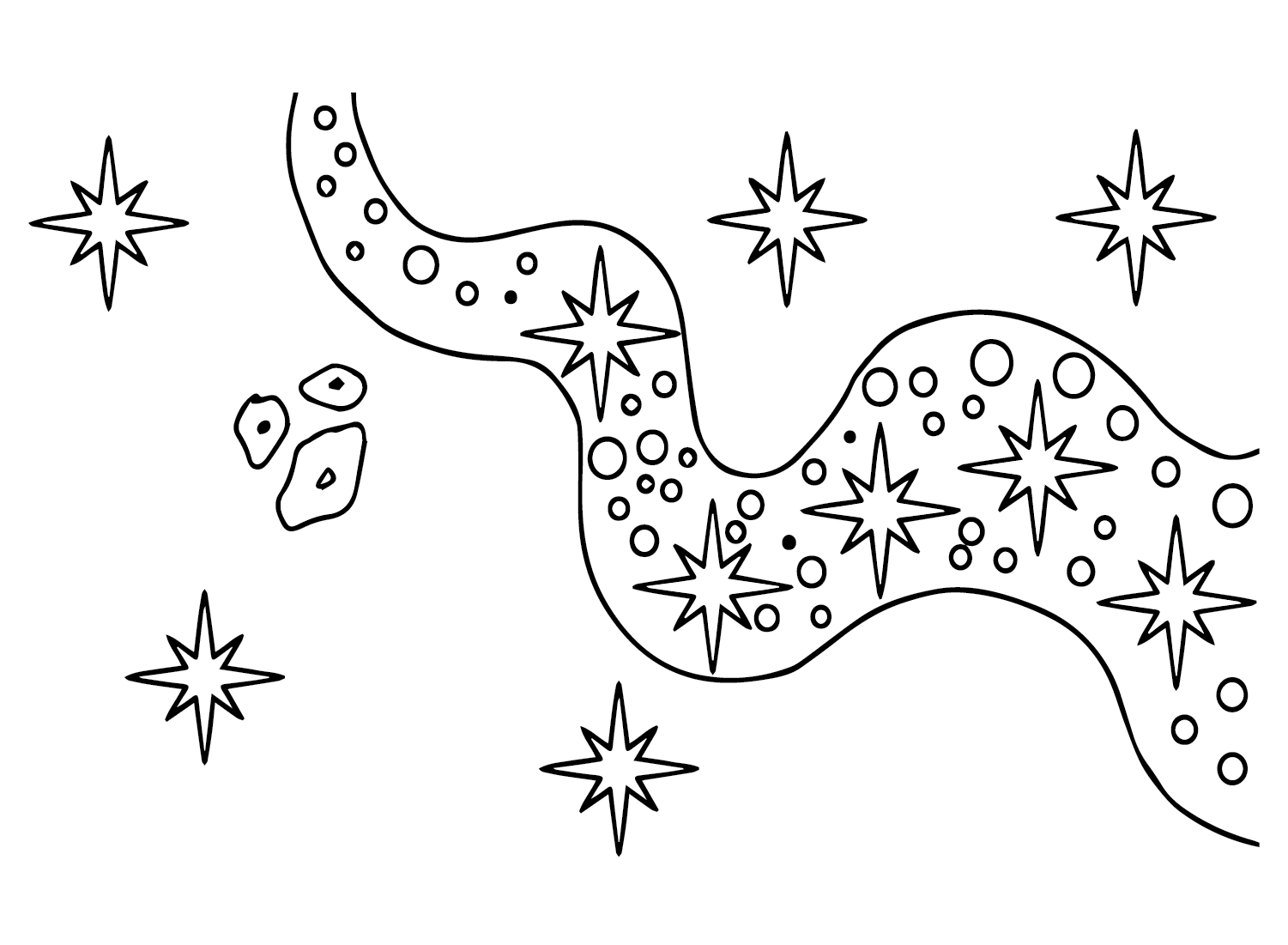
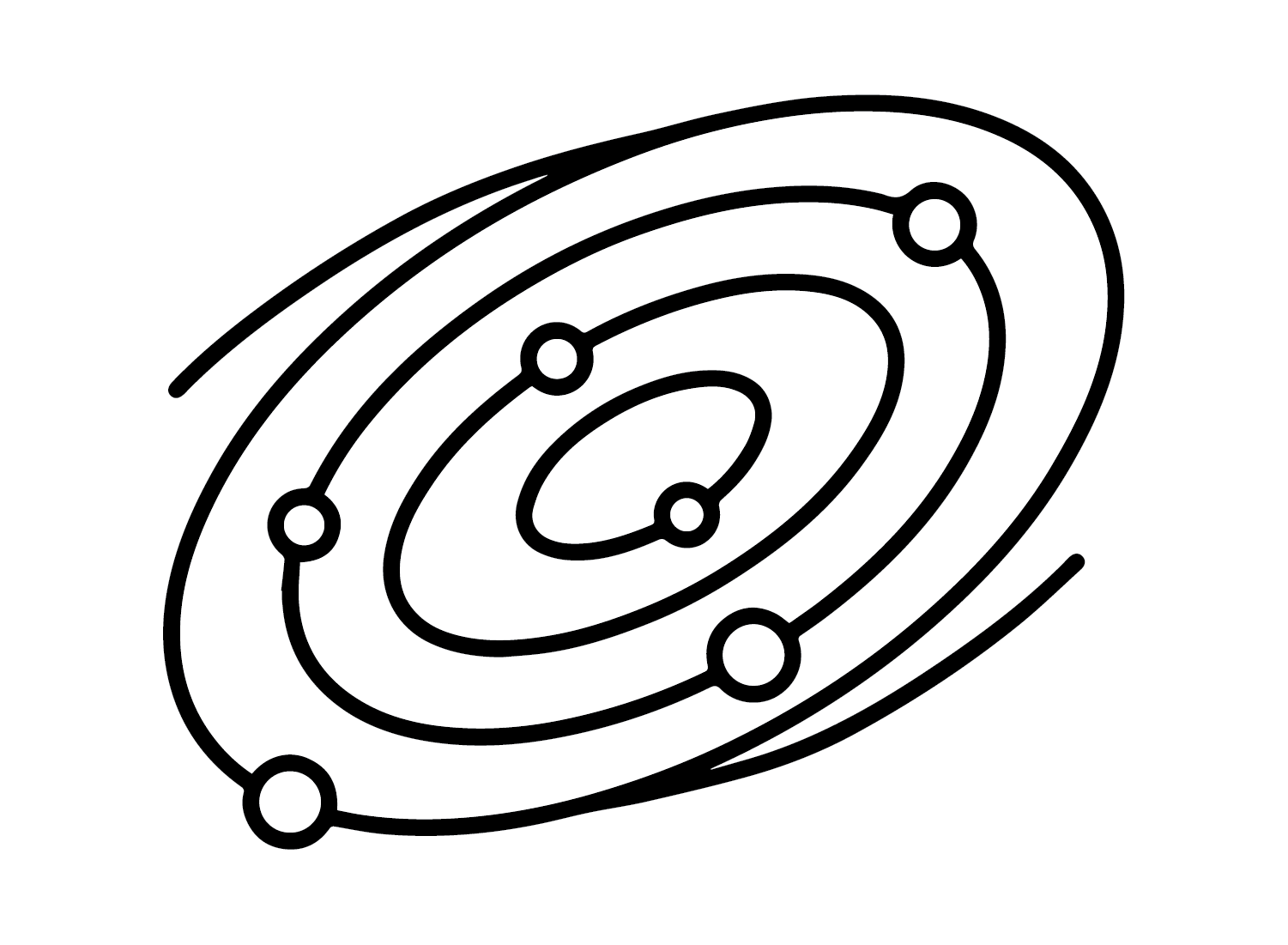
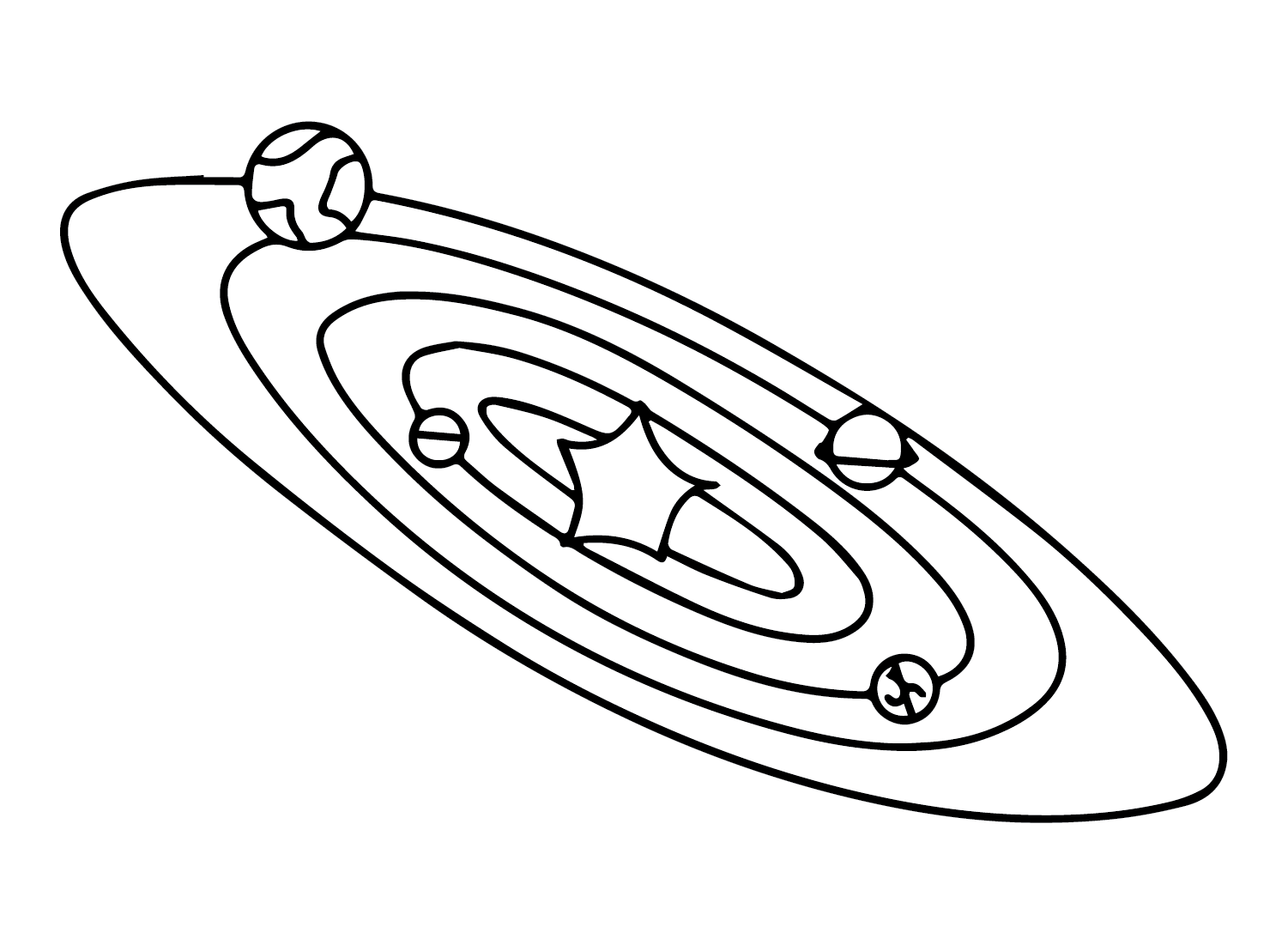
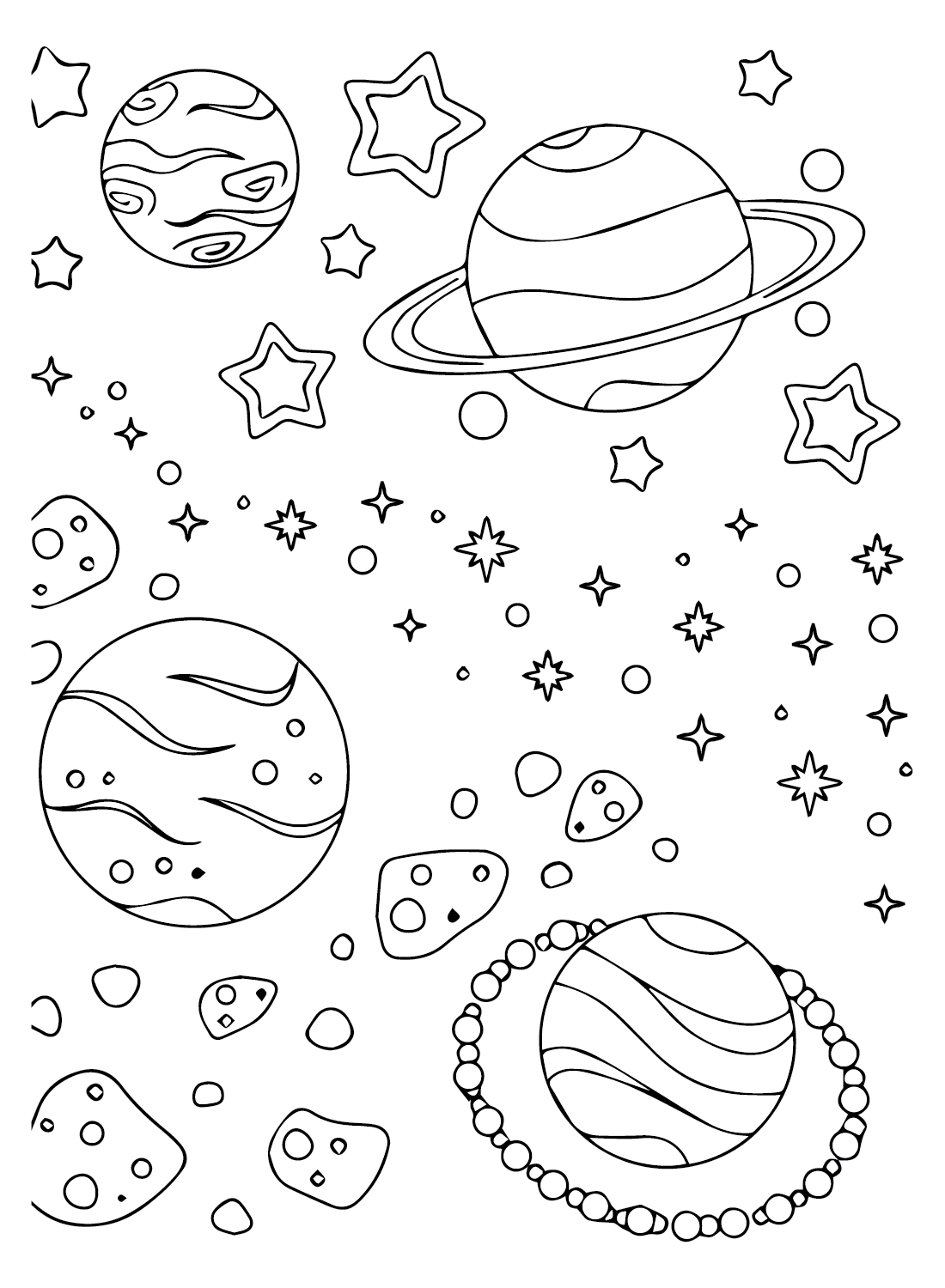
What Is Inside This Collection
The 15 pages are split into four groups based on style and detail level.
Realistic Galaxy and Nebula Designs
The largest group shows swirling spiral galaxies and star-filled nebula clouds set against deep space. Use Black or dark Navy for the background, layer in Purple, Pink, and Blue for the swirling gas clouds, and dot the surrounding space with small White stars.
Milky Way Spotlight
One page focuses specifically on our own galaxy. Color the central bulge a warm Yellow or White, and let the spiral arms fade outward into cooler Blues and Purples, matching how our galaxy’s older core stars differ in color from its younger outer regions.
Pattern and Wallpaper Style
One page turns the galaxy into a repeating decorative pattern rather than a single scene. Rotate two or three bright colors, such as Purple, Pink, and Teal, across the repeated swirl shapes so the overall design has visible rhythm.
Simple and Kid-Friendly Sheets
Two pages use a large, bold spiral outline with very few small details, making them a good starting point for toddlers and preschoolers. A single flat Purple or Blue fill, without extra shading, is enough to complete these designs well.
What Galaxy Coloring Pages Do
Fine motor development. A spiral galaxy’s arms curve continuously inward toward the center, and keeping color inside that curving band without drifting outside the spiral takes closer hand control than filling in a plain circle. The American Academy of Pediatrics identifies fine motor skill development as a core benefit of structured coloring for children ages 2 through 7, and a galaxy’s spiral shape gives that practice a genuinely flowing, curved-line challenge.
Science that’s still being figured out. For years, textbooks confidently stated that the Milky Way would collide with the Andromeda galaxy in a few billion years, but newer 2025 research using more precise telescope data found the outcome is much less certain than previously thought. That gives parents and teachers a natural opening to talk about how scientific conclusions can change as better tools and data become available, even about something as big as galaxies.
Anxiety reduction through focus. A 2005 study in the Art Therapy Journal documented measurable reductions in anxiety following structured coloring sessions. The repeated swirling spiral pattern across a galaxy page offers a steady, meditative shape to color, which suits that kind of unhurried session well.
Color practice grounded in real telescope images. Real galaxy photographs taken by telescopes show a genuine range of colors, pink and red for glowing hydrogen gas, blue for young hot stars, and yellow or white for older star clusters, giving colorists a scientific reason to use a varied, vivid palette rather than picking colors at random.
How to Color Galaxy Pages Well
- Deep space background: Use Crayola Black or dark Navy as the base, keeping it dark enough that the swirling colors stand out clearly.
- Spiral arms and gas clouds: Layer Purple, Pink, and Blue together in soft, blended strokes to suggest glowing gas and dust.
- Galactic core: Color the bright central bulge Yellow or White, since older, more tightly packed stars make galactic centers glow warmer and brighter than their outer arms.
- Stars: Dot small White or pale Yellow stars scattered across the dark background, varying the size slightly so they don’t look too evenly spaced.
- Pattern and wallpaper pages: Rotate two or three bright colors across the repeated swirl shapes so the pattern has visible rhythm instead of blending into one flat shade.
- Simple kid-friendly sheets: A single flat Purple or Blue fill, applied evenly without shading, is enough to complete these designs well.
5 Creative Craft Ideas With Galaxy Coloring Pages
1. Glitter Spiral Craft
Color a realistic galaxy page, then trace along the spiral arms with glitter glue to give the swirling gas clouds a soft, shimmering glow once it dries.
2. Galaxy Shape Comparison Poster
Color the Milky Way page alongside another simple galaxy outline, then label each one to compare a spiral shape with a rounder, elliptical shape.
3. Galaxy Fact Poster
Color a large galaxy page and add hand-written facts around it, such as how many stars our galaxy might contain, for a simple classroom science poster.
4. Galaxy Bookmark
Color one of the smaller galaxy designs, trim it to a bookmark shape, and add a ribbon or paper tassel through a hole punched at the top.
5. Galaxy Garland
Color multiple galaxy pages, cut around each swirling shape, and string them together with twine for a space-themed room decoration.
Frequently Asked Questions
What are galaxy coloring pages?
Galaxy coloring pages are printable designs that show galaxies and nebulae in different styles, including realistic illustrations, a Milky Way spotlight, a decorative pattern, and simple beginner sheets. This collection includes 15 pages, each downloadable as a PDF or available to color online.
What type of galaxy is the Milky Way?
The Milky Way is classified as a barred spiral galaxy, meaning it has a bar-shaped structure of stars running through its central bulge, with spiral arms curving outward from there.
How many stars are in the Milky Way?
Estimates generally place the number of stars in the Milky Way somewhere between 100 and 400 billion, though the exact figure is difficult to pin down precisely.
Will the Milky Way really collide with the Andromeda galaxy?
It’s less certain than once thought. Older research suggested a near-certain collision in about 4 to 5 billion years, but a 2025 study using more precise telescope data found the odds are closer to a coin flip once other nearby galaxies’ gravity is taken into account.
How many galaxies are in the universe?
Nobody knows for certain. Estimates range from around 100 billion to 2 trillion galaxies in the observable universe, depending on the telescope data and method used to count them.
How many galaxy coloring pages are in this collection?
This collection includes 15 galaxy coloring pages, split across realistic illustrations, one Milky Way spotlight, one decorative pattern page, and simple kid-friendly sheets.
Are galaxy coloring pages suitable for young children?
Yes. The simple sheets use bold, easy shapes that suit toddlers and preschoolers. The realistic and pattern pages, with their layered swirling detail, suit older children and adults who want more shading practice.
Why do galaxy photos show so many different colors?
Telescopes capture different wavelengths of light coming from a galaxy, glowing hydrogen gas often appears pink or red, young hot stars appear blue, and older star clusters appear yellow or white, which is why real galaxy images look so colorful.
Start Coloring
Download any page by clicking the design. No account, email, or payment is required. Pages print directly from the browser at full resolution or open in the online coloring tool for screen use. Share finished pages on Facebook or Pinterest with the share buttons at the top of each design page.