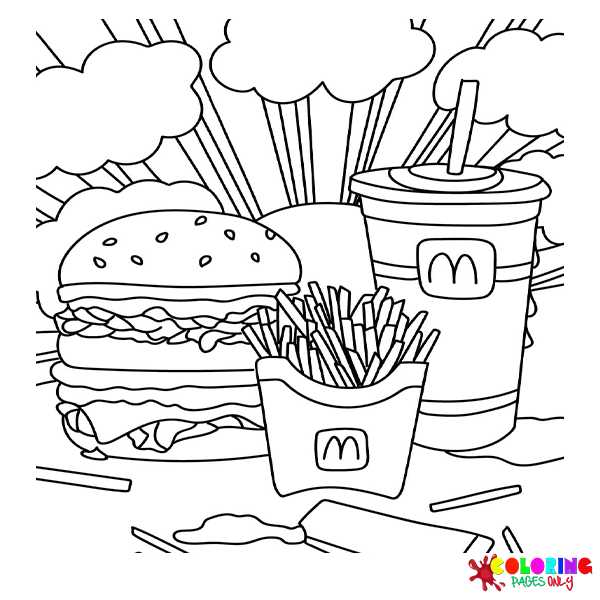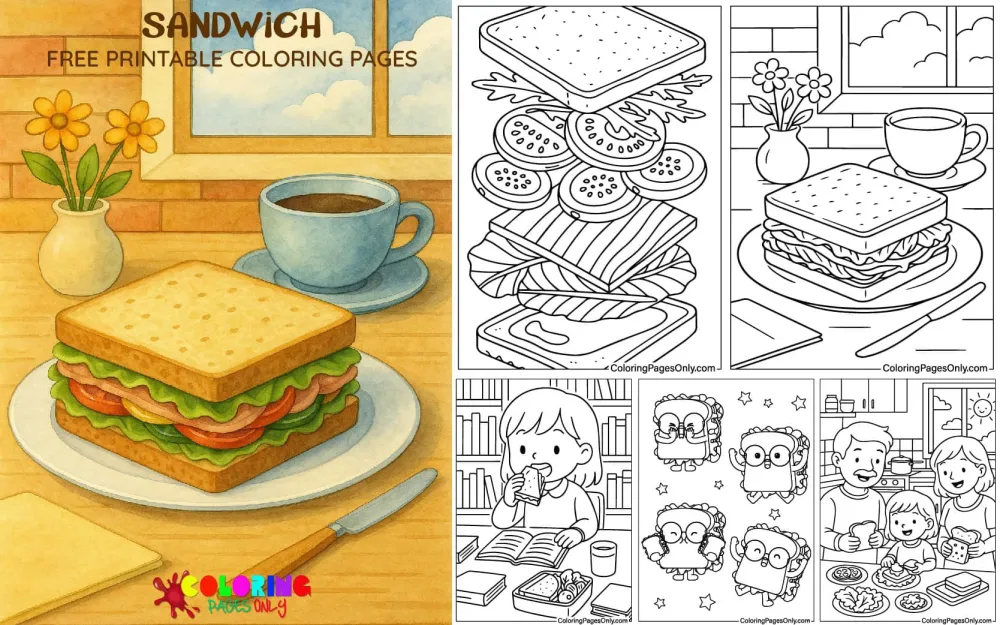
Free Sandwich Coloring Pages: 30+ pages featuring classic lunch sandwiches, big stacked sandwiches, picnic foods, kids eating together, children making sandwiches, cute cartoon sandwiches, funny sandwich characters, family meal scenes, lunch table pages, sandwich-and-tea designs, animal sandwich scenes, birthday sandwiches, seasonal sandwiches, and playful food-adventure pages. All free, printable PDFs and online coloring pages are ready for home, classroom, lunchbox activities, food vocabulary lessons, pretend café play, picnic crafts, and quiet coloring time.
Sandwiches are familiar because they are simple, layered, portable, and easy to recognize. A sandwich can appear in a school lunchbox, a picnic basket, a café, a family kitchen, or a pretend food shop. Bread, cheese, lettuce, tomato, eggs, spreads, and other fillings create clear visual layers that work especially well in coloring pages. The English name “sandwich” is often linked to John Montagu, the 4th Earl of Sandwich, in 18th-century England, although the idea of placing food in or on bread is much older and appears in many food cultures.
This collection gives younger colorists simple sandwich outlines, smiling food characters, and large bread shapes. At the same time, older children can work on layered fillings, triangle-cut sandwiches, table scenes, picnic settings, ingredient charts, lunch activities, and imaginative sandwich characters. These 30+ free pages at ColoringPagesOnly.com cover classic sandwiches, lunch scenes, picnic foods, kids eating, children making sandwiches, family meals, cute sandwich characters, and creative food designs. All free, PDF or PNG, print or color online.
What’s Inside
Classic Sandwiches and Lunch Pages
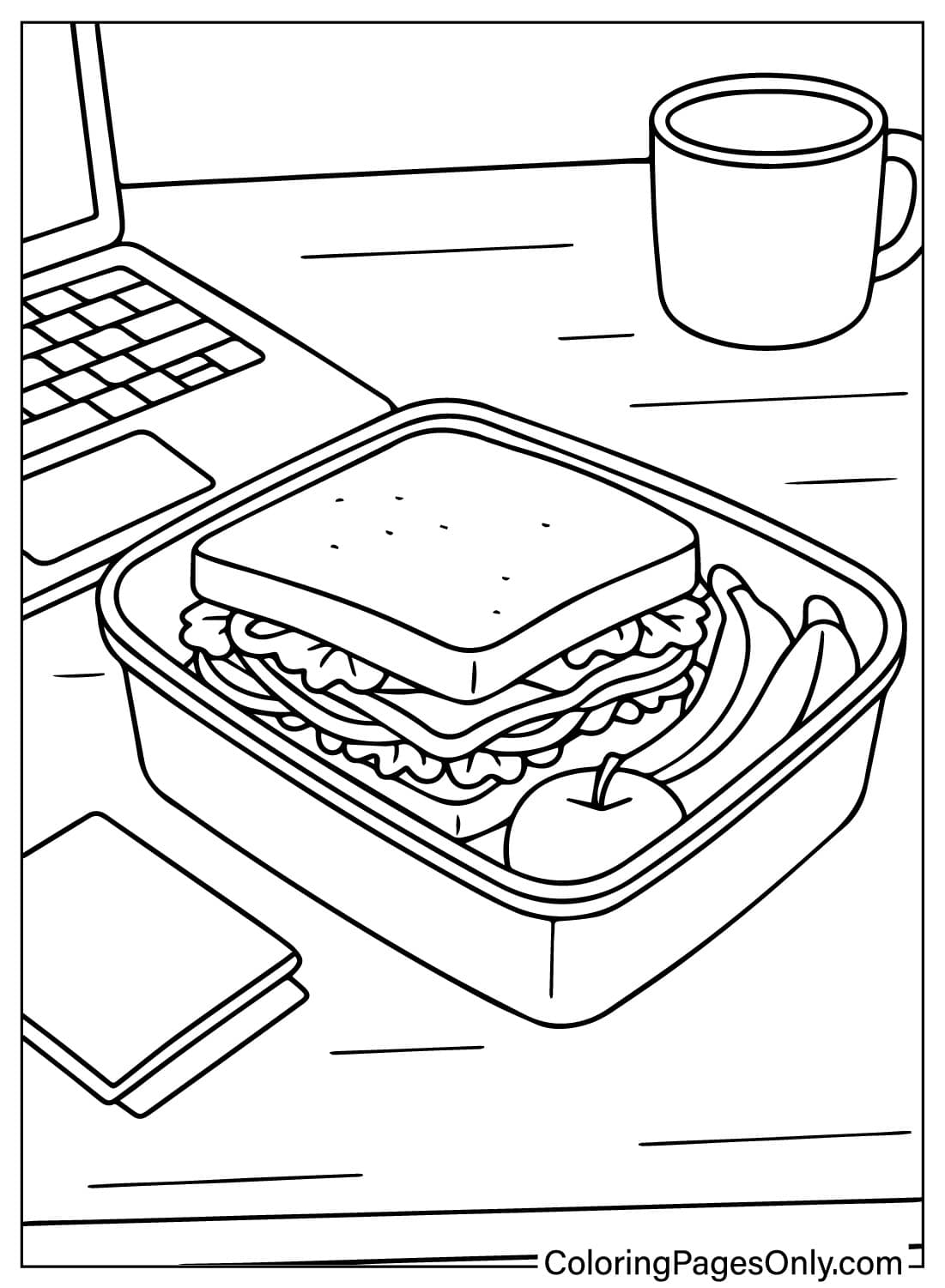
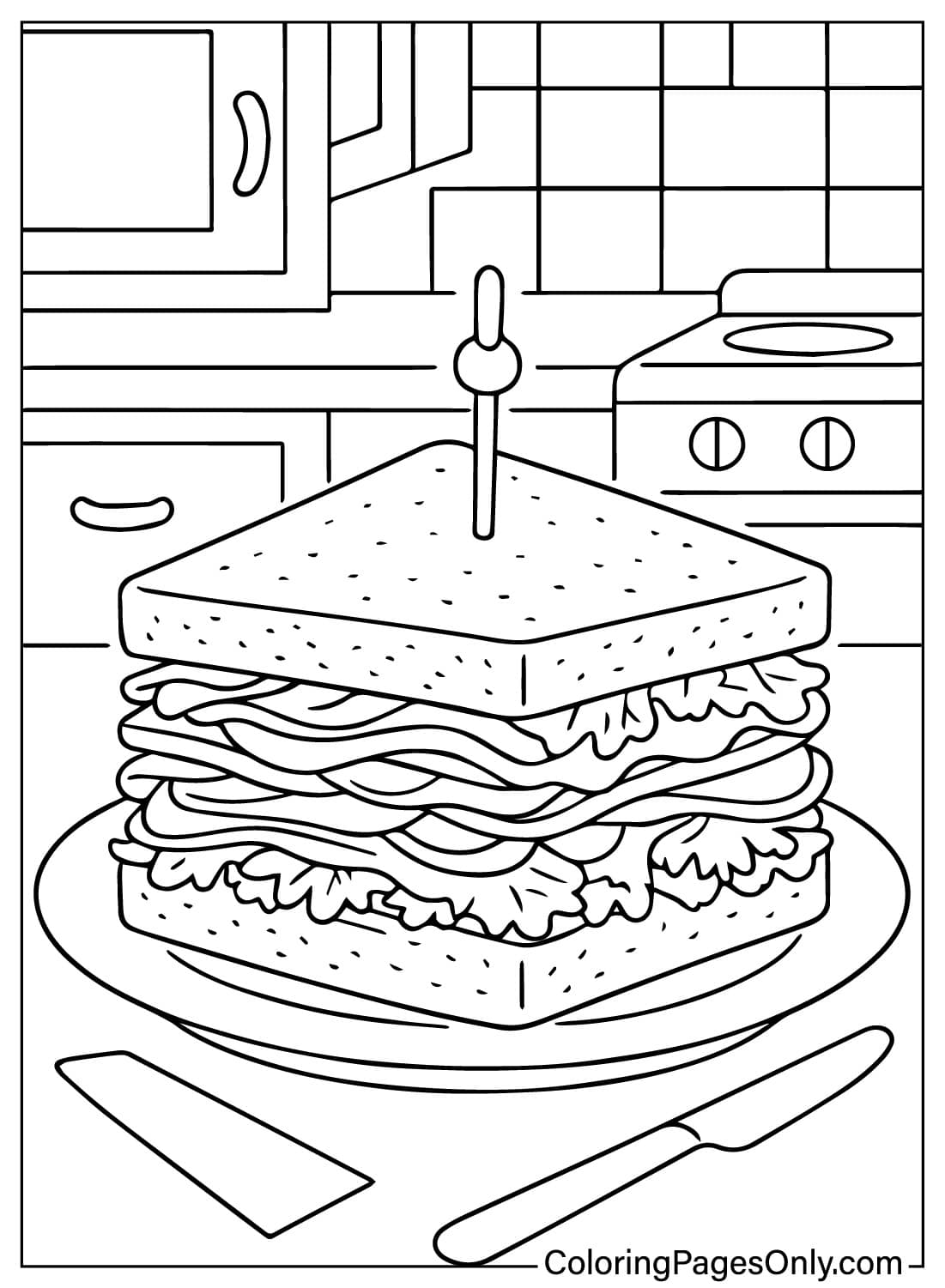
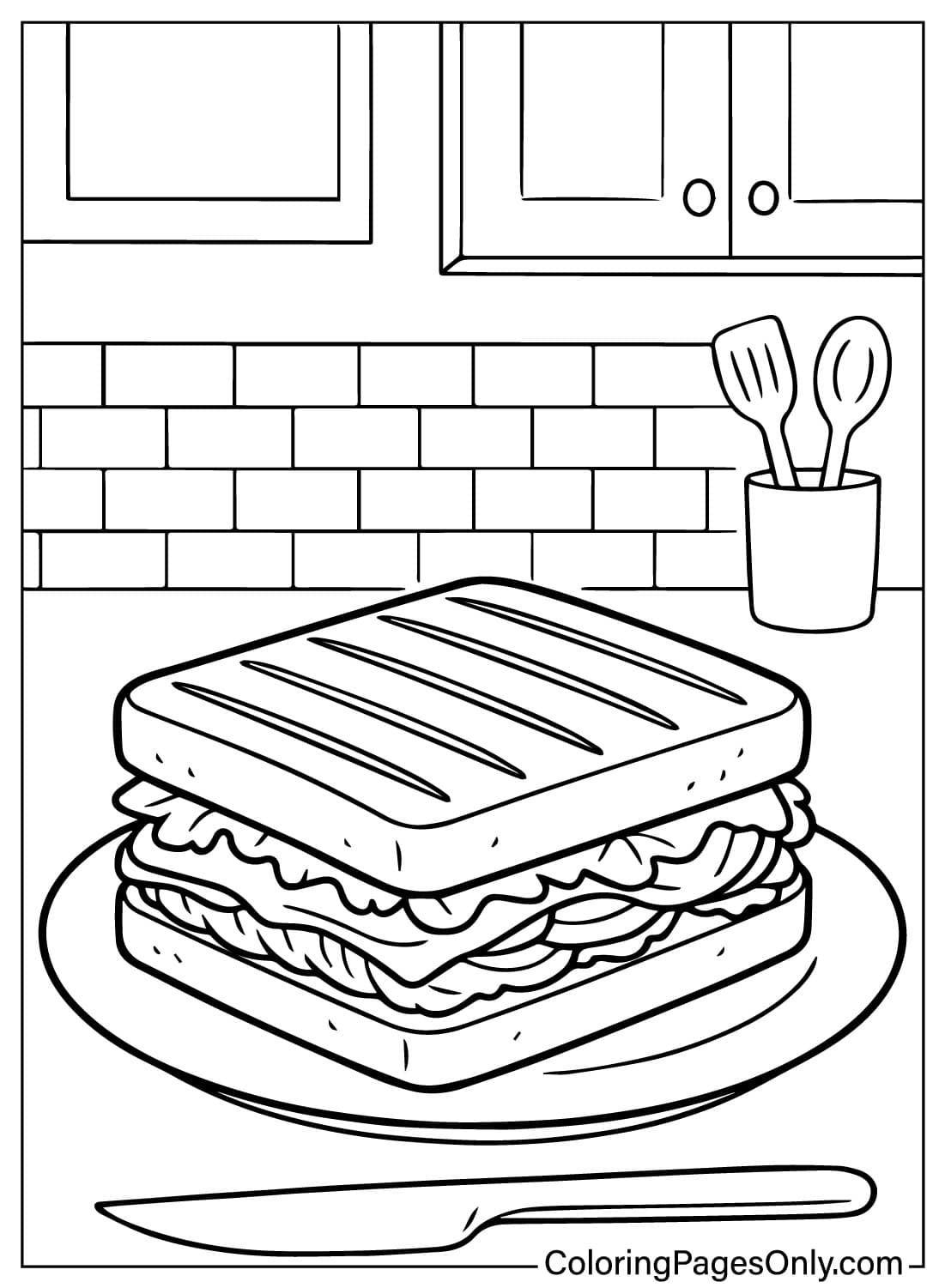
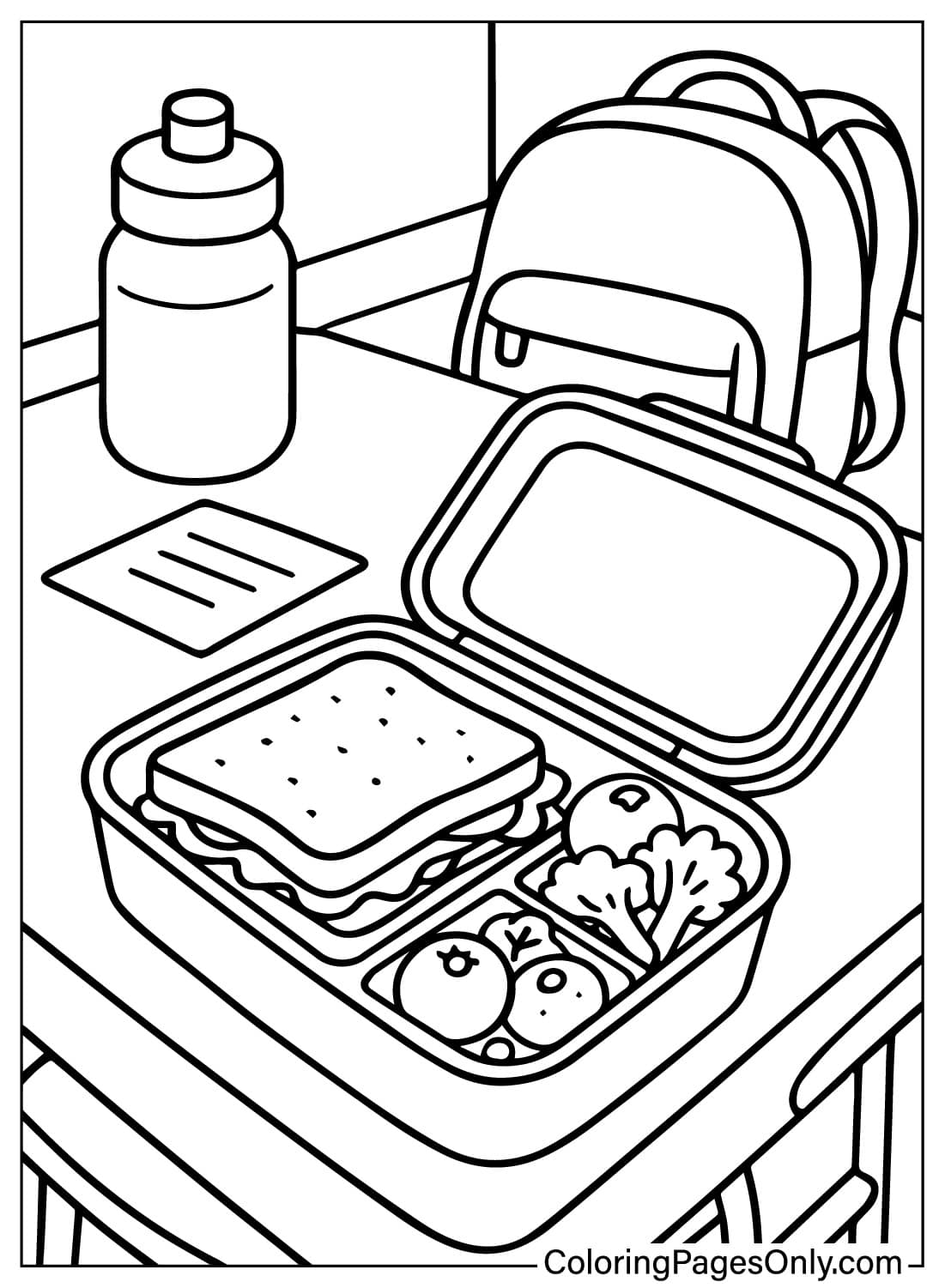
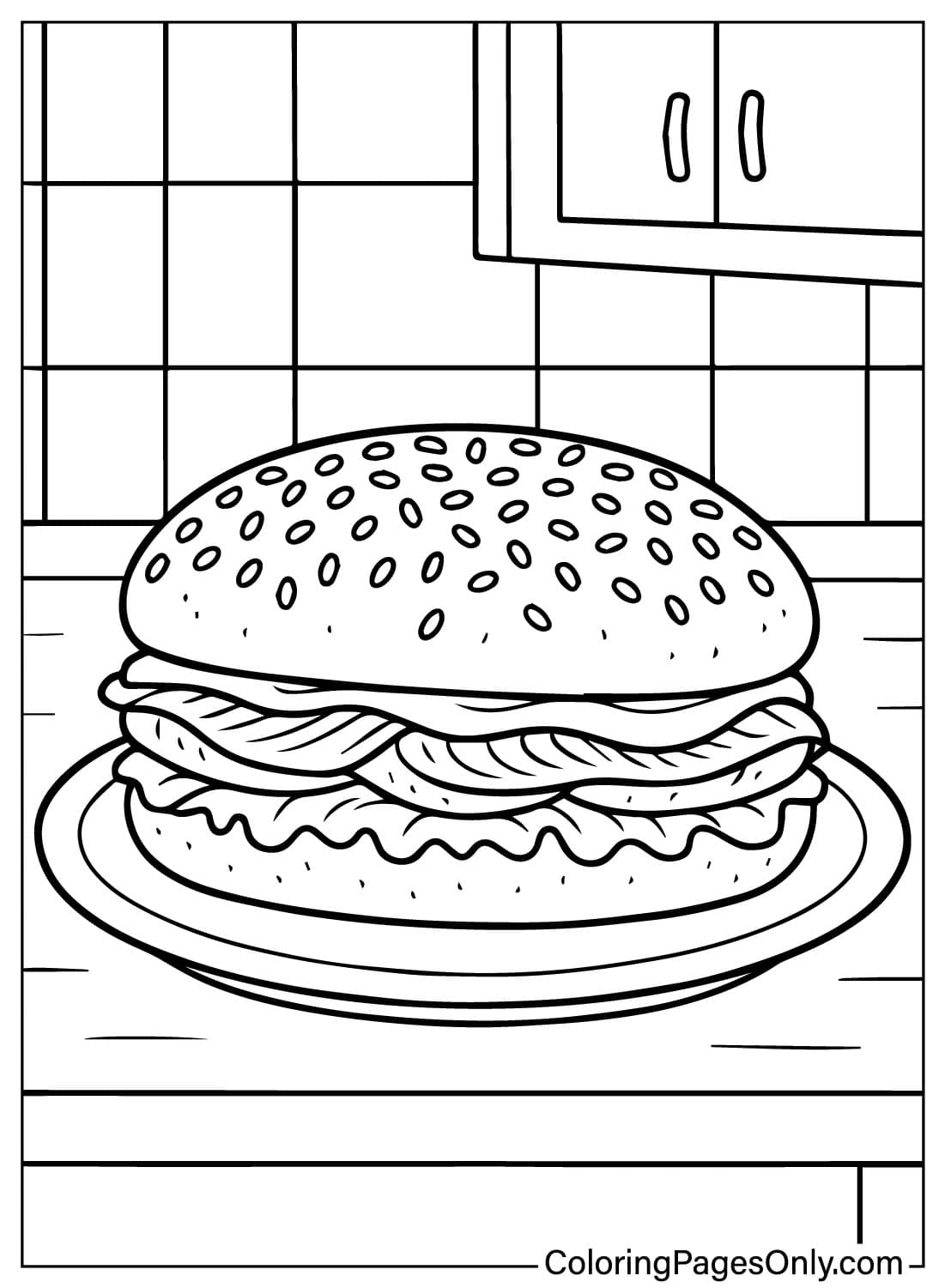
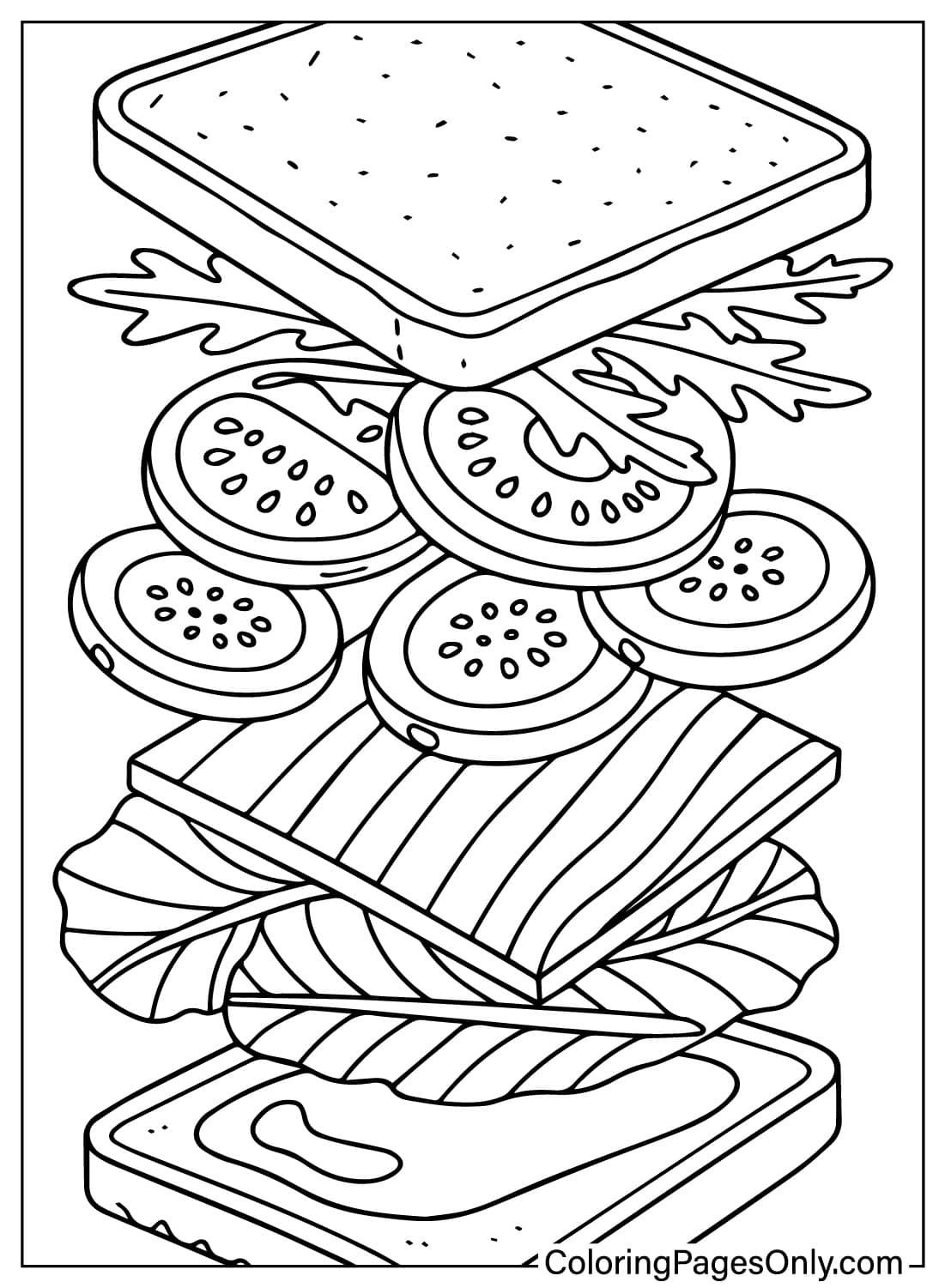
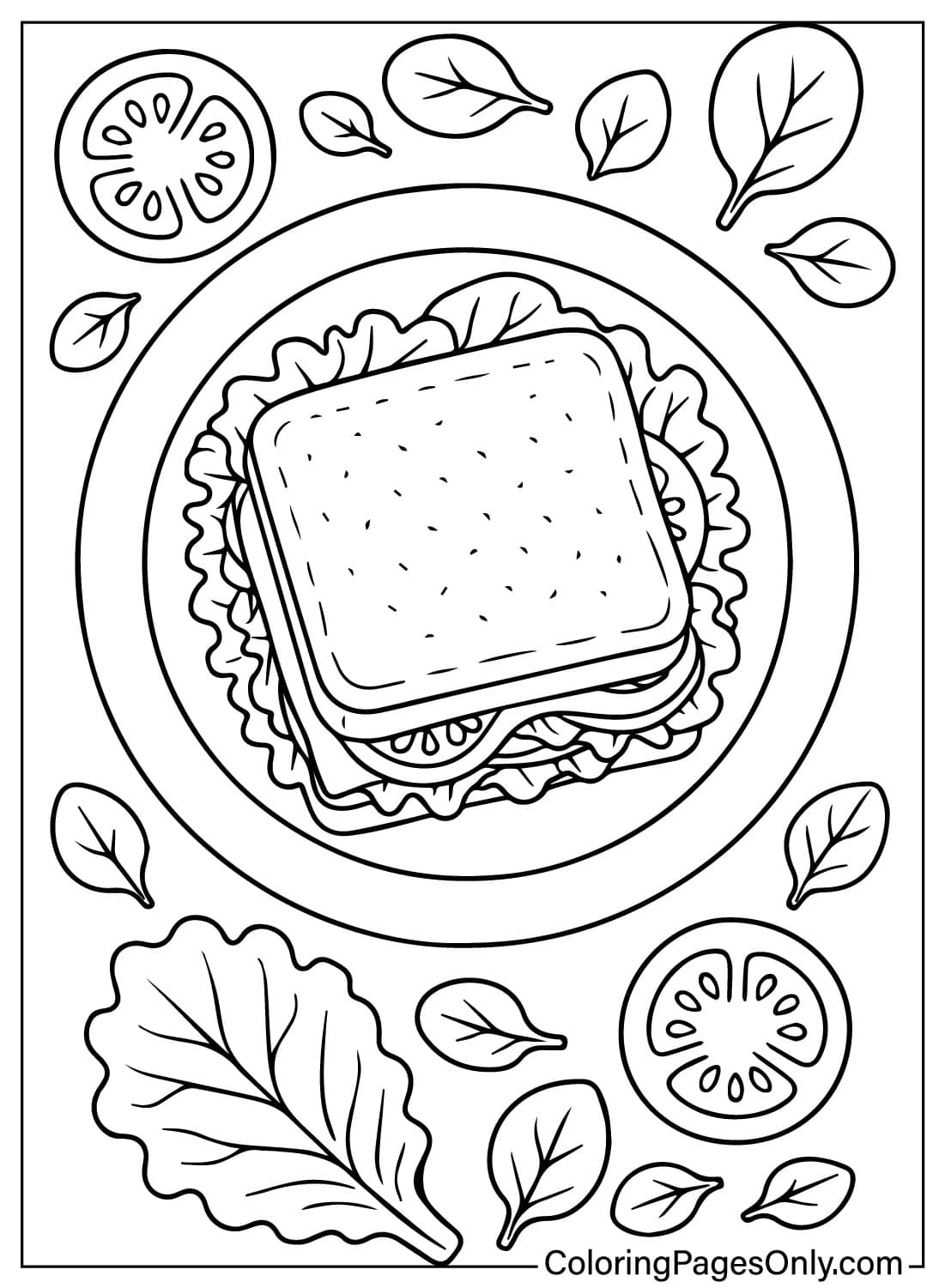
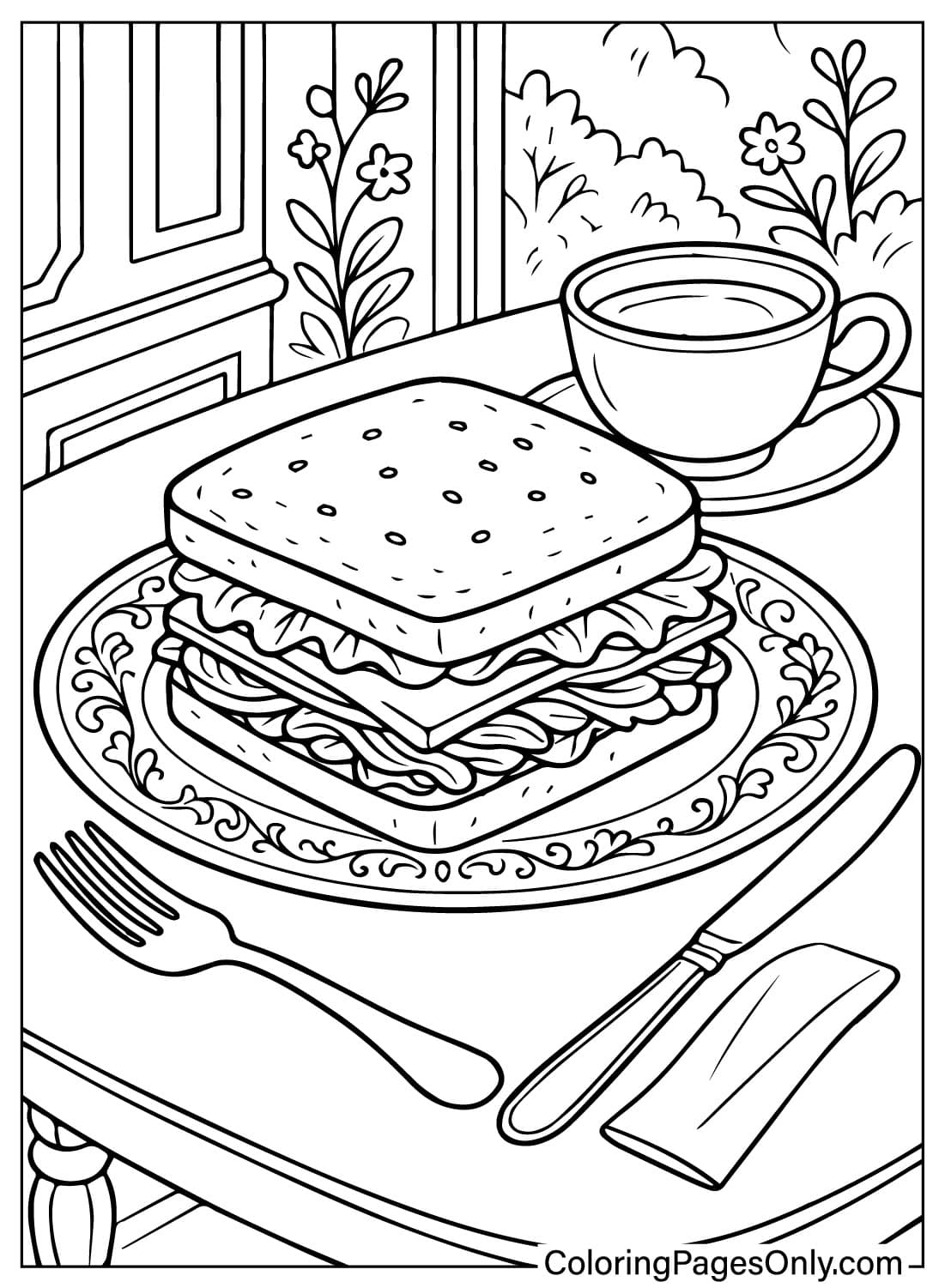
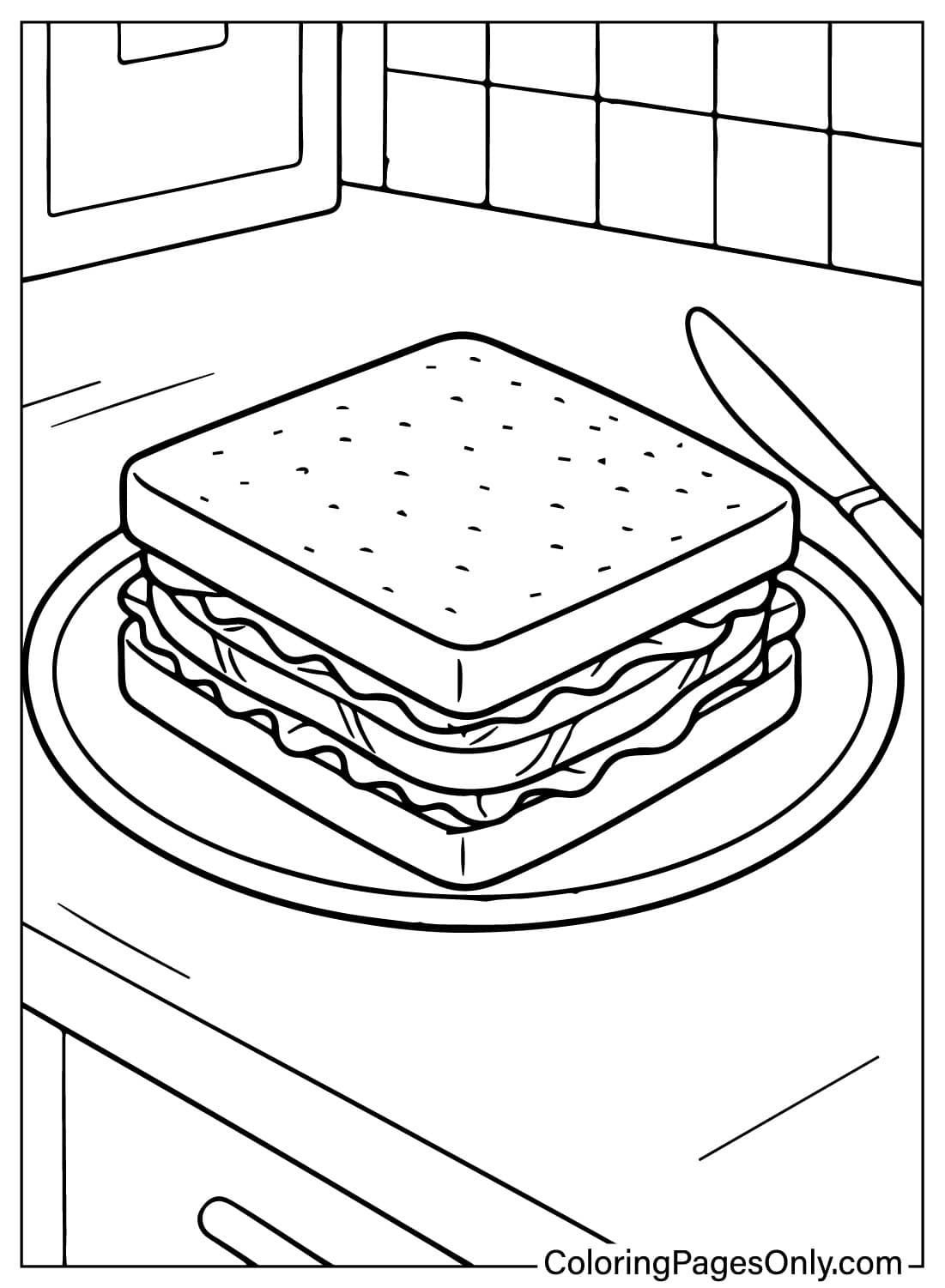
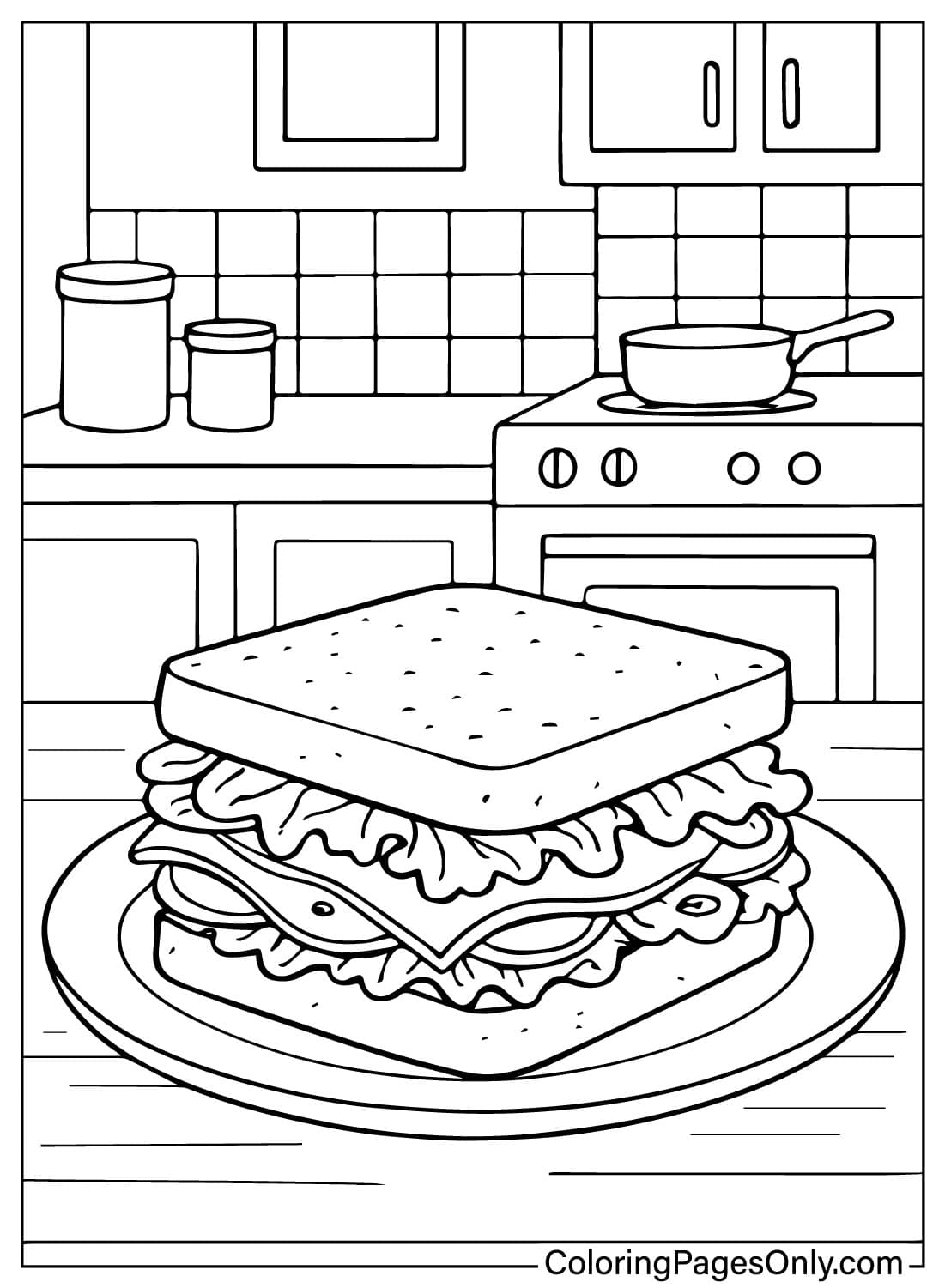
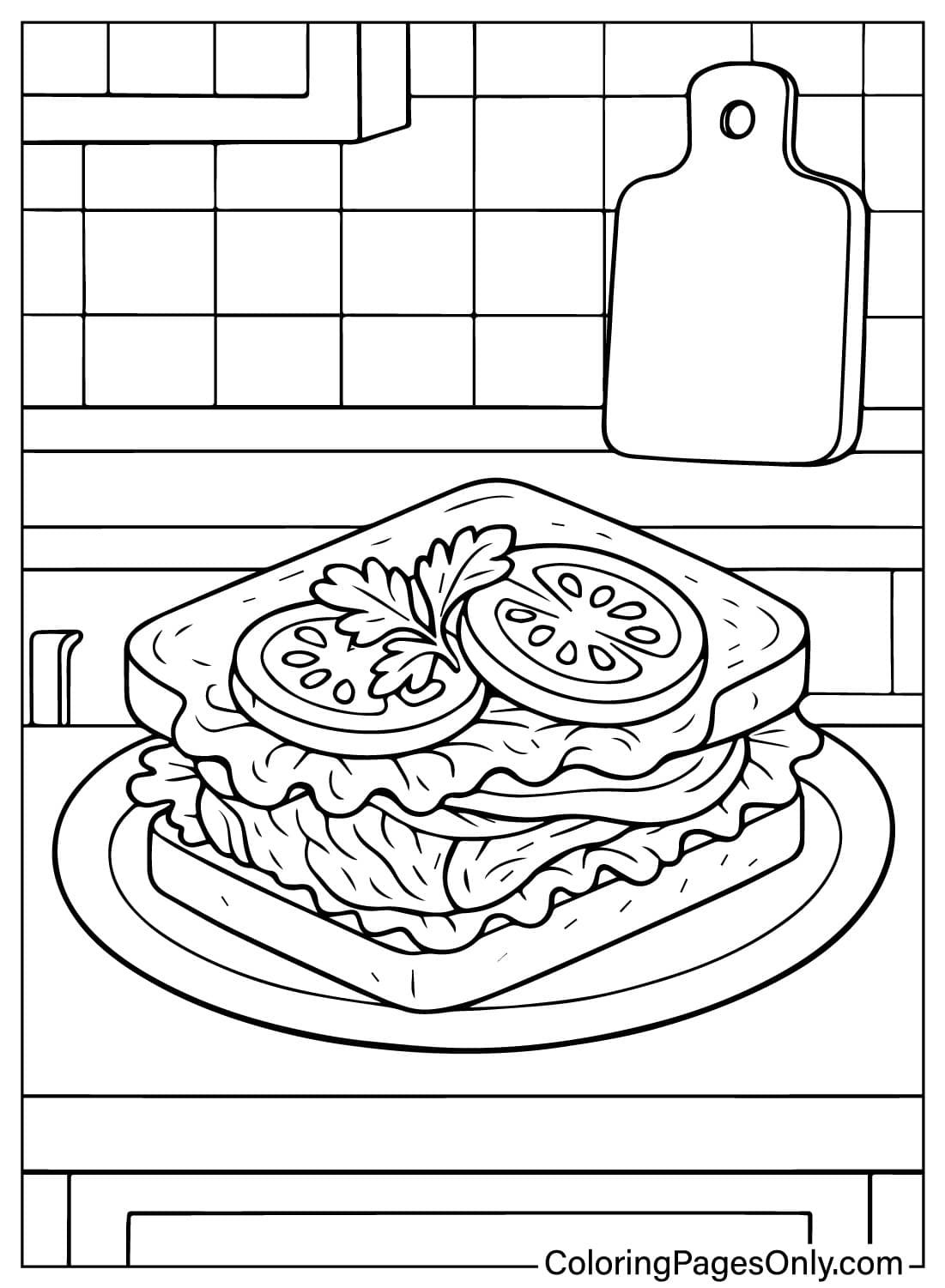
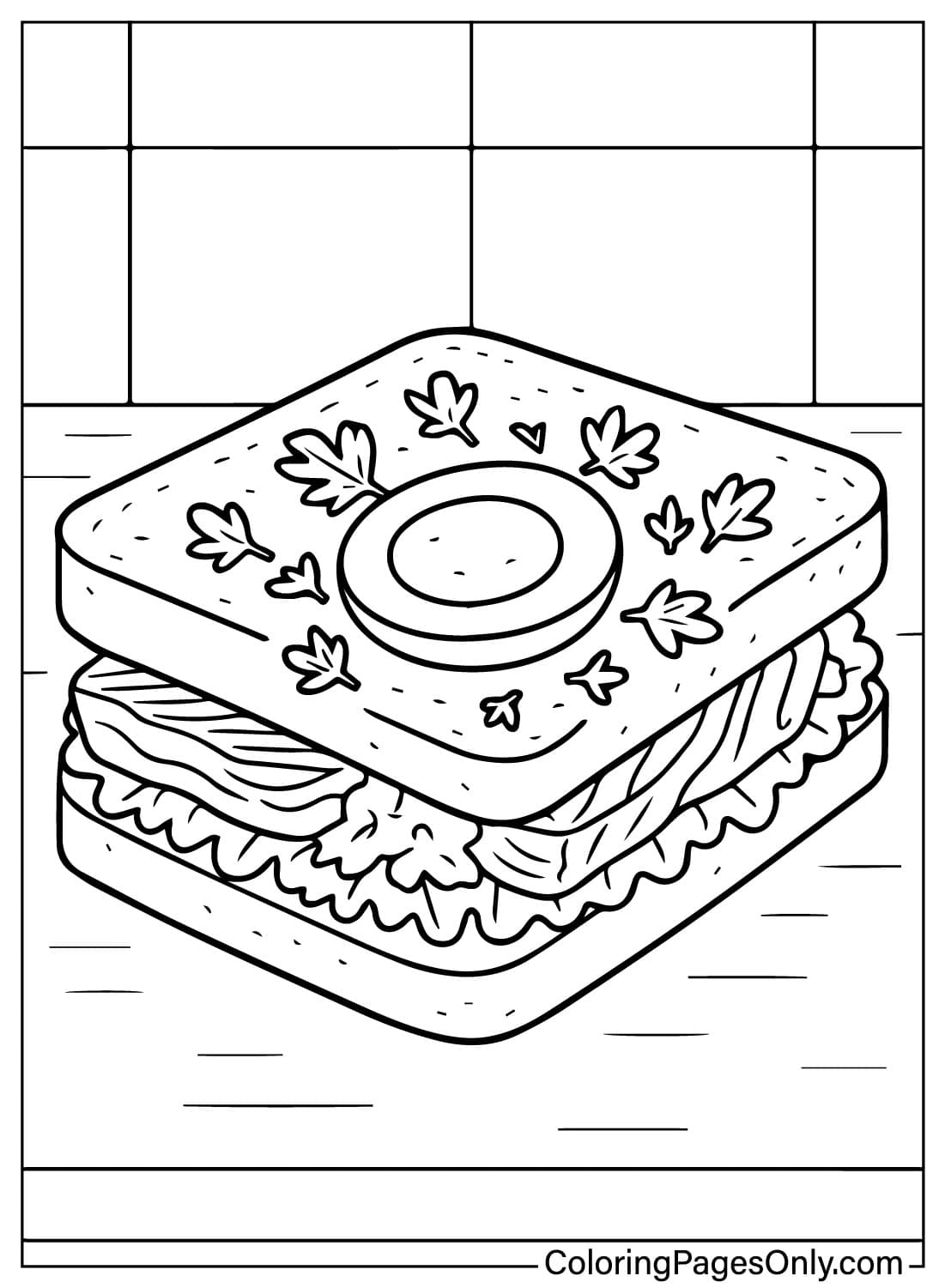
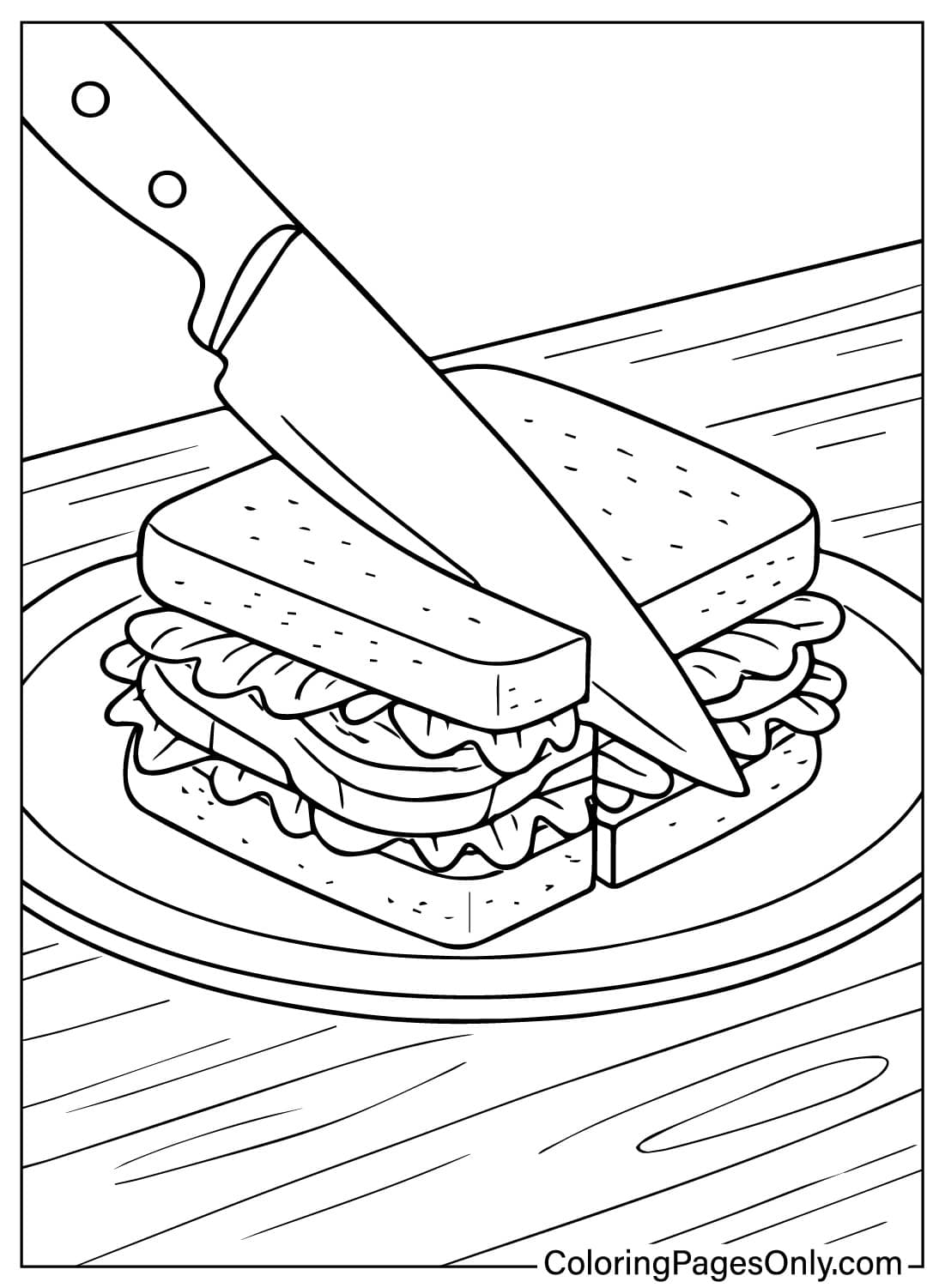
The simplest pages focus on sandwiches children can recognize right away: bread slices, triangle cuts, plates, fillings, crust edges, and lunch-table details. These pages include sandwiches on plates, fresh sandwiches, big sandwiches, lunch sandwiches, and easy sandwich sheets with clean outlines. They work well for food vocabulary lessons because children can identify bread, cheese, lettuce, tomato, cucumber, plate, cup, and lunch.
Coloring classic sandwiches: Use toasted beige, wheat brown, honey tan, cheese yellow, tomato red, lettuce green, cucumber green, and soft plate grey. Color the bread first, then add the fillings one layer at a time so the sandwich stays easy to read. The common mistake is making every layer brown; keep fillings bright and separate so the sandwich looks fresh instead of flat.
Kids Eating and Making Sandwiches
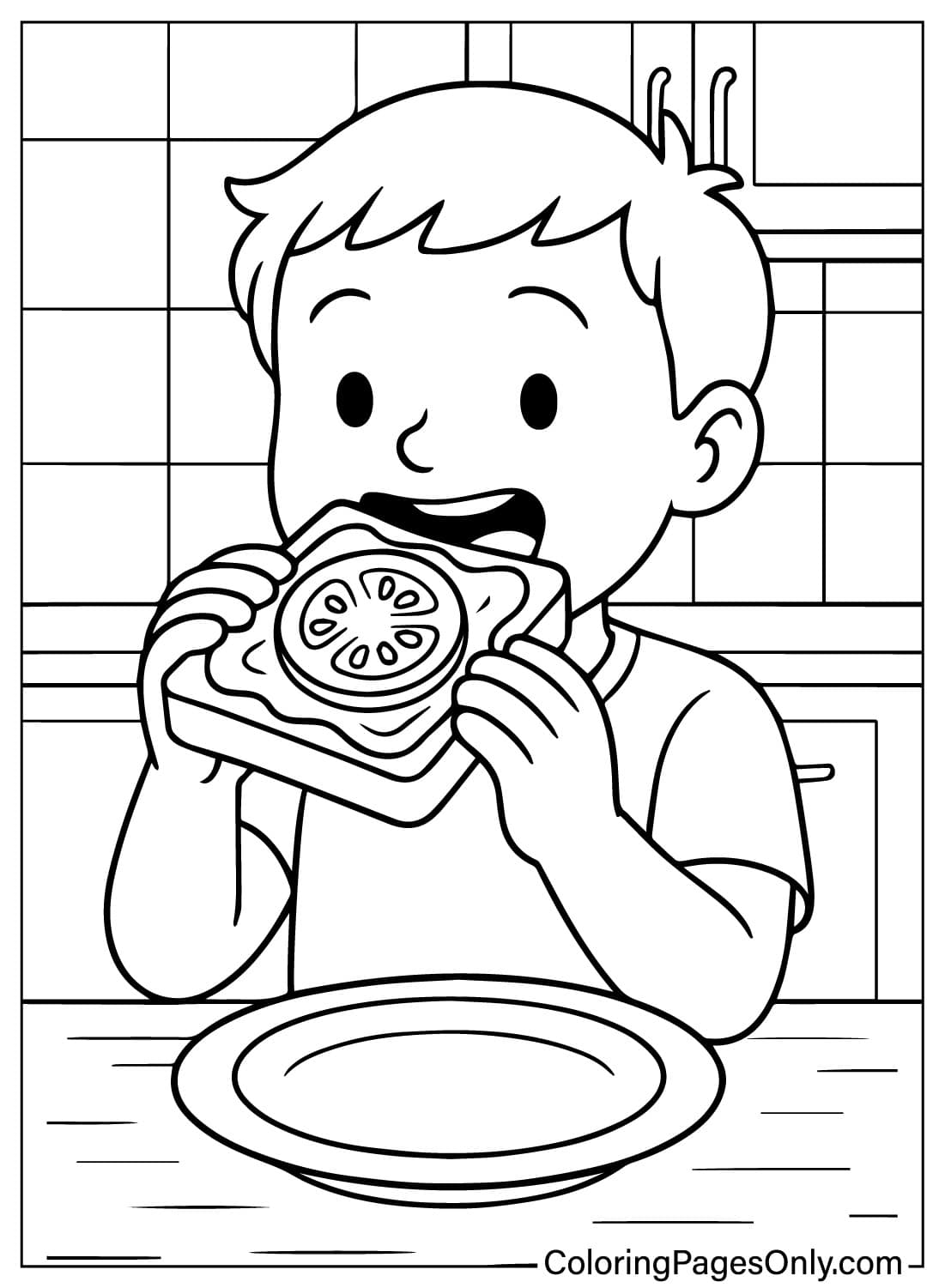
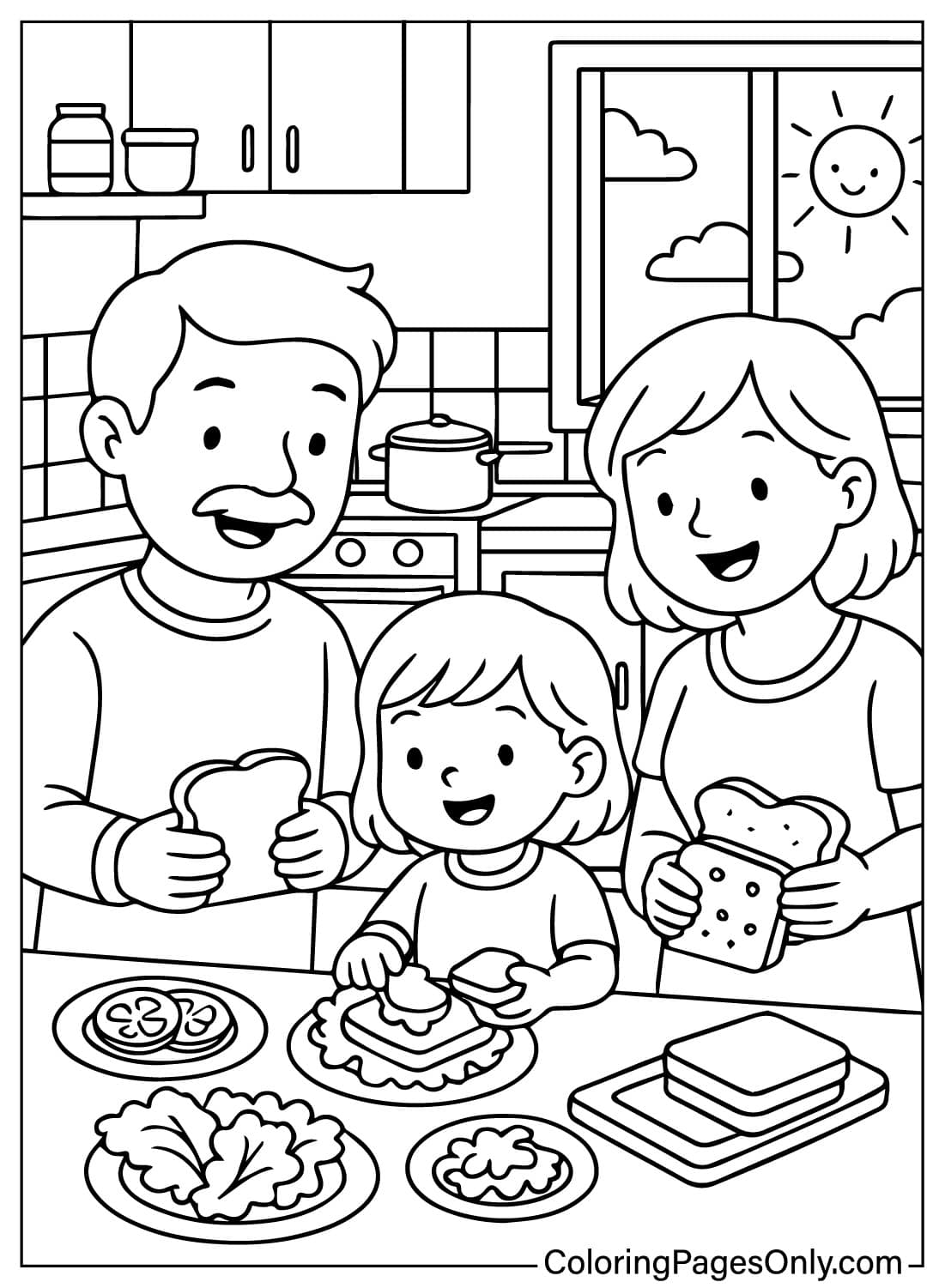
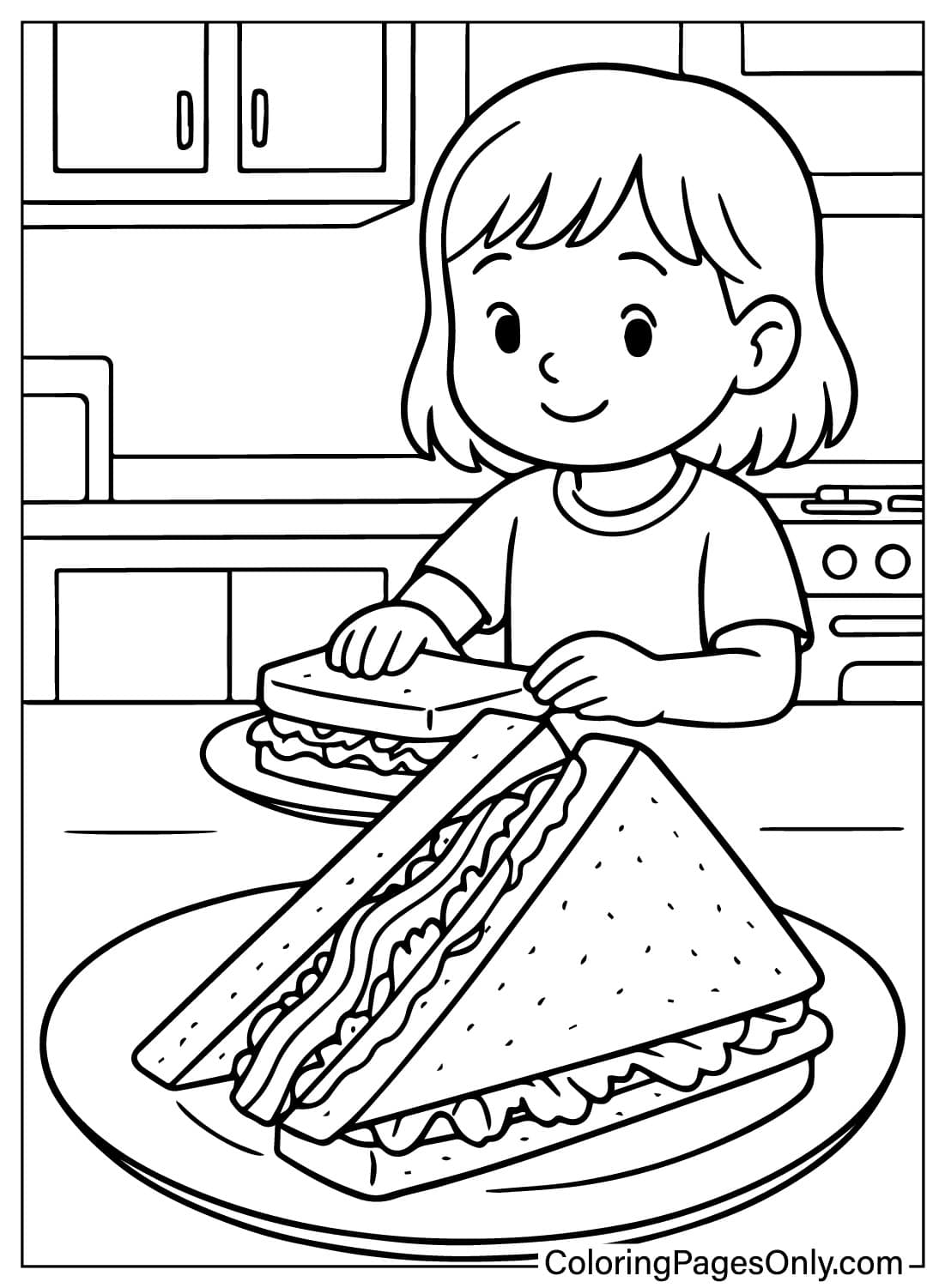
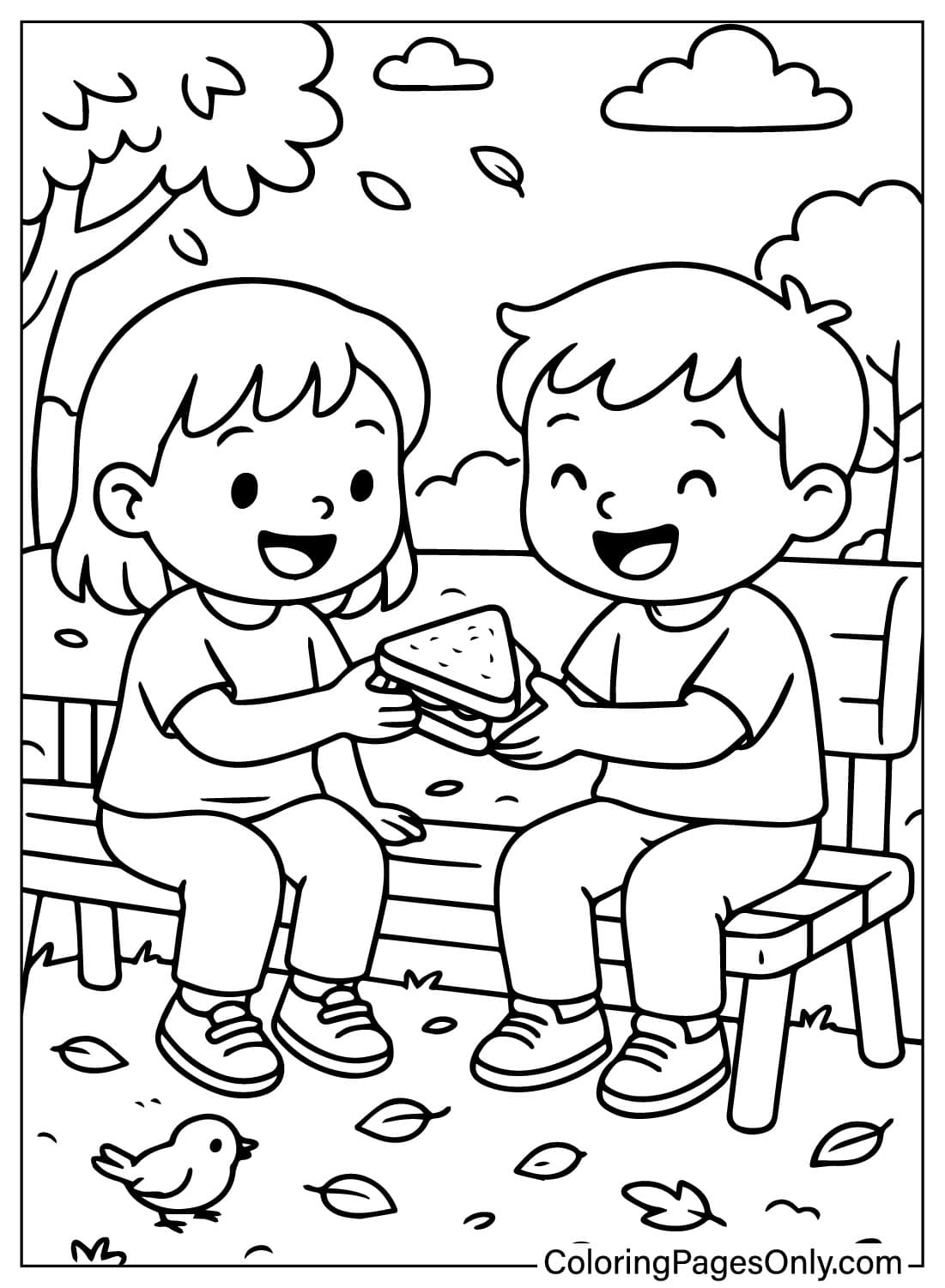
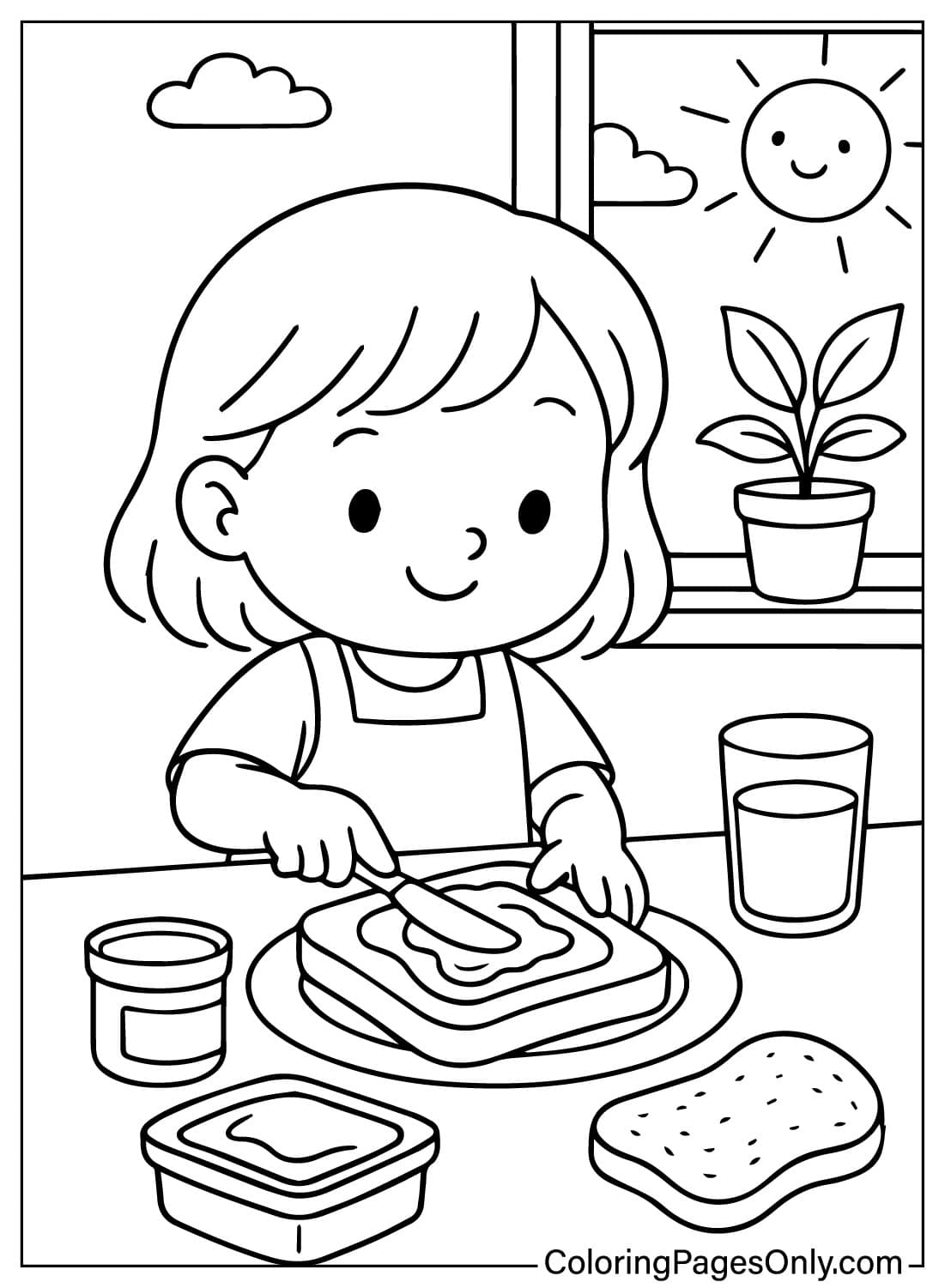
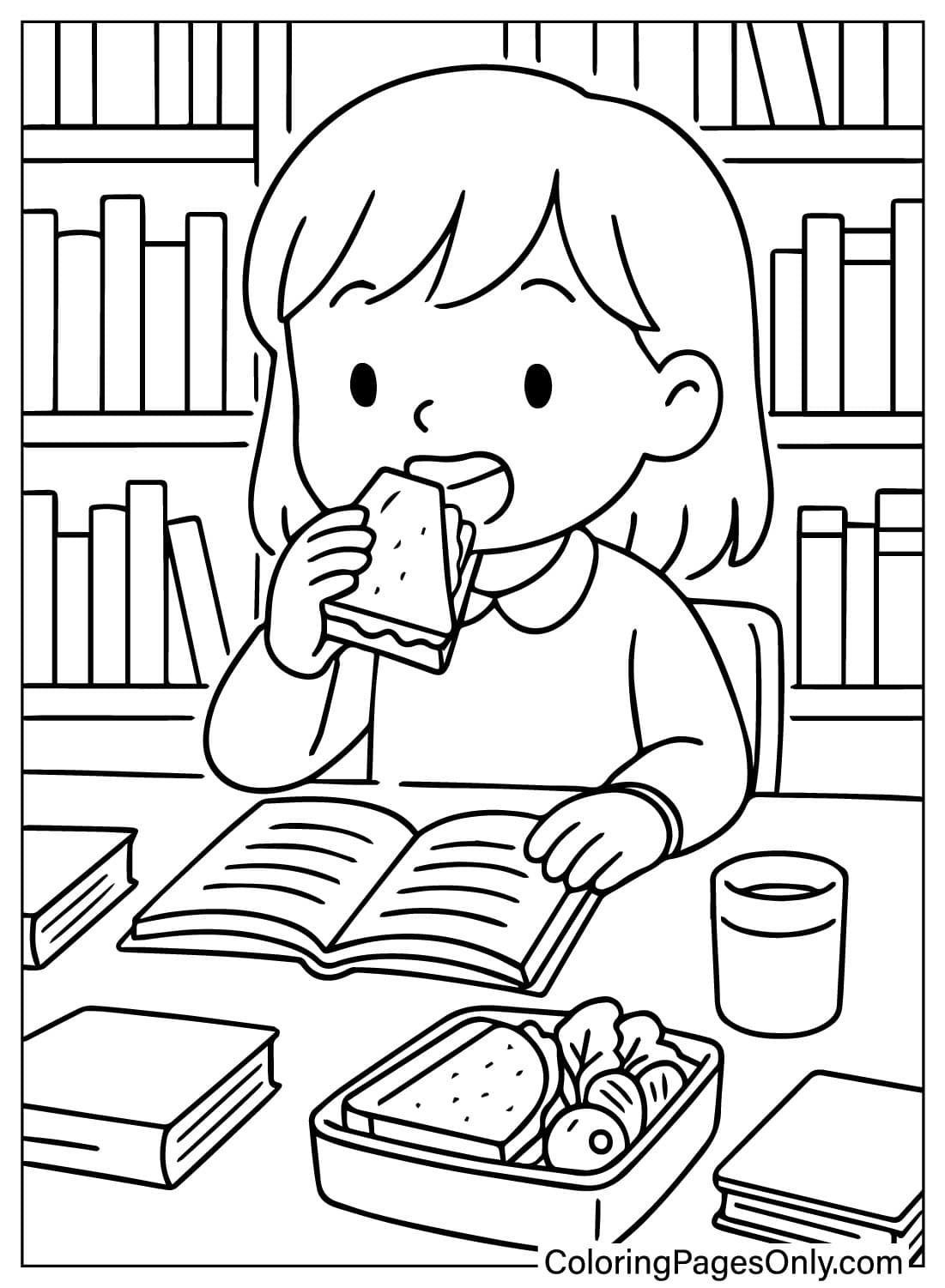
Some pages show children eating sandwiches, making sandwiches, reading while eating, or sharing food. These scenes connect the collection to real family and classroom moments: lunch breaks, after-school snacks, picnic meals, and simple kitchen routines. Pages showing children making sandwiches are especially useful because they show food preparation step by step, from bread to filling to finished lunch.
Coloring kids and lunch scenes: Start with skin tones such as warm peach, honey beige, golden tan, deep sienna, or rich umber, then color clothing with friendly shades like sky blue, tomato red, sunflower yellow, or mint green. Keep the sandwich slightly brighter than the table so it remains the focus. The common mistake is coloring the background too heavily; leave light space around the child’s face, hands, and food.
Cute Cartoon Sandwich Characters
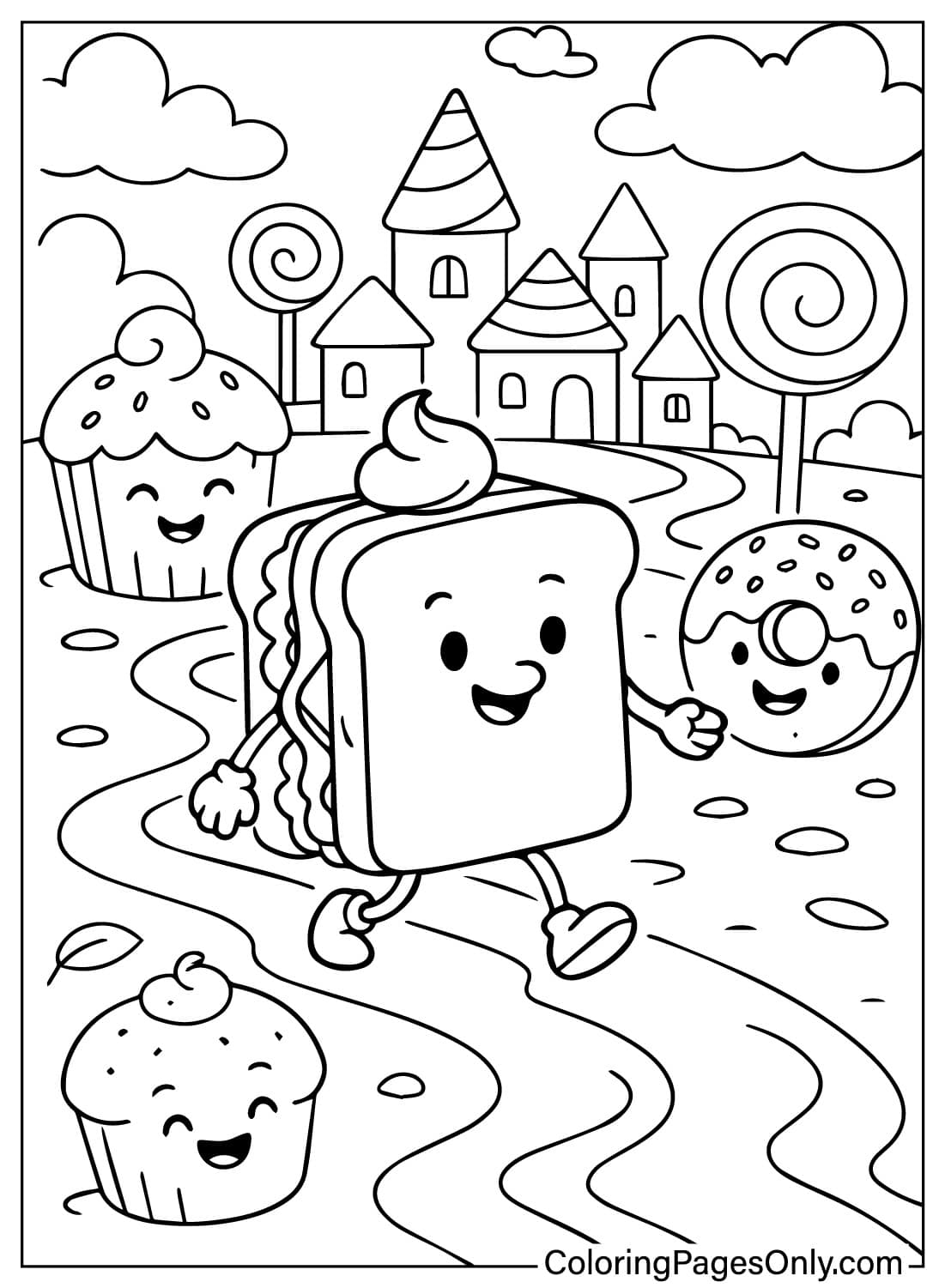
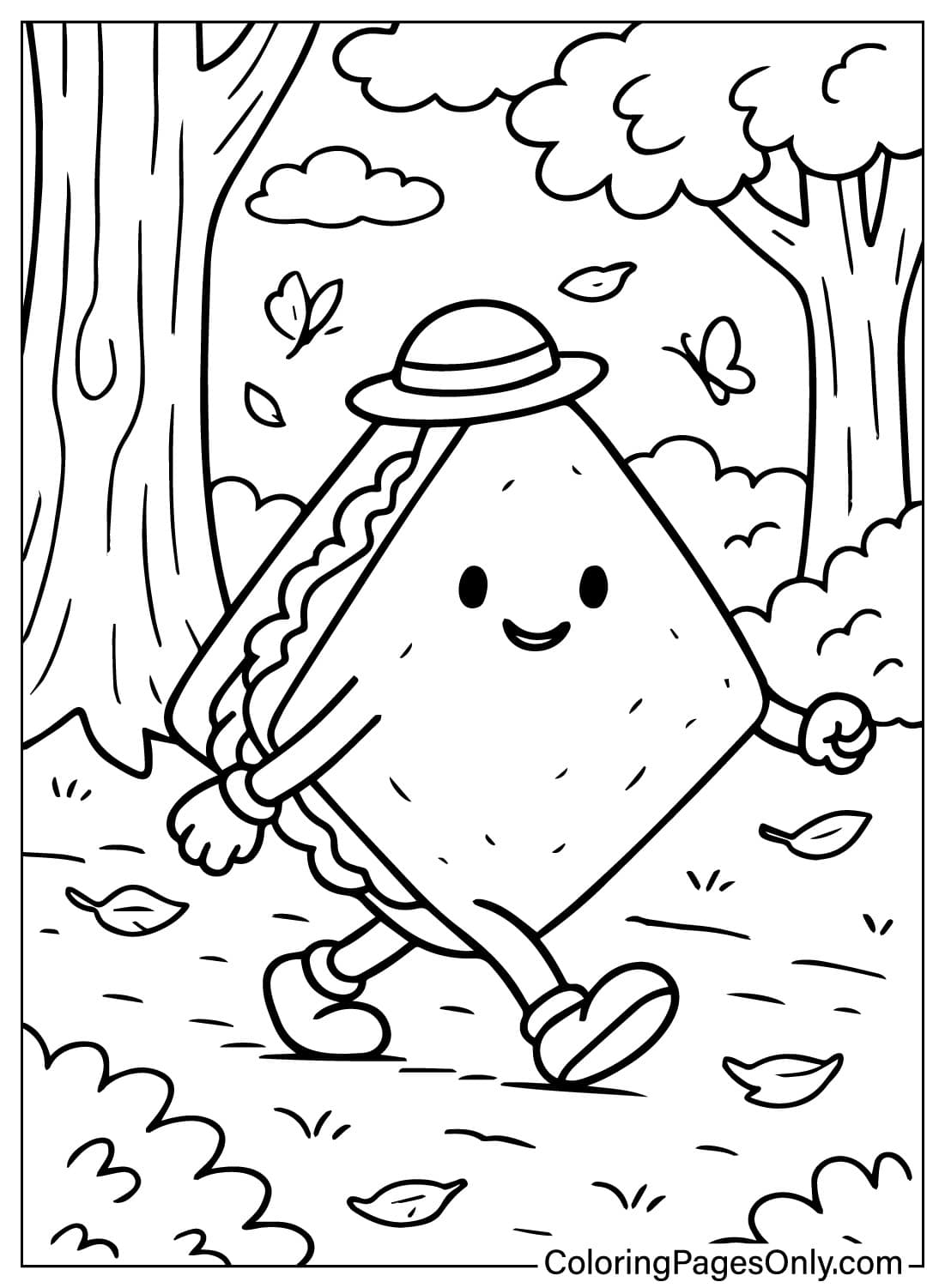
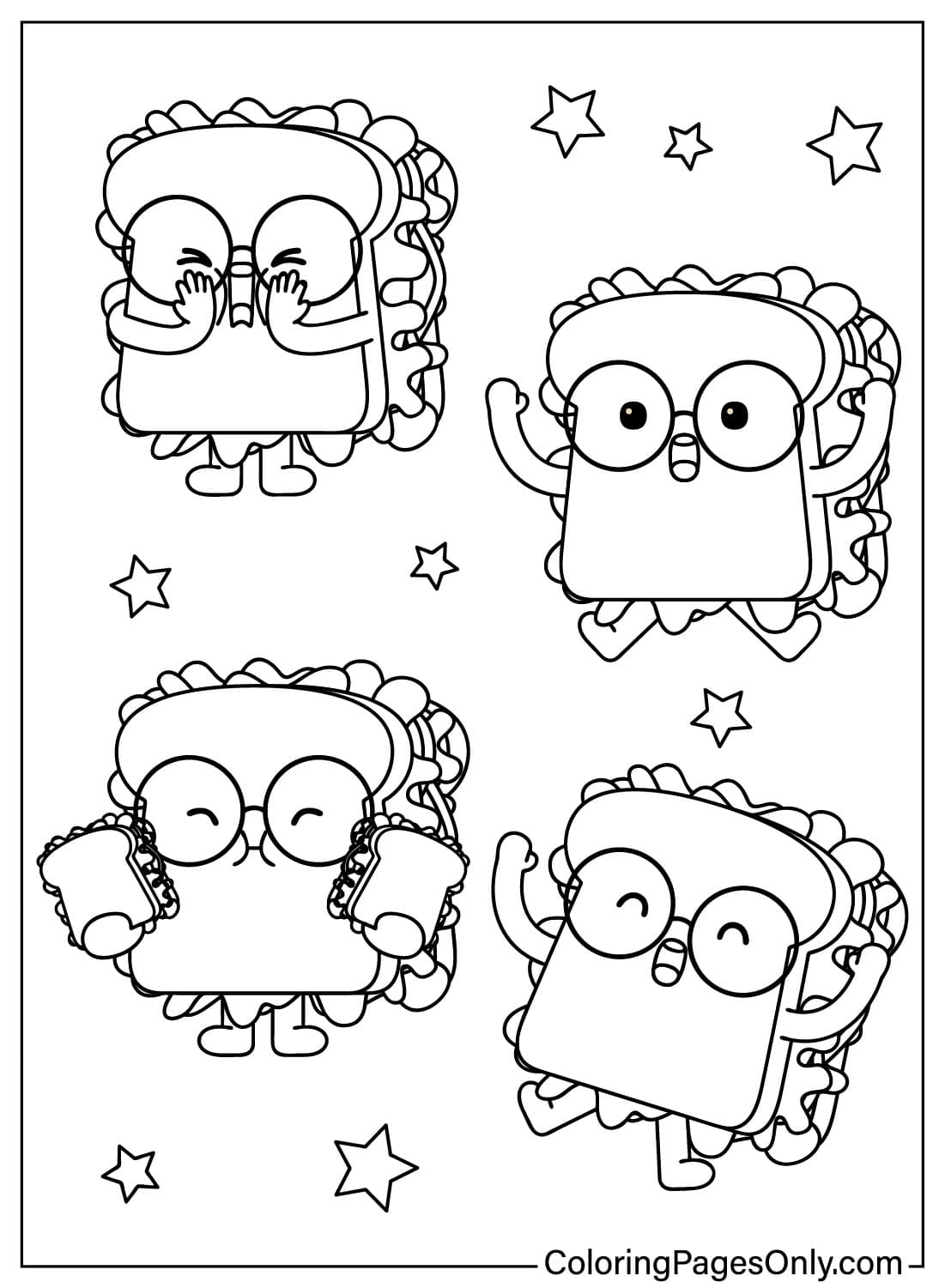
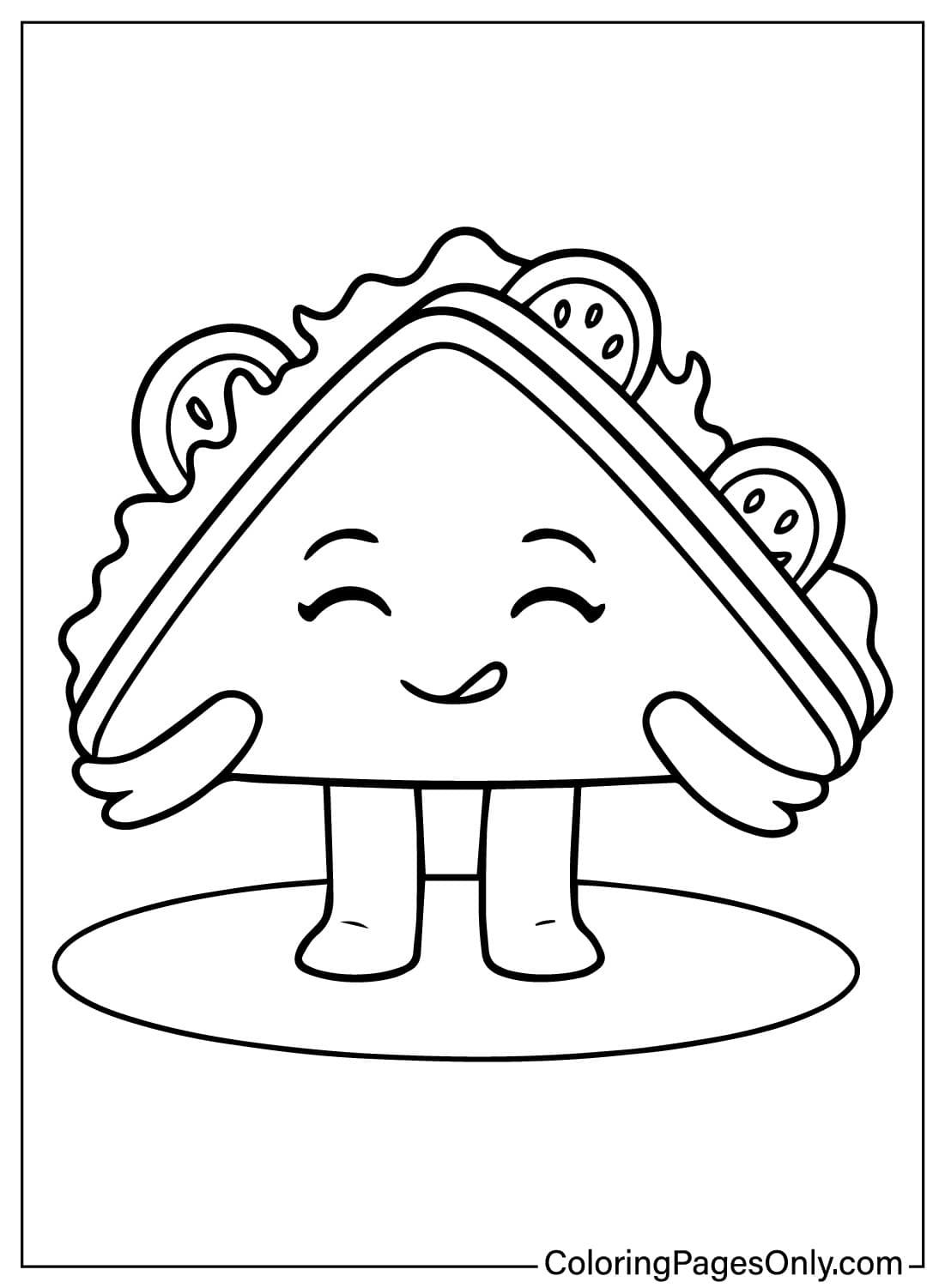
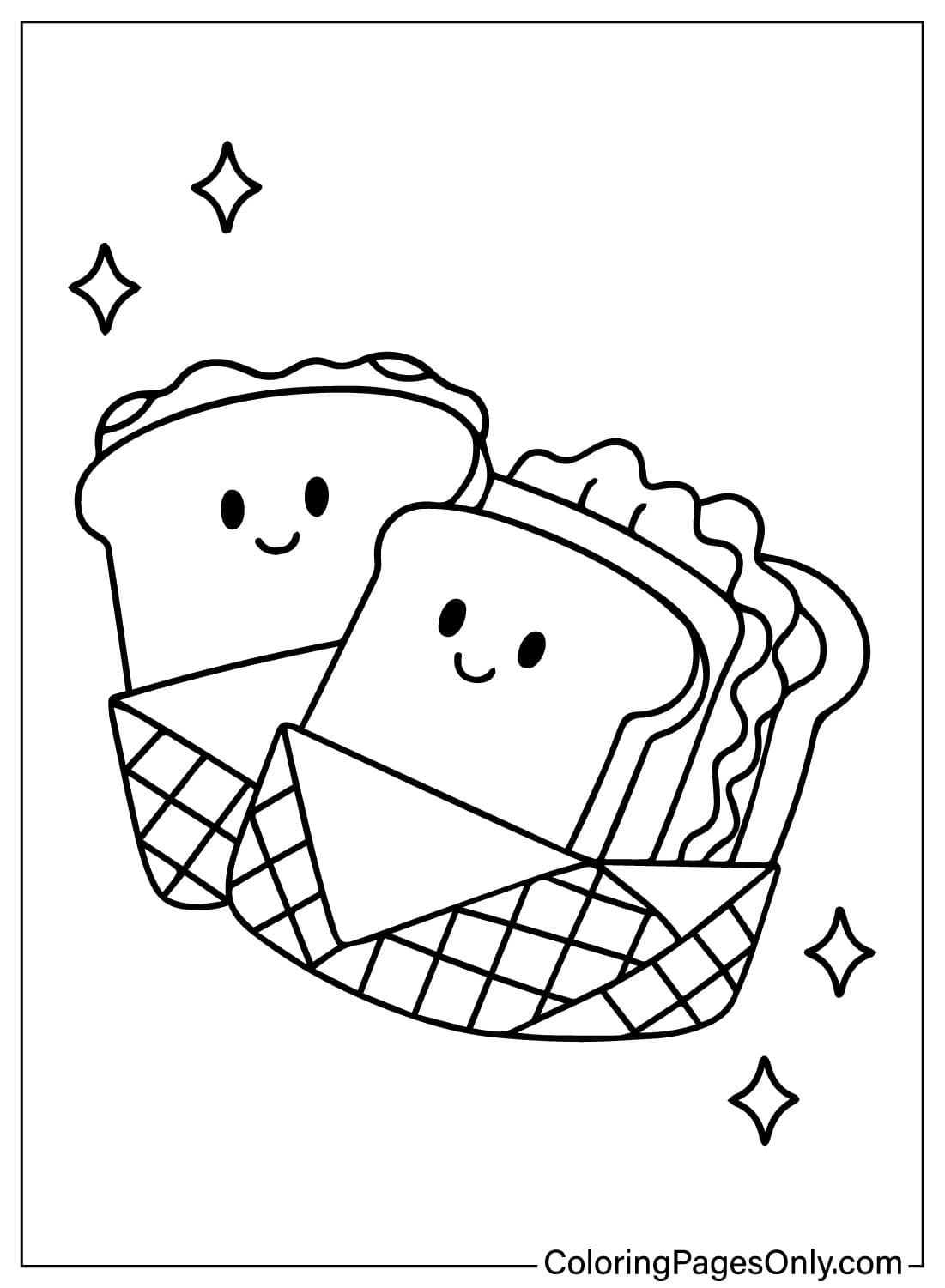
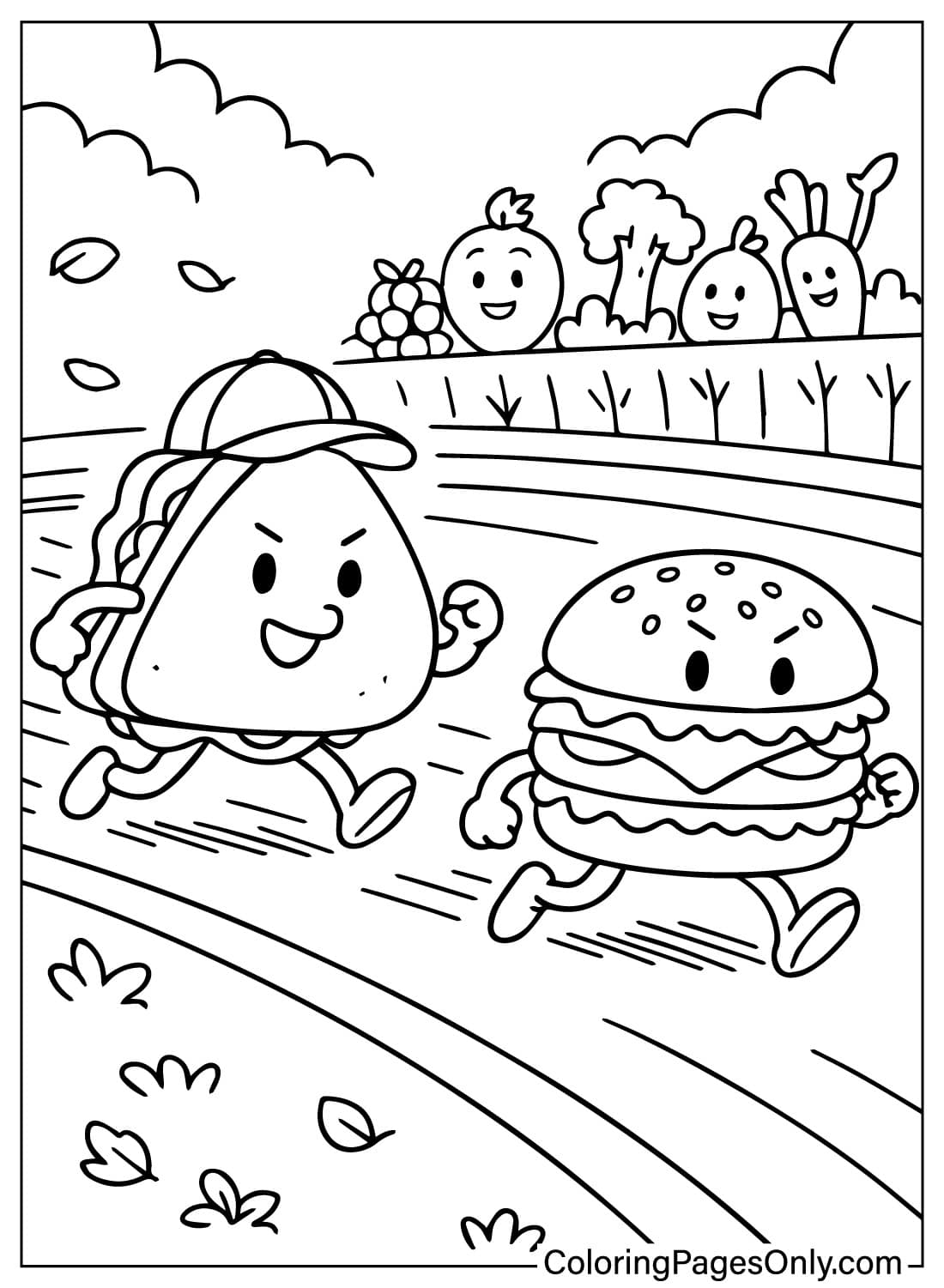
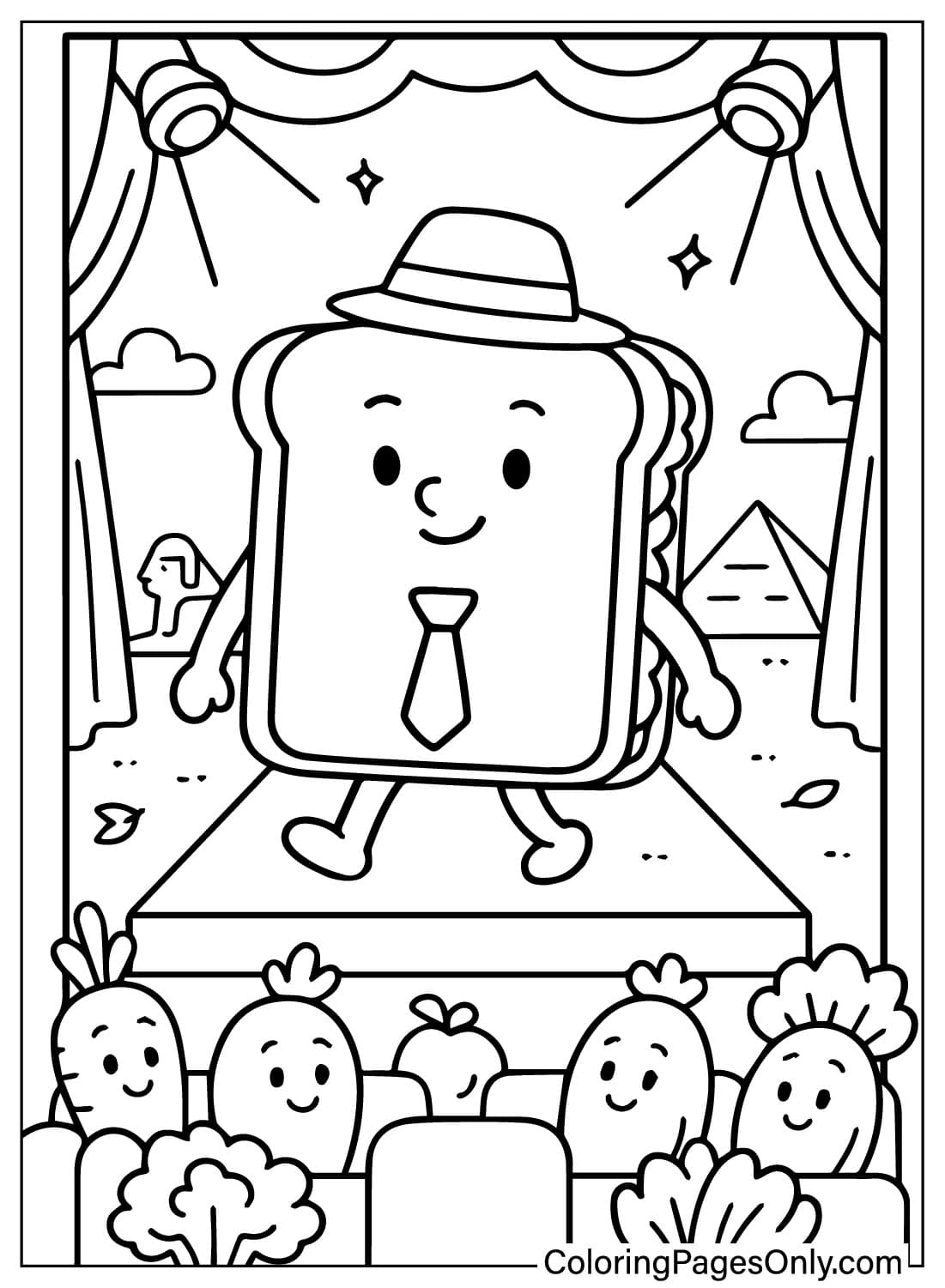
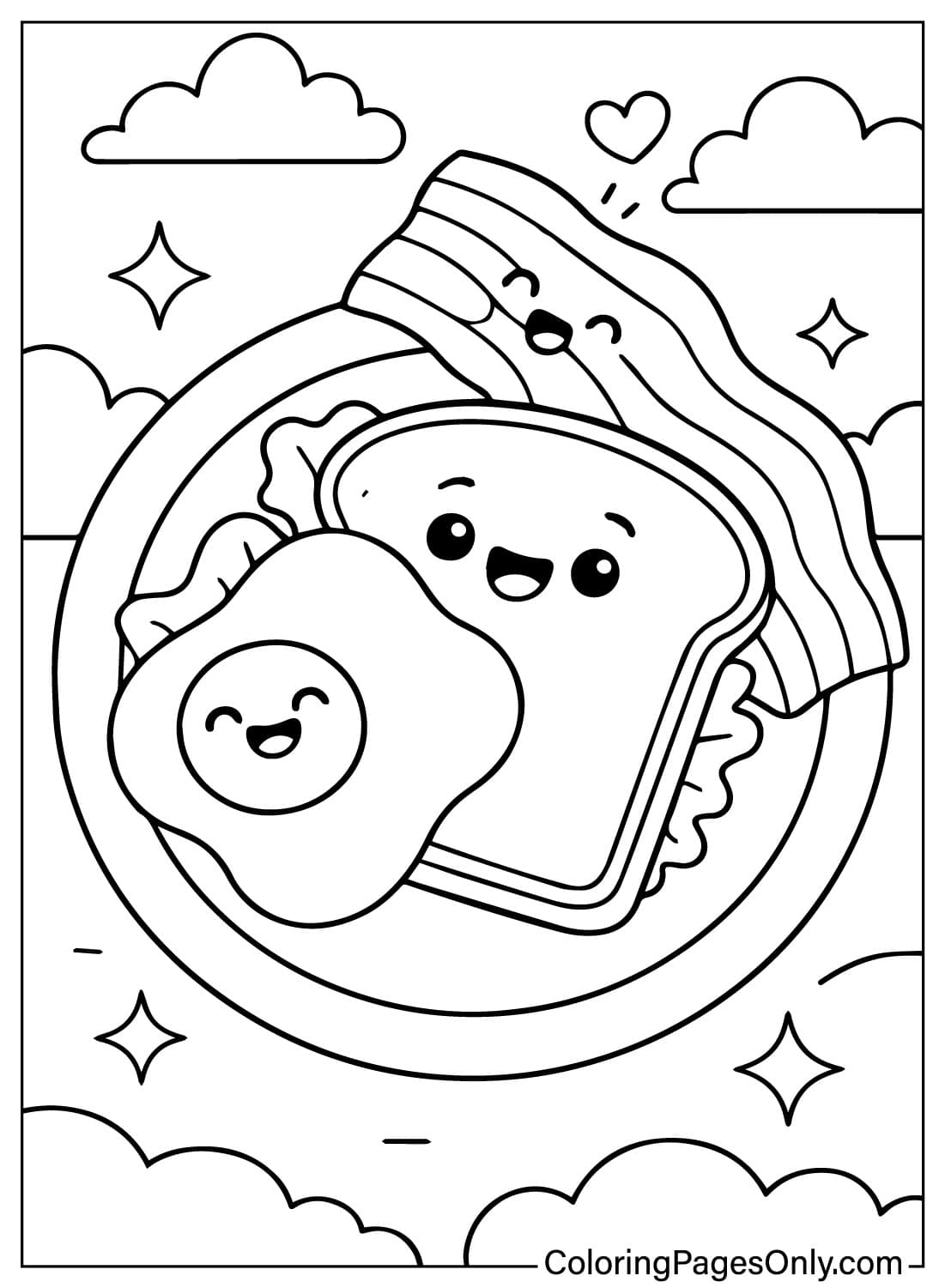
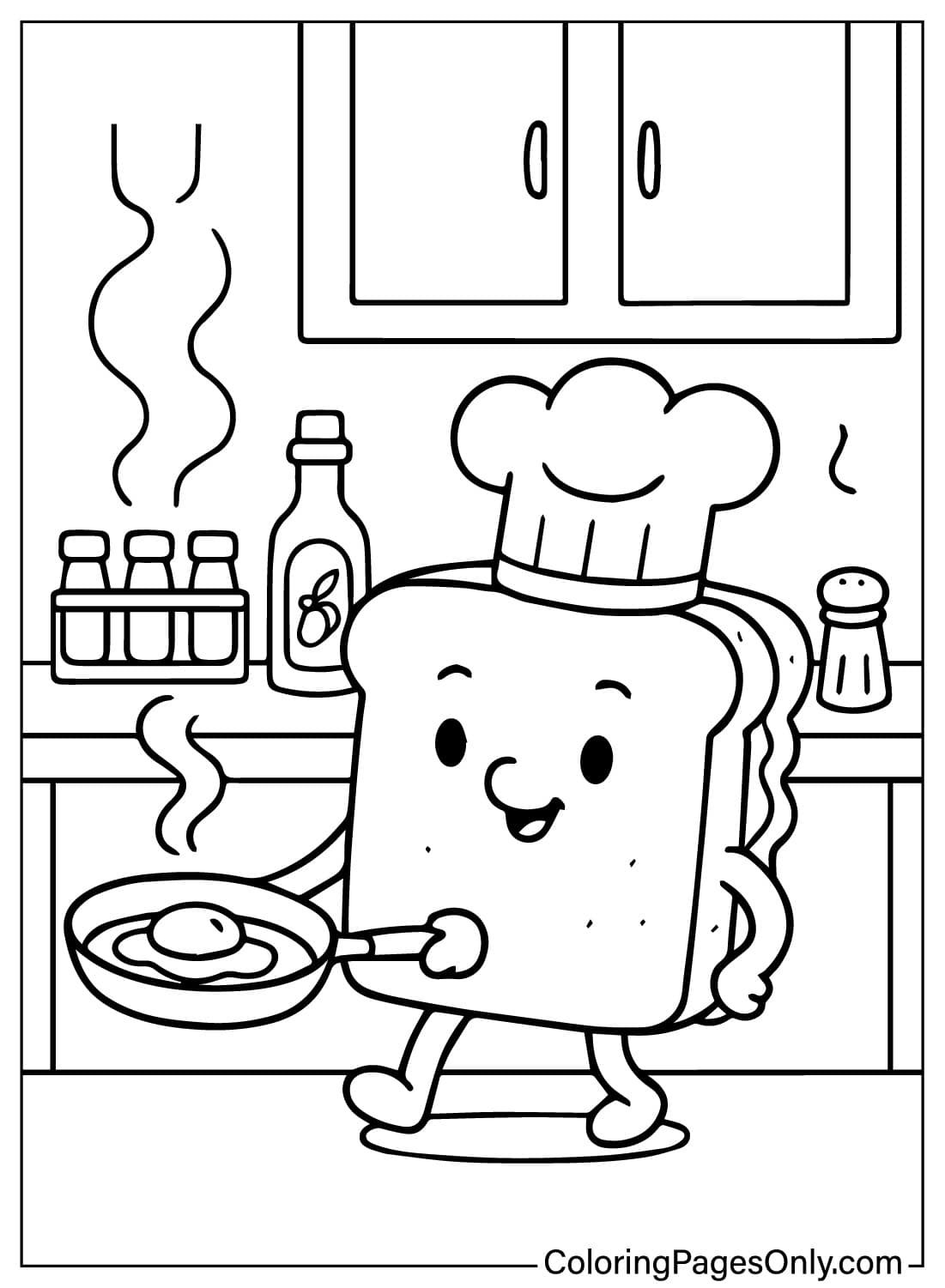
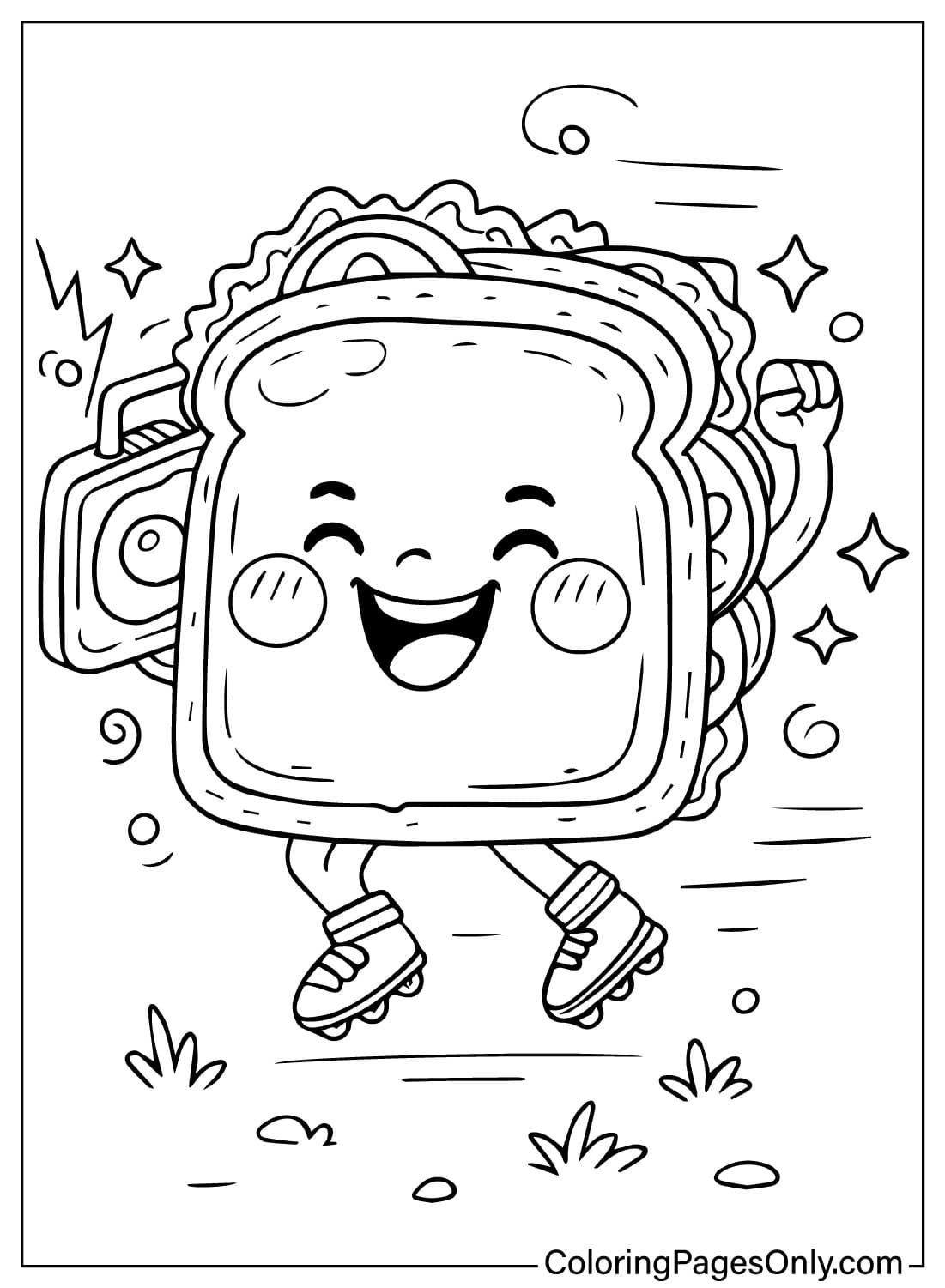
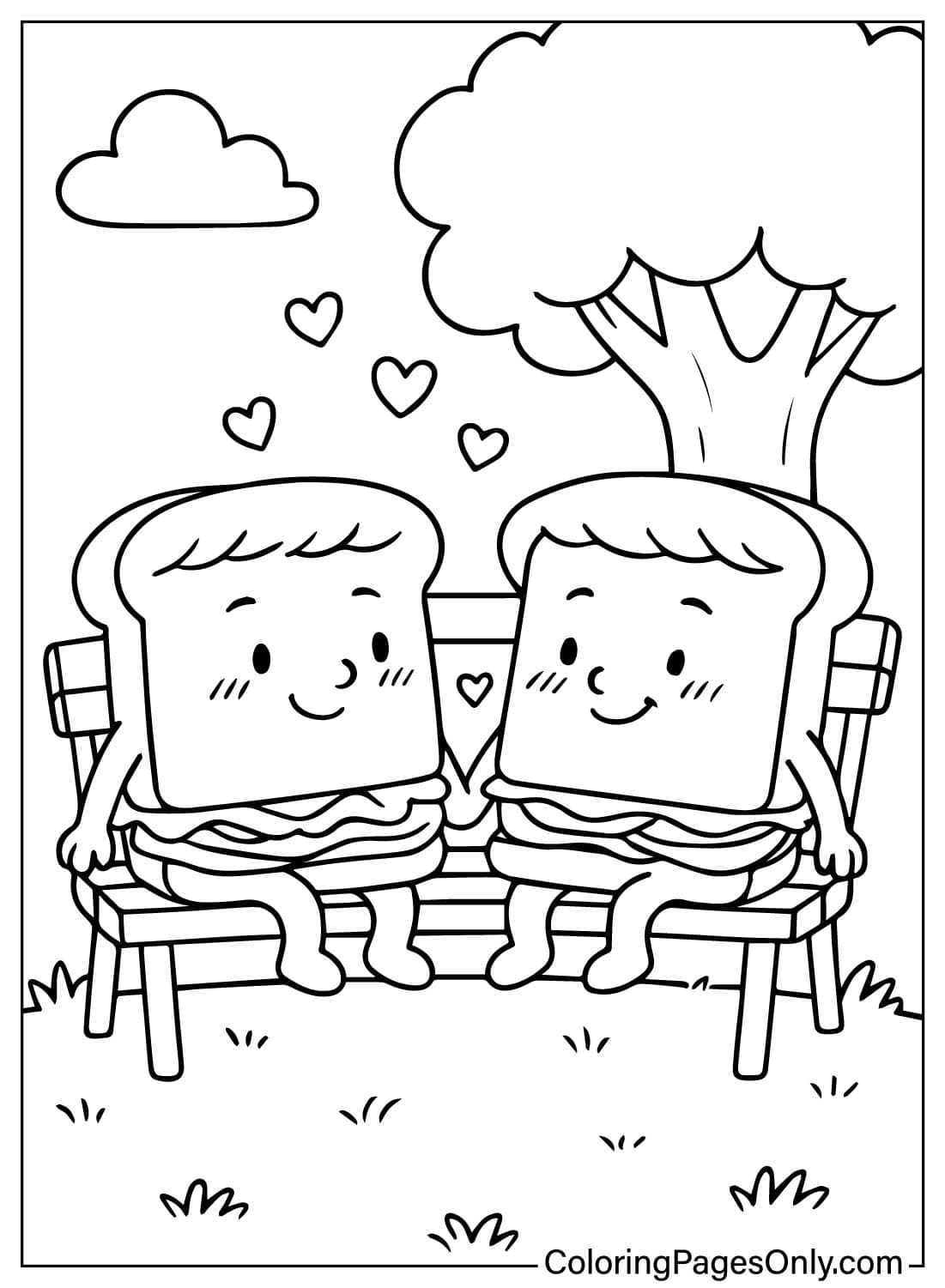
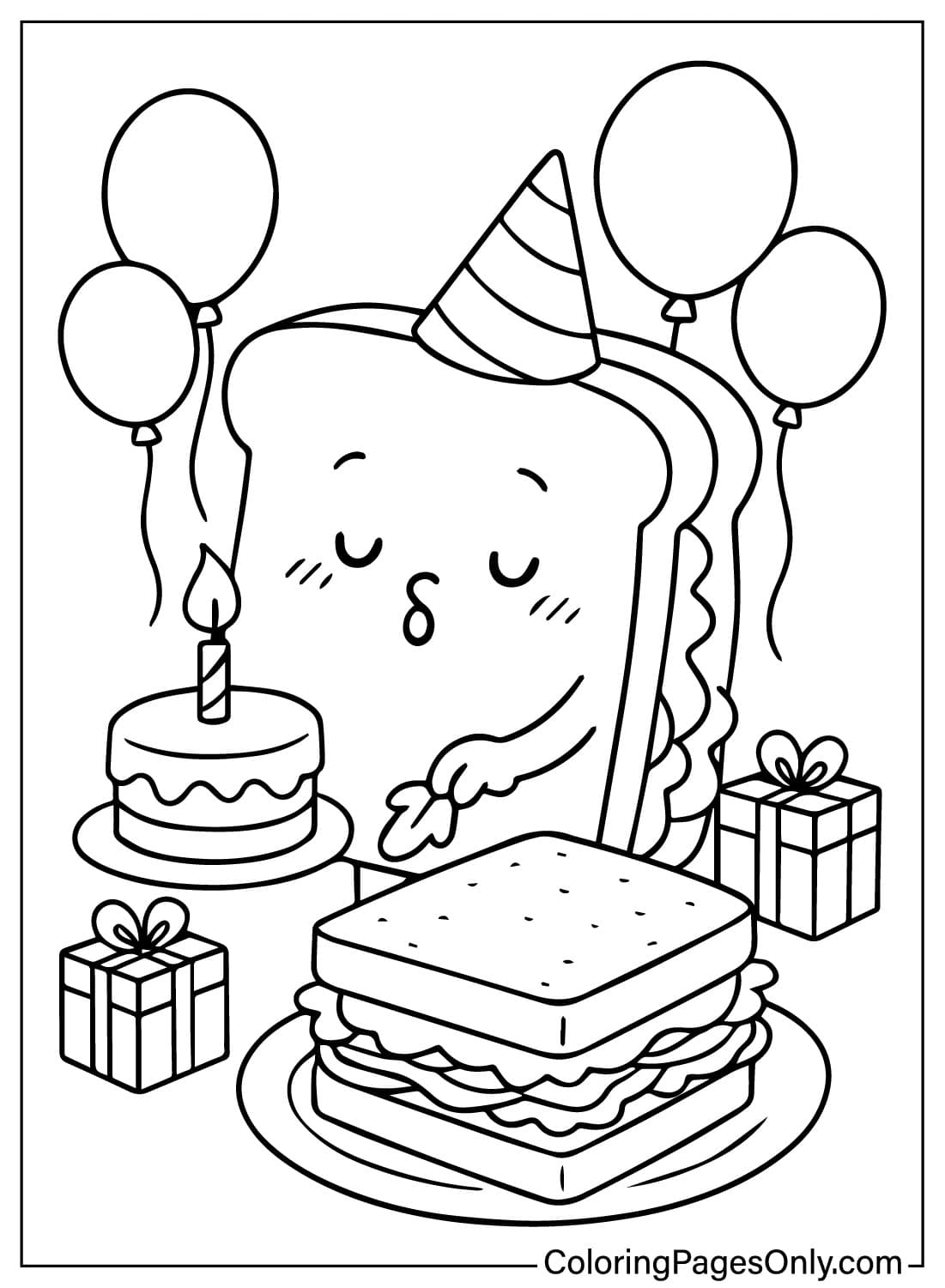
Cartoon sandwich pages turn a familiar lunch food into a character. Smiling sandwiches, dancing sandwiches, walking sandwiches, funny food faces, birthday sandwiches, and playful sandwich characters are especially good for younger children because the expressions are easy to understand. Eyes, cheeks, arms, legs, shoes, and big smiles also make these pages useful for storytelling, greeting cards, and classroom writing prompts.
Coloring cartoon sandwiches: Use warm bread beige for the outside, then add bright filling colors such as cheese yellow, lettuce green, tomato red, pickle green, and soft orange. Keep the eyes, mouth, and cheeks clean by coloring around them slowly. The common mistake is filling the face area too darkly; a light bread color helps the expression stay clear.
Picnic, Family, and Table Scenes
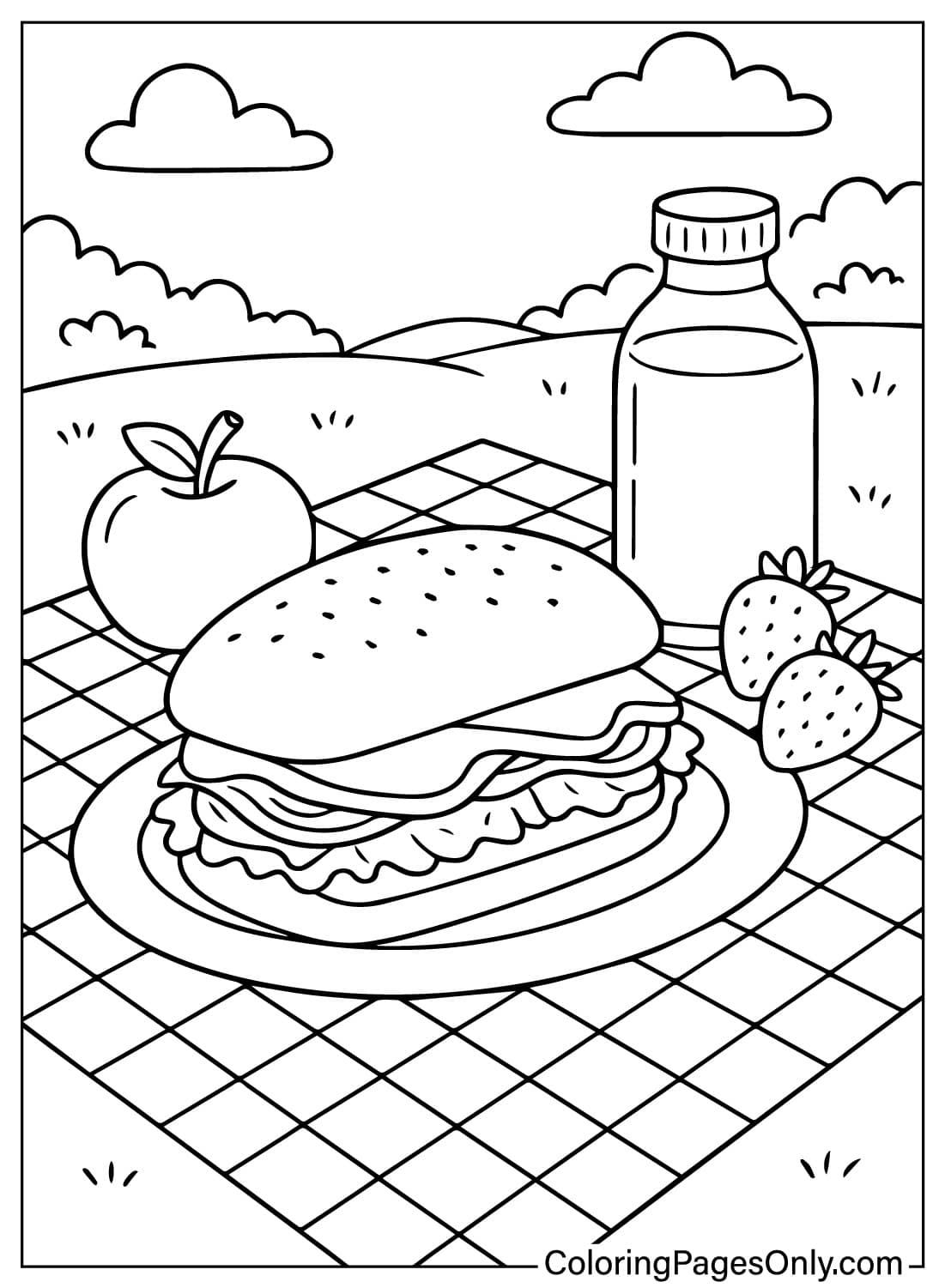
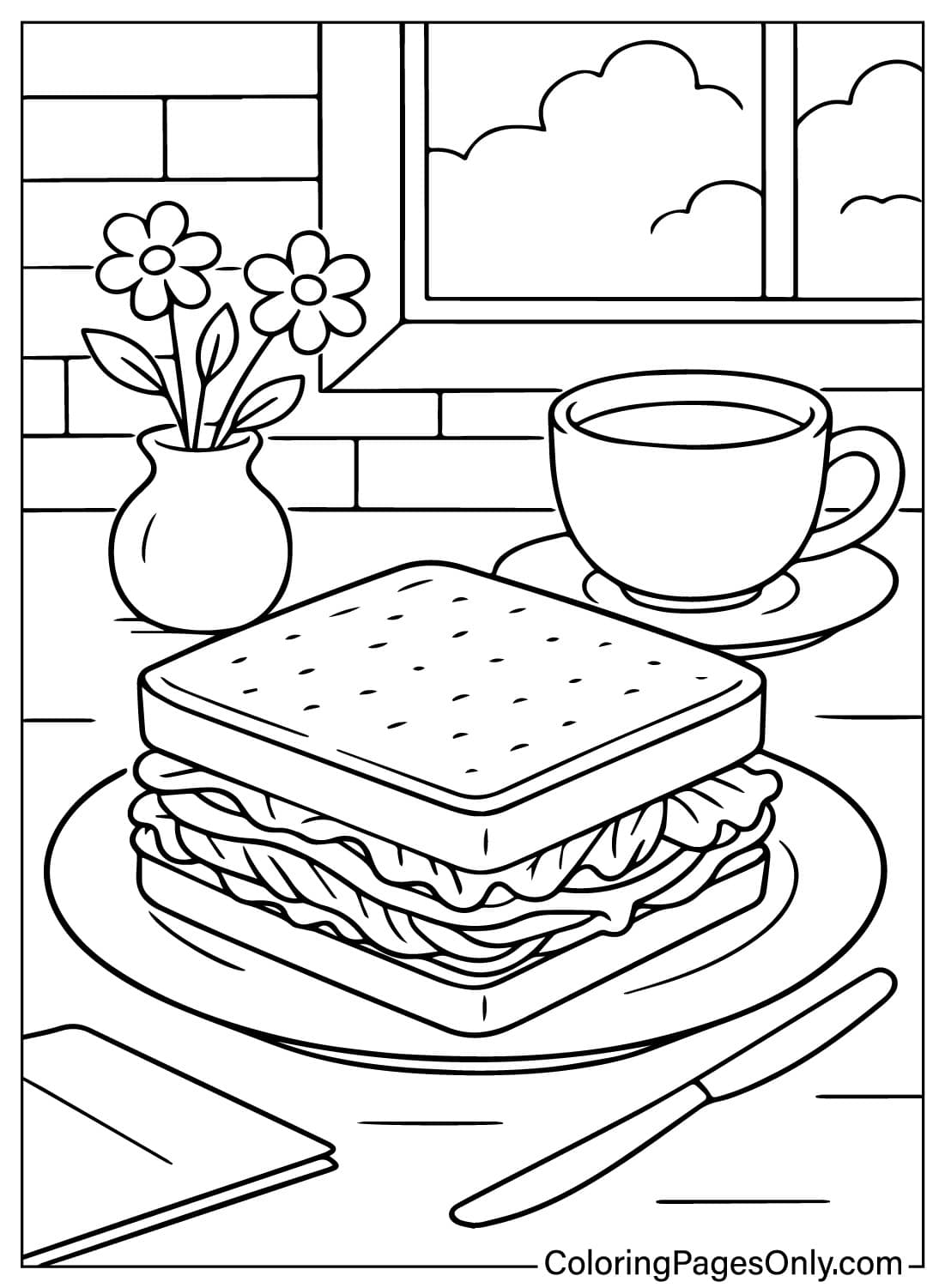
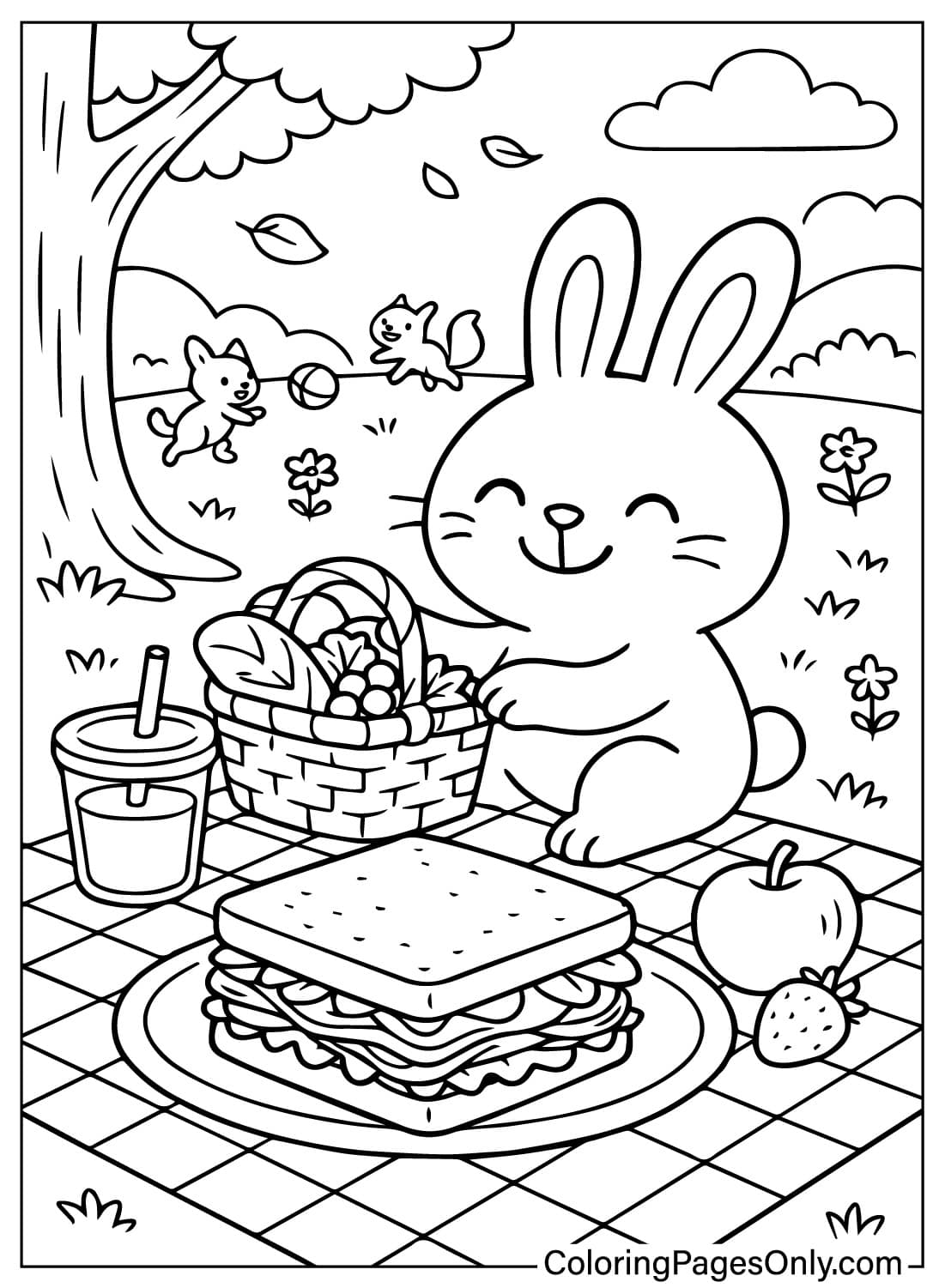
Sandwiches often appear in social settings, and this collection includes picnic sandwiches, family sandwich pages, sandwich-and-tea scenes, lunch tables, baskets, napkins, cups, and plate layouts. These pages are richer than single sandwich sheets because the food sits inside a full scene. Teachers can use them to talk about meals, sharing, seasons, lunch routines, family traditions, and table setting.
Coloring picnic sandwich pages: Use picnic-blanket red, basket tan, plate white, teacup blue, grass green, and warm bread tones. Add checked blanket patterns with light pressure before coloring the food, then keep plates and napkins pale so the sandwich stands out. The common mistake is making the entire table or blanket too dark; the setting should support the food, not overpower it.
Creative, Animal, and Adventure Sandwich Pages
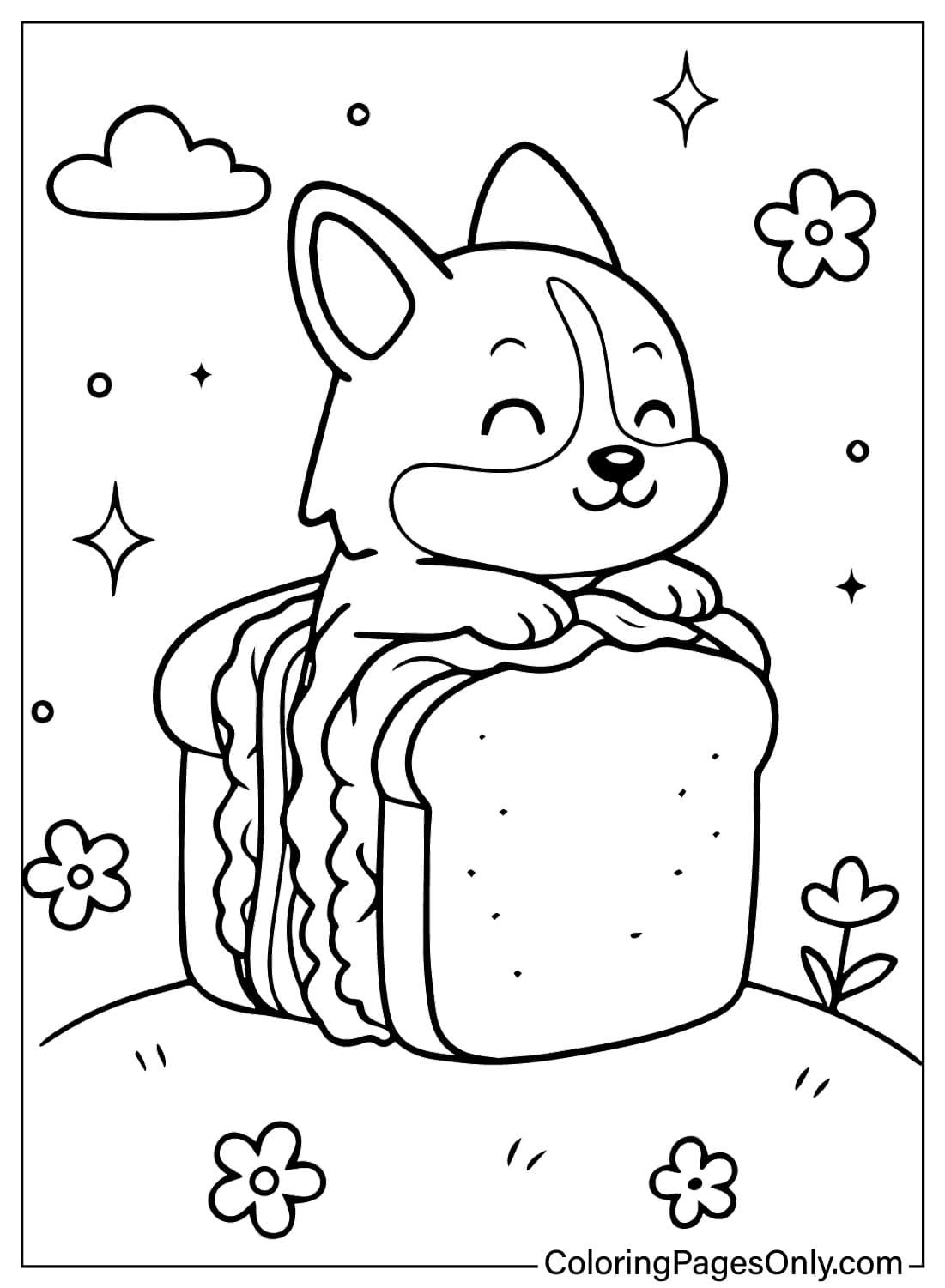
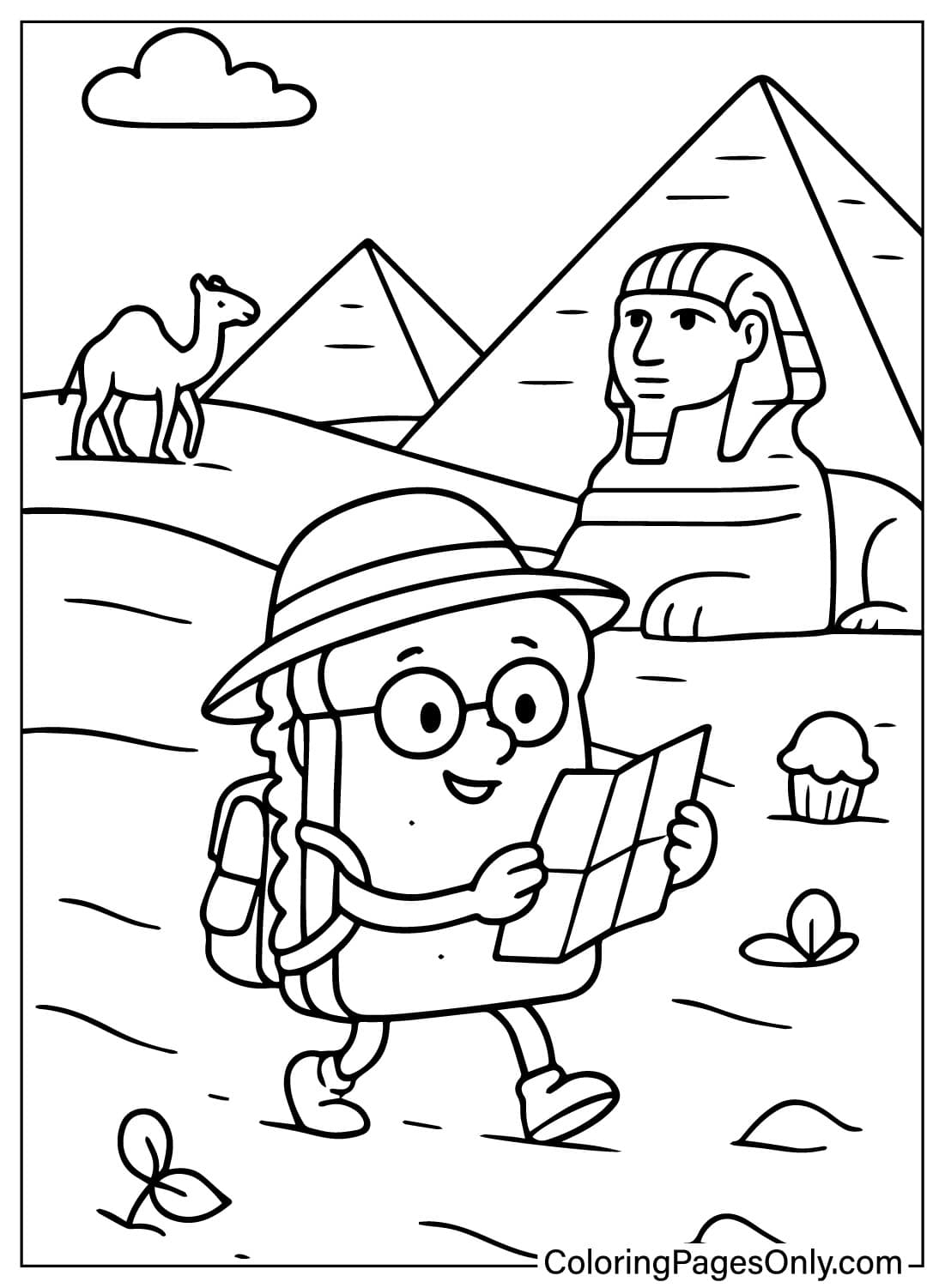
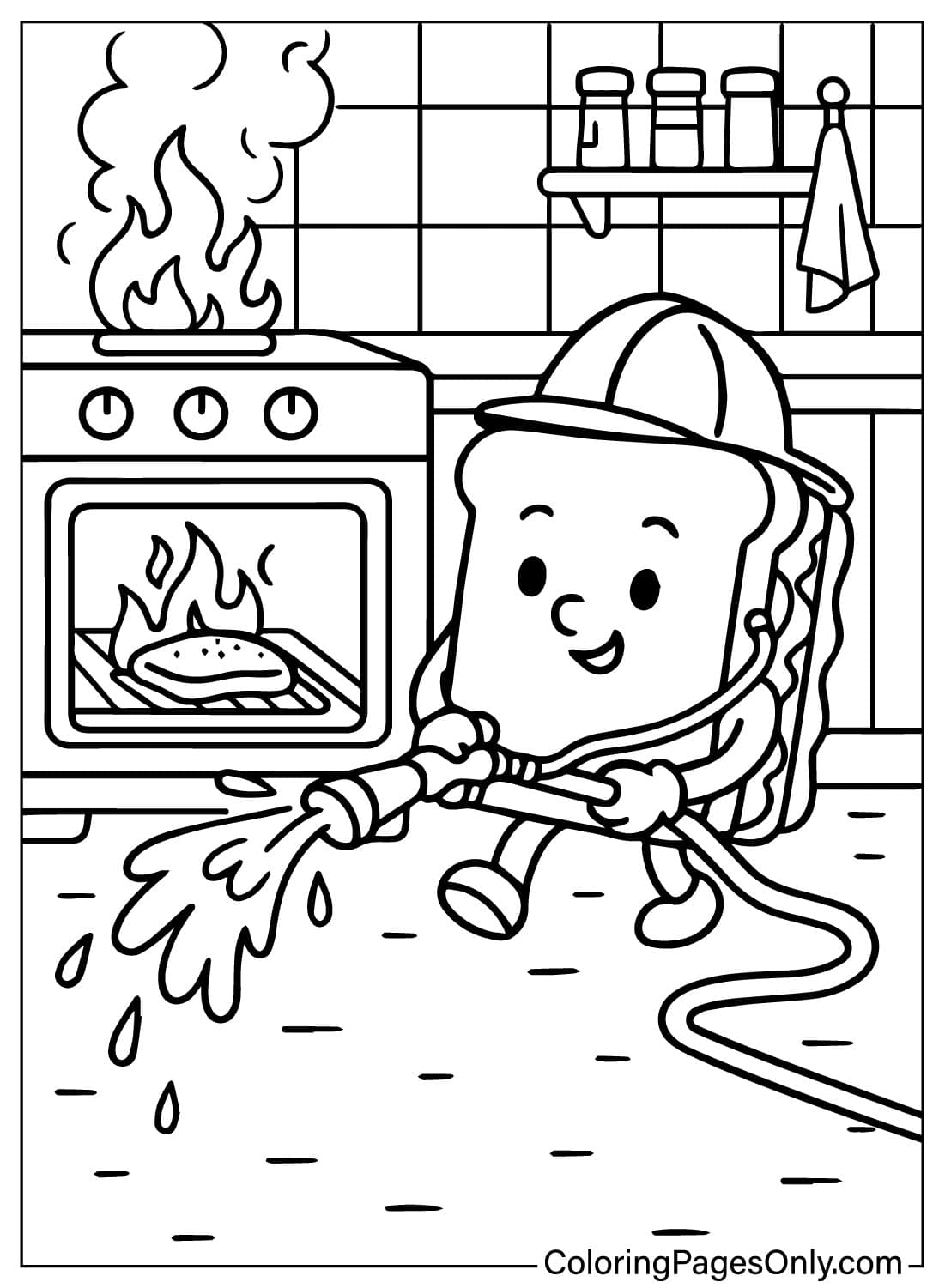
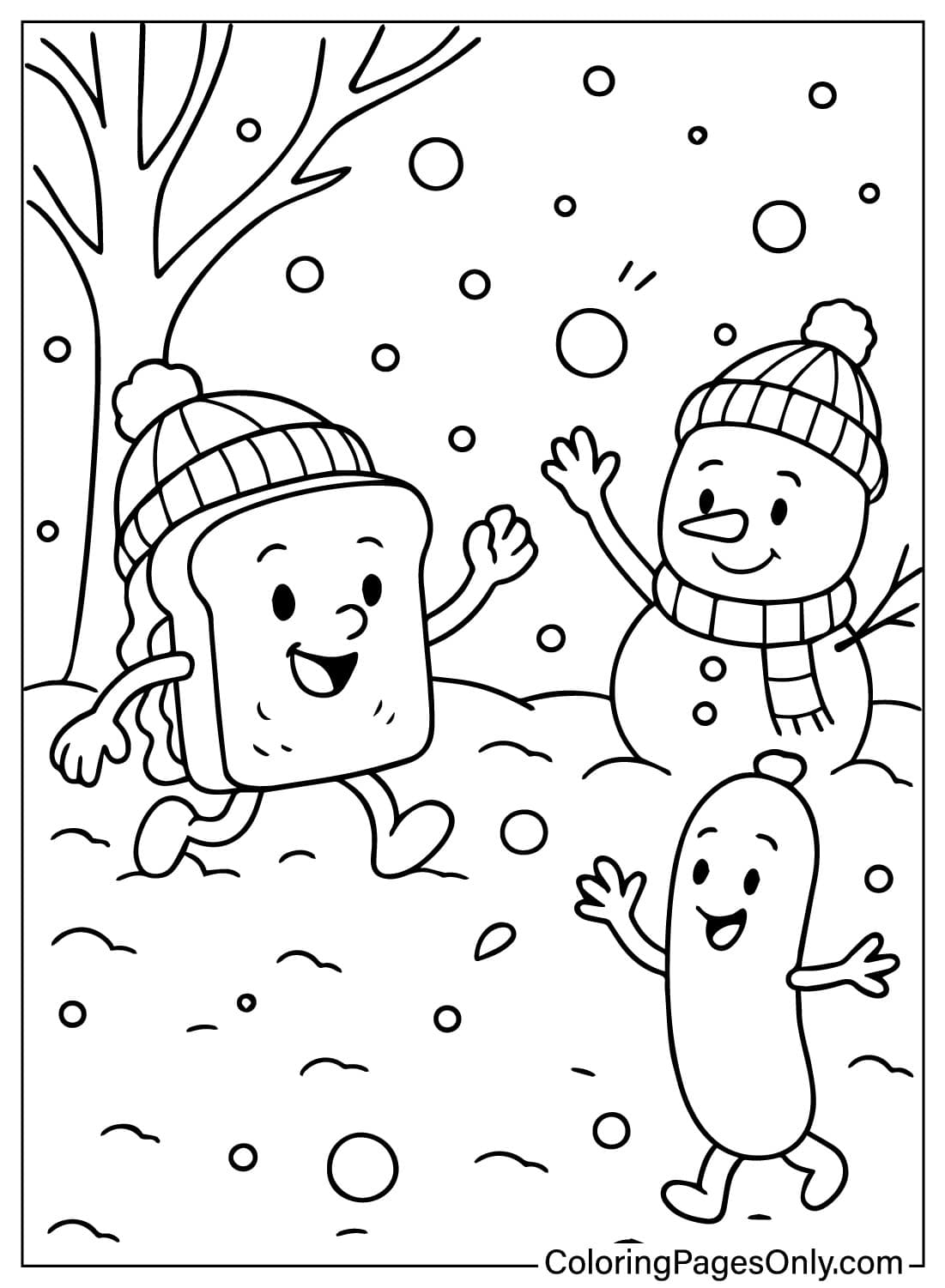
Some pages move into imaginative food storytelling: a puppy with a sandwich, a bunny with a sandwich, a sandwich in Candyland, a sandwich discovering the Pyramid of Giza, a firefighter sandwich, and seasonal sandwich scenes. These are not ordinary lunch pages; they are sandwich character pages designed for humor, imagination, and storytelling. Children can decide where the sandwich is going, what it is doing, and what kind of world surrounds it.
Coloring creative sandwich scenes: Choose one main setting palette first: sand beige and sky blue for desert scenes, candy pink and mint green for sweet fantasy scenes, or winter blue and soft grey for cold-weather pages. Keep the sandwich colors consistent so the character remains recognizable in every setting. The common mistake is using too many unrelated bright colors; choose one background mood and let the sandwich stay the star.
What These Pages Do
Sandwich coloring pages connect children to a familiar food they often see at home, school, cafés, lunchboxes, and picnics. Because sandwiches are built from visible layers, they are easy for children to understand: bread on the outside, fillings in the middle, and small details like seeds, cheese edges, lettuce curls, tomato slices, or crust lines. That makes the theme useful for food vocabulary, lunch routines, pretend play, and simple conversations about meals.
These pages also teach design through stacking, layering, shape, and contrast. A sandwich page can show horizontal layers, triangular cuts, rounded bread corners, diagonal plate shadows, repeated sesame seeds, or a checkered picnic blanket. A cartoon sandwich page adds facial expression and character design, while a picnic scene adds objects around the food. These visual structures help children practice composition and object recognition without needing a complicated scene.
The American Academy of Pediatrics identifies fine motor skill development as a key milestone throughout early childhood. HealthyChildren.org, the parenting site from the American Academy of Pediatrics, lists coloring with crayons or chalk among quiet-time activities that can help improve a 3-year-old child’s hand abilities. Sandwich pages support that development through bread outlines, filling layers, plate edges, napkin patterns, small seeds, cup handles, character faces, and table details.
The 2005 Art Therapy Journal study on structured coloring and anxiety reduction applies well to sandwich pages with clear, repeated shapes. Bread slices, filling layers, picnic blanket checks, plate rims, table lines, seeds, ingredient categories, and cartoon faces give children organized areas to color. This kind of structured coloring can feel calm and manageable because the subject is familiar, friendly, and easy to finish.
How to Color These Pages Well
Build the sandwich from the bread inward. Start with toasted beige, wheat brown, or honey tan for the bread, then add fillings one at a time. Use cheese yellow, lettuce green, tomato red, cucumber green, and soft pink or warm brown for protein layers. The common mistake is coloring all layers too similarly; a good sandwich page needs clear separation between bread and fillings.
Make lettuce and vegetables look fresh. Lettuce works best with light green first, then darker green along curled edges and folded corners. Tomatoes should be bright red with a tiny white highlight near the seed pockets. Pickles and cucumbers can use yellow-green or cool green. Test strong reds and greens on scrap paper first because heavy pressure can overpower small food details.
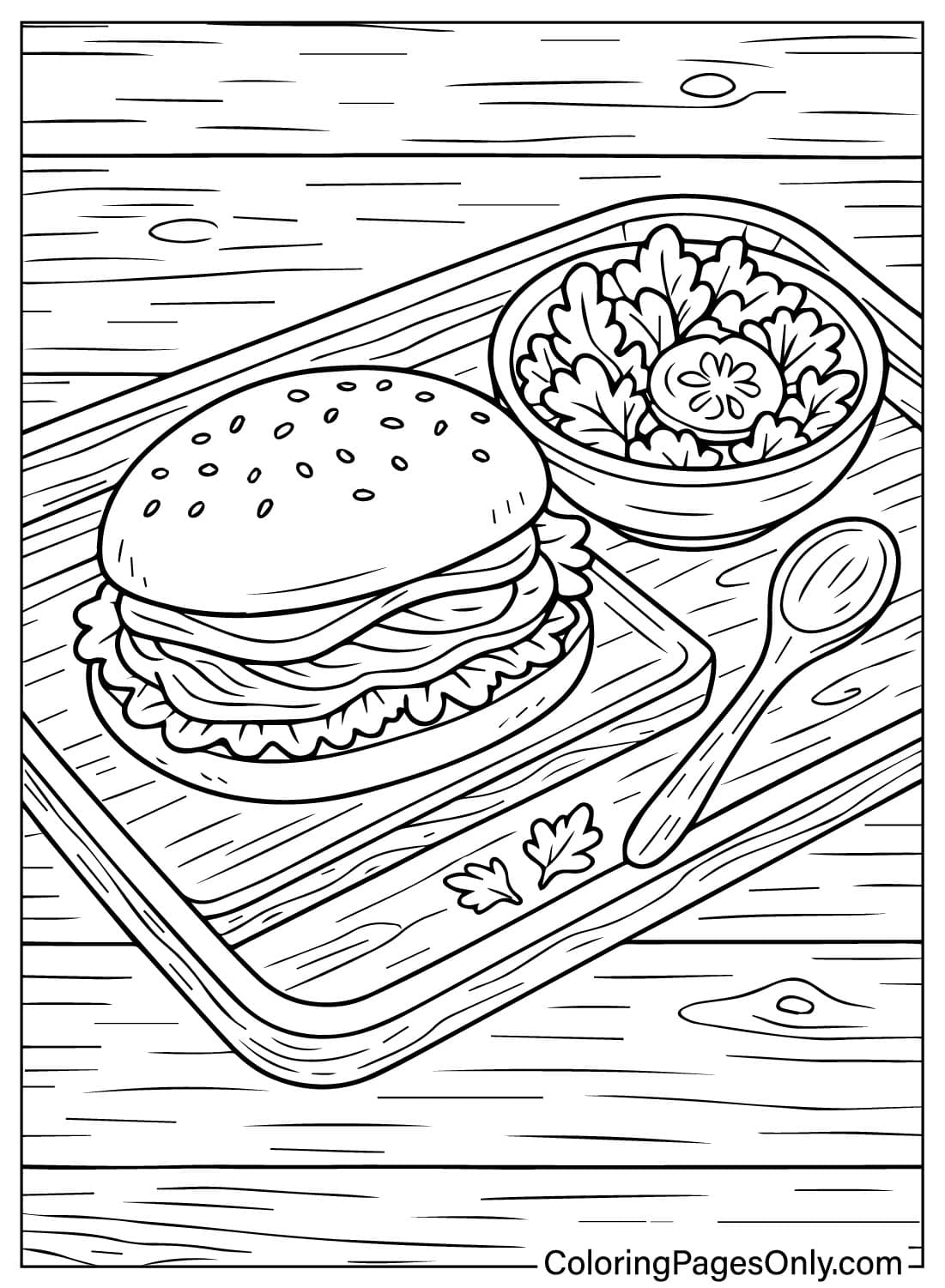
Use bread texture carefully. Add small tan dots, light brown crust edges, or gentle shading near the corners to make bread look toasted. For buns, keep the top lighter, shade under the curve, and add sesame seeds last. The common mistake is making bread too dark; sandwiches look more appetizing when the bread stays warm and light.
Keep cartoon faces clean. For smiling sandwich characters, color the food layers first, but leave the eyes, mouth, and cheeks untouched until the end. Add blush pink to cheeks only with very light pressure. If the face area becomes too dark, the expression disappears.
Balance table and picnic backgrounds. Plates, napkins, cups, baskets, and blankets should support the sandwich rather than compete with it. Use light plate grey, basket tan, picnic red, sky blue, or soft cream for backgrounds. For checkered blankets, color every other square first, then decide whether the page needs a second lighter color.
Use a small palette for busy sandwich scenes. Adventure pages, family meals, and picnic scenes can become crowded if every object gets a different bright color. Choose three main colors and two accent colors before starting. The common mistake is treating every detail as the focal point; decide whether the sandwich, child, animal, or setting should stand out most.
5 Creative Craft Ideas
Build-Your-Own Paper Sandwich
Use sandwich pages with clear bread and filling shapes to create a paper sandwich craft. Materials include printed pages, crayons or colored pencils, scissors, glue, and construction paper. Children color bread, cheese, lettuce, tomatoes, cucumbers, and other fillings, then cut the pieces out and stack them in the order they want. Younger children can build a simple two-layer sandwich, while older children can create a tall deli-style stack. This craft works well for ages 4-8 because it teaches sequencing, food vocabulary, and fine motor control. The finished paper sandwich can be used for pretend kitchen play or classroom food lessons.
Sandwich Shop Menu Board
Use a lunch sandwich, a big sandwich, a teacup, and table pages to make a pretend sandwich shop menu. Materials include printed pages, poster board, markers, glue, scissors, and small price labels. Children color several sandwiches, cut them out, and arrange them under menu headings such as “Classic Sandwiches,” “Picnic Lunch,” “Big Stacks,” and “Kids’ Favorites.” Older children can invent menu names like “Sunny Cheese Stack” or “Garden Tomato Sandwich.” This project works best for ages 6–11 because it combines coloring, writing, sorting, food vocabulary, and pretend play.
Sandwich Around the World Mini Poster
Use sandwich, lunchbox, picnic, and bread-themed pages to create a simple food culture poster. Materials include printed pages, poster paper, crayons, colored pencils, scissors, glue, and small labels. Children color different bread-and-filling foods, then arrange them under headings such as “Lunchbox,” “Picnic,” “Café,” and “Bread with Fillings.” Older children can add simple labels such as “England,” “School Lunch,” “Picnic Food,” or “Everyday Meal.” This project works best for ages 8-12 because it connects coloring with food vocabulary, history, and culture. The finished poster shows that a sandwich is both a familiar lunch and part of a wider family of bread-based meals.
Cartoon Sandwich Story Card
Use funny cartoon sandwich, dancing sandwich, walking sandwich, firefighter sandwich, or adventure sandwich pages to create a story card. Materials include printed coloring pages, folded cardstock, crayons, scissors, glue, and a pencil. Children color the sandwich character, paste it onto the card, and write one or two sentences about what the character is doing. A younger child might dictate the story to an adult, while an older child can write a short scene independently. This project supports storytelling, character design, writing, and imagination. It works especially well for ages 6-10.
Sandwich Ingredients Sorting Chart
Use pages with sandwiches, fillings, vegetables, plates, and lunch scenes to make an ingredients sorting chart. Materials include printed pages, scissors, glue, markers, and a chart divided into headings such as “Bread,” “Vegetables,” “Cheese,” “Protein,” and “Extras.” Children color and cut out food pieces, then place them in the correct category. This activity works best for ages 7-12 because it combines coloring with classification and food vocabulary. It can also support classroom discussions about balanced meals without turning the activity into a nutrition lecture.
Frequently Asked Questions
What is a sandwich?
A sandwich is commonly understood as food placed between or on pieces of bread. It can be simple, like bread with cheese, or more layered, with vegetables, spreads, eggs, meat, or other fillings. In coloring pages, sandwiches usually appear as bread slices, stacked fillings, plates, lunch scenes, picnic foods, or cartoon food characters. This collection focuses on sandwiches as a familiar visual food theme for coloring, crafts, and classroom activities.
Where did the name sandwich come from?
The name “sandwich” is often linked to John Montagu, the 4th Earl of Sandwich, in 18th-century England. The story says he wanted food that could be eaten without a formal meal setting, although foods wrapped in or placed on bread existed in many cultures much earlier. That means the modern English name has one famous origin story, but the idea of bread with fillings is much older and wider. That makes sandwich pages useful for talking about everyday food and how simple meals appear across cultures.
What kinds of sandwich scenes are included in these coloring pages?
The collection includes picnic sandwiches, lunch sandwiches, big stacked sandwiches, sandwiches on tables, kids eating sandwiches, children making sandwiches, sandwich-and-tea scenes, family meals, cute cartoon sandwiches, animal sandwich pages, and funny adventure sandwich characters. Some pages are simple enough for younger children, while others include more objects, settings, or storytelling details. This range makes the collection useful for food lessons, lunchbox activities, pretend play, and creative writing projects. It also gives children a choice between realistic food pages and silly character pages.
Why are sandwich layers useful for coloring practice?
Sandwich layers give children clear spaces to color one section at a time. Bread, cheese, lettuce, tomato, cucumber, and other fillings each have a different shape and color, so children can practice separating objects visually. Layered pages also help with sequencing because the sandwich is built from top to bottom or outside to inside. That makes sandwich pages useful for both coloring control and simple food-preparation vocabulary.
Why are cartoon sandwich characters popular in this collection?
Cartoon sandwich characters make a familiar food feel playful and less ordinary. A sandwich with eyes, arms, legs, or a big smile can become a character in a story instead of just something on a plate. These pages are especially useful for younger children because faces and expressions are easy to understand. They also work well for story cards, greeting cards, and classroom writing prompts.
What colors work best for Sandwich Coloring Pages?
Warm food colors work best: toasted beige, wheat brown, honey tan, cheese yellow, lettuce green, tomato red, cucumber green, pickle green, and plate white. For cartoon sandwich pages, brighter accent colors such as sky blue, cherry red, mint green, or butter yellow can make the scene feel cheerful. Picnic pages also work well with basket tan, grass green, and picnic-blanket red. The key is to keep bread warm and fillings bright.
What age group are these Sandwich Coloring Pages best suited for?
The simplest sandwich outlines, smiling sandwich characters, and large plate pages can work from about age 3 or 4 with thick crayons and adult supervision. Pages with children eating, family meals, picnic settings, adventure scenes, and many small fillings are better for ages 6–10 because they include more details. Older children can use menu boards, ingredient charts, and story cards for writing or classroom projects. The best page depends on outline complexity and how many small objects appear in the scene.
Can these pages be used for food lessons or classroom activities?
Yes. Sandwich coloring pages work well for food vocabulary, sequencing, sorting, menu design, pretend play, story writing, and lunch-themed classroom displays. A build-your-own sandwich craft can help children understand order and layers. An ingredients chart can introduce categories such as bread, vegetables, cheese, protein, and extras. Cartoon sandwich pages can also become writing prompts for simple stories.
Sandwich coloring pages turn a familiar lunch food into a small creative project: bread layers, bright fillings, picnic baskets, lunch tables, and silly sandwich characters all give children something easy to recognize and fun to color. A simple sandwich can become a food lesson, a pretend menu, a story character, or a cheerful card.
Browse the full collection at ColoringPagesOnly.com. All 30+ pages free, no sign-up, PDF or PNG, print at home or color online.
These pages fit many everyday moments: a classroom food unit, a lunchbox activity, a pretend café game, a picnic craft, or a quiet coloring break at home. They also give colorists a useful challenge because sandwiches look best when each layer is clear, fresh, and easy to see.
For the final pass, keep bread warm and light, make vegetables bright, and leave small highlights on plates, cups, or tomatoes. A few clean white spaces can make the whole sandwich scene look fresher.
Share your work on Facebook and Pinterest and tag #Coloringpagesonly. We especially want to see your Build-Your-Own Paper Sandwich and Sandwich Around the World Mini Poster.
Warm bread / bright layers/lunch becomes art.