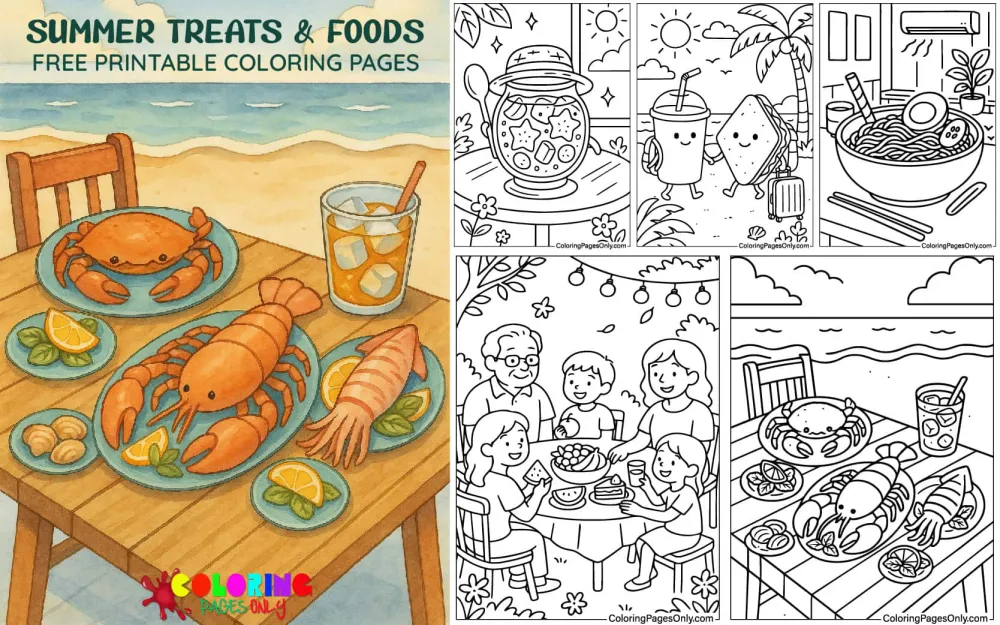
Free Summer Treats & Foods Coloring Pages: 30+ pages featuring frozen treats, juicy fruits, cool drinks, picnic meals, BBQ foods, summer desserts, food market stalls, cute snack characters, and warm-weather food scenes. Inside the collection, children can color ice cream cones, popsicles, watermelon slices, tropical smoothies, lemonade cups, coconut drinks, fruit bowls, grilled party foods, seafood feasts, bingsu, bubble tea, cold noodles, picnic baskets, beach snacks, and cheerful food stands. All free, printable PDFs and online coloring pages are ready for home, classroom, summer camps, picnic activities, food lessons, party crafts, and relaxing seasonal coloring.
Summer food is closely tied to outdoor routines and shared moments: fruit stands on hot days, ice cream after a swim, lemonade at a picnic table, grilled corn at a cookout, shaved ice at a festival, and cold noodles or fruit drinks when the weather feels too warm for heavy meals. These foods are also strong visual subjects because children recognize their shapes quickly: melting scoops, striped straws, watermelon seeds, waffle cones, picnic baskets, sizzling grills, ice cubes, colorful cups, and market awnings.
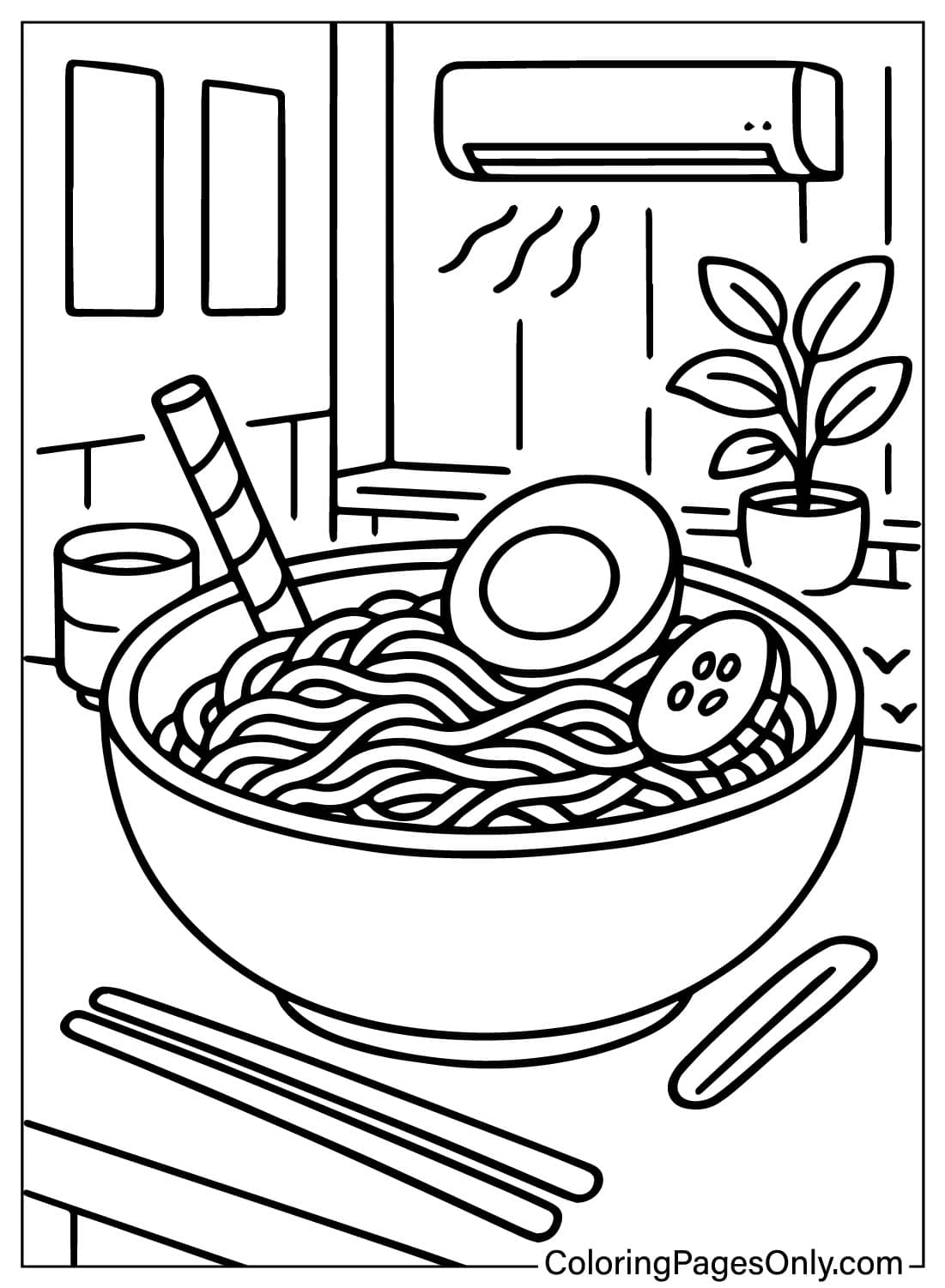
This collection gives younger colorists large popsicles, smiling fruit, simple ice cream cones, and cute drinks. At the same time, older children can work on detailed BBQ tables, market stalls, layered smoothie cups, seafood plates, Korean bingsu, Japanese cold noodles, and summer dessert scenes. These 30+ free pages at ColoringPagesOnly.com cover summer treats, fruits, drinks, picnic meals, BBQ favorites, frozen desserts, international summer foods, and food festival scenes. All free, PDF or PNG, print or color online.
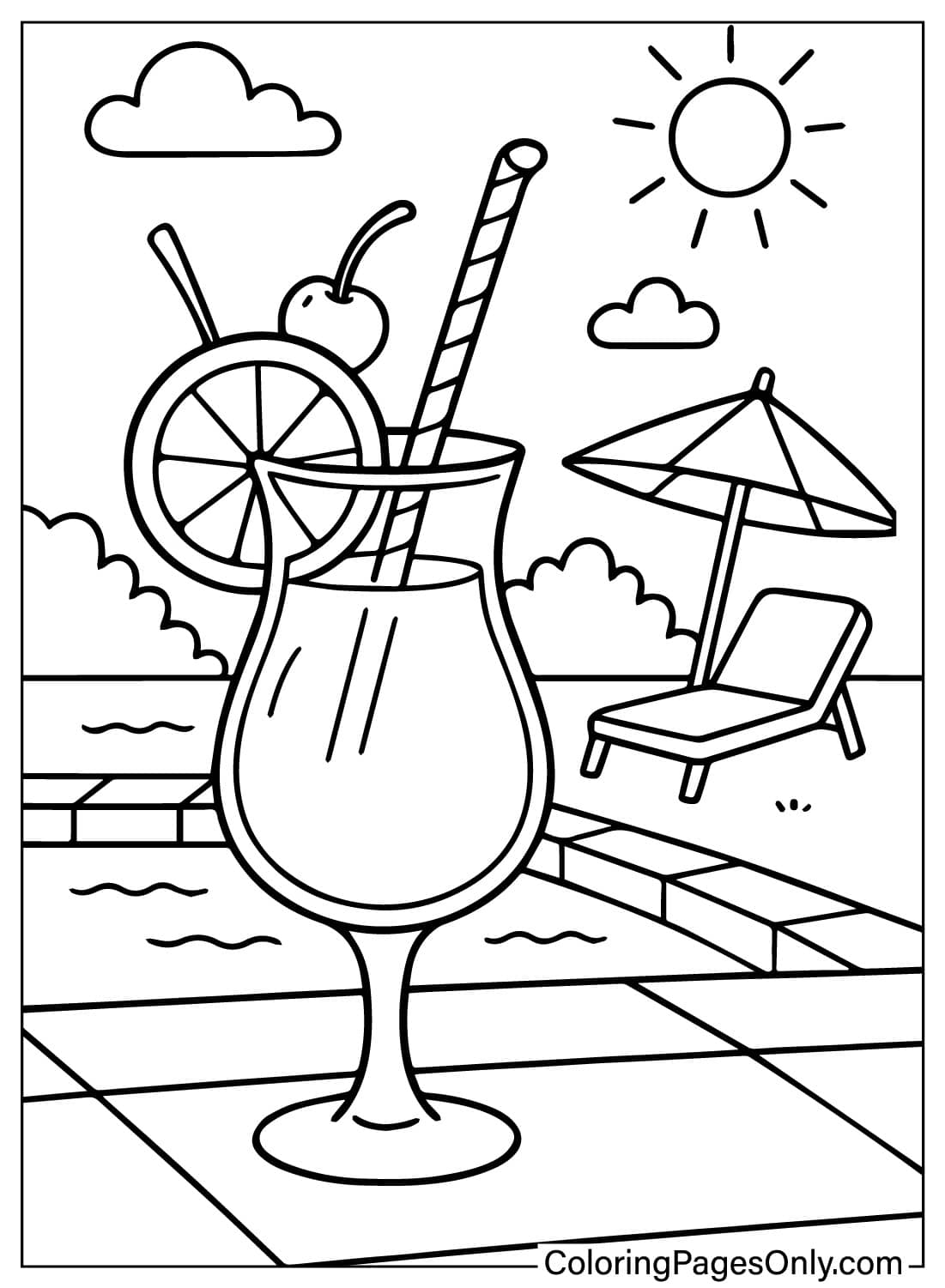
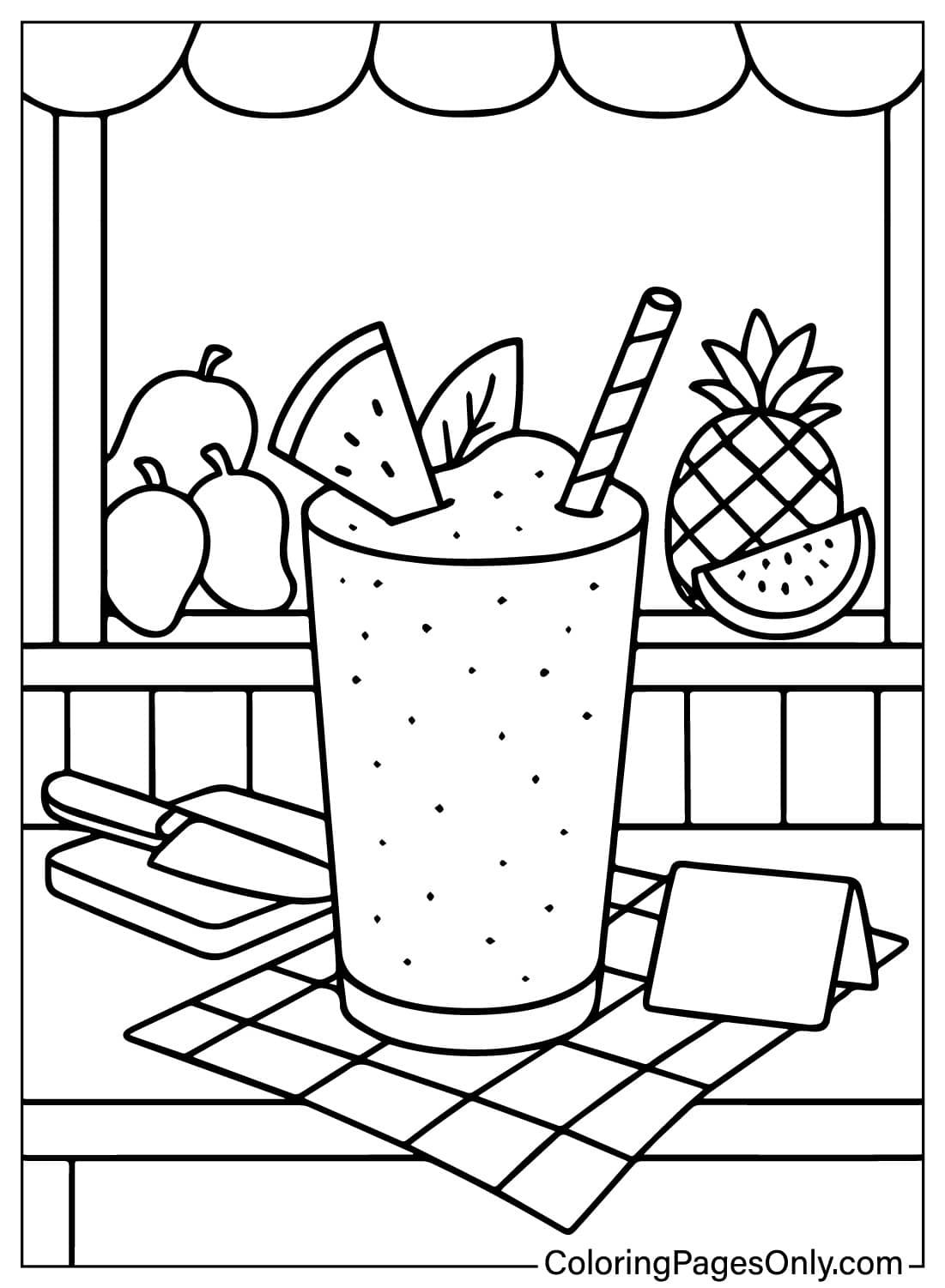
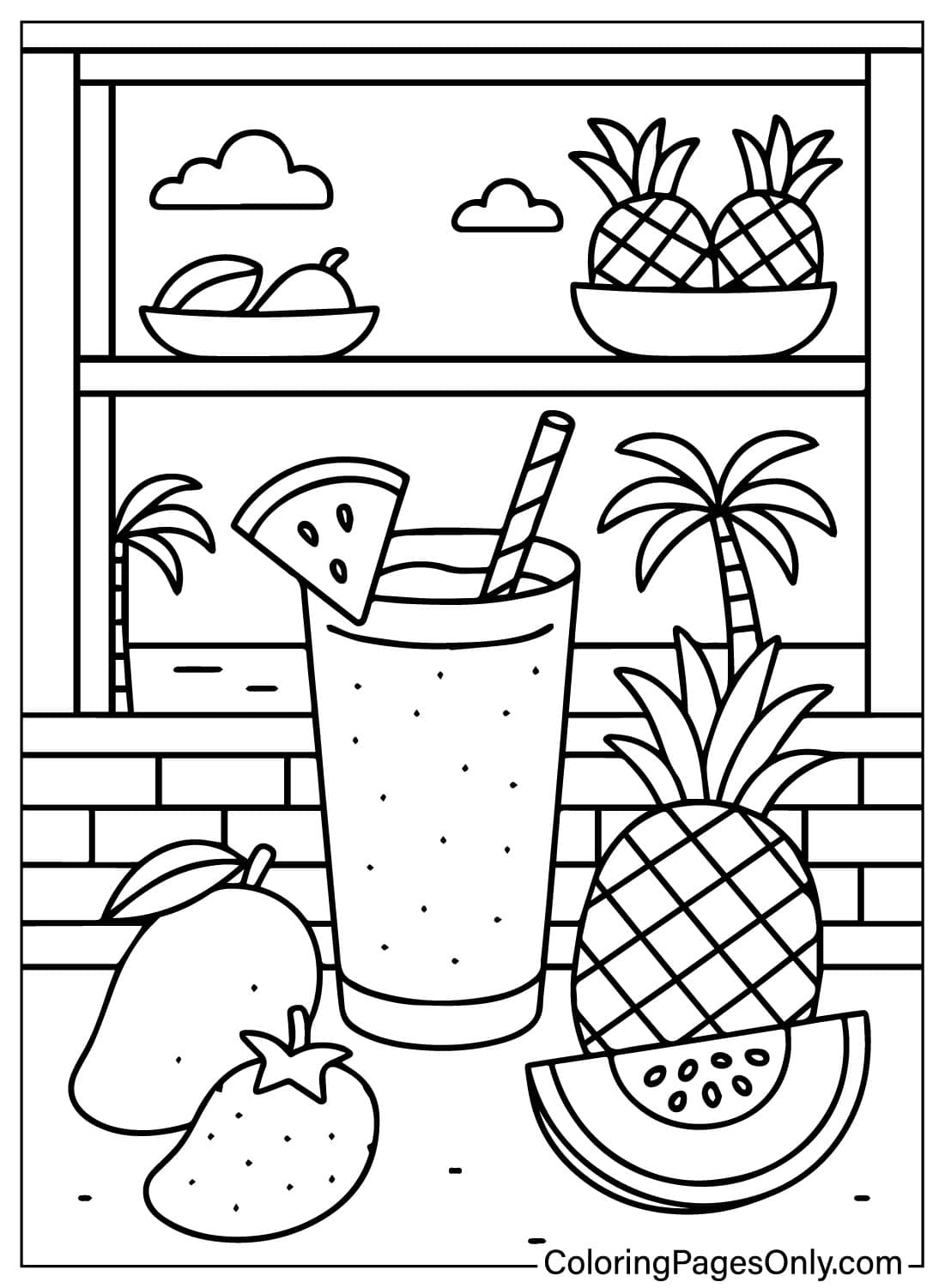
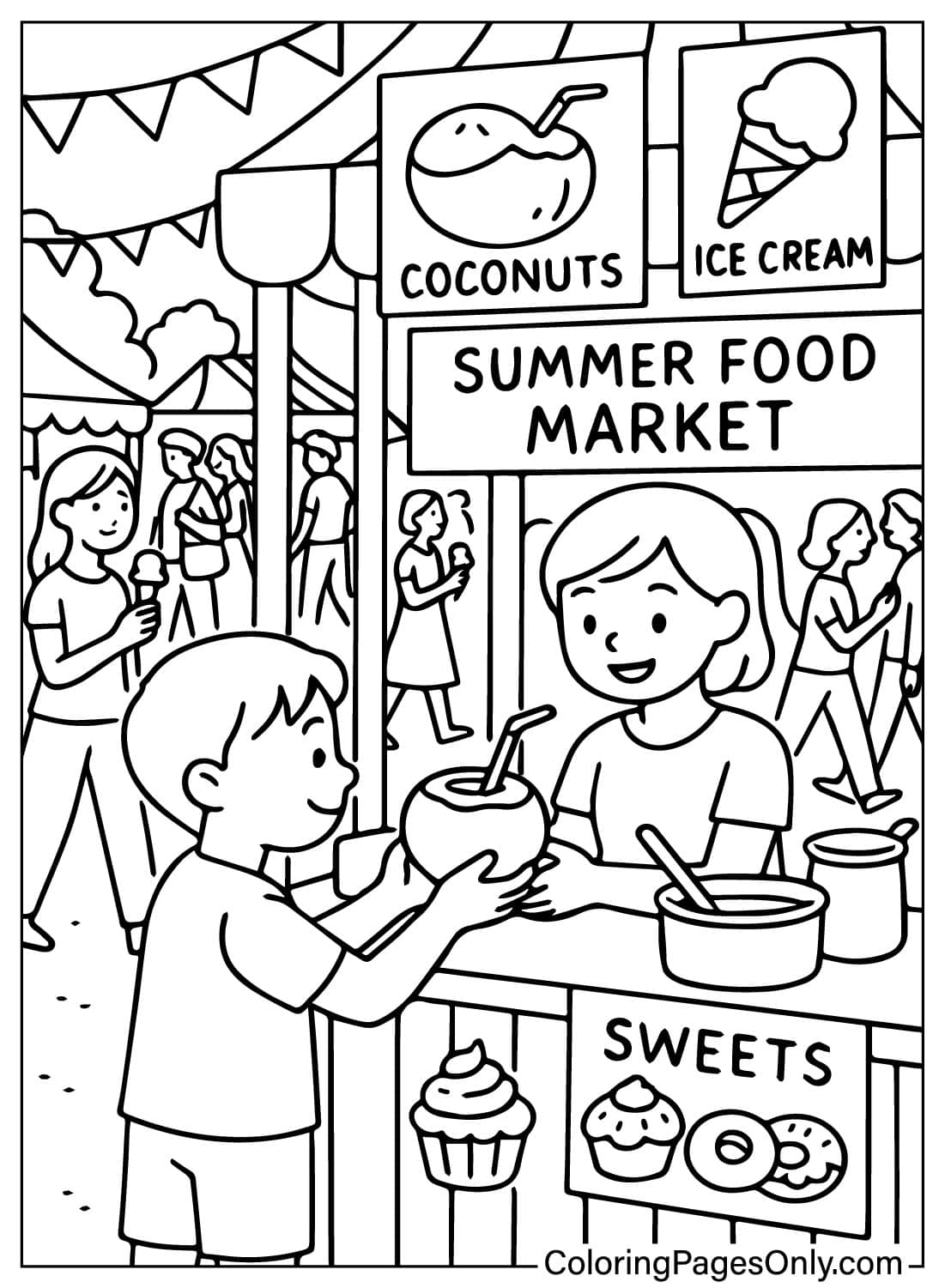
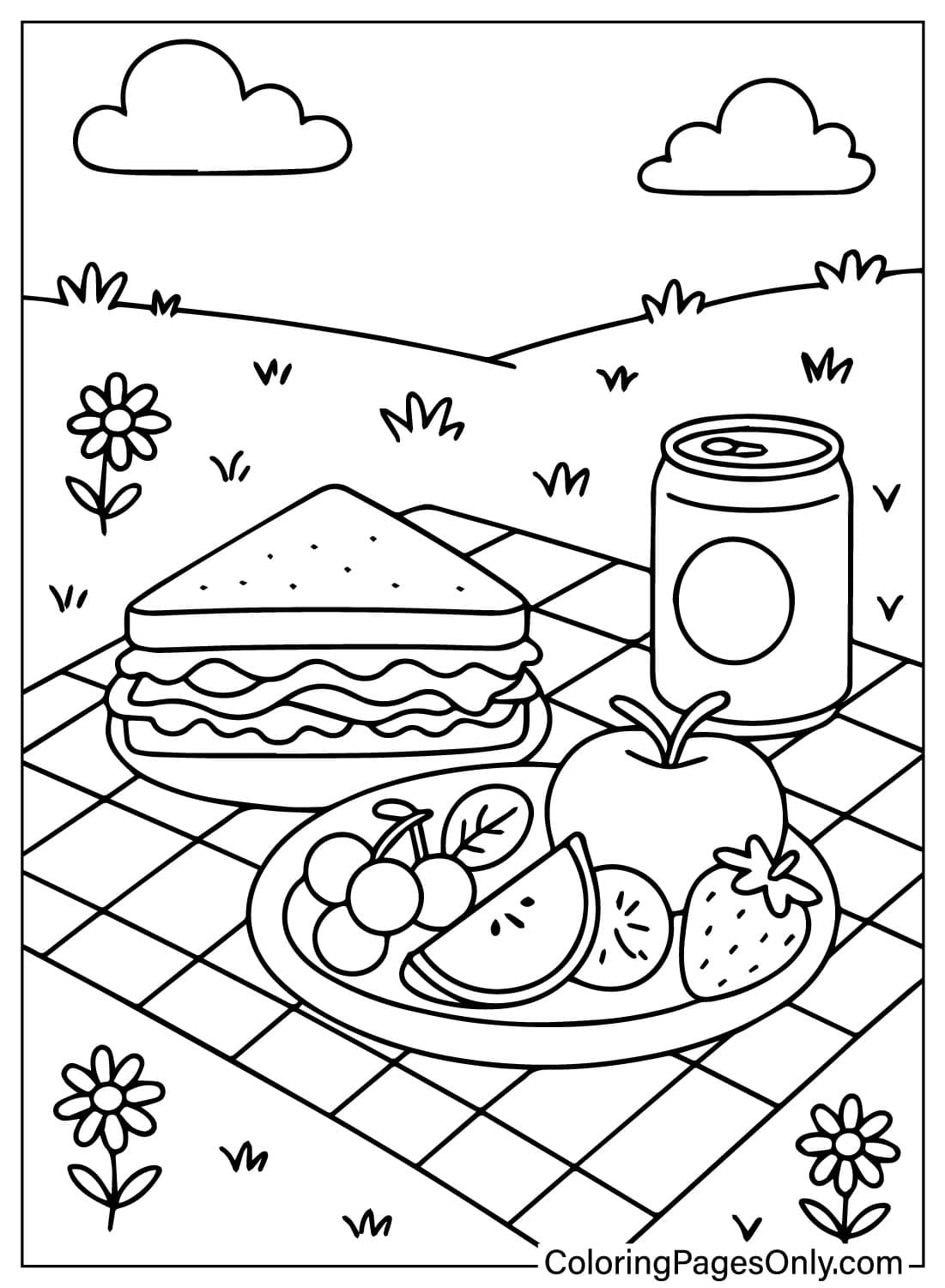
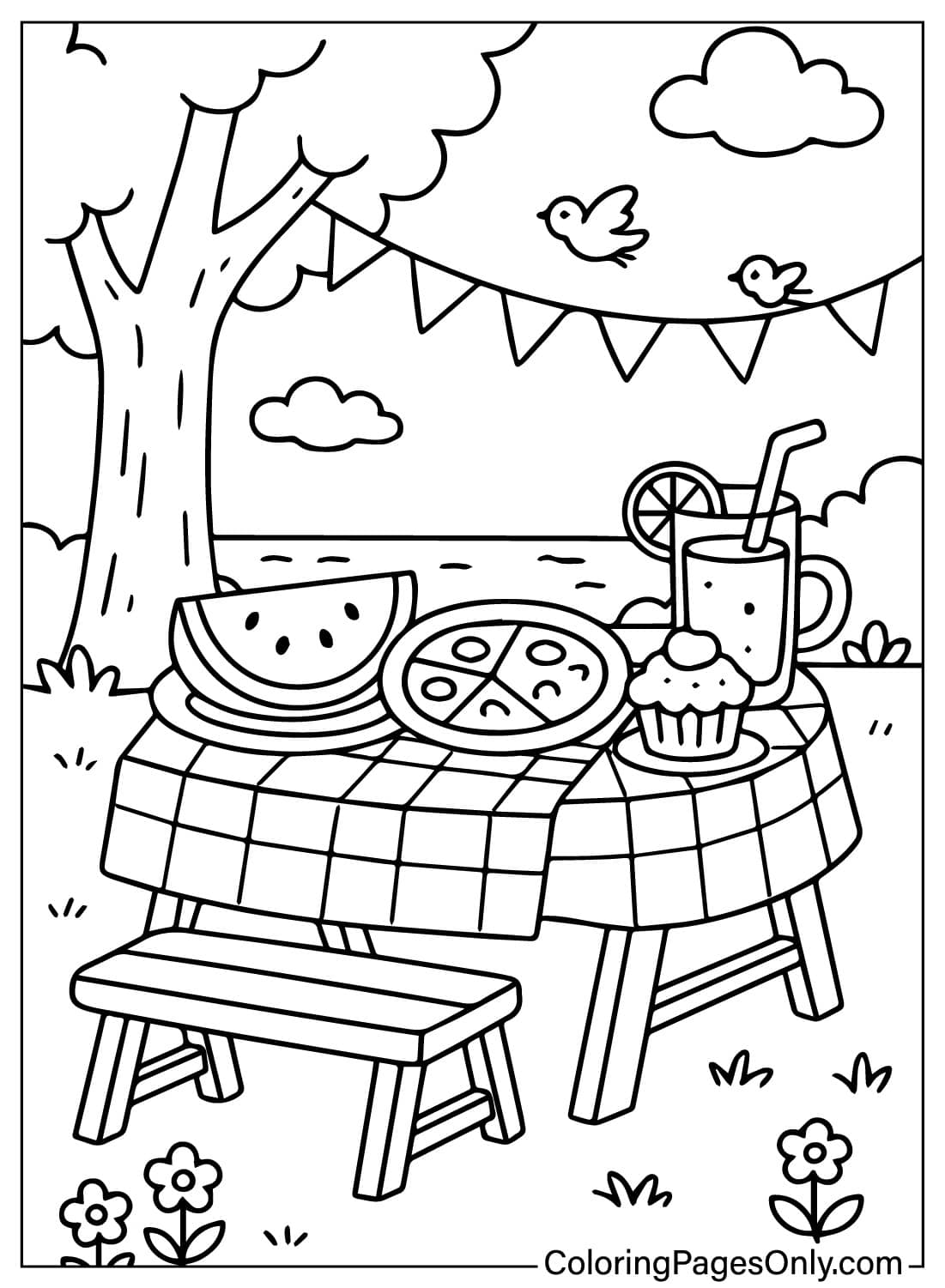
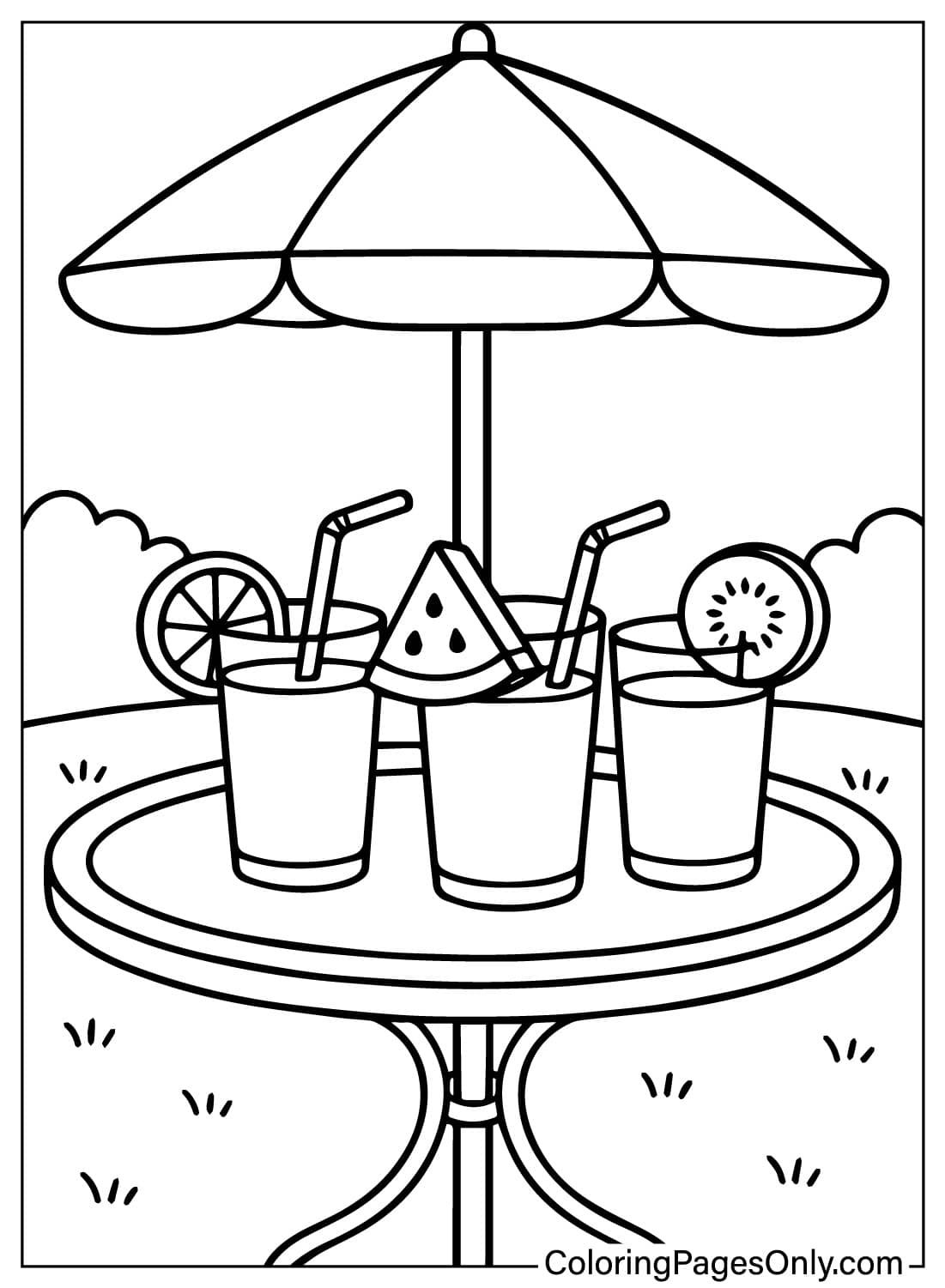
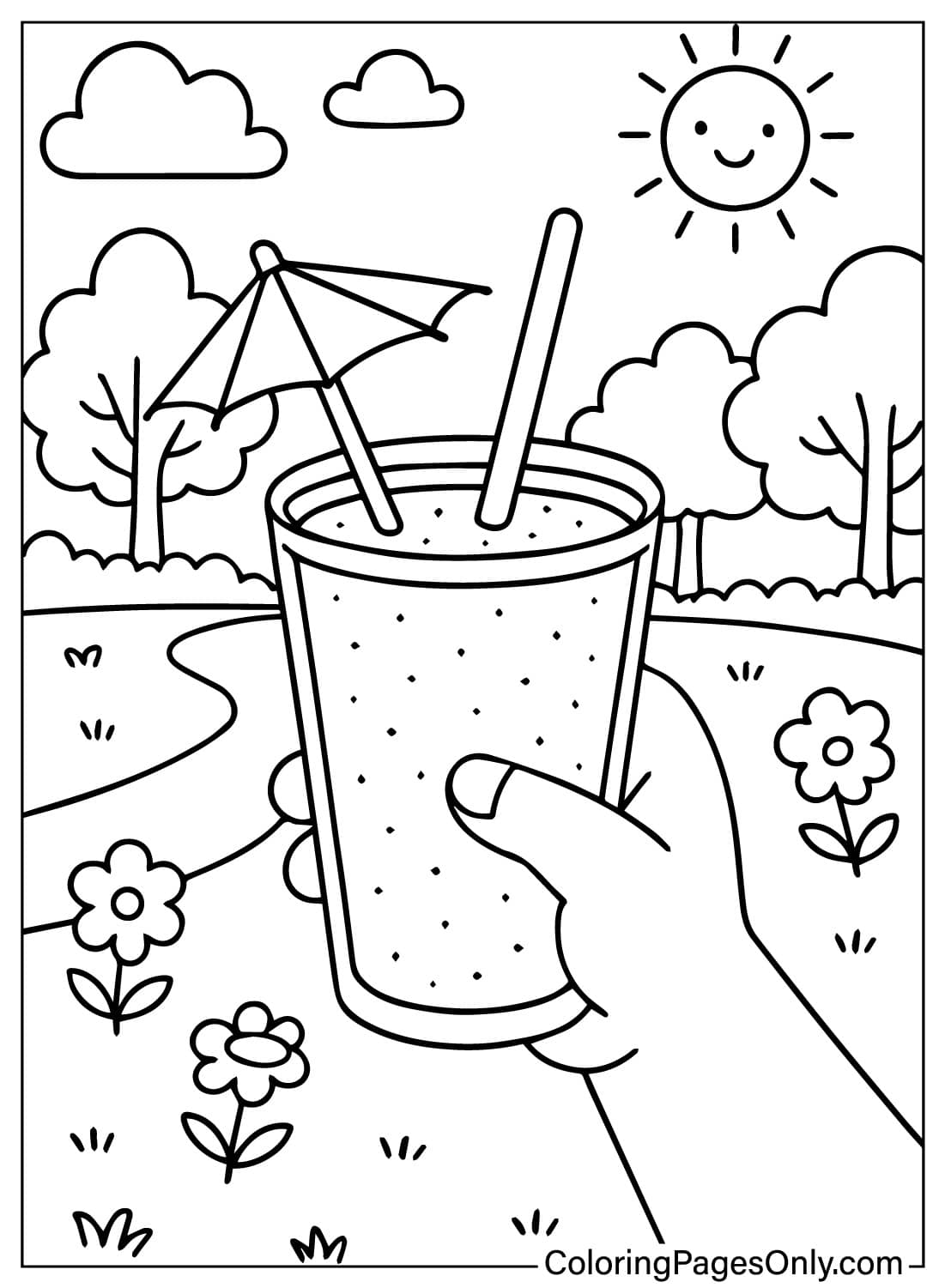
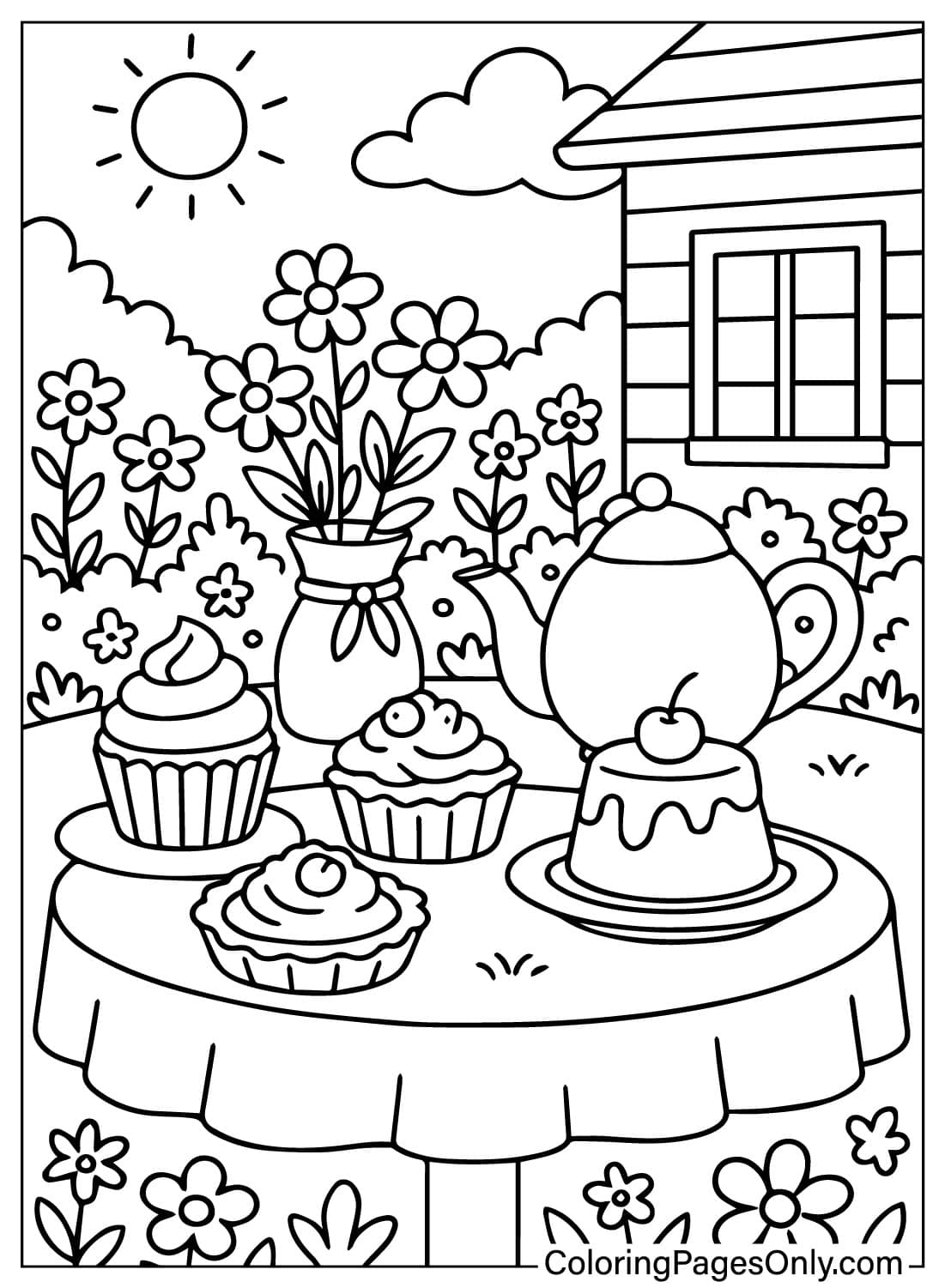
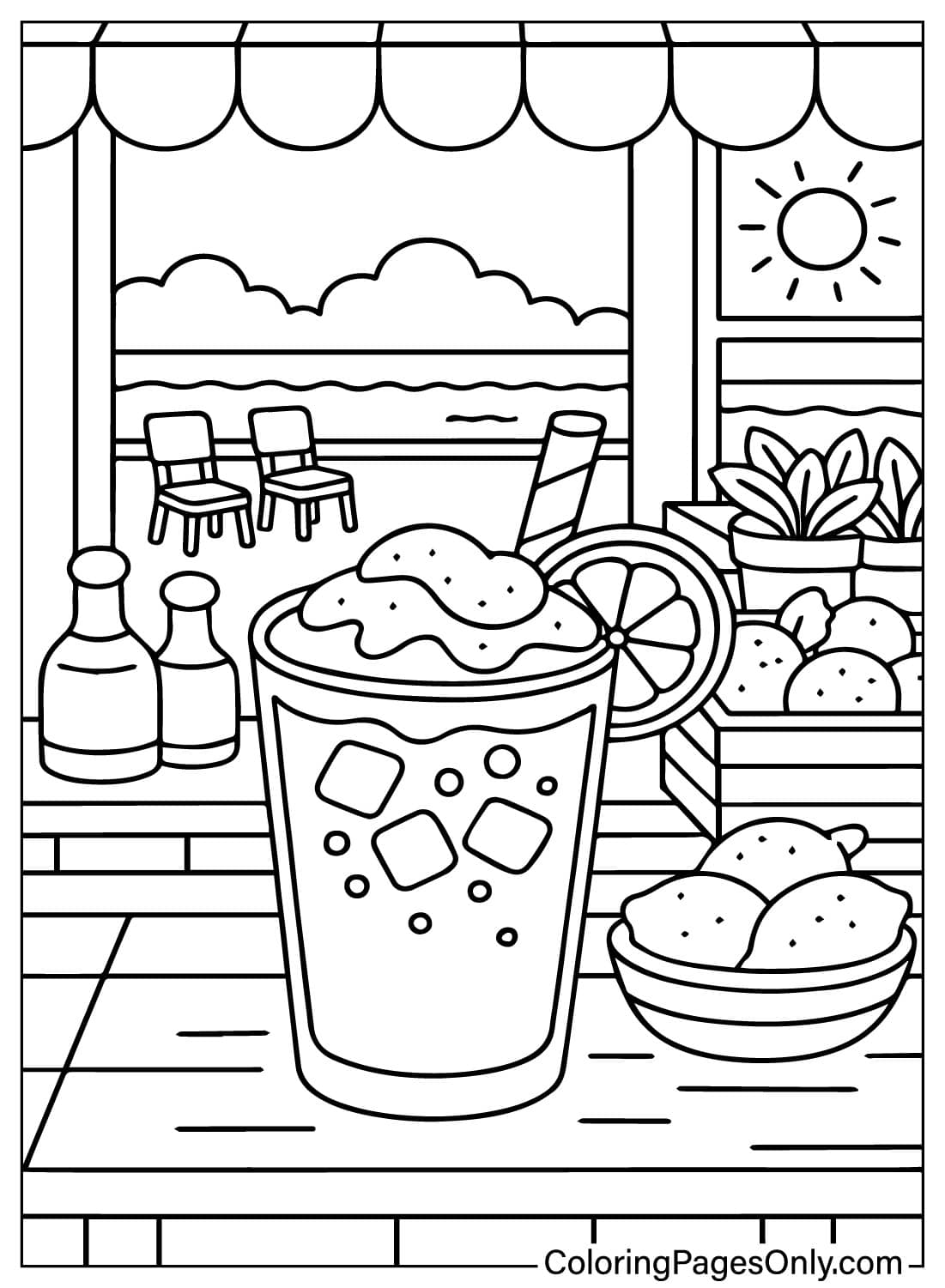
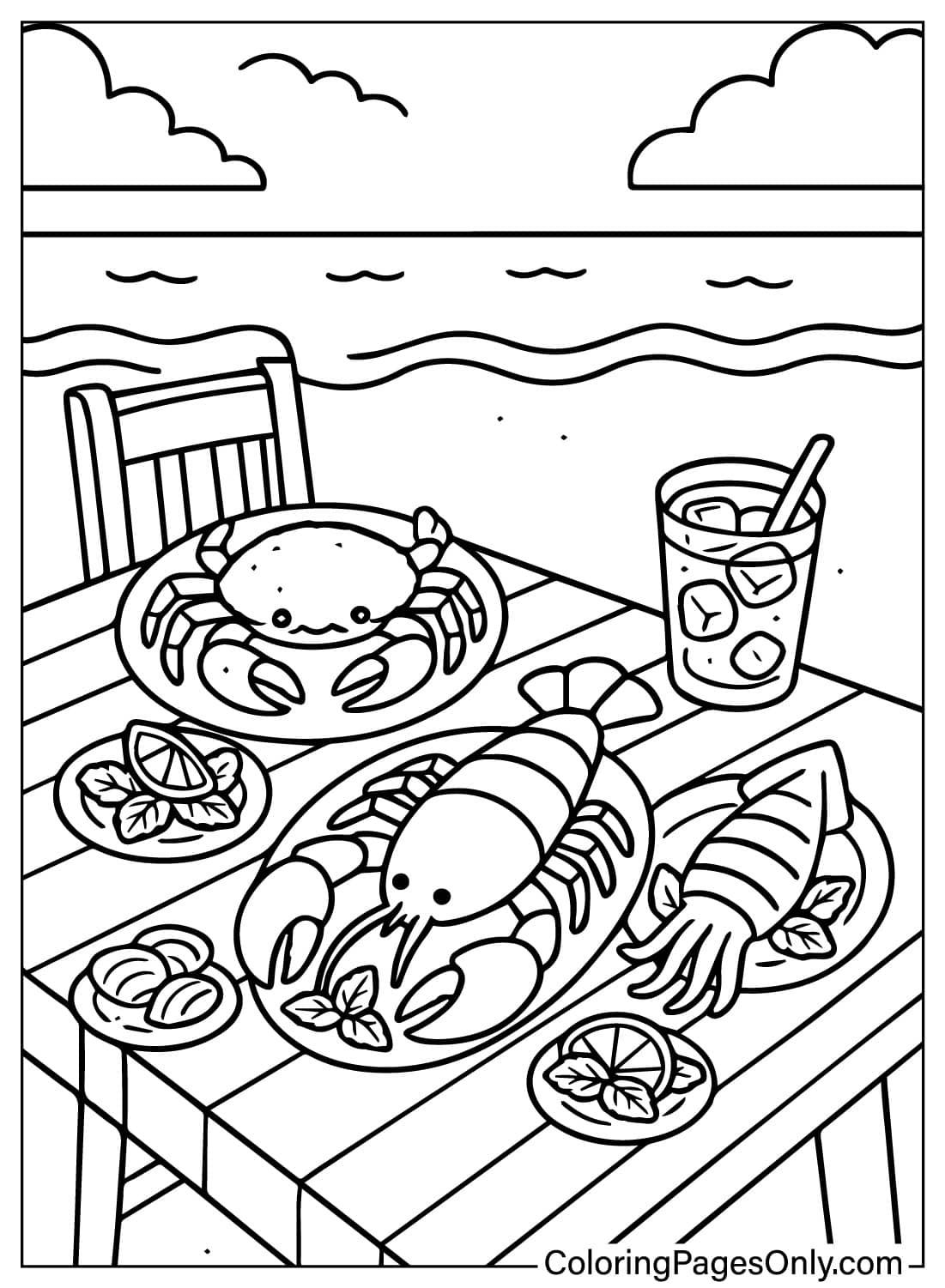
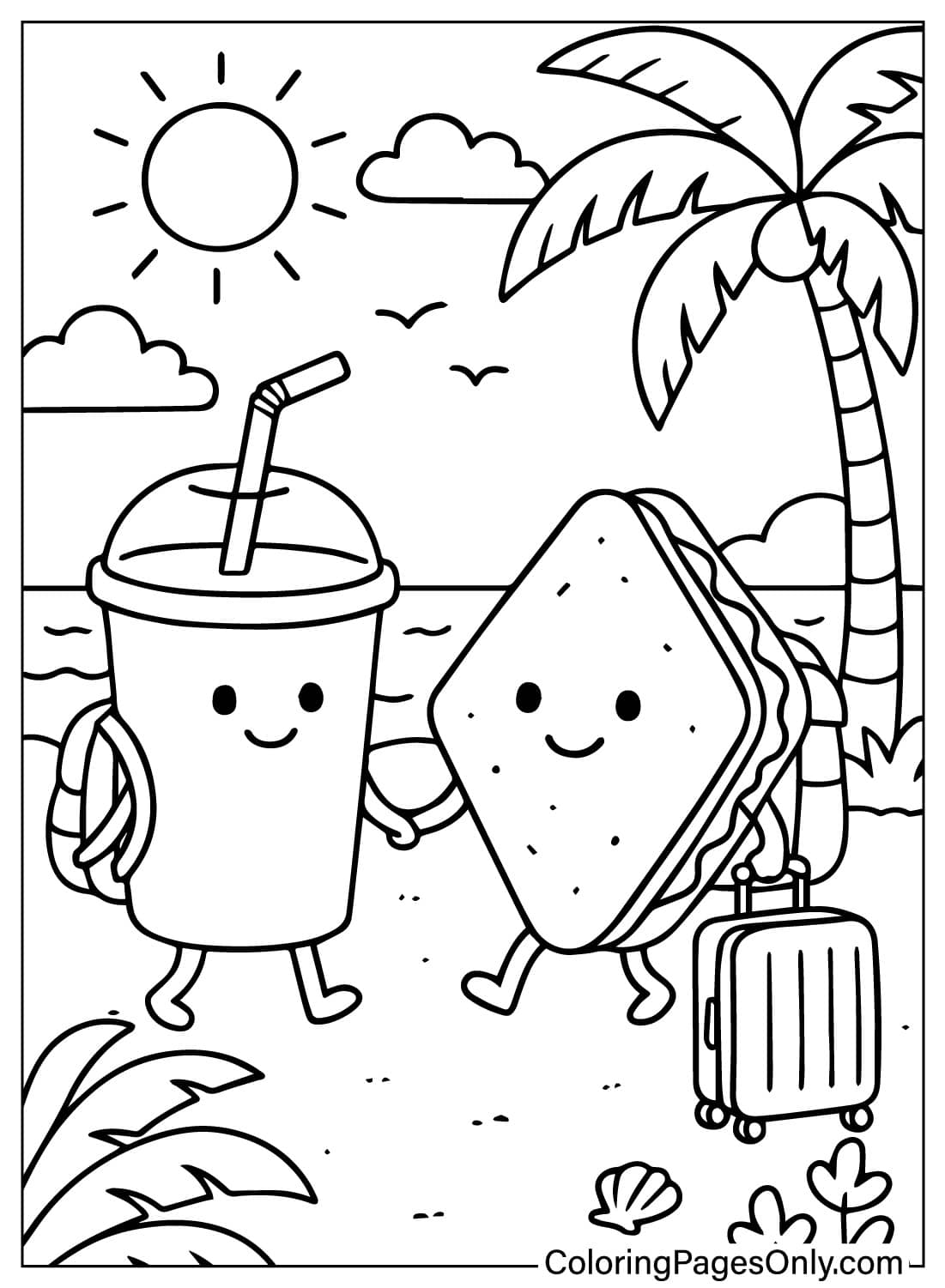
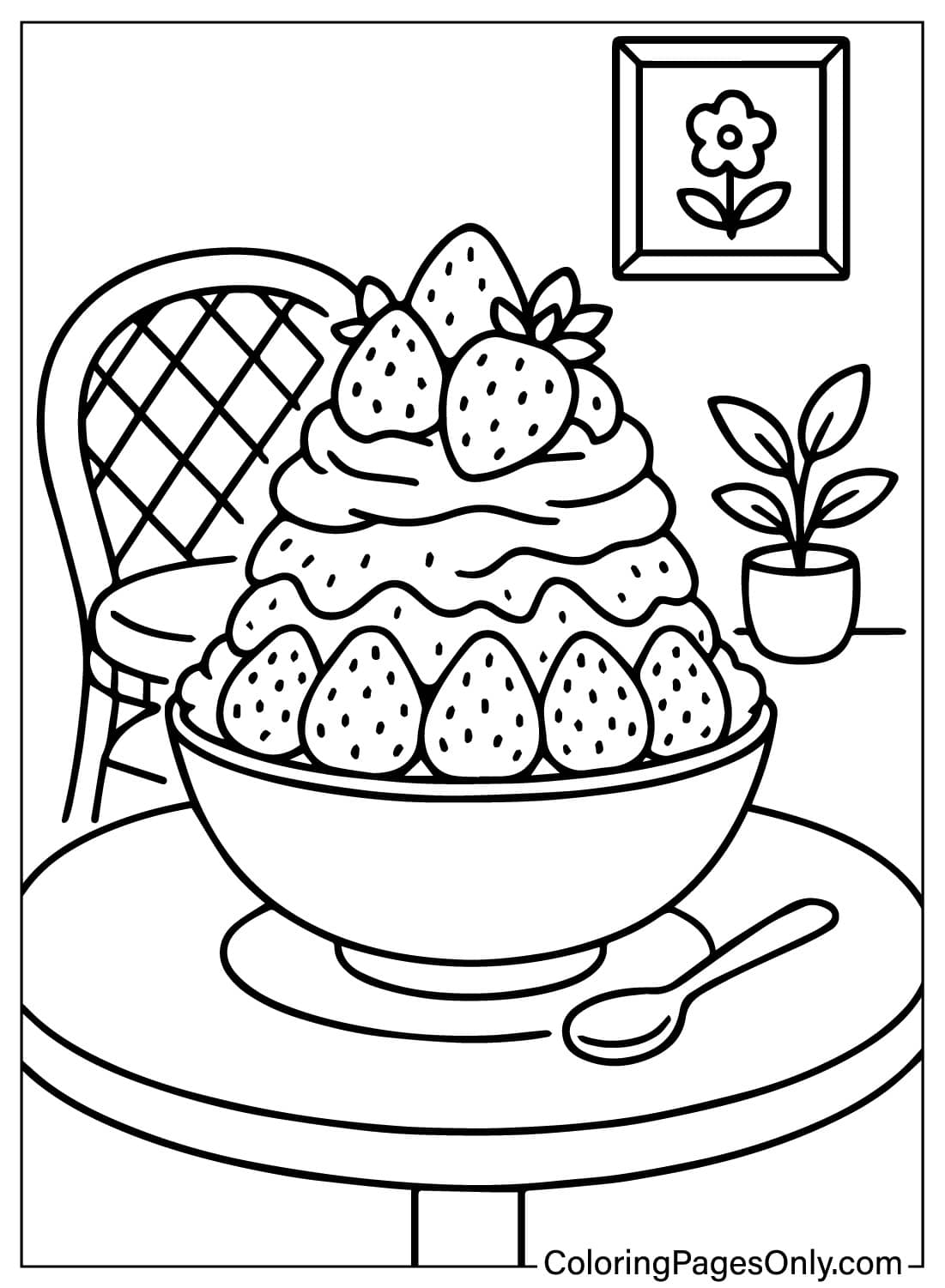
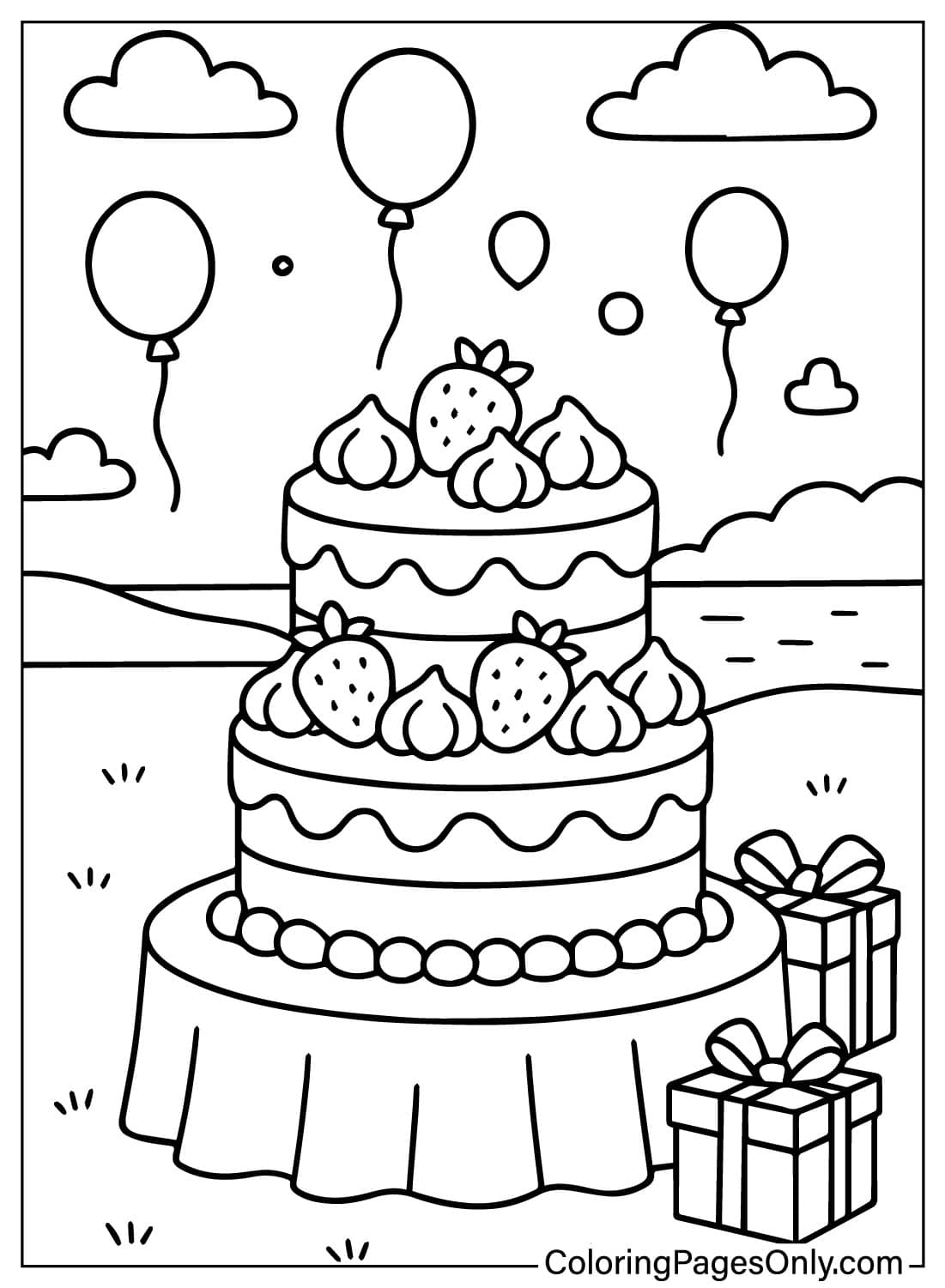
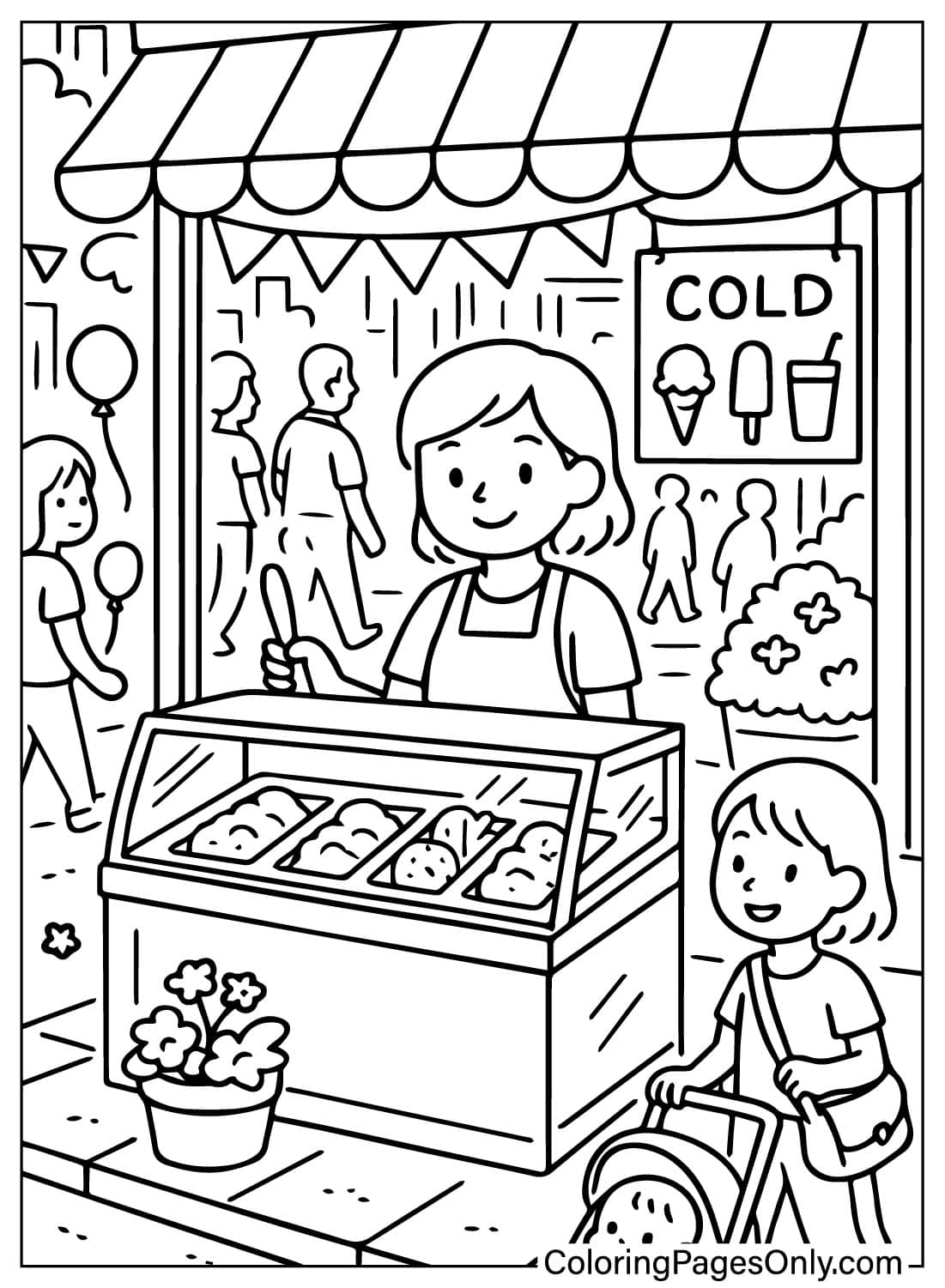
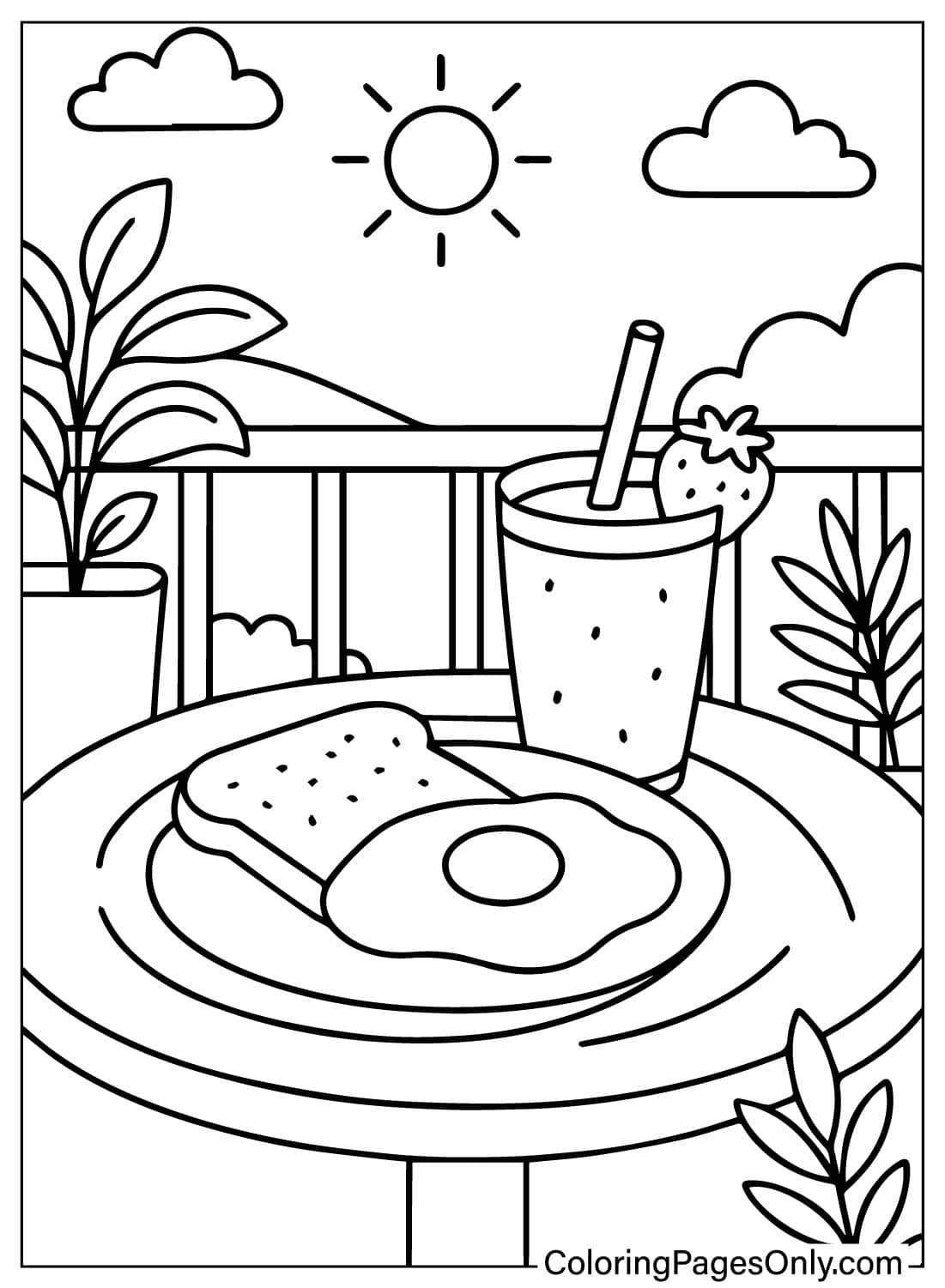
What’s Inside
Ice Cream, Popsicles, and Frozen Desserts
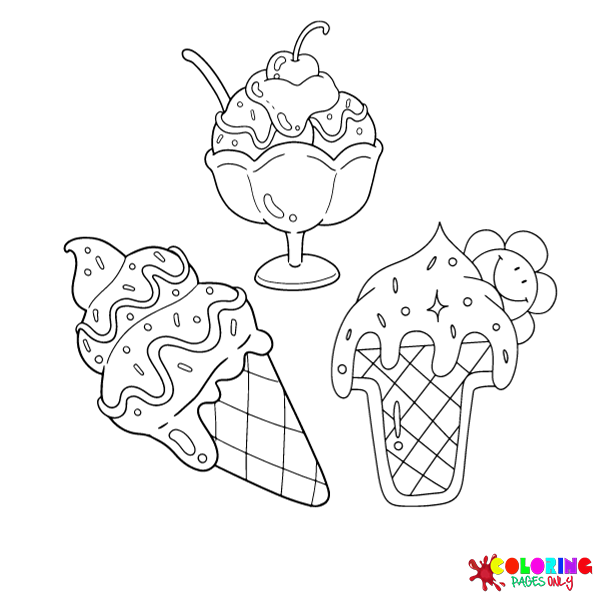
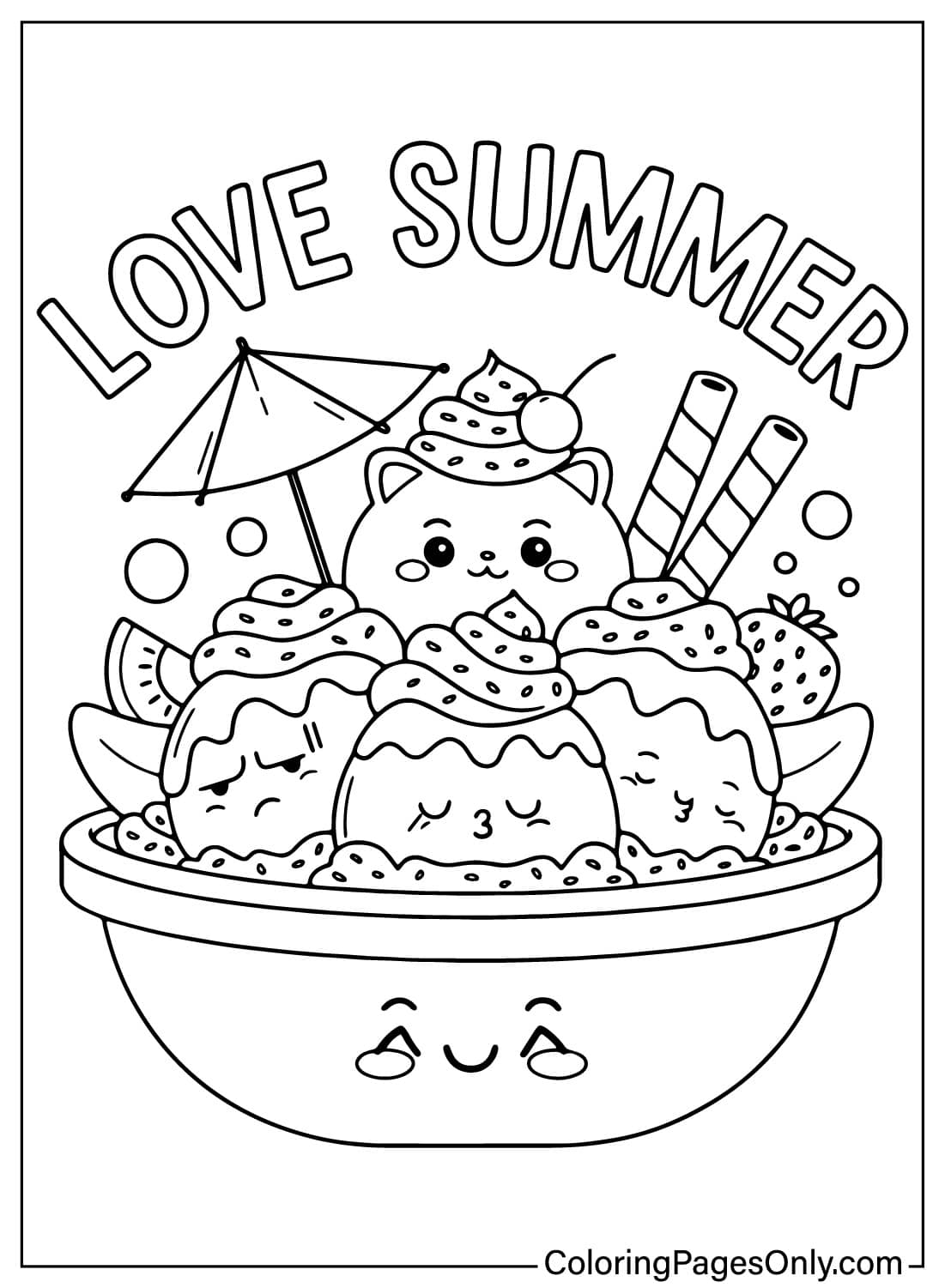
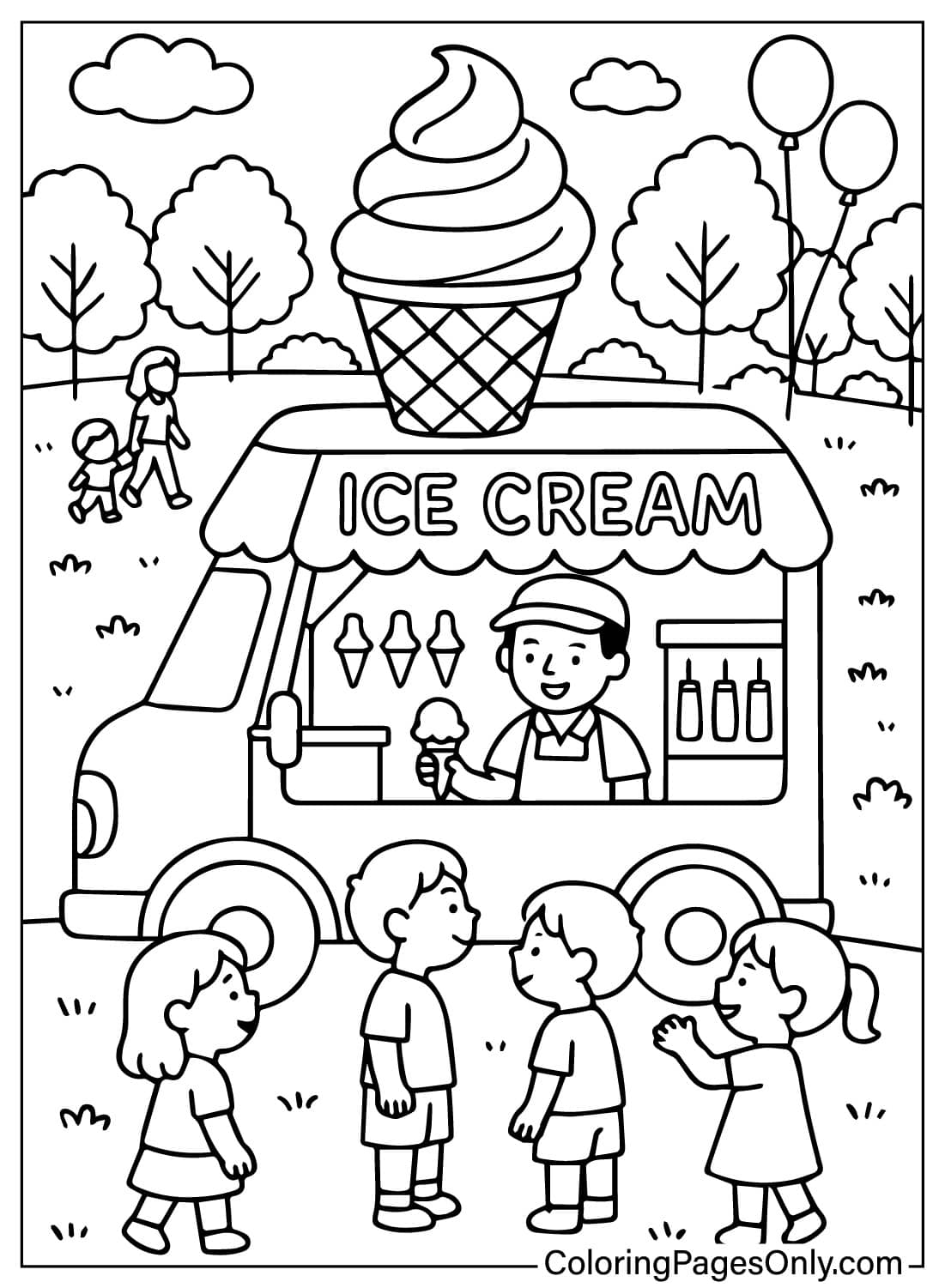
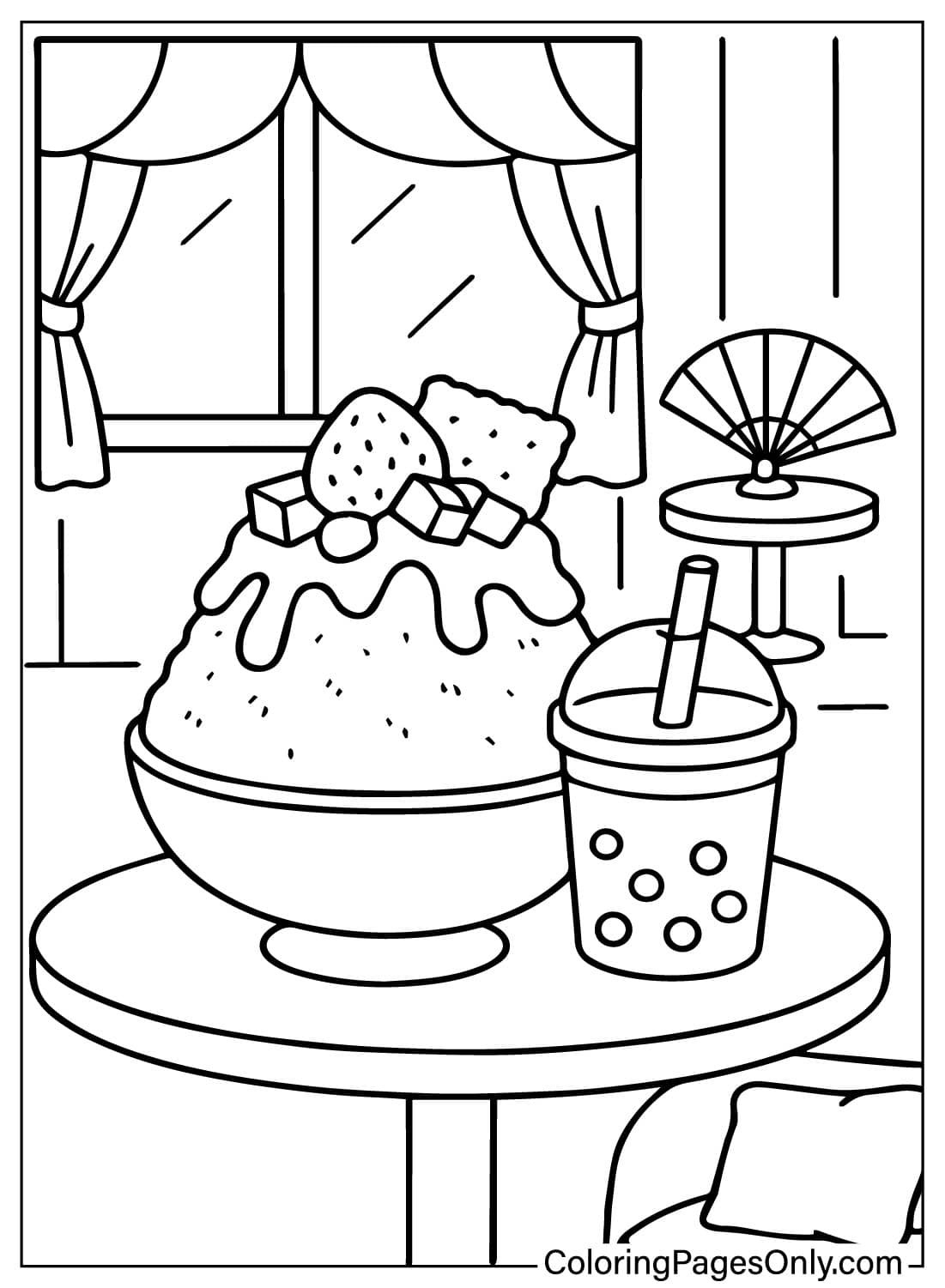
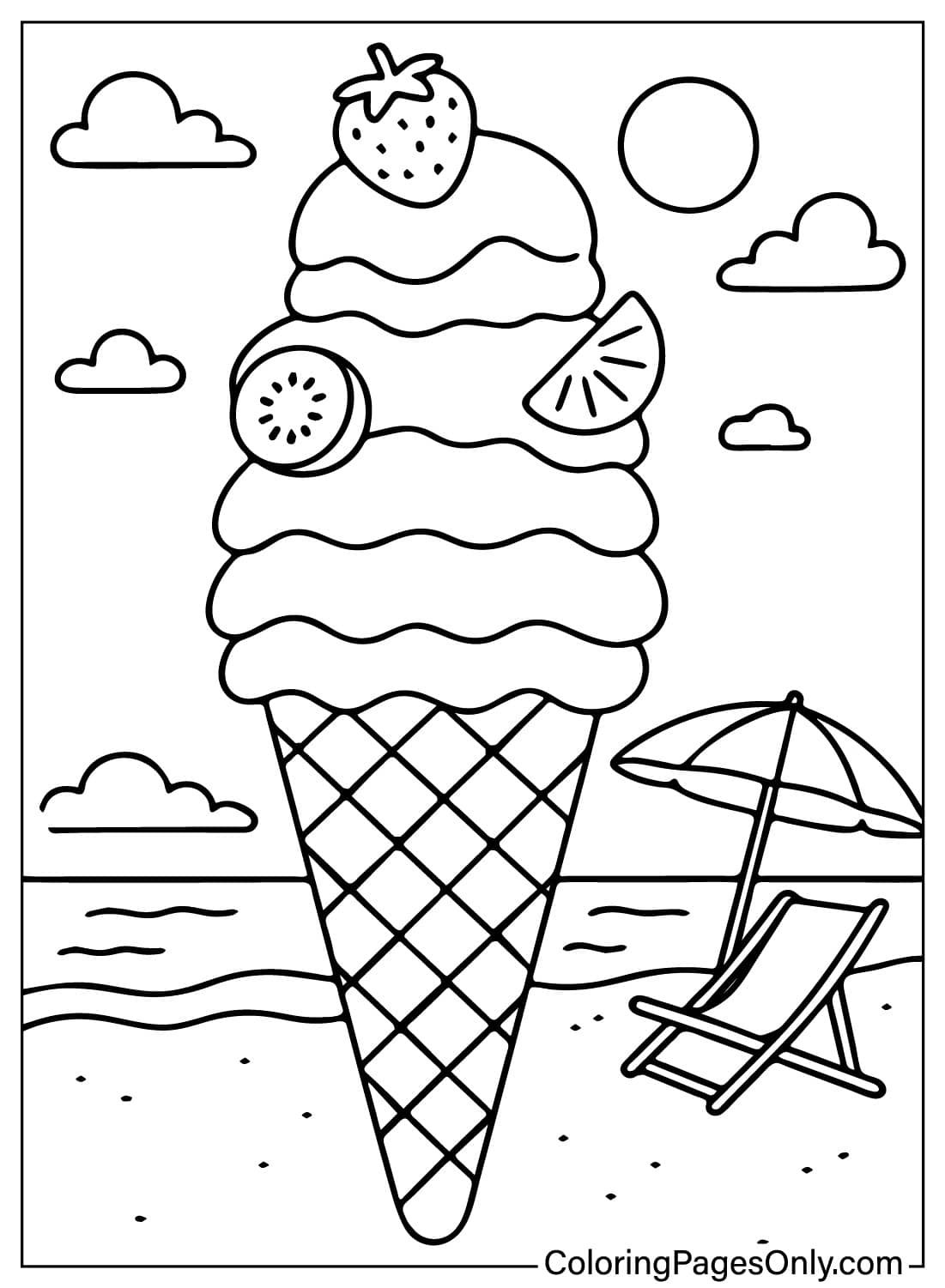
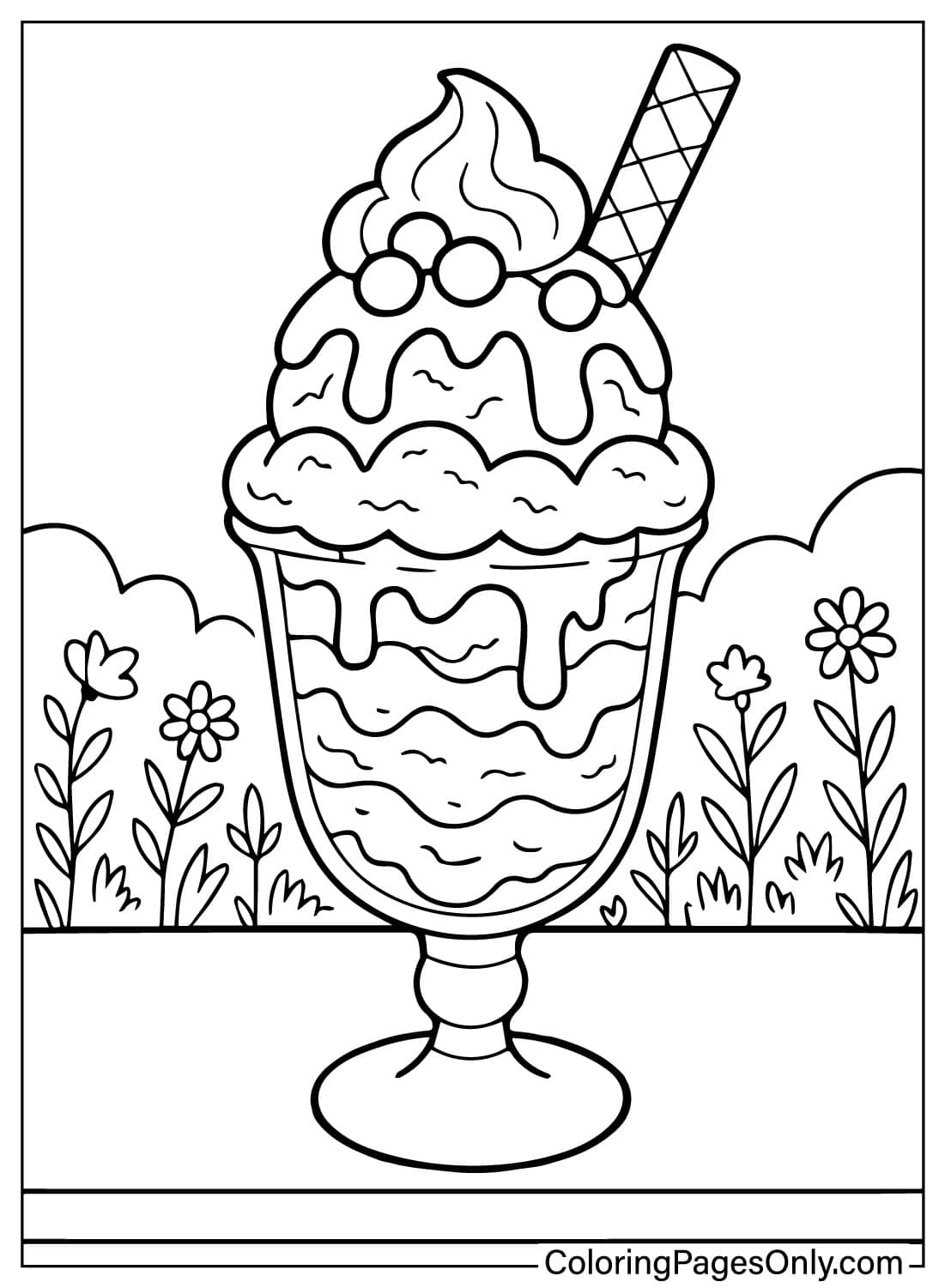
This group includes ice cream cones, giant beachside cones, sundaes, popsicles, rolled ice cream, bingsu bowls, chocolate sundaes, pudding characters, jelly desserts, and frozen snack pages. These are some of the clearest summer food images because the shapes are easy to read: scoops, sticks, bowls, toppings, whipped cream, cherries, waffle cones, sprinkles, and melting edges. Younger children can finish simple popsicles quickly, while older colorists can add more detail to dripping ice cream, cone grids, shaved ice, and layered toppings.
Coloring frozen summer treats: Use vanilla cream, strawberry pink, chocolate brown, mint green, mango orange, blueberry purple, and cherry red for a bright dessert palette. Add waffle cone crosshatch with honey tan and light brown, then place sprinkles last with small dots of sky blue, lemon yellow, candy pink, and lime green. The common mistake is coloring every scoop the same shade; vary the flavors so the dessert looks playful and easy to read.
Watermelon, Tropical Fruits, and Juicy Bites
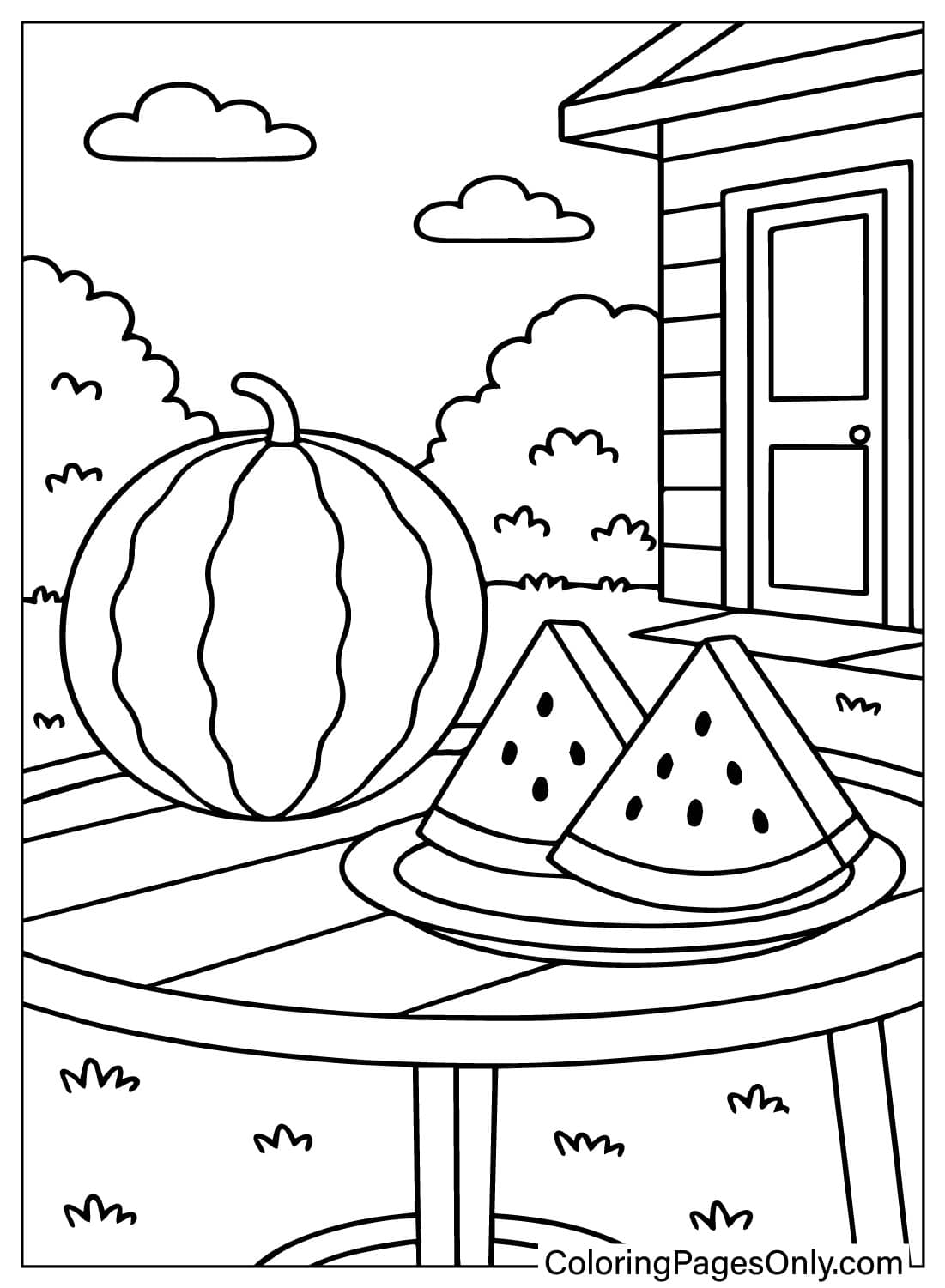
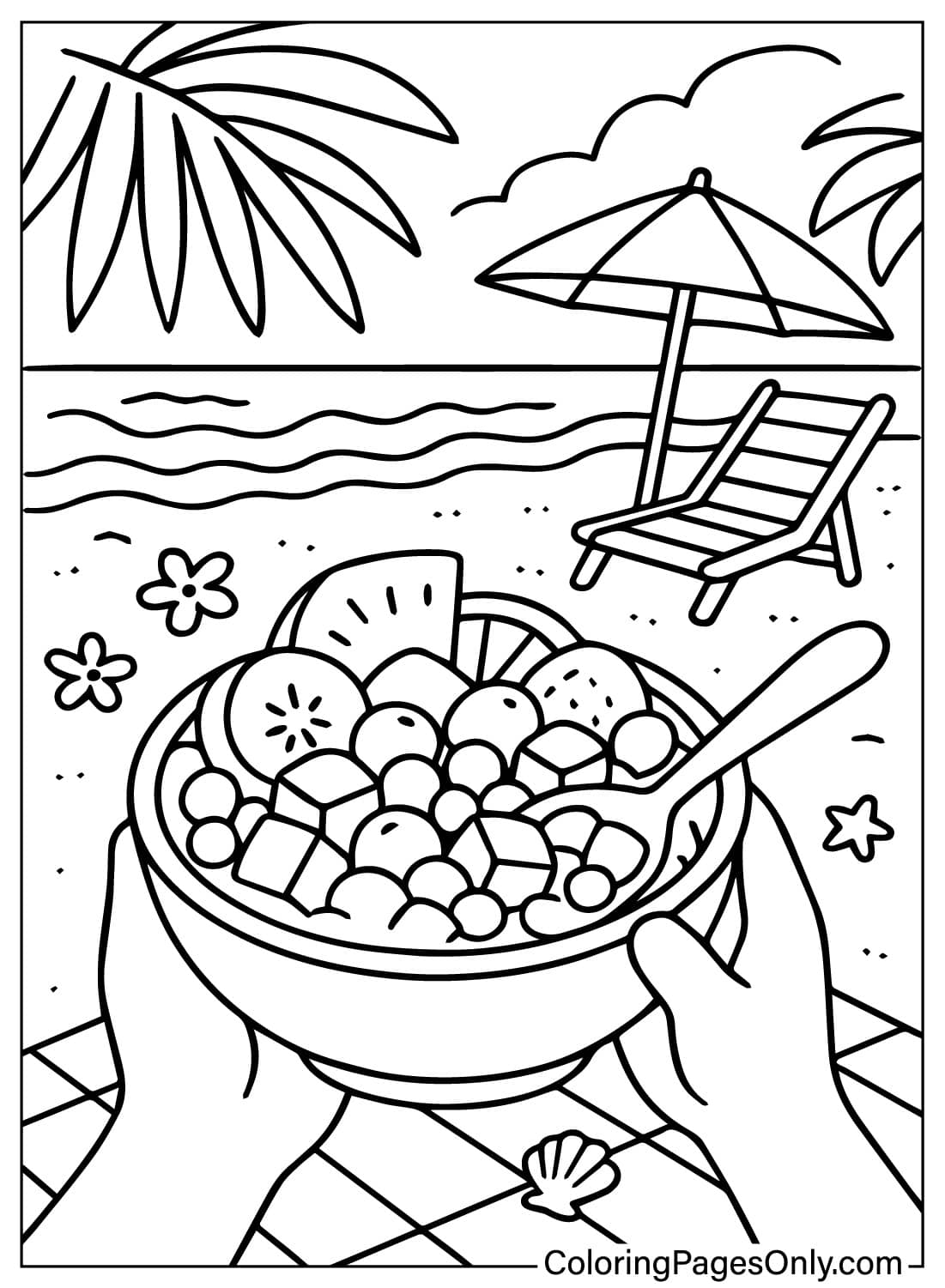
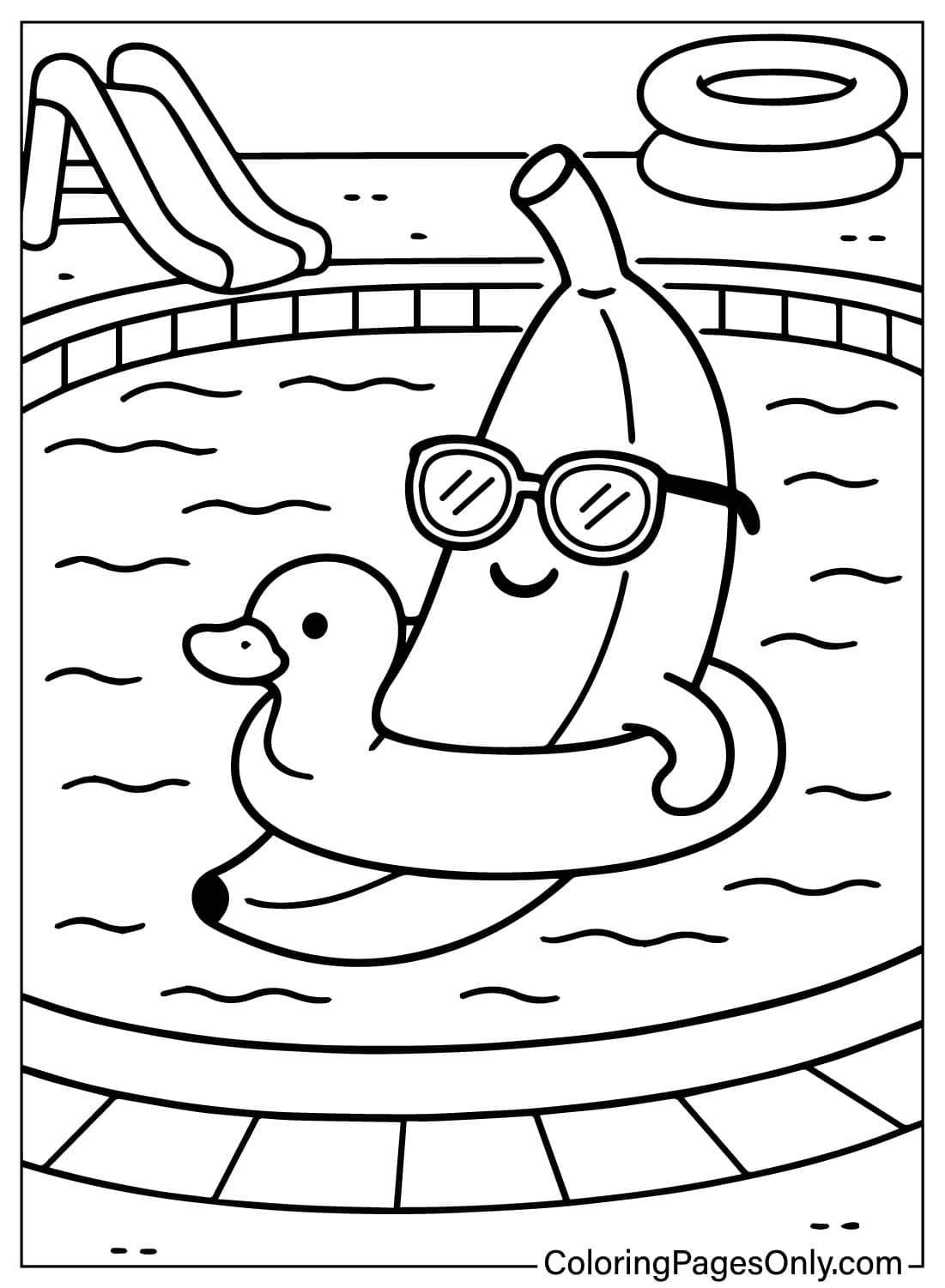
Fruit pages bring the freshest side of summer into the collection. Watermelon slices, strawberries, bananas, passion fruit, tropical fruit bowls, mango-style shapes, fruit desserts, and simple snack plates help children practice natural colors and food vocabulary. These pages also work well for health-themed lessons because they connect coloring with fruit names, seeds, slices, peels, cut surfaces, and bright seasonal snacks.
Coloring summer fruits: Use watermelon red, rind green, lemon yellow, banana cream, strawberry red, pineapple gold, kiwi green, mango orange, and passion fruit purple. For watermelon, use a three-zone fruit technique: dark green for the outer rind, pale green for the inner rind, and juicy red for the fruit flesh. The common mistake is making fruit too flat; add seeds last and leave tiny white highlights near cut edges so the slices look fresh.
Smoothies, Lemonade, Coconut Drinks, and Bubble Tea
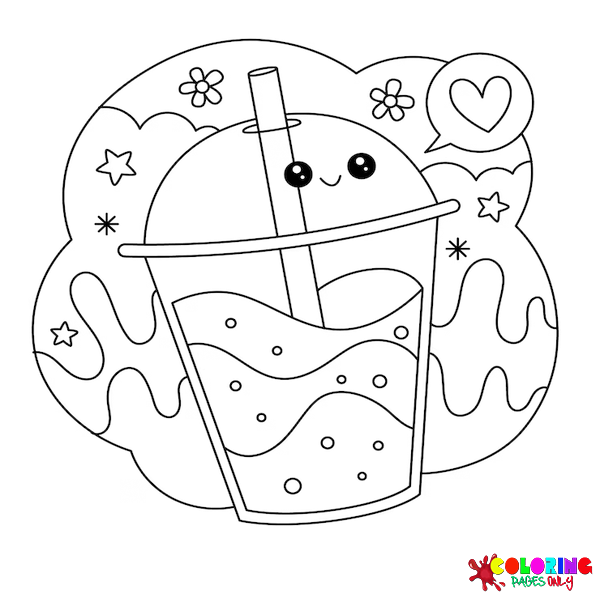
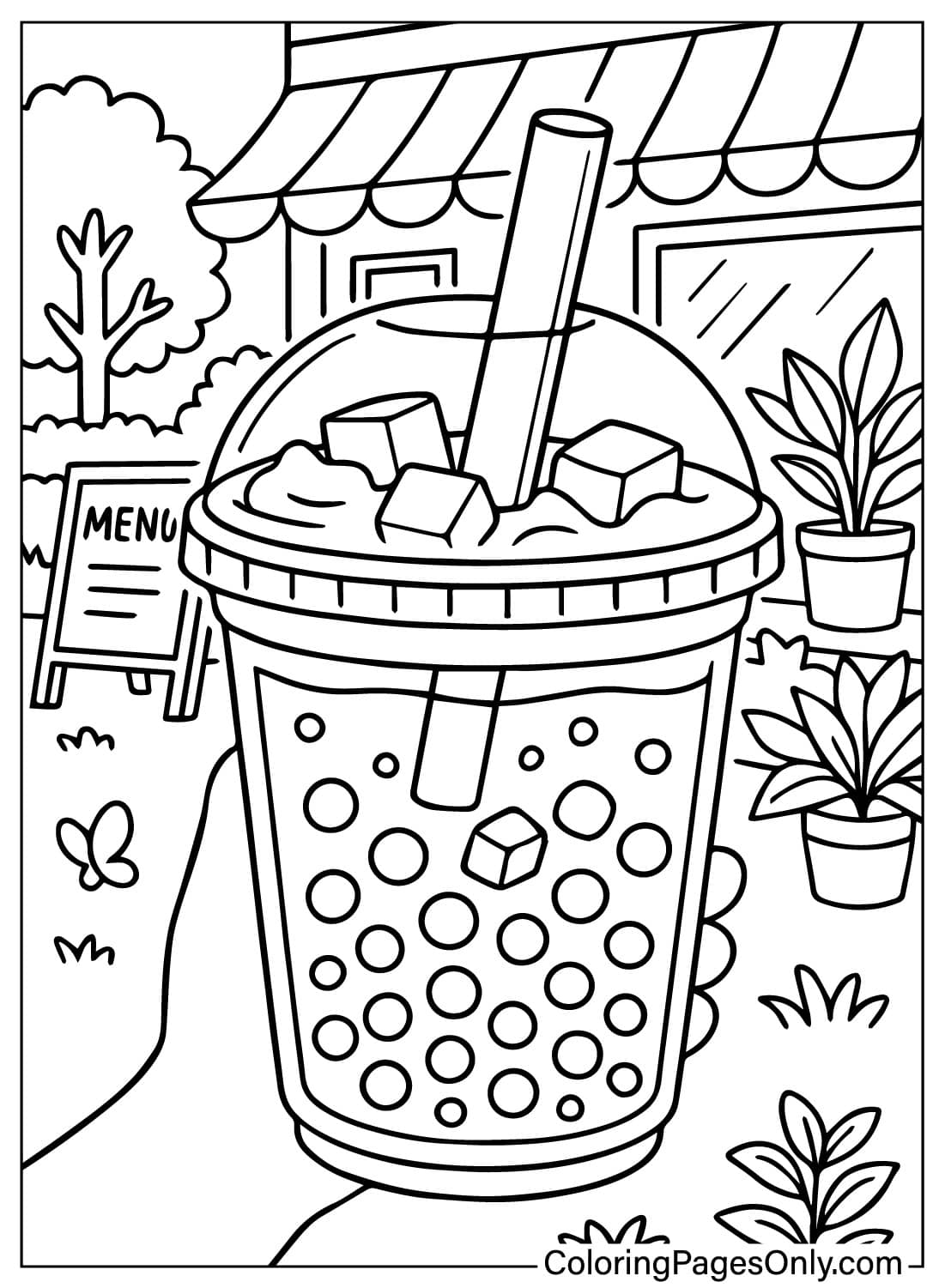
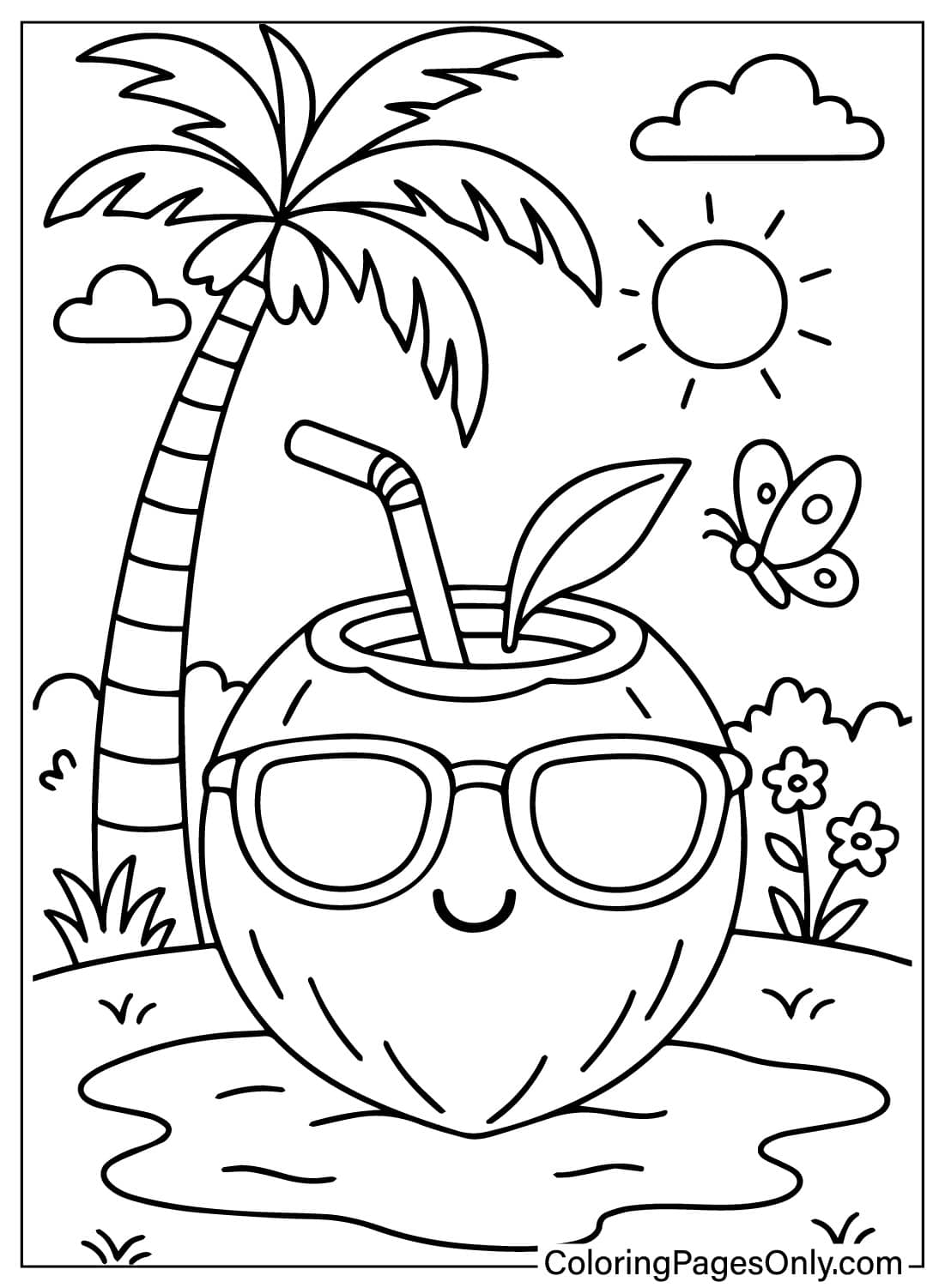
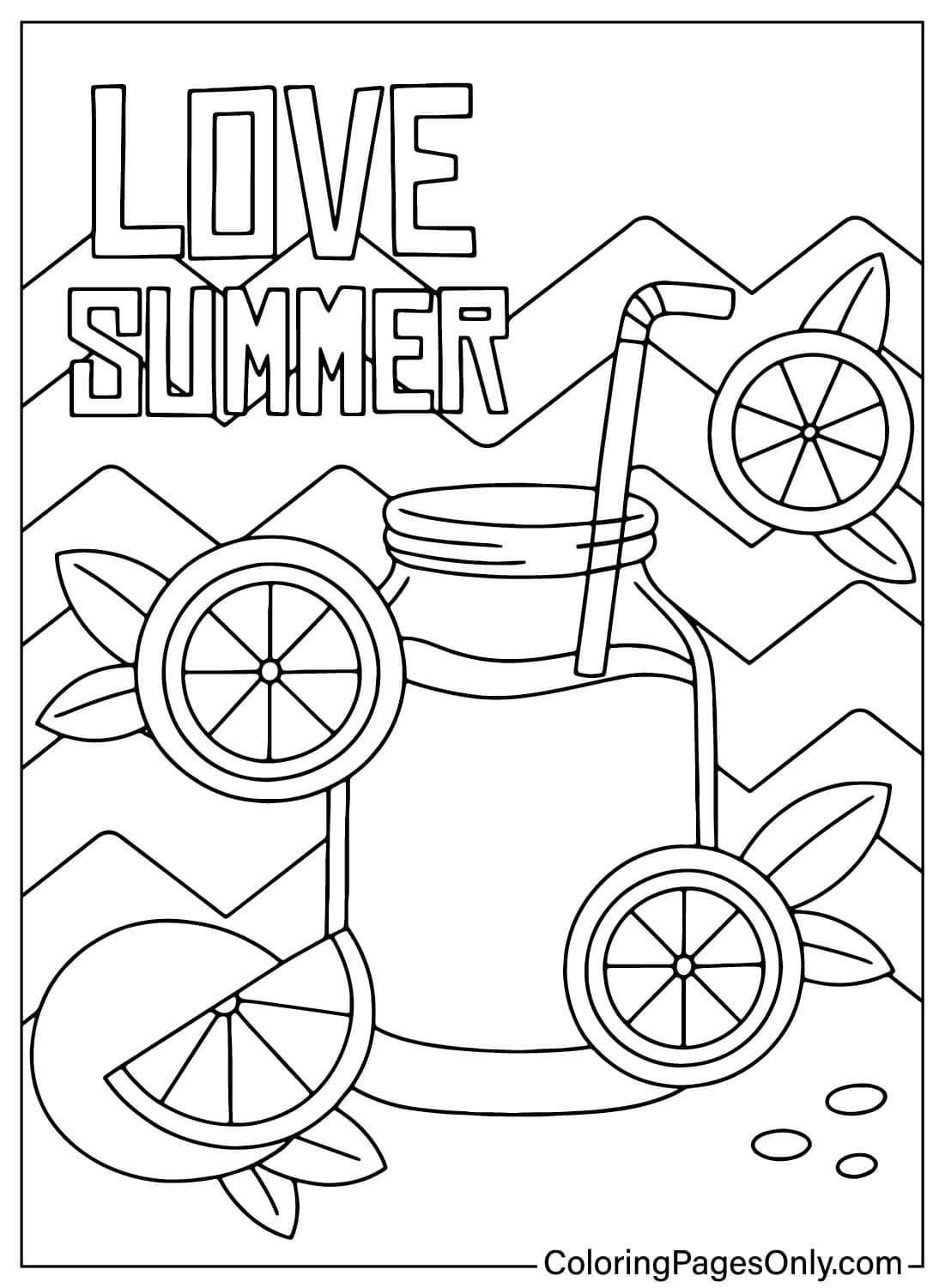
Cool drink pages include tropical smoothie cups, lemonade, coconut drinks, passion fruit drinks, bubble tea, juice parties, and poolside cups. These pages show temperature and freshness through transparent cups, ice cubes, fruit slices, straws, condensation dots, cup lids, and curved drink layers. They are especially useful for colorists who want bright summer palettes without the crowded details of a full picnic or market scene.
Coloring summer drinks: Use lemonade yellow, peach orange, berry pink, coconut white, mint green, sky blue, and passion fruit purple. Color the liquid first with light pressure, then add ice cubes with pale blue-grey, and leave small white corners for shine. The common mistake is coloring the whole cup solid; keep some areas light, add small condensation dots, and color bubble tea pearls last so the drink looks cold and glassy.
Picnic Meals, BBQ, and Outdoor Food Tables
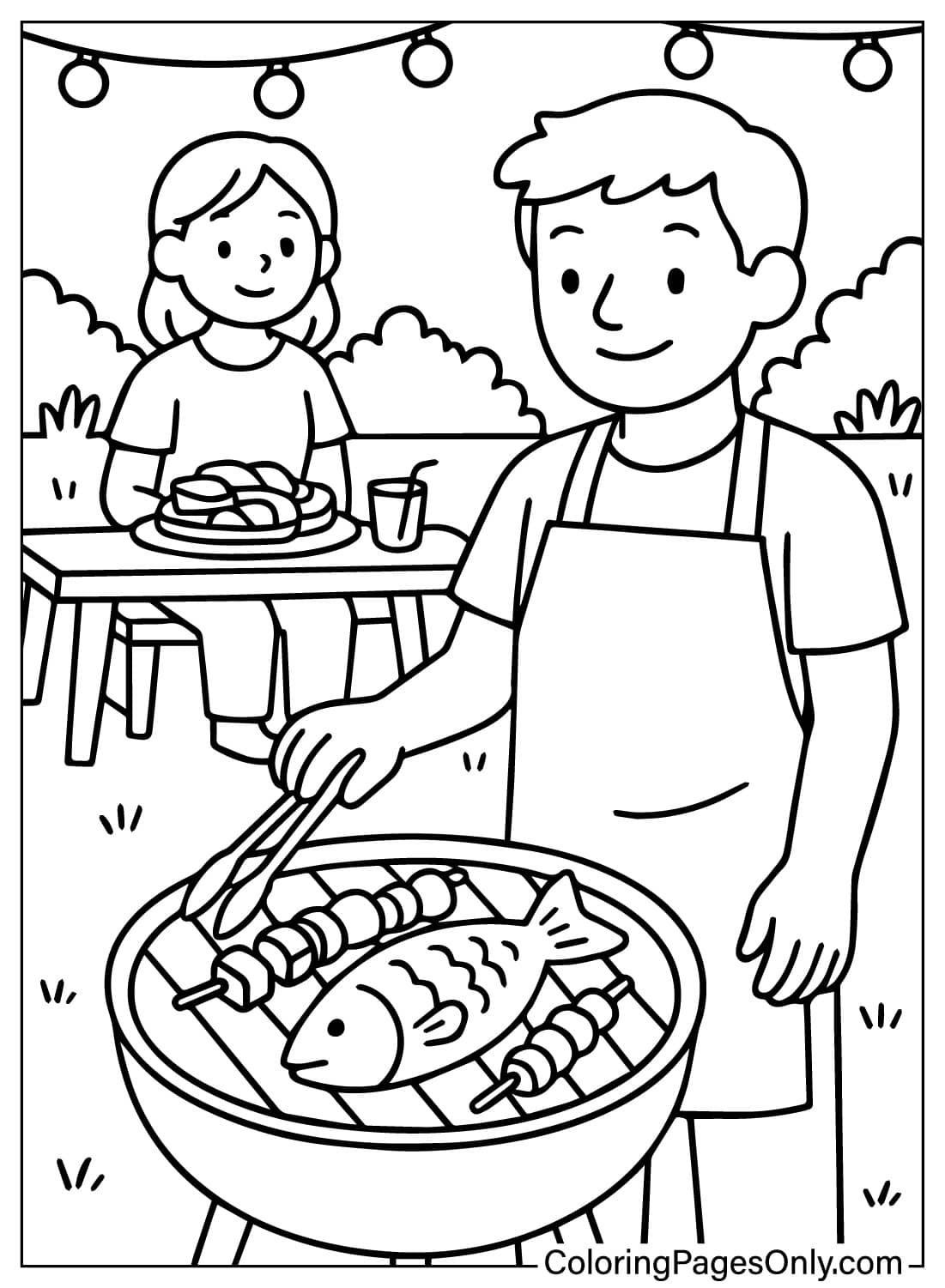
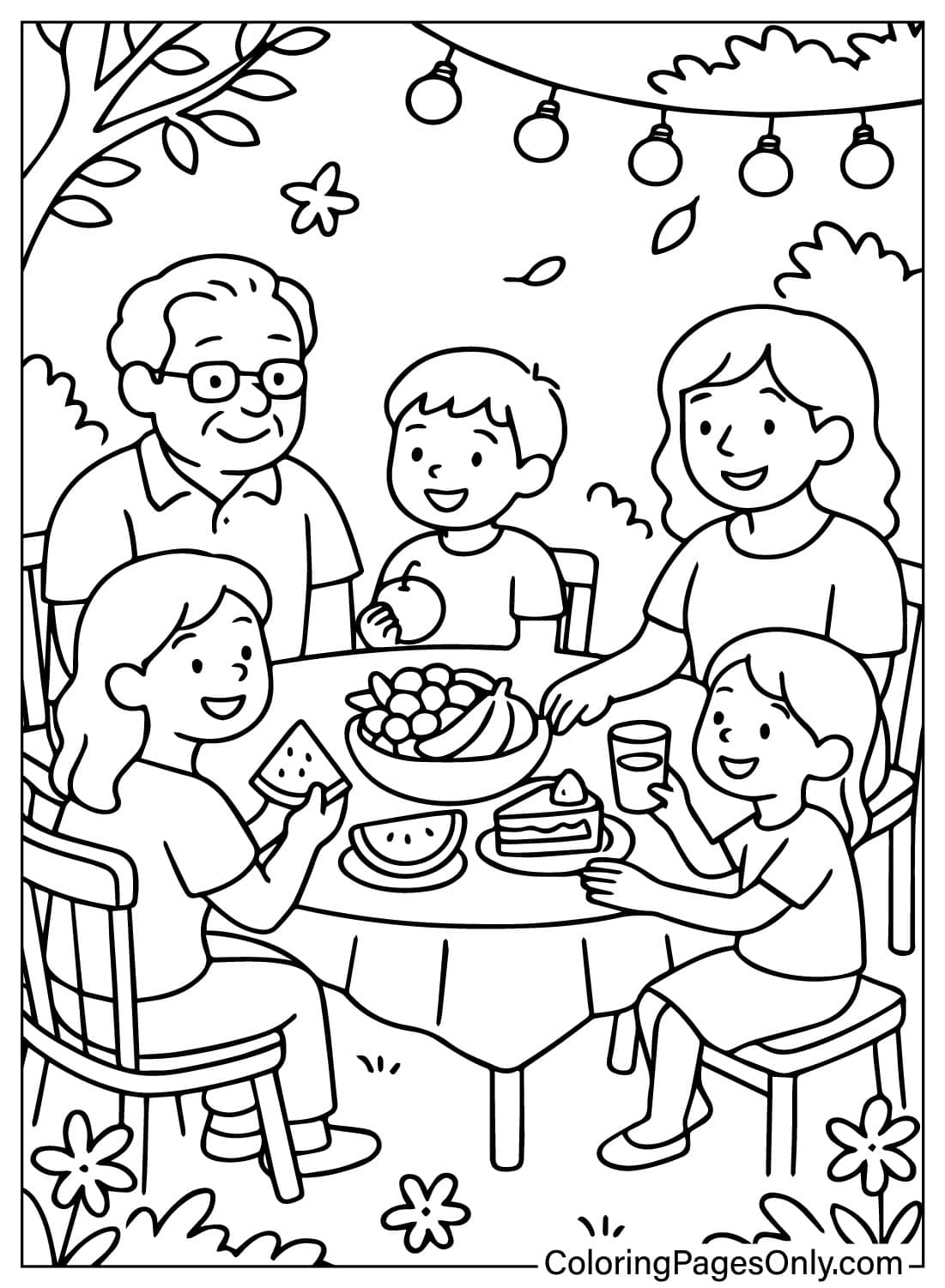
Picnic and BBQ pages show the meal side of summer: family picnic spreads, baskets, grilled foods, corn, buns, plates, seafood, snacks, outdoor tables, and cookout scenes. These pages tell a broader story because they show people gathering around food rather than just one snack by itself. Teachers can use them to talk about meals, sharing, seasons, family traditions, and the difference between everyday food and special outdoor food.
Coloring picnic and BBQ foods: Use bun beige, grilled brown, corn yellow, tomato red, lettuce green, charcoal grey, picnic blanket red, basket tan, and plate white. Add grill marks with short dark brown lines rather than coloring the whole food dark. The common mistake is making the table too heavy; keep plates, napkins, baskets, and blankets lighter so each food stands apart.
Food Markets, Cute Snacks, and Summer Food Characters
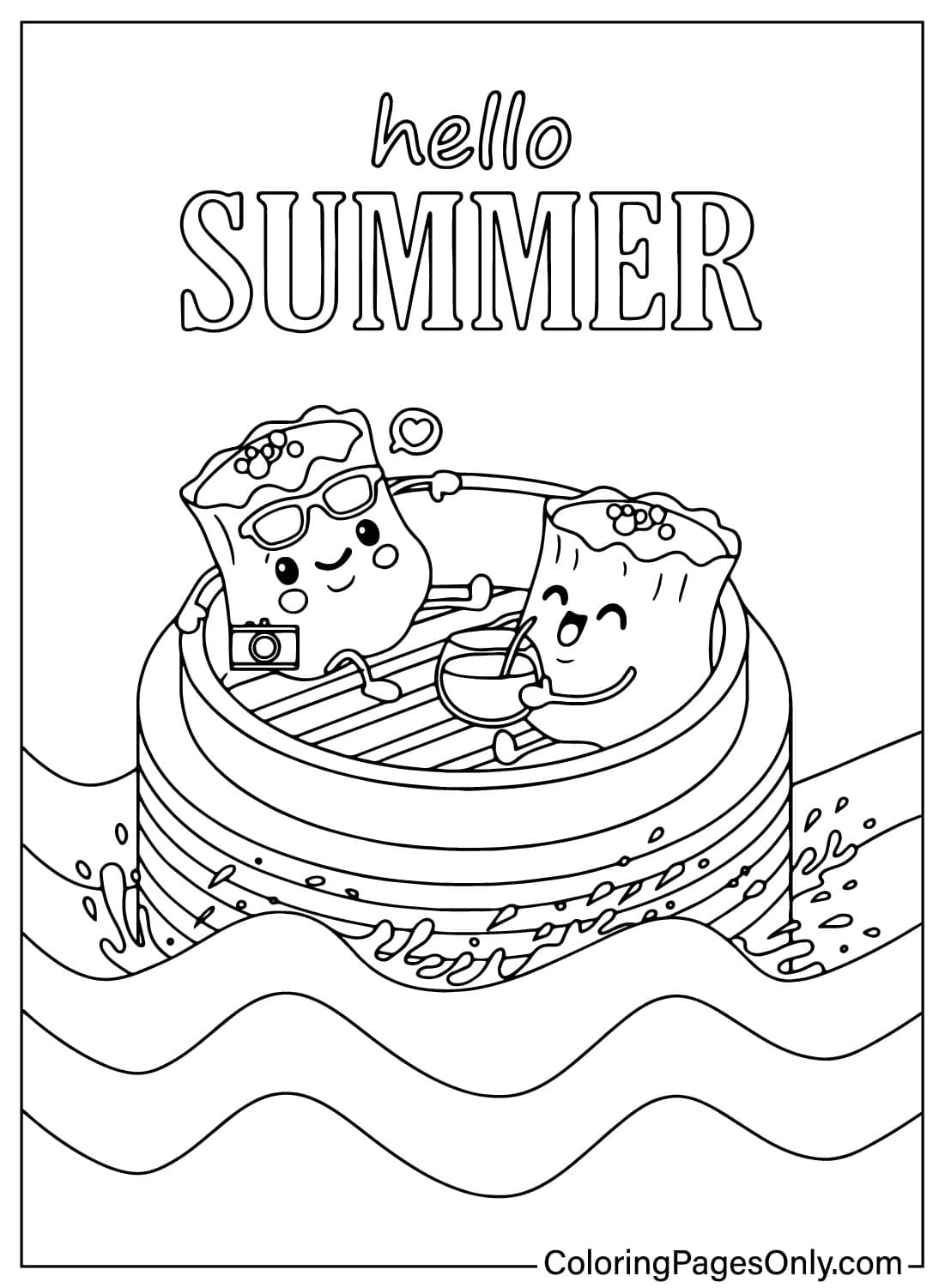
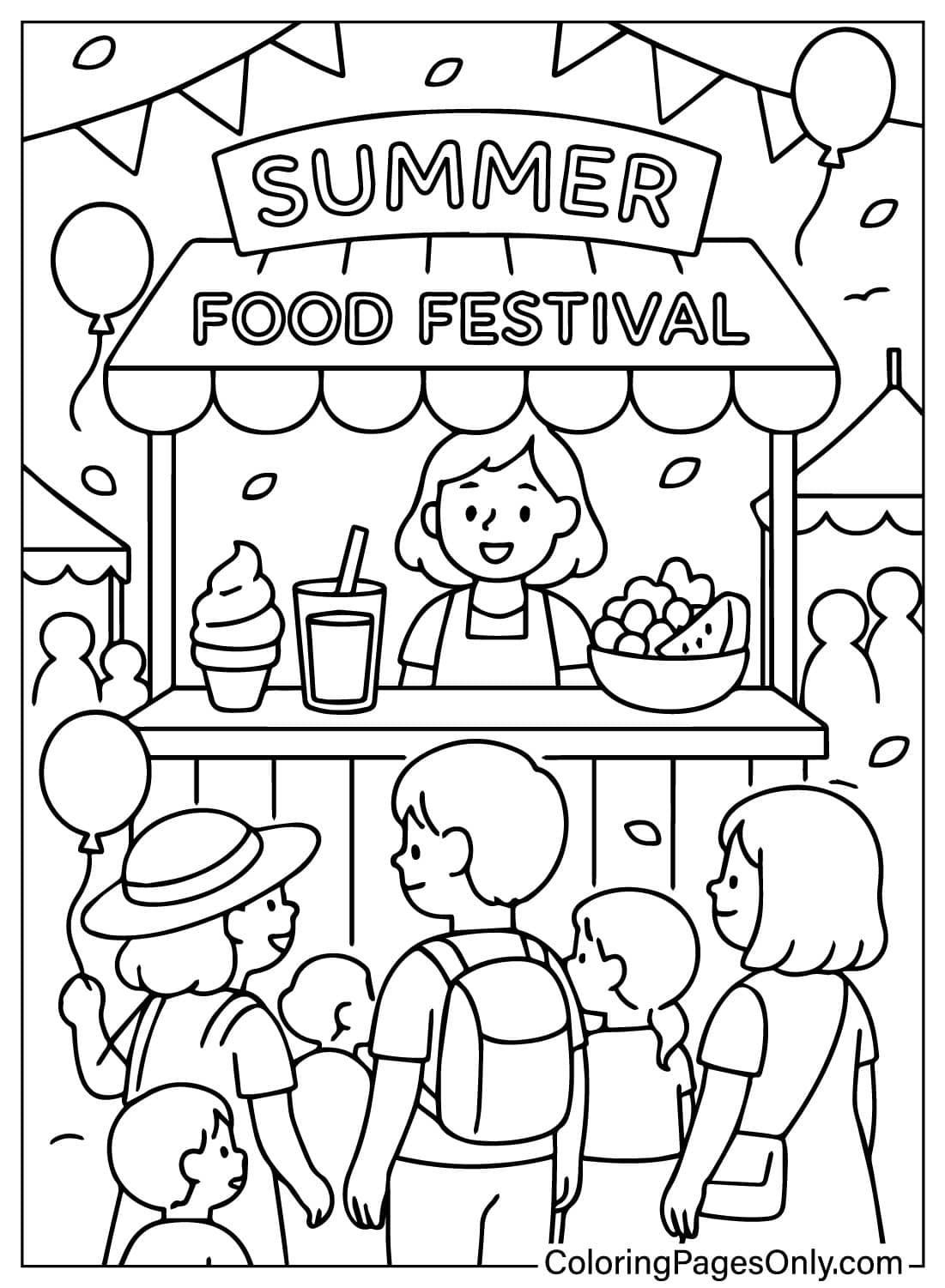
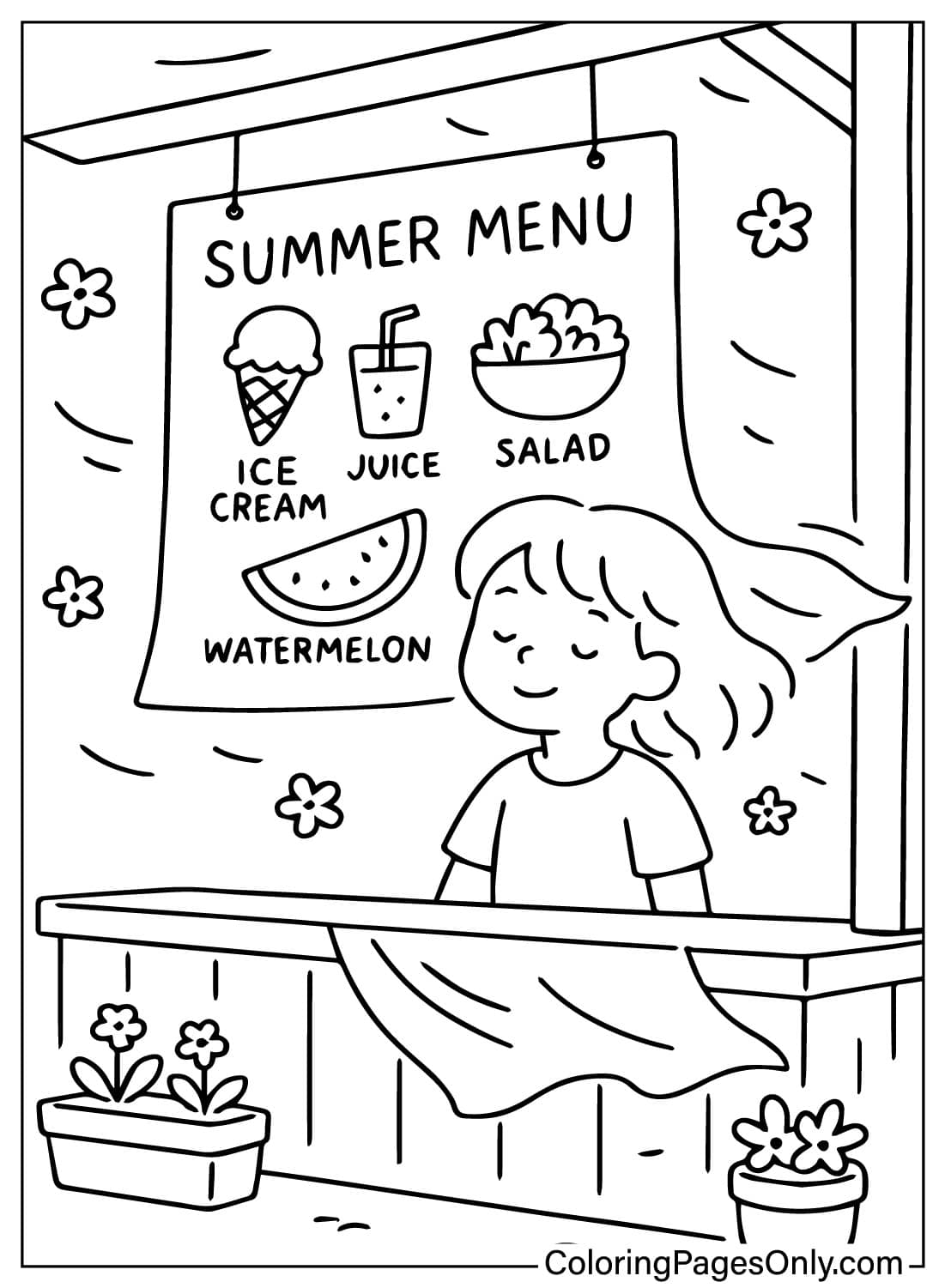
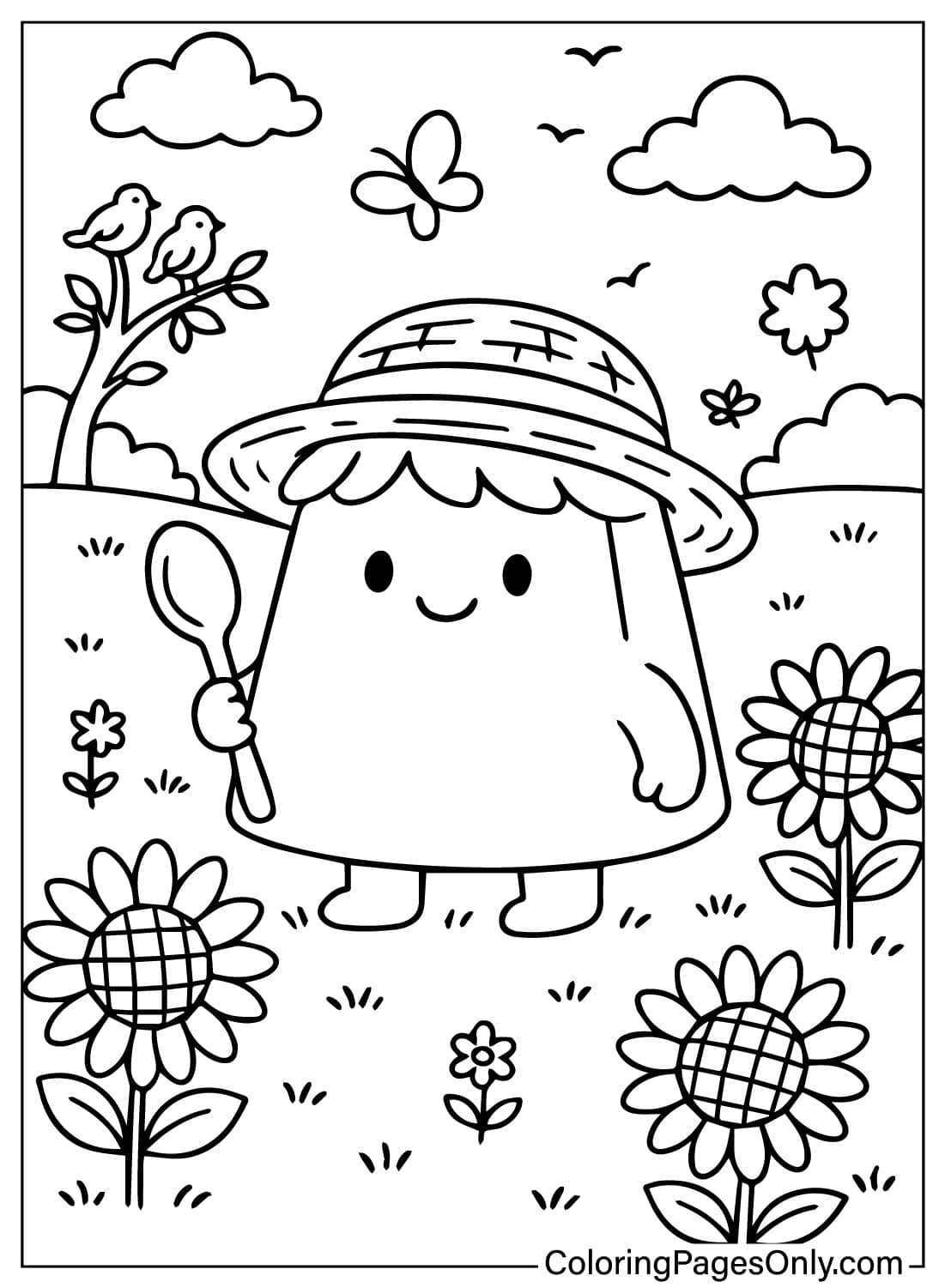
Food market and character pages add a playful, festival-like side to the collection. Summer food stalls, snack characters on vacation, cute menus, balcony breakfasts, seafood feasts, and market pages give children more detailed scenes to explore. These pages work well for older children because they include signs, counters, trays, umbrellas, awning stripes, display baskets, and many small food objects.
Coloring food market scenes: Use warm tan for wooden stalls, soft grey for shadows, red and white for awnings, fruit colors for displays, and ocean blue or sky blue for summer backgrounds. Color the biggest structures first, then finish small signs, bowls, cups, trays, and food characters. The common mistake is coloring every small item with equal intensity; choose one main focal food and keep the background softer.
What These Pages Do
Summer treats and food coloring pages connect children to seasonal food culture in a familiar, visual way. Ice cream, fruit slices, lemonade, BBQ meals, picnic baskets, shaved ice, food stalls, and outdoor snacks are tied to warm-weather routines, family gatherings, cookouts, summer camps, beach days, fairs, and food stands. A coloring page with a watermelon, smoothie, popsicle, or picnic table can introduce food vocabulary while also reminding children of real seasonal experiences.
These pages also teach design through shape, texture, pattern, and temperature. A popsicle page uses clean edges and bright blocks of color. A fruit page uses seeds, rind, peel, and slice patterns. A smoothie page uses transparent cups, ice cubes, straws, and fruit layers. A market page uses awnings, signs, tables, baskets, and repeated objects. These visual structures help children practice color grouping, object recognition, and simple composition.
The American Academy of Pediatrics identifies fine motor skill development as a key milestone throughout early childhood. HealthyChildren.org, the parenting site from the American Academy of Pediatrics, lists coloring with crayons or chalk among quiet-time activities that can help improve a 3-year-old child’s hand abilities. Summer food pages support that development through seeds, sprinkles, cup lids, straws, fruit slices, grill marks, plate edges, noodle lines, bubble tea pearls, and small market details.
The 2005 Art Therapy Journal study on structured coloring and anxiety reduction applies well to summer food pages with repeated shapes and clear outlines. Sprinkles, watermelon seeds, picnic blanket checks, bubble tea pearls, fruit slices, noodle lines, ice cubes, waffle cone grids, and food stall patterns give children organized spaces to color. This kind of structured coloring can feel calm and focused while still keeping the subject bright, cheerful, and seasonal.
How to Color These Pages Well
Make frozen treats look cold, not heavy. Use pale vanilla cream, strawberry pink, mint green, mango orange, and soft blueberry purple for the first layer. Add shadows only under scoops, along bowl edges, or near melting drips. The common mistake is pressing too hard with dark colors; frozen desserts look better when the colors stay light, creamy, and bright.
Keep fruit colors fresh and layered. Watermelon needs bright red, pale green, and dark green rind, while strawberries need red with tiny yellow seed dots. Pineapple and mango-style shapes work well with golden yellow and warm orange. Test strong fruit colors on scrap paper first because too much red or orange can overpower small outlines.
Use transparent colors for drinks and ice. Smoothies and lemonade cups look better when the liquid is colored with light pressure first. Add ice cubes with pale blue-grey and leave small white edges for shine. For bubble tea, color the drink first and then add darker tapioca pearls so the circles stay visible.
Balance picnic and BBQ pages with light spaces. Picnic foods often include baskets, plates, blankets, buns, corn, fruit, and drinks, so the page can become crowded quickly. Use lighter colors for plates, napkins, and background areas, then stronger colors for the main foods. The common mistake is making the whole picnic table dark; keep some white or cream areas so each food stands apart.
Make food market pages readable by choosing one focal area. Start with the stall, table, or largest food item, then move to smaller details like signs, bowls, cups, and trays. Use warm tan, soft grey, and light sky blue for background structures. Save the brightest colors for fruit, desserts, or the main food character so the page has a clear center.
Use summer color families instead of random bright colors. A fruit palette can use watermelon red, lemon yellow, kiwi green, and pineapple gold. A beach-dessert palette can use turquoise, coral pink, sand beige, and coconut white. A picnic palette can use red checks, basket brown, grass green, and plate white. The common mistake is using every bright color at once; a smaller palette usually looks cleaner.
5 Creative Craft Ideas
Summer Food Garland
Use ice cream, fruit, popsicle, watermelon, and cute snack pages to make a summer food garland. Materials include printed coloring pages, crayons or colored pencils, safety scissors, string, tape or hole punch, and optional cardstock. Children color several treats, cut them into simple shapes, and attach them along a string. Alternate fruits, frozen desserts, and drinks to create a repeating pattern. This craft works well for ages 4–8 because it uses large shapes and simple cutting. The finished garland can decorate a classroom, summer party table, kitchen corner, or camp activity wall.
Pretend Summer Menu Cards
Use smoothie, BBQ, picnic, dessert, and food market pages to create pretend menu cards. Materials include printed pages, folded cardstock, markers, glue, scissors, and small price labels. Children color their favorite foods, cut them out, and arrange them under headings such as “Frozen Treats,” “Fresh Fruits,” “Cold Drinks,” “Picnic Meals,” and “BBQ Favorites.” Older children can write menu descriptions or invent a summer café name. This craft works best for ages 6–11 because it combines coloring, writing, food vocabulary, category sorting, and pretend play.
Summer Treats Around the World Mini Poster
Use pages with bingsu, bubble tea, cold noodles, tropical fruits, ice cream, lemonade, and picnic foods to create a simple culture poster. Materials include printed pages, poster paper, crayons, colored pencils, scissors, glue, and small labels. Children color several treats, cut them out, and arrange them under headings such as “Frozen Desserts,” “Cold Drinks,” “Picnic Foods,” and “Summer Noodles.” Older children can add simple labels like “Korean bingsu,” “bubble tea,” “Japanese cold noodles,” or “tropical fruit drinks.” This project works best for ages 8–12 because it connects coloring with food vocabulary, geography, and summer food traditions.
Ice Cream Stand Craft
Use ice cream cone, rolled ice cream, sundae, and dessert stall pages to build a pretend ice cream stand. Materials include printed pages, a small cardboard box, crayons, scissors, glue, paper signs, and craft sticks. Children color the desserts first, cut them out, and attach them to the front of the box as menu items. Add a paper sign such as “Summer Ice Cream Stand” and small price tags. This craft works for ages 7–12 because it includes coloring, cutting, building, and pretend business play. The finished stand can be used for classroom role-play or summer party decoration.
Cool Drinks Color Study
Use lemonade, smoothie, coconut drink, bubble tea, and juice stand pages to practice transparent coloring. Materials include printed drink pages, colored pencils or crayons, and a scrap paper test sheet. Children choose two or three drink colors, then practice light pressure for liquid, pale blue-grey for ice, and stronger colors for straws, fruit slices, or tapioca pearls. Older colorists can compare which combinations look most refreshing. This project works best for ages 8 and up because it teaches layering, contrast, and careful pressure control. The finished pages can become a mini “summer drinks” display.
Frequently Asked Questions
What are Summer Treats & Foods?
Summer treats and foods are snacks, meals, drinks, and desserts often connected with warm weather, outdoor gatherings, beach days, picnics, fairs, and family activities. They can include ice cream, popsicles, watermelon, lemonade, smoothies, BBQ foods, fruit desserts, cold noodles, seafood plates, picnic meals, and shaved ice. In coloring pages, these foods appear through simple shapes, cute characters, food stands, tables, cups, bowls, and summer backgrounds. This collection focuses on the visual fun of summer food rather than recipes or nutrition advice.
Why are ice cream, watermelon, and lemonade common summer food images?
These foods are easy to recognize and strongly connected to hot weather. Ice cream and popsicles show coldness through scoops, sticks, drips, sprinkles, and waffle cones. Watermelon has clear visual parts: rind, red fruit, and black seeds. Lemonade and smoothies often include straws, ice cubes, fruit slices, transparent cups, and shine marks, which make them fun to color.
Why do some pages include bingsu, bubble tea, cold noodles, and food market scenes?
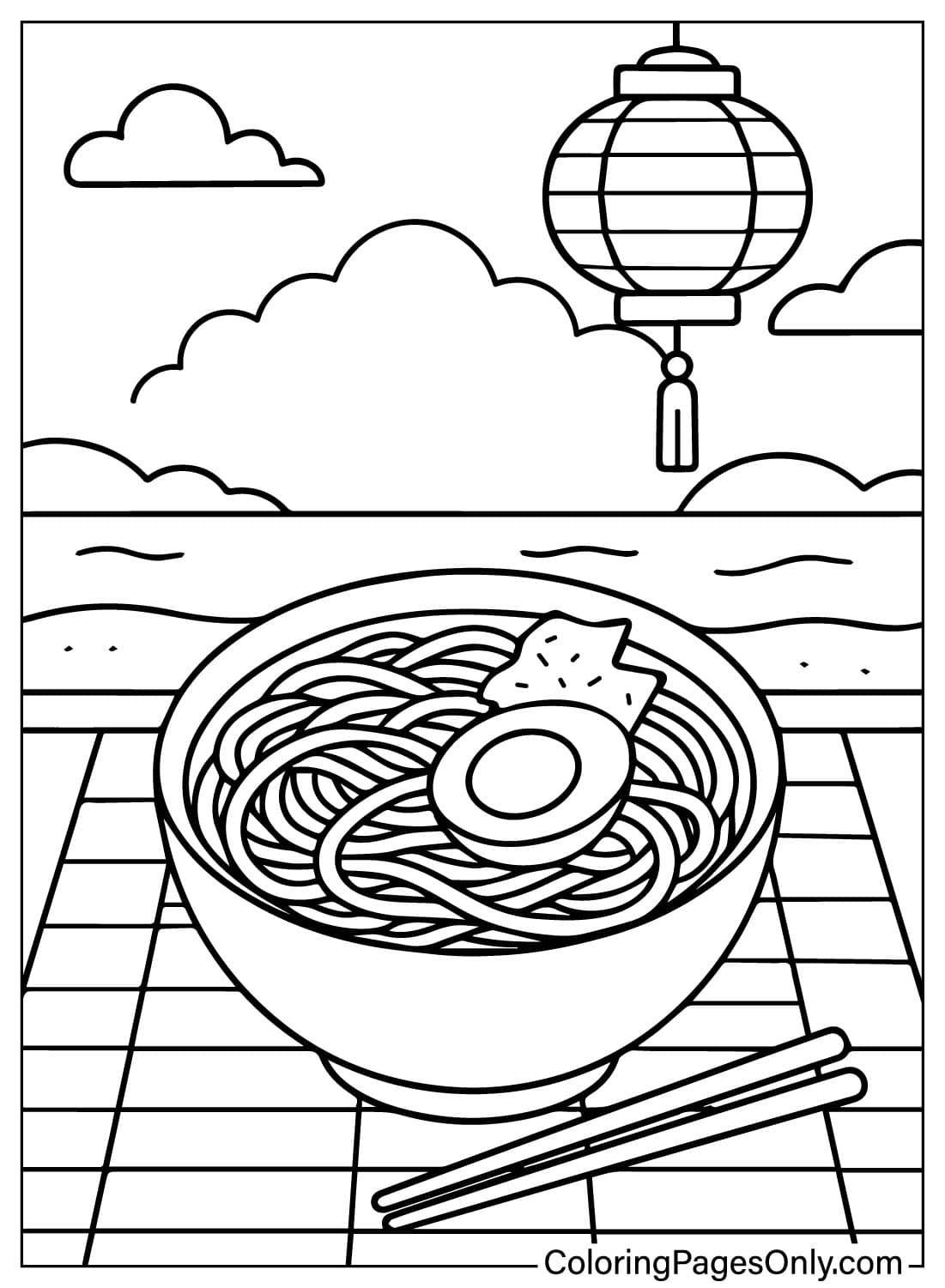
Summer foods are not limited to ice cream and watermelon. Many cultures have their own warm-weather treats, such as shaved ice desserts, cold noodle dishes, fruit drinks, and street market snacks. Bingsu, bubble tea, cold noodles, and food stalls add variety to the collection and give older children more detailed pages to color. These pages also help teachers and parents talk about food culture in a simple, visual way.
What kinds of foods are included in these coloring pages?
The collection includes frozen desserts, ice cream cones, bingsu bowls, jelly desserts, chocolate sundaes, watermelon, passion fruit, tropical drinks, smoothies, bubble tea, coconut drinks, picnic meals, BBQ foods, seafood feasts, cold noodles, food market stalls, and cute snack characters. Some pages are simple and playful, while others include more detailed food tables or market scenes. This range makes the collection useful for both younger children and older colorists. It also gives teachers and parents options for summer food lessons, craft projects, and party printables.
What age group are these Summer Treats & Foods Coloring Pages best suited for?
The simplest pages, such as popsicles, smiling fruit, watermelon slices, cute drinks, and large ice cream cones, can work from about age 3 with thick crayons and adult supervision. More detailed pages with food markets, BBQ tables, seafood feasts, cold noodles, bingsu bowls, and layered desserts are better for ages 7–12 because they include smaller objects and more background details. Teens and adults may enjoy the aesthetic drink pages, dessert scenes, and food market designs for relaxed seasonal coloring. The best page depends on the detail level, not just the summer food theme.
What colors work best for Summer Treats & Foods Coloring Pages?
Bright but controlled summer colors work best. Good choices include watermelon red, lemon yellow, mango orange, strawberry pink, mint green, coconut white, sky blue, turquoise, cherry red, basket brown, and grass green. Frozen desserts need soft colors, while fruits can handle stronger reds, yellows, and greens. For food market pages, use lighter background colors so the treats remain the focus.
How can these coloring pages be used in summer lessons?
Teachers can use these pages for food vocabulary, color recognition, sorting activities, summer camp crafts, pretend menus, picnic themes, and food culture conversations. A fruit basket collage can help children name fruits and compare colors. A pretend menu can support writing and category sorting. Pages with bingsu, bubble tea, cold noodles, and tropical fruits can also introduce children to different summer food traditions.
Can these pages be used for party decorations or crafts?
Yes. Summer food pages are especially useful for garlands, menu cards, table signs, party banners, pretend food stands, bookmarks, and classroom bulletin boards. Ice cream and fruit pages are easy to cut into simple shapes. Drink pages can be grouped into a “cool summer drinks” display. Finished pages can also be used as placemats for a summer picnic or food-themed party.
Summer treats and food coloring pages carry the feeling of warm days in simple shapes: a cold drink with a straw, a watermelon slice on a picnic table, a melting scoop of ice cream, or a food stall filled with fruit and desserts. Each page turns a familiar summer bite into a small coloring activity.
Browse the full collection at ColoringPagesOnly.com. All 30+ pages free, no sign-up, PDF or PNG, print at home or color online.
These pages fit many summer moments: a camp activity, a classroom food lesson, a picnic craft, a party decoration, or a quiet afternoon at home. They also give colorists a useful challenge because summer foods look best when bright colors stay fresh, clean, and balanced.
For the final pass, keep ice highlights white, make fruit colors juicy, and leave small shine marks on drinks and frozen treats. A few untouched white spaces can make the whole page feel cooler and more refreshing.
Share your work on Facebook and Pinterest and tag #Coloringpagesonly. We especially want to see your Summer Food Garland and Summer Treats Around the World Mini Poster.
Cold treats / bright fruit/summer on the page.