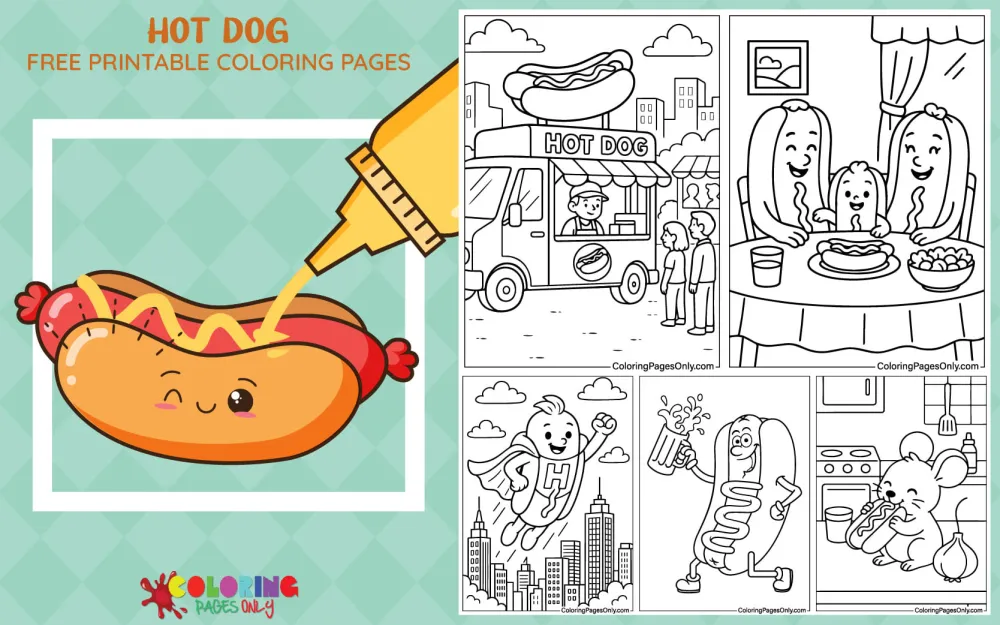
Free Hot Dog Coloring Pages: 62 printable PDF designs featuring realistic hot dogs, animal pairings, food-truck and picnic scenes, and cute cartoon hot dog characters. Each page can be downloaded as a PDF to print or colored online in the browser.
The hot dog’s origin is genuinely disputed. Frankfurt, Germany, claims the sausage dates back to 1487, while Vienna points to the word wiener as proof of its own claim, and historians generally agree the modern hot dog descends from a common European sausage tradition rather than one single inventor. What is better documented is its American story: German immigrants sold similar sausages on rolls in New York in the 1860s, calling them dachshund sausages because of their shape, and Charles Feltman opened a stand at Coney Island in 1871. A former Feltman employee, Nathan Handwerker, opened Nathan’s Famous nearby in 1916, a stand still associated with the hot dog today through its long-running July 4th eating contest. One popular story claims a cartoonist coined the name hot dog because he could not spell dachshund, but language historians have found no evidence for that tale. The word hot dog appears in print as early as 1884, years before the cartoon in question.
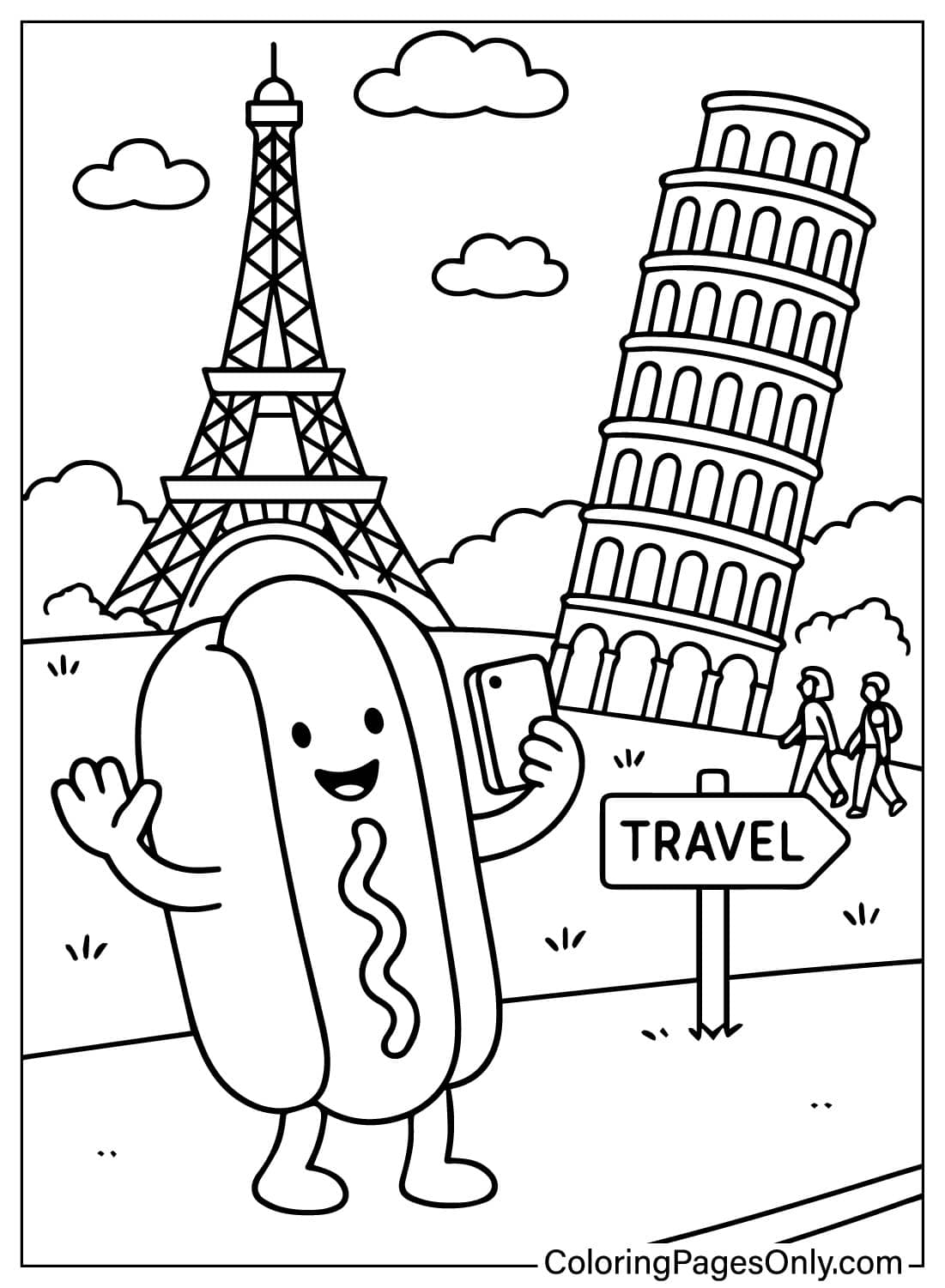
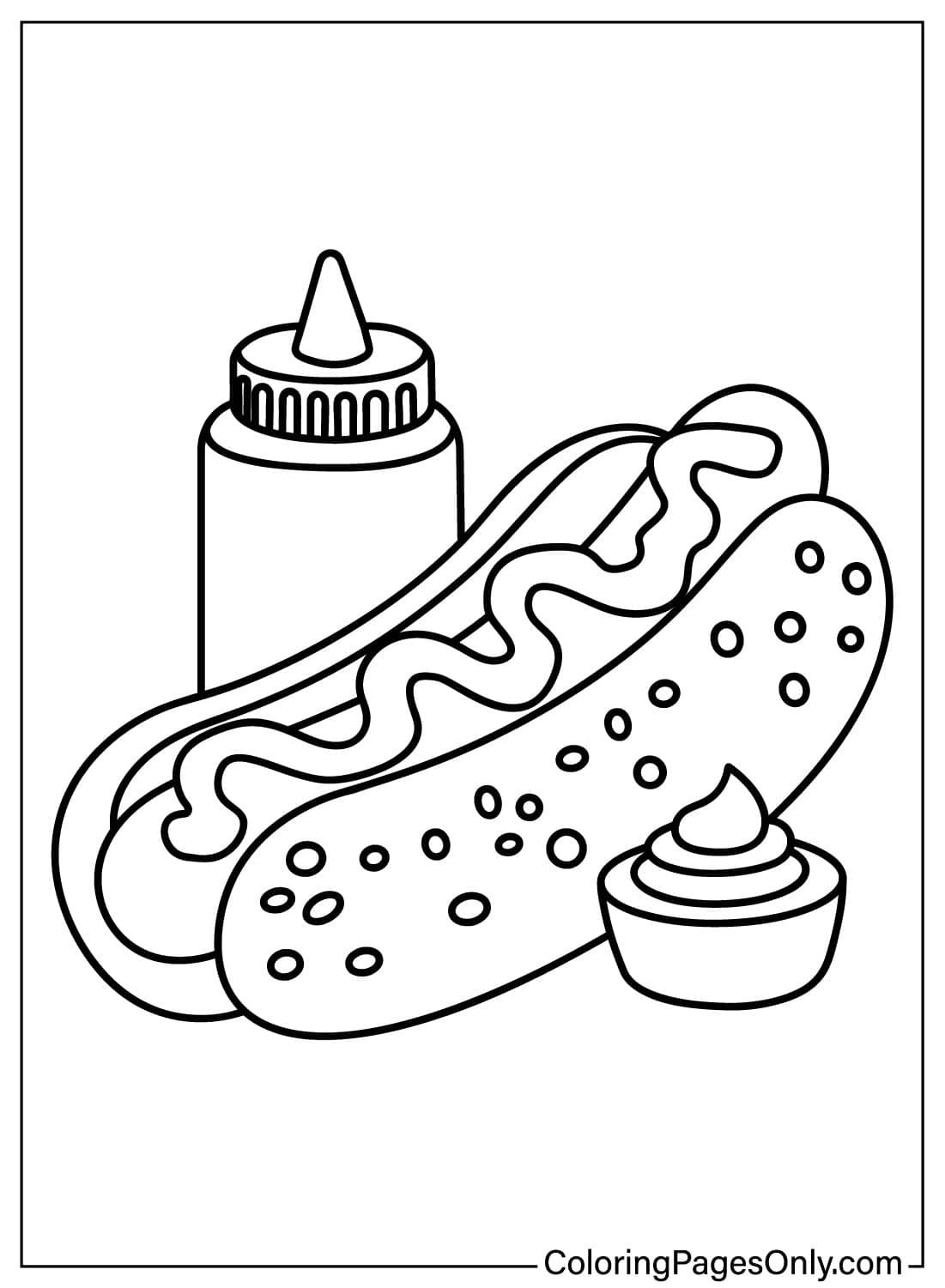
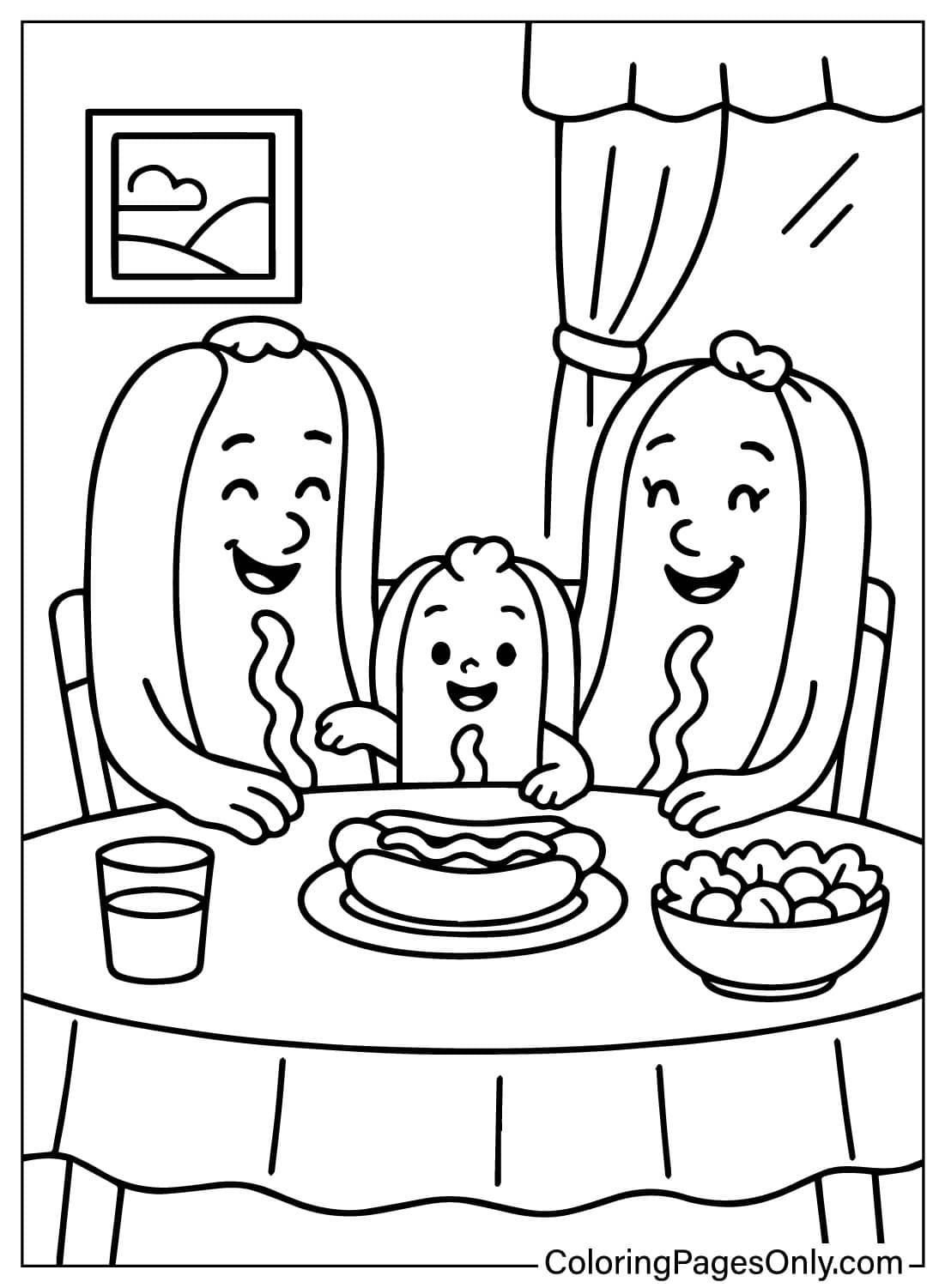
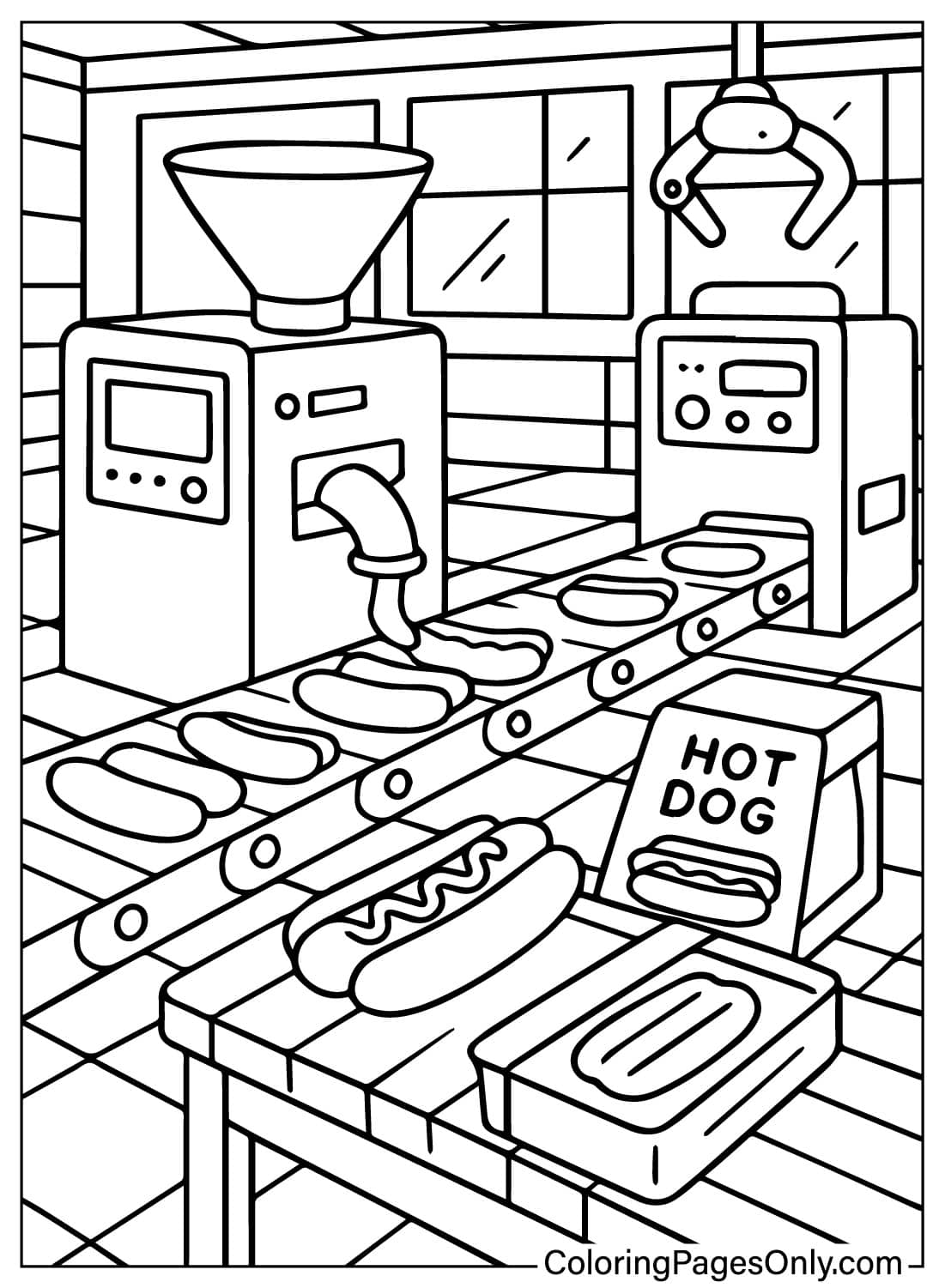
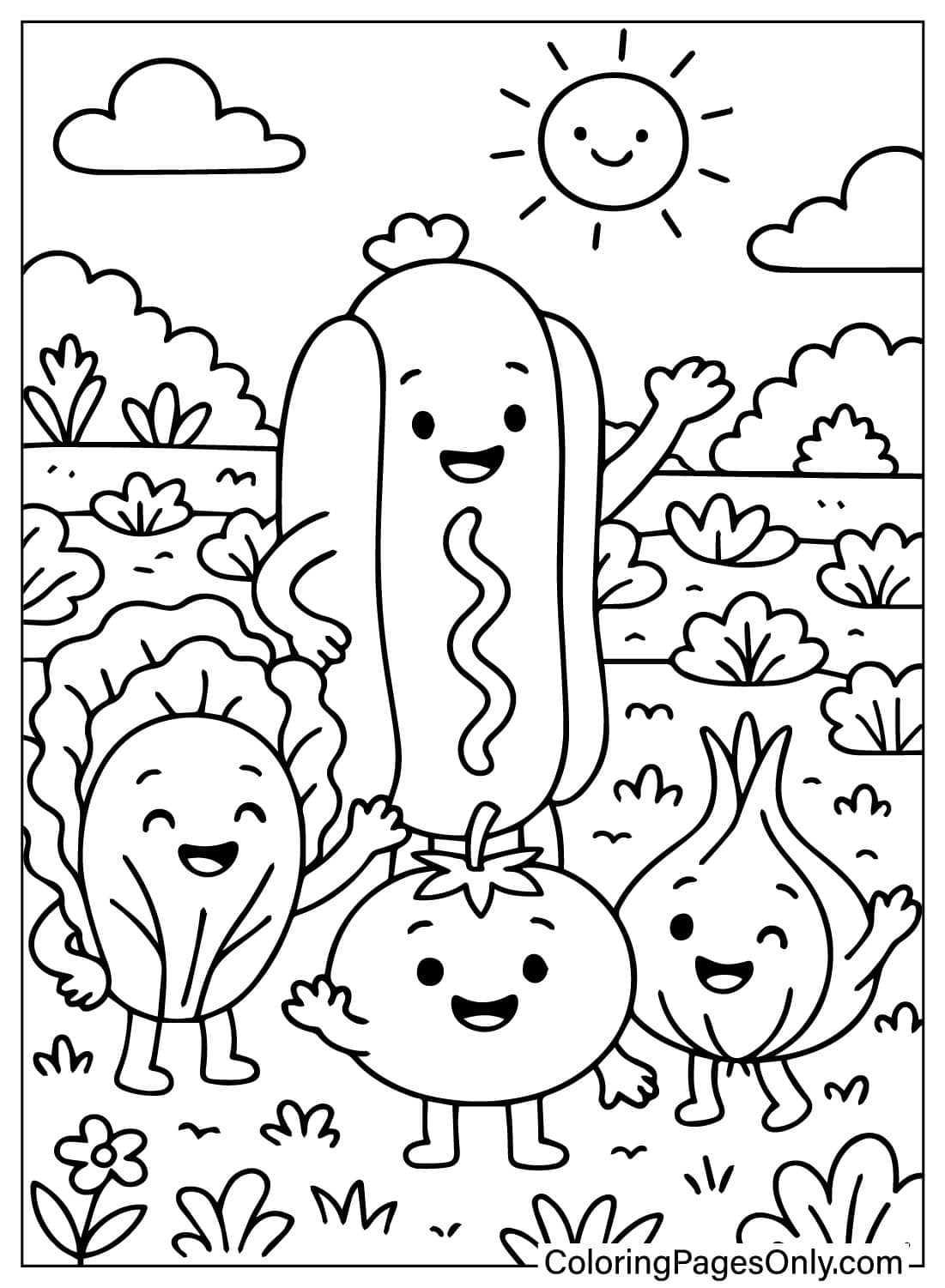
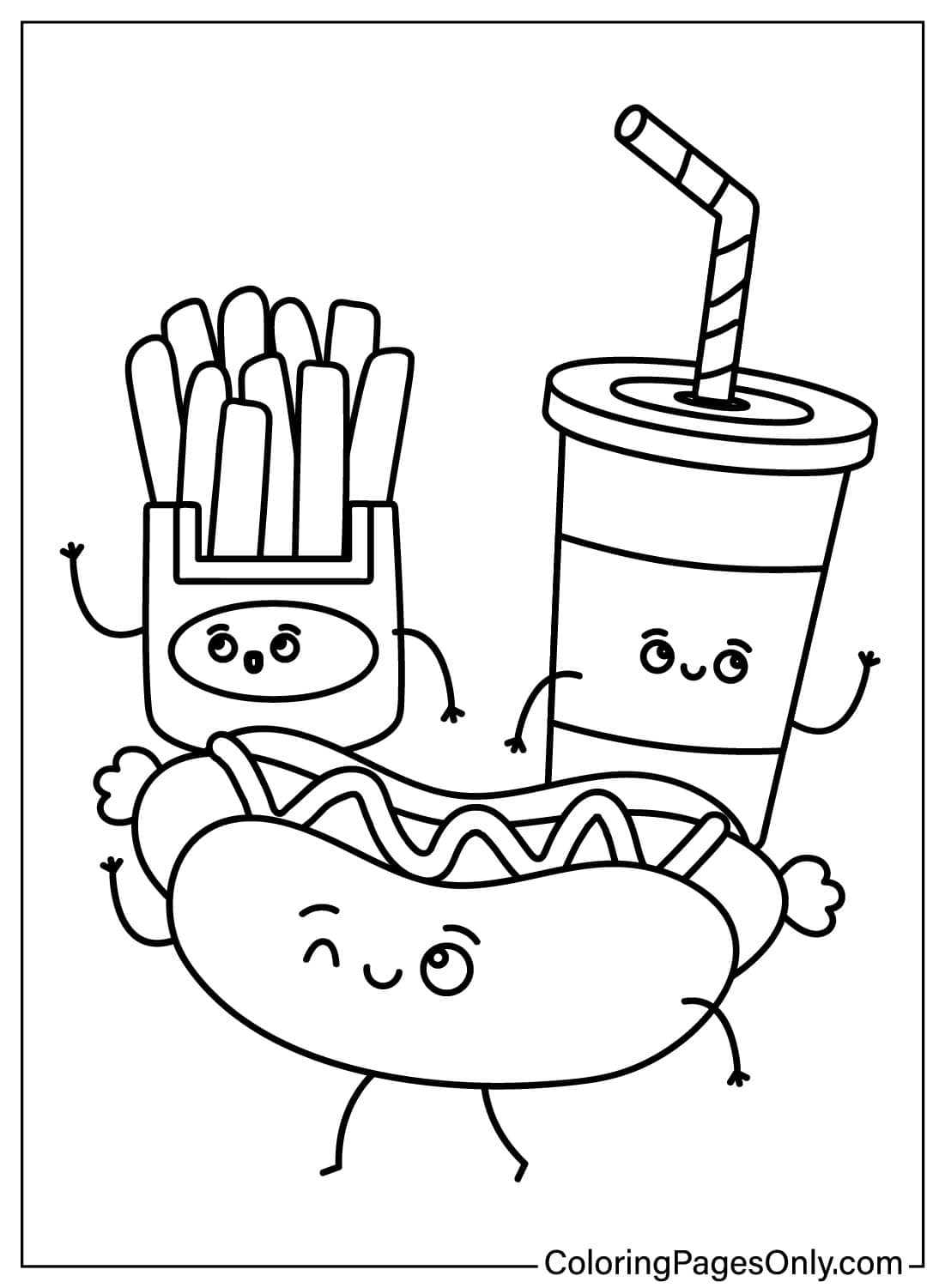
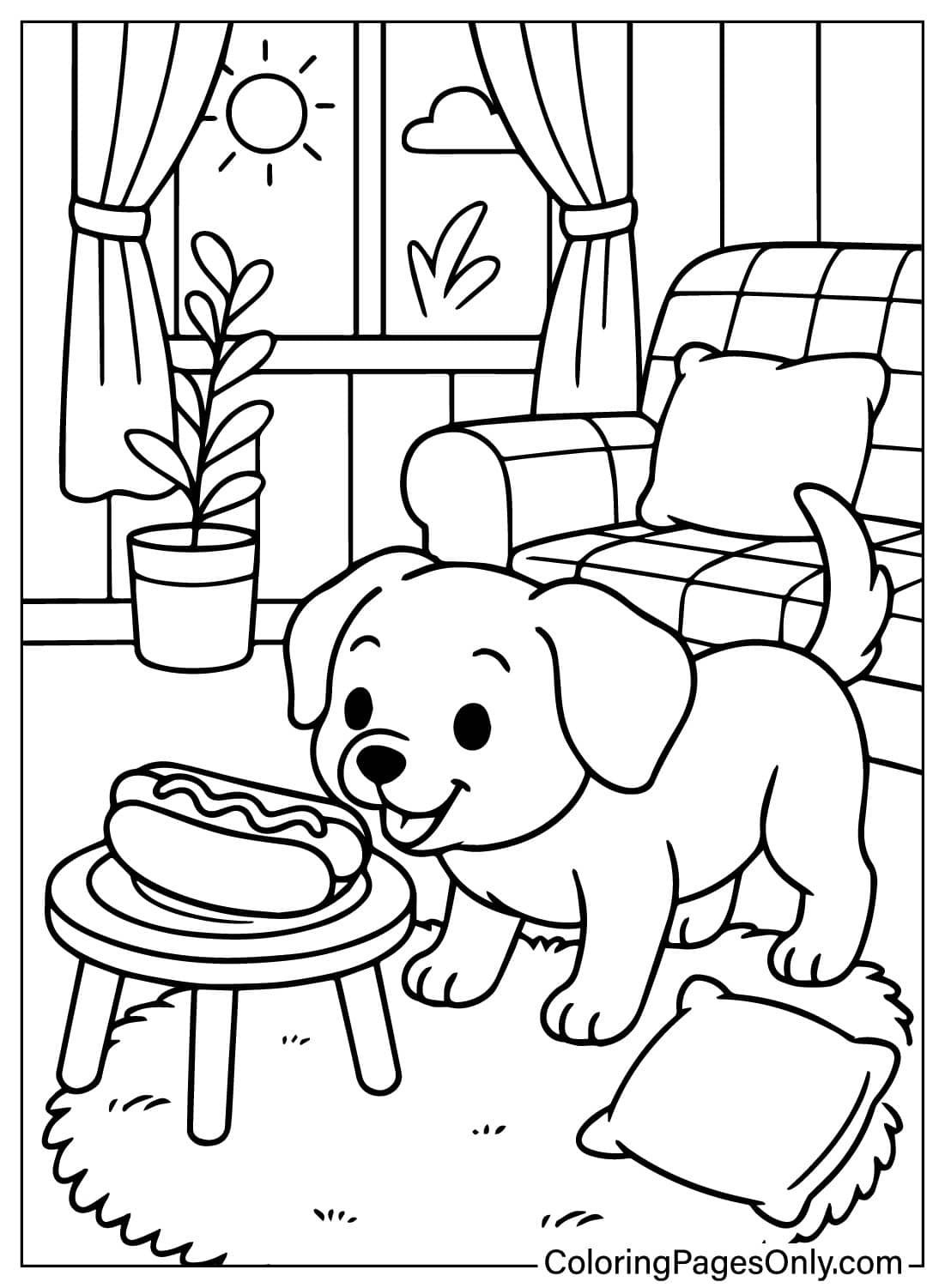
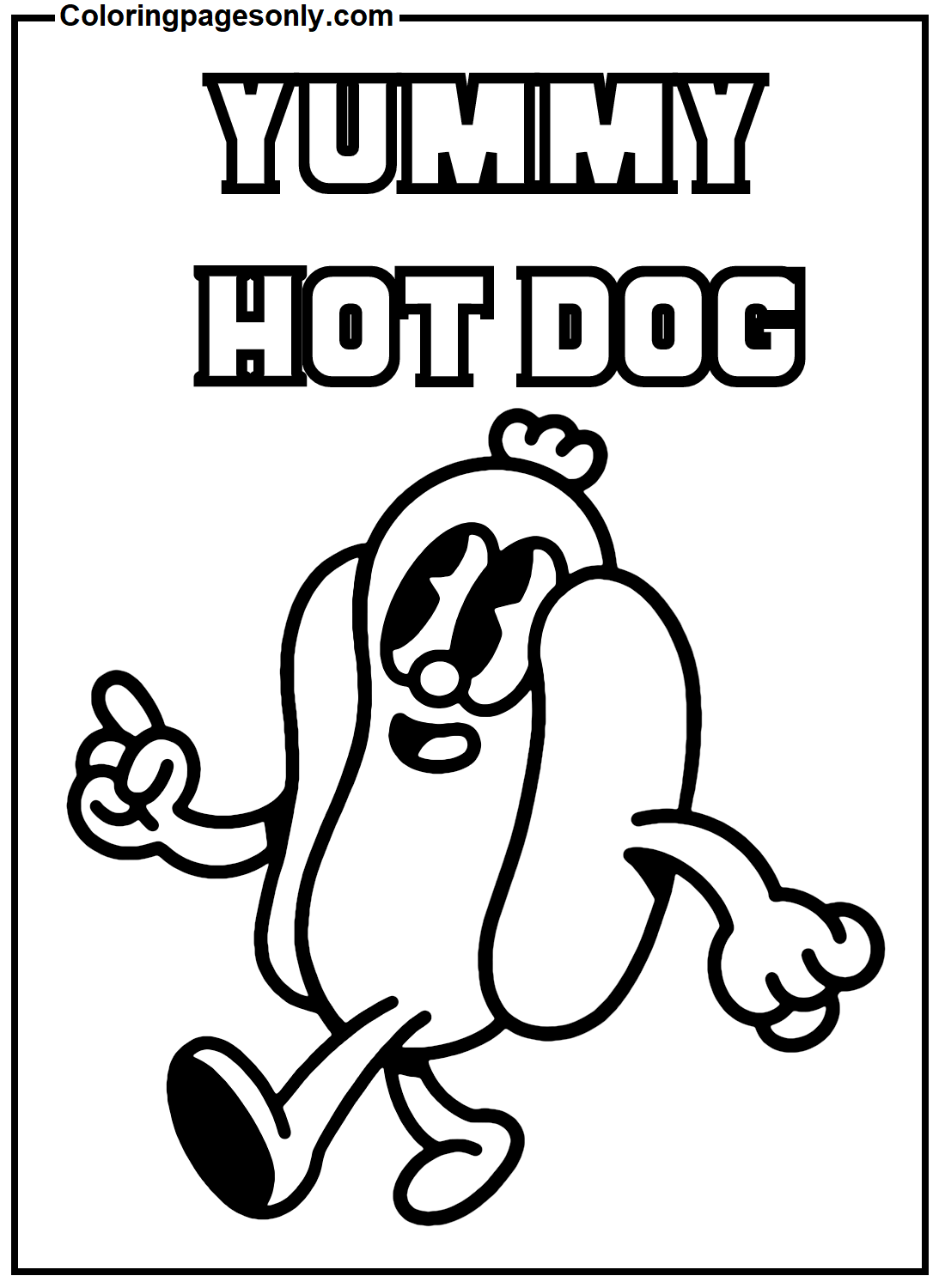
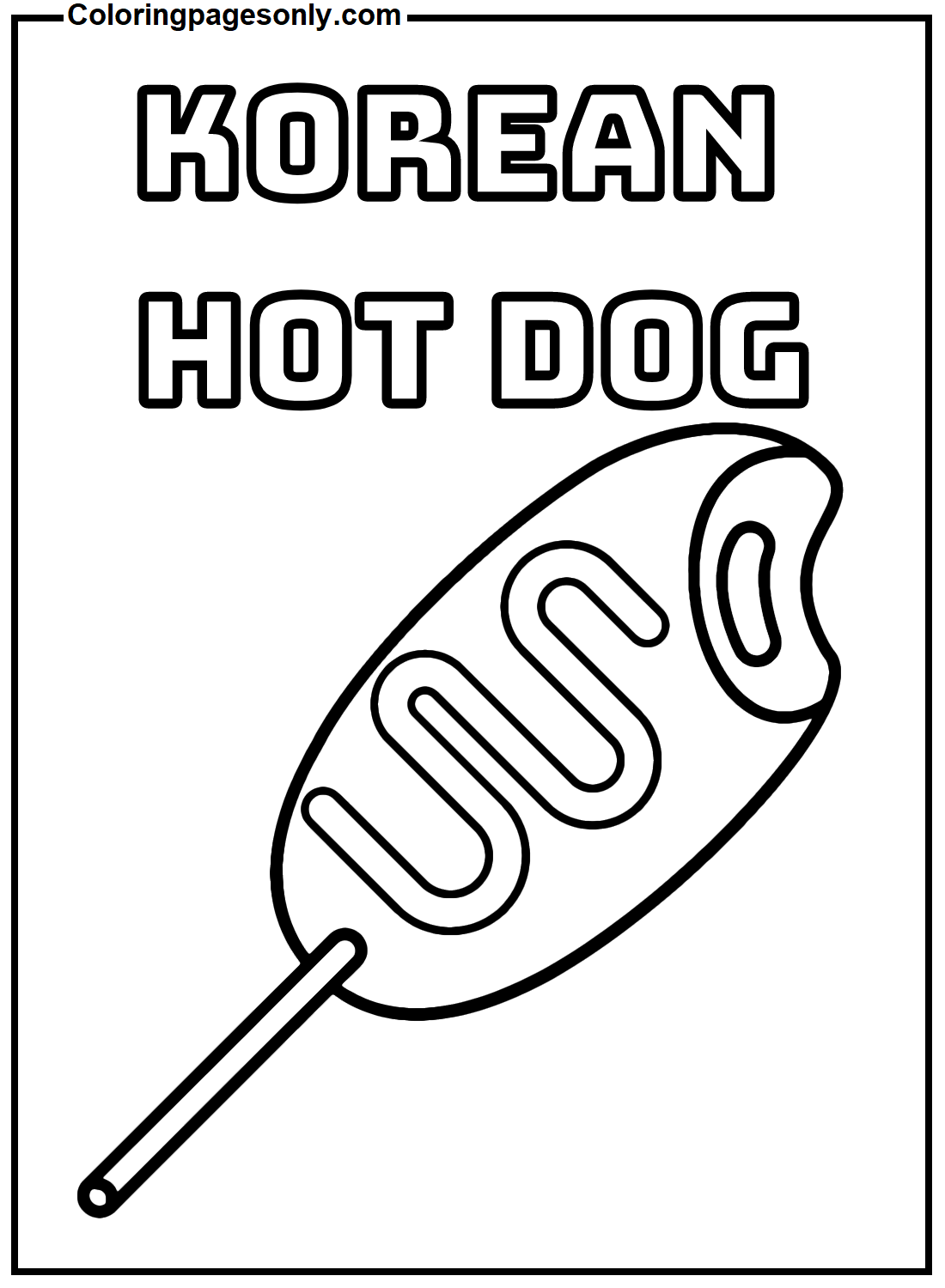
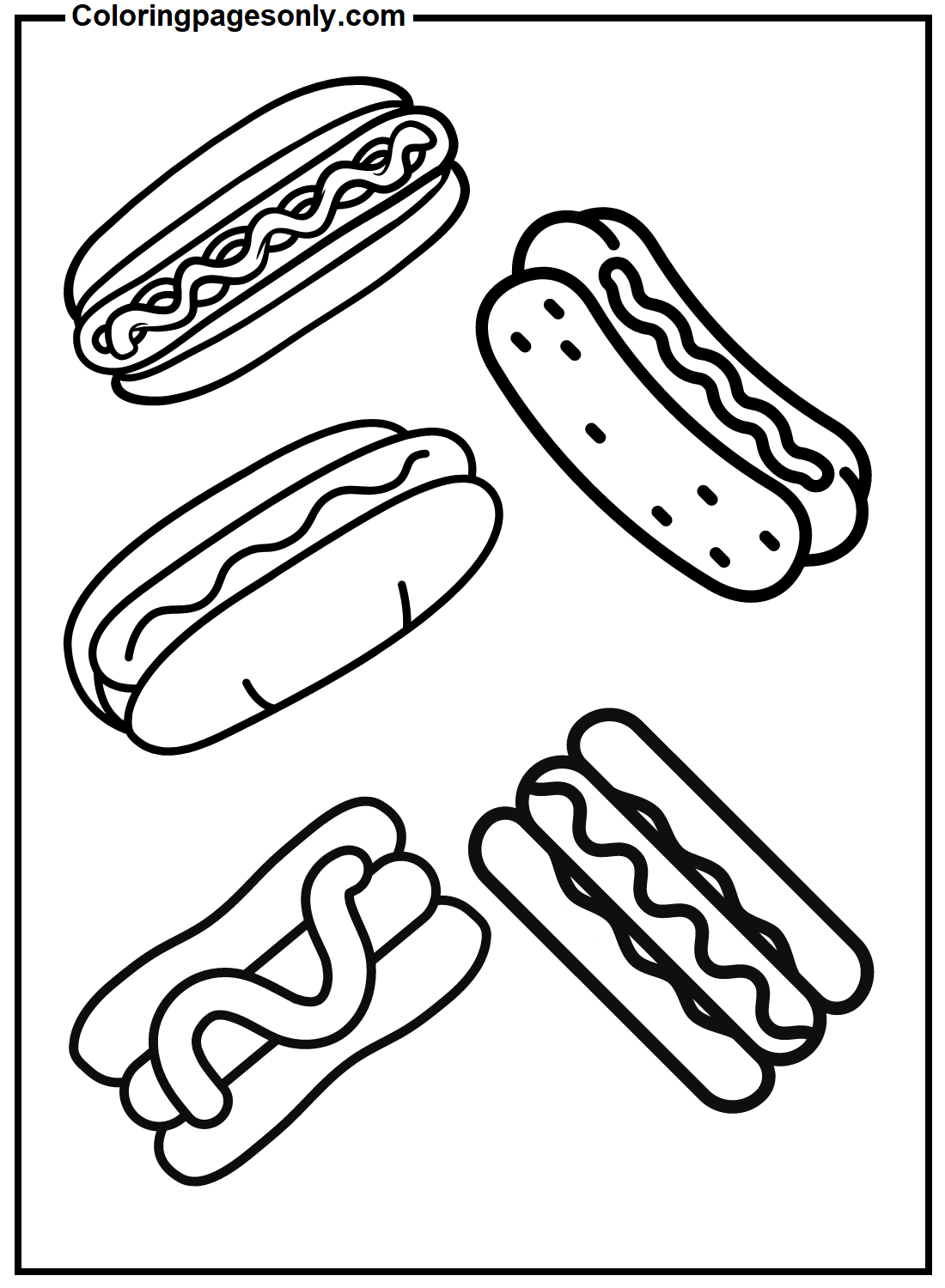
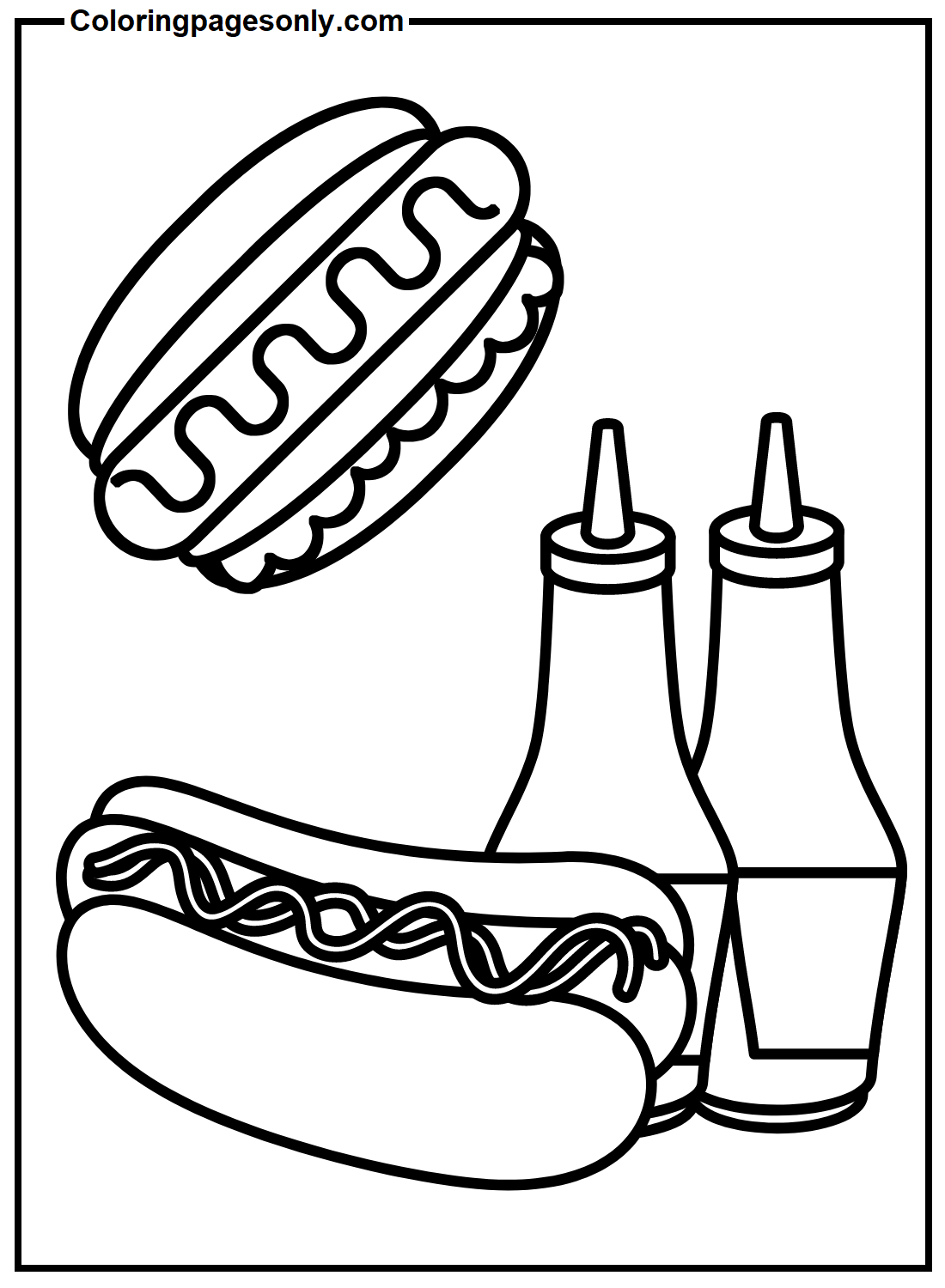
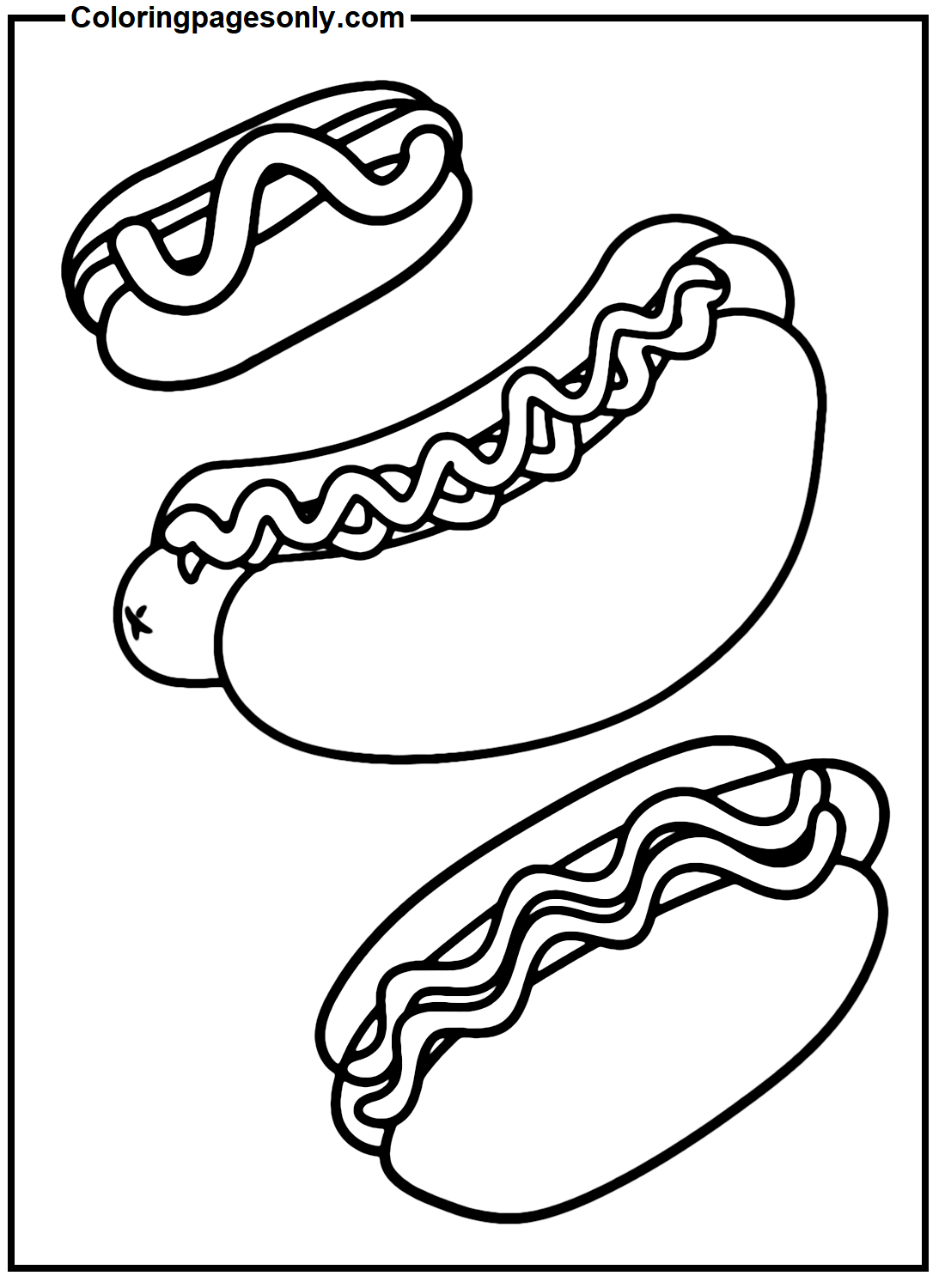
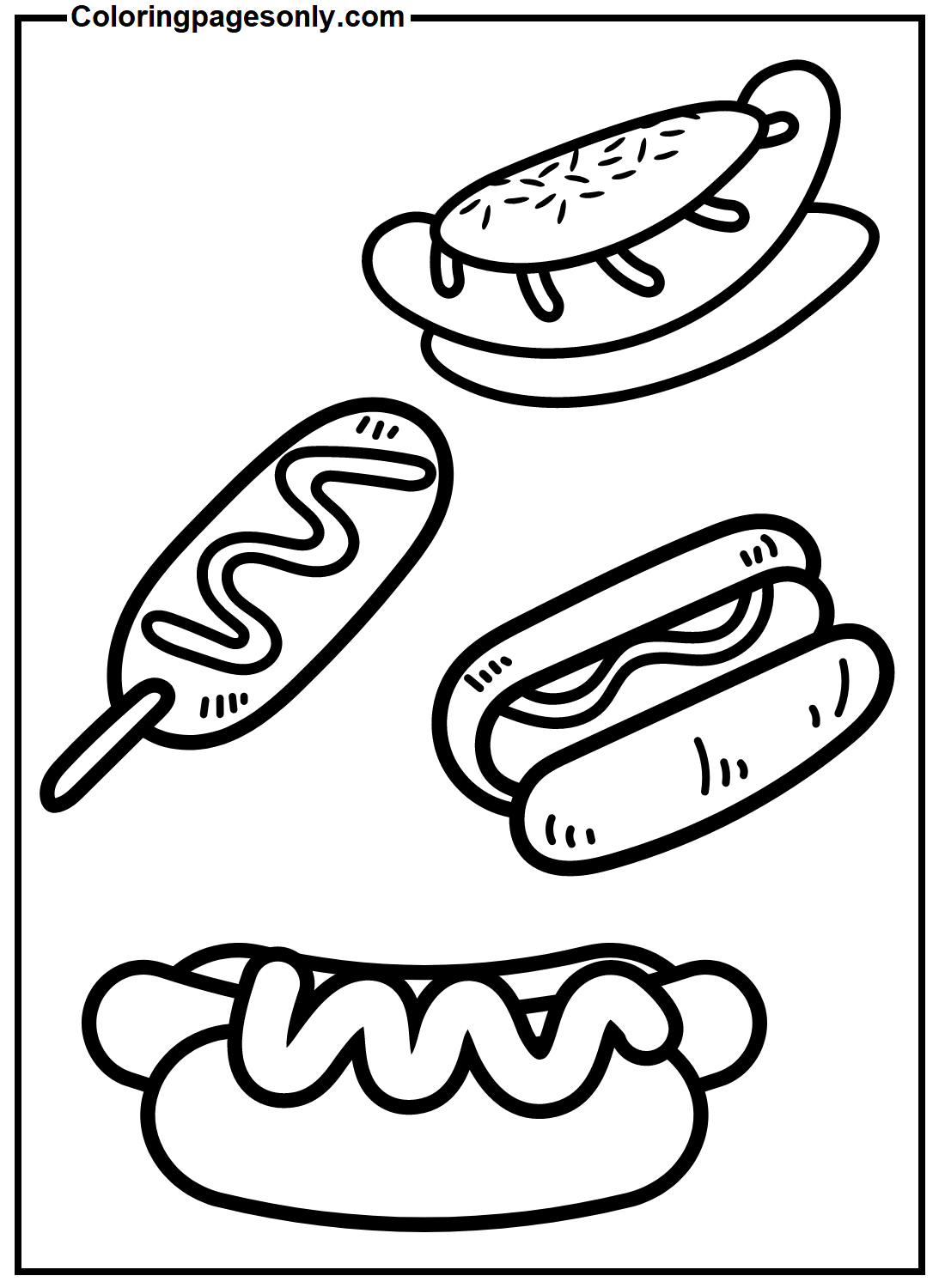
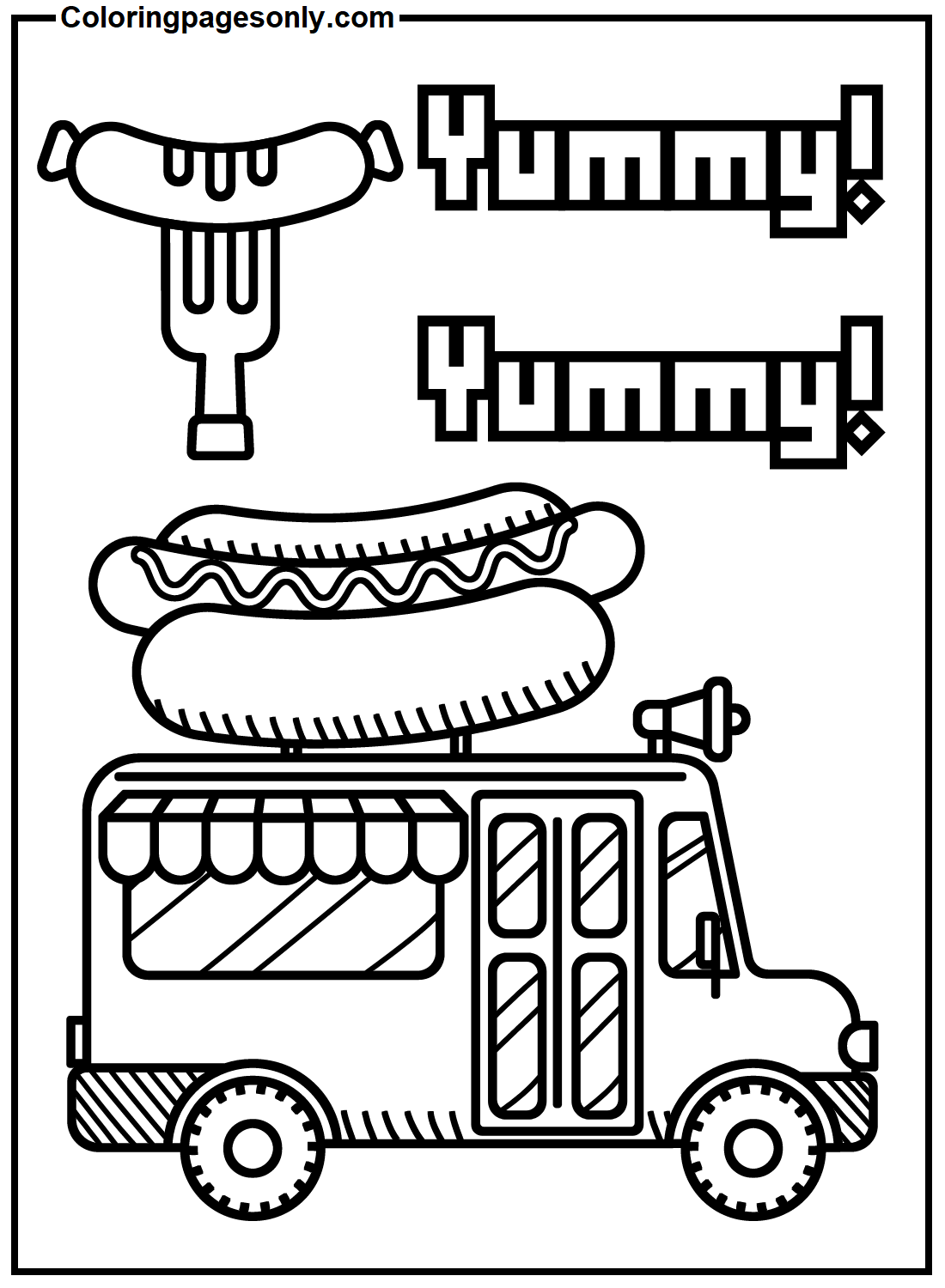
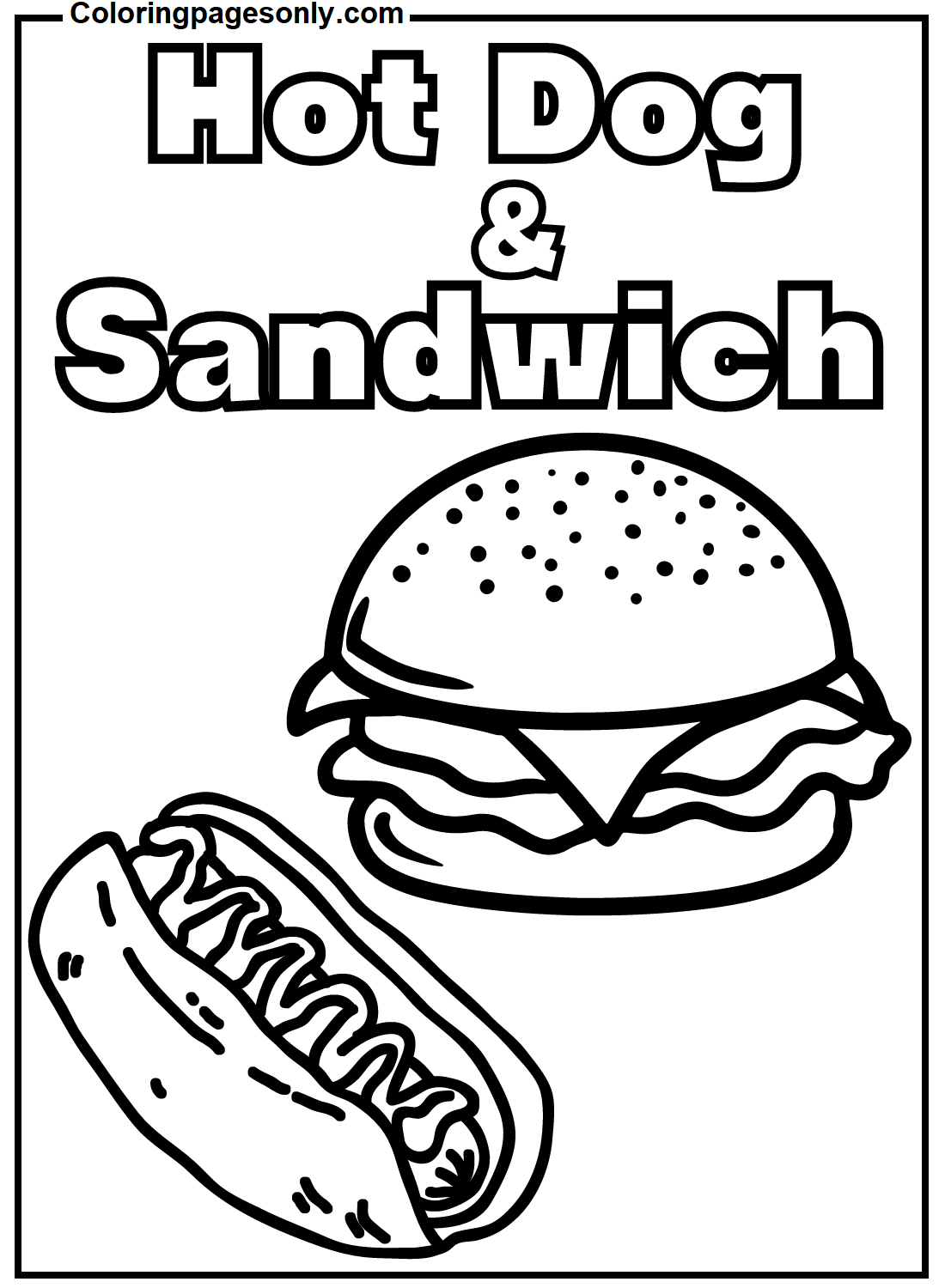
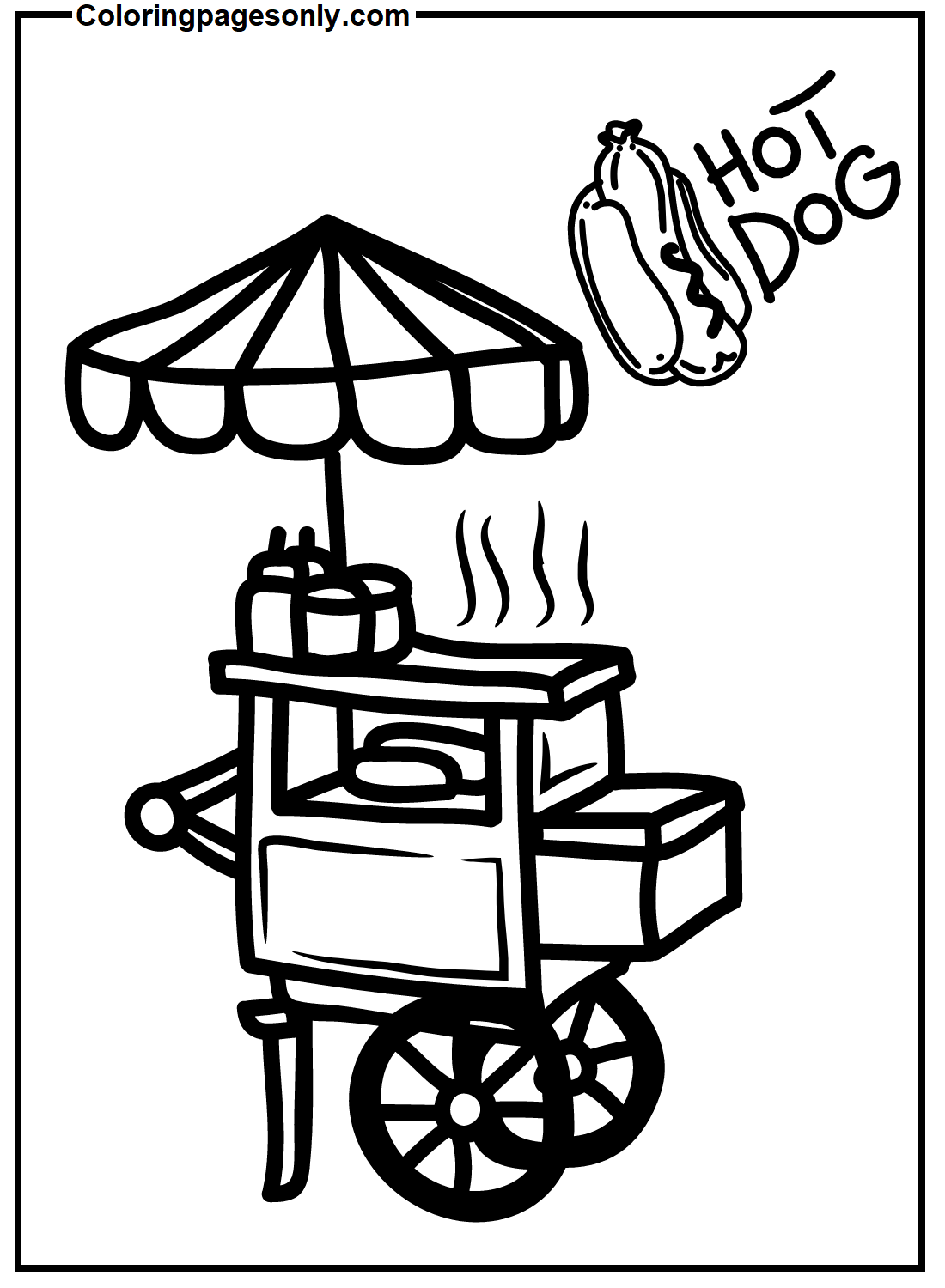
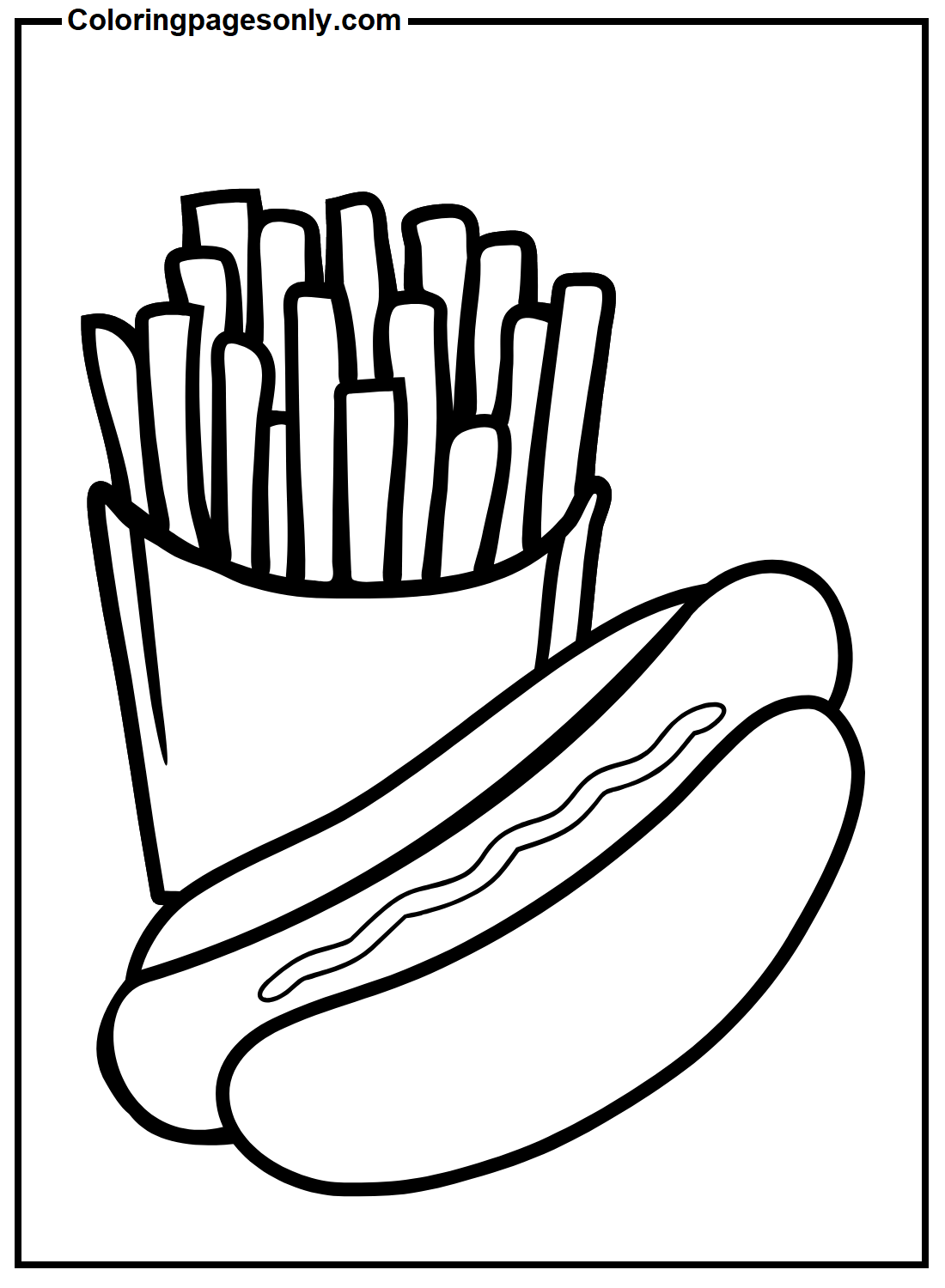
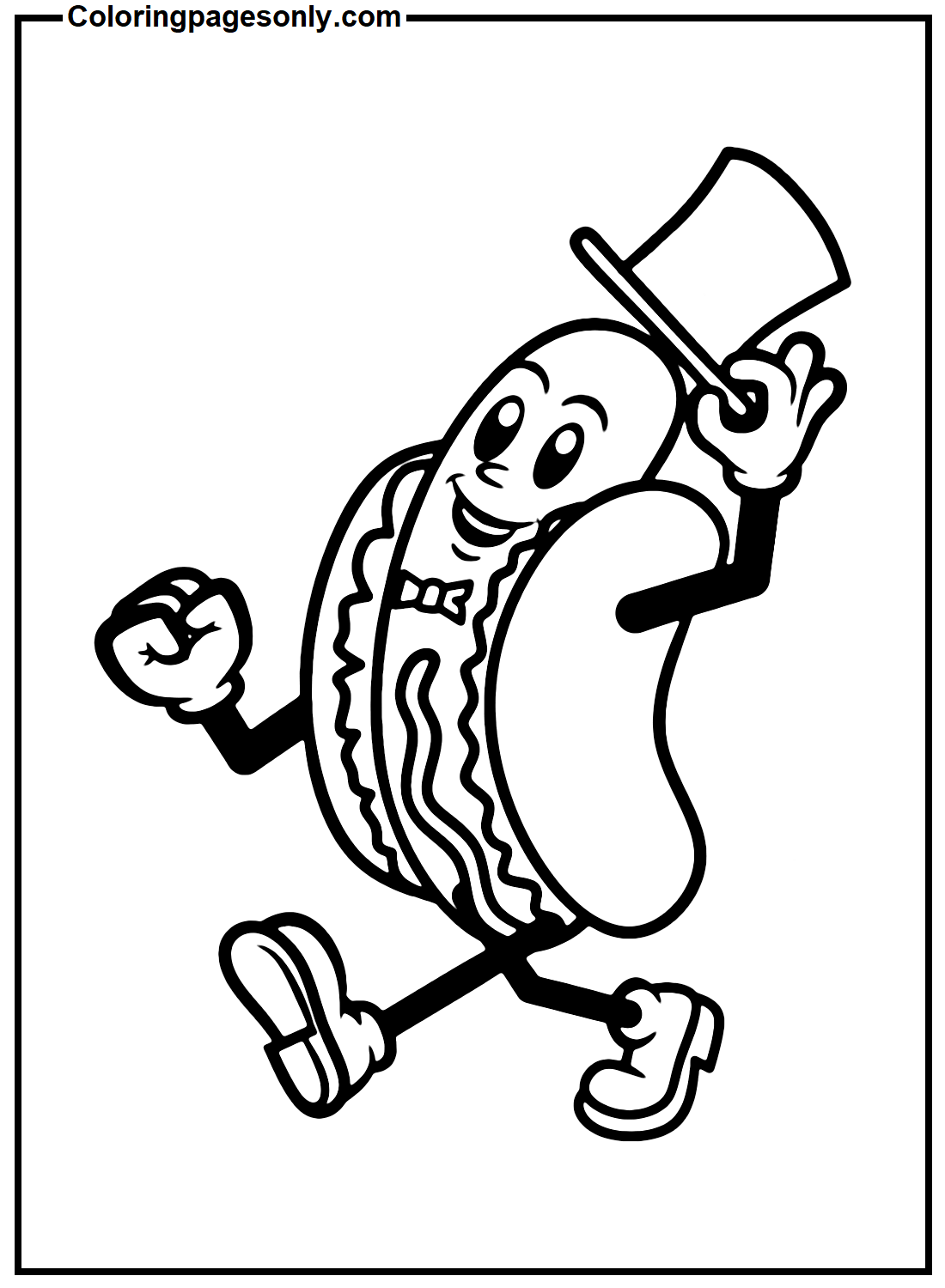
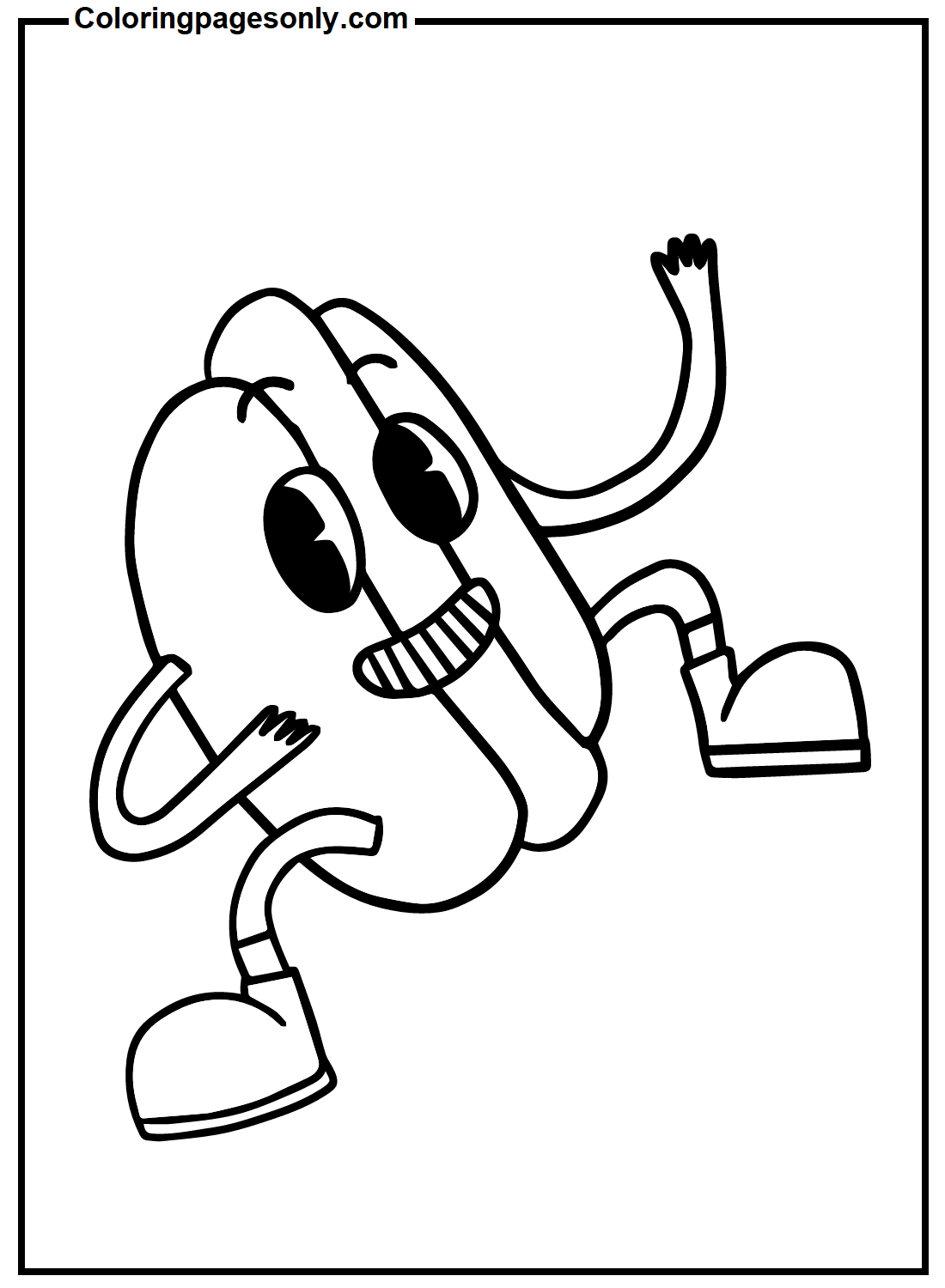
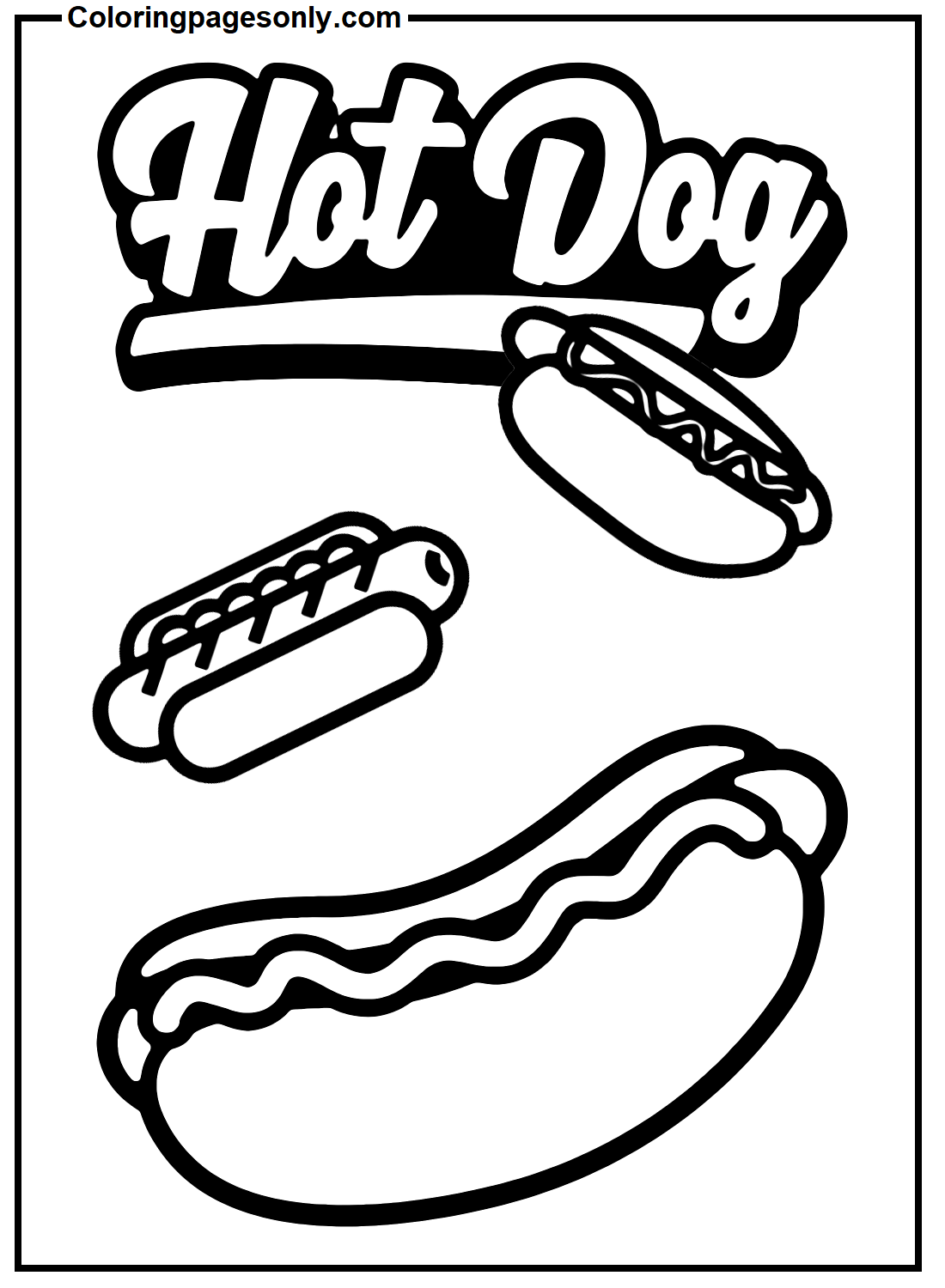
This collection reflects the food’s range across 62 pages: realistic hot dogs and combo meals, hot dogs paired with animals, food-truck and picnic scenes with a personified hot dog character, and cute cartoon mascot designs. Regional styles show up too, including a Chicago-style page and a Korean-style hot dog.
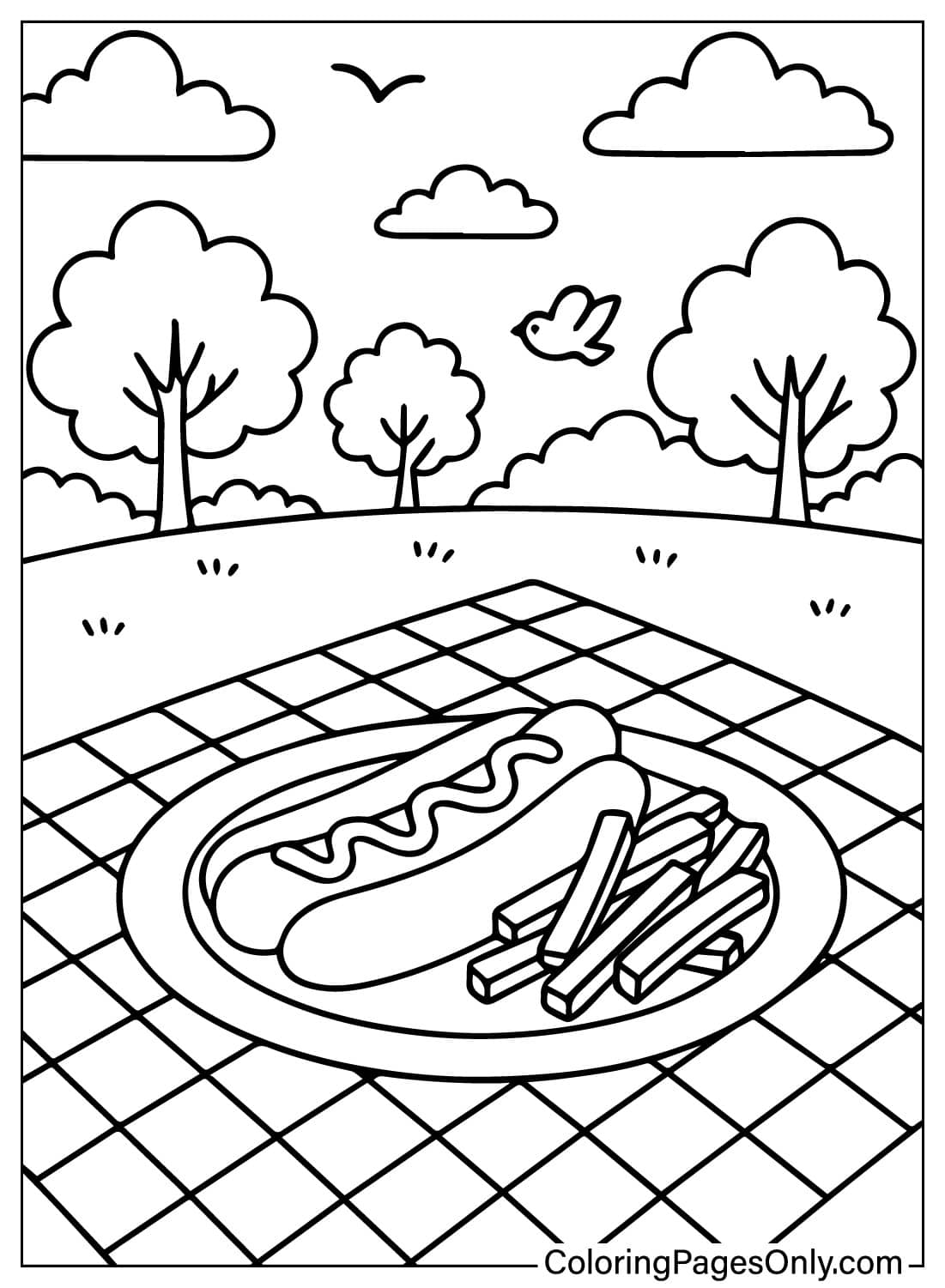
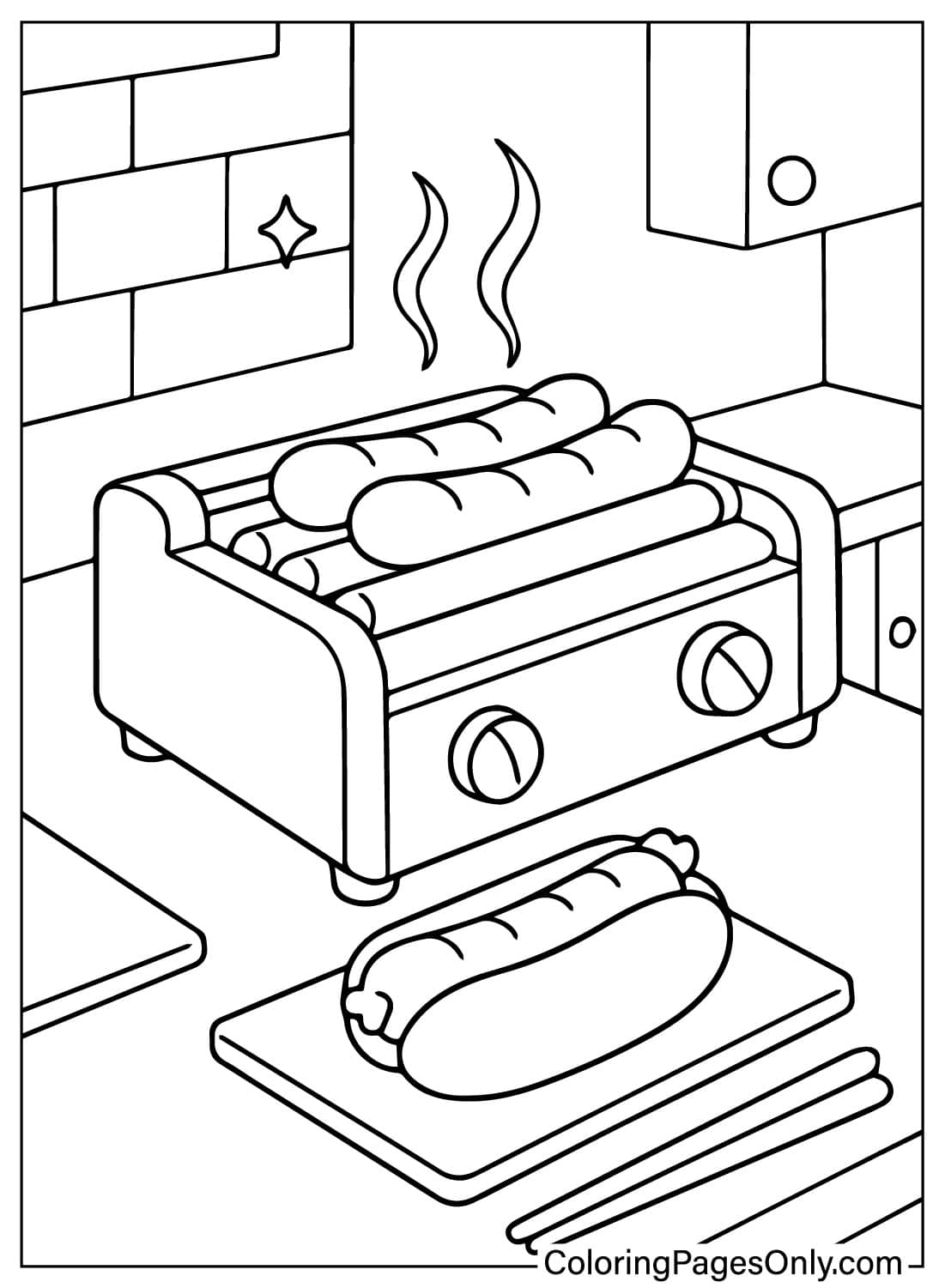
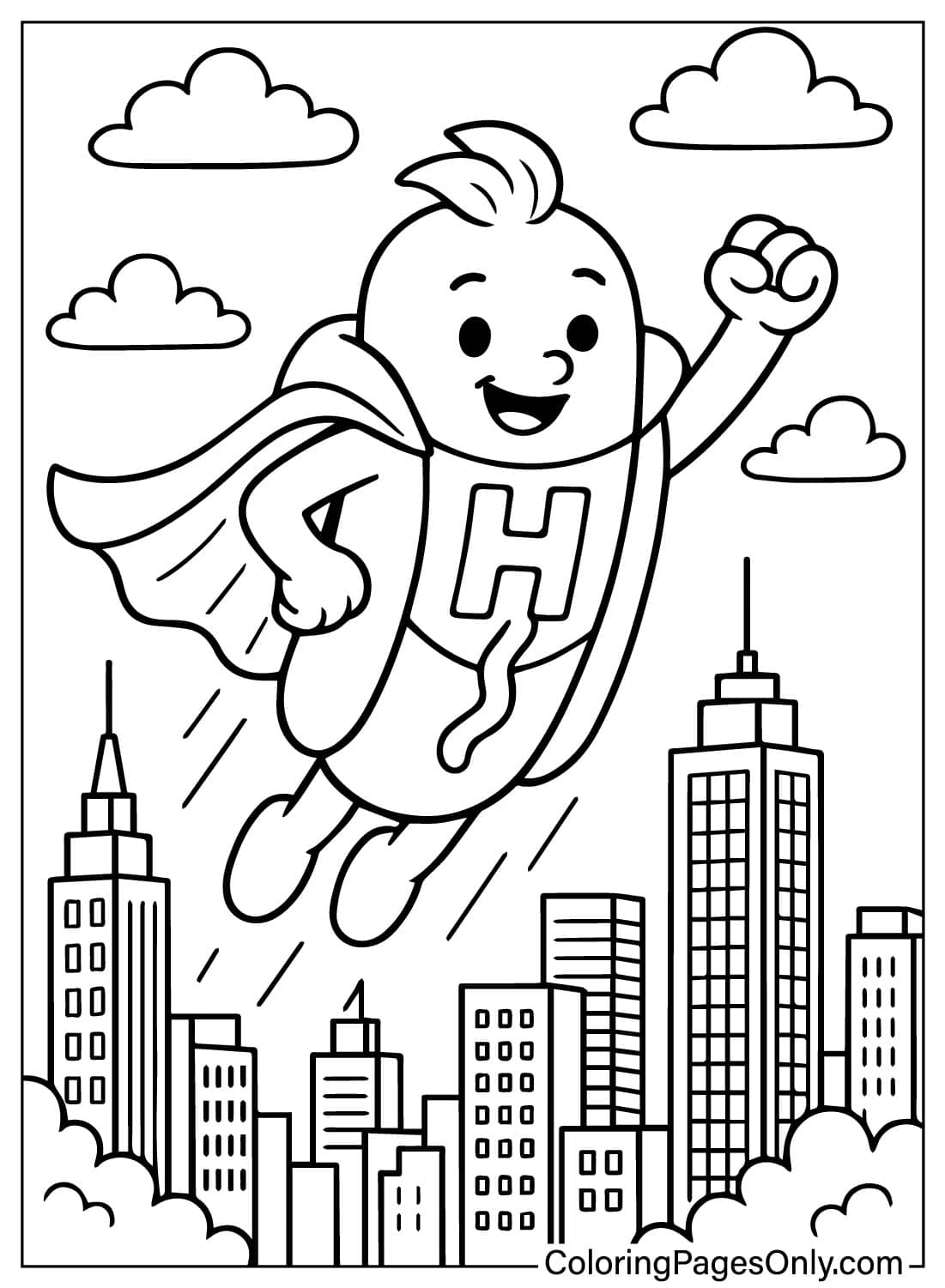
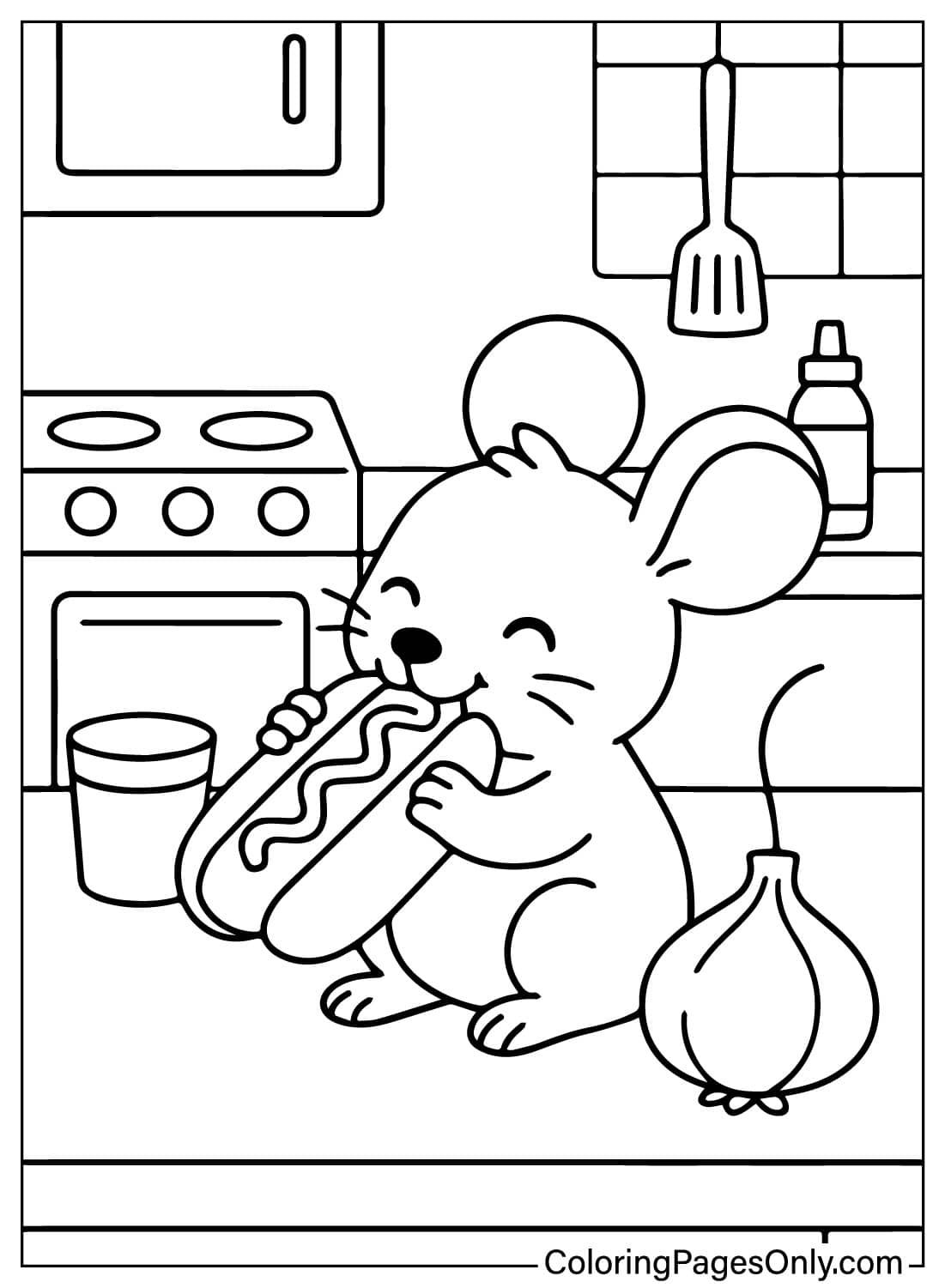
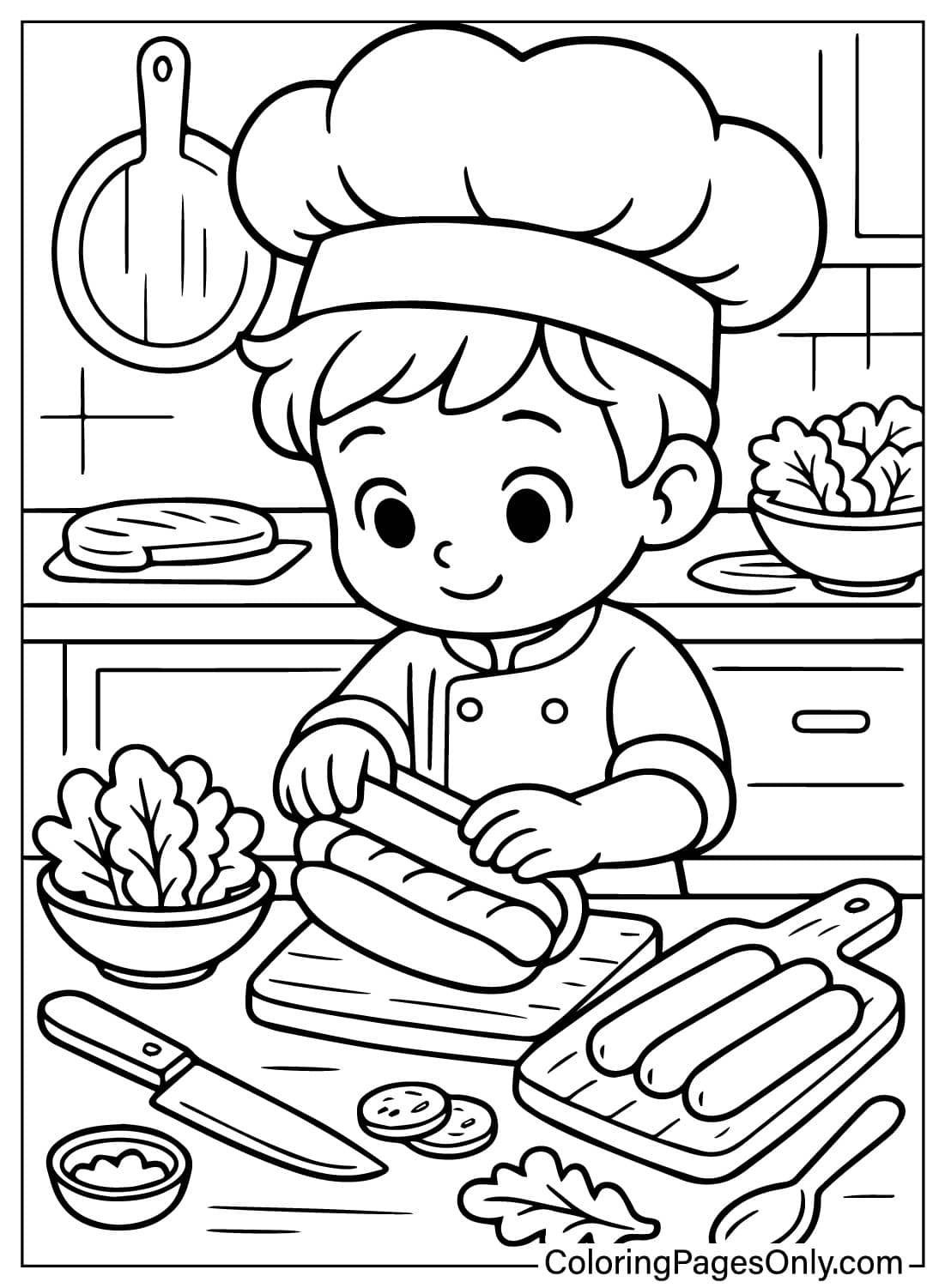
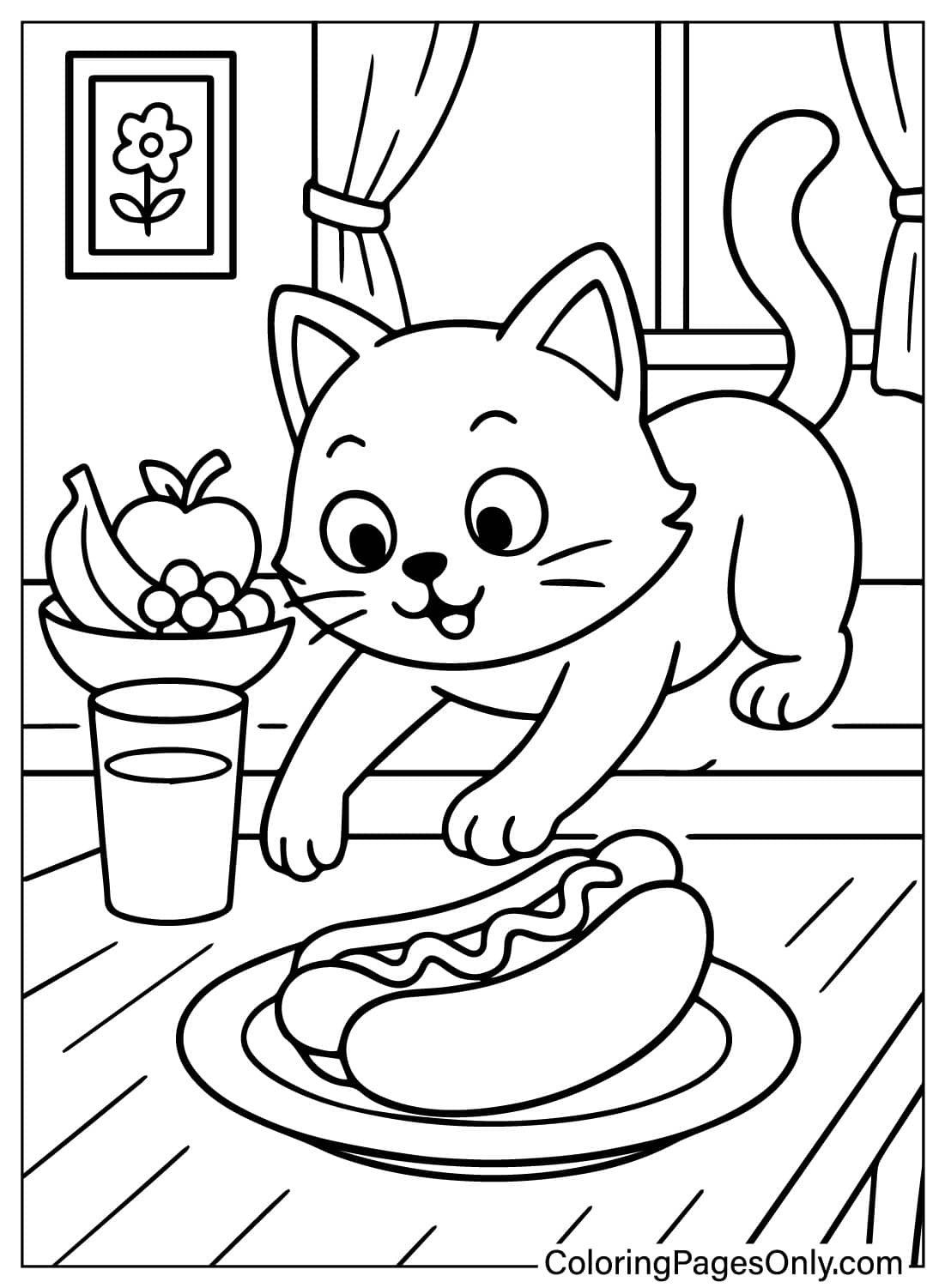
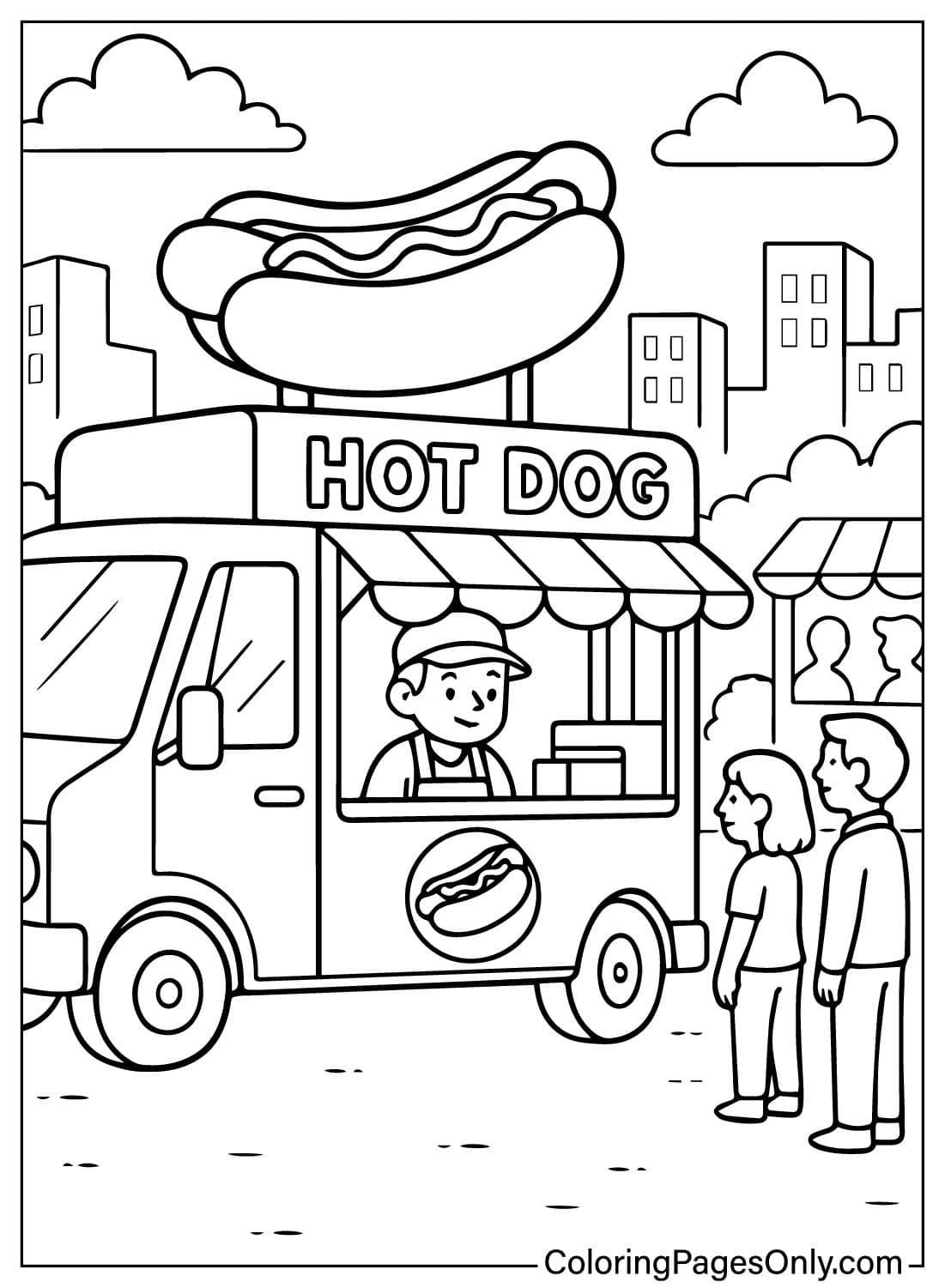
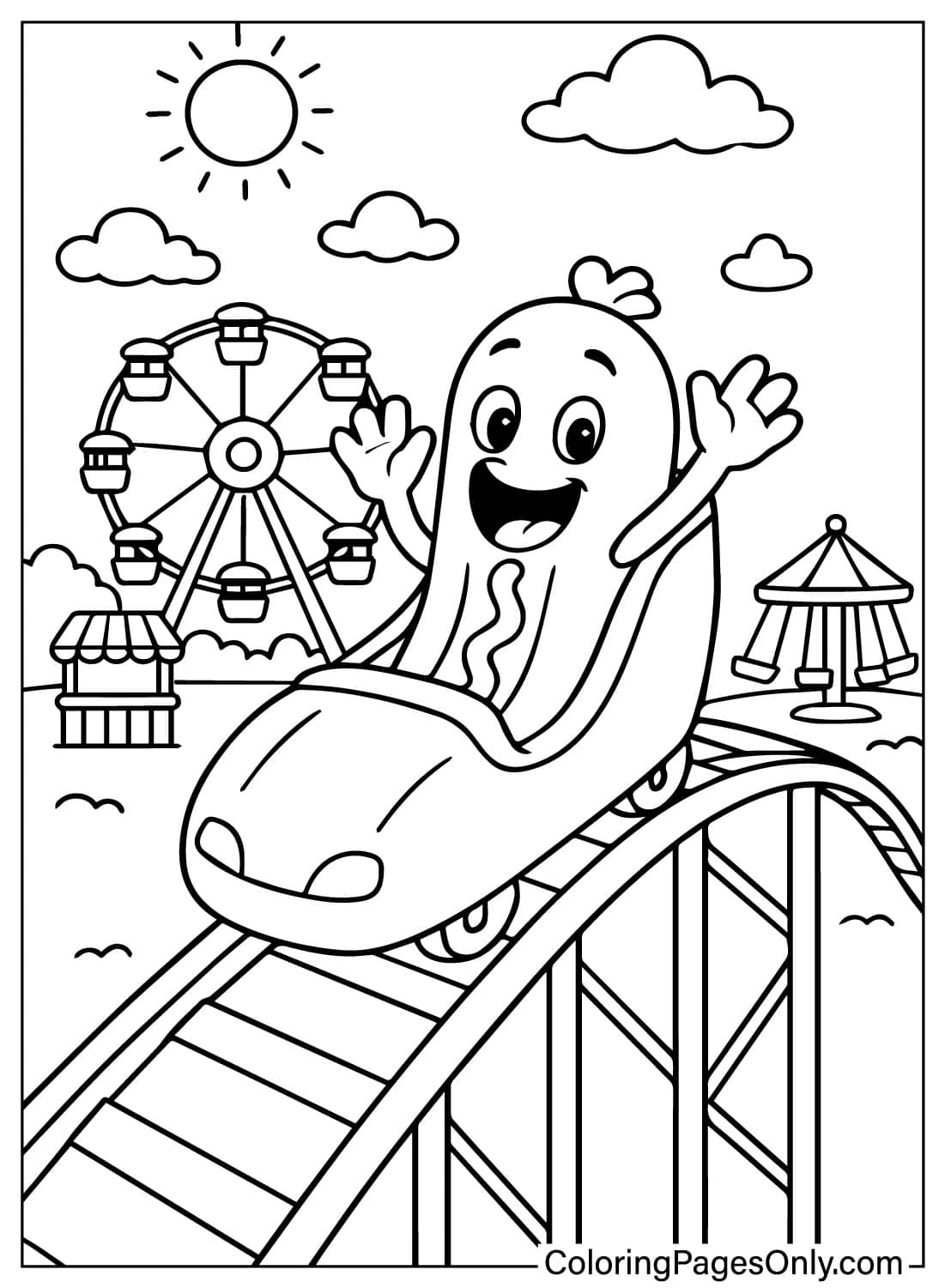
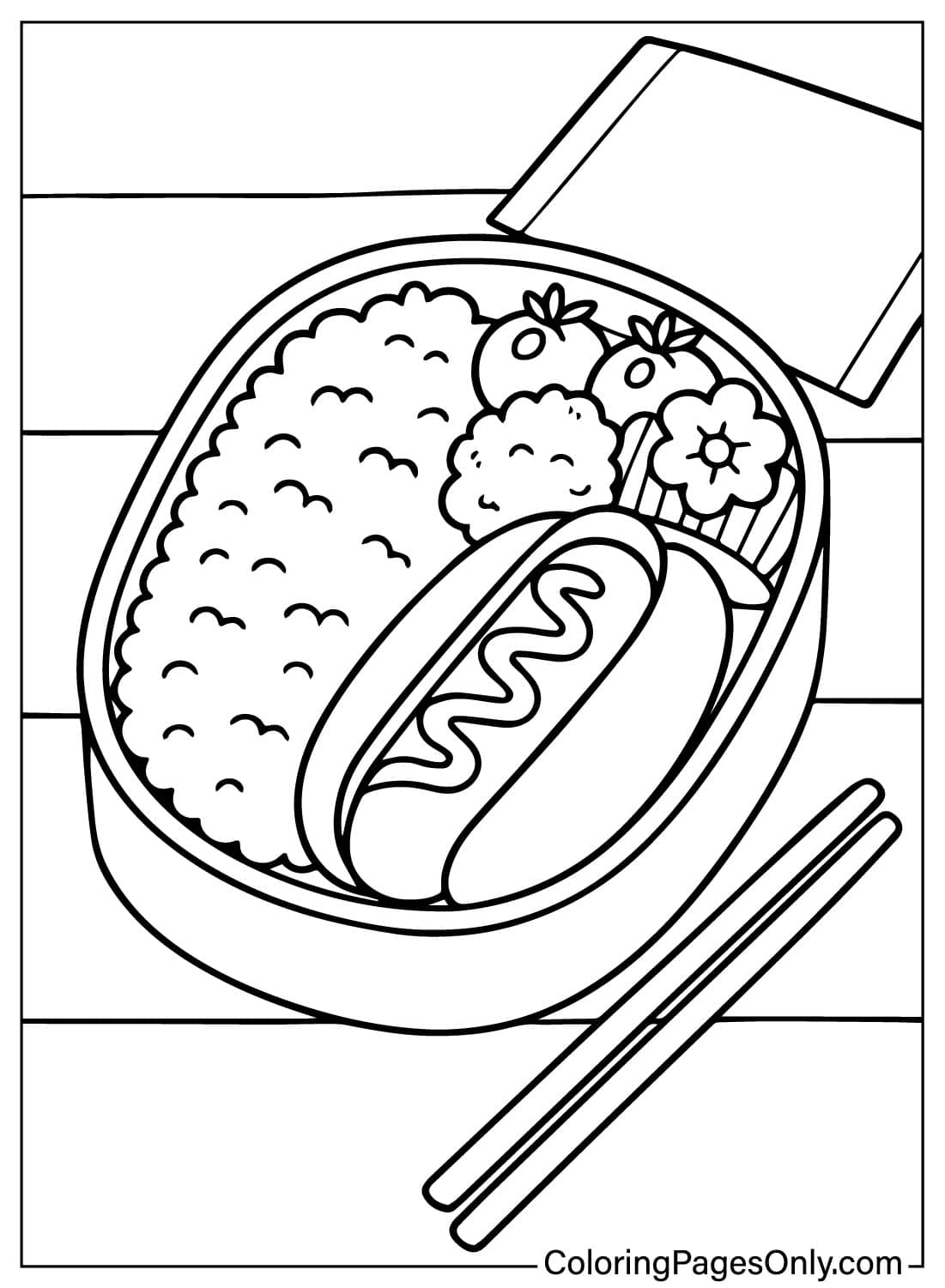
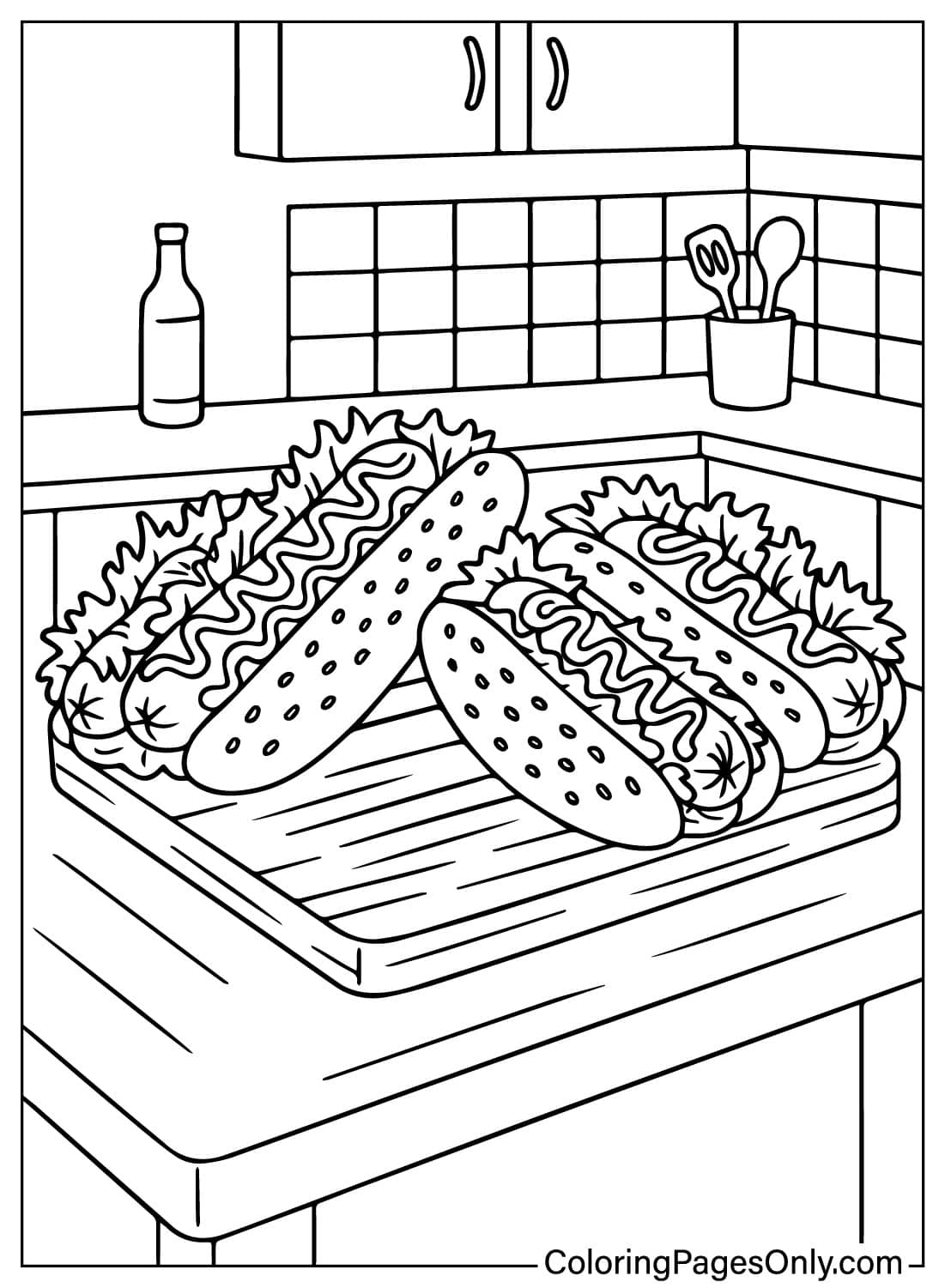
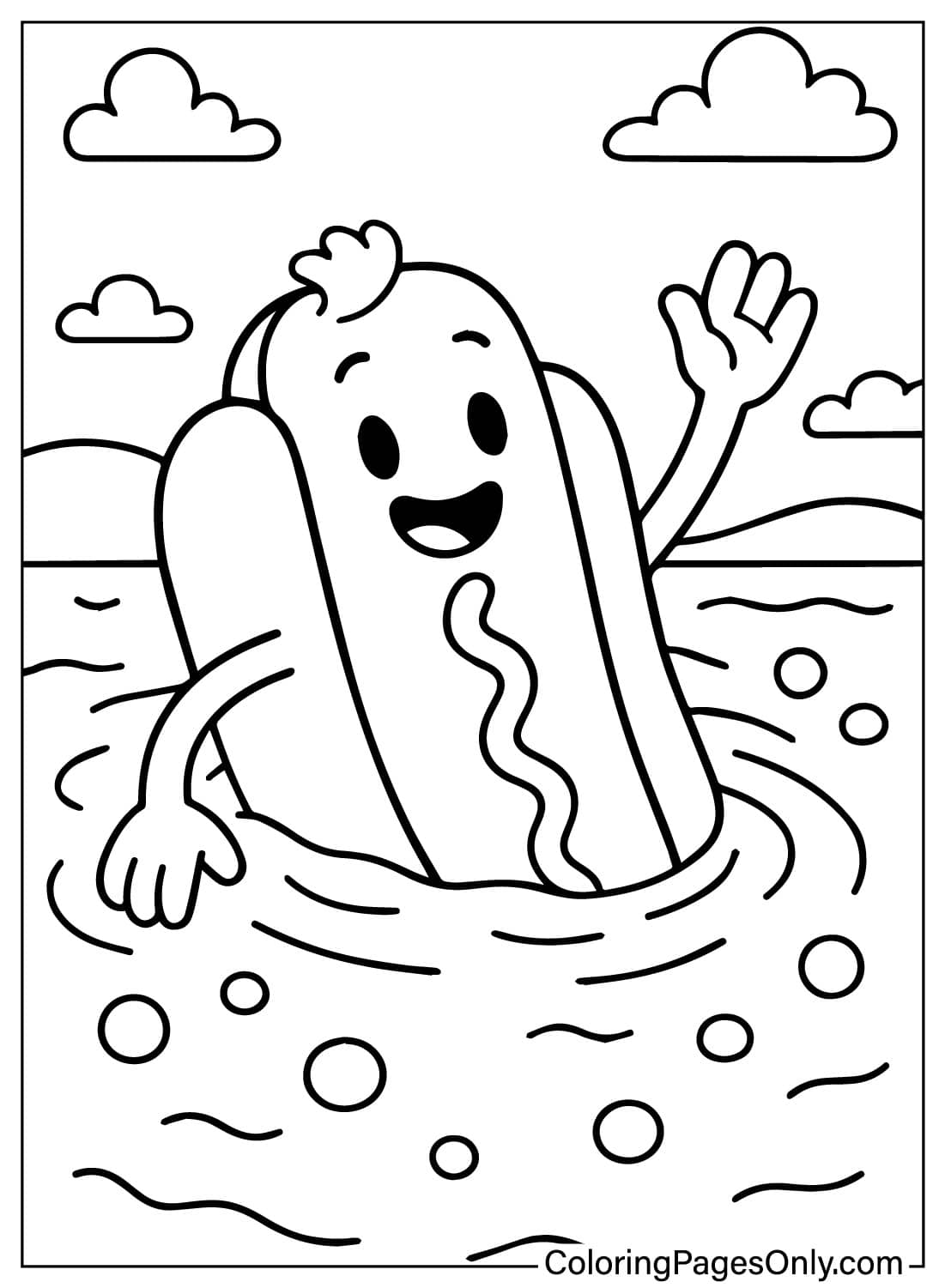
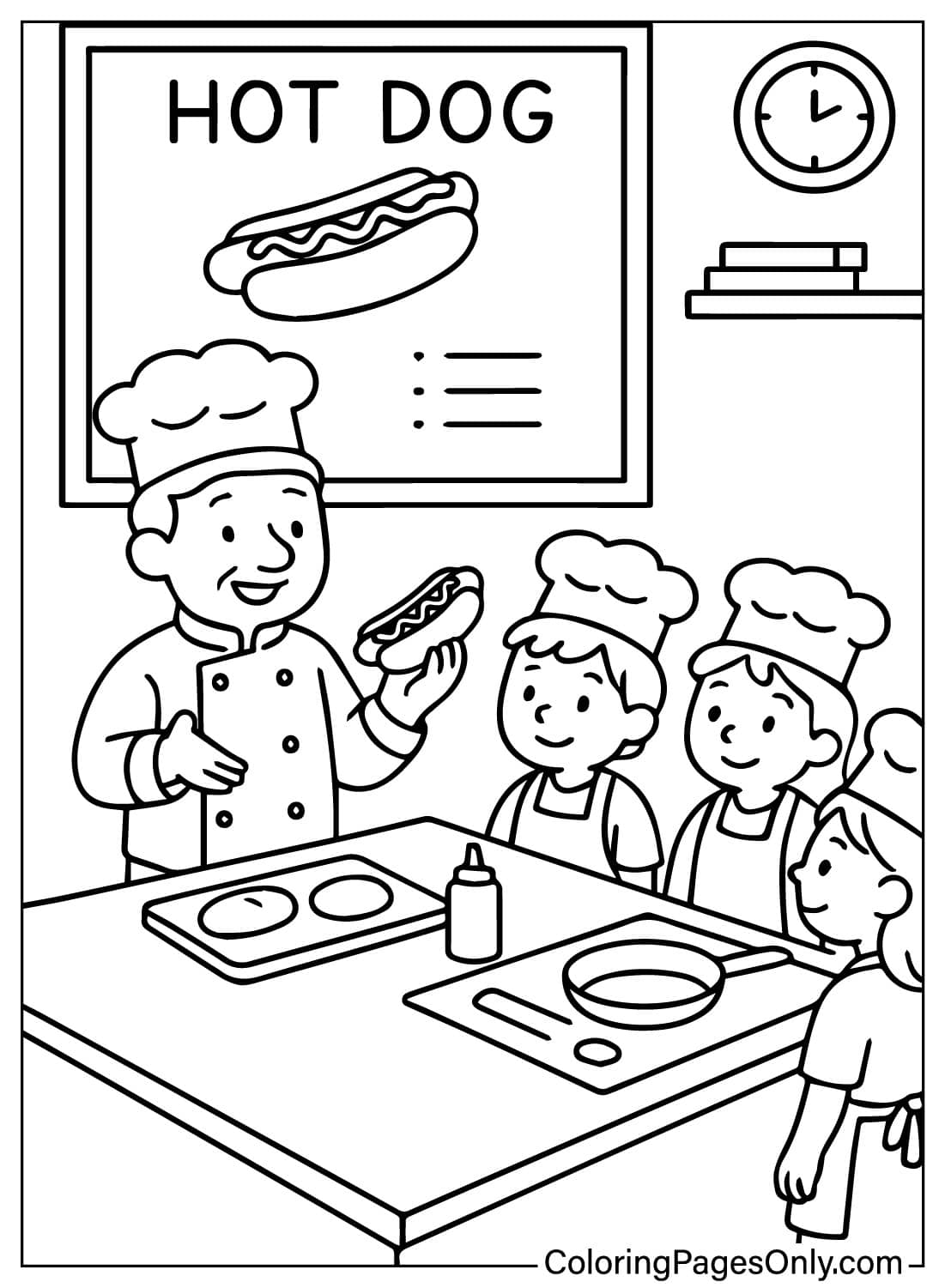
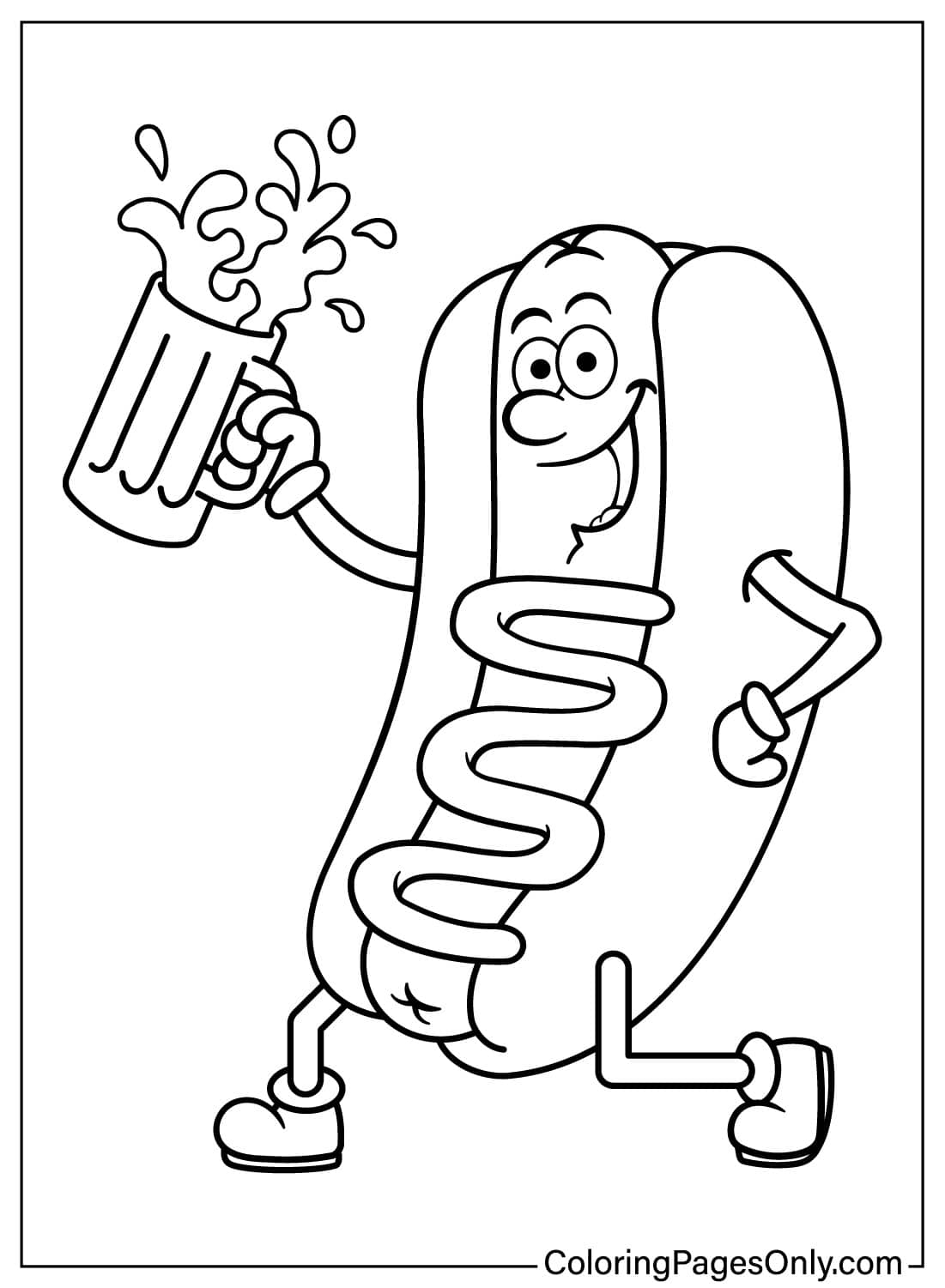
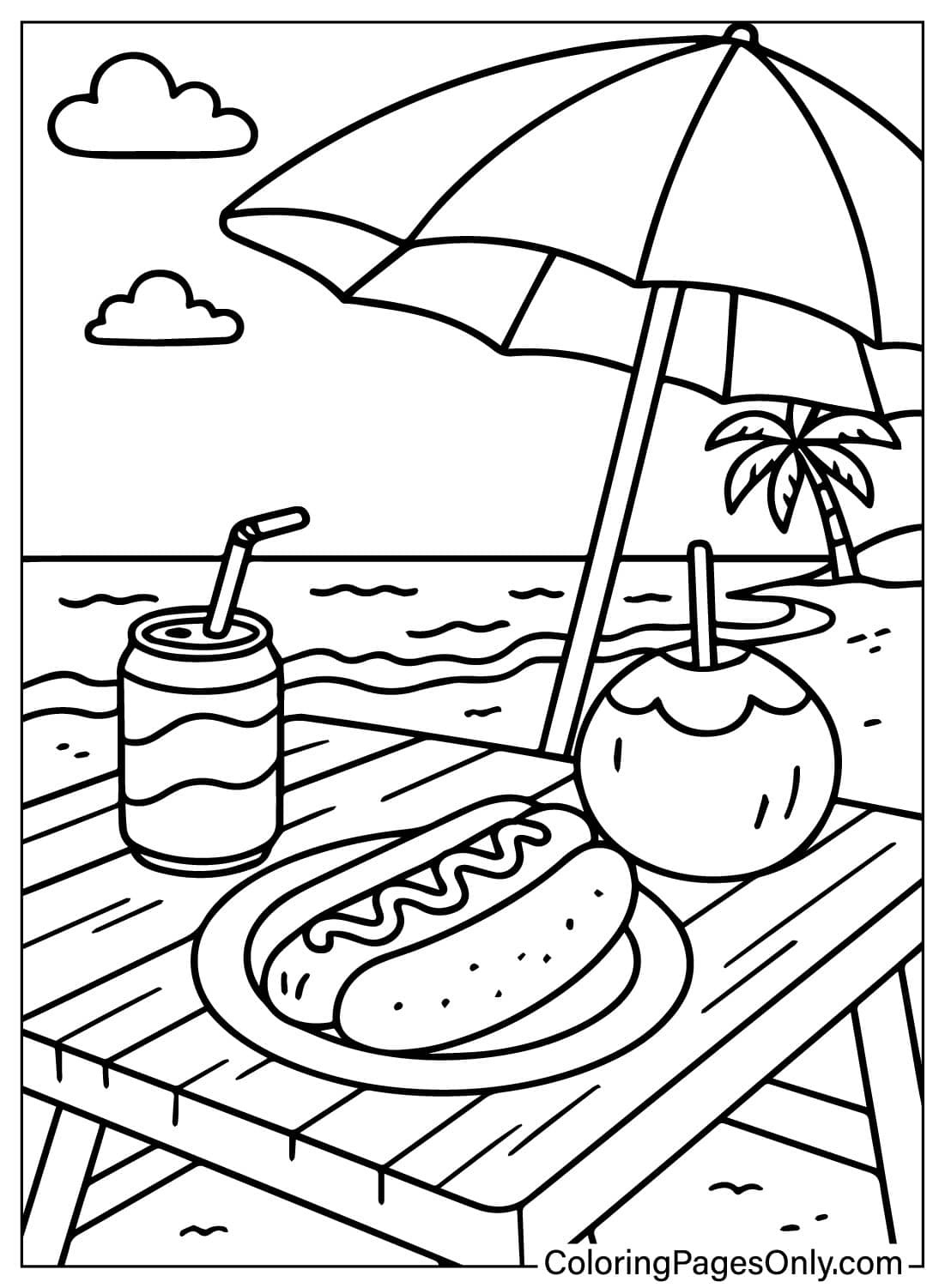
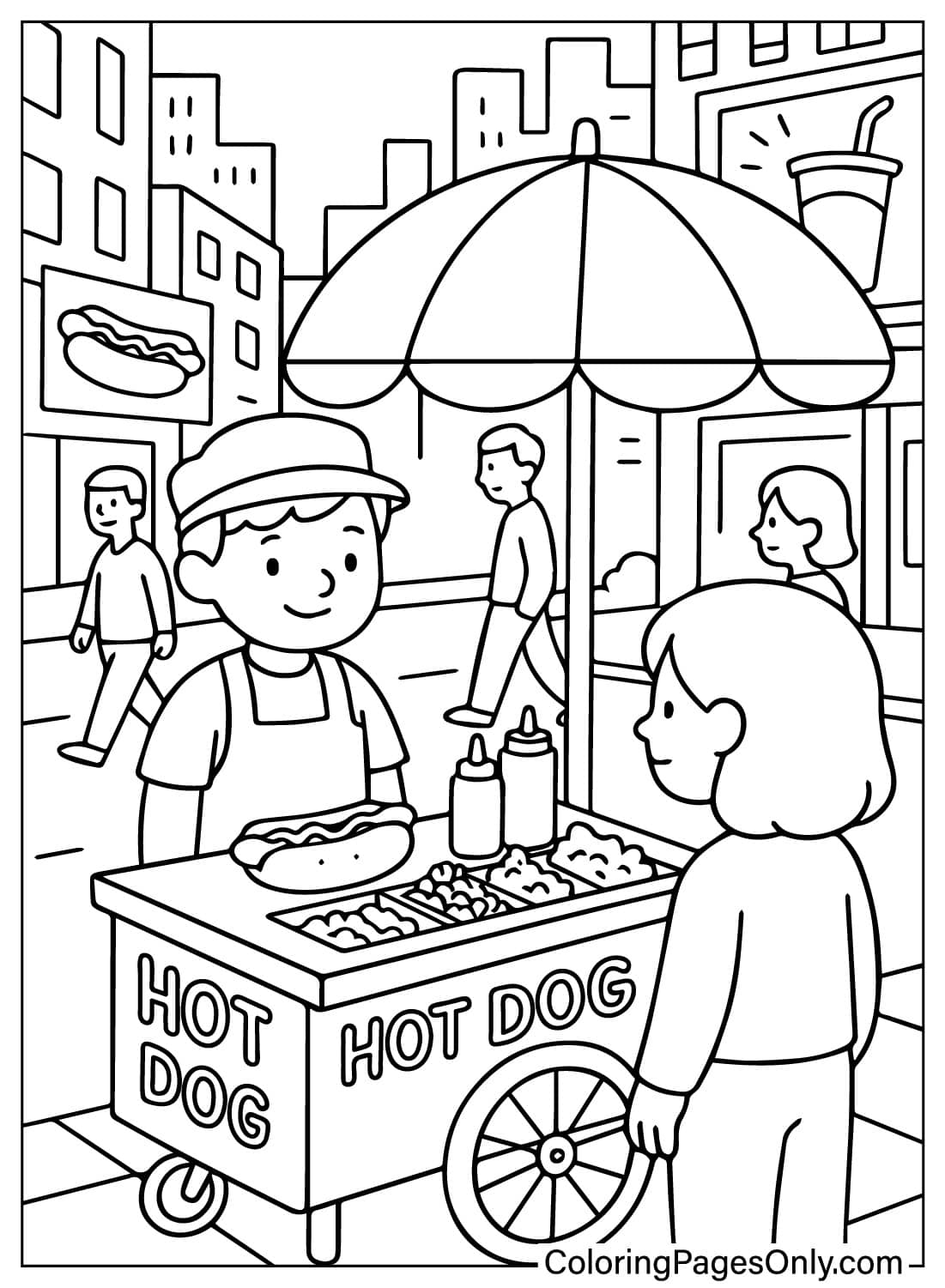
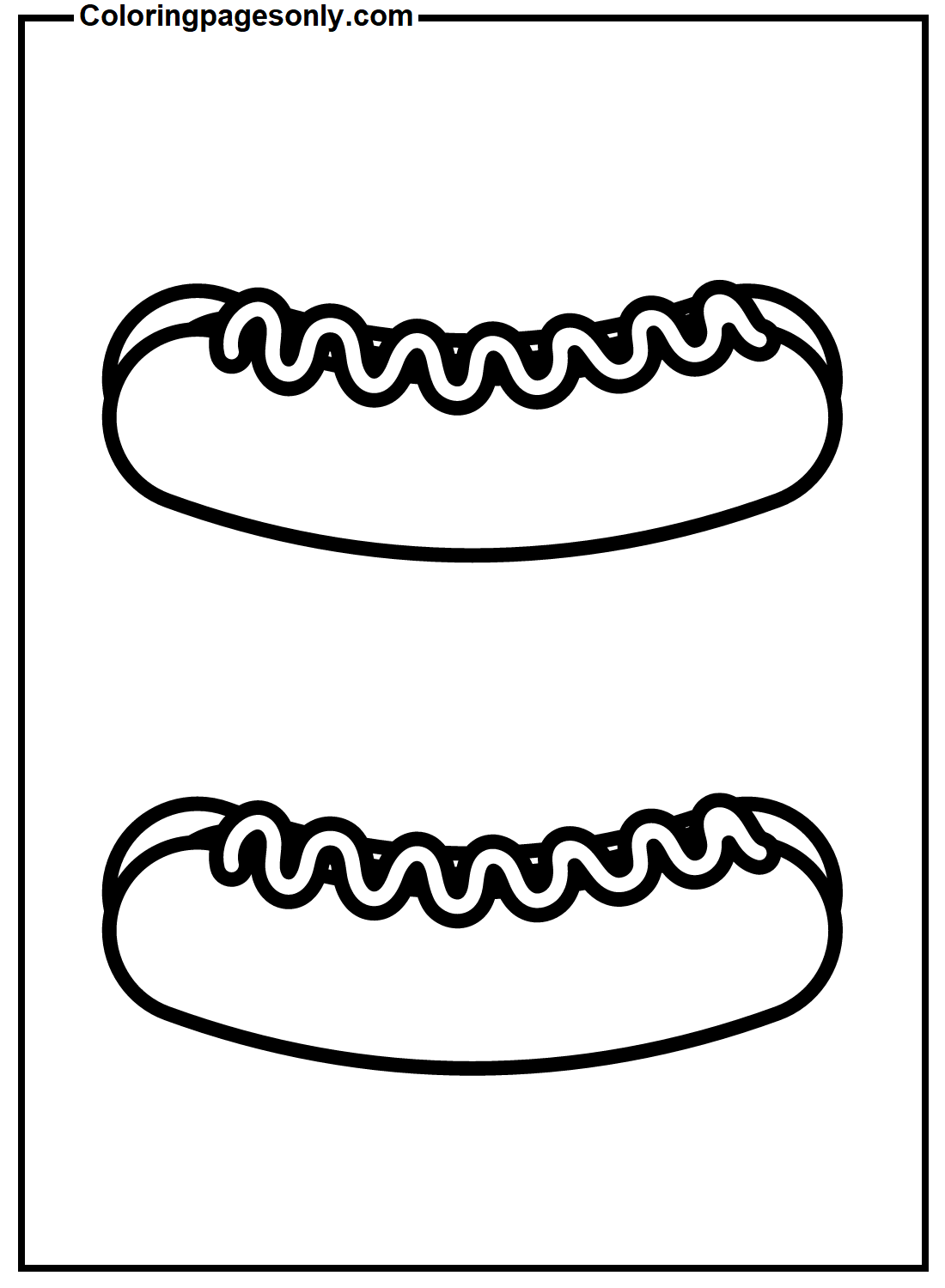
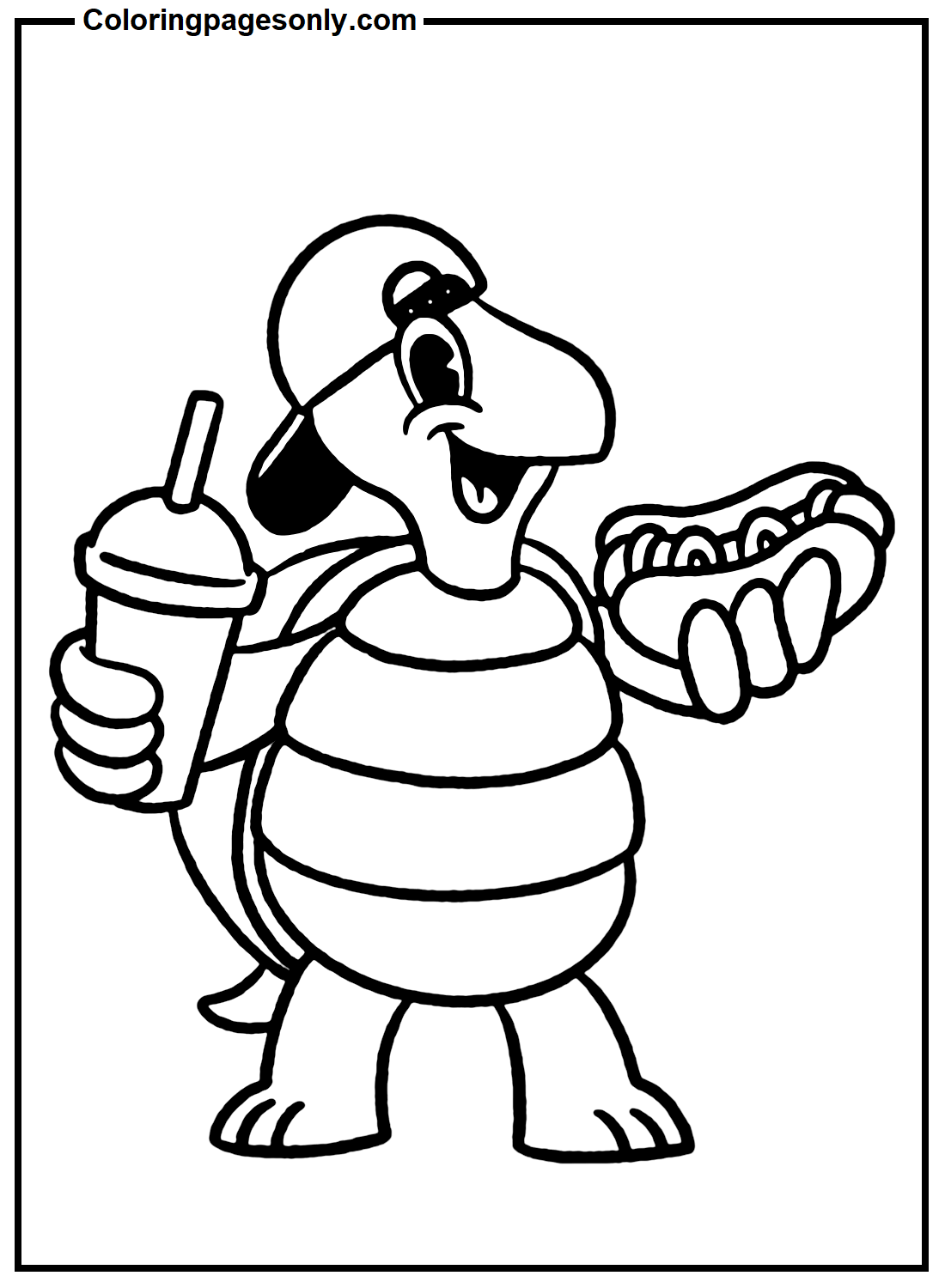
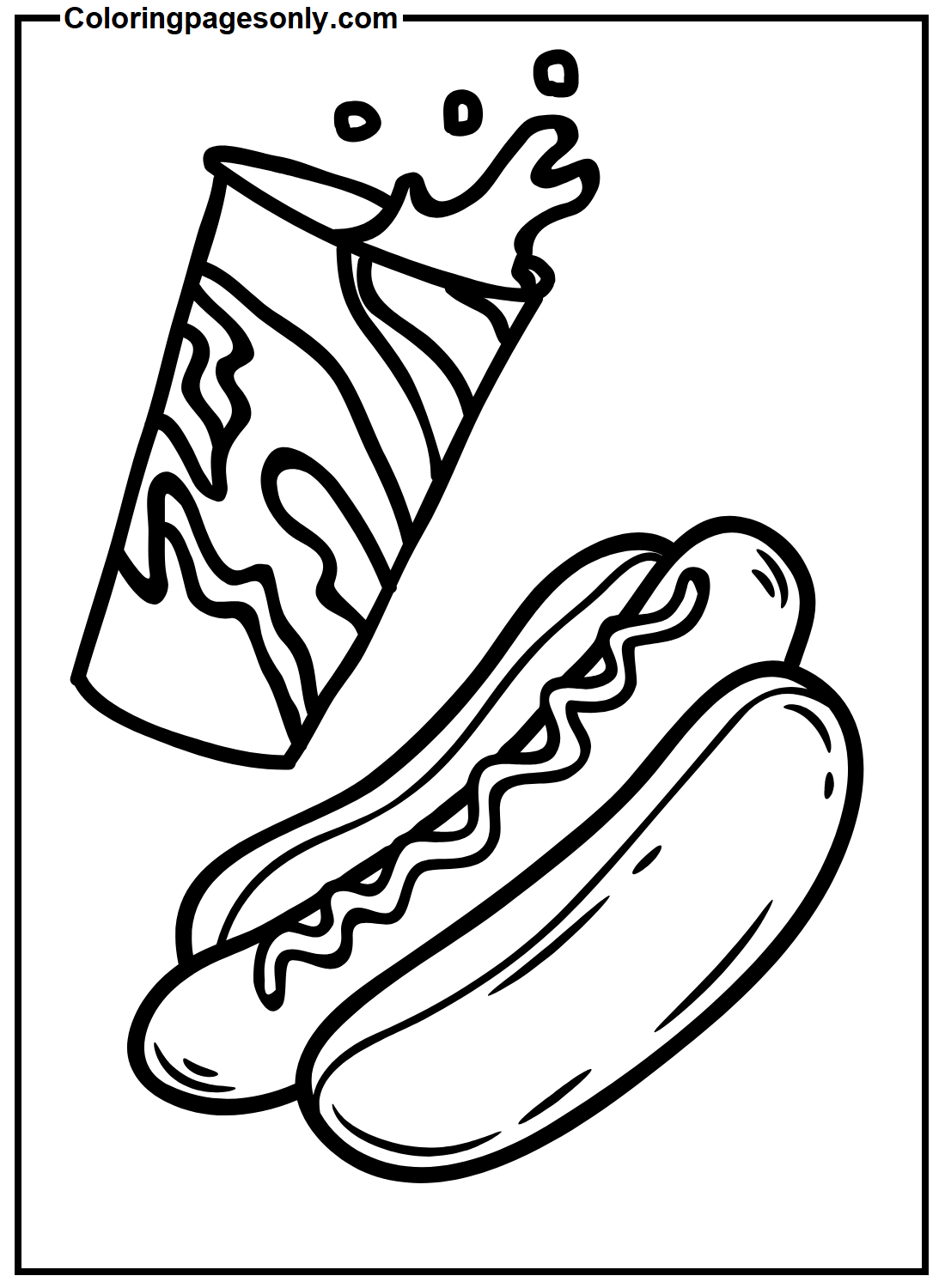
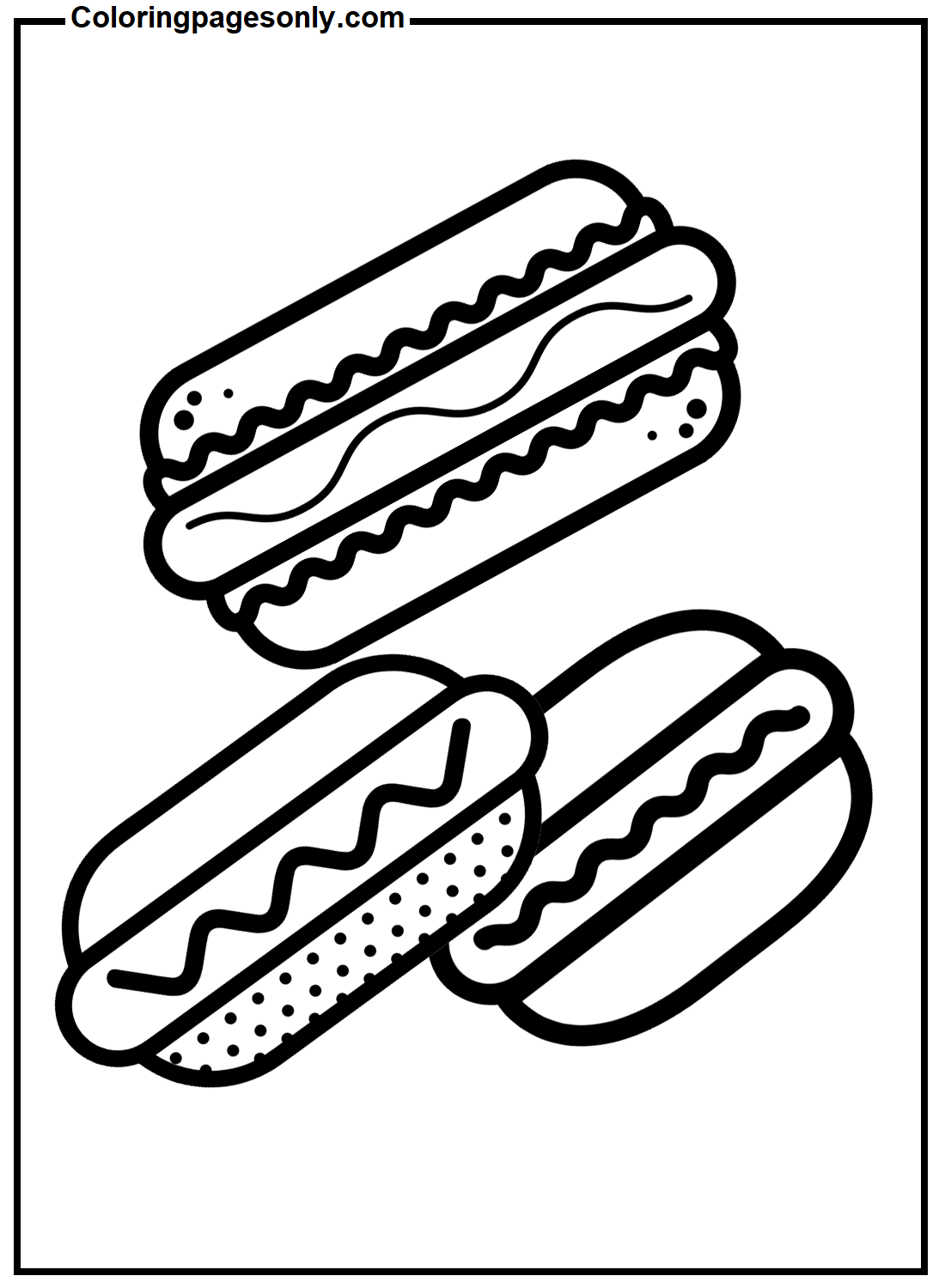
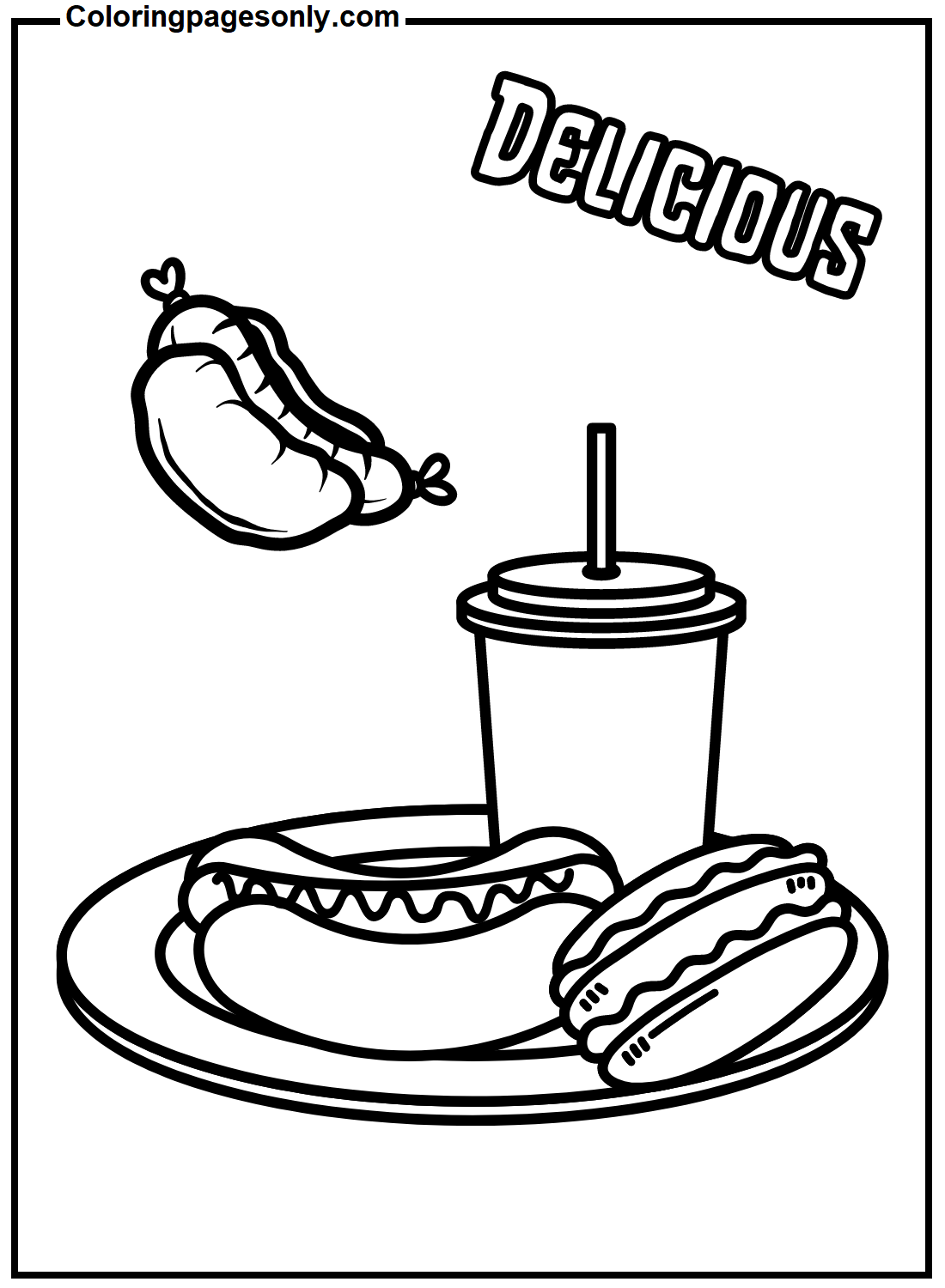
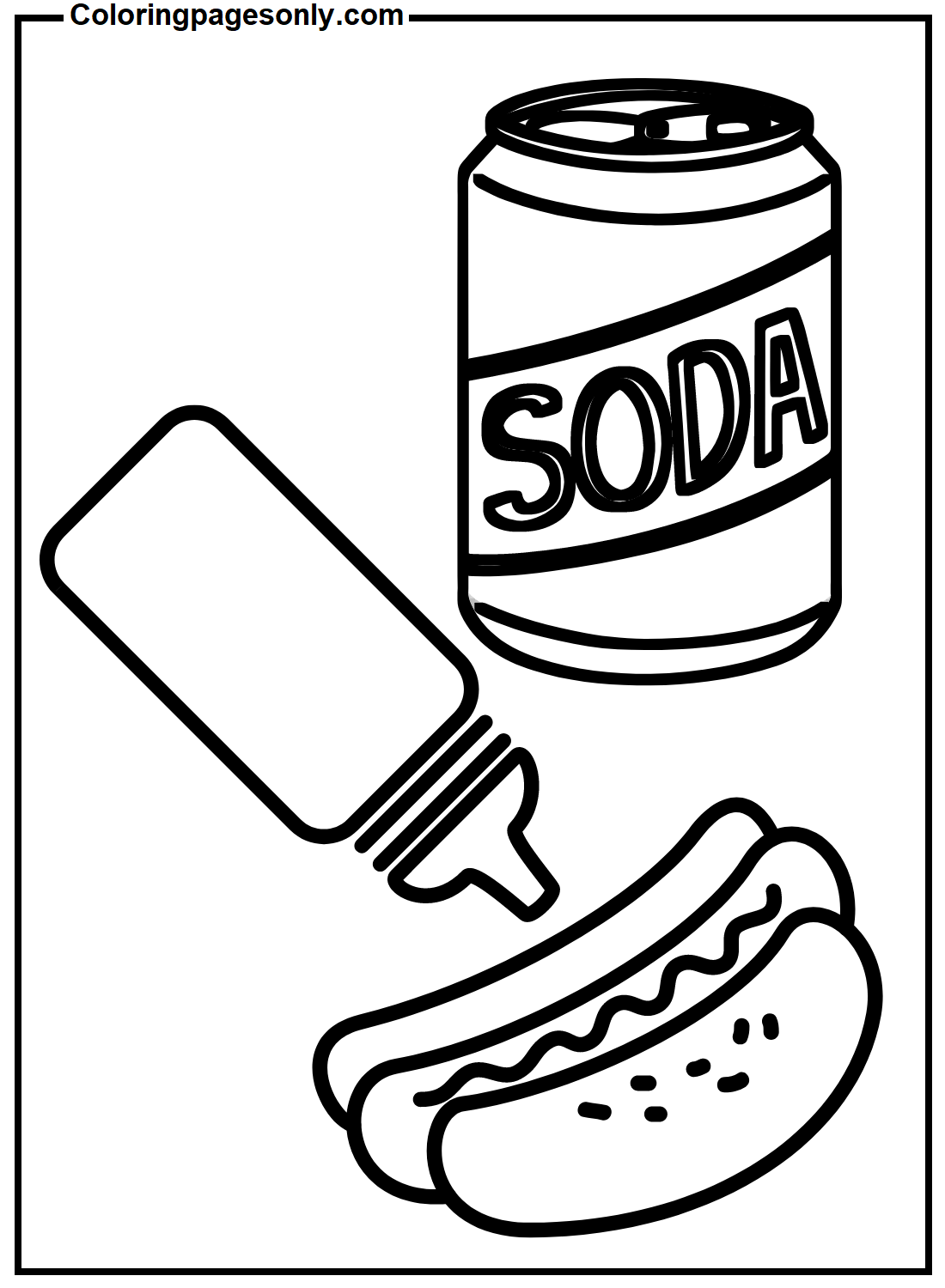
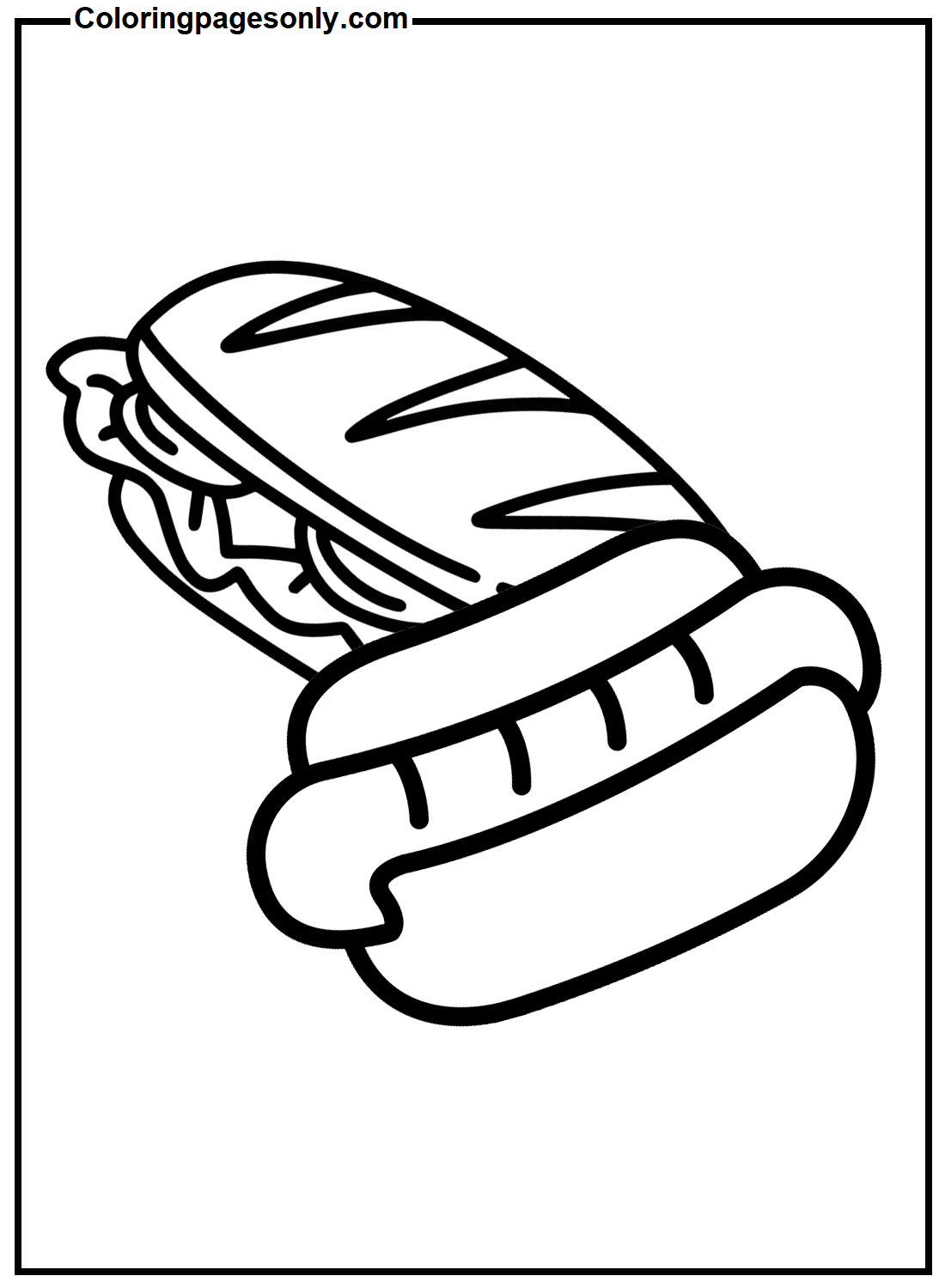


What Is Inside This Collection
The 62 pages are broken into four groups based on style and setting.
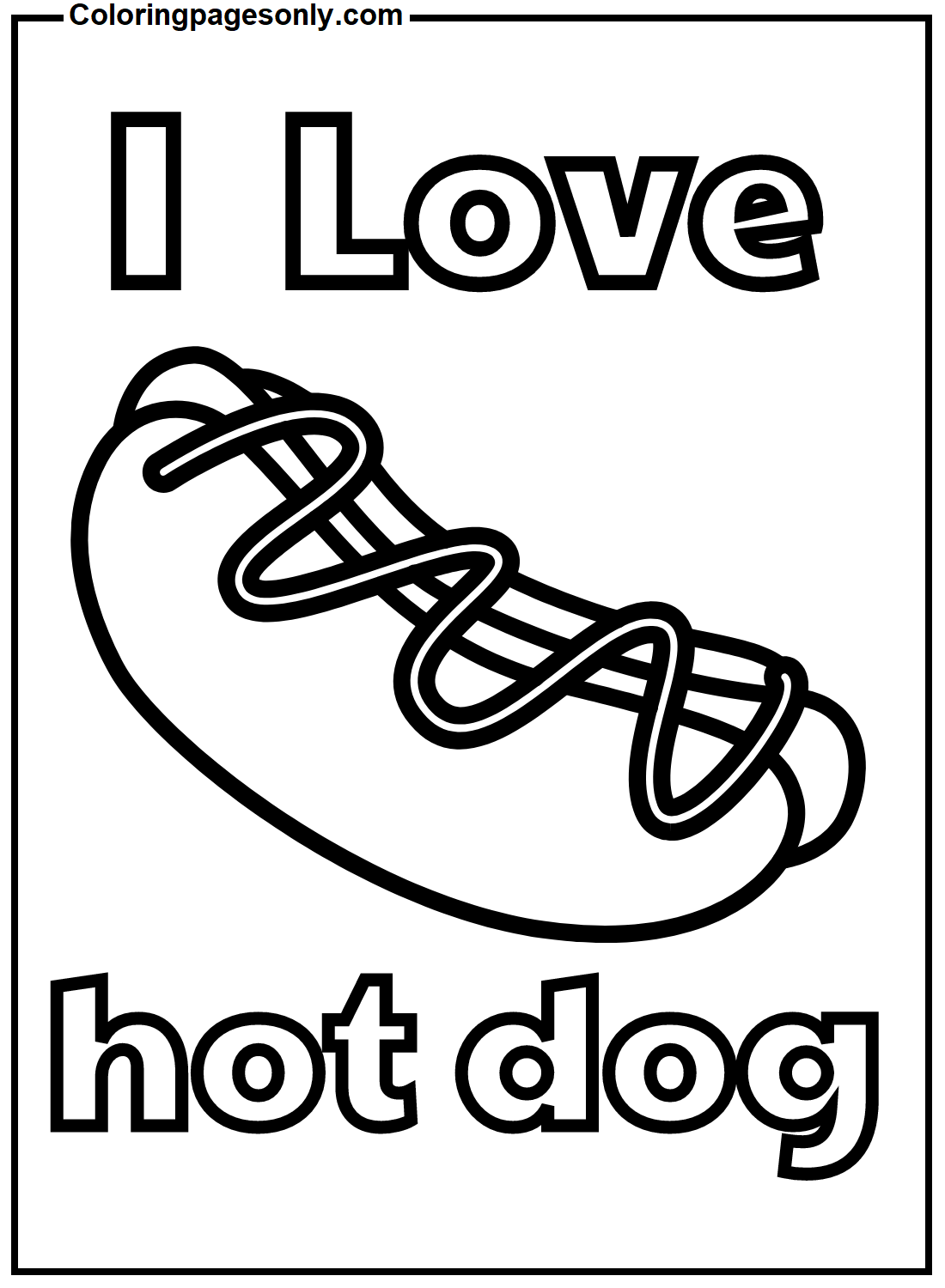
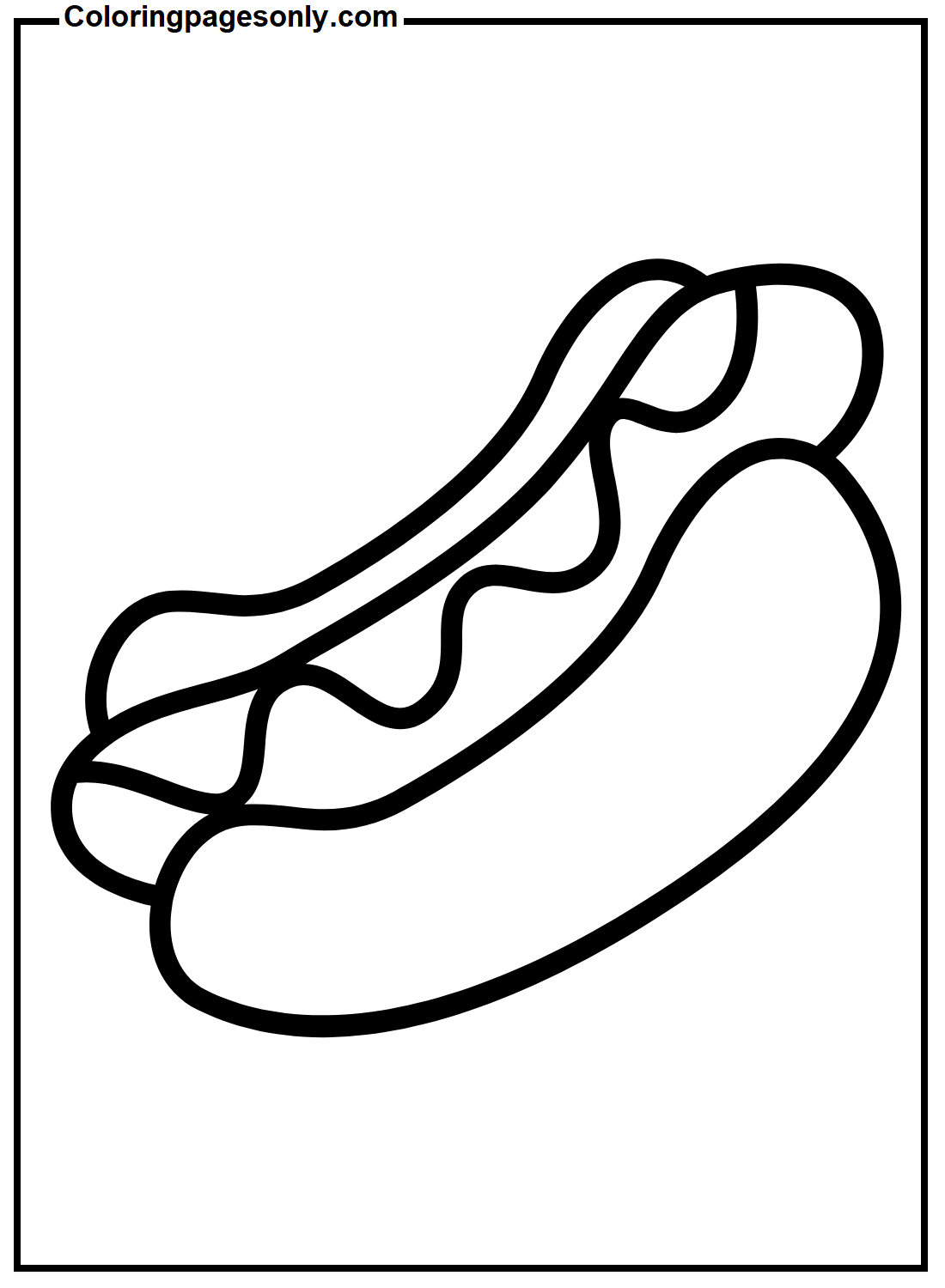
Classic and Realistic Hot Dogs
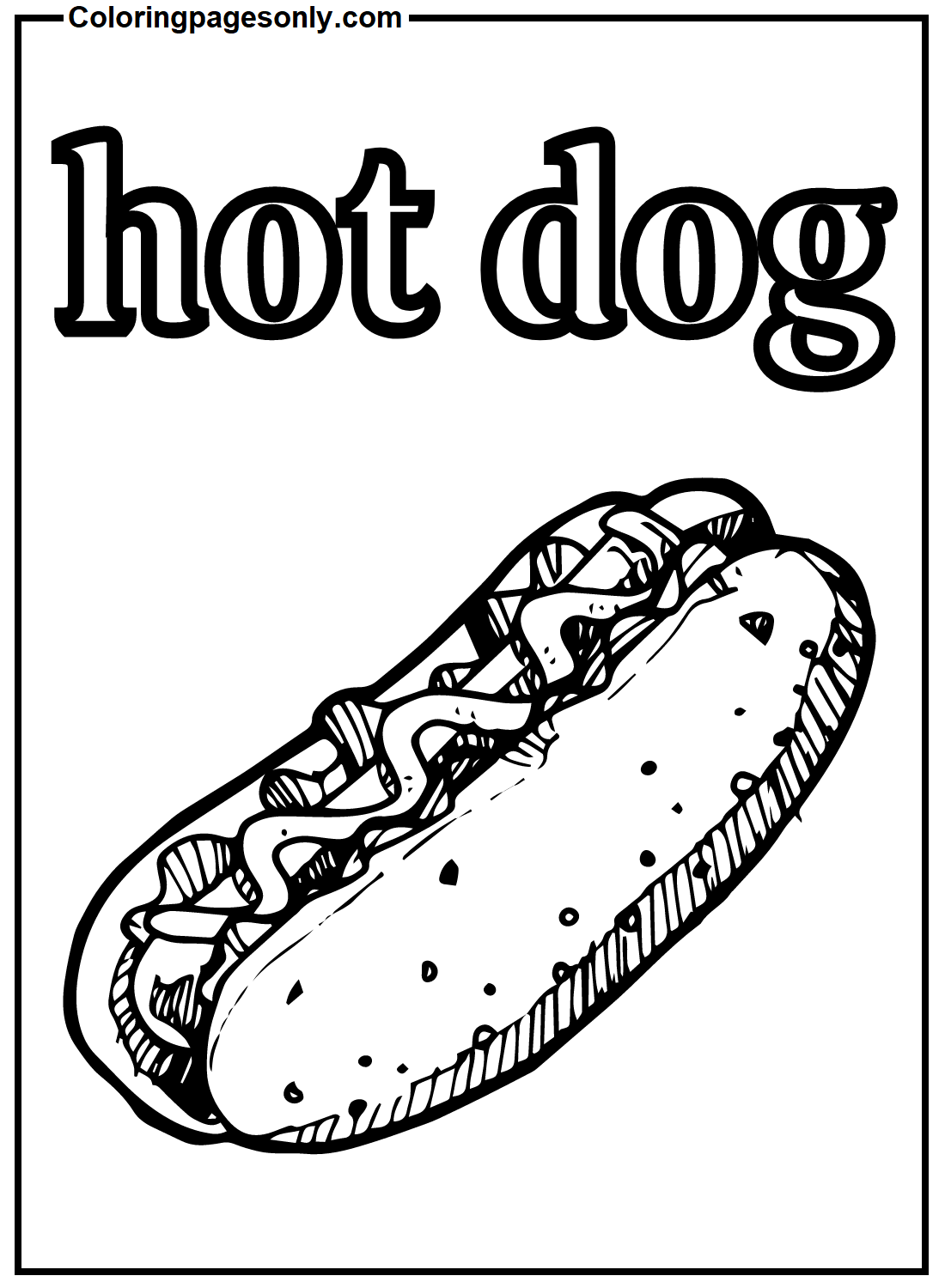
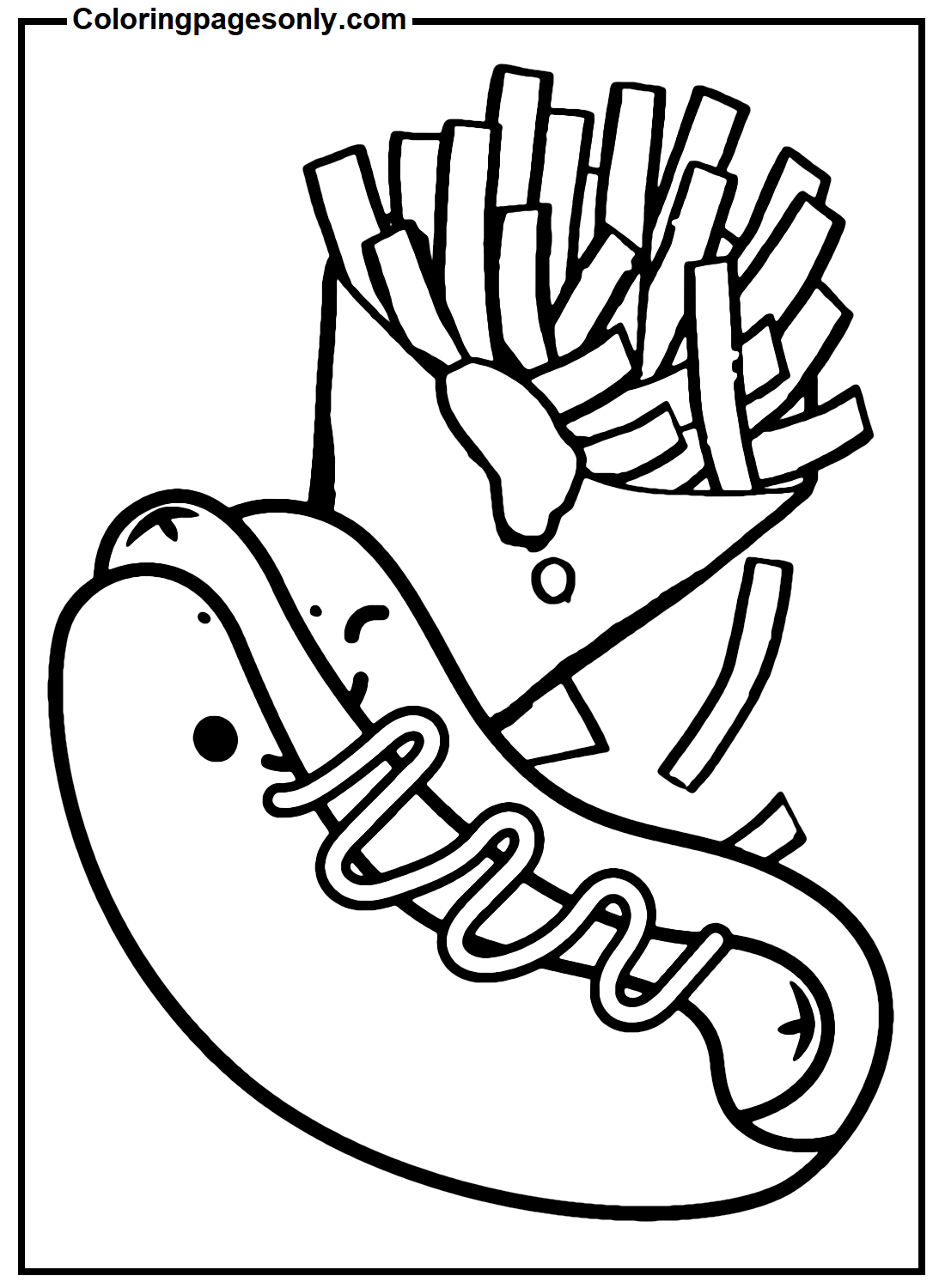
Twenty-two pages show hot dogs in a straightforward, realistic style, often paired with sides like fries or soda. Color suggestion: build the bun in a soft golden tan rather than flat yellow, and save a deeper brown for the toasted edges where the bun meets the grill.
Hot Dog Character Scenes and Activities
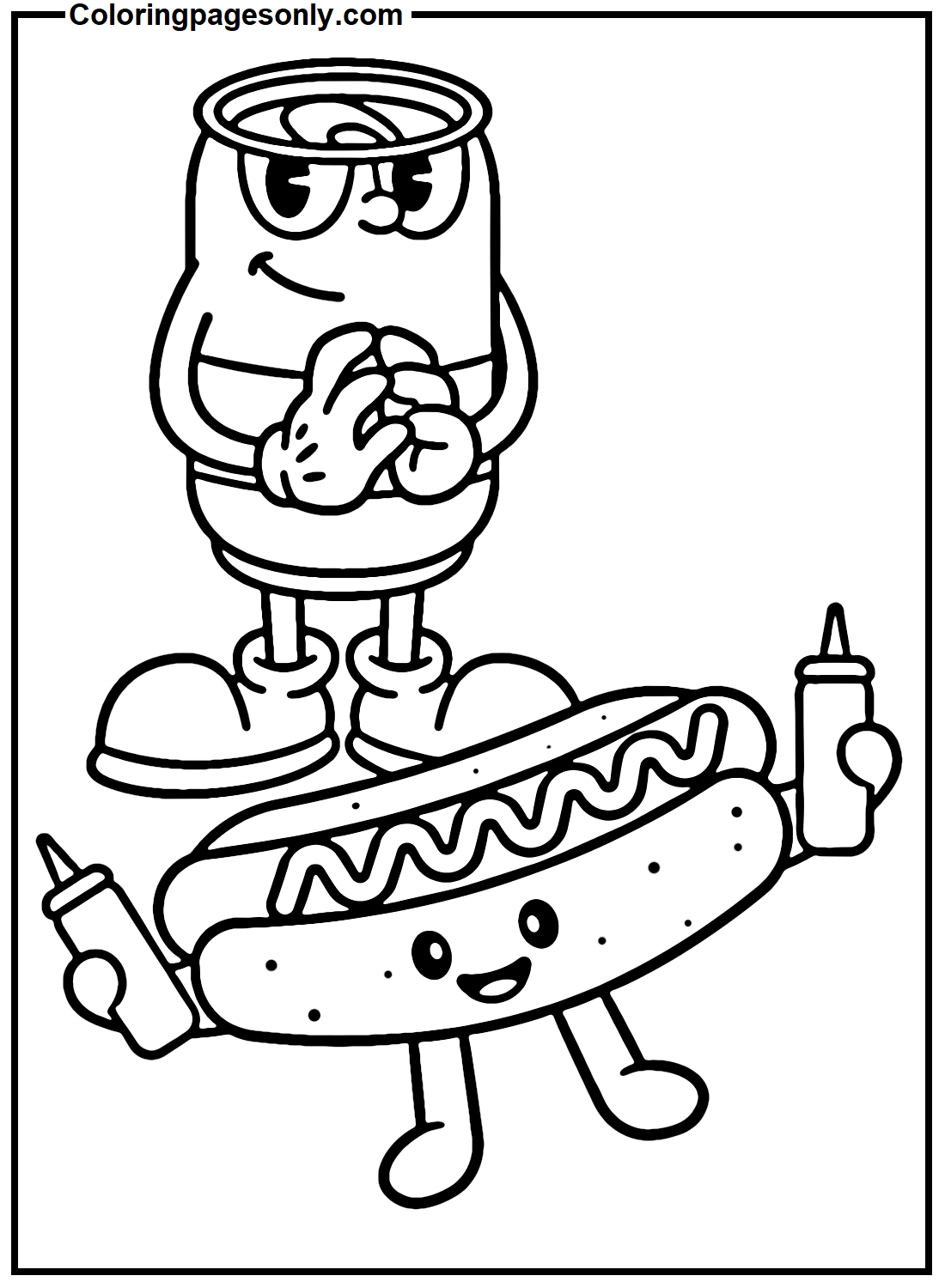
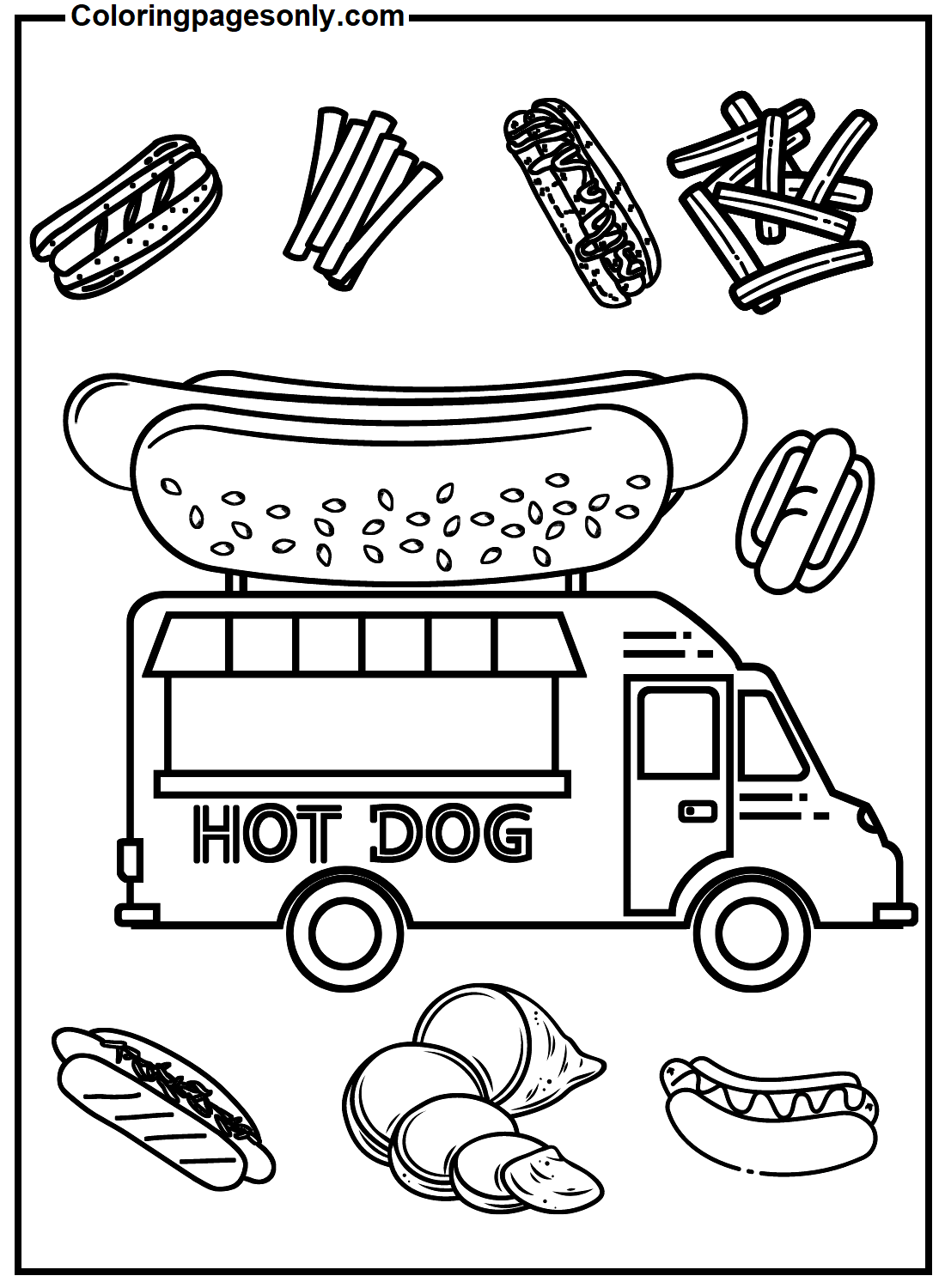
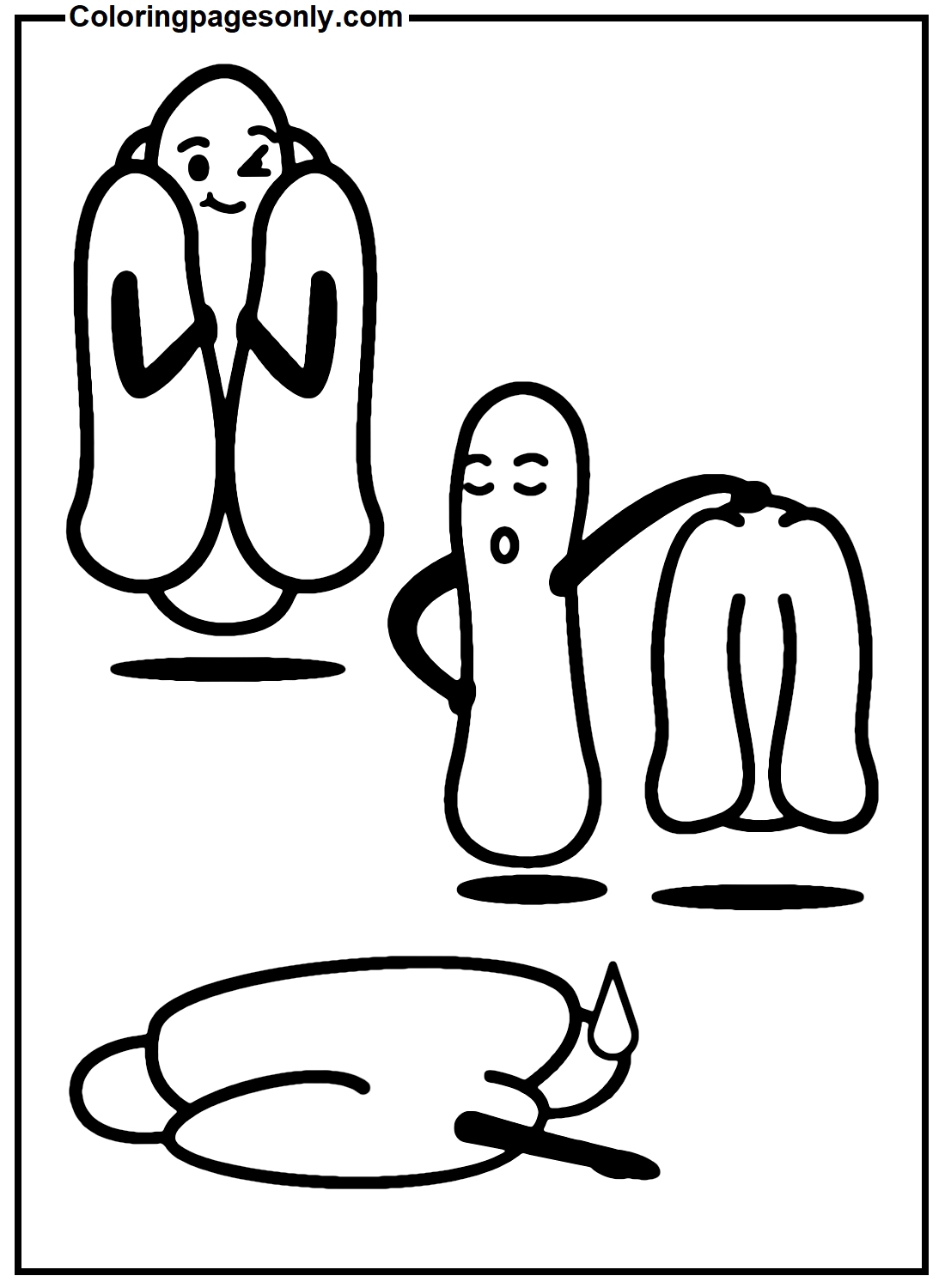
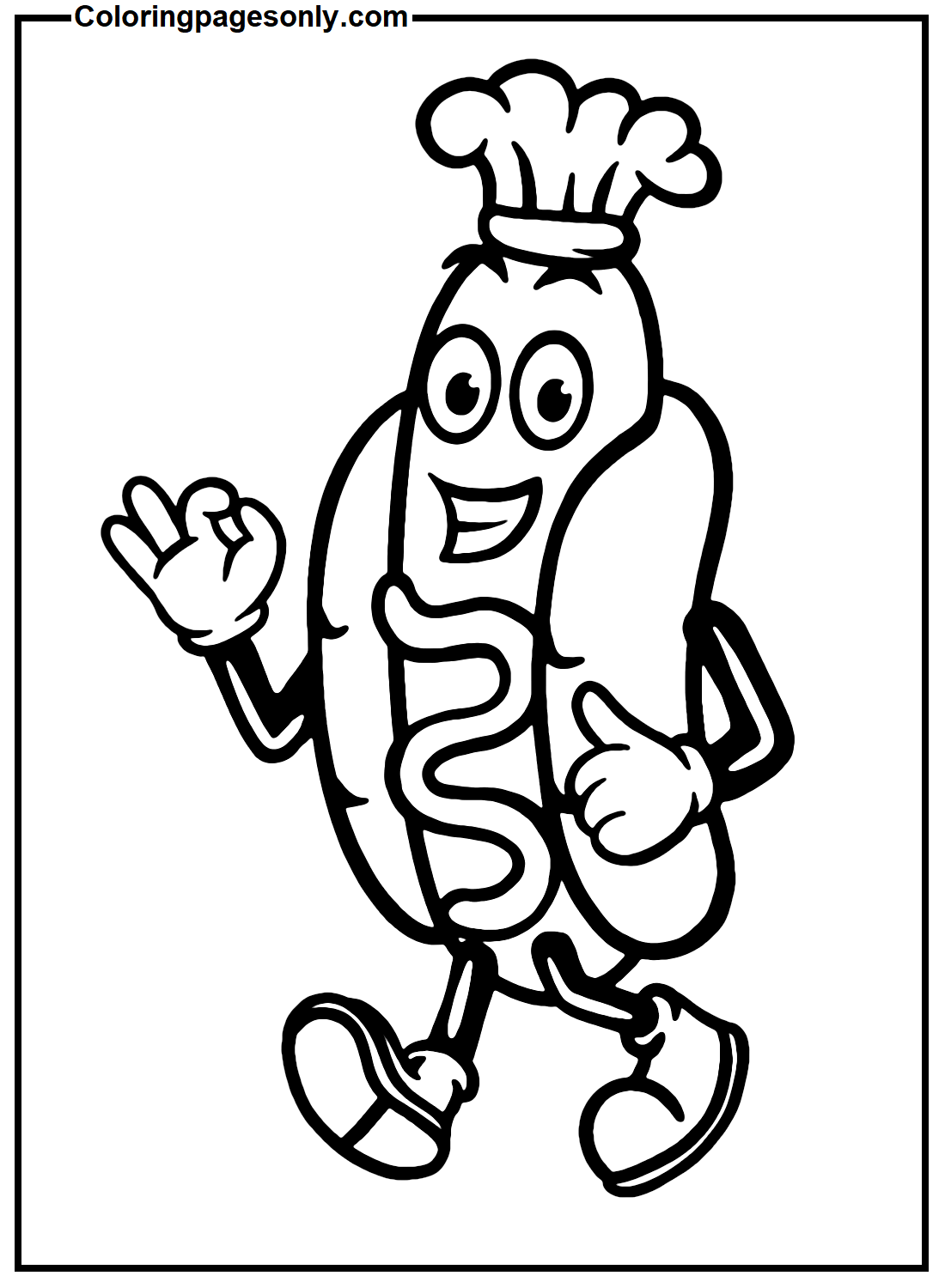
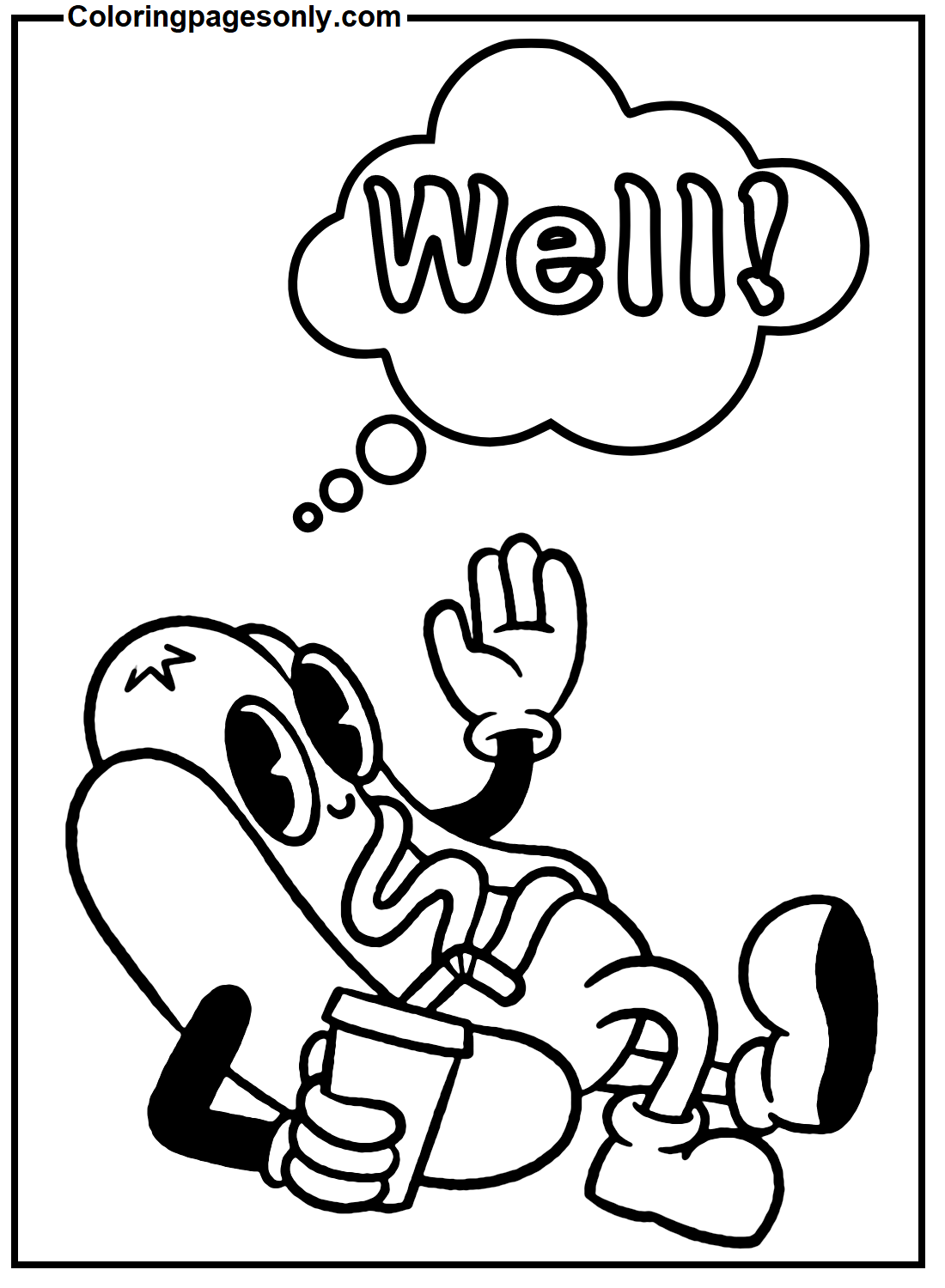
Twenty pages give the hot dog a face and put it in a setting: a food truck, a kitchen, an amusement park, or a beach picnic. Color suggestion: since the hot dog itself is the character on these pages, keep its coloring consistent across the set so it reads as the same character having different adventures.
Hot Dogs with Animal Friends
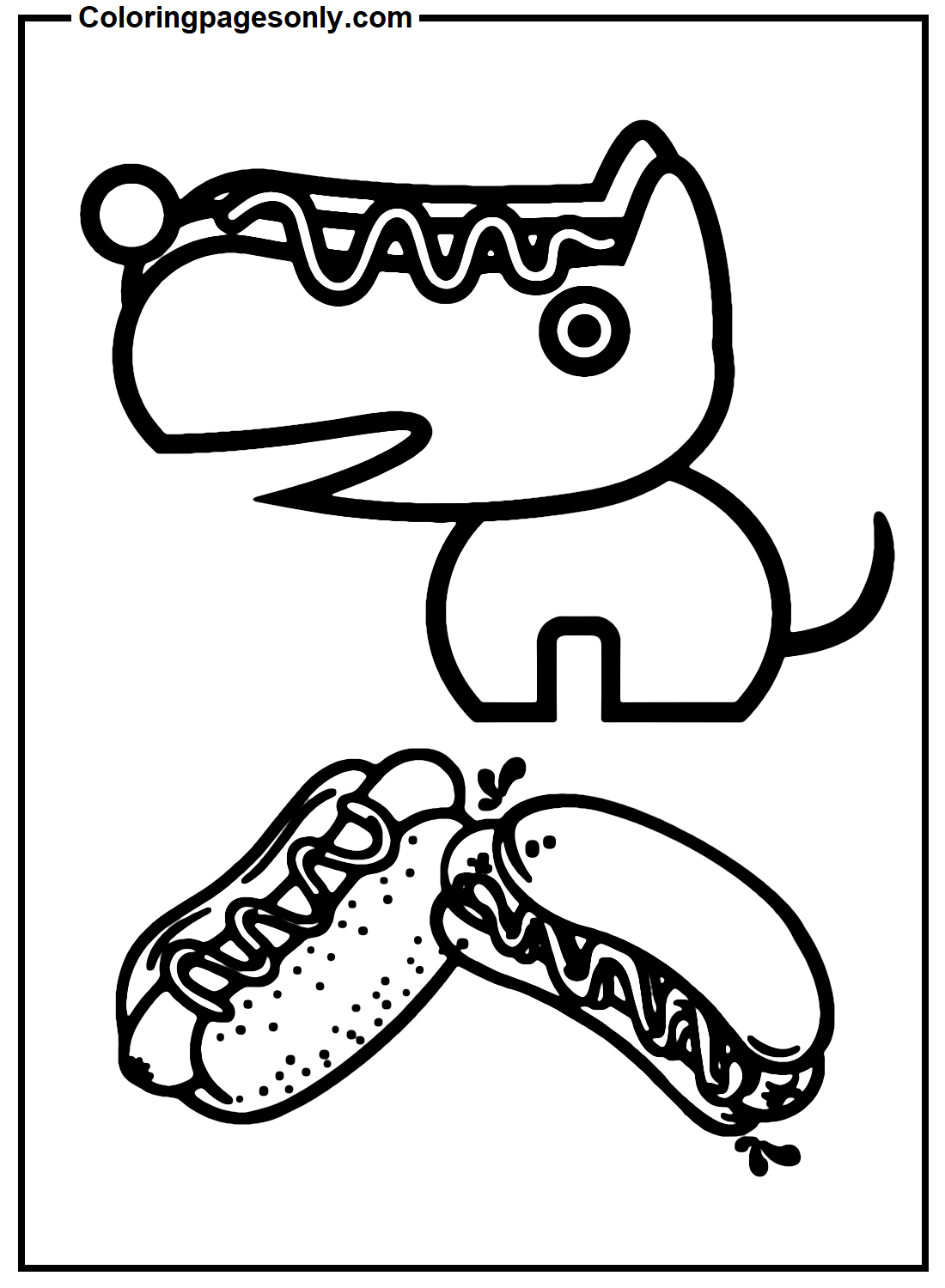
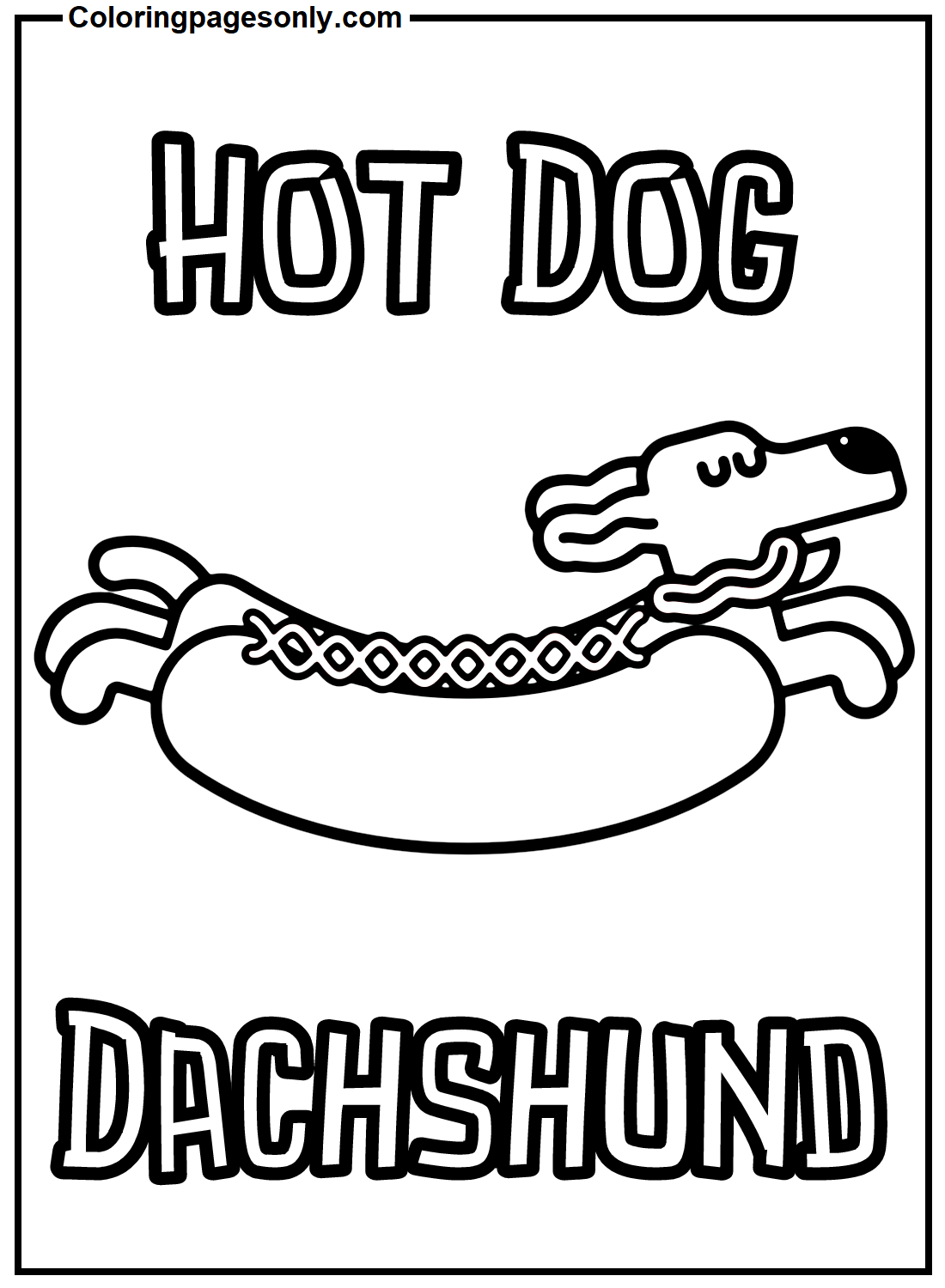
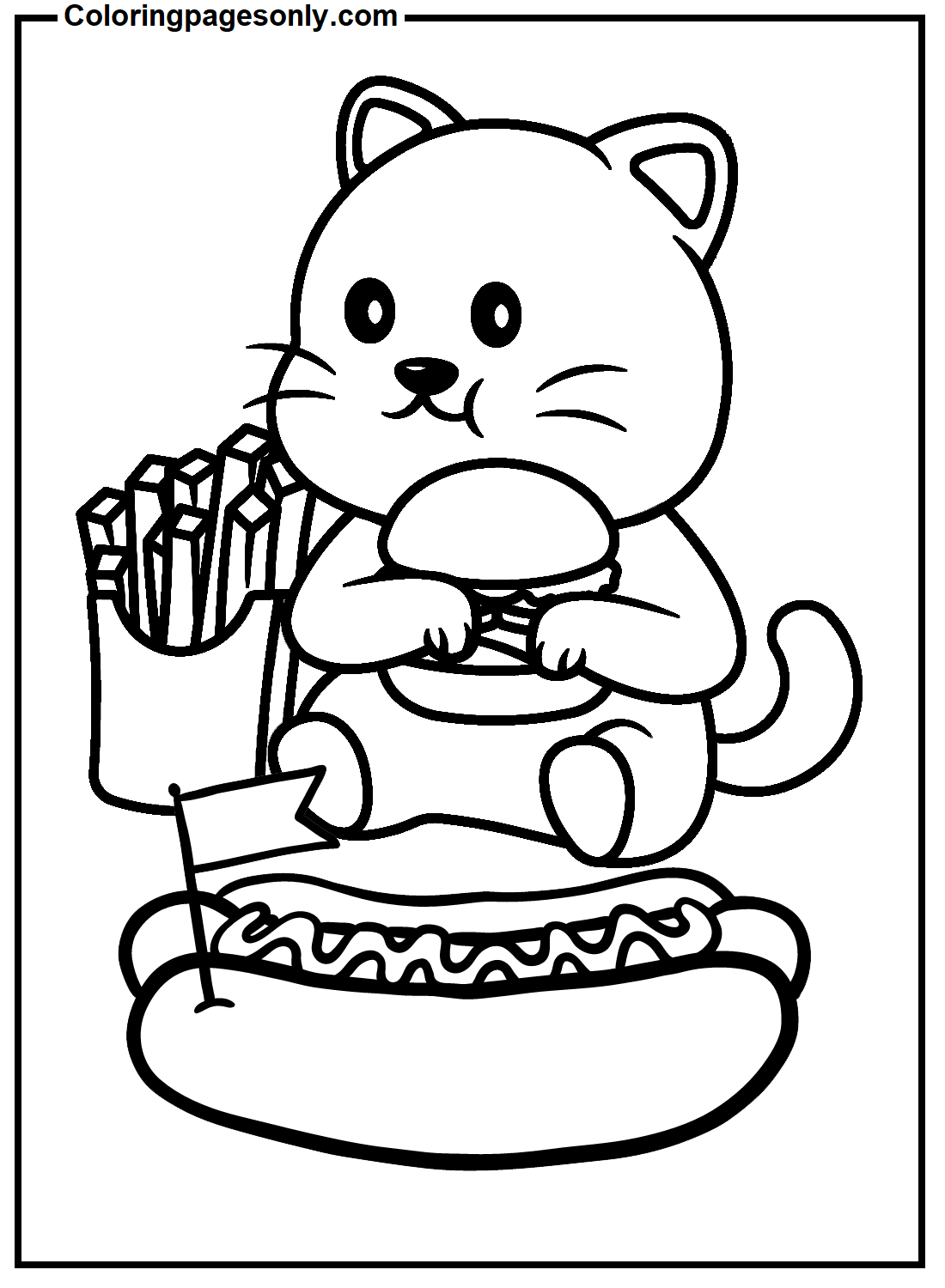
Seven pages pair a hot dog with an animal, including a mouse, a kitten, a dachshund, and a turtle. Color suggestion: the dachshund pages play on the food’s “little dog” nickname, so keeping the dog’s coloring realistic works better than a cartoon palette, for a clearer visual joke.
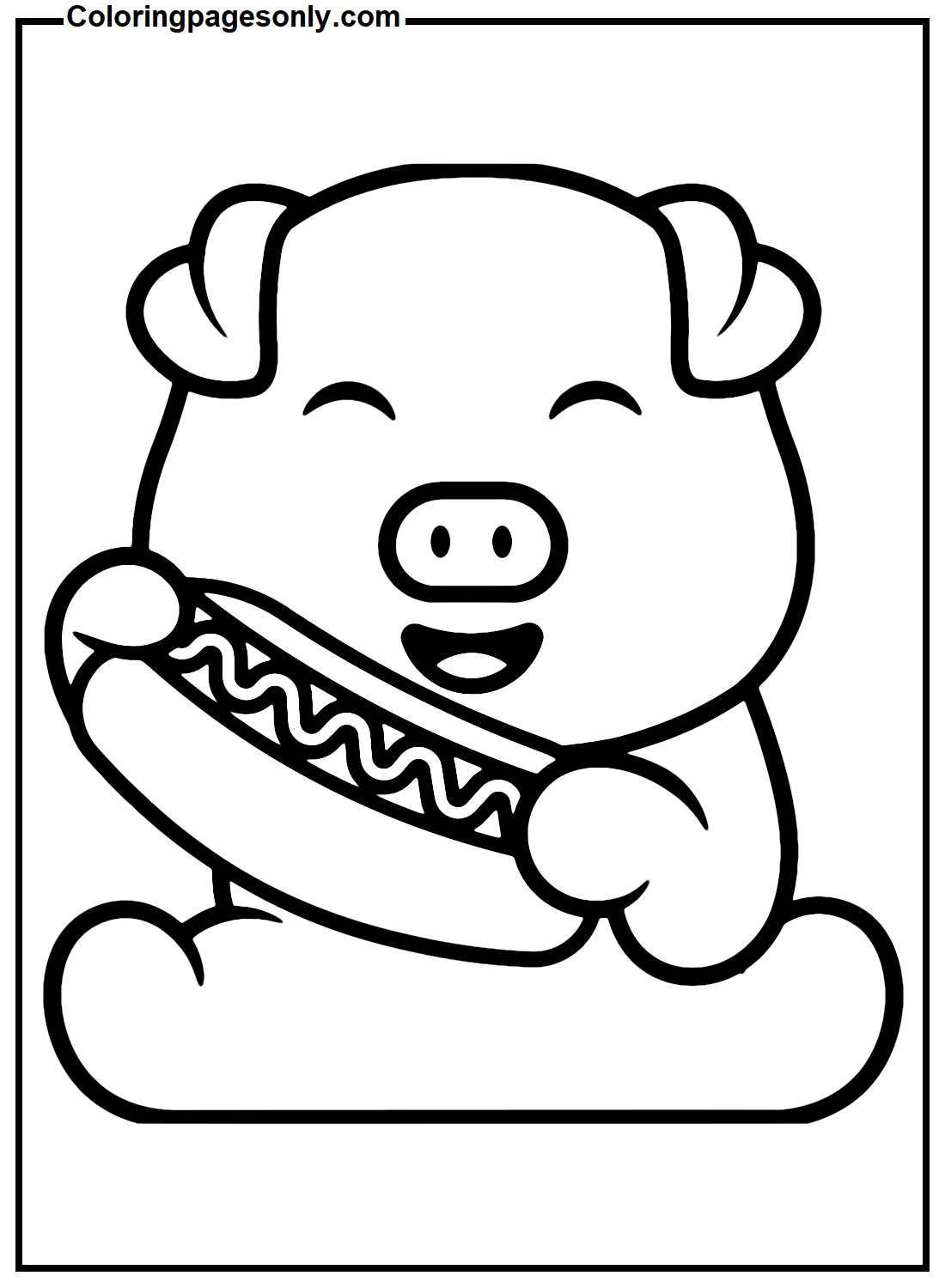
Cute and Funny Hot Dog Mascots
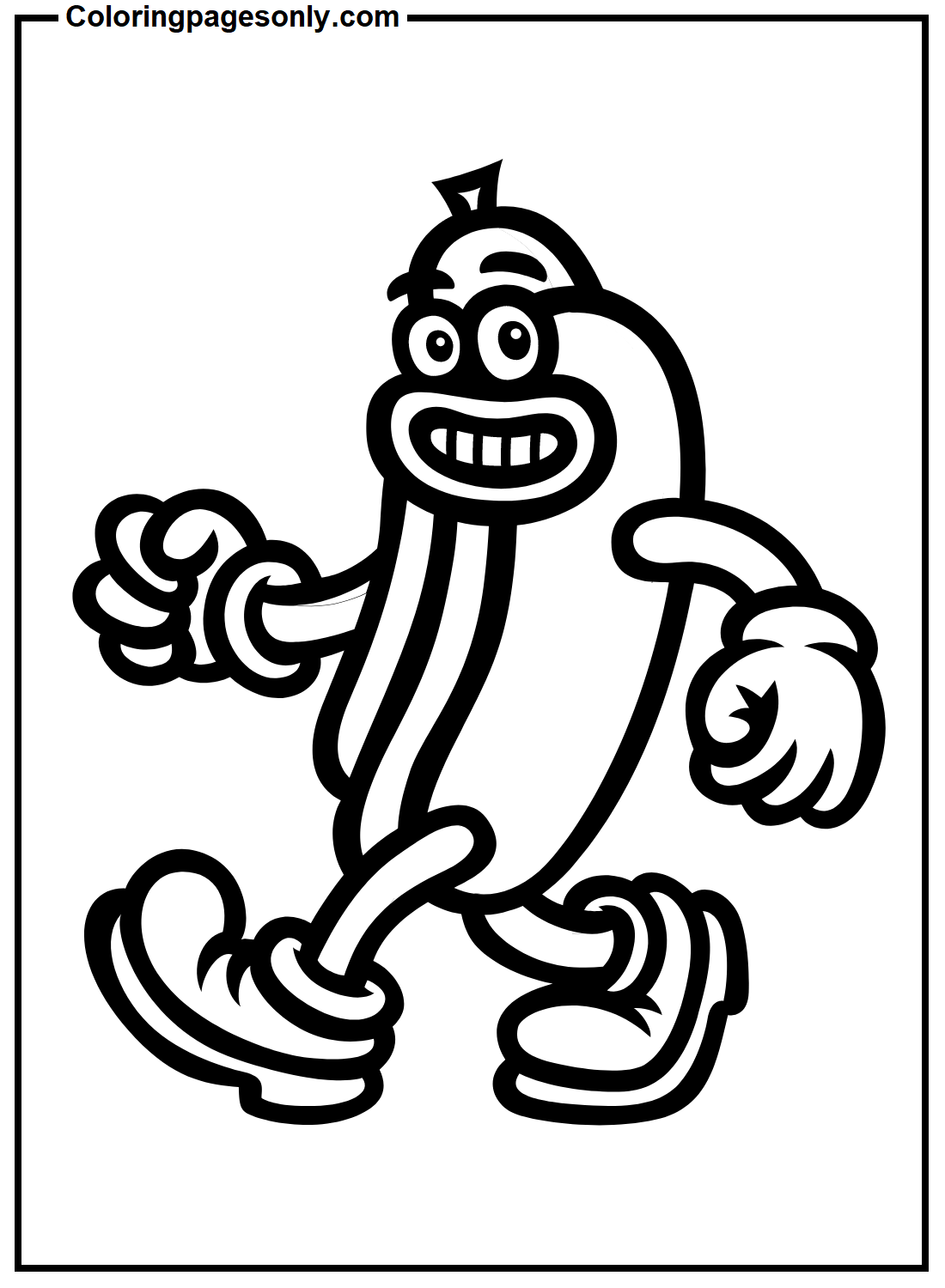
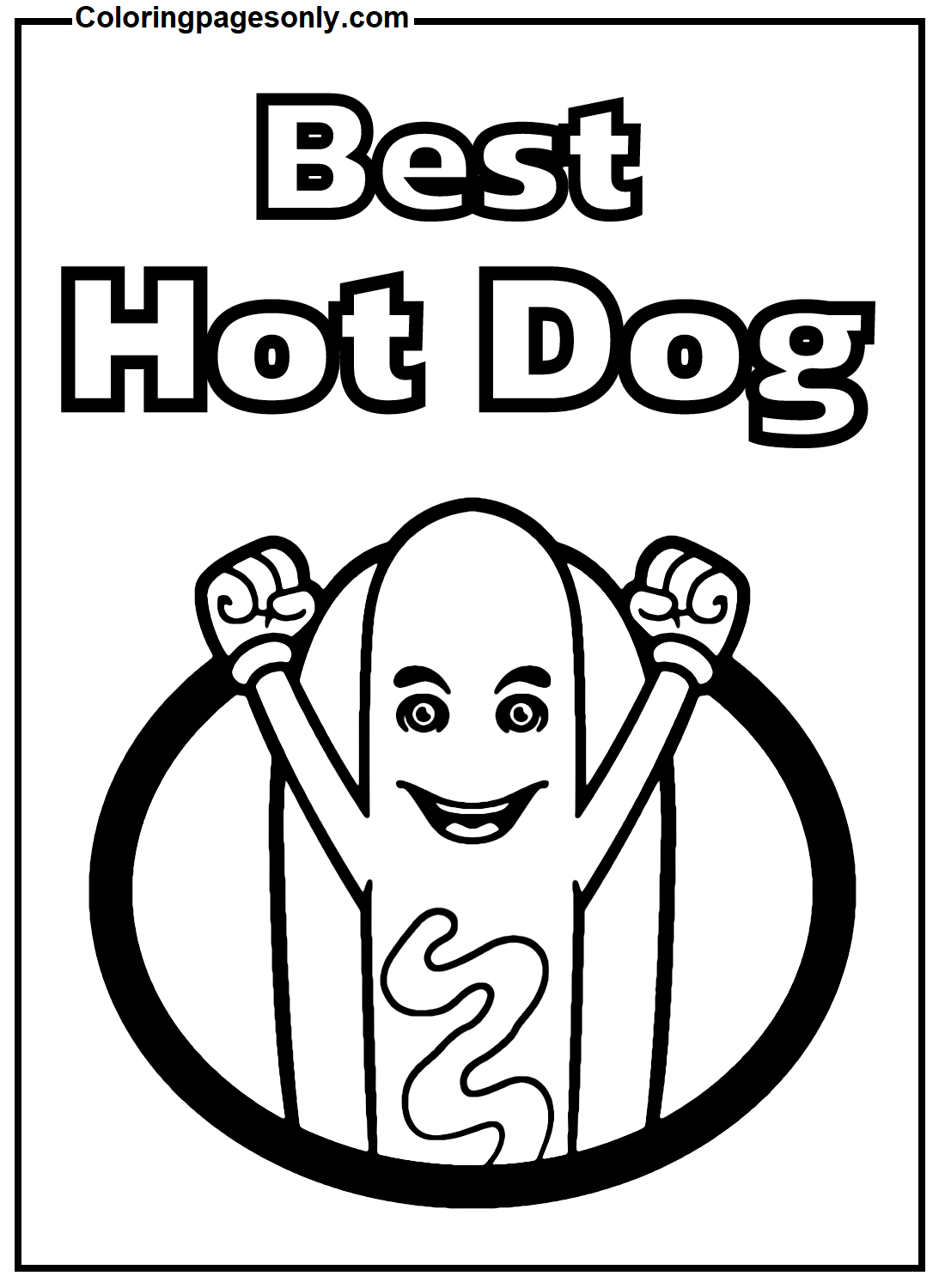
Thirteen pages take a rounder, more cartoonish approach to the hot dog as a mascot character. Color suggestion: these pages suit brighter, more saturated colors than the realistic portraits, since the simplified shapes are built for a bold, flat color style.
What Hot Dog Coloring Pages Do
A familiar food made into a character. Turning an everyday food into a character with a face is an easy way to hold a young child’s attention, and the scene pages in this set extend that idea across many different settings rather than repeating the same pose.
Fine motor practice with layered toppings. The American Academy of Pediatrics identifies fine motor skill development as a core benefit of structured coloring for children ages 2 through 7, and staying inside the thin lines of mustard drizzle or relish on a hot dog page is a more precise motor task than coloring a single large shape.
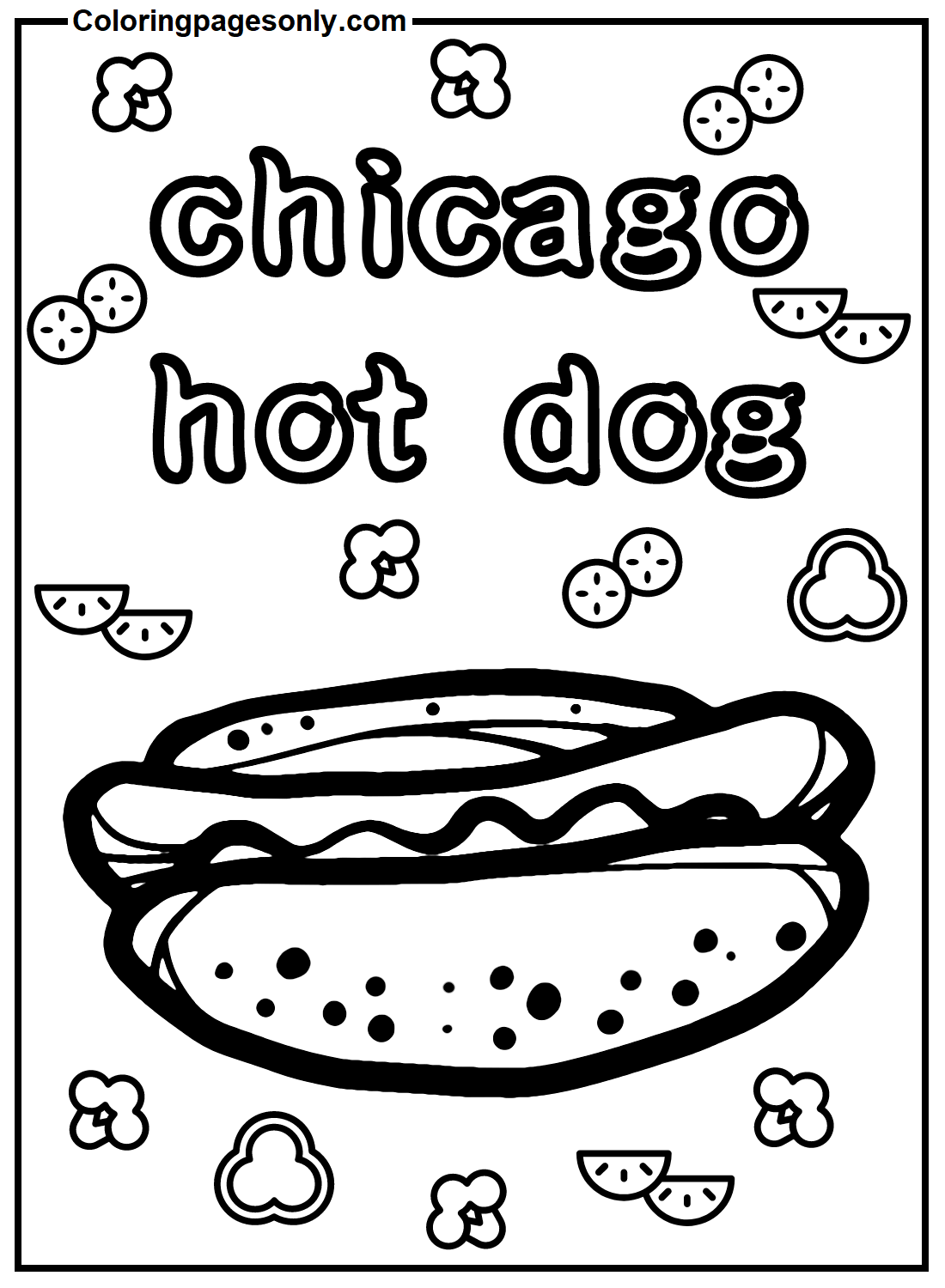
A prompt for talking about regional food differences: the Chicago-style and Korean-style pages in this set open up an easy, low-pressure conversation about how the same basic food looks different around the world, without requiring a full lesson plan.
A calm, familiar activity. Research published in the Art Therapy Journal in 2005 found that structured coloring sessions were associated with a measurable reduction in reported anxiety. A subject as ordinary and unintimidating as a hot dog makes a good low-stakes choice for a first coloring session with a reluctant colorer.
How to Color Hot Dog Pages Well
- Bun: Use Crayola Tan or Desert Sand for the base, with a touch of Crayola Sepia along the toasted edges.
- Sausage: Color the sausage in Crayola Mahogany or Sepia, since a grilled hot dog reads more reddish-brown than bright red.
- Mustard: Use Crayola Goldenrod or Yellow for a classic squiggle, keeping the line thin and slightly uneven to look hand-squeezed.
- Ketchup: A true Crayola Scarlet works better than a plain red for ketchup, since it leans slightly orange, the way real tomato ketchup does.
- Relish: Color relish in Crayola Yellow Green rather than a darker green, since it should read as chopped pickle rather than a leafy vegetable.
- Grill marks: Add a few short Crayola Black or Sepia lines across the sausage to suggest grill char without covering the whole surface.
5 Creative Craft Ideas With Hot Dog Coloring Pages
1. Hot Dog Stand Menu
Color one of the food-truck or cart pages, then use it as the header for a simple hand-drawn menu listing toppings and prices for a pretend hot dog stand.
2. Topping Match-Up
Color a plain hot dog page and a few extra topping shapes separately, cut them out, and mix and match different topping combinations on top of the base.
3. Picnic Placemat
Color one of the picnic or beach scene pages, glue it to a larger sheet of cardstock, and use it as a placemat for snack time or a pretend picnic.
4. Character Bookmark
Color one of the cute mascot pages, trim it to a narrow strip, and cover it with clear tape or a laminate sheet to make a simple bookmark.
5. Mini Comic Strip
Color three or four of the character scene pages in a row and write one sentence under each describing what the hot dog character is doing, turning the set into a short picture story.
Frequently Asked Questions
What are hot dog coloring pages?
Free printable designs of hot dogs in realistic, character, animal-pairing, and cartoon mascot styles. This collection has 62 pages available as PDF downloads or online coloring, with no account required.
Where does the hot dog come from?
Its exact origin is disputed between Frankfurt and Vienna, but the American version traces to German immigrant vendors in 1860s New York and Charles Feltman’s 1871 Coney Island stand.
Did a cartoonist really invent the name “hot dog”?
No. That popular story about a cartoonist misspelling “dachshund” has been shown by language historians to be a myth, since the term hot dog appears in print as early as 1884.
What is a Chicago-style hot dog?
It is a regional variation known for its specific set of toppings and, famously, its rule against adding ketchup, which this collection references with a dedicated Chicago-style page.
What is a Korean-style corn dog?
Korean-style hot dogs are typically batter-coated and deep-fried, often rolled in sugar or coated with extra toppings like cubed potato, giving them a different look and texture from an American-style hot dog.
Why do some pages show hot dogs with animals?
Several pages play on the food’s “little dog” nickname, particularly the dachshund pairing, which references the same shape joke that gave hot dogs their name in the first place.
What age group are these pages best suited for?
The realistic and cute mascot pages suit children as young as three, while the more detailed scene pages with several elements work better for children five and up.
Are these pages good for a food or history lesson?
Yes. The disputed origin story and the regional style variations in this set give teachers and parents an easy, low-pressure way to introduce food history and cultural differences.
Start Coloring
Download any page by clicking the design. No account, email, or payment is required. Pages print directly from the browser at full resolution or open in the online coloring tool for screen use. Share finished pages on Facebook or Pinterest using the share buttons at the top of each design page.