Skylanders Coloring Pages
 By:
Jennifer Thoa – Content Editor & Designer
Updated:
By:
Jennifer Thoa – Content Editor & Designer
Updated:
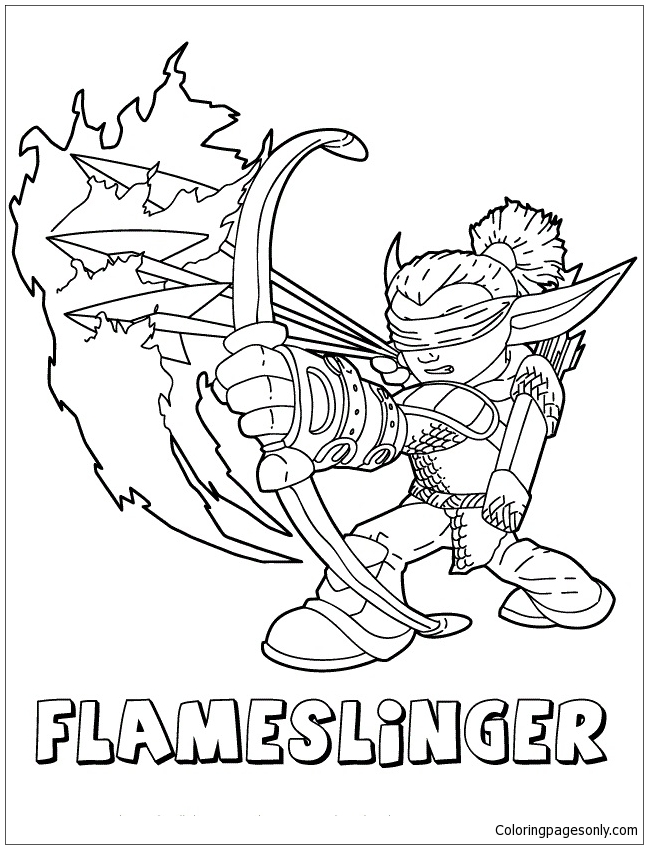
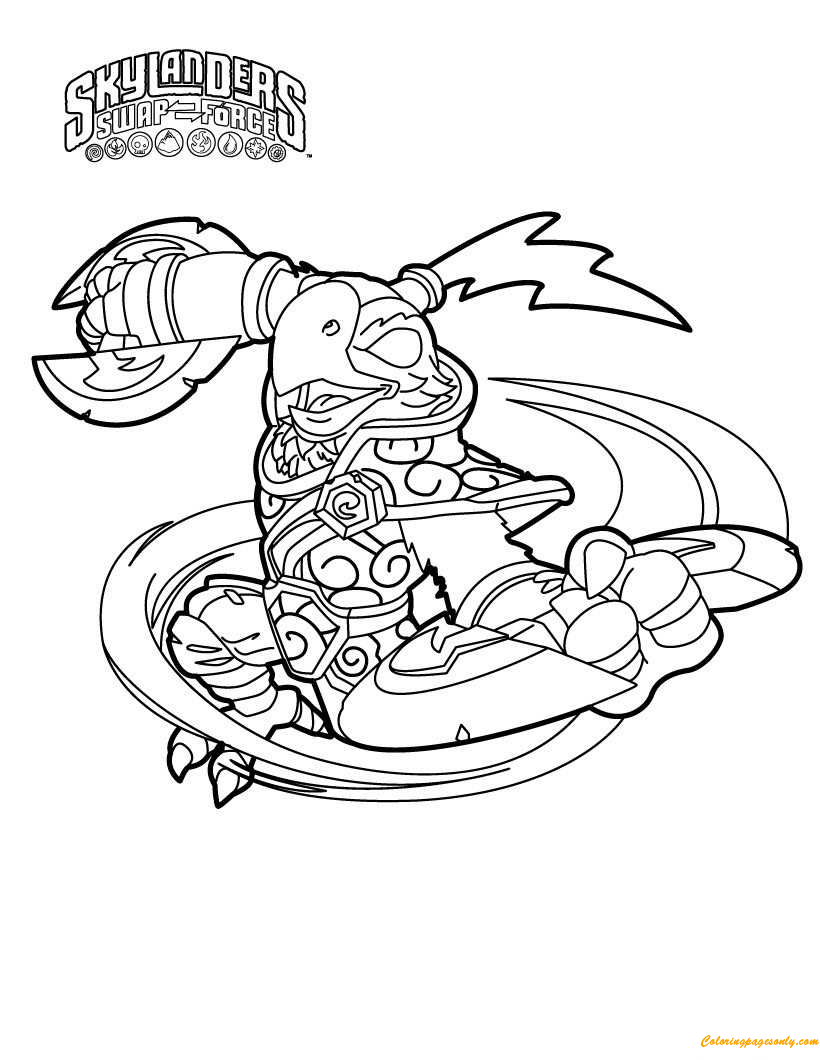
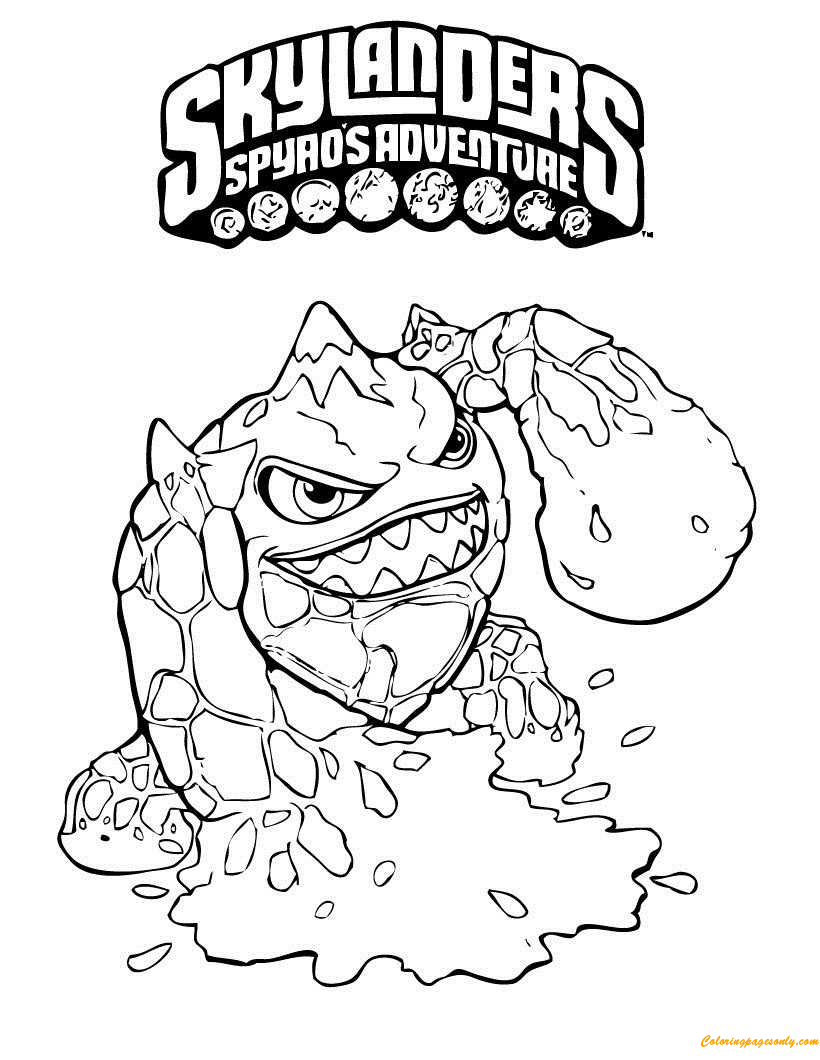
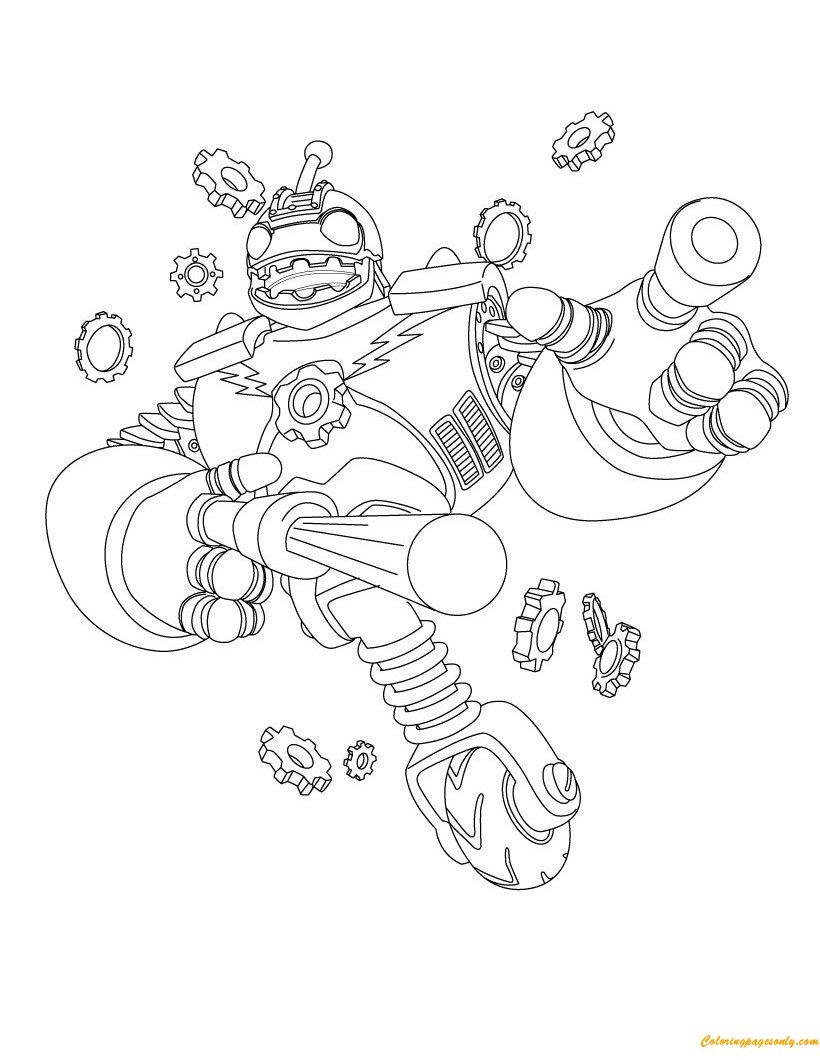
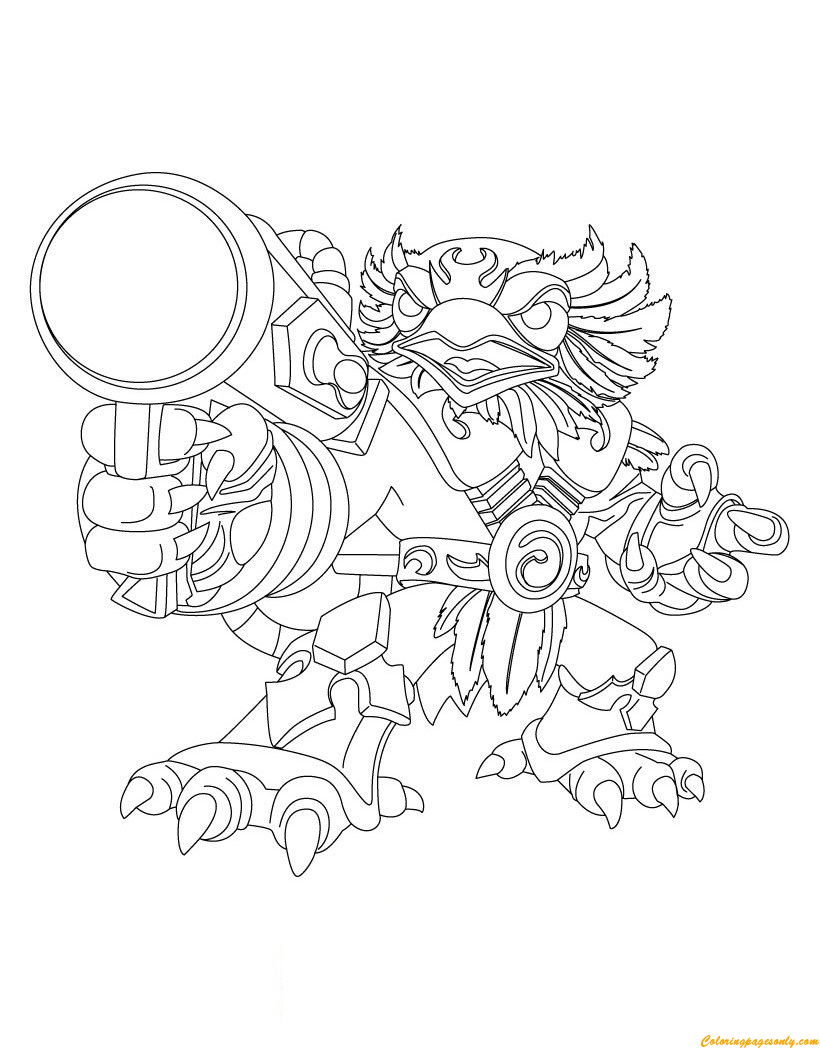
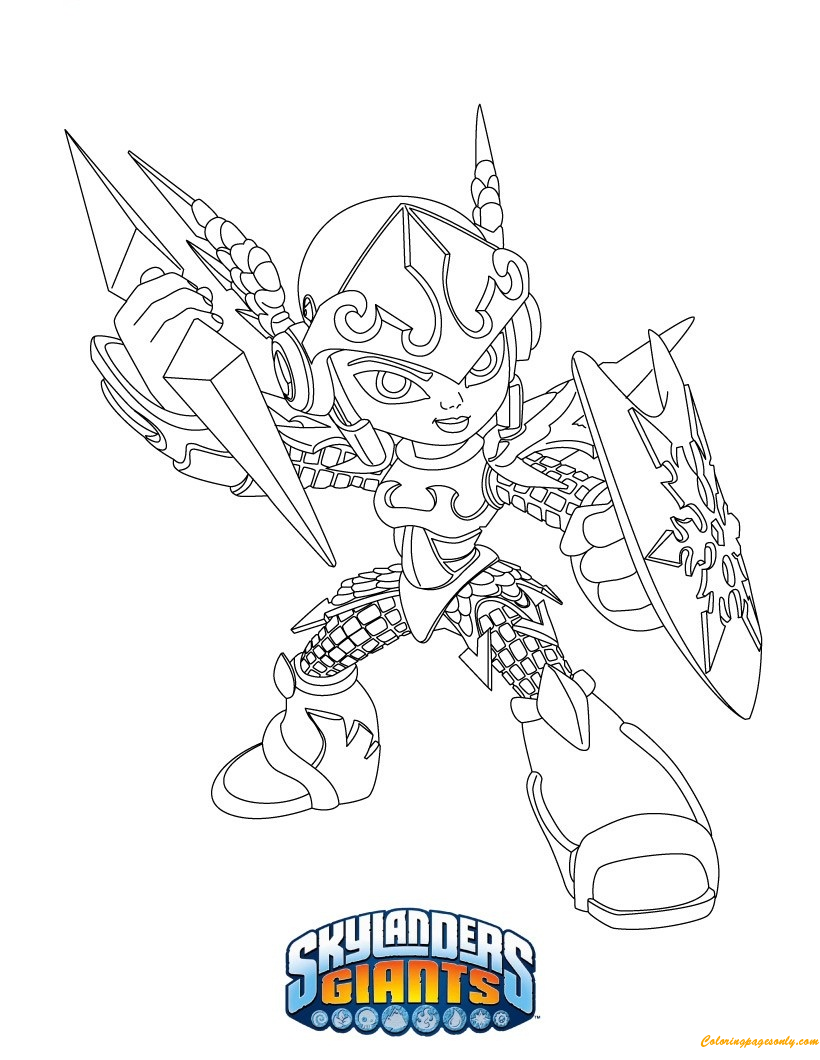
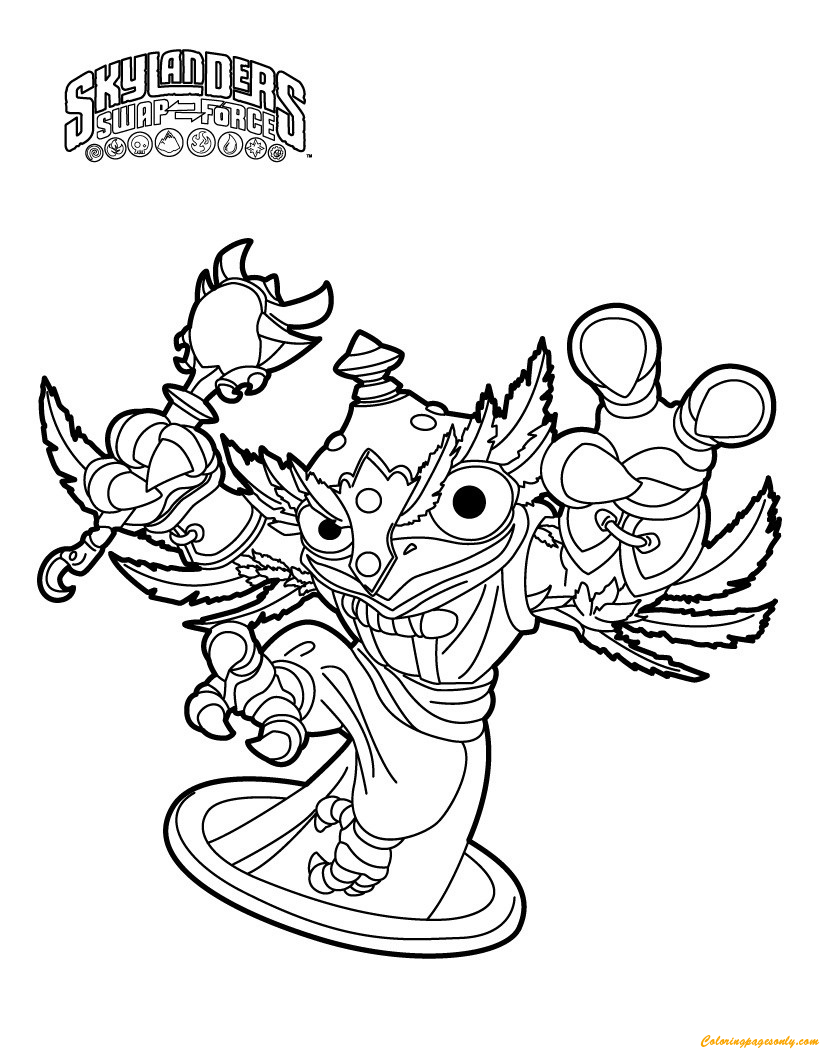
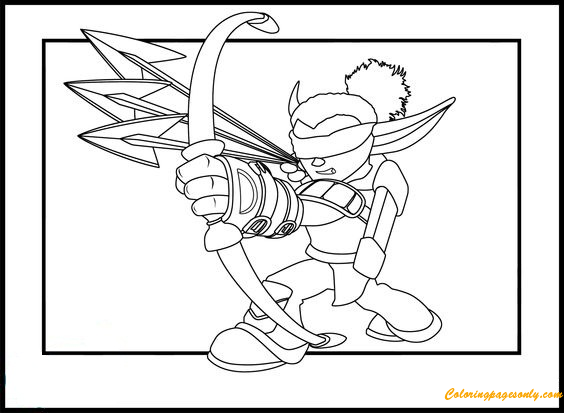
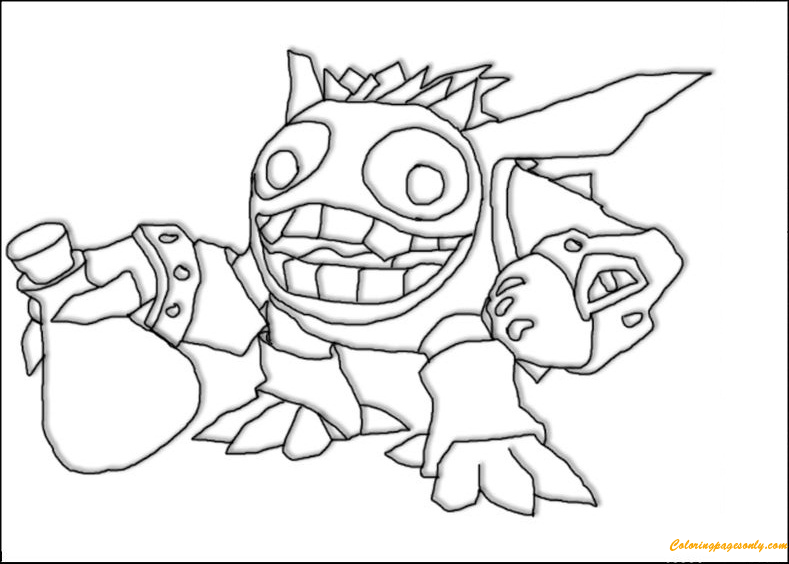
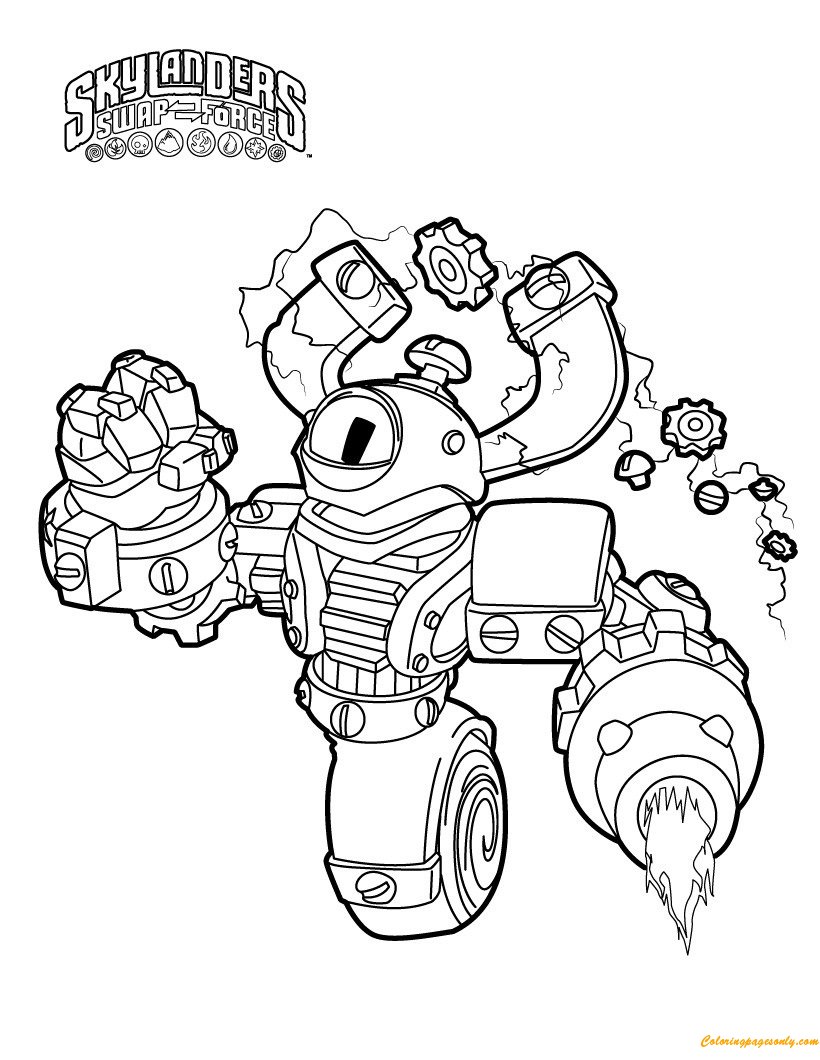
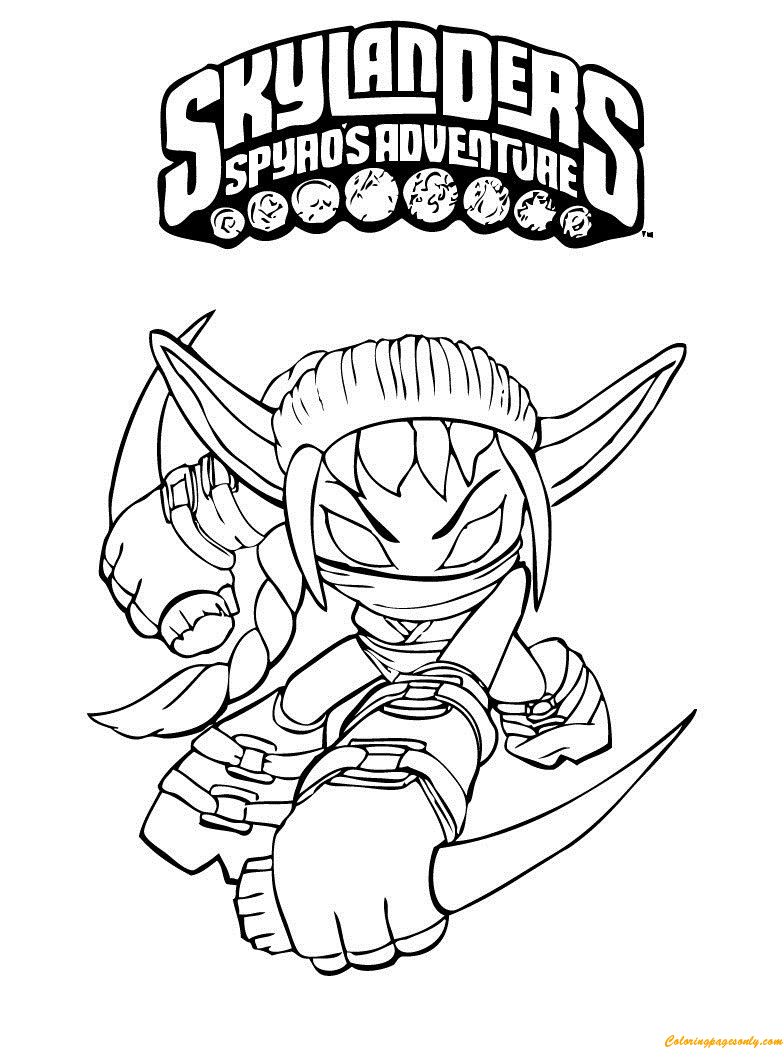
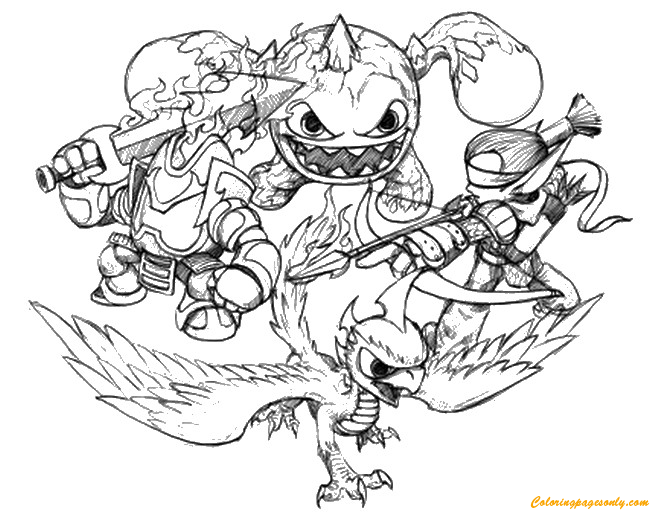
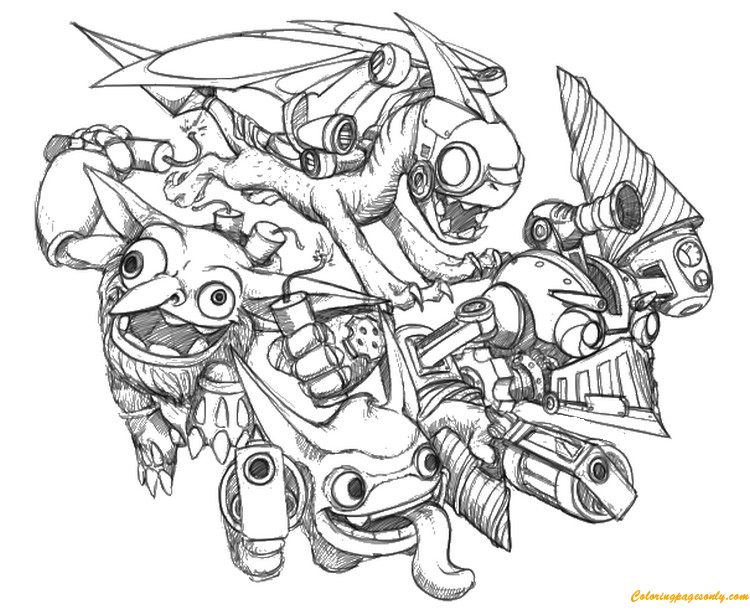
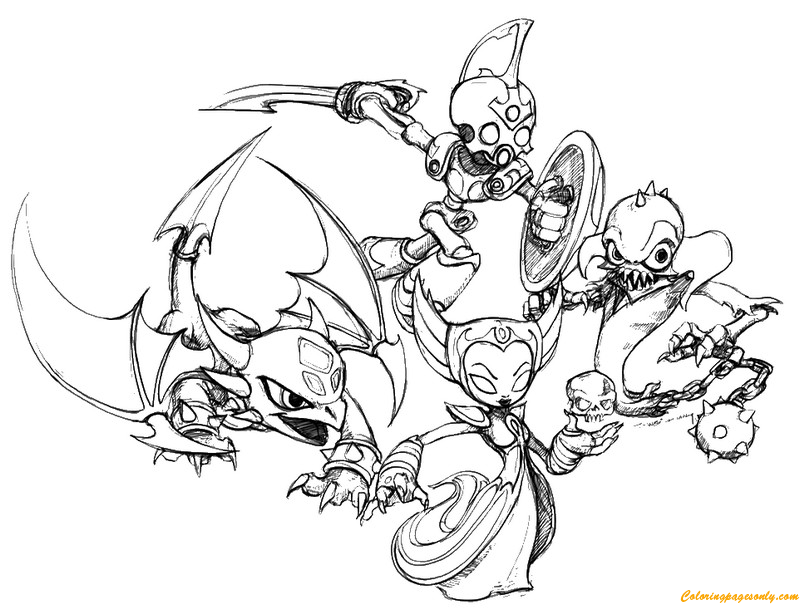
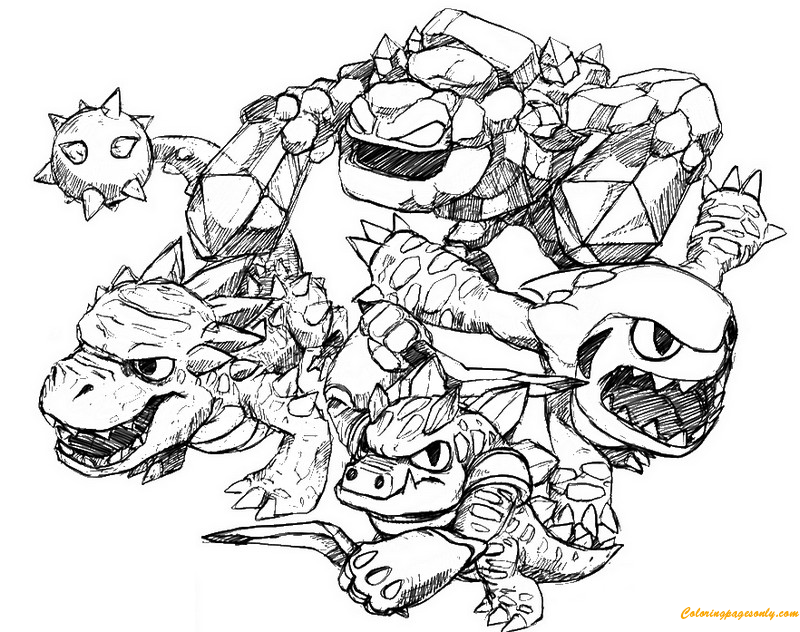
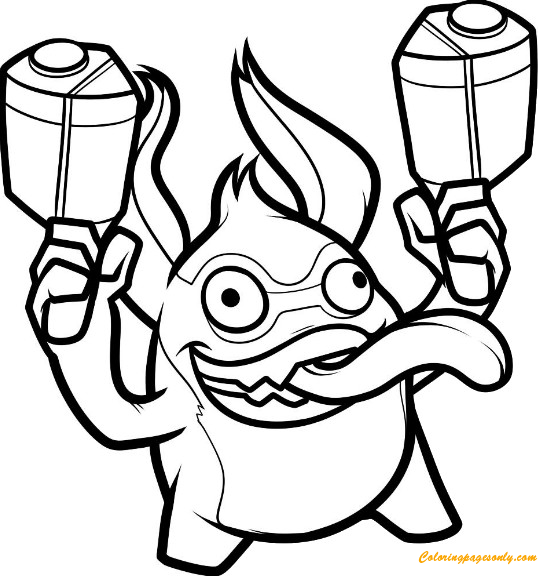
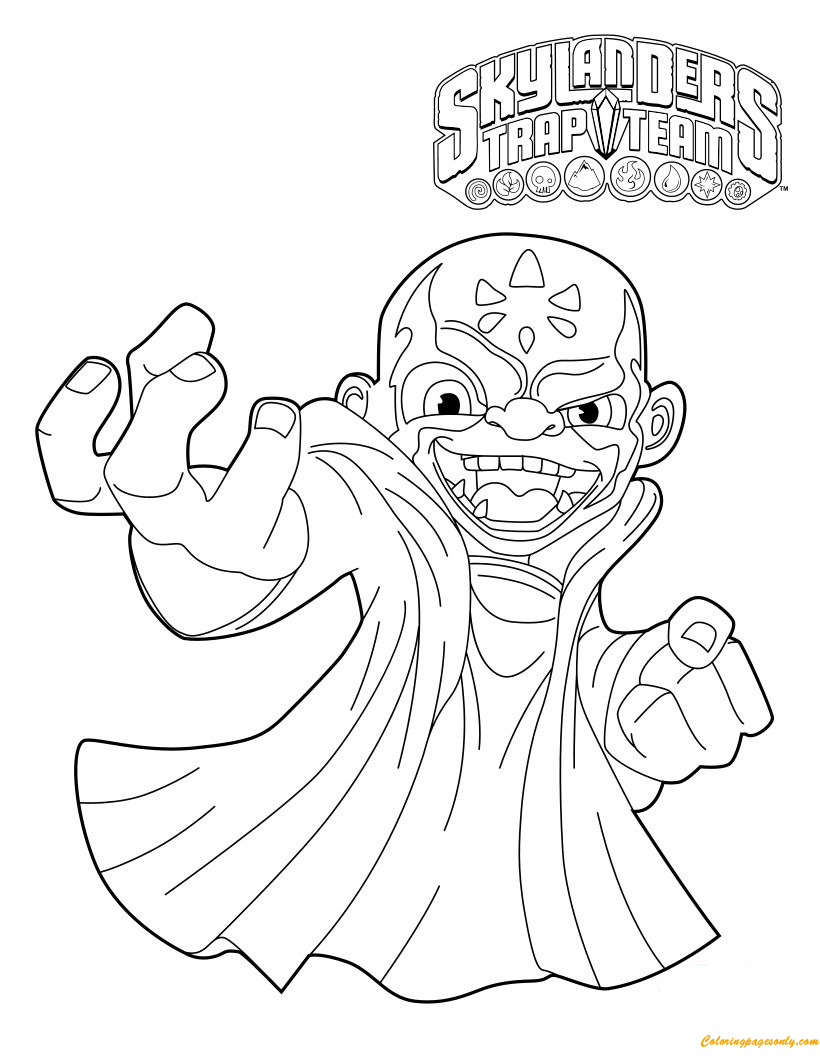
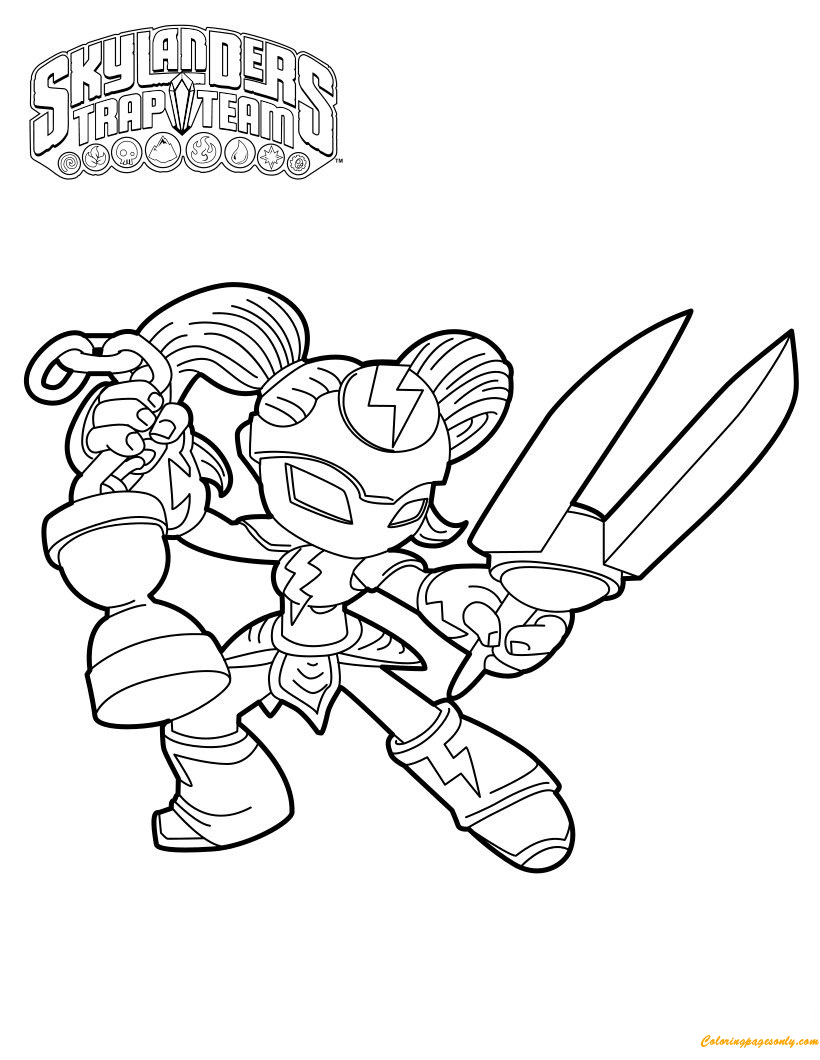
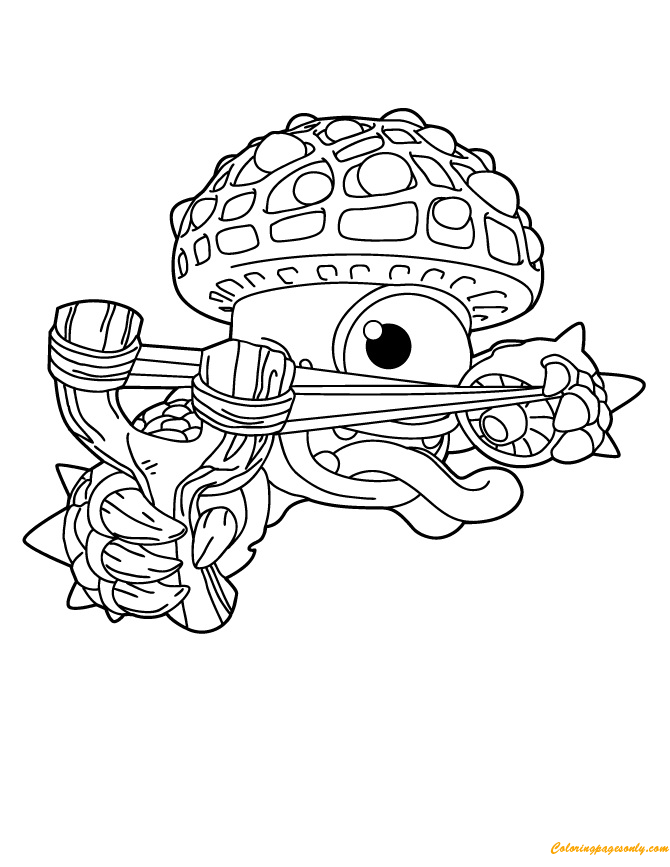
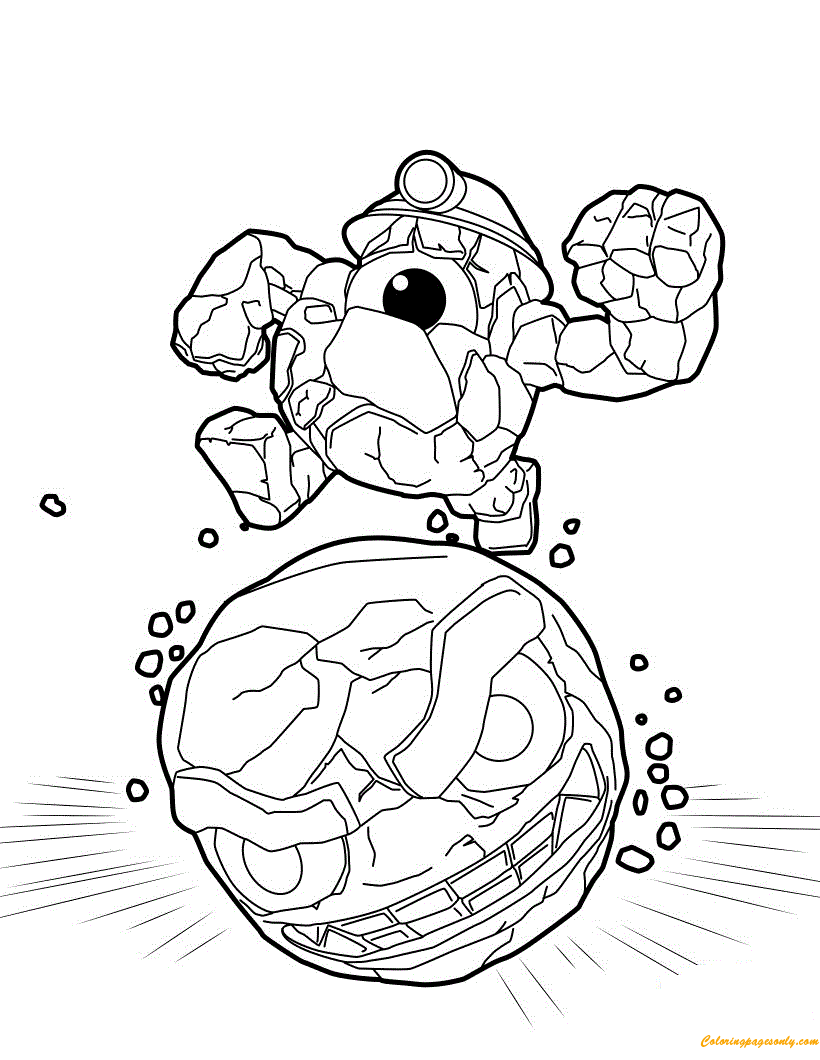
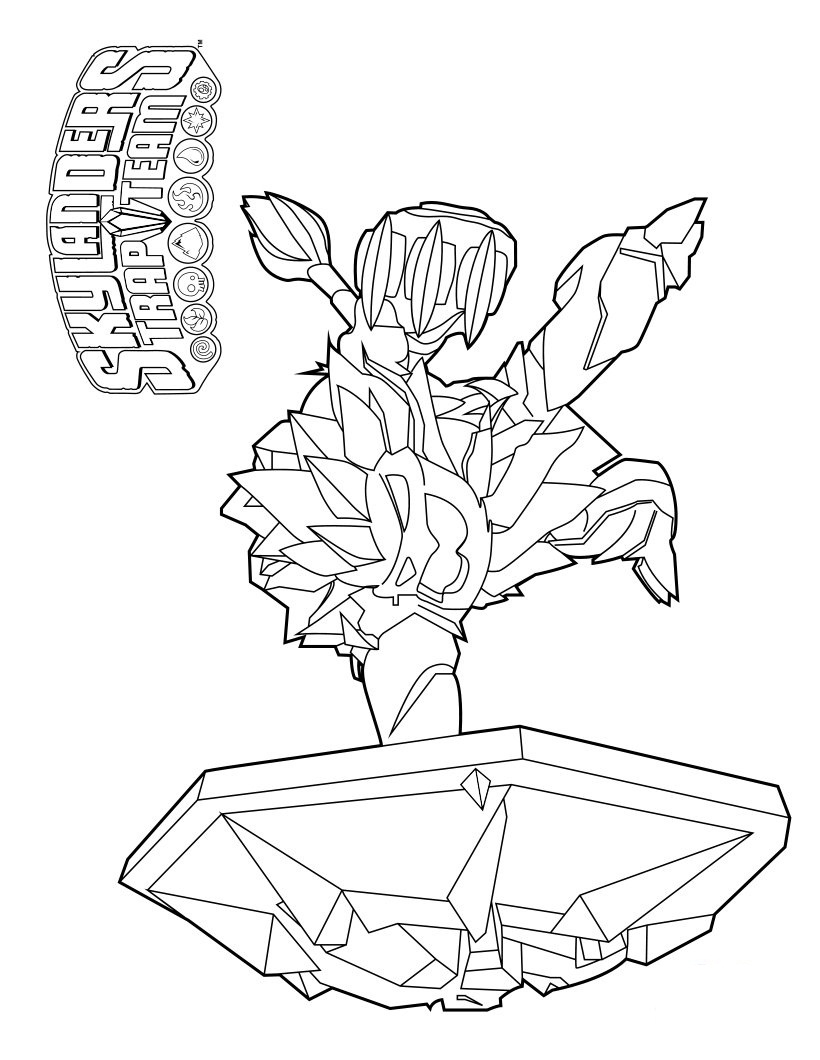
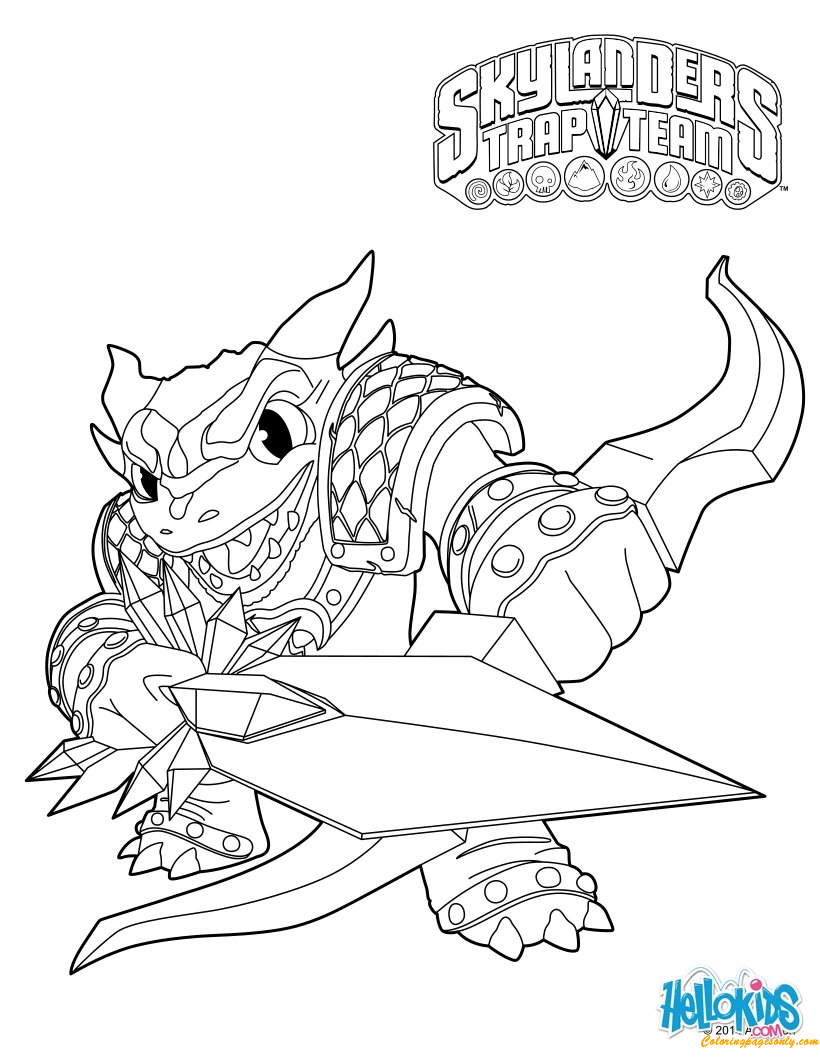
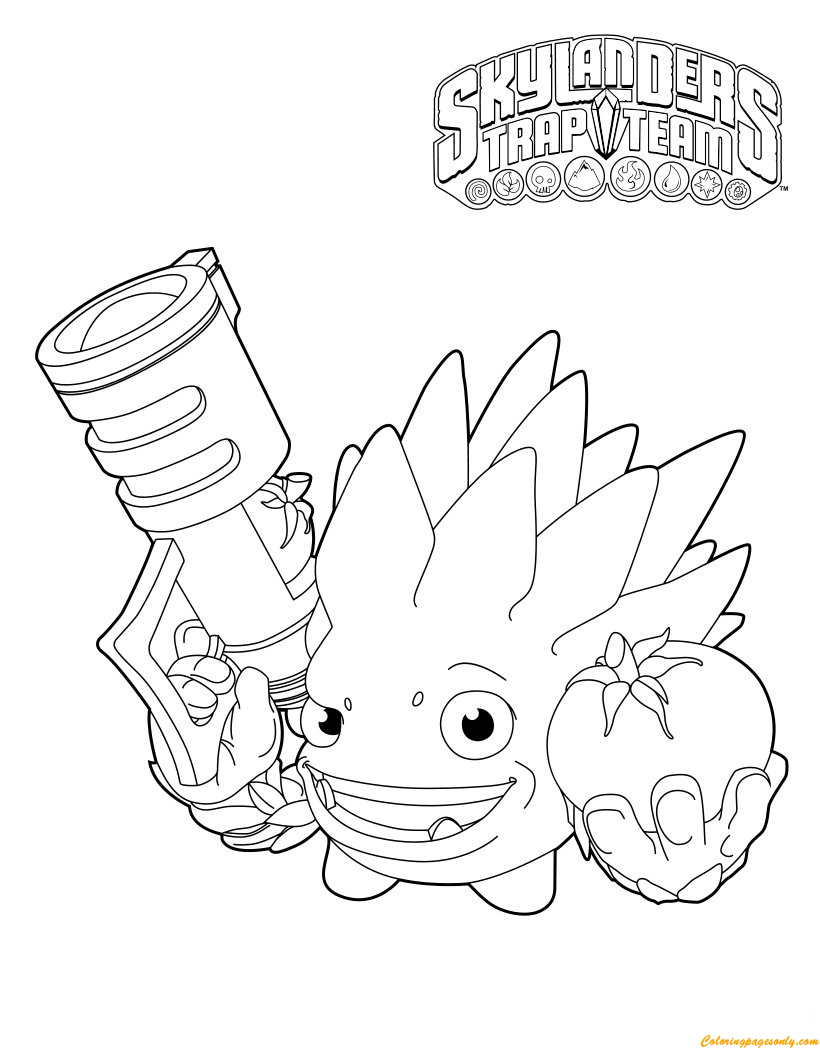
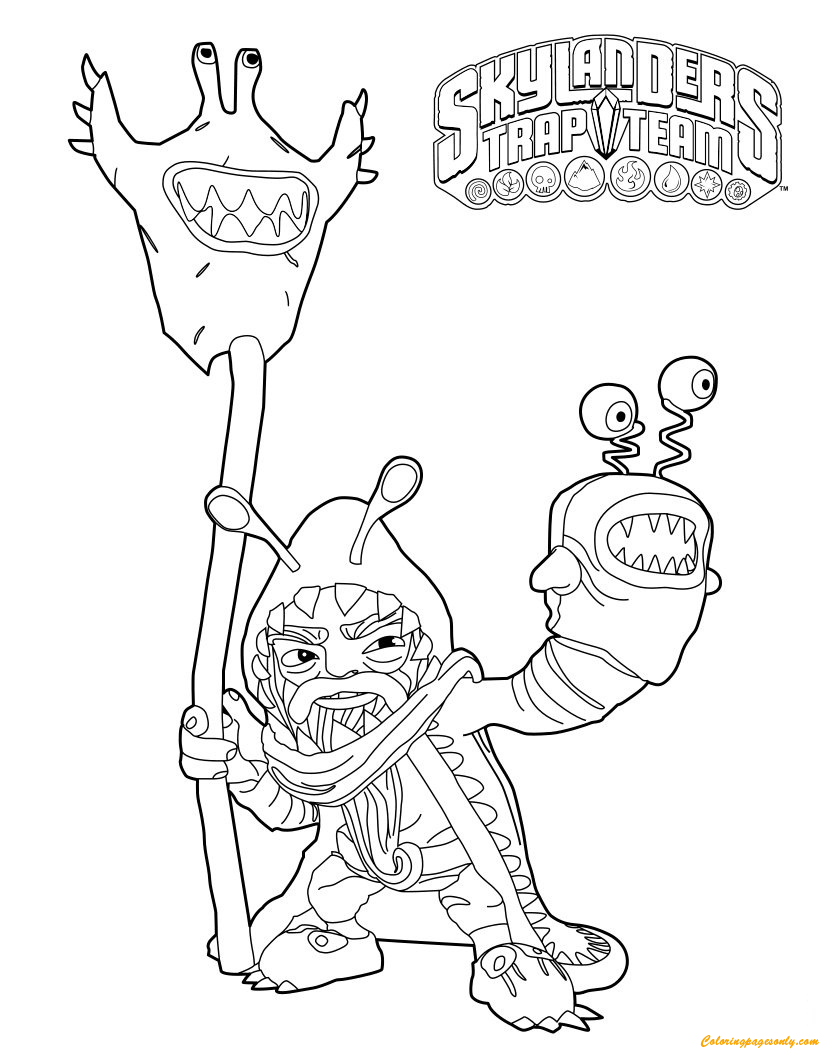
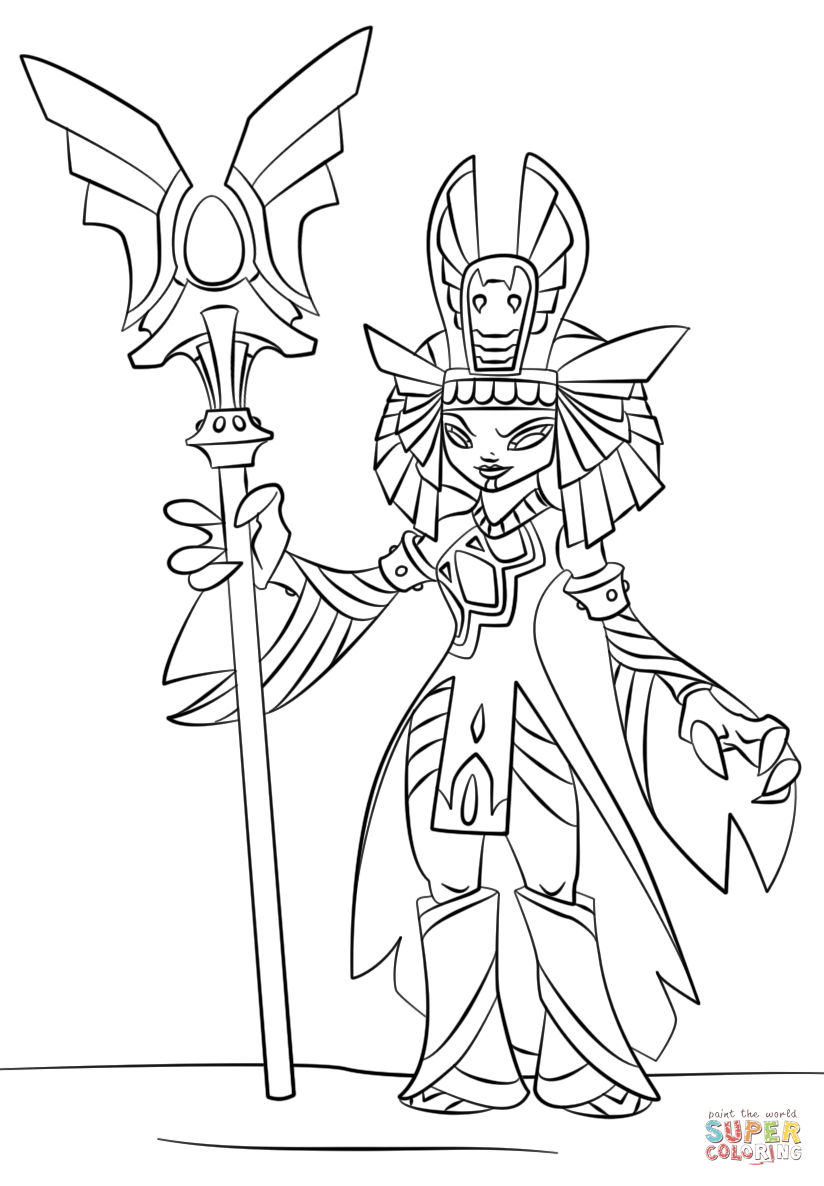
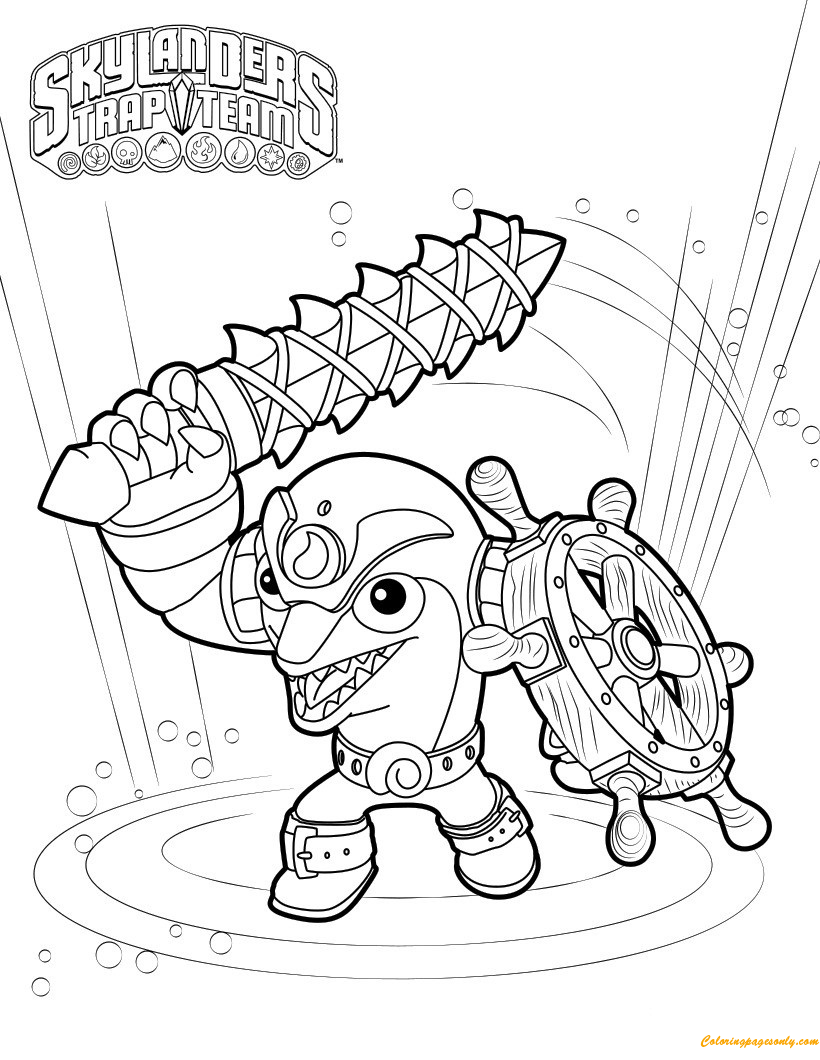
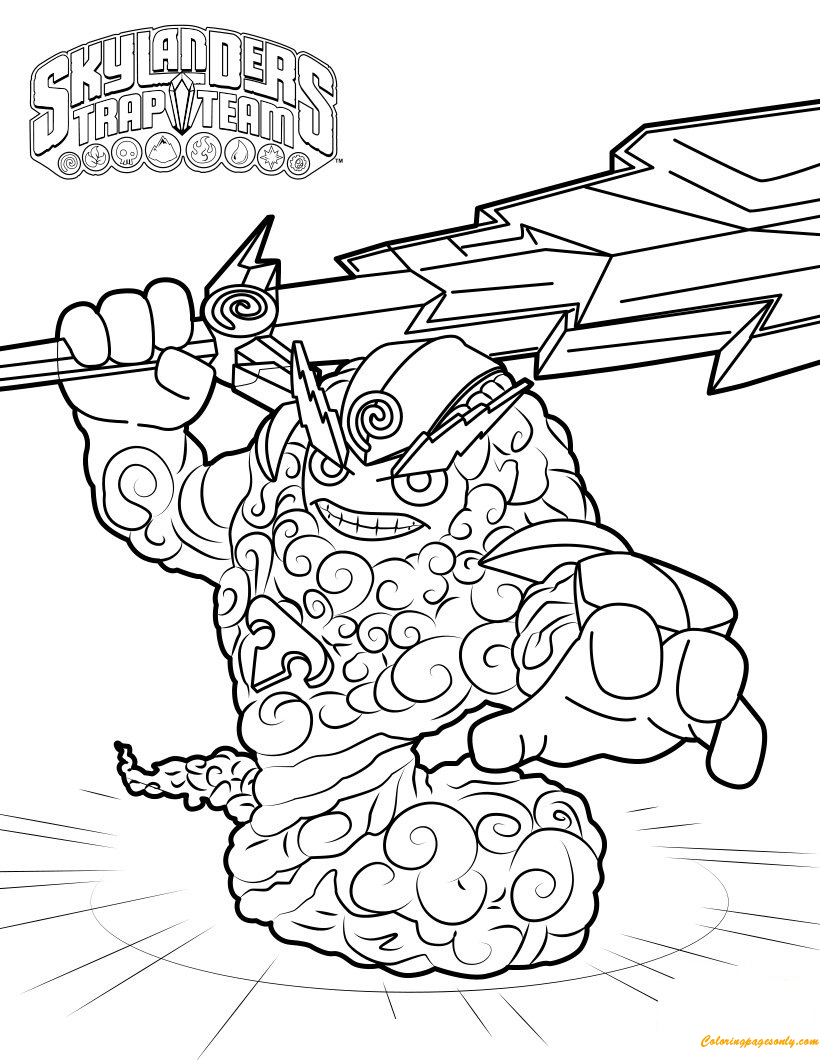
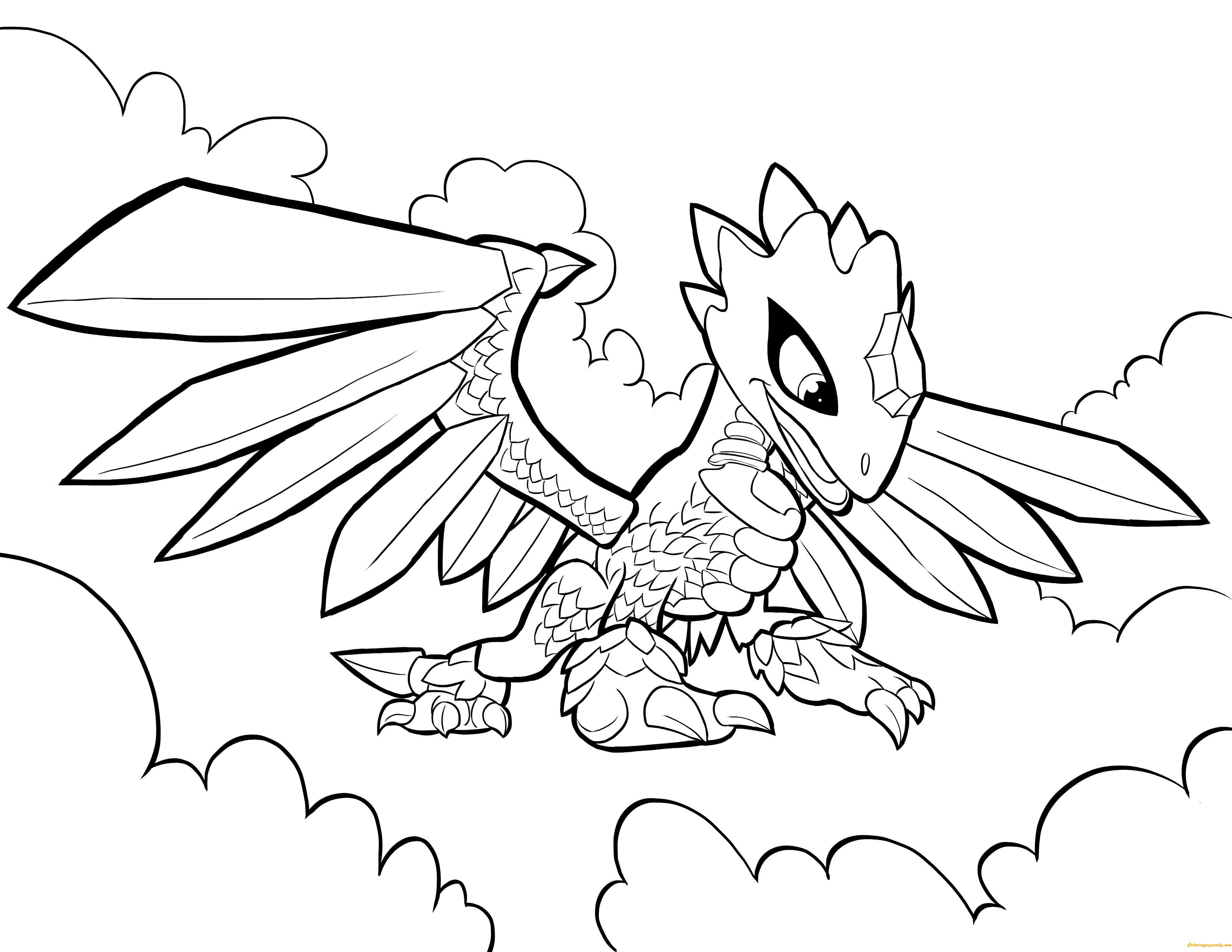
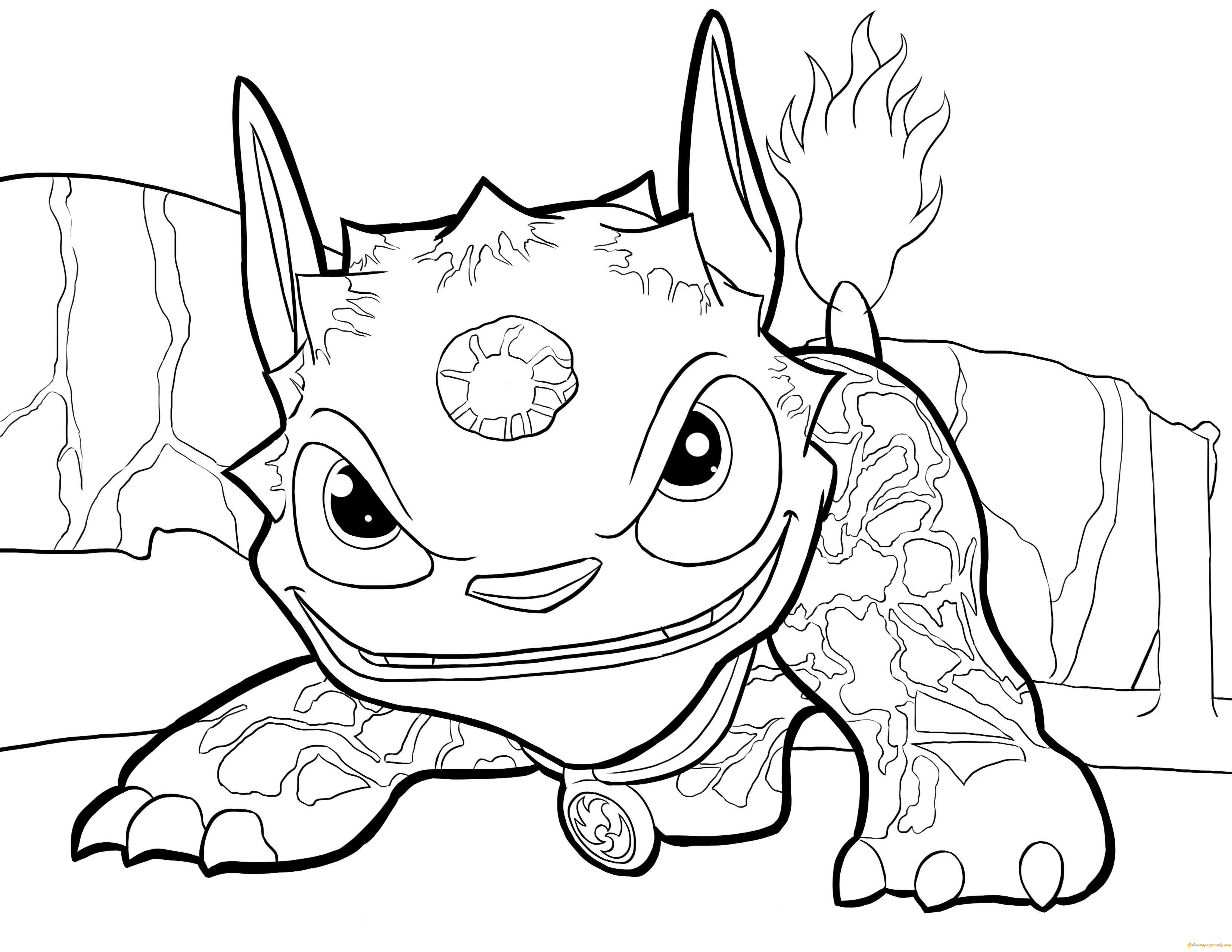
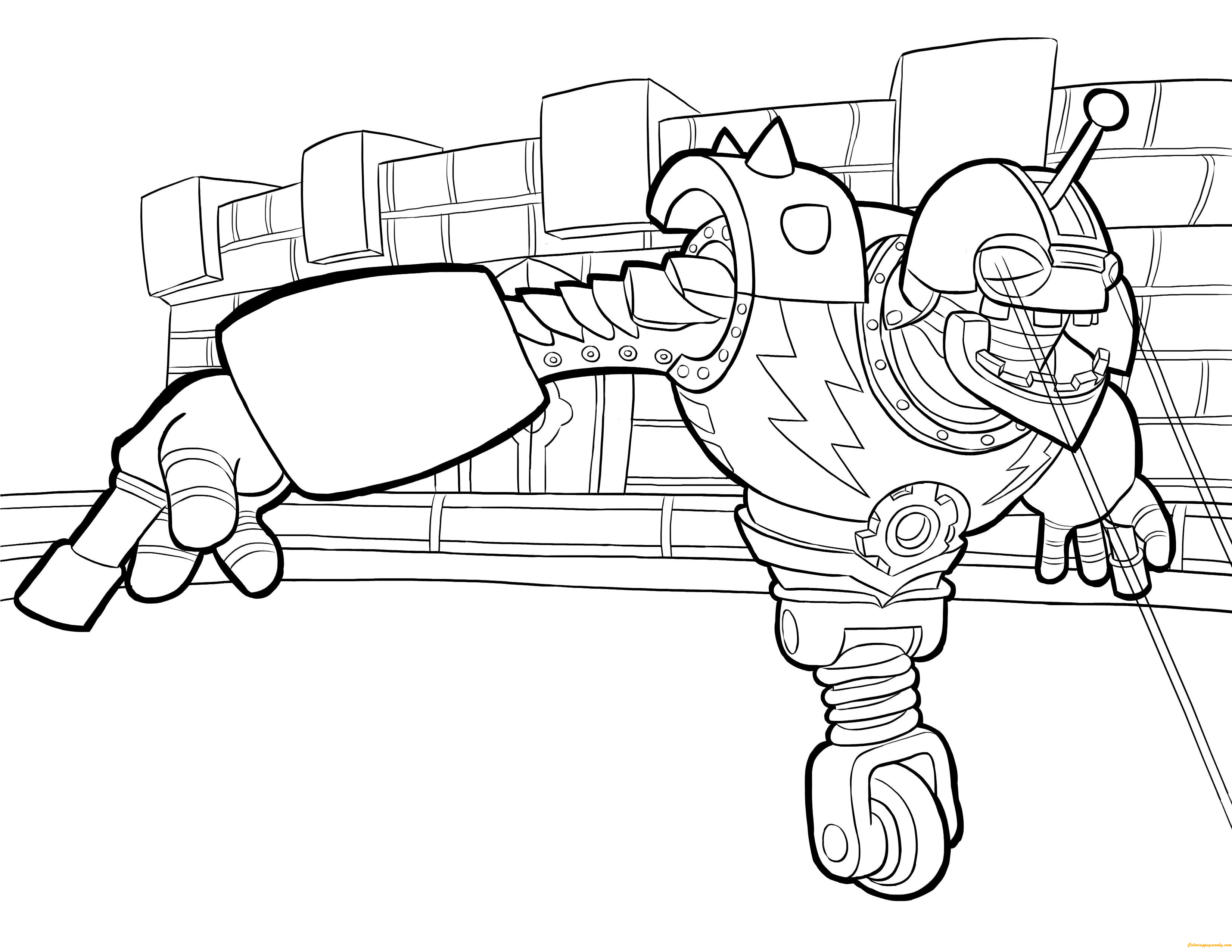
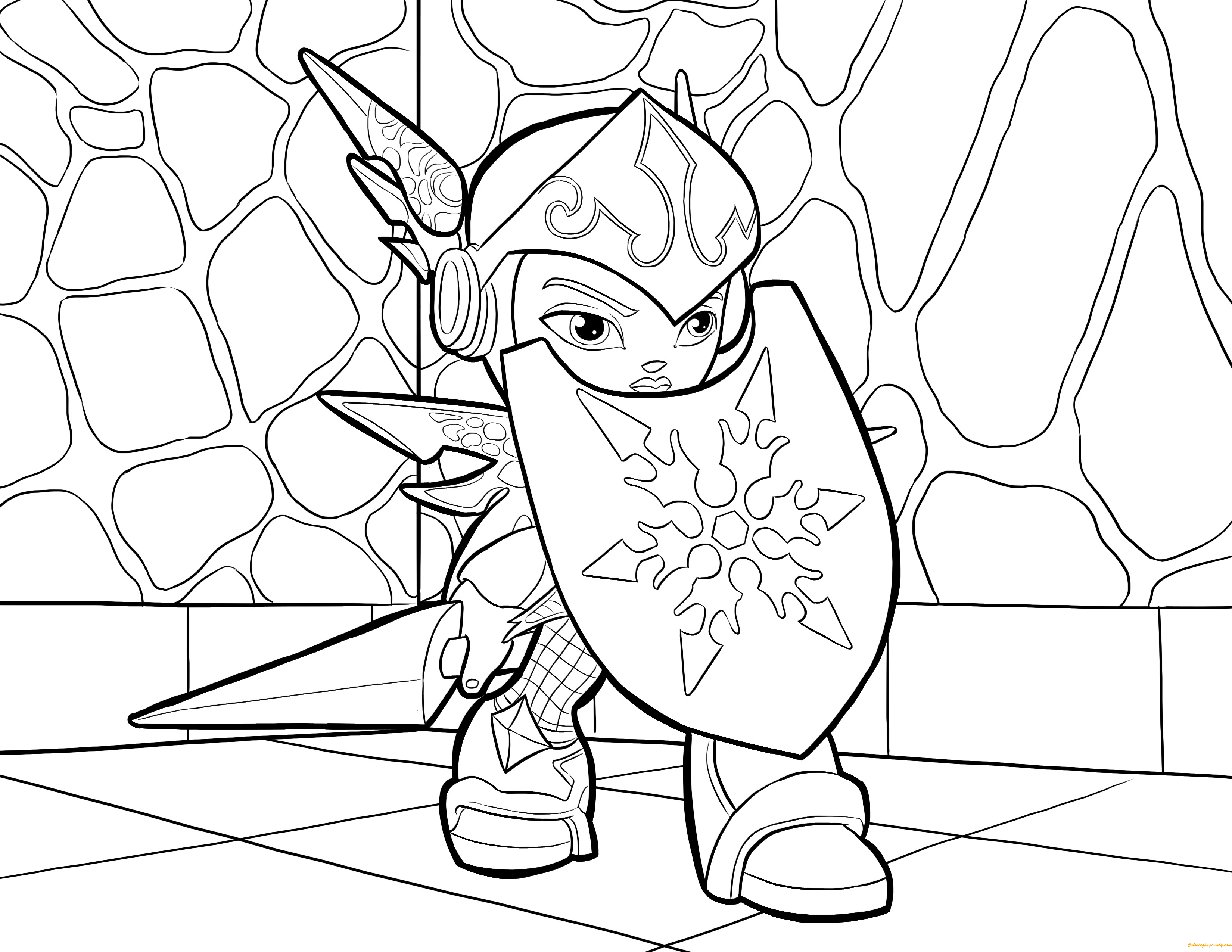
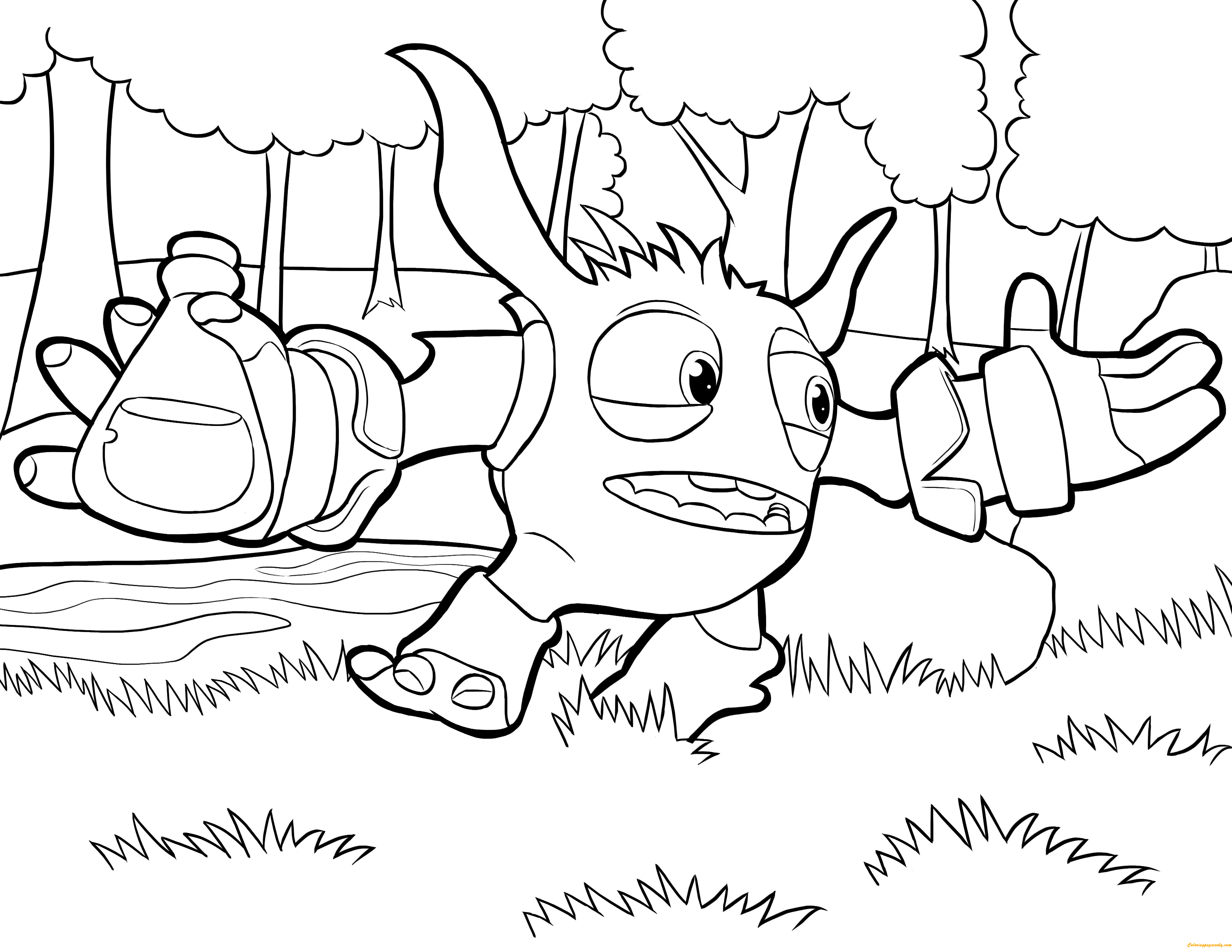
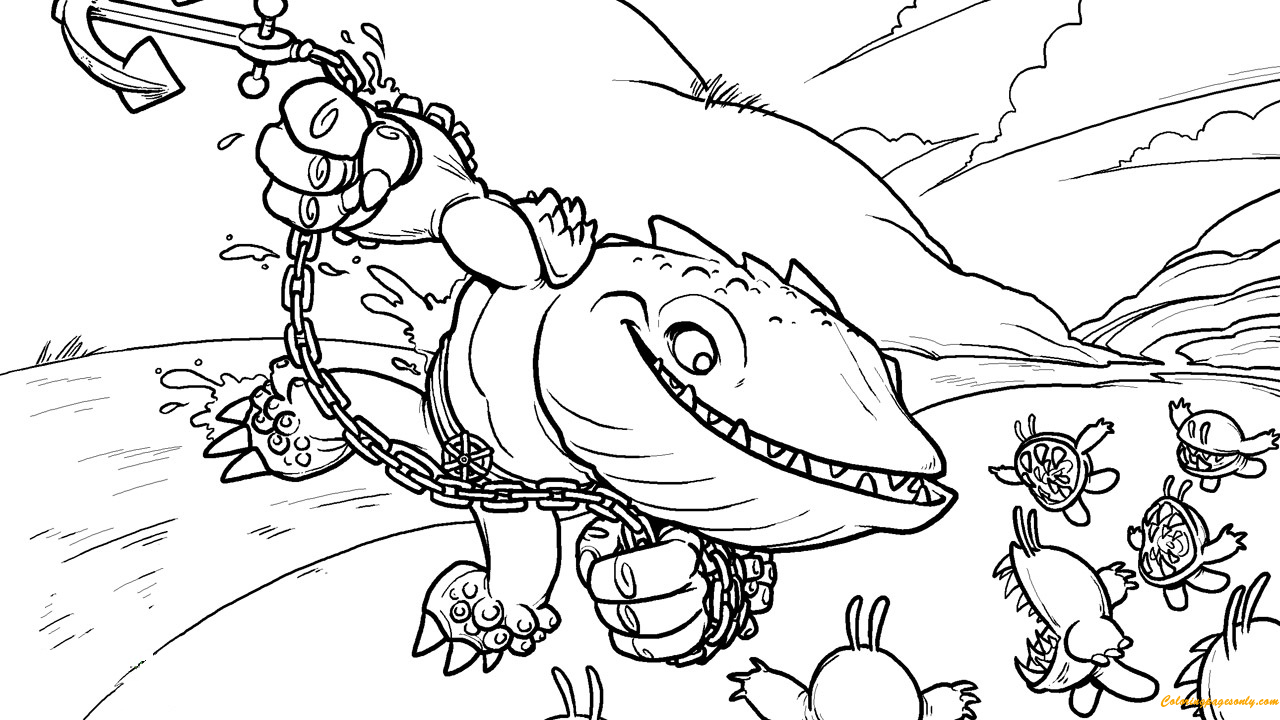
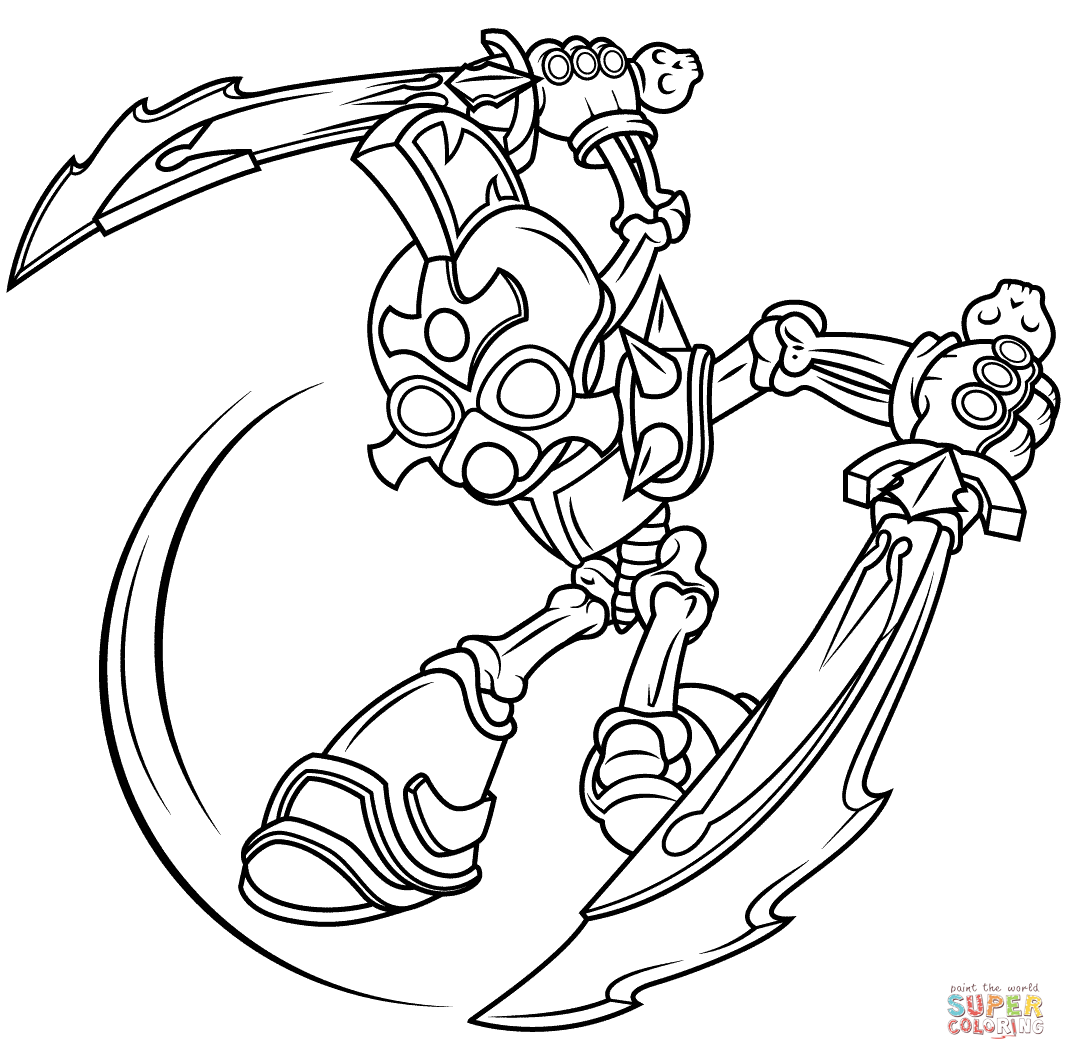
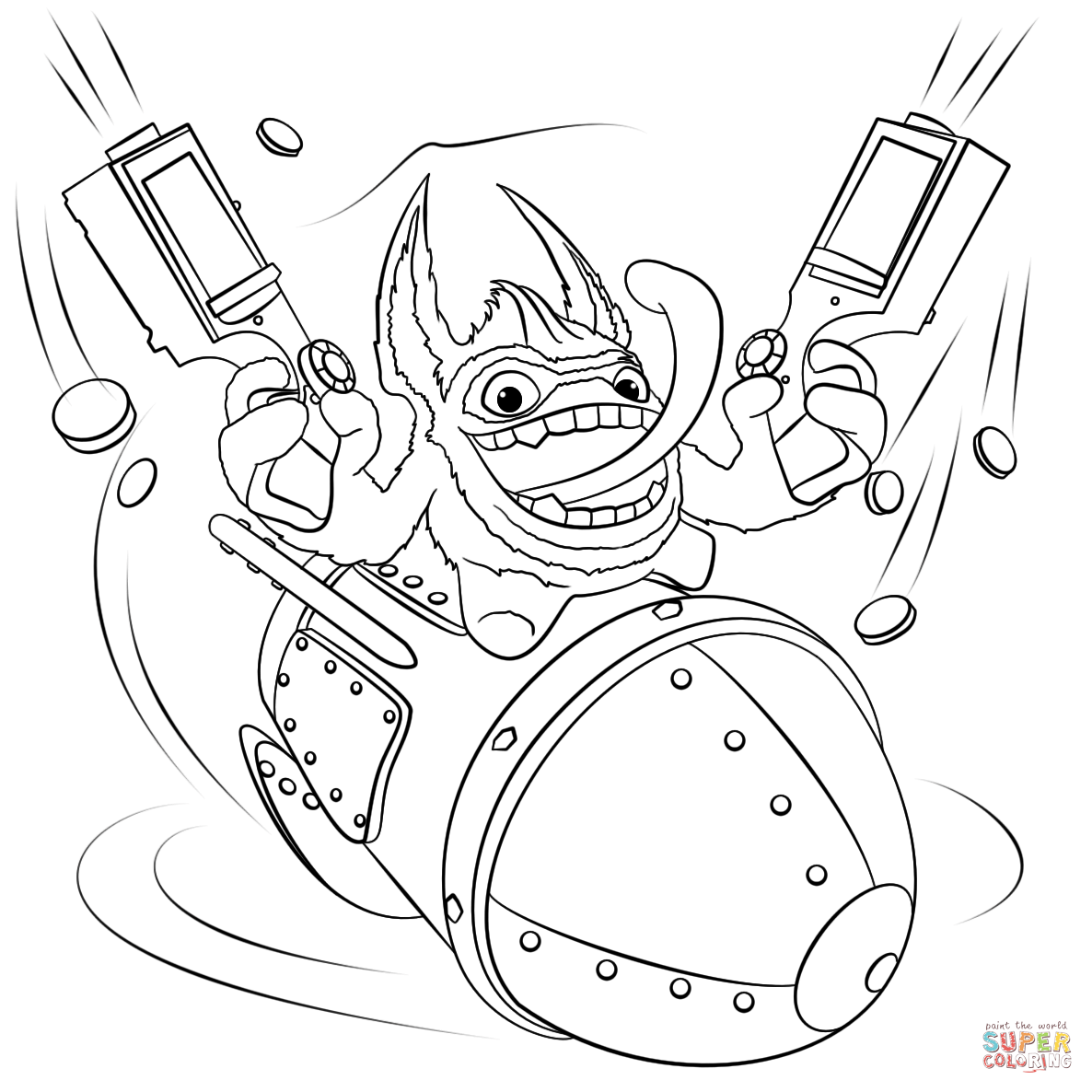
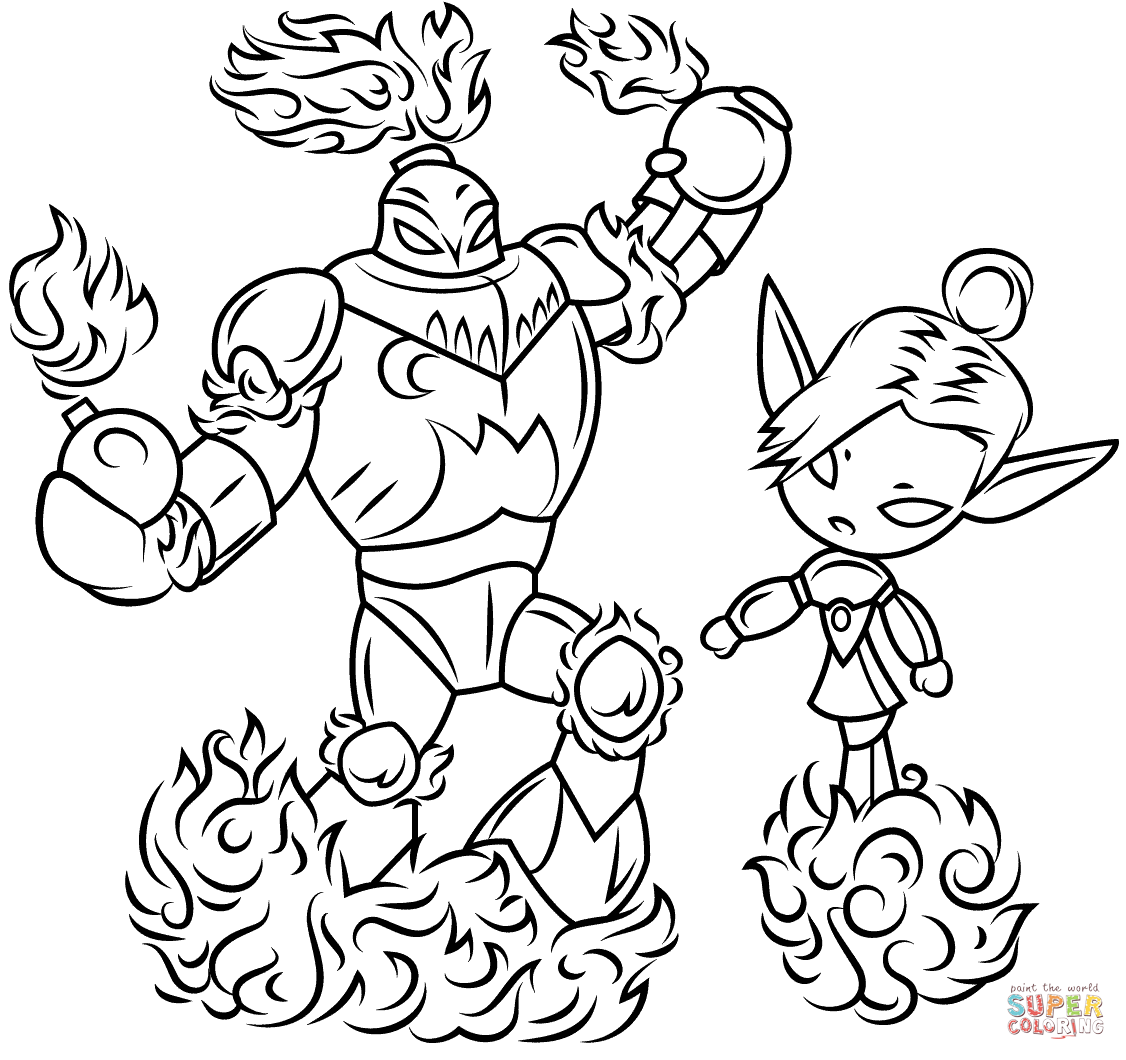
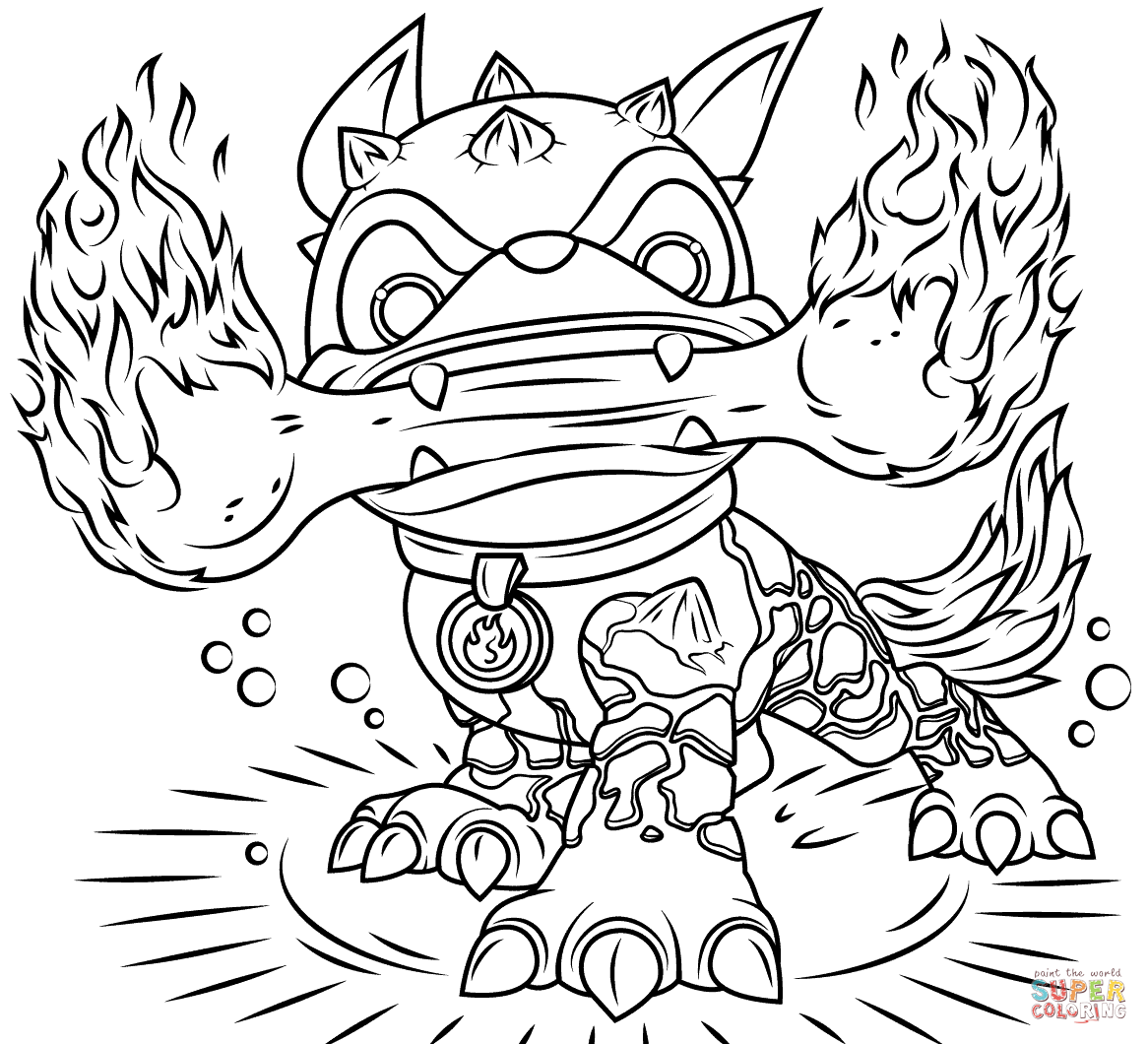
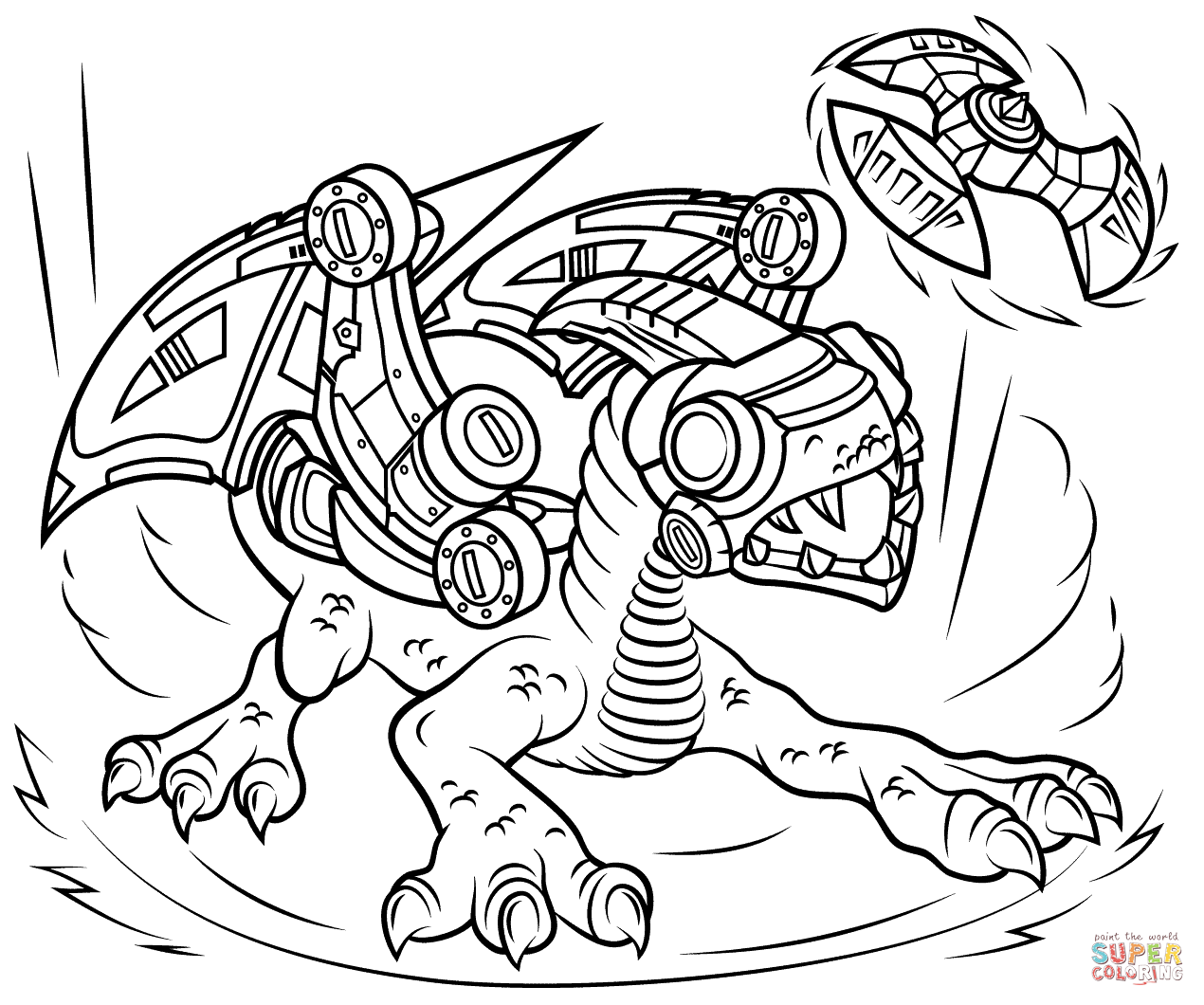
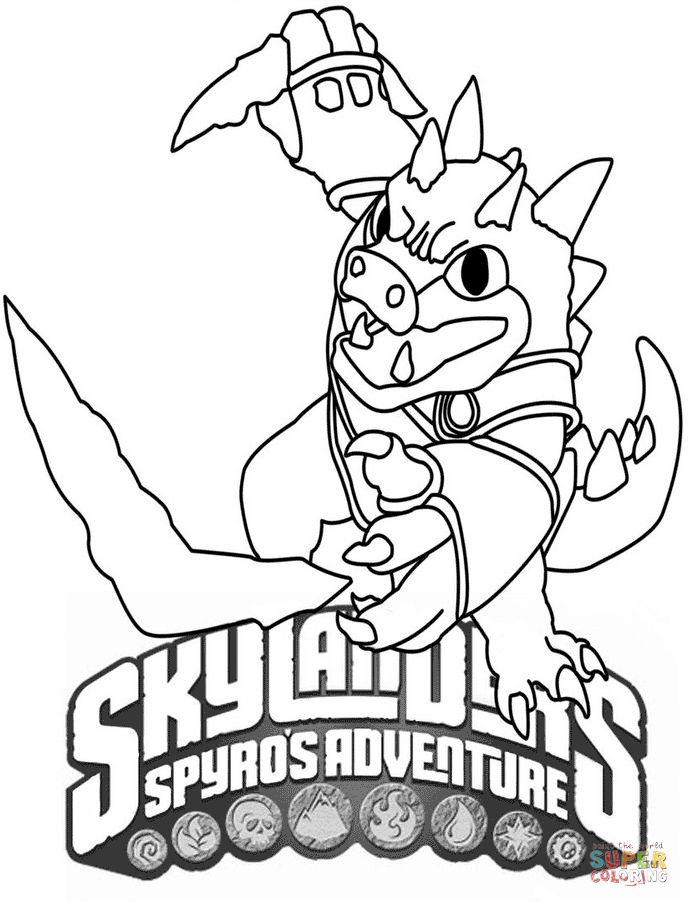
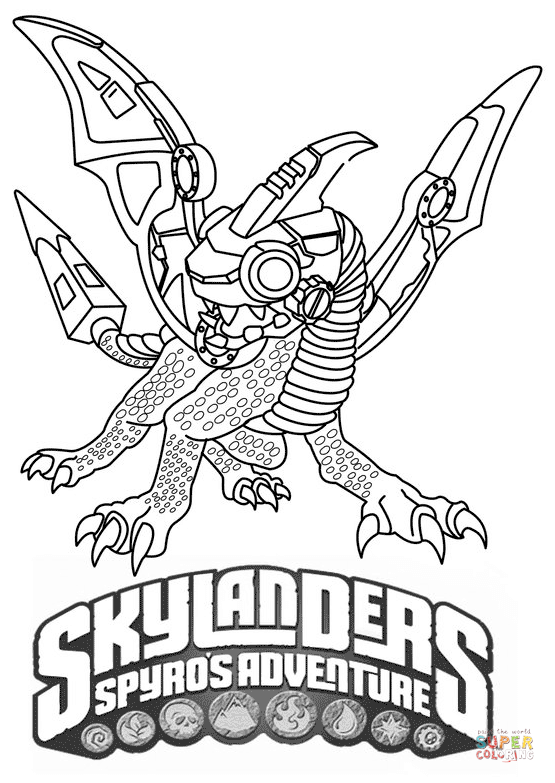
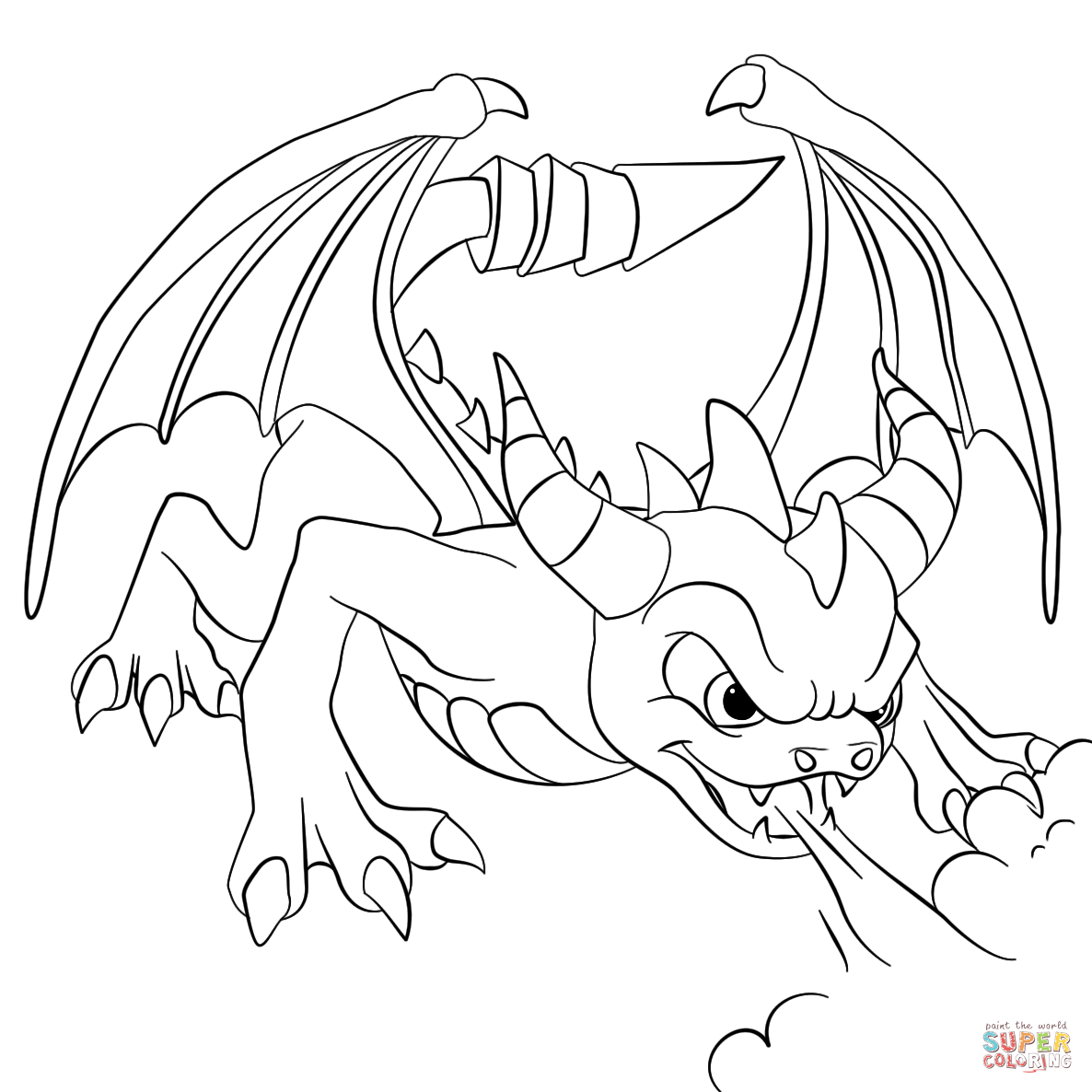
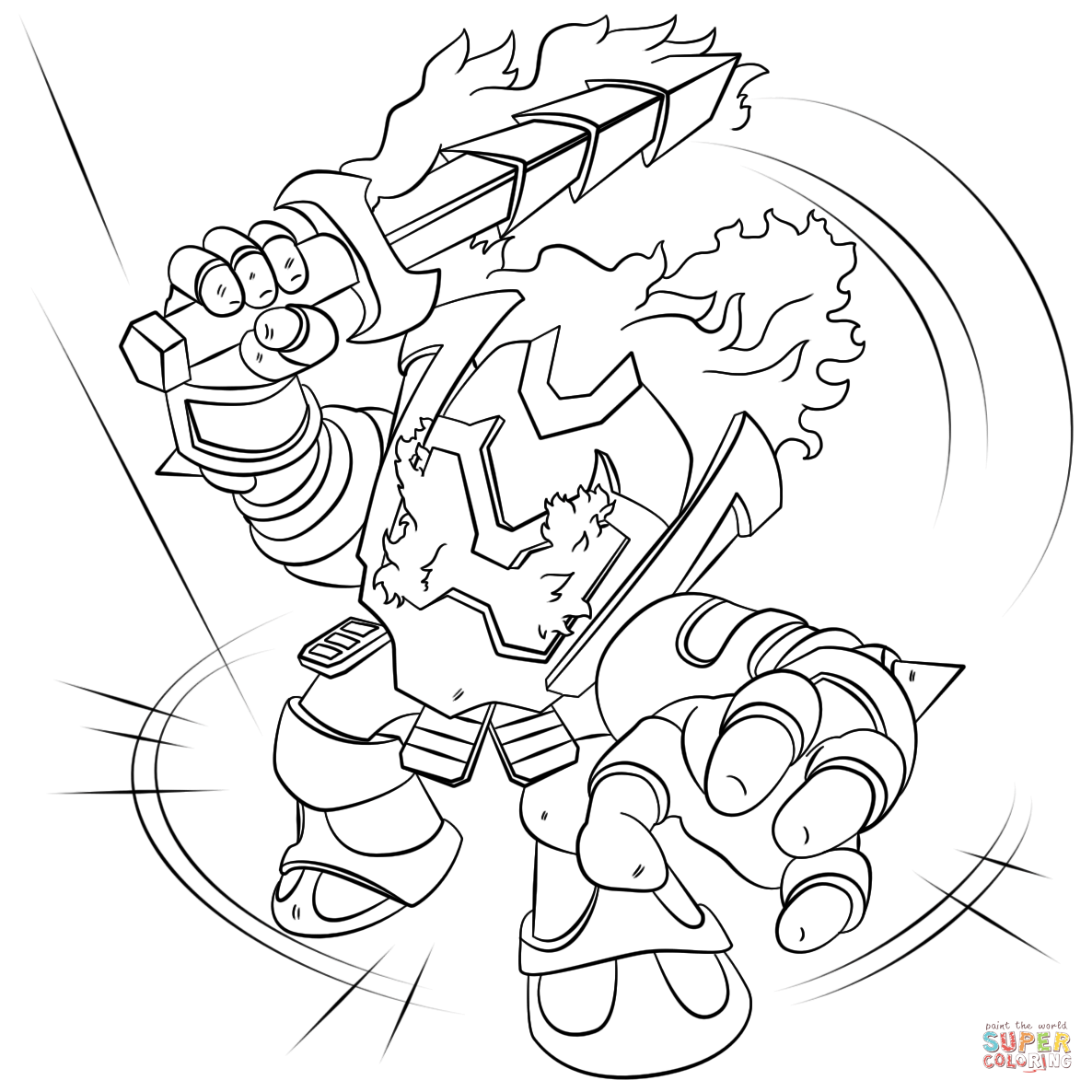
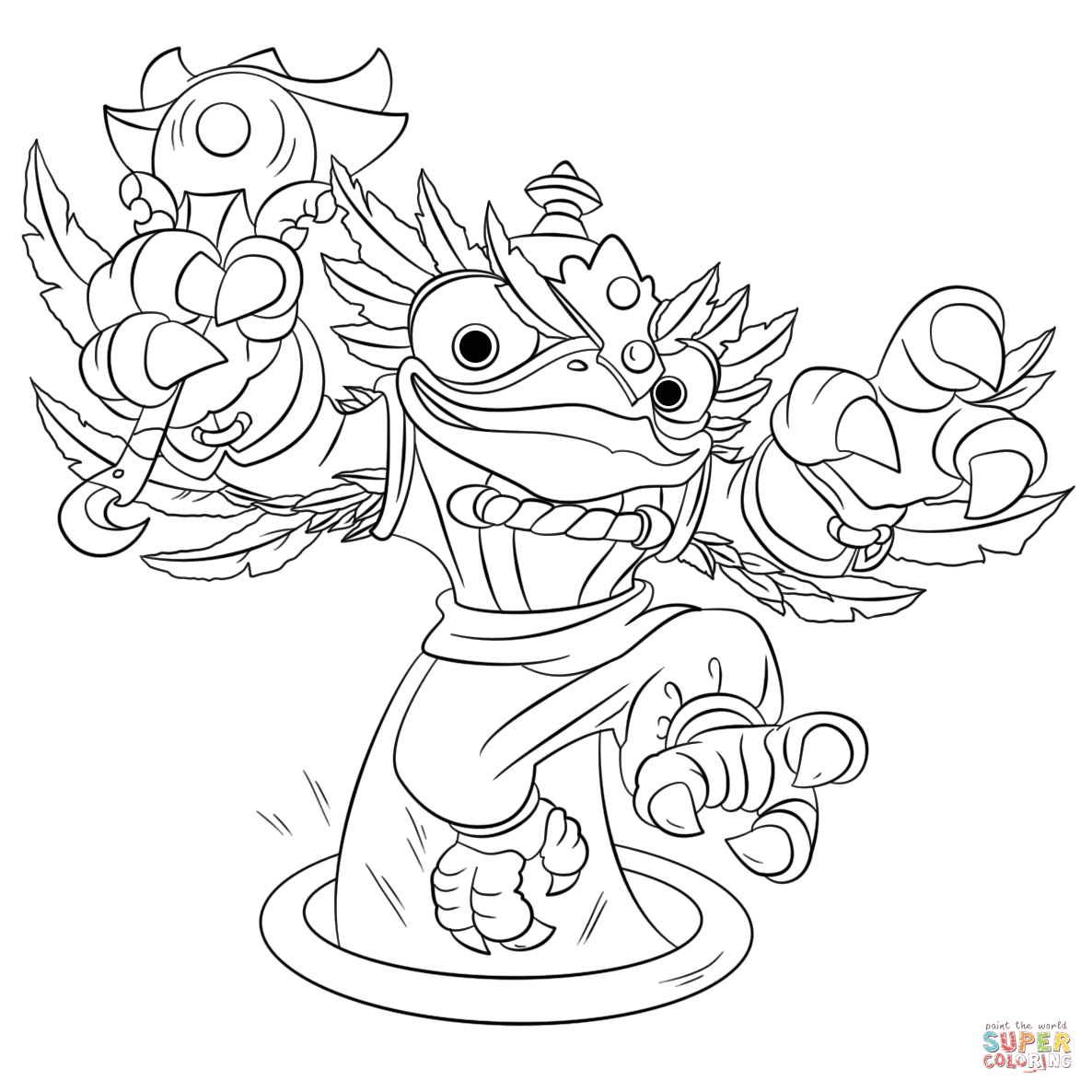
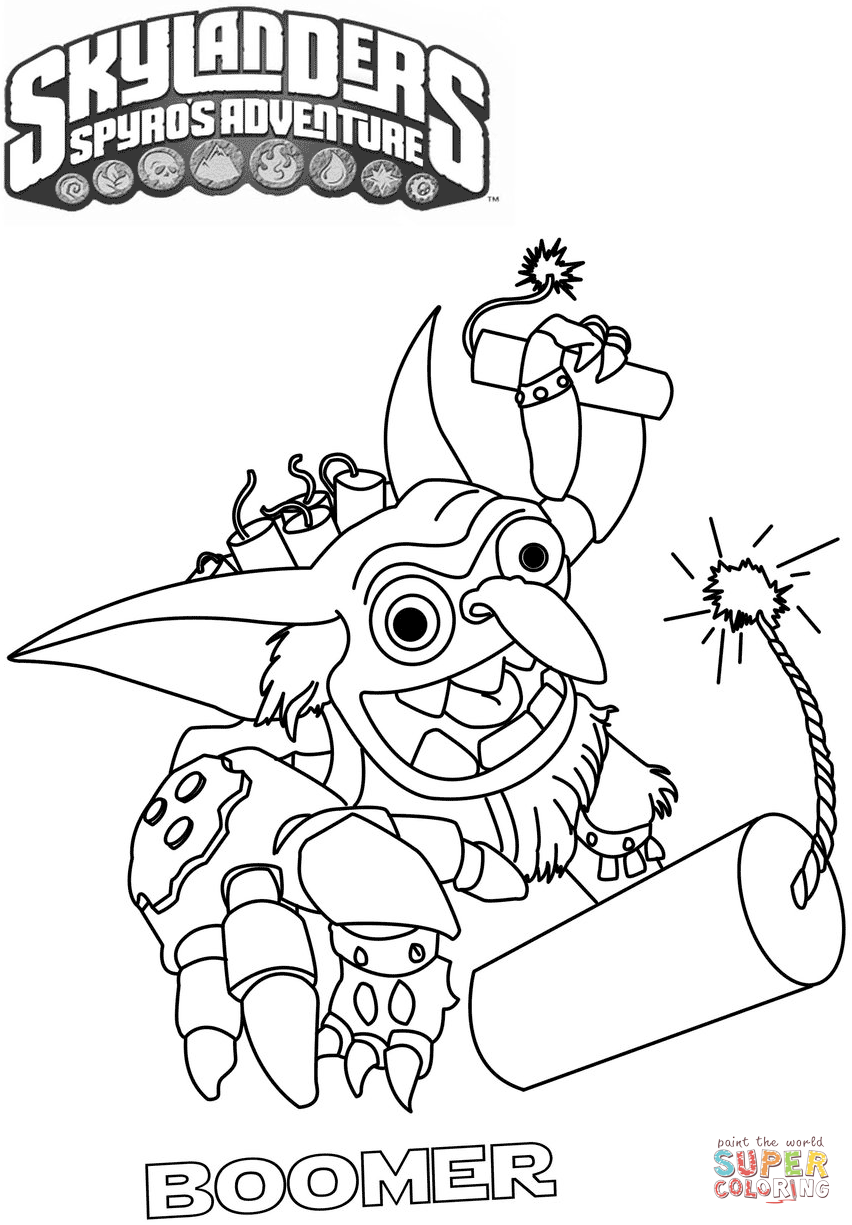
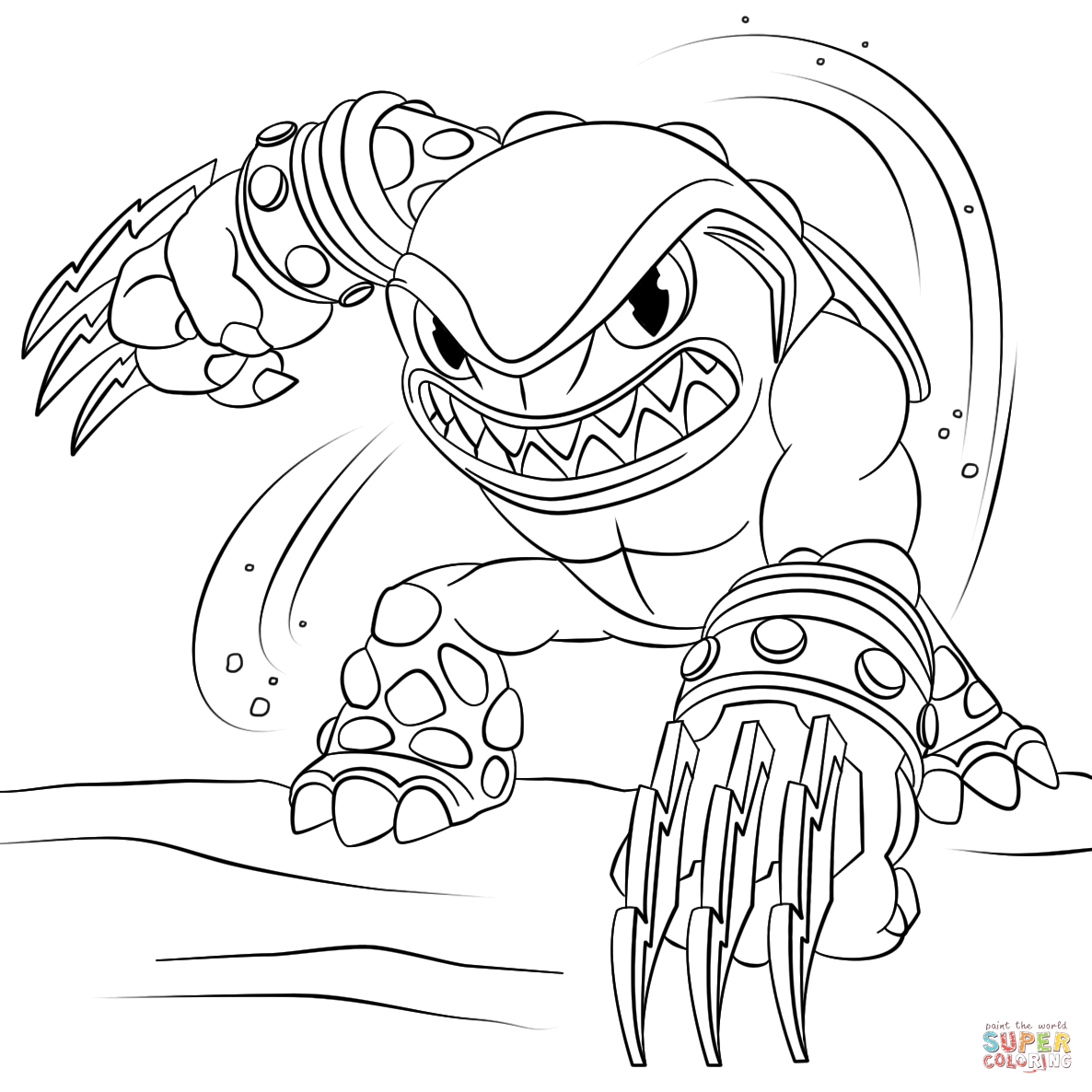
Free Skylanders Coloring Pages: 140+ pages featuring Spyro, Dark Spyro, Drobot, Flameslinger, Pop Fizz, Eruptor, Cynder, Jet-Vac, Tree Rex, Trigger Happy, Stealth Elf, Chop Chop, Chill, Slam Bam, Hoot Loop, Count Down, Scratch, Ignitor, Terrafin, King Pen, Swarm, Shroomboom, Bash, Bouncer, Prism Break, Hot Dog, Sky Slicer, Sea Shadow, Giants, Trap Team, Swap Force, SuperChargers, Imaginators, vehicles, dragons, robots, elves, warriors, monsters, elemental heroes, portal-style action poses, magical powers, armor, weapons, and fantasy battle scenes. All free, printable PDFs and online coloring pages are ready for home, fan art time, classroom activities, game-themed birthday crafts, character study, storytelling prompts, element-sorting projects, and screen-free creative breaks.
Skylanders is built around the idea of bringing heroes from the real world into the fantasy world of Skylands through the Portal of Power. Players become Portal Masters, using collectible characters with different elements, powers, weapons, and designs. That toy-to-life idea makes Skylanders especially strong for coloring because each character has a clear identity: a dragon with wings, a fire hero with flames, a tech character with metal parts, a giant with heavy shapes, a Trap Team hero with crystal-like power, or a SuperChargers character with a vehicle. Children are not just coloring random fantasy figures; they are reading the character through shape, element, pose, weapon, armor, and power effect.
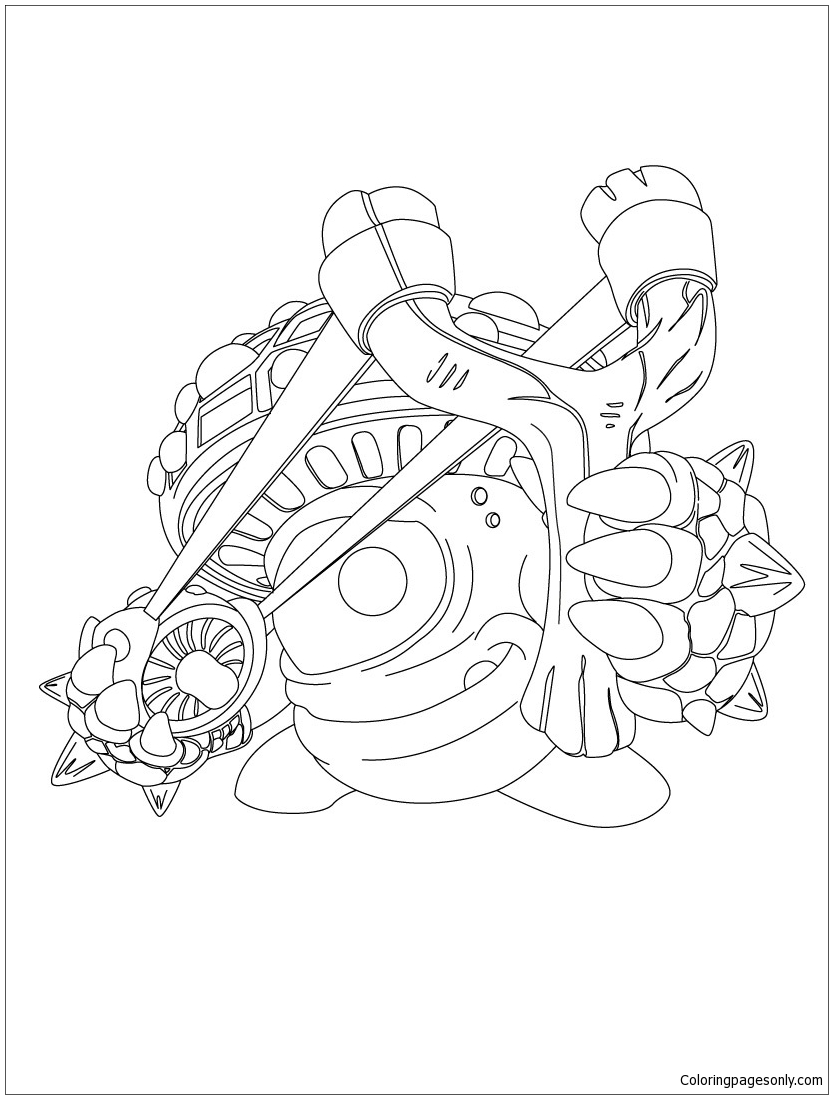
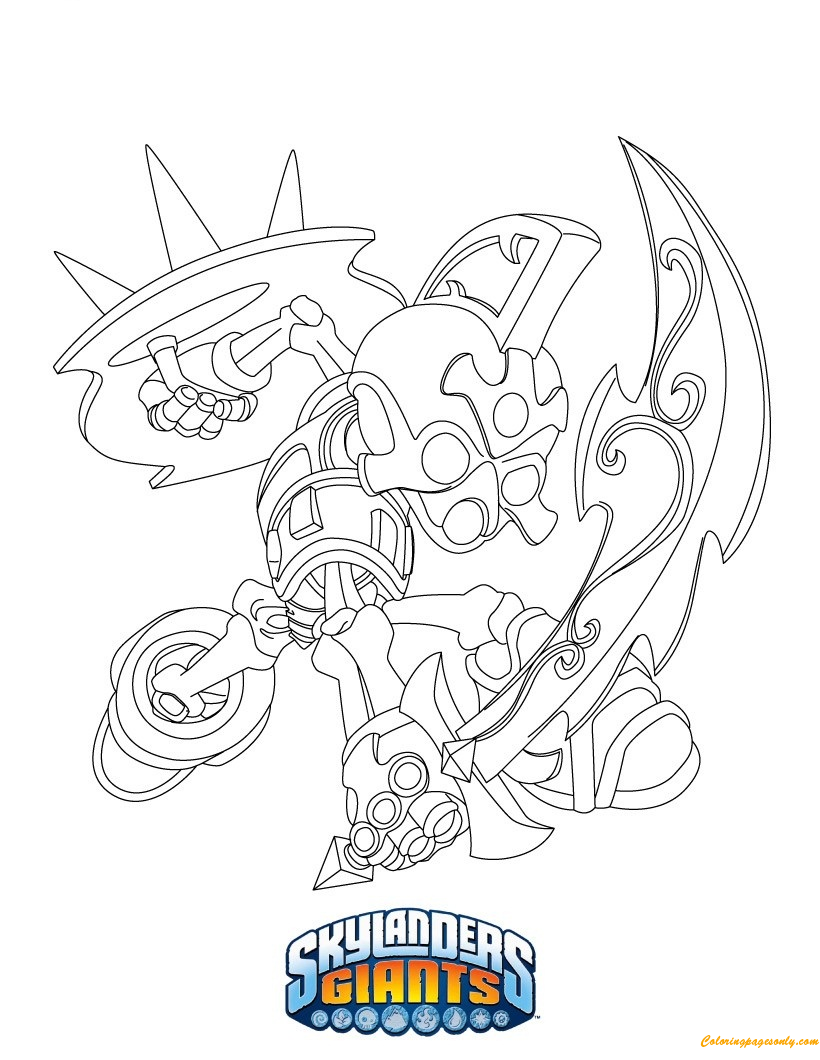
This fan-friendly collection is designed for personal, classroom, and creative coloring use by children, families, teachers, and Skylanders fans who want a screen-free way to enjoy the characters. Younger colorists can start with simple Skylanders outlines, large faces, clear bodies, and beginner-friendly hero poses, while older children, teens, and longtime fans can work on detailed armor, wings, horns, weapons, vehicles, portal energy, elemental effects, Giants, Swap Force bodies, Trap Team designs, SuperChargers machines, and Imaginators-style hero details. These 140+ free pages at ColoringPagesOnly.com cover Skylanders heroes, Spyro, dragons, Giants, Trap Team, Swap Force, SuperChargers, Imaginators, elemental characters, fantasy creatures, vehicles, battle poses, printable outlines, and online coloring designs. All free, PDF or PNG, print or color online.
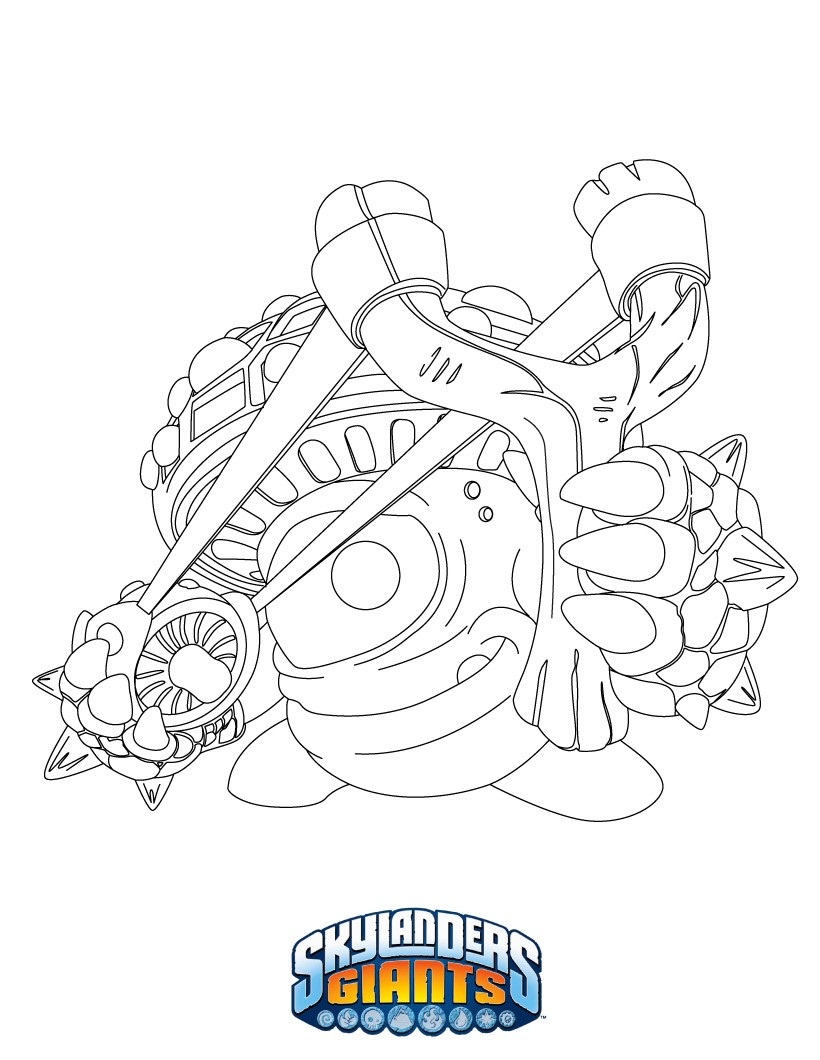
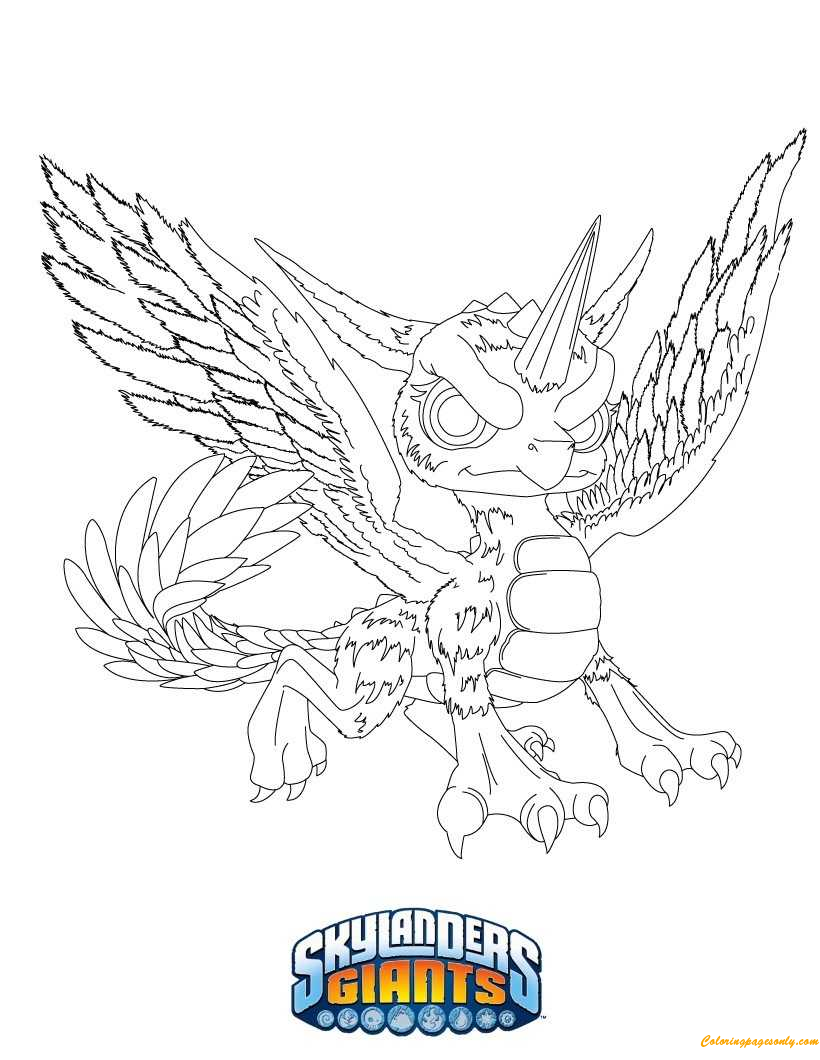
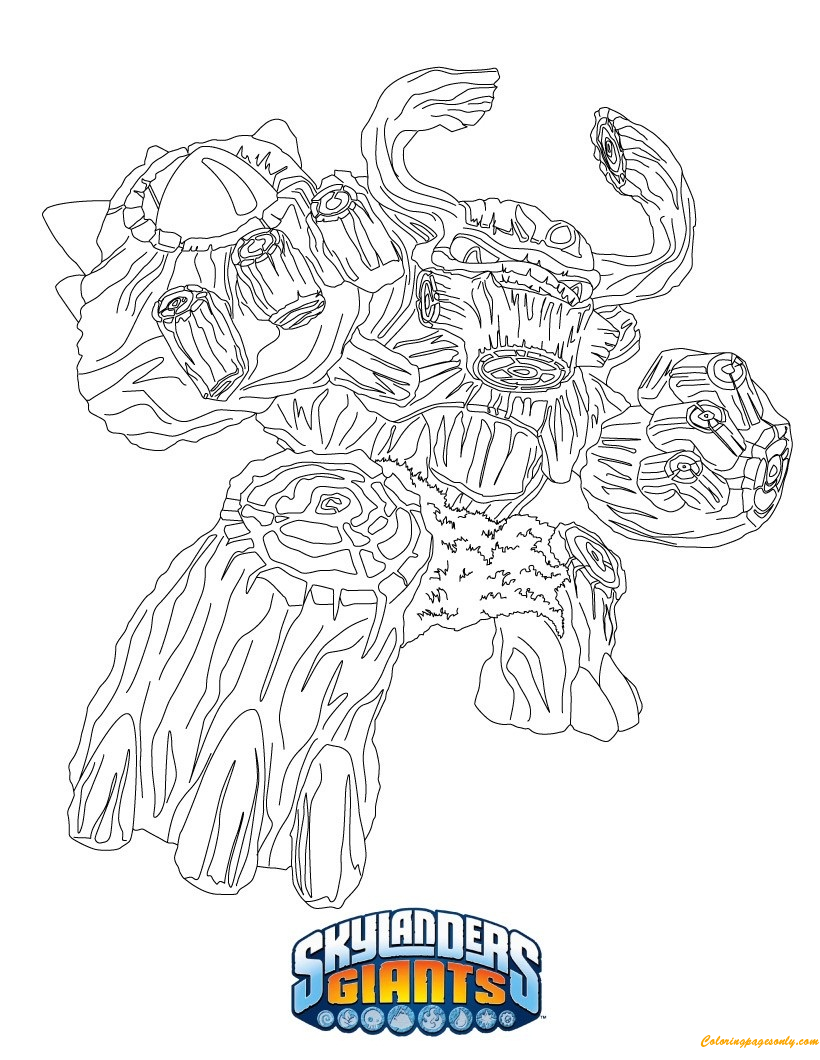
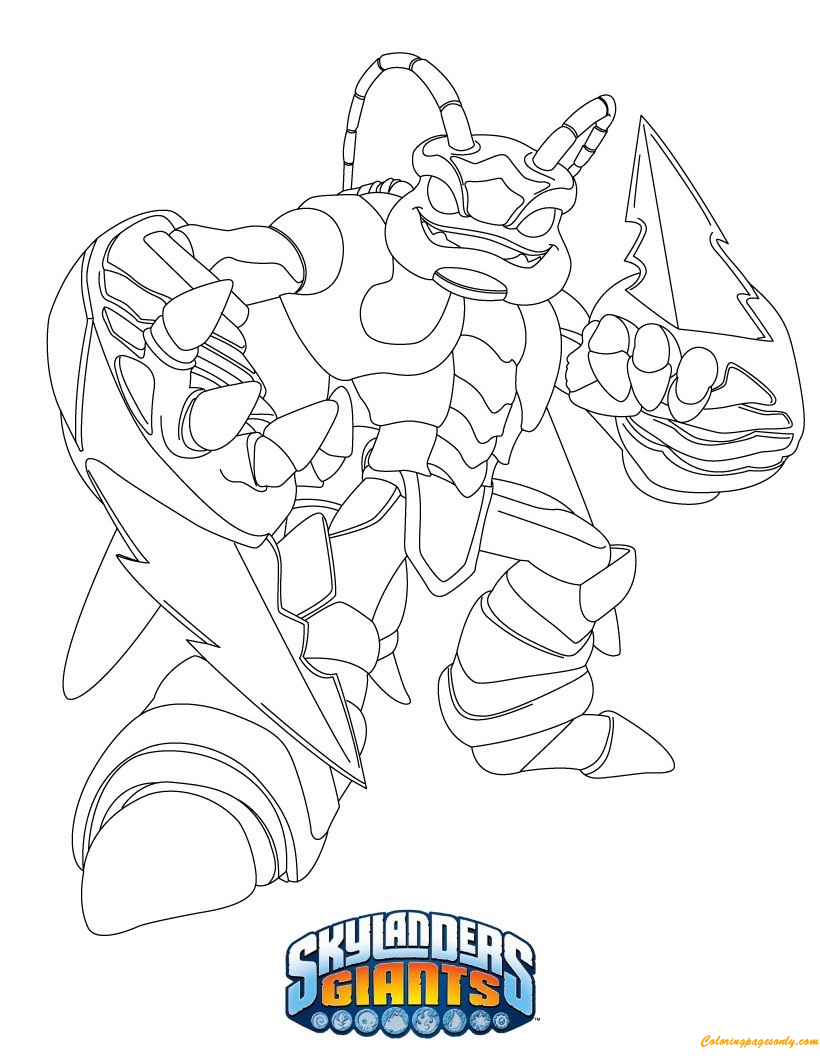

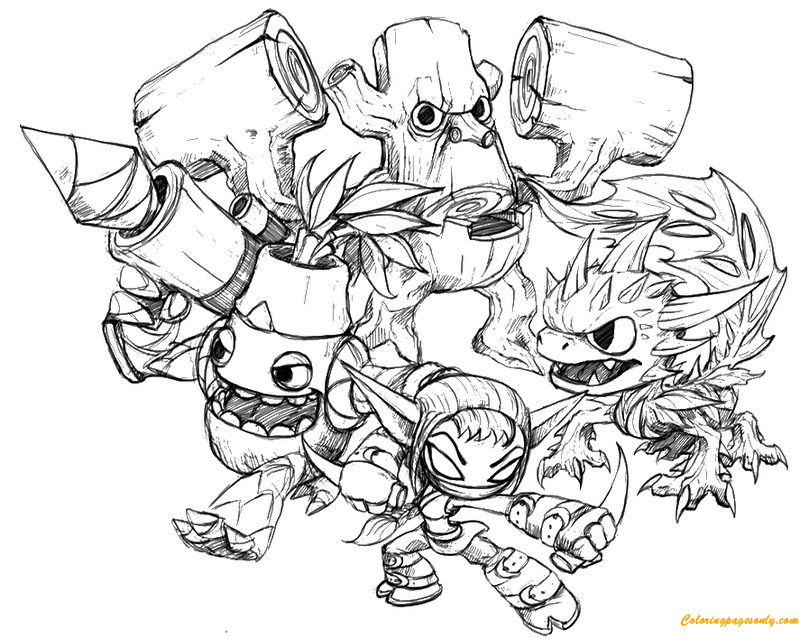
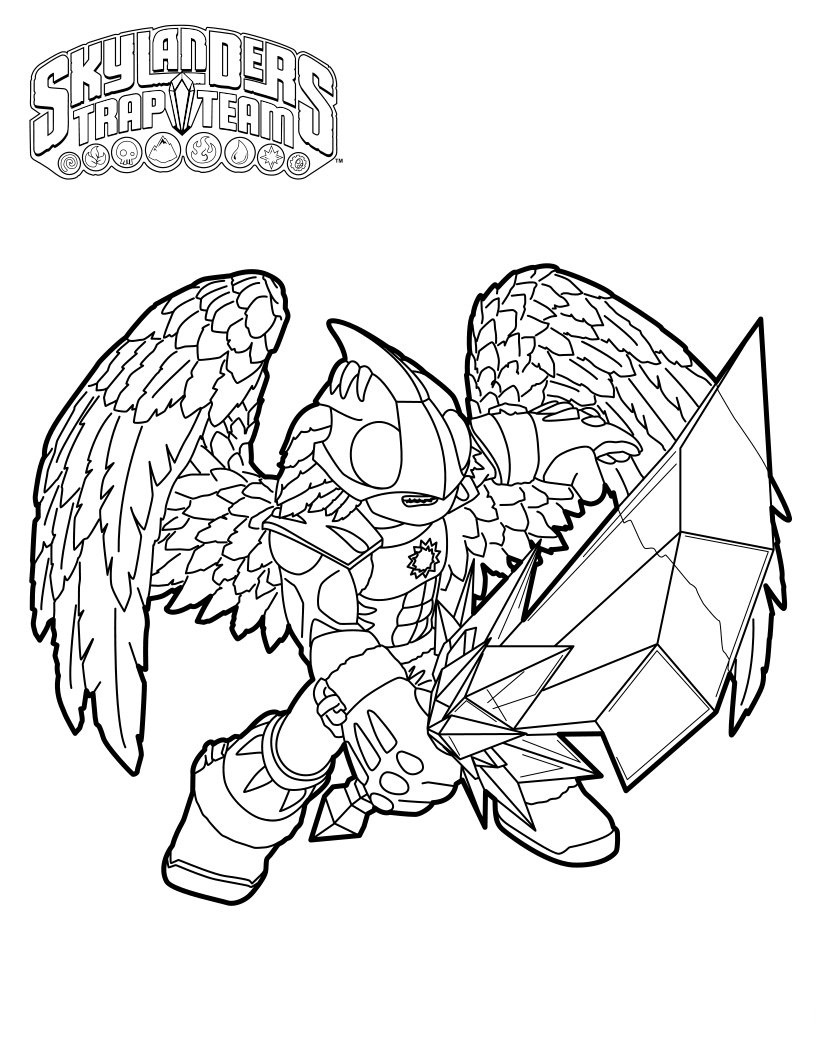
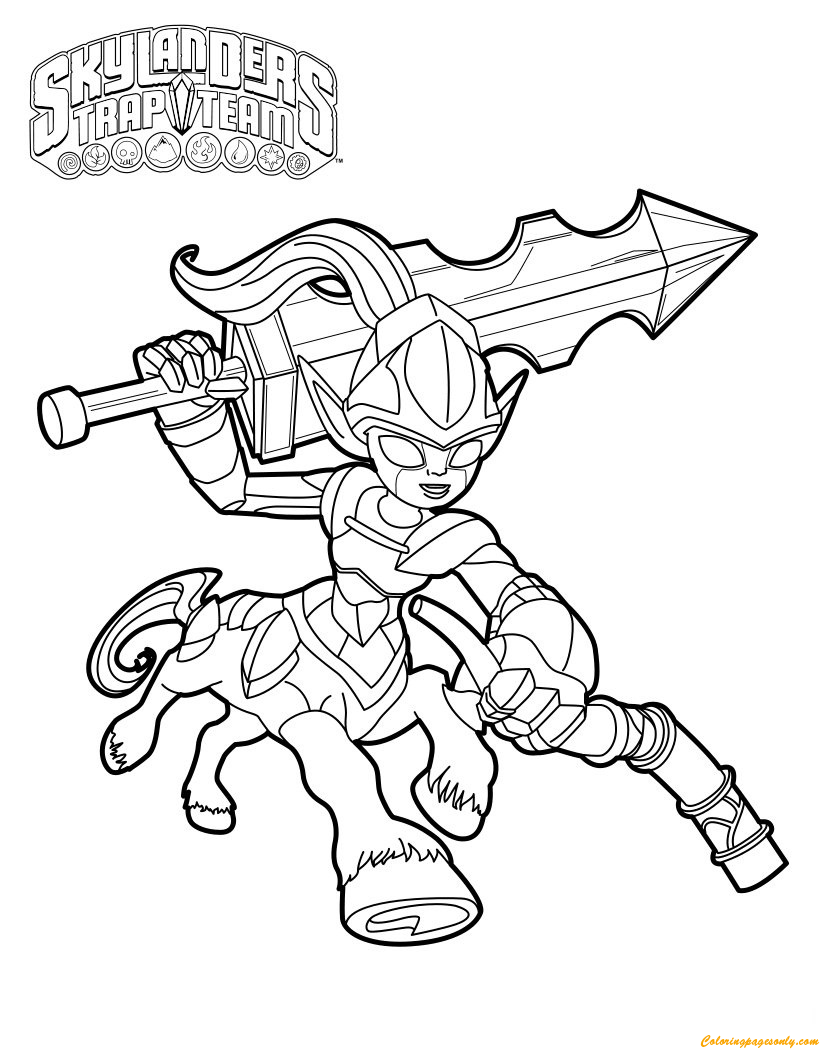
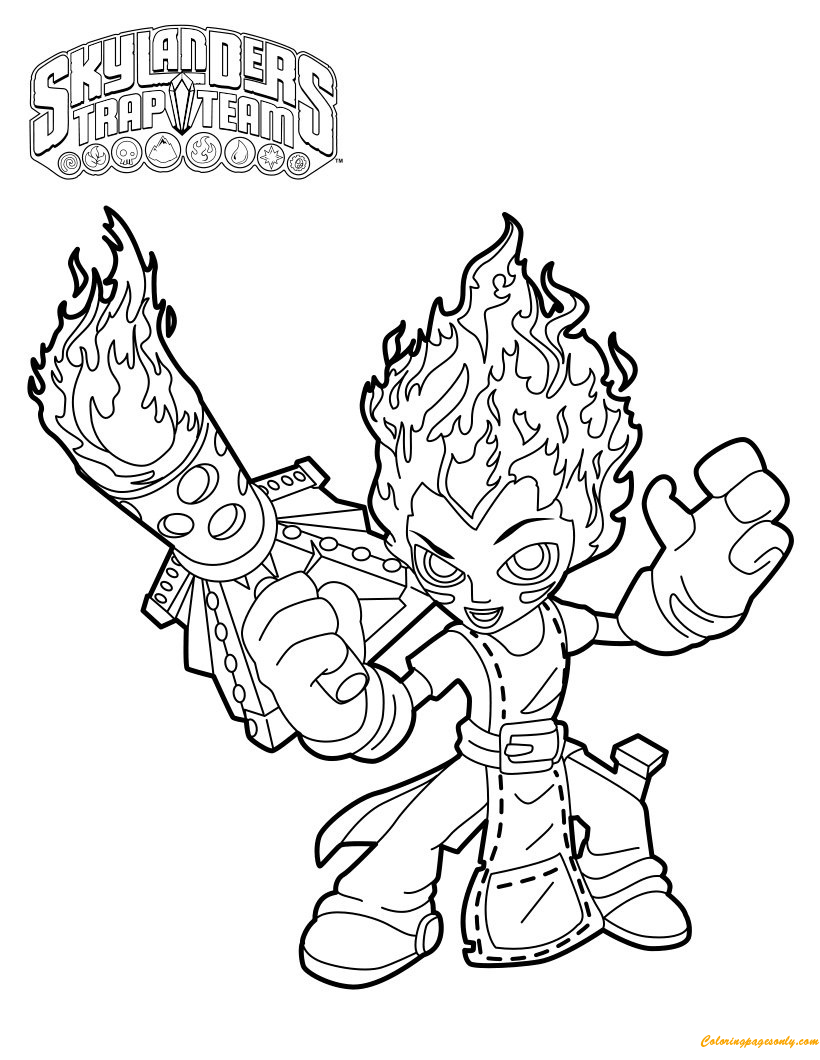




What’s Inside
Spyro, Dragons, and Classic Skylanders Heroes
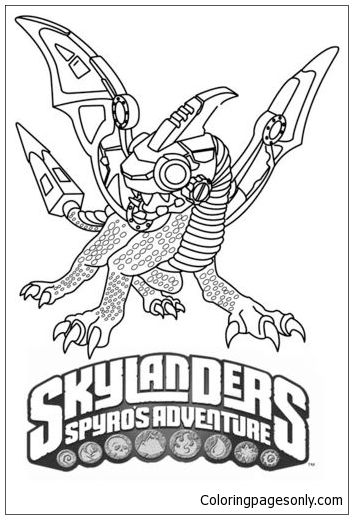
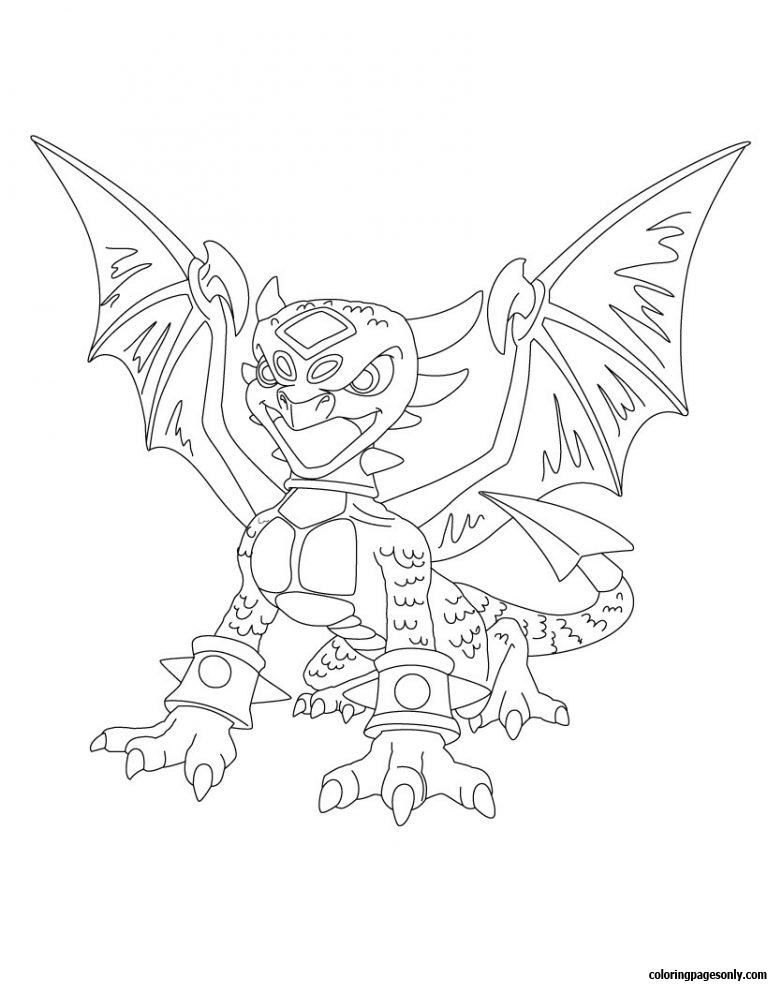
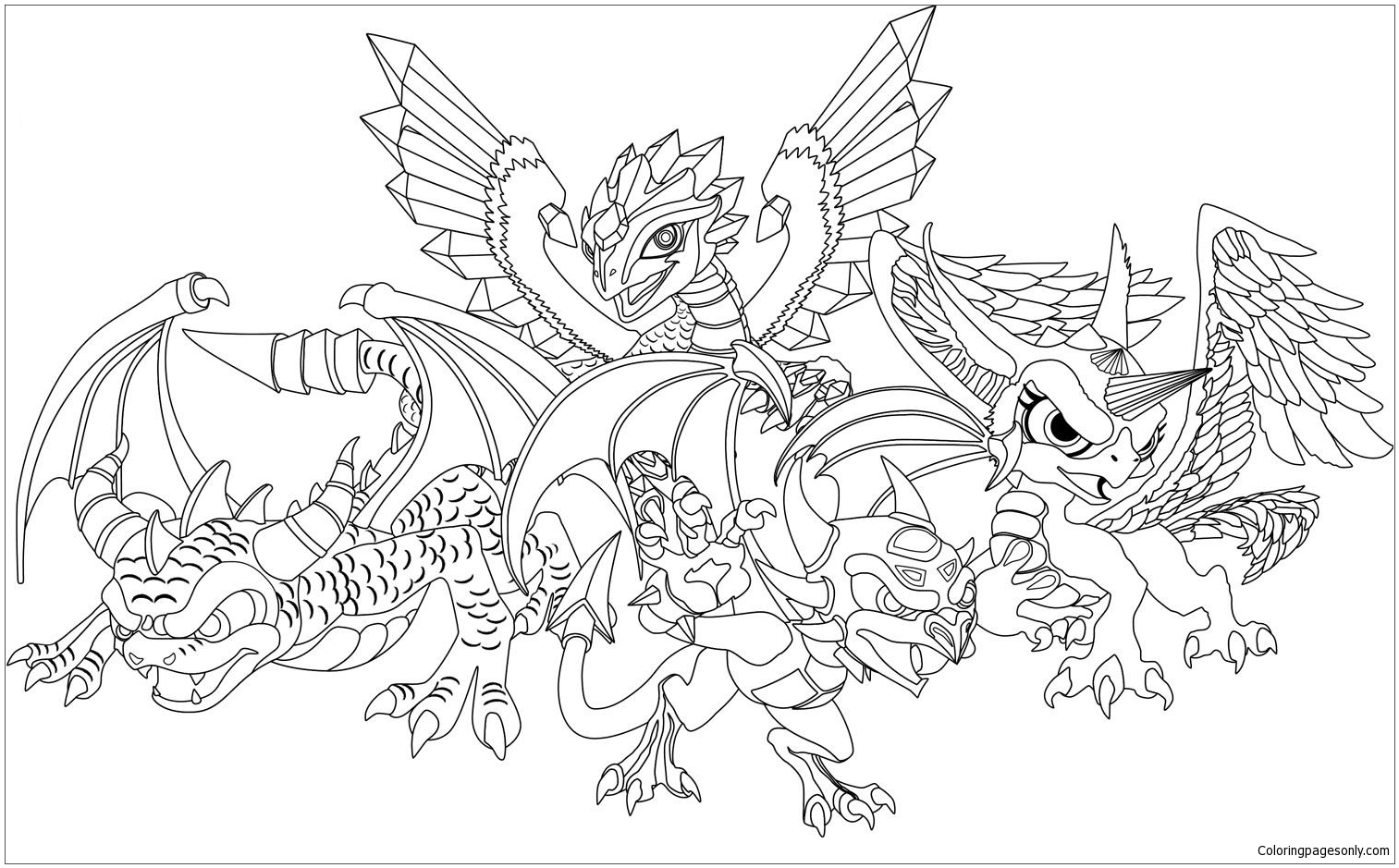
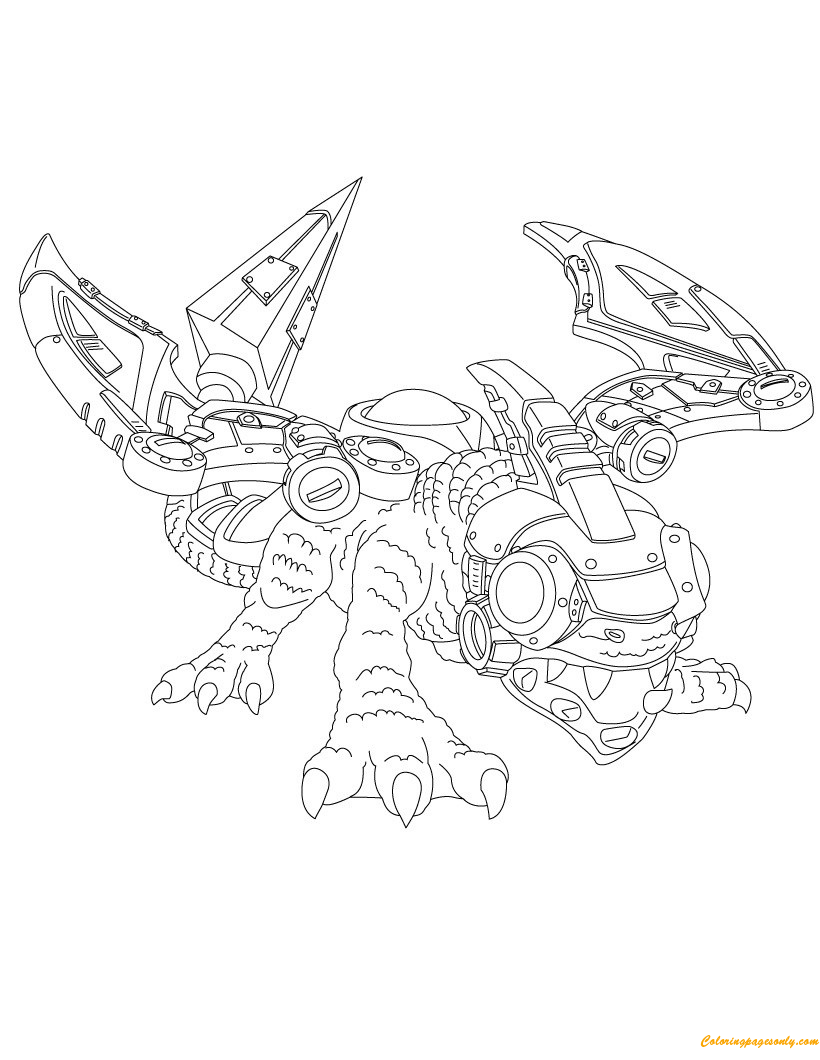
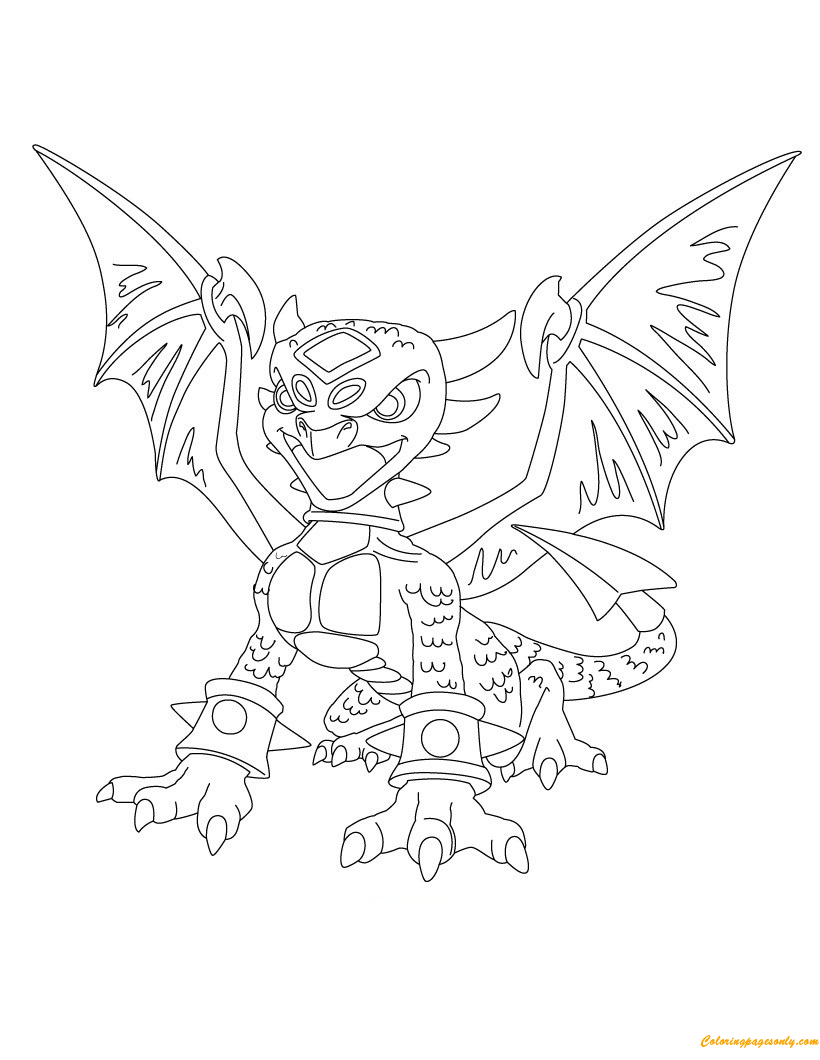
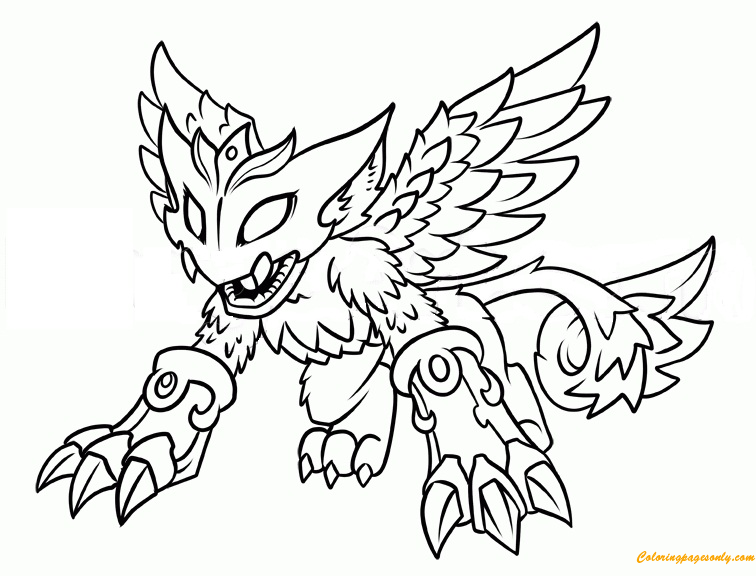
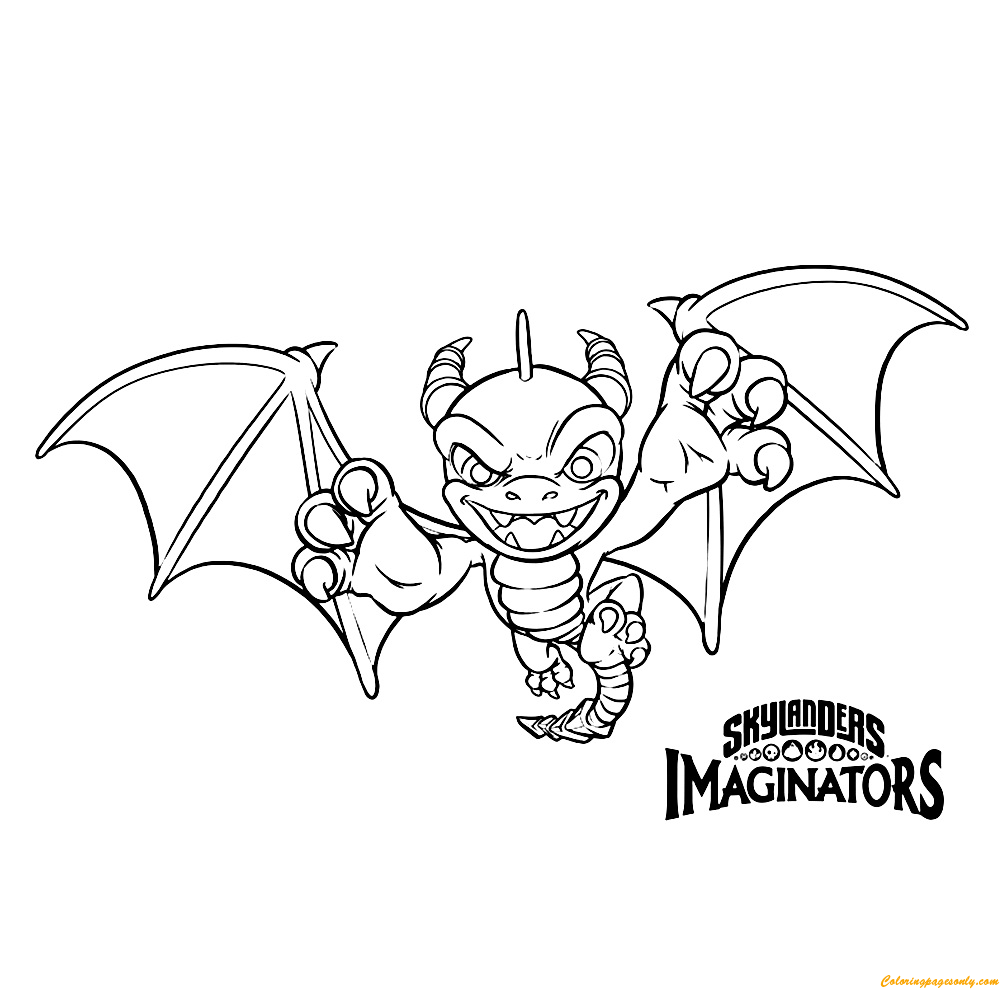
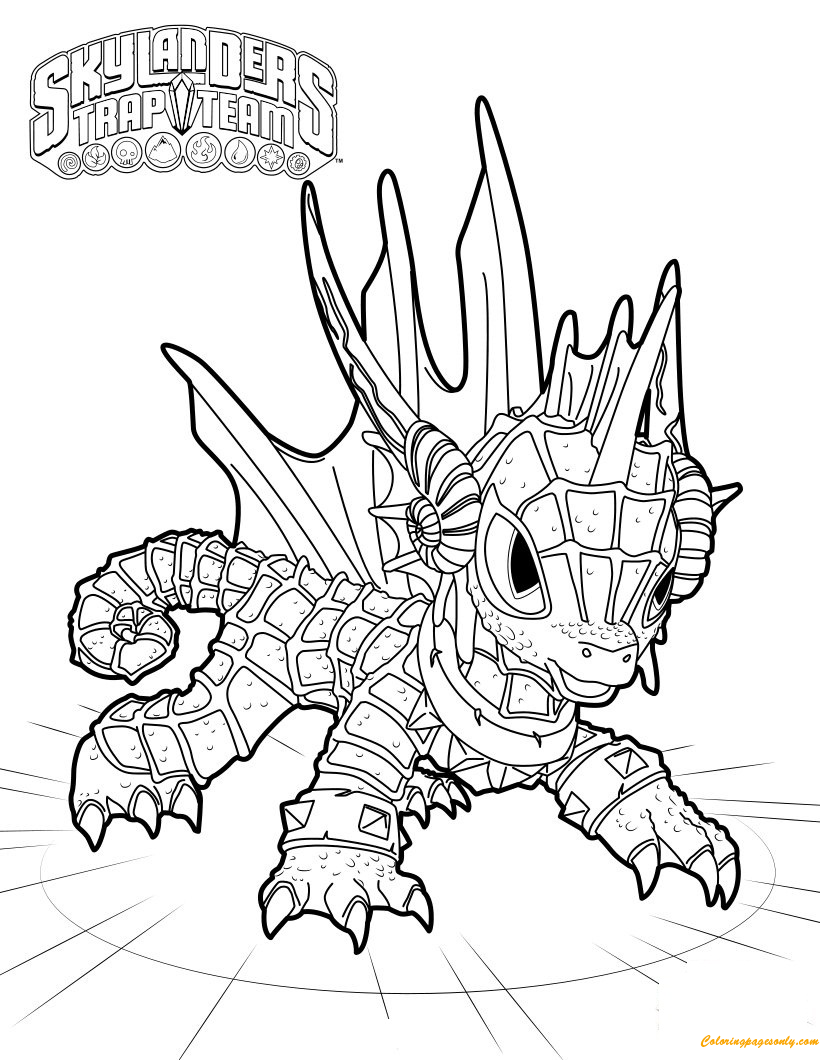
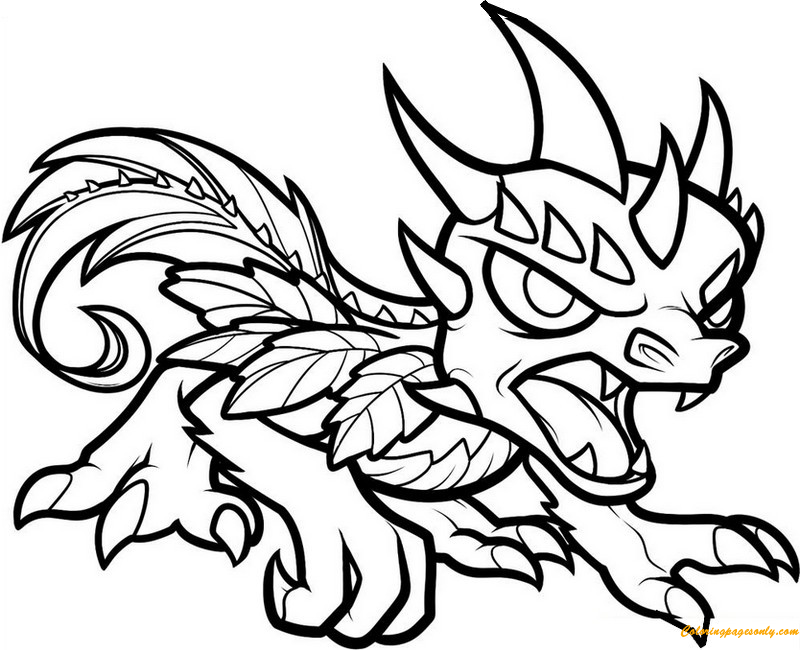
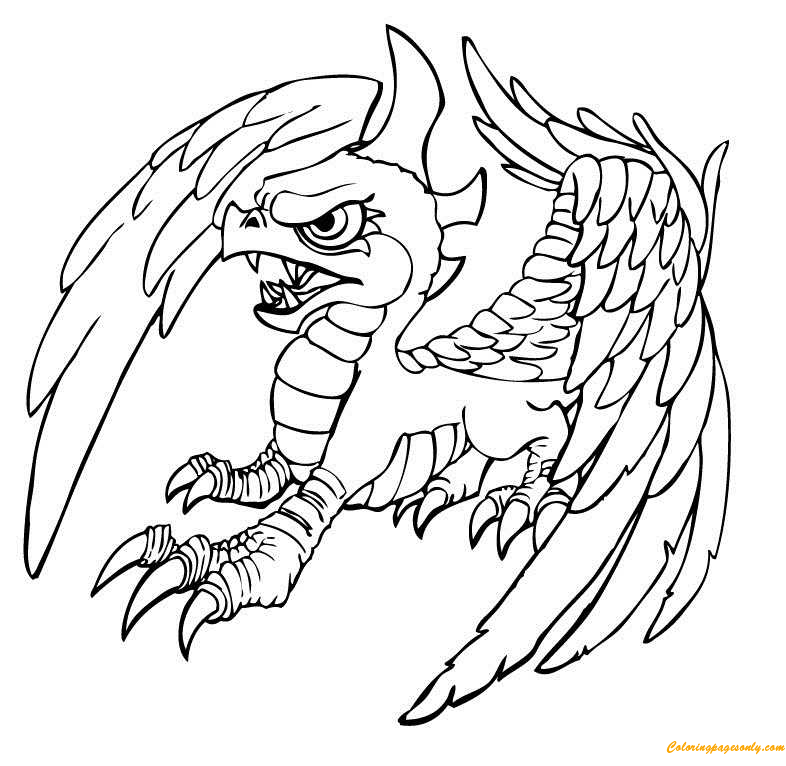
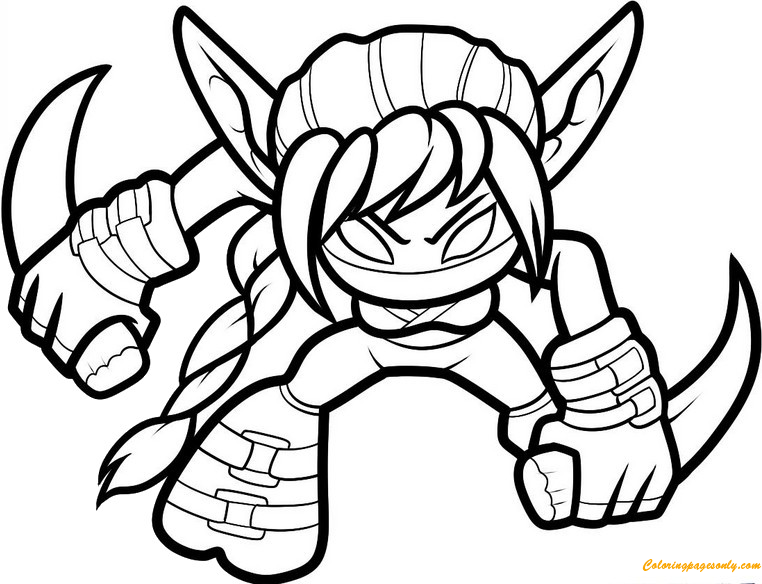
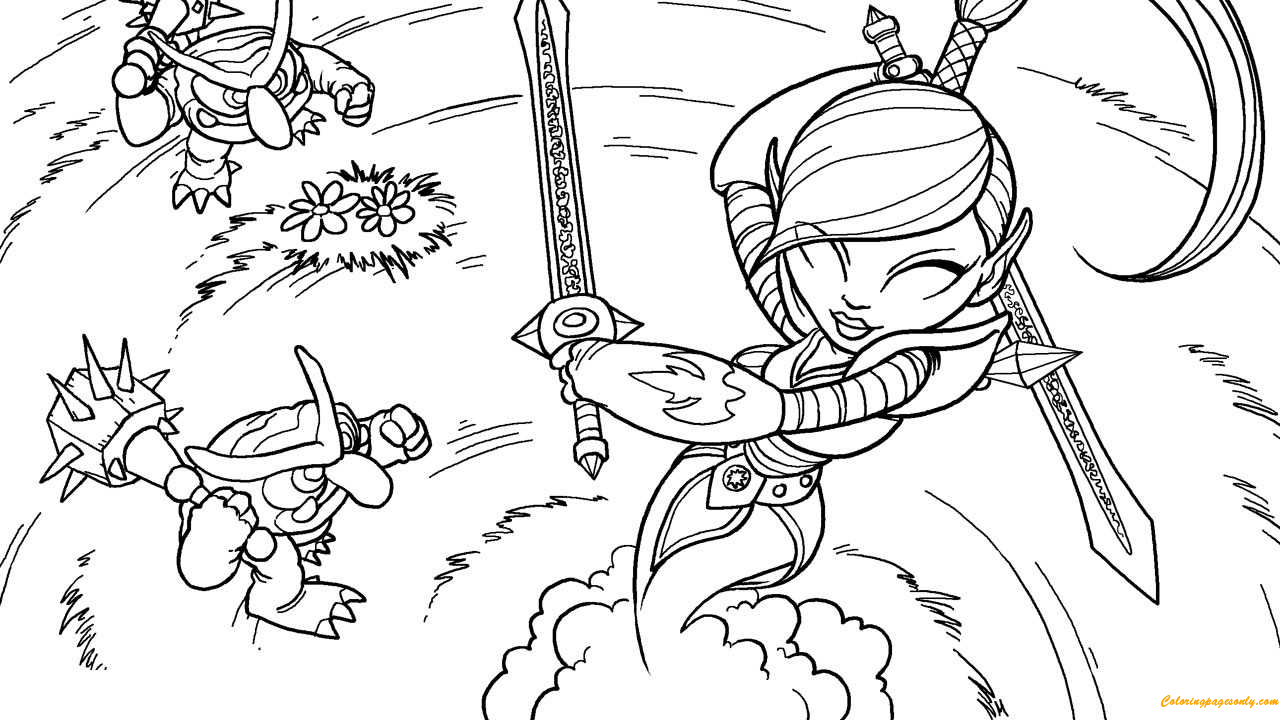
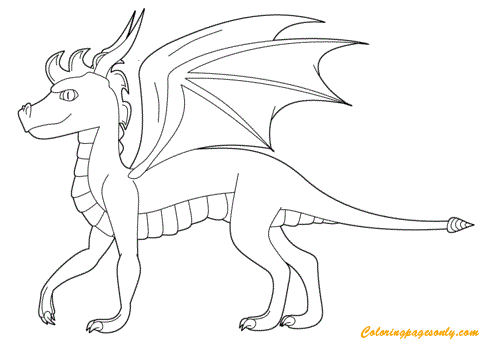
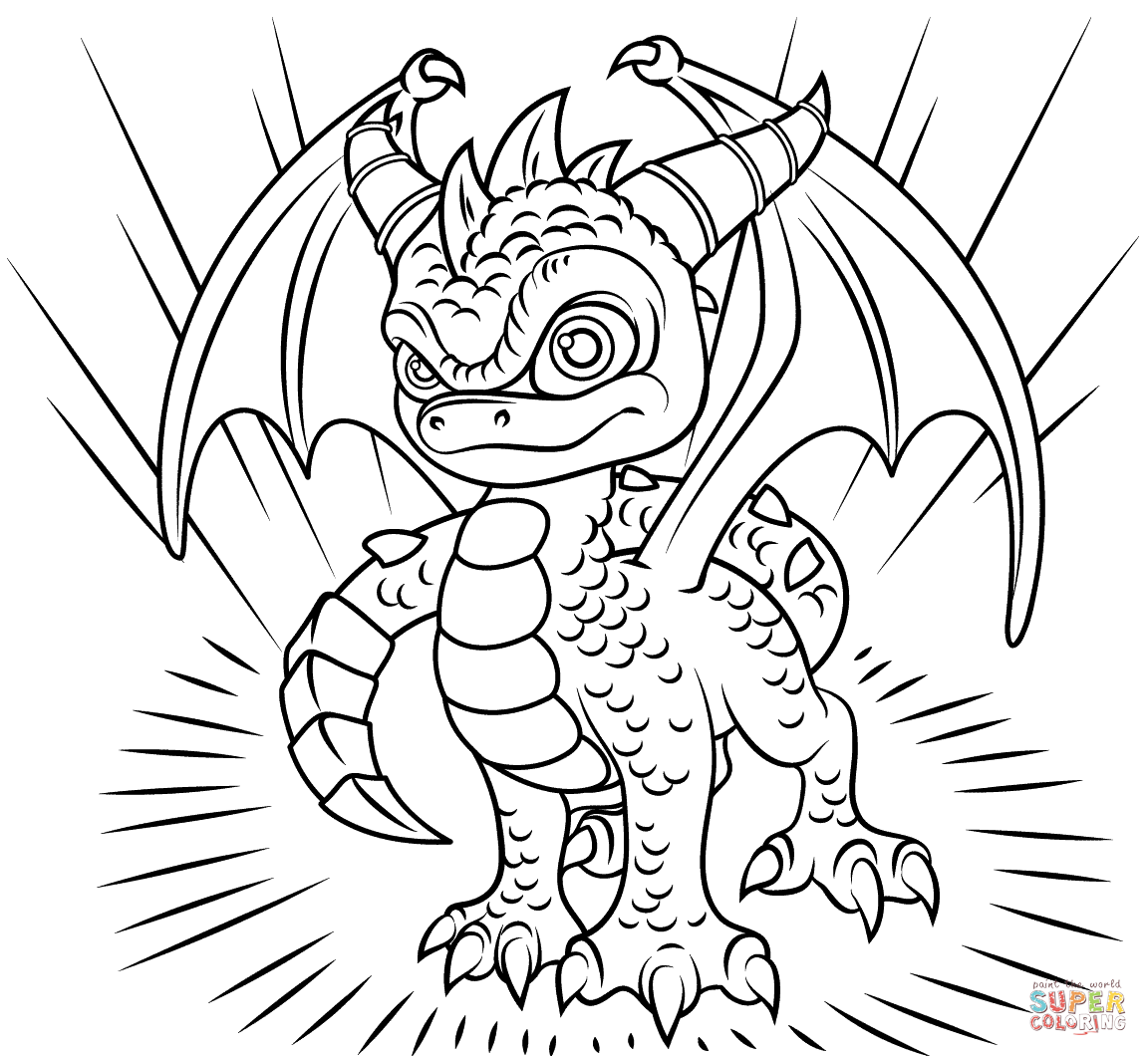
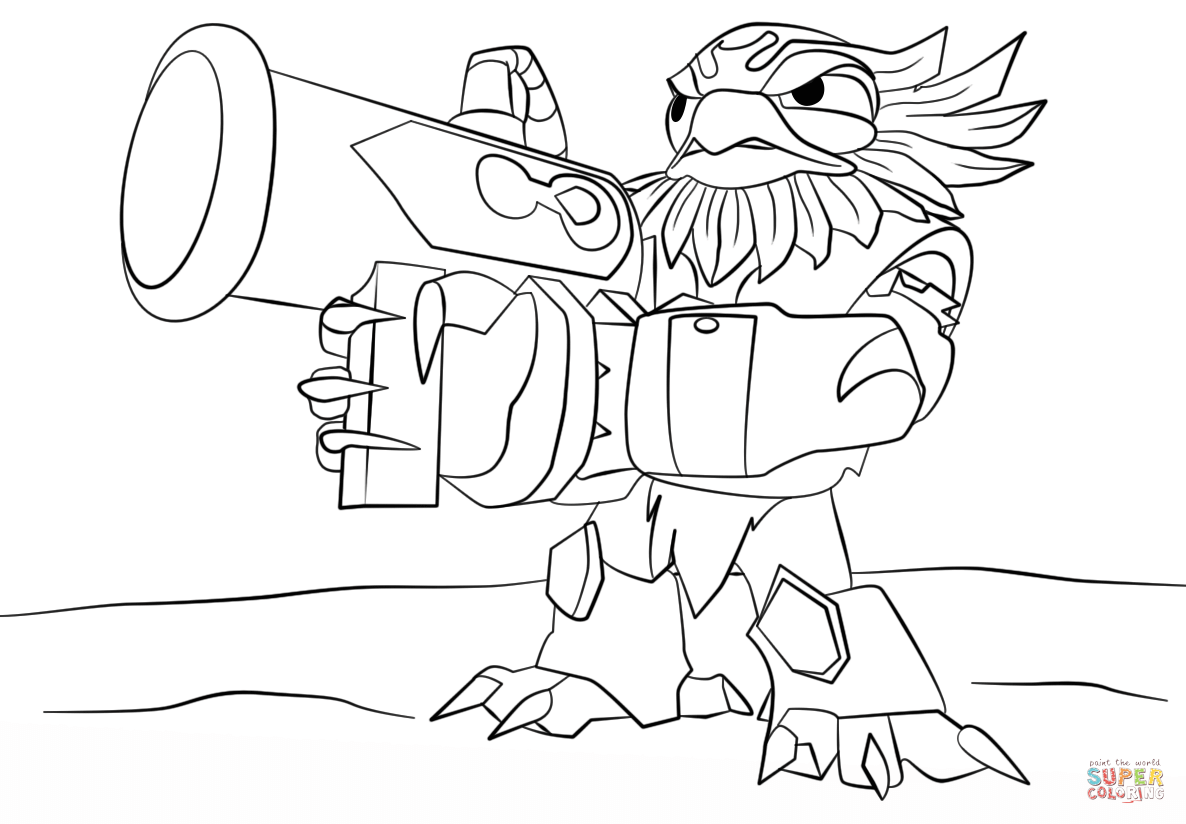
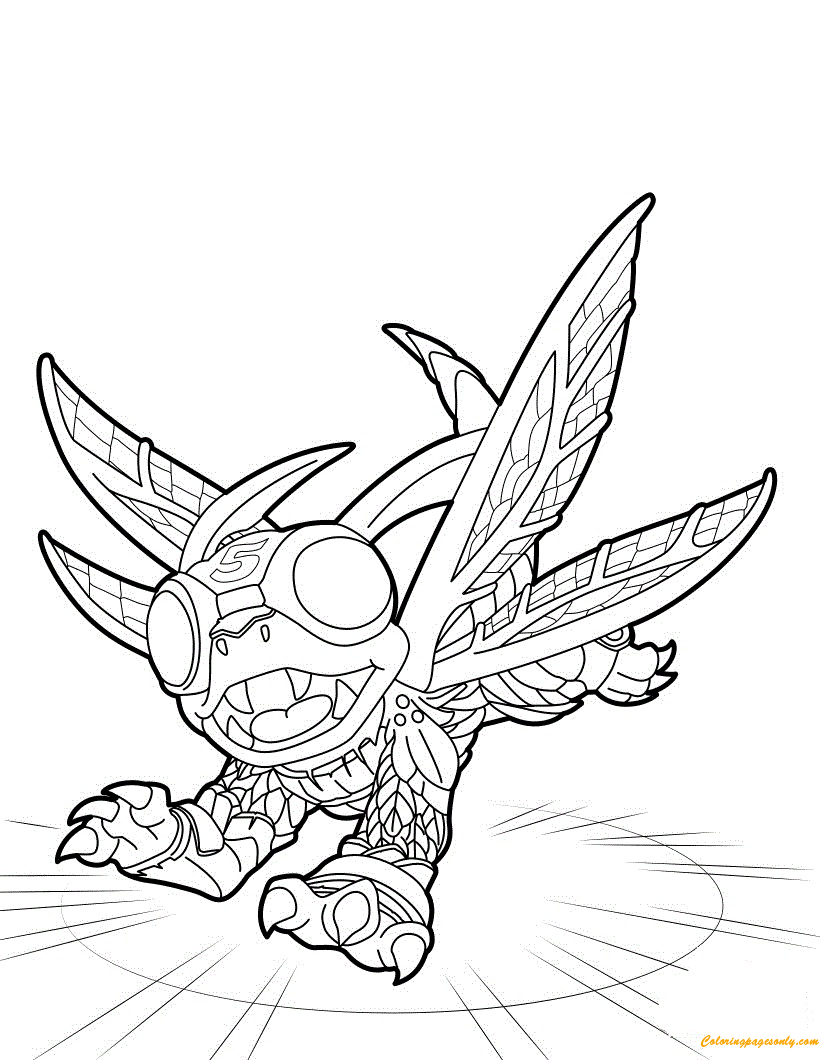
Spyro and dragon-style Skylanders pages are among the strongest designs in the collection because they show the fantasy roots of the series right away. These pages may include Spyro, Dark Spyro, dragon poses, wings, horns, claws, tails, flame details, curved bodies, flying movement, and magical battle energy. Classic hero pages also help children recognize character silhouettes: a dragon’s wing shape, a warrior’s weapon, a robot’s panels, an elf’s quick pose, or a monster’s oversized features.
Coloring Spyro and dragon pages: Use purple, violet, lavender, gold, orange, red, and deep blue for dragon characters and magical energy. Keep horns, claws, wings, belly sections, and flame effects separate so the character does not become one dark shape. The common mistake is using too many strong colors on the body at once; choose one main body color, one wing or horn color, and one power-effect color.
Giants, Heavy Heroes, and Powerful Battle Characters
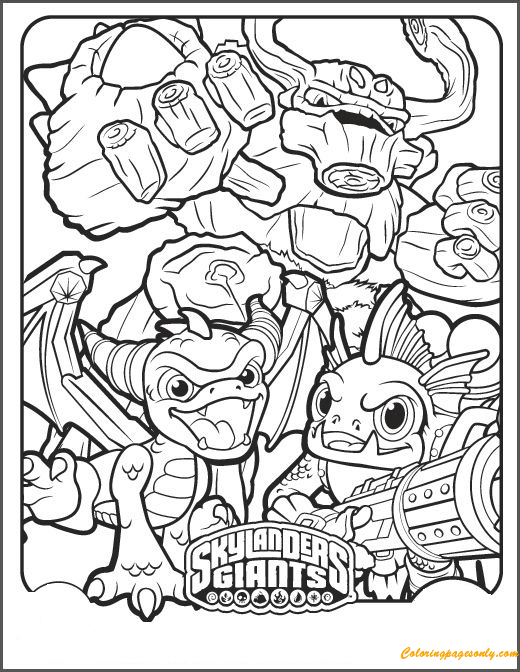
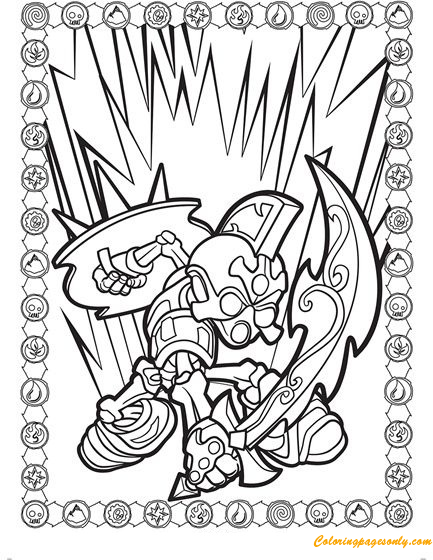
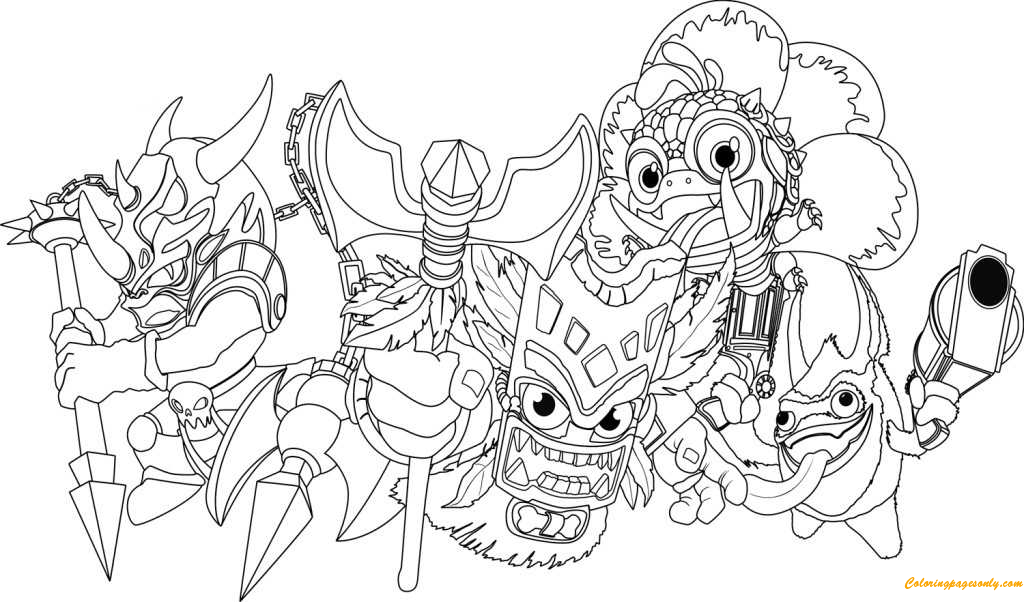
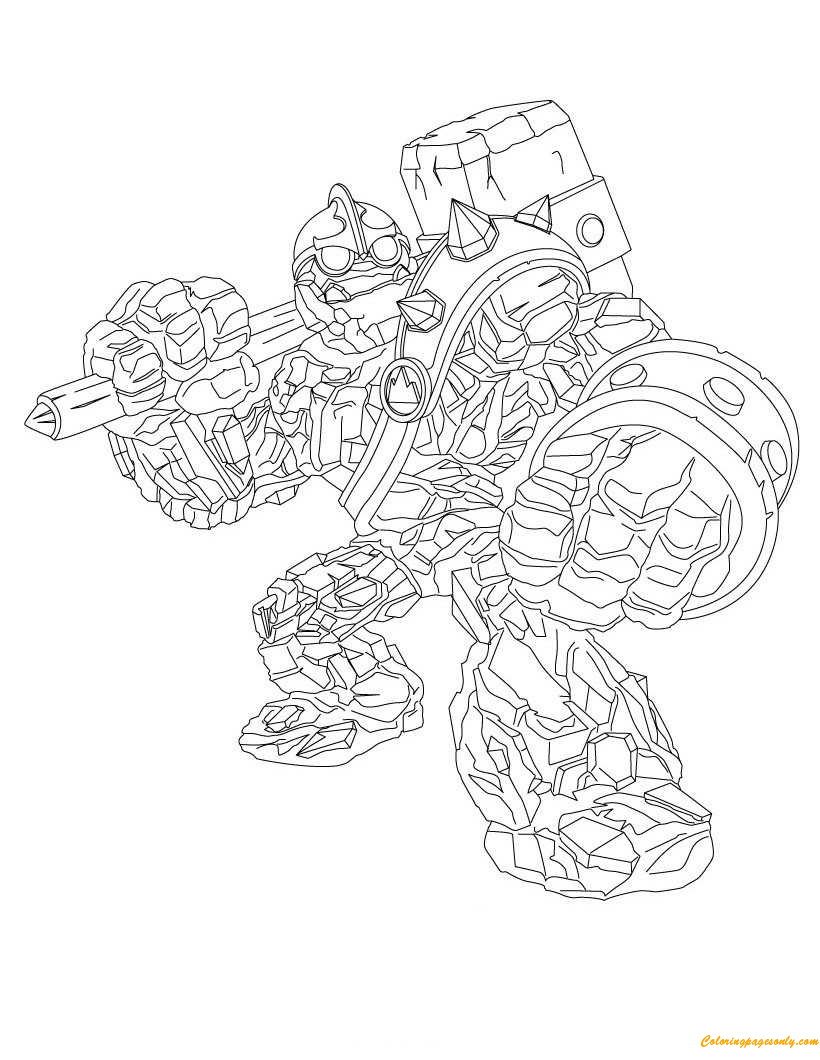
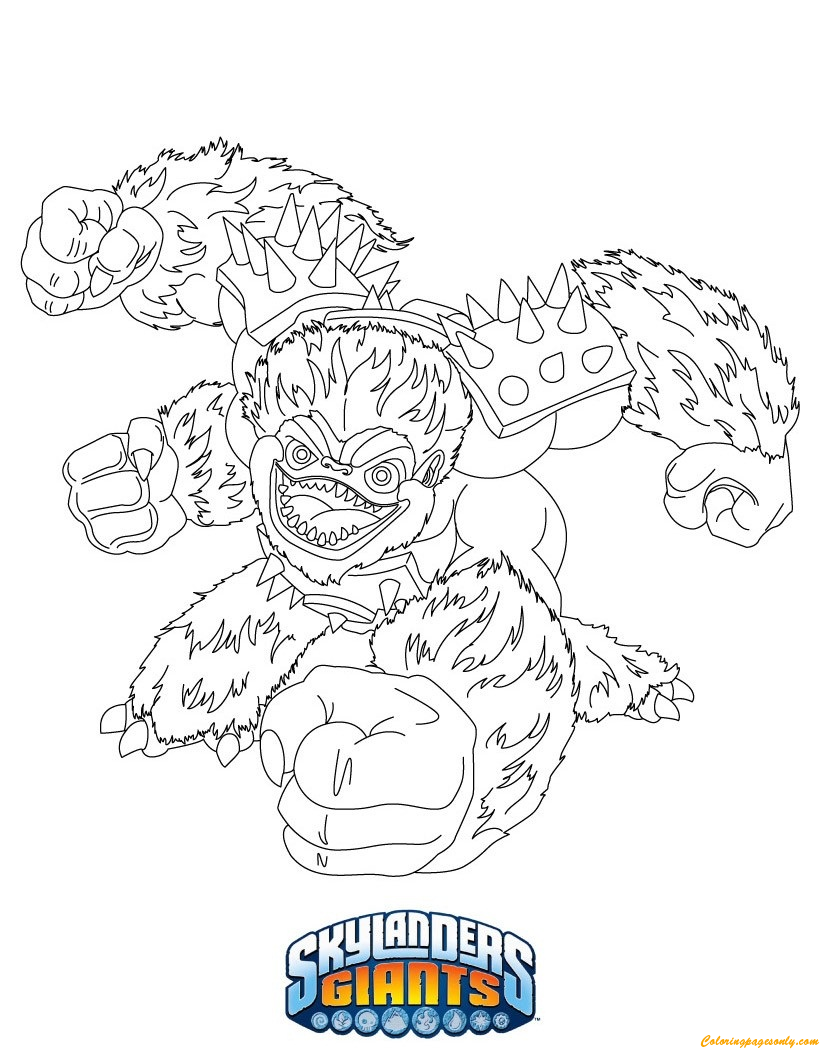
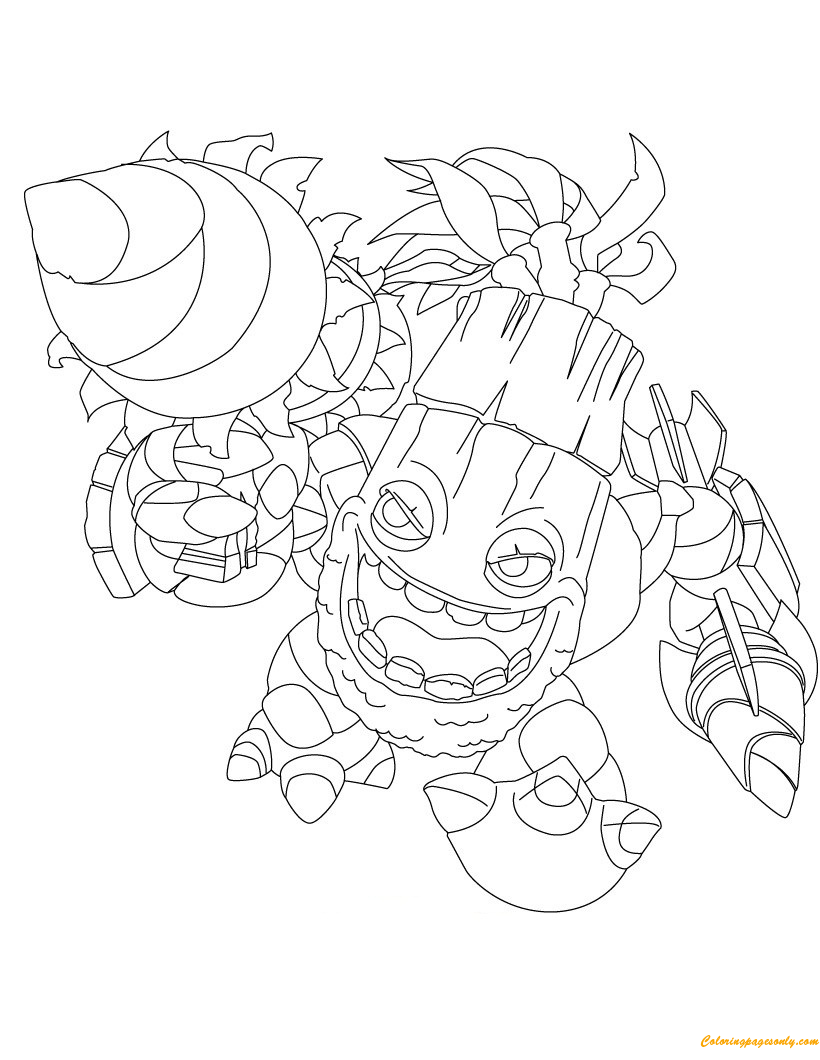
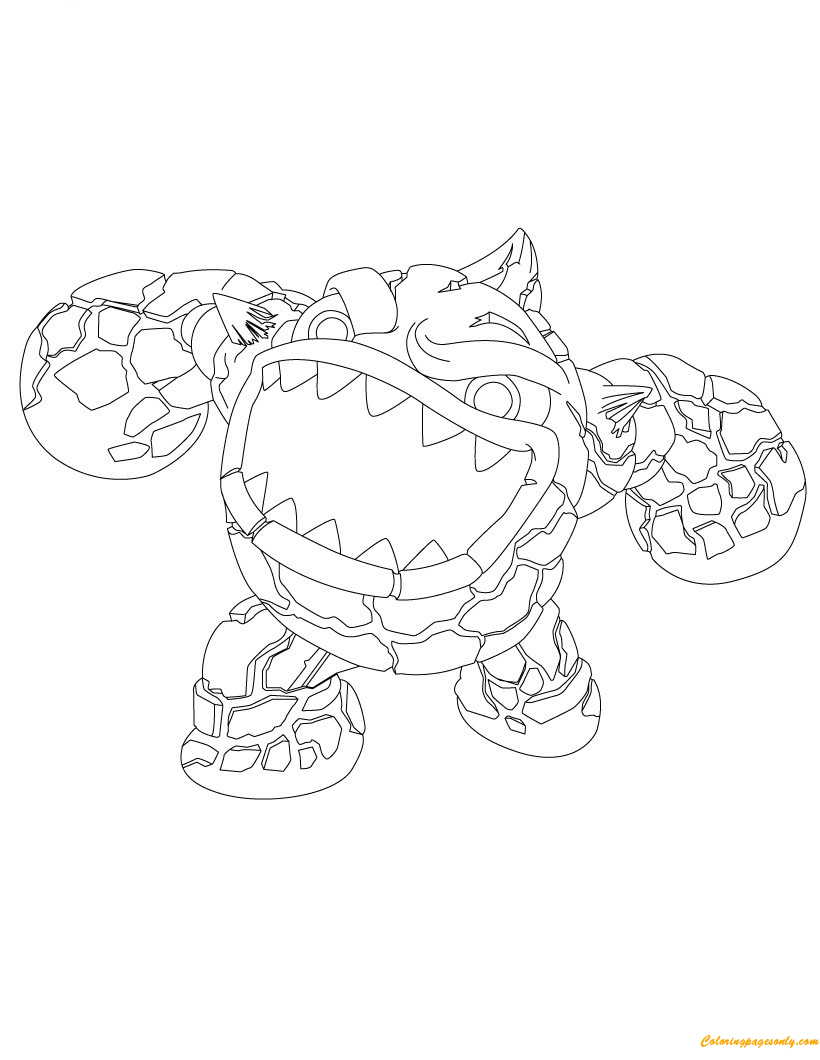
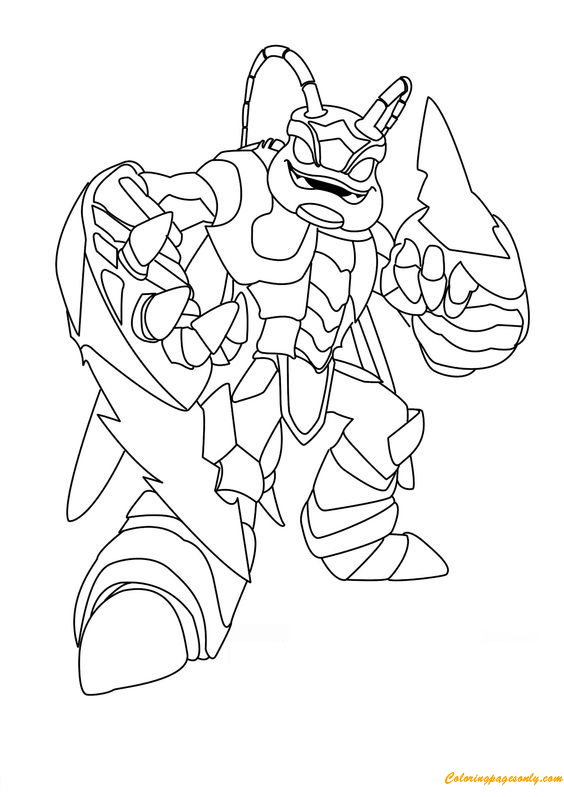
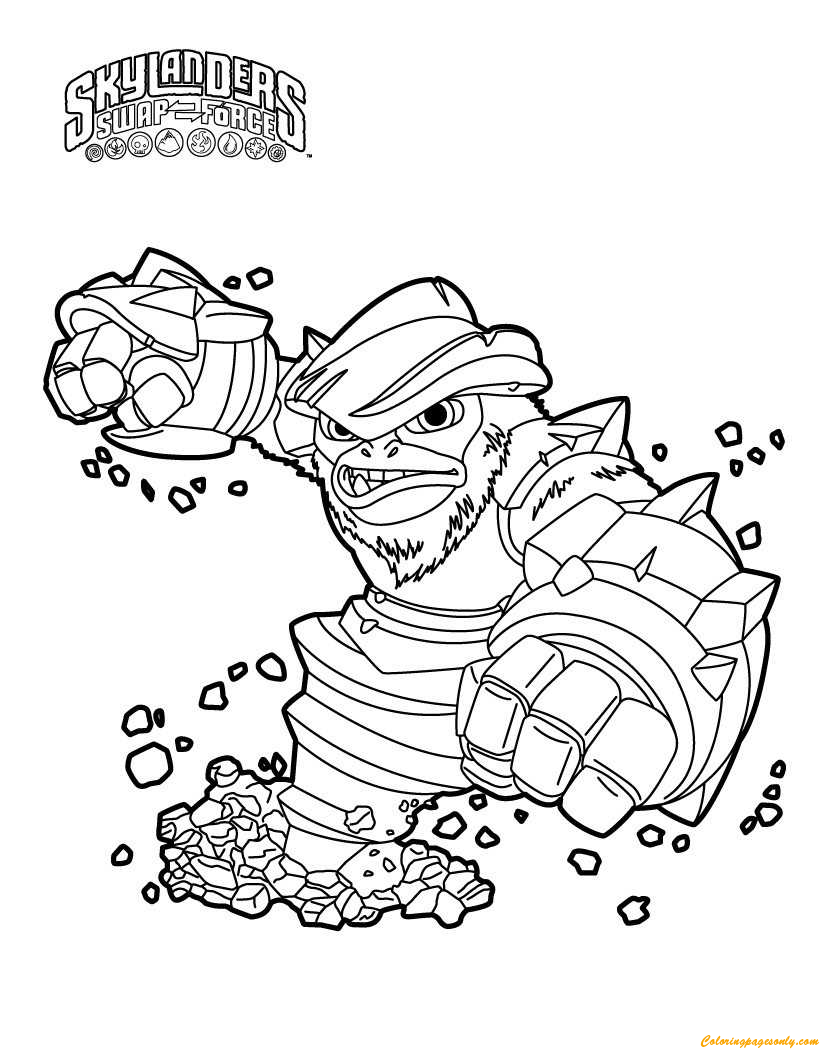
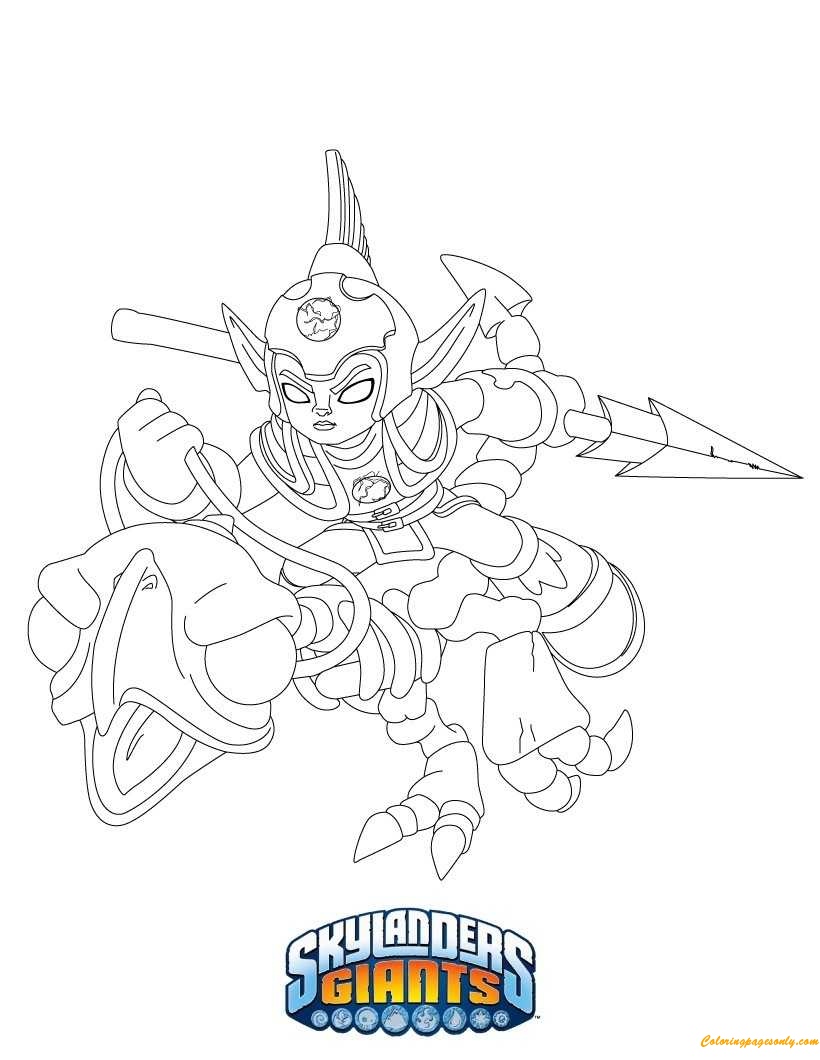
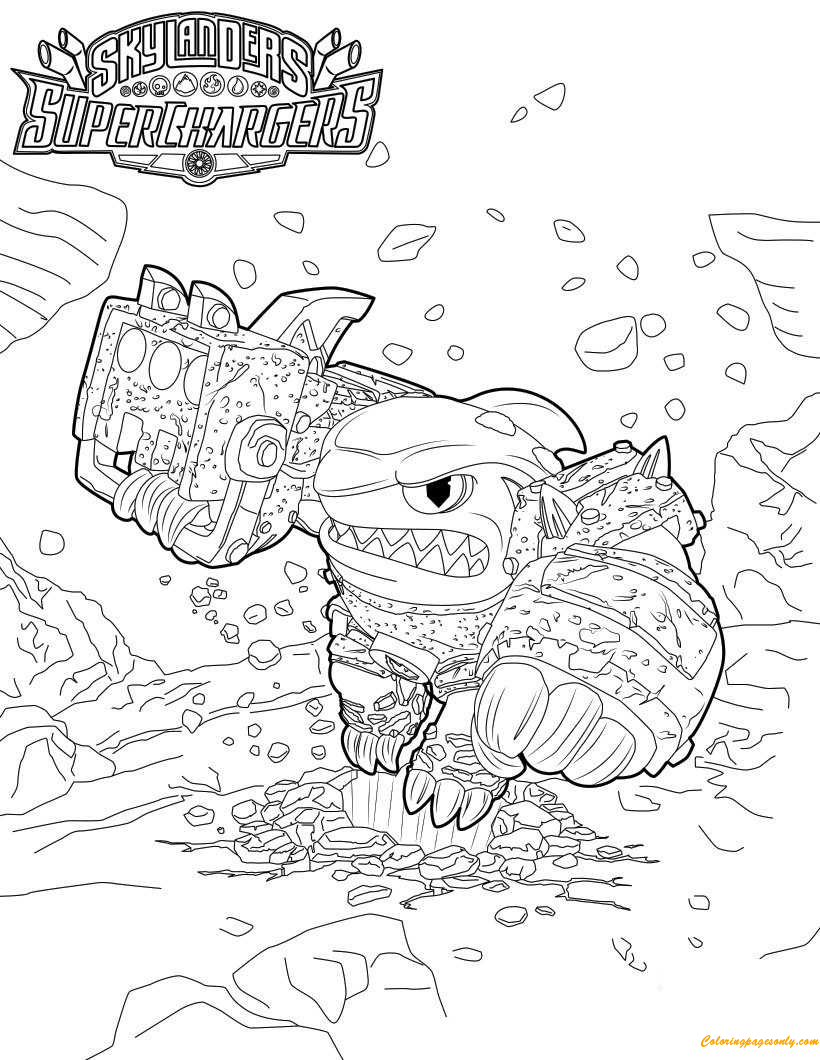
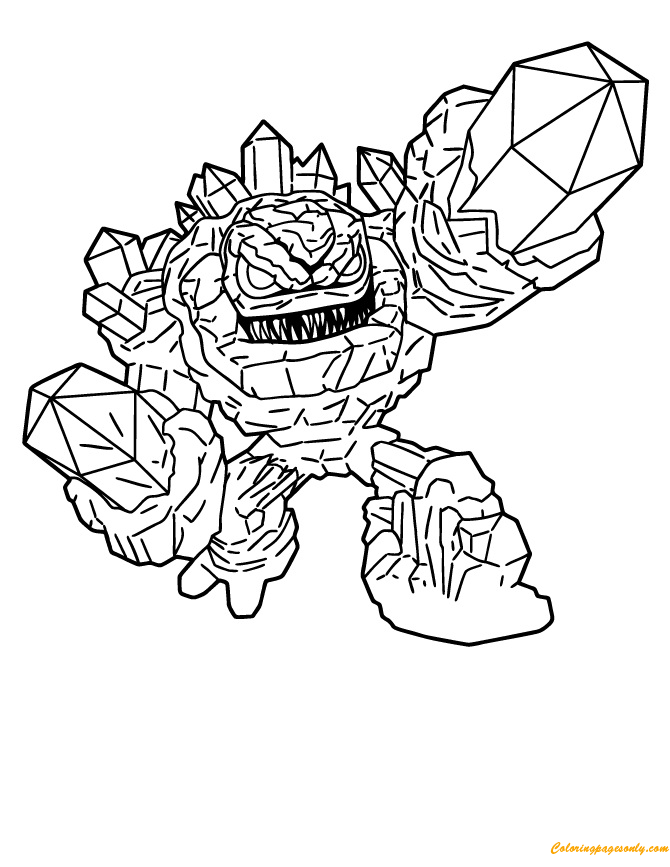
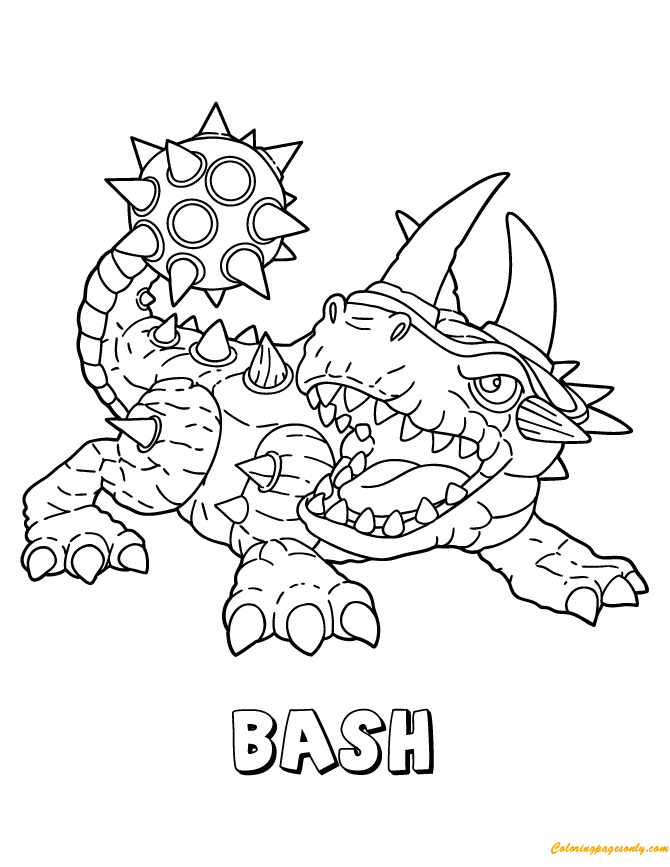
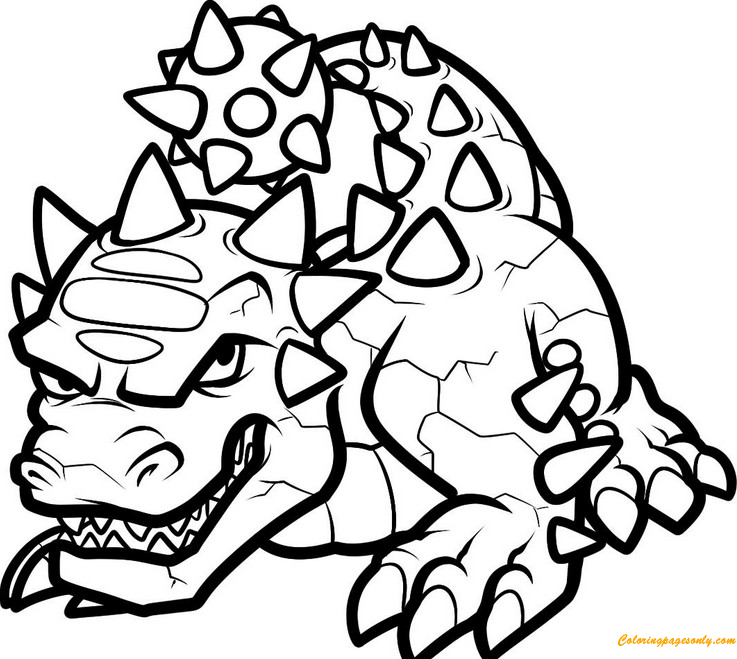
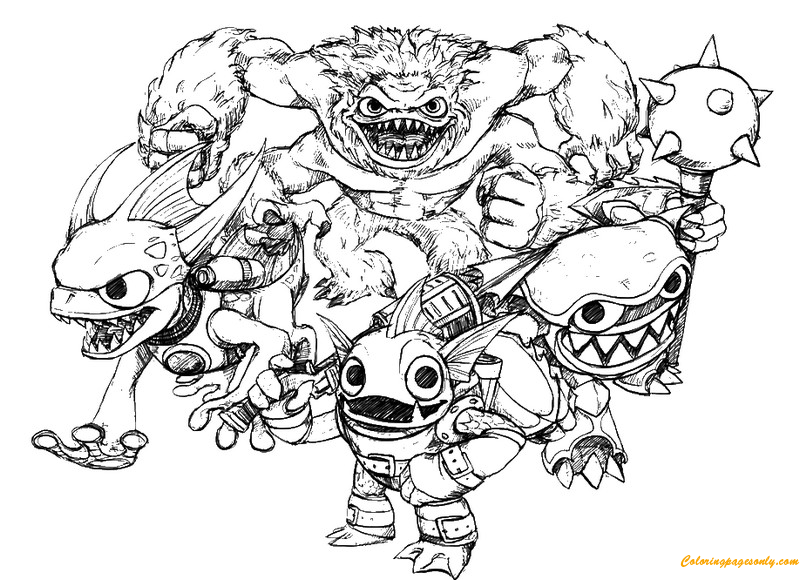
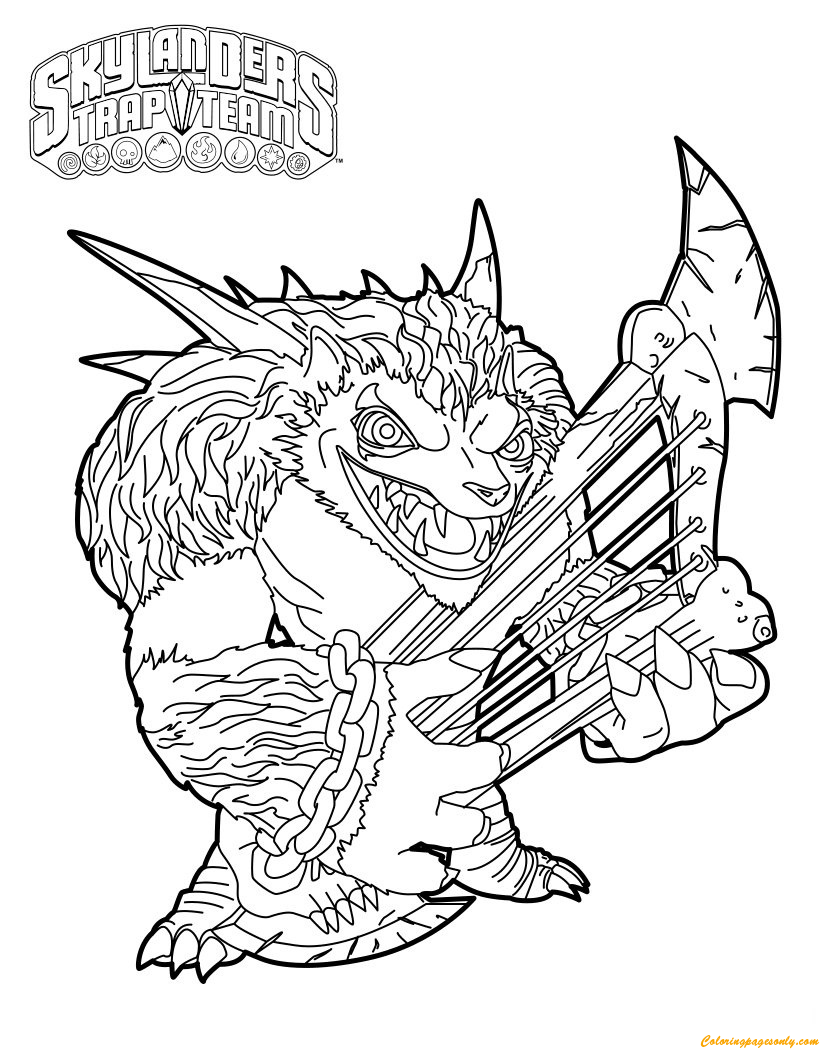
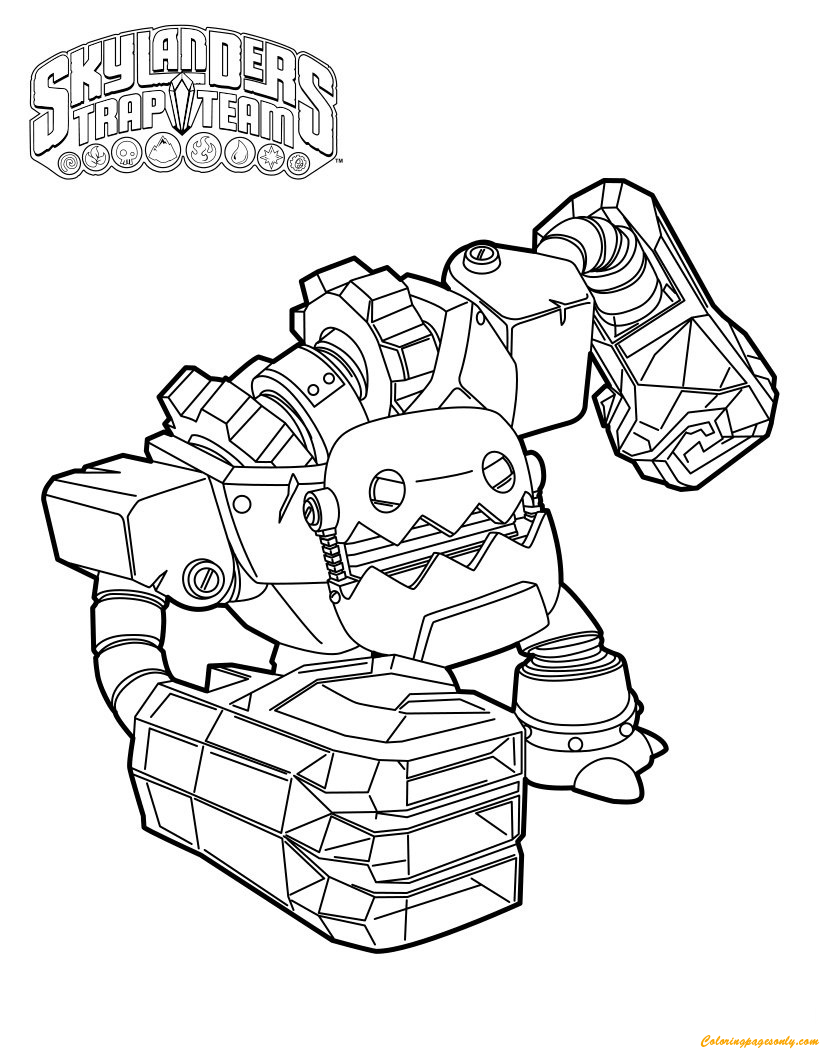
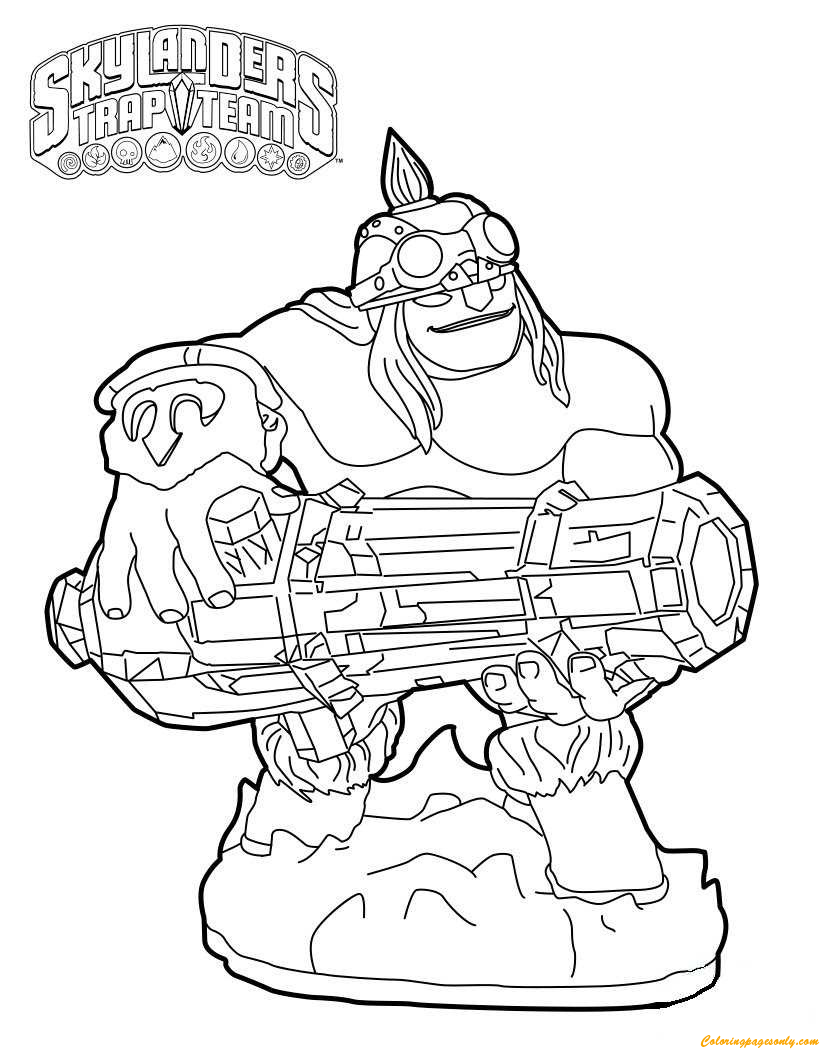
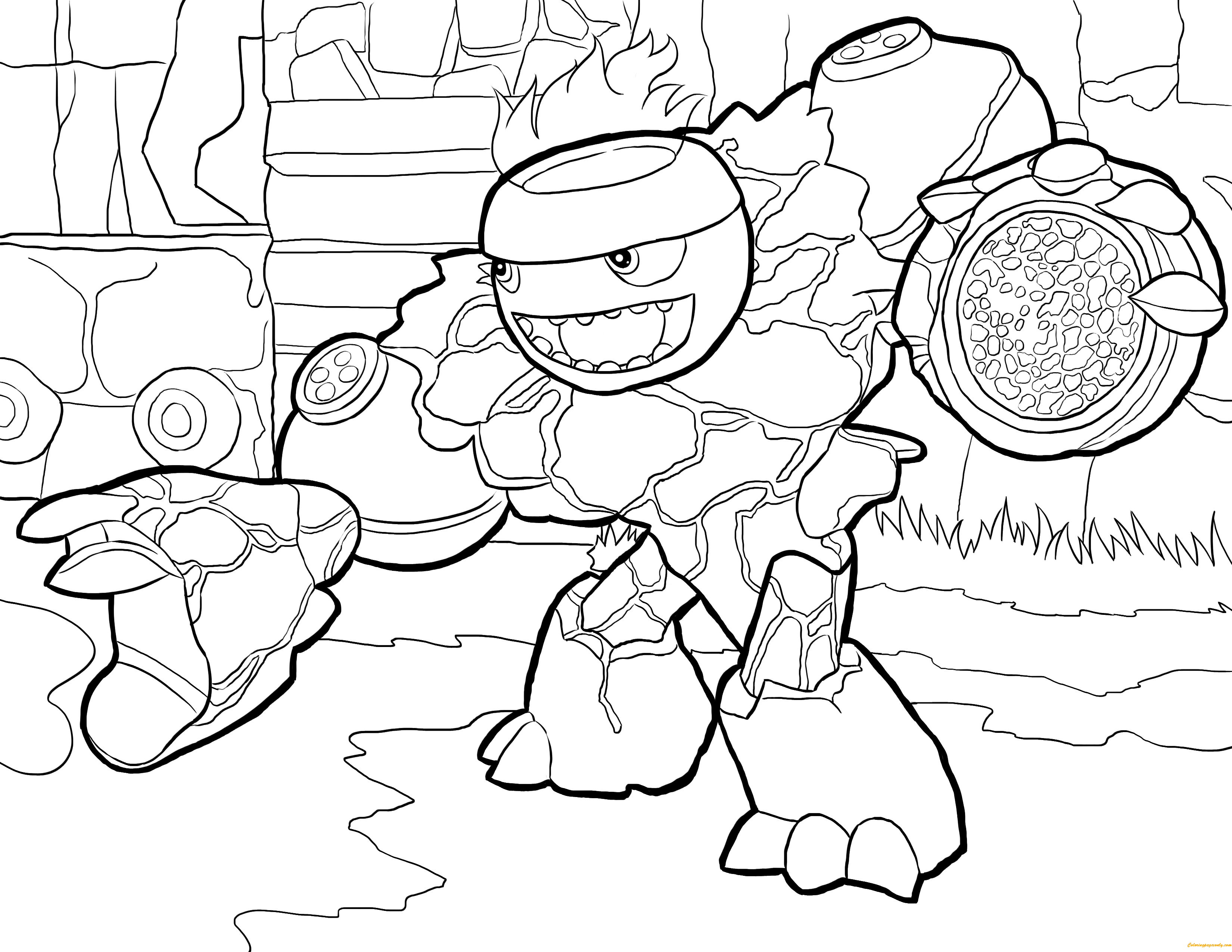
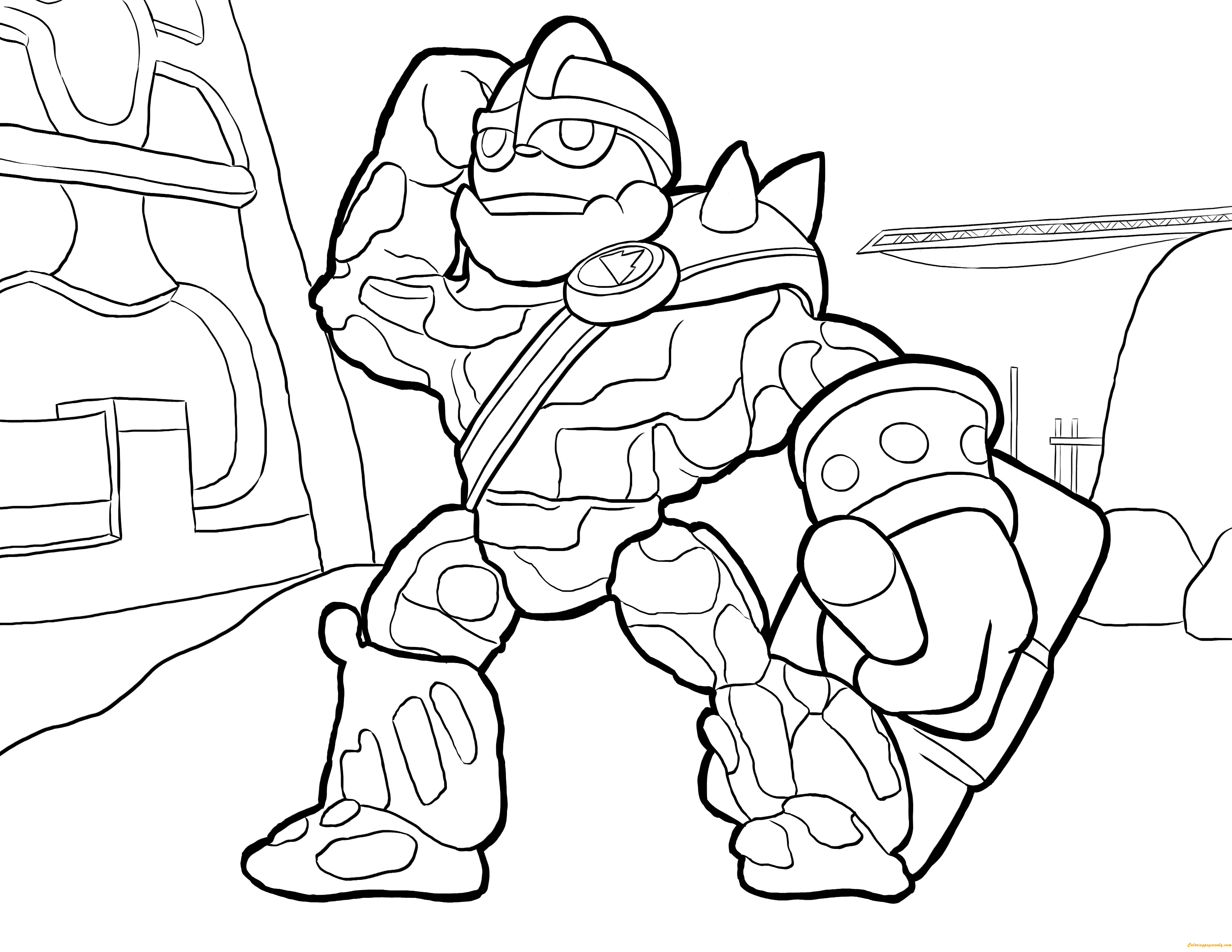
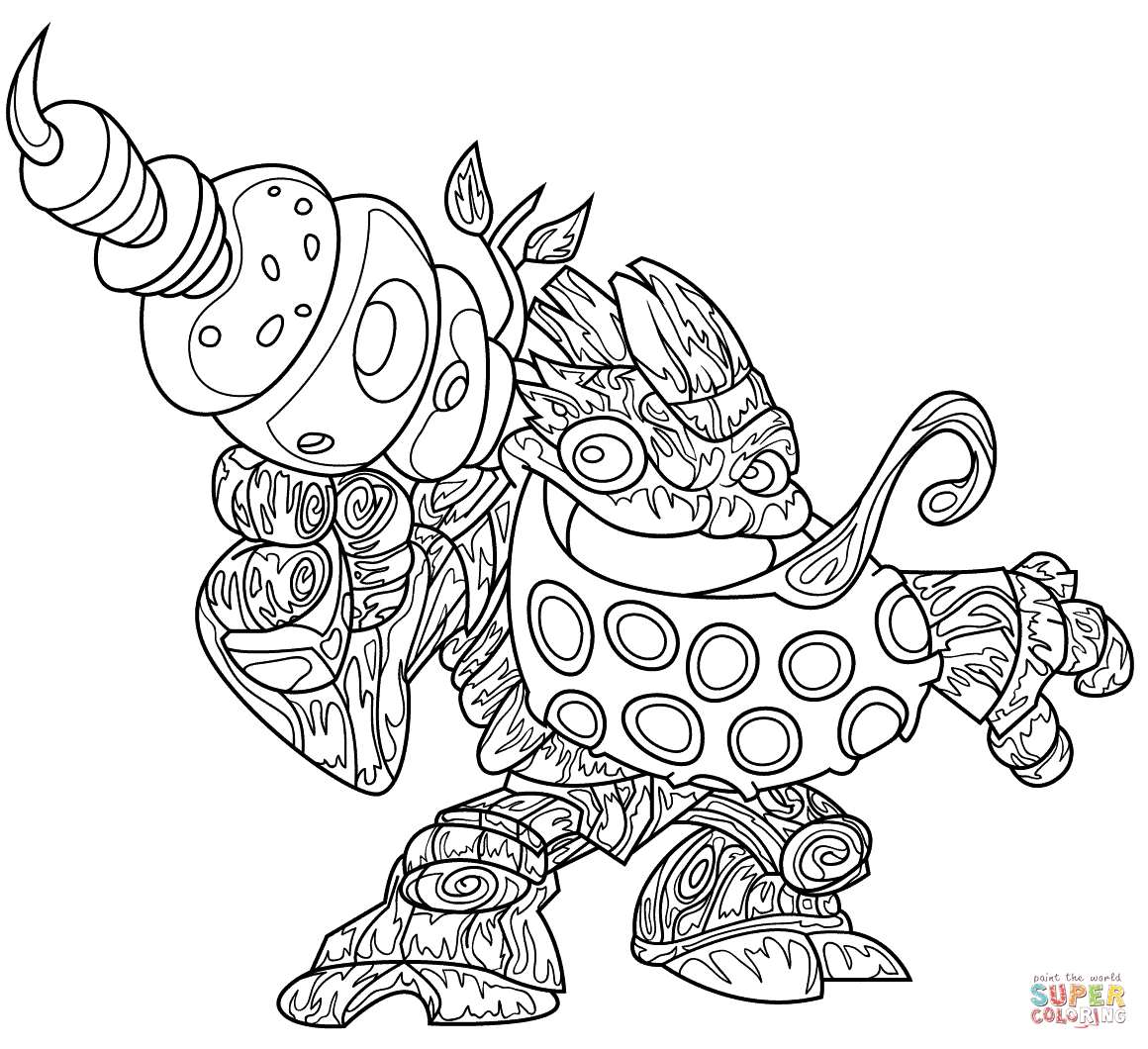
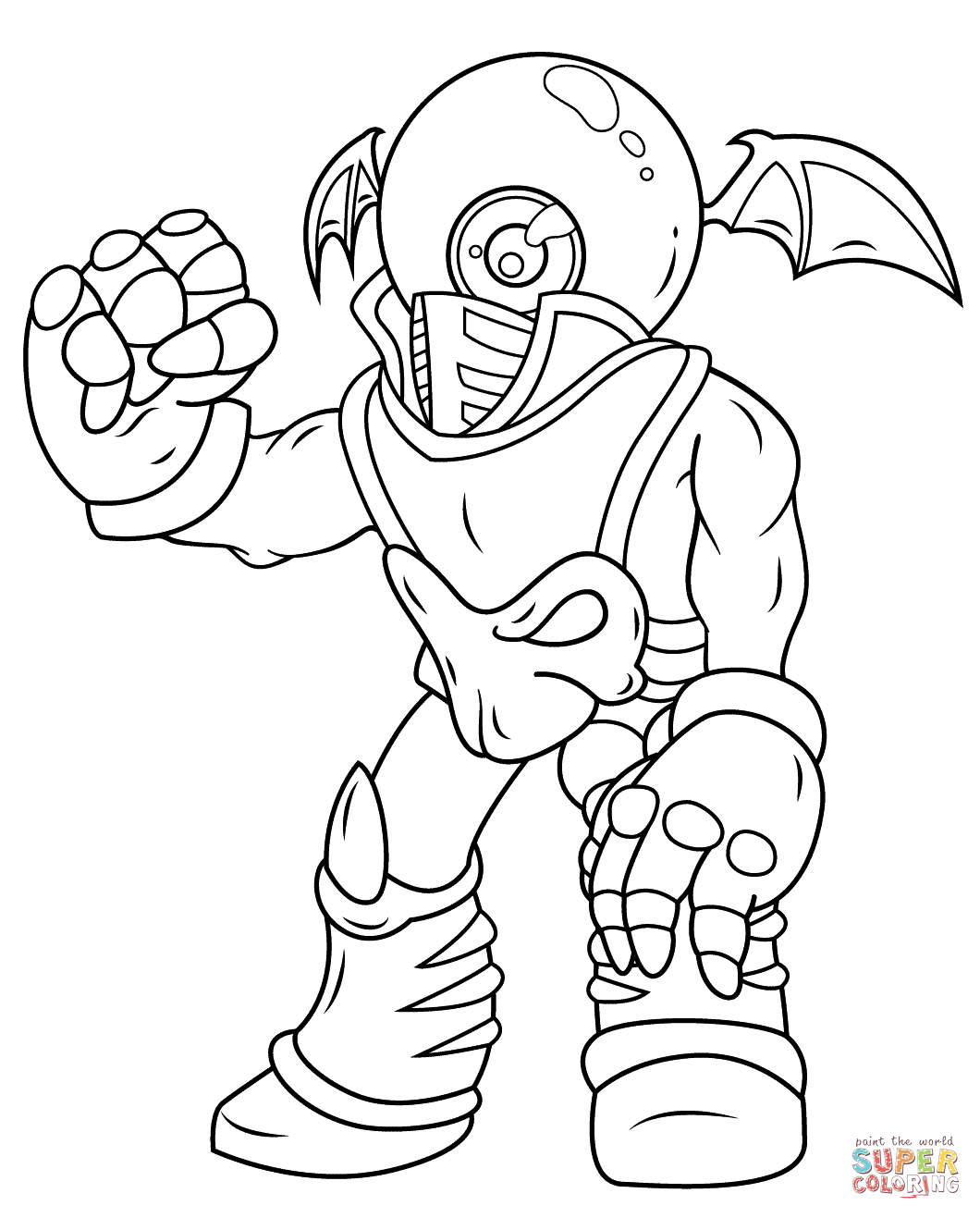
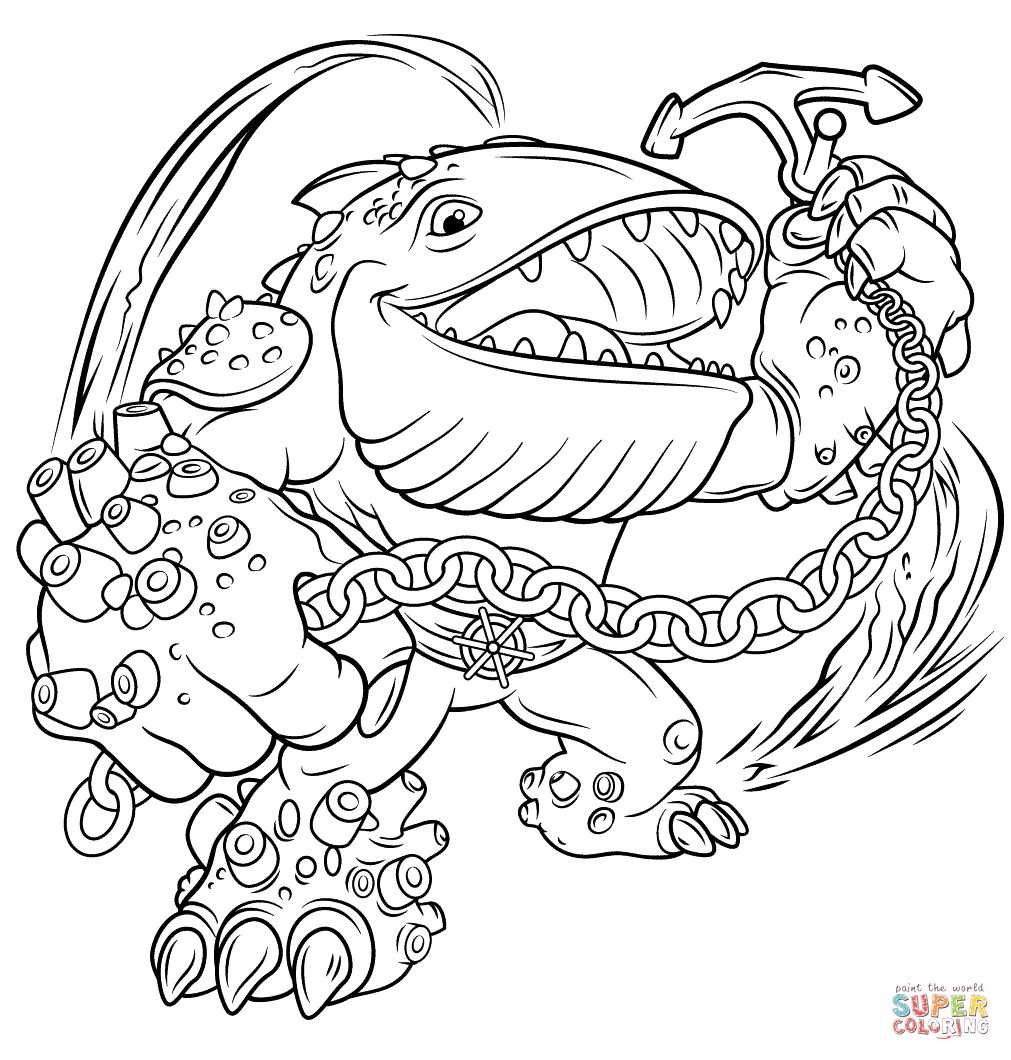
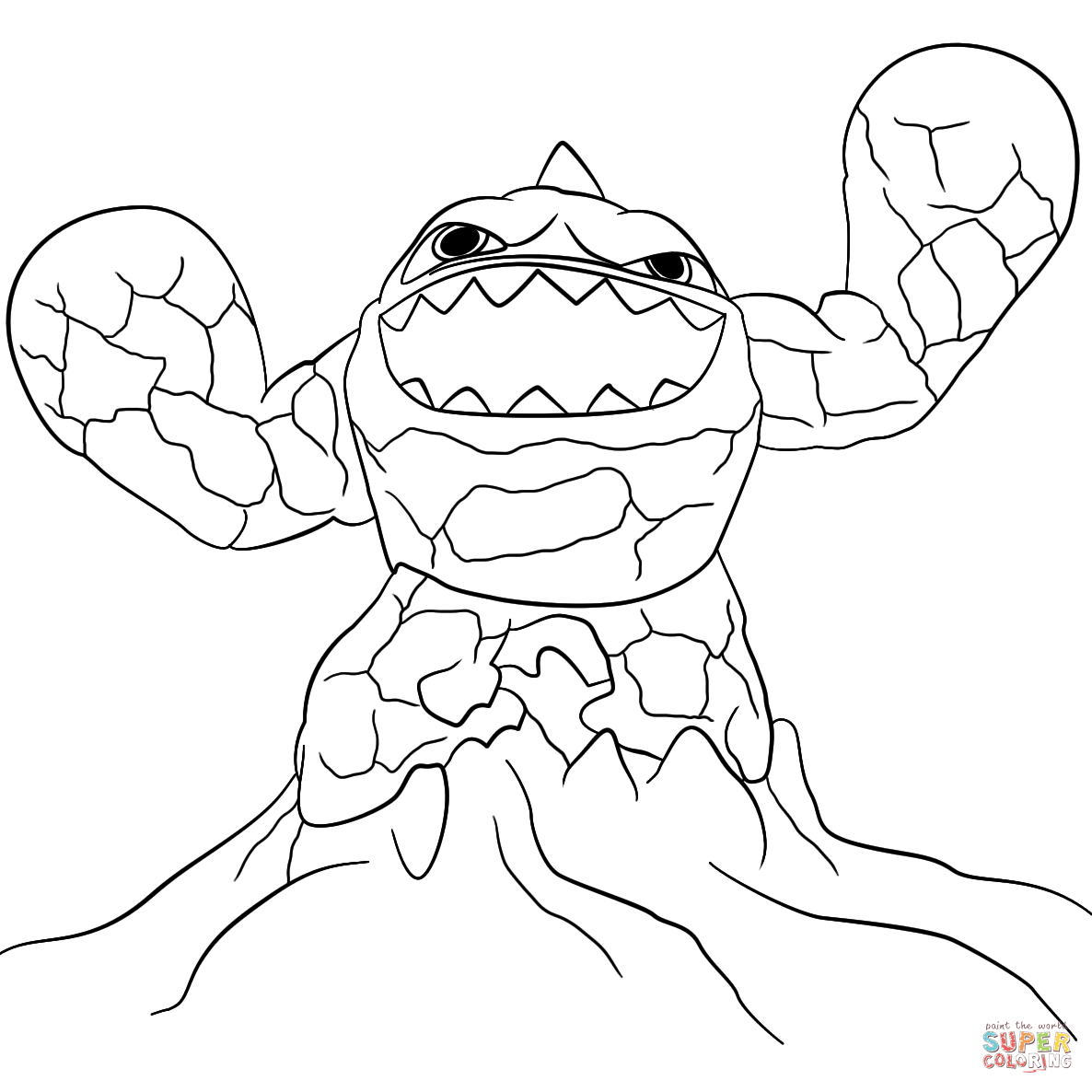
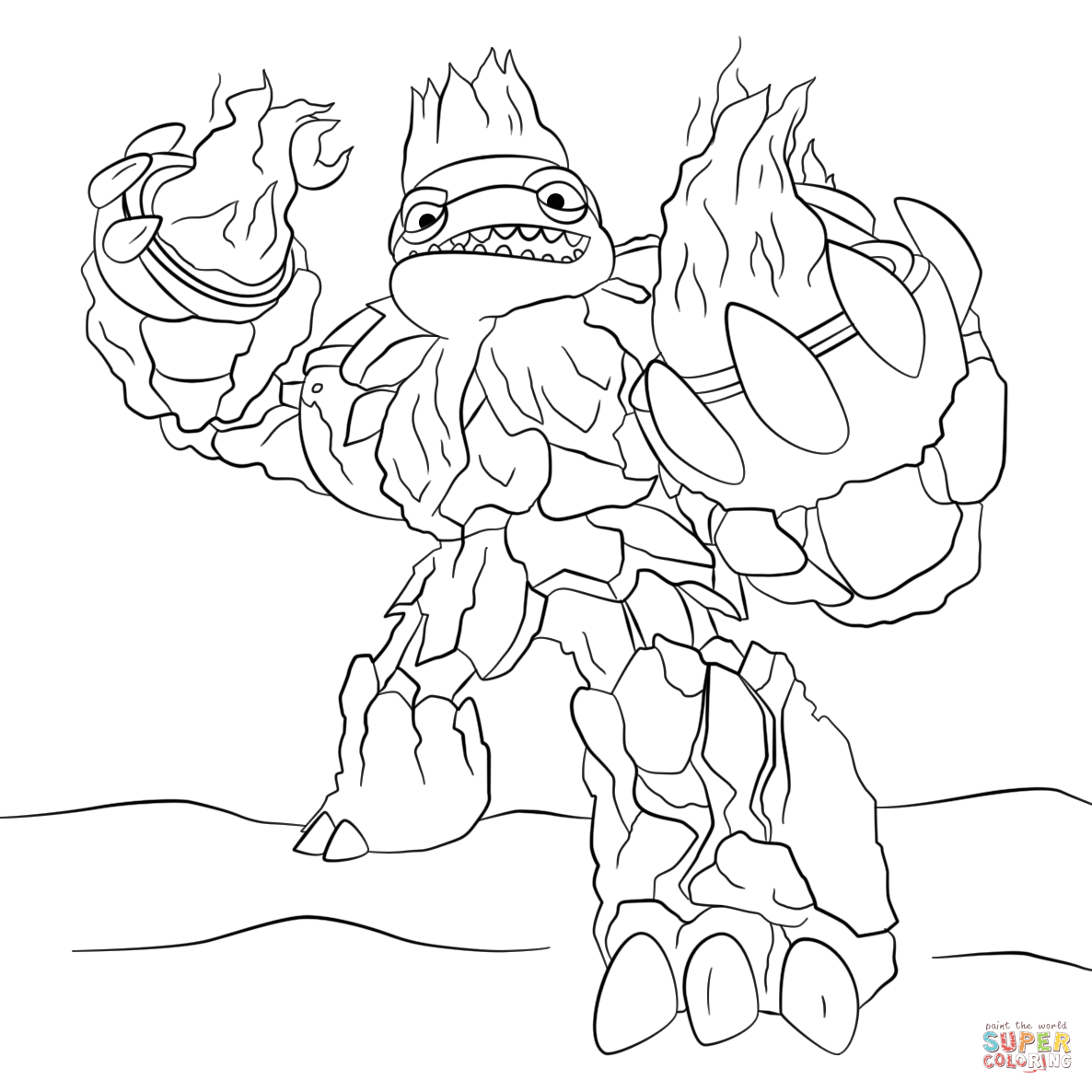
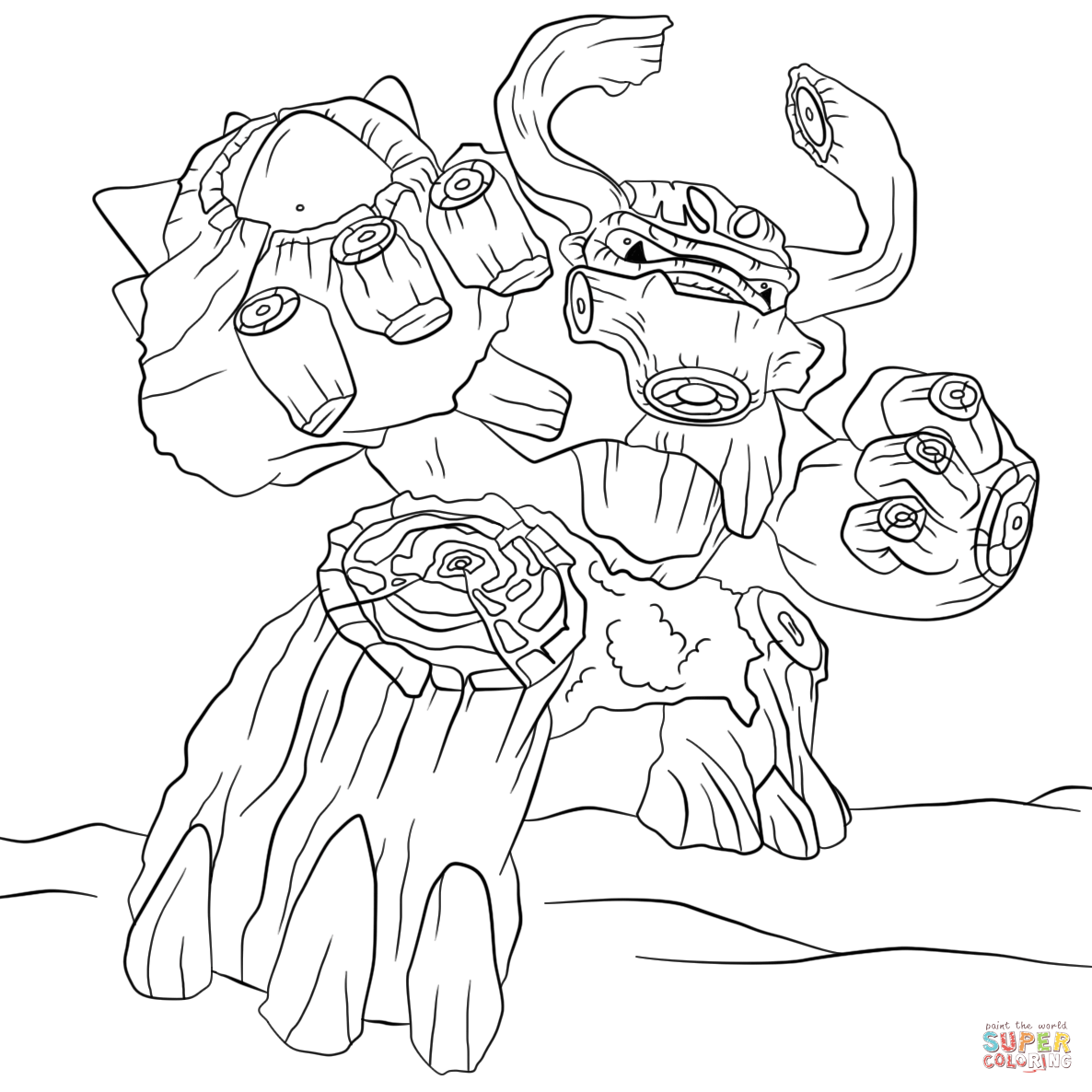
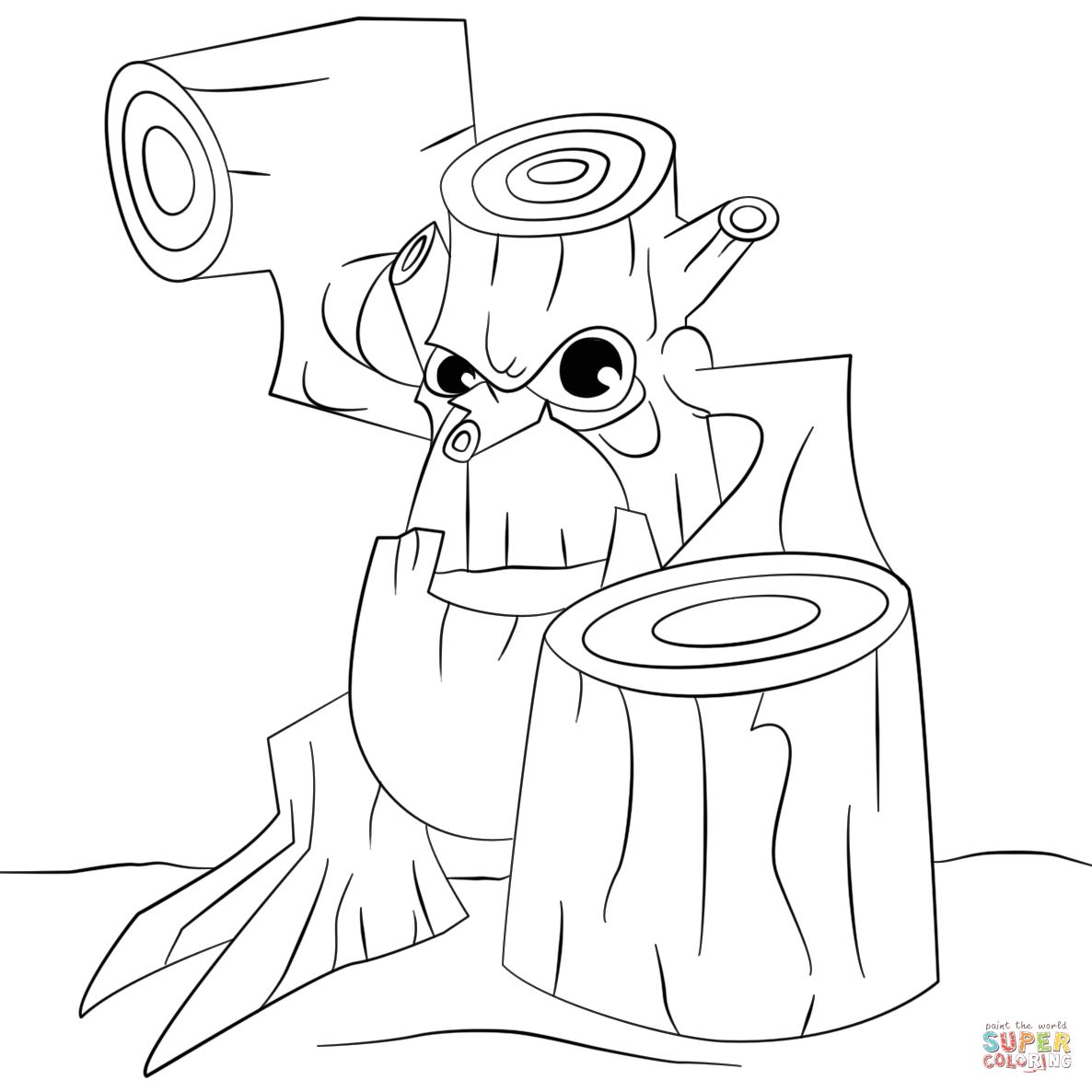
Skylanders Giants pages focus on large, powerful characters with bigger bodies, stronger poses, rocky textures, armor, weapons, and oversized features. Characters such as Tree Rex, Bouncer, Swarm, Hot Head, Bash, Prism Break, and other giant-style heroes give colorists broad areas for shading while still offering many details. These pages are especially useful for older children because the character shapes are large, but the textures, cracks, armor edges, and power effects require planning.
Coloring Giants pages: Use earth brown, moss green, stone grey, deep red, bronze, steel blue, glowing yellow, or lava orange, depending on the character. Start with the largest body shape first, then color armor, cracks, weapons, crystals, wood texture, metal panels, or energy effects. The common mistake is making a giant look flat; add darker shading under arms, feet, armor edges, rocky areas, and heavy body parts to make the character feel powerful.
Trap Team Heroes, Villains, and Crystal-Style Power
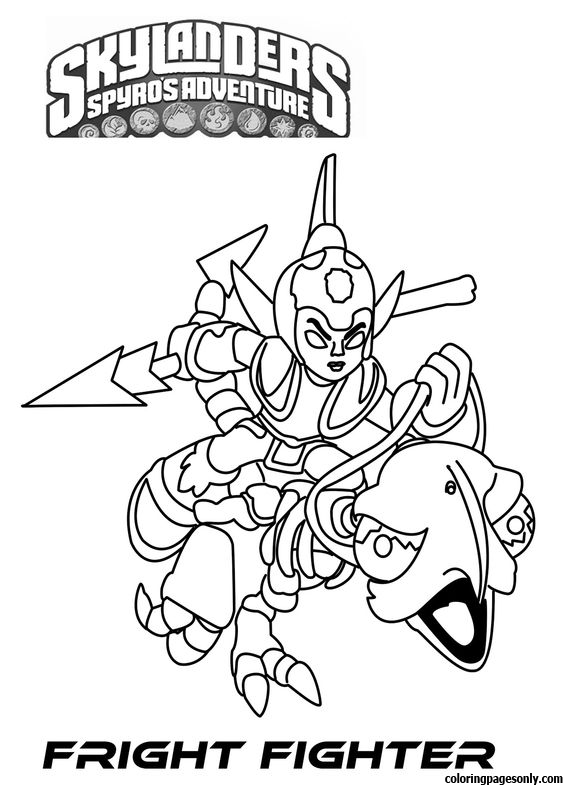
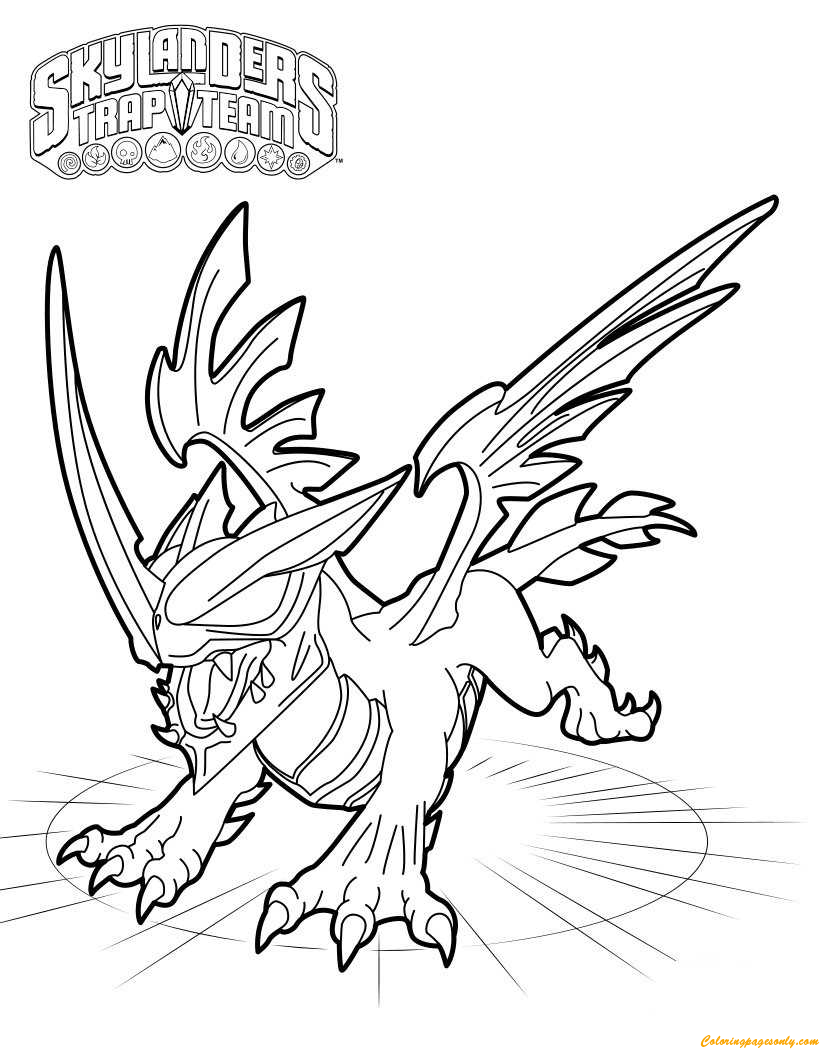
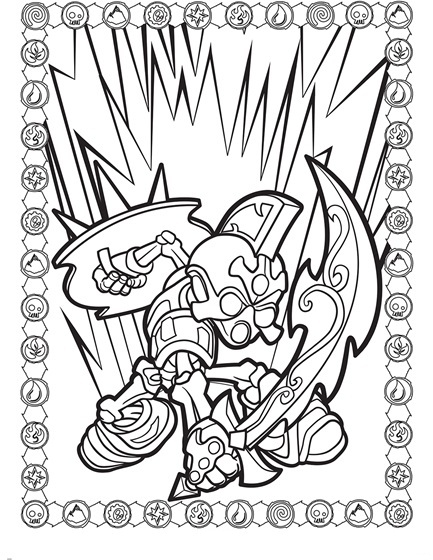
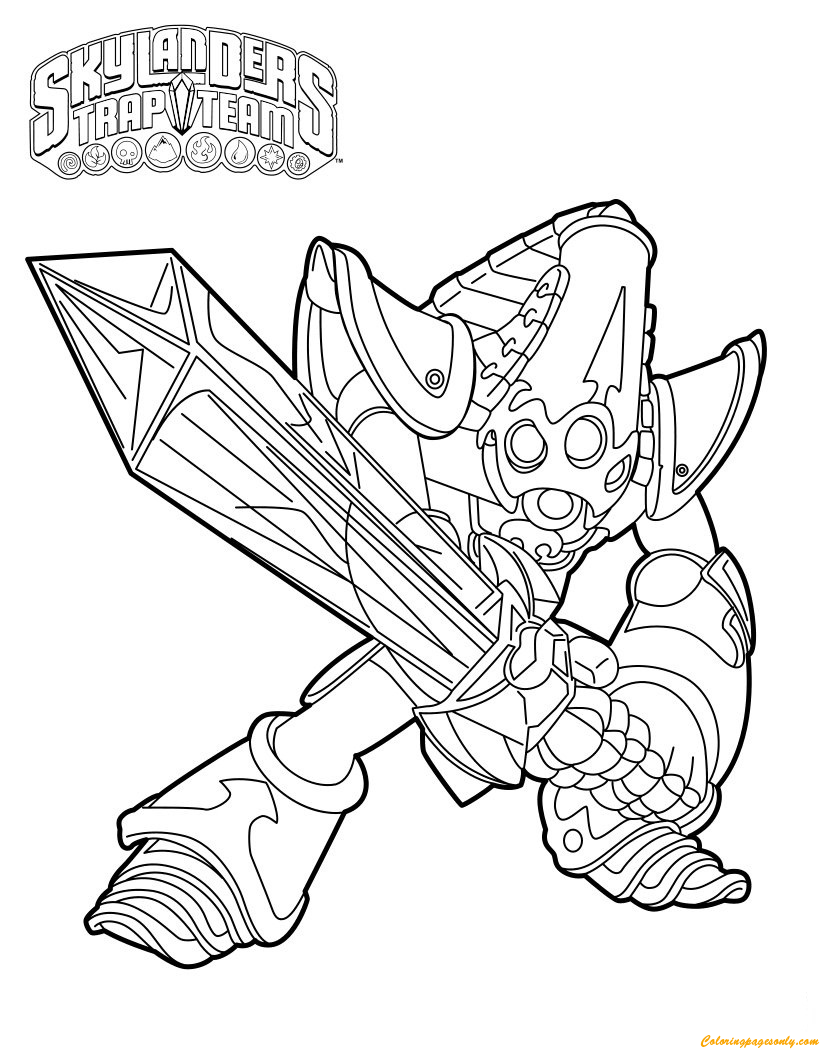
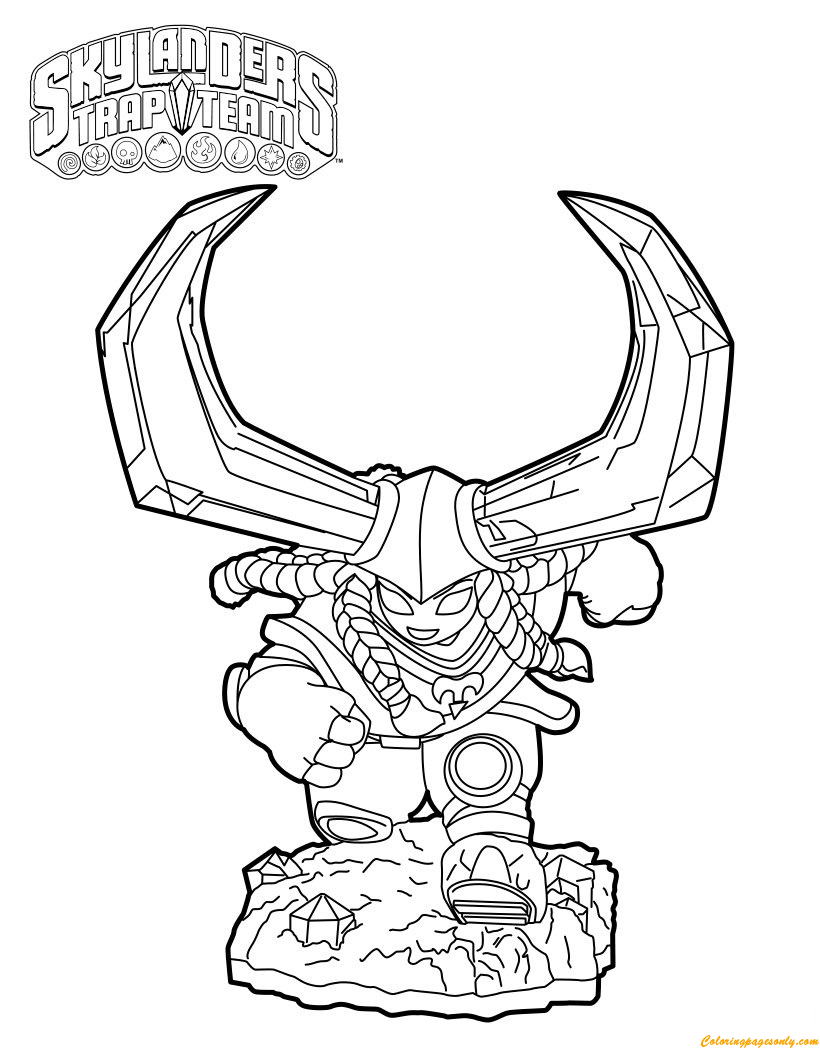
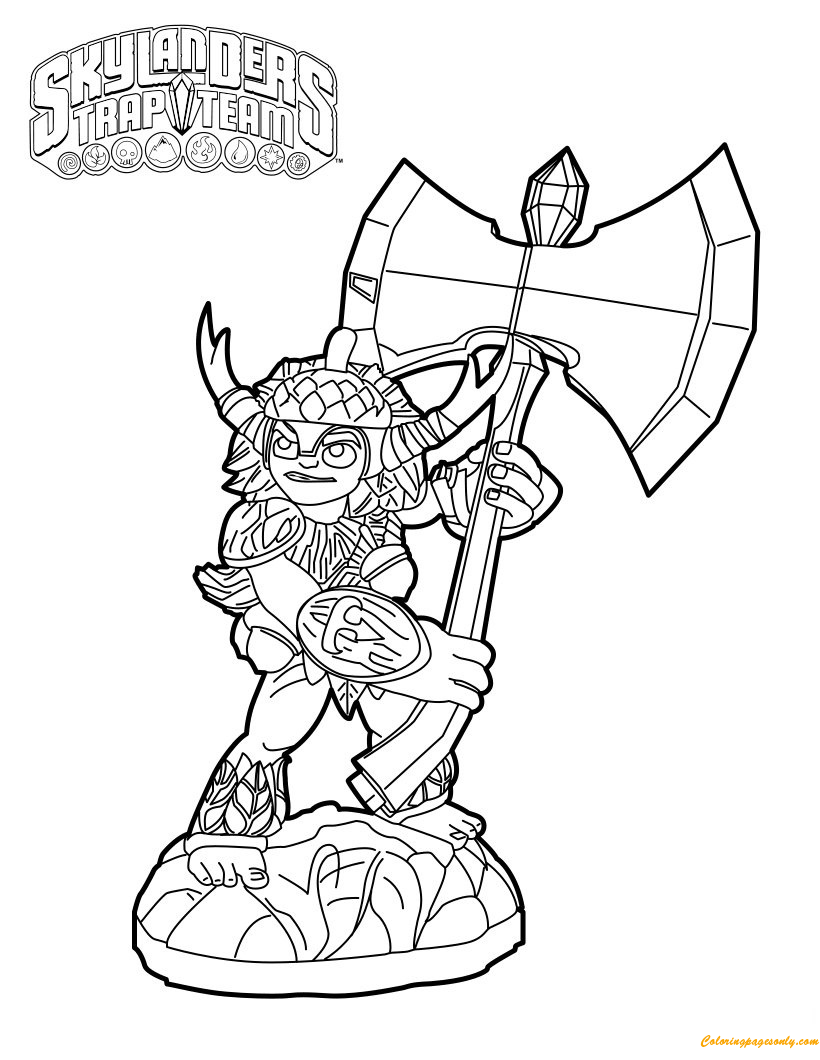
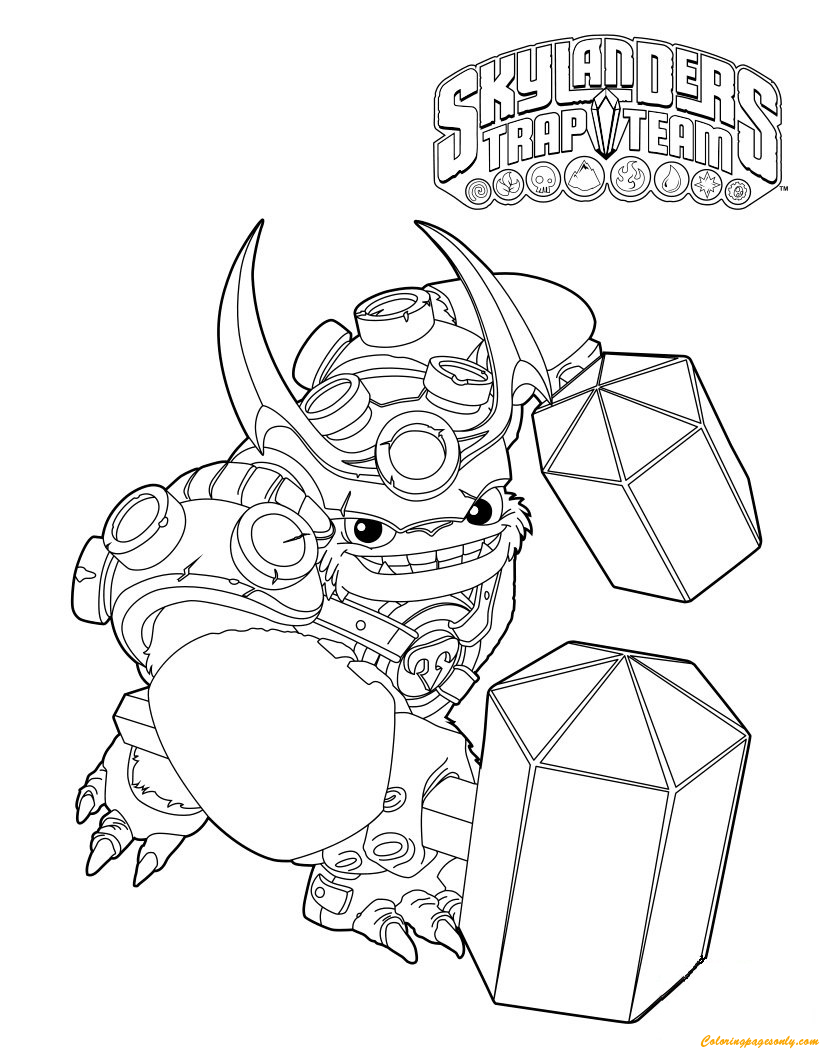
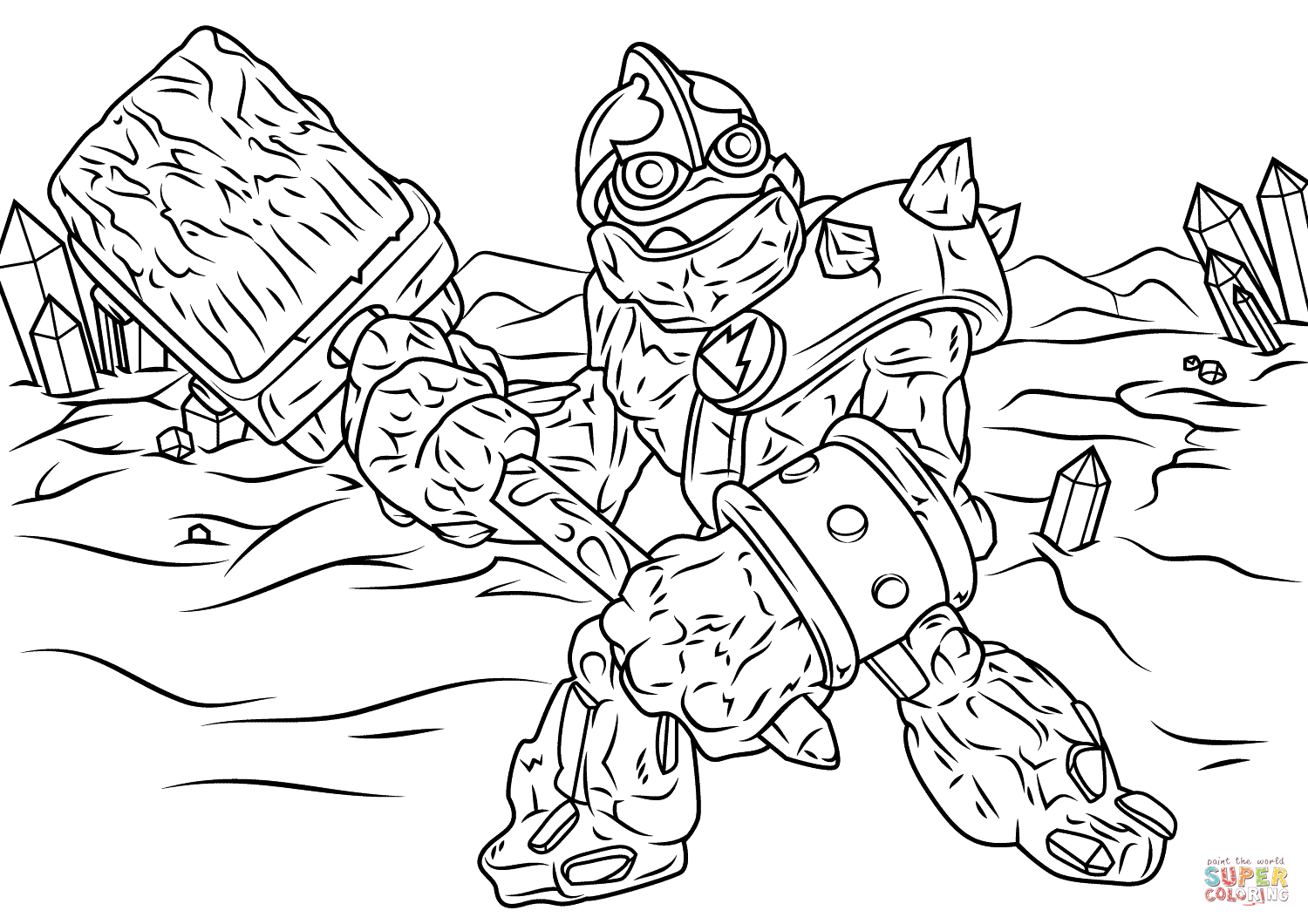
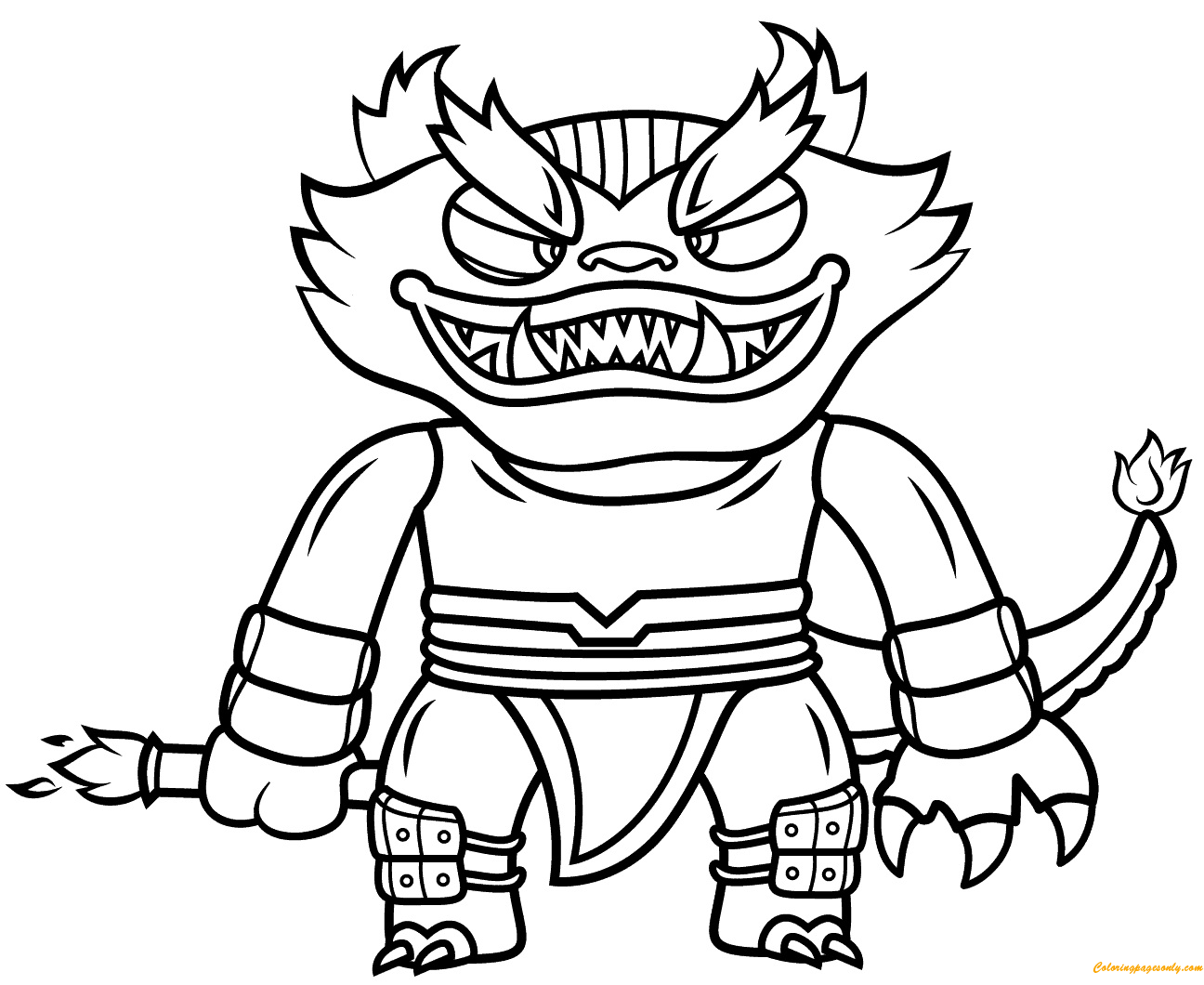
Trap Team pages often feel sharper and more dramatic because they connect heroes, villains, traps, crystals, and capture-style energy. These pages may include strong weapons, crystal shapes, villain-like expressions, trap details, bold poses, and darker battle scenes. They are good for children who like dramatic character art because each page can show a hero facing danger, controlling a special power, or standing beside a stronger magical effect.
Coloring Trap Team pages: Use strong contrast: dark purple, black, teal, silver, icy blue, glowing green, red-orange, or gold, depending on the character. Keep crystal or trap effects brighter than the shadows but not brighter than the face. The common mistake is making the whole scene too dark; leave light edges around crystals, weapons, eyes, and portal glow so the character stays readable.
Swap Force, Mixed Abilities, and Dynamic Bodies
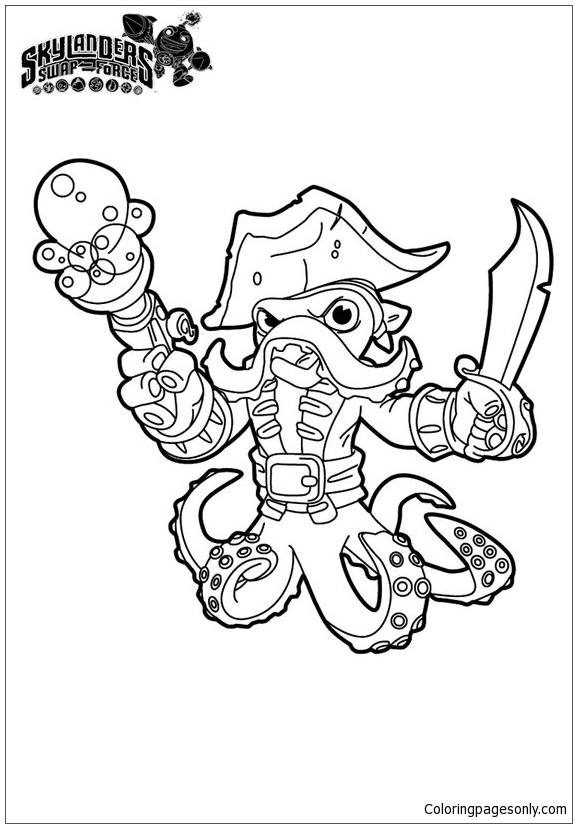
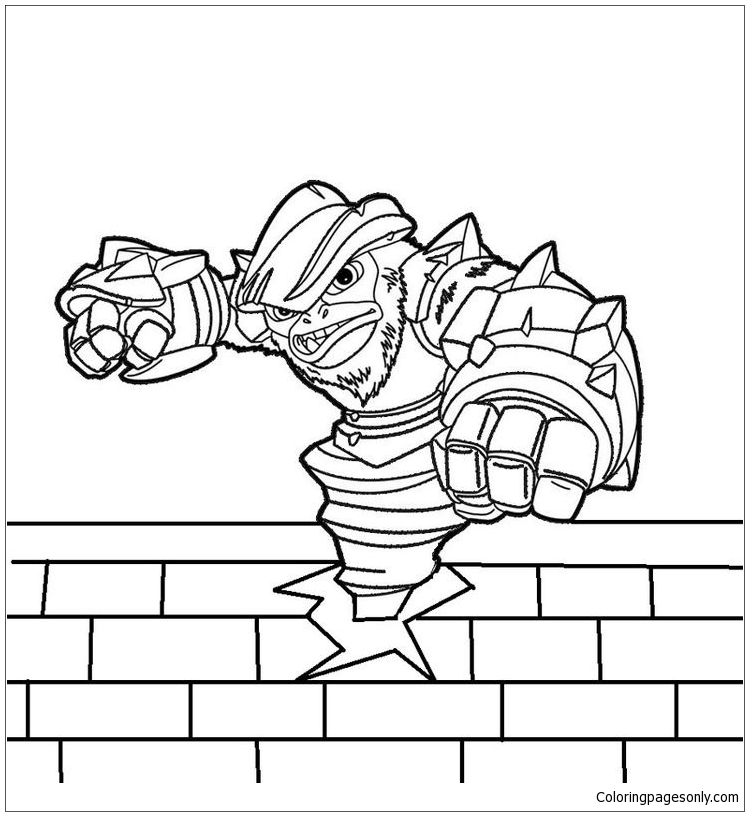
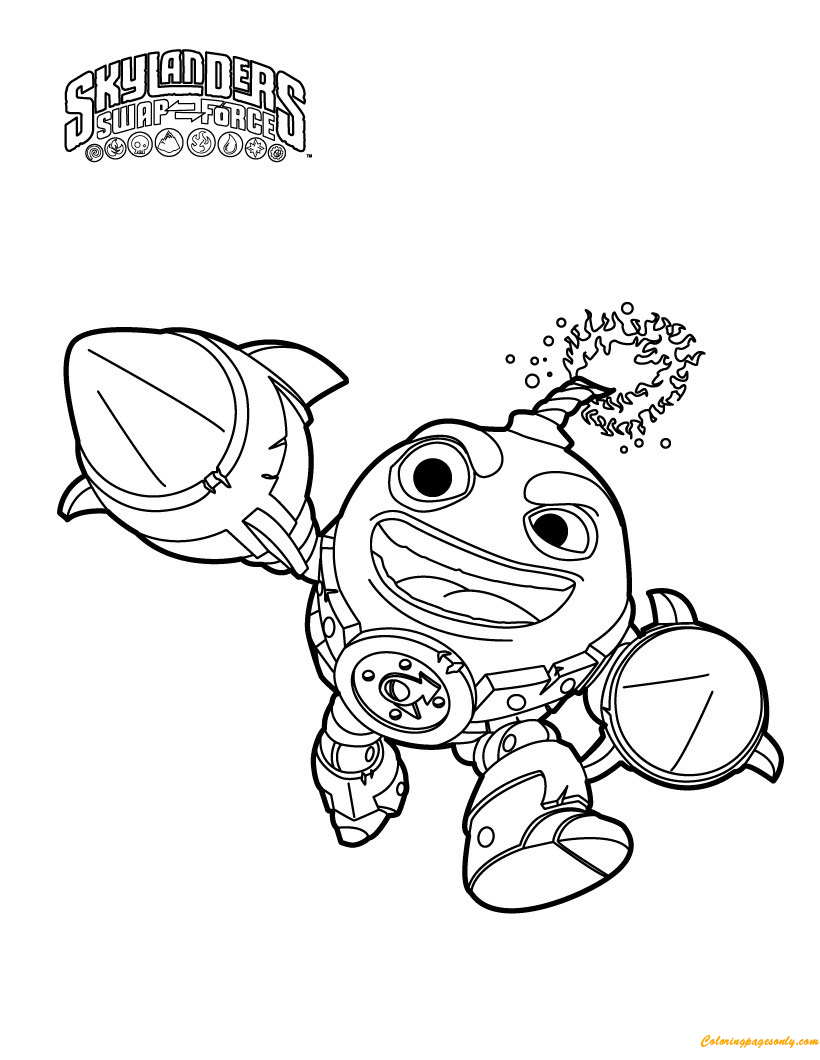
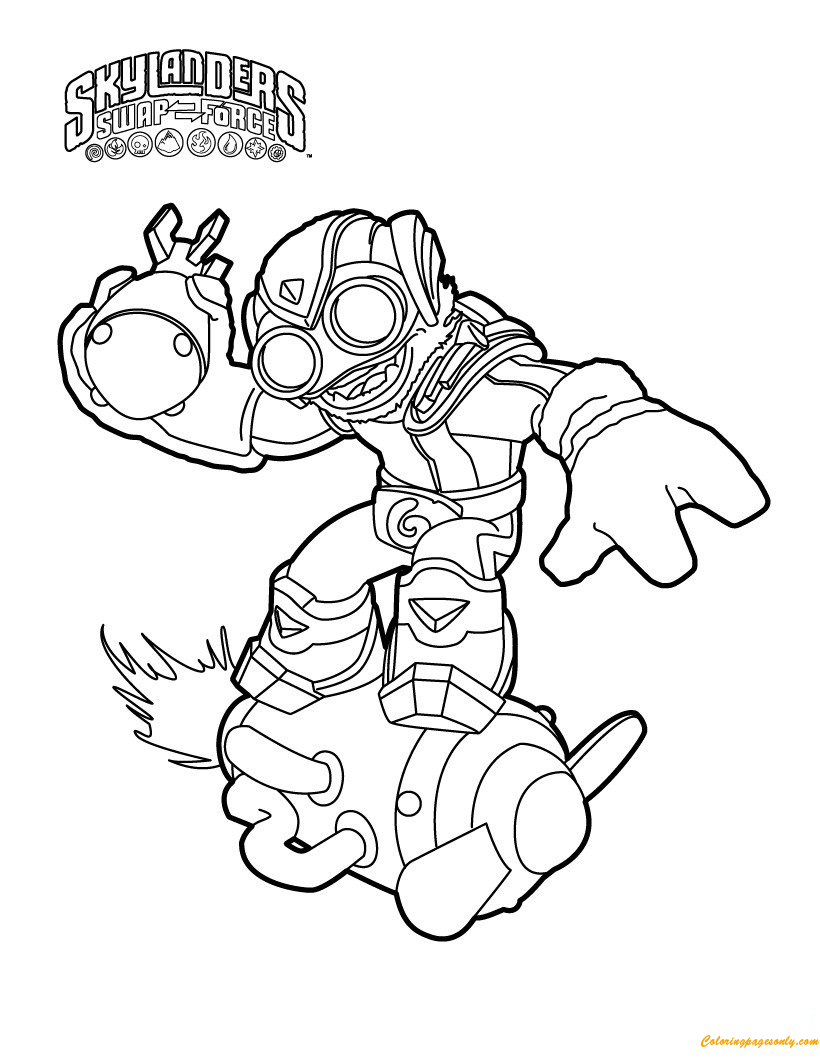
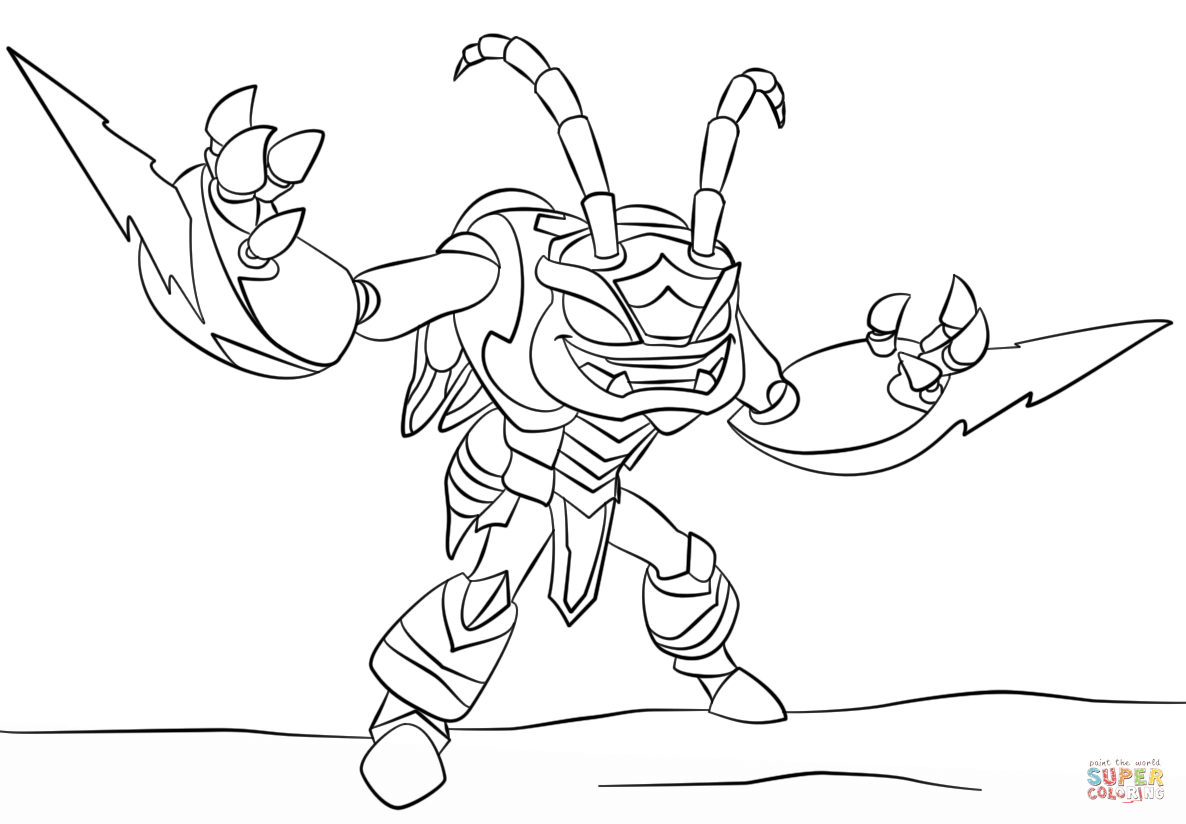
Swap Force pages are strong for action coloring because many characters have dynamic body shapes, split designs, unusual movement, and mixed ability themes. These pages may include spinning, jumping, climbing, flying, charging, or half-body action poses. They work well for children who like movement because the character is often designed around motion, not just standing still.
Coloring Swap Force pages: Identify the upper body, lower body, weapon, and movement effect before coloring. Use one palette for the upper character section and a related palette for the lower section so the design feels connected. The common mistake is coloring both halves with random colors; a shared accent color helps the mixed body look intentional.
SuperChargers, Vehicles, Machines, and Speed Effects
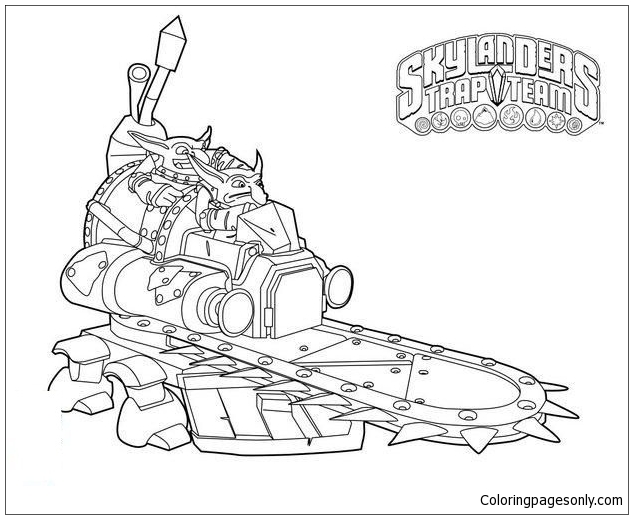
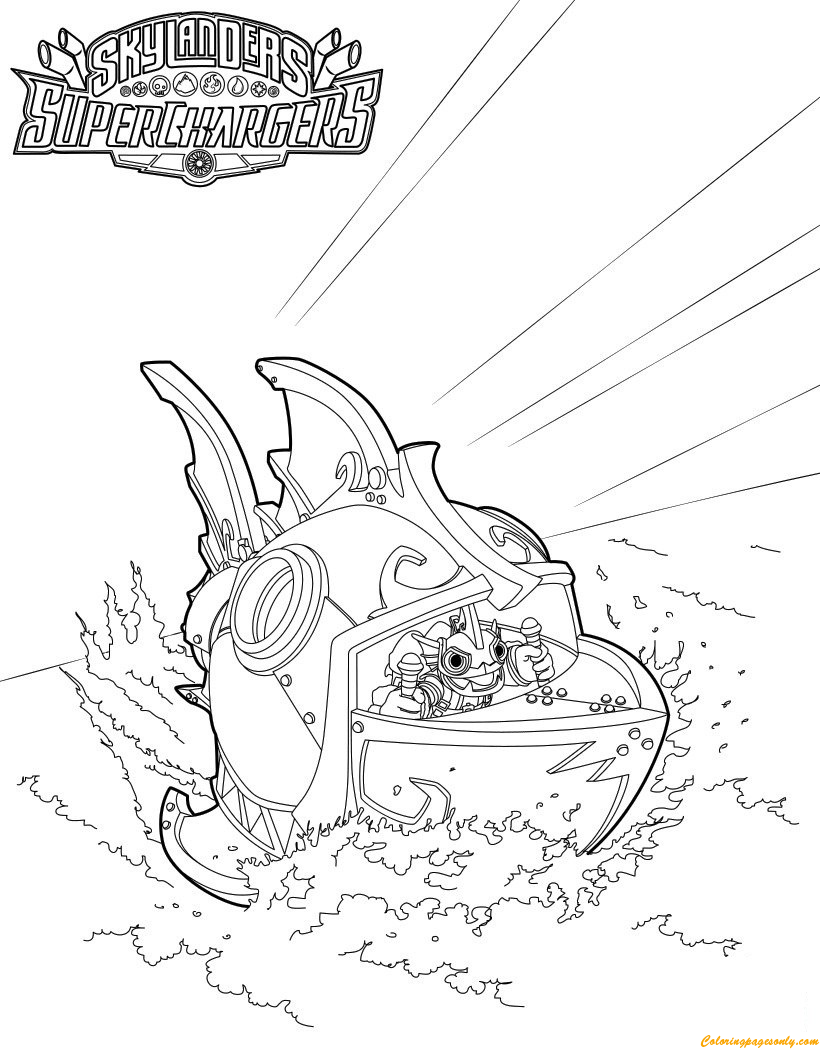
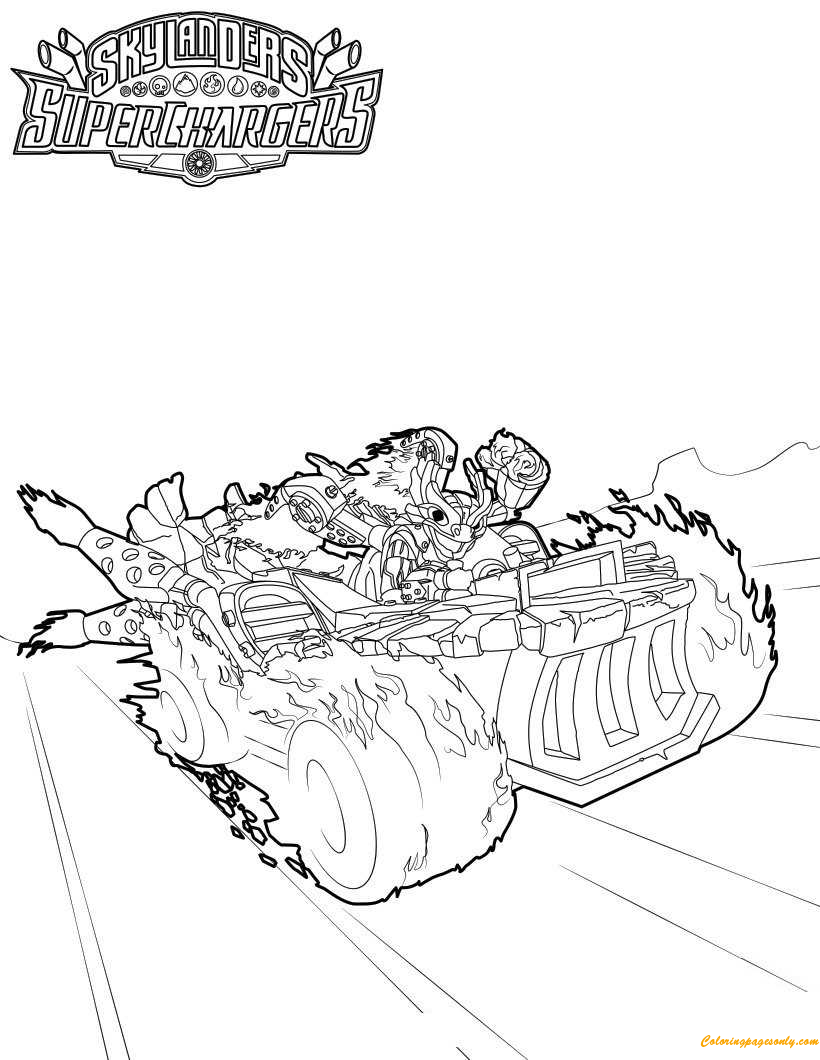
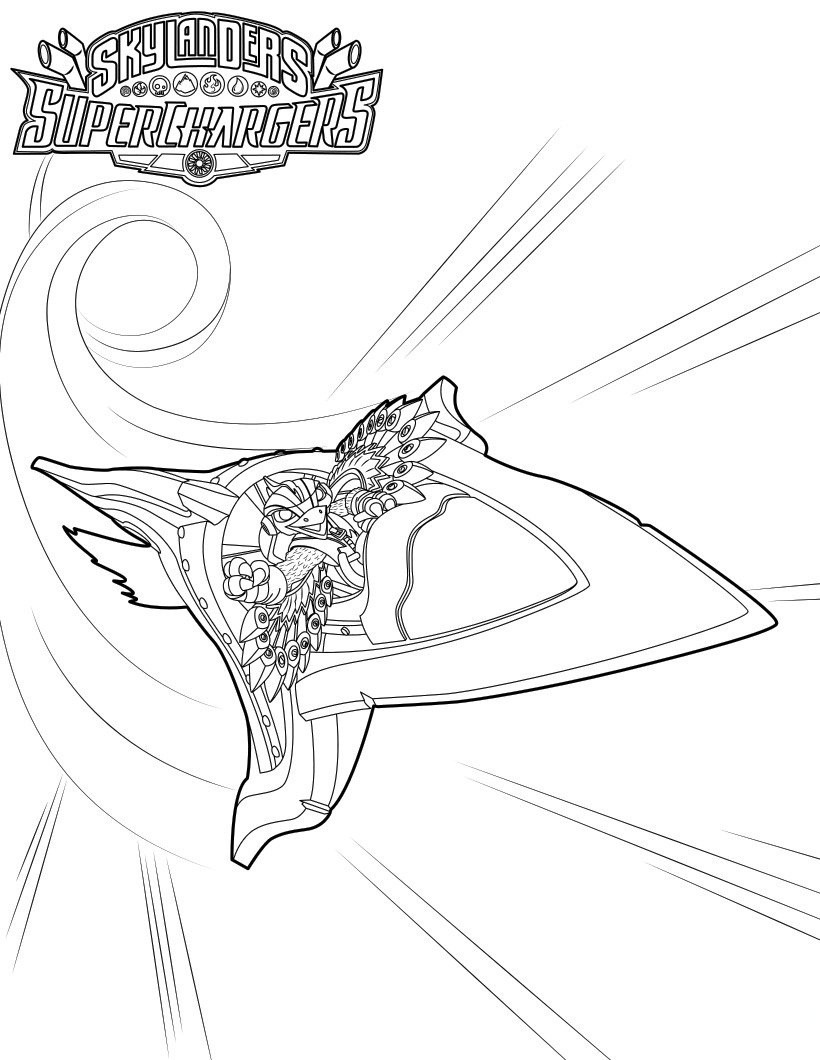
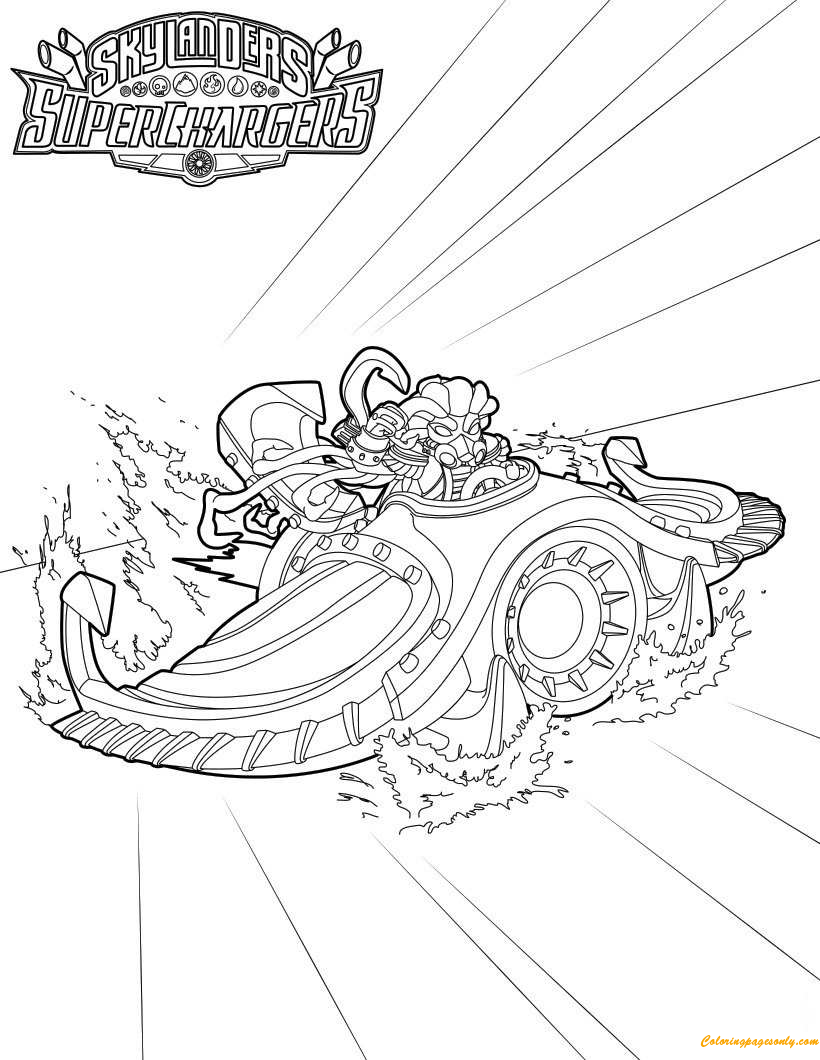
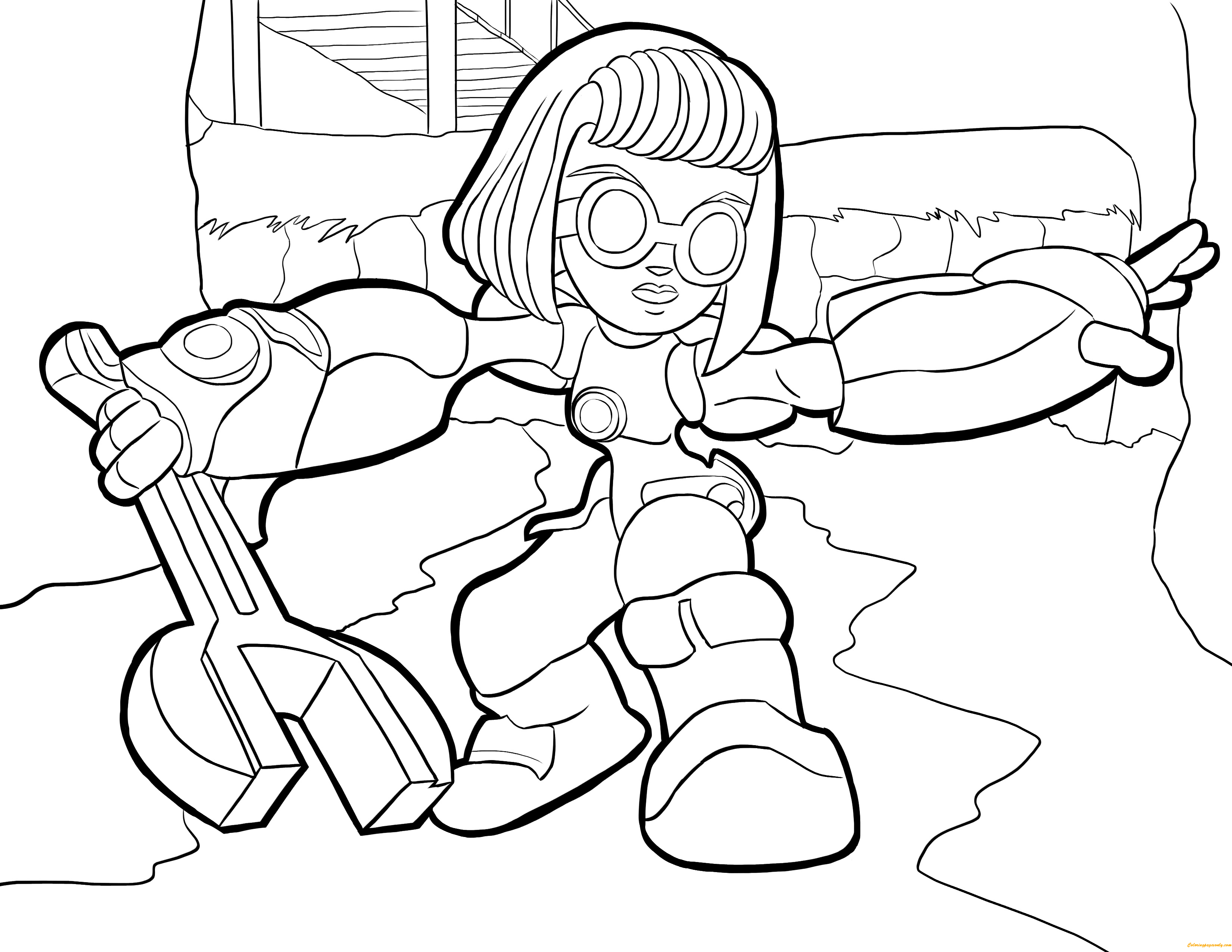
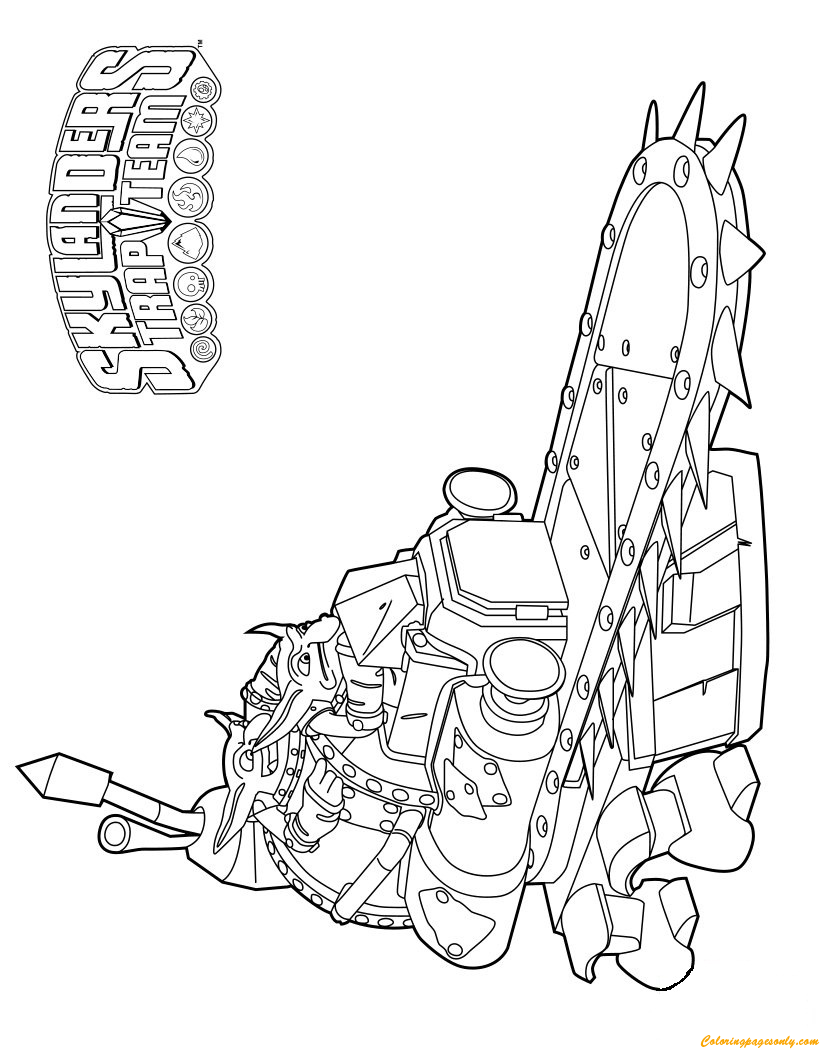
SuperChargers pages bring a different type of coloring challenge because vehicles, wheels, engines, wings, metal panels, and speed lines become part of the character world. Pages with Sky Slicer, Sea Shadow, or other vehicle-style designs can include aircraft, racing shapes, watercraft details, mechanical parts, and fast motion effects. These pages are useful for children who enjoy machines, racing designs, and action scenes with more structure.
Coloring SuperChargers and vehicles: Use silver, steel grey, black, navy, red, orange, electric blue, or neon green for vehicle parts and energy highlights. Color the main vehicle body first, then add tires, wings, fins, engines, windows, and speed lines. The common mistake is coloring the whole vehicle one solid color; metal panels look better when some parts are darker, and others have Light highlights.
Imaginators, Senseis, and Custom Hero Designs
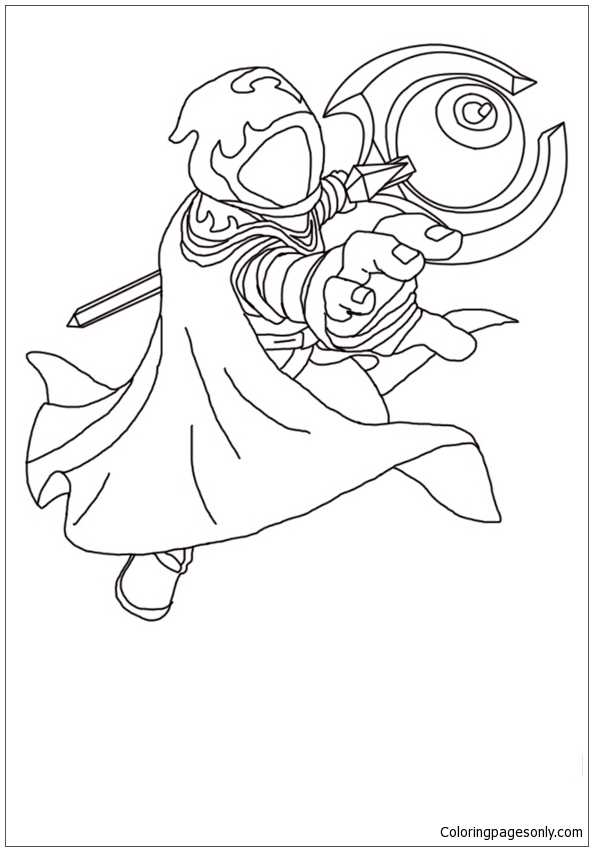
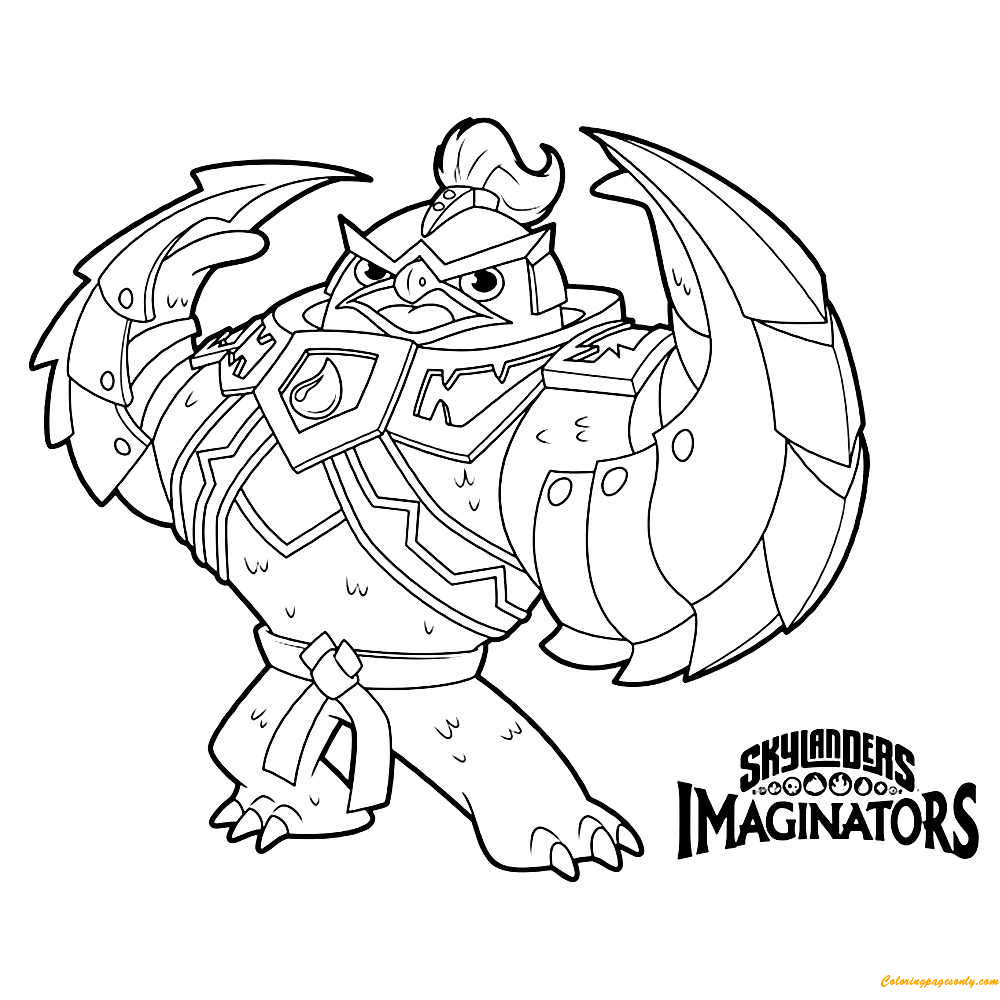
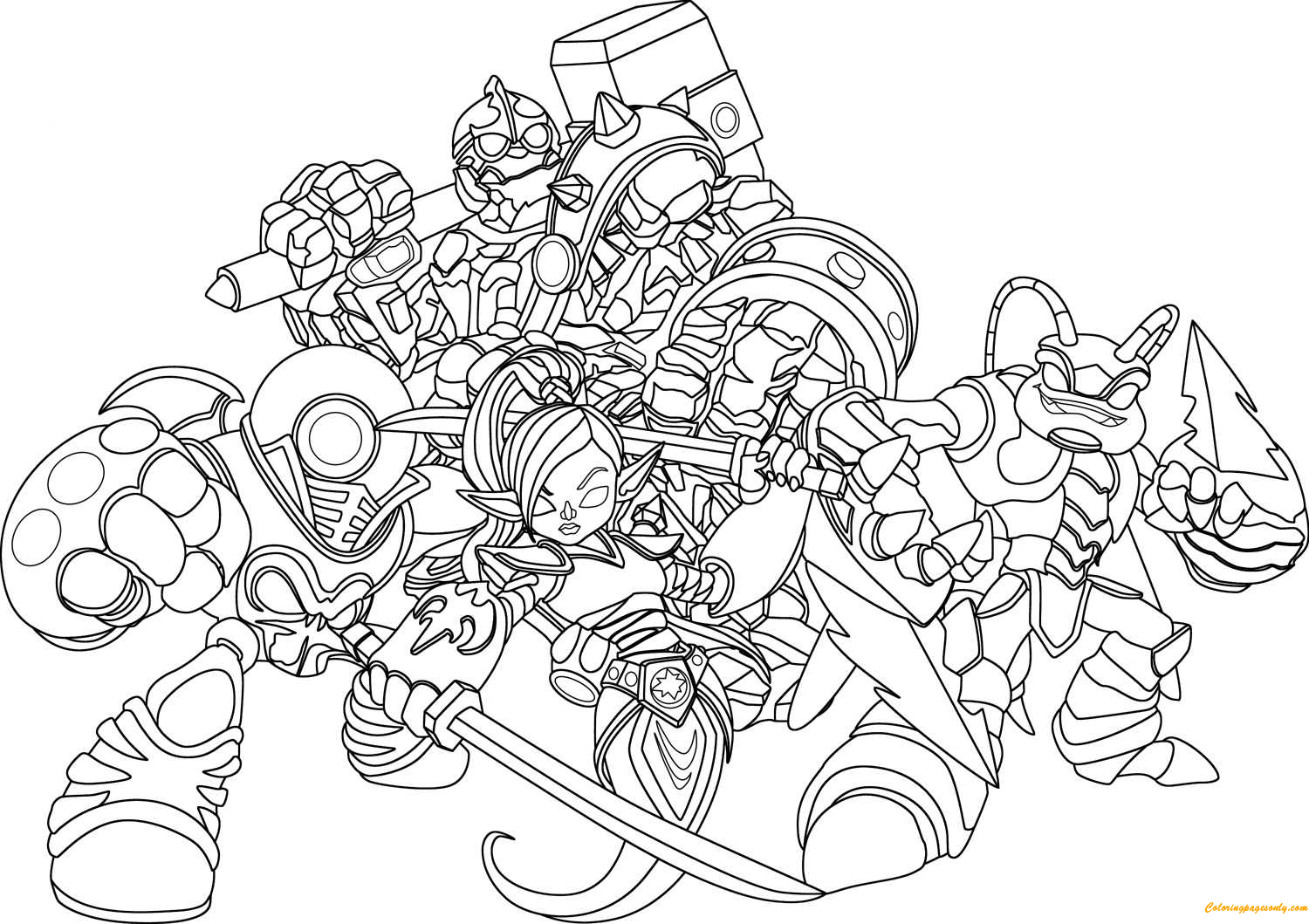
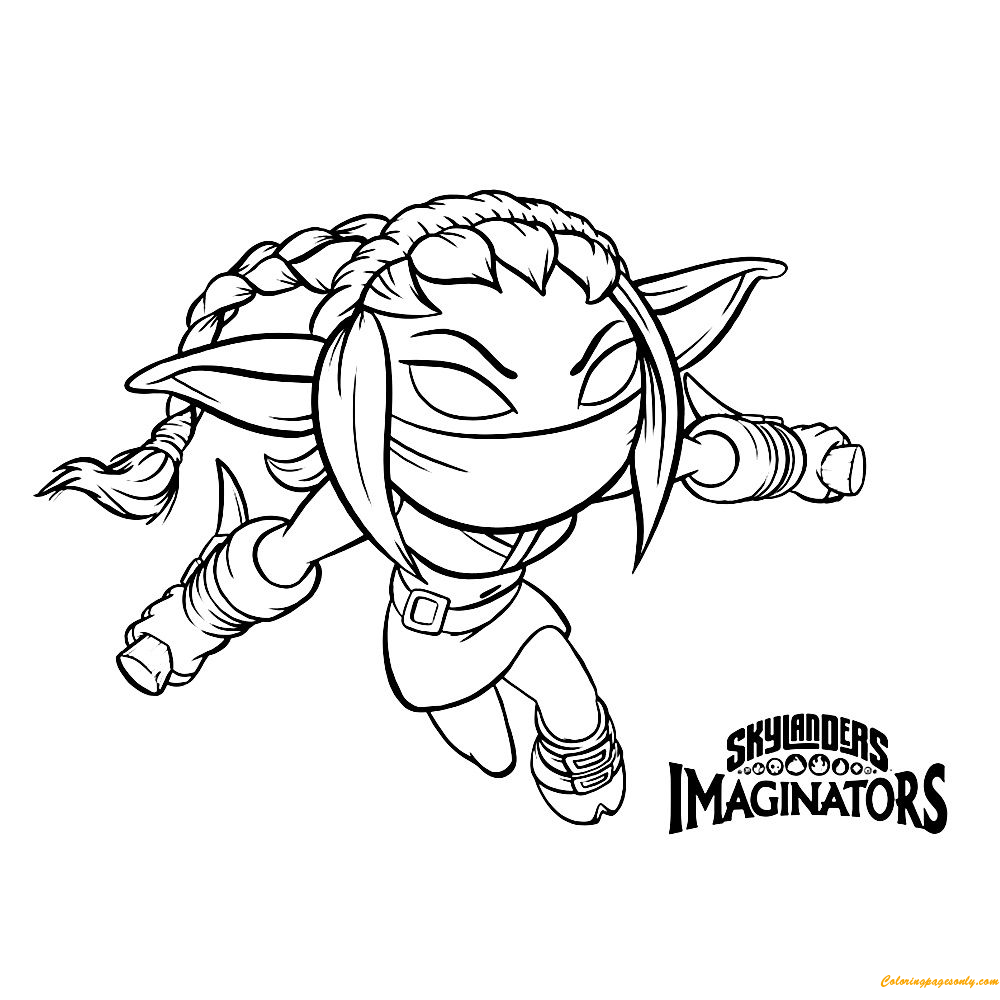
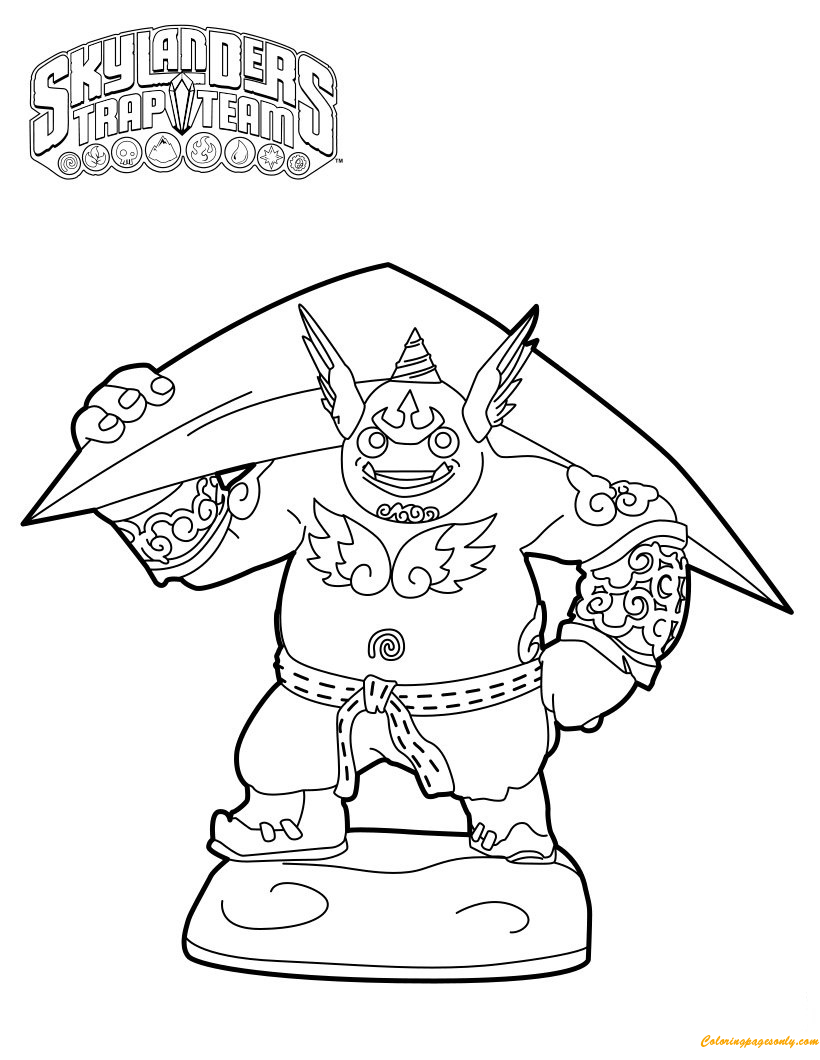
Imaginators pages connect strongly with creativity because they support the idea of building a hero with a class, weapon, element, armor, and personal style. Senseis and Imaginators-style designs can include helmets, masks, belts, weapons, shoulder armor, magical symbols, body patterns, and power effects. These pages are useful for children who want to design a Skylanders-style hero rather than only color an existing character.
Coloring Imaginators-style pages: Choose the hero’s element first, then pick armor and weapon colors that match. A Magic hero can use purple and gold; a Tech hero can use silver and blue; a Fire hero can use red and orange; a Light hero can use white and gold; a Dark hero can use black, violet, and deep blue. The common mistake is giving every armor piece a different color; a custom hero looks stronger with a focused palette.
Elemental Skylanders: Fire, Water, Earth, Air, Life, Tech, Magic, Undead, Light, and Dark
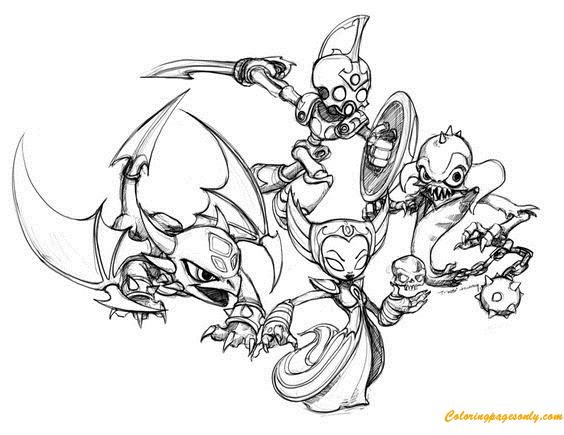
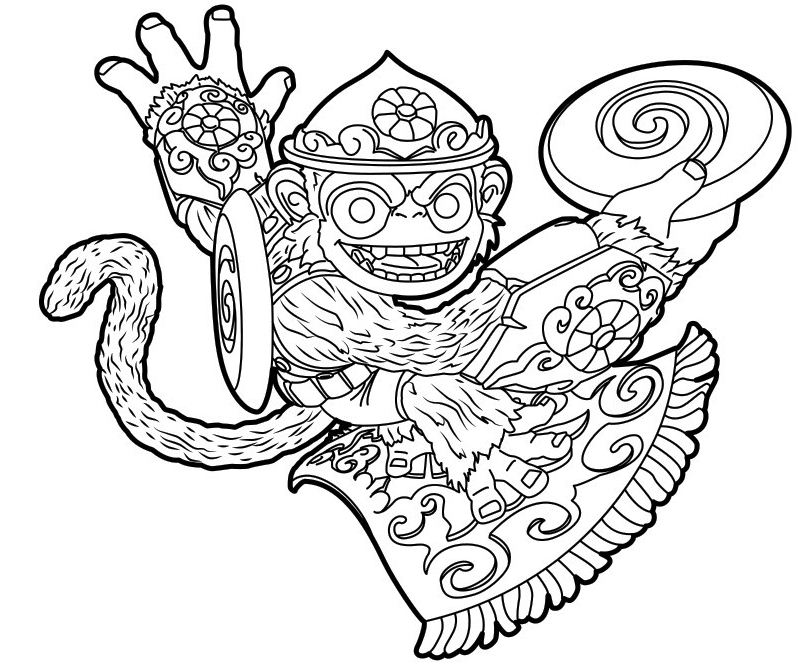
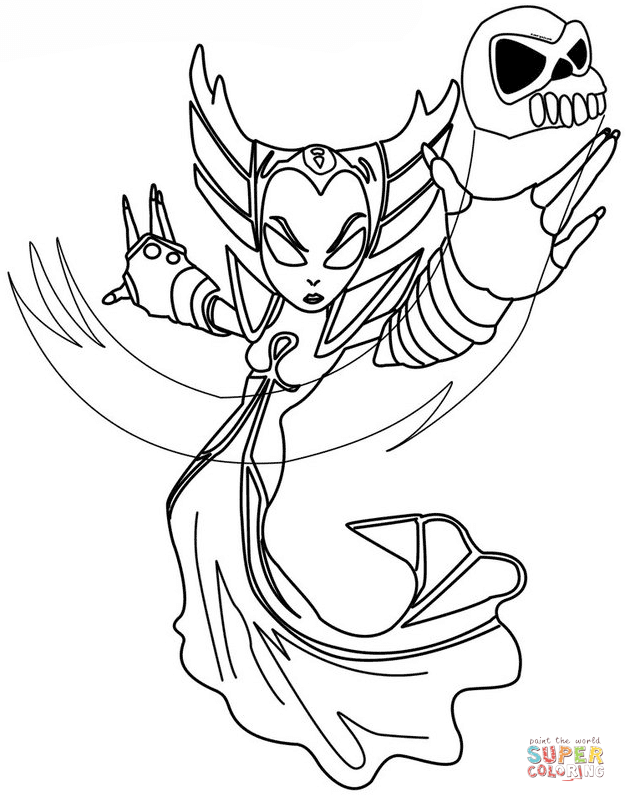
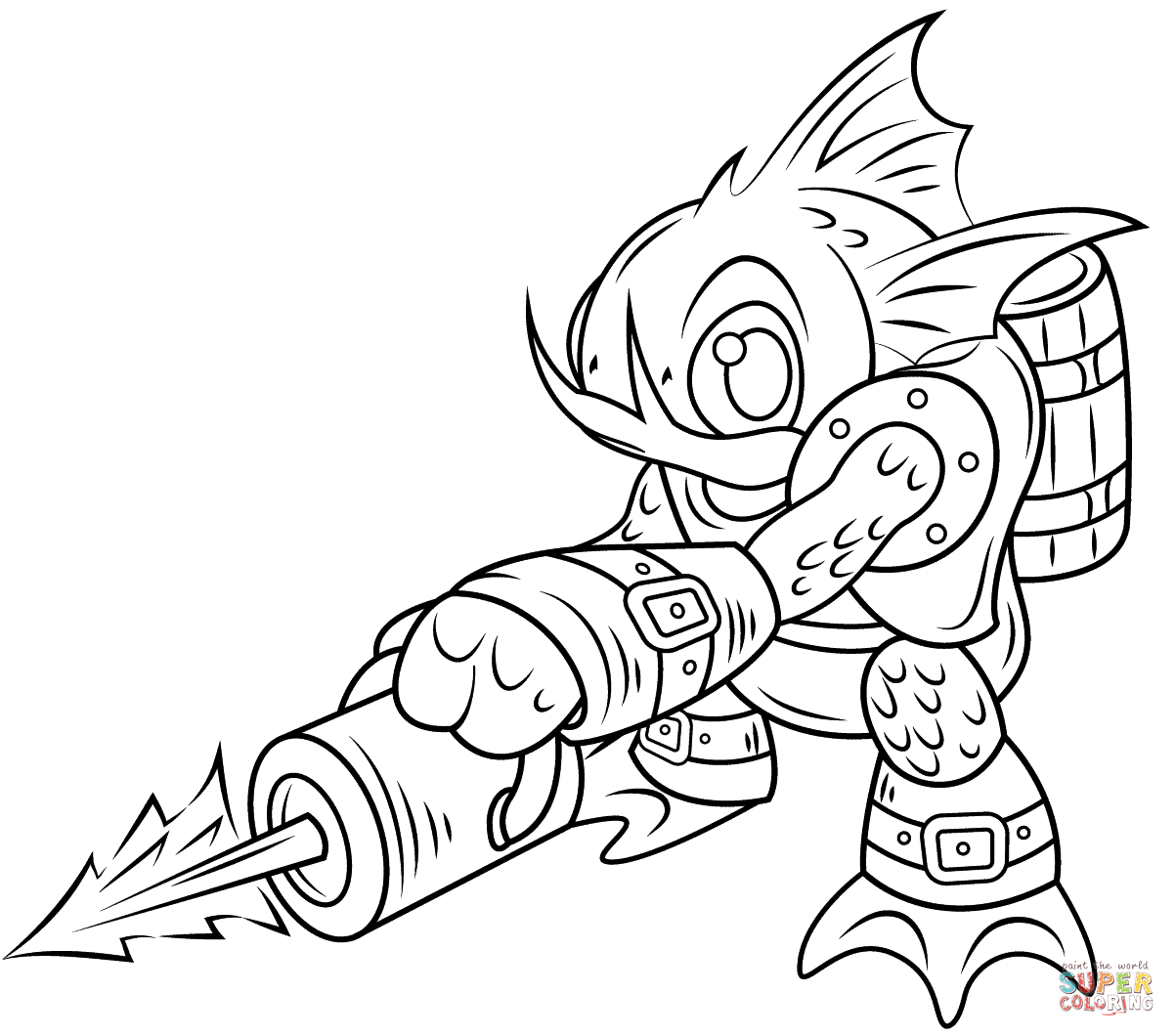
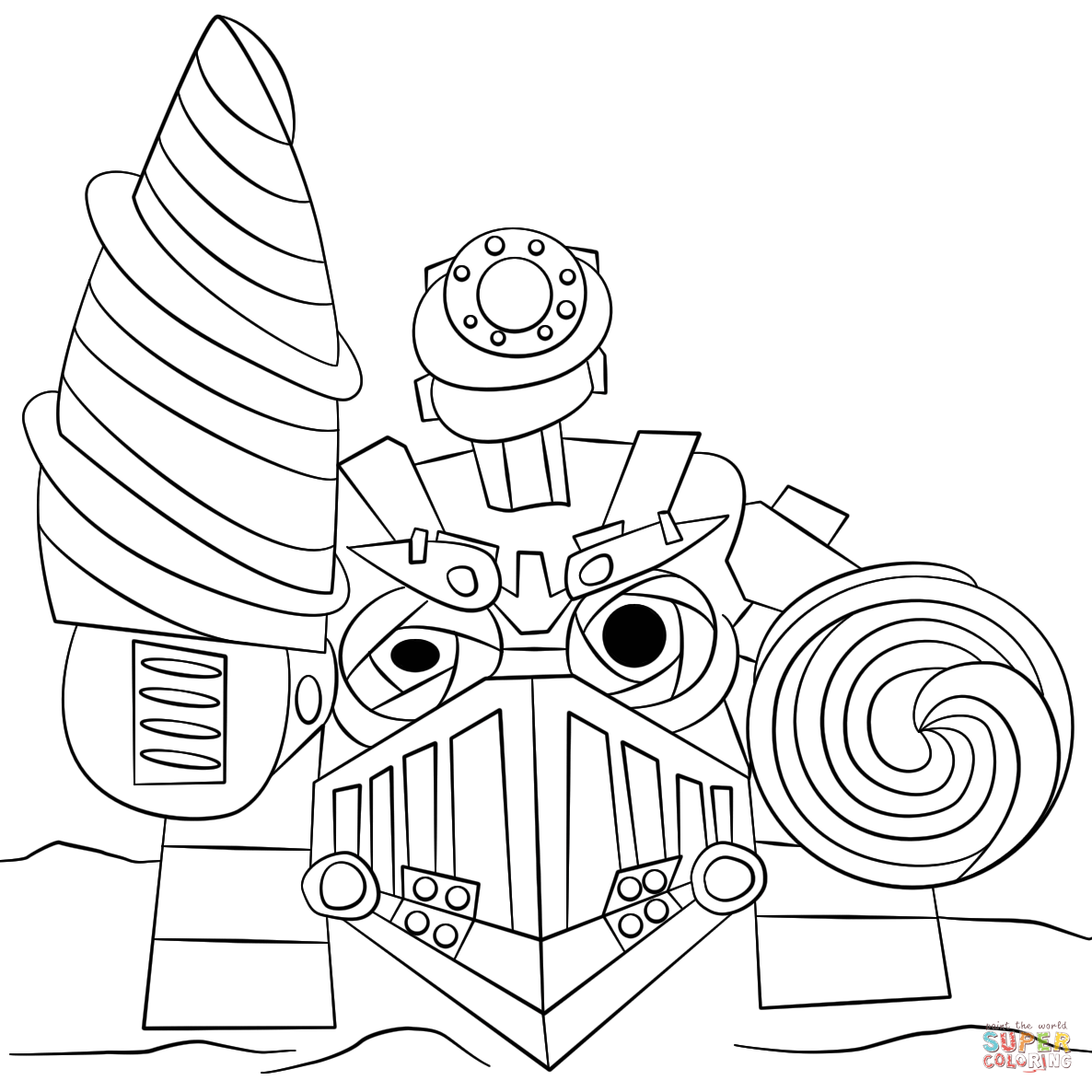
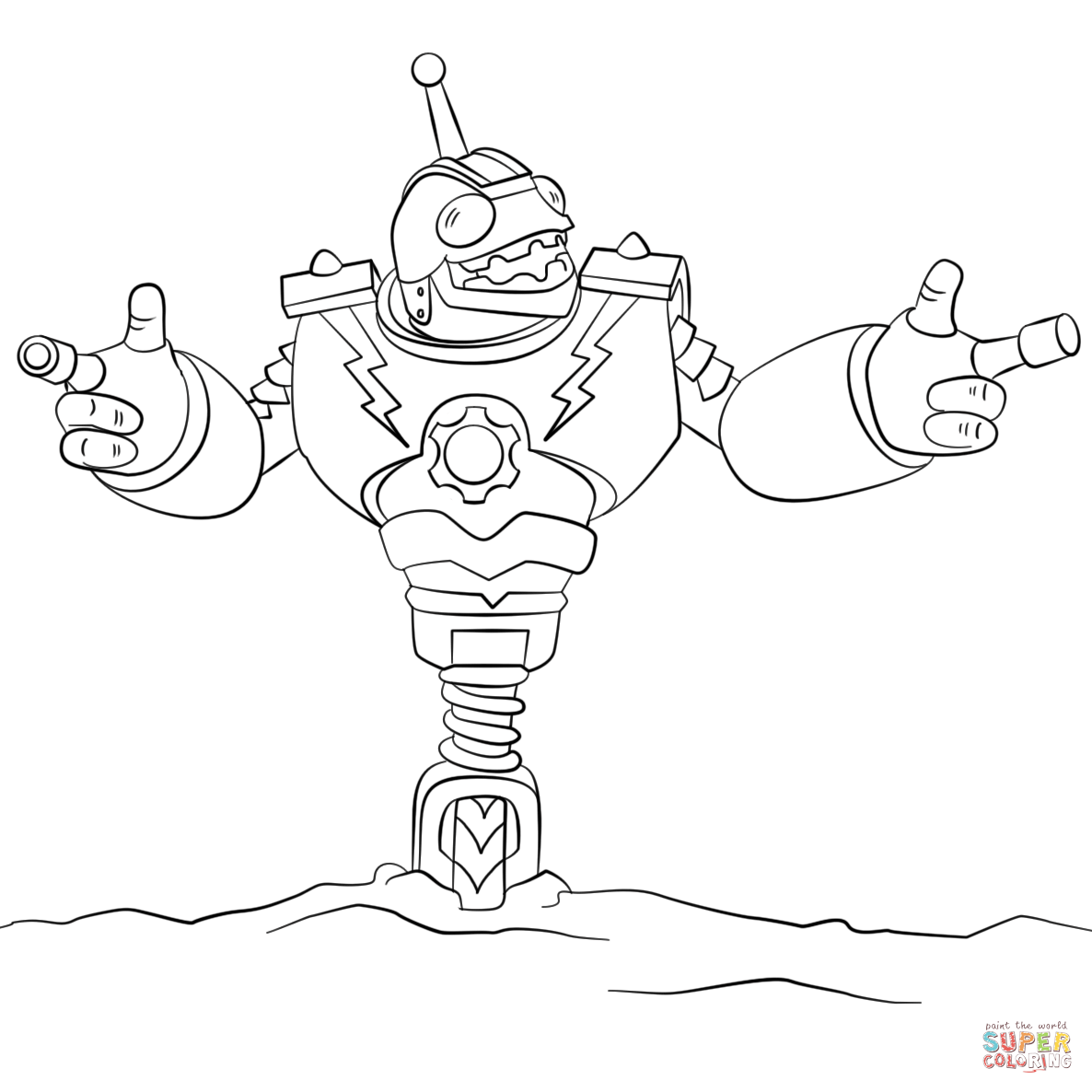
Element is one of the most important parts of Skylander’s character design. Fire pages may include flames, lava, sparks, and glowing weapons. Water pages may include ice, waves, shields, or aquatic details. Earth pages often use rocks, crystals, stone armor, and heavy stances. Air pages can include wings, clouds, feathers, or wind motion. Life pages use leaves, vines, forest gear, and nature shapes. Tech pages feature machines, blasters, robots, gears, and metal armor. Magic pages bring glowing symbols, purple energy, and unusual creature forms. Undead pages may include bones, masks, shadows, spooky details, and a green or violet glow. Light pages work well with gold, white, yellow, and pale blue. Dark pages work well with black, violet, deep blue, shadow grey, and silver.
Coloring elemental pages: Choose colors by element before starting. Fire works with red, orange, yellow, and dark brown; Water with blue, cyan, silver, and white; Earth with brown, tan, grey, and green; Air with pale blue, white, sky grey, and gold; Life with green, lime, brown, and flower colors; Tech with silver, blue, black, and neon accents; Magic with purple, pink, gold, and blue; Undead with grey, black, green, bone white, and violet; Light with white, gold, pale yellow, and sky blue; Dark with black, violet, deep blue, silver, and shadow purple. The common mistake is mixing every element color into one page; each character looks stronger when the palette matches the element.
Beginner-Friendly and Detailed Fan Pages
Not every Skylanders page needs to be complicated. Some pages have large outlines, simple poses, easy faces, or clearer spaces that work well for younger children. Other pages include detailed armor, weapons, vehicles, wings, horns, scales, bolts, symbols, and background effects for older fans. This range makes the collection useful for quick coloring, long fan-art sessions, party tables, classroom choice boards, and character-based writing activities.
Coloring beginner and detailed pages: For easier pages, use crayons or broad markers for the large areas first, then add small accents with colored pencils. For detailed pages, color the face, body, and main armor first before moving to symbols, weapons, power effects, and background details. The common mistake is starting with the smallest parts and getting tired before the main character is finished.
What These Pages Do
Skylanders coloring pages give children a screen-free way to stay connected with the game world while slowing down the action. Instead of moving quickly through a mission, battle, or character selection screen, children can pause on one hero and study its design: element, body shape, face, pose, weapon, armor, vehicle, power effect, and role in Skylands.
These pages also teach visual character identity. A Fire character needs warm, glowing energy. A Tech character often needs metal parts, panels, bolts, gears, blasters, and electric accents. A Life character may use leaves, vines, bark, green tones, and forest details. A Dragon page needs wings, horns, claws, tail shape, and flame accents. A Trap Team page may need crystal glow, stronger shadows, and villain-style energy. A SuperChargers page may need wheels, engines, fins, wings, or speed lines. Children learn that color not only fills space, but it also helps explain what kind of hero the character is.
The collection also supports sorting and comparison. Because Skylanders characters are connected to elements, game eras, body types, weapons, and abilities, children can group finished pages by Fire, Water, Earth, Air, Life, Tech, Magic, Undead, Light, or Dark. They can also sort pages by series, such as Giants, Trap Team, Swap Force, SuperChargers, and Imaginators, or by difficulty level, such as simple outlines, medium character pages, detailed armor pages, vehicle pages, and full action scenes. That makes the 140+ page collection useful for fan organization, classroom choice boards, birthday tables, and character-study activities.
Skylanders pages are especially strong for storytelling. After coloring Spyro, Eruptor, Tree Rex, Stealth Elf, Trigger Happy, Jet-Vac, Cynder, Chop Chop, King Pen, or another character, children can describe the hero’s element, mission, weapon, teammate, villain encounter, or Portal Master role. A finished page can become a character card, story prompt, mission map, puppet, diorama figure, or team poster.
The American Academy of Pediatrics identifies fine motor skill development as a key milestone throughout early childhood. HealthyChildren.org, the parenting site from the American Academy of Pediatrics, lists coloring with crayons or chalk among quiet-time activities that can help improve a 3-year-old child’s hand abilities. Skylanders pages support that development through armor edges, horns, wings, weapons, claws, symbols, vehicle parts, flame shapes, crystals, magic lines, hair details, mechanical panels, and small character features.
The 2005 Art Therapy Journal study on structured coloring and anxiety reduction applies well to Skylanders pages because many designs include repeated armor patterns, energy lines, wings, scales, fire shapes, mechanical parts, symbols, crystal edges, and background details. A Skylanders character gives children a strong central figure, while the surrounding powers, costume pieces, weapons, and effects provide organized, smaller spaces to finish section by section.
Skylanders pages can also support balanced screen-free play. Children who enjoy the game world can still explore the characters without staying on a device. Parents and teachers can use the pages as a transition activity after game time, a game-themed birthday craft, a quiet art break, a reward activity, a fan-art wall, or a creative writing prompt.
How to Color These Pages Well
Choose the character’s element first. Before coloring, decide whether the character feels like Fire, Water, Earth, Air, Life, Tech, Magic, Undead, Light, or Dark. This one decision makes the whole palette easier. A Fire hero should not use the same plan as a Water hero, Tech robot, Light hero, or Undead warrior.
Color the main body before the power effect. Finish the body, armor, face, wings, clothing, vehicle, or creature shape first. Then add flames, Water, wind, Magic, lightning, crystals, tech glow, portal light, or shadow energy. The common mistake is making the power effect too bright too early, which can distract from the character.
Keep the face readable. Skylanders pages often have intense action poses, large weapons, heavy armor, and bold effects. The face should still be easy to see. Leave the eyes, mouth, mask, helmet opening, or facial expression clean before adding darker shadows around the page.
Use element-based glow carefully. Portal energy, magic symbols, flames, crystals, tech lights, and Light or Dark effects look best when the brightest color stays near the center of the glow. Use yellow-white, pale blue, light green, lavender, or gold near the highlight, then add a darker color around it. The common mistake is coloring the entire glow area with one dark color.
Separate armor, skin, fabric, and metal. Skylanders characters often mix body parts, armor plates, helmets, cloth, belts, weapons, and machines. Use metal colors such as silver, grey, black, bronze, or steel blue for armor and mechanical parts. Use warmer or brighter colors for skin, scales, hair, cloth, or magical energy. That makes the character easier to understand.
Give dragons and creatures a strong contrast. Dragon and creature pages need clear wings, horns, claws, tails, eyes, body sections, and flame or magic accents. Use one main body color, one wing or horn color, and one power-effect color. Too many unrelated colors can hide the creature’s shape.
Make Giants feel heavy. For Giants and large battle characters, use darker shading under the feet, arms, armor, and lower body. Add cracks, bark texture, rock lines, lava glow, metal panels, or crystal highlights slowly. Heavy characters look stronger when the lower body has deeper shading.
Make Trap Team crystals stand out. Crystal shapes, traps, and sharp magical edges should stay cleaner and brighter than the surrounding shadows. Use icy blue, teal, silver, green, violet, or pale yellow highlights along the edge of the crystal. That gives Trap Team pages a sharper, more dramatic look.
Make vehicles feel fast. For SuperChargers and vehicle pages, use highlights along the front edge, windows, wheels, wings, or fins. Add pale motion lines behind the vehicle, not on top of the main shape. That helps the vehicle feel fast without making the page messy.
Save tiny details for the final pass. Skylanders pages can include bolts, crystals, armor marks, scales, hair strands, weapon tips, small symbols, and background effects. Fill the larger sections first, then return with colored pencils or fine-tip markers for the smallest parts. That keeps the page cleaner and helps younger colorists finish without fatigue.
5 Creative Craft Ideas
Skylanders Element Team Poster
Use several Skylanders coloring pages to create a poster organized by element. Materials include printed pages, poster board, crayons or colored pencils, scissors, glue, and small labels. Children color different characters, cut them out, and group them under headings such as Fire, Water, Earth, Air, Life, Tech, Magic, Undead, Light, and Dark. Add small color swatches beside each heading to show the palette for that element. This craft works well for ages 7-12 because it combines coloring, sorting, character recognition, and visual organization. The finished poster can become a bedroom display, classroom board, fan-art wall, or game-themed party decoration.
Portal of Power Character Card
Turn a finished Skylanders page into a collectible-style character card. Materials include printed pages, cardstock, crayons, scissors, glue, and markers. Children color one character, cut it out, and glue it onto a card with a simple portal glow behind it. Add spaces for the character’s name, element, weapon, power, game era, and one short mission sentence. Younger children can write one word for the element, while older children can create a full character profile. This craft works best for ages 6-11 because it connects coloring with writing, fan knowledge, and storytelling. The finished cards can be collected, traded, or used for pretend Portal Master missions.
Skylanders Battle Scene Diorama
Use action-pose pages, Giants pages, vehicles, dragons, Trap Team characters, and elemental heroes to build a small 3D Skylands scene. Materials include a shoebox lid, printed pages, crayons or colored pencils, scissors, glue, folded paper tabs, and background paper. Children color one or more heroes, cut them out, and stand them inside the box using tabs. Add paper flames, rocks, clouds, crystals, gears, trees, Water, shadows, or portal energy, depending on the character’s choice. This craft works best for ages 8-12 because it requires planning, layering, and scene-building. The finished diorama turns a flat coloring page into a fantasy action display.
Elemental Power Bookmark Set
Use smaller Skylanders images or trimmed character pages to make bookmarks based on elemental colors. Materials include printed pages, cardstock strips, crayons or colored pencils, scissors, glue, and optional ribbon. Children color one character or symbol per bookmark, then decorate the background using an element palette: red and orange for Fire, blue and white for Water, green and brown for Life, grey and yellow for Tech, purple and gold for Magic, black and violet for Dark, or white and gold for Light. This craft works well for ages 5-10 because it is simple, useful, and easy to finish in one session. The bookmarks can be used for reading, school folders, party favors, or fan collections.
Skylanders Story Puppet Show
Use simple character pages, Spyro pages, Giants pages, villain-and-hero designs, or Imaginators-style heroes to make puppets for storytelling. Materials include printed pages, crayons, scissors, glue or tape, popsicle sticks or paper straws, and a paper stage. Children color each character, cut it out, and attach it to a stick. Then they create a short story: a Portal Master opens the portal, a hero enters Skylands, an elemental power is used, a teammate appears, and a mission is completed. This craft works well for ages 4-9 because it supports coloring, speaking, sequencing, and imaginative play. Older children can add dialogue, character cards, mission maps, or team roles.
Frequently Asked Questions
What are Skylanders Coloring Pages?
Skylanders Coloring Pages are printable and online coloring sheets featuring characters, heroes, creatures, vehicles, villains, and action scenes from the Skylanders game world. They may include Spyro, Giants, Trap Team characters, Swap Force designs, SuperChargers, Imaginators, elemental heroes, dragons, robots, and fantasy warriors. These pages are useful for fans who want a screen-free way to enjoy the characters. They can be printed as PDFs or colored online.
How many Skylanders Coloring Pages are in this collection?
This collection includes 140+ free Skylanders coloring pages. The pages range from simple outlines and beginner-friendly designs to detailed characters with armor, weapons, wings, vehicles, portal energy, and elemental effects. Because the collection is large, children can choose pages by character, element, game series, or difficulty level. That makes it useful for home, classrooms, birthday activities, and fan art time.
Which Skylanders characters are included?
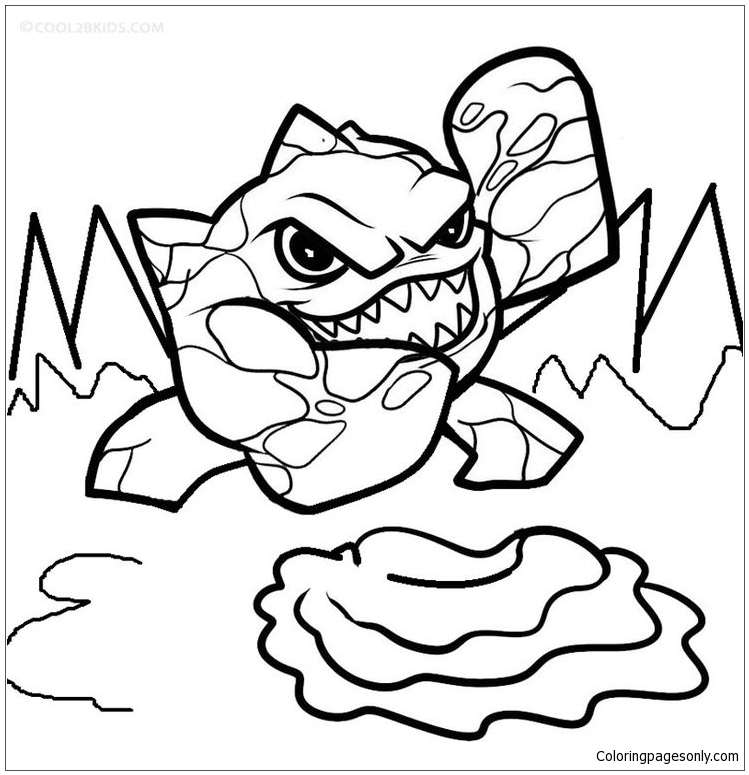
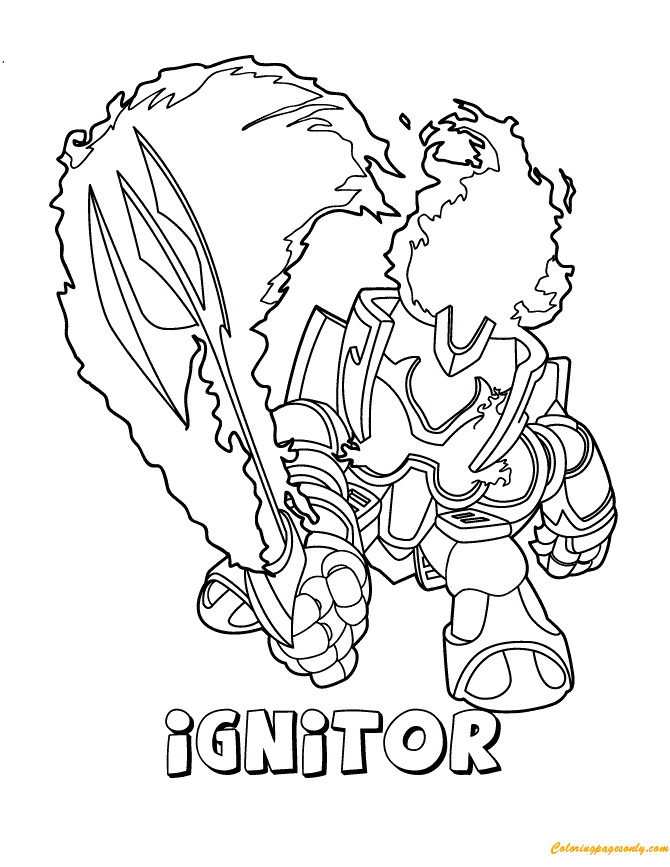
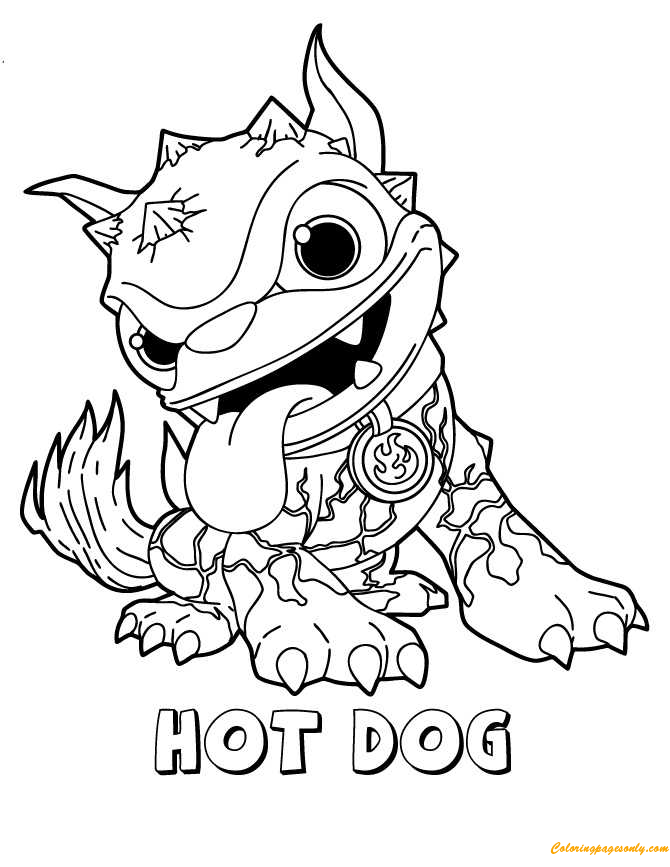
The collection includes many Skylanders-style character pages, including Spyro, Dark Spyro, Drobot, Flameslinger, Pop Fizz, Eruptor, Cynder, Jet-Vac, Tree Rex, Trigger Happy, Stealth Elf, Chop Chop, Chill, Slam Bam, Hoot Loop, Count Down, Scratch, Ignitor, Terrafin, King Pen, Swarm, Bouncer, Bash, Prism Break, Hot Dog, and more. Some pages also feature series names such as Giants, Trap Team, Swap Force, SuperChargers, and Imaginators. The mix gives fans many different hero types and coloring challenges.
What are the Skylanders elements?
Elements commonly organize Skylanders characters. The major elements include Fire, Water, Earth, Air, Life, Tech, Magic, Undead, Light, and Dark. Each element has a different visual feeling, which helps colorists choose better palettes. Fire pages use warm colors, Water pages use cool colors, Tech pages use metal and electric accents, Light pages use white and gold, and Dark pages use violet, black, and shadow tones.
What is the difference between Giants, Trap Team, Swap Force, SuperChargers, and Imaginators?
These names refer to different Skylanders game eras and character themes. Giants focus on larger, powerful characters with heavy shapes. Trap Team highlights heroes, villains, traps, and crystal-like energy. Swap Force is known for characters with mixed abilities and dynamic body designs. SuperChargers adds vehicles and speed-focused designs. Imaginators focuses on creating and customizing new Skylanders-style heroes, often with class, weapon, armor, and element choices.
What colors should I use for Skylanders characters?
The best colors depend on the character and element. Fire characters often look strong with red, orange, yellow, and dark brown. Water and ice characters work well with blue, cyan, white, and silver. Earth characters can use brown, grey, tan, and green. Tech characters usually look good with silver, black, blue, and neon accents. Magic characters can use purple, pink, gold, and deep blue, while Light and Dark characters need a stronger contrast between glow and shadow.
Are Skylanders Coloring Pages good for younger children?
Yes, but the best page depends on the detail level. Younger children can start with simple character outlines, large faces, dragons, cute poses, or pages with fewer armor details. Older children may prefer complex characters with weapons, wings, vehicles, mechanical parts, crystal effects, and elemental powers. For preschool or early elementary use, choose pages with large spaces and avoid designs with too many tiny costume details.
Can these pages be used for classroom or party activities?
Yes. Skylanders pages can support storytelling, color theory, character design, sorting by element, creative writing, and game-themed party crafts. A teacher or parent can ask children to color a character, identify the element, describe the power, and write a short mission. Finished pages can become element posters, portal character cards, bookmarks, puppets, party decorations, or pieces in a battle diorama. That helps the activity continue after coloring is finished.
Skylanders coloring pages bring game characters, elemental powers, dragons, robots, giants, vehicles, portals, and fantasy heroes into a slower creative space. Instead of rushing through a mission or battle, children can study each character’s shape, armor, weapon, element, power effect, and role in Skylands one color at a time.
Browse the full collection at ColoringPagesOnly.com. All 140+ pages free, no sign-up, PDF or PNG, print at home or color online.
These fan-friendly pages are created for personal, classroom, and creative coloring use. They fit many creative moments: a game-themed birthday activity, a classroom fantasy project, a character design lesson, a quiet weekend craft, a fan art session, or a screen-free break after game time. They also give children a useful challenge because Skylanders pages look best when armor, powers, faces, weapons, vehicles, and background effects stay clear.
For the final pass, check the element palette, keep the face readable, add highlights to weapons or portal effects, and separate armor from skin, metal, fabric, or creature parts. A clean contrast between the hero, the power effect, and the background can make the whole page look stronger.
Share your work on Facebook and Pinterest and tag #Coloringpagesonly. We especially want to see your Skylanders Element Team Poster and Skylanders Battle Scene Diorama.
Elemental heroes/portal missions / Skylands in color.