
Games coloring pages is one of the fastest-growing and most actively updated categories on the site: 4,817 pages across 103 collections covering video games, mobile games, Roblox experiences, browser games, and the gaming-adjacent content universes that have generated some of the most intense coloring page demand of any category in the 2020s. The collection spans from foundational Nintendo characters that have generated coloring page demand for four decades to viral horror game characters added within weeks of release, and from the billion-player Minecraft and Roblox ecosystems to individual indie games that found an audience overnight. New sub-categories are added regularly as the gaming landscape evolves.
Every page in this collection is free to download as a PDF and print, or to color online directly in the browser.






What Is Inside This Collection
Nintendo and Classic Console Gaming
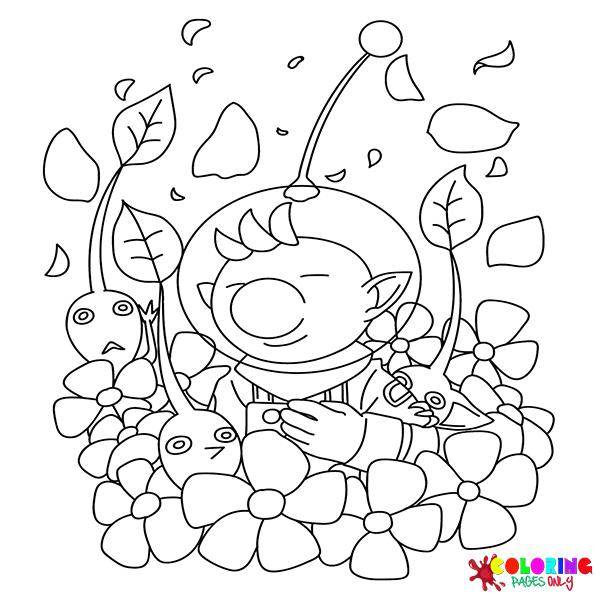
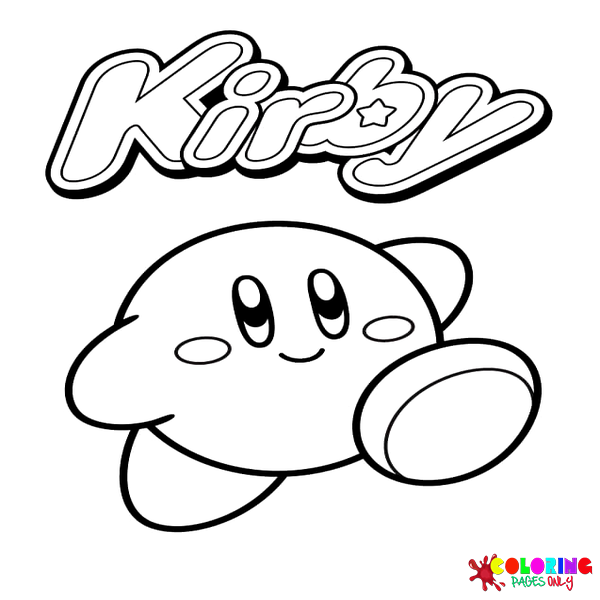
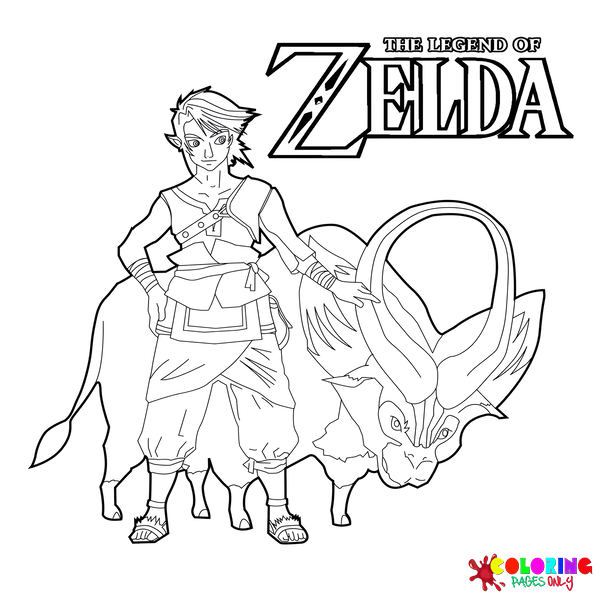
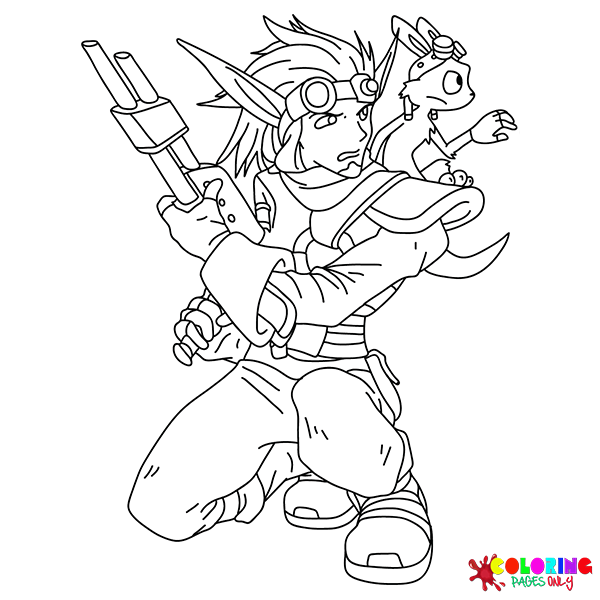
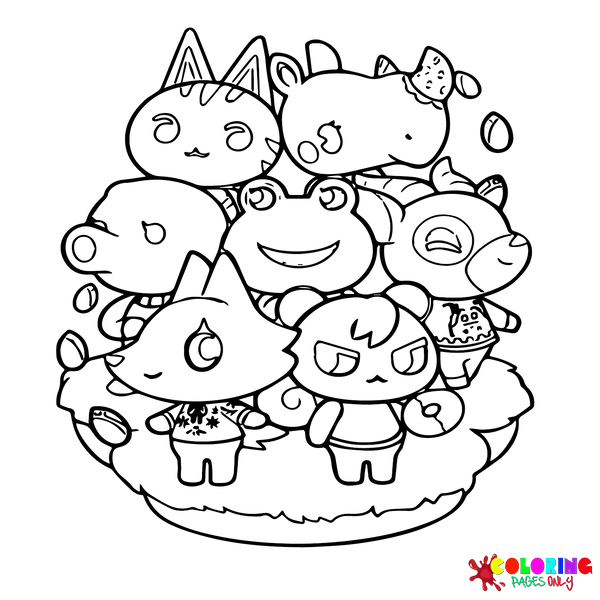
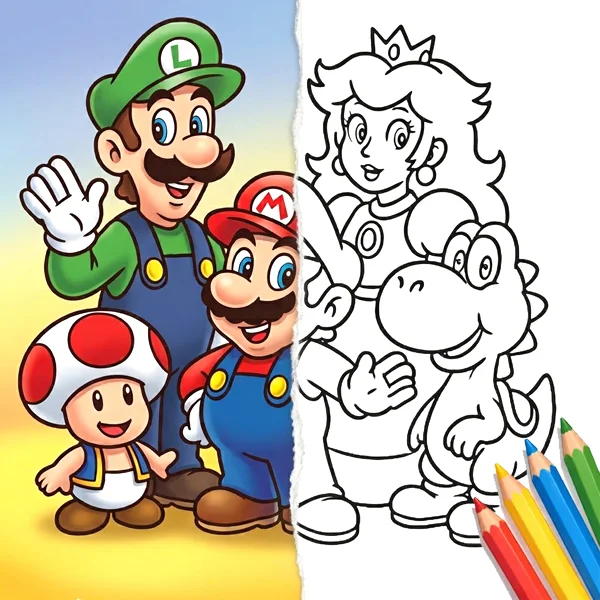
The Nintendo sub-categories cover characters and franchises that have defined what video games look like across multiple generations. Super Mario Bros is the foundational video game franchise in coloring page history, covering the full Nintendo cast: Mario, Luigi, Princess Peach, Bowser, Yoshi, Toad, and the wider Mushroom Kingdom roster. Zelda covers the Legend of Zelda franchise and its central trio, Link, Princess Zelda, and Ganondorf, across visual eras from the classic 8-bit green tunic through the painterly Breath of the Wild aesthetic. Kirby covers Masahiro Sakurai’s pink round protagonist, one of the most coloring-friendly designs in gaming. Pikmin covers Shigeru Miyamoto’s plant-creature strategy series, with color-coded Pikmin types (Red, Yellow, Blue, Purple, White, Rock, Winged, Ice, Glow) offering a built-in color guide. Animal Crossing covers the community-building simulation series. Raving Rabbids and Jak and Daxter extend the classic console era to Ubisoft and Naughty Dog’s PlayStation 2-era properties.
The Minecraft Ecosystem
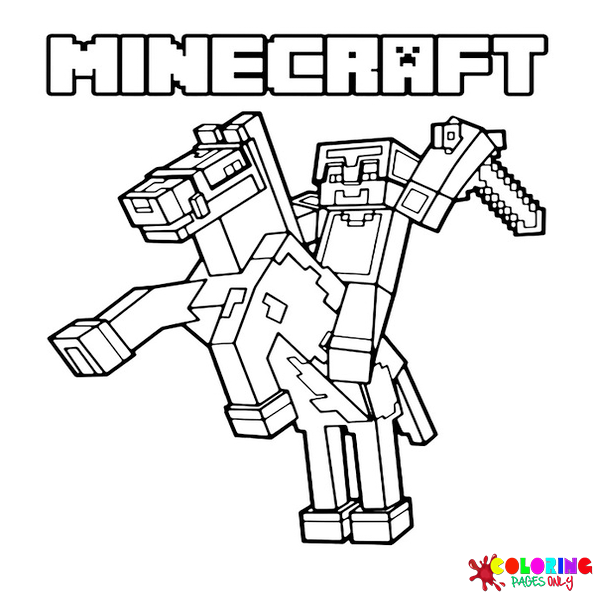
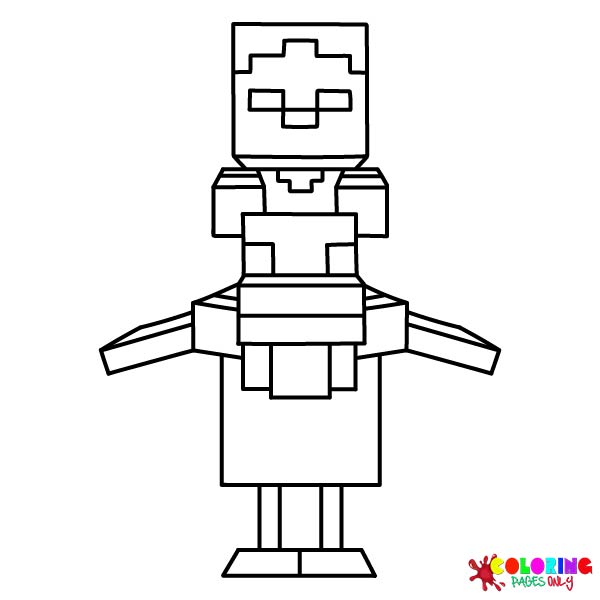
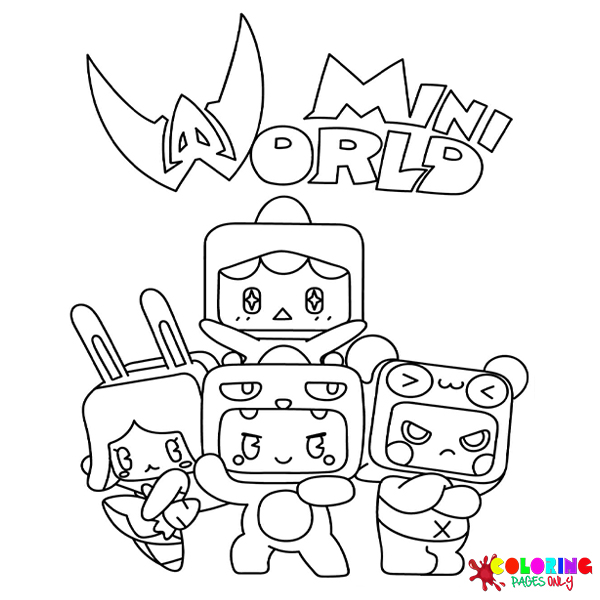
Minecraft is both a specific sub-category and the center of a broader visual ecosystem. The base sub-category covers the core cast, Steve, Alex, Creeper, Enderman, Skeleton, Zombie, Pig, Chicken, and the full original bestiary, in the distinctive pixelated block aesthetic. Chicken Jockey covers the zombie-and-chicken combination that became one of the game’s most beloved absurd encounters. R.E.P.O and 99 Nights in the Forest sit adjacent to the Minecraft aesthetic world. Mini World covers a Minecraft-adjacent mobile building game popular in Southeast Asian markets. Unspeakable covers Minecraft-focused YouTube creator Nathan Johnson, whose content generates its own distinct demand alongside the game.
The Roblox Ecosystem
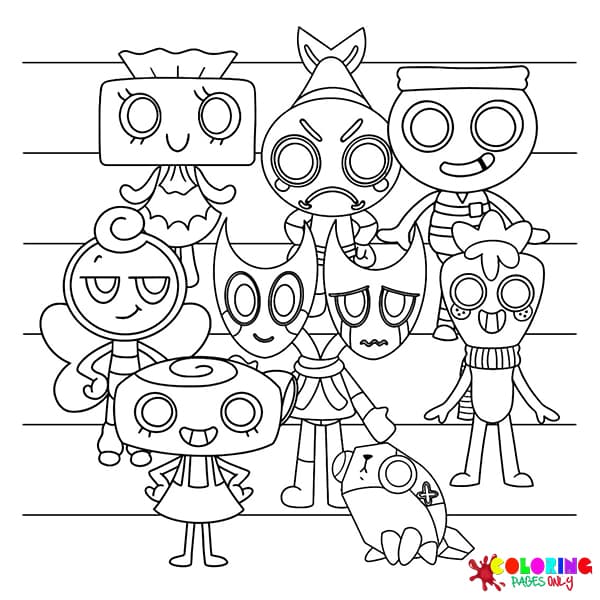
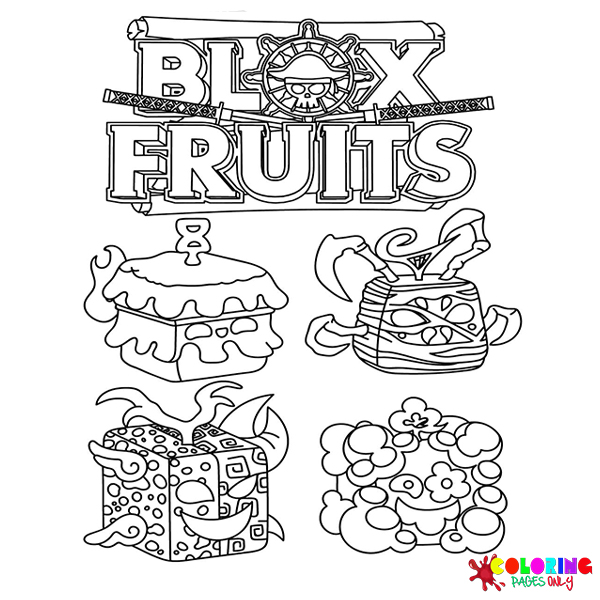
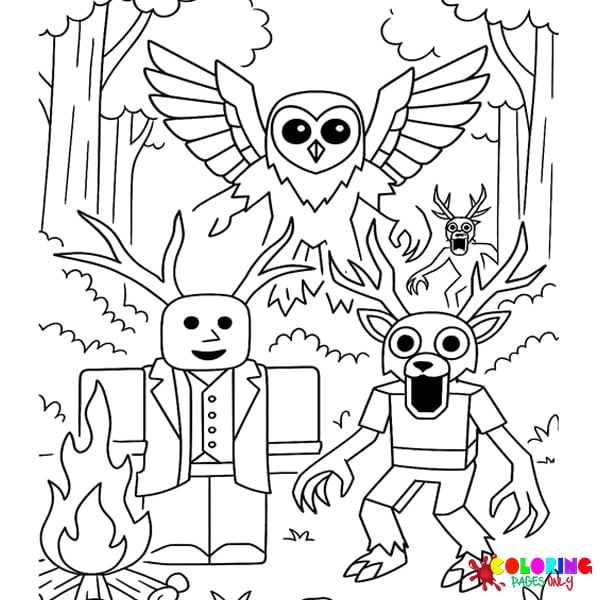
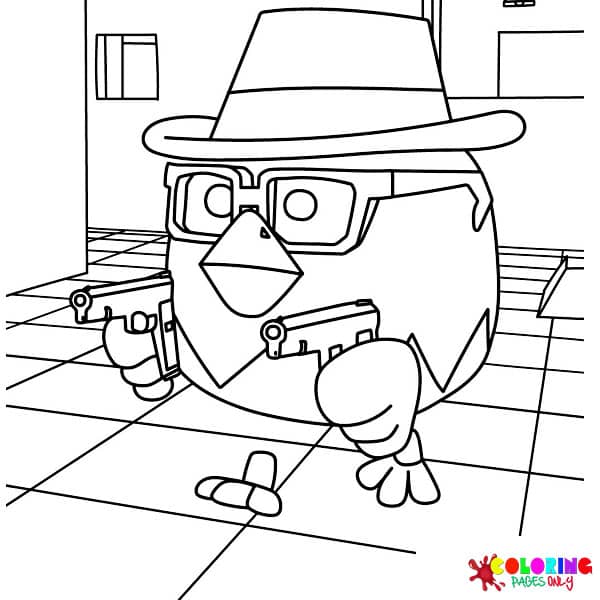
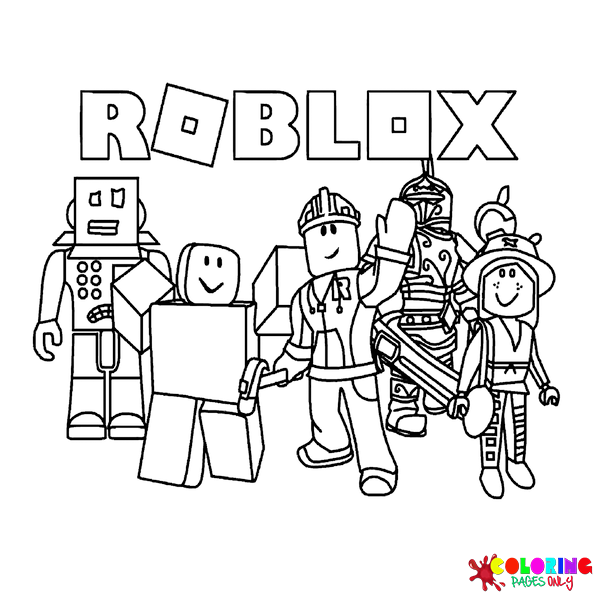
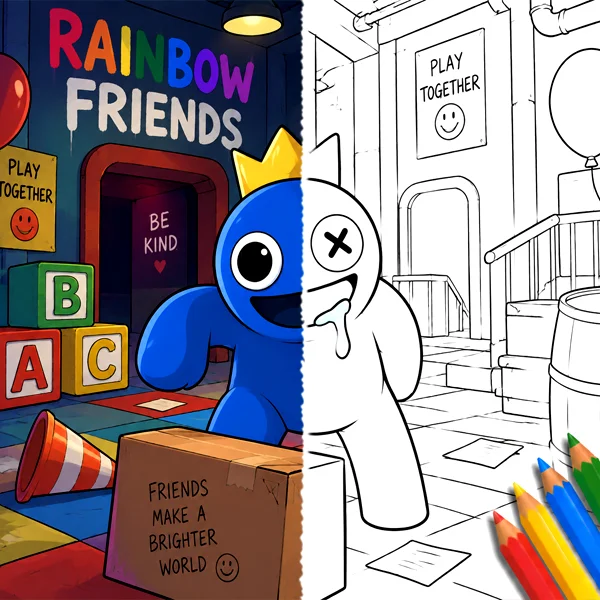
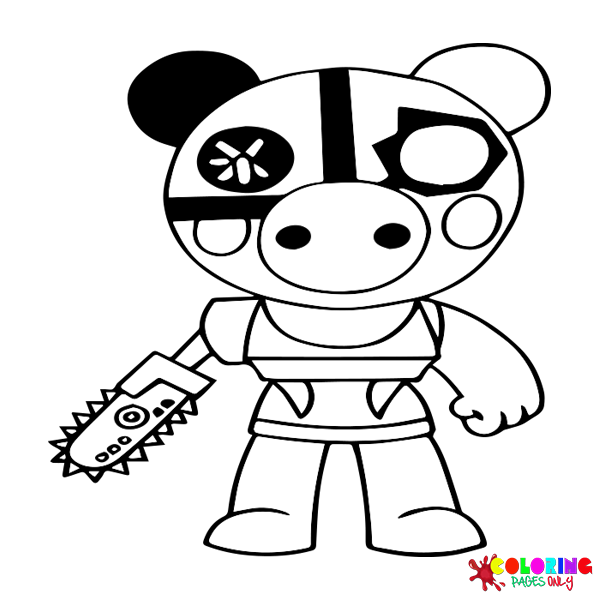
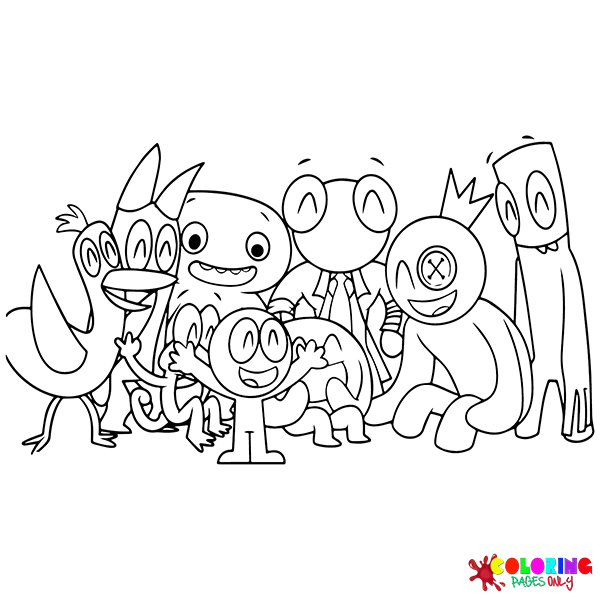
Roblox has generated an entire sub-ecosystem within Games, with the platform itself and many of its most popular individual experiences each having dedicated sub-categories. Roblox covers the platform’s blocky avatar system and primary-color aesthetic. Adopt Me covers the long-running pet-adoption and trading experience. Piggy covers the horror-survival Roblox game featuring pig-masked characters. Dandy’s World covers the 2024 Roblox horror game and its cast, Dandy, Tisha, and others. Blox Fruits covers the One Piece-inspired combat and exploration game. Rainbow Friends covers the 2022 Roblox horror game and its color-coded monster characters. Garten of Banban, while technically an indie game rather than a Roblox title, sits in the same cultural space, covering the yellow bird principal Banban, Jumbo Josh, and the kindergarten-horror aesthetic that made the franchise viral.
The Poppy Playtime Universe
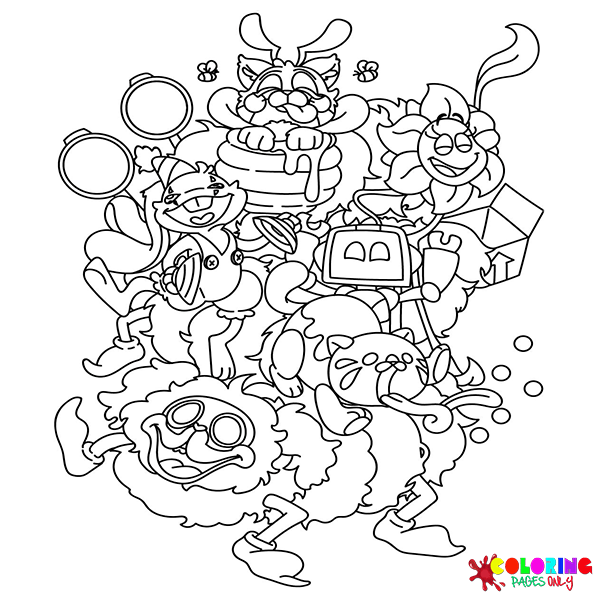
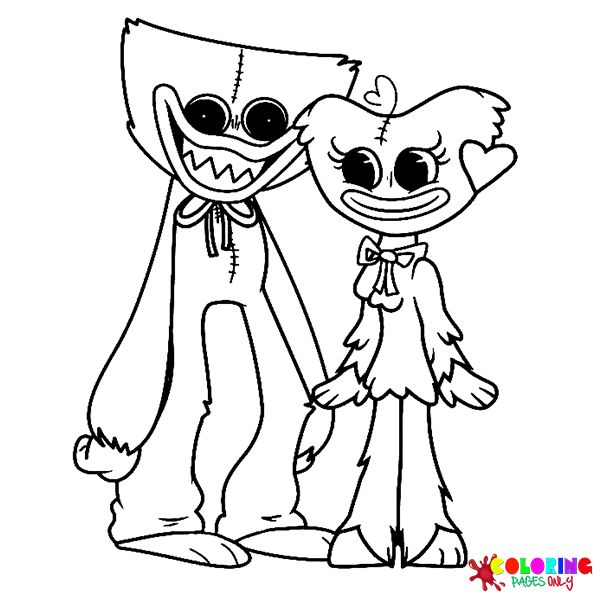
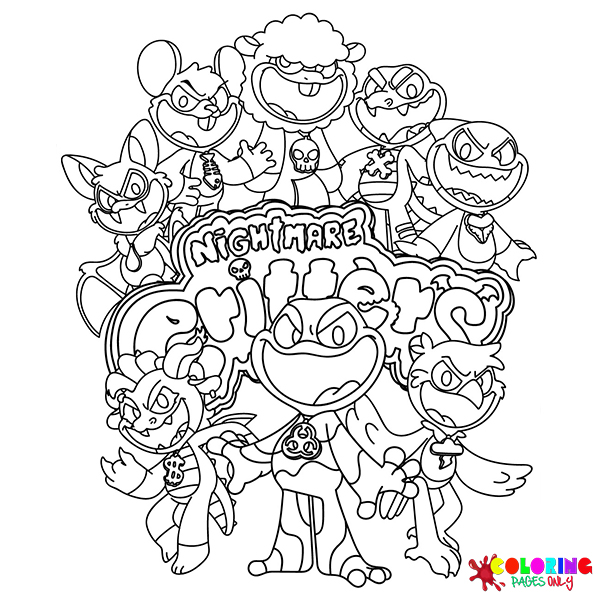
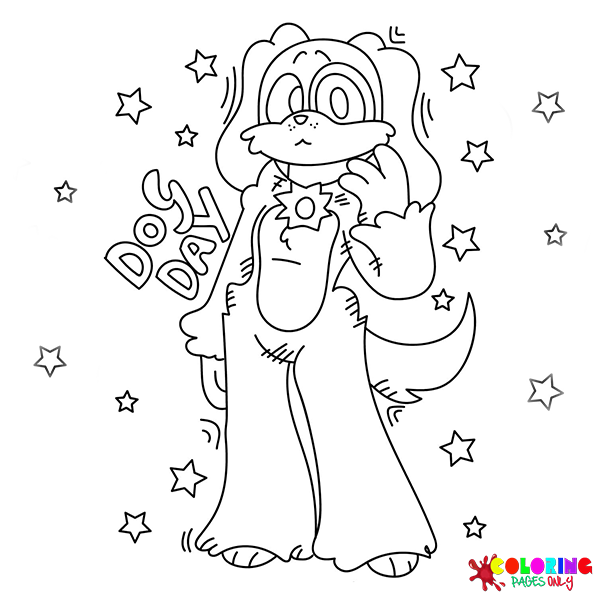
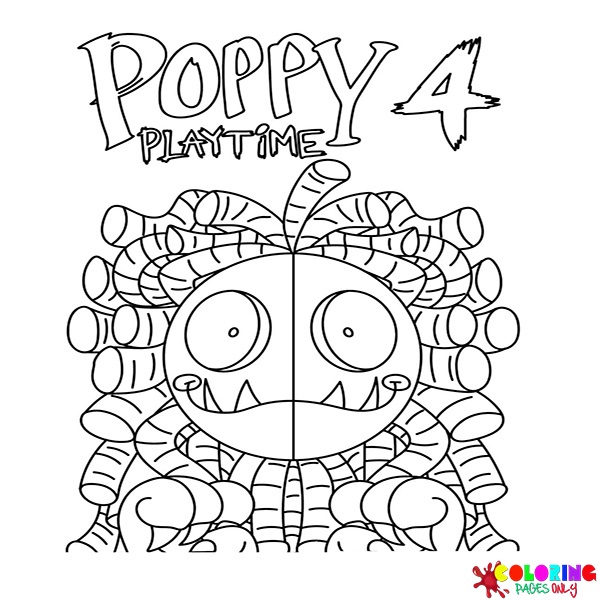
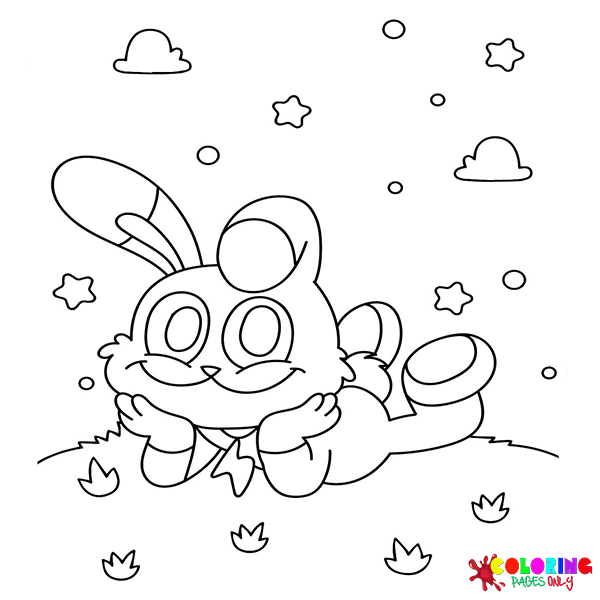
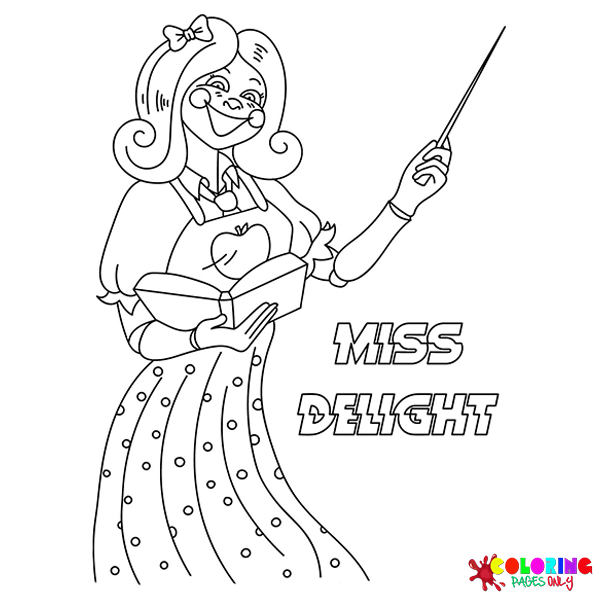
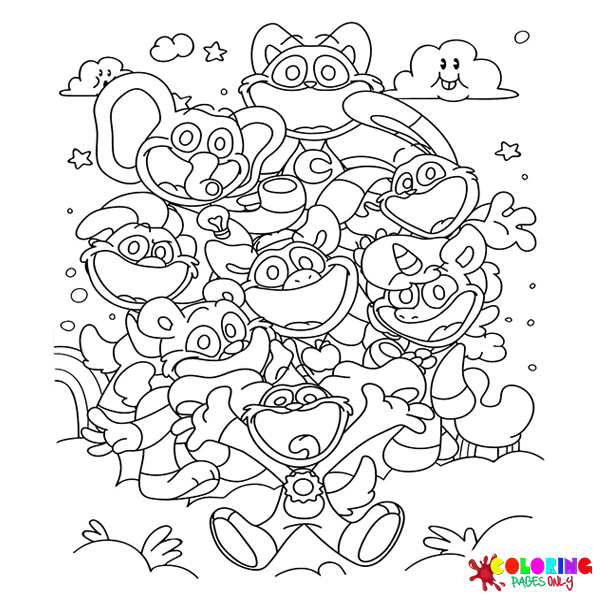
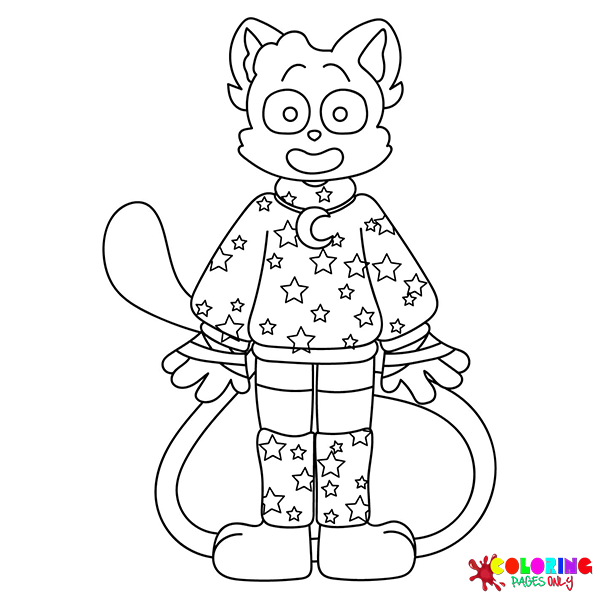
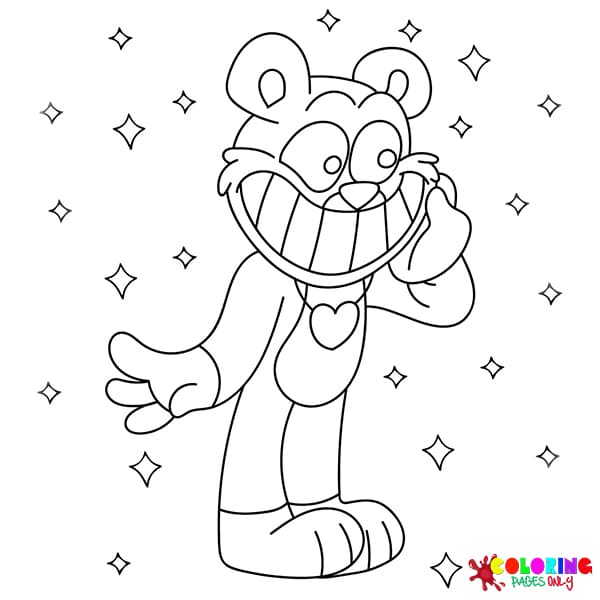
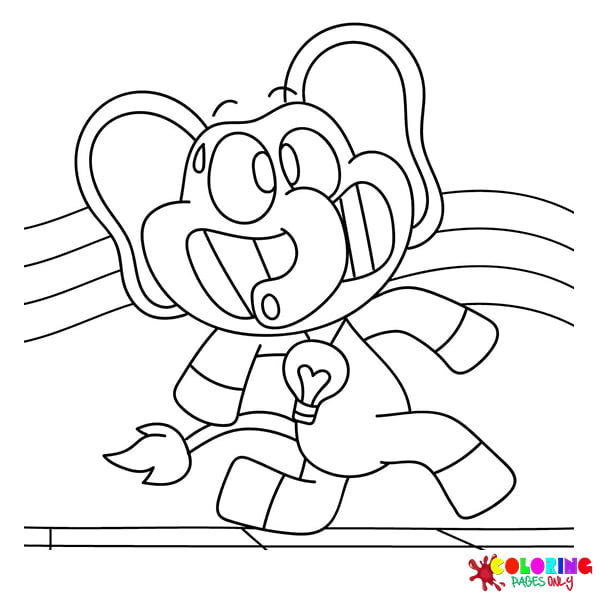
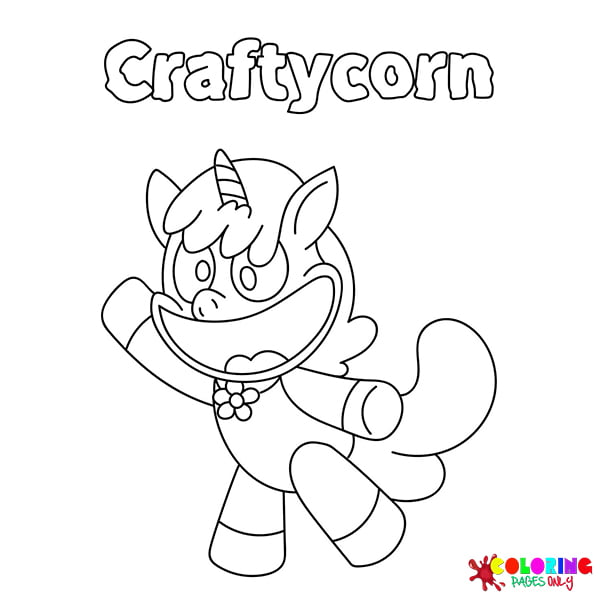
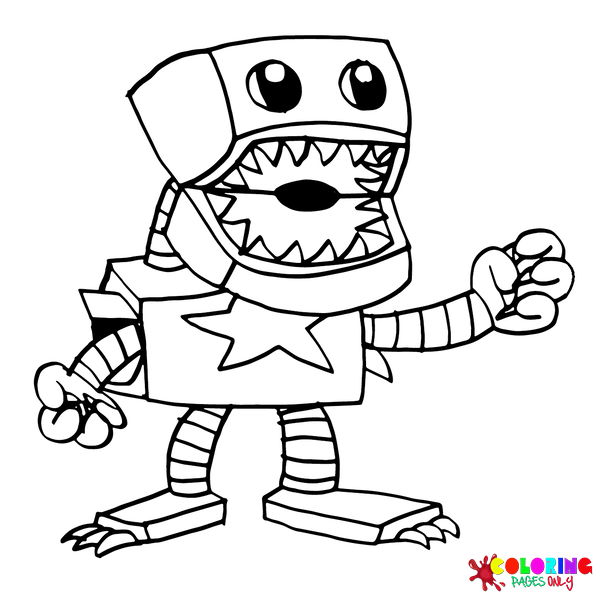
No franchise has generated more individual character sub-categories in this collection than Poppy Playtime, Mob Entertainment’s survival horror series set in the abandoned Playtime Co. toy factory, reflecting the extraordinary depth of fan engagement the series has developed. The Poppy Playtime sub-category covers the franchise as a whole; dedicated character pages include Huggy Wuggy (the tall blue plush mascot), Kissy Missy (his pink counterpart), and the Chapter 3 Smiling Critters ensemble, which generates the most individual character demand of the franchise: CatNap (the purple cat with red smoke effects), CraftyCorn (the unicorn), Bobby BearHug (the bear), DogDay (the dog), Hoppy Hopscotch (the rabbit), Bubba Bubbaphant (the elephant), KickinChicken (the chicken), PickyPiggy (the pig), Yarnaby (the crocheted bunny), and Nightmare Critters (their dark alternate forms). Additional franchise sub-categories include Boxy Boo (the Chapter 2 jack-in-the-box) and Miss Delight (the Chapter 3 centipede-like antagonist).
The Five Nights at Freddy’s Universe
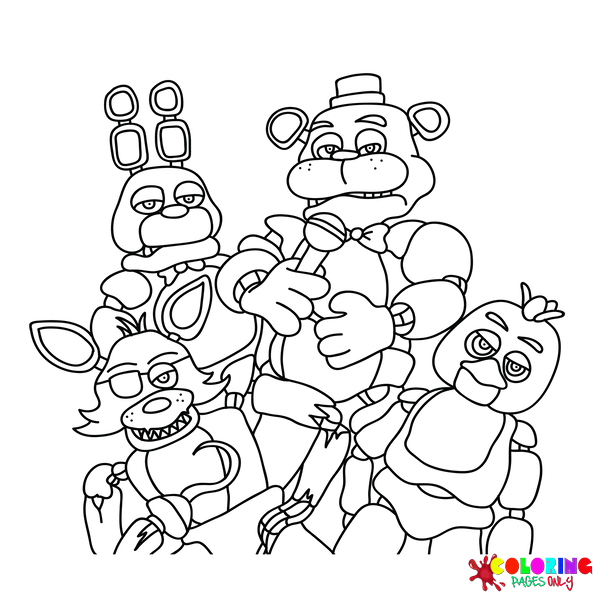
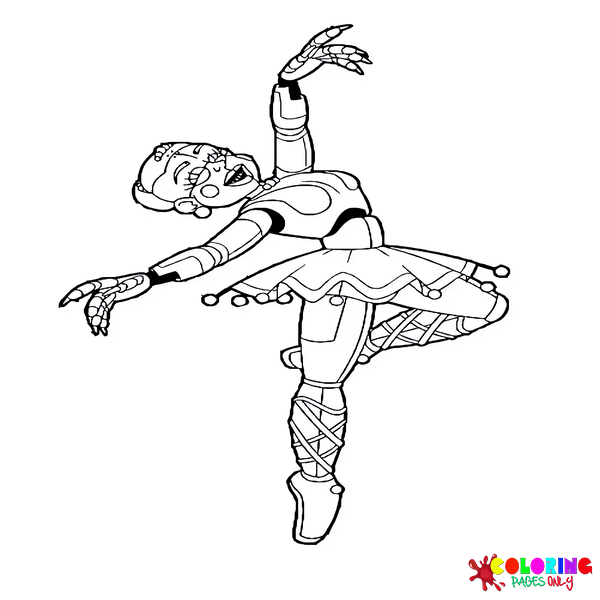
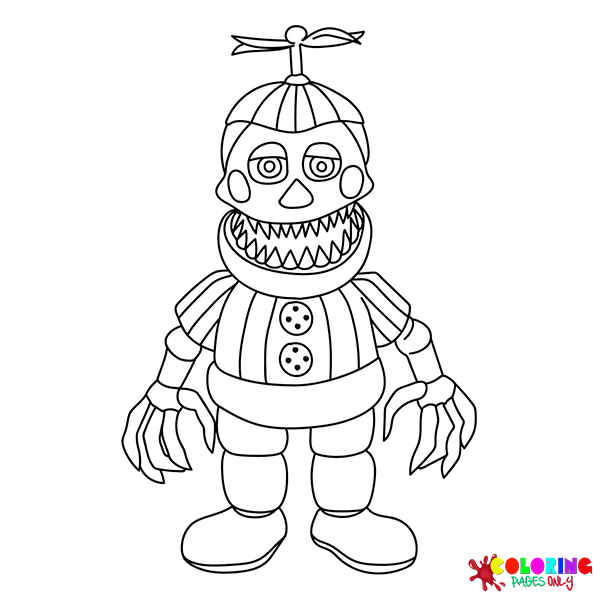
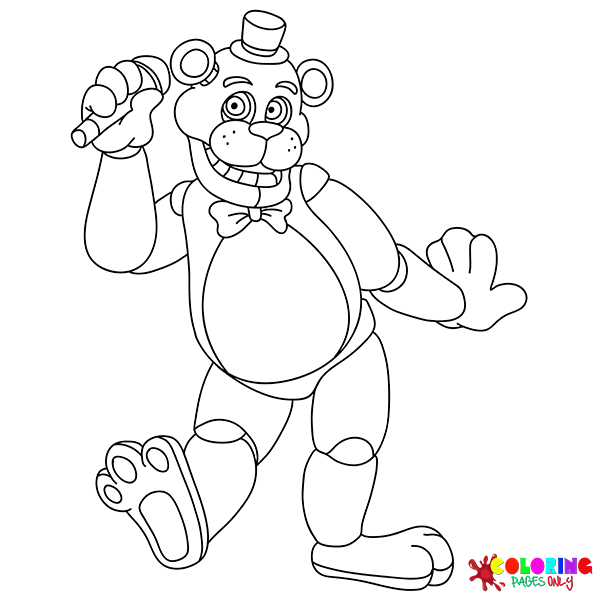
Five Nights at Freddy’s (FNAF), Scott Cawthon’s horror franchise about animatronic restaurant characters that come alive at night, has its own sub-category plus dedicated character pages. Freddy Fazbear covers the brown bear mascot, the franchise’s defining visual symbol. Ballora covers the ballerina animatronic from FNAF: Sister Location. Balloon Boy covers the small jester-styled character from FNAF 2. The franchise’s horror-toy aesthetic, brightly colored animatronics designed to be endearing that become threatening, produces a distinctive coloring challenge between children’s illustration and horror design.
The Undertale Universe
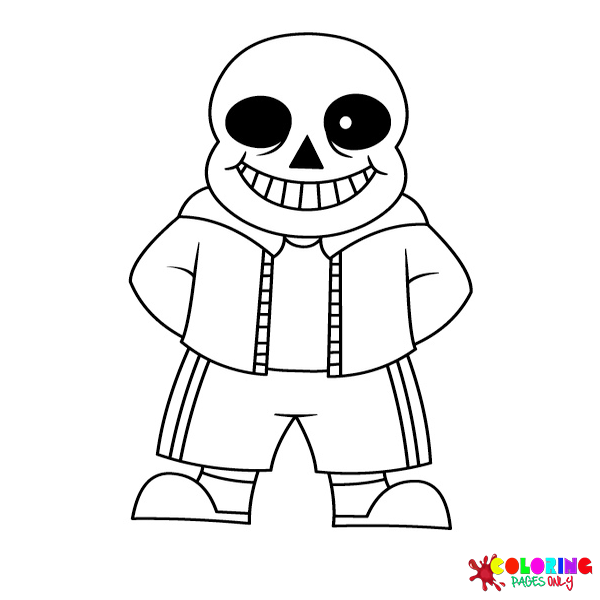
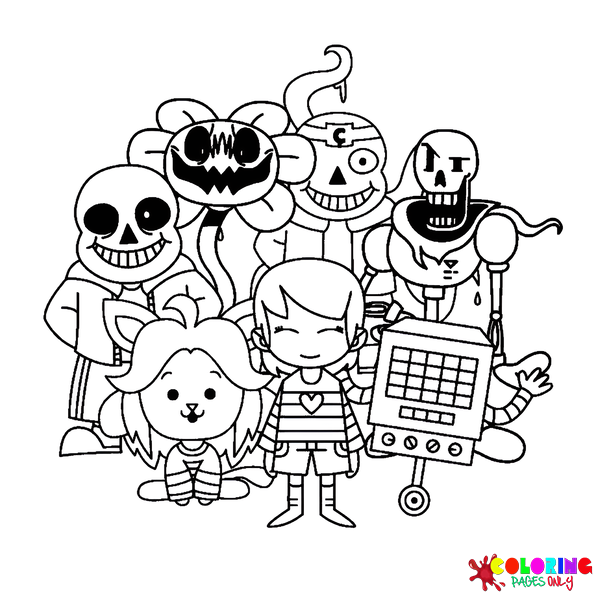
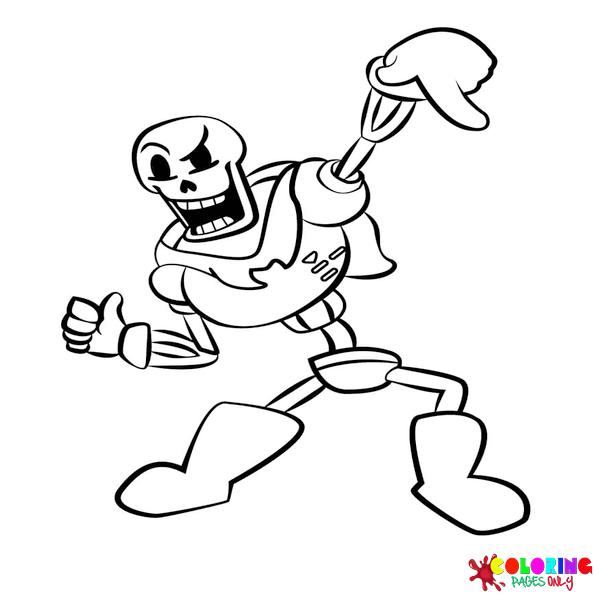
Undertale covers Toby Fox’s role-playing game and its cast, with Sans and Papyrus, the skeleton brothers, popular enough to warrant their own dedicated sub-categories alongside the base collection.
Battle Royale, Shooters, and Competitive Gaming
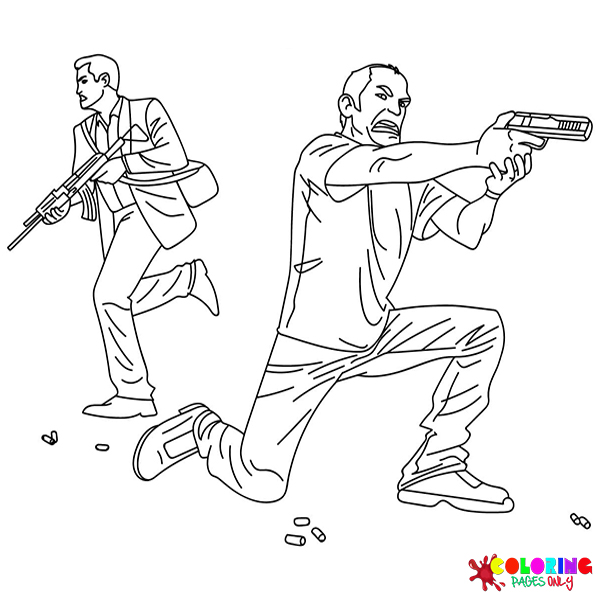
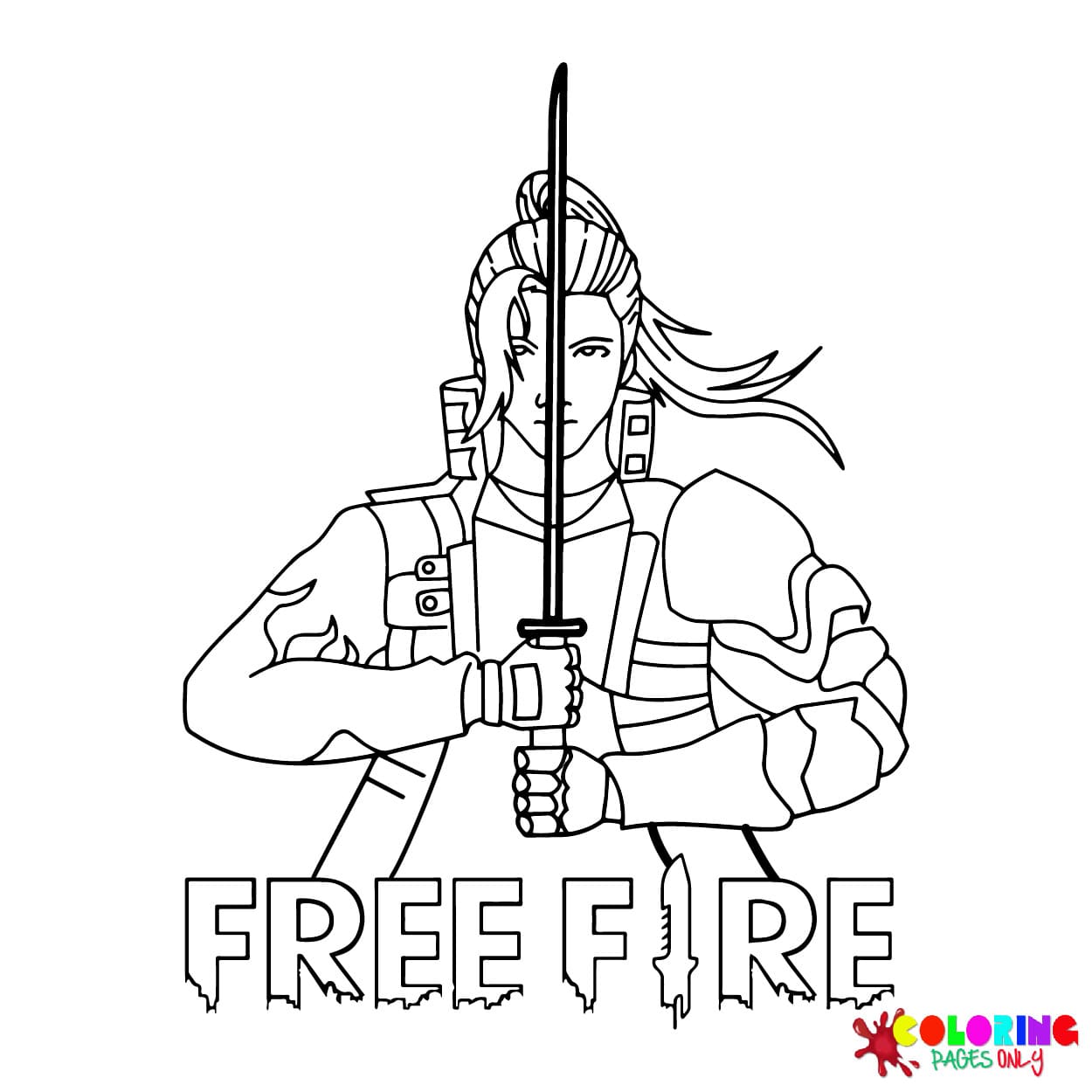
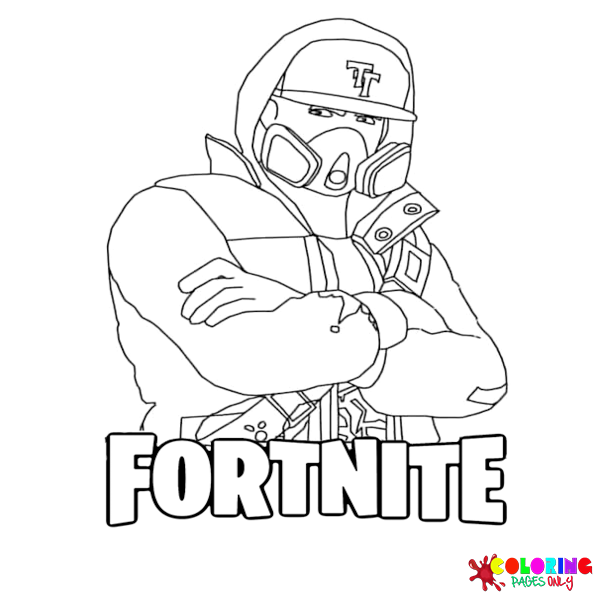
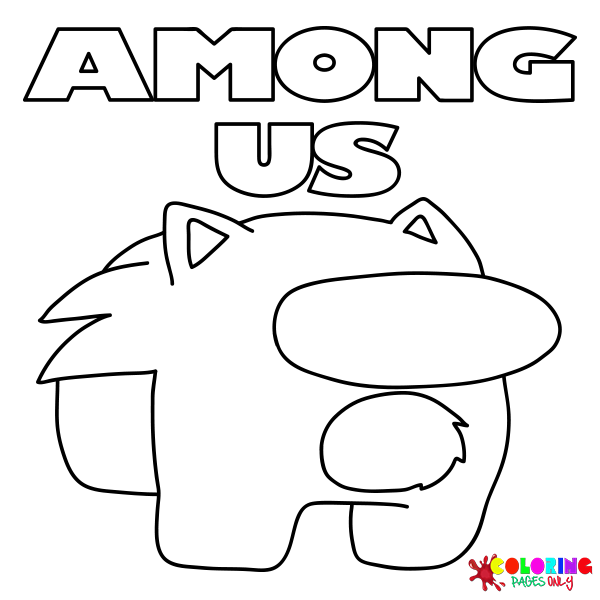
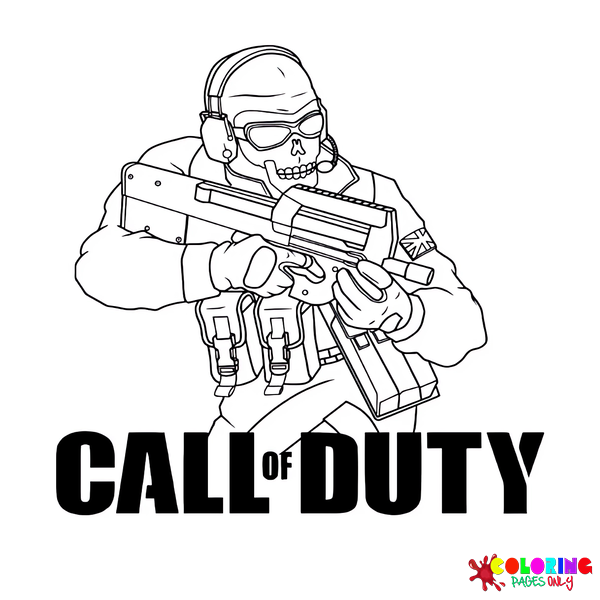
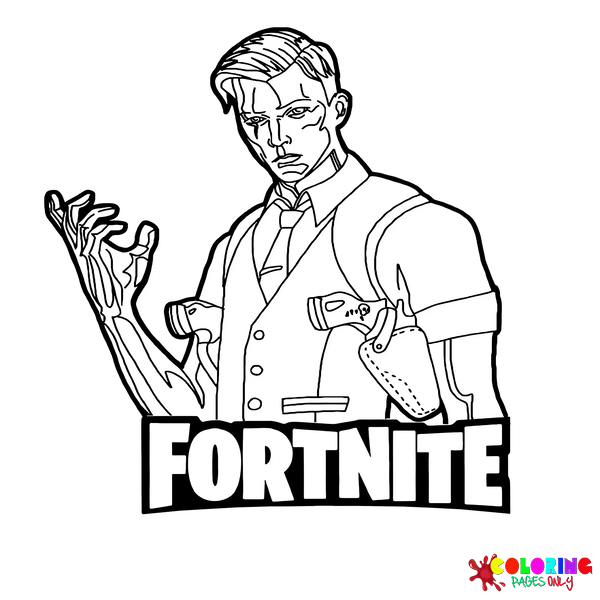
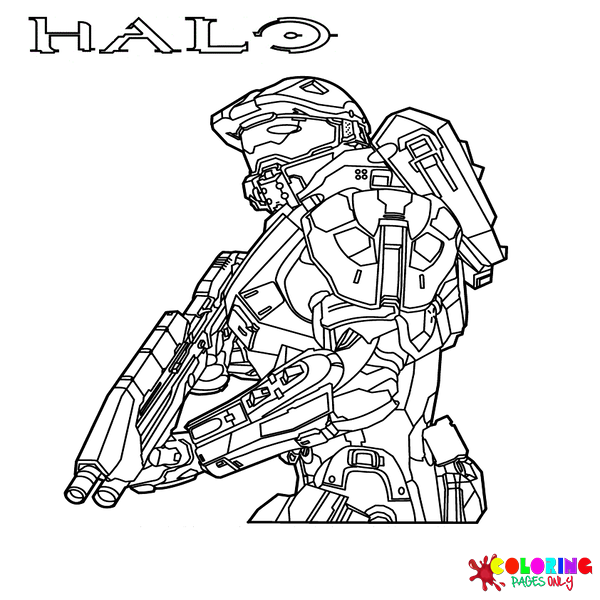
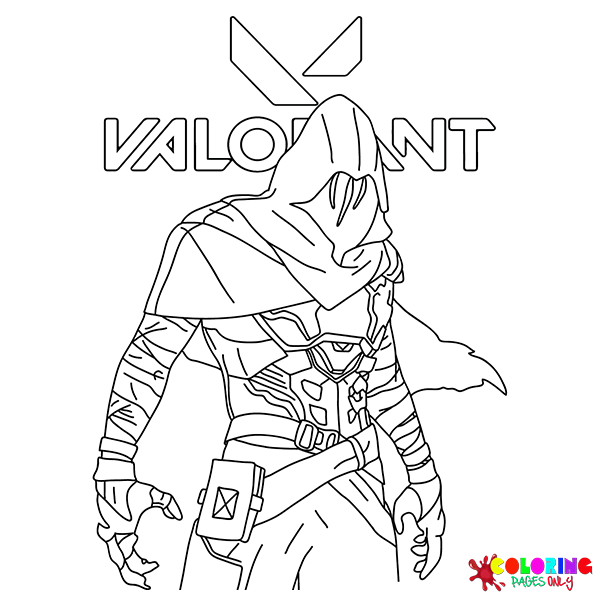
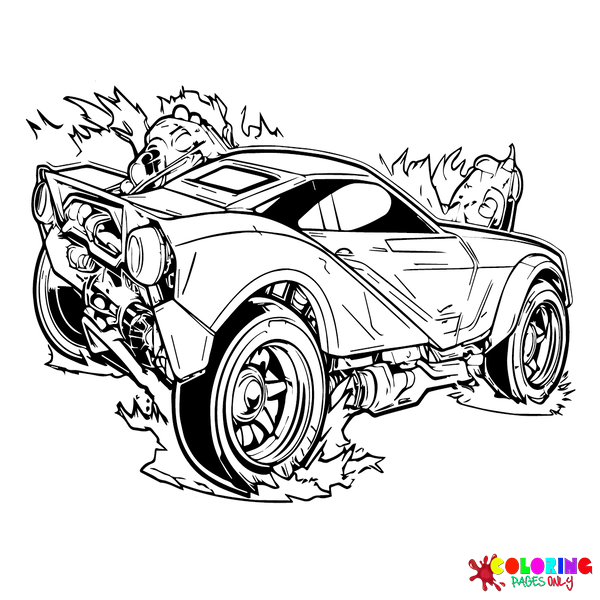
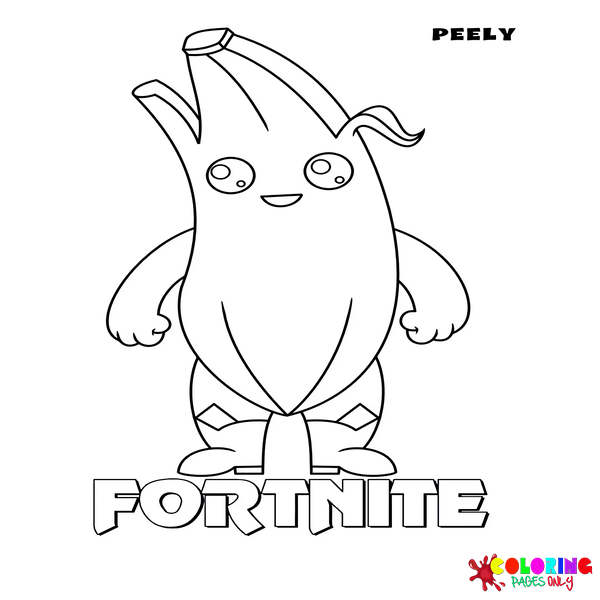
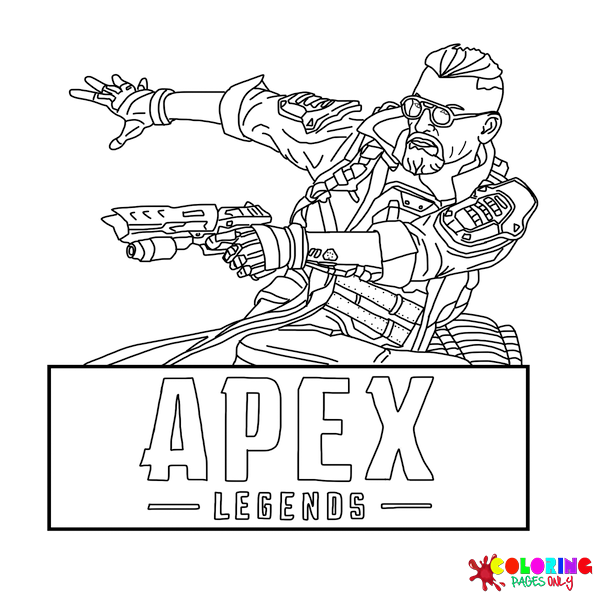
Fortnite is the collection’s largest battle royale sub-category, with the main hub plus individual pages for Midas Fortnite (the gold-transforming operative) and Peely (the banana skin). Fortnite’s aesthetic is defined by its rotating cast of cosmetic skins rather than fixed characters. Among Us covers the social deduction game’s crewmates in their hazmat suit design. Call of Duty, Halo, Apex Legends, Valorant, and PUBG cover their respective military and hero shooters. Free Fire covers Garena’s battle royale, particularly popular in Southeast Asian markets. Grand Theft Auto V(GTA 5) covers Rockstar’s open-world crime game and its three protagonists, Michael, Trevor, and Franklin. Rocket League covers Psyonix’s car-football hybrid.
Mobile and Casual Gaming
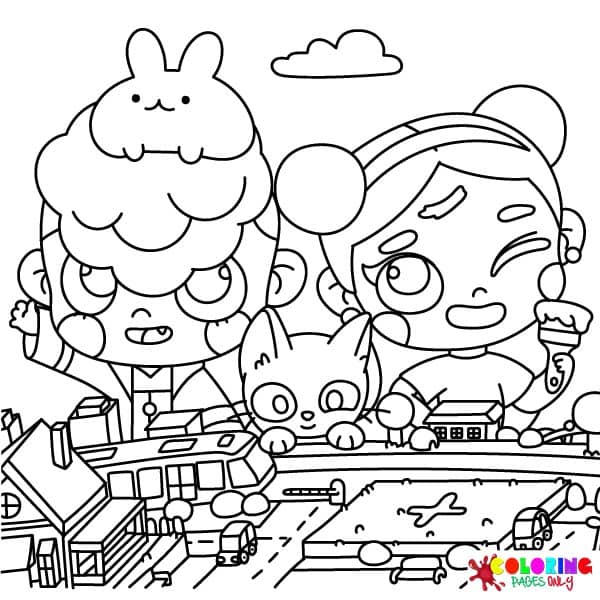
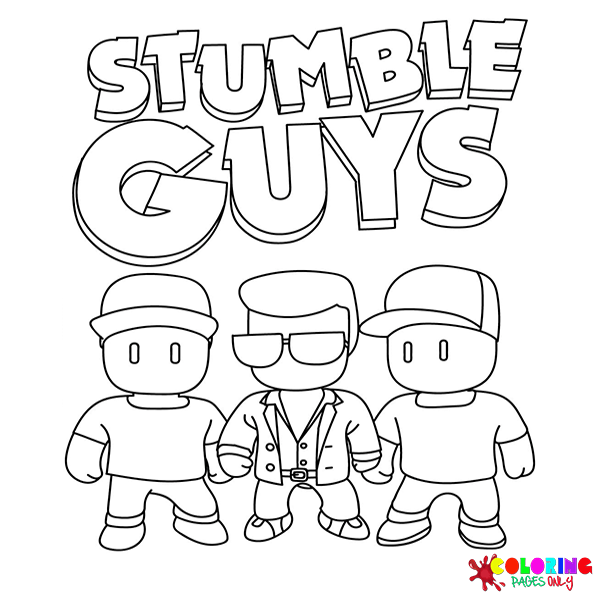
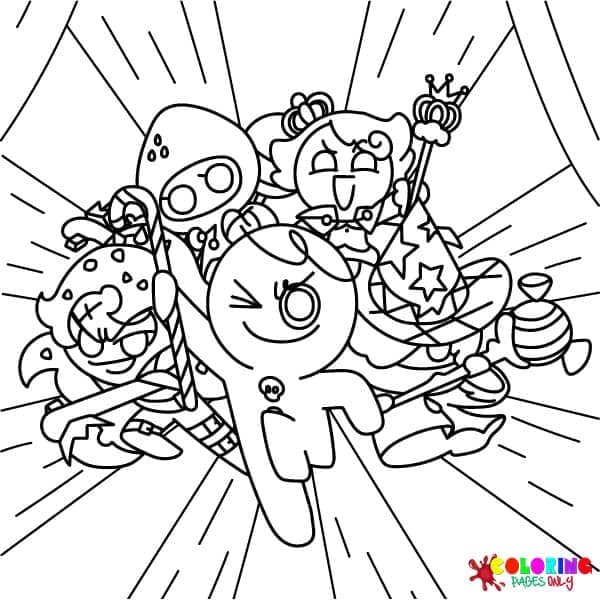
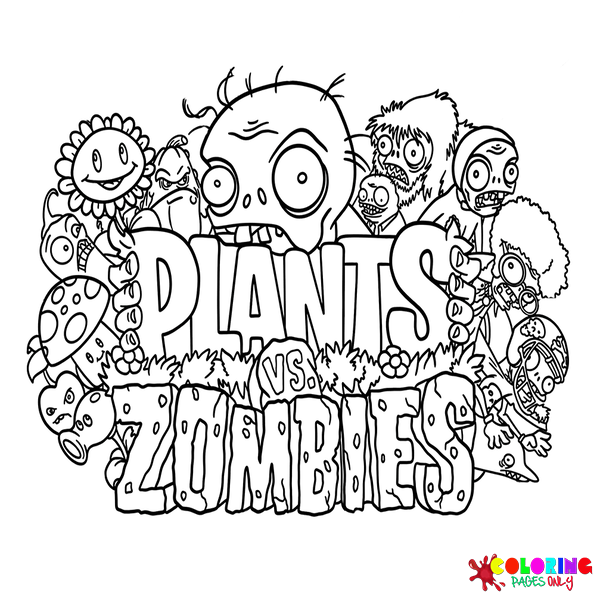
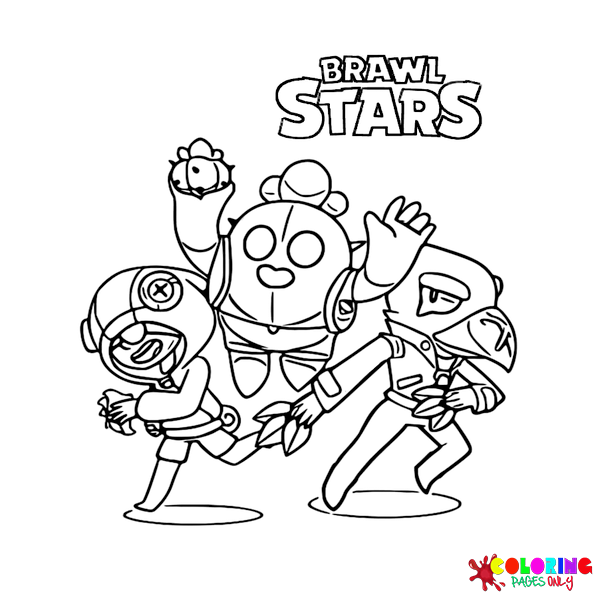
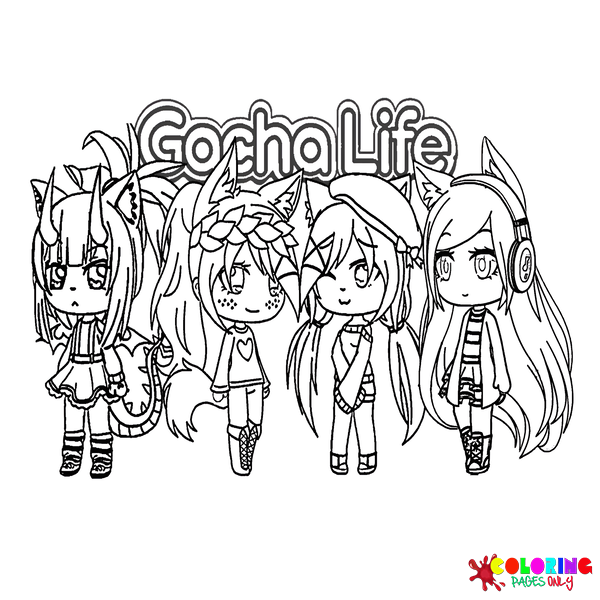
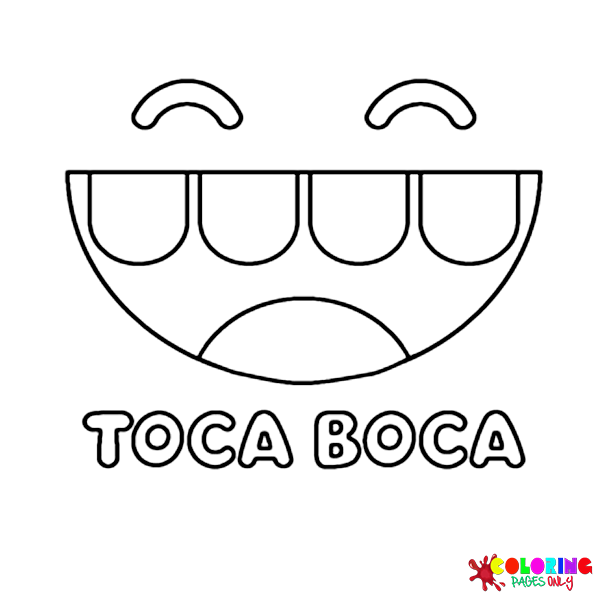
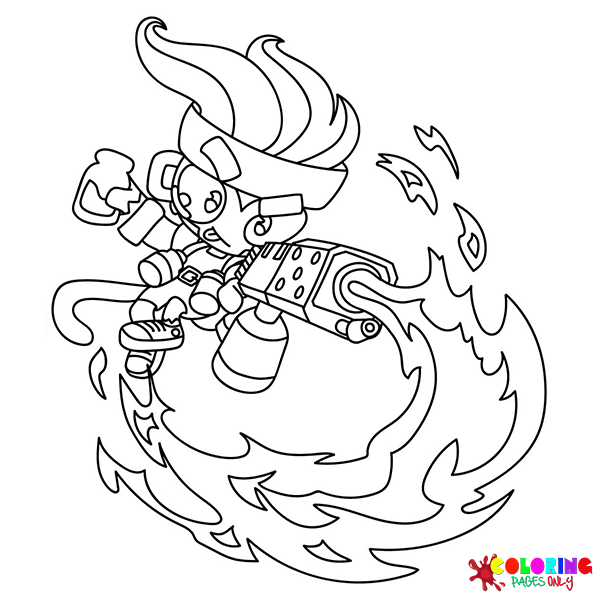
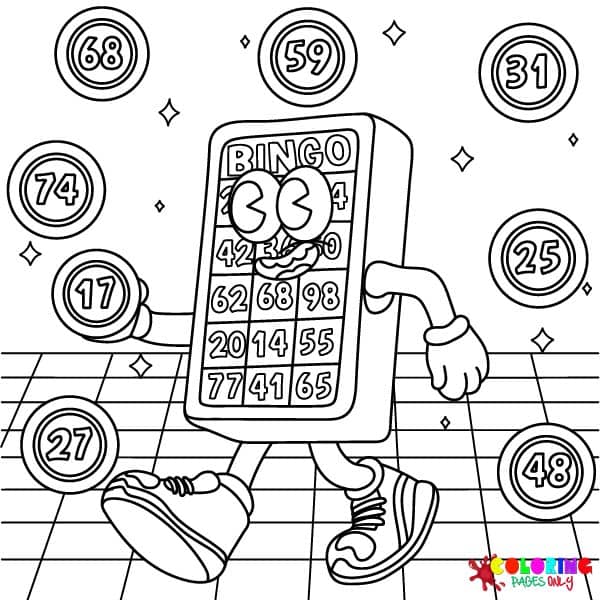
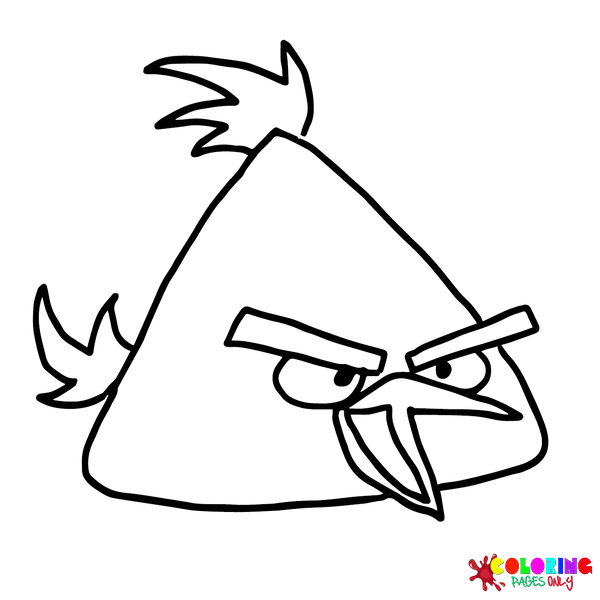
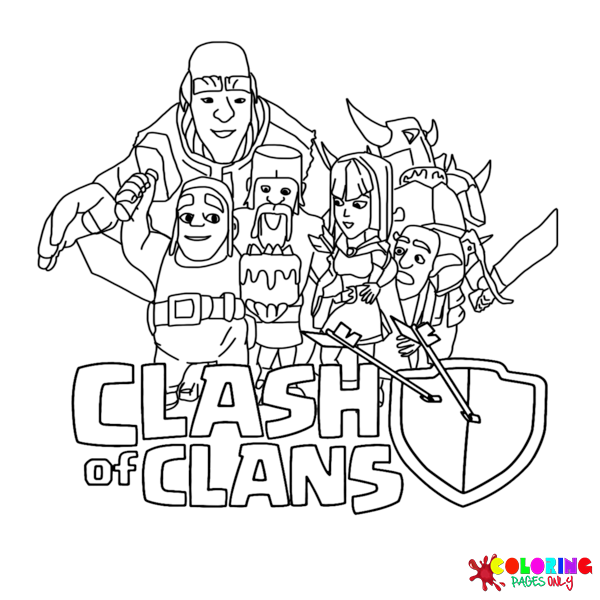
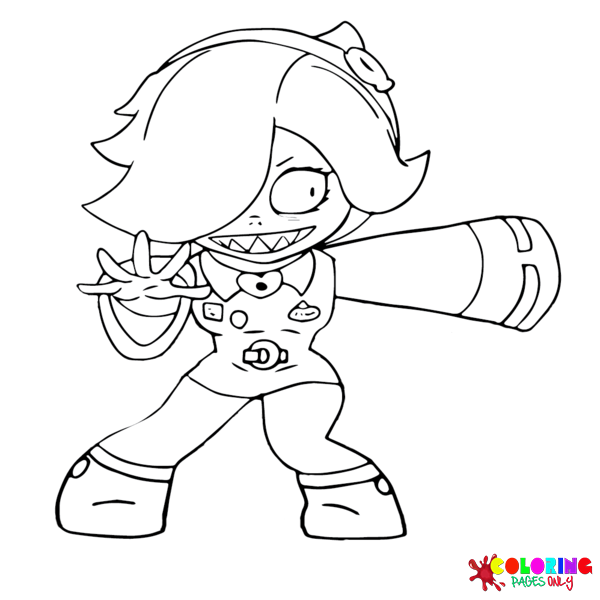
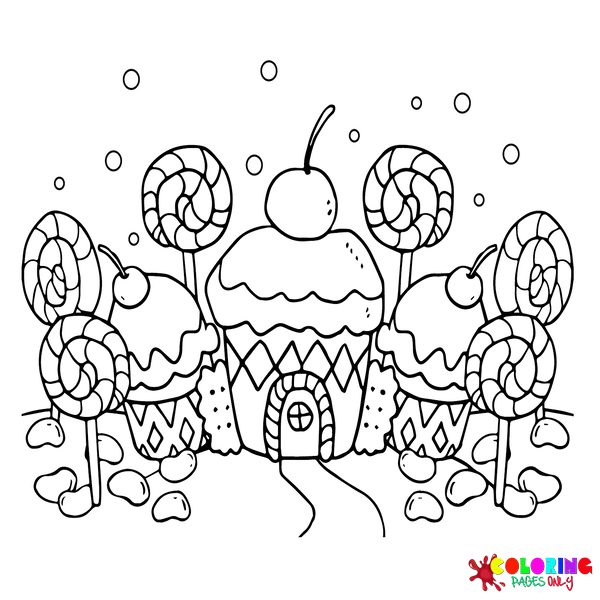
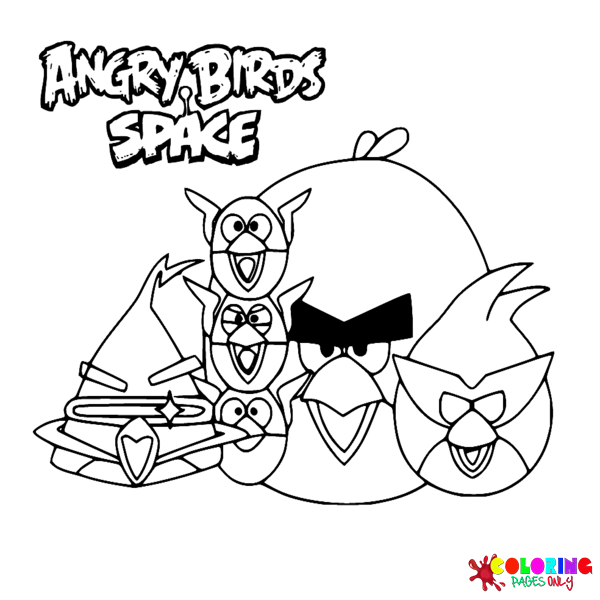
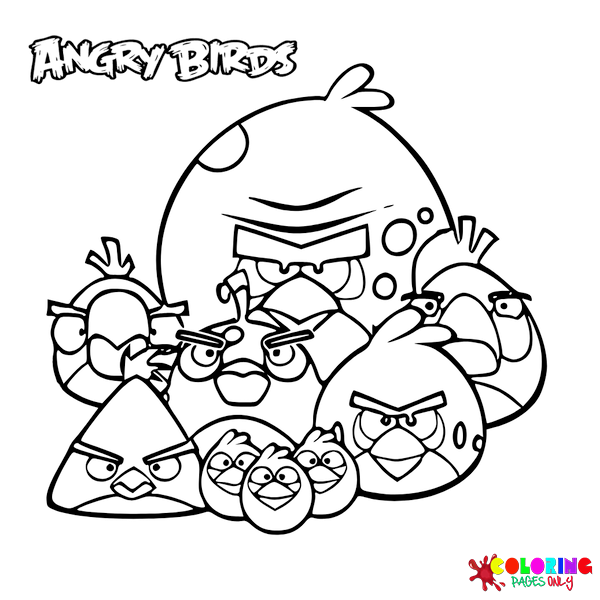
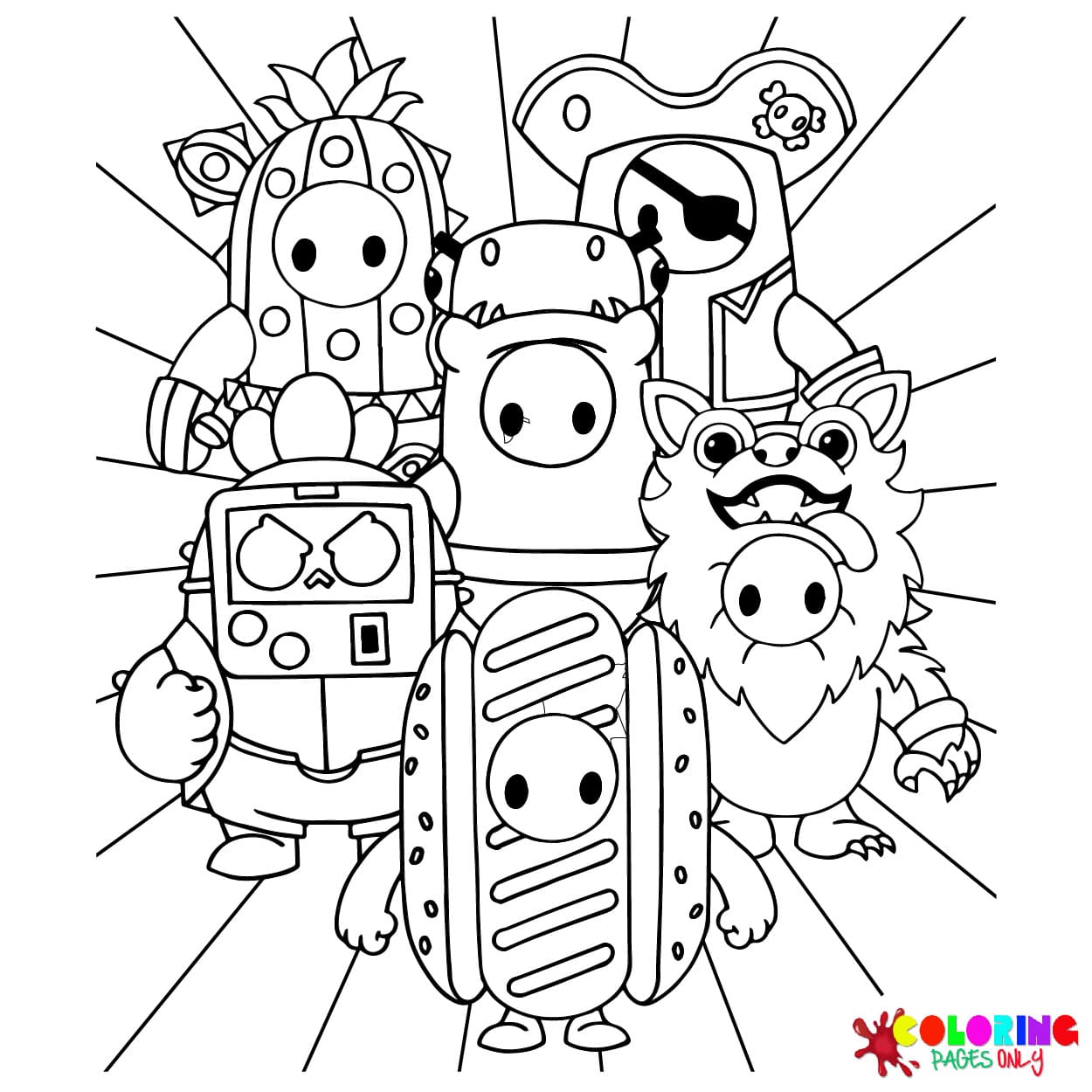
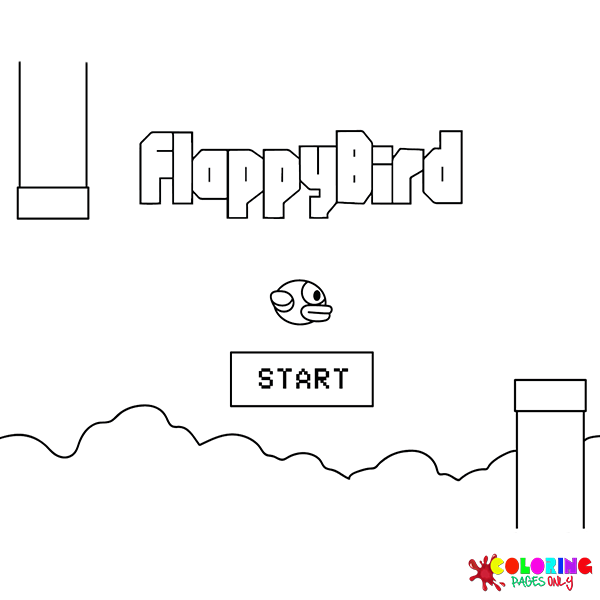
Brawl Stars, Colette Brawl Stars, and Gwendolin together cover Supercell’s multiplayer mobile game, with Colette and Gwendolin having their own sub-categories as fan-favorite Brawlers. Clash of Clans covers Supercell’s strategy game. Angry Birds, Angry Birds Space, Chuck (Angry Bird), and Red (Angry Bird) together cover the Rovio franchise. Plants vs Zombies covers PopCap’s tower defense game. Subway Surfers covers SYBO’s endless runner. Flappy Bird covers the viral mobile game. Cookie Run Kingdom covers Devsisters’ cookie RPG. Toca Boca covers its toy-simulation app ecosystem for children. Gacha Life covers the character-creation and storytelling app. Stumble Guys and Fall Guys cover their respective obstacle-course battle royales. Candyland and Bingo cover the classic board game and activity.
Indie Games and Internet Horror
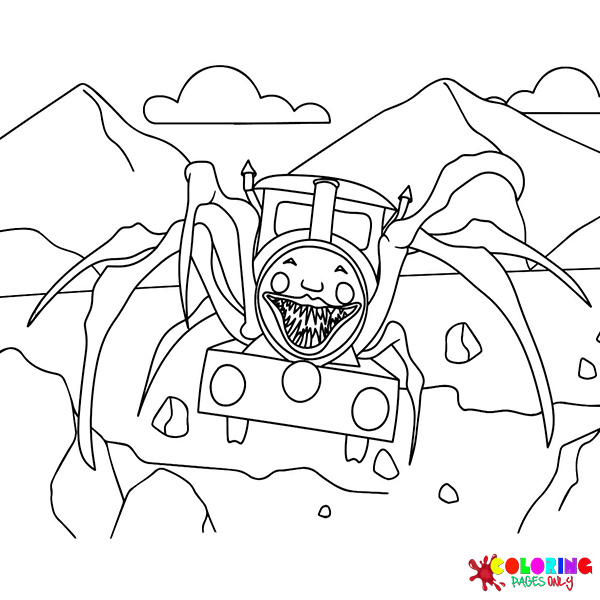
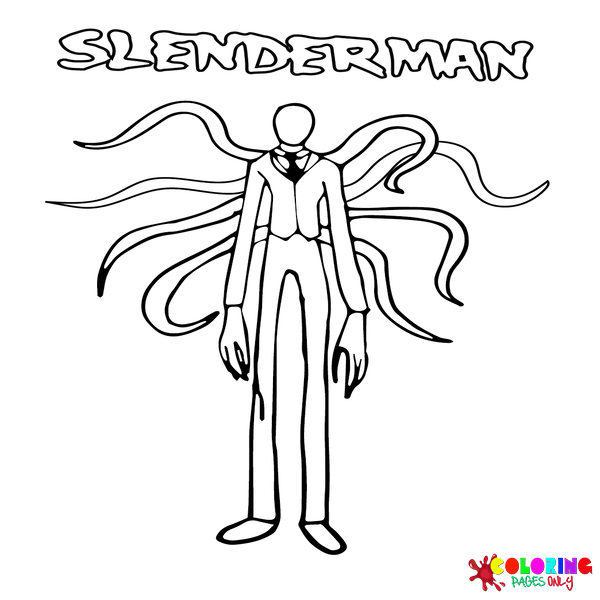
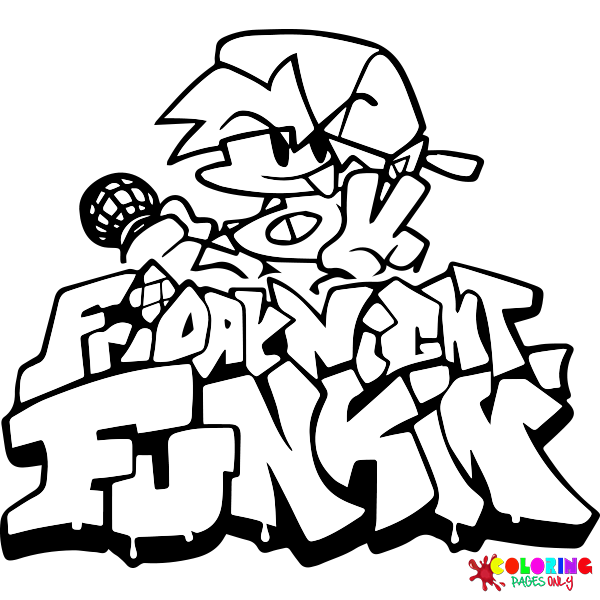
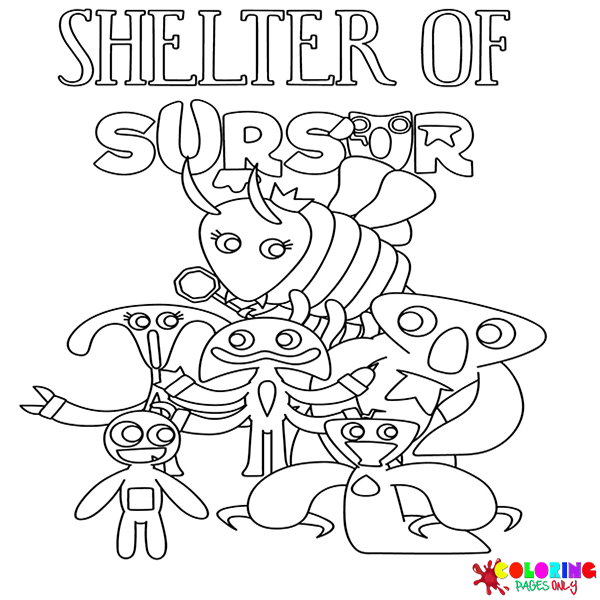
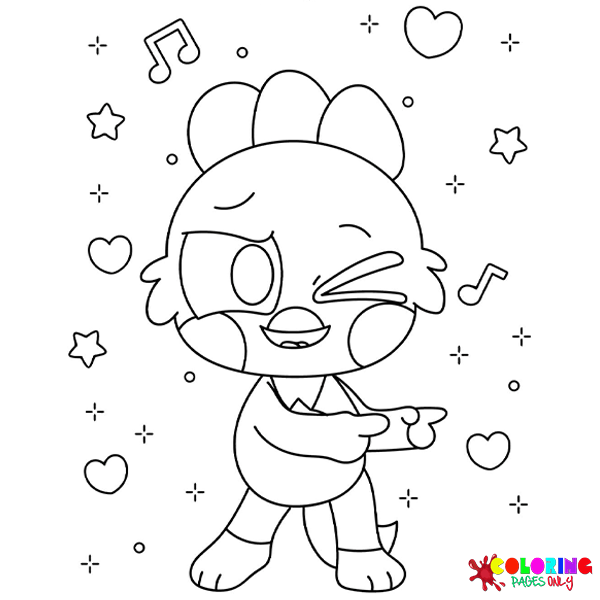
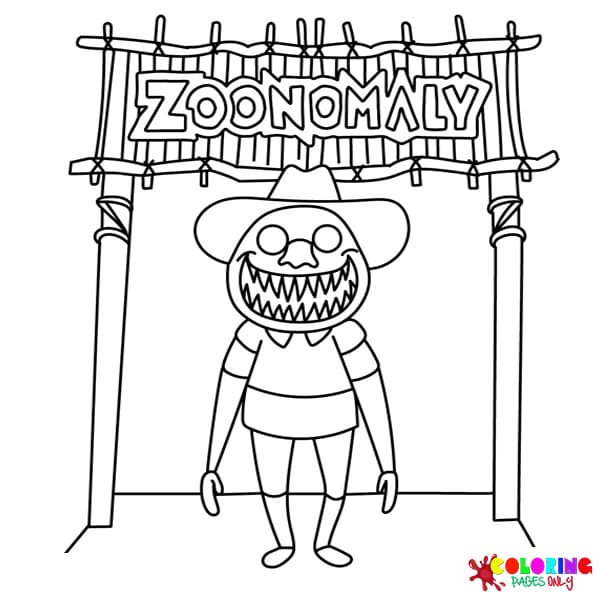
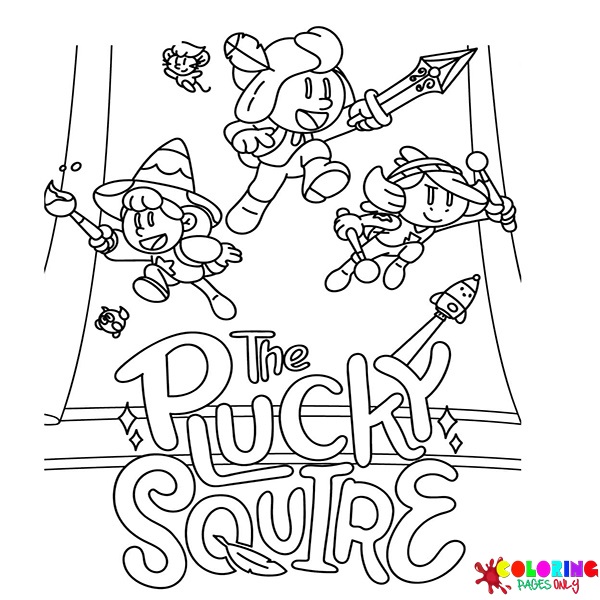
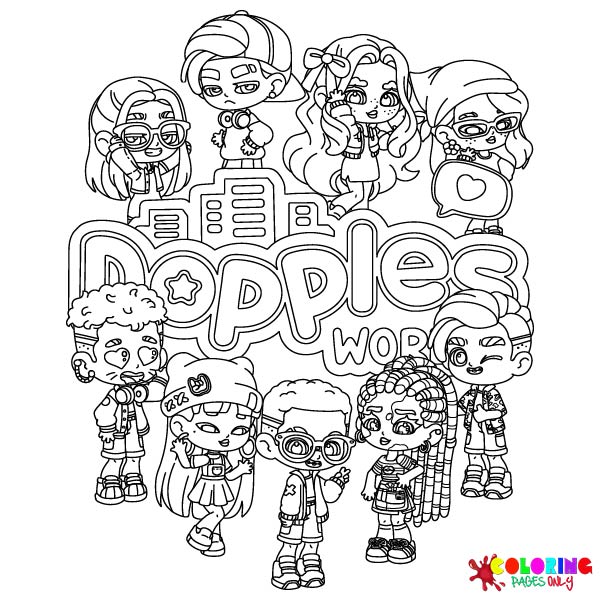
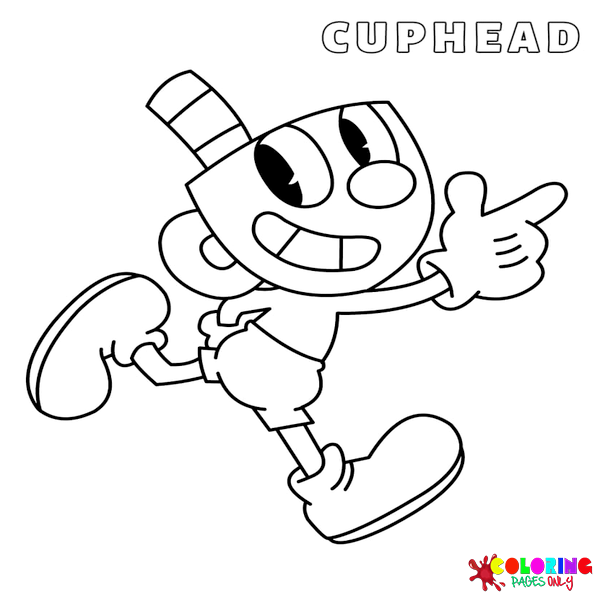
One of the fastest-growing sections covers small-studio and browser-based games that go viral through YouTube, TikTok, and streaming platforms. Cuphead covers StudioMDHR’s 1930s-rubber-hose-animation-inspired run-and-gun, one of the most visually distinctive game art styles of the 2010s. Friday Night Funkin covers the rhythm game and its extensive mod community. The Plucky Squire covers Devolver Digital’s 2024 storybook-adventure. Mouthwashing Game covers Wrong Organ’s 2024 psychological horror. Shelter of Sursur covers a recent indie title. Zoonomaly covers the 2024 zoo-horror game. Choo-Choo Charles covers Two Star Games’ spider-train horror. Slender Man covers the creepypasta-origin internet horror character. 99 Nights in the Forest covers the survival horror indie. Palworld covers Pocketpair’s 2024 creature-collecting survival game. Chicken Gun covers the mobile shooter. Avatar World and Dopples World cover character-creation app ecosystems.
Music and Rhythm Games
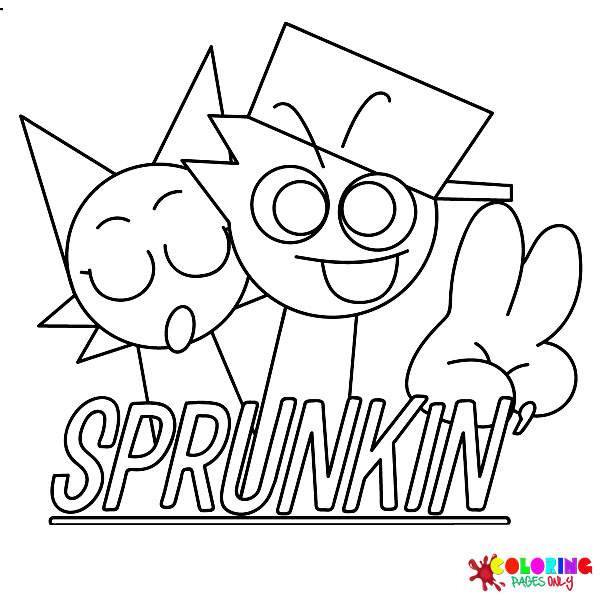
Sprunki and Abgerny Incredibox cover the Incredibox music-mixing game and its viral fan-made Sprunki mod. Friday Night Funkin, covered above, also belongs in this cluster as a rhythm game at its core.
RPG, Strategy, and Story-Rich Games
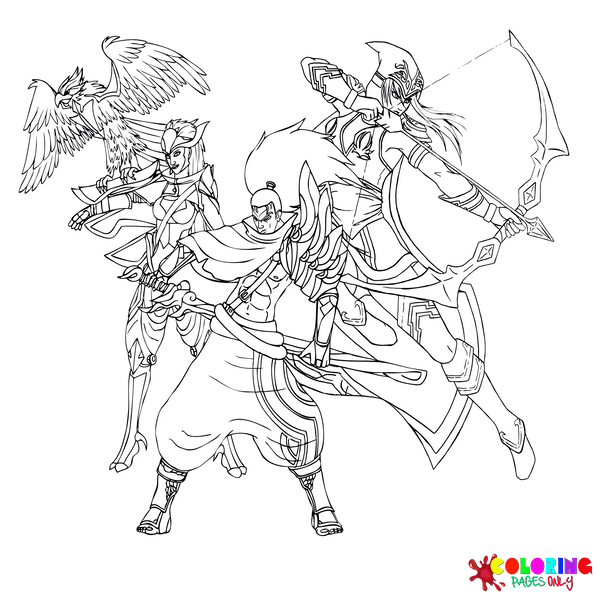
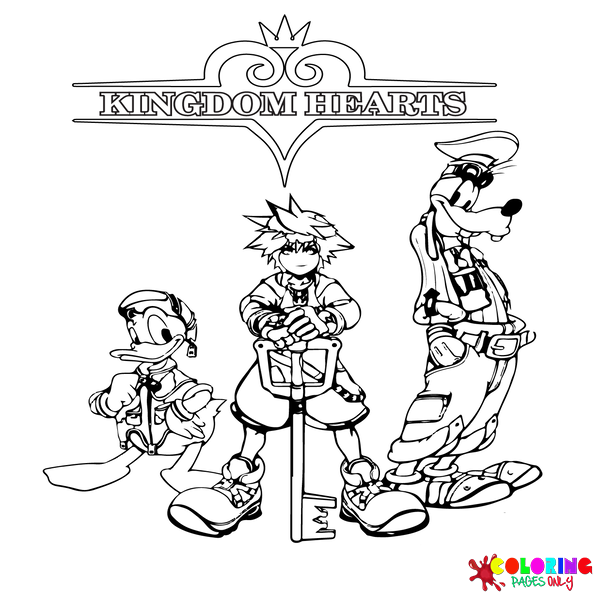
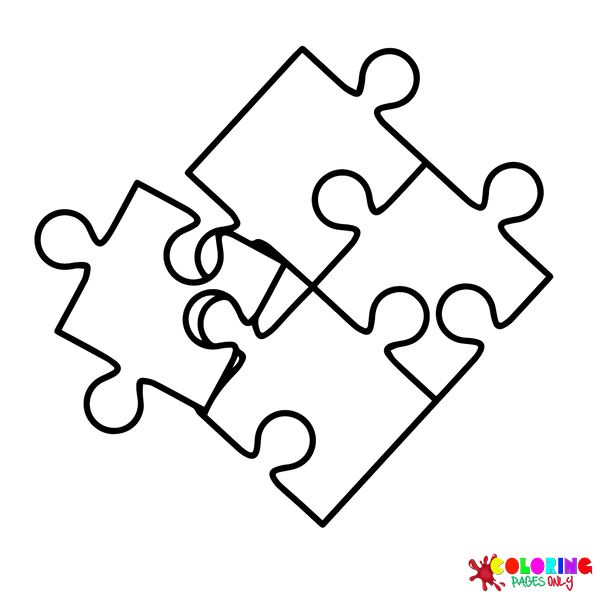
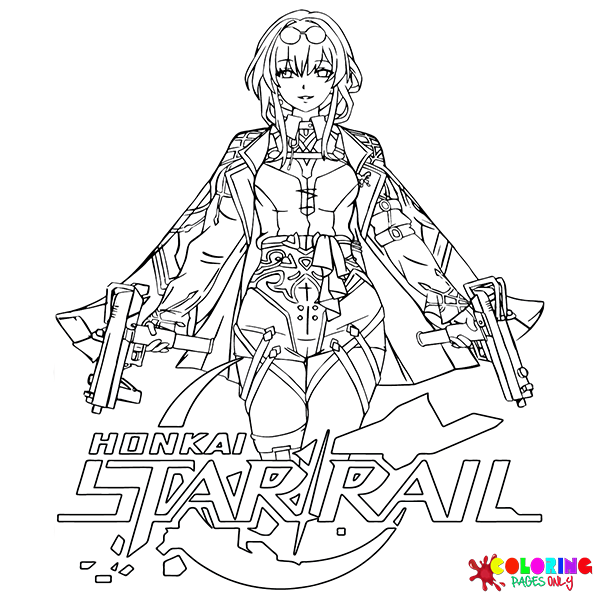
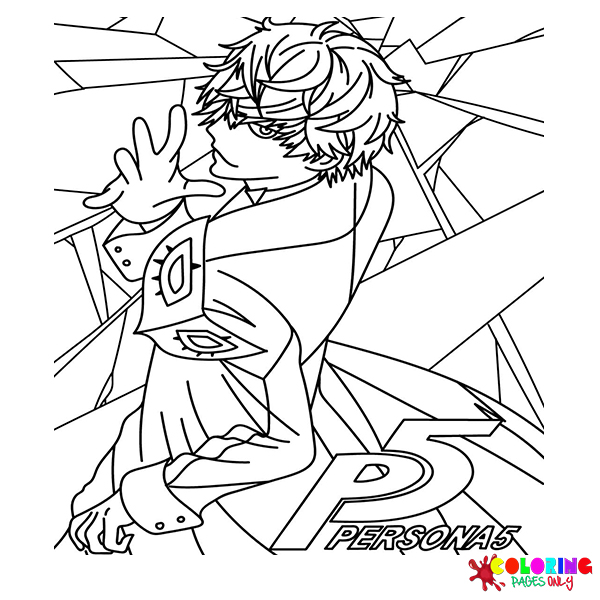
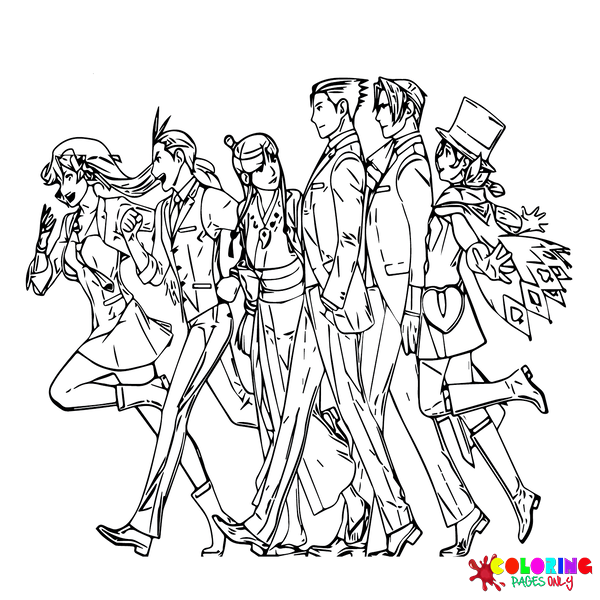
Kingdom Hearts covers the Square Enix and Disney crossover RPG franchise. Persona covers Atlus’s social simulation RPG series. Ace Attorney covers Capcom’s courtroom drama visual novel series. Honkai: Star Rail covers miHoYo’s 2023 turn-based RPG. League of Legends covers Riot Games’ MOBA and its champion roster. Teamfight Tactics covers its auto-chess spin-off. Dota 2 covers Valve’s MOBA. Ghazt covers the flying ghost creature from My Singing Monsters. Shailushai covers a creature from Russian internet folklore and game culture that went viral globally. Jak and Daxter, covered above, also belong to this story-driven cluster. Jigsaw Puzzle covers the classic puzzle format in illustrated form.
What Games Coloring Pages Do
The American Academy of Pediatrics identifies fine motor skill development as a core benefit of structured coloring for children ages 2 through 7.
A 2005 study in the Art Therapy Journal documented measurable reductions in anxiety following structured coloring sessions.
Video game characters are often the first characters children ask for by name, and coloring a favorite game’s character connects that existing enthusiasm to a focused, screen-free activity, offering families a way to extend play beyond the screen itself.
How to Color Game Character Pages Well
- Match brand-defined colors exactly on recognizable franchises: Mario’s red cap and blue overalls, Sonic-adjacent blues, and Minecraft’s blocky greens and browns are instantly recognizable, so accuracy matters more here than on original character designs.
- Use the built-in color guide for color-coded casts: Pikmin types and Among Us crewmates already have a defined color per character, making them ideal for teaching color-name recognition alongside coloring.
- Keep horror-aesthetic characters bright, not dark: Poppy Playtime and FNAF characters are designed to look like colorful toys first, so lean into their vivid primary colors rather than adding heavy shadow.
- Give pixel-art subjects clean, blocky color fills: Minecraft pages read best with flat, unshaded color blocks that match the game’s own low-resolution aesthetic.
- Let cosmetic-skin characters be experimental: Fortnite and Roblox characters change outfits constantly in-game, so there is no single canonical color scheme to match, giving colorists real creative freedom.
5 Creative Craft Ideas With Games Coloring Pages
1. Character Roster Poster. Color a full cast from one franchise (the Smiling Critters or the Angry Birds crew work well) and arrange them on a poster to build a character roster display.
2. Pixel Block Diorama. Color several Minecraft pages, cut them out, and stand them inside a shoebox scene for a small pixel-world diorama.
3. Gamer Bookmark Set. Color a favorite character page, trim to bookmark size, and laminate it for a lasting keepsake.
4. Leaderboard Trading Cards. Color one page each from several different games, trim to card size, and label each with the game’s name to build a cross-game trading card set.
5. Level-Up Party Banner. Color several character pages and string them together as a garland for a gaming-themed birthday party.
Frequently Asked Questions
What is included in the Games collection?
The collection spans 103 sub-categories and 4,817 pages, covering console and Nintendo classics, Minecraft and Roblox, battle royale and shooter games, mobile and casual games, indie and internet-horror titles, rhythm games, and RPGs.
Are Poppy Playtime, FNAF, and other horror game characters appropriate for a kids’ coloring site?
These pages focus on character design, color, and shape rather than the games’ horror content or jumpscare scenes. The franchises are designed as colorful toy-like characters first, which is why they translate naturally into coloring pages despite their horror-game origins.
Which sub-category gets the most traffic?
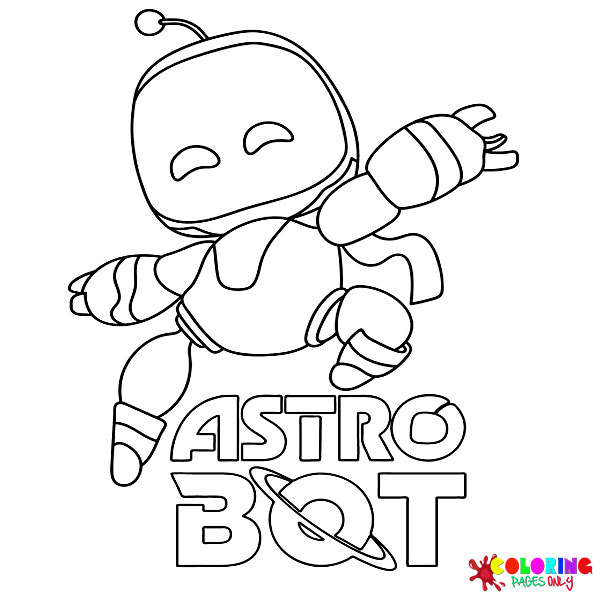
Astro Bot, Avatar World, Poppy Playtime, Dandy’s World, and Grand Theft Auto V are among the strongest-performing sub-categories in this collection.
Why does Fortnite not have one canonical character design?
Fortnite’s visual identity is built around a constantly rotating cast of cosmetic skins rather than a small set of fixed characters, so its coloring pages reflect both the game’s core look and its most popular seasonal skins, like Midas and Peely.
Are these pages free to print?
All pages are free to download as a PDF and print, or to color online in the browser. No account, email, or payment is required.
Are these pages suitable for young children?
Yes, for most of the collection. Simple, colorful characters like Kirby, Among Us crewmates, and Pikmin work well for younger children, while detailed franchises like Cuphead or MOBA champion rosters suit older children better.
How often are new sub-categories added?
New sub-categories are added regularly as the gaming landscape changes, since viral games and characters can generate significant coloring page demand within weeks of release.
What is the difference between Minecraft and its adjacent sub-categories, like Chicken Jockey?
Minecraft covers the game’s core cast and block aesthetic broadly, while sub-categories like Chicken Jockey focus on one specific, especially popular in-game element that has its own dedicated fan demand.
Start Coloring
Choose a game or character above to browse that collection, or open any page to download it as a free PDF or color it online in the browser. No account, email, or payment is required. Share finished pages on Facebook or Pinterest with the share buttons on each page.
More Games Coloring Pages
Jump straight to a specific collection: