Fantasy and Mythology Coloring Pages
 By:
Jennifer Thoa - Content Editor & Designer
Updated:
By:
Jennifer Thoa - Content Editor & Designer
Updated:
Fantasy and mythology coloring pages bring together 49 collections and 2,098 individual designs covering the imaginary, the mythological, and the supernatural in its full range, from the foundational creatures of ancient Greek mythology through the medieval world of knights and castles, the fairy tale tradition of fairies and mermaids, the Victorian and Gothic monster canon of Frankenstein and vampires, the modern fantasy staples of unicorns and dragons, the folklore cryptids of Bigfoot and the Yeti, the astrological tradition, and a large group of whimsical, surreal miniature-world designs that sit outside any single tradition’s logic. This is the category for any subject that could not exist in the world as documented science understands it, and for the medieval and historical settings that produced the storytelling traditions these creatures inhabit.
Every page in this collection is free to download as a PDF and print, or to color online directly in the browser.
What Is Inside This Collection
Greek and Classical Mythology
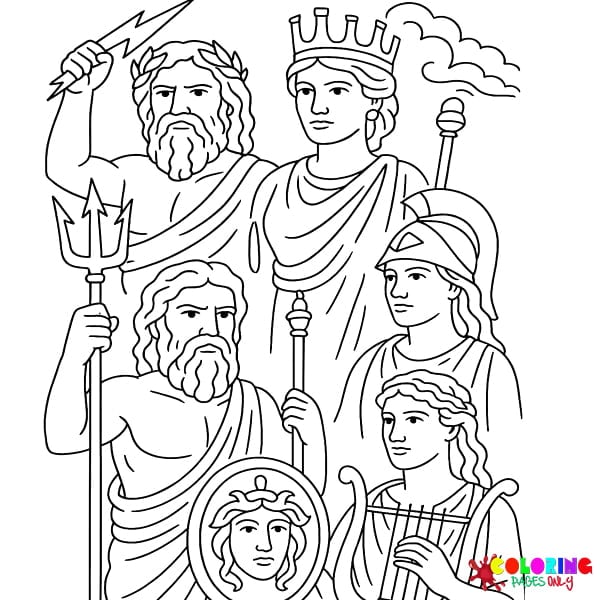
Greek Mythology covers the full Olympian tradition, the gods, heroes, and monsters of ancient Greek storytelling that have remained part of the Western cultural vocabulary for over two thousand years: Zeus, Athena, and Poseidon among the Olympian gods; Heracles, Perseus, and Achilles among the heroes; Medusa, the Minotaur, and the Cyclops among the monsters. The visual identity of Greek mythology in illustration typically involves classical drapery, marble-white architectural settings, and dramatic compositions built around physical and divine confrontation.
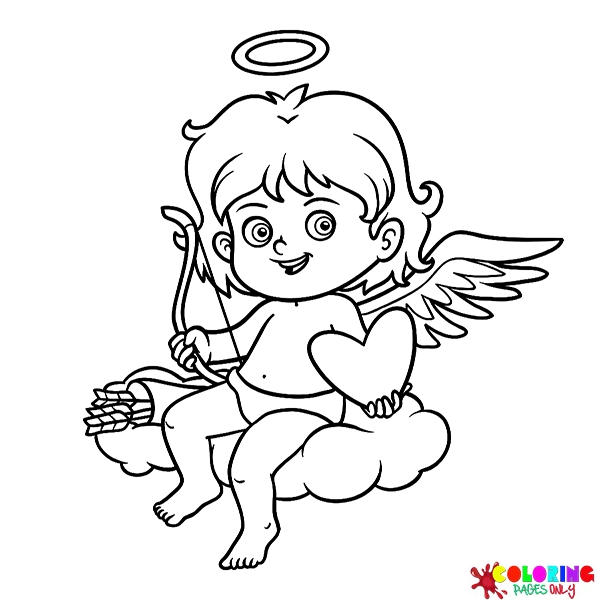
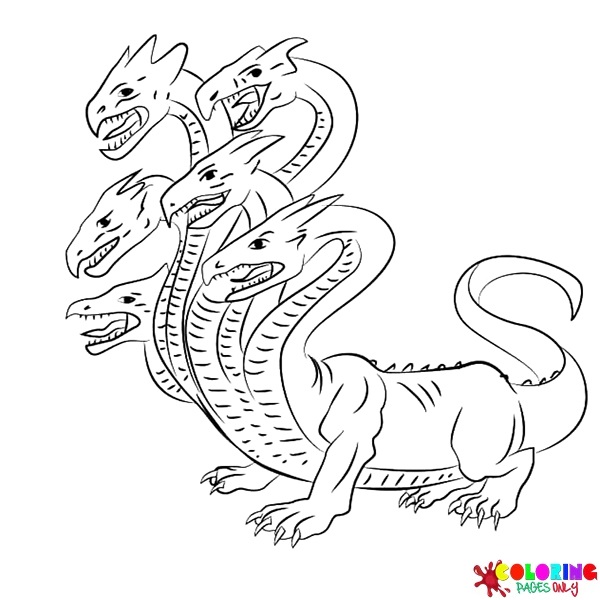
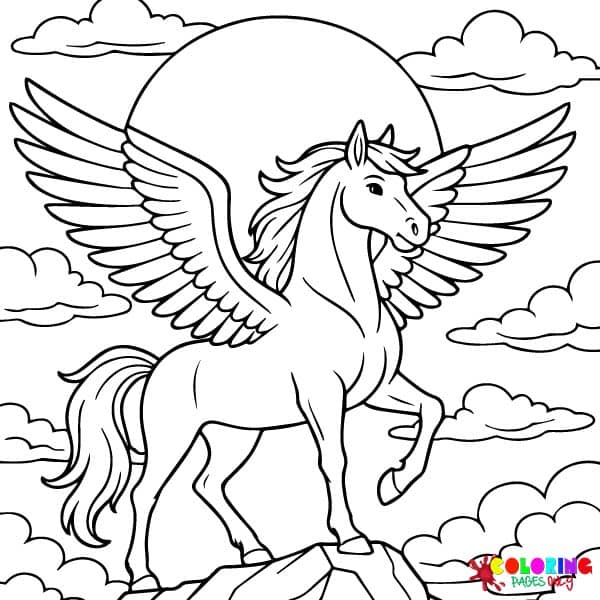
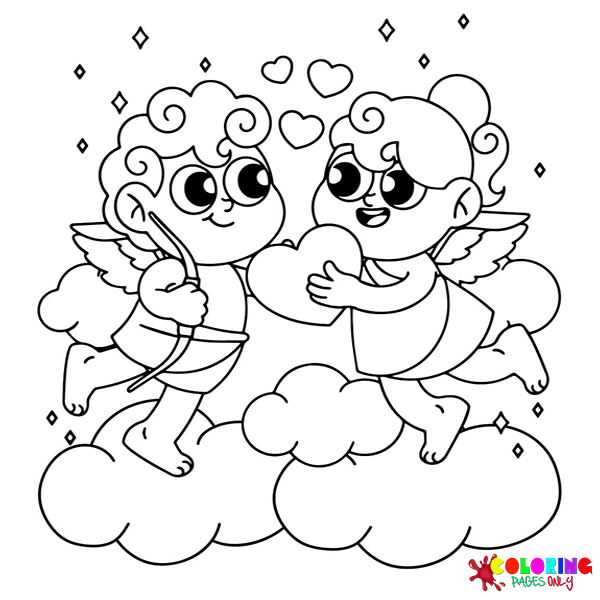
Cupid, technically the Roman equivalent of the Greek Eros, has his own dedicated sub-category, reflecting the arrow-bearing winged figure of love’s enduring visual presence far beyond his mythological origins. Hydra covers the multi-headed serpentine water monster of Greek myth, whose heads regenerate when cut off, one of mythology’s most compositionally unusual creatures. Pegasus covers the winged horse of Greek myth, a figure so visually established that the white horse with feathered wings has become a generic fantasy symbol far beyond its specific mythological origin.
The Fairy Tale Tradition: Fairies, Mermaids, and Unicorns
The three most searched sub-categories in this collection all come from the same broad tradition, the fairy tale and folkloric imagination of Northern European storytelling that produced the most globally distributed fantasy creatures in the coloring page world.
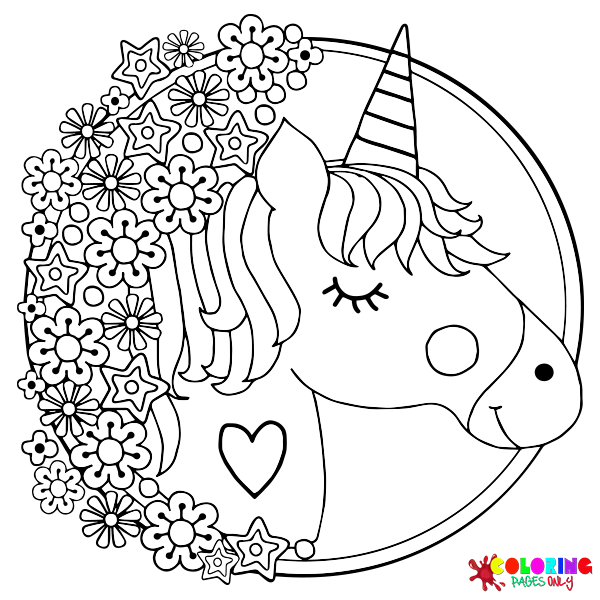
Unicorn is the highest-traffic sub-category in the entire collection. The white horse with a single spiraling horn has been a symbol of purity, rarity, and magic since medieval European bestiaries first documented it as a real animal, and its contemporary visual life is defined by a specific modern aesthetic: the rainbow-iridescent, pastel-palette, glitter-adjacent unicorn that dominates children’s merchandise and coloring pages alike. Both the classical white-and-silver unicorn and the modern rainbow-pastel unicorn have their own place in the collection.
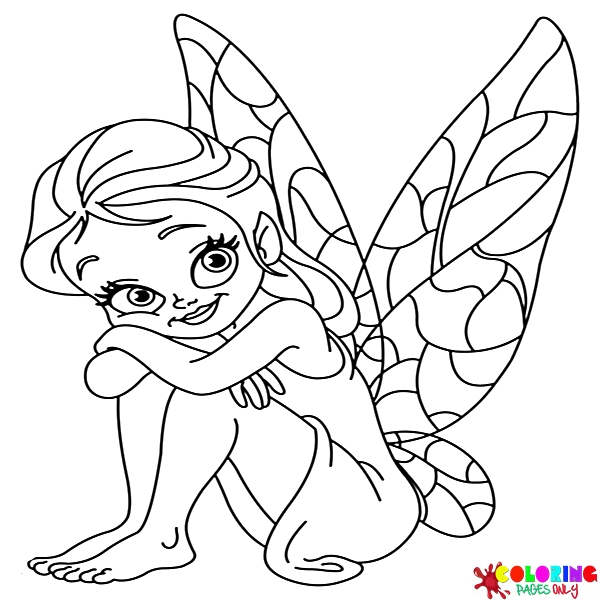
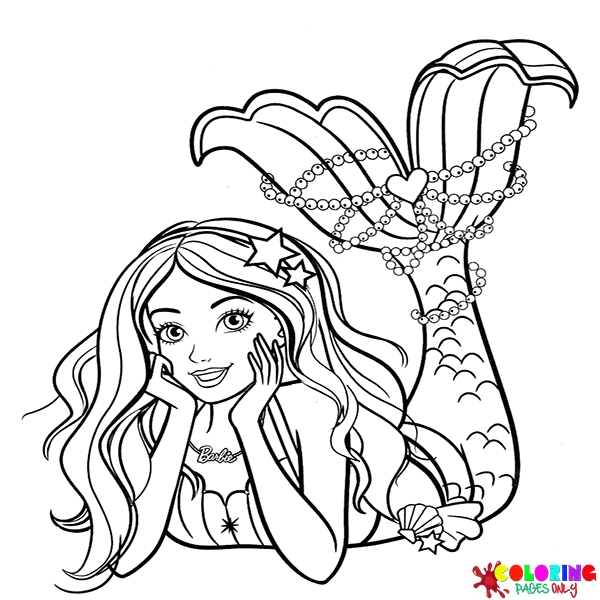
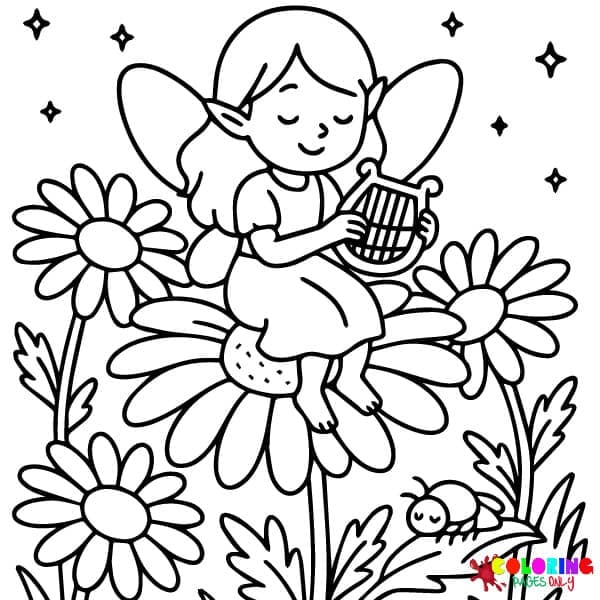
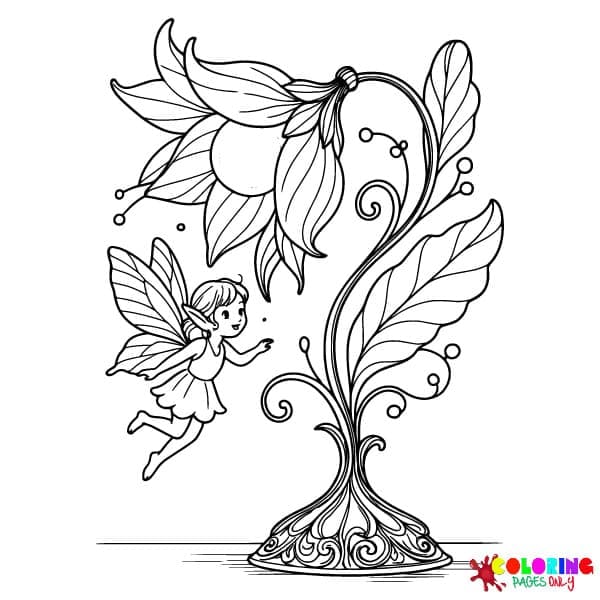
Mermaid covers the half-human, half-fish figure who has appeared in the mythology of virtually every coastal culture in the world, from the Greek sea-nymph tradition through the European siren, the Scottish selkie, the Slavic rusalka, and the contemporary fairy tale mermaid whose visual identity was largely established by Hans Christian Andersen and solidified by Disney’s 1989 The Little Mermaid. Fairy covers the small winged magical beings of English and Celtic folkloric tradition, delicate figures with insect-like wings, often depicted in flower or forest settings. Flower Fairies covers the specific intersection of fairy and botanical illustration, fairies associated with individual flowers, each with a color palette derived from the flower they inhabit.
Dragons, Witches, and the Dark Fantasy Tradition
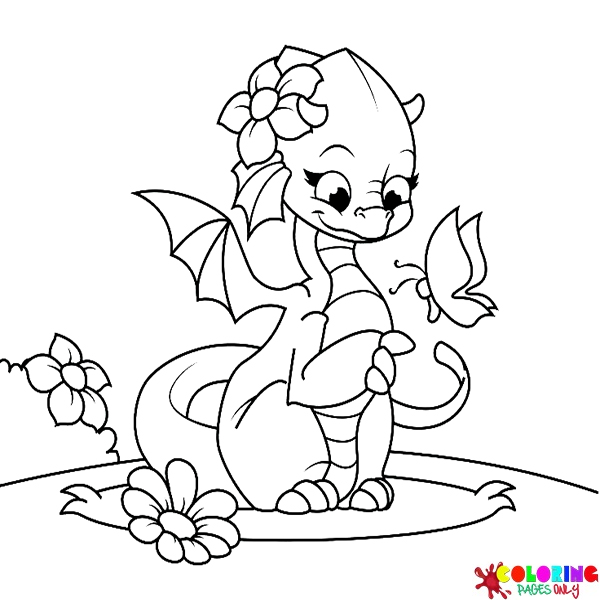
Dragon is the collection’s most globally significant mythological creature sub-category. The dragon appears independently in the mythologies of virtually every major culture: the fire-breathing winged dragon of Western medieval tradition, the long serpentine water-dragon of Chinese and East Asian tradition, the Norse wyrm, and the Slavic zmey.
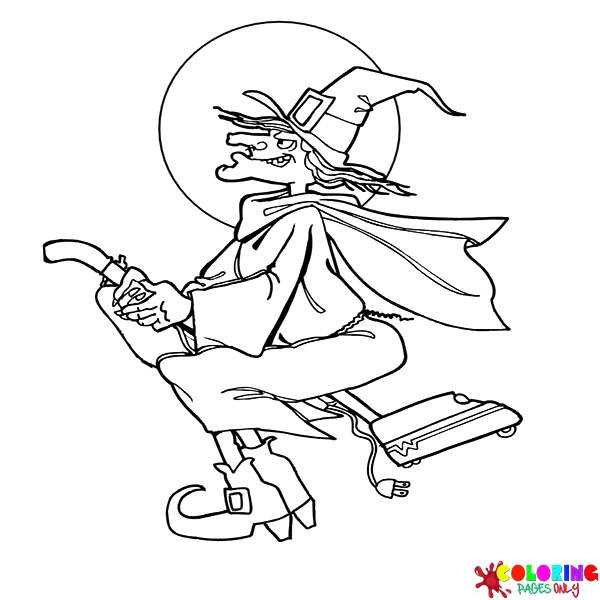
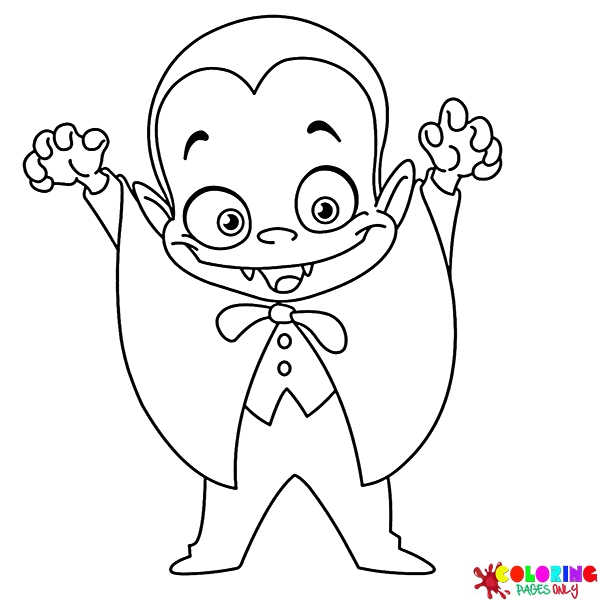
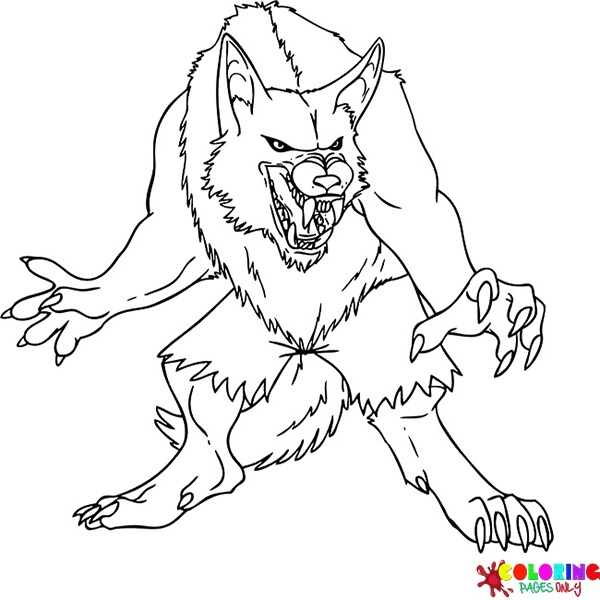
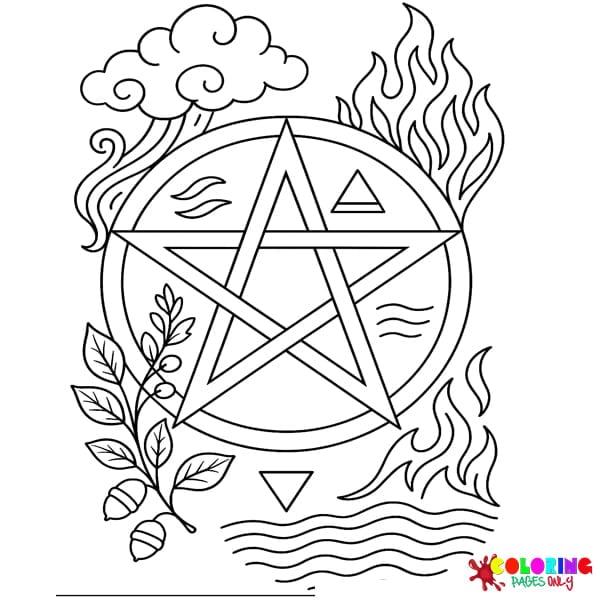
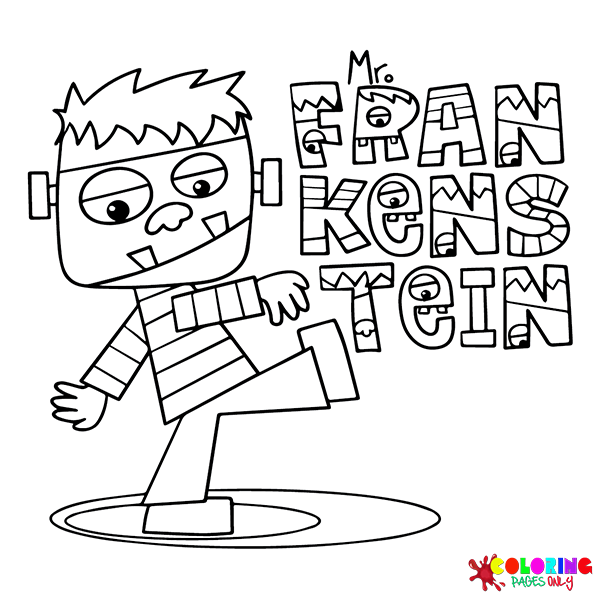
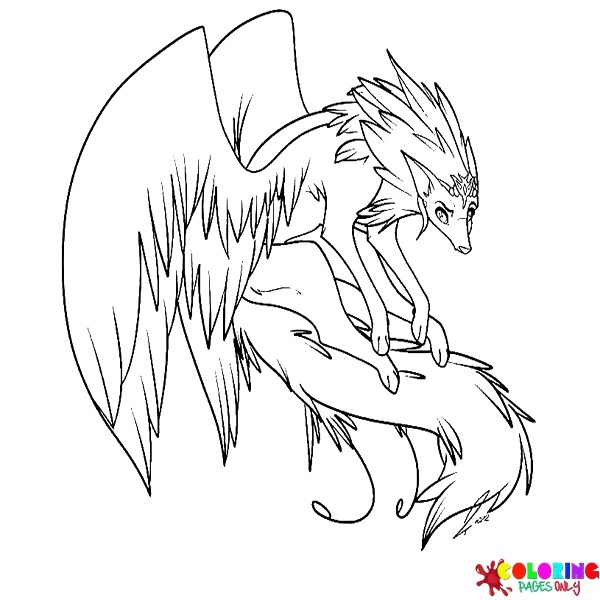
Witch covers one of the most visually rich and culturally variable figures in the collection, from the pointed-hat, broomstick-riding Halloween witch of Western popular culture to the more dignified figure of the wise woman or cunning folk of historical tradition. Wicca and Pagan cover the contemporary spiritual traditions that draw on pre-Christian European practices: pentacles, moon phases, herbs, and cauldrons. Wolf With Wings covers the chimeric creature combining wolf and bird, a hybrid that appears across fantasy illustration and heraldry. Werewolf covers the transformation legend in its illustrated form: the partially transformed figure, the fully lupine werewolf, and the human-wolf hybrid silhouette against a full moon. Vampire covers the undead blood-drinker across its visual traditions, the Eastern European folkloric vampire, the Victorian literary vampire of Bram Stoker’s Dracula, and the contemporary romantic vampire aesthetic. Frankenstein covers Mary Shelley’s 1818 creation in its most familiar form, the square-headed, bolt-necked, green-skinned monster of the 1931 Universal Pictures adaptation.
Medieval World: Knights and Castles
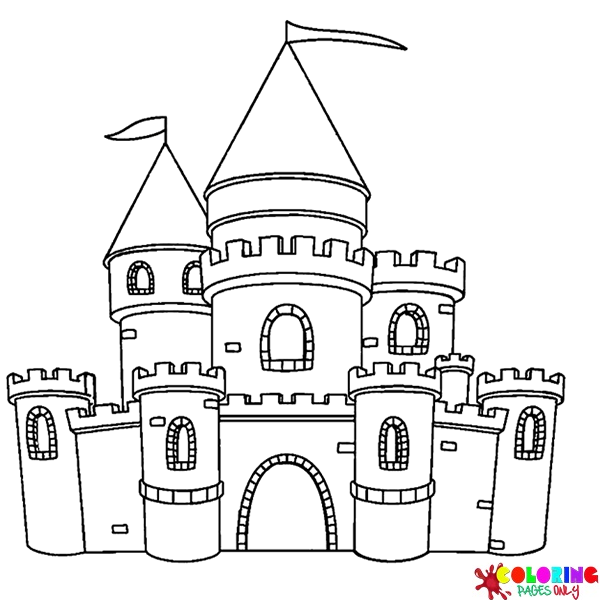
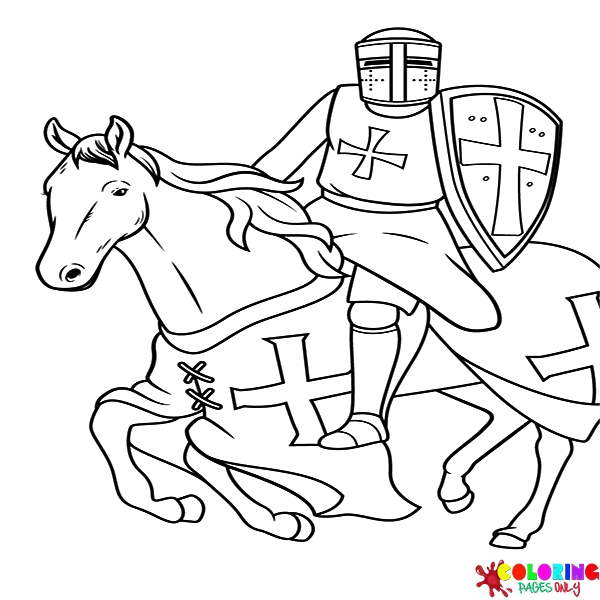
Castle covers the medieval fortified structure, stone towers, battlements, drawbridges, and moats, sitting at the intersection of history and fantasy: a real castle is a historical artifact, but the same visual form populated with dragons and knights becomes a fairy tale setting. Knight covers the armored medieval warrior, full plate armor, heraldic shield, and sword or lance, in both historical and fantasy contexts.
Angels and the Divine
Angel covers the winged divine messenger figure of Abrahamic religious tradition, from the guardian angel of Christian devotion to the lighter, more secular “angel” figure common in greeting cards and decorative art.
Pirates and Adventure
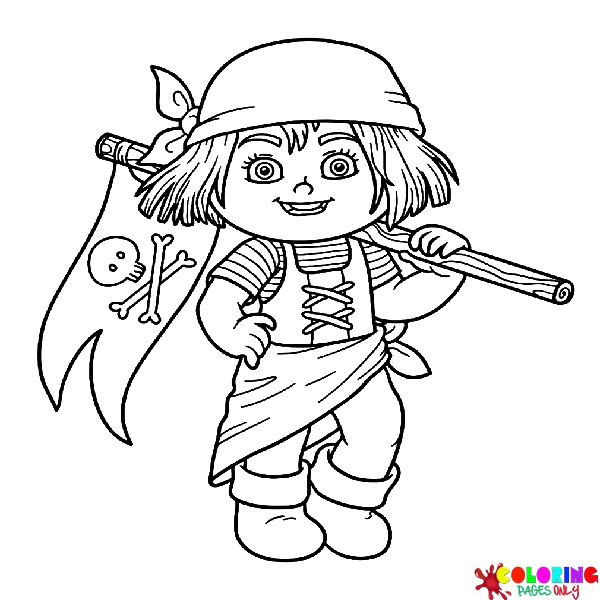
Pirate covers the maritime adventurer-outlaw figure in its romanticized illustrated form: the skull-and-crossbones flag, tricorn hat, cutlass, and treasure map. The pirate occupies an unusual position in this collection since the historical pirates of the Golden Age of Piracy were real people, but the pirate as a visual and storytelling figure is so thoroughly mythologized through Treasure Island, Peter Pan’s Captain Hook, and Pirates of the Caribbean that the figure belongs as much to fantasy as to history.
Cryptids and Folkloric Monsters
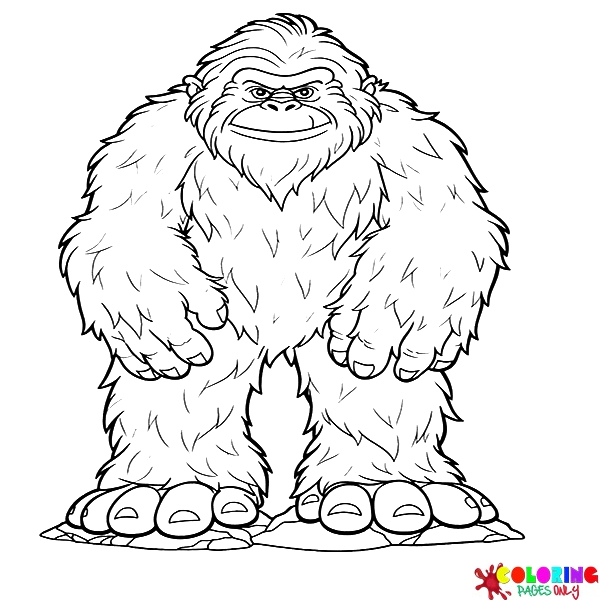
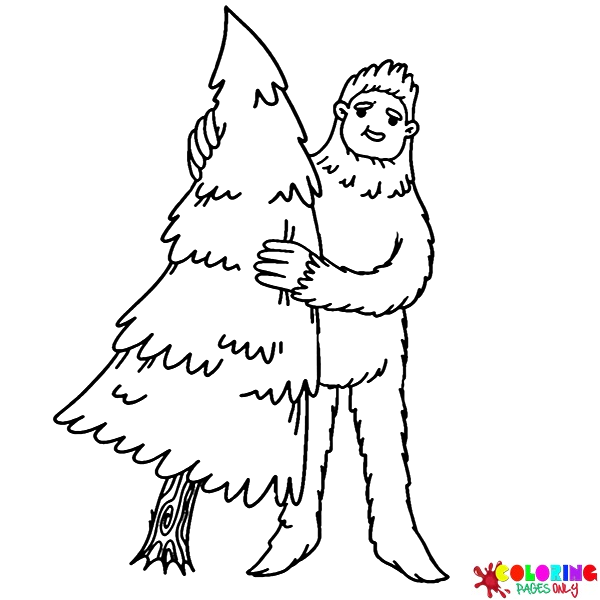
Bigfoot and Yeti together cover the two most famous cryptids in the world, the large bipedal ape-like creatures reported in the Pacific Northwest (Bigfoot, also called Sasquatch) and the Himalayas (Yeti, also called the Abominable Snowman).
Astrology and the Zodiac
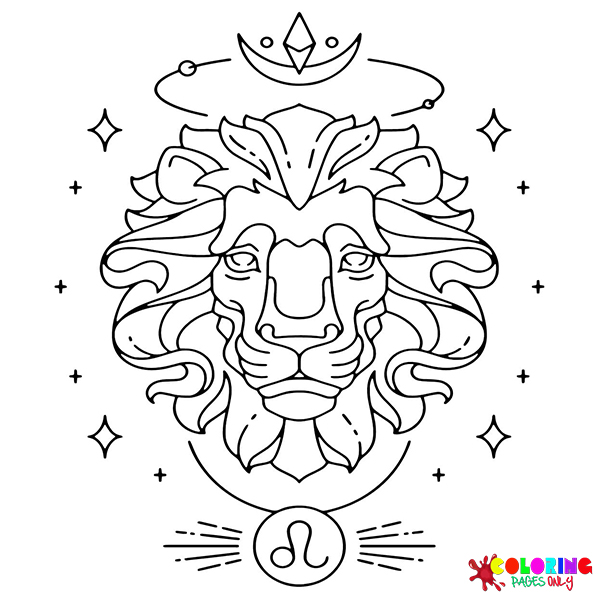
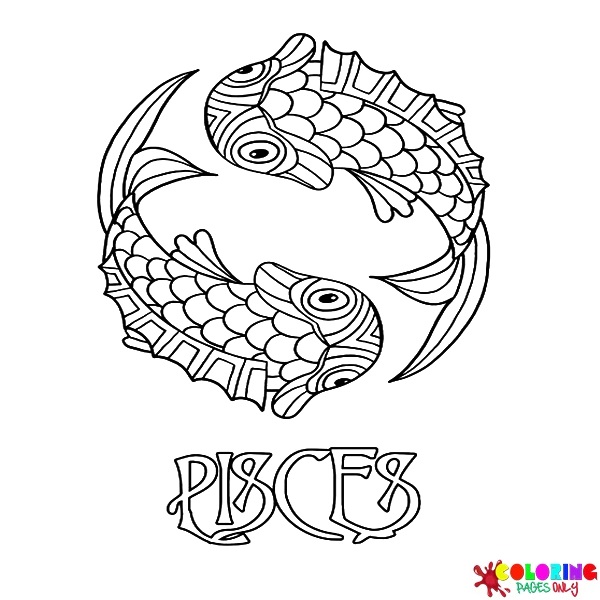
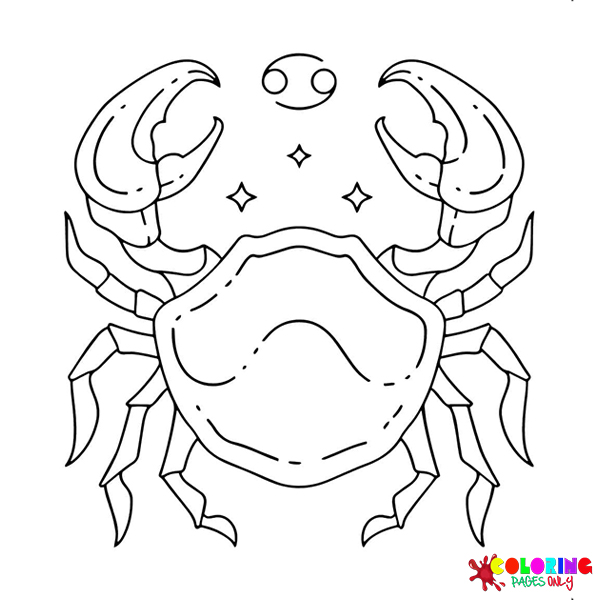
Three sub-categories cover the astrological tradition. Cancer covers the fourth zodiac sign (June 21 to July 22), associated with the crab and the element of water. Leo covers the fifth zodiac sign (July 23 to August 22), associated with the lion and the element of fire. Pisces covers the twelfth zodiac sign (February 19 to March 20), associated with the two fish and the element of water.
Natural Phenomena and Hybrid Figures
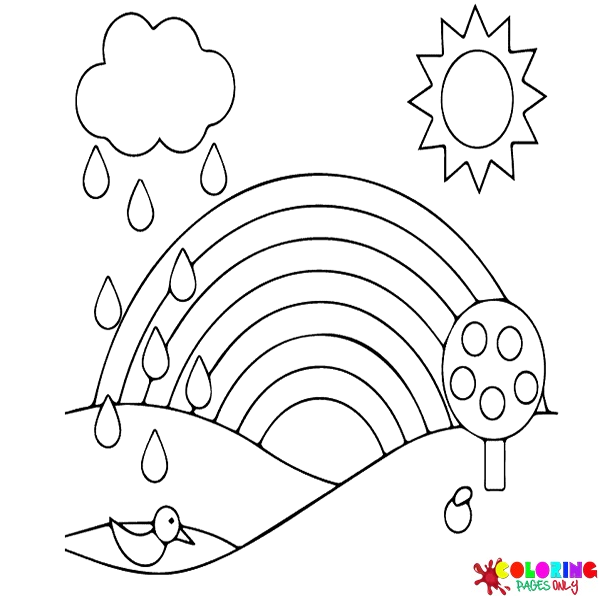
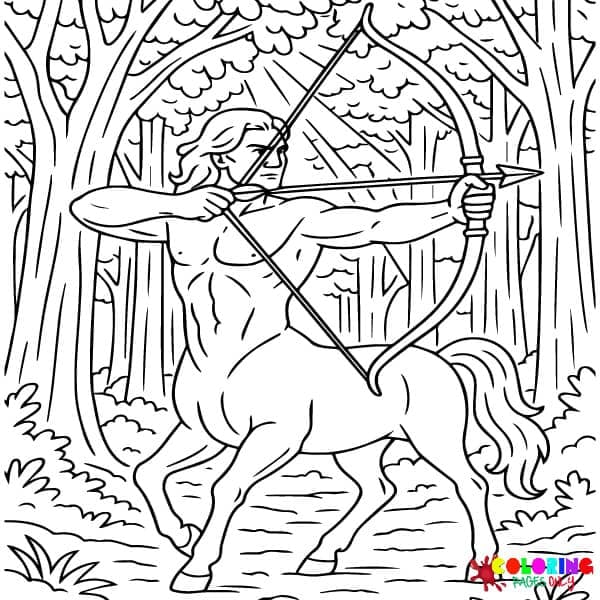
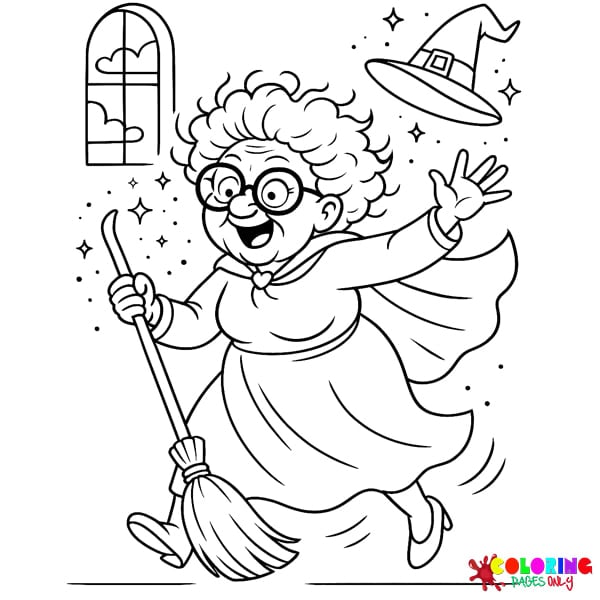
Rainbow covers the atmospheric optical phenomenon in coloring page form, arching bands of color across sky and landscape. Crazy Grandma covers the whimsical, warm, slightly chaotic energy of the “crazy grandma” character archetype. Human-Animal Hybrids covers the broader category of chimeric figures, part human, part animal, extending from the classical centaur and minotaur through contemporary fantasy character design.
Whimsical and Surreal Miniature Worlds
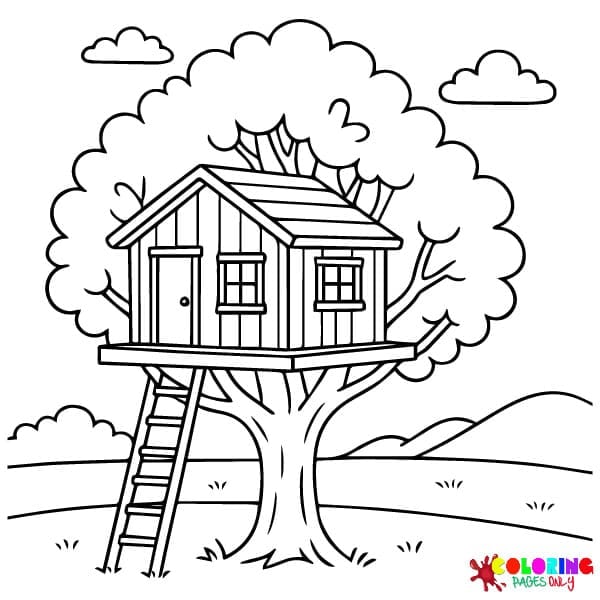
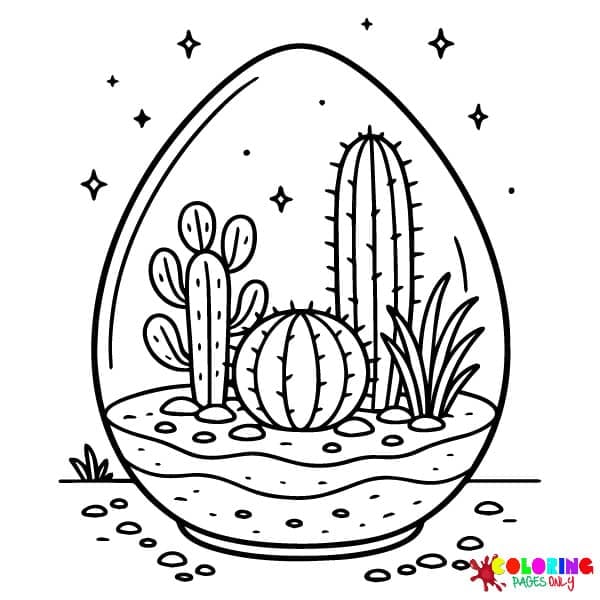
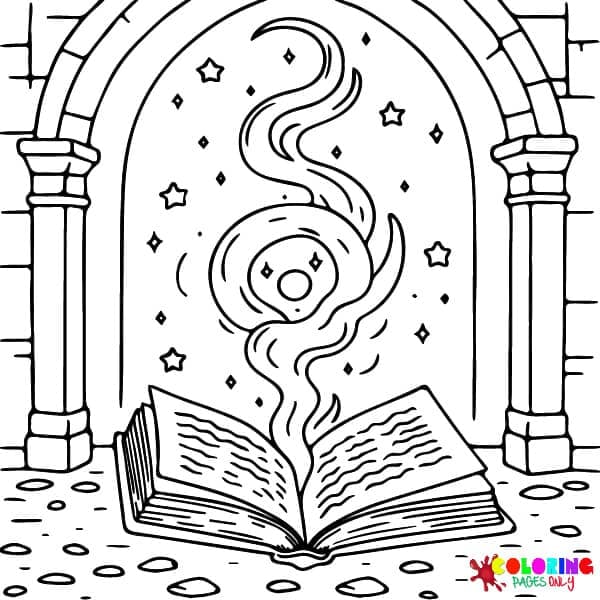
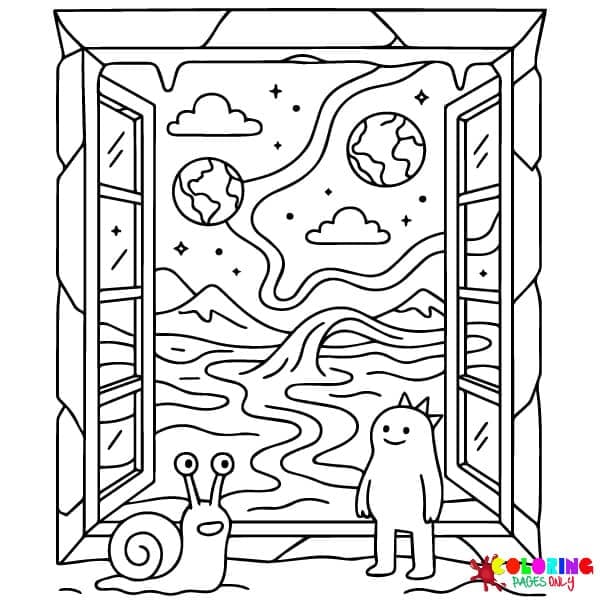
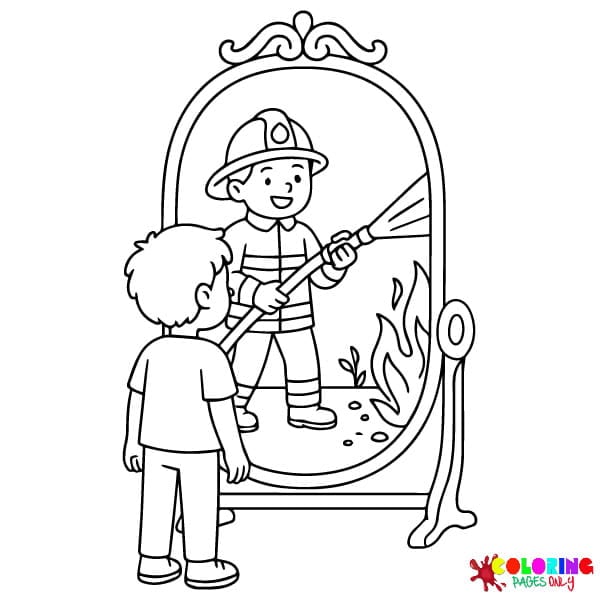
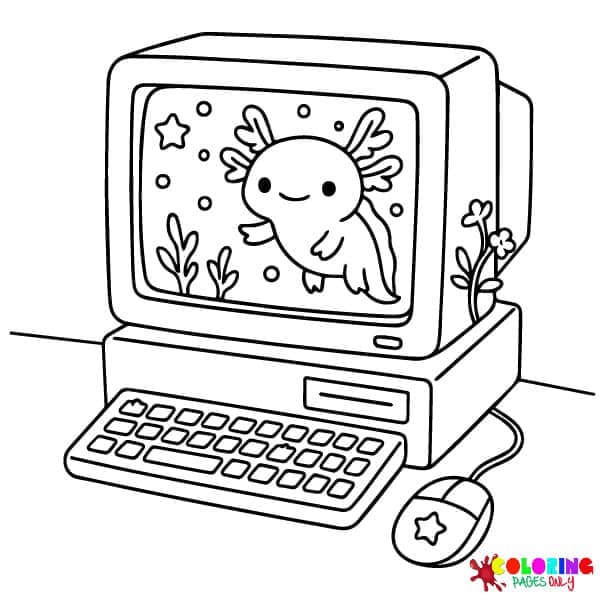
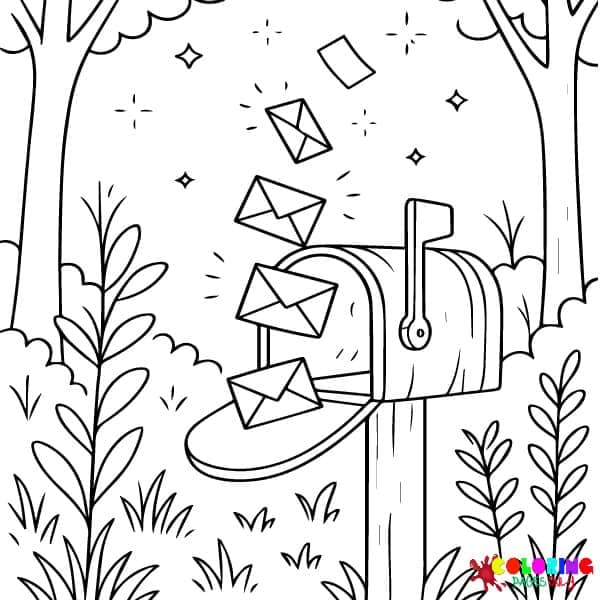
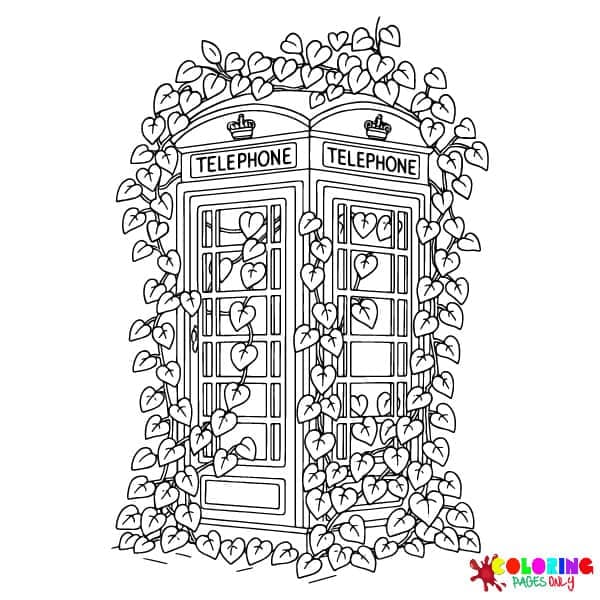
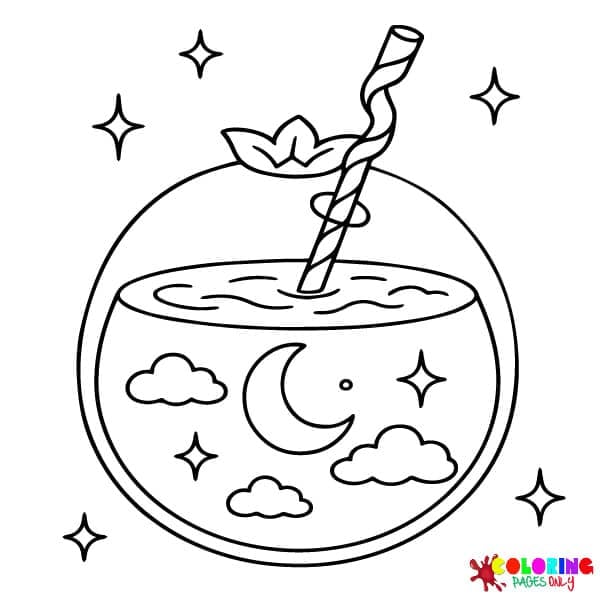
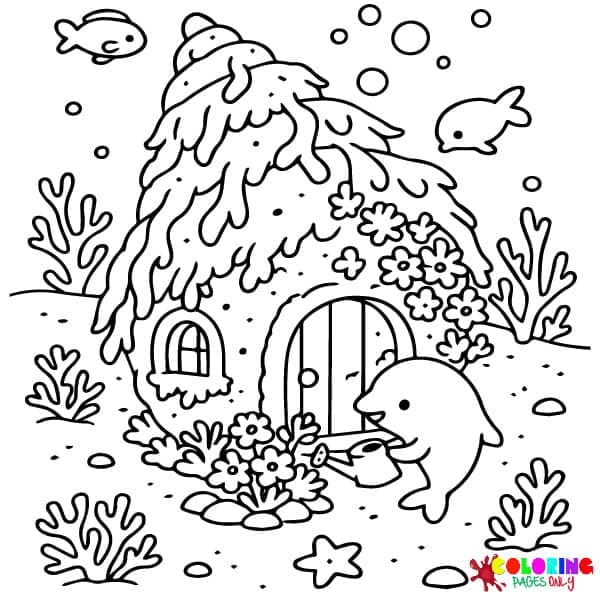
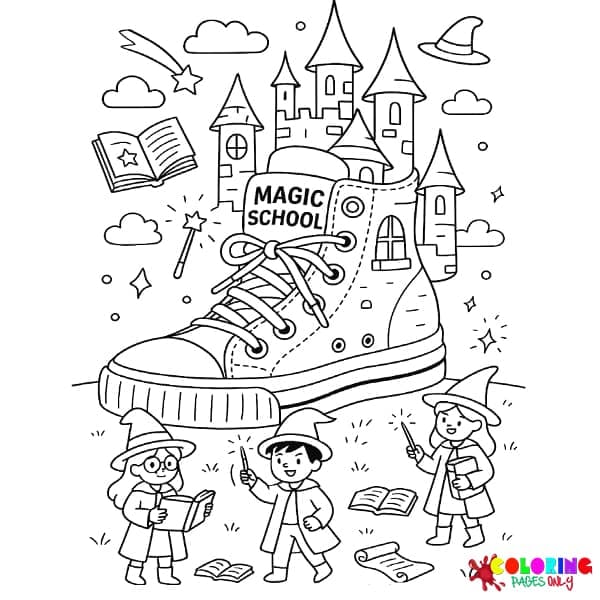
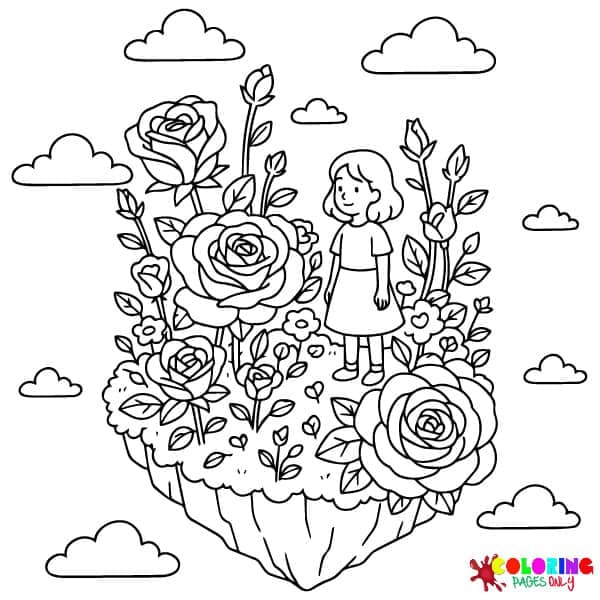
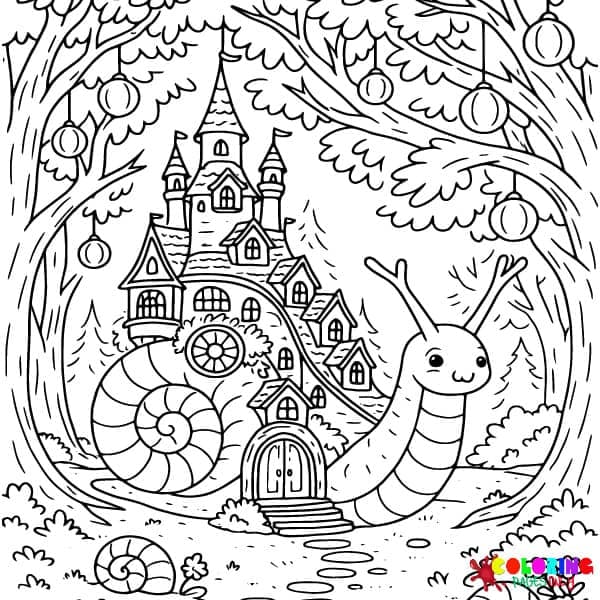
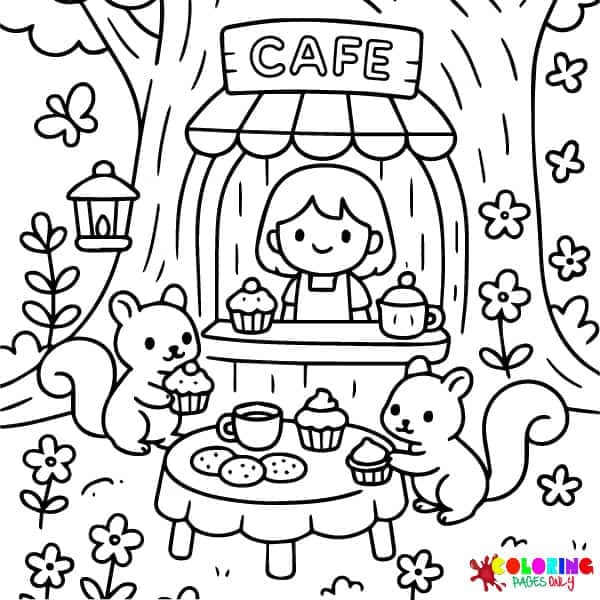
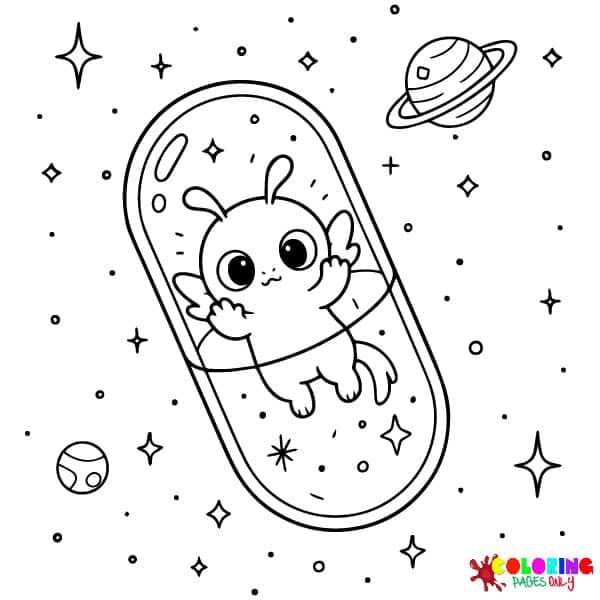
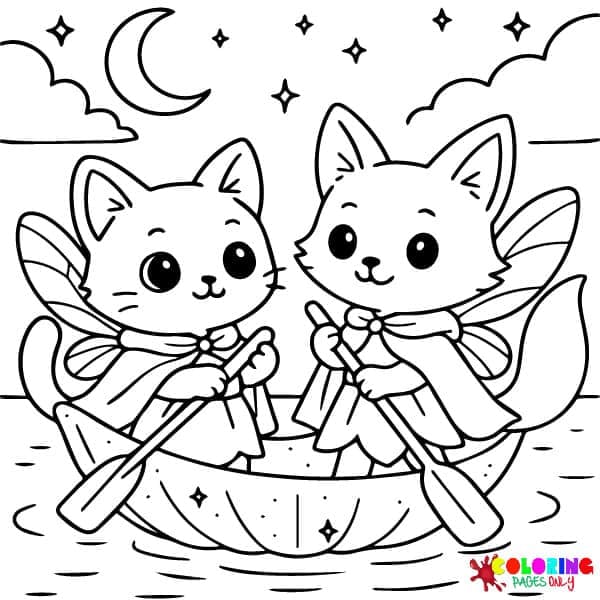
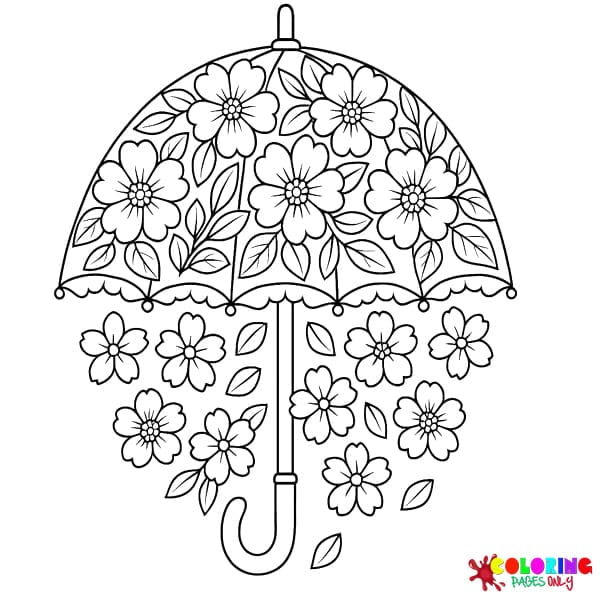
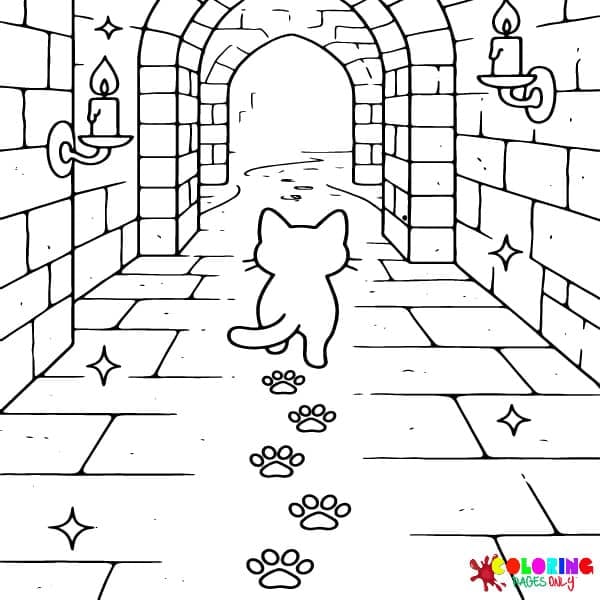
The largest single group in this collection, 22 sub-categories, covers whimsical and surreal miniature-world scenes: small, dreamlike environments and objects that could not exist as documented reality but do not belong to any single mythological or folkloric tradition either. This group includes Magical Mailbox, Dreamy Landscape, Tree House, Terrarium, Tiny World, Multidimensional City, Sky Island Adventures, Magical Fruit Drinks, Whimsical Window, Tiny Forest Cafe, Wishing Mirror, Magical Book, Whimsical Fairy Animals, Slowmotion Snail City, Enchanted Lamps, Digital Windows, Vista Capsule, Enchanted Phone Booths, Pawprint Adventure, Sneakerland, Petal Parasol, and Seashell House. Each imagines an everyday object or setting (a mailbox, a phone booth, a snail, a pair of sneakers) rebuilt at an impossible scale or filled with an impossible interior world, a visual style closer to contemporary dreamlike digital art than to classical mythology, grouped here because it shares the same “could not exist in documented reality” logic as the rest of the collection.
What Fantasy and Mythology Coloring Pages Do
The American Academy of Pediatrics identifies fine motor skill development as a core benefit of structured coloring for children ages 2 through 7. A 2005 study in the Art Therapy Journal documented measurable reductions in anxiety following structured coloring sessions.
Mythological and fantasy subjects also give children an entry point into world history and storytelling traditions, from Greek mythology to medieval history to global folklore, alongside the pure creative benefit of inventing colors for creatures that do not exist in nature.
How to Color Fantasy and Mythology Pages Well
- Research the tradition before choosing colors: Greek mythology favors marble white and gold, Chinese dragons favor jade green and gold, Western dragons favor deep red or black against stone.
- Give mermaids a natural aquatic palette: blue-green tones for the tail and water work well, leaving the human upper half open for personal variation in skin tone and hair.
- Use warm gold light for angels and fairies: feathered wings read best in white or cream with a warm gold highlight rather than a flat single color.
- Keep dragon scale texture consistent: pick one base color per dragon and vary only the shading between scales, rather than switching hues across the body.
- Use cool blues and greys for cryptids: Bigfoot in dark brown or black, Yeti in white or grey, set against a simple forest or snow background.
- Treat whimsical miniature-world scenes as a single cohesive palette: since these designs show a small world inside an object, keep the interior scene’s colors consistent with the mood of the exterior object rather than coloring each piece independently.
5 Creative Craft Ideas With Fantasy and Mythology Coloring Pages
1. Mythical Creature Diorama. Color a dragon, unicorn, or Pegasus, cut it out, and stand it inside a shoebox scene with a hand-drawn background to build a small diorama.
2. Zodiac Wall Chart. Color all three zodiac pages and arrange them on a poster with the sign names and dates for a simple astrology-themed wall chart.
3. Fairy Garden Marker. Color a fairy or flower fairy page, laminate it, and attach it to a garden stake to mark a real or pretend fairy garden bed.
4. Castle and Knight Storyboard. Color a castle and a knight page together and arrange them side by side to invent and narrate an original medieval story.
5. Miniature World Bookmark. Color one of the whimsical miniature-world pages, trim it to bookmark size, and laminate it for a small keepsake bookmark.
Frequently Asked Questions
What is included in the Fantasy and Mythology collection?
The collection spans 49 sub-categories and 2,067 pages, covering Greek mythology, the fairy tale tradition of fairies and mermaids, dragons and dark fantasy creatures, medieval knights and castles, angels, pirates, folkloric cryptids, the zodiac, and a large group of whimsical miniature-world designs.
What is the difference between the mythology sub-categories and the whimsical miniature-world sub-categories?
The mythology and folklore sub-categories (dragons, unicorns, Greek gods, vampires, and similar) draw on real, documented storytelling traditions. The whimsical miniature-world sub-categories (Magical Mailbox, Tiny World, Terrarium, and similar) are original imaginative scenes that do not come from any specific tradition, grouped here because they share the same “could not exist in documented reality” logic as the rest of the collection.
Which sub-category gets the most traffic?
Unicorn is the highest-traffic sub-category in the collection, followed by Fairy, Mermaid, and Dragon.
Are these coloring pages suitable for young children?
Yes, though difficulty varies by sub-category. Simpler figures like Rainbow, Unicorn, or Fairy work well for younger children, while detailed subjects like Dragon or Knight, with armor plating and scale texture, suit older children and adults better.
Are these pages free to print?
All pages are free to download as a PDF and print, or to color online in the browser. No account, email, or payment is required.
Does the collection include real historical subjects, like actual castles?
Yes, in a limited sense. Castle pages include both real historical castle designs and fantasy castle scenes populated with dragons and knights, since the collection treats castle architecture as belonging to both history and fantasy.
Why are zodiac signs included in a fantasy and mythology collection?
The zodiac and astrology are a folkloric and symbolic tradition rather than a documented scientific one, which places them in the same category as mythological creatures and figures that exist outside verified reality.
Is the collection missing any well-known mythological figures?
Some well-known figures are not yet part of the collection, and new sub-categories are added over time based on demand and production capacity.
Start Coloring
Download any page by clicking a collection above, no account, email, or payment required. Pages print directly from the browser at full resolution or open in the online coloring tool for screen use. Share finished pages on Facebook or Pinterest with the share buttons on each page.
More Fantasy and Mythology Coloring Pages
Jump straight to a specific collection: