
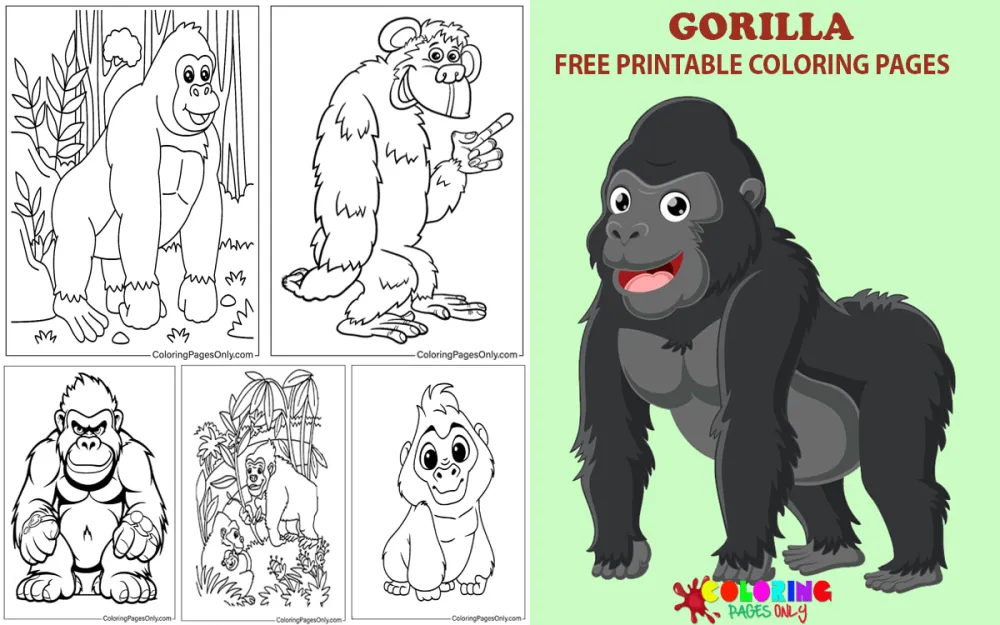
Free gorilla coloring pages: 31 printable PDF designs spanning realistic wildlife portraits, cartoon and cute styles, and a few playful, everyday scenes. Every page can be downloaded as a PDF to print or colored online in the browser.
Gorillas belong to two species, the Western gorilla and the Eastern gorilla, both classified as endangered or critically endangered by the International Union for Conservation of Nature, largely due to habitat loss, poaching, and disease. A mature male gorilla is called a silverback, named for the saddle of gray or silver hair that develops across his back after around age 12, and he leads a troop that typically includes several females and their offspring. Despite their strength, gorillas are almost entirely herbivorous, spending much of the day eating leaves, stems, shoots, and fruit rather than the bananas often shown in cartoons and zoos.
This collection reflects both sides of that reality: detailed wildlife-style portraits alongside cartoon, cute, and playful gorilla designs.

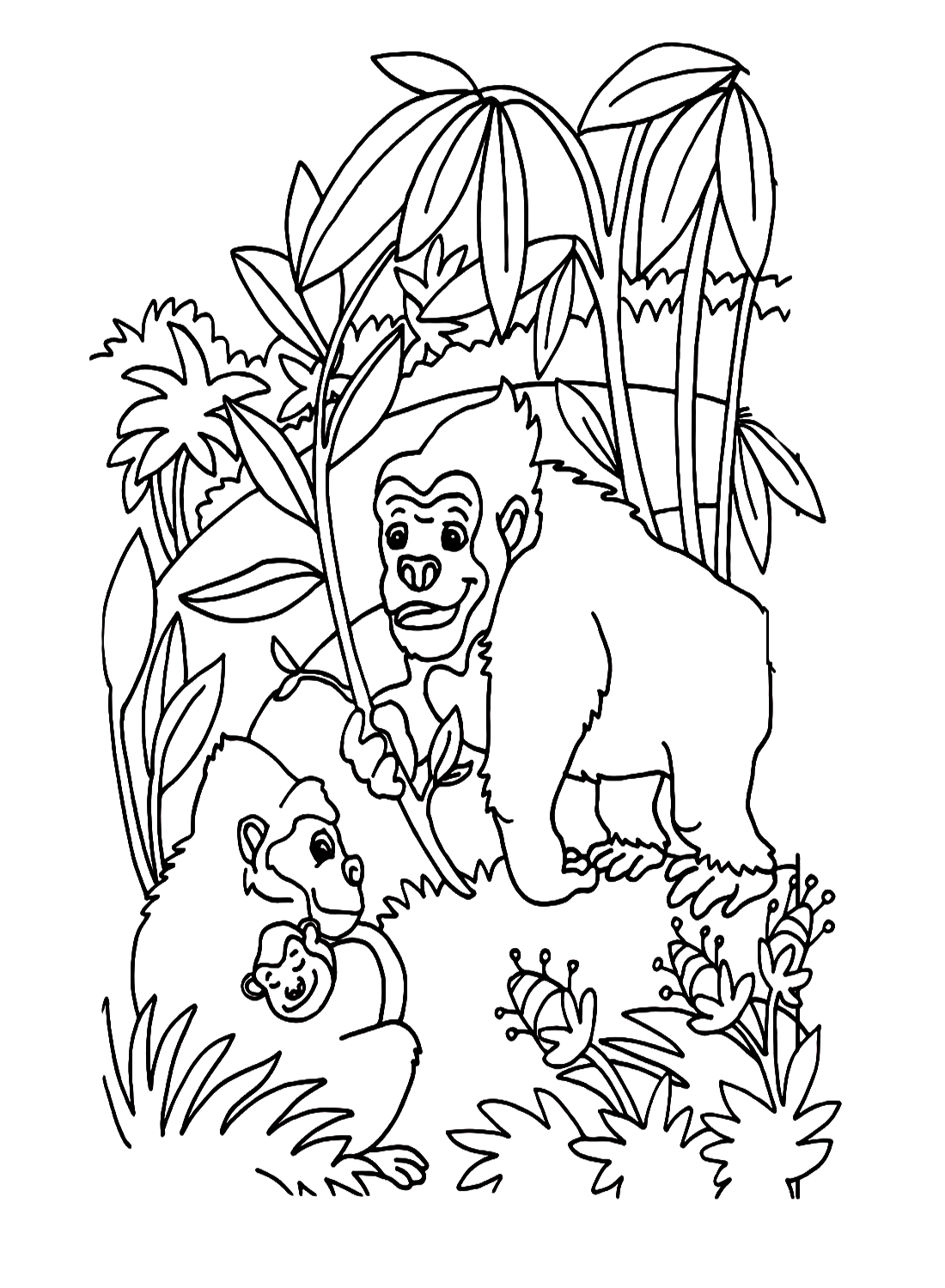
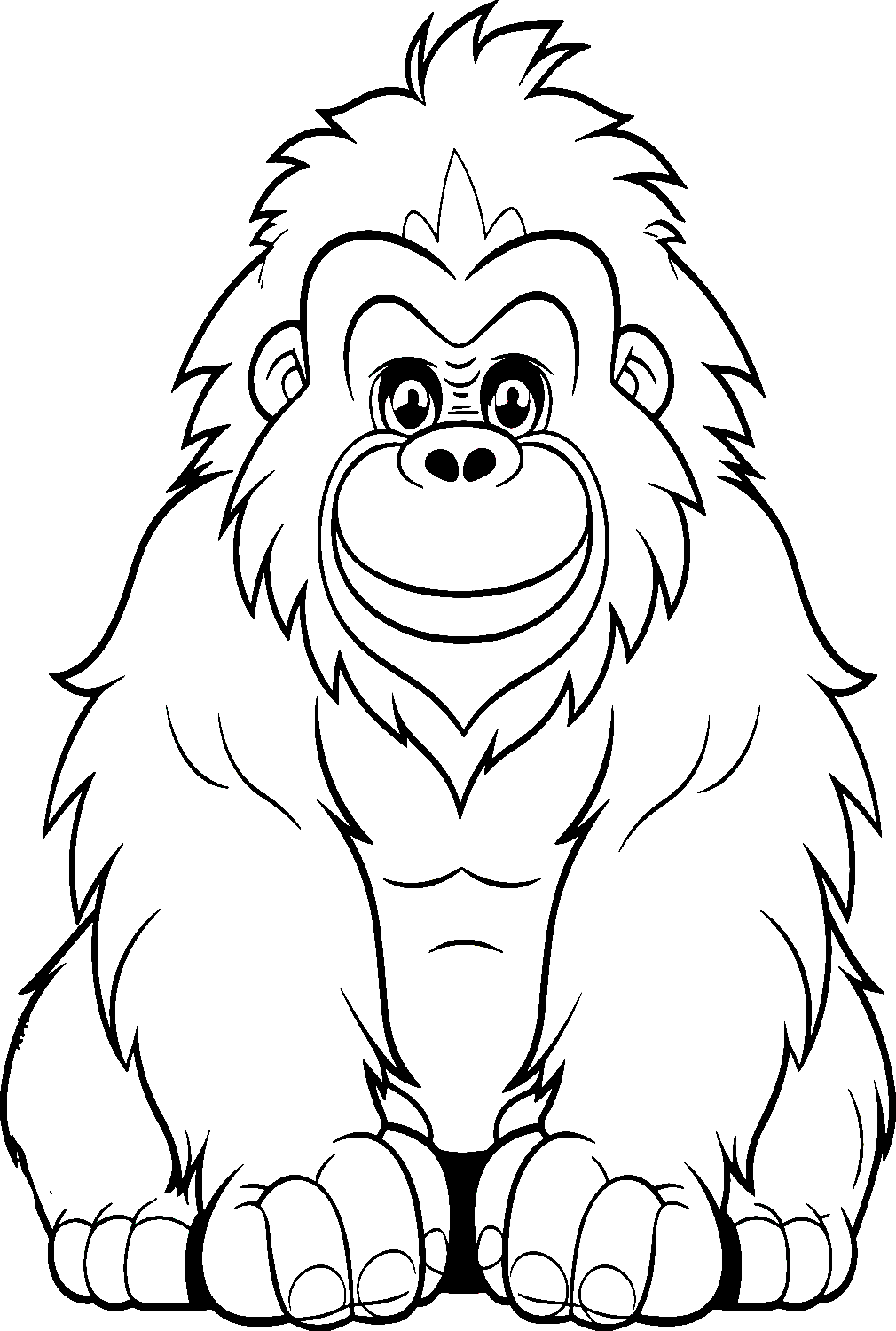

What Is Inside This Collection
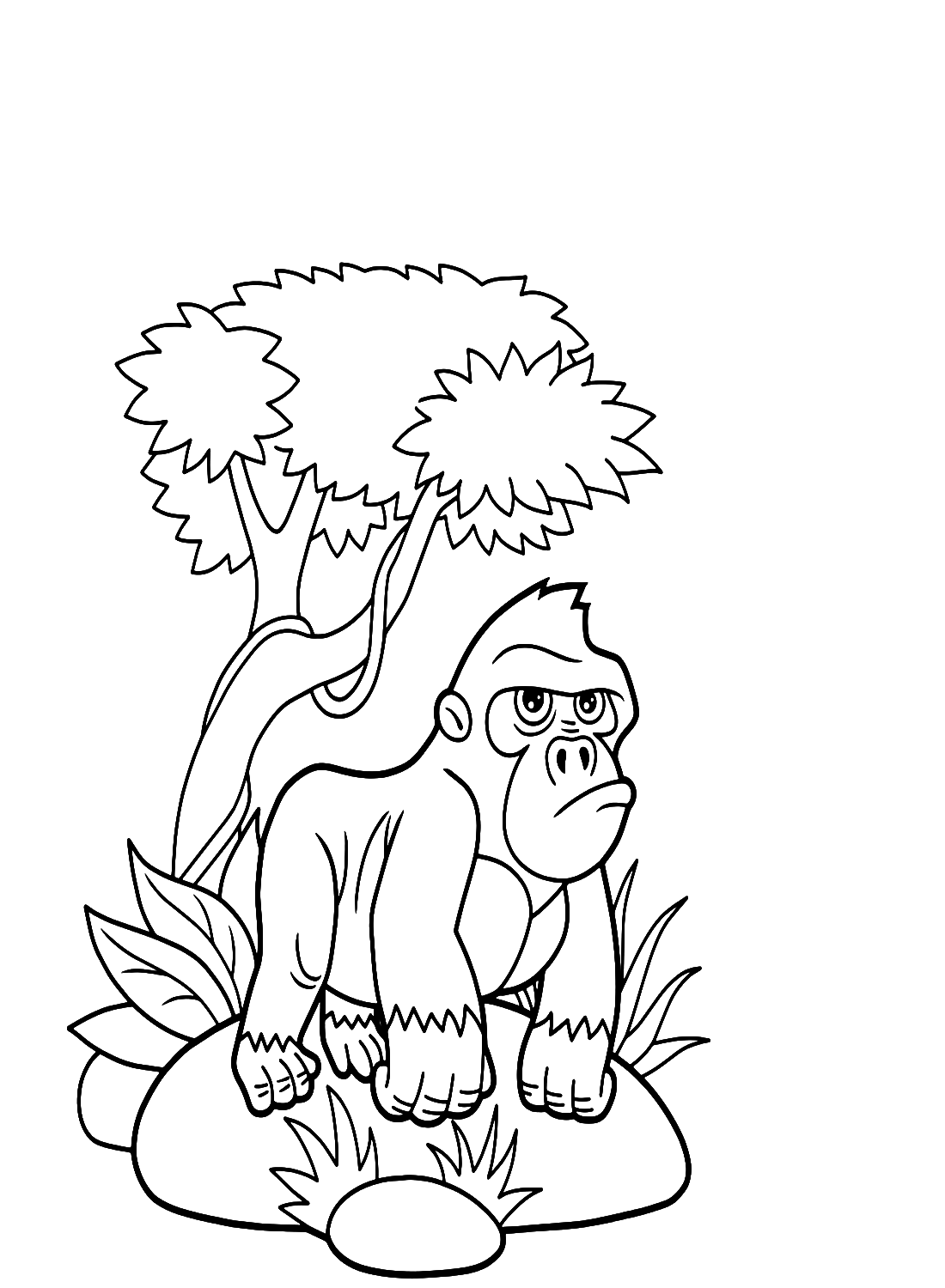
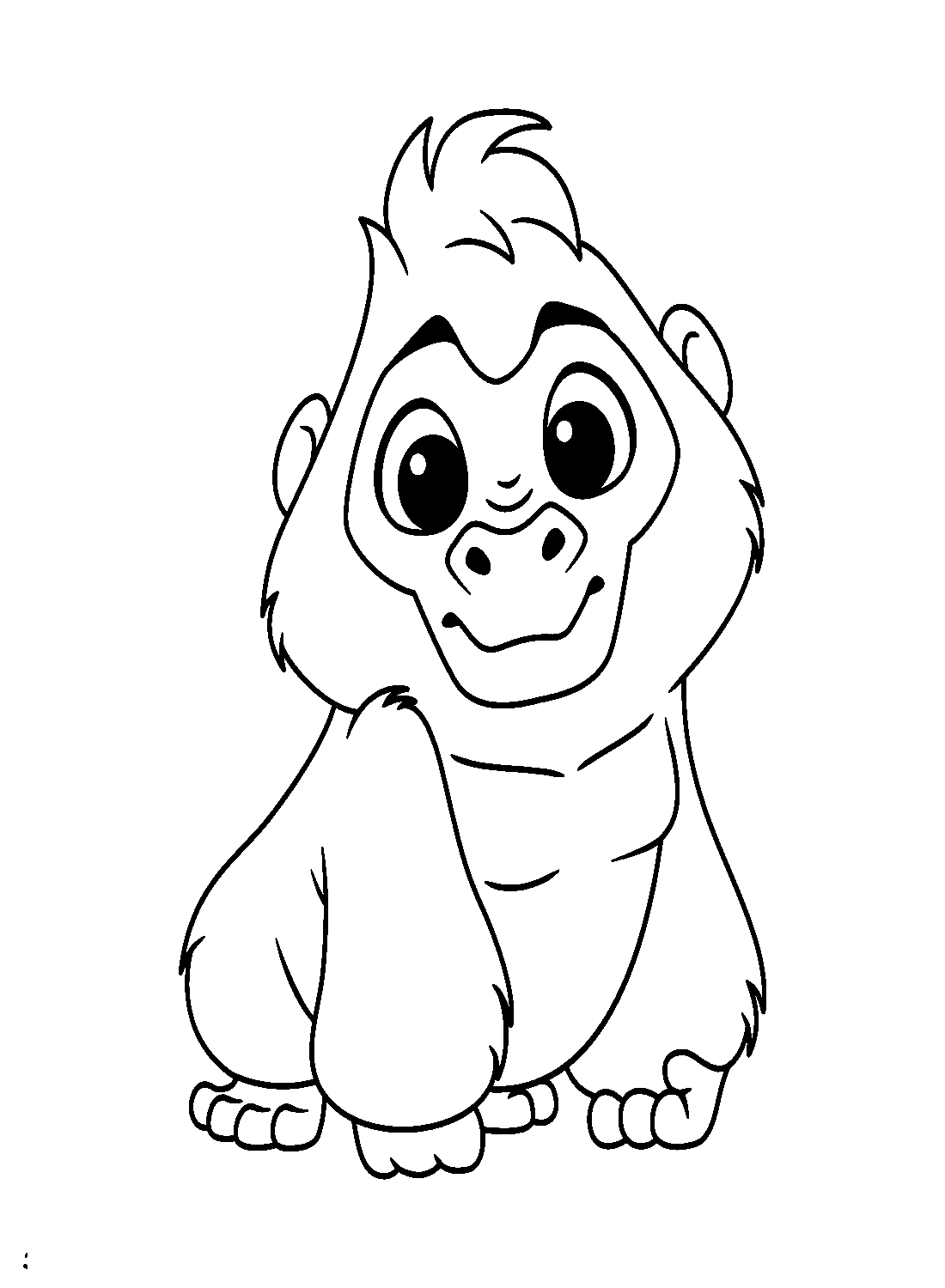
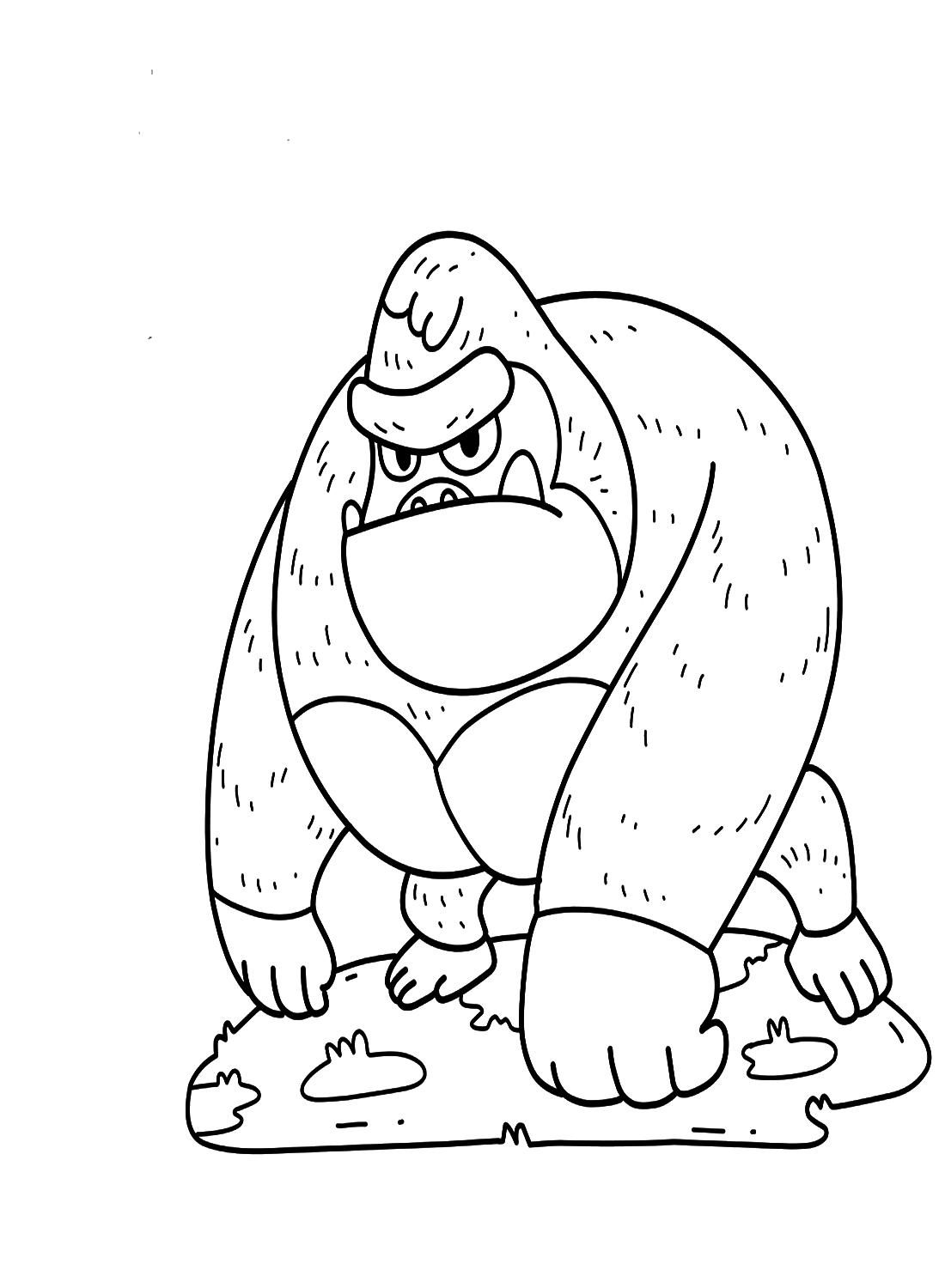
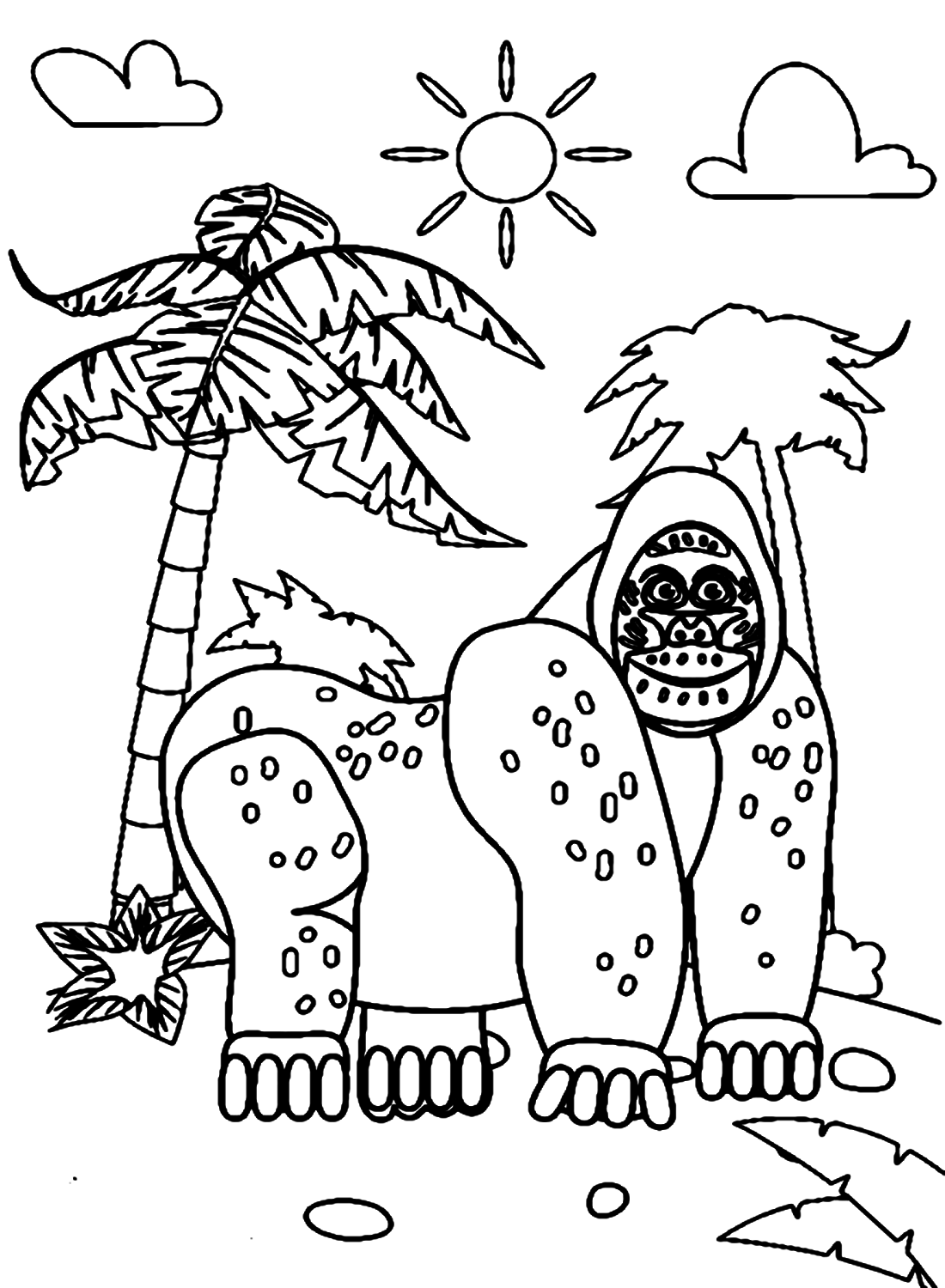
The 31 pages are divided into five groups: realistic wildlife gorillas, cartoon and cute gorillas, playful everyday scenes, artistic pattern styles, and group wildlife scenes.
Realistic Wildlife Gorillas
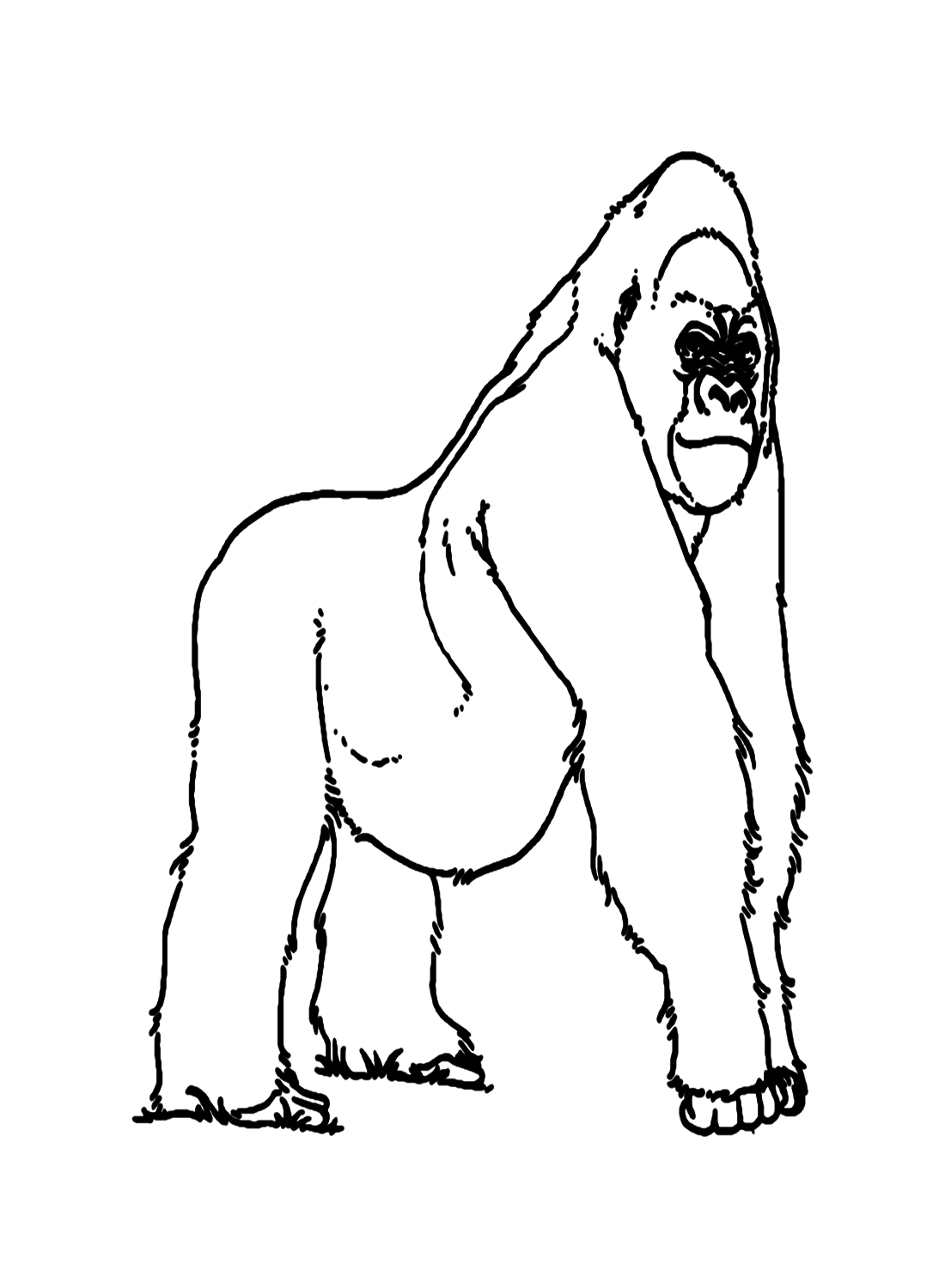
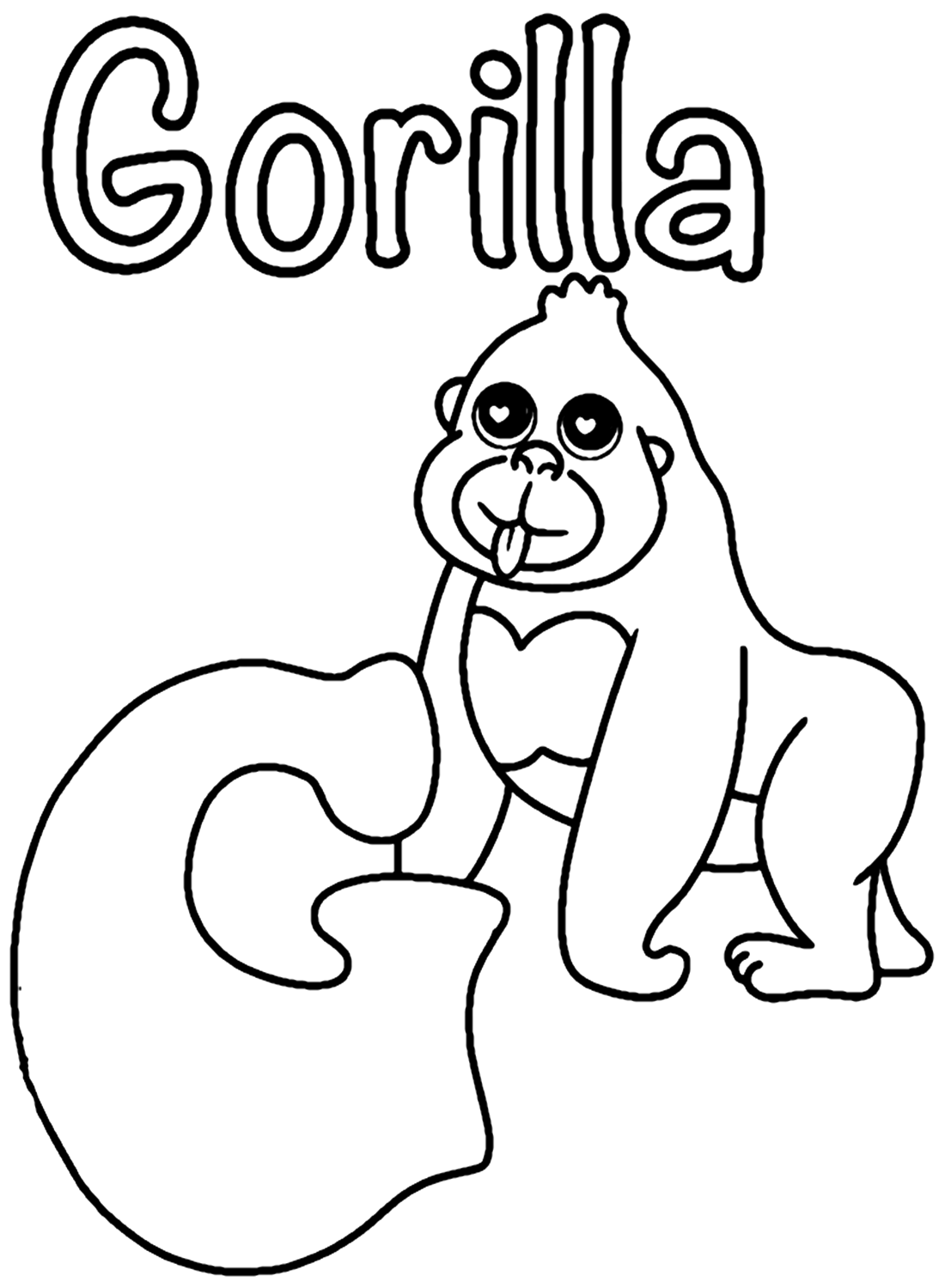
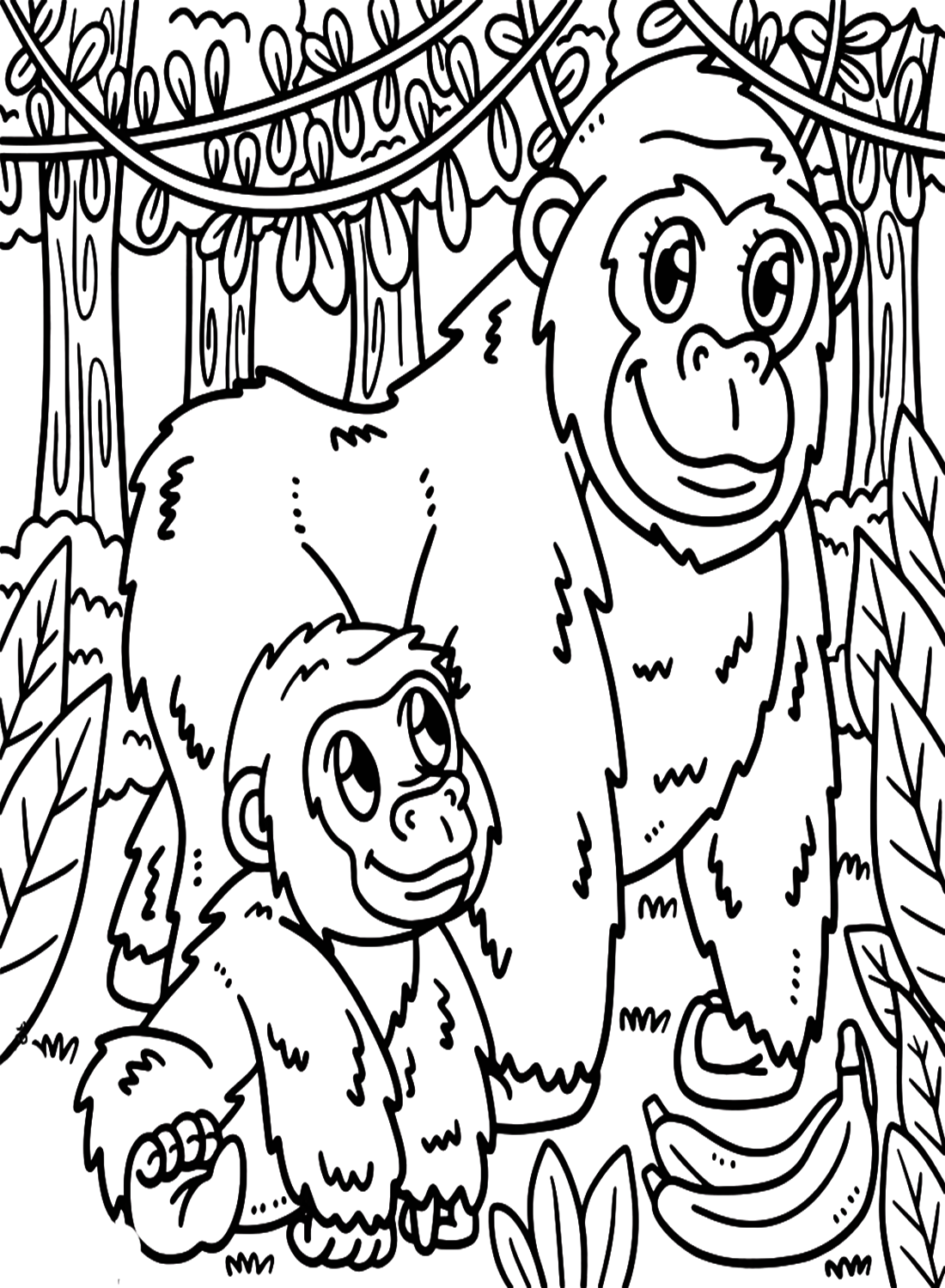
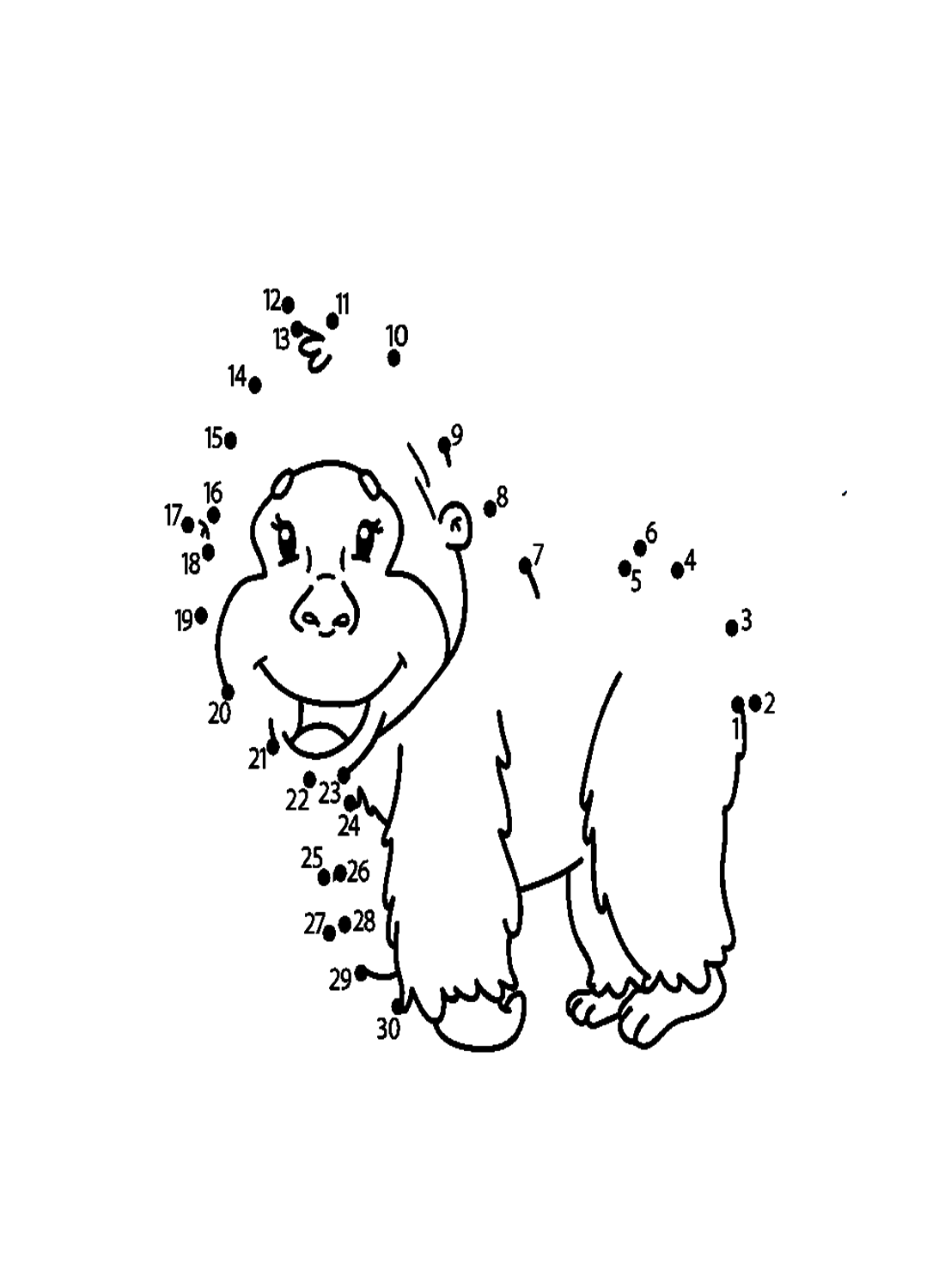
Several pages aim for a more grounded, field-guide style, an African gorilla in the jungle, a gorilla in the forest, and a mother with her baby. This group also includes a couple of pages built for early learning, a letter G design, and a dot-to-dot page, alongside simplified outlines suited to preschoolers, giving this group the widest age range of any in the collection.
Cartoon and Cute Gorillas
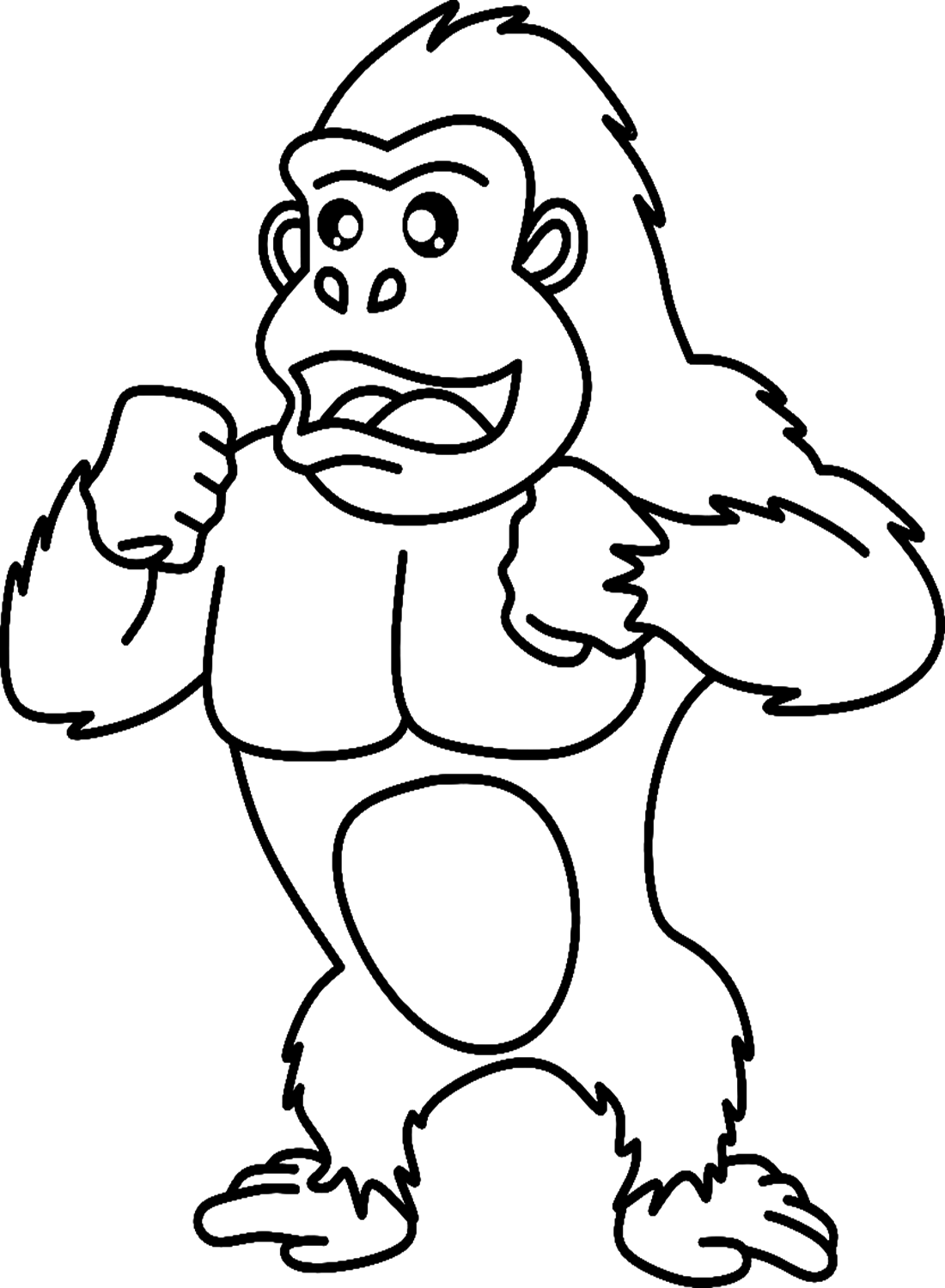
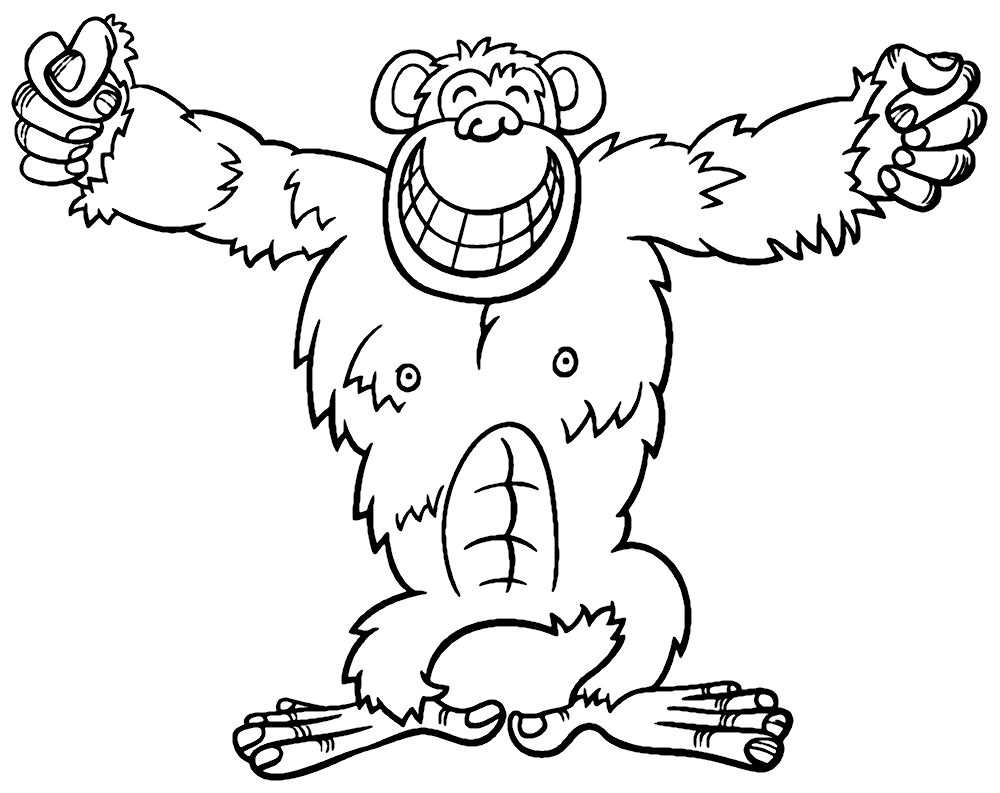
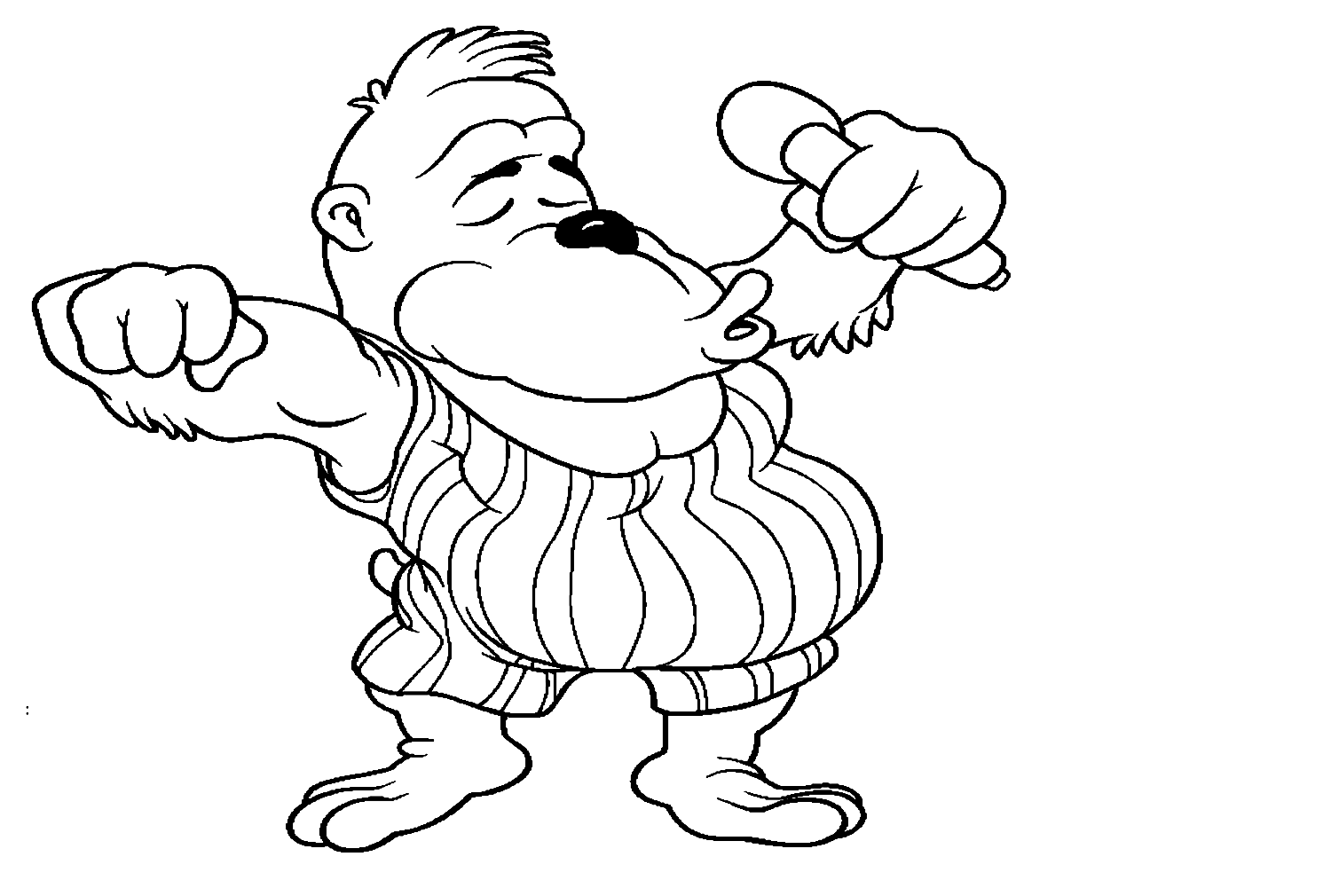
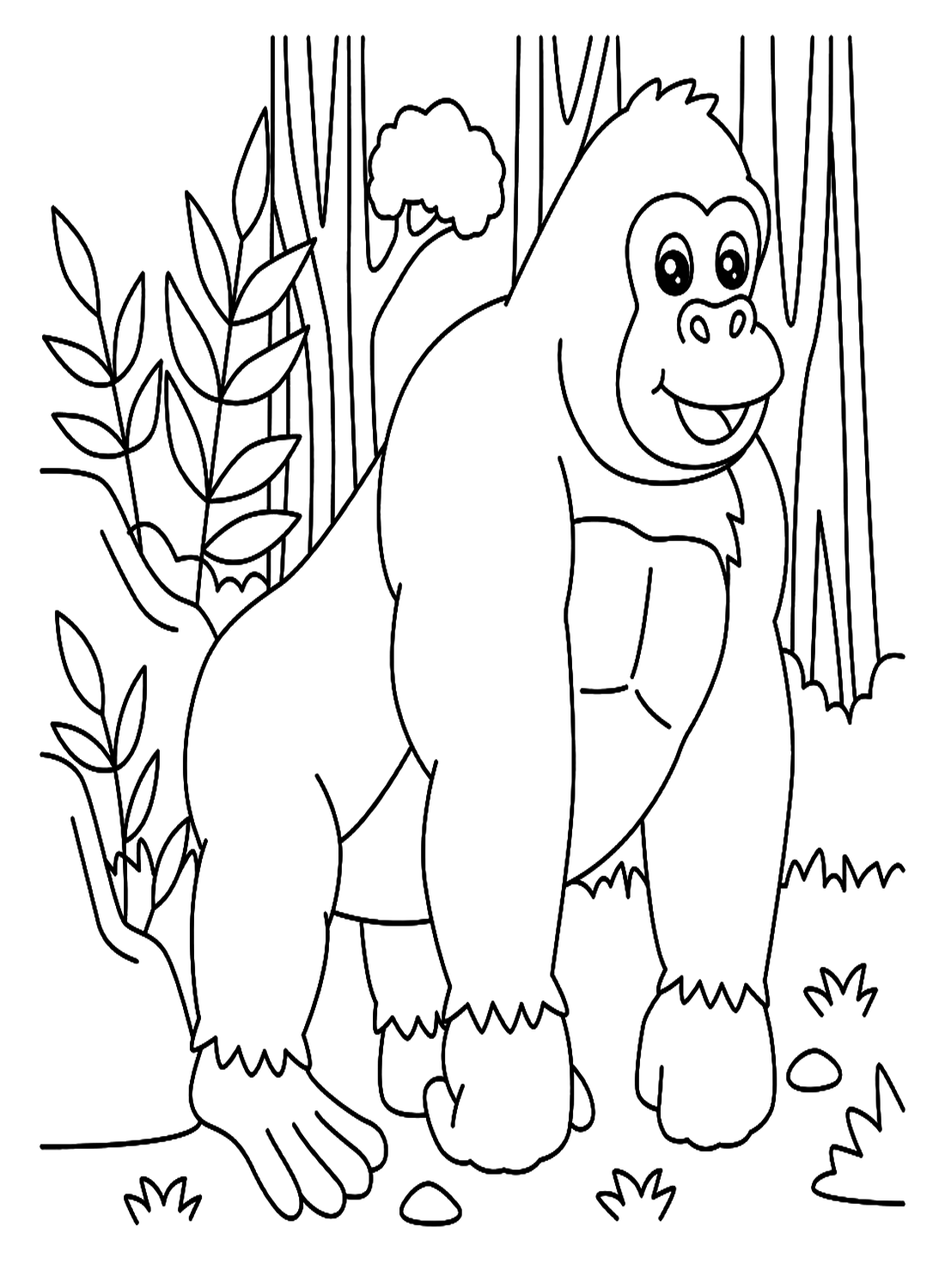
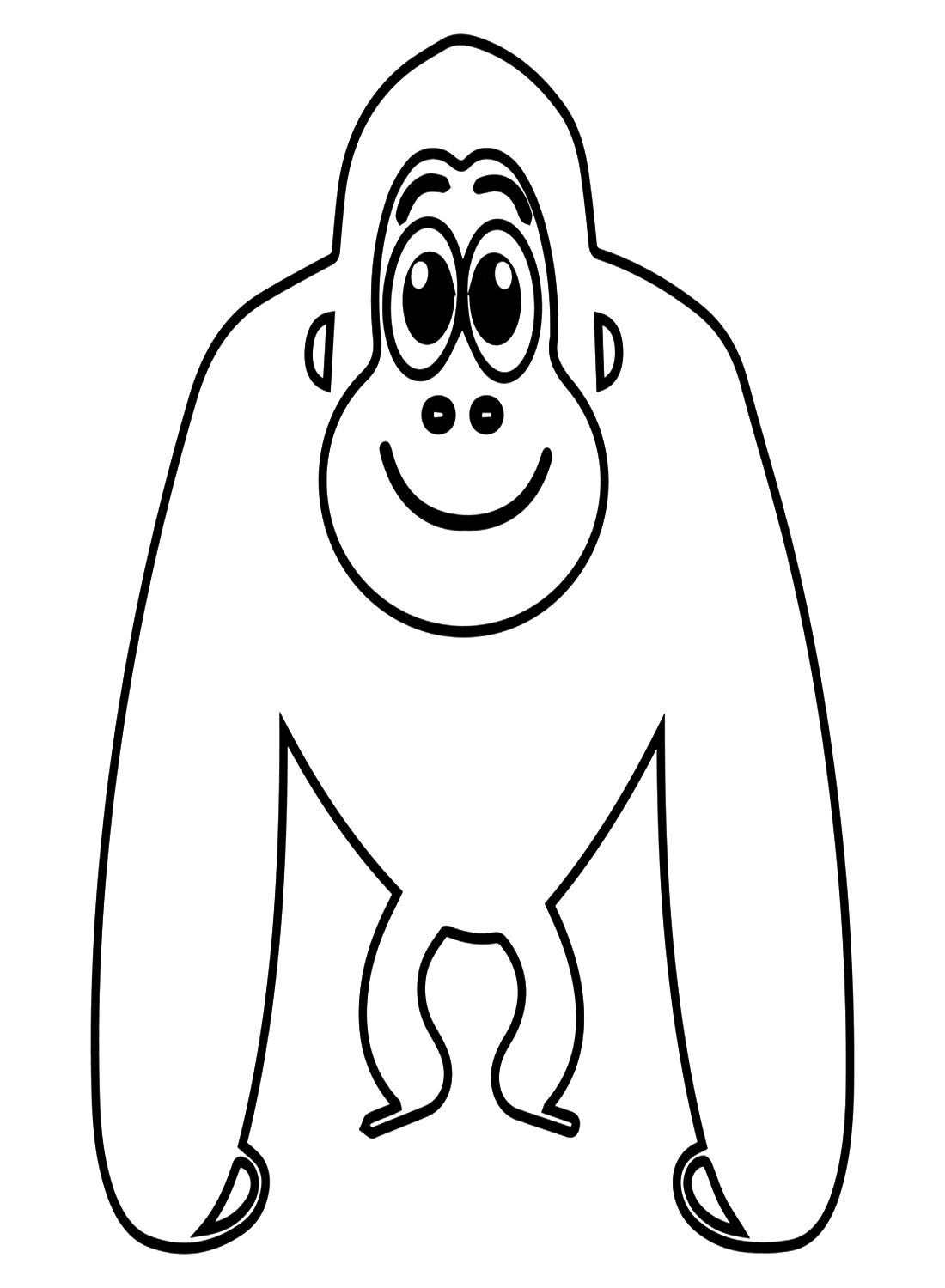
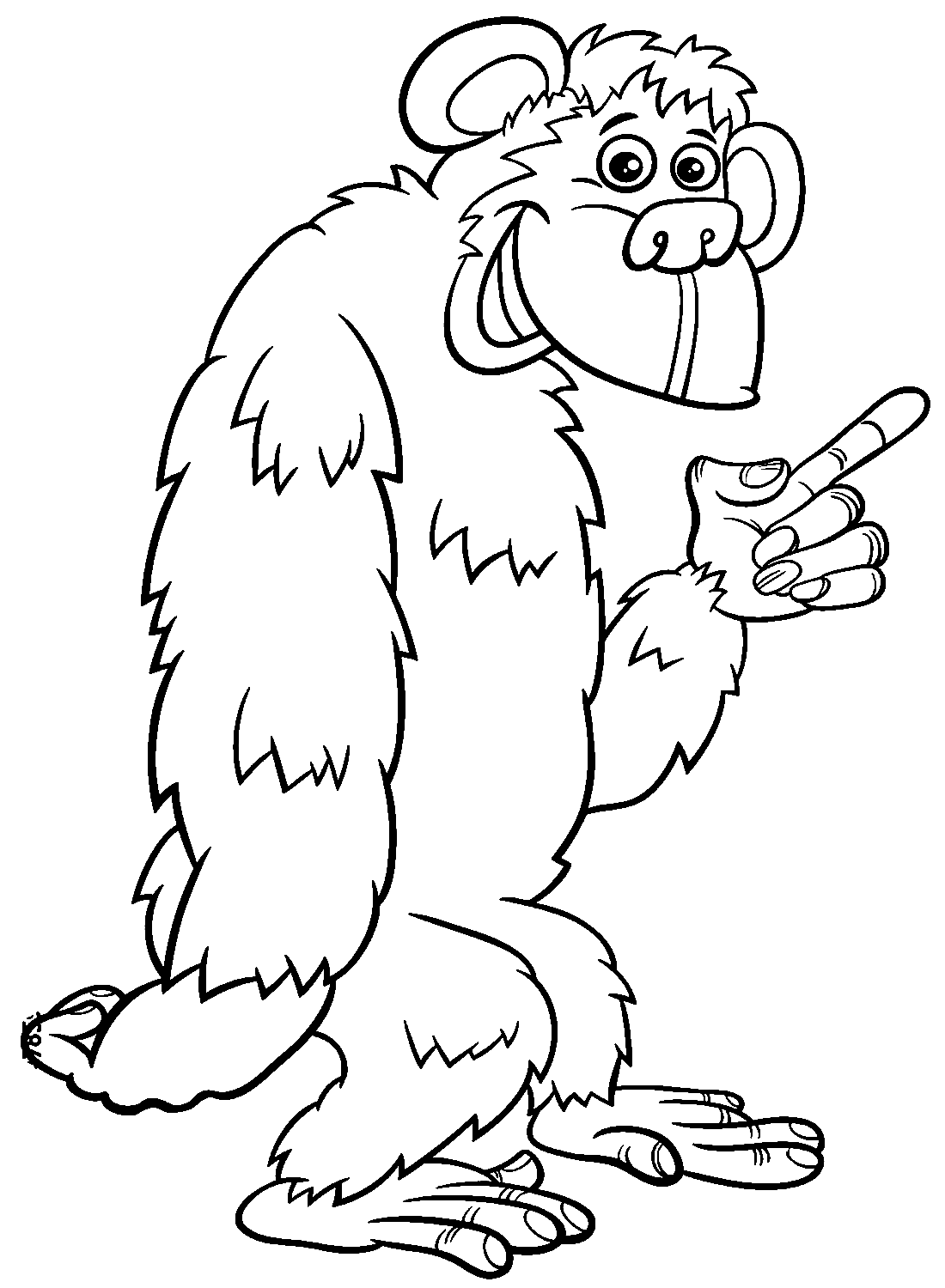
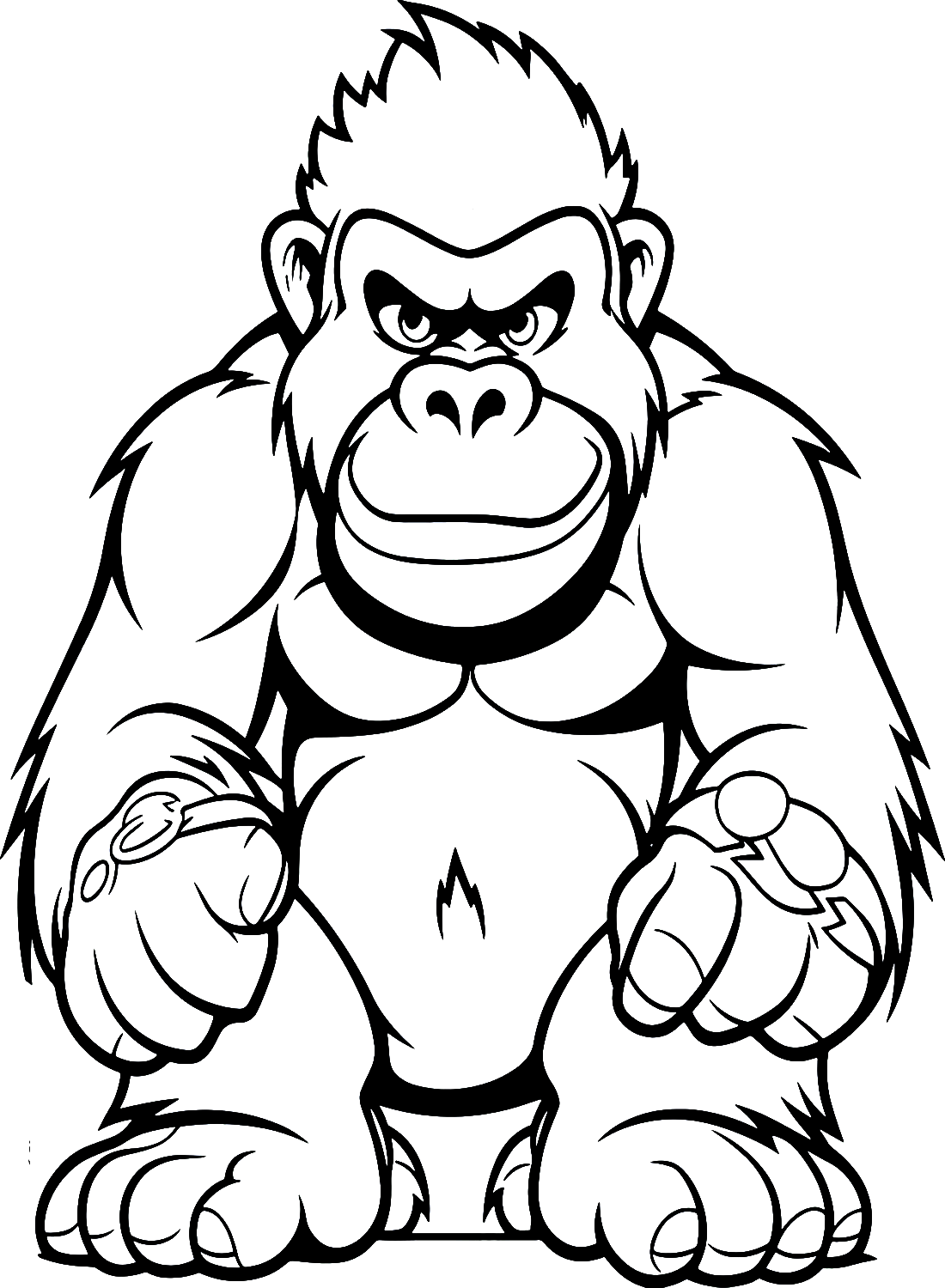
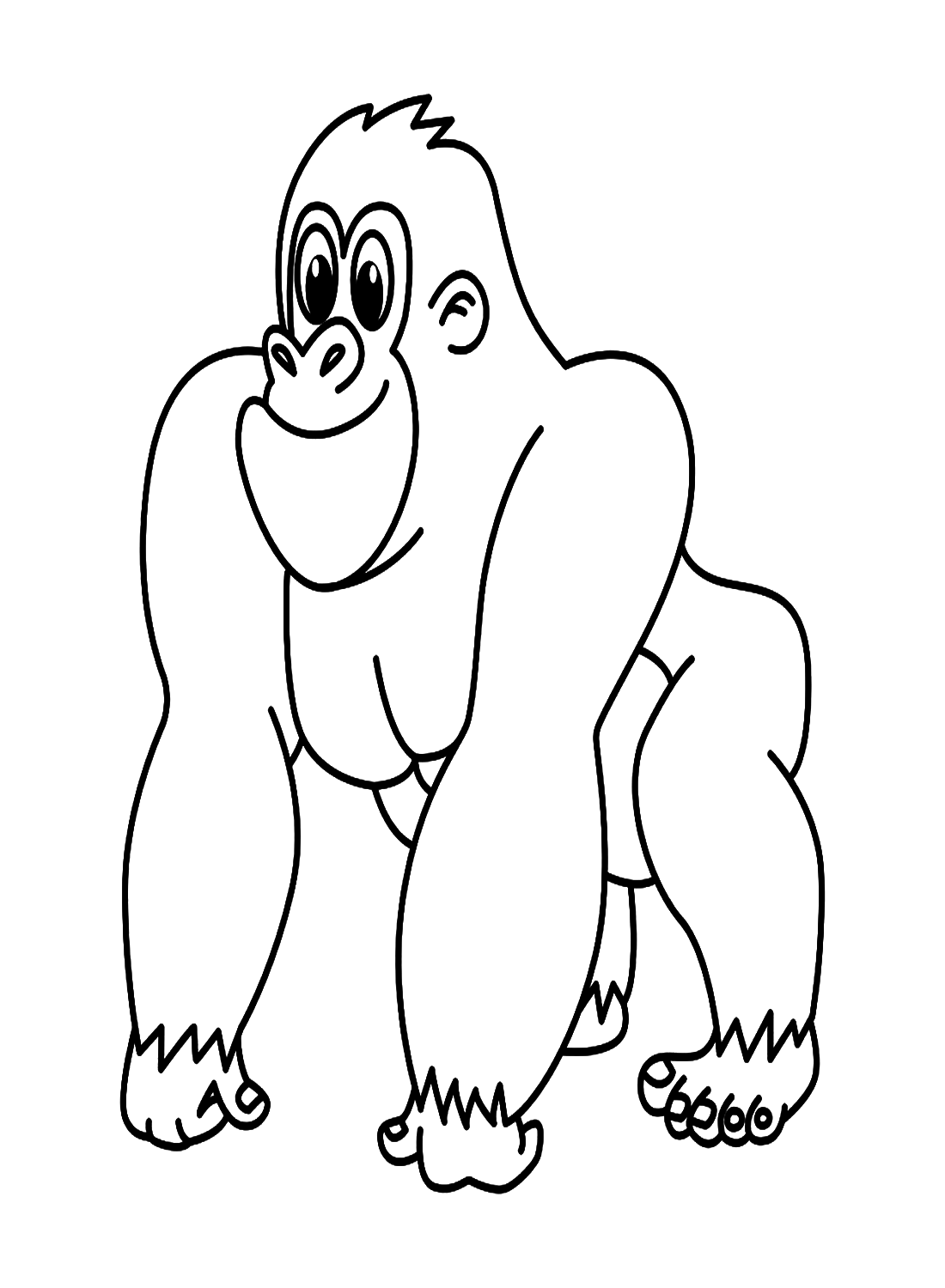
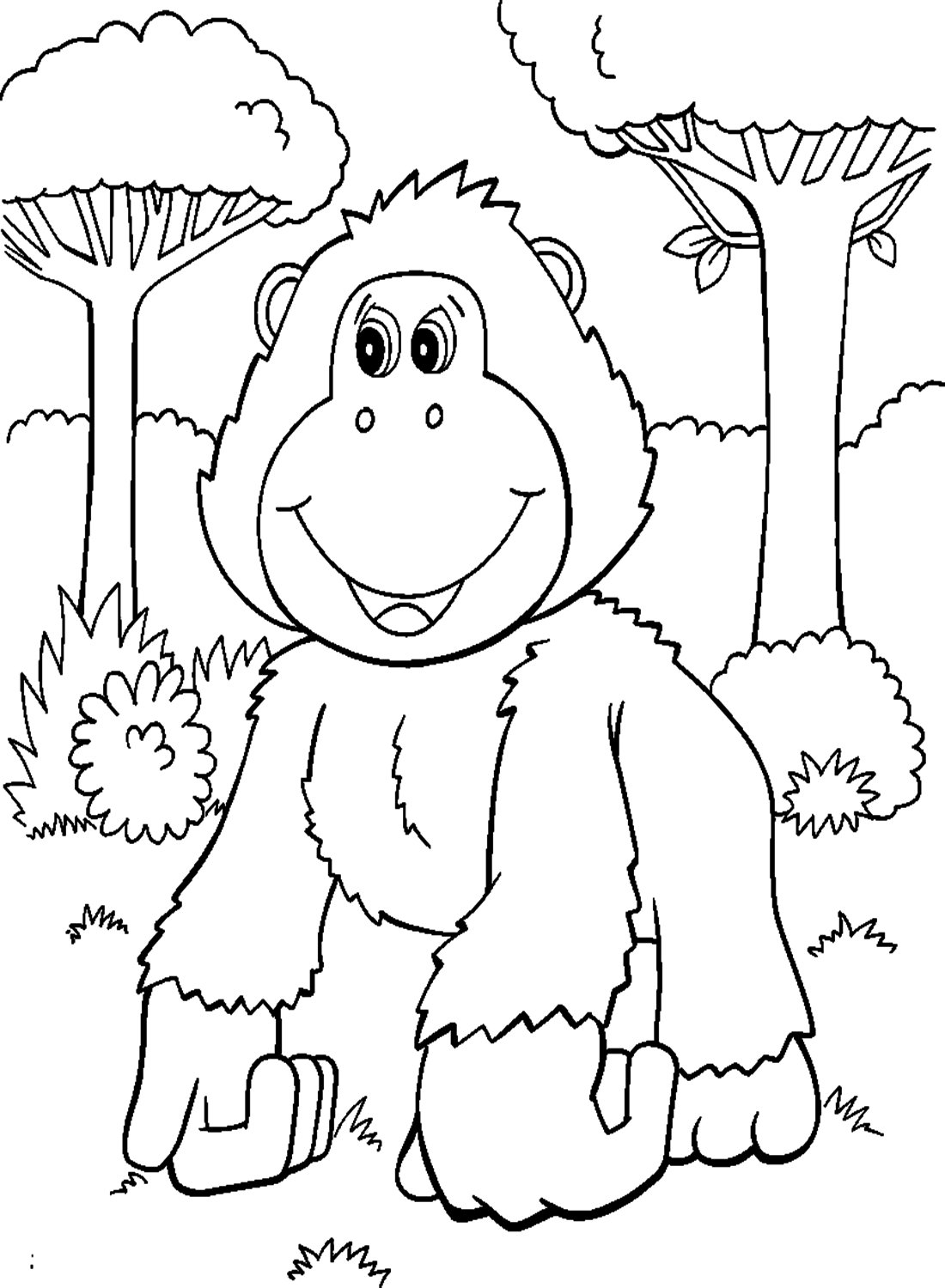
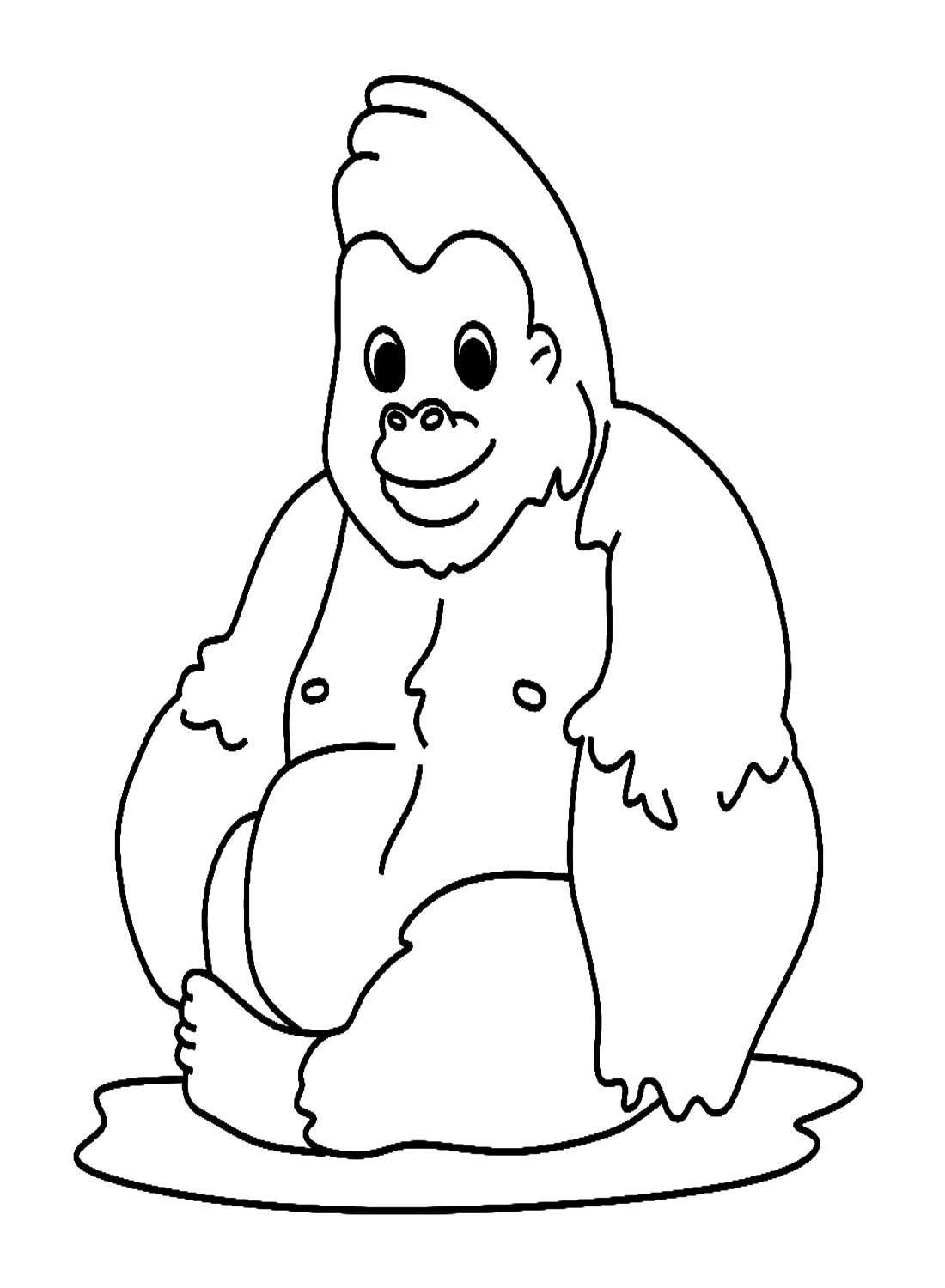
The largest group turns the gorilla into a rounder, friendlier character: happy, cute, adorable, fat, angry, funny, and one singing pose. These pages emphasize expression and personality over anatomical accuracy, making them a good fit for younger children who want a character rather than a wildlife study, and the range of moods, from angry to singing, gives a child a chance to pick a page that matches how they are feeling that day.
Playful Everyday Scenes
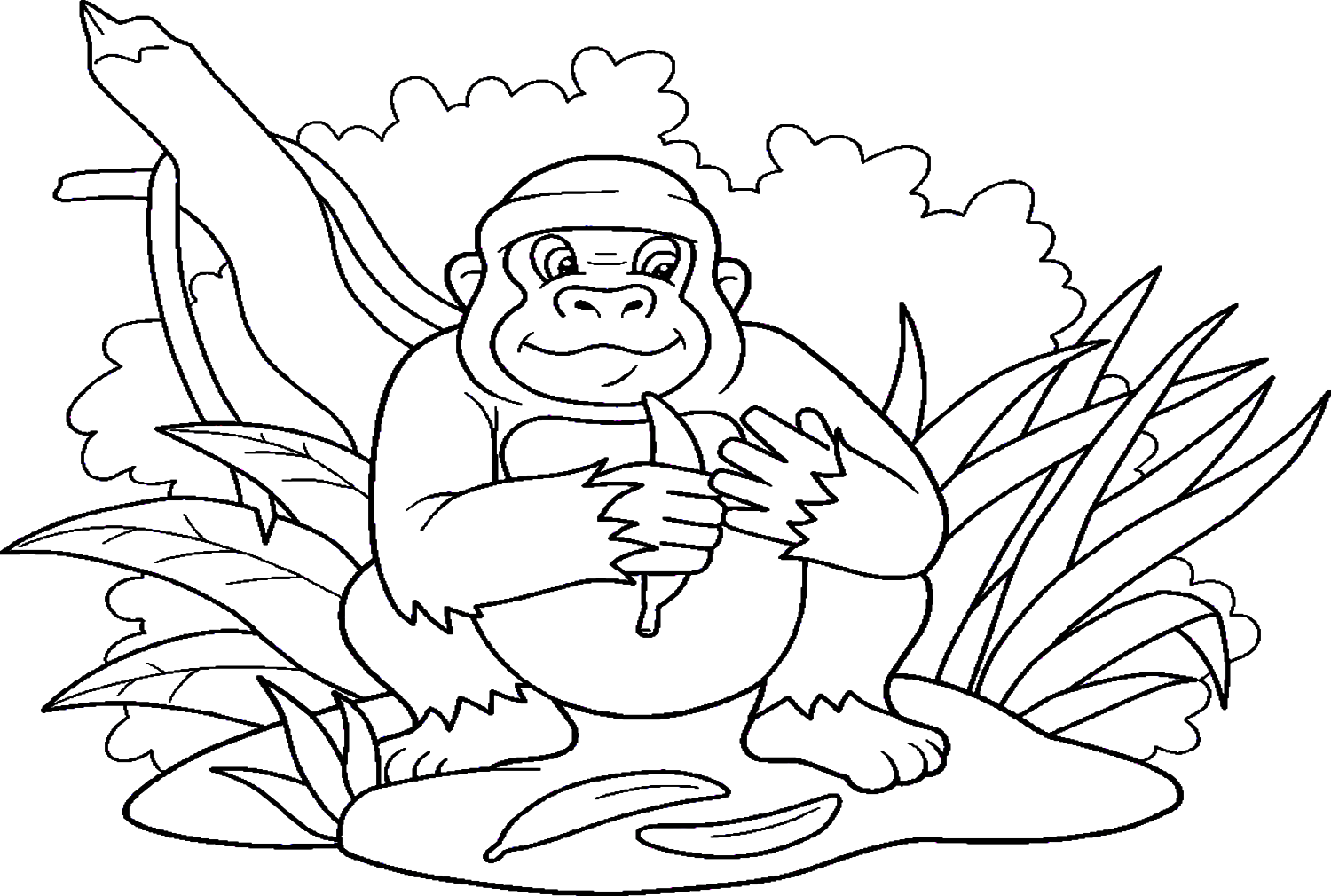
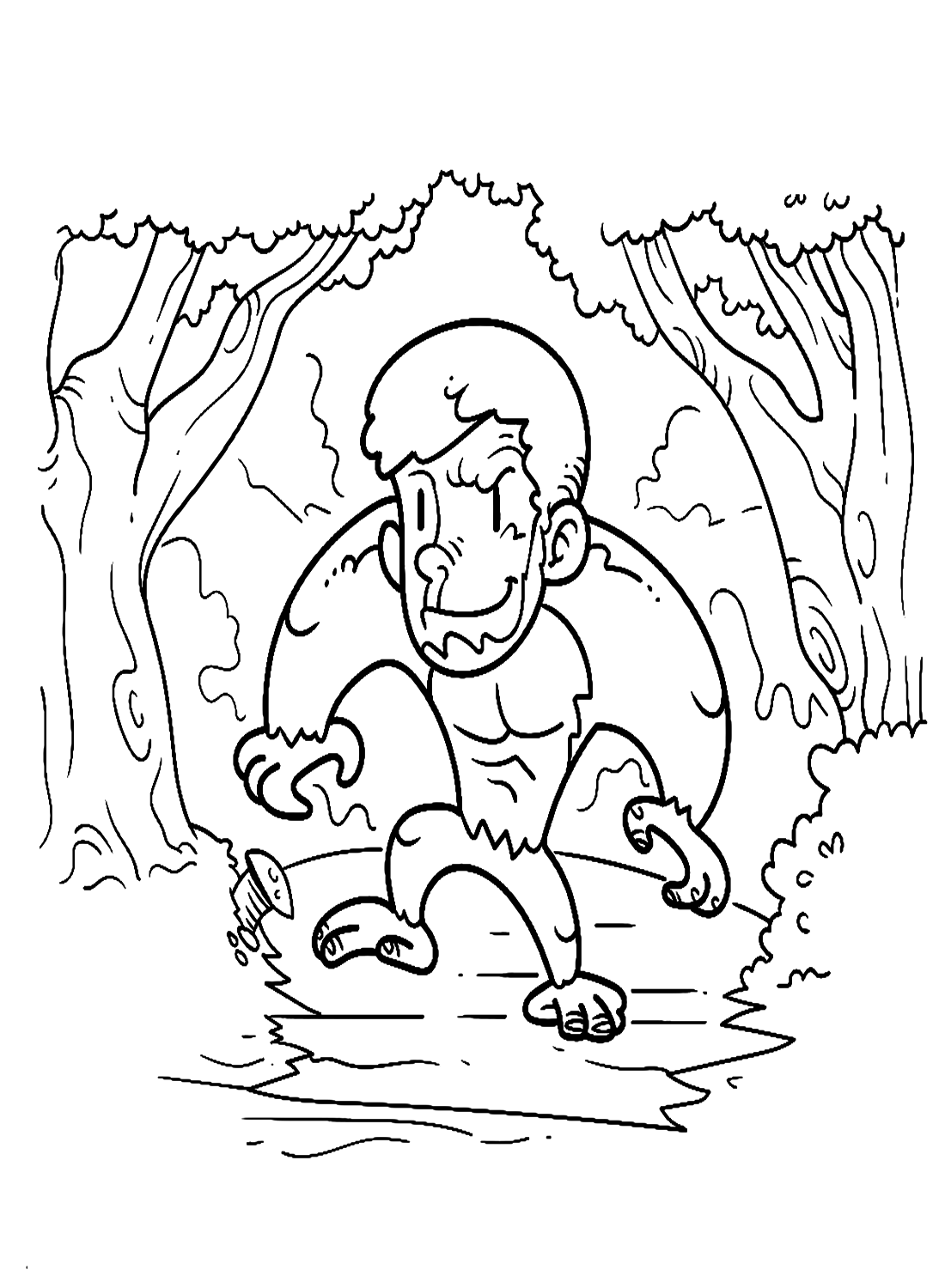
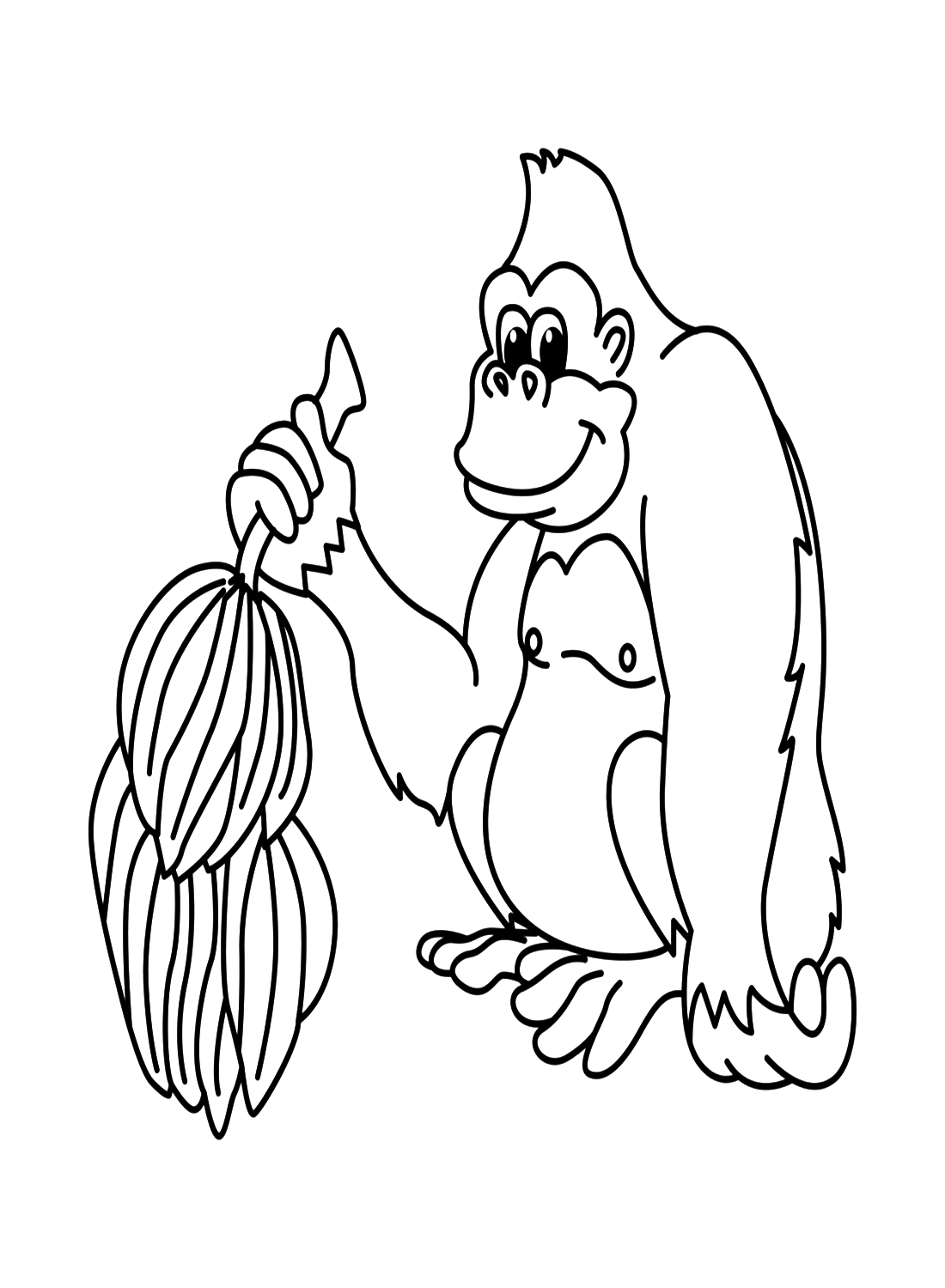
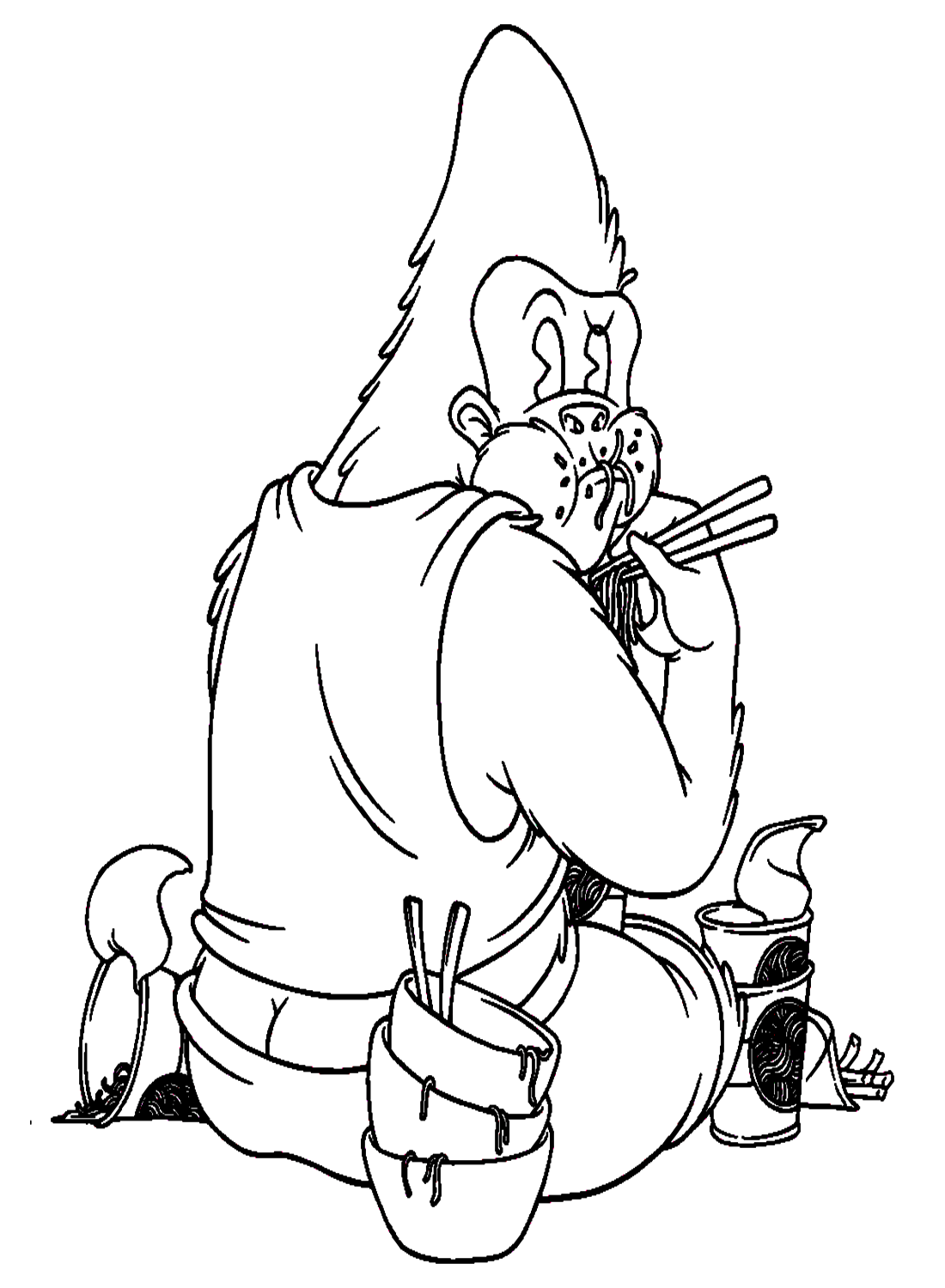
A smaller group places the gorilla in a human or comedic setting: wearing a suit and working on a laptop, eating noodles, or running through the jungle. Two pages show a gorilla holding bananas, a classic cartoon pairing, even though real gorillas eat far more leaves and stems than fruit in the wild, which makes this a natural group to pair with the myth-correcting fact further down this page.
Artistic Pattern Styles
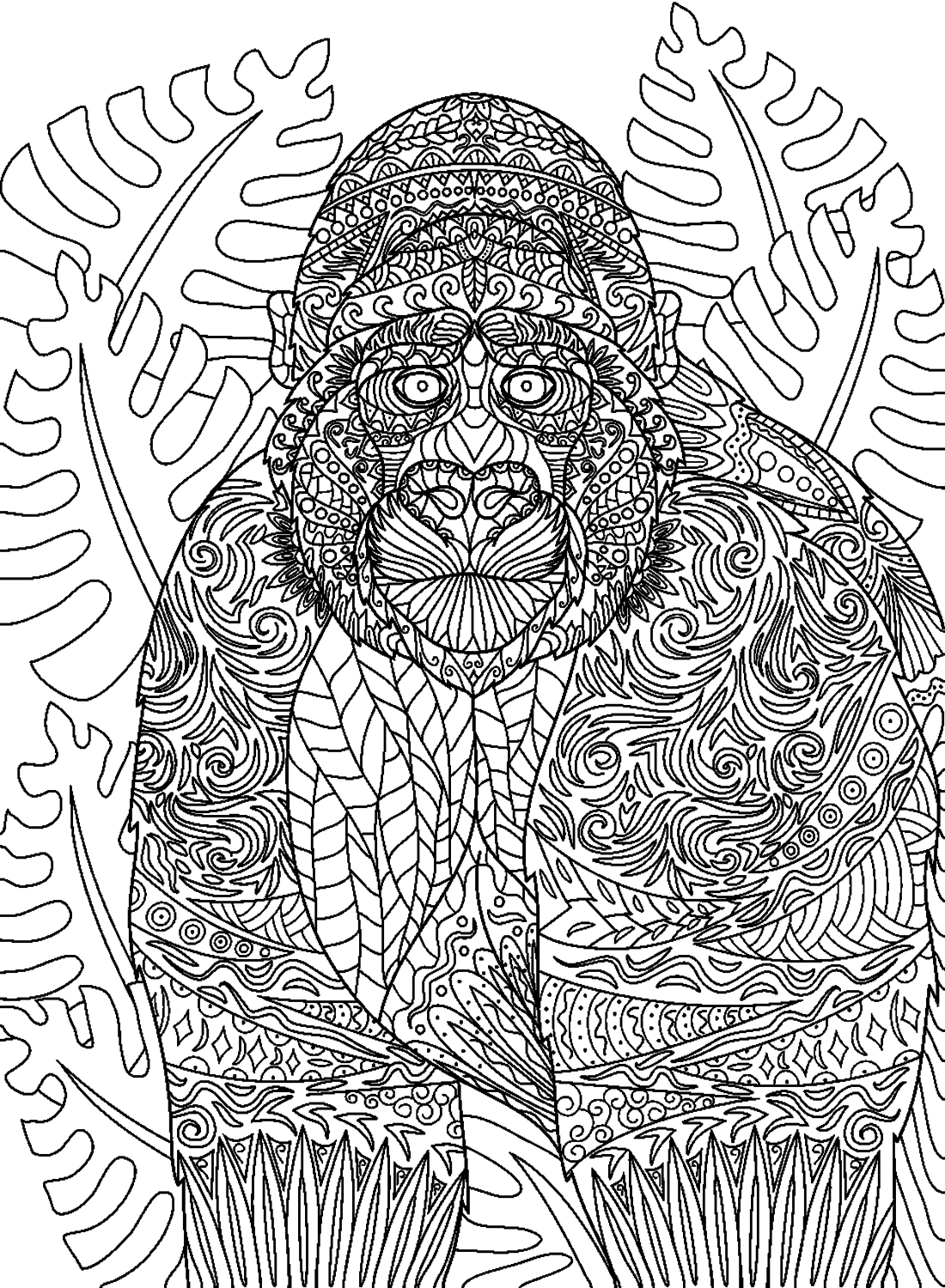
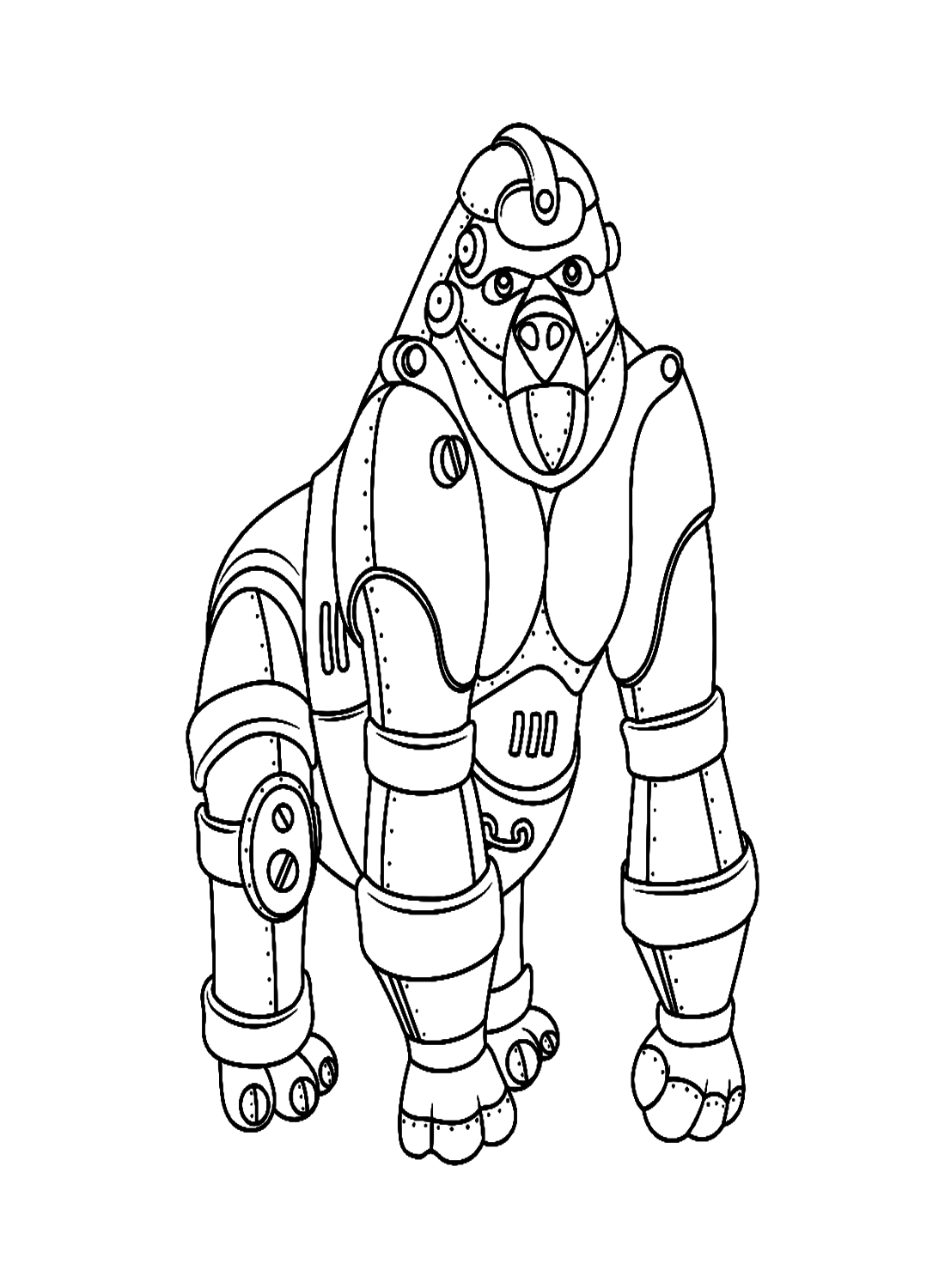
Two pages take a more decorative approach, one in a zentangle style built from small repeating patterns, and one in a steampunk style with mechanical details layered over the gorilla’s form. These pages suit an older colorist looking for something more intricate than a standard portrait.
Group Wildlife Scenes
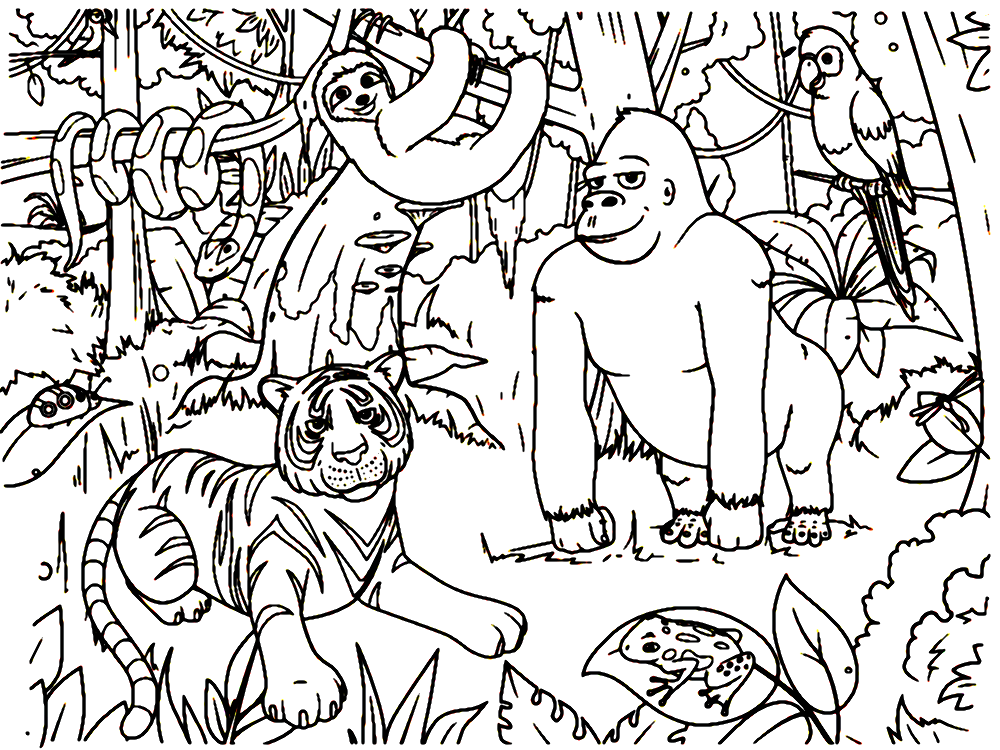
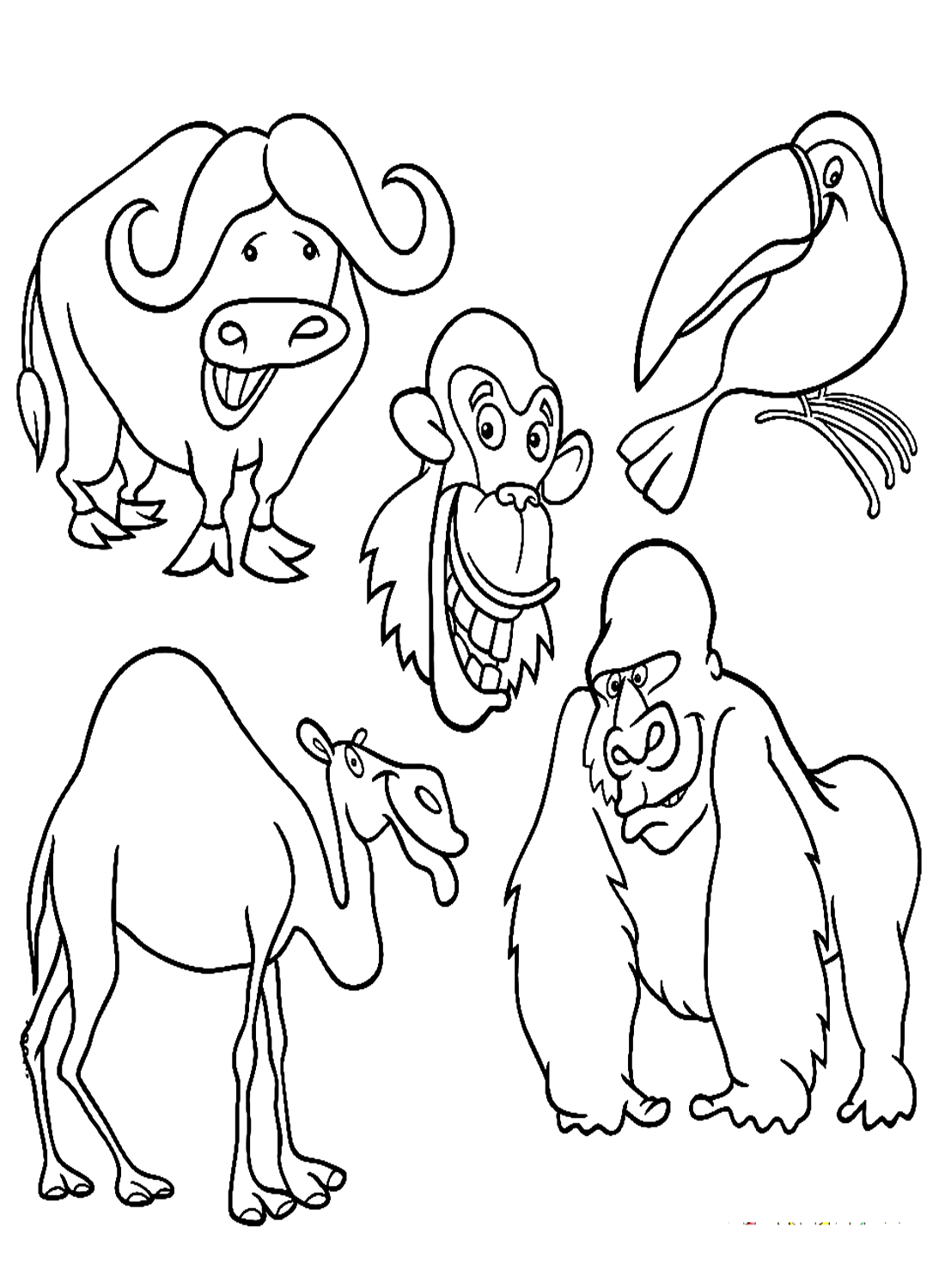
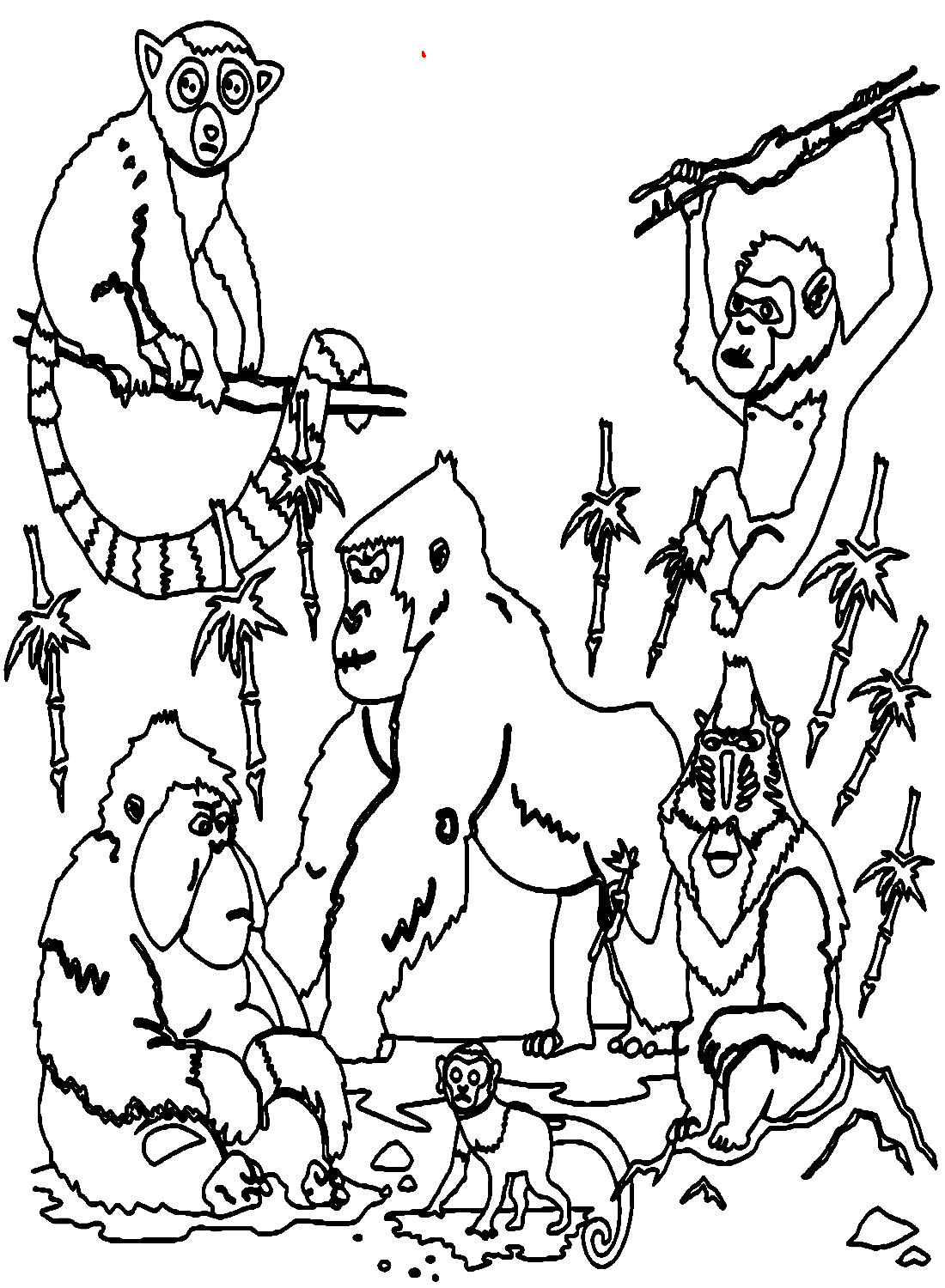
The remaining pages place the gorilla alongside other animals, monkeys, and a broader mix of wild animals, giving a wider jungle context than the solo portrait pages elsewhere in the set.
What Gorilla Coloring Pages Do
Fine motor development. The American Academy of Pediatrics lists structured coloring among the activities that build fine motor control in children ages 2 through 7, and a gorilla’s dense fur, especially on the more detailed wildlife-style pages, gives a child plenty of small, textured areas to work through with short, repeated strokes.
Correcting common animal myths. Because gorillas are so often shown holding bananas in cartoons, coloring one of these pages is a natural opening to explain that real gorillas eat mostly leaves, stems, and shoots, a small but genuine correction to a widely repeated myth.
Anxiety reduction through focus. A 2005 study in the Art Therapy Journal found that structured coloring sessions produced measurably lower anxiety than unstructured drawing, and the mix of calm portrait pages and livelier cartoon scenes in this set gives a child options depending on their mood.
Conservation awareness. Because both gorilla species are endangered, coloring a realistic gorilla page pairs naturally with a short conversation about habitat loss and wildlife conservation, giving the activity a bit more weight than a purely decorative animal page.
How to Color Gorilla Coloring Pages Well
- For base: use Charcoal Black or dark Gray Brown for most of the body, since gorillas are almost entirely black or dark brown rather than a lighter brown like many other primates.
- The silverback saddle: if a page shows an adult male, add a Silver or Light Gray patch across the back and hips, the feature that gives silverback gorillas their name.
- Face and hands: Use a deep charcoal or near-black for the bare skin on the face, hands, and feet, since gorilla skin in these areas is typically much darker than their surrounding fur.
- Jungle backgrounds: layer two or three shades of Forest Green and Olive for foliage, keeping the background slightly muted so the gorilla itself stays the visual focus.
- Cartoon and cute styles: lighter gray-brown tones and simplified shading work well for the friendlier, rounder character pages, where accuracy matters less than a warm, approachable look.
5 Creative Craft Ideas With Gorilla Coloring Pages
1. Gorilla Standee. Color a solo gorilla page, glue it to cardboard or a cereal box, and cut around the outline to make a standing figure for a shelf or desk.
2. Jungle Diorama. Color a gorilla page and a few leaf or vine shapes, and arrange them inside a shoebox to build a small jungle scene.
3. Gorilla Fact Card. Color a realistic gorilla page, then write two or three verified facts on the back: its species, its diet, and its conservation status, to make a simple study card.
4. Gorilla Bookmark. Color a small gorilla page, trim it into a narrow strip, and laminate it or cover it with clear tape for a durable bookmark.
5. Zoo Trip Journal Cover. Color a gorilla page and use it as the cover for a notebook or journal kept during a zoo or wildlife park visit.
Frequently Asked Questions
What are gorilla coloring pages?
A free set of 31 printable PDFs and online coloring sheets showing realistic, cartoon, and playful gorilla designs.
What is a silverback gorilla?
An adult male gorilla, usually over age 12, that develops a saddle of gray or silver hair across his back and typically leads a troop of females and their offspring.
Are gorillas endangered?
Yes. Both the Western gorilla and the Eastern gorilla are classified as endangered or critically endangered by the International Union for Conservation of Nature, mainly due to habitat loss, poaching, and disease.
Do gorillas really eat bananas?
Not primarily. Wild gorillas eat mostly leaves, stems, shoots, and some fruit, so the banana-holding gorilla seen in cartoons is more of a stereotype than an accurate diet.
Where do gorillas live in the wild?
Gorillas live in forests across parts of Central and East Africa, split between the ranges of the Western and Eastern species.
Are these pages suitable for young children?
Yes. The simplified and cartoon-style pages suit young children, while the realistic wildlife portraits and pattern-style pages work well for older kids and adults.
Are there pages suitable for a classroom animal lesson?
Yes. The realistic wildlife pages pair well with a short lesson on gorilla species, diet, and conservation status.
Are these free to download and print?
Yes. Every page is free, with no account, email, or payment required, and can be downloaded as a PDF or colored online in the browser.
Start Coloring
Download any page by clicking the design. No account, email, or payment is required. Pages print directly from the browser at full resolution or open in the online coloring tool for screen use. Share finished pages on Facebook or Pinterest with the share buttons at the top of each design page.