Christmas Mandala Coloring Pages

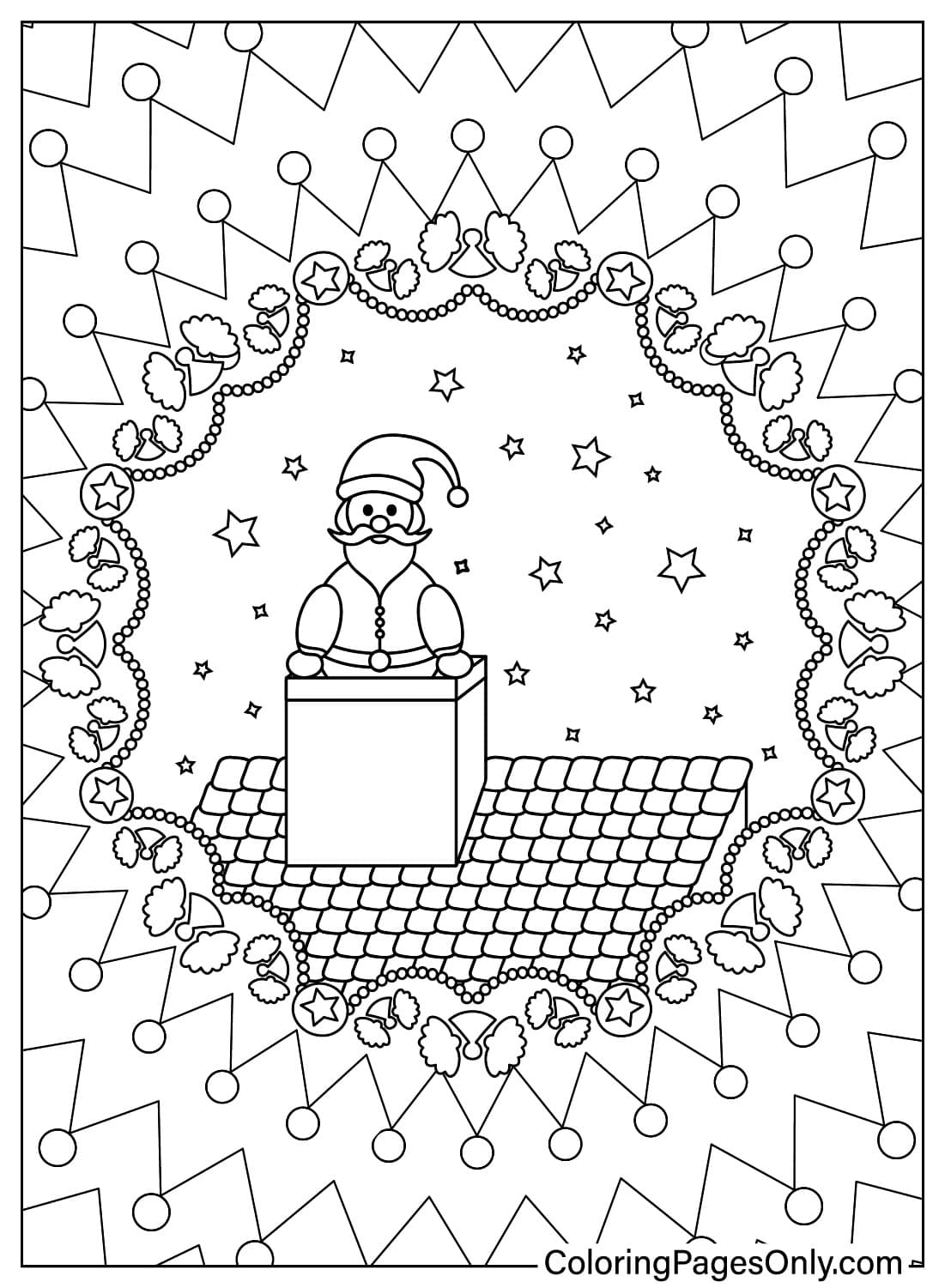
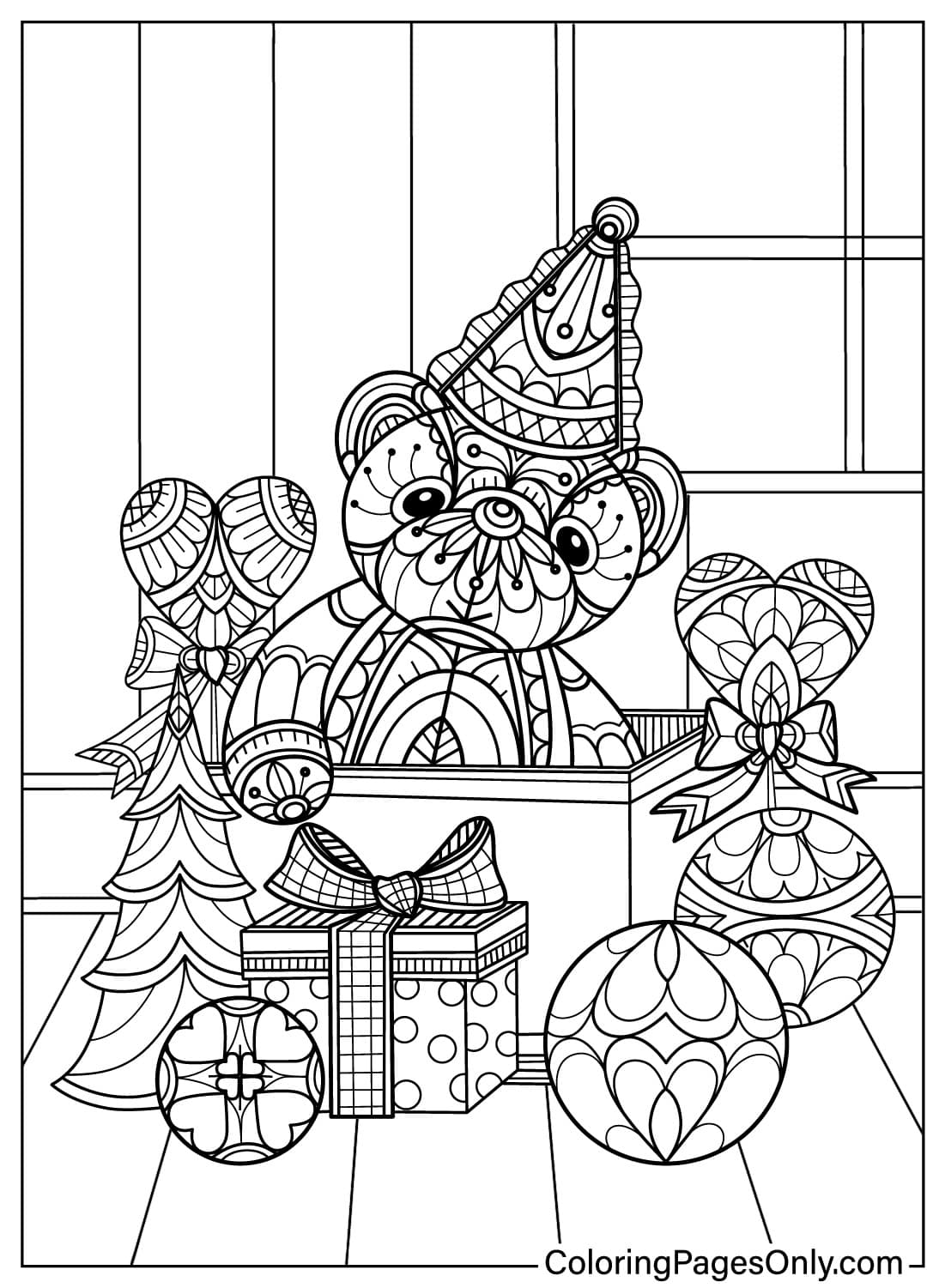
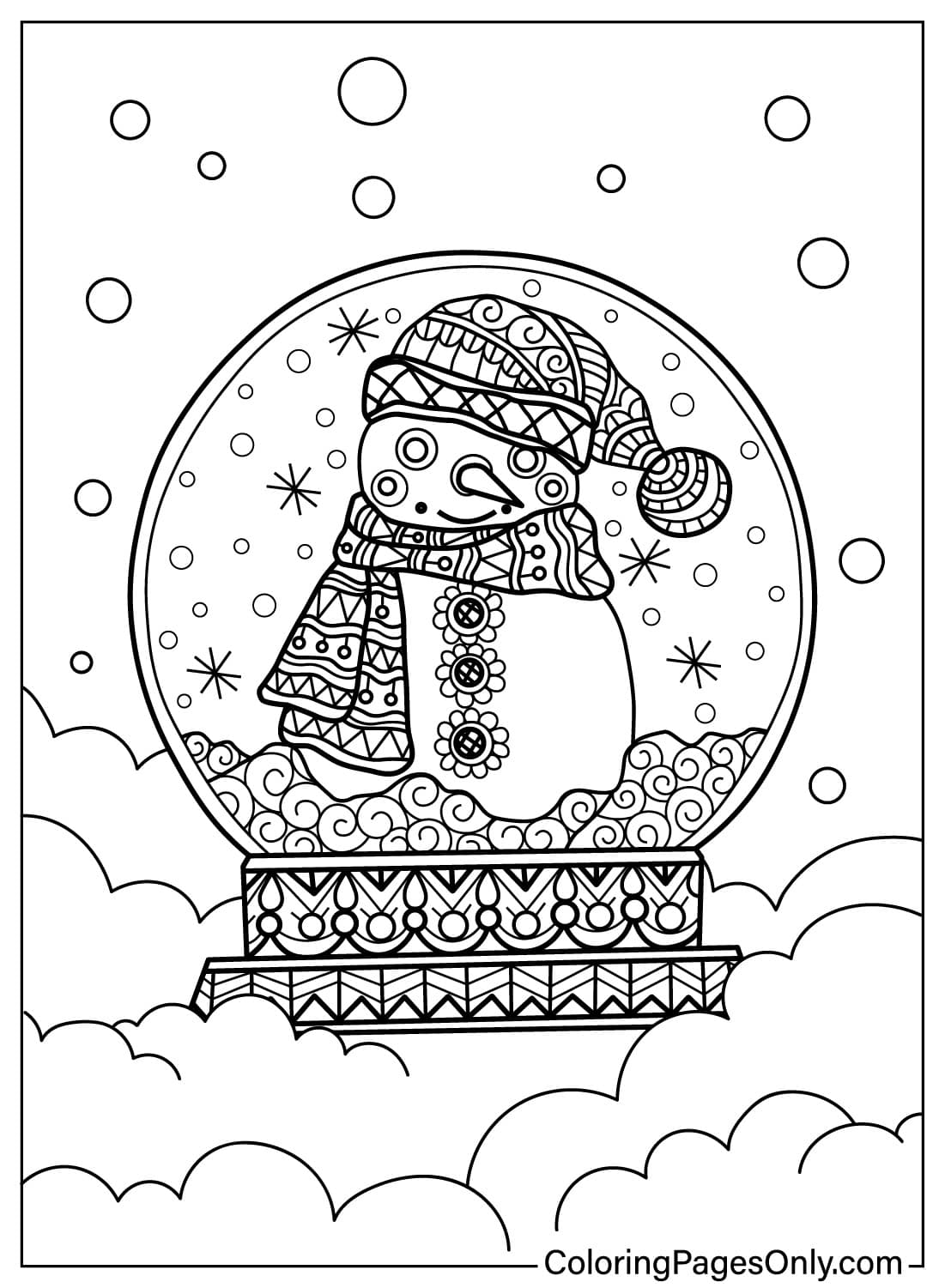
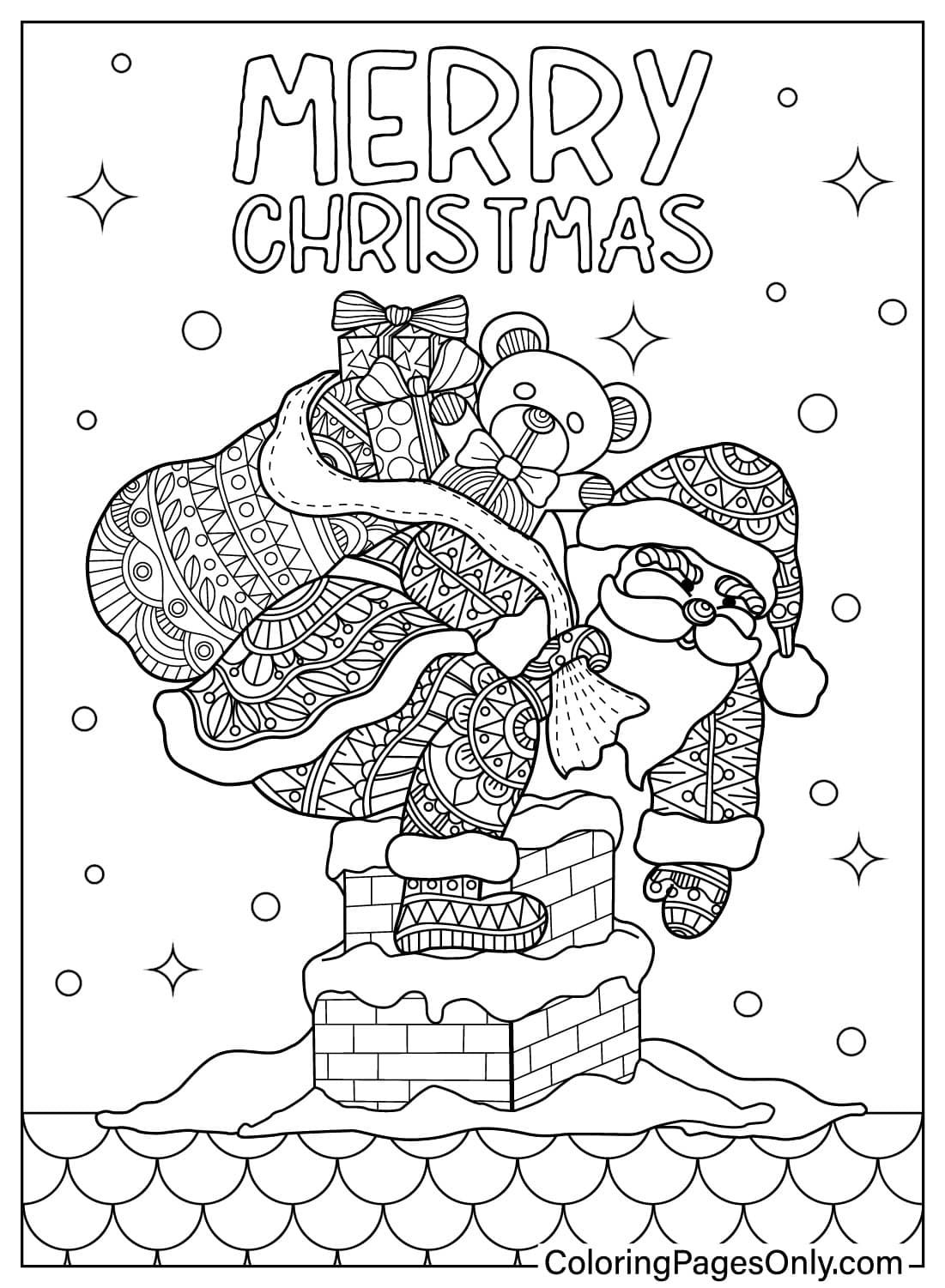
Christmas Mandala Coloring Pages at ColoringPagesOnly.com brings together 60+ free pages that combine the mandala’s natural radial symmetry with the full visual vocabulary of Christmas – stars, snowflakes, reindeer, Santa Claus, baubles, wreaths, snow globes, bells, and angels, all arranged into circular compositions where every detail is balanced, and every layer repeats. Download any page as a PDF to print, or color online in your browser. The full mandala collection is at Mandala Coloring Pages.



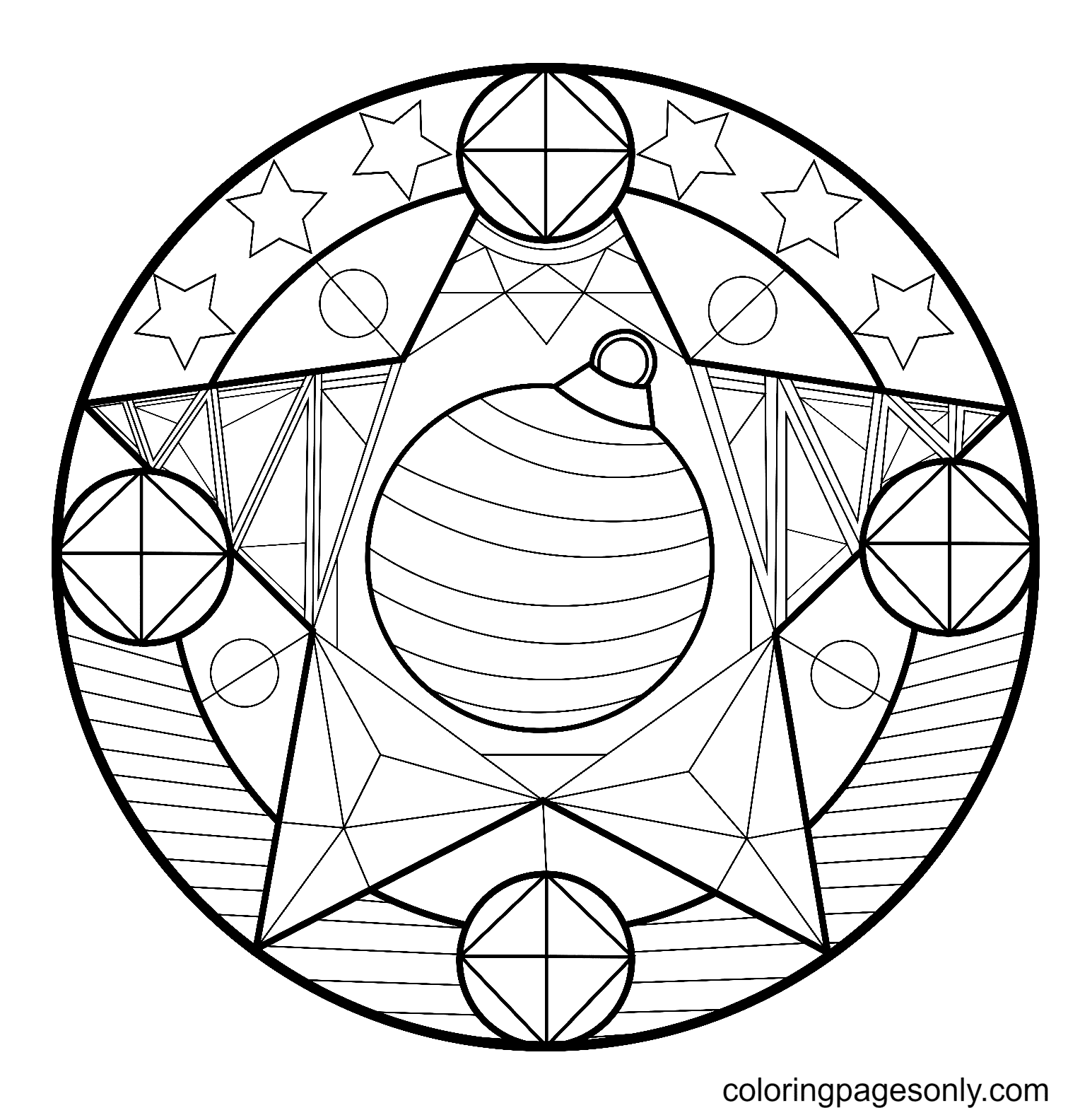
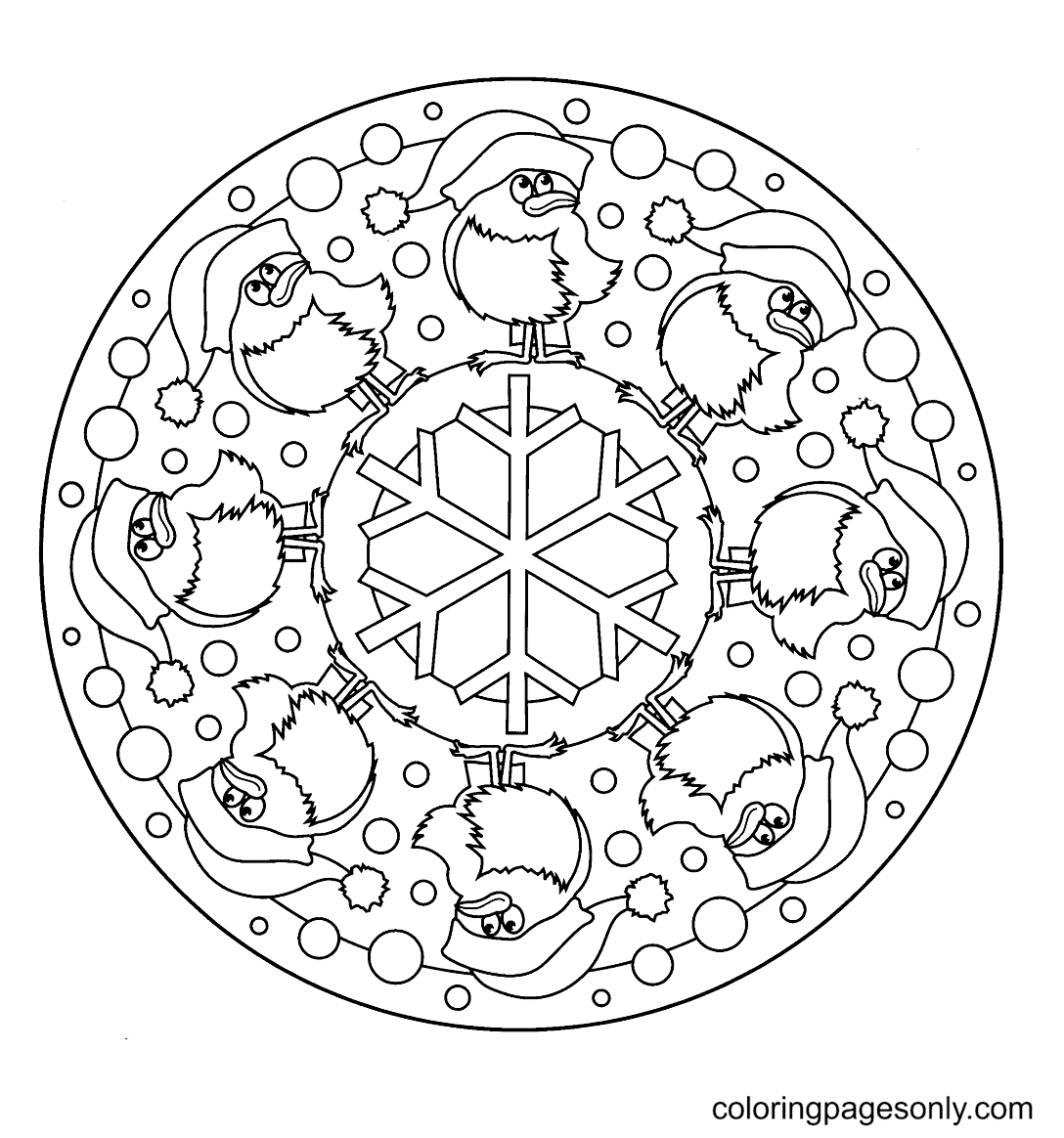
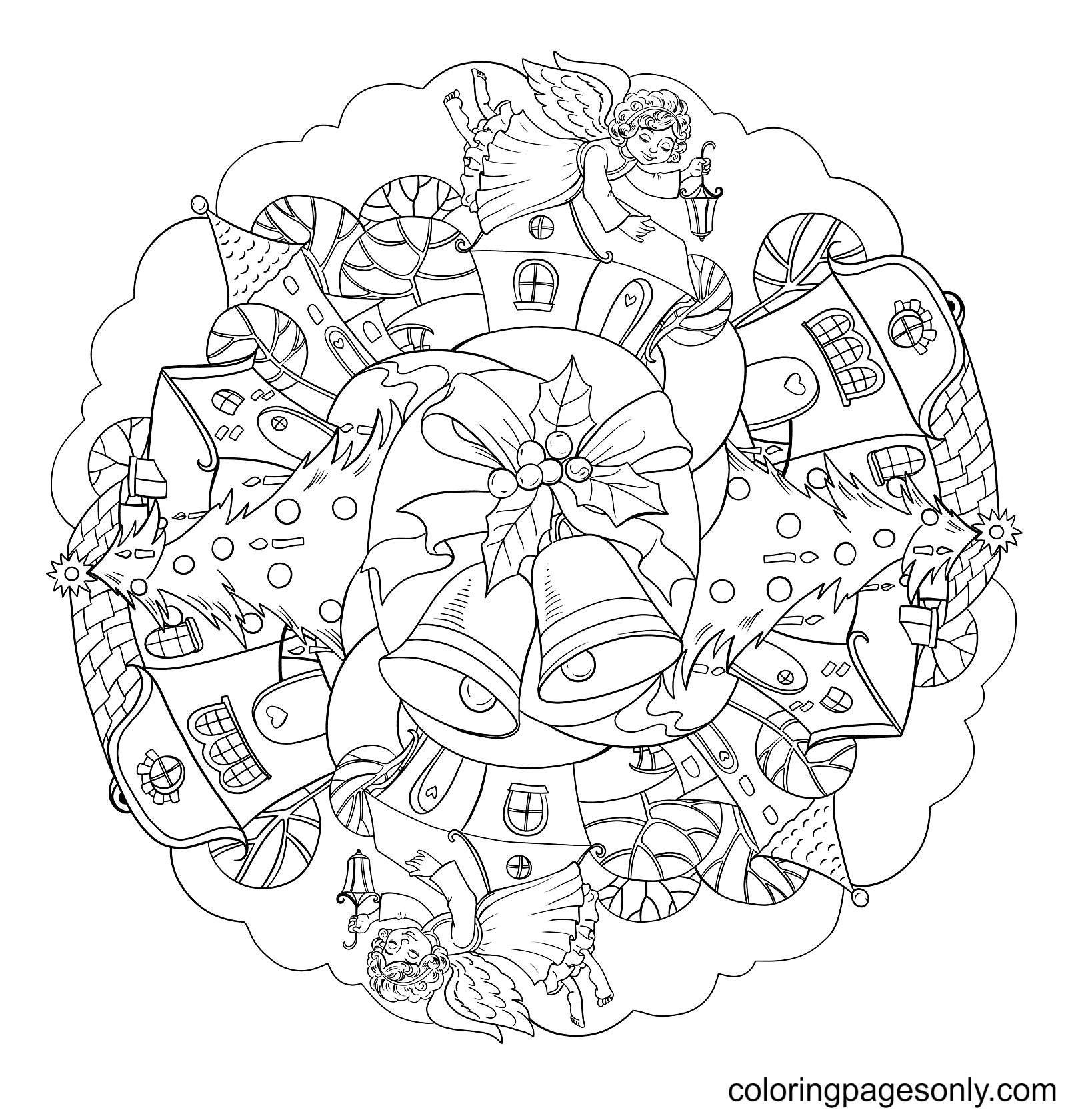
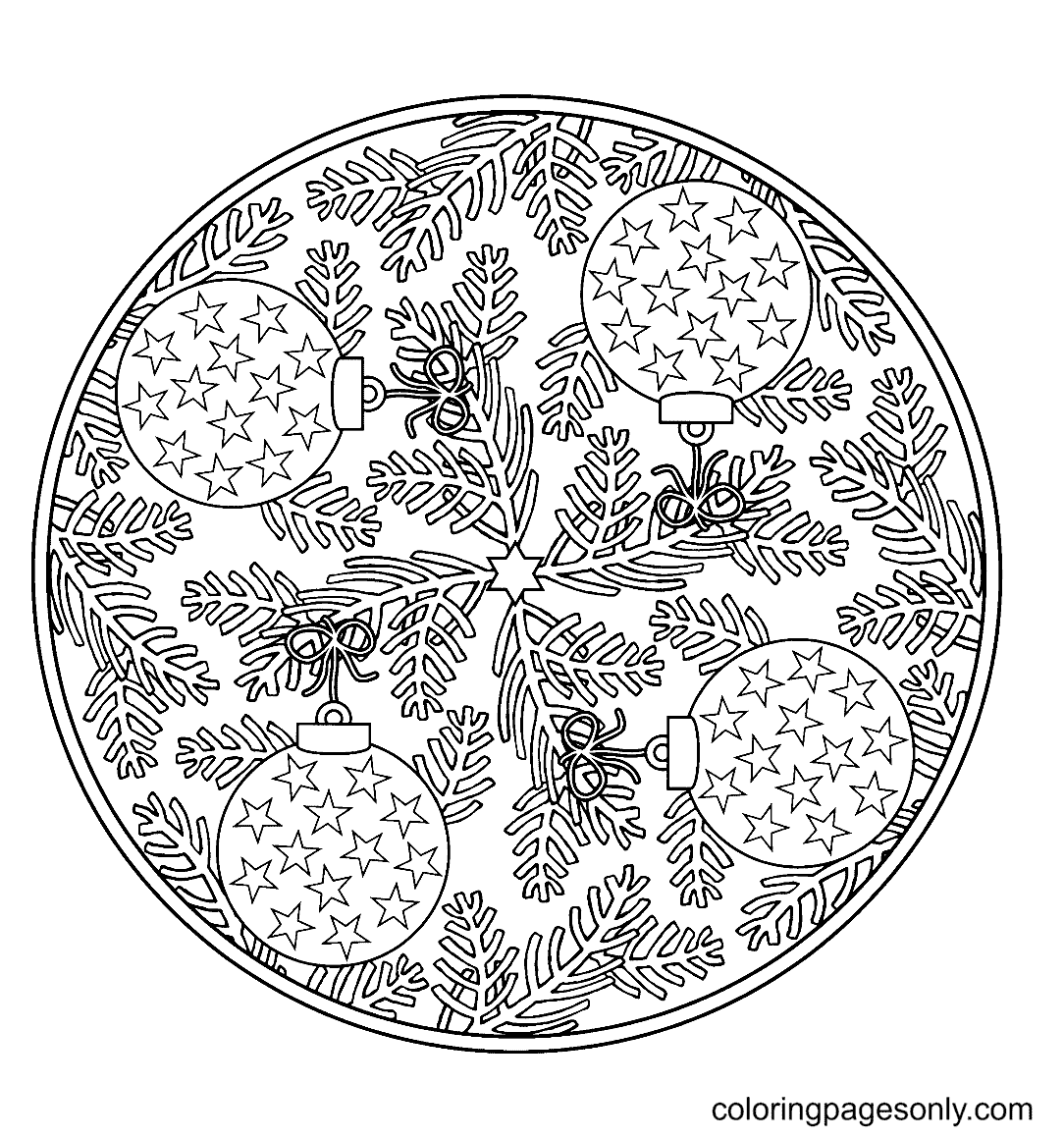

What Is a Christmas Mandala?
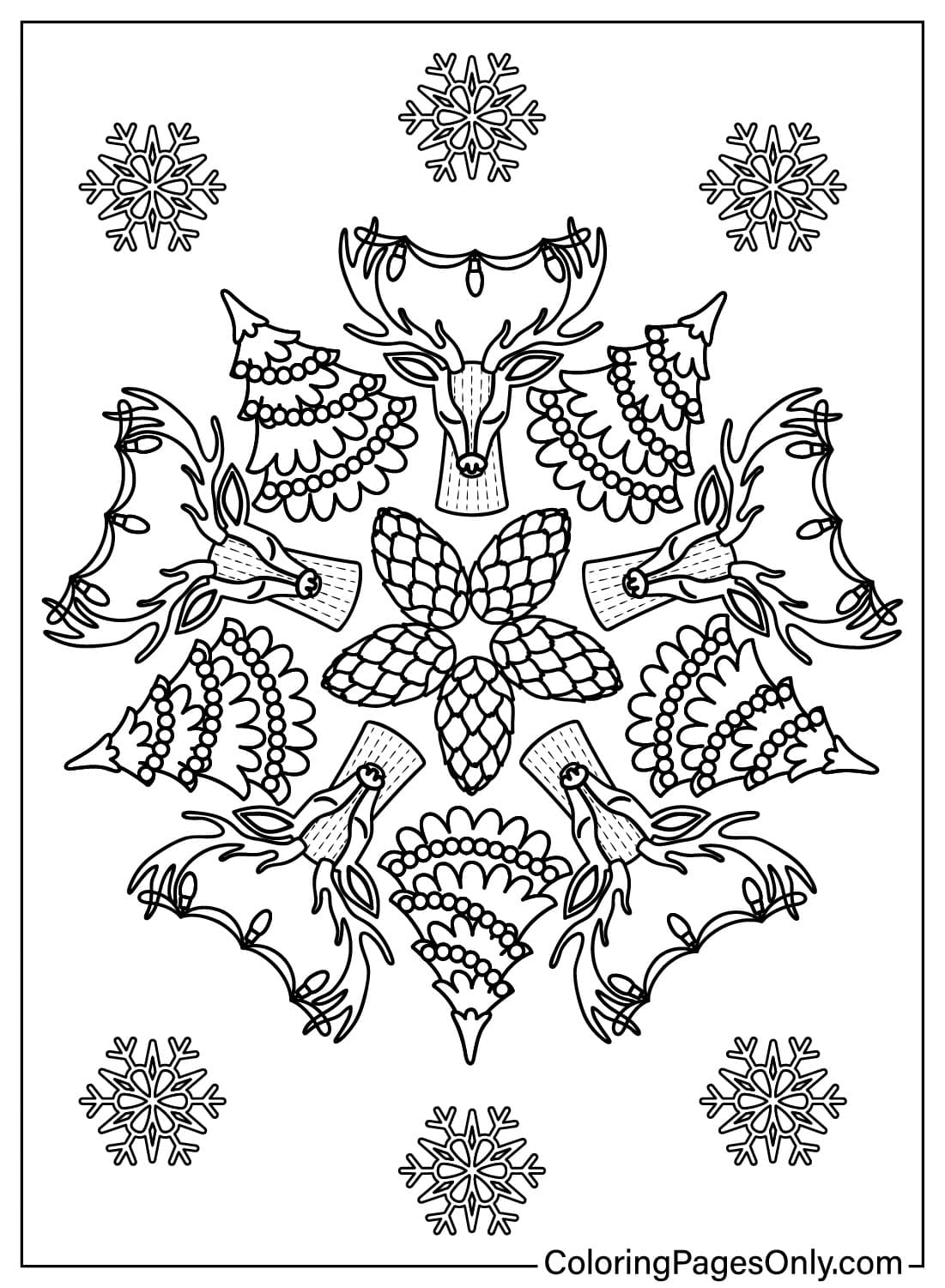
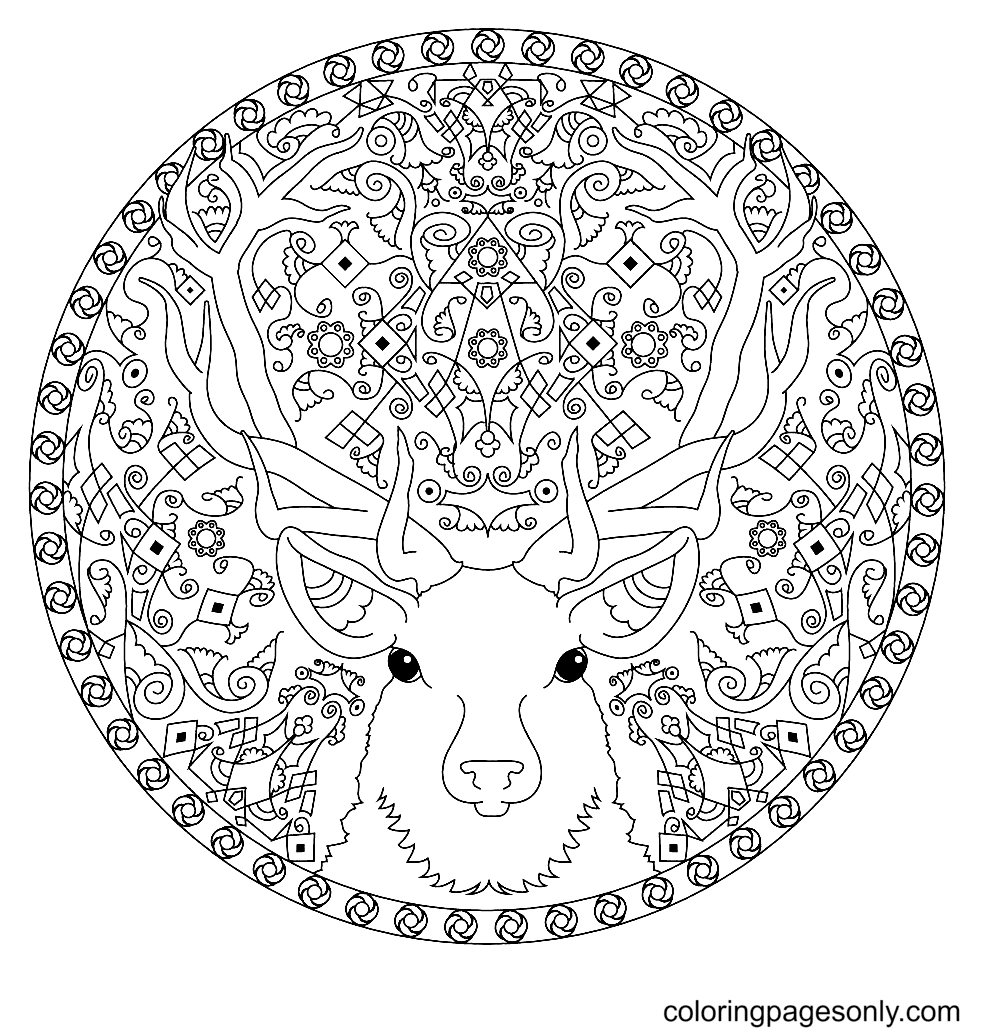
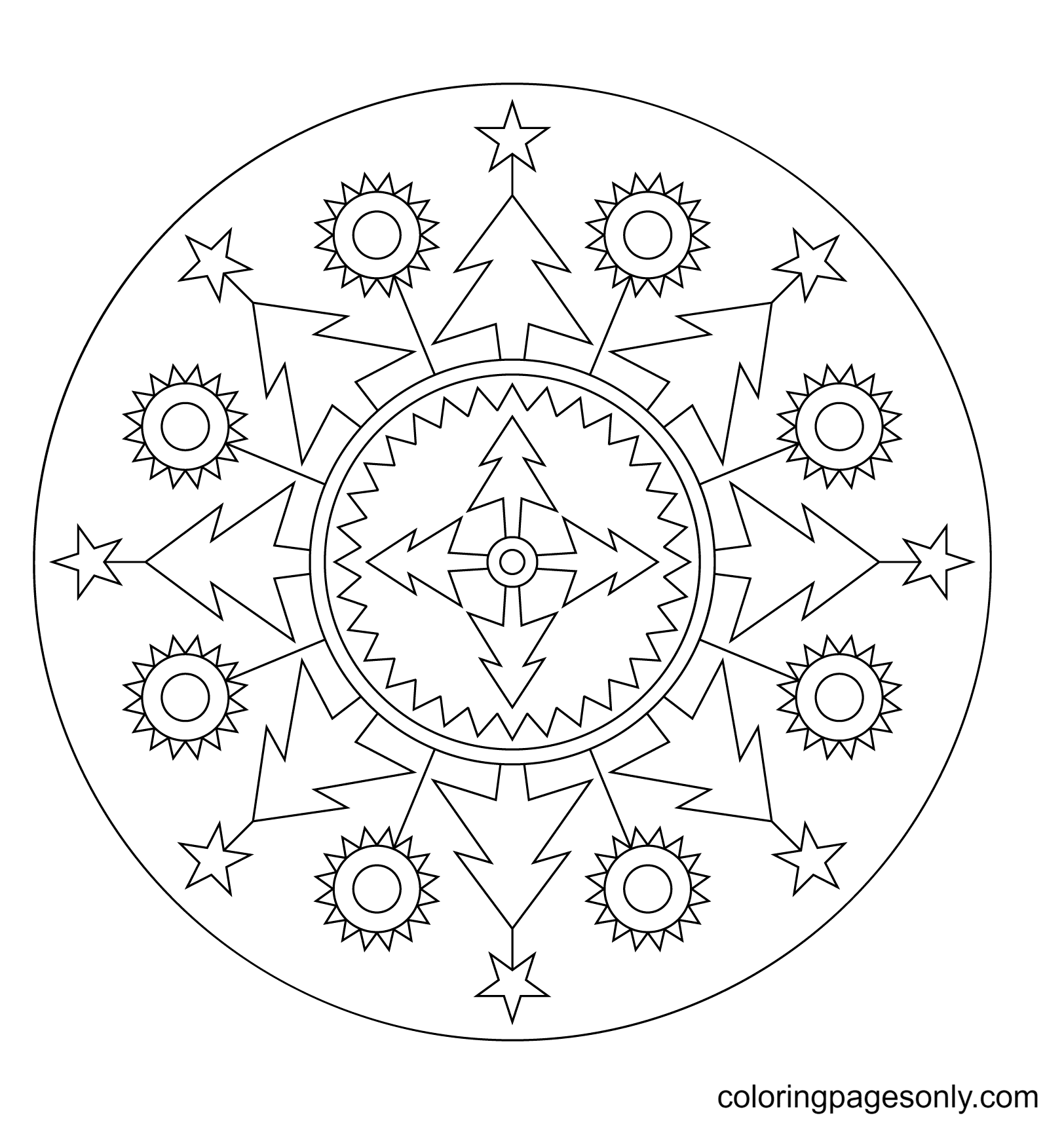
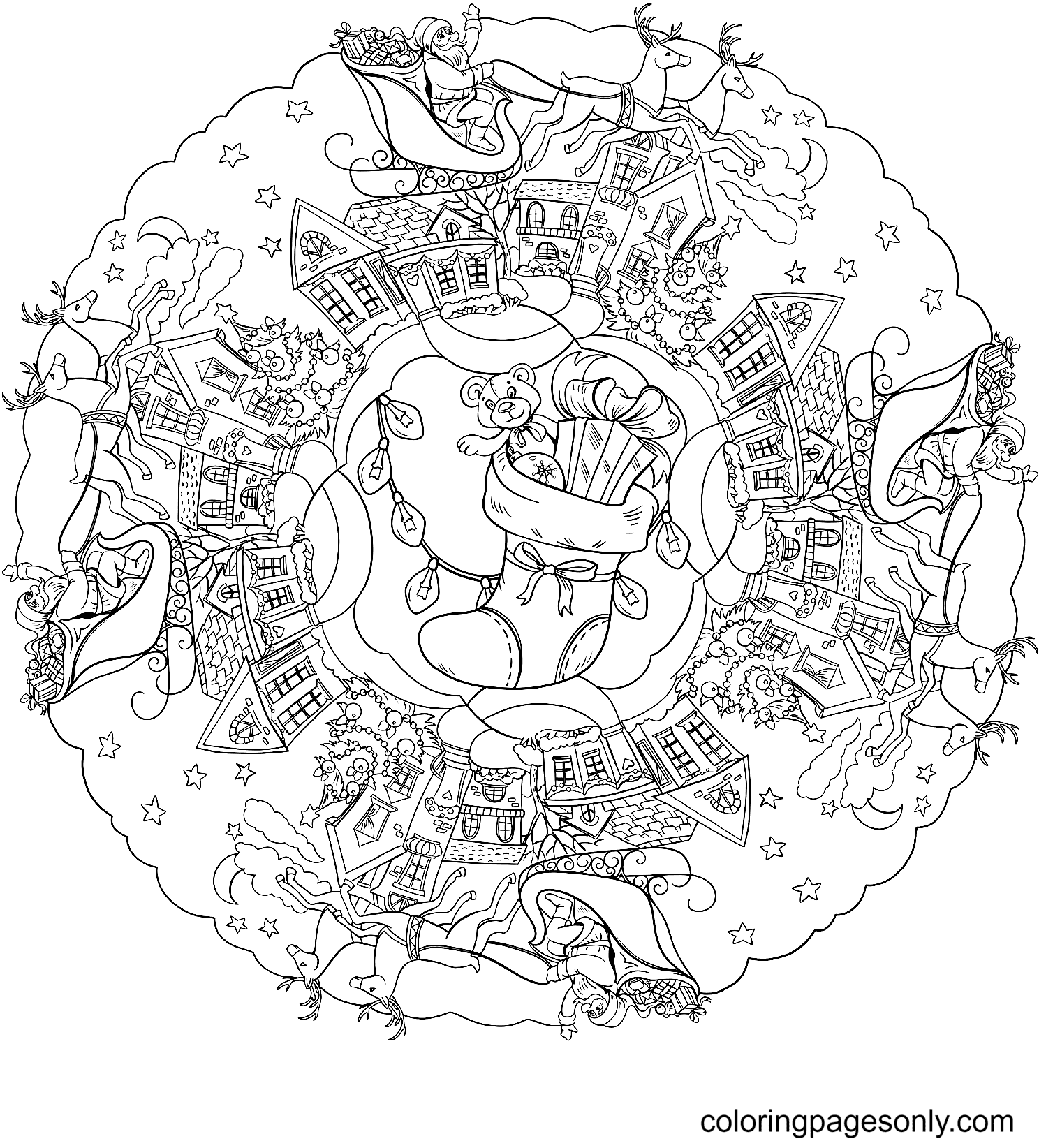
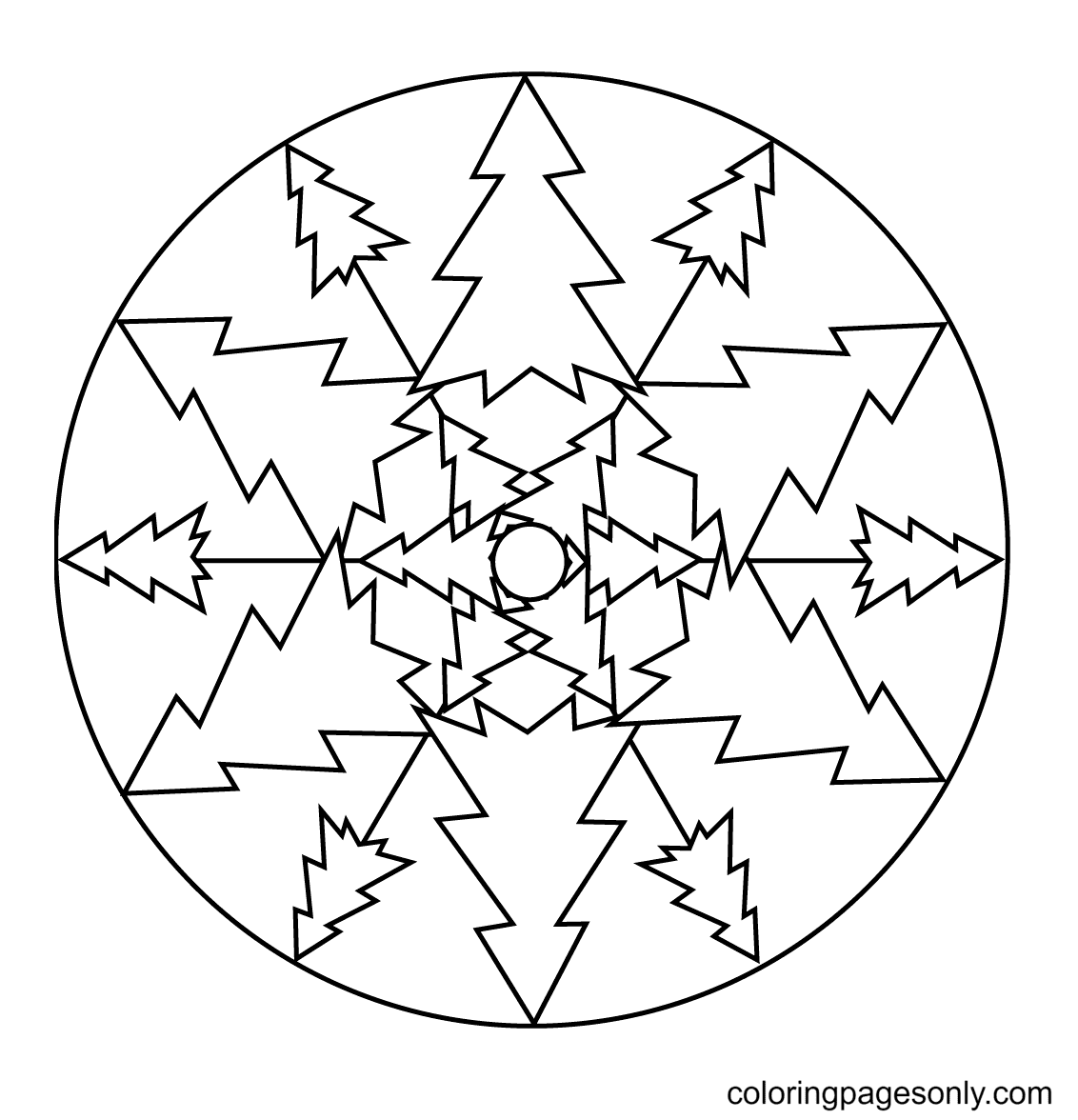
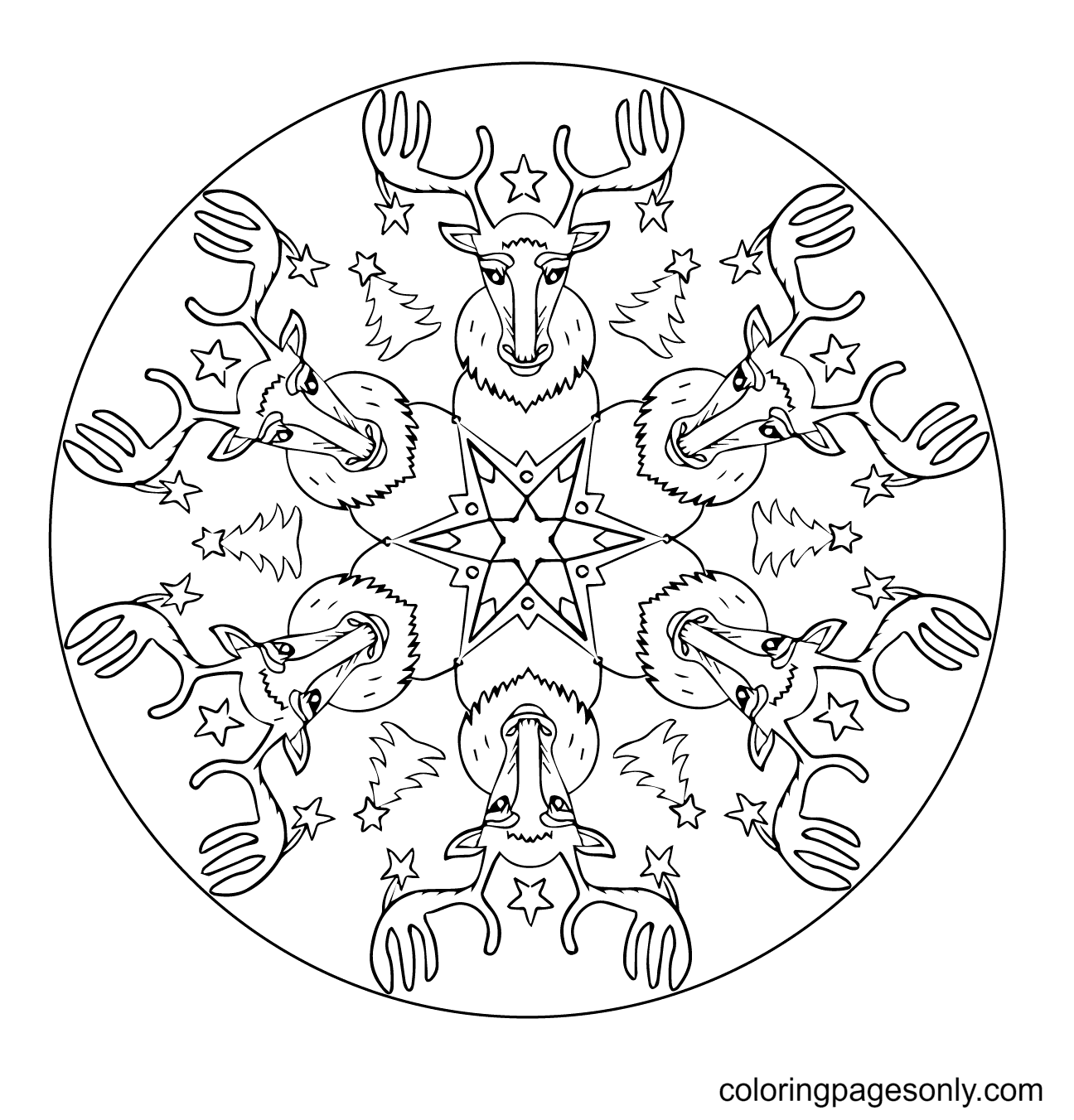
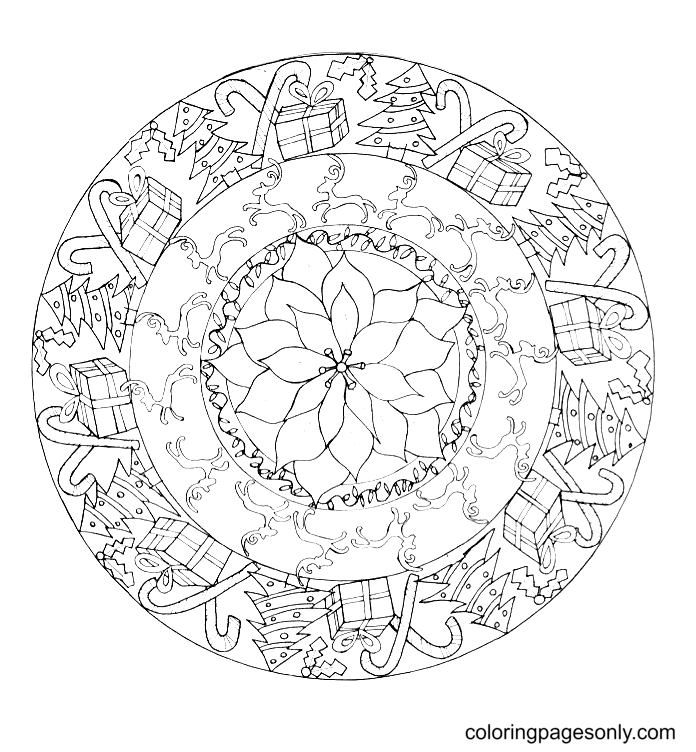
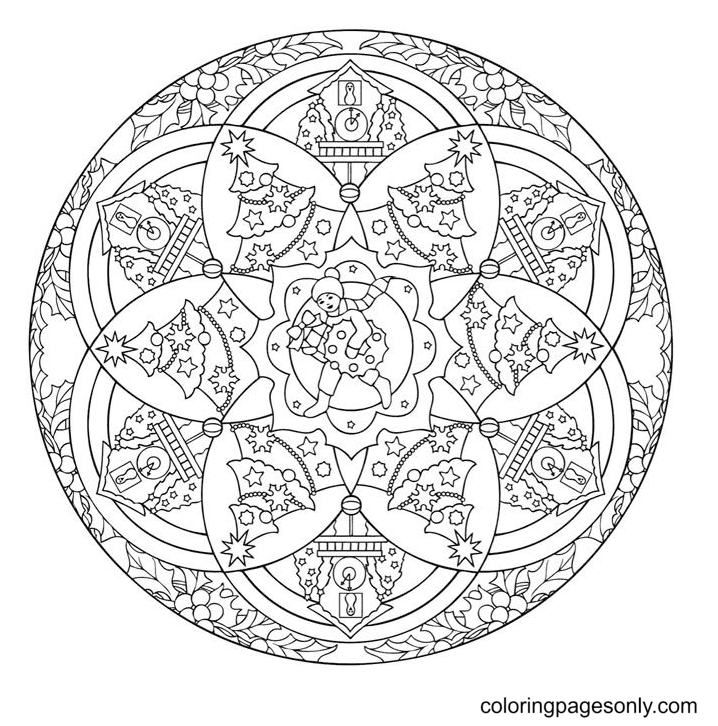
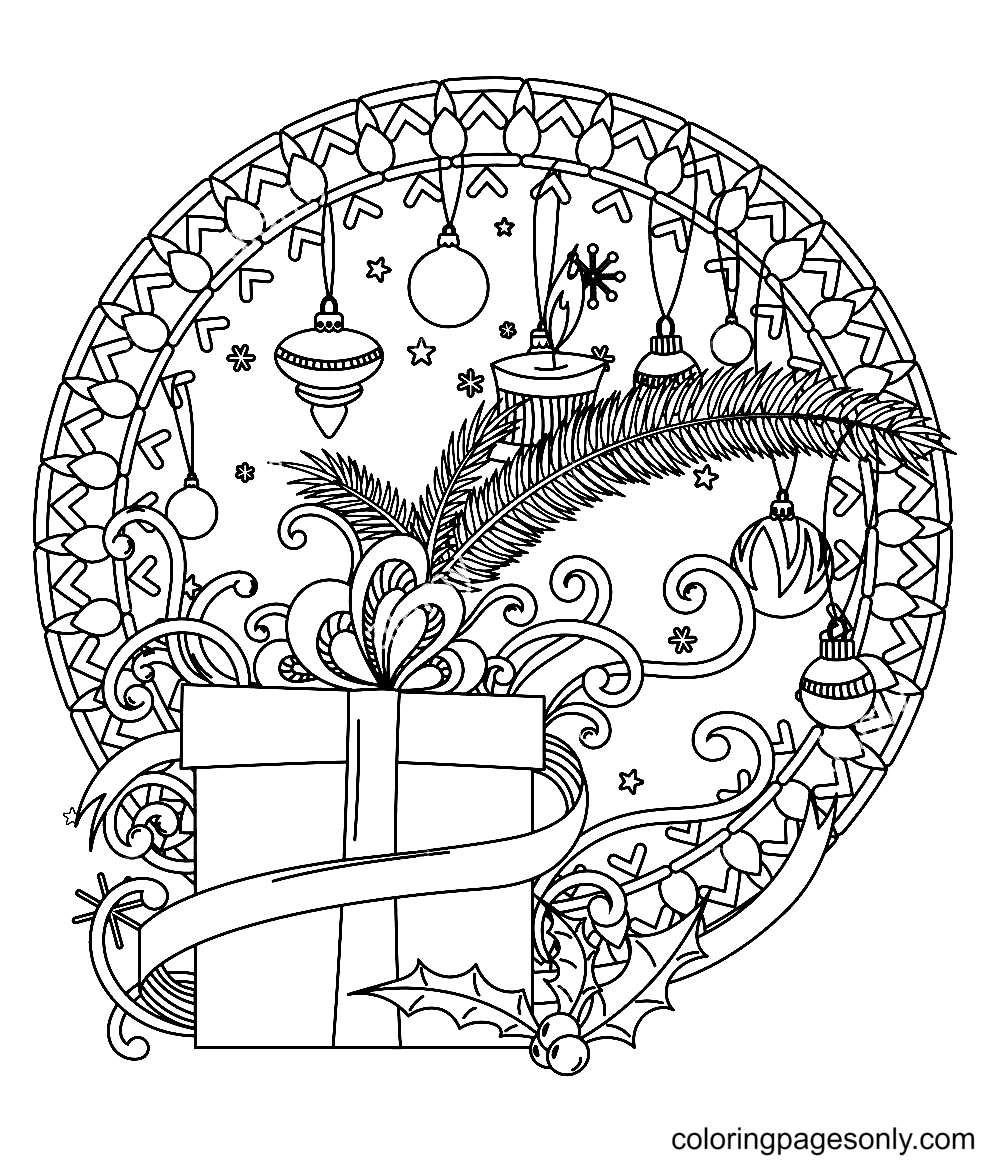
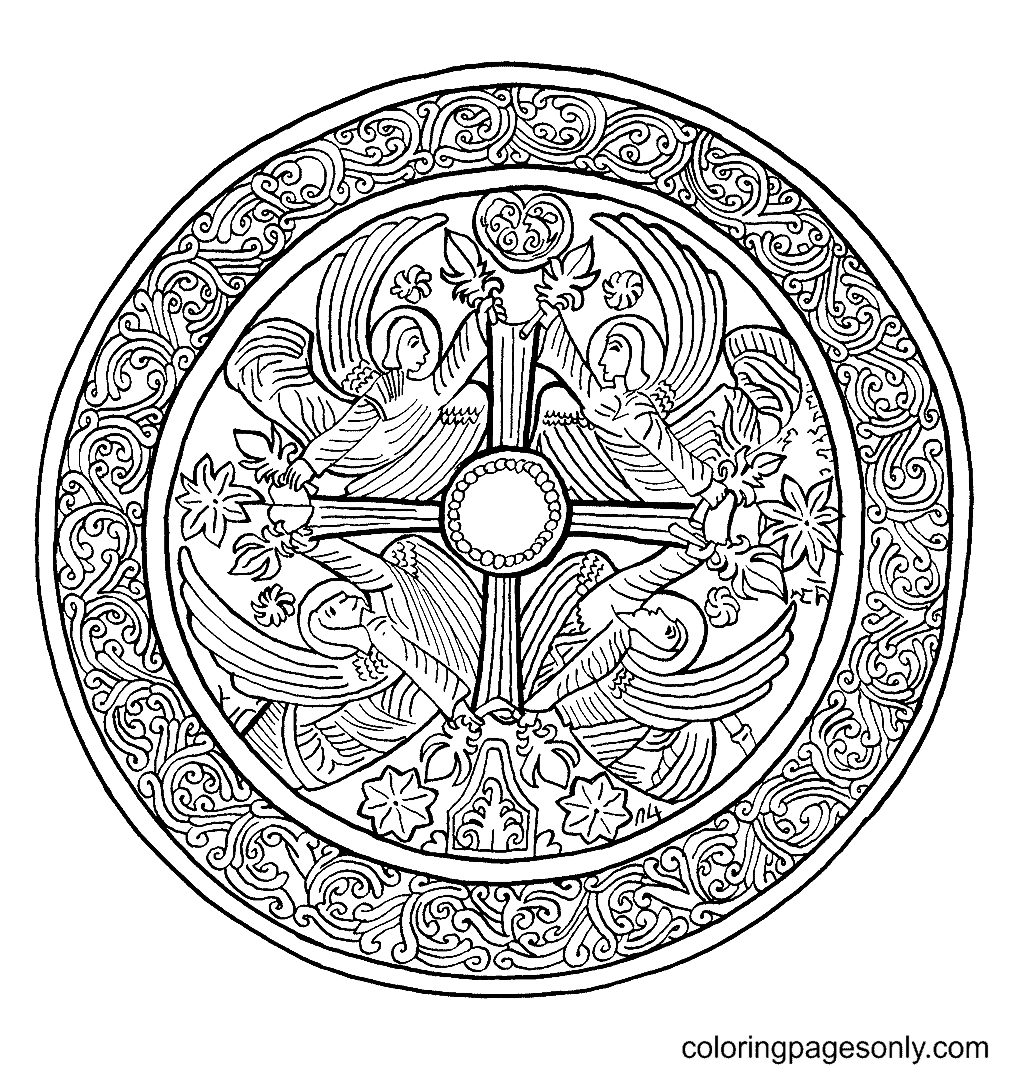
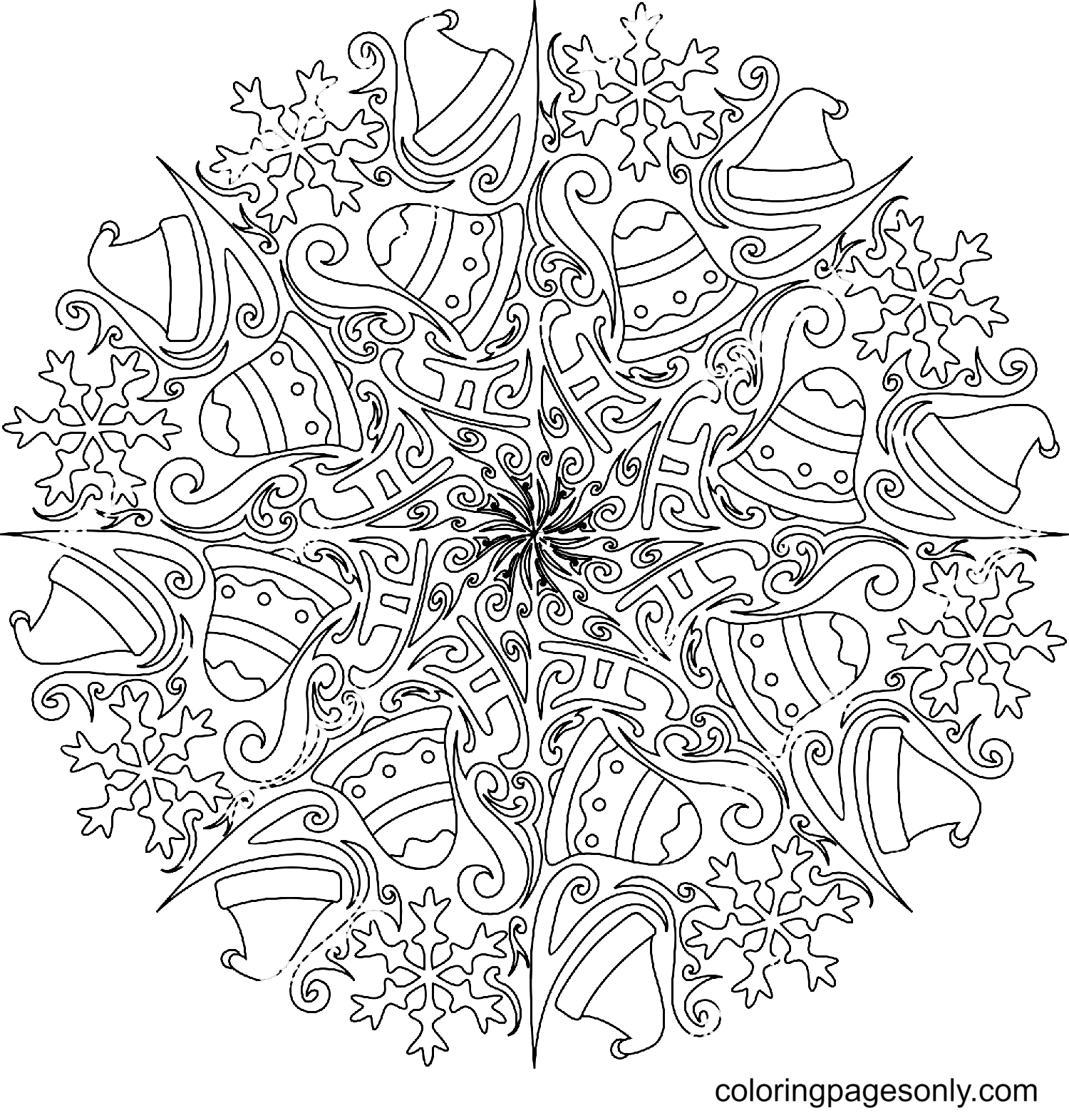
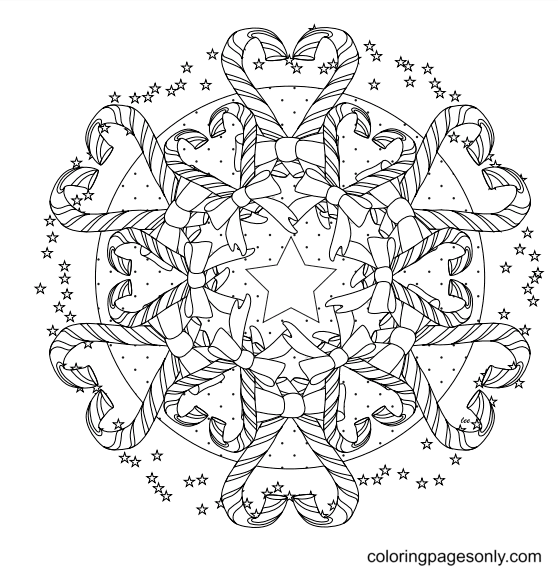
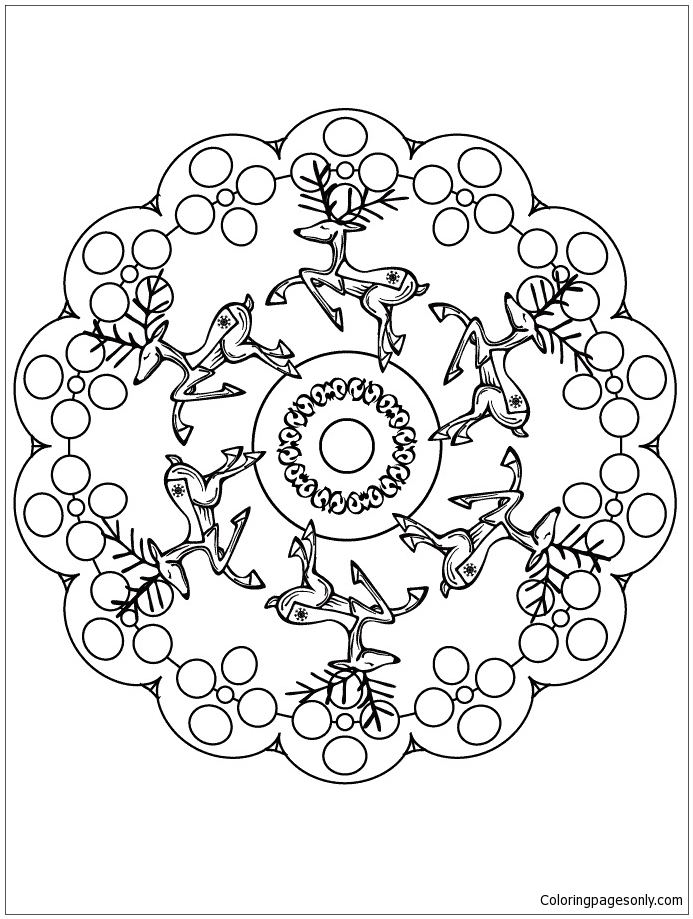
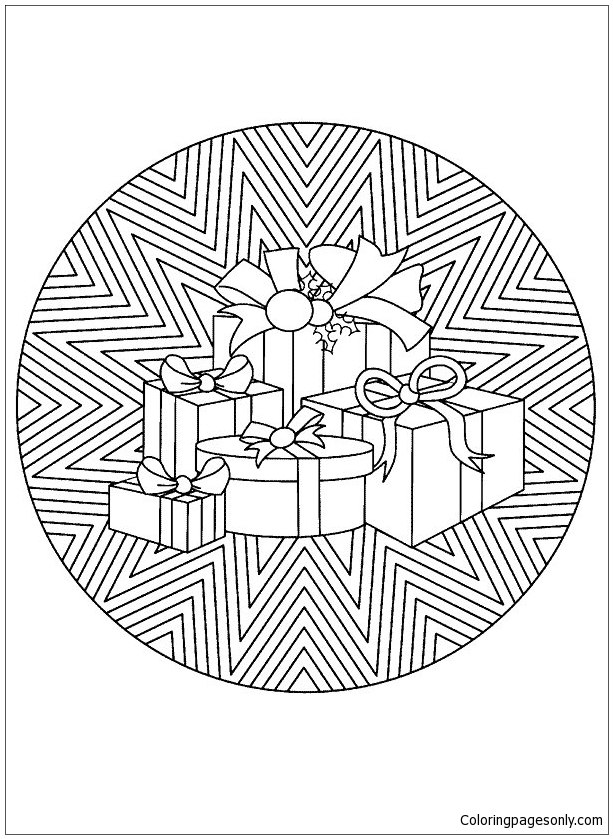
A Christmas mandala takes the foundational structure of traditional mandala design – a circular composition organized around a central point, radiating outward in symmetrical rings – and replaces the abstract or botanical motifs with Christmas iconography. The result is a coloring page where Santa Claus, reindeer, ornament balls, candy canes, and Christmas bells are not drawn as standalone illustrations but are embedded within a repeating, symmetrical pattern: six reindeer positioned equidistant around a circle, eight candy canes alternating with snowflakes, layers of Christmas decorations arranged like the rings of a geometric diagram.
The combination works for the same reason that mandalas work at all: the radial structure creates order and rhythm, which makes the act of coloring feel calm and satisfying. Each color decision you make in one section of the composition repeats automatically across all equivalent sections, so even a simple palette produces a rich and balanced result. And the Christmas imagery gives the abstract pattern a specific emotional context – warmth, celebration, and the particular visual language of the winter season.
What’s in This Collection
The 60+ pages are divided into distinct groups by subject and complexity.
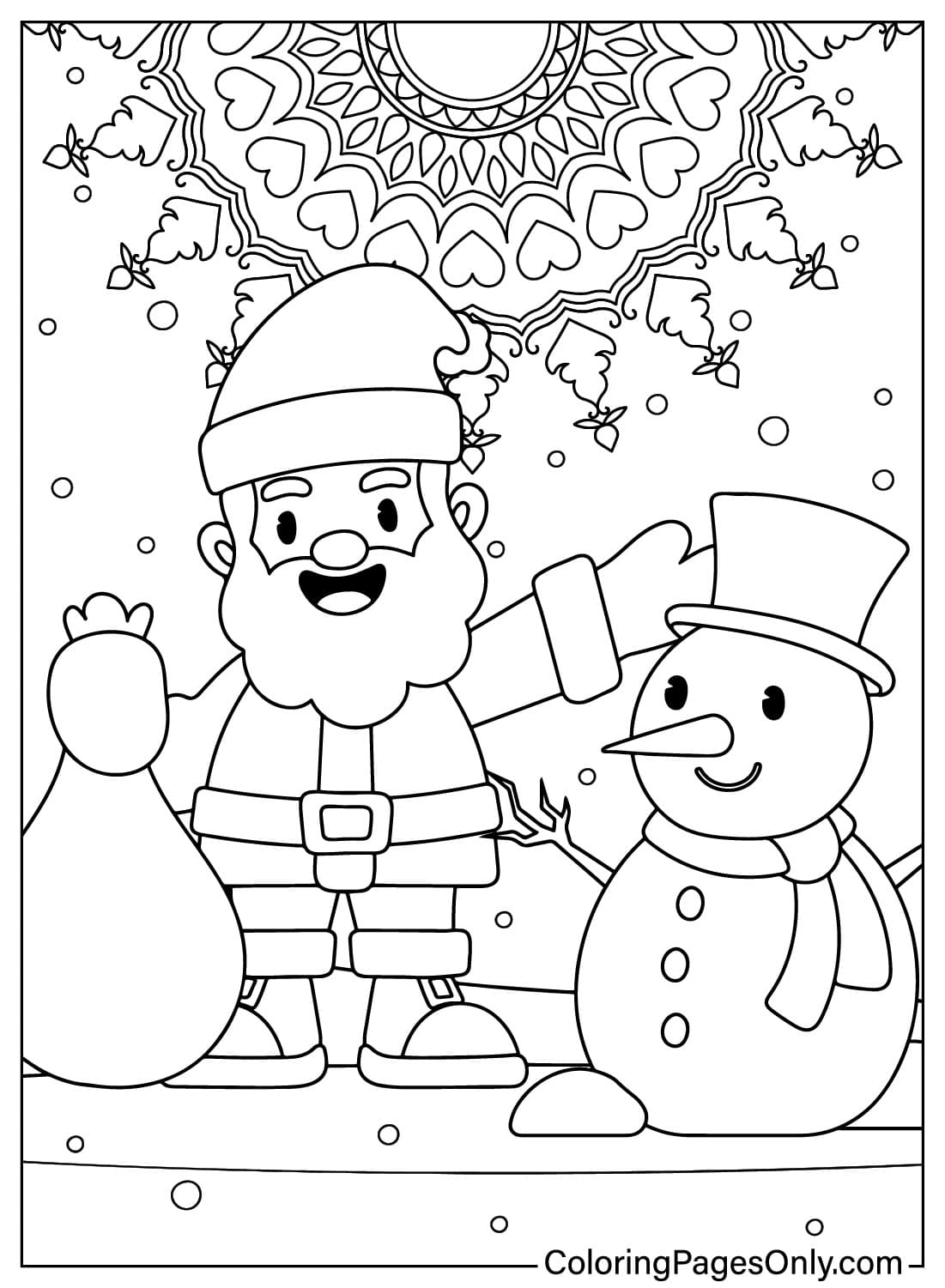
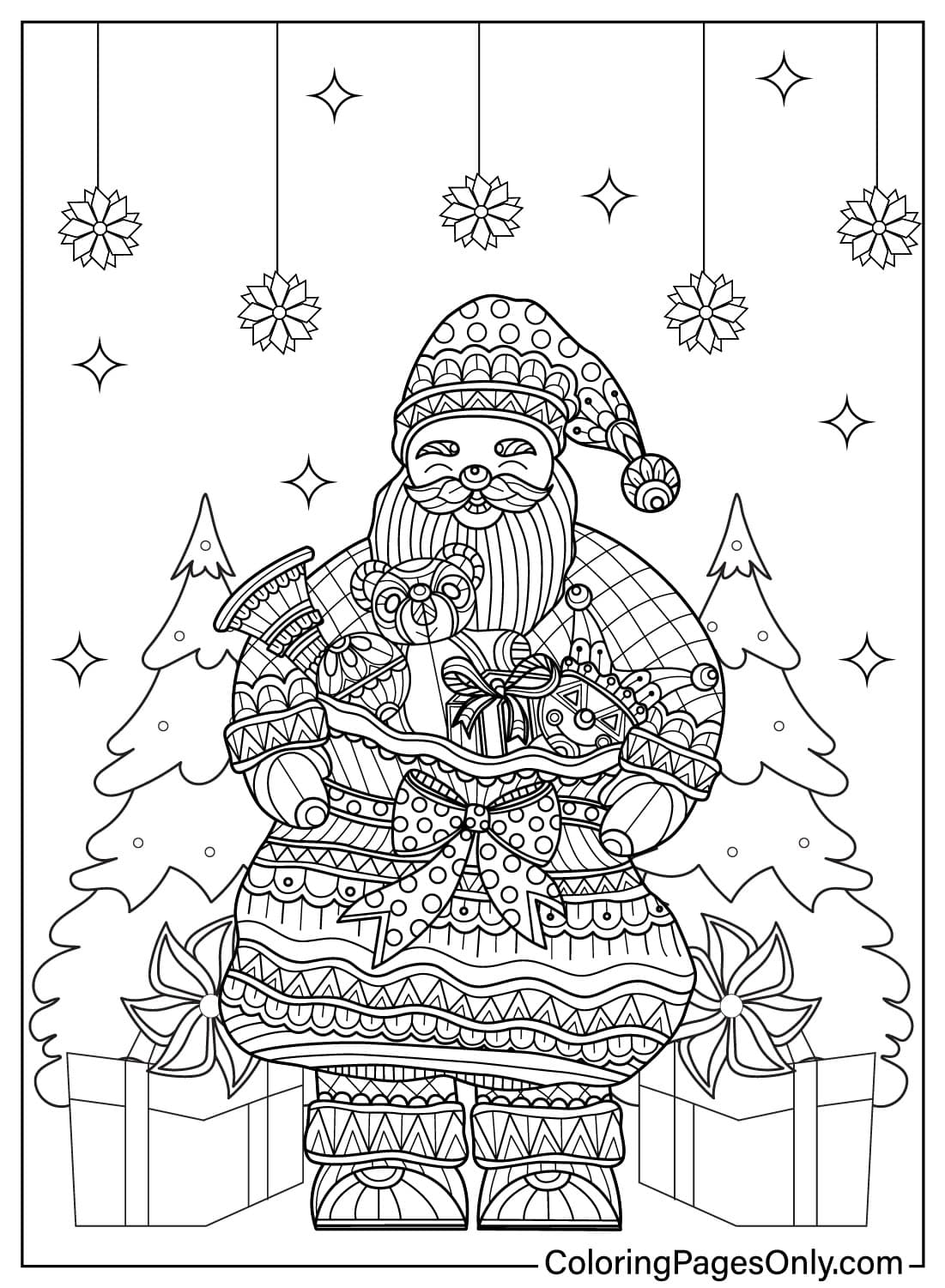
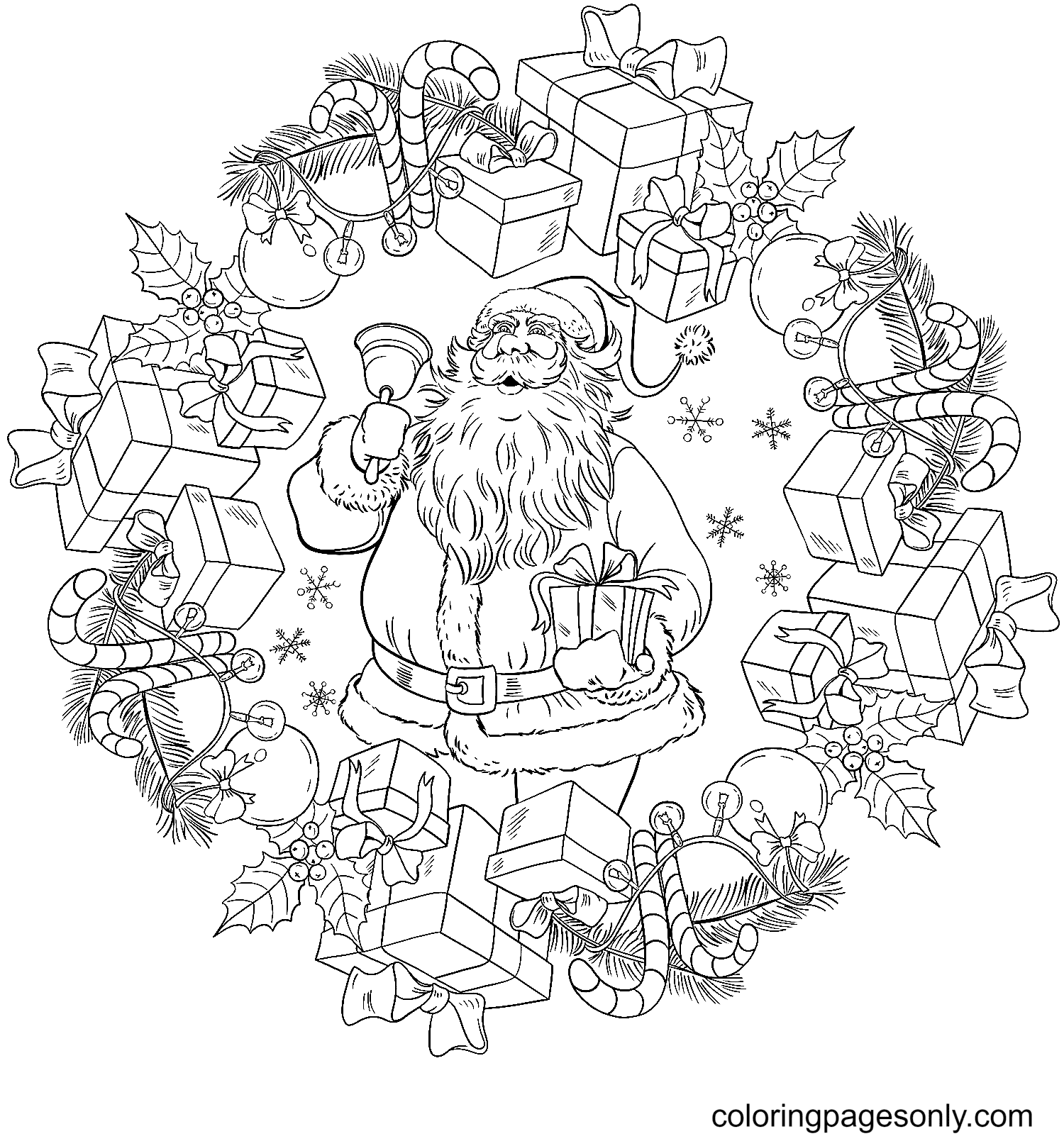
Santa Claus pages form their own cluster – Christmas Mandala Santa Claus, Mandala Santa of Christmas, Santa and Snowman in Christmas Mandala, Christmas Mandala with Santa, Sleigh and Deers, Christmas Mandala with Santa Claus and Presents, Christmas Mandala with Santa and Elf. These pages use Santa as the central figure or repeated element around the mandala’s symmetrical rings, sometimes paired with his reindeer team and sometimes with snowmen or elves.
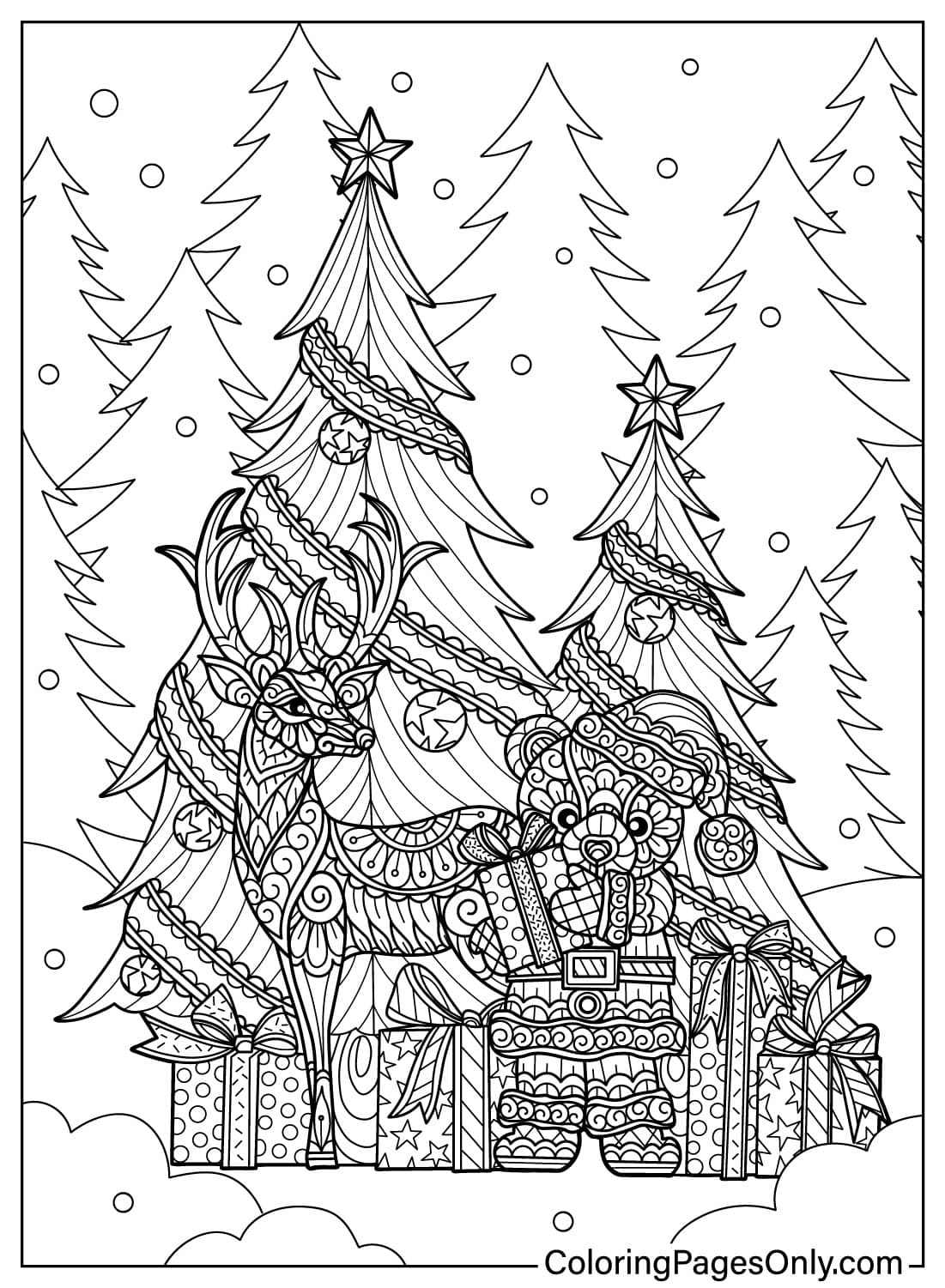
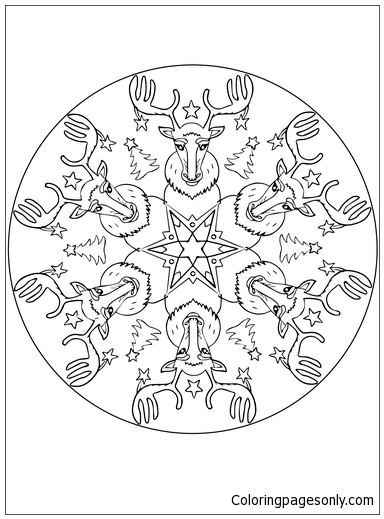
Reindeer pages – Reindeer Christmas Mandala, Mandala Christmas Reindeers, Christmas Mandala with Reindeers, Reindeer Mandala – treat the reindeer as the mandala’s primary repeating motif, typically with multiple reindeer arranged symmetrically around the ring. These are among the more demanding pages in the collection because the animal form within the geometric structure requires careful attention to maintain the symmetry.
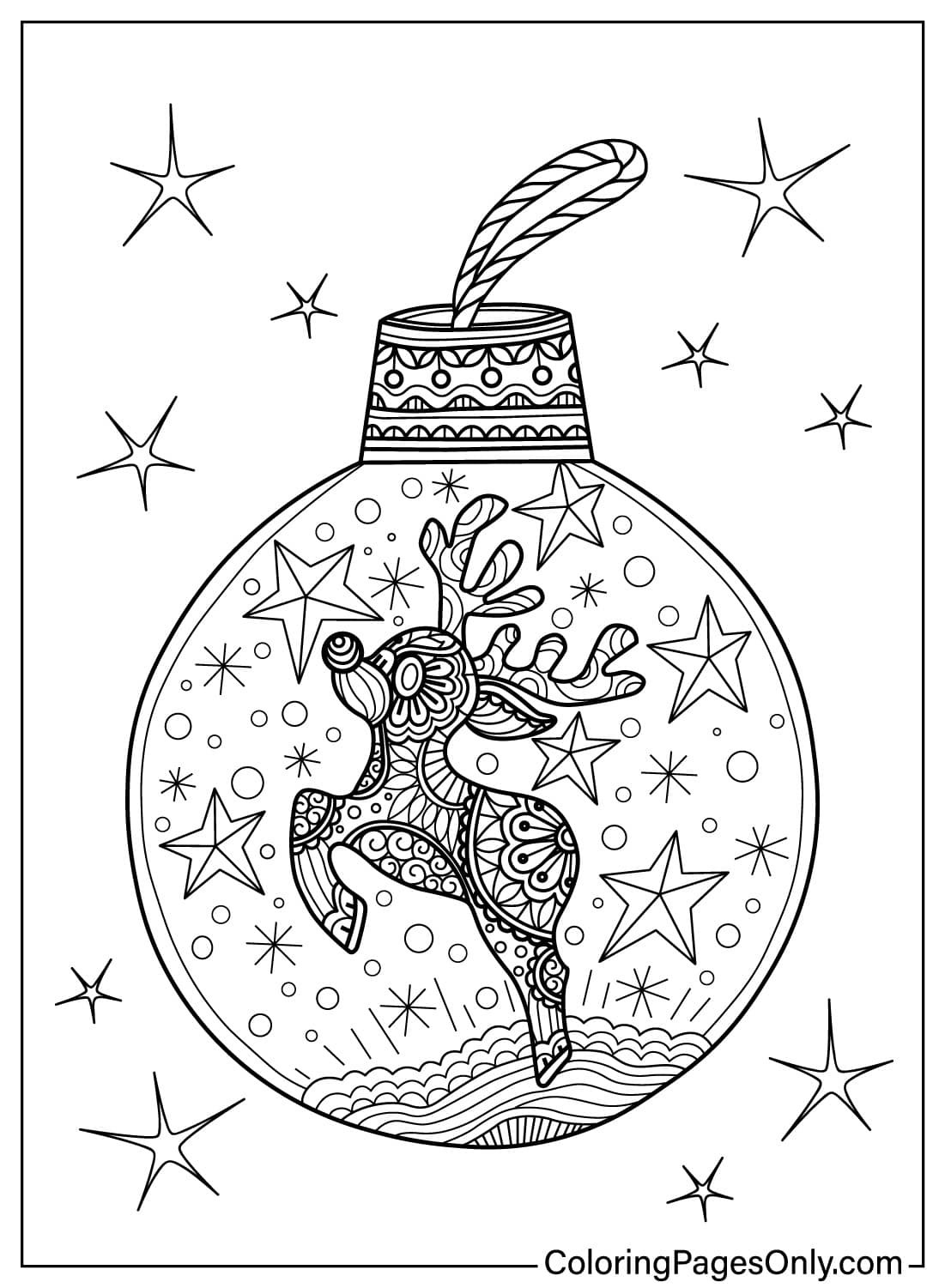
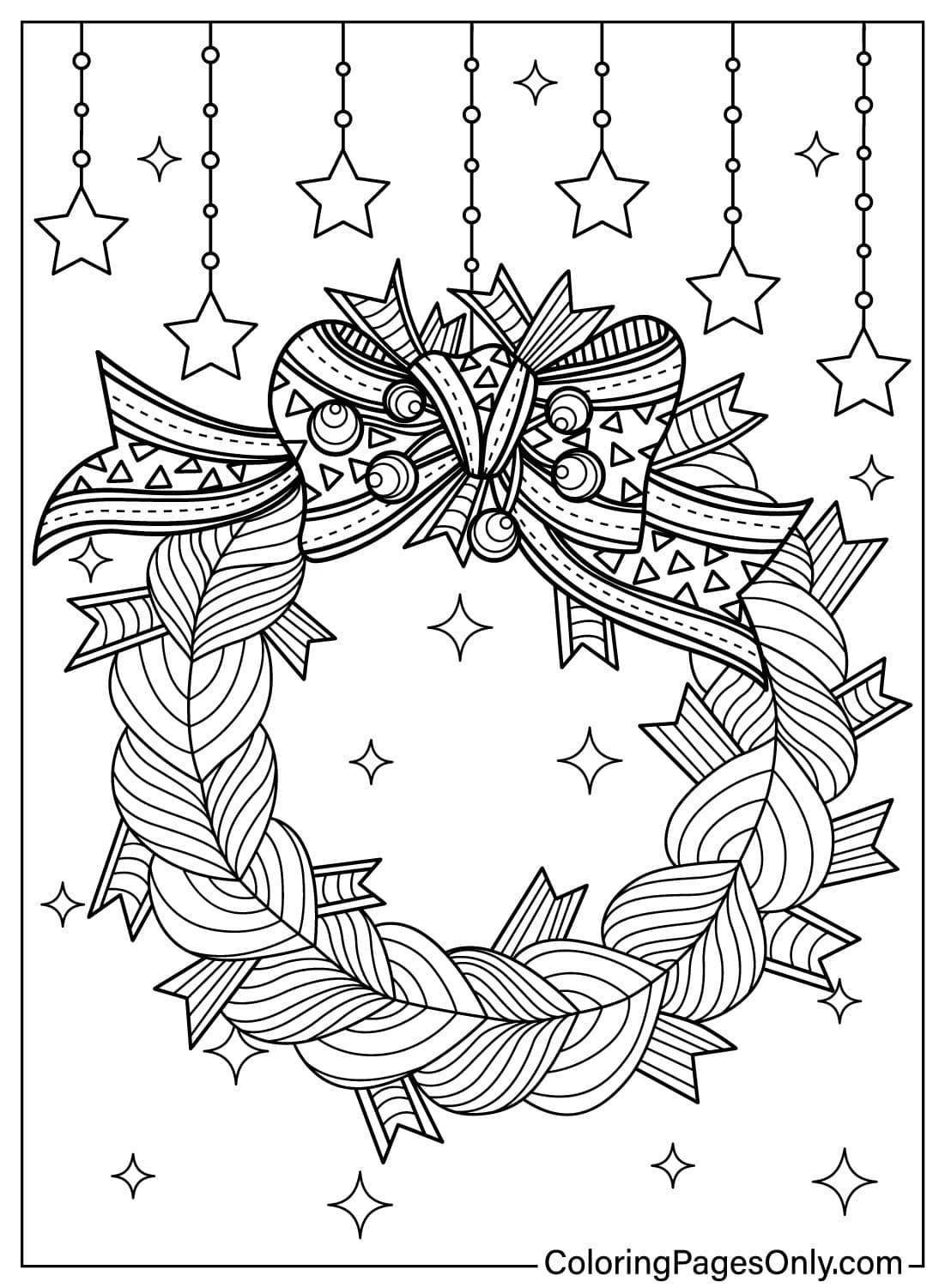
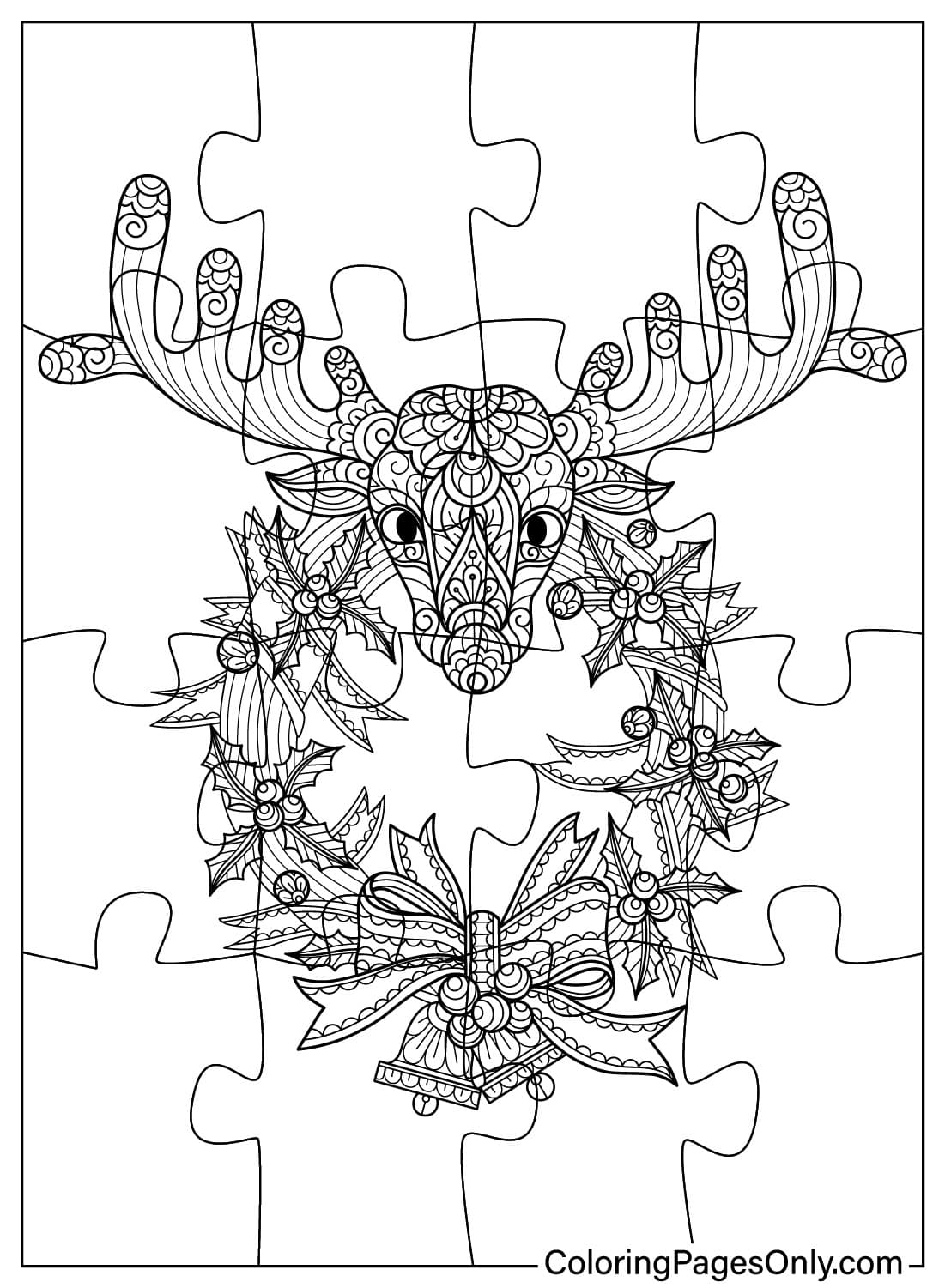
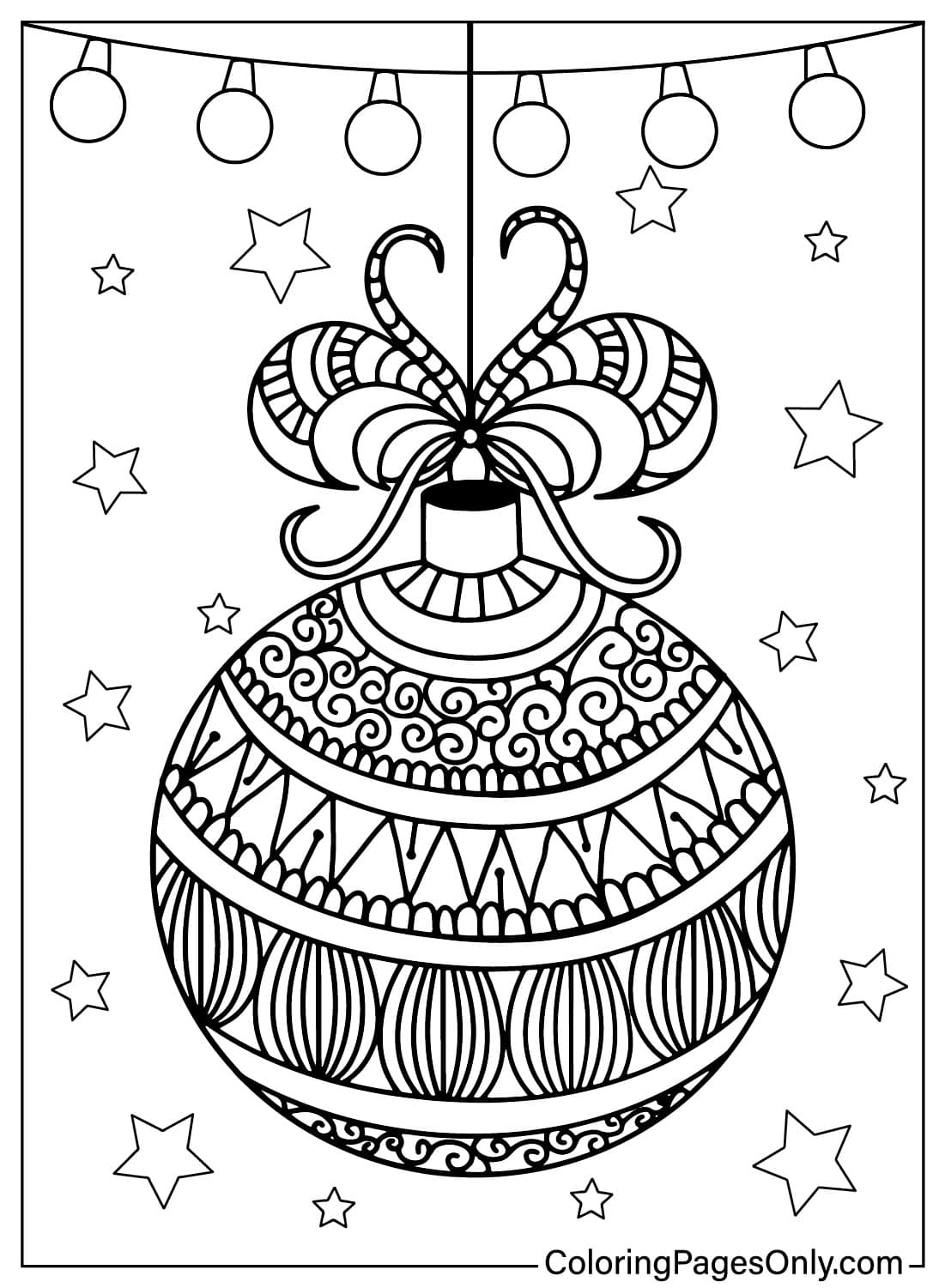
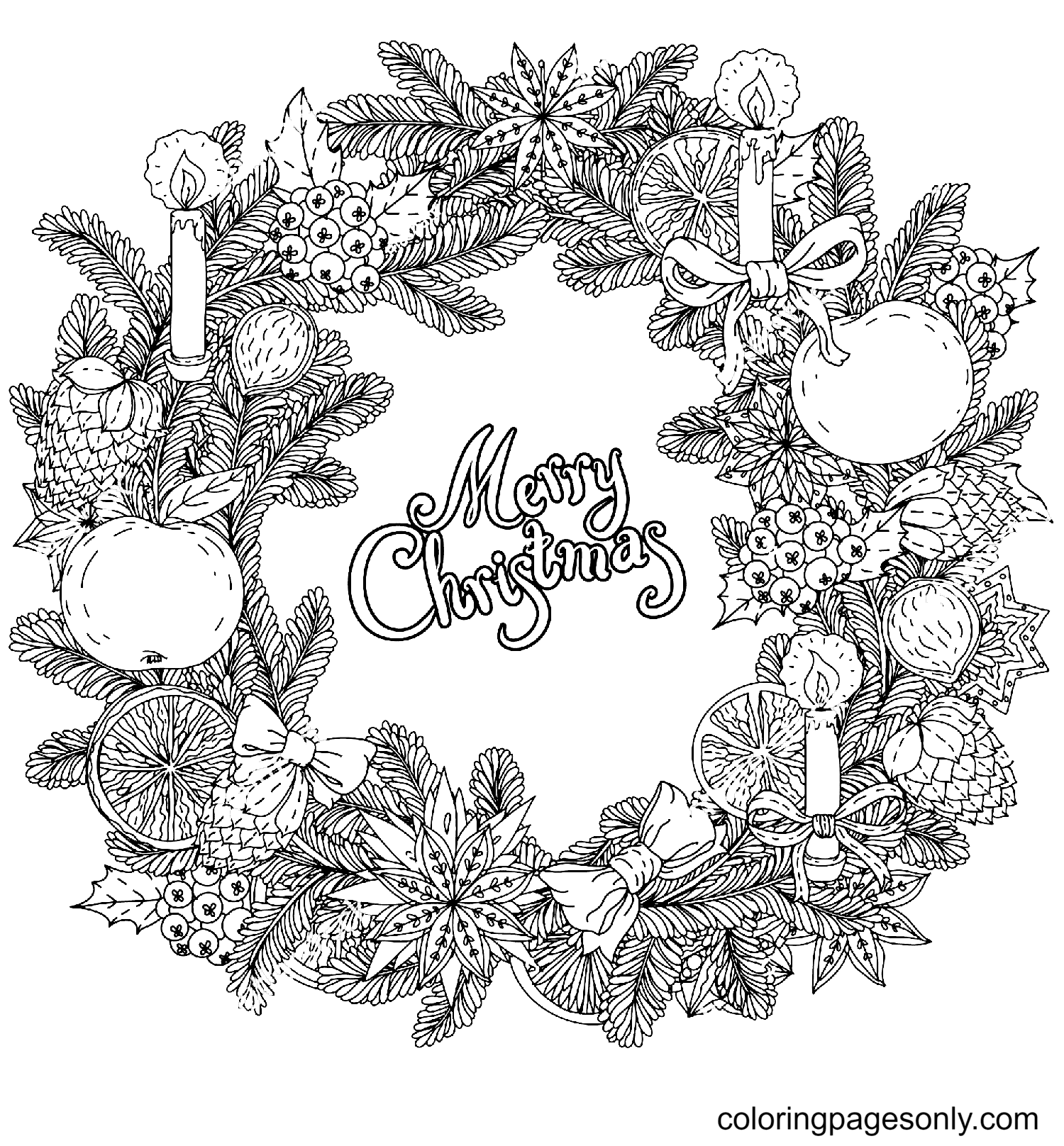
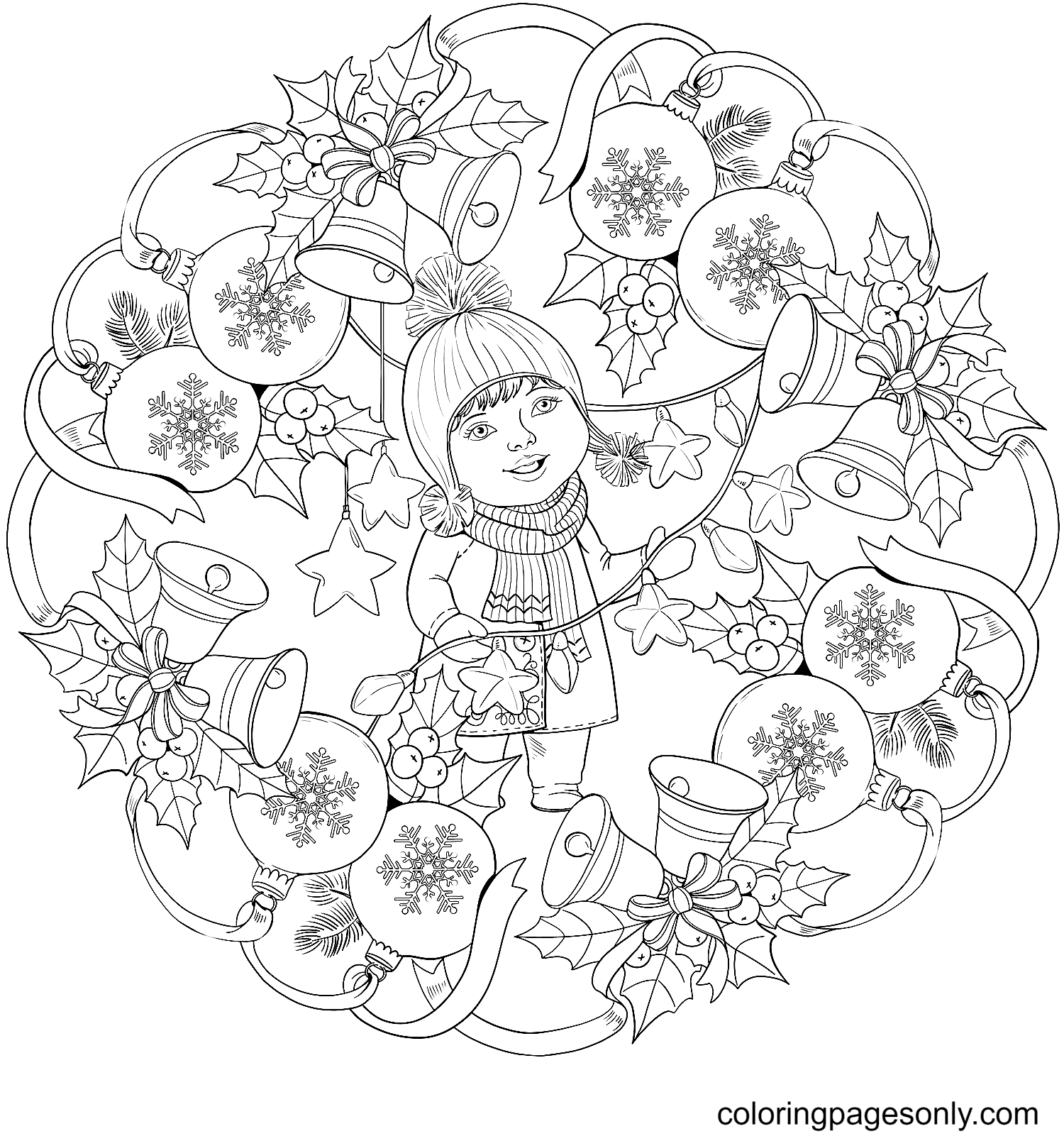
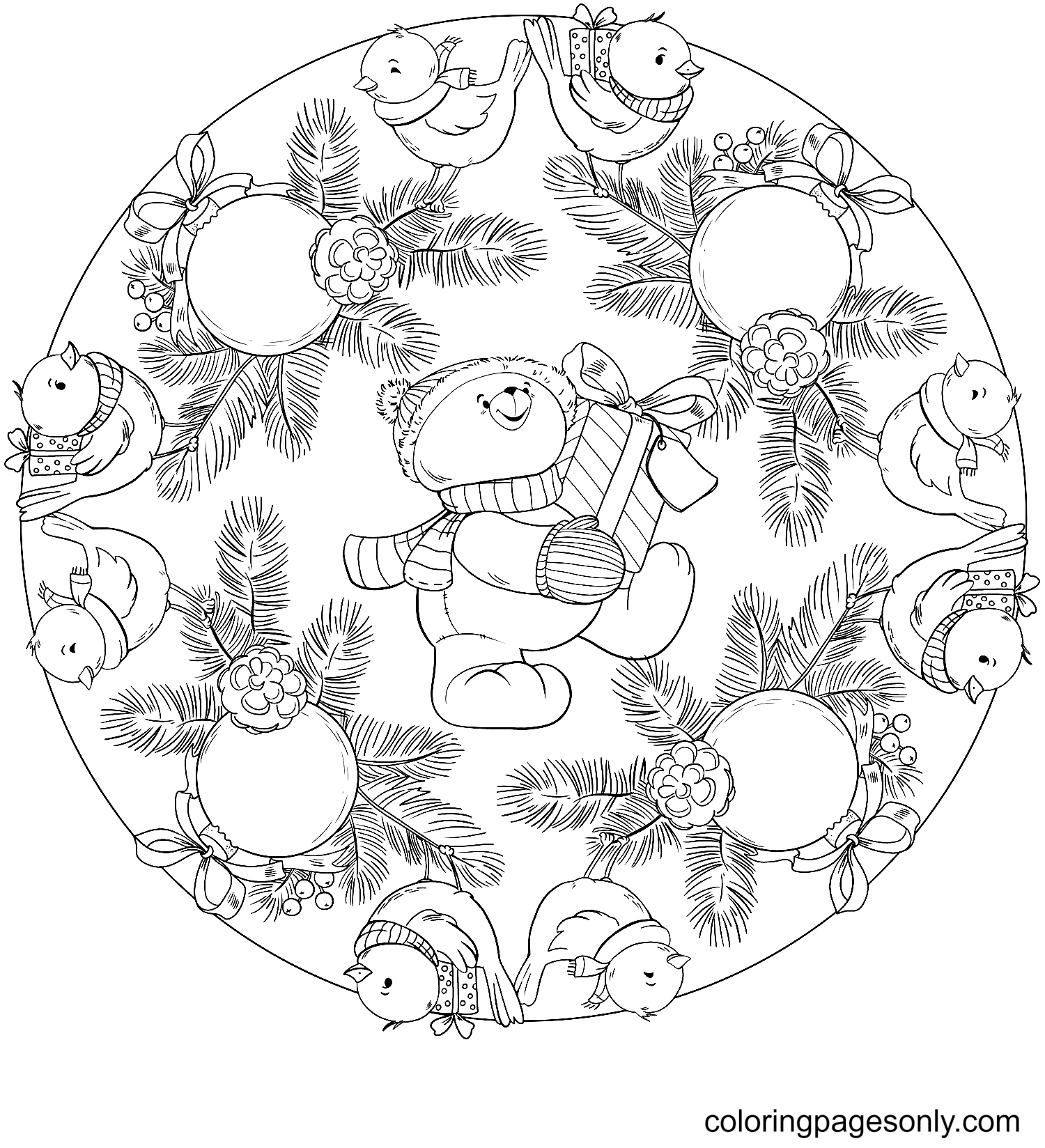
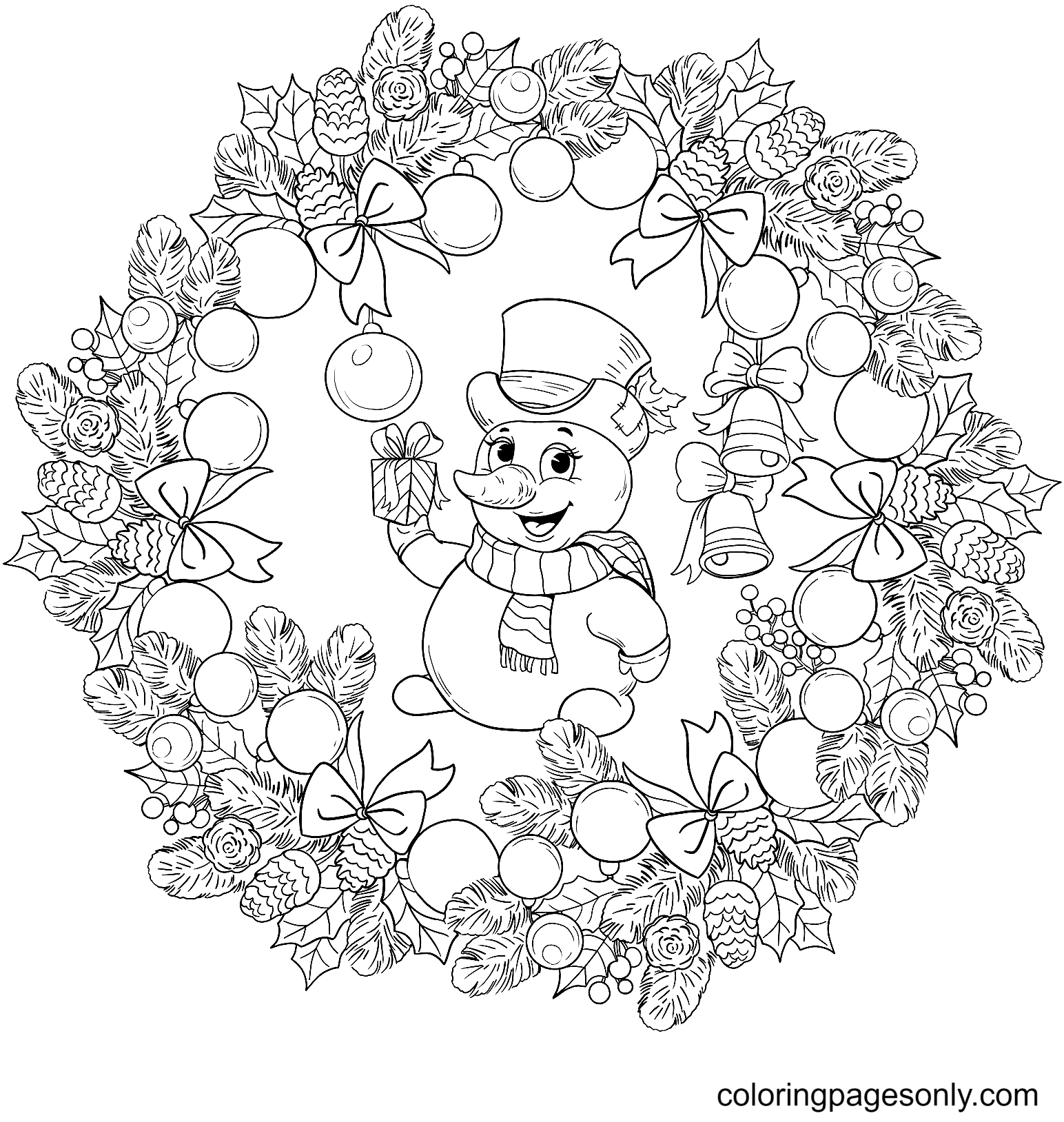
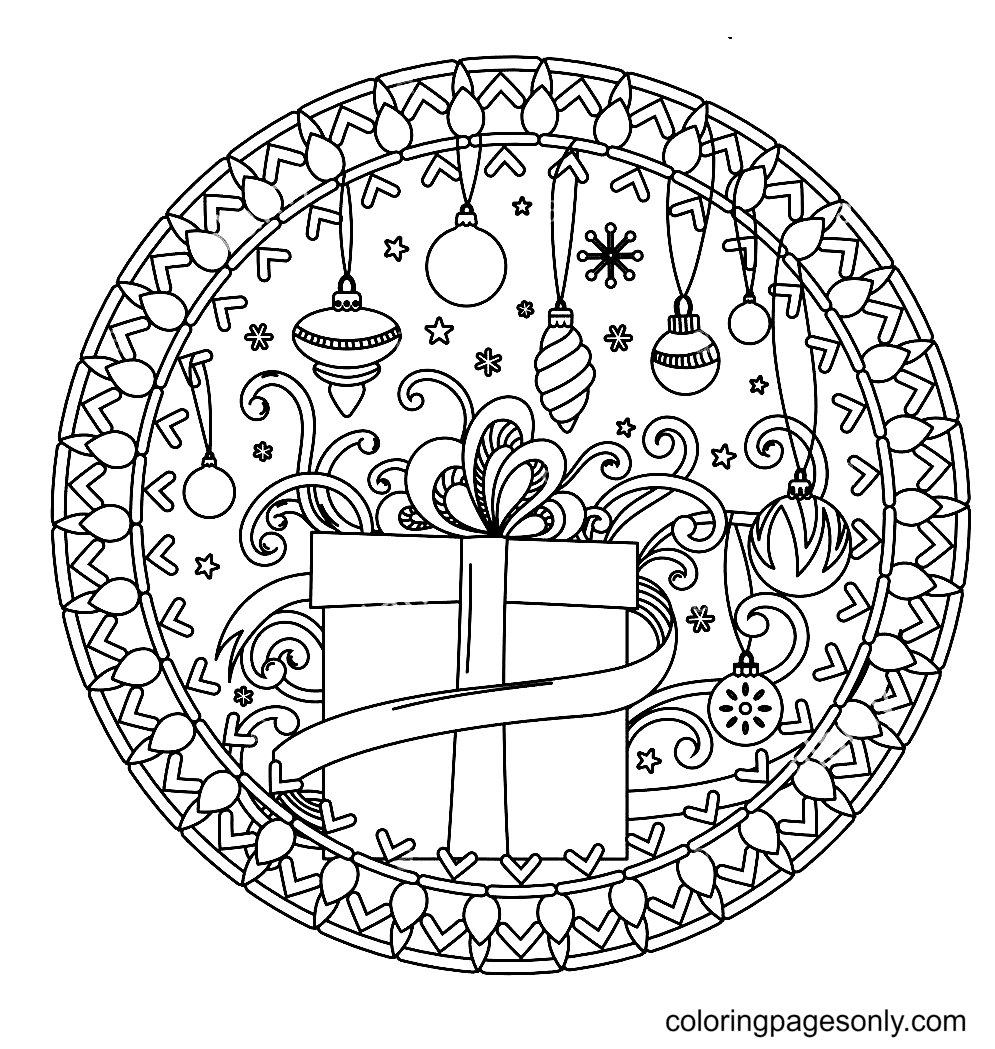
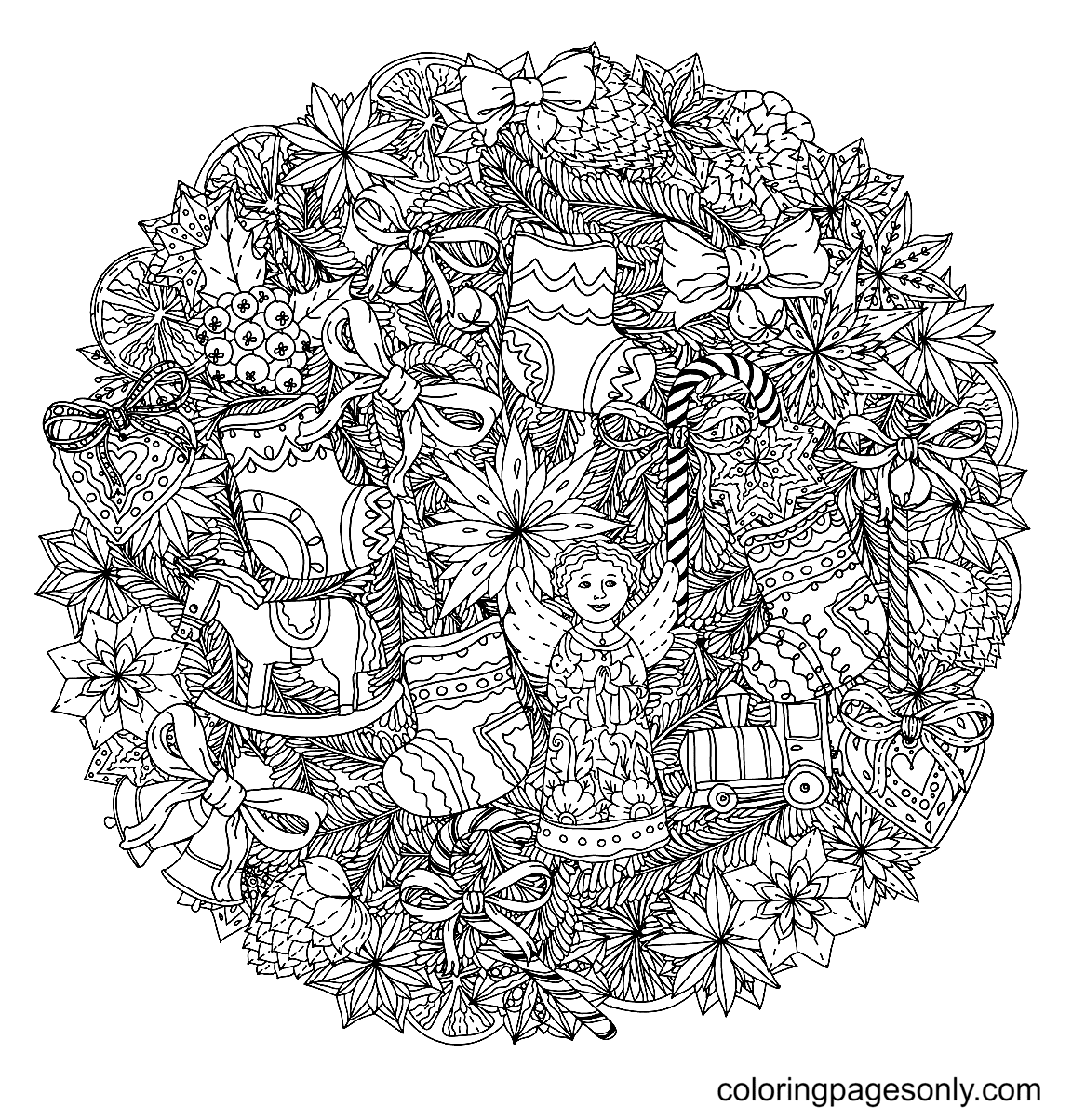
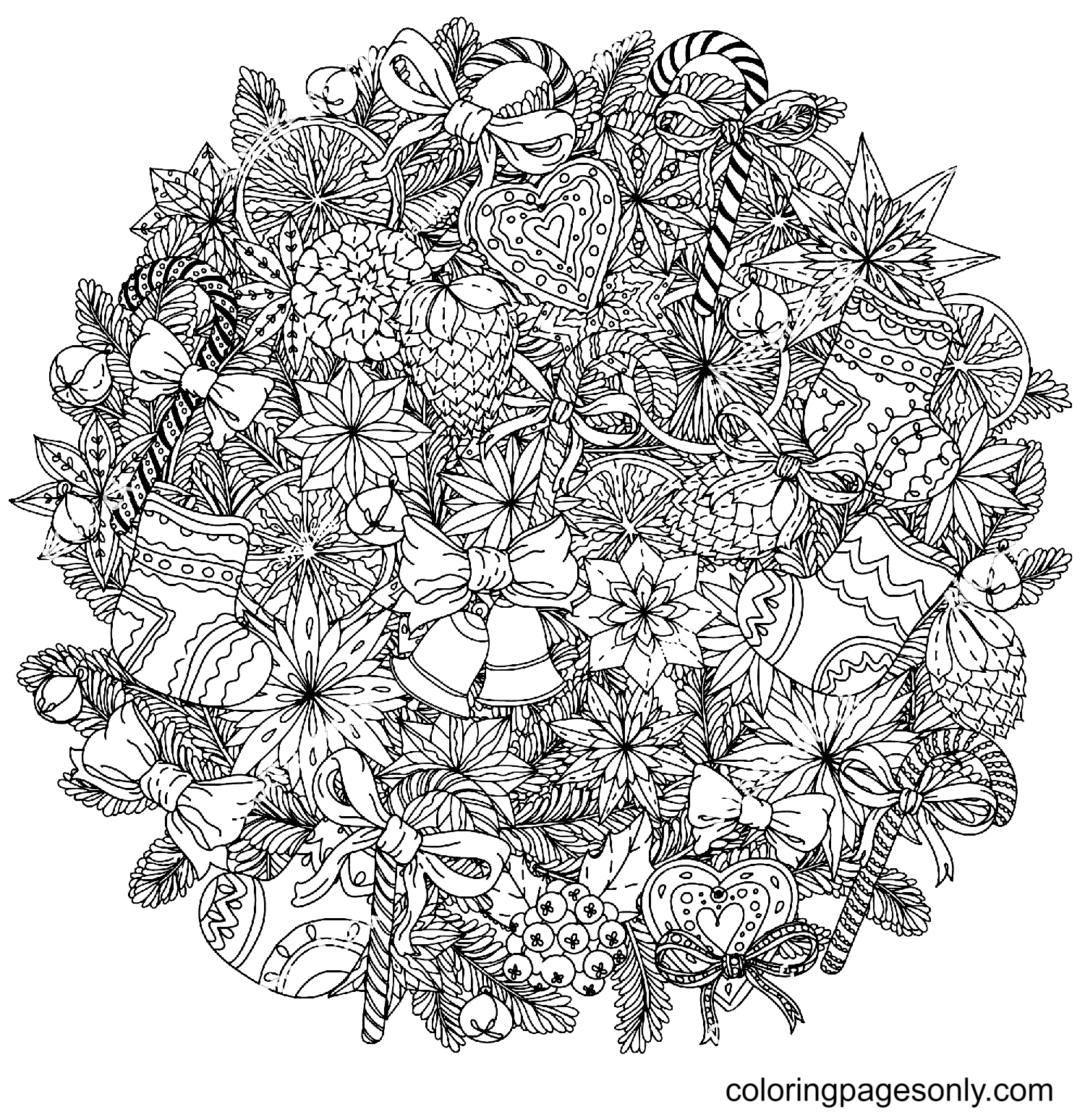
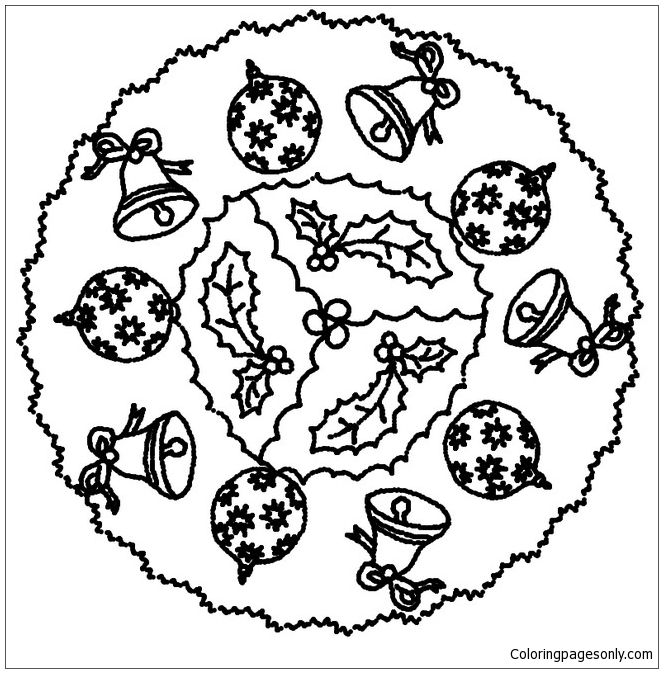
Wreath and ornament pages – Christmas Mandala Wreath, Christmas Mandala Wreath Puzzle, Mandala Christmas Wreath with Ornaments, Christmas Ornaments Mandala, Mandala Christmas Ornament, Mandala Christmas Ornament and Cute Snowman, Mandala Christmas Ornament Birds and Teddy Bear, Mandala Christmas Ornaments Bells and a Little Girl, Christmas Mandala Decoration Circle with Ornaments, Christmas Mandala Decorations Balls and Snowflake – take the circular form of the Christmas wreath and the spherical form of the ornament bauble and integrate them into the mandala structure. The wreath pages in particular are natural mandalas already – a circular arrangement of pine, berries, and decorations – and these pages lean into that inherent symmetry.
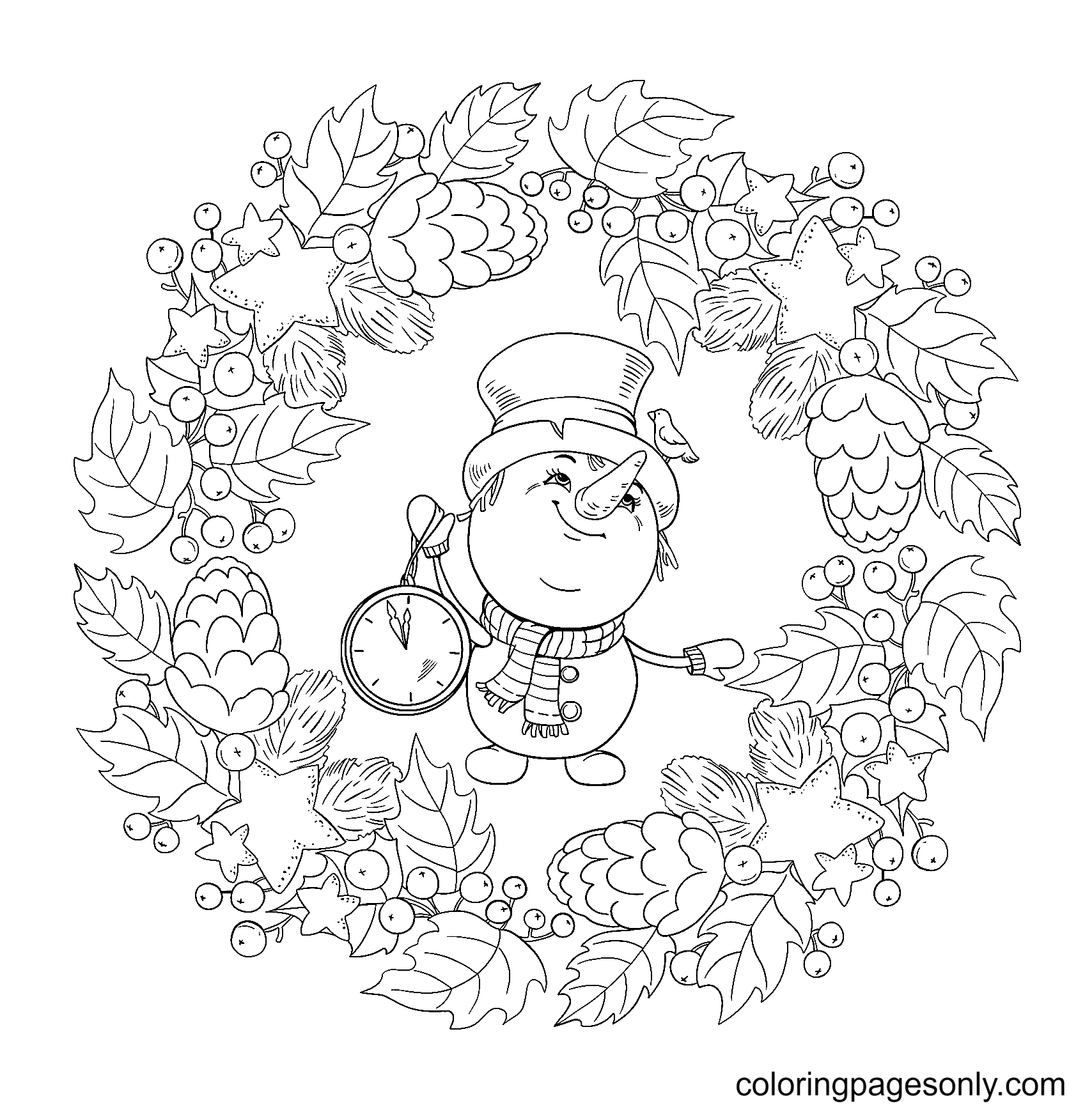
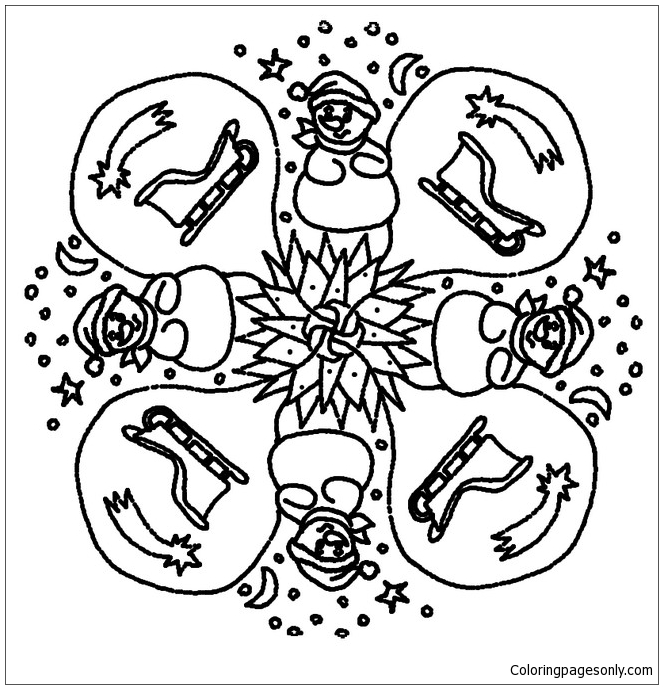
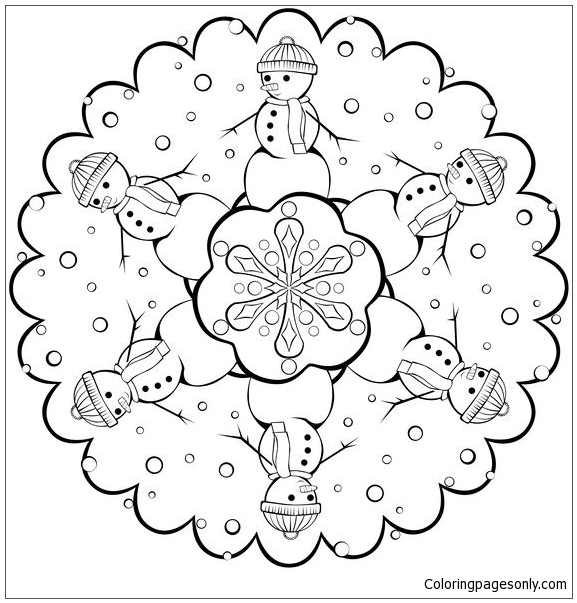
Snowman pages – Cute Snowman Mandala, Mandala Christmas Snowman, Mandala with a Snowman Holding a Clock – use the snowman as either the central subject of the mandala or as a repeated figure in the outer rings. The Snowman Holding a Clock page is a distinctive and unusual composition – the clock detail adds a New Year’s Eve temporal element to the snowman subject.
Snow globe pages – Christmas Mandala Snow Globe, Sparkling Mandala Snow Globe – place the snow globe’s circular form at the center of the mandala structure, so the glass sphere contains a miniature Christmas scene while the surrounding mandala rings extend outward with snowflake and winter pattern detail.
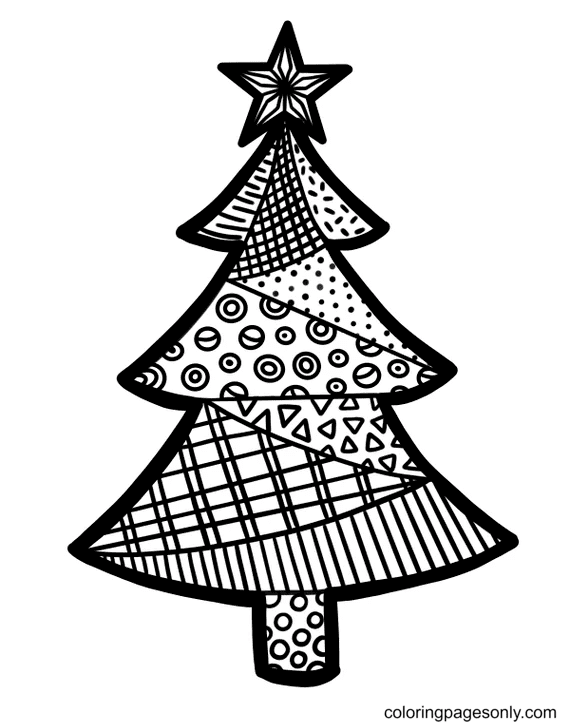
Christmas tree pages – Mandala Christmas Tree, Mandala with Christmas Tree, Christmas Tree Mandala, Christmas Tree Mandala Image – use the triangular Christmas tree form either as the central element of a circular mandala composition or as a repeating motif around the rings, with the tree’s branches echoing the radiating arms of the mandala structure.
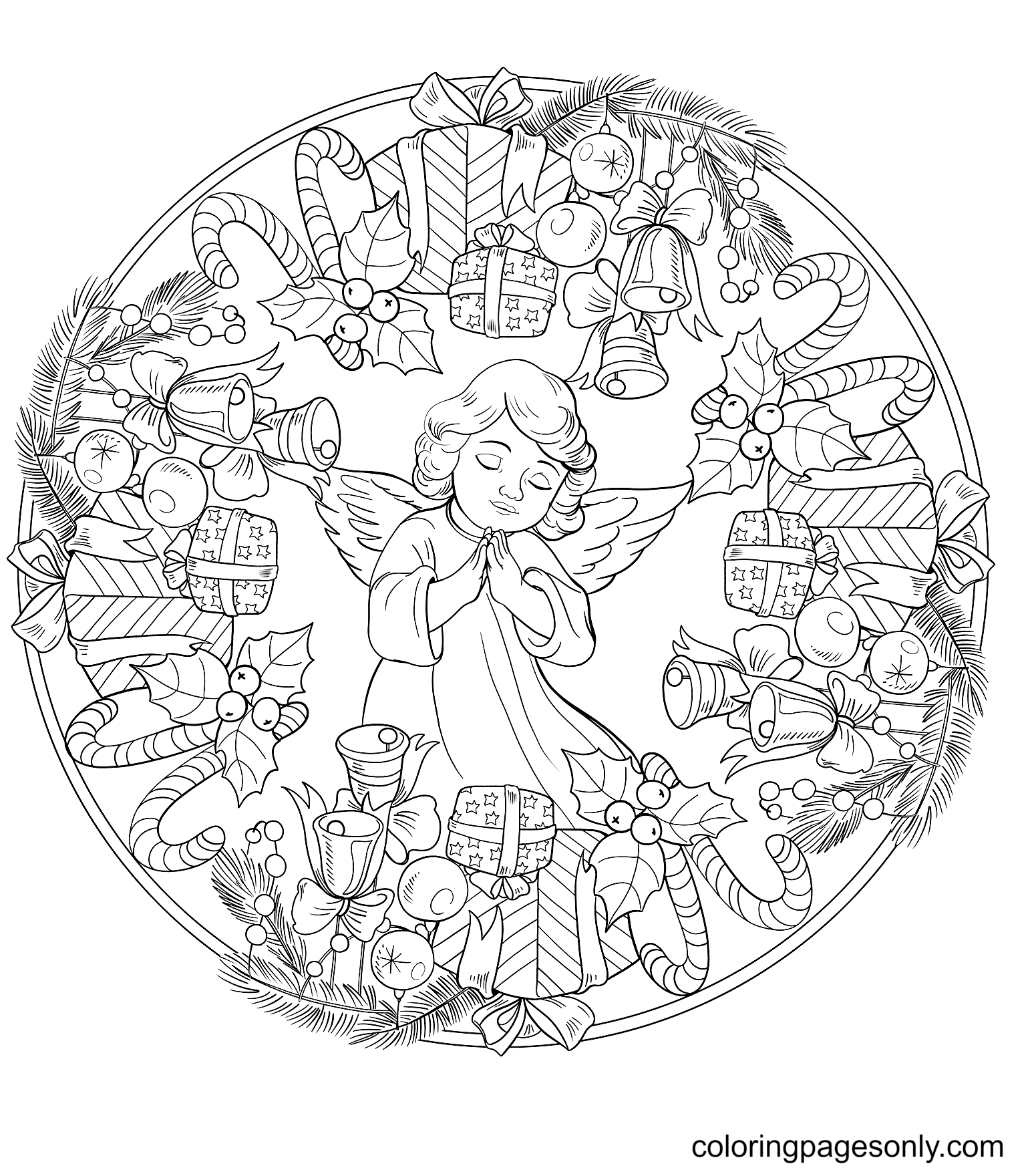
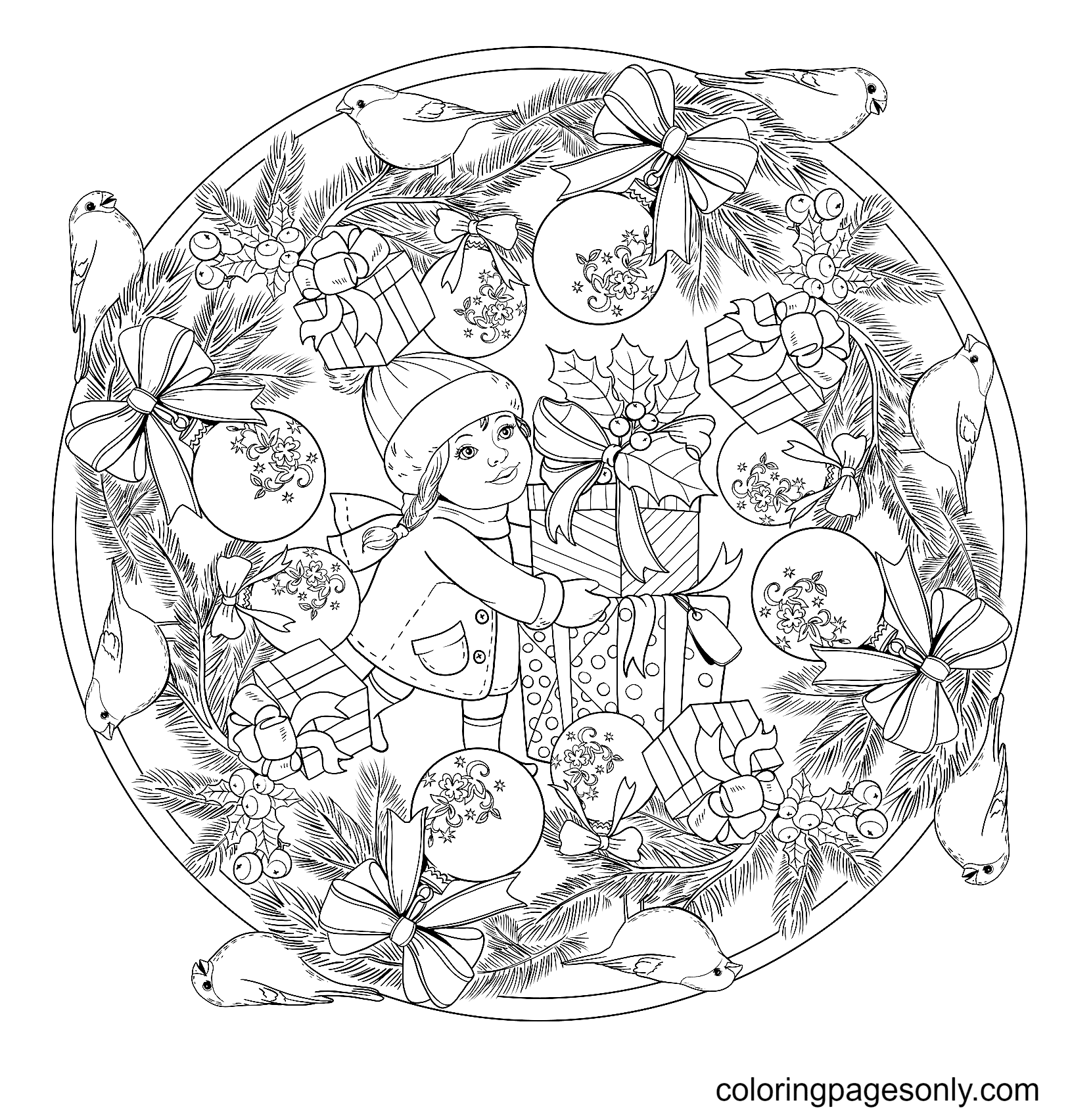
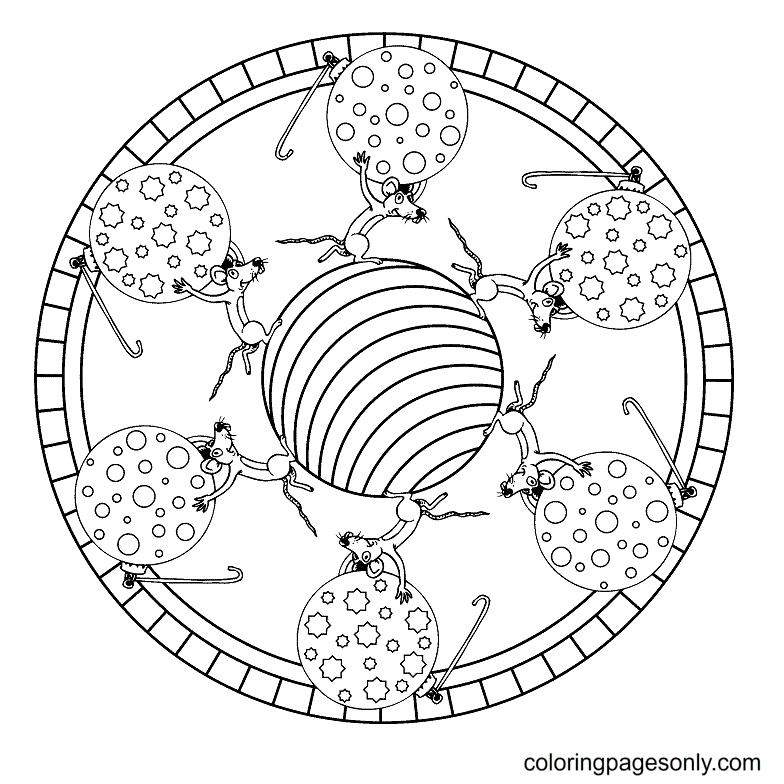
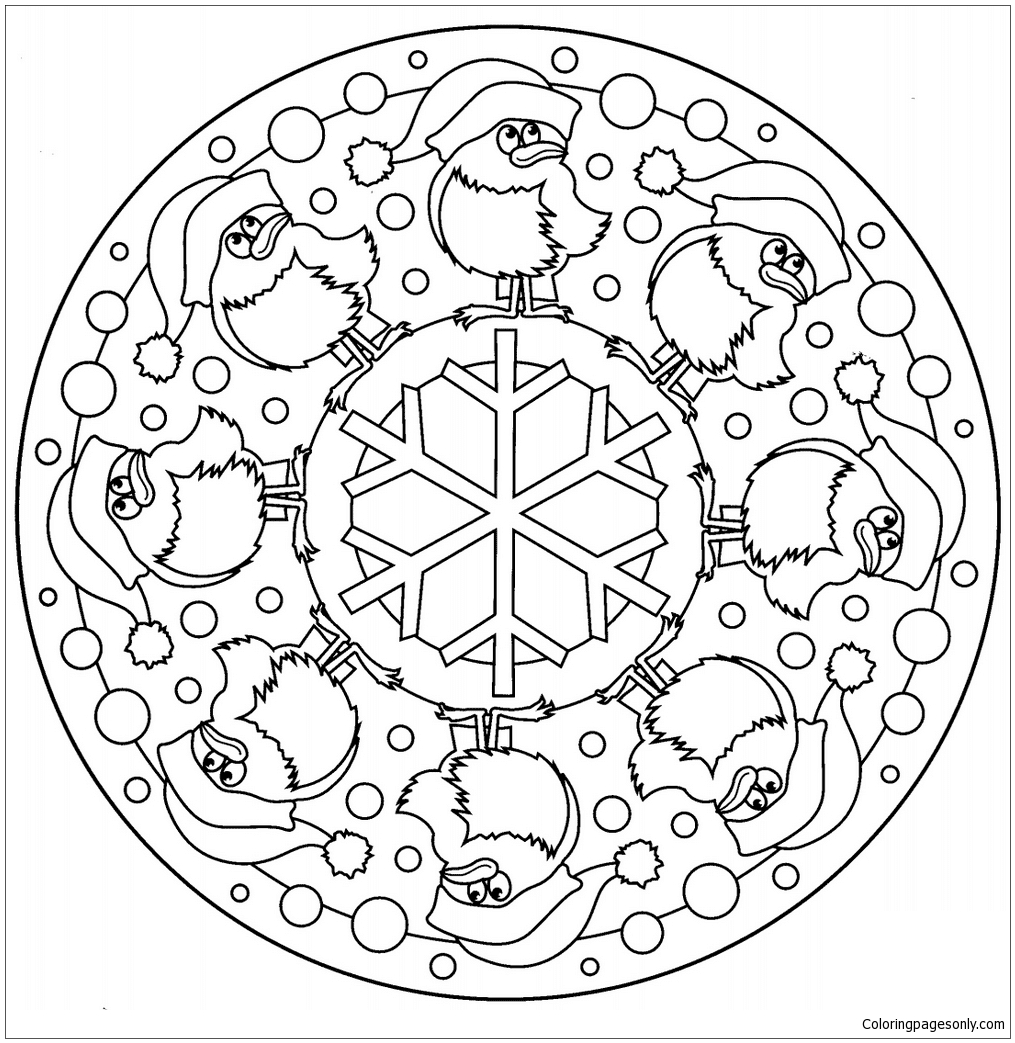
Multi-element narrative pages form the largest single group in the collection – pages with descriptive titles like Christmas Mandala with Stocking Santa and Deer, Christmas Mandala with Little Girl Presents and Bullfinch, Christmas Mandala with Bell and Angel in Town, Christmas Mandala with Ornament Angel and Presents, Christmas Mandala with Decorations and Mice, Christmas Mandala with Birds and Snowflake. These are the most illustrative pages in the collection, with multiple distinct Christmas characters and objects arranged within the mandala’s symmetrical structure.
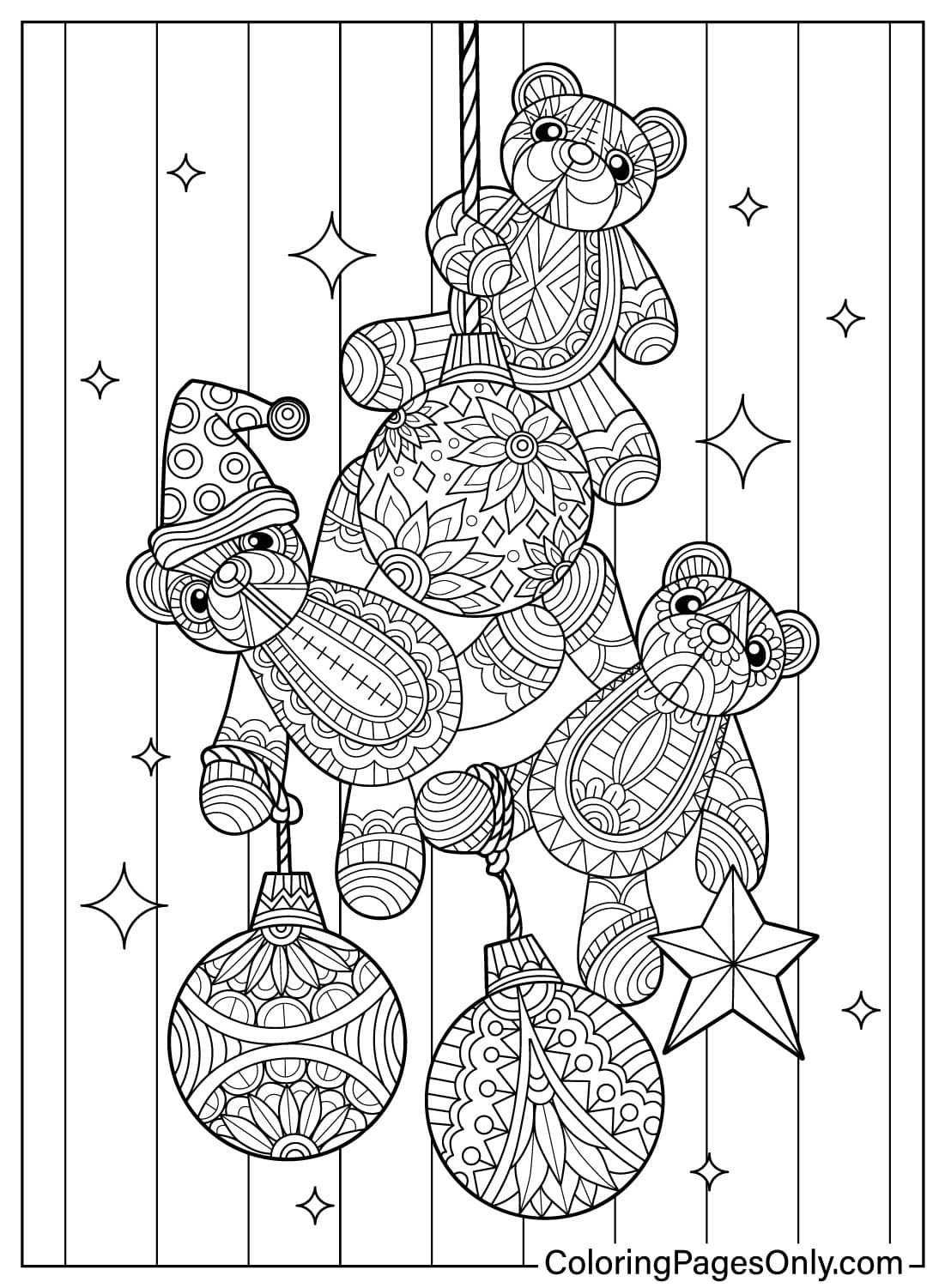
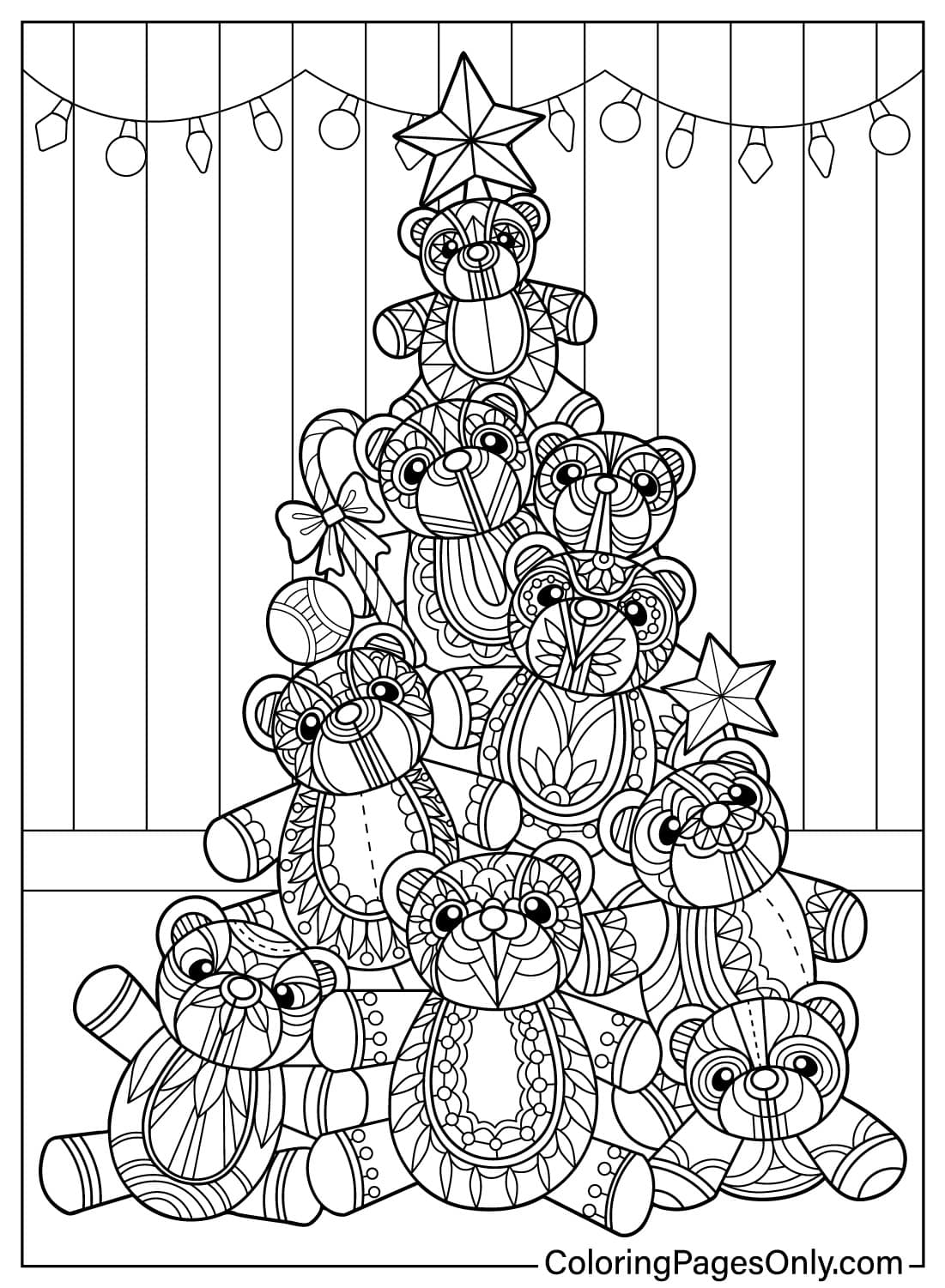
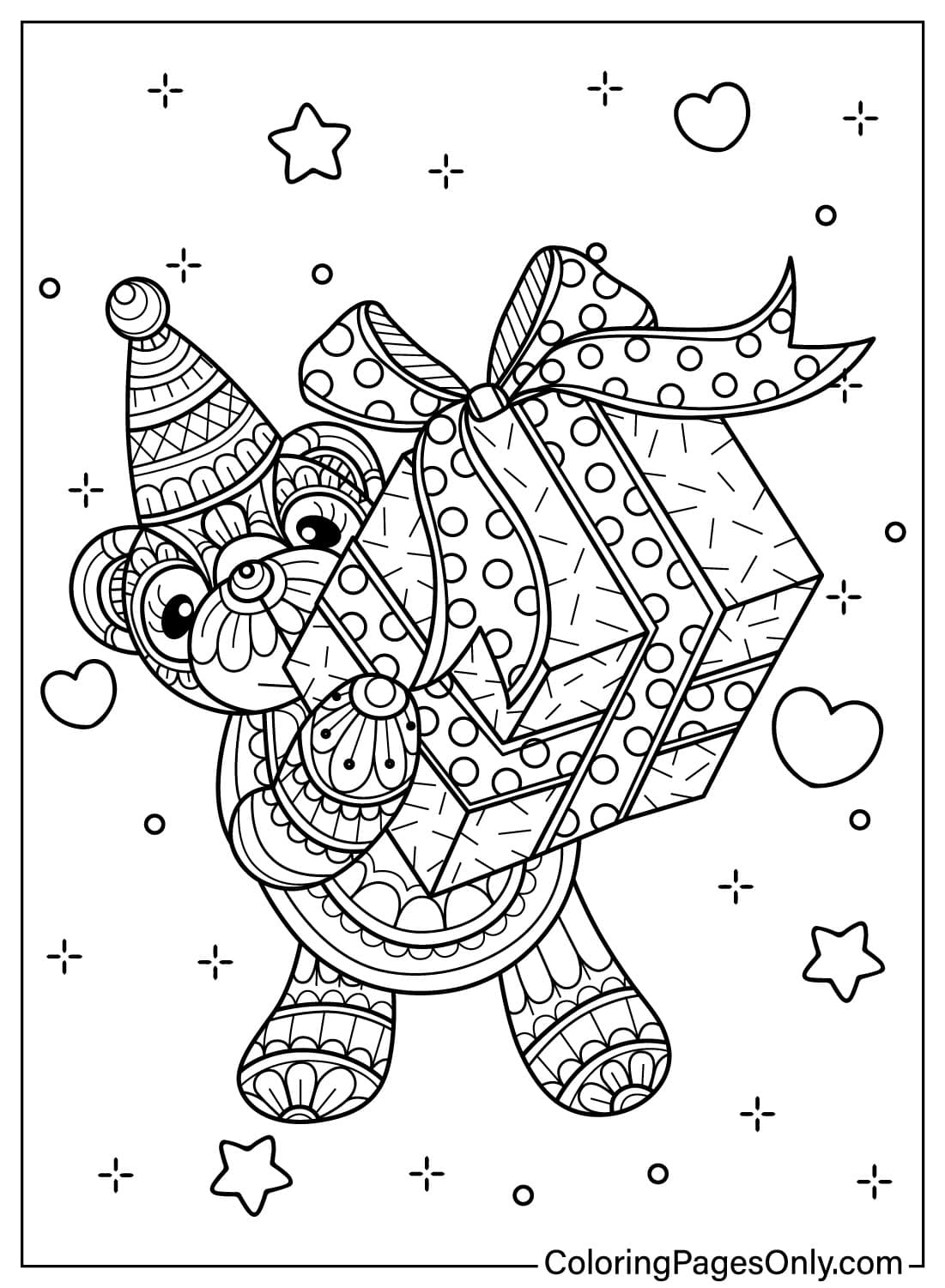
Simpler and children’s pages – Christmas Mandala for Kids, Cute Christmas Mandala, Happy Christmas Mandala, Christmas Mandala Bears, Bear and Gift of Christmas Mandala, Christmas Bauble Mandala Adult – offer a range of complexity levels. The for Kids page has larger color areas and simpler line work; the Adult bauble mandala has fine detail lines requiring patient work with a thin-tipped tool.
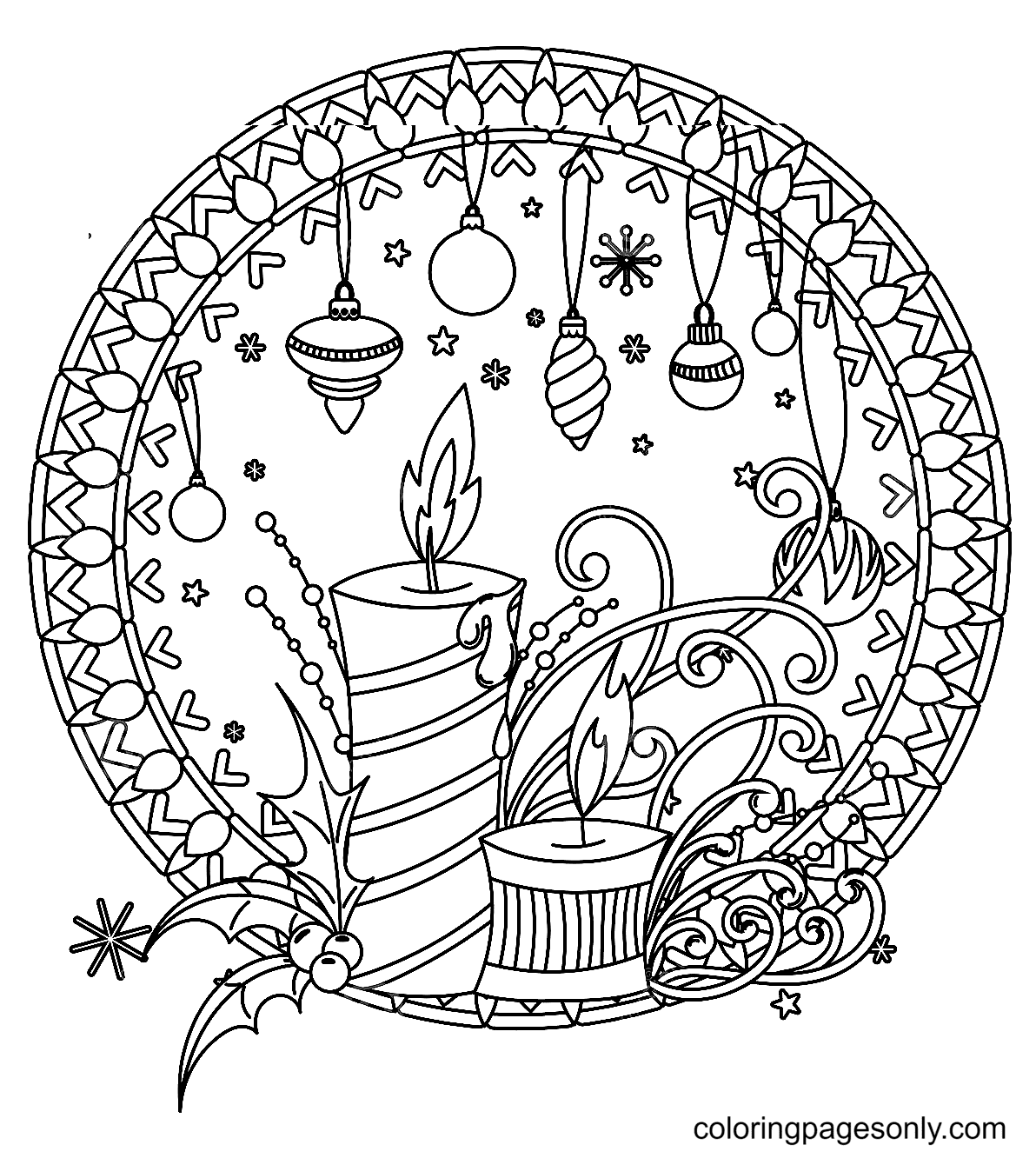
Bells and candles – Mandala Christmas Bells, Christmas Mandala Decorations and Candles – cover two of the most acoustically and visually iconic elements of Christmas in mandala form.
Coloring Tips
The Christmas mandala palette works best when it commits clearly to the season’s canonical color system rather than using generic mandala palettes. The traditional Christmas palette – red, green, and gold – applied consistently to a mandala creates an instantly recognizable result. Deep forest green for the pine and tree elements, rich crimson or scarlet red for berries, bows, and Santa’s suit, and warm gold or metallic yellow for stars and bell surfaces. White and cream are the fourth color in this system, serving for snow, snowflakes, and the white trim of Santa’s costume.
Working the palette across rings. In a Christmas mandala, the most effective approach is to assign specific colors to specific types of elements rather than specific rings. All snowflake elements across the entire composition get the same pale blue-white. All berry or ornament ball elements get the same red. All pine or leaf elements get the same green. This creates coherence across the page’s many rings because the same color appears at every level of the structure, tying the rings together visually rather than separating them.
For Santa pages, maintain Santa’s canonical palette absolutely: the suit is a specific red – not orange-red, not pink-red, but a clear mid-value red, slightly warm. The white trim is not pure white but a cream or off-white that reads as fur texture. The black belt, gold buckle, and red-nosed reindeer Rudolph’s nose (bright scarlet, slightly different from the suit’s red) are the accent colors. Departing from these conventions too far makes the figure unrecognizable.
For the snow globe pages – Christmas Mandala Snow Globe, Sparkling Mandala Snow Globe – the glass sphere element is the visual anchor of the composition. Glass in illustration reads as a very pale blue-grey in the body of the sphere, with a white highlight at the top and a slightly darker blue-grey at the bottom edge to suggest the curved surface. The scene inside the globe should be colored more warmly than the exterior – a deliberate contrast between the cool glass and the warm interior creates the globe’s characteristic appearance.
For wreath pages – Christmas Mandala Wreath, Christmas Mandala Wreath Puzzle, Mandala Christmas Wreath with Ornaments – the pine wreath base is a dark forest green, slightly cooler than the mid-greens of the Christmas tree pages. Real pine needles and holly leaves have a blue-green quality that separates them from the warmer yellowy-greens of spring and summer foliage. A deep teal-green rather than a pure green reads as more authentically wintery. Red berries against this dark teal-green are one of the most natural color pairings in the Christmas palette.
For the snowman pages – Cute Snowman Mandala, Mandala Christmas Snowman – the snowman’s body is not pure white. Snow has warmth in it from ambient light, and pure white against white paper will disappear. Use a very light warm grey for the shadow areas of each sphere, a very light blue-grey in the coolest areas, and leave the paper white for the highlights. The accessories – carrot nose (orange), coal buttons and eyes (dark grey-black), scarf (choose a color that provides contrast, typically red or teal) – carry all the color weight of the page.
For bell pages – Mandala Christmas Bells – bells in Christmas illustrations are almost always rendered in gold. Work the gold in three values: a dark golden-brown in the deepest shadow areas (the inside of the bell opening, the underside), a mid-value warm gold for the main body, and a light champagne-yellow or cream at the highlight points. The ribbon or bow suspending the bells gives you an opportunity to introduce red as the complementary accent color.
For the complex narrative pages with multiple characters – Christmas Mandala with Little Girl Presents and Bullfinch, Mandala Christmas Ornaments Bells and a Little Girl – decide on your figure’s skin tone and clothing palette first, since the human figure will be the page’s focal point, regardless of where it sits in the composition. Then build the mandala’s surrounding pattern in colors that complement but don’t overwhelm the figure at the center.
5 Activities with Your Christmas Mandala Pages
Color a complete mandala in a single December session. Choose one of the more complex pages – Christmas Mandala with Santa Claus and Presents, Christmas Mandala with Decorations, Gifts, Balls, and Ribbons, or Unique Christmas Mandala Items. Set a full evening aside with your coloring tools ready, a warm drink, and nothing else requiring attention. Work from the center outward using the traditional Christmas palette – red, green, gold, white – applying each color to all equivalent elements across the whole composition before moving to the next color. Most adults who sit with a complex Christmas mandala for 60–90 minutes uninterrupted report that the process of staying with one small area at a time, one ring at a time, produces the same quality of focused quiet that the season often calls for but rarely delivers.
Color the same page in two completely different palettes. Print two copies of the Christmas Mandala Wreath or the Christmas Ornaments Mandala. Color the first in the traditional Christmas palette: red, forest green, and gold. Color the second in a completely non-traditional palette of your choice – deep purple, silver-blue, and white; or a warm monochromatic set of amber, copper, and cream; or a cool Scandinavian palette of navy, pale blue, and soft white. Display them side by side and compare. The exercise shows how the mandala’s structure is completely independent of its palette – both pages are Christmas mandalas, but they have completely different emotional registers.
Make a matched set of three ornament pages. Print Christmas Ornaments Mandala, Mandala Christmas Ornament, and Mandala Christmas Ornament and Cute Snowman. Color all three using exactly the same four colors – for instance, deep red, forest green, gold, and white – applying the colors consistently to equivalent elements across all three pages. When finished, the three pages form a matching set that can be displayed together or given as individual pieces. The challenge is maintaining color consistency across three different compositions while still making each page feel complete on its own.
Color the snow globe as a standalone art piece. Print Sparkling Mandala Snow Globe or Christmas Mandala Snow Globe. This is a page with two distinct zones: the sphere itself and the mandala rings surrounding it. Treat these as two separate problems. For the interior of the globe, choose a warm, saturated palette – the small scene inside should feel bright and cheerful, lit from within. For the exterior sphere surface, use very light cool blues and silvers to suggest glass. For the surrounding mandala rings, use a palette that reads as the wintry exterior world outside the globe – cool blues, silvers, and whites with just touches of the warmer interior colors appearing in the decorative elements. When done well, the finished page conveys the snow globe’s characteristic sense of a warm world contained within a cold exterior.
Color the full character narrative page as a story. Print Christmas Mandala with Little Girl Presents and Bullfinch or Christmas Mandala with Bell and Angel in Town. Before you start coloring, write three sentences about the scene: who is the person in the illustration, what moment in Christmas is this, and what is about to happen next. Then color the page with those three sentences in mind – the light source, the time of day, the emotional quality of the scene. A Christmas morning page might have warmer, brighter indoor light; a Christmas Eve page might have cooler outdoor tones with candlelight. The coloring isn’t illustrating an existing story – you’re writing the story and then illustrating it yourself.