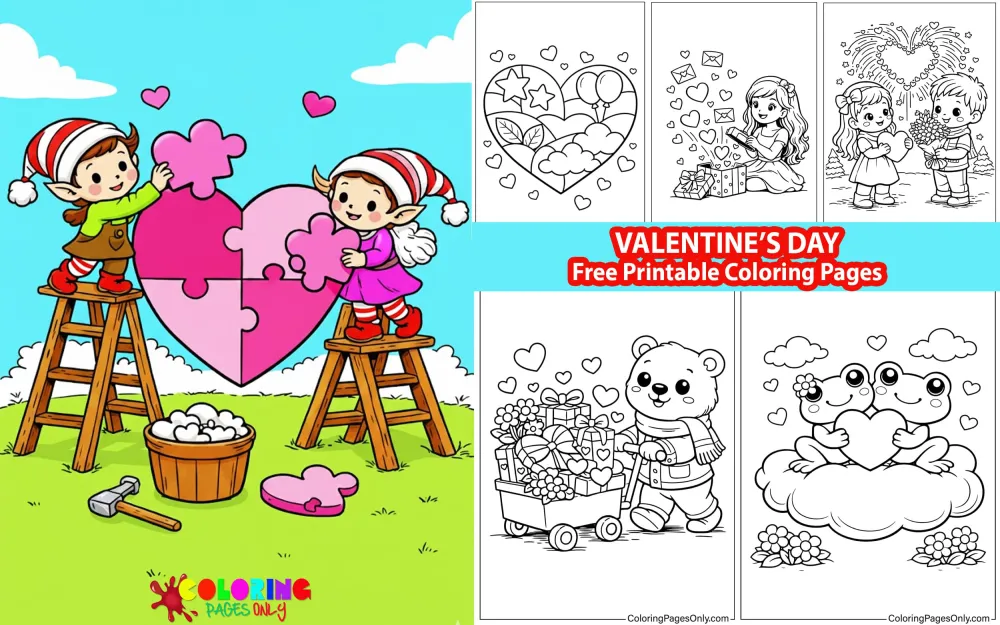
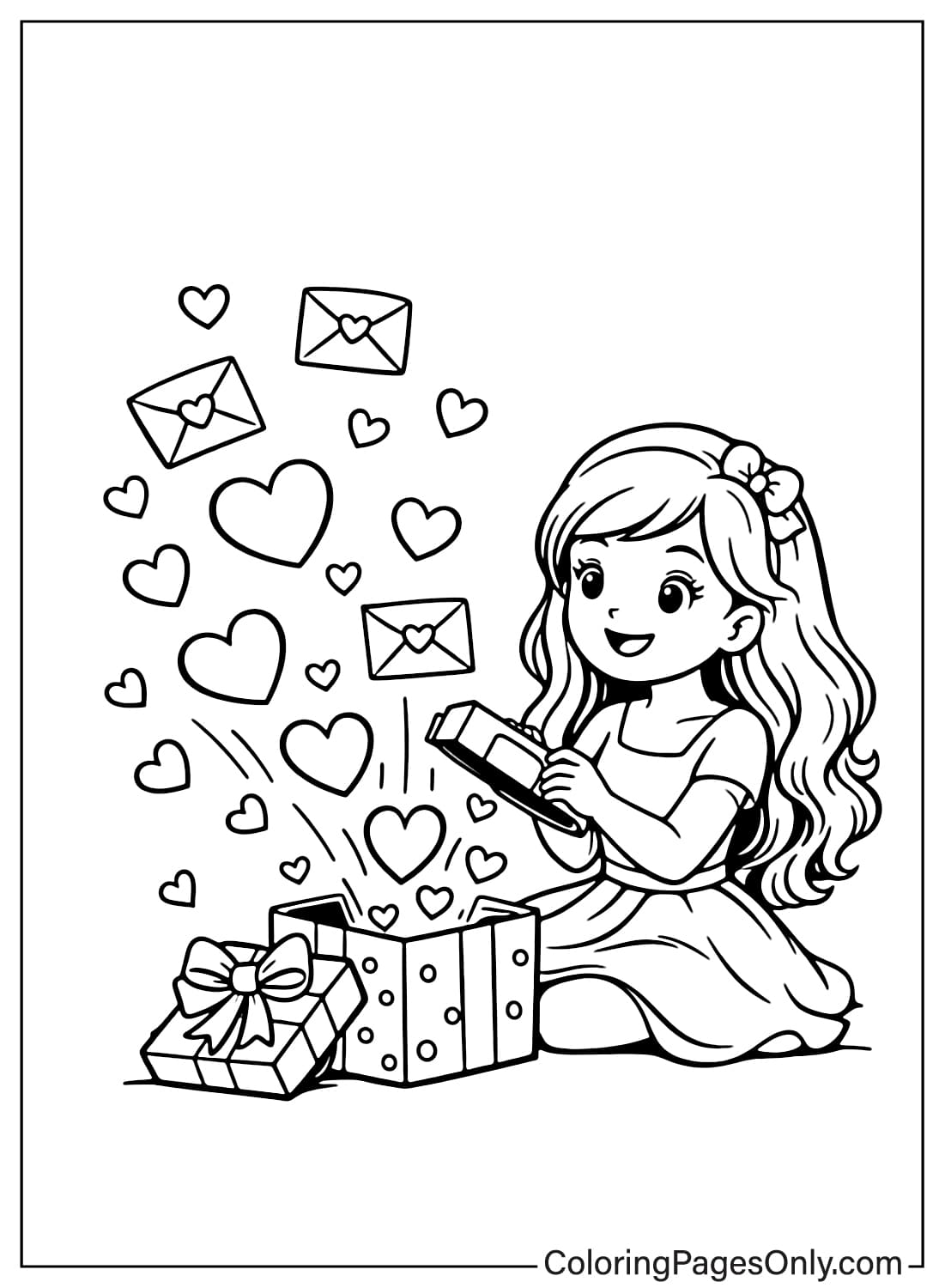
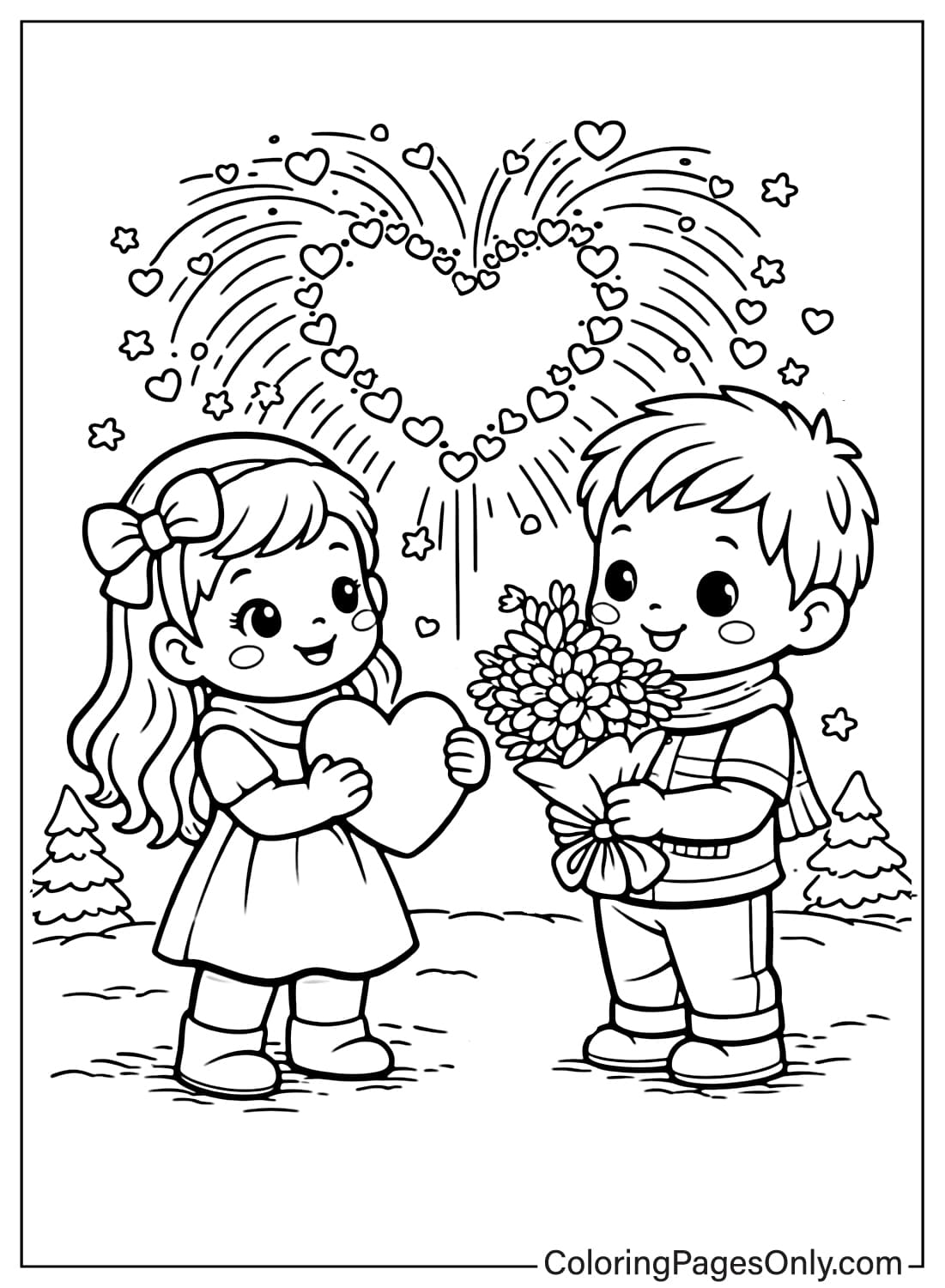
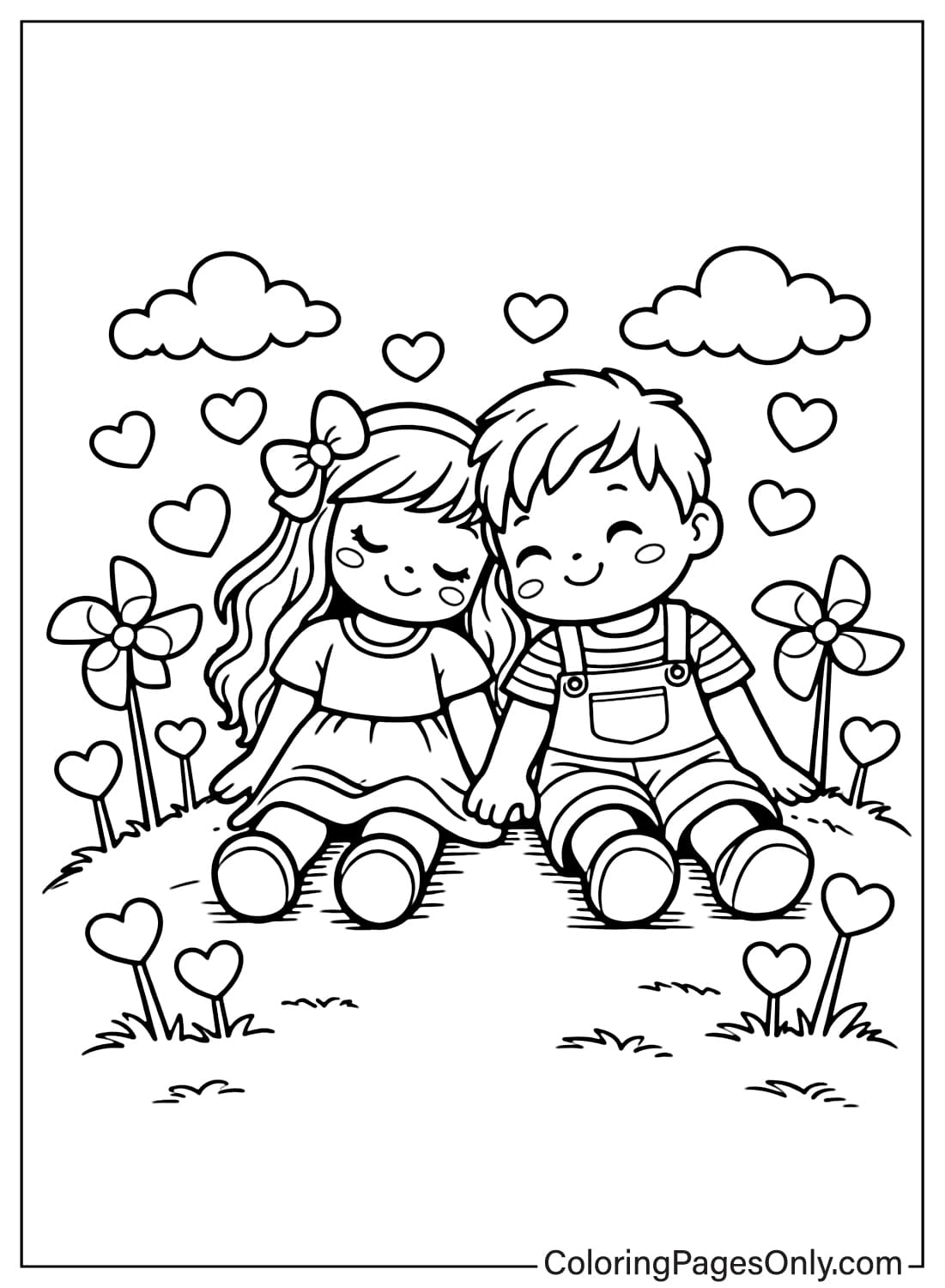
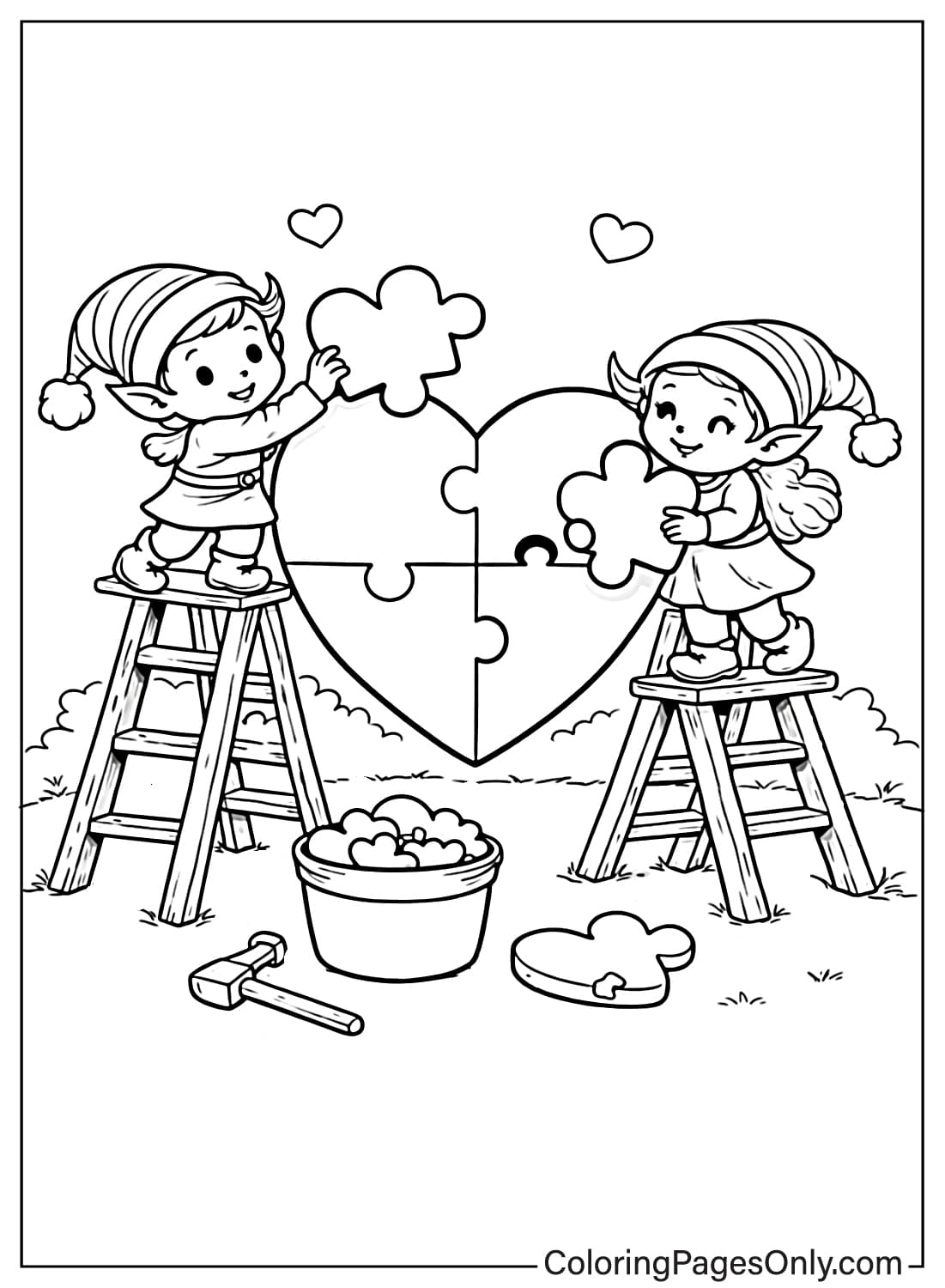
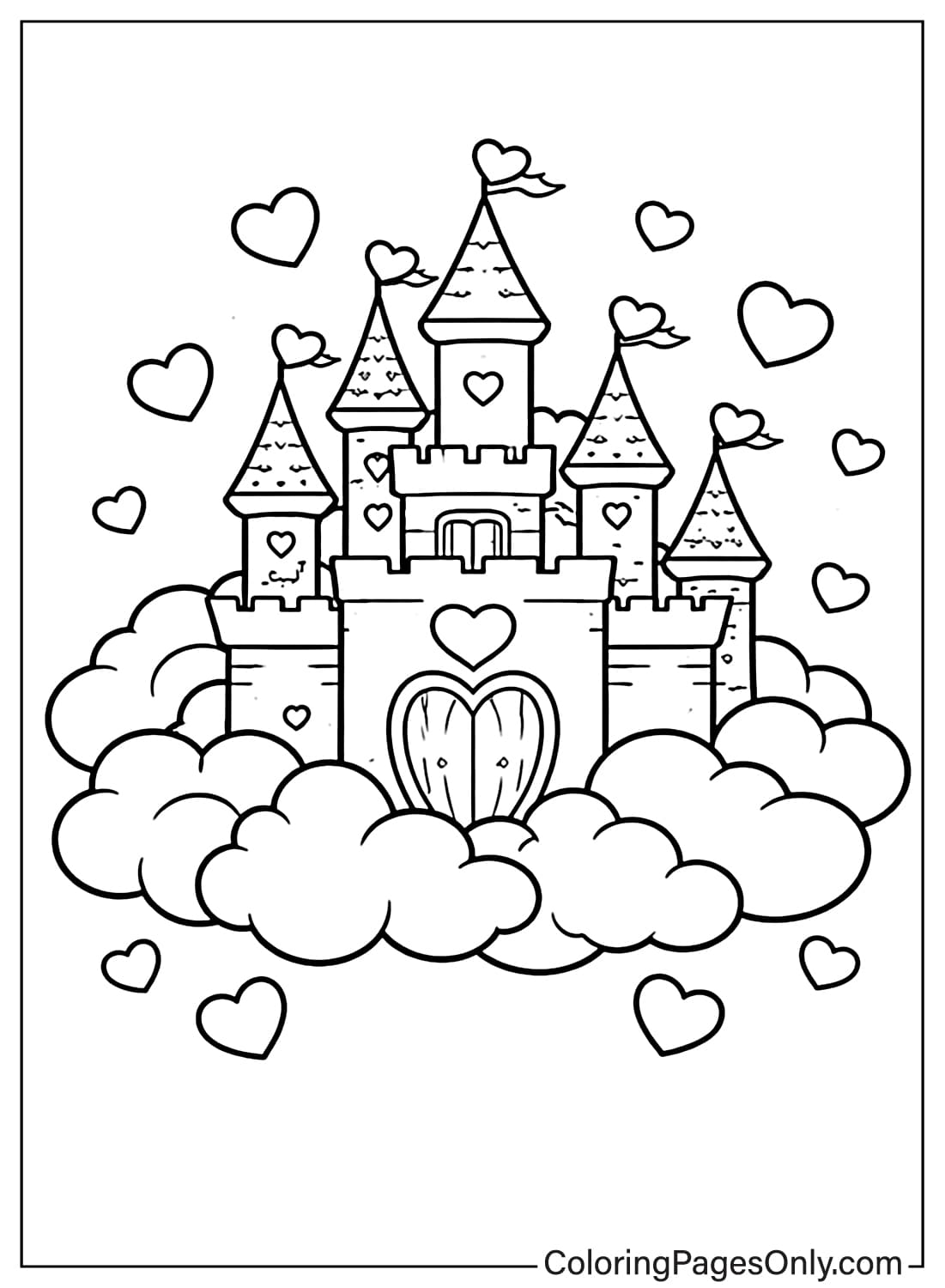
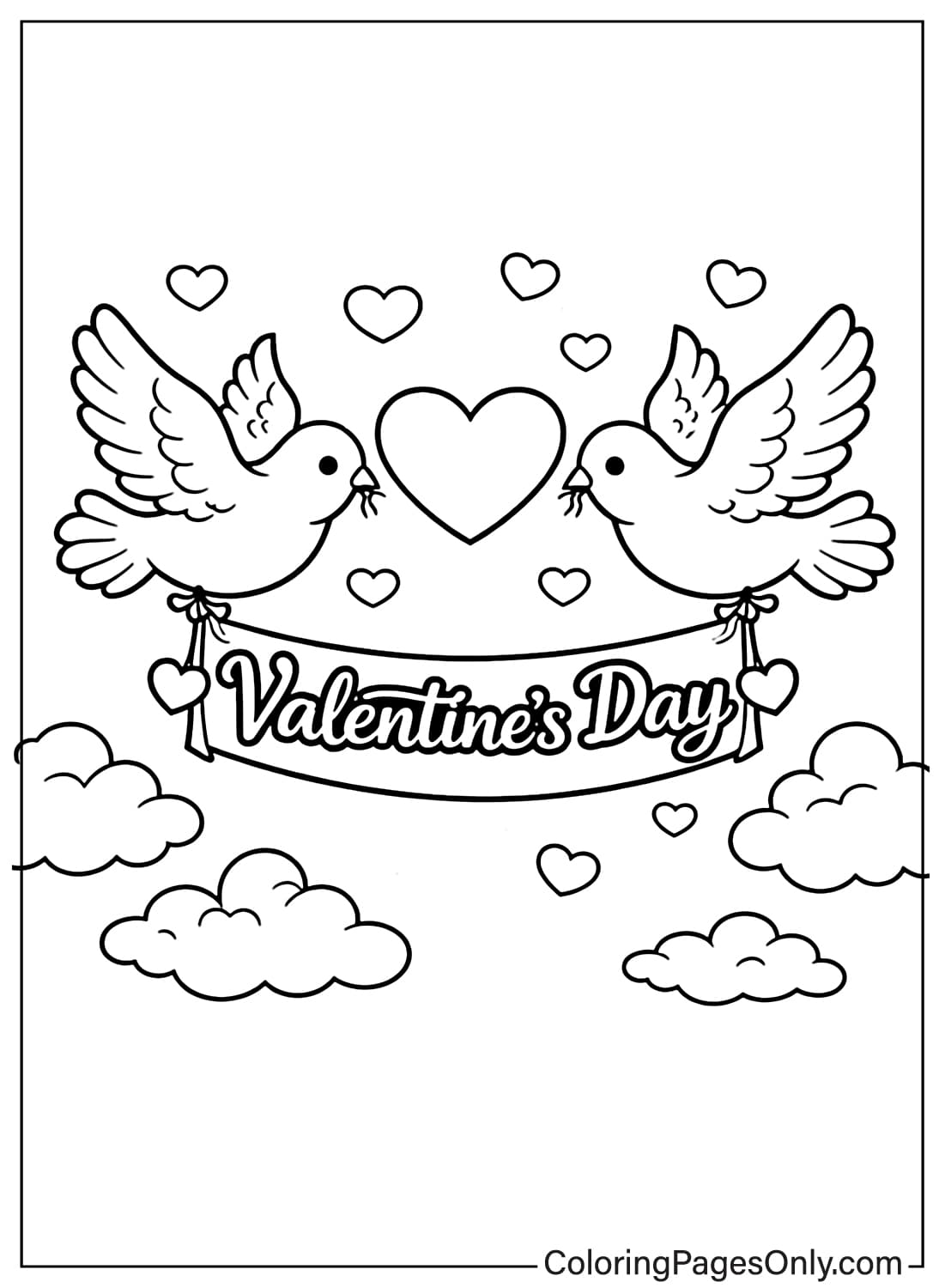
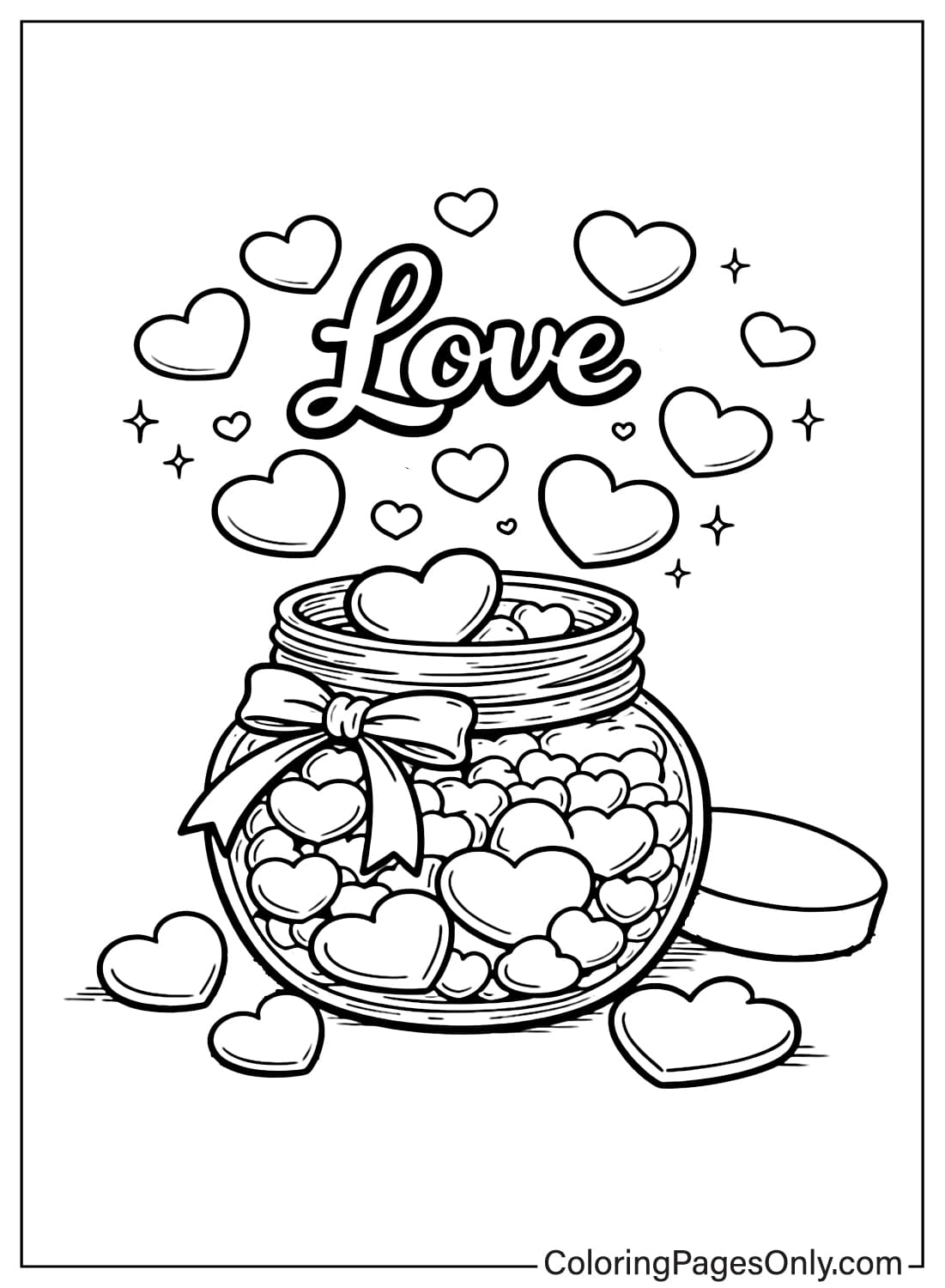
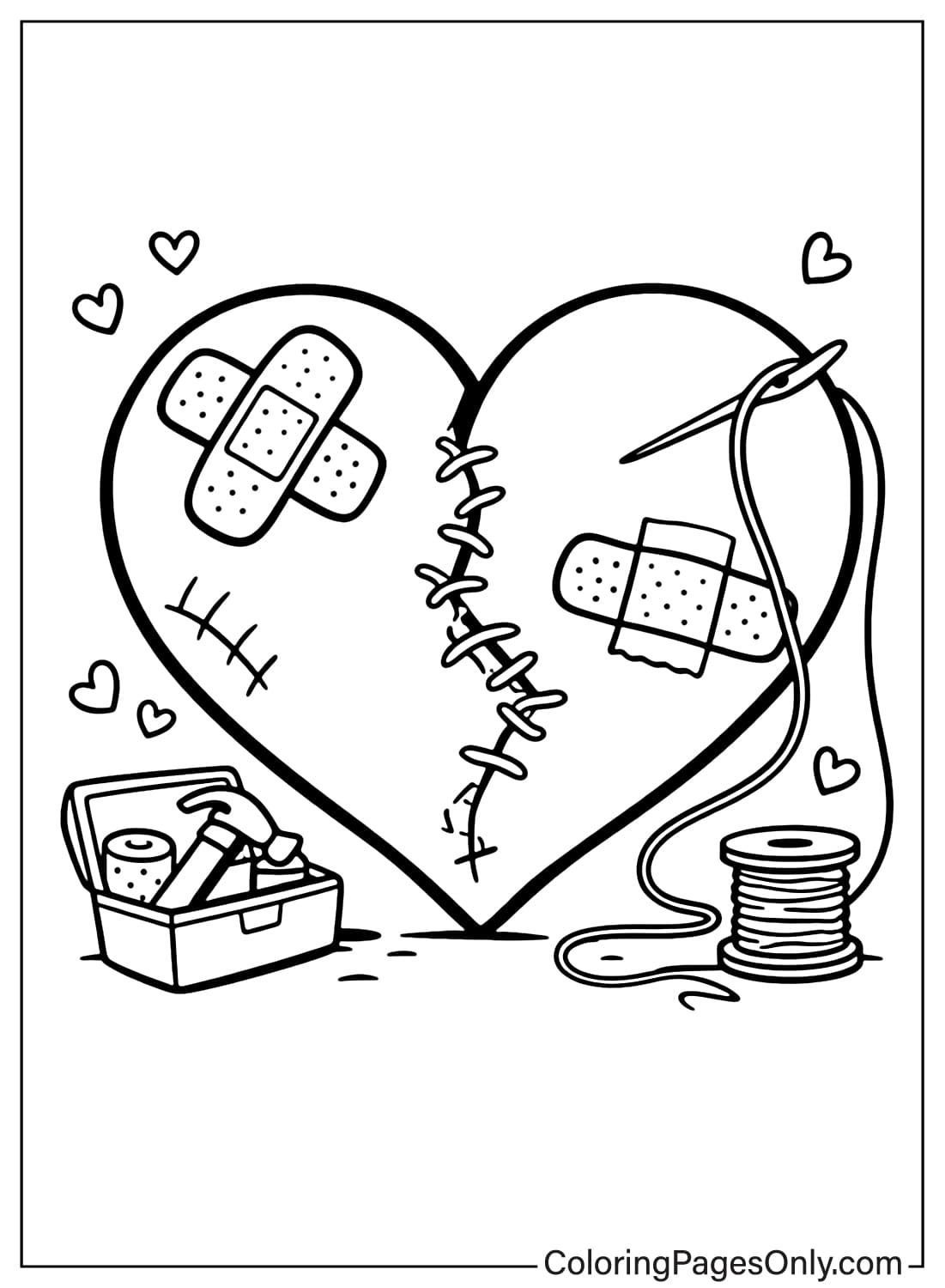
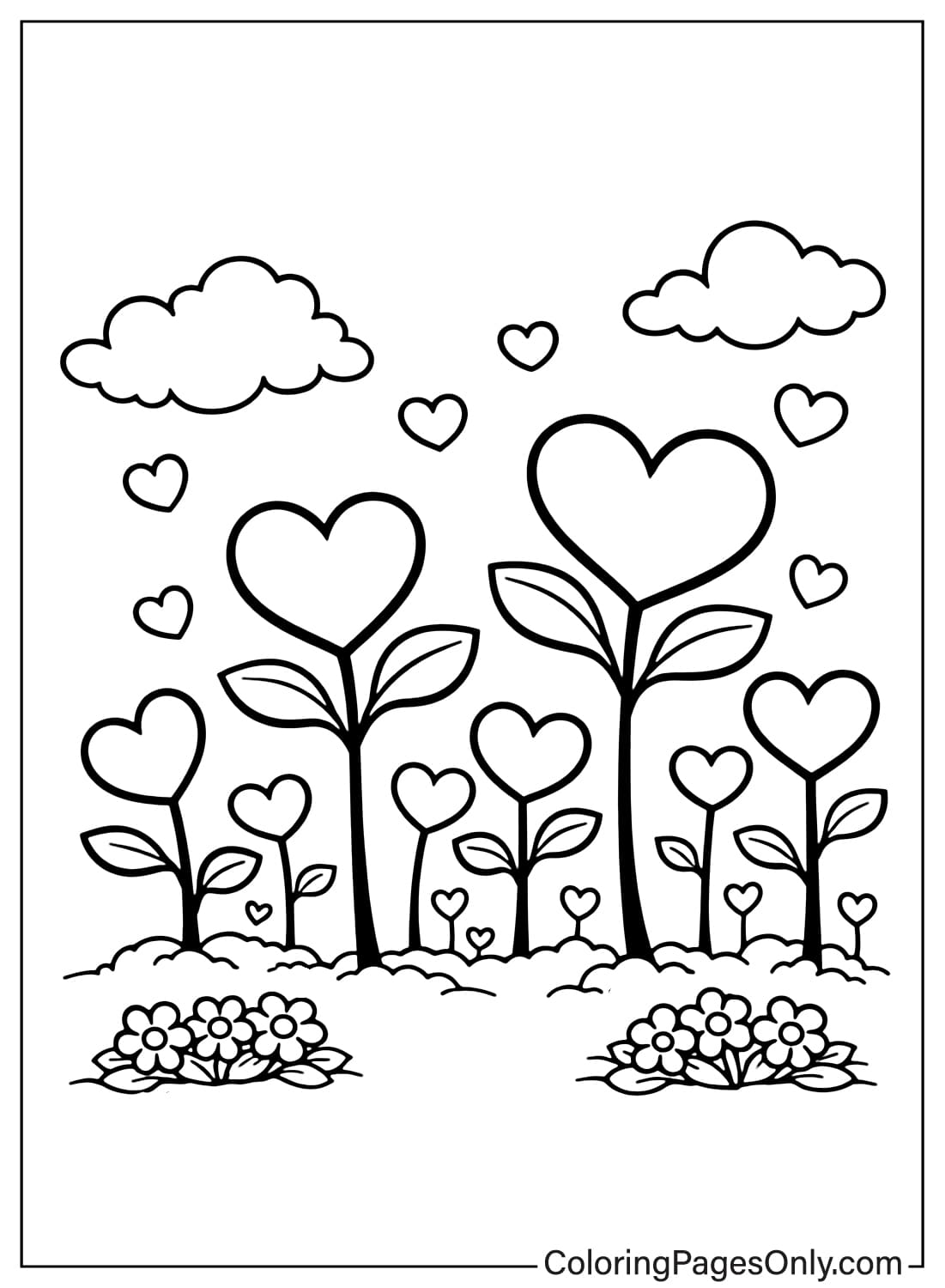
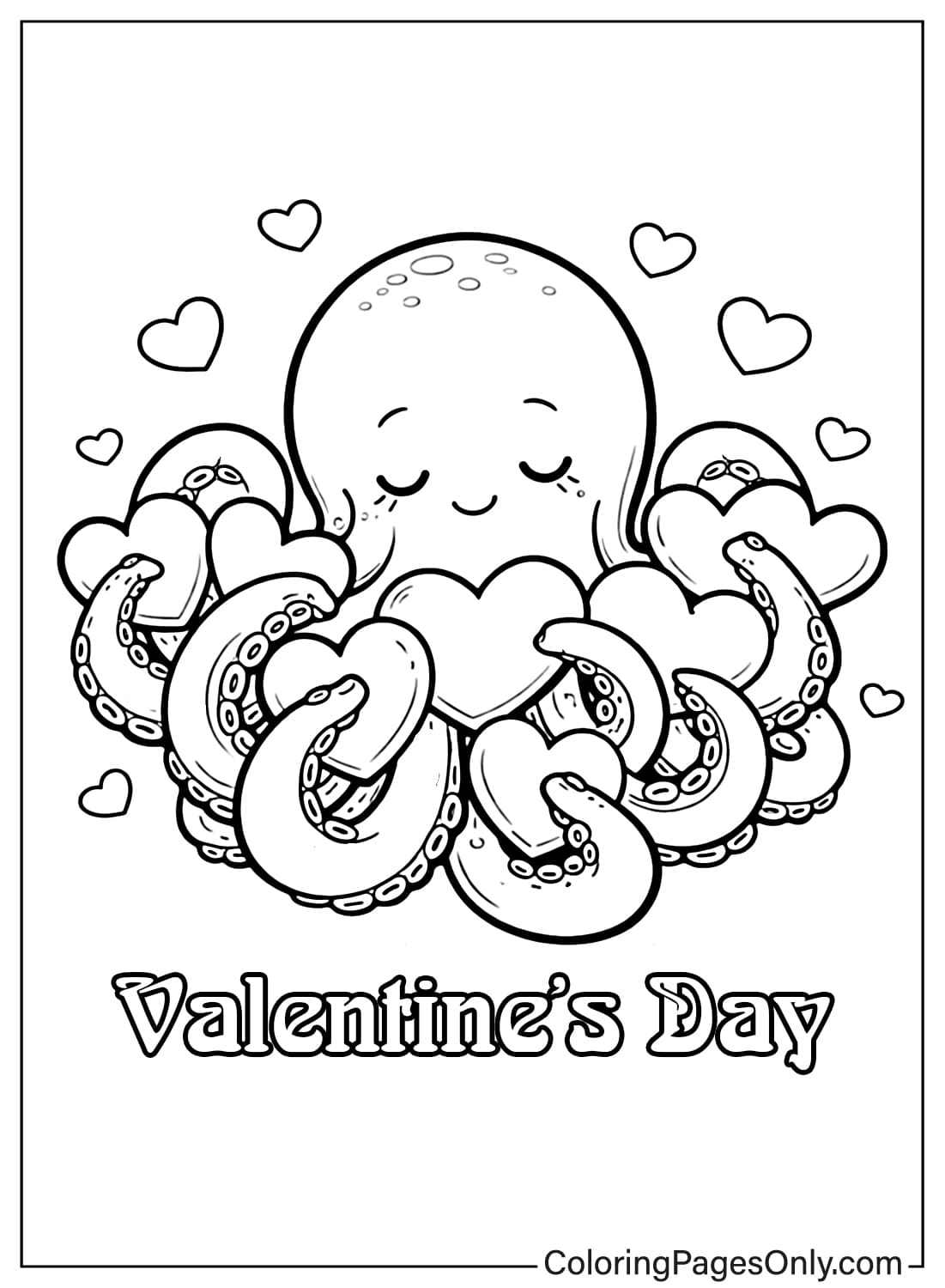
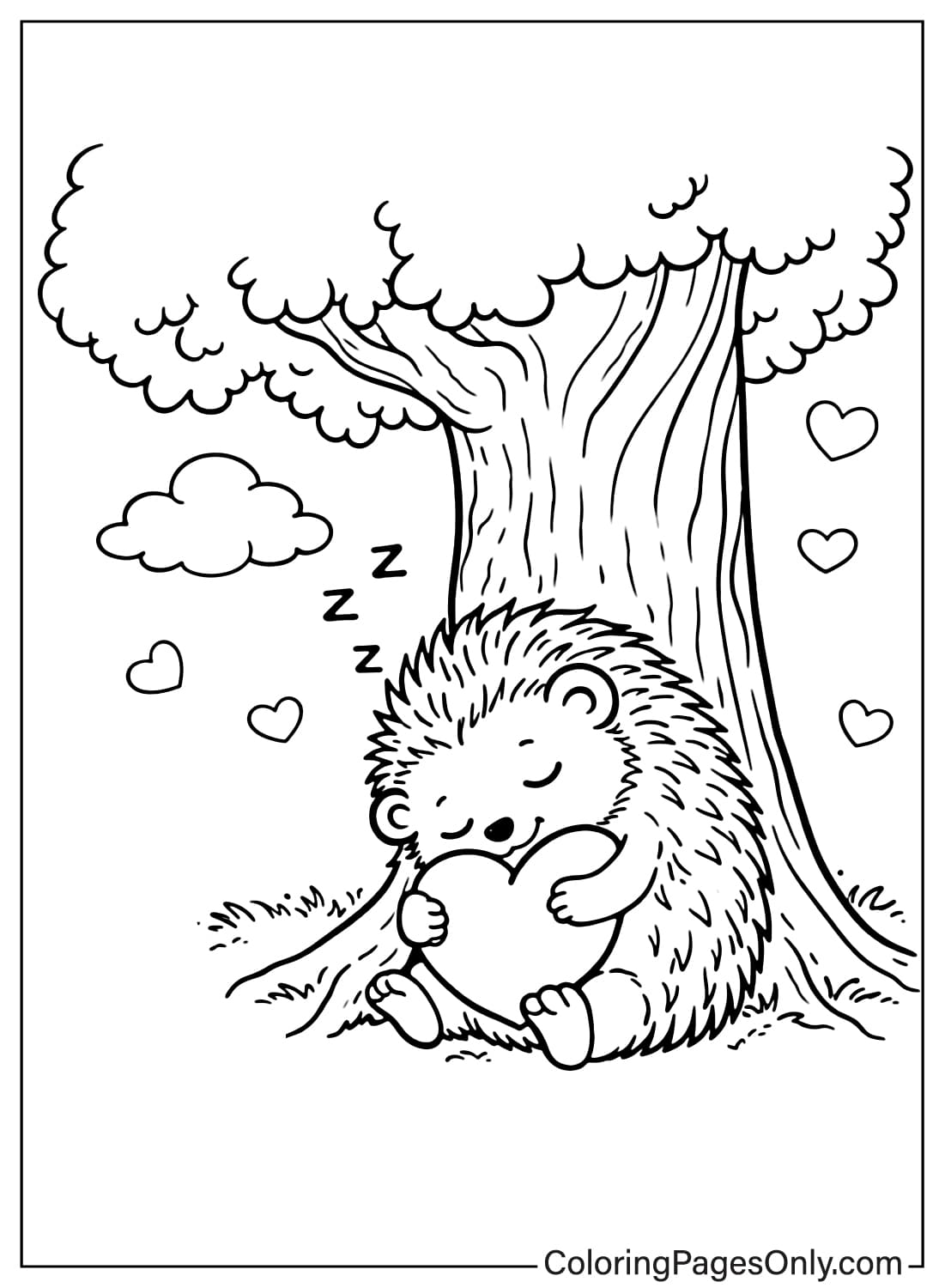
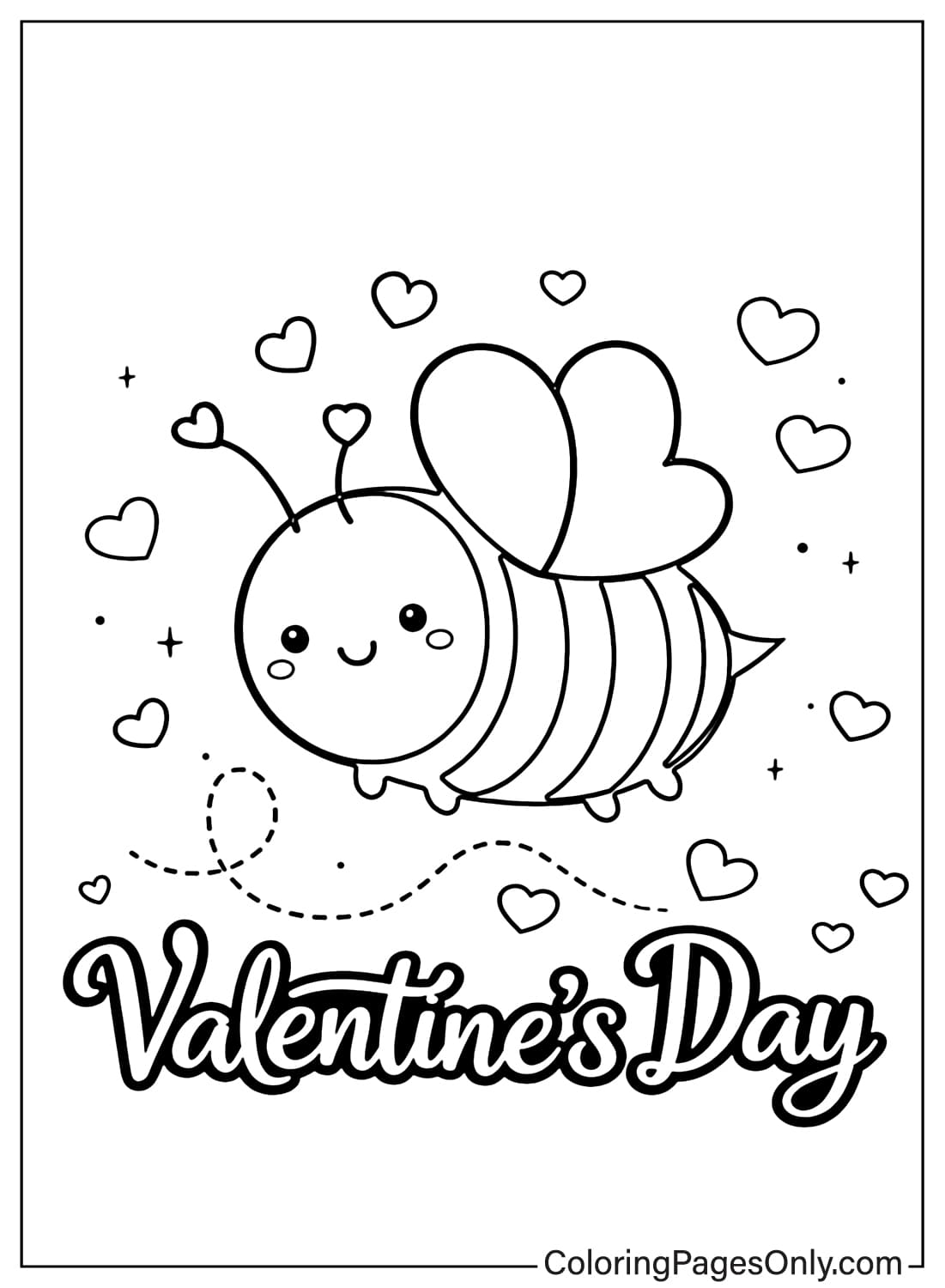
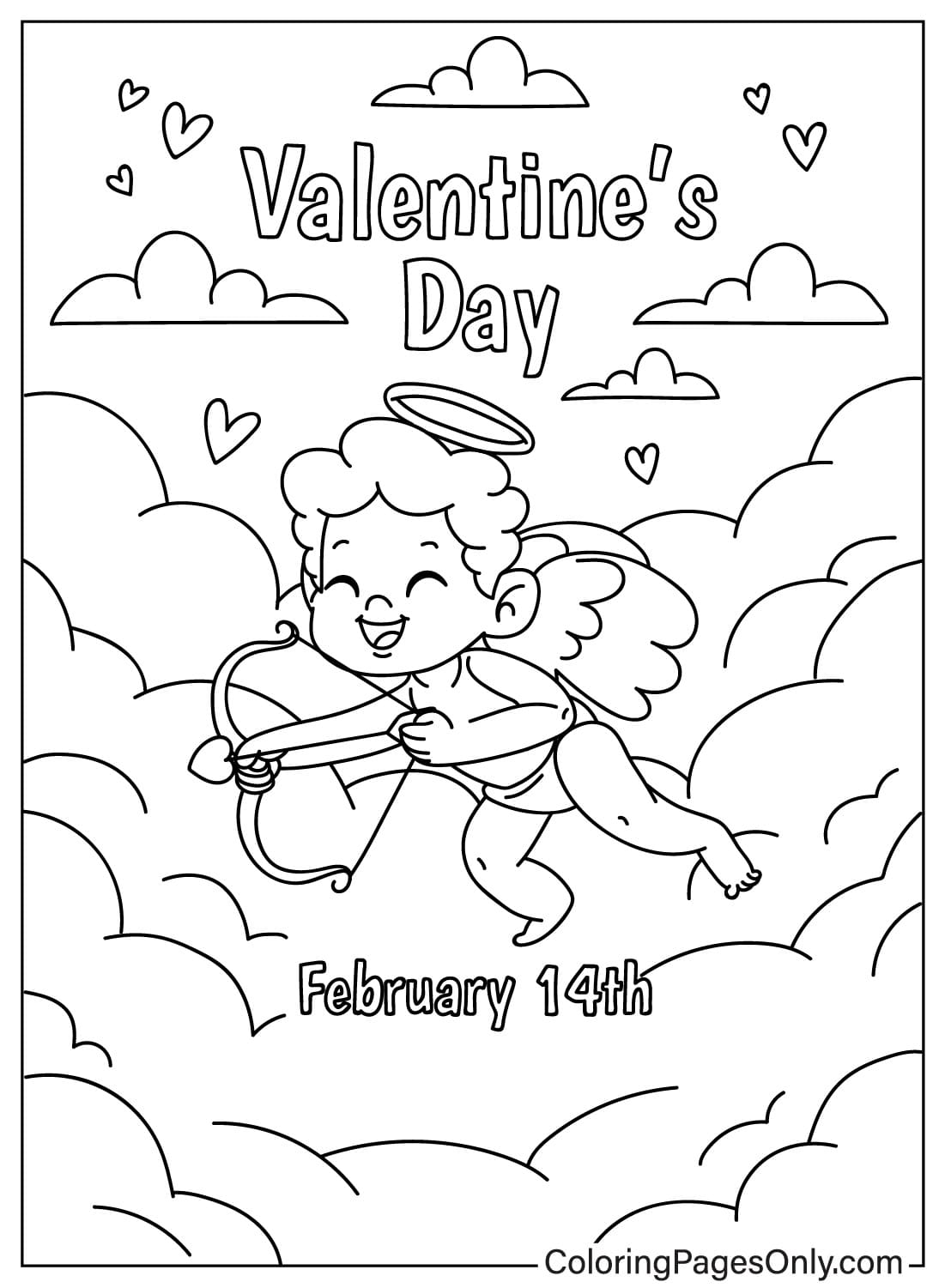
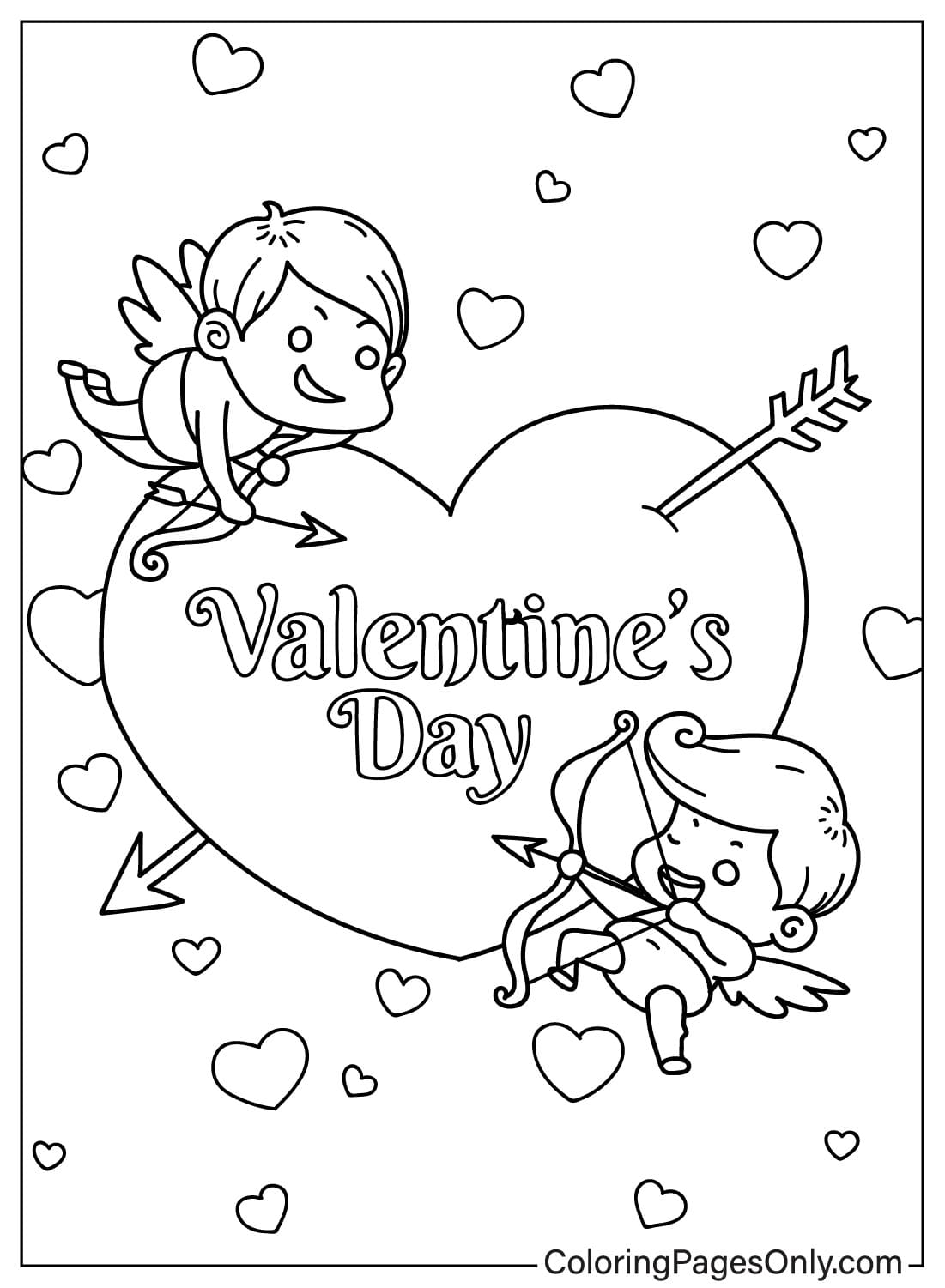
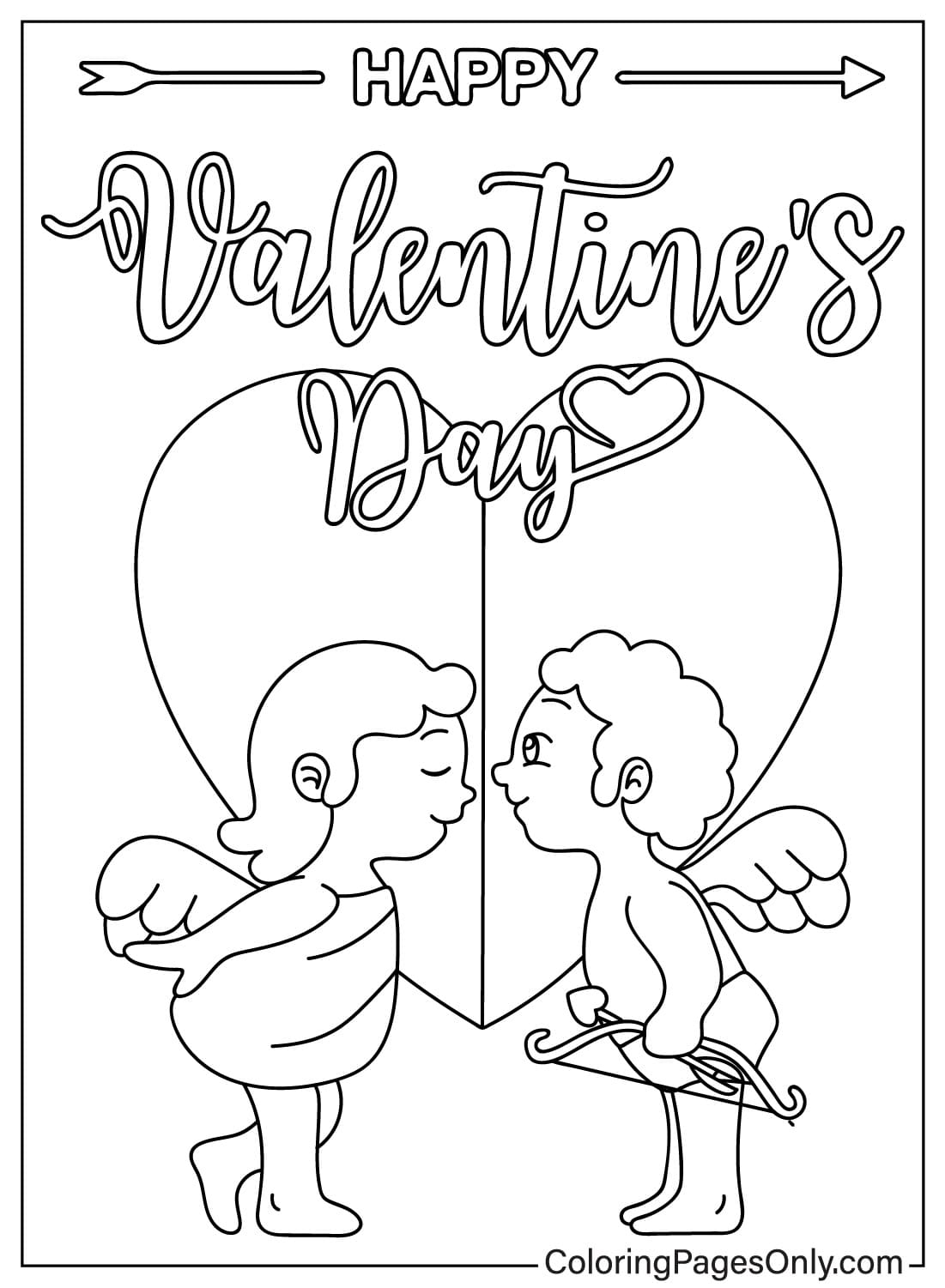
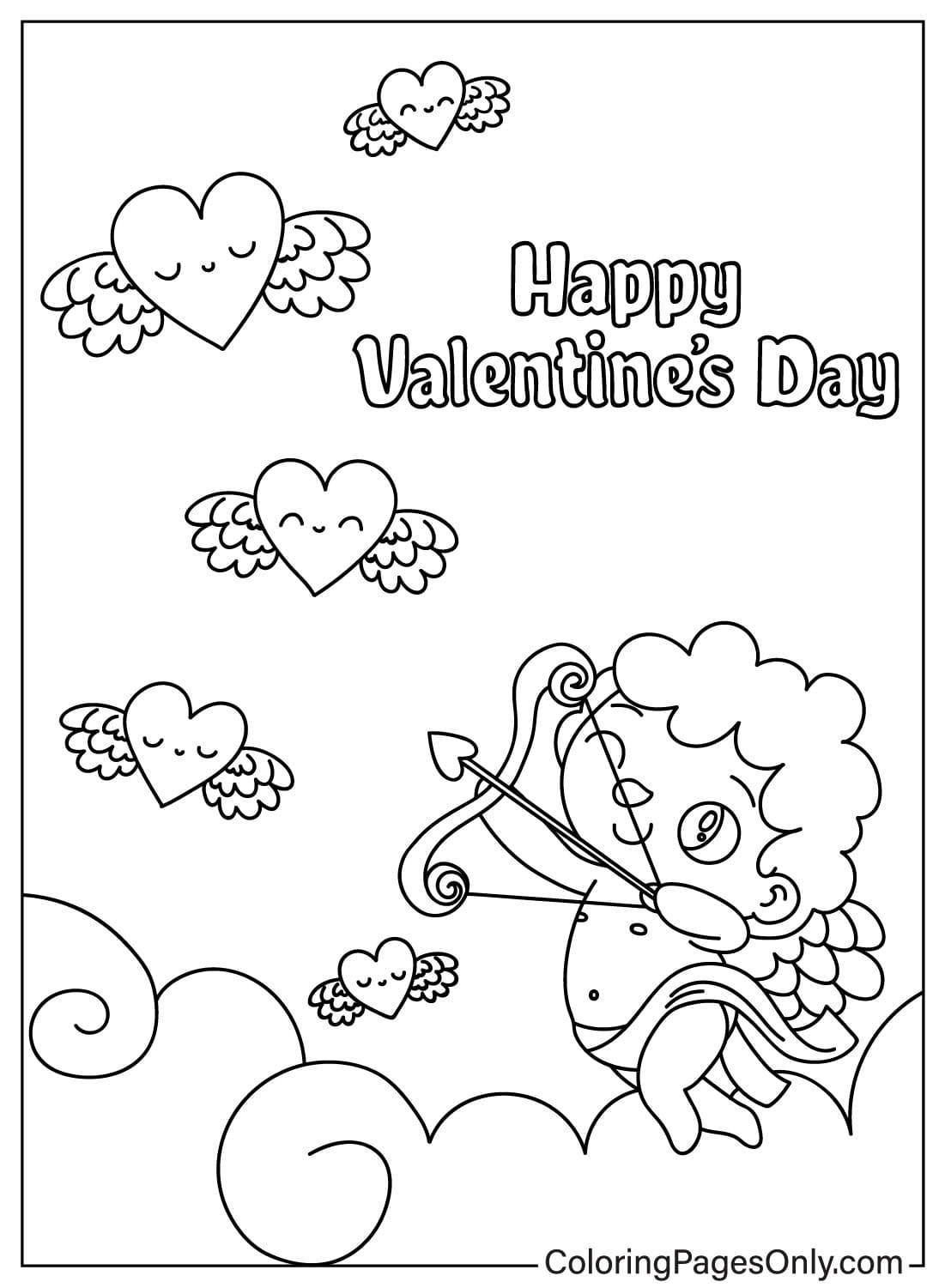
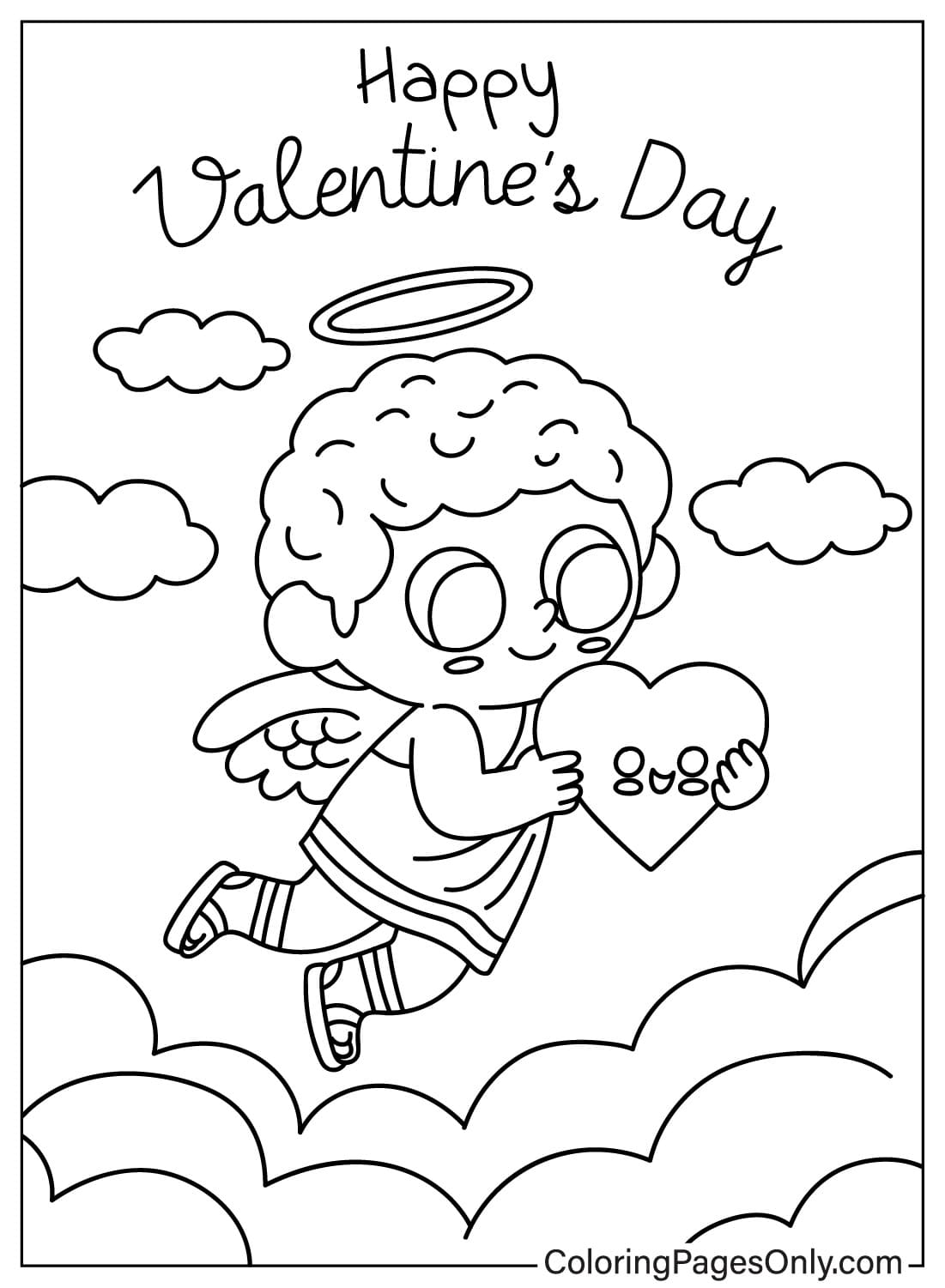
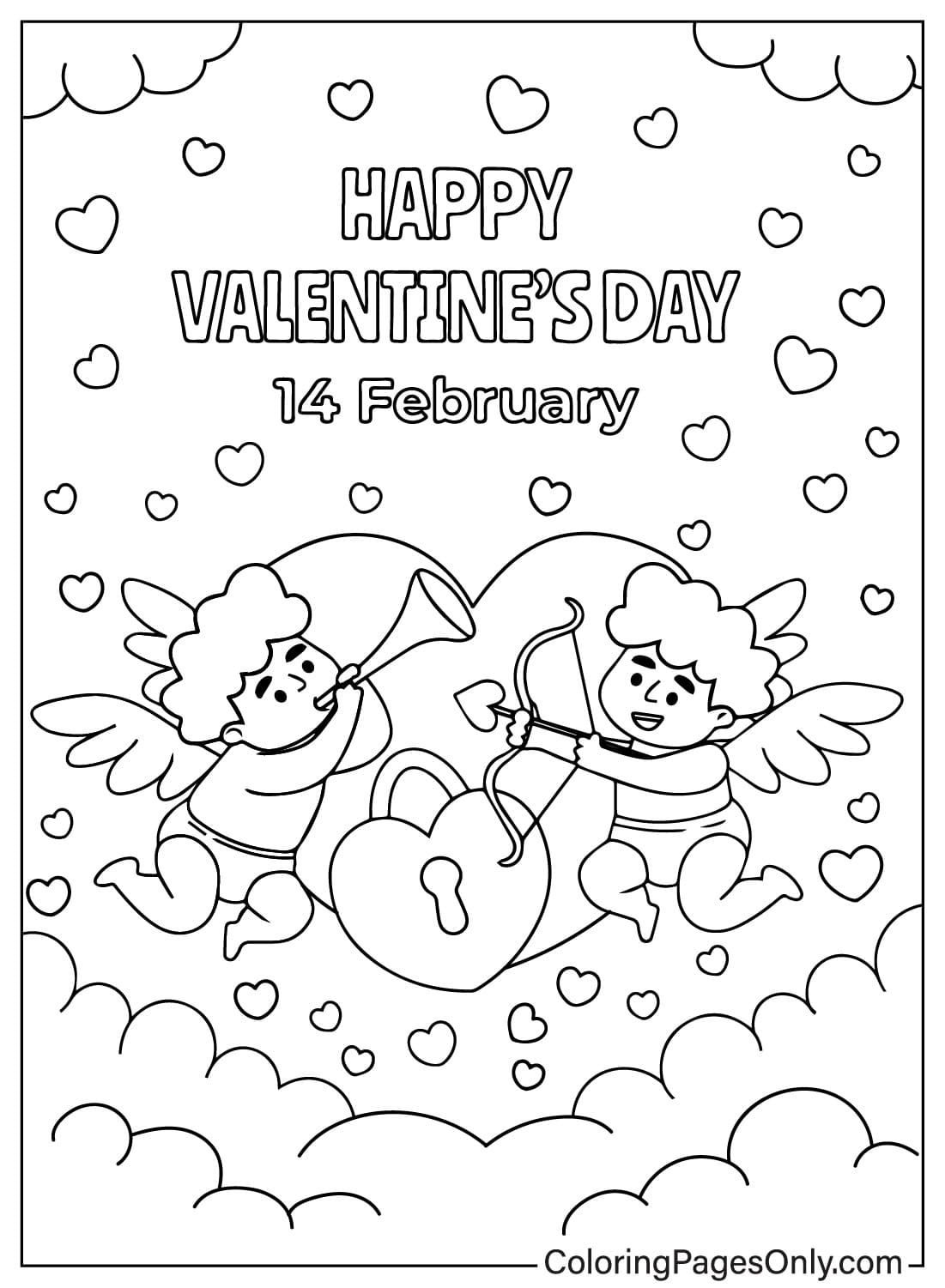
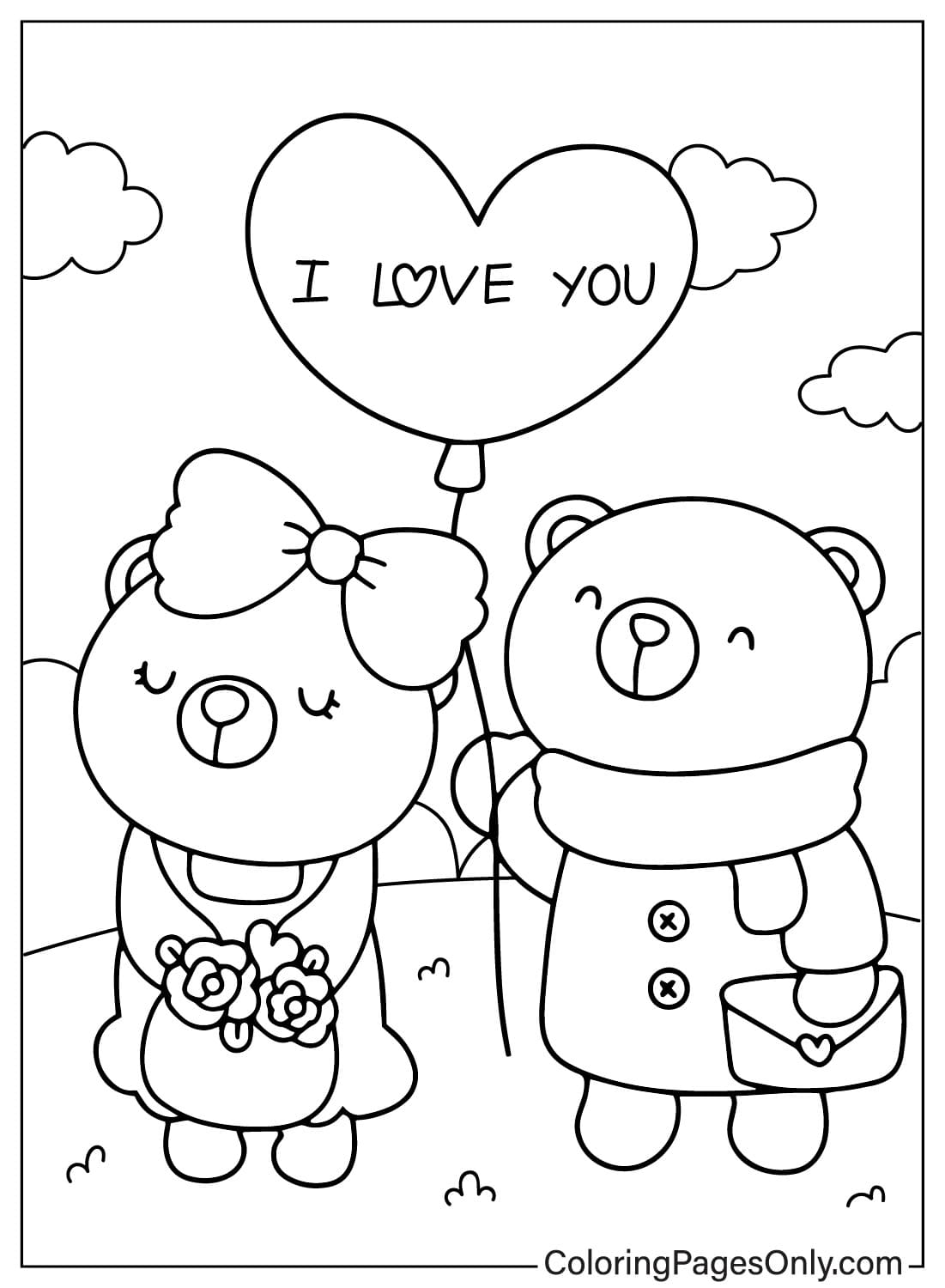
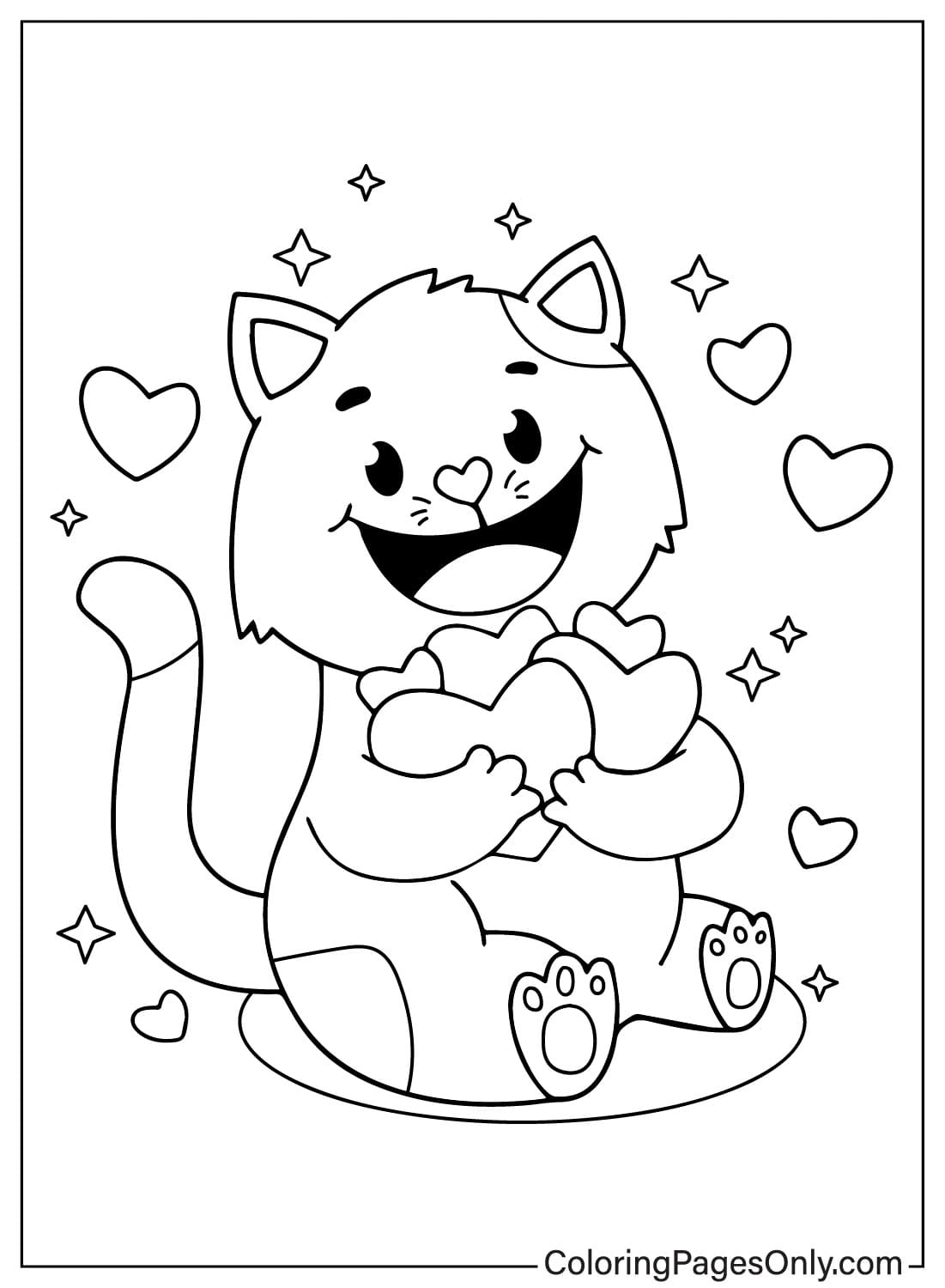
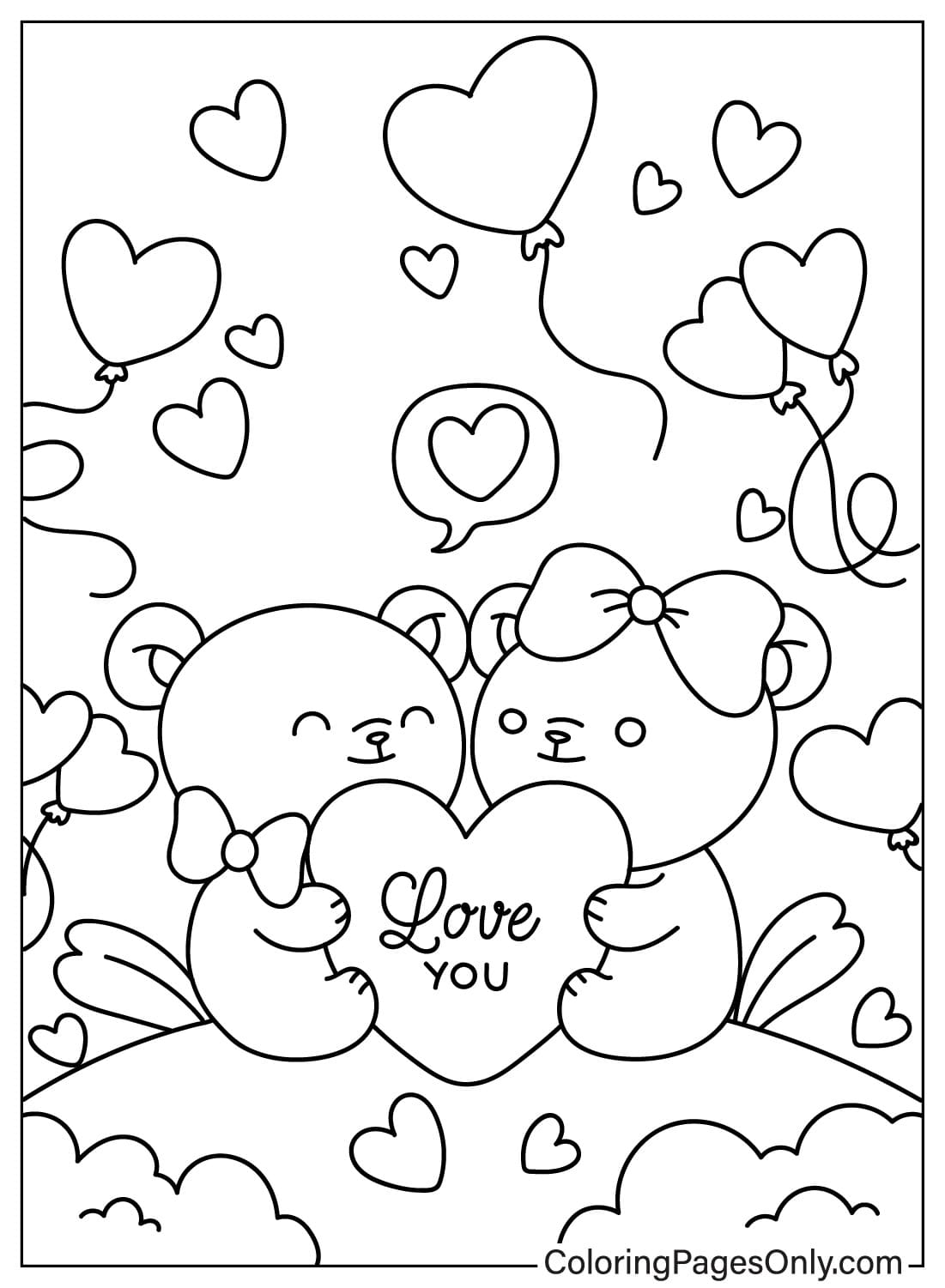
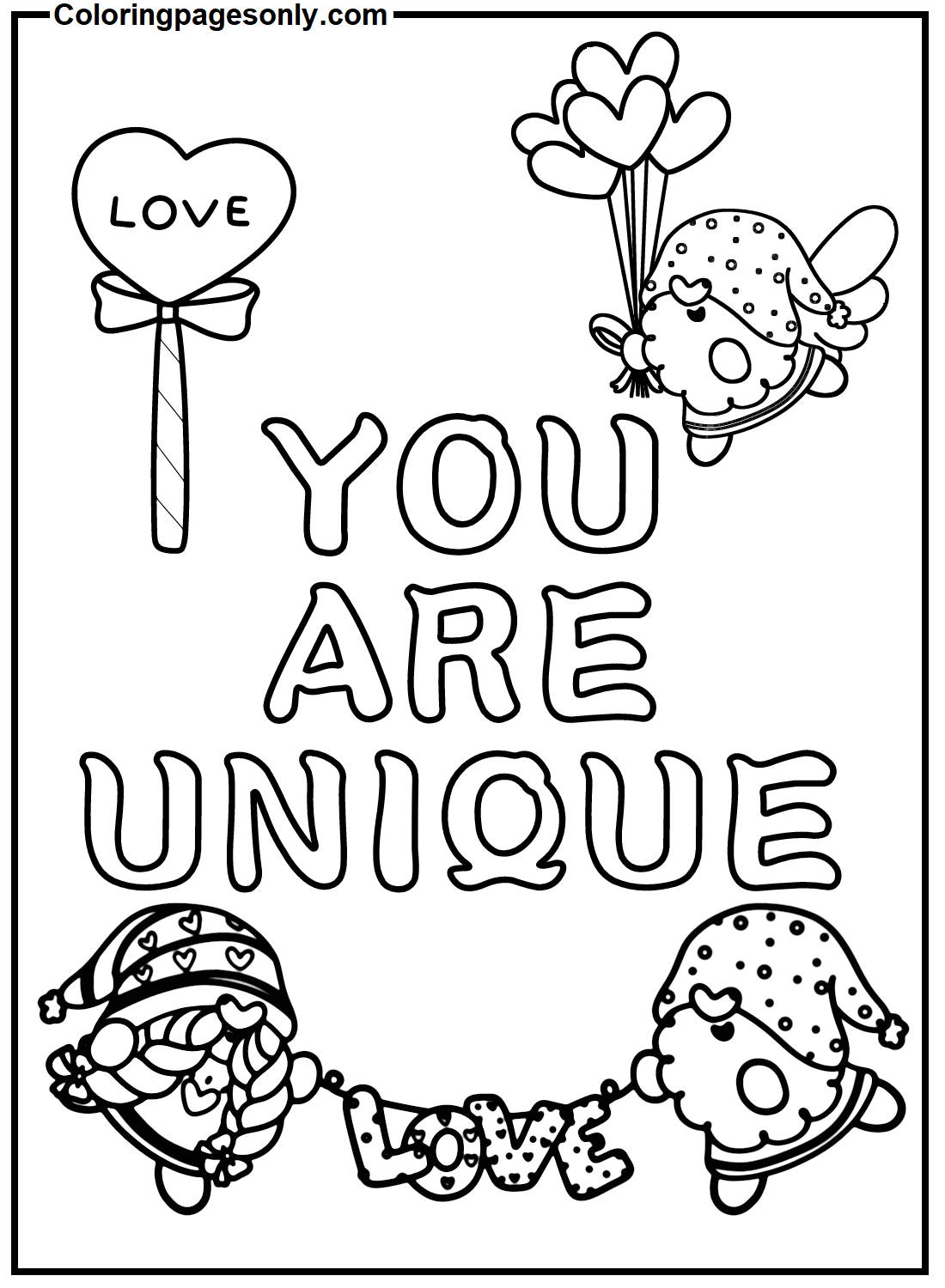
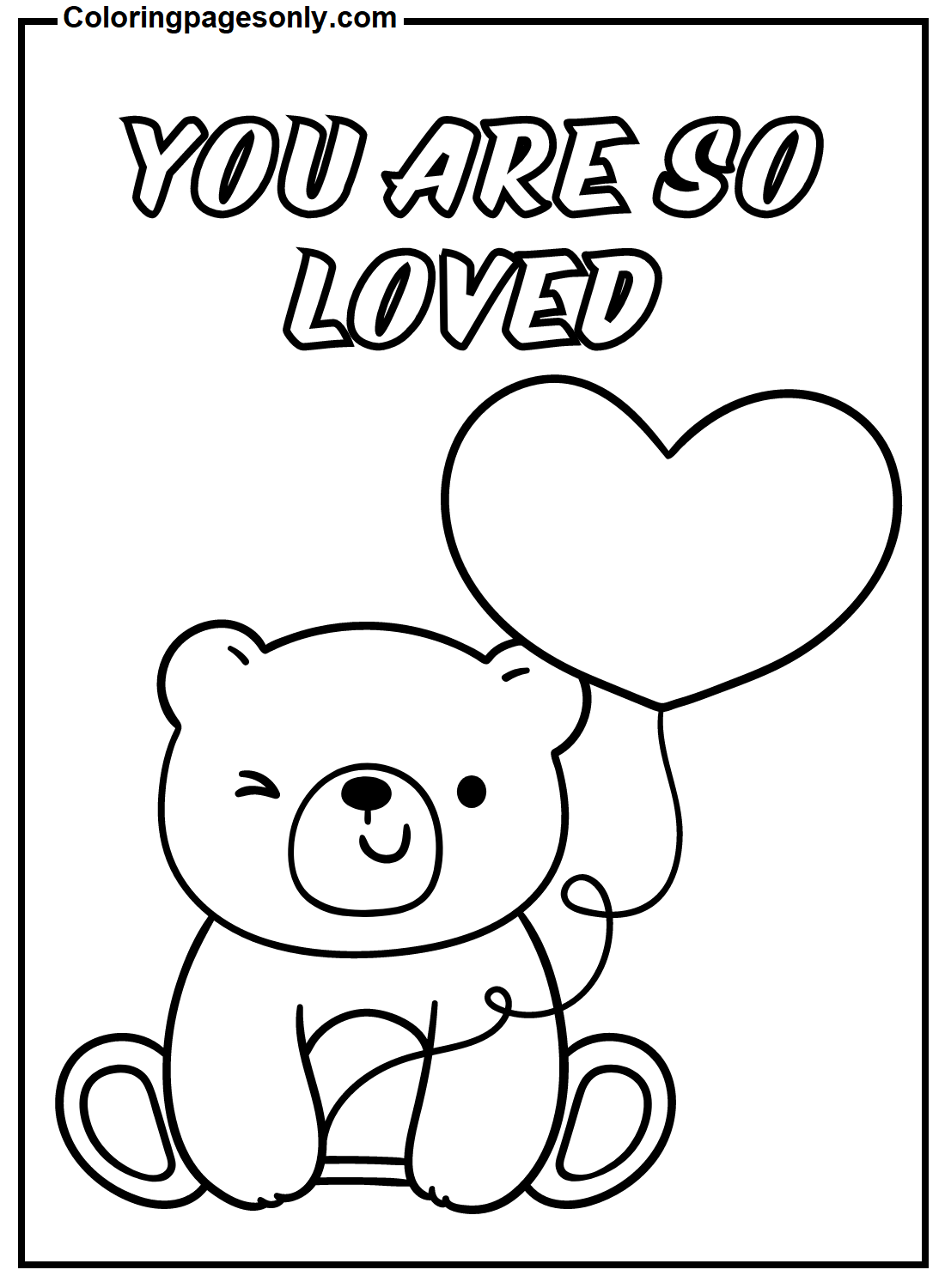
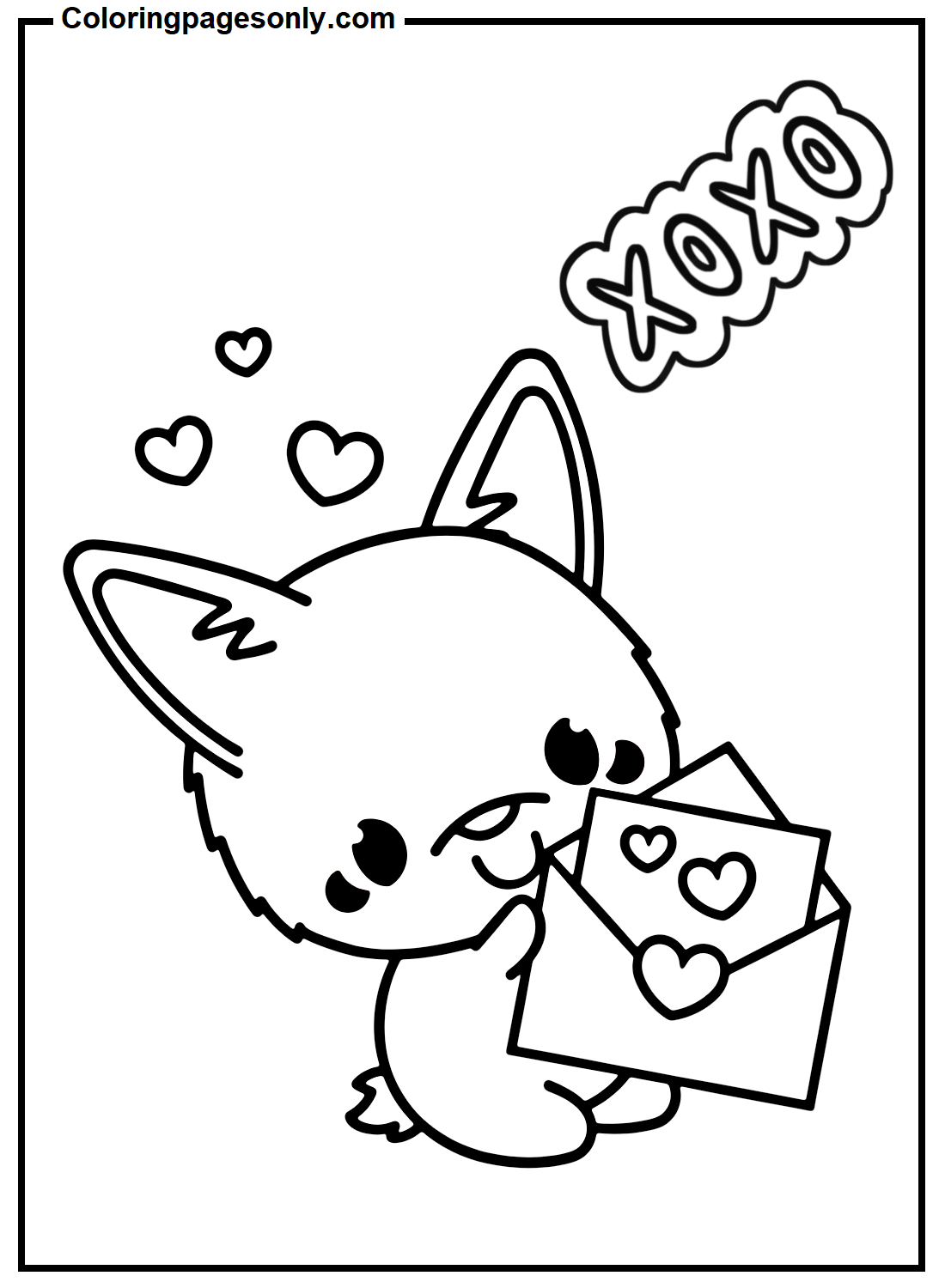
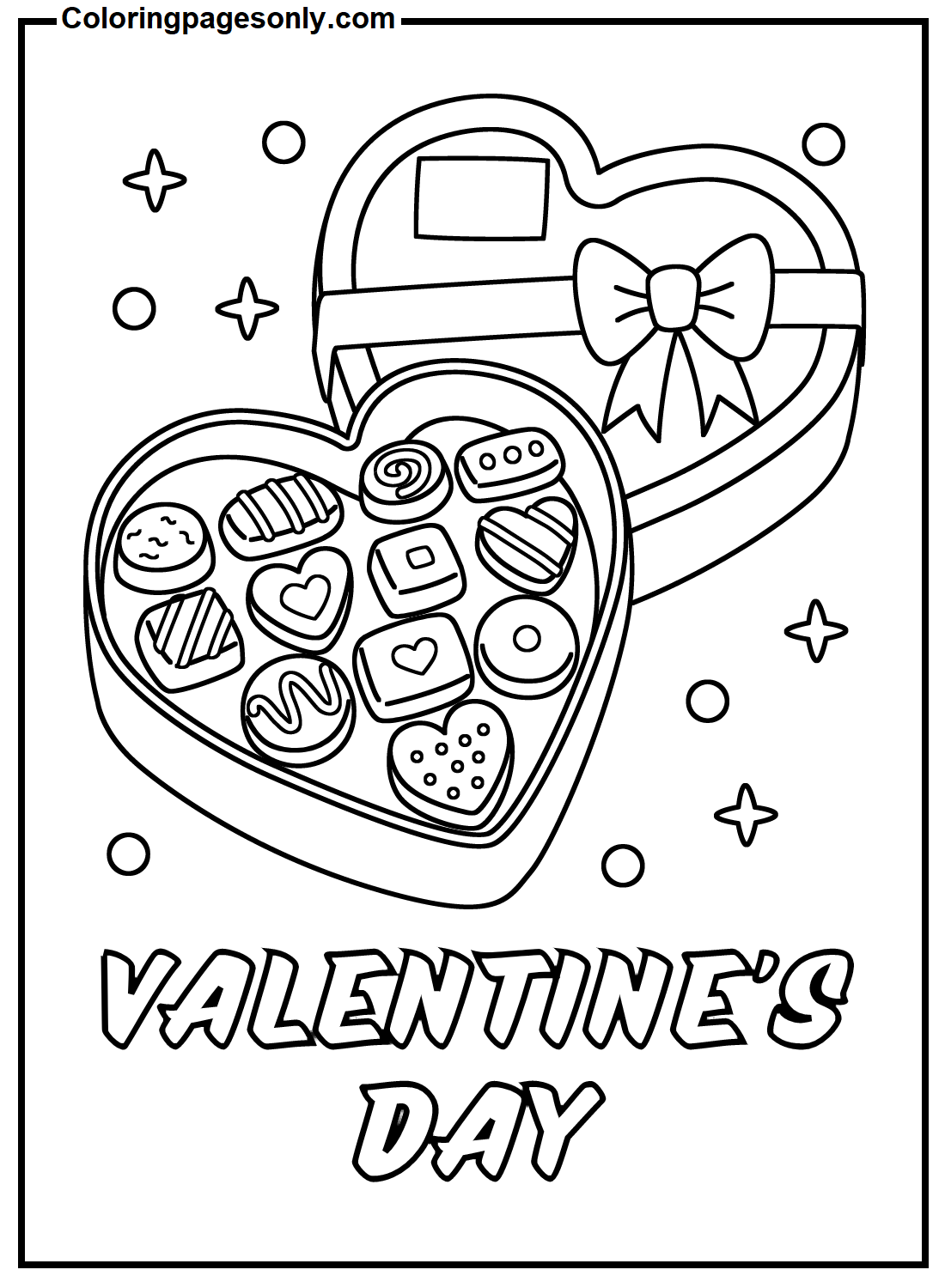
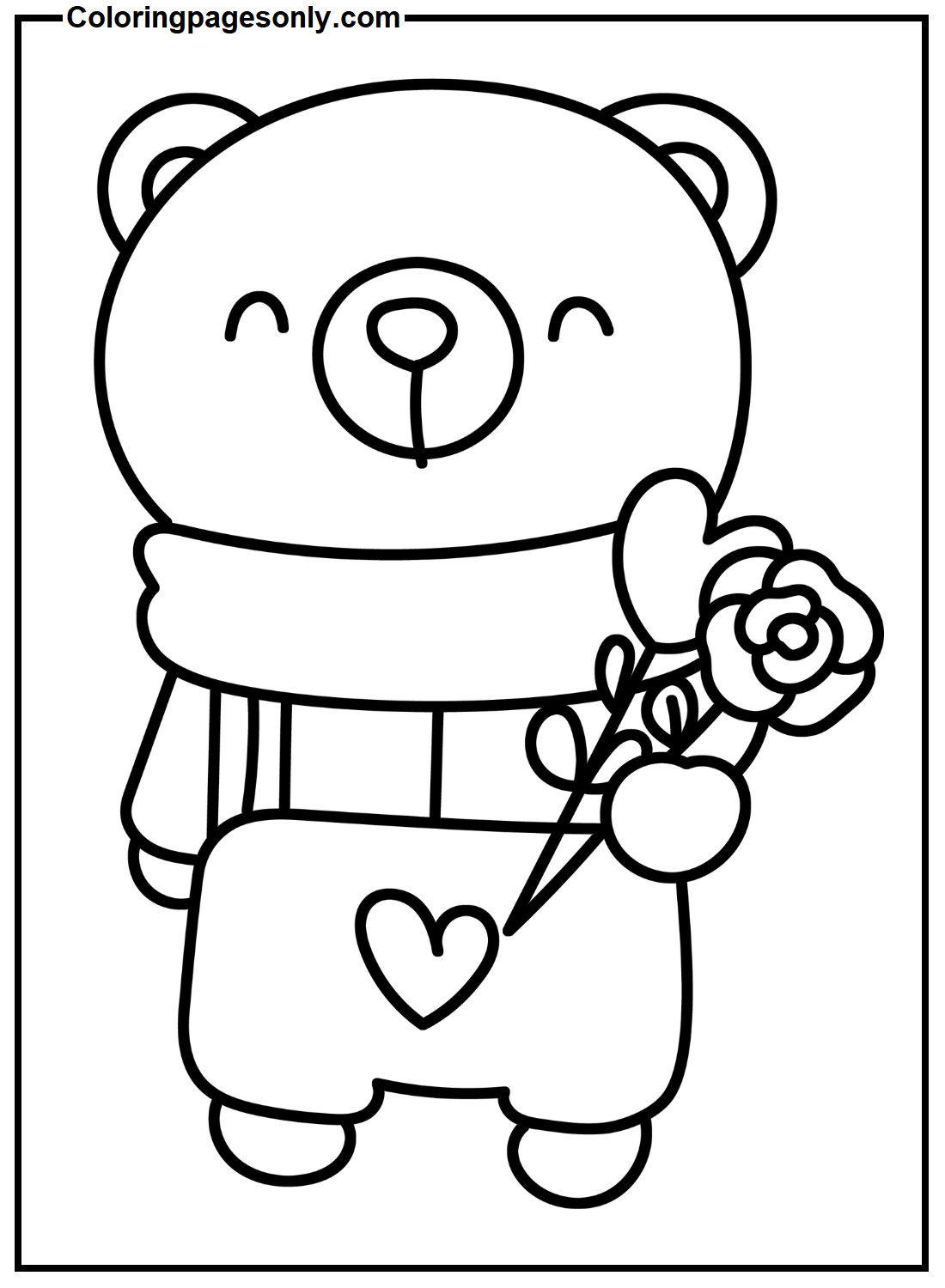
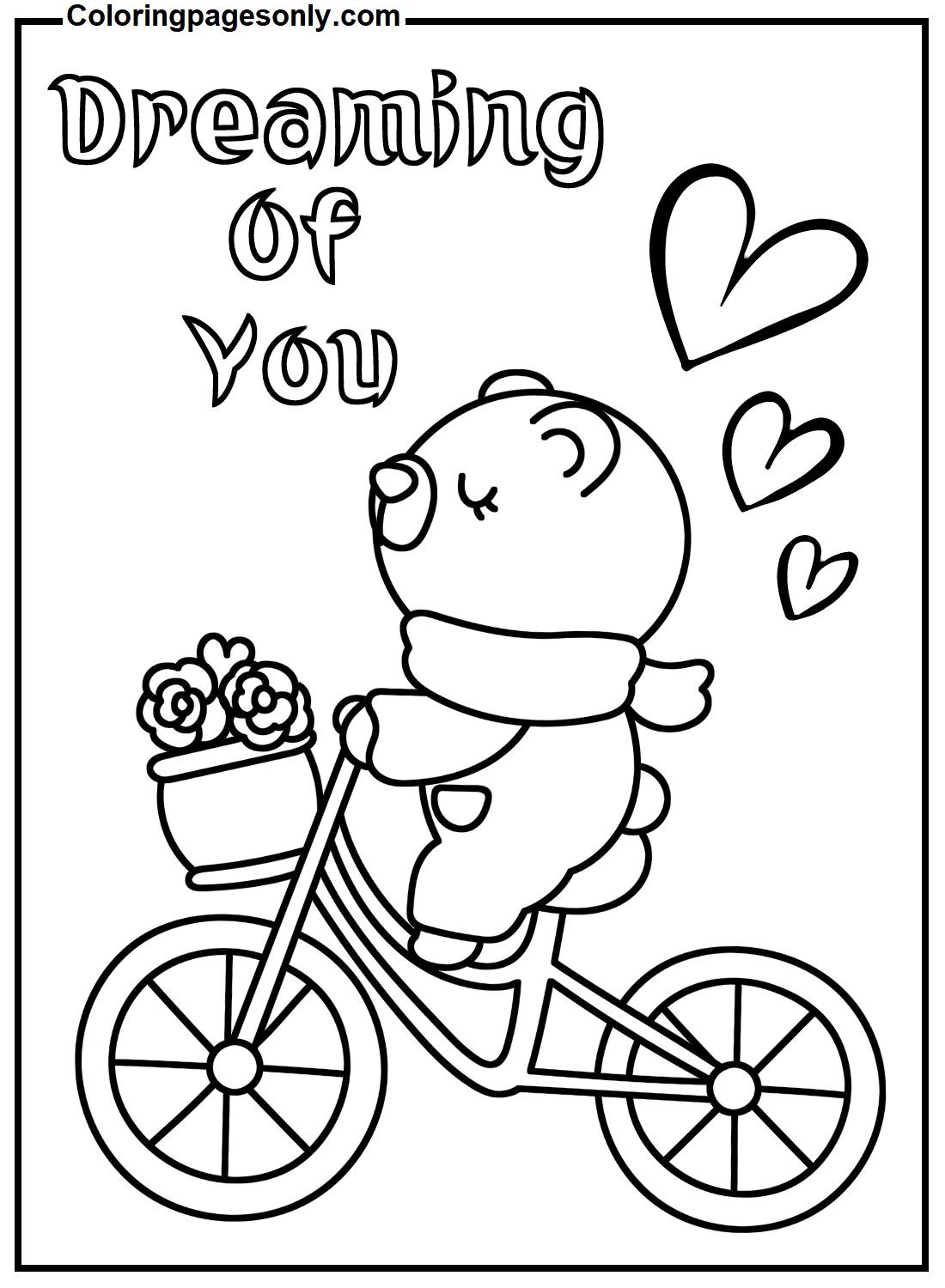
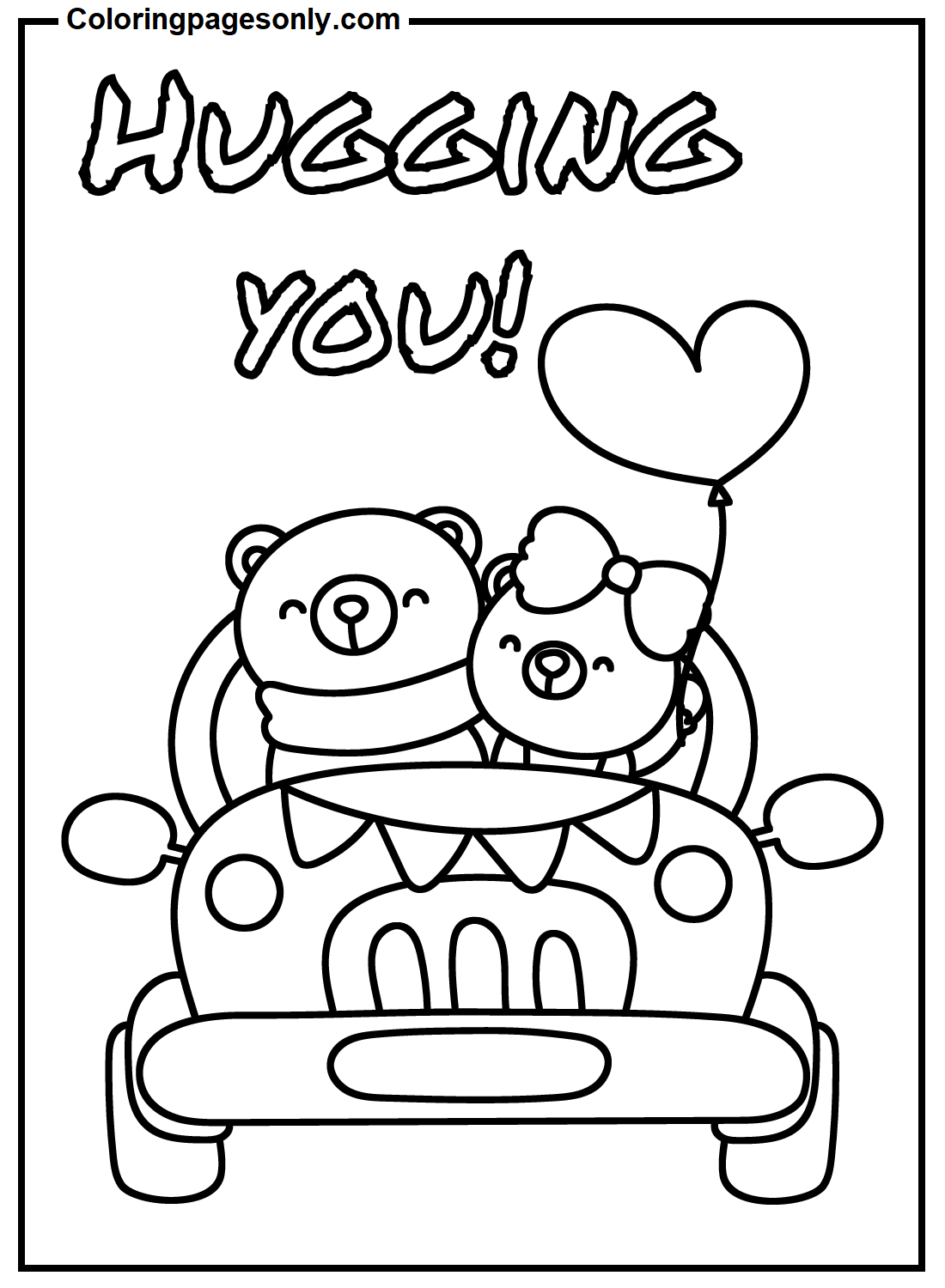
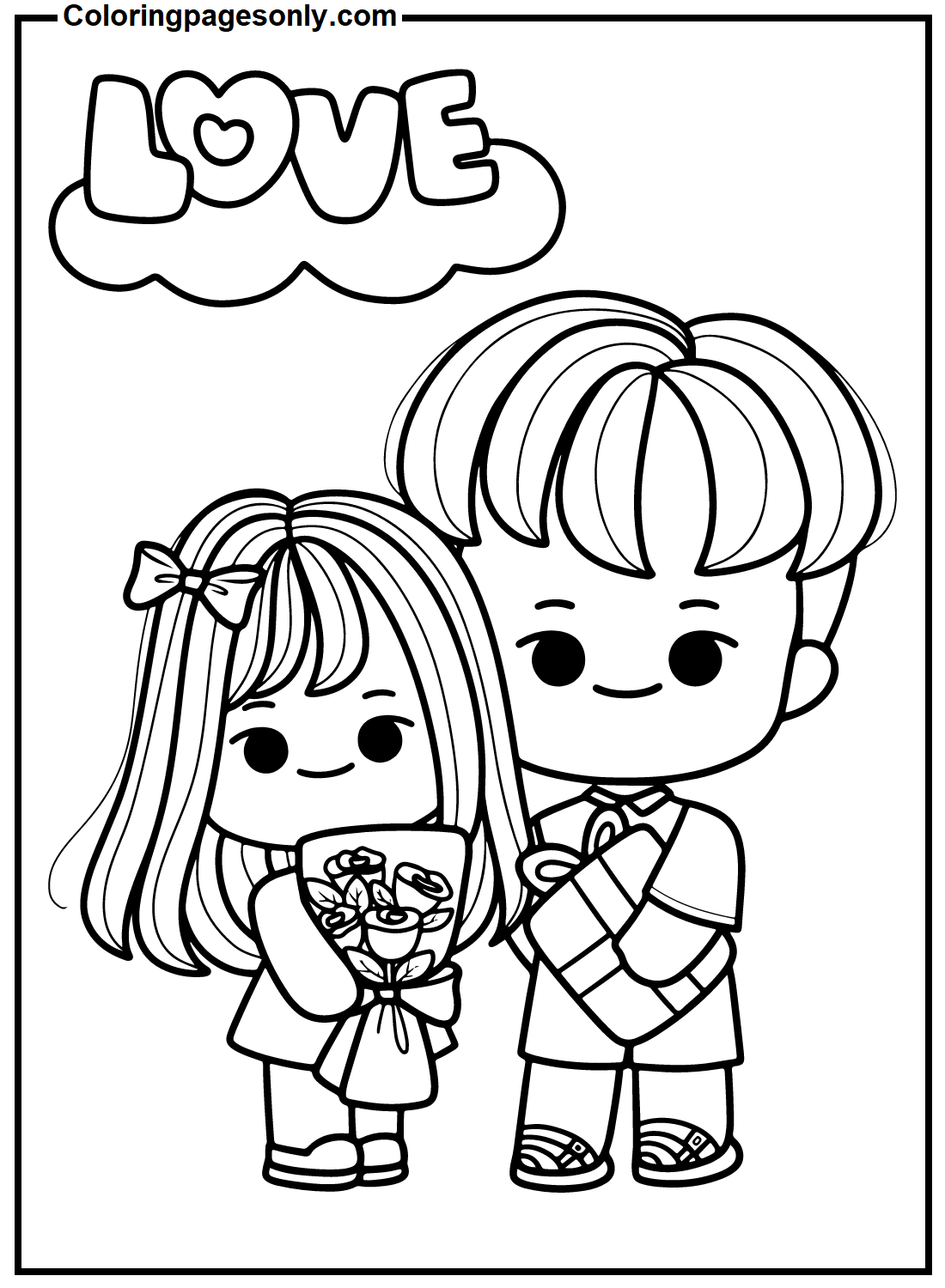
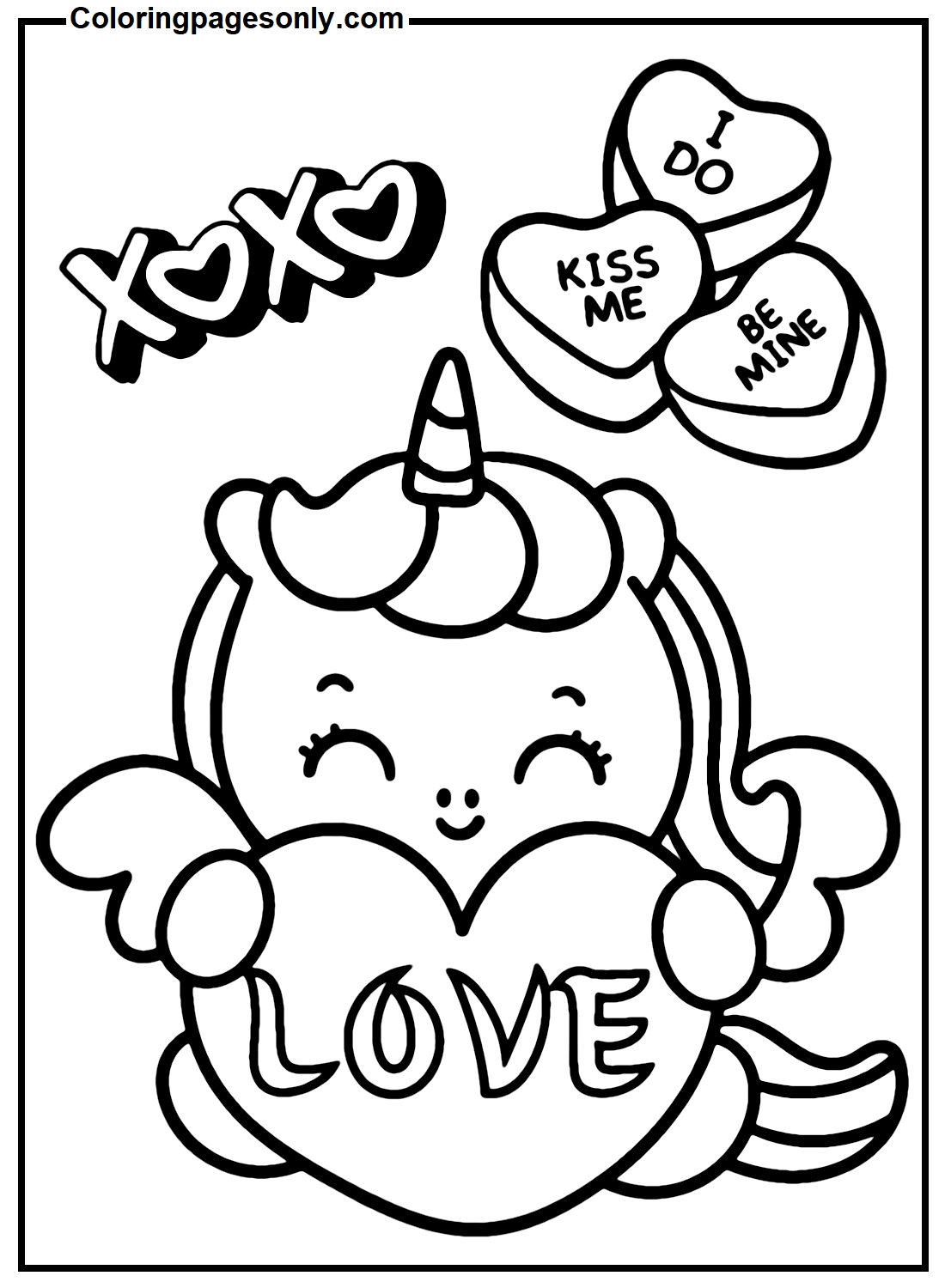
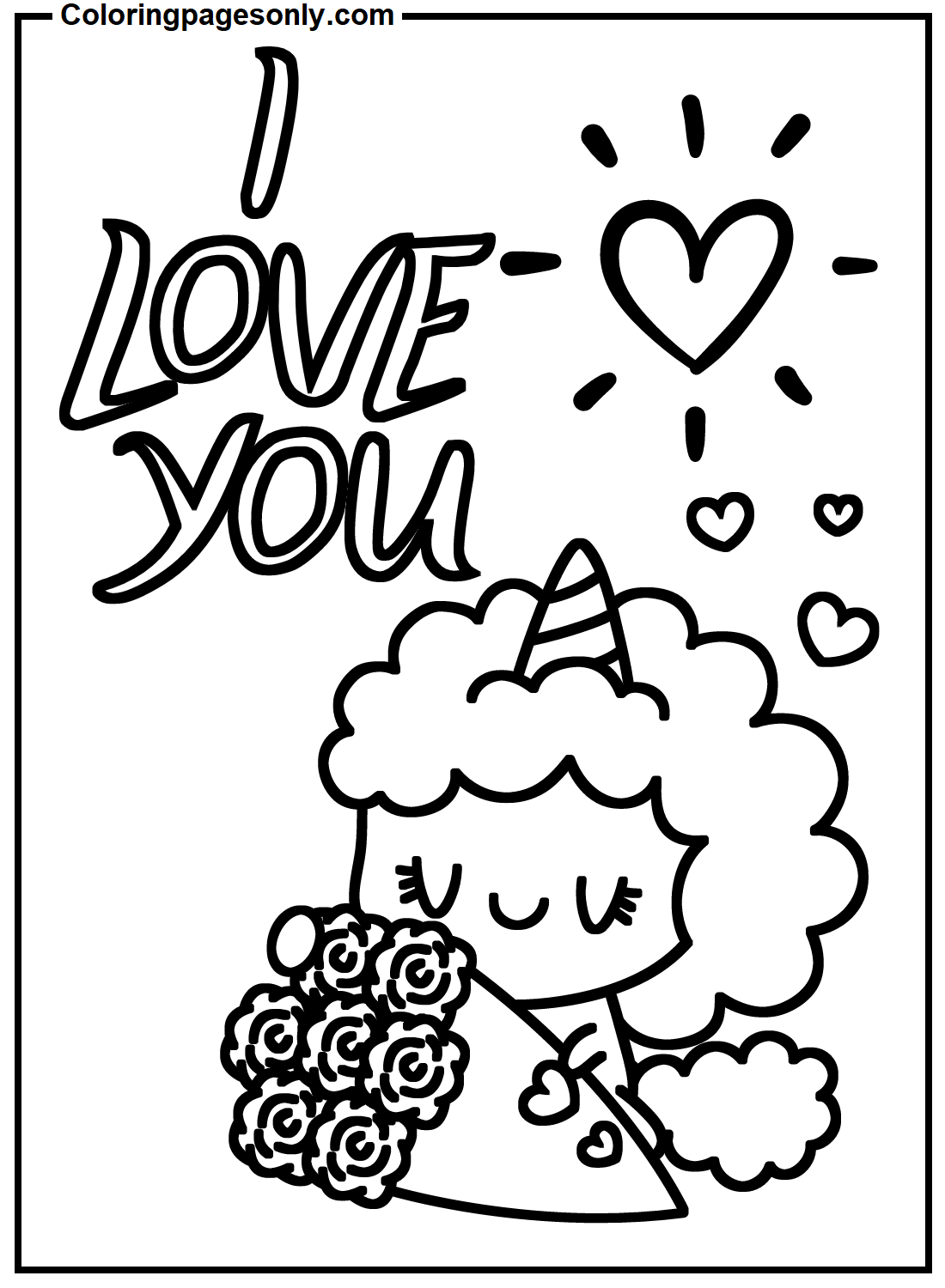
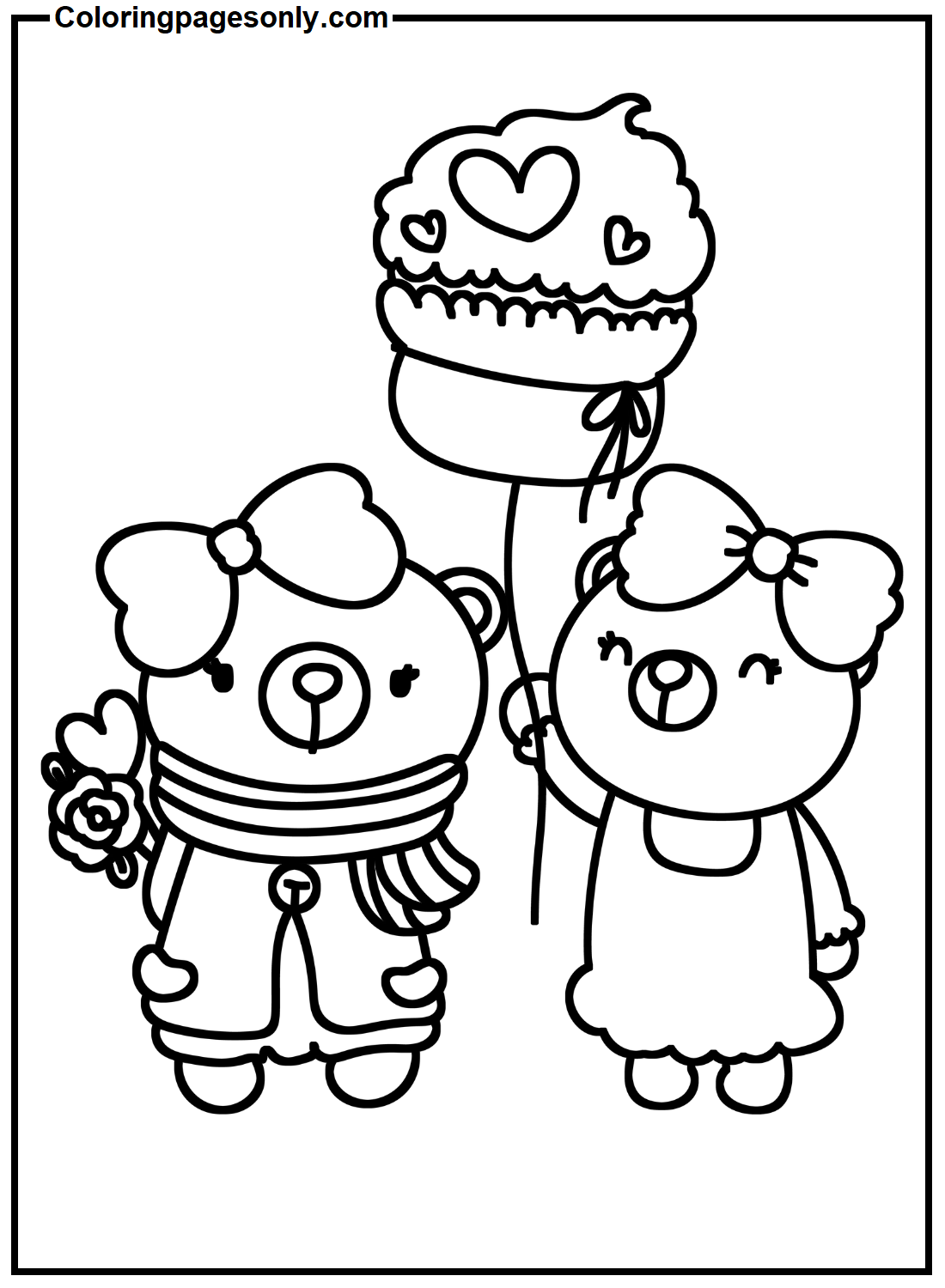
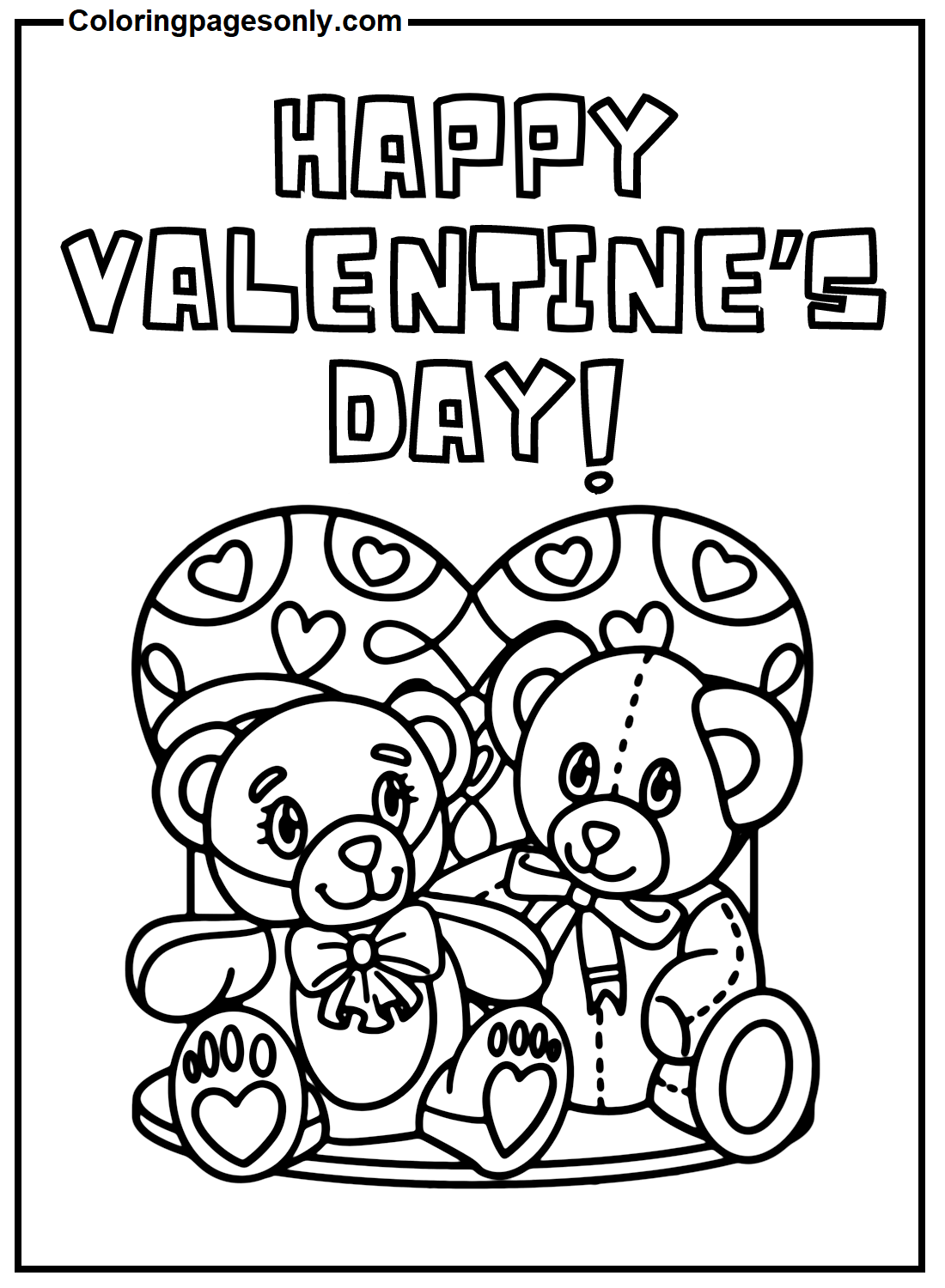
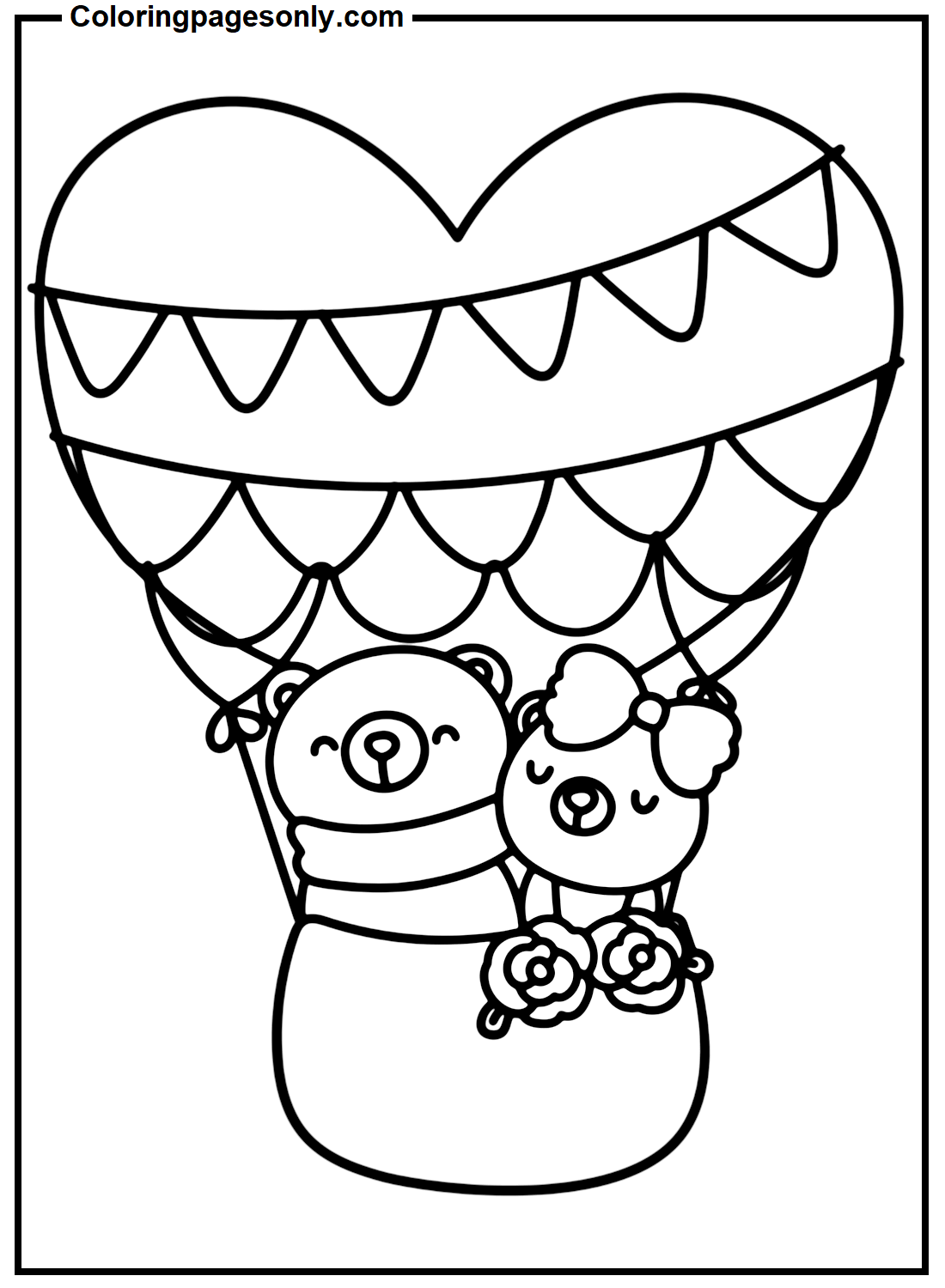
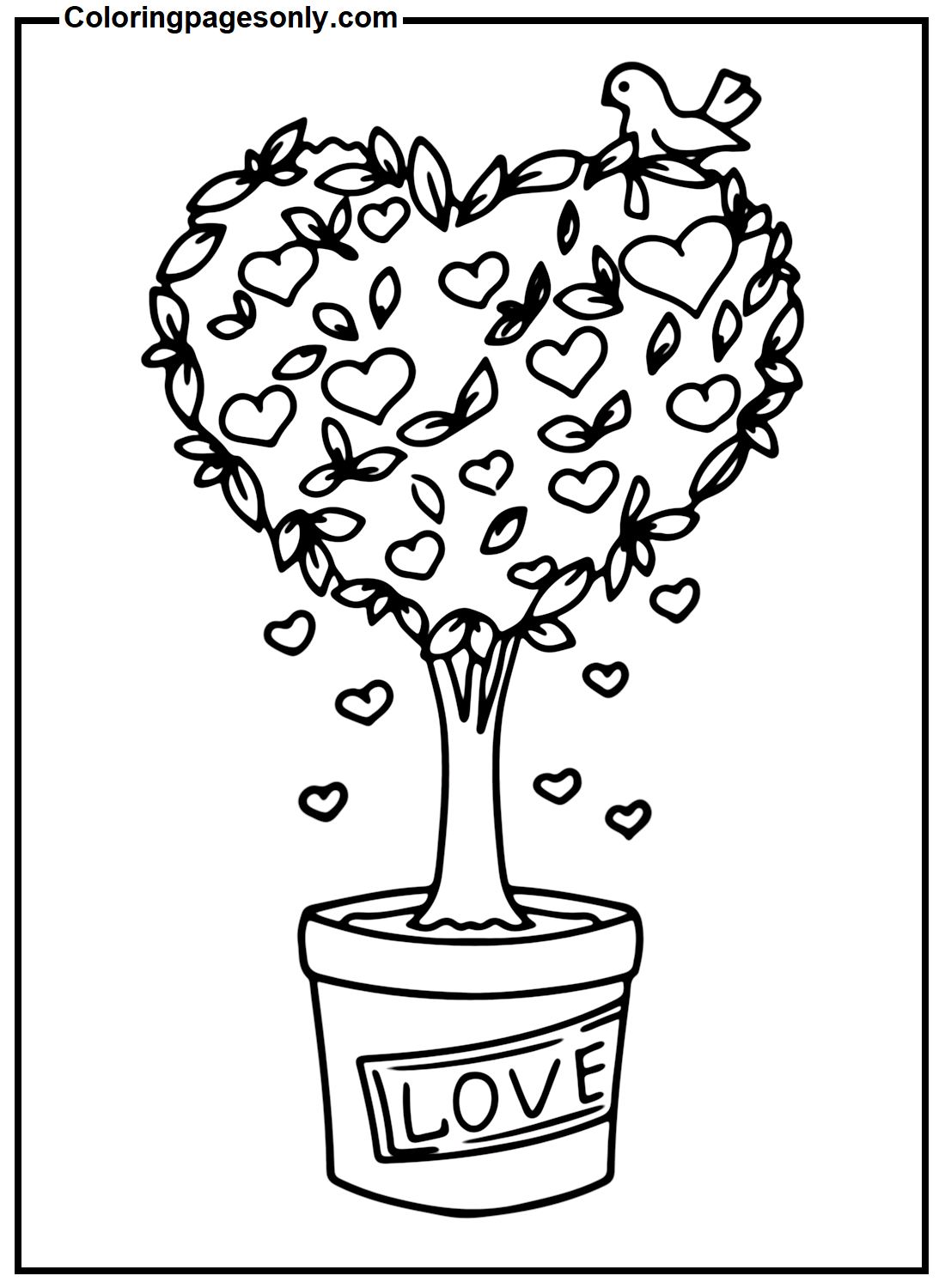
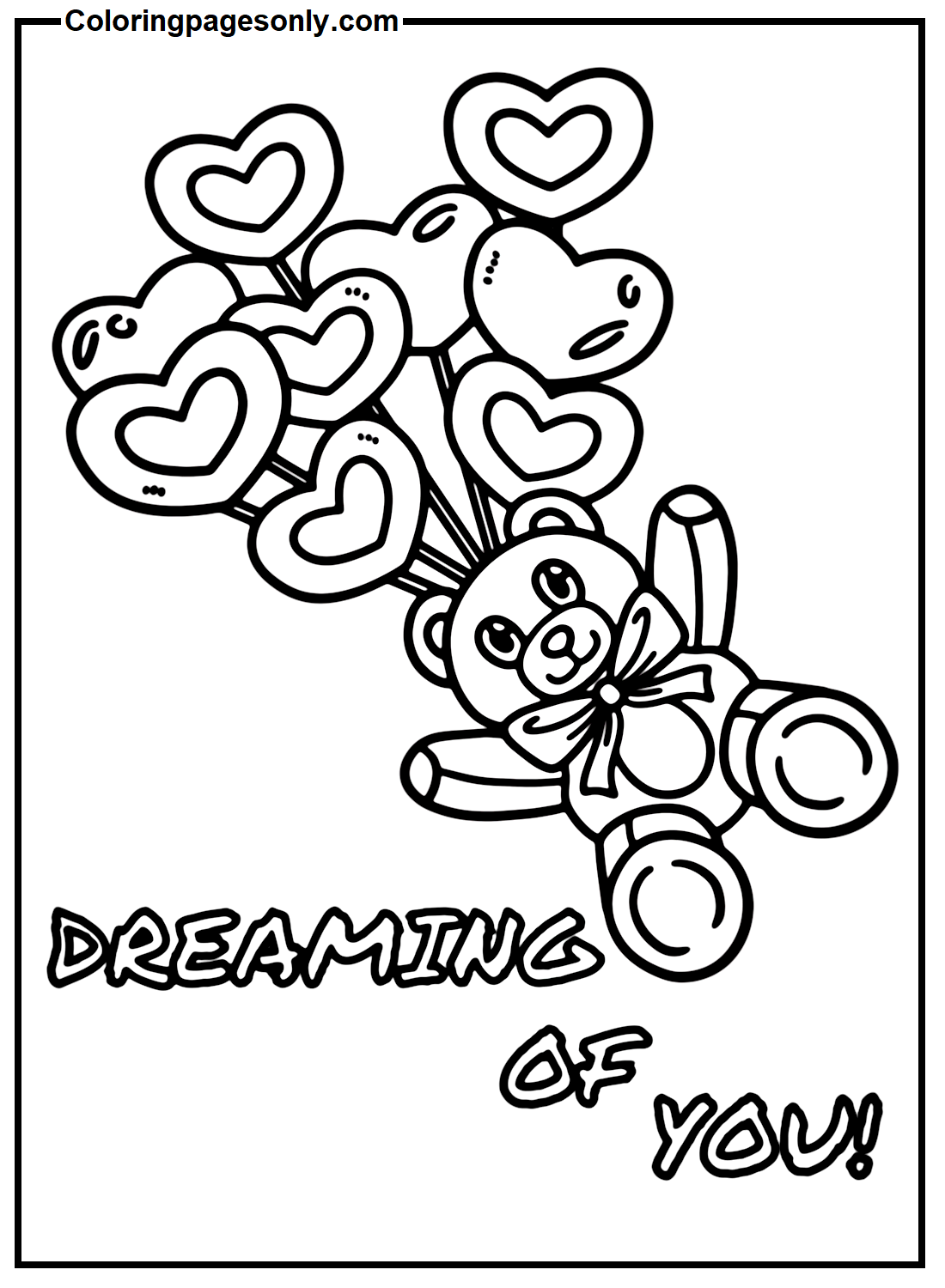
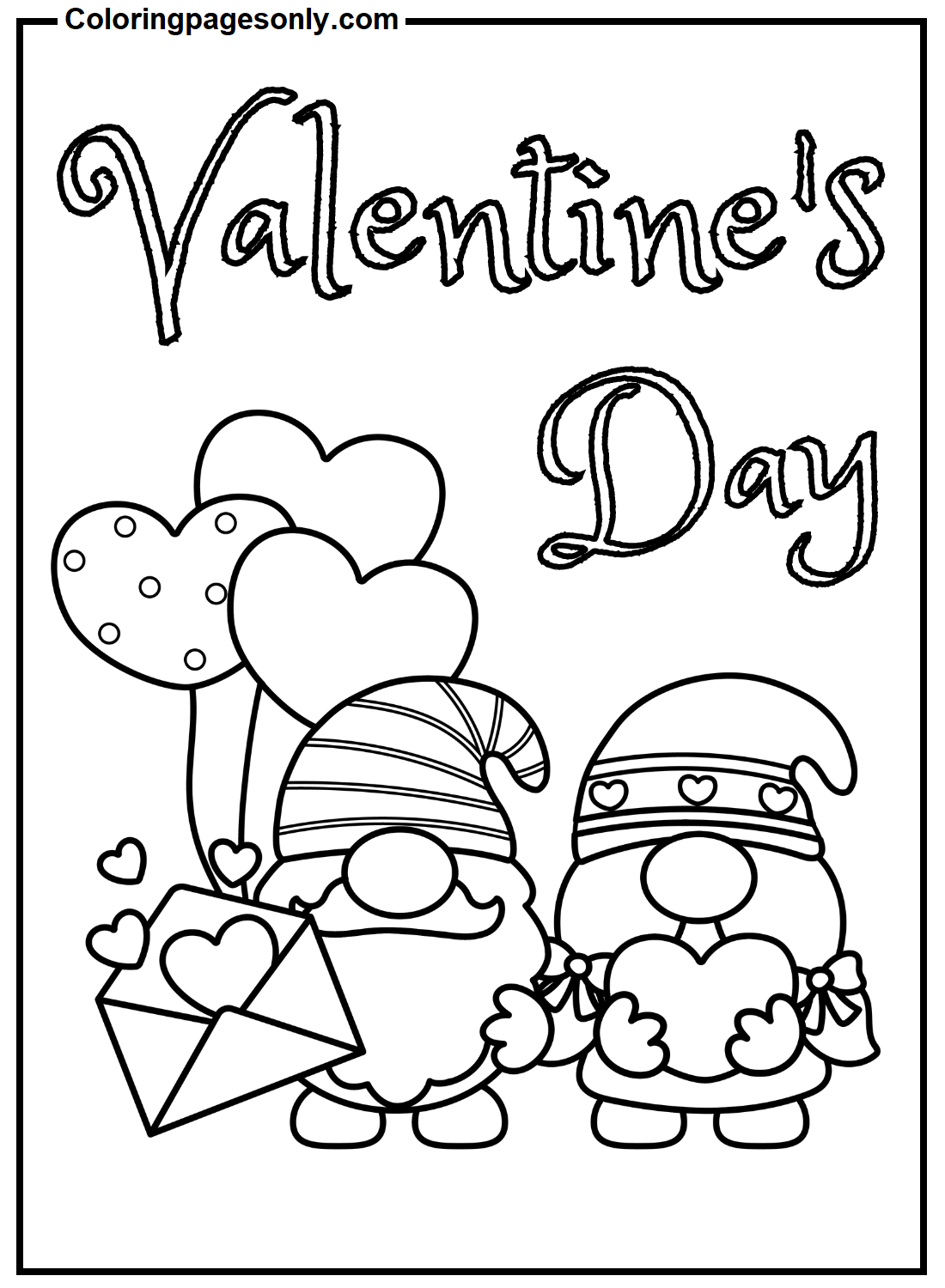
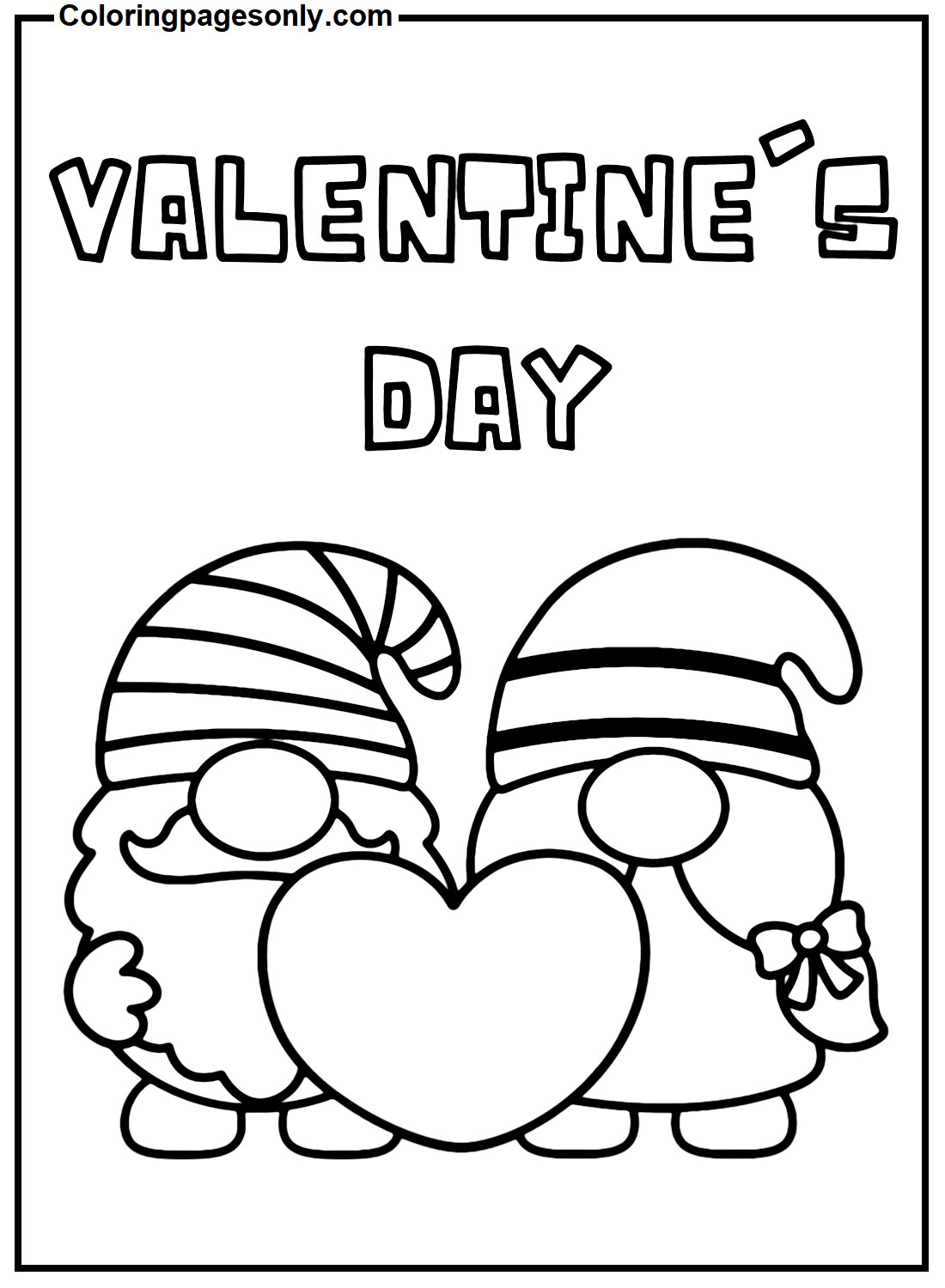
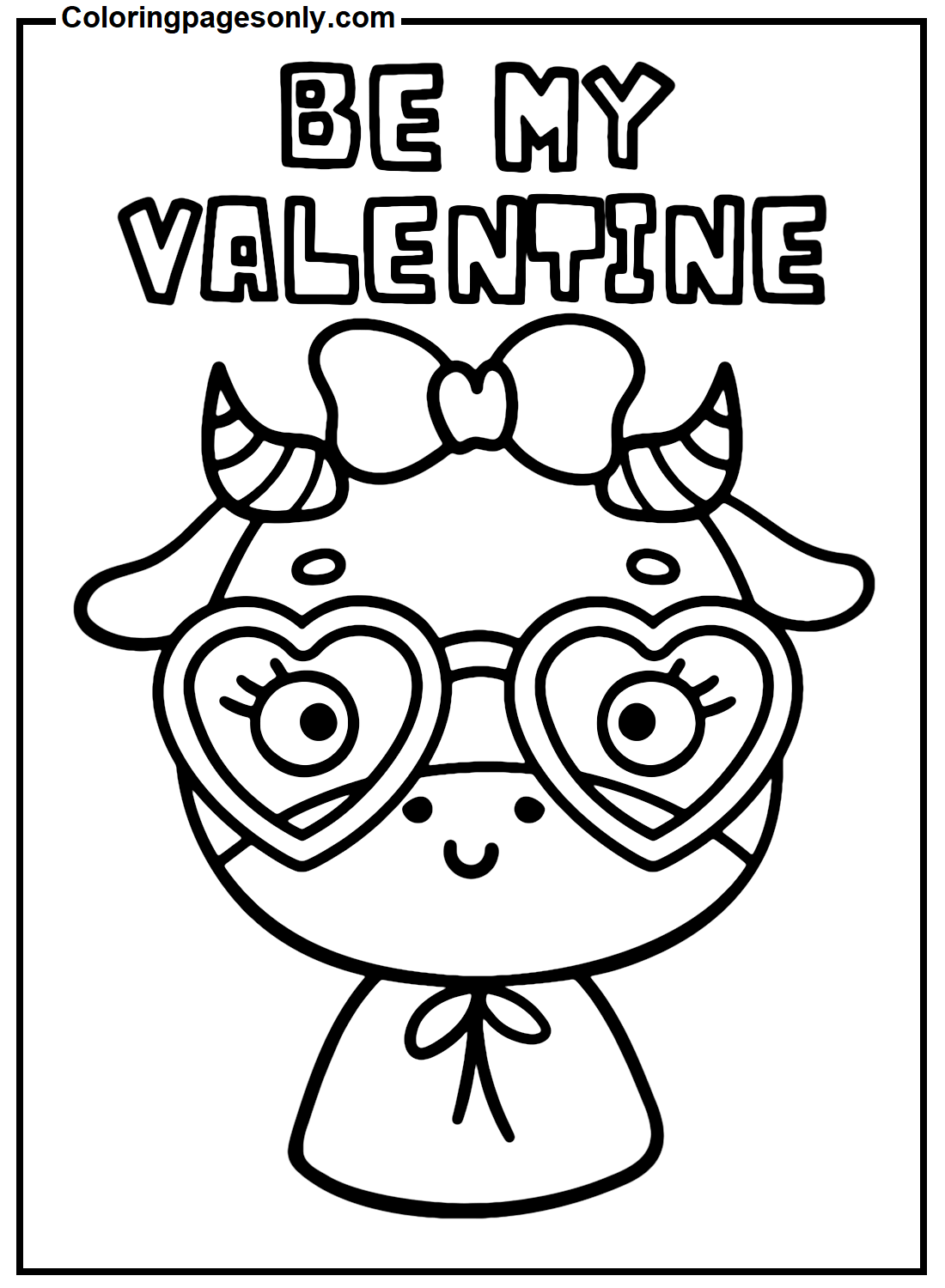
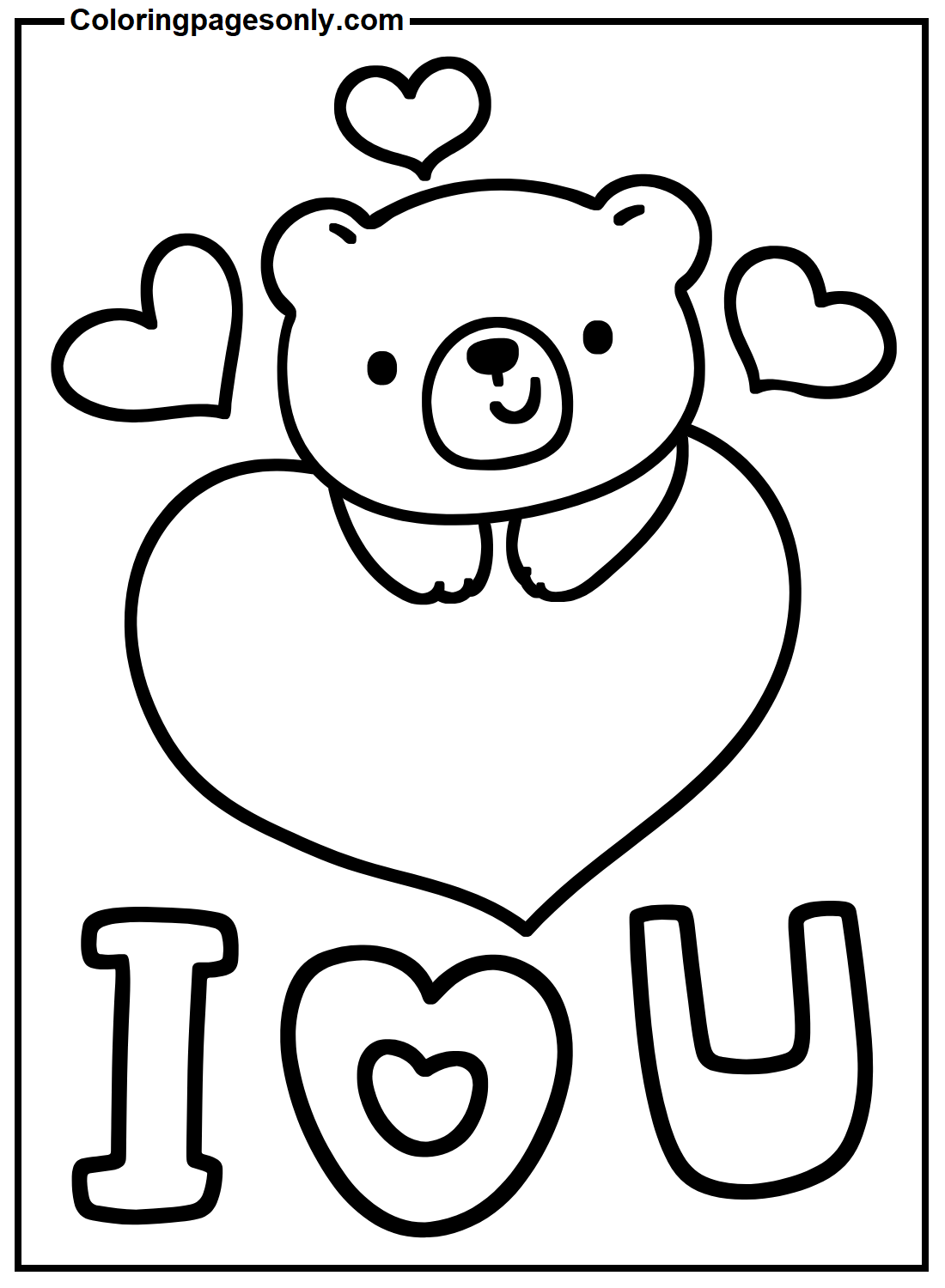
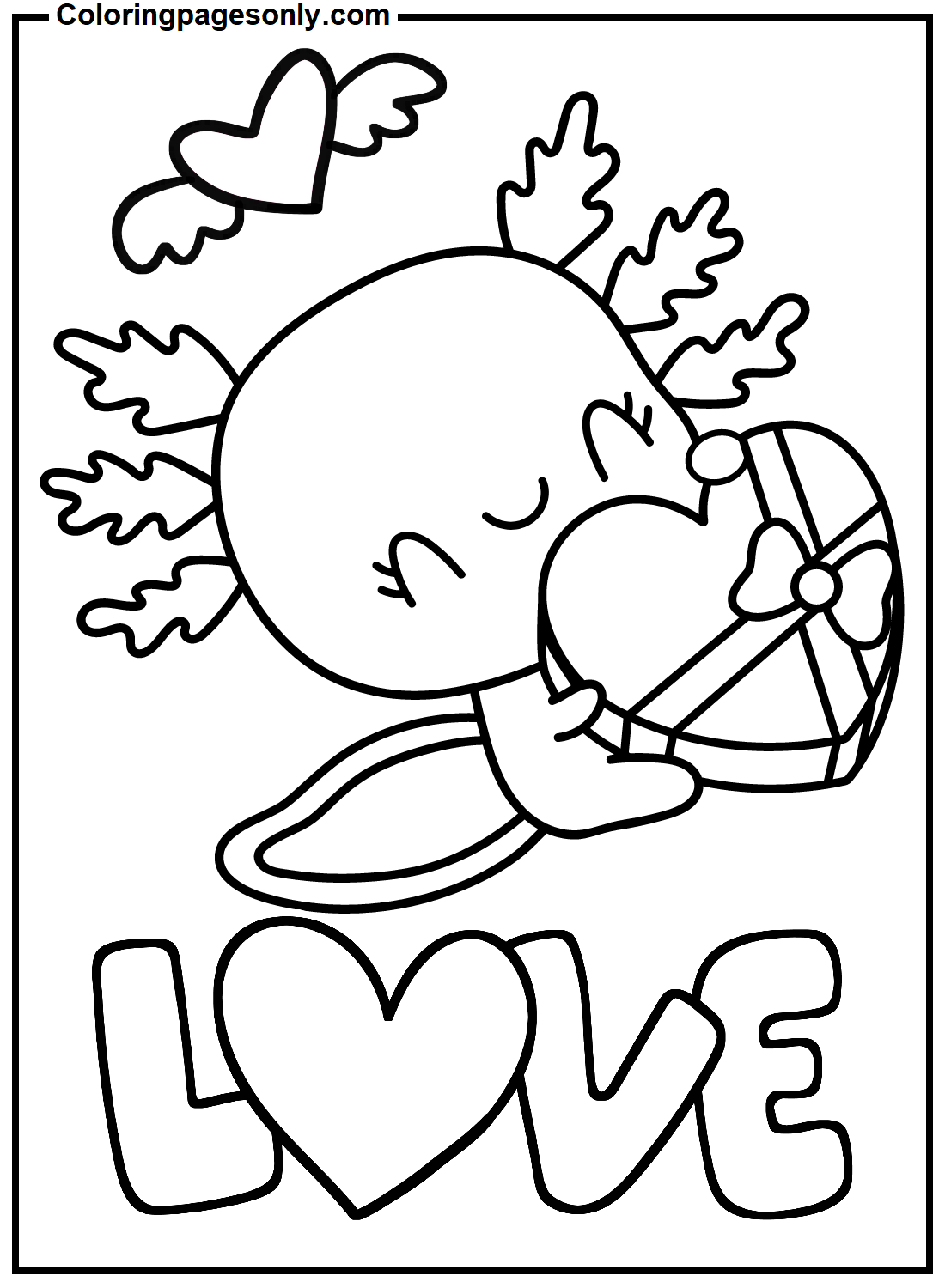
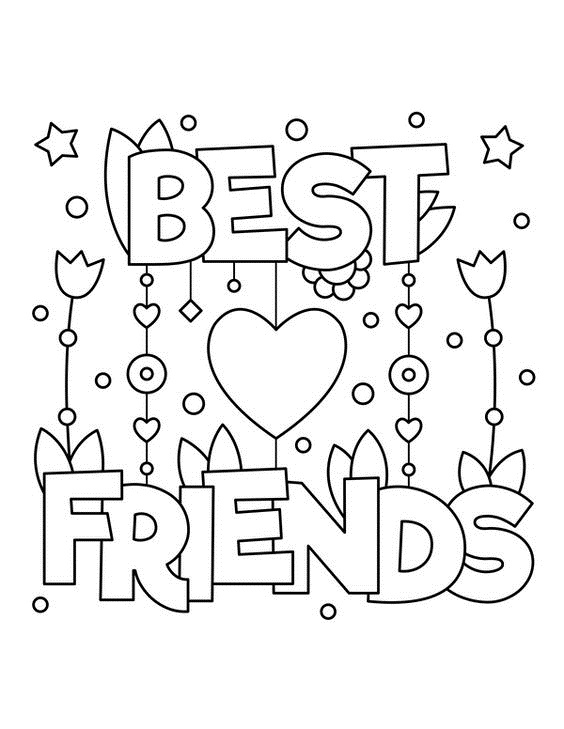
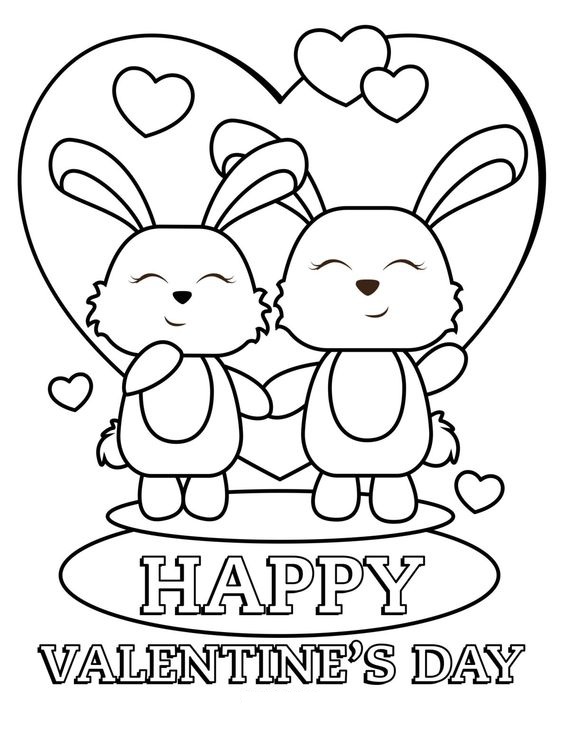
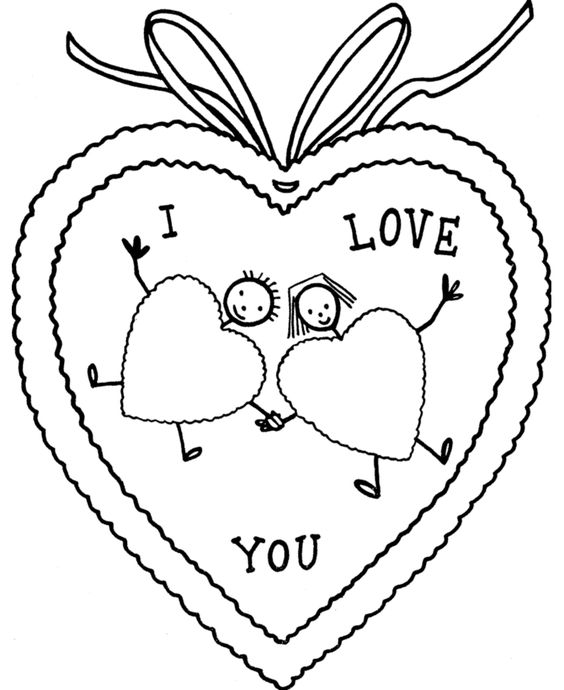
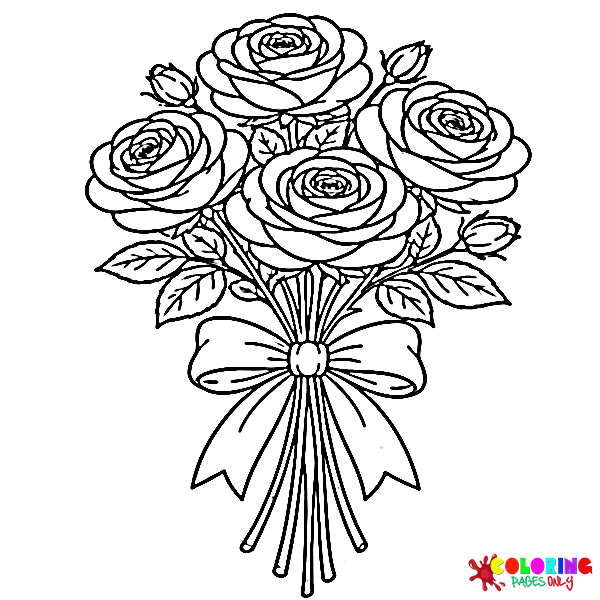
Free Valentine’s Day coloring pages – 80+ pages featuring hearts, Cupid, cute animals, bears, cats, unicorns, love doves, Valentine gifts, chocolate hearts, flower gardens, love jars, cards, sweet messages, classroom-friendly designs, and many more printable pages. Download your favorite pages as PDF, print them at home, or color online.
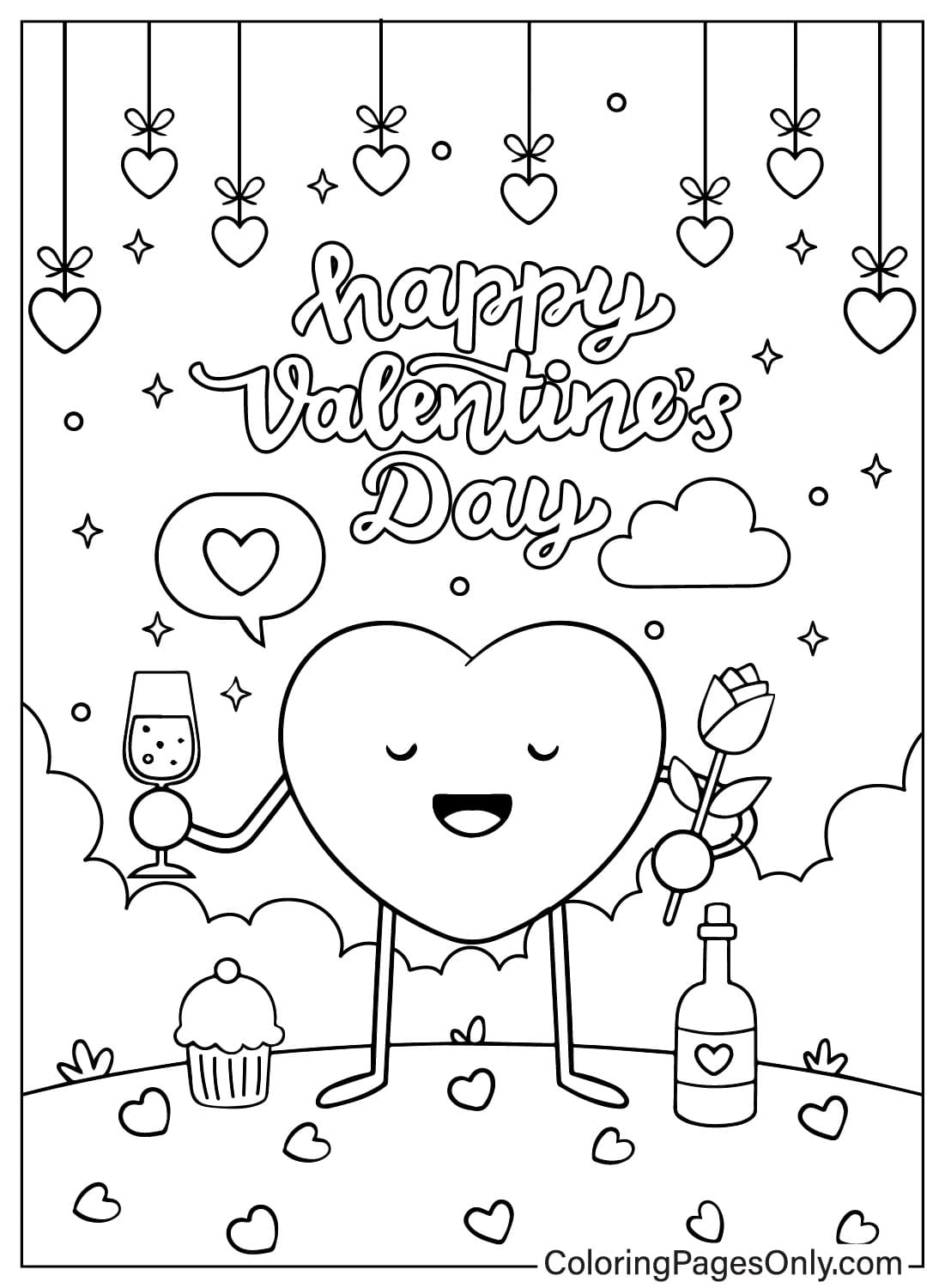
Valentine’s Day is celebrated on February 14 and is commonly associated with cards, hearts, flowers, sweet treats, and messages of affection or appreciation. For children, the holiday can be introduced positively: a heart, a friendly animal, a handmade card, a flower, a gift box, or a “You are loved” message can help them understand kindness, friendship, and care in an age-appropriate way.
That is why Valentine’s Day coloring pages work so well for home and classroom use. They give children a calm activity while also encouraging them to think about caring words, friendship, sharing, and appreciation. A coloring page can become a card for a parent, a note for a classmate, a classroom display, or a quiet, creative project during February.
This collection includes many different Valentine’s Day moods. Some pages are very simple, with large hearts, cute animals, or short messages for younger children. Some pages feel more decorative, with flowers, doves, jars of hearts, chocolate boxes, balloons, and gift designs. Others include Cupid, unicorns, bears, cats, bunnies, koalas, sloths, axolotls, and sweet cartoon scenes.
A simple heart page can be finished quickly by preschool or early elementary children. A detailed Valentine scene with animals, flowers, gifts, or lettering can become a longer art activity for older kids. Parents can print pages for a quiet afternoon, teachers can use them for classroom activities, and kids can color online anytime.
All 80+ pages are free at ColoringPagesOnly.com. Print your favorite Valentine’s Day page at home or color it online.
What’s Inside
Valentine’s Day Heart Coloring Pages
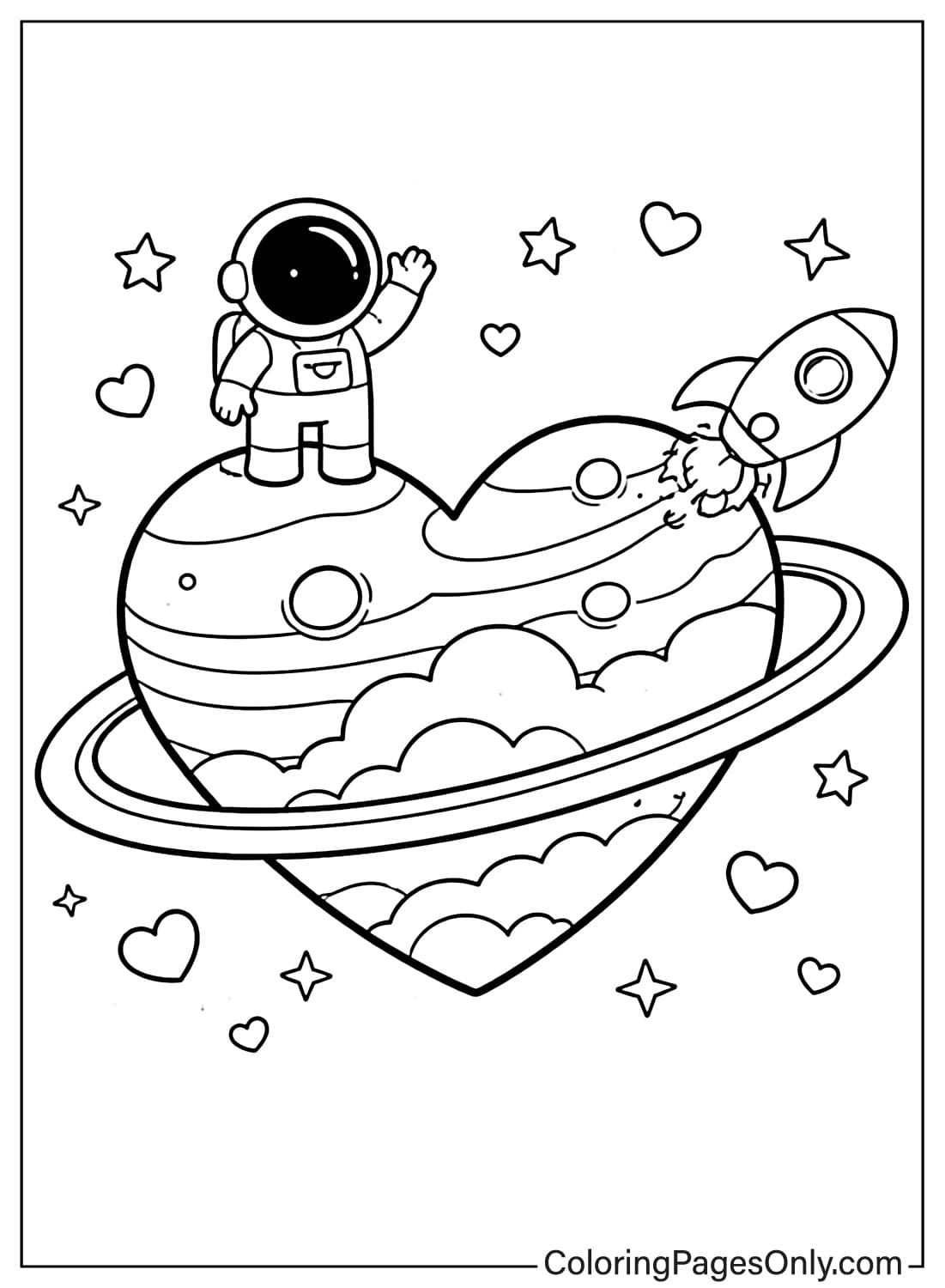
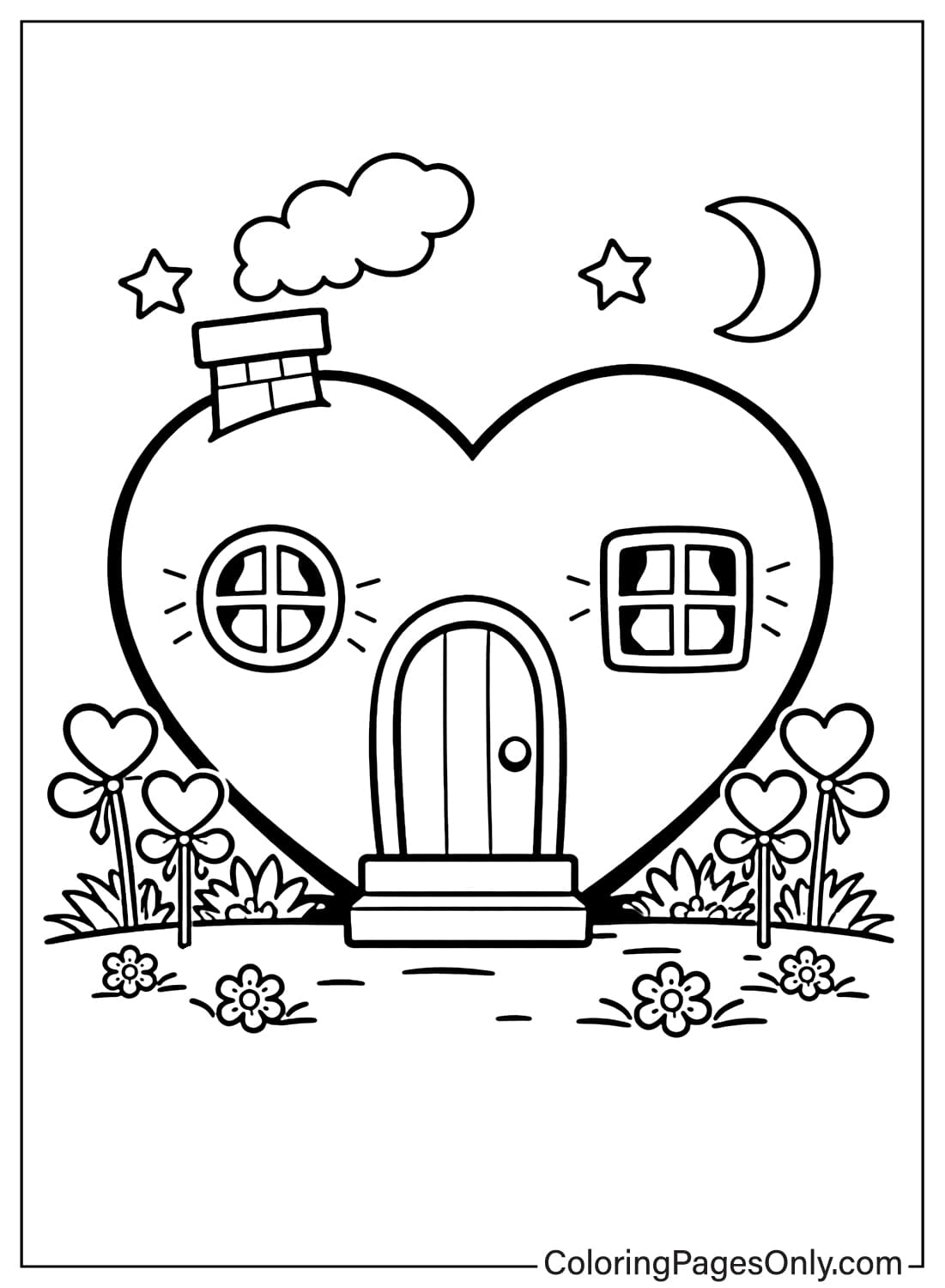
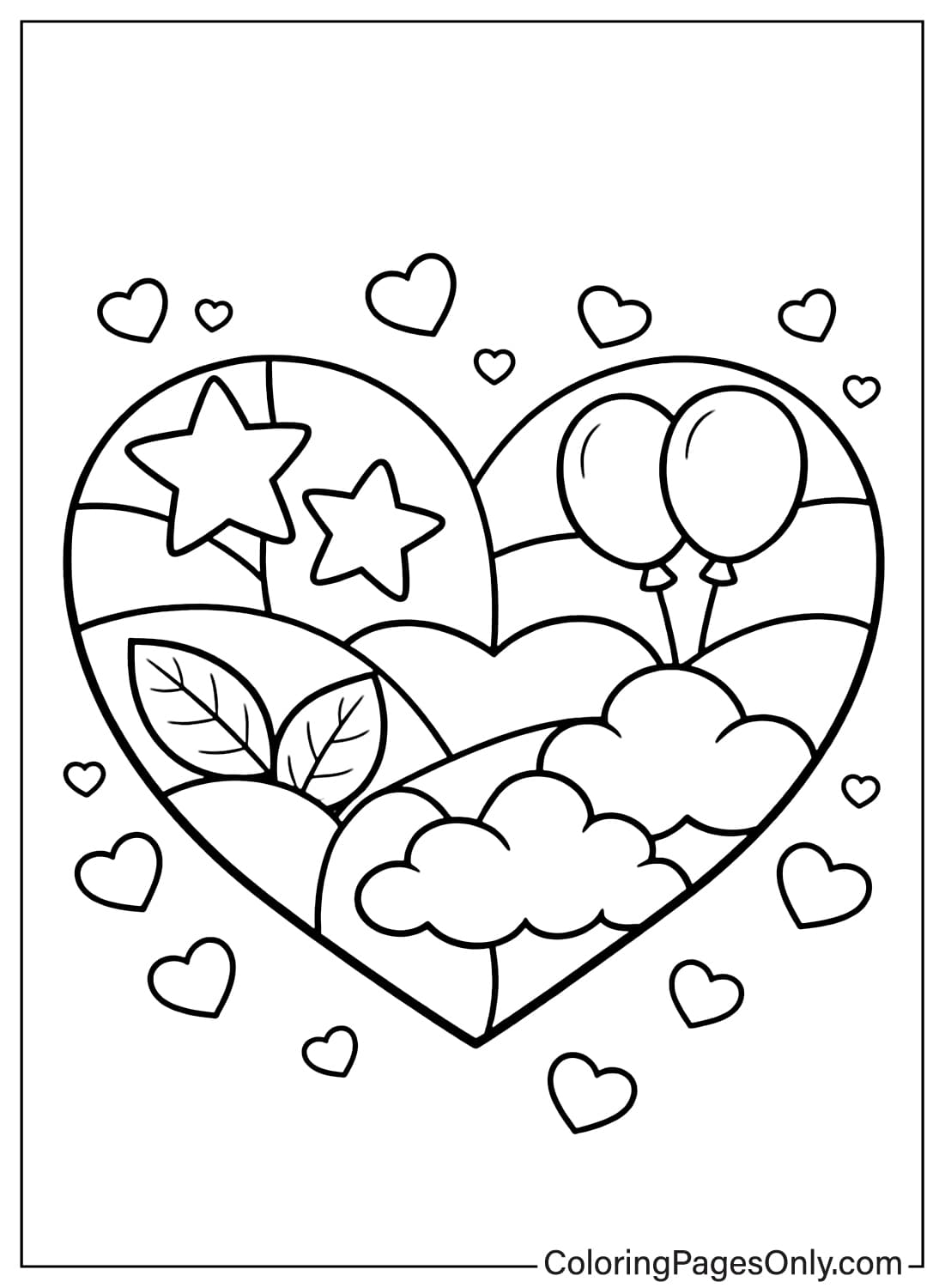
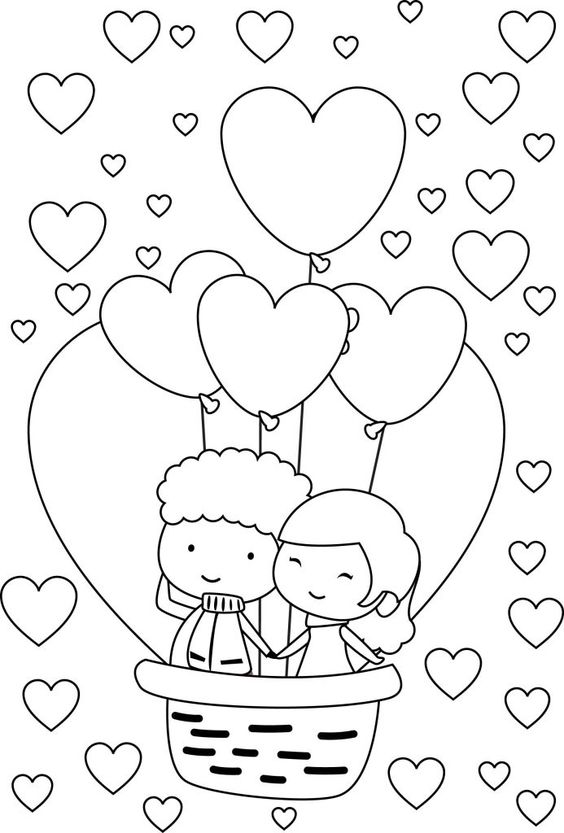
Heart coloring pages are the center of most Valentine’s Day collections. These pages may include single large hearts, heart balloons, heart jars, heart houses, heart flowers, heart patterns, chocolate hearts, or heart-shaped decorations.
The strength of a heart page is clarity. Young children can understand the shape immediately, and the large open spaces are easy to color. A simple heart page gives preschoolers enough room to use crayons freely, while older children can add patterns, shading, small flowers, stripes, dots, or rainbow colors.
Heart pages also work well because they can become many different projects. A child can color one heart as a card, cut out several hearts for a banner, or use a heart design as part of a classroom display. The shape is simple, but the final result can feel personal.
For coloring, classic red and pink work well, but children do not need to stop there. Purple, peach, yellow, light blue, gold, and rainbow colors can make each heart feel different. A soft background helps the heart stay clear, while small accents like stars, flowers, or dots can make the page more decorative.
These pages are best for younger kids, quick classroom activities, and easy Valentine crafts.
Cute Animal Valentine Coloring Pages
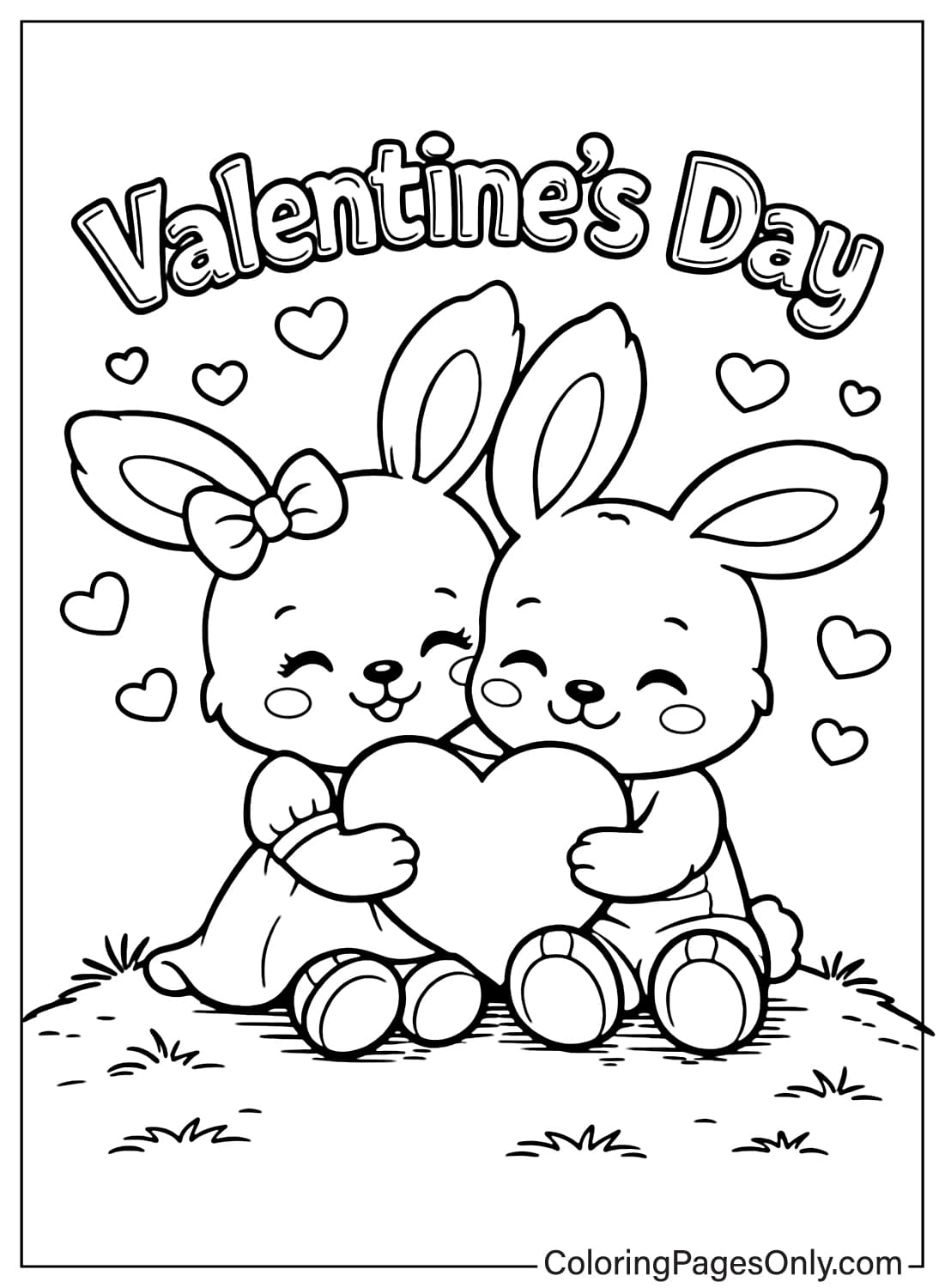
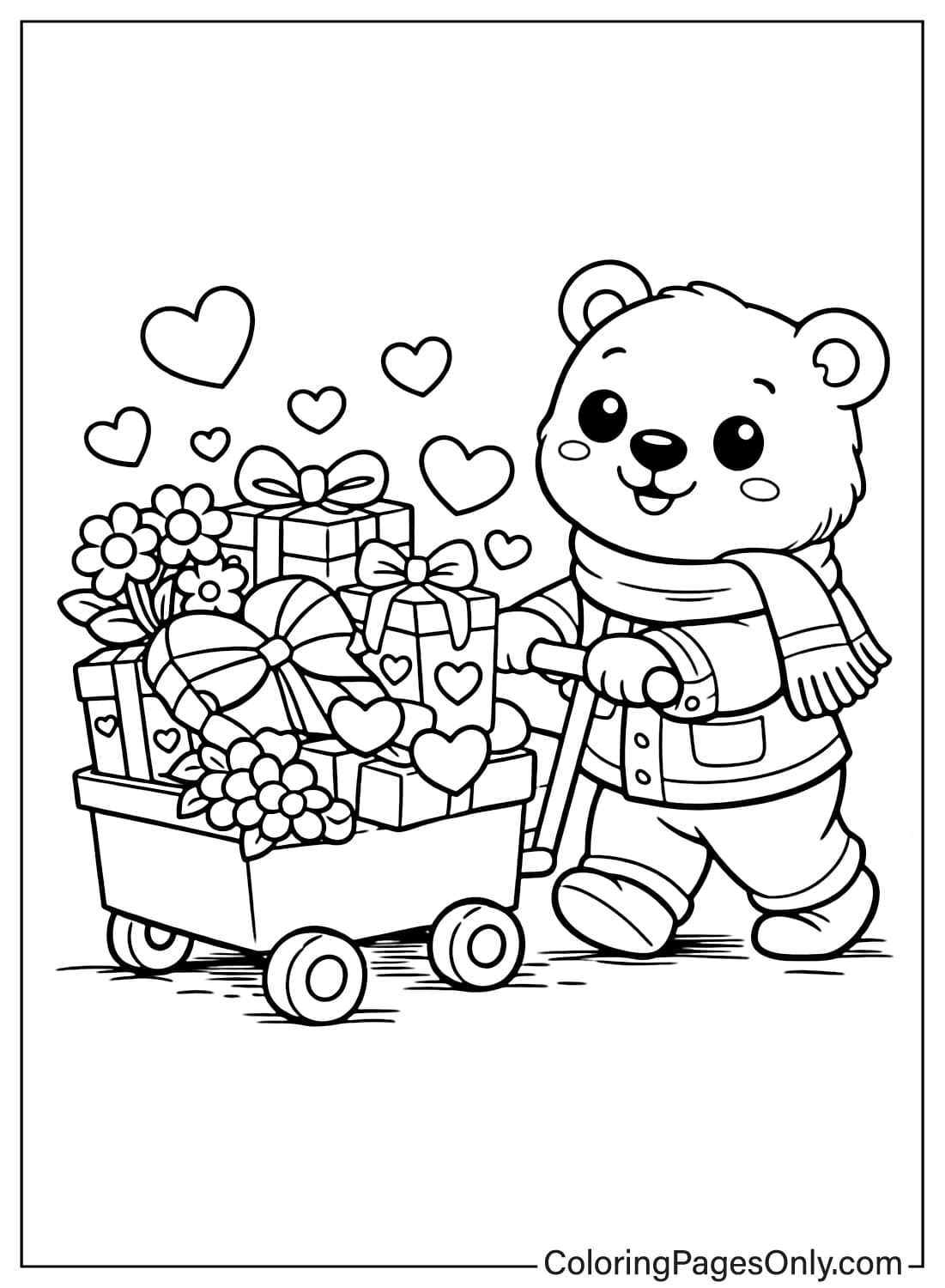
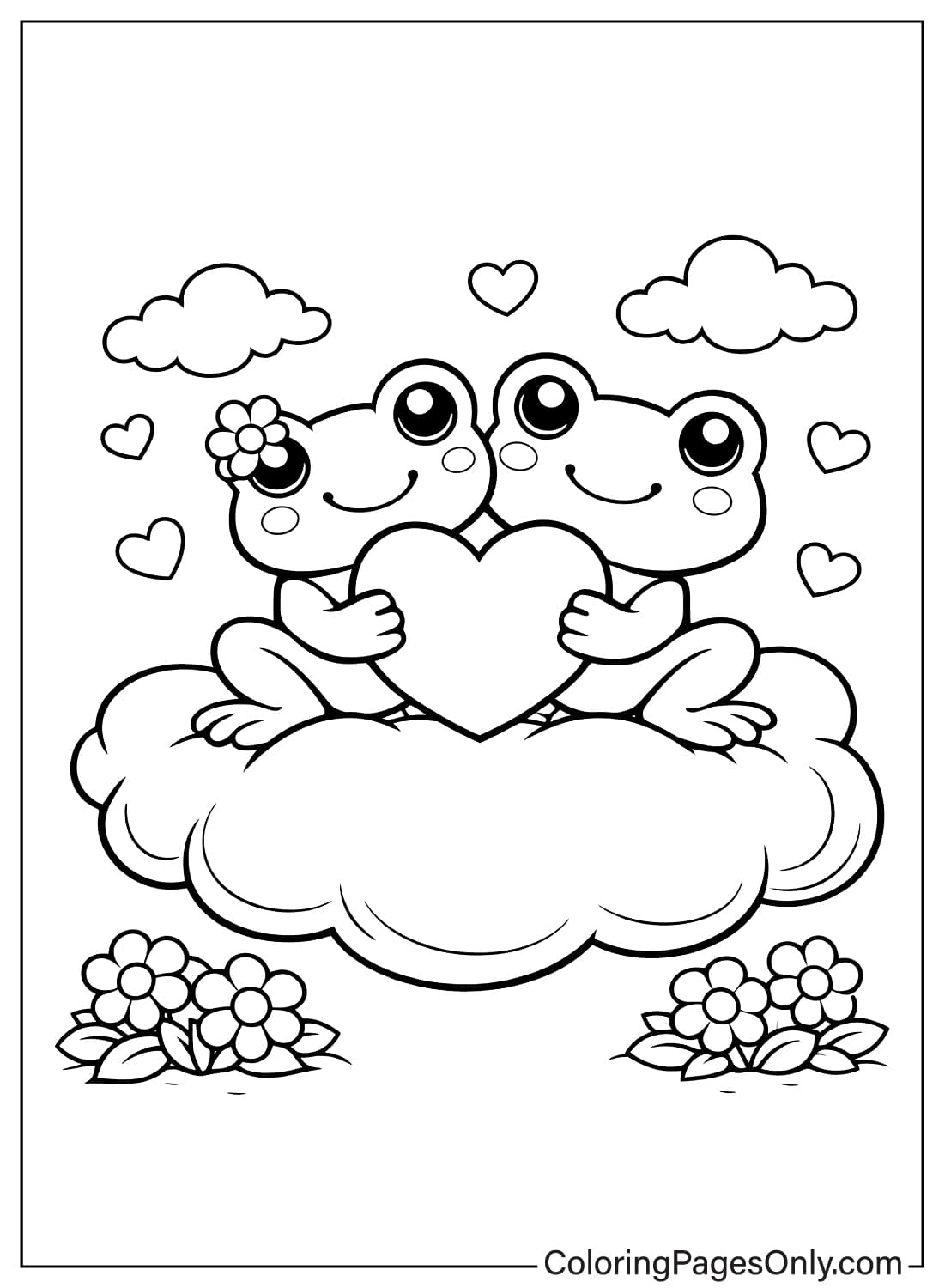
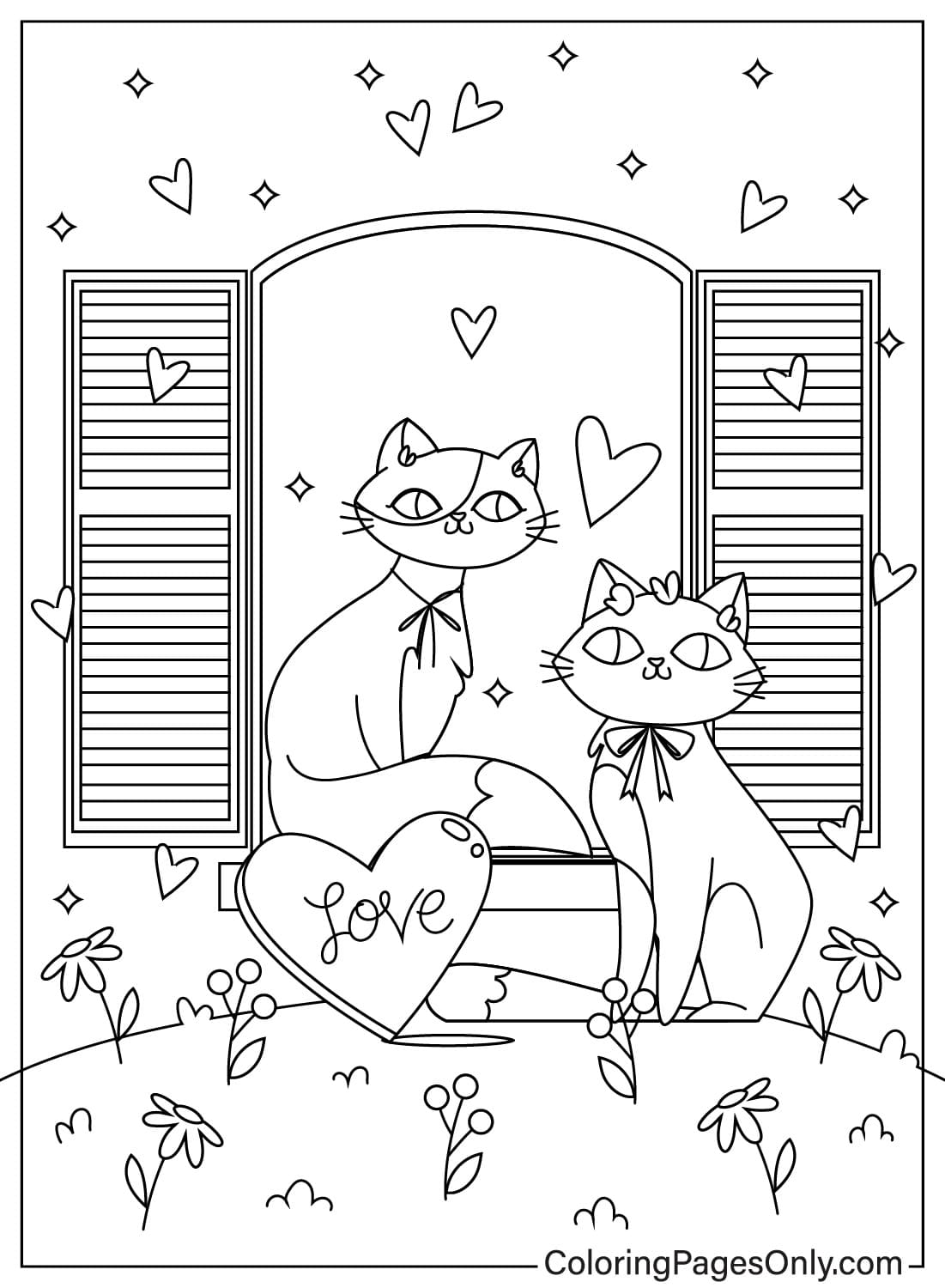
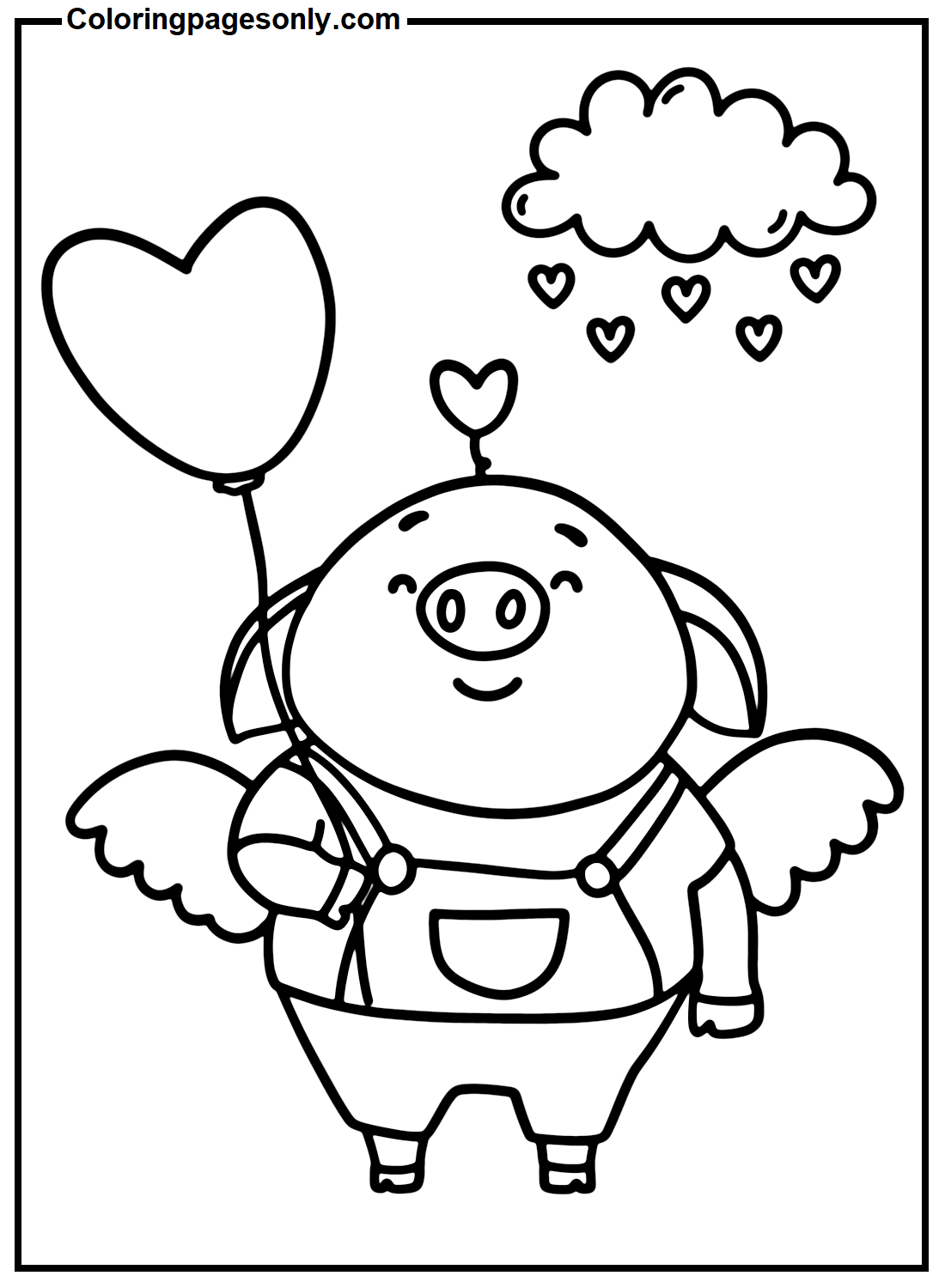
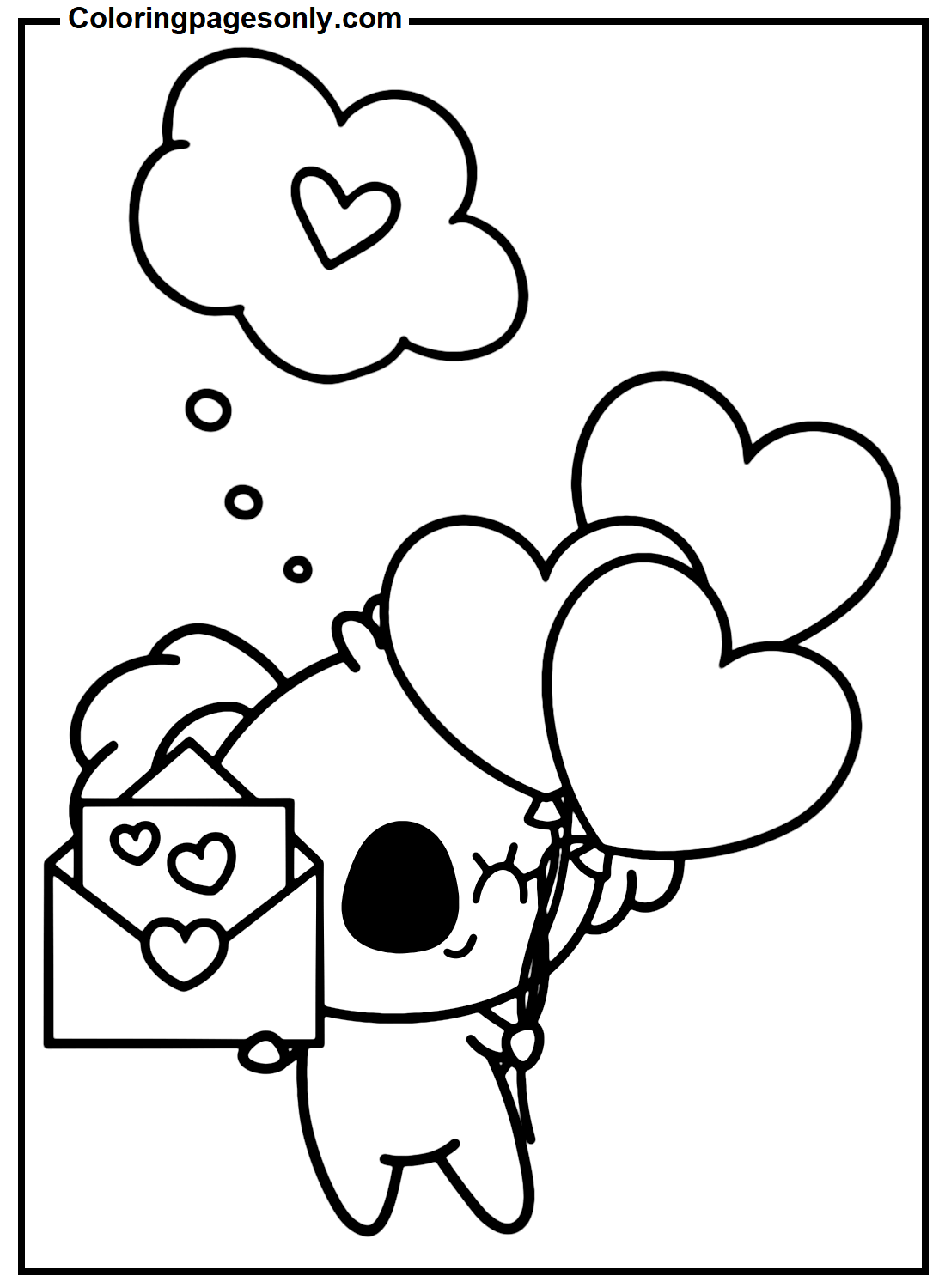
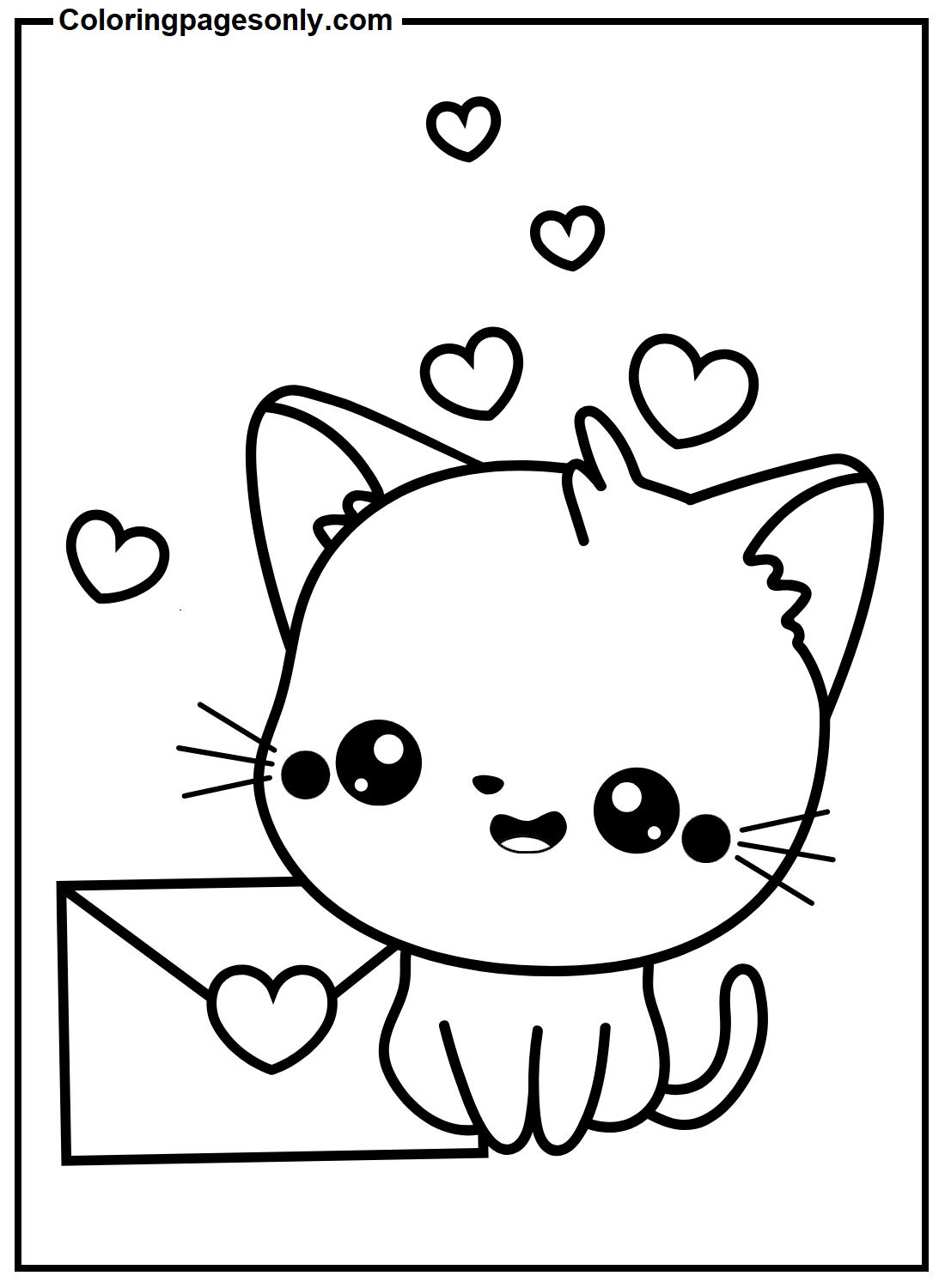
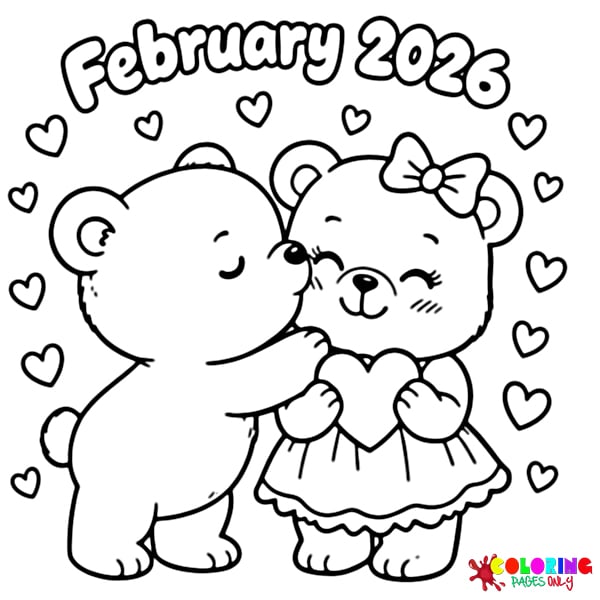
Cute animal Valentine pages are especially popular because they make the holiday feel friendly and playful. These pages may include bears, cats, rabbits, dogs, koalas, sloths, cows, axolotls, hedgehogs, bees, octopuses, frogs, unicorns, or other sweet animals holding hearts, gifts, balloons, or flowers.
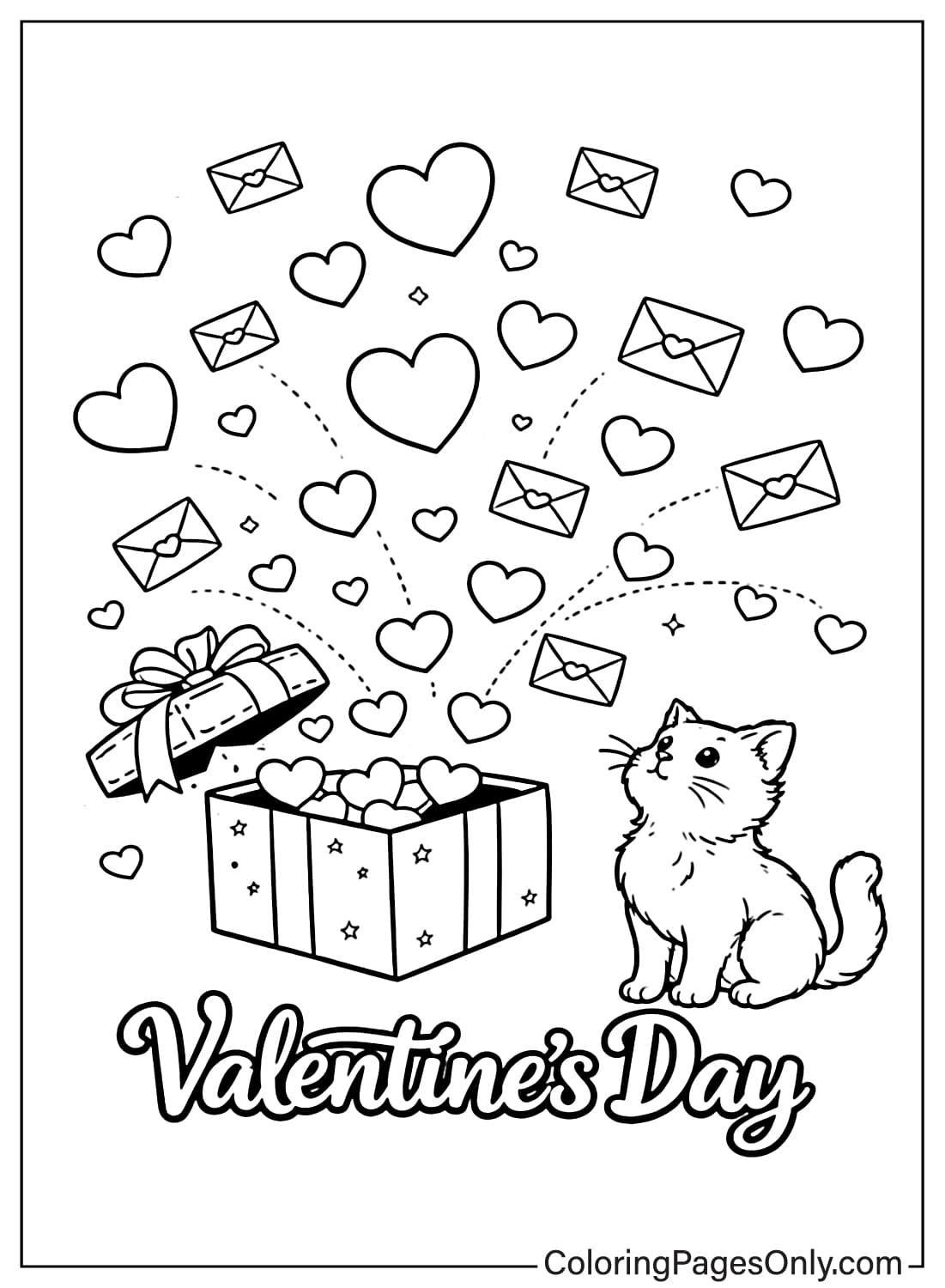
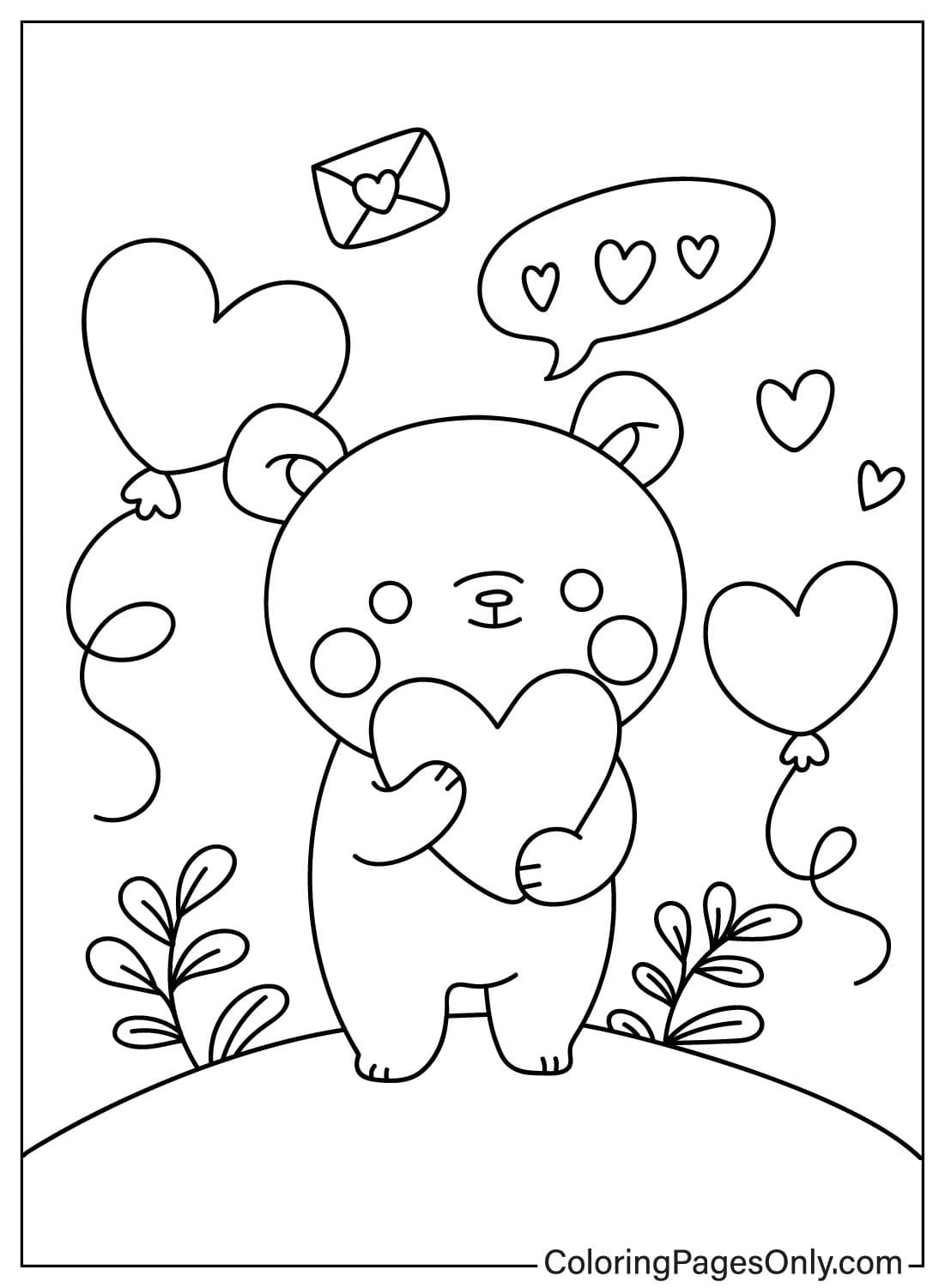
Animal pages help children connect Valentine’s Day with warmth, kindness, and friendship in a child-friendly way. A bear with heart balloons can feel gentle. A cat with a gift box can feel playful. A bunny couple can feel sweet and simple. A bee or frog page can make the holiday feel funny and cheerful.
The main skill in these pages is color separation. The animal should stay clear, while hearts, gifts, flowers, and backgrounds carry the Valentine colors. If the animal and the decorations are all the same bright pink or red, the picture can feel crowded. Softer fur colors with brighter heart accents usually work better.
Younger children may enjoy animal pages with one large character and a few simple hearts. Older children can color more detailed scenes with flowers, balloons, background patterns, or multiple animals.
These pages are a strong choice for classrooms because they feel inclusive, cute, and age-appropriate.
Cupid and Love Symbol Coloring Pages
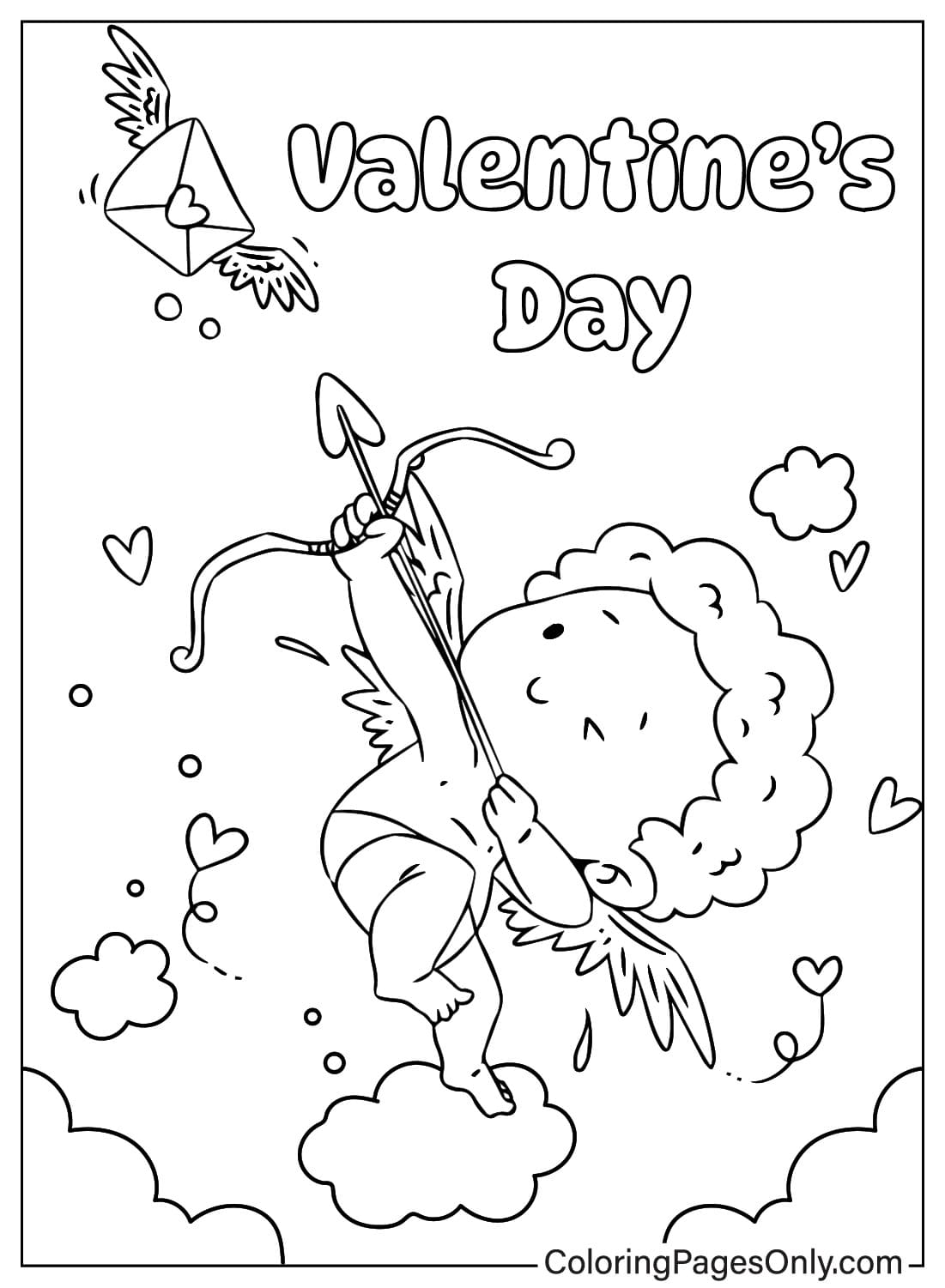
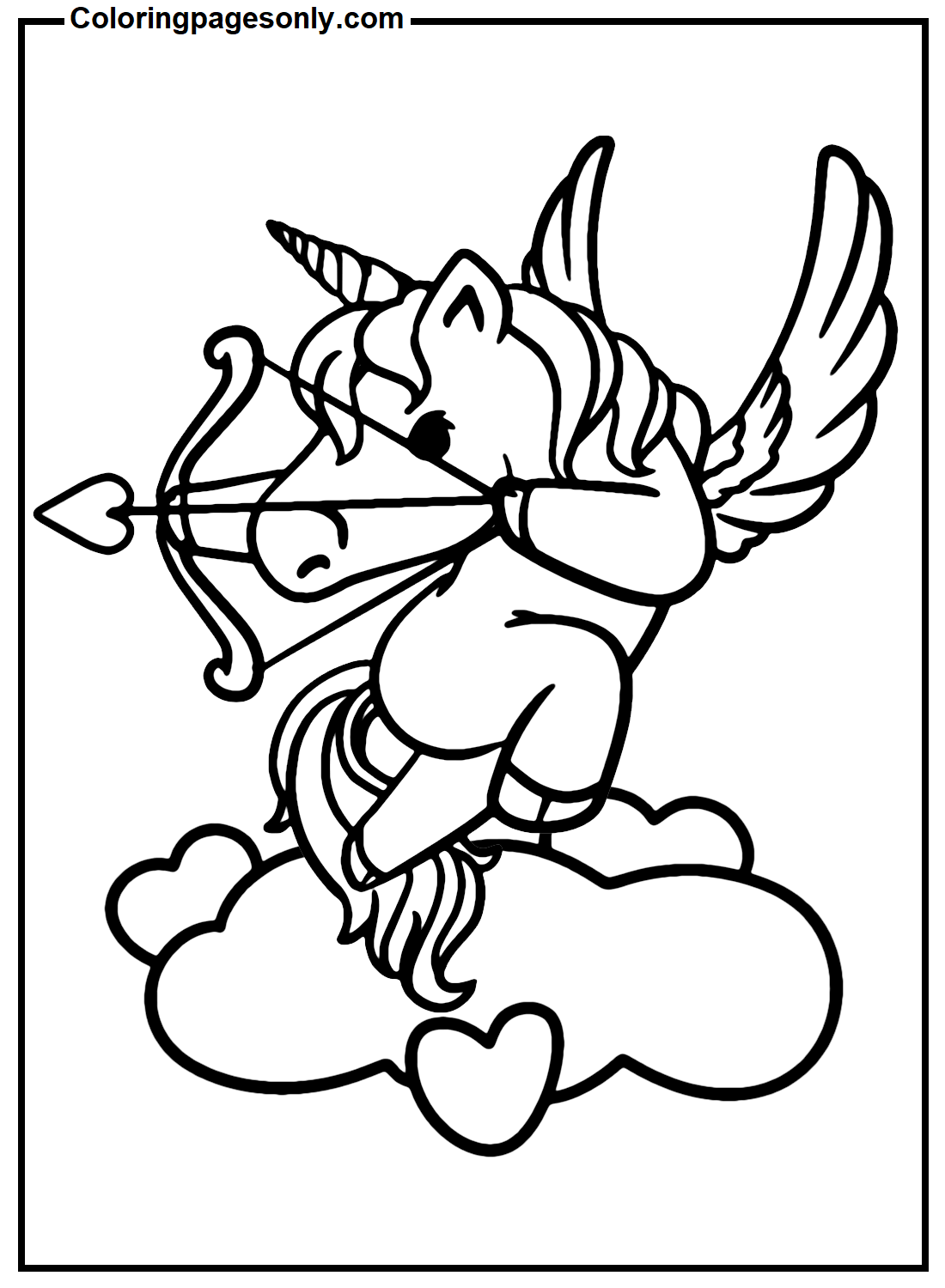
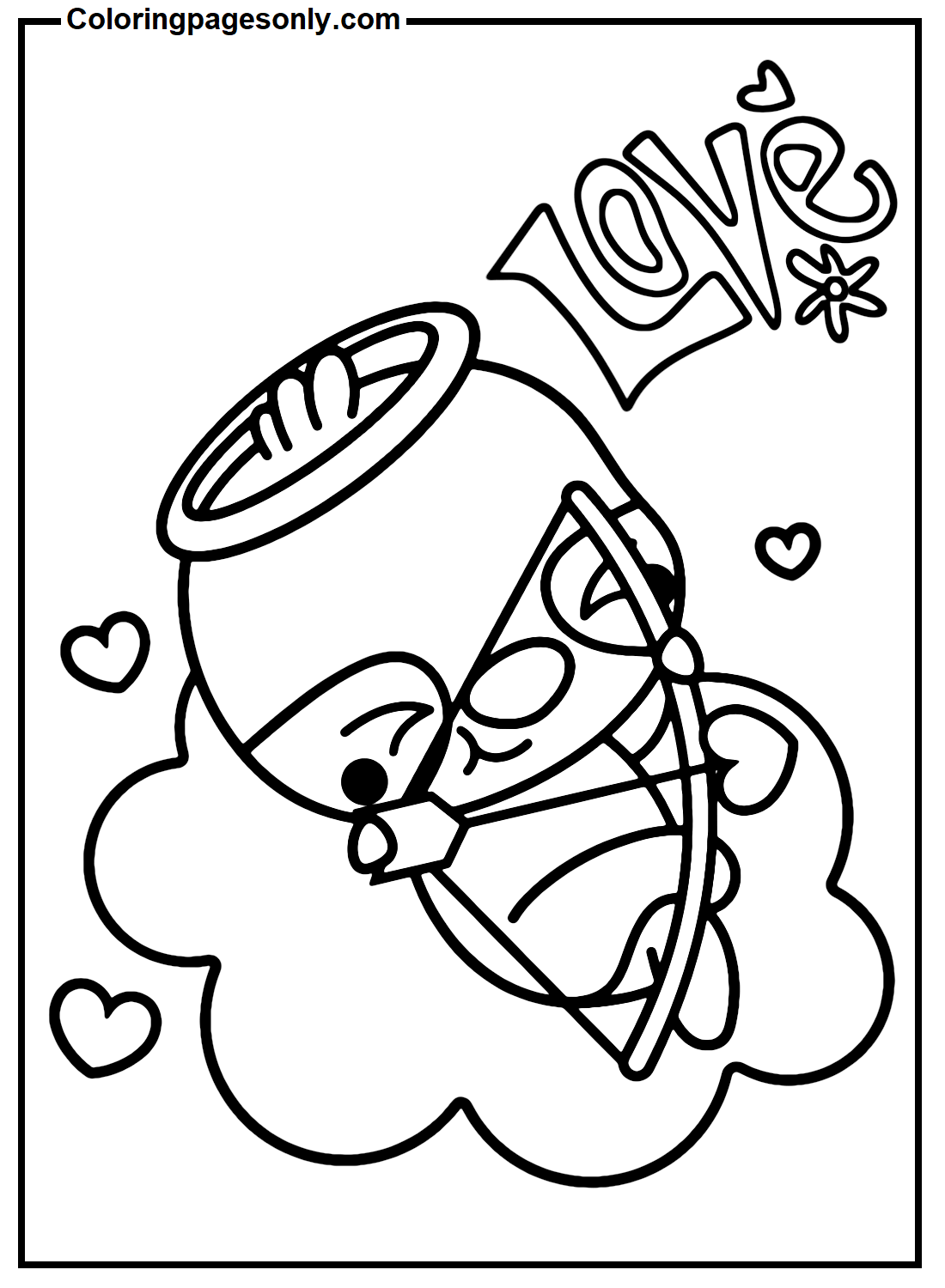
Cupid coloring pages bring a more traditional Valentine symbol into the collection. These pages may show Cupid with wings, arrows, hearts, clouds, banners, or playful Valentine decorations.
Cupid pages usually have more small details than a simple heart page. Wings, arrows, bows, clouds, and clothing create separate areas to color. That makes them better for children who enjoy a little more detail.
The mood should stay soft and cheerful. Cupid pages can use peach or light tan for skin, soft yellow or brown for hair, white or pale blue for wings, and red or pink for hearts. Clouds can stay light, while arrows or bows can use gold, brown, or soft gray.
These pages also help children notice Valentine symbols. Hearts show care, arrows suggest Cupid, doves suggest peace and affection, flowers suggest giving, and banners can carry short loving messages.
For younger children, choose simple Cupid pages with large outlines. Older kids can handle more detailed Cupid scenes with clouds, wings, hearts, and decorative backgrounds.
Valentine Cards and Message Coloring Pages
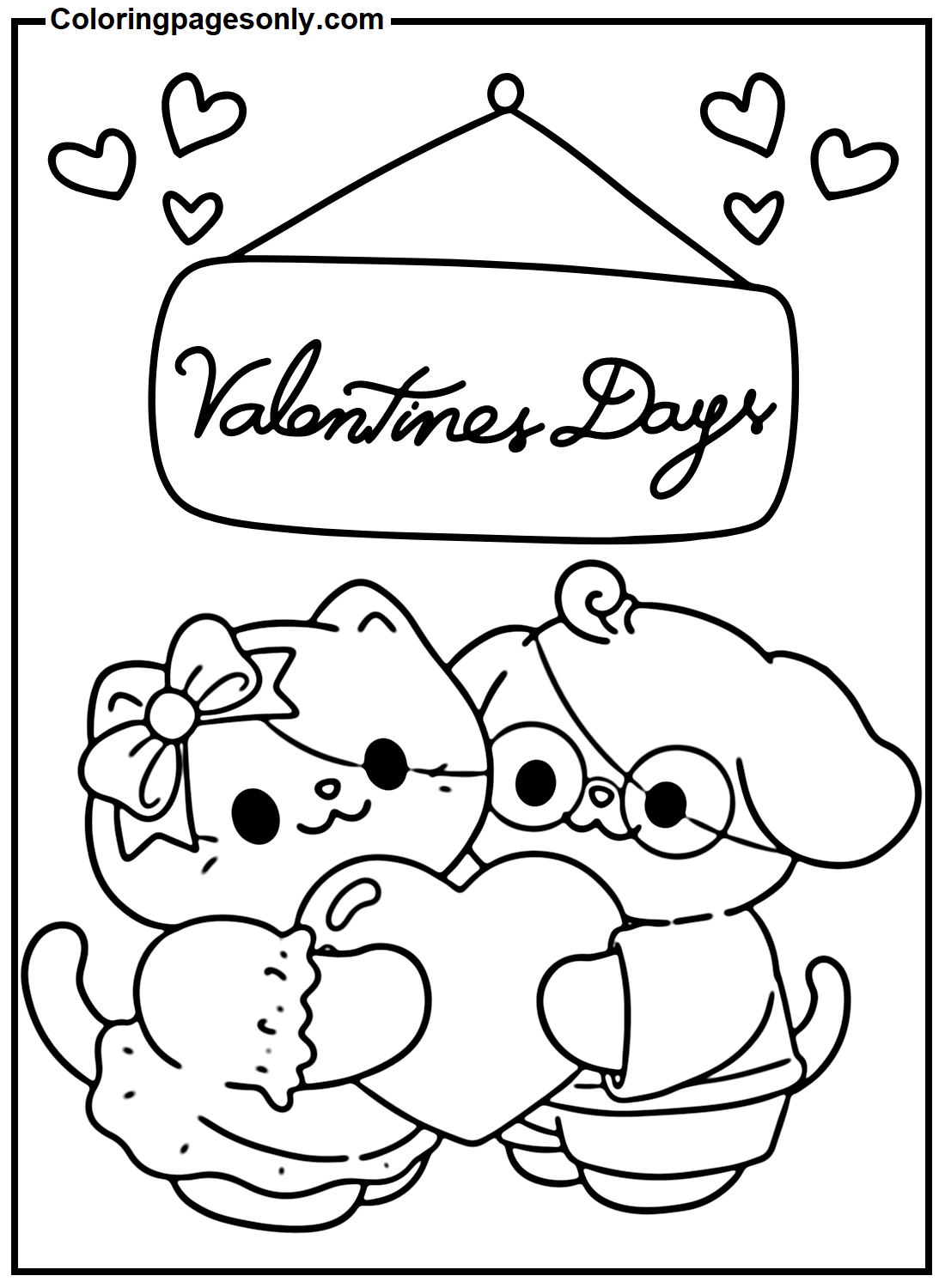
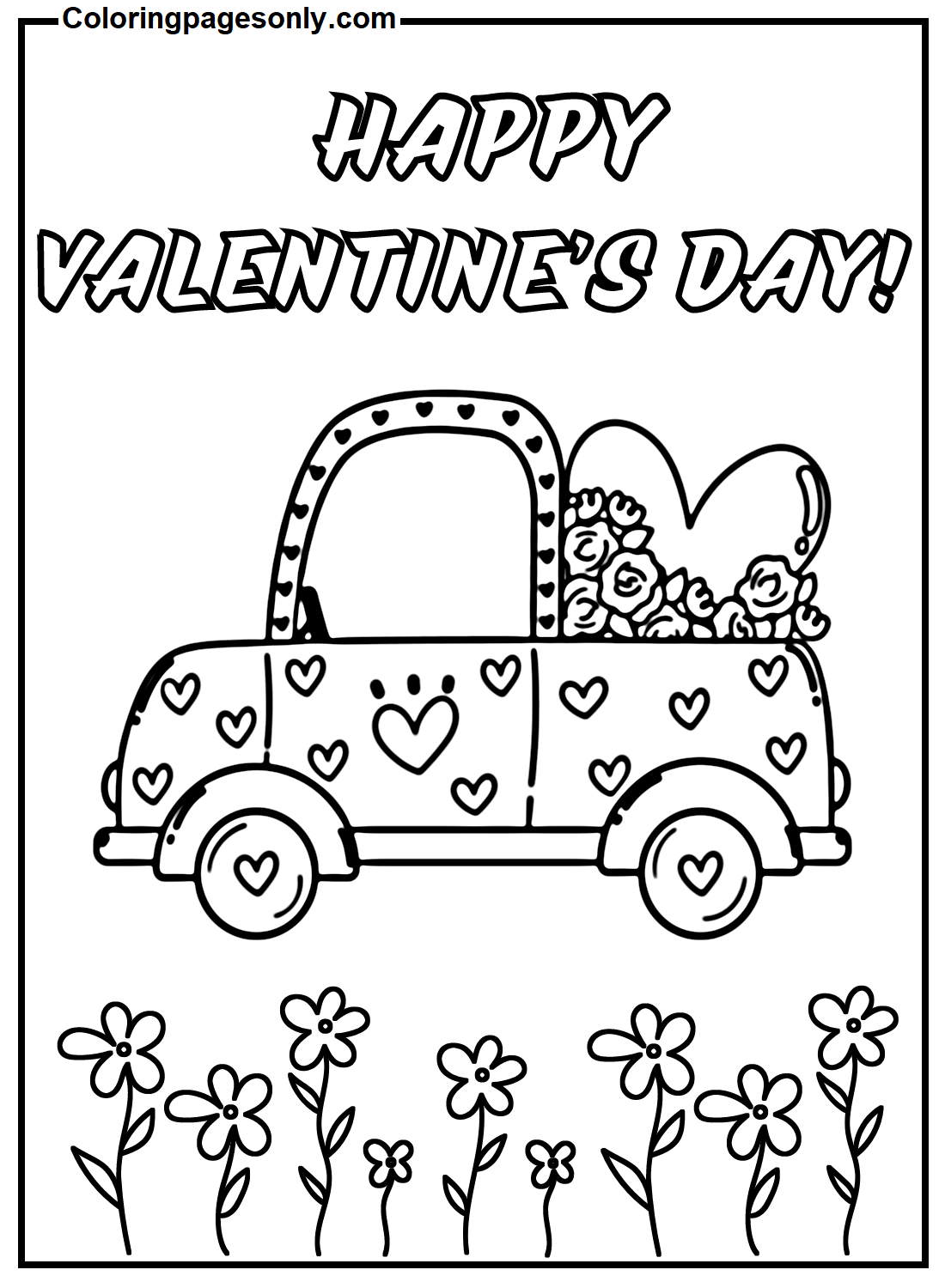
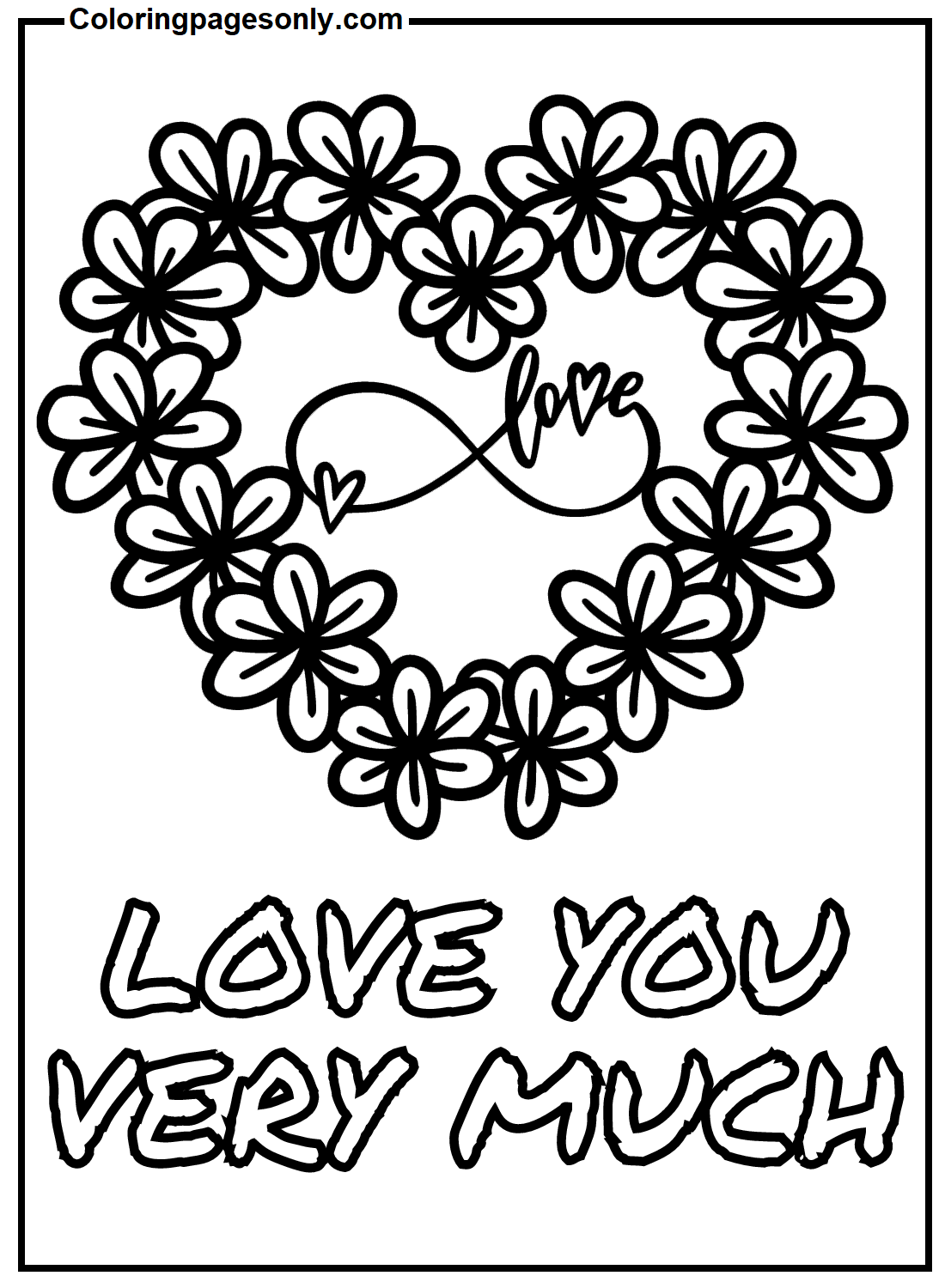
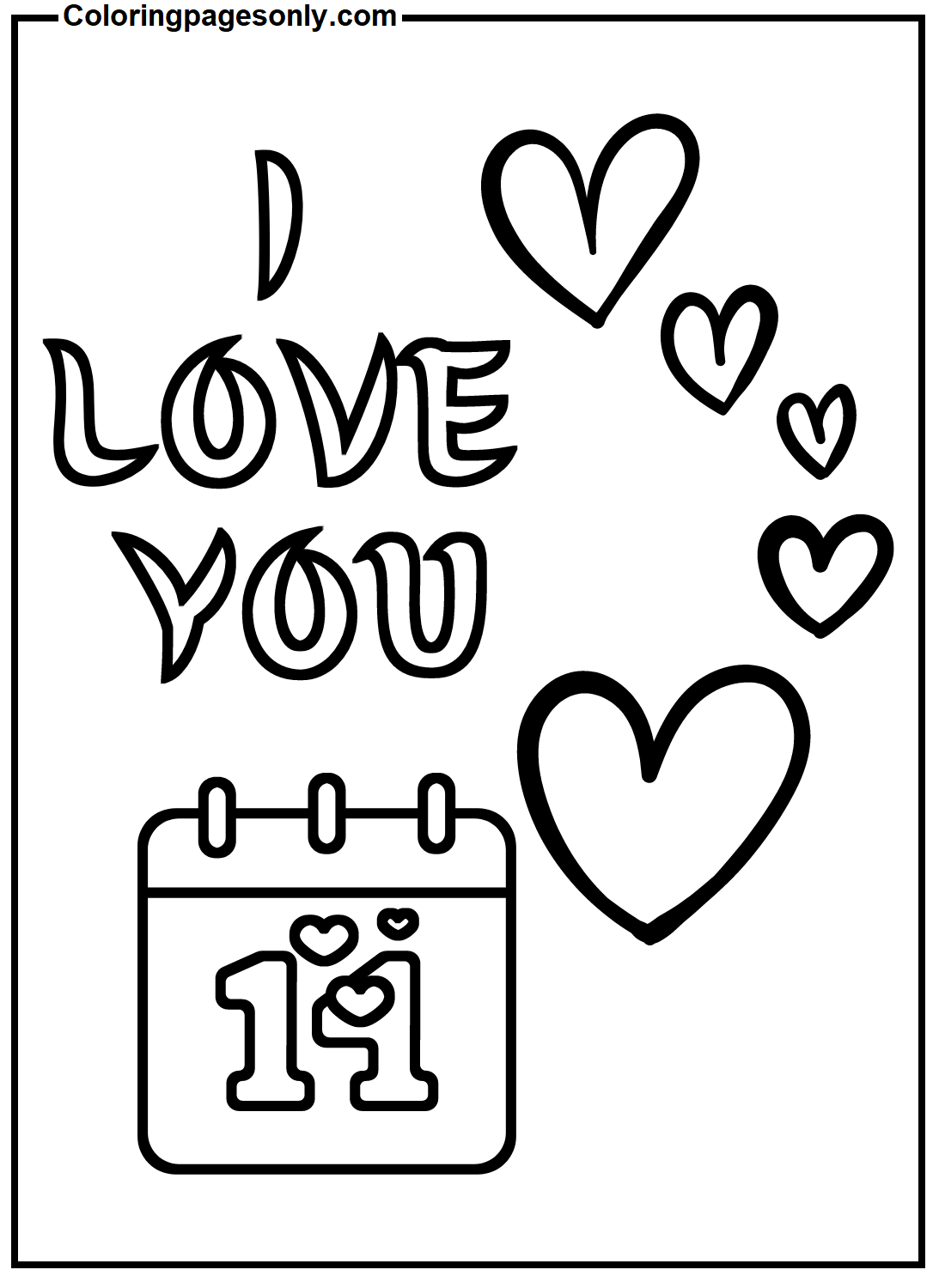
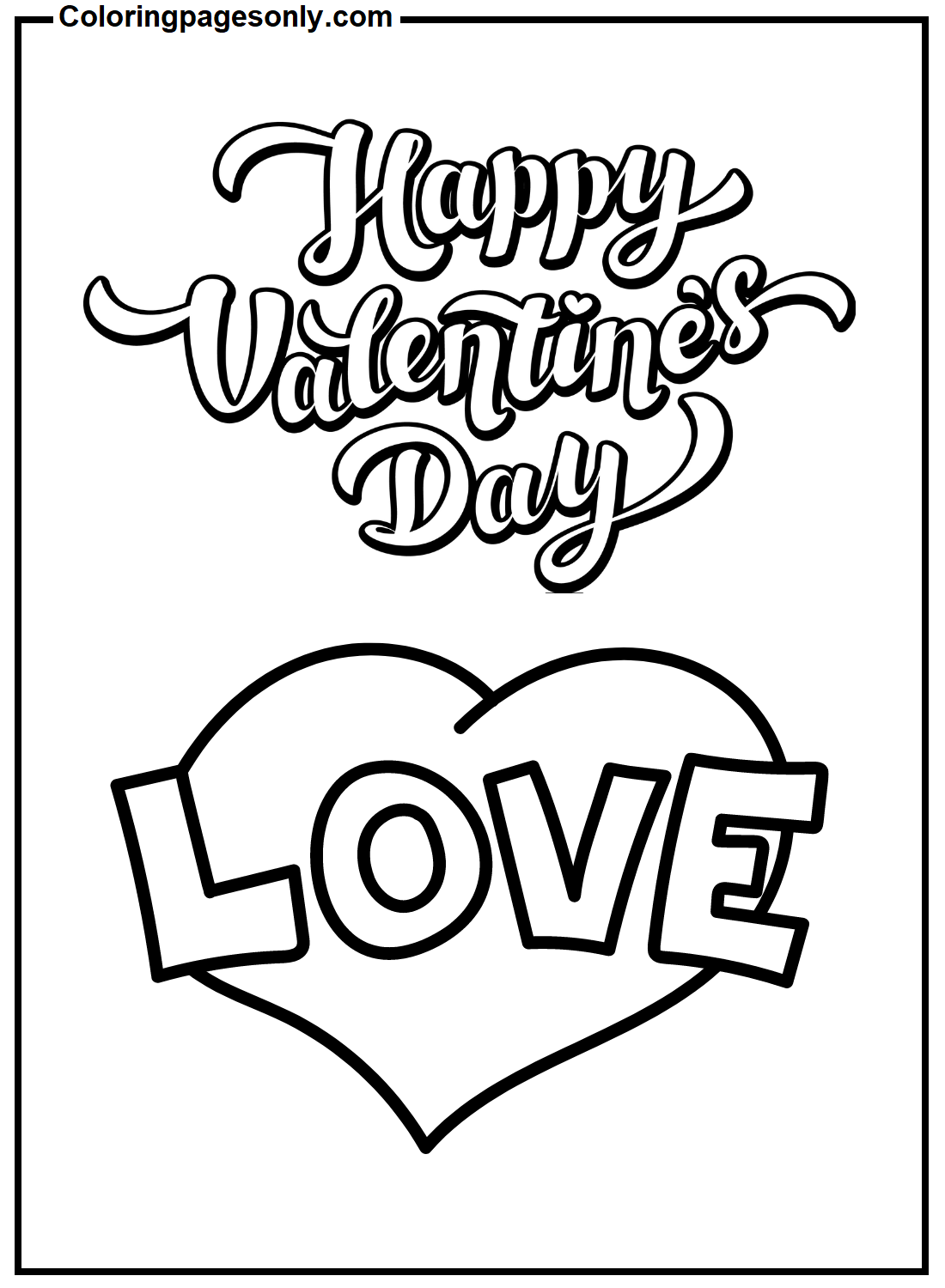
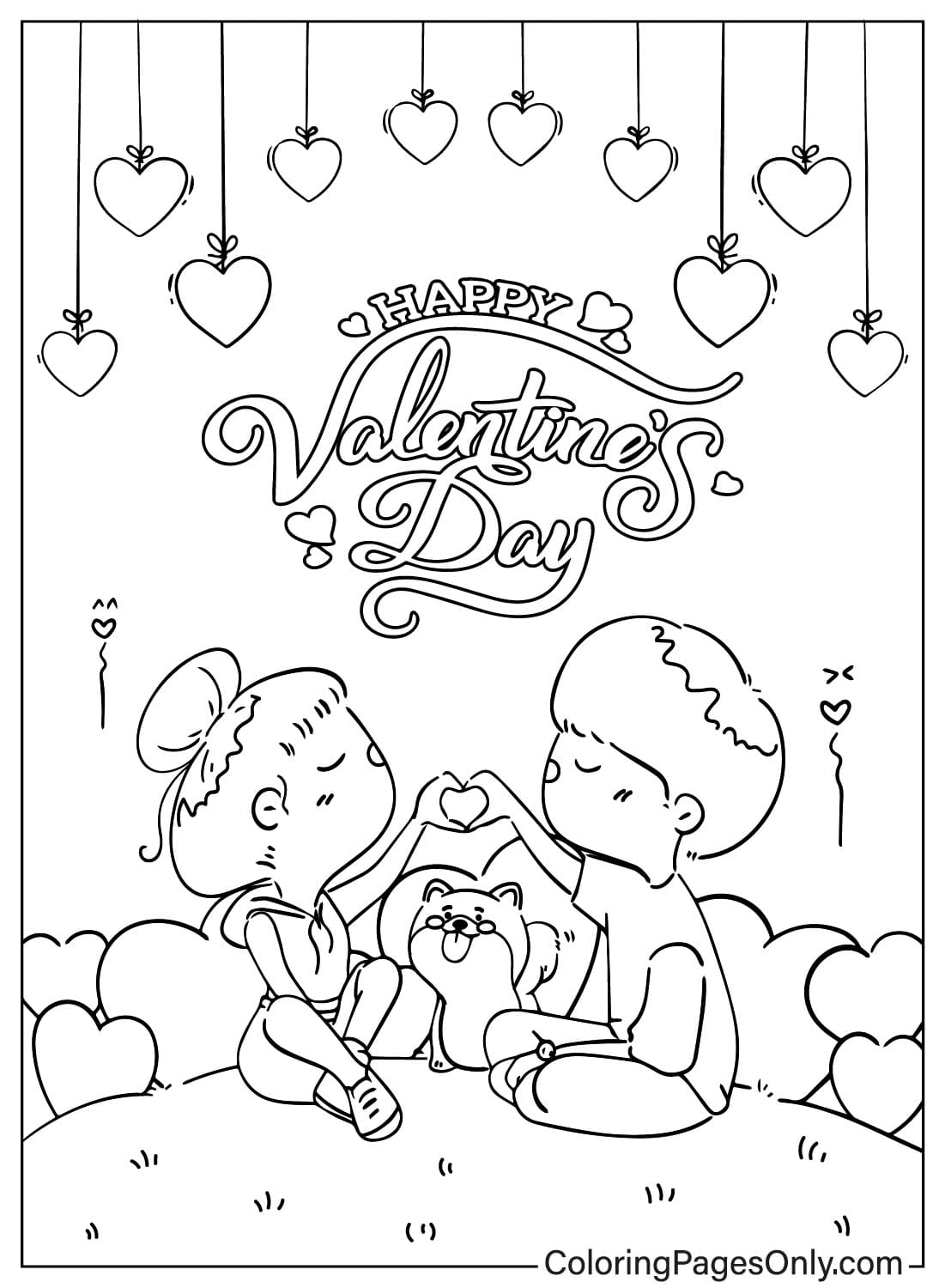
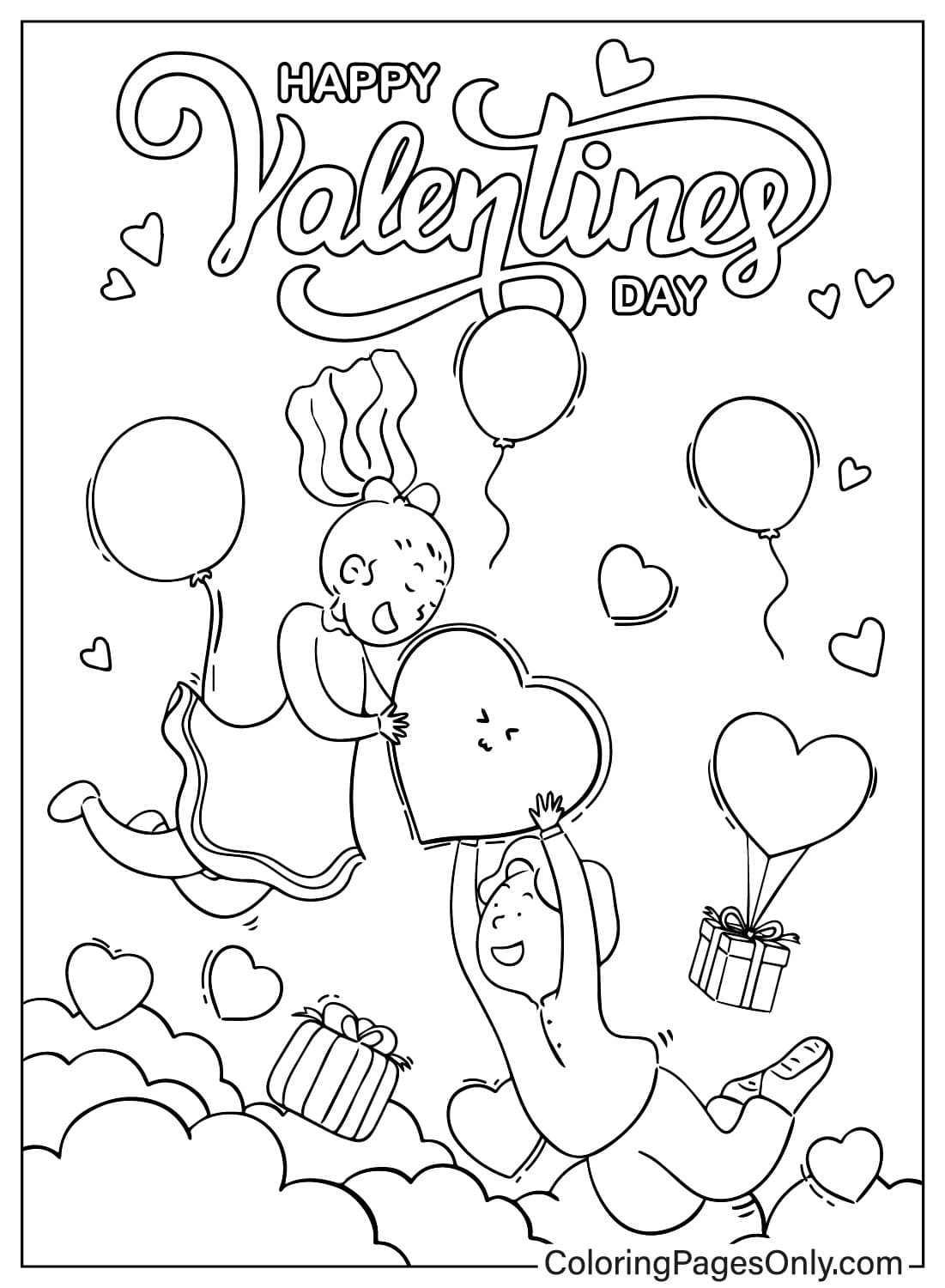
Some Valentine’s Day pages are designed like cards or message pages. These may include phrases such as “You are loved,” “I love you,” “Happy Valentine’s Day,” “Missing you,” or other short messages surrounded by hearts, flowers, animals, or decorative borders.
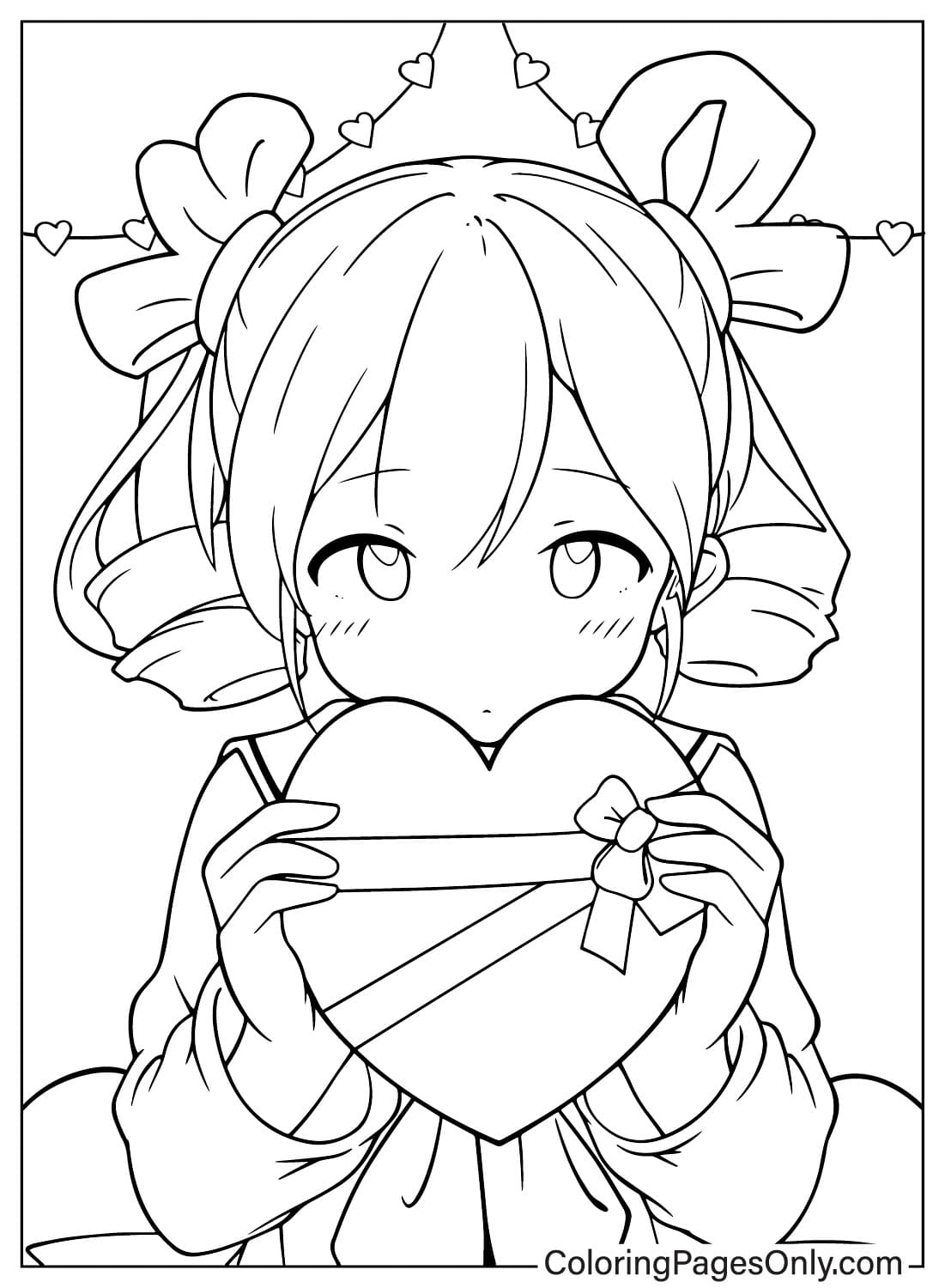
Message pages are useful because children can color and share them. A finished page can become a card for a parent, grandparent, friend, teacher, or classmate. It feels more personal than a printed card because the child chooses the colors.
Lettering pages also teach careful coloring. Children need to color around words, keep letters readable, and decide which parts should be bright. The message should stay clear, while the hearts, borders, and background can carry more color.
Younger children may enjoy short phrases with large letters. Older children can add patterns inside letters, use shading around borders, or decorate the page with stickers, small drawings, or handwritten names.
These pages are especially useful for classroom Valentine exchanges, take-home activities, and family crafts.
Valentine Gifts, Chocolate, and Sweet Treat Pages
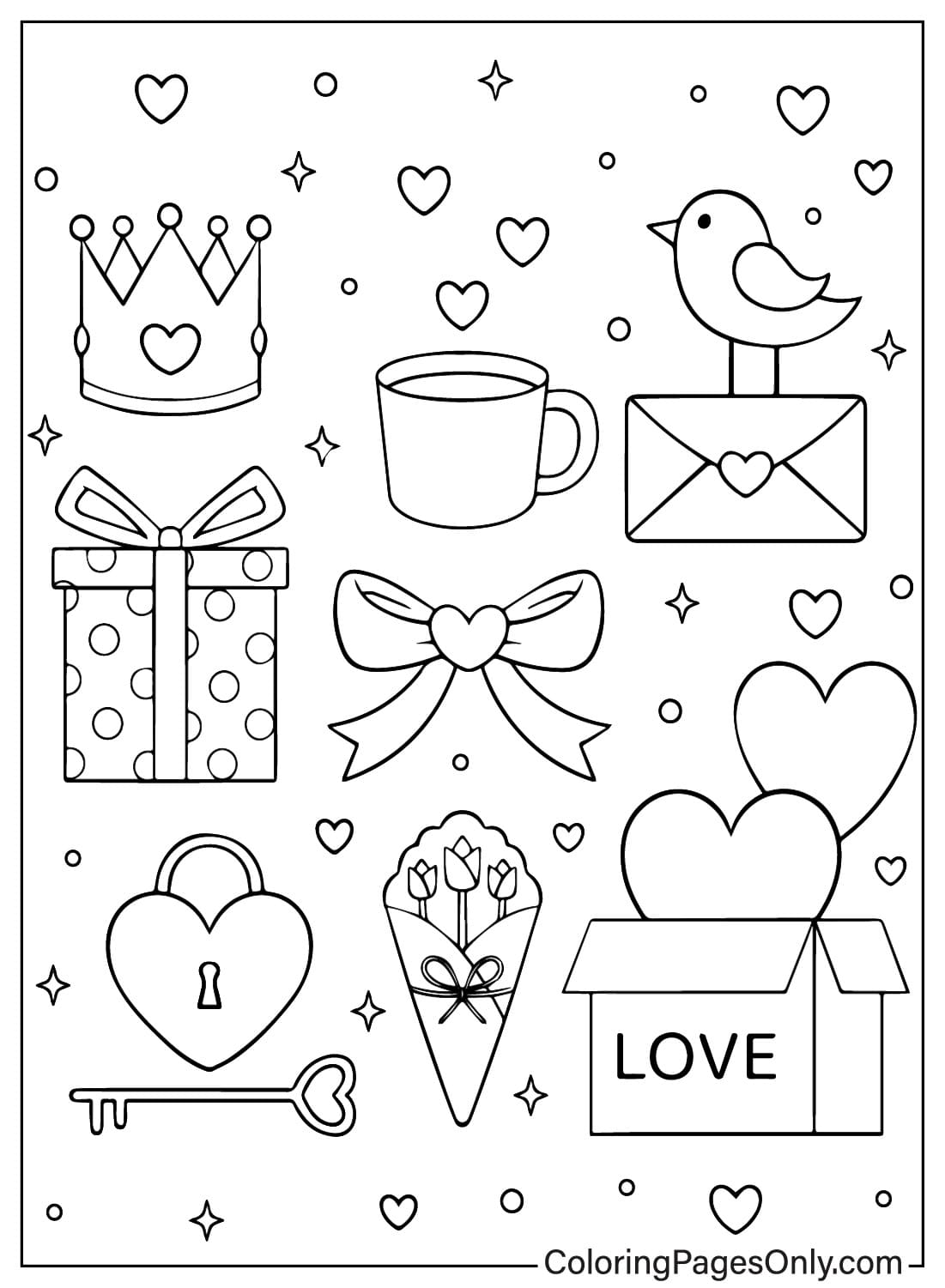
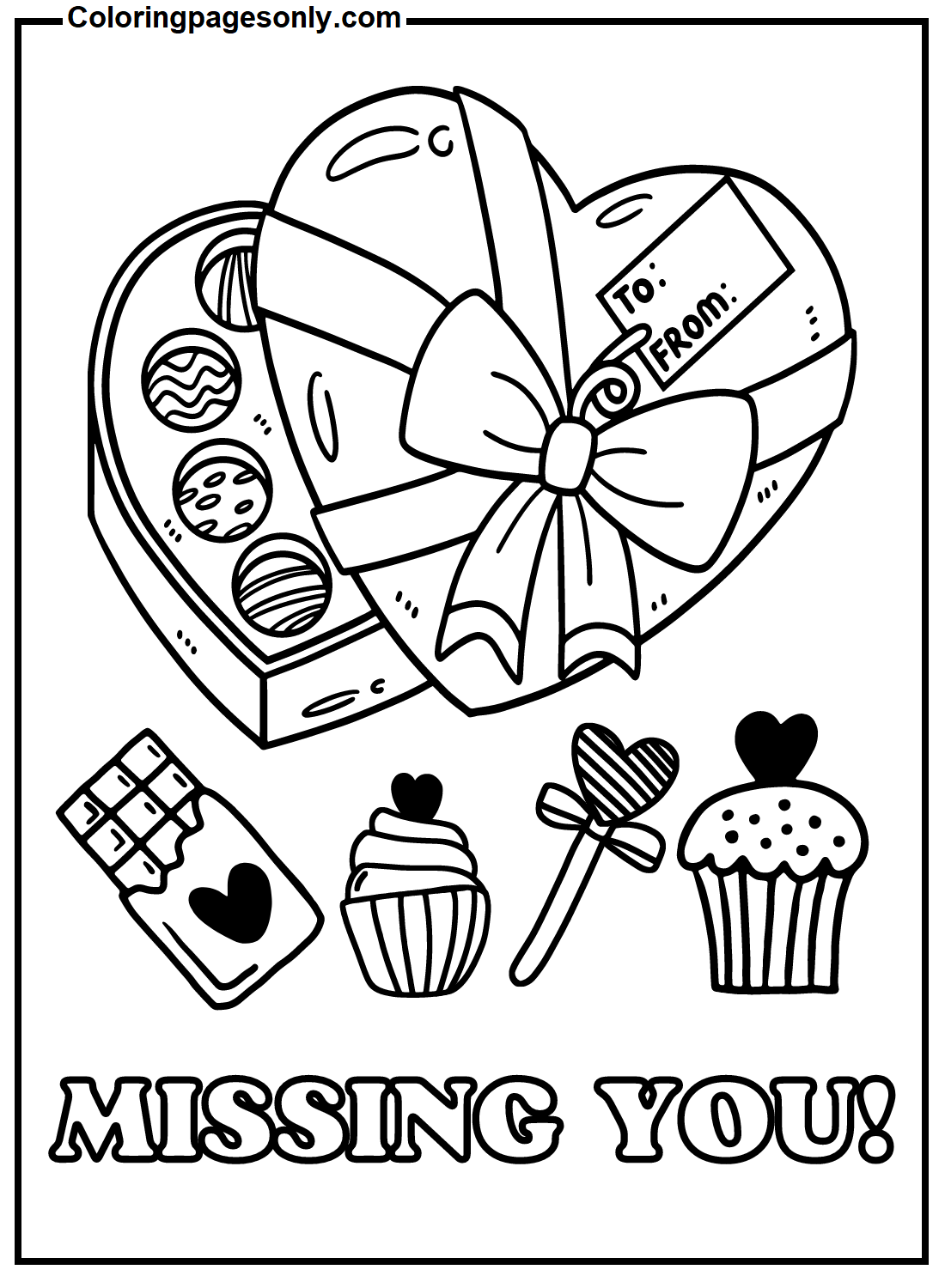
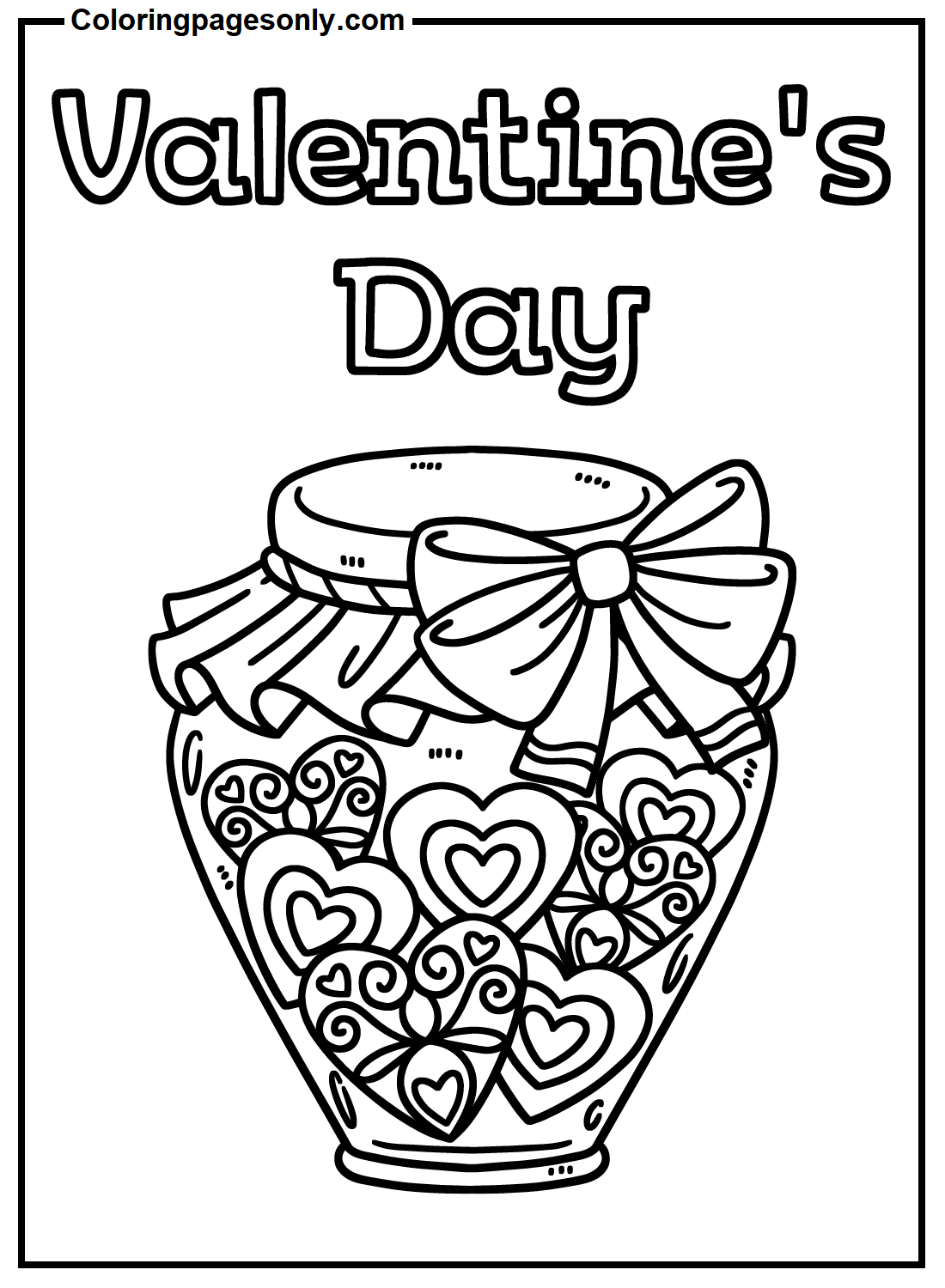
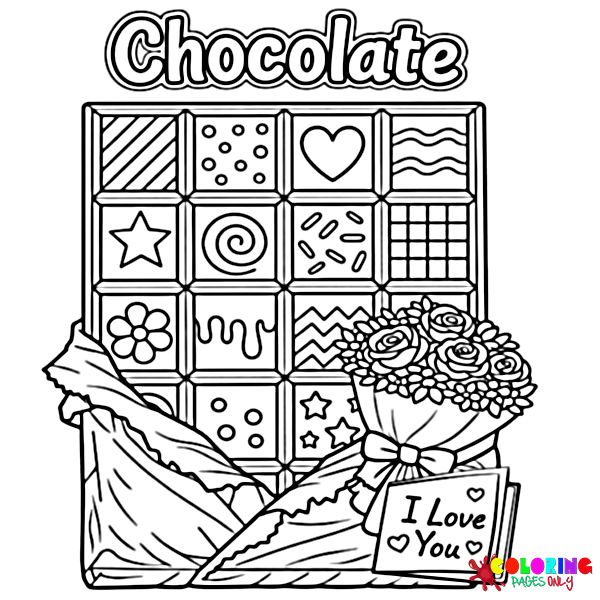
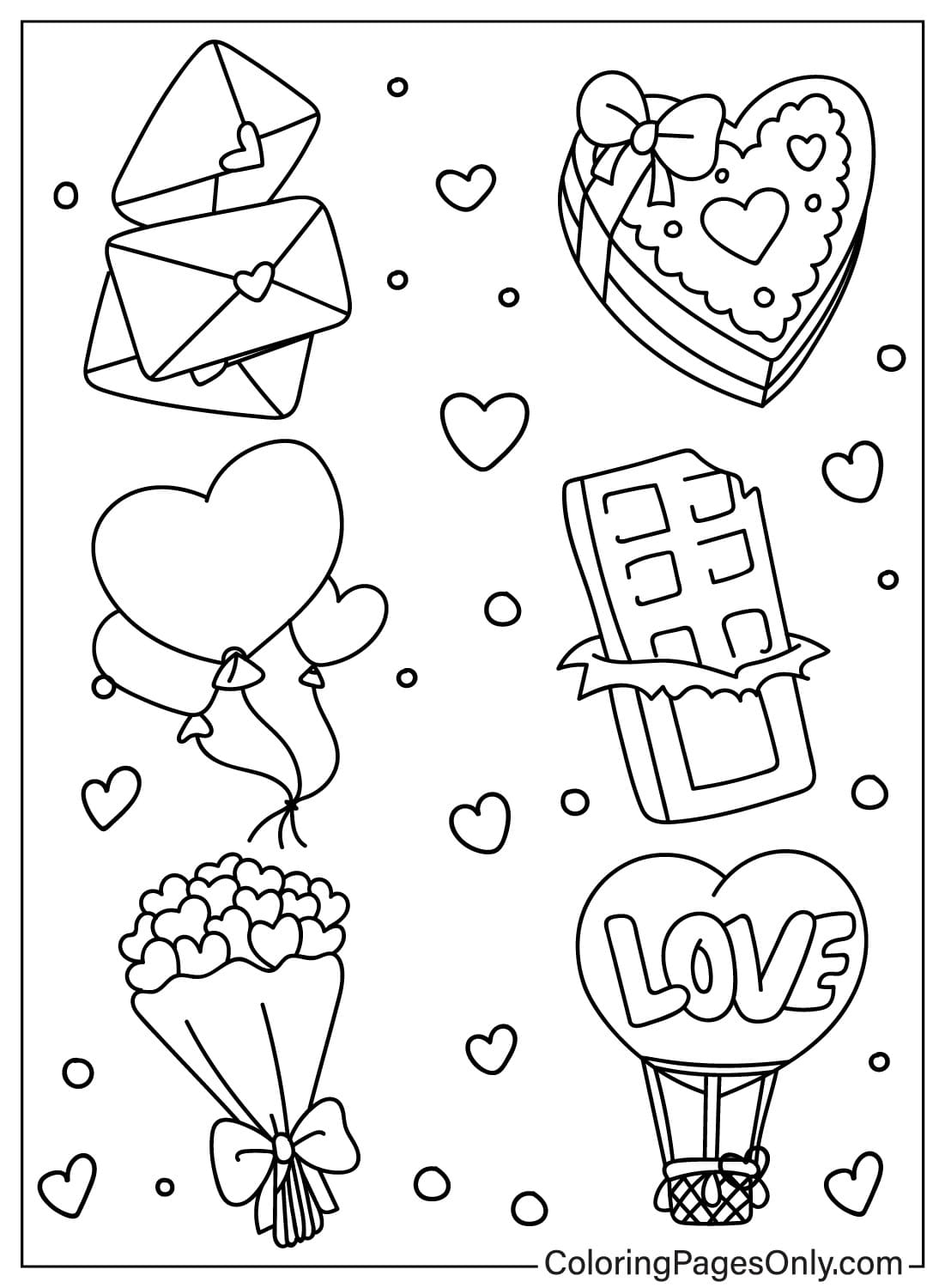
Gift and chocolate pages connect Valentine’s Day with familiar objects children often see around the holiday. These pages may include chocolate hearts, gift boxes, candy, jars of hearts, flower bouquets, teddy bears with presents, or characters opening Valentine gifts.
These pages give children more variety than a simple heart design. Gift boxes can use ribbons, bows, patterns, and bright wrapping colors. Chocolate hearts can use brown, cream, red, gold, or pink packaging. Flower bouquets can use many soft colors.
The challenge is keeping the main object readable. A gift box should have a clear bow, ribbon, and a box shape. A chocolate heart should look different from a paper heart. A flower bouquet should not become too busy if there are many petals.
For younger kids, choose pages with one large gift, one chocolate heart, or one character holding a present. Older children can enjoy detailed pages with multiple objects, ribbons, labels, patterns, and backgrounds.
These pages work well for gift-card crafts, classroom displays, and Valentine’s party activities.
Flowers, Doves, and Gentle Valentine Scene Pages
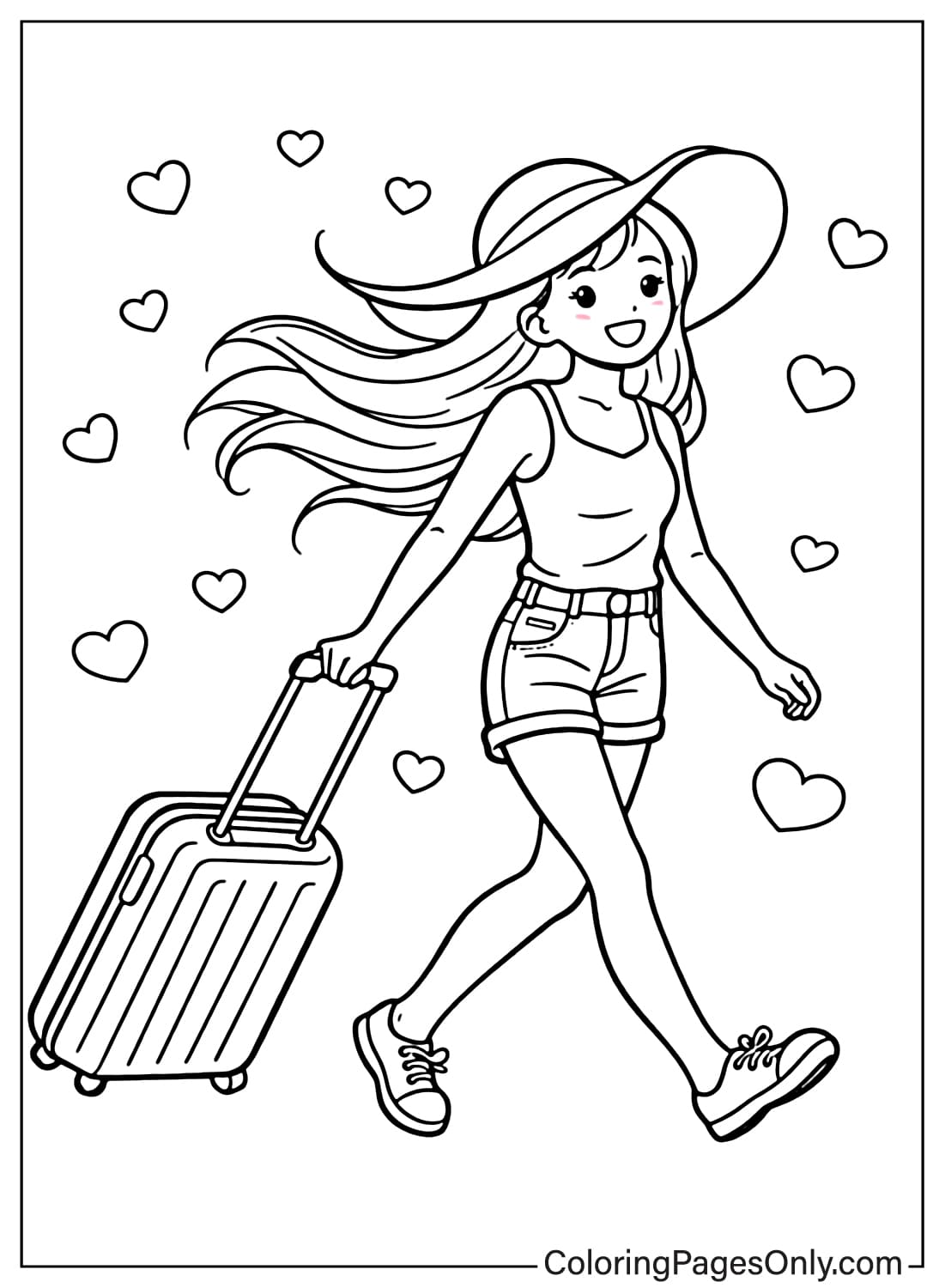
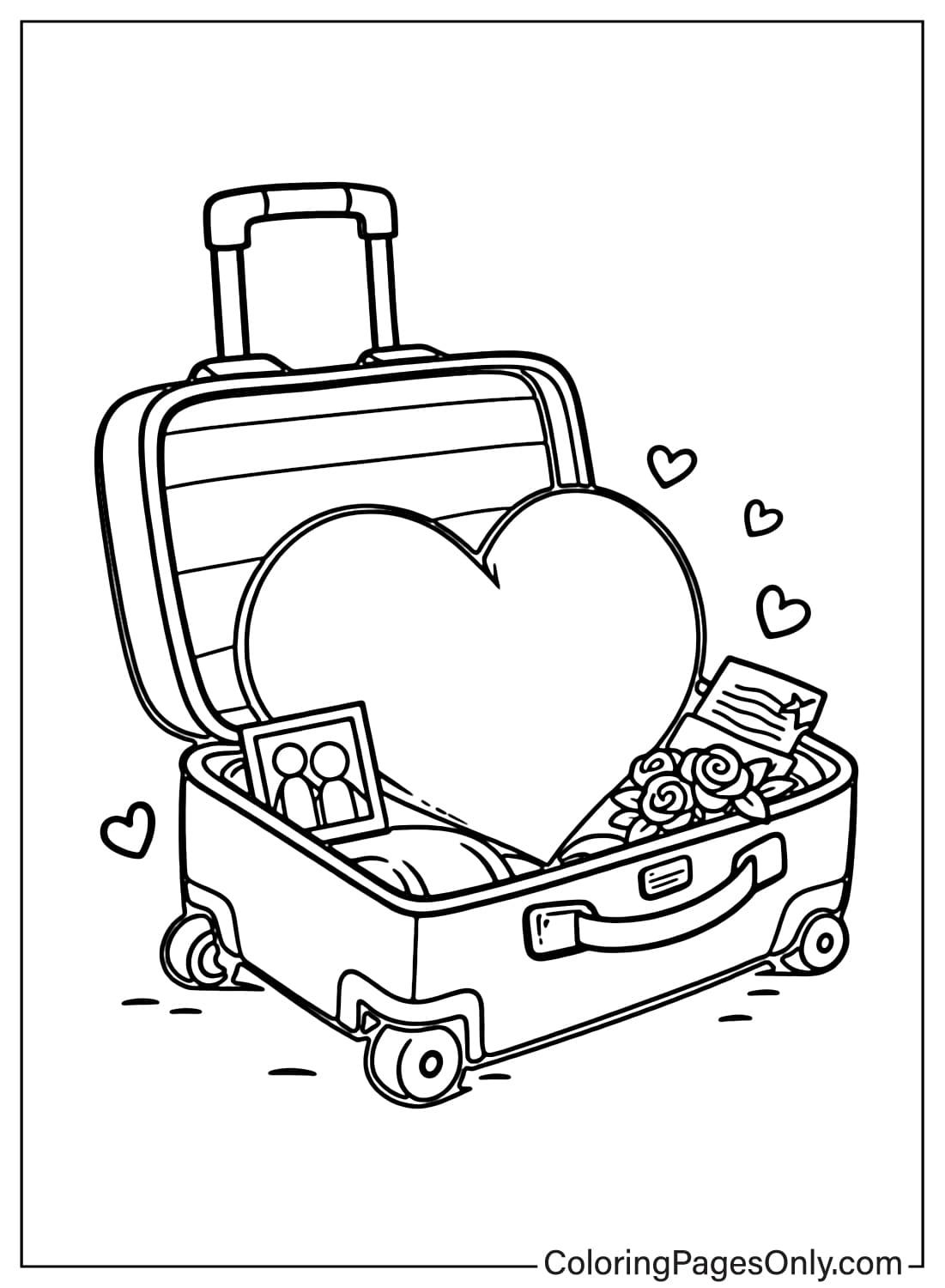
Some Valentine pages feel softer and more decorative. These may include flower gardens, love doves, heart banners, heart houses, jars, clouds, travel suitcases, or peaceful Valentine landscapes.
These pages are good for children who enjoy scenes instead of single objects. A flower garden can feel cheerful and colorful. Doves can make the page feel calm. A heart house can feel imaginative. A jar of hearts can feel cozy and simple.
Color mood matters here. Flowers can use pink, yellow, purple, red, blue, and green. Doves can stay white with light gray or pale blue shadows. Cloud scenes can use soft pink, lavender, pale yellow, and light blue. Decorative banners can use stronger red or gold accents.
These pages are often better for older children because they include more small spaces and background details. However, simple versions can still work for younger kids if the outlines are bold and the scene is not too crowded.
Gentle Valentine scenes are also good for relaxing coloring at home.
Easy Valentine’s Day Coloring Pages for Kids
Easy Valentine pages are designed with large shapes, clear outlines, and fewer small details. These pages may include simple hearts, cute animals, balloons, short messages, or one main Valentine object.
The value of easy pages is confidence. Young children can finish them without feeling overwhelmed. They can practice coloring inside a heart, filling a balloon, coloring a small animal, or decorating a simple card.
For preschool and kindergarten children, choose pages with one clear subject. A large heart, teddy bear, cat, bunny, or simple “Happy Valentine’s Day” page is usually easier than a detailed Cupid or flower garden design.
Easy pages are also practical for teachers. They can be printed quickly, used during quiet time, added to a Valentine center, or sent home as a simple February activity.
Even simple pages can feel special when children choose their own colors, add a name, draw extra hearts, or turn the page into a card.
Detailed Valentine’s Day Coloring Pages for Older Kids
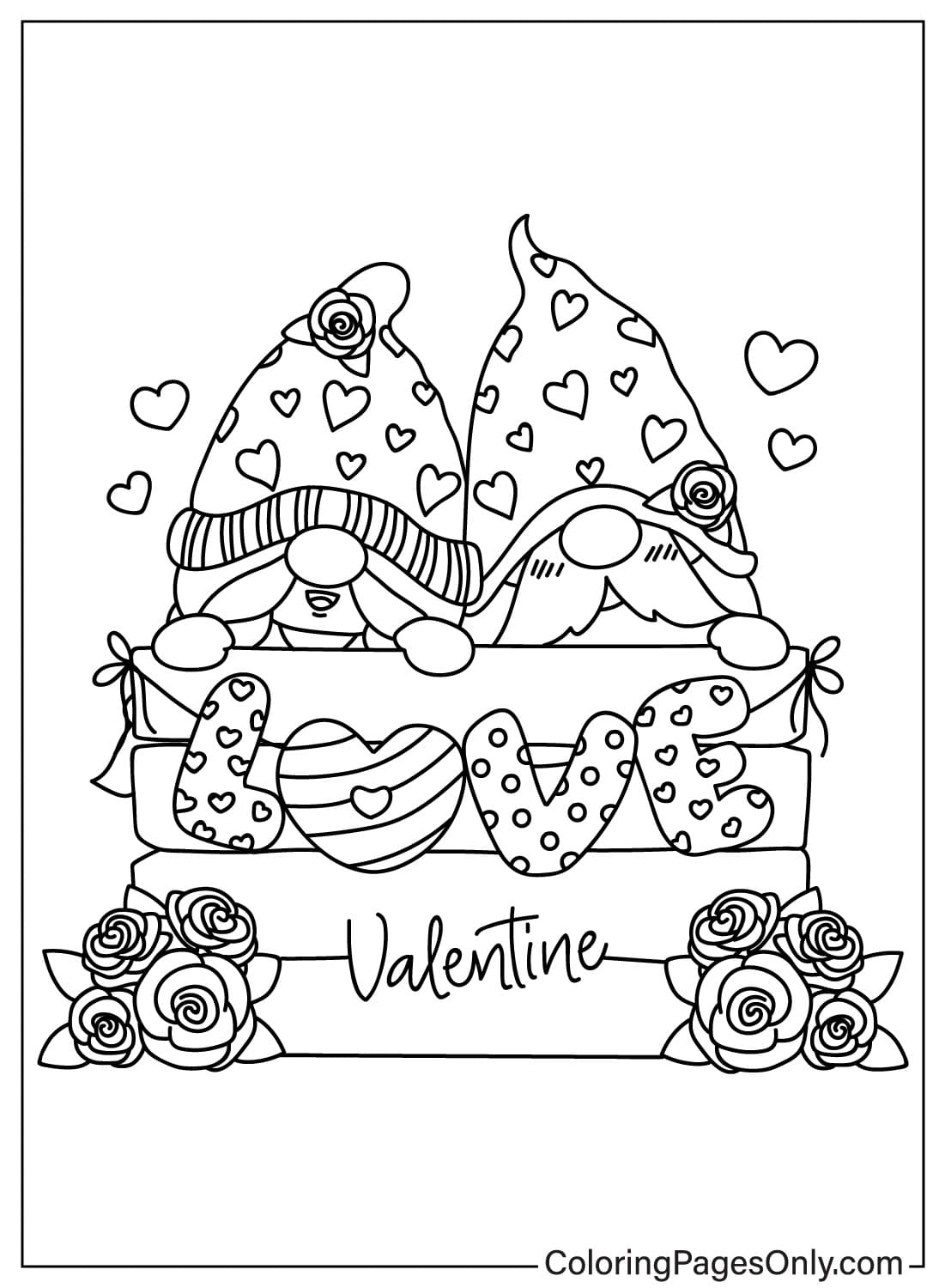
Detailed Valentine pages include more decoration, more background, and smaller sections to color. These may include heart collages, flower gardens, Cupid scenes, animals with gifts, banners, jar designs, or patterned love notes.
Older kids often enjoy these pages because they allow more patience and creativity. They can shade hearts, color tiny flowers, add patterns to gift boxes, create soft backgrounds, or use multiple tones of pink, red, purple, and gold.
The key is not to make every part equally bright. Choose one main focus first, such as a heart, animal, message, gift, or character. Then use softer colors for the background and small details.
Detailed pages can become display artwork, handmade cards, bookmarks, posters, or quiet-time projects. They work well for older elementary children, teens, and adults who enjoy relaxing holiday coloring.
What These Pages Do
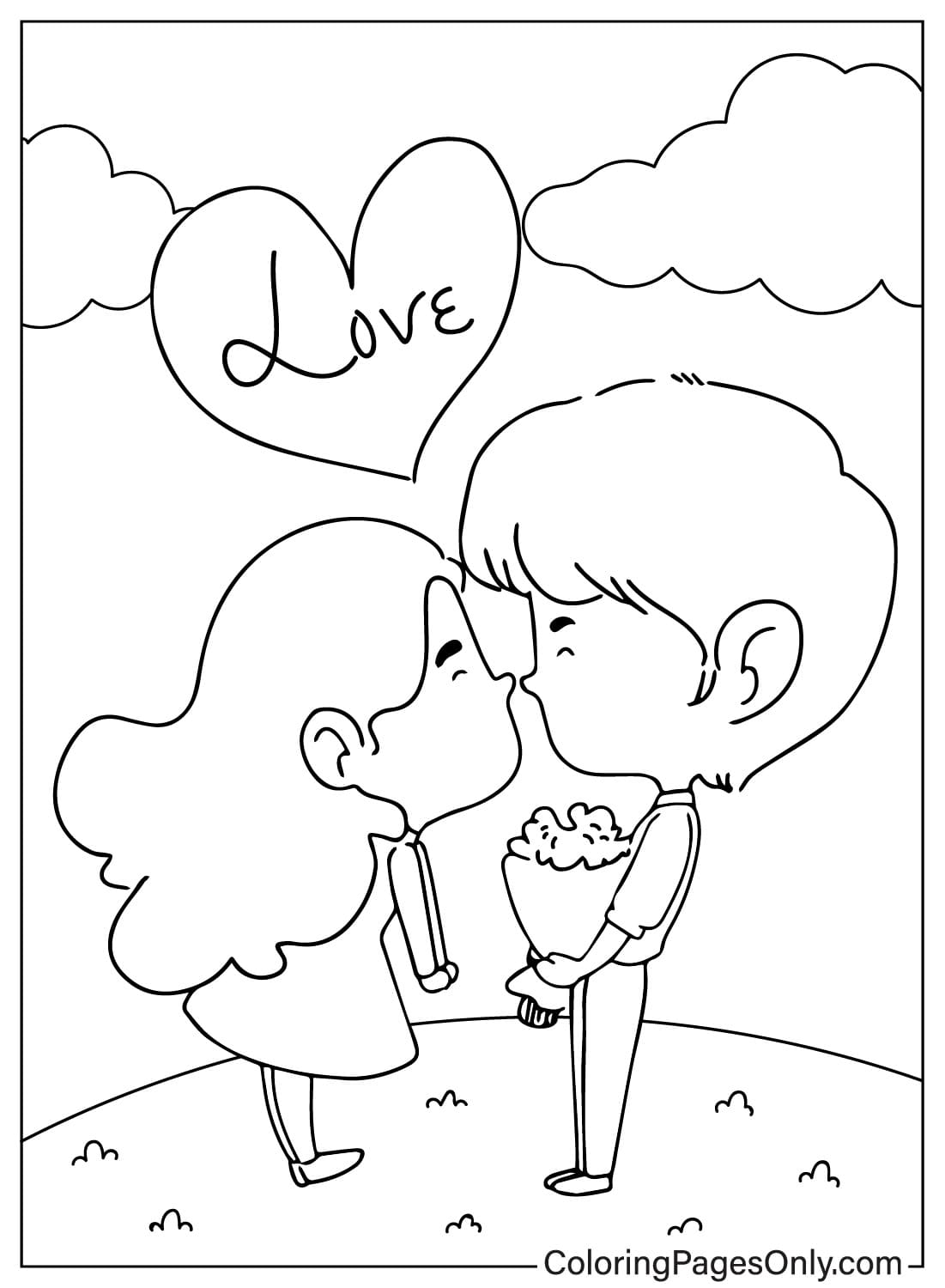
Valentine’s Day coloring pages help children connect art with kindness, friendship, and simple emotional expression. A heart page can mean love. A card page can become a message. An animal page can feel friendly. A gift page can suggest giving. A flower page can show appreciation.
For younger children, these pages support early coloring skills. Large hearts, animals, balloons, and simple messages give them open spaces to color. Smaller details such as bows, flowers, eyes, letters, and patterns help build careful attention.
For older children, the value comes from design and choice. They can decide which part of the page should be the focus, how to balance red and pink with softer colors, how to make lettering readable, and how to turn a coloring page into a card or craft.
The pages also encourage language and social-emotional learning. Children can talk about who they want to give a card to, what kind words they might write, what friendship means, or how colors can make a page feel happy, calm, warm, or playful.
Parents can use these pages for quiet time, Valentine crafts, family cards, rainy-day activities, or screen-free play. Teachers can use them for classroom centers, Valentine exchanges, bulletin boards, kindness lessons, writing prompts, or calm February activities.
How to Color These Pages Well
Valentine’s Day pages often use red, pink, purple, white, and gold, but they look better when the colors are balanced. If every heart, flower, gift, and background is bright red, the page can feel too heavy. Mixing soft and bright colors makes the finished artwork cleaner.
For hearts, try red, pink, coral, lavender, peach, or rainbow colors. A darker edge can make a heart look fuller, while a lighter center can make it feel soft and glowing.
For cute animals, use natural or gentle colors first. Bears can be brown, tan, cream, or gray. Cats can be orange, gray, white, black, or light brown. Bunnies can be white, gray, tan, or pale pink. Then use brighter Valentine colors for hearts, bows, balloons, gifts, and backgrounds.
For Cupid pages, keep the wings light so they do not overpower the hearts. White, pale blue, light gray, or soft yellow can work well. Hearts, arrows, and banners can use stronger red, pink, gold, or purple.
For message pages, keep the words readable. Color around the letters carefully, and avoid making the background too dark. If the letters are large, children can color them with patterns, stripes, dots, or rainbow colors.
Gift boxes and chocolate pages can use more contrast. Ribbons can be red, gold, purple, or pink. Chocolate hearts can use brown, cream, white, or gold wrapper colors. Gift boxes can use patterns such as polka dots, stripes, hearts, or small stars.
Flower pages can use many colors, but the leaves and stems should stay green so the flowers remain clear. Pink, red, yellow, purple, and white flowers all work well for Valentine’s Day designs.
Backgrounds should match the mood. A cute animal page can use a soft sky or a simple pastel background. A card page can stay mostly white, so the message stands out. A detailed heart collage can use lighter background colors to avoid crowding the page.
For younger children, the easiest order is main shape first, small decorations second, message or face details third, and background last. Older kids can add shading, patterns, borders, highlights, stickers, or handwritten notes after the main colors are finished.
5 Creative Craft Ideas
Valentine Heart Card
Choose a heart coloring page or a message page. After coloring, fold a sheet of construction paper in half and glue the finished design onto the front.
Children can write a short message inside, such as “You are loved,” “Happy Valentine’s Day,” or “Thank you for being kind.”
This craft works well for family gifts, classroom exchanges, or take-home Valentine activities.
Kindness Message Banner
Print several Valentine pages with hearts, animals, flowers, or short messages. After coloring, cut the finished pages into banner shapes.
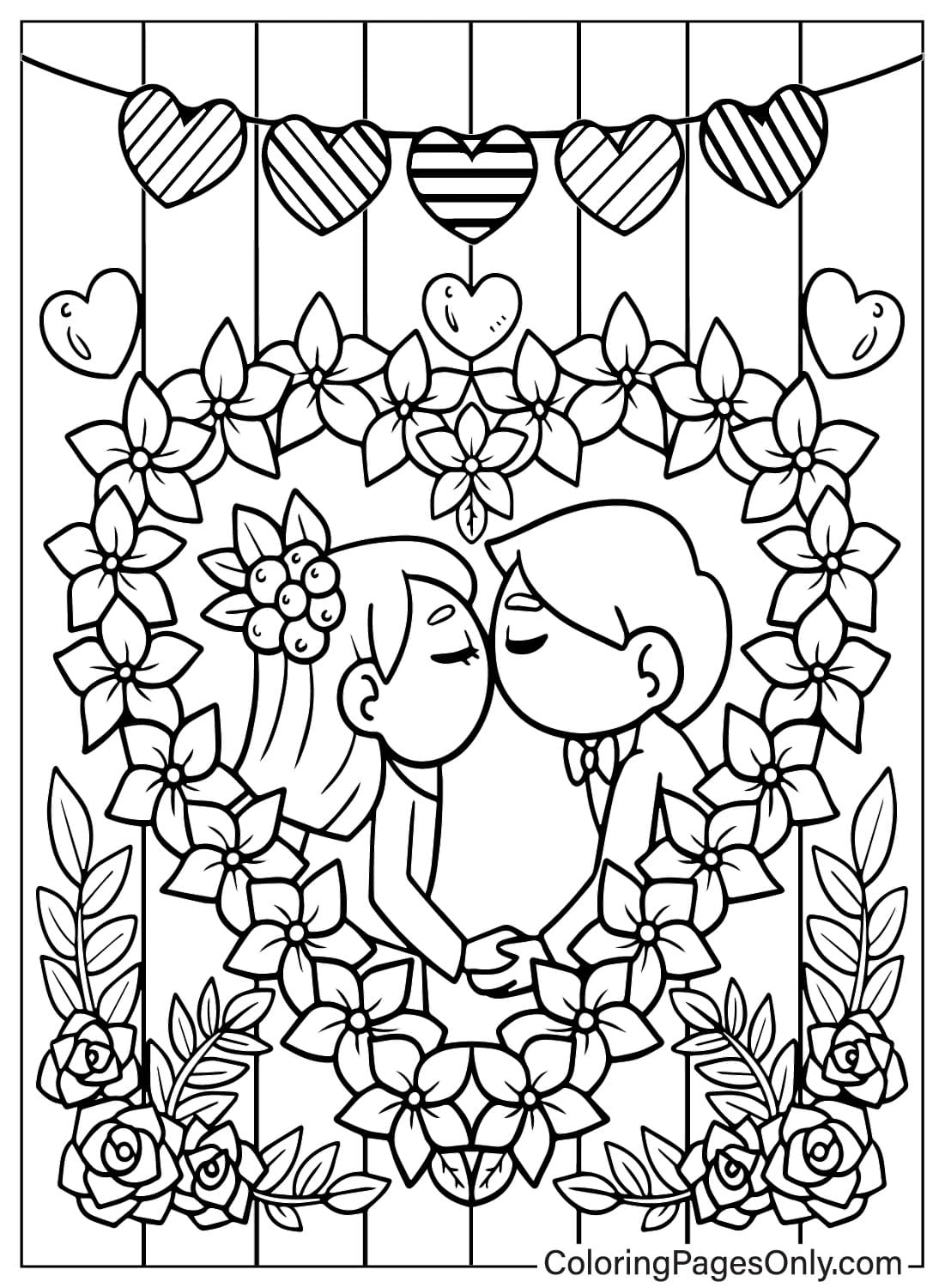
Write one kind word on each piece, such as love, friend, kind, smile, share, help, or care. String the pieces together to make a classroom or home decoration.
This activity connects coloring with simple kindness vocabulary.
Valentine Gift Tag Set
Choose small heart, animal, gift, or flower pages. Color the designs, then cut out small sections to make gift tags.
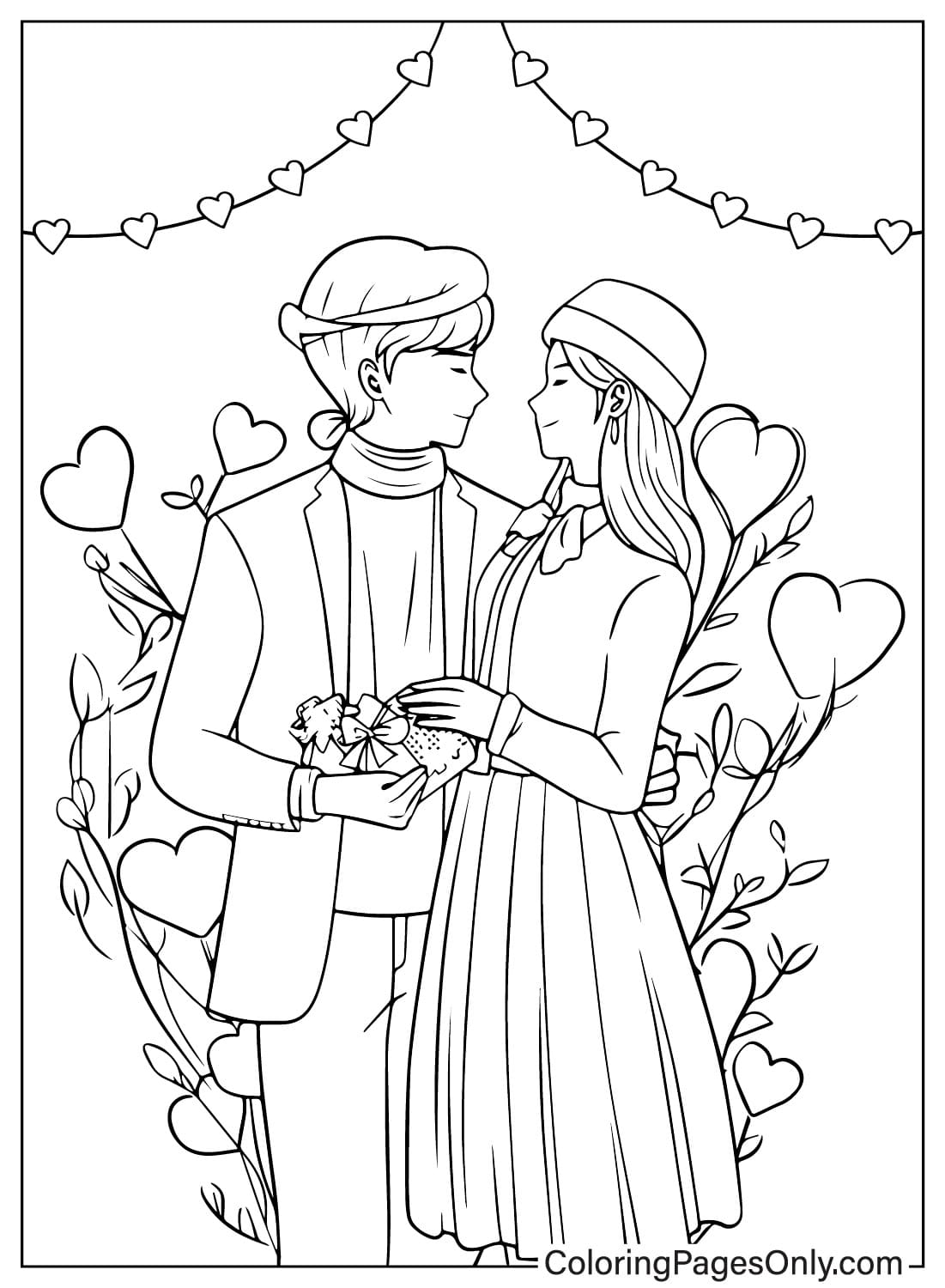
Punch a hole near the top and add ribbon or string. Children can write a name on the back and attach the tag to a gift, card, treat bag, or classroom Valentine.
This craft is simple, useful, and easy to prepare for February celebrations.
Love Jar of Compliments
Choose a jar of hearts page or draw a simple jar on paper. After coloring the jar, children can cut out small paper hearts.
On each heart, write a kind word or compliment: helpful, funny, brave, creative, kind, smart, or caring. Glue the hearts around the jar or place them inside a real paper envelope.
This craft helps children practice positive words while making a Valentine’s display.
Cute Animal Valentine Poster
Choose a Valentine animal page with a bear, cat, bunny, unicorn, dog, sloth, koala, or another friendly character. After coloring, glue the page onto a larger sheet.
Children can draw extra hearts, flowers, balloons, stars, or a small background around the animal. Add a title such as “My Valentine Friend” or “You Are Loved.”
This turns a simple coloring page into a finished poster for home or classroom display.
Frequently Asked Questions
Are Valentine’s Day coloring pages good for young children?
Yes. For young children, choose Valentine pages that have one clear subject, such as a large heart, teddy bear, balloon, gift box, or short message. These pages are easier to finish and still feel festive.
Very detailed Cupid scenes, flower gardens, or heart collages may be better for older children who can handle smaller spaces and more decorations.
What colors should I use for Valentine’s Day coloring pages?
Red and pink are classic Valentine colors, but they do not need to be the only choices. Purple, peach, coral, gold, white, light blue, and soft green can make a page feel warmer and more balanced.
A good approach is to choose one main Valentine color first, then add two or three softer colors around it. This keeps the page from becoming too crowded.
Which Valentine’s Day pages are best for classroom use?
Simple heart pages, card-style pages, cute animal pages, and short message pages usually work best in classrooms. They are easy to print, easy to finish, and suitable for many age groups.
Teachers can use them for quiet work, Valentine exchanges, kindness lessons, bulletin boards, or quick February activities. Pages with large spaces and clear messages are especially practical for younger students.
Can kids turn Valentine coloring pages into cards?
Yes. Many Valentine coloring pages can become cards. After coloring, children can fold paper, glue the design on the front, and write a message inside.
Heart pages, animal pages, gift pages, and “Happy Valentine’s Day” message pages work especially well. Children can also add names, stickers, borders, or small hand-drawn hearts.
Are Cupid coloring pages good for older kids?
Cupid pages often have more details, such as wings, arrows, clouds, banners, and hearts. This makes them a good choice for older children who enjoy coloring smaller spaces.
Younger children can still enjoy simple Cupid pages if the outlines are large. For detailed Cupid scenes, colored pencils may be easier than thick markers.
How can I make Valentine’s Day coloring pages more creative?
Children can add their own background details after coloring the main picture. They can draw extra hearts, flowers, stars, clouds, balloons, names, borders, or small messages.
They can also choose a mood before coloring. A soft pink and lavender page can feel calm, while red, gold, and bright purple can make the same page feel festive.
Can Valentine’s Day coloring pages support kindness activities?
Yes. Valentine’s Day pages are very useful for kindness activities. Children can color a heart, card, or animal page and add a kind word or short message.
Teachers can ask students to write compliments, friendship words, or thank-you notes on the finished pages. This connects art with social-emotional learning in a simple way.
What paper and coloring tools work best?
Regular printer paper works well for crayons and colored pencils. If children use markers, place a blank sheet underneath to protect the table and the next page. Thicker paper is better for cards, gift tags, banners, or classroom displays.
Crayons are good for younger children because they are easy to control. Colored pencils work well for small hearts, flowers, messages, and details. Markers create bright colors but should be used slowly around lettering and small shapes.
Are detailed Valentine pages good for adults, too?
Yes. Detailed Valentine pages with flowers, heart patterns, jars, doves, decorative borders, or repeated shapes can be relaxing for older kids, teens, and adults.
Colored pencils are especially useful for these pages because they allow shading, soft gradients, and small decorative details.
Can finished Valentine coloring pages become decorations?
Yes. Finished Valentine pages can be displayed at home, used on classroom boards, or added to handmade cards and gifts. Heart, animal, and short-message pages work especially well because they are easy to cut, glue, personalize, and combine into a larger Valentine display.
Children can also add names, small notes, borders, or extra hearts so each finished page feels personal.
Choose a Valentine’s Day page, print it at home, or color online anytime. When your heart, card, or kindness message is finished, share it on Facebook or Pinterest and tag #Coloringpagesonly.
More from Our Valentine and Holiday Collections
More from our Valentine and holiday collections: