Joker Coloring Pages
 By:
Jennifer Thoa - Content Editor & Designer
Updated:
By:
Jennifer Thoa - Content Editor & Designer
Updated:
Joker coloring pages: 59 printable PDF designs spanning classic and comic versions, film-specific portrayals, and scenes with Batman and Harley Quinn. Each page can be downloaded as a PDF to print or colored online in the browser.
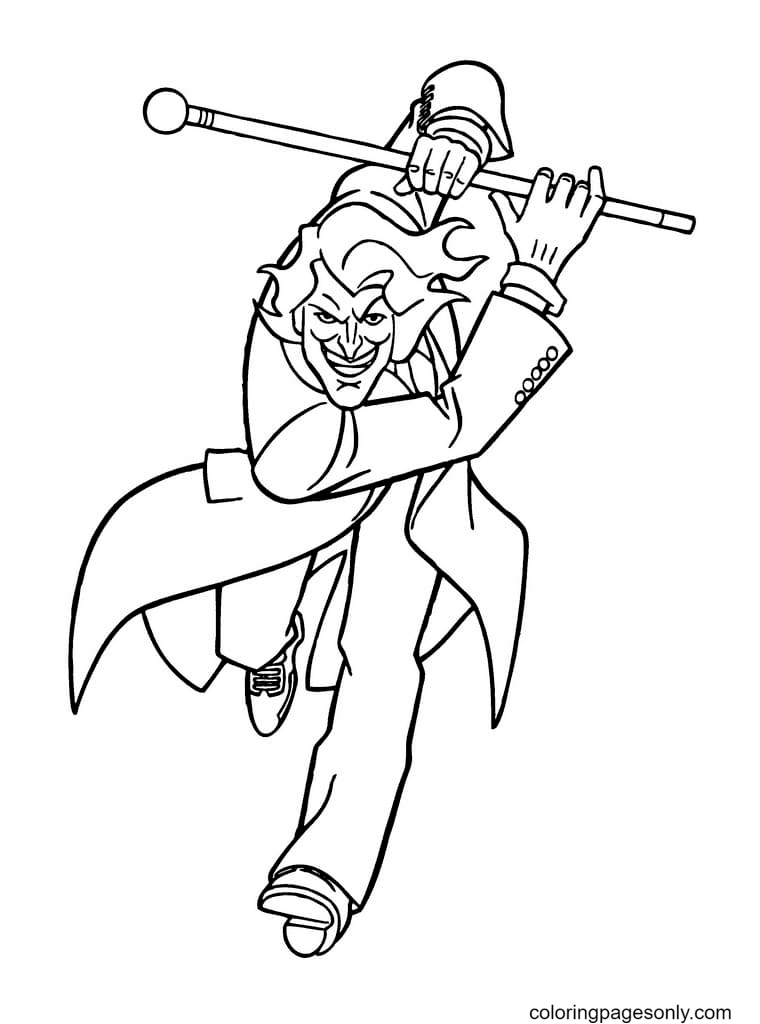
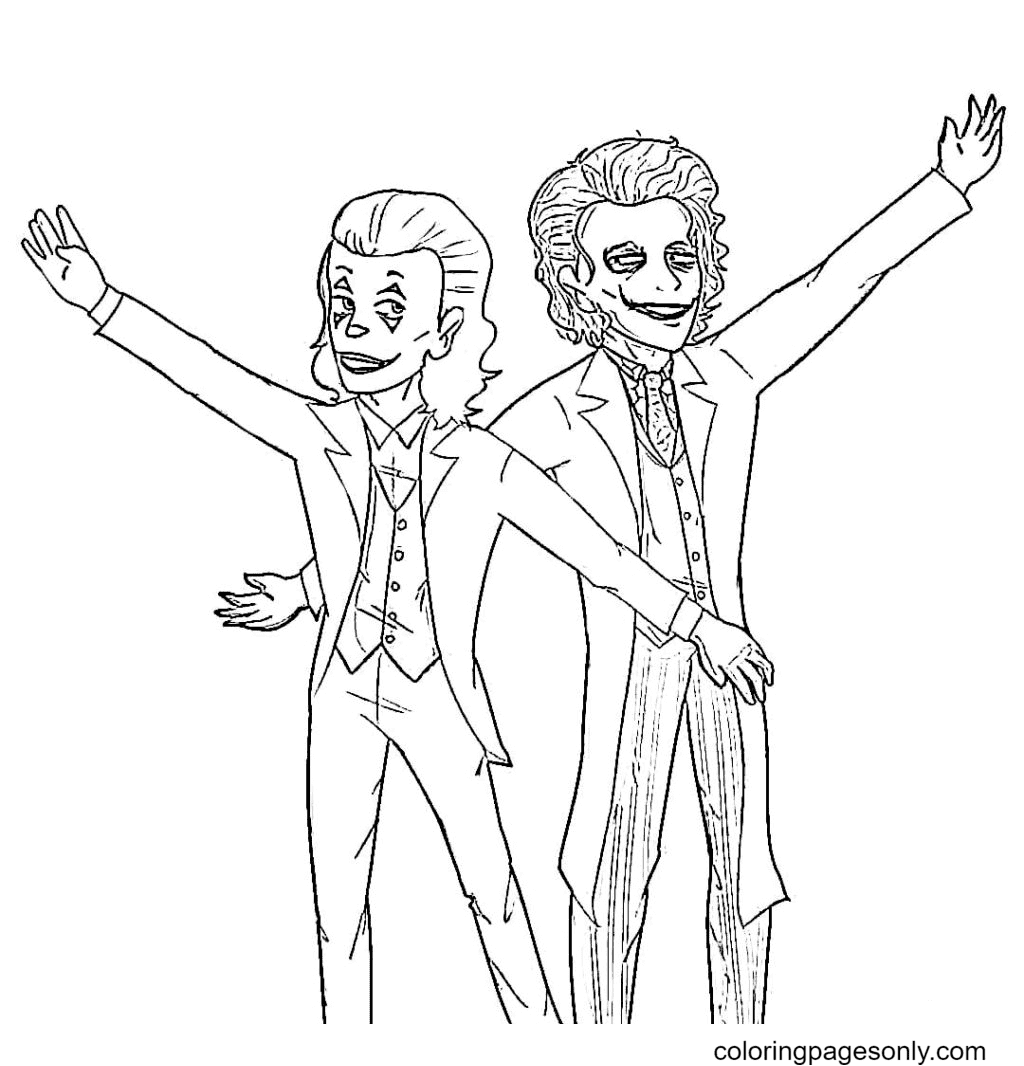
Joker is one of the few major comic book villains without a single official origin story, and that’s by design rather than an oversight. Created by Bill Finger, Bob Kane, and Jerry Robinson, the character first appeared in Batman #1 in 1940, and DC has deliberately kept his backstory inconsistent across different comics and films ever since, a choice the character himself references directly in the 1988 graphic novel Batman: The Killing Joke, where he says he prefers his past to be “multiple choice.” That same flexibility shows up in this collection’s range of screen versions: Cesar Romero played Joker in the 1966 TV series without shaving off his real mustache, visible faintly under the white makeup in archival photos, while more recent portrayals earned real recognition from the film industry, including Heath Ledger’s posthumous Academy Award for The Dark Knight in 2008 and Joaquin Phoenix’s Best Actor win for Joker in 2019. This collection includes pages inspired by several of these different versions alongside plenty of classic comic-style portraits.
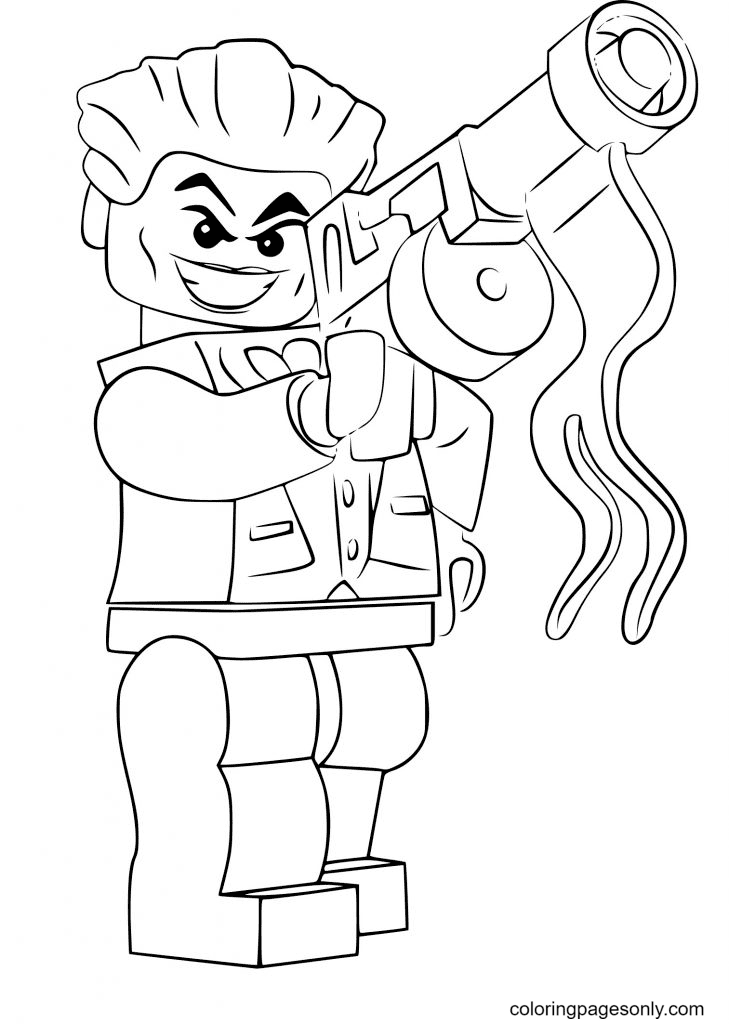
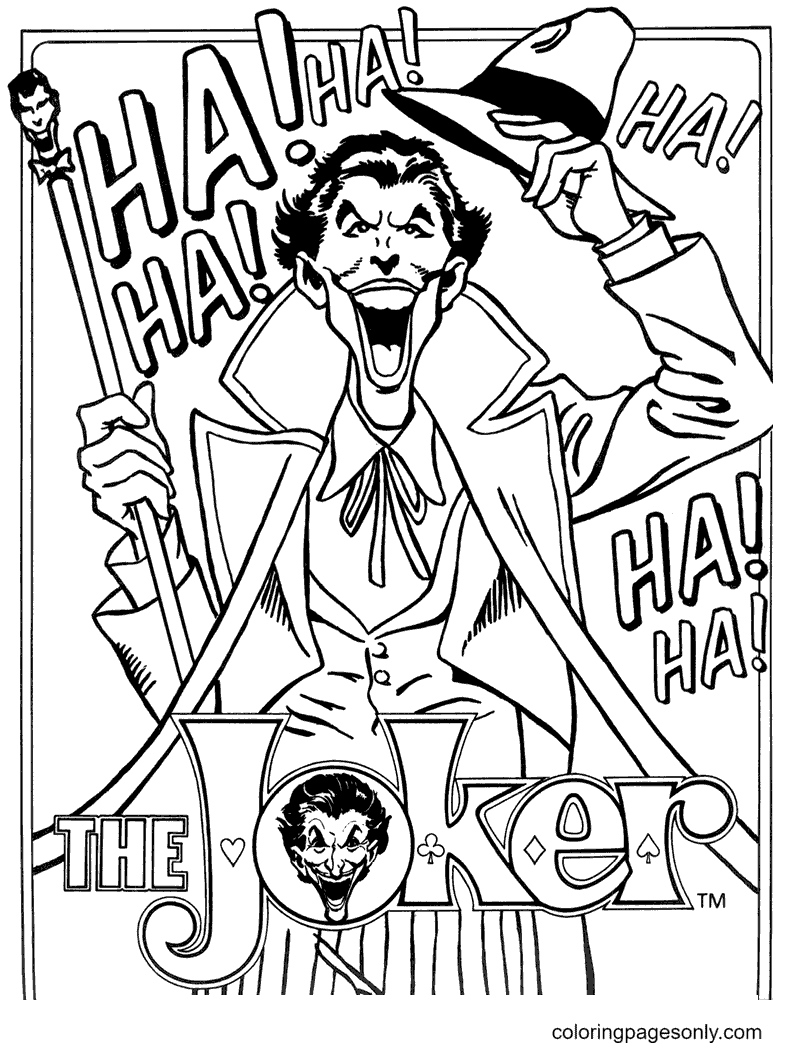
With 59 pages split between solo portraits, Batman confrontations, Harley Quinn team-ups, and specific film versions, the set works as a quick single-page project and as a way to compare how differently the same character has been drawn across decades.

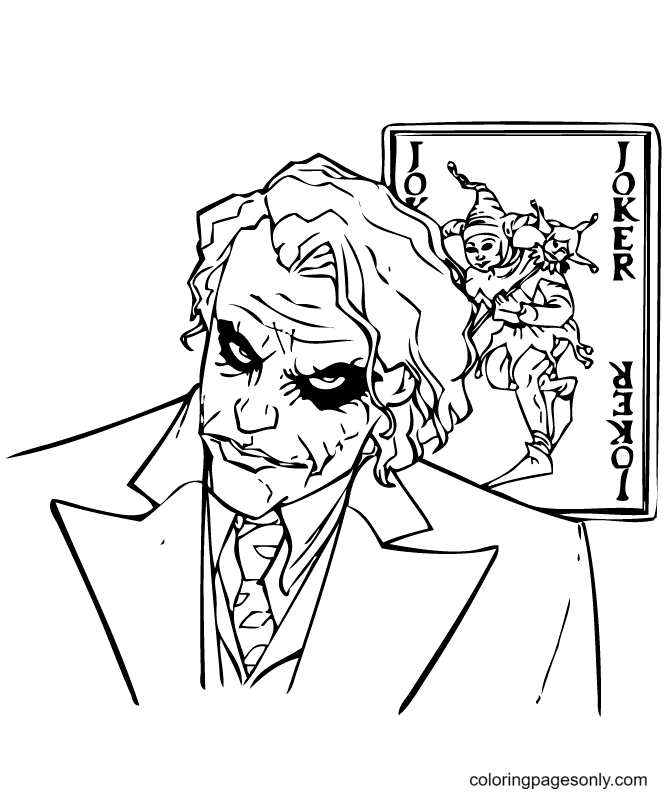
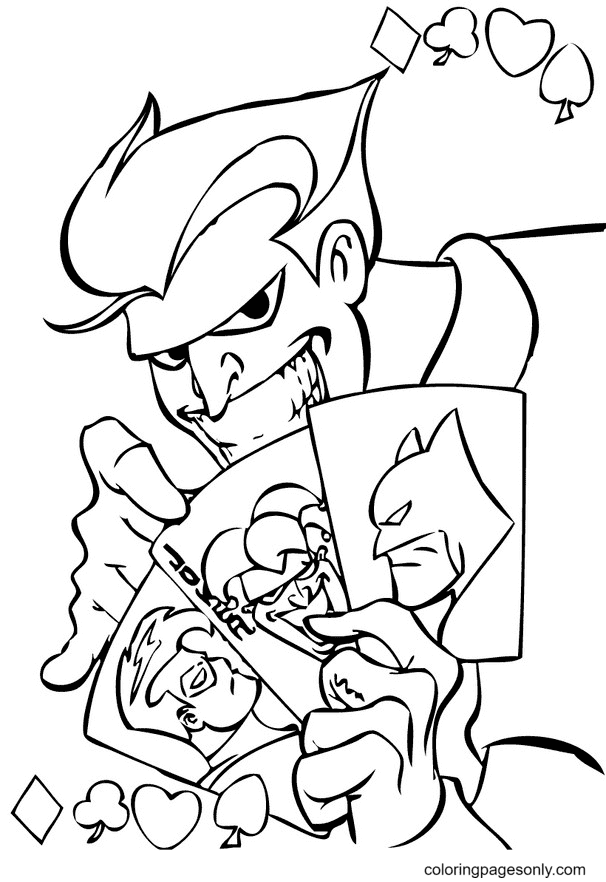

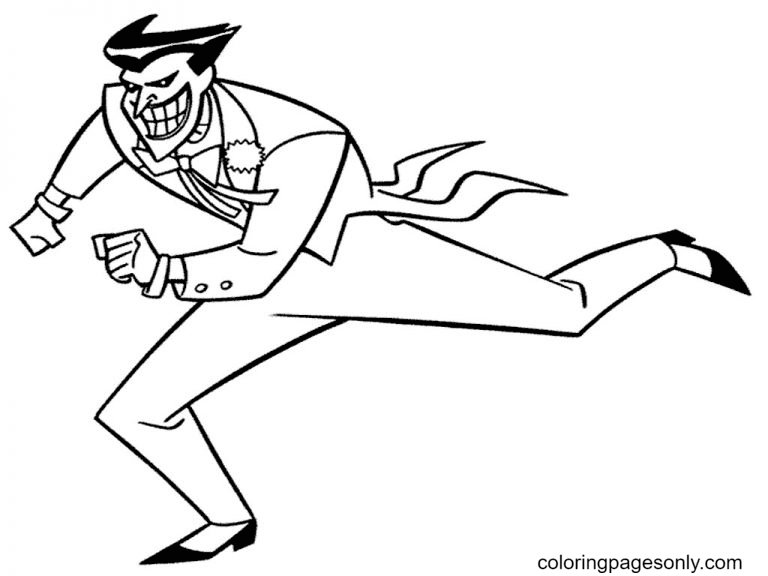
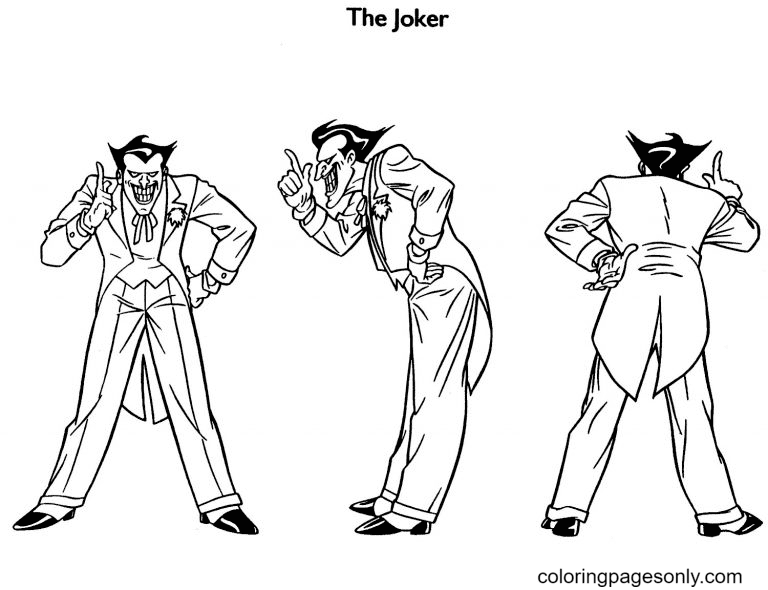







What Is Inside This Collection
This collection groups its 59 pages by scene and version, since a solo portrait, a Batman confrontation, and a specific film version each call for a different coloring approach.
Joker and Batman Scenes
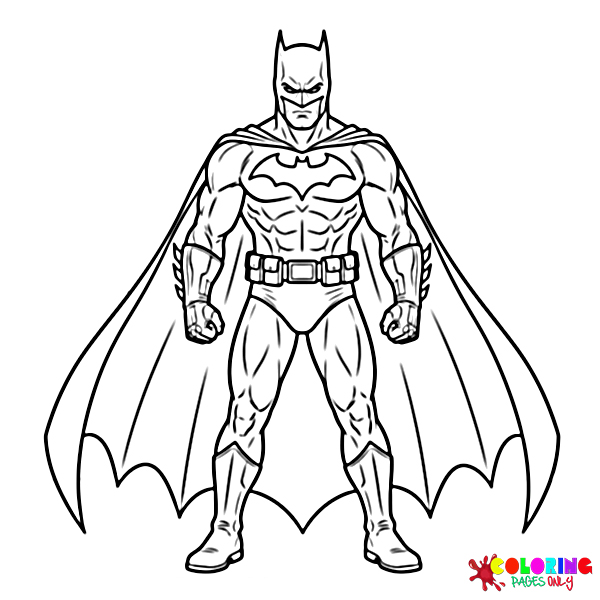
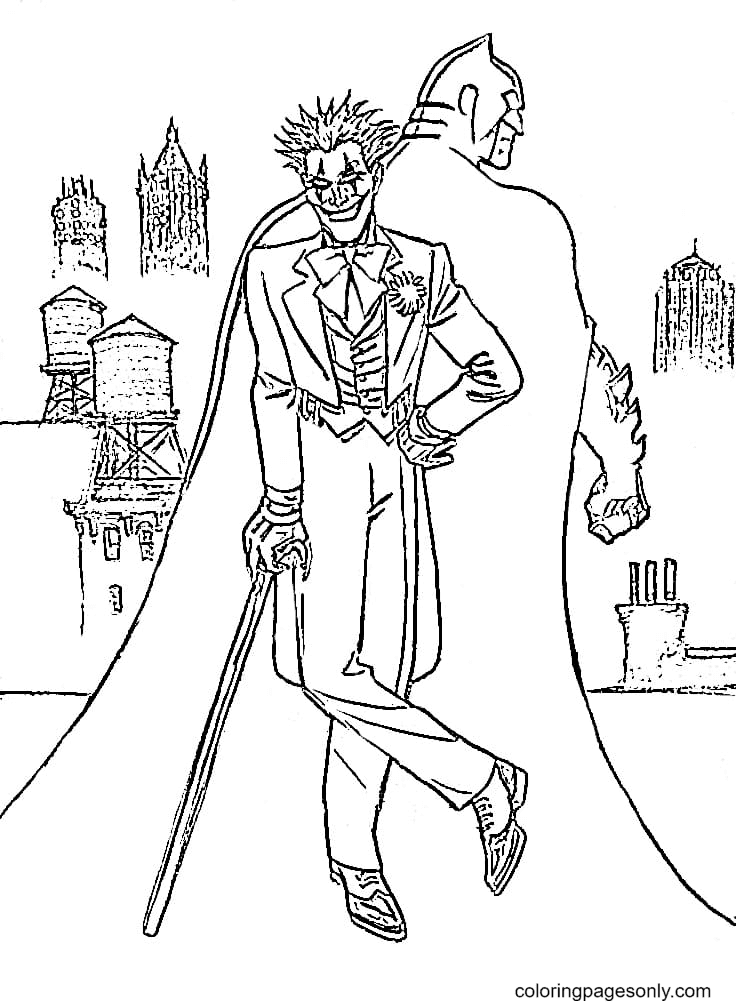
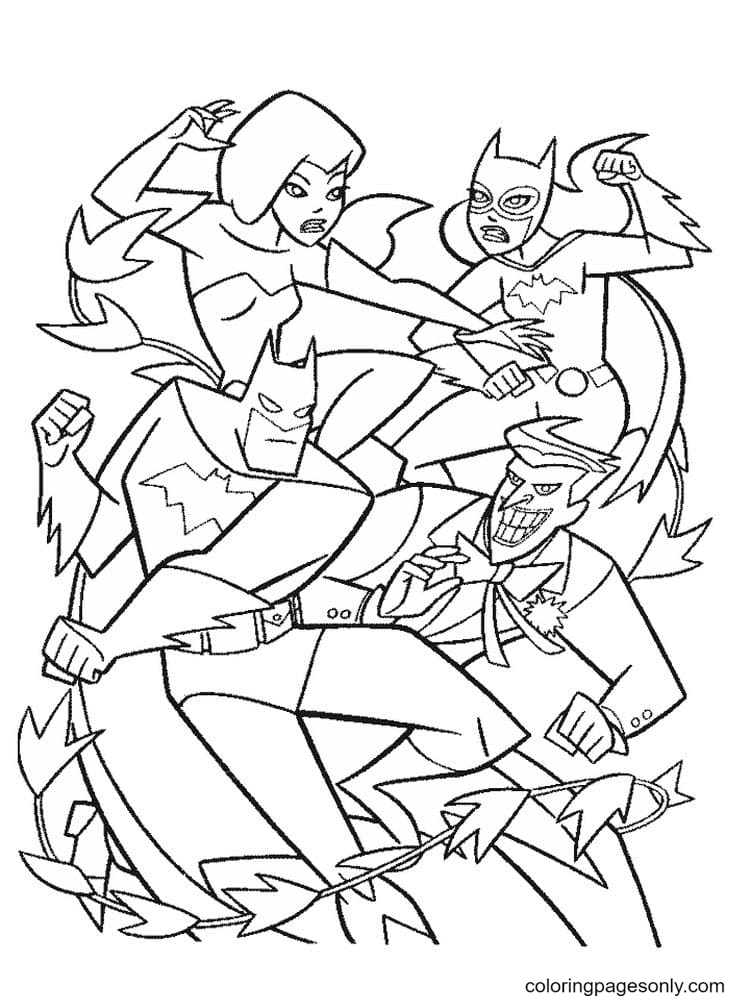
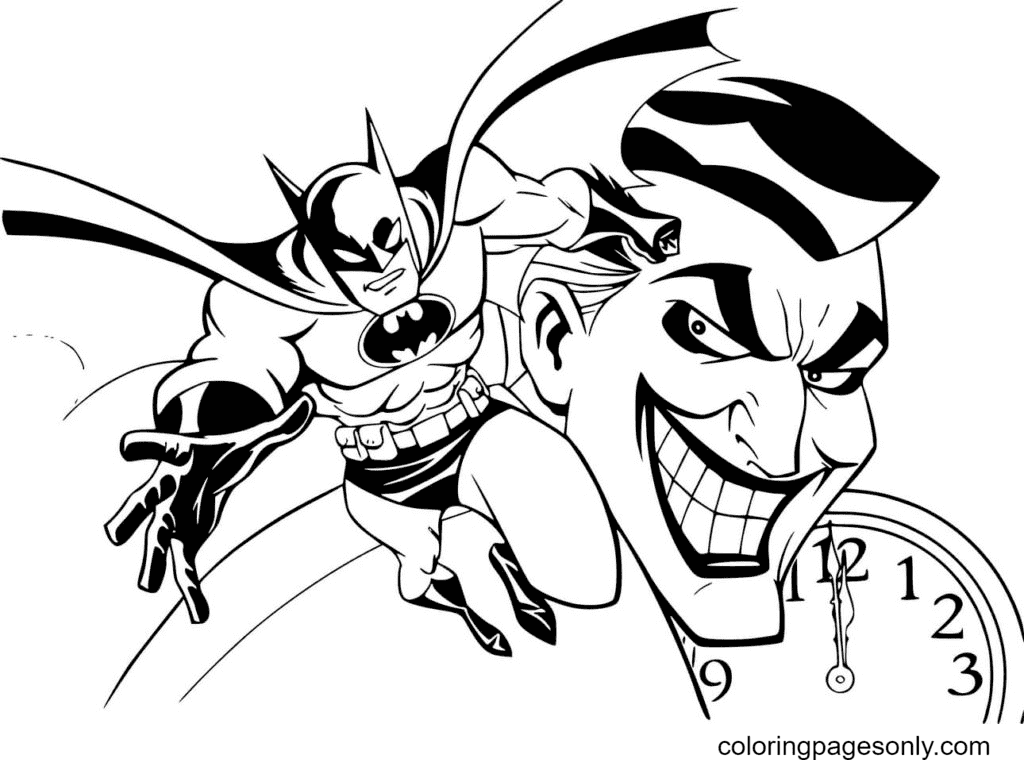
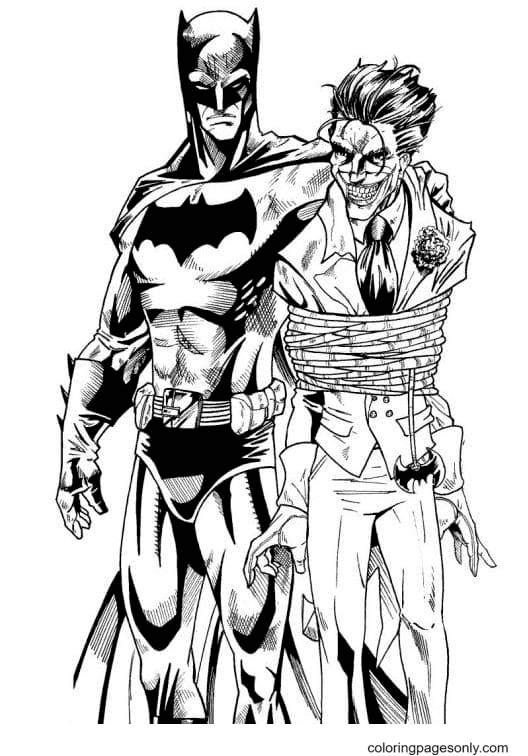
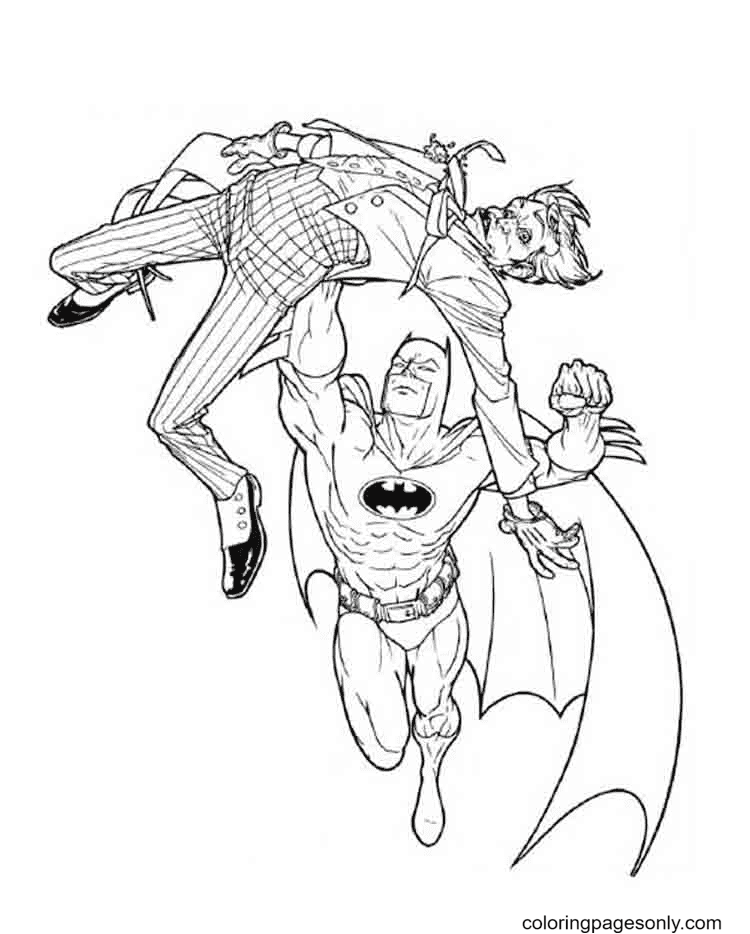
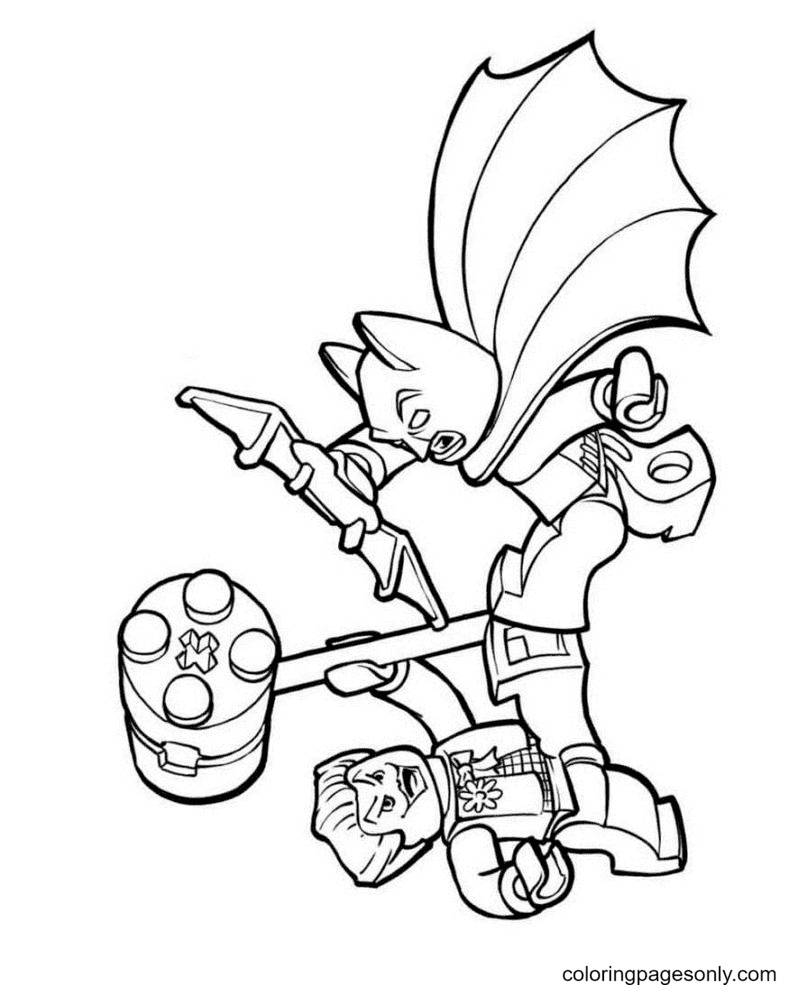
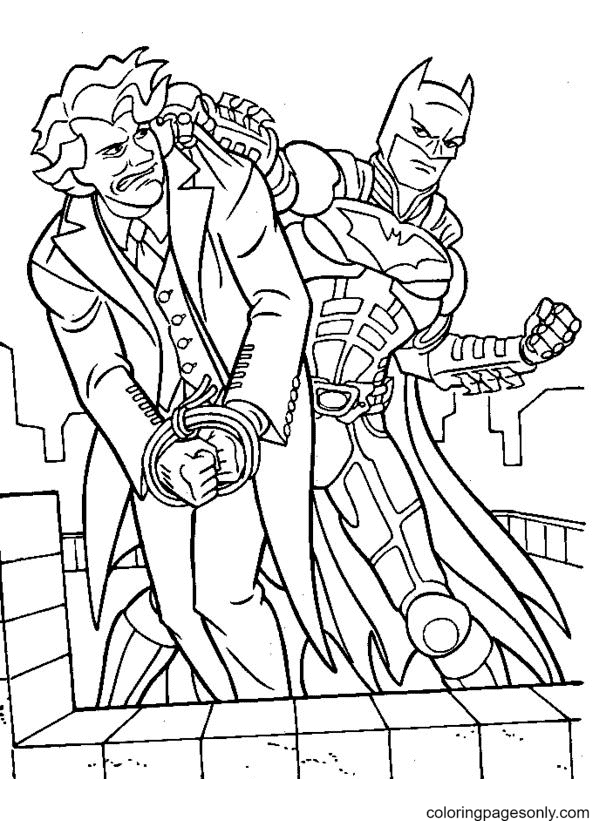
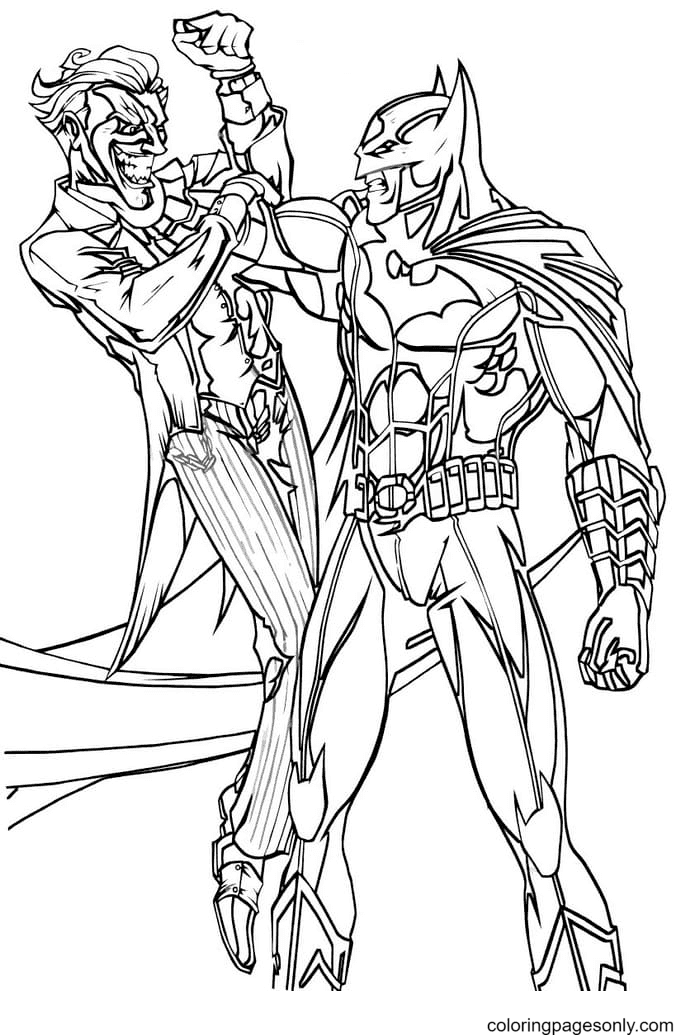
Fourteen pages set Joker directly against Batman, in a stand-off, a chase, or a moment of capture. Since Joker is defined almost entirely by contrast with Batman, keeping Batman’s palette consistently dark, black, and gray, against Joker’s bright purple and green, helps these paired scenes read clearly even from a distance.
Joker and Harley Quinn
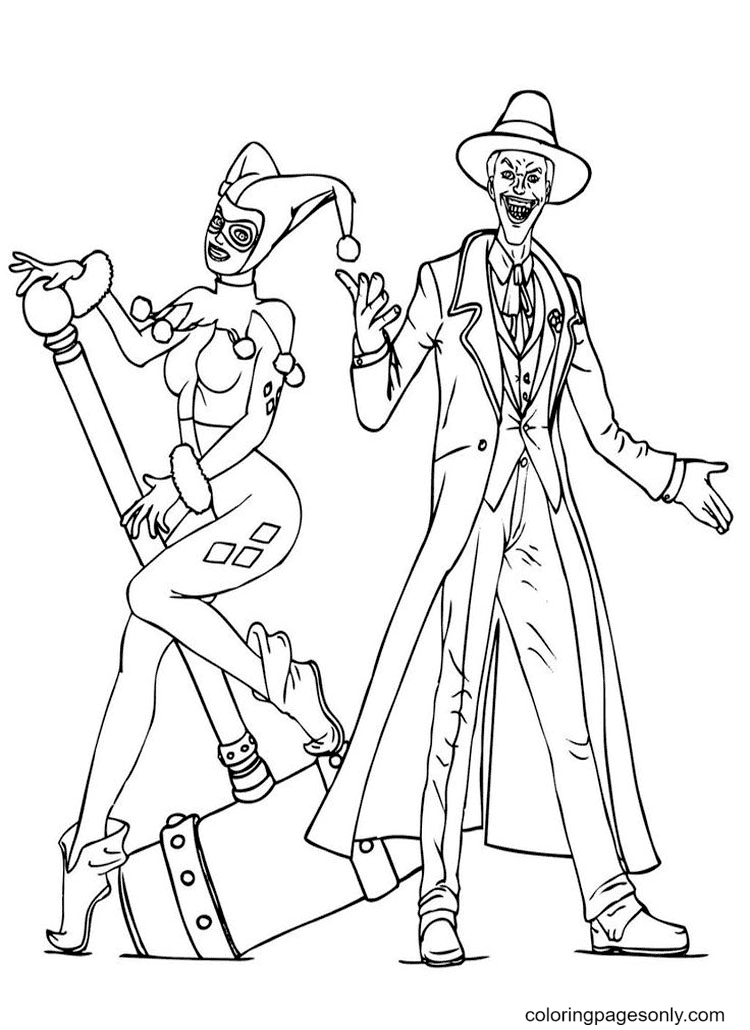
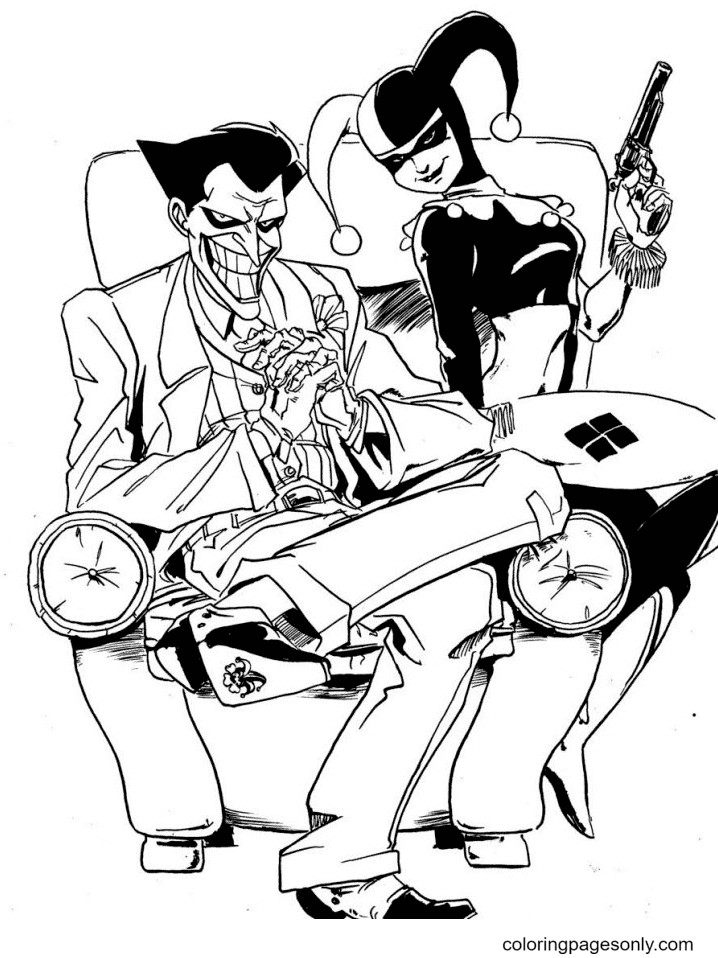
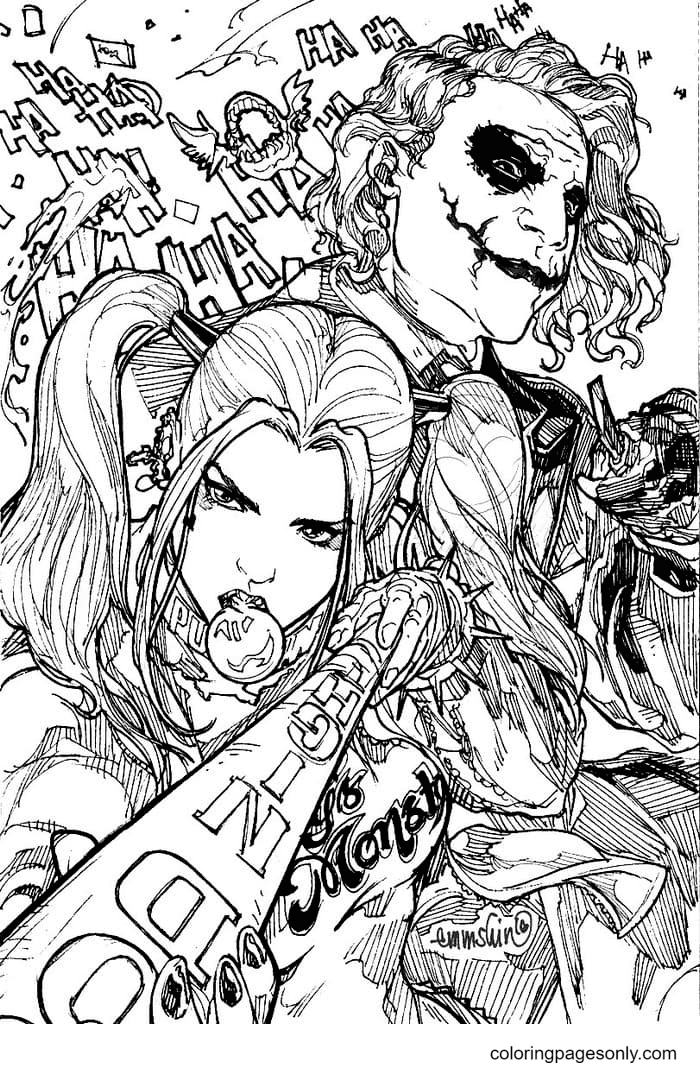
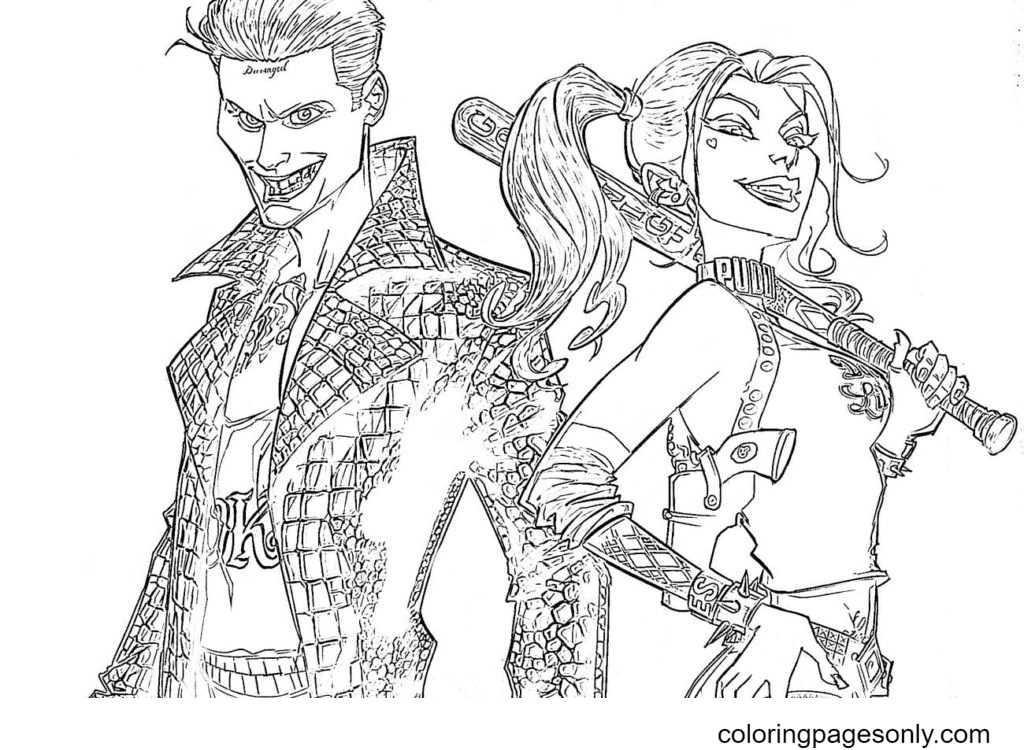
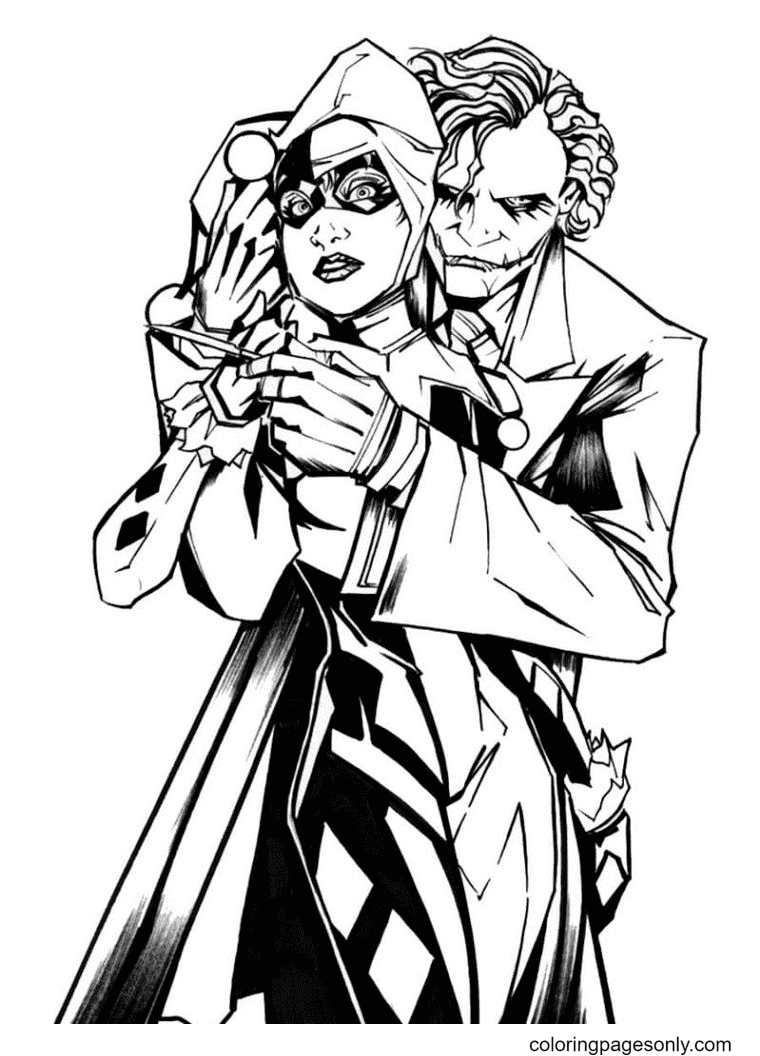
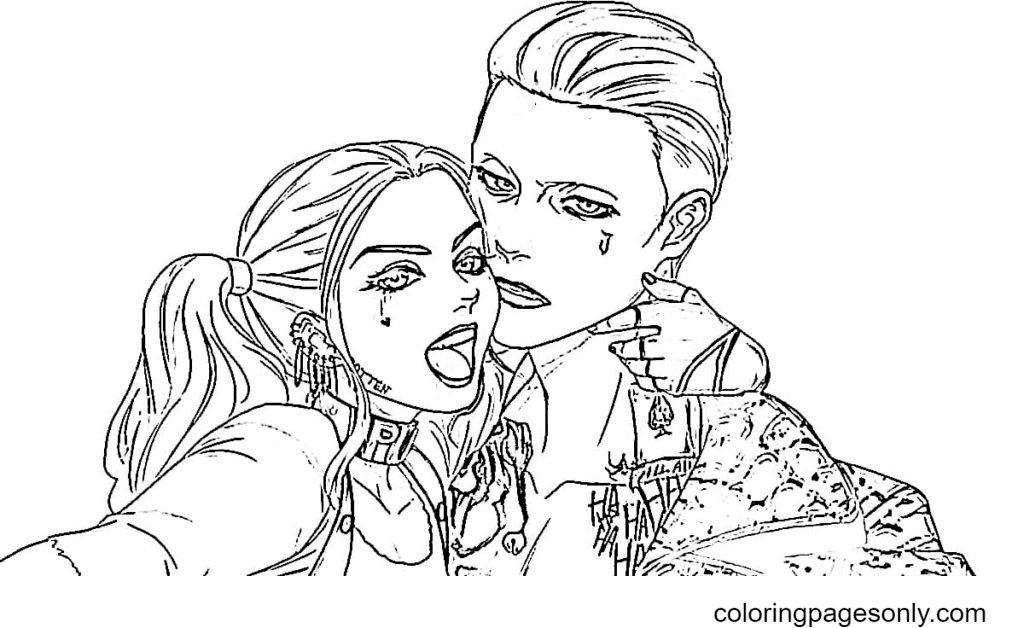
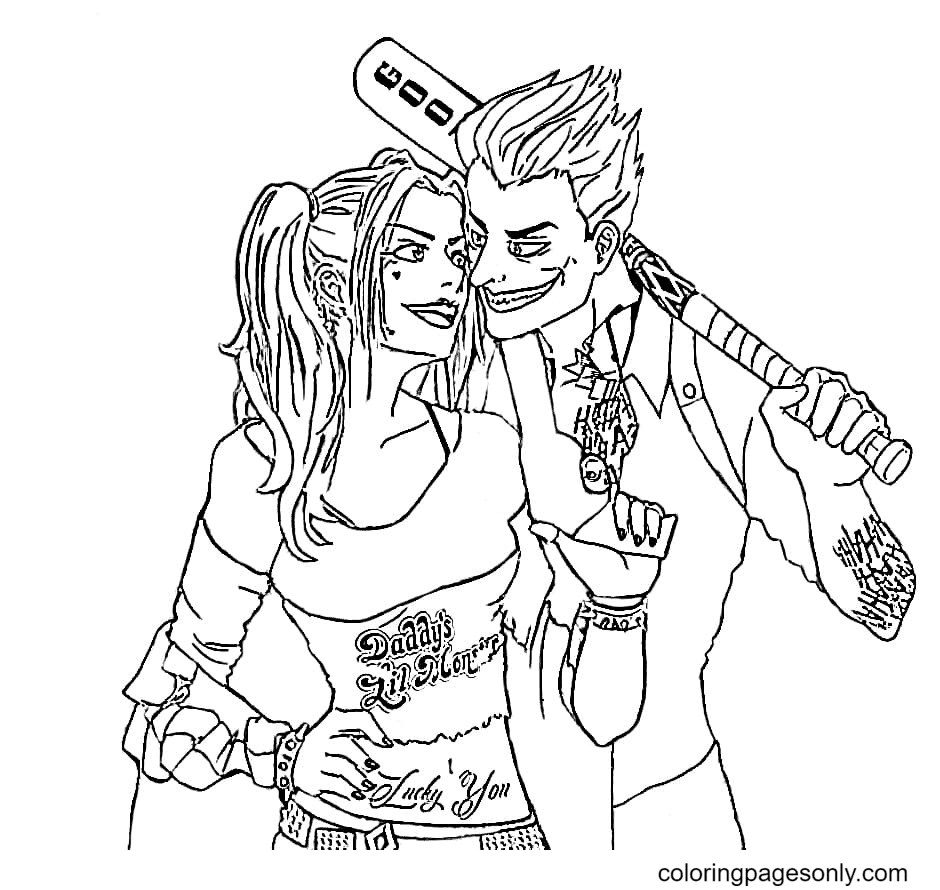
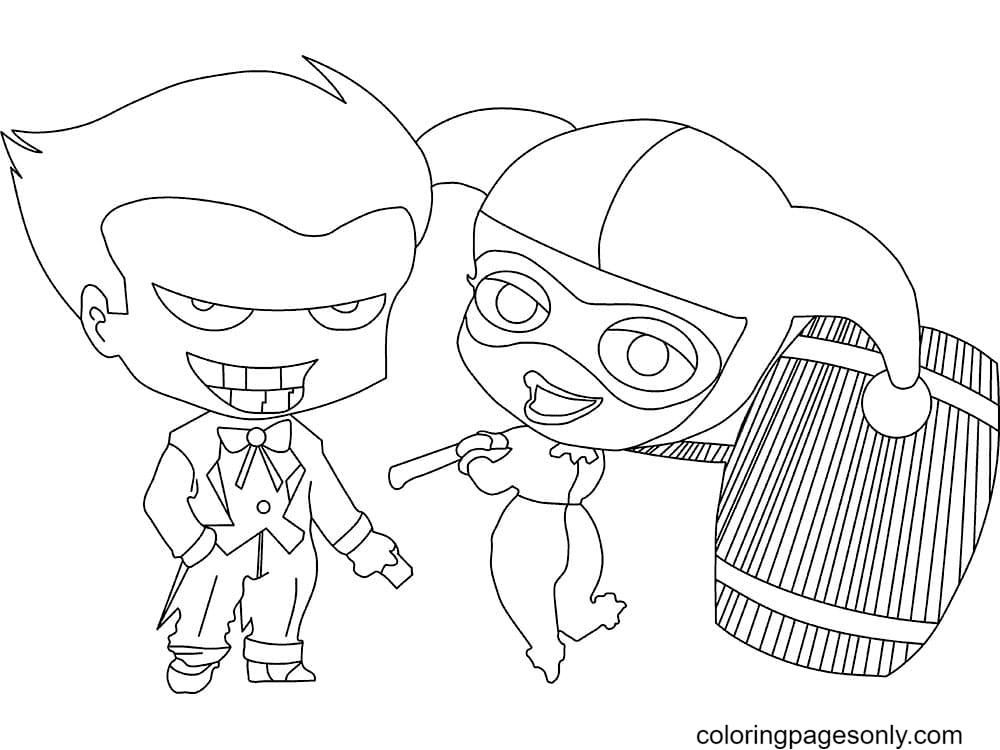
Eight pages pair Joker with Harley Quinn, his most frequent comic and film partner. Harley’s classic look uses red and black in a harlequin-style diamond pattern, a strong contrast to Joker’s purple and green, so keeping each character’s colors distinct rather than blended helps a shared page stay readable.
Film and Comic-Specific Versions
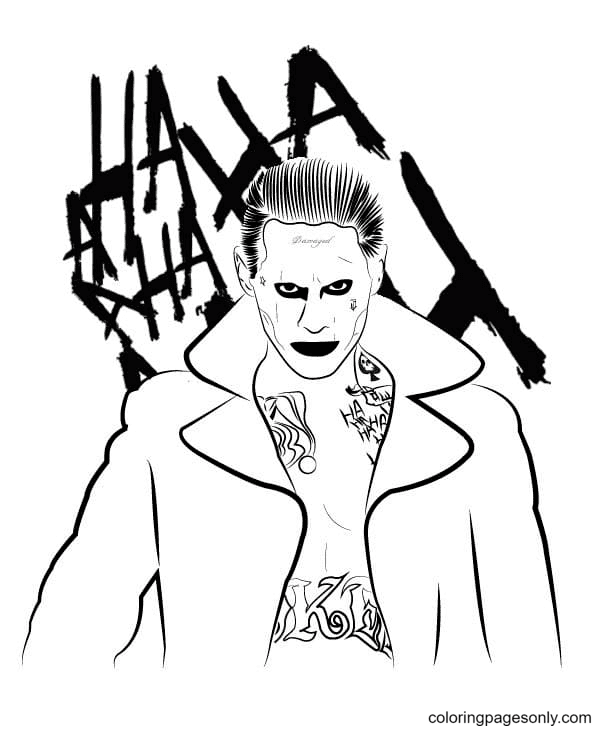
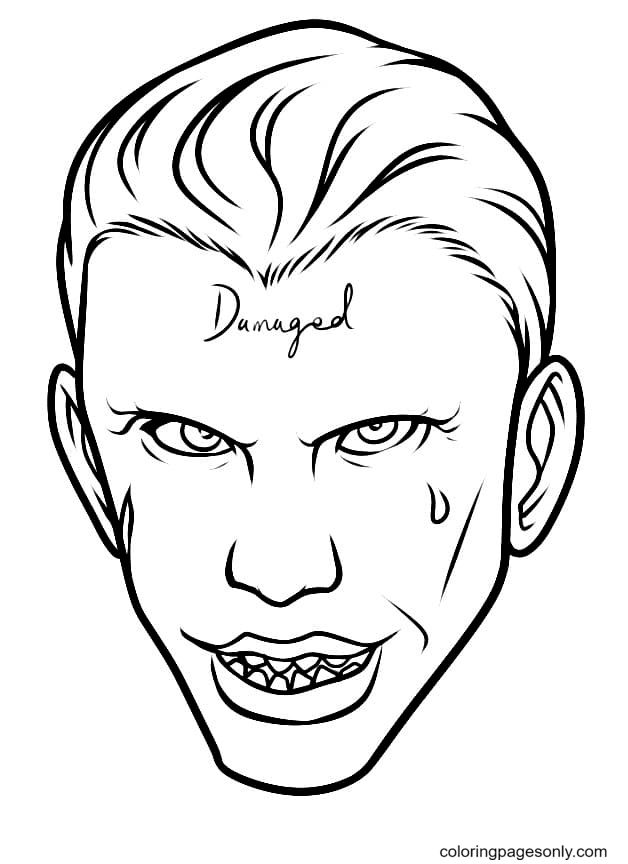
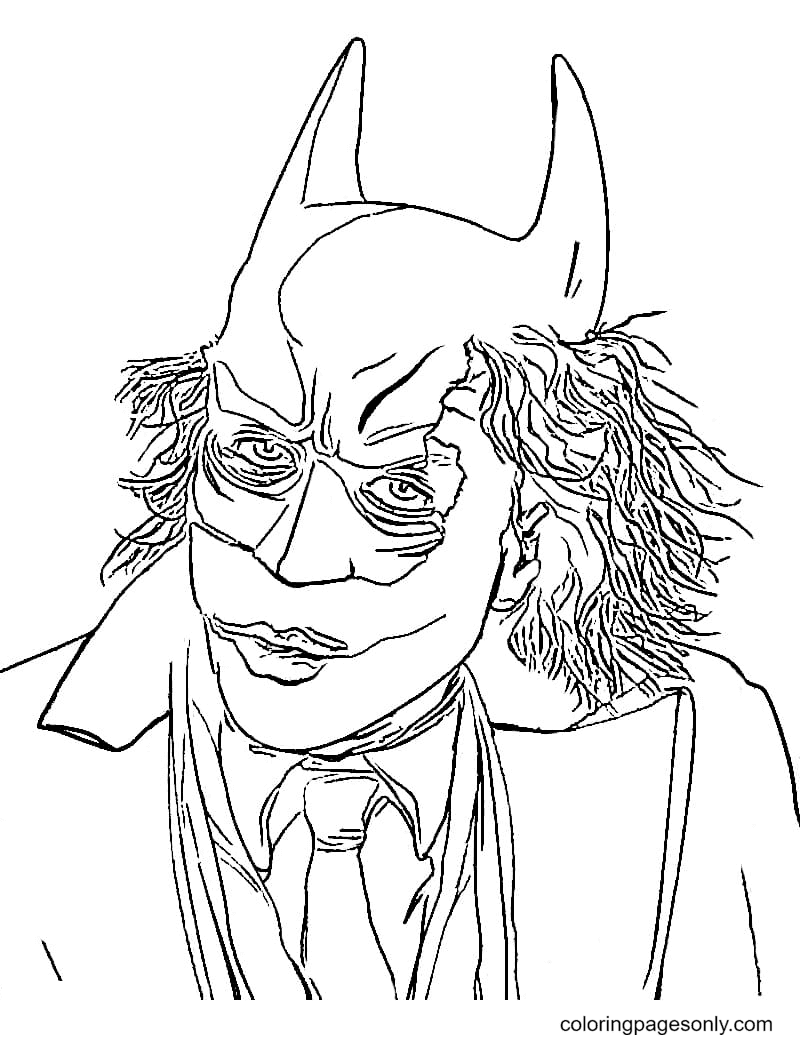
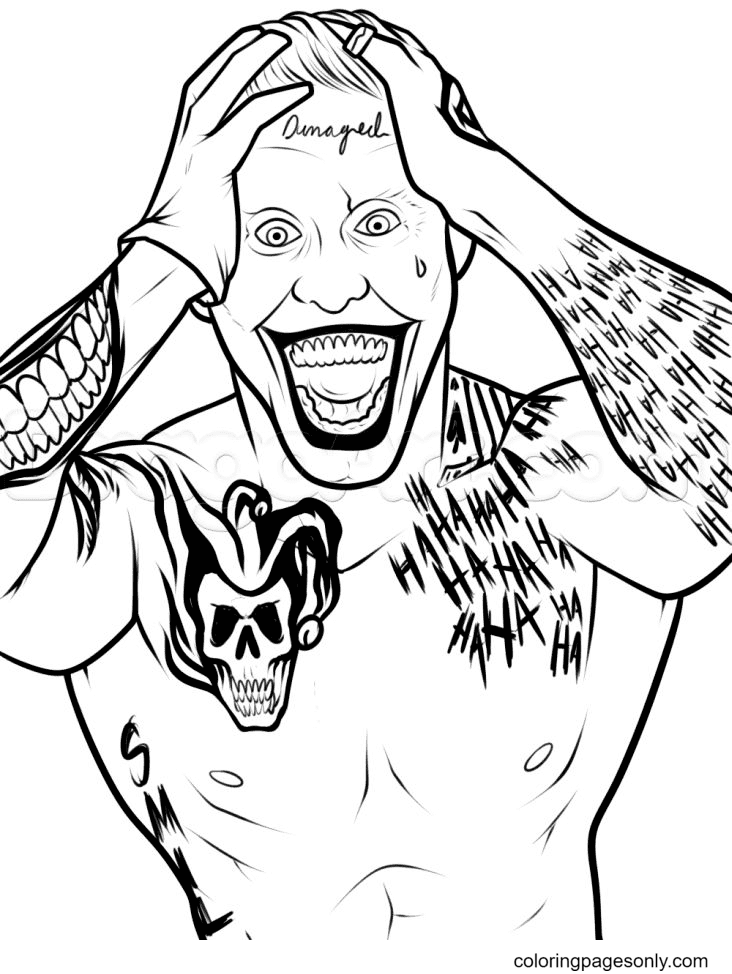
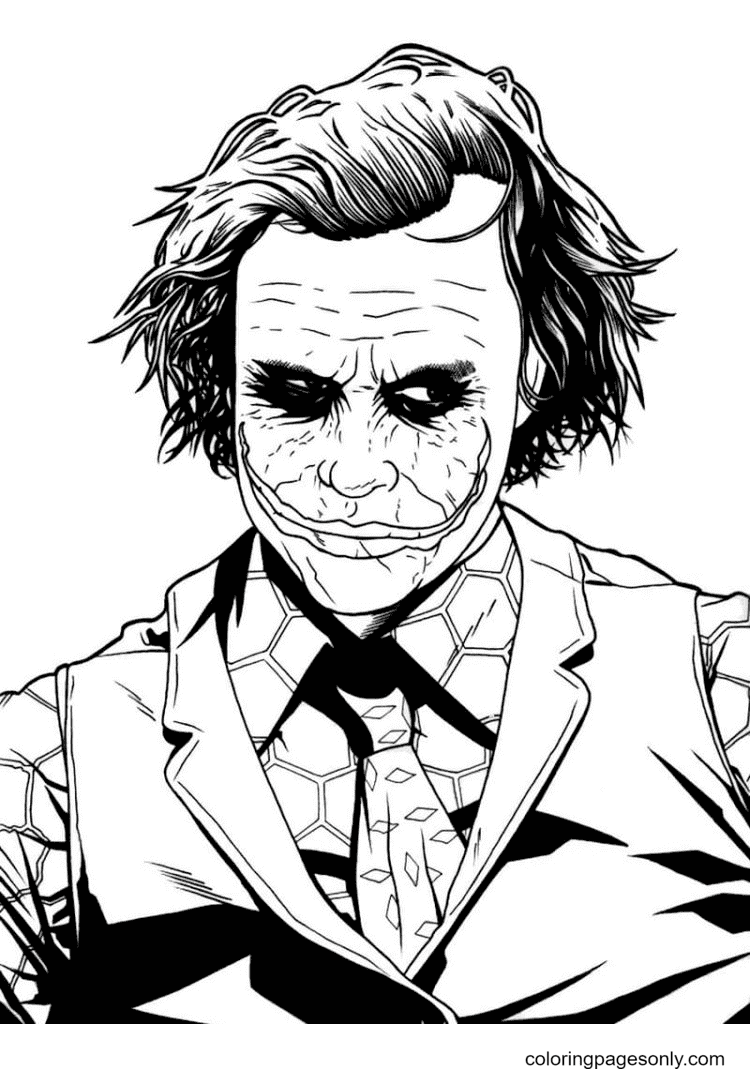
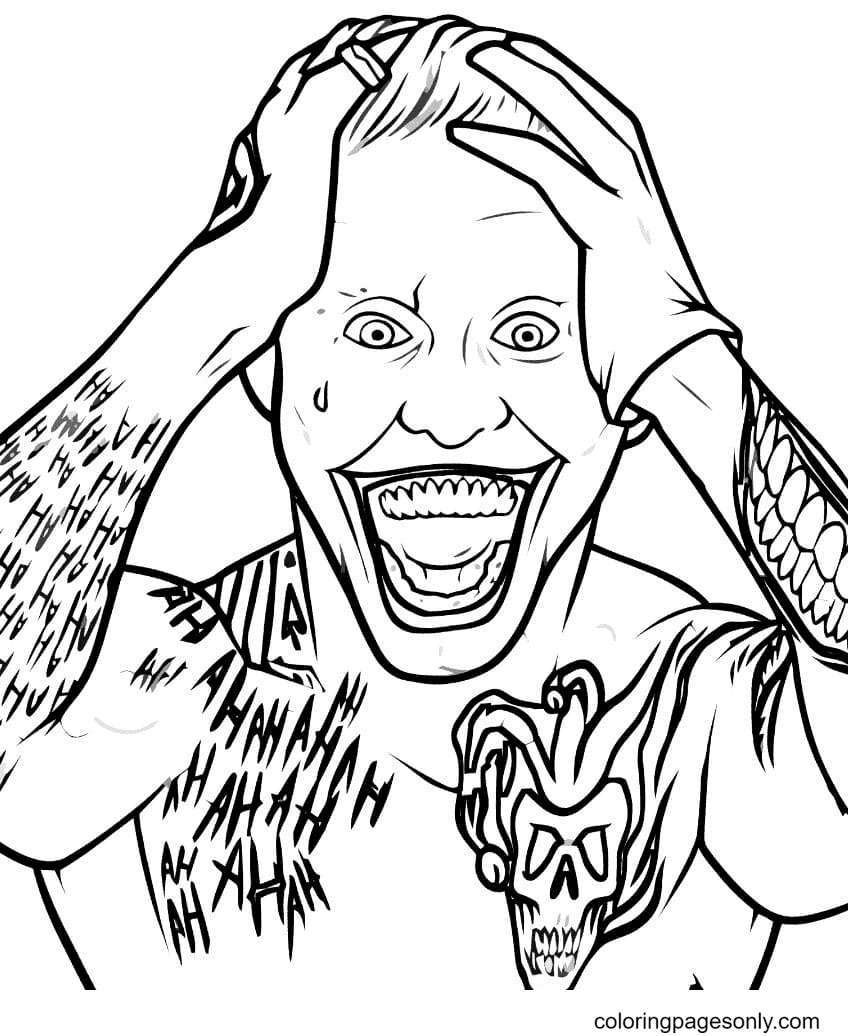
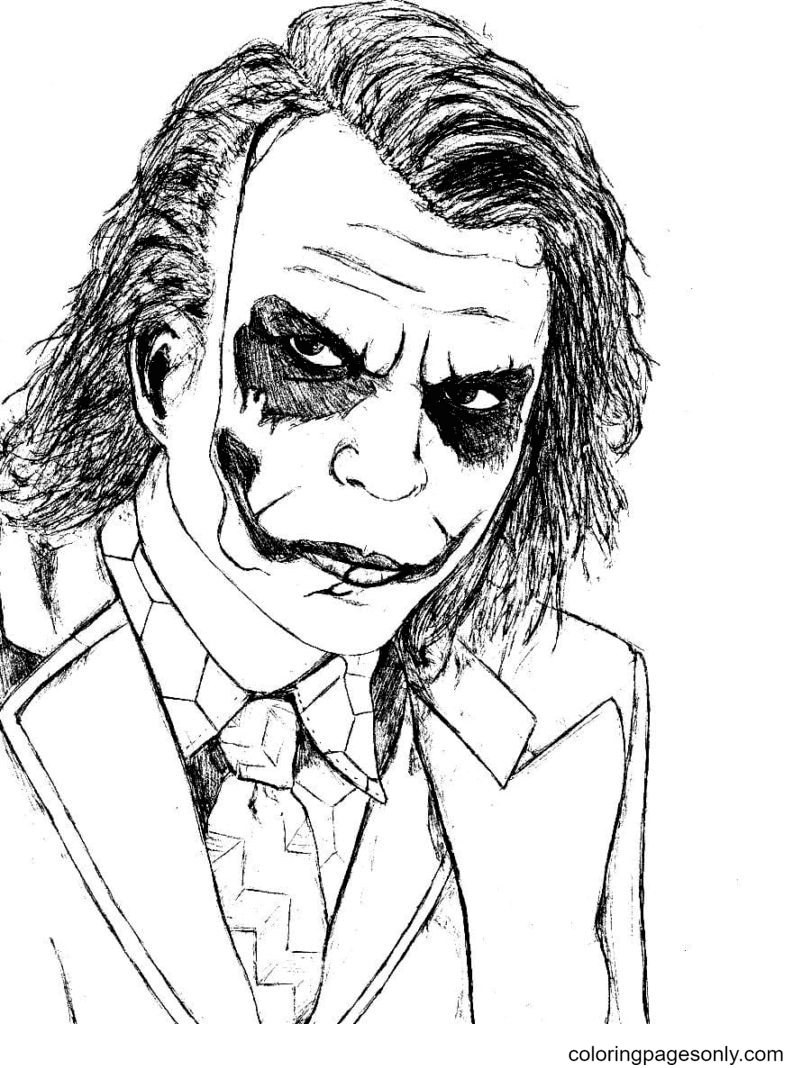
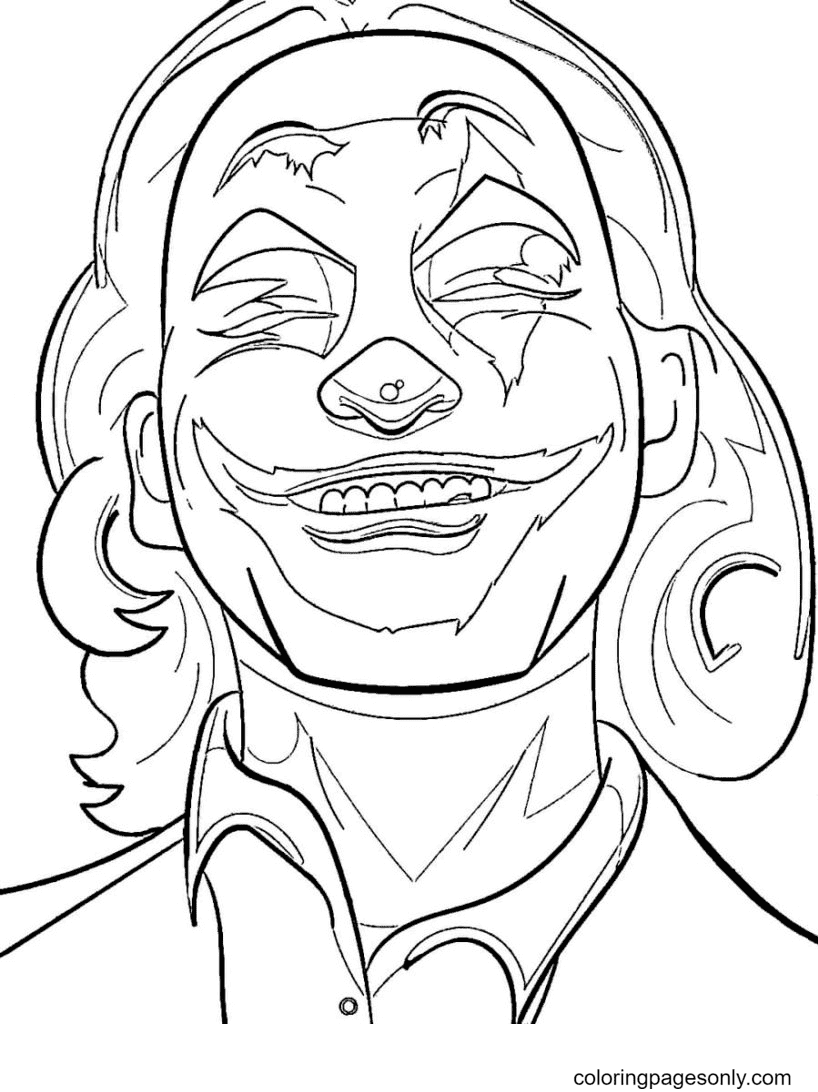
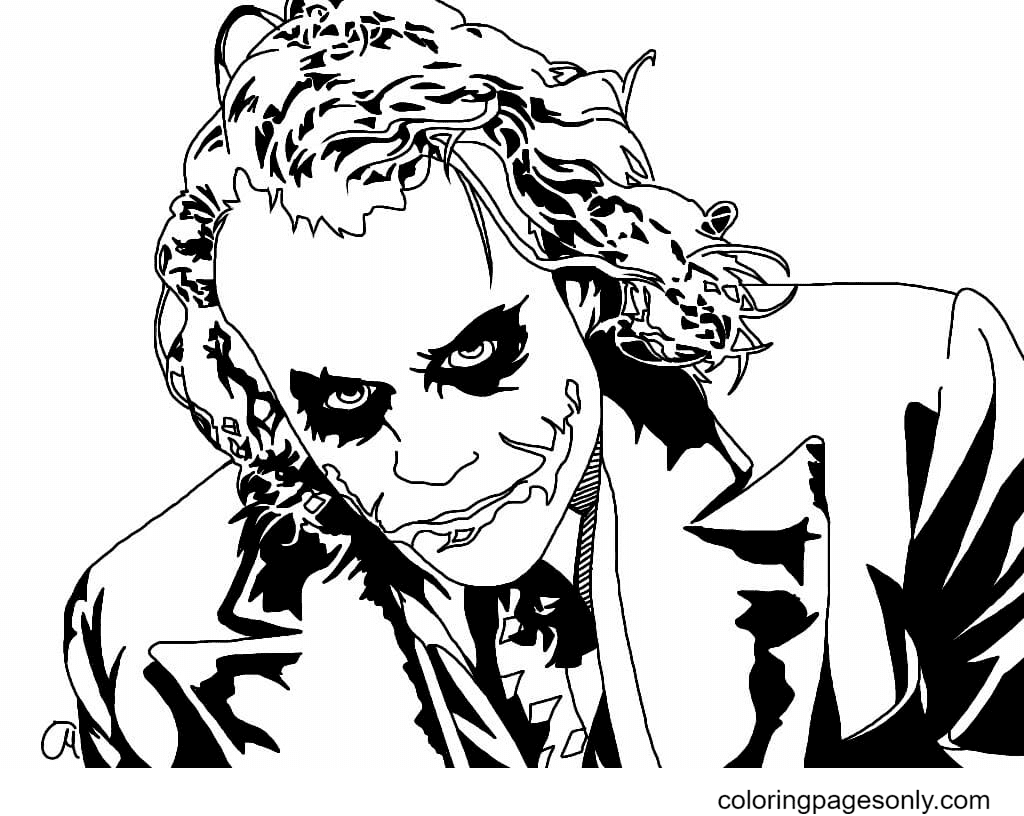
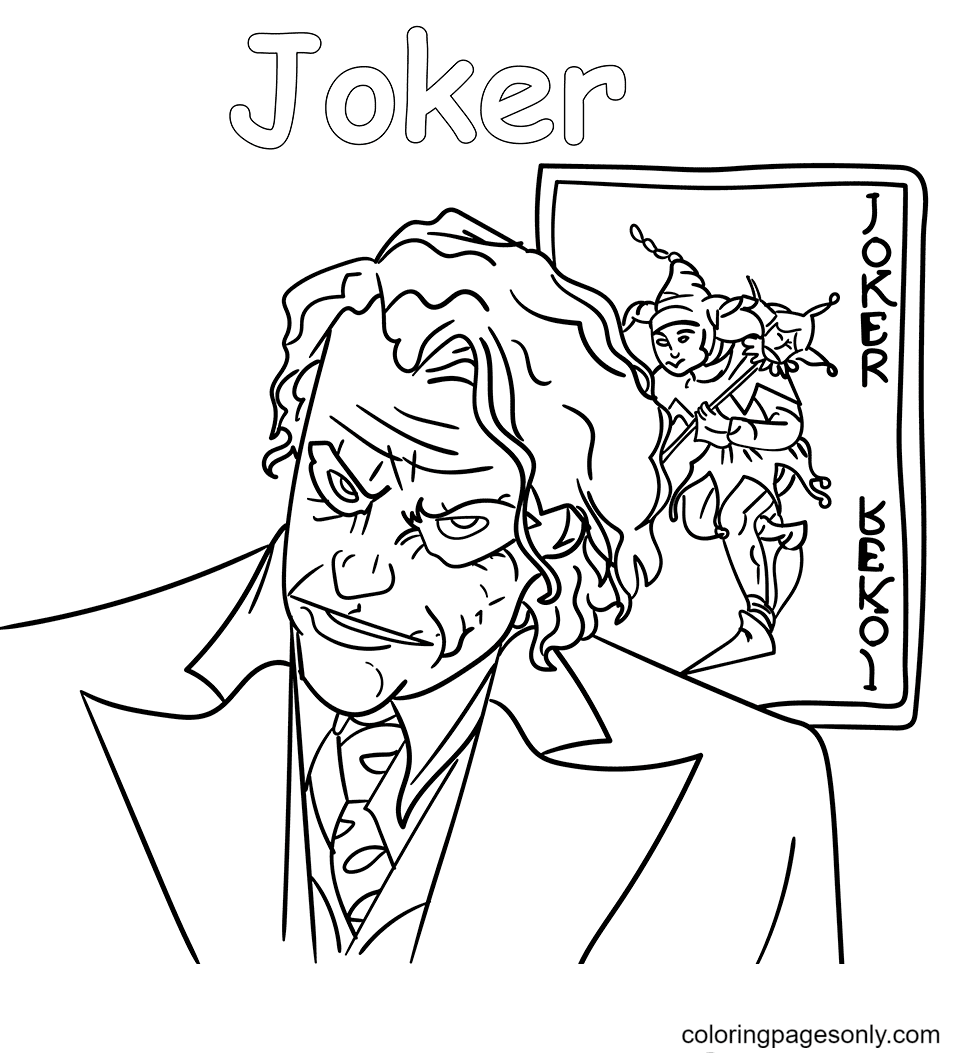
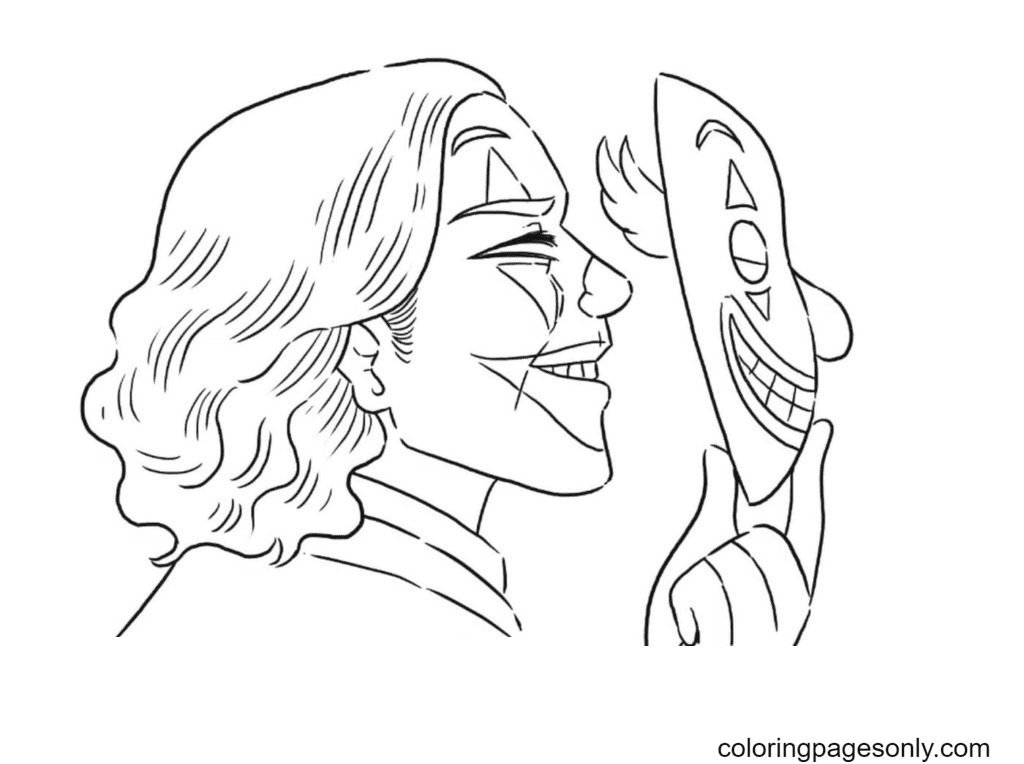
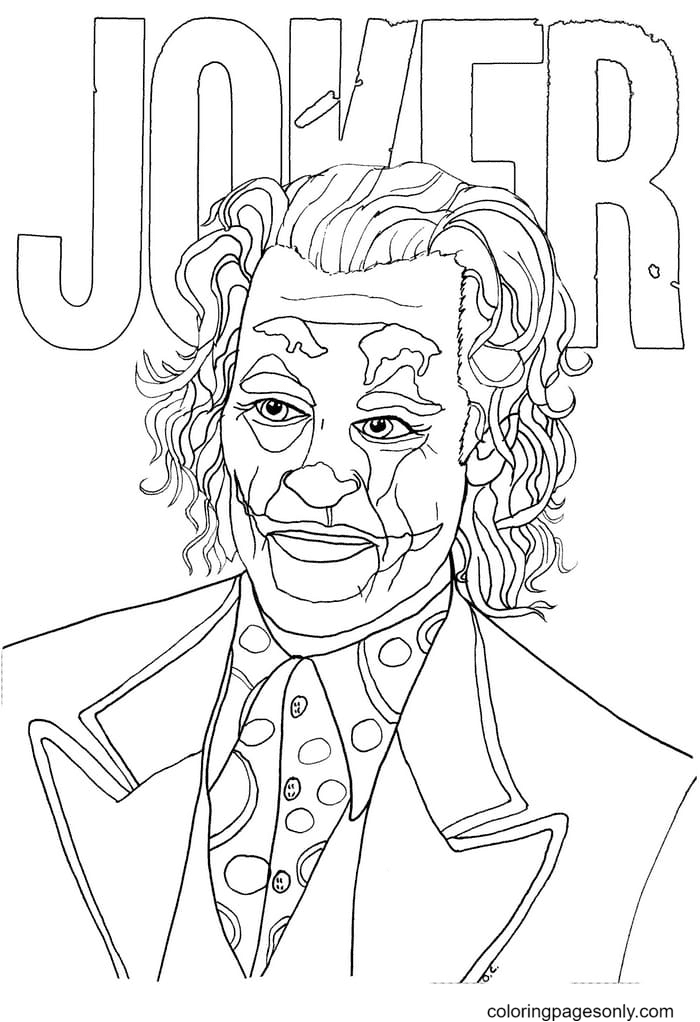
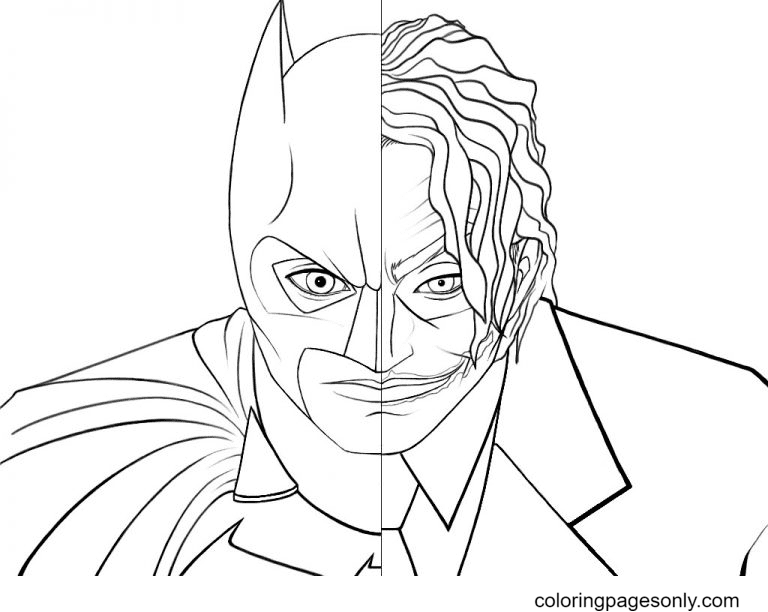
Ten pages are labeled for a specific comic or film version: Suicide Squad, The Dark Knight, DC Comics, and Arthur Fleck from the 2019 film Joker. Each screen version has its own distinct look, Heath Ledger’s smeared face paint in The Dark Knight, Joaquin Phoenix’s more theatrical makeup in Joker, so a quick reference image for the named version helps match the right details.
Solo Portraits and Expressions
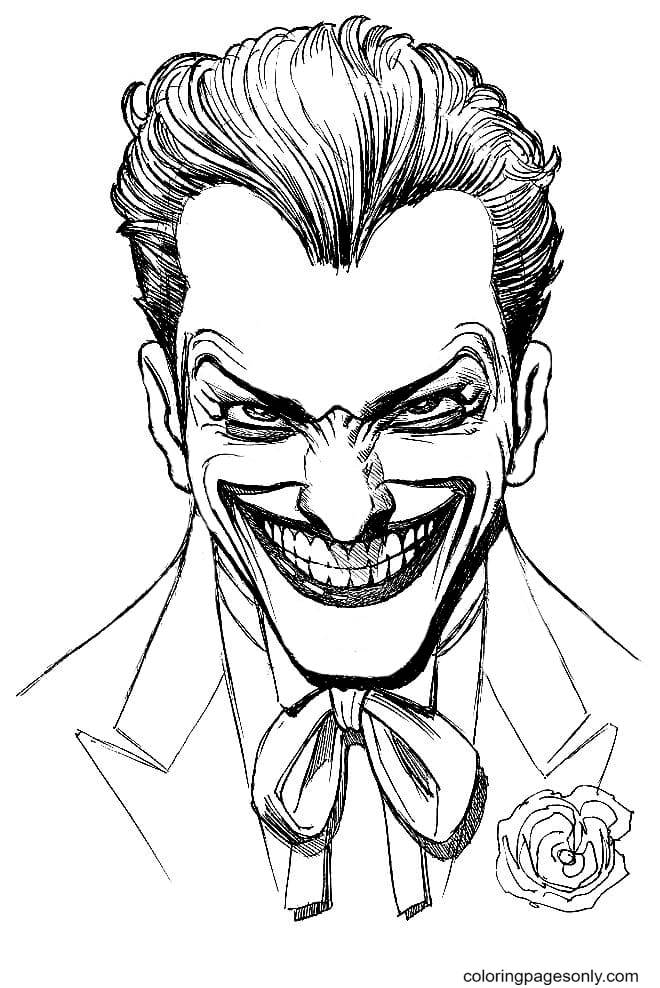
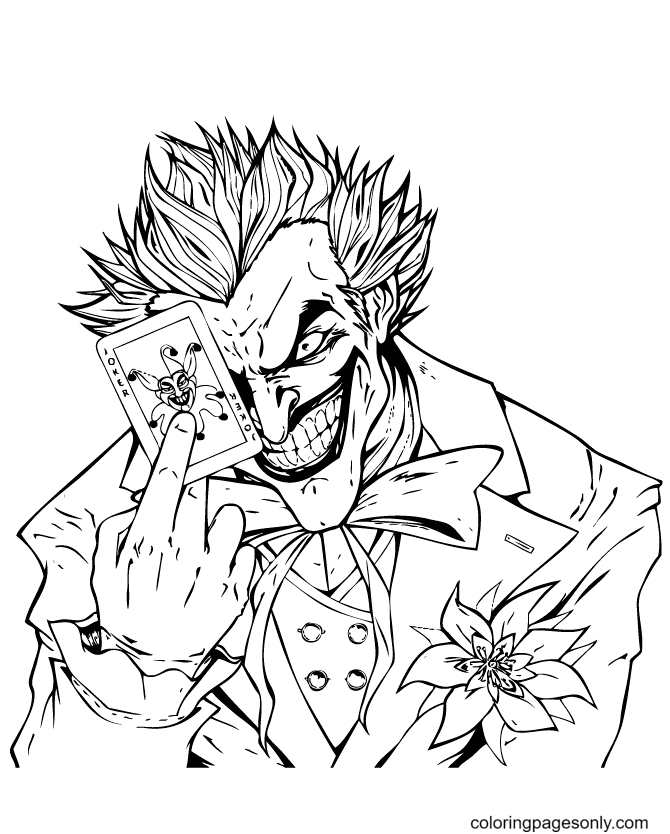
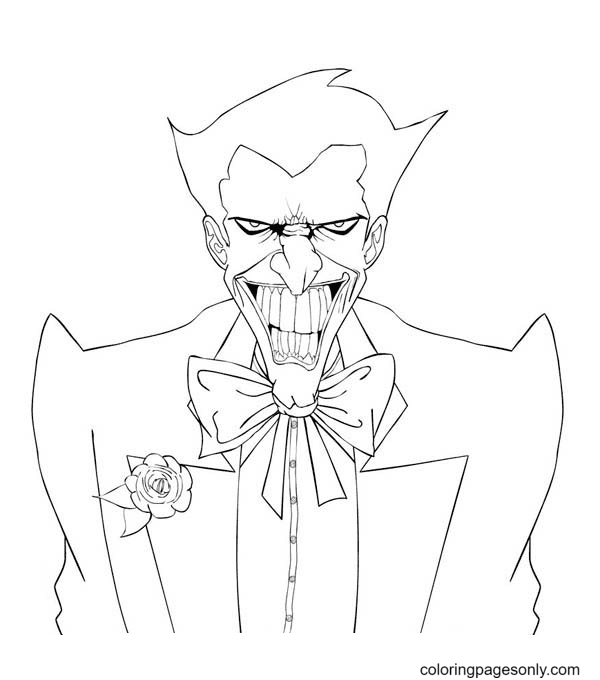
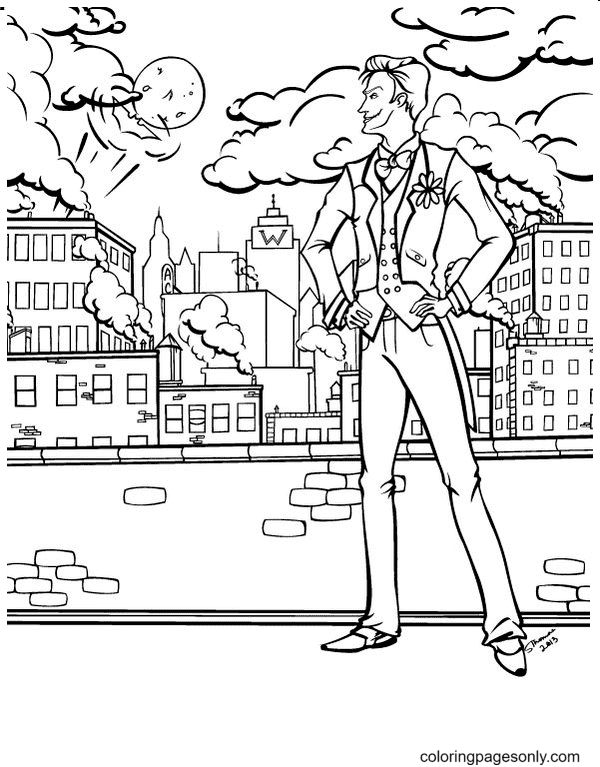
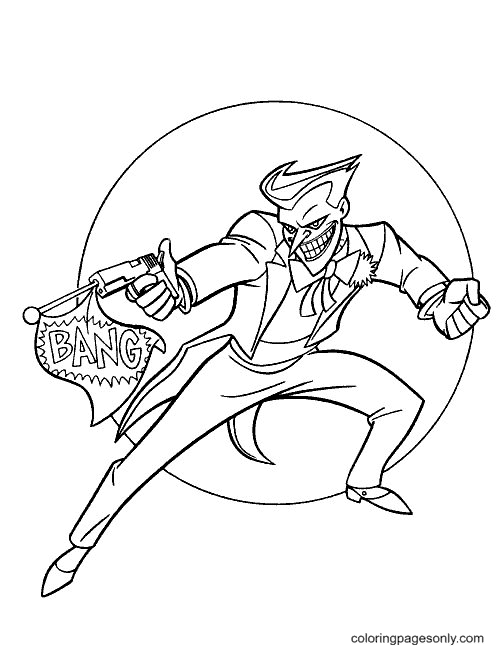
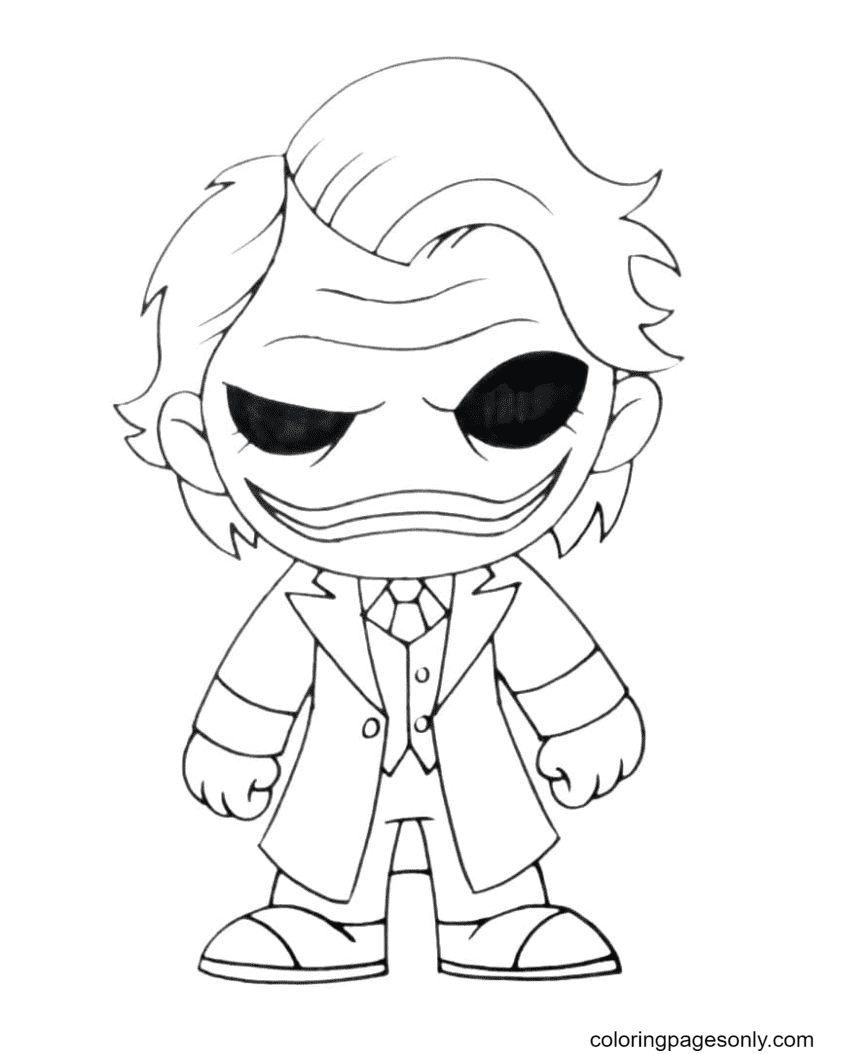
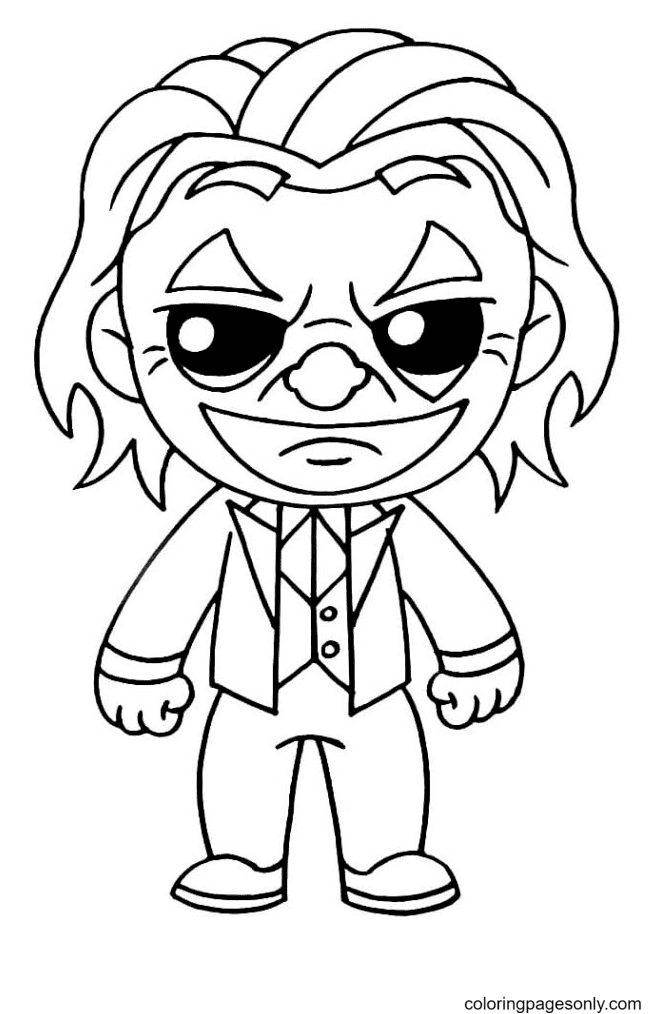
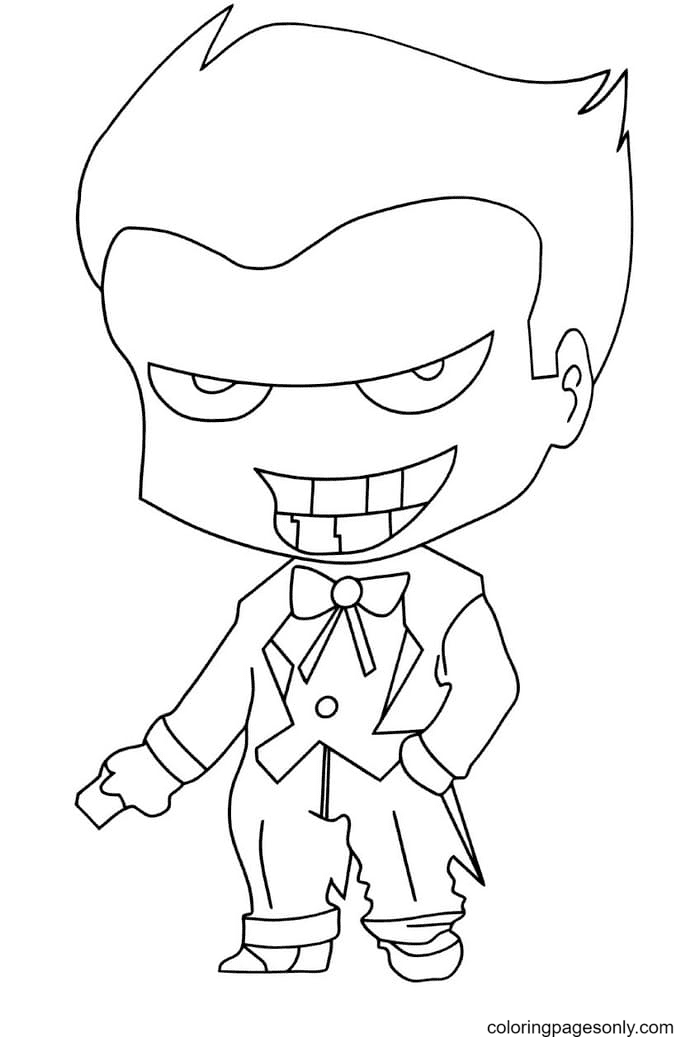
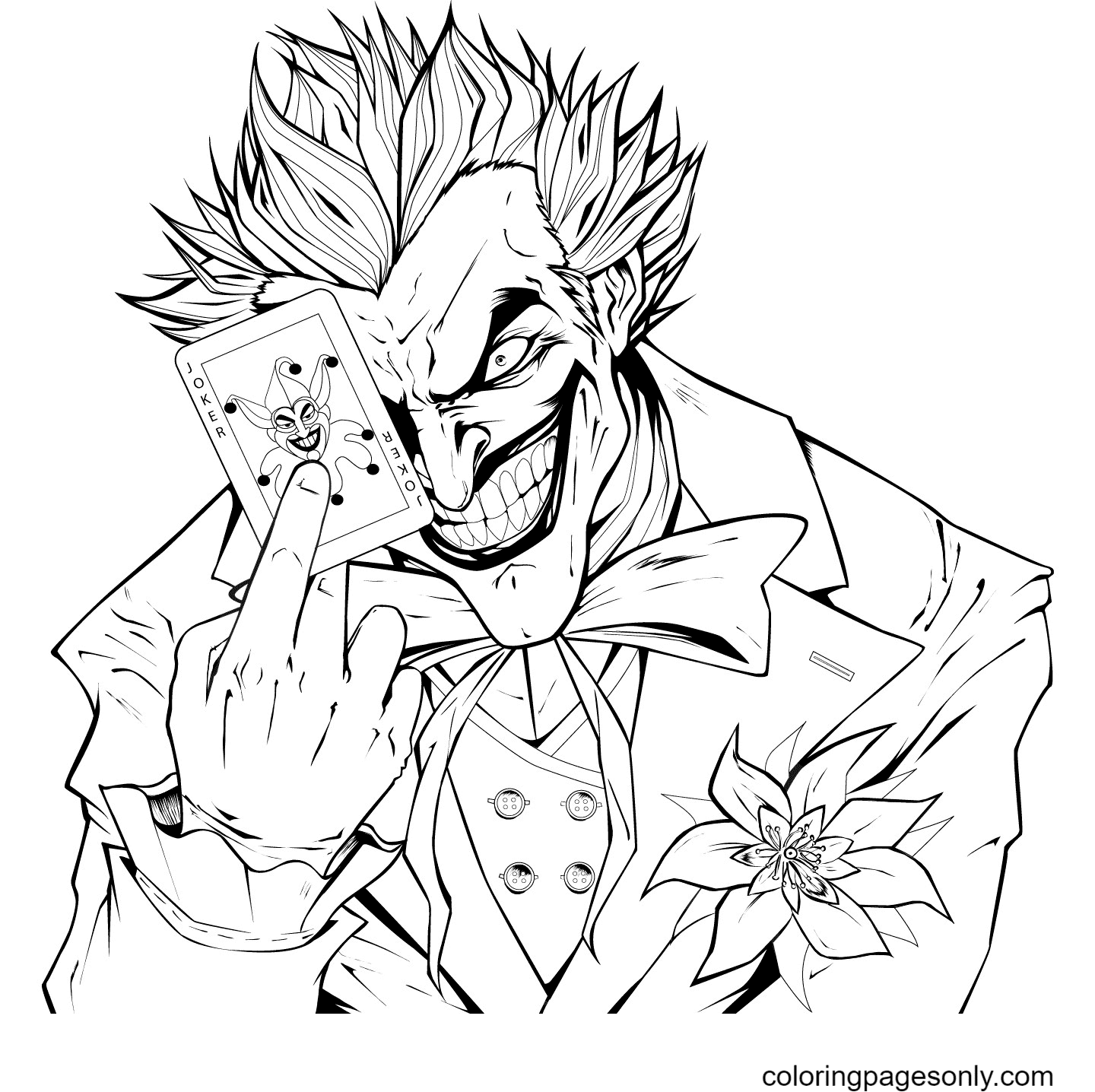
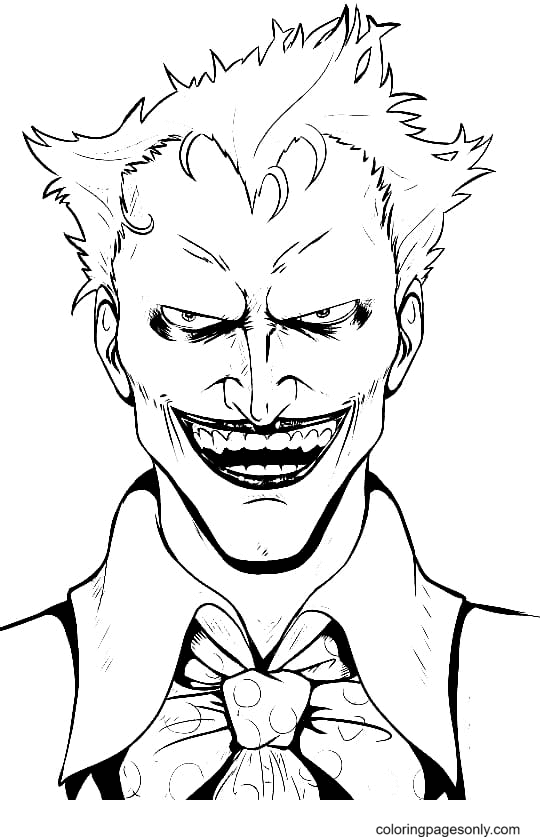
Twenty-seven pages keep the focus on Joker alone, without Batman, Harley, or a specific film labeled, capturing a range of expressions from a wide grin to a more menacing look. These are the best pages for the character’s most consistent visual traits across every version: pale white skin, green hair, and a permanently painted or exaggerated smile.
What Joker Coloring Pages Do
Sharp detail rewards a careful hand. A wide, painted grin and carefully drawn facial makeup ask for steadier, more deliberate coloring than a simpler cartoon face would, and the American Academy of Pediatrics names exactly this kind of structured coloring, done between ages 2 and 7, as a clear path to fine motor skill development, extending naturally into more detailed work for older colorists.
A character built to stay unresolved. Since Joker’s backstory has always been left deliberately inconsistent across comics and films, coloring different versions side by side is a small, concrete way to see how a fictional character can stay iconic without ever settling on one fixed history.
Calm through repetition. A 2005 Art Therapy Journal study found a measurable drop in anxiety after coloring sessions built around a defined structure. The repeating diamond pattern on a Harley Quinn page or the precise makeup lines on a detailed Joker portrait are about as structured as a coloring page gets.
Two colors are doing a lot of work. Since purple and green carry almost the entire visual identity of this character across every version, getting that specific combination right is a useful, transferable lesson in how just two colors can make a design instantly recognizable.
How to Color Joker Coloring Pages Well
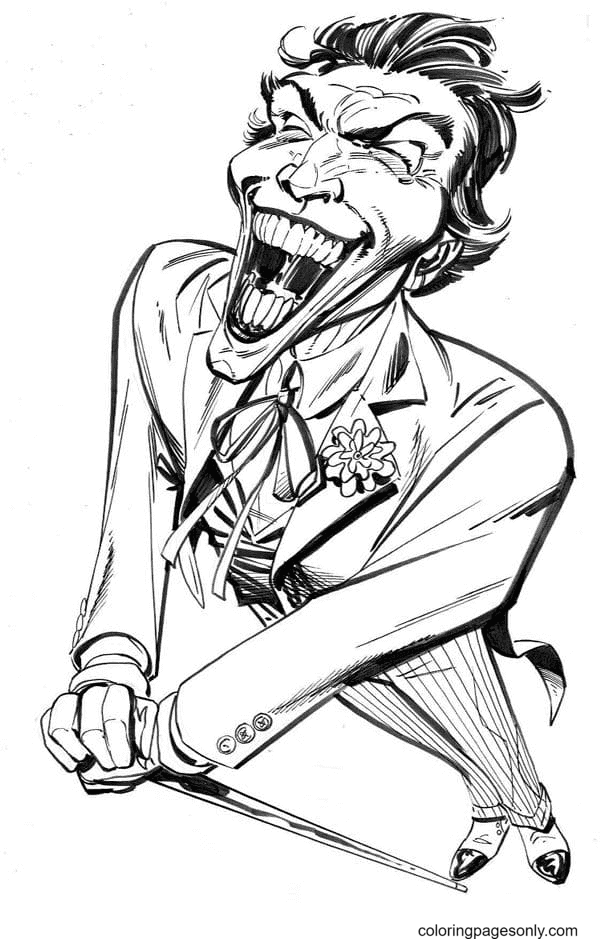
- Classic and comic-style Joker: Use a Purple suit, vivid green hair, pale White or off-white skin, and a Scarlet mouth.
- Dark Knight-style Joker: Keep the face paint intentionally uneven and smeared rather than perfectly clean, since this version’s look is defined by its rough, worn-down appearance.
- Joker (2019) / Arthur Fleck-style: Use Sea Green or Turquoise hair, a more theatrical Scarlet smile painted over the mouth, and a mustard-yellow or Maroon suit rather than the classic bright purple.
- Harley Quinn (when paired with Joker): Use Scarlet and Black in a harlequin diamond pattern, kept visually distinct from Joker’s purple and green, so the two characters don’t blend.
- Batman (in confrontation scenes): Use Black or dark Gray, cool and desaturated, so it contrasts clearly against Joker’s brighter palette.
- Card and prop details: Scarlet and Black playing cards are a classic Joker motif, worth coloring accurately if a page includes them.
5 Creative Craft Ideas With Joker Coloring Pages
1. Character Fact Cards. Color a few different Joker versions, then write one real fact, like Heath Ledger’s Academy Award, on the back of each card. A small stack makes a simple, reusable set for a comic book fan.
2. Then vs. Now Poster. Color a classic comic-style Joker and a more recent film version side by side, then label the differences in style. It’s a concrete way to see how much the characters’ looks have changed over the decades.
3. Villain vs. Hero Display. Color a Joker portrait and a Batman portrait, then display them together to show the contrast in color and mood. It’s a simple way to highlight how strongly color choices can define opposing characters.
4. Playing Card Design. Color one of the pages featuring Joker’s card motif, then design an original playing card of your own inspired by it. It’s a fun way to extend a single coloring page into an original, creative project.
5. Joker Bookmark Set. Color a few small portraits, cut them into narrow bookmark strips, and cover each with clear contact paper. A set makes a fun, low-cost gift for a comic book fan.
Frequently Asked Questions
What are Joker coloring pages?
Joker coloring pages are free printable and browser-colorable designs of the DC Comics villain, spanning classic comic portraits, film-specific versions, and scenes with Batman and Harley Quinn. This collection has 59 pages, available as PDF downloads or through the online coloring tool.
Who created the Joker, and when did he first appear?
Joker was created by Bill Finger, Bob Kane, and Jerry Robinson, first appearing in Batman #1 in 1940.
Does Joker have one official origin story?
No. DC has deliberately kept Joker’s backstory inconsistent across different comics and films. The character himself references this directly in the 1988 graphic novel Batman: The Killing Joke, saying he prefers his past to be “multiple choice.”
Who has played Joker in a film, and did any of them win awards for it?
Joker has been played on screen by actors including Cesar Romero, Jack Nicholson, Heath Ledger, Jared Leto, and Joaquin Phoenix. Heath Ledger won a posthumous Academy Award for his performance in The Dark Knight (2008), and Joaquin Phoenix won Best Actor for Joker (2019).
What are Joker’s classic signature colors?
Joker’s most consistent colors across comic and film versions are a purple suit, green hair, and pale white skin, though the exact shades vary between different portrayals.
Who is Harley Quinn, and how is she connected to Joker?
Harley Quinn is a DC Comics character who first appeared in Batman: The Animated Series in 1992 before later joining the main comics. She’s most often depicted as Joker’s accomplice and love interest, recognizable by her red-and-black harlequin-style costume.
Are Joker coloring pages suitable for young children?
Yes, with the right page. The simpler comic-style portraits suit younger children, while the more detailed, film-specific pages suit older kids and adult fans.
Are these official DC Comics or Warner Bros. designs?
No. These are fan-made coloring sheets for personal, non-commercial use and are not affiliated with, licensed by, or endorsed by DC Comics or Warner Bros.
Start Coloring
Download any design by clicking it. No account, email, or payment is required to color or print. Every page opens in the online coloring tool for on-screen use or downloads as a full-resolution PDF for printing. Share a finished Joker page using the Facebook or Pinterest buttons at the top of the page.