Countryballs Coloring Pages
 By:
Jennifer Thoa - Content Editor & Designer
Updated:
By:
Jennifer Thoa - Content Editor & Designer
Updated:
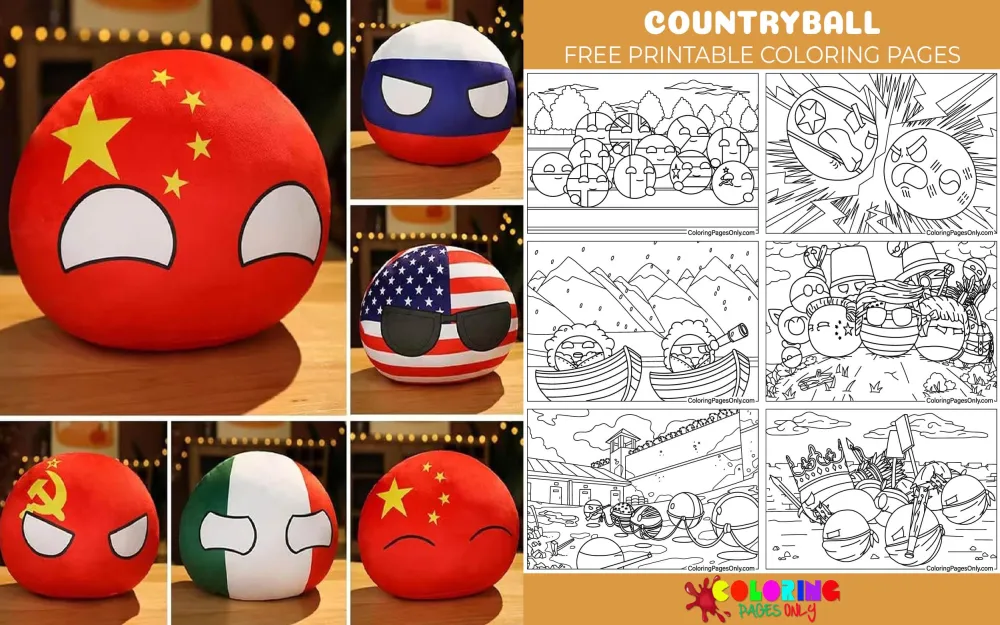
Free Countryballs coloring pages: 19 printable PDF designs in the internet art style that draws countries as round, ball-shaped characters wearing their national flag. Each page can be downloaded as a PDF to print or colored online in the browser.
Countryballs, sometimes called Polandball, is an online art and comic format that began around 2009 on internet drawing forums. Each character is drawn as a simple sphere with a country’s flag mapped across its round surface, giving every ball an instantly recognizable, flag-based design.
The format has grown into a lasting online art style, with fan communities, comics, and games built around drawing and coloring these round, flag-patterned characters.
This collection spans 19 pages, ranging from solo country portraits to group scenes, playful designs, and expressive character poses.

What Is Inside This Collection
The 19 designs group into four categories, from single country portraits to busier group scenes.
Solo Country Portraits
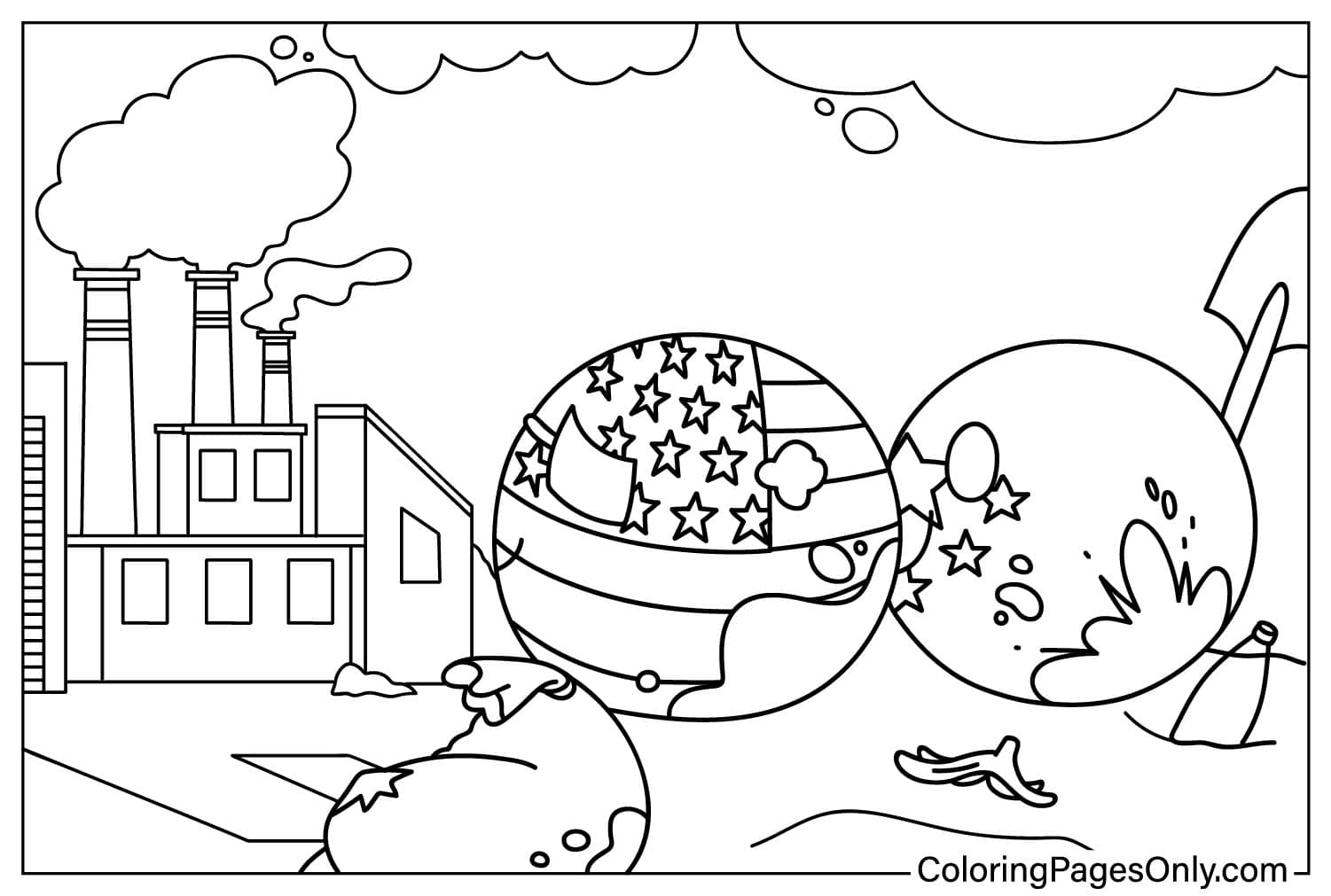
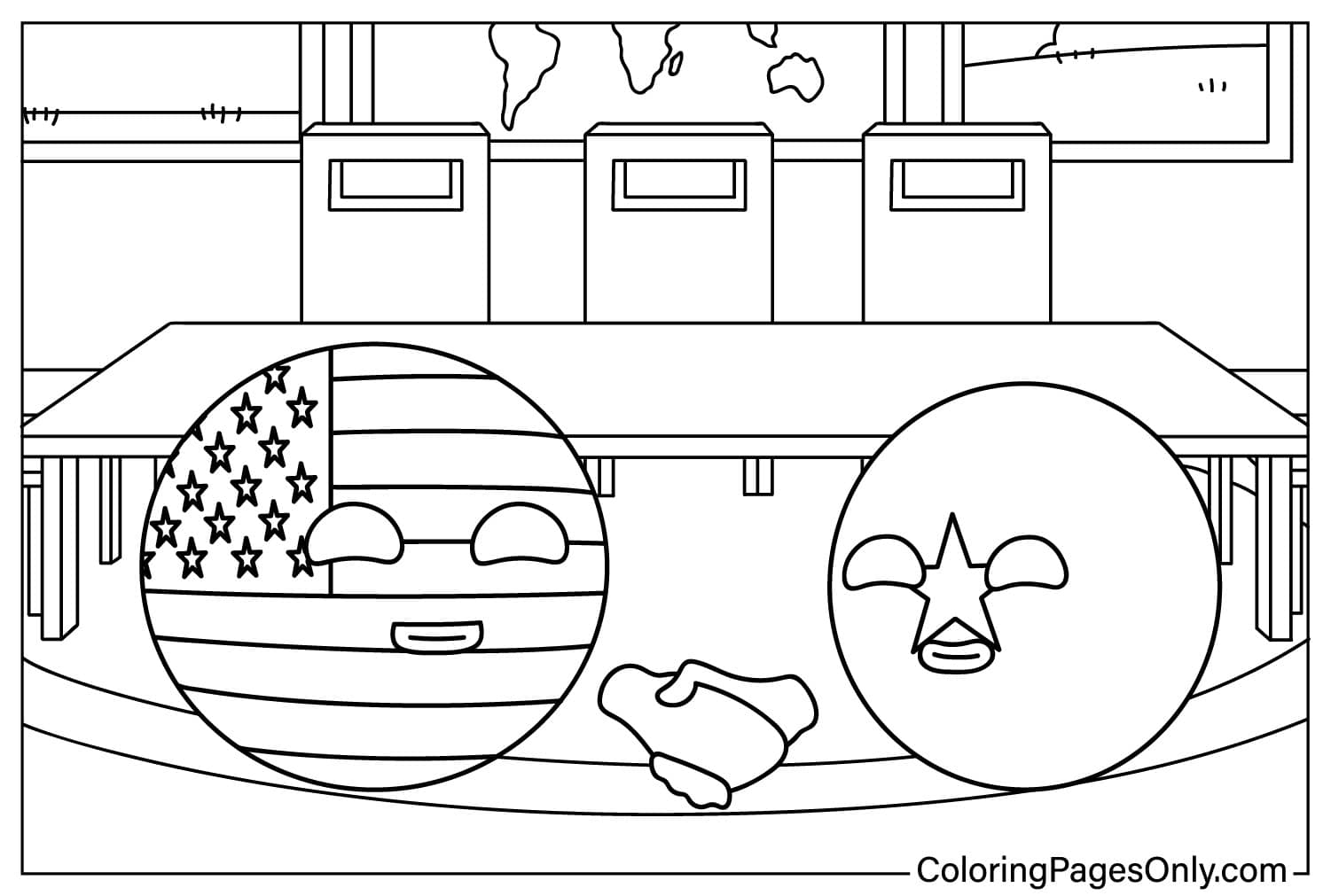
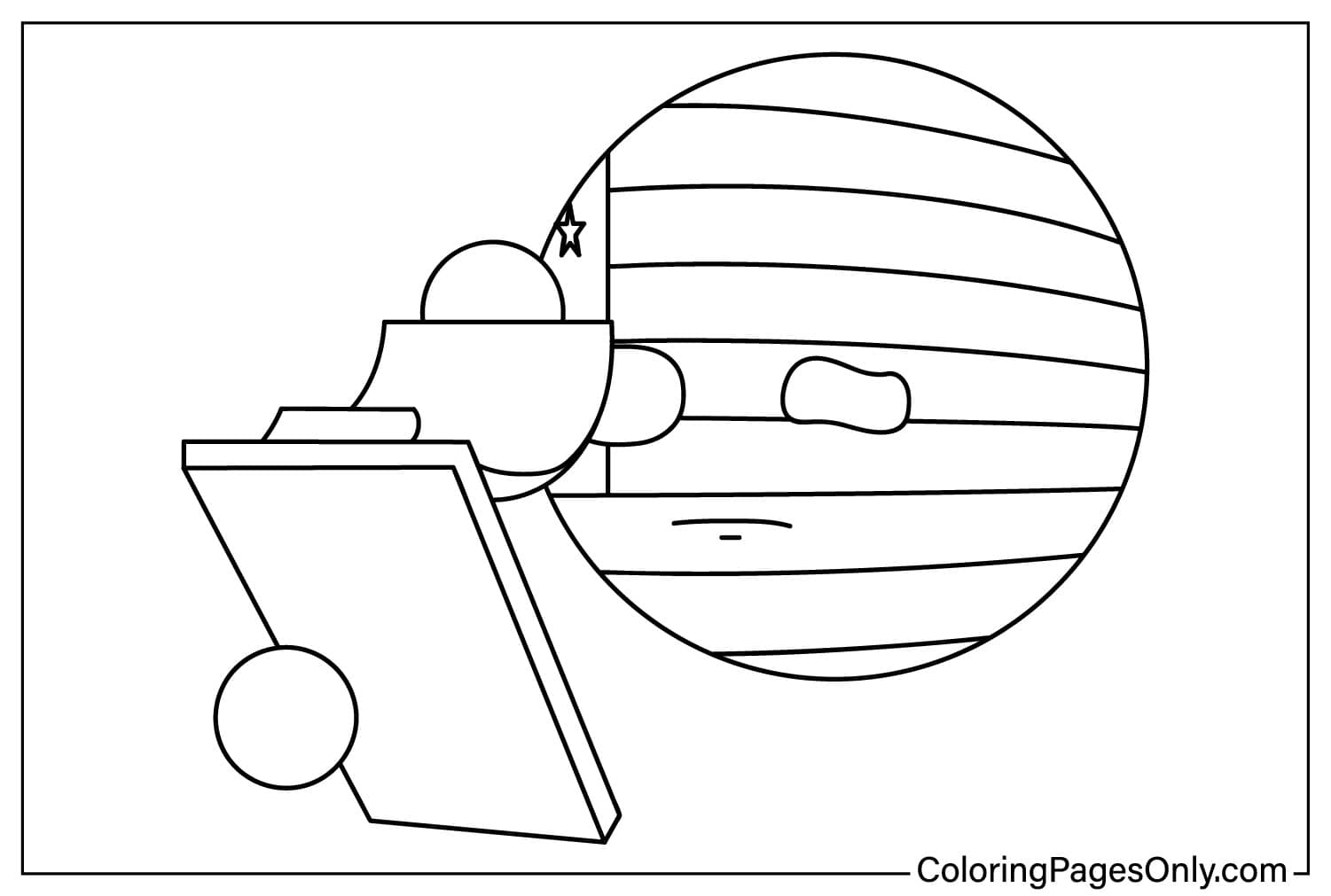
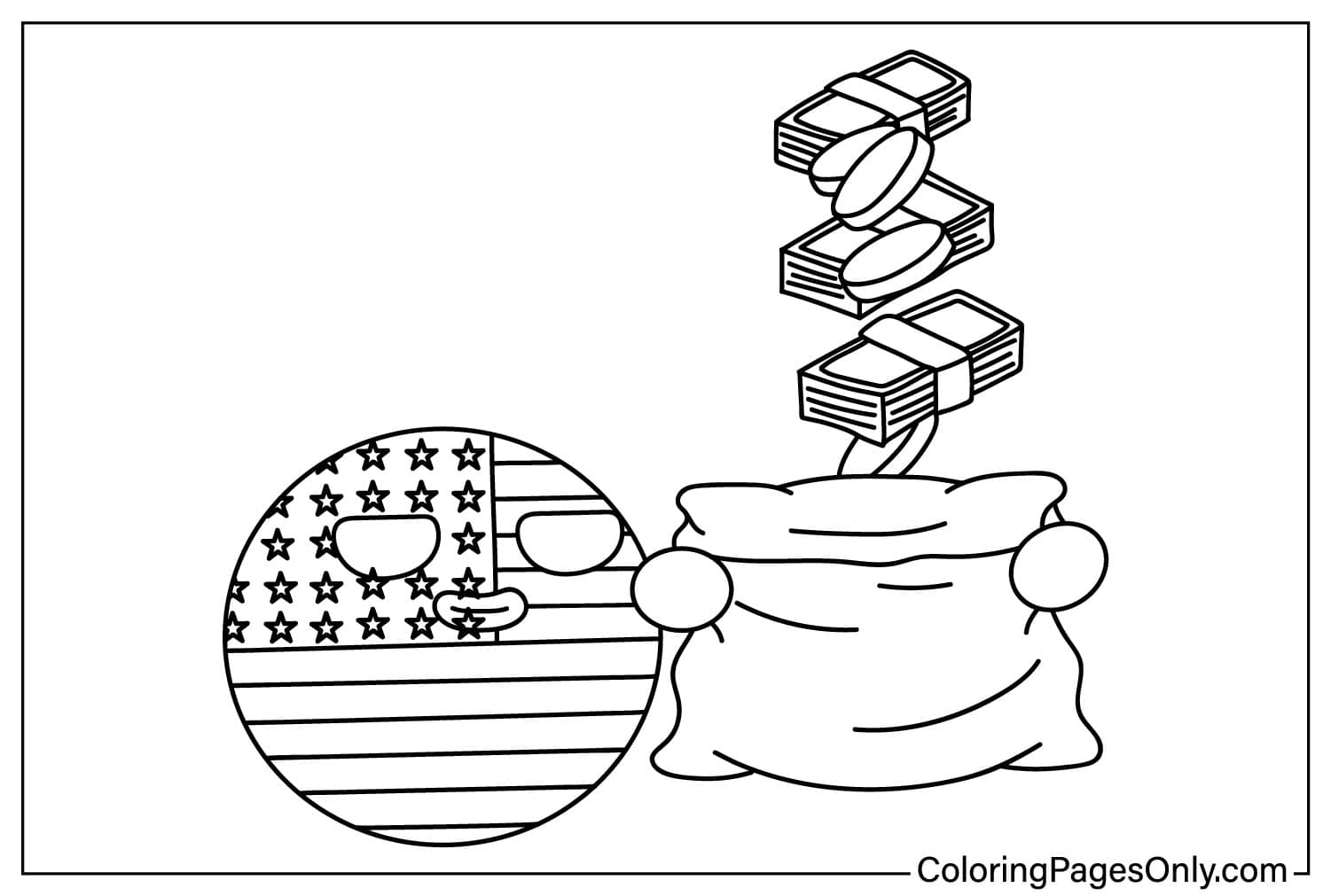
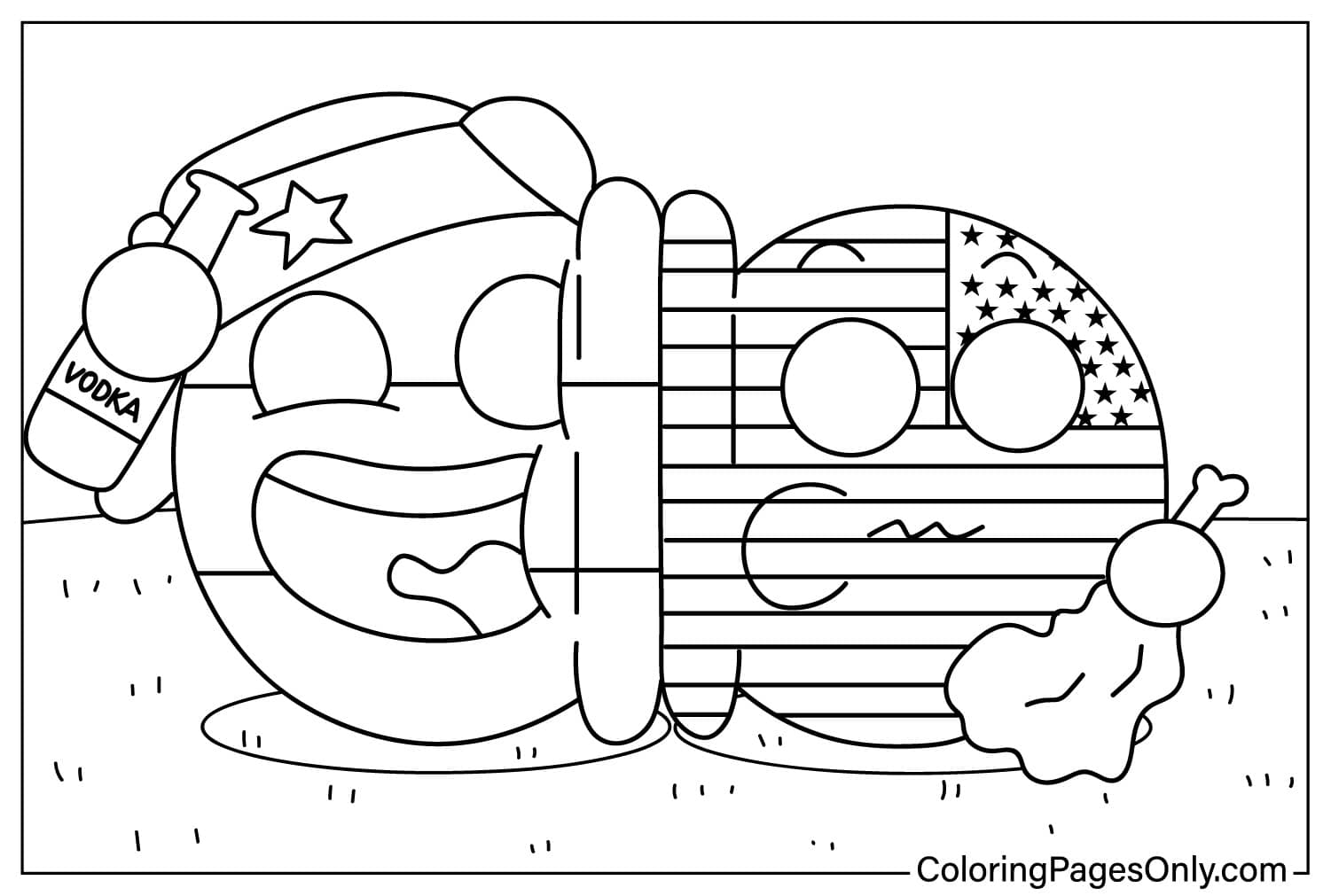
A few pages focus on a single countryball, including the United States and Vietnam, shown as individual round characters in their own flag colors.
Group and Cultural Scenes
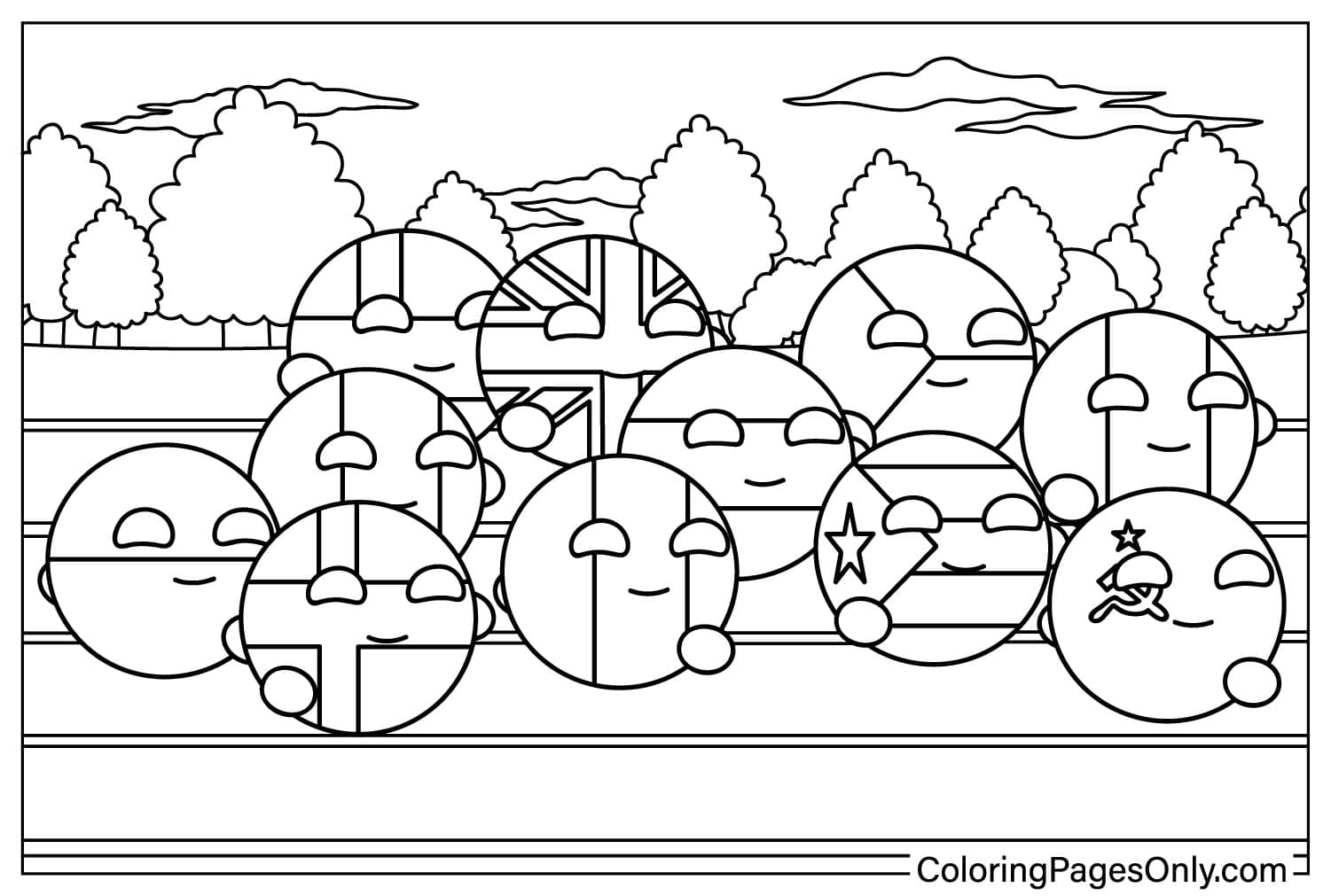
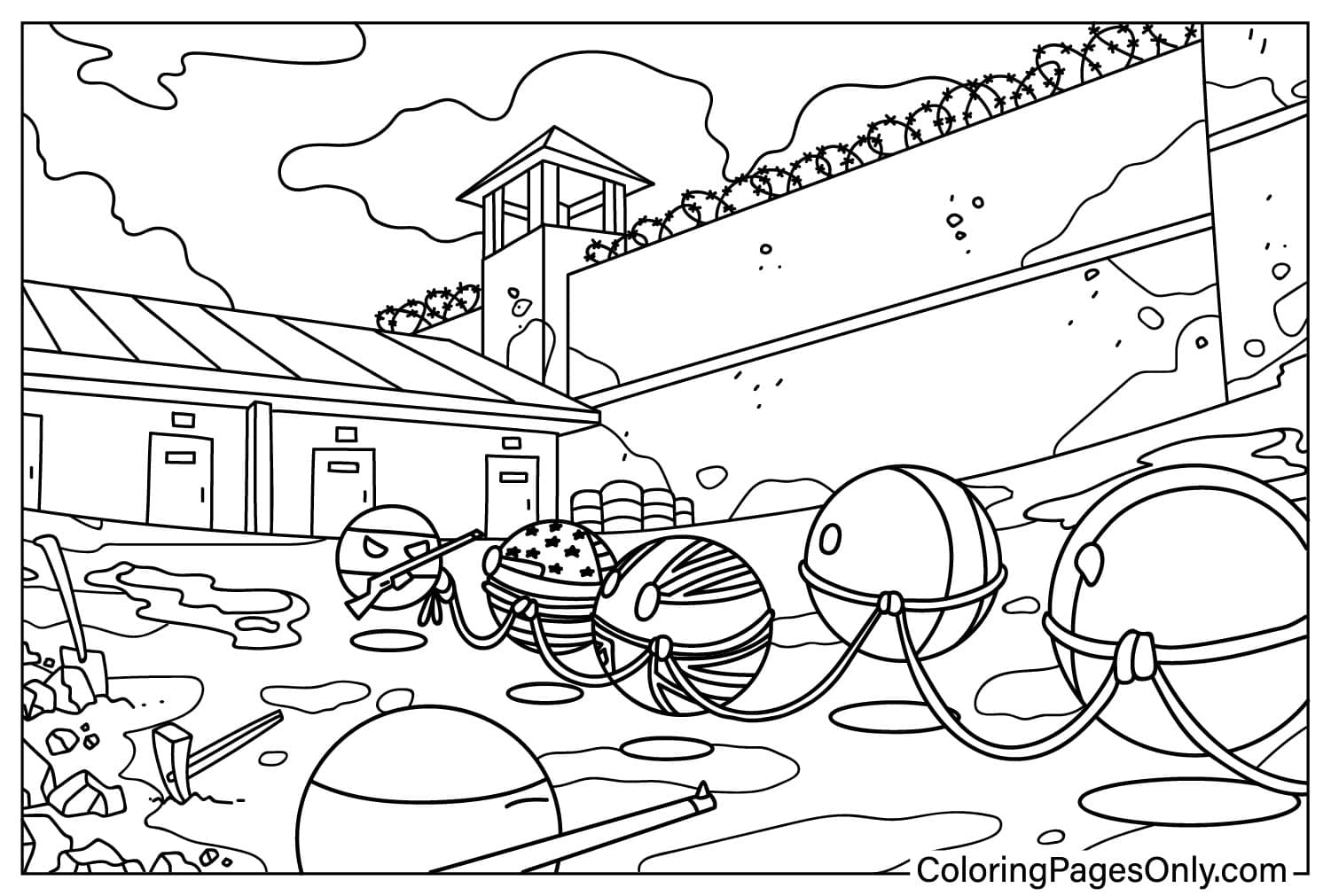
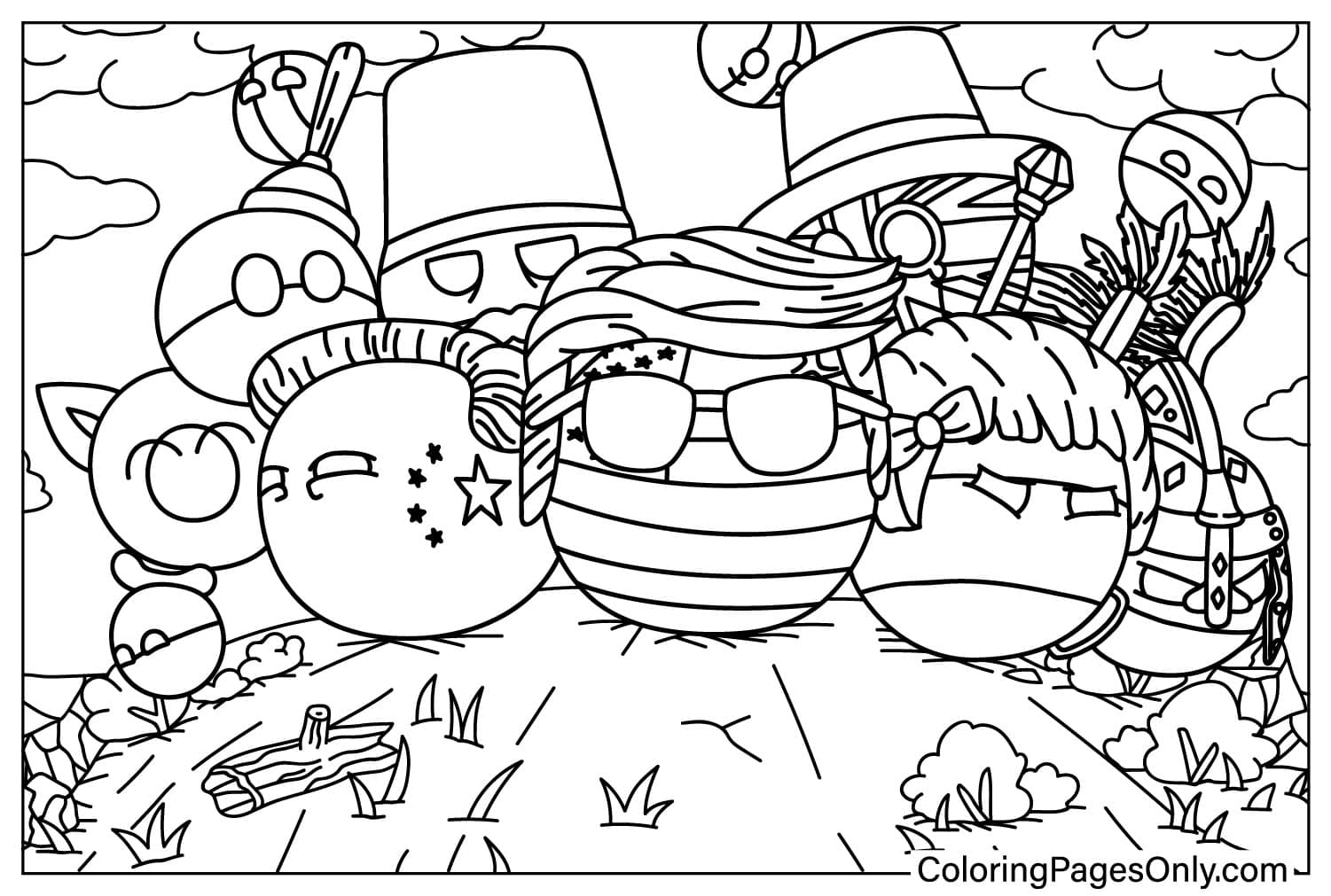
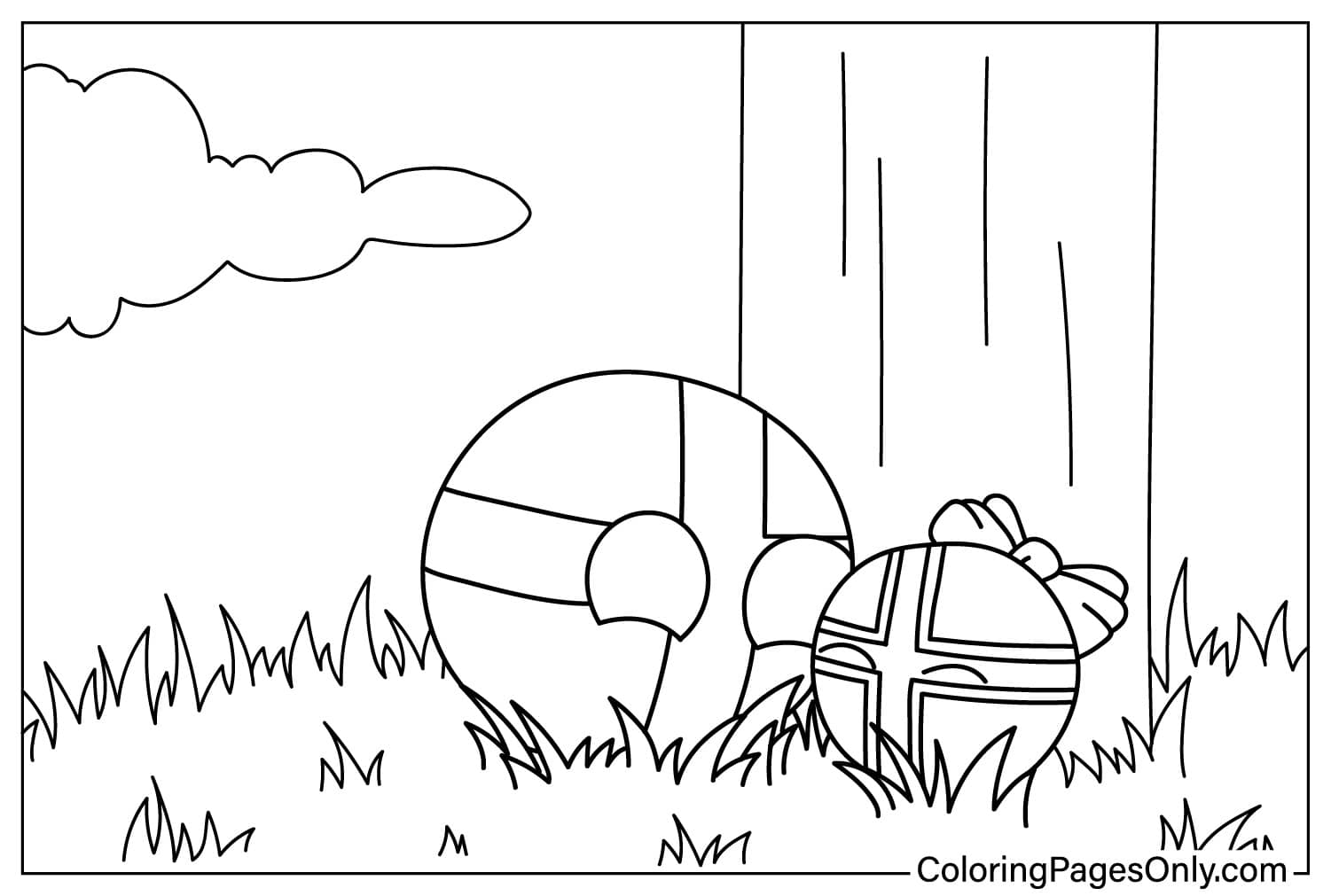
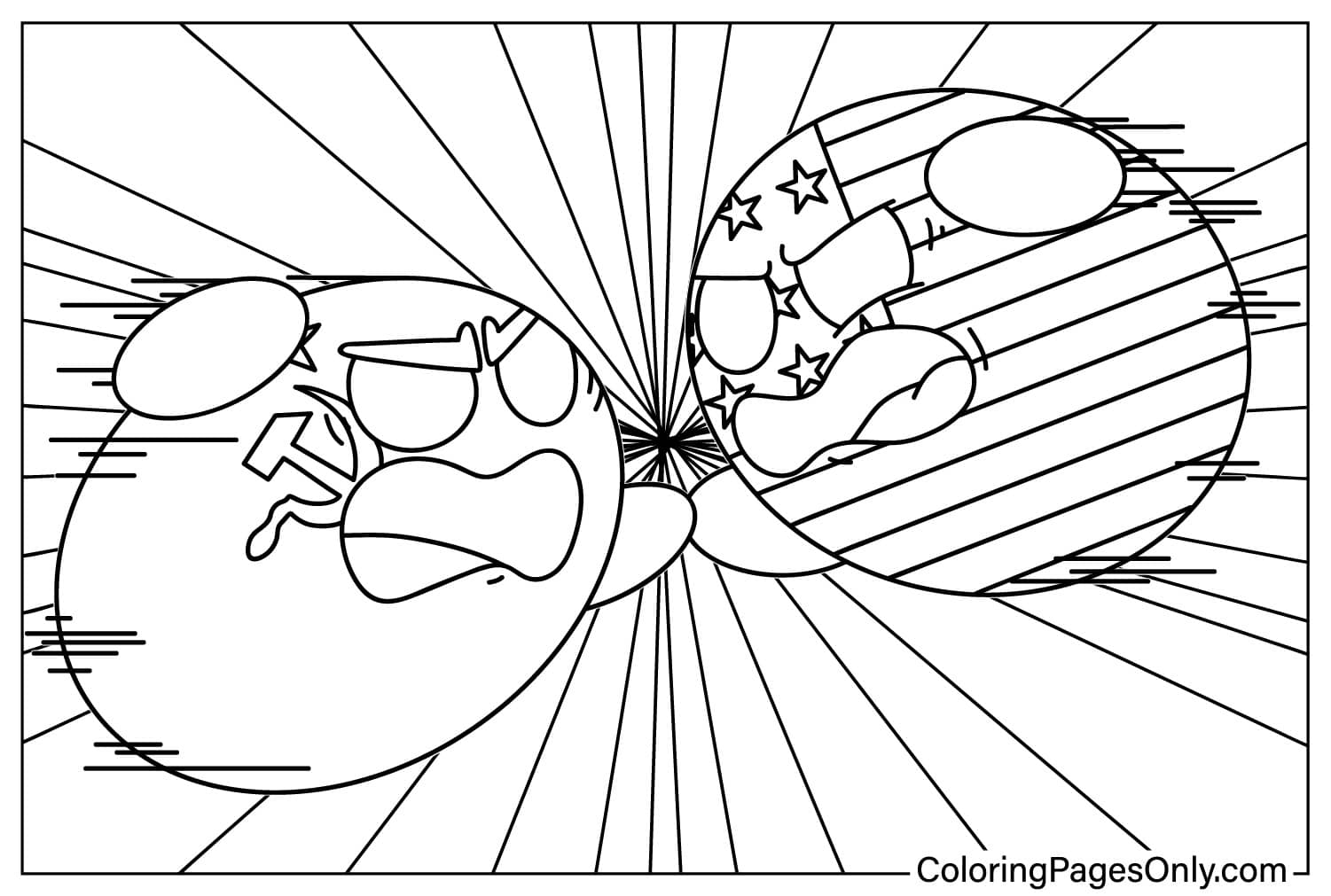
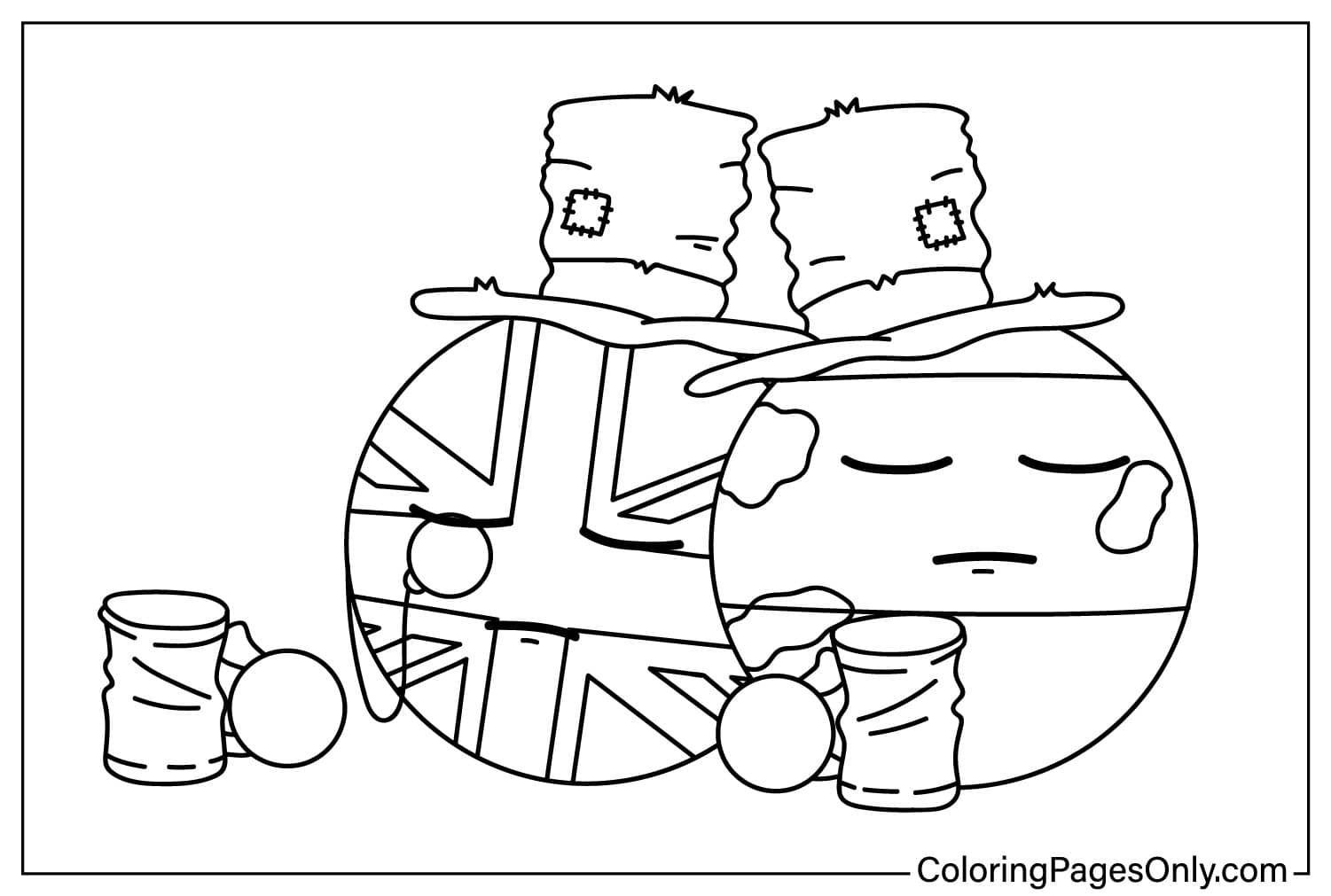
Several pages bring multiple countryballs together in one composition, including cooperative, celebratory, and playful group scenes.
Expressive Character Pages
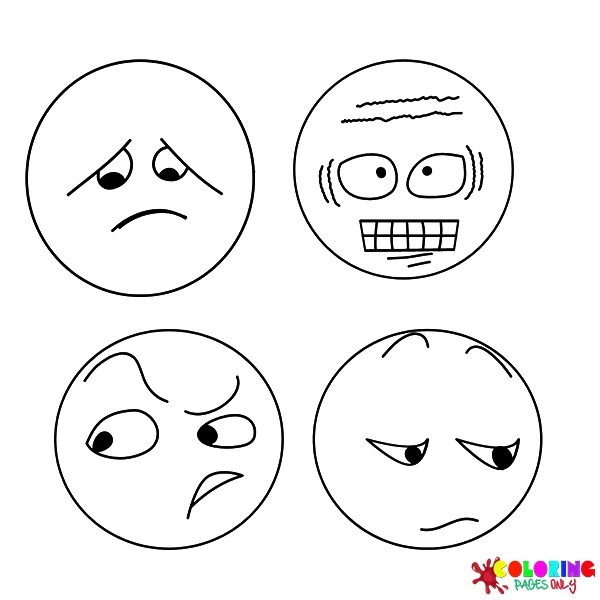
A number of pages show a single countryball with a clear expression, from happy and funny poses to sad or upset ones, using the format’s simple round face to convey emotion.
Action and Adventure Scenes
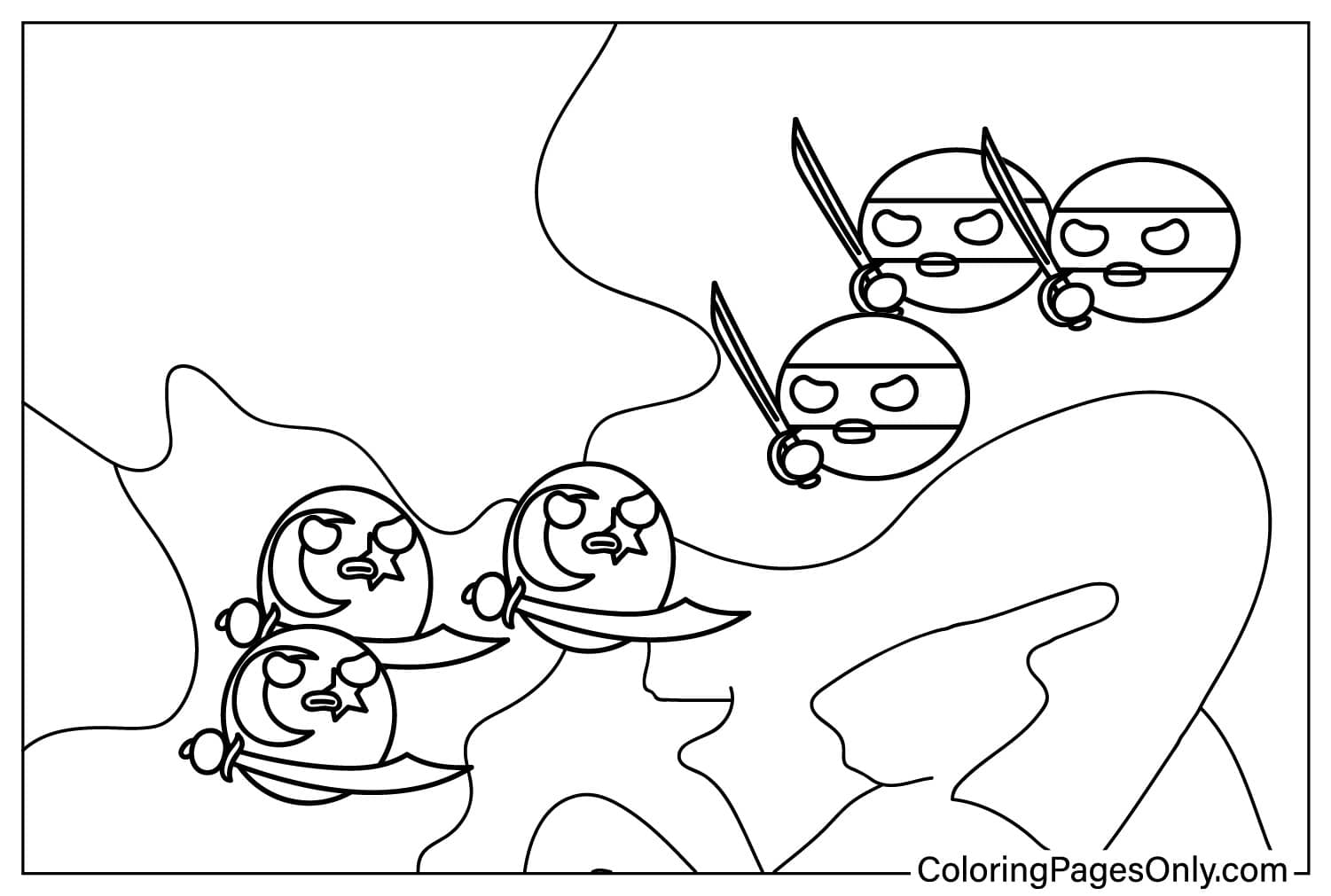
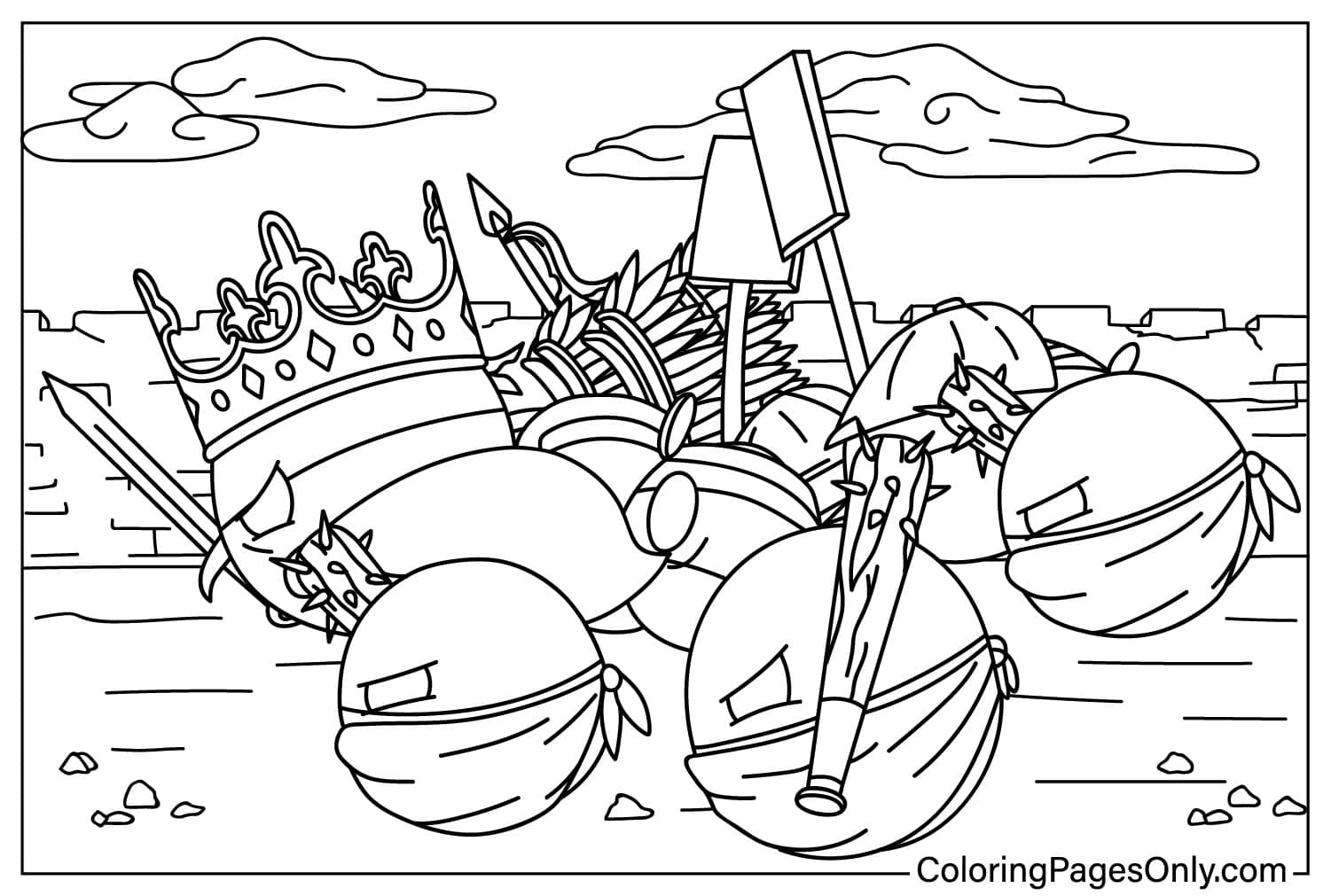
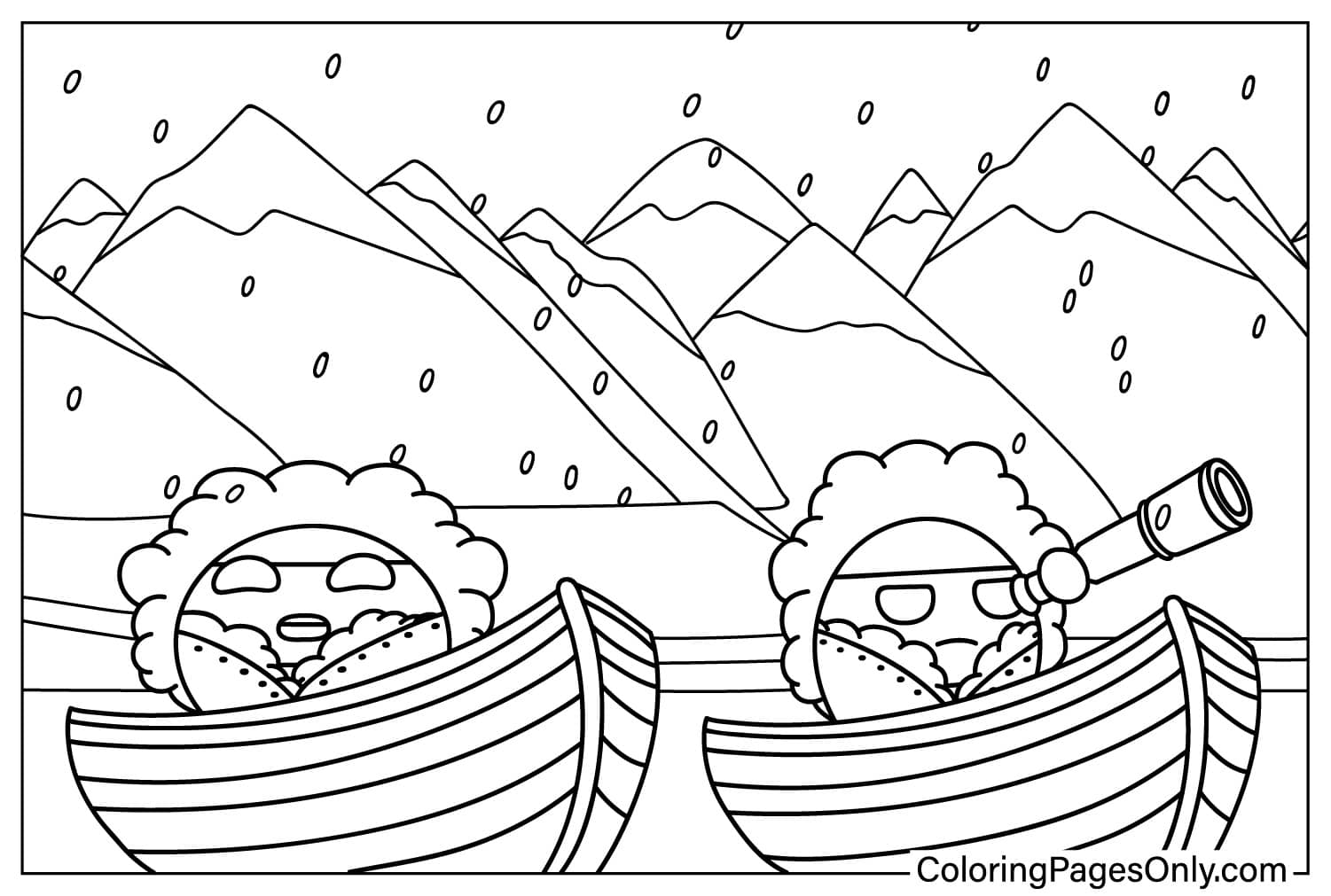
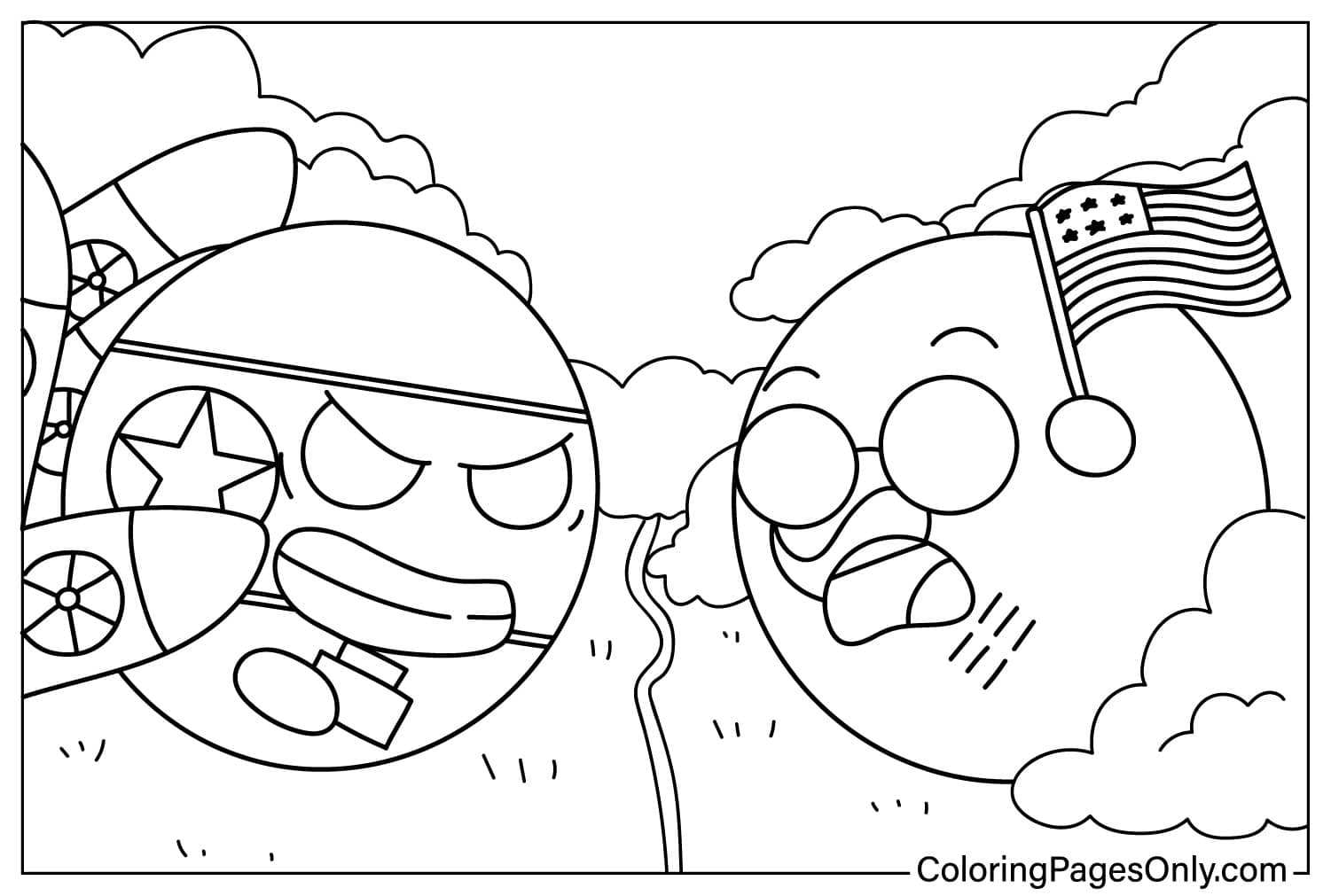
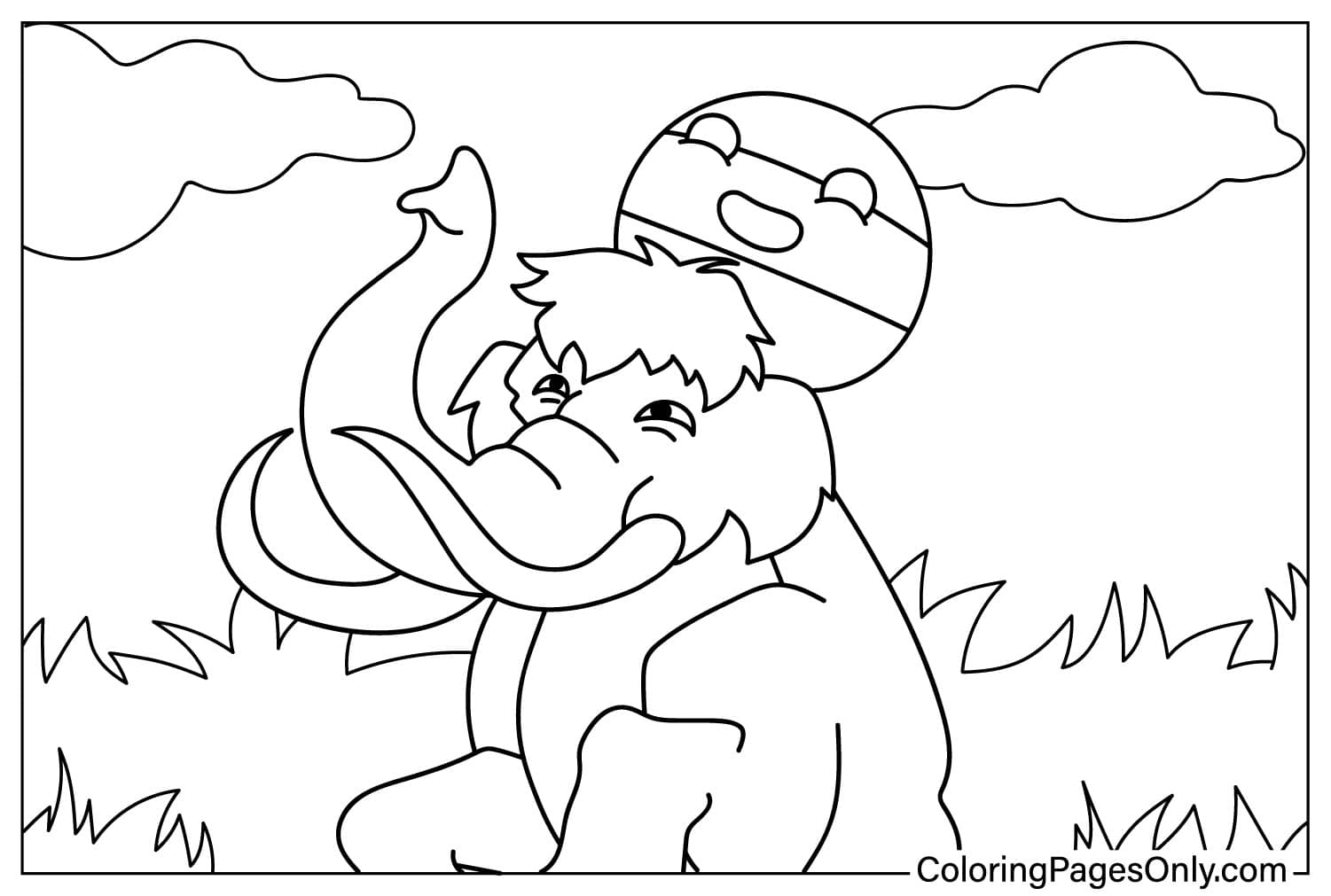
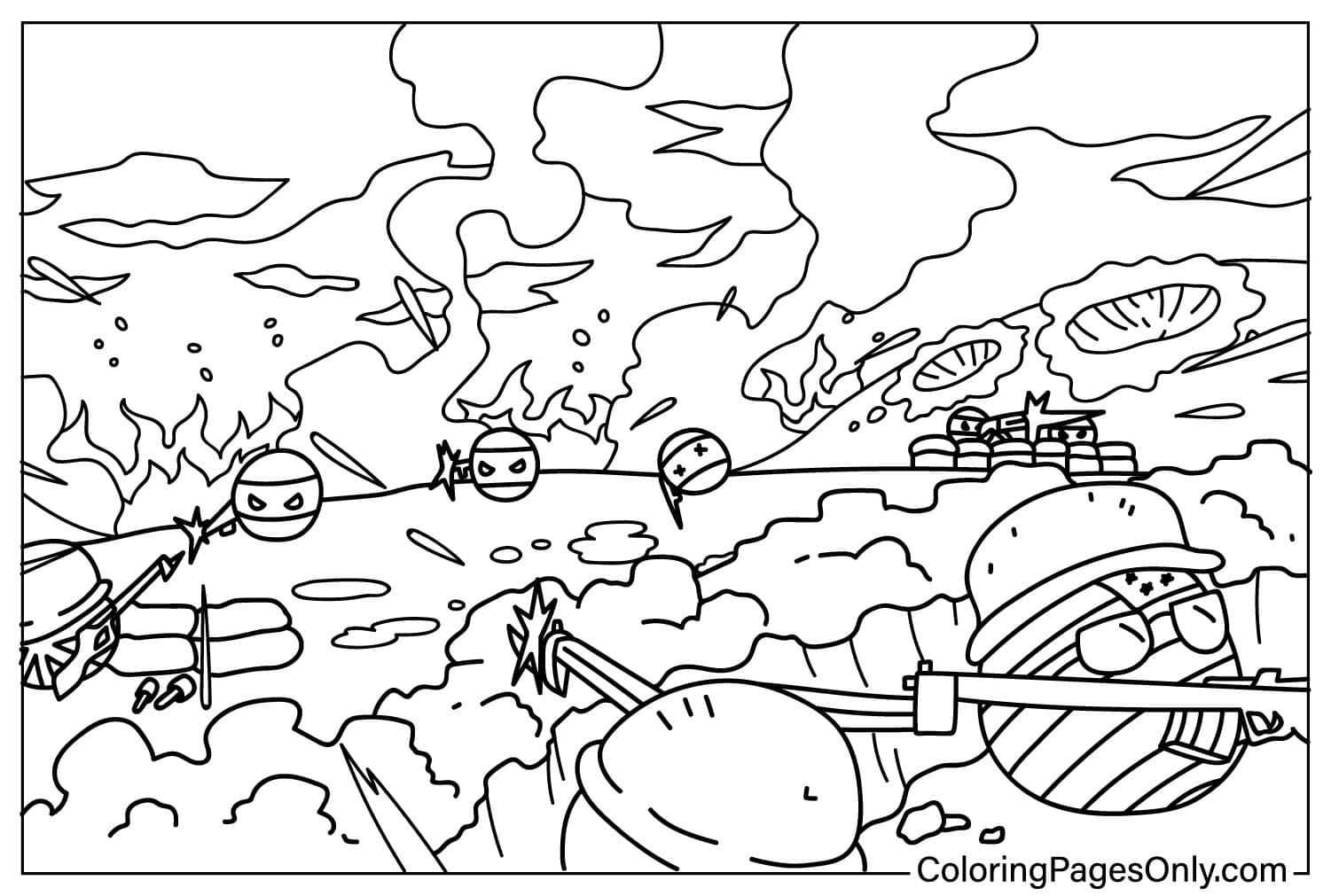
A handful of pages set characters in more dramatic action and adventure compositions, including sky and land settings with vehicles, alongside lighter pirate and animal-crossover designs.
What Countryballs Coloring Pages Do
Careful strokes for flag patterns on a round shape. Filling in a flag’s stripes or star within a perfectly round outline without crossing into the wrong section calls for controlled, contained pencil movement, and the American Academy of Pediatrics identifies fine motor skill development as a core benefit of structured coloring for children ages 2 through 7.
An easy way to practice flag recognition. Since every countryball’s design is simply that country’s flag, matching the correct colors and layout gives colorists genuine practice with real national flags rather than an invented color scheme.
A steady, repeatable rhythm. A 2005 study in the Art Therapy Journal documented measurable reductions in anxiety following structured coloring sessions, and filling in a simple solo portrait gives young colorists that same steady, low-pressure rhythm.
A gentle introduction to shading and form. Because each character is a plain sphere, coloring these pages gives colorists an easy way to practice a light highlight and soft shadow that make a flat circle read as a round ball.
How to Color Countryballs Pages Well
- United States ball: A solid Blue block in the upper corner with alternating Red and White horizontal stripes across the rest of the ball.
- Vietnam ball: A solid, warm Red field with a centered golden Yellow five-pointed star.
- Sphere shading: Add a small light highlight in the upper-left area and a soft shadow along the lower-right edge to make any flat ball read as round.
- Group scenes: Pick countries with clearly different flag colors so a multi-character page stays easy to read at a glance.
- Expressive elements: Keep each ball’s flag colors fixed, but tears, sweat, or motion marks can use a pale Blue or warm Orange for extra personality.
- Action-scene backgrounds: Sky Blue to Navy for sky, Gray for any vehicles, and warm Orange-Yellow for bursts of light or motion.
5 Creative Craft Ideas With Countryballs Coloring Pages
1. Flag-Ball Mobile
Color several solo country-portrait pages, cut out each round character, and hang them at different lengths from a string or embroidery hoop for a simple hanging mobile.
2. Countryballs Bookmark
Color a small solo portrait, mount it on cardstock, and attach a ribbon or tassel at the top for a bookmark that clips over the corner of a page.
3. World Map Display
Color several country-ball pages, cut them out, and glue each one near its real location on a large printed or hand-drawn world map outline.
4. Countryballs Greeting Card
Fold cardstock in half, mount a colored countryball design on the front, and write a message inside for a family member or friend.
5. Flag Match Memory Game
Color two matching copies each of a few solo country-portrait pages, cut them into cards, and use them to play a simple flag-matching memory game.
Frequently Asked Questions
What are Countryballs coloring pages?
Countryballs coloring pages are printable line-art designs of countries drawn as round, ball-shaped characters wearing their national flag. This collection includes 19 free designs available as PDFs or online coloring.
What is the Countryballs art style?
Countryballs, sometimes called Polandball, is an internet art and comic format that began around 2009, drawing each country as a simple round character with its flag as the design.
What countries appear in this collection?
The set includes solo portraits of the United States and Vietnam, along with group scenes featuring several different countryball characters together.
What colors are used for the United States ball?
The United States ball uses a solid Blue block in the corner with alternating Red and White horizontal stripes, a simplified version of the American flag.
What colors are used for the Vietnam ball?
The Vietnam ball uses a solid, warm Red field with a centered golden Yellow five-pointed star, matching the Vietnamese national flag.
Are Countryballs coloring pages suitable for young children?
Yes. The simple round shapes and flat flag colors of the solo portrait pages suit young children, while the busier action and group scenes work well for older kids.
How do you shade a countryball to look round?
Add a small light highlight in the upper-left area of the ball and a soft shadow along the lower-right edge, a simple technique that makes a flat circle read as a sphere.
What kinds of scenes appear in this collection?
The set includes solo portraits, group and cultural scenes, expressive character pages, and a few action-adventure compositions with vehicles and dramatic poses.
Start Coloring
Download any page by clicking the design. No account, email, or payment is required. Pages print directly from the browser at full resolution or open in the online coloring tool for screen use. Share finished pages on Facebook or Pinterest with the share buttons at the top of each design page.