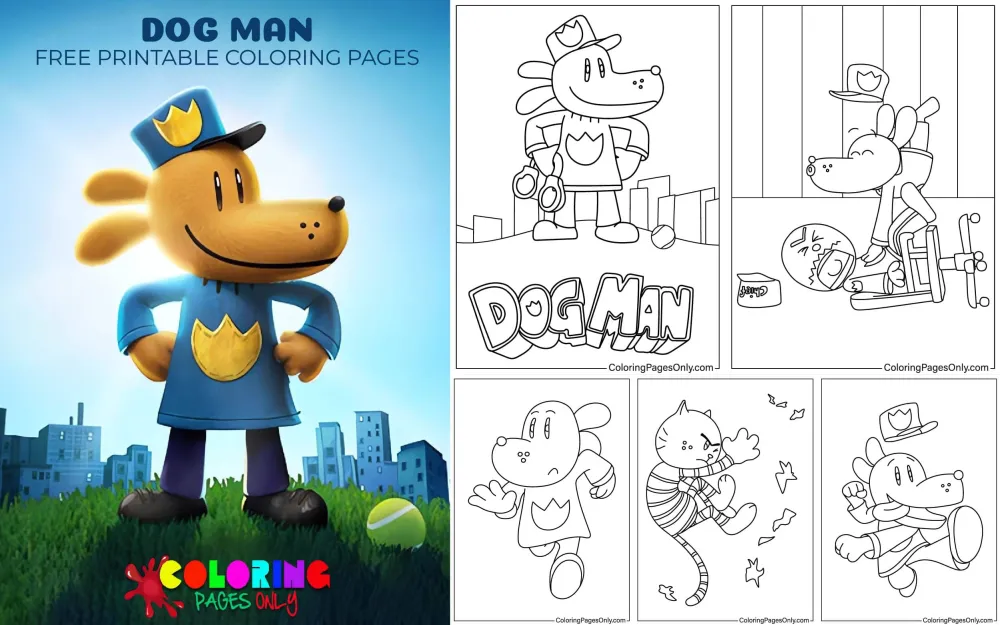
Dog Man coloring pages: 43 printable designs featuring Dog Man in action poses and portrait close-ups, Petey the Cat, Li’l Petey the kitten, the robot puppy 80-HD, the Chief, and group cast compositions. Each page can be downloaded as a PDF to print or colored online in the browser.

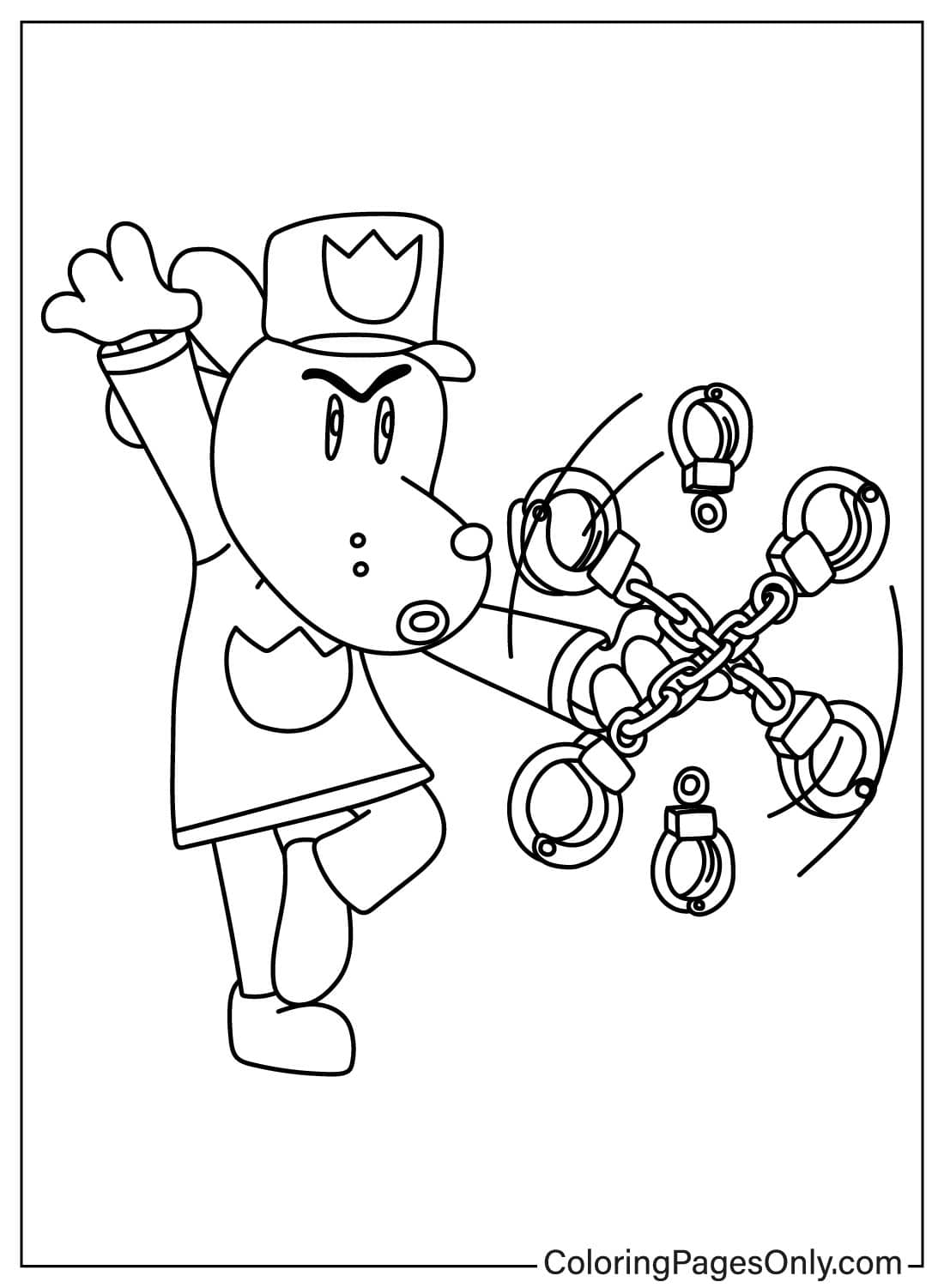
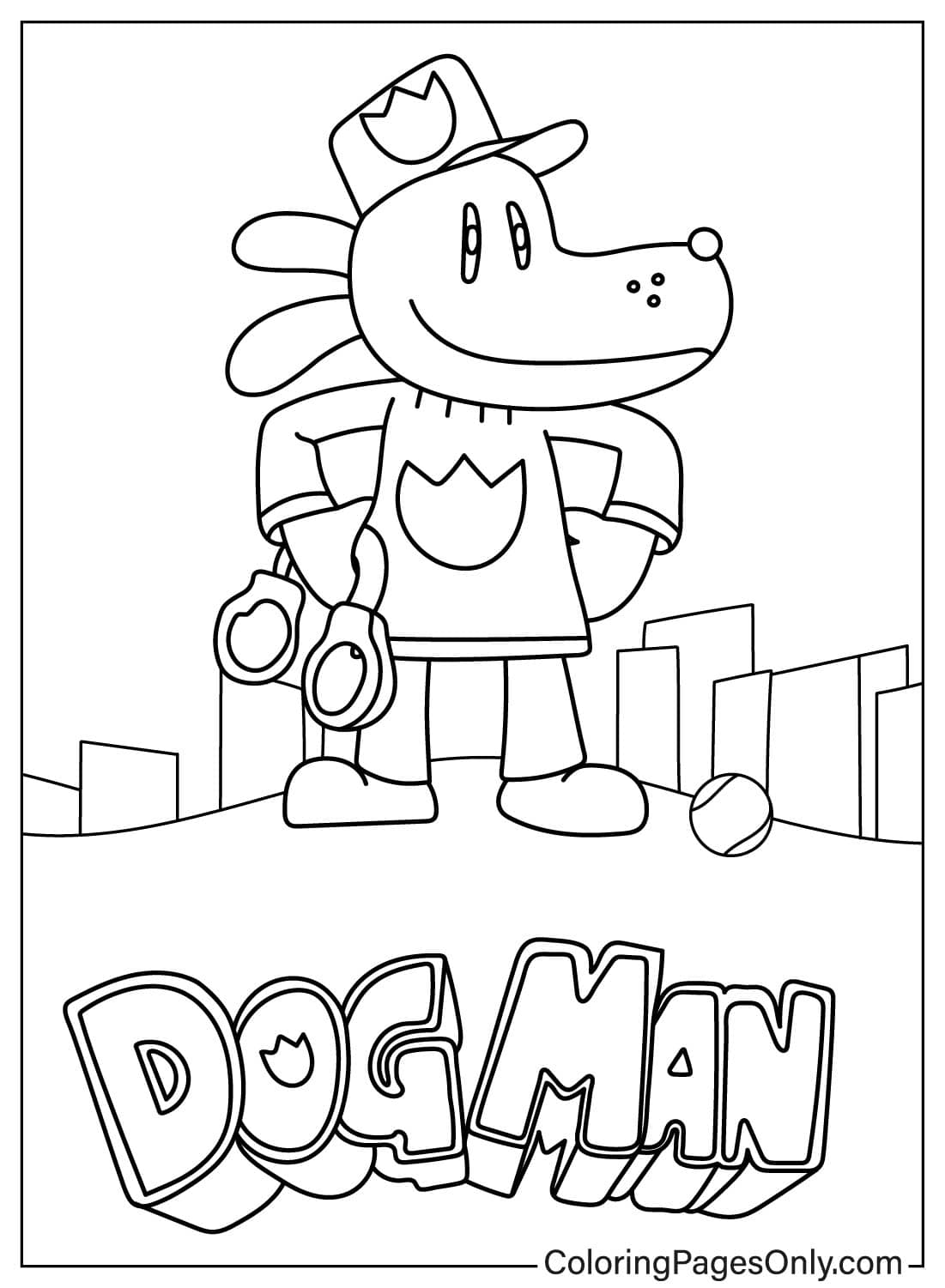
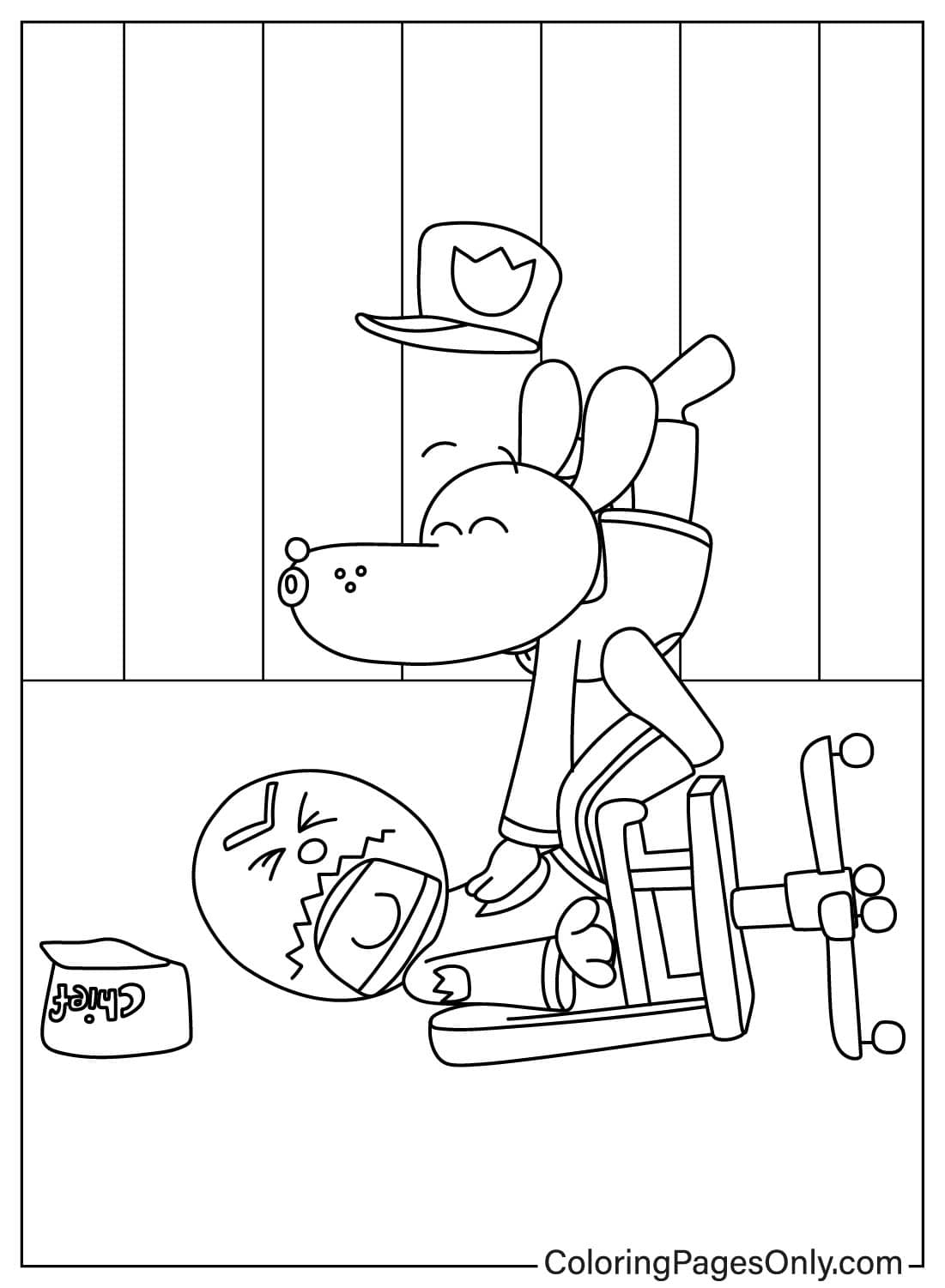
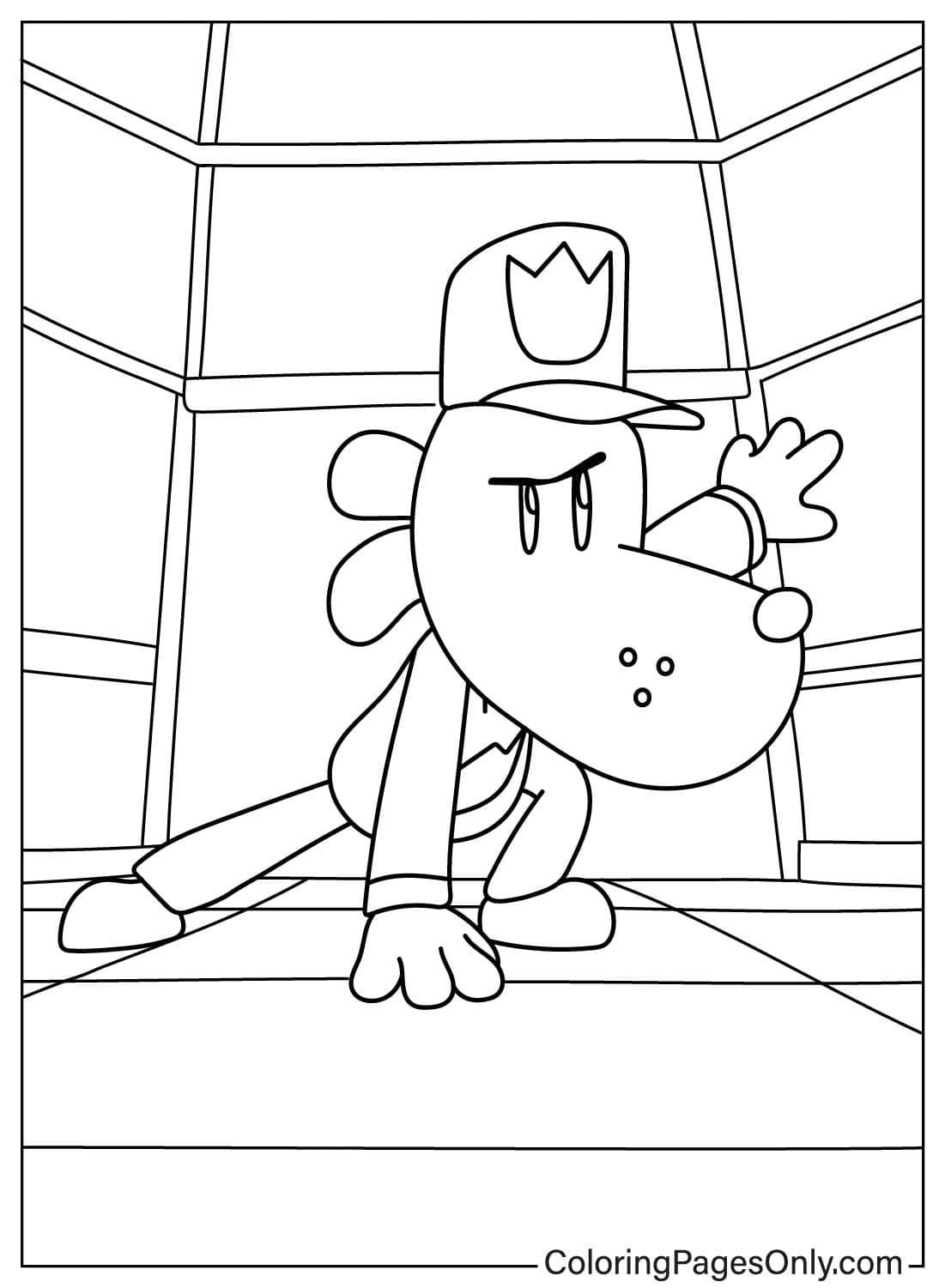

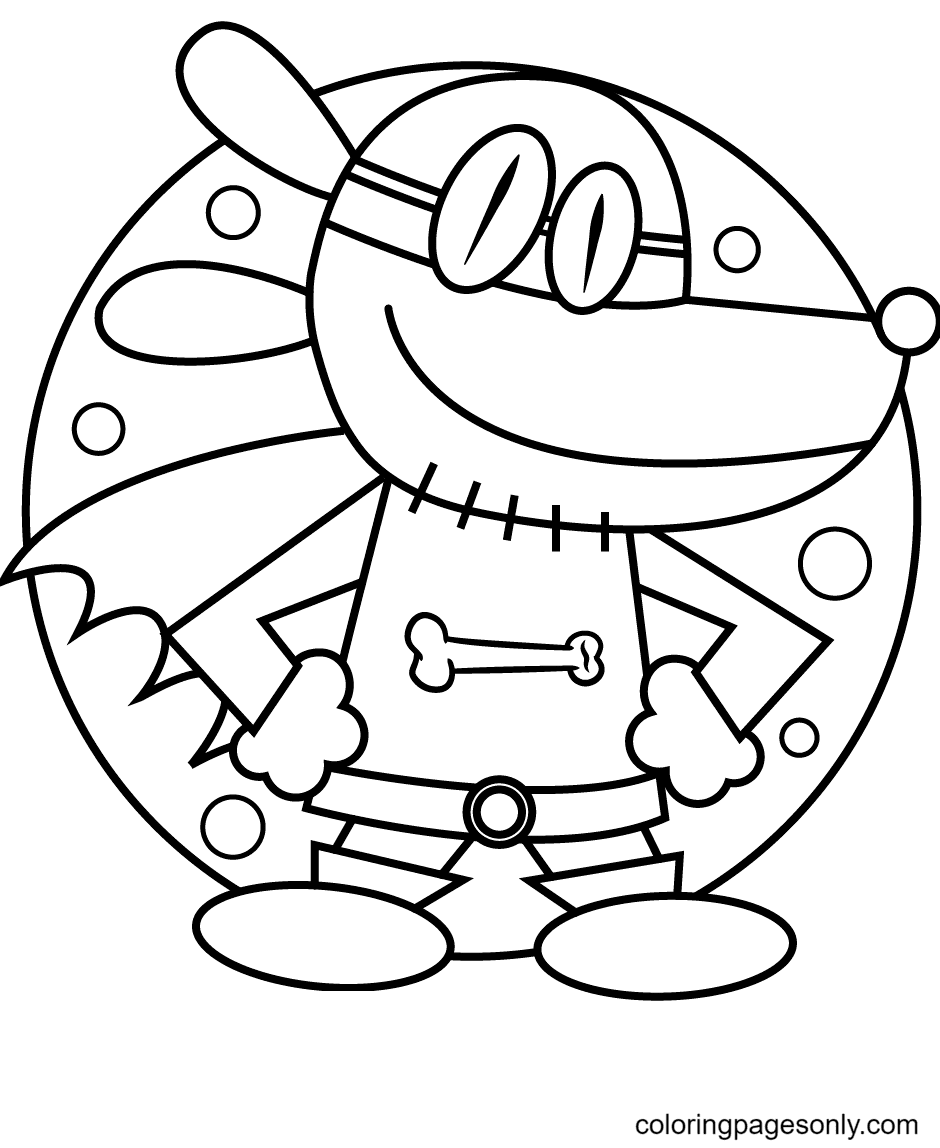
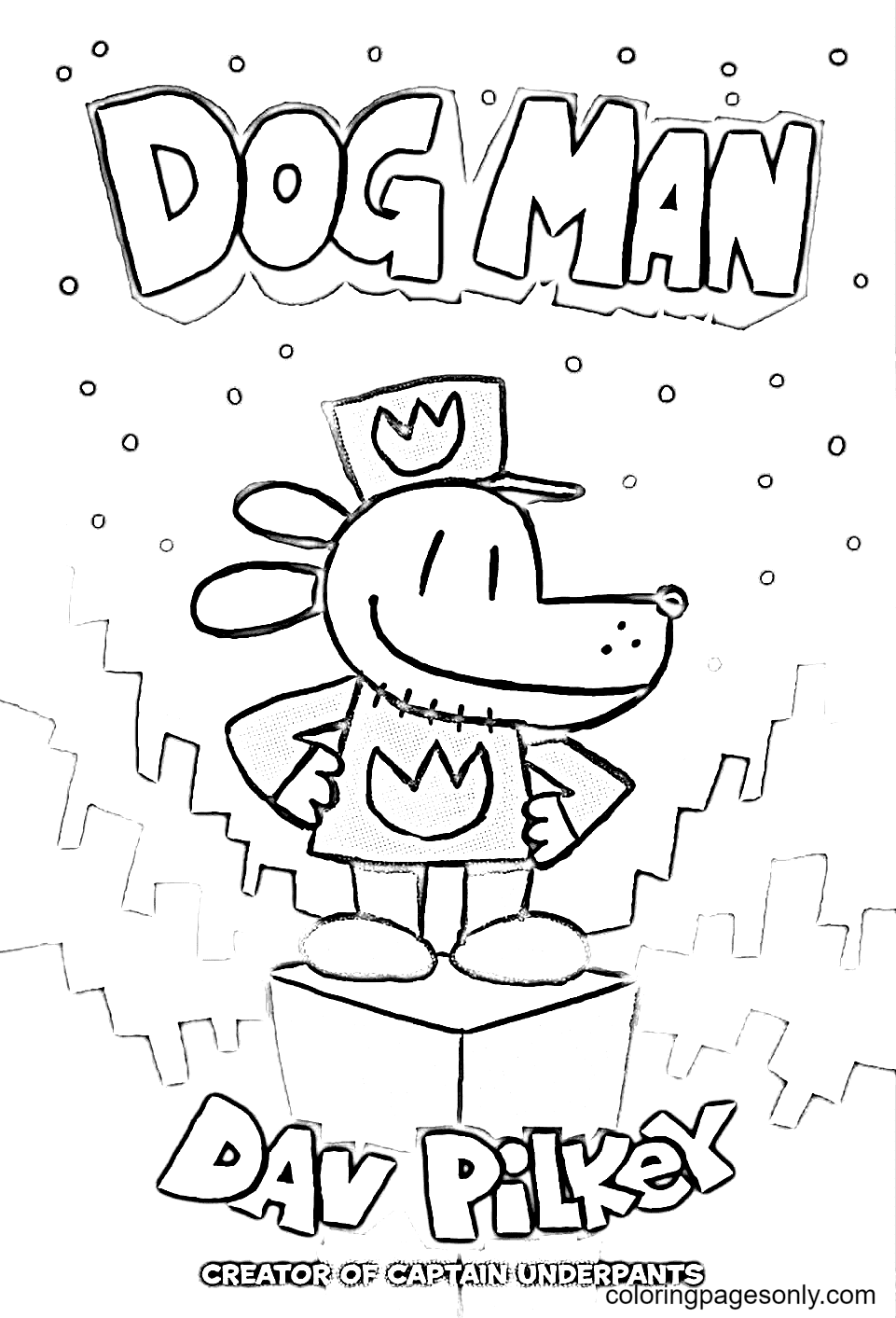

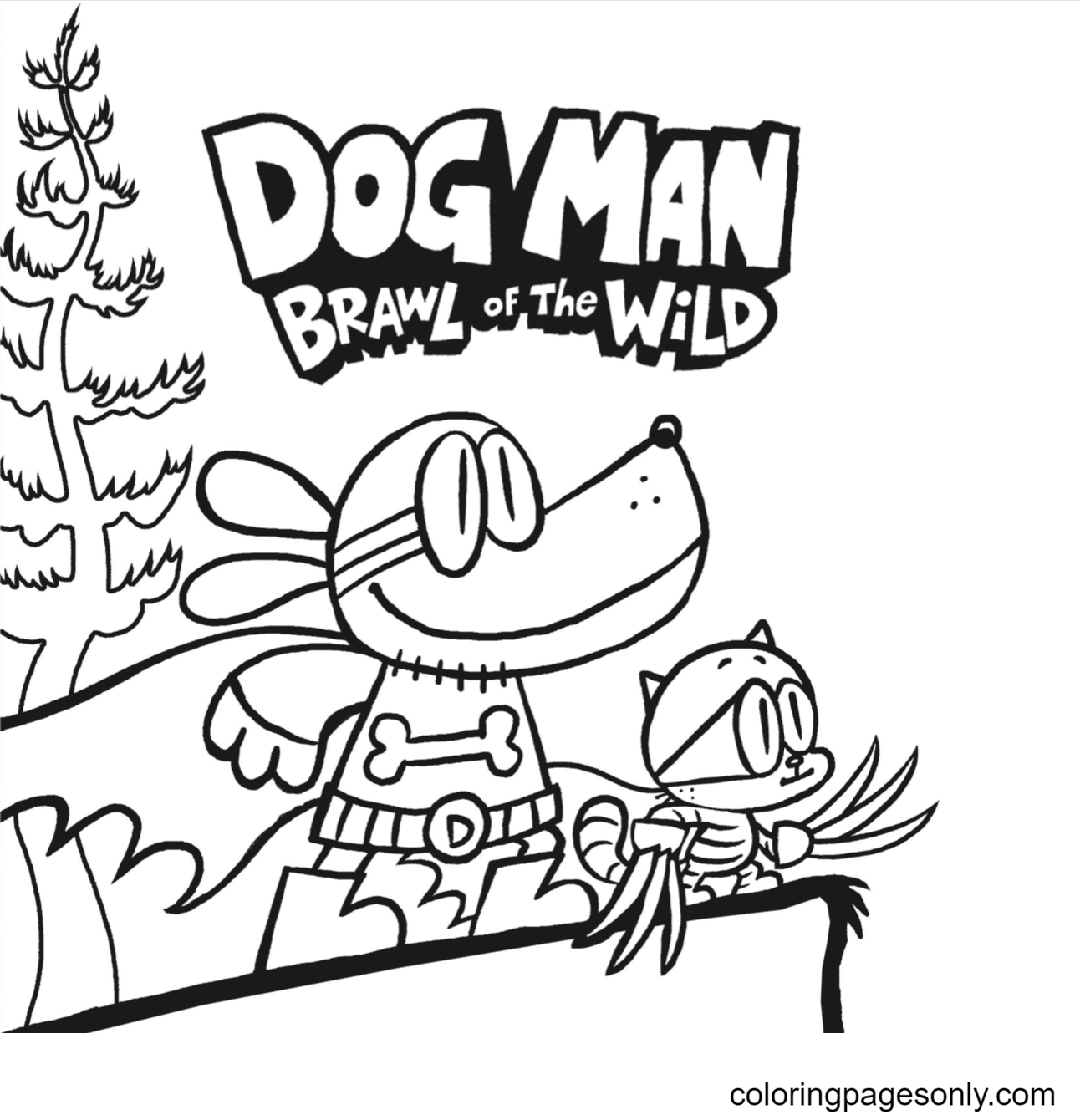
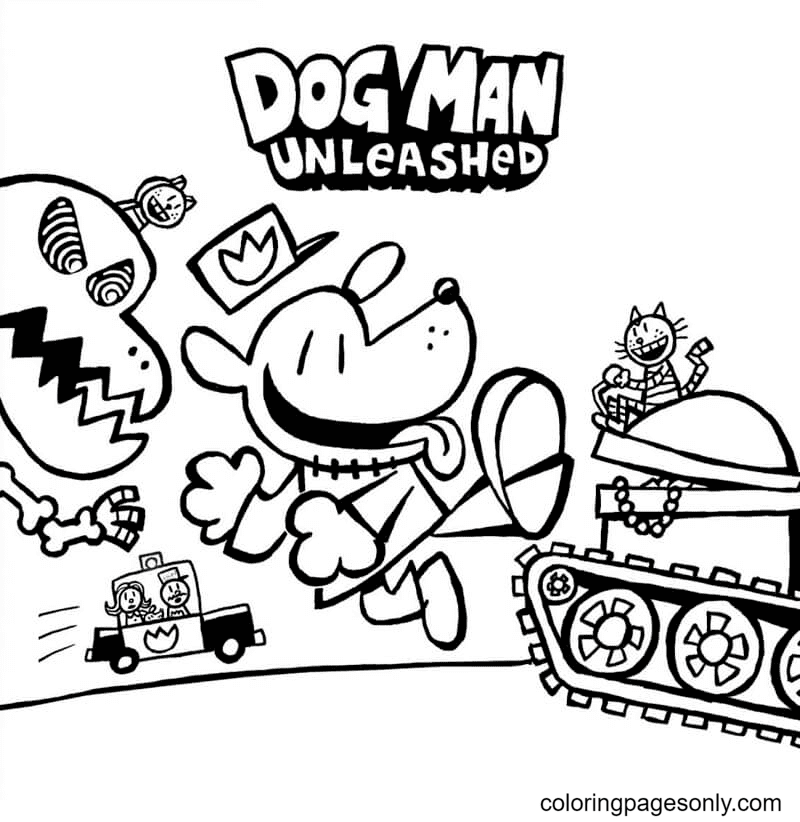
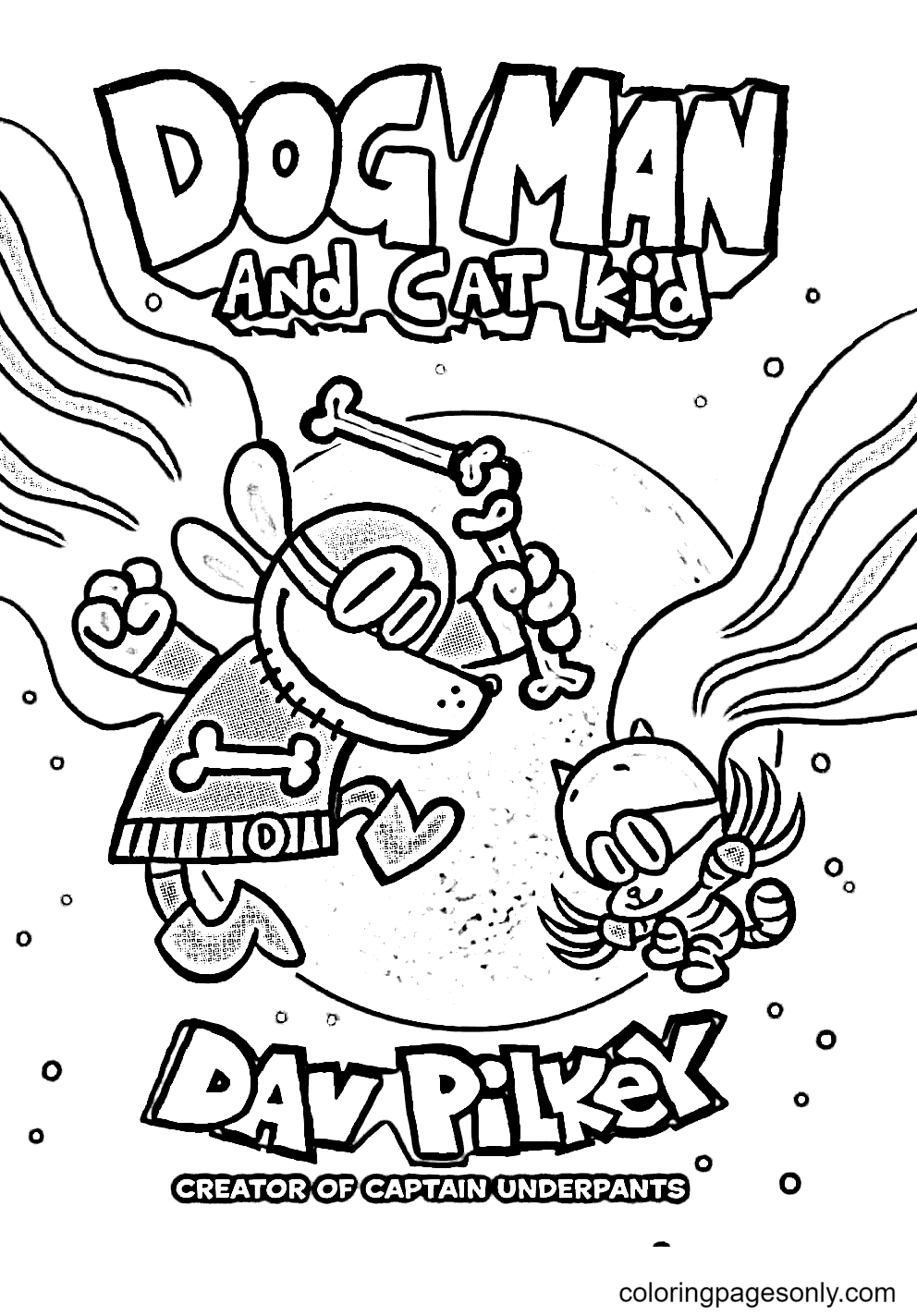
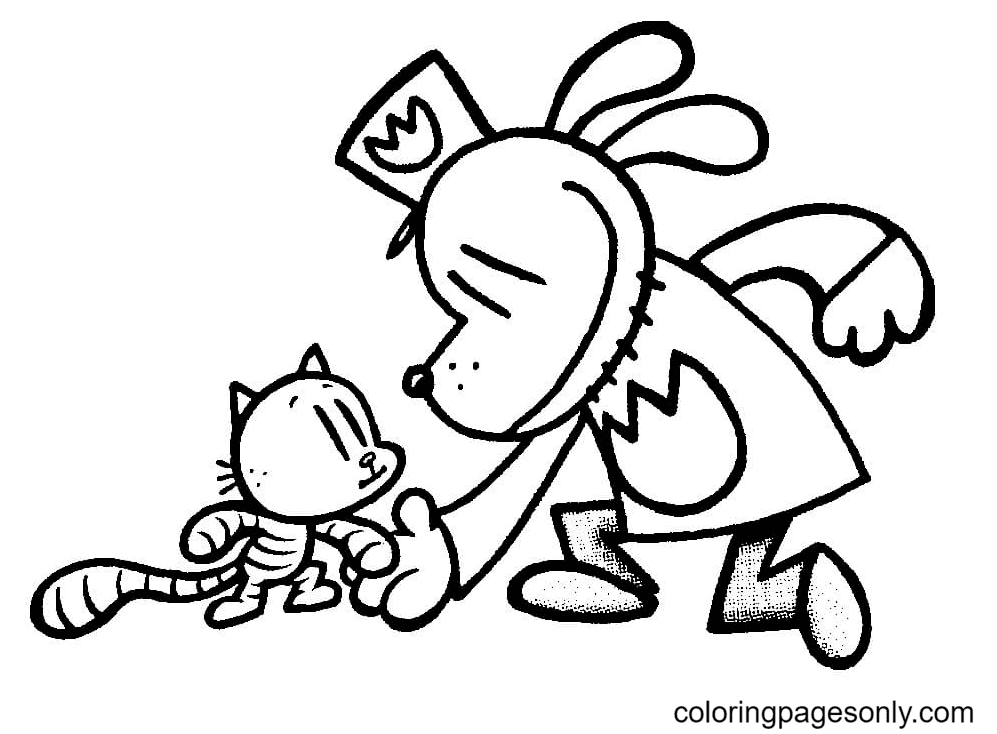
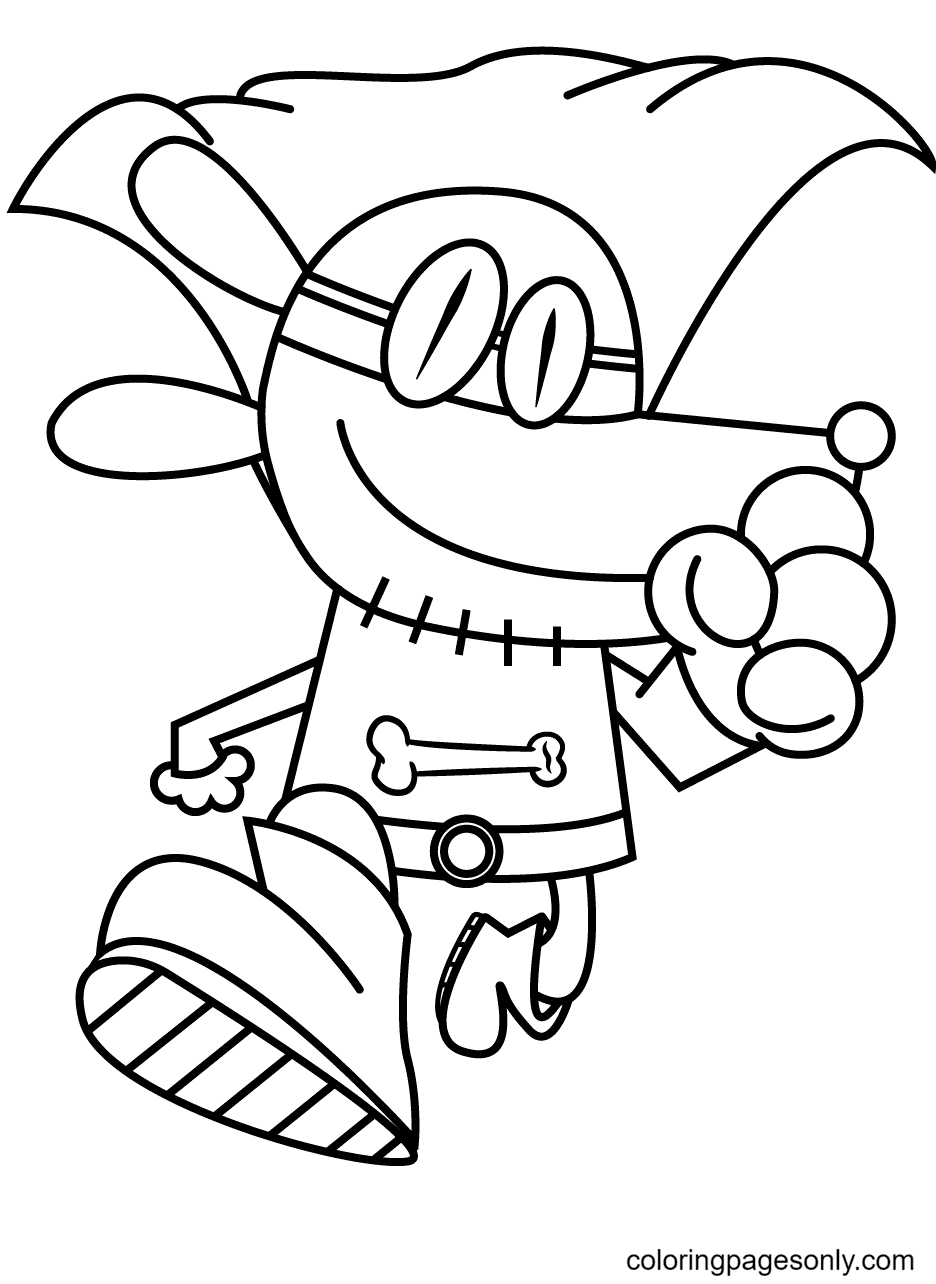
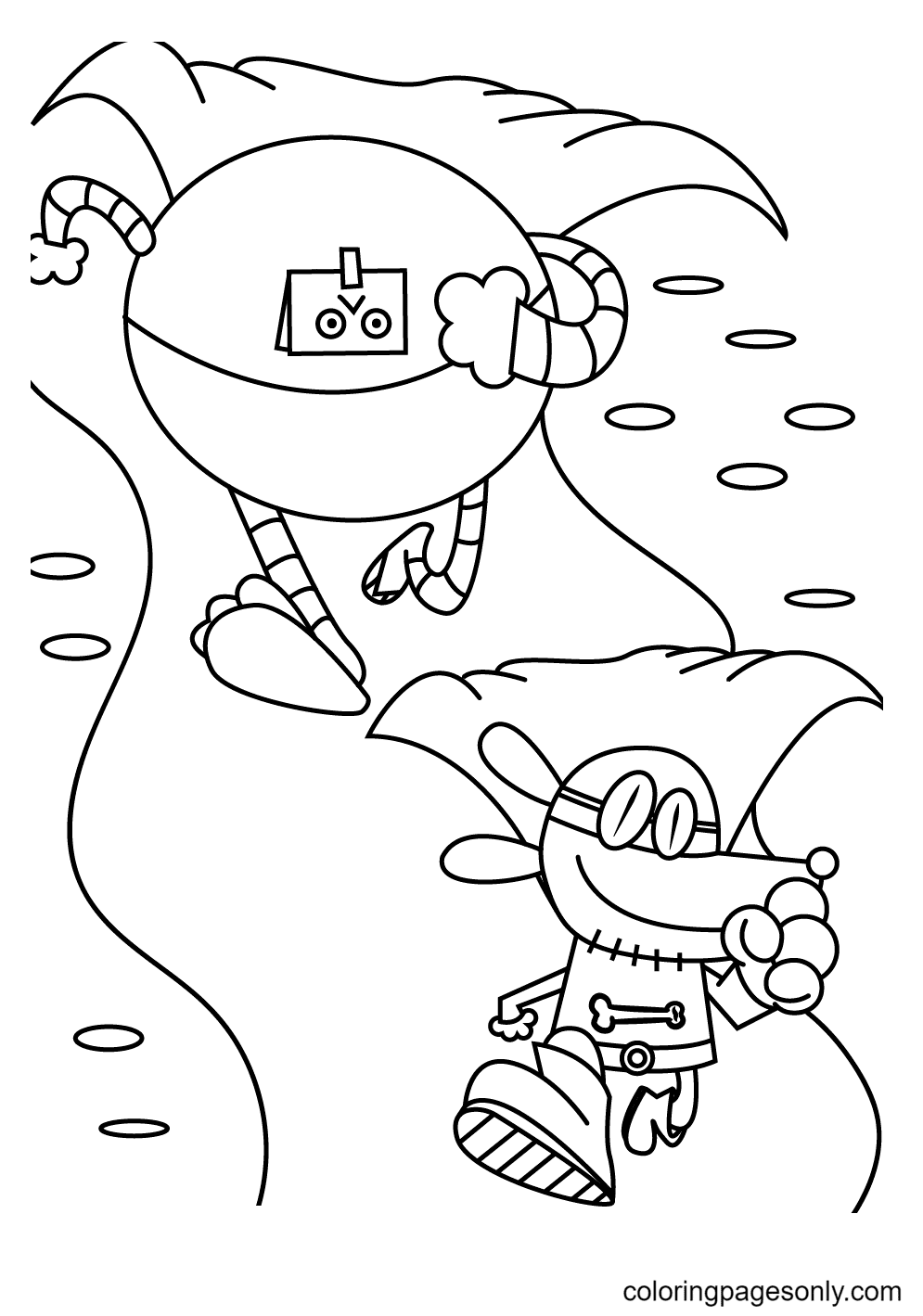
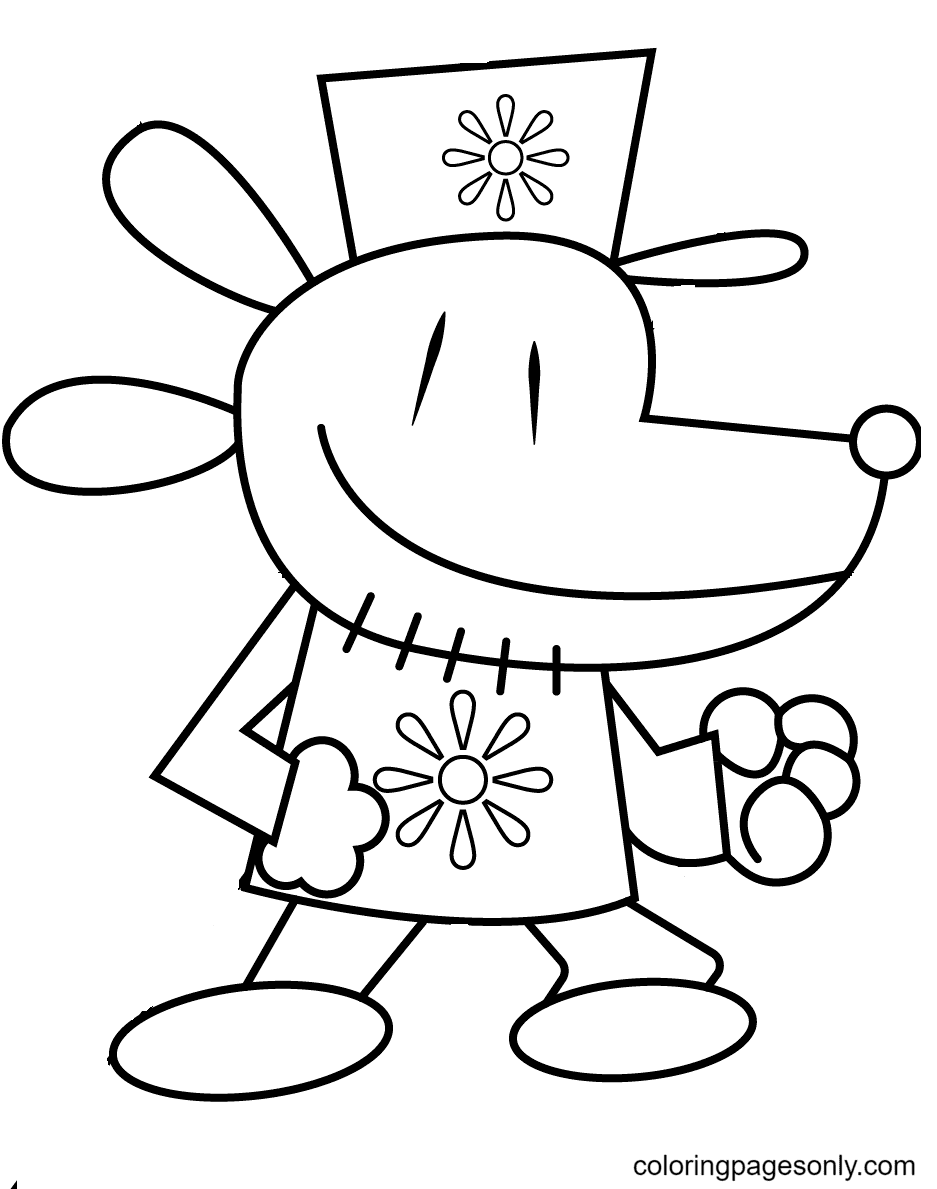
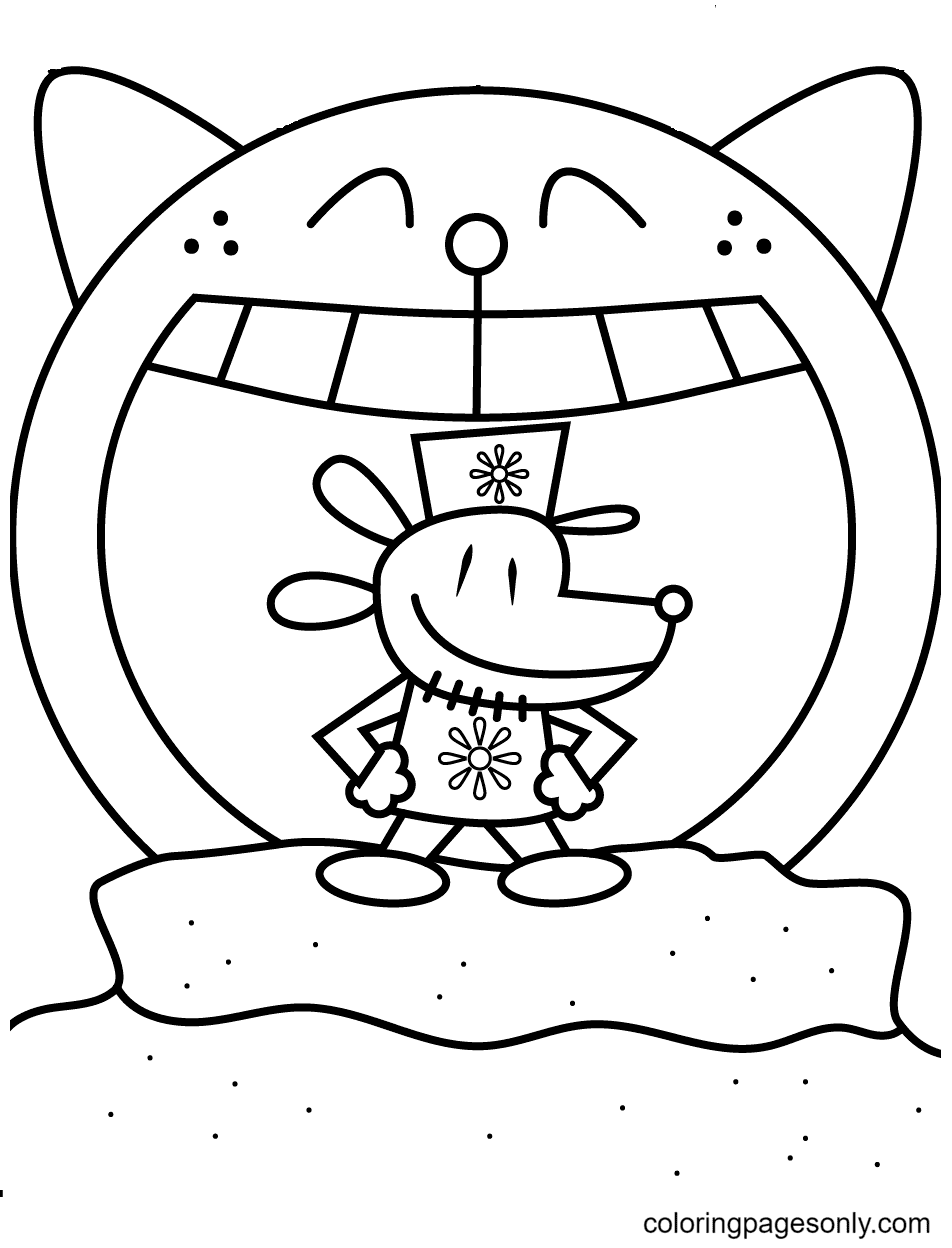


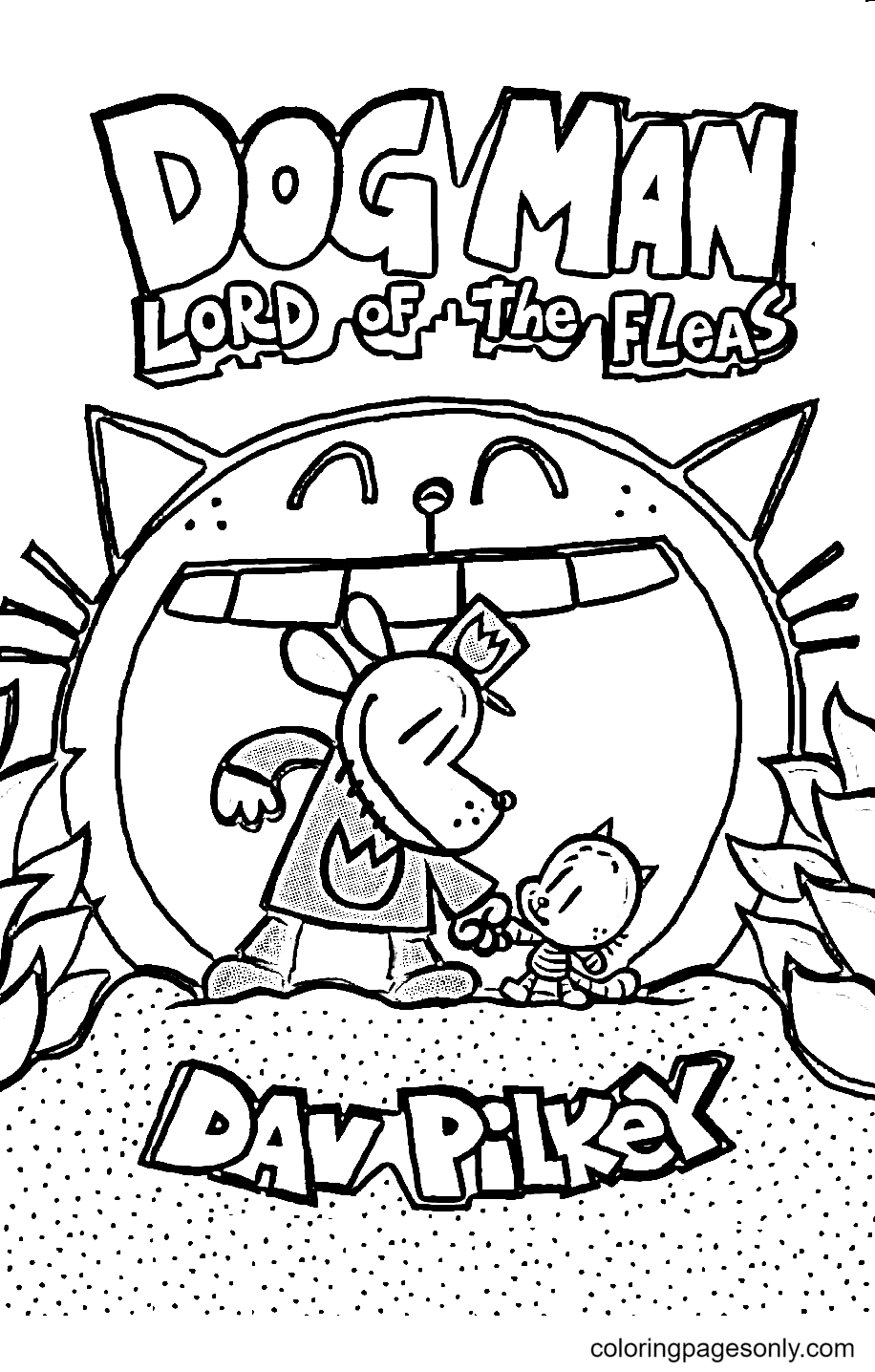

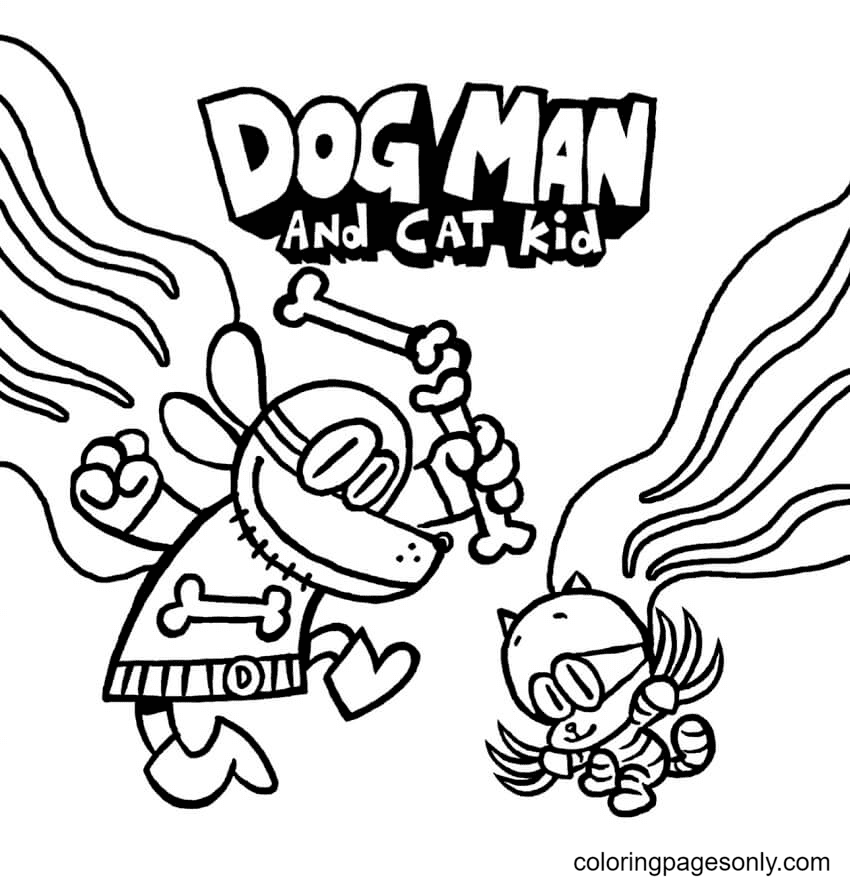

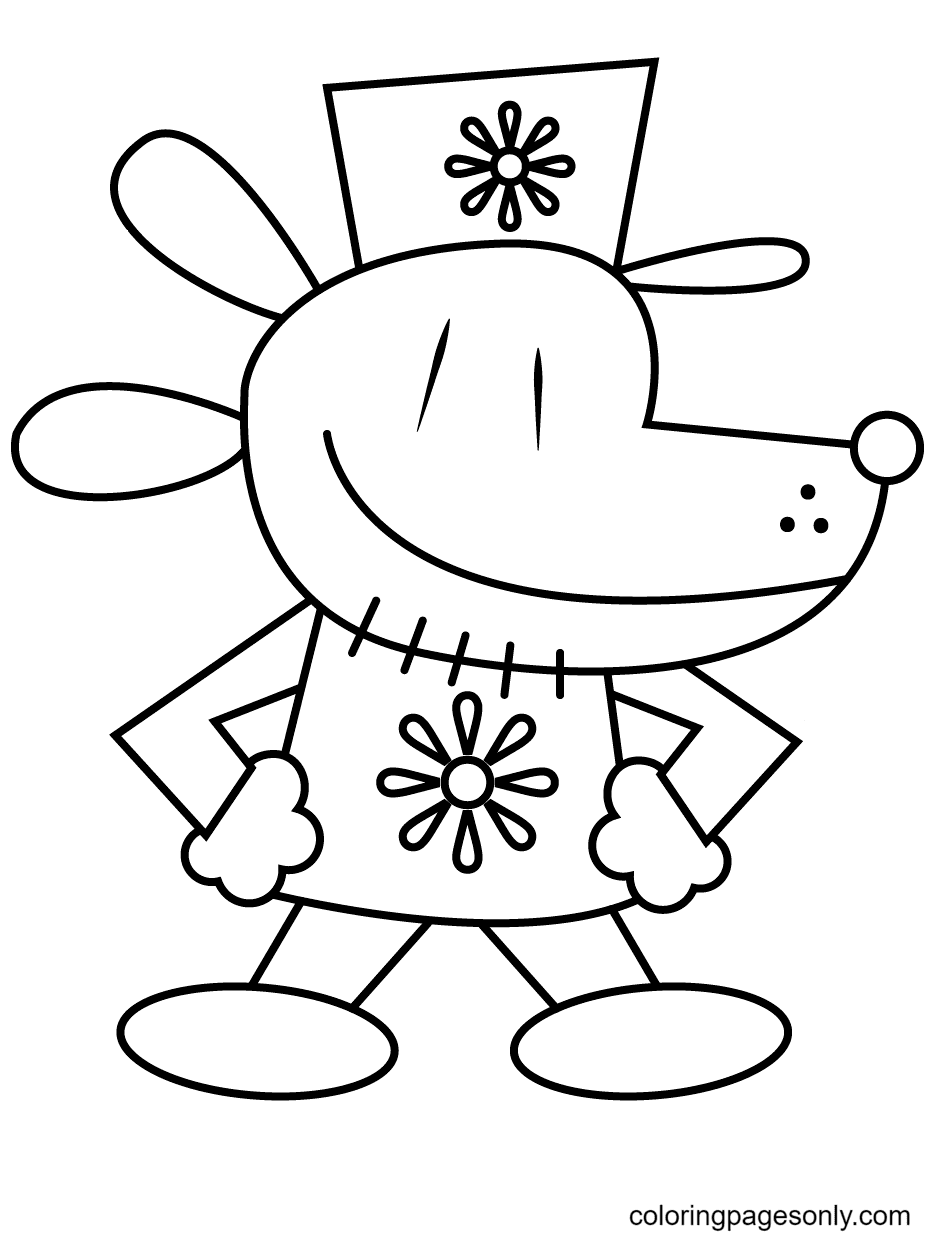
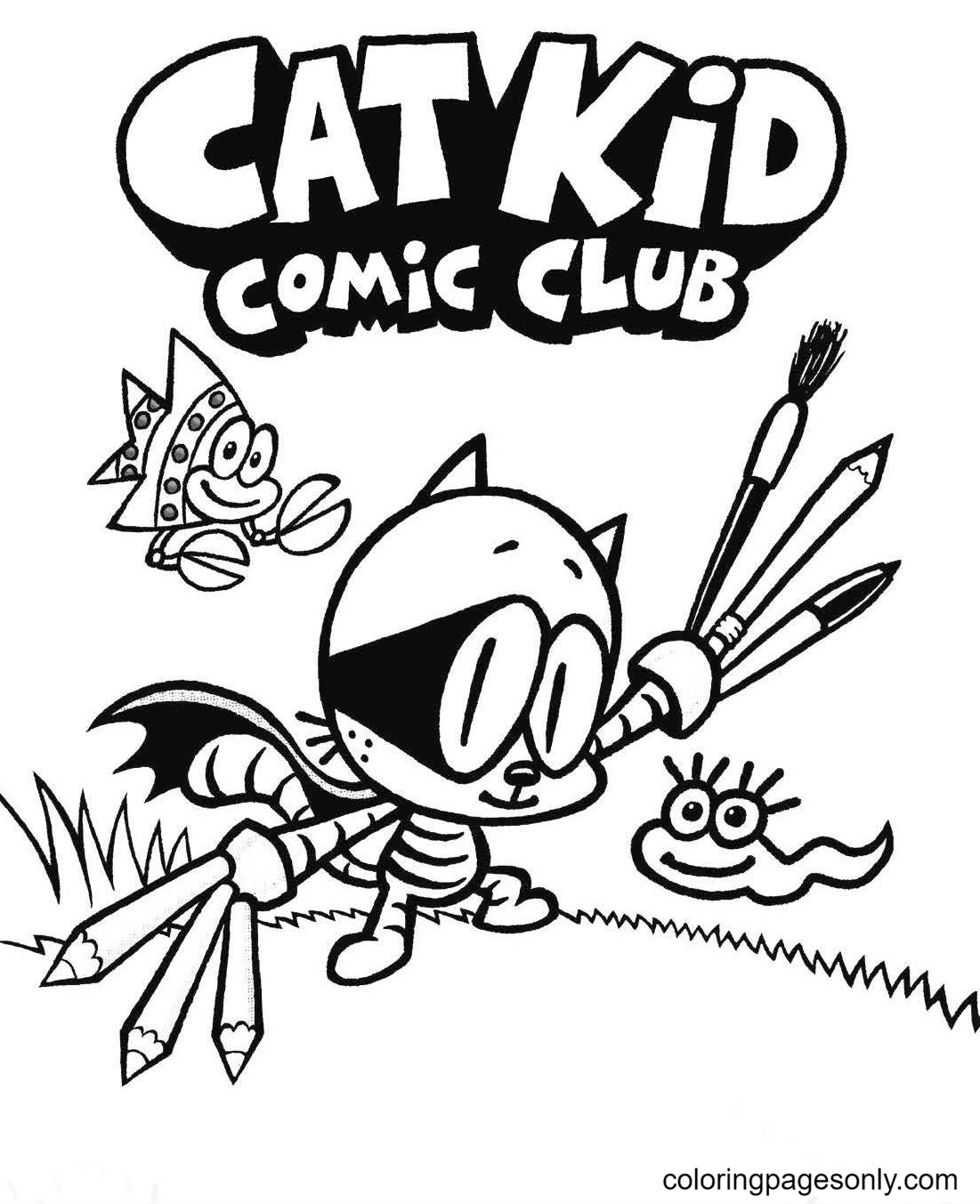
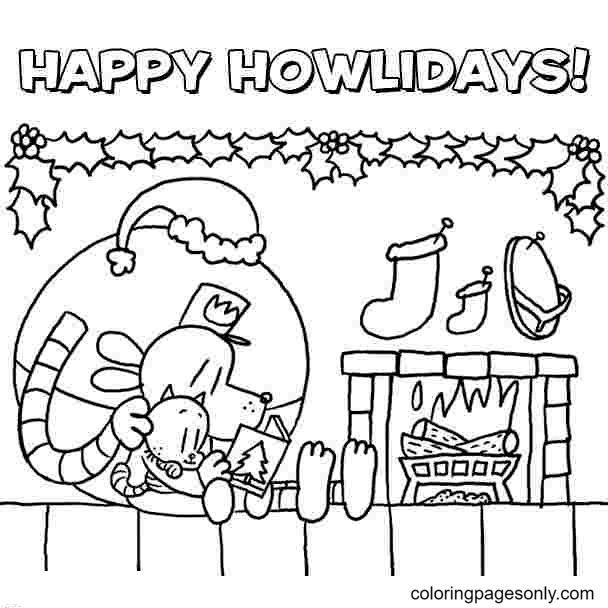
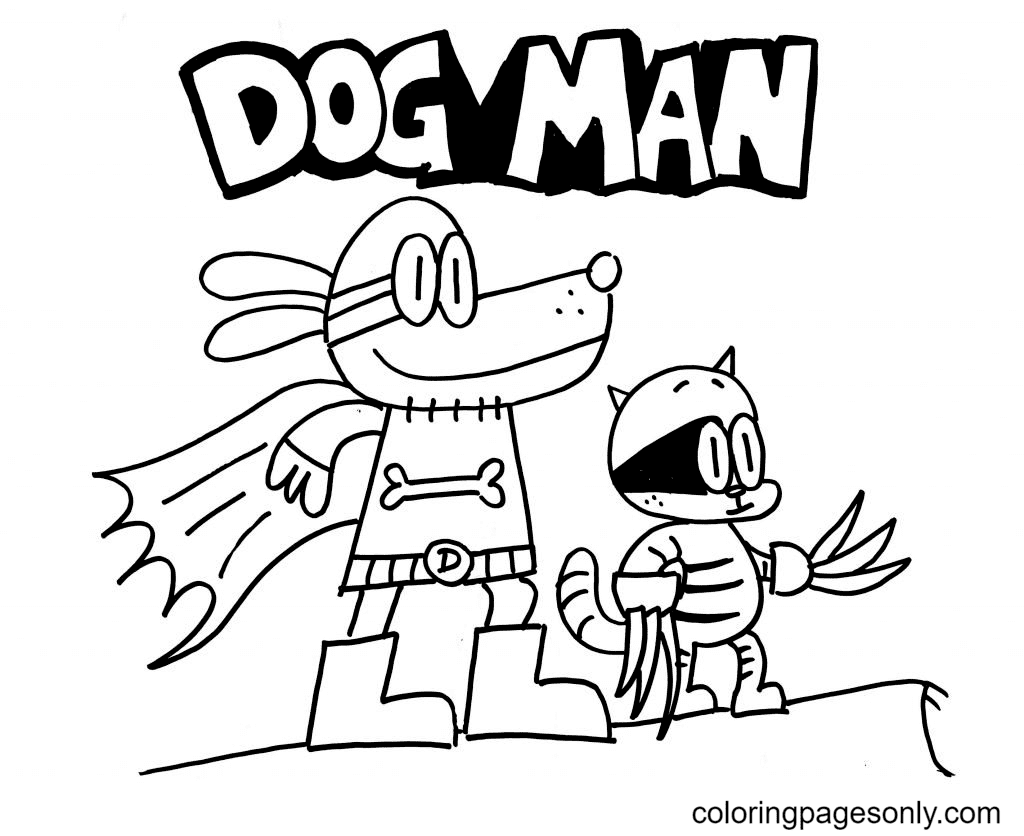
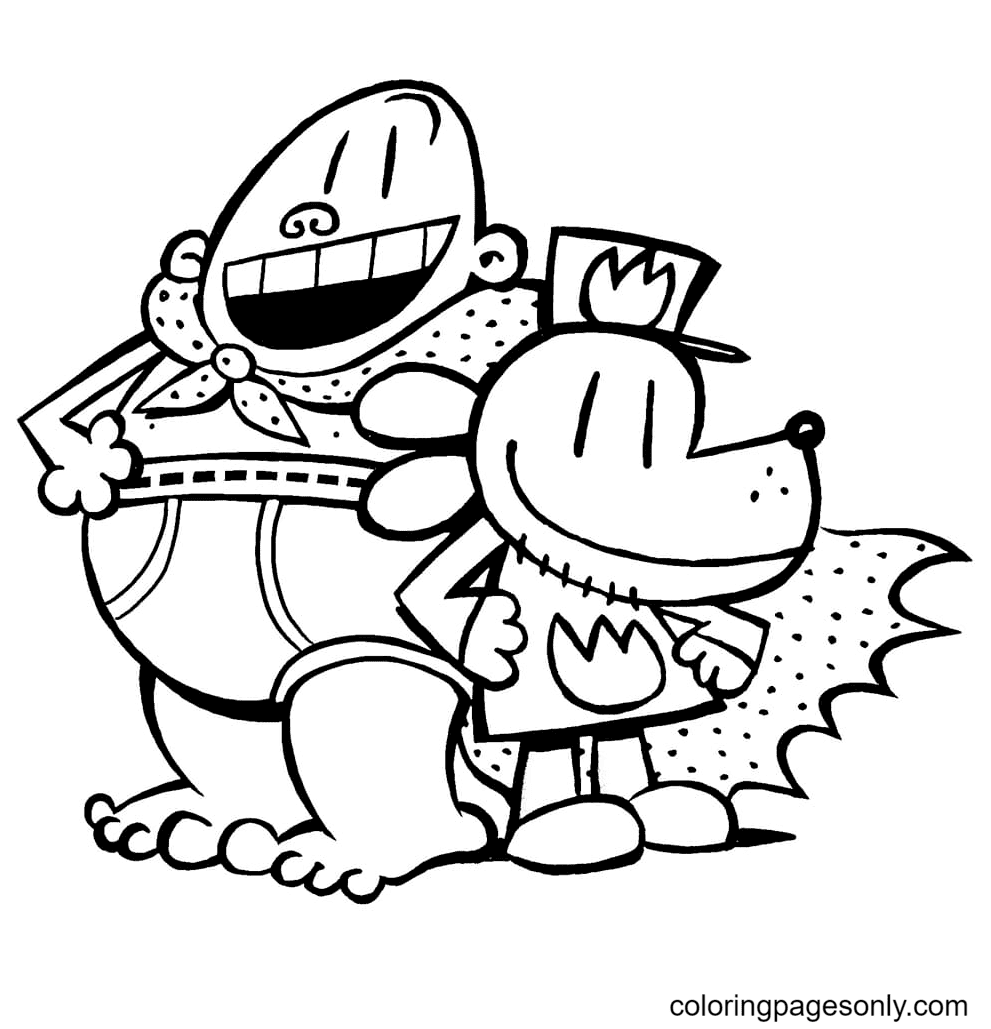
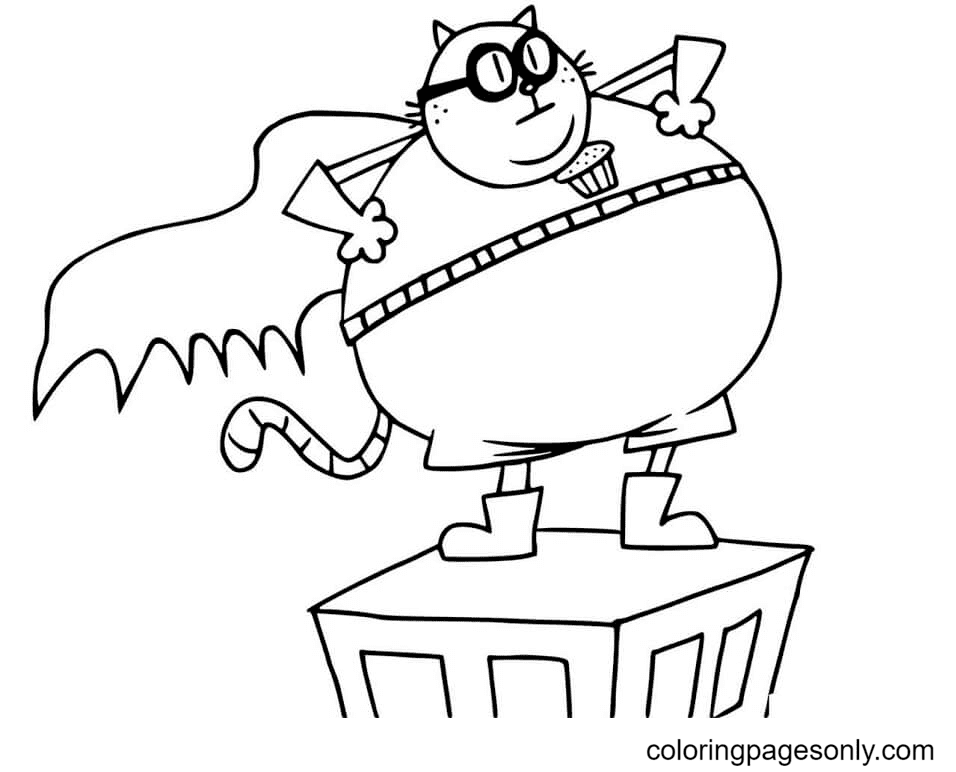
Dog Man is a graphic novel series written and illustrated by Dav Pilkey, born David Murray Pilkey Jr. on March 4, 1966, in Cleveland, Ohio. The first Dog Man book was published on August 30, 2016, by Scholastic’s Graphix imprint, as a spin-off of Pilkey’s earlier Captain Underpants series, where the character originally appeared as a comic strip drawn by the fictional schoolchildren George Beard and Harold Hutchins. As of 2024, the series comprises thirteen books, from the first volume in 2016 through Dog Man: The Leaf Thieves, along with a companion spin-off series, Cat Kid Comic Club, launched in 2020. A DreamWorks Animation film adaptation was released in early 2025. Pilkey has spoken publicly about his own dyslexia and ADHD as a child, when he was frequently removed from class and spent time drawing comics in the hallway. Combined, his books have sold over 85 million copies.
What’s Inside This Collection
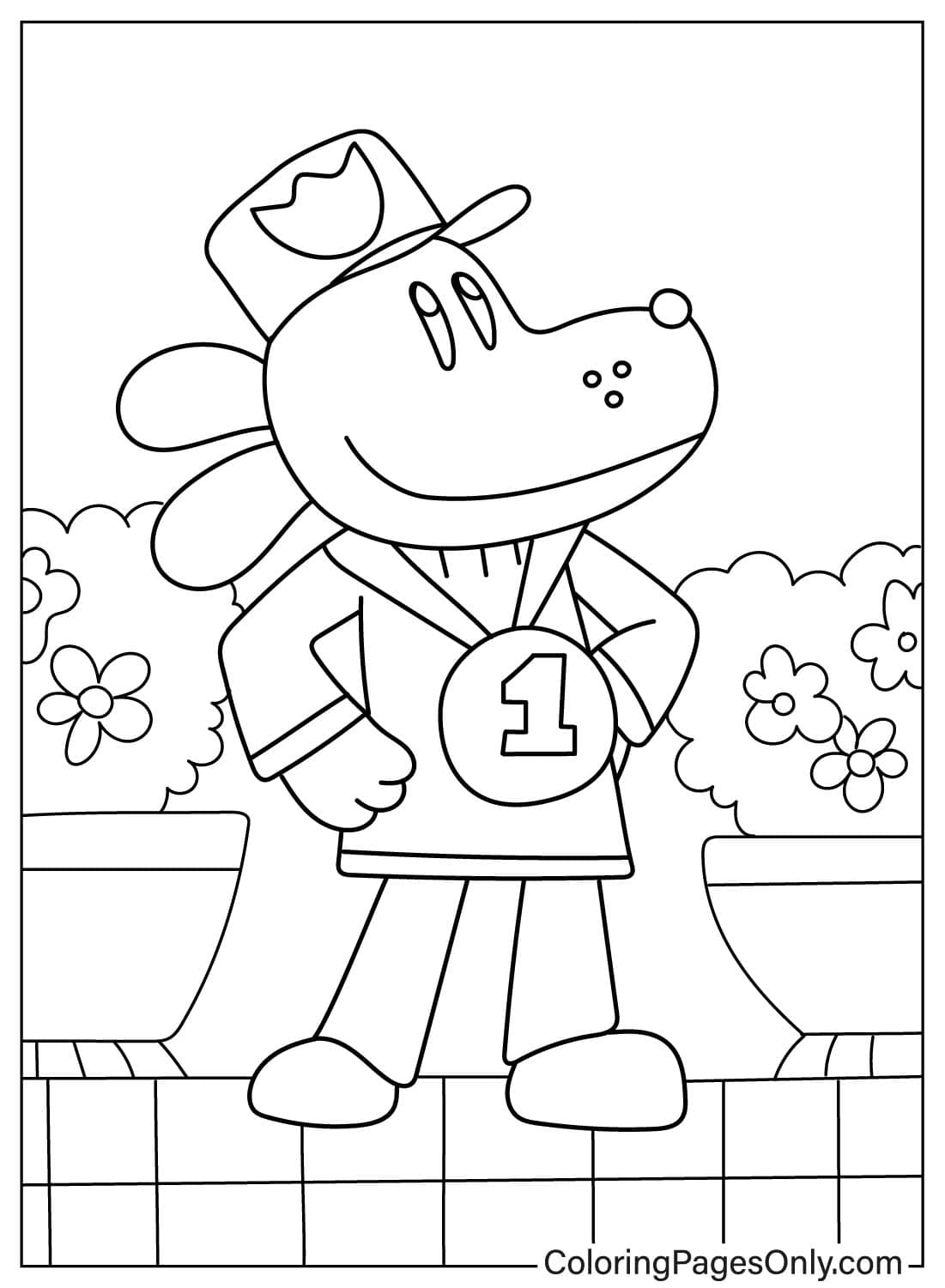
Dog Man Portraits and Action Pages
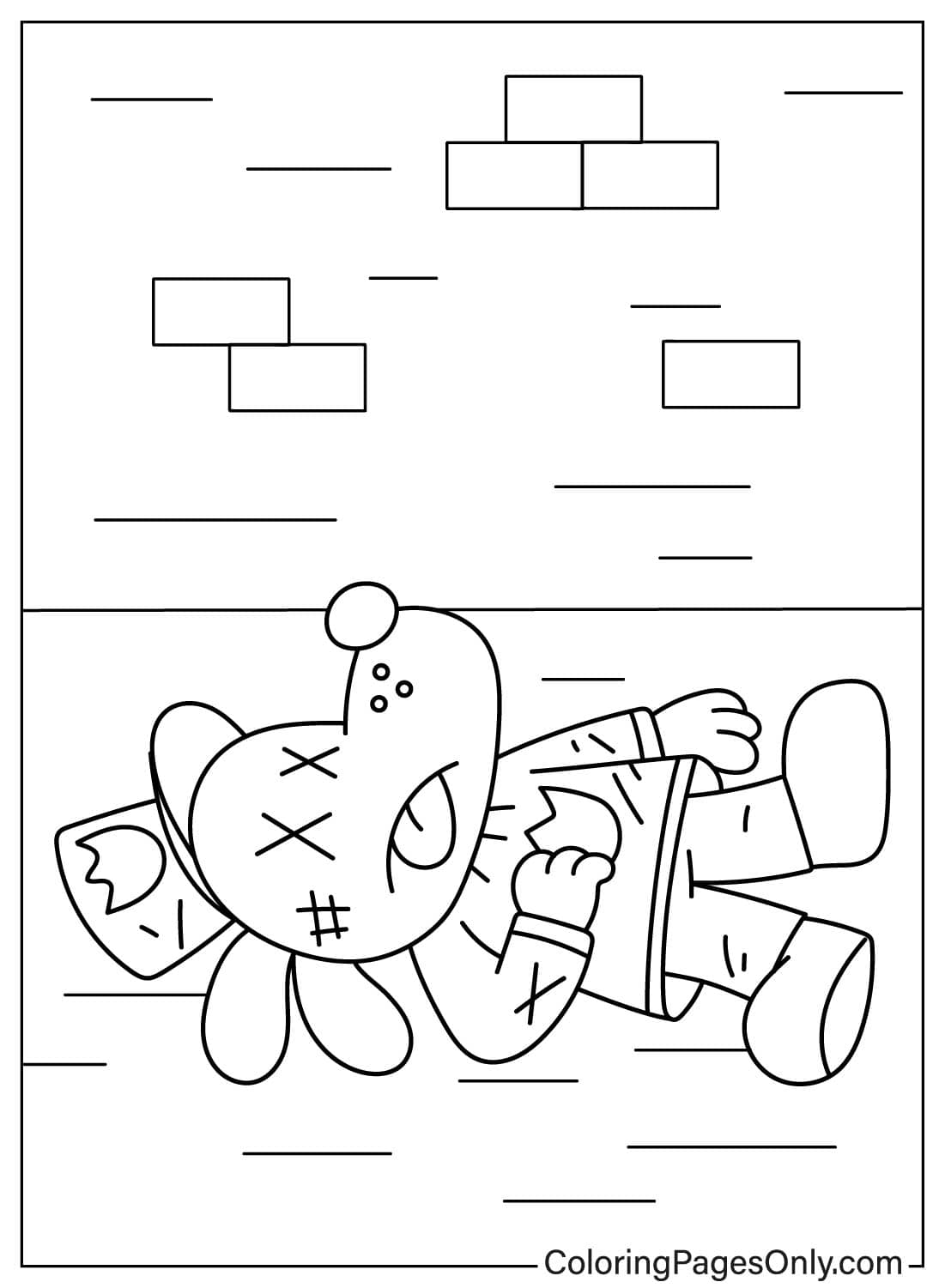
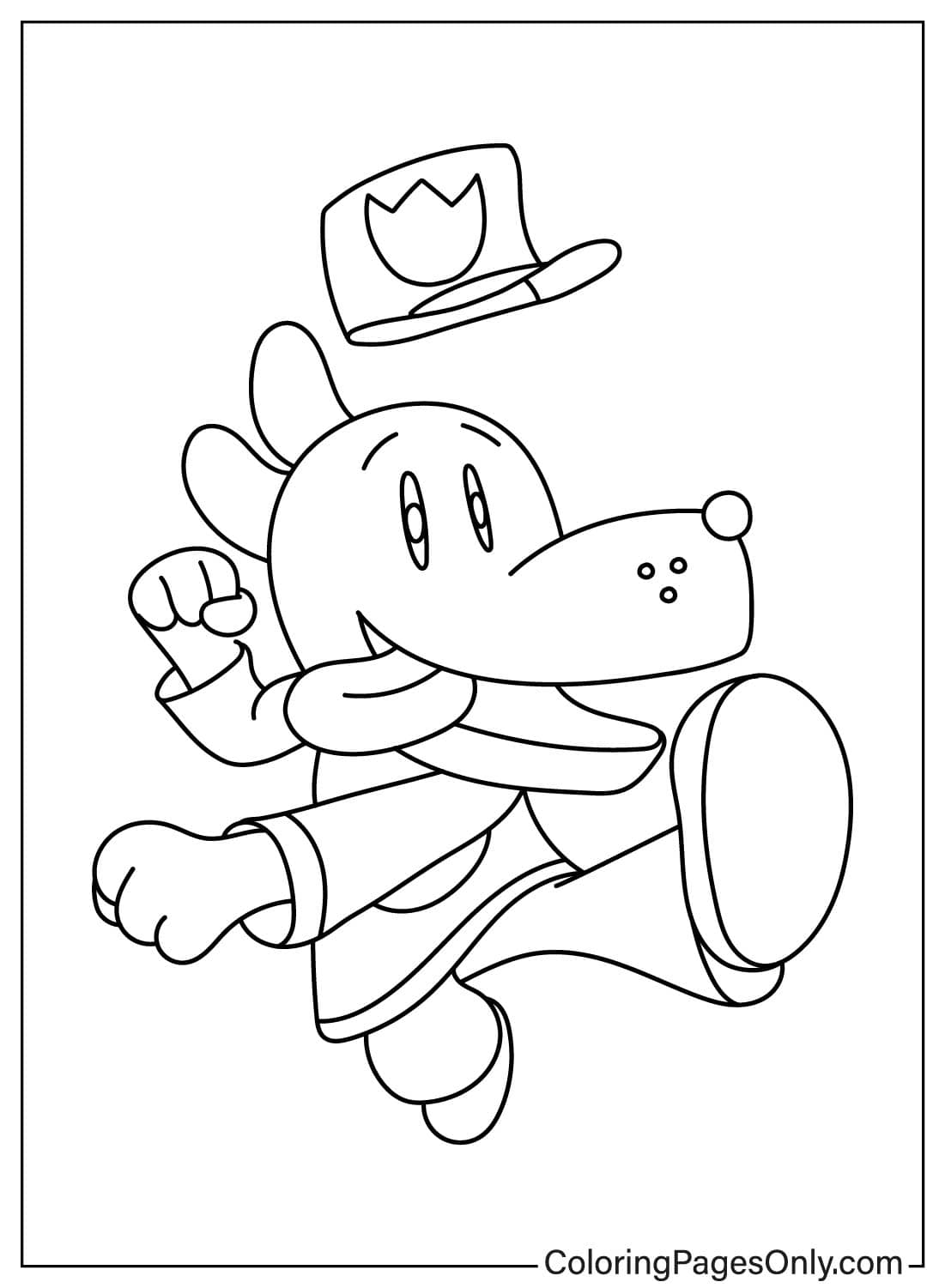
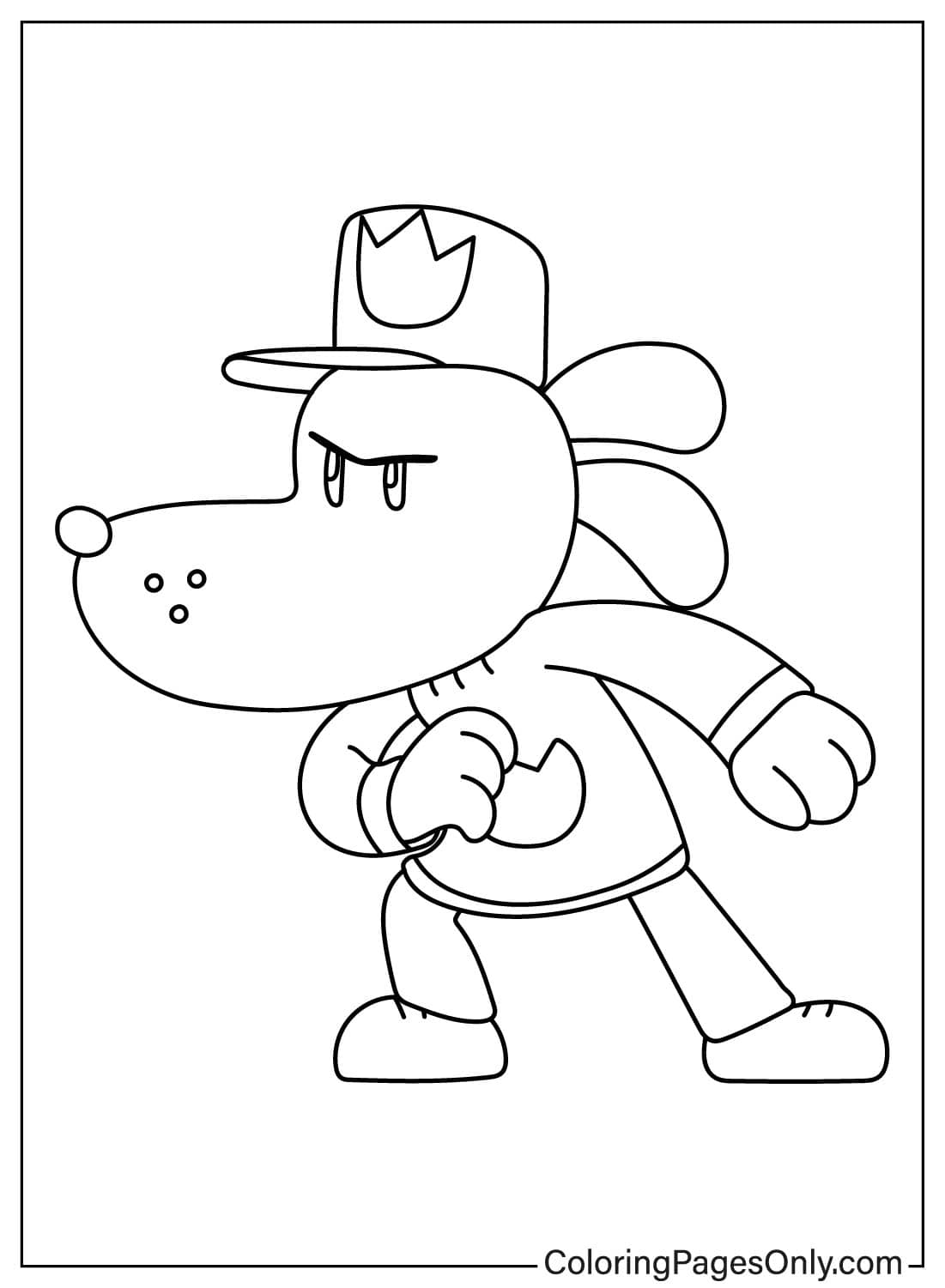
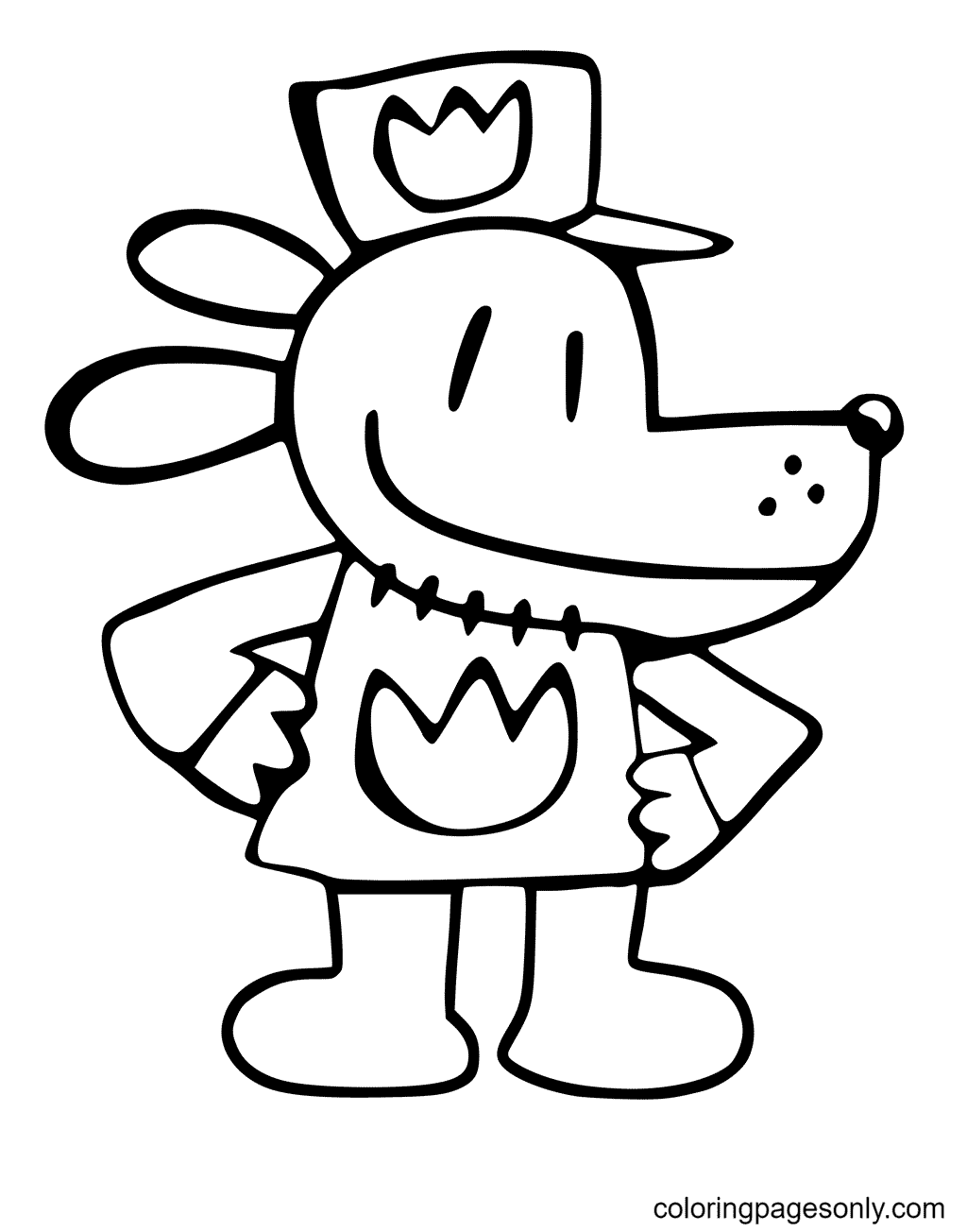
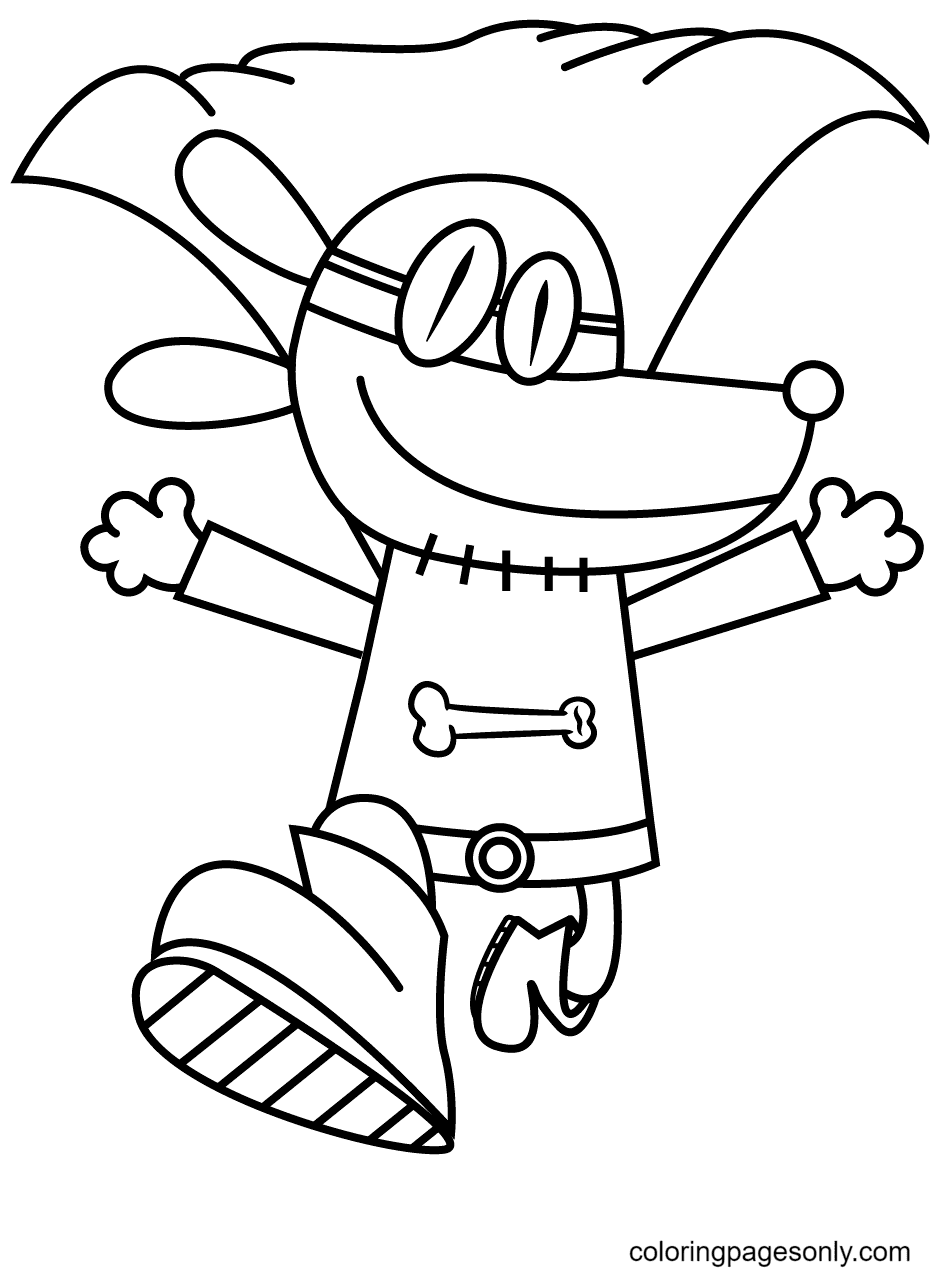
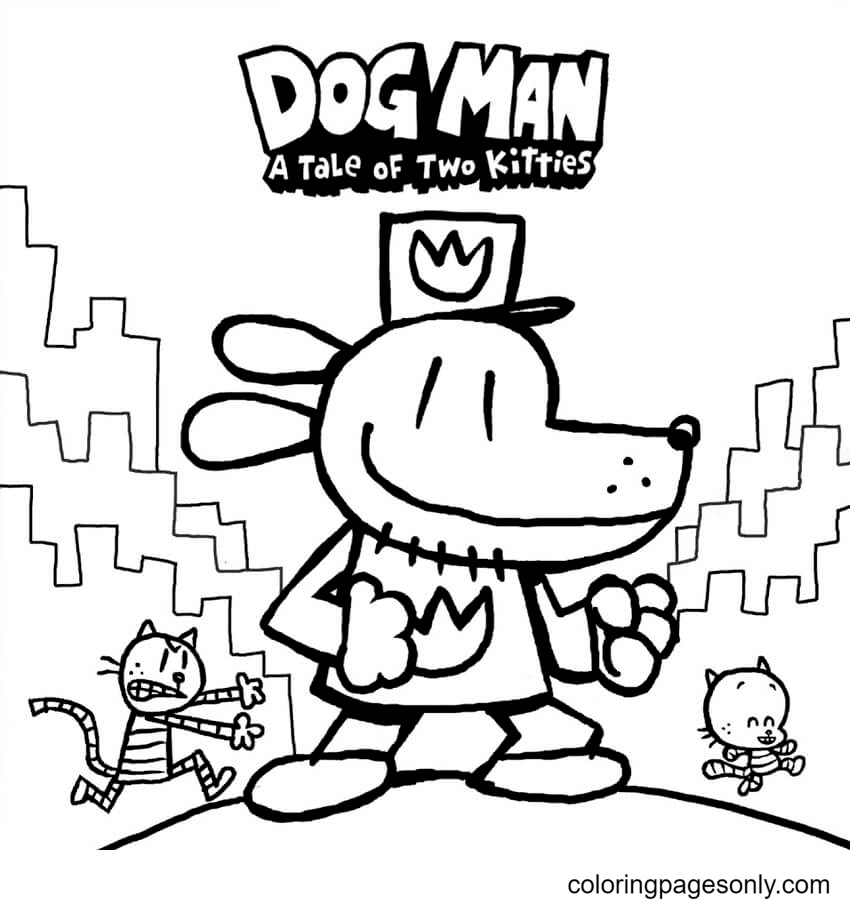
Dog Man’s origin is one of children’s literature’s most specific premises: a police officer named Greg and his police dog were both severely injured in the same incident, and doctors saved both lives by attaching Greg’s body to the dog’s head. He has a dog’s head, a police officer’s body, and wears a blue uniform with a badge. He cannot speak, communicating instead through fetching, sniffing, and unwavering bravery.
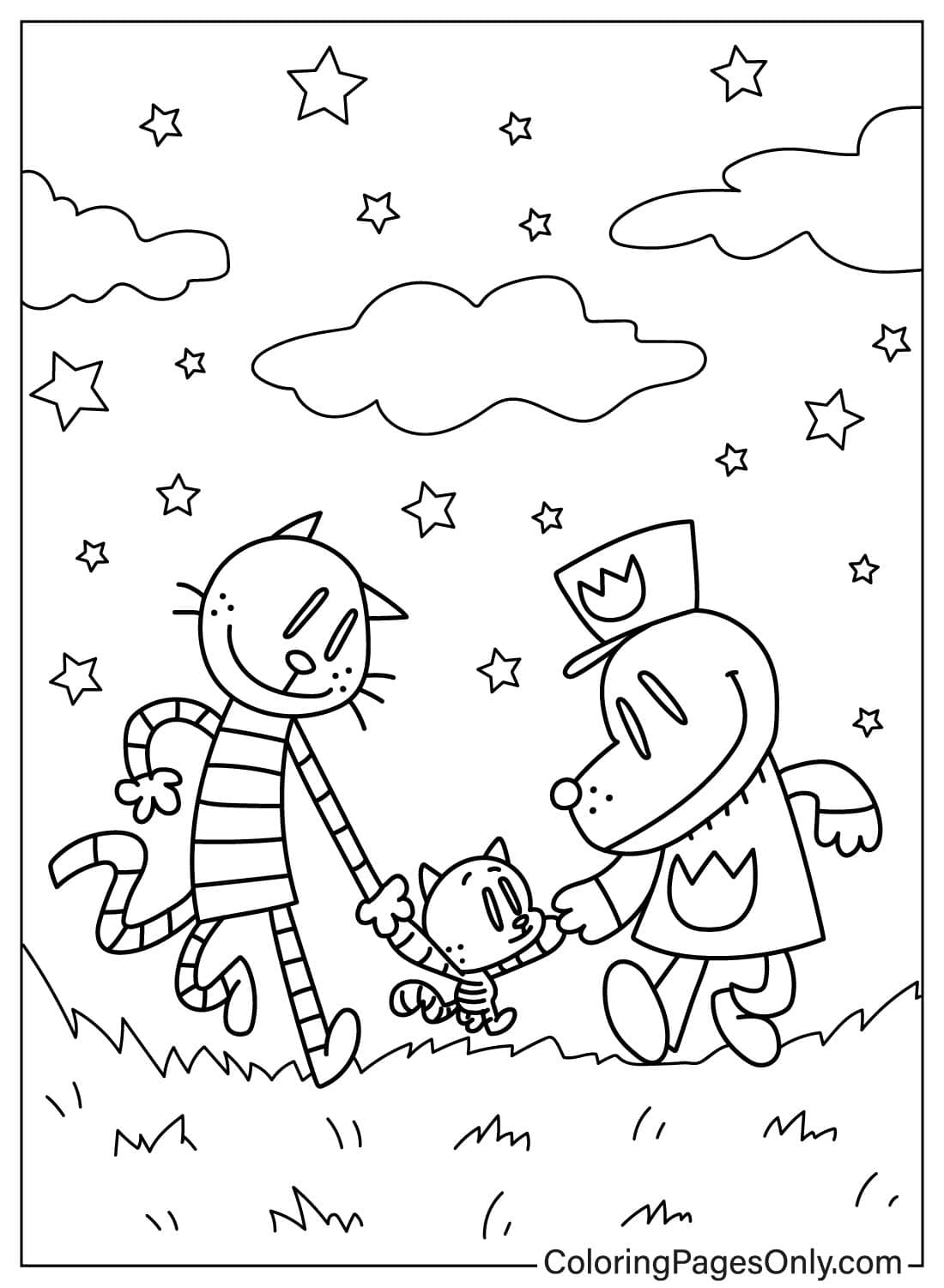
Petey and Li’l Petey Pages
Petey the Cat begins the series as a straightforwardly villainous white cat in a lab coat, a parody of the mad-scientist archetype. Across thirteen books, his relationship with Li’l Petey, his son (or clone, depending on the book), gradually transforms him from villain to reluctant good person. In later books, Li’l Petey wears a small superhero cape.
80-HD and the Chief
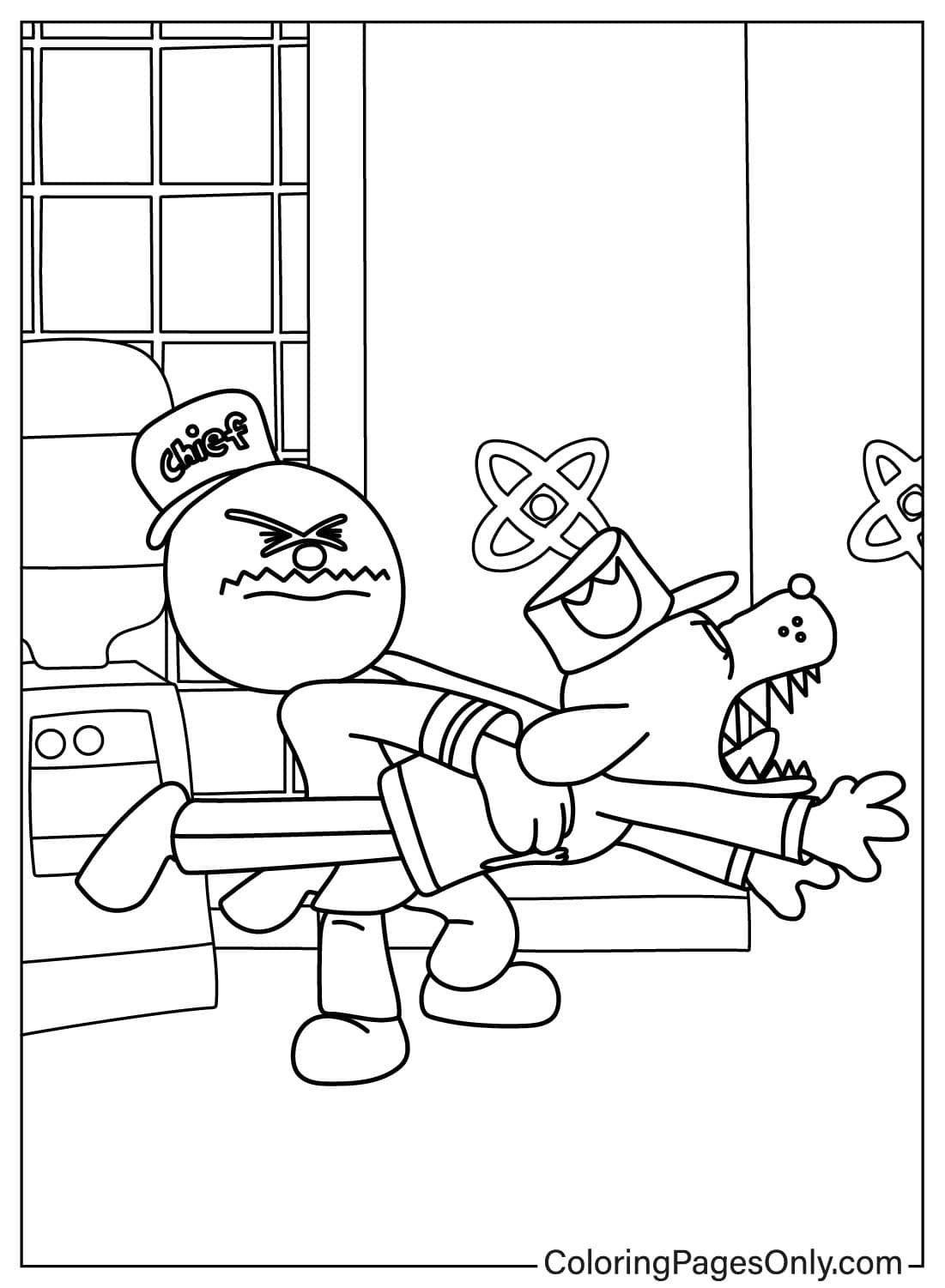
80-HD is a robot puppy Dog Man builds from spare parts, whose name is a deliberate reference to ADHD, one of Pilkey’s own diagnosed conditions. The Chief is Dog Man’s police supervisor, perpetually exasperated by his officer’s dog-like methods but unable to deny that they work.
Group and Action Scenes
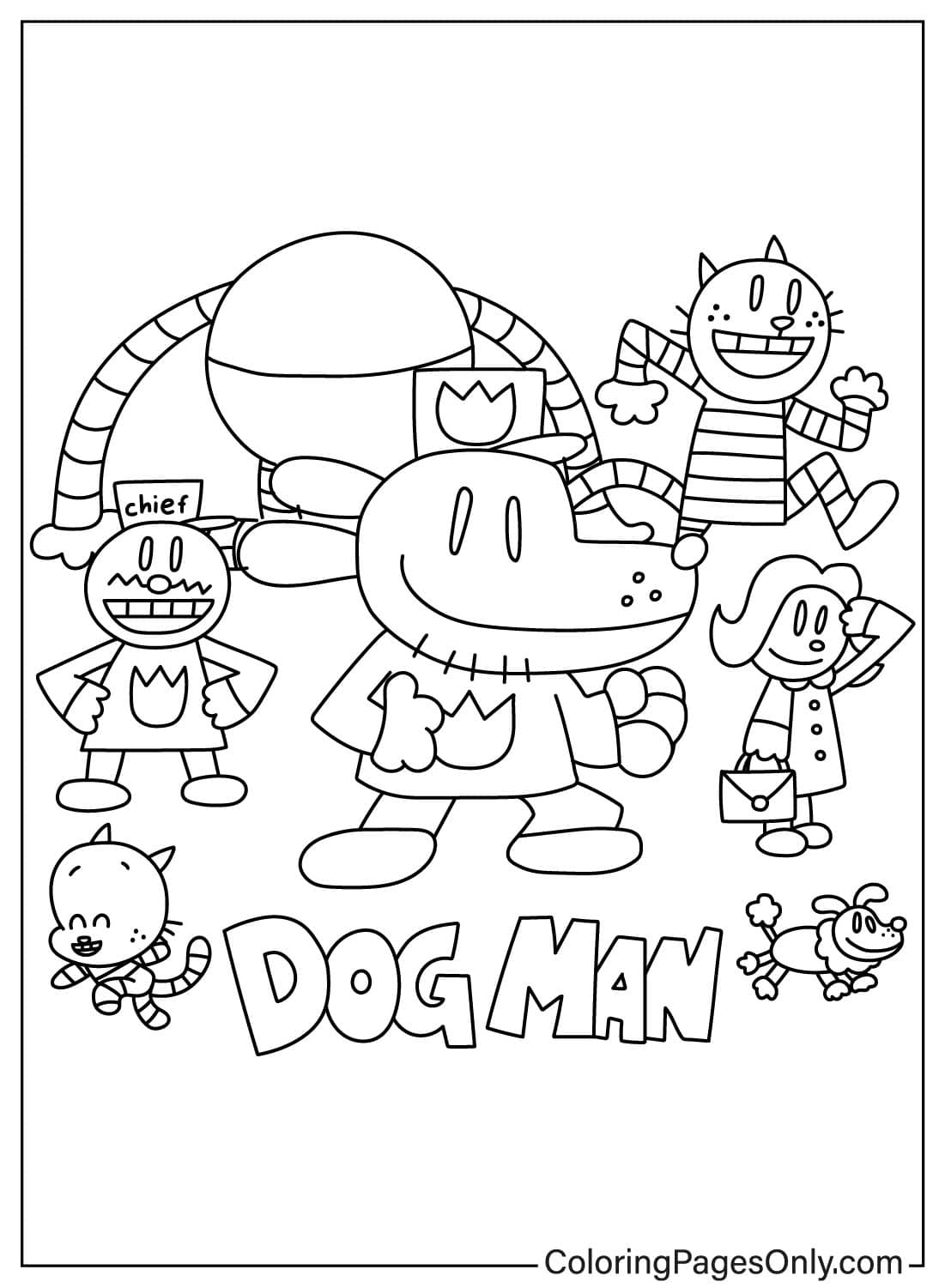
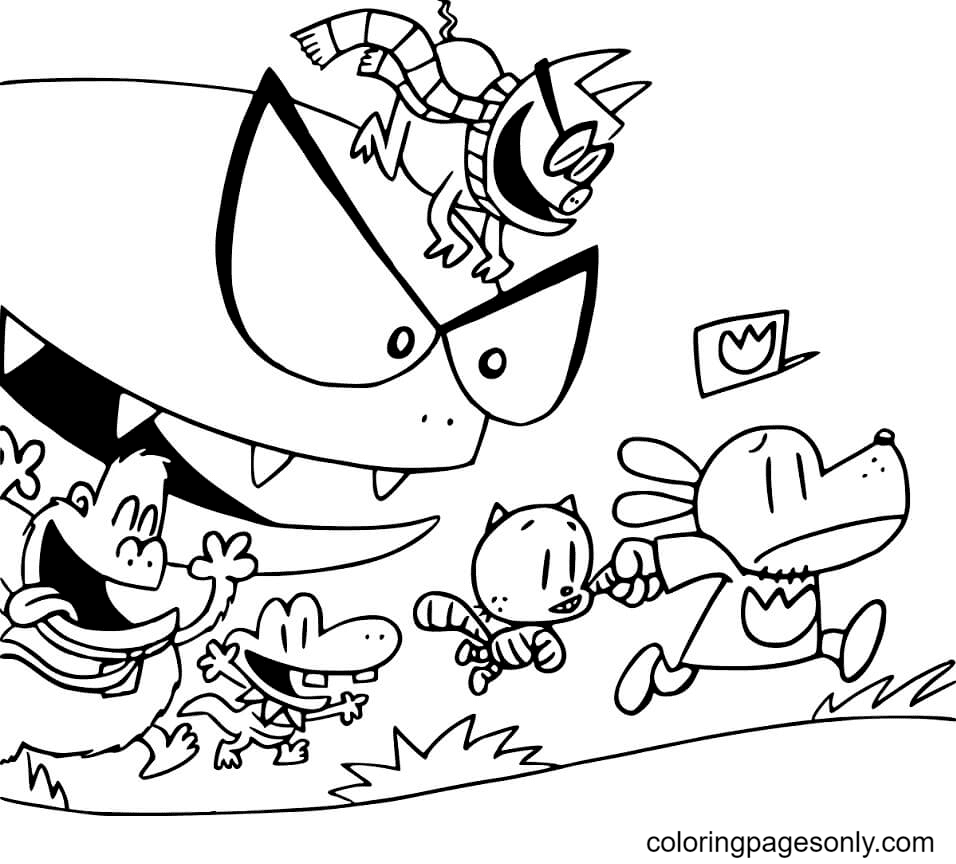
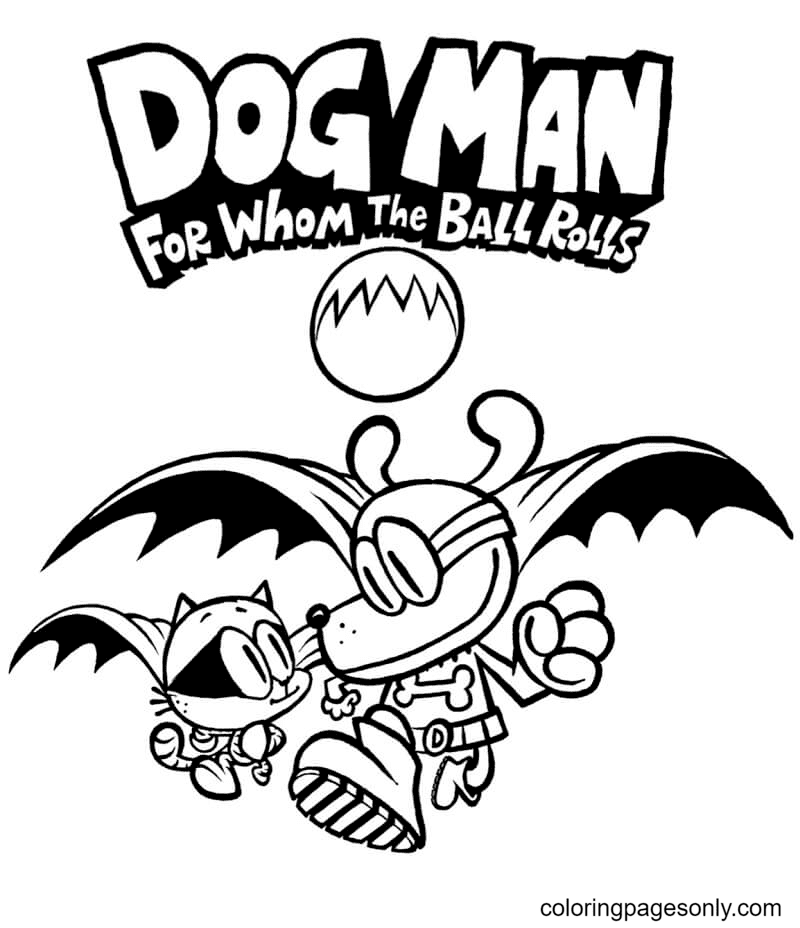
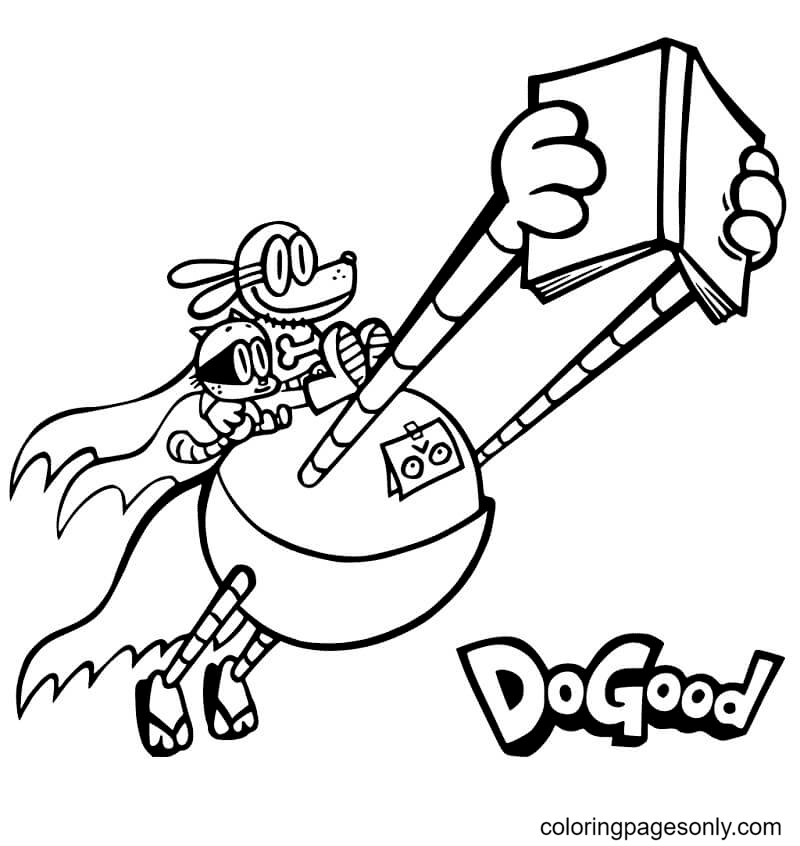
Pages showing the full cast together, Dog Man, Petey, Li’l Petey, 80-HD, and the Chief, offer the collection’s most color-diverse compositions, alongside high-energy action pages referencing the books’ signature chase and rescue sequences.
What Dog Man Coloring Pages Do
The American Academy of Pediatrics identifies fine motor skill development as a core benefit of structured coloring for children ages 2 through 7.
A 2005 study in the Art Therapy Journal documented measurable reductions in anxiety following structured coloring sessions.
Dog Man books are widely documented by educators and the American Library Association as effective gateway books for reluctant readers, particularly children who find text-heavy books inaccessible. The clean, simple outlines in this collection extend that same accessibility to coloring, since Pilkey’s flat, bold art style was designed to be easy for a child to reproduce.
The 80-HD character’s name references ADHD directly, connecting the collection to Pilkey’s own childhood experience in a way that is completely accessible to young readers while quietly acknowledging the experience of children who share that diagnosis.
How to Color Dog Man Pages Well
- Dog Man’s head: use a warm, medium Tan-Brown, the warmest, most definitive dog-colored tone available, applied at full coverage. Add a slightly darker brown at the ear tips and muzzle as a second layer.
- Police uniform: a flat, medium Blue applied evenly with no shadow gradients, consistent across Dog Man, the Chief, and any uniformed background characters. The gold badge goes on last, small and precise.
- Petey’s fur and lab coat: both are white, so apply a very faint warm Cream to the fur while leaving the lab coat closer to paper white. His eyes are vivid Yellow-Green, and his nose is a small pink triangle.
- Li’l Petey: white or pale cream like his father, but smaller and rounder. His superhero cape, when shown, should be the most vivid Red in the composition, with a gold or yellow trim accent.
- 80-HD: render the robot’s body in grey metallic tones, lighter on top-facing surfaces and darker in recesses, with any visible heart element in vivid warm pink or red.
- All pages: apply flat, fully saturated color at full pressure with no realistic shading or gradients. This matches the books’ deliberately simple comic style; adding complex shadows will make a page look inconsistent with the source material.
5 Creative Craft Ideas With Dog Man Coloring Pages
1. Draw-Your-Own Dog Man Comic Strip
Color a Dog Man portrait page as a character reference, then divide a blank sheet into four panels and draw an original comic strip: a problem appears, it gets worse, Dog Man’s unorthodox solution arrives, and the story resolves.
2. Origin Story Card
Color the most portrait-like Dog Man page showing both the dog head and police uniform clearly, mount it on cardstock, and write a short summary of his origin underneath.
3. 80-HD Heart Card
Color an 80-HD page in grey metallic tones with a vivid pink or red heart detail, then mount it on a card and write a short note about what the robot’s name and heart represent.
4. Dog Man Bookmark
Color a single portrait page, cut around the outline, laminate or cover with clear tape, and add a ribbon tassel through a small punched hole.
5. Full Cast Wall Display
Color the group page showing Dog Man, Petey, Li’l Petey, and 80-HD together in full canonical colors, then mount it as a wall display for a bedroom or classroom reading corner.
Frequently Asked Questions
What is Dog Man, and who created it?
Dog Man is a graphic novel series for children written and illustrated by Dav Pilkey. The first book was published on August 30, 2016, by Scholastic’s Graphix imprint. The series follows a superhero who is half dog and half police officer, the result of a surgery that attached a police officer’s body to his dog’s head after both were injured.
How many Dog Man books are there?
As of 2024, the main series consists of thirteen books, from Dog Man (2016) through Dog Man: The Leaf Thieves (2024). A companion series, Cat Kid Comic Club, launched in 2020, and a DreamWorks Animation film was released in early 2025.
Who are the main characters in Dog Man?
Dog Man is the hero. Petey the Cat is the recurring villain who gradually becomes a reluctant good person. Li’l Petey is Petey’s son, a kitten of innate goodness. 80-HD is a robot puppy with a mechanical heart. The Chief is Dog Man’s perpetually exasperated police supervisor.
What is the connection between Dog Man and Captain Underpants?
Dog Man originated within the Captain Underpants books as a comic strip drawn by the fictional child characters George Beard and Harold Hutchins. When Pilkey developed Dog Man into its own series in 2016, he framed the first book as the “official” publication of their comics.
Why is 80-HD named that?
80-HD is a deliberate pun on ADHD, referencing Dav Pilkey’s own childhood ADHD diagnosis. The robot puppy has a mechanical heart, making him a character built on genuine care rather than pure programming.
Why do reading specialists recommend Dog Man books?
Dog Man is widely documented as an effective gateway series for reluctant readers, particularly children who find text-heavy books inaccessible. Research on graphic novel formats has found that children who engage with them often transfer that engagement to more text-heavy reading over time.
What age group are these pages best suited for?
The simple, flat, bold art style is accessible from around age five, even before a child is reading the books independently. Character details like Petey’s arc and the meaning behind 80-HD’s name are most fully appreciated from about age seven and up.
What colors define Dog Man’s look?
A warm tan-brown dog head, a flat medium blue police uniform, and a gold badge, all applied in flat, fully saturated color without shading or gradients.
Download any page by clicking the design. No account, email, or payment is required. Pages print directly from the browser at full resolution or open in the online coloring tool for screen use. Share finished pages on Facebook or Pinterest with the share buttons at the top of each design page.