Fall Coloring Pages

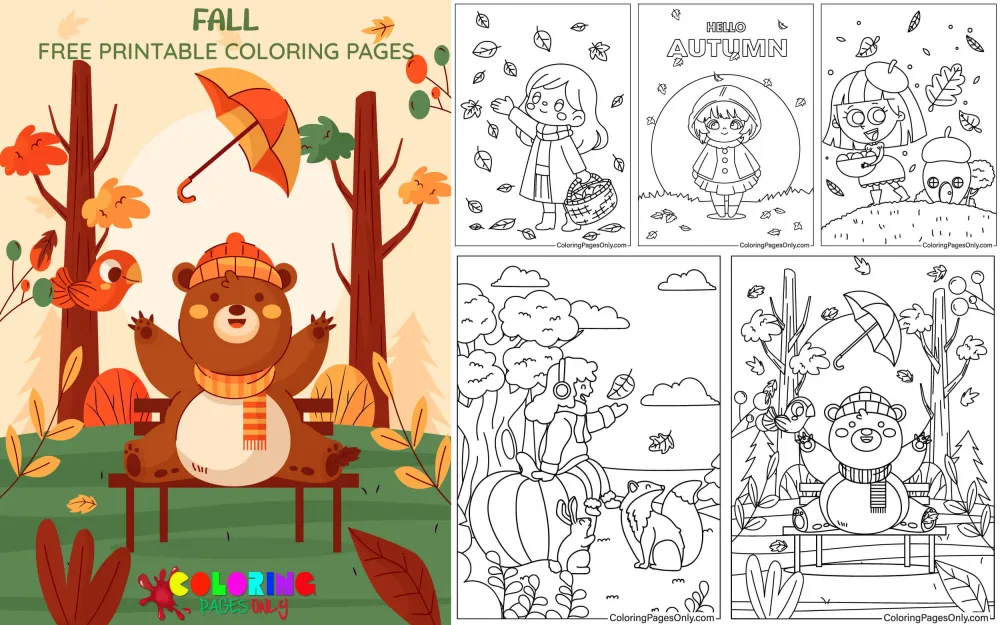
Free Fall Coloring Pages: 31 printable PDF designs featuring autumn leaves, pumpkins, forest animals, and scenes tied to September, October, and November. Each page can be downloaded as a PDF to print or colored online in the browser.
Fall runs from the September equinox to the December solstice in the Northern Hemisphere, though most people think of it as September through November, when cooler air and shorter days turn green leaves red, orange, and yellow. This set works for a preschooler coloring a first leaf shape, an elementary classroom building a fall unit, and an adult looking for a relaxed seasonal page to unwind with. The pages double as raw material for the greeting cards, garlands, and posters covered later in this article, not just standalone sheets to file away.
A leaf, a pumpkin, or a fall sky can shift through two or three hues inside the same outline, and getting that gradient onto the page, rather than filling the shape with one flat color, is the main coloring skill this set builds.

What’s Inside This Collection
The 31 pages fall into a few clear groups, built around fall’s classic greetings, its natural leaf and forest imagery, its animals, and pages tied to a specific month or activity.
Classic Fall Portraits and Greetings
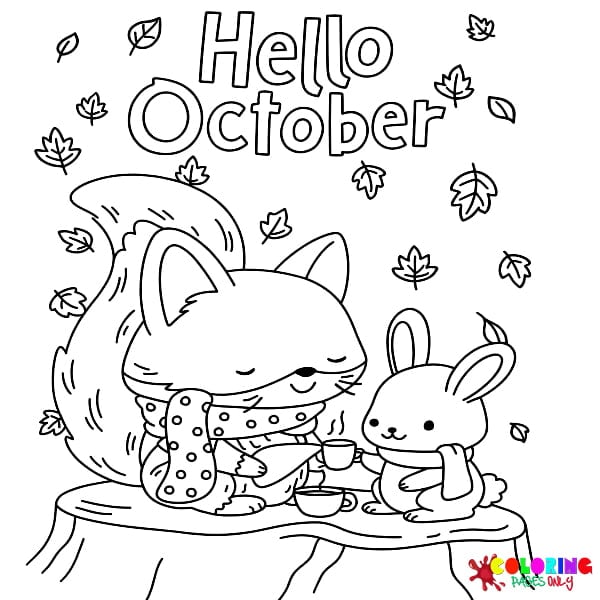
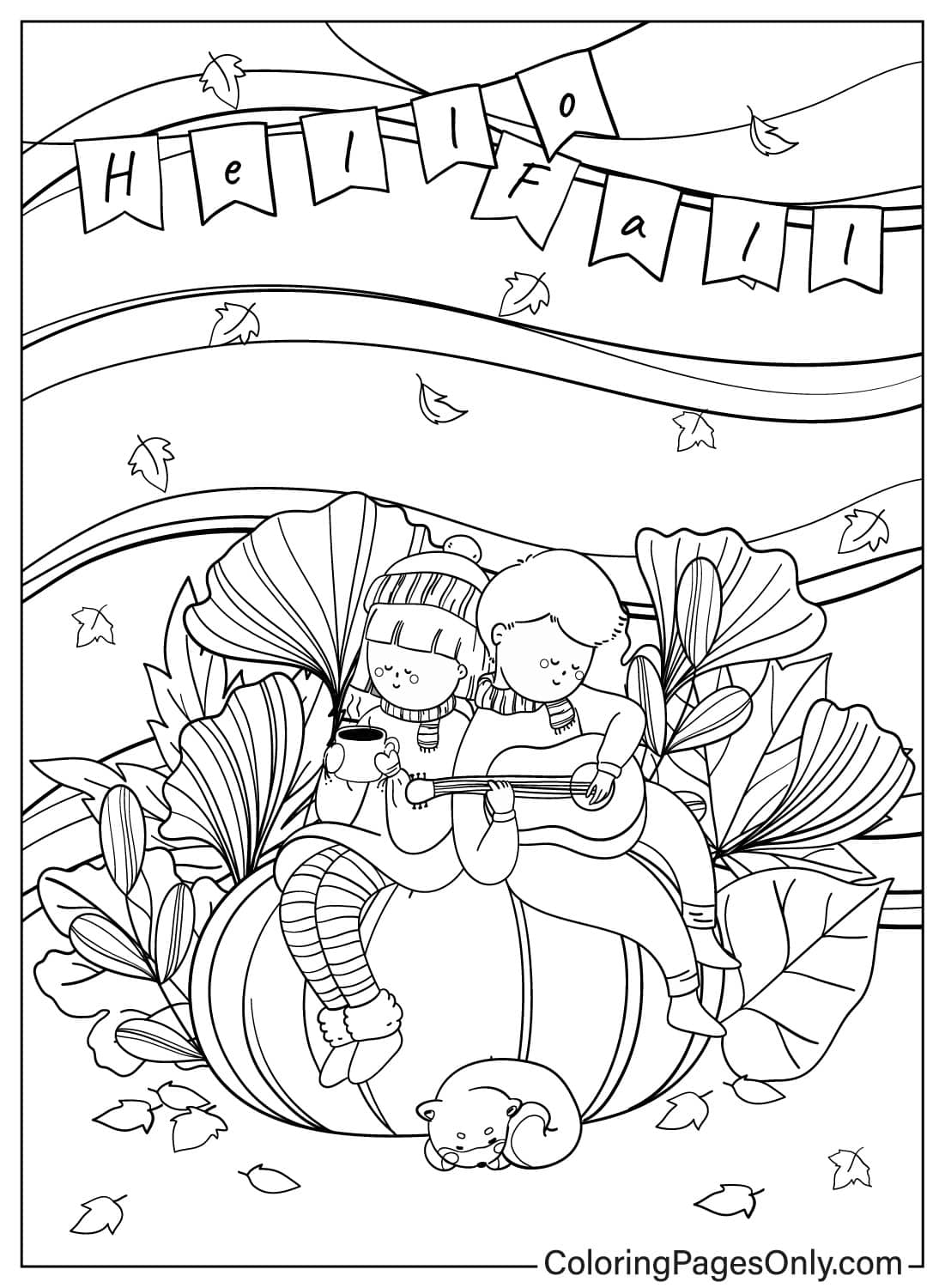
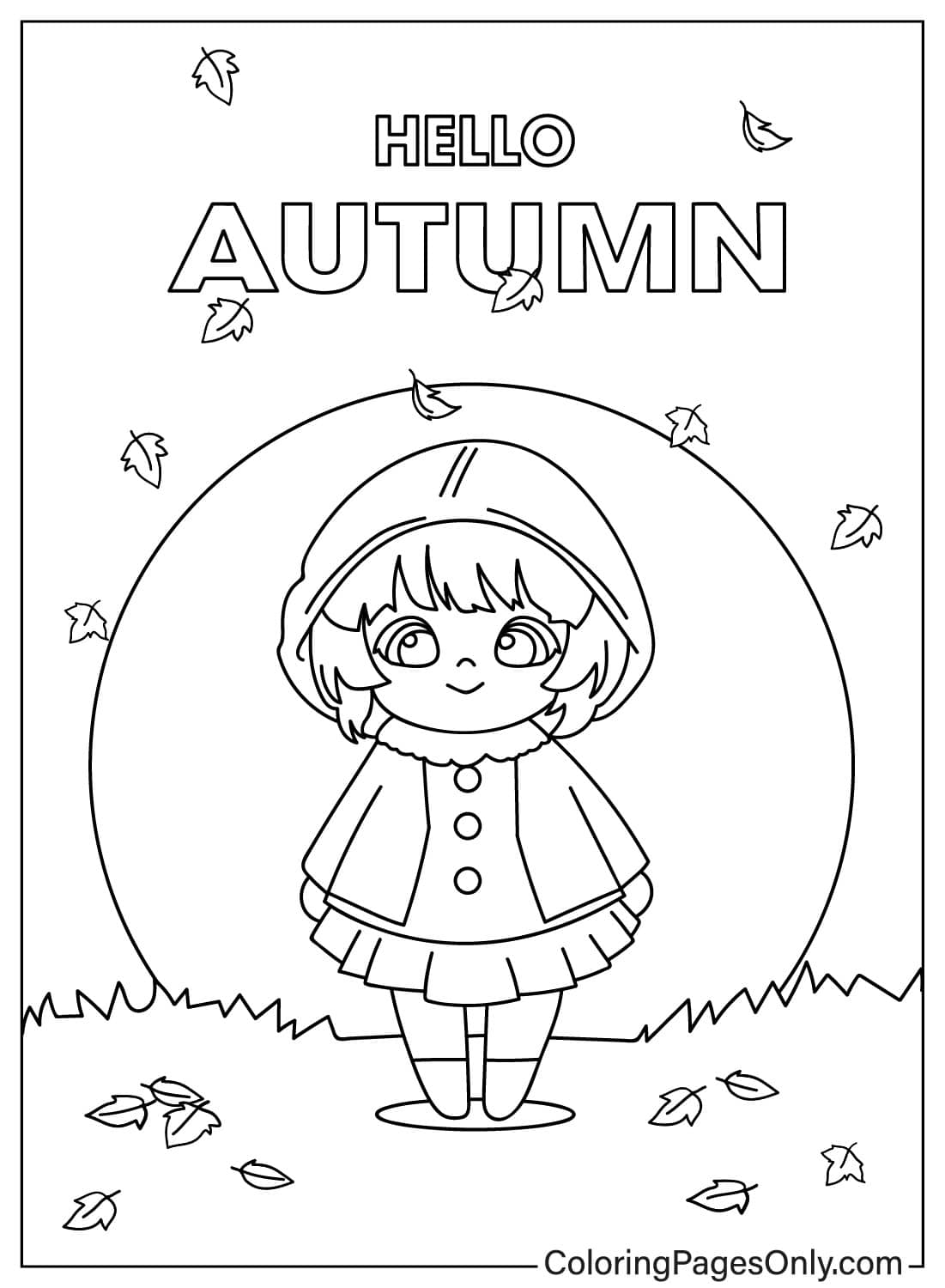
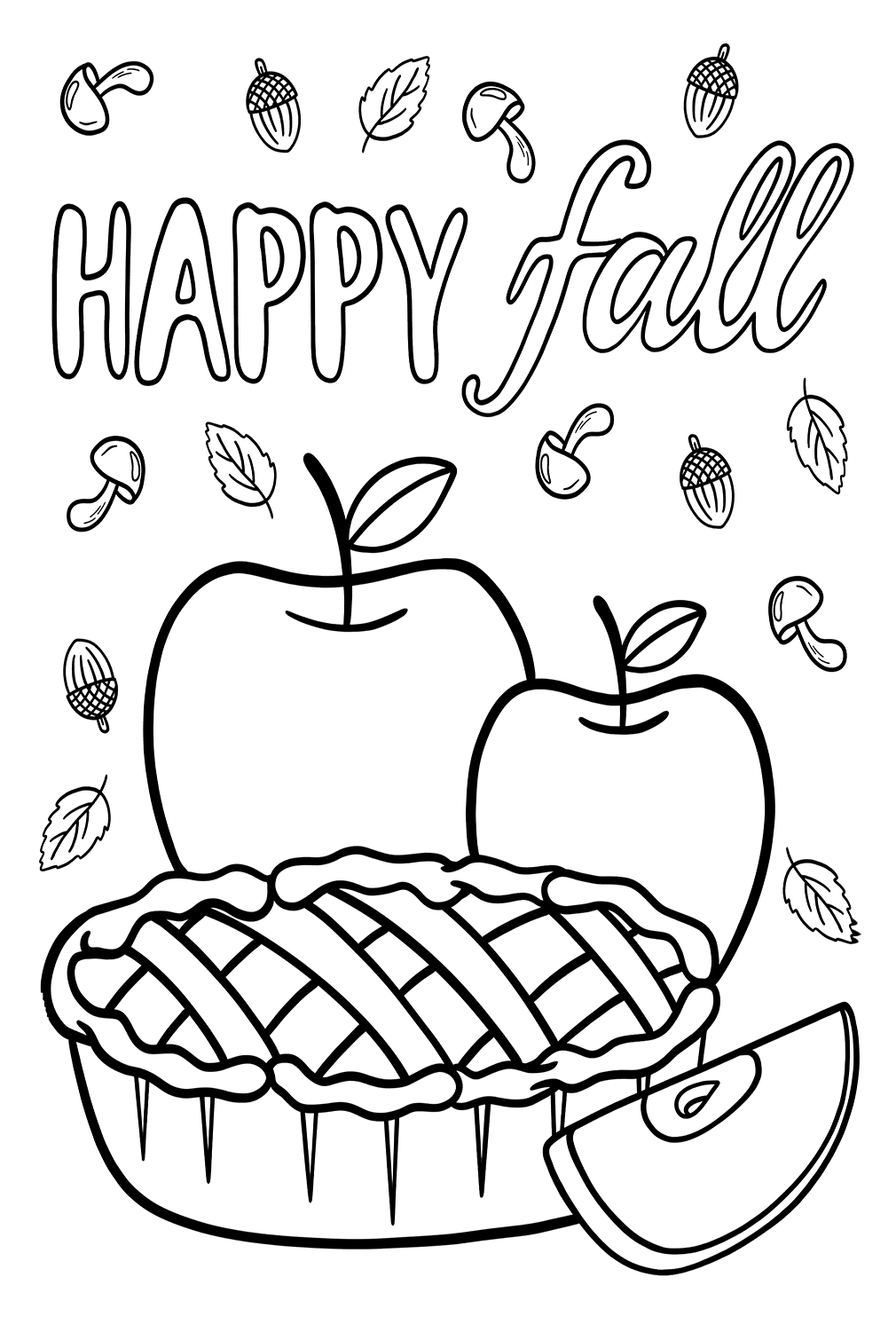
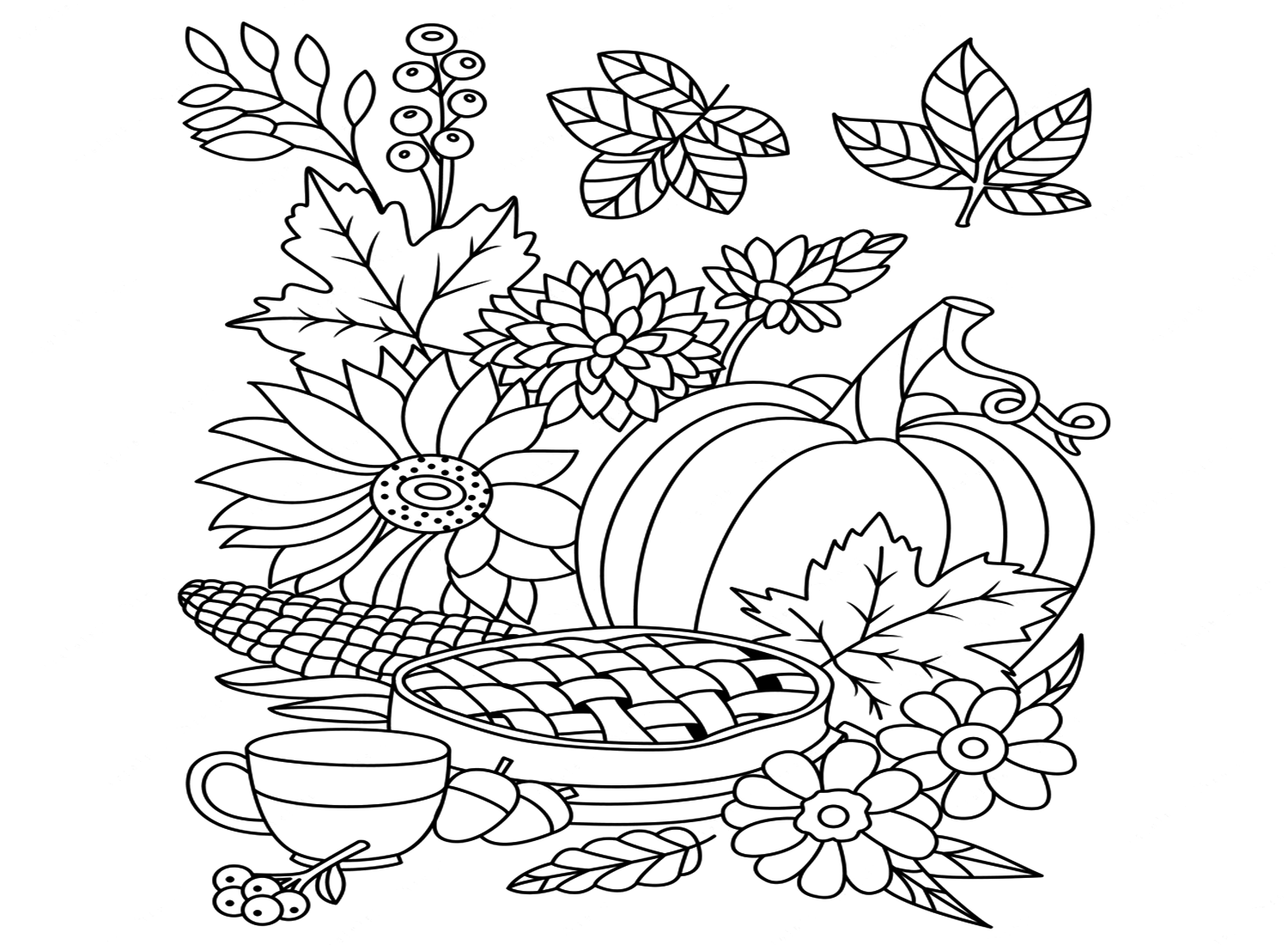
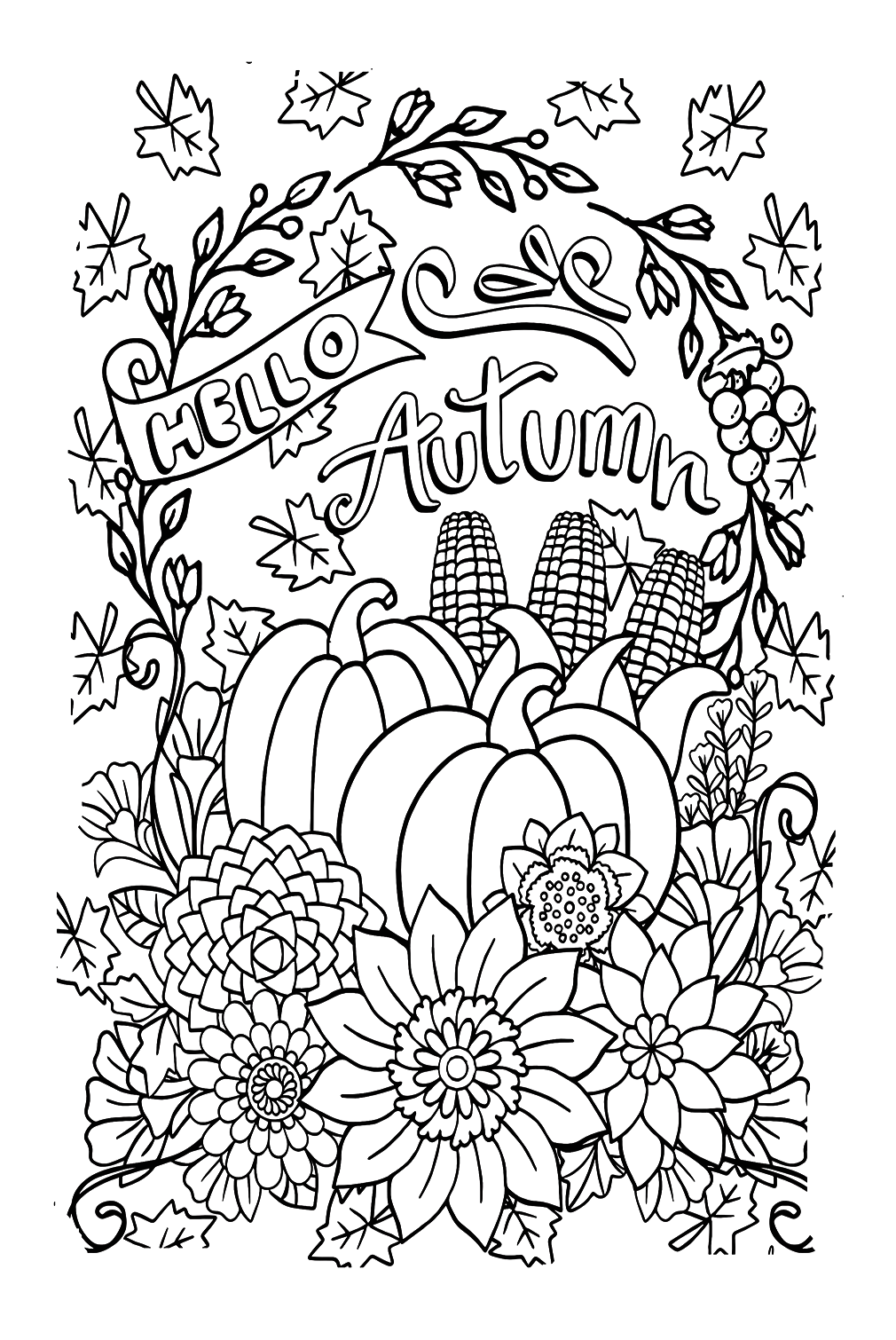
Most of the set is made up of greeting-style designs such as Hello Fall and Happy Fall, which pair a seasonal word or phrase with leaves, a pumpkin, or a small woodland scene. They range from a simplified design for younger colorers to a page with finer background detail for adults.
Leaves and Forest Scenes
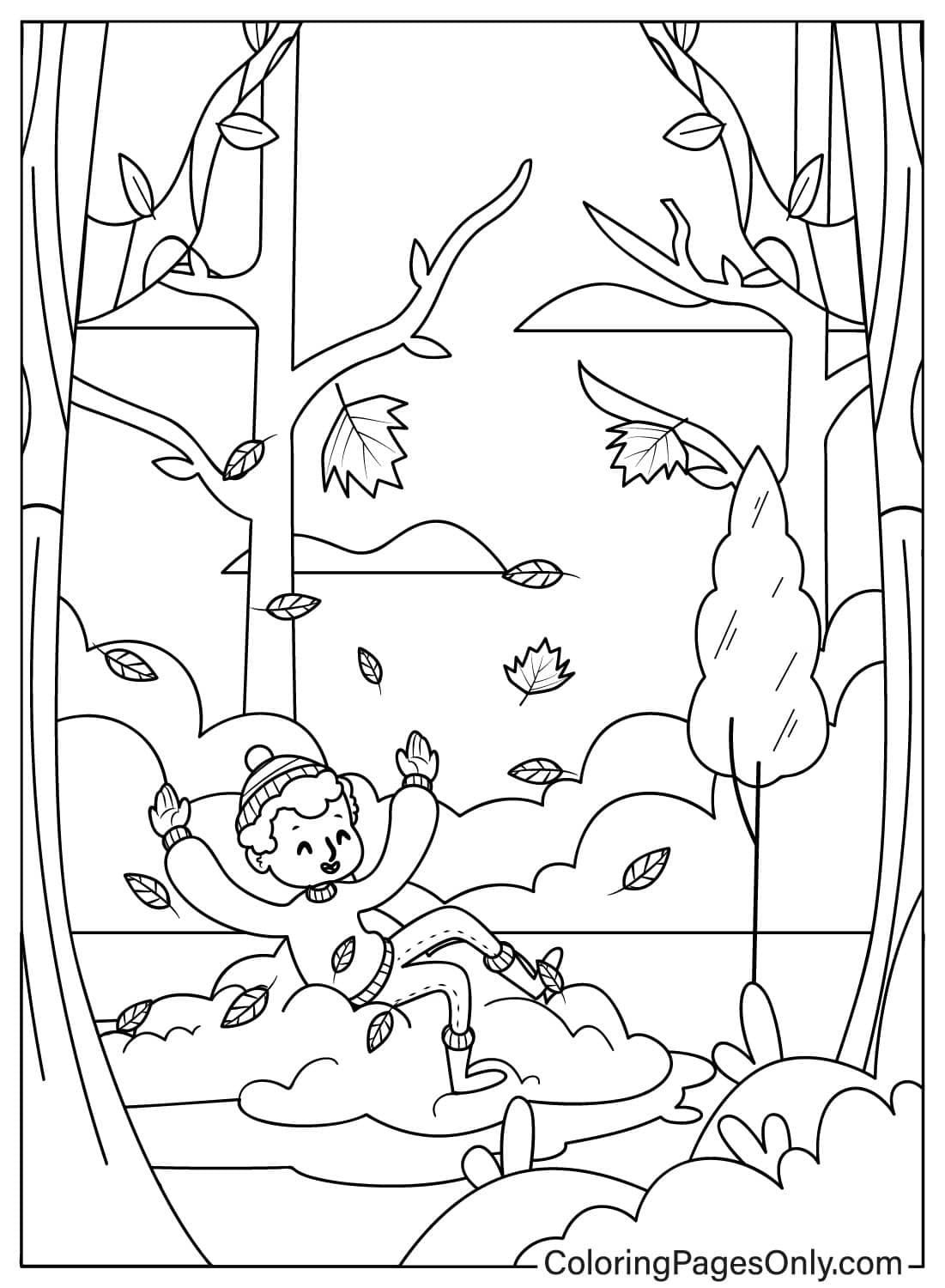
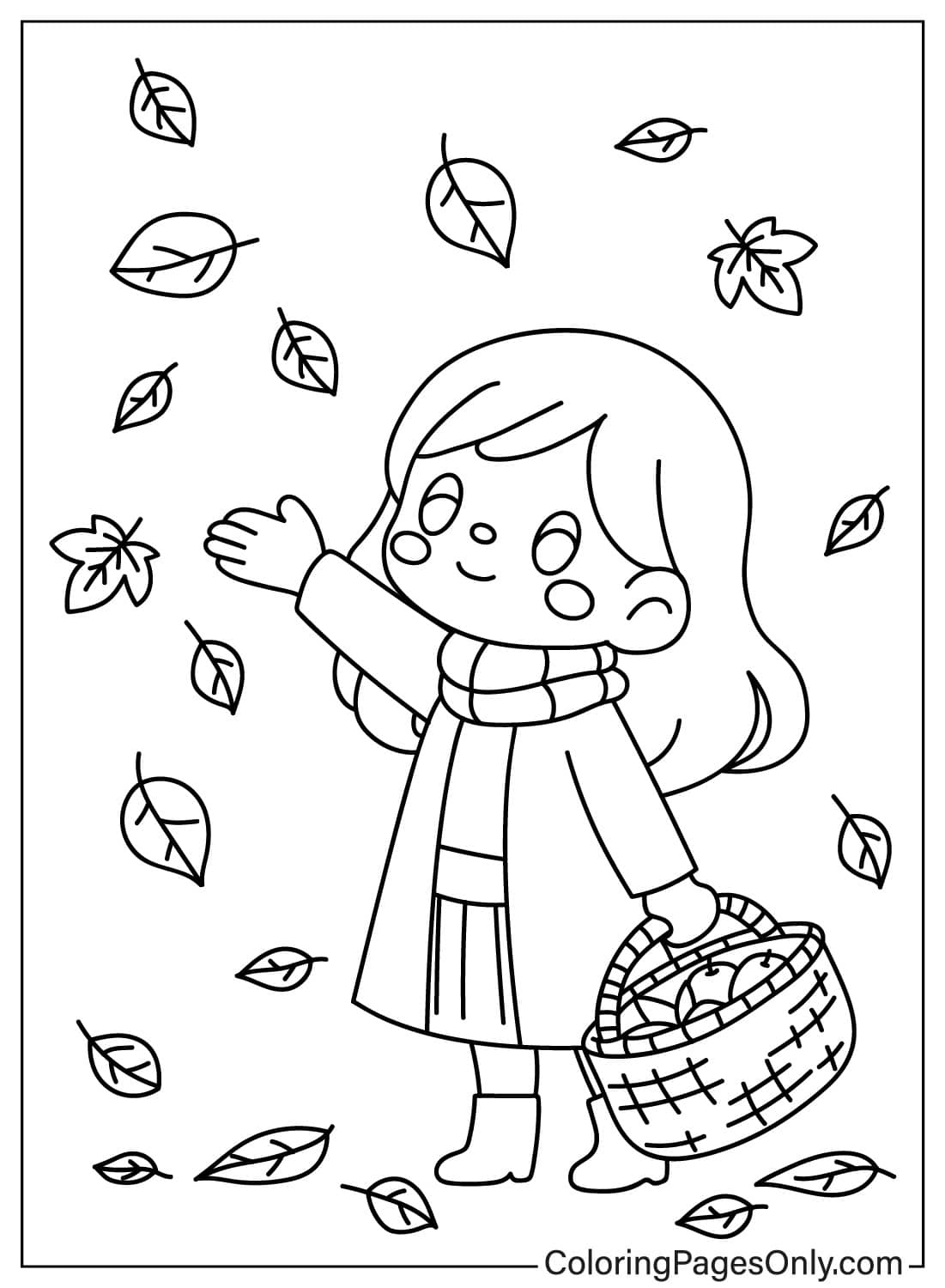
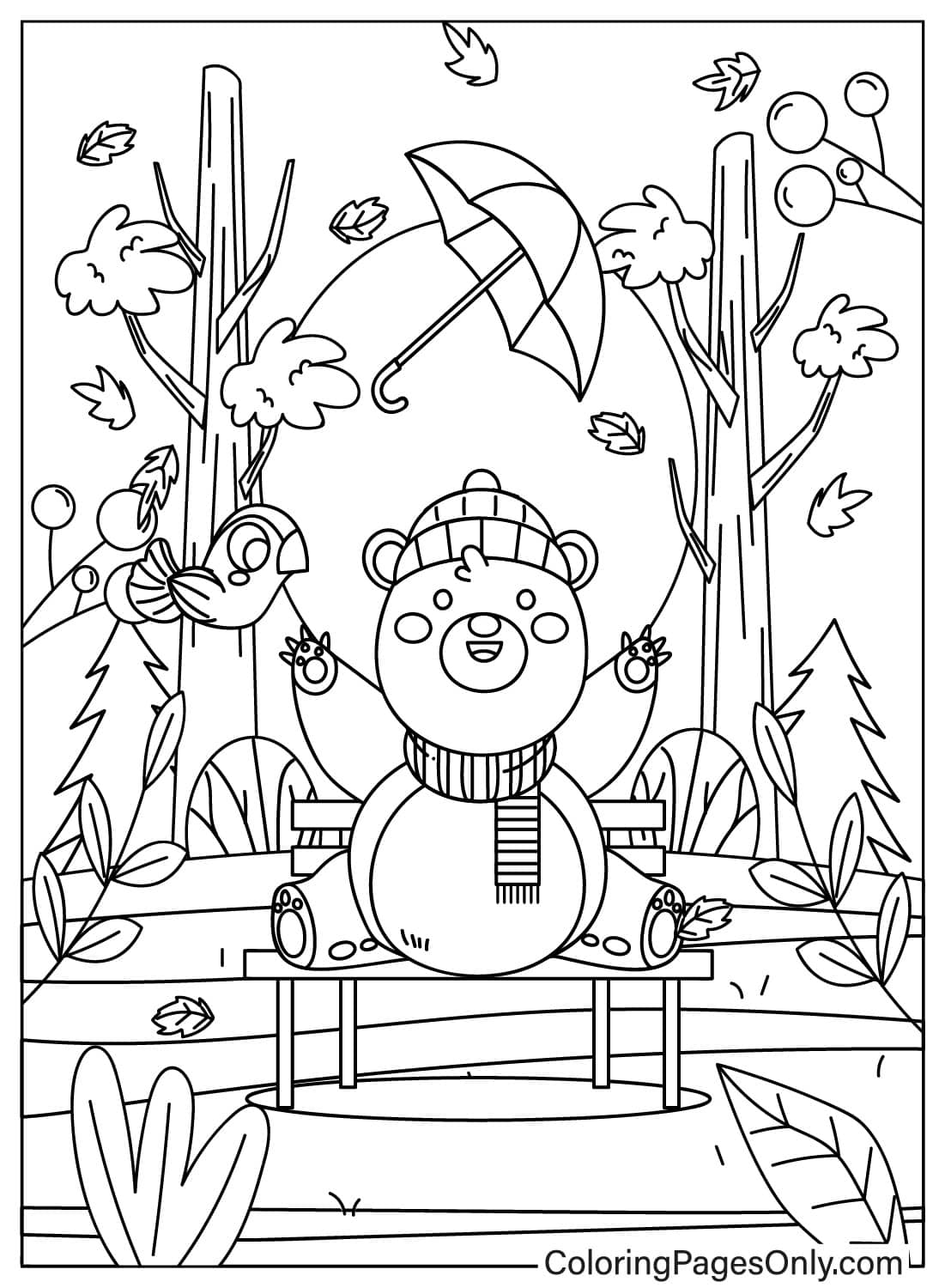
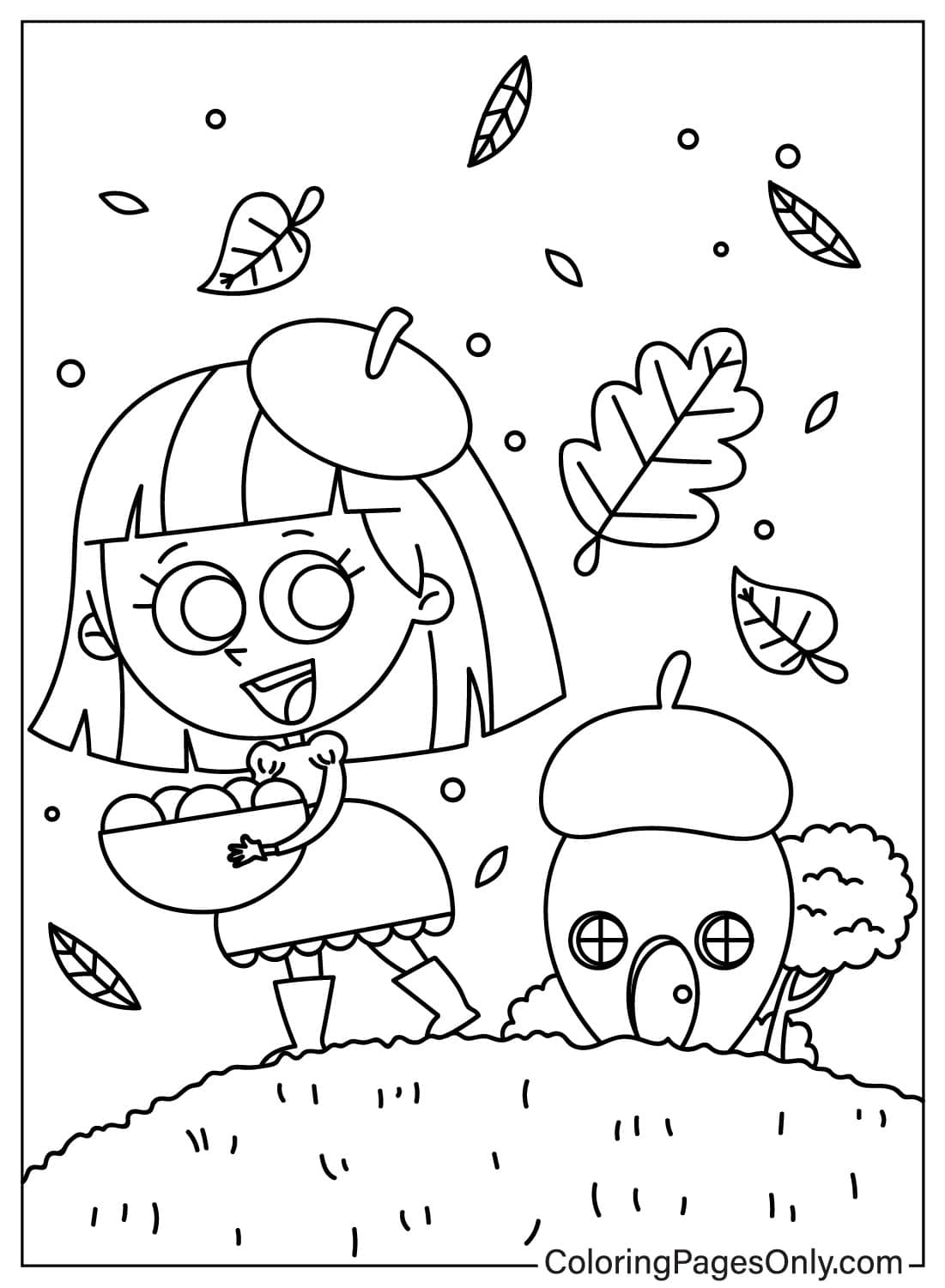
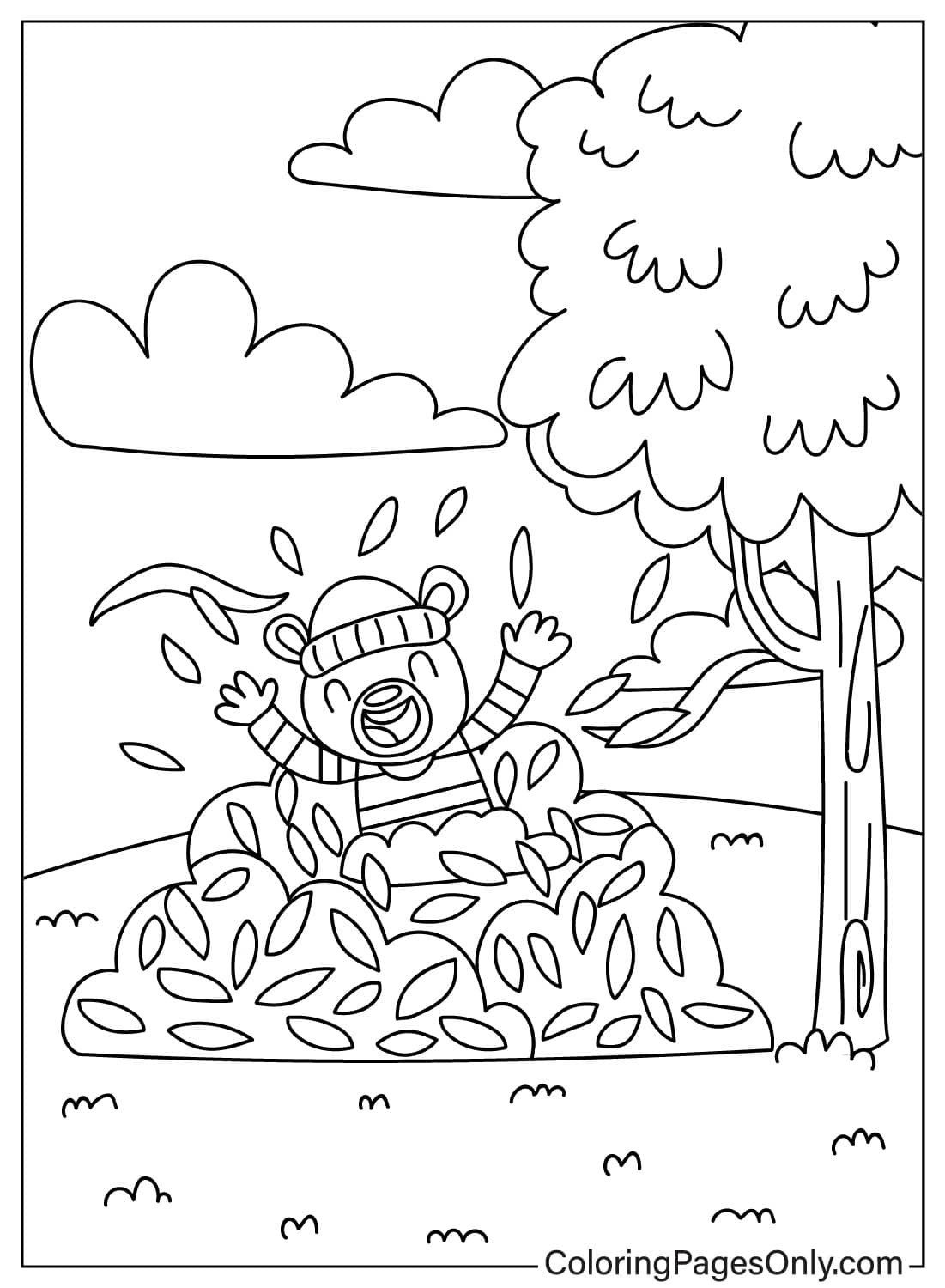
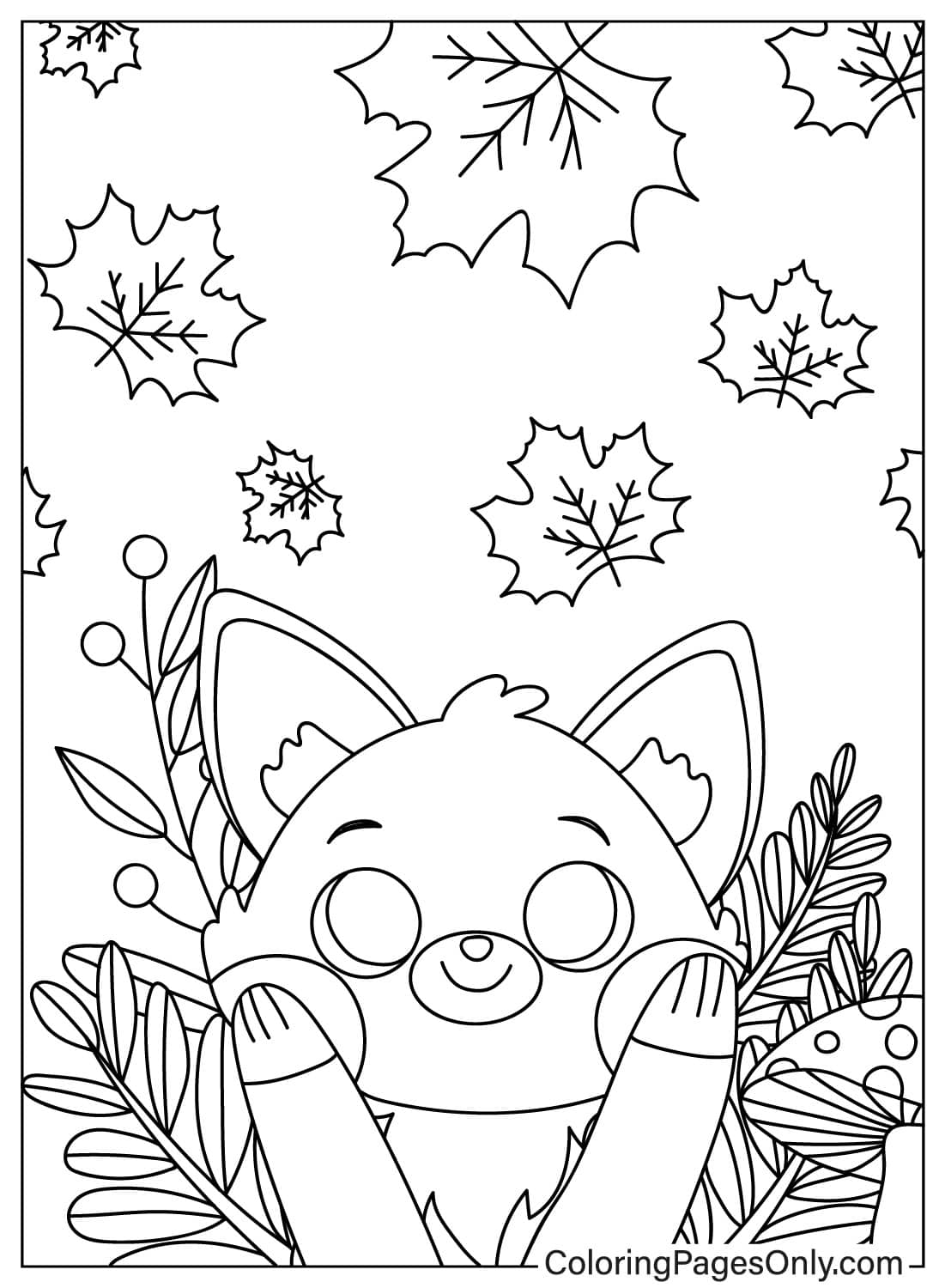
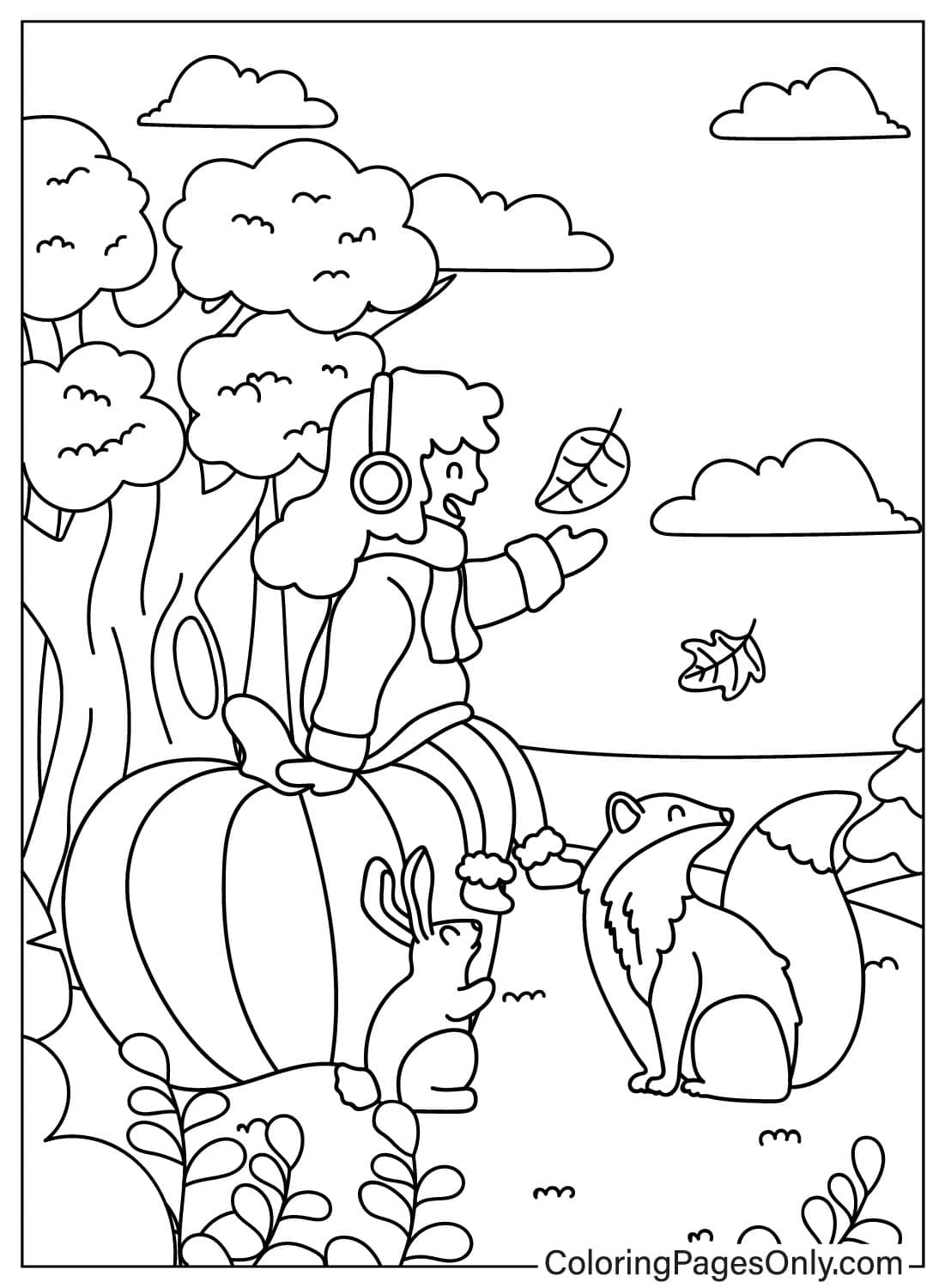
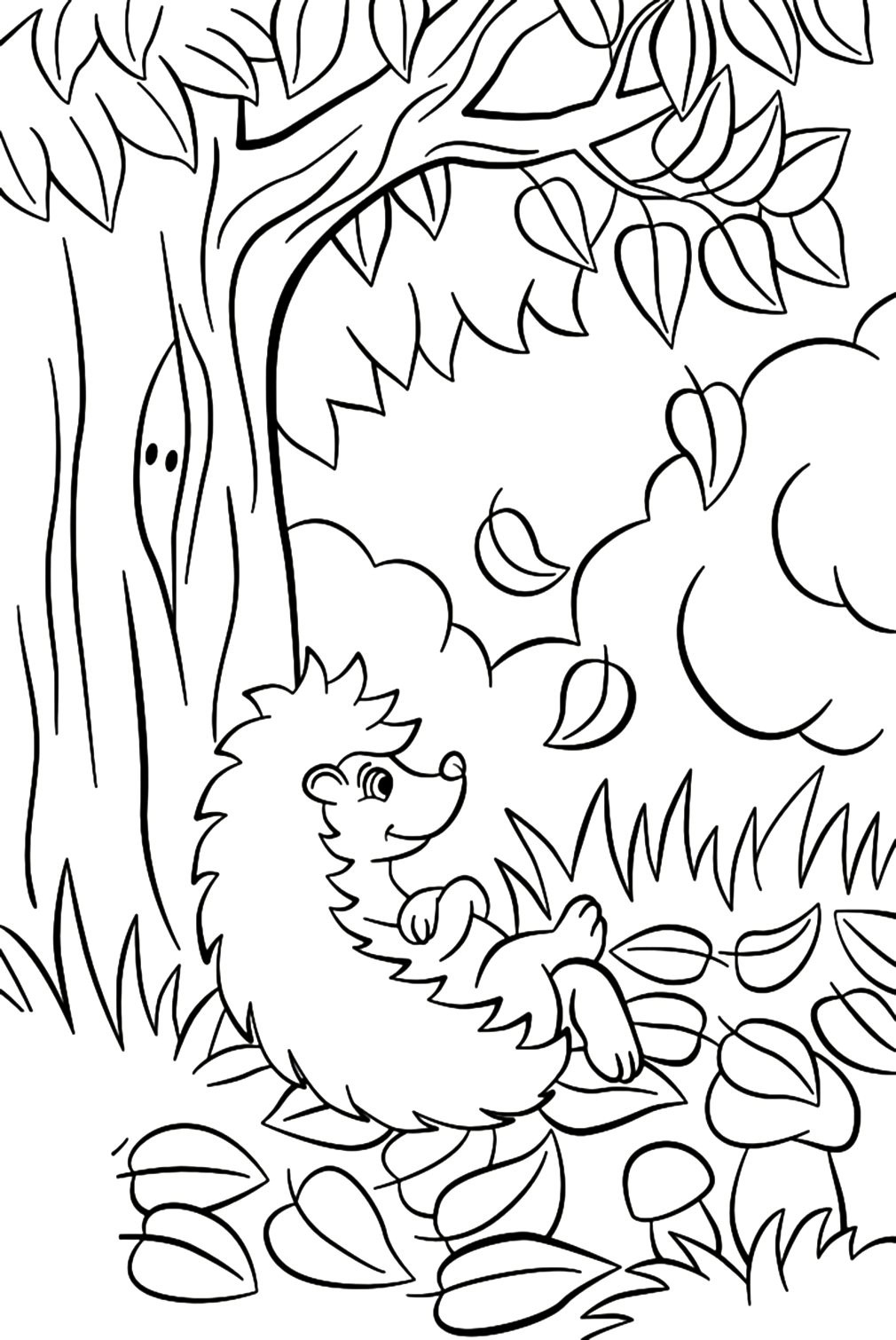
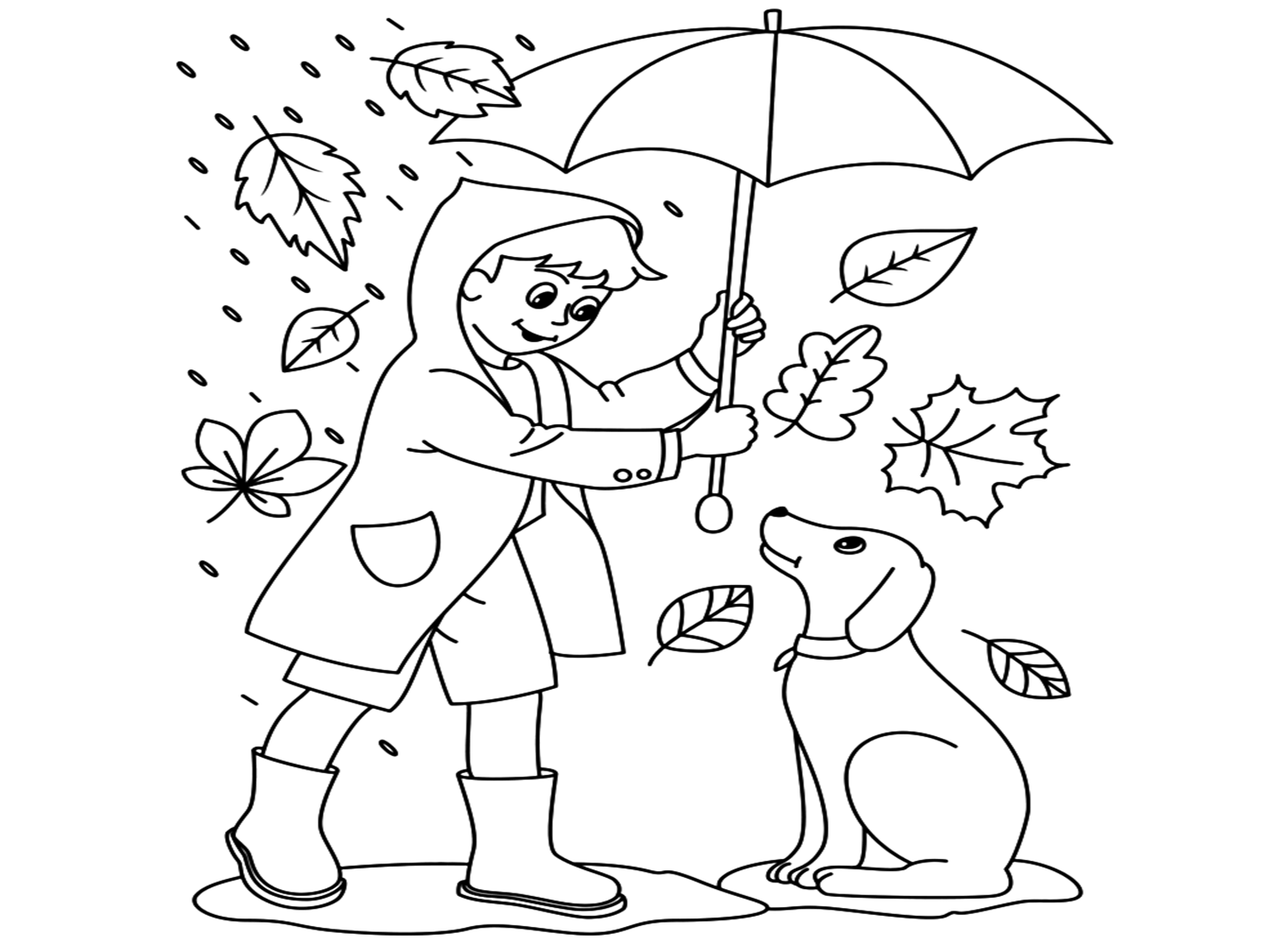
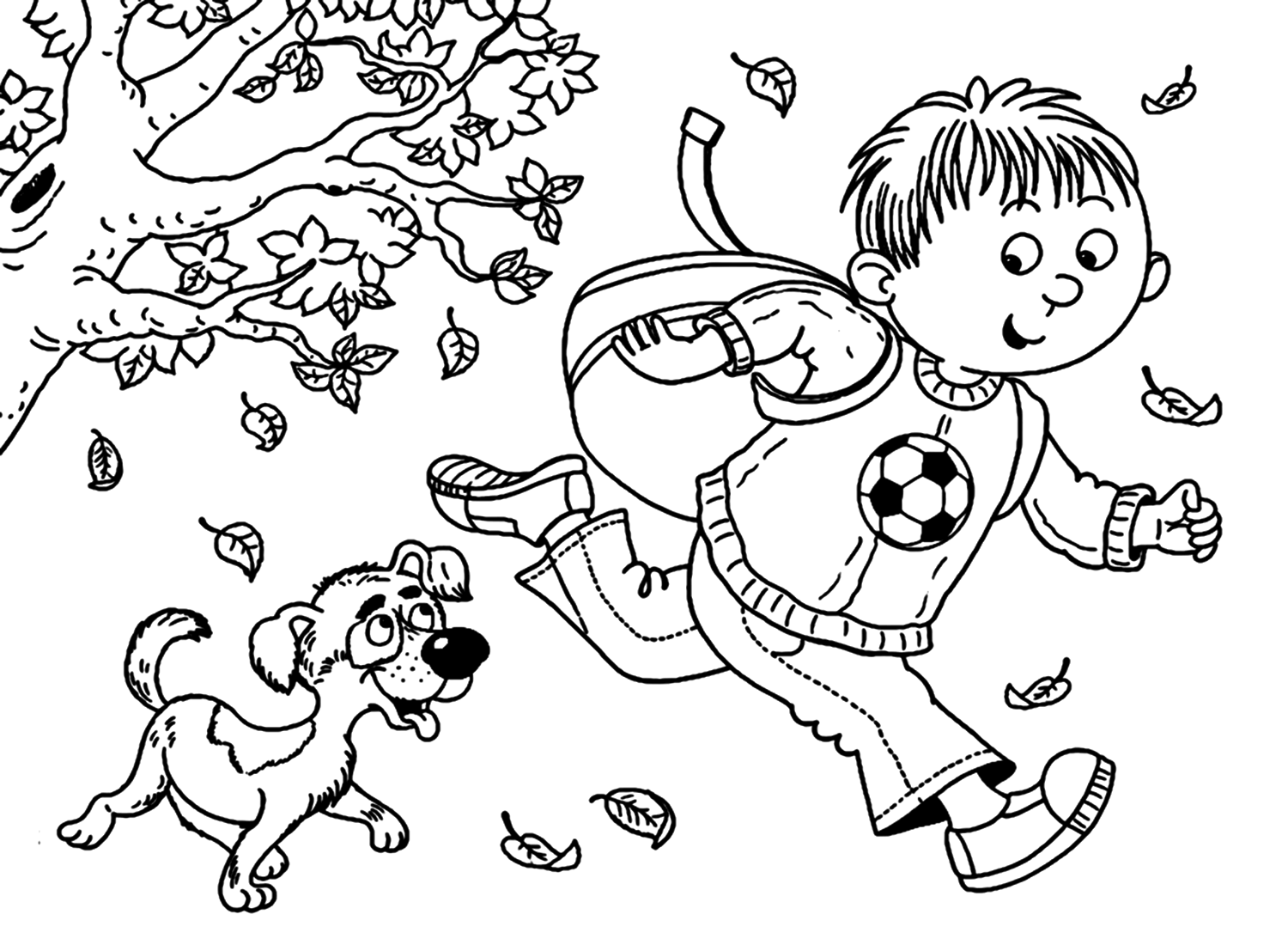
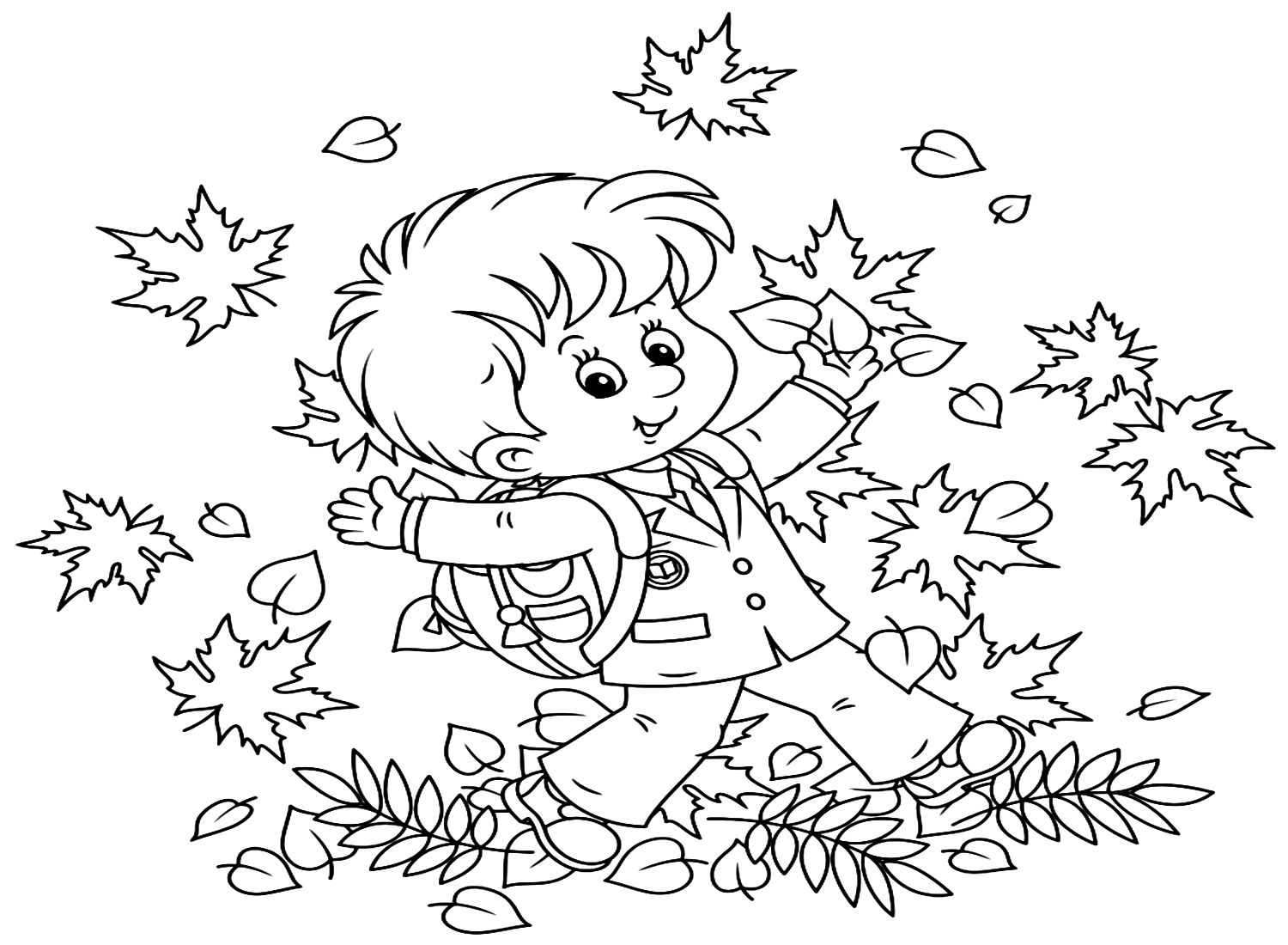
These pages put the leaves themselves at the center: a child holding a leaf, a loose scatter of falling leaves, and a wooded scene mid-change.
Fall Animals
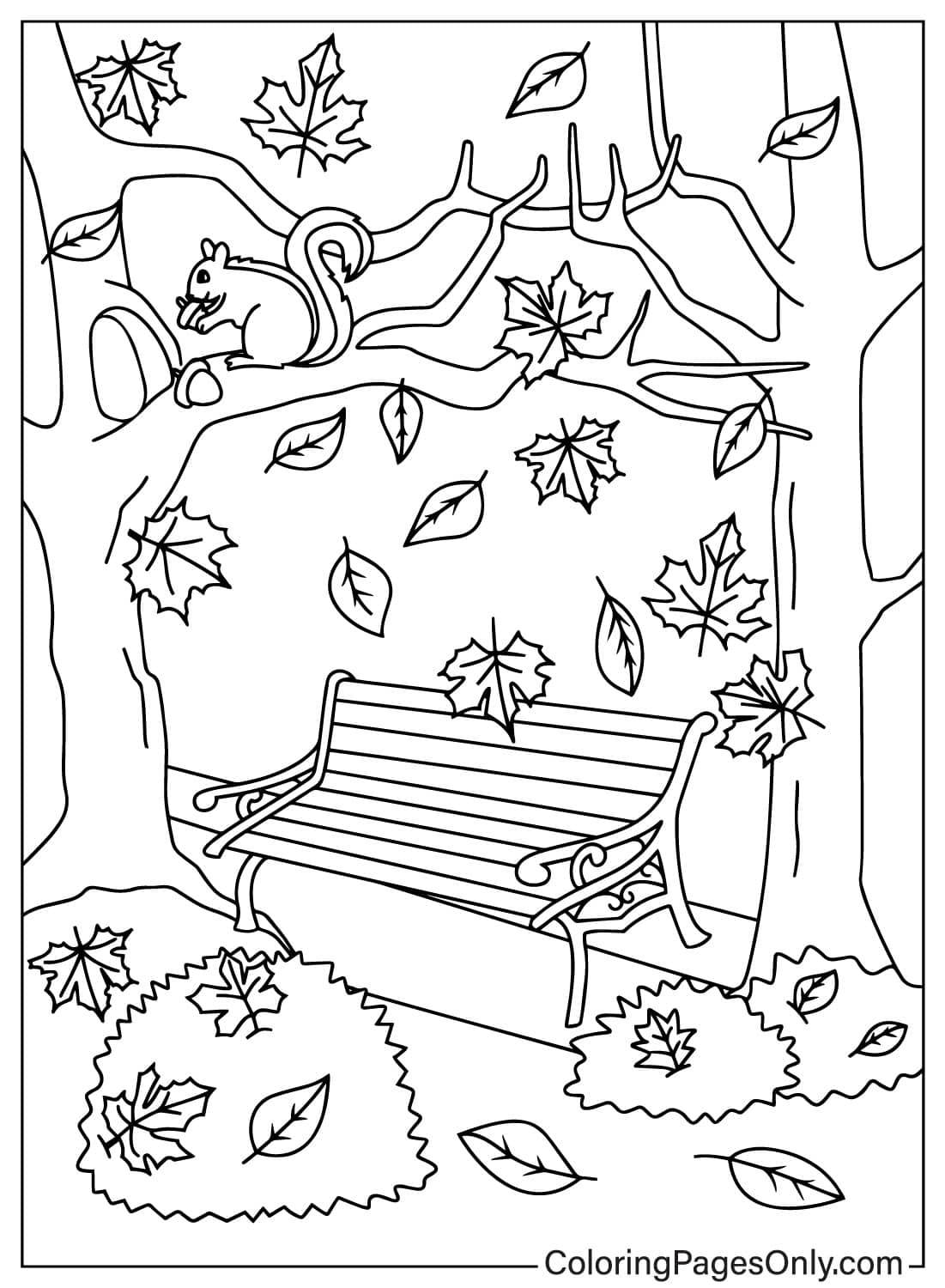
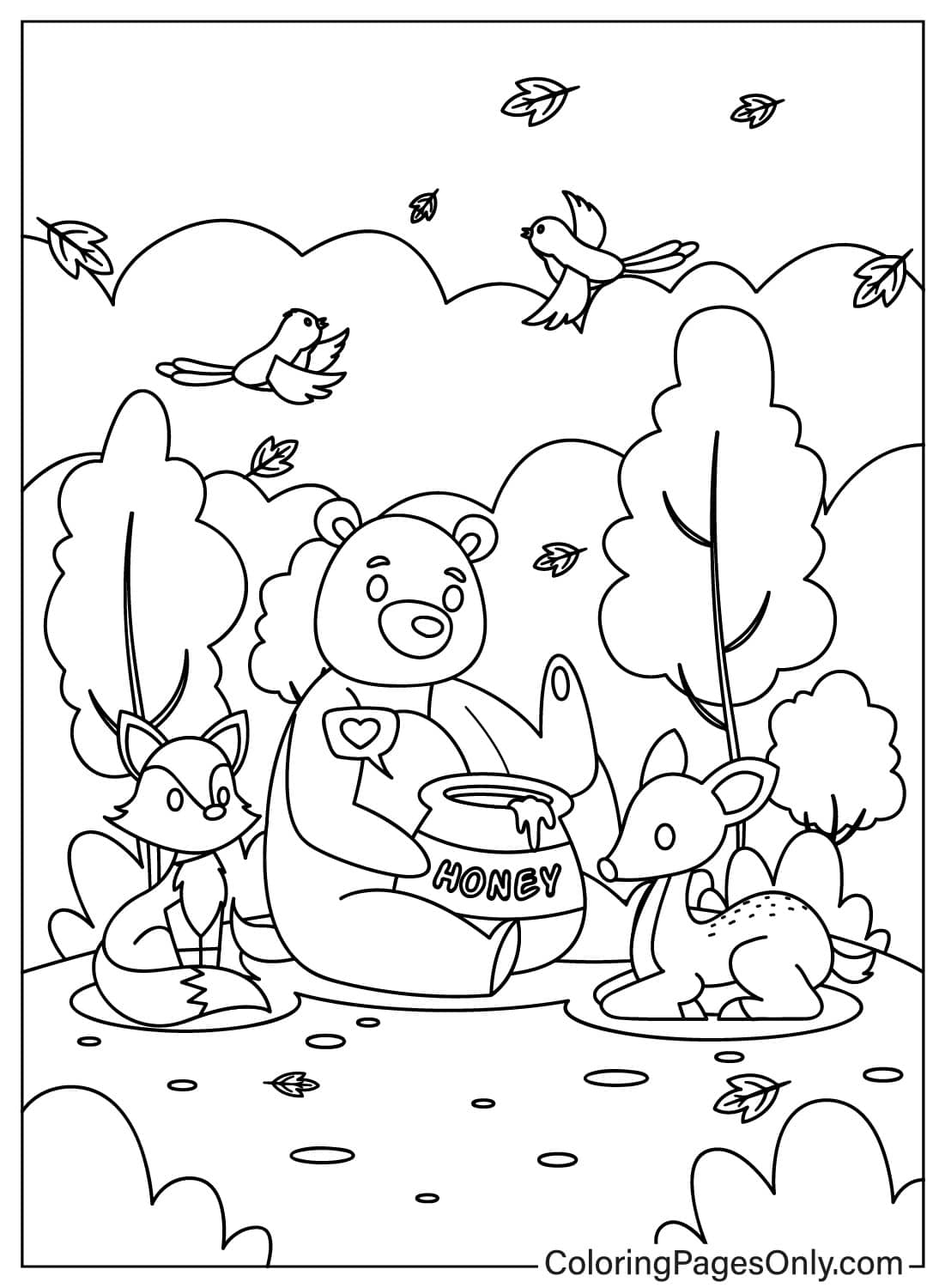
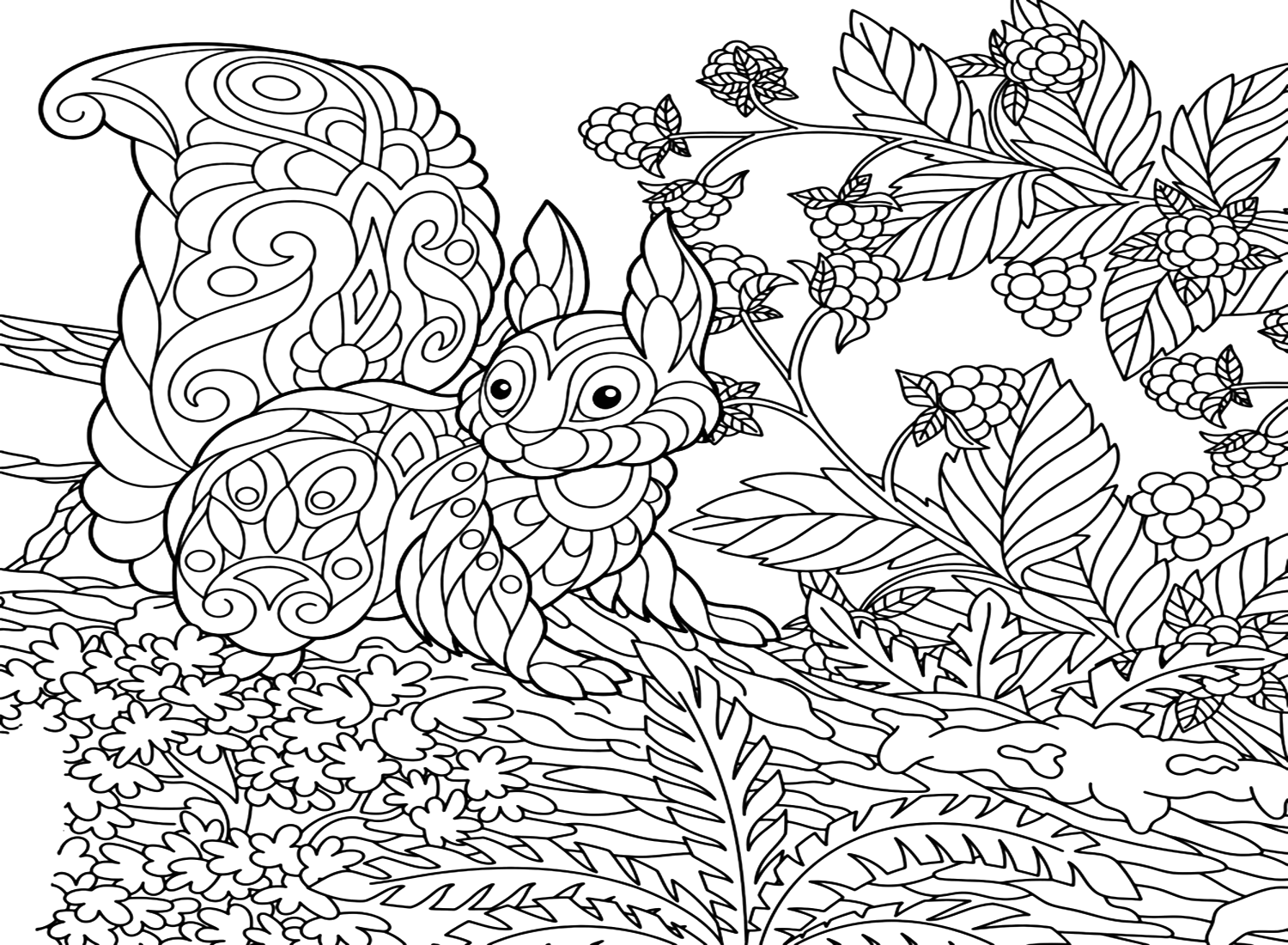
These pages group fall wildlife into a single scene, the kind of imagery that typically includes squirrels gathering food, owls, foxes, and deer.
Month-by-Month and Activity Pages
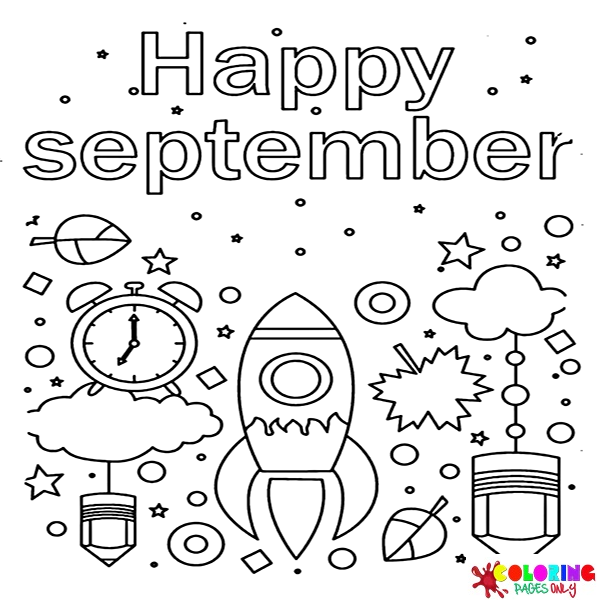
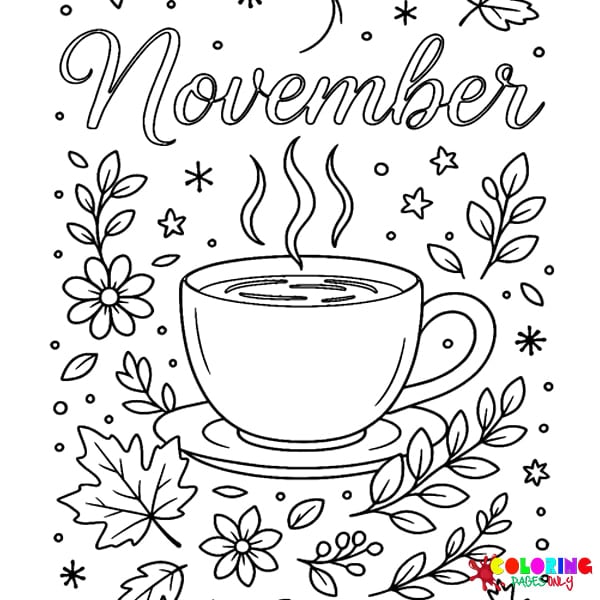
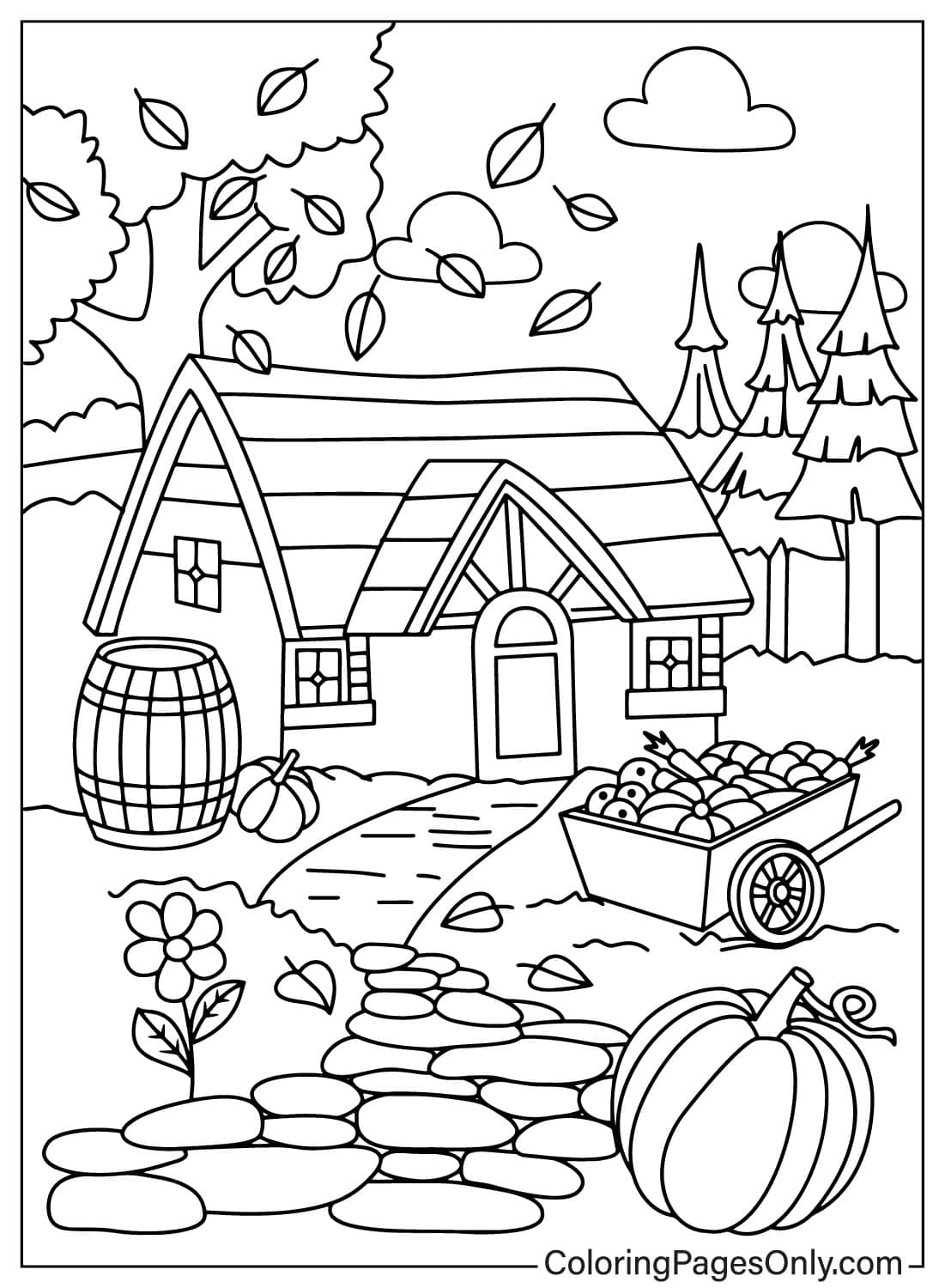
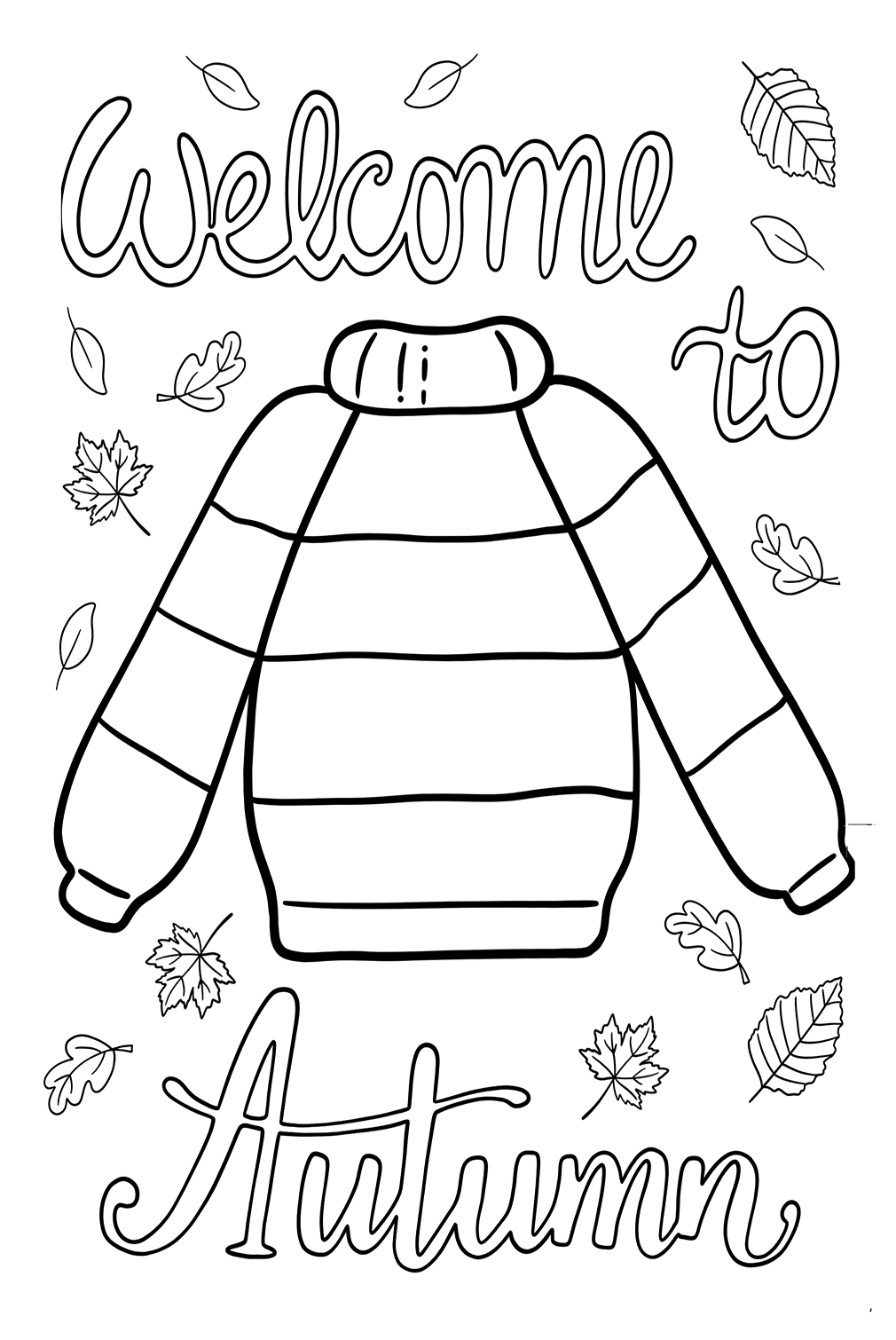
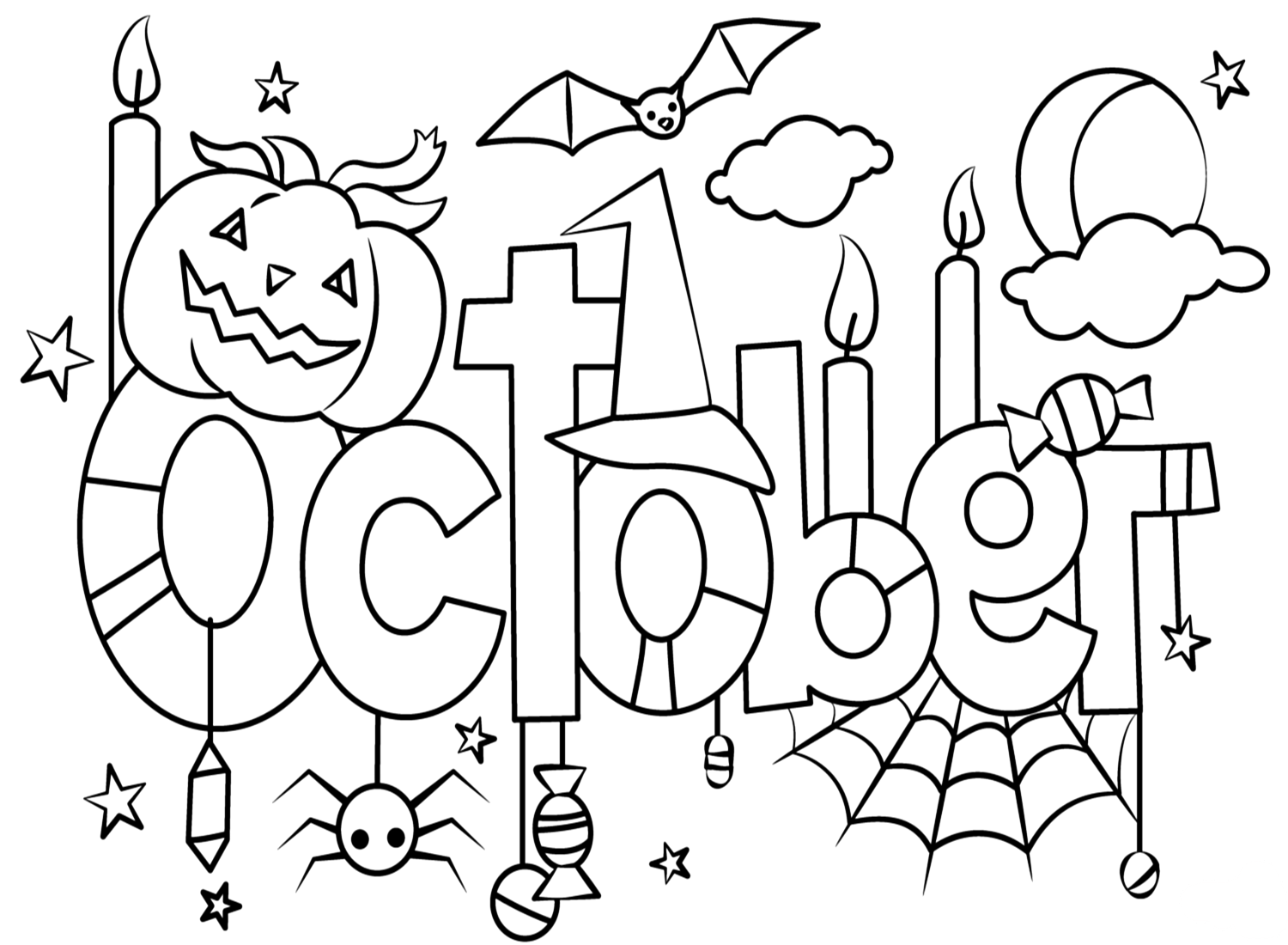
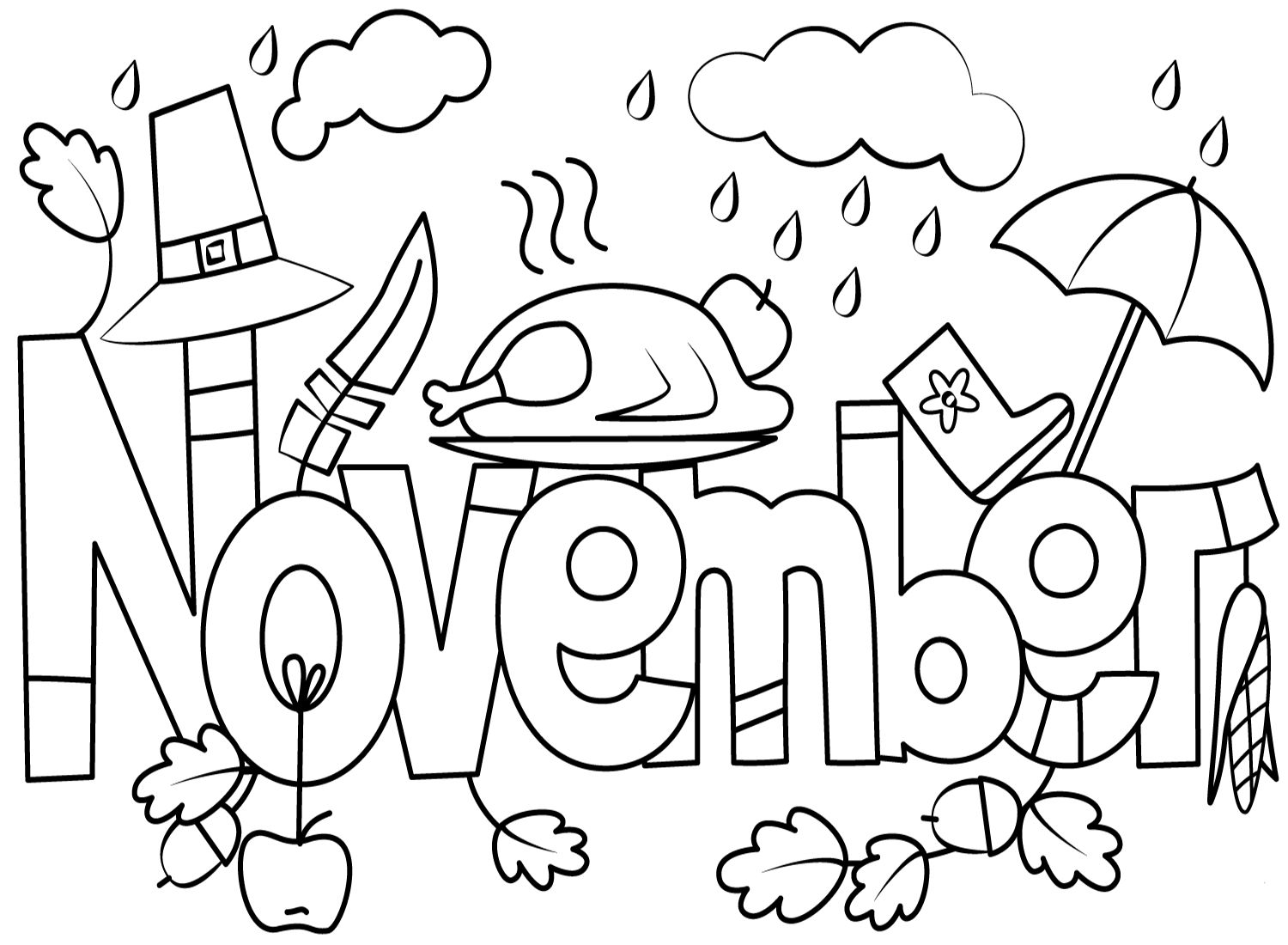
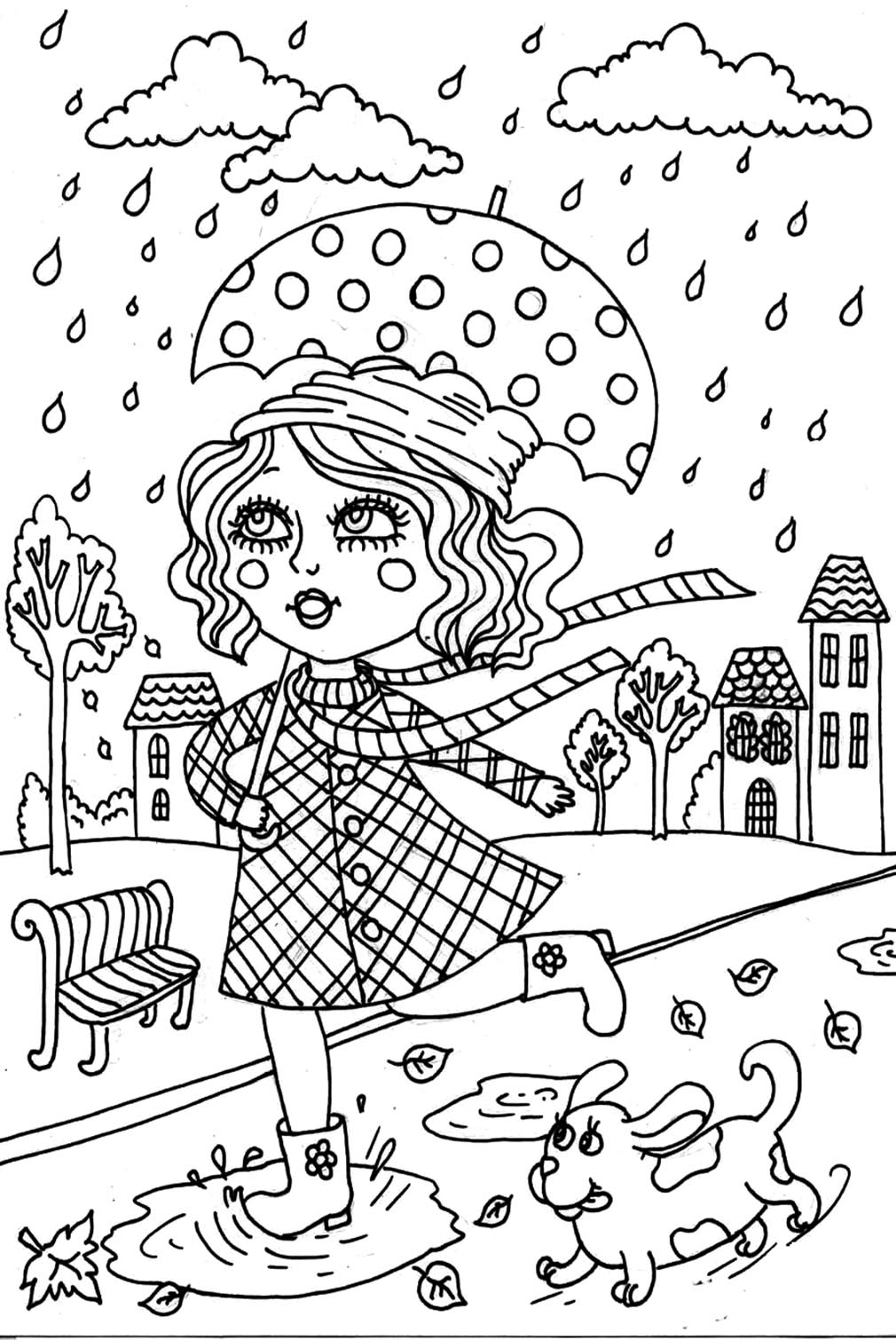
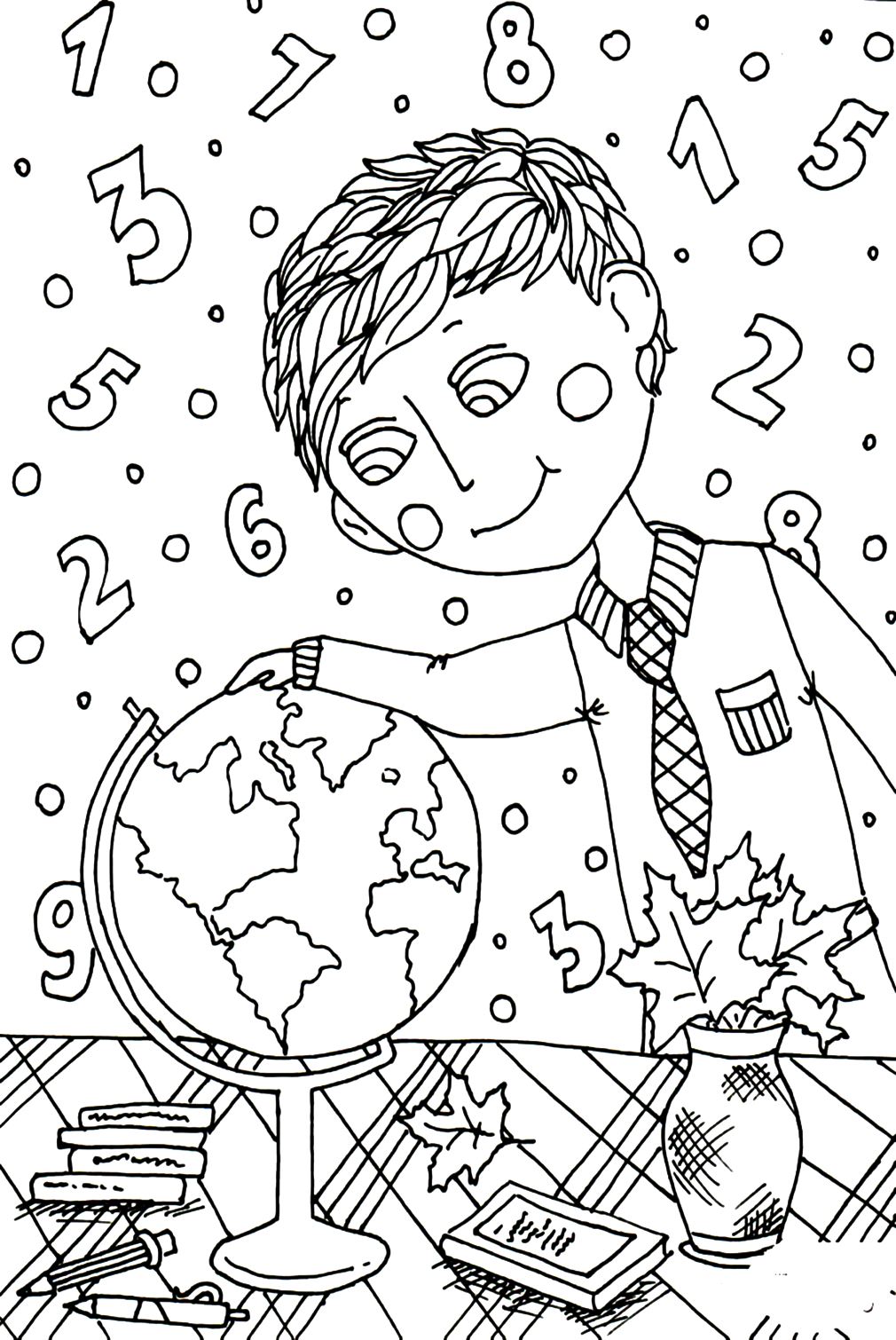
These pages tie fall to a specific month or activity, from September, October, and November scenes to a cozy knit sweater design and a classroom-ready printable sheet.
What Fall Coloring Pages Do
A season without one correct answer. Fall does not have one correct color, the way a character does. A leaf on these pages can honestly be green, yellow, orange, or red, which gives a child room to make a real choice rather than match a fixed answer, an early and low-stakes way to practice decision-making with a crayon in hand.
Fine motor development. That same range of shapes, from a smooth pumpkin body to a jagged leaf edge, also builds the fine motor control the American Academy of Pediatrics points to as a core benefit of structured coloring for children ages 2 through 7.
A built-in science lesson. Coloring a leaf that shifts from green to red doubles as a quiet science lesson. It mirrors what is actually happening outside as chlorophyll breaks down and reveals the color underneath, a detail worth mentioning mid-page rather than saving for a workbook.
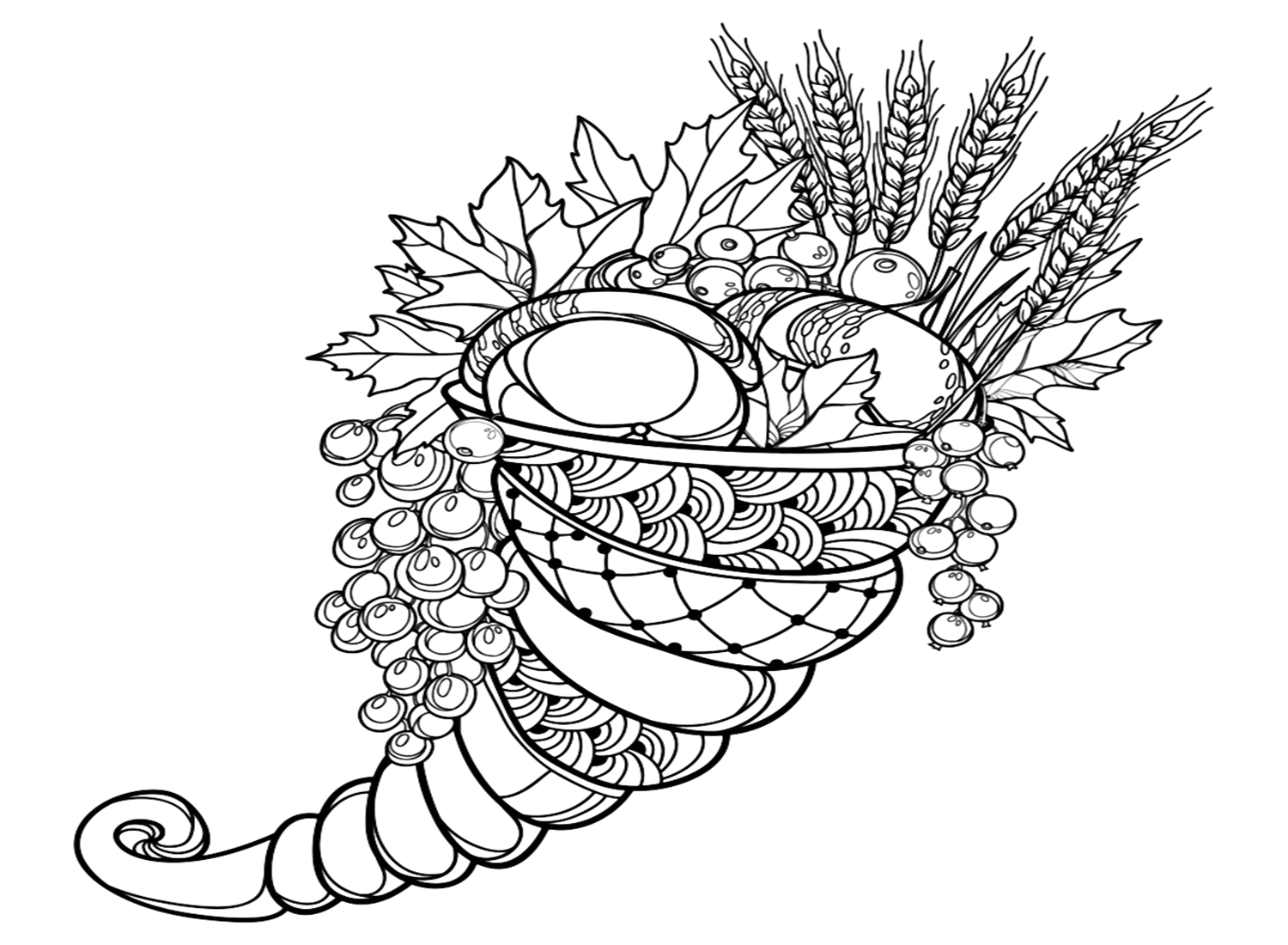
Anxiety reduction through repetition. The repeating patterns throughout the set, rows of leaves, ridged pumpkins, patterned sweaters, suit the kind of slow, structured coloring linked to measurable anxiety reduction in a 2005 Art Therapy Journal study, making these pages as fitting for an adult’s wind-down time as for a child’s afternoon.
How to Color Fall Pages Well
- Blend leaves instead of filling them flat: Work Yellow Orange into the leaf’s center, add Scarlet or Red Orange near the tips, and finish the edges in Goldenrod or Brown, so a single leaf carries three or four colors the way a real leaf does mid-change.
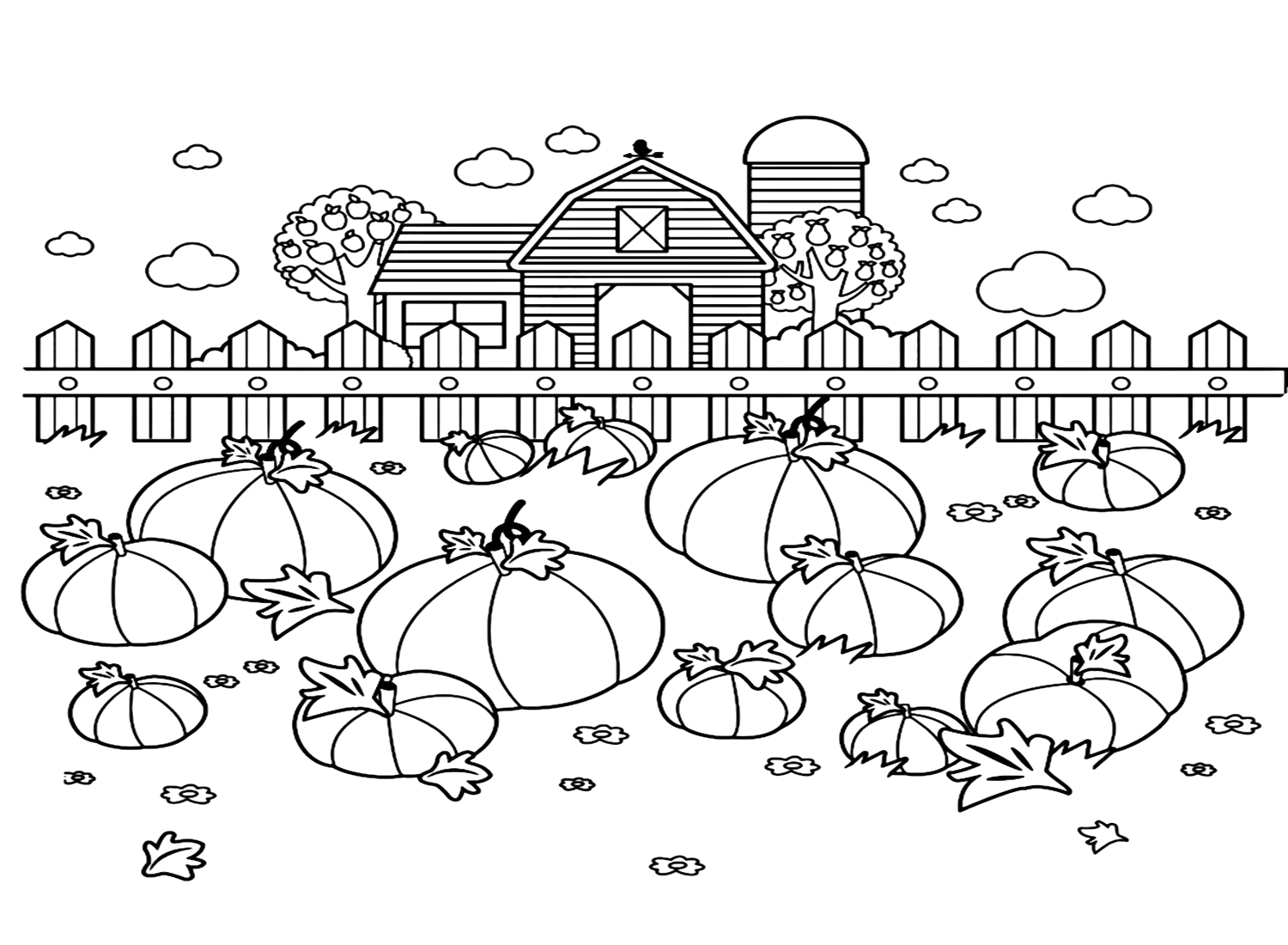
- Give pumpkins depth, not just Orange: Base the body in Orange, drop Burnt Orange or Mahogany into the ridges and shadowed side, and color the stem Brown, so the pumpkin reads as round rather than flat.
- Tone the sky down from summer blue: Use a muted Sky Blue for a crisp fall afternoon, or switch to Apricot or Melon for a late-day scene, since fall light reads warmer and softer than a bright summer sky.
- Color fall animals with layered fur, not one block: Base a fox in Red Orange with a White chest and Brown-tipped tail, a squirrel in Brown with a Tan belly, and an owl in Brown and Tan feather bands, using short strokes that follow the direction the fur or feathers grow.
- Give sweaters and knitwear a stitched texture: Alternate Mahogany, Goldenrod, and Forest Green in narrow bands or a zigzag pattern on any sweater or scarf design, rather than one solid color, to suggest a knit pattern.
- Ground forest scenes with layered browns: Color tree trunks in Sepia or Brown, add Timberwolf for lighter bark texture, and keep any remaining grass in a muted Asparagus or Olive Green rather than a bright summer green, since ground foliage has already begun to fade by fall.
5 Creative Craft Ideas With Fall Coloring Pages
1. Fall Leaf Garland
Materials: several colored leaf pages, scissors, a length of twine, and clear tape. Cut out each colored leaf, tape it to the twine at intervals, and hang the finished garland across a doorway, window, or shelf.
2. Pumpkin Patch Diorama
Materials: colored pumpkin and forest pages, scissors, glue, and a shallow box. Cut out the colored figures, arrange them inside the box to build a small pumpkin patch scene, and stand it on a shelf or table.
3. Fall Bookmark Set
Materials: two or three colored leaf or animal pages, scissors, clear contact paper, and a hole punch. Cut each colored page into a bookmark-sized strip, cover both sides with contact paper for durability, and punch a hole for a ribbon or tassel.
4. Harvest Greeting Card
Materials: a colored fall page, a folded piece of cardstock, scissors, and glue. Trim the colored page to fit the front of the card, glue it in place, and write a short fall or Thanksgiving message inside.
5. Fall Animal Fact Poster
Materials: two or three colored fall animal pages, a poster board, glue, and a marker. Glue the colored animals onto the poster board spaced apart, then write one fact about each animal’s fall behavior, such as gathering food or getting ready to migrate, underneath its picture.
Frequently Asked Questions
What are fall coloring pages?
Fall coloring pages are printable designs featuring falling leaves, pumpkins, forest animals, and seasonal greetings. This collection includes 31 free designs available as printable PDFs or online coloring pages.
When does fall actually start?
Astronomical fall begins with the equinox, September 22 in 2026. Meteorological fall, used for climate tracking, runs September 1 through November 30 each year.
Why do leaves change color in fall?
Cooler temperatures and shorter days break down a leaf’s green chlorophyll, according to the USDA Forest Service. This reveals the yellow and orange pigment already inside the leaf, and some trees, like maples, add new red pigment as sugar gets trapped inside.
What colors are typically used for fall coloring pages?
Leaves use Yellow, Orange, Scarlet, Goldenrod, and Brown. Pumpkins are Orange with Burnt Orange shading. Skies are usually a muted Sky Blue or warm Apricot.
Is fall the same thing as autumn?
Yes. Fall and autumn are the same season. Fall is more common in American English, autumn in British English, and both are used in the United States.
What animals are associated with fall?
Squirrels, owls, foxes, and deer appear most often on fall coloring pages, since fall is when these animals are visibly gathering food and preparing for winter.
Are fall coloring pages suitable for young children?
Yes. The simple greeting-style portraits suit ages 3 and 4. The forest scenes and animal pages, with more background detail, suit ages 5 and up.
Does fall happen at the same time everywhere in the world?
No. This collection reflects the Northern Hemisphere fall, September through November. In the Southern Hemisphere, fall runs from March through May instead.
Start Coloring
Download any page by clicking the design. No account, email, or payment is required. Pages print directly from the browser at full resolution or open in the online coloring tool for screen use. Share finished pages on Facebook or Pinterest with the share buttons at the top of each design page.