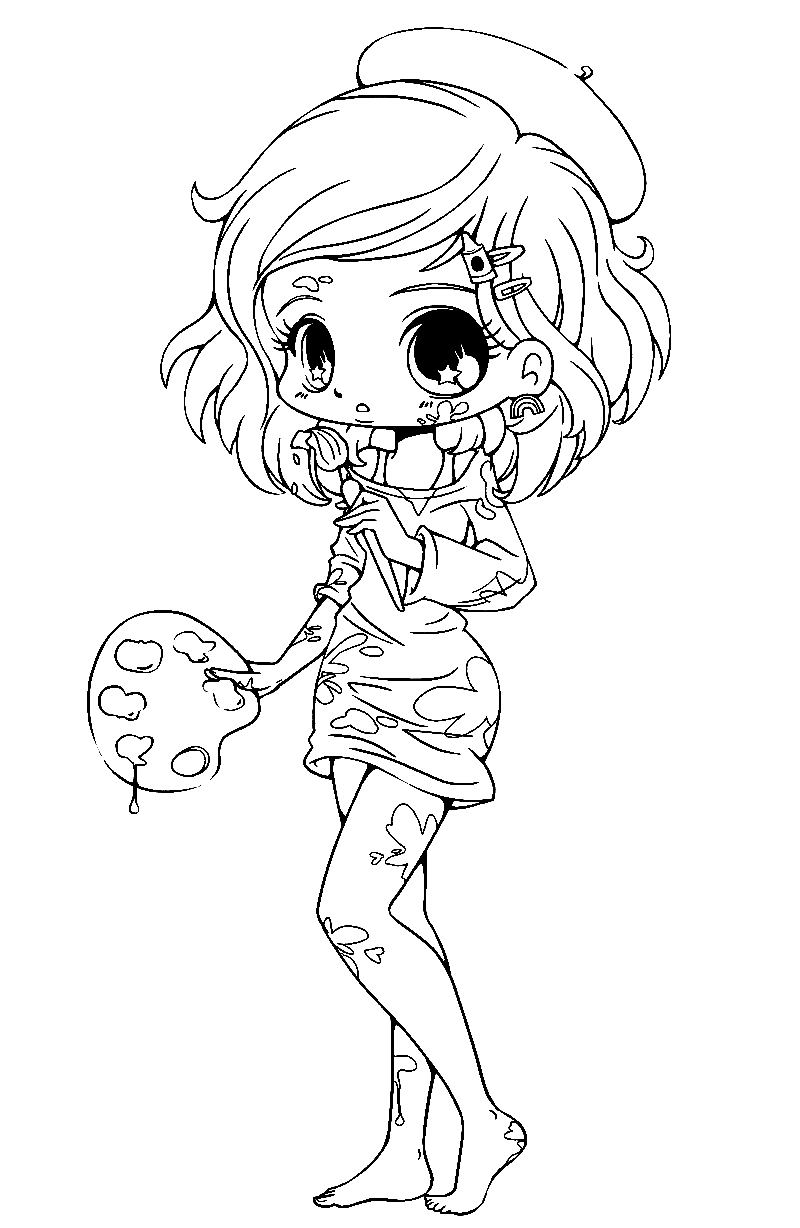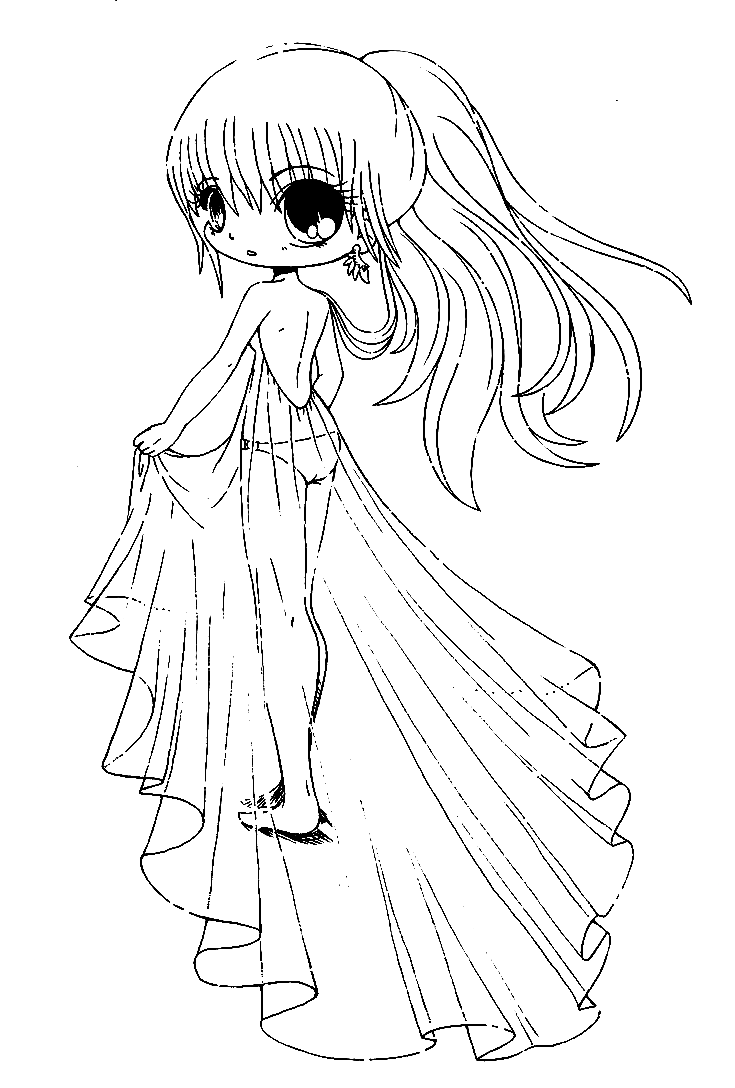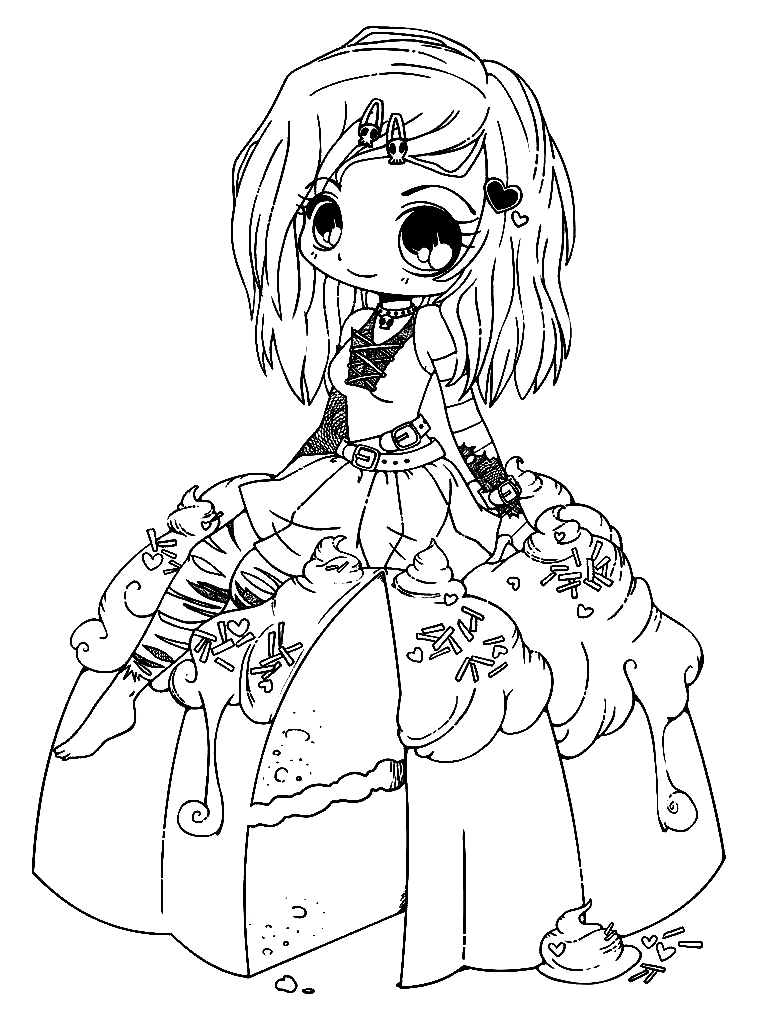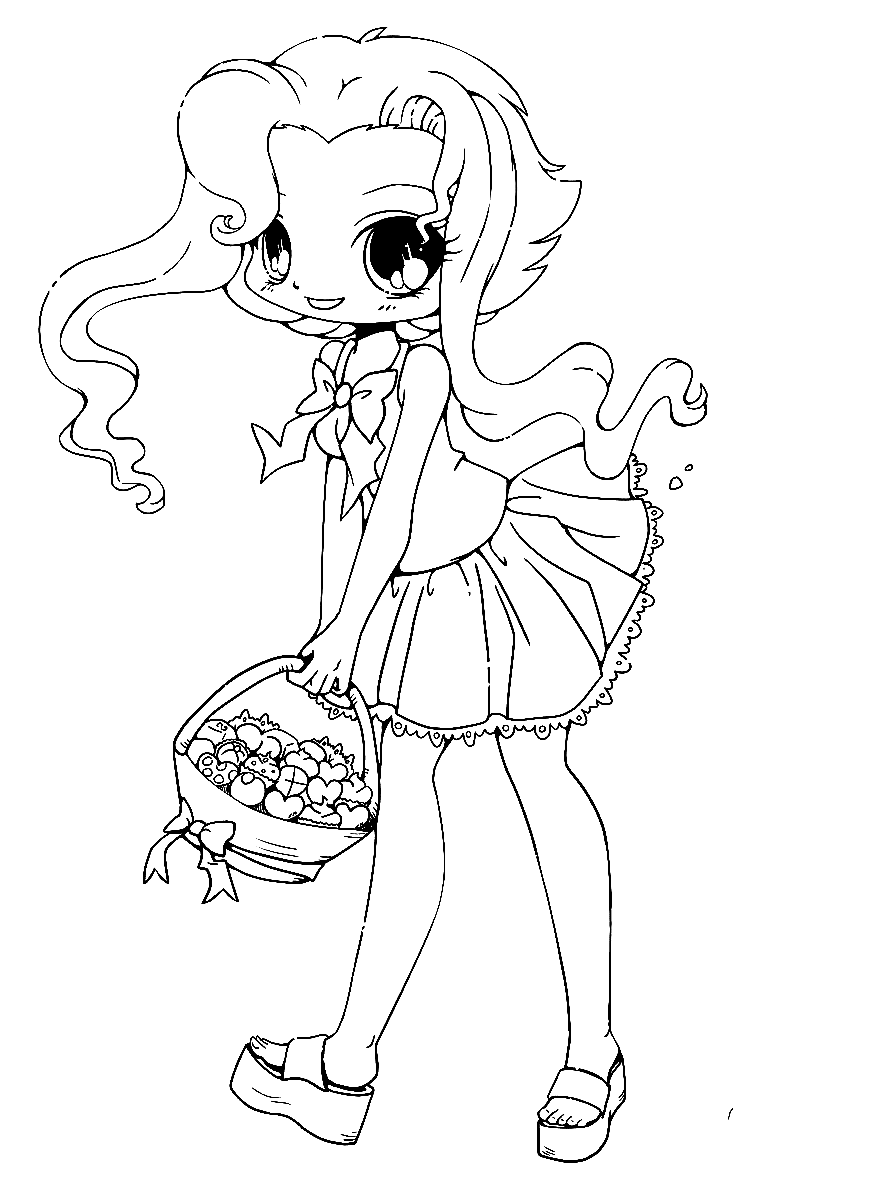
Free Chibi Anime Coloring Pages: 20+ pages featuring cute chibi anime girls, big sparkling eyes, tiny bodies, kawaii poses, princess chibi designs, Vocaloid-inspired twin-tail characters, Hatsune Miku-style chibi art, My Hero Academia-inspired chibi heroes, Demon Slayer-style chibi characters, simple cute drawings, detailed anime fan art sheets, and printable Japanese-style character pages for kids, teens, anime fans, and creative colorists. All free, printable PDFs, JPGs, PNGs, and online coloring pages are ready for home, classroom art time, anime clubs, quiet creative breaks, party tables, travel folders, and screen-free coloring.

Chibi is an anime and manga-inspired art style that turns characters into small, cute, expressive versions of themselves. A chibi character usually has a large head, tiny body, oversized eyes, simplified hands and feet, and a strong emotional expression. The style is popular because it makes many character types feel more approachable: a hero can look playful, a princess can look sweeter, an idol can look more energetic, and a serious anime character can become funny and adorable.

That makes Chibi Anime a strong coloring theme for many skill levels. Younger children can enjoy rounded shapes, simple faces, and friendly outlines. Older kids, teens, and anime fans can work on eye highlights, hair gradients, outfit palettes, accessories, chibi proportions, character mood, and fan art-style details. These 20+ free pages at ColoringPagesOnly.com cover cute chibi anime girls, kawaii chibi designs, princess chibi pages, Hatsune Miku-style chibi art, My Hero Academia-inspired pages, Demon Slayer-style chibi characters, easy drawings, and detailed anime-style coloring sheets. All free, PDF, JPG, or PNG, print or color online.

What’s Inside

Cute Chibi Anime Girl Coloring Pages

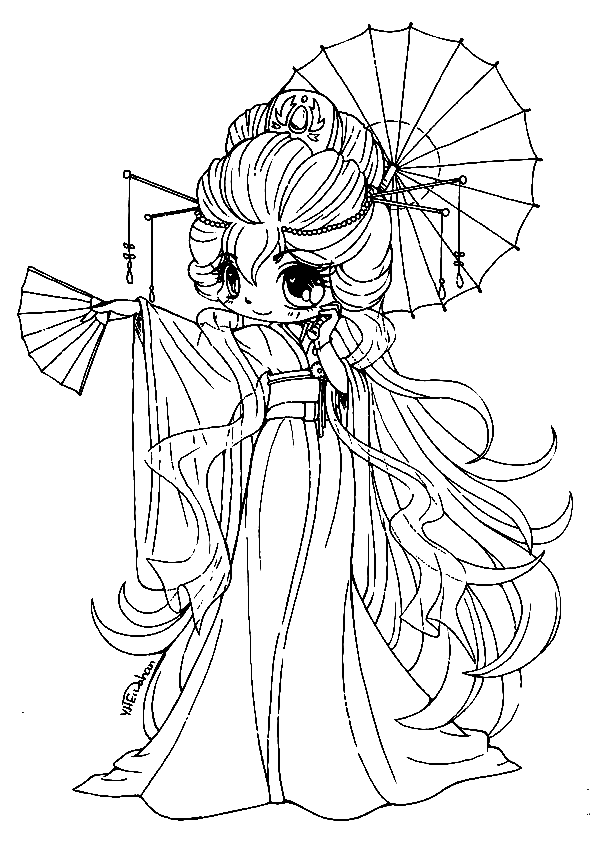
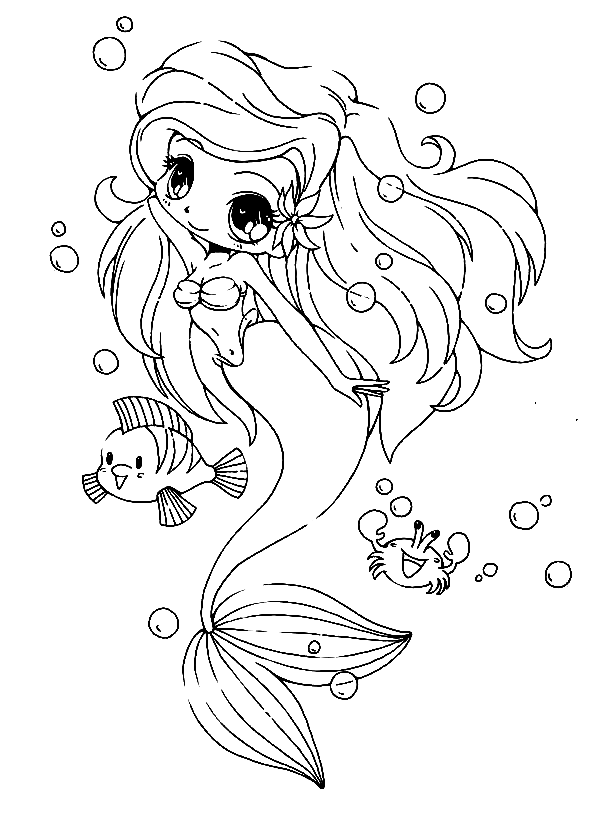
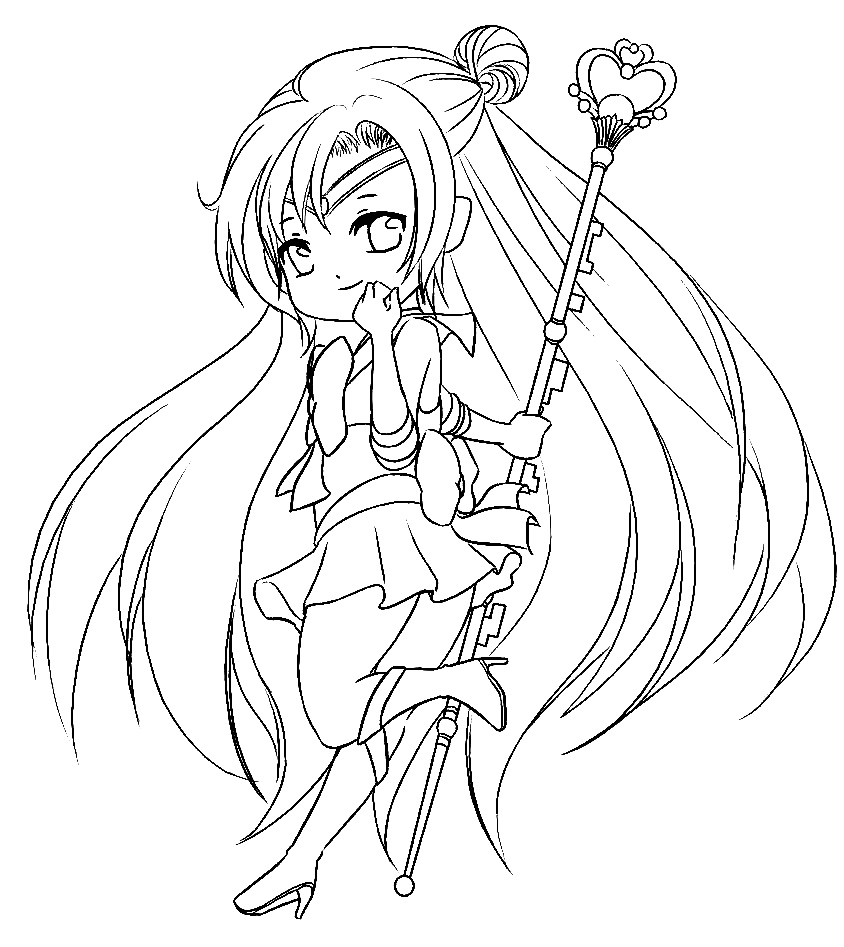
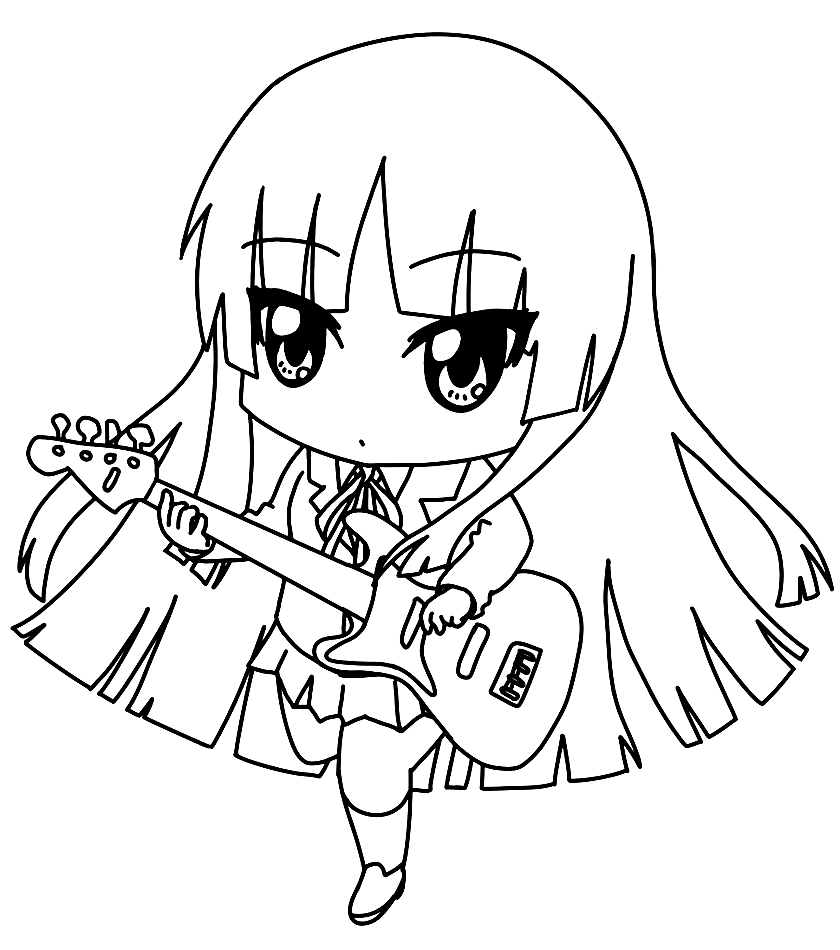
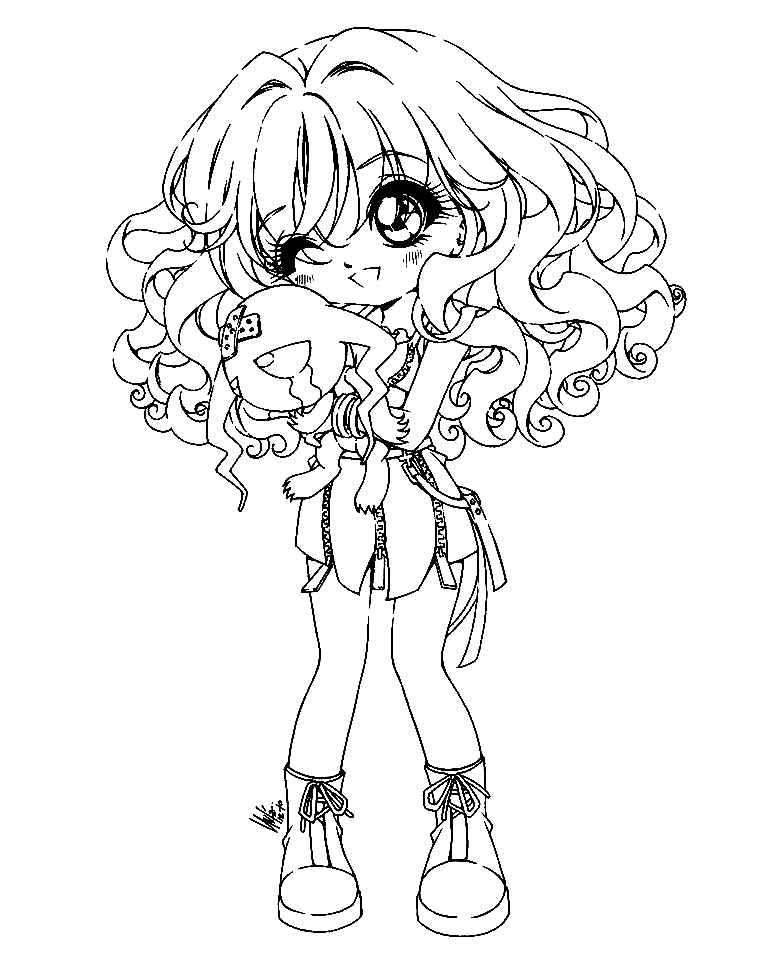
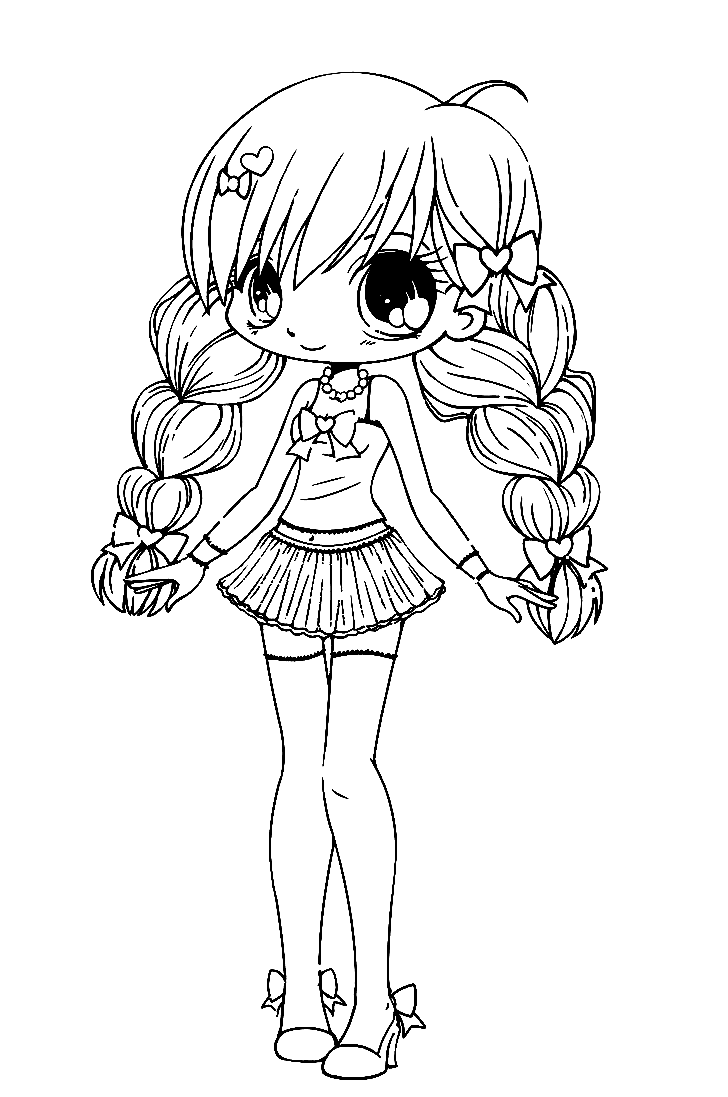
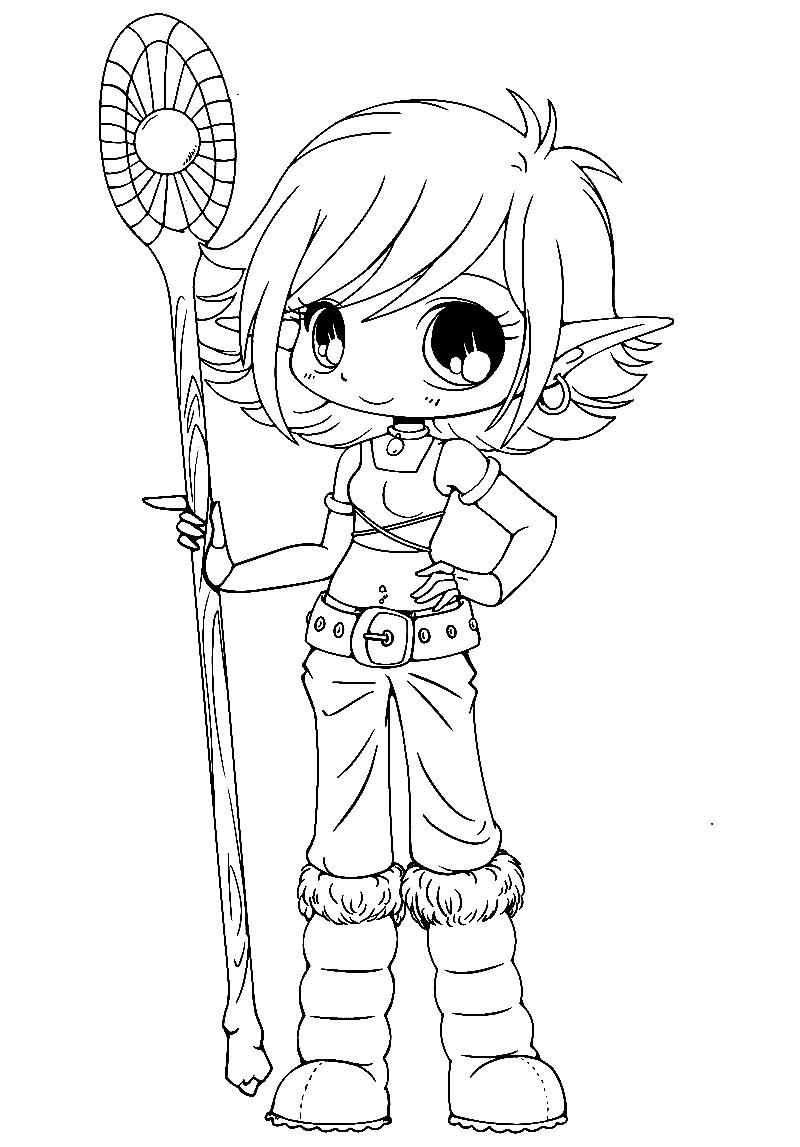
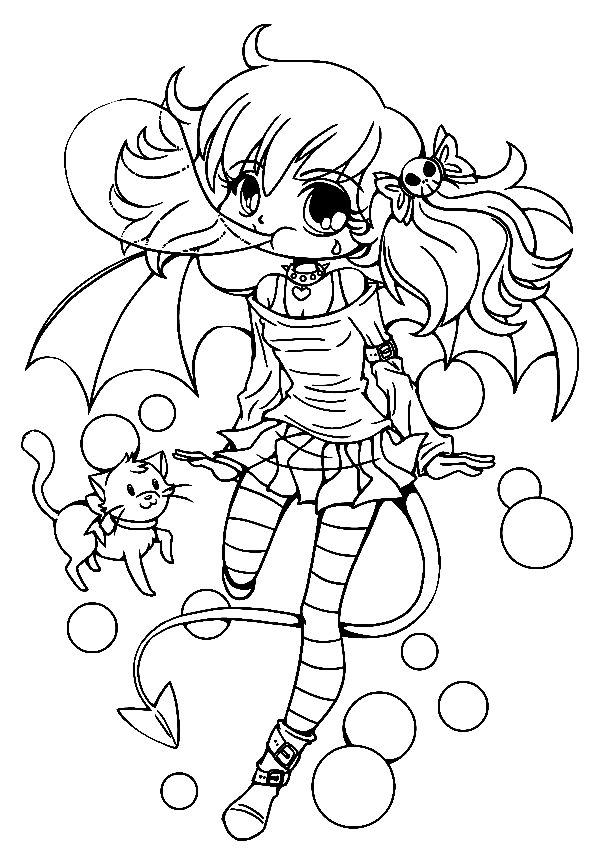
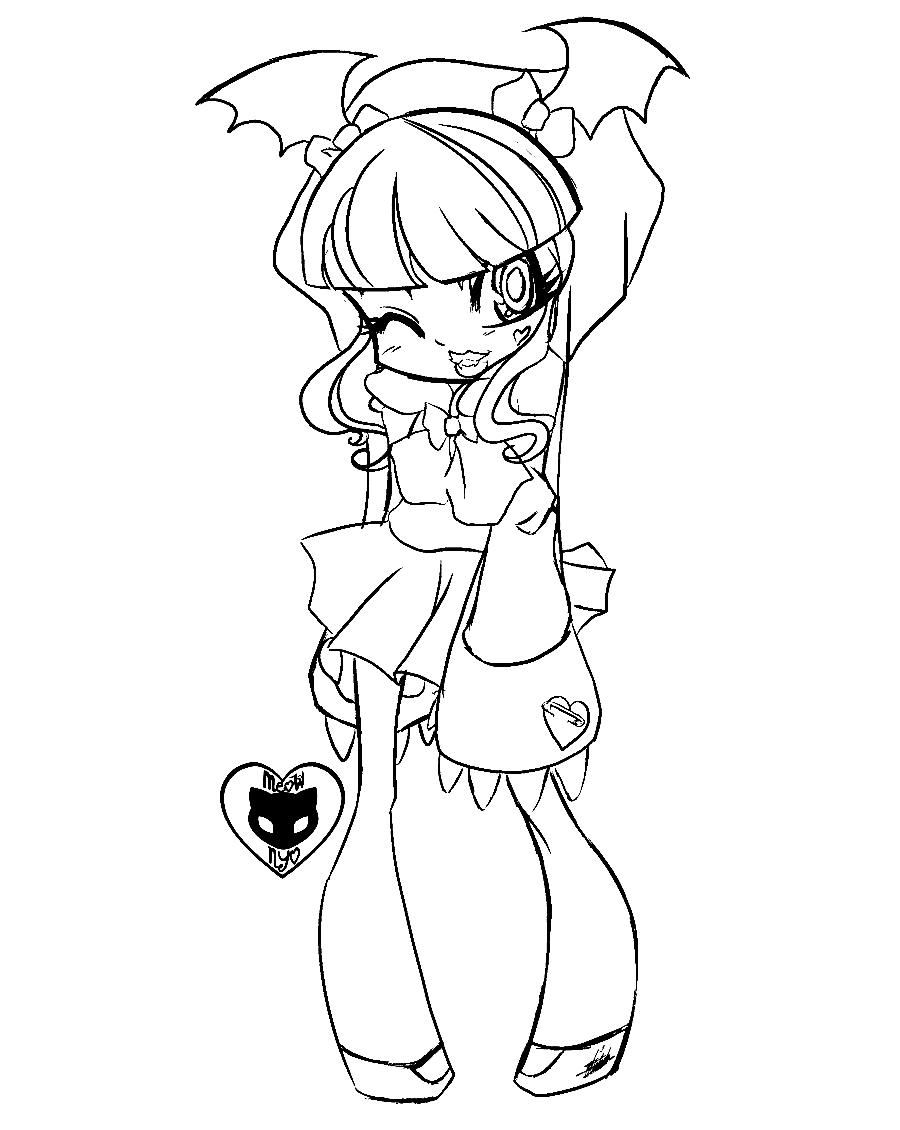
Cute chibi anime girl pages are one of the main parts of this collection. These designs usually show small anime-style girls with large heads, wide eyes, tiny hands, soft hairstyles, simple dresses, school-style outfits, cheerful poses, and sweet expressions. They are easy to recognize because the face, hair, and outfit carry most of the character’s personality.

Coloring cute chibi anime girl pages: Begin with the face and eyes so the character’s expression stays clear. Use a soft skin tone first, then add light peach or blush pink to the cheeks. For hair, choose natural shades such as brown, black, and blonde, or fantasy shades such as pink, teal, lavender, blue, silver, or pastel rainbow. Keep the tiny outfit simple: one main color, one accent color, and one highlight color are usually enough. If the eyes are large, leave small white highlights so the character looks bright and lively.

Kawaii Chibi Coloring Pages

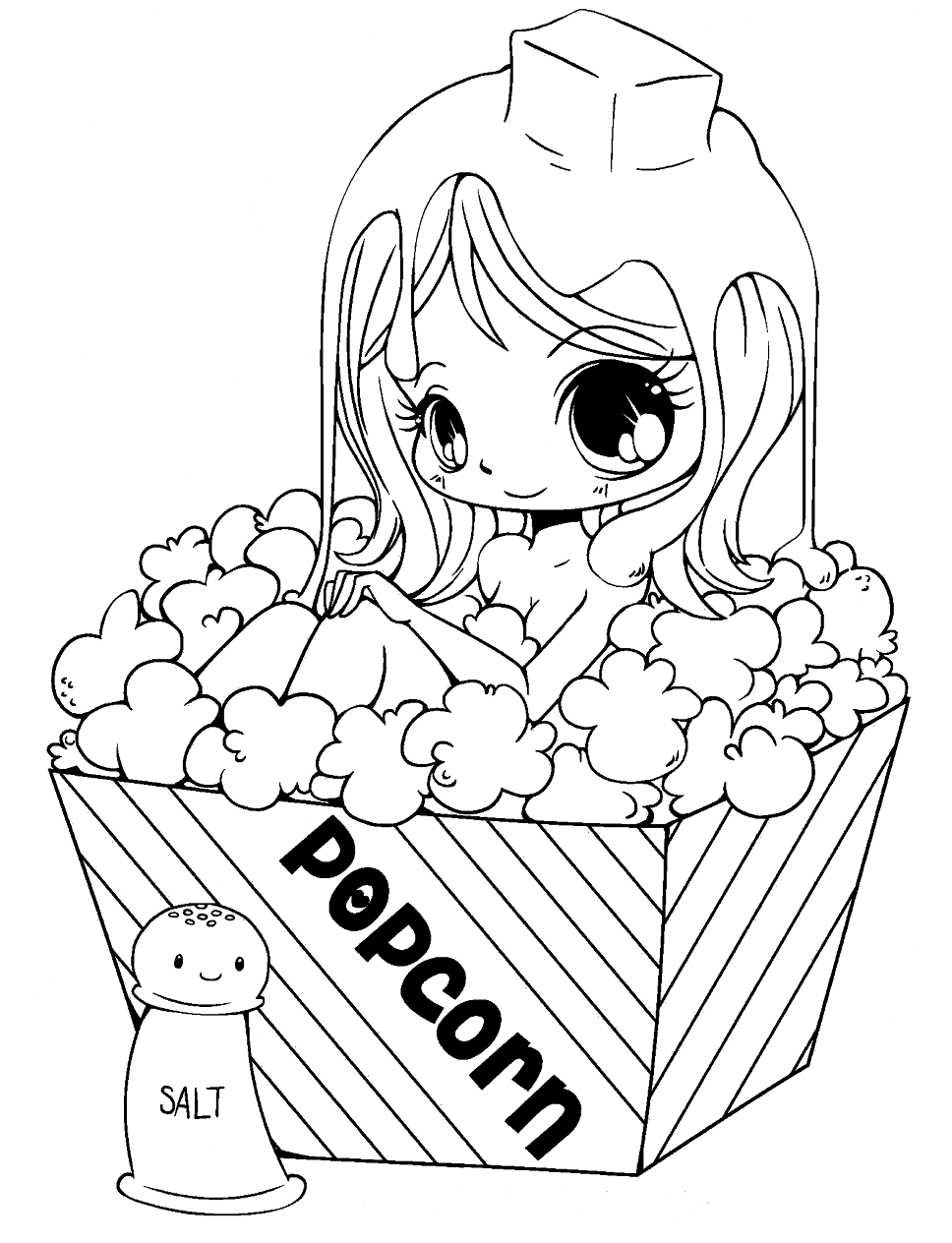
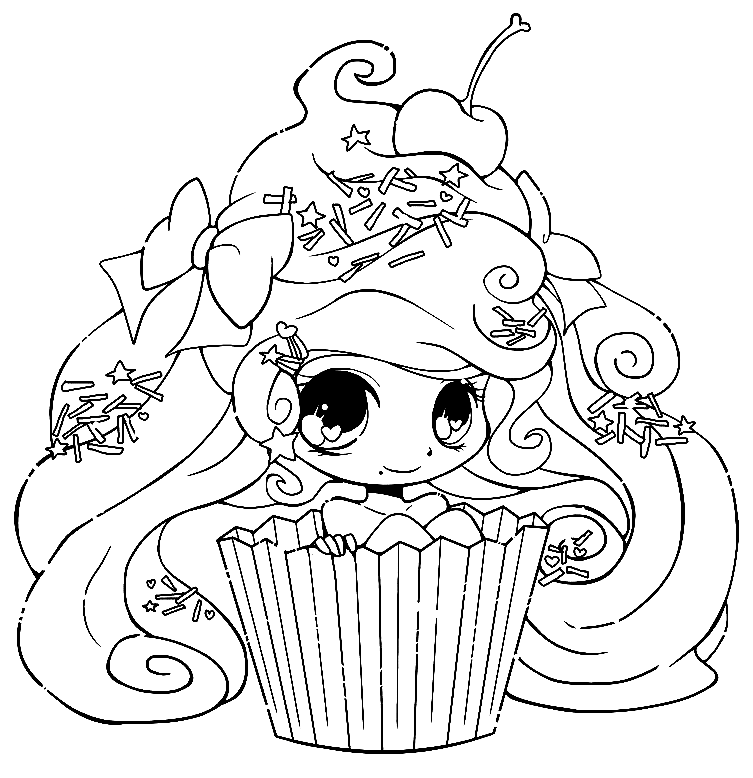
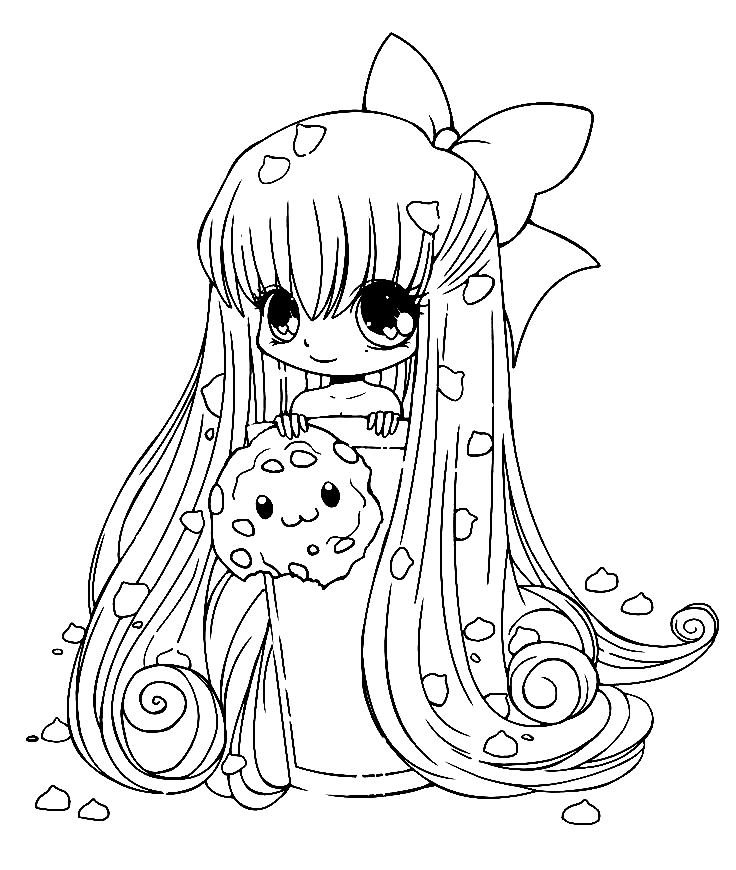
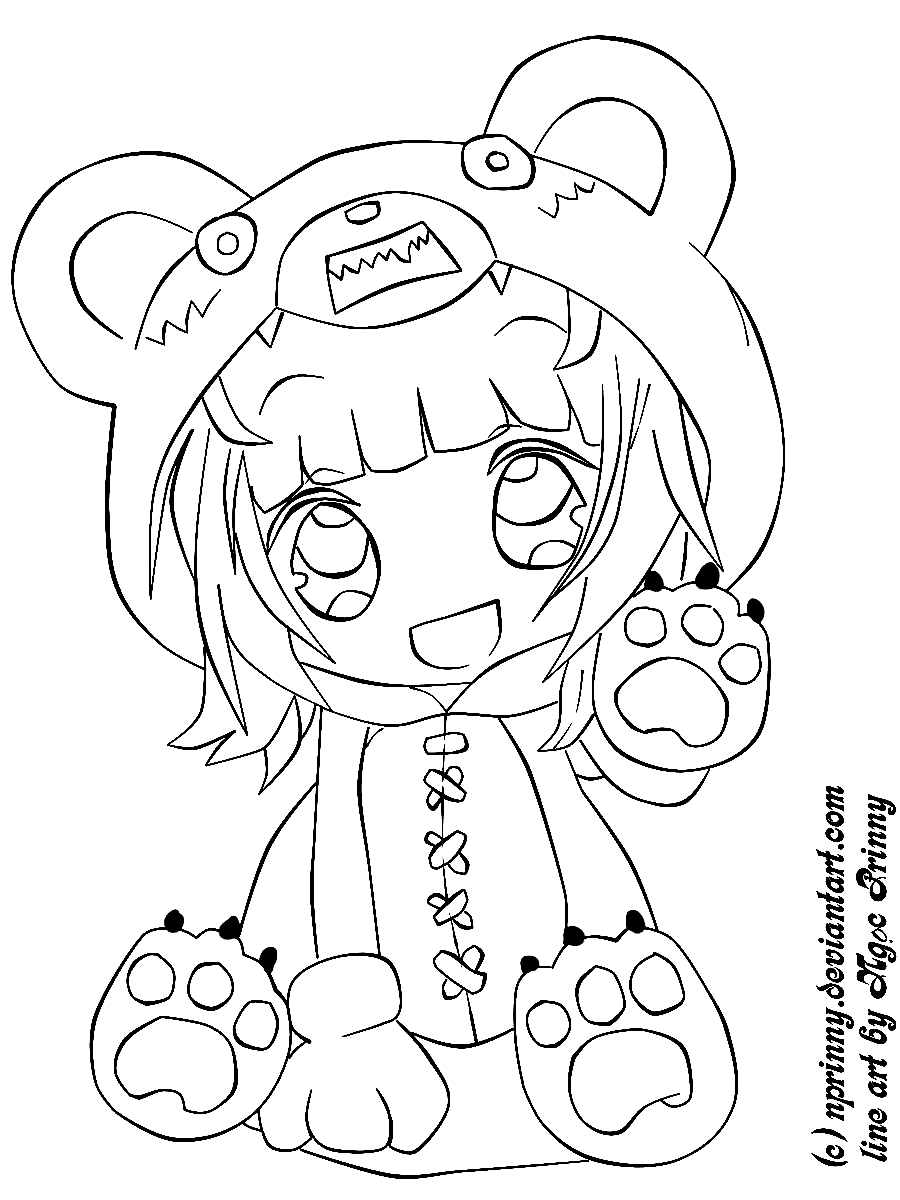
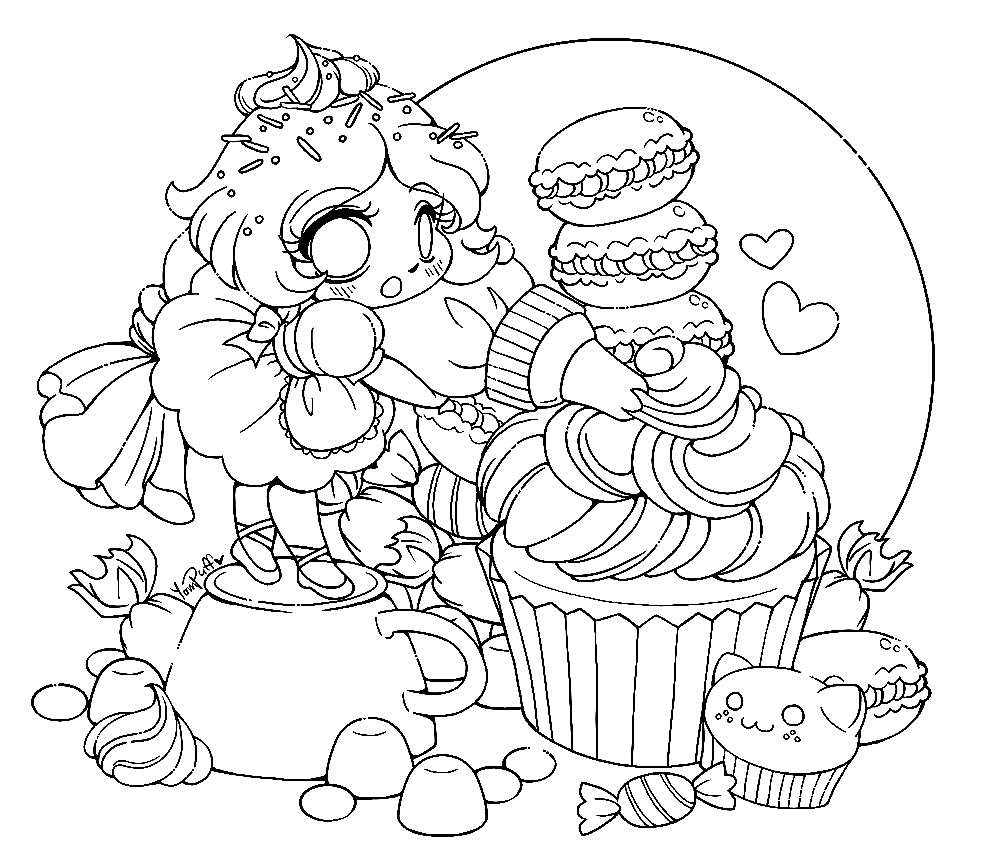
Kawaii chibi pages focus on cuteness more than action or detail. These pages may include rounded faces, big eyes, tiny bodies, shy smiles, bows, stars, hearts, clouds, animal ears, soft accessories, and simple decorative backgrounds. They are especially good for gentle coloring time because the shapes are friendly and not too complicated.

Coloring kawaii chibi pages: Use soft colors such as pastel pink, mint, lavender, sky blue, peach, cream, pale yellow, and soft coral. The page should feel light and cheerful, so avoid making the background too dark. Color the character first, then add hearts, sparkles, clouds, bows, or stars as small accents. If every decoration becomes too bright, the main character may disappear, so keep the face and eyes as the focus.

Chibi Anime Face and Expression Pages

Face and expression pages are important because chibi art depends heavily on emotion. A small mouth, shy cheeks, sparkling eyes, tilted head, surprised eyebrows, sleepy look, or excited smile can change the whole story of the character. These pages help colorists practice how eyes, blush, and background color can shape a mood.

Coloring chibi face pages: Keep the skin tone smooth and light. Add blush gently to the cheeks, then spend more time on the eyes. Large anime eyes can be colored in layers: a darker tone near the top, a brighter tone in the middle, a deeper iris ring, and small white highlight spots. A shy expression works well with soft pink and lavender. An excited expression can use brighter blue, green, gold, or violet eyes with a more energetic background.

Princess Chibi Anime Coloring Pages

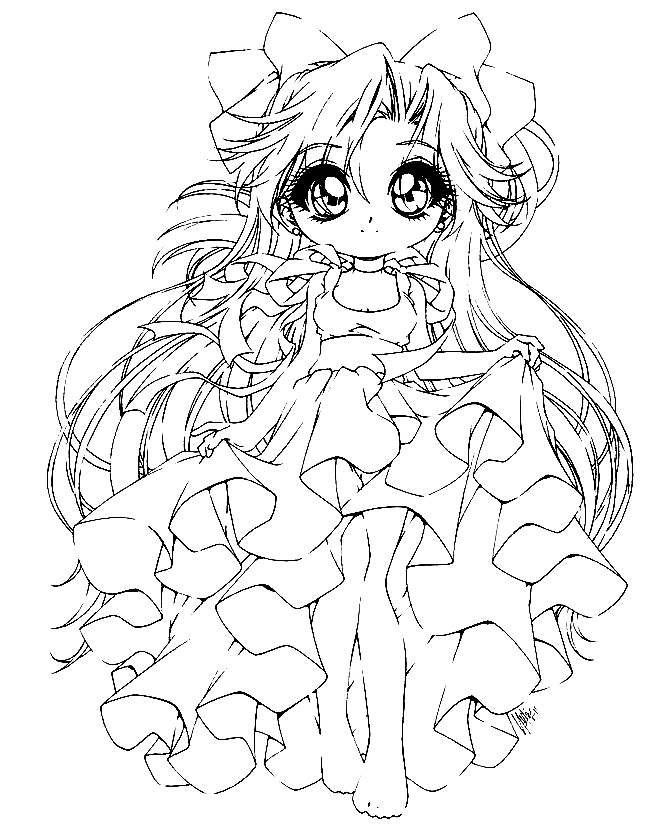
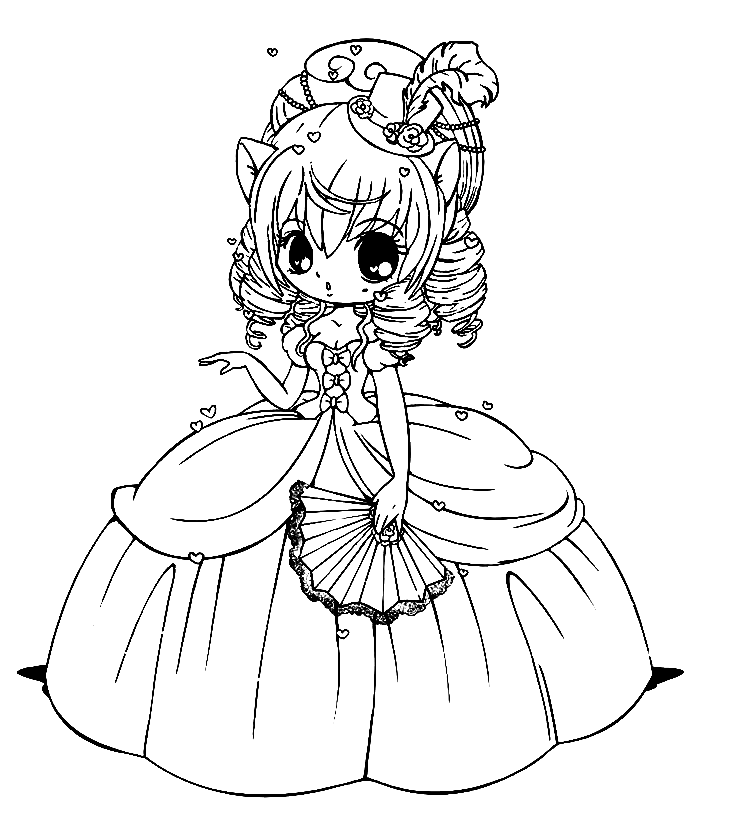
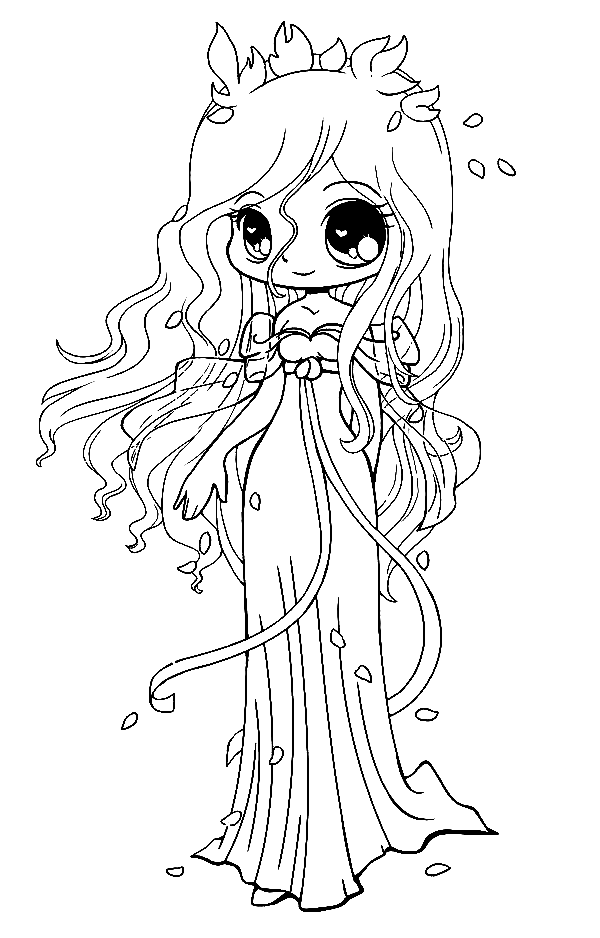
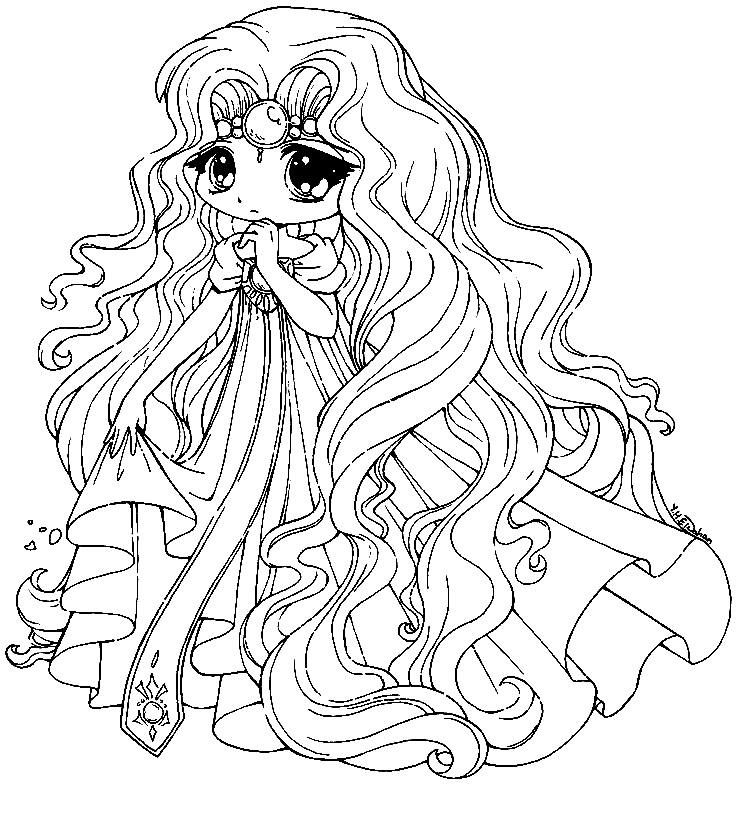
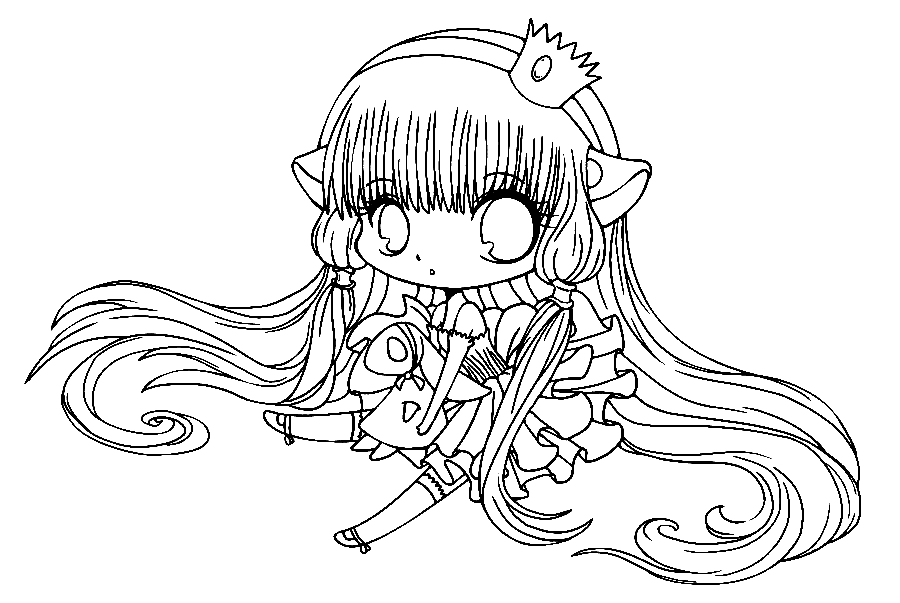
Princess chibi pages bring fantasy, dress-up details, and soft royal themes into the collection. These sheets may include crowns, gowns, ribbons, capes, stars, hearts, magic wands, castle-like backgrounds, or elegant poses. They are good for colorists who enjoy decorative outfits but still want a cute and simple character shape.

Coloring princess chibi pages: Choose a main dress color first, such as pink, lavender, pale blue, peach, white, or rose. Add a darker shade for folds and a lighter shade for highlights. Crowns can use yellow, gold, silver, or light gray with tiny white highlight areas. If the dress has many ribbons, gems, or layers, keep the hair and background calmer so the page does not feel crowded.

Vocaloid-Inspired and Hatsune Miku-Style Chibi Pages

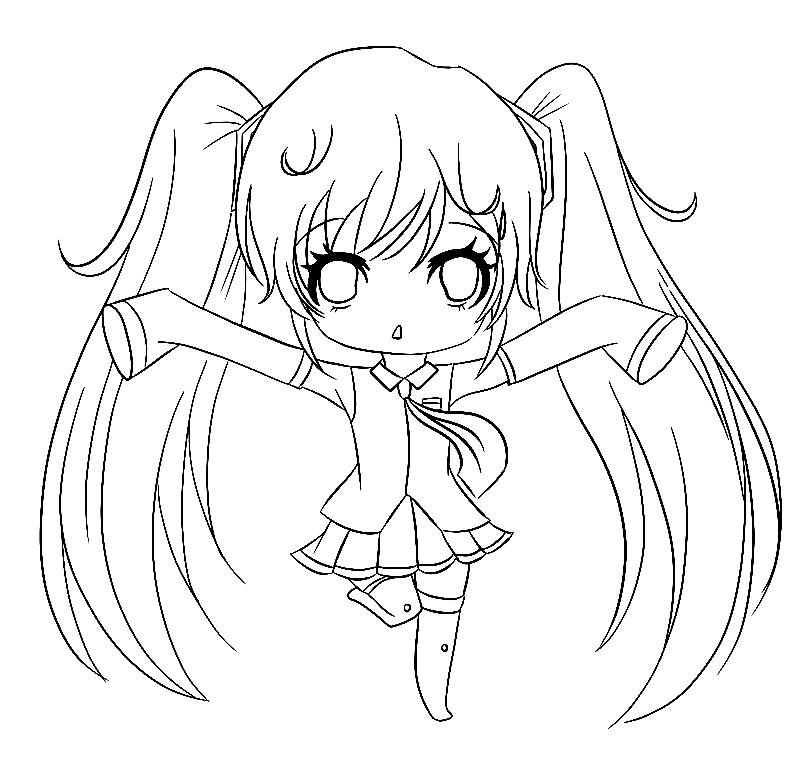
Vocaloid-inspired chibi pages bring music, twin-tail hair, digital idol energy, stage outfits, headphones, and bright futuristic colors into the collection. Hatsune Miku-style chibi art is especially recognizable because of long teal twin tails, music-themed details, and a cool idol palette.

Coloring vocaloid-inspired chibi pages: Use aqua, turquoise, teal, black, gray, white, and neon-style accents. For long twin-tail hair, avoid one flat teal color. Start with a light aqua base, add deeper teal near the edges and under the hair, then leave bright highlights along the center strands. Music notes, headset pieces, sleeve details, and glow effects can use pink, violet, blue, or electric green.

My Hero Academia-Inspired Chibi Pages

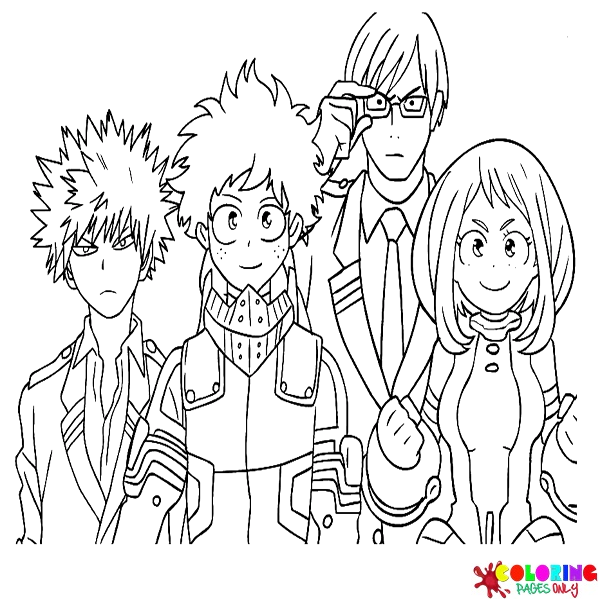
My Hero Academia-inspired chibi pages turn hero-style anime characters into smaller, cuter versions. These designs may include bold poses, school-uniform details, action expressions, simple power effects, or heroic costume shapes. They are more energetic than soft kawaii pages and give colorists a chance to use stronger contrast.

Coloring chibi hero pages: Use bold colors such as green, red, blue, black, yellow, orange, and white for costumes and power effects. Color the face first so the expression stays cute, then move to the costume, shoes, gloves, and action lines. If the page includes energy effects, save those for the final pass with bright blue, yellow, green, or red so the action details stay sharp.

Demon Slayer-Style Chibi Pages

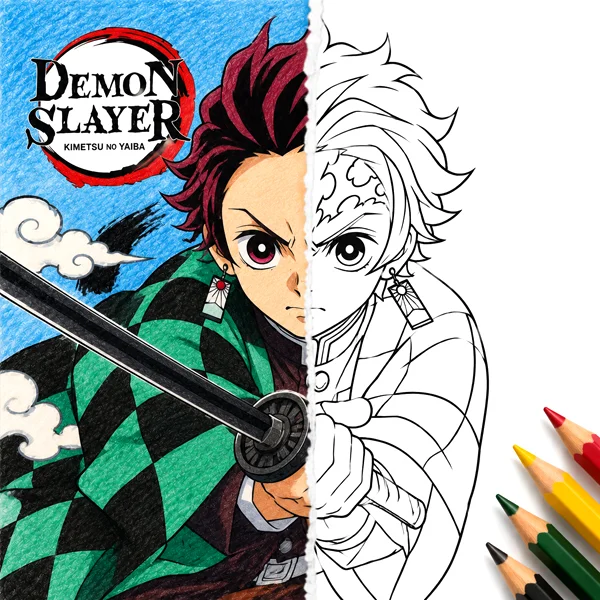
Demon Slayer-style chibi pages usually include patterned clothing, dramatic hair, expressive eyes, sword-like poses, and cute versions of serious anime characters. These pages are stronger for older kids and anime fans because the outfits and small details may require more careful coloring.

Coloring Demon Slayer-style chibi pages: Look at the clothing pattern before choosing colors. Add a clean base color first, then color the pattern with darker or lighter accents. Hair can be layered with a base shade, darker edges, and brighter highlights. If the pose looks dramatic, keep the face soft and rounded so the chibi style remains cute rather than too intense.

Chibi Anime Boy Coloring Pages

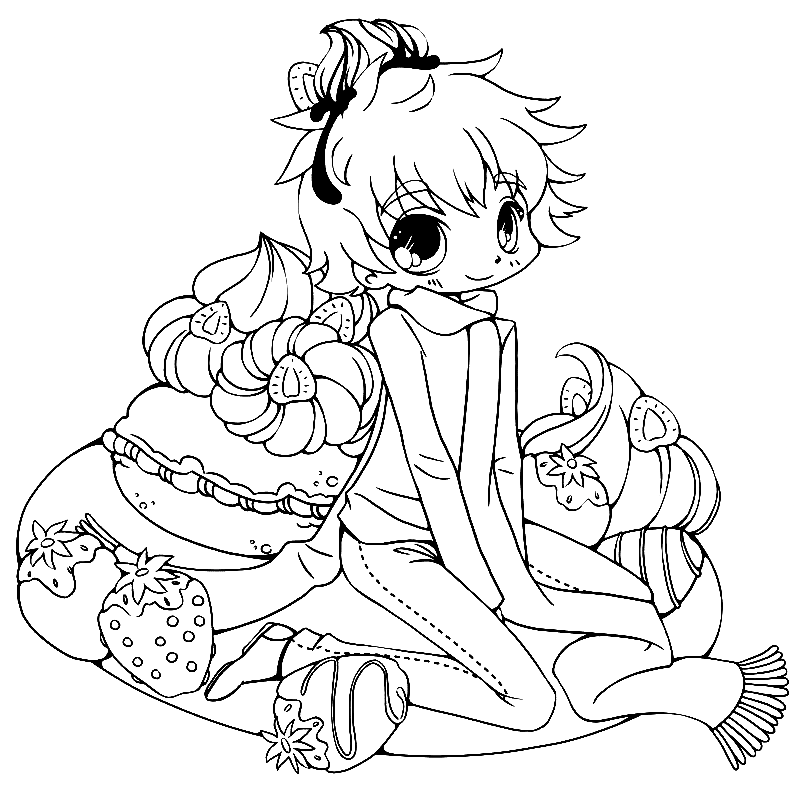
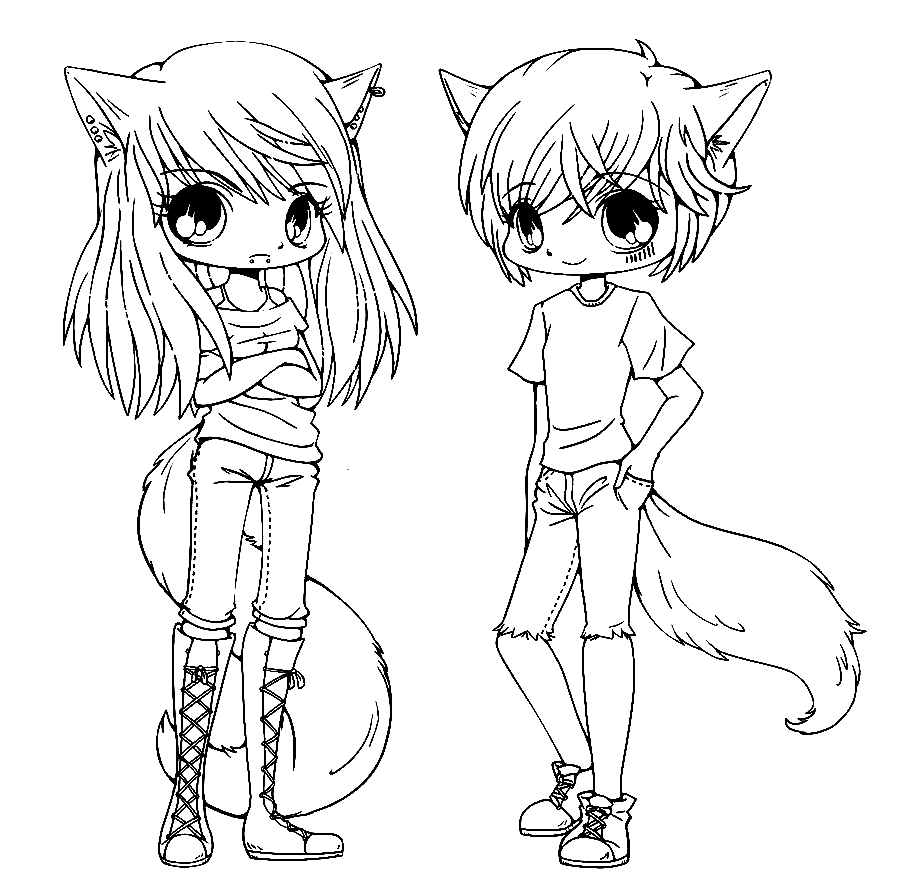
Chibi anime boy pages may show spiky hair, school outfits, Hero poses, shy expressions, sports-style clothing, fantasy outfits, or everyday anime looks. These pages help balance the collection beyond princess, idol, and cute girl designs.

Coloring chibi anime boy pages: Use hair colors that match the character’s mood: black or brown for a natural style, navy or silver for a cooler look, red or green for a bold anime feel, and blonde or blue for a brighter design. For school outfits, use navy, gray, white, brown, or black. For hero or fantasy outfits, use stronger accent colors. Keep the small body readable by limiting the outfit palette to two or three main colors.

Chibi Anime Couple and Friendship Pages

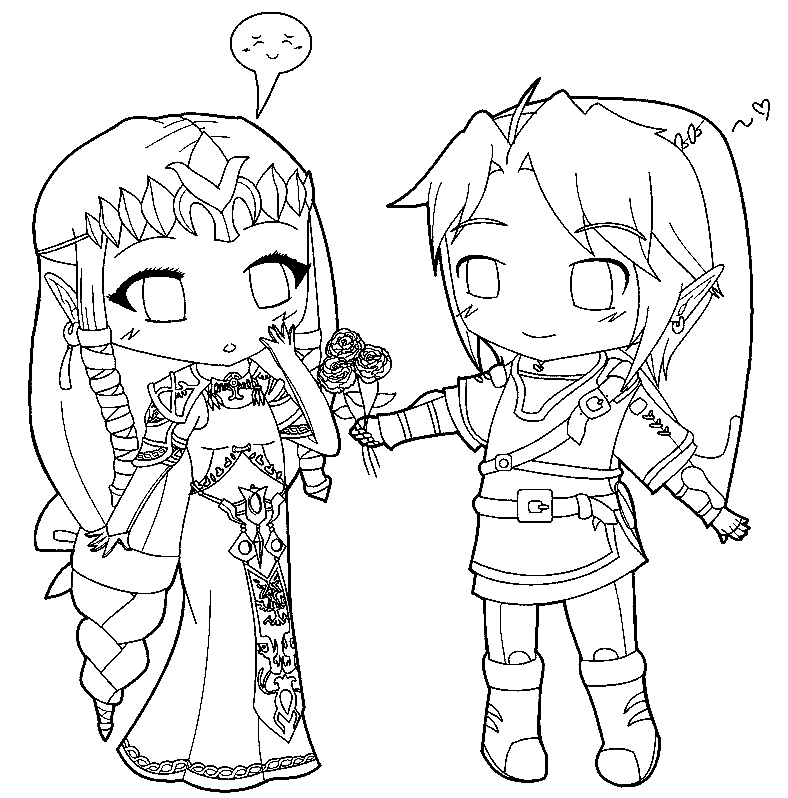
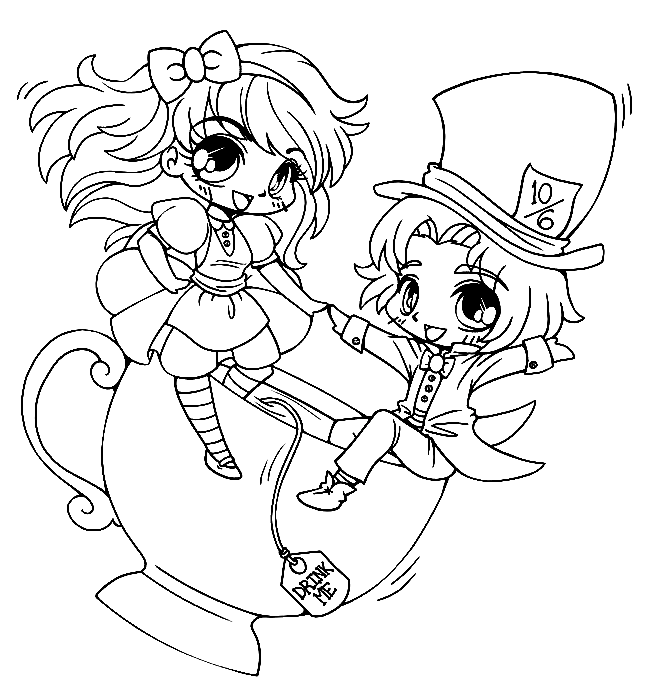
Chibi couple and friendship pages may show two characters together as classmates, friends, siblings, teammates, magical partners, or sweet fan-art pairs. These pages are useful for storytelling because color can show whether the scene feels shy, funny, romantic, playful, or adventurous.

Coloring chibi friendship pages: Give each character a separate palette so they do not blend. One character can use warm colors such as peach, pink, orange, or yellow, while the other uses cooler tones such as blue, mint, lavender, or gray. If the page has hearts, sparkles, or friendship symbols, use them as accents rather than filling the whole background.

Chibi Outfit and Accessory Pages

Some chibi pages are especially strong because of their clothing and accessories. Bows, ribbons, crowns, hats, headphones, school bags, capes, shoes, gloves, wands, microphones, and tiny symbols can tell the viewer what kind of character this is. In chibi art, the body is small, so outfit choices matter a lot.

Coloring chibi outfit pages: Choose the character role first: school student, princess, idol, Hero, fantasy traveler, casual friend, or kawaii mascot. Then choose one main outfit color, one shadow color, and one accent color. Use the accent for bows, ribbons, belts, shoes, buttons, or small props. That keeps the outfit detailed but not messy.

Easy Chibi Pages for Younger Kids

Easy chibi pages usually have one character, large outlines, fewer accessories, and a friendly expression. These sheets are best for younger children, beginner colorists, or quick creative time. The simple shapes help kids finish a page without feeling overwhelmed.

Coloring easy chibi pages: Use crayons or washable markers with a clear plan: one hair color, one outfit color, one skin tone, and one light background color. Younger children do not need perfect anime shading. The goal is color recognition, hand control, confidence, and enjoying a cute finished picture.

Detailed Chibi Anime Pages for Older Fans

Detailed chibi anime pages may include layered hair, outfit patterns, crowns, music notes, magical effects, Hero poses, multiple characters, small accessories, or decorative backgrounds. These pages give older kids, teens, and anime fans more room for careful color planning.

Coloring detailed chibi anime pages: Use colored pencils for hair strands, eye highlights, outfit folds, accessories, and small background details. Finish the face and hair first, then the outfit, then the background. Detailed pages look best when the eyes and expression stay clear, even if the outfit, hair, and accessories have many colors.

Printable Chibi Fan Art Pages

Printable chibi fan art pages are useful for anime clubs, fan art folders, personal sketchbooks, classroom art stations, and creative collections. These pages may not always focus on one exact show, but they still carry the anime feel through big eyes, tiny bodies, expressive faces, stylized hair, and playful outfits.

Coloring printable chibi fan art pages: Treat each sheet like a small character design project. Choose a mood first: pastel cute, magical princess, school anime, idol stage, hero action, fantasy adventure, or cozy everyday style. Then choose a palette that supports that mood. A clear plan keeps the page cute, clean, and easy to understand.

What These Pages Do

Chibi Anime coloring pages give kids, teens, and anime fans a friendly way to explore anime-style character design without needing to draw every detail from scratch. The large heads, tiny bodies, expressive eyes, and simplified shapes make the pages approachable, while the hairstyles, outfits, accessories, and poses still leave plenty of room for creative choices.

The strongest value of chibi art is visual storytelling. A character can look shy, excited, magical, brave, sleepy, funny, royal, heroic, or dramatic with only a few changes in eye color, cheek blush, hair shade, outfit palette, and background mood. That makes chibi pages useful not only for coloring, but also for building character ideas.

These printable sheets also support fine motor practice and visual planning. Simple chibi pages give younger children large, rounded spaces to fill. In contrast, detailed pages help older kids and fans practice careful coloring around eyes, hair strands, bows, crowns, uniforms, sleeves, shoes, music notes, stars, and small background decorations. That mix of large shapes and tiny details makes the collection flexible for different skill levels.

For parents and teachers, chibi pages can become a soft introduction to anime and manga-inspired art vocabulary. Adults can ask children to describe the character’s expression, outfit, role, mood, or story. Is the character a singer, princess, student, Hero, magical friend, or shy classmate? The American Academy of Pediatrics often emphasizes play as a way children build communication, emotional understanding, problem-solving, and social connection. With chibi anime pages, those benefits appear through style exploration, expression reading, and imaginative storytelling.

Coloring can also provide a structured, quiet break. A 2005 study in the Art Therapy Journal reported that coloring organized designs was associated with anxiety reduction compared with a less structured art task. Chibi Anime coloring pages are not therapy and should not be described as medical treatment, but their clear outlines, repeated character shapes, and focused details can make them useful for calm art time, classroom transitions, anime club activities, or screen-free creative breaks.

These pages also help build a useful art vocabulary. Children and fans can talk about chibi, anime, manga, kawaii, expression, pose, outfit, hairstyle, eyes, iris, highlight, blush, shadow, accessory, palette, character design, fan art, and background mood. A finished page becomes more meaningful when the colorist can explain who the character might be, what they are feeling, and what story the colors suggest.

How to Color Chibi Anime Pages Well

Start with the face and eyes. Chibi characters depend heavily on expression, so the face should stay clean and readable. Add the skin tone lightly first, then blush, eye color, and small highlights. Do not darken the face too early because the eyes and cheeks need to remain clear.

Build anime eyes in layers. Large chibi eyes look better when they have depth. Start with a light base color, add a darker shade near the top of the iris, use a deeper outline around the eye, and leave small white highlight spots. A second tiny highlight can make the character look more lively.

Use hair gradients instead of one flat color. Choose a base hair color first. Add a darker shade under bangs, near the neck, and along the outer hair edges. Add lighter highlights on the top or center strands. That works for natural hair colors and fantasy colors such as pink, teal, lavender, silver, blue, or green.

Keep chibi proportions clear. Chibi characters have large heads and tiny bodies. The face, eyes, and hair should usually get the most attention. The body, arms, legs, and shoes should stay simpler so the character does not look crowded.

Choose the palette based on character style. A kawaii character works well with pastels. A princess chibi can use pink, lavender, gold, white, and pale blue. An idol-style chibi can use teal, black, white, and neon accents. A hero chibi can use bold red, blue, green, yellow, or black. A school anime character can use navy, gray, cream, brown, or soft uniform colors.

Use blush carefully. A small amount of peach or soft pink on the cheeks can make a character look shy, happy, sweet, or surprised. Keep the blush light, especially on small faces. Too much blush can cover the expression.

Keep the tiny outfit readable. Chibi outfits are small, so limit the number of colors. Choose one main outfit color, one secondary color, and one accent. Use the accent for bows, ribbons, shoes, belts, bags, buttons, or small symbols.

Add outfit folds only where needed. A few darker lines under sleeves, near skirts, around collars, behind belts, or under capes can make the outfit look more polished. Do not add too many shadows because the body is small.

Match the background to the character’s mood. A princess page works well with stars, soft pink, lavender, or gold. A hero page works better with bold action lines. A music page can use teal, purple, glow effects, or notes. A kawaii page can use clouds, hearts, and pastel colors.

Color accessories after the main character. Crowns, bows, flowers, headphones, swords, school bags, ribbons, music notes, and stars should be colored after the face, hair, and outfit. That keeps the page organized and helps small details stand out.

Use pastel colors for softer pages. Pastel pink, mint, lavender, sky blue, peach, and pale yellow work well for cute chibi designs. These colors keep the page gentle and make it easier for younger colorists to finish without visual clutter.

Use stronger contrast for action or hero pages. If the page has a hero pose, dramatic face, or power effect, use brighter costume colors and darker background accents. Keep the face clear so the cute chibi style remains visible.

Avoid over-coloring the background. Chibi characters are small and expressive, so the background should support them rather than compete. Use simple shapes, soft gradients, stars, hearts, or light patterns unless the page is meant to be very detailed.

Make simple pages confidence-building. For younger children, use one hair color, one outfit color, one skin tone, and one background color. The goal is not perfect anime style; the goal is joy, focus, and finishing a cute page.

Let older fans create full character designs. Older kids and teens can invent names, personalities, powers, school roles, music themes, or fantasy stories for each chibi character. That turns the coloring page into original fan art rather than only a finished sheet.

Save tiny details for the final pass. Eyes, hair highlights, cheek blush, bows, shoes, buttons, accessories, sparkles, and background symbols should be sharpened at the end. The final pass makes the page cleaner.

The common mistake is making the page too busy. Chibi anime pages look best when the face, eyes, and outfit are easy to see. Use cute decorations, but keep the main character as the focus.

5 Creative Craft Ideas

Chibi Anime Character Cards

Turn finished chibi anime coloring pages into collectible character cards. Color a chibi girl, boy, princess, idol, Hero, or kawaii character, then cut the artwork into a rectangular card shape.

Glue it onto cardstock and add a name, favorite color, personality, special power, outfit style, or short character description. This craft works well for anime clubs, classroom art projects, fan folders, or creative writing activities because it turns each coloring page into an original character profile.

Chibi Bookmark Set

Use small chibi designs to make bookmarks for manga, notebooks, planners, or reading journals. Color the character first, then cut the page into long bookmark strips or glue a smaller character onto a cardstock strip.

Add stars, hearts, ribbons, clouds, or a short phrase such as “Read Like an Anime Hero,” “Kawaii Reading Time,” or “My Manga Marker.” Punch a hole at the top and tie ribbon or yarn. This craft is simple, useful, and perfect for leftover coloring page sections.

Chibi Paper Doll Outfit Set

Turn a finished chibi character into a paper doll with changeable outfits. Color one simple chibi body, glue it onto cardstock, and cut it out with adult help. Then draw or print small clothing pieces such as dresses, school uniforms, capes, jackets, bows, shoes, hats, or idol outfits.

Color the outfits separately and add small paper tabs so they can fold over the character. This craft is especially strong for Chibi Anime pages because outfits, accessories, and character style are such an important part of anime fan art.

Chibi Anime Mini Storybook

Use several finished chibi pages to create a small storybook. Choose characters with different moods or roles, such as princess, student, singer, Hero, magical friend, or kawaii pet companion.

Staple the pages together or bind them with ribbon. Add one or two sentences under each picture to tell a story. Children can write about a school day, a magic adventure, a concert, a friendship moment, or a hero mission. This craft connects coloring with writing and imagination.

Chibi Sticker-Style Sheet

Turn small chibi faces, accessories, hearts, stars, bows, music notes, and cute poses into a sticker-style sheet. Color the designs, cut them into small shapes, and attach them to sticker paper, label paper, or cardstock with double-sided tape.

Use the finished pieces to decorate notebooks, fan art folders, gift bags, pencil cases, or anime club posters. This craft works especially well with simple chibi pages because the shapes stay recognizable even when cut small.

Frequently Asked Questions

Are Chibi Anime Coloring Pages free?

Yes. These Chibi Anime coloring pages are free for personal, classroom, fan art, and creative use. Parents, teachers, kids, teens, and anime fans can print them for coloring time, art projects, anime clubs, party tables, travel folders, or screen-free creative breaks.

Children and fans can also use available online coloring options when they want to color directly on a device without printing first.

Can I print Chibi Anime coloring pages as PDF files?

Yes. The printable PDF option is useful when you want clean outlines and easy home printing. PDF pages work well for classrooms, home art time, anime club activities, craft projects, party stations, and personal coloring folders.

Some pages may also be available as JPG or PNG files, which are helpful for saving, sharing, or using with digital coloring tools.

Can I color Chibi Anime pages online?

Yes. When online coloring is available, users can color Chibi Anime pages directly on a computer, tablet, or mobile device without printing first. That is useful for quick creative time, digital color testing, travel, or paper-free coloring.

Online coloring also lets users test hair colors, eye colors, outfit palettes, pastel backgrounds, and kawaii details before saving or printing a finished page.

What are Chibi Anime Coloring Pages?

Chibi Anime Coloring Pages are printable and online coloring sheets featuring small, cute anime-style characters with oversized heads, big eyes, tiny bodies, expressive faces, and playful poses.

They may include chibi girls, chibi boys, princess chibi designs, kawaii characters, music-inspired anime pages, hero-style chibi characters, and simple or detailed fan art sheets.

How many Chibi Anime Coloring Pages are in this collection?

This collection includes 20+ free Chibi Anime coloring pages. The pages range from simple, cute characters and easy drawings to more detailed anime girl pages, princess designs, Hatsune Miku-style chibi art, My Hero Academia-inspired pages, Demon Slayer-style pages, and kawaii fan art sheets.

Because the collection includes different difficulty levels, younger children can choose simple pages, while teens and anime fans can enjoy more detailed designs.

What does chibi mean?

Chibi is an anime and manga-inspired style that makes characters look small, cute, and exaggerated. Chibi characters usually have large heads, tiny bodies, big eyes, simple limbs, and expressive faces.

The style is popular in anime fan art because it can make heroic, magical, serious, or dramatic characters look adorable, funny, and easier to color.

Are these pages good for anime beginners?

Yes. Chibi Anime pages are good for beginners because the shapes are simpler than full anime drawings. The oversized head, clear eyes, small body, and simple pose make the character easier to color and understand.

Beginners can start with easy chibi faces or simple kawaii characters before trying detailed hair, outfit patterns, hero-style poses, or fantasy accessories.

Are Chibi Anime pages good for young children?

Yes. Many simple chibi pages are good for younger children because the characters have large outlines, rounded shapes, and friendly expressions. Parents can choose easy designs with fewer small details for preschoolers or beginner colorists.

More detailed chibi pages with small accessories, patterned outfits, complex hair, or action-style details may be better for older kids, teens, and anime fans.

Are there Chibi Anime pages for teens and anime fans?

Yes. Teens and anime fans can enjoy more detailed pages with anime hairstyles, large expressive eyes, outfit designs, princess themes, hero-style poses, music-inspired characters, and kawaii fan art.

These pages allow more advanced color planning, shading, character design, and storytelling.

What colors should I use for Chibi Anime pages?

Soft pastel colors work well for cute chibi pages: pink, mint, lavender, sky blue, peach, cream, and pale yellow. For anime hero or action pages, stronger colors like red, blue, green, black, yellow, and orange can work better.

Hair can be natural or fantasy-colored. Eyes should usually have highlights so the character looks expressive.

Can these pages help with storytelling?

Yes. Chibi Anime pages are strong for storytelling because each character has a clear expression, outfit, pose, and mood. Children and fans can imagine a princess story, a school scene, an idol concert, a hero adventure, a friendship moment, or a magical world.

Adults can ask simple prompts: Who is this character? What are they feeling? What is their favorite color? What happens next?

Can teachers use Chibi Anime coloring pages in class?

Yes. Teachers can use selected Chibi Anime pages for art centers, character design lessons, creative writing prompts, color theory practice, anime club activities, or quiet classroom transitions.

Students can color a character, name the character, describe the outfit, write a short story, or create character cards from finished pages.

Can finished Chibi Anime pages be used for crafts?

Yes. Finished pages can become character cards, bookmarks, paper dolls, mini storybooks, sticker-style sheets, notebook covers, fan folders, party decorations, or classroom displays.

Crafts extend the value of the page because children and fans can cut, arrange, write, display, and turn a finished coloring sheet into something personal.

Chibi Anime coloring pages bring kawaii characters, big sparkling eyes, tiny bodies, cute expressions, anime hairstyles, fan art poses, princess designs, idol-style pages, hero-inspired characters, and creative story moods into one fun collection. Each page gives kids, teens, and anime fans a chance to color a small character while building their own style, story, and palette.

Browse the full collection at ColoringPagesOnly.com. All 20+ pages are free, available as PDF, JPG, or PNG, ready to print at home or color online.

These anime-inspired pages are created for personal, classroom, and creative coloring use. They fit many moments: home coloring time, anime club activities, classroom art stations, fan art folders, travel activities, party tables, craft projects, and screen-free breaks.

For the final pass, keep the eyes bright and expressive, make the hair color clear, use soft highlights and blush, balance the outfit and background, and avoid covering the page with too many decorations. A clean face, readable outfit, simple palette, and thoughtful details can make the whole Chibi Anime page feel complete.

Share your work on Facebook and Pinterest and tag #Coloringpagesonly. We especially want to see your Chibi Anime Character Cards, Chibi Paper Doll Outfit Set, and Chibi Anime Mini Storybook.

Big eyes, tiny bodies, endless kawaii stories.

These related coloring collections will help you explore the wonderful world of colors. Let’s choose, be creative, and show us your great pictures!

Jennifer Thoa – Content Editor & Designer

Jennifer Thoa is Content Editor and Designer at ColoringPagesOnly.com. Degree in Journalism and Creative Writing, University of Kansas. She writes and edits long-form educational articles on anime, film, animals, world cultures, and automotive history - verified against named primary sources before publication.