
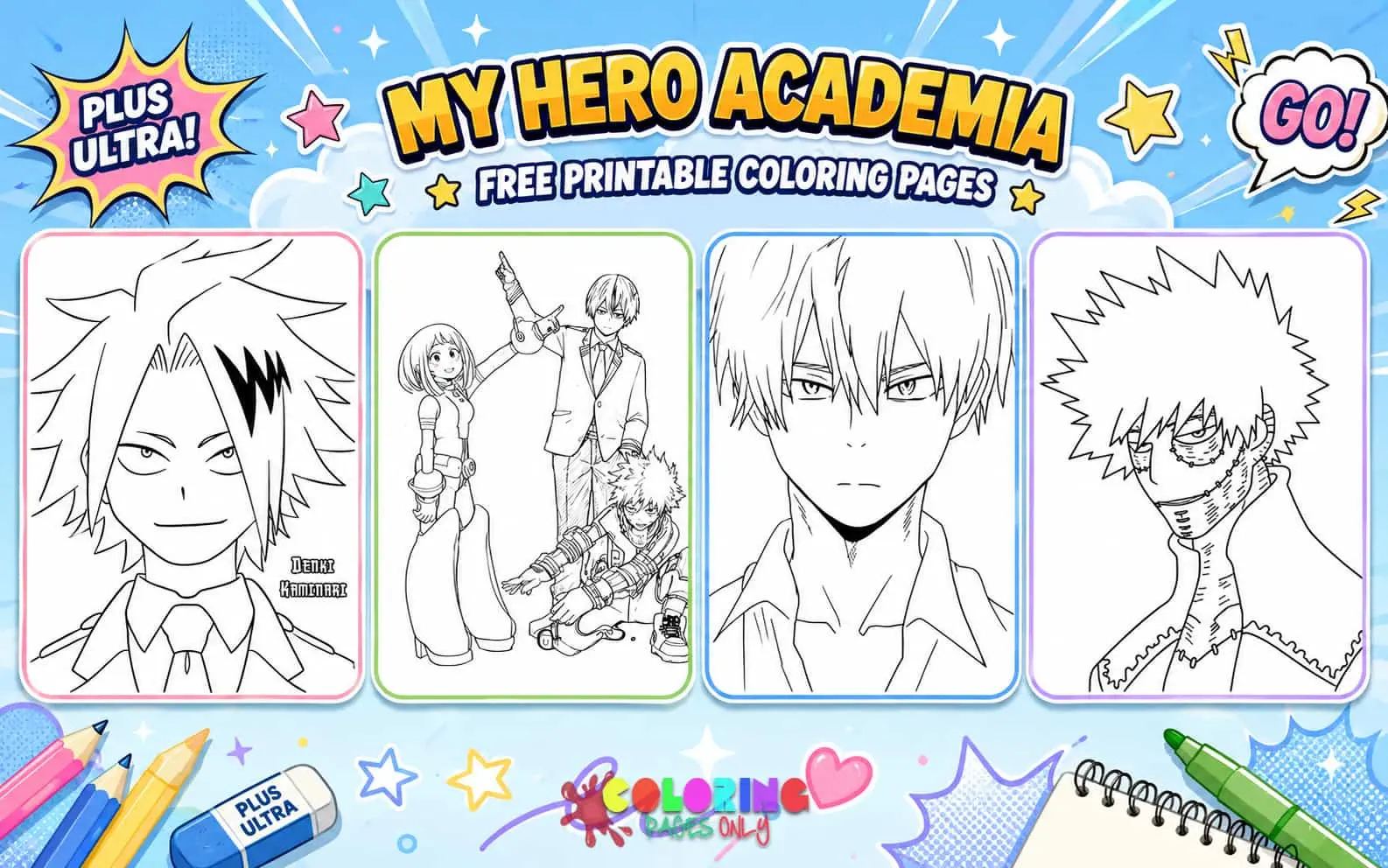
Free My Hero Academia coloring pages: 157 printable PDF designs of Class 1-A students, pro heroes, villains, and team action scenes from the acclaimed shonen series. Each page can be downloaded as a PDF to print or colored online in the browser.
My Hero Academia was created by Kohei Horikoshi and serialized in Weekly Shonen Jump from July 2014 to August 2024, with an anime adaptation by Studio Bones that premiered in 2016 and concluded its run in August 2026. The story is set in a world where most people are born with a superpower called a Quirk, and follows Izuku Midoriya, known as Deku, a boy born without one who is chosen by the legendary hero All Might to inherit the power One For All. Deku trains at U.A. High School alongside classmates like Katsuki Bakugo, Shoto Todoroki, and Ochako Uraraka, working to become heroes while facing off against villains such as Himiko Toga, Dabi, and Tomura Shigaraki.
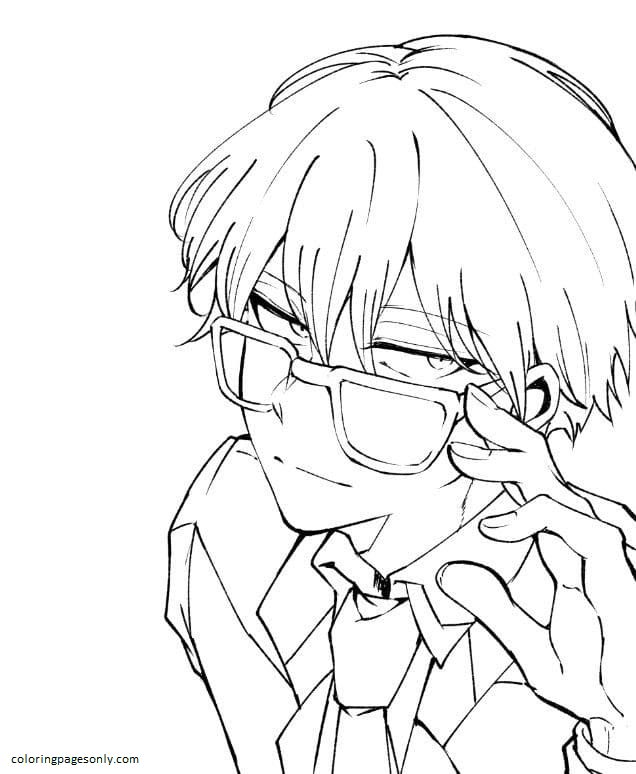
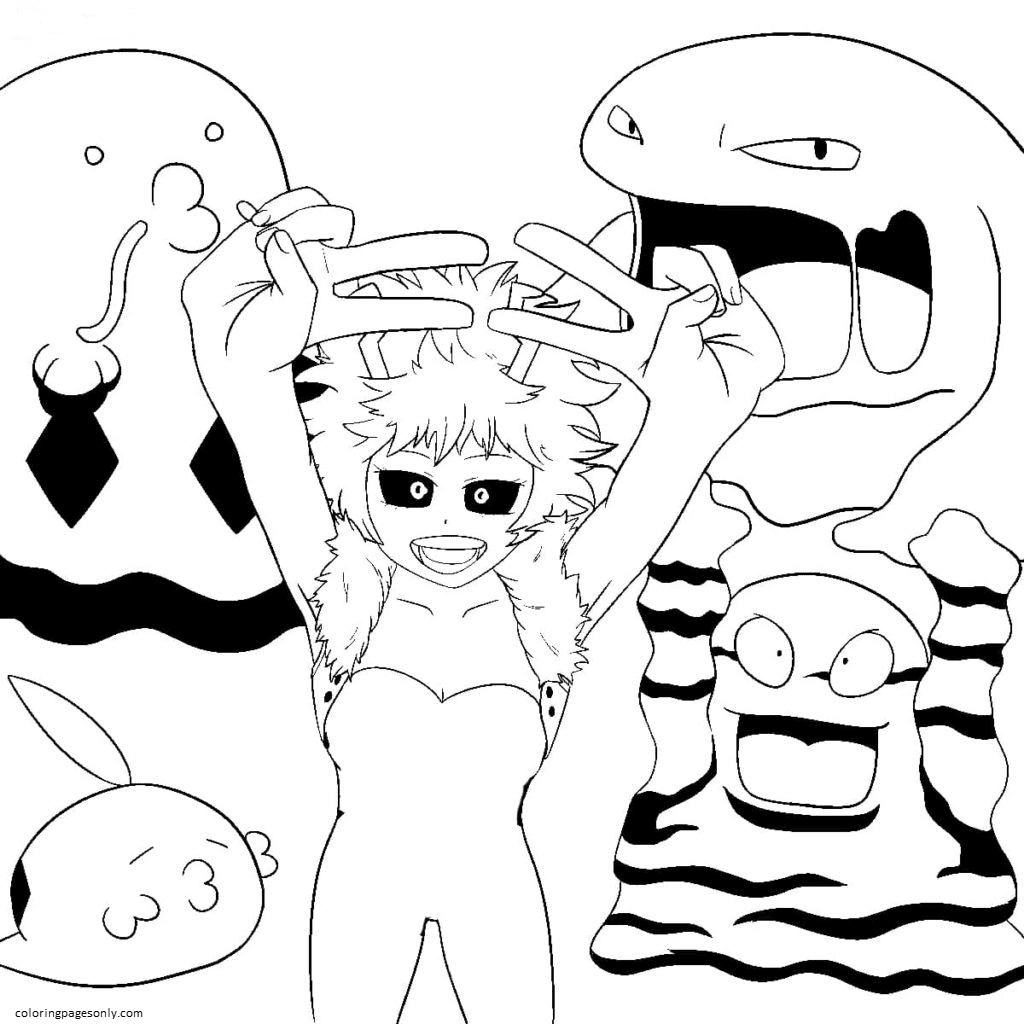
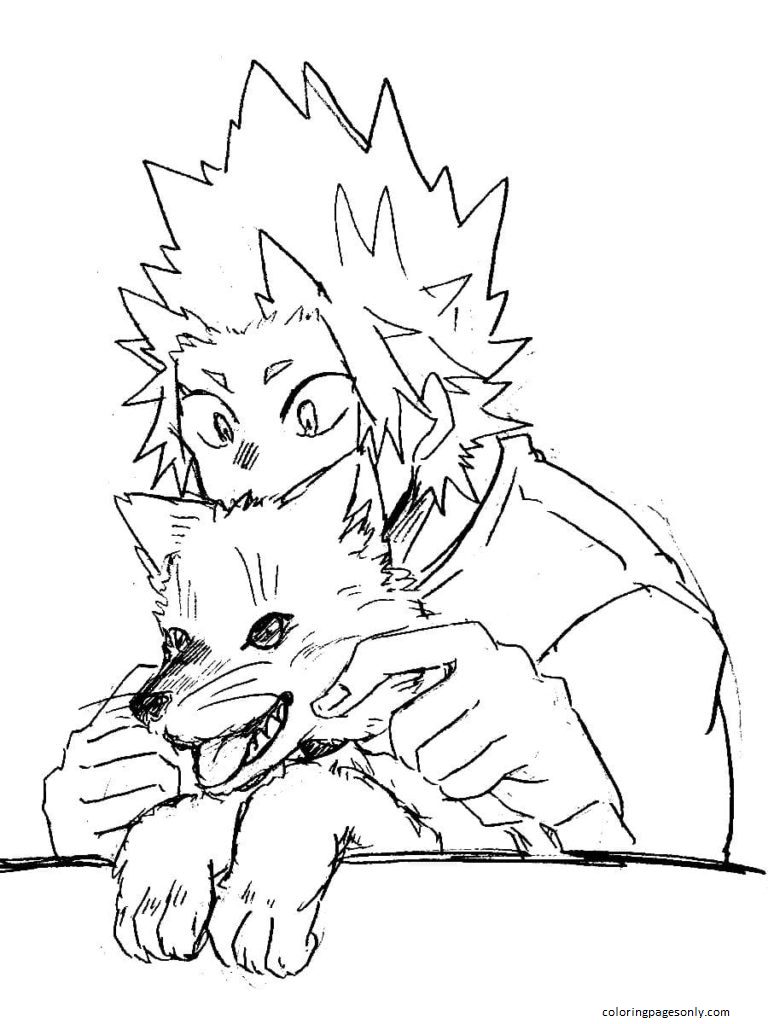
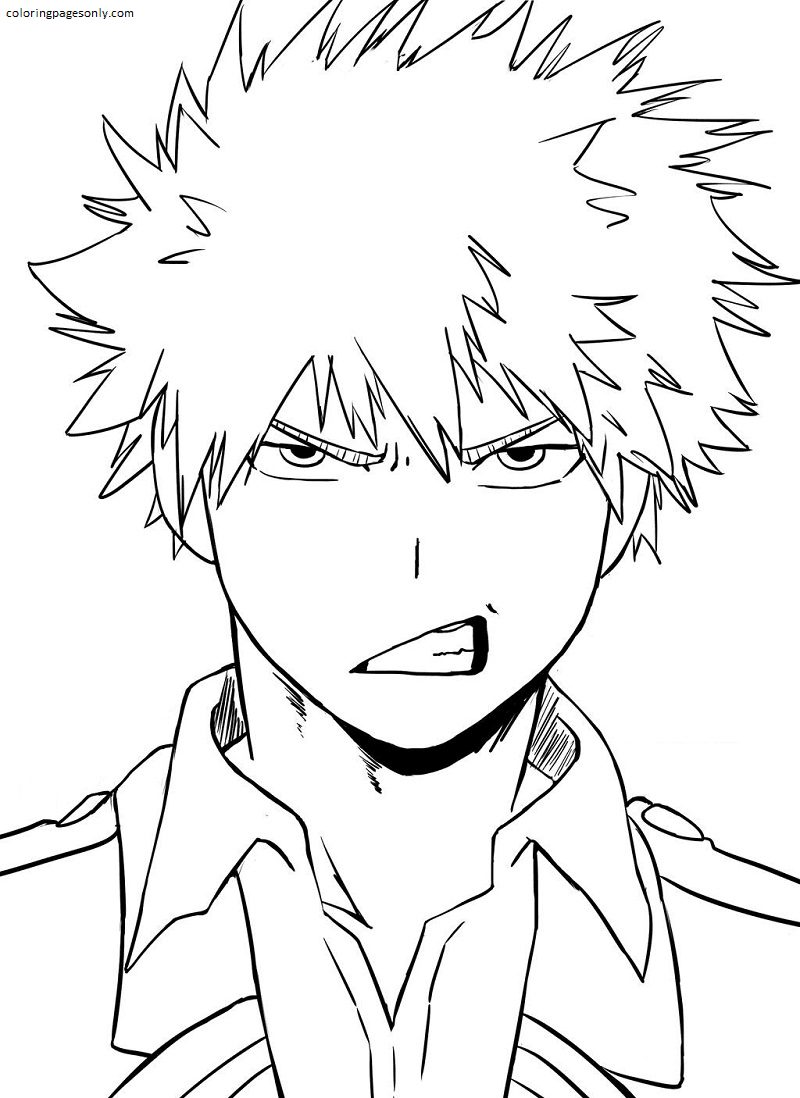
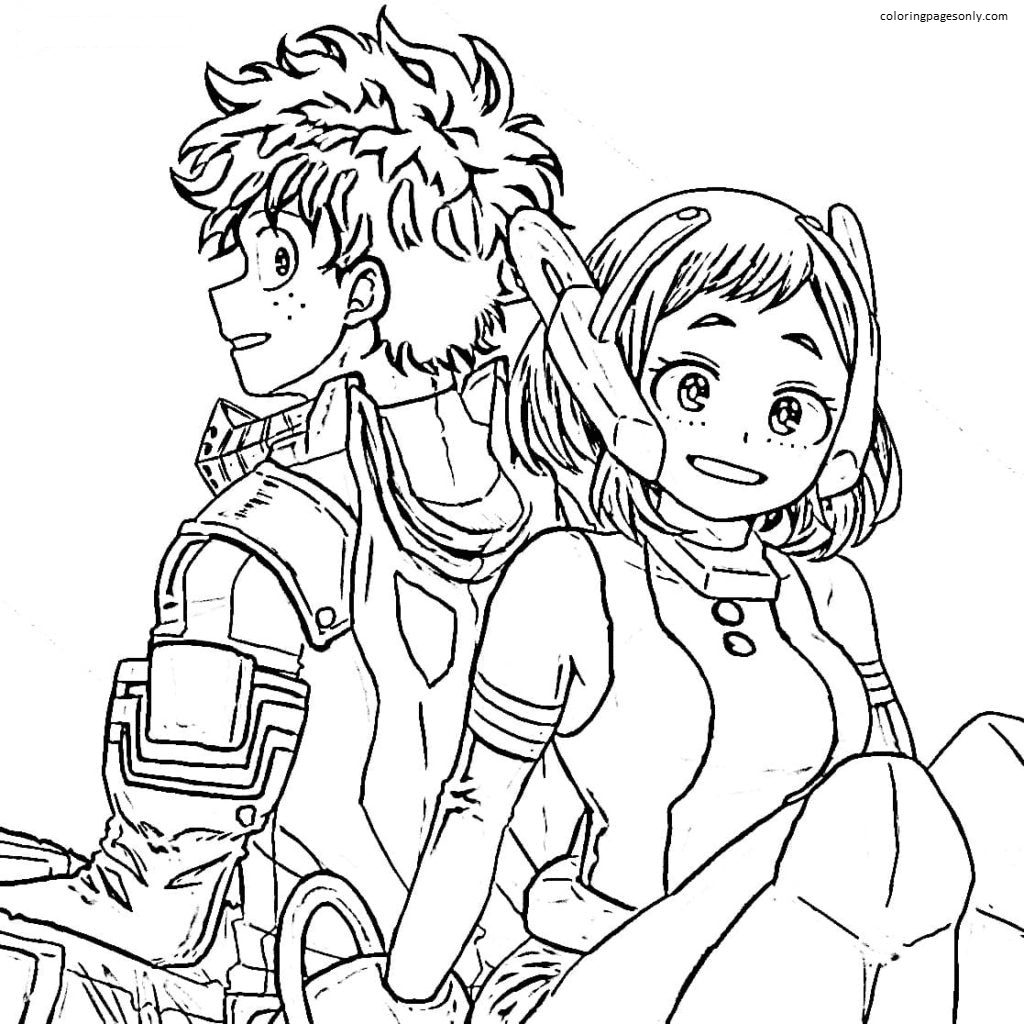
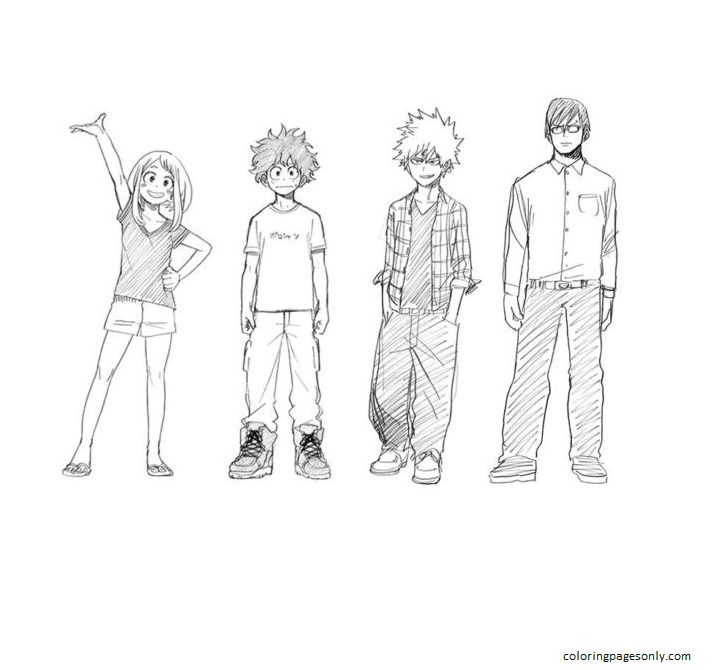
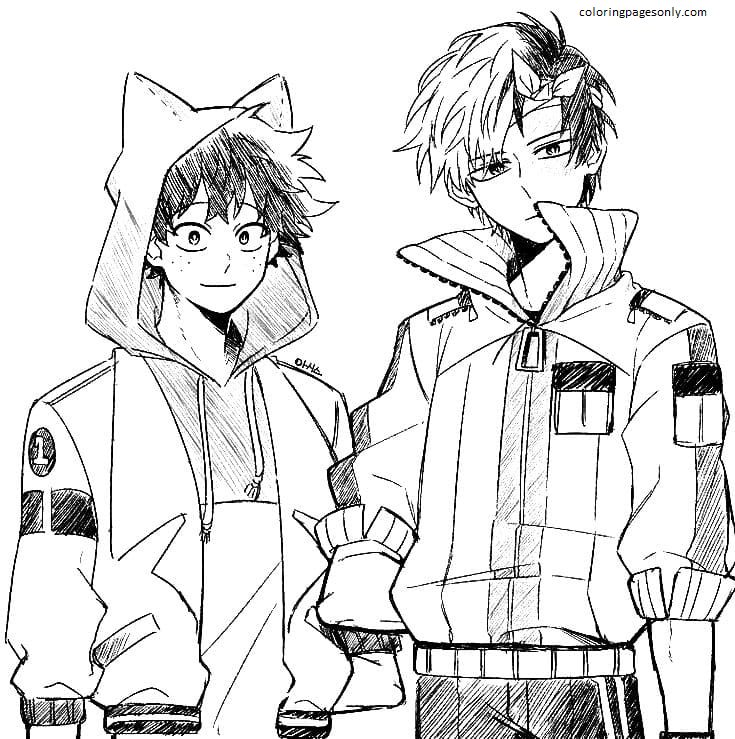
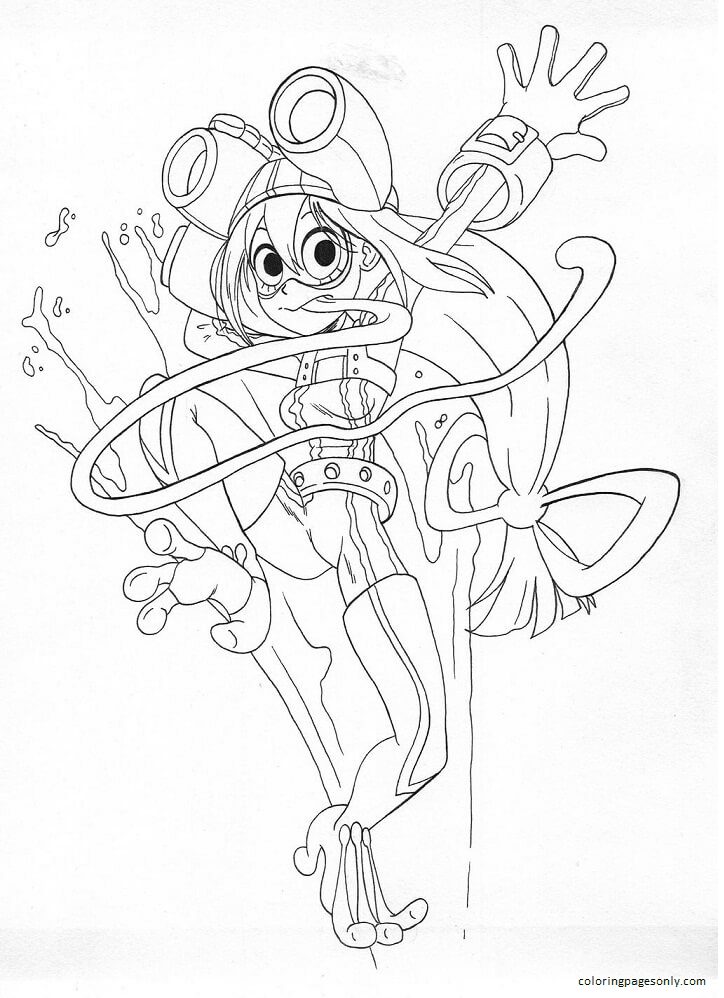
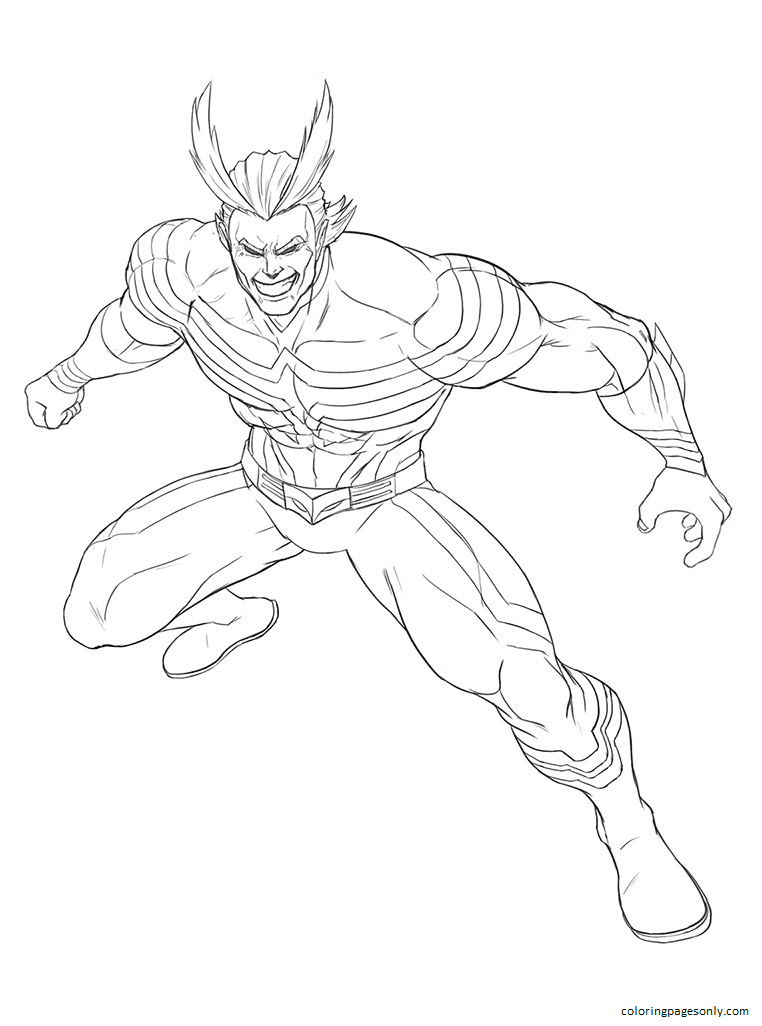
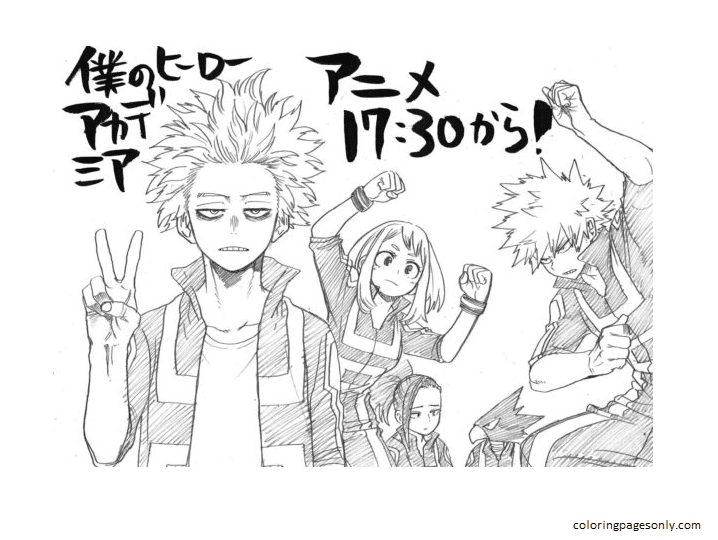
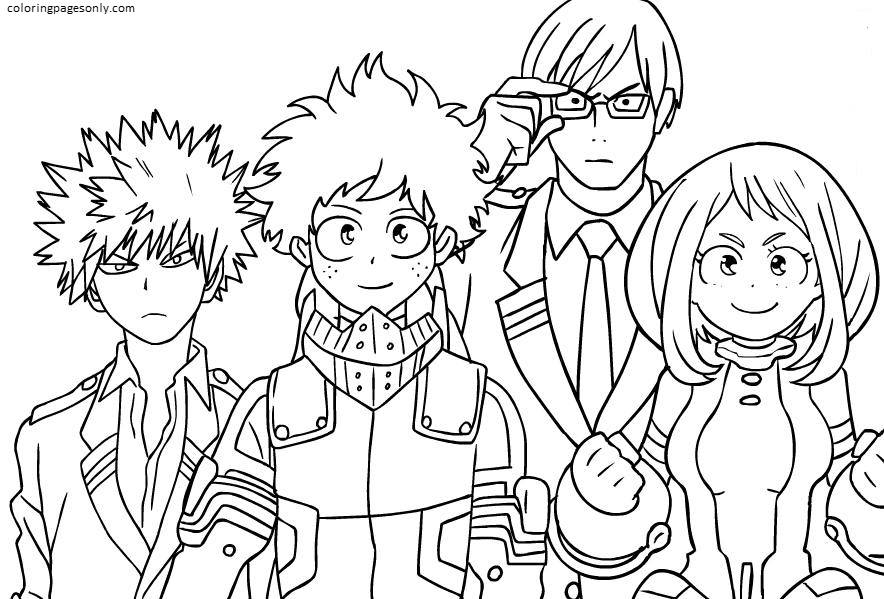
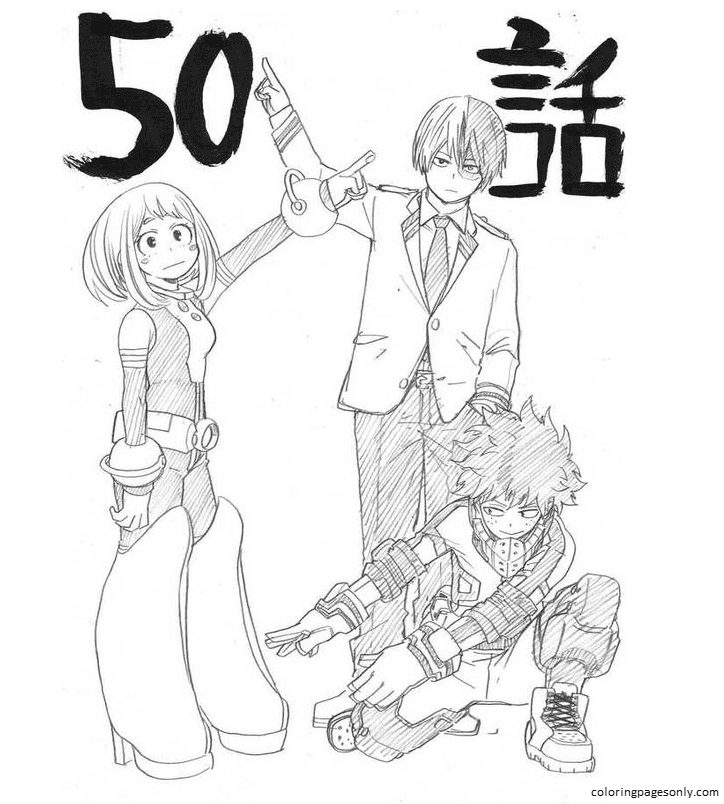
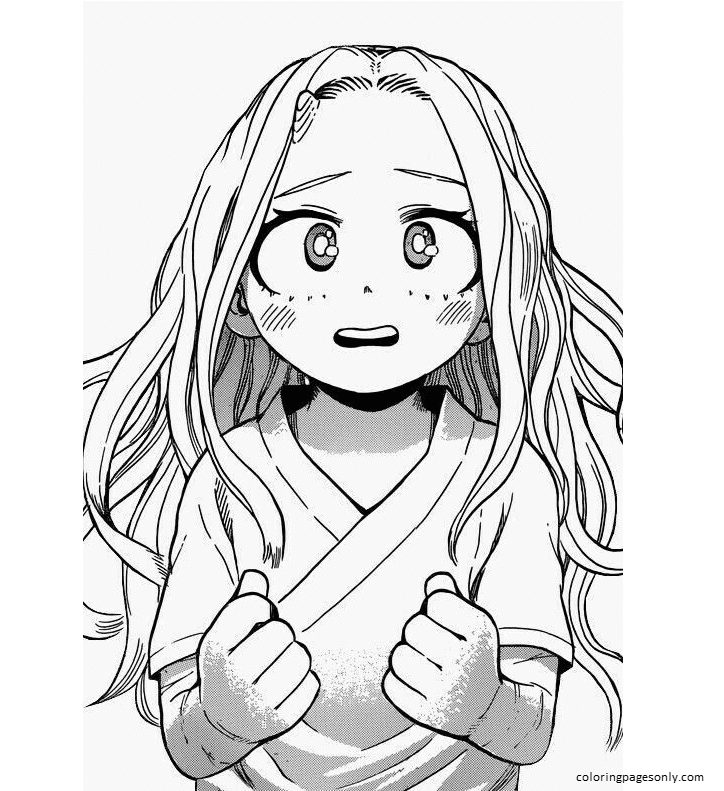
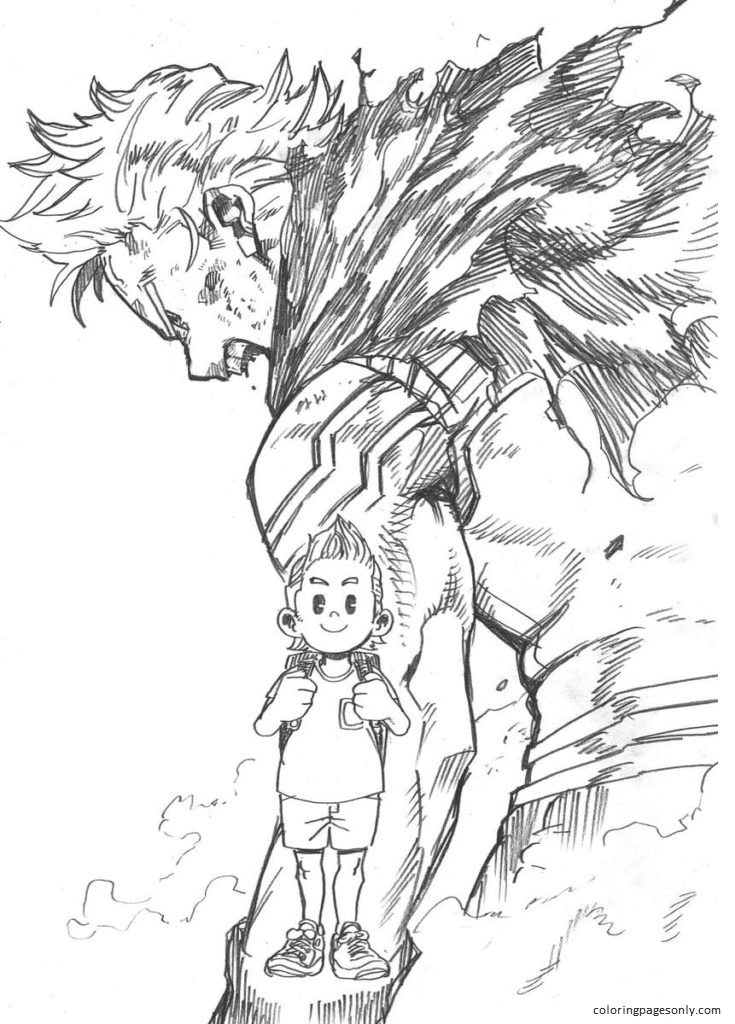
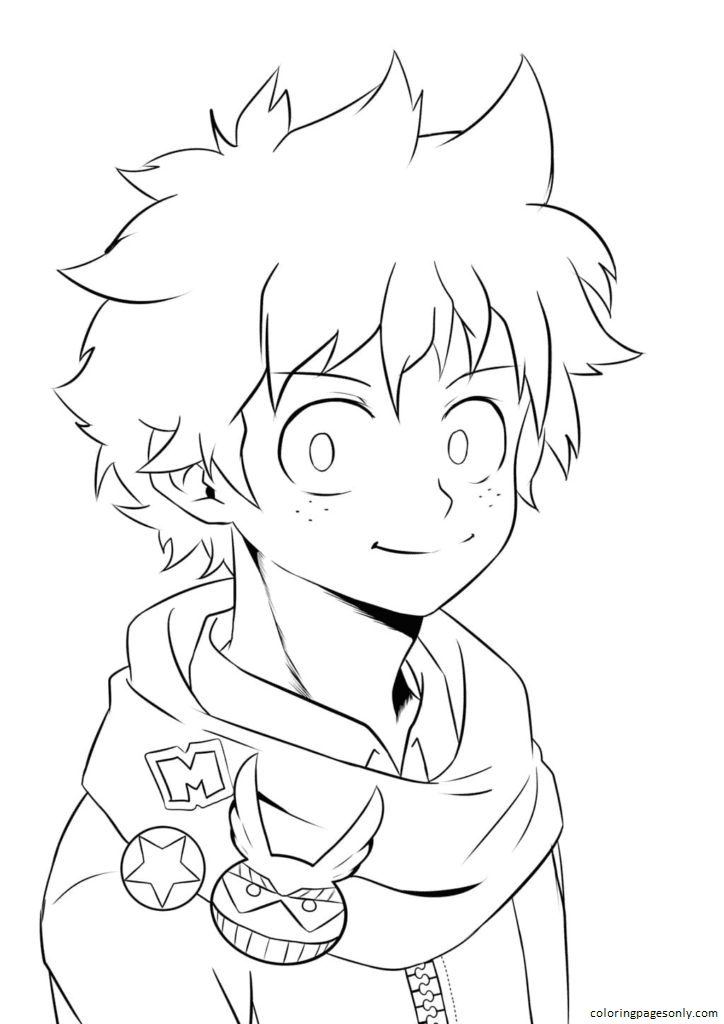
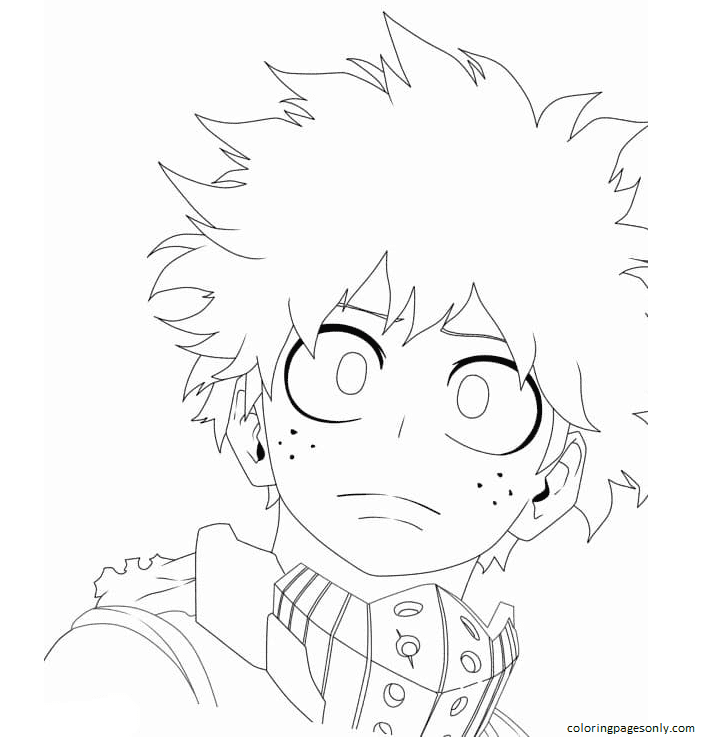
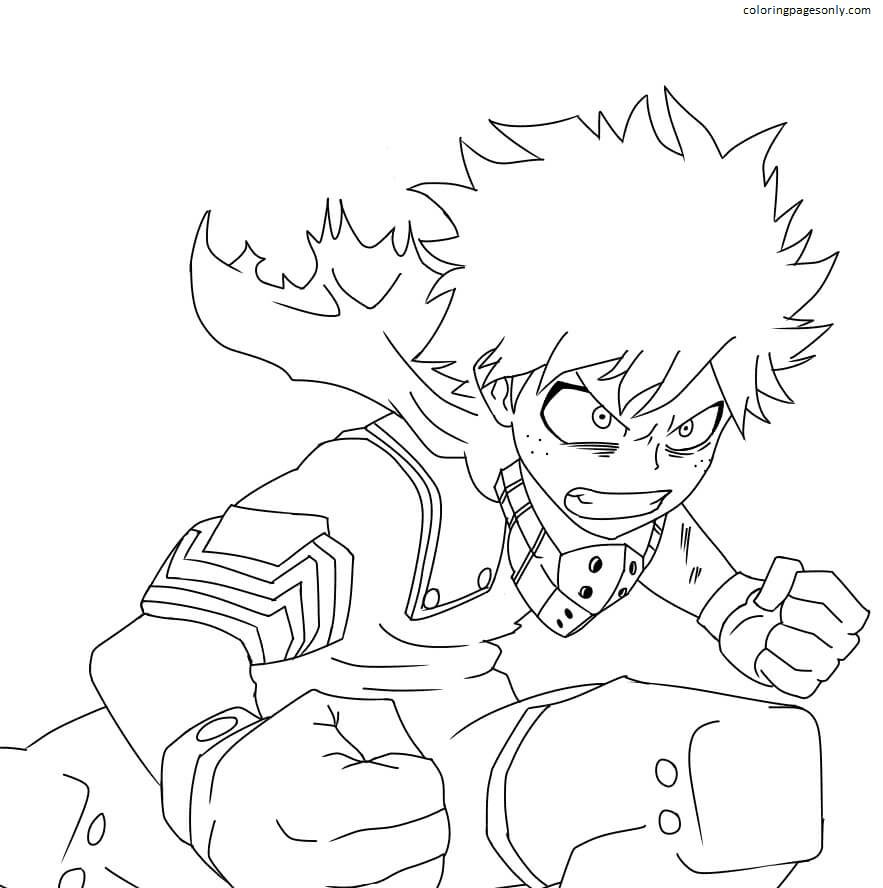
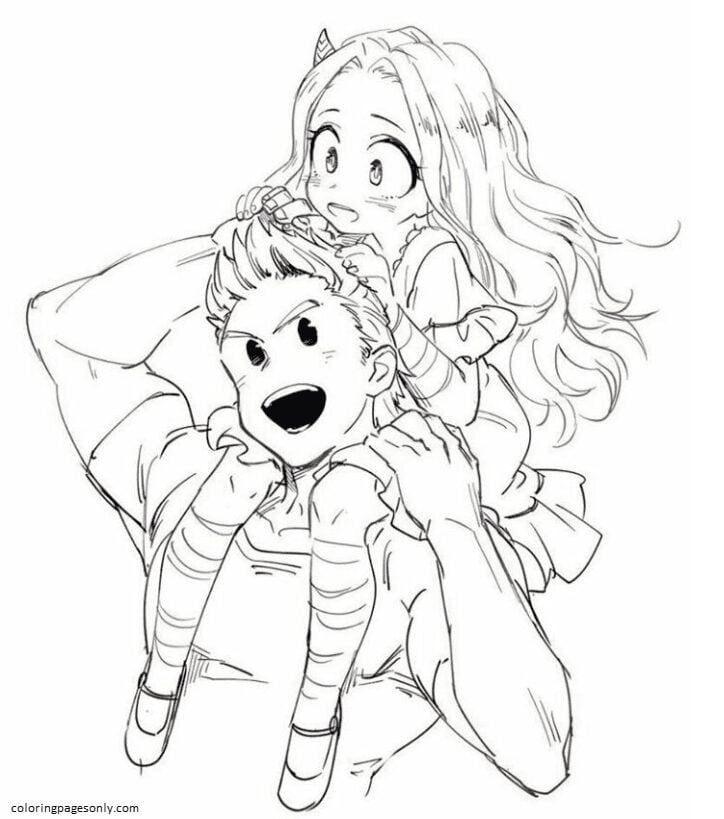
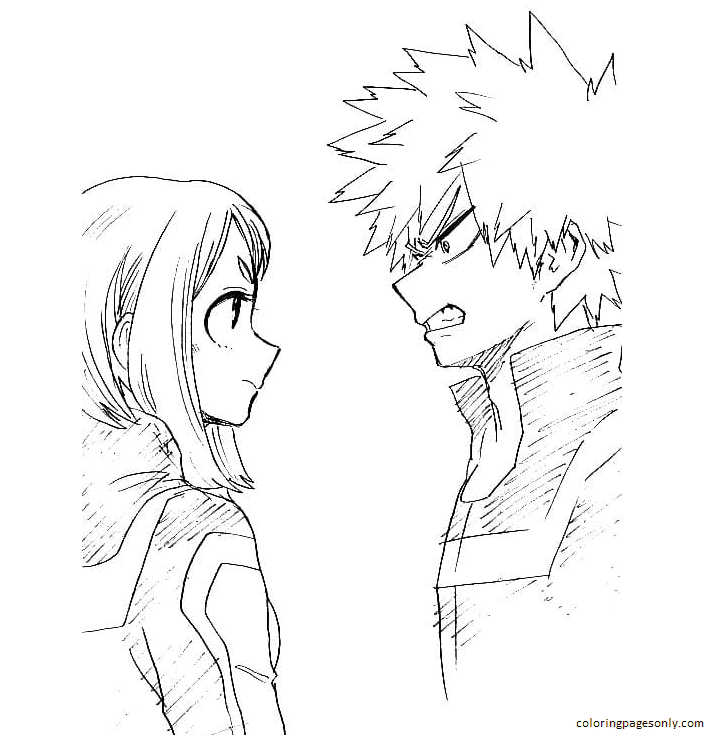
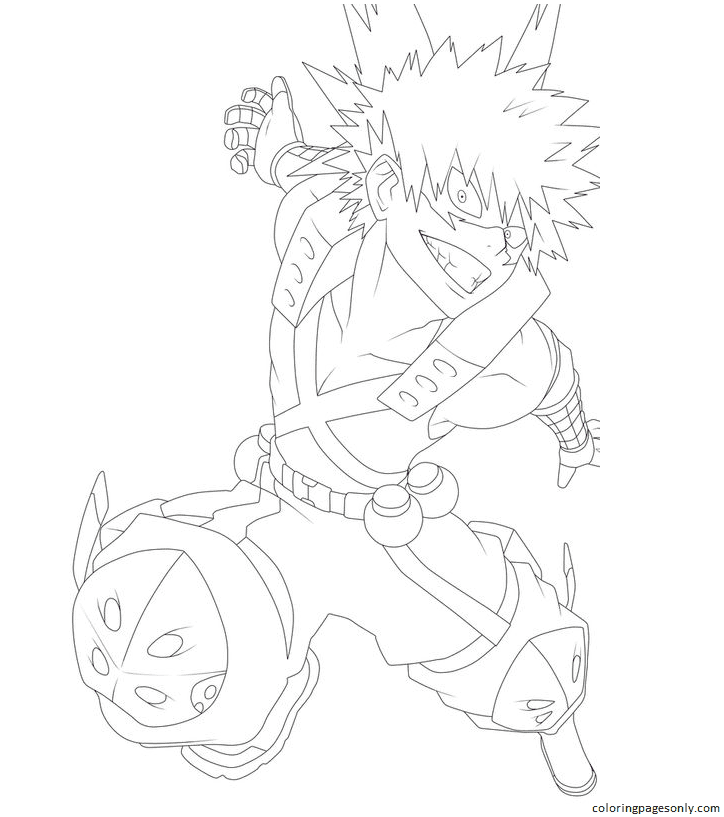
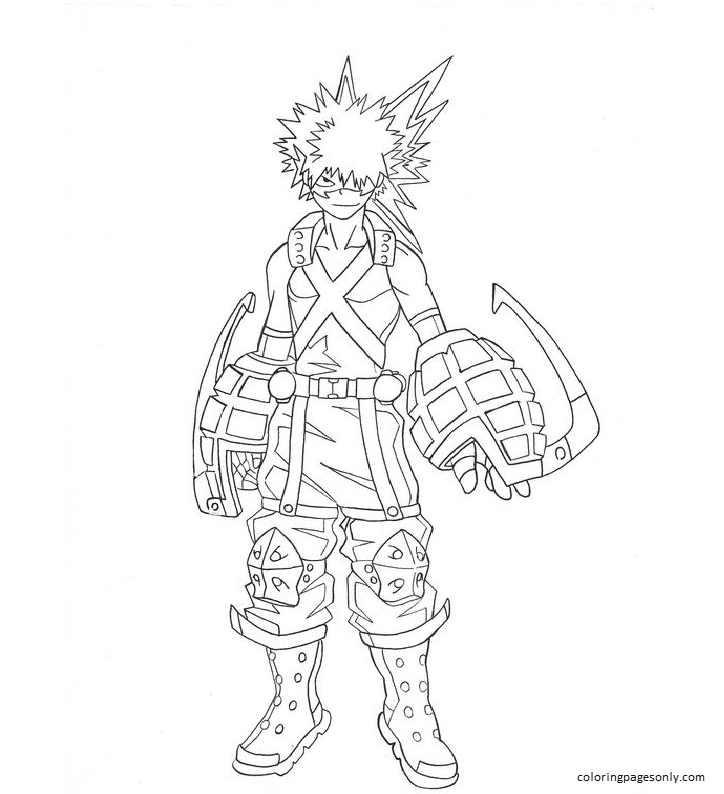
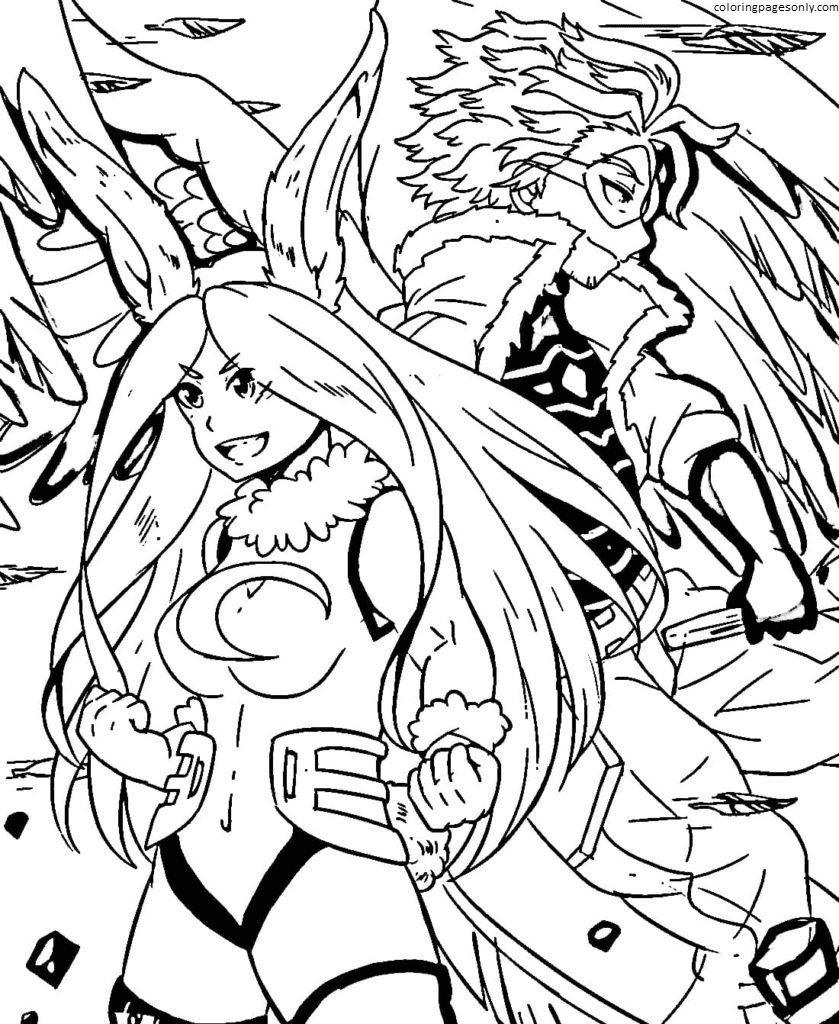
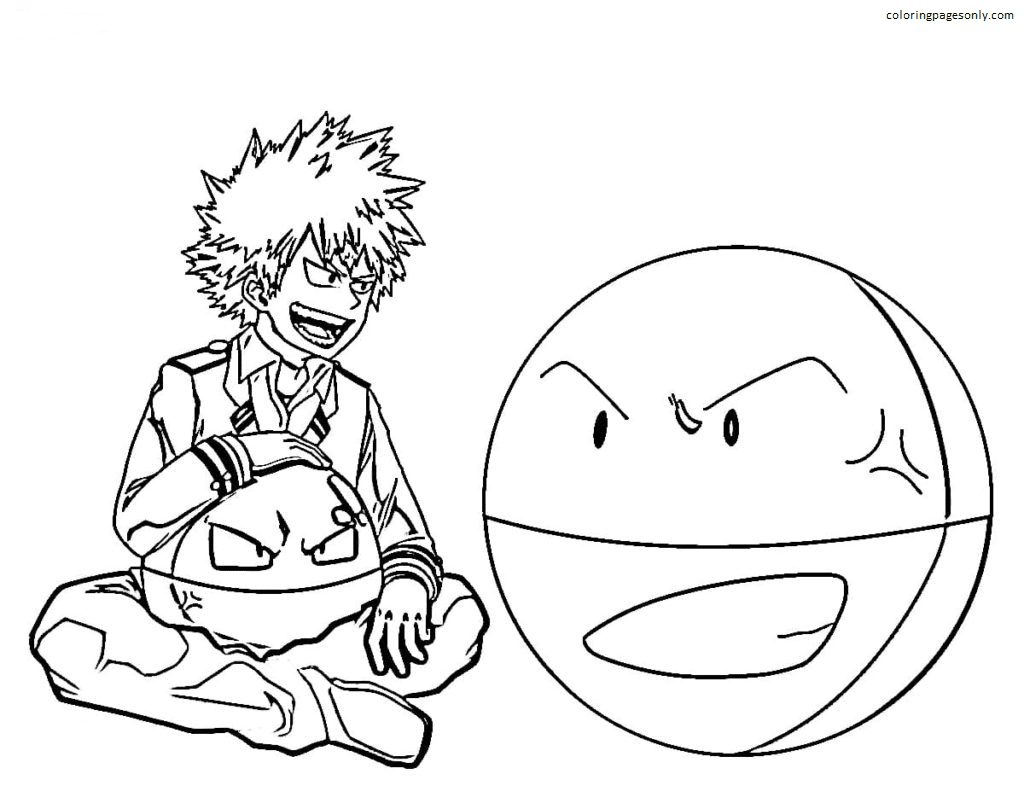
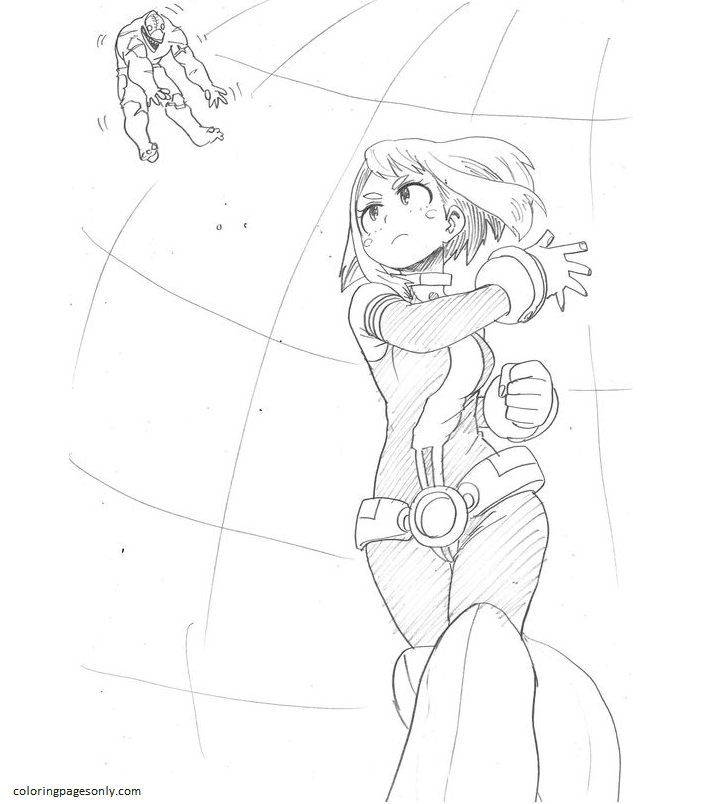
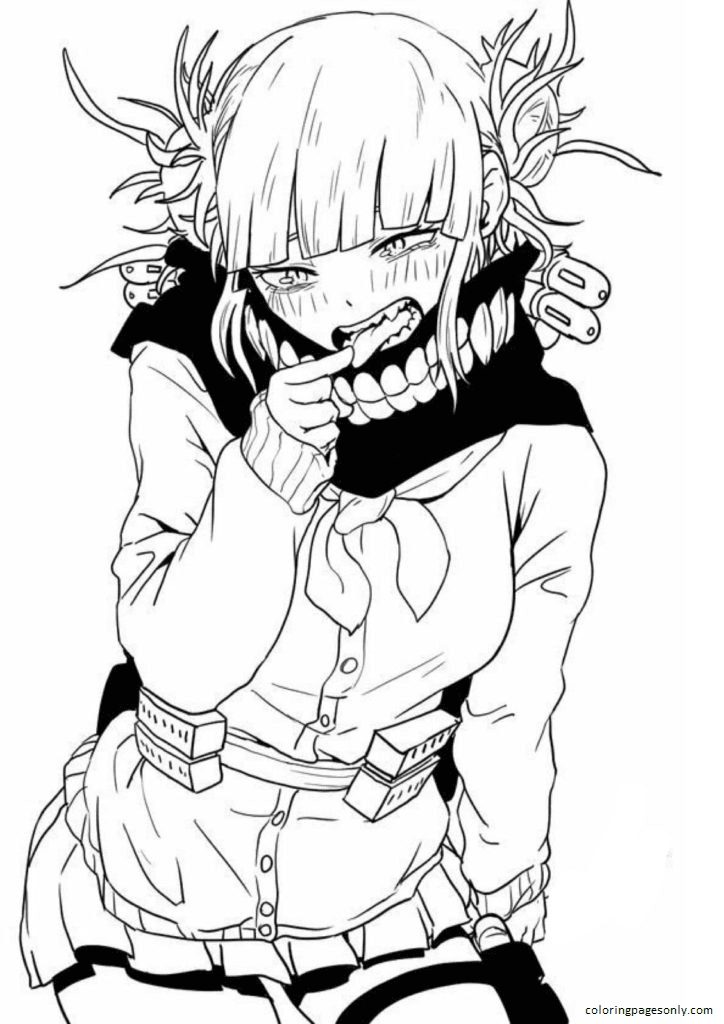
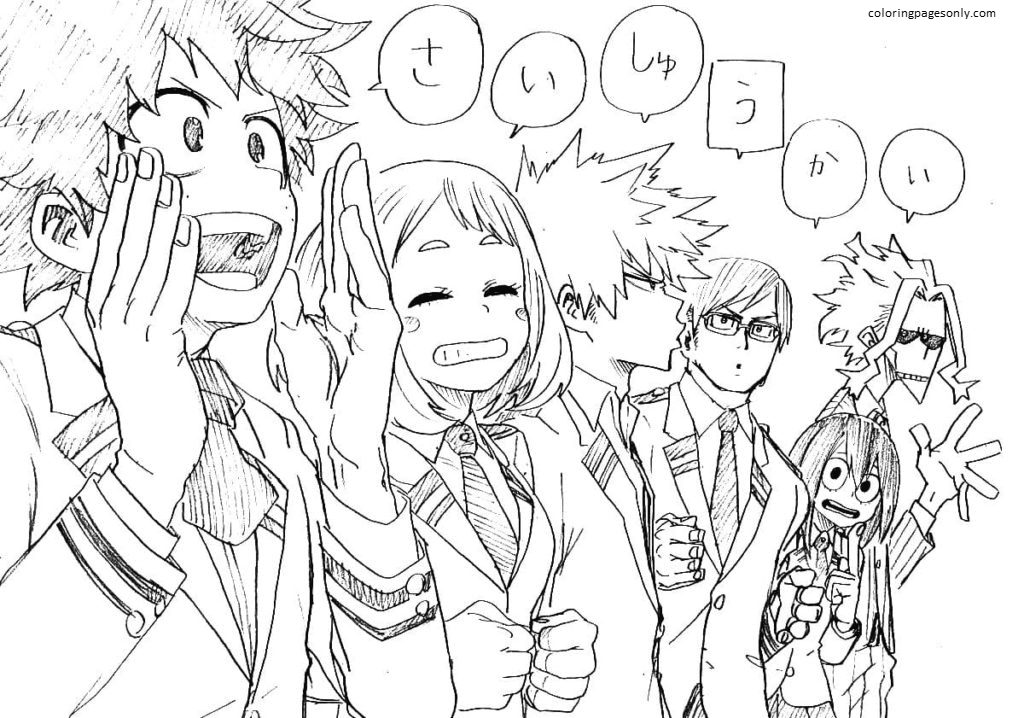
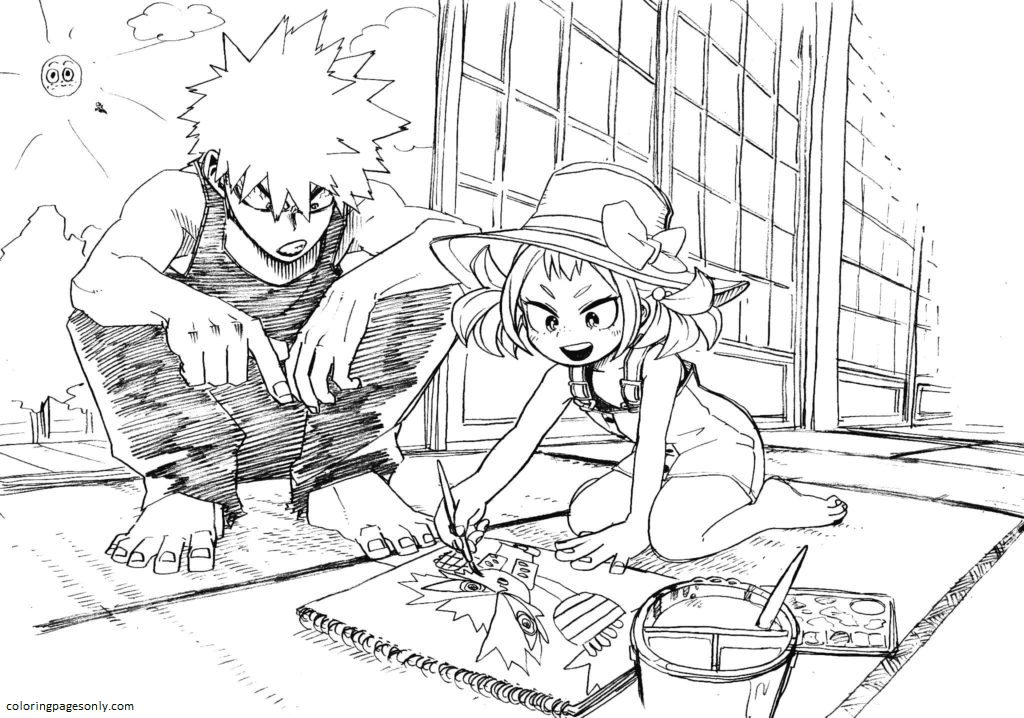
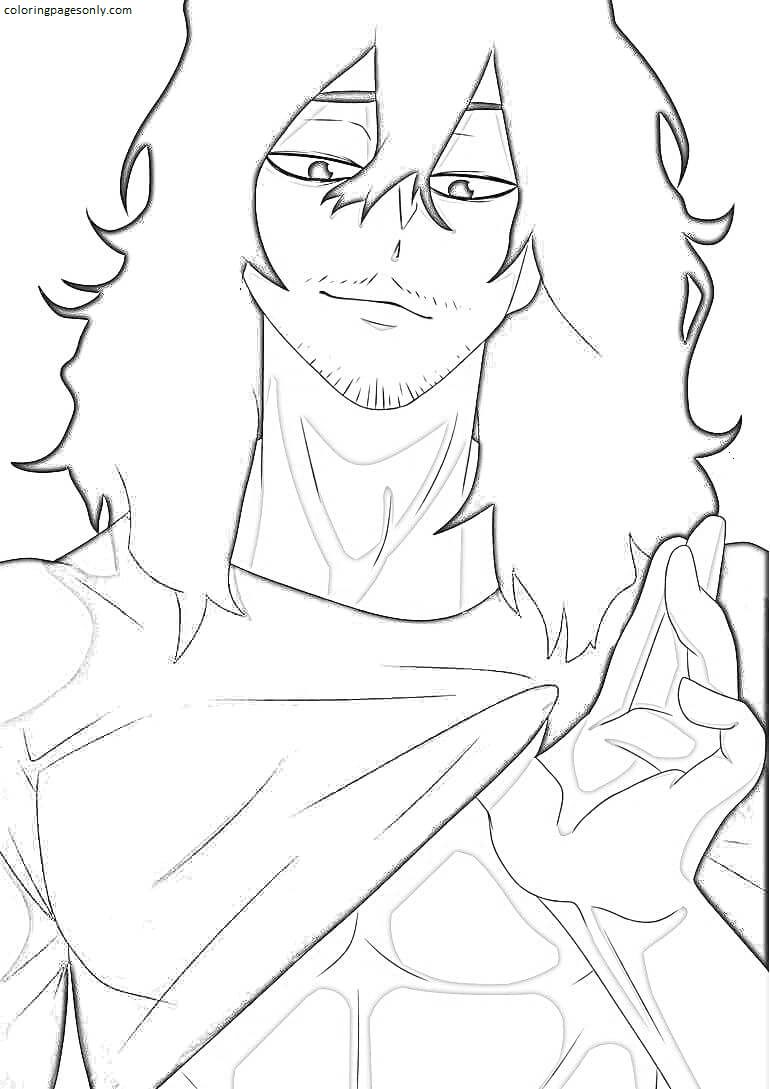
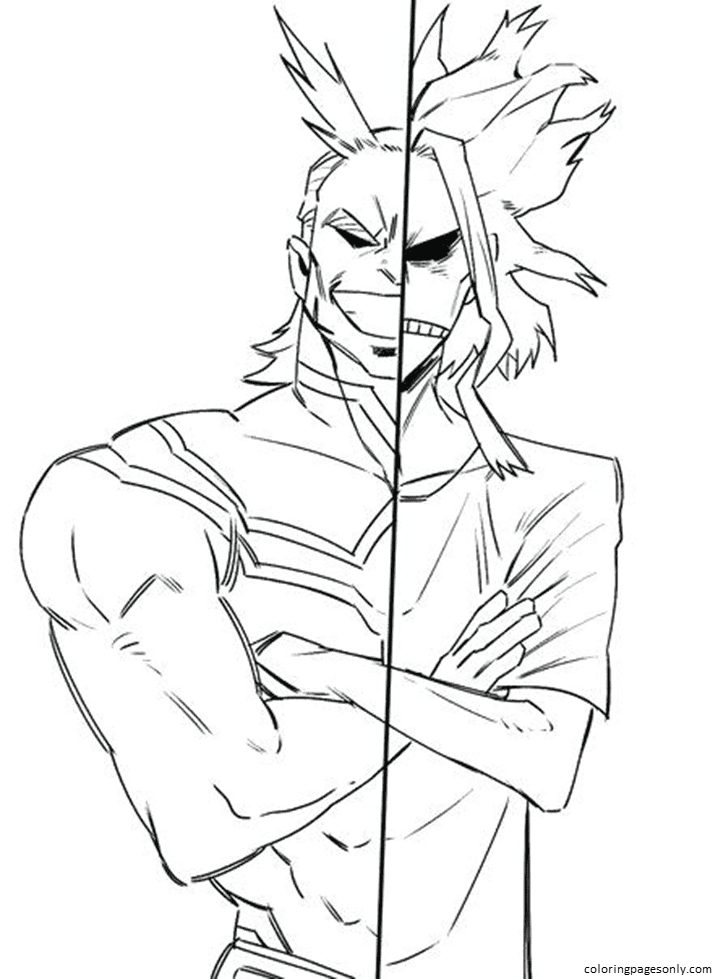
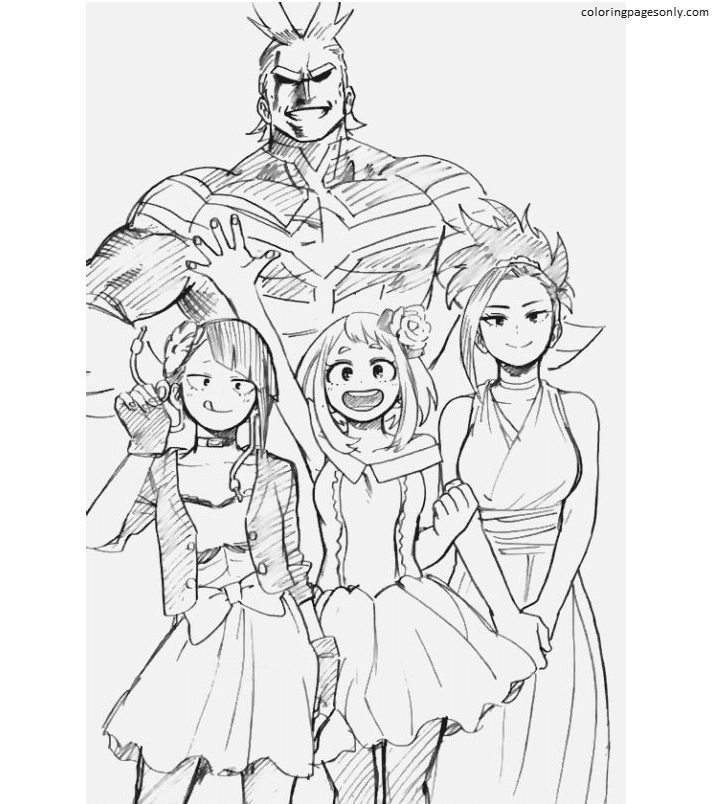
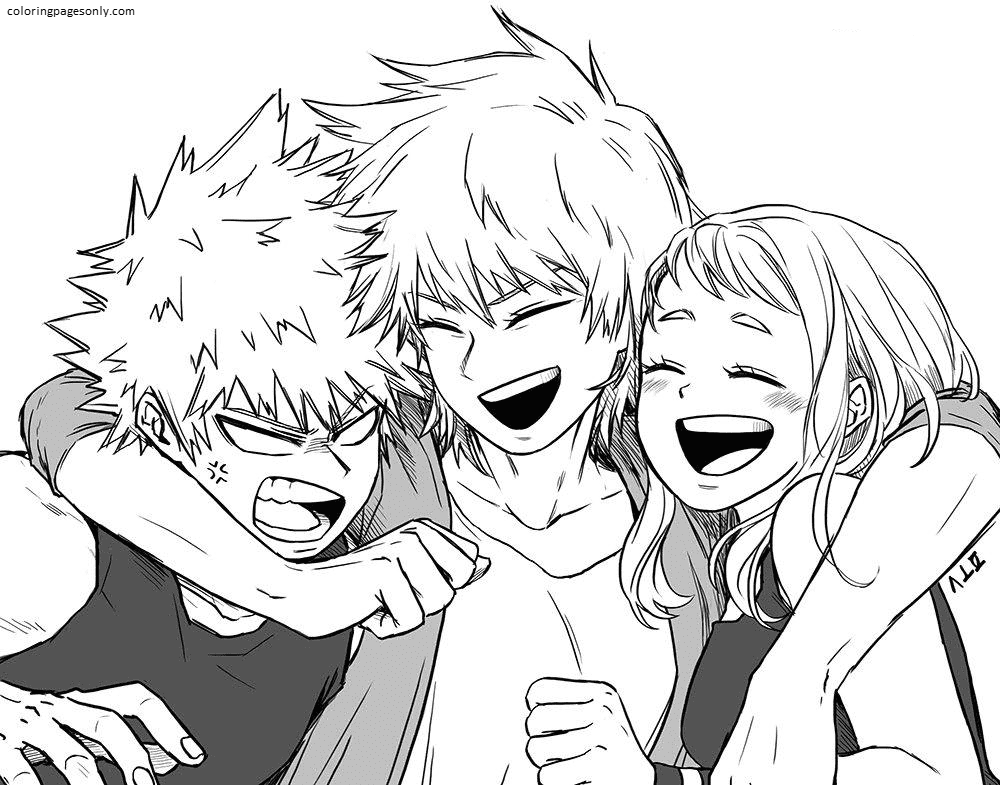
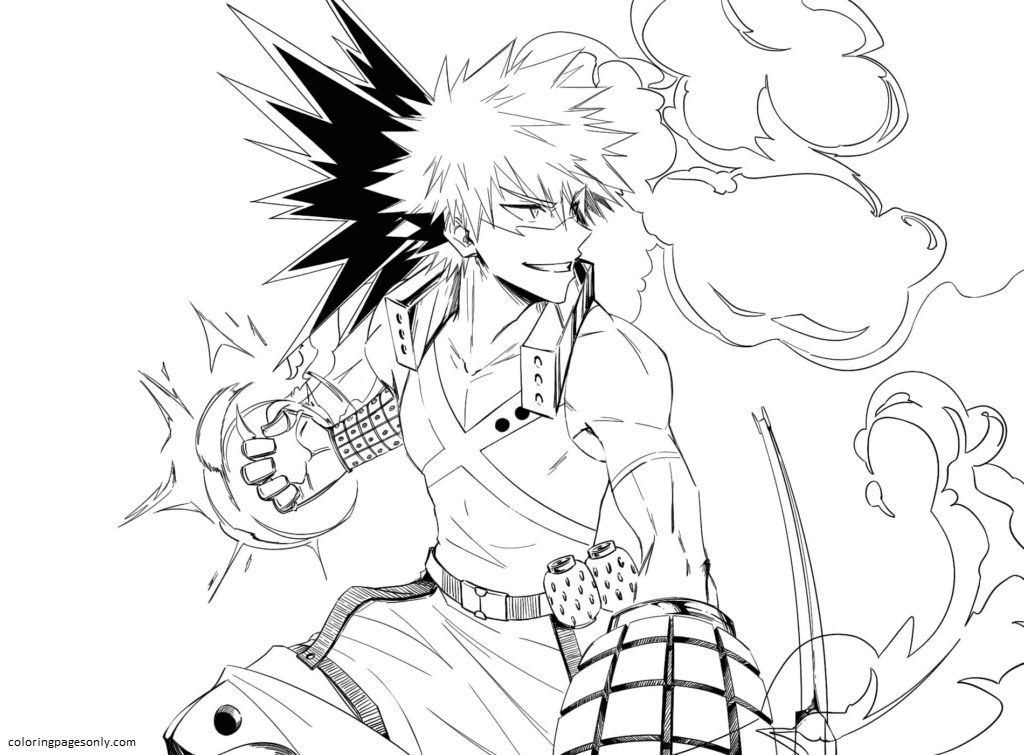
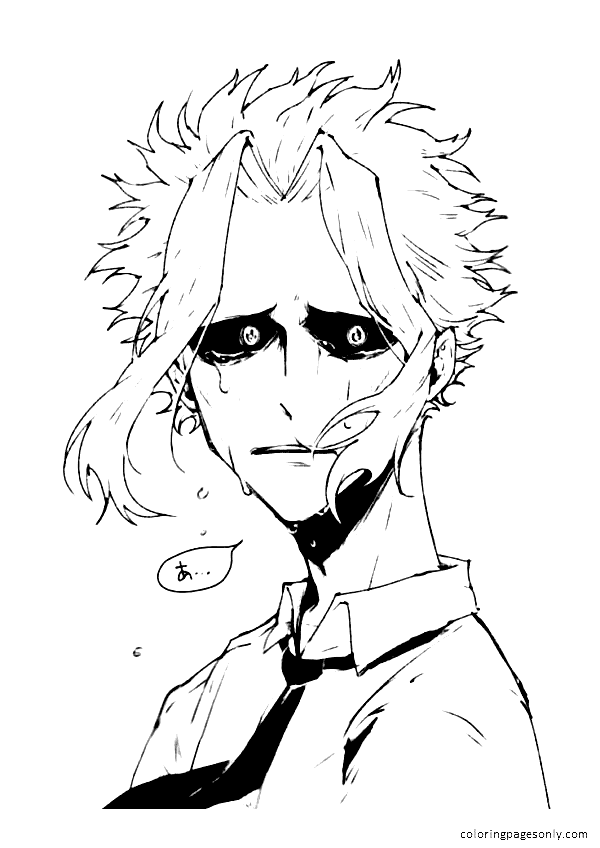
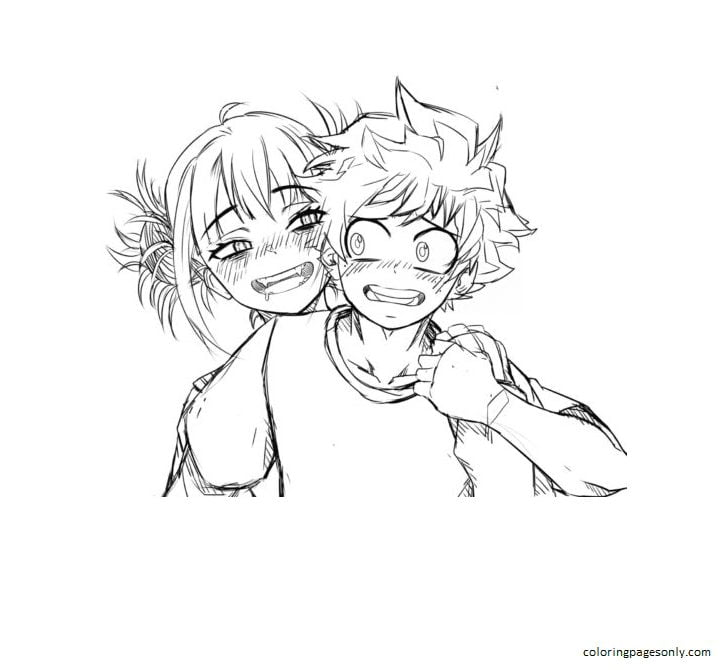
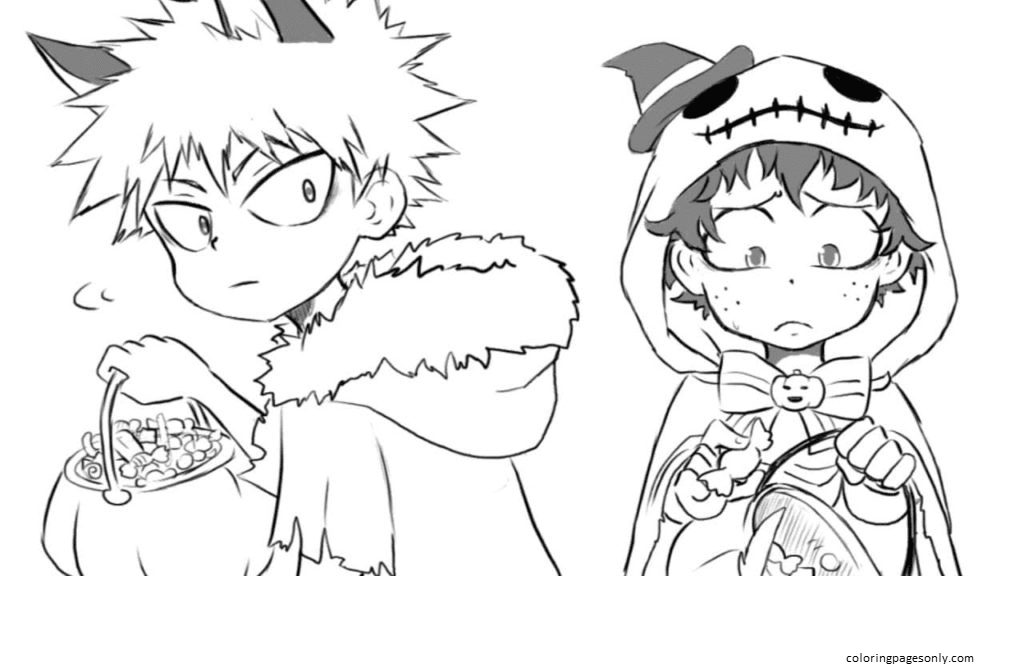
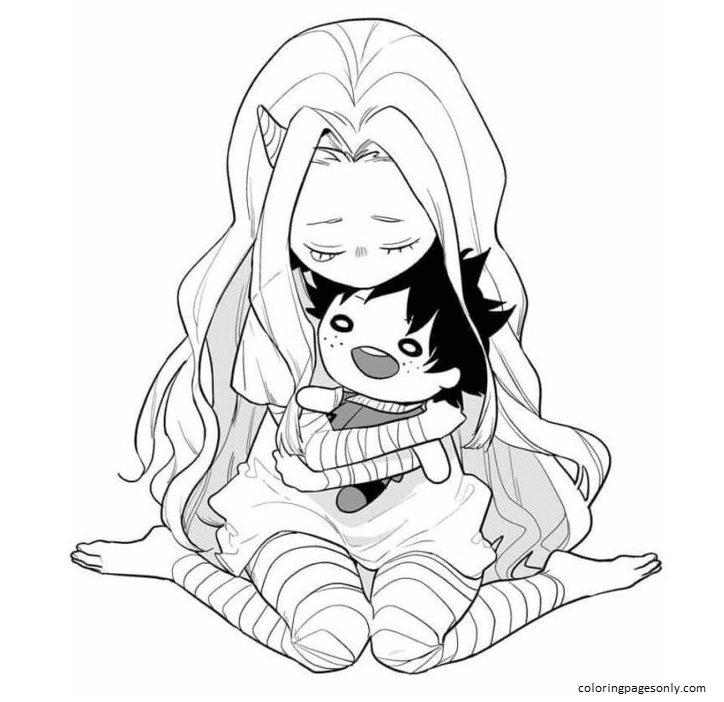
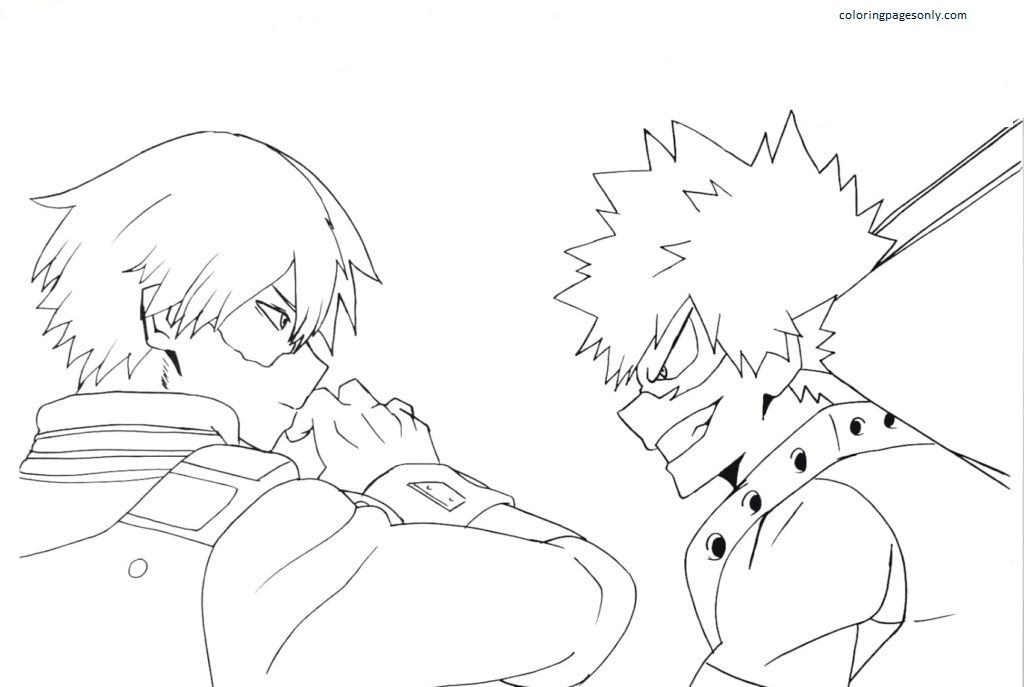
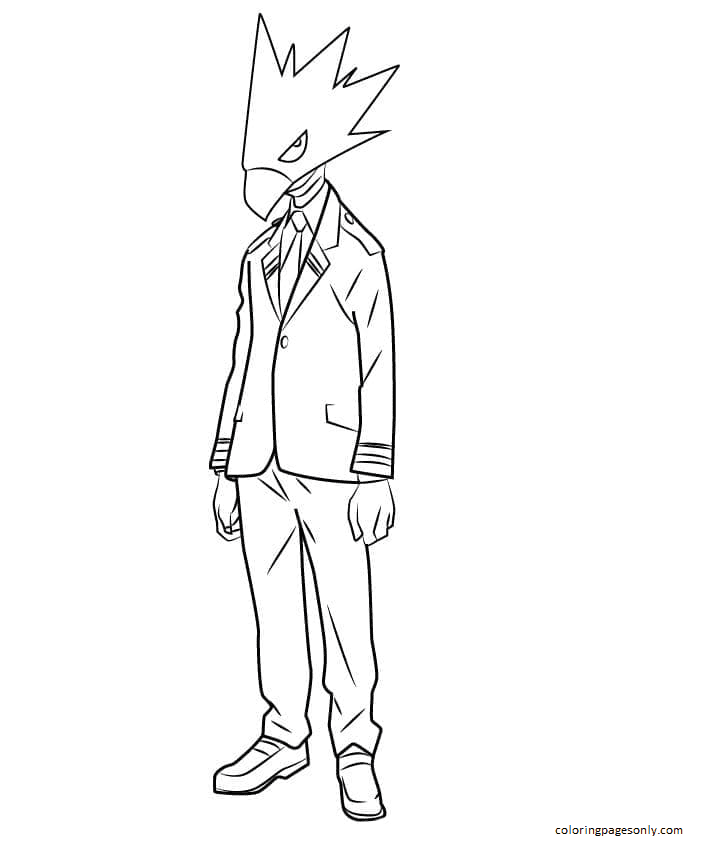
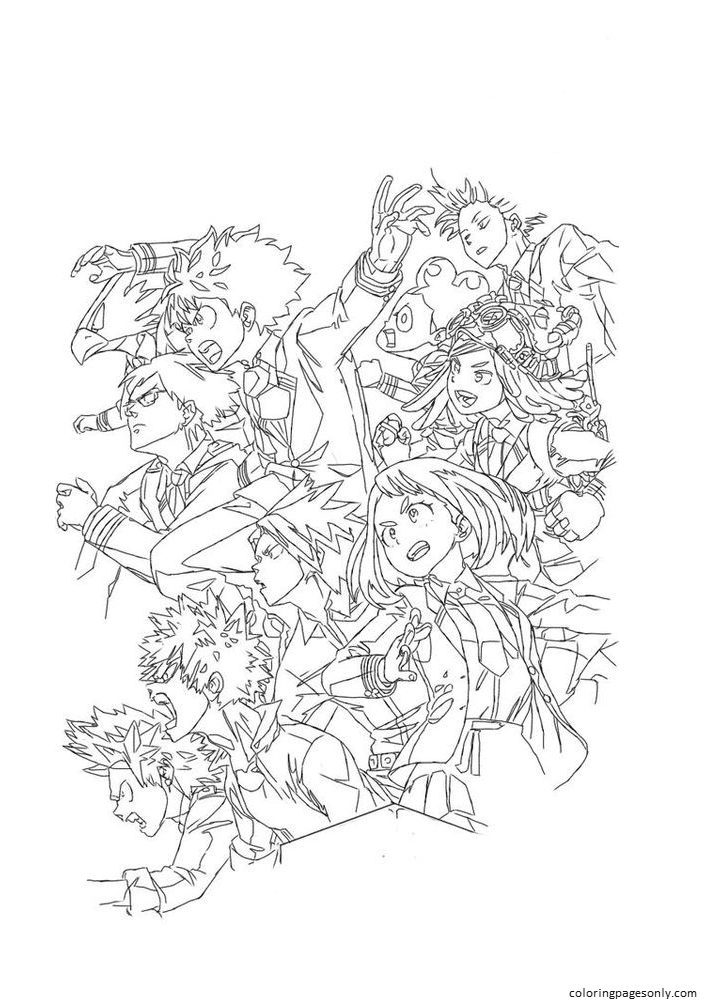
This collection spans 157 pages, grouped into Class 1-A students, pro heroes and mentors, villains, and team and action scenes. The coloring angle ranges from simple character portraits to detailed battle poses and group compositions.
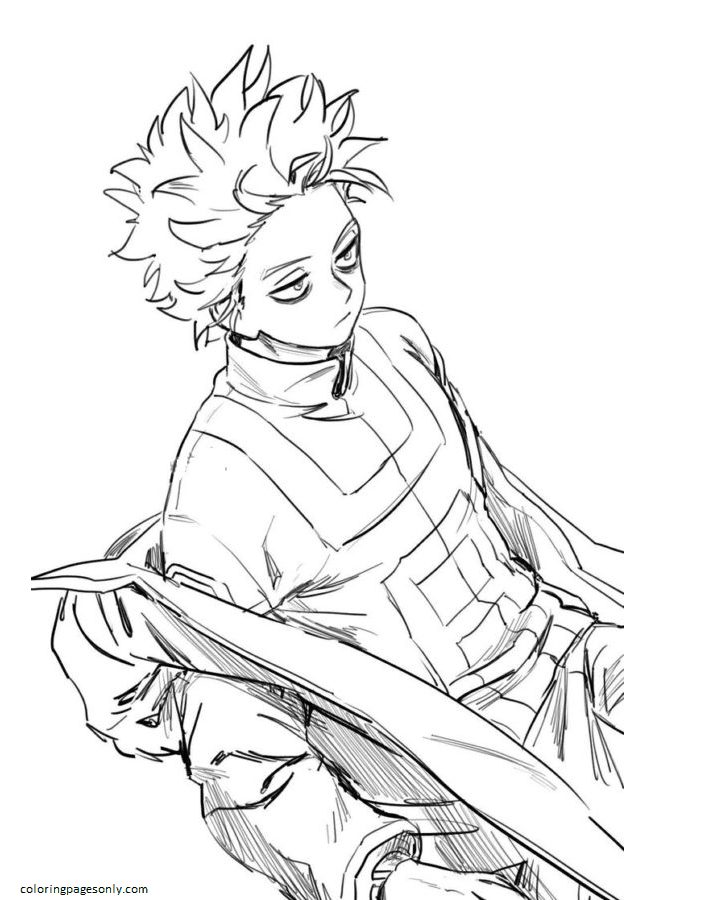
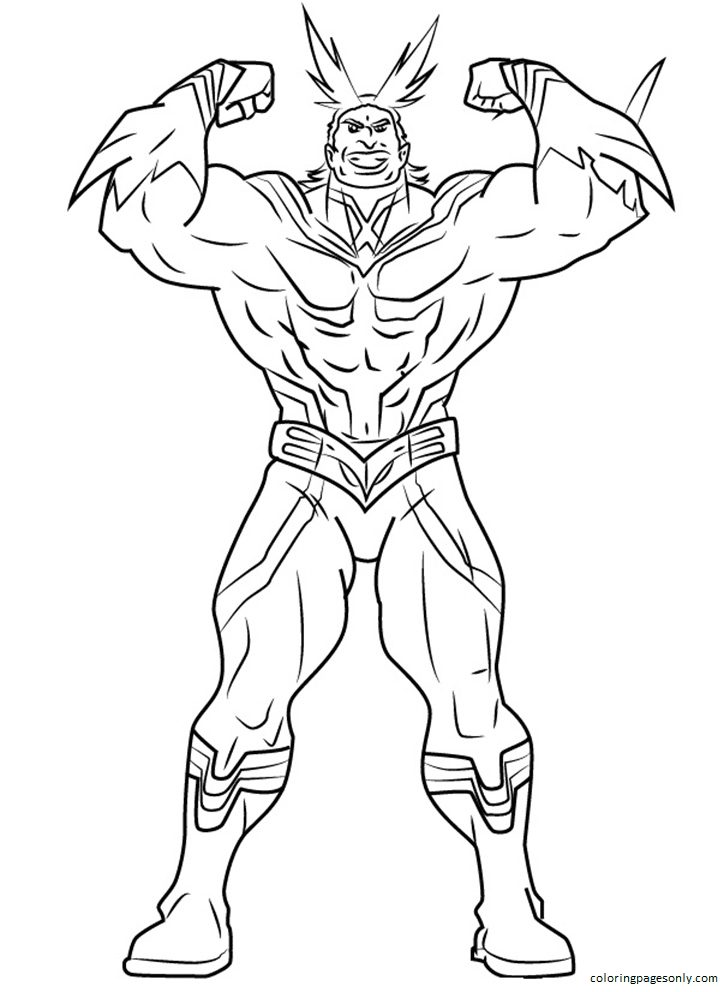
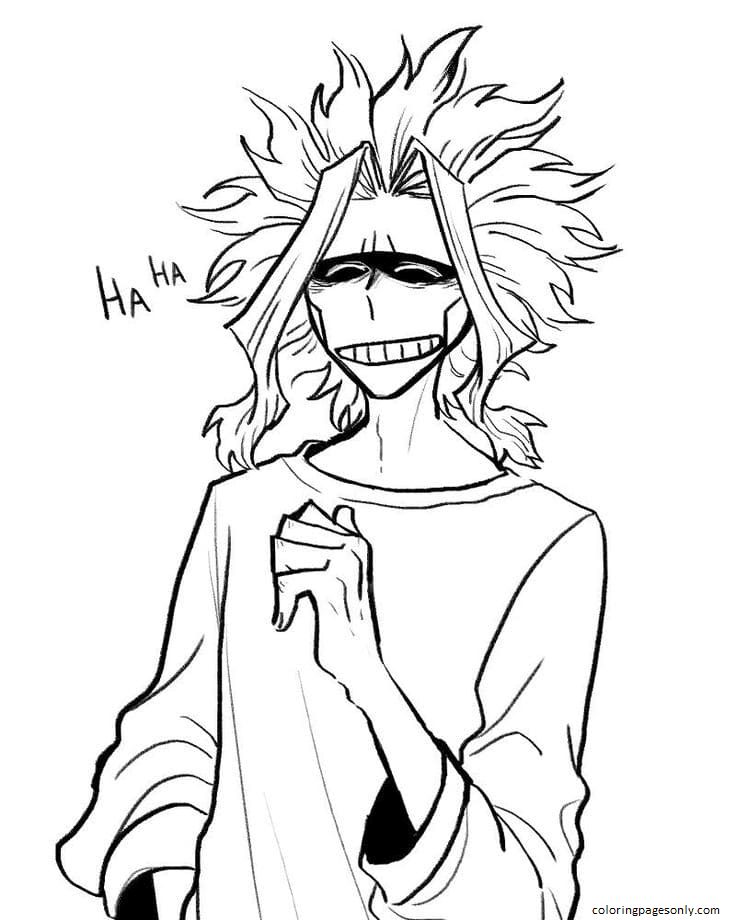
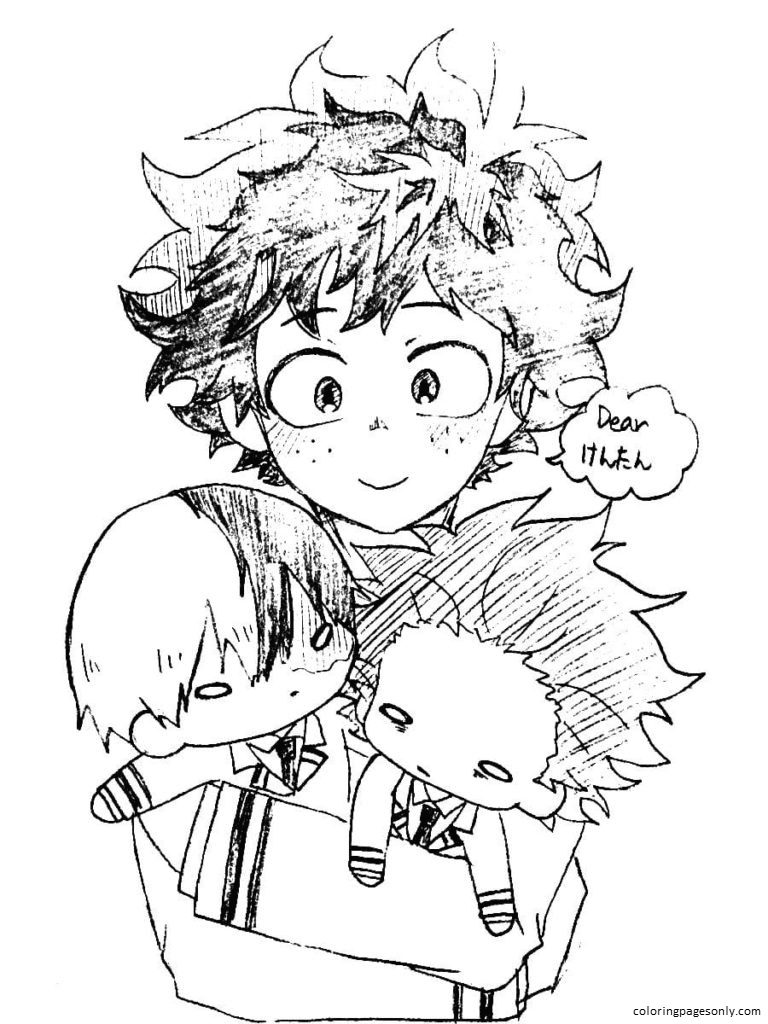
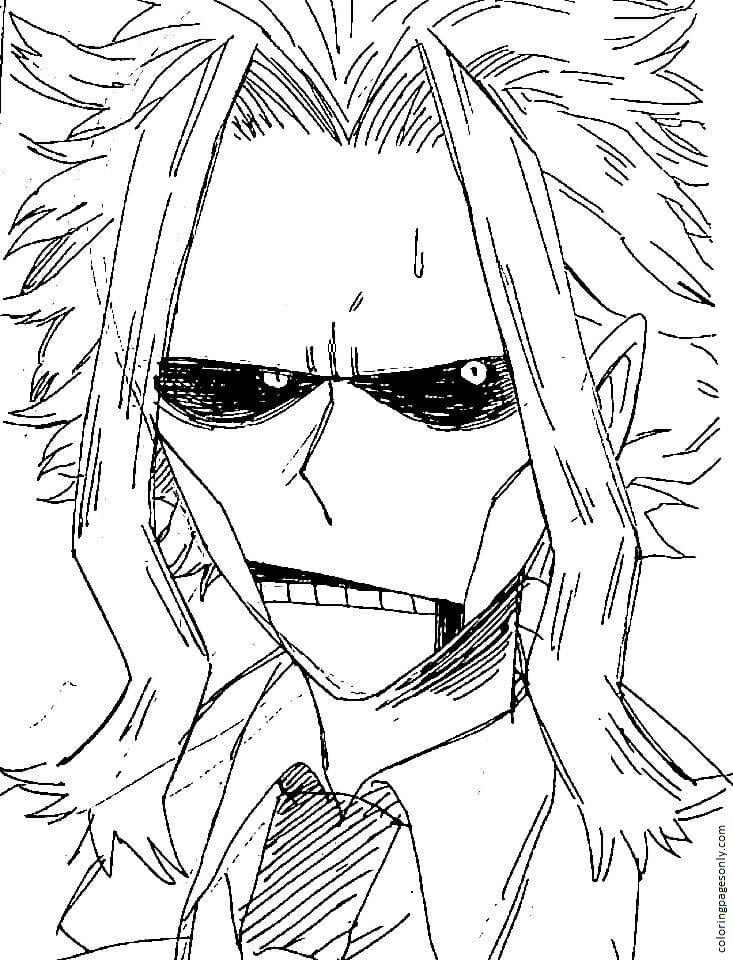
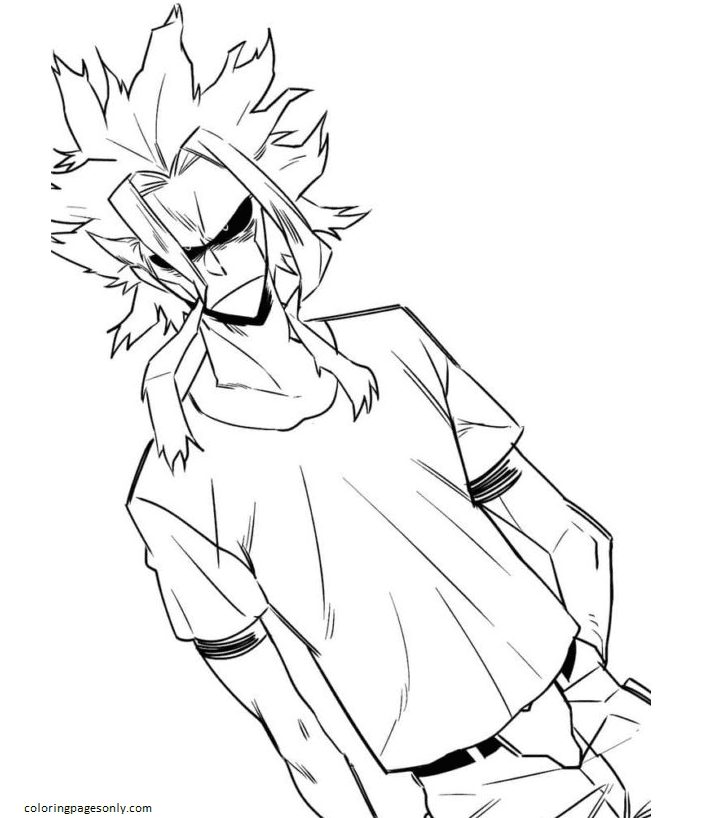
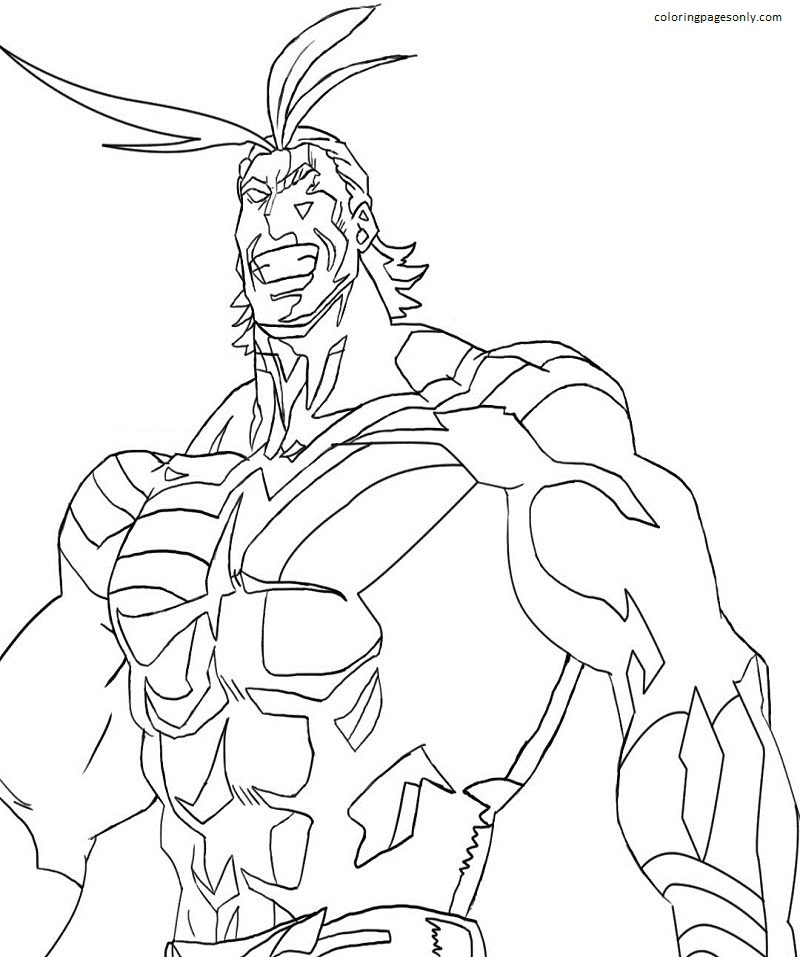
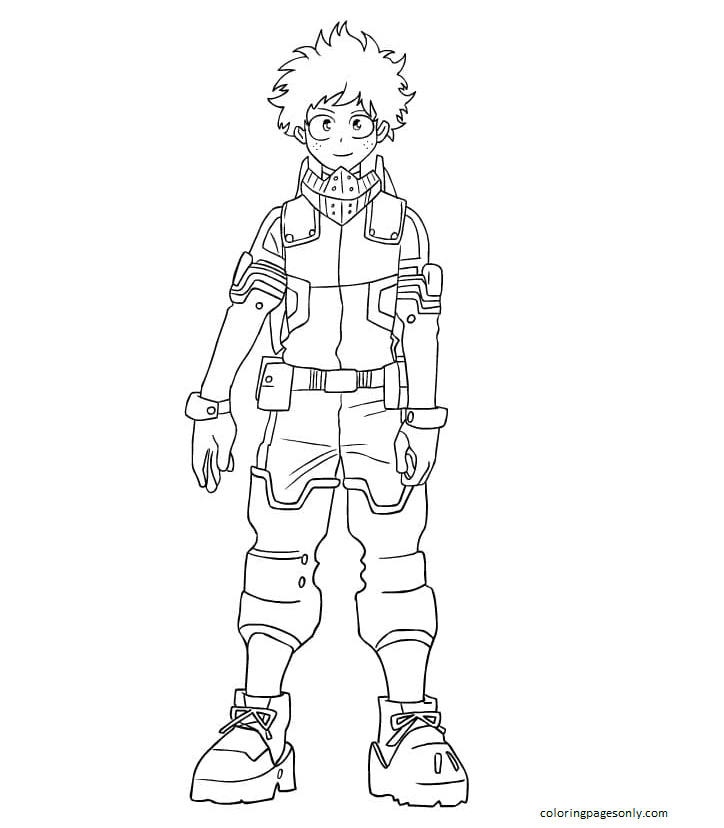
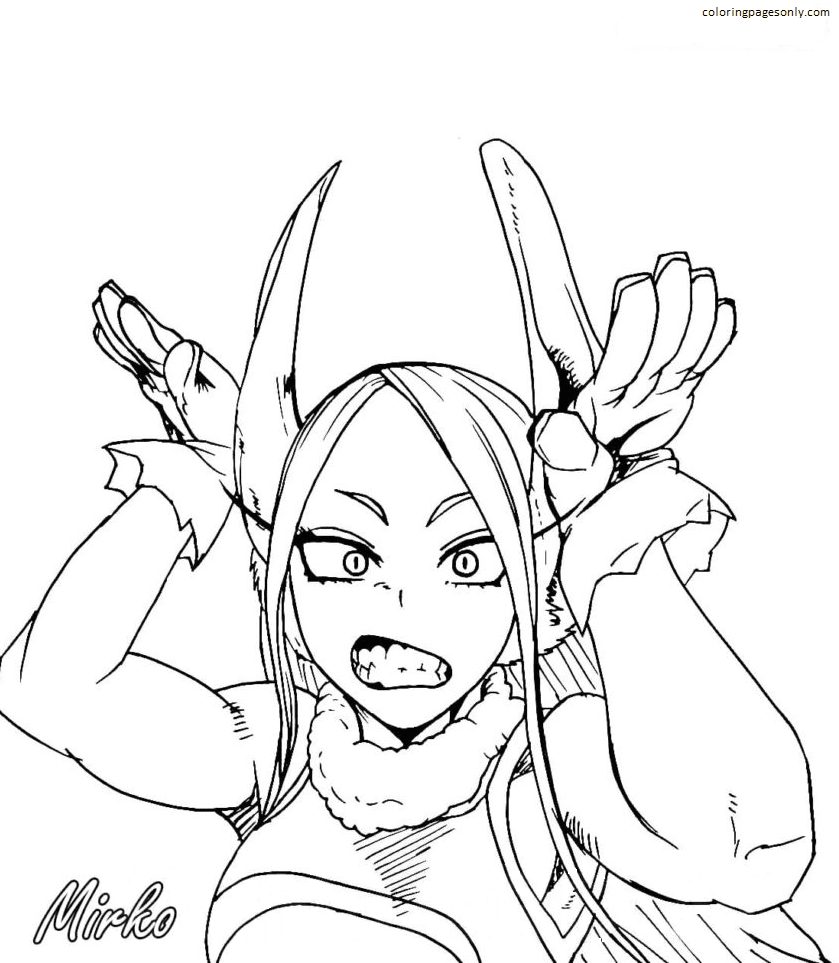
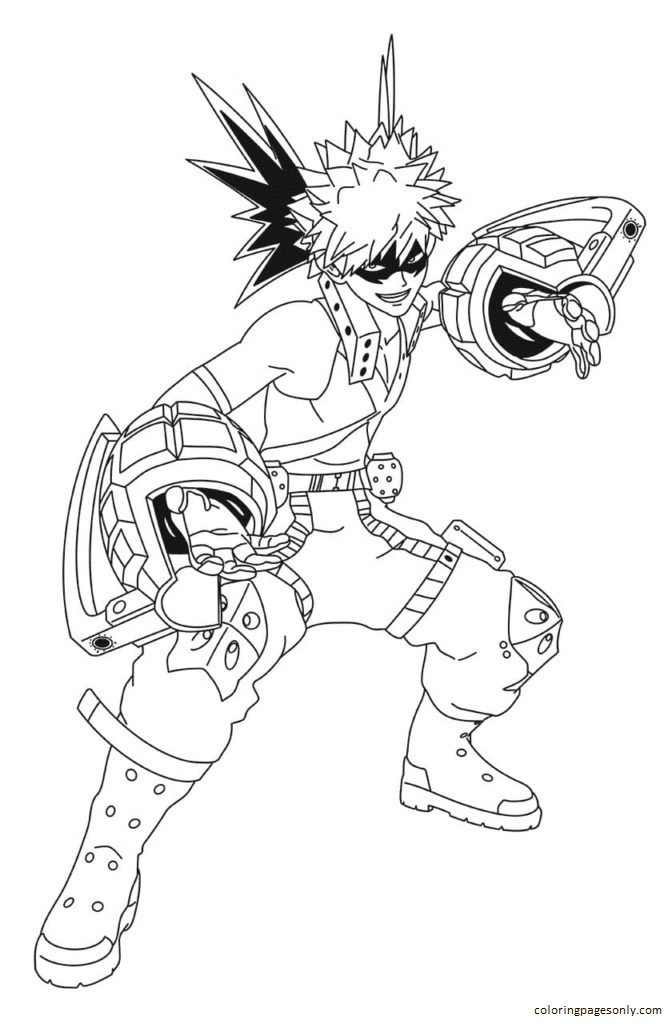
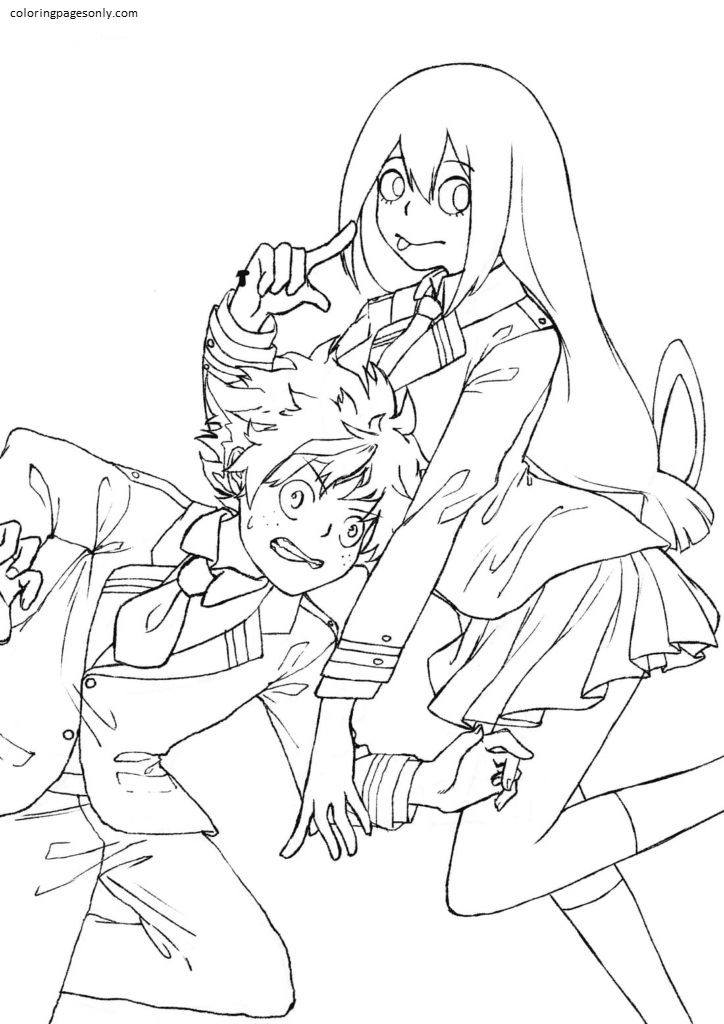
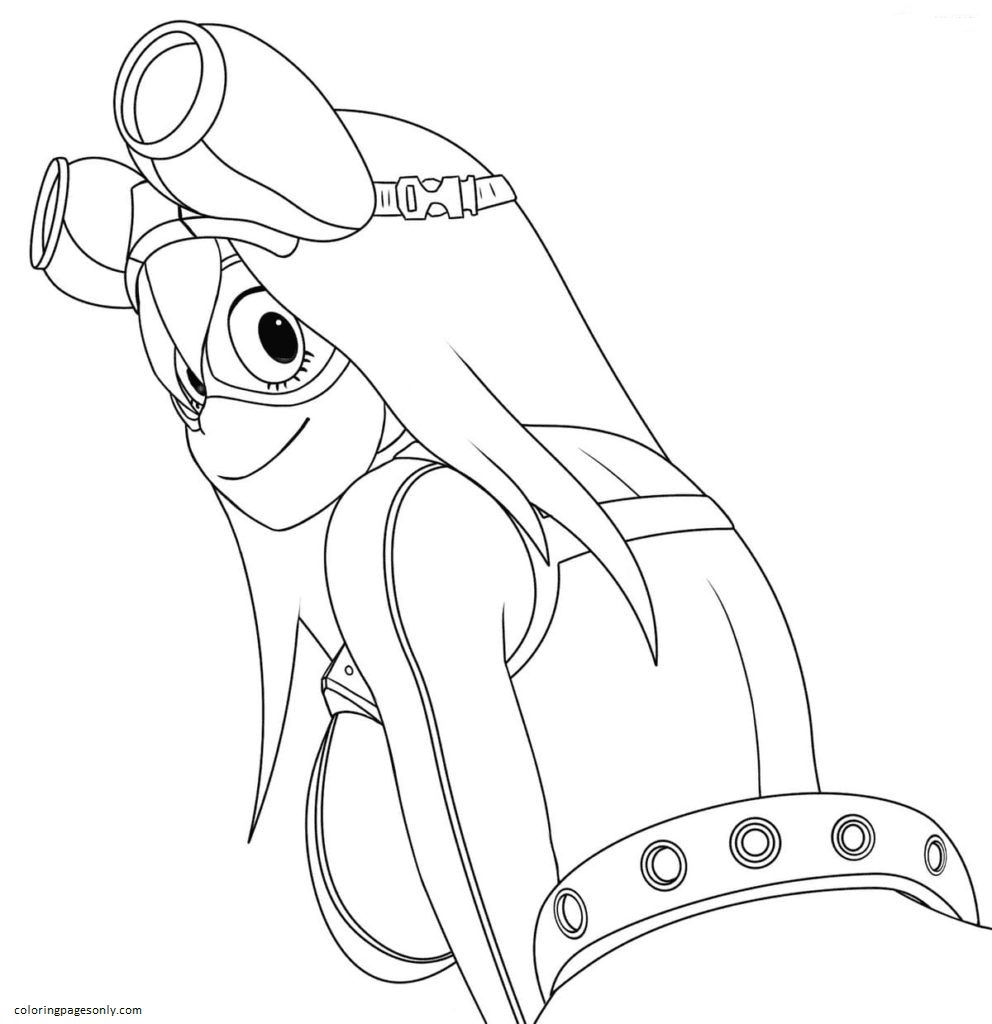
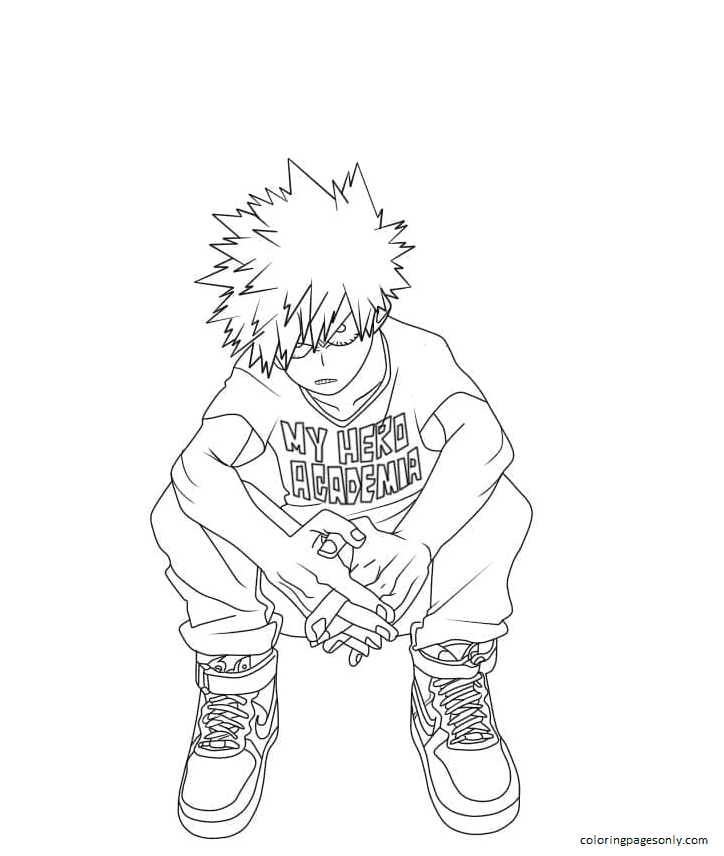
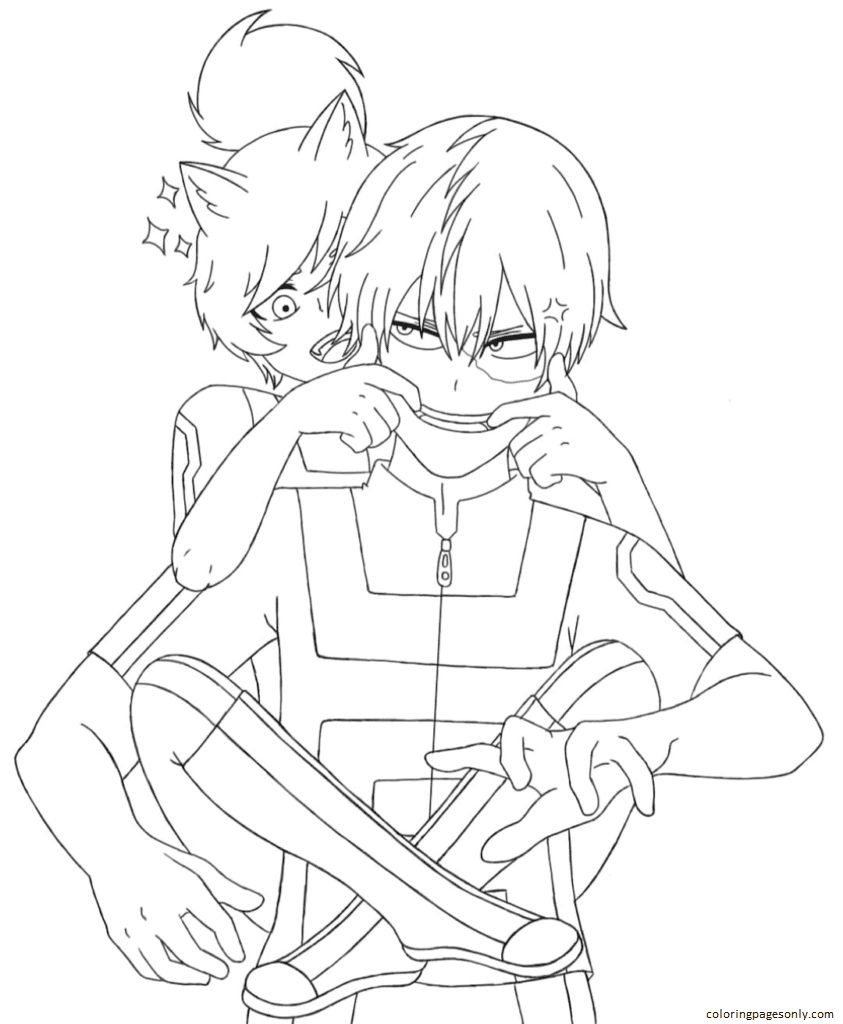
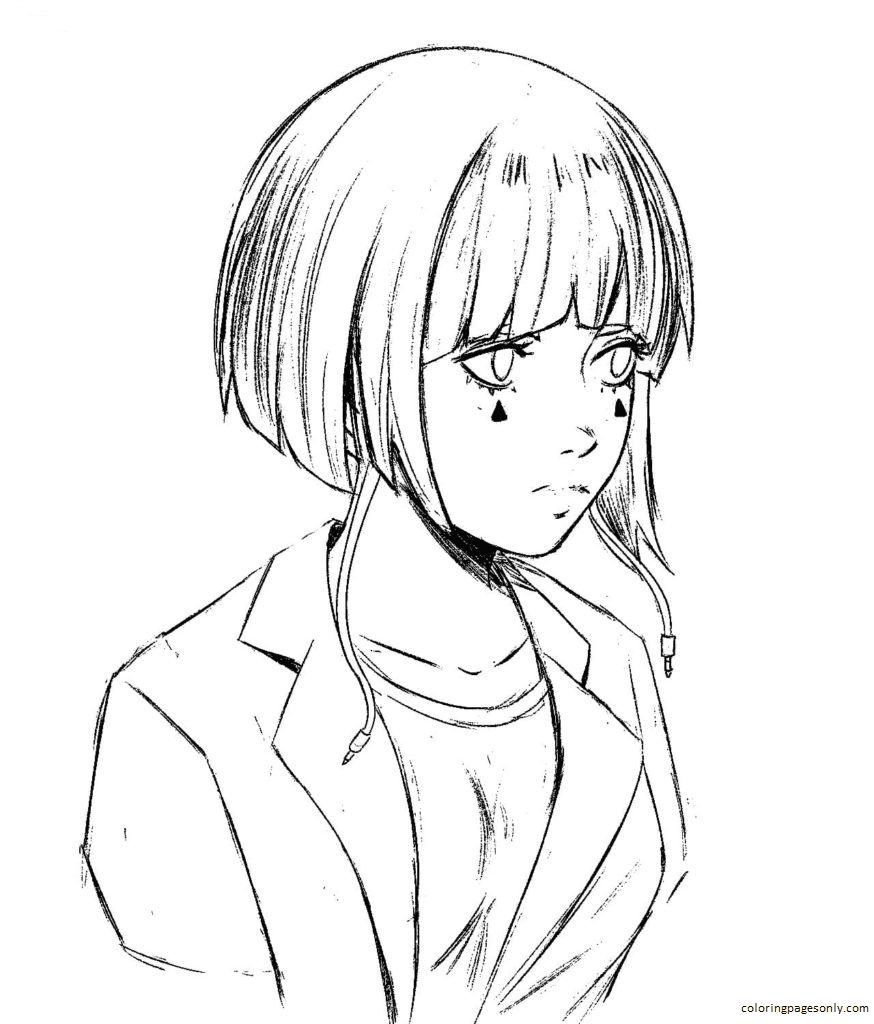
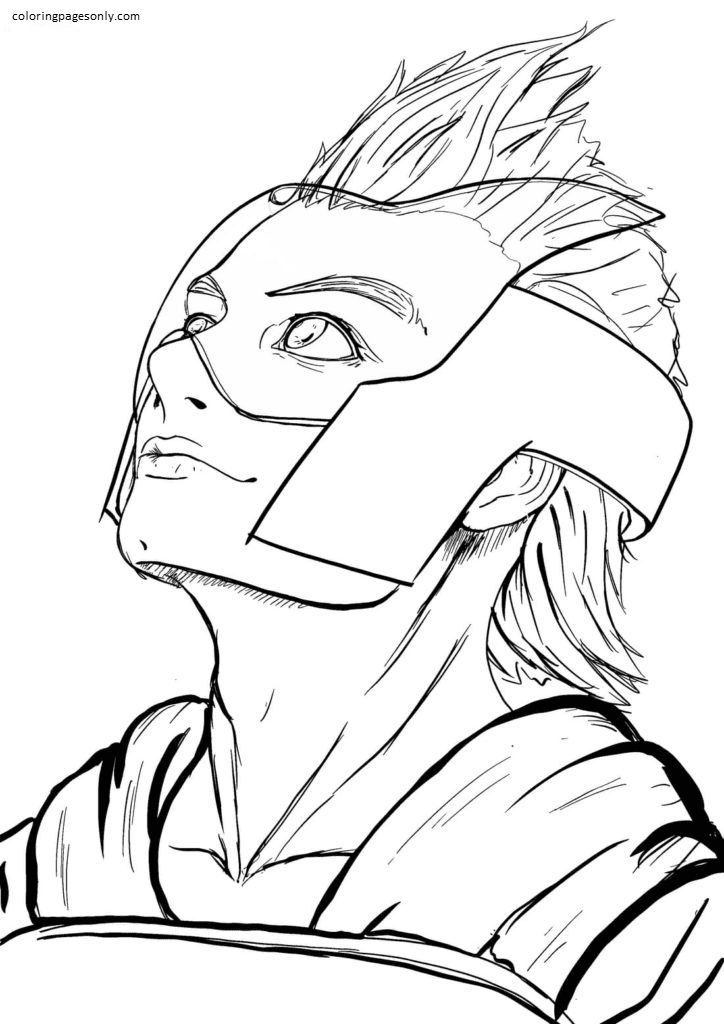
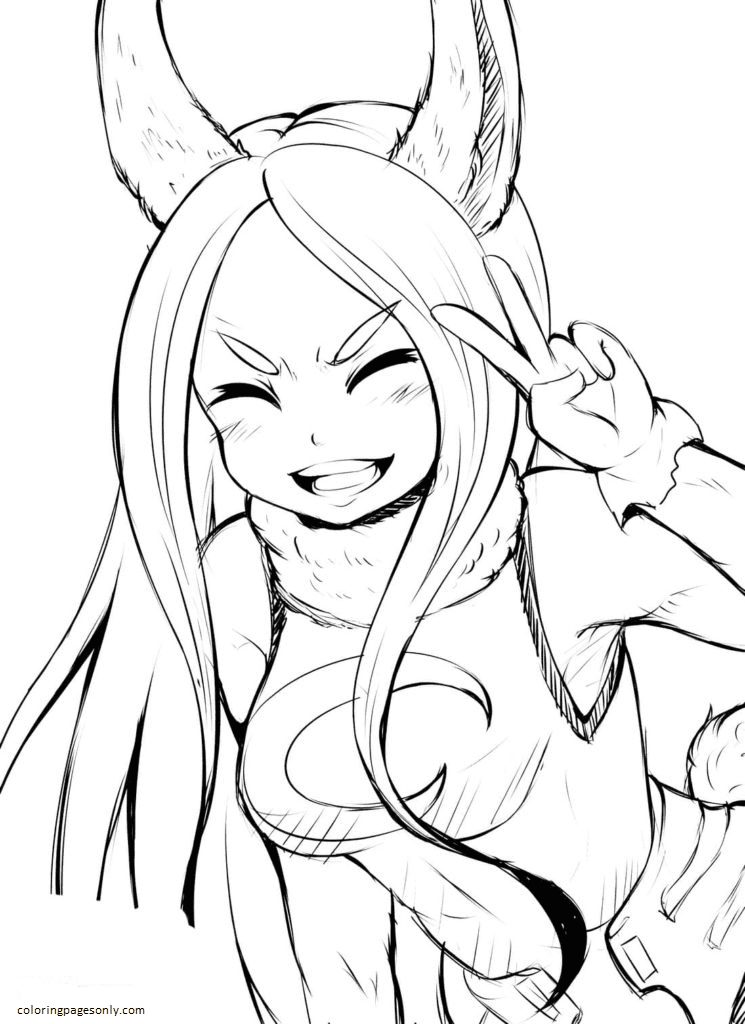
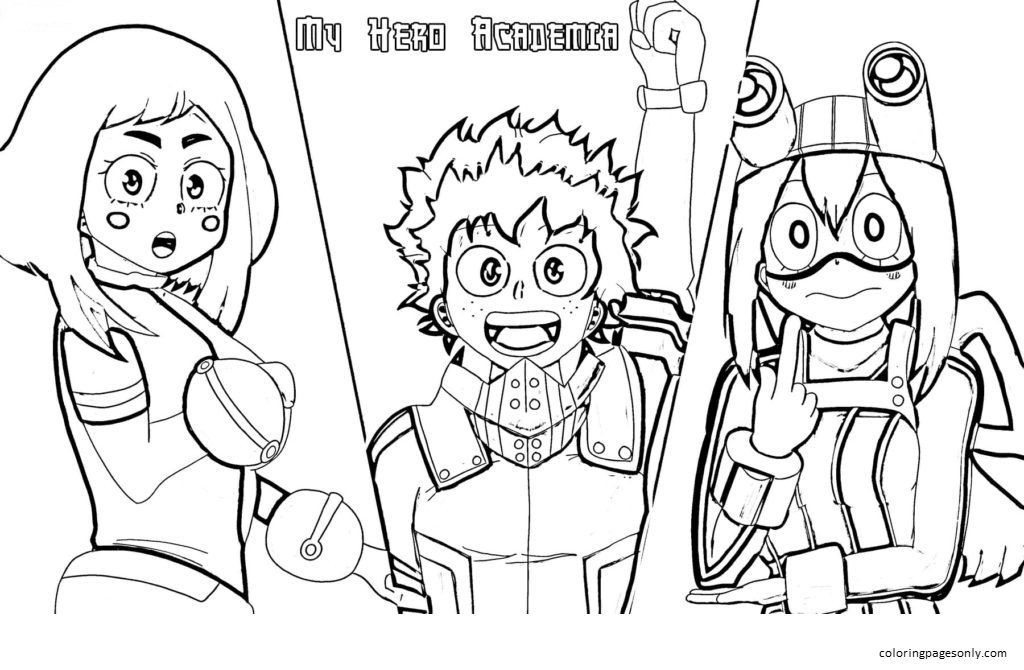
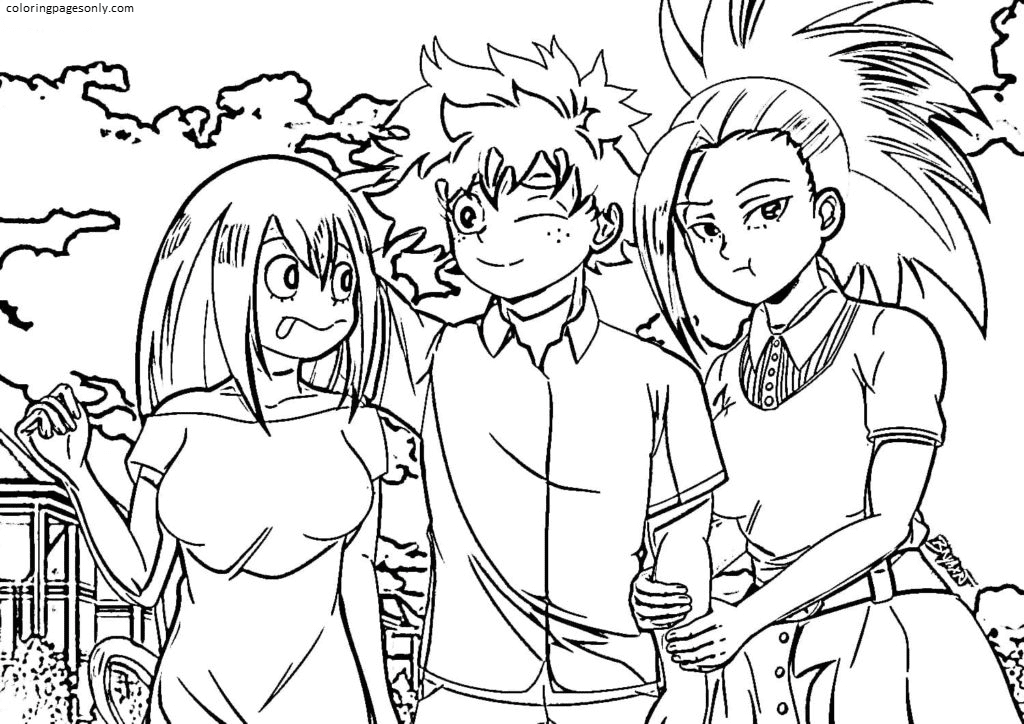
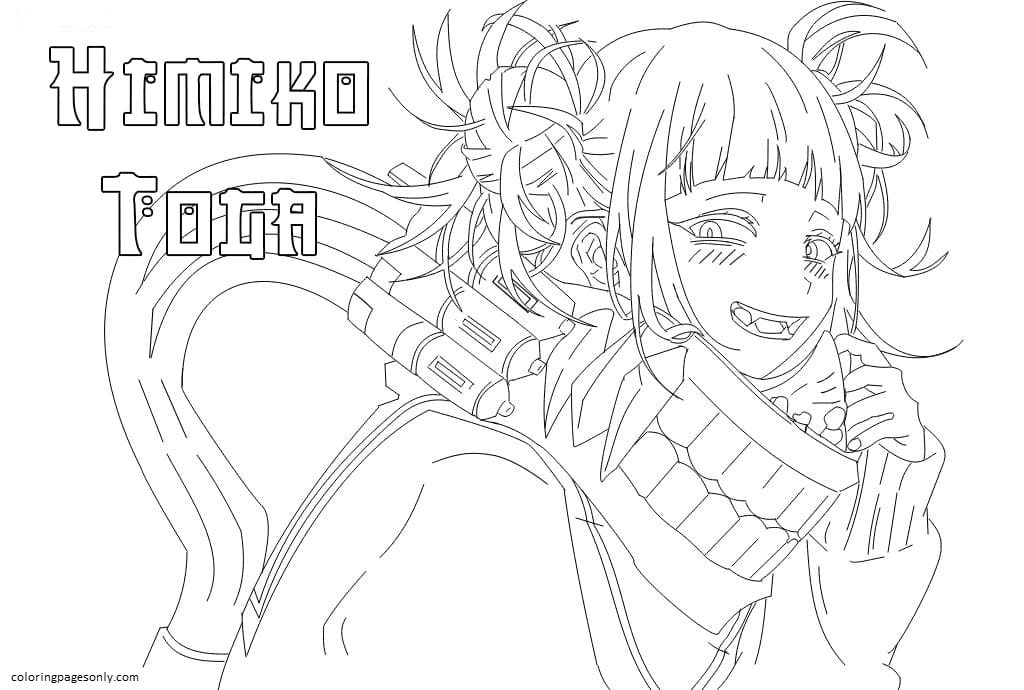
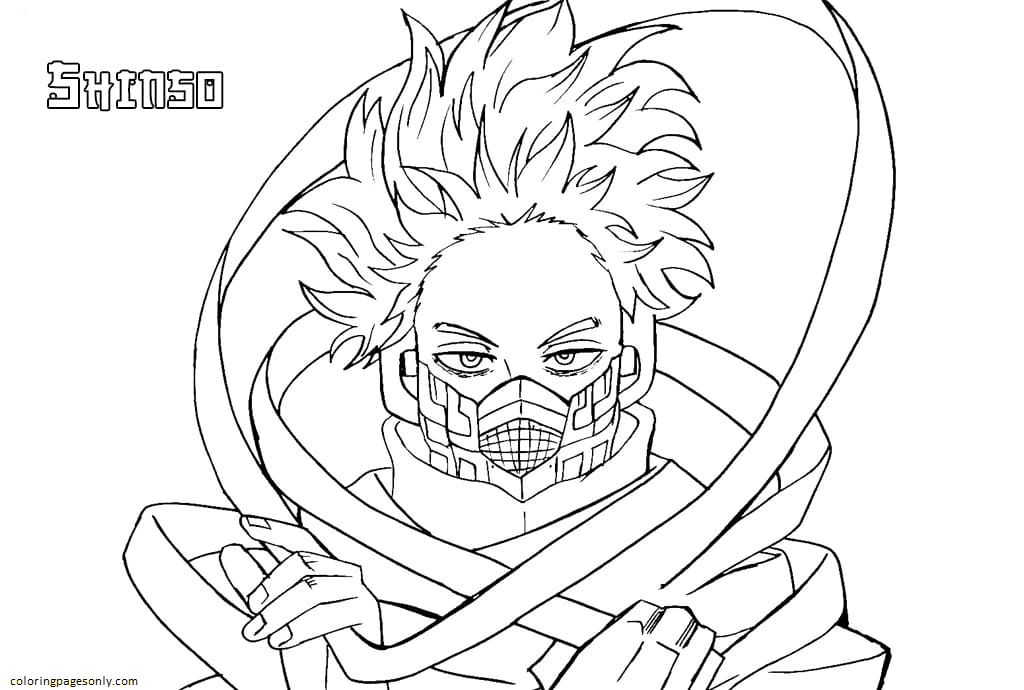
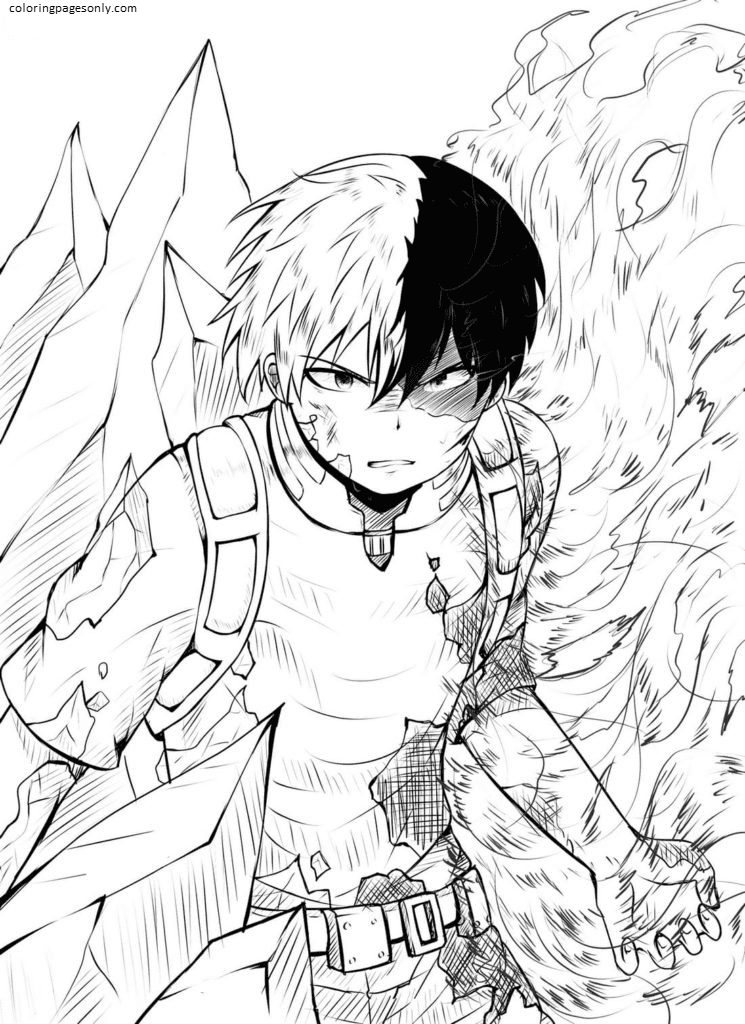
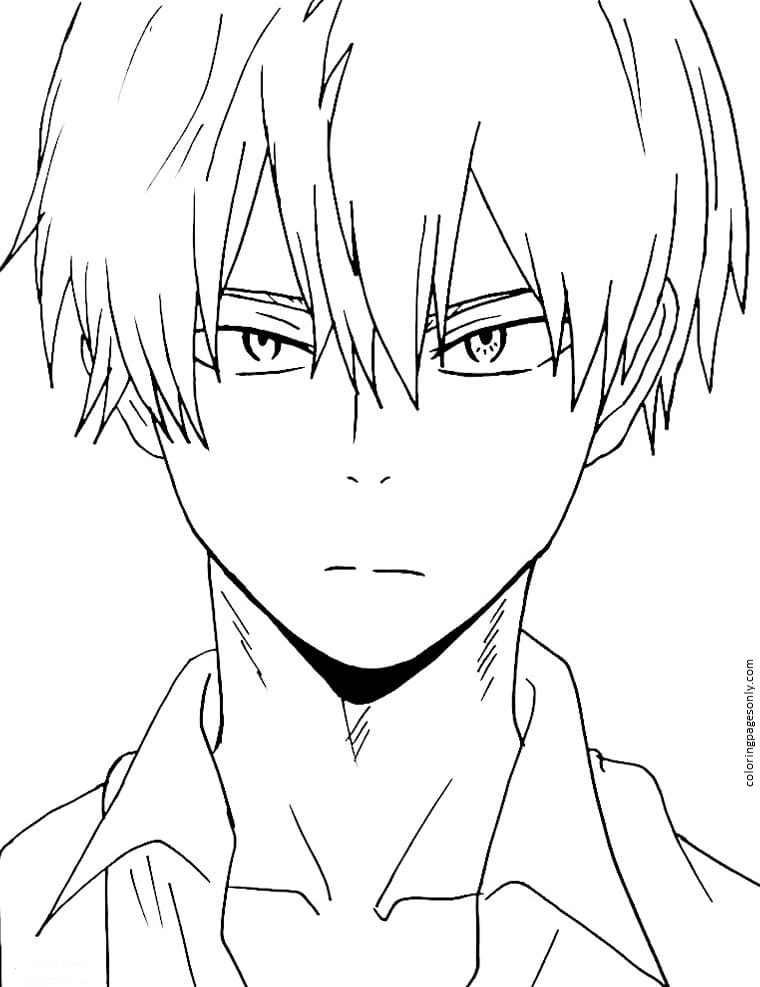

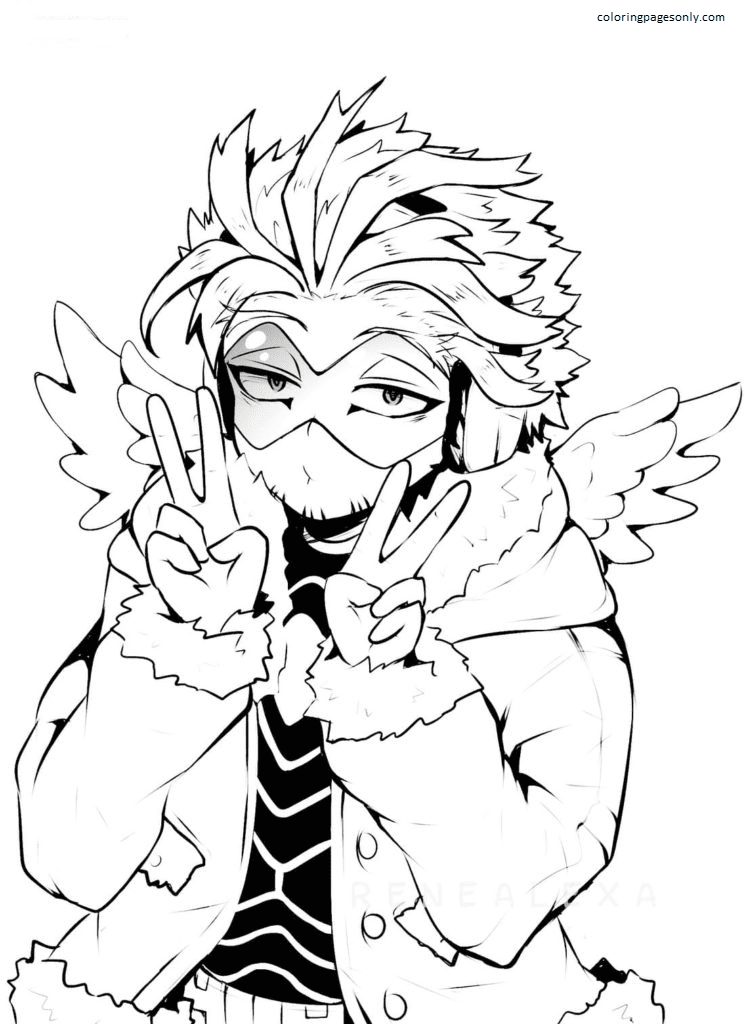
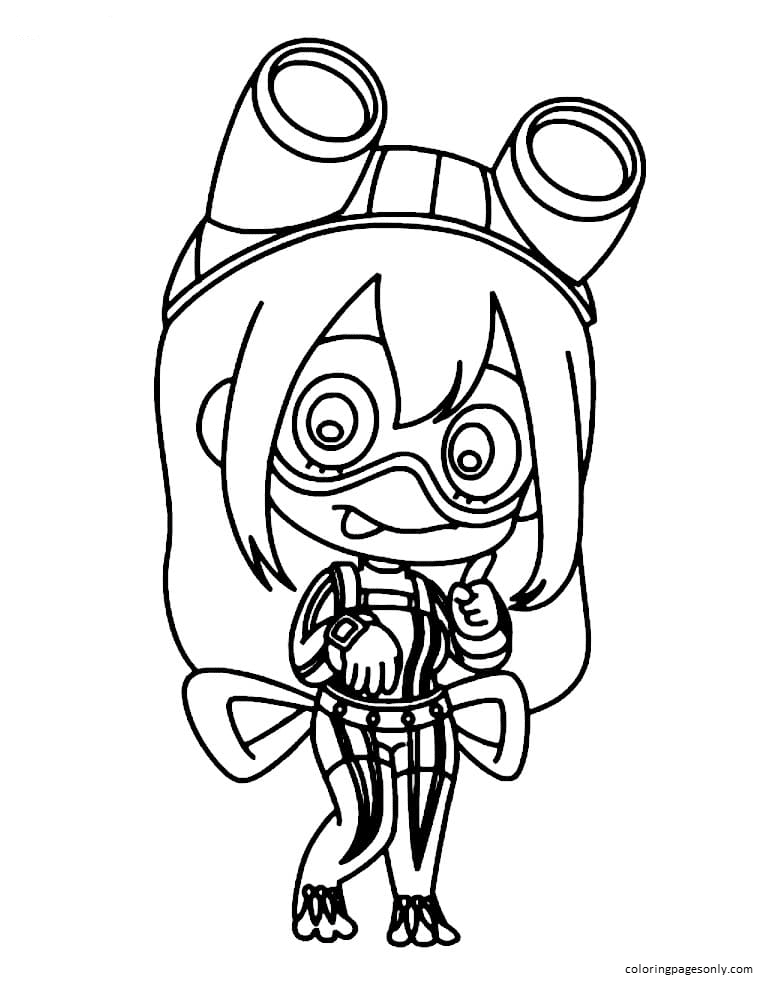
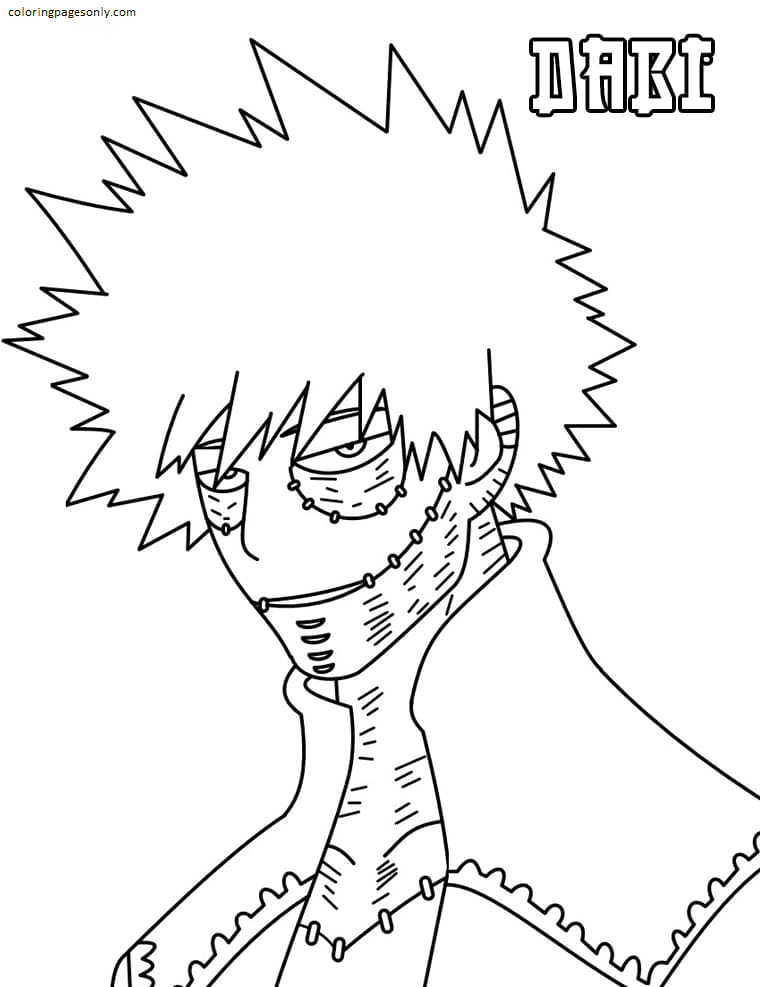
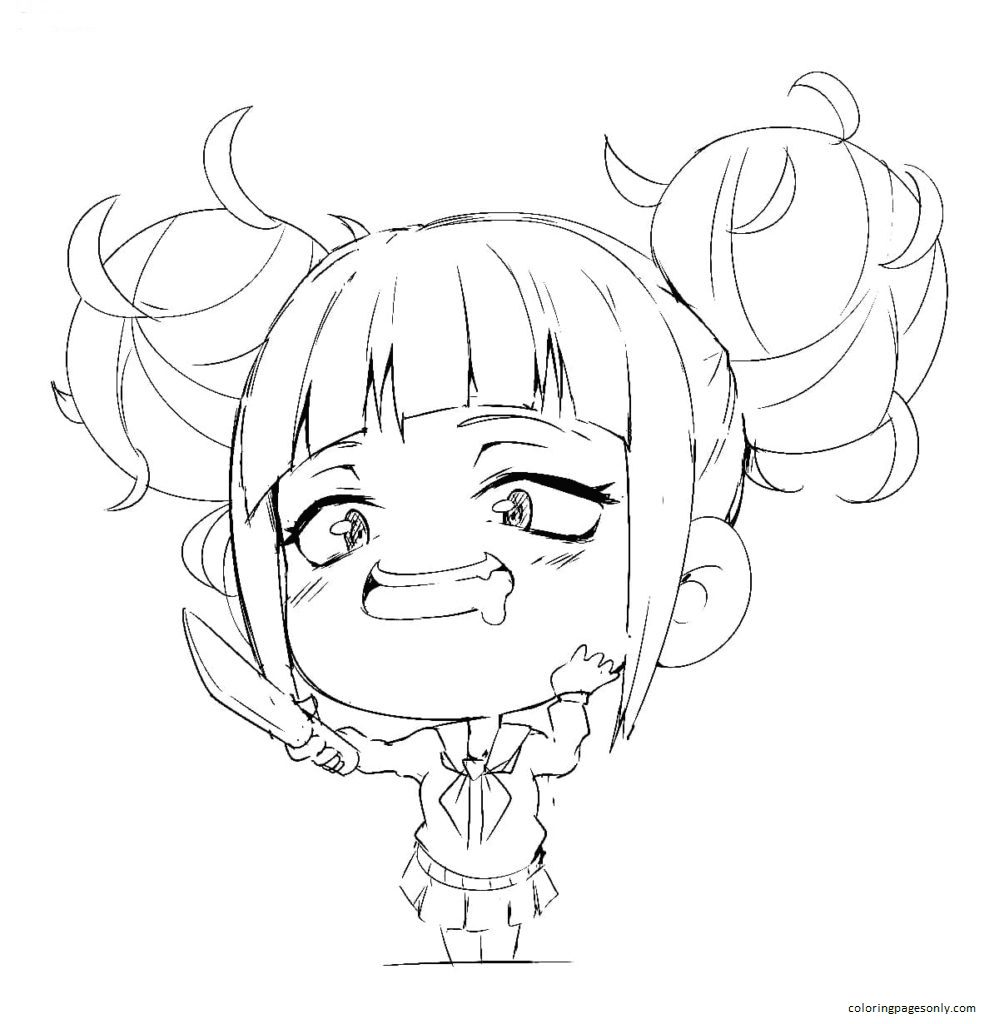
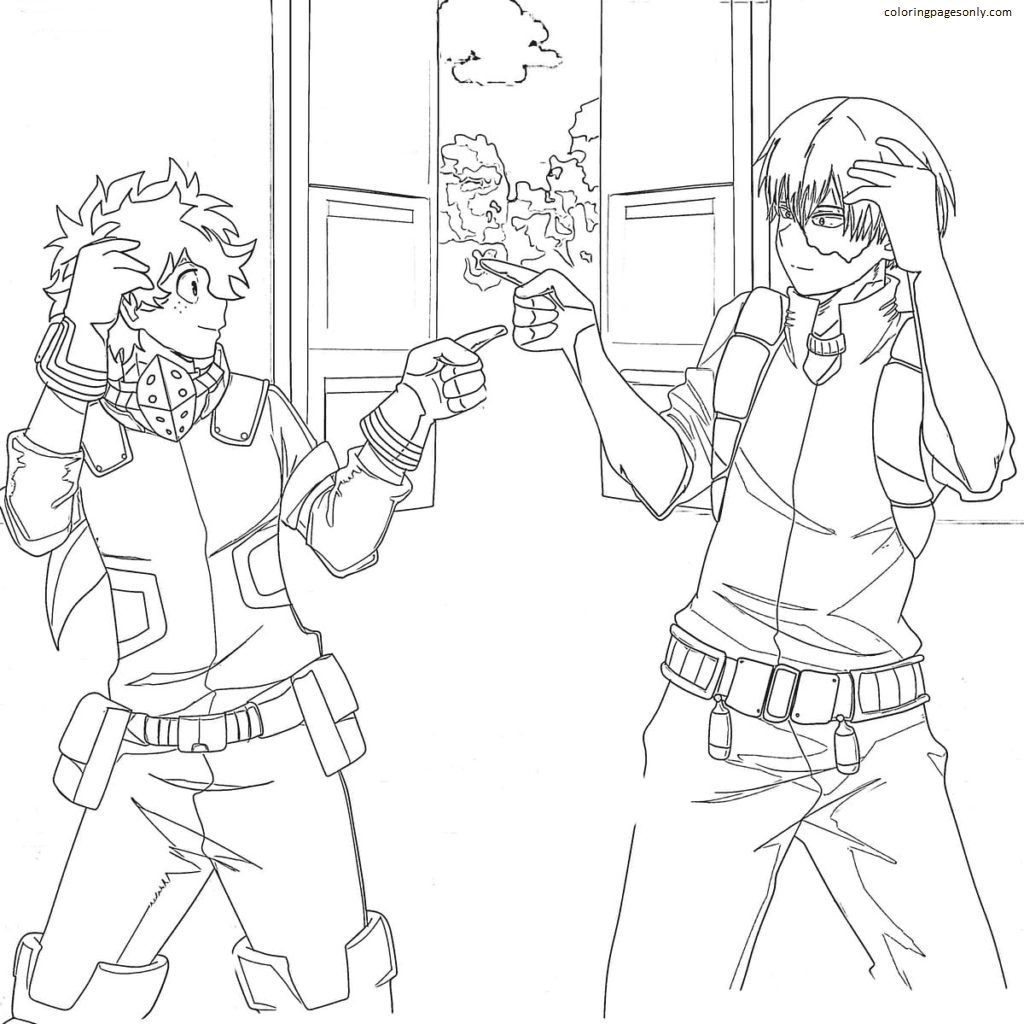
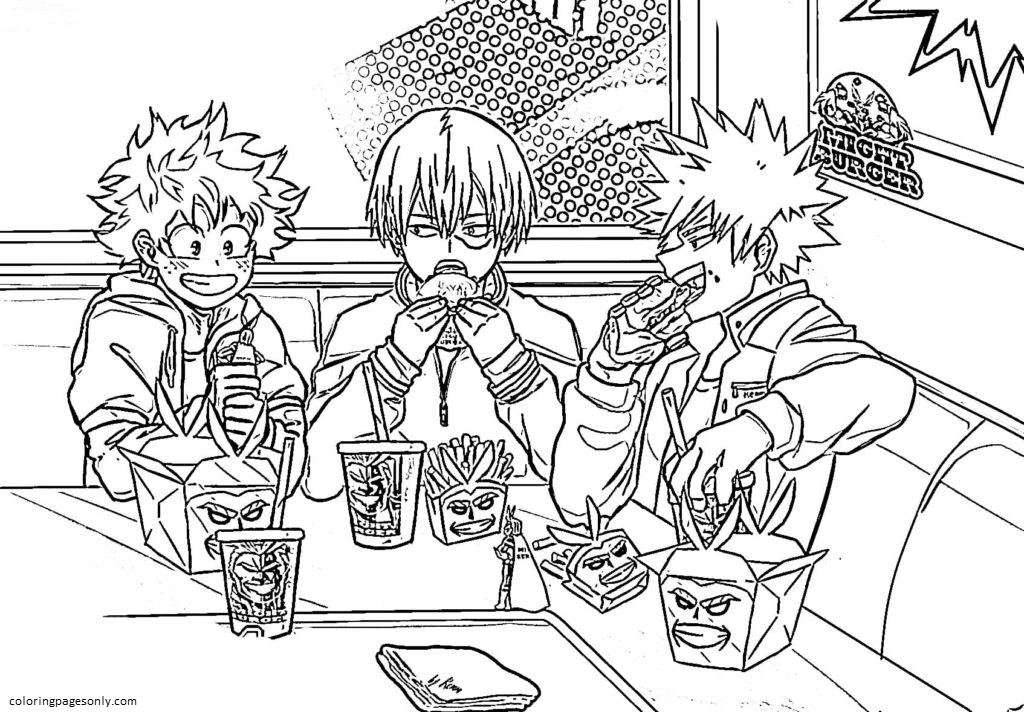
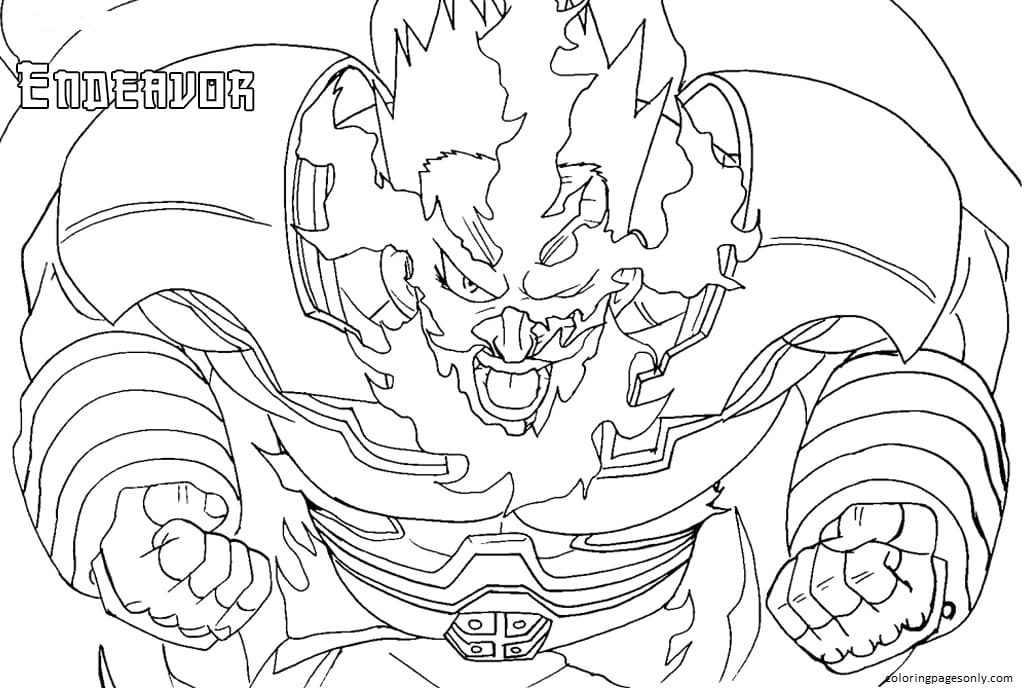
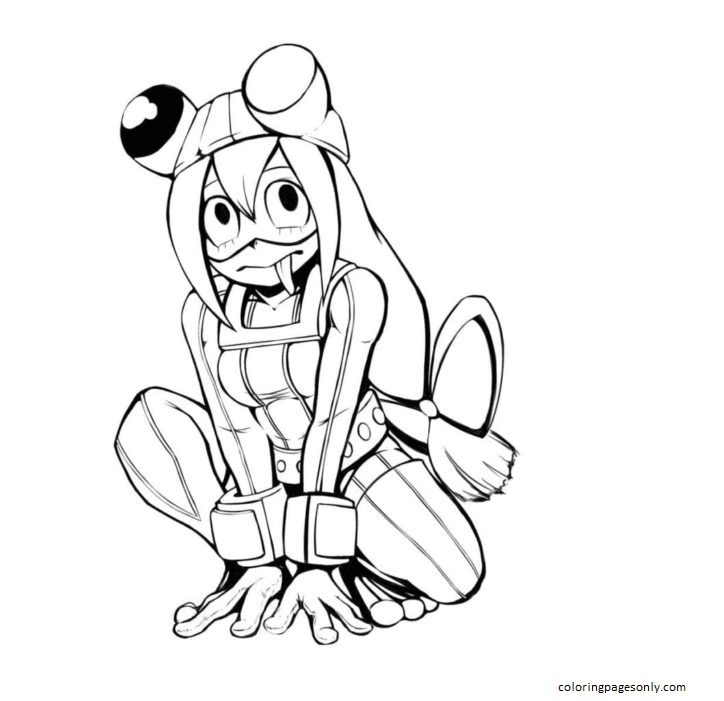
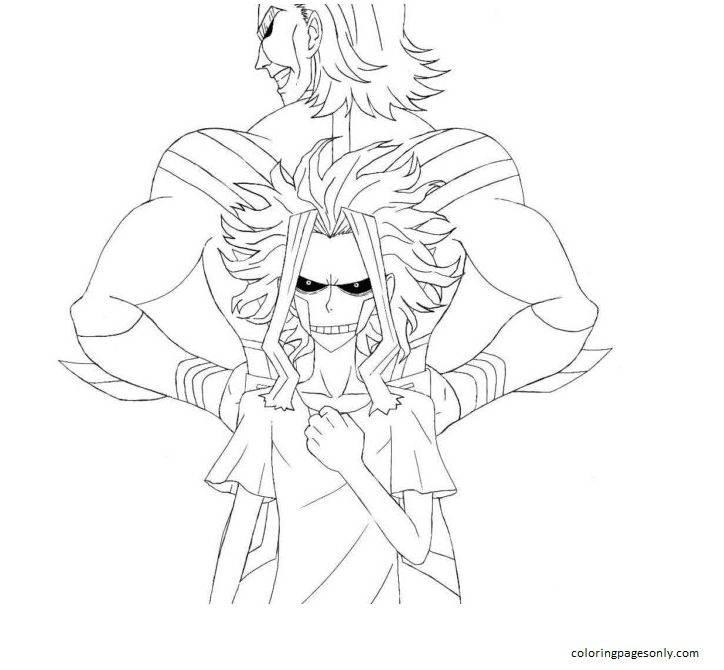
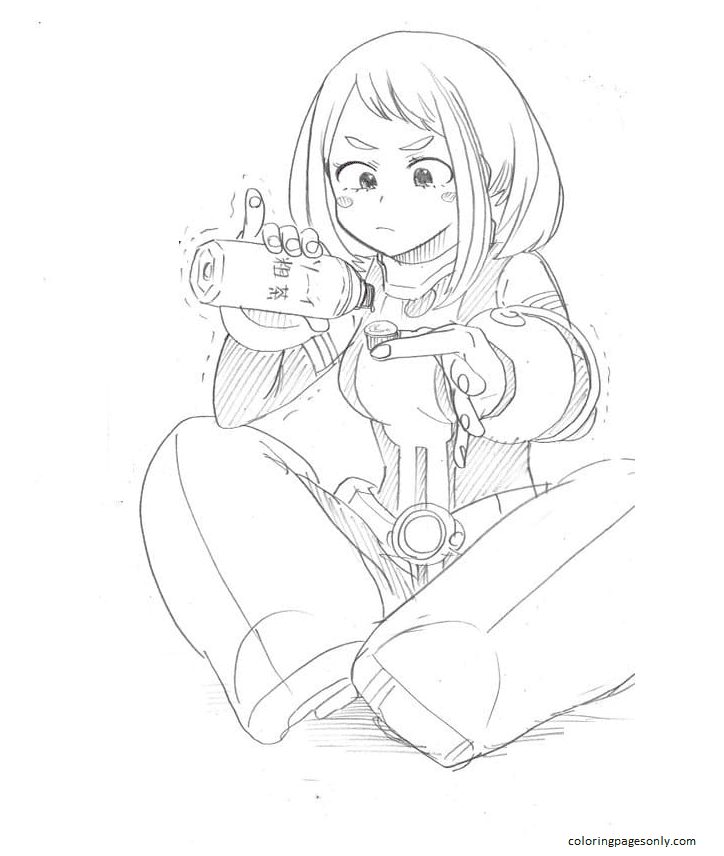
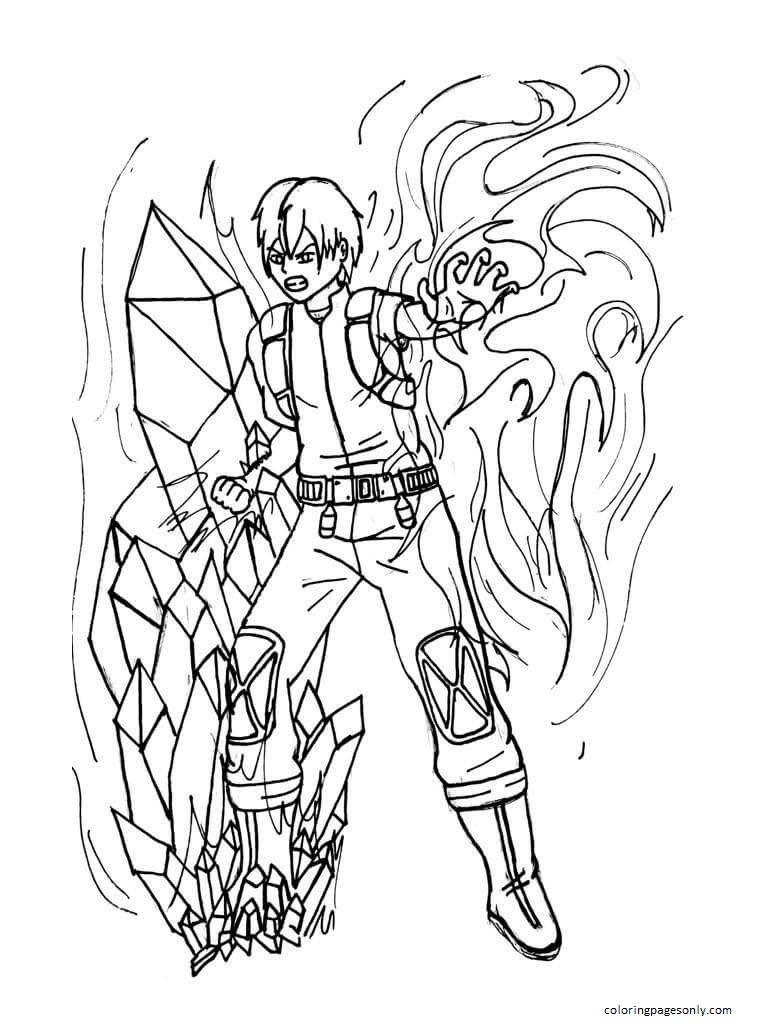
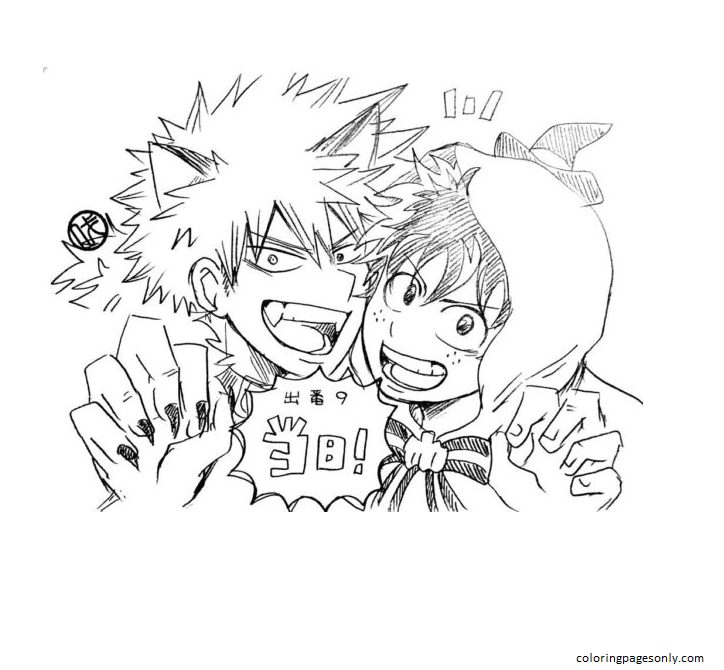
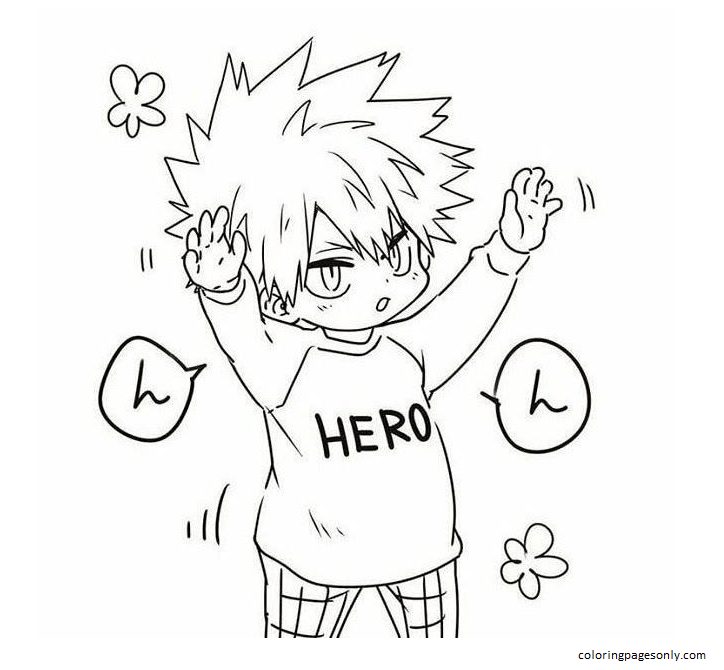
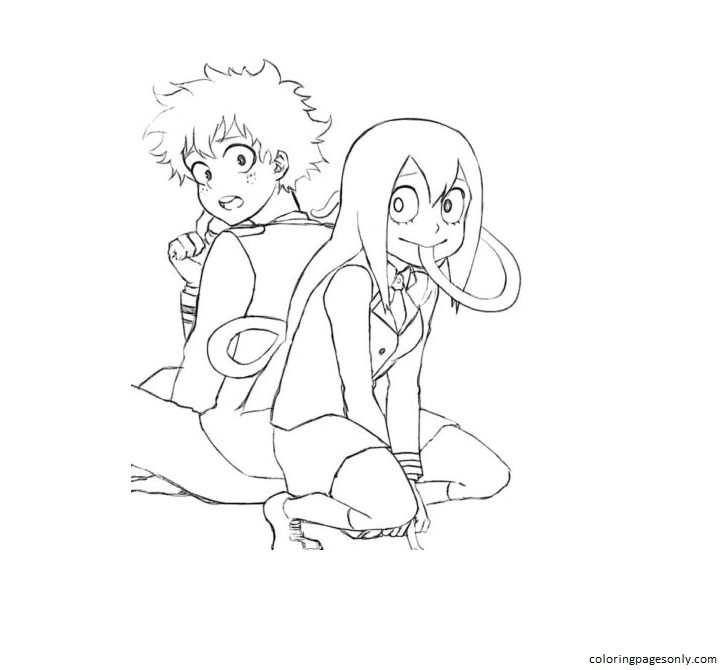
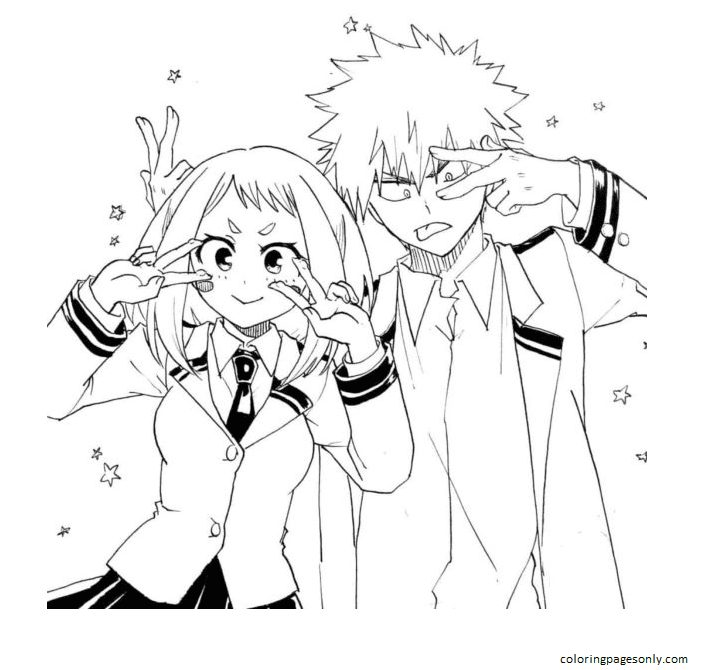
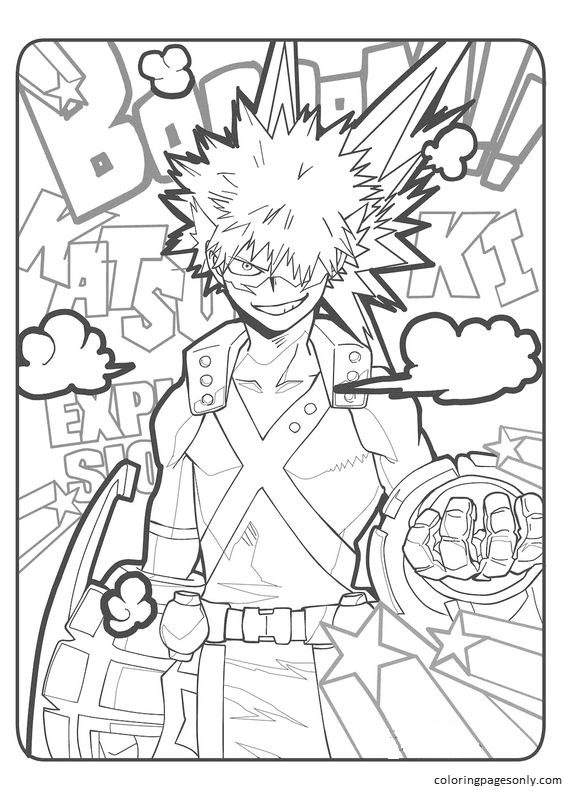
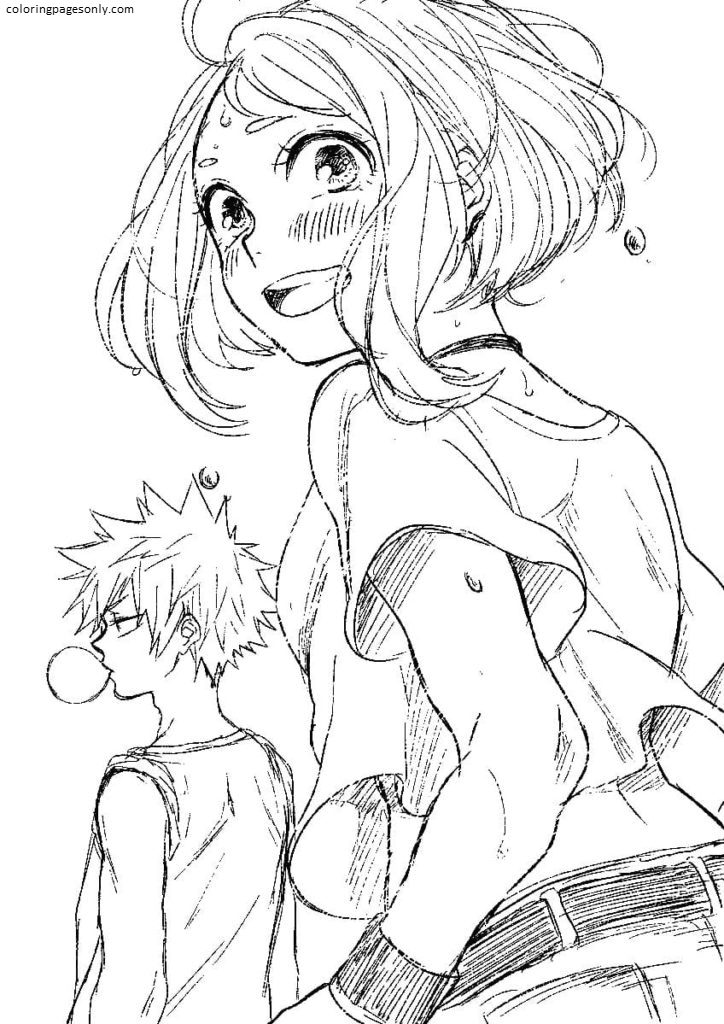
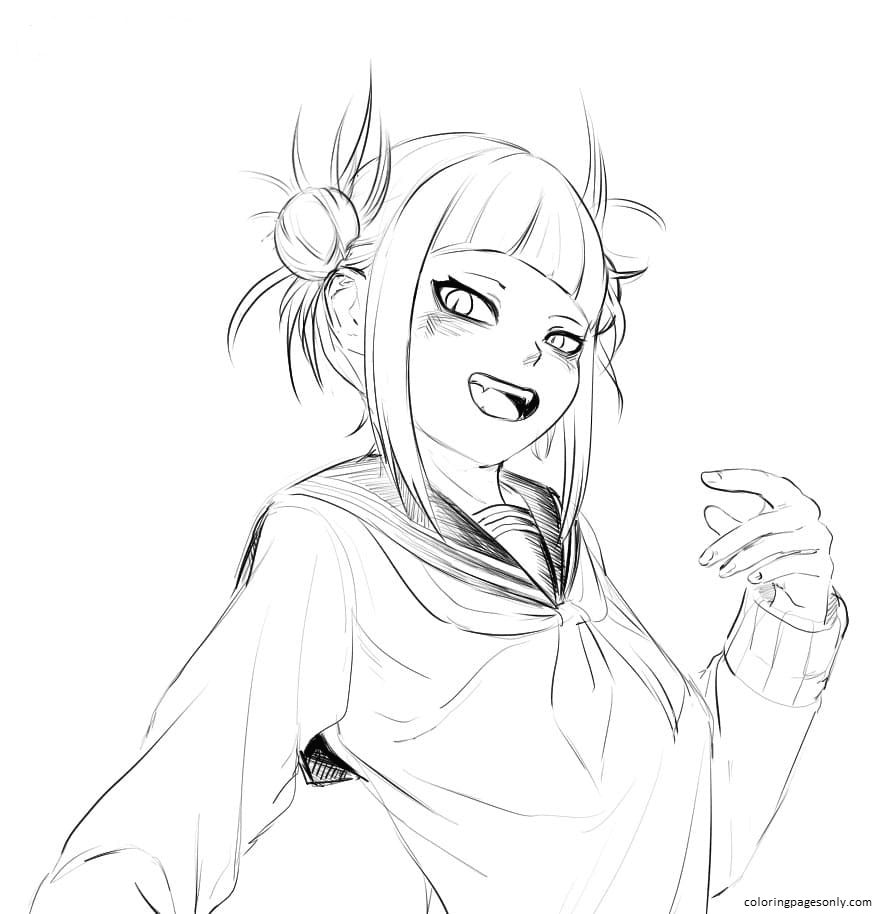
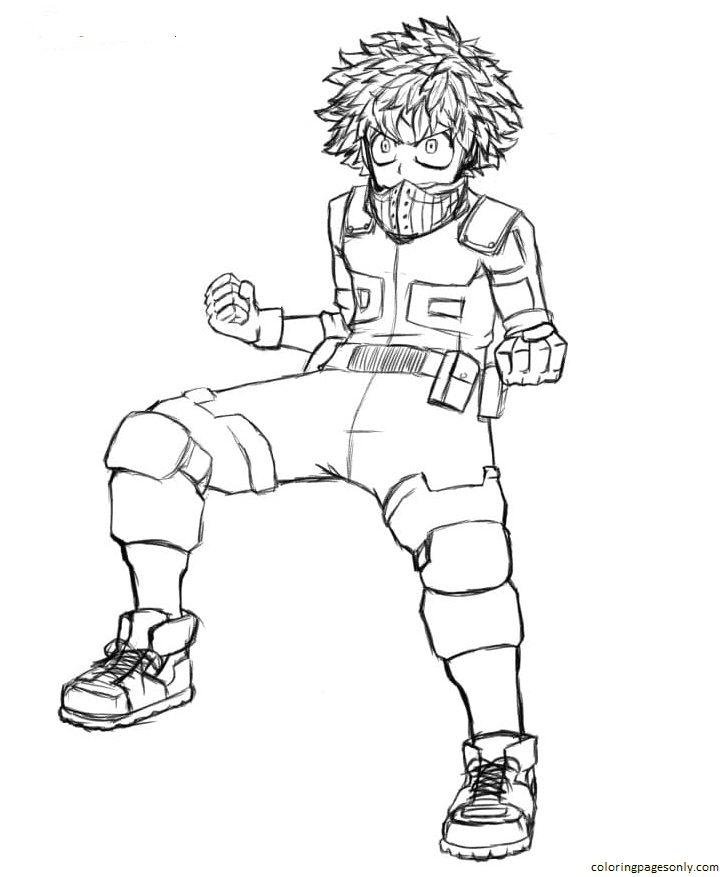
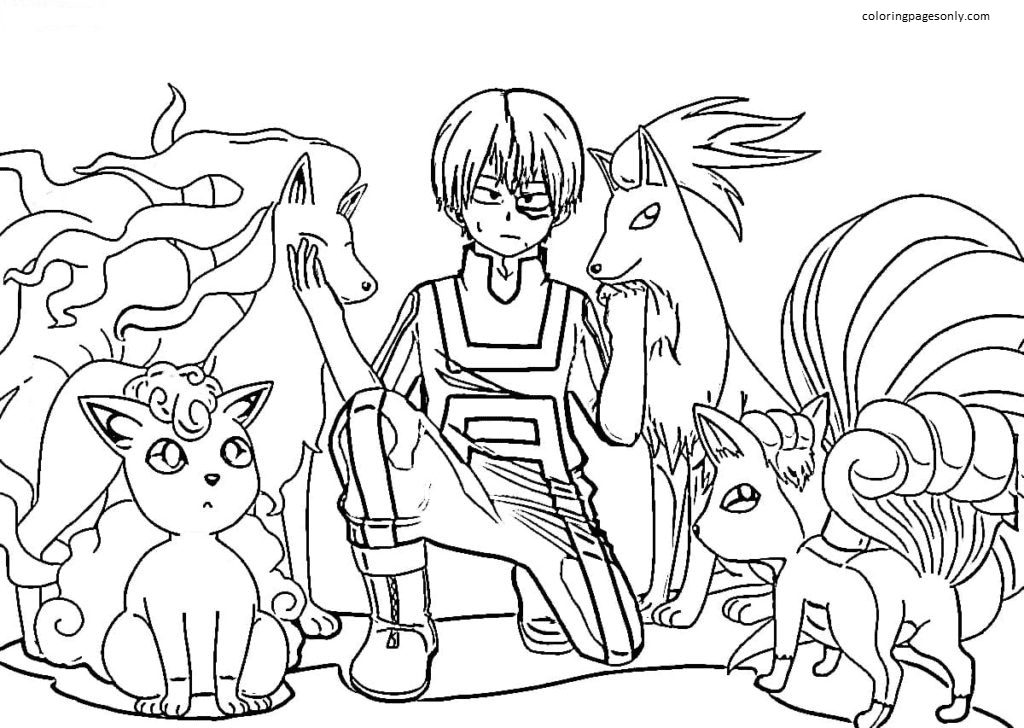
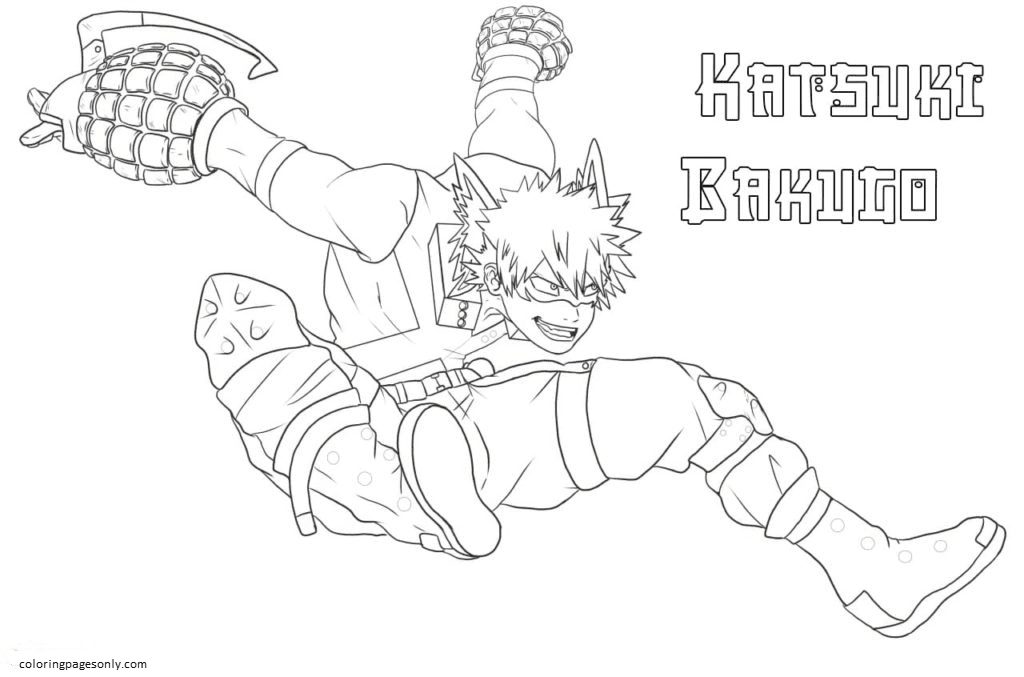
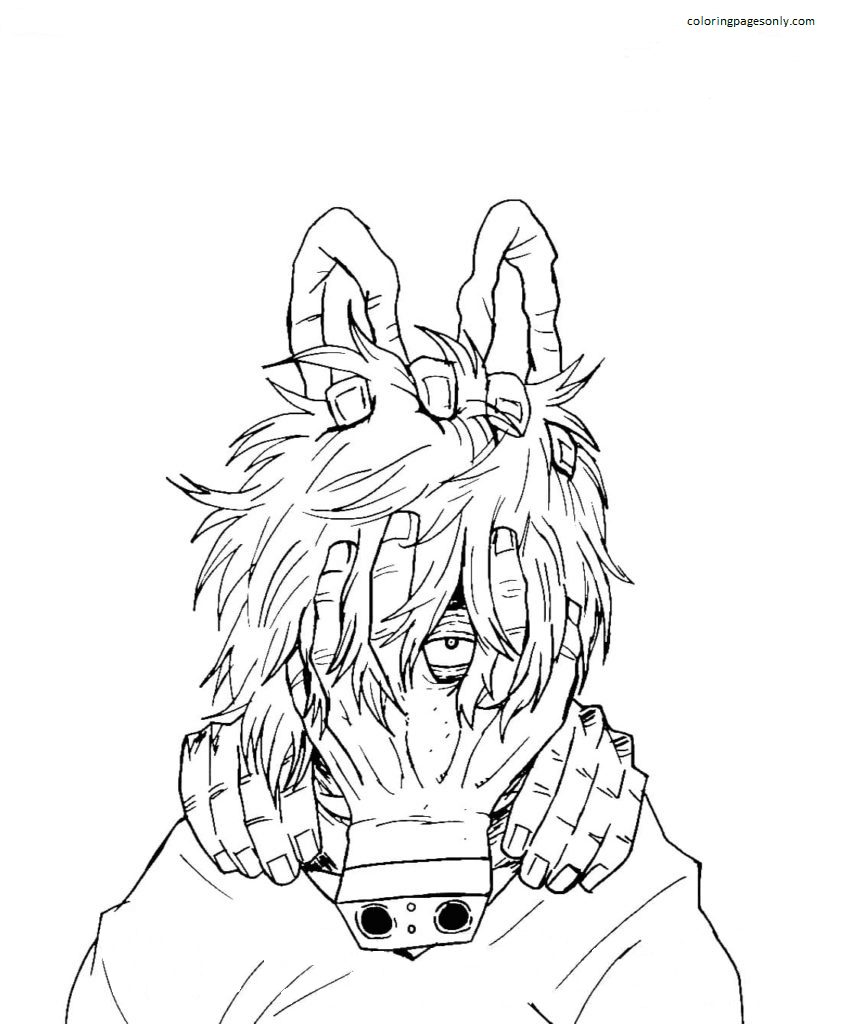
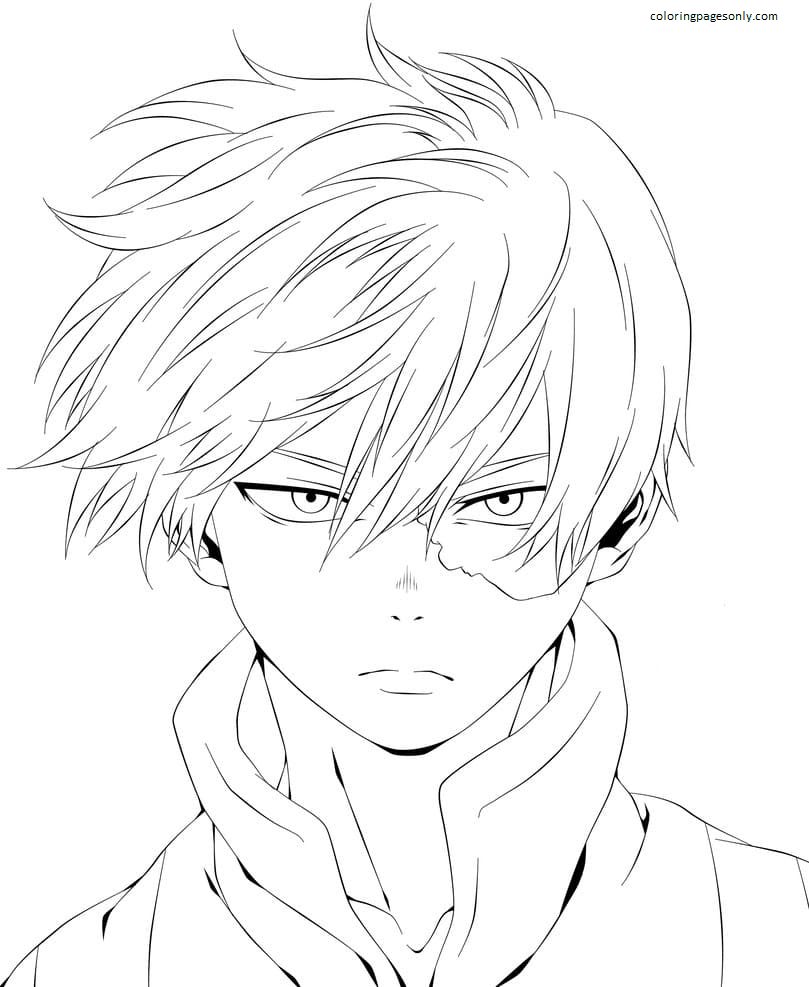


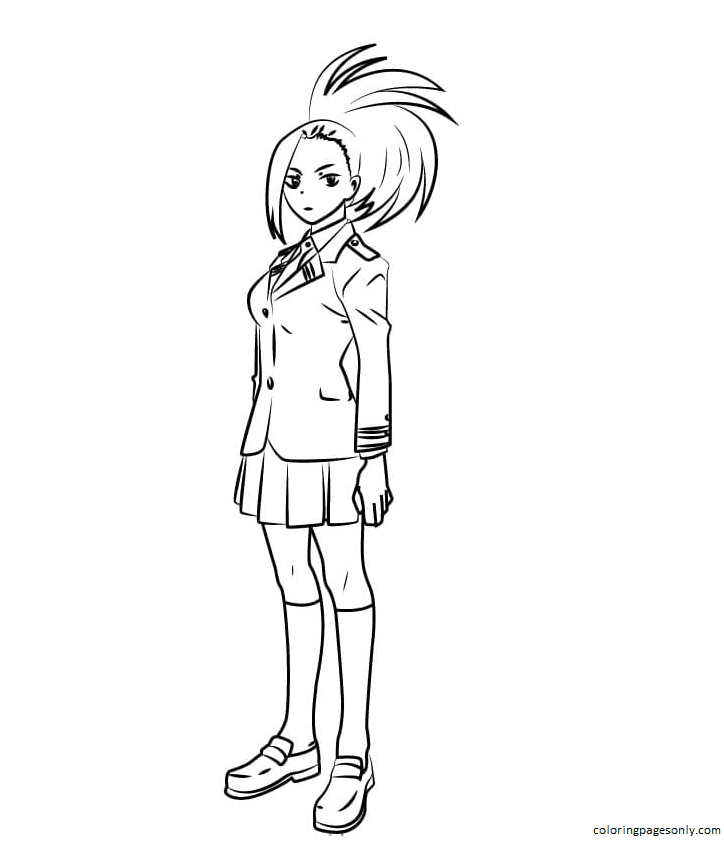
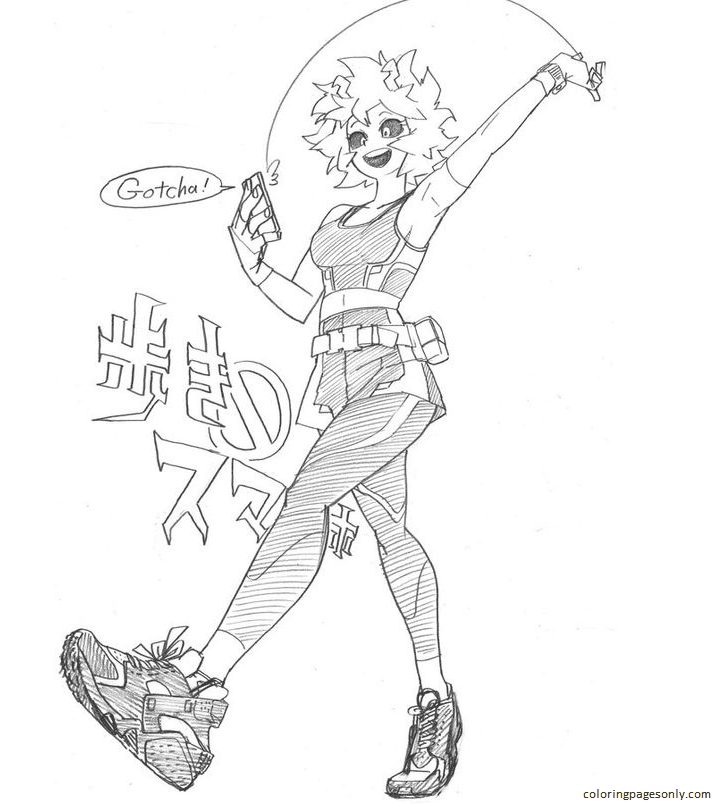
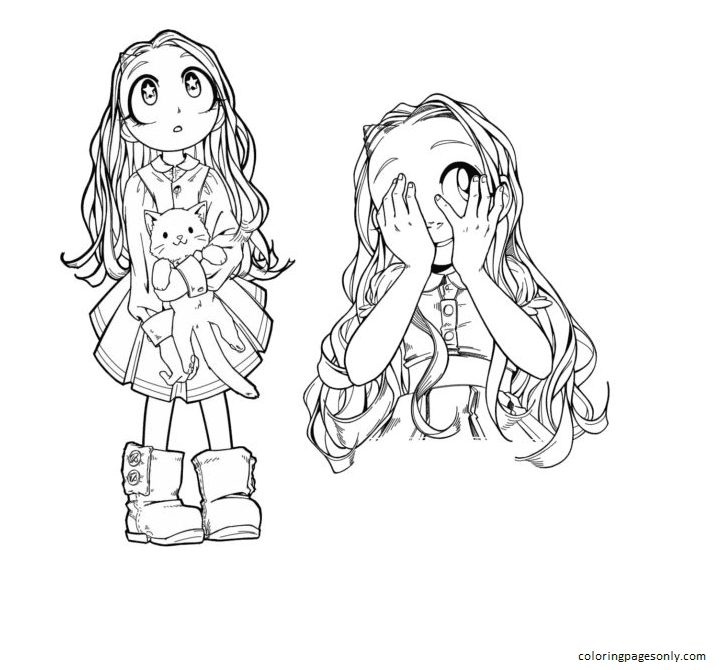
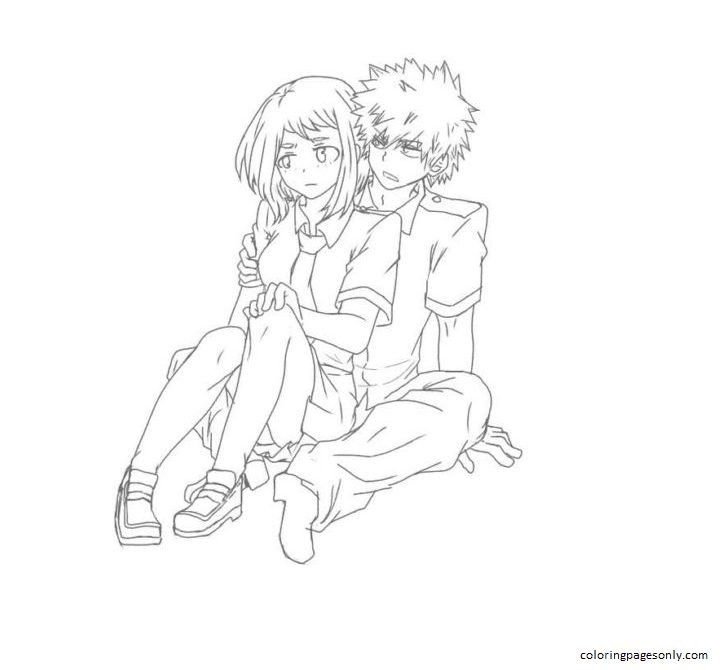
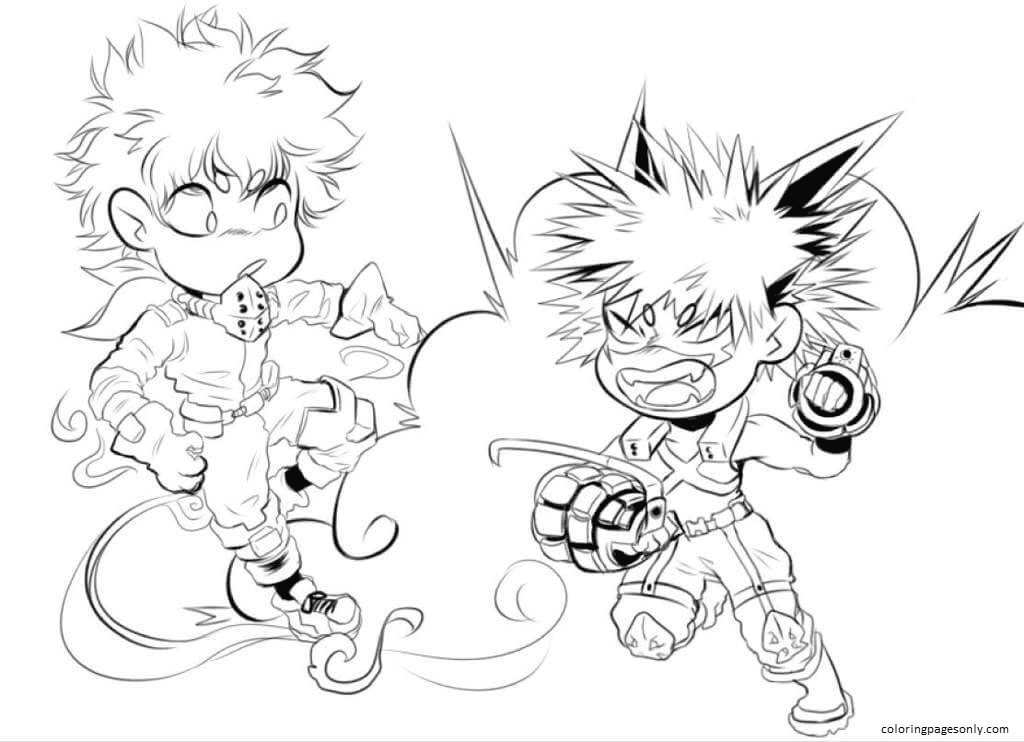
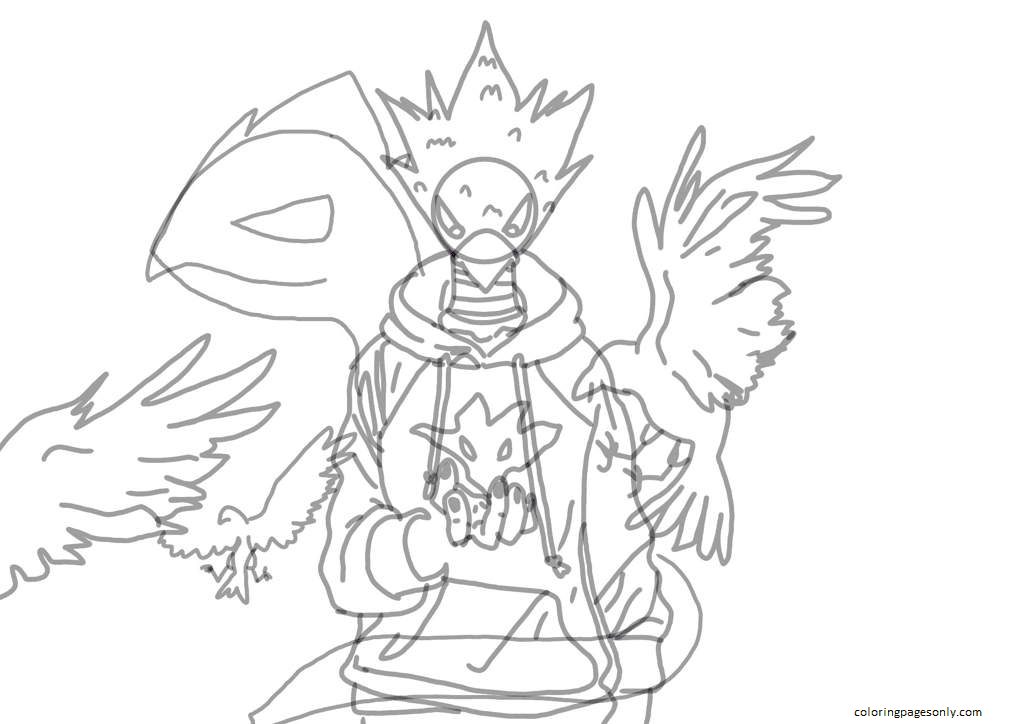
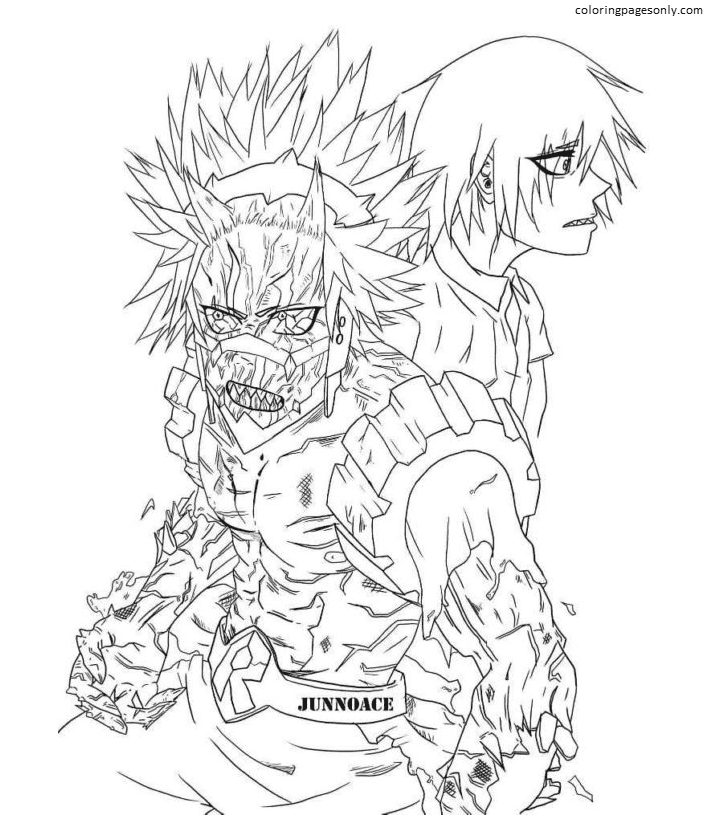
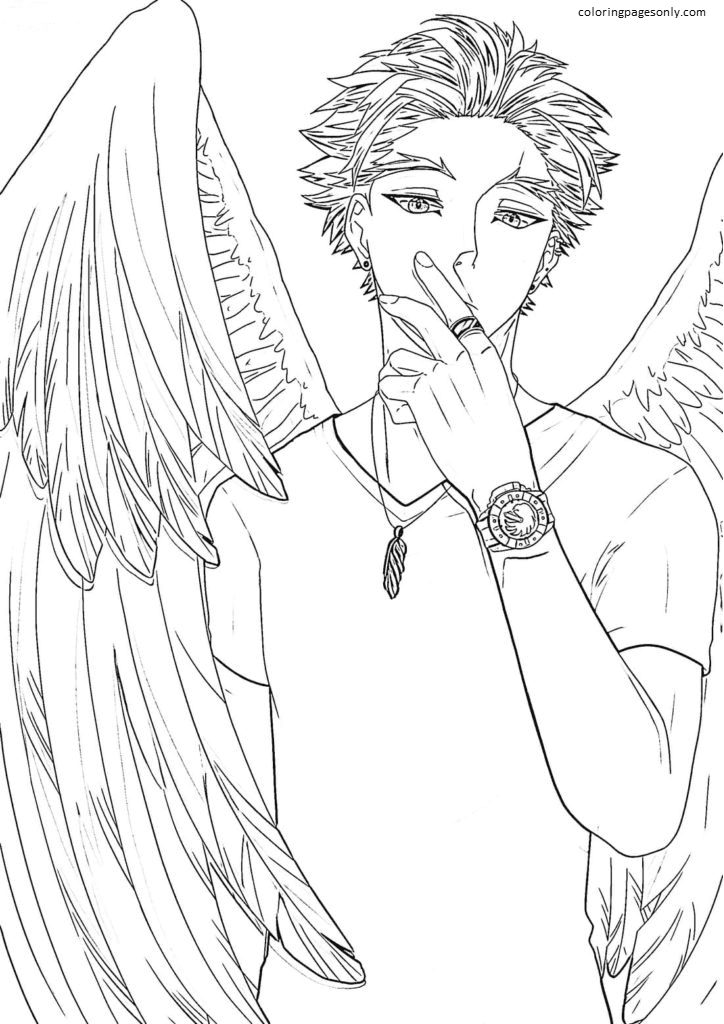

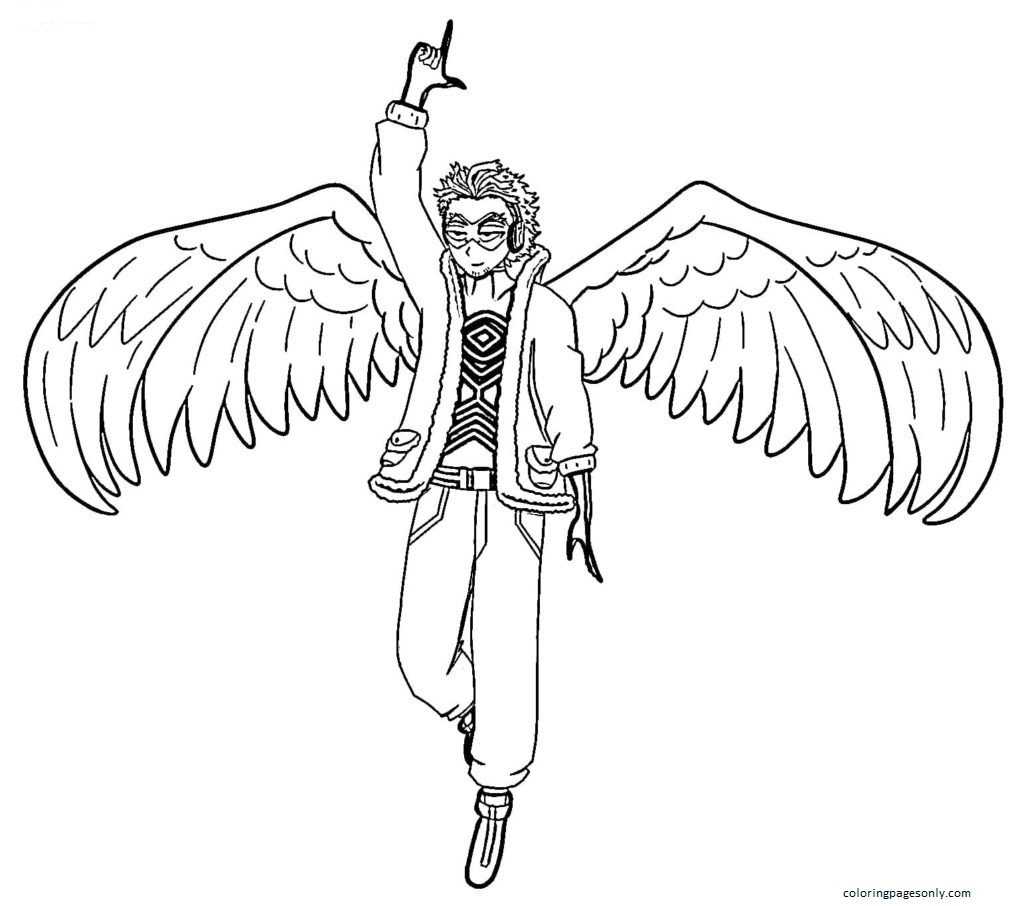
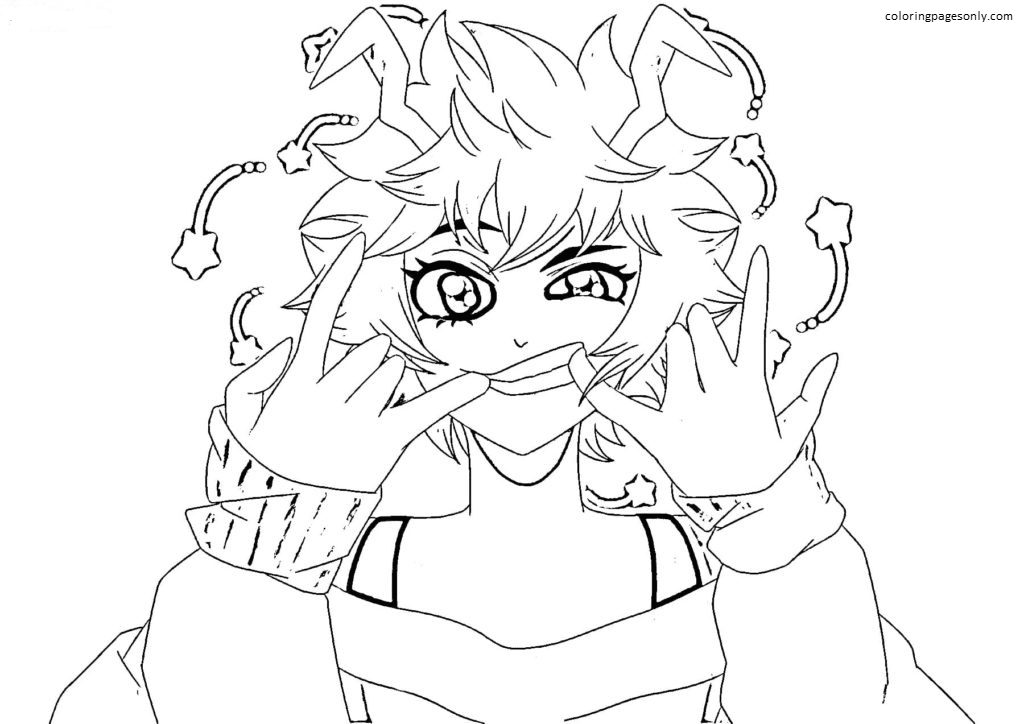


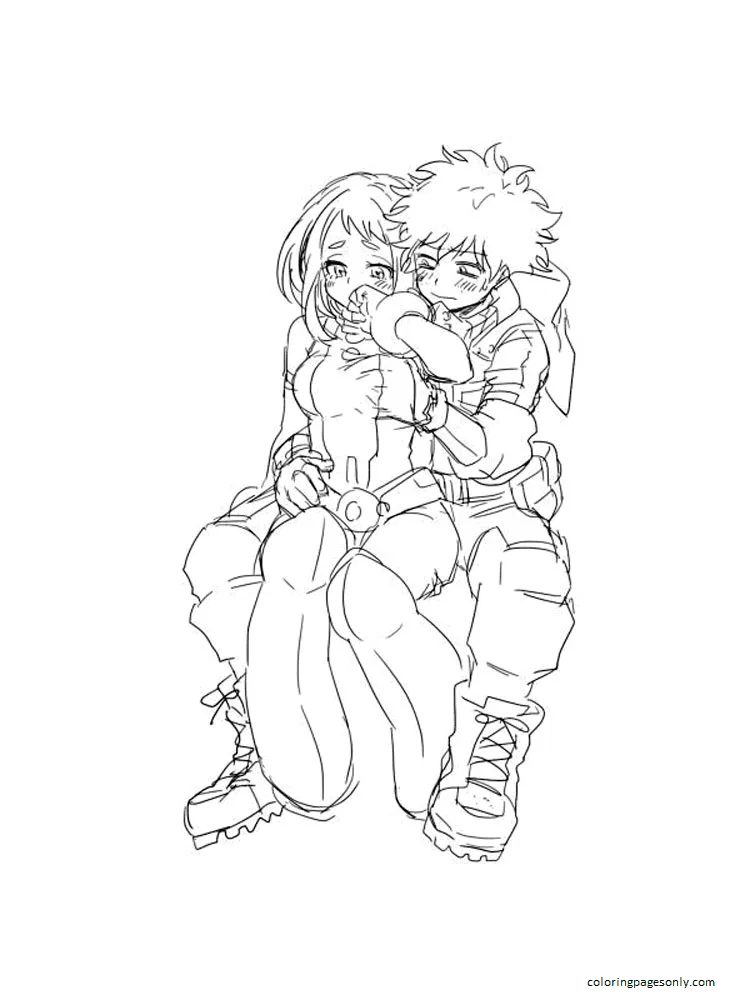
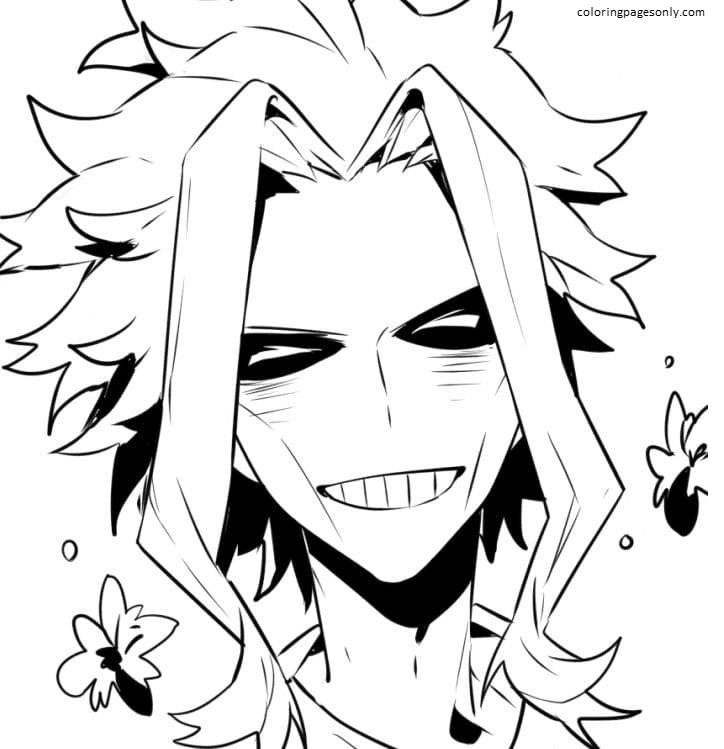
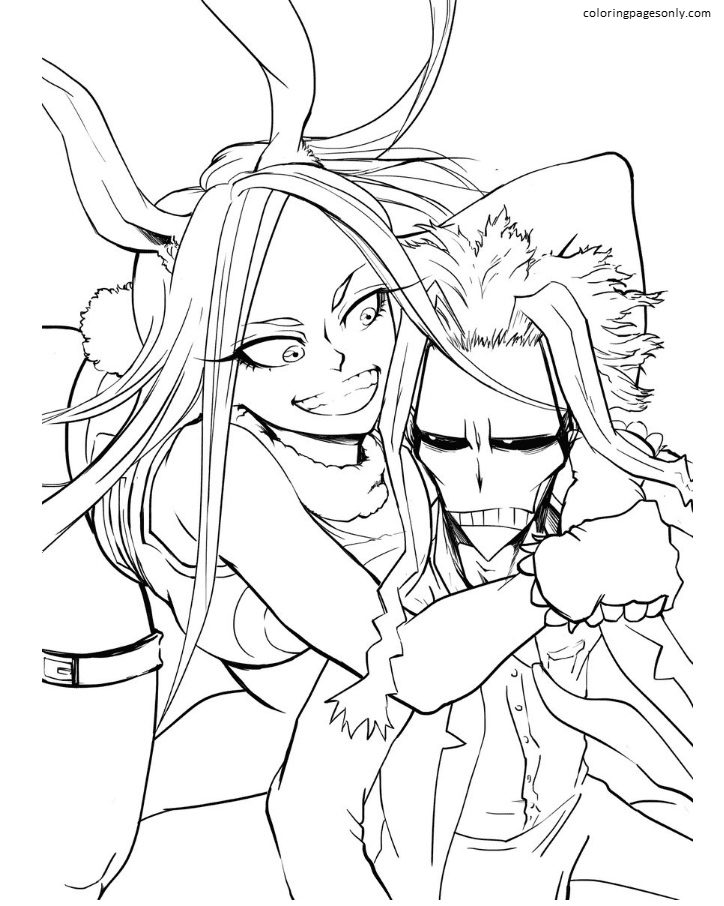
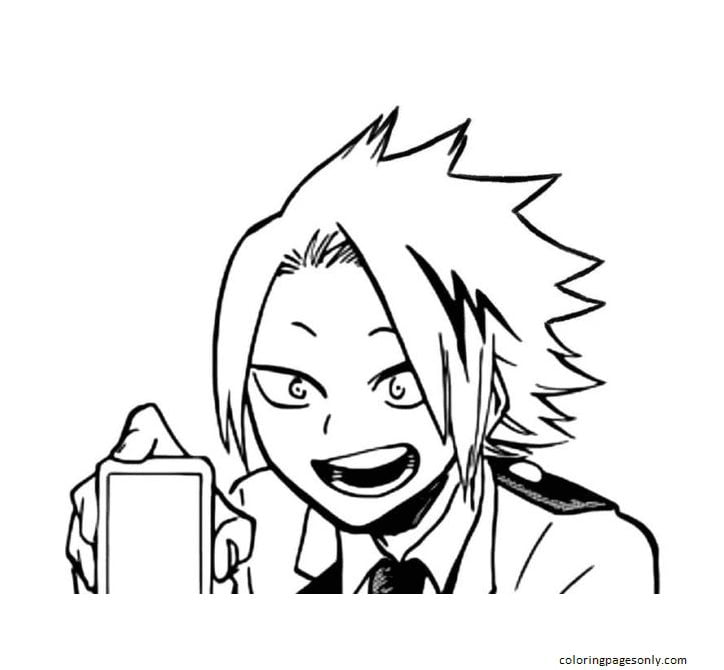
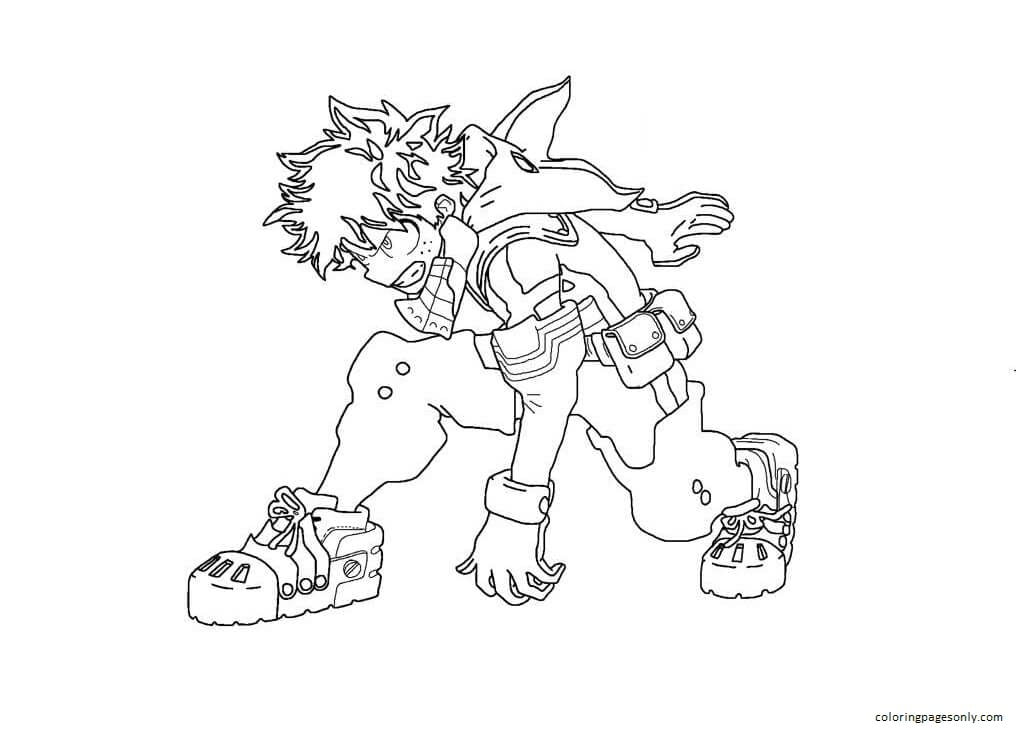
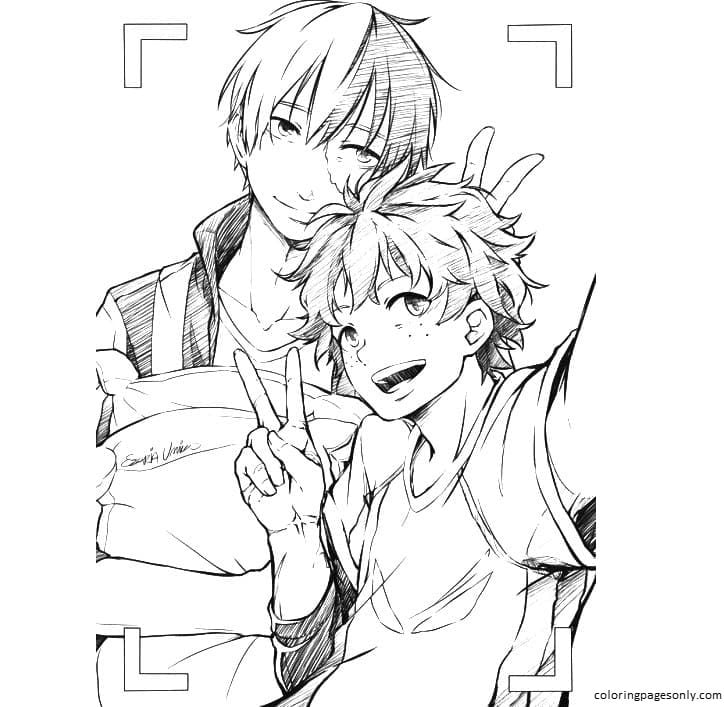
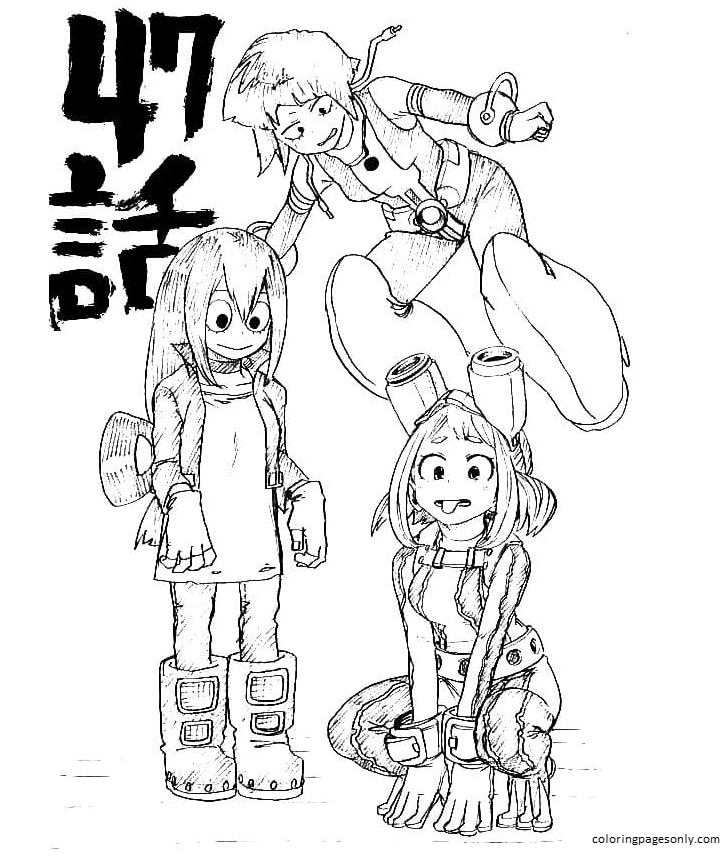
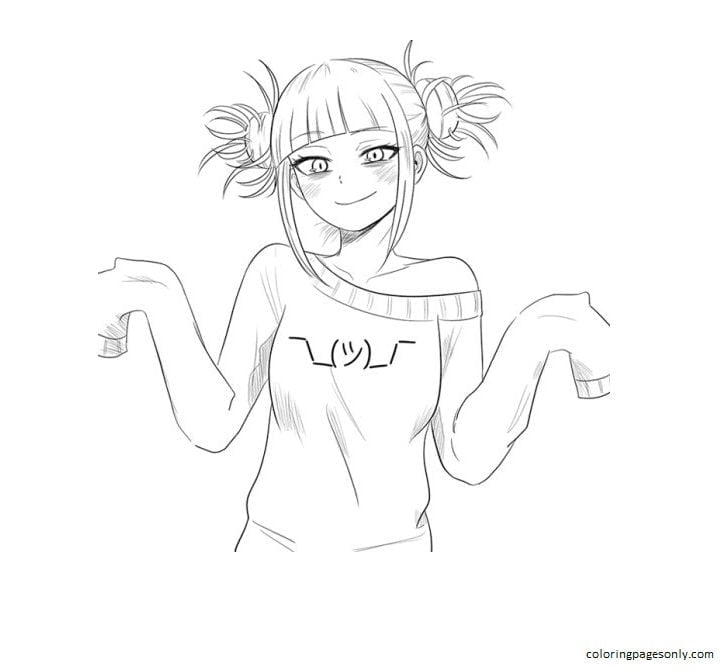
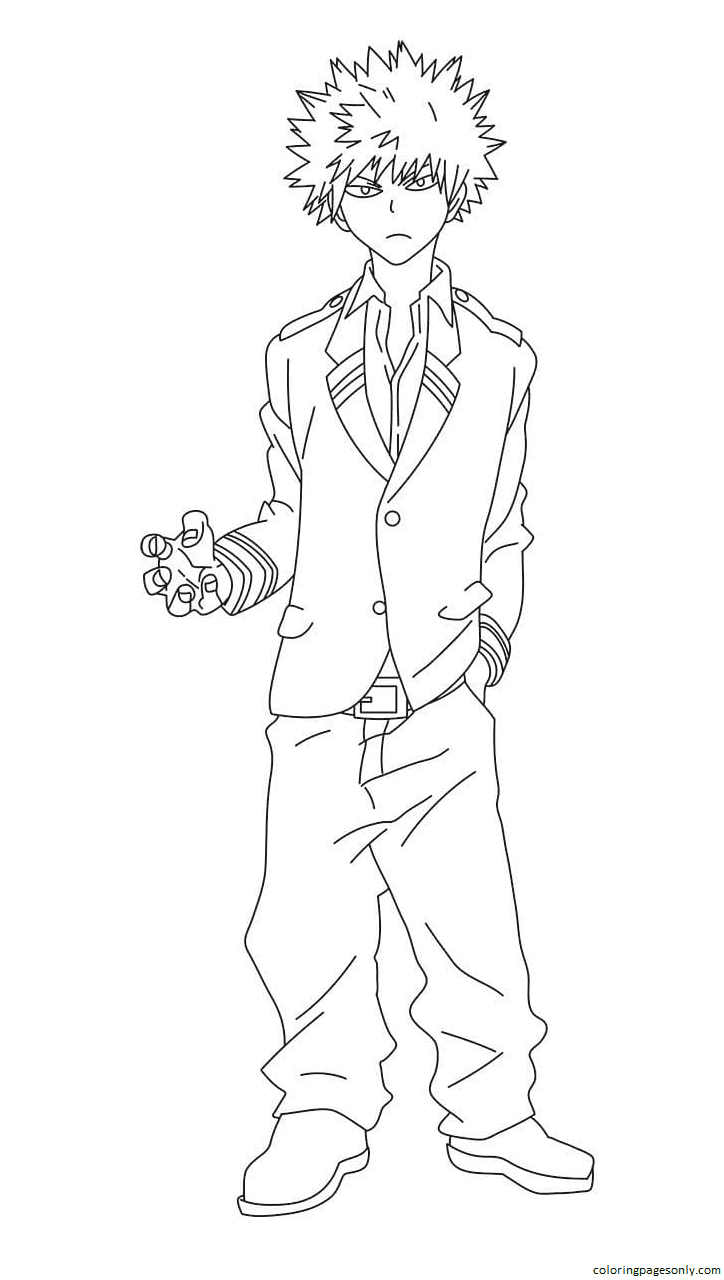
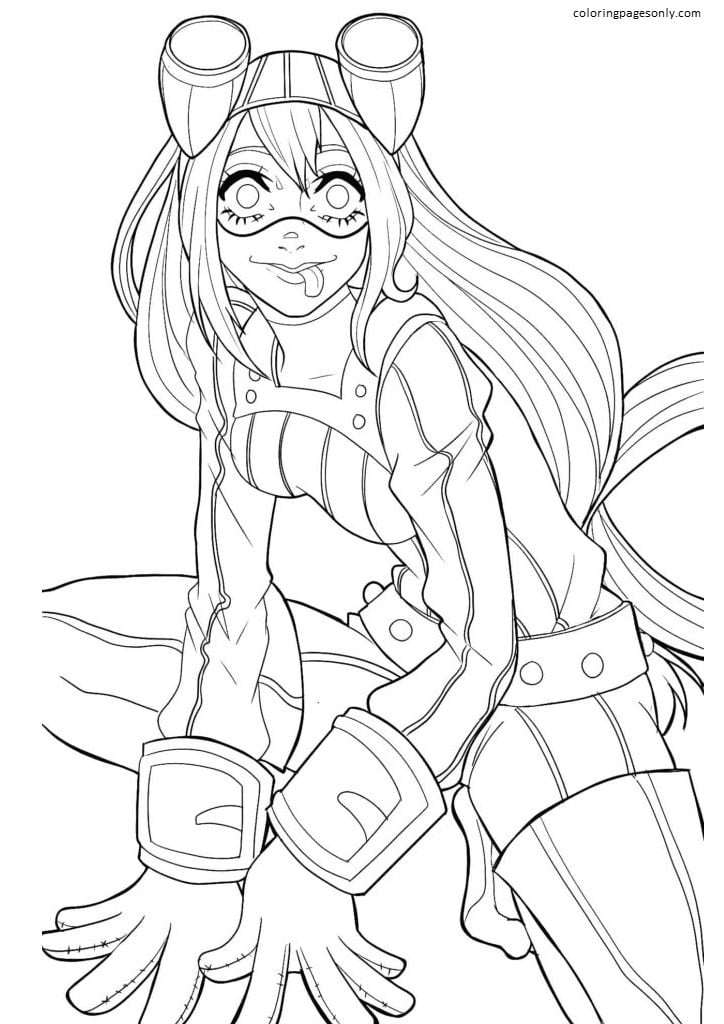
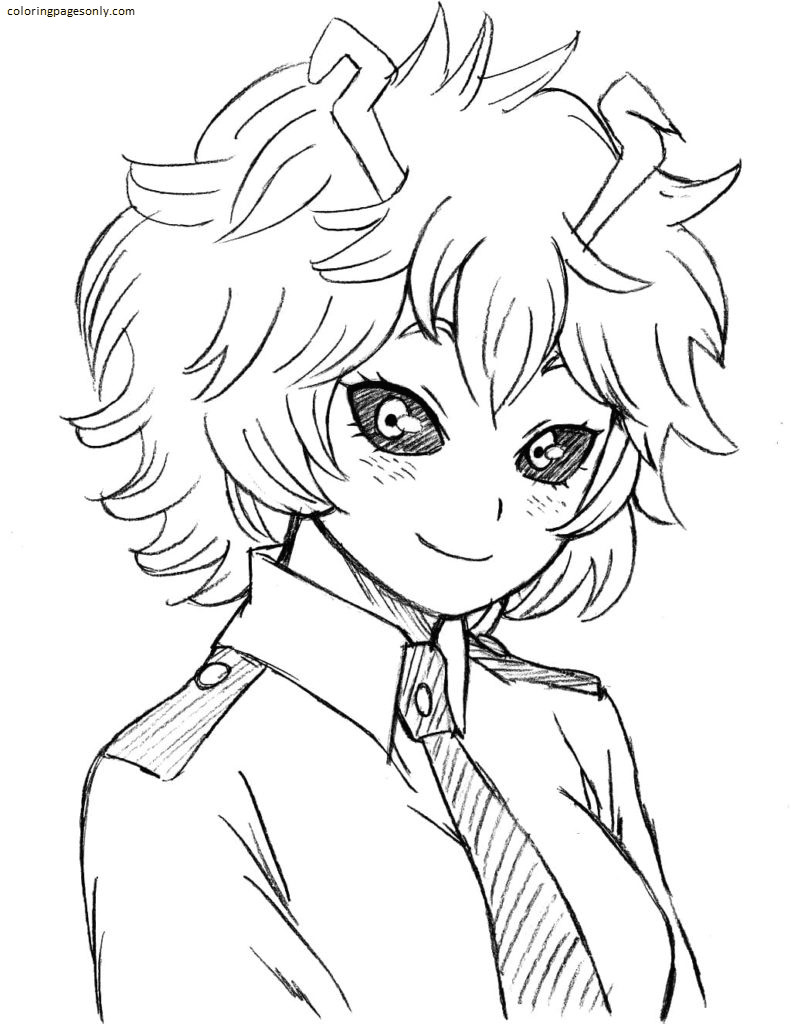
What’s Inside This Collection
The 157 designs group into four categories, covering the wide cast of the My Hero Academia universe.
Class 1-A Students
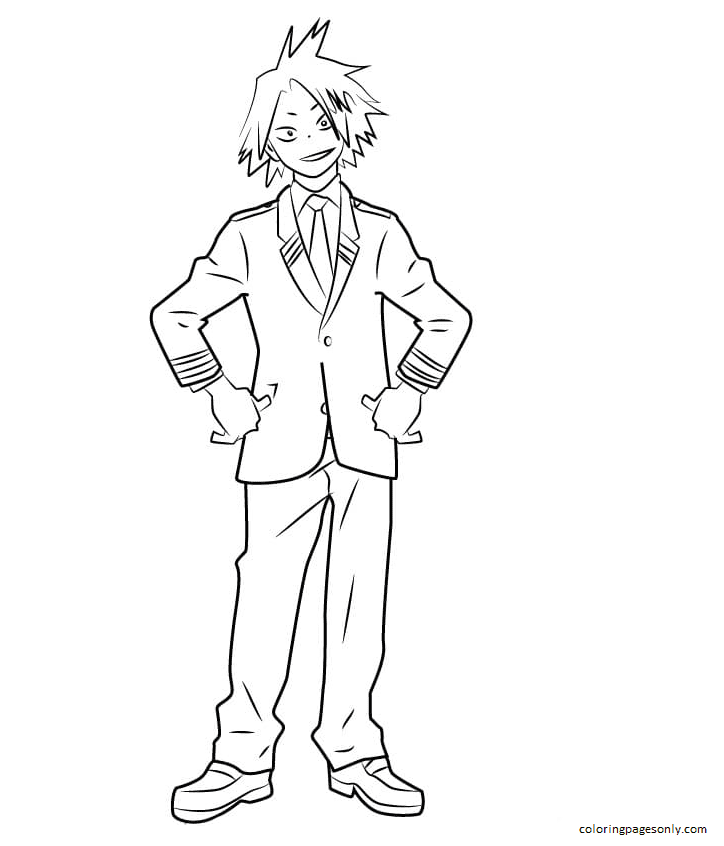
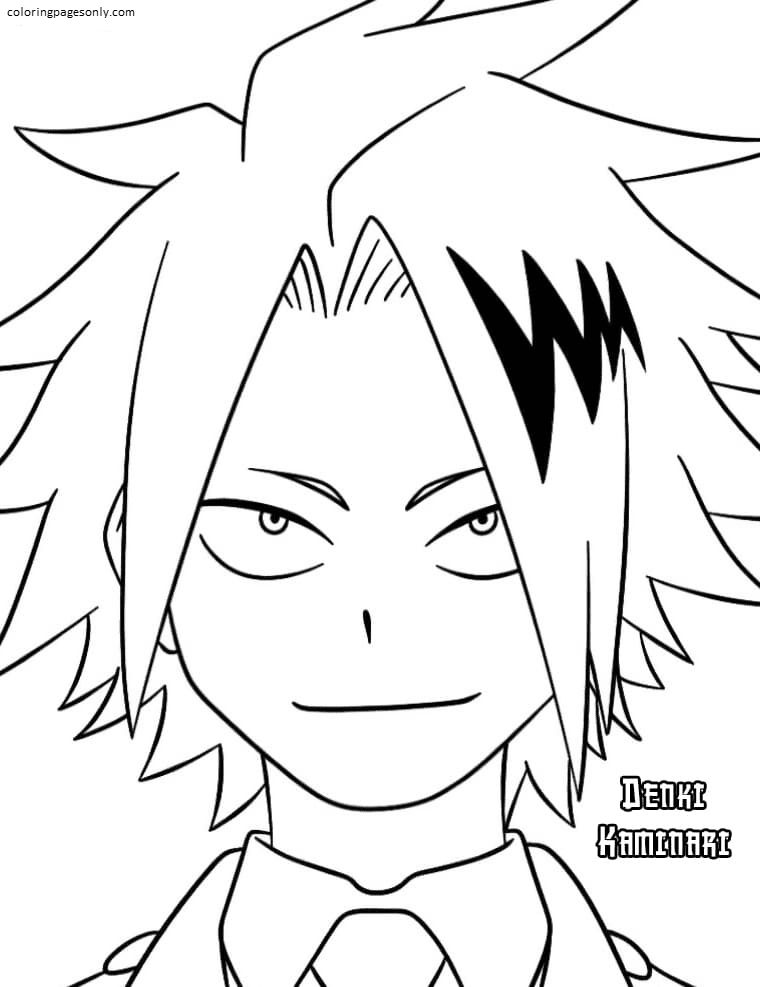
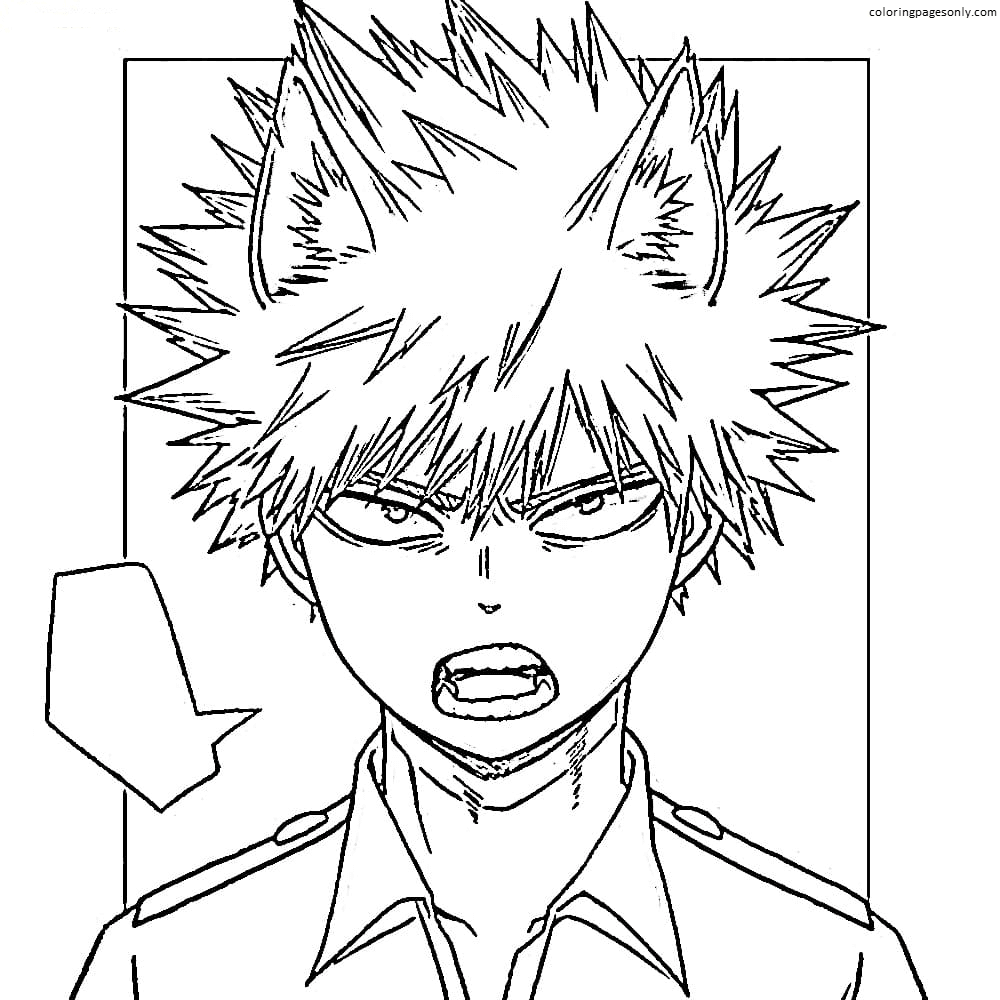
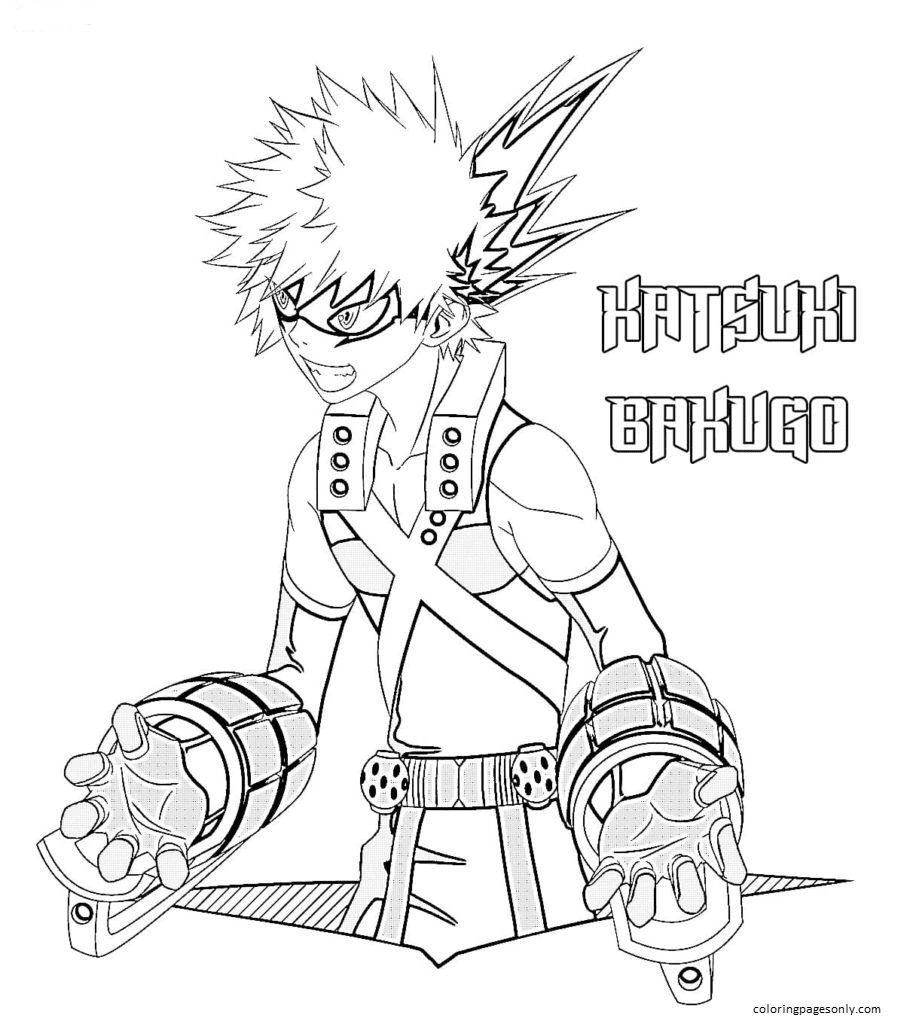
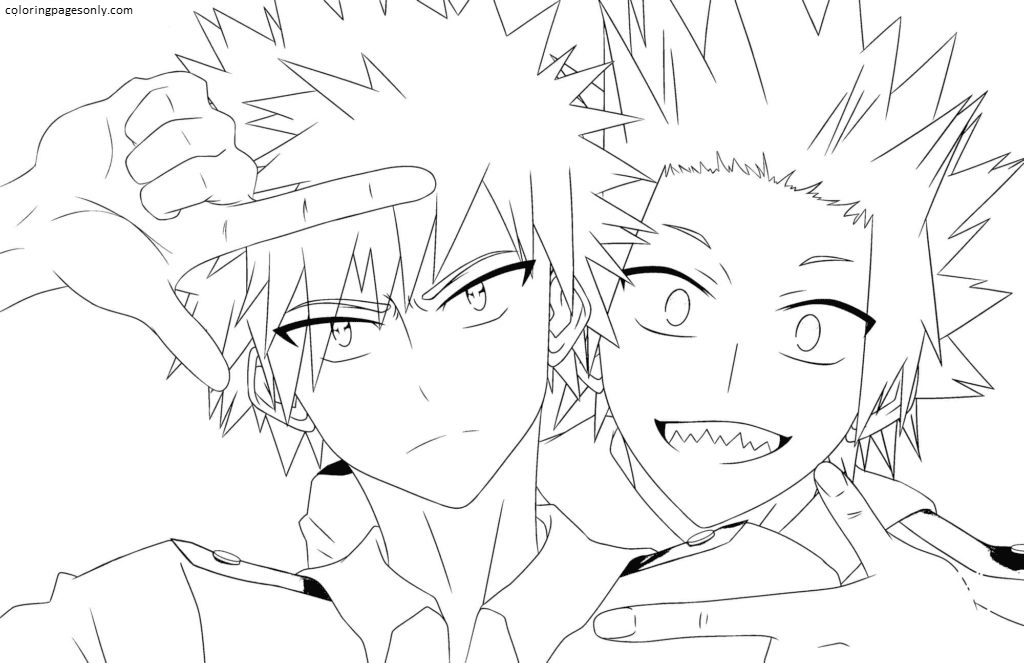
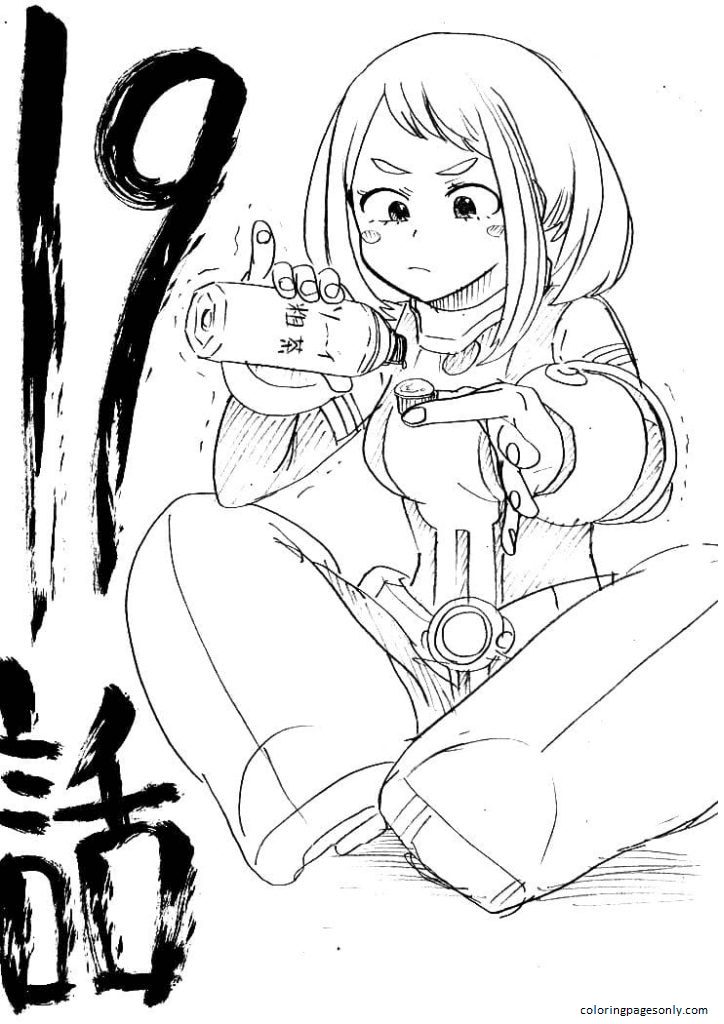
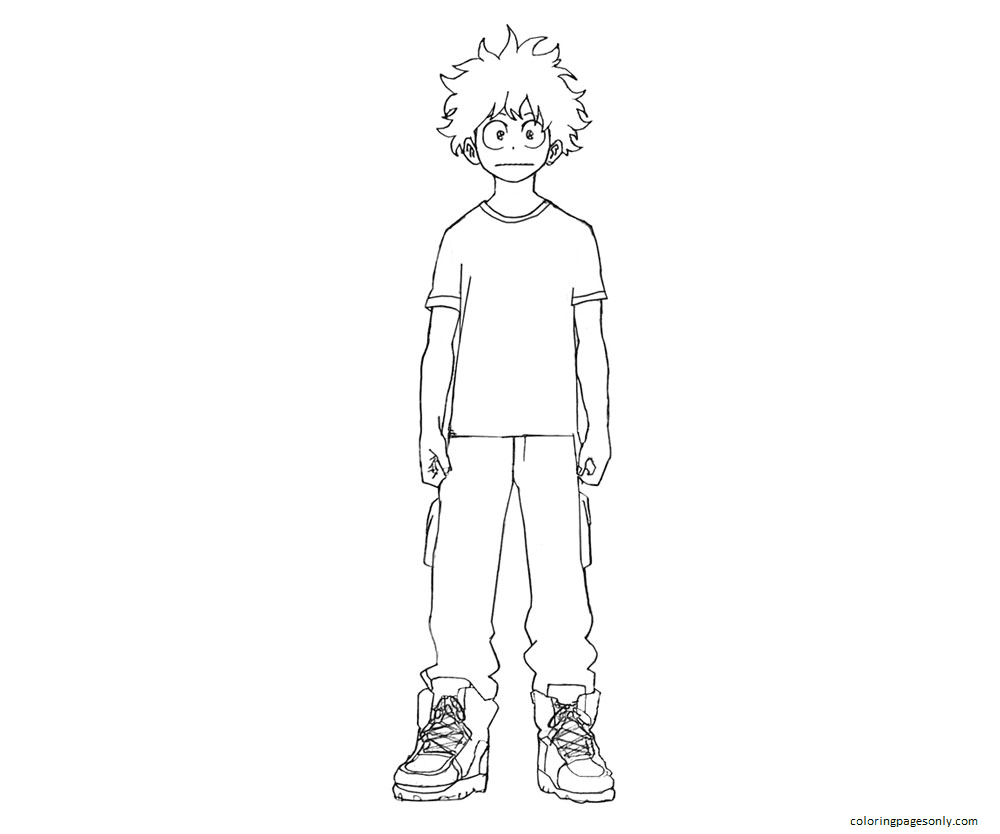
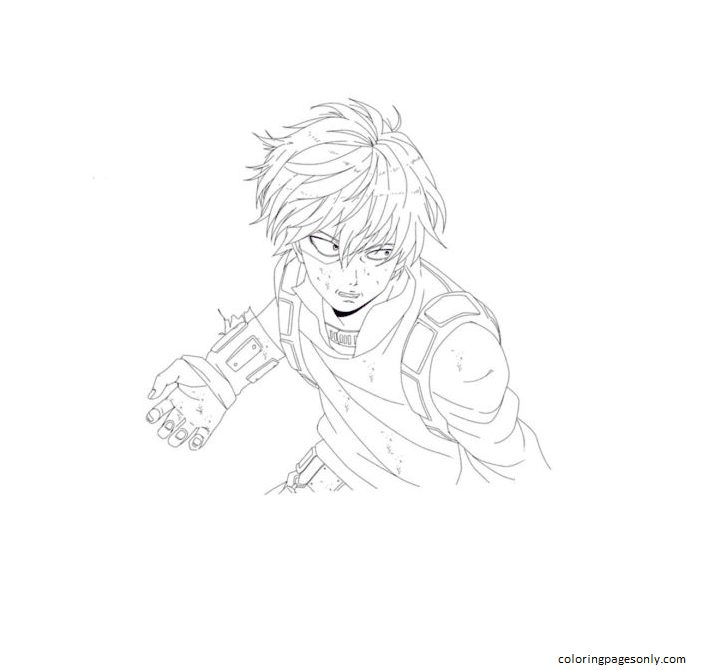
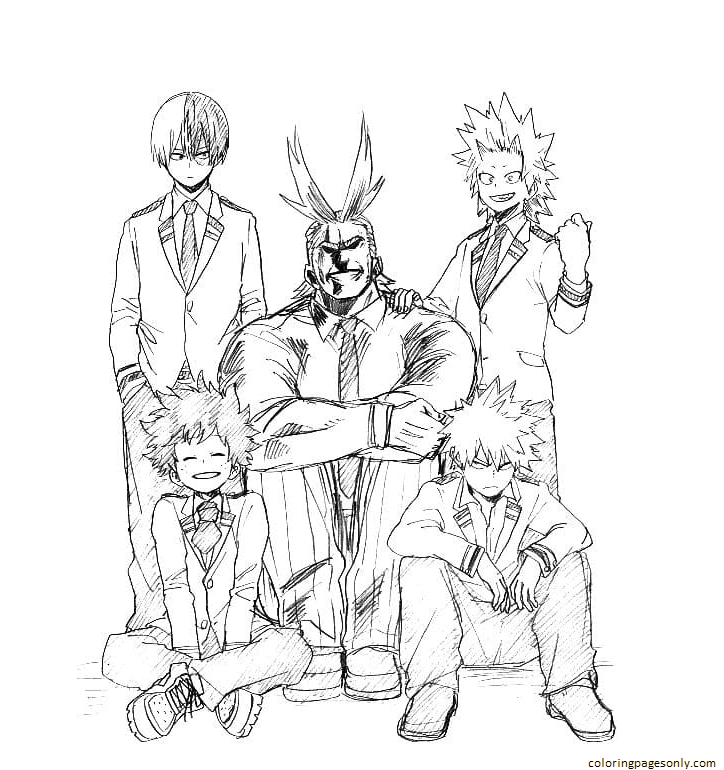
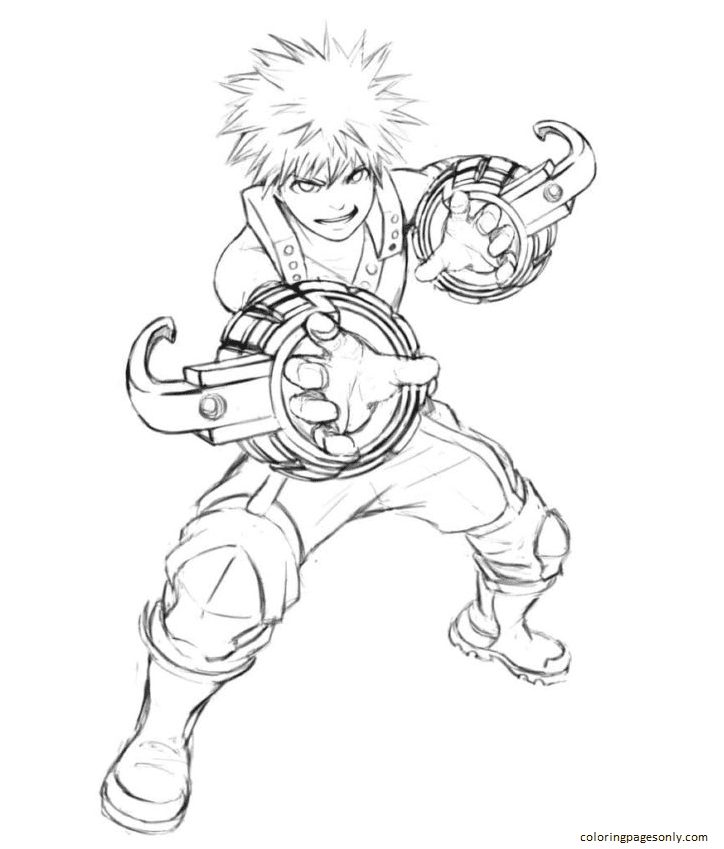
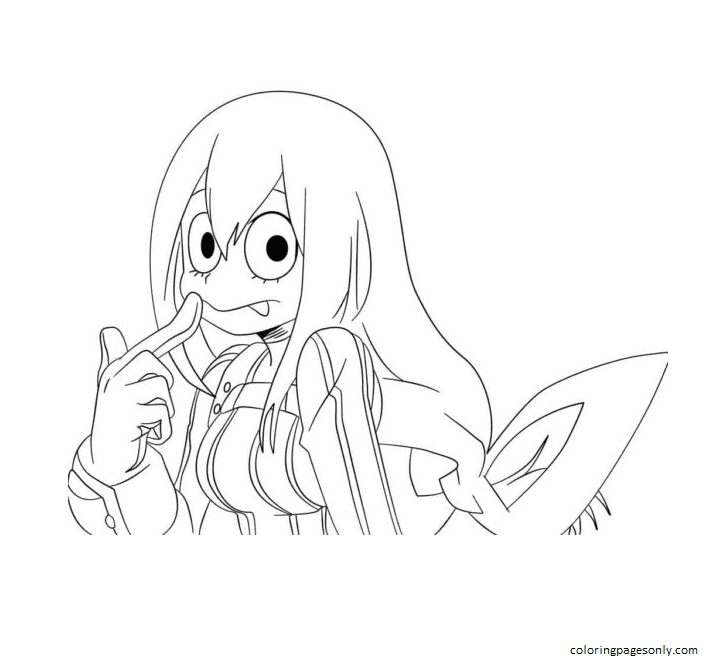
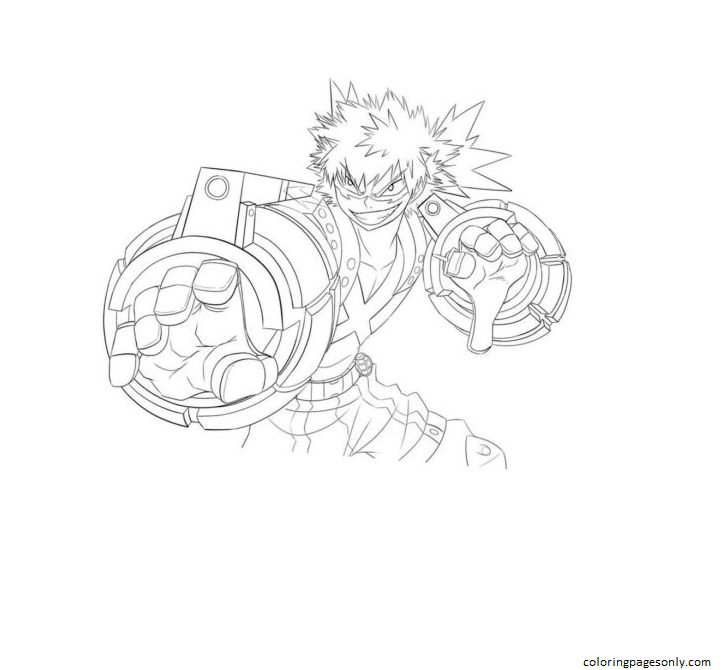
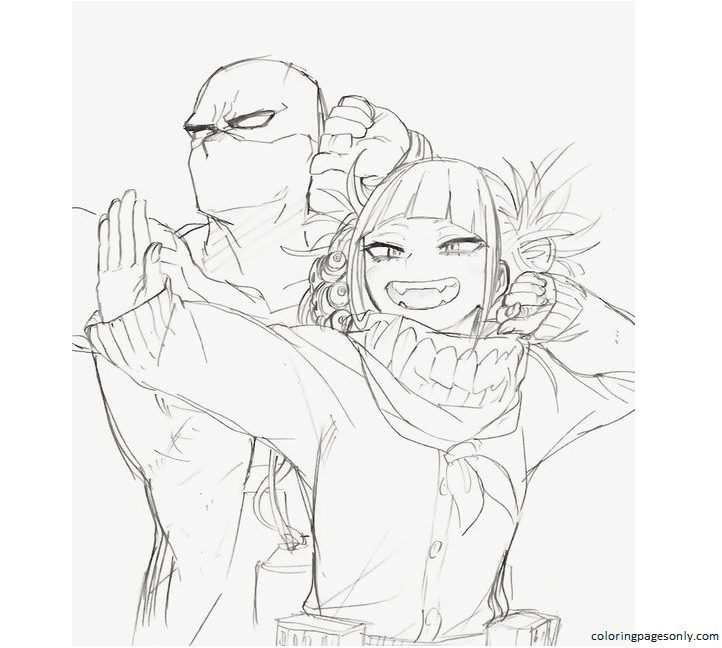
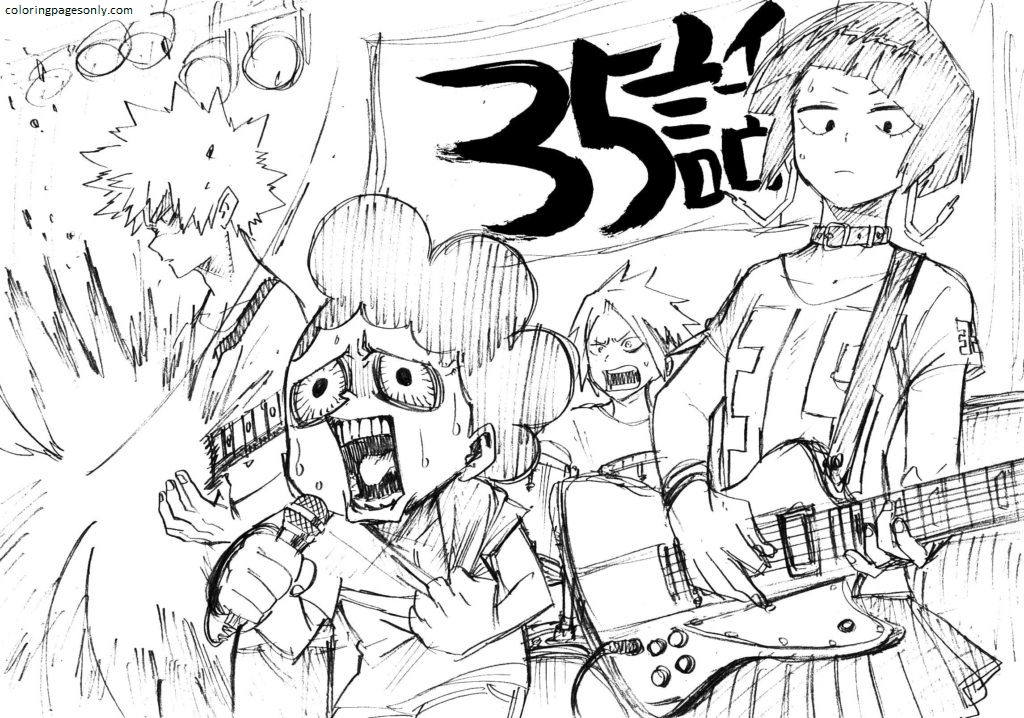
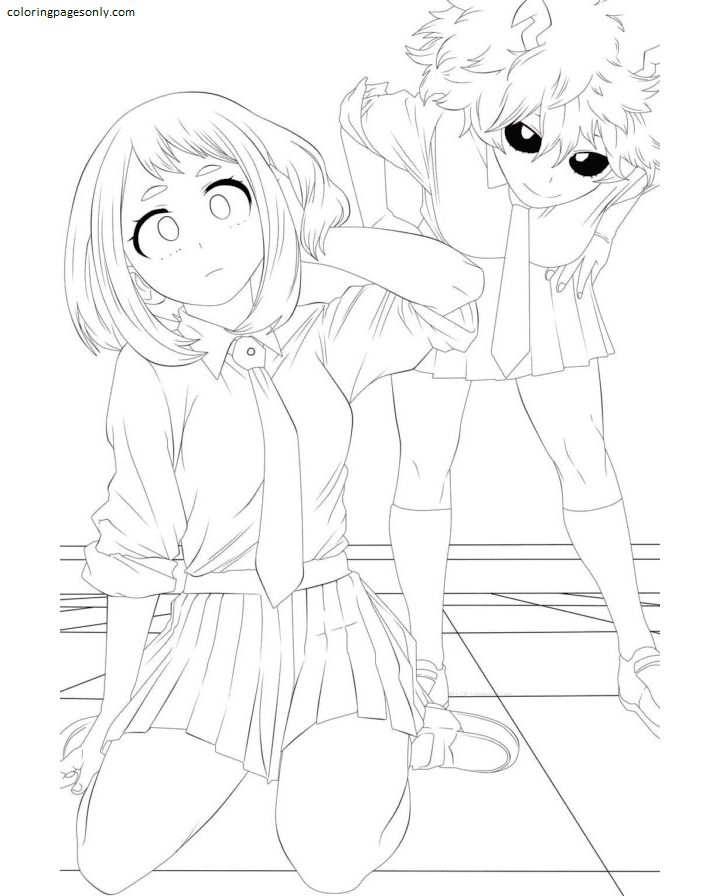
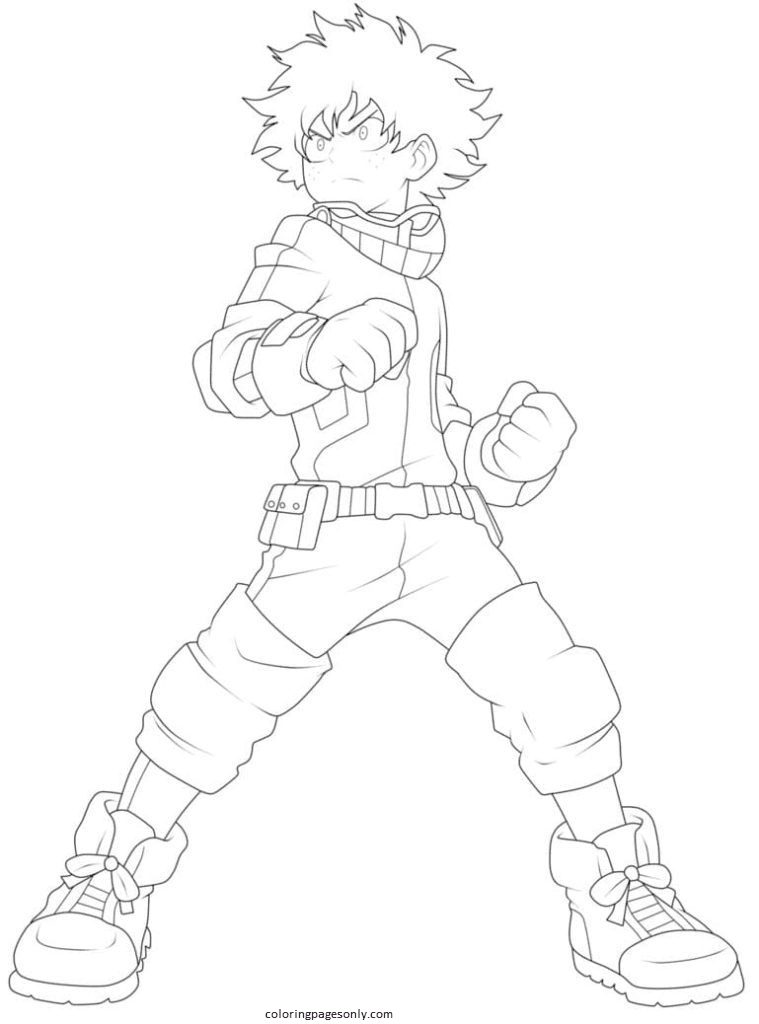
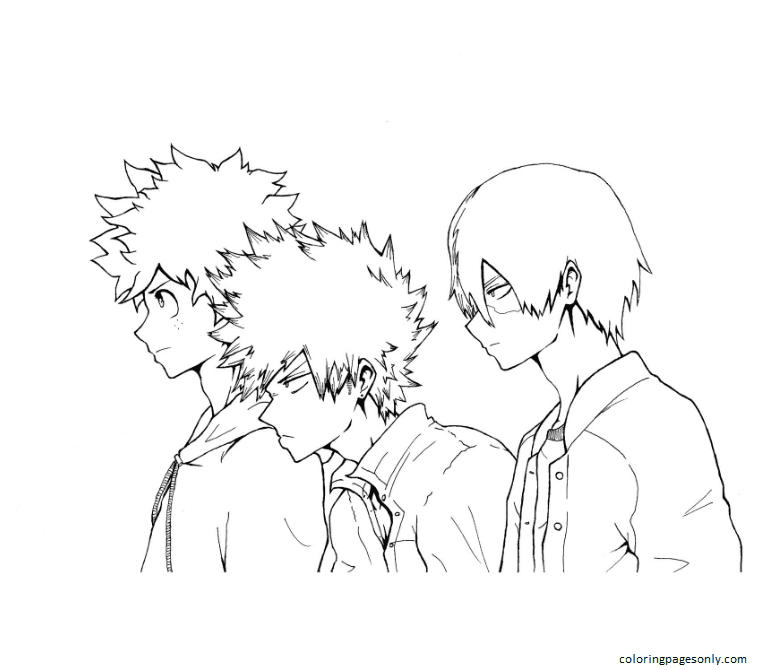
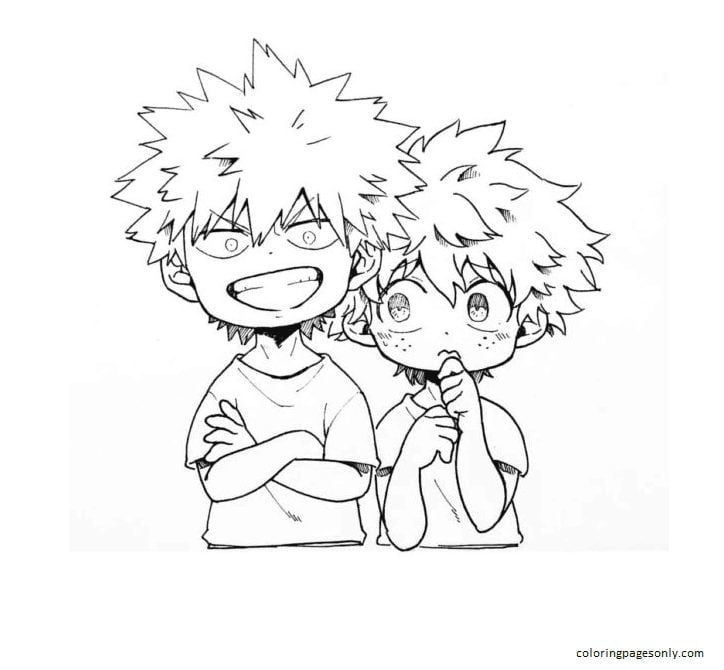
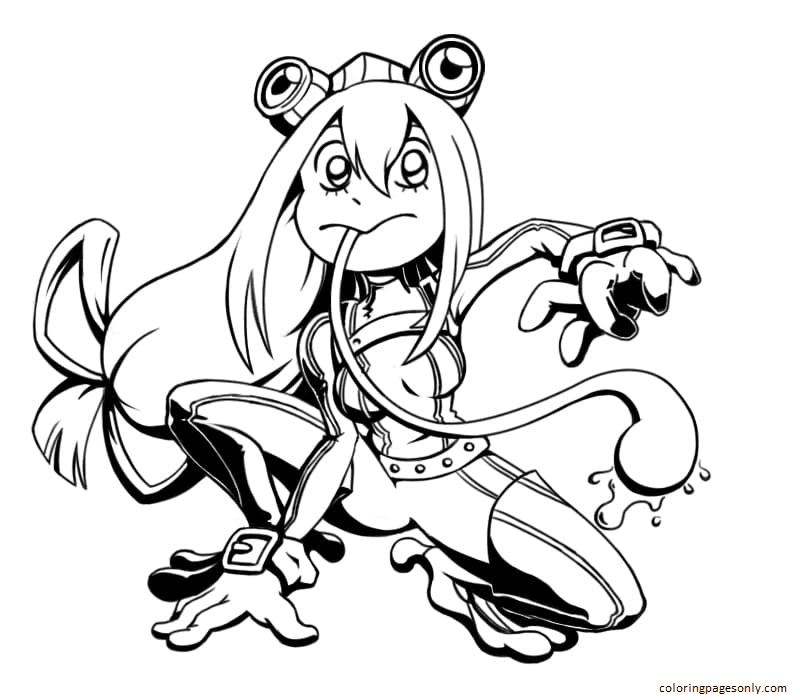
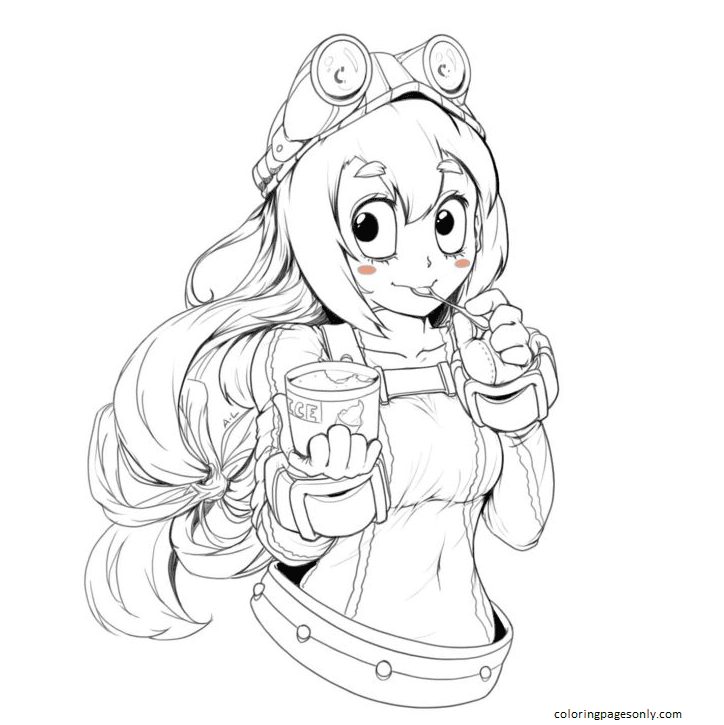
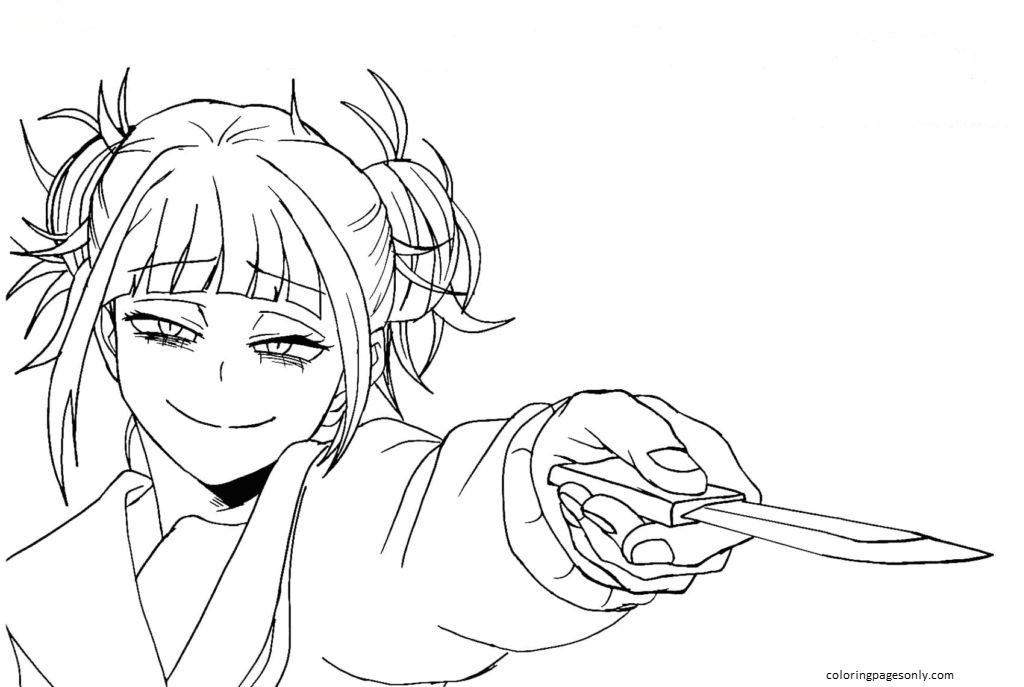
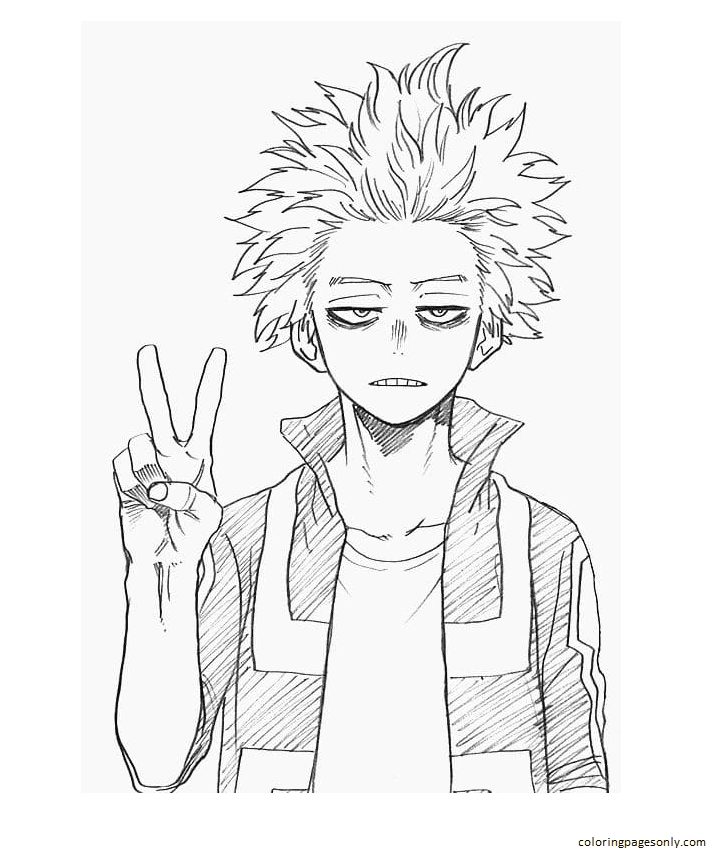
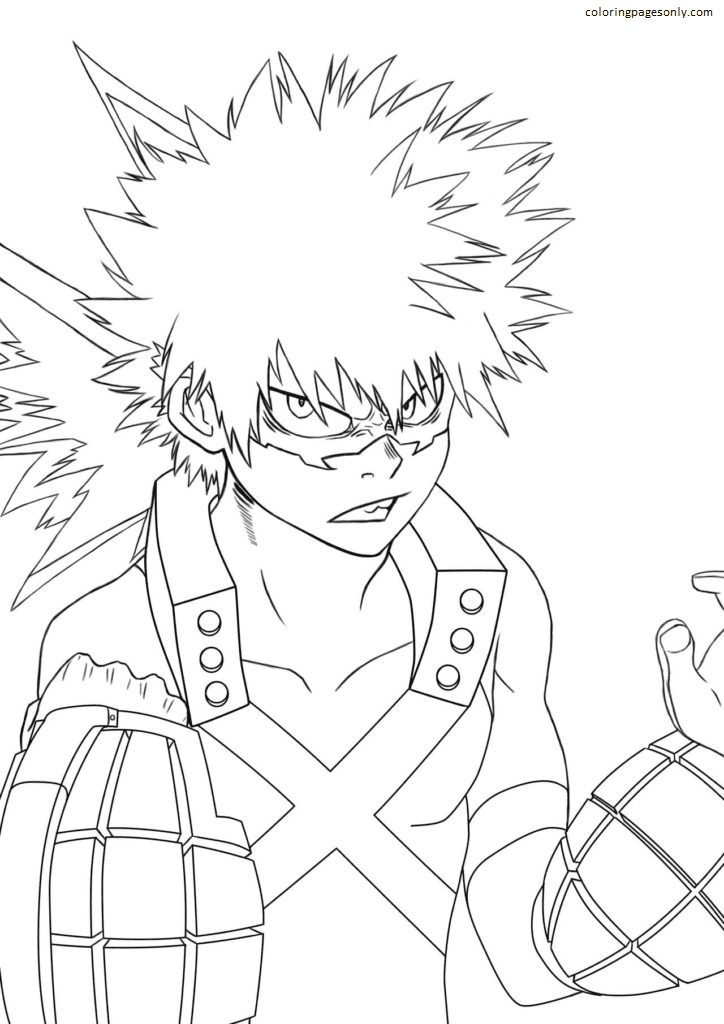
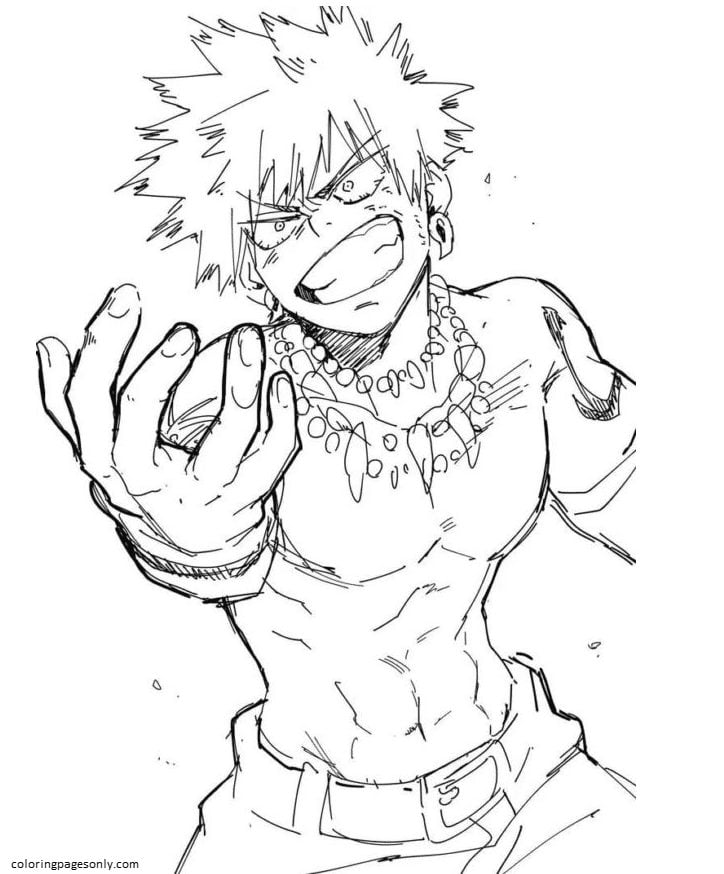
Most pages feature Deku, Bakugo, Todoroki, Uraraka, Tsuyu Asui, Kirishima, Mina Ashido, Kyoka Jiro, Momo Yaoyorozu, Fumikage Tokoyami, Denki Kaminari, Hitoshi Shinso, and Mirio Togata, shown solo and in group scenes.
Pro Heroes and Mentors
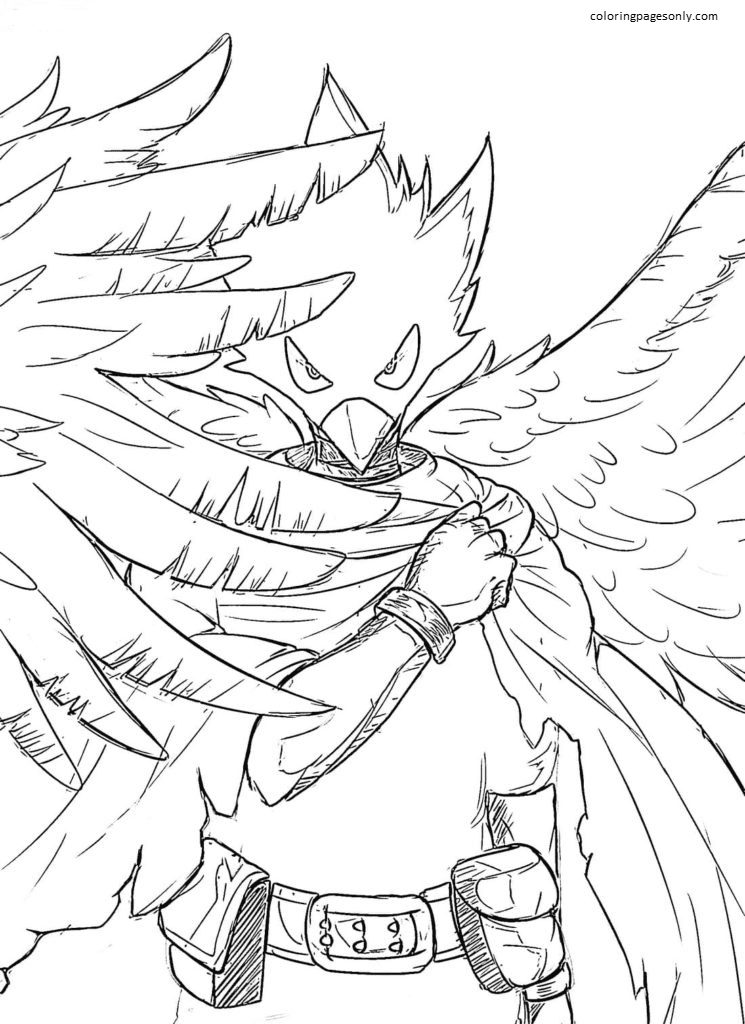
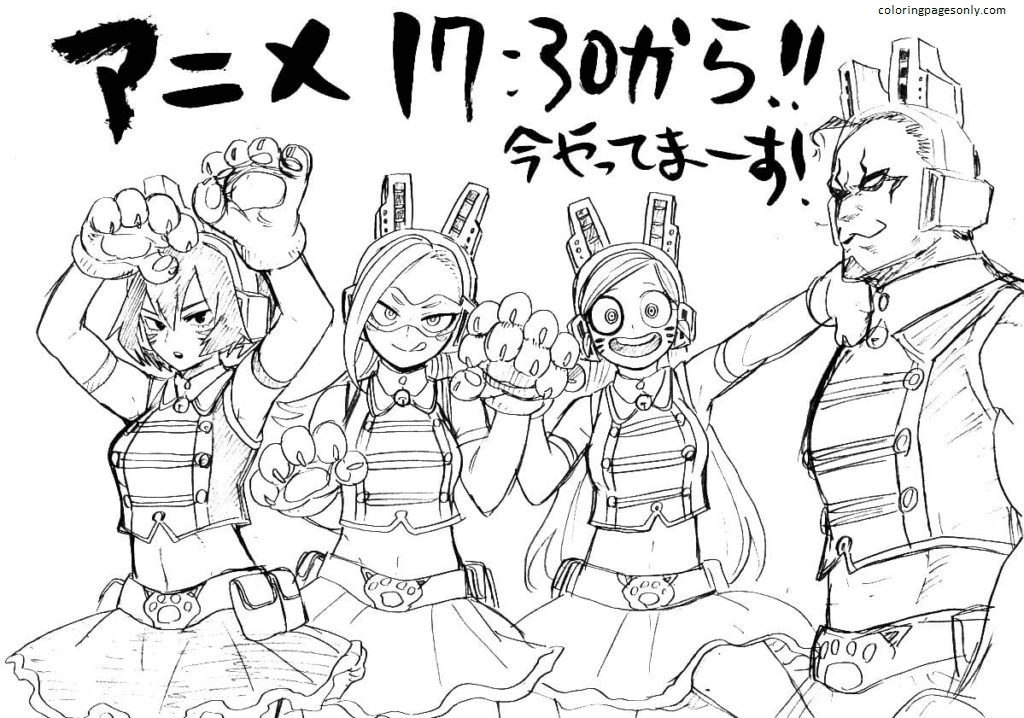
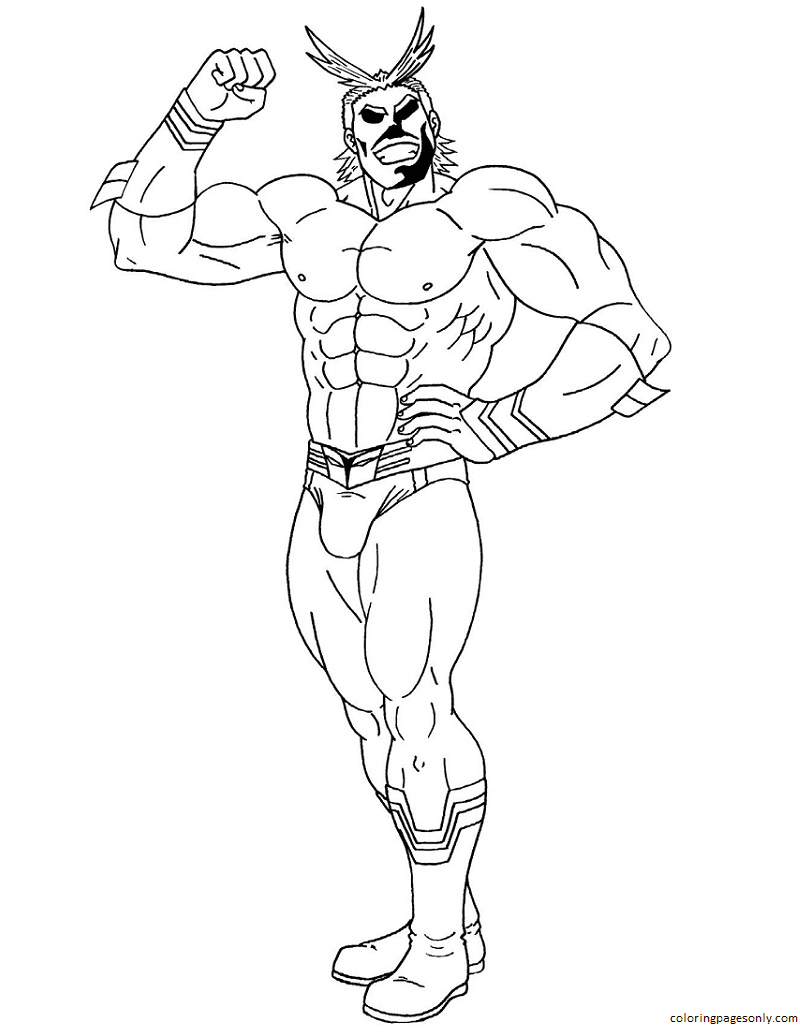
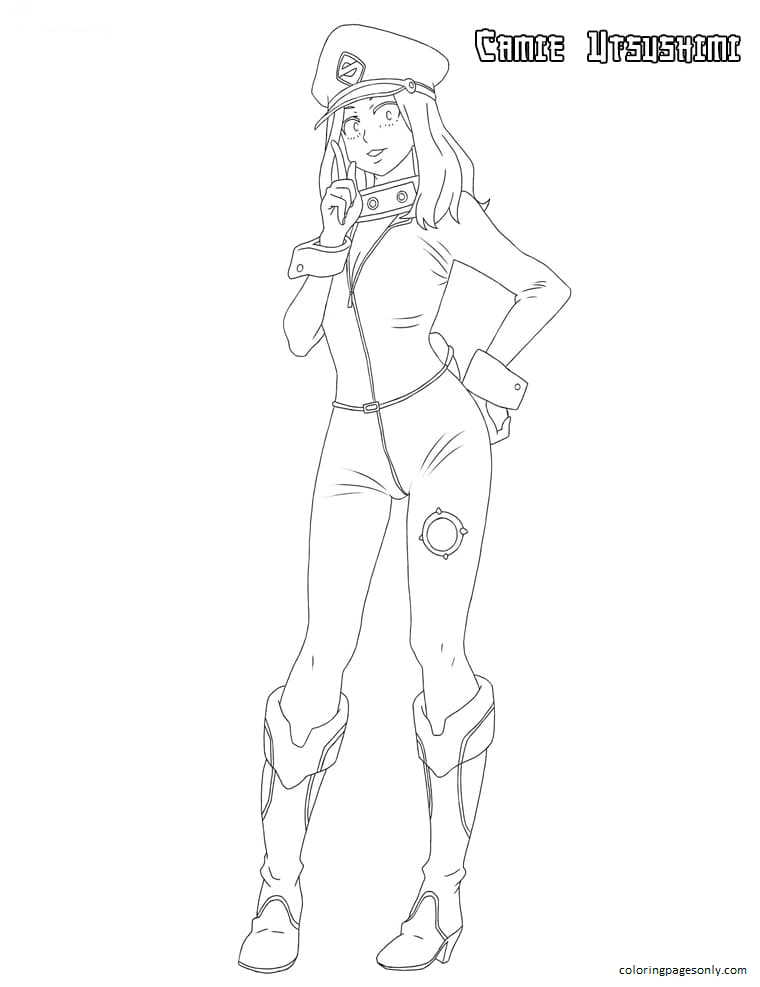
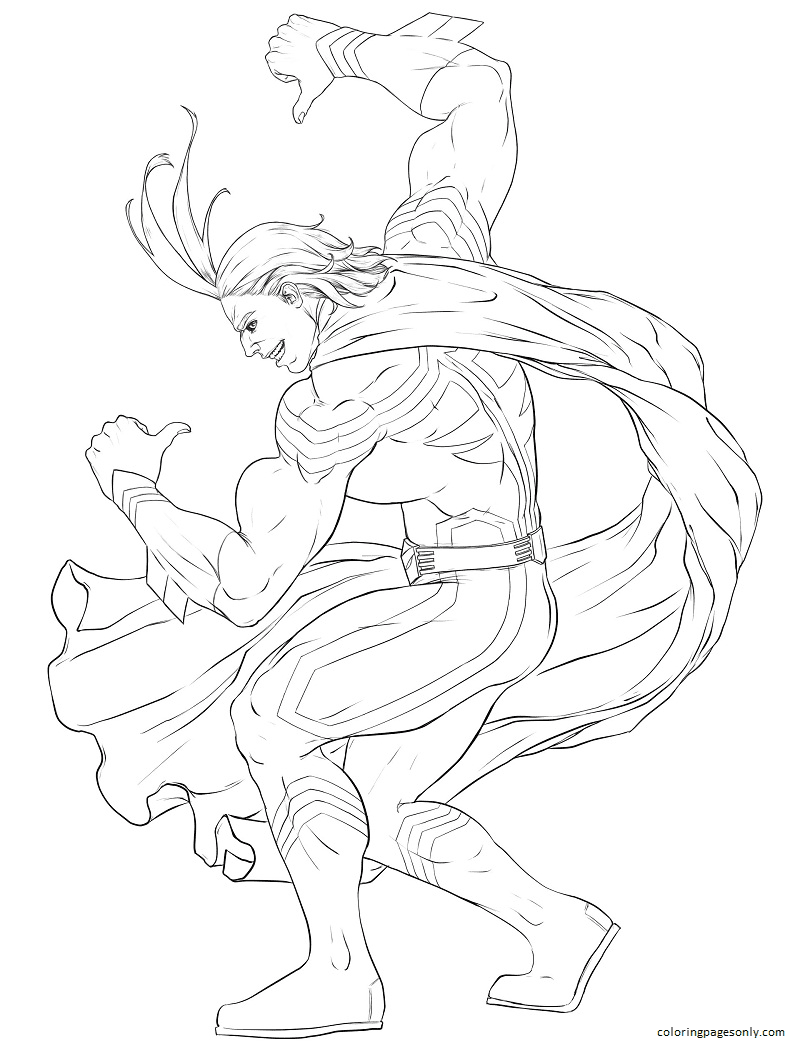
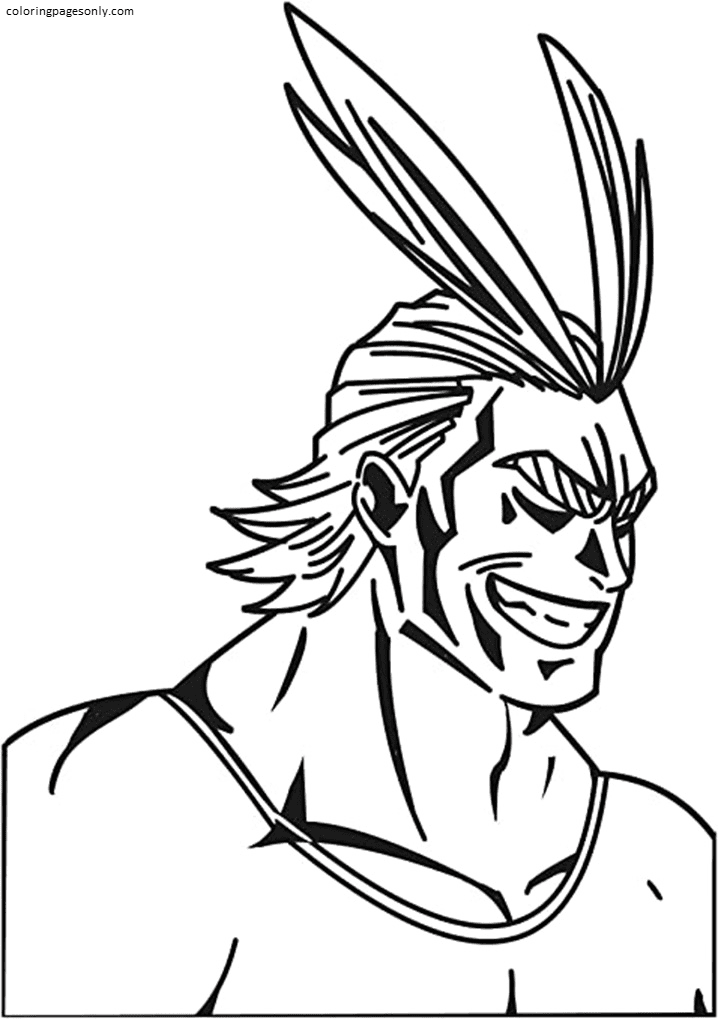
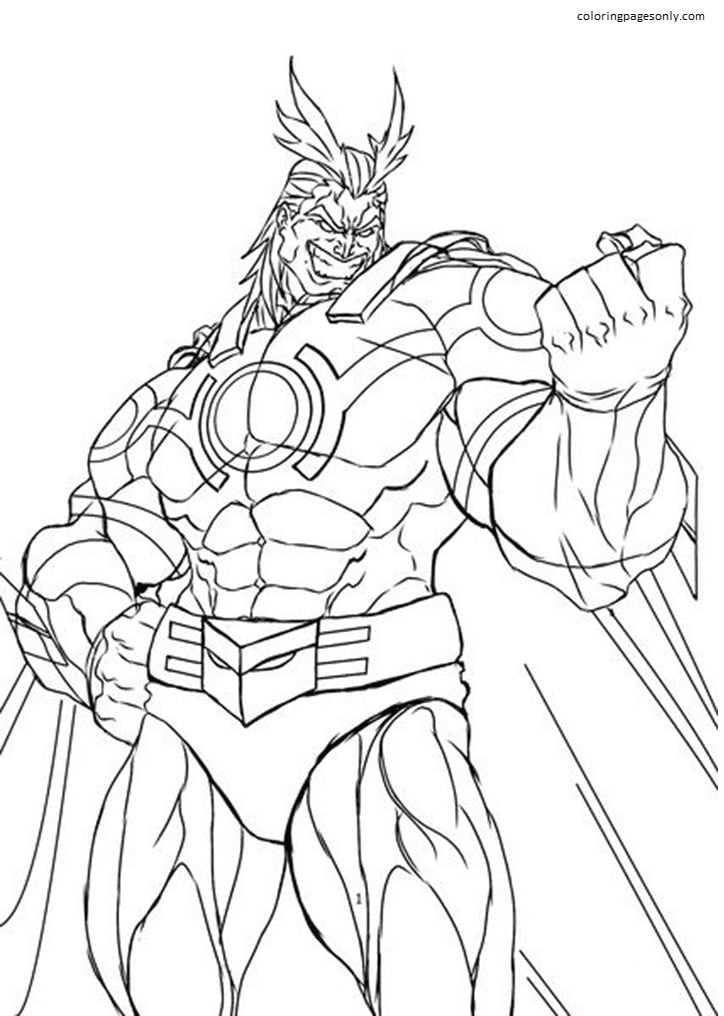
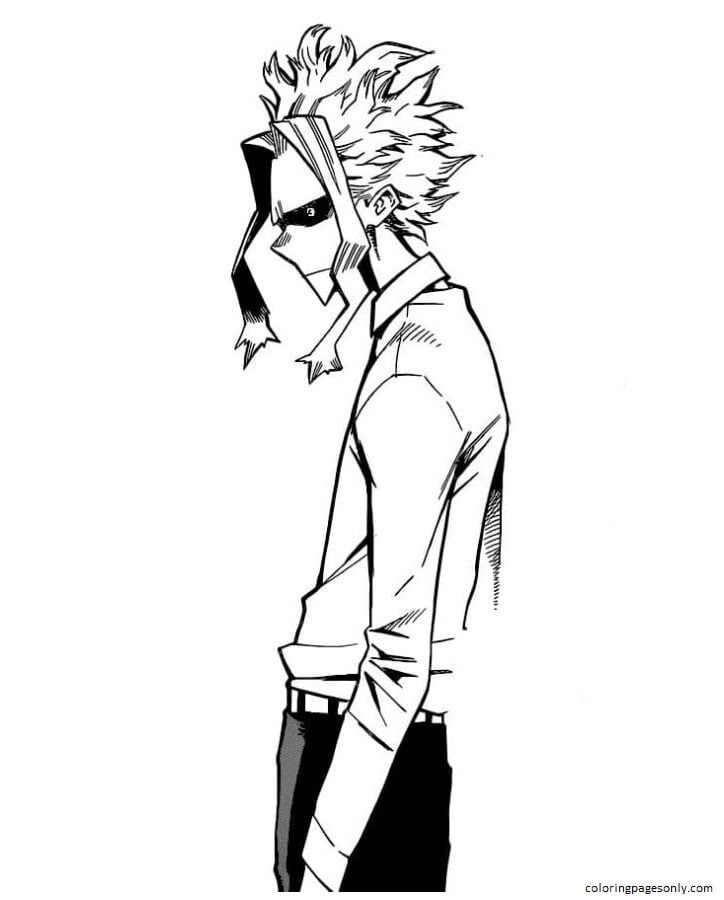
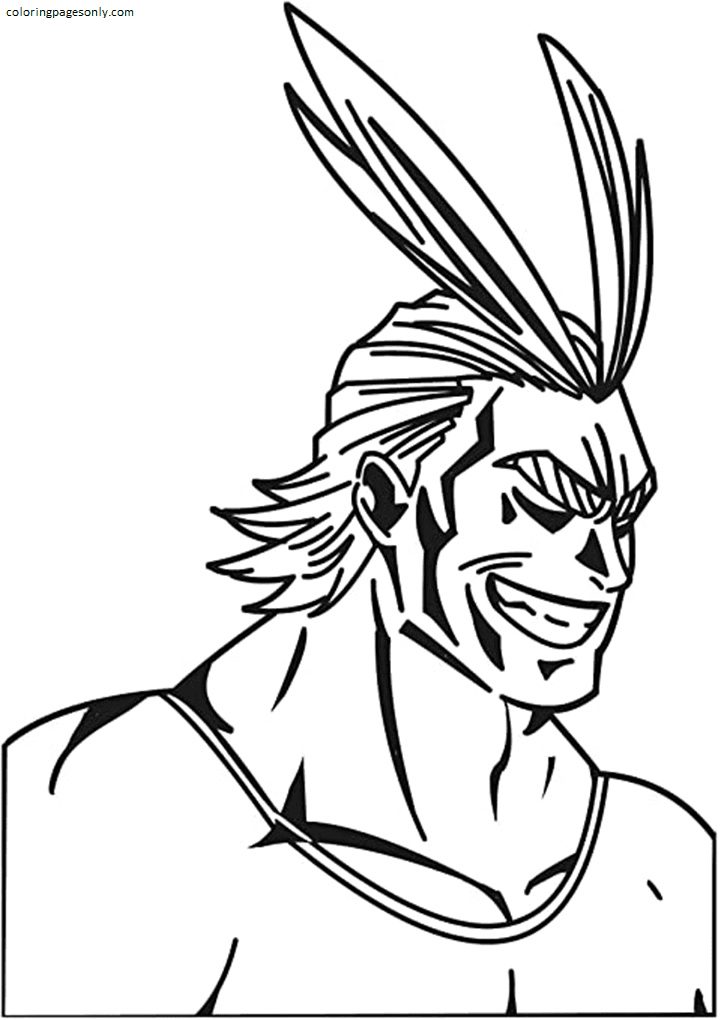
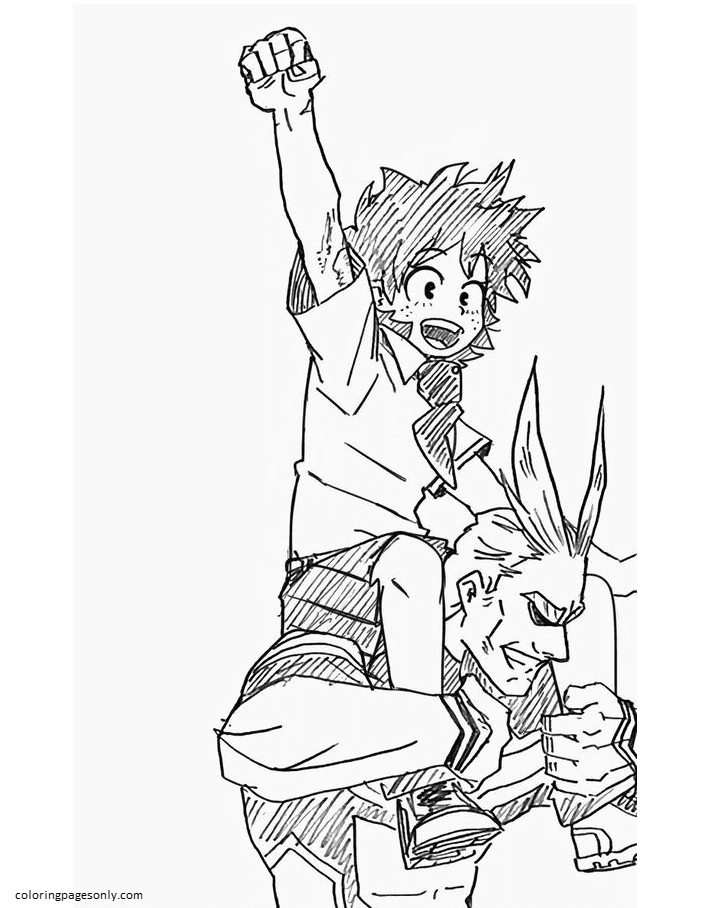
Several pages feature established heroes, including All Might, Endeavor, Hawks, and Mirko, who guide and train the next generation of students.
Villains and the League of Villains
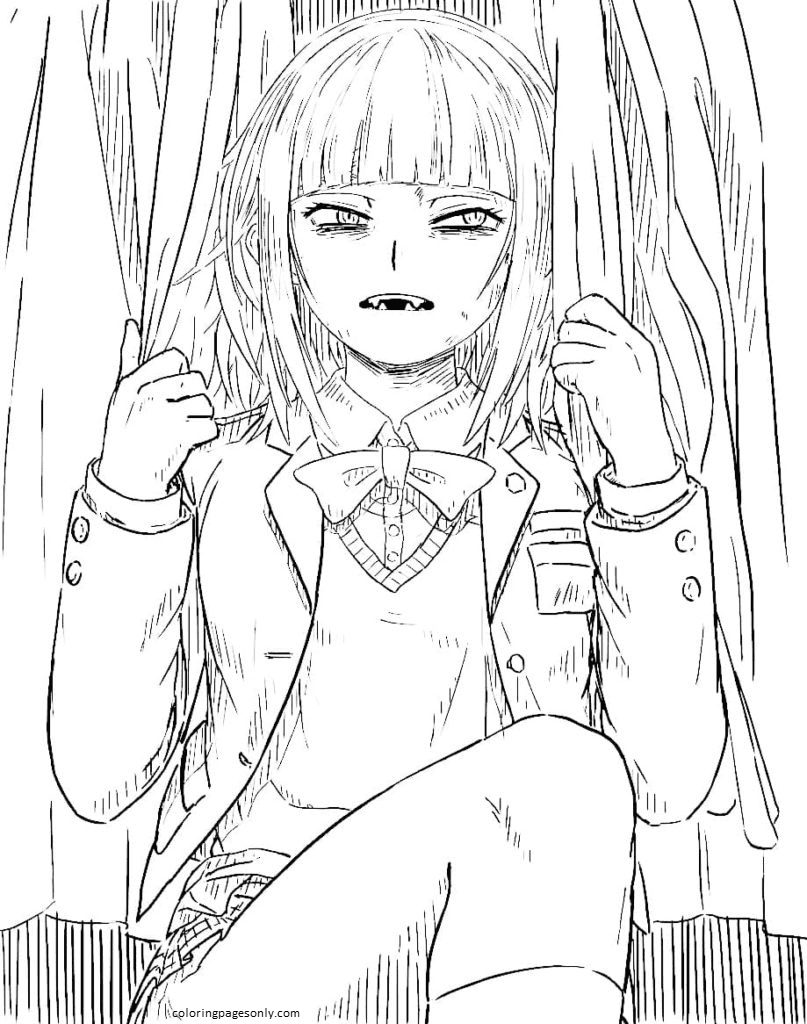
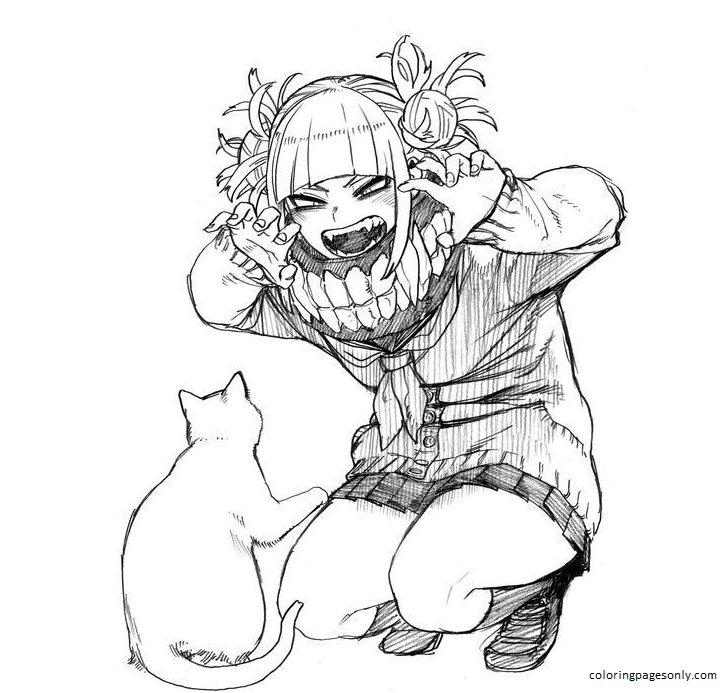
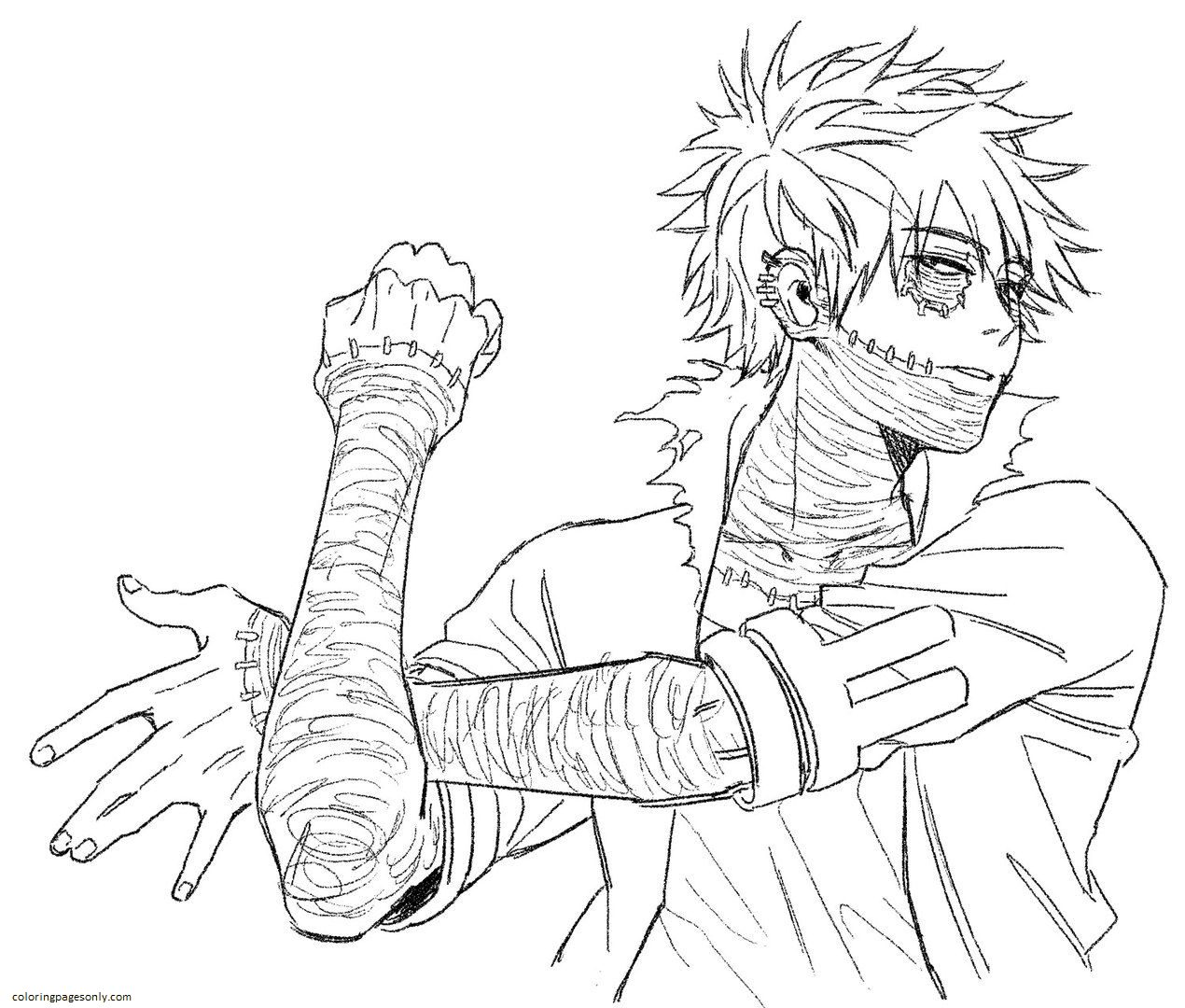
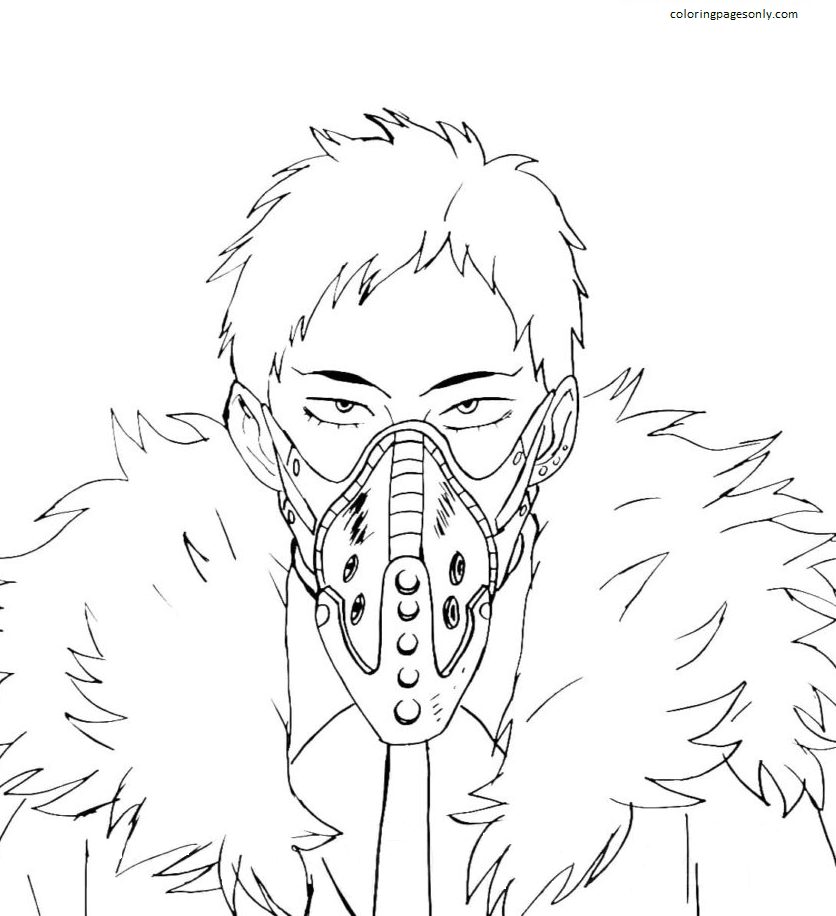
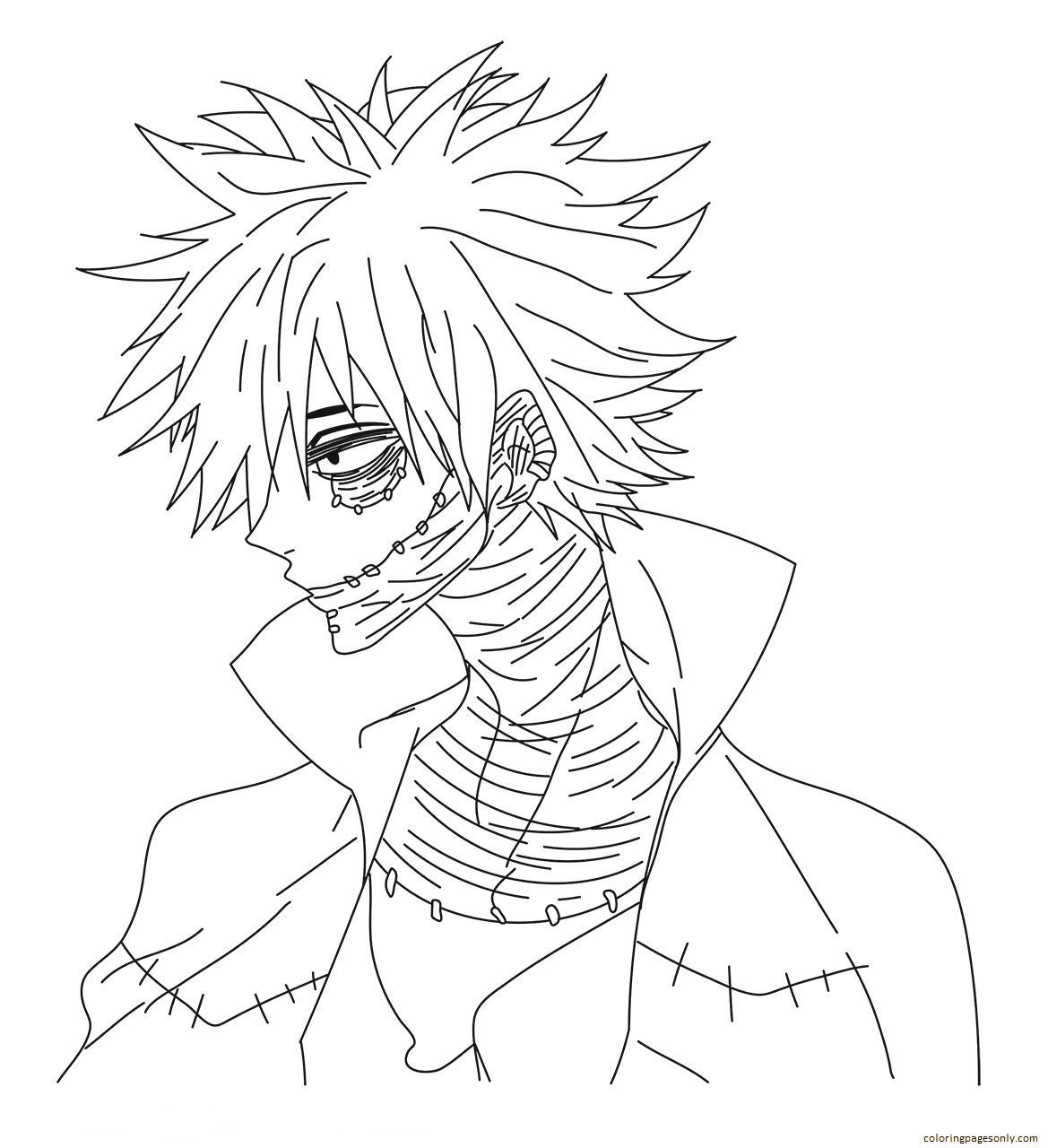
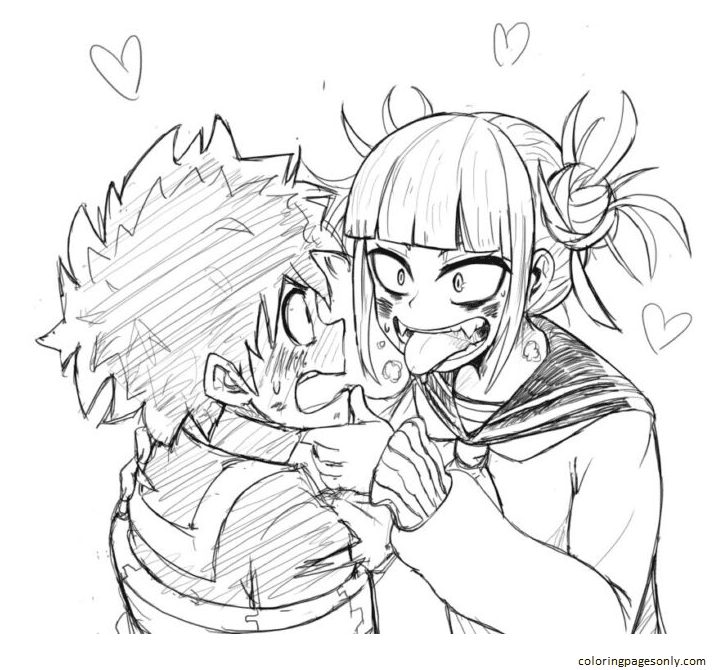
A smaller set of pages covers the series’ antagonists, including Himiko Toga, Dabi, Tomura Shigaraki, and Overhaul.
Team, Chibi, and Action Scenes
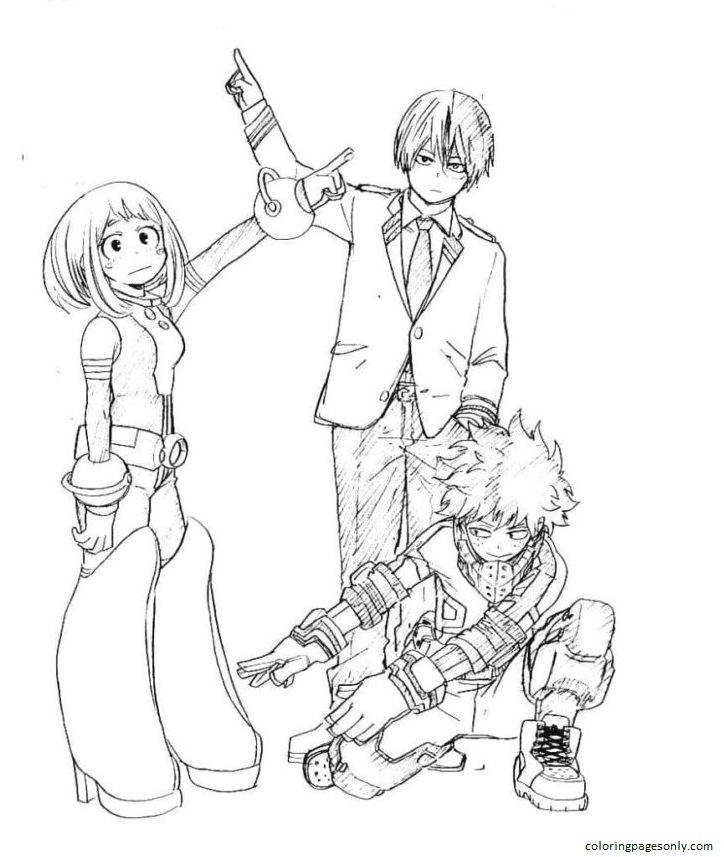
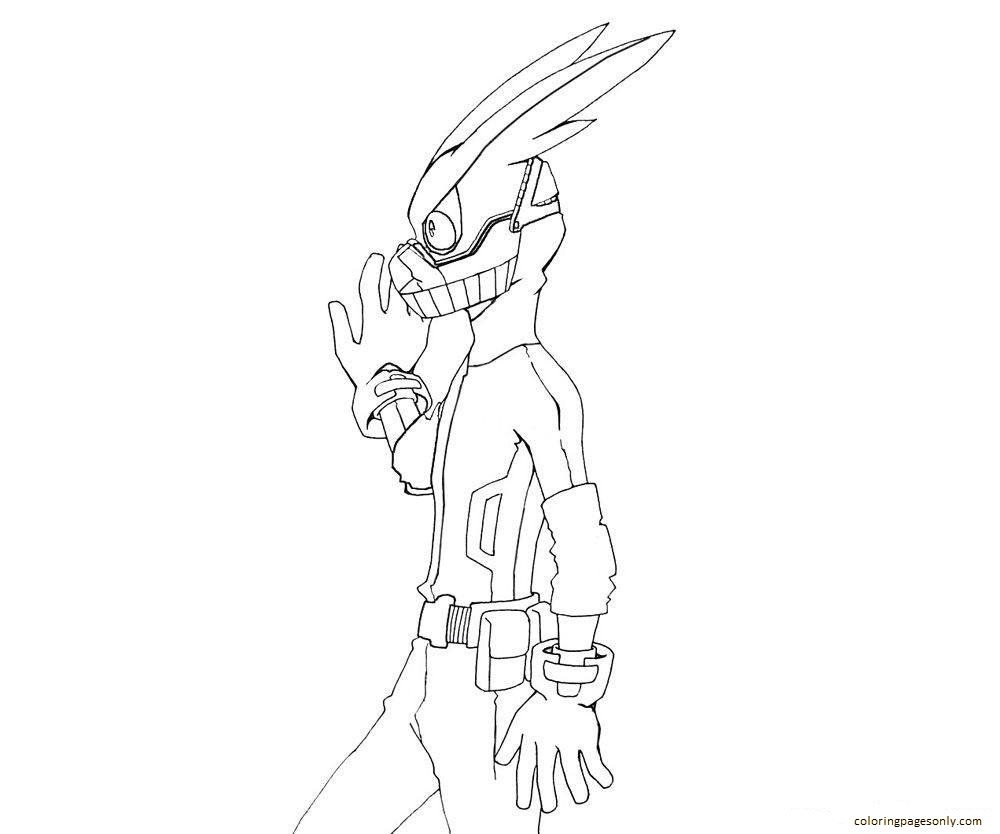
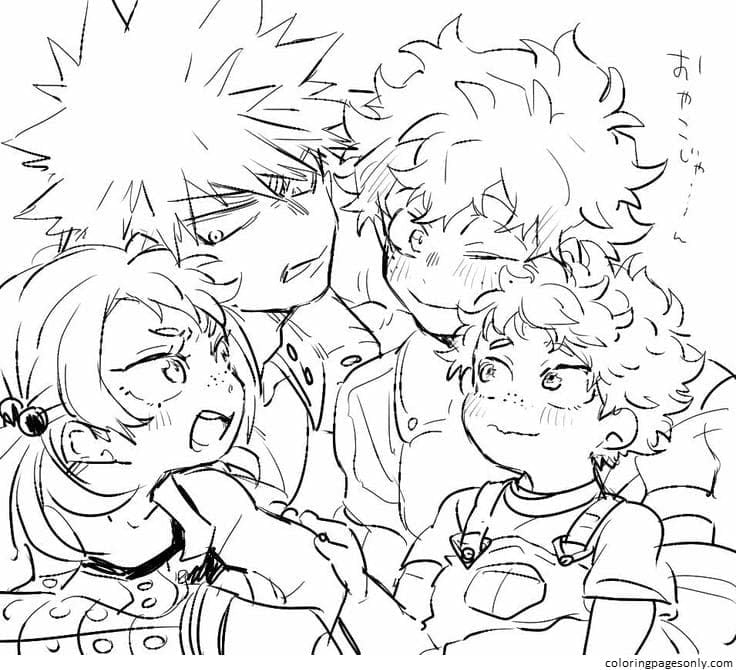
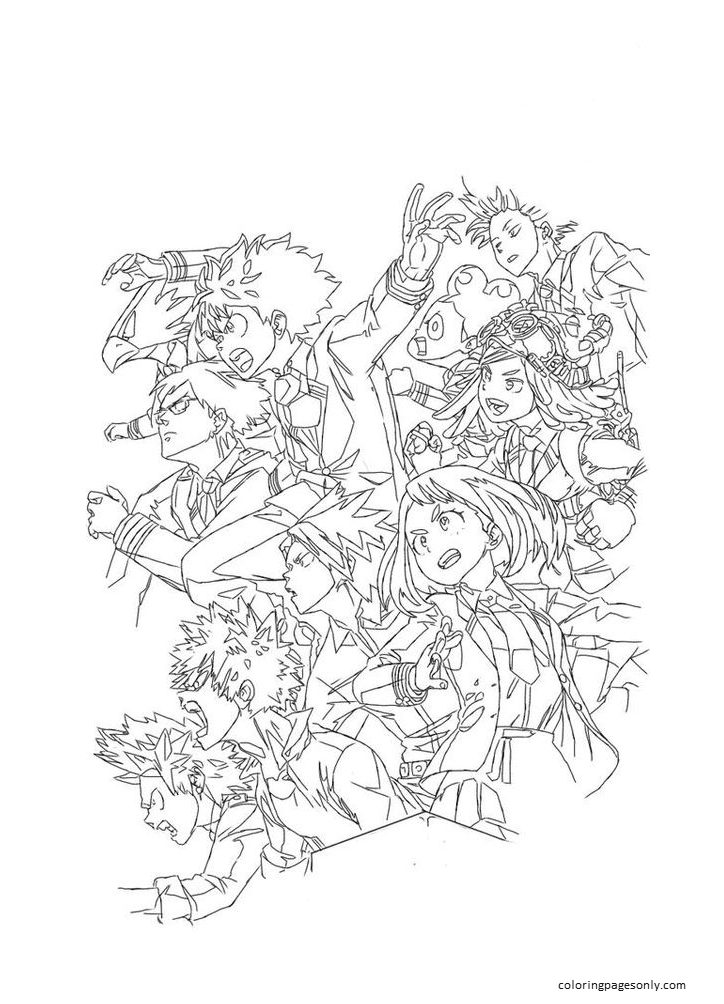
The remaining pages show characters in group team compositions, dynamic battle poses, and softer chibi-style versions.
What My Hero Academia Coloring Pages Do
Fine motor development through detailed costume design. The American Academy of Pediatrics identifies fine motor skill development as a core benefit of structured coloring for children ages 2 through 7, and staying inside the lines of a hero costume’s panels and trim calls for exactly that kind of controlled, contained pencil movement.
Practice connecting design to ability. Because each character’s Quirk shapes their visual design, from Todoroki’s split fire-and-ice coloring to Tsuyu Asui’s frog-like features, these pages give colorists a simple way to see how a power is reflected in appearance.
Anxiety reduction through focus. A 2005 study in the Art Therapy Journal documented measurable reductions in anxiety following structured coloring sessions, and working through a set of similarly detailed character pages offers that same steady, repetitive rhythm.
Practice with a large, consistent color palette. Because this collection spans dozens of characters, each with a signature color scheme, colorists get practice keeping a large cast visually consistent across many separate pages.
How to Color My Hero Academia Pages Well
- Deku’s costume: Use Green as the base with Red accents, keeping his freckled face and messy dark green hair consistent across pages.
- Bakugo: Color his spiky hair Ash Blond, with Tan or Orange for his explosive gauntlets.
- Todoroki: Split his hair down the middle, White on one side and Red on the other, matching his fire-and-ice Quirk with cool Gray-Blue and warm Turquoise eye tones.
- All Might: Use bright Blond for his signature upward hair peak, paired with his Red, Blue, and Yellow hero costume.
- Villains: Keep colors for characters like Dabi and Shigaraki more muted and desaturated to visually separate them from the brighter hero palette.
- Action scenes: Add sharp speed lines and impact bursts around characters in battle poses to emphasize motion and energy.
5 Creative Craft Ideas With My Hero Academia Coloring Pages
1. Hero Costume Reference Sheet. Color a full-body portrait of a favorite character and label each costume element to study how a design ties into their Quirk.
2. Quirk Fact Cards. Color and cut out a few character portraits, then write a short description of each character’s Quirk on the back to use as a study tool.
3. Bookmark. Color a smaller portrait, laminate it, and trim it into a bookmark-sized strip for everyday use.
4. Hero License Card. Color a character portrait, trim it to card size, and design a fictional hero license around it with a made-up hero name and specialty.
5. Class 1-A Team Poster. Color several classmates in a consistent style, then mount them together on a poster board to build a full Class 1-A display.
Frequently Asked Questions
What are My Hero Academia coloring pages?
My Hero Academia coloring pages are printable line-art designs of Class 1-A students, pro heroes, and villains from the shonen series. This collection includes 157 free designs available as PDFs or online coloring.
What is My Hero Academia about?
My Hero Academia follows Izuku Midoriya, a boy born without a superpower called a Quirk in a world where most people have one, as he trains at U.A. High School to become a hero after inheriting the power One For All from All Might.
Who created My Hero Academia?
My Hero Academia was created by Kohei Horikoshi, who wrote and illustrated the manga for Weekly Shonen Jump from July 2014 to August 2024.
Has My Hero Academia’s story ended?
Yes. The manga concluded in August 2024, and the anime adaptation by Studio Bones finished airing its final material in August 2026, bringing the franchise’s story to a close.
What is a Quirk?
A Quirk is the term used in My Hero Academia for a person’s unique superpower, ranging from physical mutations to abilities like controlling ice, turning invisible, or manipulating gravity.
Who are the main Class 1-A students?
Key Class 1-A students include Izuku Midoriya, Katsuki Bakugo, Shoto Todoroki, Ochako Uraraka, Tsuyu Asui, Eijiro Kirishima, and Momo Yaoyorozu, among many other classmates.
Are My Hero Academia coloring pages suitable for young children?
Yes. The simpler solo portraits in this collection suit preschool and early elementary colorists, while the more detailed battle and team scenes work well for older children and teens.
What Quirk does Izuku Midoriya (Deku) have?
Izuku Midoriya inherits One For All, a powerful Quirk passed down from All Might that grants immense physical strength, which he learns to control and build on throughout the series.
Start Coloring
Download any page by clicking the design. No account, email, or payment is required. Pages print directly from the browser at full resolution or open in the online coloring tool for screen use. Share finished pages on Facebook or Pinterest with the share buttons at the top of each design page.