
Anime coloring pages: 6,576 printable designs, the third-largest collection on the site, spanning Studio Ghibli films, long-running Shōnen Jump series, contemporary hits, and dozens of individual characters. Each page can be downloaded as a PDF to print or colored online in the browser.
This hub is organized by genre and era, then by individual series and character. A page can belong to more than one grouping (a character page is both part of its series and, often, its own dedicated sub-category), so counts reflect each grouping’s own total.

Studio Ghibli and the Anime Film Tradition
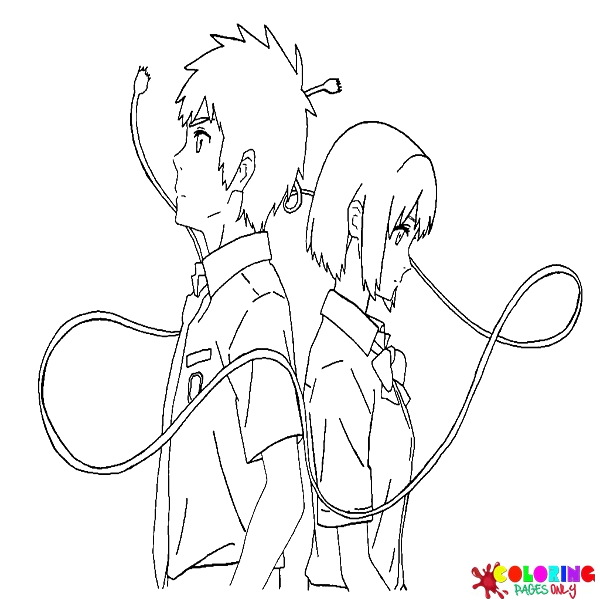
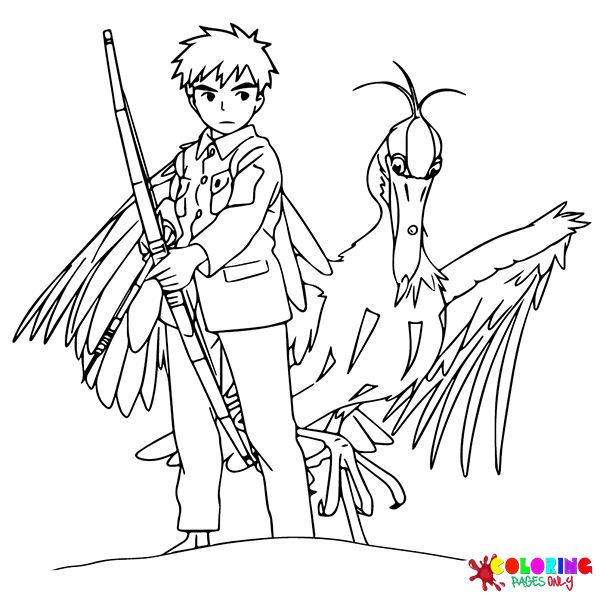
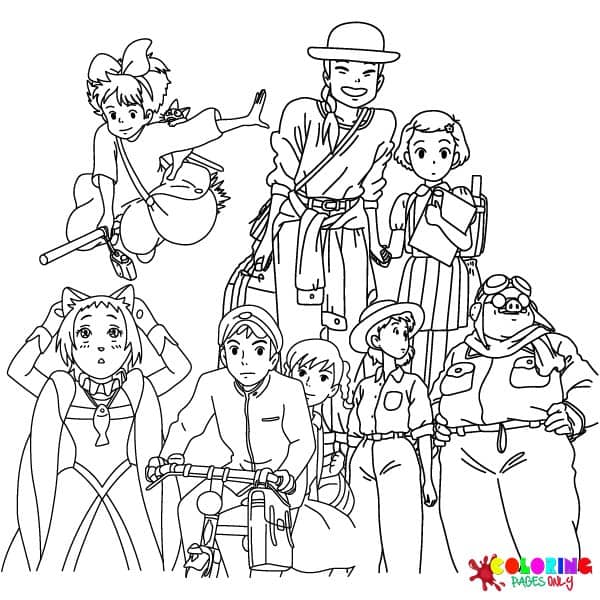
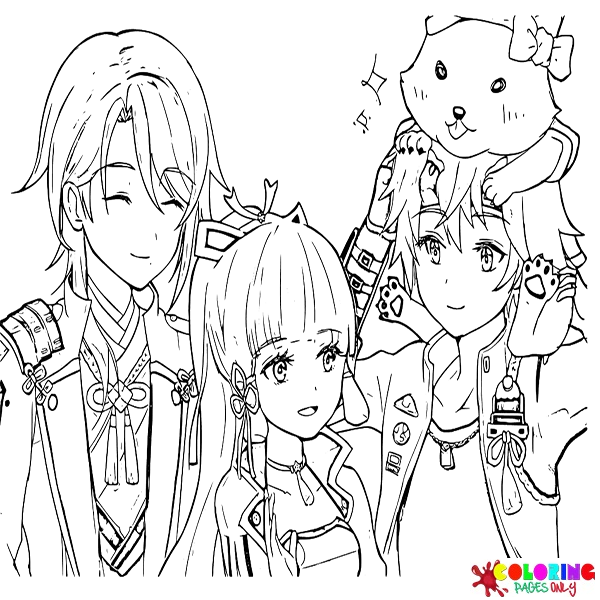
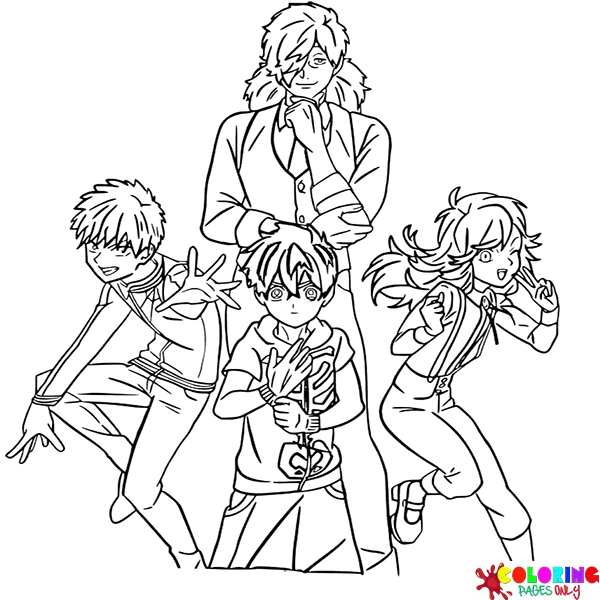
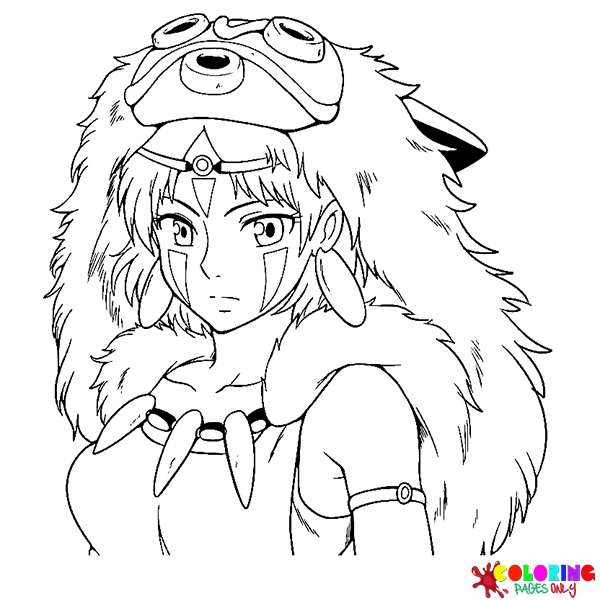
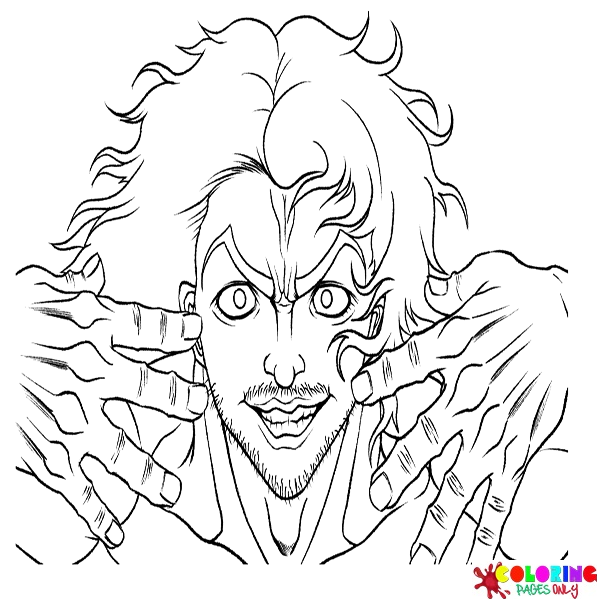
Studio Ghibli covers the body of work from the studio Hayao Miyazaki and Isao Takahata founded in 1985, from Nausicaä of the Valley of the Wind through The Boy and the Heron. Ghibli pages call for a different coloring approach than most anime: soft, watercolor-adjacent environments with careful attention to natural light, rather than the flat, vivid palette of action series. Princess Mononoke and The Boy and the Heron have their own dedicated pages reflecting demand for those specific films. Your Name (Makoto Shinkai, 2016) represents a newer generation of Japanese animated film, built around atmospheric lighting and sky color rather than a Ghibli or series-based visual style.
The Shōnen Jump Titans
Several of the longest-running, most globally influential anime properties in the collection trace back to Weekly Shōnen Jump, the manga anthology that has driven blockbuster anime adaptations since the 1980s.
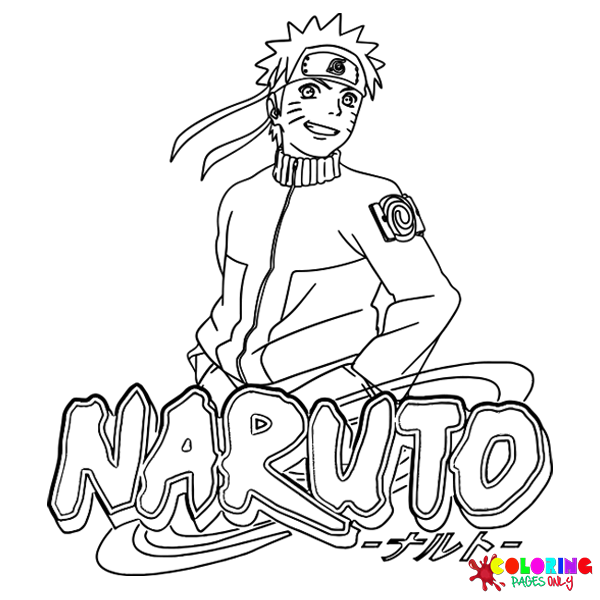
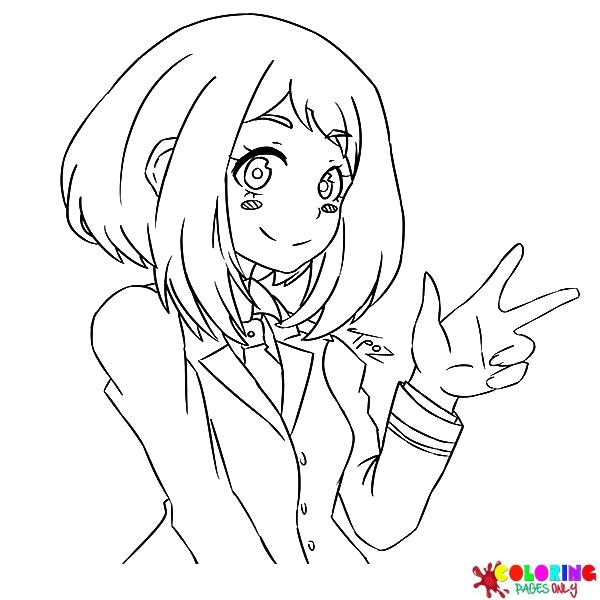
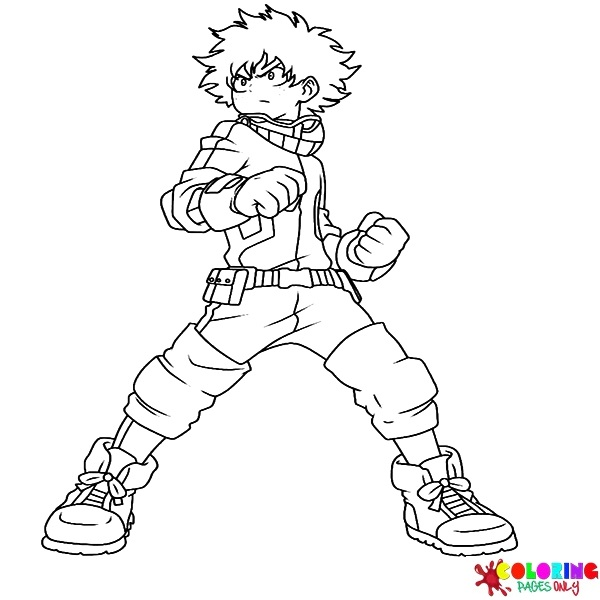
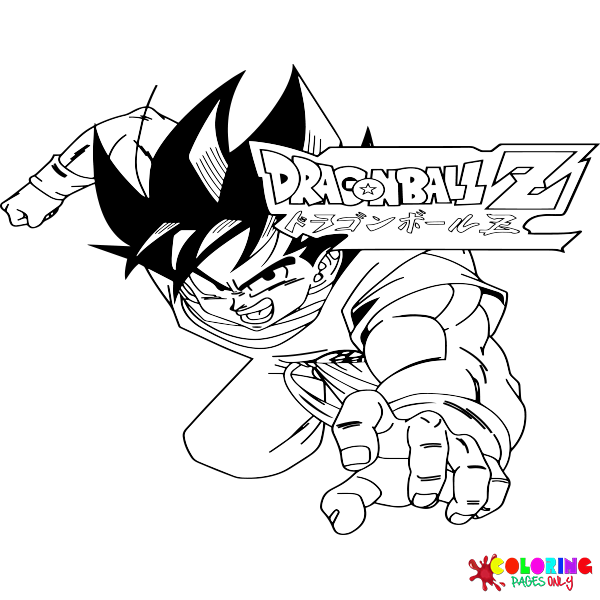
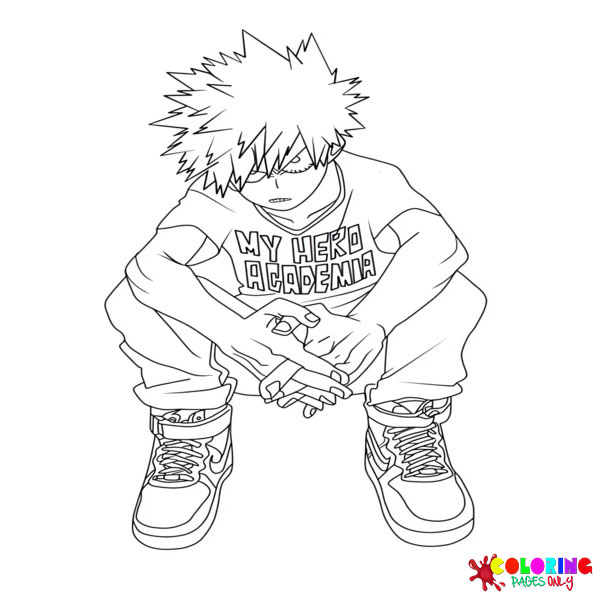
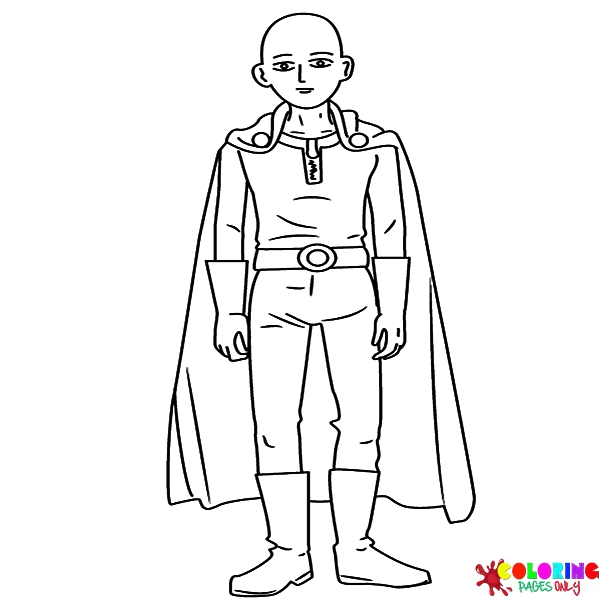
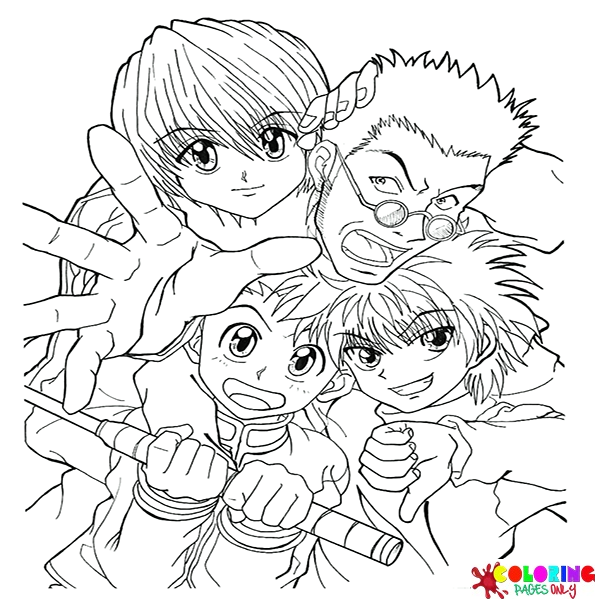
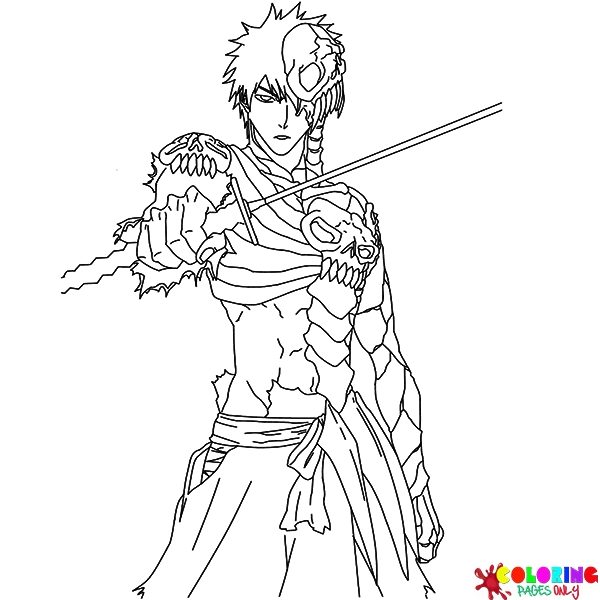
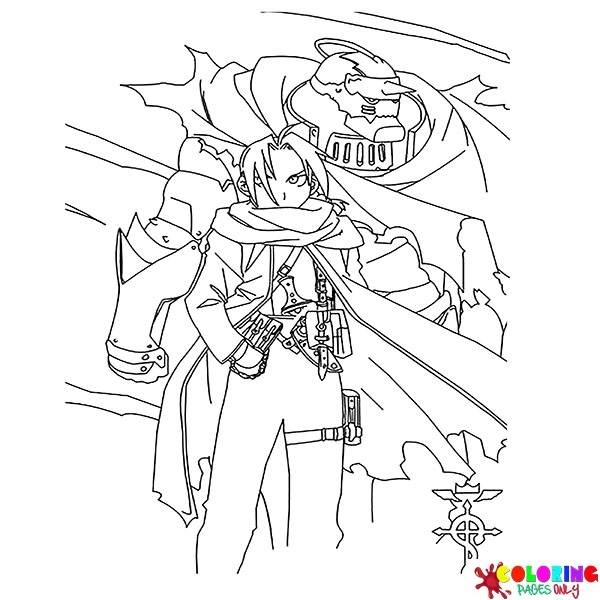
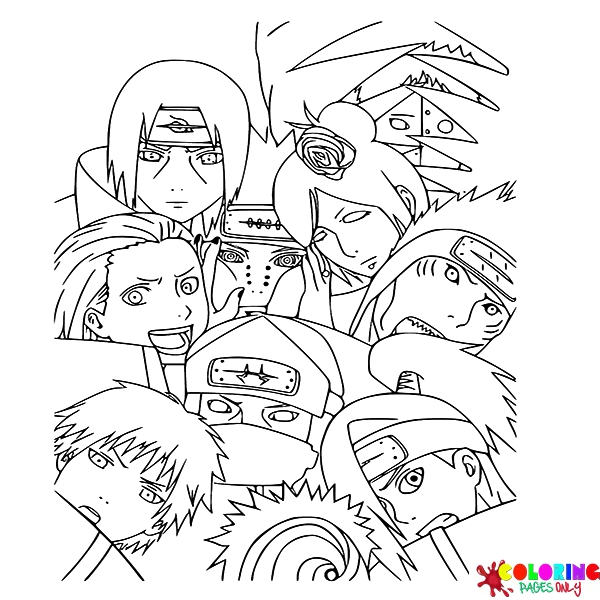
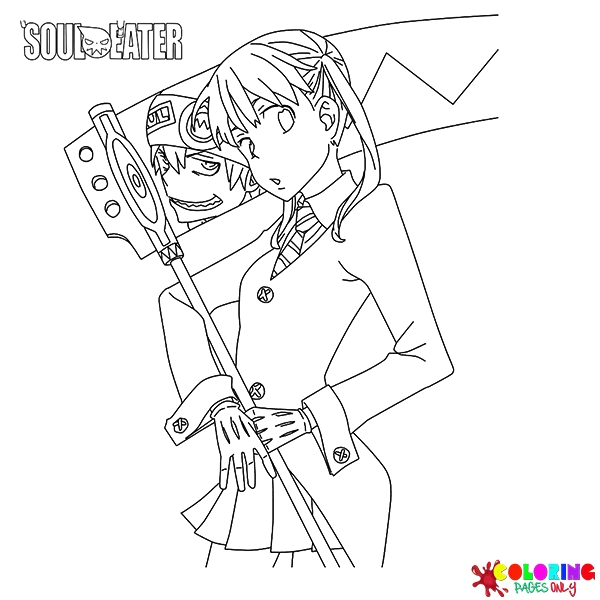
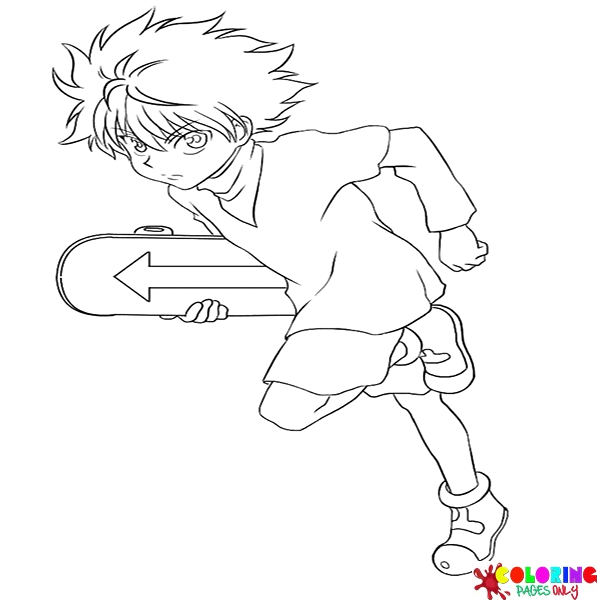
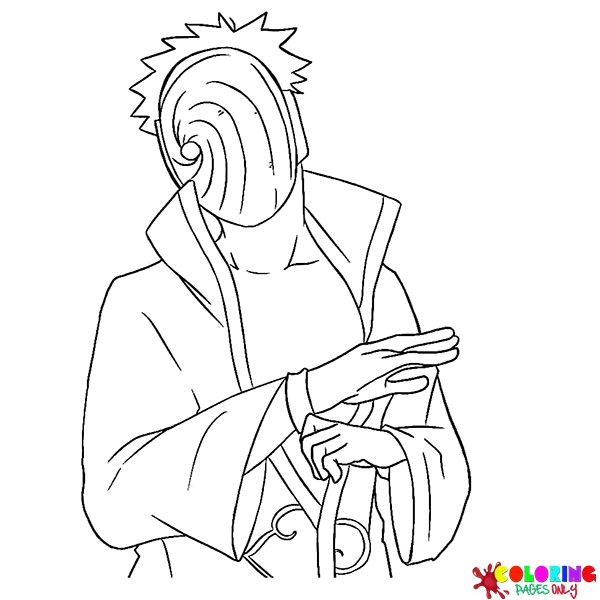
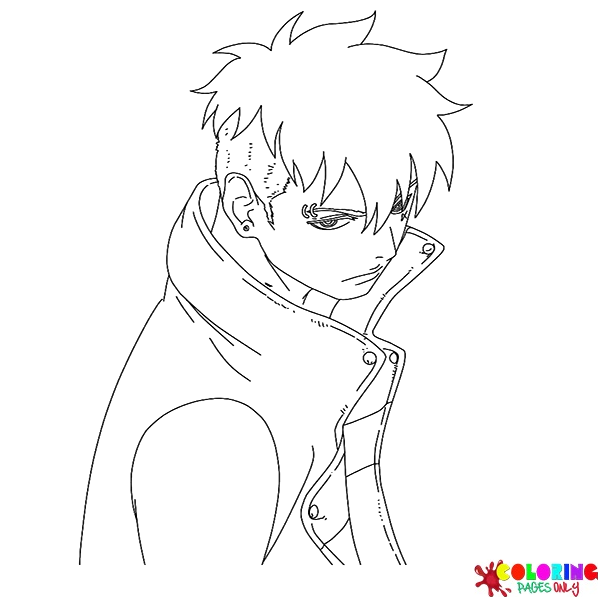
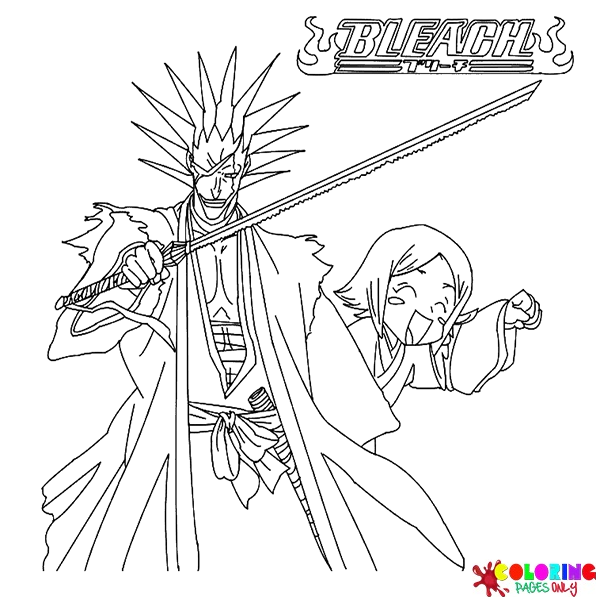
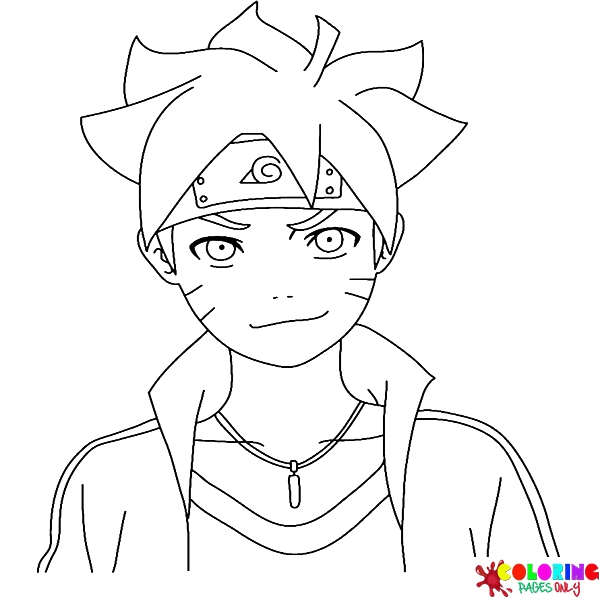
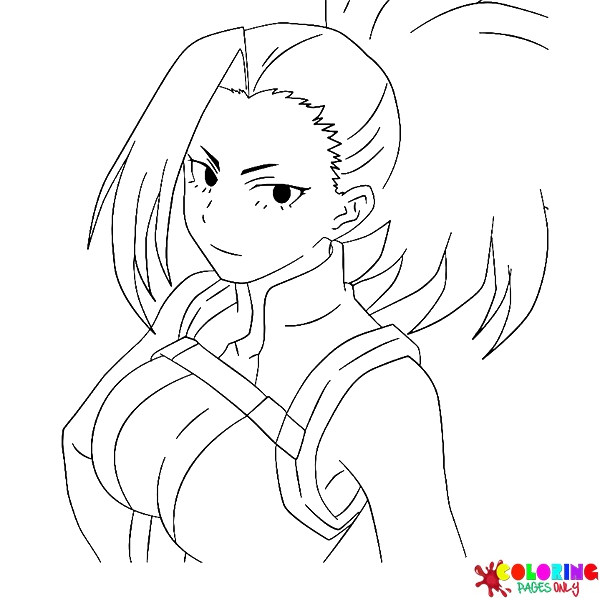
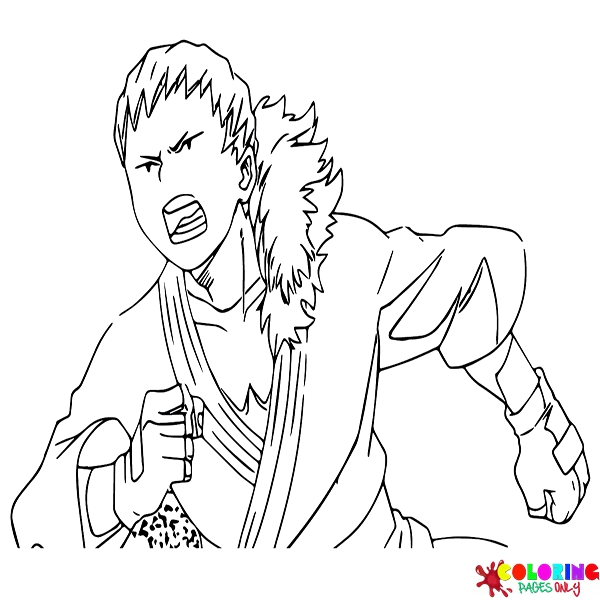
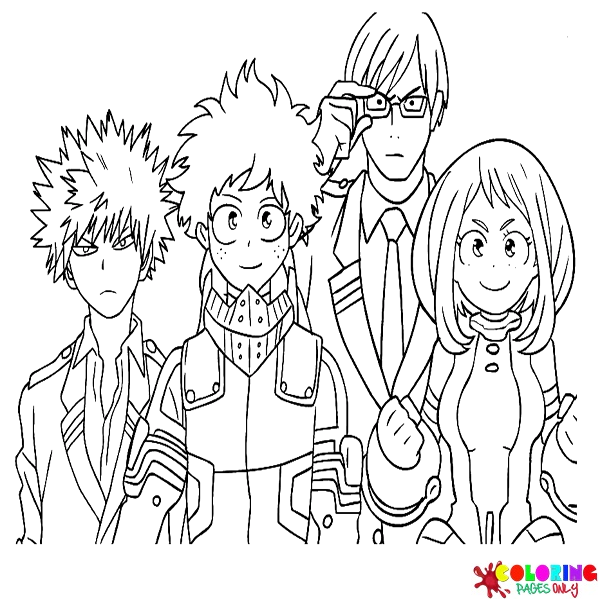
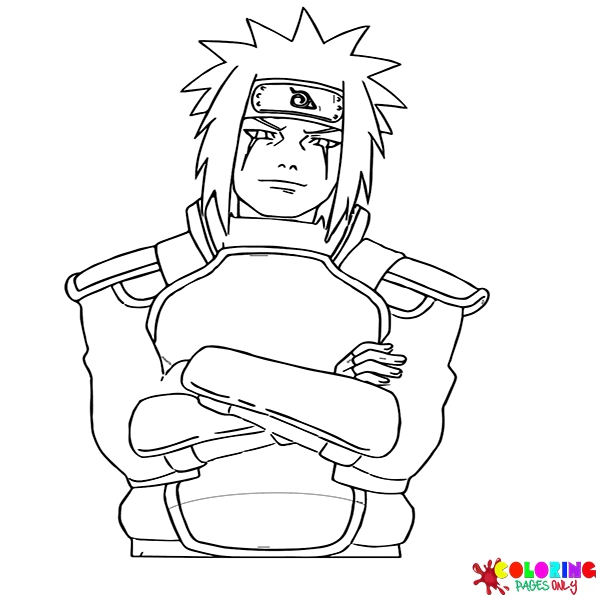
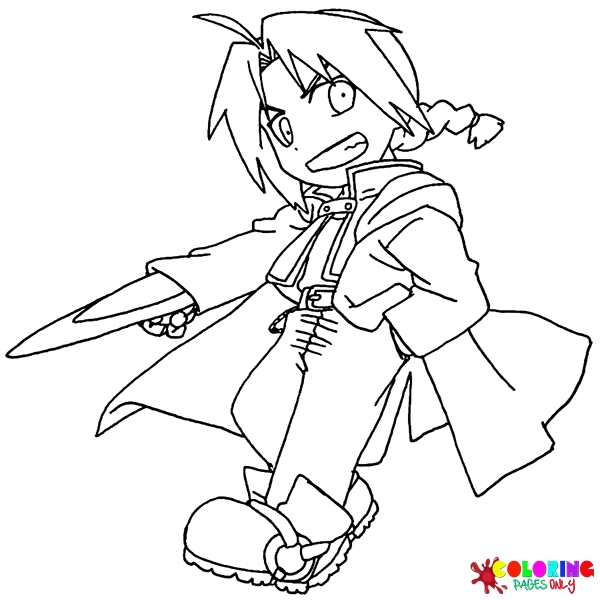
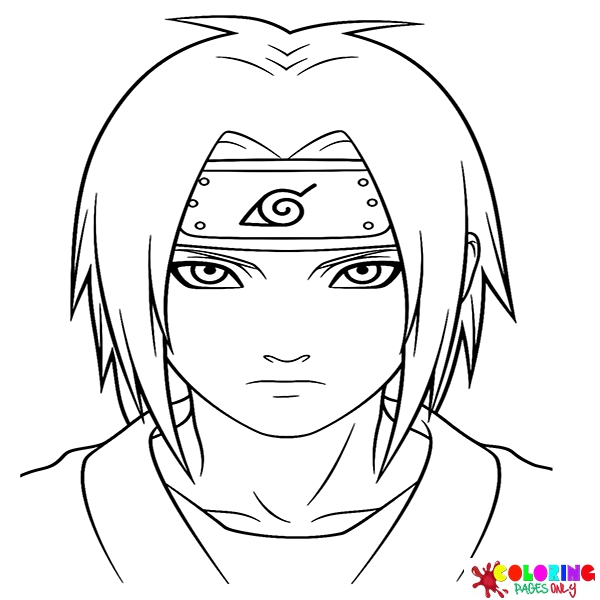
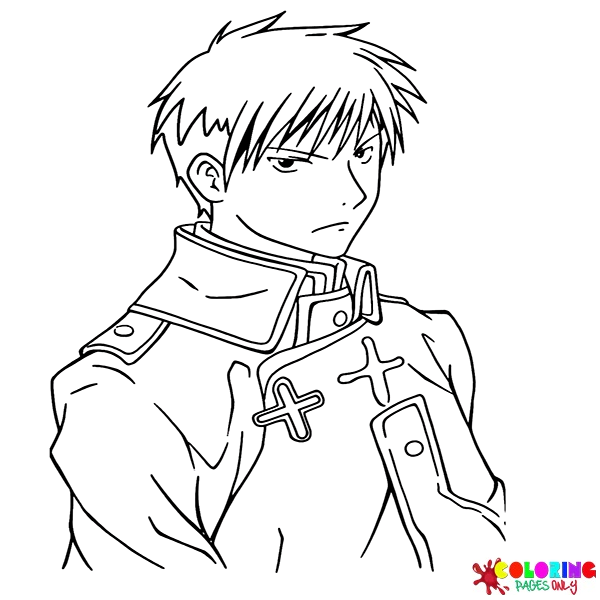
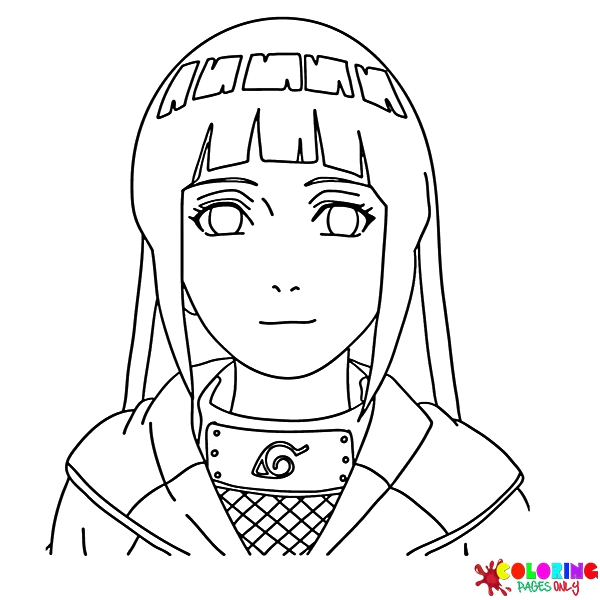
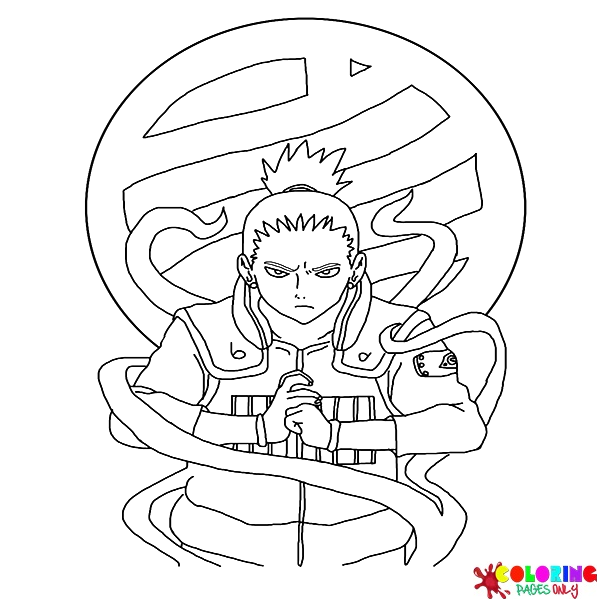
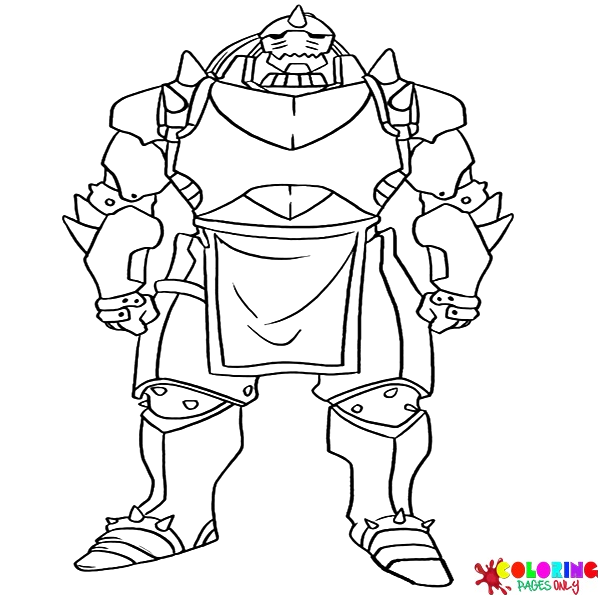
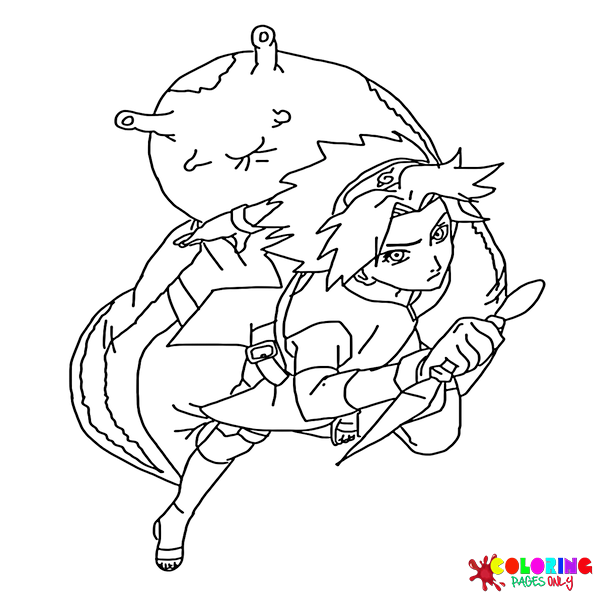
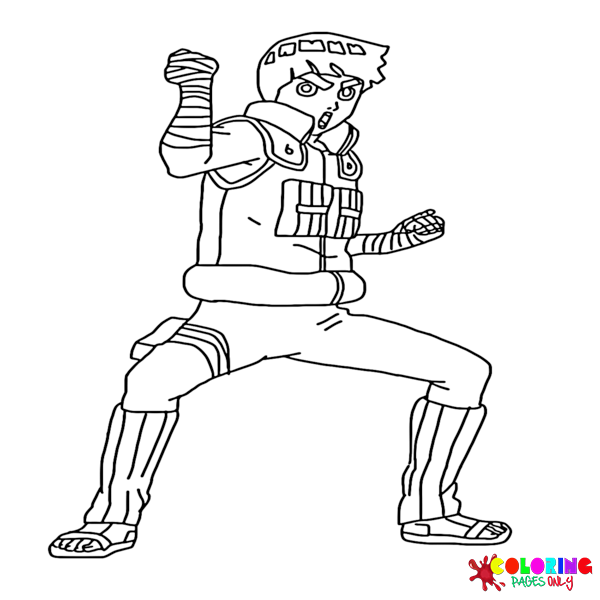
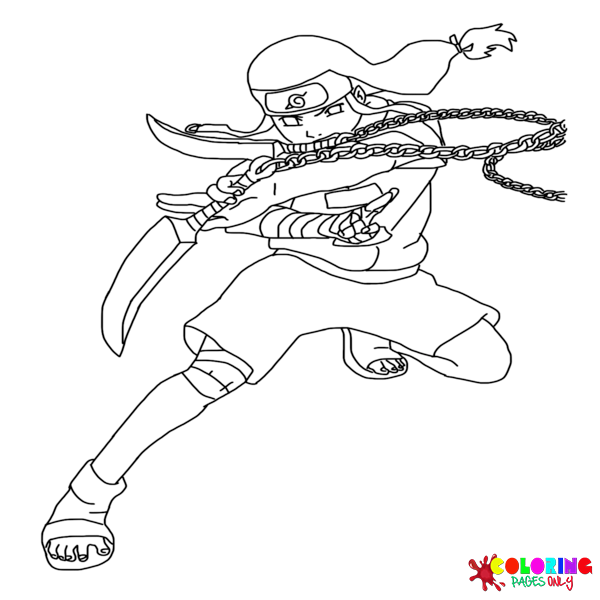
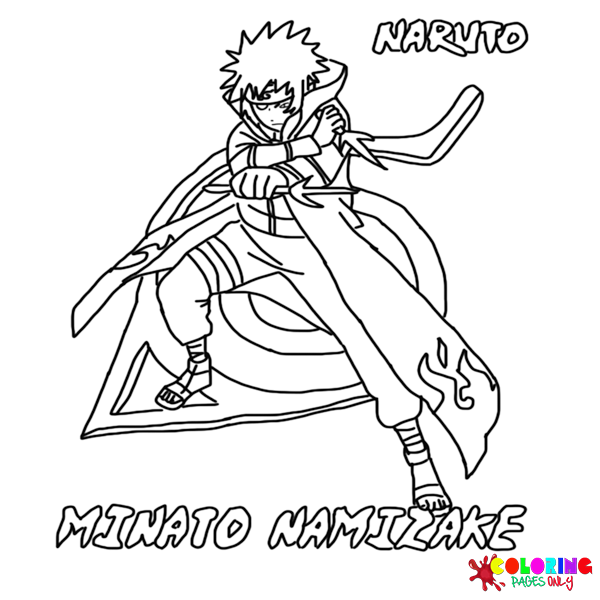
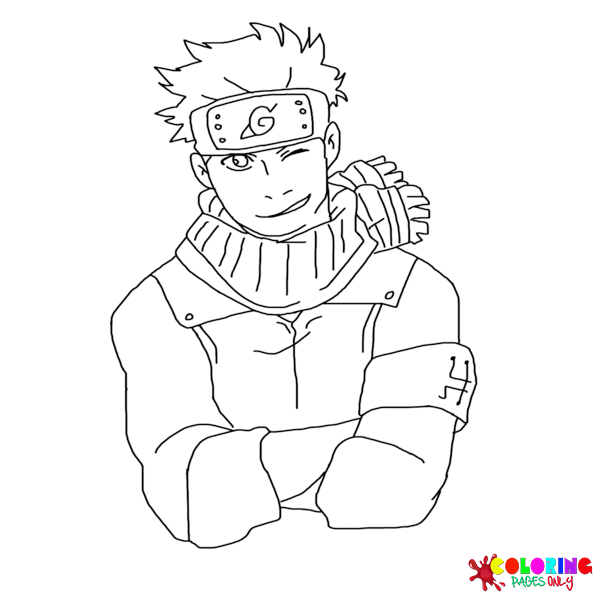
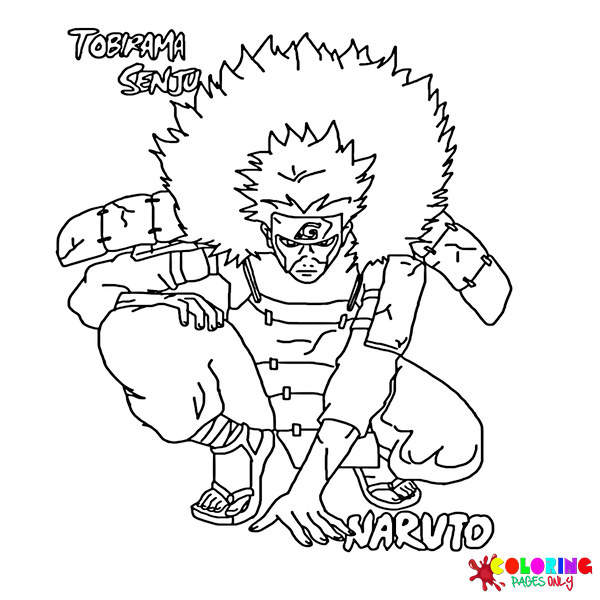
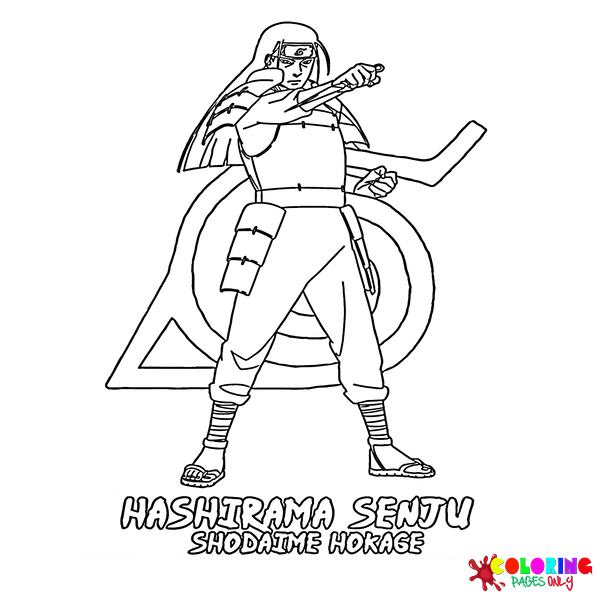
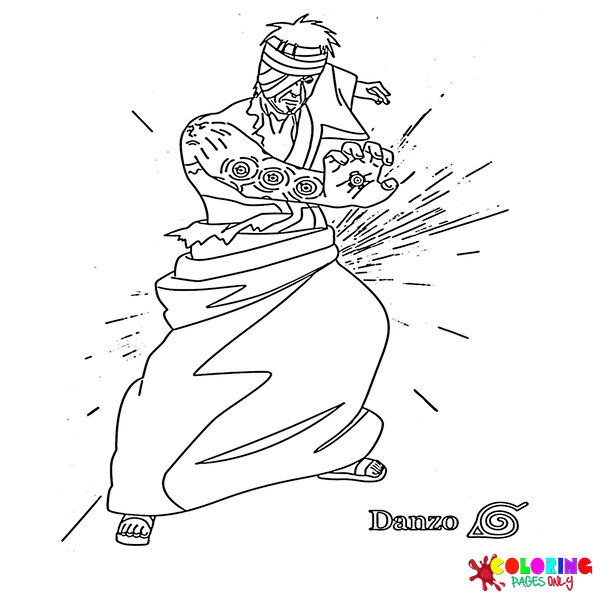
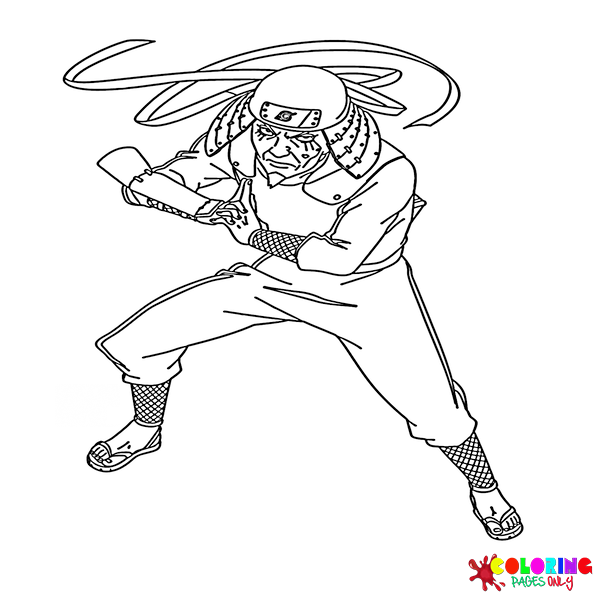
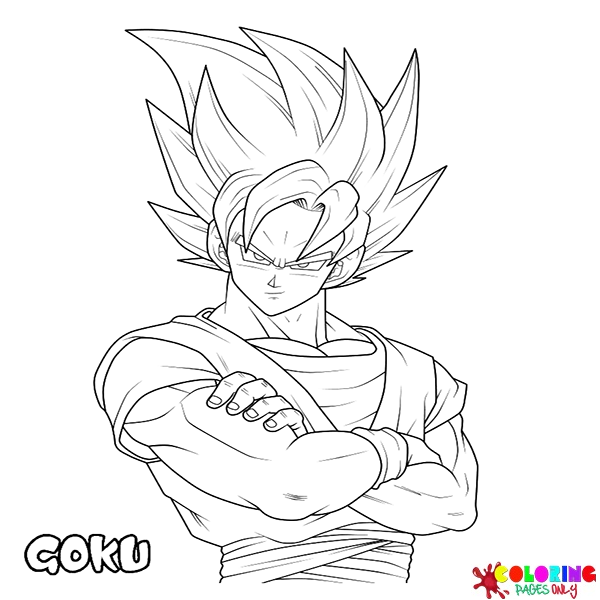
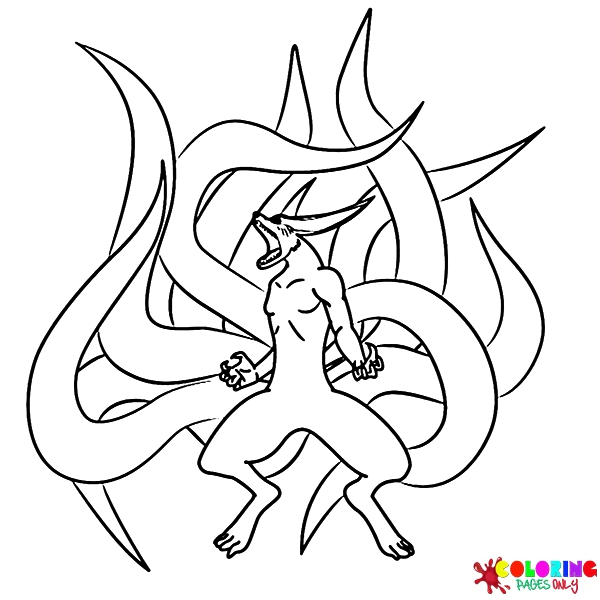
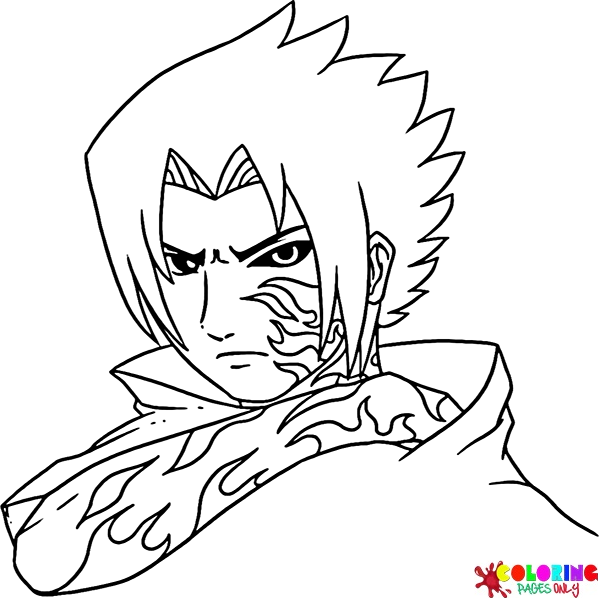
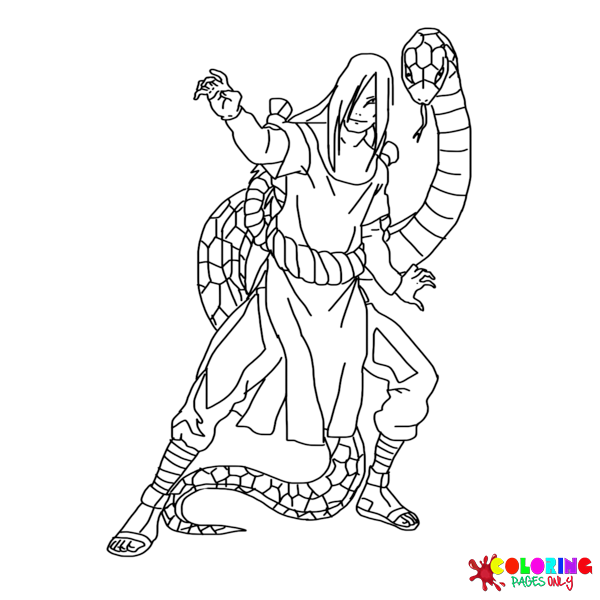
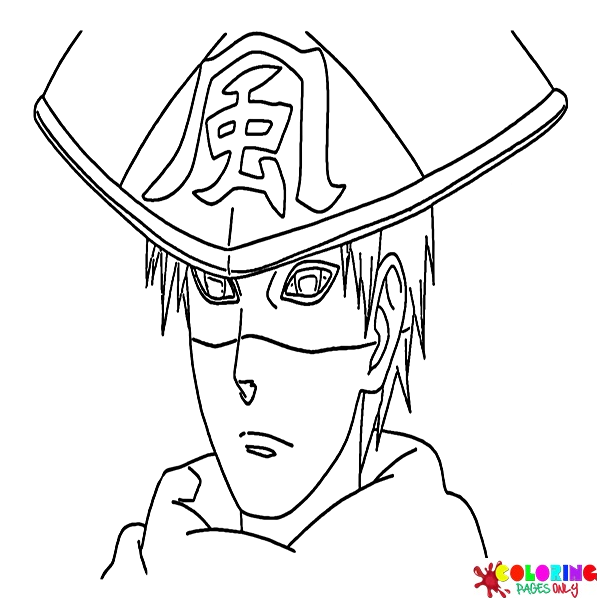
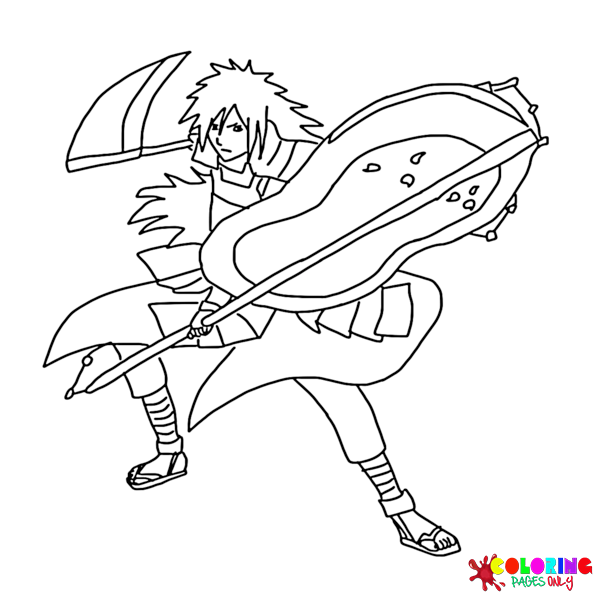
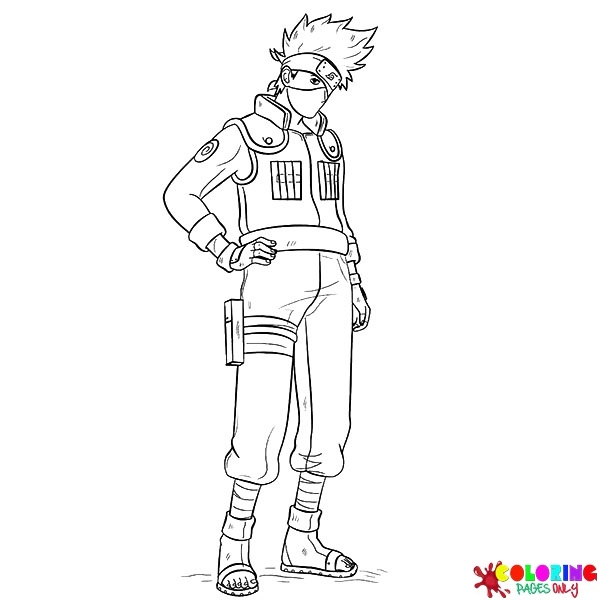
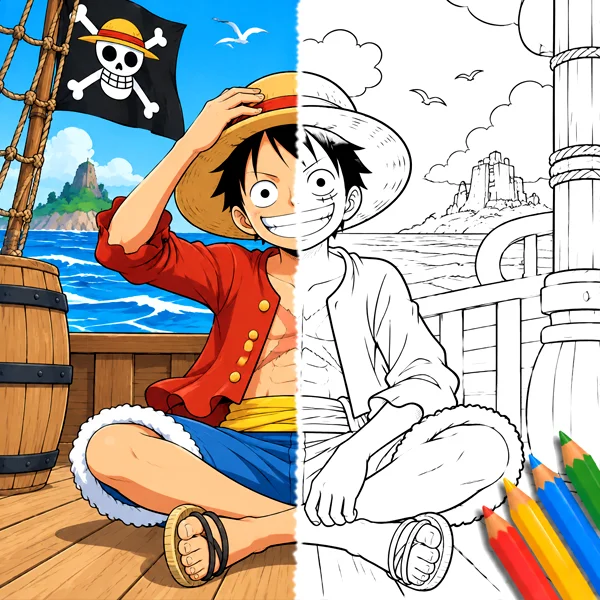
Dragon Ball Z and its character page, Goku, represent the foundational Jump property, Akira Toriyama’s energy-battle manga that shaped the visual vocabulary of power-ups and energy blasts used across the genre. Naruto and Boruto cover Masashi Kishimoto’s ninja saga across its original run and sequel series, with Kawaki, the pivotal Boruto antagonist, drawing enough individual demand for his own page. Bleach and Ichigo cover Tite Kubo’s Soul Reaper series, including the Thousand-Year Blood War arc adaptation (2022-2024). One Piece covers Eiichiro Oda’s pirate adventure, now the longest-running major manga in Jump history. My Hero Academia covers Kōhei Horikoshi’s superhero-school series, the dominant Jump property of the 2010s. Hunter x Hunter and its character page, Killua Zoldyck, cover Yoshihiro Togashi’s adventure series, while Fullmetal Alchemist covers Hiromu Arakawa’s alchemist-brothers story, and Baki Hanma covers the martial arts series.
The Contemporary New Wave
The most recently added sub-categories cover series that have defined anime’s growth in the streaming era.
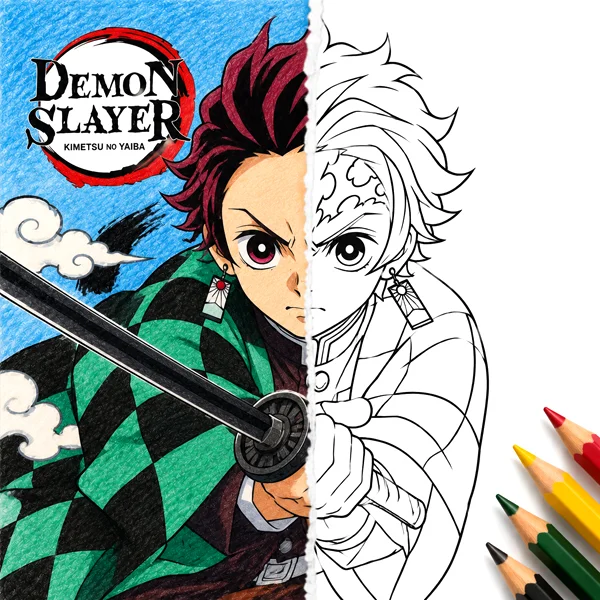
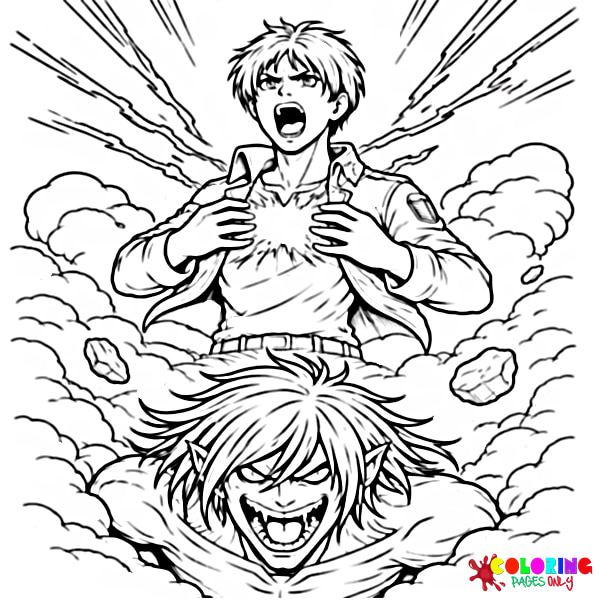
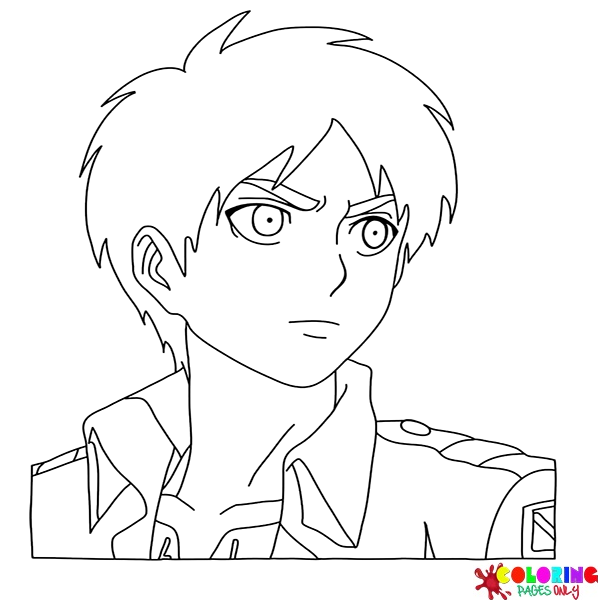
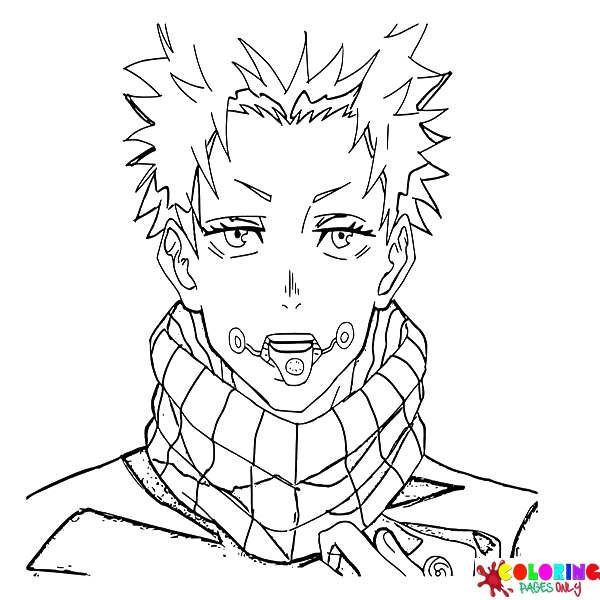
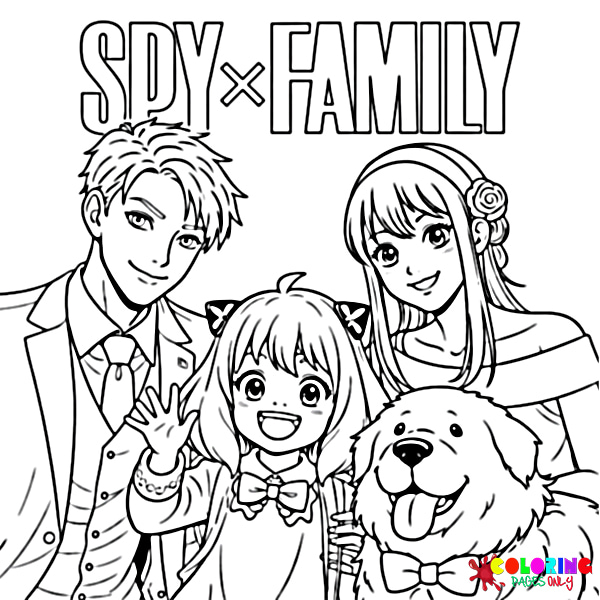
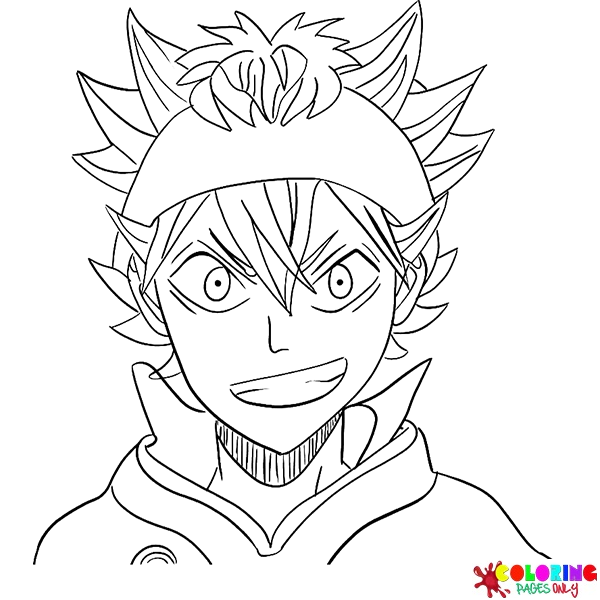
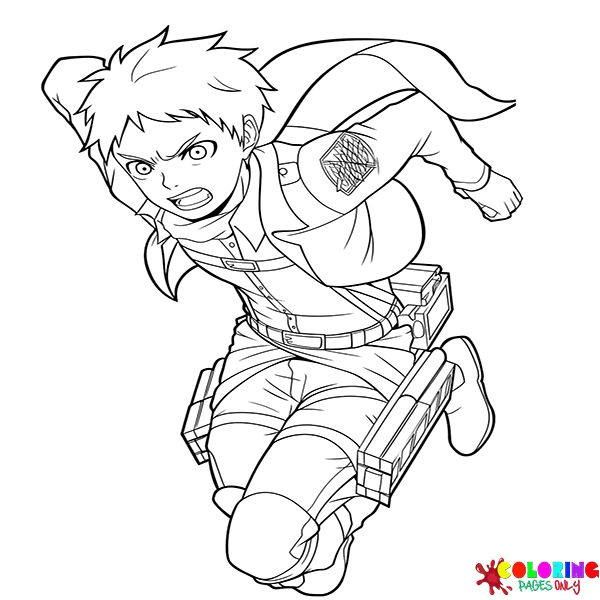
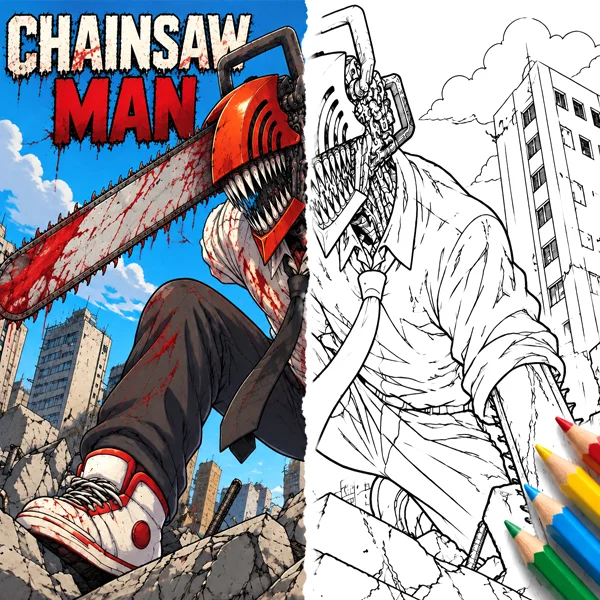
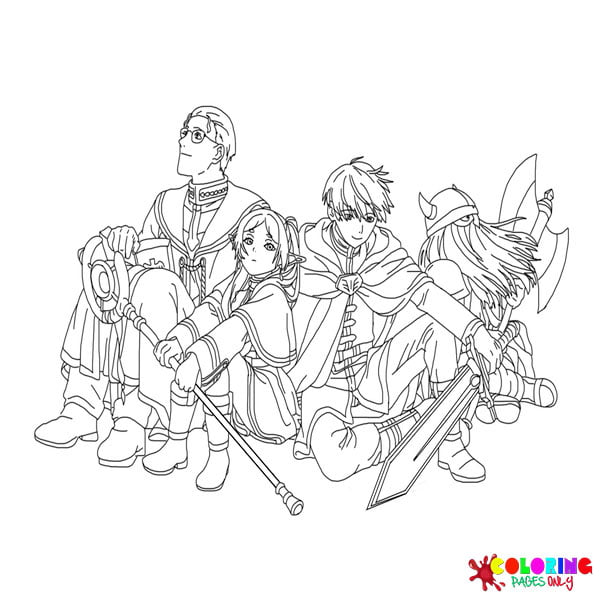
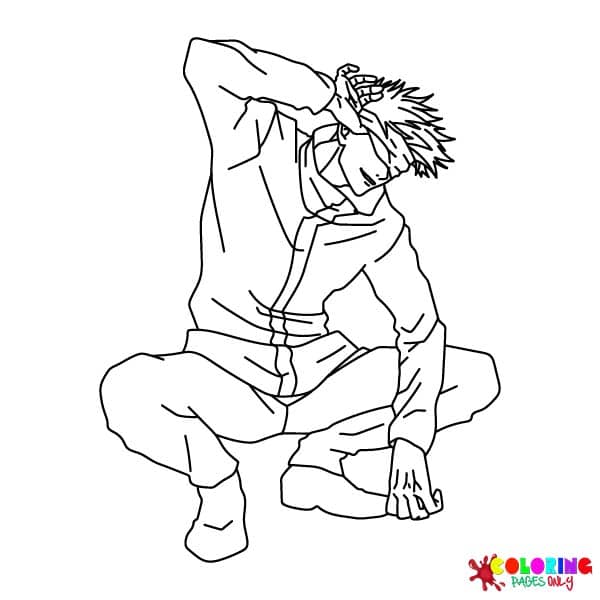
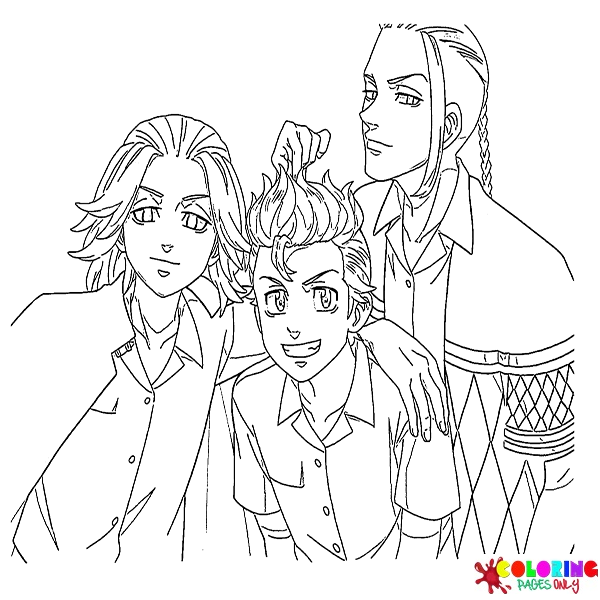
Demon Slayer (Koyoharu Gotouge, ufotable) became one of the highest-grossing media properties in Japanese history following its 2019 anime debut and 2020 film. Jujutsu Kaisen character pages Satoru Gojo and Toge Inumaki cover Gege Akutami’s cursed-spirit series; there is no separate Jujutsu Kaisen series page today. Attack on Titan covers Hajime Isayama’s titan-war series, Black Clover covers Yūki Tabata’s magic-knight series, Chainsaw Man covers Tatsuki Fujimoto’s devil-hunter series, Dandadan covers the 2024 Science SARU adaptation, and Frieren: Beyond Journey’s End covers the 2023-2024 Madhouse fantasy series. Spy x Family covers Tatsuya Endo’s spy comedy, and Tokyo Revengers covers Ken Wakui’s time-travel drama.
Mecha and Science Fiction
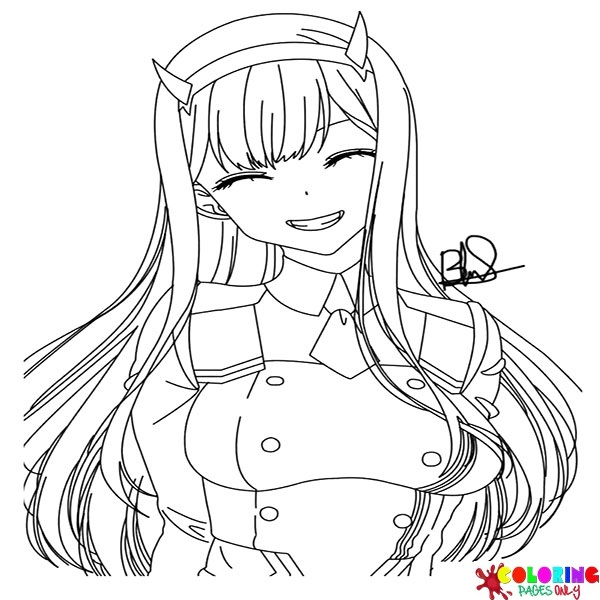
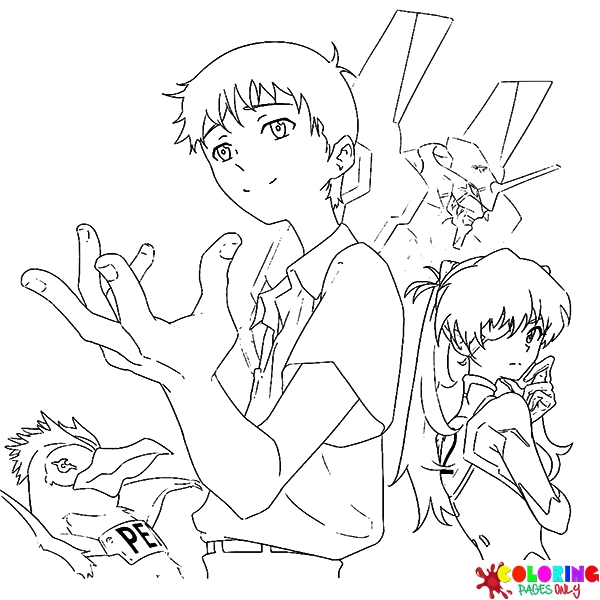
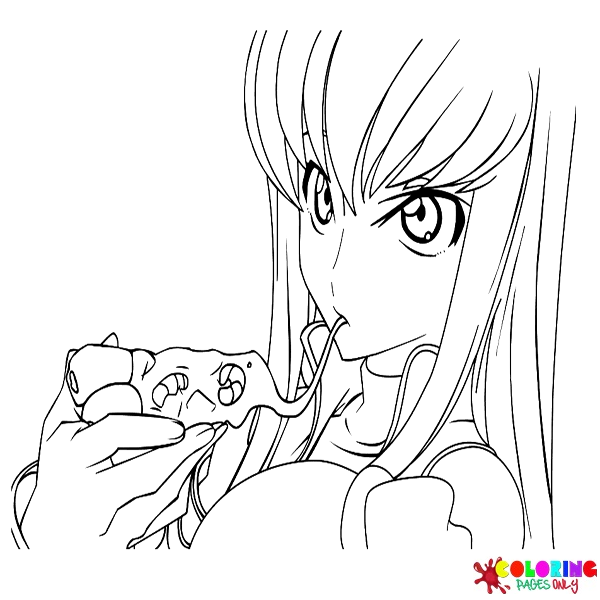
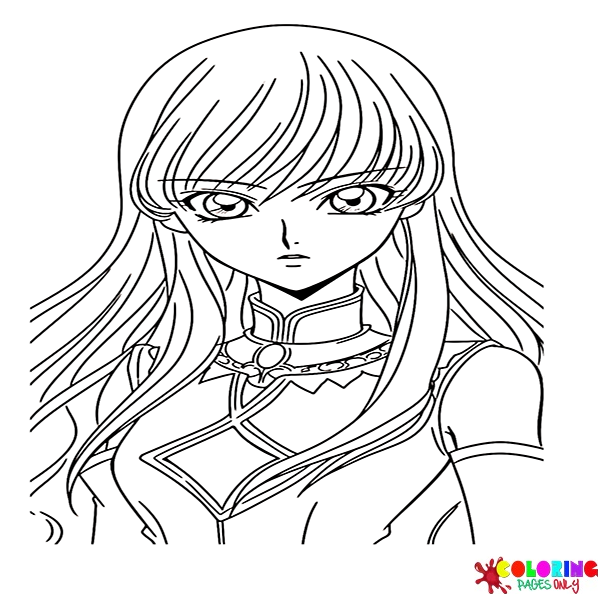
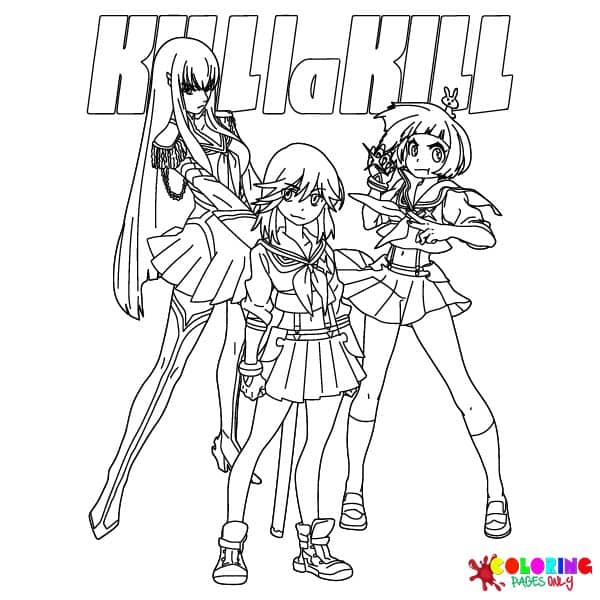
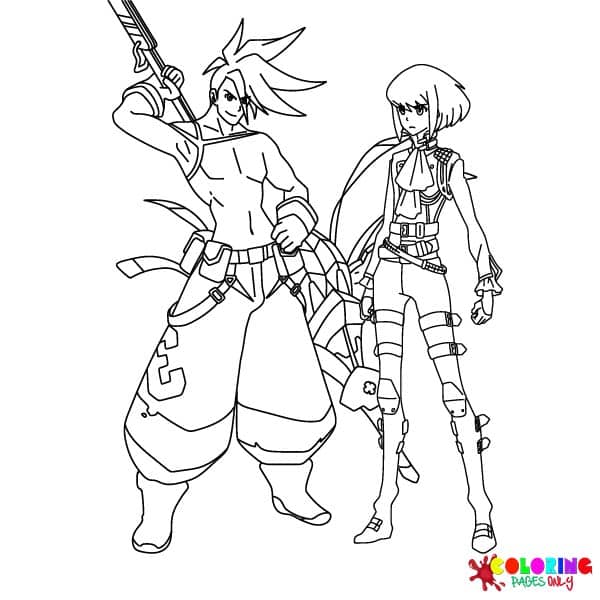
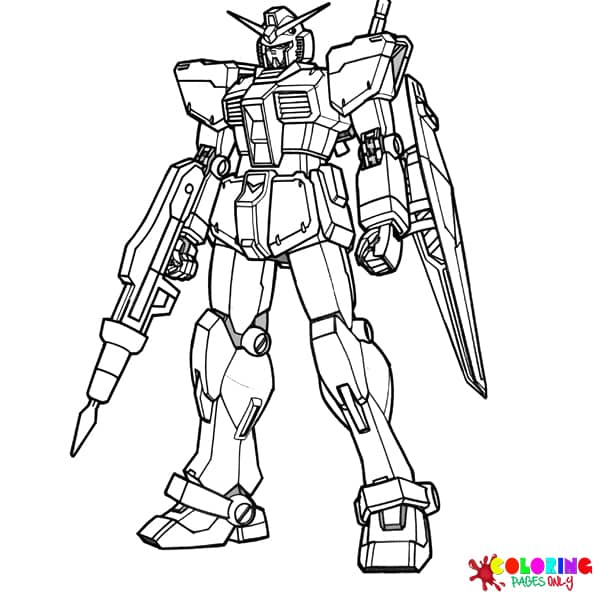
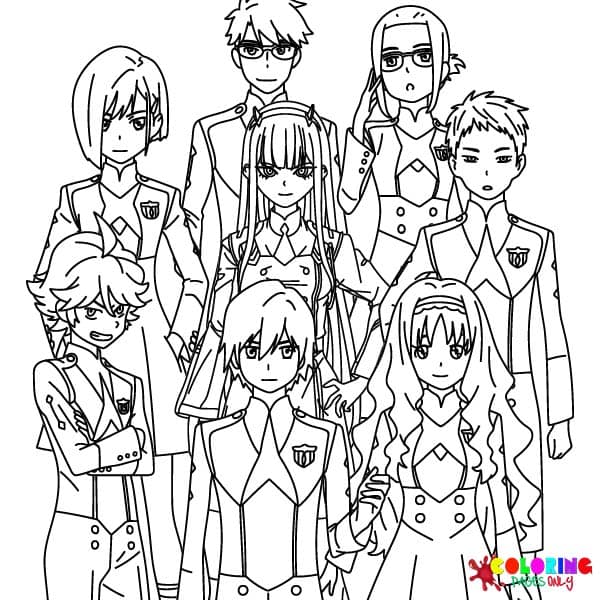
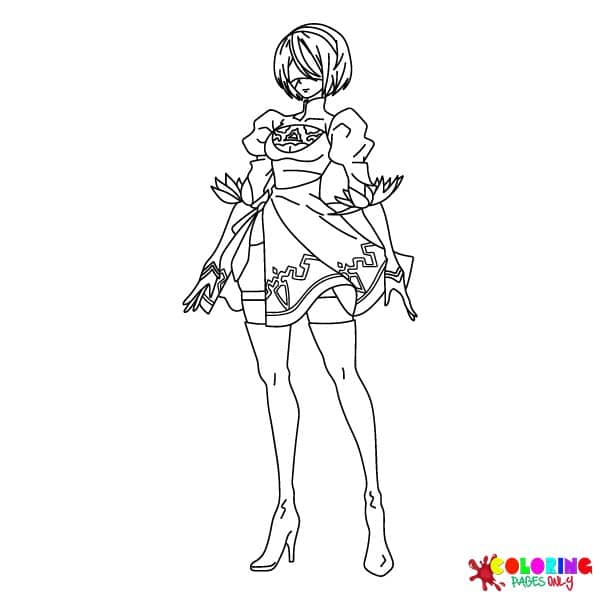
Gundam covers the Mobile Suit Gundam franchise across its decades of production, from the original 1979 series onward, with each mobile suit’s distinct color scheme presenting a real design challenge to color accurately. Neon Genesis Evangelion covers Hideaki Anno’s landmark 1995 series. Darling in the Franxx and its character page, Zero Two, cover the 2018 Studio Trigger/A-1 Pictures series. Promare and Kill la Kill cover two Studio Trigger works, Code Geass and its character page Lelouch vi Britannia cover the 2006 Sunrise series, and NieR Automata covers the anime adaptation of the PlatinumGames RPG.
The Magical Girl Tradition
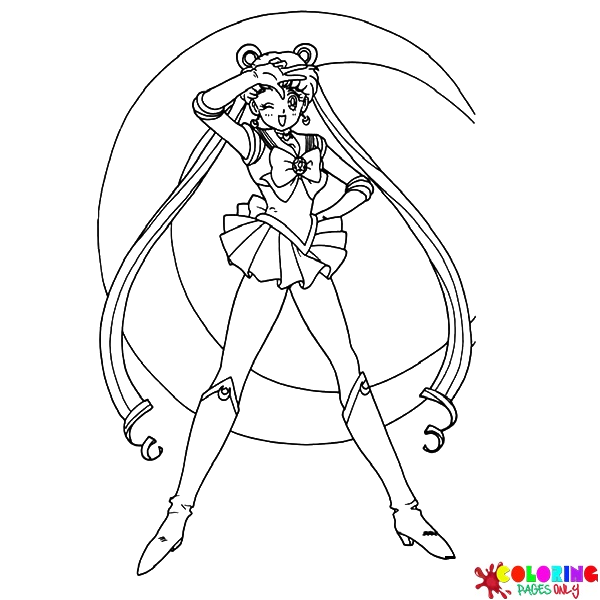
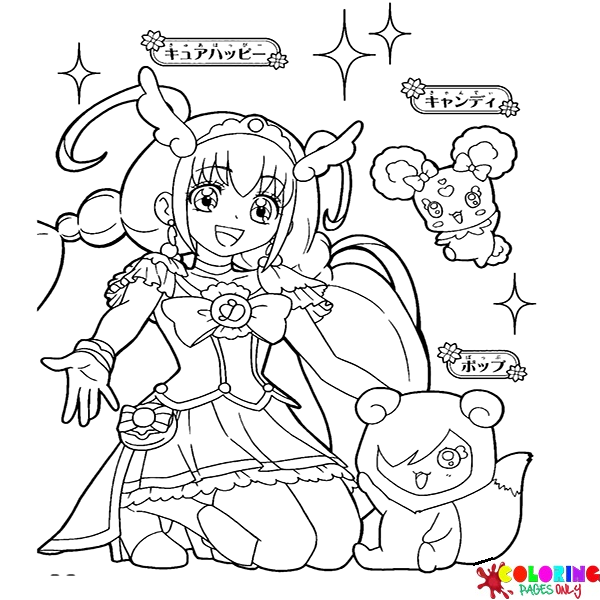
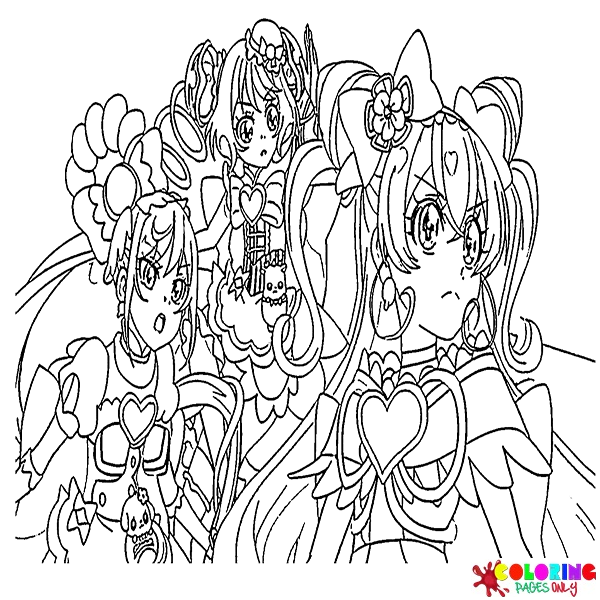
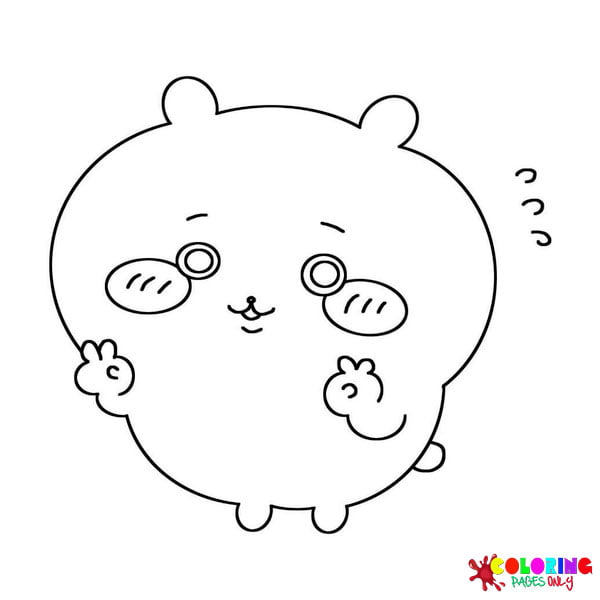
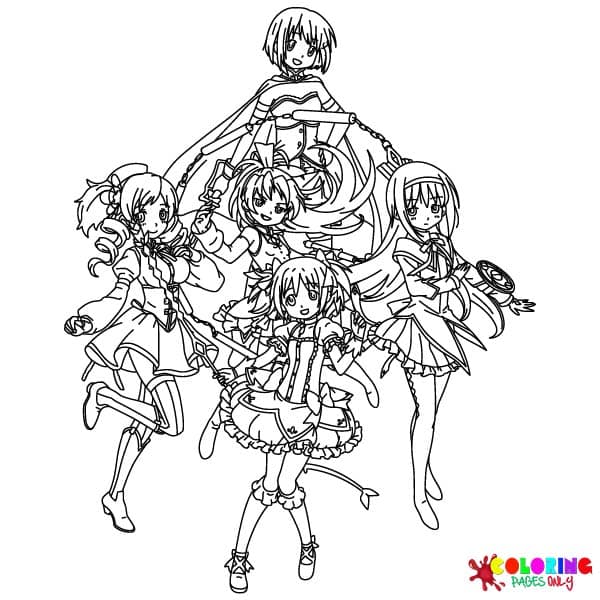
Sailor Moon (Naoko Takeuchi, Toei Animation, 1992) is the foundational modern magical girl series, and Usagi Tsukino’s twin-odango hairstyle remains one of the most reproduced designs in anime. Puella Magi Madoka Magica (Shaft, 2011) represents the genre’s darker, more psychologically complex direction. Glitter Force covers the localized Pretty Cure franchise, Delicious Party Pretty Cure covers a more recent entry, and Mermaid Melody covers the early-2000s mermaid magical girl series. Chiikawa, while not a magical girl series, sits in this cluster for its kawaii aesthetic and rounded, emotionally resonant character designs.
Romance, School, and Slice of Life
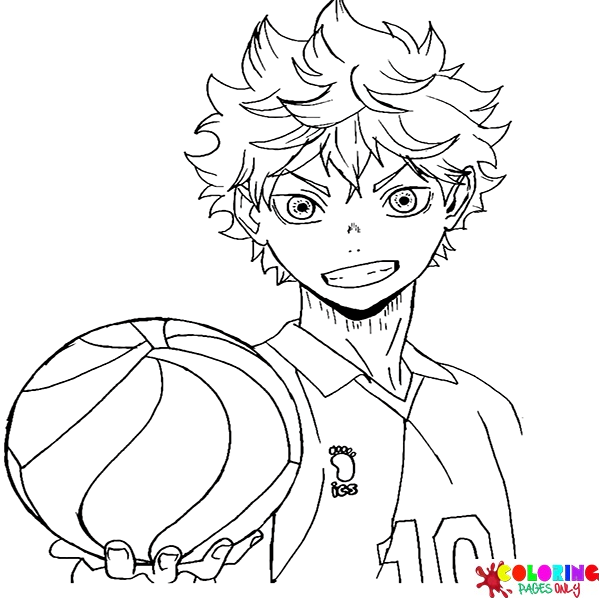
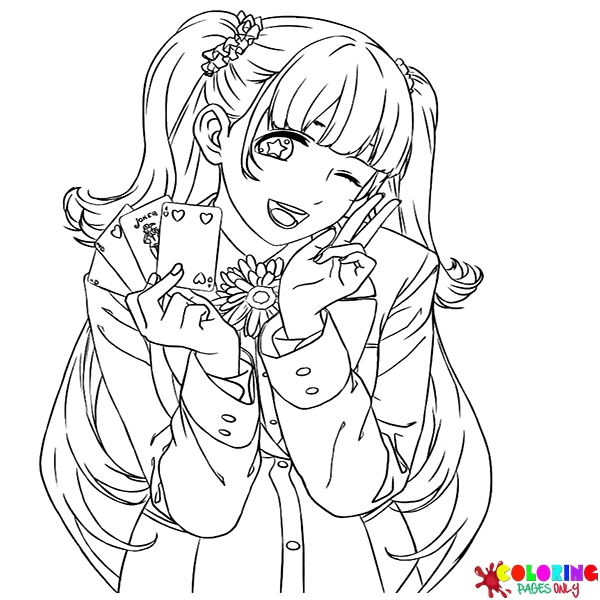
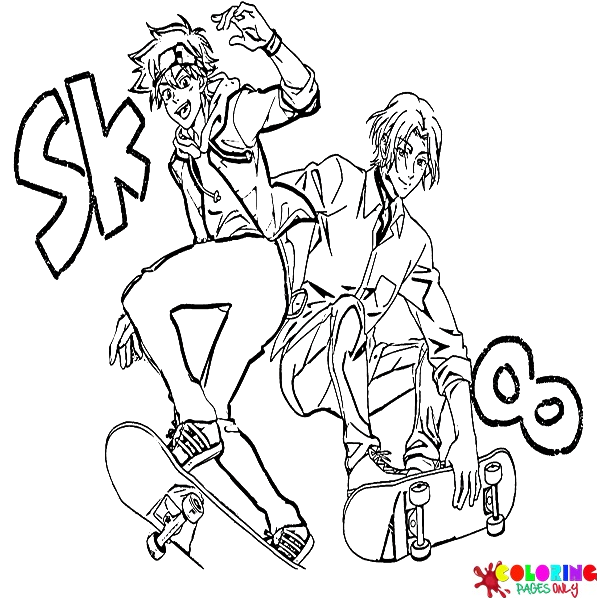
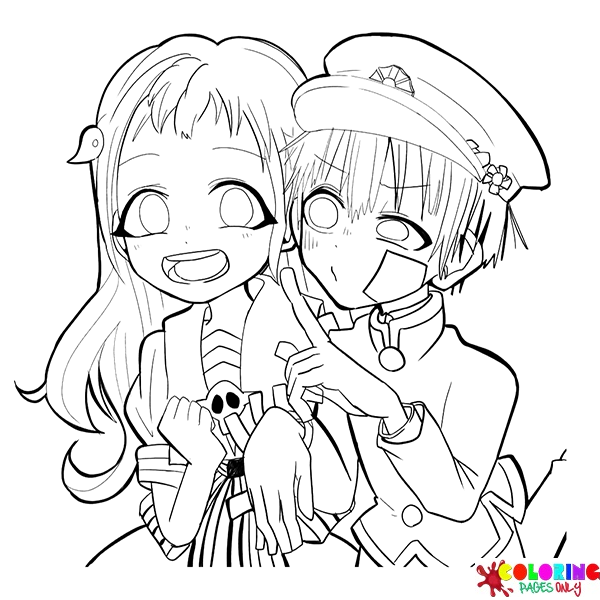
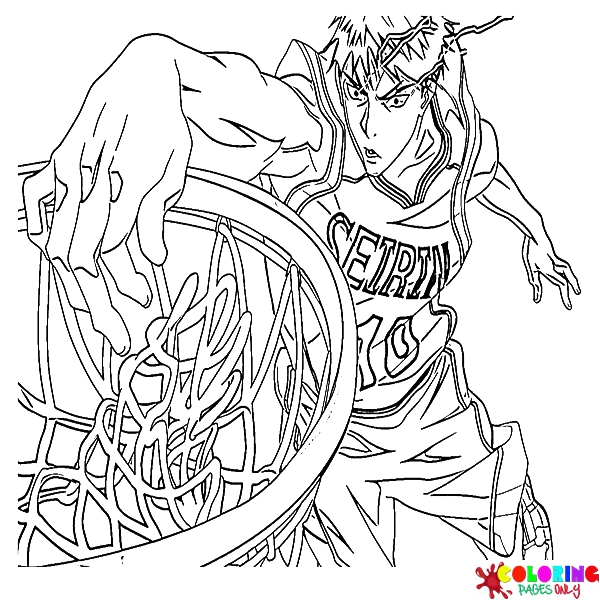
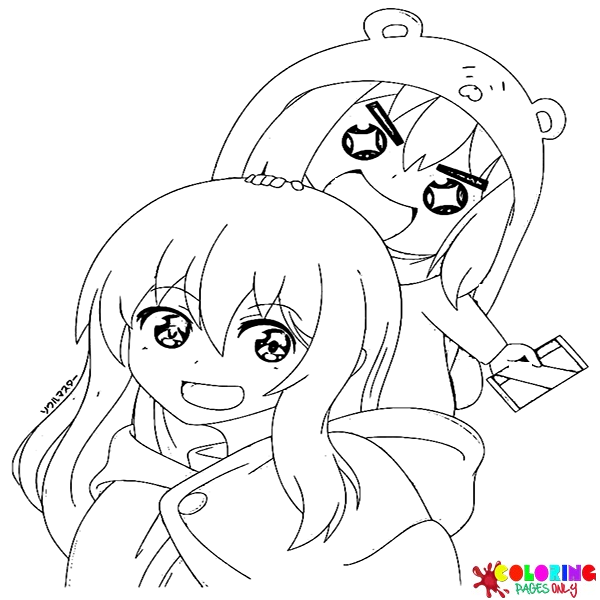
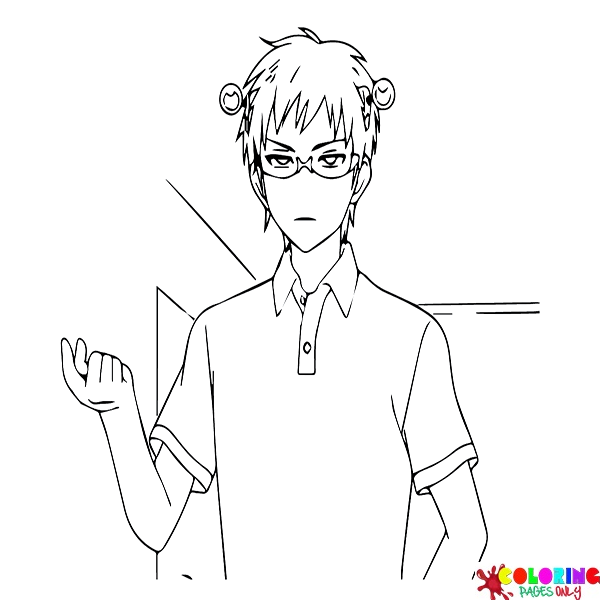
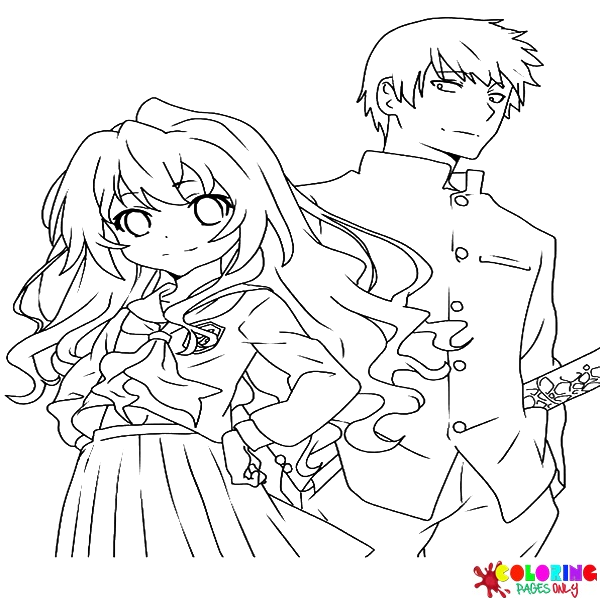
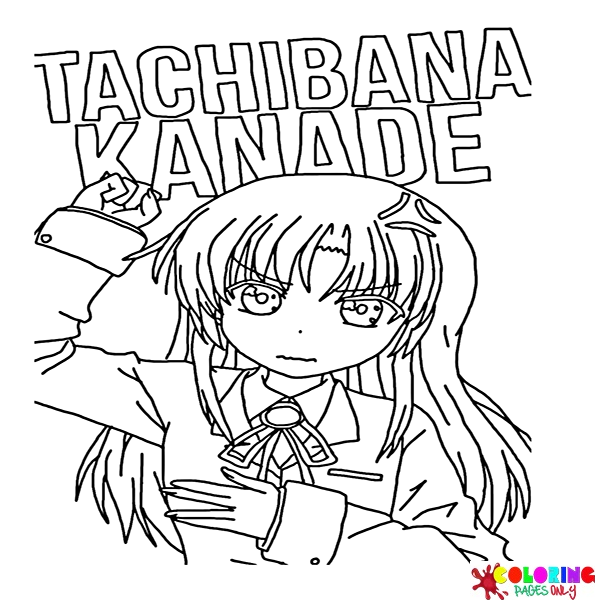
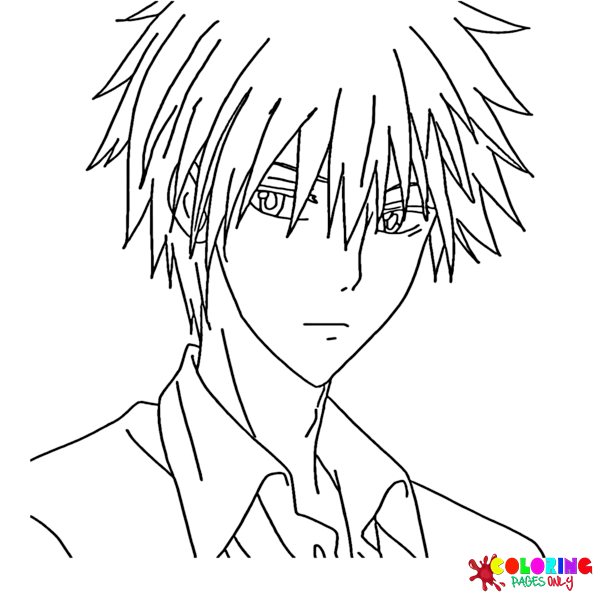
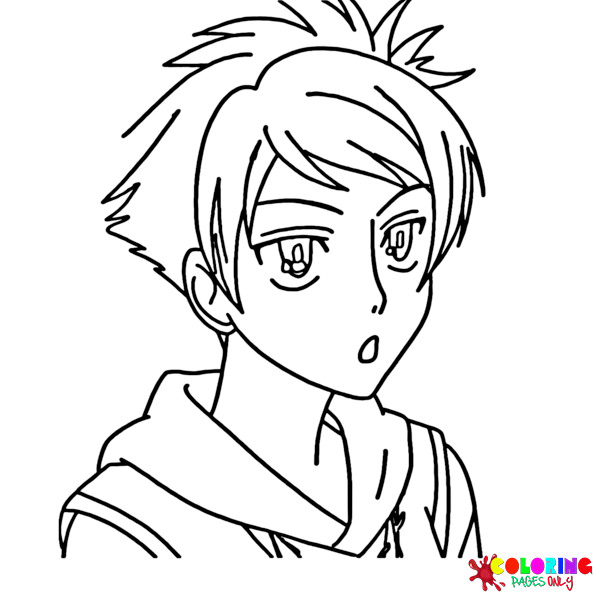
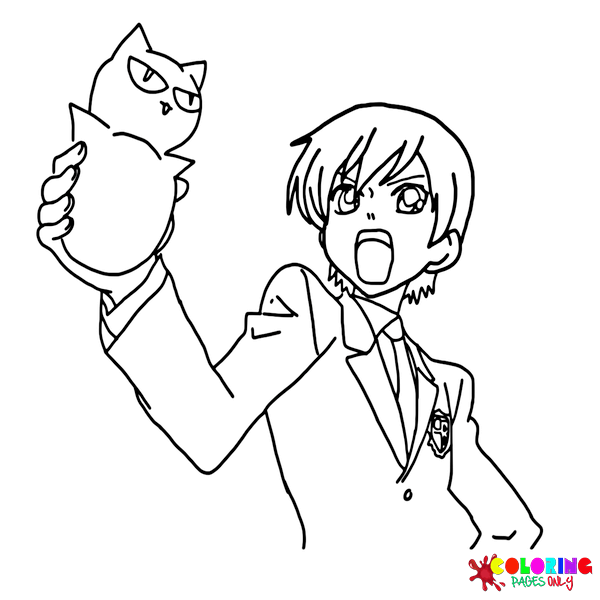
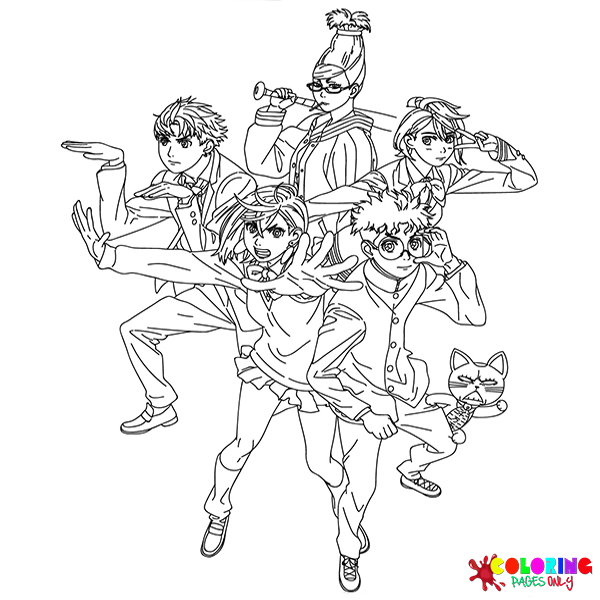
Haruhi Fujioka covers the lead of Ouran High School Host Club; there is no separate series-level Ouran page today. Kaguya-Sama: Love is War covers Aka Akasaka’s romantic comedy, Haikyuu covers Haruichi Furudate’s volleyball series, Kuroko no Basket covers Tadatoshi Fujimaki’s basketball series, and SK8 the Infinity covers Hiroko Utsumi’s 2021 skateboarding series. A handful of individual romance and school characters have their own pages: Taiga Aisaka (Toradora), Takumi Usui (Kaichou wa Maid-sama), and Kanade Tachibana (Angel Beats). Saiki K covers the telepathic-student comedy, Kakegurui covers the gambling-school thriller, Himouto Umaru-chan covers the two-faced college-student comedy, and Toilet-Bound Hanako-Kun covers AidaIro’s supernatural school series.
Dark, Psychological, and Thriller
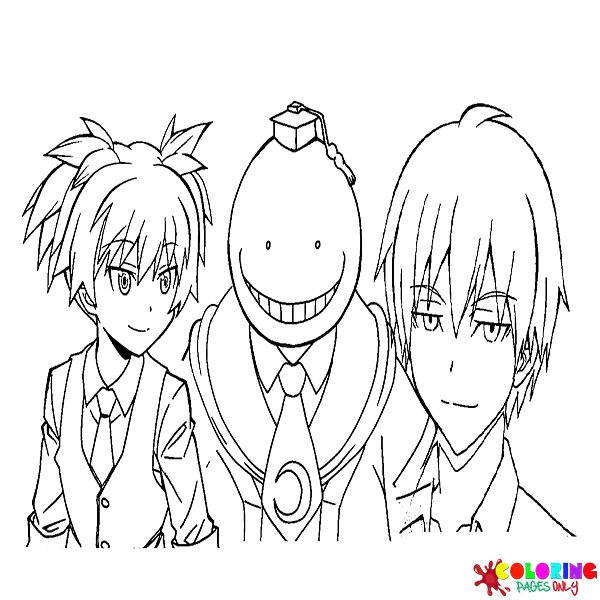
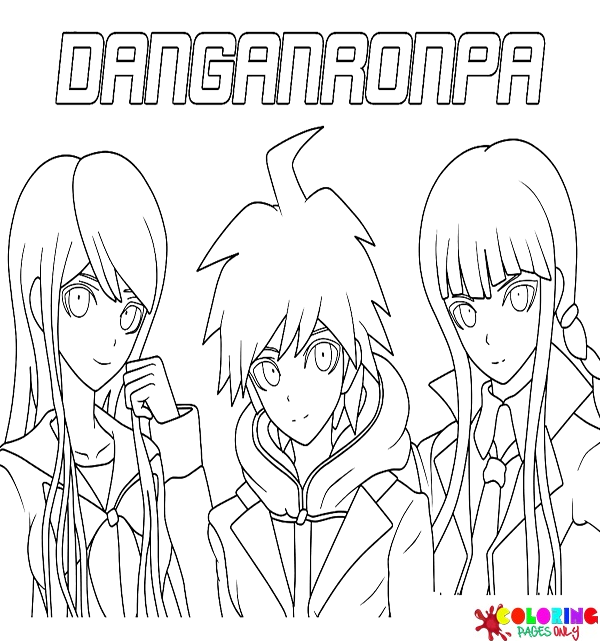
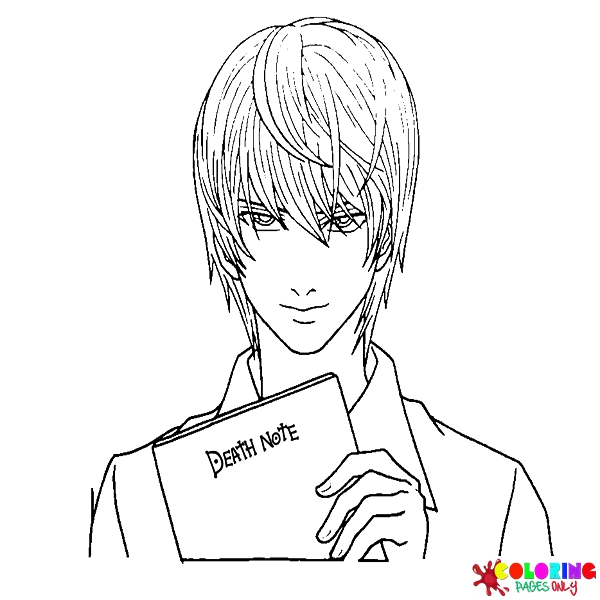
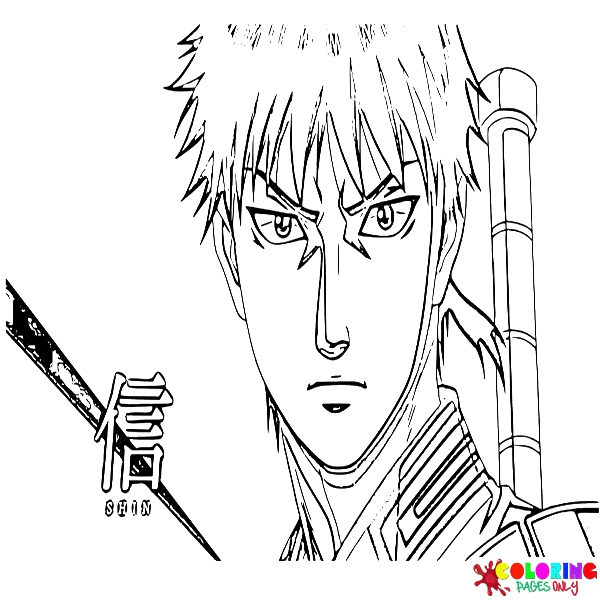
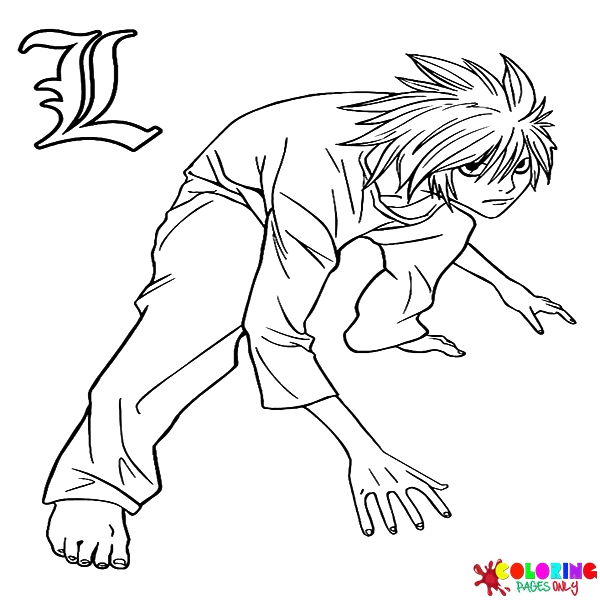
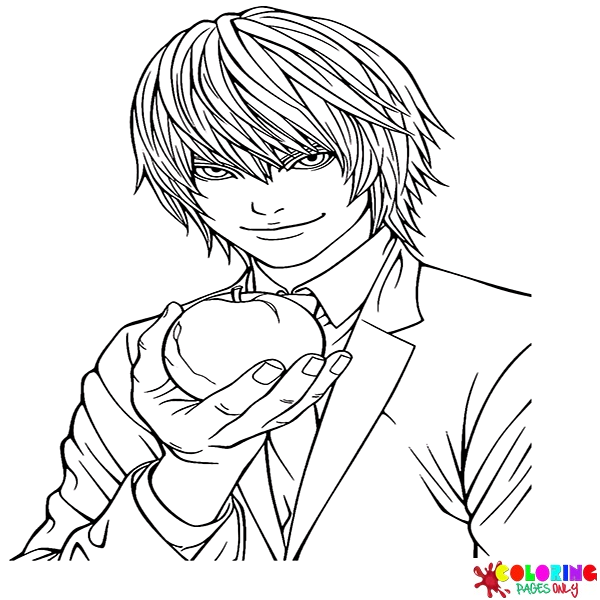
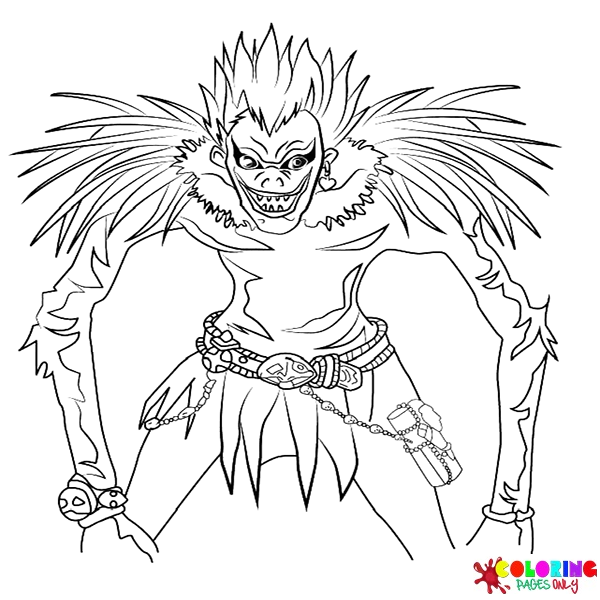
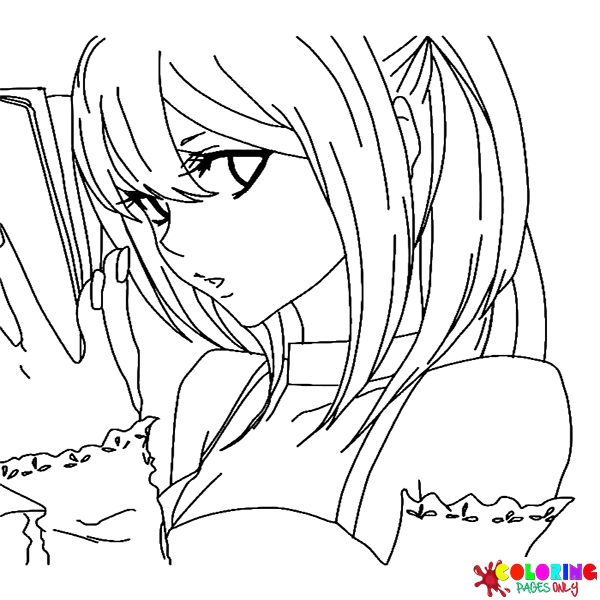
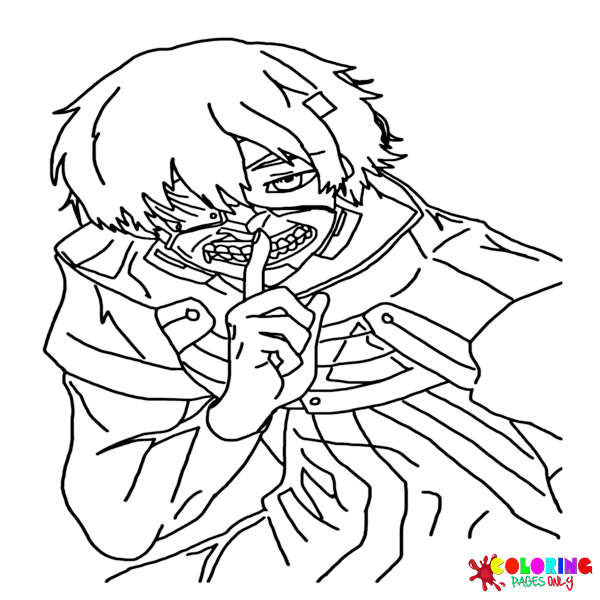
Death Note and its character pages, Yagami Light and Ryuk, cover Tsugumi Ohba and Takeshi Obata’s psychological thriller. Ken Kaneki covers the lead of Tokyo Ghoul; there is no separate Tokyo Ghoul series page today. Assassination Classroom covers Yusei Matsui’s unconventional school thriller, Mieruko-chan covers Tomoki Izumi’s horror-comedy, Danganronpa covers Kazutaka Kodaka’s visual-novel adaptation, and Kemono Jihen covers the supernatural detective series. Kingdom covers Yasuhisa Hara’s historical war epic.
Isekai, Fantasy, and Adventure
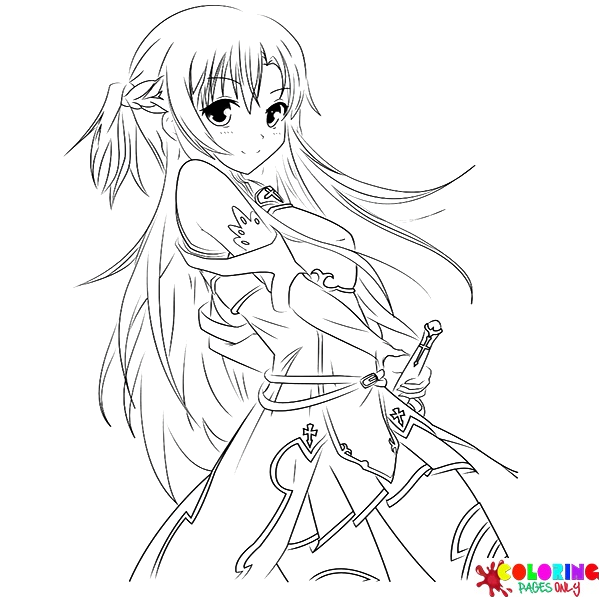
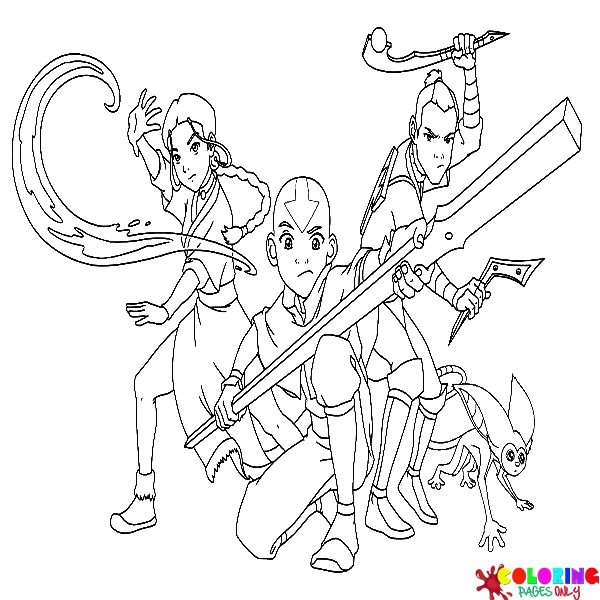
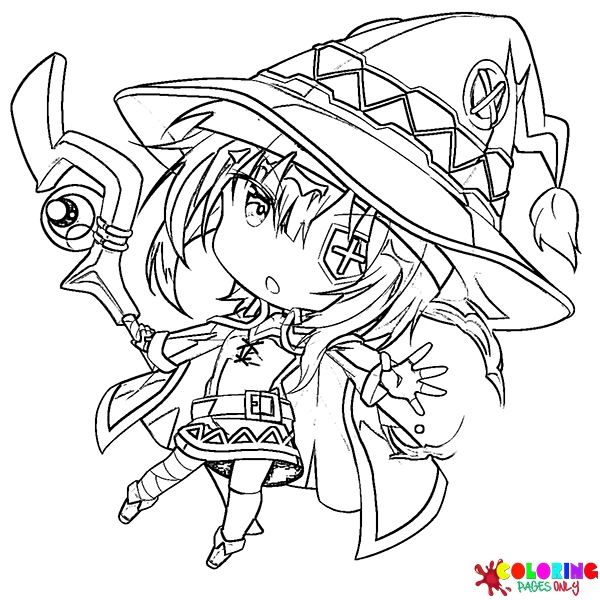
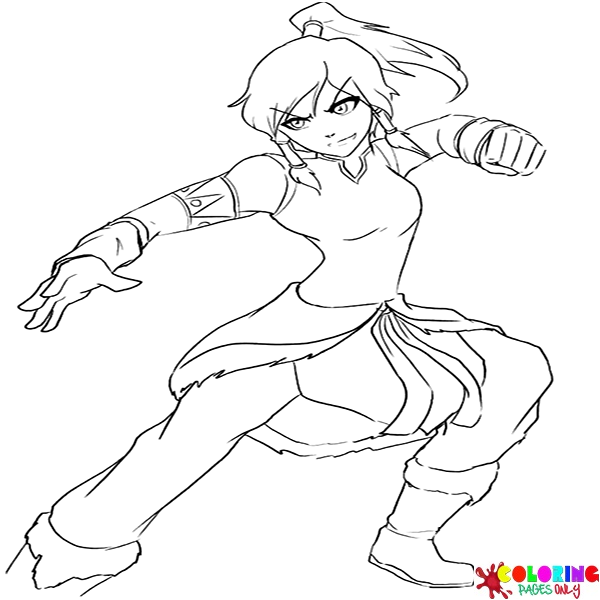
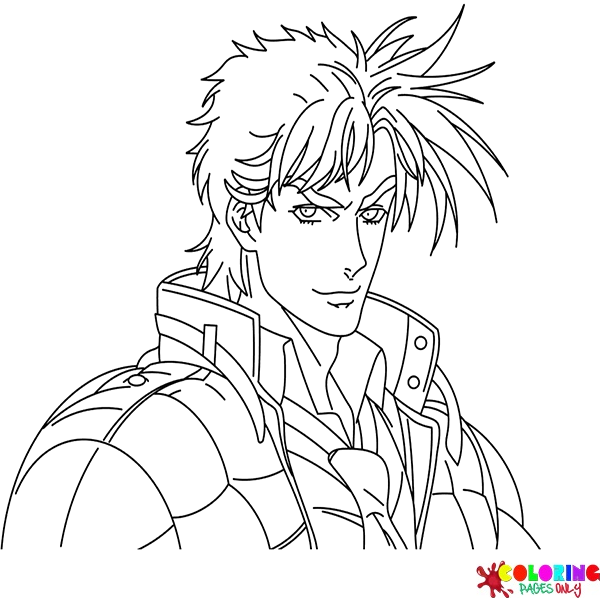
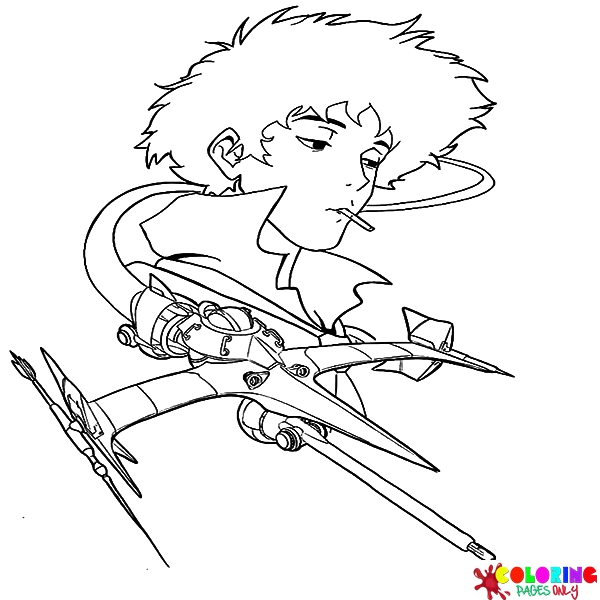
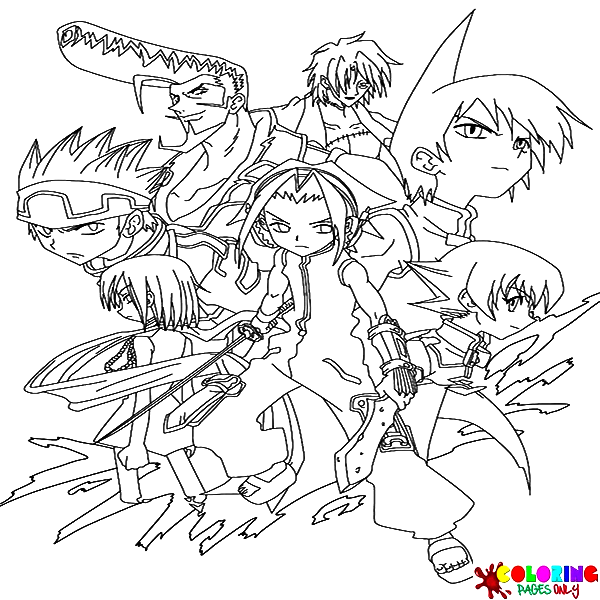
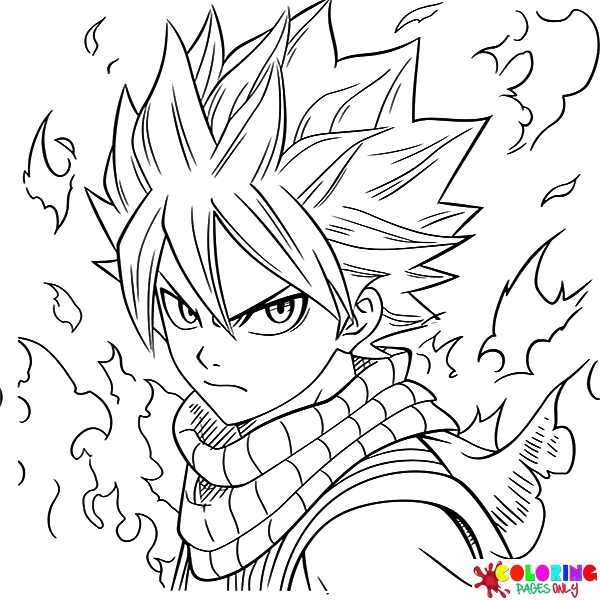
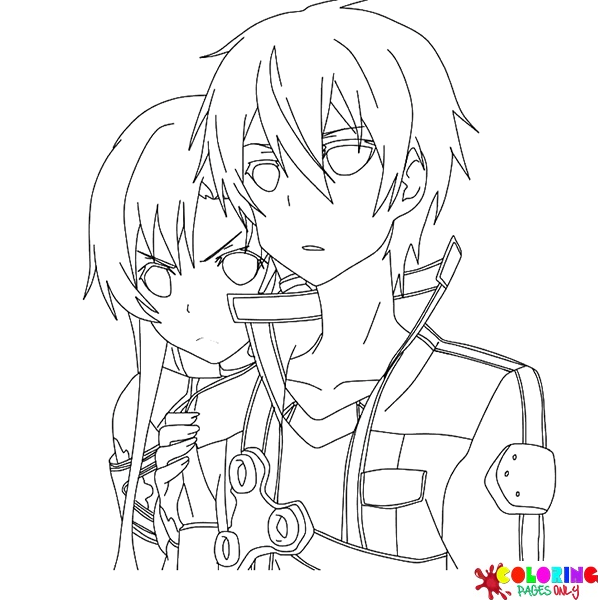
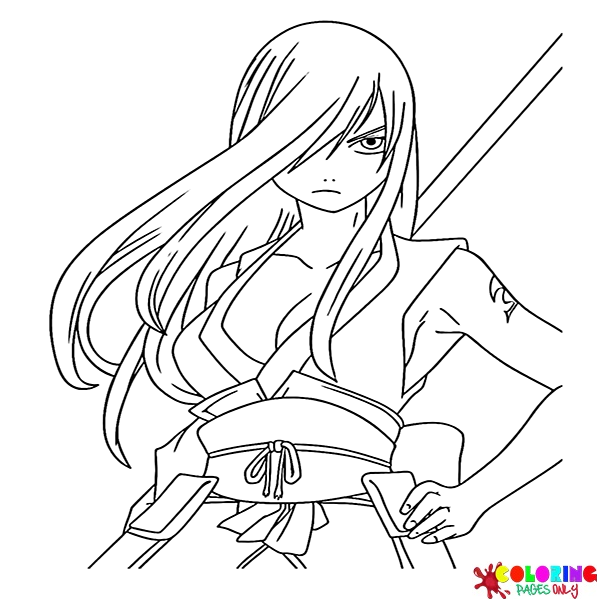
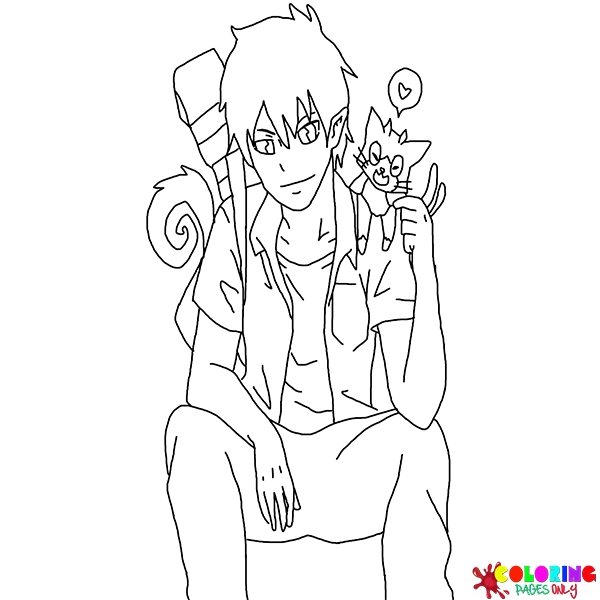
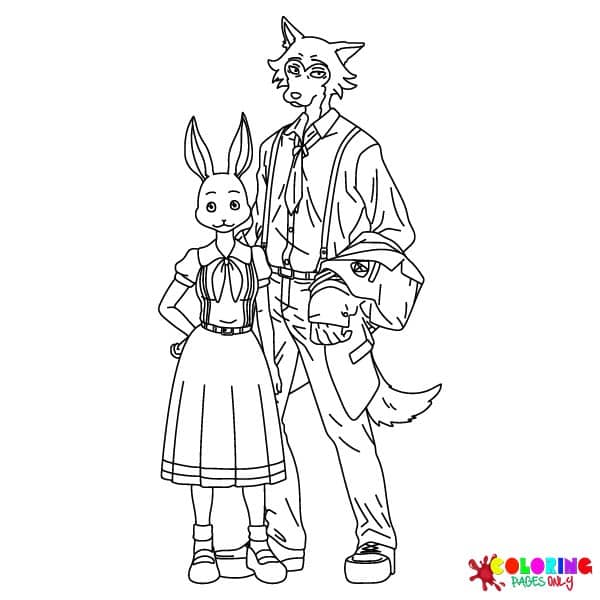
Konosuba covers Natsume Akatsuki’s comedic isekai, So I’m a Spider, So What covers Okina Baba’s spider-protagonist isekai, and Rin Okumura covers the half-demon lead of Blue Exorcist. Shaman King covers Hiroyuki Takei’s spirit-battle series. Natsu Dragneel and Erza Scarlet cover two of Fairy Tail’s major characters (a third character sometimes associated with this cluster, Gray Fullbuster, does not currently have his own page). Kirito and Asuna cover the two leads of Sword Art Online. JoJo’s Bizarre Adventure covers Hirohiko Araki’s multi-generational saga, Cowboy Bebop covers Shinichiro Watanabe’s 1998 space western, and Beastars covers Paru Itagaki’s anthropomorphic drama. The Legend of Korra and Avatar cover the American-produced Avatar franchise, included here for its close aesthetic and narrative ties to anime.
Genshin Impact
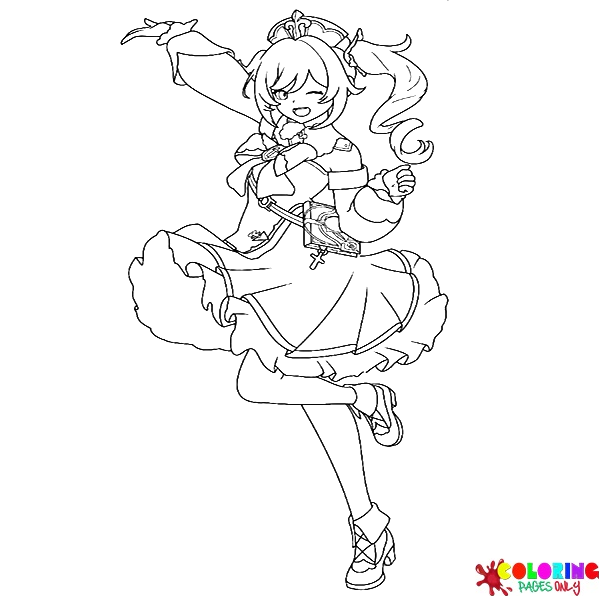
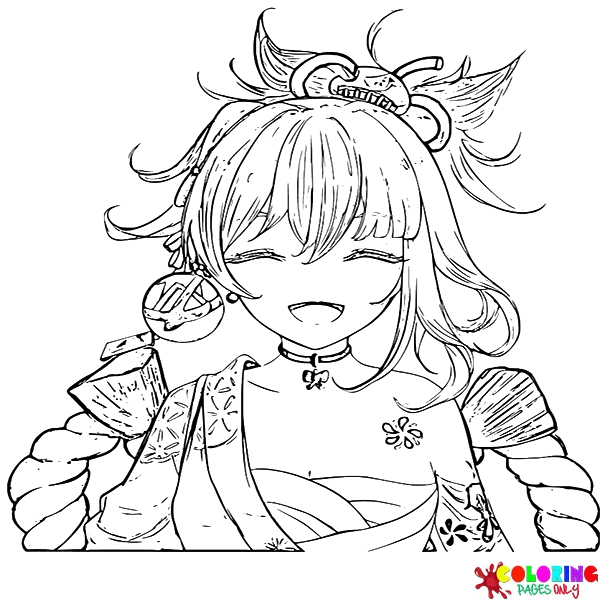
Genshin Impact, Kamisato Ayaka, and Yoimiya together cover the miHoYo action RPG’s anime-adjacent art style. Genshin’s character designs draw directly on anime visual conventions, from elaborate costumes to elemental effects, and have generated substantial demand for both the game as a whole and individual characters.
Individual Characters, Style, and Classic Series
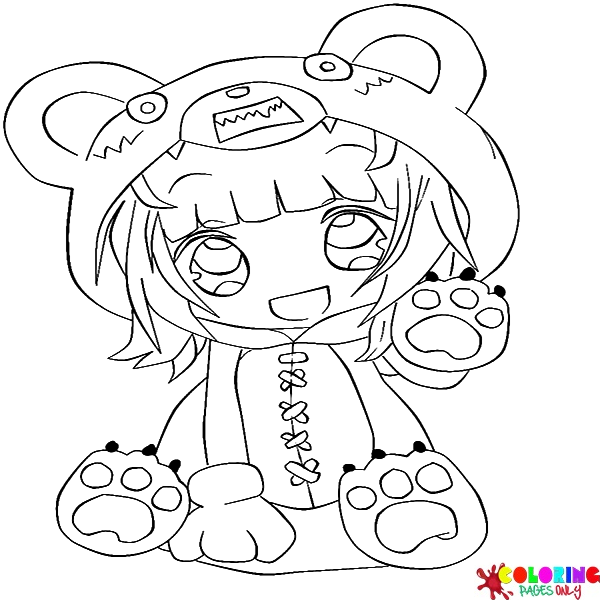
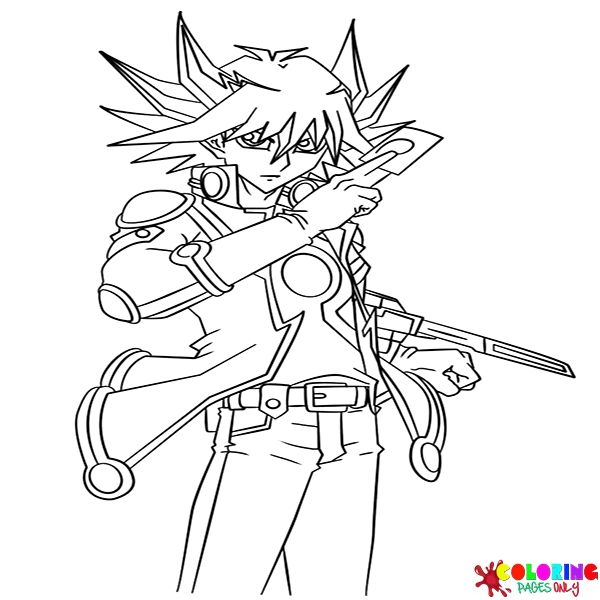
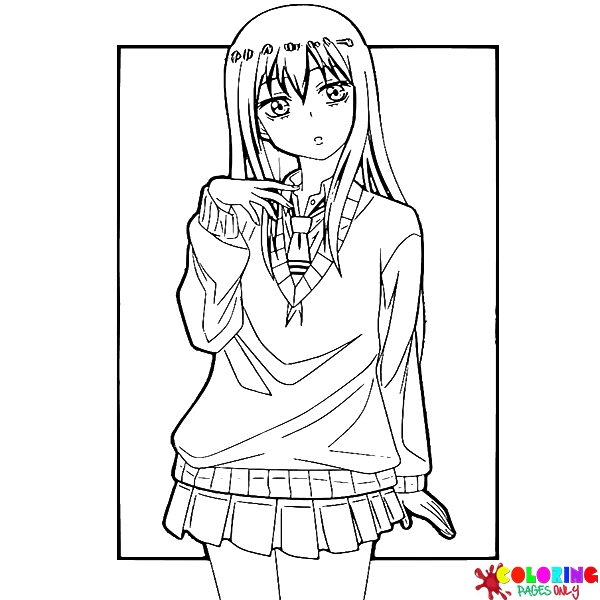
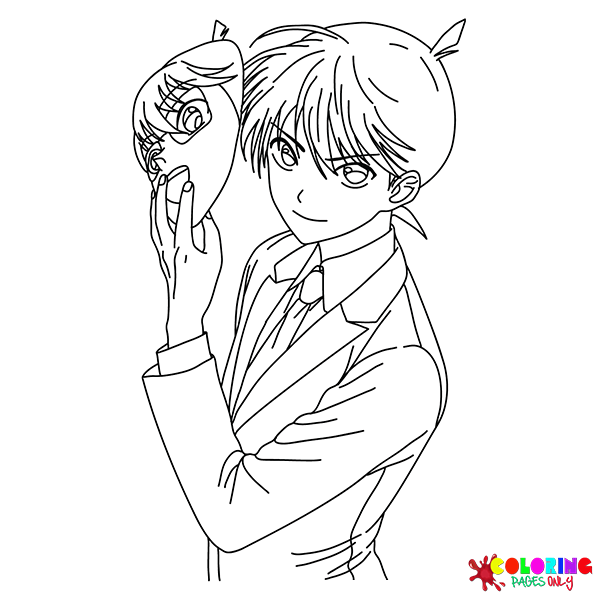
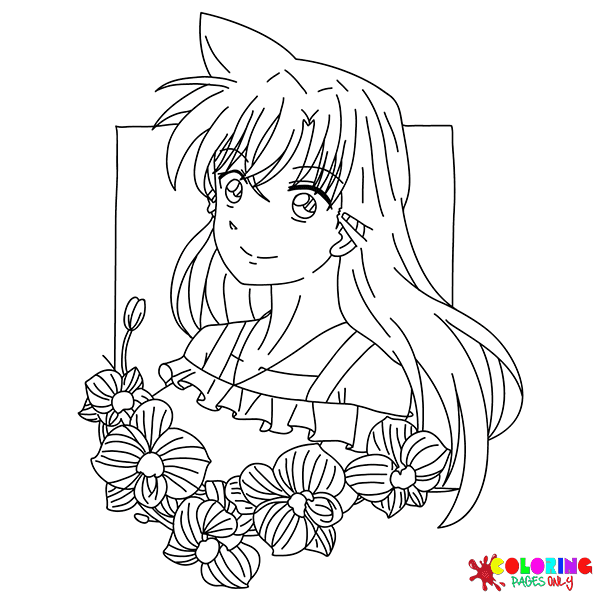
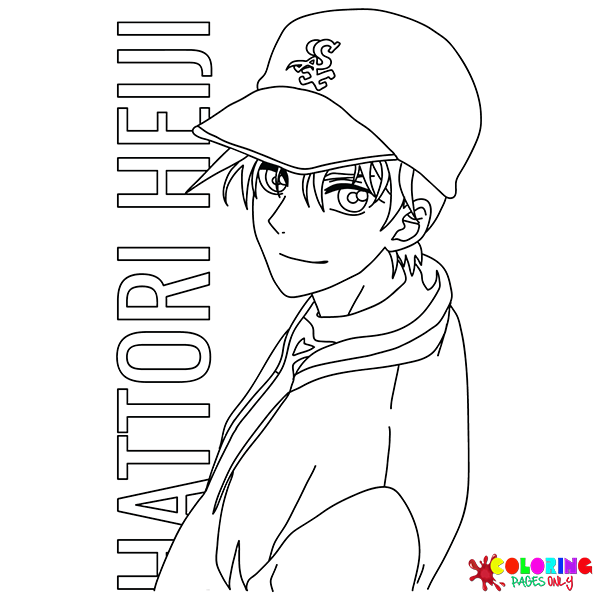
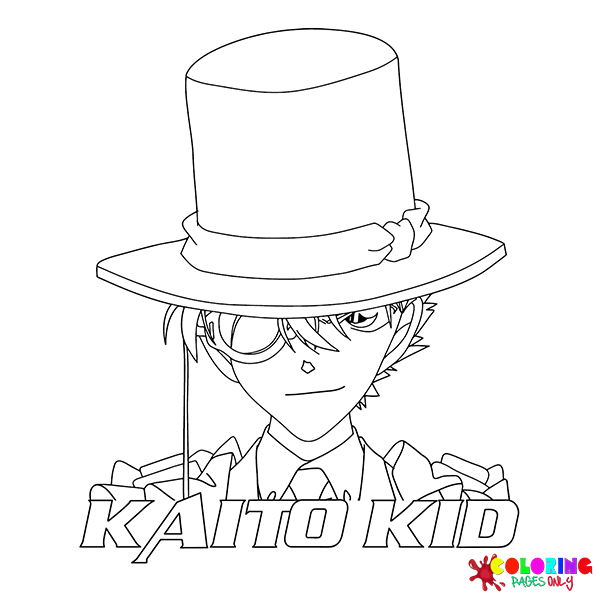
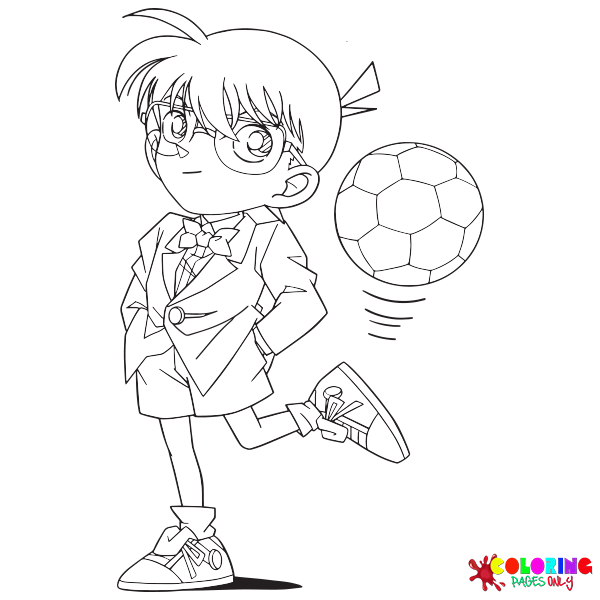
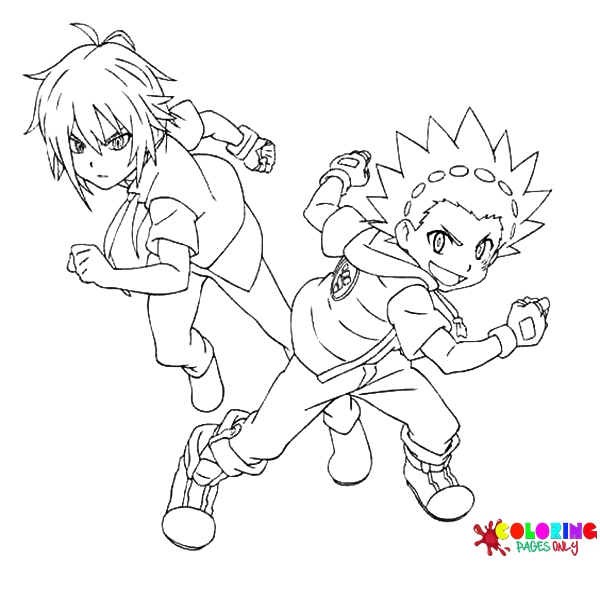
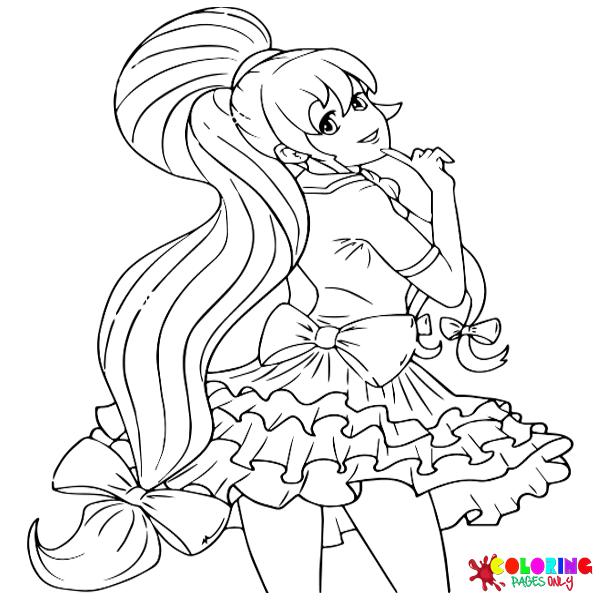
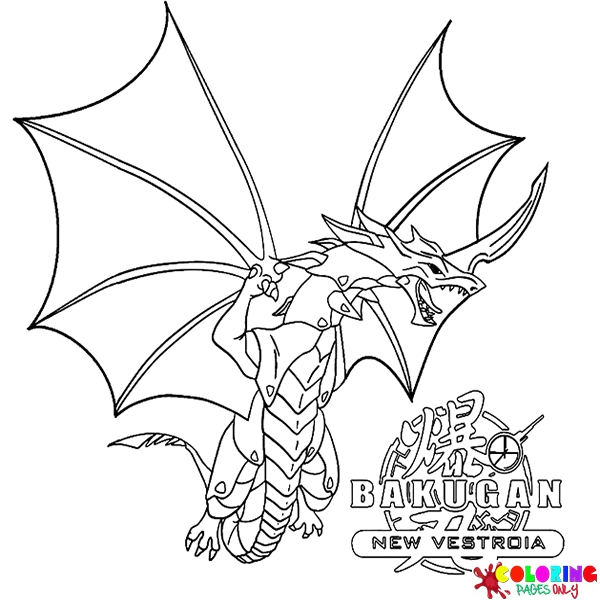
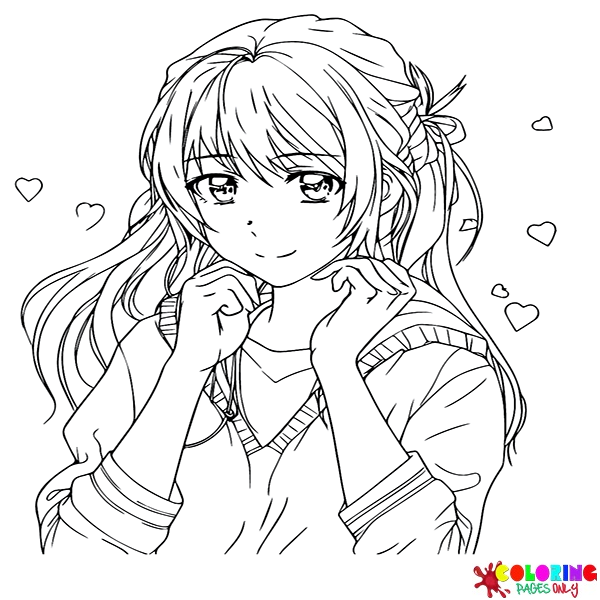
Chibi Anime covers the simplified, rounded-proportion chibi style applied across any character. Anime Girl and Long Hair Anime Girl are style-based pages covering the anime female character aesthetic broadly, rather than any single series. Detective Conan and its character pages (Shinichi Kudo, Ran Mori, Conan Edogawa, and others) cover Gosho Aoyama’s long-running detective series. Bakugan and Yu-Gi-Oh cover battling toy and card game anime franchises, Beyblade covers the spinning-top battle series, and Shadowverse covers the Cygames card game adaptation.
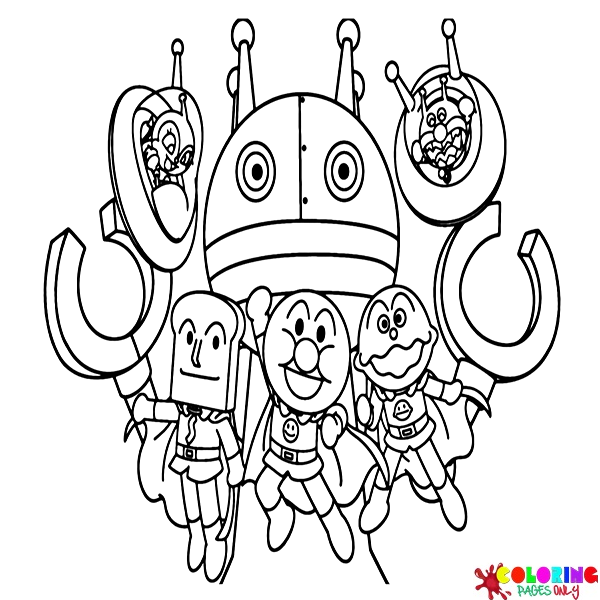
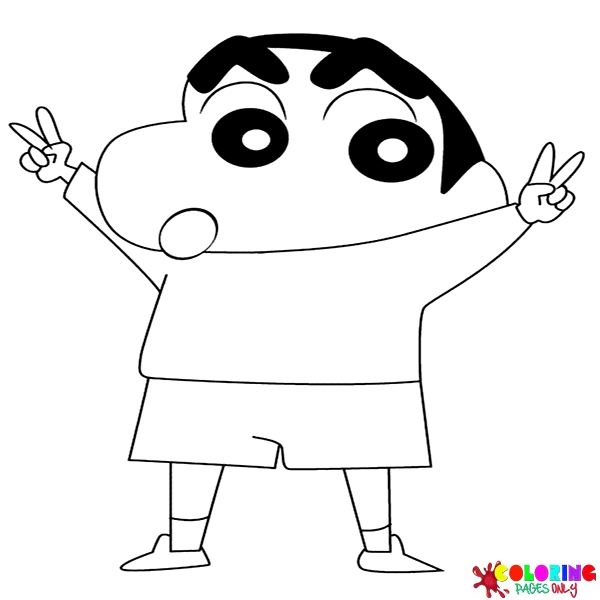
Anpanman, created by Takashi Yanase, is the most-watched children’s anime in Japan by total episode count. Shin-chan covers Yoshito Usui’s family comedy, a staple of children’s programming across several Asian markets.
What Anime Coloring Pages Do
Fine motor development. The American Academy of Pediatrics identifies fine motor skill development as a core benefit of structured coloring for children ages 2 through 7. Detailed hair, armor, and costume elements in anime art give practice with both broad fills and fine control.
A way into a favorite story. Coloring a page from a series a child already watches turns a familiar character or scene into something they can revisit and personalize, deepening the connection to the story.
Anxiety reduction through focus. A 2005 study in the Art Therapy Journal documented measurable reductions in anxiety following structured coloring sessions. The intricate line work common in anime character designs supports that same steady, low-pressure focus.
A way to compare visual styles across decades. Because the collection spans Ghibli’s painterly backgrounds, 1990s mecha, and contemporary streaming-era series, coloring across the collection gives a hands-on sense of how anime art has changed over time.
How to Color Anime Pages Well
- Ghibli-style pages: use soft, blended greens and blues rather than flat color, and keep backgrounds gentle so the character stays the visual focus.
- Shōnen power-up scenes: use saturated, high-contrast colors (electric yellow, vivid orange) for energy effects to capture the genre’s signature intensity.
- Character-specific hair colors: match each character’s canonical hair color exactly where known (for example, keep a character’s signature color consistent across every page they appear on) since fans notice mismatches immediately.
- Mecha and armor: use metallic grays and a consistent light source to make robot and armor plating read as three-dimensional.
- Magical girl designs: lean into bright, saturated pastels and keep costume details (bows, gems, wands) crisp and clean.
5 Creative Craft Ideas With Anime Coloring Pages
1. Favorite Series Bookmark Set
Color a small character page from a favorite series, mount it on cardstock, and attach a ribbon at the top for a bookmark that clips over the corner of a page.
2. Character Standee Display
Color a full-body character page, mount it on cardstock, and fold a small tab at the base so the finished figure can stand upright on a shelf or desk.
3. Anime Art Style Comparison Board
Color one page from a few different eras or styles in the collection, such as a Ghibli scene, a Shōnen action page, and a magical girl page, and mount them side by side on poster board to compare visual styles.
4. Anime Greeting Card
Fold cardstock in half, mount a colored character design on the front, and write a message inside for a fellow fan.
5. Series Collage Poster
Color several pages from one favorite series, cut them out, and arrange them together on a poster board for a personalized series collage.
Frequently Asked Questions
What are anime coloring pages?
Anime coloring pages are printable line-art designs of characters and scenes from Japanese animated series and films. This collection includes 6,576 free designs across 139 series and characters, available as PDFs or online coloring.
Which sub-category has the most pages?
Demon Slayer is the largest single sub-category with 740 designs, followed by One Piece with 682 and Gundam with 198.
Why do some series only have a character page and not a series page?
Sub-categories are added based on demand. Some series, such as Tokyo Ghoul and Ouran High School Host Club, currently only have a dedicated page for their most popular individual character rather than the full series.
Does the collection include Studio Ghibli films?
Yes. The Studio Ghibli sub-category covers the studio’s filmography, and two of its most requested films, Princess Mononoke and The Boy and the Heron, also have their own dedicated pages.
What is included in the Genshin Impact pages?
The general Genshin Impact page plus dedicated pages for Kamisato Ayaka and Yoimiya, reflecting demand for those specific characters within the game.
Are anime coloring pages suitable for young children?
Yes, for many pages, particularly chibi-style and children’s series like Anpanman and Shin-chan, though some series in this collection (dark, psychological, or intense-action titles) are better suited to older children and teens.
What is the Shōnen Jump cluster in this collection?
It groups series first serialized in Weekly Shōnen Jump, including Dragon Ball Z, Naruto, Bleach, One Piece, My Hero Academia, and Hunter x Hunter, several of the most globally influential anime properties in the collection.
How is this collection organized?
By genre and era first (Ghibli films, Shōnen Jump classics, contemporary series, mecha, magical girls, romance and school, dark and psychological titles, isekai and fantasy), then by individual series and character within each group.
Start Coloring
Choose a series or character above to browse that collection, or open any page to download it as a free PDF or color it online in the browser. No account, email, or payment is required. Share finished pages on Facebook or Pinterest with the share buttons on each page.
More Anime Coloring Pages
Jump straight to a specific collection: