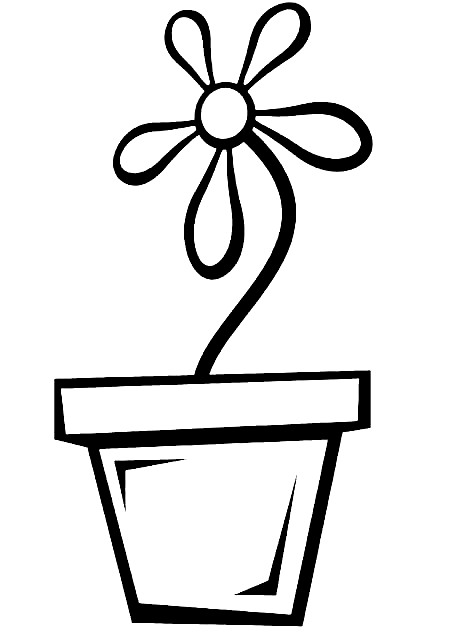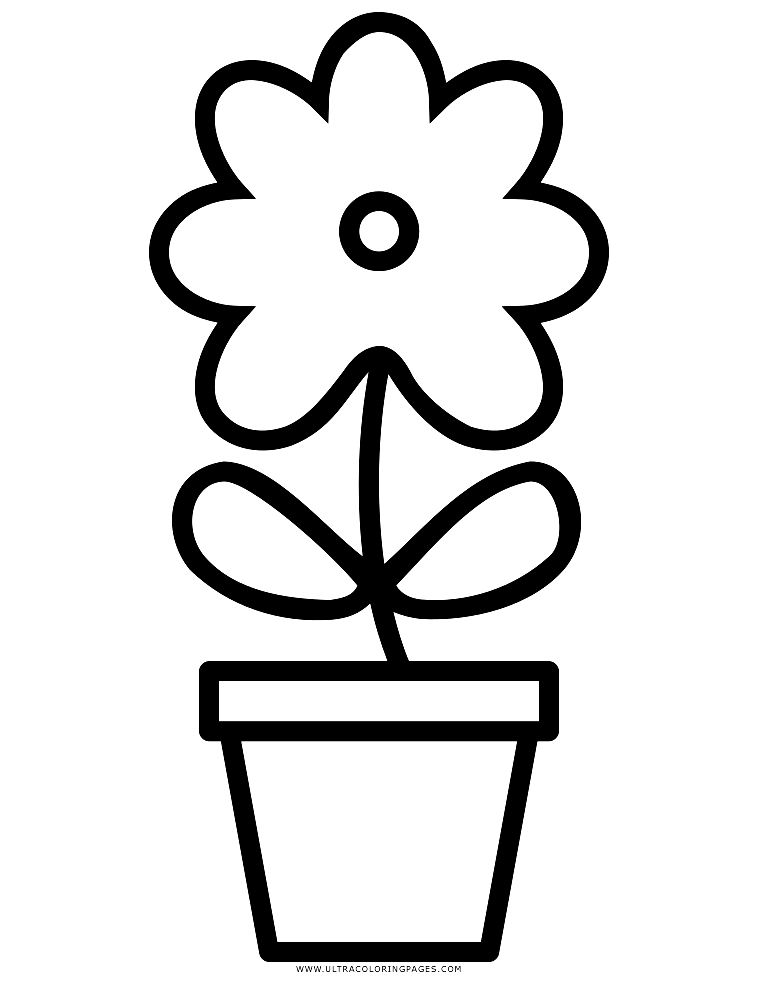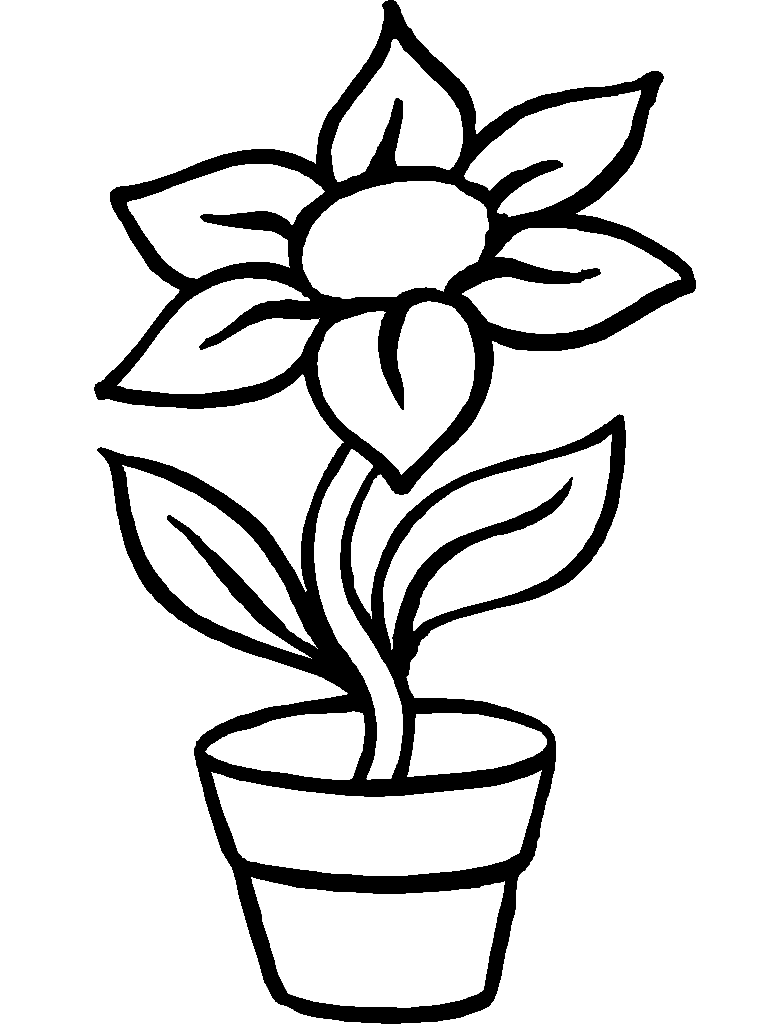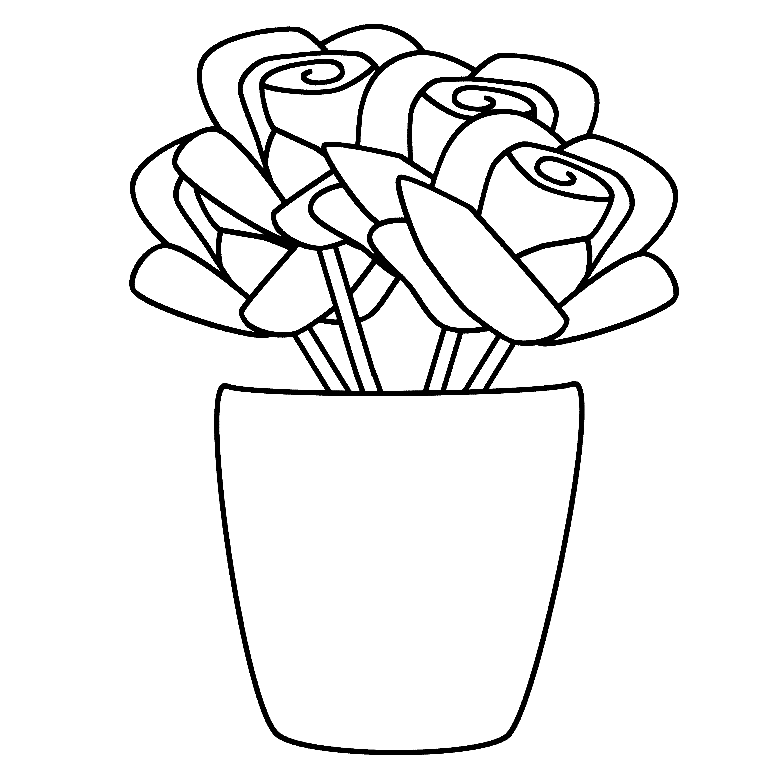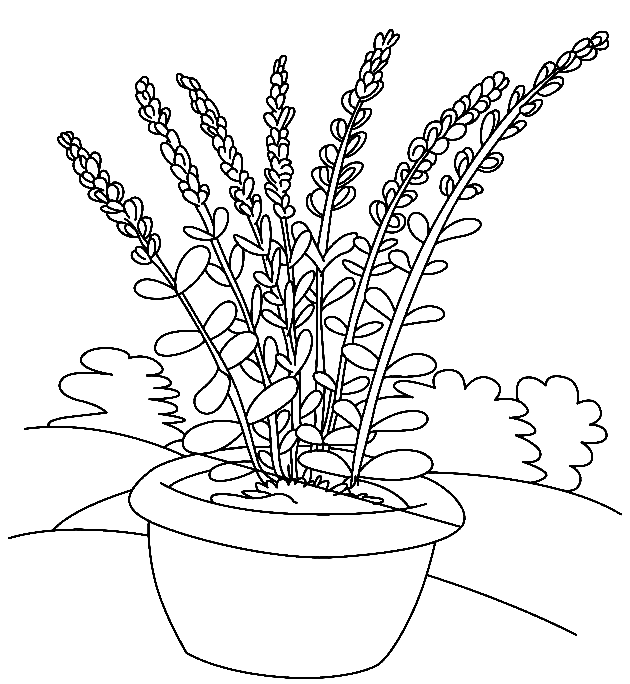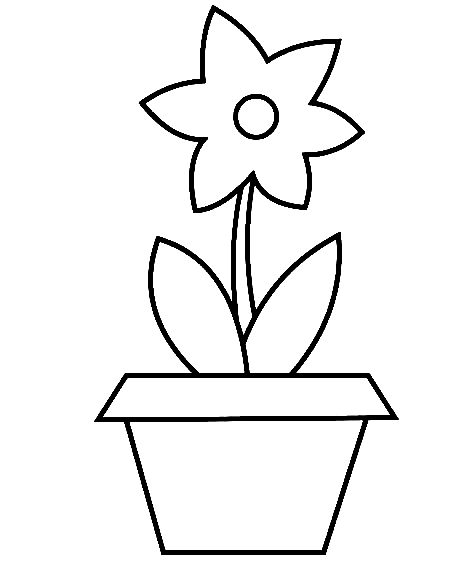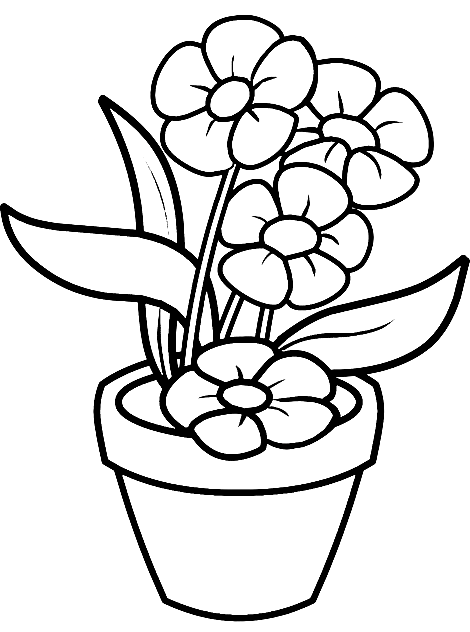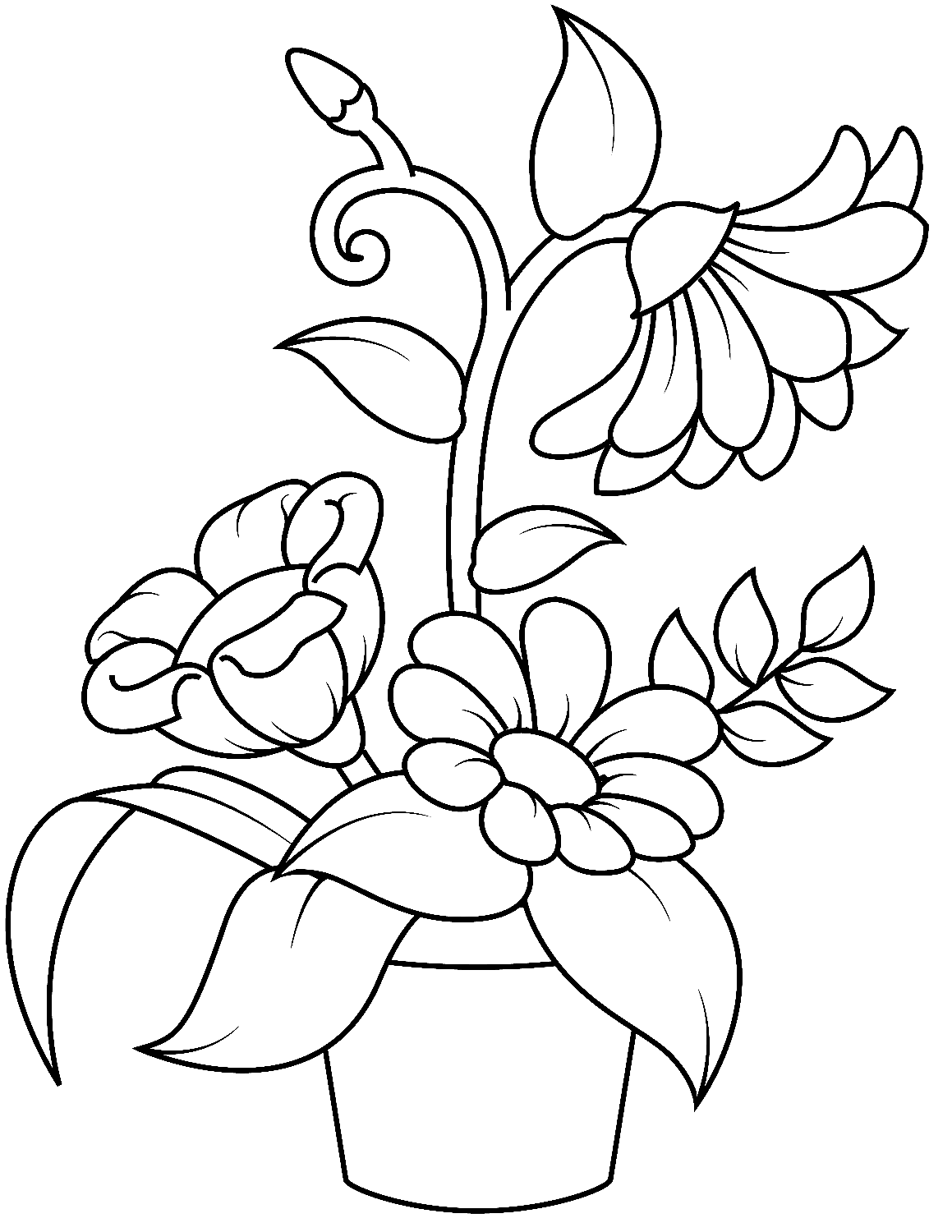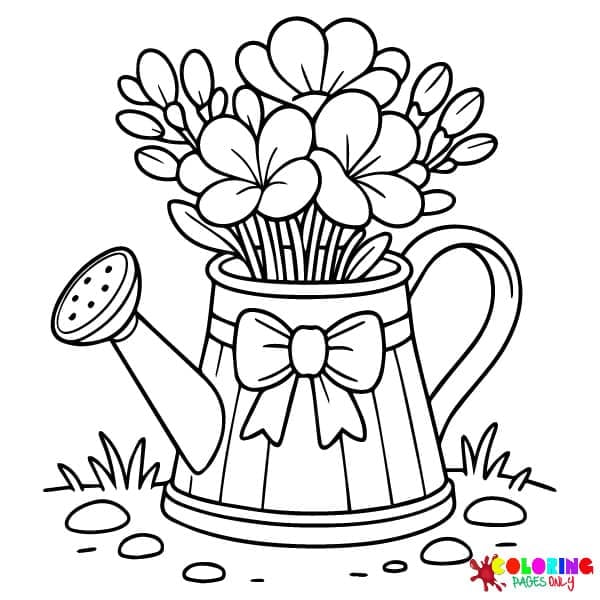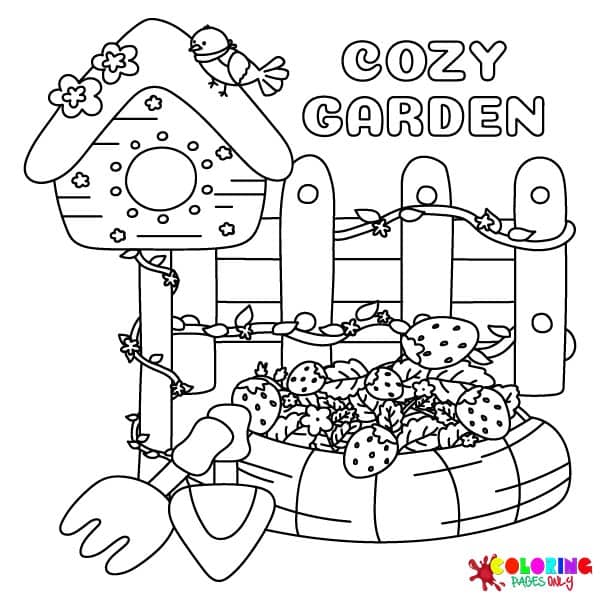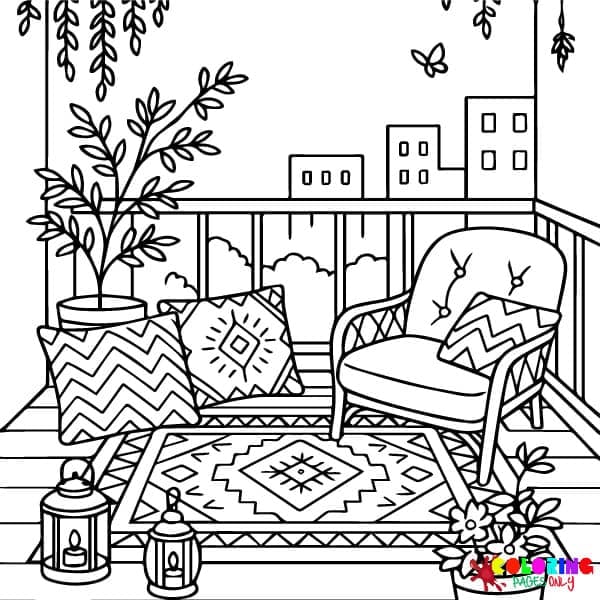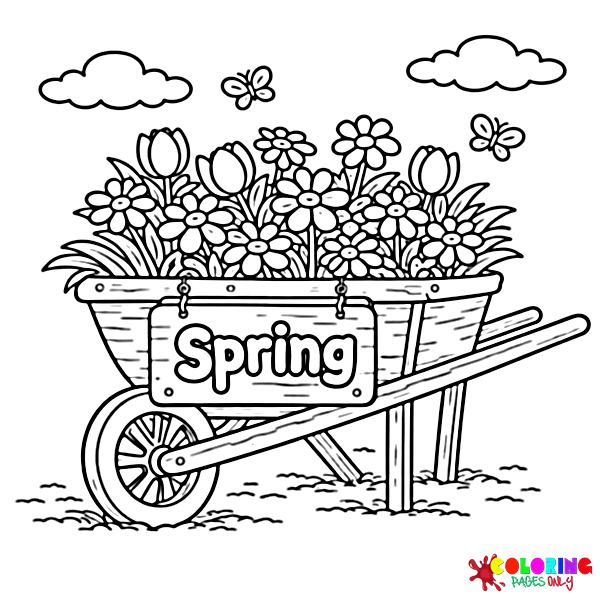
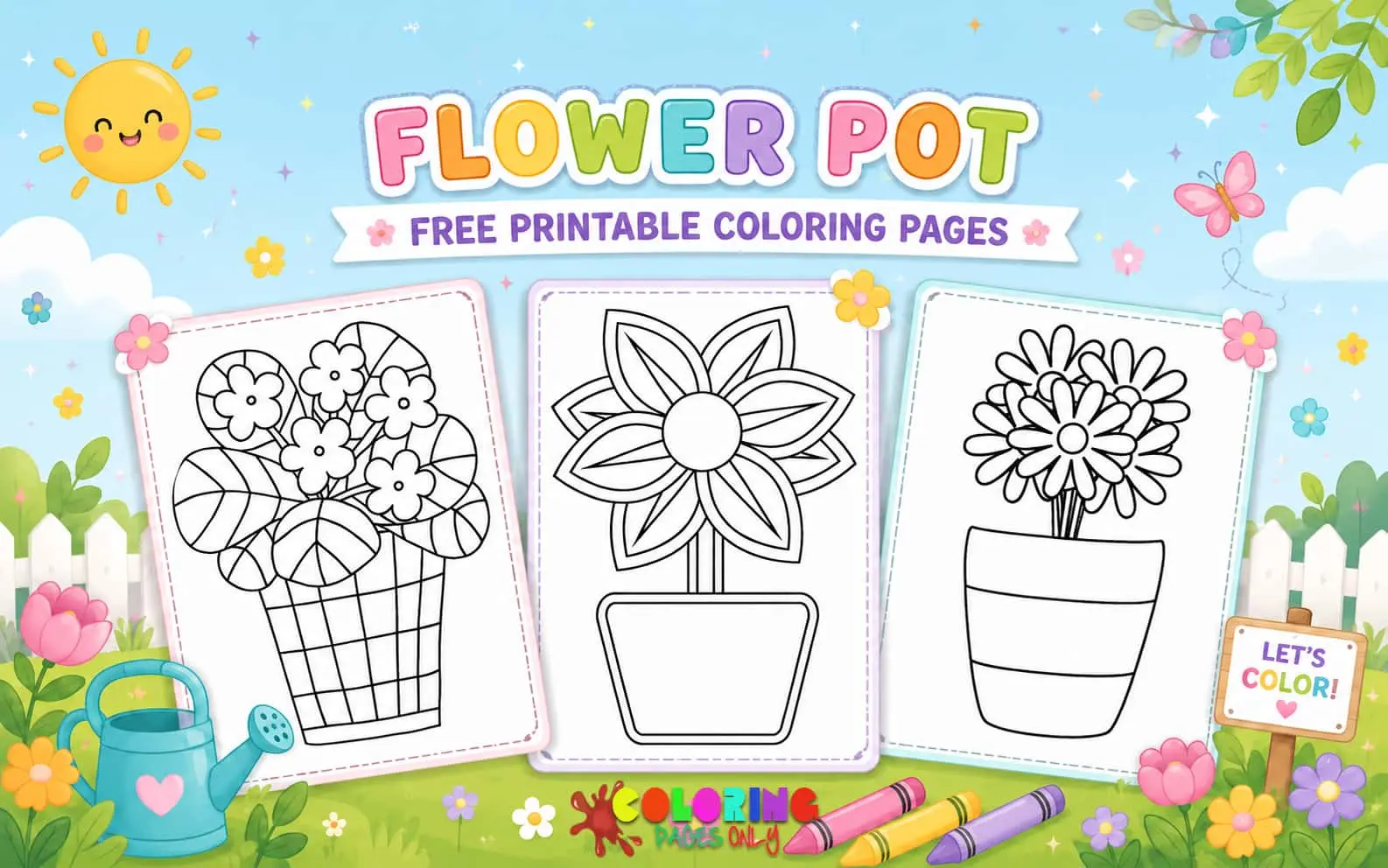
Free Flower Pot Coloring Pages: 50+ printable pages featuring tulips, sunflowers, roses, daisies, daffodils, chamomile, poinsettias, Christmas cactus, cactus pots, bouquet pots, heart flower pots, cartoon flower pots, easy flower pots for kids, preschool flower pot pages, and printable garden designs. These coloring sheets are great for kids, parents, teachers, spring lessons, plant care activities, flower crafts, Mother’s Day cards, thank-you gifts, fine motor practice, classroom art centers, and screen-free creative time. All free, PDF or PNG, print or color online.
Flower pot coloring pages are special because every design feels like a tiny garden children can design, care for, decorate, and give as a handmade gift. A flower pot can hold spring tulips, bright sunflowers, sweet daisies, elegant roses, holiday poinsettias, or a cozy cactus on a windowsill. The pot gives each flower a small “home,” turning a simple coloring page into a scene about growth, care, seasons, and creativity.
Unlike ordinary flower coloring pages, Flower Pot coloring pages invite children to color more than petals. They can decorate the planter, add soil, shade leaves, draw water drops, place the pot on a windowsill, label the plant, or turn the finished page into a card, bookmark, plant care chart, or classroom garden display. Younger children can start with simple pots and cartoon flowers, while older kids can enjoy detailed bouquets, seasonal plants, cactus textures, pot patterns, shadows, and gift-style designs.
What’s Inside
Simple, Easy, and Preschool Flower Pot Coloring Pages
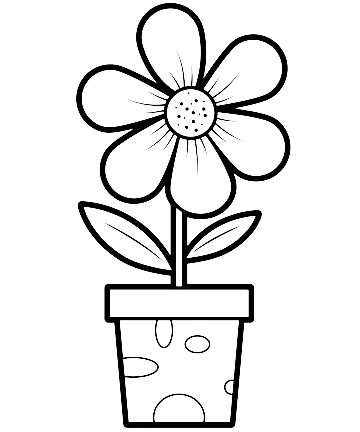
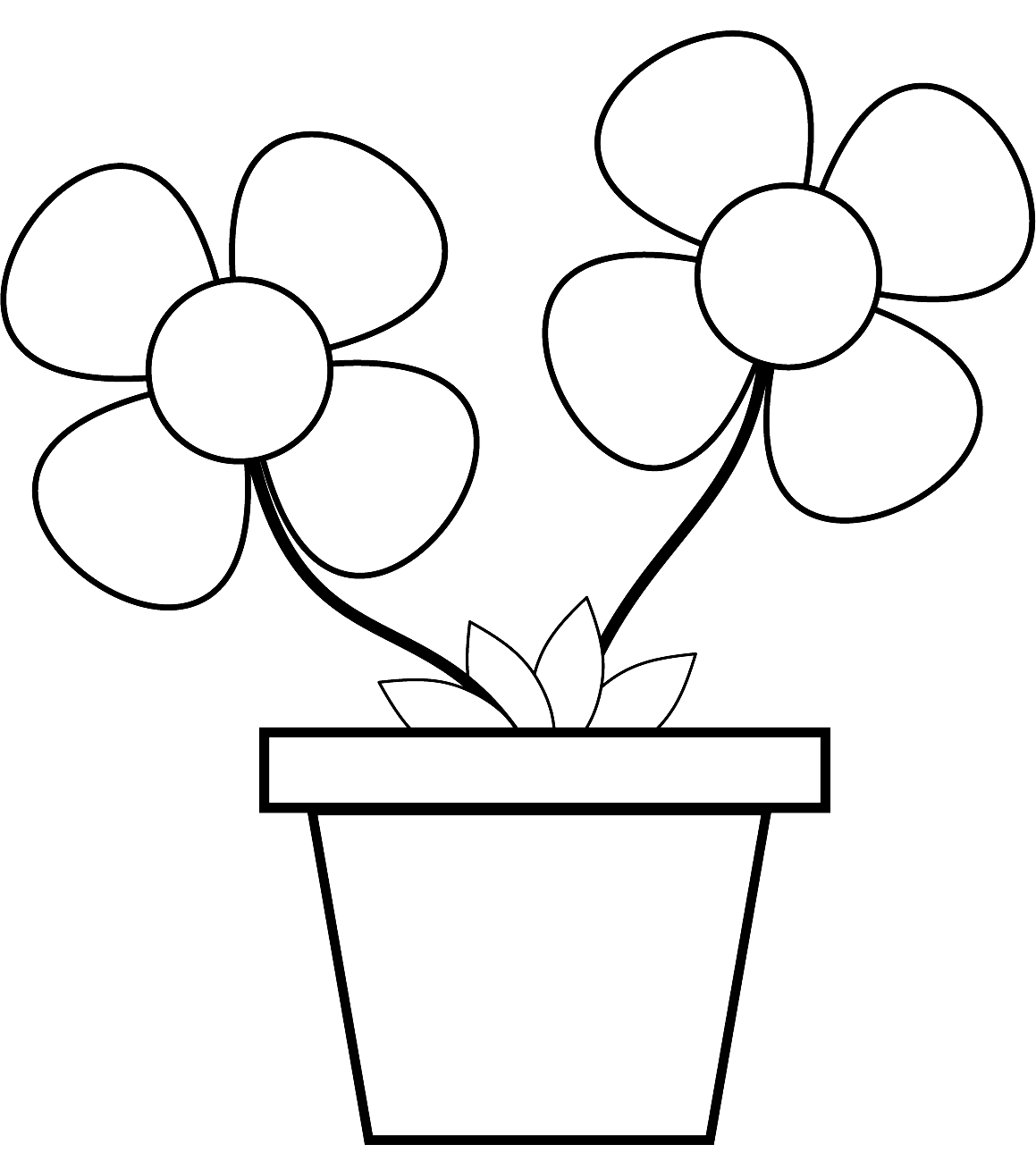
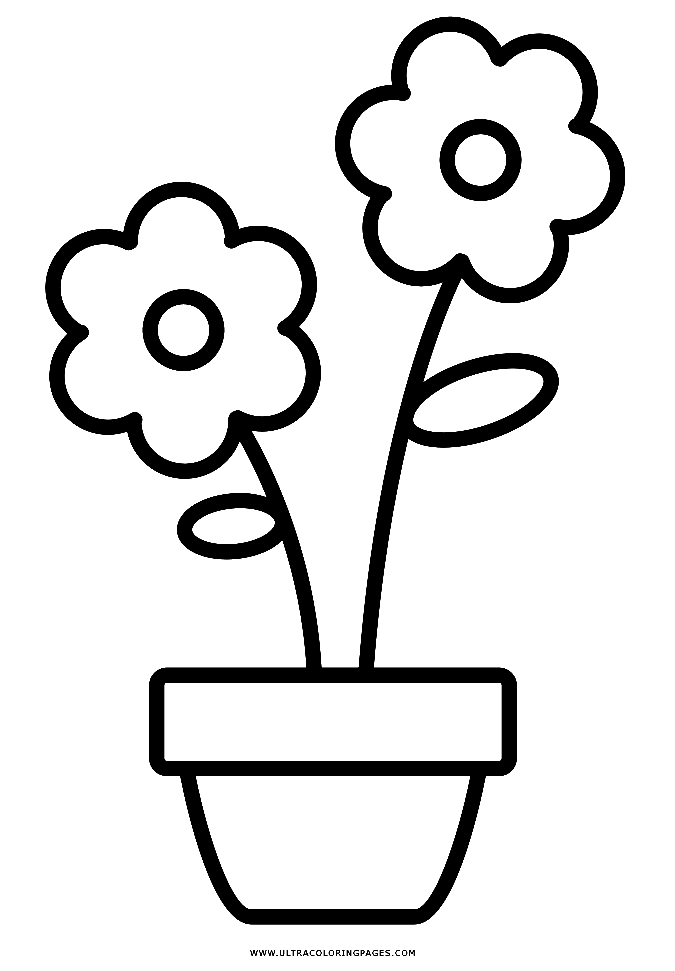
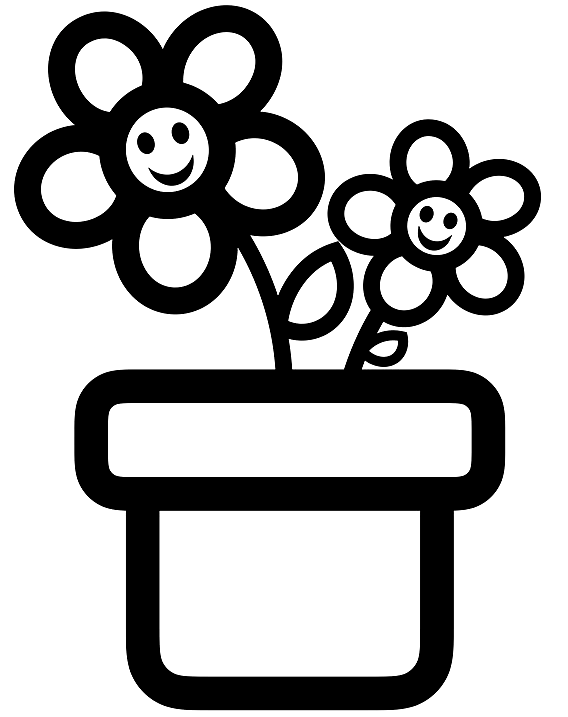
Simple, easy, and preschool flower pot pages are the best starting point for young children. These pages may include one pot, one flower, a few leaves, or a clean outline with large spaces to color. They are easy to print, quick to finish, and friendly for crayons or markers.
These designs are useful for preschool, kindergarten, quiet time, and first flower-themed art activities. Children can practice coloring inside the lines while learning simple plant parts such as the pot, stem, leaf, flower, and soil. Teachers can also use these pages to introduce basic plant care ideas: plants need water, sunlight, soil, air, and gentle care.
Coloring simple flower pot pages: Use bright colors for the flowers and warm brown, orange, red, gray, or pastel colors for the pot. Add a sun, clouds, grass, bees, butterflies, or water drops if the page has open space.
Tulips in Flower Pot Coloring Pages
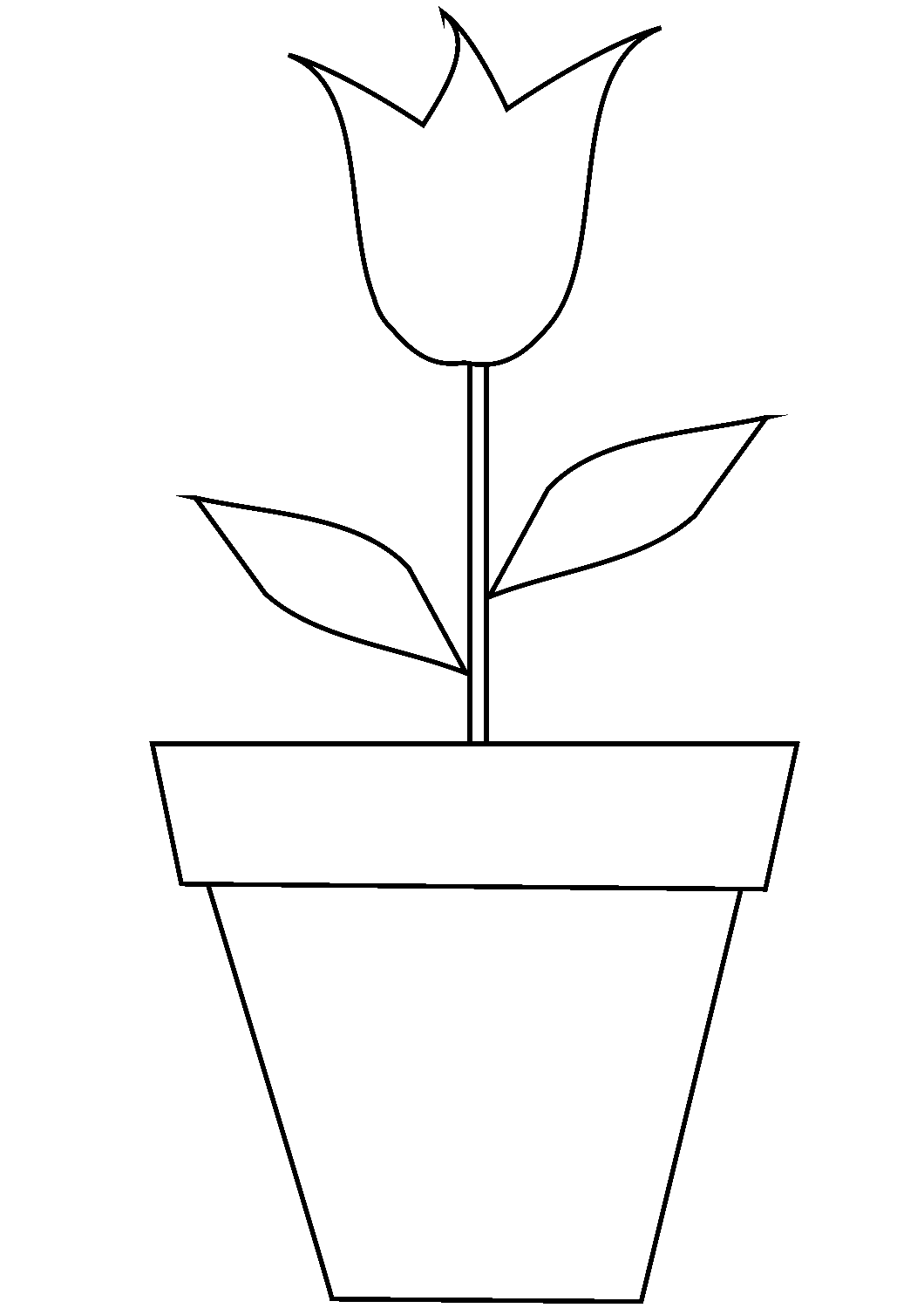
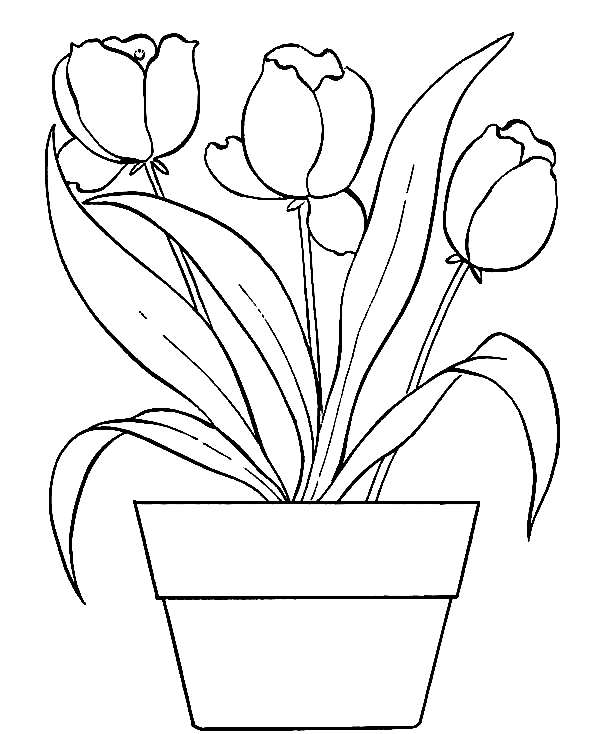
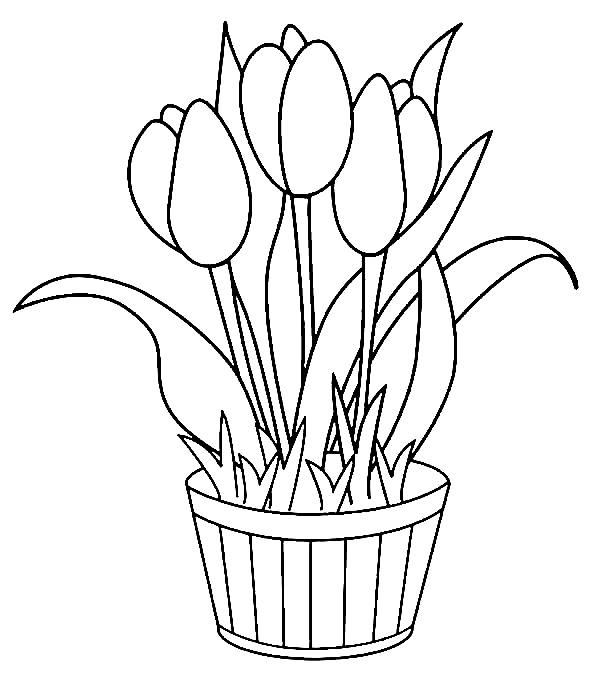
Tulip flower pot pages bring a fresh spring feeling to the collection. These pages may show one tulip, several tulips, or a pot filled with upright tulip blooms. Tulips have smooth petals and clean shapes, making them pleasant to color for both young children and older colorists.
Tulip pages are great for spring activities, Mother’s Day crafts, classroom displays, and flower observation lessons. Children can learn that tulips come in many colors, not just red. A tulip pot can become a cheerful spring gift, a classroom wall decoration, or a simple “welcome spring” coloring activity.
Coloring tulip flower pot pages: Use red, pink, yellow, orange, purple, white, or mixed tulip colors. Use fresh green for the leaves and stems. A terra-cotta, cream, blue, or patterned pot can make the tulips stand out.
Sunflower Pot Coloring Pages
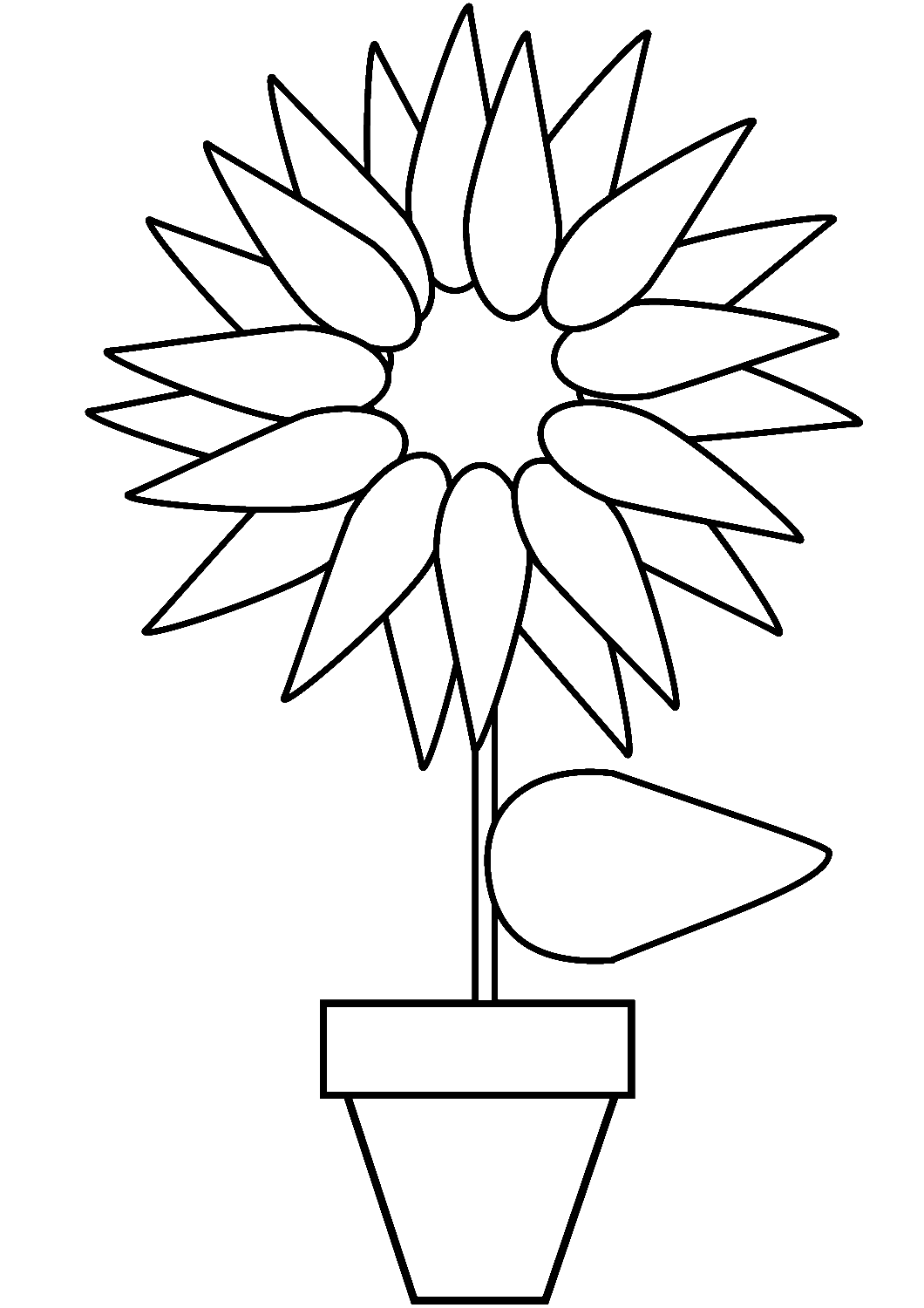
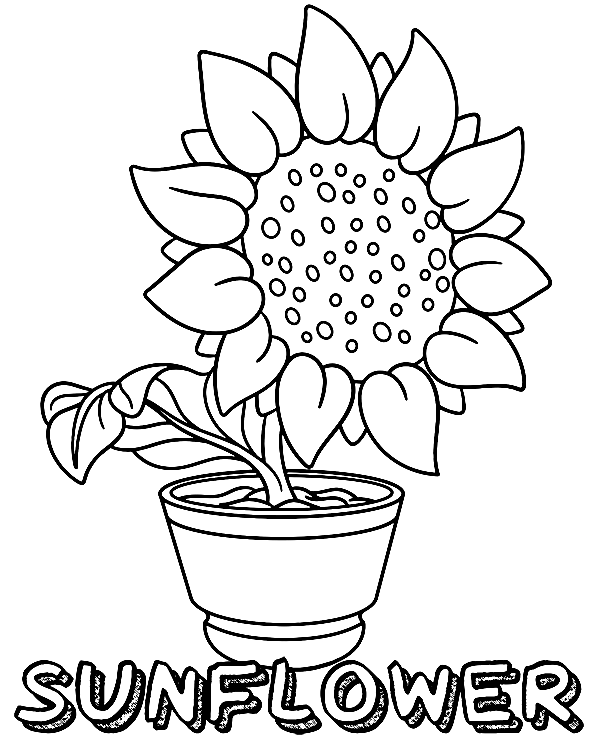
Sunflower pot pages are bright, bold, and cheerful. Sunflowers are easy for children to recognize because of their large, round centers and sunny petals. These pages are perfect when you want a warm, happy, summer-style coloring activity.
Sunflower pots also help children practice contrast. The petals, center, leaves, and pot all have different shapes and colors, so the page feels complete even without a detailed background. A sunflower pot can become a classroom sunshine display, a summer craft, or a positive “grow bright” coloring page.
Coloring sunflower pot pages: Use yellow or golden petals, brown or dark orange centers, green leaves, and a warm clay or rustic pot color. Add blue sky, grass, bees, butterflies, or soft sun rays for a garden feeling.
Rose, Daisy, and Chamomile Flower Pot Coloring Pages
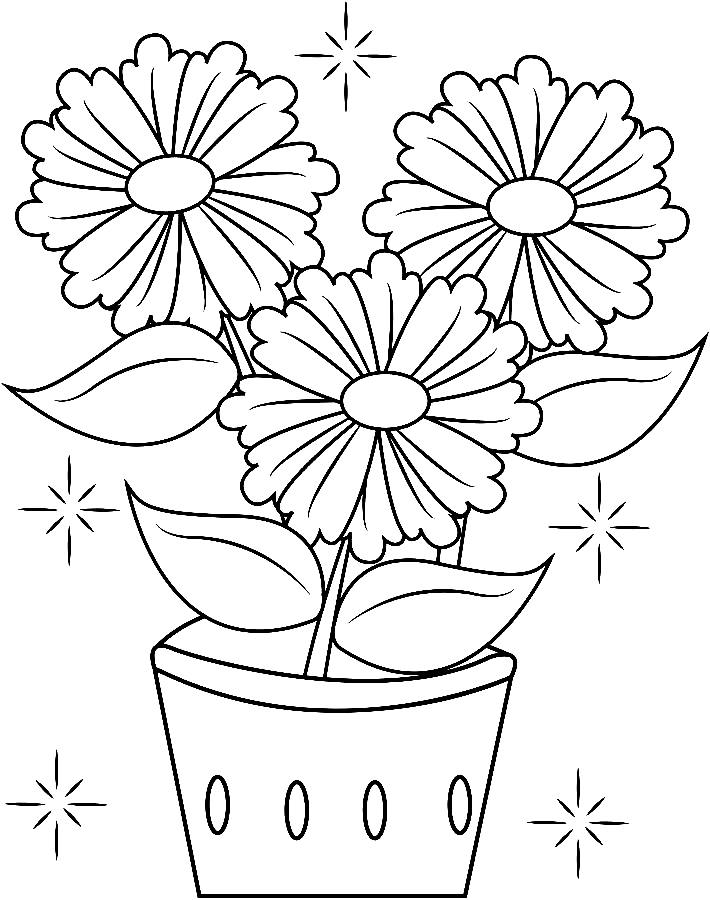
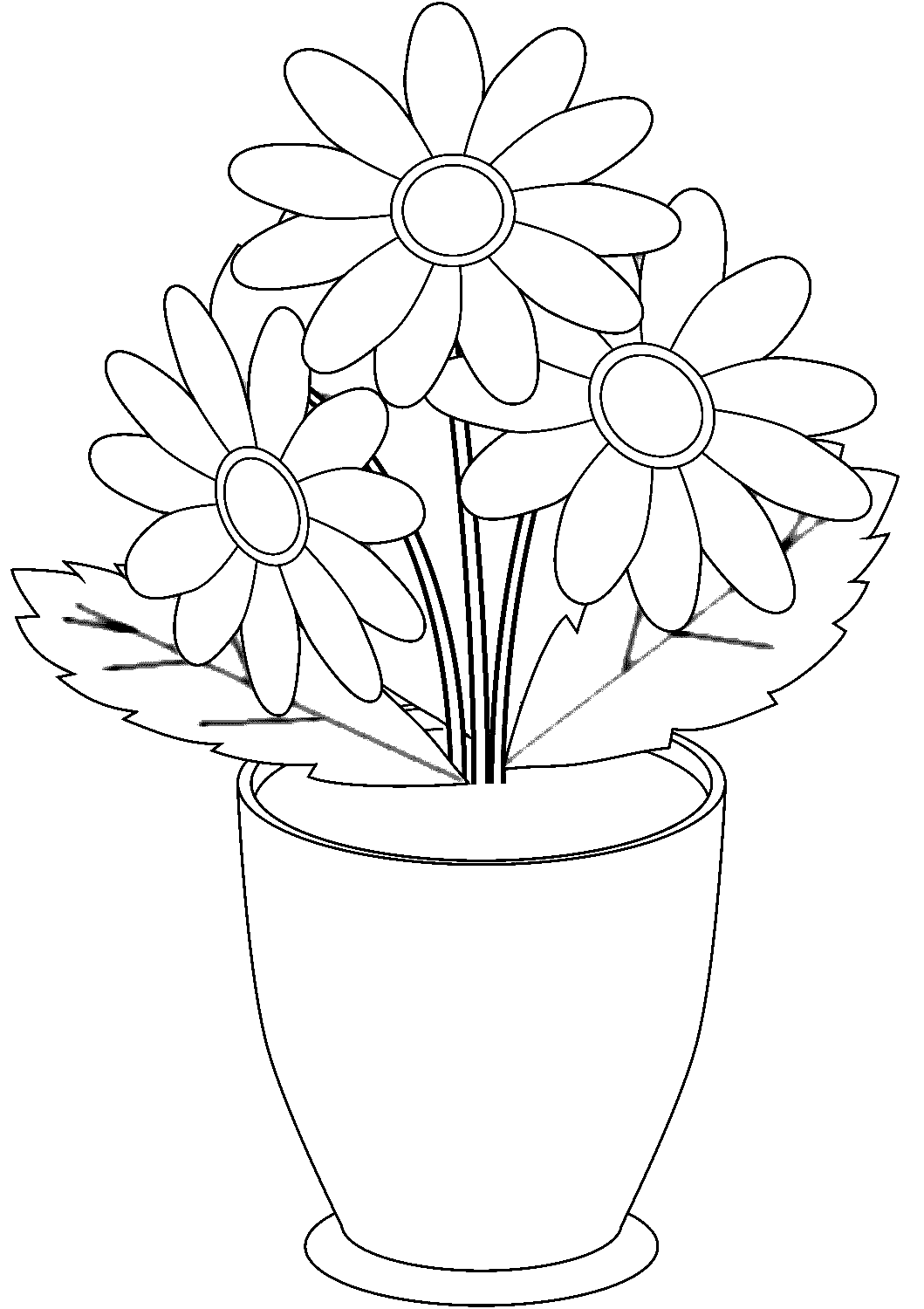
Rose, daisy, and chamomile flower pot pages add variety to the collection. Roses feel elegant and gift-like. Daisies feel cheerful and simple. Chamomile flowers feel soft, natural, and gentle. These flower types help children compare different petal shapes and moods.
This group is useful for both art and observation. Roses have layered petals, daisies have round centers and open petals, and chamomile flowers often look small, light, and garden-like. Children can color each flower differently and decide whether the finished pot feels like a gift, a garden corner, or a calm nature page.
Coloring rose, daisy, and chamomile pages: Use red, pink, peach, yellow, or white for roses. Use white, yellow, pink, or purple for daisies. Use white petals with yellow centers for chamomile. Choose a pot color that supports the flowers without making the page too busy.
Daffodils, Poinsettia, and Seasonal Flower Pot Coloring Pages
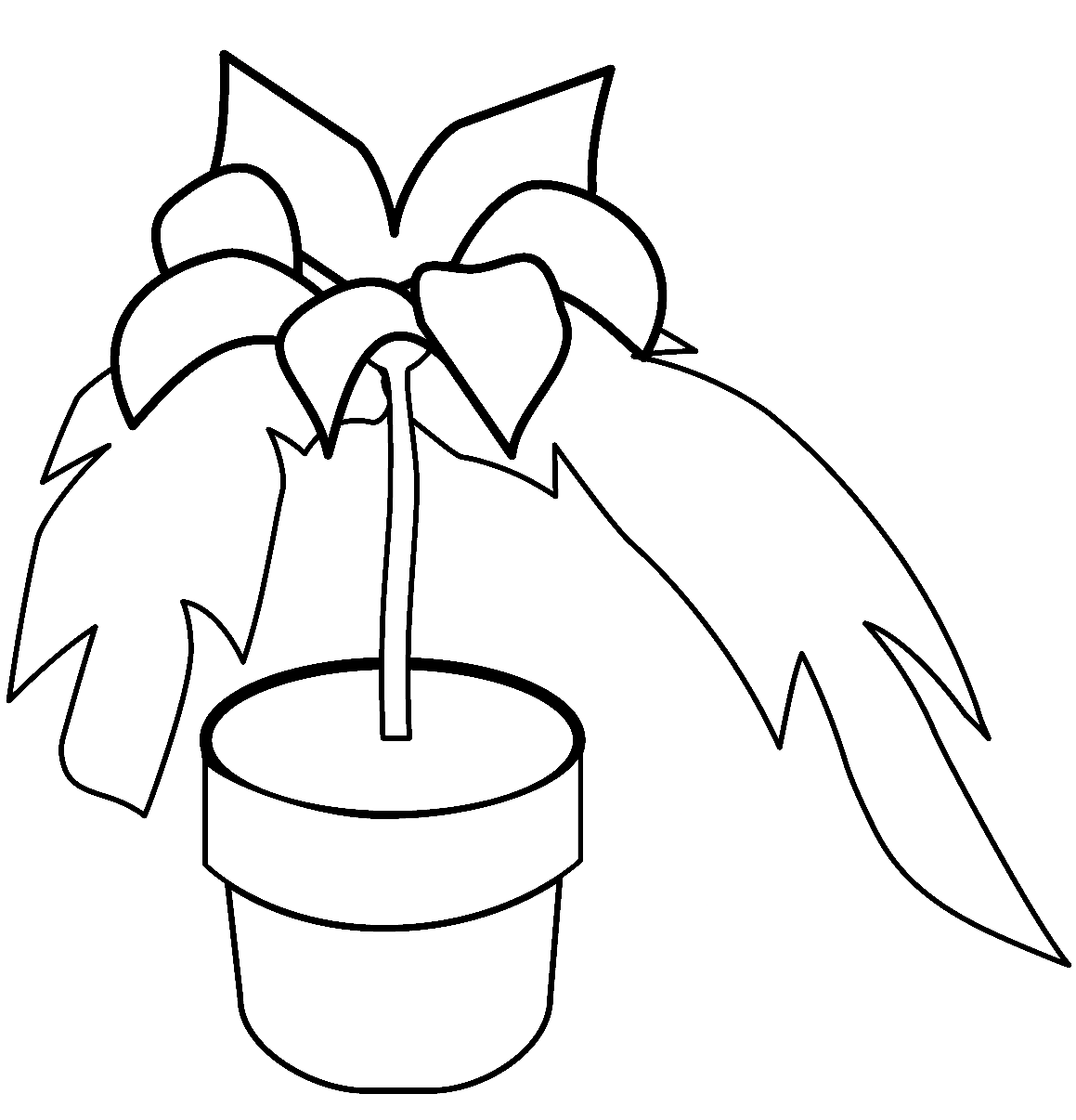
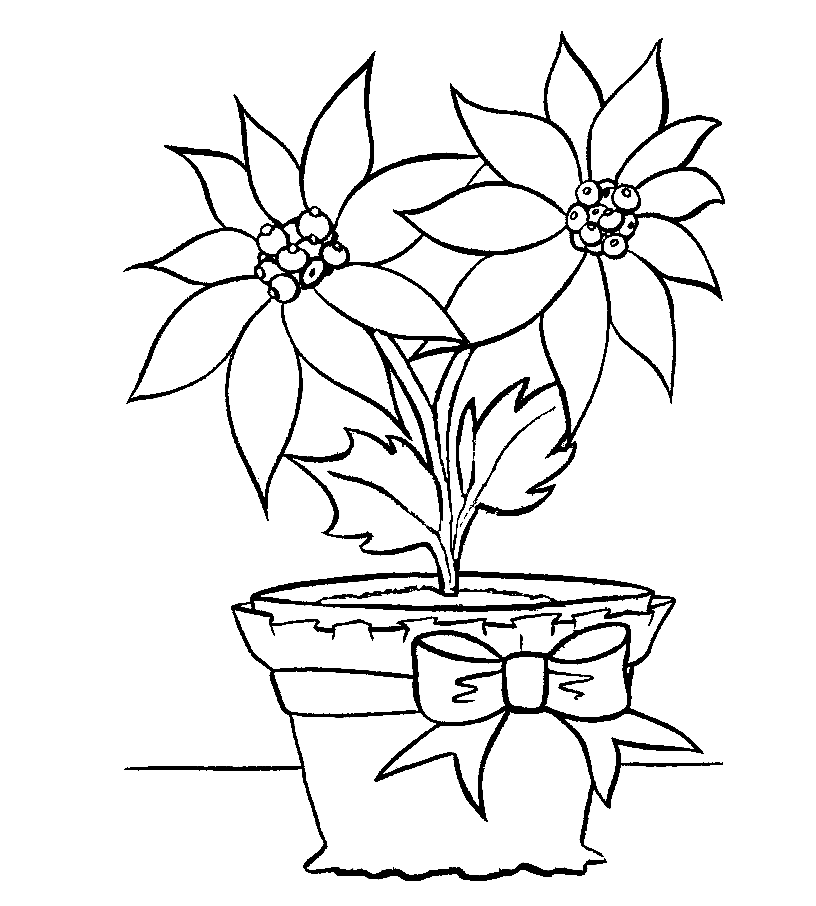
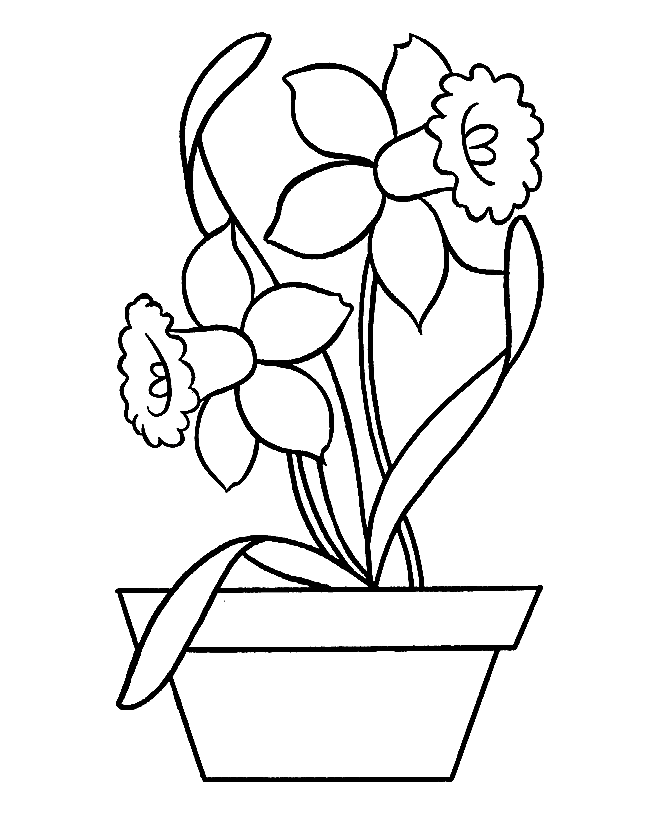
Seasonal flower pot pages bring different times of year into the collection. Daffodils can feel like spring. Poinsettia and Christmas cactus flower pots work well for winter and holiday coloring. These pages are useful for classrooms because they connect flowers with seasons, holidays, and nature observation.
Seasonal flower pots can become decorations, cards, or display pieces. Children can color a daffodil pot for spring, a sunflower pot for summer, a poinsettia pot for Christmas, or a cactus pot for an indoor plant corner. This makes the collection flexible across the whole year.
Coloring seasonal flower pot pages: Use yellow and white for daffodils. Use red, green, white, pink, or cream for poinsettias. Use green cactus shapes with red, pink, or white blooms for Christmas cactus pages. Add seasonal backgrounds such as snowflakes, spring grass, stars, or small garden labels.
Cactus and Indoor Plant Pot Coloring Pages
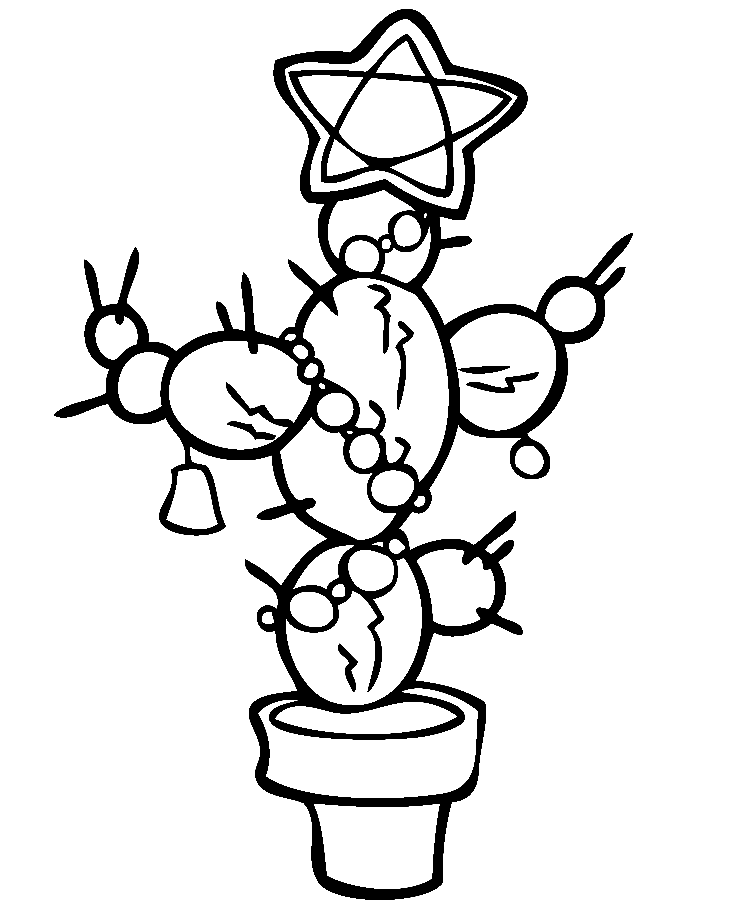
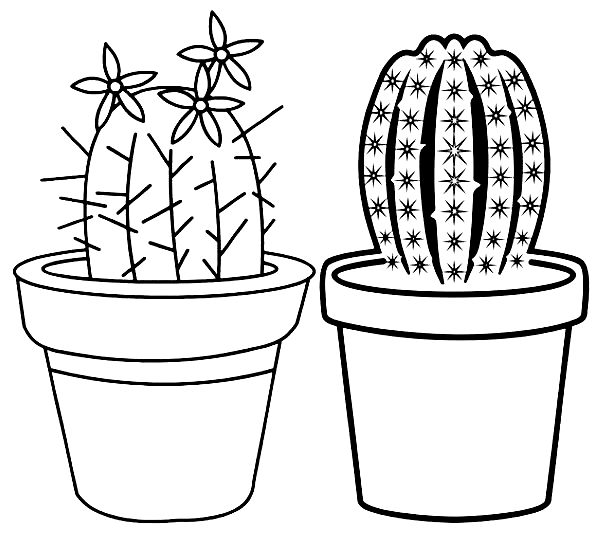
Cactus pot and indoor plant pages add a different texture to the Flower Pot collection. These pages may show cactus shapes, thick leaves, small blooms, or a simple potted plant. They are great for children who enjoy plants that look different from ordinary flowers.
Cactus pages help kids practice careful coloring because cactus shapes may include small spikes, ridges, or flower details. They also work well for cozy room decor, indoor plant themes, desert lessons, or plant care discussions. A cactus pot can feel modern, cute, calm, or funny depending on the colors.
Coloring cactus and indoor plant pages: Use green, olive, mint, teal, or blue-green for cactus shapes. Add pink, red, yellow, or white flowers if the cactus is blooming. Use clay, white, gray, or patterned pot colors for an indoor plant look.
Cute, Cartoon, and Happy Flower Pot Coloring Pages
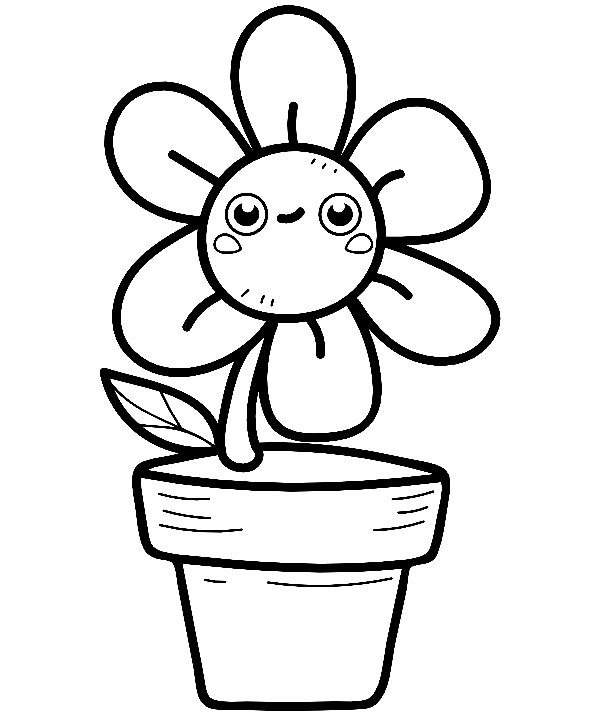
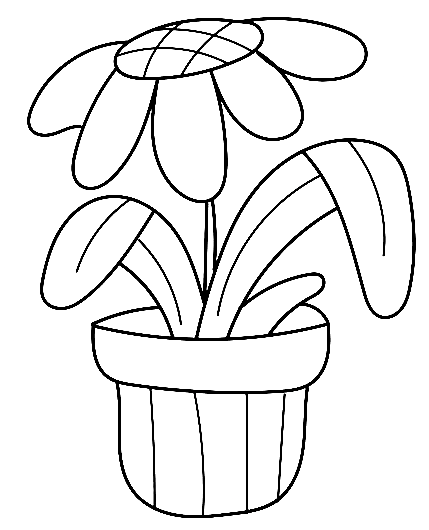
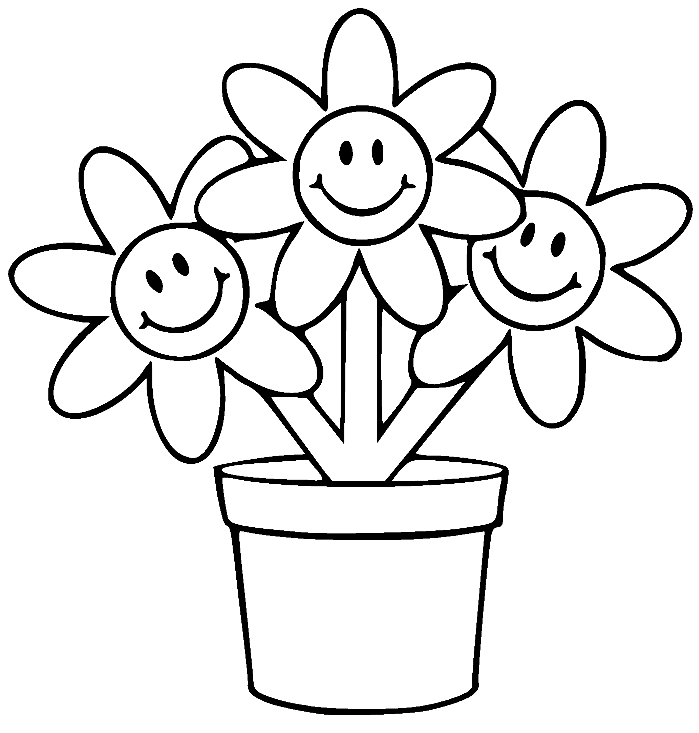
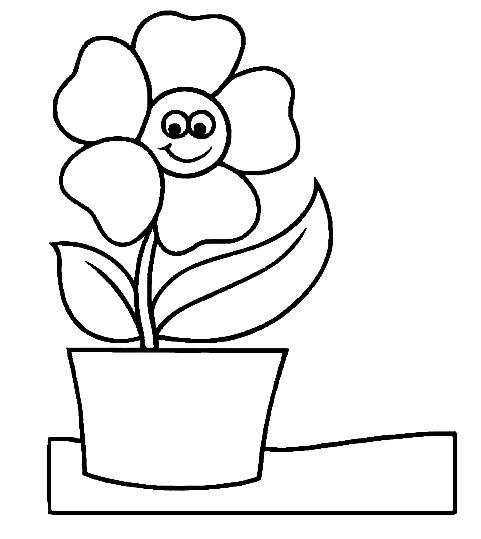
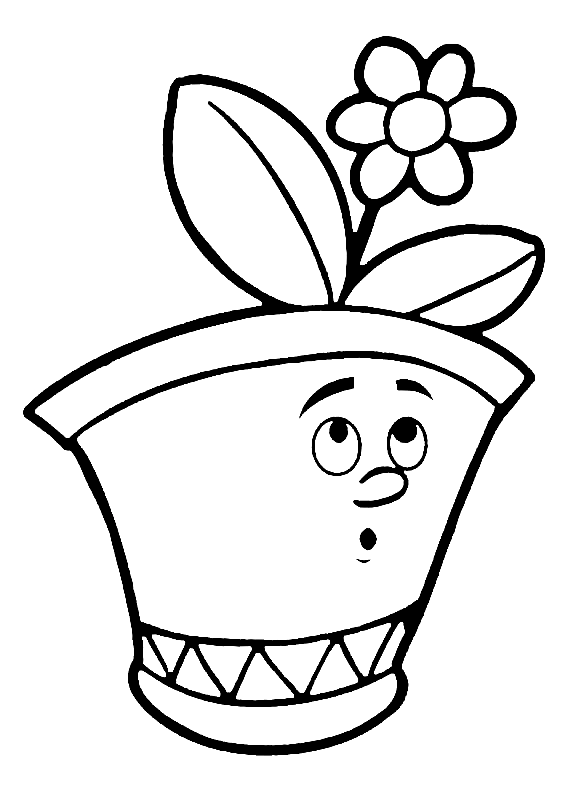
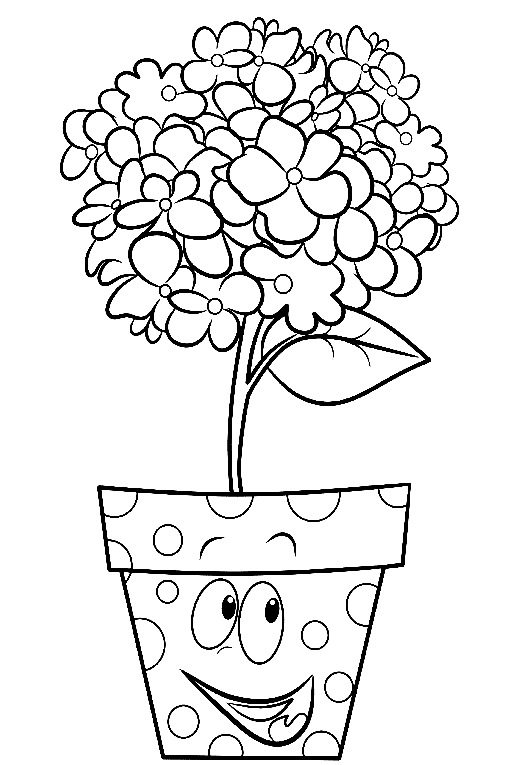
Cute, cartoon, and happy flower pot pages bring personality to the collection. These pages may include smiling flowers, happy pots, soft shapes, simple faces, or friendly cartoon designs. They are perfect for children who like playful coloring pages.
These designs can turn a simple plant into a character. A happy flower pot can look cheerful, silly, sleepy, or excited, depending on the colors and extra doodles children add. These pages are especially useful for preschool art centers, quick classroom activities, and cheerful spring displays.
Coloring cute flower pot pages: Use bright, cheerful colors such as pink, yellow, sky blue, mint, orange, and lavender. Add blush cheeks, stars, hearts, bees, butterflies, or little smiley faces if the design allows.
Bouquet and Long Flower Pot Coloring Pages
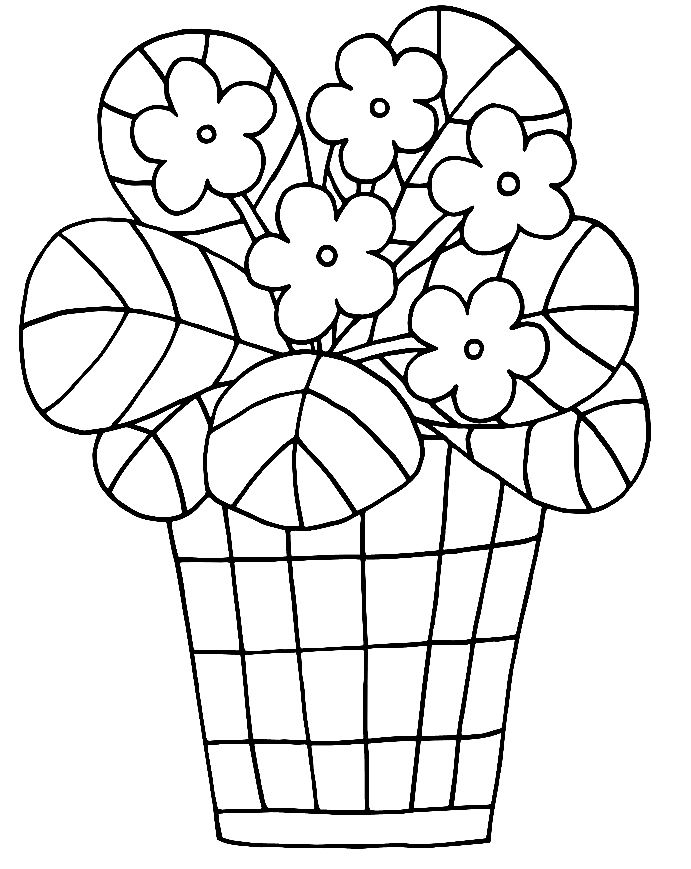
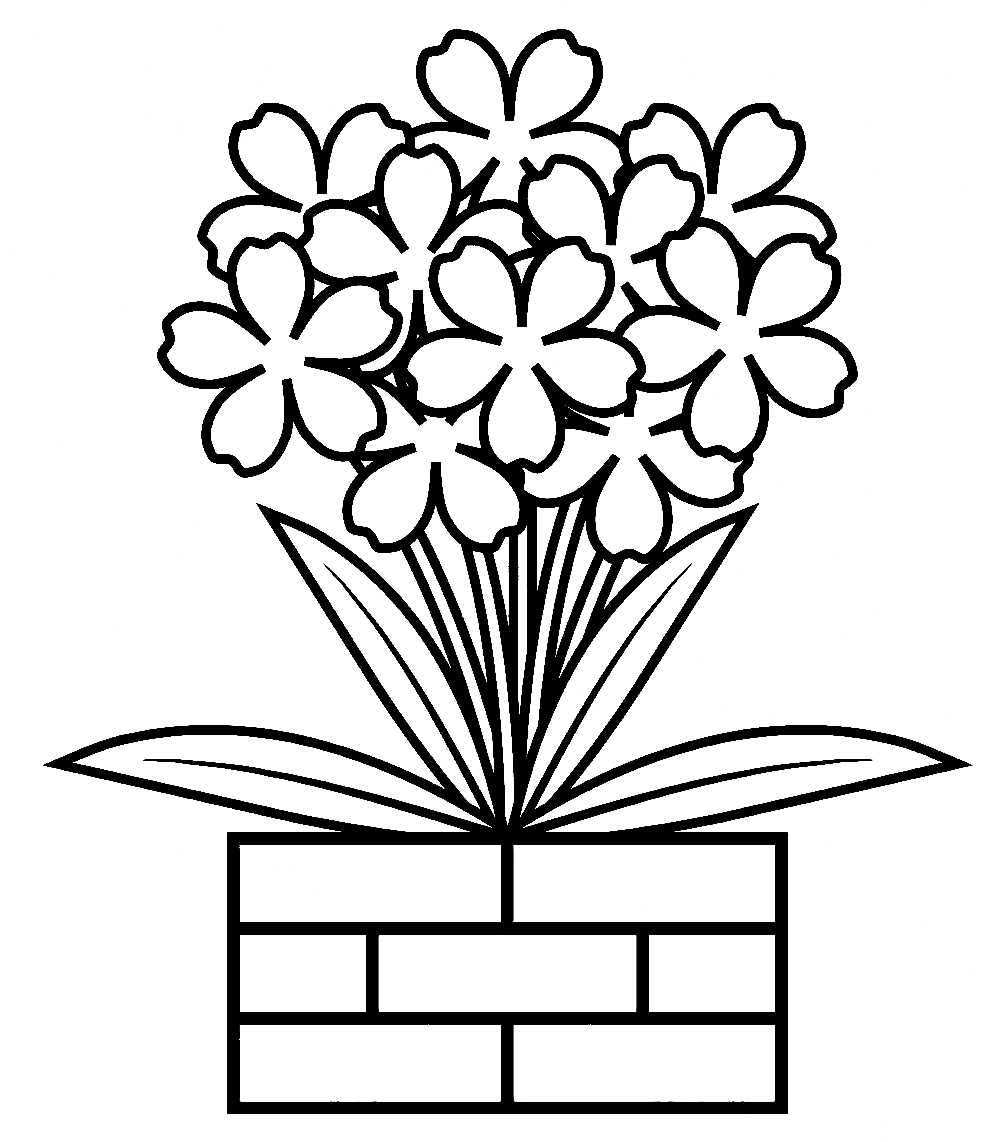
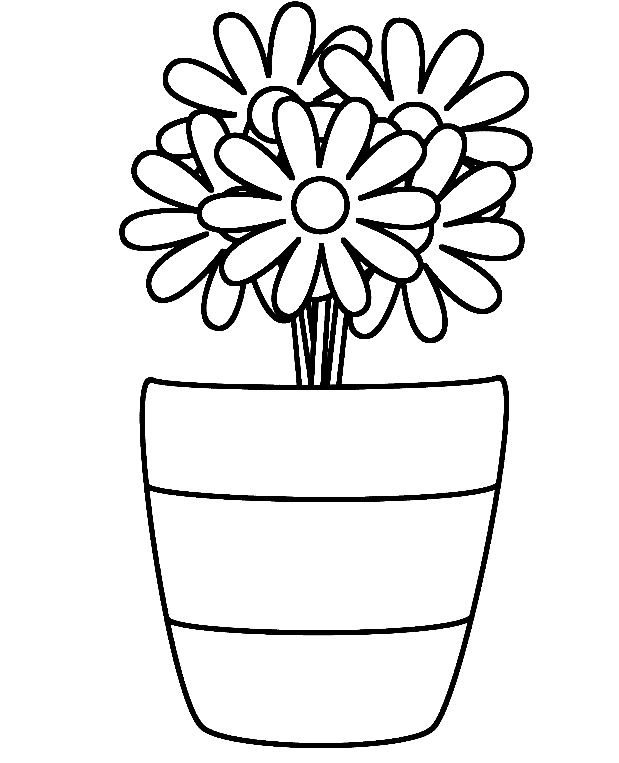
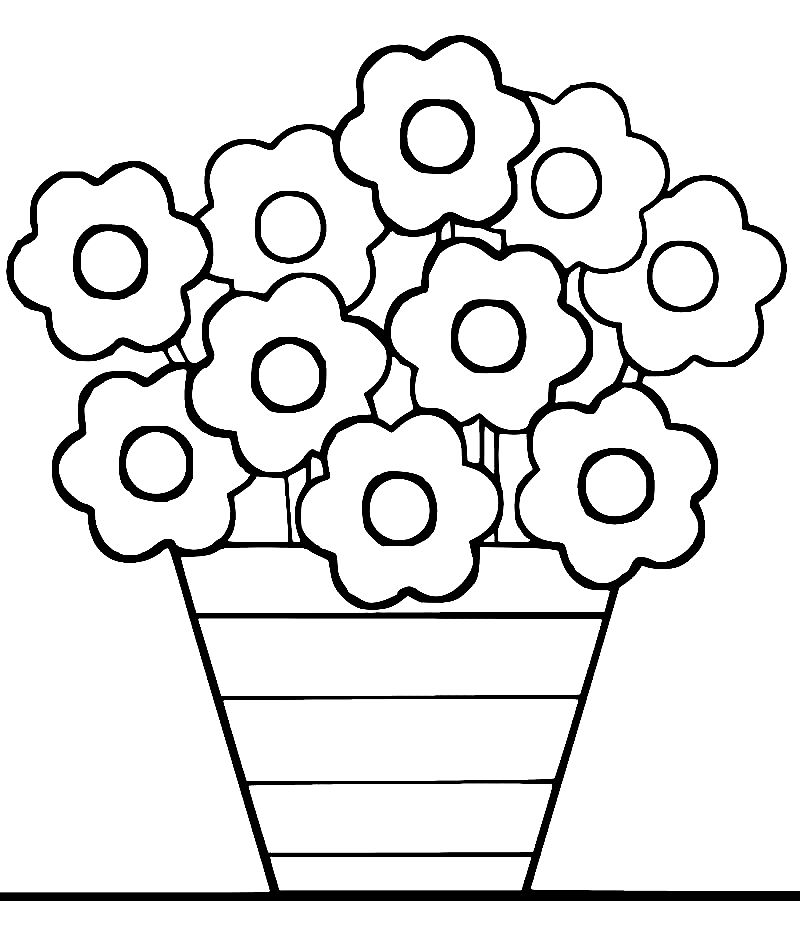
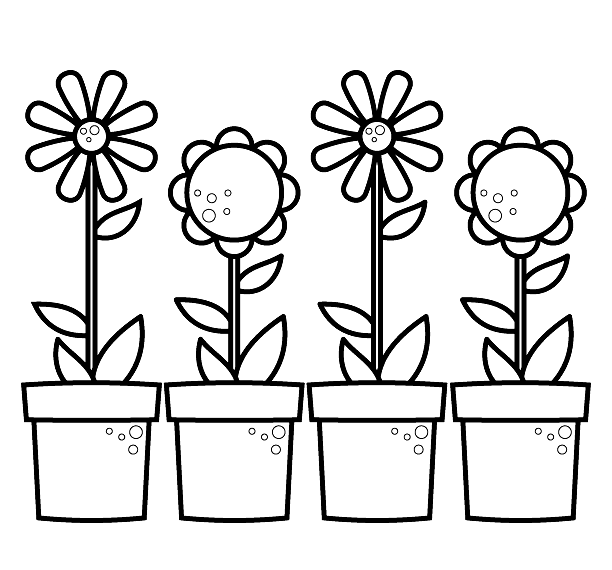
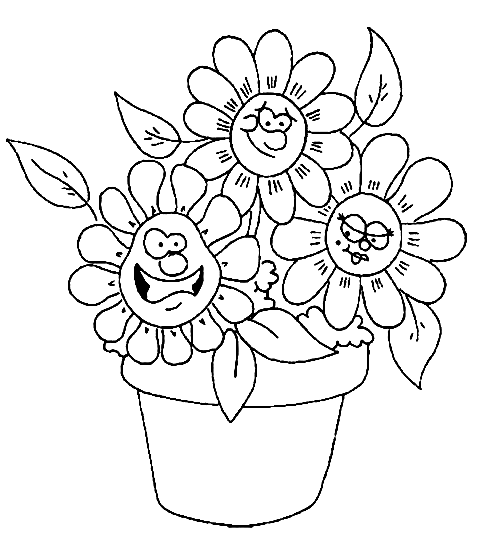
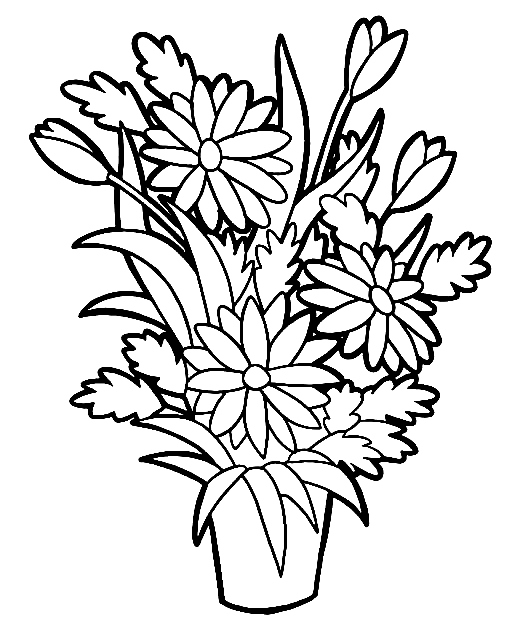
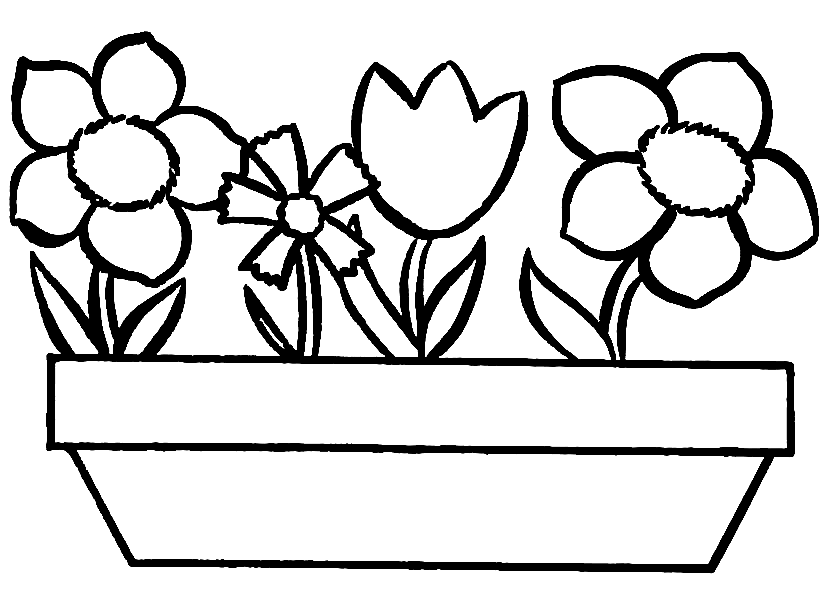
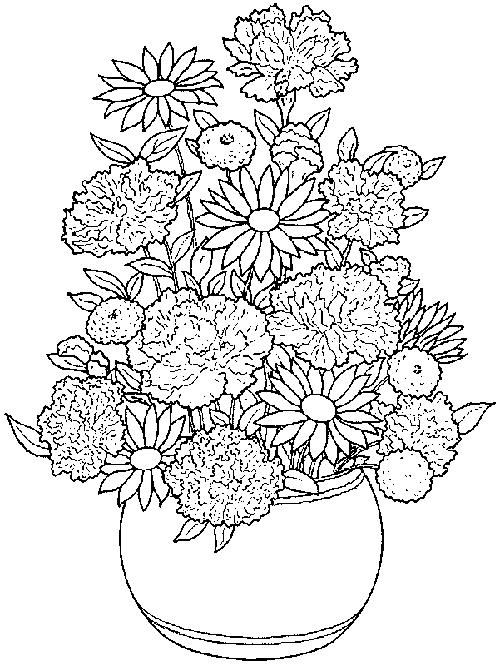
Bouquet flower pot and long flower pot pages are good for colorists who want more flowers on one page. These designs may include several stems, mixed blooms, long planters, or a full pot of flowers arranged like a small garden.
These pages are useful for older children because they include more repeated shapes. Kids can create color patterns across the bouquet or choose a different color for each flower. A long flower pot can also become a windowsill garden, balcony planter, or classroom “row of flowers” display.
Coloring bouquet and long flower pot pages: Choose a color theme before starting. Try rainbow flowers, pastel flowers, warm garden colors, or a red-pink-yellow bouquet. Use darker green leaves to separate the flowers and make the arrangement easier to read.
Flower Pot with Heart and Gift-Style Coloring Pages
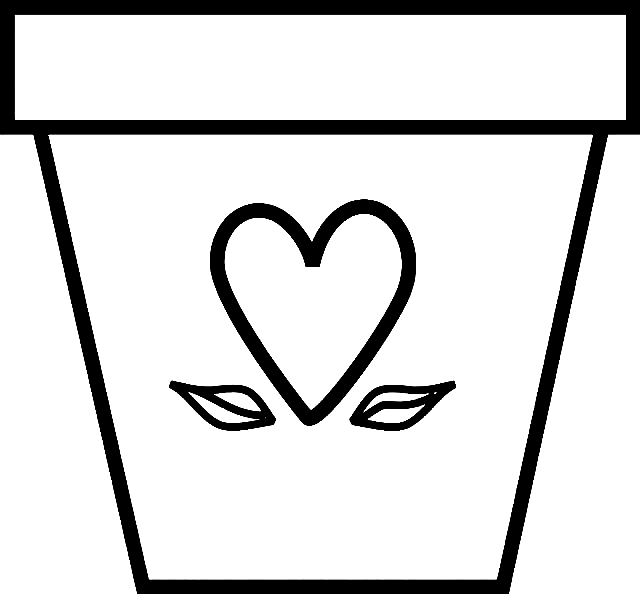
Flower pots with heart pages and pretty flower pot designs are perfect for gifts, cards, and kindness activities. A heart on the pot can turn the page into a sweet message for parents, grandparents, teachers, friends, or classmates.
These pages work well for Mother’s Day, spring cards, teacher appreciation, Valentine’s Day, thank-you crafts, or classroom kindness displays. They are simple but meaningful because children can color the flowers, decorate the pot, and add a message.
Coloring heart flower pot pages: Use red, pink, purple, coral, or gold for the heart. Choose soft flower colors and a clean pot color. Add a message such as “Thank You,” “You Help Me Grow,” “For You,” or “Bloom with Love” in the background.
Printable and Detailed Flower Pot Coloring Pages
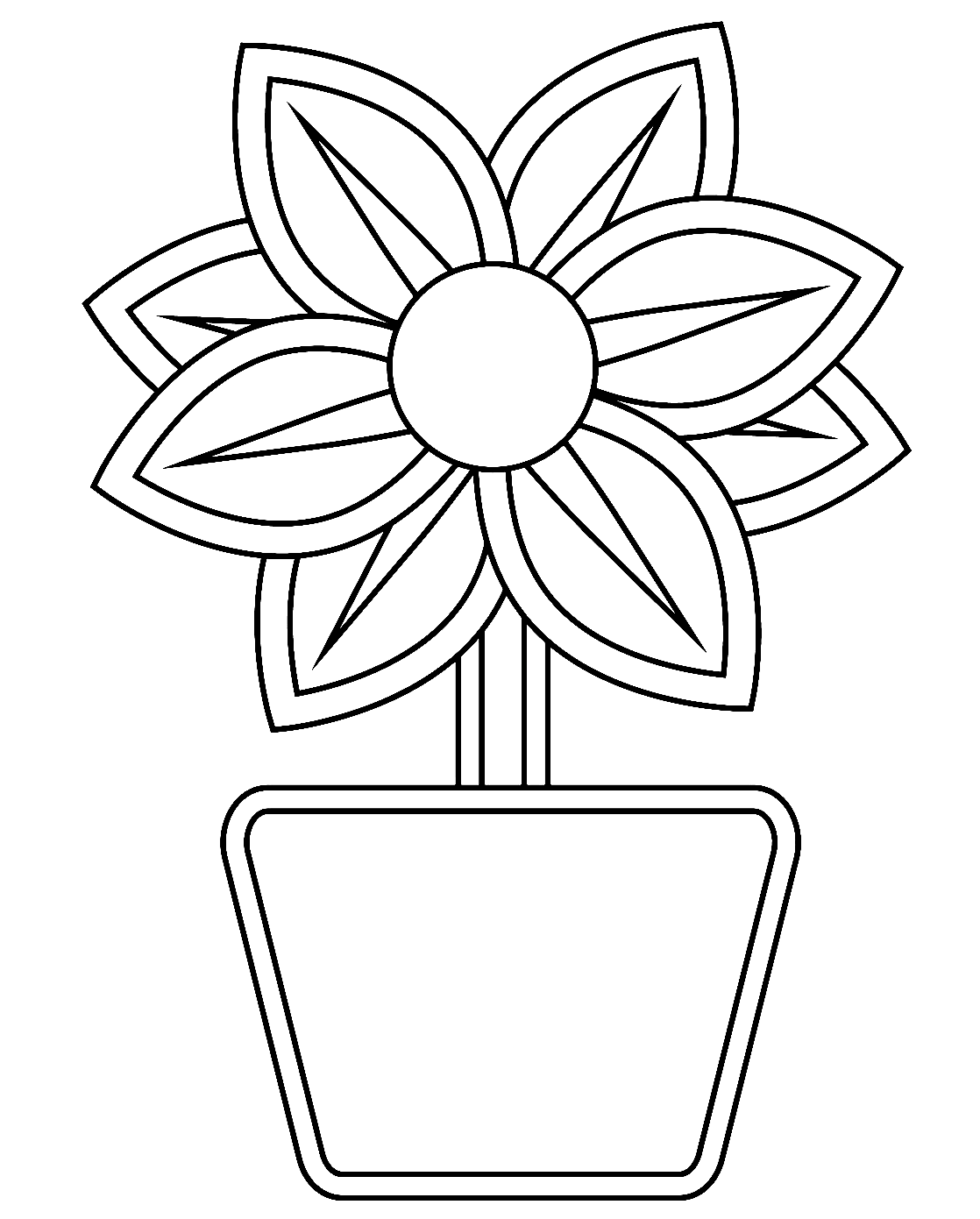
Printable flower pot pages include free flower pot sheets, clean flower pot outlines, flower pot images, and flower pot designs that are easy to use at home or in class. These pages are practical because they can fit many activities, from quick coloring to crafts.
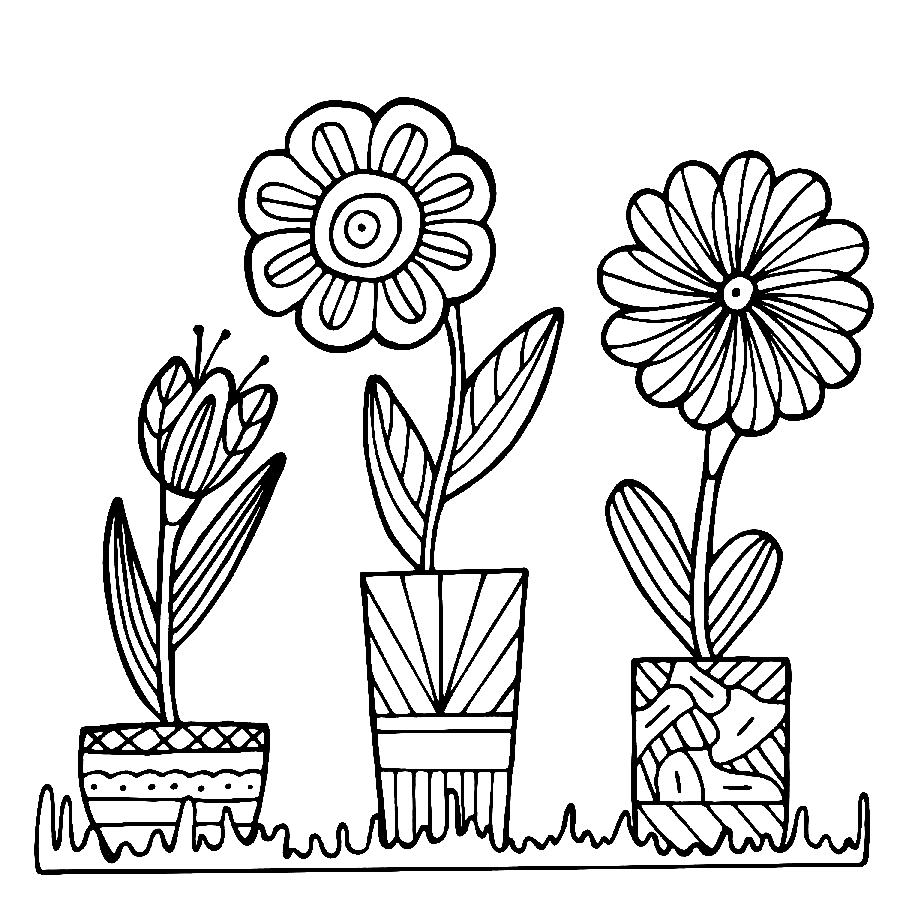
Detailed flower pot pages include more petals, leaves, pot decorations, backgrounds, and plant textures. They are better for older kids, teens, adults, and anyone who enjoys careful coloring. Detailed pages allow colorists to practice shading, pot texture, leaf veins, cactus lines, bouquet layers, and soft shadows.
Coloring printable and detailed flower pot pages: Use crayons or markers for easy pages with large shapes. Use colored pencils for petals, leaf veins, pot texture, cactus details, shadows, and background decorations. Color the flowers first, then the pot, then the background.
What These Pages Do
Flower Pot coloring pages help users quickly find printable or online coloring sheets based on tulips, sunflowers, roses, daisies, daffodils, chamomile, poinsettia, Christmas cactus, cactus pots, simple flower pots, easy flower pots for kids, flower pots for preschool, cute flower pots, cartoon flower pots, bouquet flower pots, long flower pots, heart flower pots, and detailed flower pot designs. Parents can choose easy pages for quiet time. Teachers can choose plant-themed pages for classroom activities. Kids can pick pages based on a favorite flower, season, mood, or craft idea.
The strongest value of this collection is tiny garden creativity. A flower pot is more than a container; it is a small place where a child can imagine a plant growing, blooming, and being cared for. One pot can become a spring tulip garden. Another can become a sunny sunflower corner. A cactus pot can become a cozy indoor plant shelf. A heart flower pot can become a handmade gift. This makes the coloring activity simple, familiar, and useful for many creative moments.
These pages also support plant care learning. Children can color petals, stems, leaves, soil, pot rims, cactus lines, flower centers, and decorations. They can add water drops, sunlight, bees, butterflies, name labels, or watering cans. While coloring, they can talk about what plants need and how small actions help something grow. This gives the page a gentle educational value without making the activity feel like a worksheet.
Flower pot pages are also practical for gift-style crafts. A finished flower pot page can become a Mother’s Day card, a thank-you note, a teacher appreciation gift, a spring bookmark, a classroom display, or a plant care chart. That gives the page a clear purpose beyond coloring: children can create something personal and shareable.
These pages also work well for seasonal learning. Tulip and daffodil pots fit spring. Sunflower pots fit warm summer themes. Poinsettia and Christmas cactus pots fit holiday activities. Daisy and chamomile pots fit calm garden pages. This gives parents and teachers a flexible collection for different months of the year.
For children, Flower Pot pages can work like a “plant, care, and grow” creative prompt. The American Academy of Pediatrics emphasizes that play supports children’s social-emotional, cognitive, language, and self-regulation development. In this collection, that idea connects naturally to plant care play: a child can color a flower pot, name the plant, choose where it grows, imagine watering it, describe the colors, and talk about how small daily actions help flowers bloom. While coloring, children can practice patience, observation, storytelling, responsibility, and gentle care.
These pages can also offer a calm, structured creative break after school, garden time, or outdoor play. Research published in Art Therapy has discussed how coloring organized designs with clear boundaries and repeated forms may help reduce short-term anxiety more than fully open-ended drawing. Flower Pot coloring pages should not be presented as therapy, but their petals, leaves, stems, pot shapes, cactus lines, flower centers, and repeated plant patterns give colorists a clear path to follow with color. That structure can support a quieter, focused, screen-free moment at home, in class, or during a nature-themed activity.
Coloring also supports fine motor practice. Children work on flower petals, leaf shapes, small stems, soil lines, pot rims, cactus details, heart decorations, bouquet patterns, and background doodles. These areas help build hand control, pencil pressure, patience, and attention to small shapes.
When choosing a page, match the design to the child’s age and patience level. For preschoolers and younger children, start with simple flower pot pages, easy flower pot pages, cartoon flower pots, happy flower pots, or flower pot for kids pages. For early elementary children, choose tulip pots, sunflower pots, rose pots, daisy pots, heart flower pots, and cactus pots. For older kids, teens, and adults, choose bouquet flower pots, long flower pots, seasonal flower pots, detailed cactus pots, and printable flower pot sheets with more petals and leaves.
Flower Pot pages are especially useful because they combine flower coloring, planter decoration, plant care themes, seasonal learning, garden creativity, handmade gifts, nature observation, and simple printable art. That makes the collection practical for home coloring, preschool lessons, classroom art centers, spring units, gardening activities, holiday crafts, Mother’s Day cards, thank-you gifts, travel folders, rainy-day play, and screen-free creative time.
How to Color Flower Pot Coloring Pages
Start with the flower type. Choose colors based on the flower. Tulips can be red, pink, yellow, purple, or orange. Sunflowers are often yellow and brown. Daisies can be white, yellow, pink, or purple. Roses can be red, pink, peach, white, or yellow.
Give the pot its own style. A pot can be clay, orange, brown, gray, white, blue, pink, green, or patterned. Try stripes, dots, hearts, zigzags, tiny flowers, or a name label on the pot.
Use several greens. Leaves look better when you use more than one green. Try light green, dark green, olive, yellow-green, and blue-green for variety.
Add soil and shadows. Use brown or dark gray for soil. Add a light shadow under the pot so it feels like it is sitting on a table, windowsill, or garden path.
Make the cactus pots textured. Use green or teal for the cactus, then add darker lines for ridges. Use small dots or short strokes to show cactus texture.
Keep preschool pages bright and simple. For younger children, use large areas of color and simple backgrounds. A blue sky, a yellow sun, and green grass are enough.
Use soft colors for gift-style pages. Heart flower pots, pretty flower pots, and lovely flower pots look good with pink, red, lavender, cream, gold, and pastel flower colors.
Make holiday pages seasonal. Use red, green, gold, and white for Christmas flower pots. Add snowflakes, stars, ornaments, or festive backgrounds.
Use markers for easy pages. Markers work well for large flower petals, pots, leaves, and simple cartoon designs.
Use colored pencils for detailed pages. Colored pencils are best for petal shading, leaf veins, pot texture, cactus details, bouquet layers, and soft shadows.
5 Creative Craft Ideas with Flower Pot Coloring Pages
Paper Garden Wall Display
Print several flower pot coloring pages, such as tulips, sunflowers, daisies, and cactus pots. After coloring, cut out each pot.
Glue the pots onto a large sheet of green or blue paper. Add paper grass, bees, butterflies, clouds, and the title “Our Paper Garden.” This craft turns individual pages into a classroom garden display.
Flower Pot Thank-You Card
Choose a flower pot with a heart, a rose pot, or a pretty flower pot page. Color it with soft gift-style colors.
Fold cardstock into a card and glue the finished page on the front. Inside, write a short message such as “Thank you for helping me grow” or “You make our classroom bloom.”
Plant Care Chart
Print a simple flower pot page and color it. Around the page, write or draw what plants need: water, sunlight, soil, air, and care.
Children can add small check boxes for watering days. This craft connects coloring with simple plant care habits and helps children understand responsibility gently.
Seasonal Flower Pot Set
Print one spring page, one summer page, one holiday page, and one cactus or indoor plant page. Color each one with seasonal colors.
Glue them onto one sheet and label them “Spring,” “Summer,” “Holiday,” and “Indoor Plant.” This craft helps children compare flowers, colors, and seasons.
Flower Pot Bookmark
Print a small flower pot page or cut a narrow section from a finished design. Color the flowers and pot carefully.
Glue the piece onto cardstock and add a phrase such as “Keep Growing,” “Bloom Bright,” or “Read and Grow.” Cover with clear tape for durability.
FAQ About Flower Pot Coloring Pages
Are these Flower Pot coloring pages free to print?
Yes. These Flower Pot coloring pages are free to download and print. You can choose one favorite page for quick coloring or print several designs for classroom art, garden lessons, spring crafts, holiday activities, cards, or screen-free creative time.
Can I color Flower Pot pages online?
Yes. You can color Flower Pot pages online if you do not want to print them. Online coloring is useful for quick activities, tablet coloring, and no-paper creativity. If you want to make cards, displays, bookmarks, or plant care charts, printing the PDF or PNG version is better.
Which flower pot designs are included?
The collection includes tulips in flower pots, sunflower pots, rose flower pots, daisy flower pots, daffodils in a pot, chamomile flowers in a pot, poinsettia in a pot, Christmas cactus flower pot, cactus pot pages, bouquet flower pots, heart flower pots, cute flower pots, cartoon flower pots, simple flower pots, and printable flower pot sheets.
Are Flower Pot coloring pages good for preschoolers?
Yes. Simple flower pot pages, easy flower pot pages, cartoon flower pots, happy flower pots, and flower pot for preschool pages are good for preschoolers because the shapes are clear and friendly. Detailed bouquet and seasonal pages are better for older kids.
What colors should I use for a flower pot?
Flower pots can be clay, orange, brown, gray, white, blue, pink, green, or patterned. You can make the pot look like ceramic, clay, wood, metal, or a colorful painted planter.
What colors should I use for tulips, daisies, and sunflowers?
Tulips can be red, pink, yellow, purple, orange, or white. Daisies often look nice with white petals and yellow centers, but they can also be pink or purple. Sunflowers look great with yellow petals, brown centers, and green leaves.
How can I make flower pot pages look more realistic?
Add darker shading under petals, inside leaves, and around the pot rim. Use several greens for leaves. Add brown soil, light shadows under the pot, and small highlights on the pot surface.
How can teachers use Flower Pot coloring pages?
Teachers can use Flower Pot coloring pages for spring lessons, plant life activities, fine motor practice, color recognition, seasonal displays, plant care charts, Mother’s Day crafts, thank-you cards, and nature-themed art centers.
What paper is best for printing Flower Pot coloring pages?
Regular printer paper works well for crayons and colored pencils. If children use markers, thicker paper or cardstock is better because it reduces bleed-through. Cardstock is also best for cards, bookmarks, classroom displays, and craft projects.
Can finished Flower Pot pages be used for crafts?
Yes. Finished pages can become paper garden displays, thank-you cards, plant care charts, seasonal flower sets, bookmarks, wall art, gift tags, classroom decorations, or spring craft projects.
Browse the full collection at ColoringPagesOnly.com. All 50+ pages are free, available in PDF or PNG format, ready to print at home or color online.
These Flower Pot pages are created for personal, classroom, seasonal, and creative coloring use. They fit many moments: preschool art, spring lessons, flower crafts, plant care activities, garden themes, holiday projects, Mother’s Day cards, thank-you gifts, classroom displays, rainy-day play, and screen-free creative fun.
For the final pass, keep the petals bright, the leaves fresh, the pot decorative, and the background gentle. Add bees, butterflies, watering cans, sunlight, soil, labels, garden tools, windowsills, or small messages to make each page feel like a tiny garden scene.
Share your work on Facebook and Pinterest and tag #ColoringPagesOnly. We especially want to see your Paper Garden Wall Display, Flower Pot Thank-You Card, and Plant Care Chart.