Mangosteen Coloring Pages
 By:
Jennifer Thoa - Content Editor & Designer
Updated:
By:
Jennifer Thoa - Content Editor & Designer
Updated:
Free Mangosteen Coloring Pages: 26 printable PDF designs featuring realistic fruit, cartoon and kid-friendly characters, sketch-style line art, and a simple beginner sheet. Each page can be downloaded as a PDF to print or colored online in the browser.
Mangosteen (Garcinia mangostana), often called the “queen of fruits,” is native to the Sunda Islands and the Malay Peninsula in Southeast Asia. Its thick, deep purple rind hides snow-white segments with a sweet, tangy flavor, and the small green calyx cap at the top stays attached even after the fruit is picked. One of the fruit’s most distinctive features sits at the bottom rather than the top: a star-shaped pattern of lobes that reveals exactly how many segments are inside, since the number of lobes always matches the number of segments. Mangosteen trees are also notoriously slow to grow, often taking eight to fifteen years before they produce their first fruit.
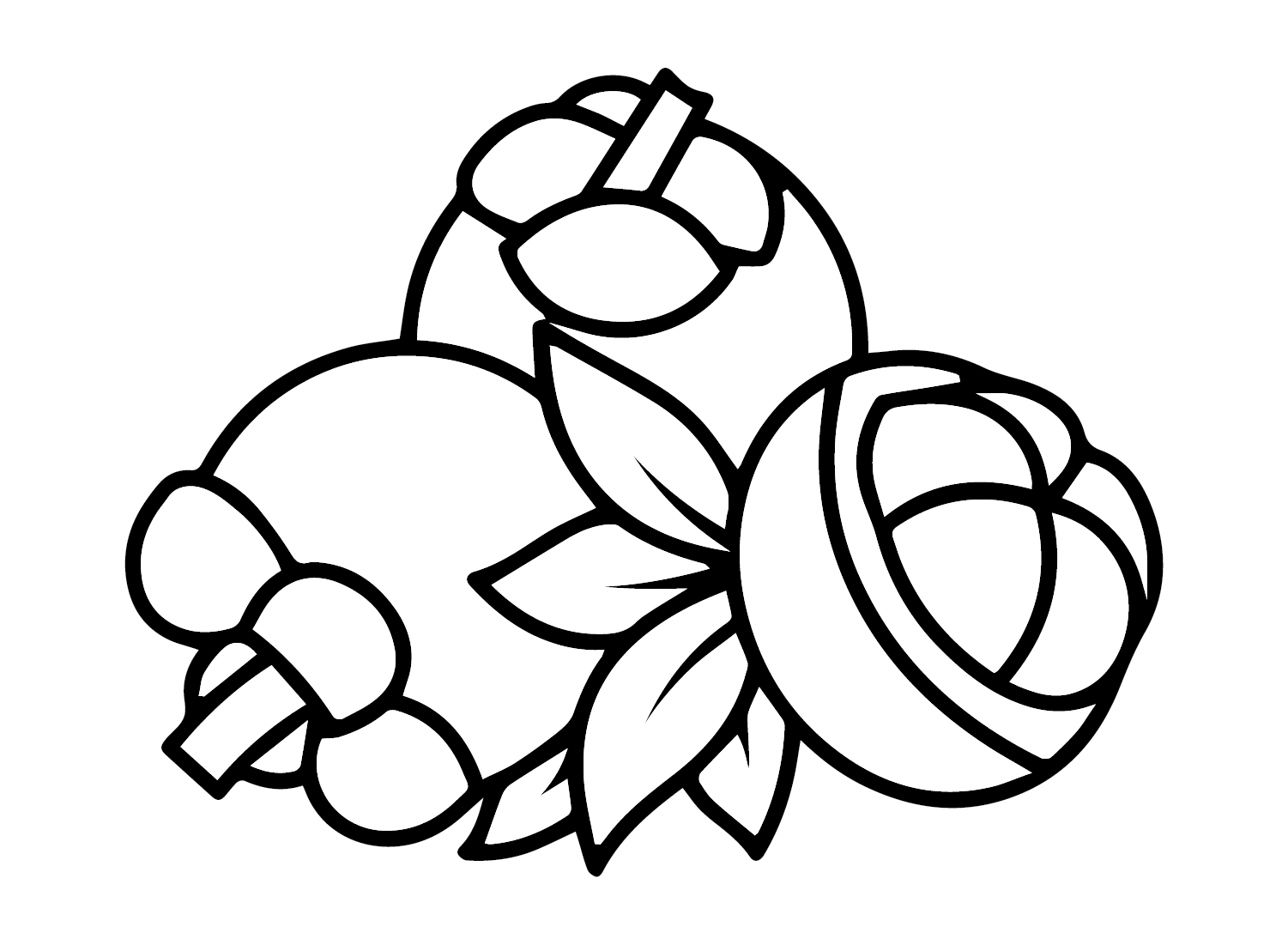
This collection groups its 26 pages by style, from true-to-life mangosteen to cartoon fruit characters with faces, so kids and adults can pick a version that matches their skill level. Each page is available as a downloadable PDF or as an online coloring tool that works directly in the browser.

What Is Inside This Collection
The 26 pages are split into four groups based on style and complexity, ranging from detailed, realistic fruit to simple cartoon shapes.
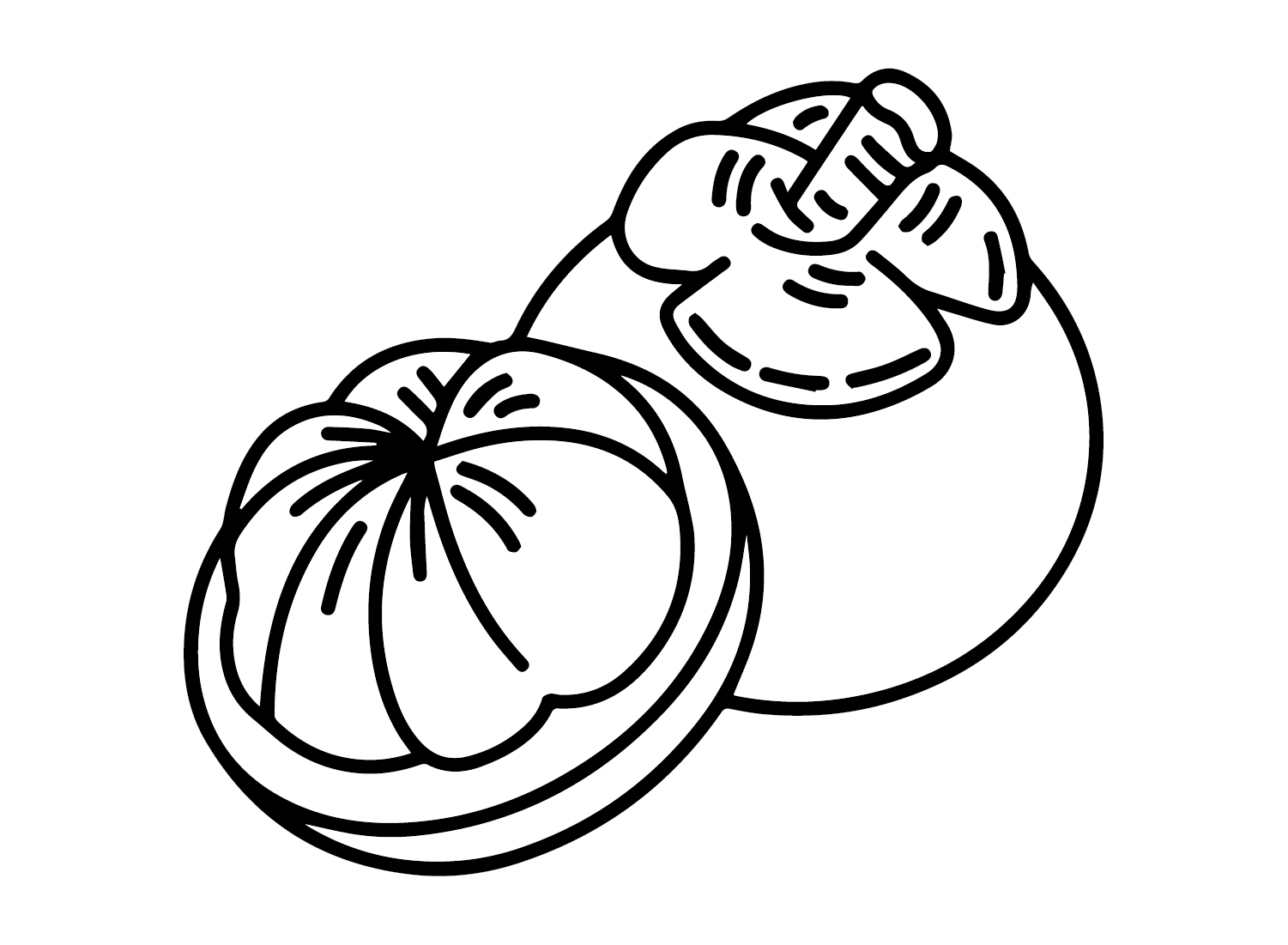
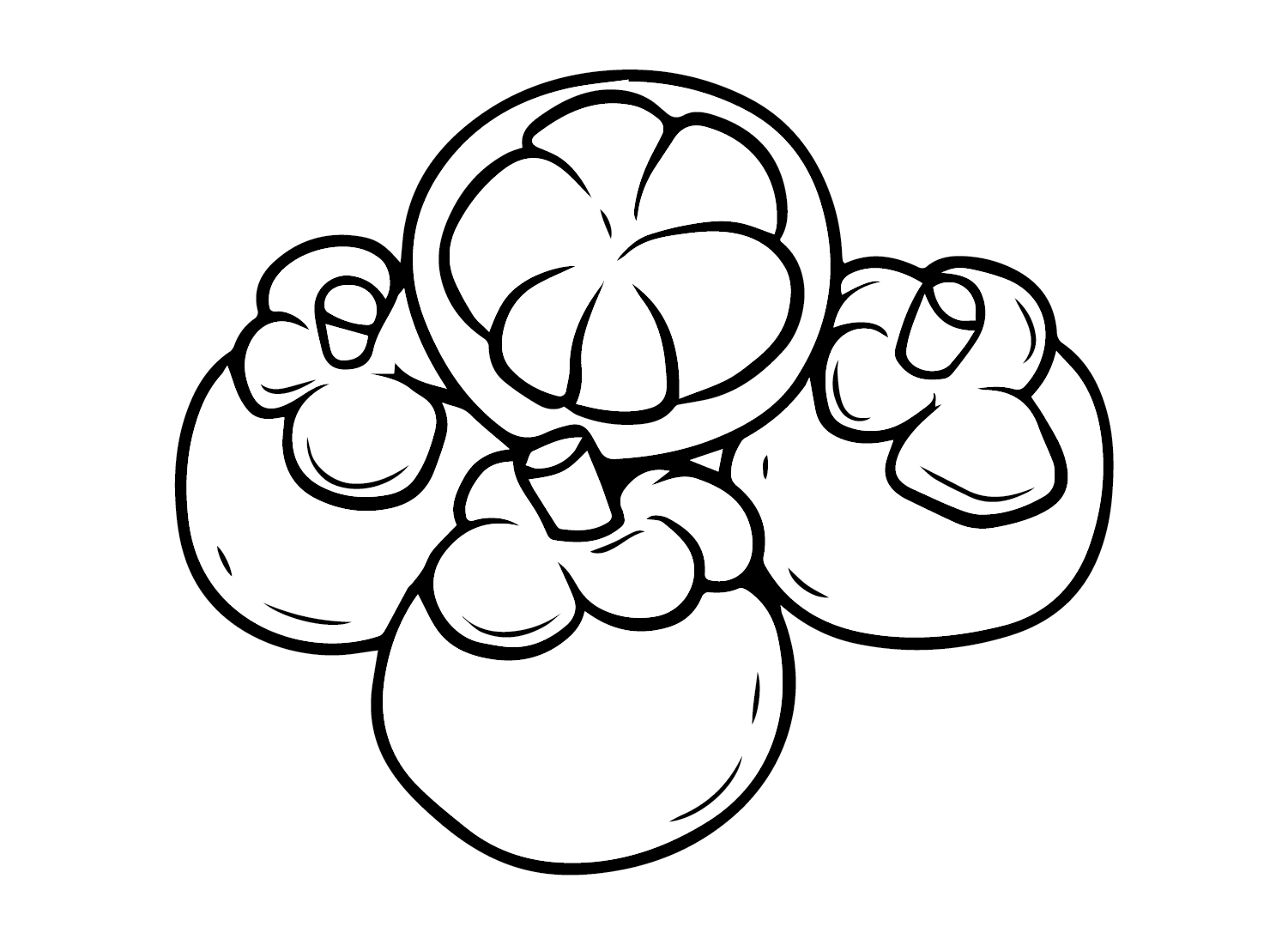
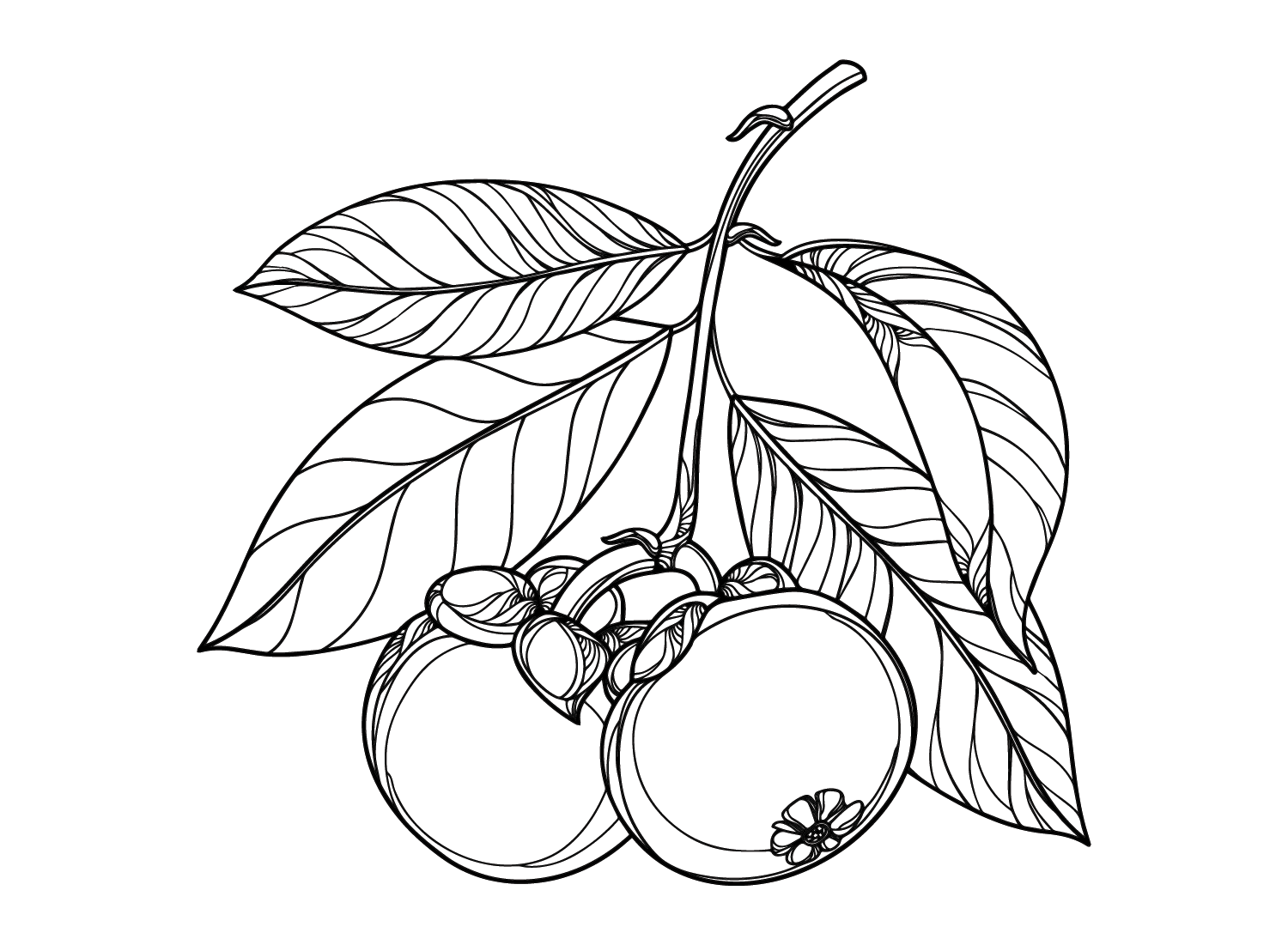
Realistic Mangosteen Fruit Designs
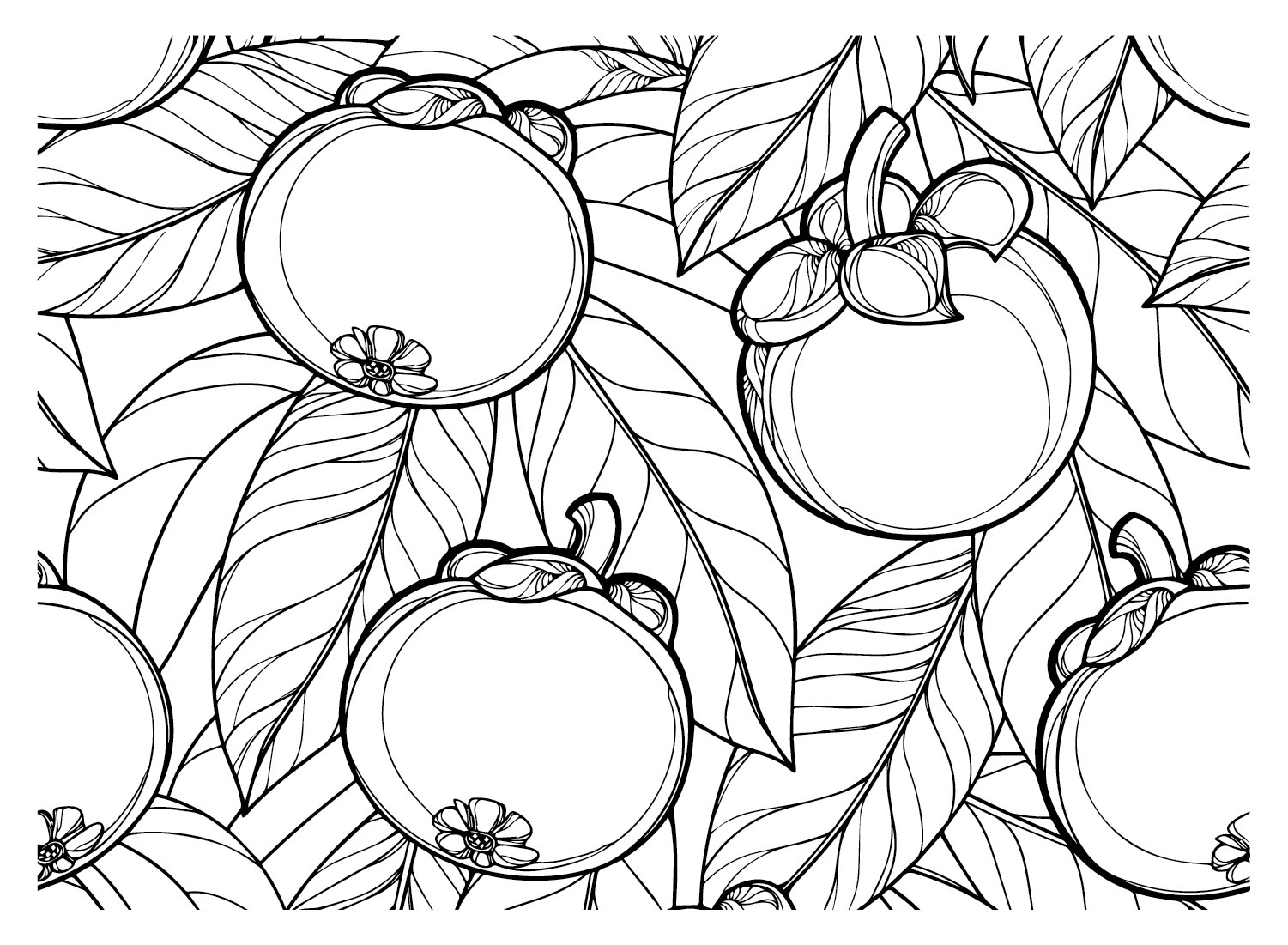
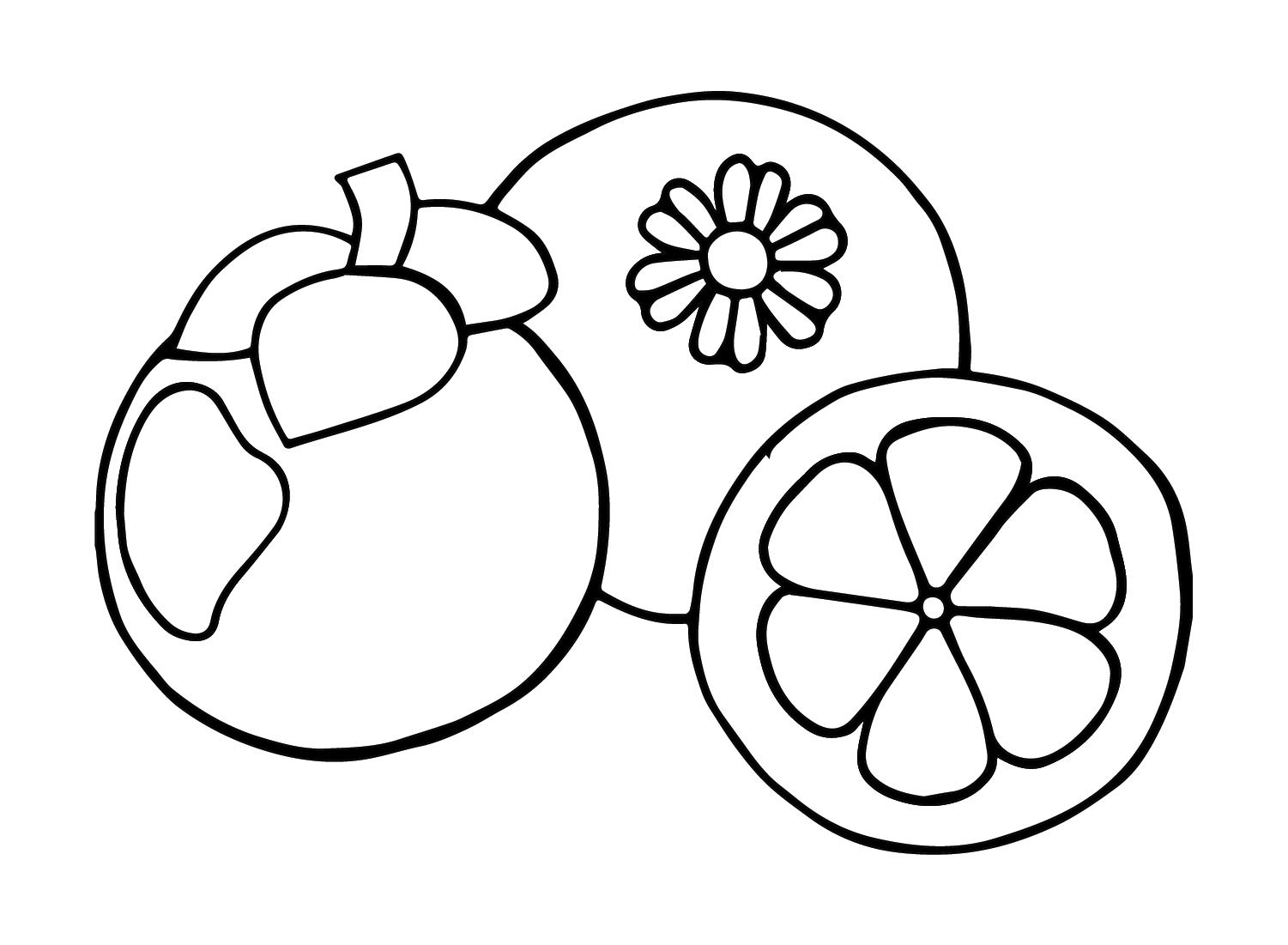
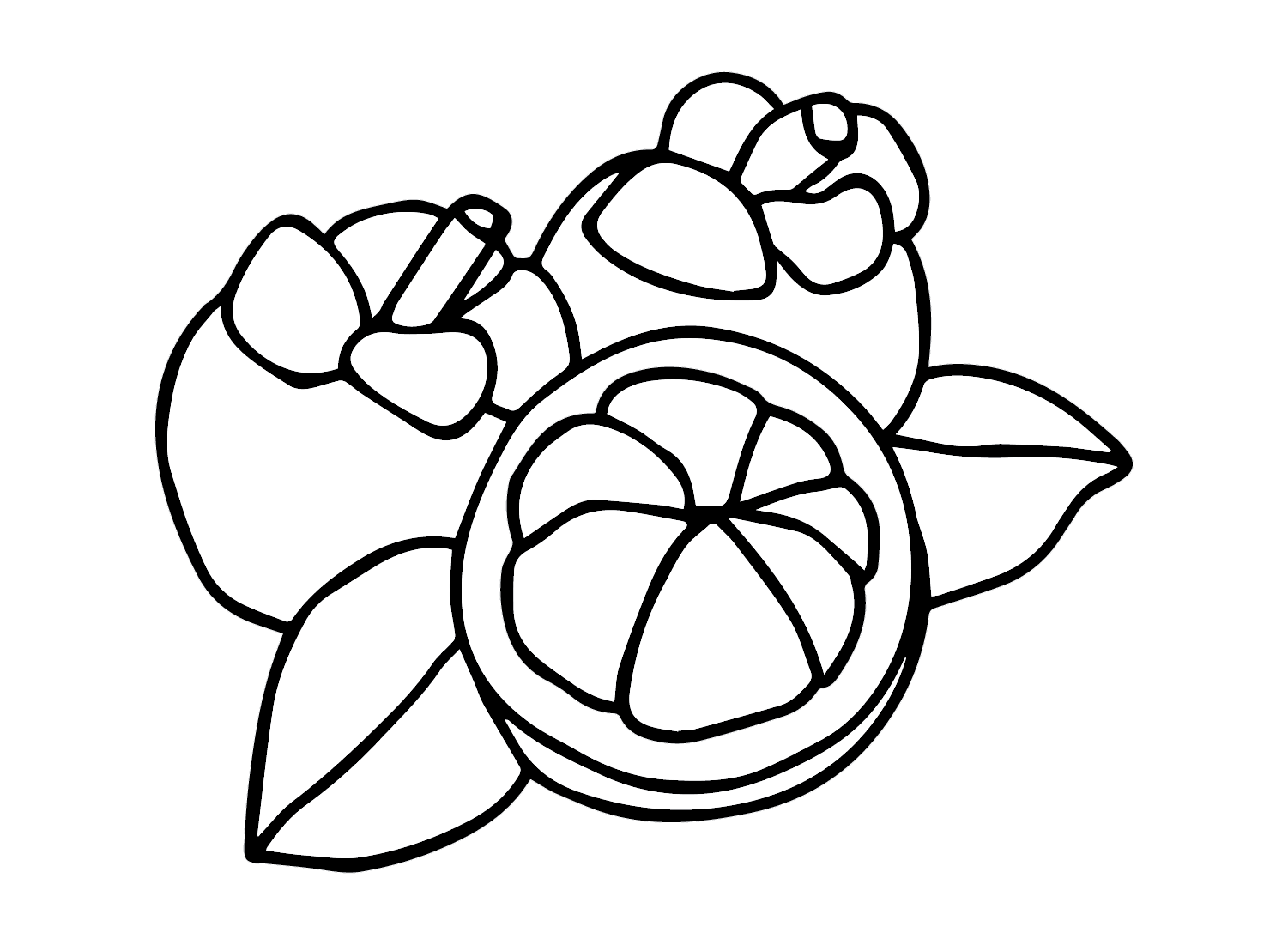
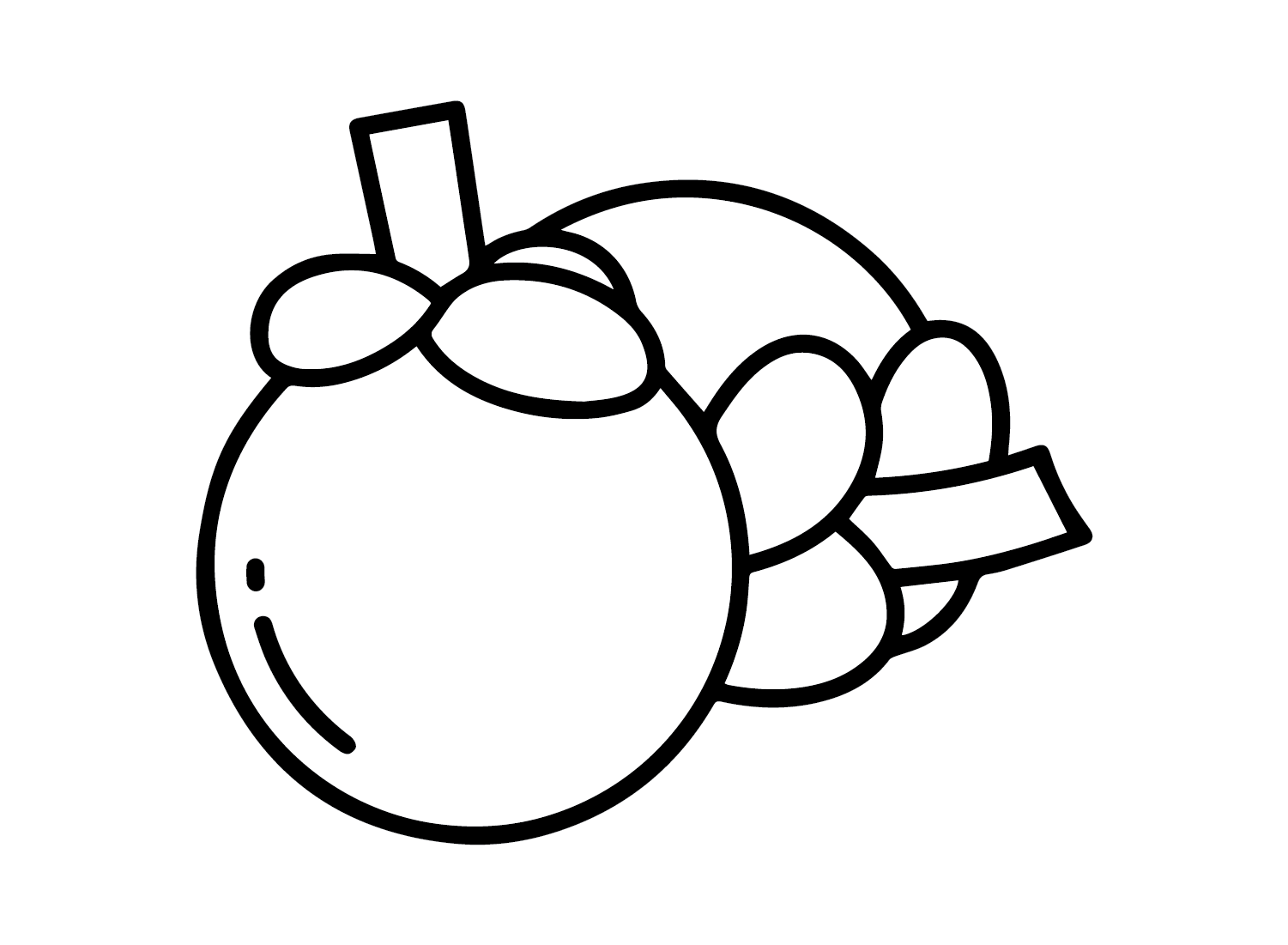
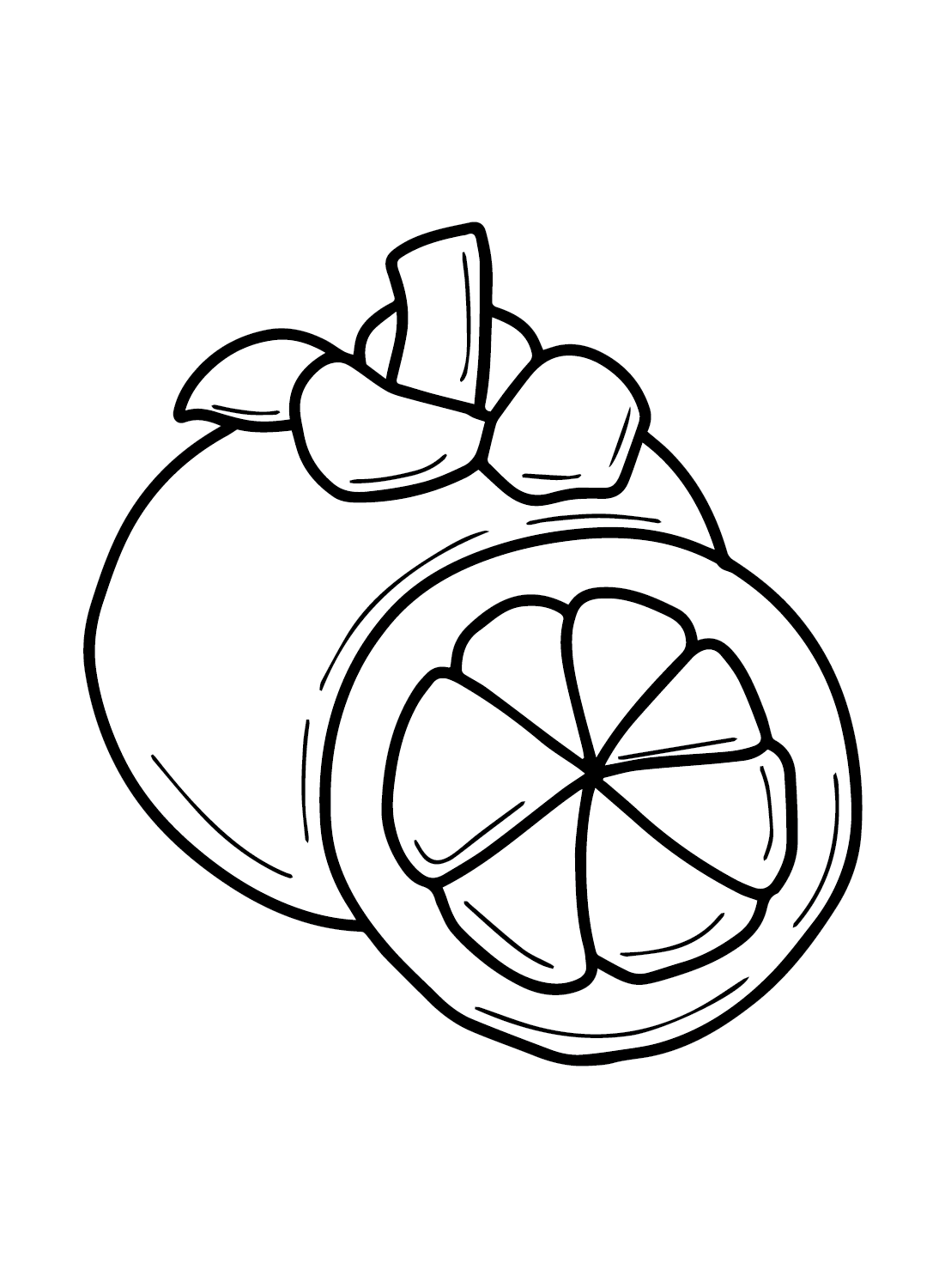
The largest group shows a whole mangosteen set against a plain background, with skin ranging from a light purple to a deep, almost black-purple. Use Violet or Purple as a base for the rind, then add a touch of Brown near the stem, and don’t forget the small star-shaped calyx pattern at the bottom, colored a pale Tan or Cream to stand out against the dark rind.
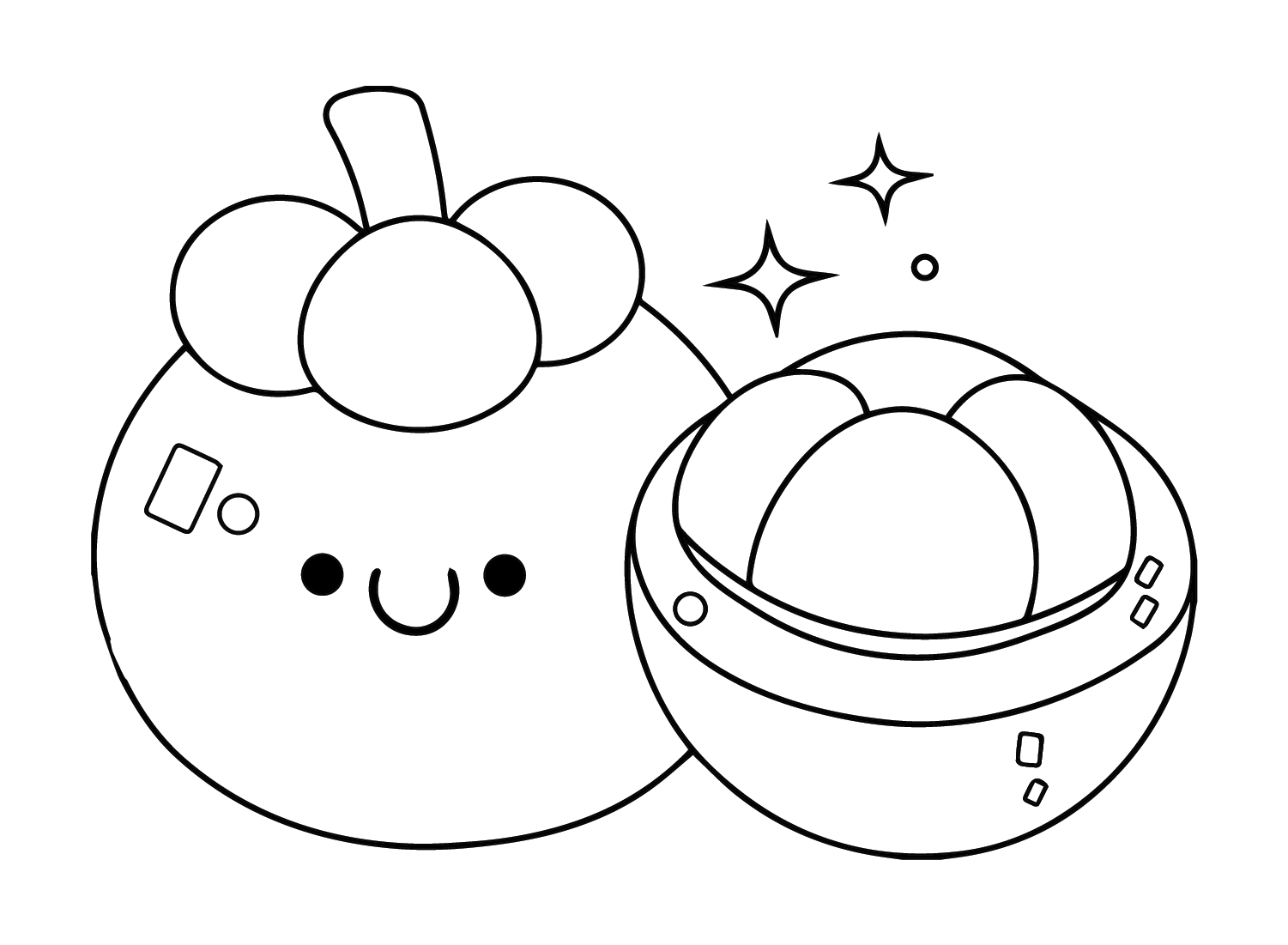
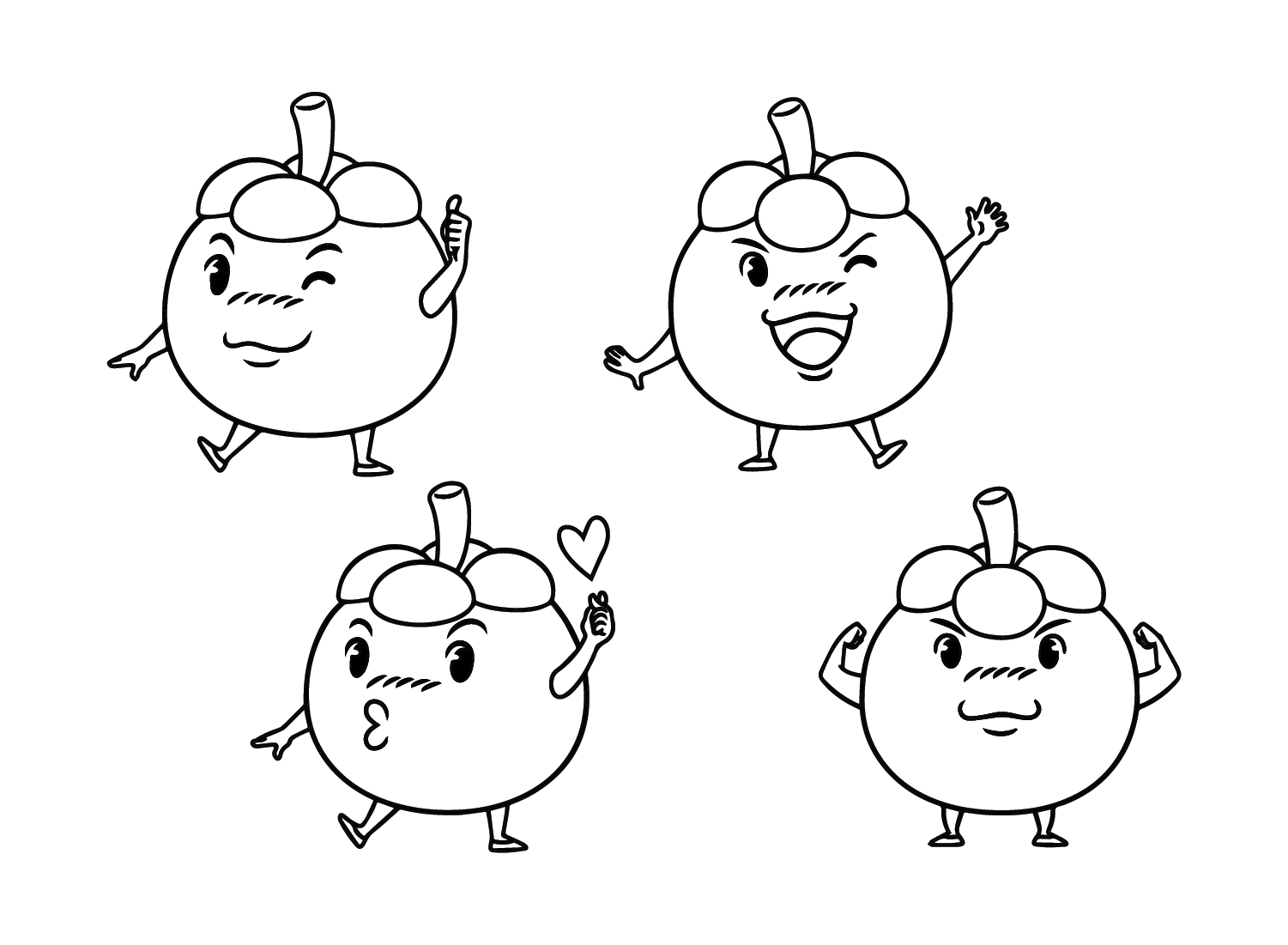
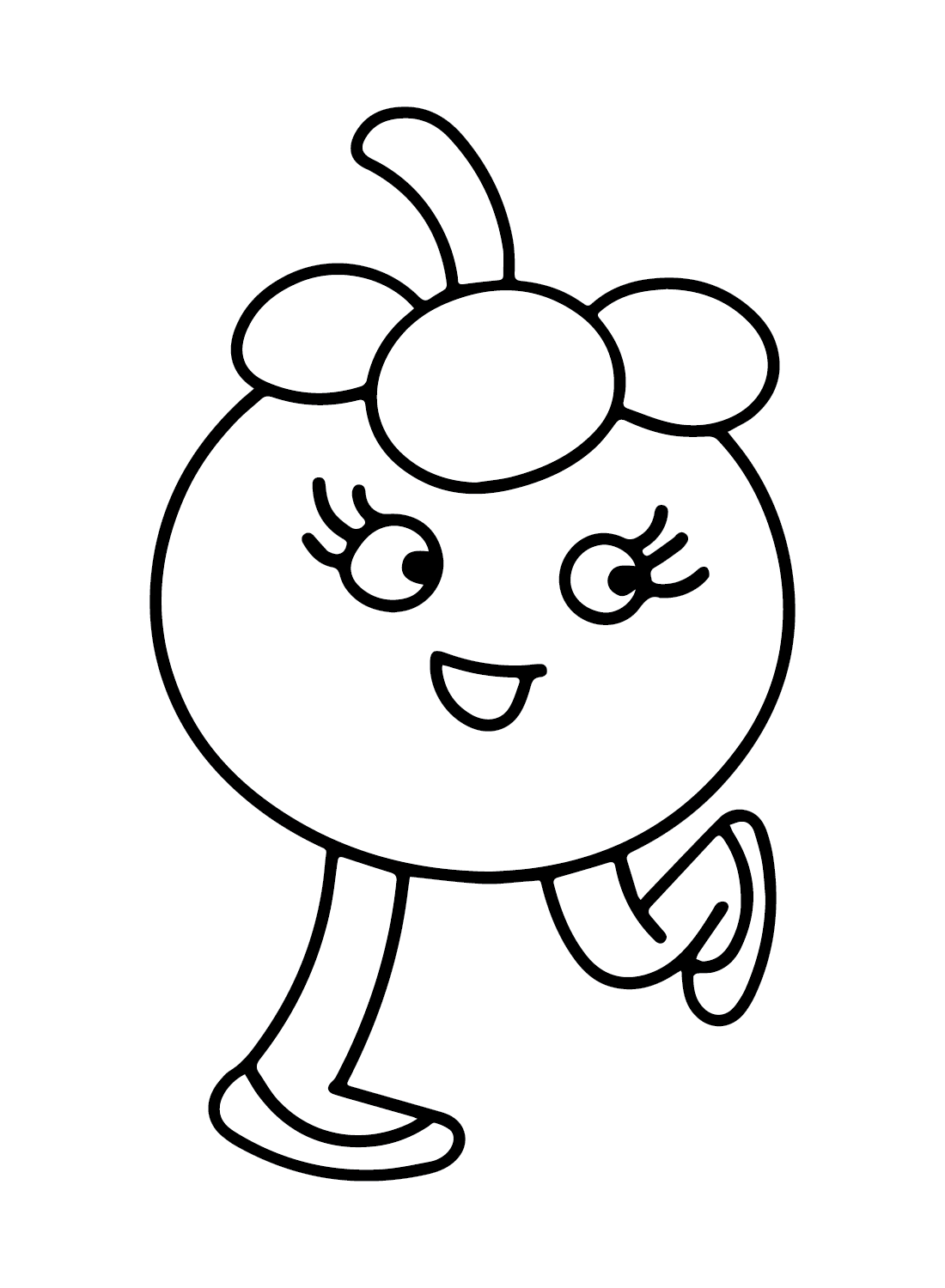
Cartoon and Kid-Friendly Mangosteen
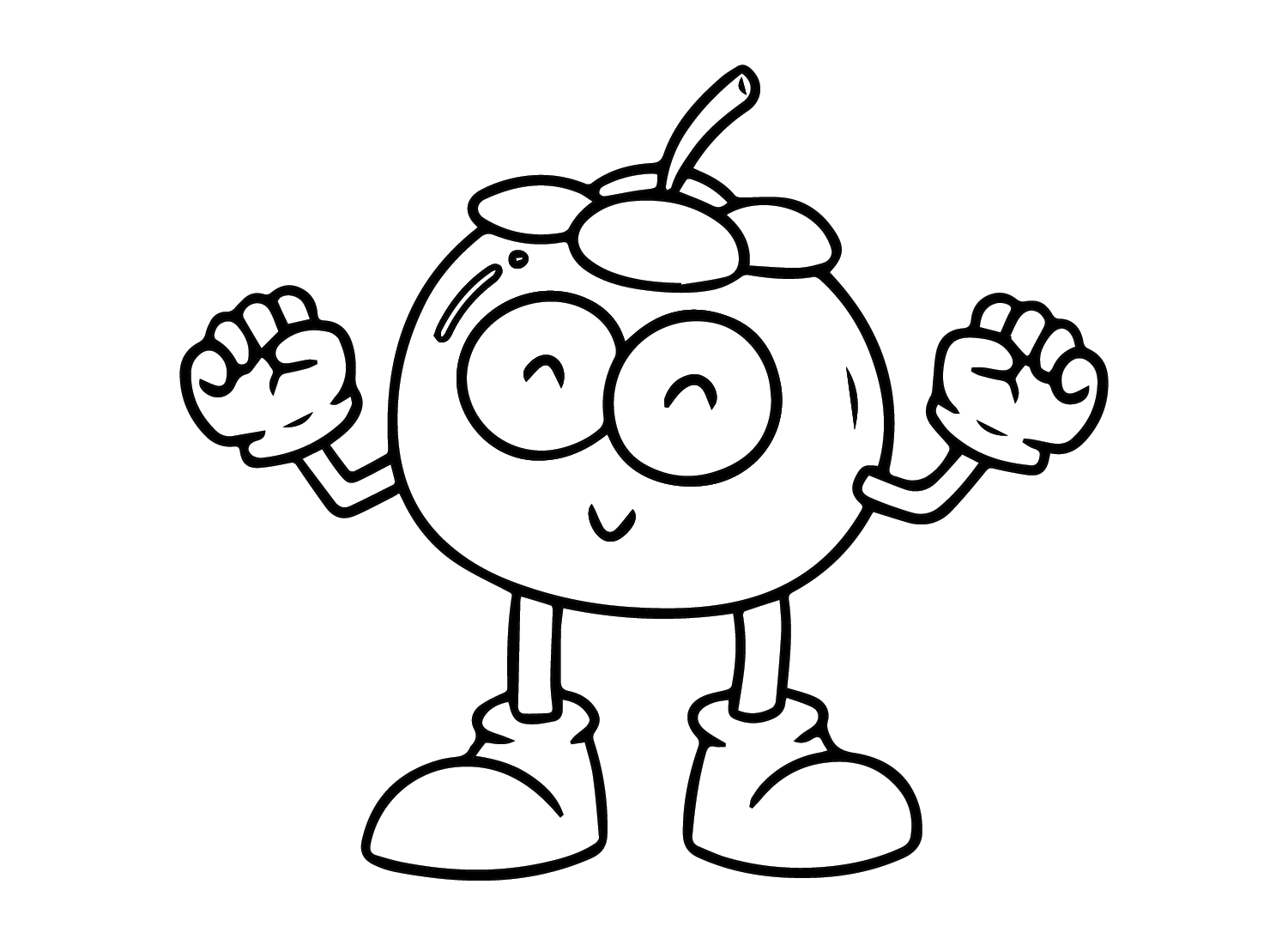
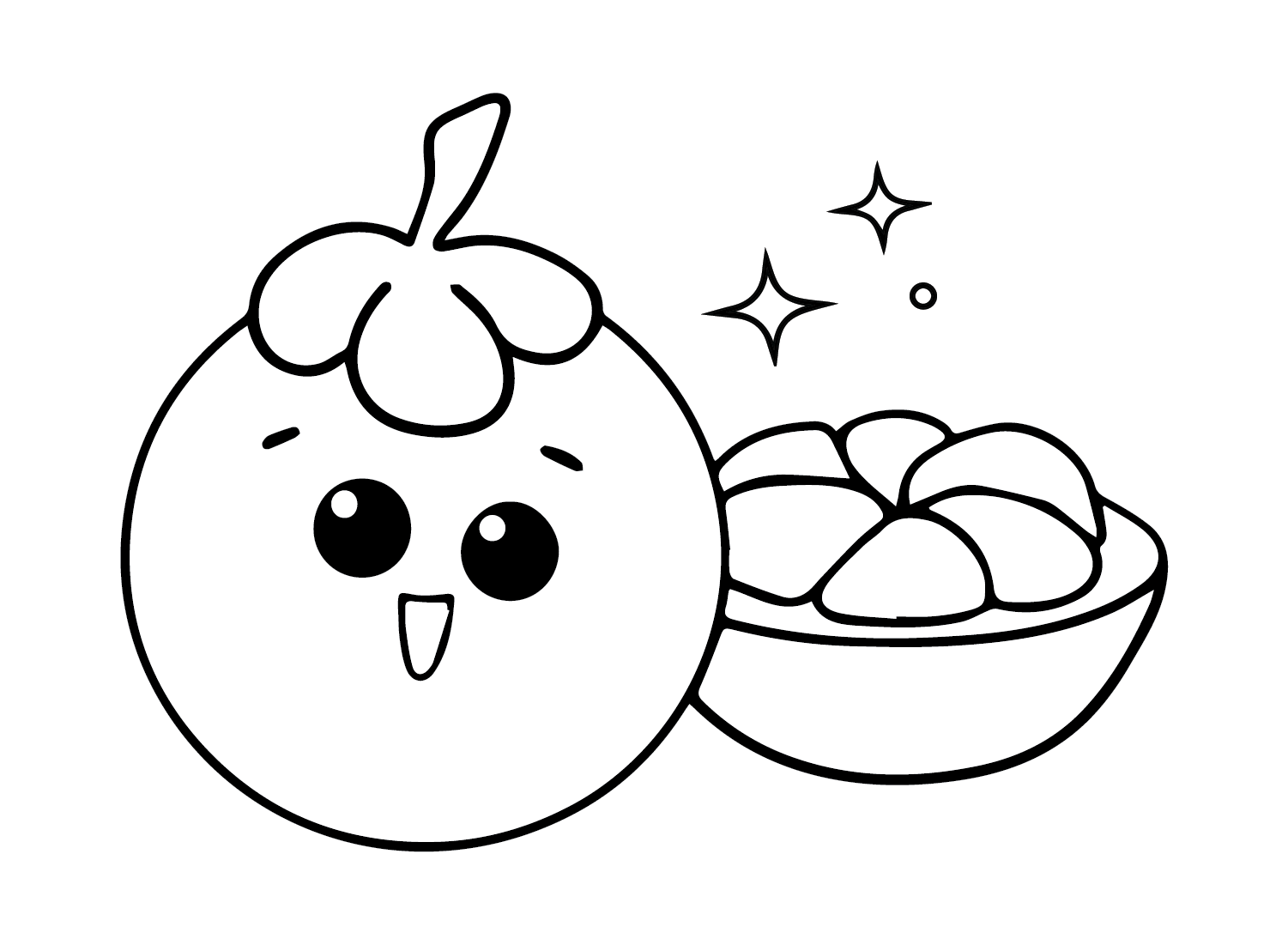
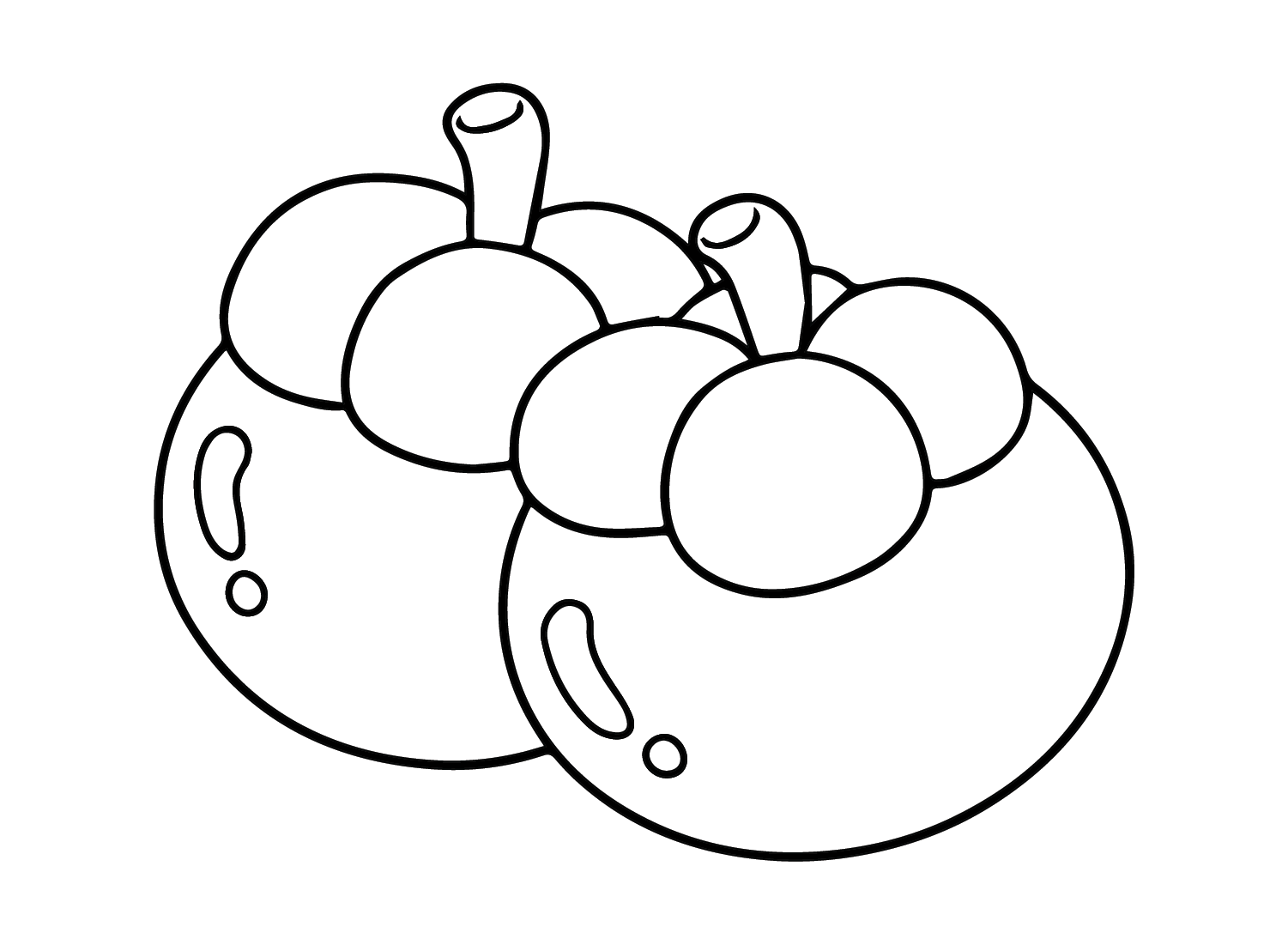
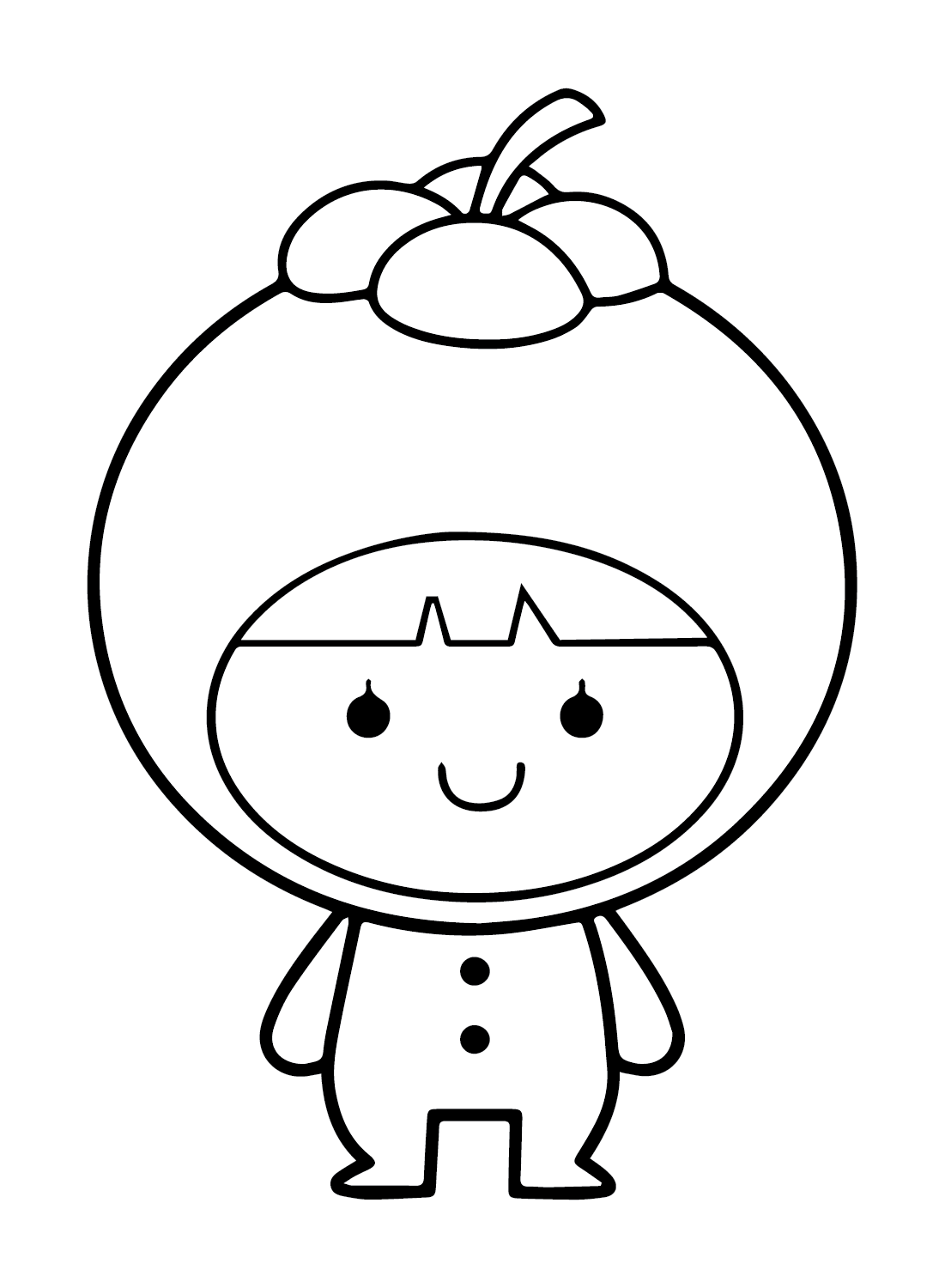
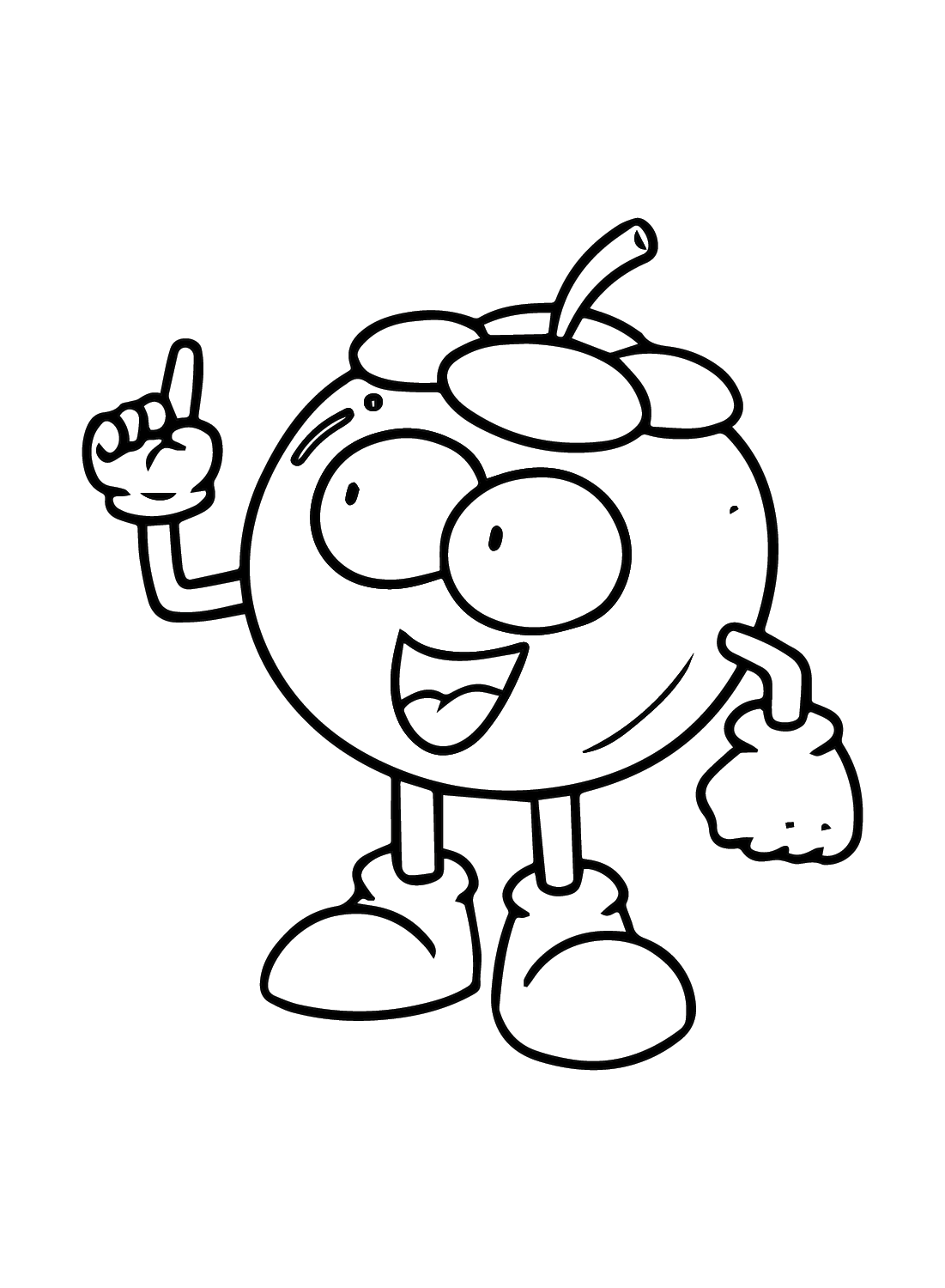
Nine pages give the fruit a face or a softer, rounder shape, including a mascot-style character. Keep these flat and bright with a Purple or Magenta body, simple Black facial features, and a small Green calyx cap on top.
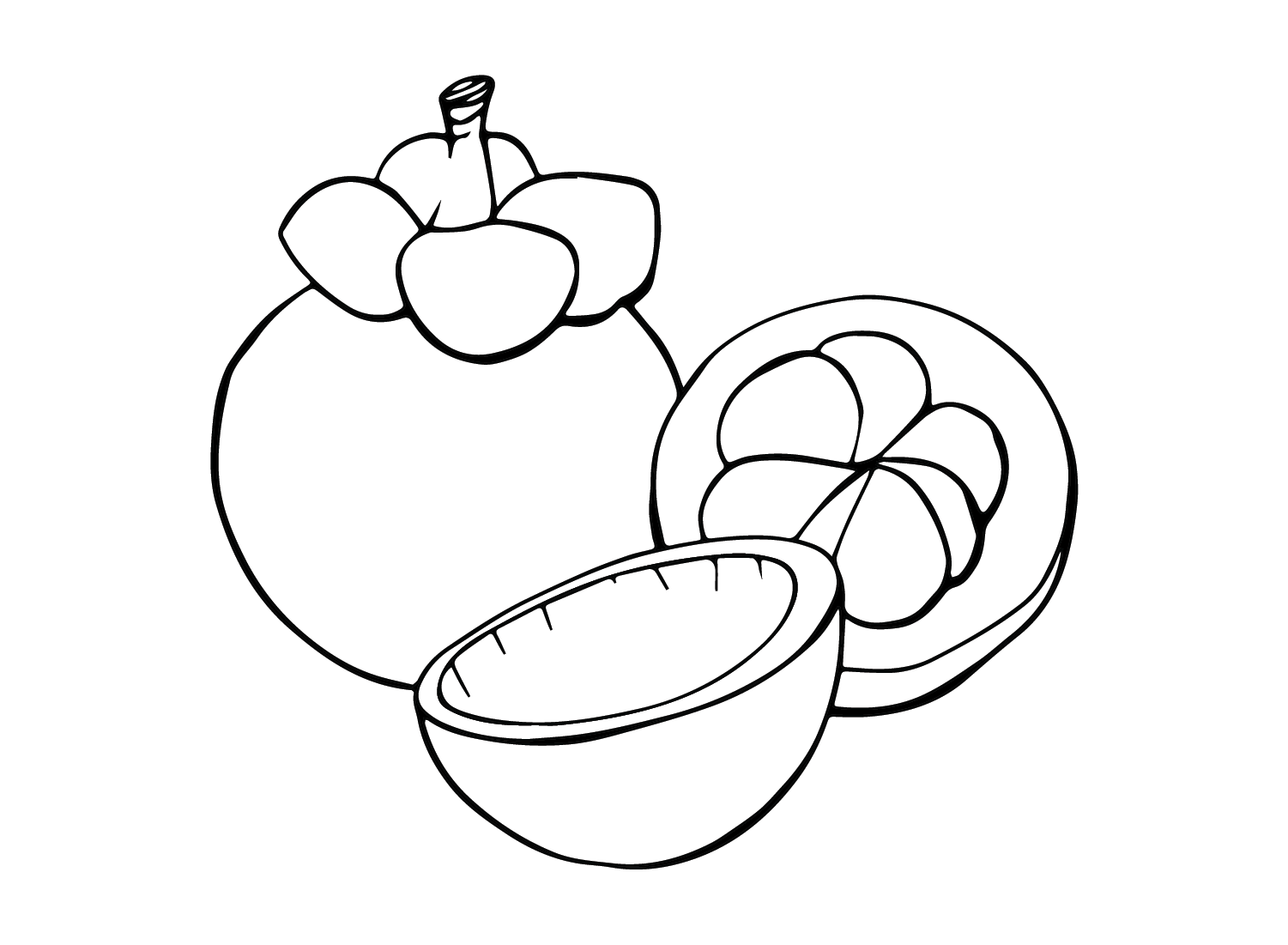
Sketch and Line-Art Style
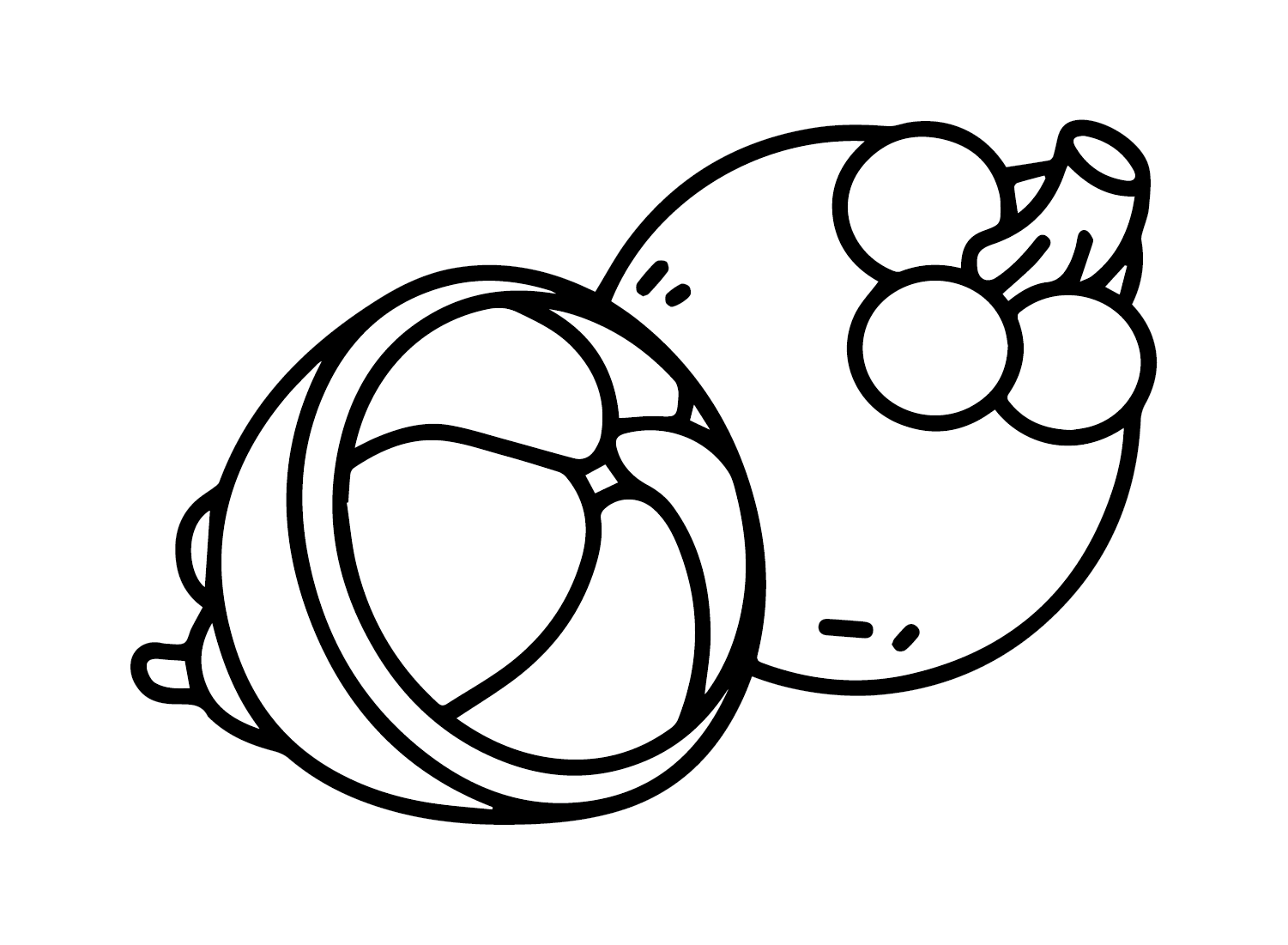
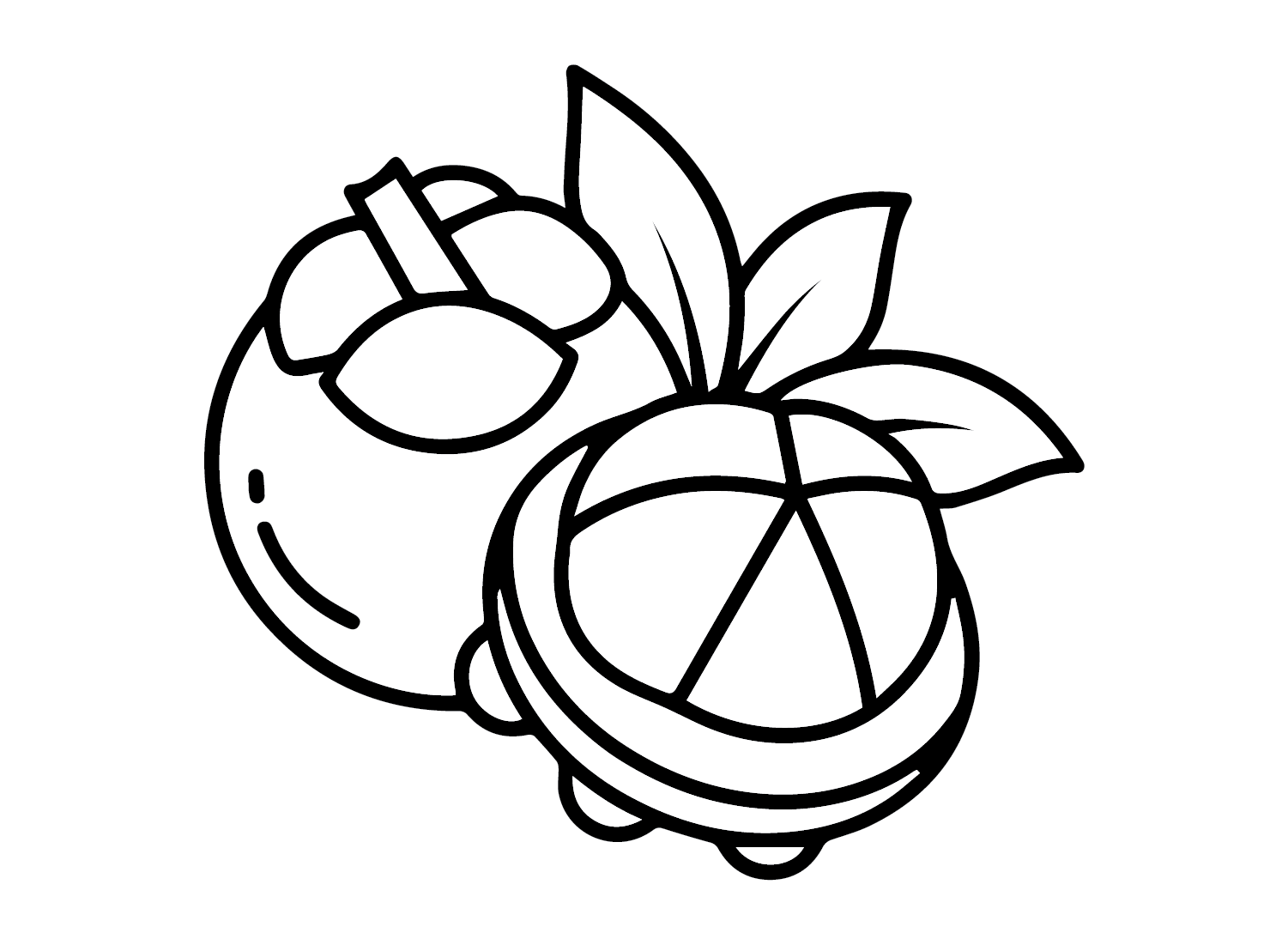
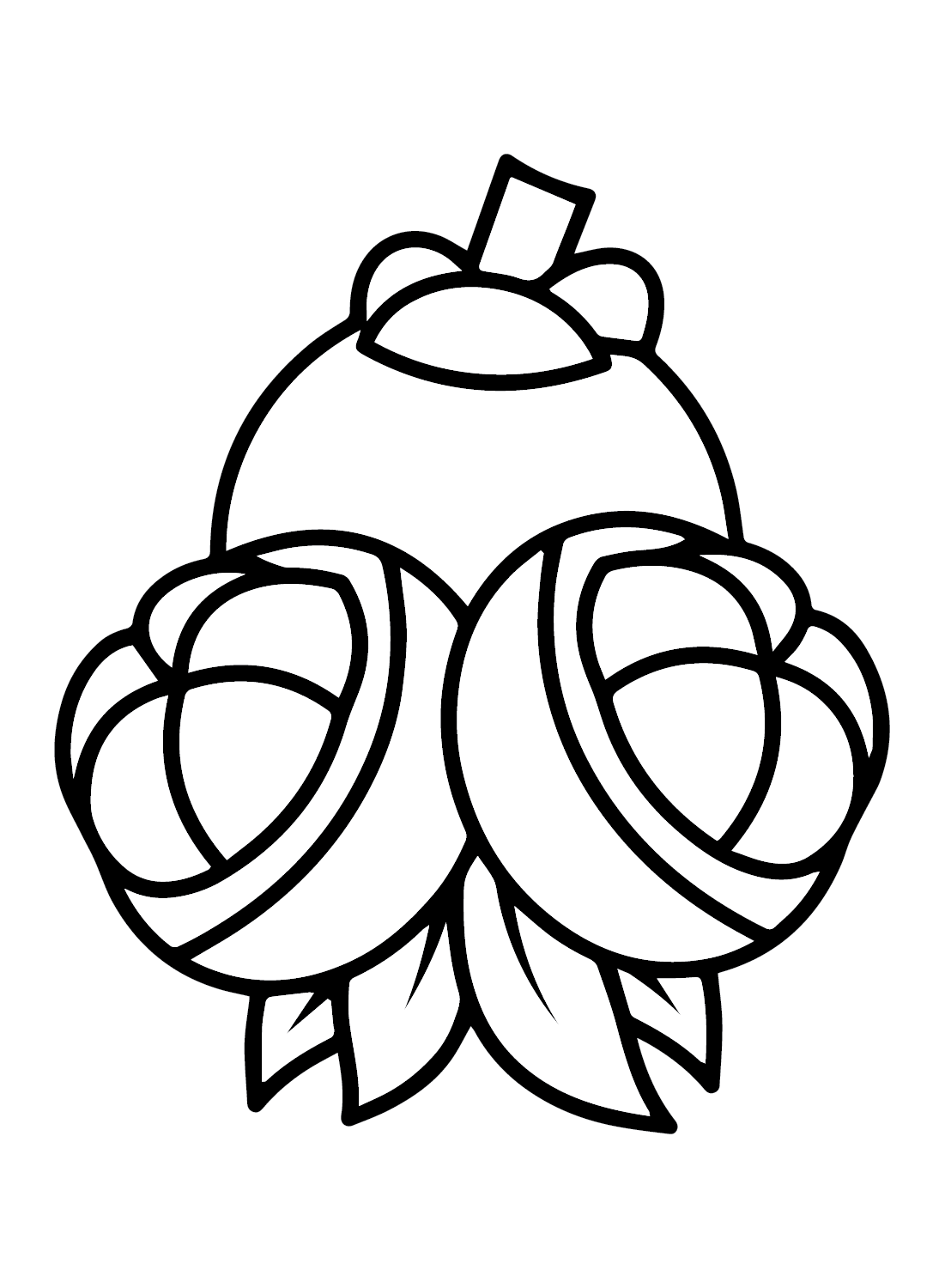
Two pages use a looser, hand-drawn outline instead of a clean cartoon line. Colored pencil suits this style better than marker, starting with a light Violet base and adding deeper Purple shading only in the rounded folds of the rind.
Simple Beginner Sheet
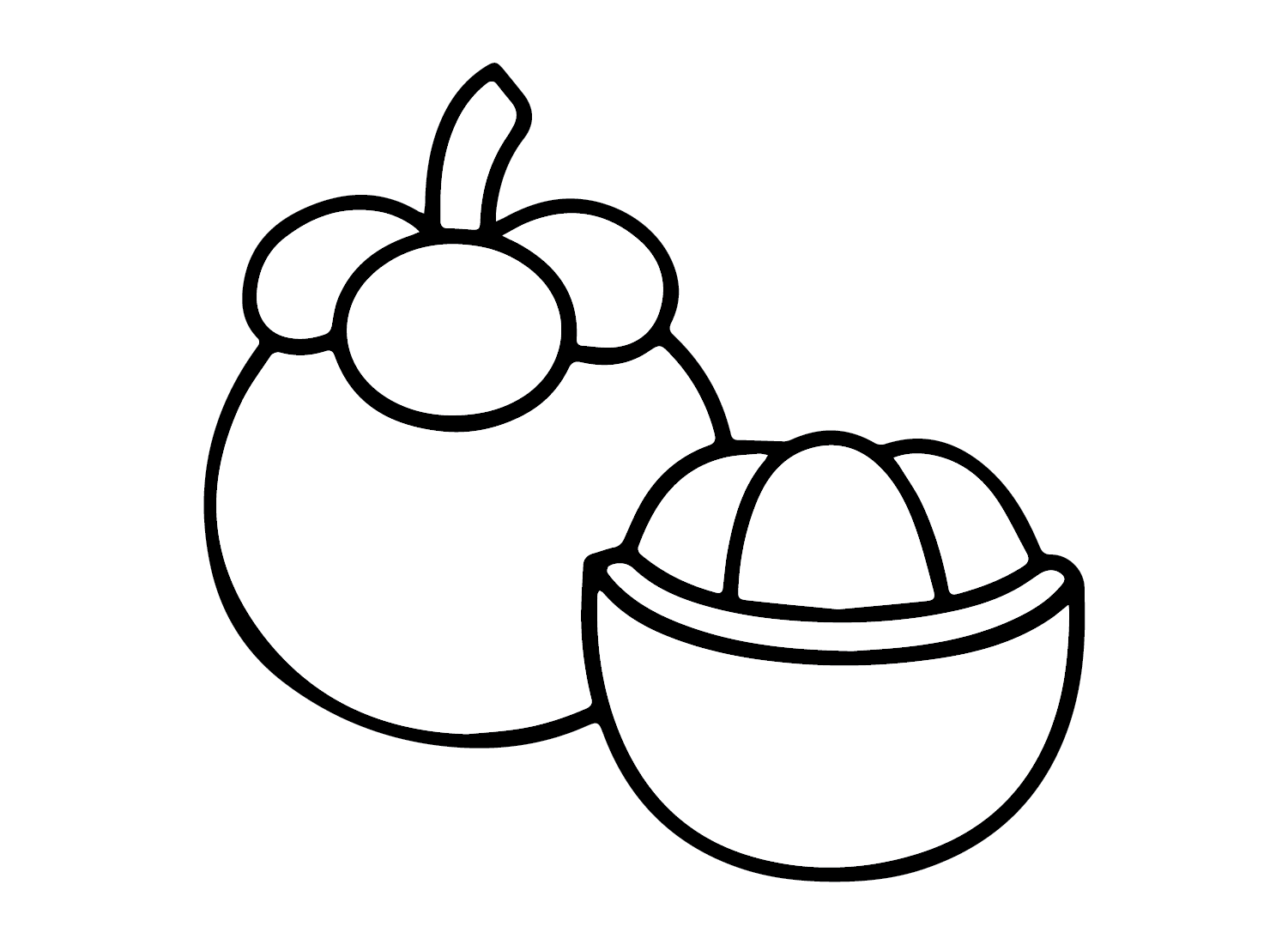
One page uses a large, bold mangosteen outline with very few small details, making it a good starting point for toddlers and preschoolers. A single flat Purple fill is enough to complete this design well.
What Mangosteen Coloring Pages Do
Fine motor development. A mangosteen’s calyx forms a distinctive star-shaped pattern on the bottom of the fruit, and tracing its pointed lobes cleanly takes closer hand control than outlining a simple round shape. The American Academy of Pediatrics identifies fine motor skill development as a core benefit of structured coloring for children ages 2 through 7, and the star-shaped calyx gives that practice a genuinely distinctive angular challenge.
A built-in counting activity. The number of lobes on a mangosteen’s bottom calyx always matches the number of segments inside the fruit. This detail turns any realistic mangosteen page into a natural counting exercise. Parents and teachers can ask a child to count the points on the star before revealing how many segments the real fruit would contain.
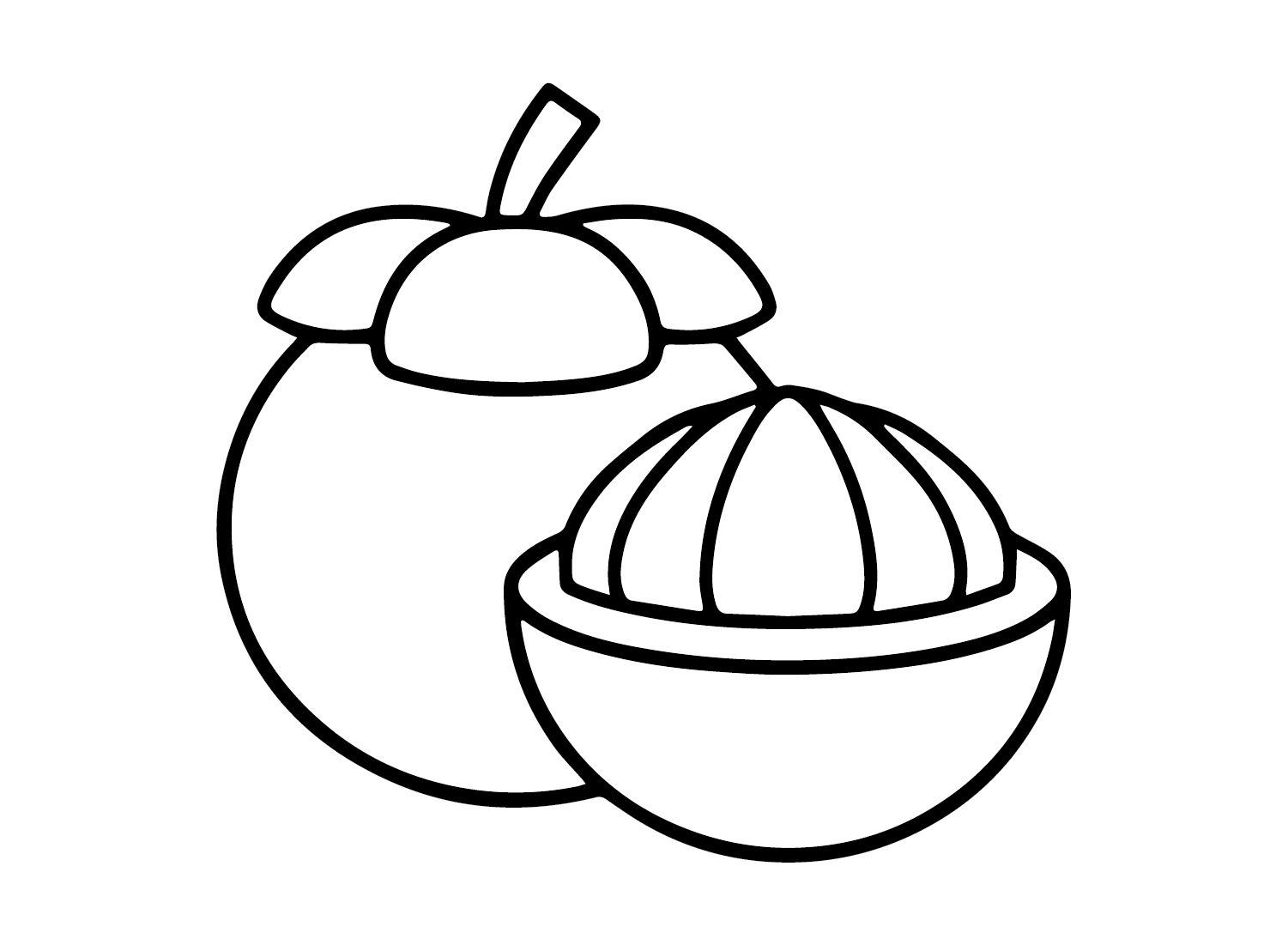
Anxiety reduction through focus. A 2005 study in the Art Therapy Journal documented measurable reductions in anxiety following structured coloring sessions. The evenly divided segments on a sliced mangosteen page offer a steady, repetitive shape to color, which suits that kind of unhurried session well.
Color-shift practice. A mangosteen’s rind shifts from a lighter violet to a deep, almost black-purple as it ripens, giving colorists more shading practice than a fruit that stays one flat color throughout. That gradient also makes the pages in this collection useful for practicing how to blend dark tones without losing detail.
How to Color Mangosteen Pages Well
- Rind, lighter shade: Use Crayola Violet for fruit that is just beginning to ripen, keeping the tone soft and even.
- Rind, fully ripe: Layer in Purple and a touch of Black or dark Brown for a mangosteen that has reached its deep, almost black-purple color.
- The star-shaped calyx: Color the pointed lobes at the bottom of the fruit a pale Tan or Cream so the star pattern stands out clearly against the dark rind.
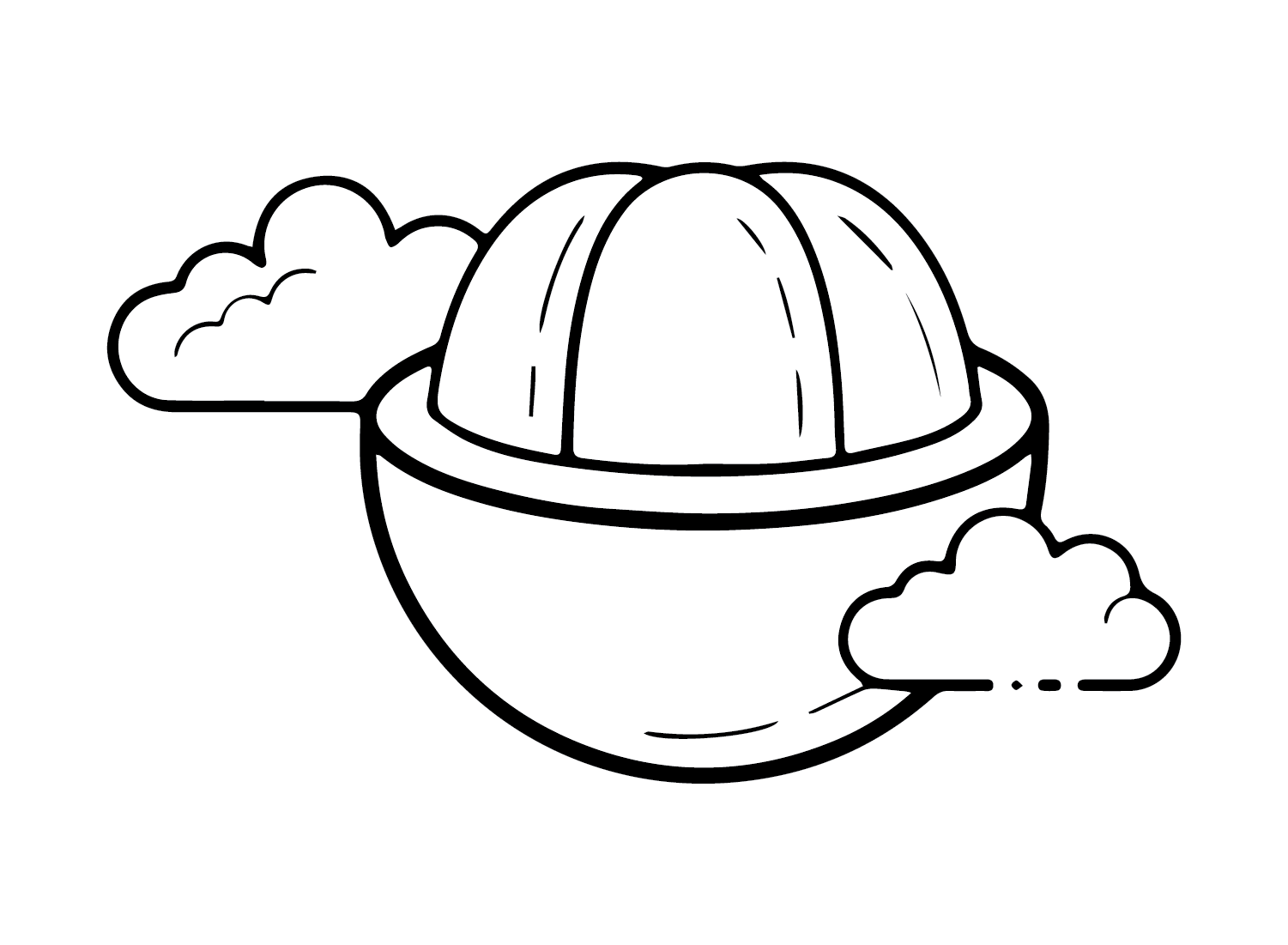
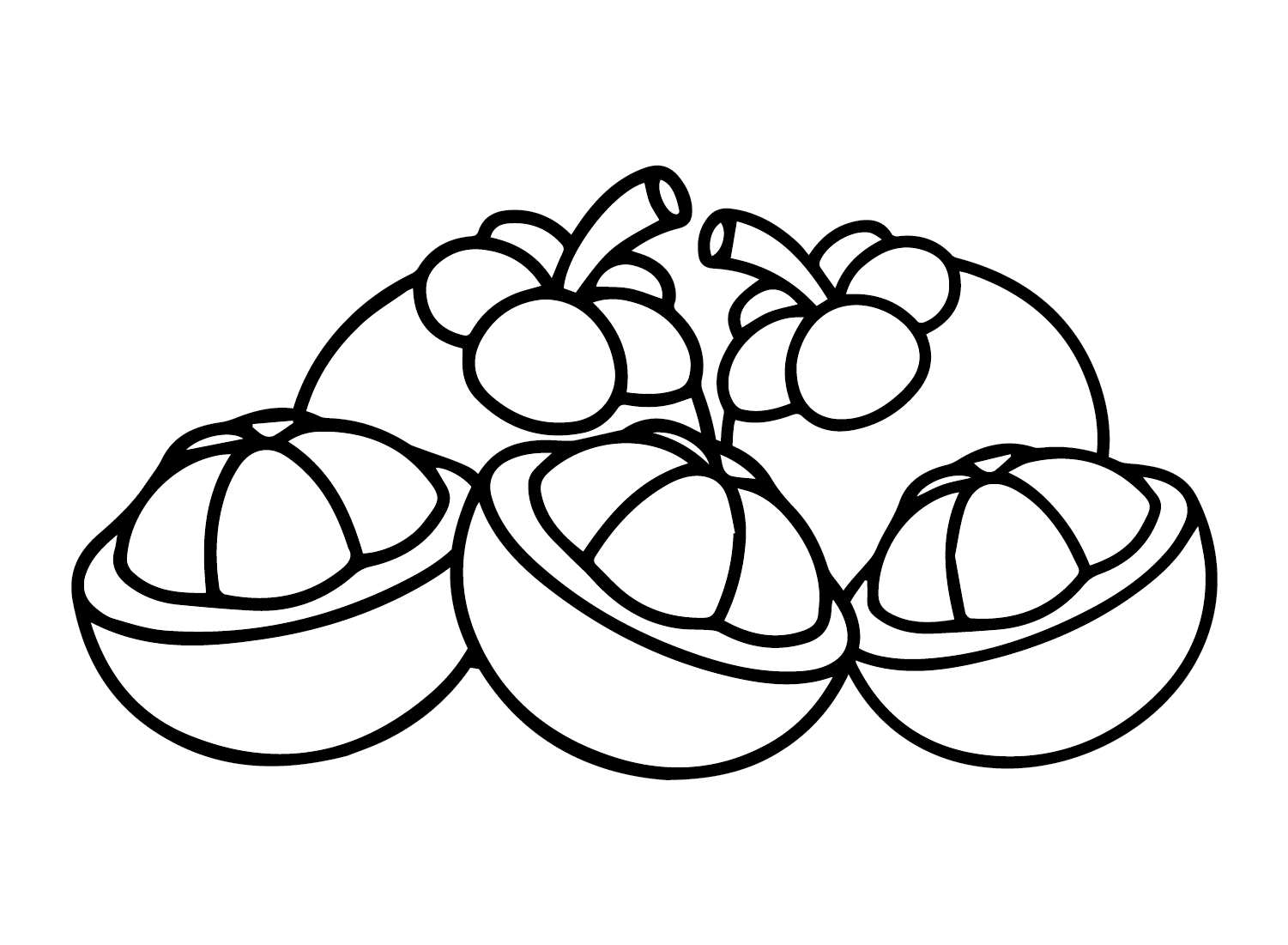
- Sliced segments: If a page shows the fruit cut open, color the segments a soft White or Cream, since real mangosteen flesh is nearly snow-white.
- Cartoon and kid-friendly characters: Keep the body a flat, even Purple or Magenta, add simple Black facial features, and finish with a small Green calyx cap on top.
- Sketch-style line art: Layer colored pencil starting with a light Violet base, then add Purple shading only in the rounded folds of the rind.
5 Creative Craft Ideas With Mangosteen Coloring Pages
1. Segment-Counting Craft
Color a realistic mangosteen page, count the points on its star-shaped calyx, then cut out and color that same number of paper segments to match, turning the fruit’s real counting trick into a hands-on activity.
2. Mangosteen Branch Diorama
Color several realistic pages, cut them out, and arrange them inside a shoebox turned on its side to build a small tropical orchard scene.
3. Mangosteen Fact Poster
Color a large mangosteen page and add hand-written facts around it, such as why it’s called the queen of fruits, for a simple classroom science poster.
4. Mangosteen Bookmark
Color one of the smaller mangosteen designs, trim it to a bookmark shape, and add a ribbon or paper tassel through a hole punched at the top.
5. Mangosteen Garland
Color multiple mangosteen pages, cut around each one, and string them together with twine for a kitchen or classroom garland.
Frequently Asked Questions
What are mangosteen coloring pages?
Mangosteen coloring pages are printable designs that show the fruit in different styles, including realistic whole fruit, cartoon characters, sketch art, and a simple beginner sheet. This collection includes 26 pages, each downloadable as a PDF or available to color online.
Where does mangosteen come from?
Mangosteen is native to the Sunda Islands and the Malay Peninsula in Southeast Asia, and it is grown widely today in Malaysia, Indonesia, Thailand, and the Philippines.
Why is mangosteen called the queen of fruits?
The nickname reflects the fruit’s long-standing reputation for its delicate, sweet-tangy flavor and elegant, deep purple rind, a reputation that has followed it for centuries in Southeast Asia.
How can you tell how many segments are inside a mangosteen without opening it?
The star-shaped calyx pattern on the bottom of the fruit has a number of lobes that always matches the number of segments hidden inside, so counting the points on the star reveals what you will find when you open it.
What color is a ripe mangosteen?
A ripe mangosteen has a deep, almost black-purple rind, while less ripe fruit is a lighter violet. The white flesh inside stays the same regardless of how dark the outer rind has become.
How many mangosteen coloring pages are in this collection?
This collection includes 26 mangosteen coloring pages, split across realistic fruit illustrations, cartoon and kid-friendly designs, sketch-style line art, and one simple beginner sheet.
Are mangosteen coloring pages suitable for young children?
Yes. The simple beginner sheet and cartoon designs use bold, easy shapes that suit toddlers and preschoolers. The realistic and sketch-style pages, with their star-shaped calyx detail, suit older children and adults who want more shading practice.
Why is fresh mangosteen hard to find in some countries?
Mangosteen trees are slow and difficult to grow, often taking eight to fifteen years to produce their first fruit, and the fresh fruit does not travel or store as easily as many other tropical fruits, which has historically limited their availability outside Southeast Asia.
Start Coloring
Download any page by clicking the design. No account, email, or payment is required. Pages print directly from the browser at full resolution or open in the online coloring tool for screen use. Share finished pages on Facebook or Pinterest with the share buttons at the top of each design page.