
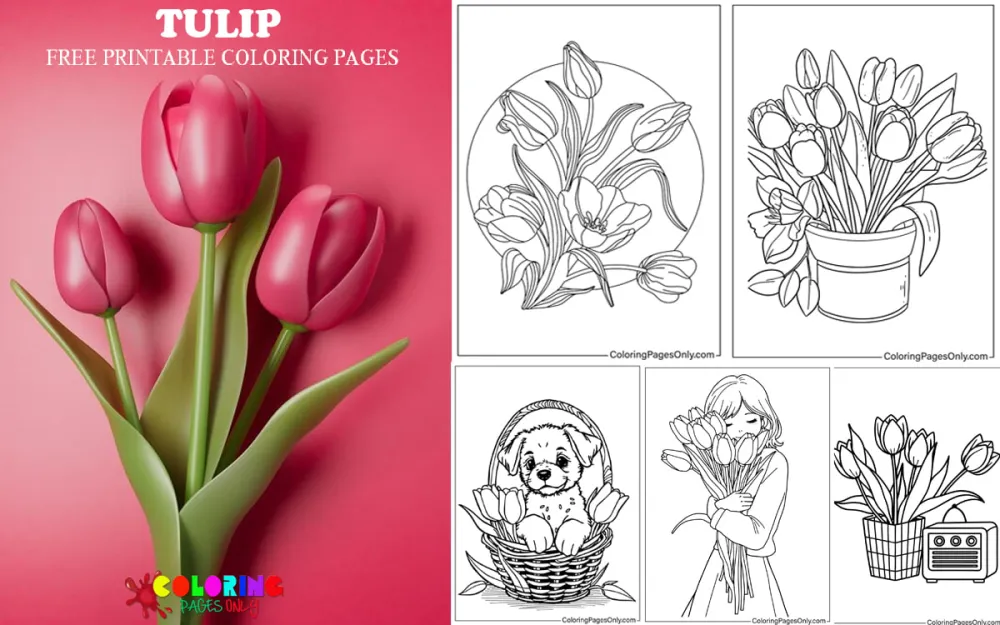
Free tulip coloring pages: 27 printable PDF designs featuring simple outlines, artistic bouquets, nature scenes with butterflies and puppies, and pages tied to spring holidays. Each page can be downloaded as a PDF to print or colored online in the browser.
Tulips are native to Central Asia and were first widely cultivated in the Ottoman Empire, where the flower’s name comes from the Turkish and Persian word for turban, a nod to its shape. Botanist Carolus Clusius planted the first tulips in the Netherlands at Leiden’s botanical garden in the 1590s. By the 1630s, Dutch demand for rare bulbs had grown into tulip mania, widely considered the first recorded speculative market bubble in history. This set works for a classroom covering spring or plant life, a family building a Mother’s Day or Easter card, and any child who wants a simple flower shape to practice on.
A tulip’s shape is unusually forgiving for a beginner: one smooth cup on a single straight stem, with none of the layered petals or complicated symmetry a rose or daisy asks for. That simplicity is also the page’s real coloring decision, since with so little structure to work with, color and shading are doing almost all of the work of making a tulip page look finished rather than flat.
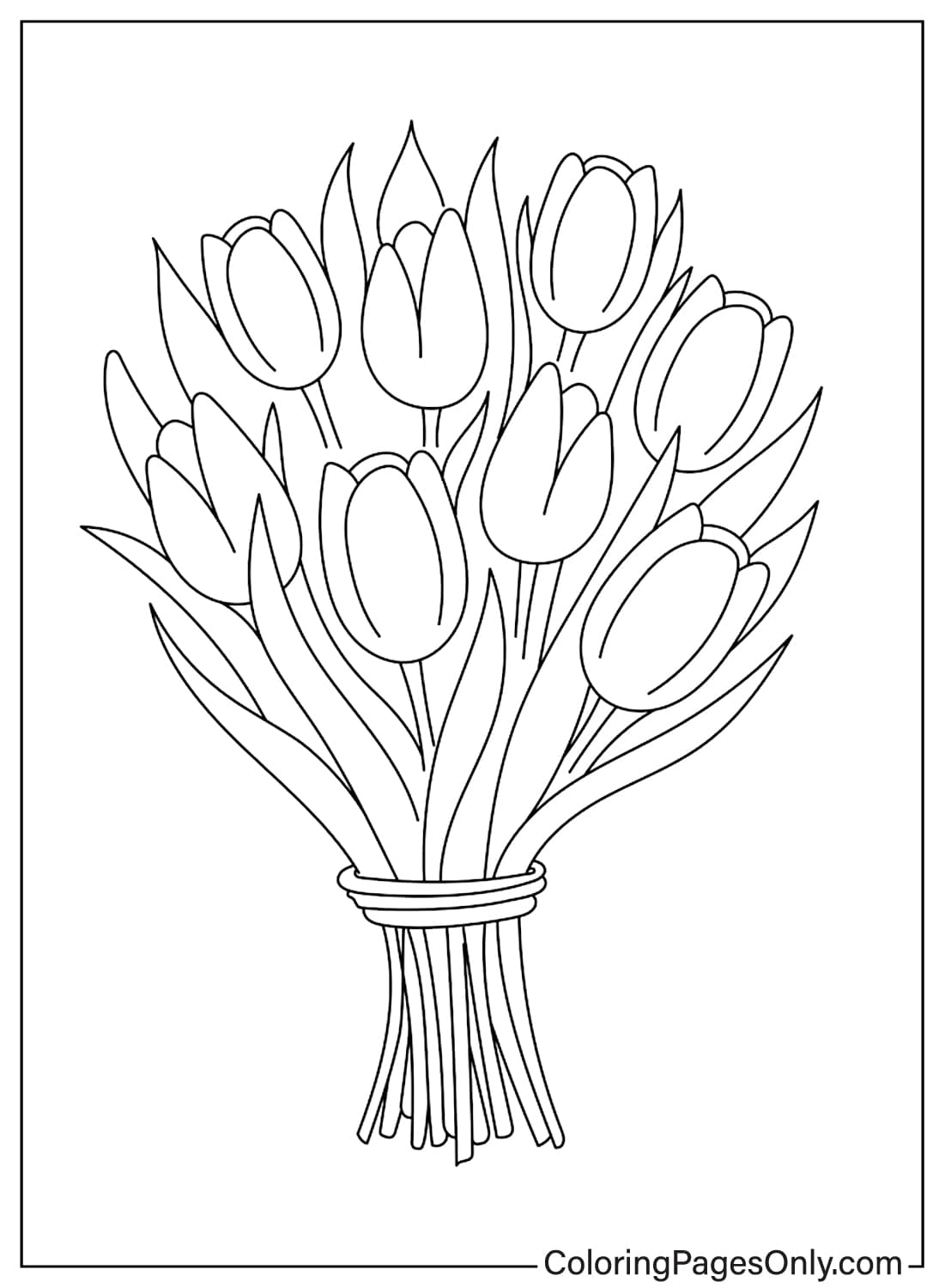
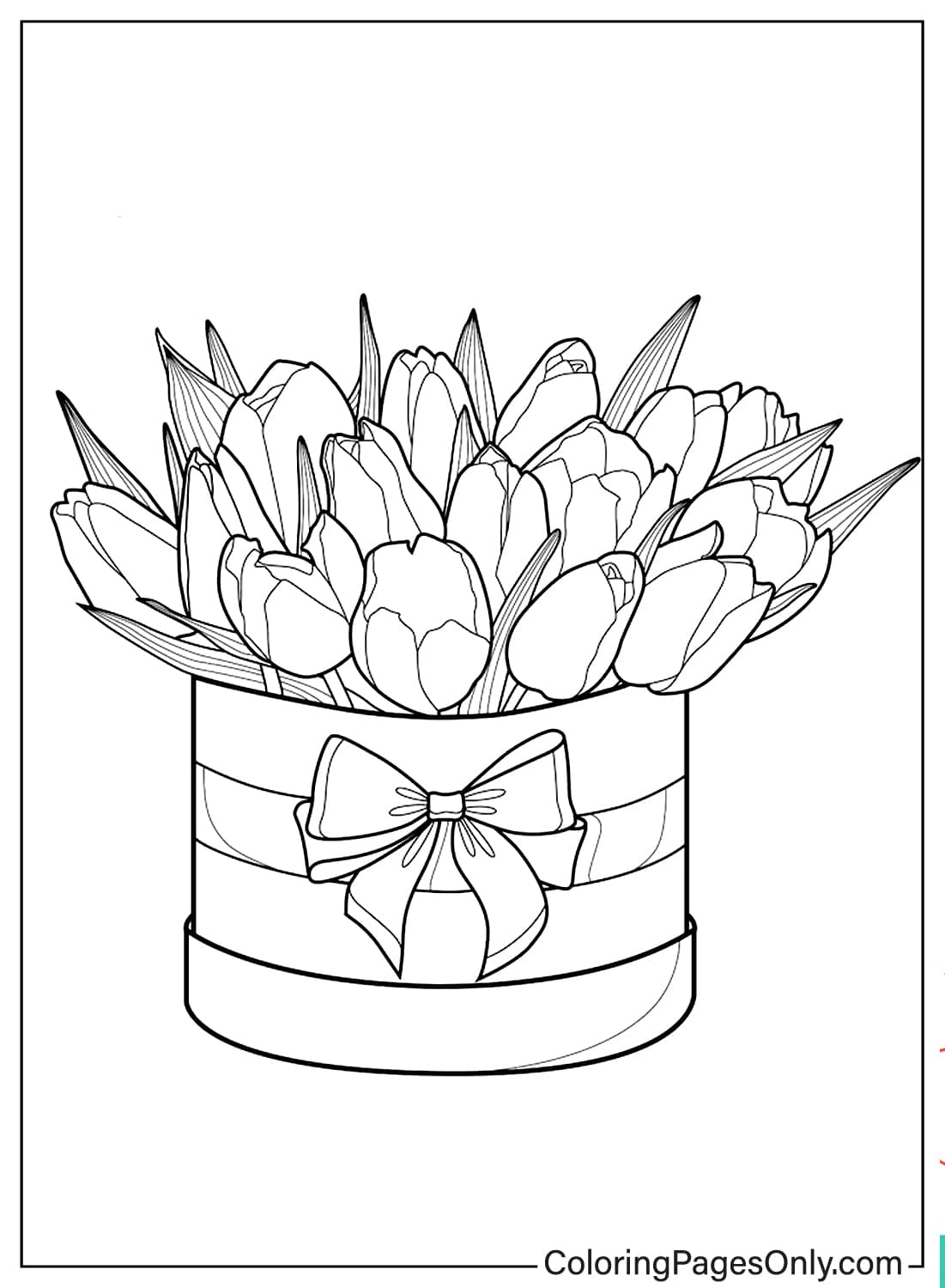
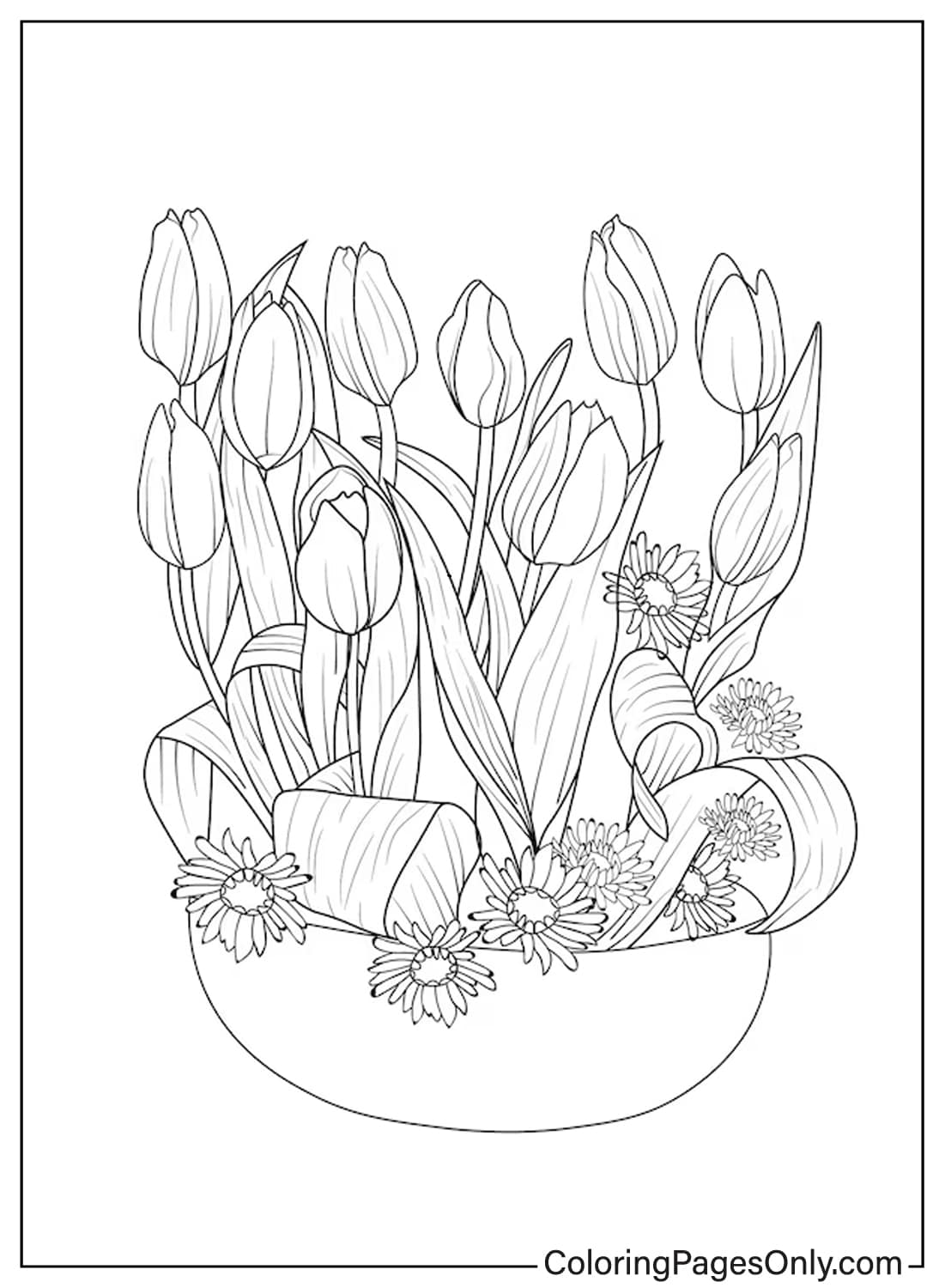
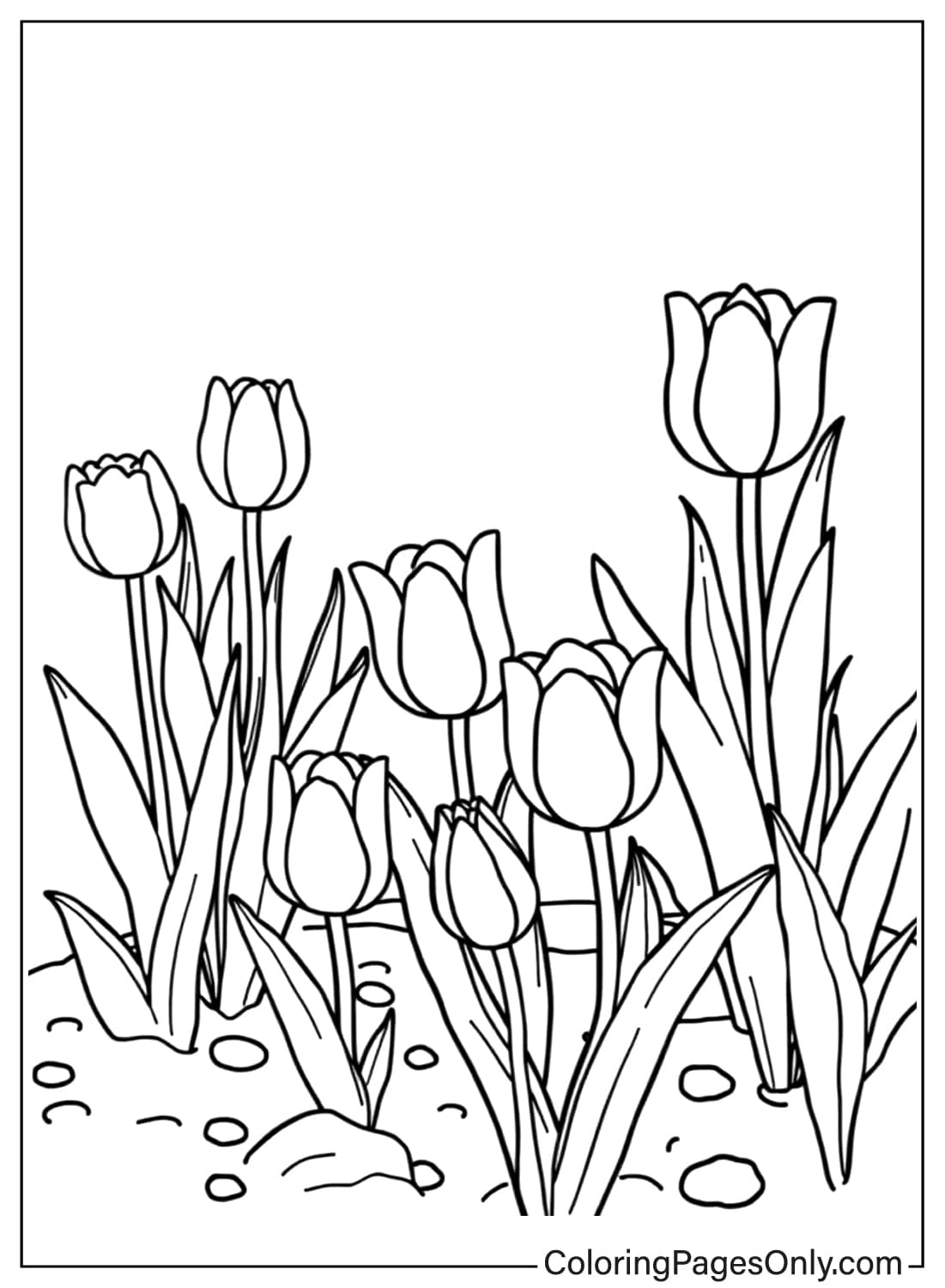
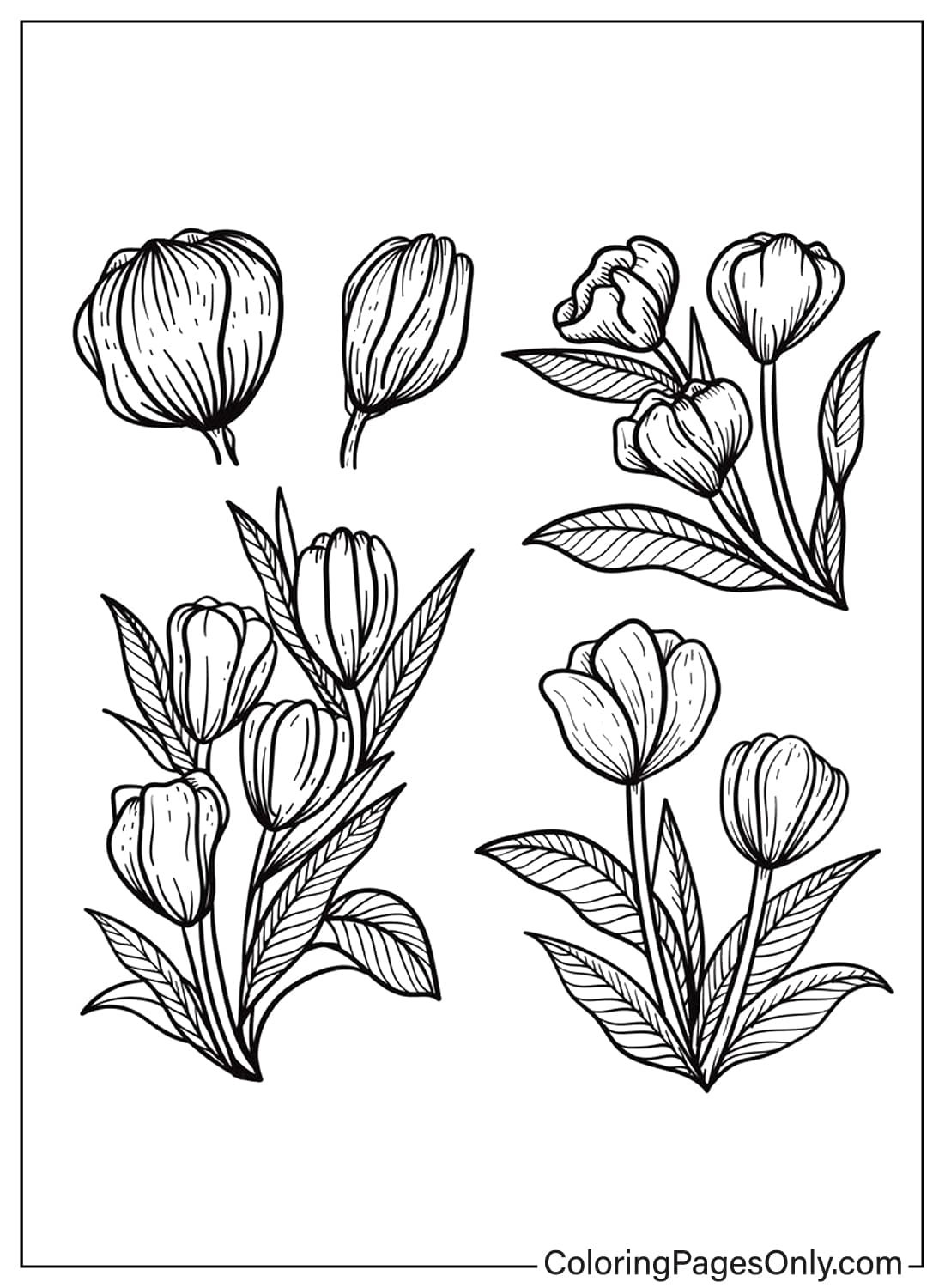
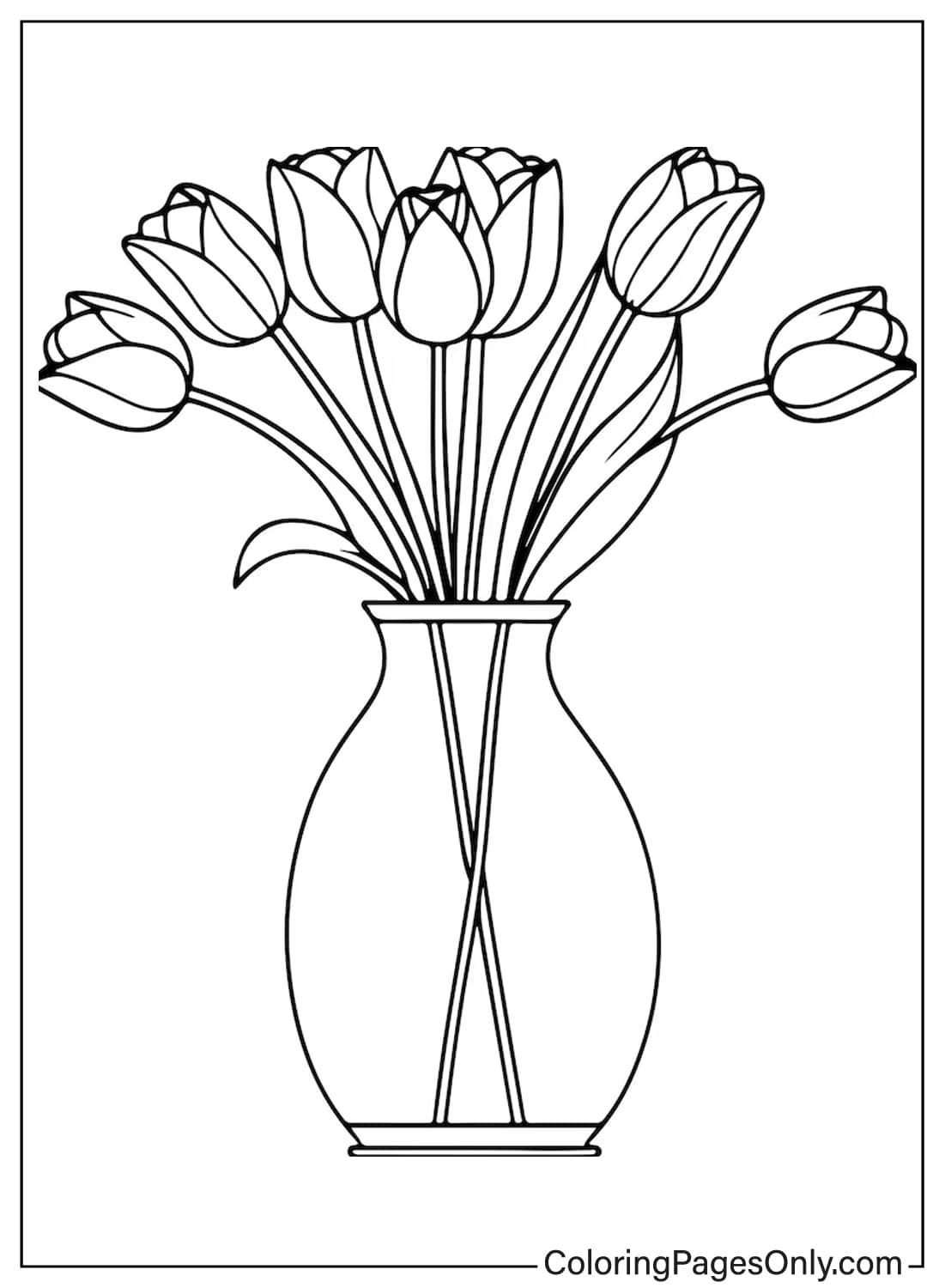
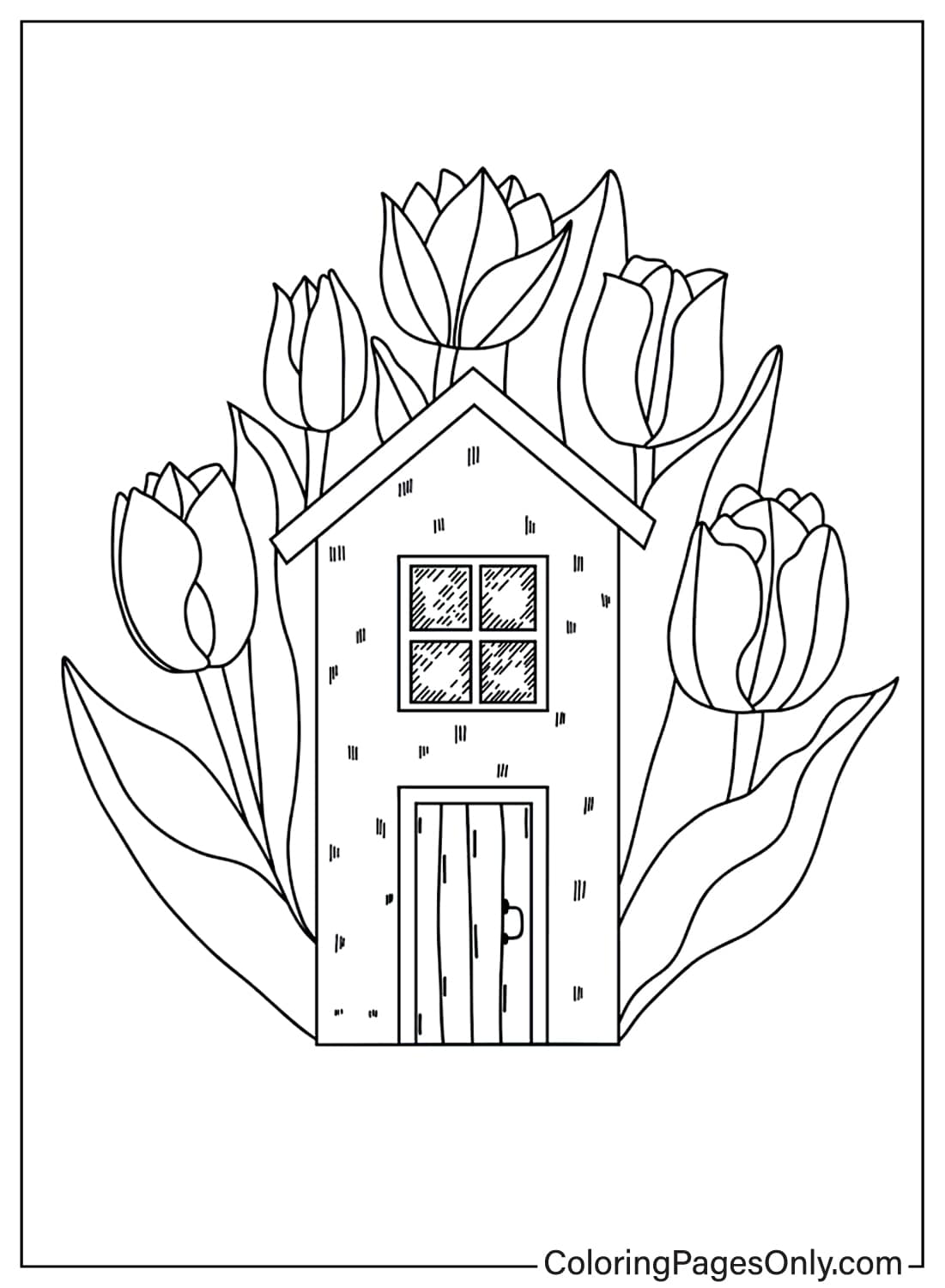
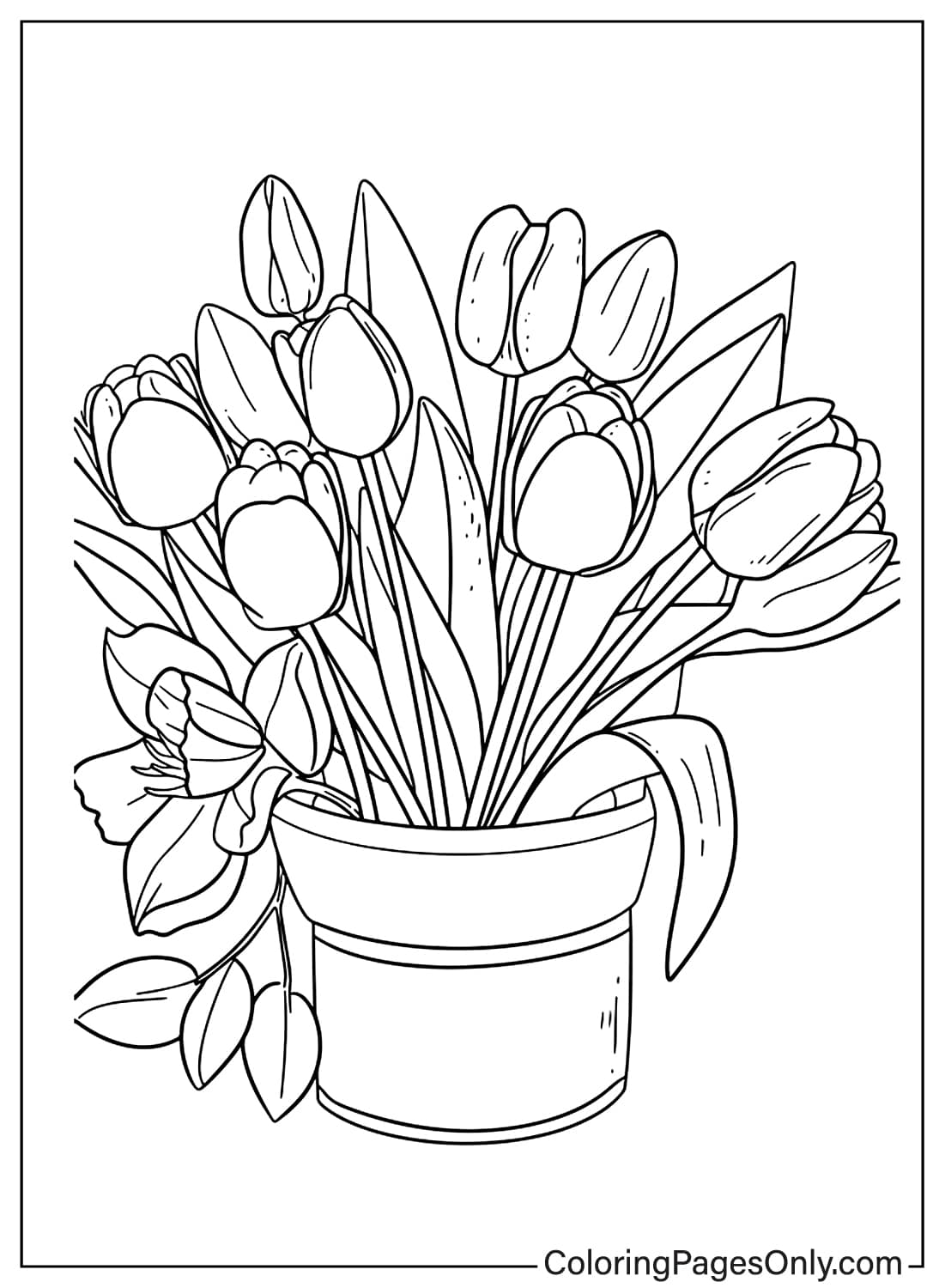
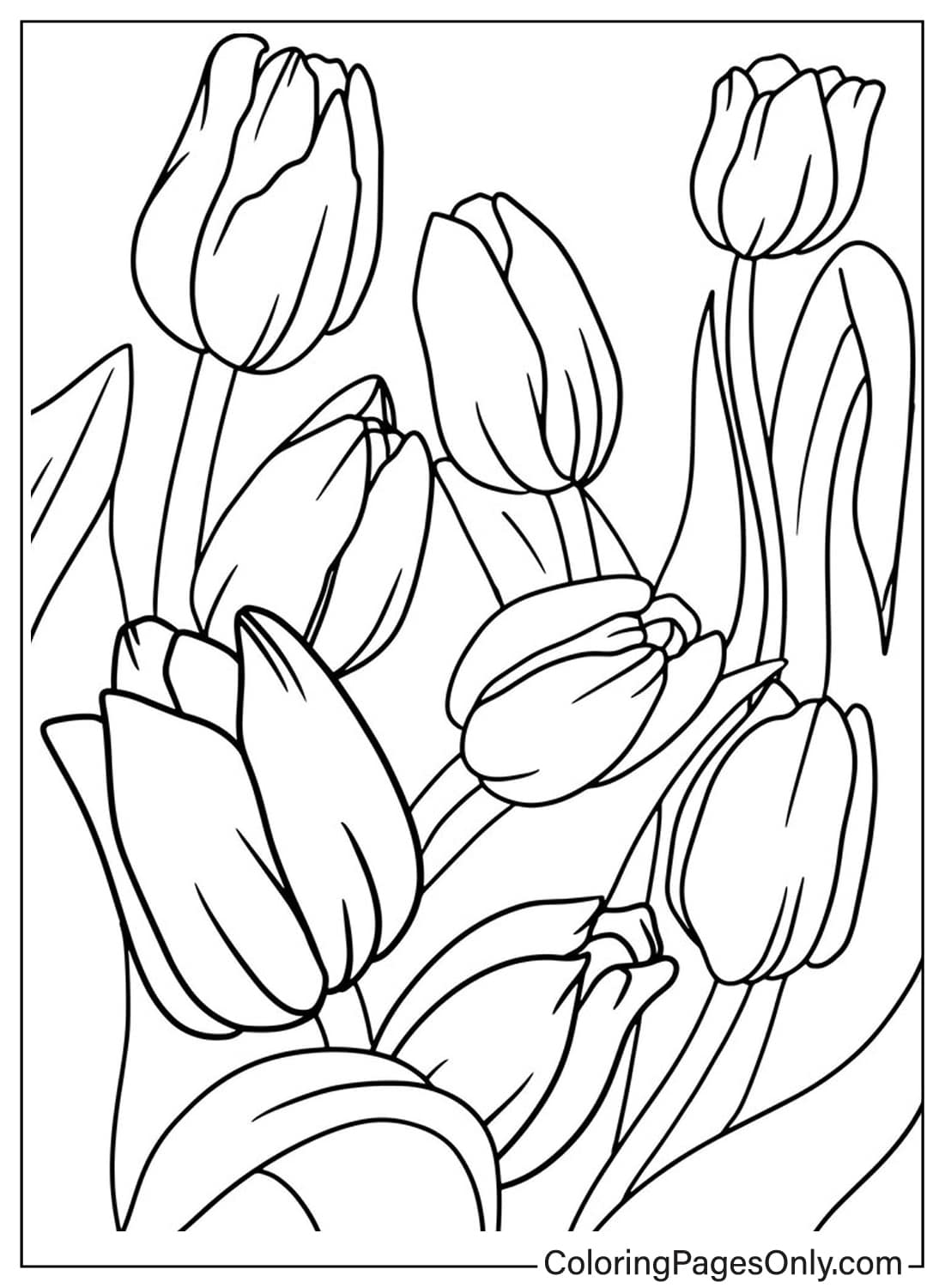
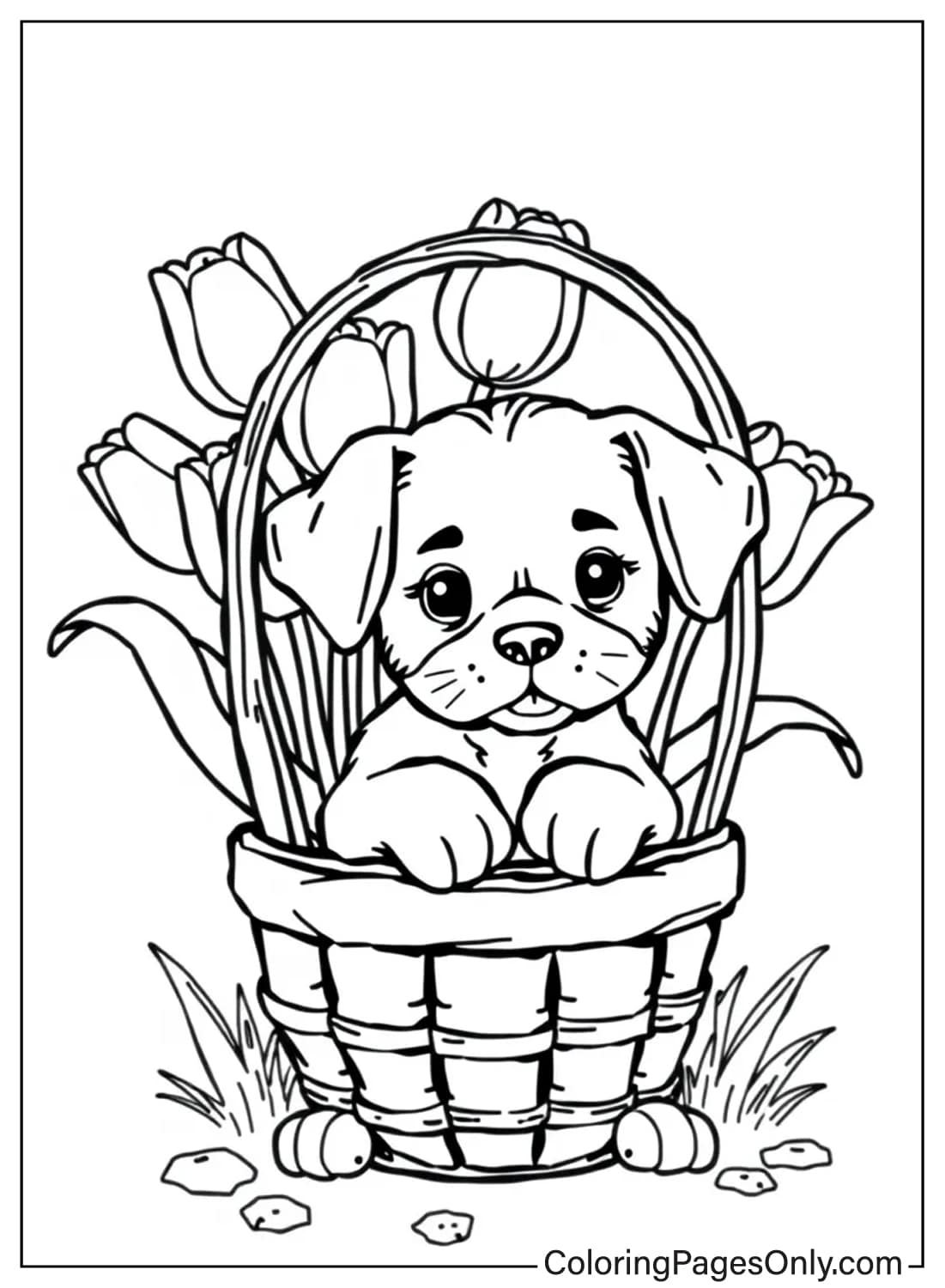
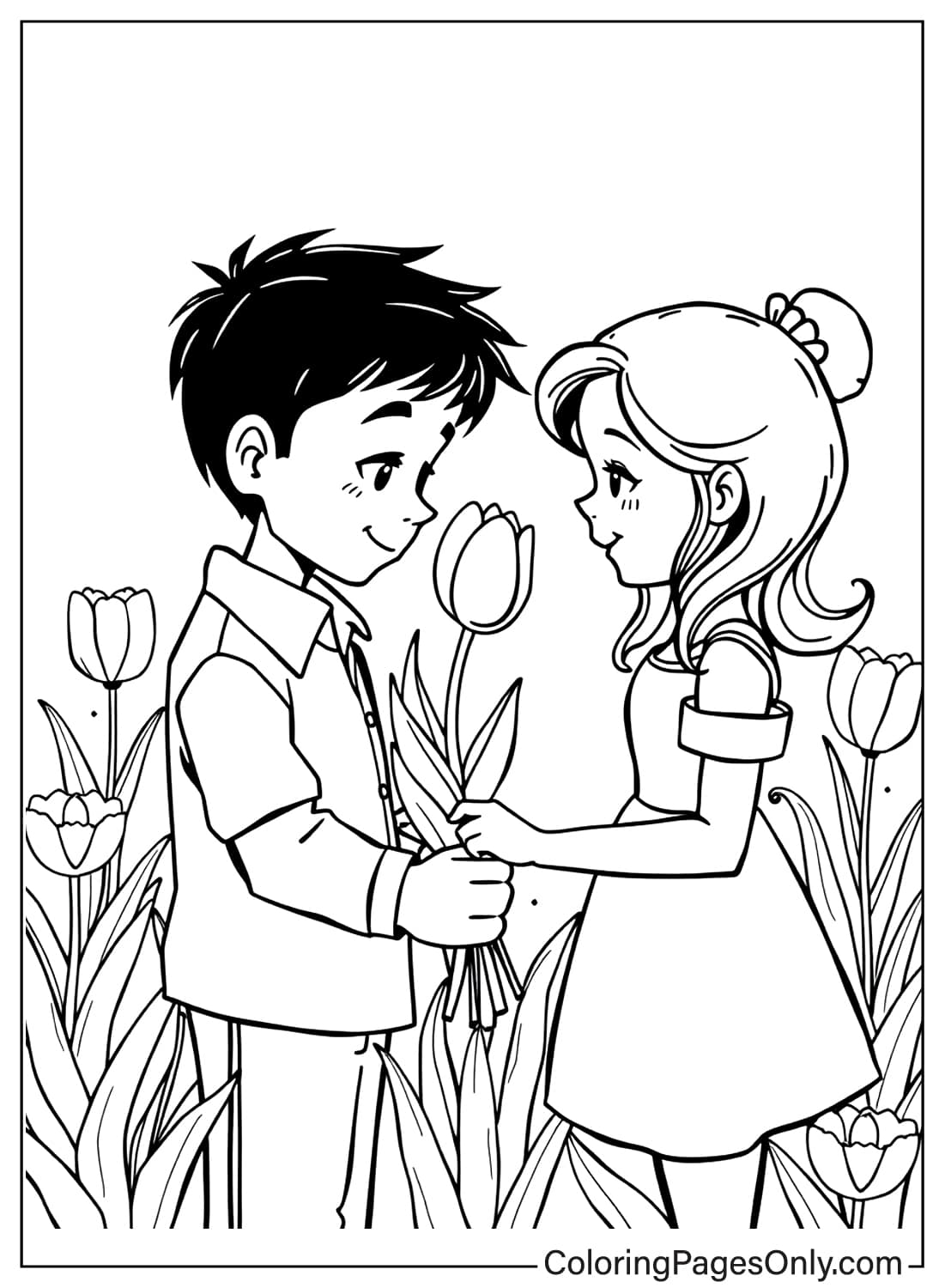
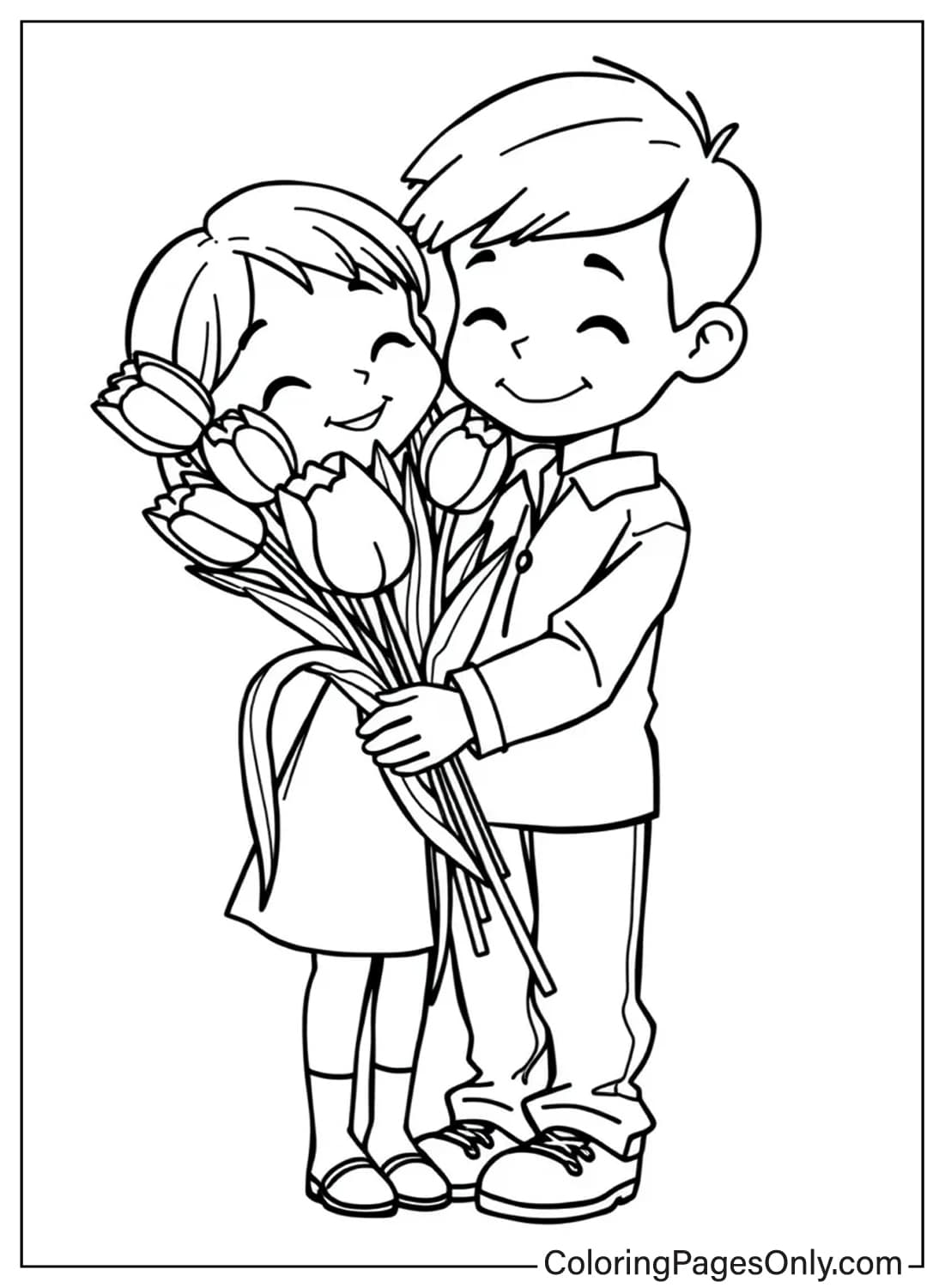
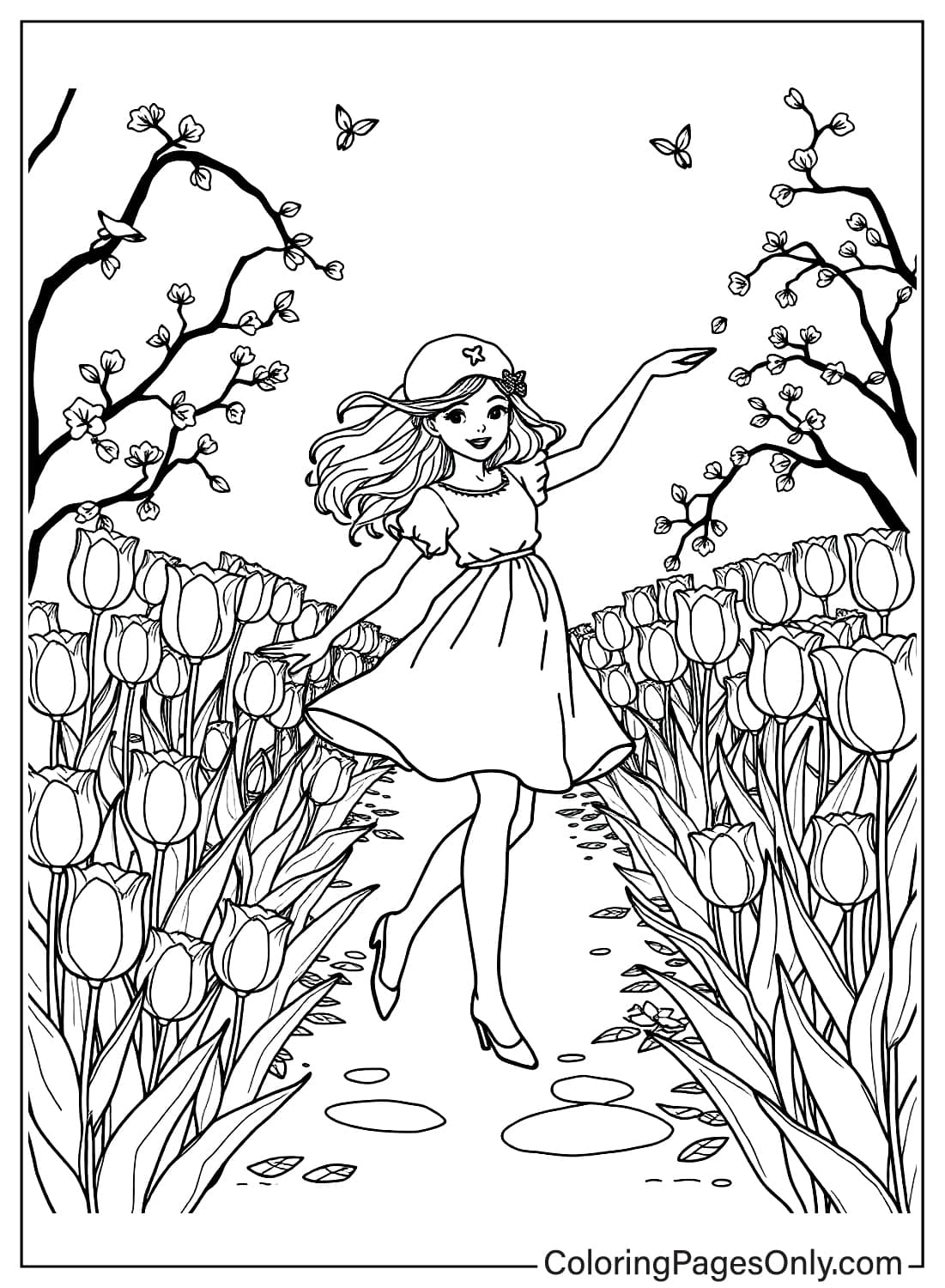
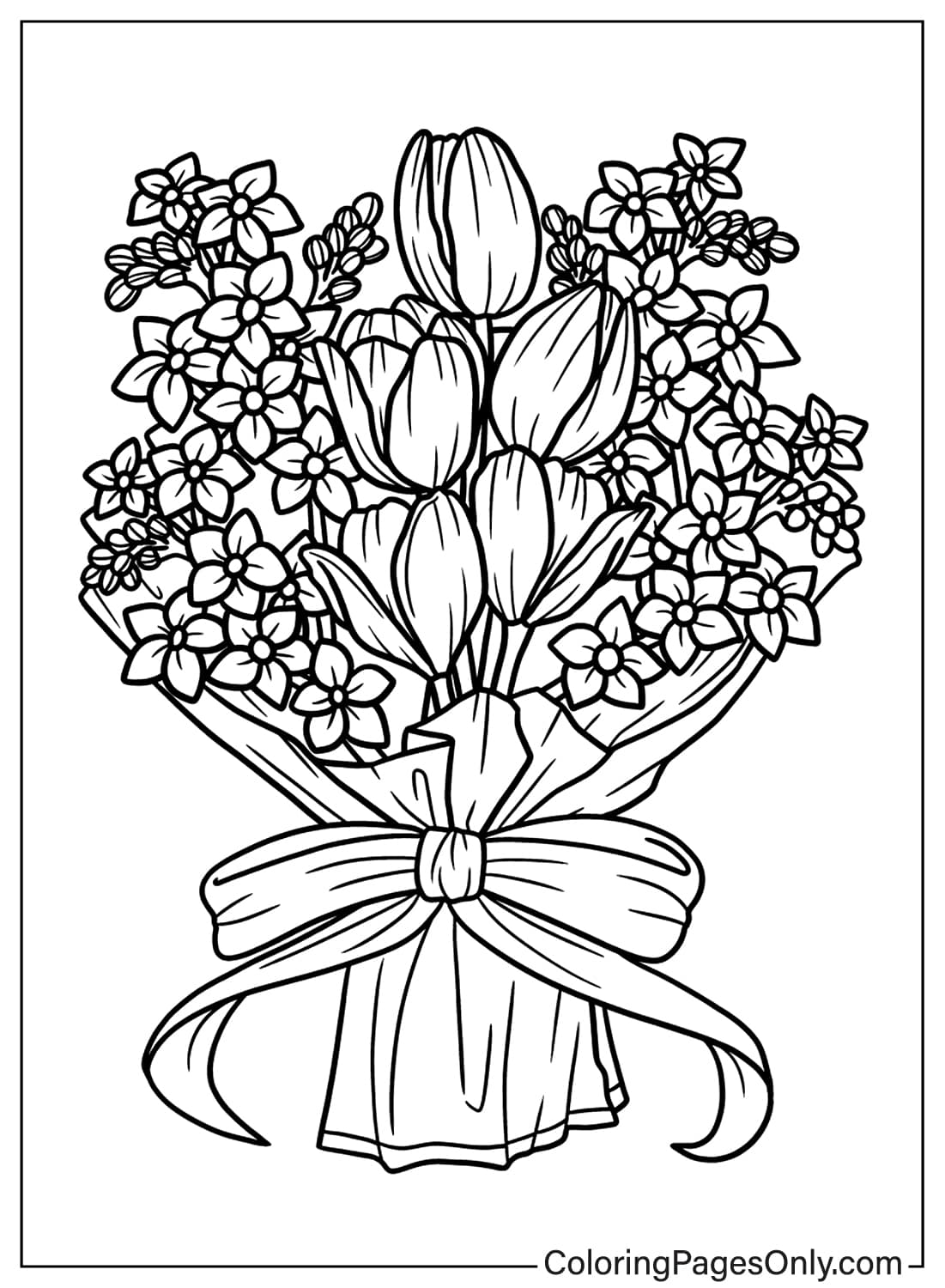
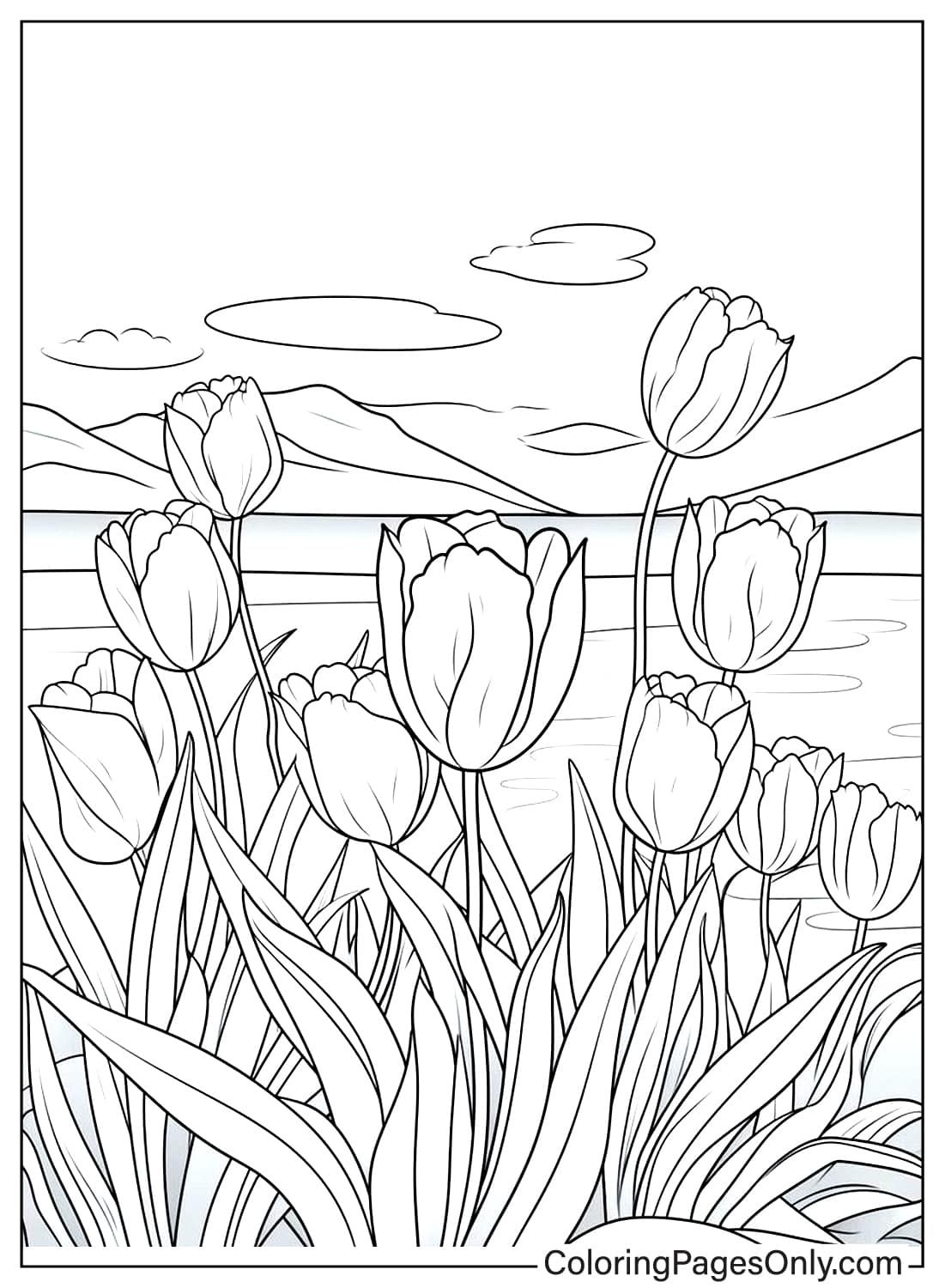
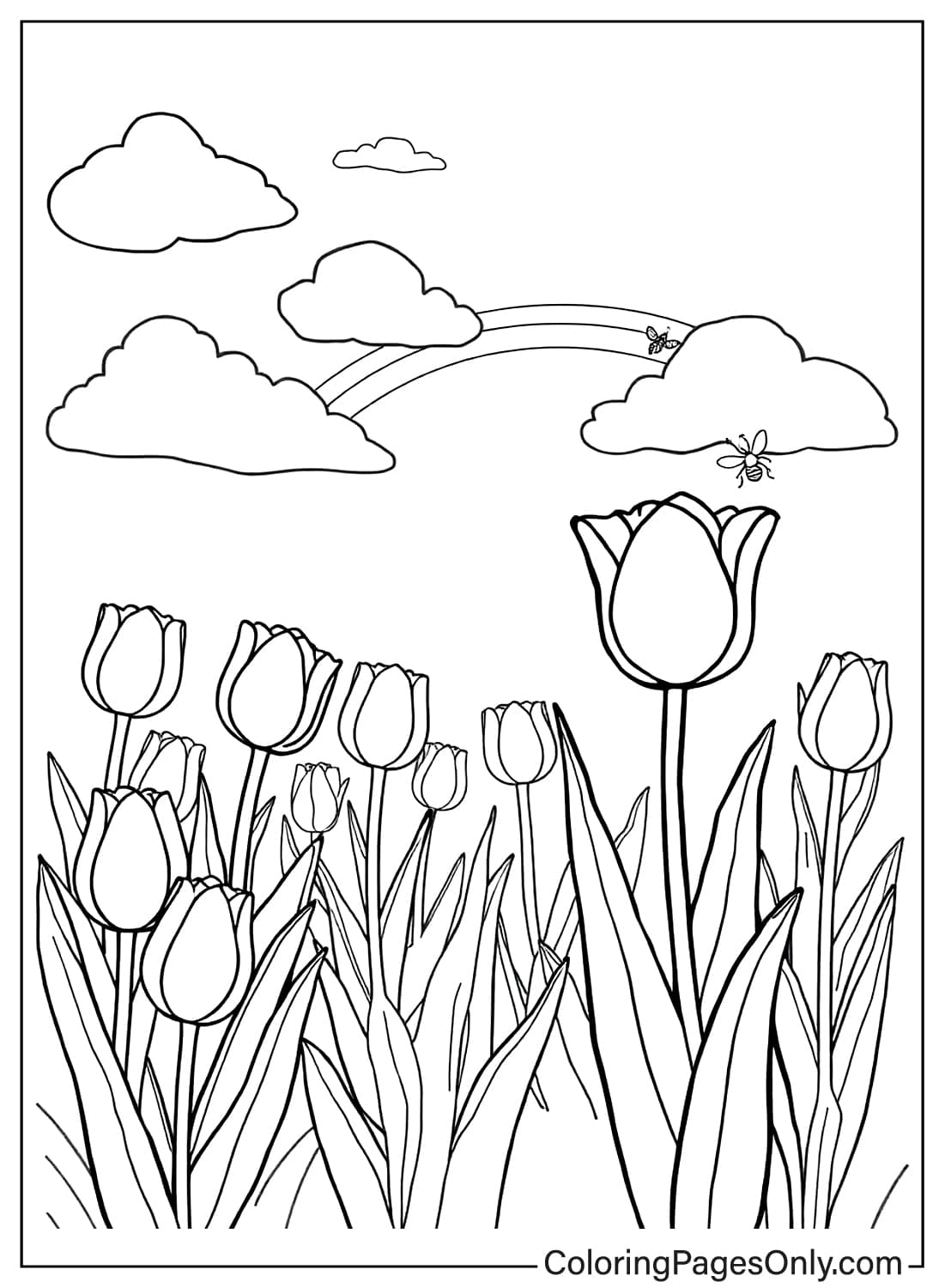
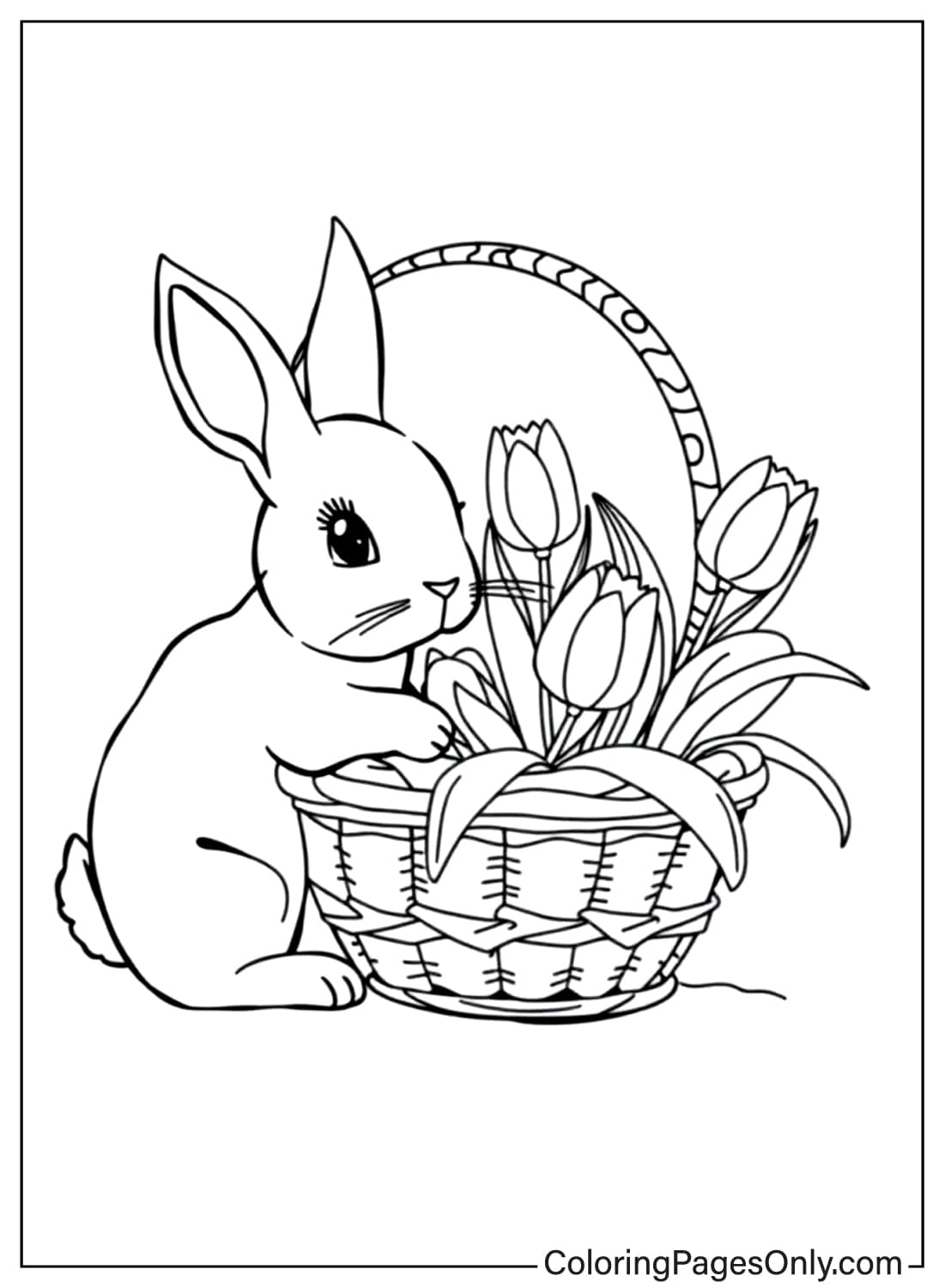
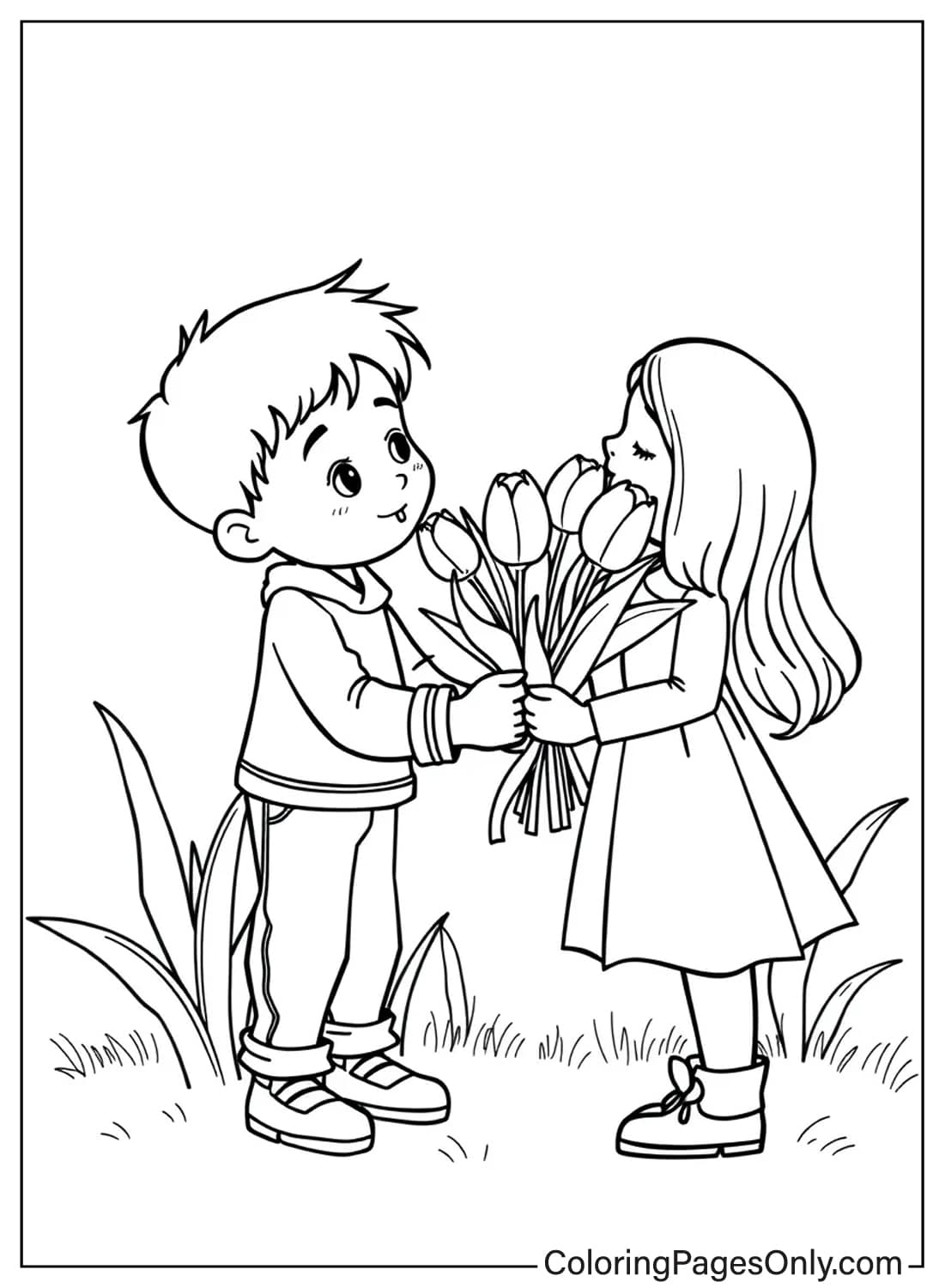
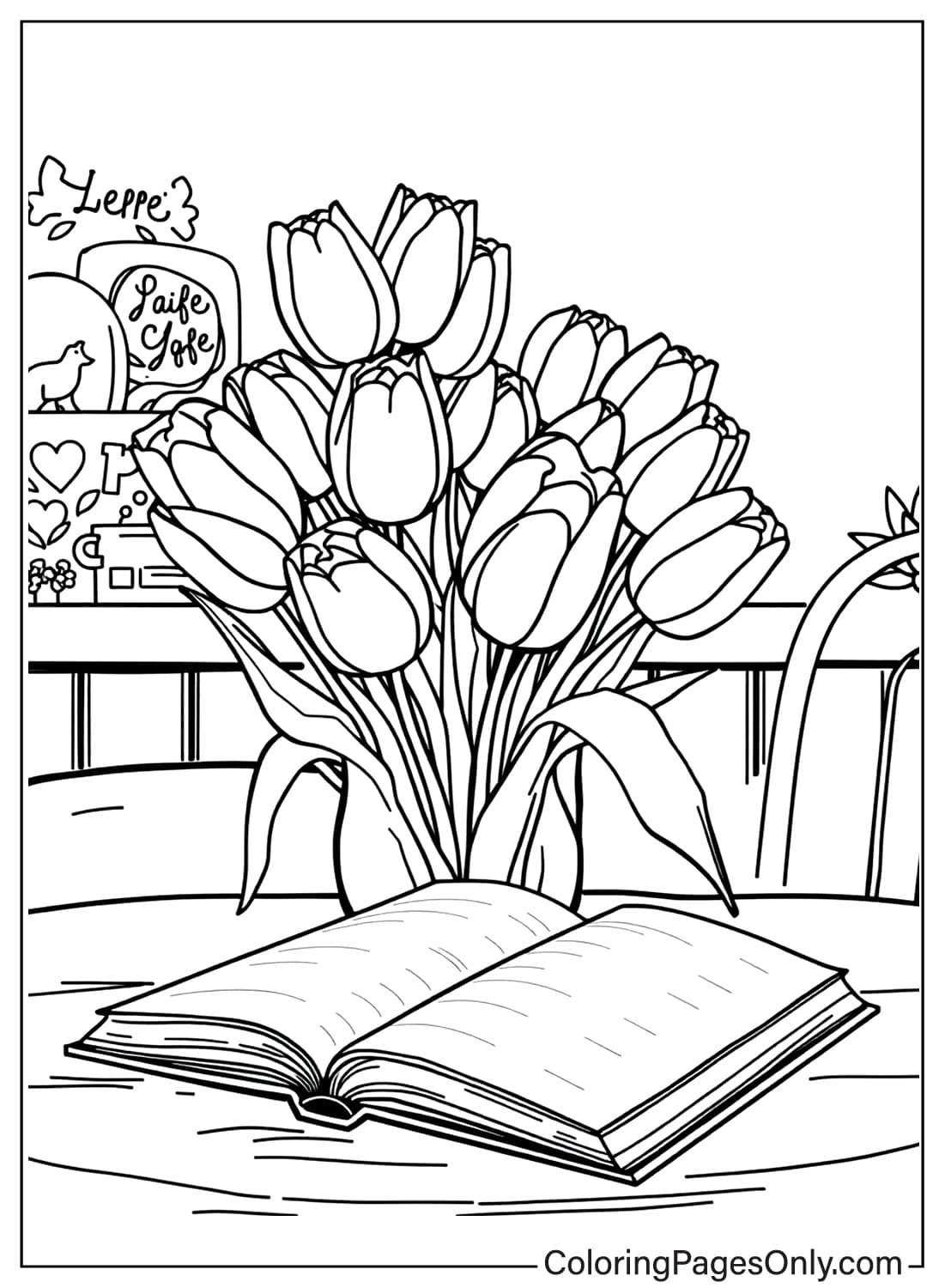
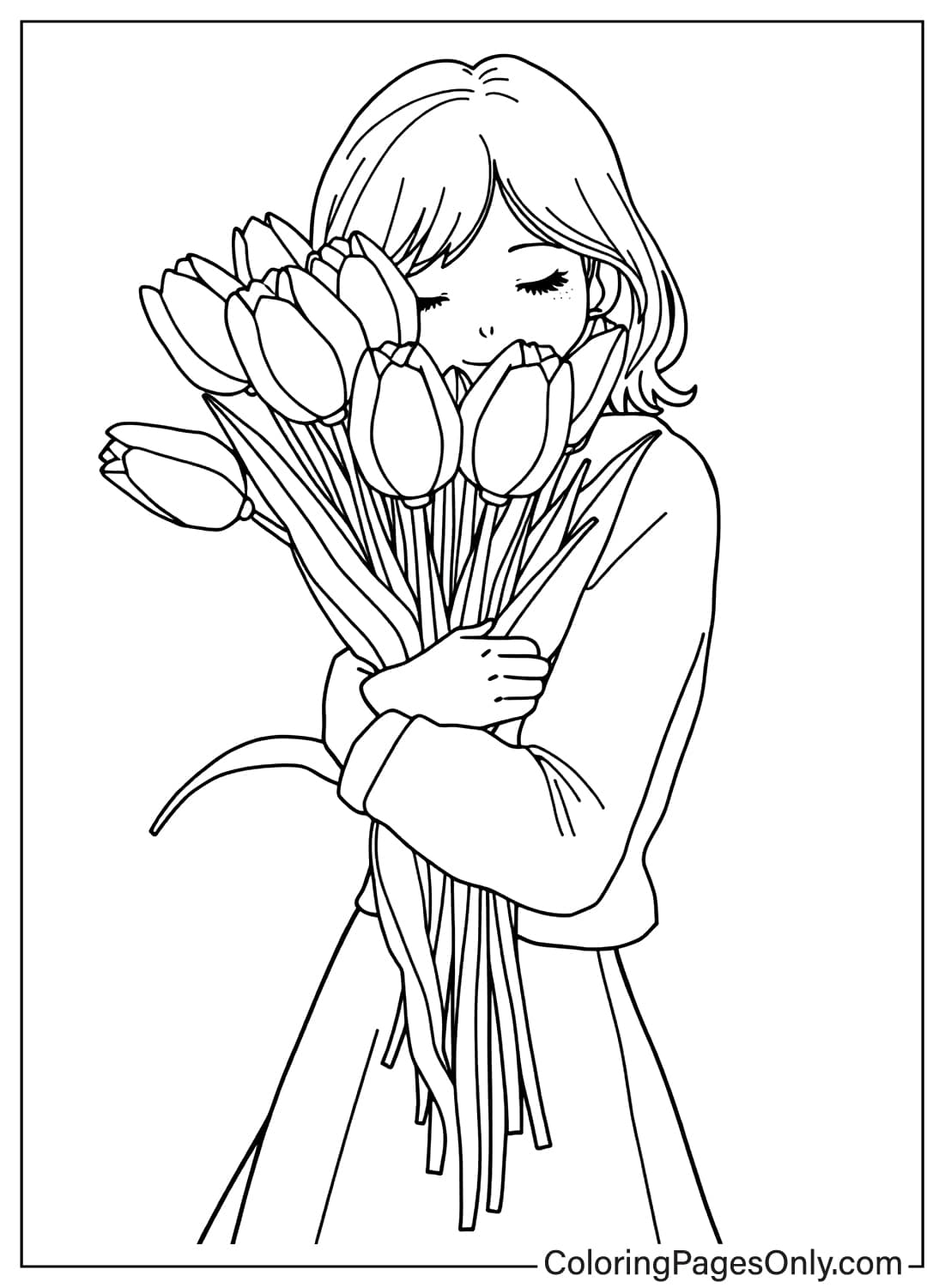
What Is Inside This Collection
The 27 pages fall into a few clear groups, built around simple outlines, artistic bouquets, nature and animal scenes, and holiday and gift pages.
Simple Outlines and Printable Sheets
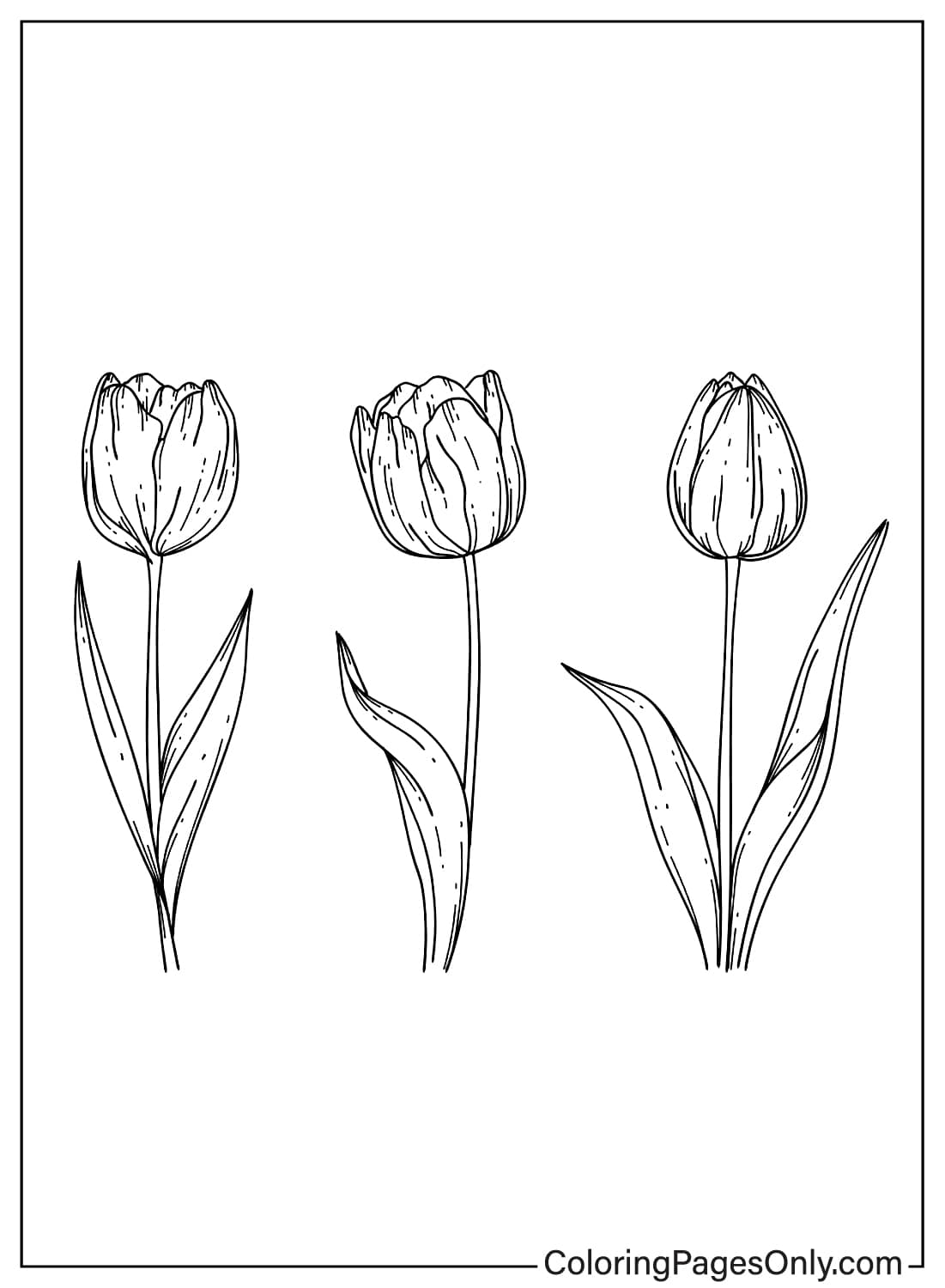
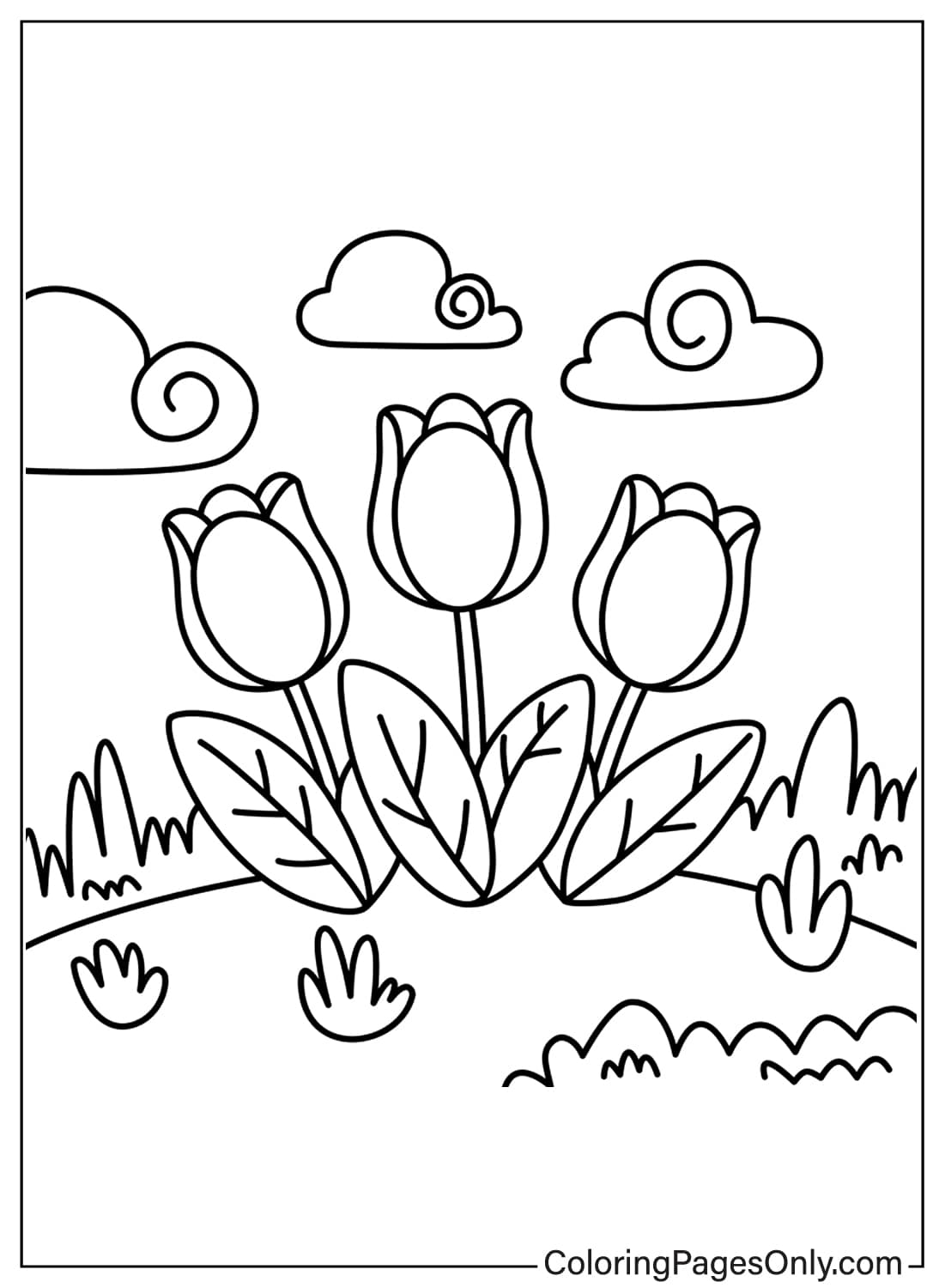
Eight pages are plain, single-tulip outlines or basic printable sheets without much background detail. These work well as a fast classroom handout or a first attempt at a flower shape for a young colorer. A single Pink, Red, or Yellow is enough to complete most of these quickly.
Artistic Bouquets and Patterns
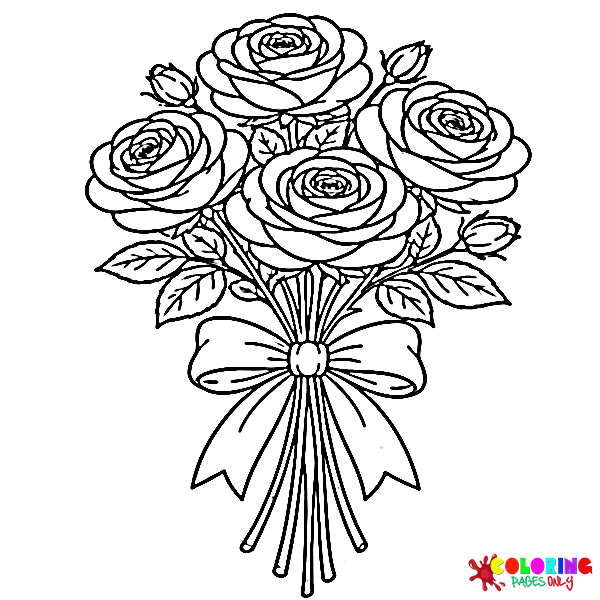
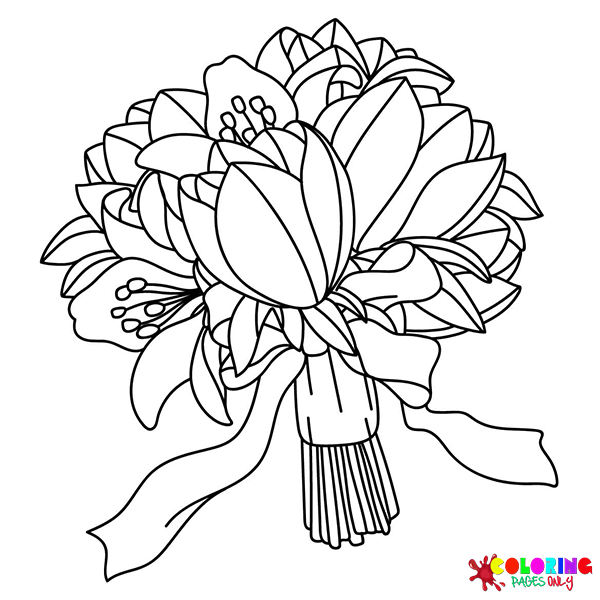
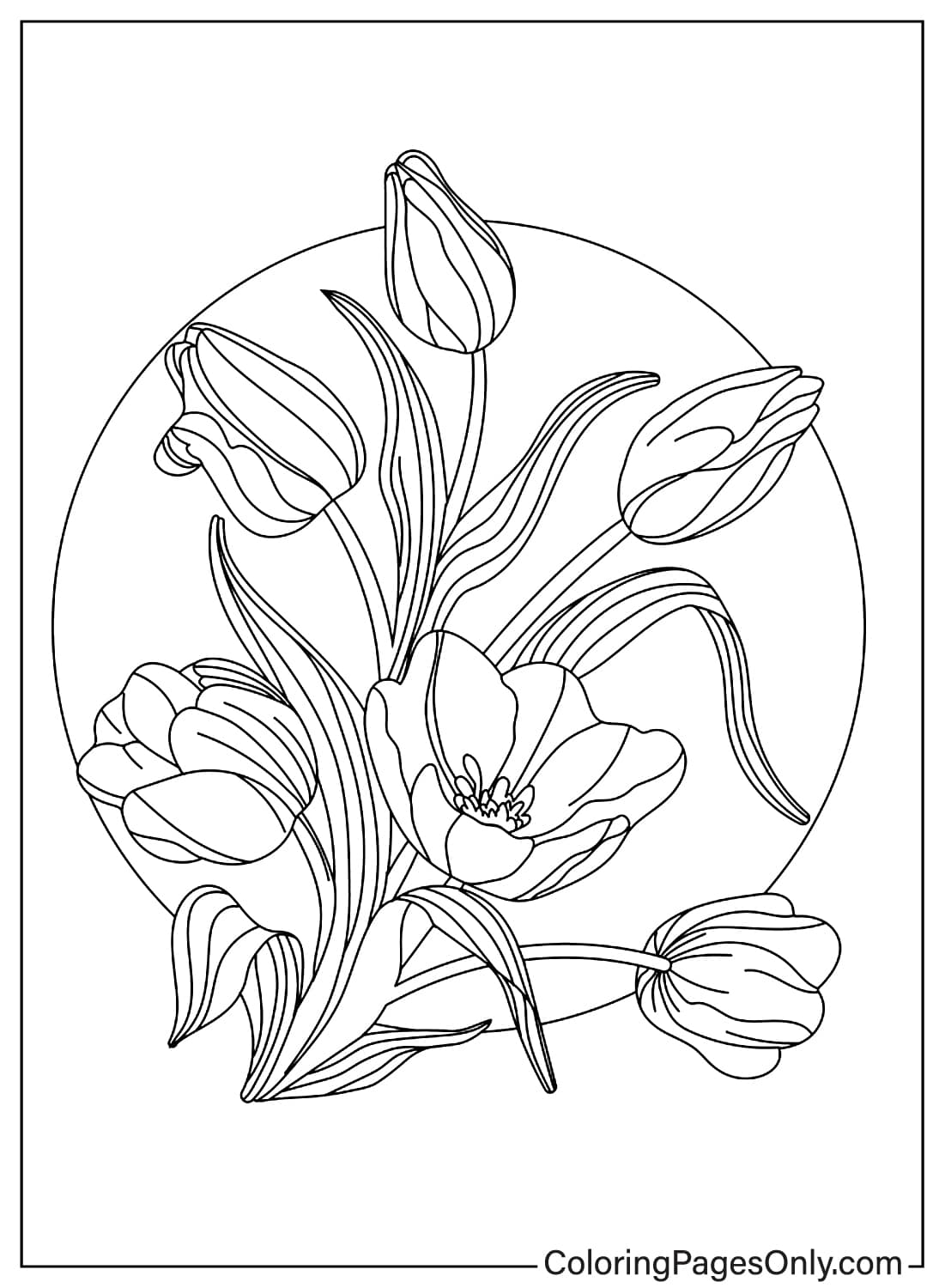
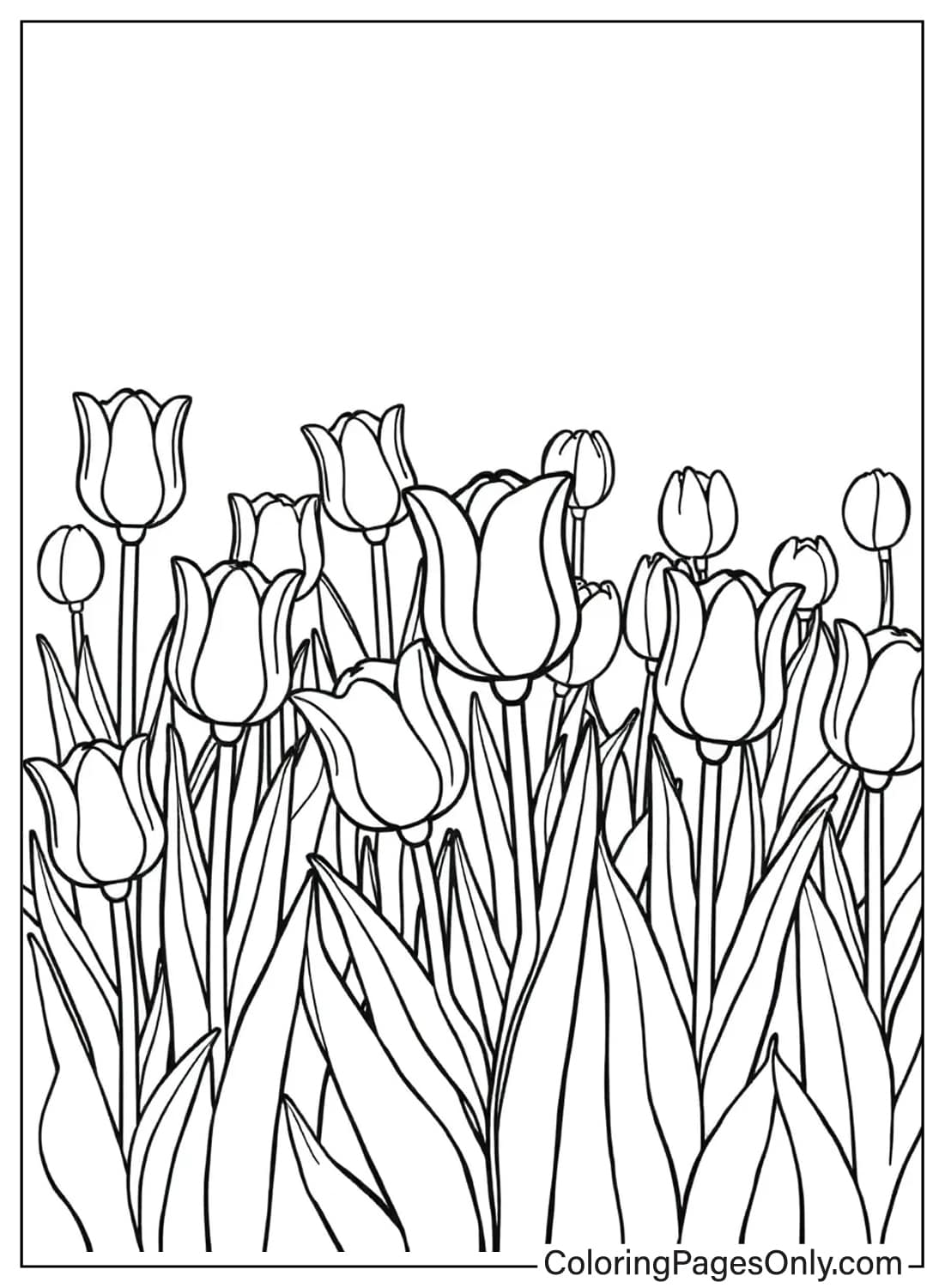
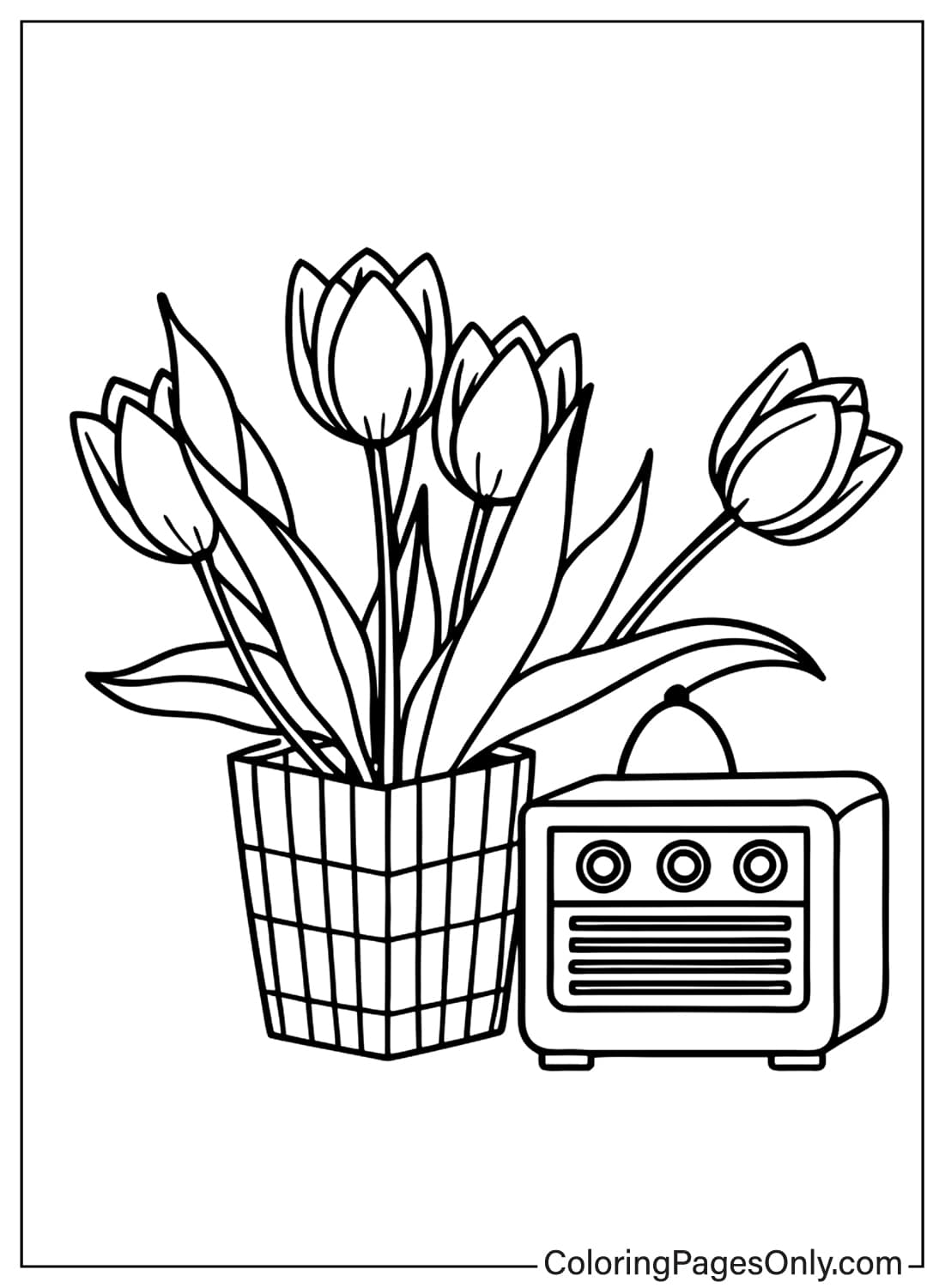
Five pages move past a single flower into fuller bouquets or decorative patterns with more petals and layout to manage. These reward a more varied palette, since a bouquet reads better with two or three tulip colors mixed than one repeated shade.
Nature and Animal Scenes
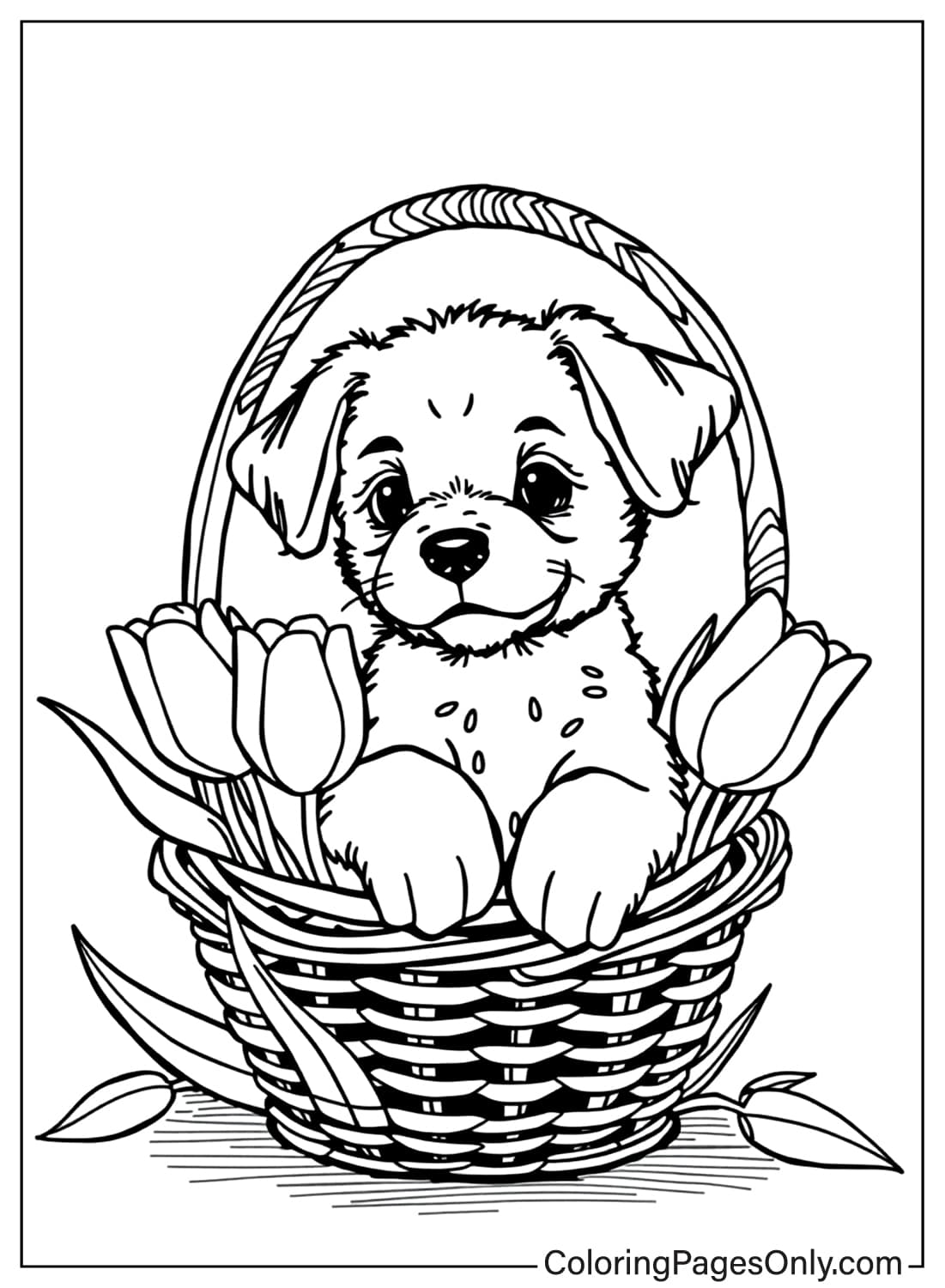
Six pages place a tulip alongside another element of nature: a butterfly, a rainbow, sunshine, or a puppy holding a tulip in its mouth. These pages ask for a second subject to be colored accurately alongside the flower itself.
Holiday, Gift, and People Scenes
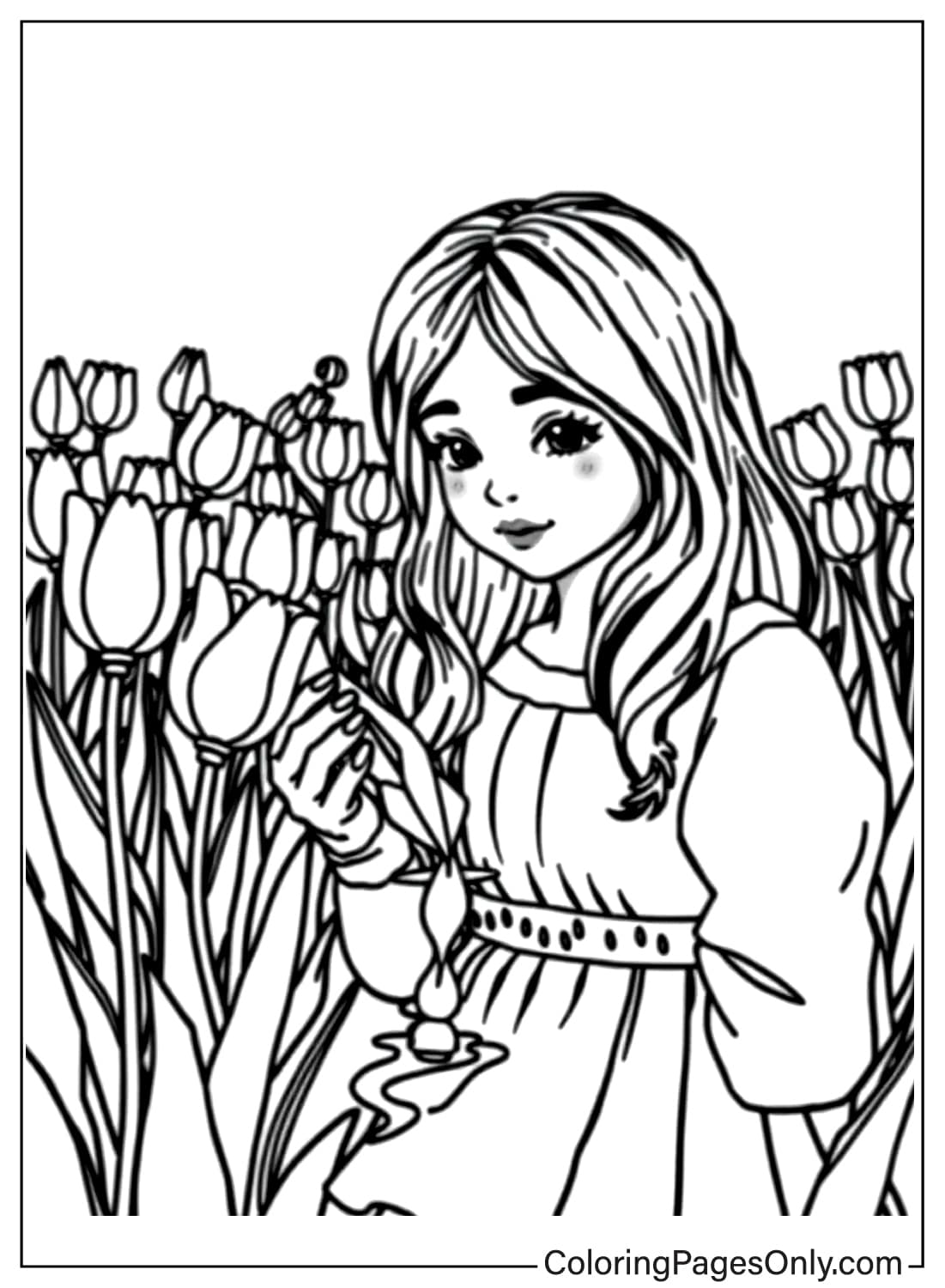
Eight pages tie tulips to a specific occasion or scene: a Mother’s Day card, an Easter design, a Valentine’s arrangement, a girl holding a tulip, or a child planting one in the ground. These pages carry the most narrative detail in the set.
What Tulip Coloring Pages Do
A shape simple enough to trust. A tulip’s single smooth petal cup gives a very young colorer a flower shape that does not immediately fall apart if a line gets missed, unlike a rose or daisy with many small overlapping petals to track.
Fine motor development. The stem and leaf edges on a fuller bouquet page still call for the kind of controlled, small-scale coloring the American Academy of Pediatrics ties to hand-strength gains in children ages 2 through 7, even on a page built around an otherwise easy shape.
A flower with an actual economic history. Coloring a tulip is a fair opening to mention that this plain-looking flower once triggered one of the first stock-market-style bubbles in history, when Dutch buyers paid extraordinary sums for rare bulbs in the 1630s, a strange fact for a flower that looks this simple.
Calm through a repeated, low-stakes shape. A 2005 Art Therapy Journal study linked structured coloring to a measurable drop in anxiety, and a tulip’s forgiving, low-detail shape lets that slow, repetitive focus happen without the frustration a more complicated flower might cause a beginner.
How to Color Tulip Coloring Pages Well
- Shade the petal cup, not just the outline: Add a deeper Magenta or Crimson toward the base of the petals and a lighter Pink near the top edge, since real tulip petals shift color subtly from base to tip.
- Keep the stem a true Green, not an afterthought: Color the stem and leaves a clear Forest Green or Sea Green rather than leaving them thin and pale, since the stem carries real visual weight on a simple tulip page.
- Vary colors across a bouquet: Use two or three different tulip colors, Pink, Yellow, and Purple, across a bouquet page rather than repeating one shade, since a real bouquet rarely uses a single color.
- Give a second subject its own accurate color: On pages with a butterfly or puppy, color that second subject in its own realistic palette rather than matching it to the tulip, so both elements stay visually distinct.
- Match holiday pages to their occasion’s colors: Lean toward Pink and Red for Valentine’s or Mother’s Day tulips, and Pastel Yellow or Lavender for Easter tulips, so the page’s palette matches the occasion it represents.
- Keep the background light: On the simpler outline pages, a light or white background lets the tulip’s own color stand out, rather than competing with a busy or dark backdrop.
5 Creative Craft Ideas With Tulip Coloring Pages
1. Mother’s Day Card. Materials: a colored tulip page, folded cardstock, scissors, and glue. Trim the colored page to fit the card front, glue it in place, and write a message inside for a Mother’s Day or spring card.
2. Tulip Bookmark Set. Materials: two or three colored tulip pages, scissors, clear contact paper, and a hole punch. Cut each colored page into a bookmark-sized strip, cover both sides with contact paper, and punch a hole for a ribbon.
3. Spring Wall Display. Materials: several colored tulip pages, scissors, and tape or poster putty. Cut out and arrange the colored tulips together on a wall or bulletin board to build a simple spring display.
4. Flower Coloring Booklet. Materials: several colored tulip pages, a hole punch, and string or binder rings. Punch matching holes along one edge of each colored page and bind them together into a small flower-themed booklet.
5. Planted Tulip Diorama. Materials: a colored tulip page, scissors, glue, and a small box or planter shape cut from cardstock. Cut out the colored tulip, glue it standing upright inside the cutout planter, and display it as a small paper garden scene.
Frequently Asked Questions
What are tulip coloring pages?
Tulip coloring pages are printable designs featuring simple outlines, artistic bouquets, nature scenes, and pages tied to spring holidays. This collection includes 27 free designs available as printable PDFs or online coloring pages.
Where do tulips originally come from?
Tulips are native to Central Asia and were first widely cultivated in the Ottoman Empire, where the flower’s name comes from the Turkish and Persian word for turban.
How did tulips reach the Netherlands?
Botanist Carolus Clusius planted some of the first tulips in the Netherlands at Leiden’s botanical garden in the early 1590s, after receiving bulbs originally connected to Ottoman diplomatic gifts.
What was tulip mania?
Tulip mania was a period in the 1630s when Dutch buyers paid extraordinarily high prices for rare tulip bulbs. This speculative bubble collapsed in 1637 and is widely considered the first recorded market bubble in history.
What colors work best for a tulip petal?
Real tulip petals often shift from a deeper Magenta or Crimson near the base to a lighter Pink near the tip, and a clear Forest Green works well for the stem and leaves.
Are tulip coloring pages suitable for young children?
Yes. The simple single-tulip outlines suit ages 3 and 4, since the flower’s smooth shape is forgiving for a first attempt. The bouquet and multi-element scenes, with more detail, suit ages 5 and up.
Can these pages be downloaded or printed without an account?
Yes. Every page can be downloaded or printed directly with no account, email, or payment required.
Are there tulip pages tied to specific holidays?
Yes. The collection includes pages built around Valentine’s Day, Easter, and Mother’s Day, alongside general spring-themed designs.
Start Coloring
Download any page by clicking the design. No account, email, or payment is required. Pages print directly from the browser at full resolution or open in the online coloring tool for screen use. Share finished pages on Facebook or Pinterest with the share buttons at the top of each design page.