
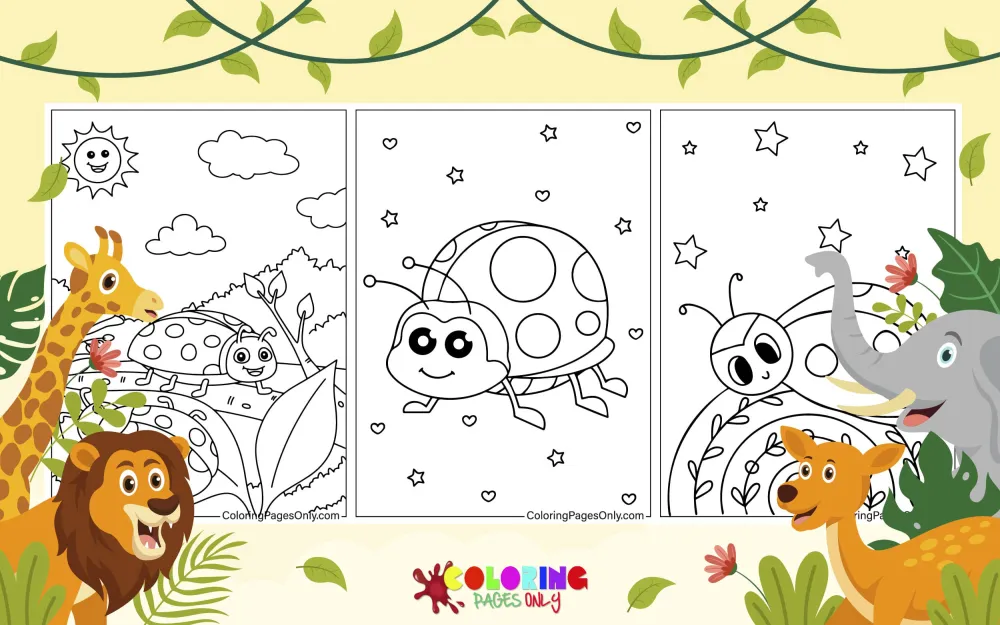
Free Ladybug Coloring Pages: 33 printable PDF designs featuring ladybugs in garden scenes, cute cartoon characters, and dot-to-dot and tracing activity sheets. Each page can be downloaded as a PDF to print or colored online in the browser.
Ladybugs belong to the beetle family Coccinellidae, which includes more than 6,000 species found around the world. Their bright red or orange color paired with black spots is a warning signal to predators known as aposematic coloration, backed up by a defense called reflex bleeding, where a ladybug releases a bitter, foul-smelling fluid from its leg joints when threatened. Despite their small size, ladybugs are considered highly beneficial in gardens, since a single ladybug can eat thousands of aphids over its lifetime, making it a natural form of pest control for farmers and gardeners alike.
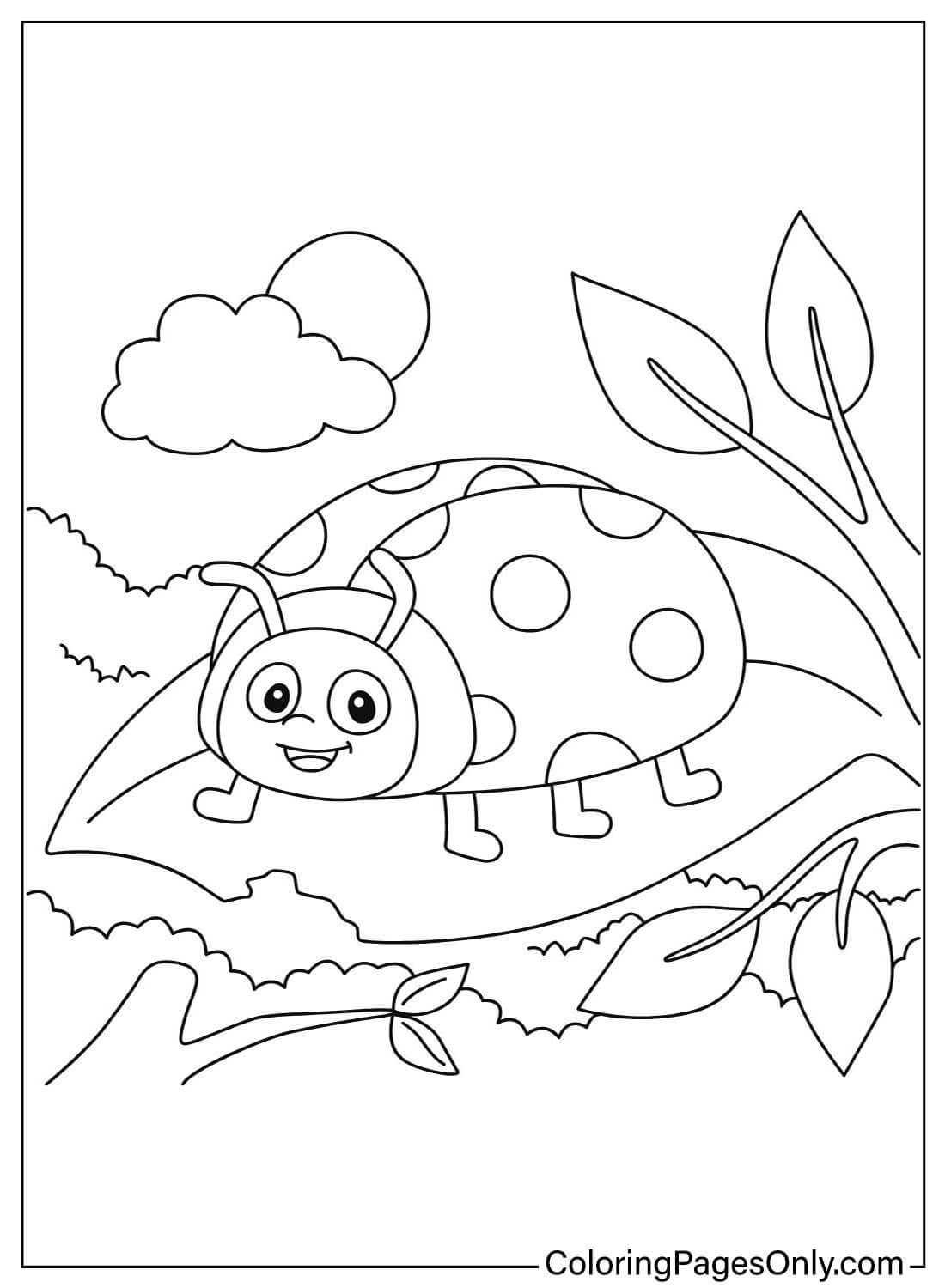
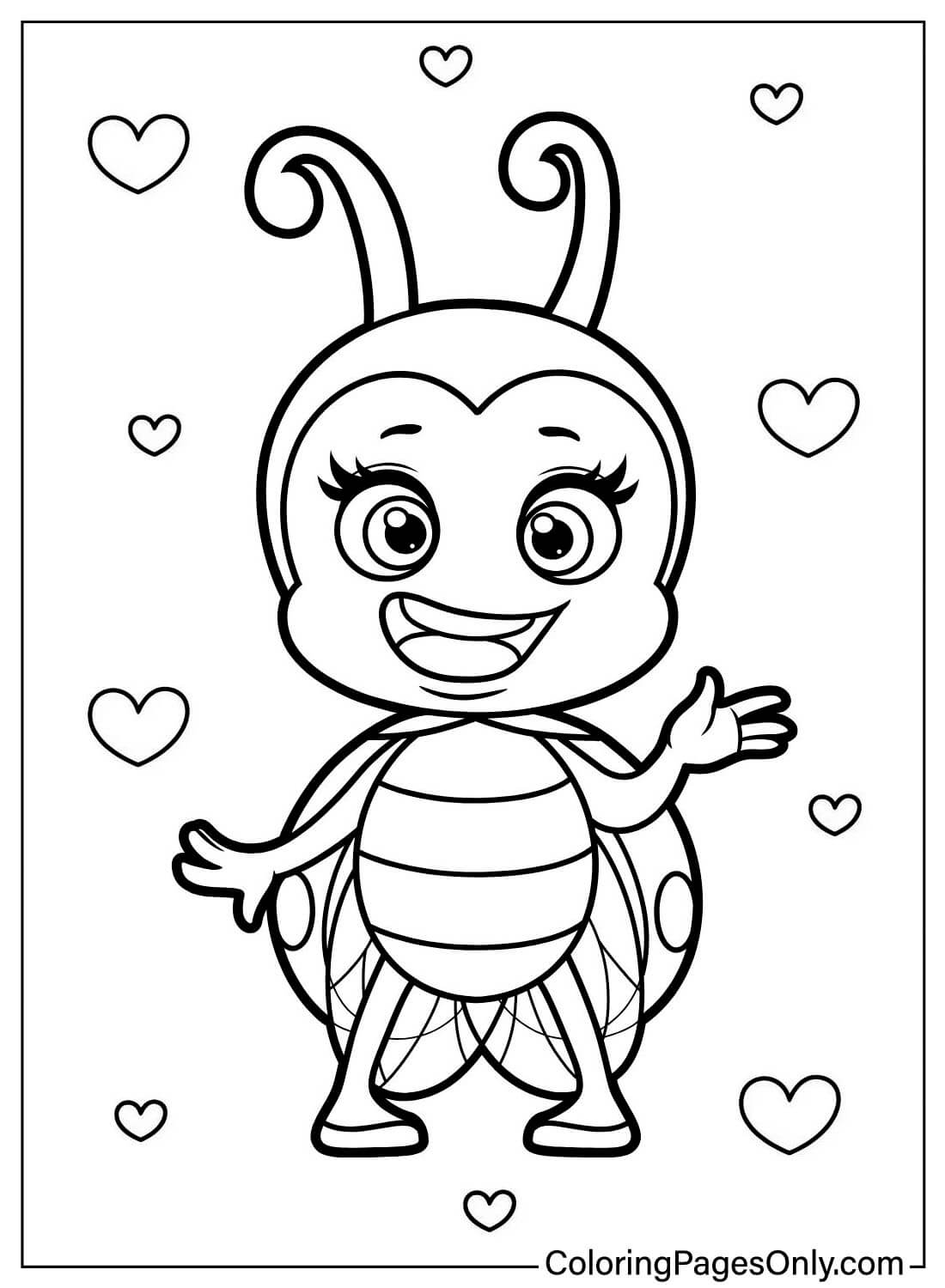
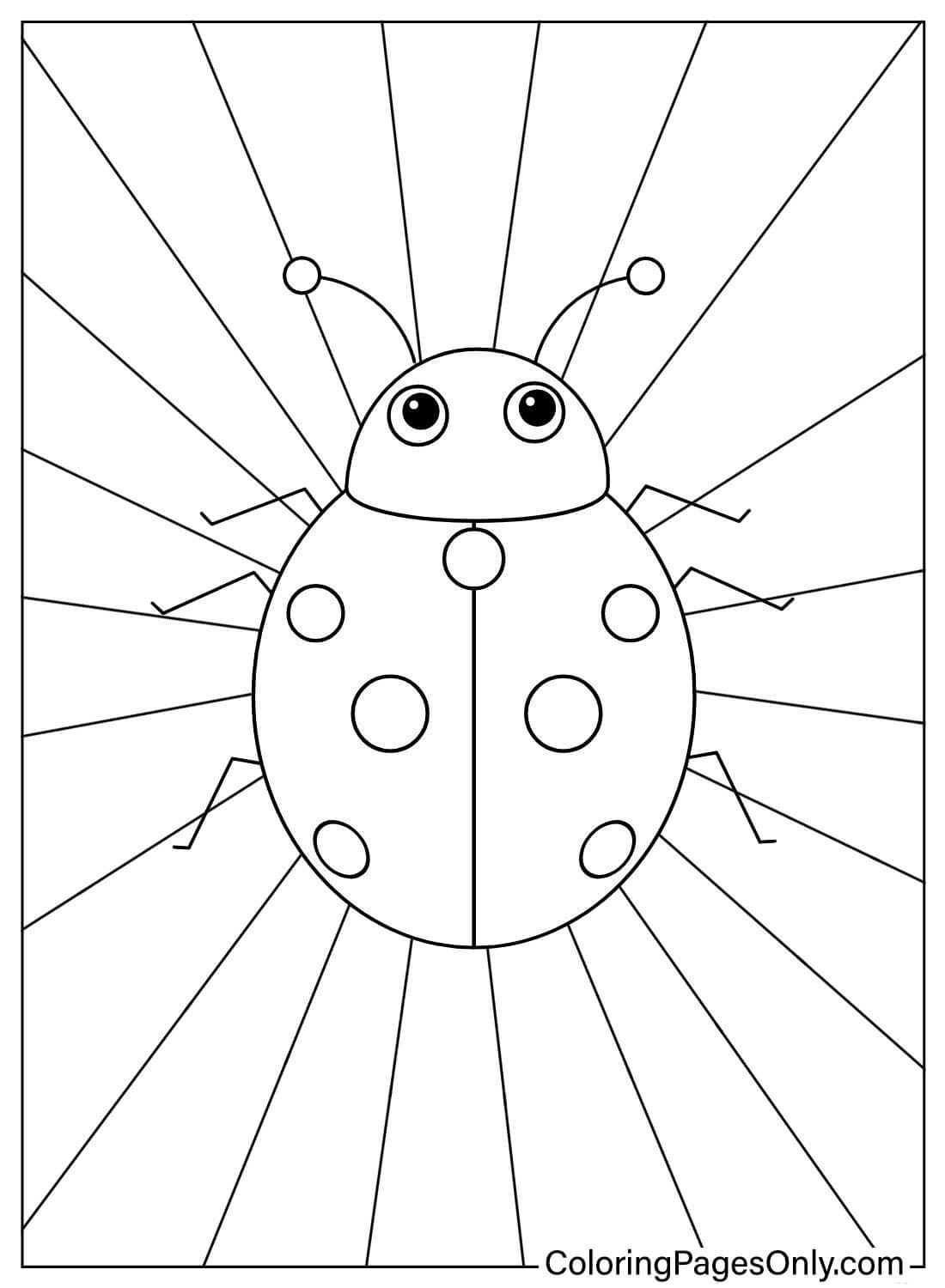
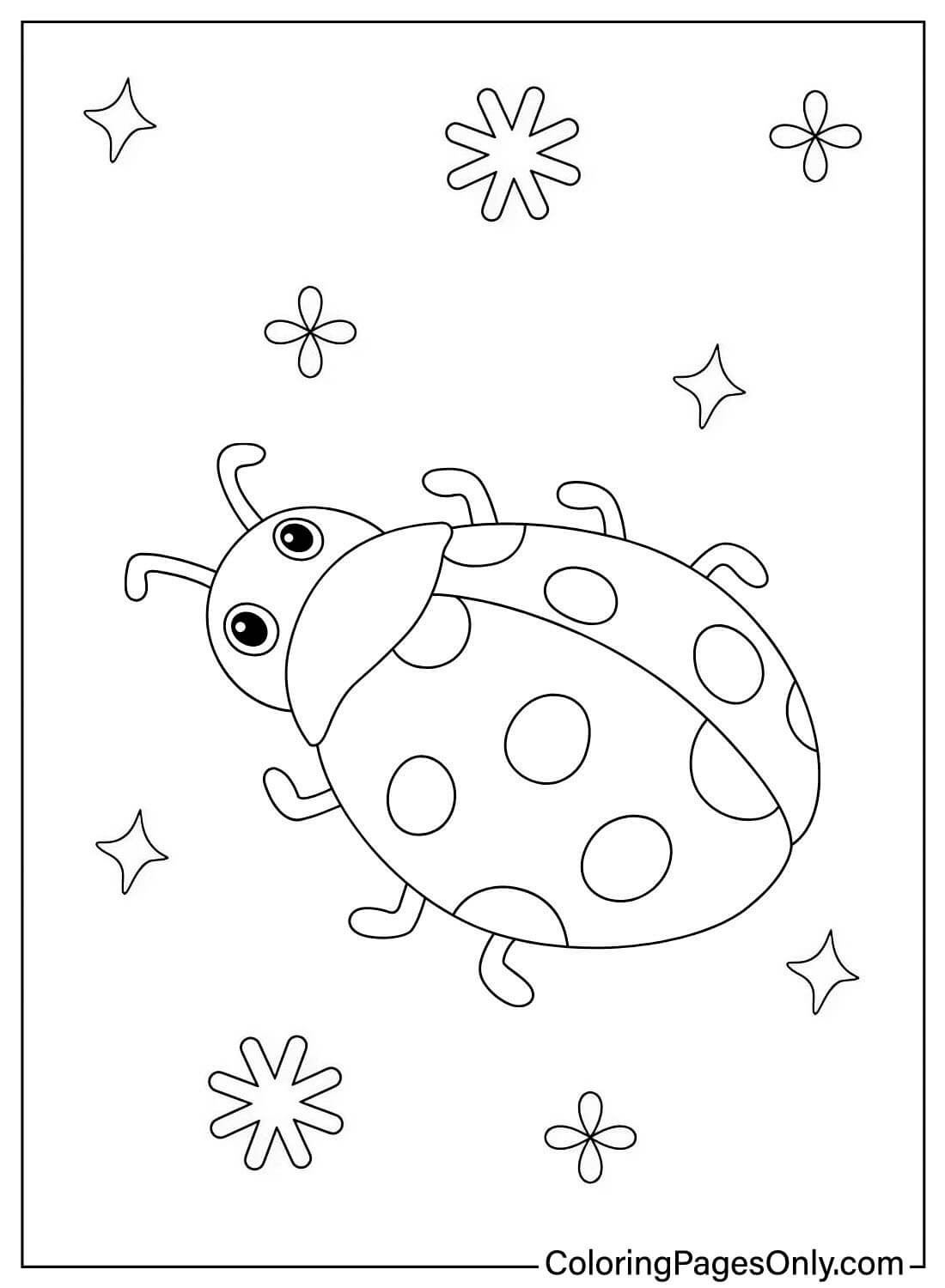
This collection spans 33 pages, split between ladybugs in nature scenes, character and crossover scenes, learning and activity pages, and cute portraits and printable sheets. The coloring angle ranges from simple, standalone ladybug shapes to busier garden scenes.
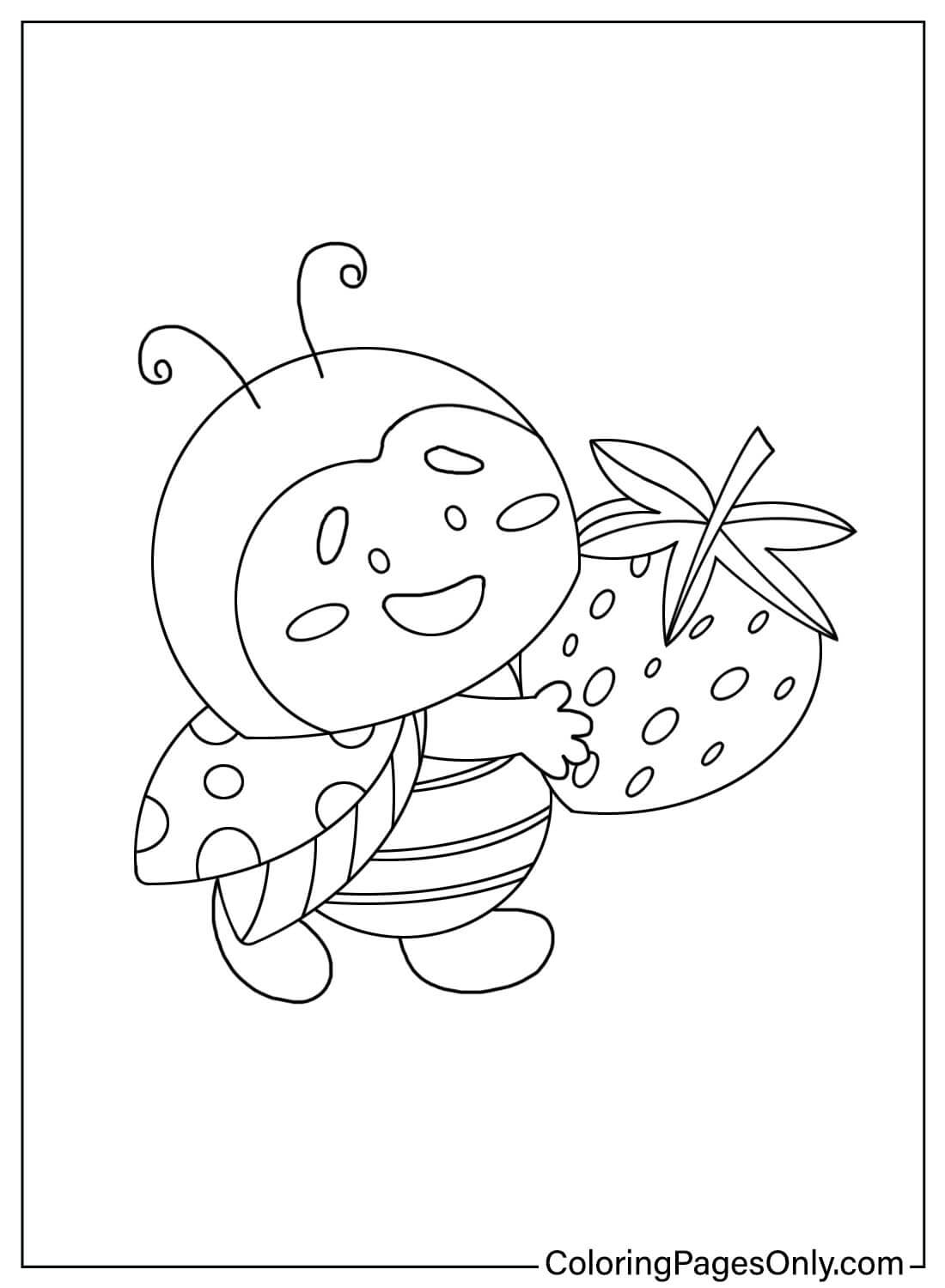
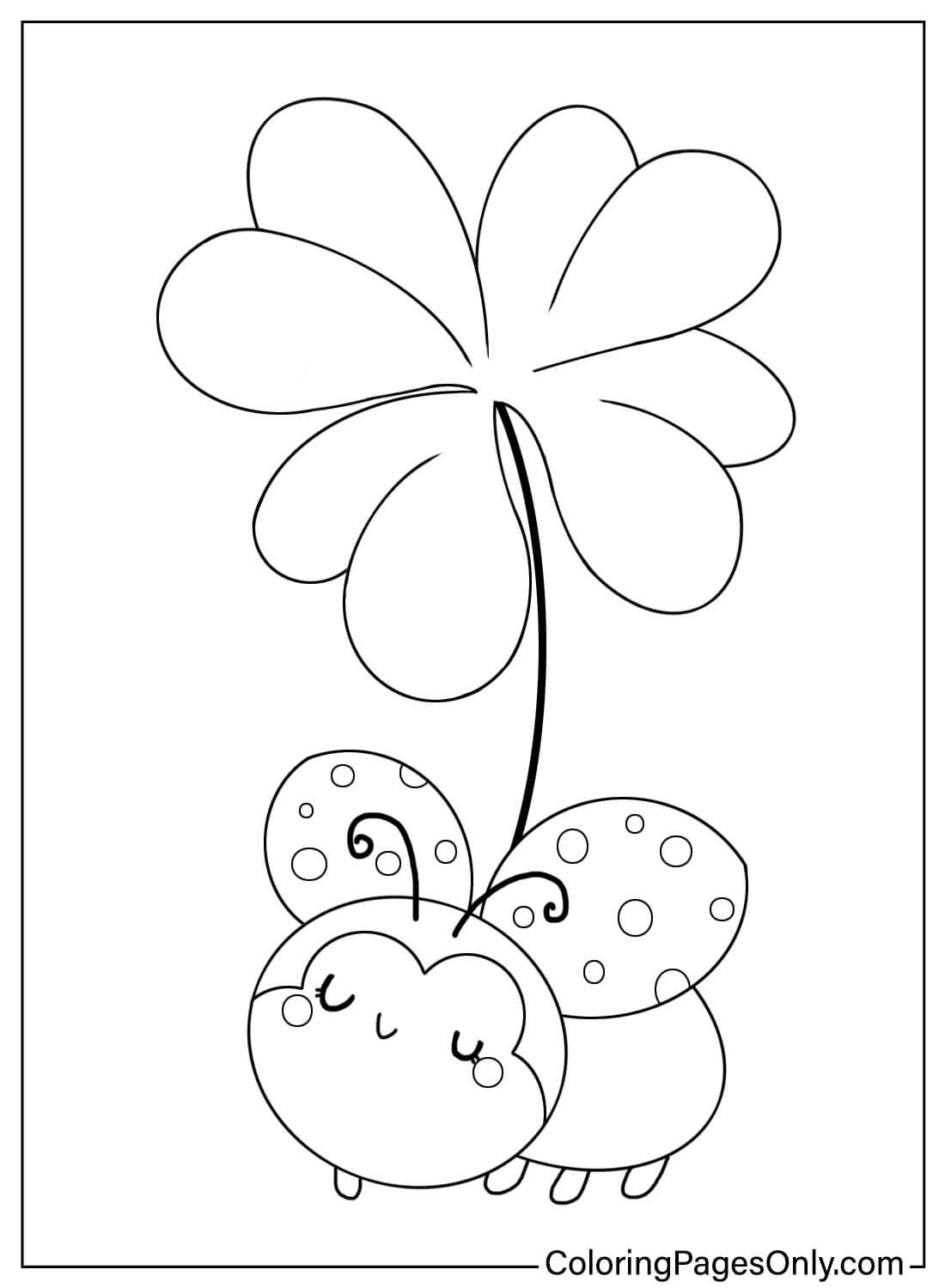
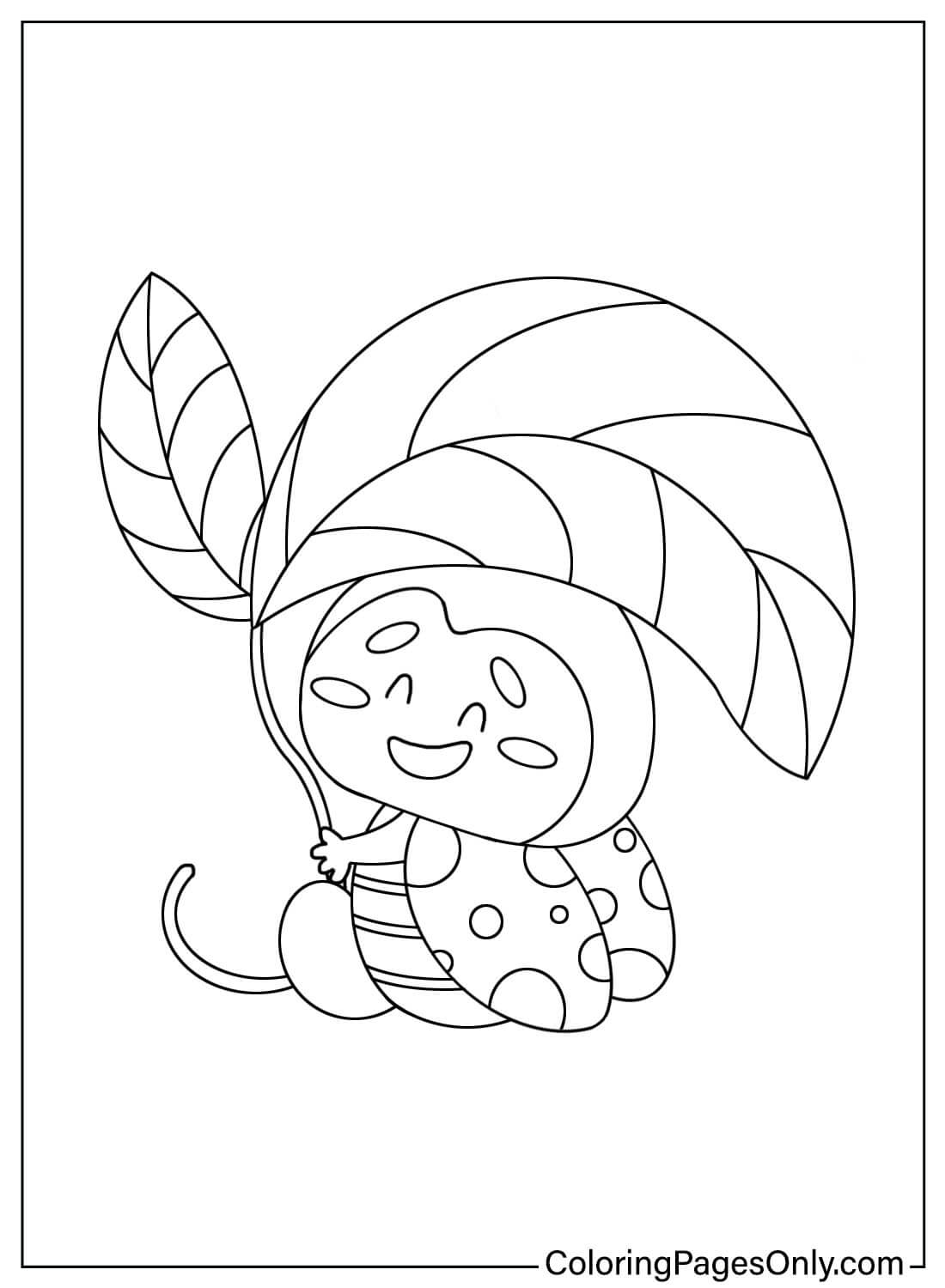
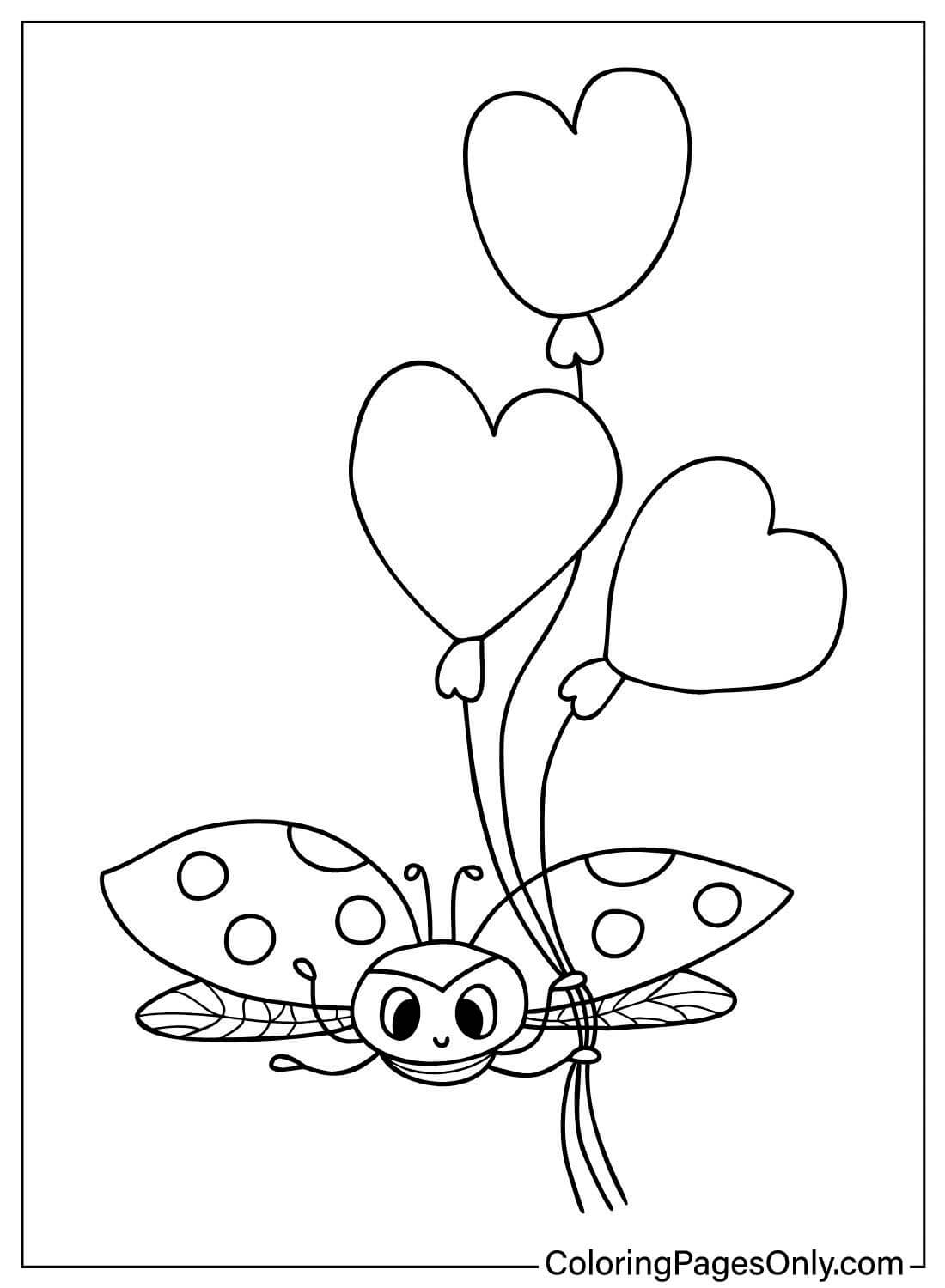
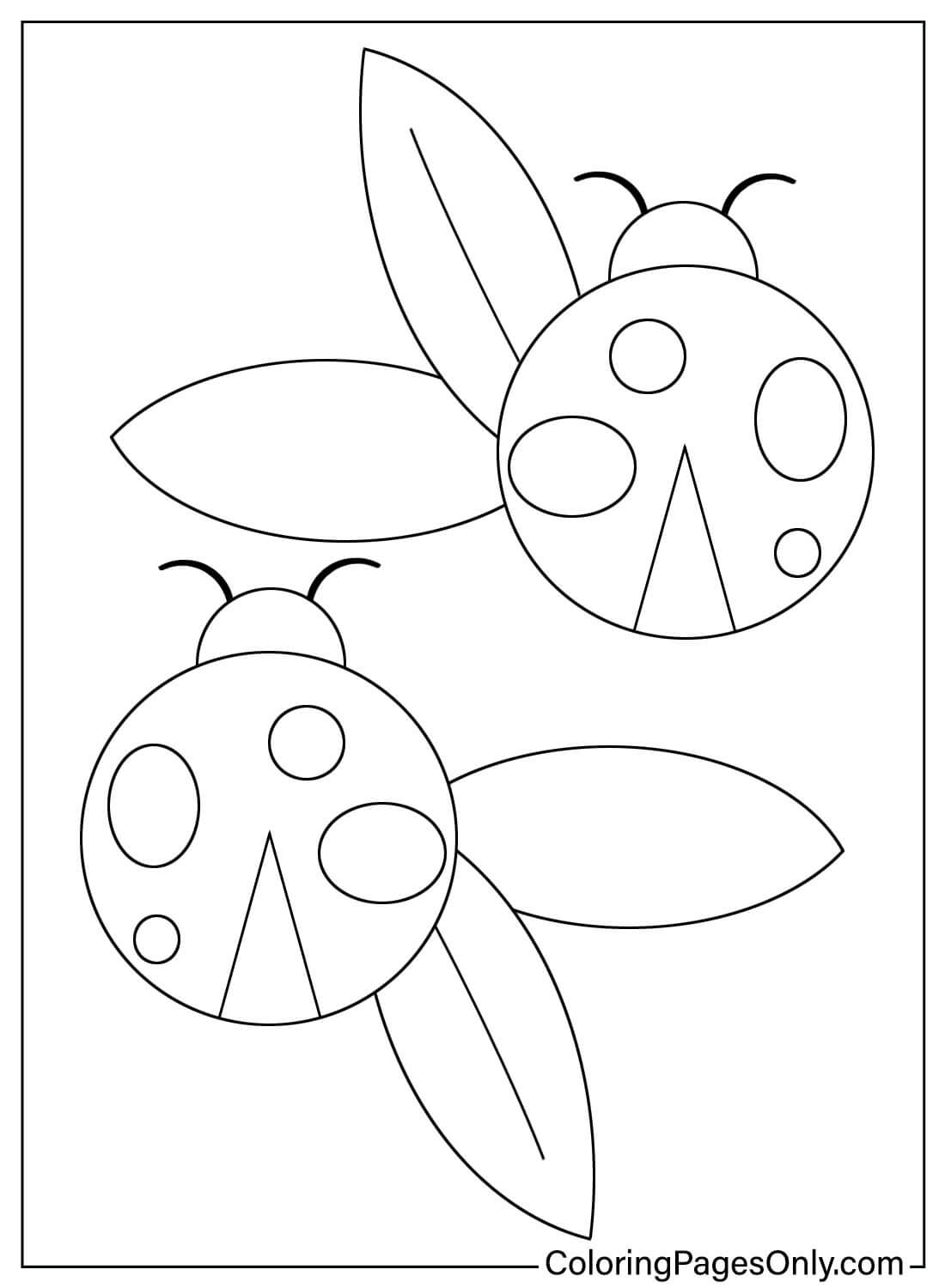
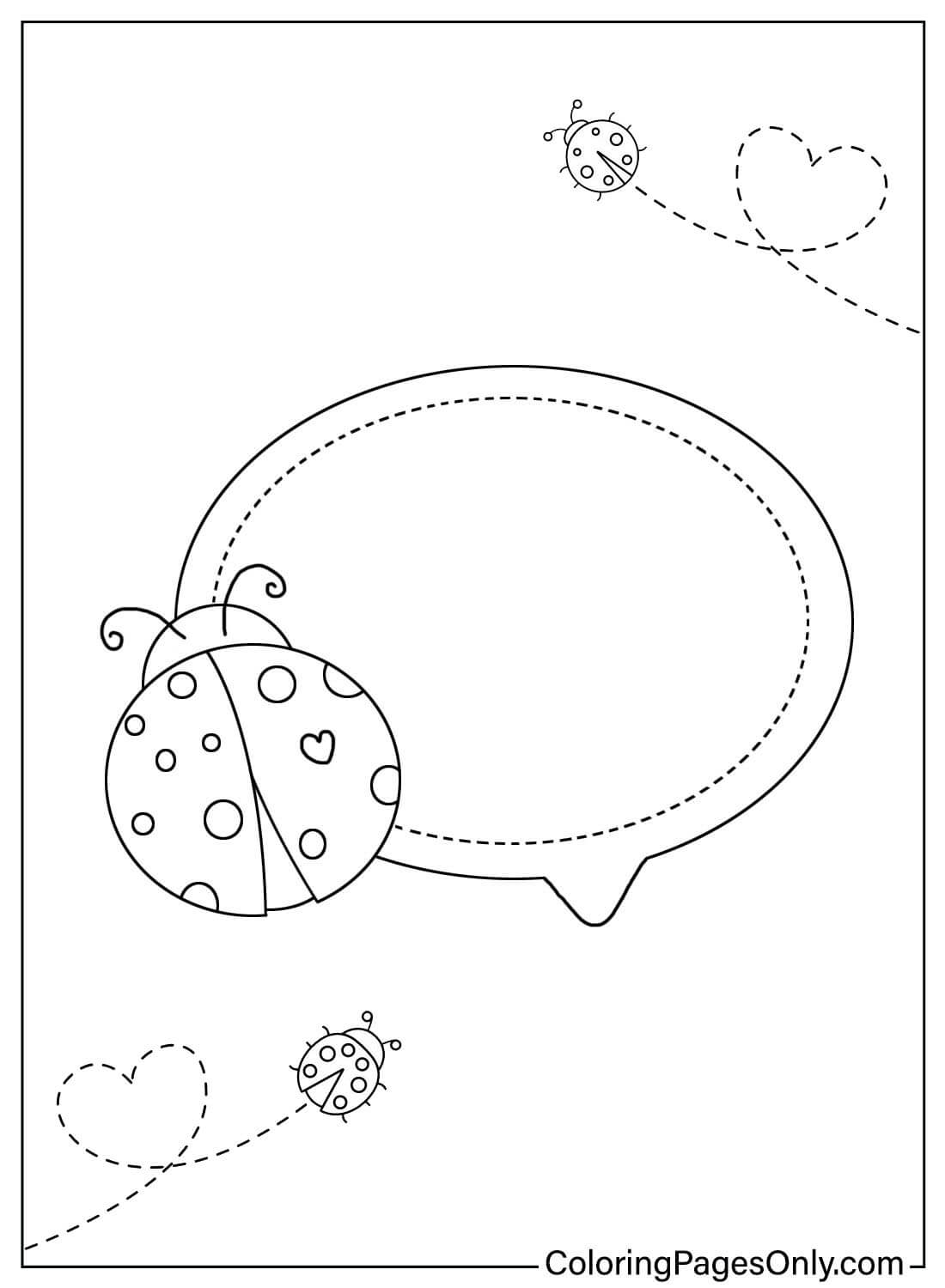
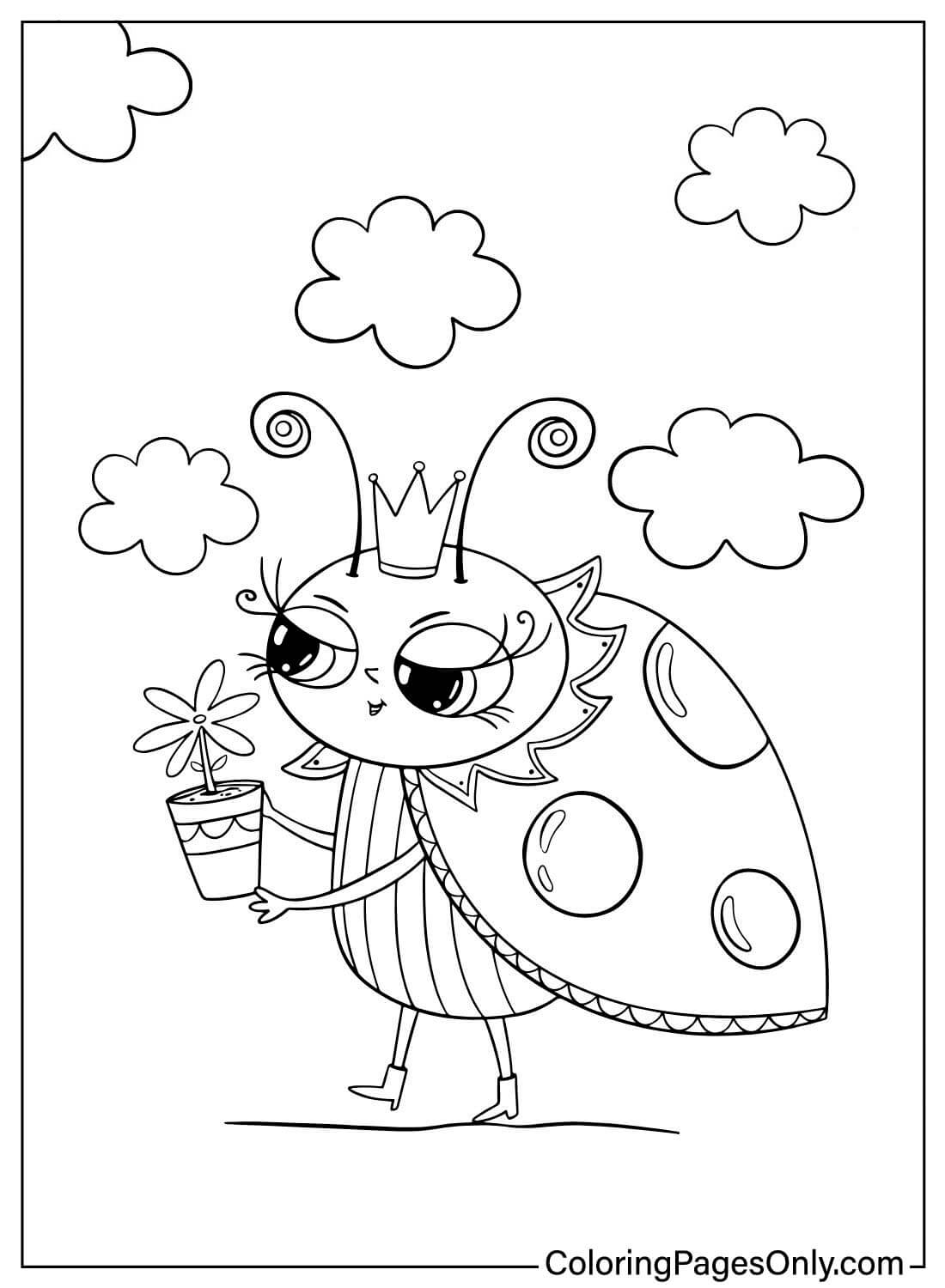
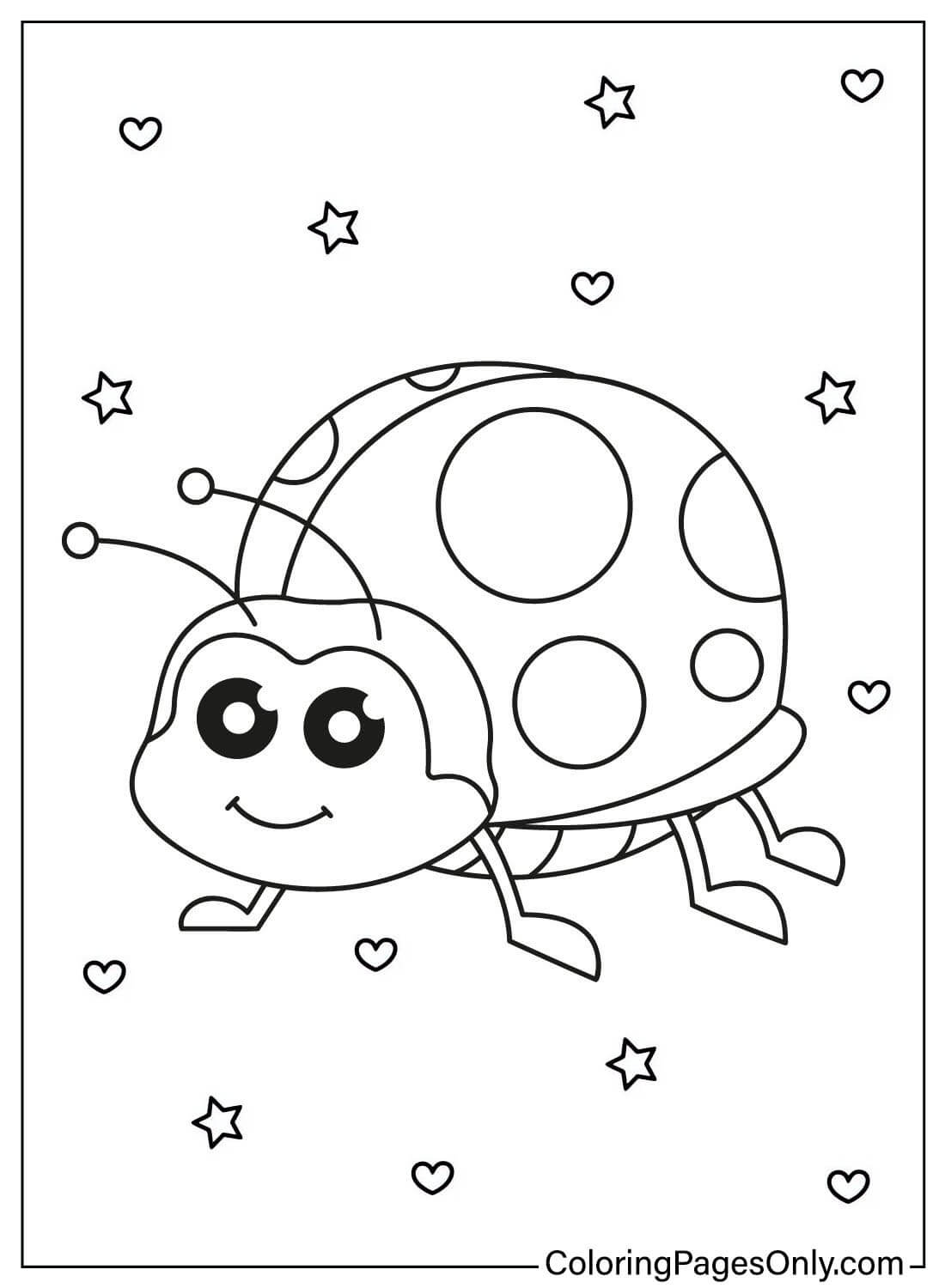
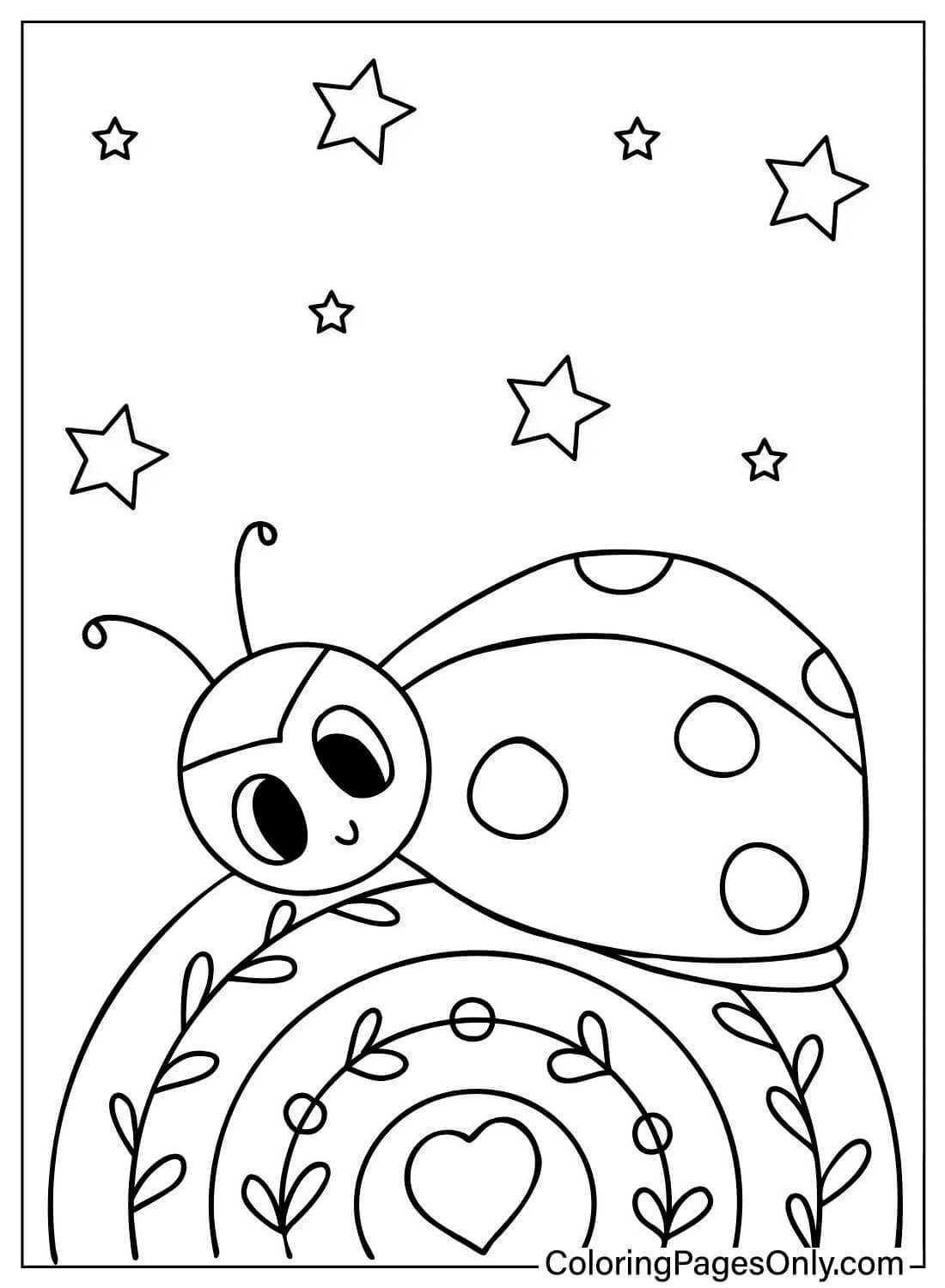
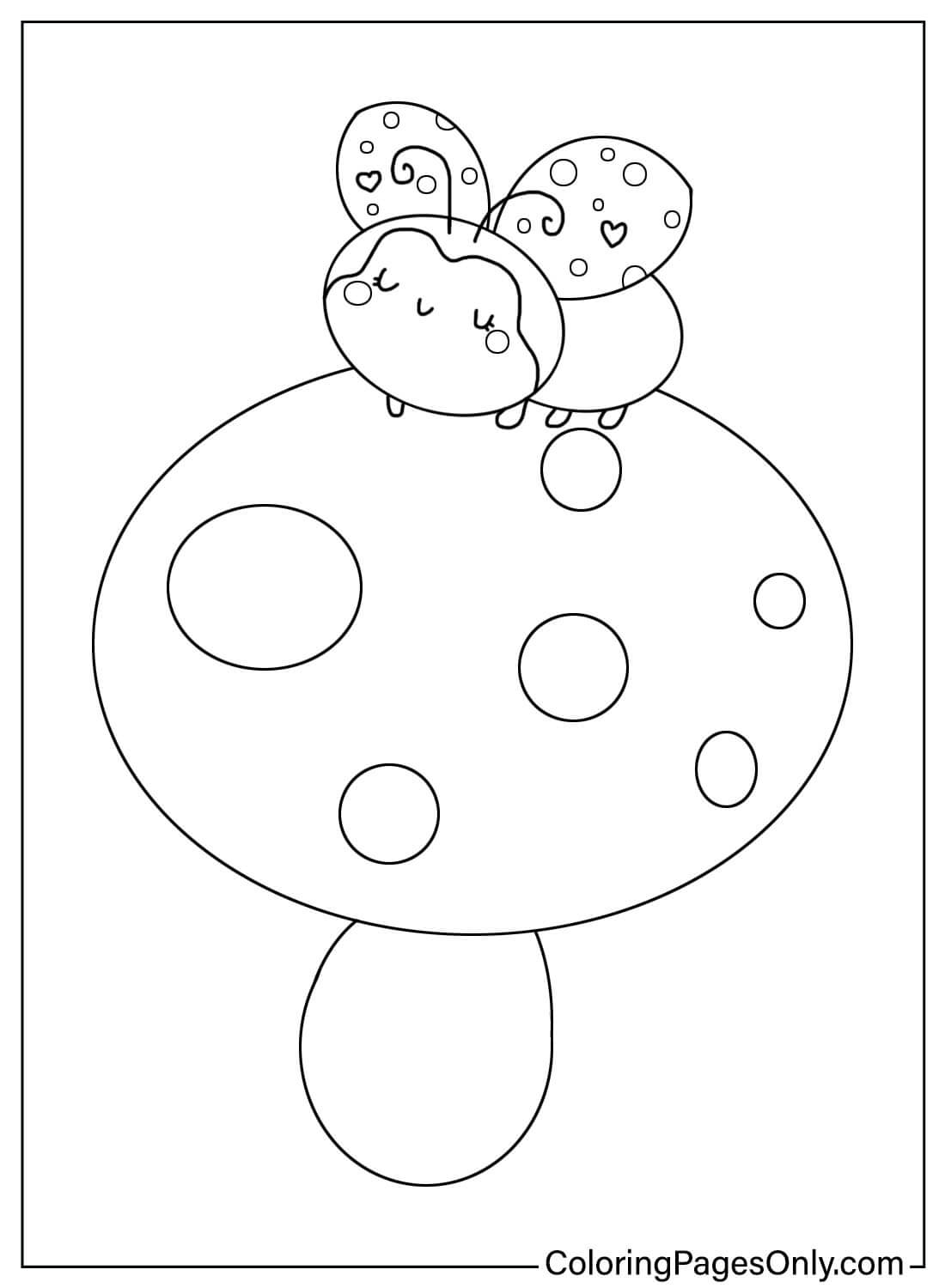
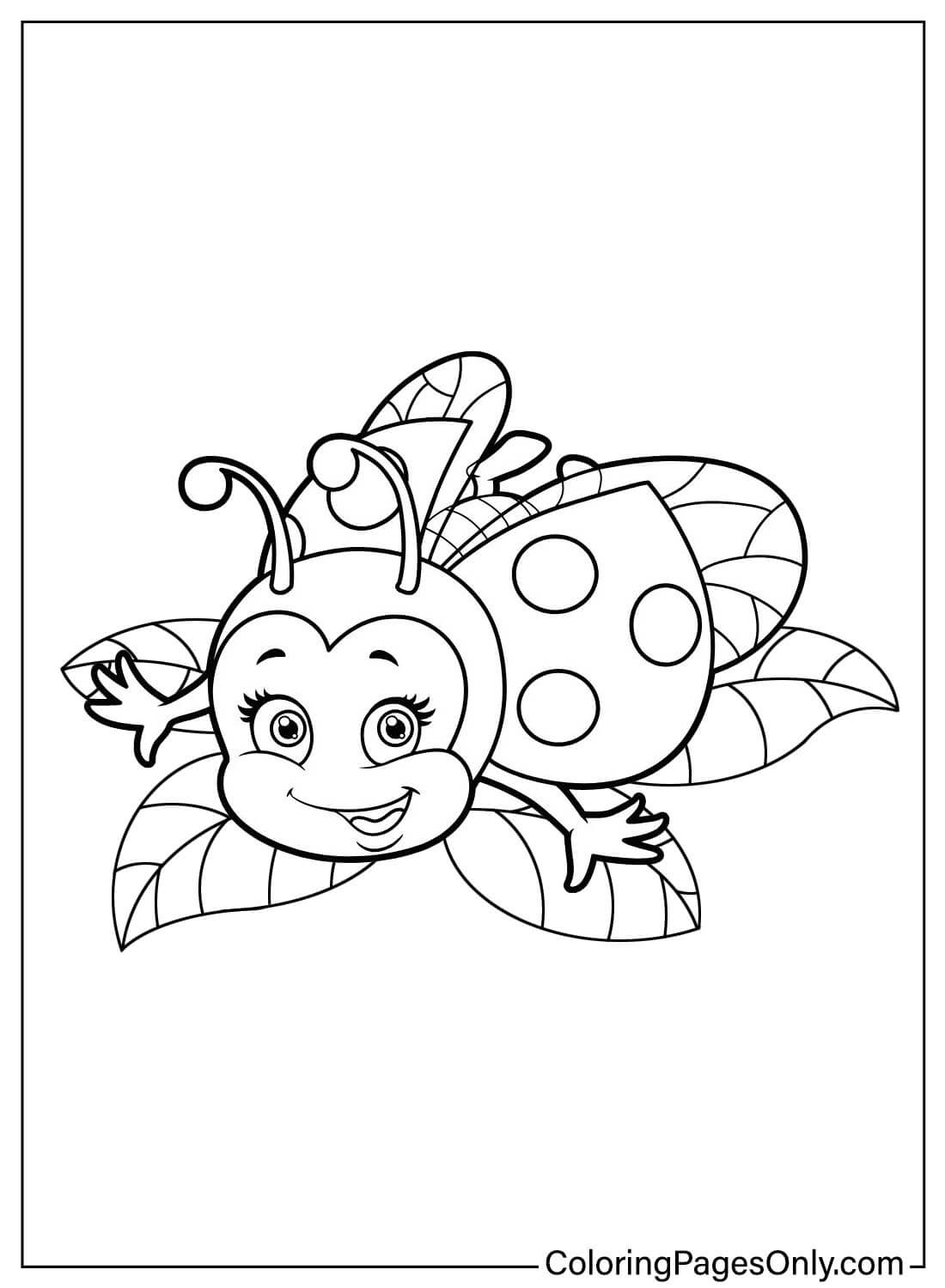
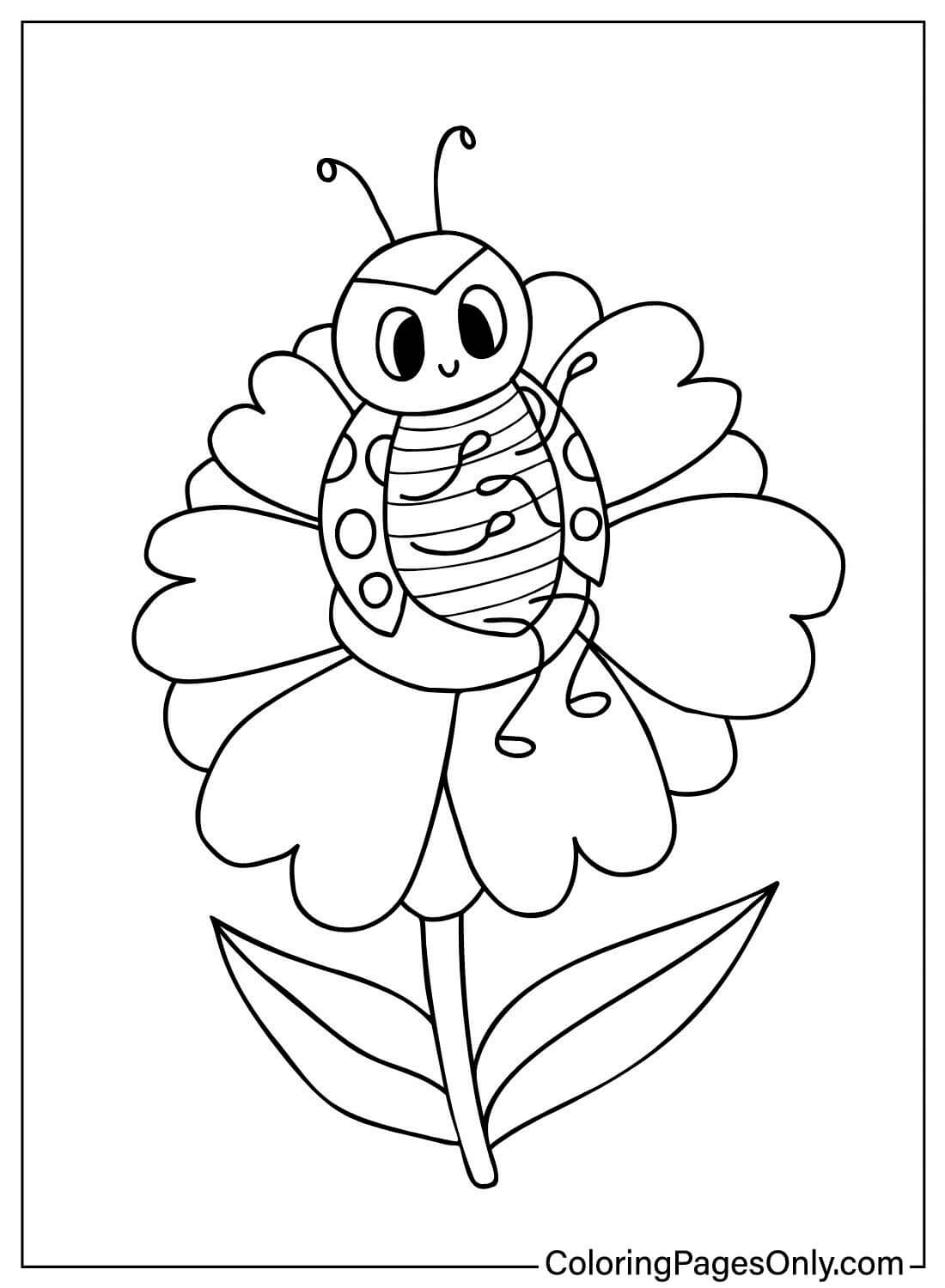
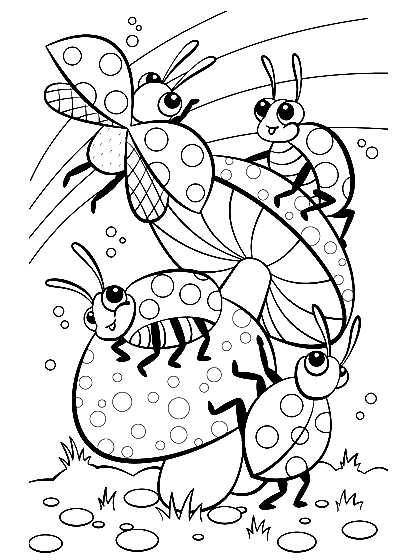
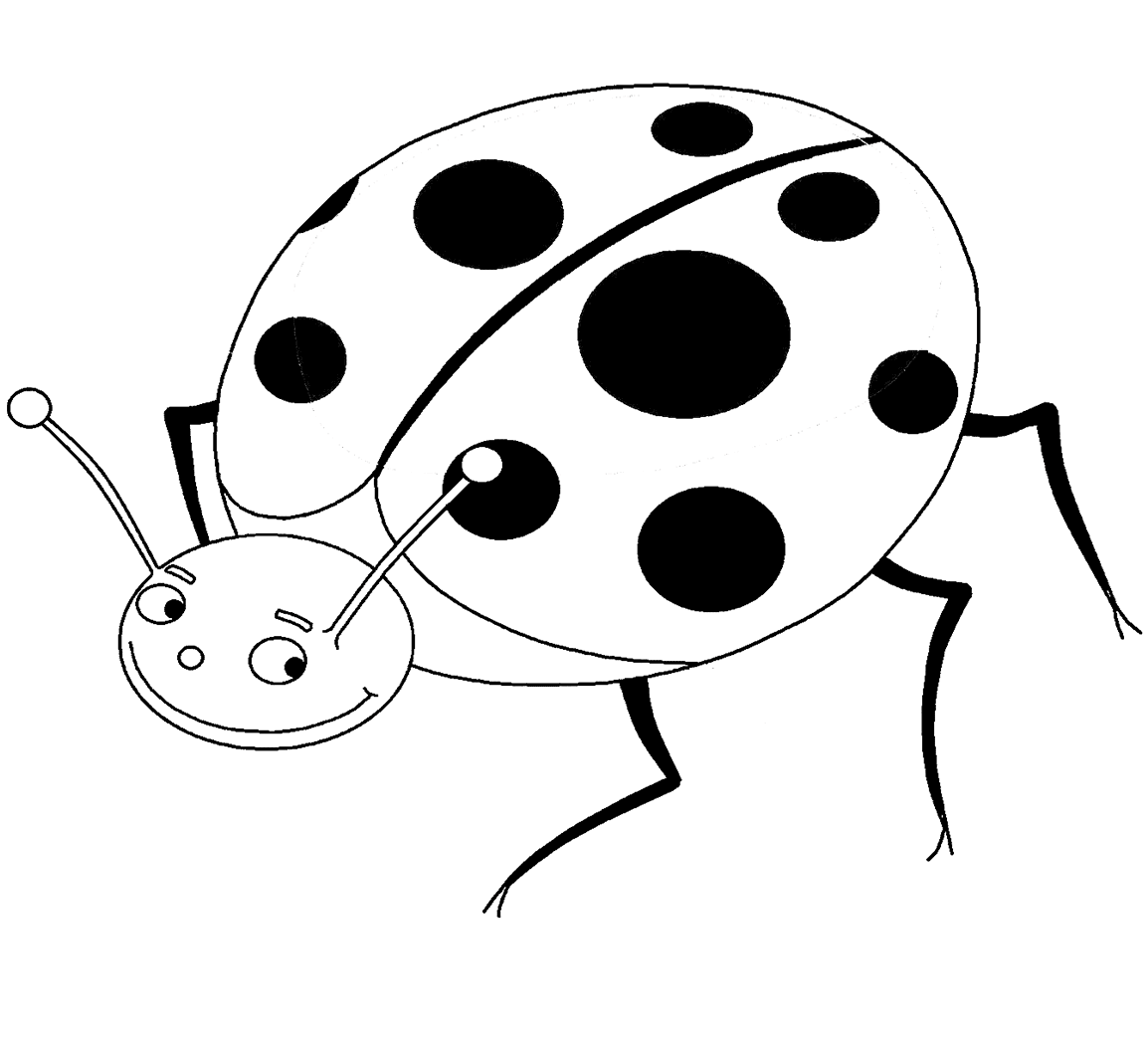

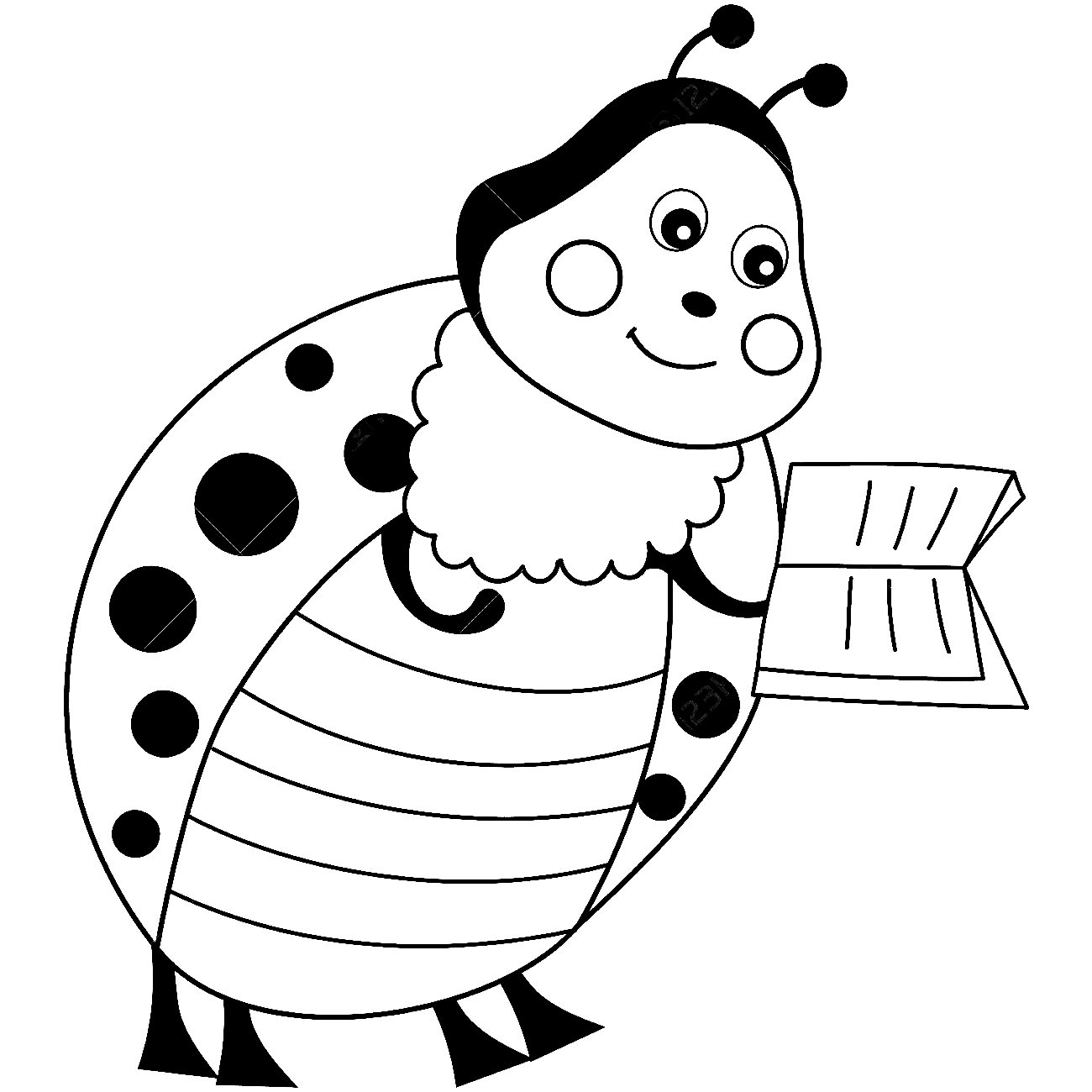
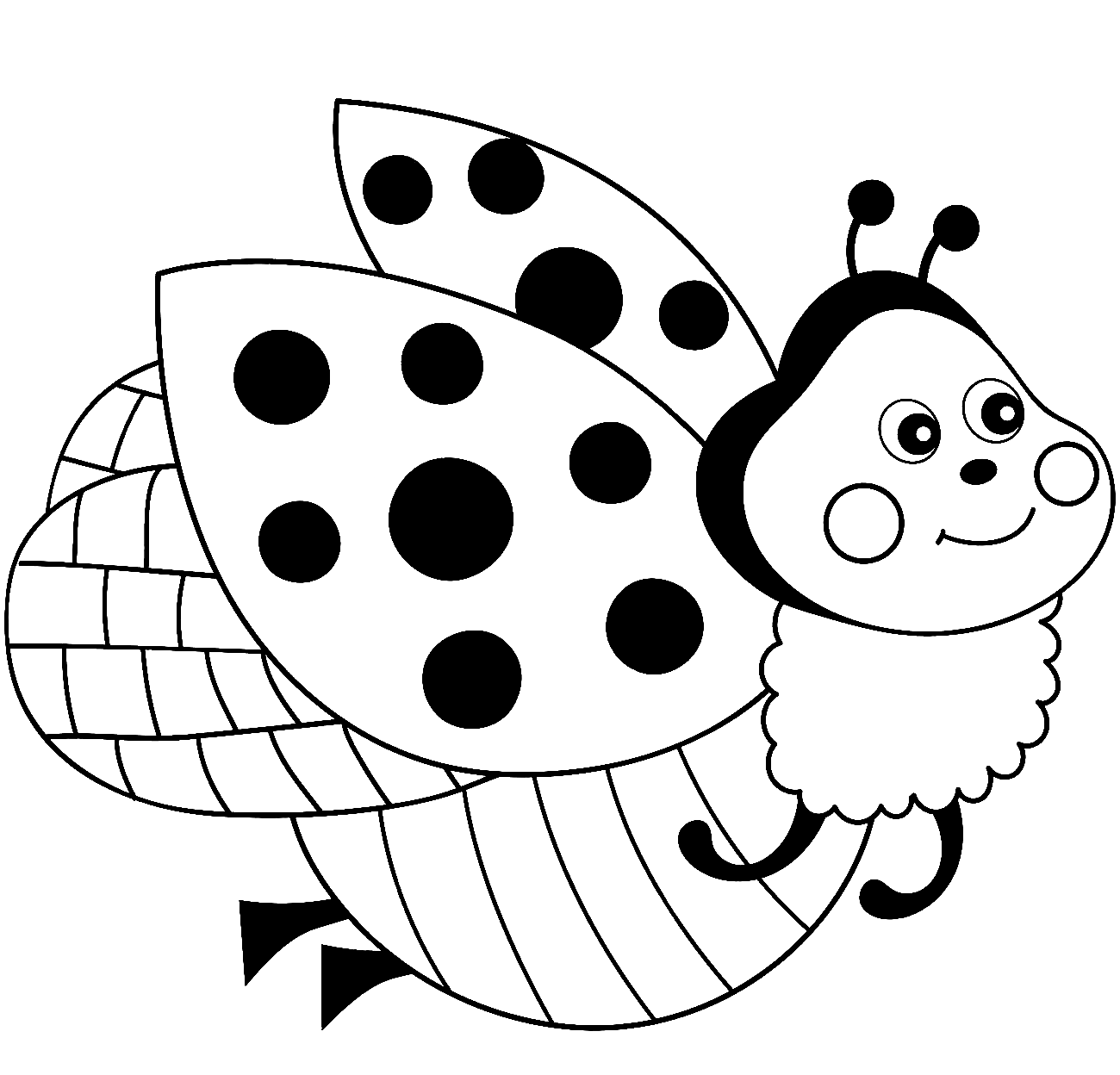
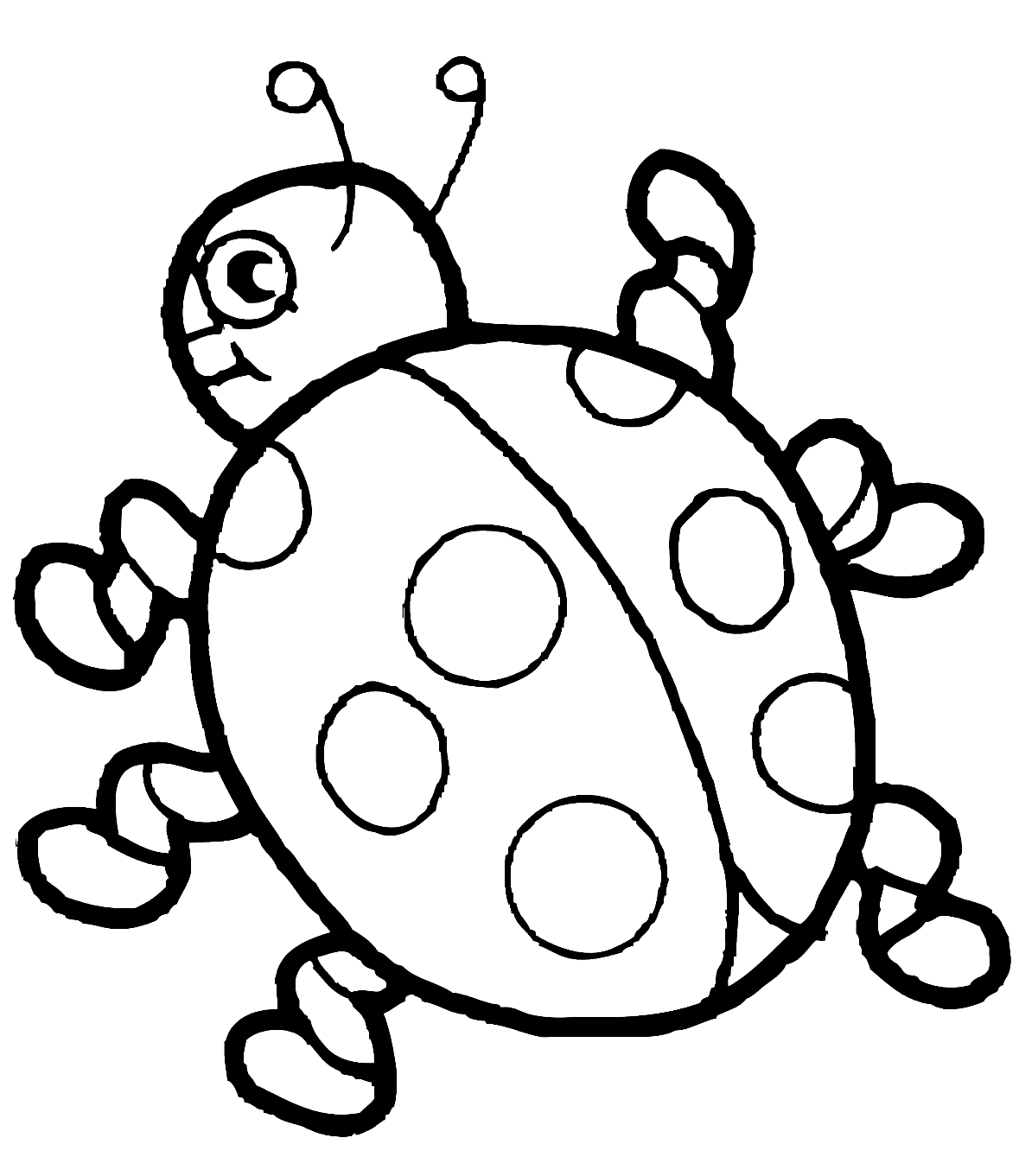

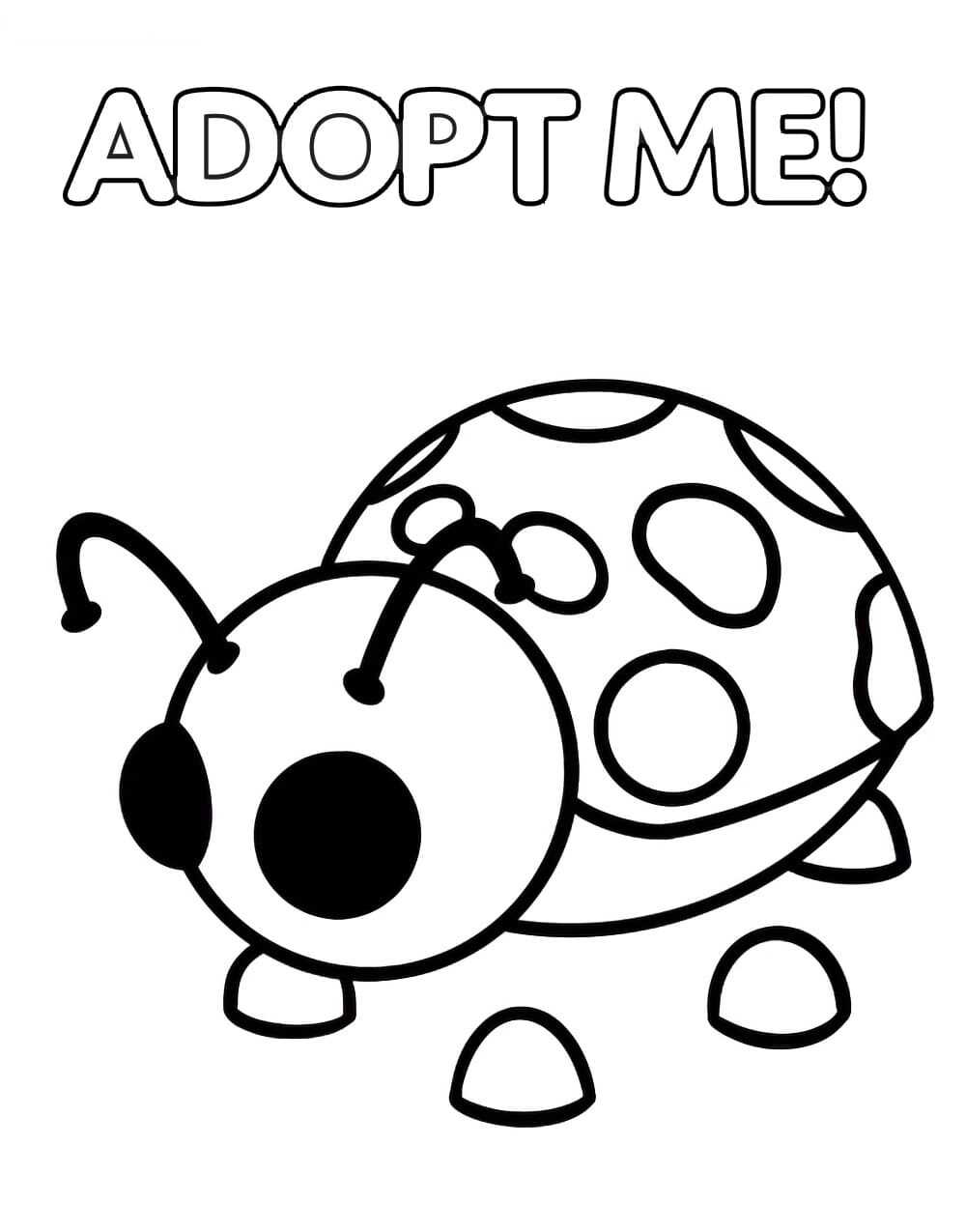

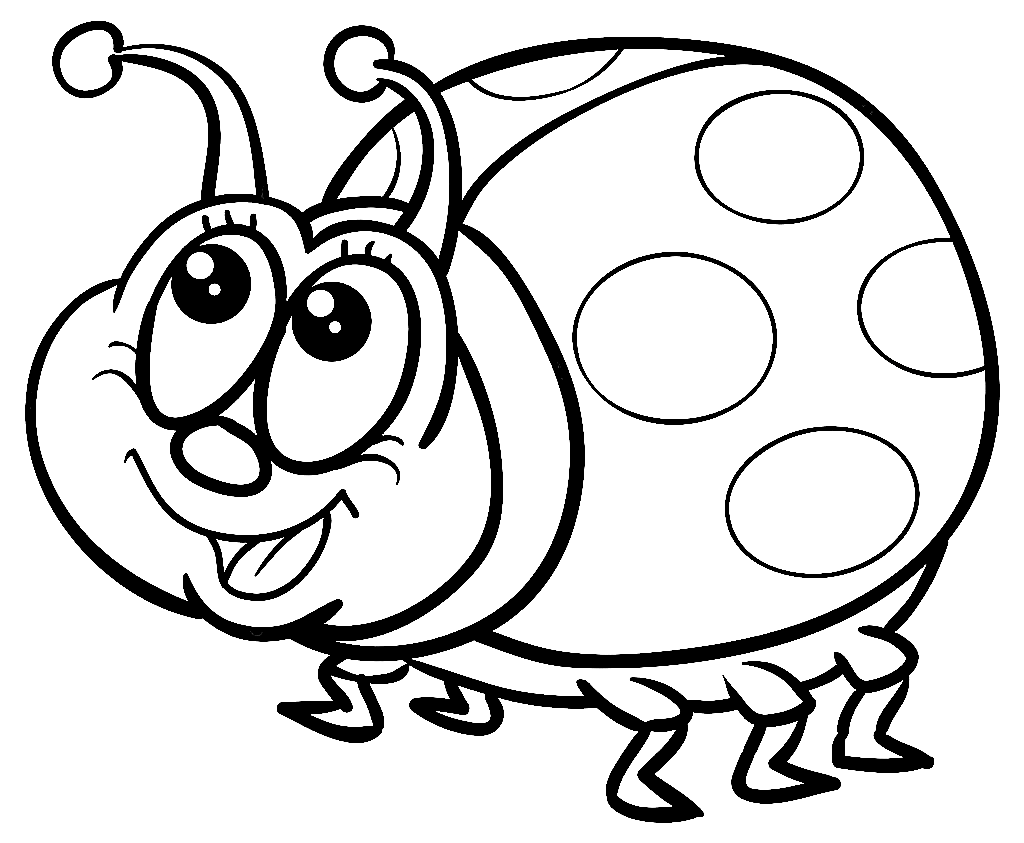
What’s Inside This Collection
The 33 designs group into four categories, from ladybugs in nature scenes to cute portraits and printable sheets.
Ladybugs in Nature Scenes
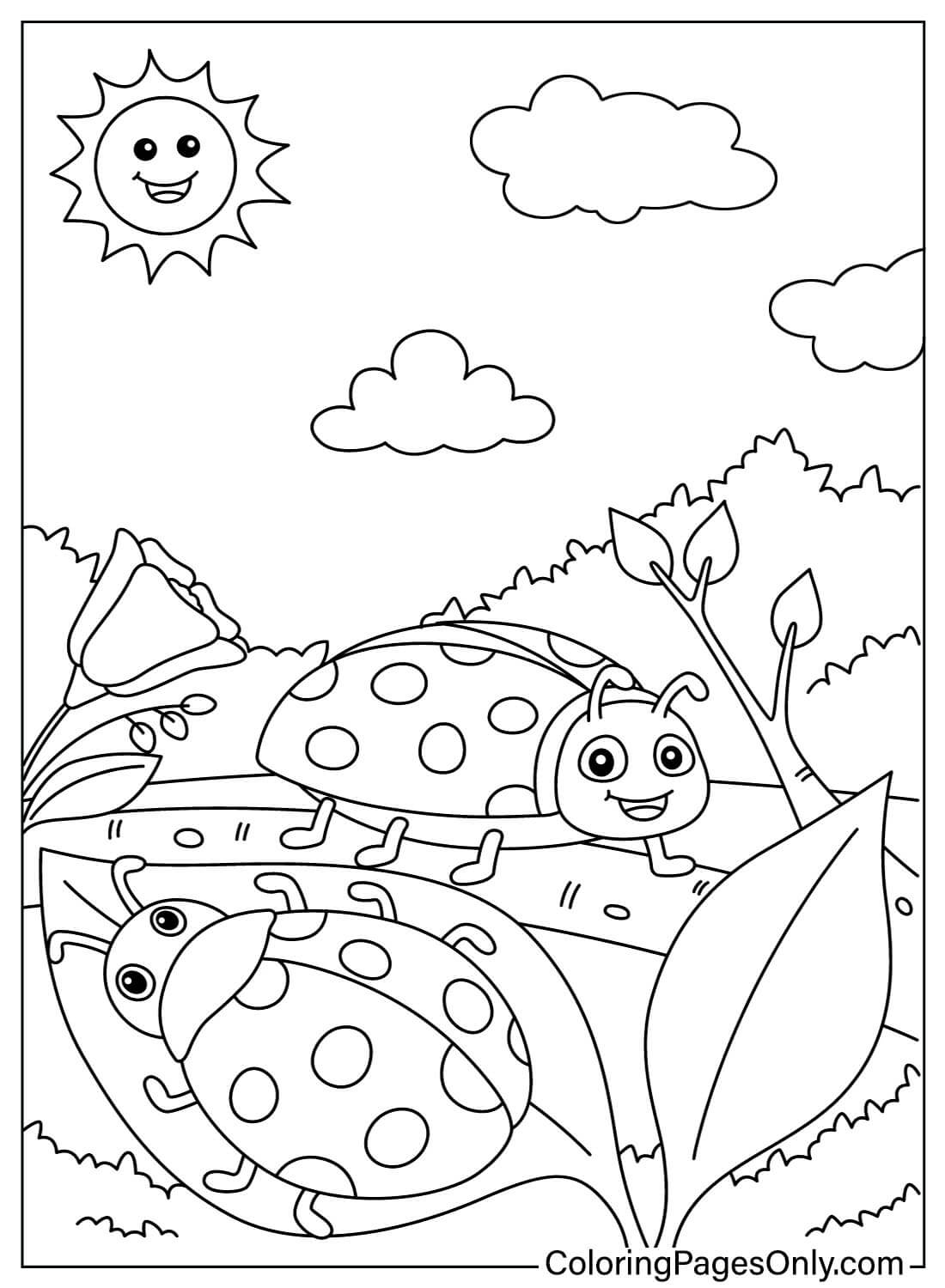
Nine pages set ladybugs among leaves, flowers, mushrooms, and other garden elements. Bright red for the ladybug’s shell, paired with green leaves and stems, keeps these nature scenes fresh and true to life.
Character and Crossover Scenes
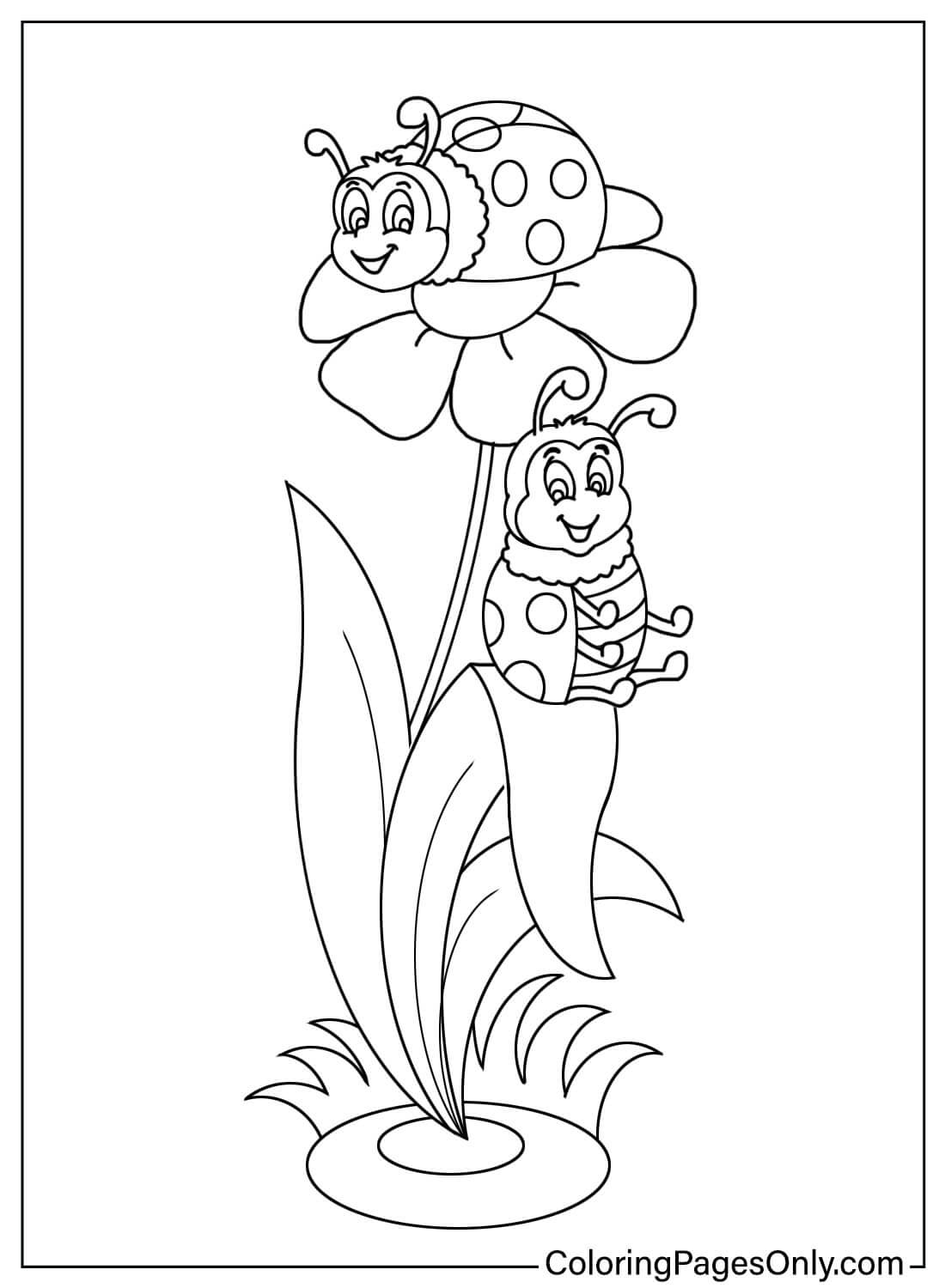
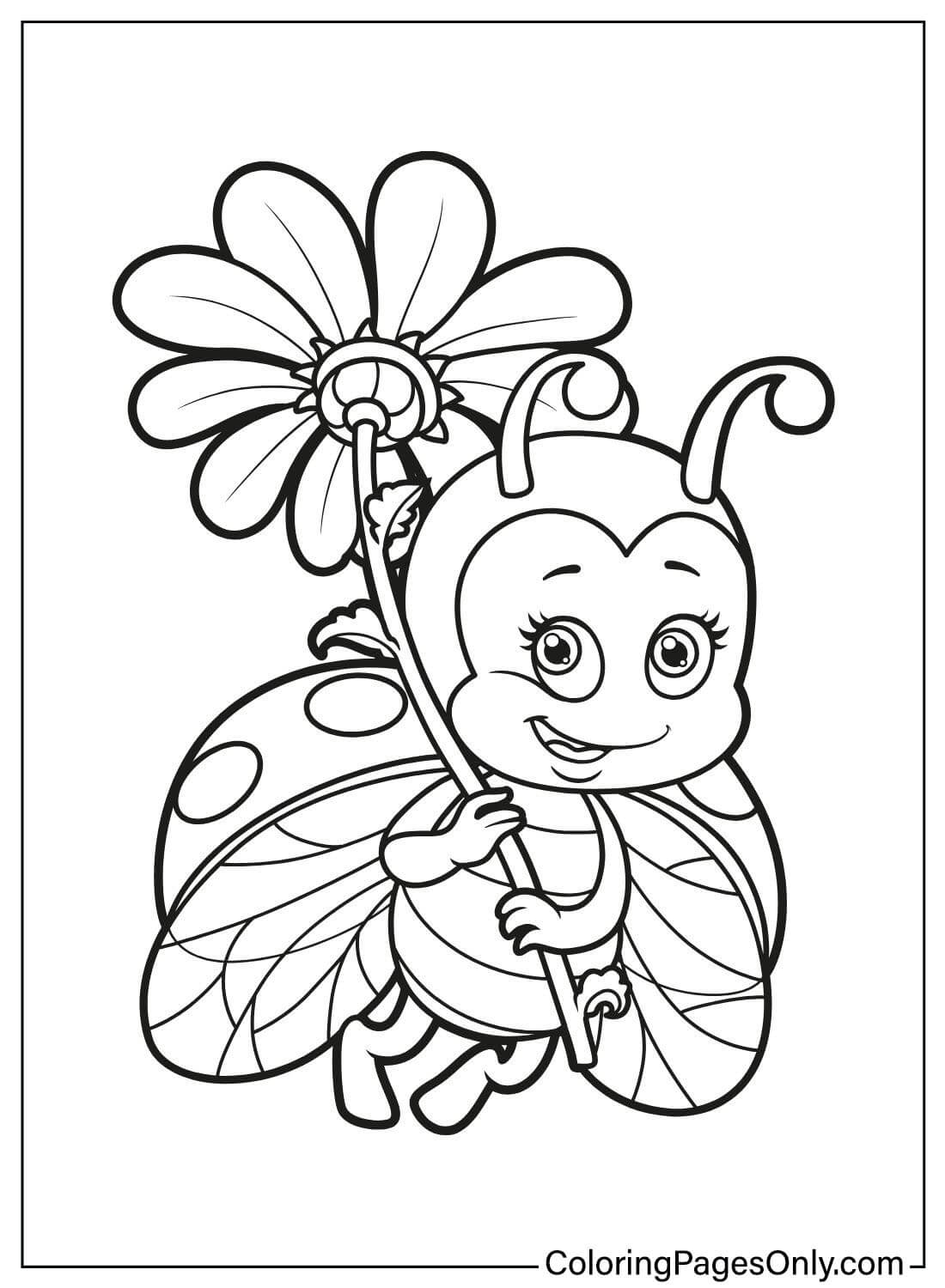
Eleven pages give ladybugs a playful, character-driven treatment, including cartoon versions, a few pages with familiar guest characters, and ladybugs shown reading or holding balloons. Soft, cheerful colors work well here, since these pages lean more toward whimsy than realism.
Learning and Activity Pages
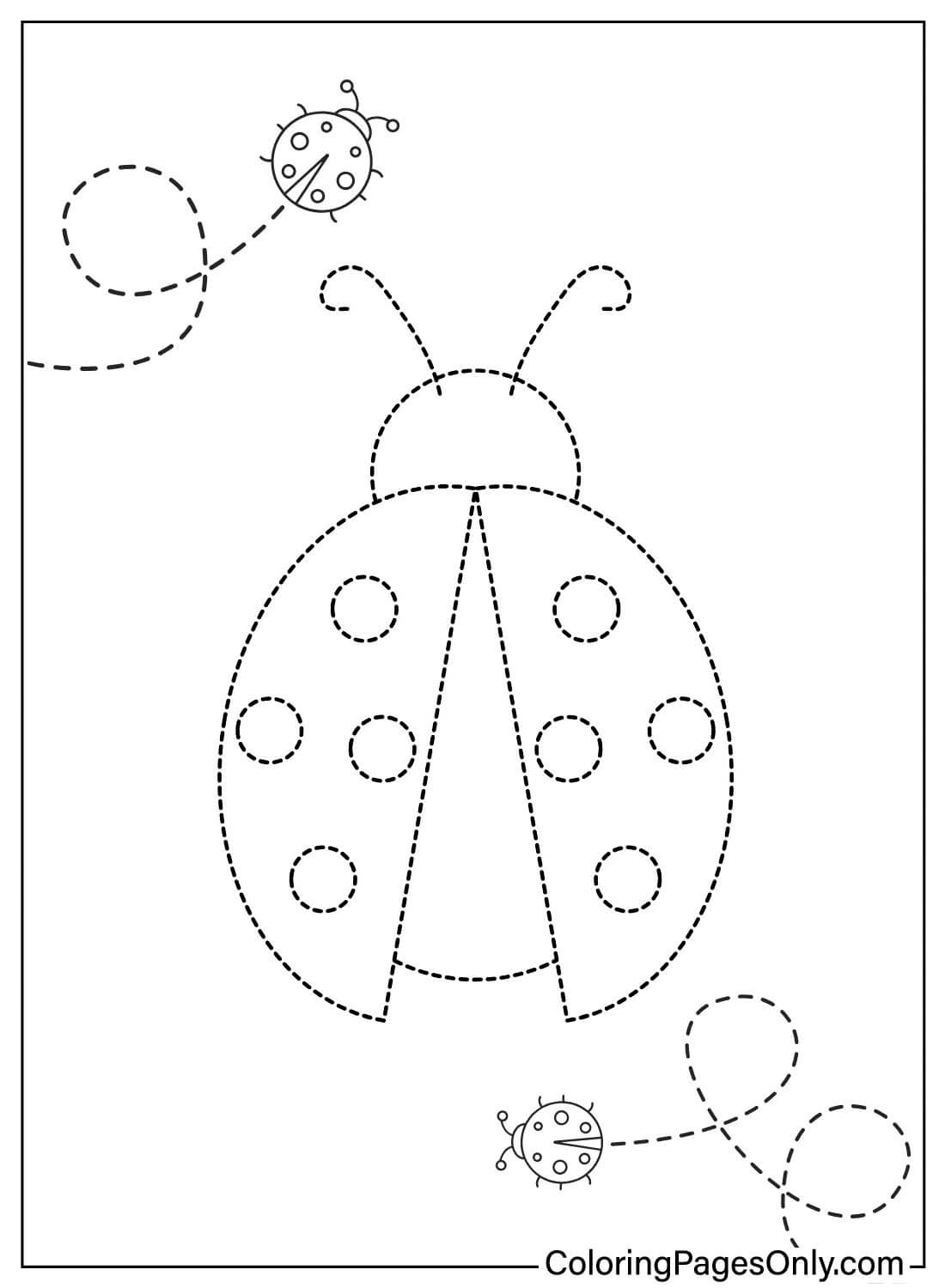
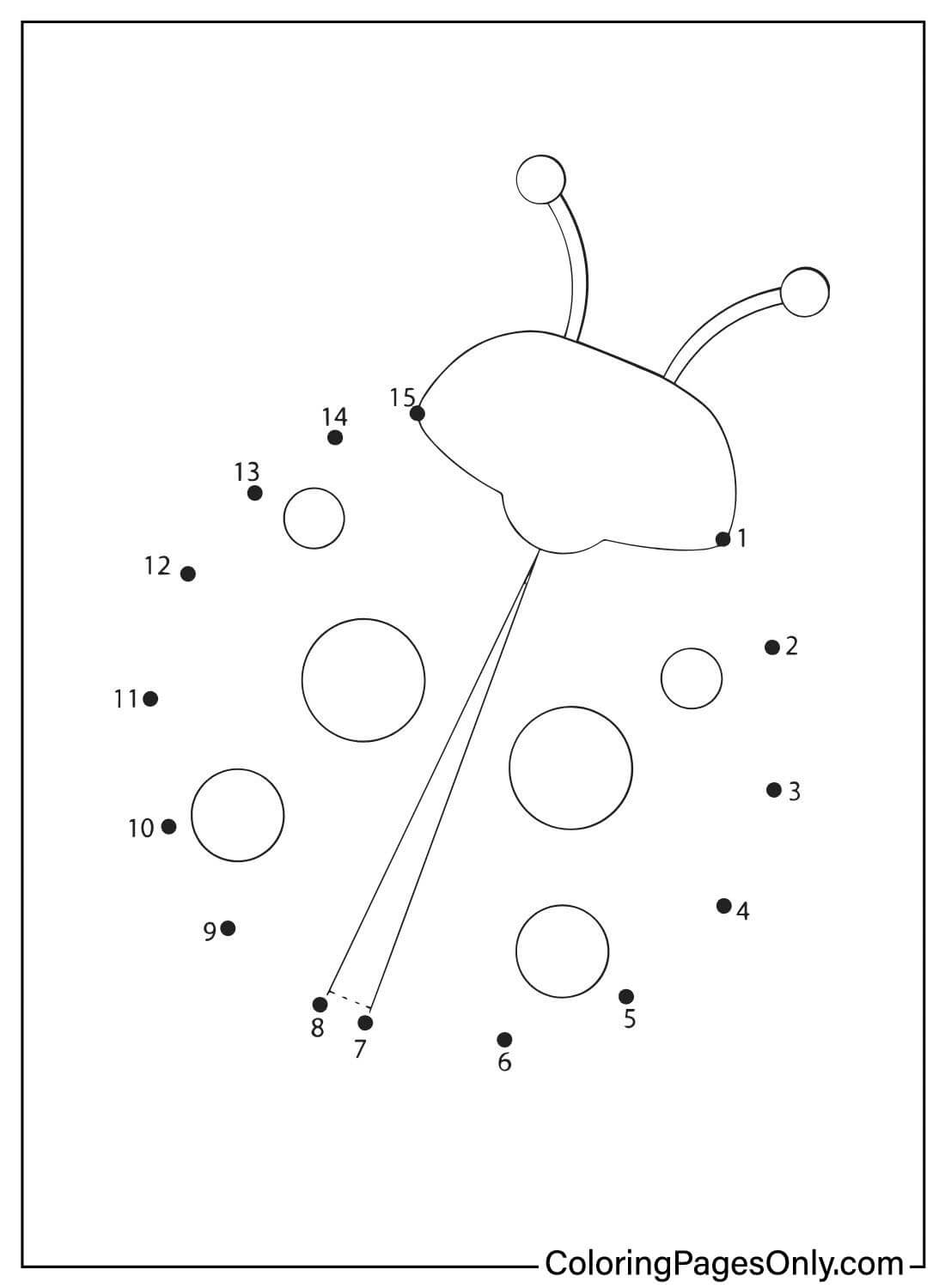
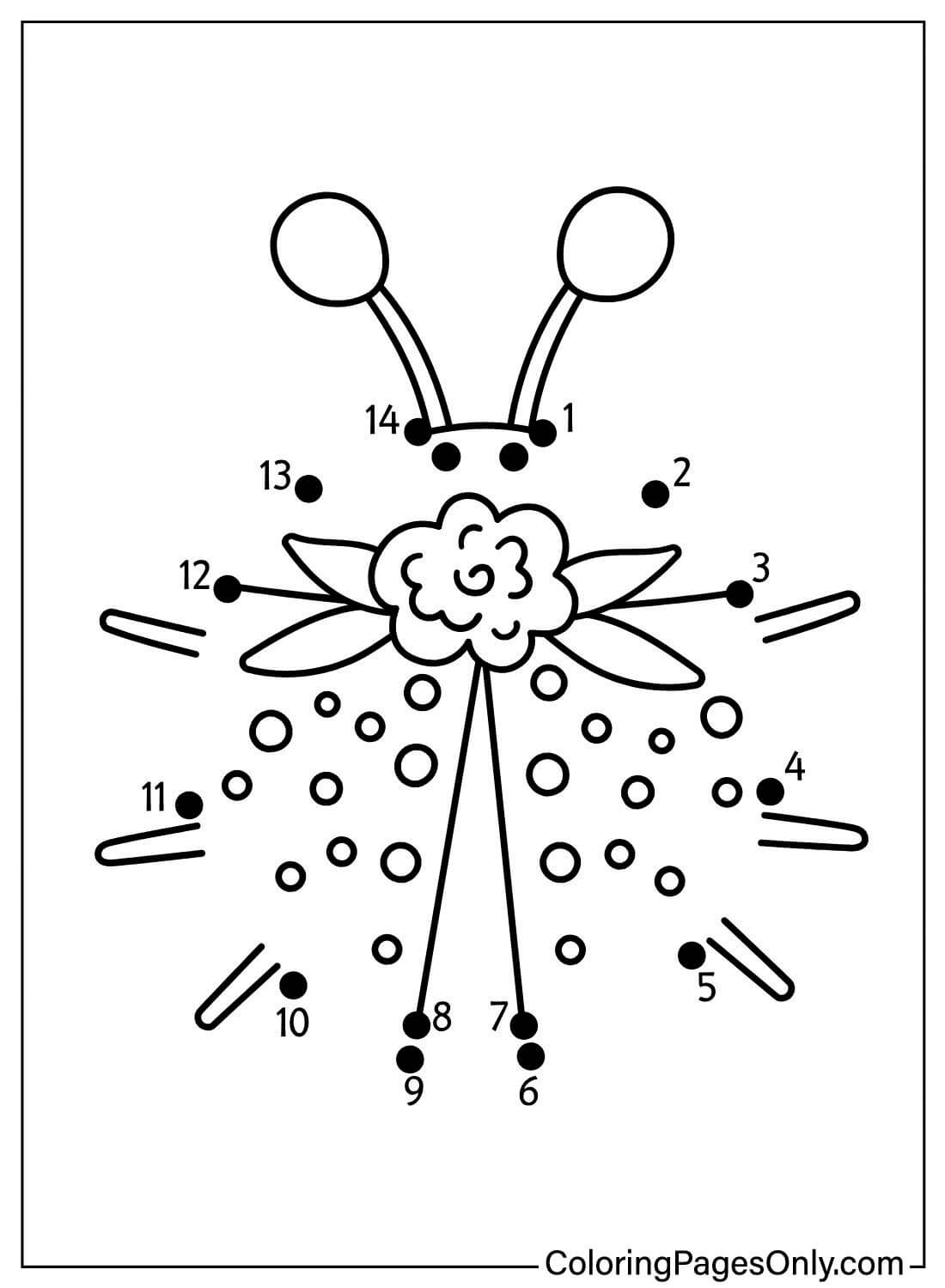
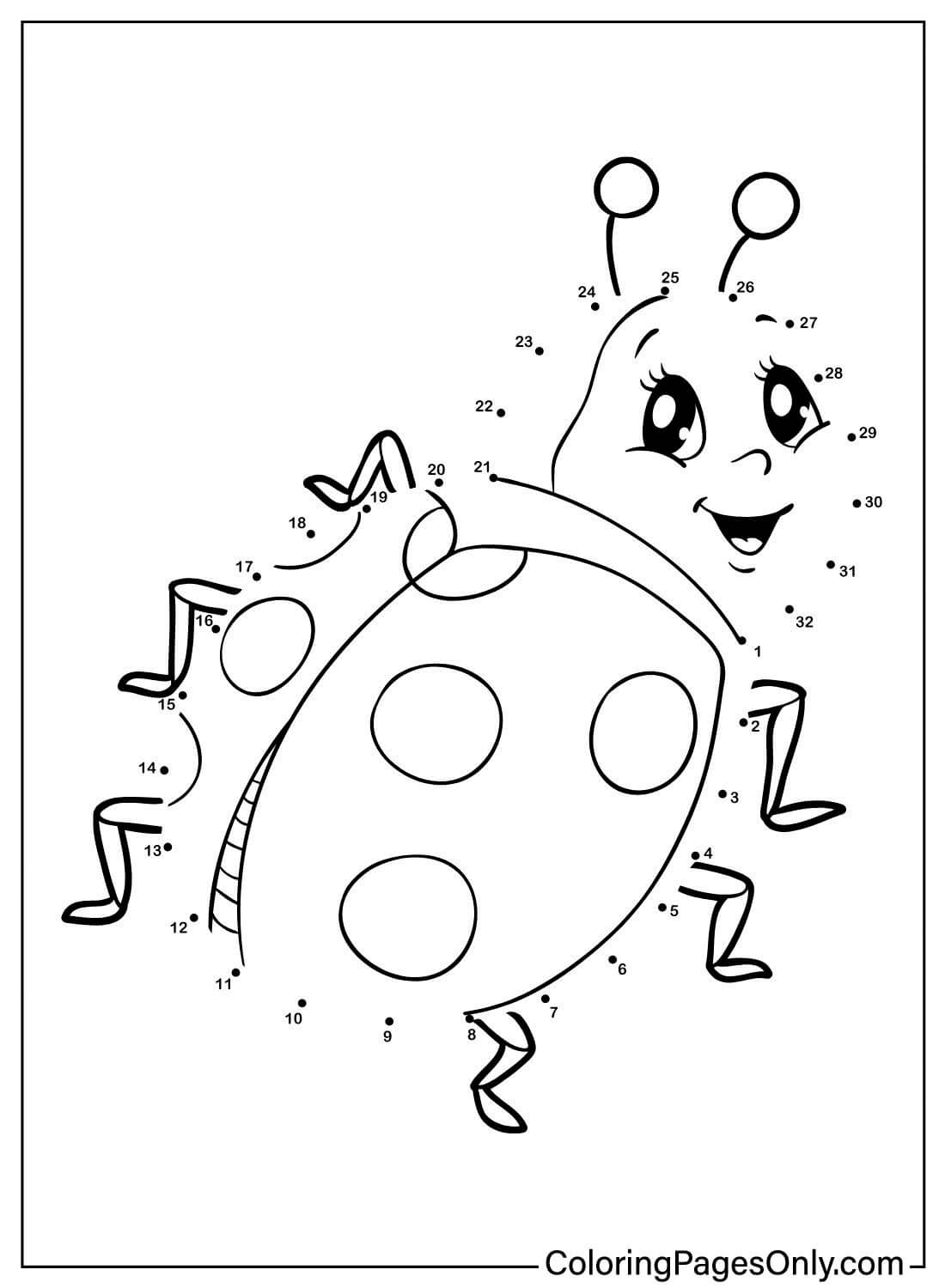
Six pages combine coloring with a learning activity, including tracing, dot-to-dot, and connect-the-dots designs. Keep colors simple and bold on these pages so the underlying activity, whether tracing lines or connecting numbers, stays easy to follow.
Cute Portraits and Printable Sheets
Seven pages focus on a single ladybug portrait, ranging from a baby ladybug to simple, easy-to-color designs. Classic red and black work well for a quick, recognizable ladybug portrait.
What Ladybug Coloring Pages Do
Careful strokes for small, rounded spots. Filling in a ladybug’s tiny black spots without letting the color spill onto the red shell around them calls for controlled, contained pencil movement, and the American Academy of Pediatrics points to this kind of precise coloring as a way to build fine motor skills in children between ages 2 and 7.
A gentle introduction to how nature protects itself. Coloring a ladybug’s bright red-and-black pattern gives children a simple way to learn that bold colors in nature often serve a purpose, warning other animals to stay away, rather than existing for decoration alone.
A steady, repeatable rhythm. A 2005 study published in the Art Therapy Journal recorded measurable drops in anxiety among participants who completed structured coloring sessions, and the small, contained shapes of a ladybug design offer that same steady, low-pressure task.
Practice with high-contrast color placement. A ladybug’s sharp red-and-black pattern gives colorists an easy, forgiving way to practice placing small, high-contrast shapes accurately within a larger colored area. This skill carries over to more detailed designs later on.
How to Color Ladybug Coloring Pages Well
- Shell and wings: Use a bright Red as the base color for the classic ladybug look, though orange or yellow work well for pages meant to show a different real-world species.
- Spots: Keep spots a solid Black, spacing them evenly across the shell to match a ladybug’s natural pattern.
- Head and legs: Color the head and legs Black as well, since this creates the strong, simple contrast that makes a ladybug so recognizable.
- Leaves and stems: Use a fresh Green for any surrounding leaves or stems, keeping the shade slightly muted so the bright red ladybug remains the clear focal point.
- Flowers and garden details: Soft pastels work well for flowers and background garden elements, since bold colors there would compete with the ladybug itself.
- Antennae: Keep the thin antennae a simple black or dark gray, drawn as fine lines rather than filled shapes.
5 Creative Craft Ideas With Ladybug Coloring Pages
1. Ladybug Garden Stake
Color a ladybug page, glue it to cardstock, and attach it to a wooden stick or skewer to make a decorative garden stake.
2. Ladybug Bookmark
Trim a small colored ladybug design to size, laminate or cover with clear tape, and punch a hole for ribbon to make a durable reading bookmark.
3. Spot-Counting Activity
Color a ladybug page, then count and label the number of spots to combine coloring practice with a simple math activity.
4. Ladybug Greeting Card
Fold cardstock in half, mount a small colored ladybug design on the front, and write a message inside for a birthday or get-well card.
5. Garden-Themed Mobile
Color several ladybug and leaf pages, cut them out, and hang them at different lengths from a small branch or embroidery hoop to make a simple hanging mobile.
Frequently Asked Questions
What are ladybug coloring pages?
Ladybug coloring pages are printable line-art designs featuring ladybugs in garden scenes, cute cartoon characters, and learning activities like tracing and dot-to-dot pages. This collection includes 33 free designs available as PDFs or online coloring.
What kind of insect is a ladybug?
Ladybugs are beetles belonging to the family Coccinellidae, which includes more than 6,000 species found around the world, most recognized by their rounded shape and brightly colored, spotted shells.
Why are ladybugs brightly colored?
A ladybug’s bright red or orange color paired with black spots is a form of warning coloration called aposematism, signaling to predators that the insect tastes bad and should be left alone.
How do ladybugs defend themselves?
When threatened, ladybugs use a defense called reflex bleeding, releasing a bitter, foul-smelling fluid from their leg joints that discourages predators from eating them.
Are ladybugs helpful to gardens?
Yes. Ladybugs are considered highly beneficial in gardens because they eat aphids and other soft-bodied pests, with a single ladybug capable of eating thousands of aphids over its lifetime.
Does the number of spots on a ladybug show its age?
No. A ladybug’s number of spots is determined by its species and genetics, not its age, so spot count cannot be used to tell how old an individual ladybug is.
Are ladybug coloring pages suitable for young children?
Yes. The simple portraits and activity pages in this collection use bold, uncluttered outlines suited to preschool and early elementary colorists, while the busier garden scenes work well for older children.
What colors work best for a ladybug?
Bright red for the shell paired with solid black spots, head, and legs creates the most recognizable, classic ladybug look.
Start Coloring
Download any page by clicking the design. No account, email, or payment is required. Pages print directly from the browser at full resolution or open in the online coloring tool for screen use. Share finished pages on Facebook or Pinterest with the share buttons at the top of each design page.