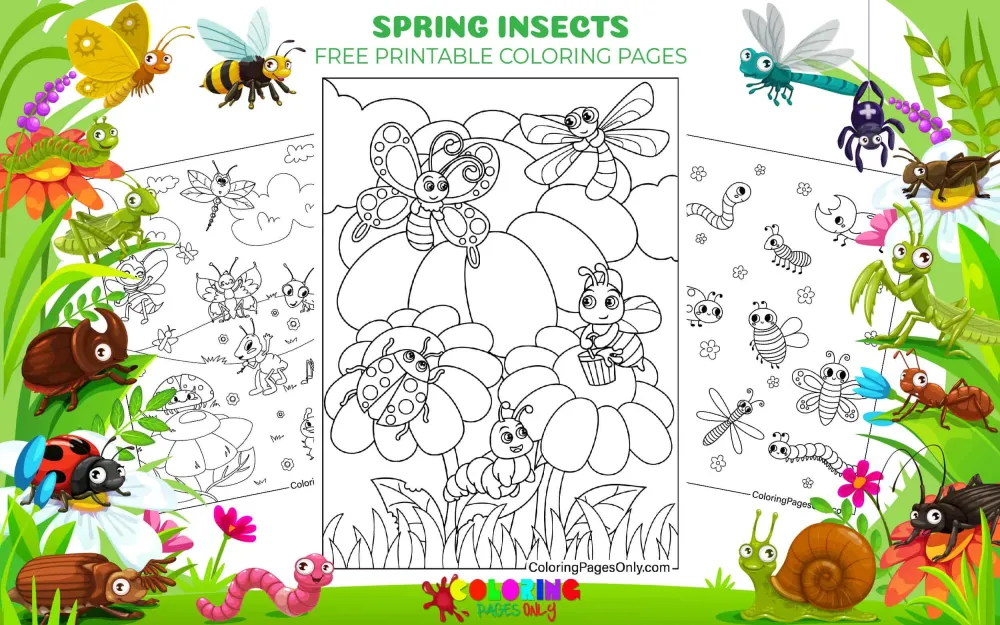
Free Spring Insects Coloring Pages: 30 printable PDF designs covering the bees, butterflies, dragonflies, ants, and other small creatures that become active as the weather warms. Each page can be downloaded as a PDF to print or colored online in the browser, with no account required.
Spring is when many insects that spent the colder months as eggs, larvae, or dormant adults become visible again, which is why this set brings together a mix of species rather than focusing on just one. A praying mantis page and a garden worm page sit alongside the more familiar bees and butterflies, giving the collection a broader, backyard-survey feel rather than a single-subject focus.
The 30 pages are split into named insect portraits, general blended spring-bug scenes, and one page that is a garden companion rather than a true insect, giving colorists both specific species to study and simple, mixed scenes to color quickly.
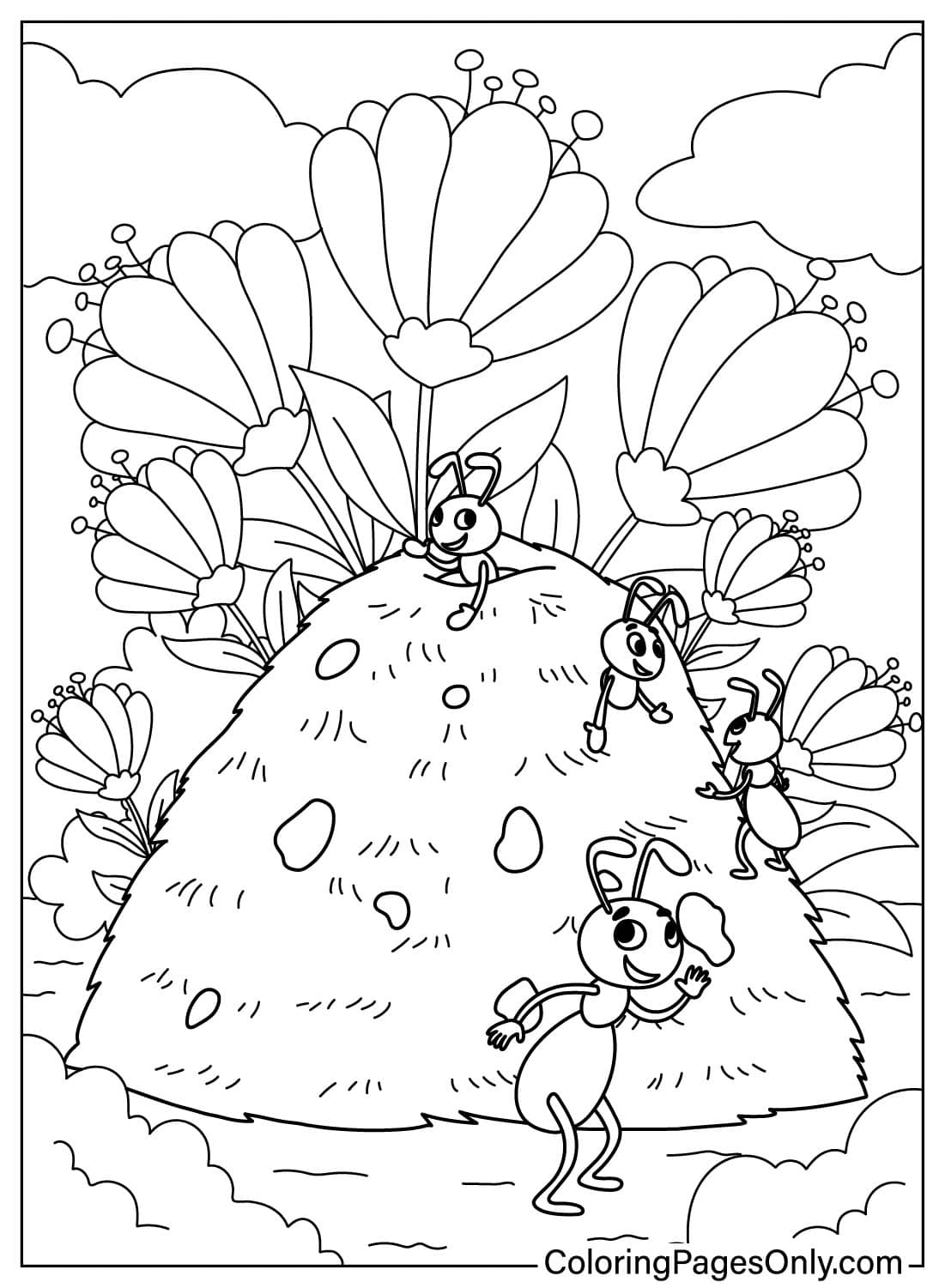
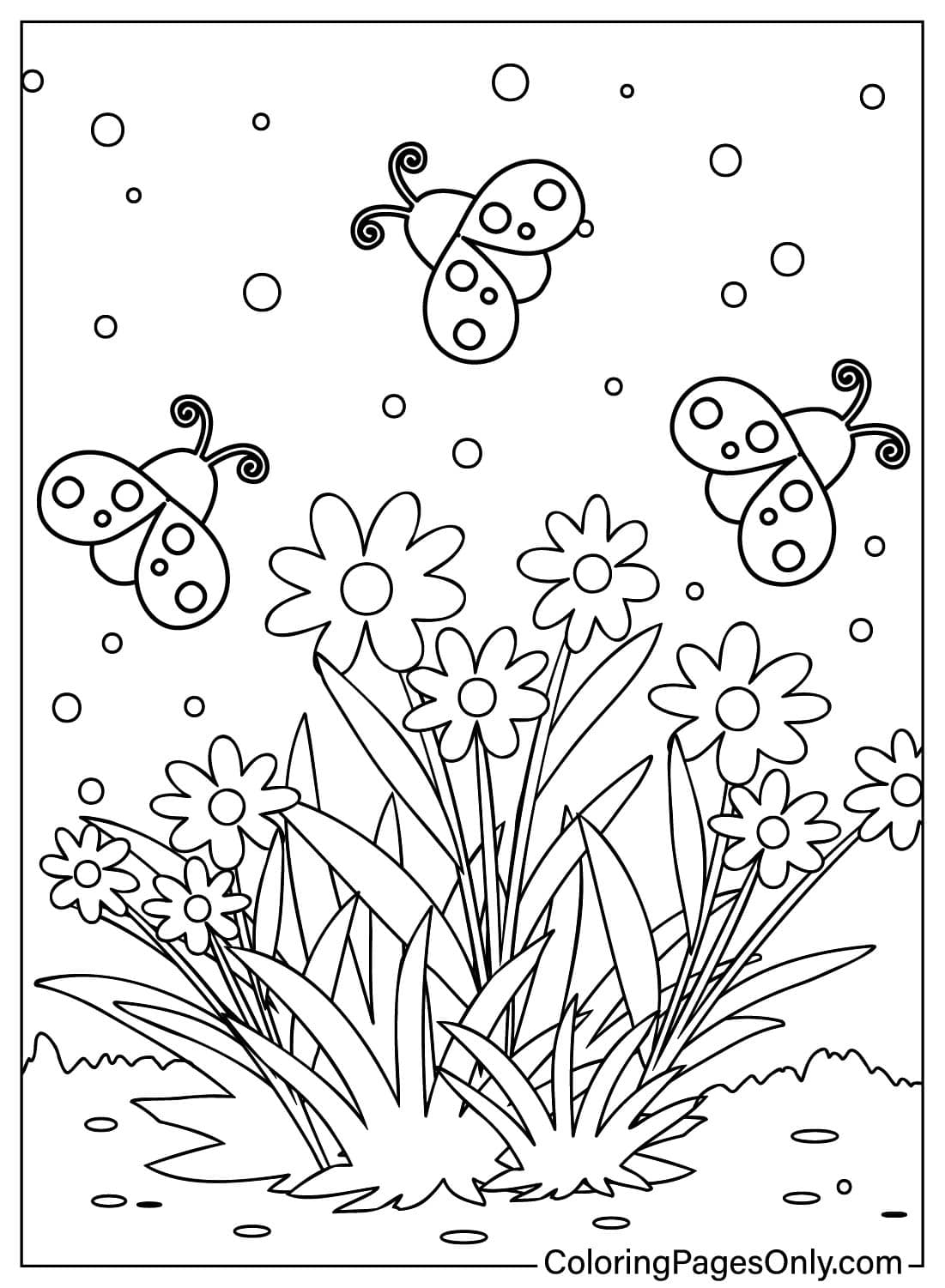
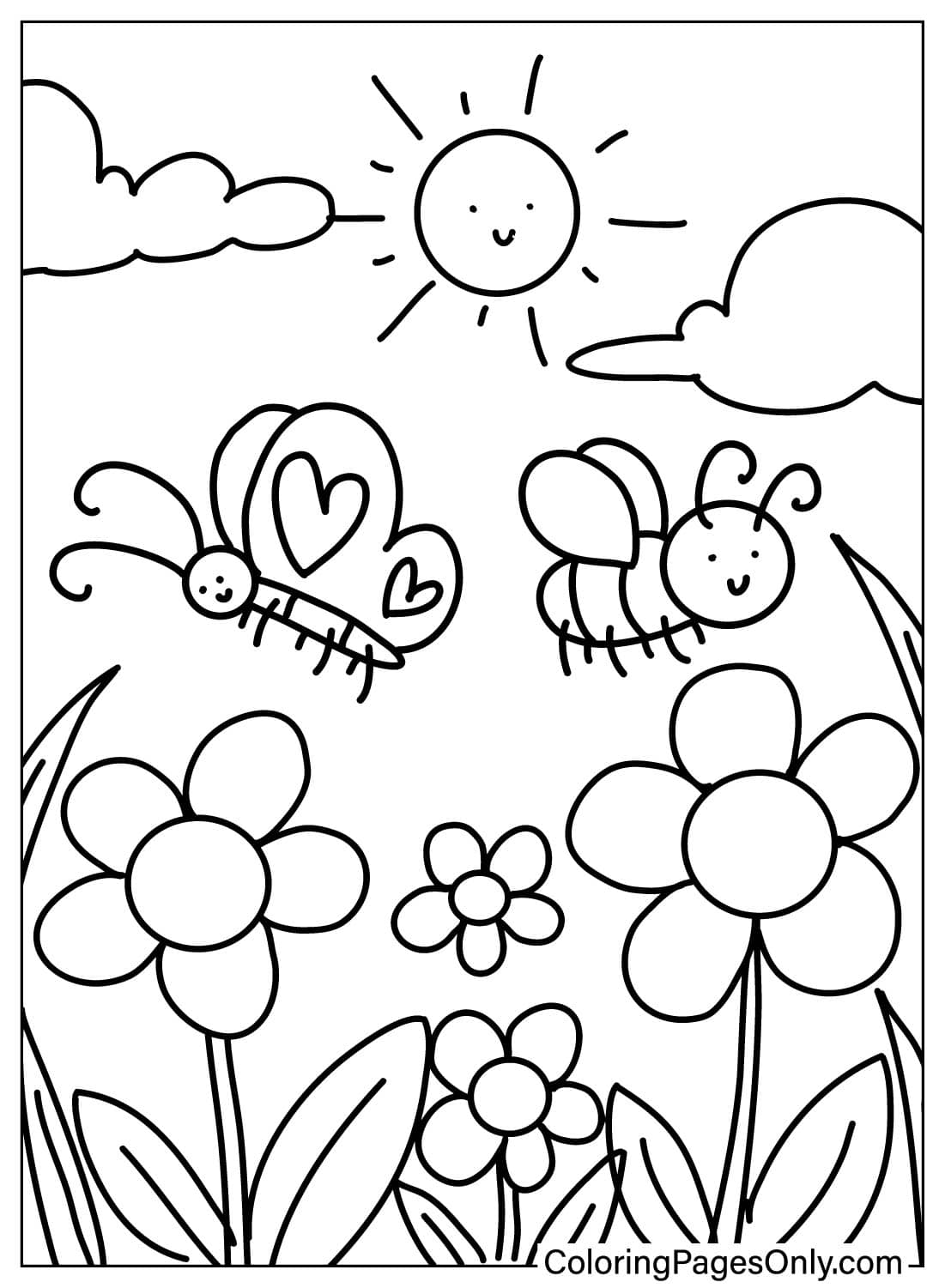
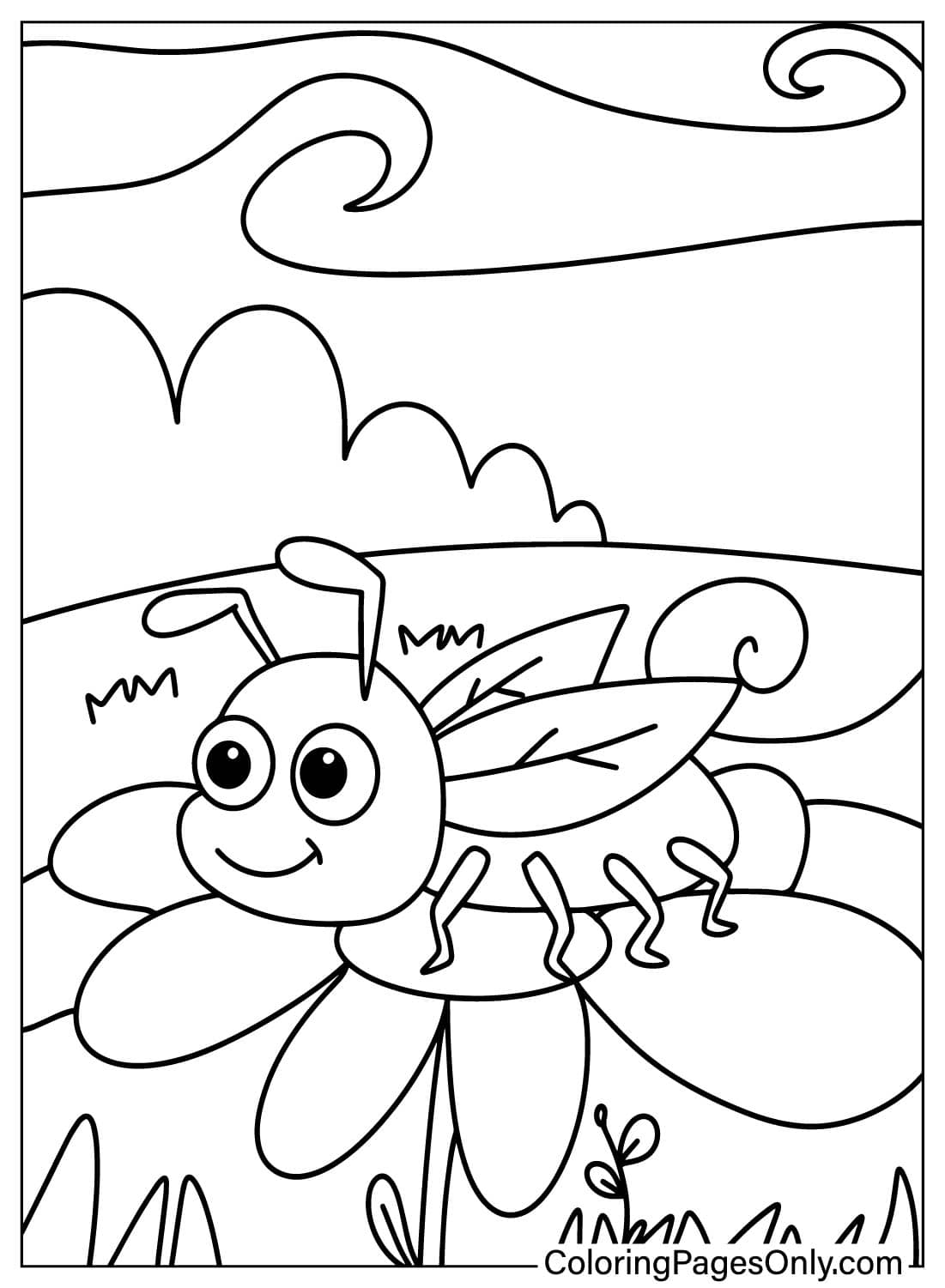
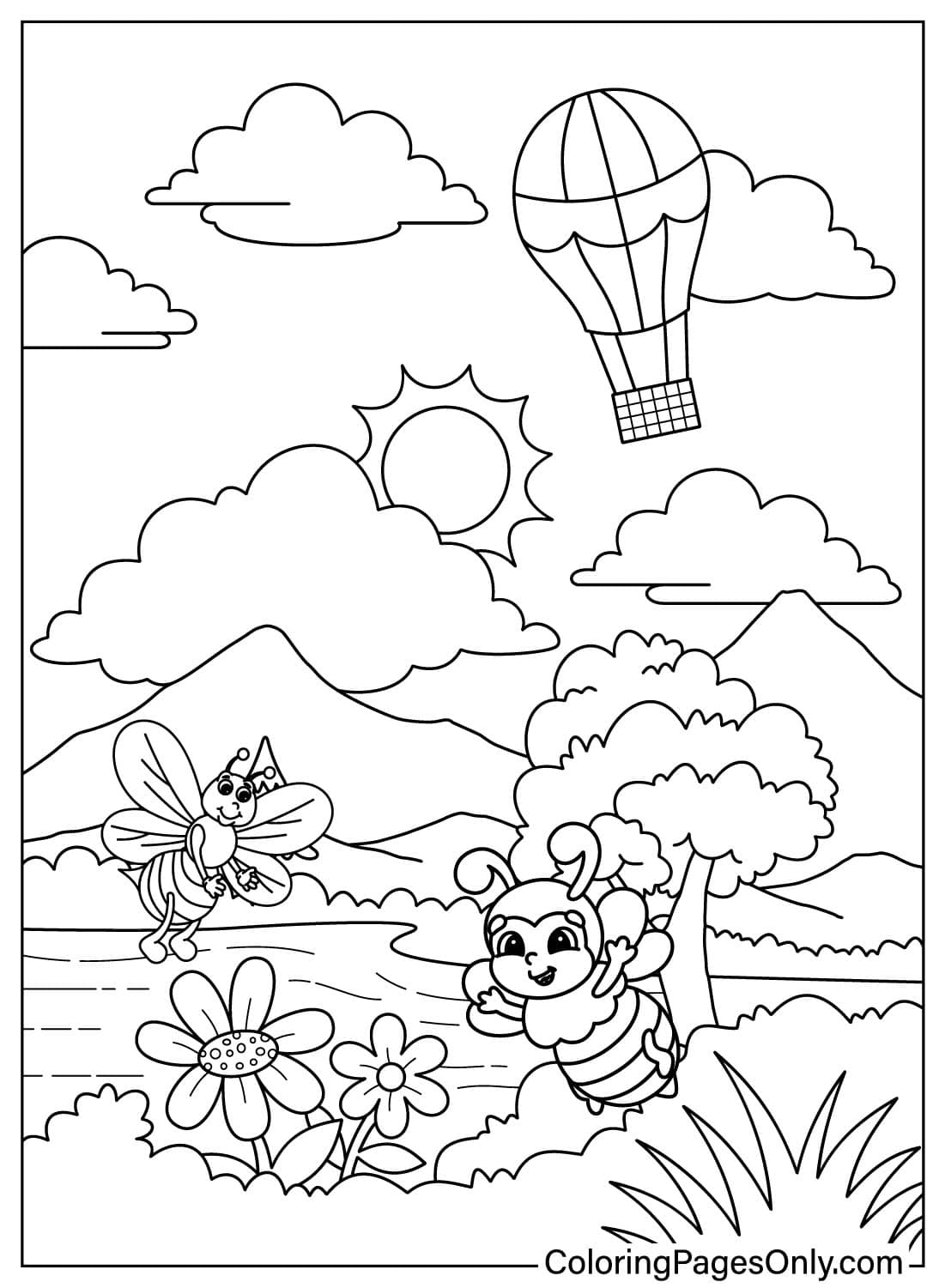
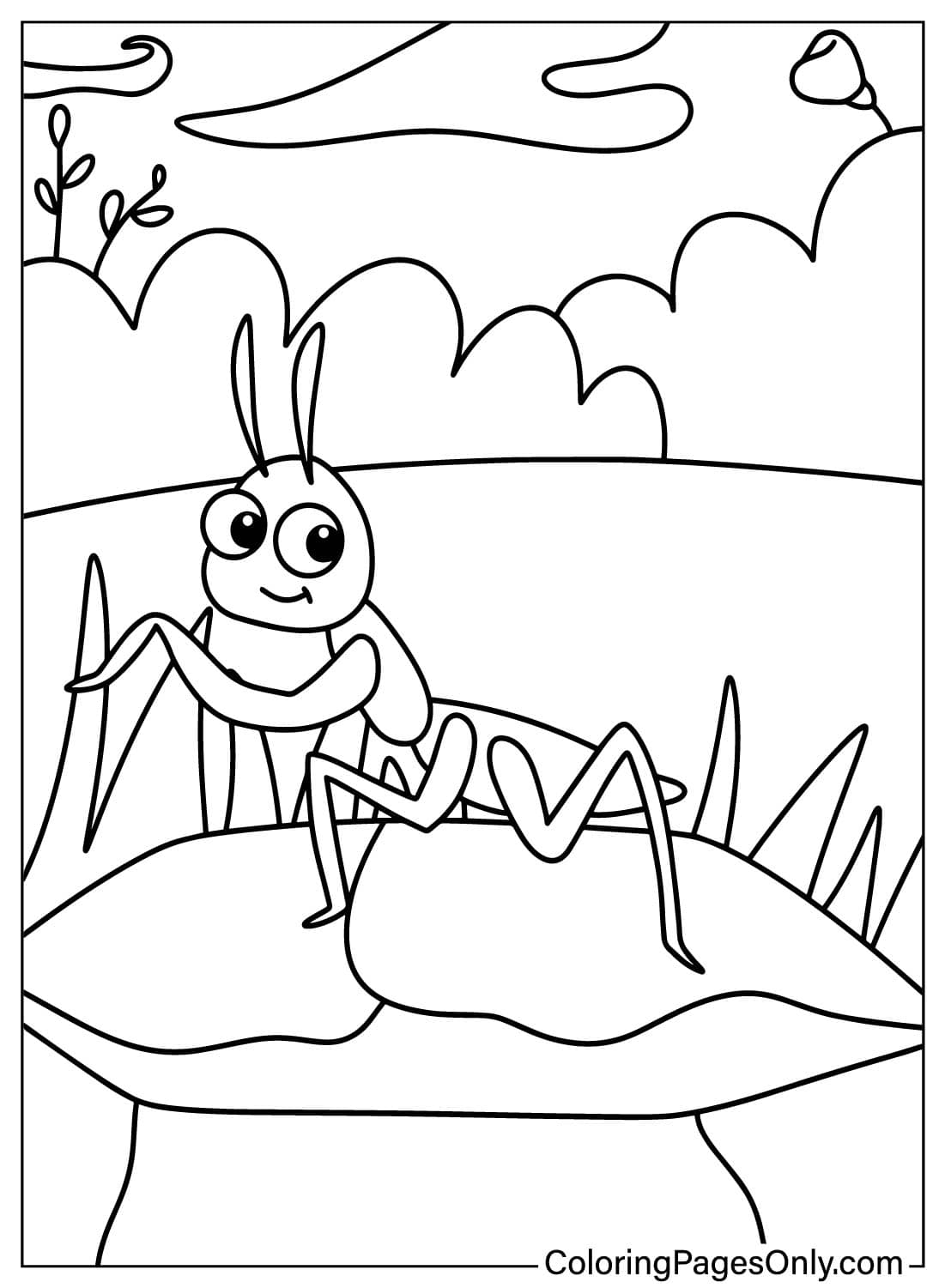
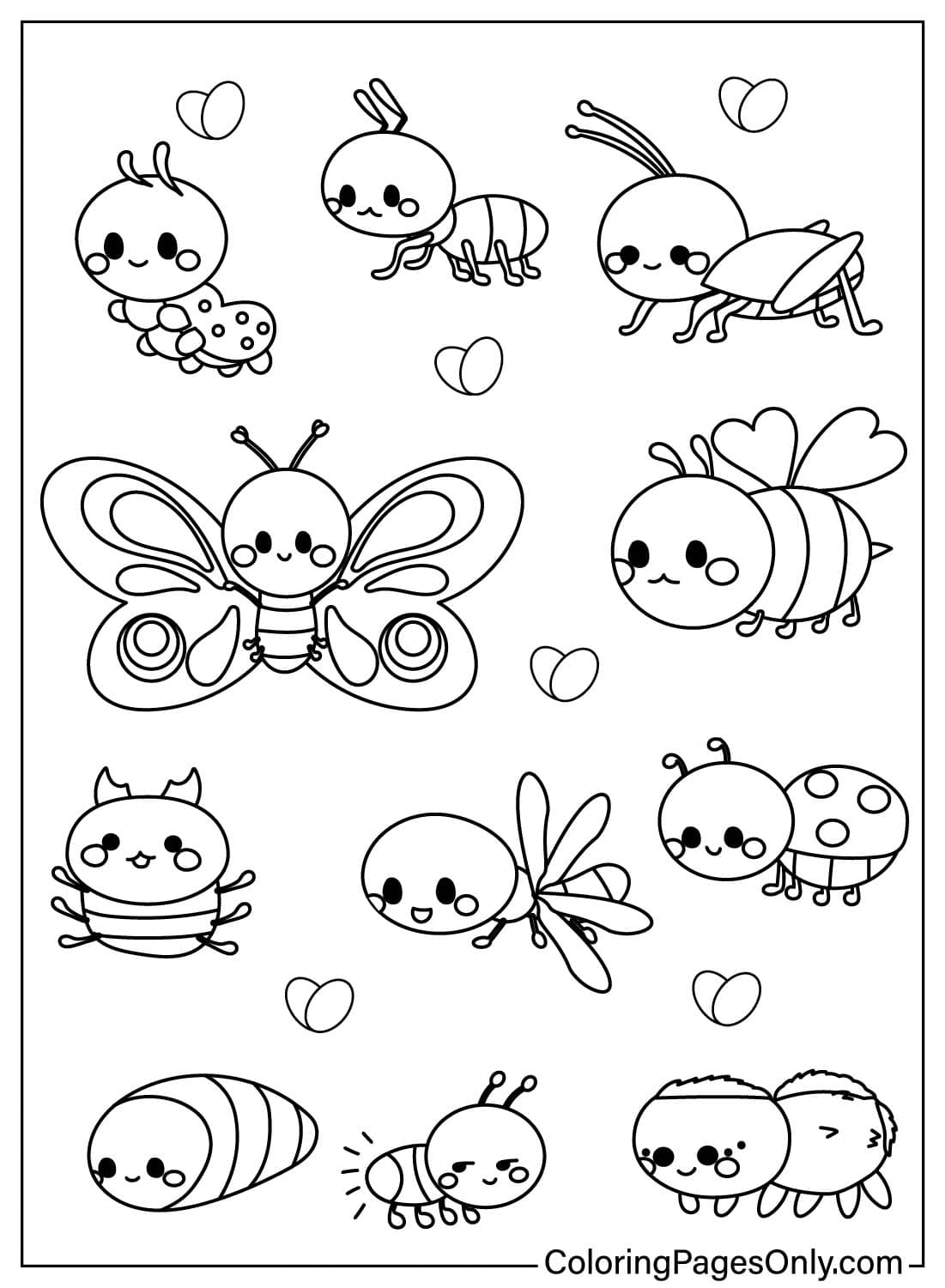
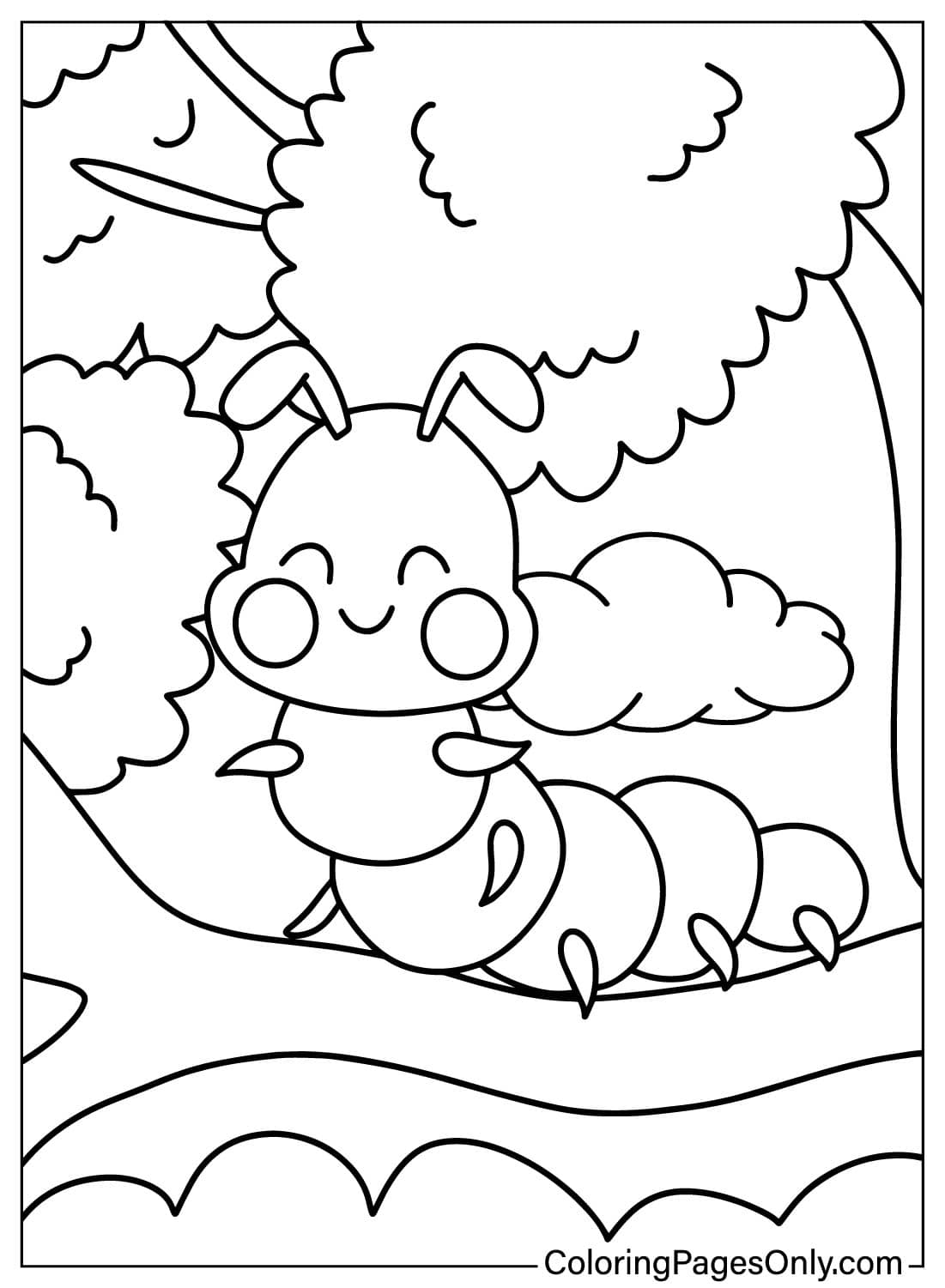
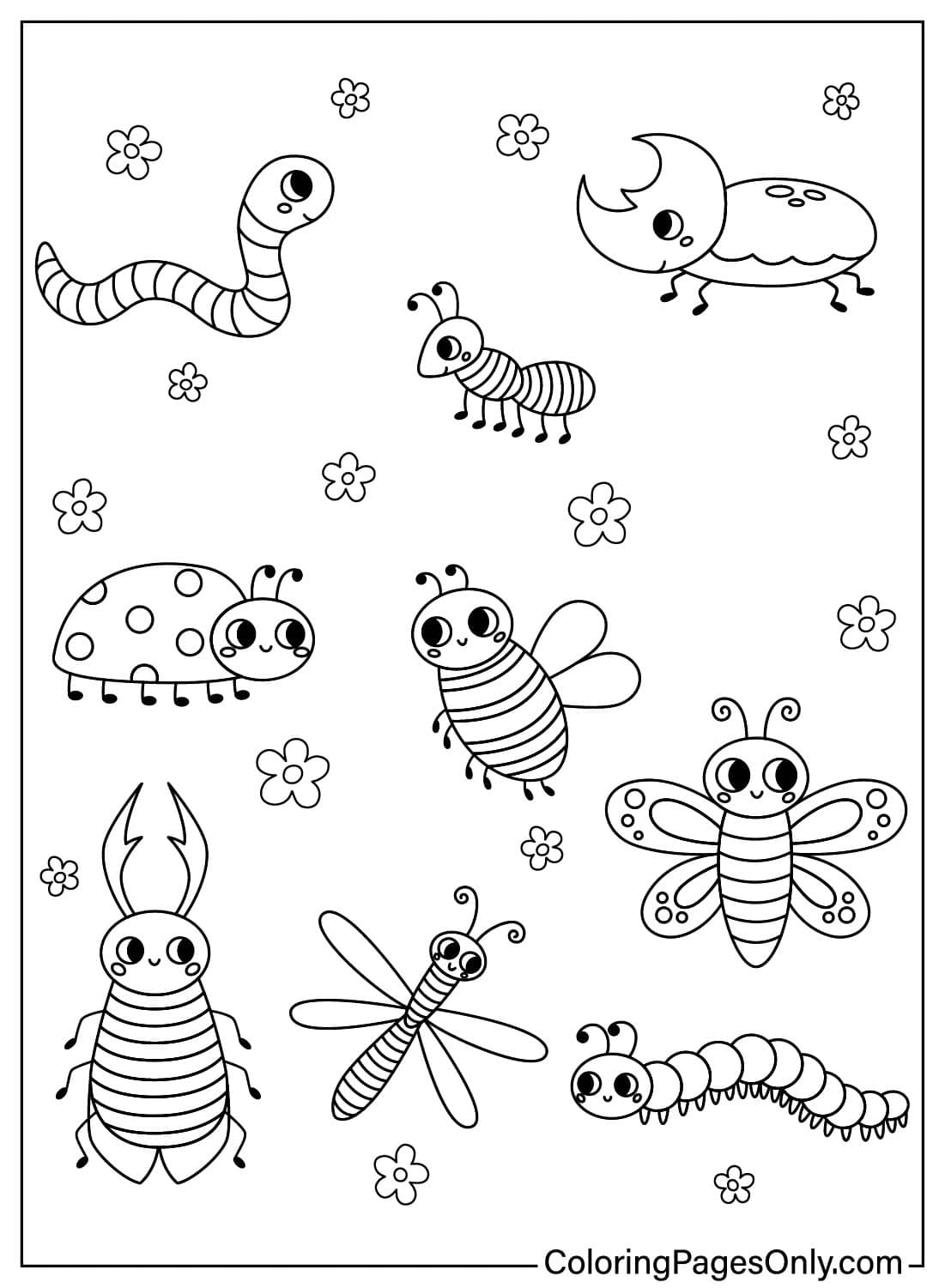
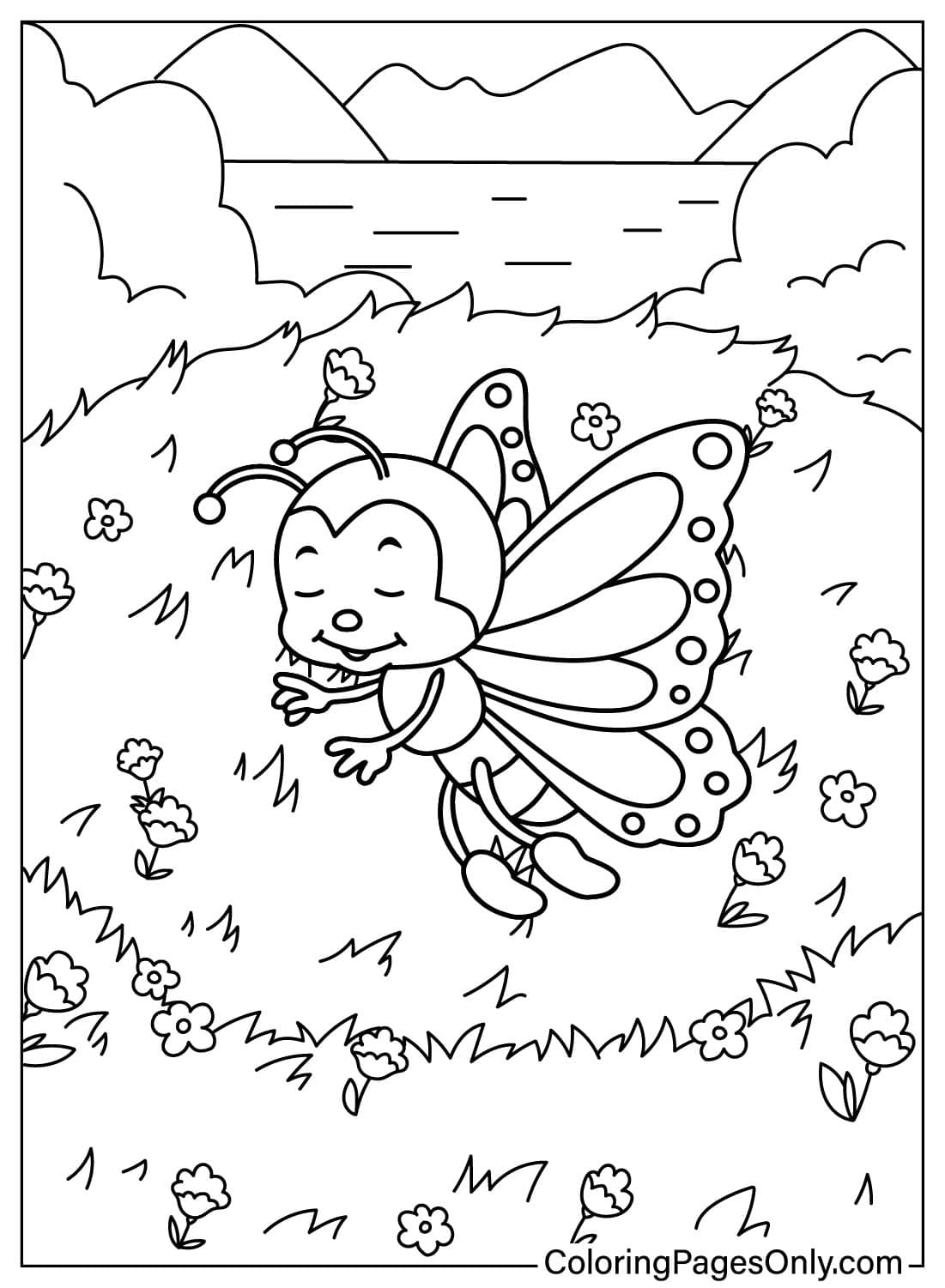
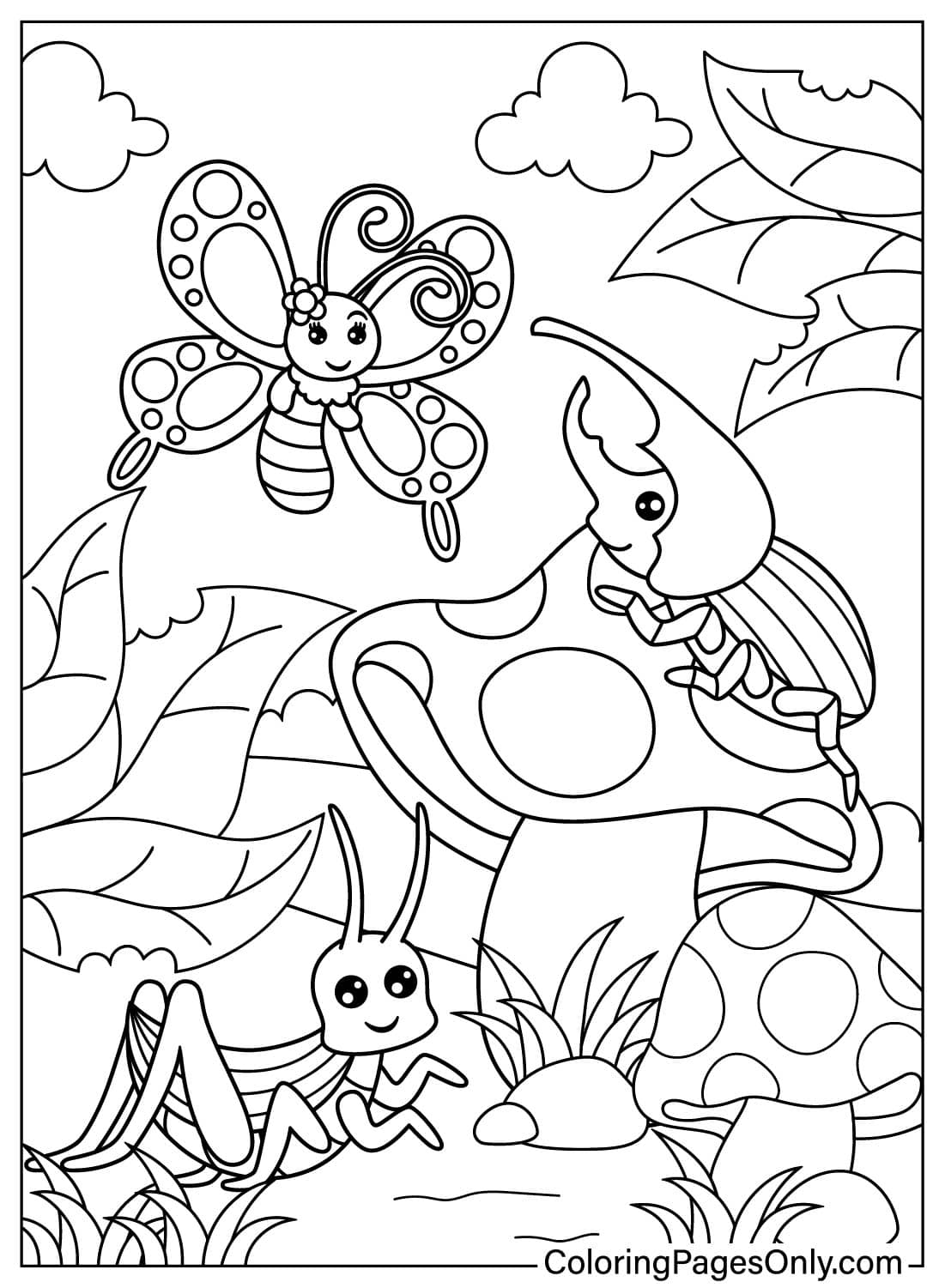
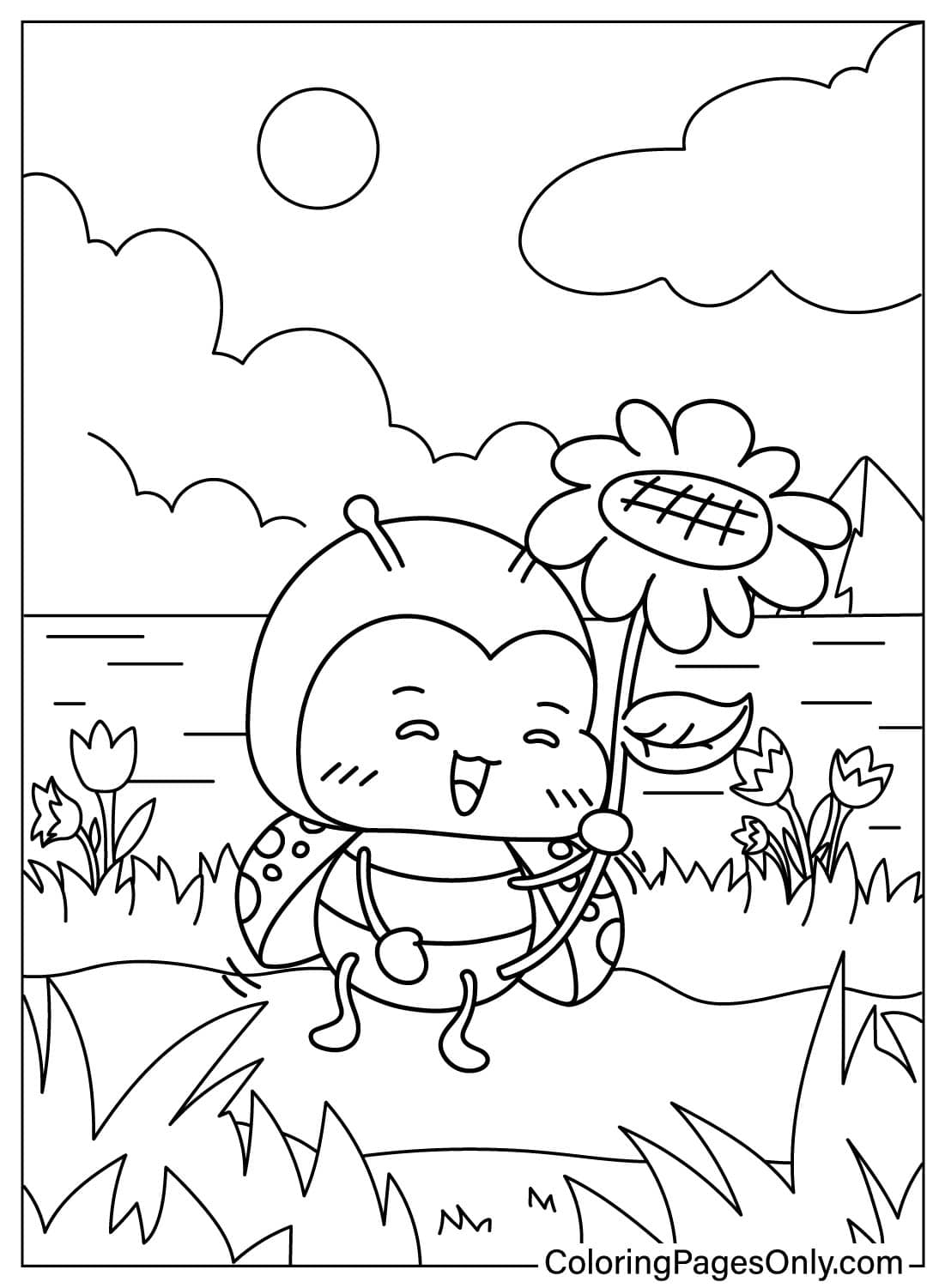
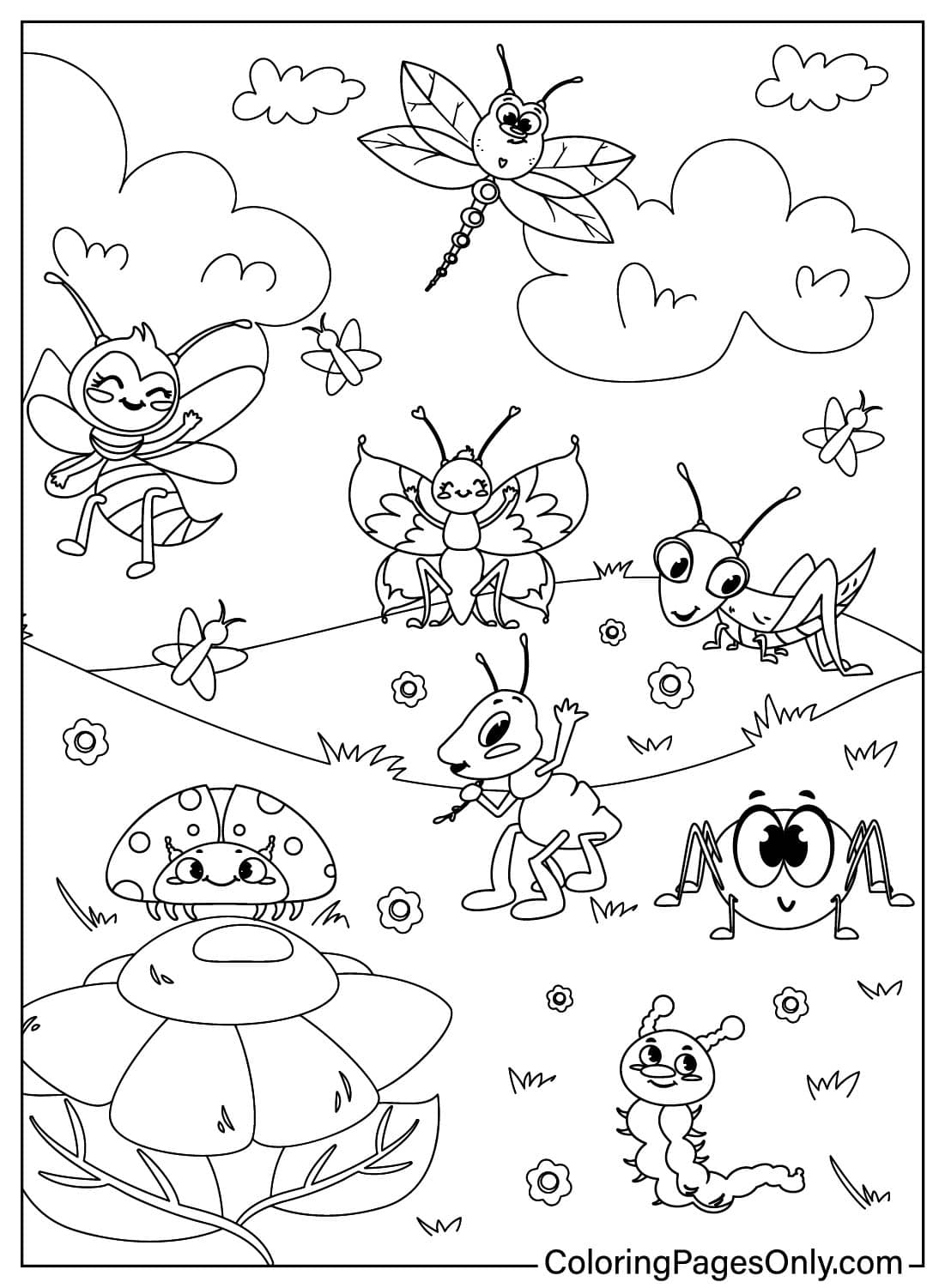
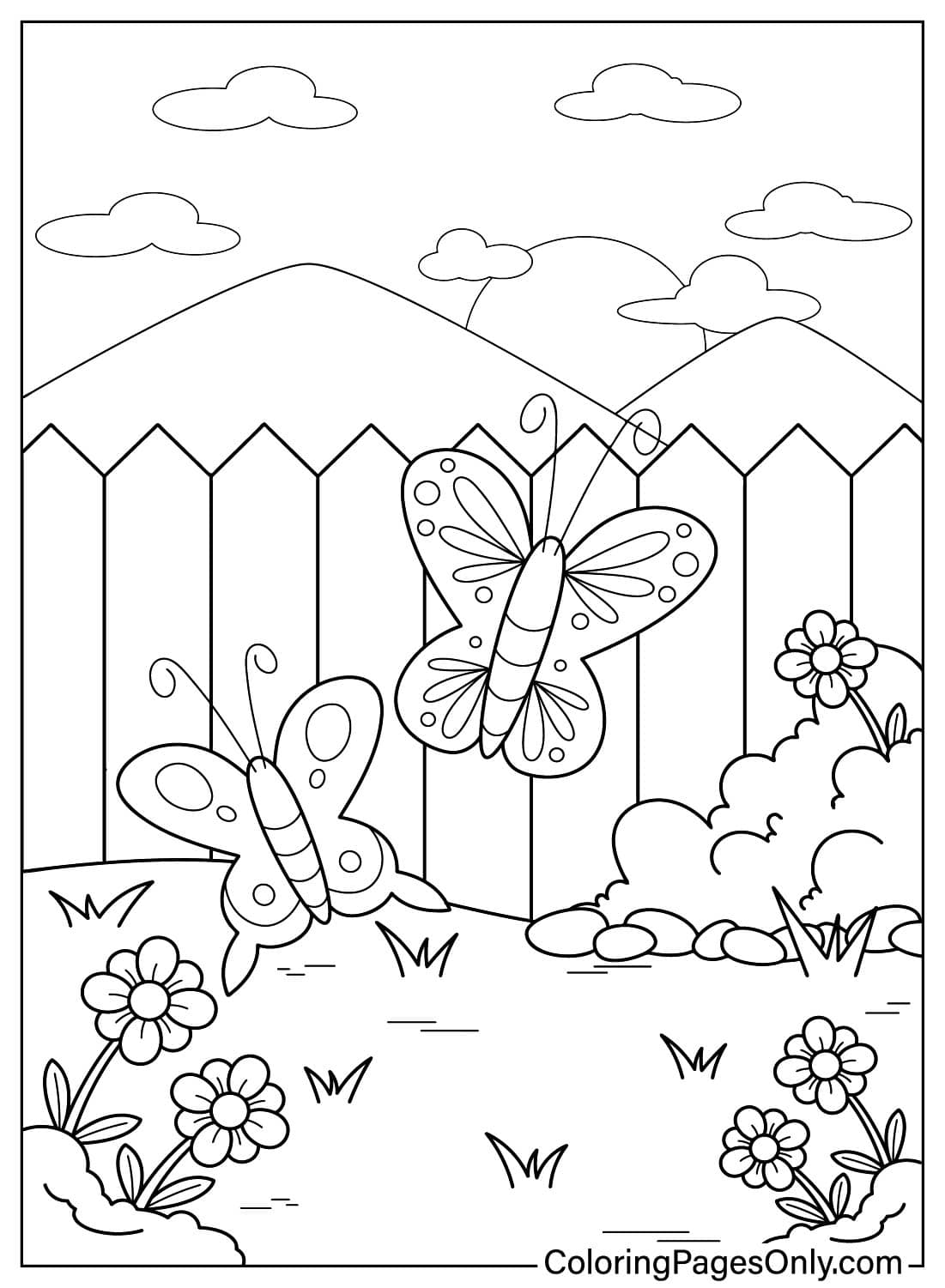
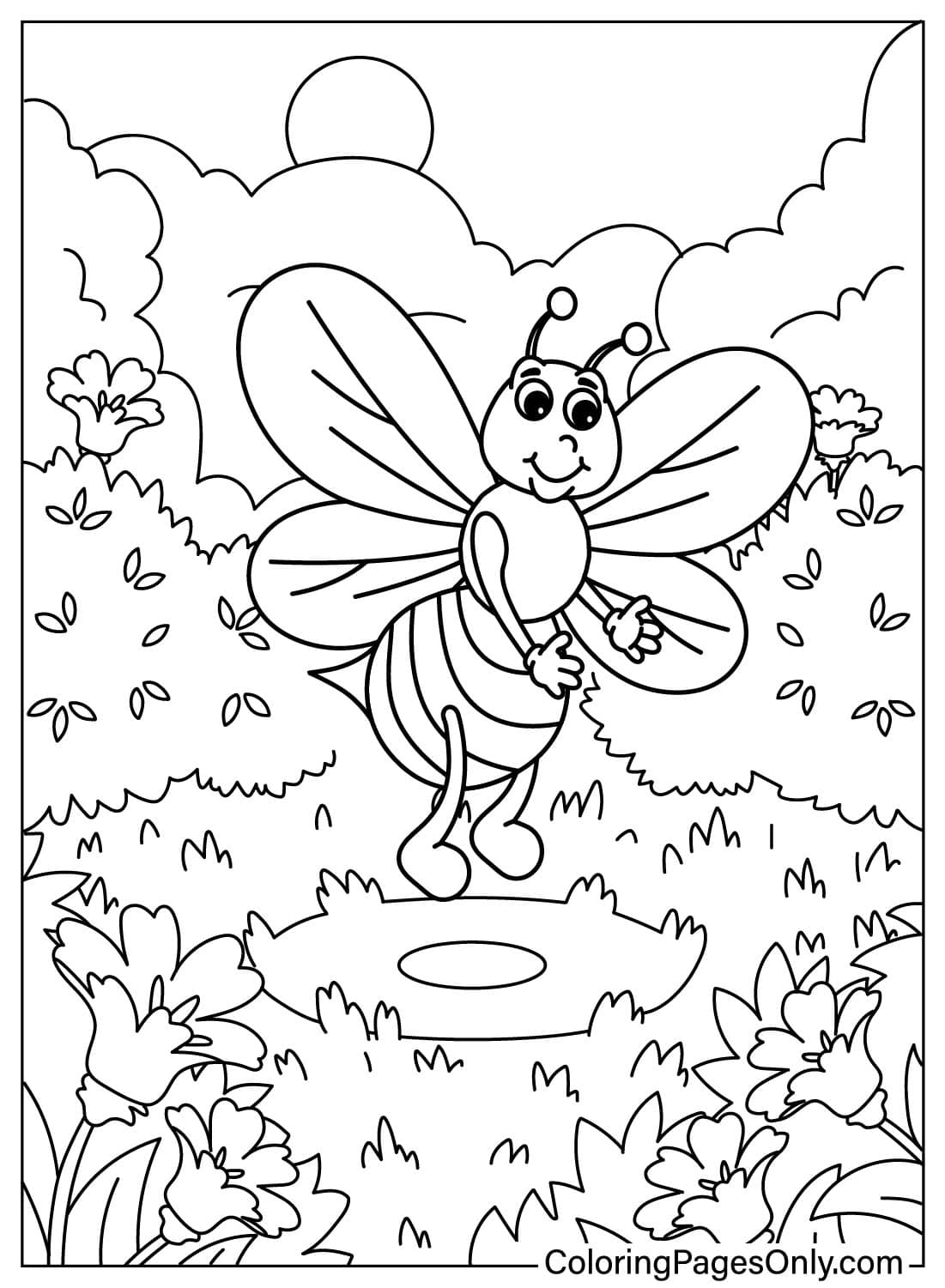
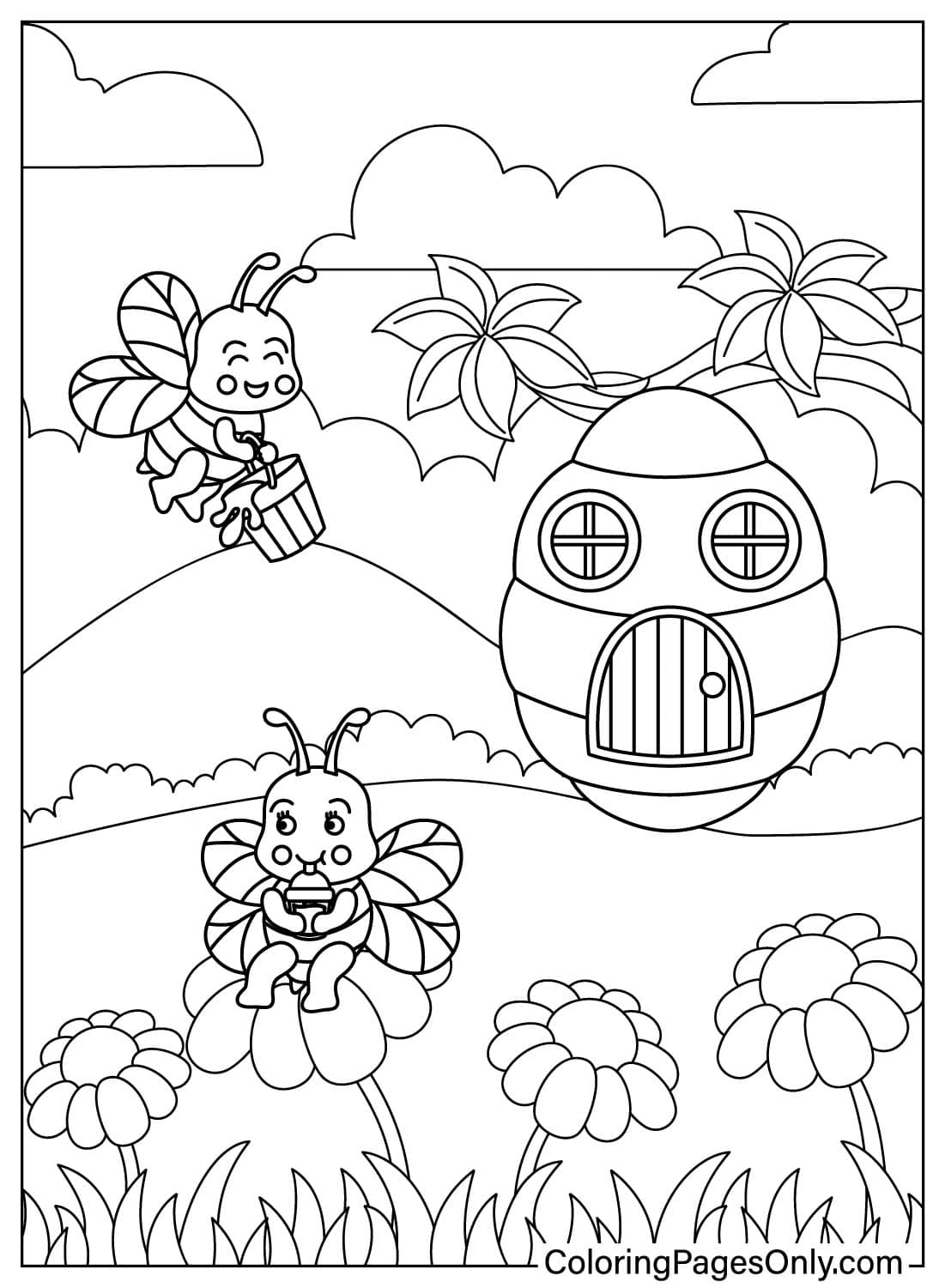
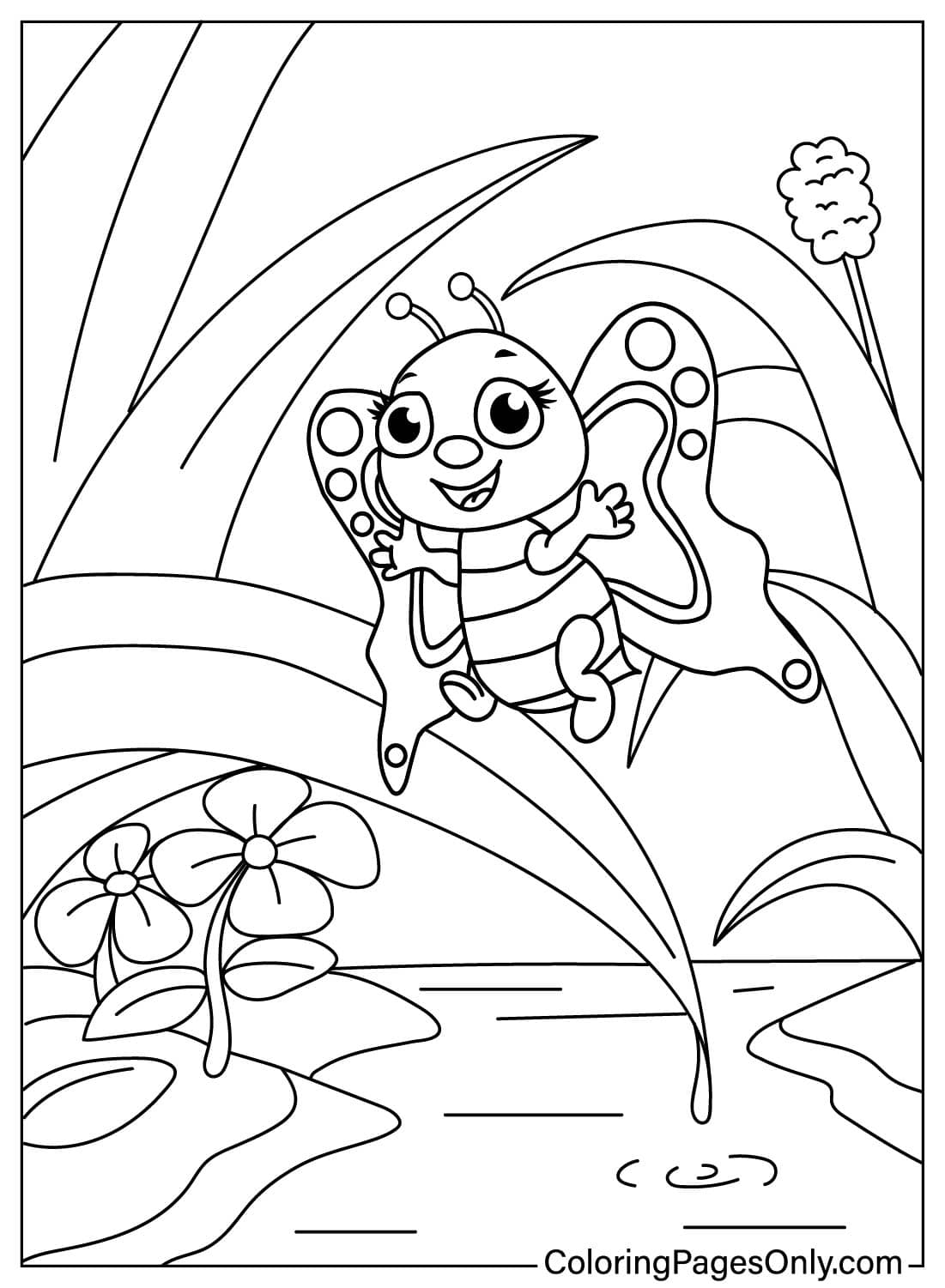
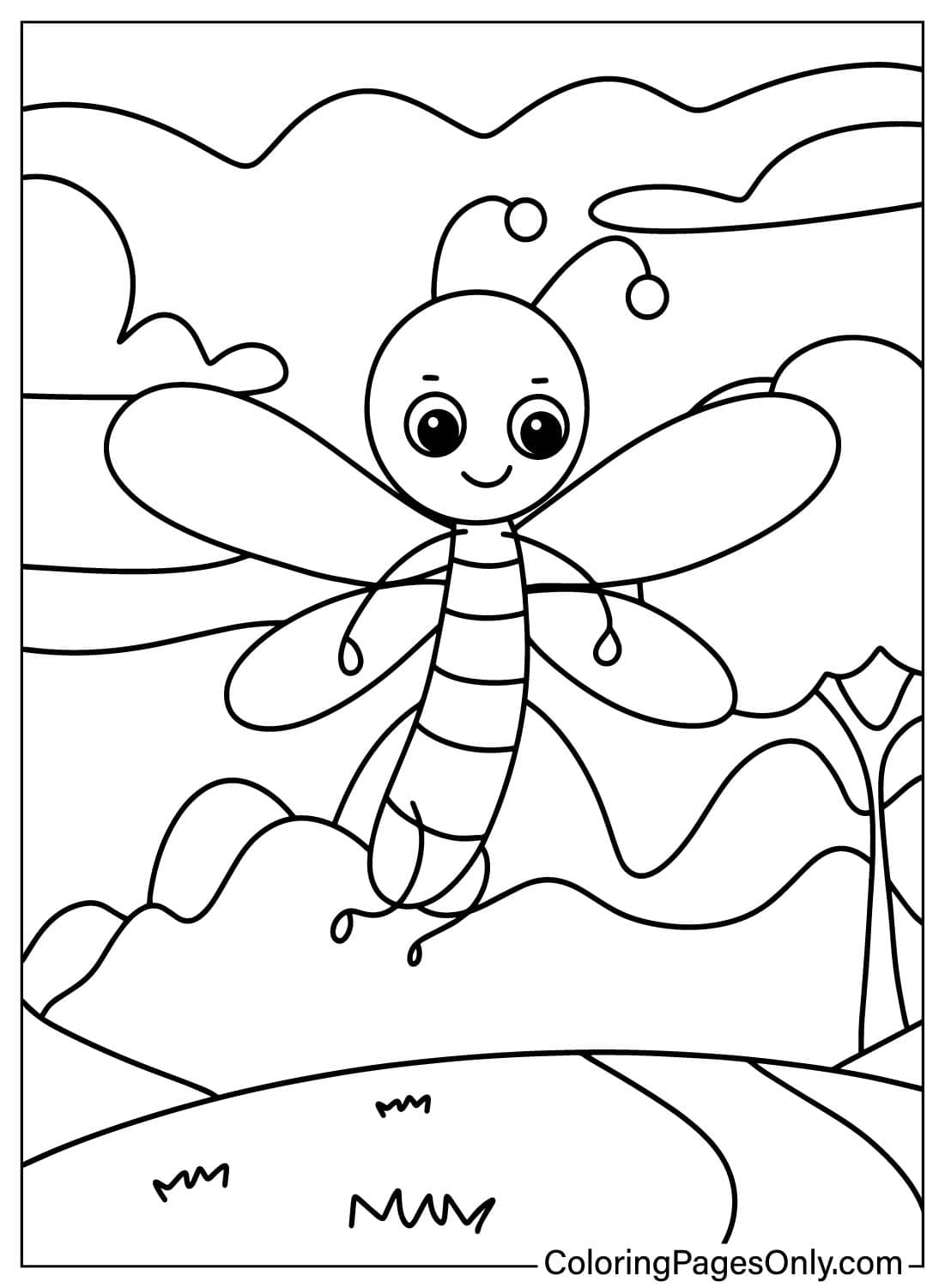
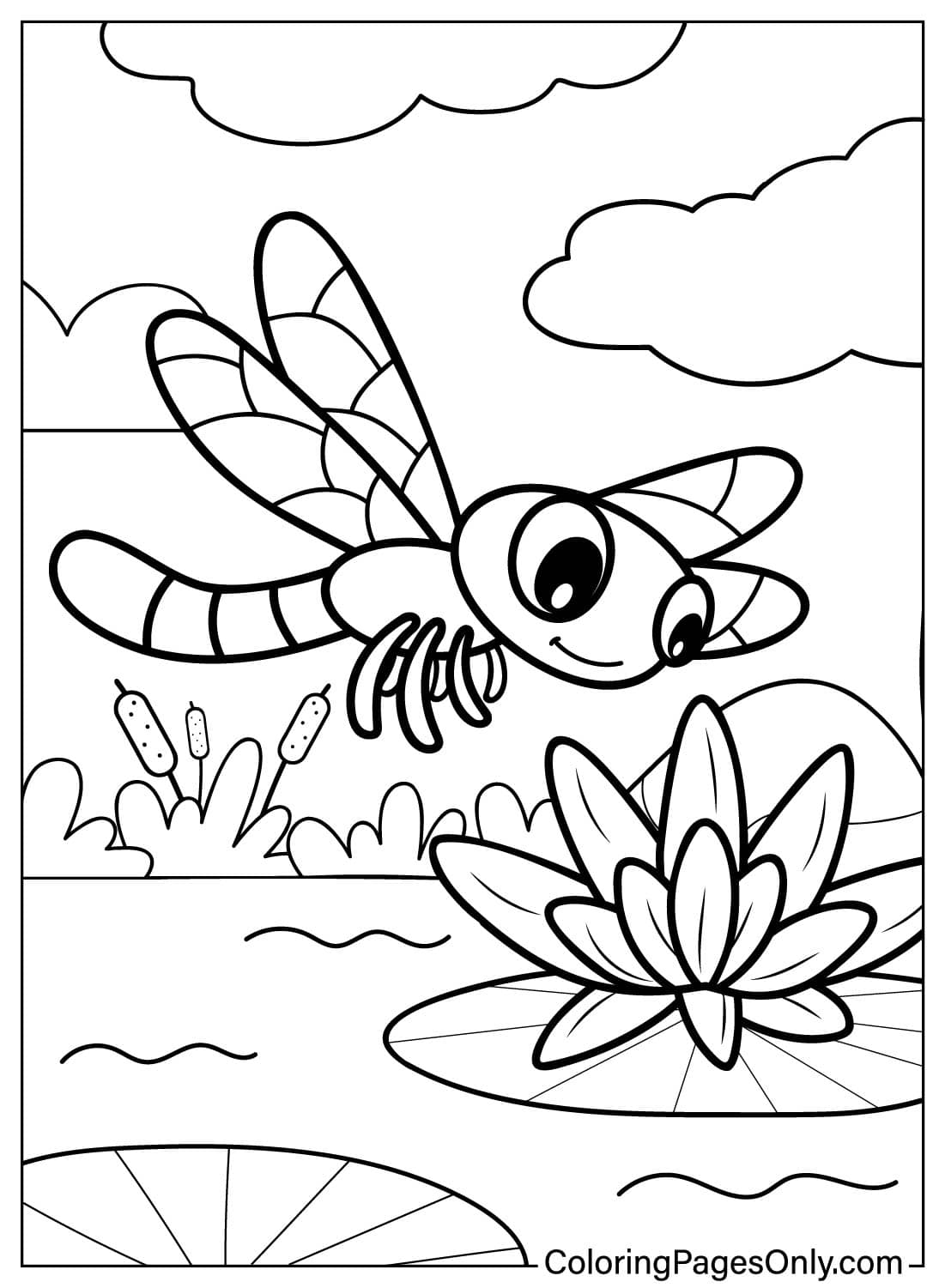
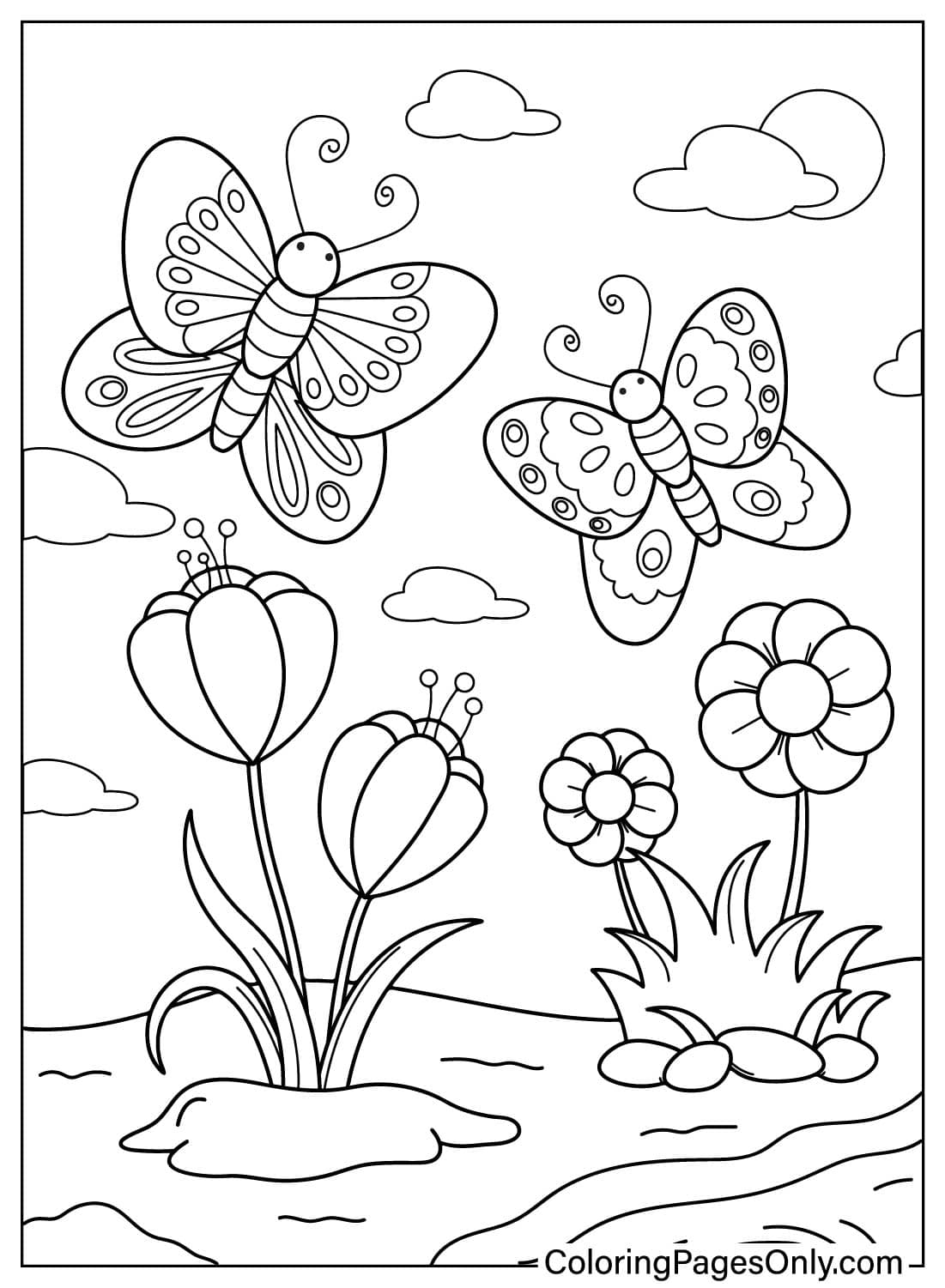
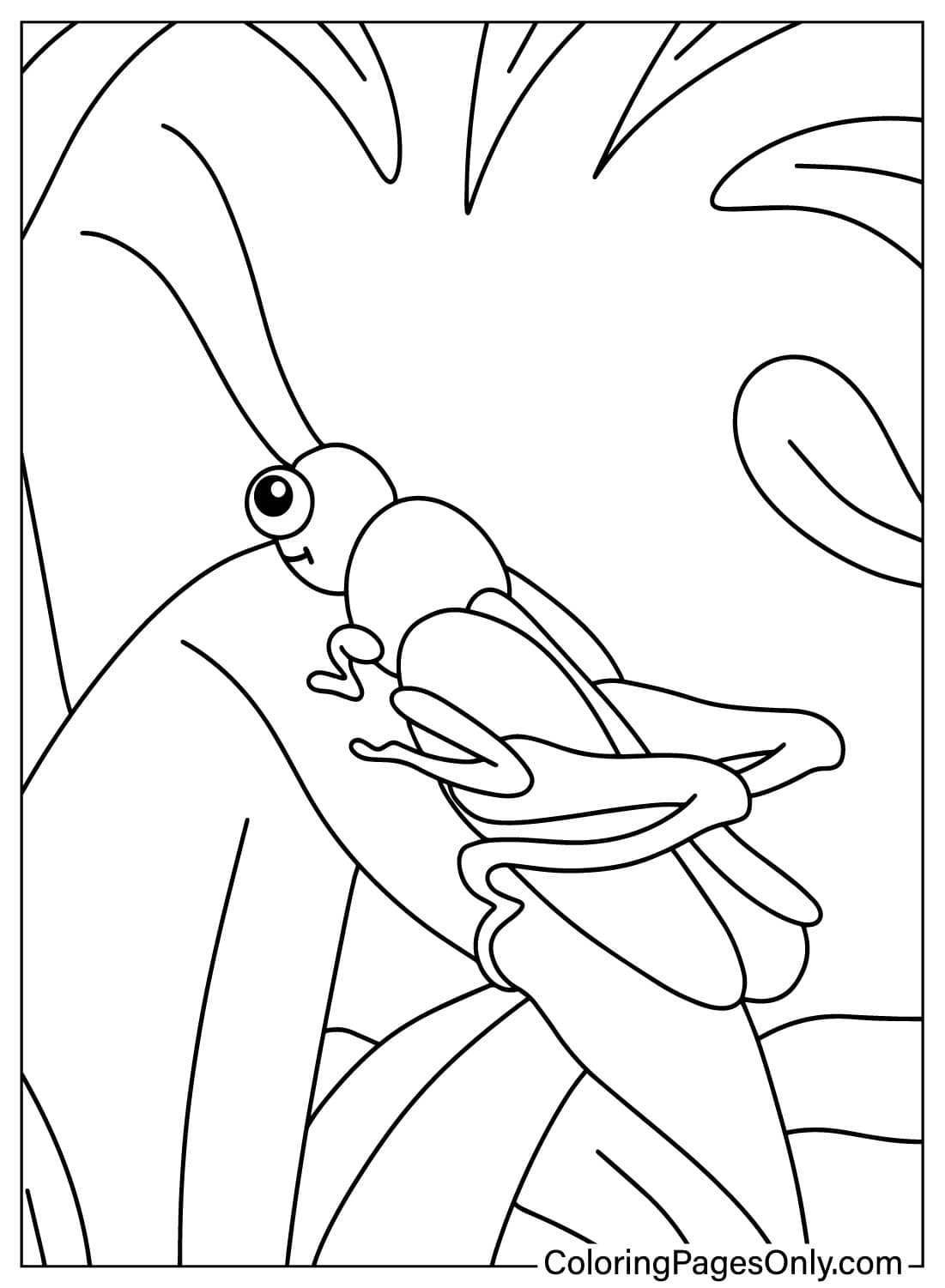
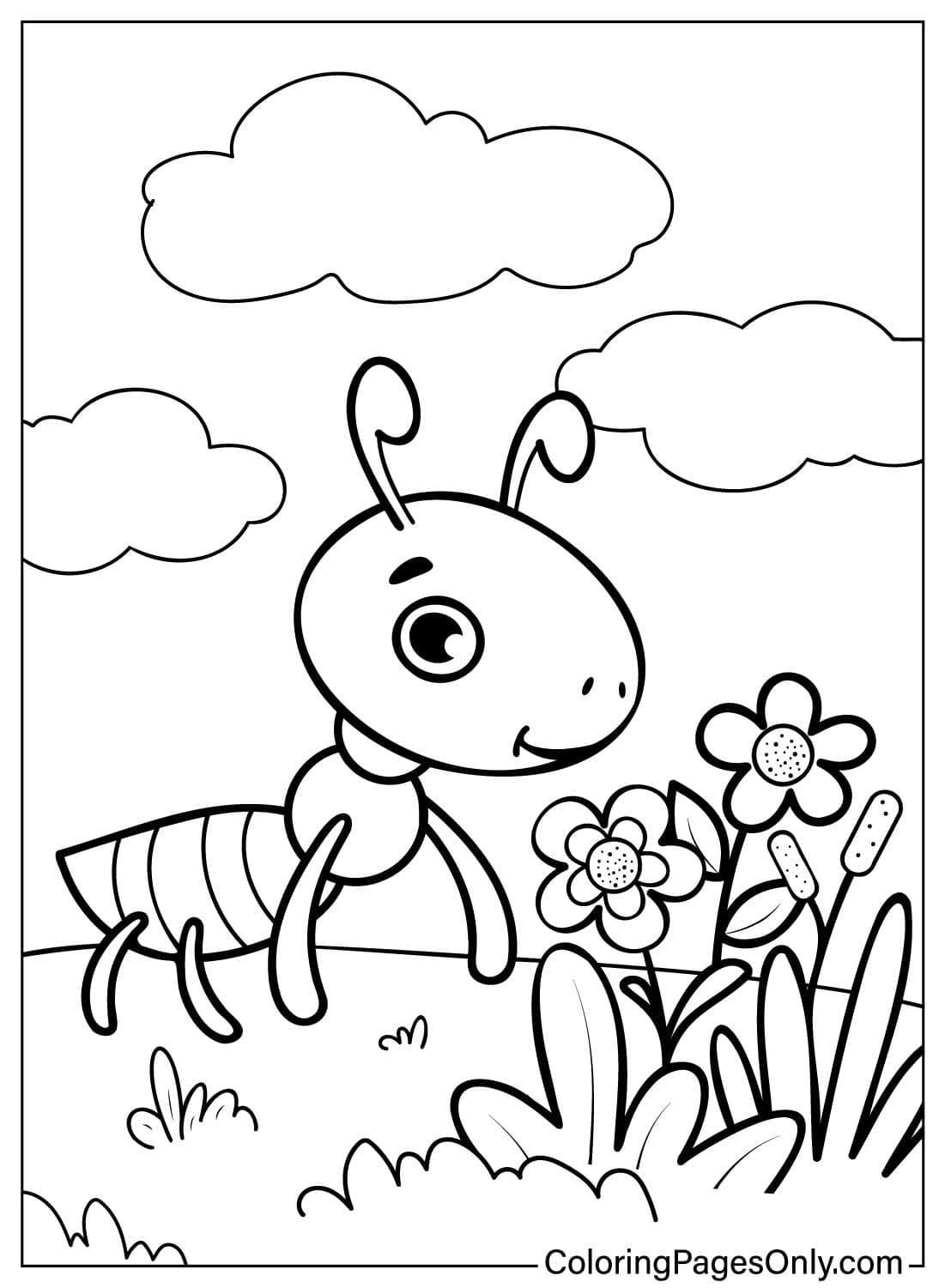
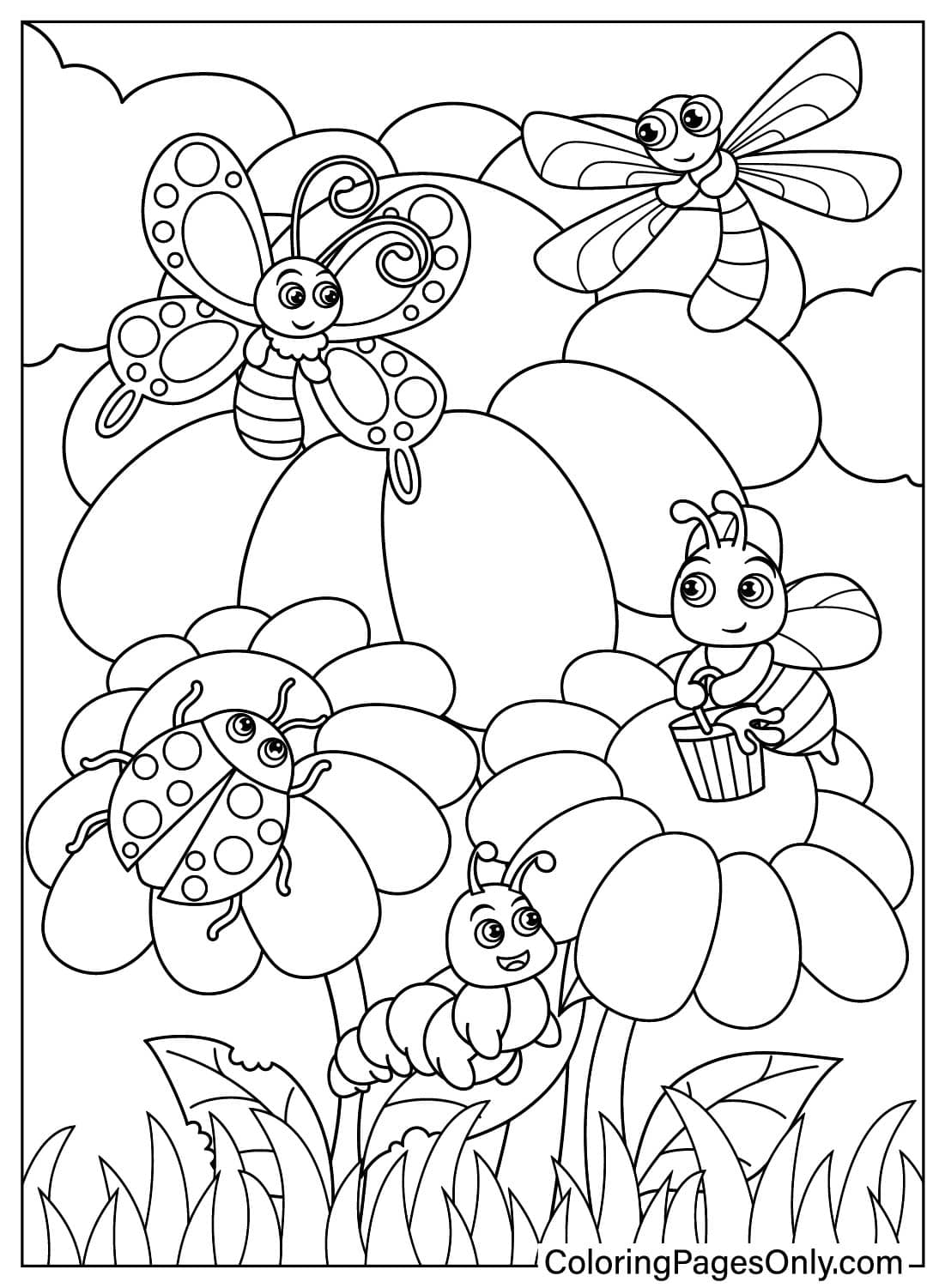
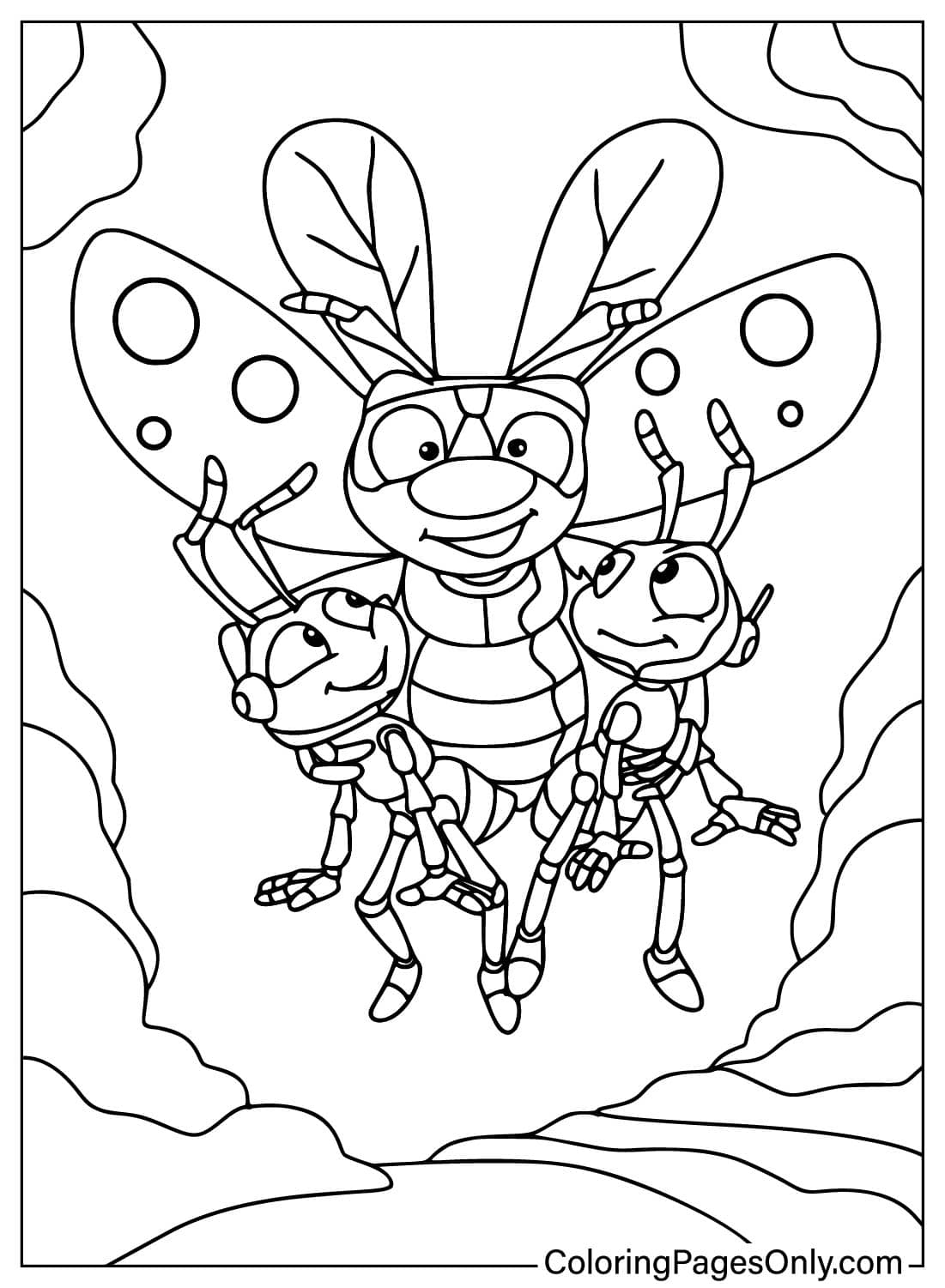
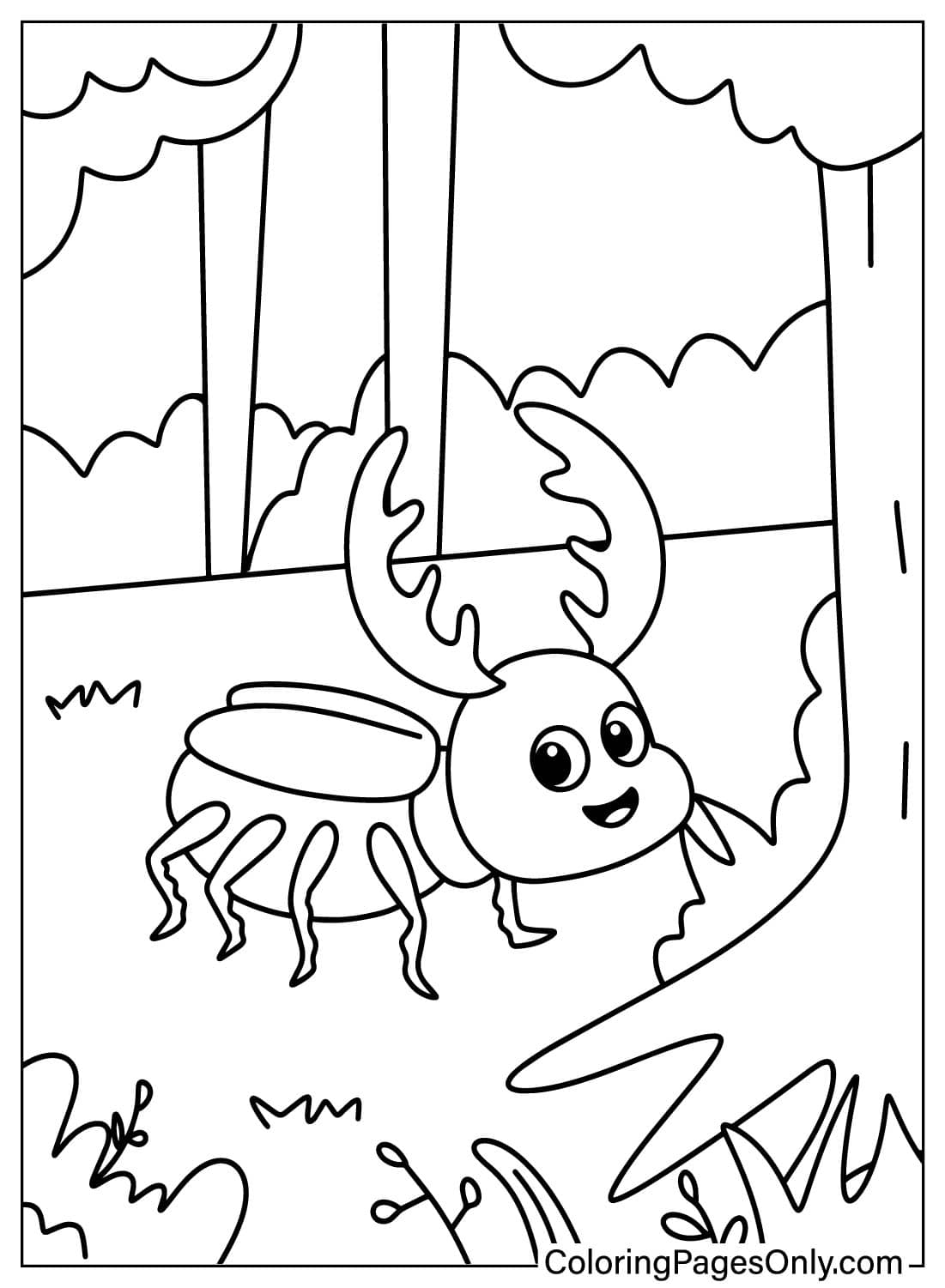
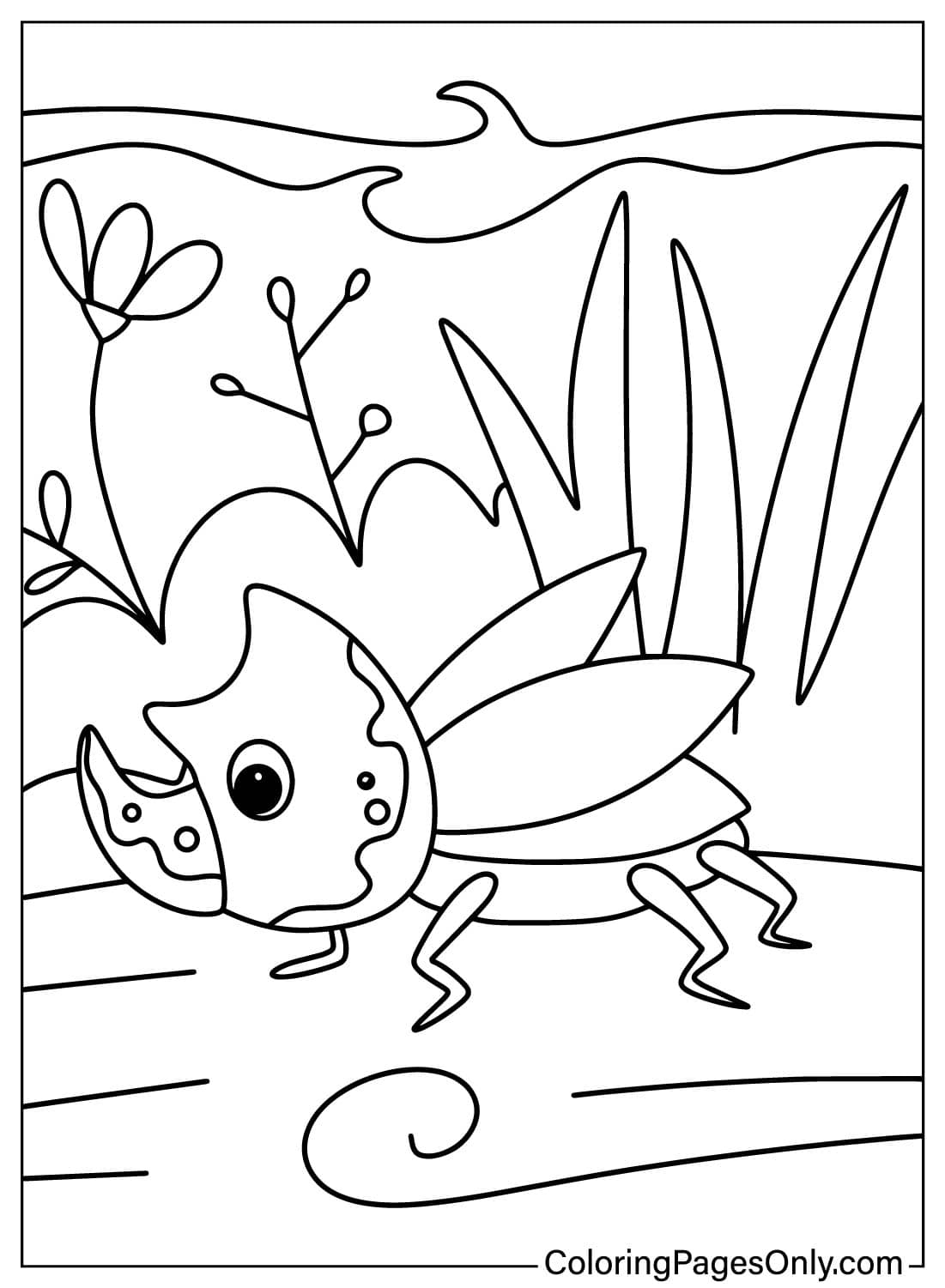
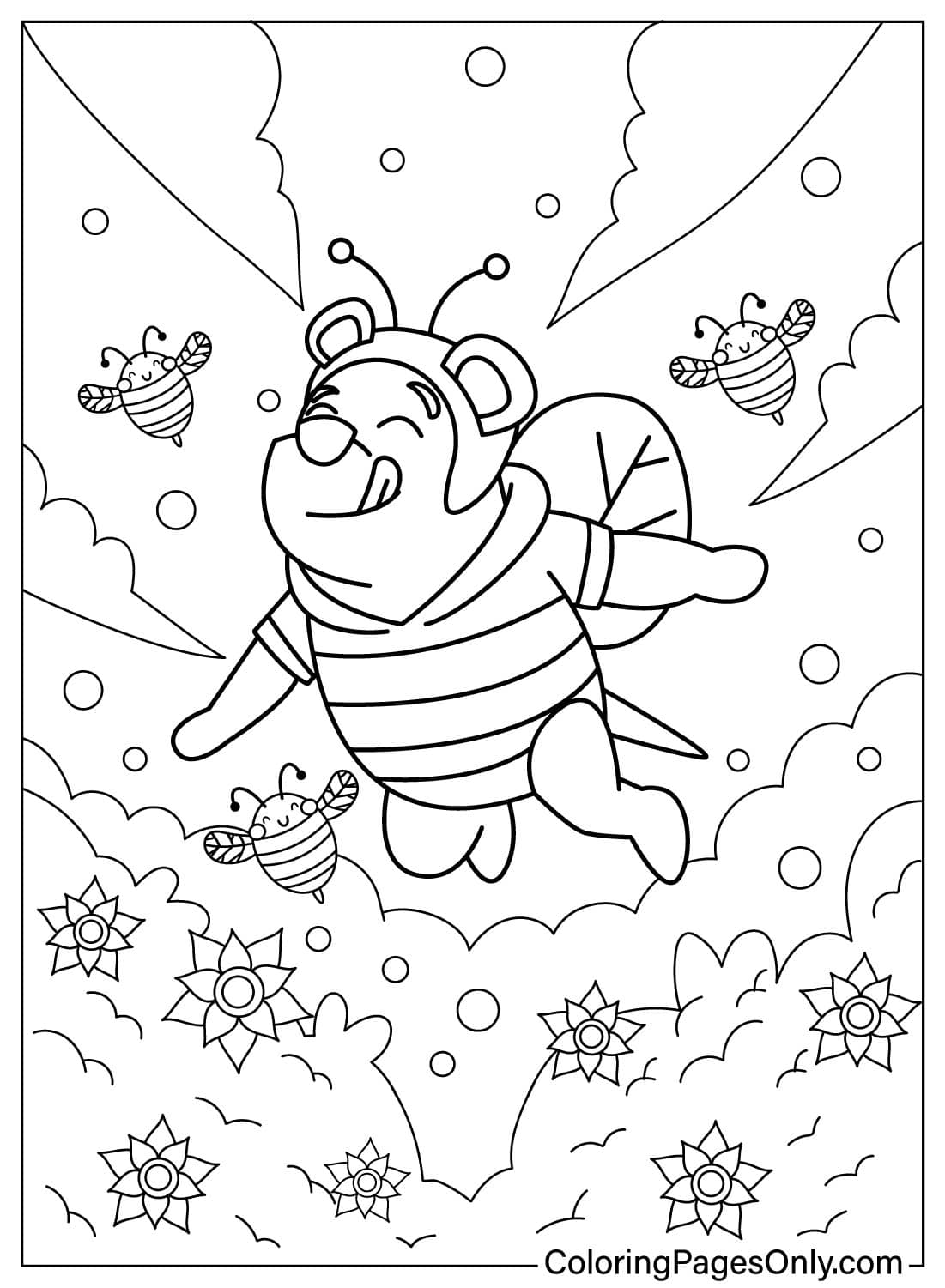
What Is Inside This Collection
The 30-page group is divided by how specifically each design names its subject rather than by a single repeated scene.
Named Insect Portraits
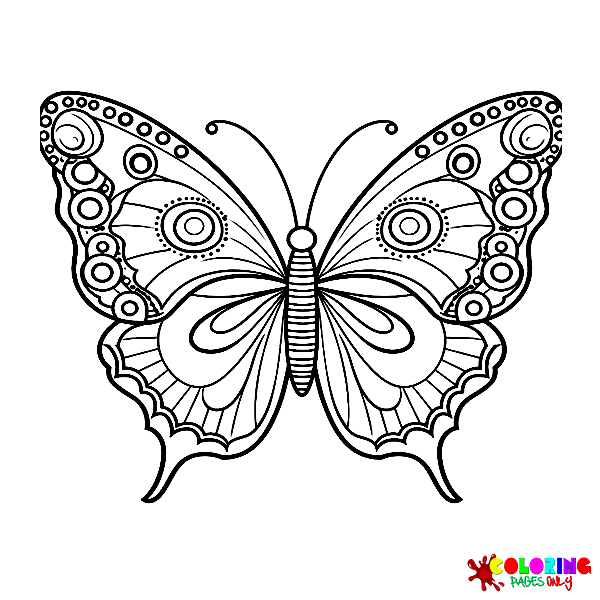
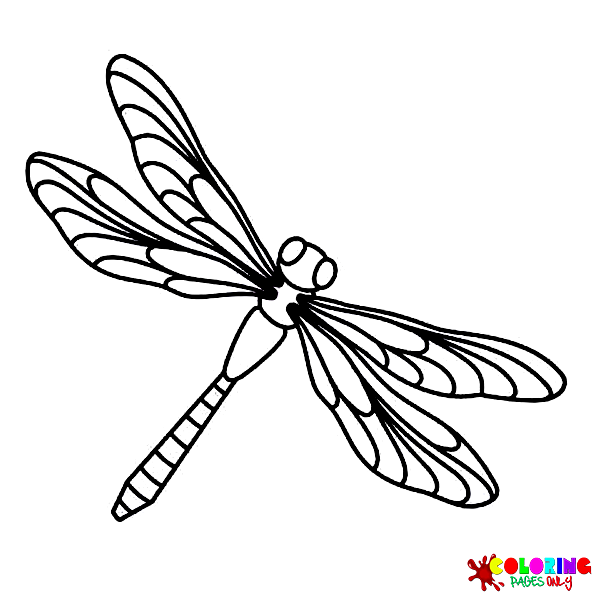
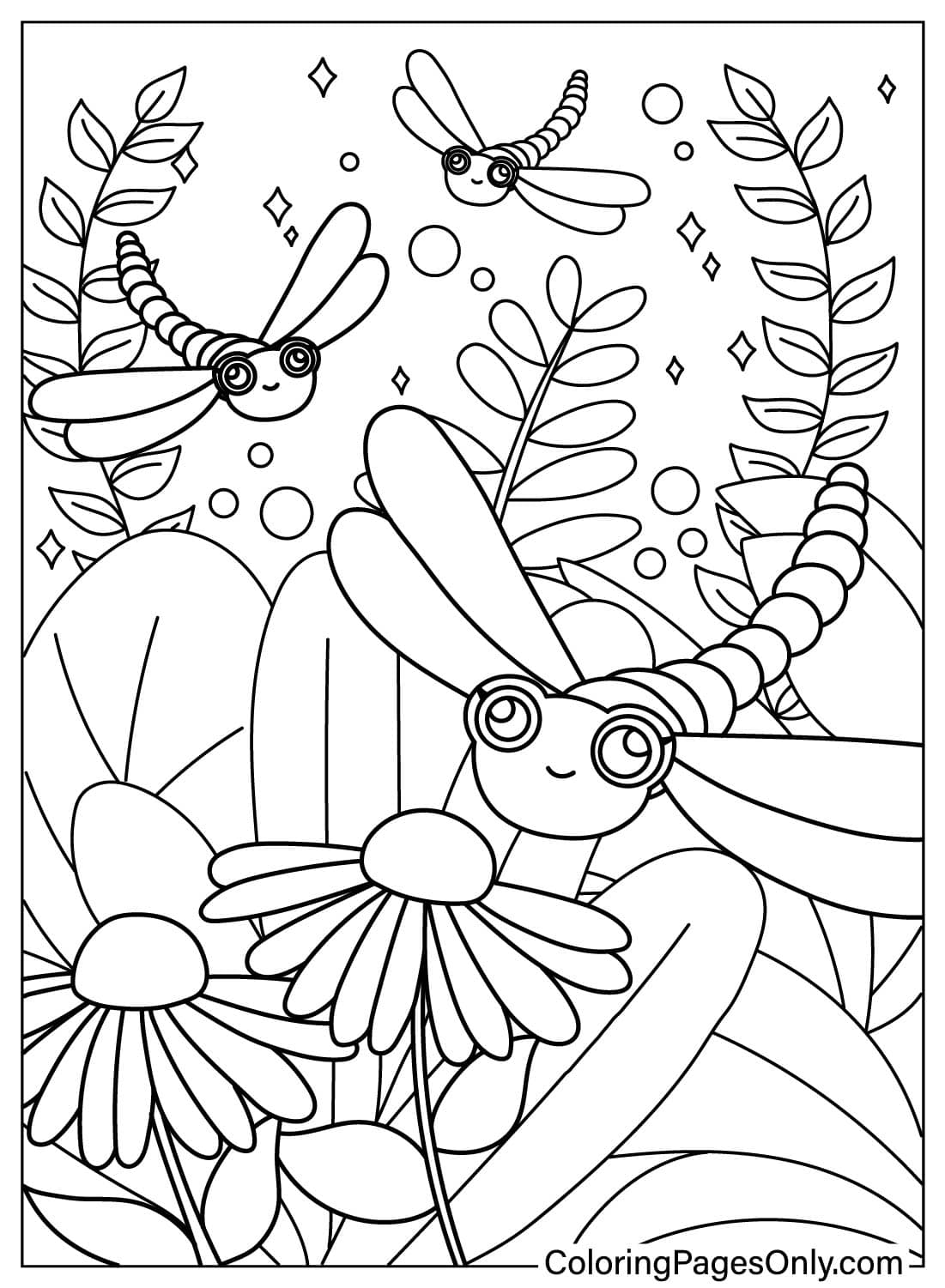
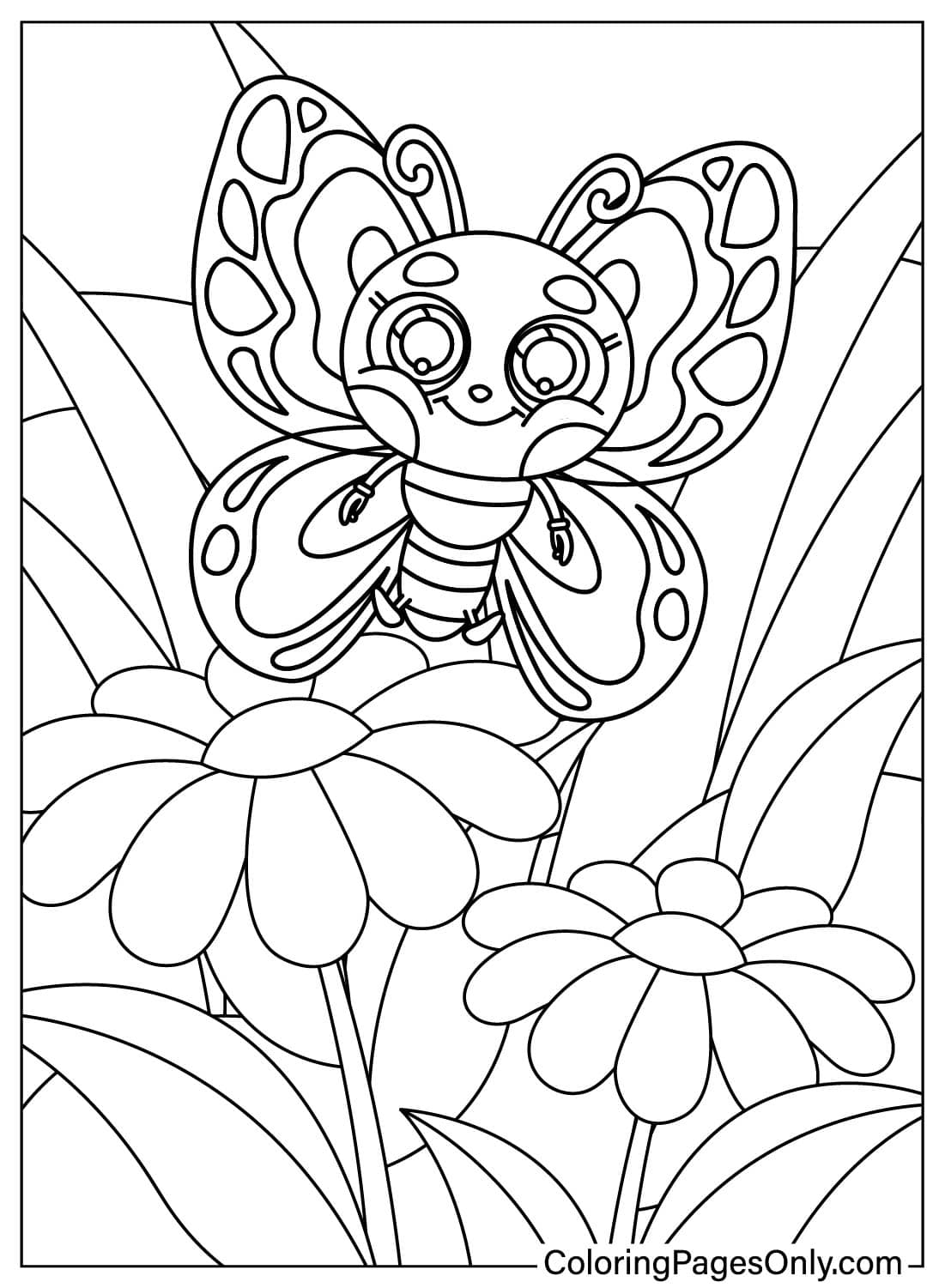
A little over a third of the set features a clearly identified species: dragonflies, butterflies, bees, ants, and a praying mantis, each shown on its own or paired with spring flowers. These suits are accurate, species-specific colors, since a dragonfly’s iridescent body and a bee’s banded abdomen call for different palettes.
General and Blended Spring Bug Scenes
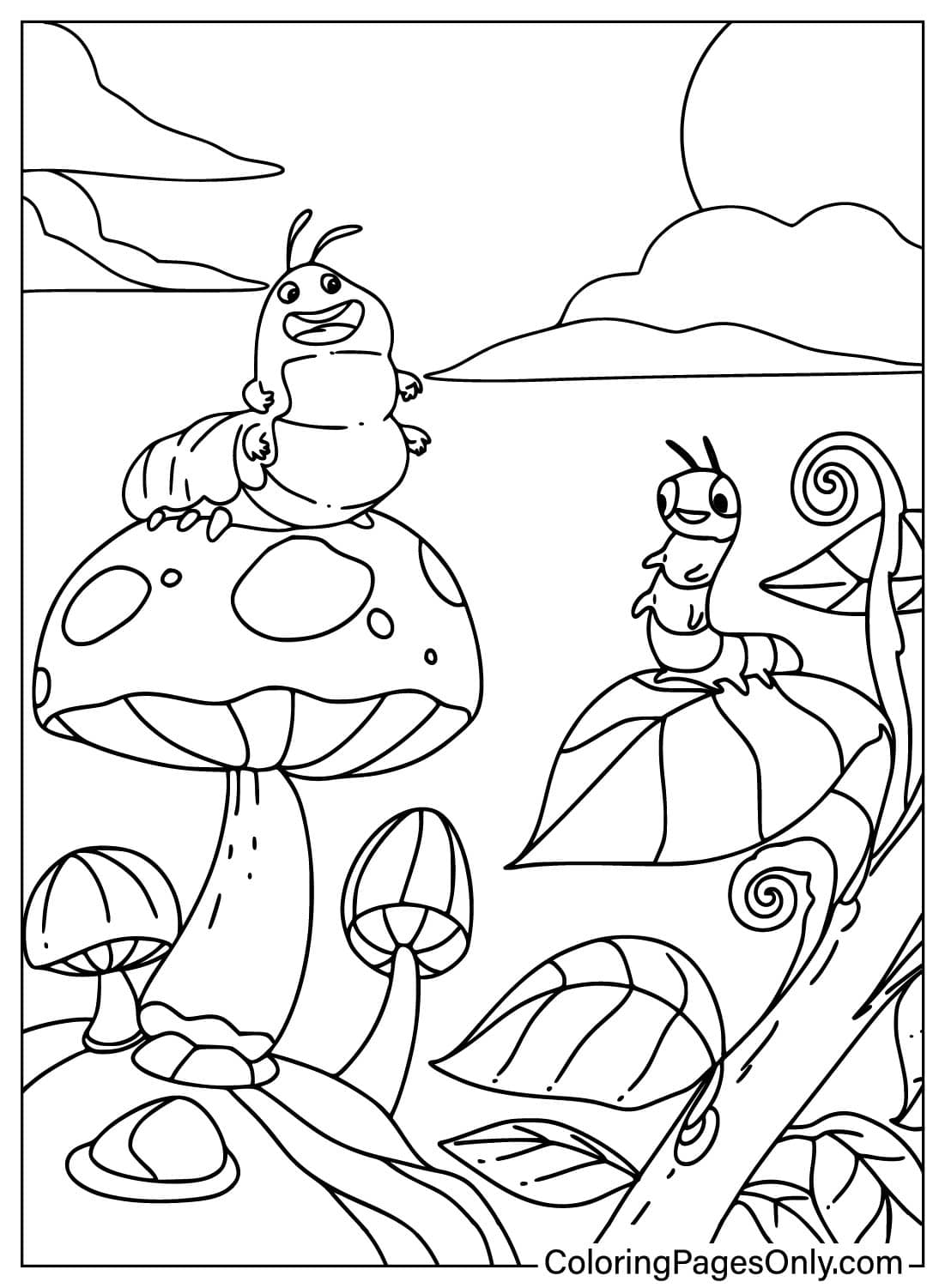
The largest group mixes several small creatures into one scene without naming a single species as the focus, often paired with blooming flowers or a garden setting. These work well as a looser, faster coloring set, since the point is the overall spring scene rather than any one insect’s exact markings.
A Garden Companion Beyond True Insects
One page in the set features a worm rather than an insect. Worms are a different kind of animal entirely, without the six legs or segmented body plan that defines true insects. Still, they are included here as a familiar spring garden sight worth acknowledging, honestly rather than mislabeling.
What Spring Insects Coloring Pages Do
Fine motor development across genuinely different body shapes. The American Academy of Pediatrics identifies fine motor skill development as a core benefit of structured coloring for children ages 2 through 7. This set gives that practice unusual variety within one collection: a dragonfly’s four thin wings, a bee’s fuzzy banded body, and an ant’s narrow-waisted frame each demand a different kind of line control rather than one repeated outline.
A real seasonal changeover, not just a themed backdrop. Many of the insects in this set spend winter as eggs, pupae, or dormant adults and only become active as temperatures rise, which is why a spring-insect page is showing something that is actually happening outside during the season rather than a generic warm-weather illustration. A praying mantis nymph hatching from an egg case in spring is a specific example of that real seasonal timing.
Calm, detailed shading through wing and body pattern work. A 2005 study in the Art Therapy Journal documented measurable reductions in anxiety following structured coloring sessions, and the fine wing veins on the dragonfly and butterfly pages call for the same slow, segment-by-segment attention the study associated with that calming effect, rather than one flat color fill.
An honest chance to sort insects from insect look-alikes. Because this collection includes a worm page alongside true insects, it offers a natural, low-pressure way to talk about what actually makes something an insect, rather than assuming every small garden creature qualifies, which many themed collections gloss over.
How to Color These Pages Well
- Dragonflies: Use a shifting blend of Turquoise and Sky Blue along the body, since many dragonfly species have an iridescent sheen rather than one flat color.
- Butterflies: Mirror the same colors and pattern on both wings, since real butterfly wings are symmetrical, and use Black for the wing vein outlines to make the pattern read clearly.
- Bees: Alternate Golden Yellow and Black in clean bands across the abdomen, and keep the wings a very pale, almost clear Gray rather than a solid color.
- Ants: Use Black or Sepia for the body, with a slightly darker shade at the narrow waist to emphasize the three-part body structure.
- Praying mantis: Color the body a fresh Sea Green or light Olive, since most mantises are colored to blend into spring foliage.
- Flowers and garden background: Keep blossoms in Carnation Pink or Lavender and stems in Sea Green, so the insects stay the visual focus rather than competing with an overly bright background.
5 Creative Craft Ideas With Spring Insects Coloring Pages
1. Hanging Insect Mobile
Color four or five insect pages, cut around each shape, and punch a small hole at the top of each one. Tie each cutout to a branch or a wooden dowel at a different string length so the insects hang and turn at slightly different heights.
2. Backyard Bug Spotting Match
Color a page for each named insect in the set and take the finished pages outside on a short walk around a yard or park. Check off or set aside any page whose real insect gets spotted, turning the coloring set into a simple observation activity.
3. Stained-Glass Window Cling
Color a butterfly or dragonfly page directly onto a sheet of wax paper or tracing paper using markers, pressing firmly so the color shows through. Tape the finished piece to a window so light passes through the wings, similar to a stained-glass effect.
4. Insect Garden Mural
Color several individual insects and a few flower or leaf shapes separately, then cut them all out. Arrange and glue the pieces onto one large shared sheet of paper to build a single garden scene out of everyone’s individual pages.
5. Pressed Flower Pairing Card
Color one of the insect-and-flower pages and let it dry completely. Glue a real pressed flower or a few flat leaves next to the printed flower on the page, then use the finished piece as a card or a piece of wall art.
Frequently Asked Questions
What are spring insect coloring pages?
A free set of 30 printable PDF and online coloring designs featuring the bees, butterflies, dragonflies, ants, and other small creatures commonly seen in spring. Every page downloads free or opens for online coloring, with no account required.
What insects are included in this collection?
The set includes dragonflies, butterflies, bees, ants, and a praying mantis as clearly named species, alongside general blended scenes and one page featuring a garden worm.
Is a worm actually an insect?
No. True insects have six legs and a three-part body of head, thorax, and abdomen, while a worm has none of these features and belongs to a different group of animals entirely, even though it is a familiar sight in a spring garden.
Why do so many insects appear in spring specifically?
Many insects spend the colder months as eggs, larvae, or dormant adults and only become active once temperatures rise, so a sudden increase in visible insects each spring reflects a real seasonal changeover rather than random timing.
Do worms really come to the surface to avoid drowning in the rain?
That is a common explanation, but current research treats it as more myth than fact, since worms breathe through their skin and can survive fully submerged for days. Scientists now think rain-triggered movement is more likely tied to migration or to vibrations that mimic a predator.
What colors should a praying mantis be?
Most praying mantises are colored to match spring foliage, typically a fresh green or light brown, which helps them stay hidden from both predators and the insects they hunt.
Are spring insect coloring pages appropriate for young children?
Yes. The general blended scenes and simple cartoon-style pages suit toddlers and preschoolers, while the more detailed dragonfly and butterfly wing patterns work well for older children who want a longer coloring project.
Can this collection be used for a classroom lesson on insects?
Yes. The named-species pages pair well with a lesson on basic insect anatomy, and the worm page offers a natural opening to discuss which small garden animals are and are not true insects.
Start Coloring
Download any page by clicking the design. No account, email, or payment is required. Pages print directly from the browser at full resolution or open in the online coloring tool for screen use. Share finished pages on Facebook or Pinterest using the share buttons at the top of each design page.