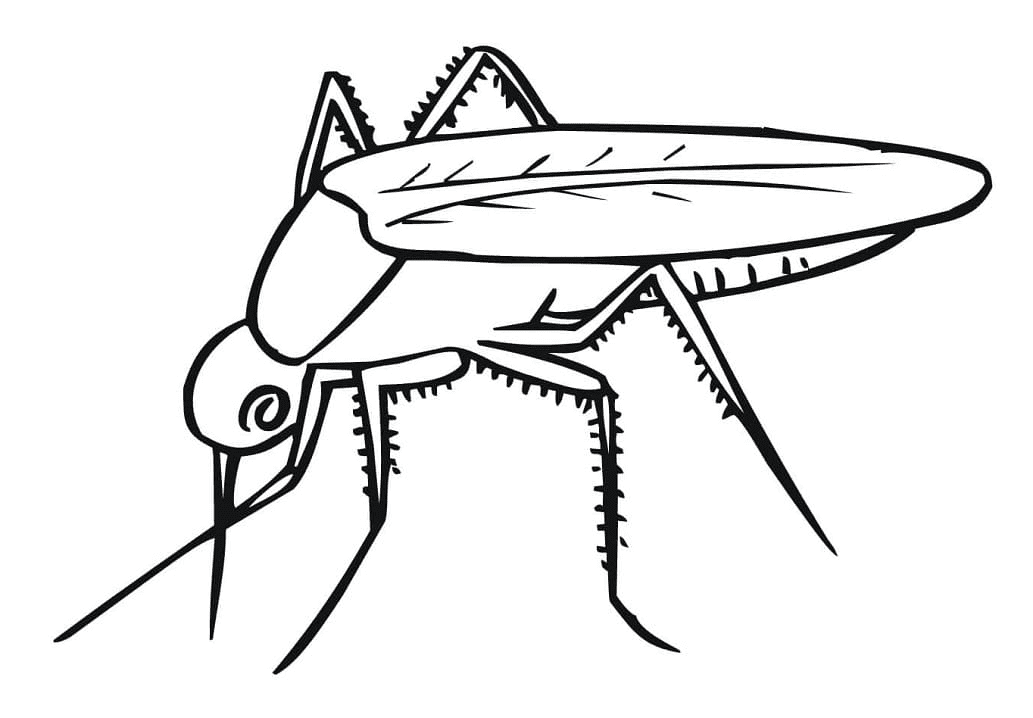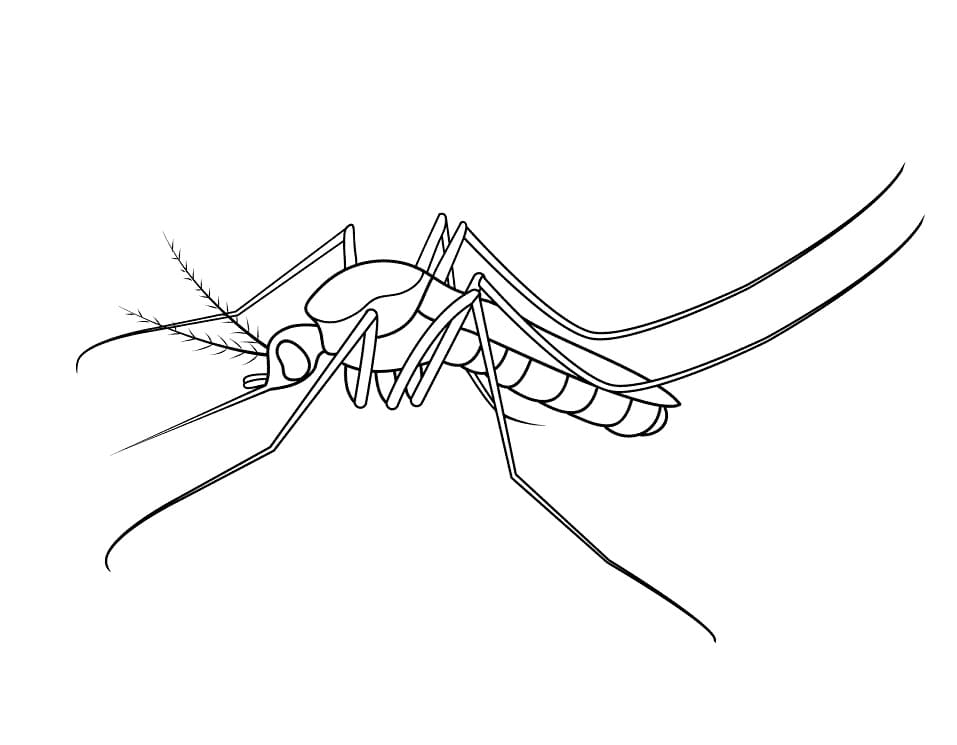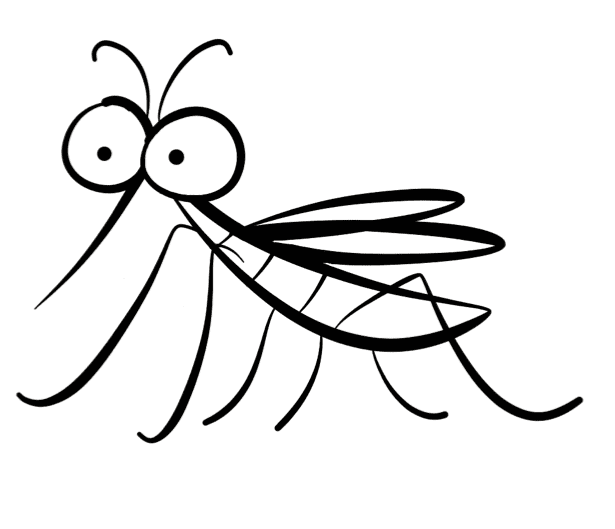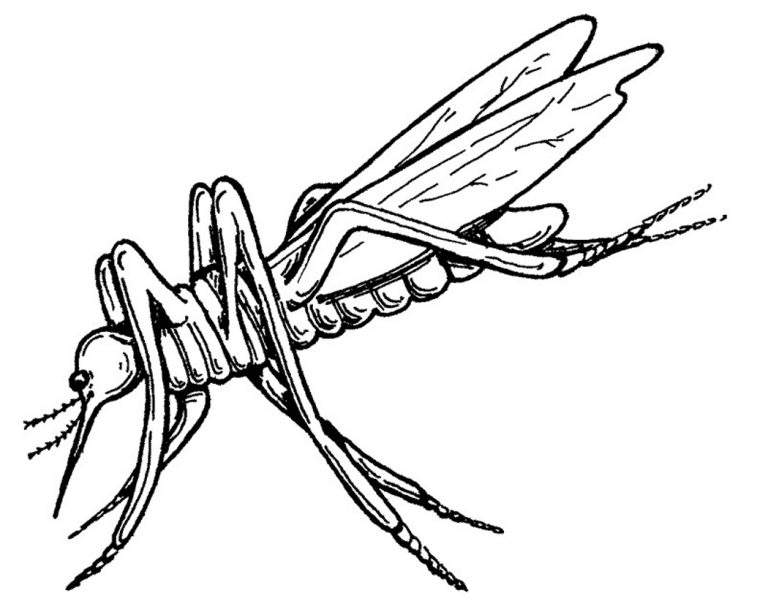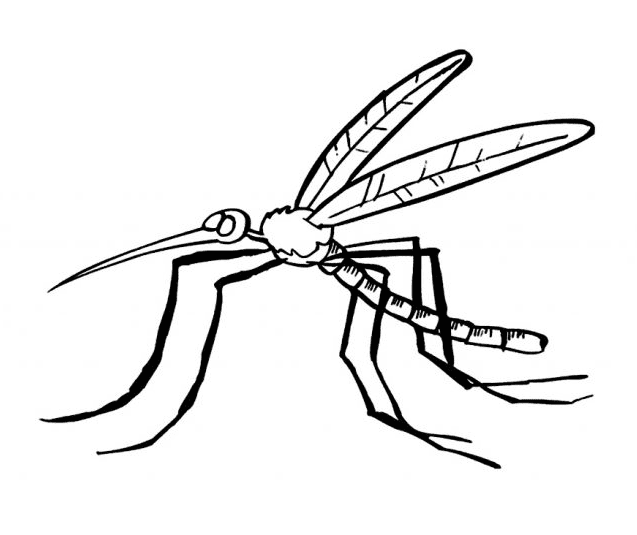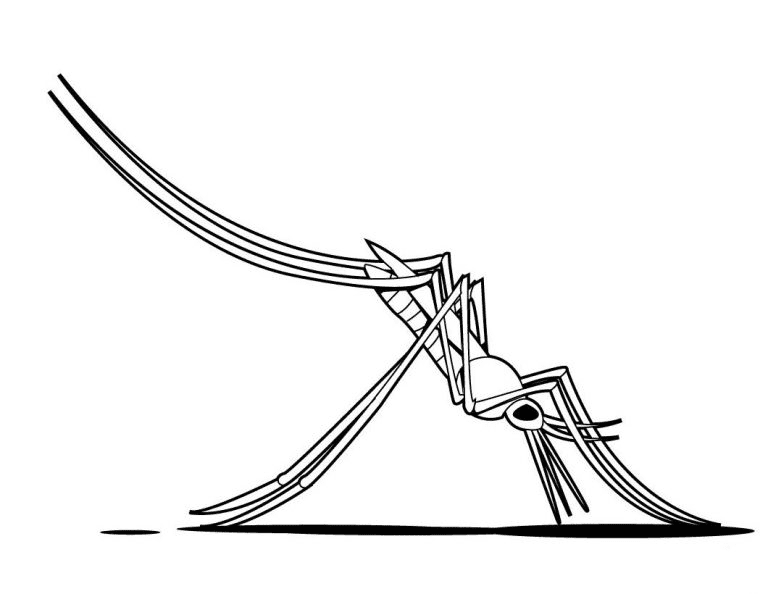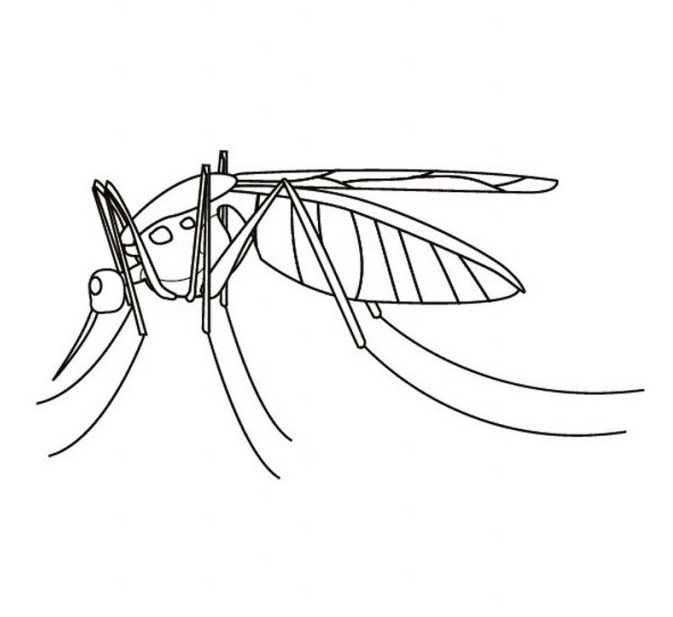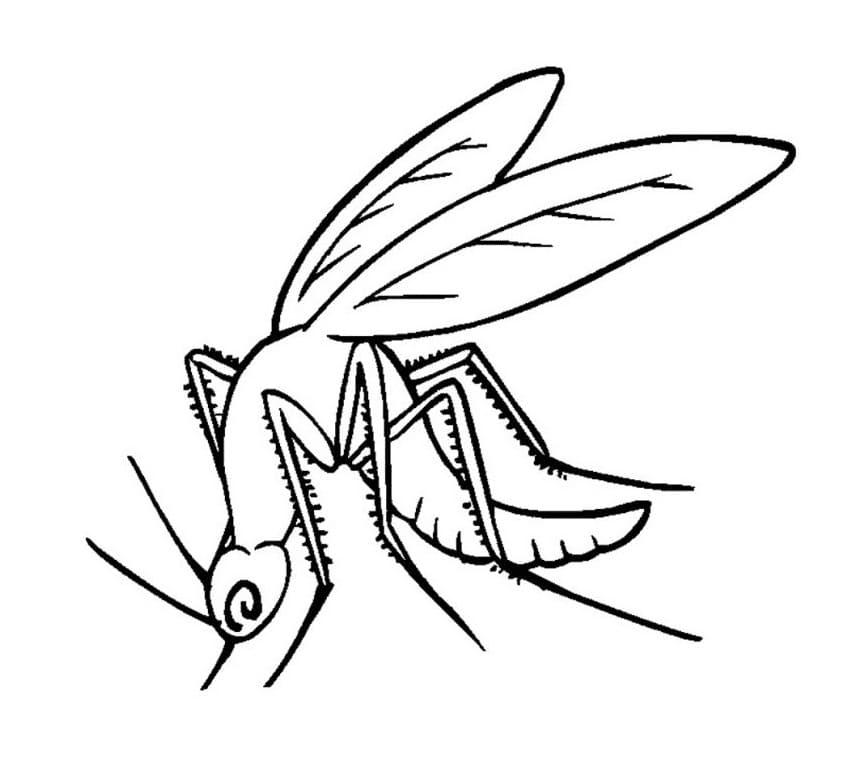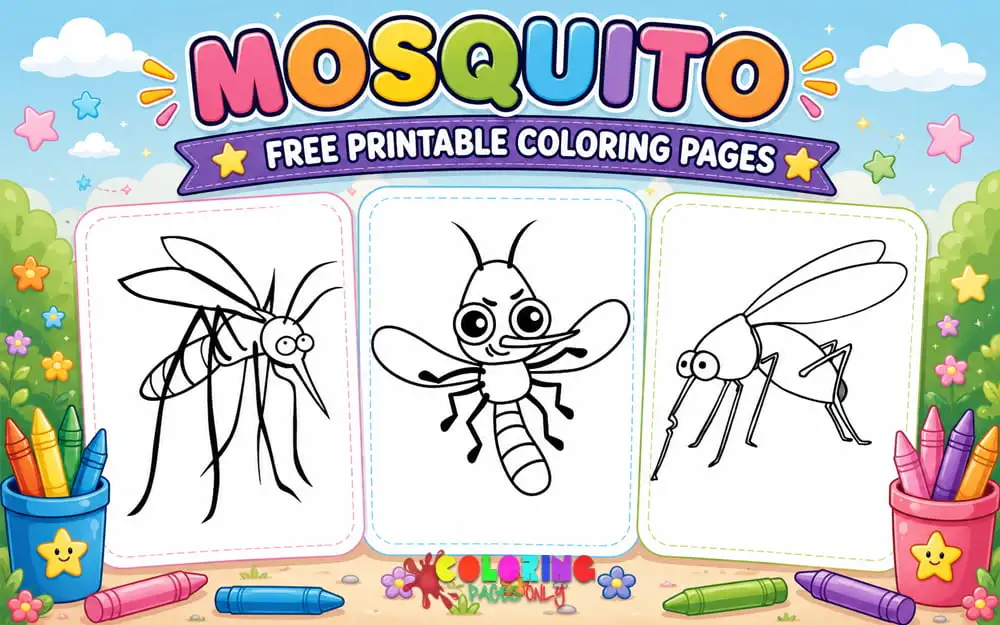
Free Mosquito Coloring Pages: 30+ printable PDF pages featuring cartoon and cute mosquitoes, angry and fierce designs, realistic and lineart pages, funny scenes including a waiter mosquito and a boy chasing mosquitoes, and simple outlines sized for small hands. All free, download PDF to print, or color online.

Of all the insects to color, the mosquito might be the most interesting to look at closely. A real mosquito has six long segmented legs, two wings covered in tiny scales, large compound eyes, feathery antennae, and a needle-sharp proboscis at the front of its head. Most of us have only ever seen one up close in the fraction of a second before slapping it away. A coloring page gives you a chance to look properly, and that changes the picture completely.

The mosquito is one of more than 3,500 species of insects in the family Culicidae, found on every continent except Antarctica. The females are the biters: they need a blood meal to develop their eggs, while males feed entirely on nectar and plant juices. According to the CDC, the female uses her proboscis to pierce skin and draw blood, while the male’s proboscis is not strong enough to do so. That single fact, so surprising to most people, is one of the best entry points for a conversation about science and nature that this set of pages naturally opens up. Simpler cartoon and cute pages suit younger children, while the more detailed lineart sheets give older children and adults a proper anatomy study to work through.

These pages work well at home, in the classroom, or as part of a nature or science activity. Because mosquitoes are real animals rather than characters or brands, no licensing disclaimer is needed here.

Quick Answer

Mosquito coloring pages are a free set of 30+ printable PDFs and online coloring sheets ranging from cute cartoon and funny designs to detailed lineart and true-to-life pages. The unusual anatomy, six long legs, scaled wings, compound eyes, and a distinctive proboscis give each page a built-in science angle that makes this set more interesting than it might first appear.

Best for: kids, older learners, nature and science fans, parents, and teachers. 

Formats: printable PDF and online coloring. 

Popular styles: cute and cartoon mosquitoes, angry and fierce designs, realistic and lineart pages, funny scene pages, and simple outlines. 

Creative uses: insect anatomy study, STEM science projects, nature observation activities, school biology displays, and early entomology exploration

What’s Inside Mosquito Coloring Pages

Cute and Cartoon Mosquito Pages

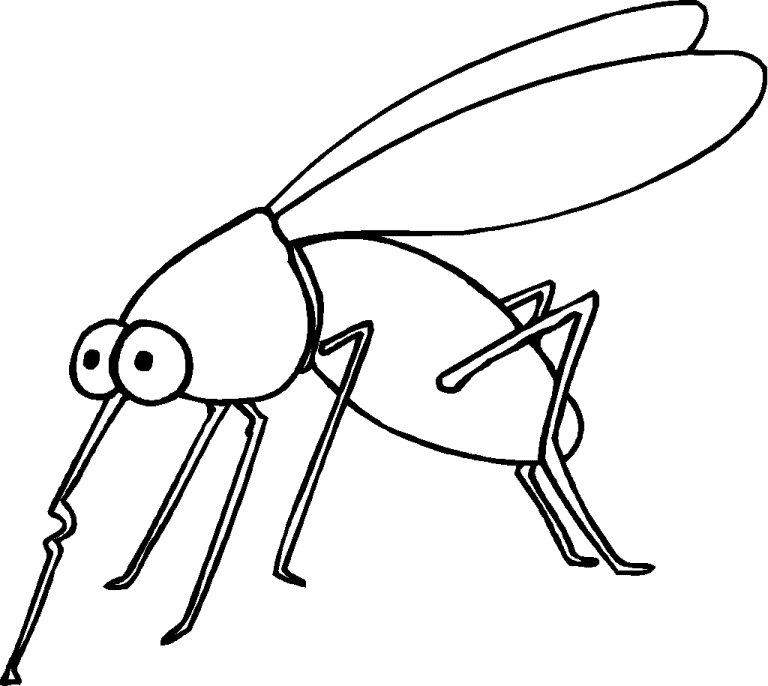
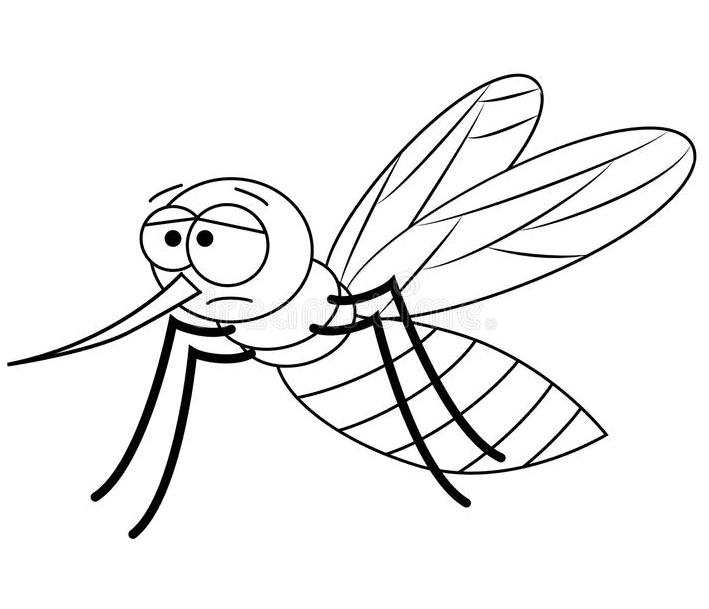
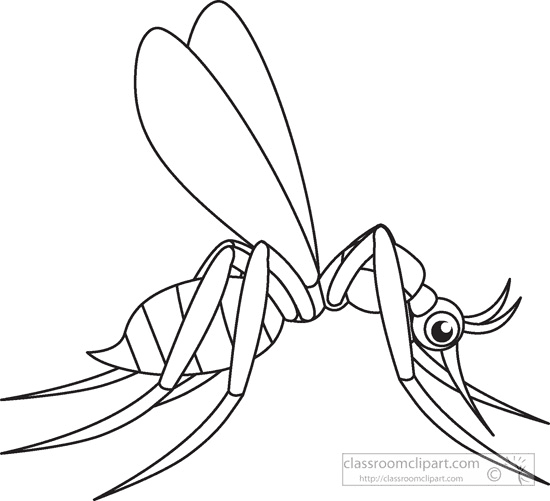
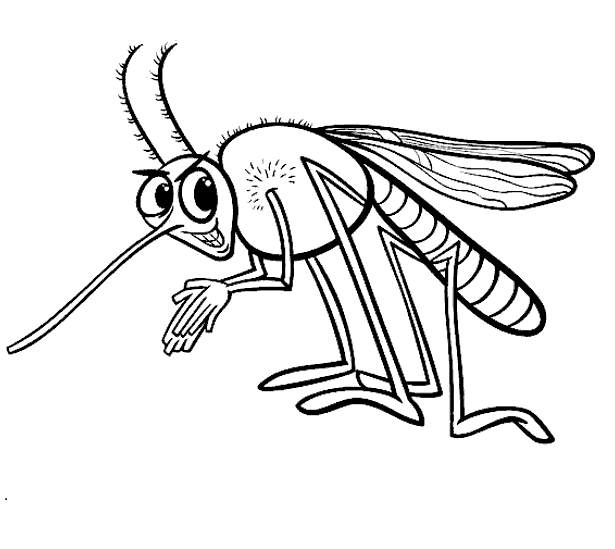
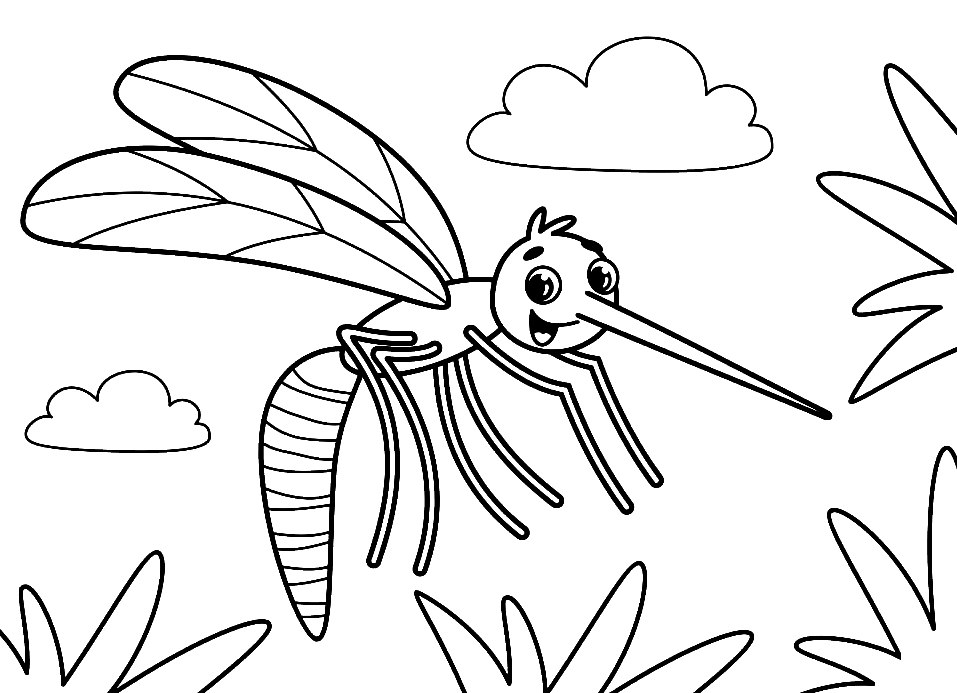
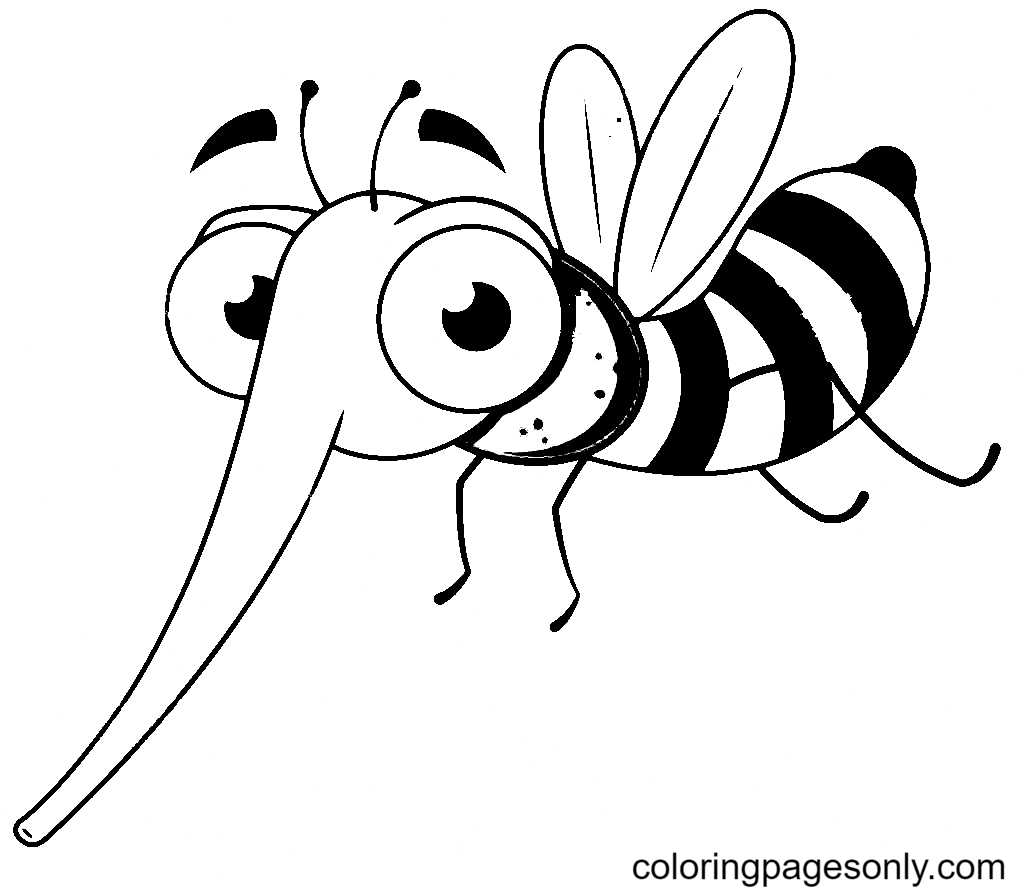
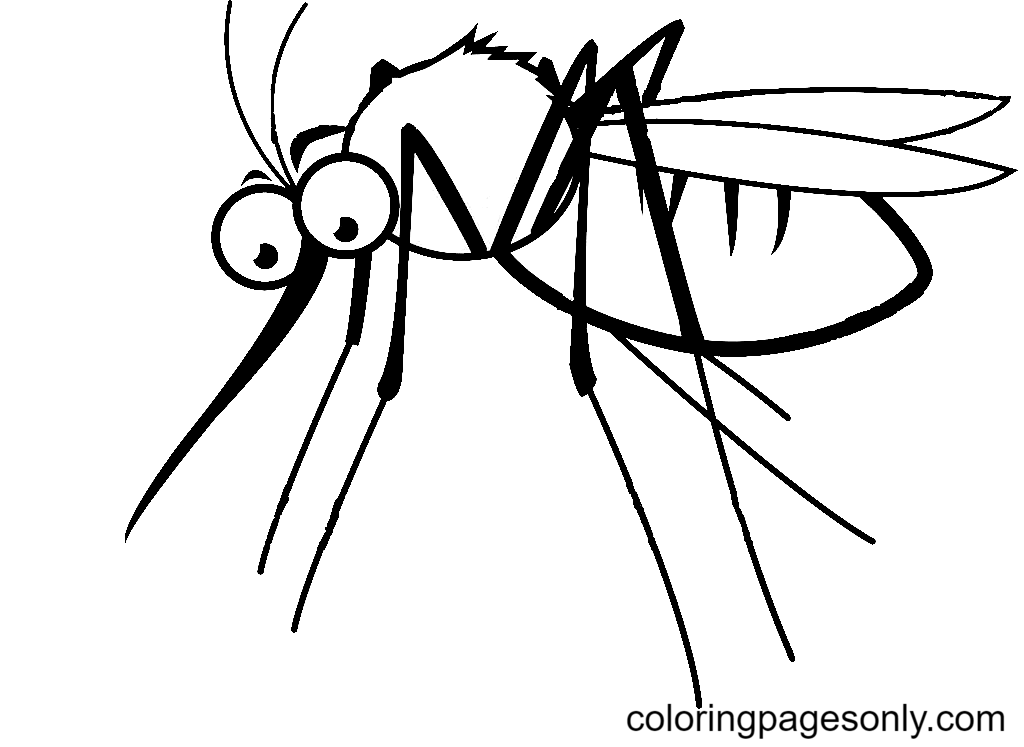
The friendliest pages in the set are the cute and cartoon mosquitoes: smiling, little, happy cartoon versions that turn one of the least loved insects into a likable character.

Coloring cute mosquitoes: keep the body a warm grey-brown or olive tone and use bright, expressive colors for the large cartoon eyes. A pale yellow or cream belly contrasts nicely with a darker back, and using the same warm tone across all six legs keeps the design reading cleanly.

Angry, Fierce, and Evil Mosquito Pages

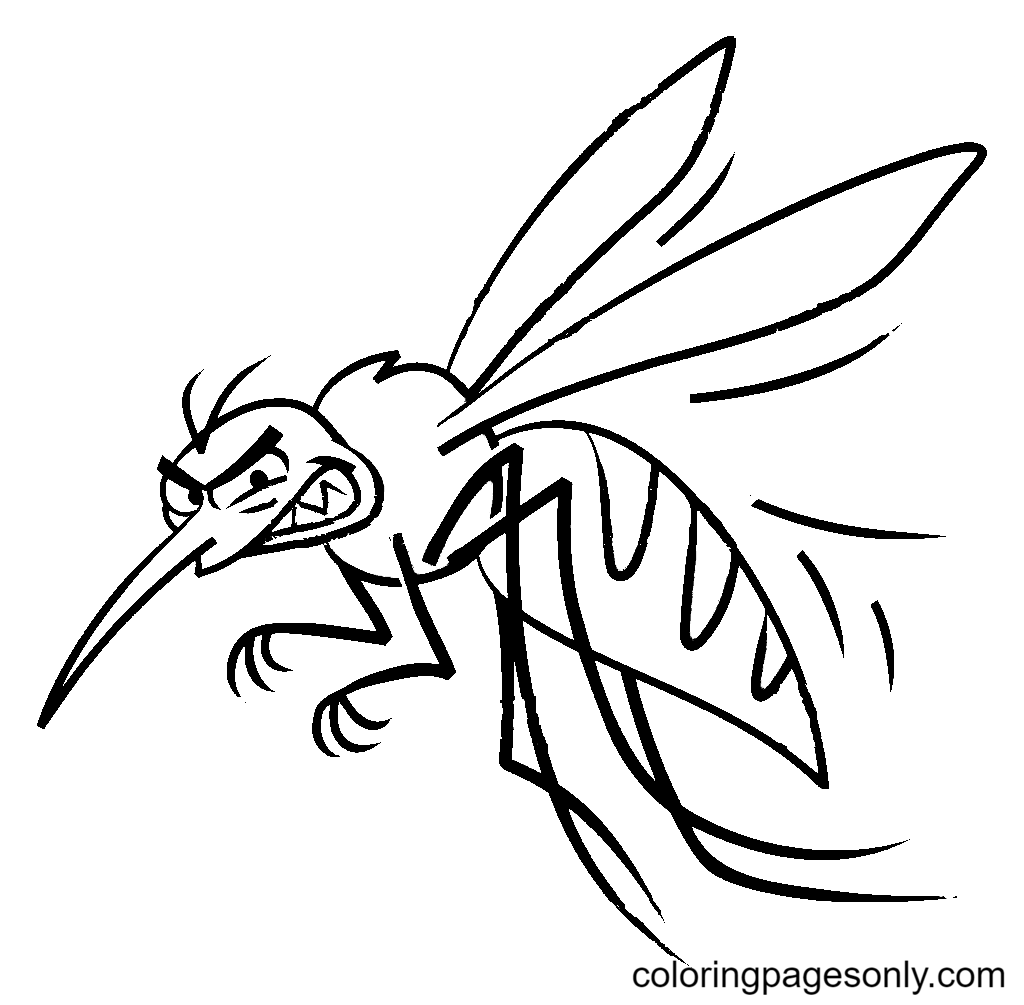
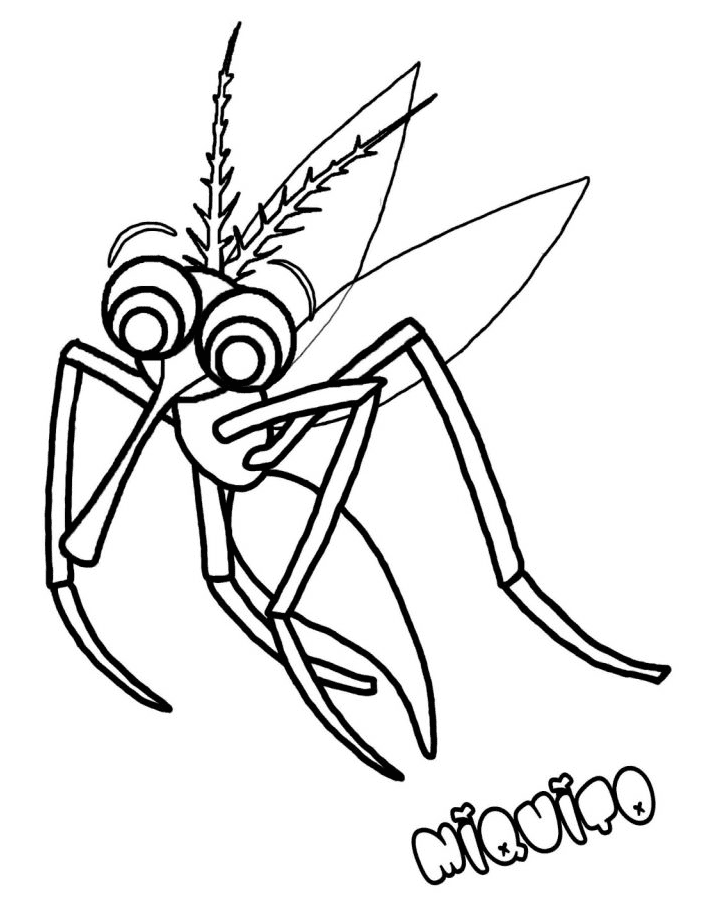
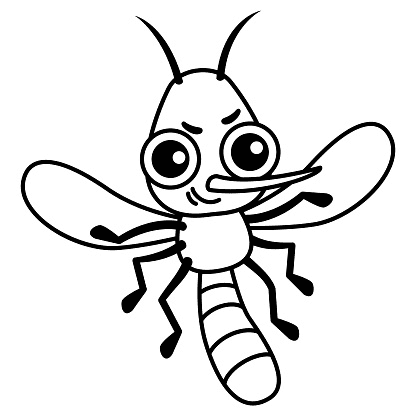
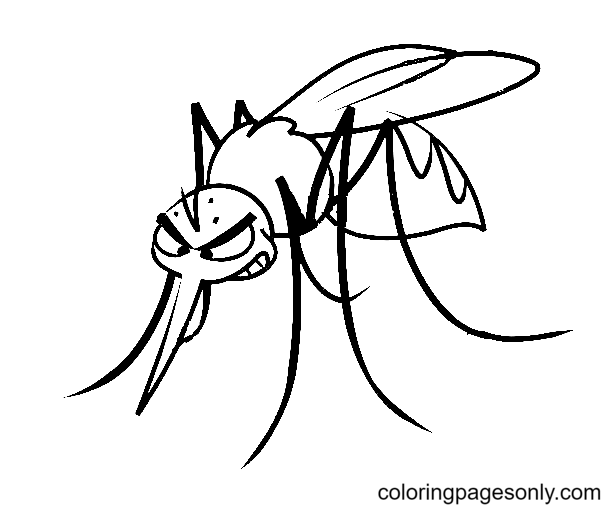
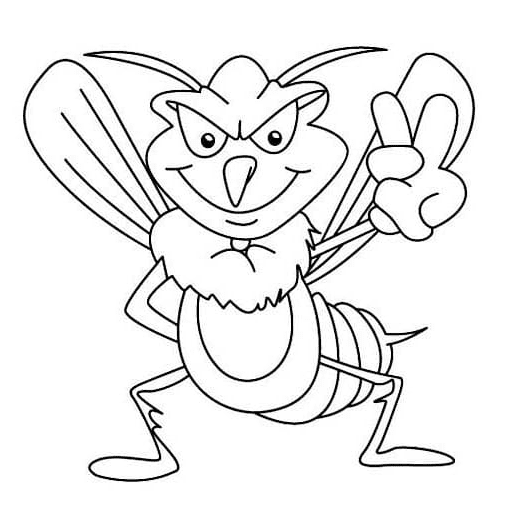
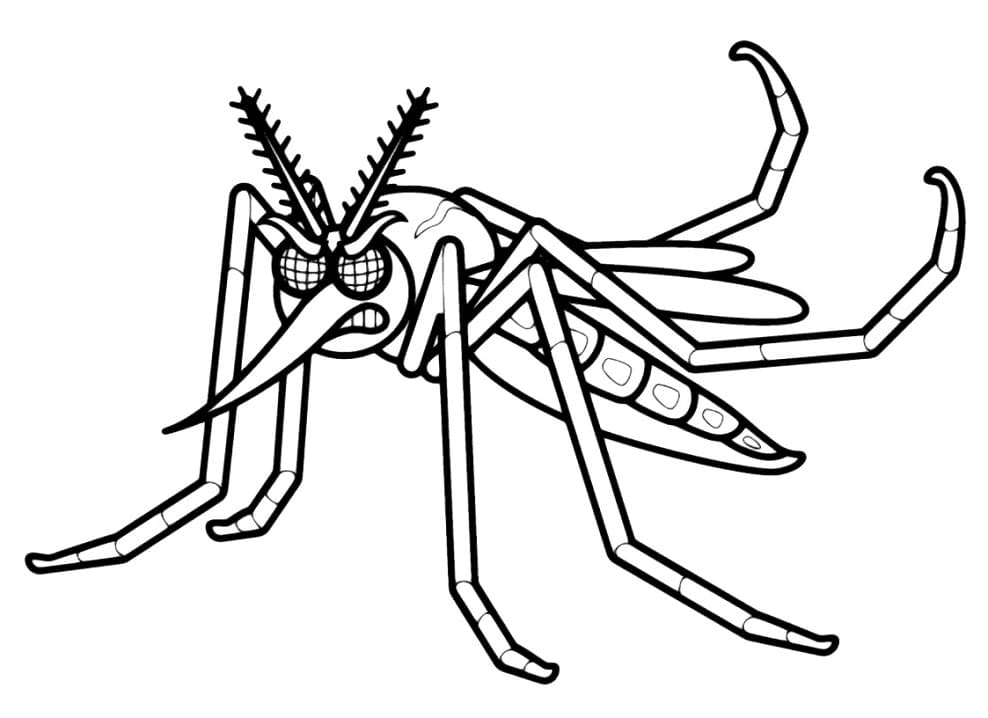
Several pages lean into the mosquito’s reputation: angry, fierce, bad, evil, and creepy versions with dramatic expressions and bold line art.

Coloring the dramatic pages: these suit a darker, more intense palette. Deep reds, muted blacks, and dark greys for the body, with blood-red eyes and sharp shadows under the wings, make the angry designs feel genuinely menacing without overworking them.

Realistic and Lineart Mosquito Pages

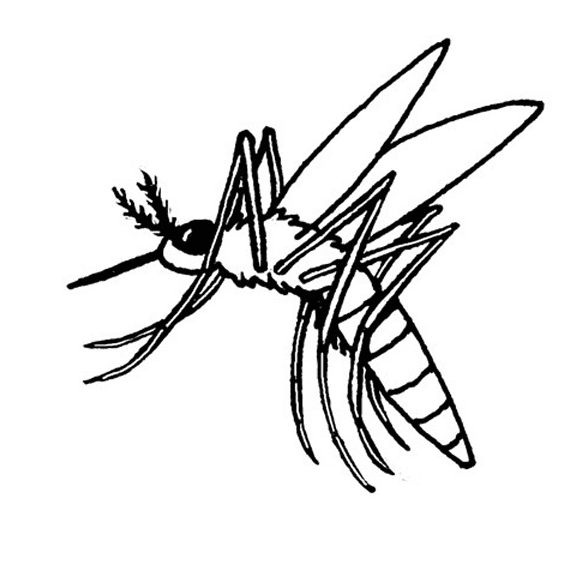
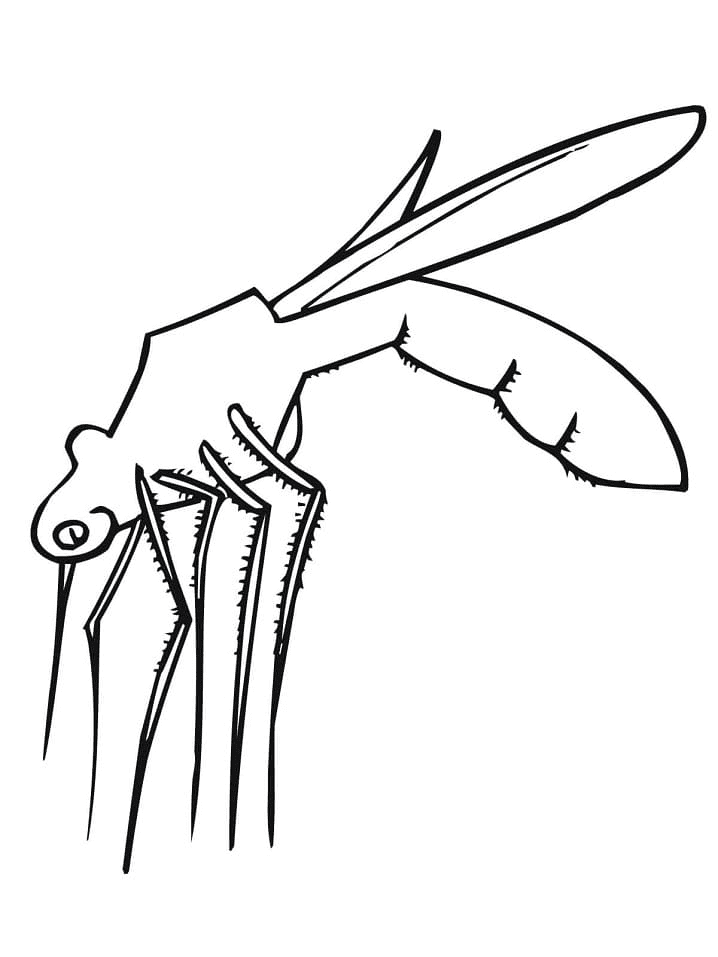
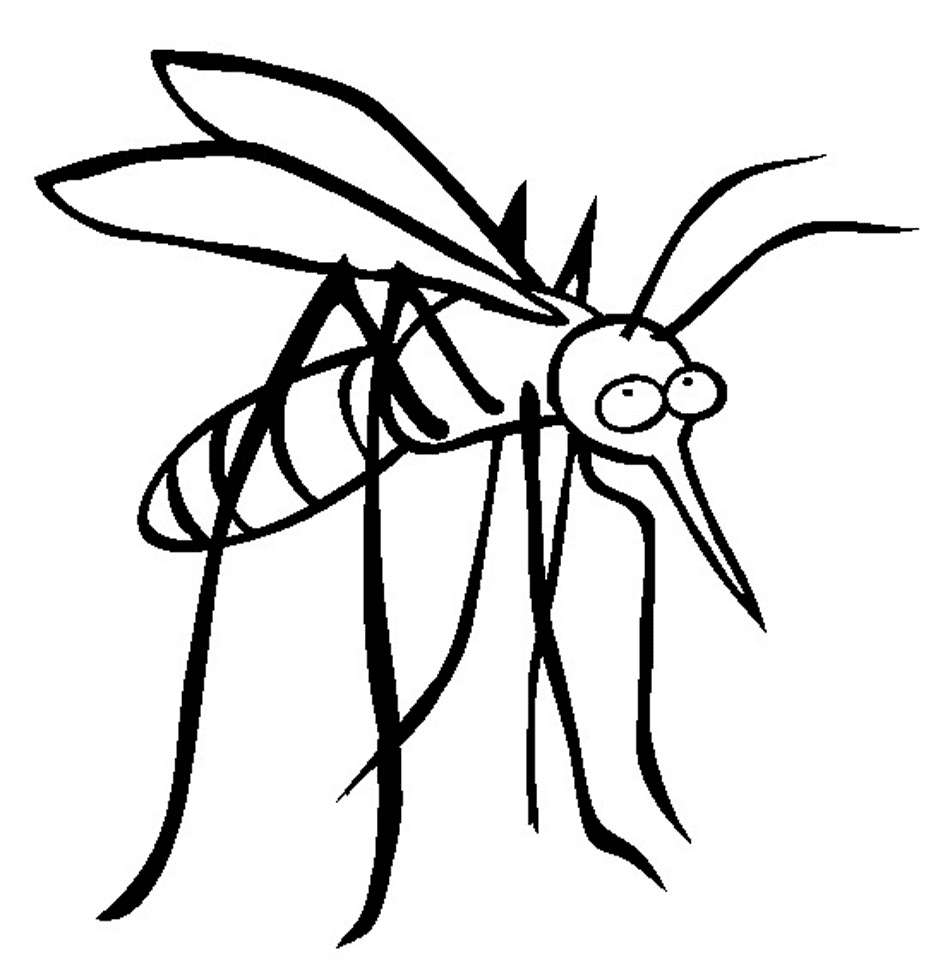
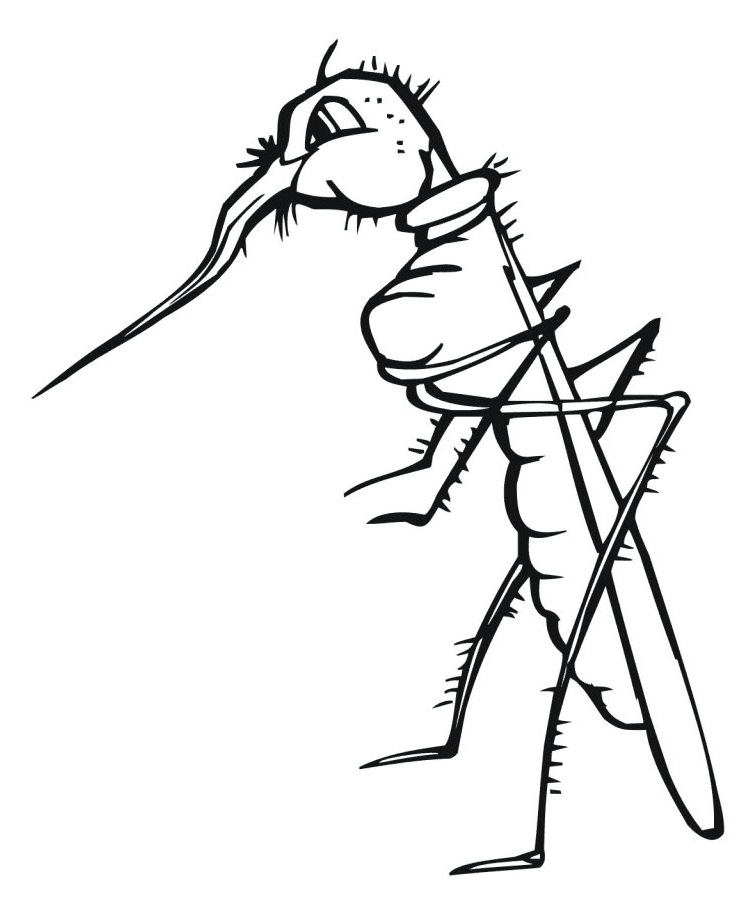
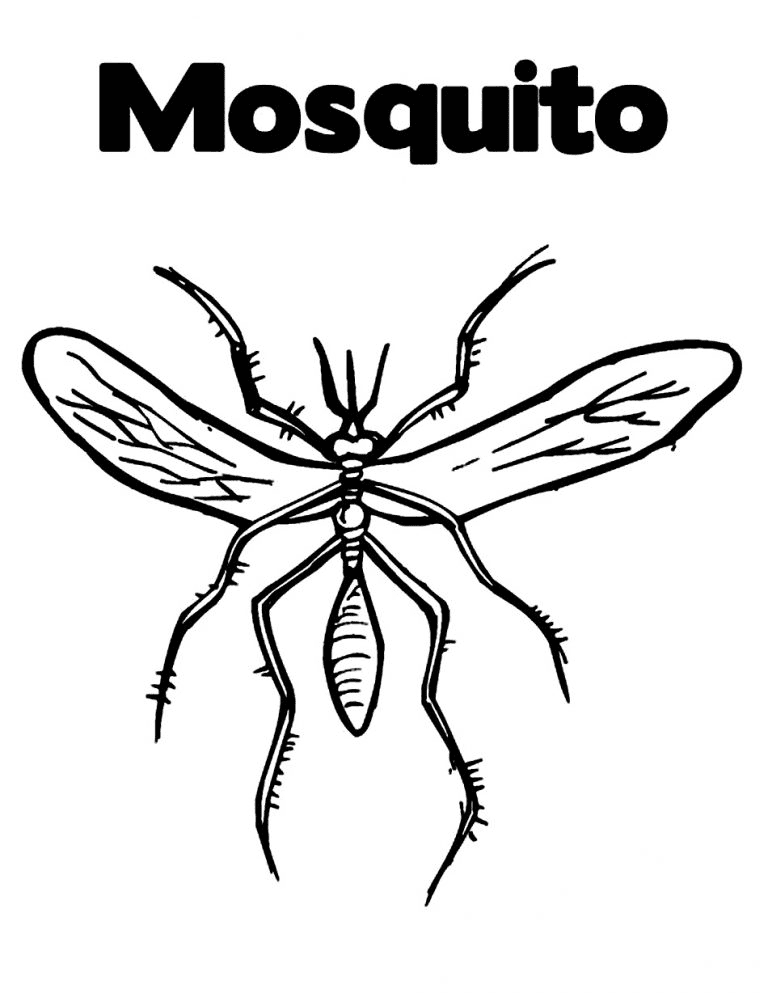
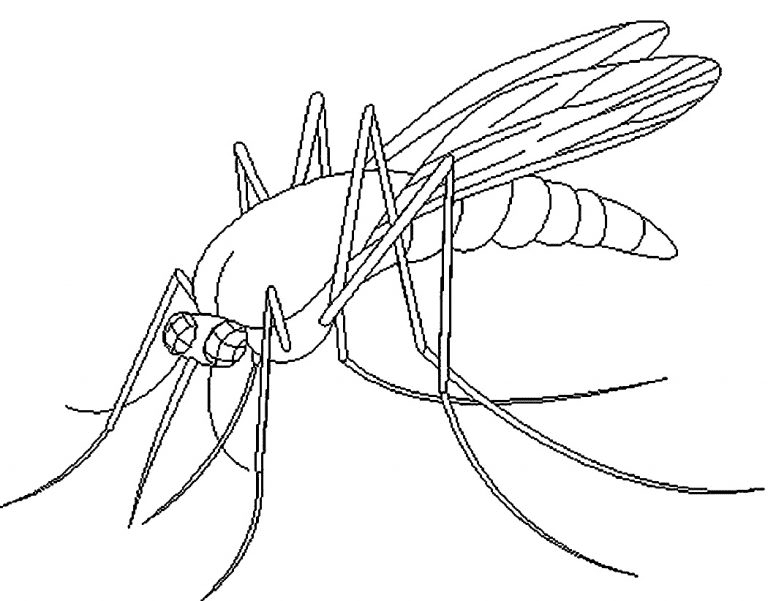
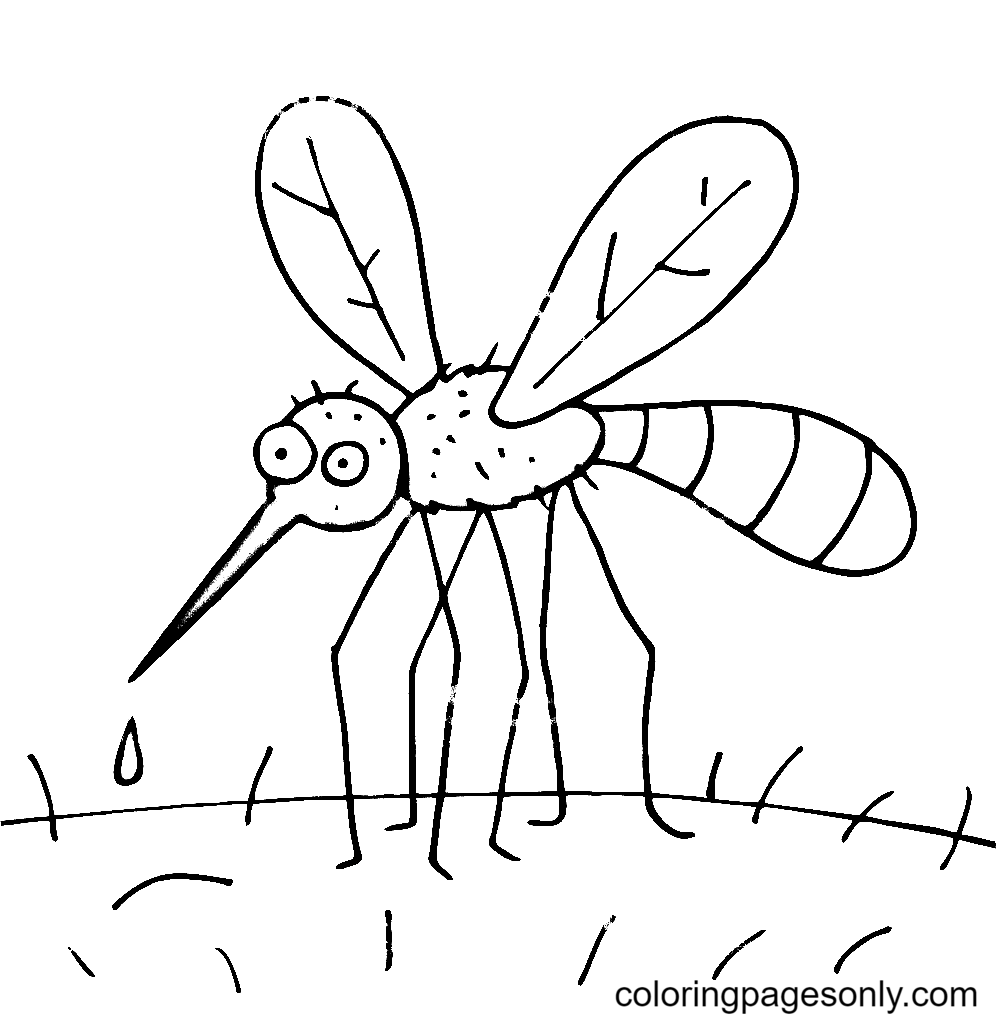
A few sheets take a more accurate approach, with a normal mosquito, a lineart version, and a detailed anatomy-level drawing that shows the insect’s real proportions.

Coloring realistic mosquitoes: real mosquitoes are grey-brown to black with pale banding on the abdomen. The wings are translucent with visible veining, so a very light grey or pale blue tint works better than a solid fill. Long, dark legs and a distinctive proboscis pointing forward complete the recognizable silhouette.

Funny Scene Pages

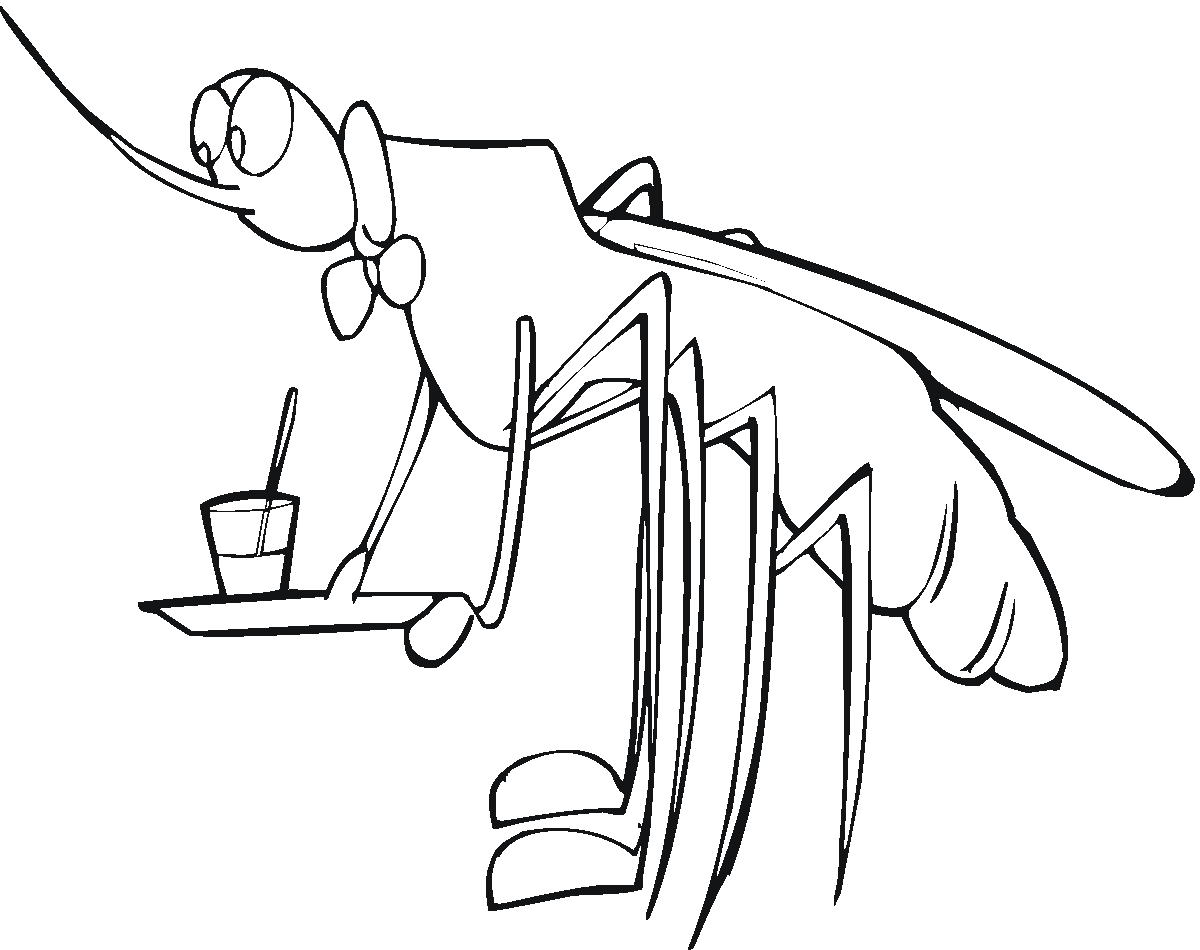
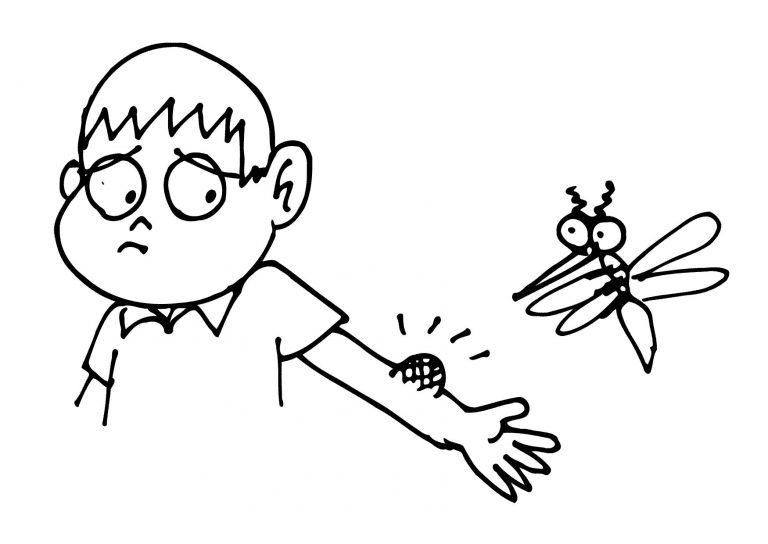
The most playful pages in the set include a waiter mosquito (dressed in a bow tie and carrying a tray), a mosquito with a broken proboscis, and a boy chasing mosquitoes.

Coloring the scene pages: give the waiter mosquito a classic black-and-white formal look, then add a warm skin tone to whatever he is serving. The boy-chasing scene works well with a bright outdoor palette: warm skin, green grass, and a blue sky that lets the mosquitoes read as tiny dark silhouettes against the light.

Simple and Kids Mosquito Pages

The simplest pages, made with beginners and small children in mind, have fewer details, thicker outlines, and more open space to fill.

Coloring the simple pages: these are the best starting points for anyone new to insect coloring. Stick to three or four colors maximum: a muted earth-tone body, darker legs and wings, a light belly, and a bright eye, and the result will still be clearly recognizable as a mosquito.

Printable PDF and Online Mosquito Coloring Pages

Every design comes in two ways: a printable PDF for paper, or the same artwork colored on screen.

Using both formats: print the PDF when you want a clean sheet for pencils, crayons, or markers, and use the on-screen option when there is no printer nearby. The PDF holds the fine leg and wing detail on standard letter or A4 paper, which matters on the lineart and realistic pages.

What These Pages Do

Most people know the mosquito as a nuisance, and the gallery reflects that honestly: there are angry mosquitoes, evil ones, blood-sucking ones, and a boy trying to swat them. But there is also a curious mosquito, a smiling one, a lineart page that lays out the anatomy clearly, and a waiter mosquito that turns the whole thing into a joke. Together, they give children a way to look at an insect they would normally avoid, and looking closely at something you dislike is a genuinely useful habit. The fact that females are the only biters, while males feed peacefully on flower nectar, tends to surprise people of all ages and is the kind of detail that sticks because it upends an assumption. Coloring a mosquito page is a low-key way to encounter that fact while doing something quiet and enjoyable. From here, insect coloring pages are the natural parent hub, and bee coloring pages and dragonfly coloring pages make natural companions for anyone building an insect-themed collection.

The American Art Therapy Association draws a clear line between clinical art therapy and everyday coloring, which it describes as recreation and self-care. For a child who finds mosquitoes frightening or disgusting, coloring one at a safe distance from the real thing is a gentle way to study something unfamiliar without any actual risk. That curiosity-building through art is exactly what the American Academy of Pediatrics has in mind when it describes open-ended, exploratory play as a healthy part of child development: the child controls the encounter, chooses the colors, and finishes with a picture of something they now know a little better than before.

How to Color Mosquito Coloring Pages

These steps work for any page in the set, from the simple kids pages to the detailed lineart.

Start with the body tone. Real mosquitoes range from dark olive to warm brown, and cartoon versions often follow the same muted palette. Laying a single base tone across the head, thorax, and abdomen first gives the whole insect visual unity before any detail goes in.

Treat the legs as a separate layer. Six legs are the most distinctive feature of any insect page. Color them slightly darker than the body, using long, even strokes from body to tip, and the mosquito will immediately read as an insect rather than an abstract shape.

Handle the wings carefully. Mosquito wings are translucent and lightly scaled. On realistic pages, a very pale wash of grey or blue-grey with slightly darker veins along the midline looks far more accurate than a solid opaque fill. On cartoon pages, a flat light grey or pale yellow works fine.

Let the proboscis anchor the face. The long, forward-pointing proboscis is what makes a mosquito a mosquito. On any portrait-style page, coloring it a slightly darker or sharper tone than the surrounding head makes it read clearly and pulls the whole design together.

Match palette to mood. Cute and cartoon pages suit warm, friendly tones; angry and fierce pages reward darker, more dramatic choices. Deciding the mood before starting keeps the palette consistent and the result more satisfying.

5 Creative Craft Ideas with Mosquito Coloring Pages

Insect Anatomy Label Sheet

Color a realistic or lineart mosquito page, then add hand-written labels pointing to the main body parts: head, thorax, abdomen, compound eyes, antennae, proboscis, and wings.

Pin it to a classroom wall or fold it into a mini science booklet as a simple first entomology worksheet.

Female vs Male Science Card

Color a smiling male mosquito and an angry female mosquito side by side on two separate pages.

Add a hand-written caption underneath each explaining the difference, then display them together as a conversation-starting science display.

Funny Mosquito Story Page

Color the waiter mosquito or the boy-chasing scene, then write a short humorous story or caption beneath it.

Combine art with creative writing for a fun classroom activity or a personalized story card to share.

Insect Collection Display

Color a mosquito page alongside pages from bee, dragonfly, ladybug, and ant coloring pages to build a full insect wall display.

Label each insect with its name, number of legs, and one interesting fact for a simple field-guide style display.

Mood Range Study

Color the same basic mosquito outline in six different moods: cute, smiling, angry, fierce, sad, and funny.

Arrange all six in a row with the mood word written underneath to make a character expression sheet, the same exercise used in animation and illustration training.

FAQ About Mosquito Coloring Pages

Are these mosquito coloring pages free, and can I color them online? 

Yes. Every page is free, with no account, email, or payment required. Download the PDF to print at home, or color the design on screen in the browser.

What styles of mosquito pages are included? 

The set includes cute and cartoon designs, angry and fierce pages, true-to-life and lineart sheets, funny scene pages (waiter mosquito, boy chasing, broken proboscis), and simple outlines for younger children.

Do only female mosquitoes bite? 

Yes. Only female mosquitoes have a proboscis strong enough to pierce skin. They bite to get the protein in their blood, which they need to develop their eggs. Male mosquitoes feed entirely on nectar and plant juices and do not bite people or animals. The CDC explains this clearly on its mosquito information page.

Are these pages good for younger children? 

The simple and kids’ pages, with thick outlines and fewer details, suit younger children well. The more detailed and naturalistic pages are better suited to older children, teens, and adults who want a more detailed anatomy study.

What colors should I use for a realistic mosquito? 

Real mosquitoes run from dark olive to warm brown with pale banding across the abdomen. The wings are nearly transparent, so a very light grey or pale blue-grey tint works better than a solid fill. Dark legs and a prominent forward-pointing proboscis complete the silhouette.

Can I use these for a classroom science or STEM lesson? 

Yes. The detailed lineart and naturalistic pages work well as a first entomology worksheet, and the anatomy detail makes them good for labeling exercises. The “only females bite” fact also makes a strong discussion starter for a science class.

What is unusual about the mosquito’s proboscis? 

The proboscis is the long, needle-like mouthpart at the front of the mosquito’s head. In females, it is sharp enough to pierce skin. In males, the proboscis is not strong enough for biting and is used only for feeding on nectar.

Are there funny or unusual mosquito pages in the set? 

Yes. The set includes a waiter mosquito in formal dress, a mosquito with a broken proboscis, and a boy-chasing-mosquitoes scene, making these among the more unusual and humorous insect pages on the site.

What format is best for printing? 

Use the PDF for the cleanest result. It holds the fine wing and leg detail on standard letter or A4 paper and keeps lines crisp for coloring or labeling.

What crafts can I make with these pages? 

Popular options include an insect anatomy label sheet, an only-females-bite science card, a funny mosquito story page, an insect collection display, and a mood range expression study.

More Insect and Nature Coloring Pages

Browse the full set at ColoringPagesOnly.com, then open any design to print it or color it on screen.

These pages suit home use, the classroom, and nature or science activities for all ages. They are original coloring designs free to use for personal and educational purposes.

For the final pass, start with the body tone, darken the legs, keep the wings translucent, and let the proboscis anchor the face. Those four habits work on every mosquito page, from the simplest cartoon to the most detailed lineart.

Share your work on Facebook and Pinterest and tag #ColoringPagesOnly. We would love to see your anatomy label sheets, science cards, and mood range studies.

Jennifer Thoa – Content Editor & Designer

Jennifer Thoa is Content Editor and Designer at ColoringPagesOnly.com. Degree in Journalism and Creative Writing, University of Kansas. She writes and edits long-form educational articles on anime, film, animals, world cultures, and automotive history - verified against named primary sources before publication.