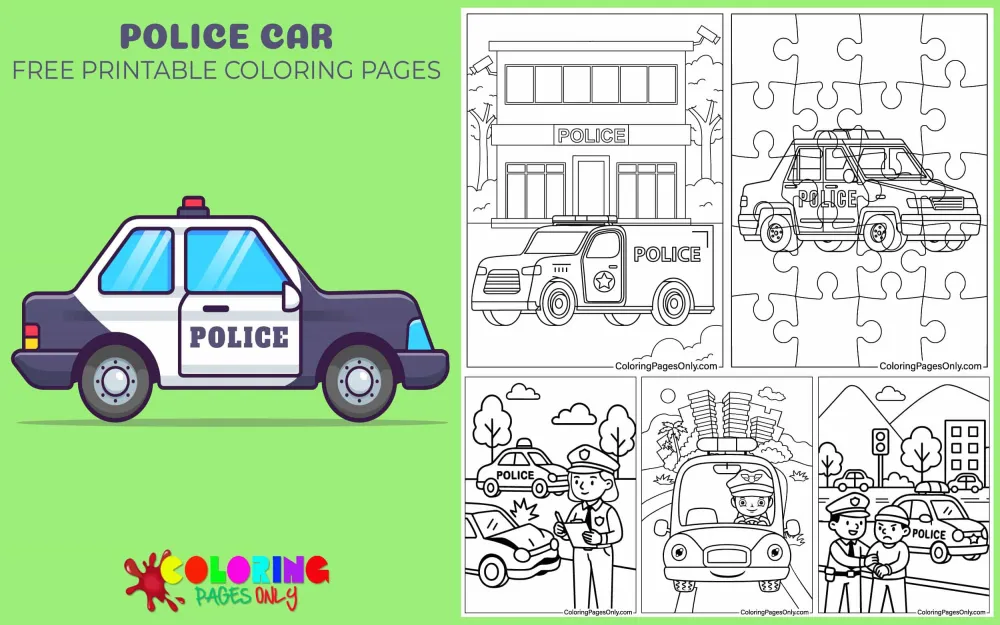
Free Police Car Coloring Pages: 33 printable PDF designs ranging from simple patrol car outlines to full chase and city scenes with officers on duty. Each page can be downloaded as a PDF to print or colored online in the browser.
The first police car was an electric patrol wagon put into service by the Akron Police Department in Akron, Ohio, in 1899. It reached a top speed of about 18 miles per hour and carried electric headlights and a gong, an early precursor to the modern siren. Red warning lights were not added to patrol cars until the 1930s, and today most police vehicles use a combination of red and blue emergency lights paired with sirens to alert other drivers. Police cars typically carry radios, first aid equipment, and other gear that officers need to respond to calls quickly.
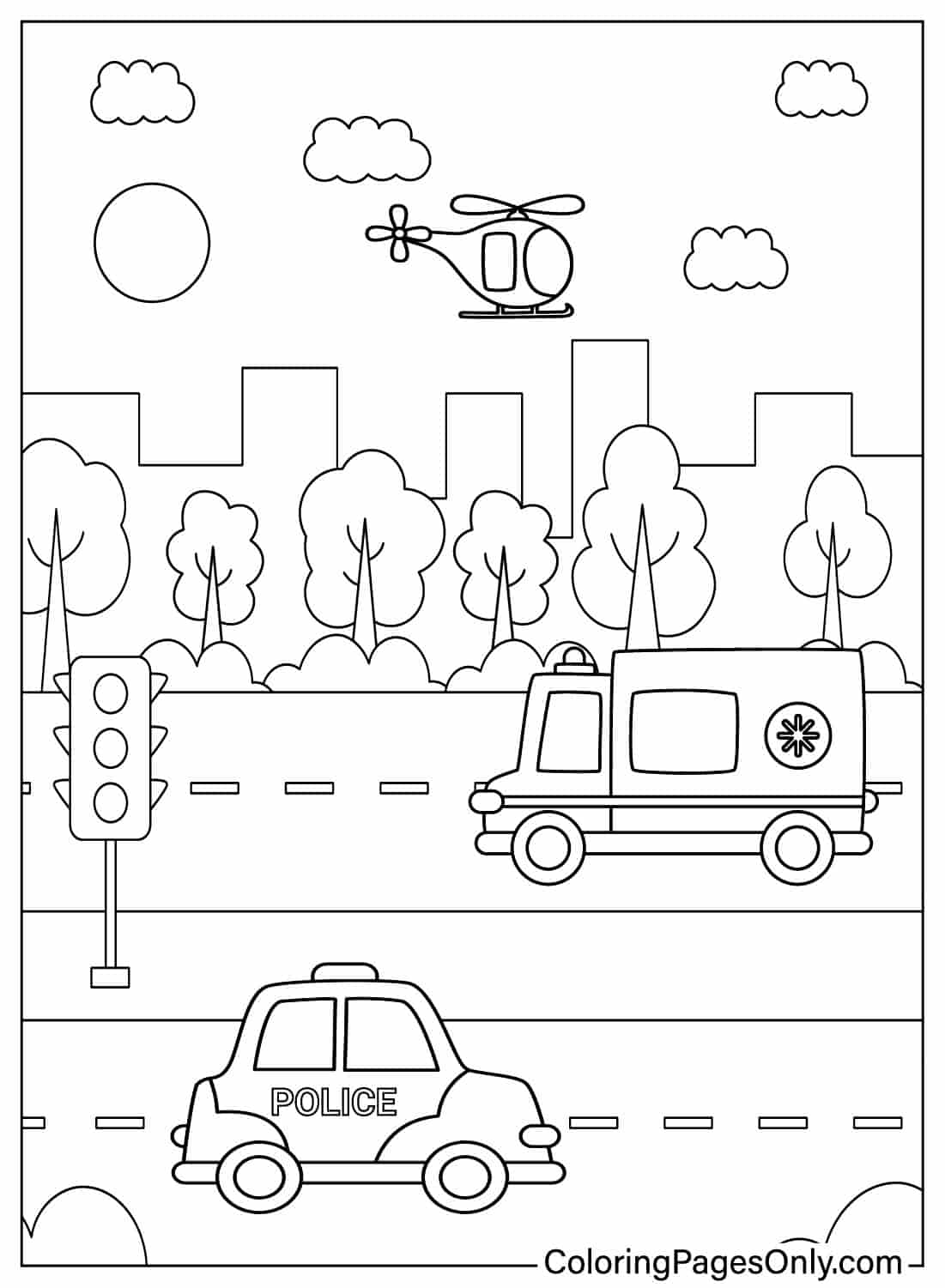
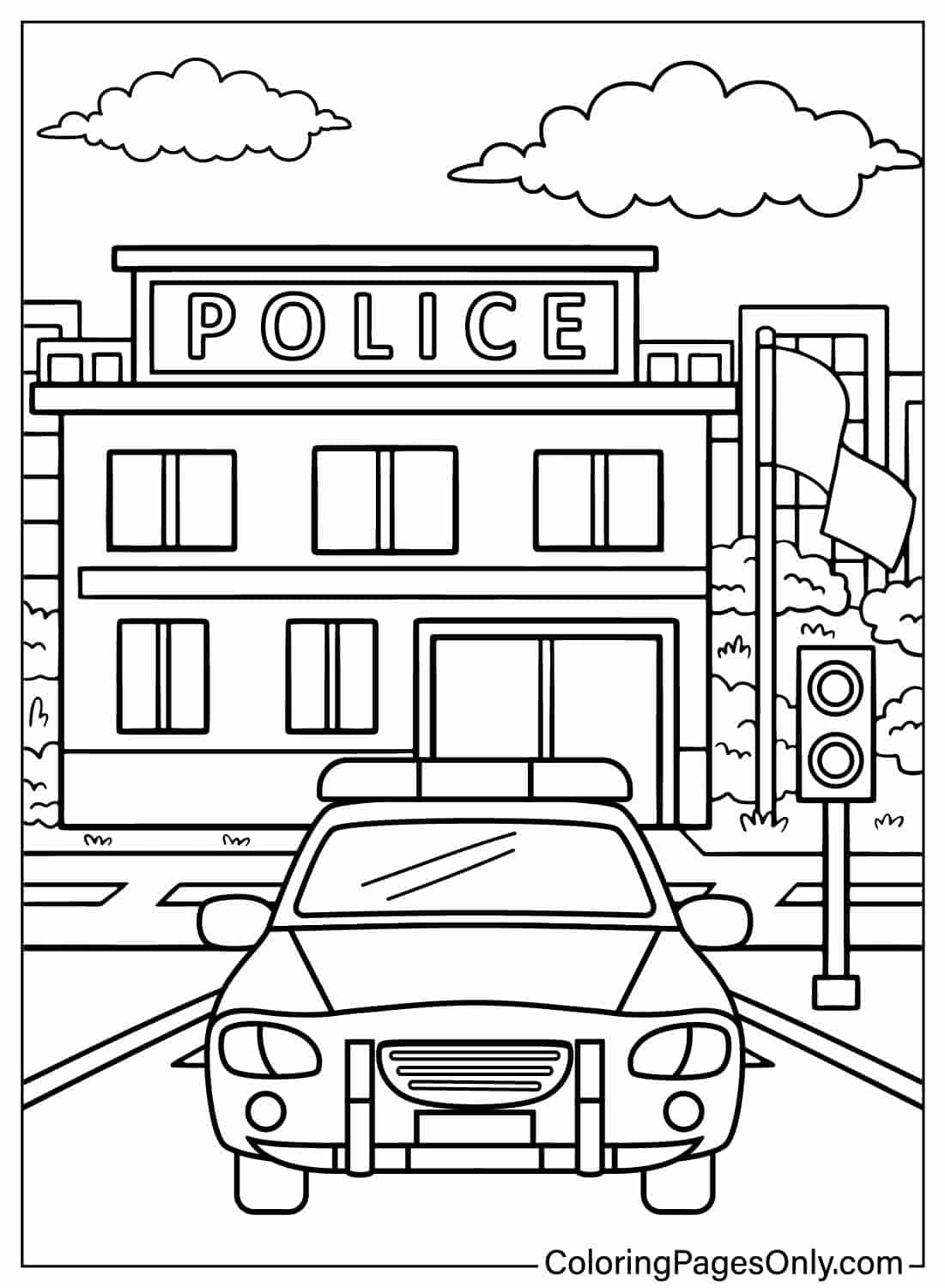
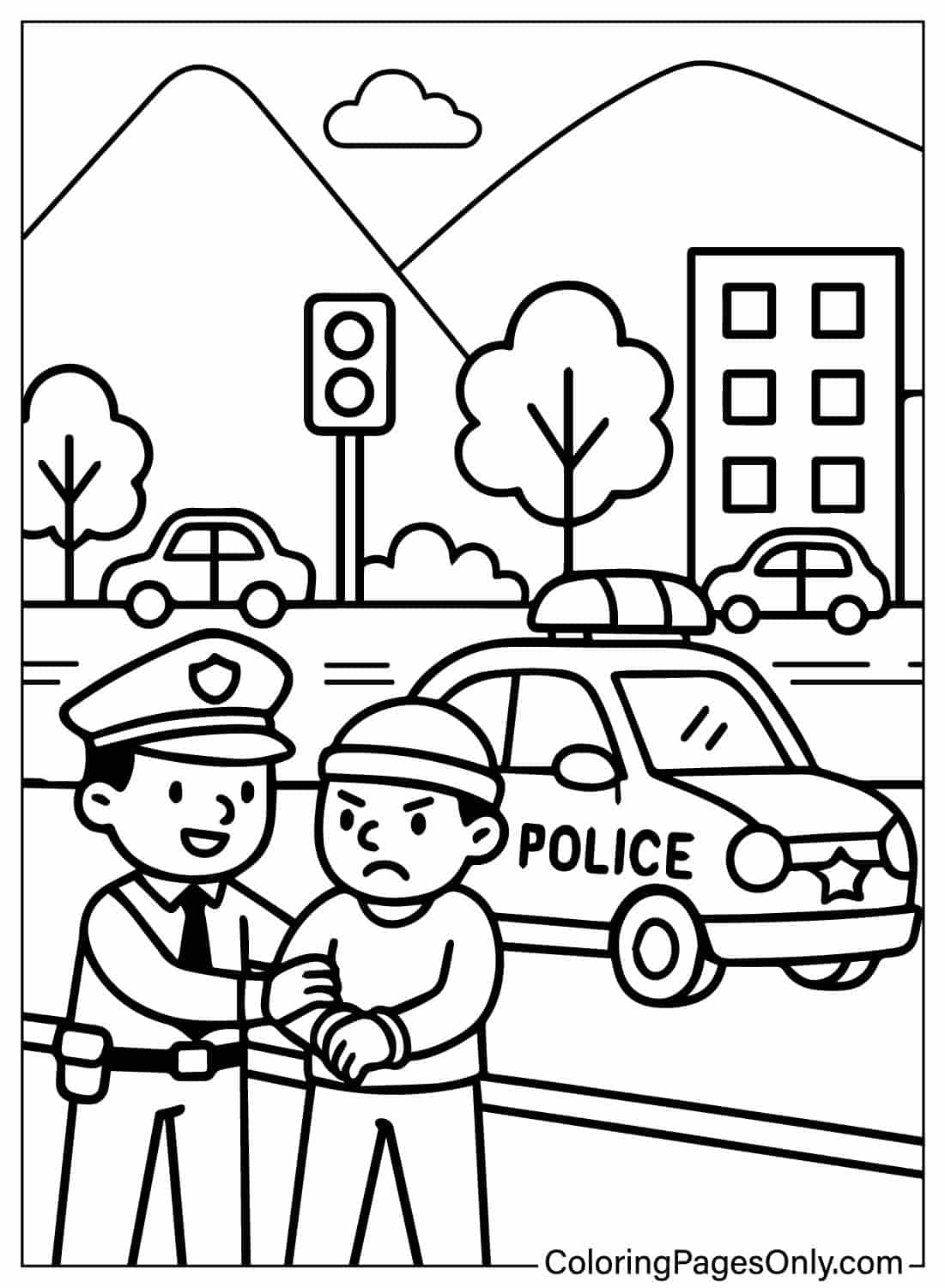
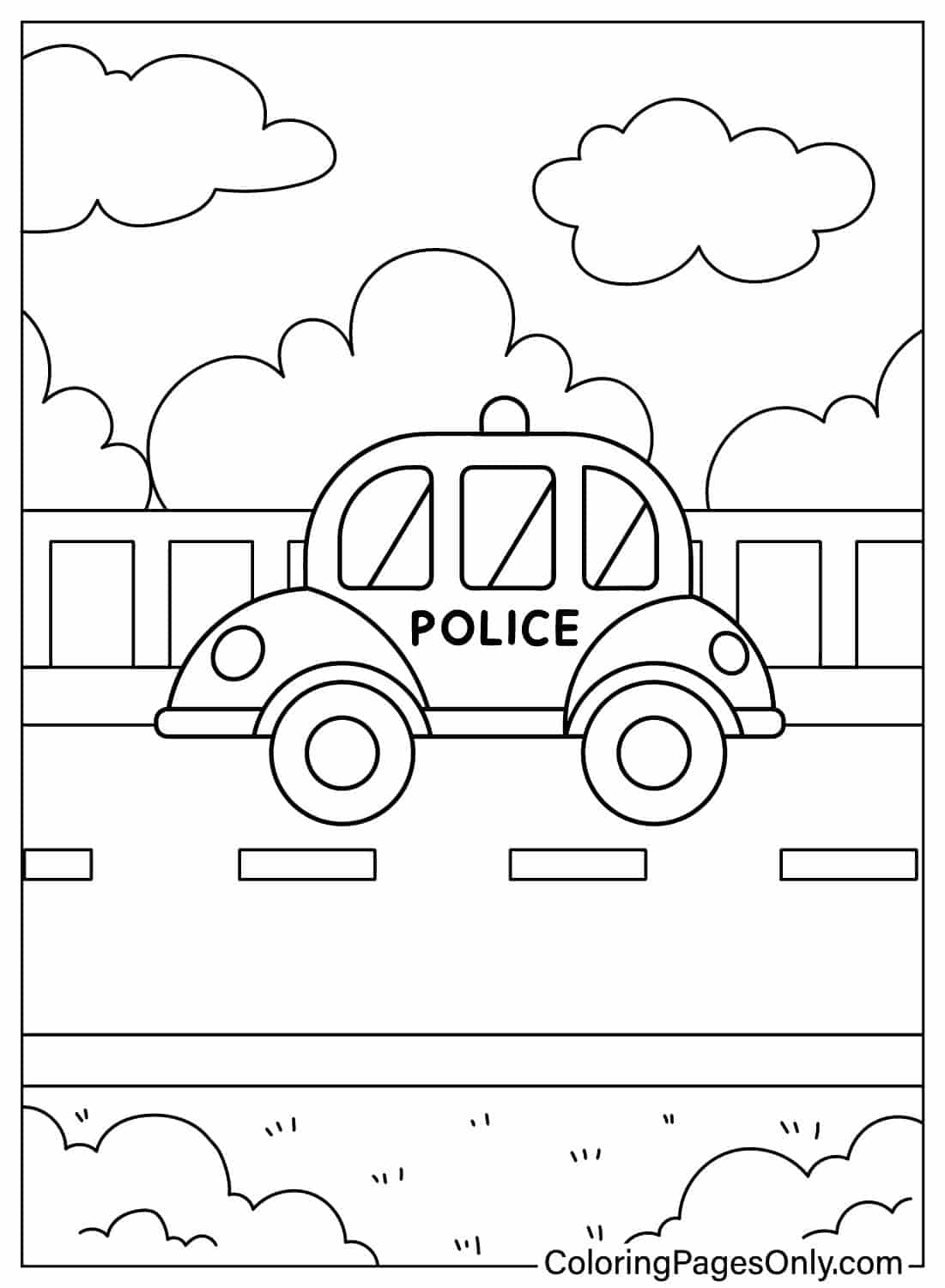
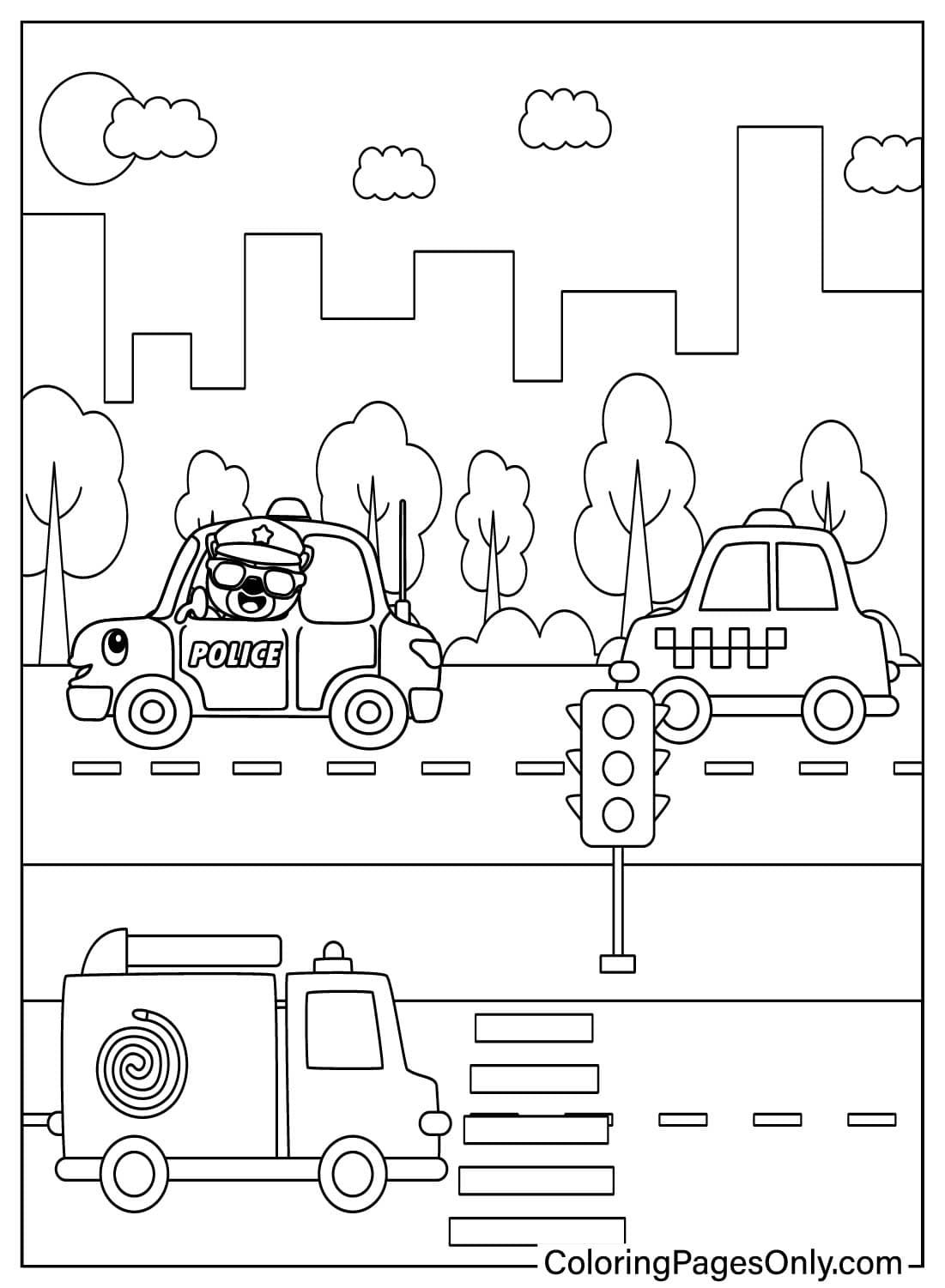
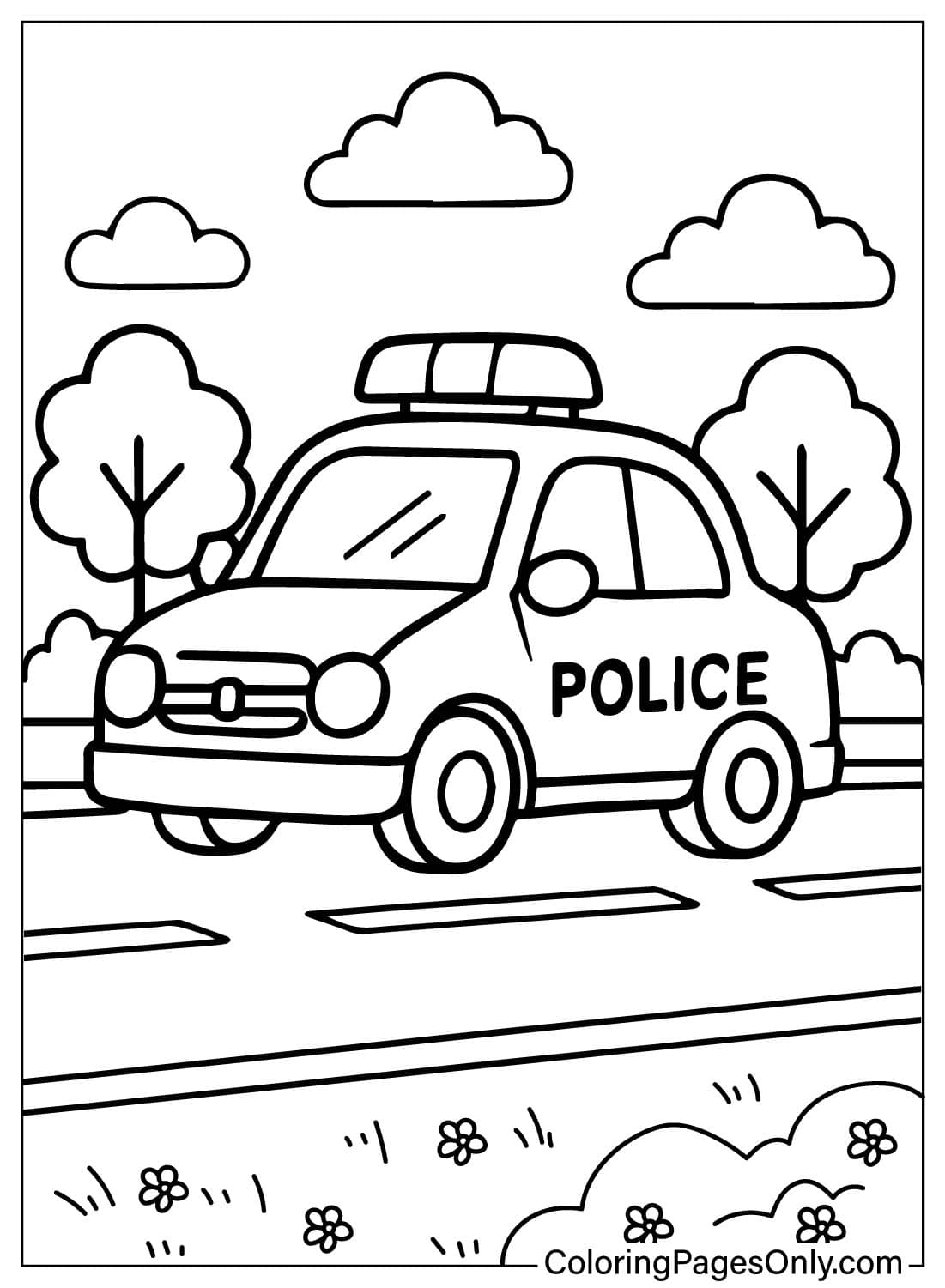
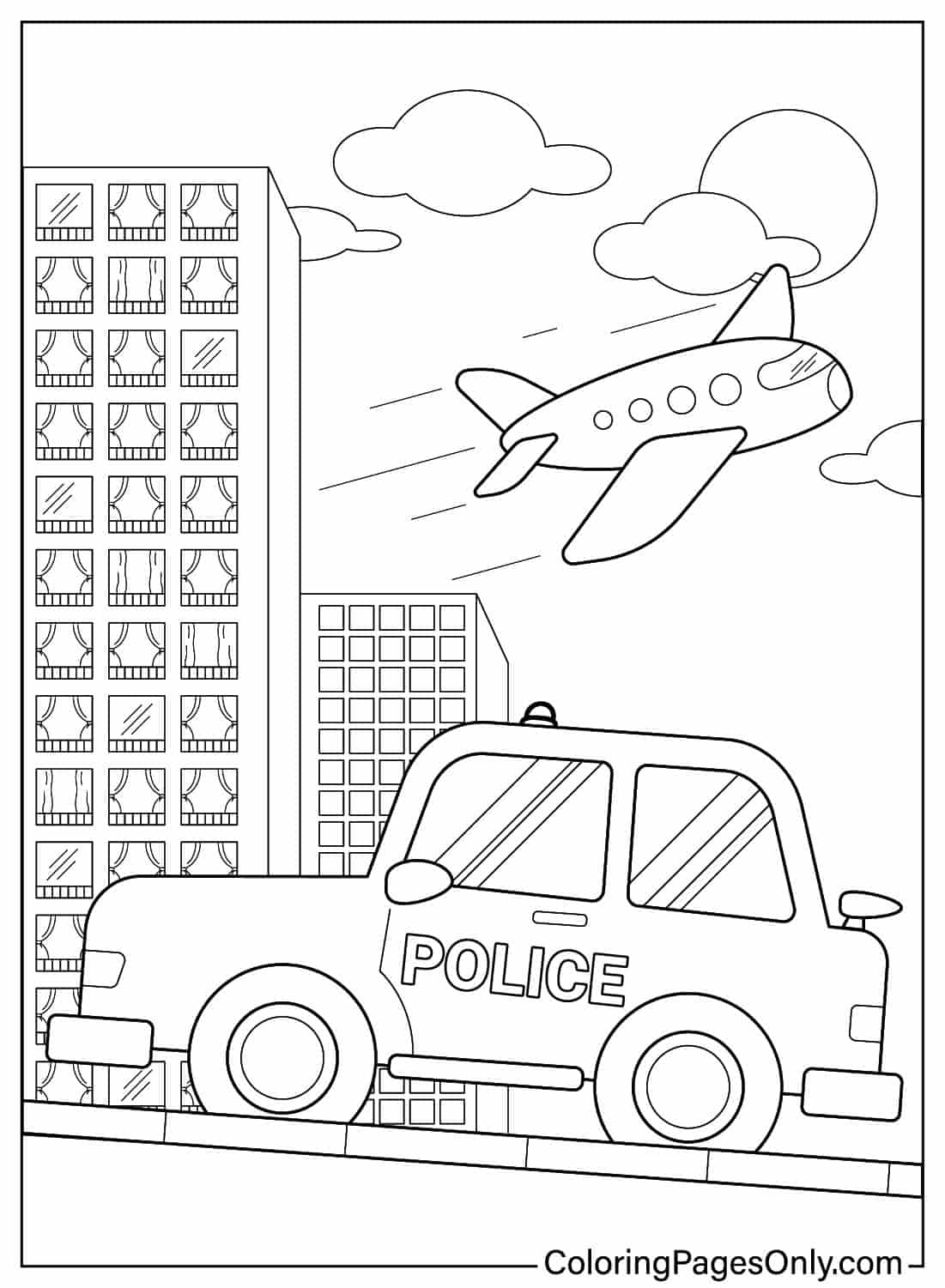
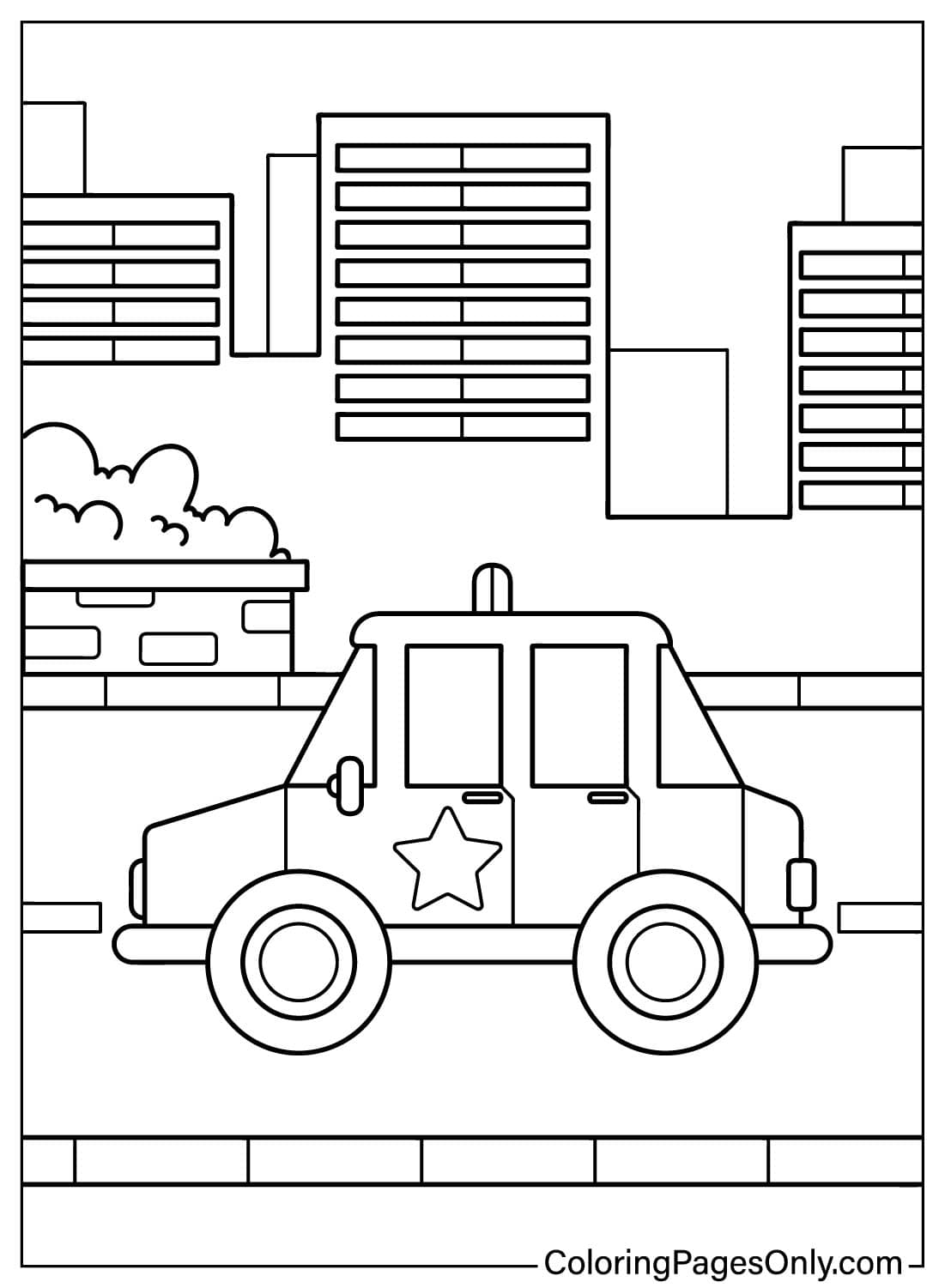
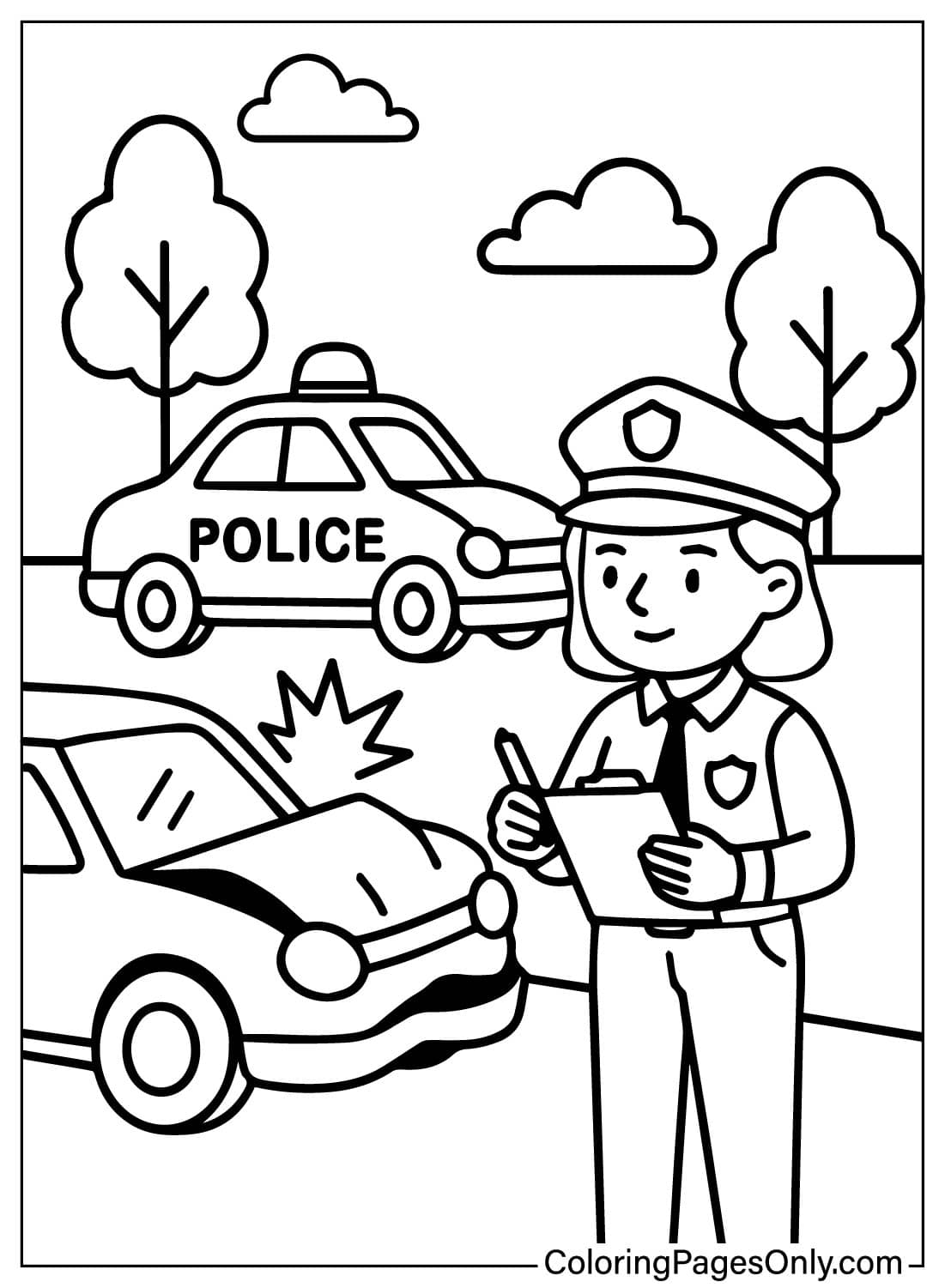
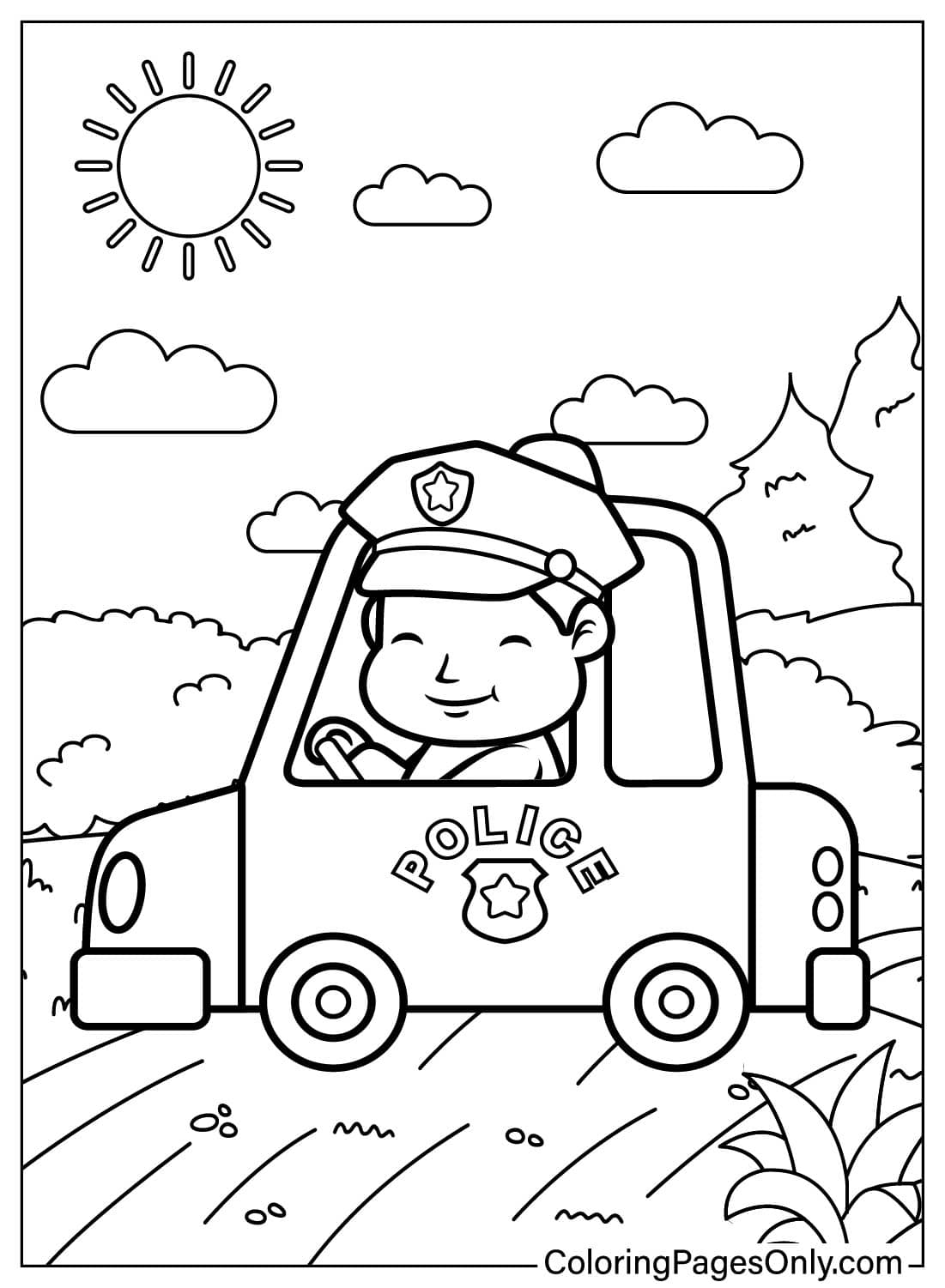
This collection spans 33 pages, split between action and chase scenes, officers shown with their vehicles, city and street settings, simple printable sheets, and a handful of fun or novelty designs. The coloring angle ranges from bold, single-shape outlines built for young colorists to busier scenes with multiple cars, buildings, and characters.
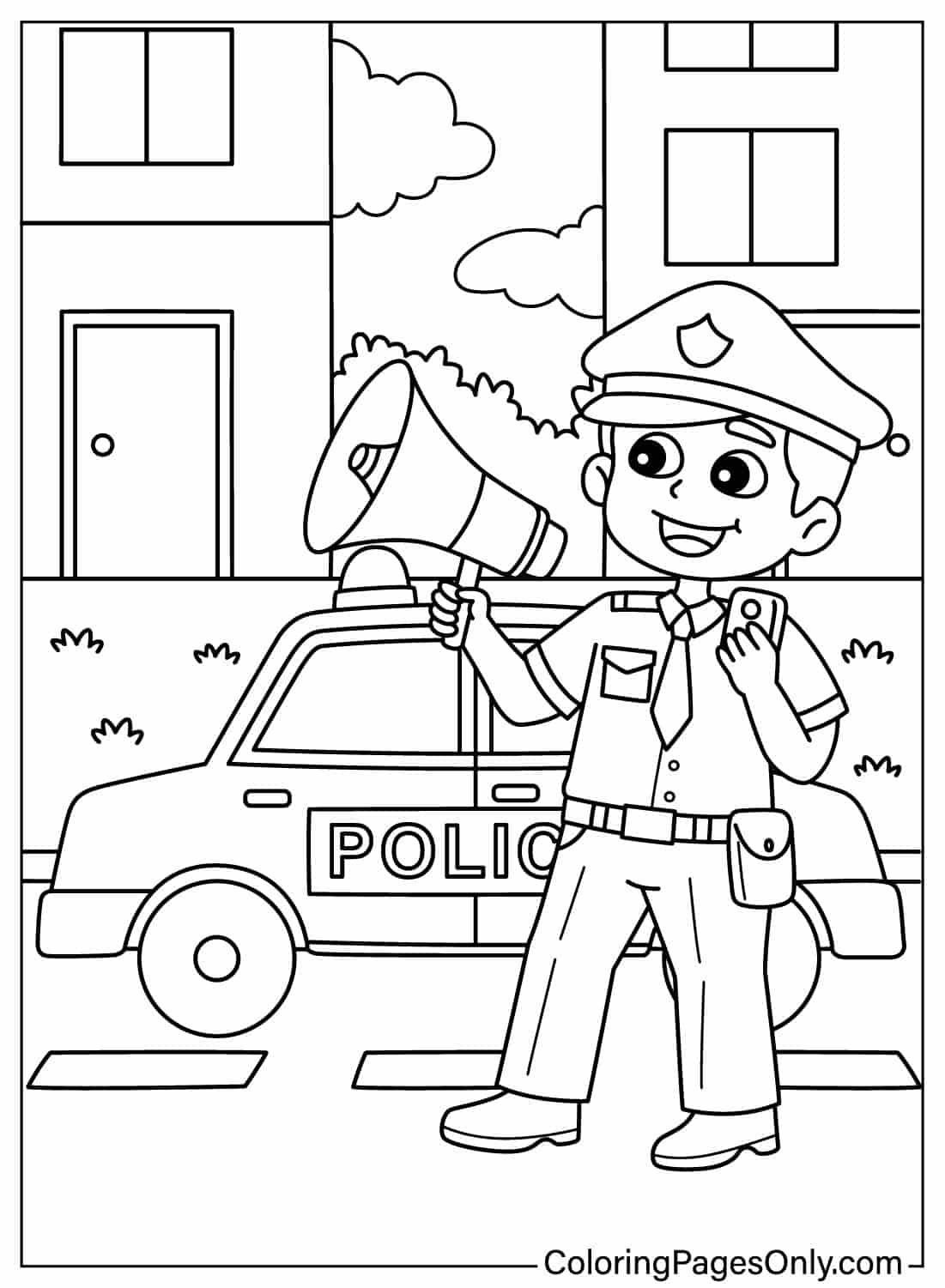
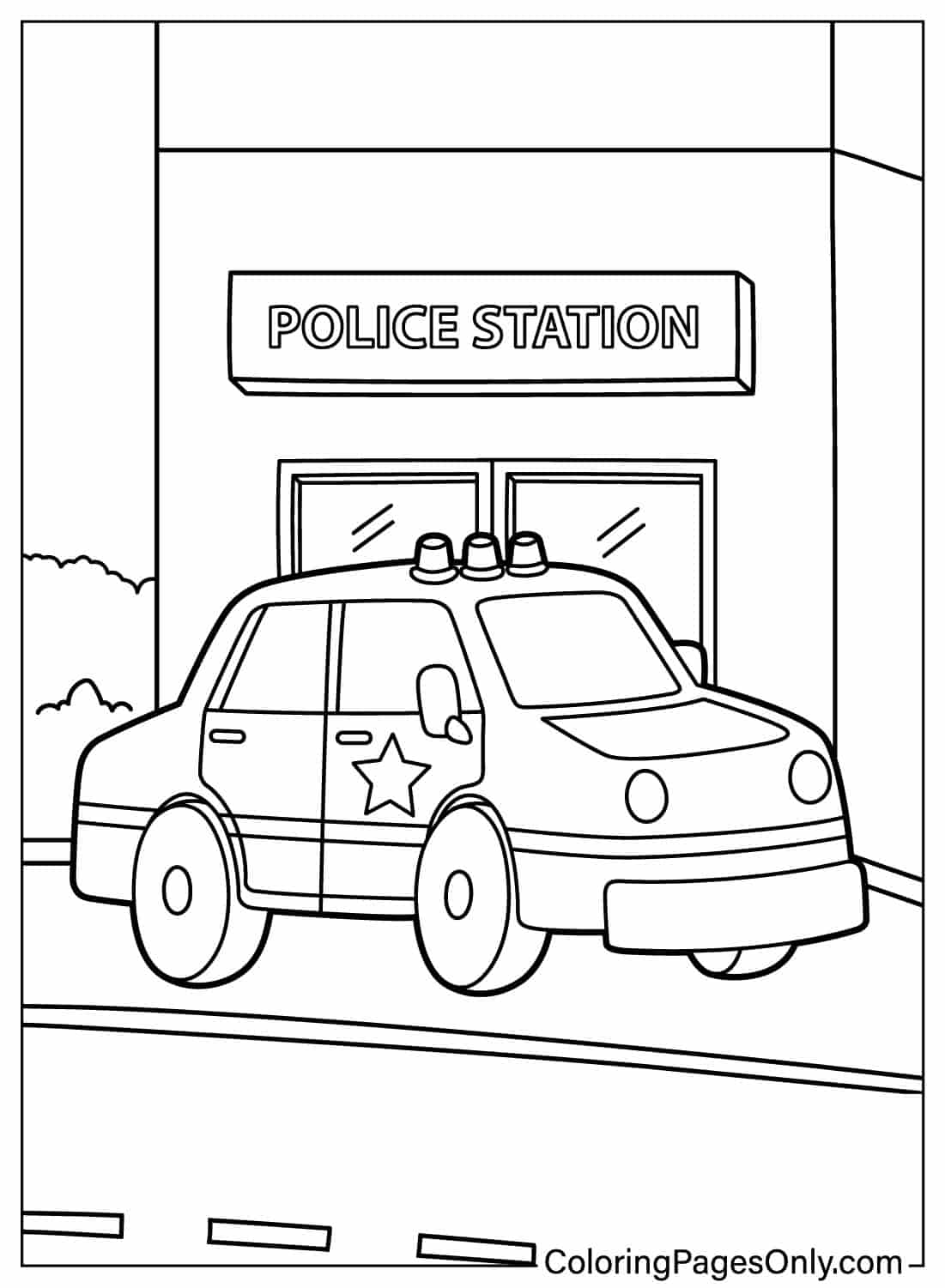
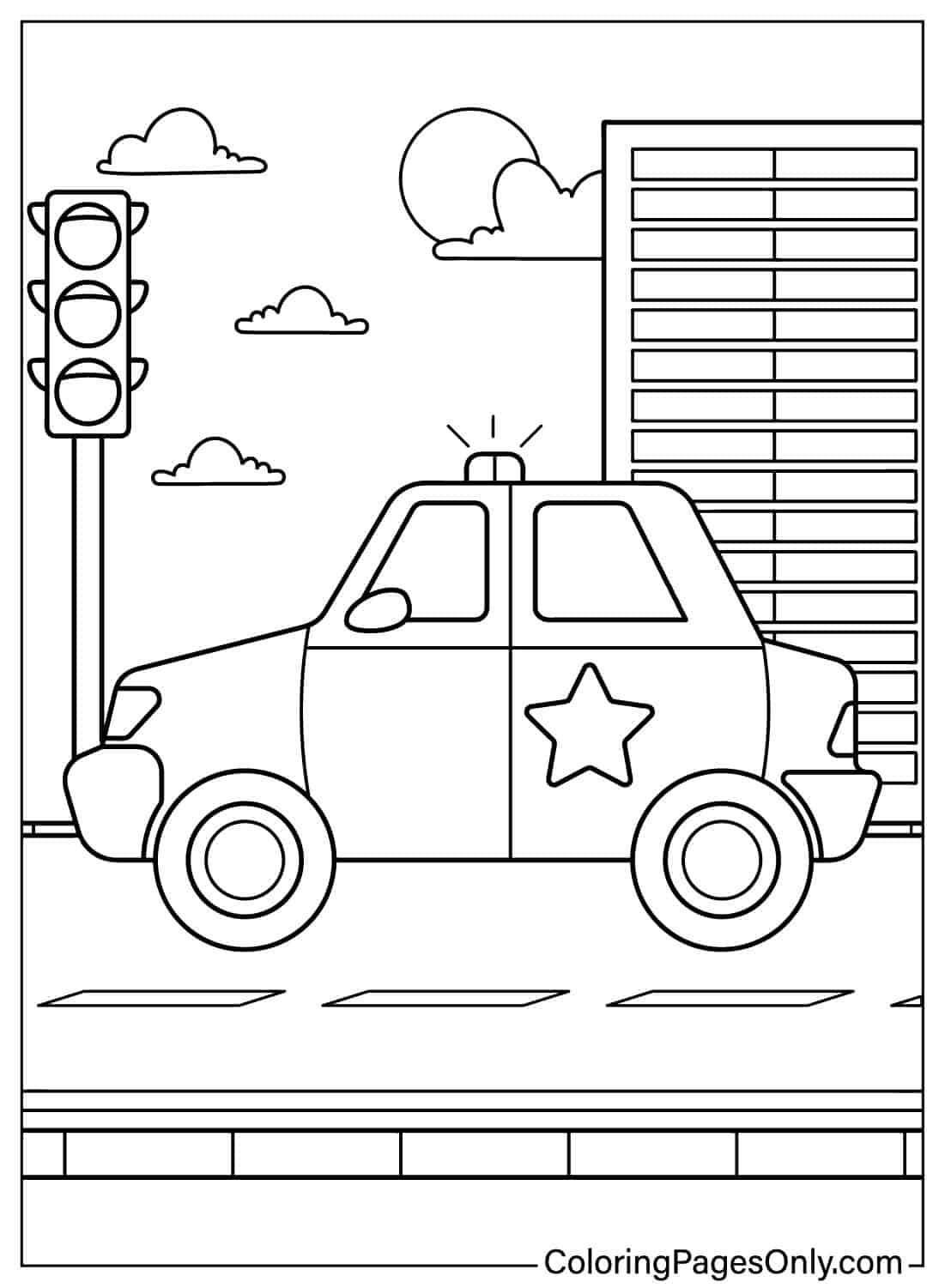
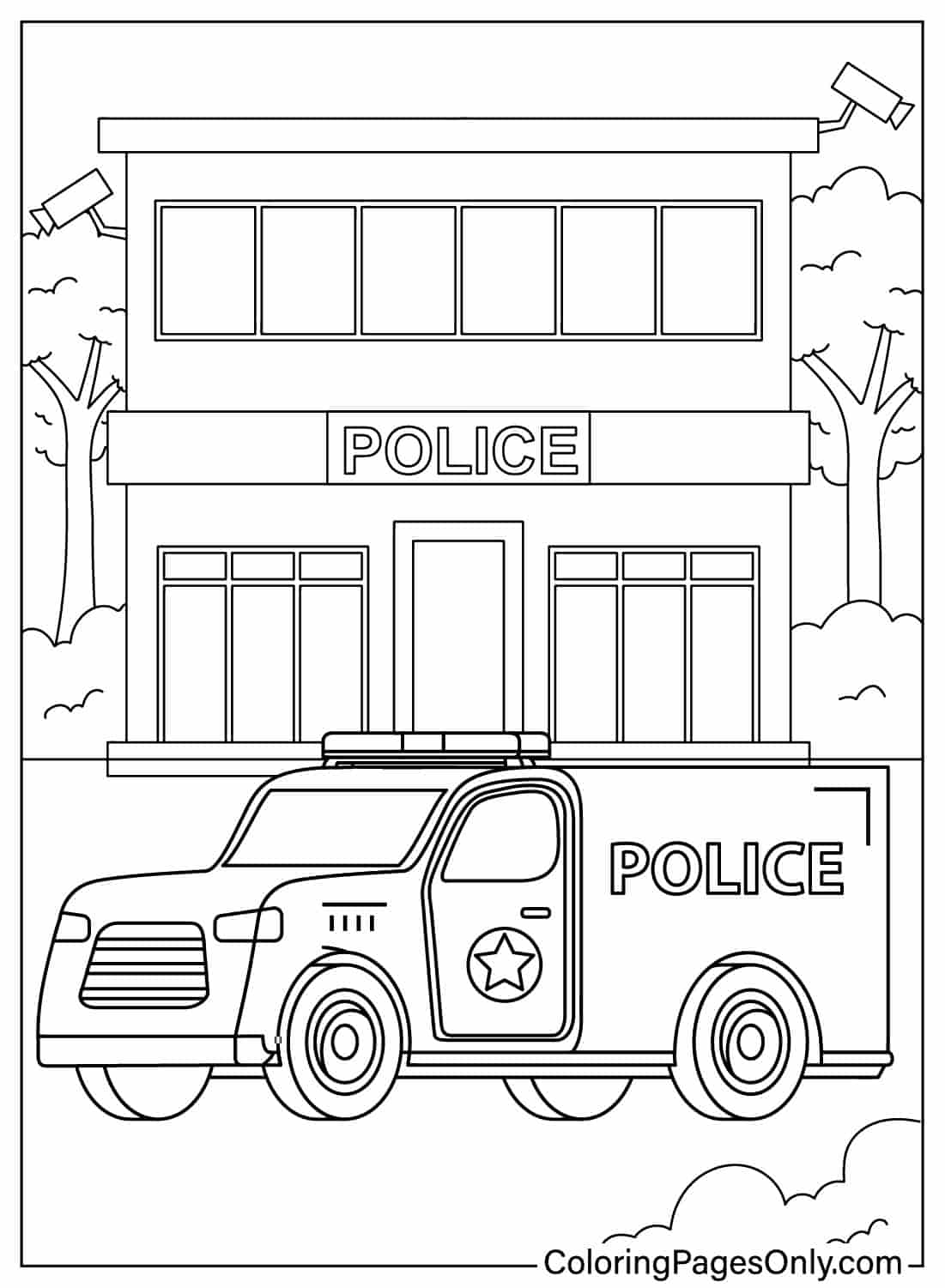
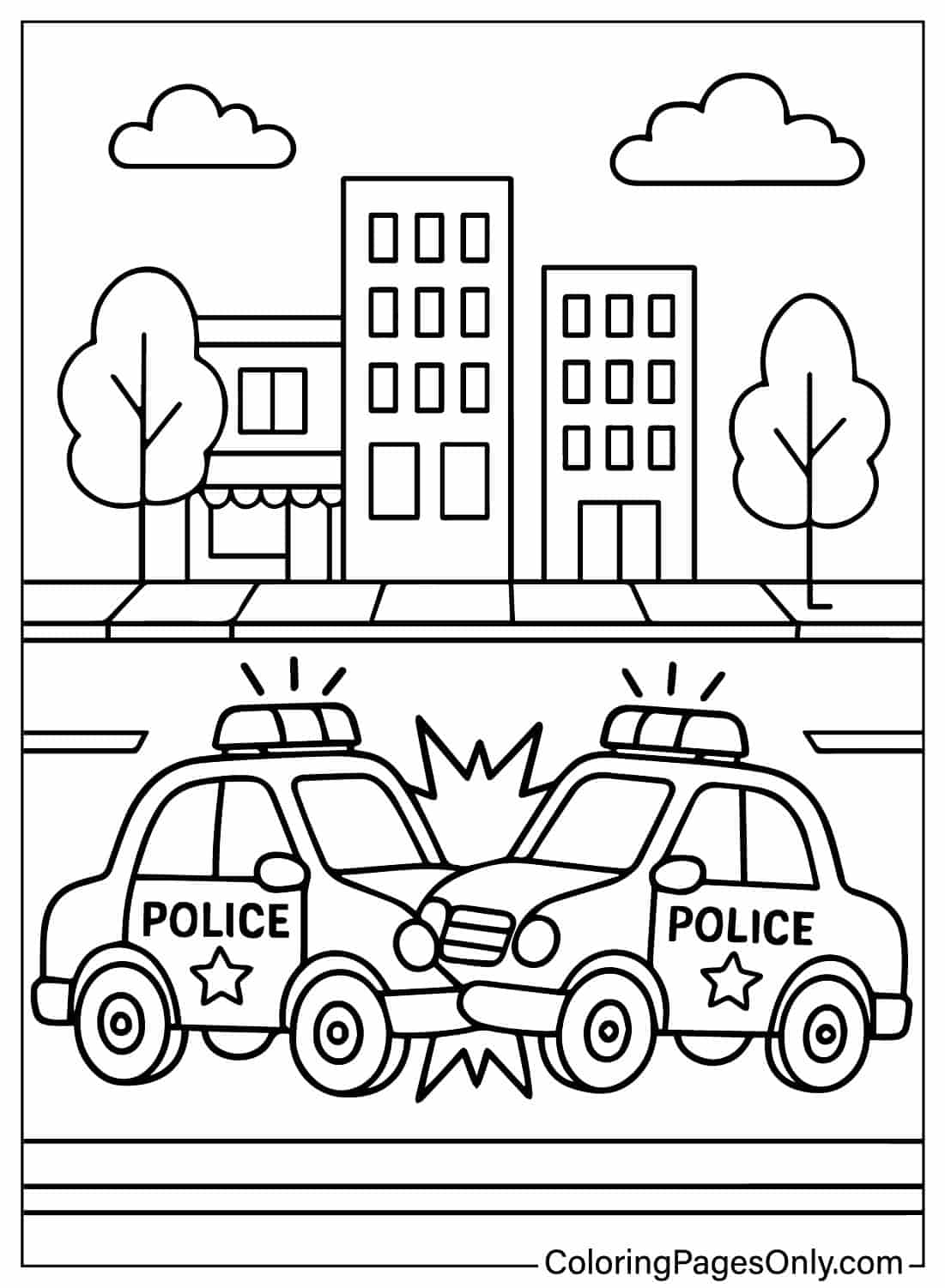
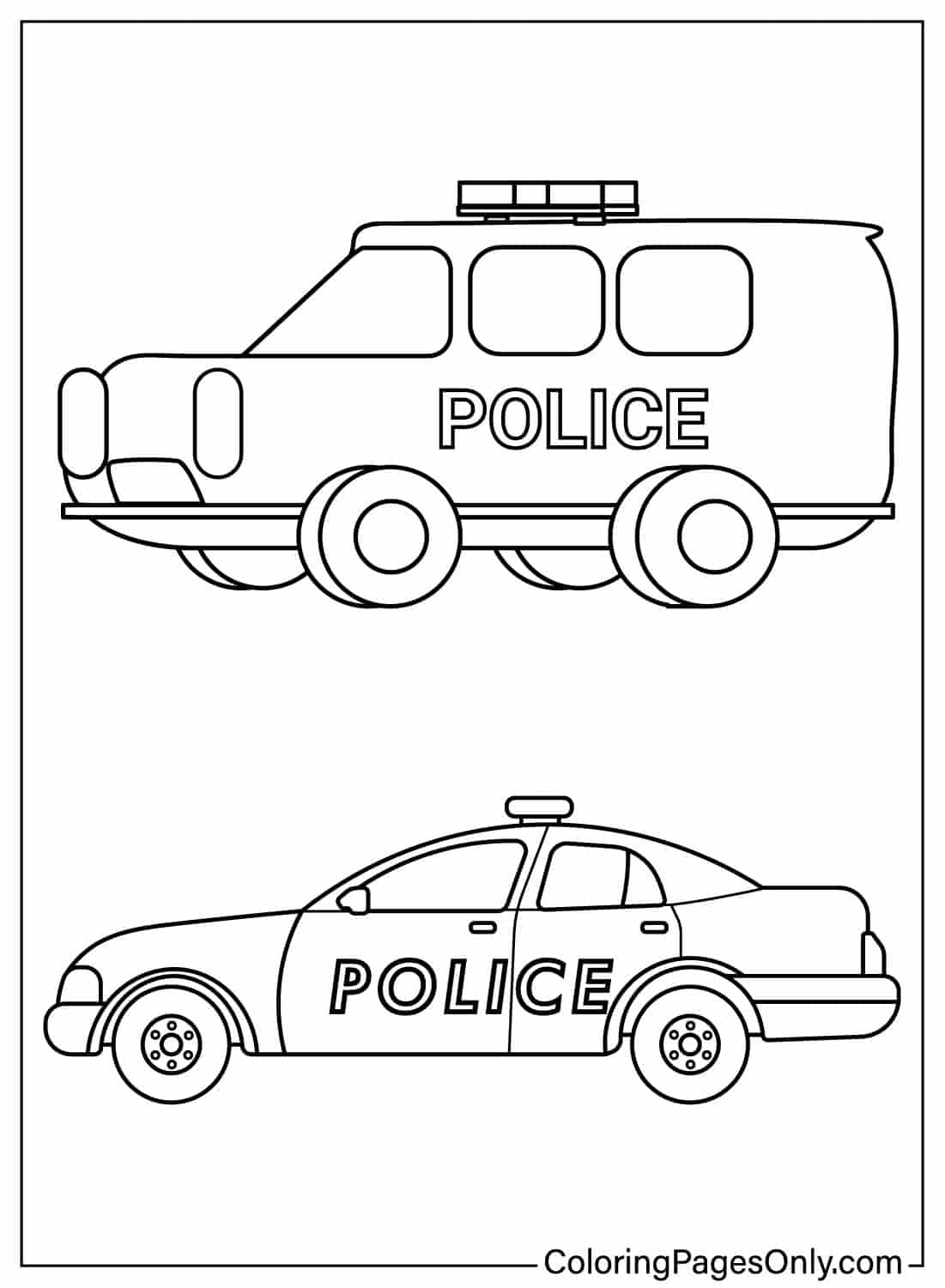
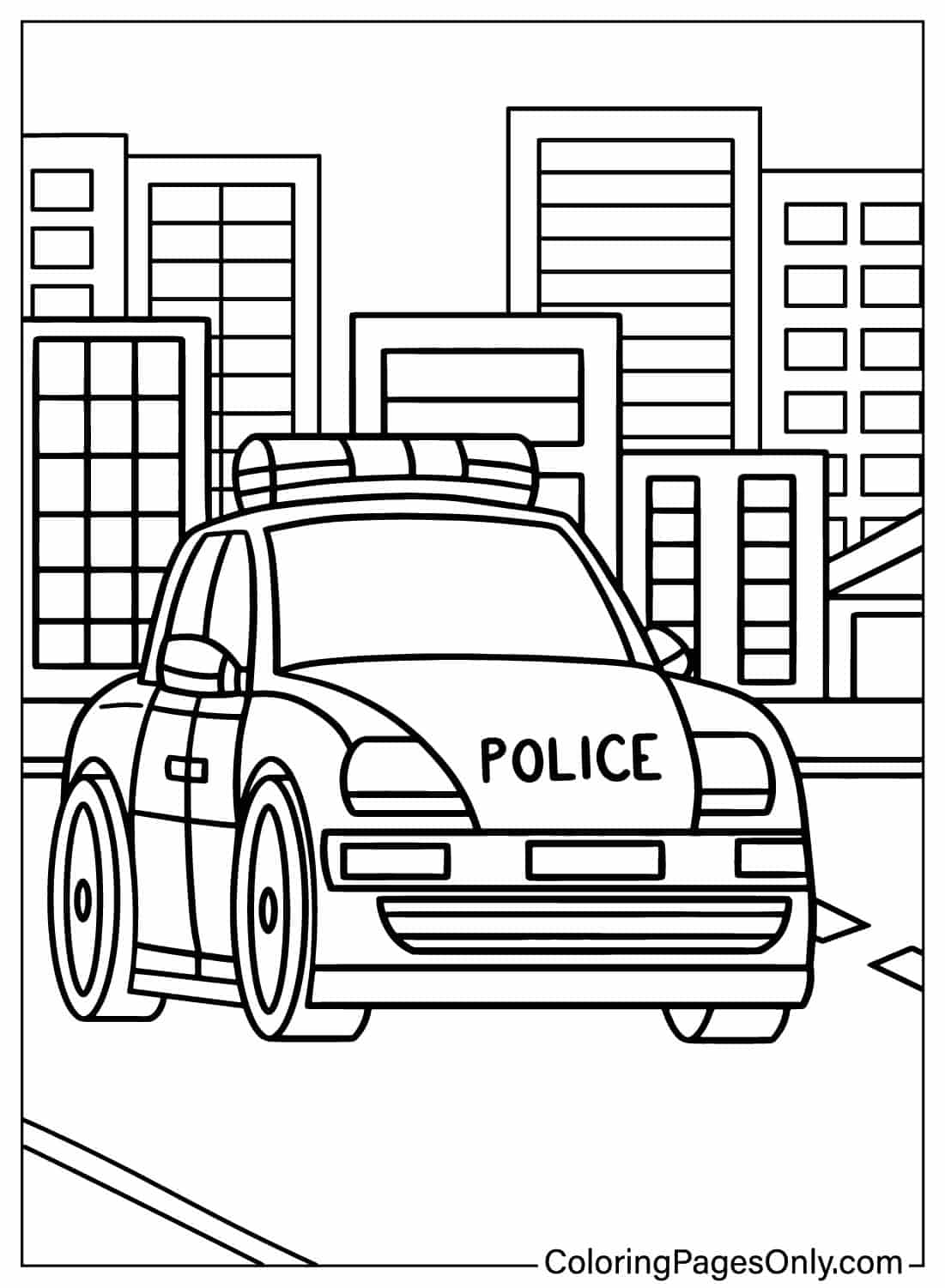
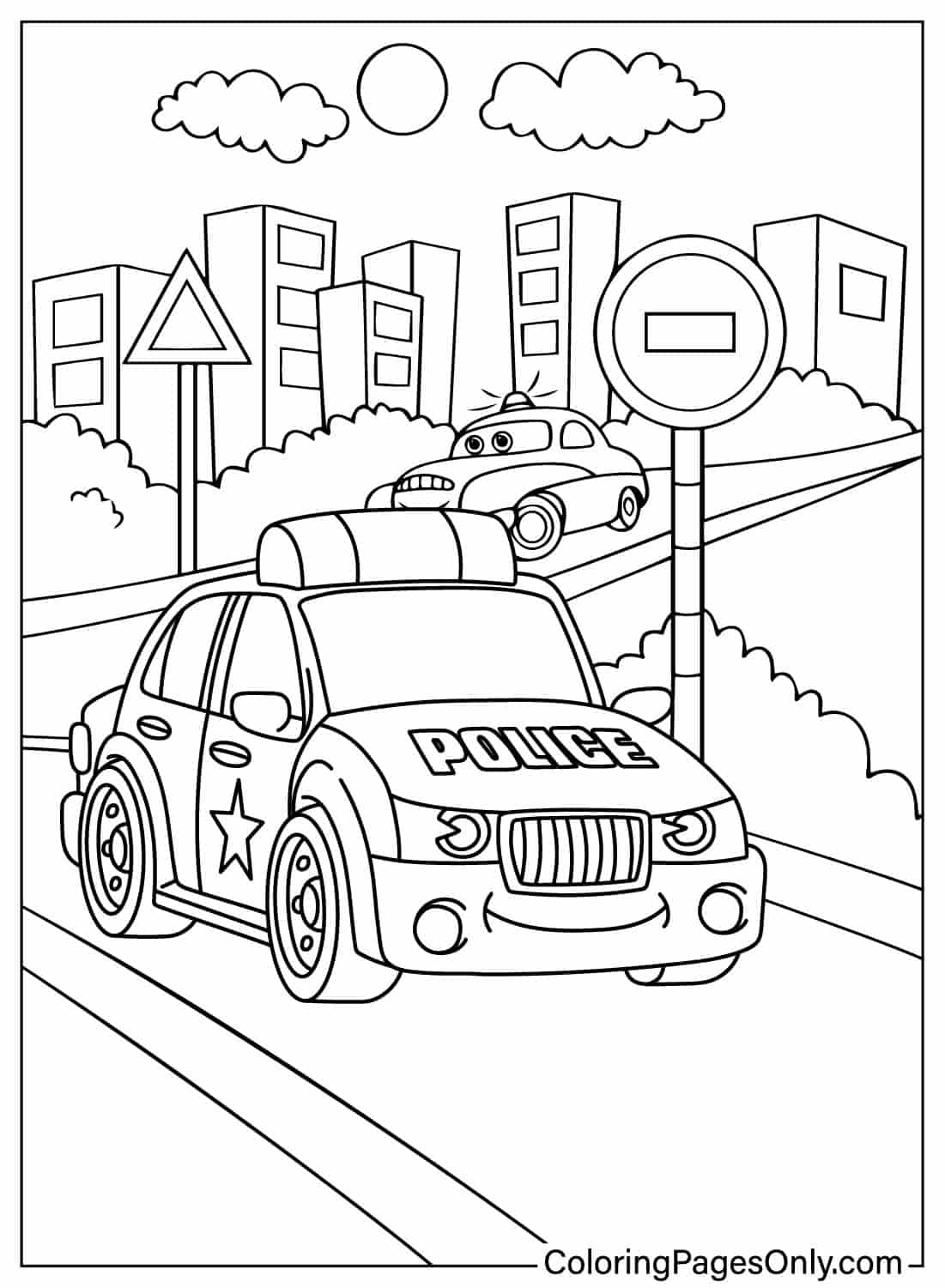
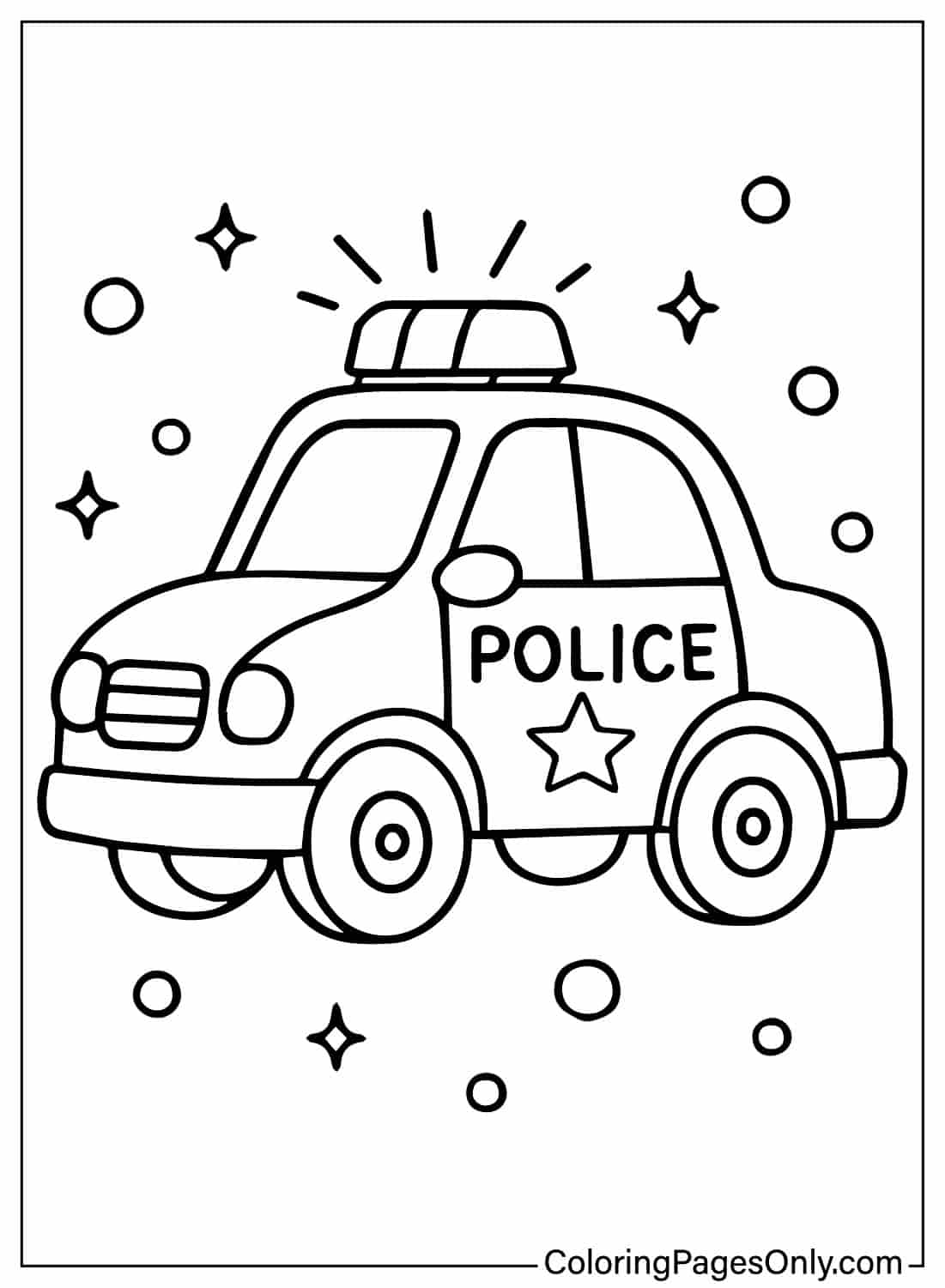
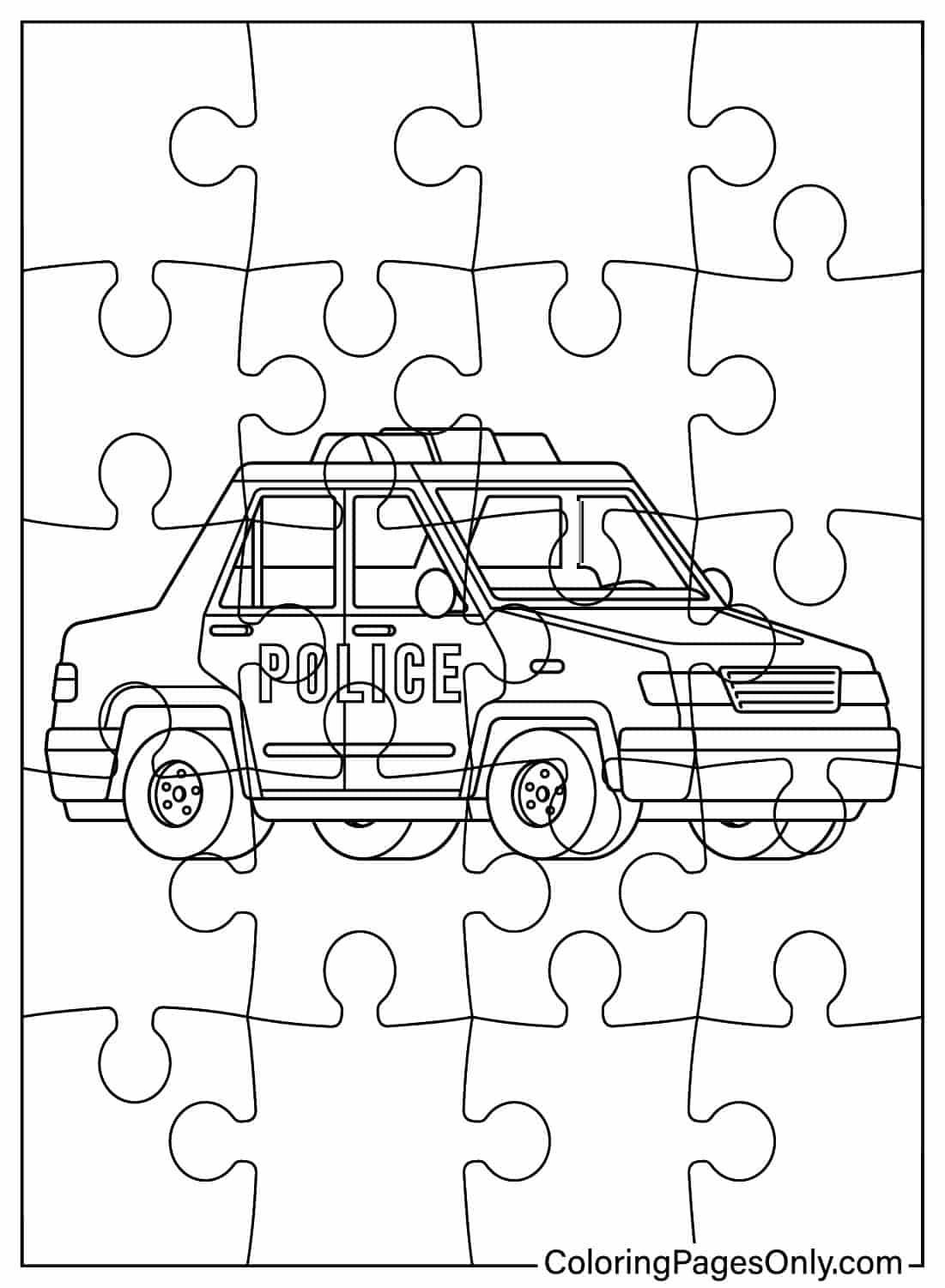
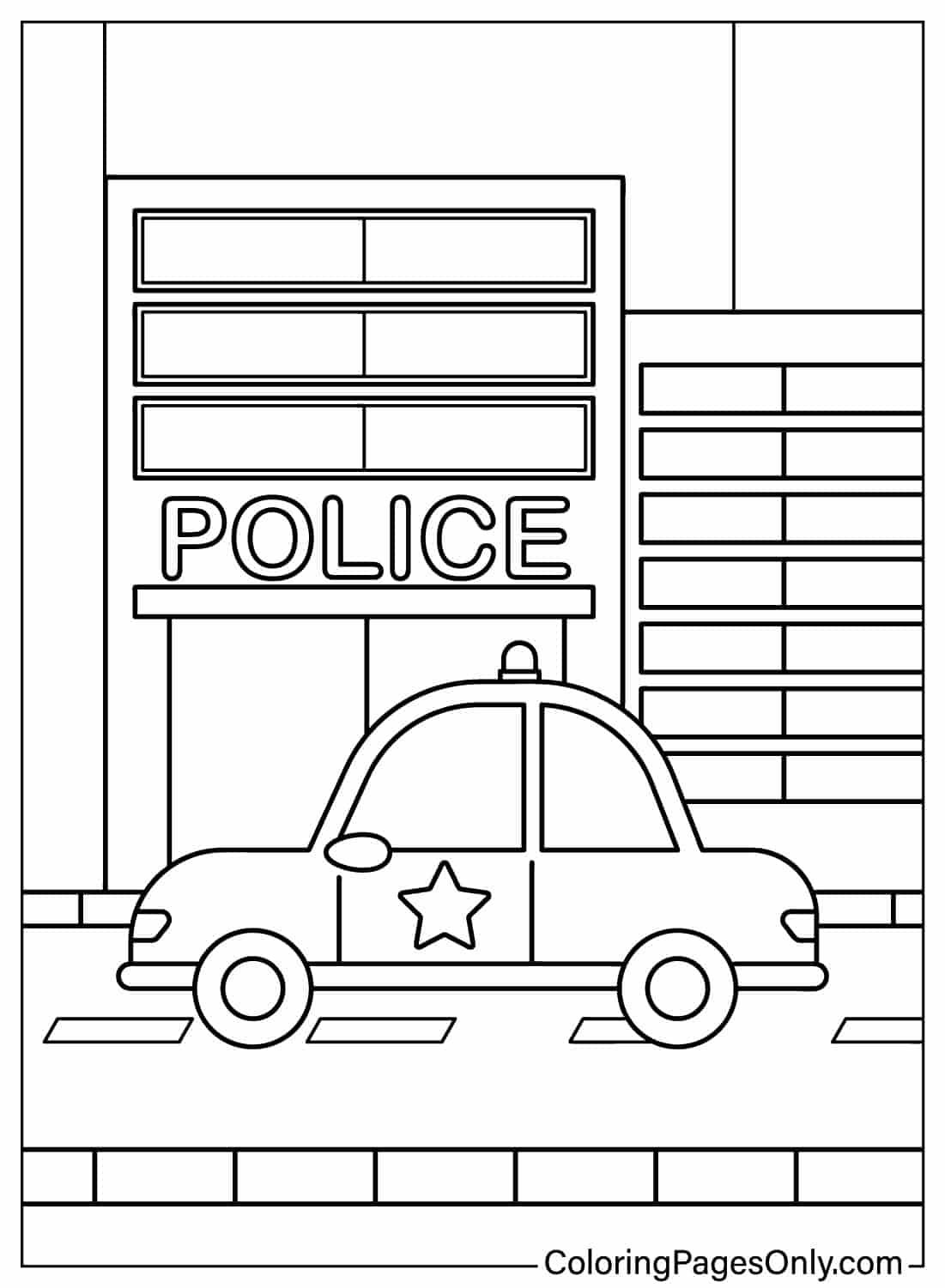
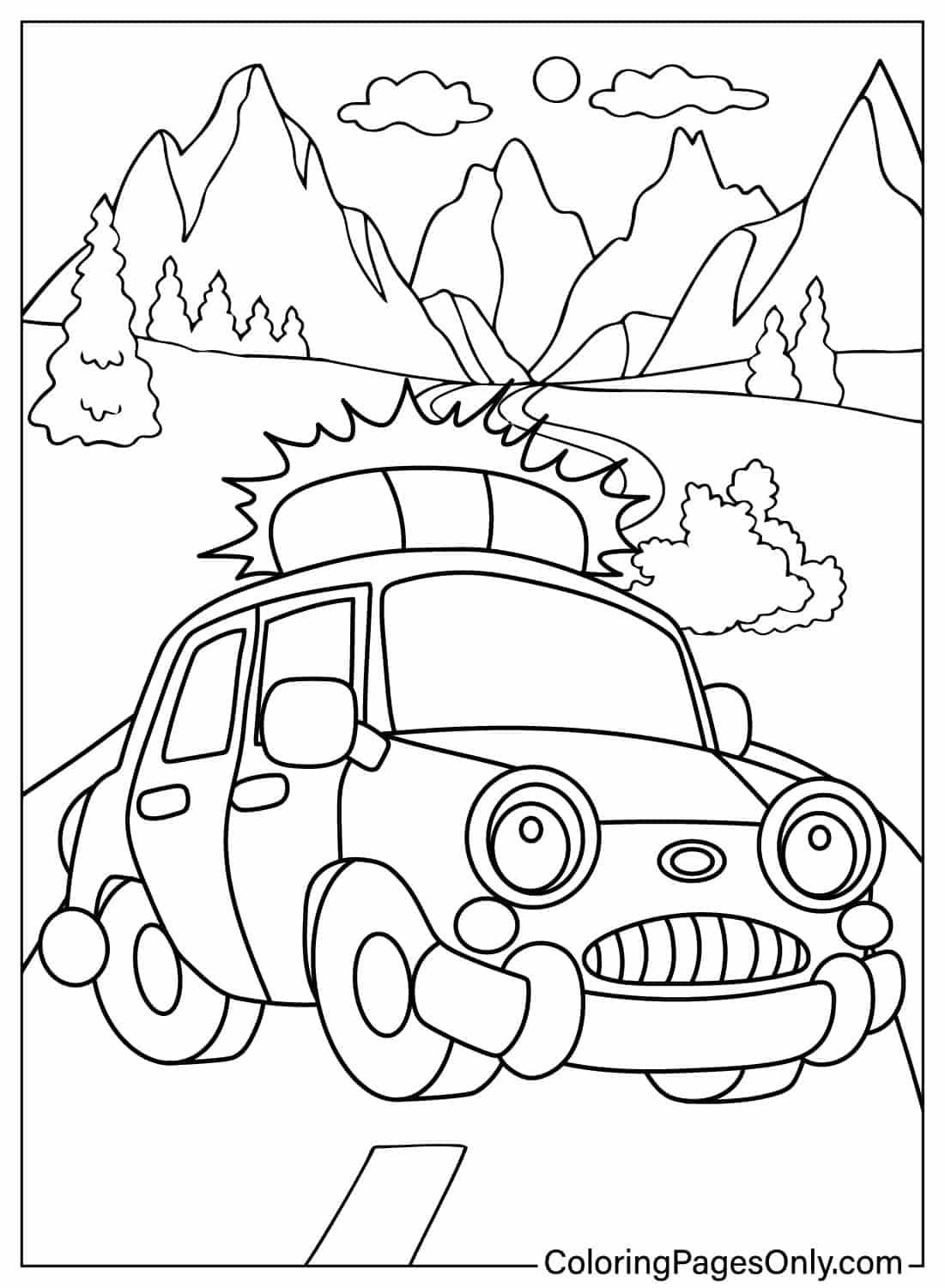
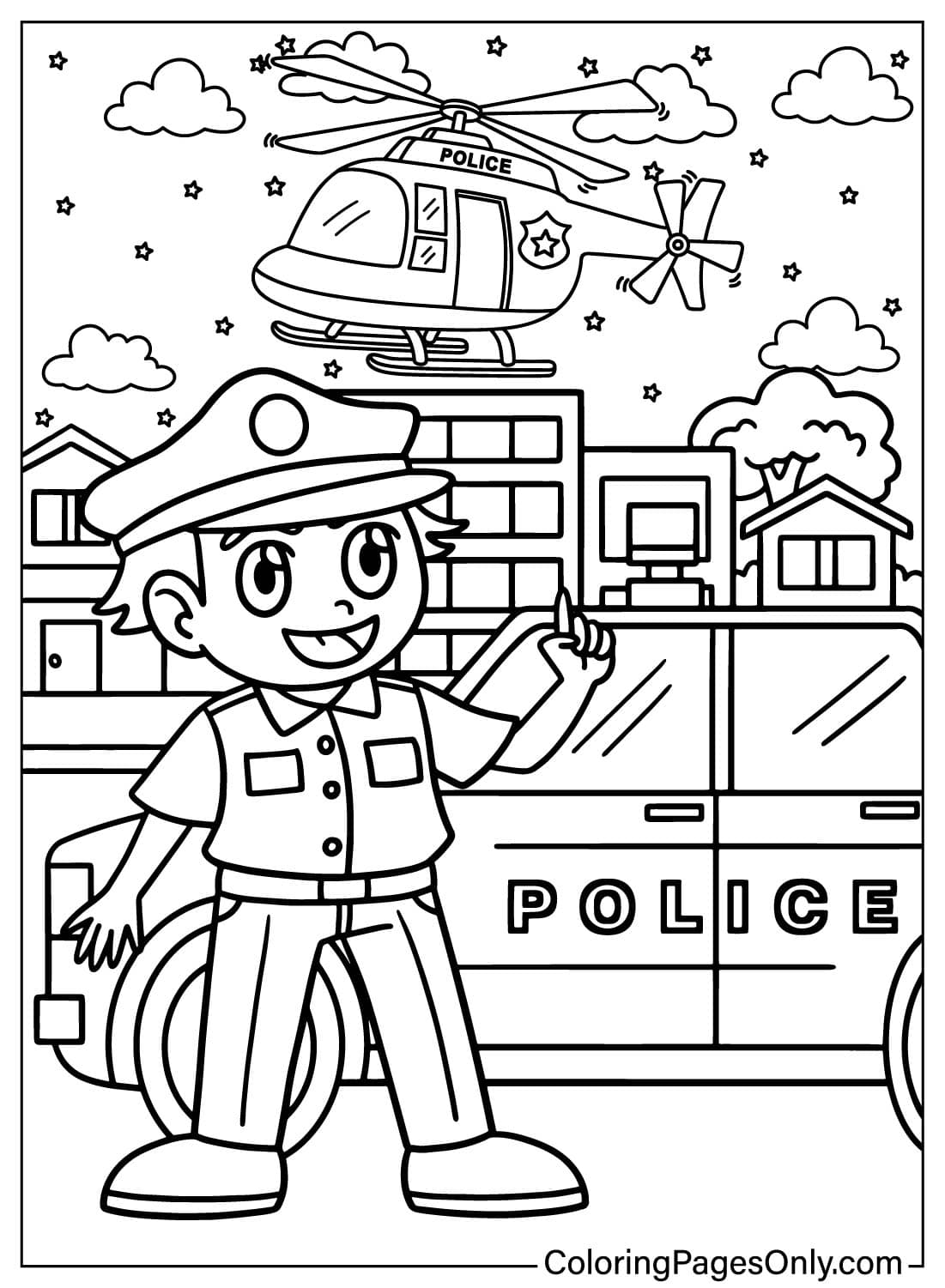
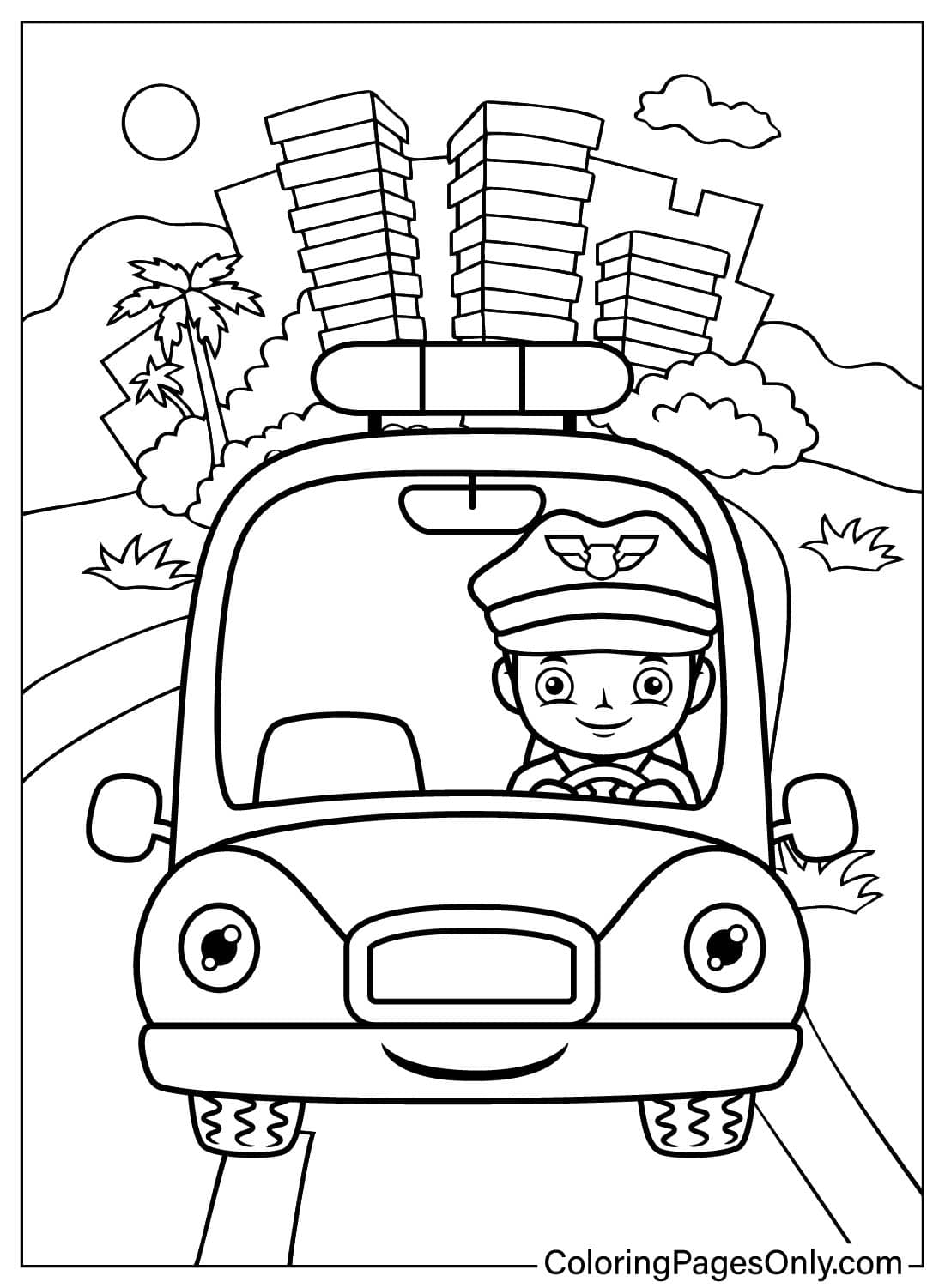
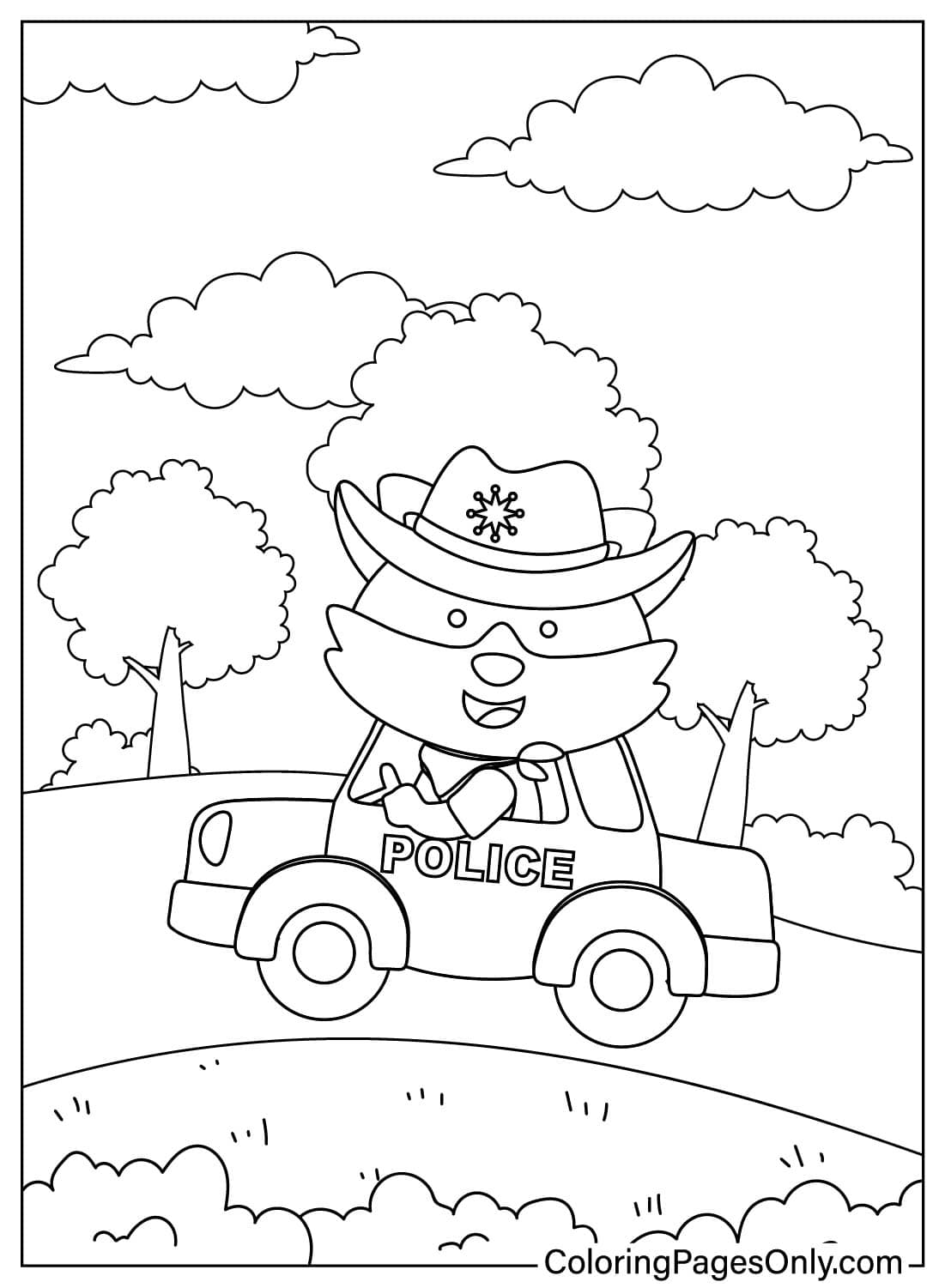
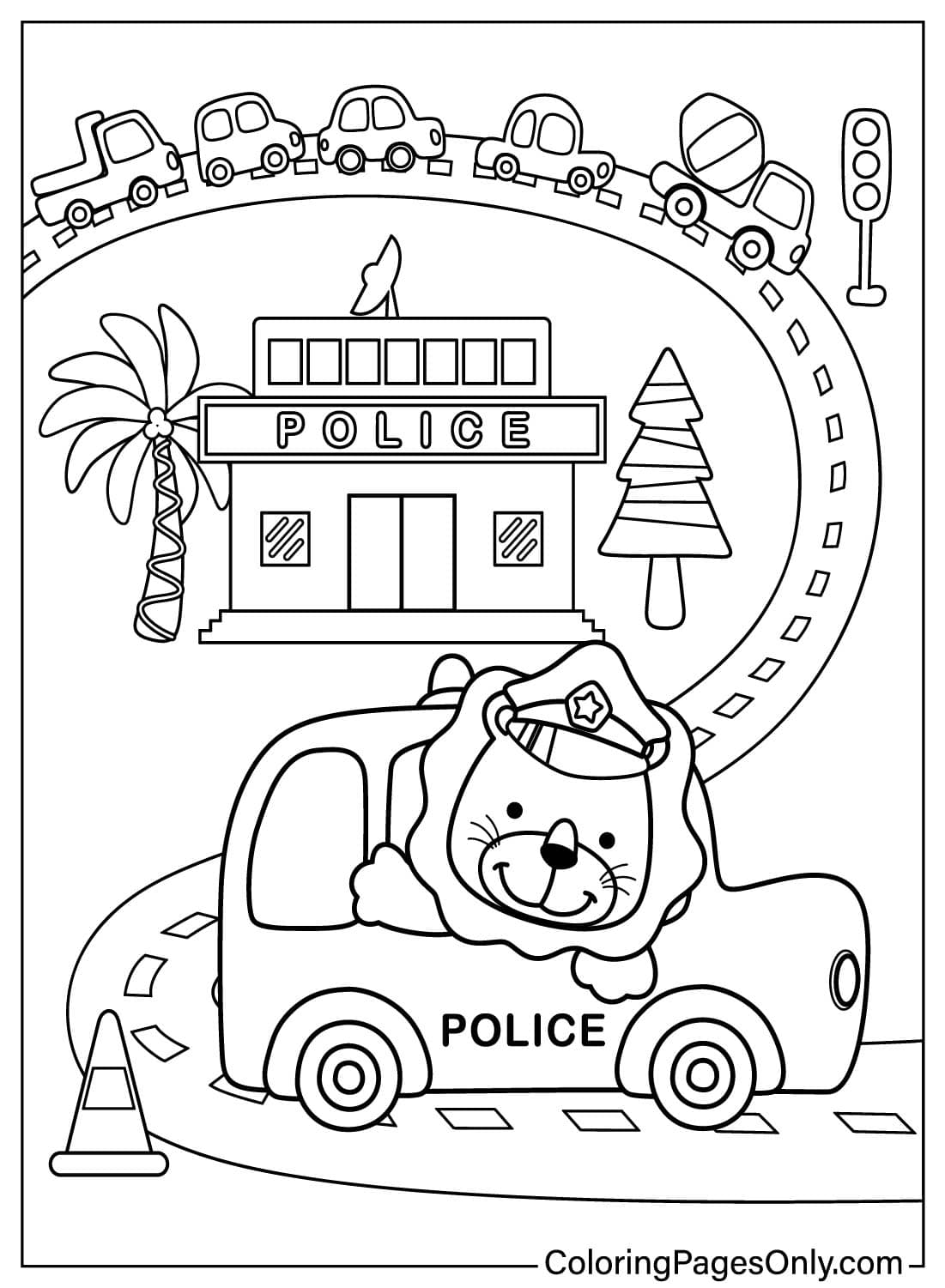
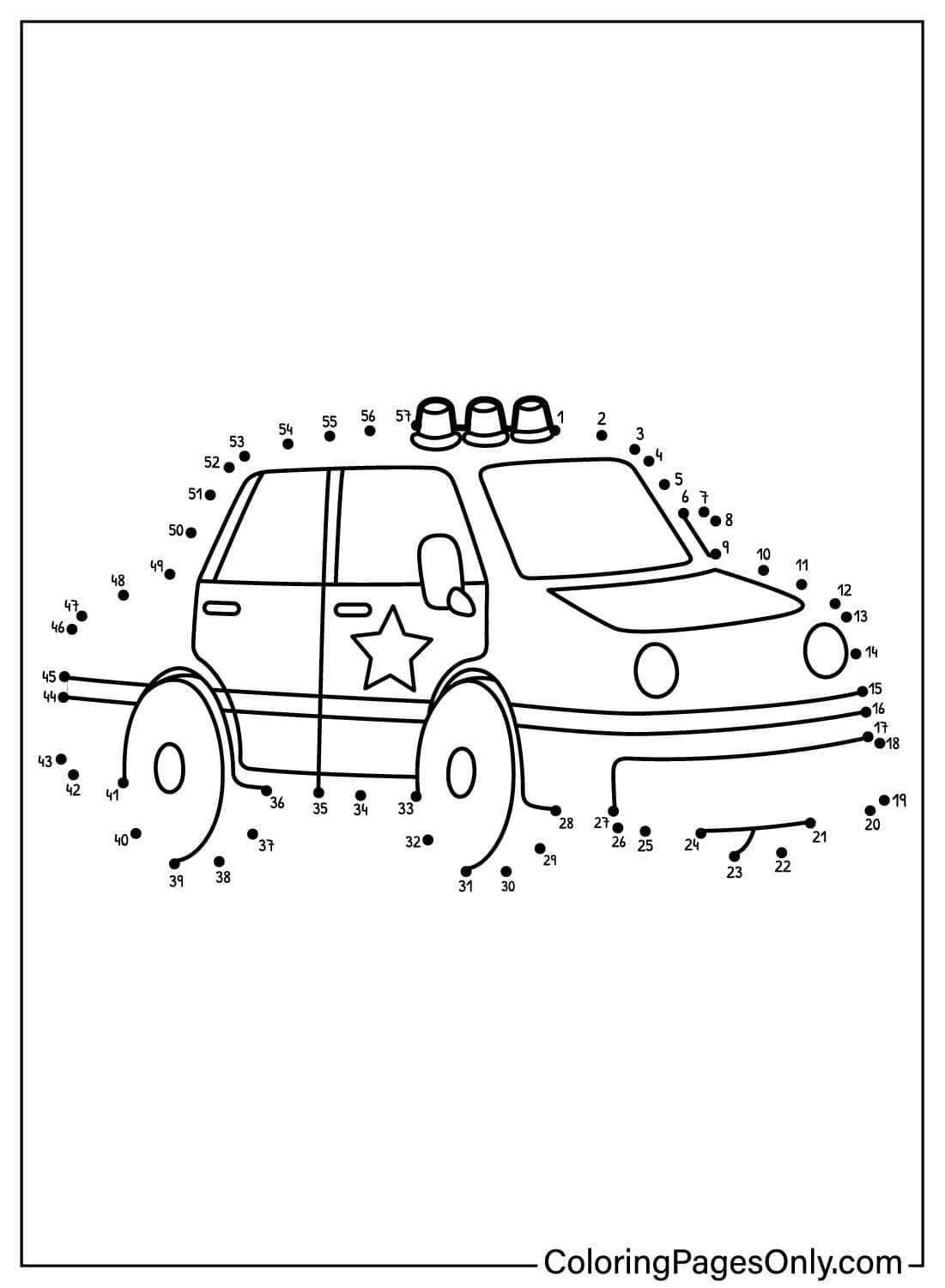
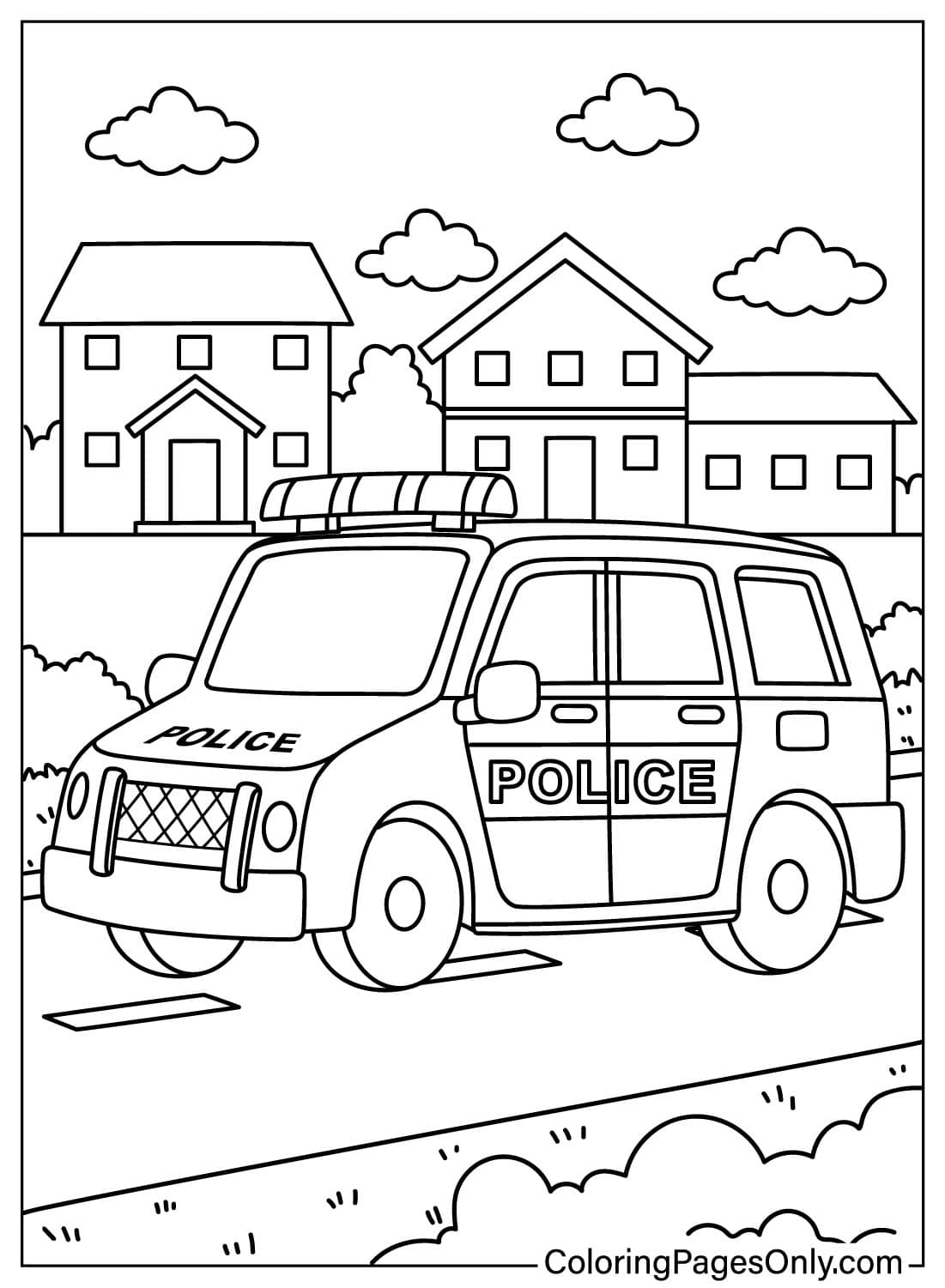
What Is Inside This Collection
The 33 designs group into five styles, from action scenes to simple printable sheets.
Action and Chase Scenes
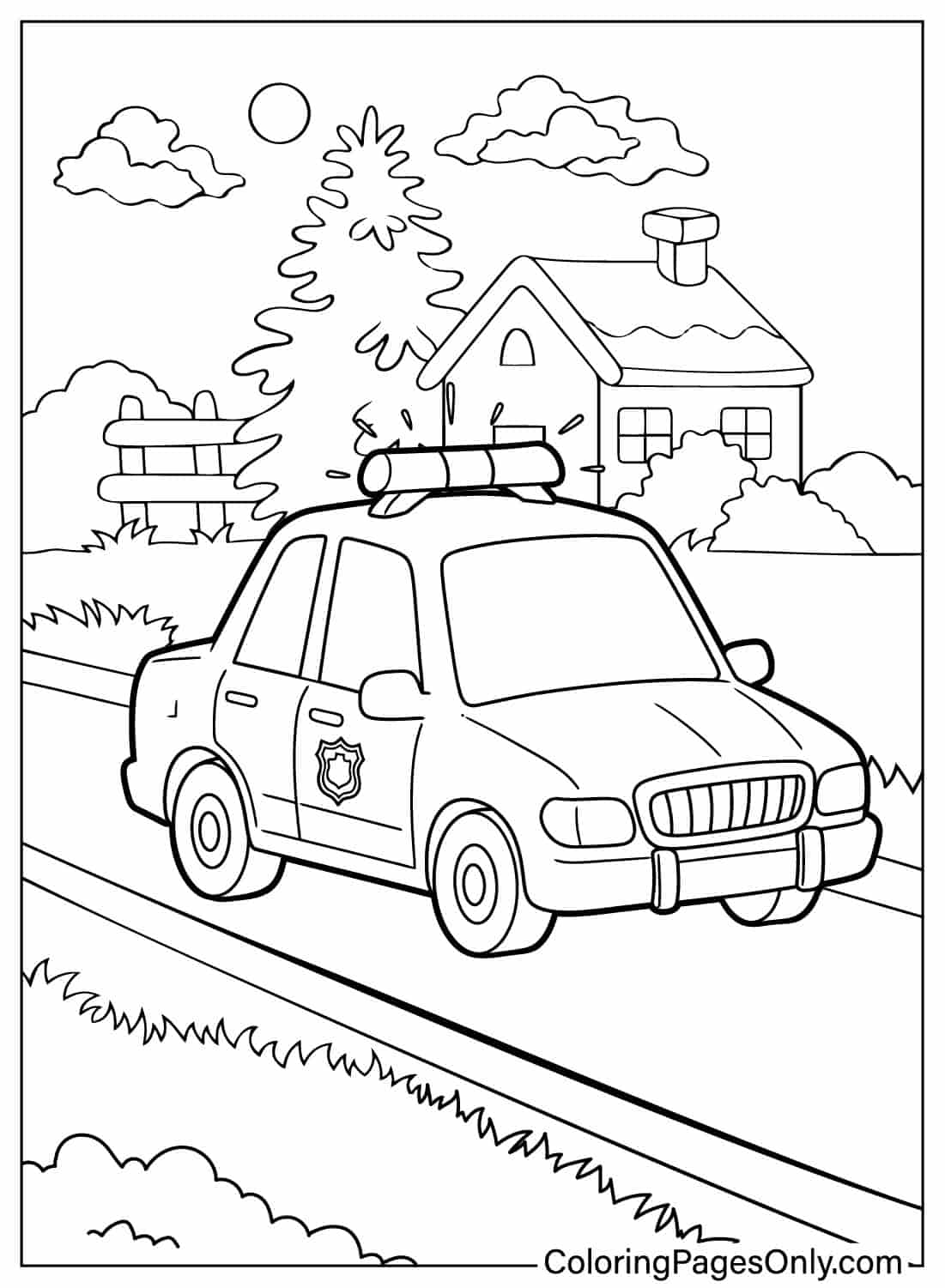
Five pages show police cars in motion, on patrol, or in pursuit. Bright red and blue for the light bar stand out best against a mostly black-and-white car body, with motion lines helping sell the sense of speed.
Officers and Their Cars
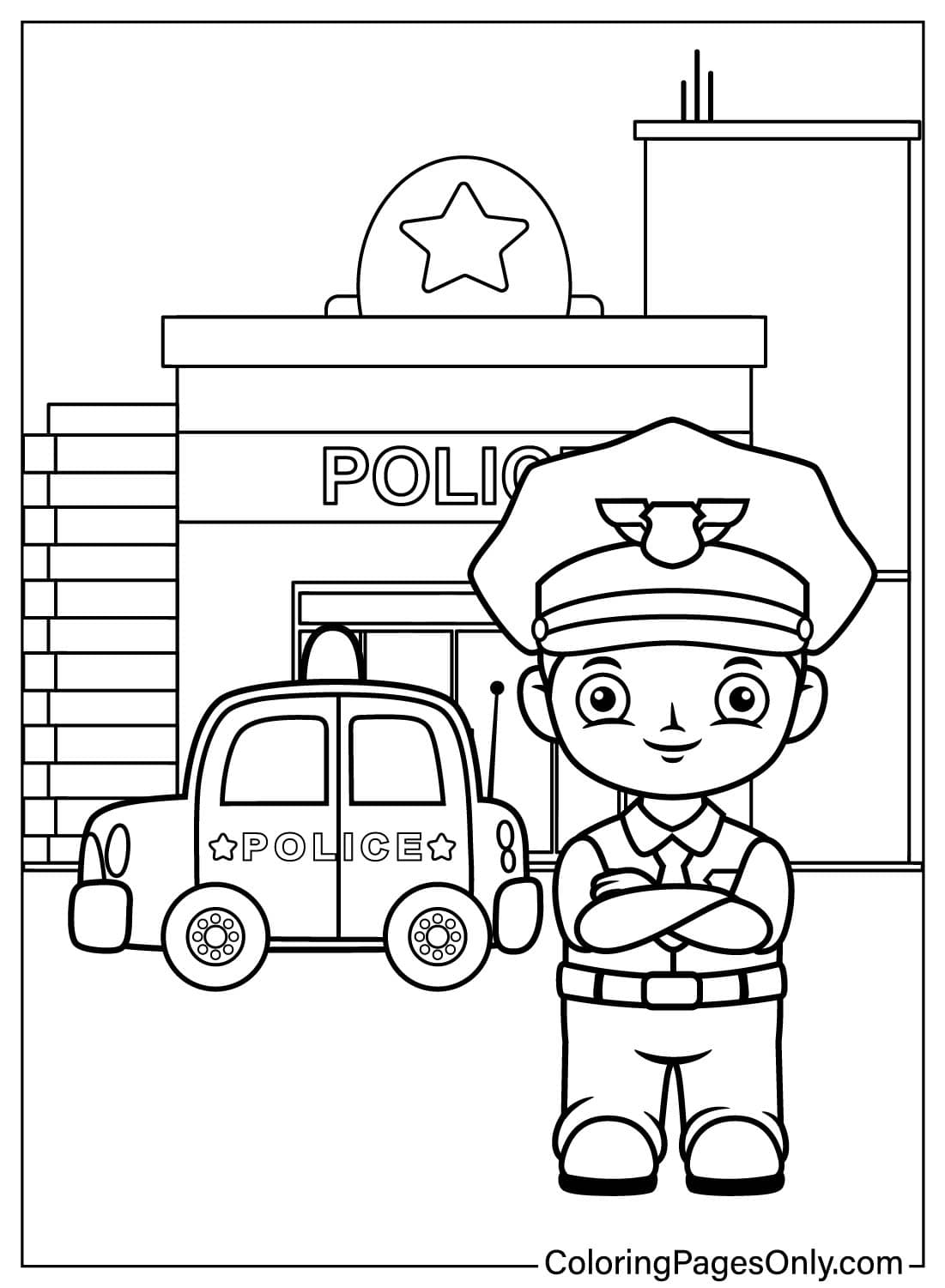
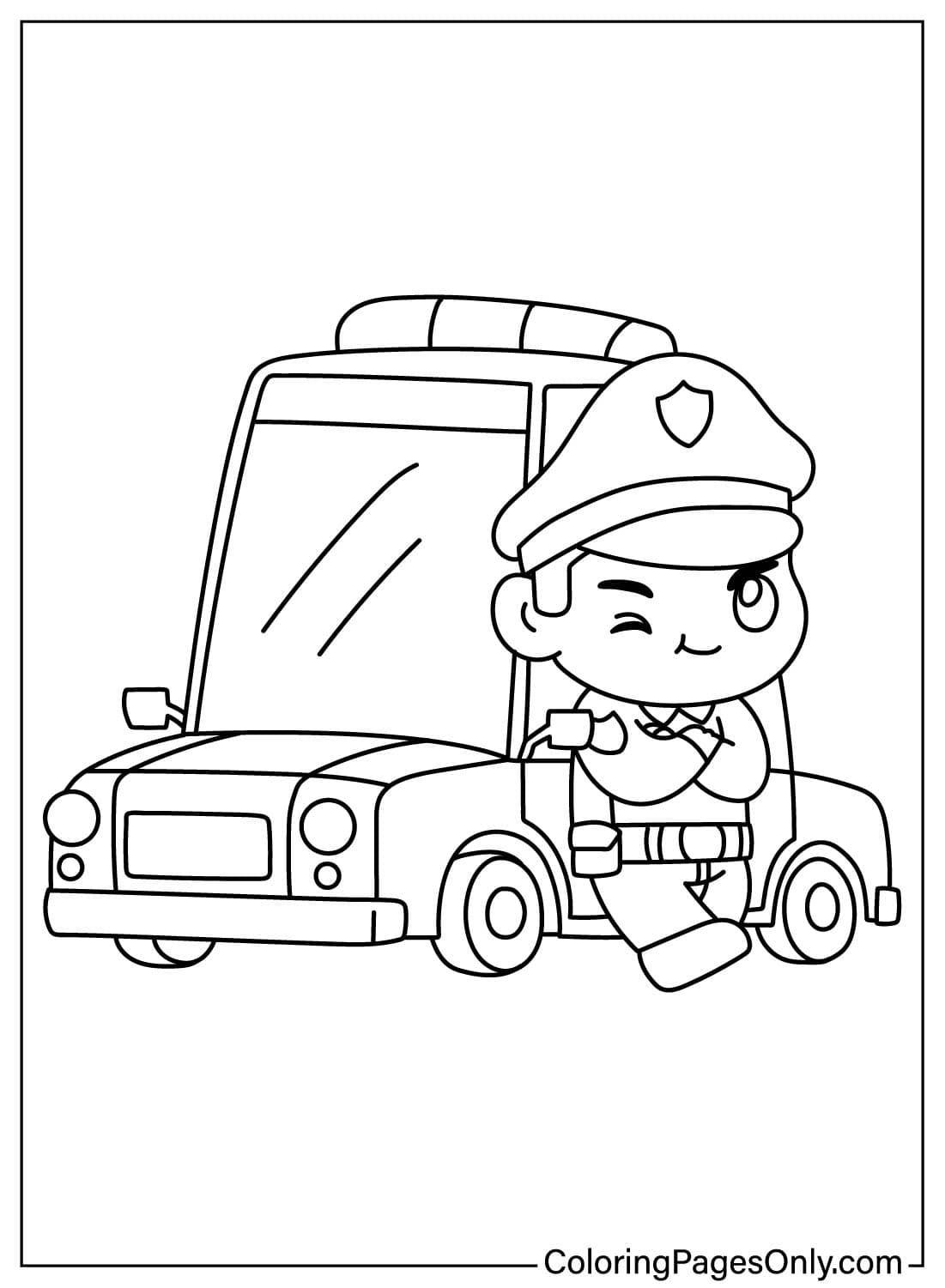
Six pages pair a police officer or a friendly animal character with their vehicle. Keep uniforms in classic navy or Black so the officer reads clearly next to the car’s own black-and-white or blue paint scheme.
City and Street Scenes
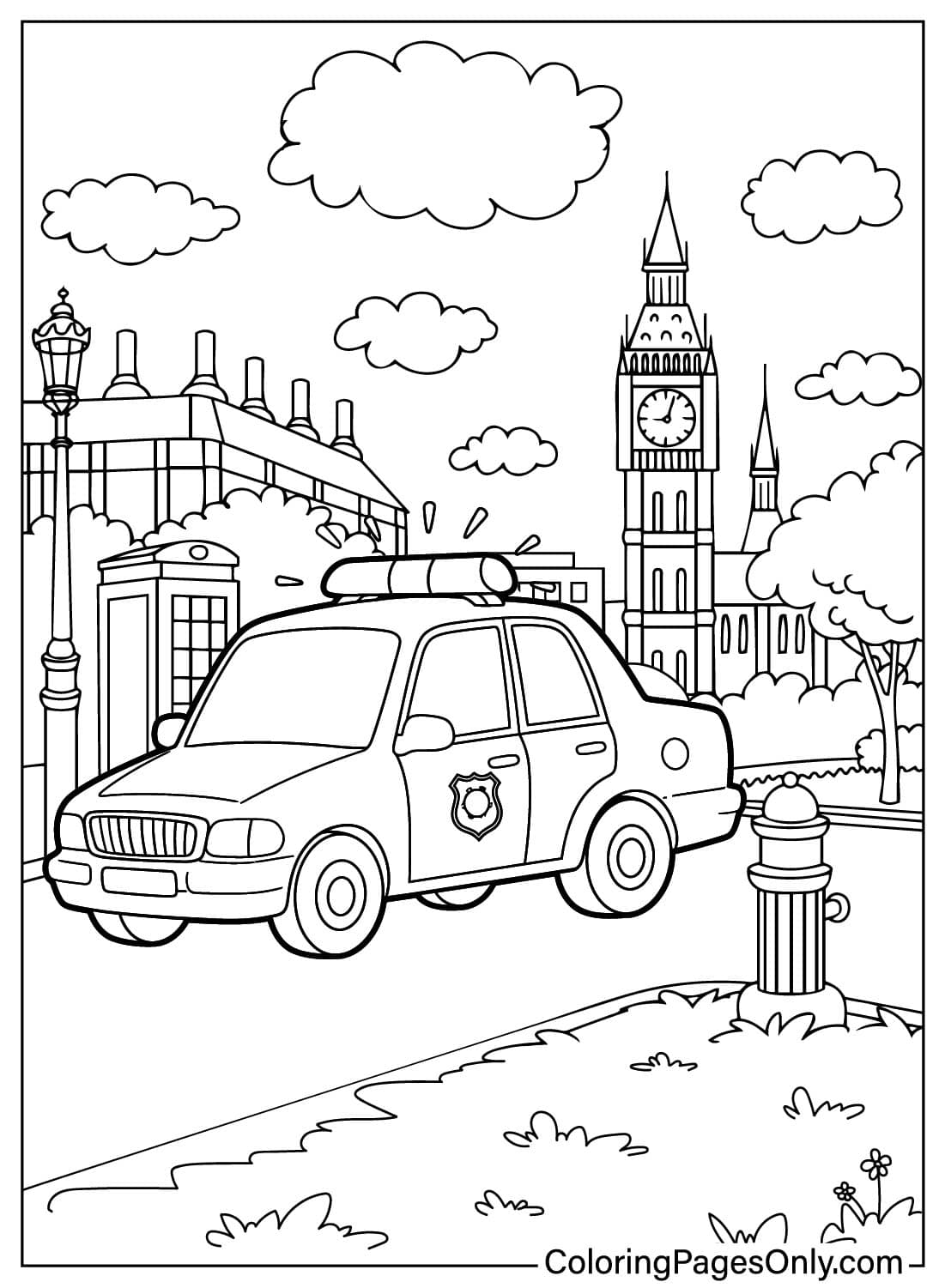
Four pages set the car against a city backdrop, such as a street, office building, or skyline. Muted grays and browns for the buildings keep the police car itself as the brightest, most eye-catching element on the page.
Printable and Simple Sheets
Twelve pages use bold, uncluttered outlines built for a quick print or a younger colorist. Two or three solid colors are enough here since the shapes are large and the linework is simple.
Fun and Novelty Designs
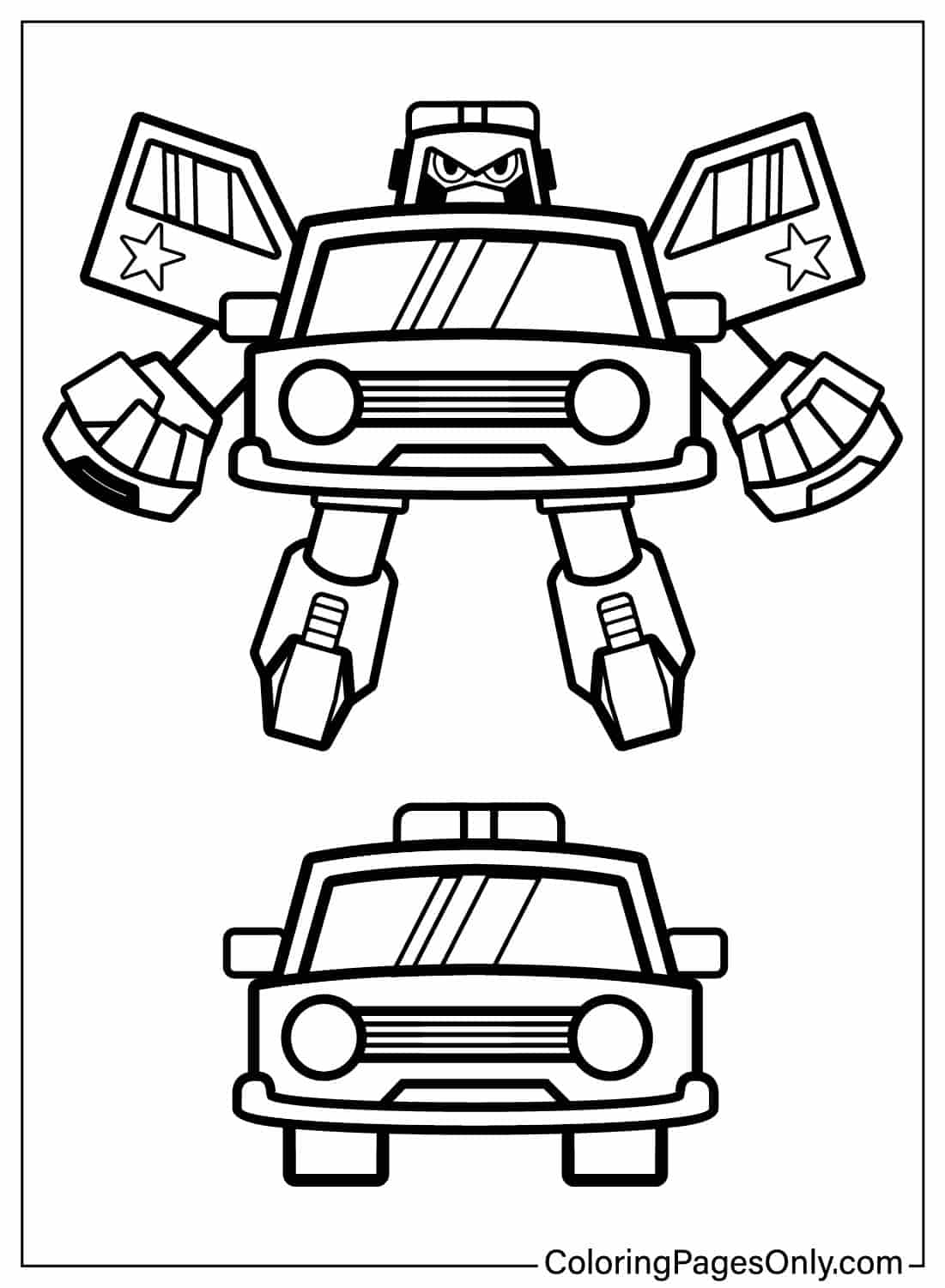
Six pages take a playful angle, including a robot-style car, a numbered coloring sheet, and a car shown mid-ring with its siren active. These suit colorists want something different from a standard patrol car outline.
What Police Car Coloring Pages Do
Careful strokes for small details. Filling in a light bar, badge, or window trim without crossing the lines calls for controlled, contained pencil movement, and the American Academy of Pediatrics points to this kind of precise coloring as a way to build fine motor skills in children between ages 2 and 7.
An early, friendly look at community helpers. Coloring a police car alongside a friendly officer gives young children a simple, approachable way to talk about the people who help keep a neighborhood safe, without needing any dramatic or frightening framing.
A steady task that eases restlessness. A 2005 study published in the Art Therapy Journal recorded measurable drops in anxiety among participants who completed structured coloring sessions, and the bold, repeatable shapes of a patrol car offer that same steady, low-pressure focus for an energetic child.
A launchpad for imaginative play. Pages that leave room for an empty street or background invite children to invent their own city, add their own characters, and turn a coloring page into a small storytelling activity.
How to Color Police Car Coloring Pages Well
- Classic body paint: Use solid Black for the hood, trunk, and lower panels, and White or a very pale gray for the doors and roof, keeping the line between the two colors crisp and straight.
- Light bar: Color one half Red and the other half Blue, and add a few short white streaks above the bar to suggest the lights are flashing.
- Windows: Fill window areas with a light Sky Blue or pale gray rather than leaving them white, then add a thin dark outline to define the window frame.
- Badge and stripes: Use Gold or Silver for a badge shape on the door, and a single bold stripe in a contrasting color like blue or red running along the side.
- Officer uniforms: Keep uniforms in Navy Blue or Black with a lighter gray or tan for any visible shirt collar, and a small gold or silver dot for a badge.
- Wheels and road: Color tires solid Black with a gray hubcap circle in the center, and use light gray for any visible road so the car’s colors stay the focus of the page.
5 Creative Craft Ideas With Police Car Coloring Pages
1. Police car standee display. Color a full police car page, glue it to cardstock, and add a folded cardboard tab on the back so it can stand upright on a shelf or windowsill.
2. Mini city diorama. Set a colored police car inside a shoebox scene with paper buildings and roads to build a small city street for imaginative play.
3. Police car bookmark. Trim a small colored police car design to size, laminate or cover with clear tape, and punch a hole for ribbon to make a durable reading bookmark.
4. Storytelling strip. Line up several colored police car pages in a row on paper and add simple captions to build a short comic-style story about a day on patrol.
5. Greeting card. Fold cardstock in half, mount a small colored police car design on the front, and write a message inside for a birthday or thank-you card for a community helper.
Frequently Asked Questions
What are police car coloring pages?
Police car coloring pages are printable line-art designs showing patrol cars in action scenes, with officers, in city settings, or as simple outlines for younger colorists. This collection includes 33 free designs available as PDFs or online coloring.
When was the first police car used?
The first police car was an electric patrol wagon put into service in Akron, Ohio, in 1899. It had a top speed of about 18 miles per hour and carried electric headlights and a gong to warn people of its approach.
Why are police cars usually black and white?
The black-and-white paint scheme became a widely adopted standard because it makes patrol cars easy to recognize at a glance, both for the public and for other officers. Many departments still use this classic combination alongside modern reflective markings.
When did police cars start using red and blue lights?
Red warning lights were added to police cars starting in the 1930s. Blue lights became common later, and most departments today use a combination of red and blue emergency lights paired with a siren.
What equipment do real police cars carry?
Modern police cars typically carry two-way radios, first aid supplies, and other gear officers need to respond to calls. Emergency lighting and a siren are standard equipment used to alert other drivers during a response.
What is the light bar on top of a police car for?
The light bar holds the flashing red and blue lights police cars use to warn other drivers and pedestrians during an emergency response or traffic stop. It is one of the most recognizable features of a patrol car.
Are police car coloring pages suitable for young children?
Yes. The simple, printable designs in this collection use bold, uncluttered outlines suited to preschool and early elementary colorists. At the same time, the busier action and city scenes work better for older children who want more detail to color.
What colors work best for a police car?
Solid black and white for the body, a red and blue light bar, pale gray or sky blue for the windows, and gold or silver for a badge shape create the most recognizable, classic patrol car look.
Start Coloring
Download any page by clicking the design. No account, email, or payment is required. Pages print directly from the browser at full resolution or open in the online coloring tool for screen use. Share finished pages on Facebook or Pinterest with the share buttons at the top of each design page.