Unicorn Color By Number Coloring Pages
 By:
Charlotte Taylor - Content Writer
Updated:
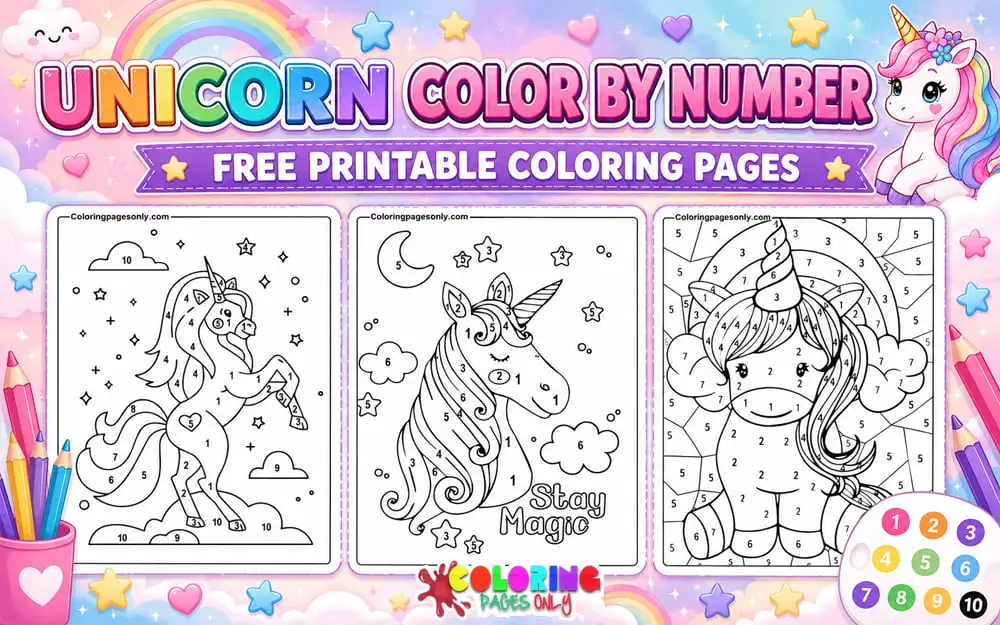
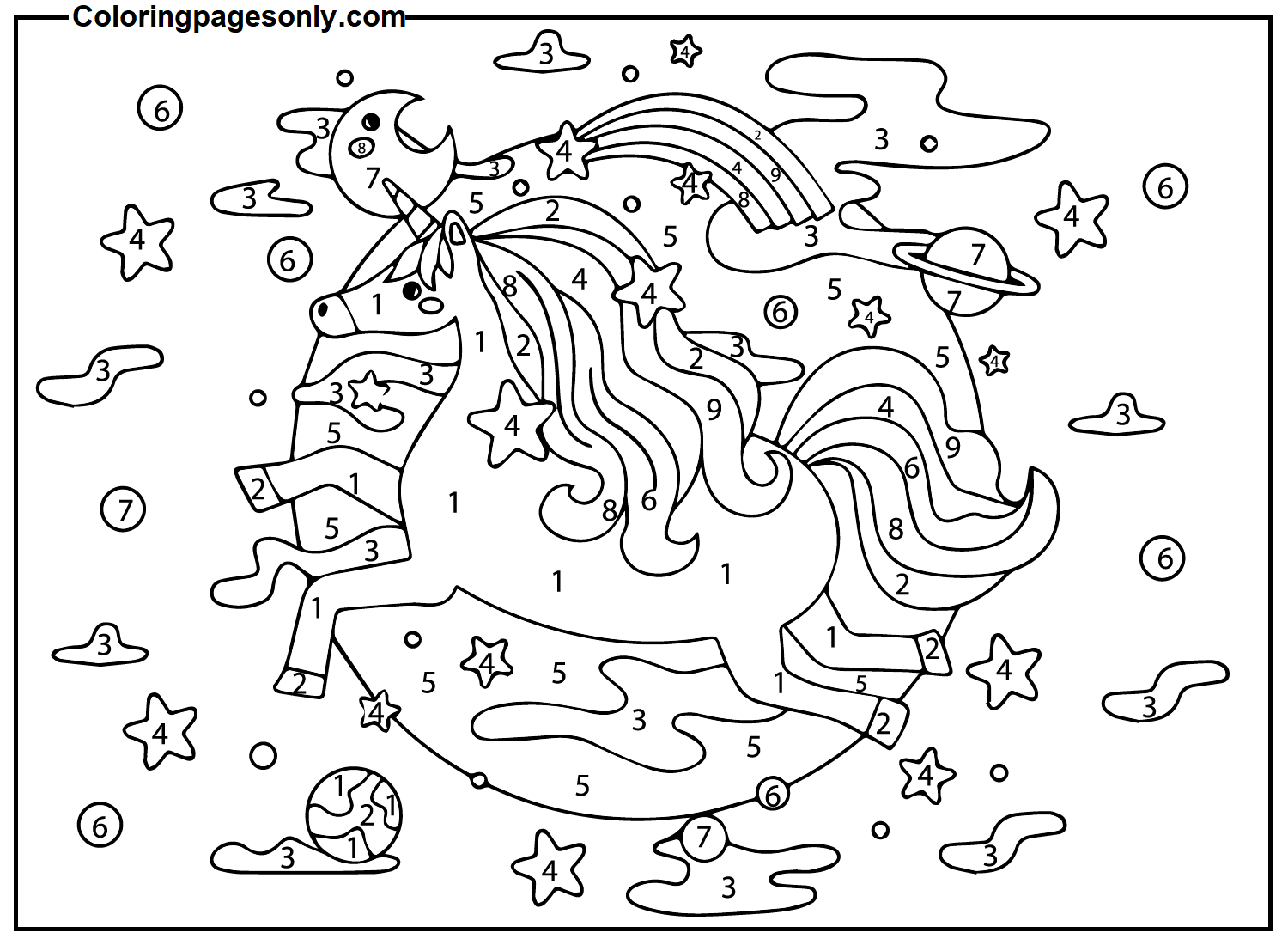
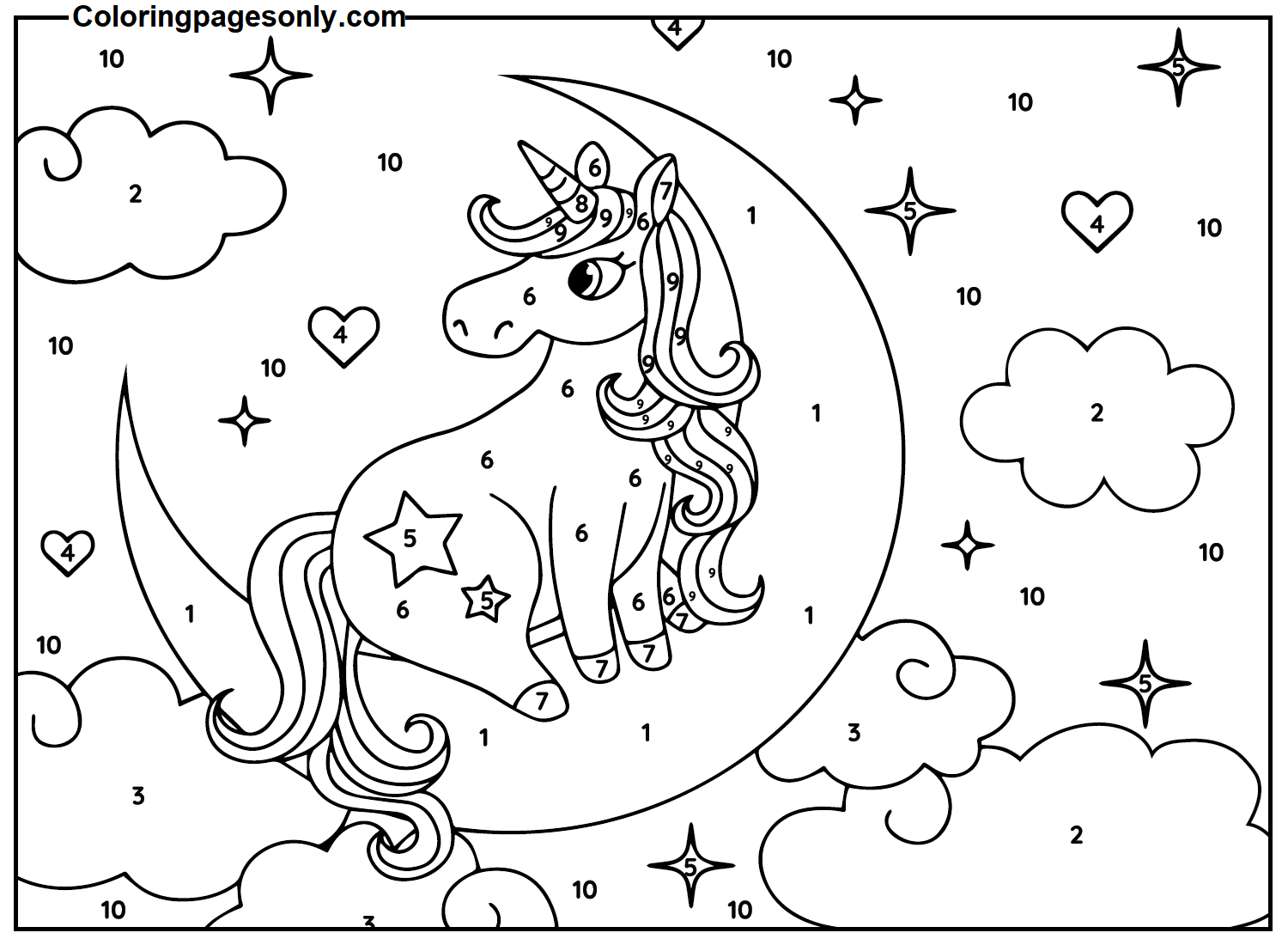
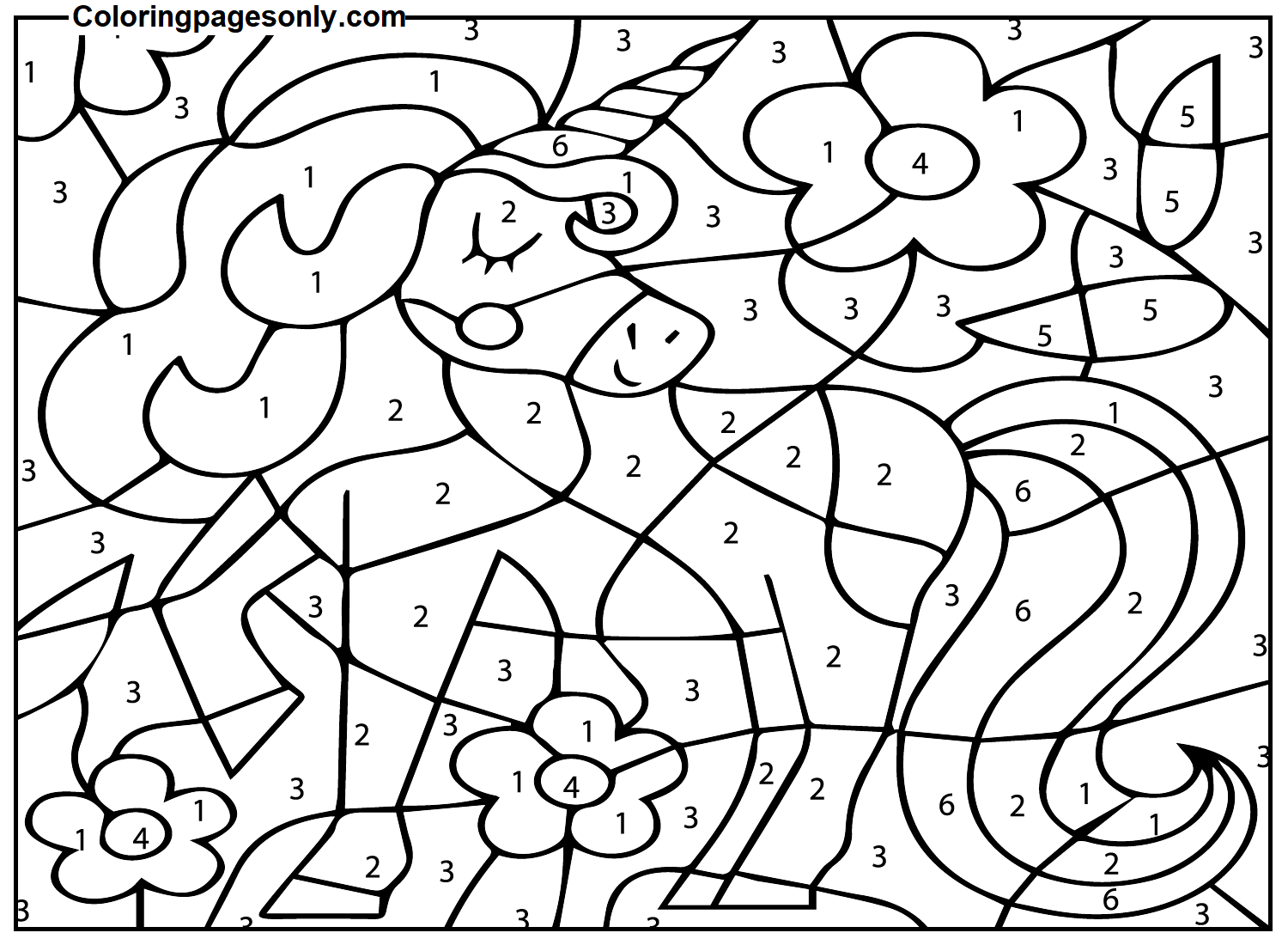
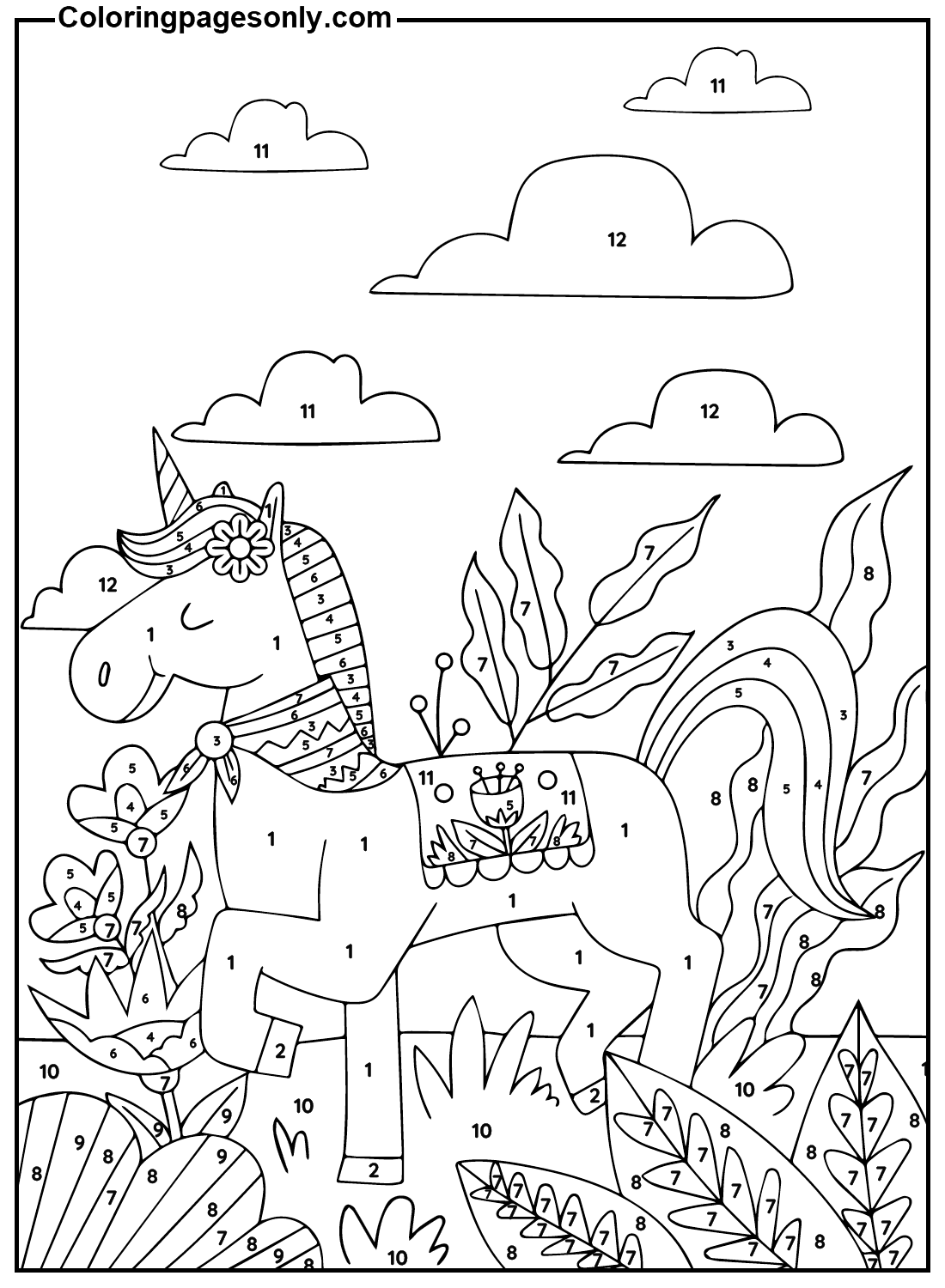
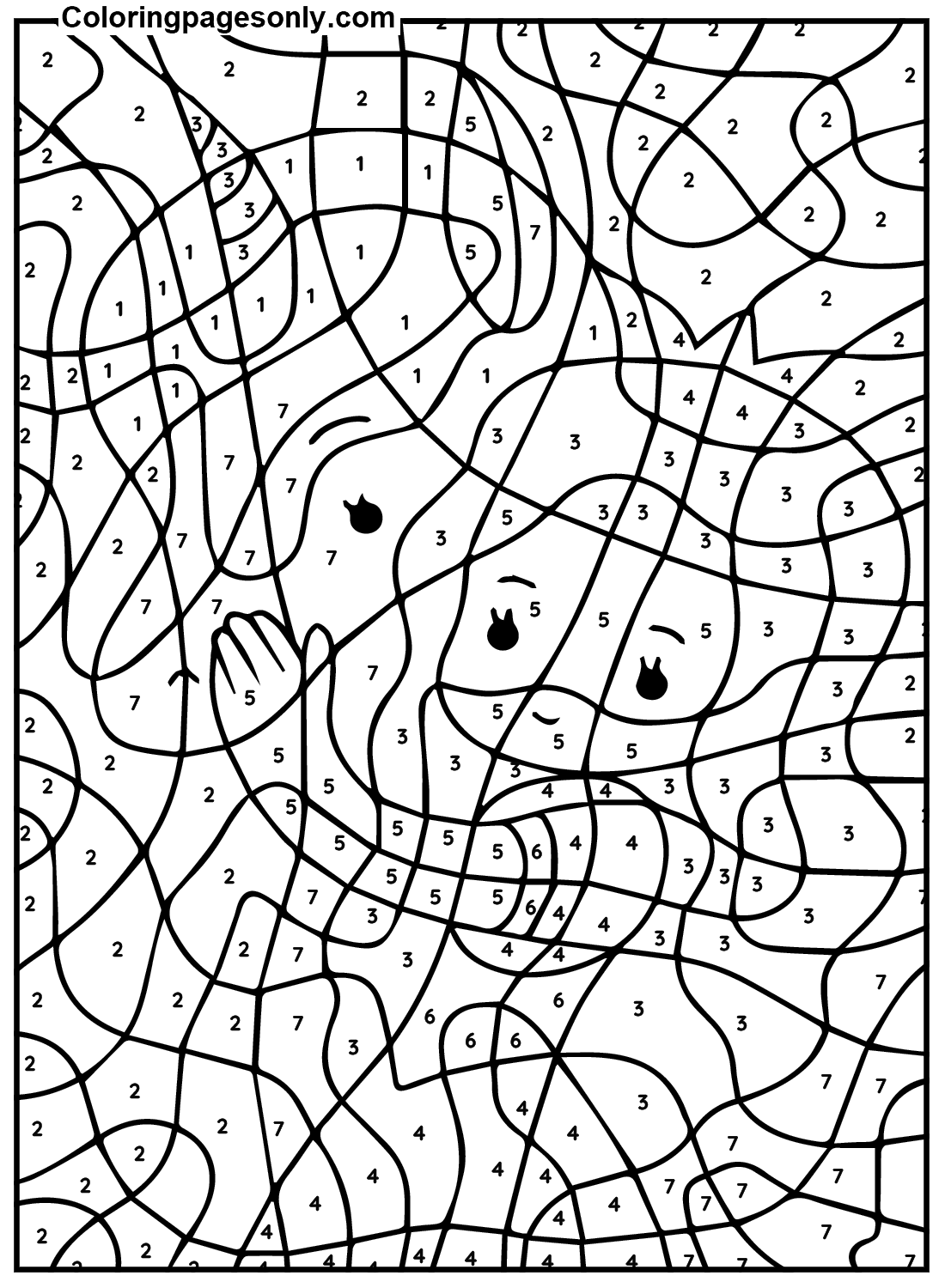
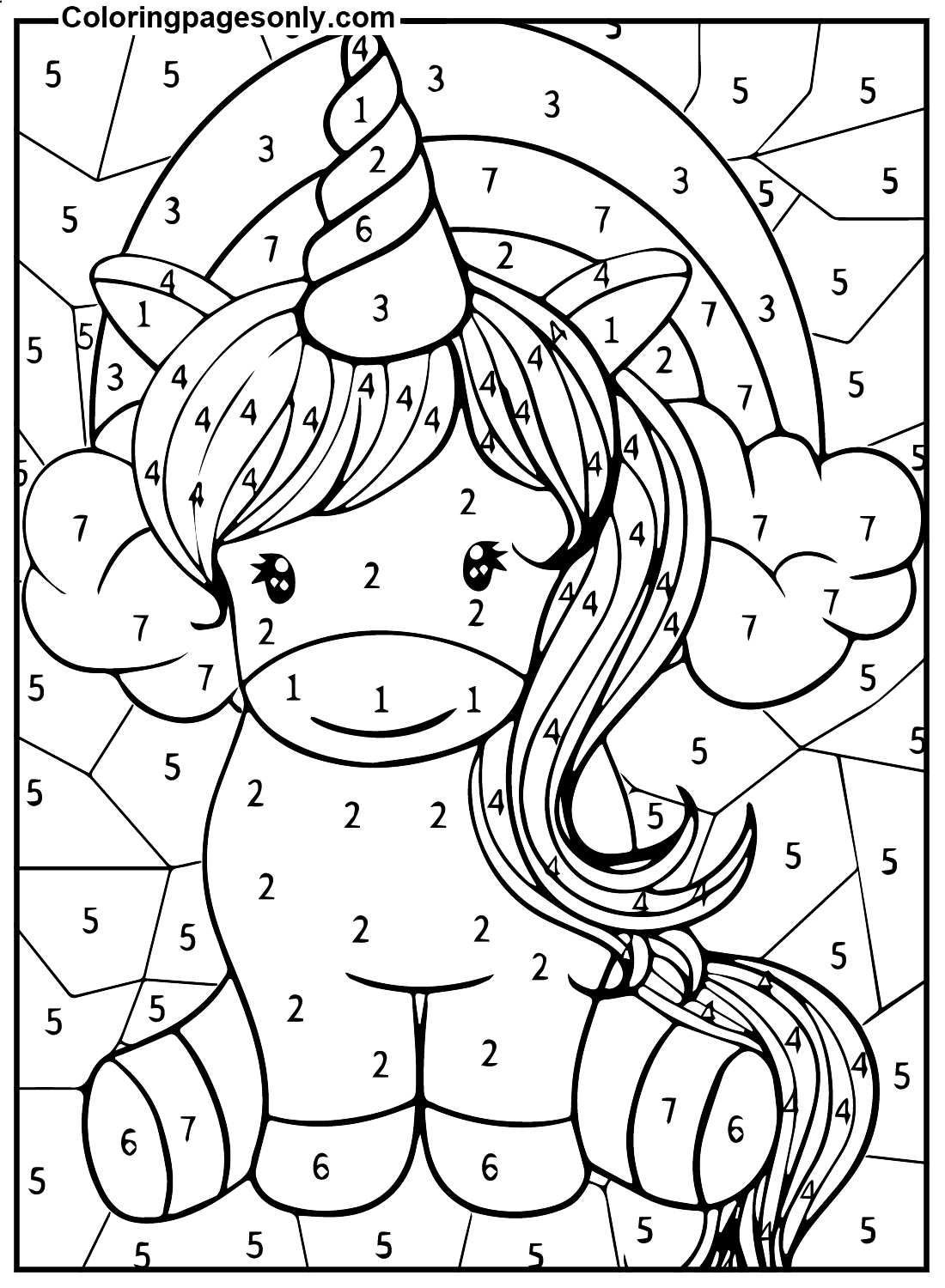
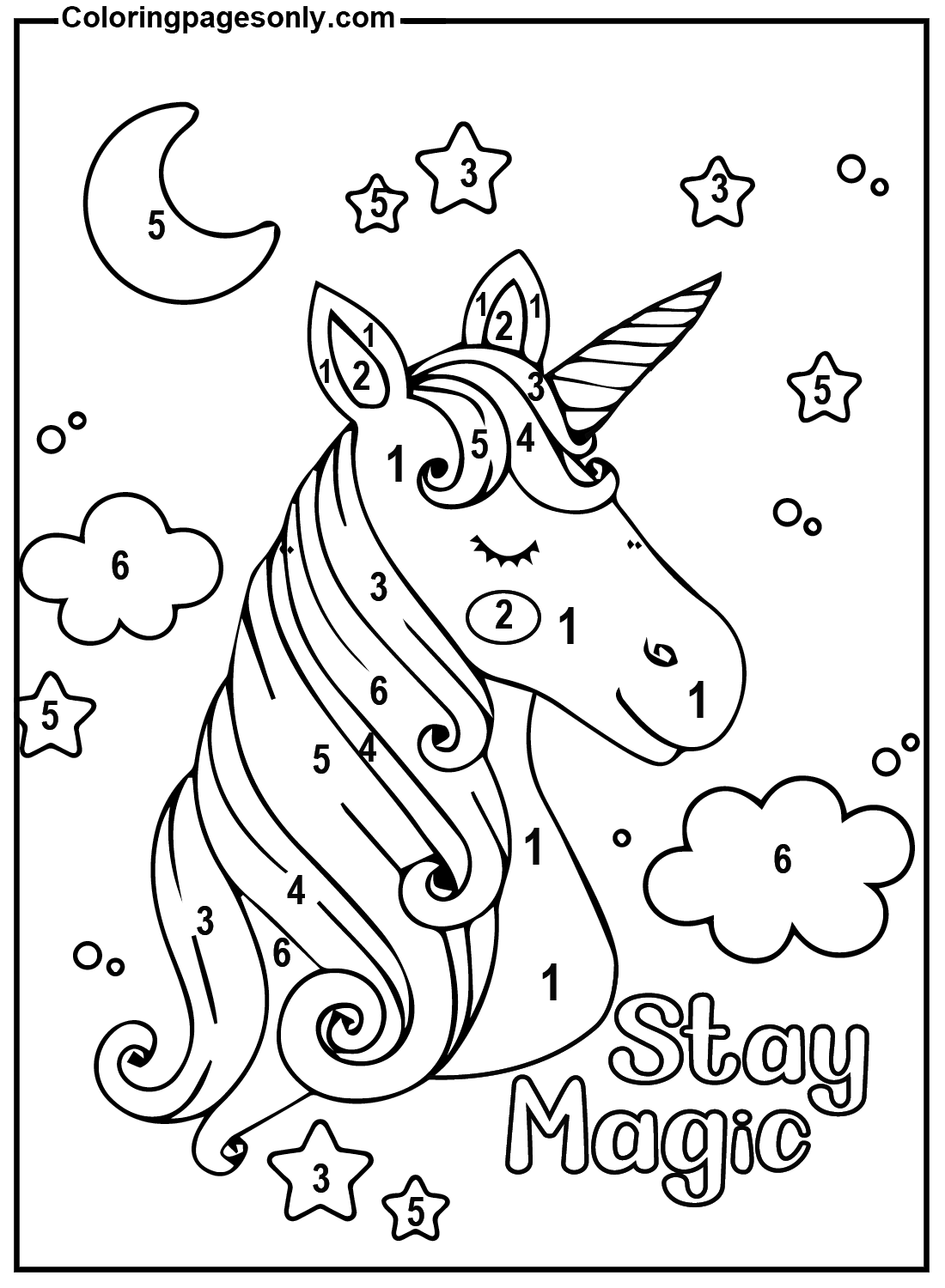
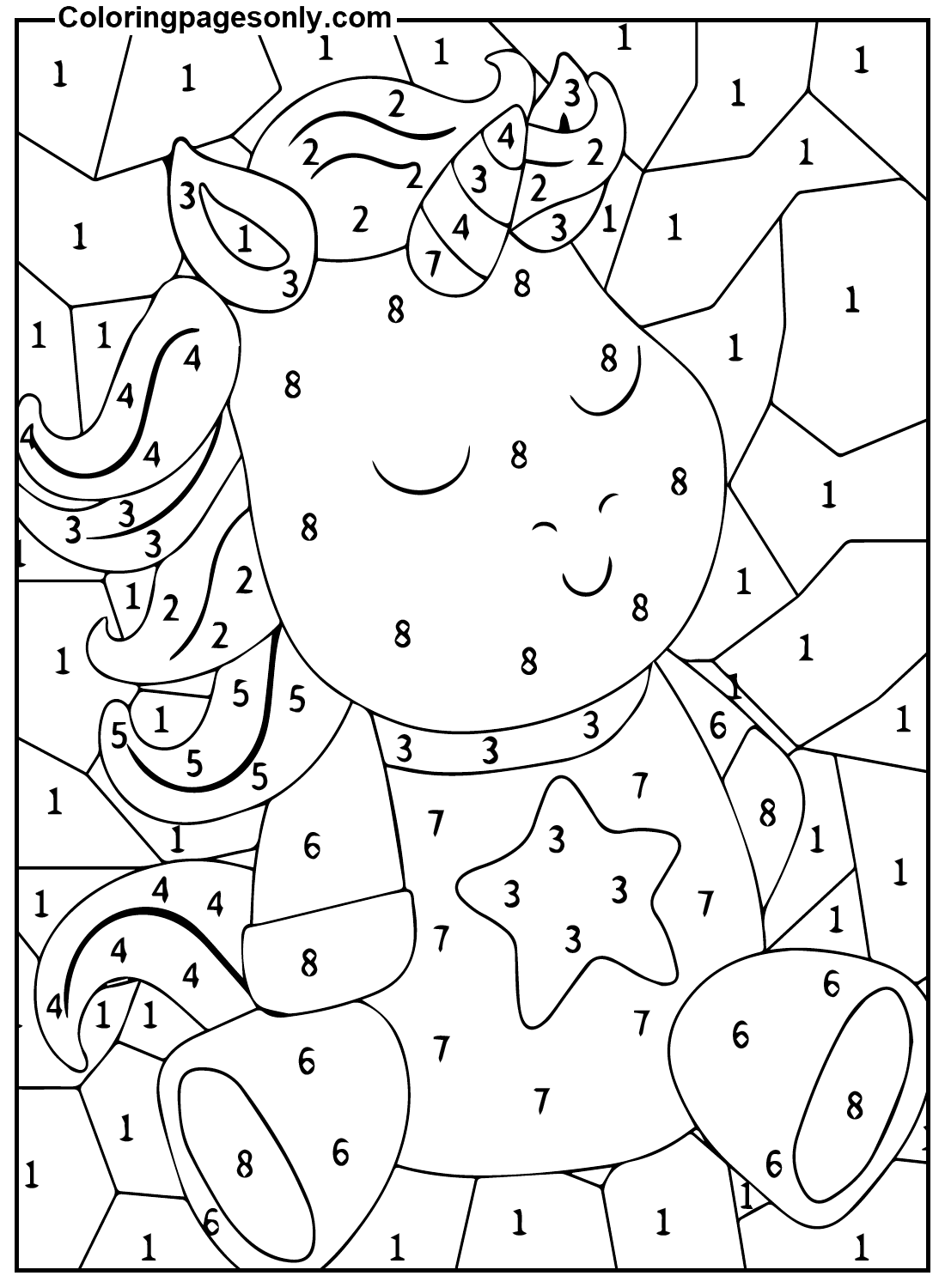
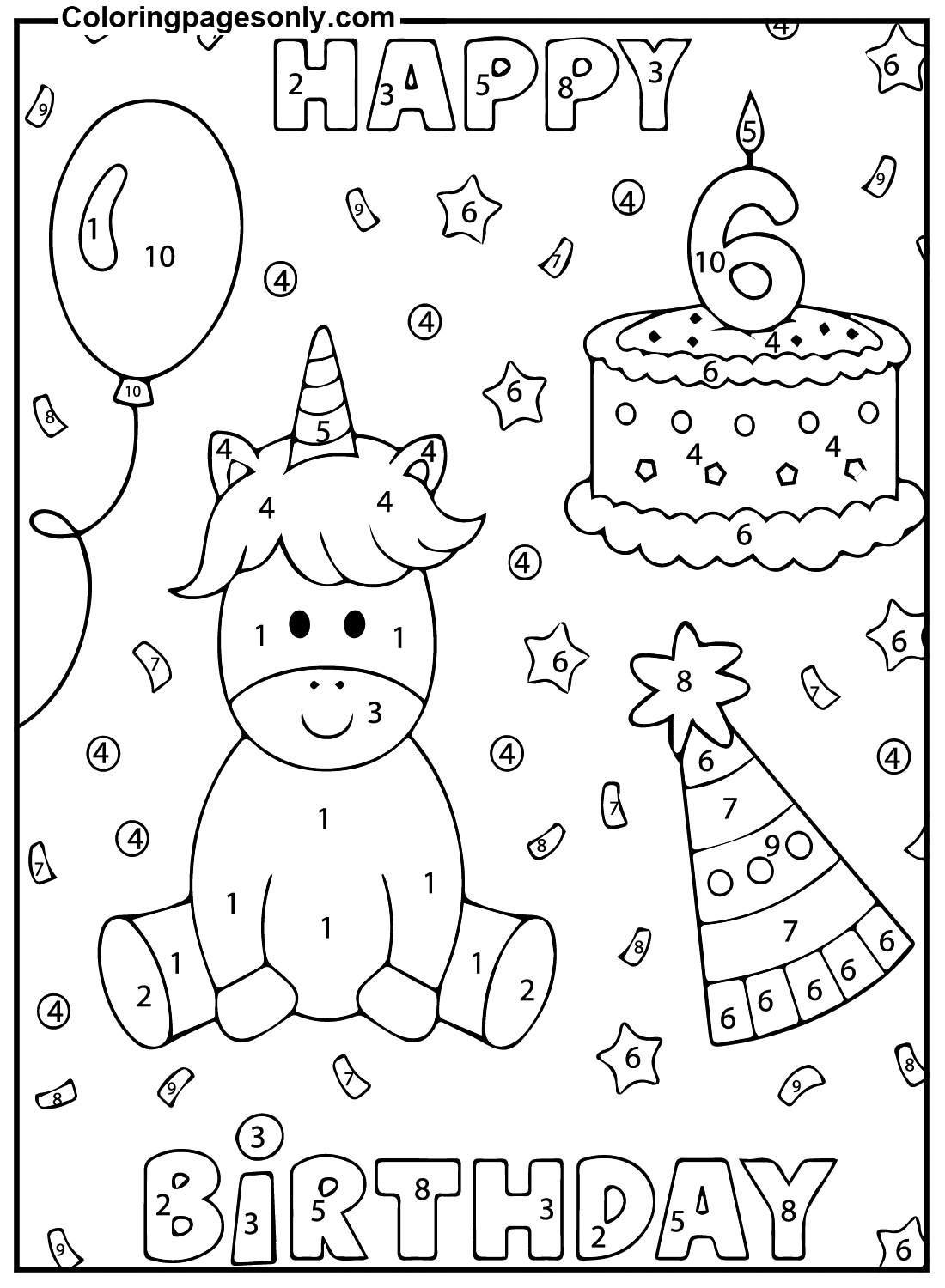
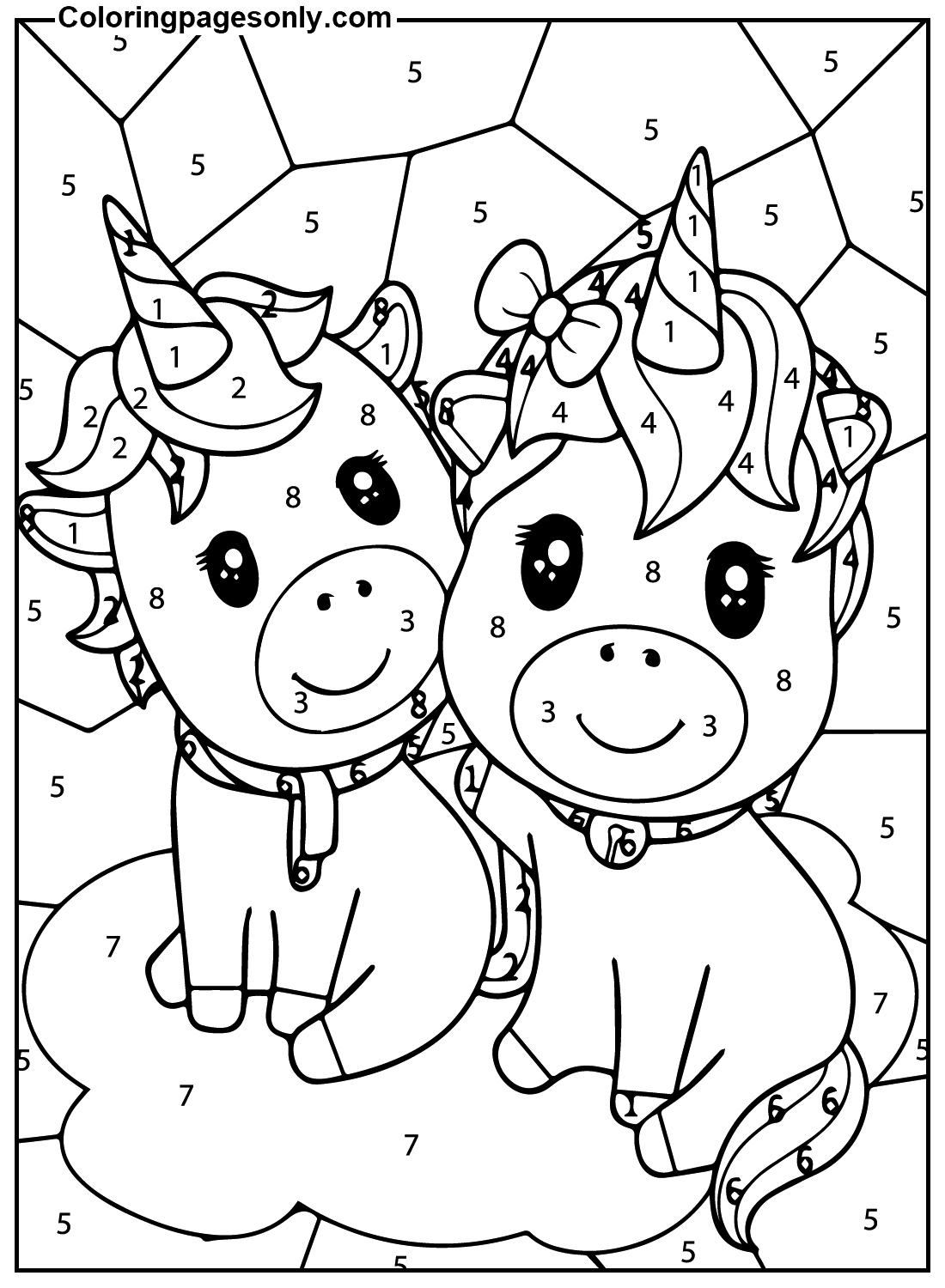
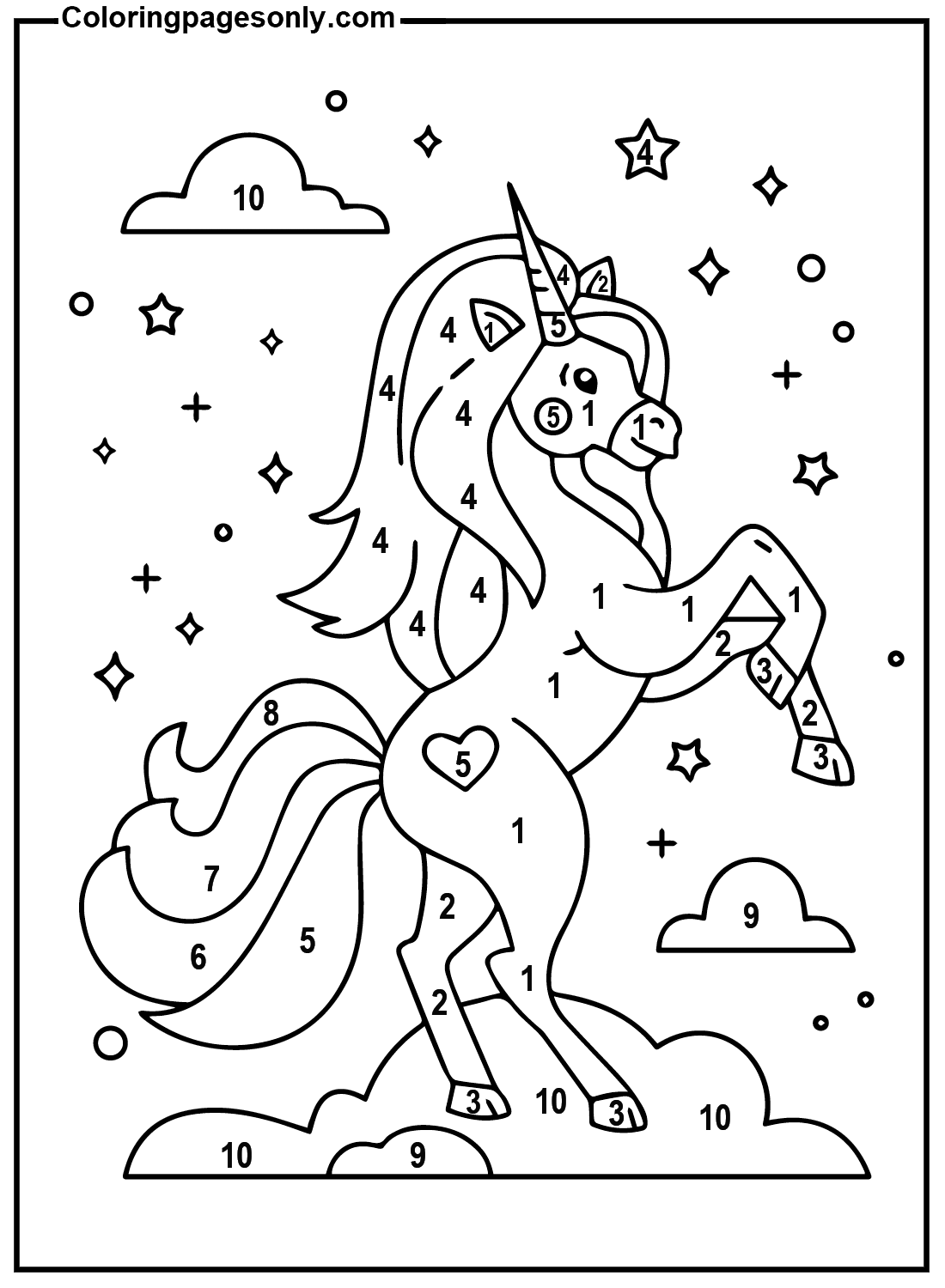
Free Unicorn Color By Number Coloring Pages: 20 printable PDF designs featuring numbered unicorns with flowing manes, spiral horns, and a color key on every sheet. Print a page to work through with crayons, or follow the numbers on screen in the online coloring tool.
A unicorn is a legendary horse with a single spiraling horn on its forehead, a creature described by ancient Greek writers and later woven into medieval tapestries and royal coats of arms. Scotland still names the unicorn as its national animal, a symbol of purity and strength. Color by number turns that magical subject into a simple puzzle: each space carries a number, and the key at the bottom of the page shows which color belongs there, so the finished picture appears one section at a time.
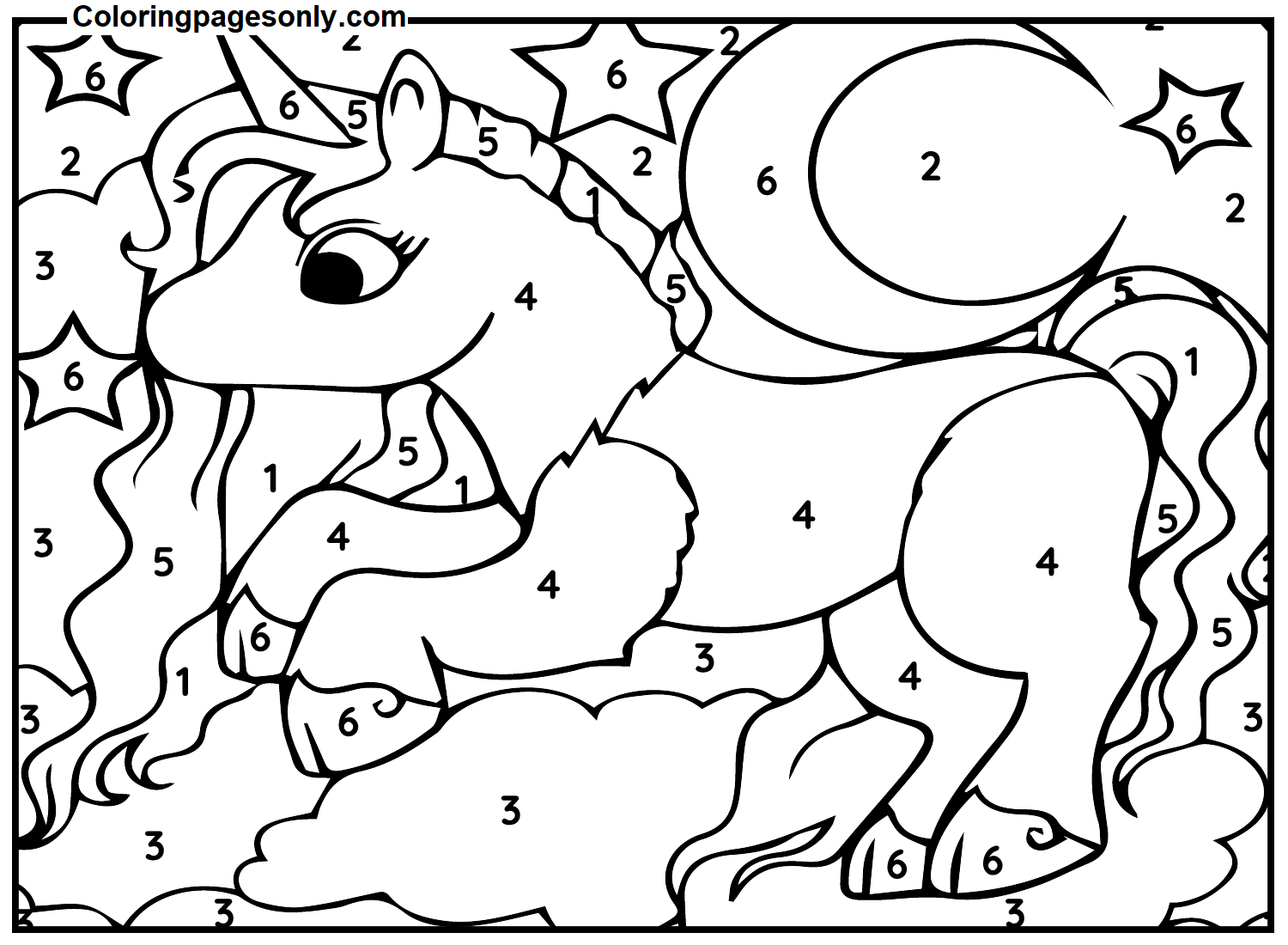
Easy sheets with a handful of large spaces suit beginners, while busier designs packed with small numbered shapes keep older kids focused much longer.
What’s Inside This Collection
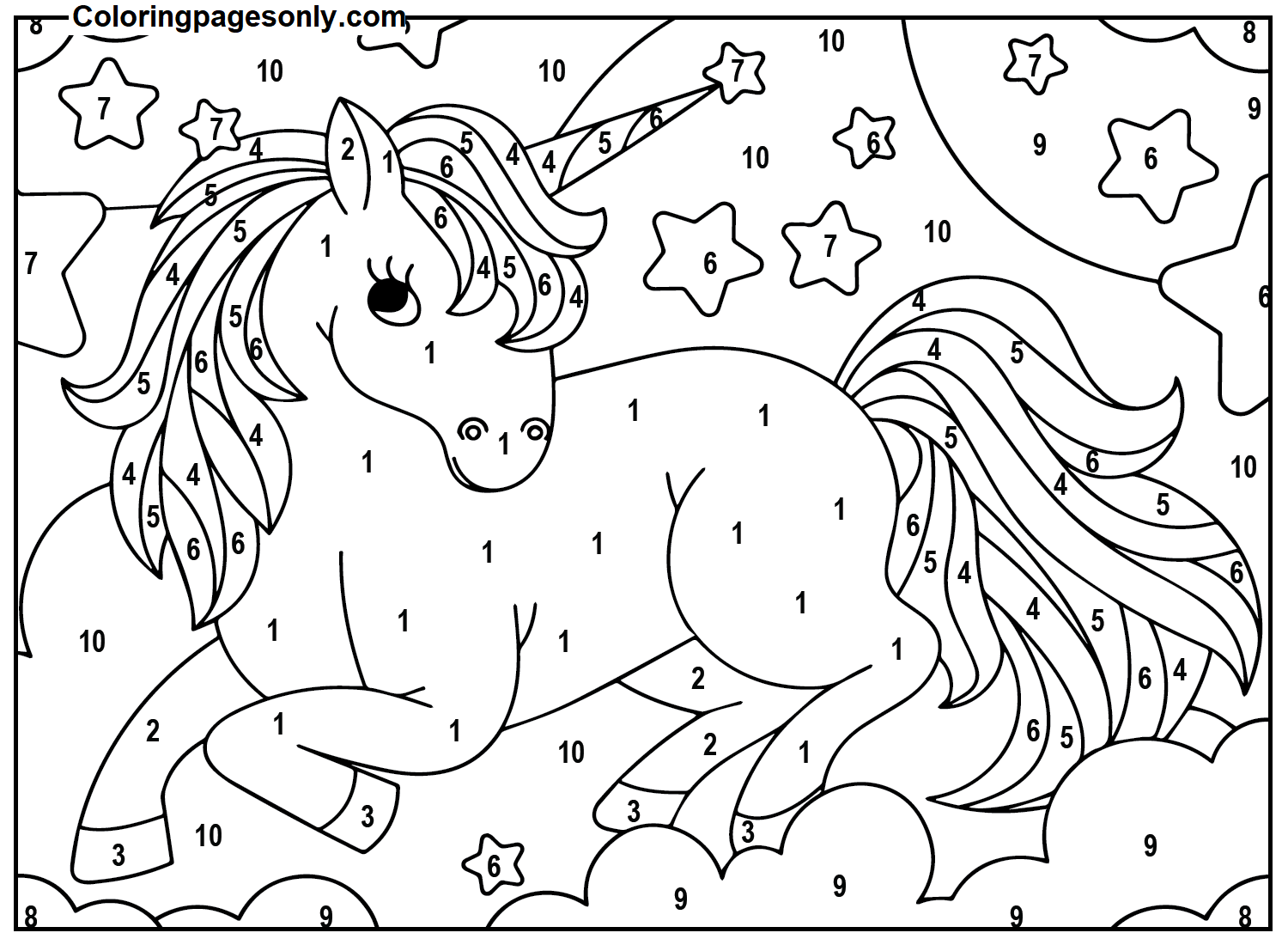
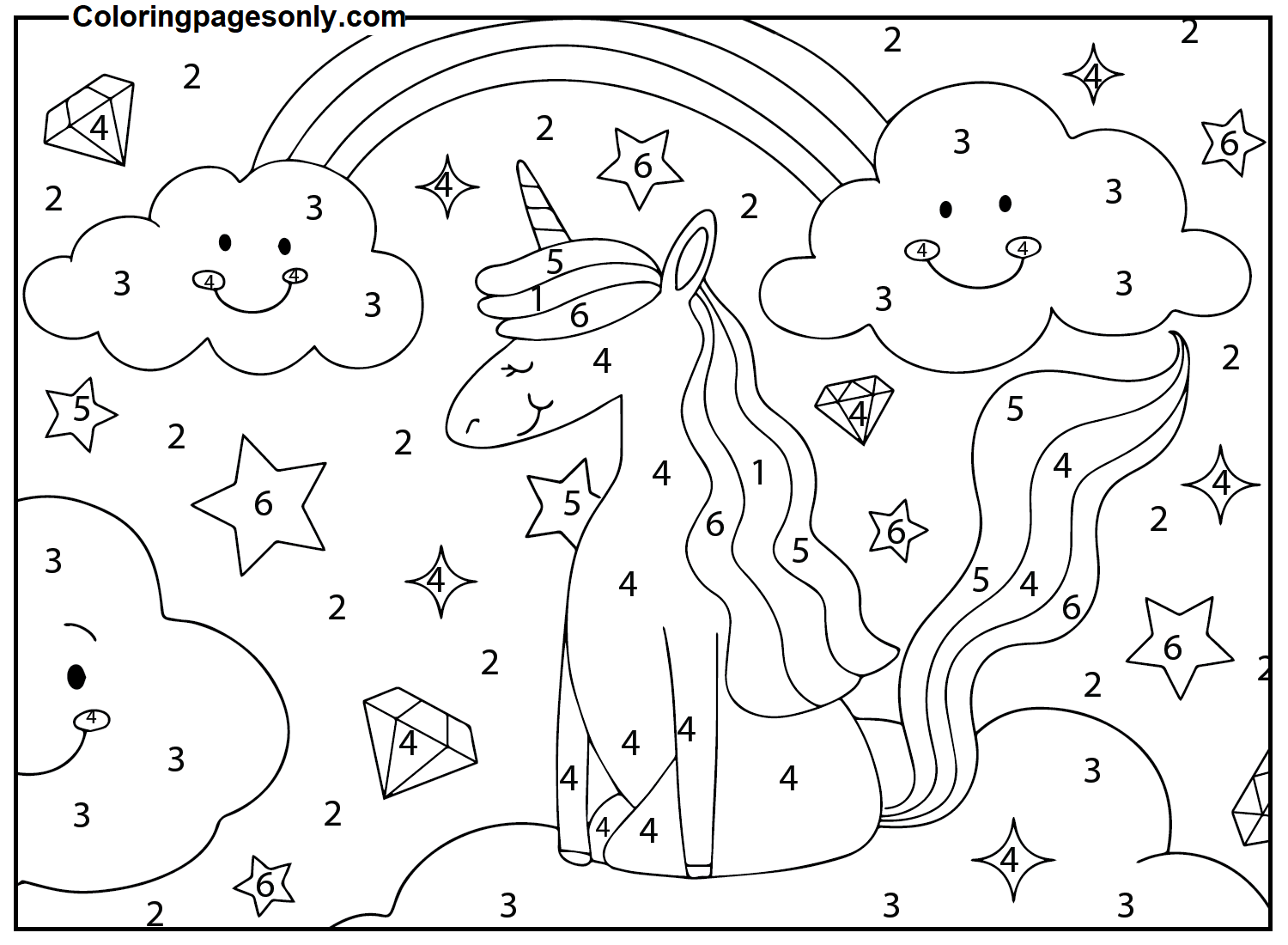
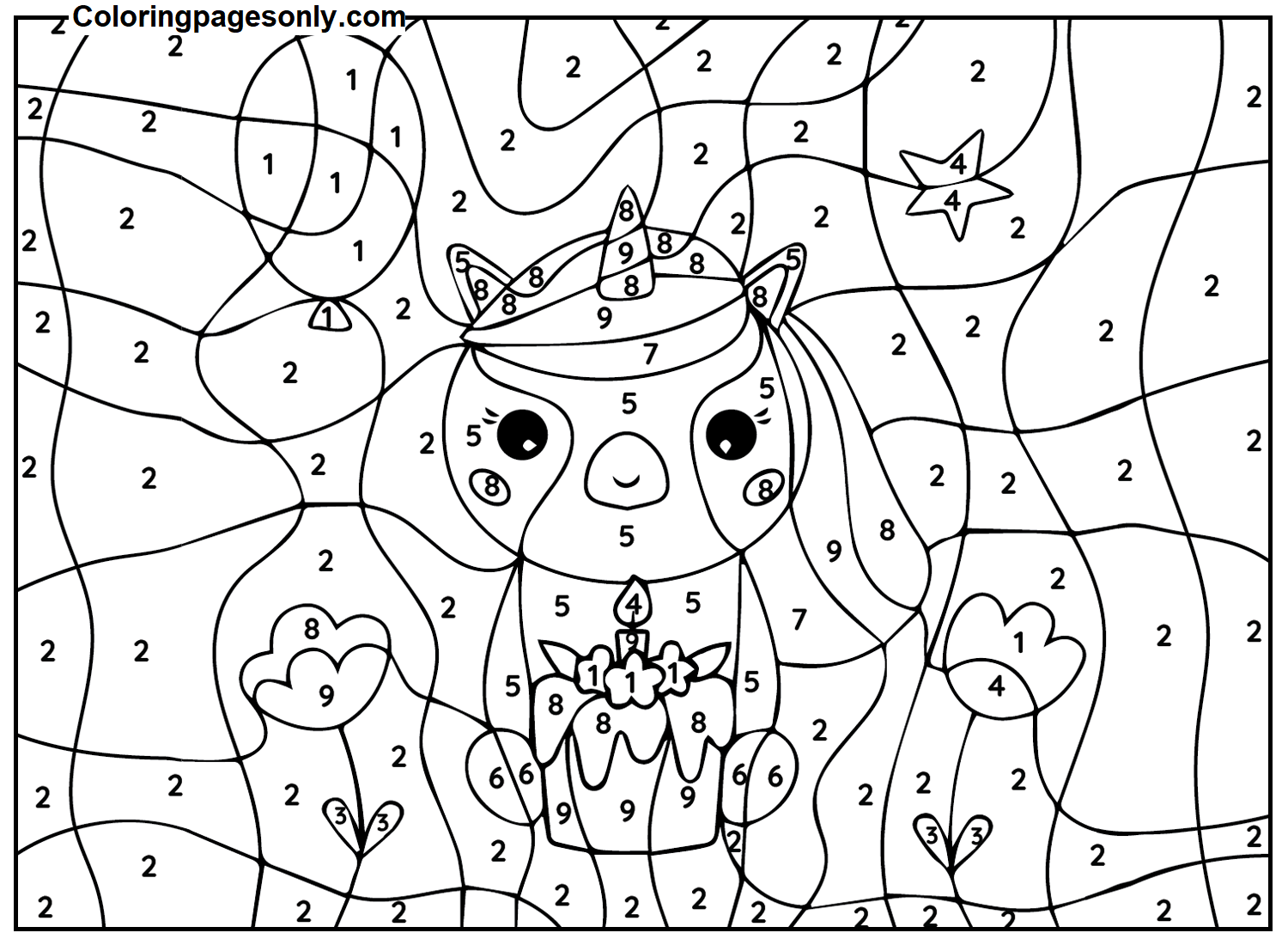
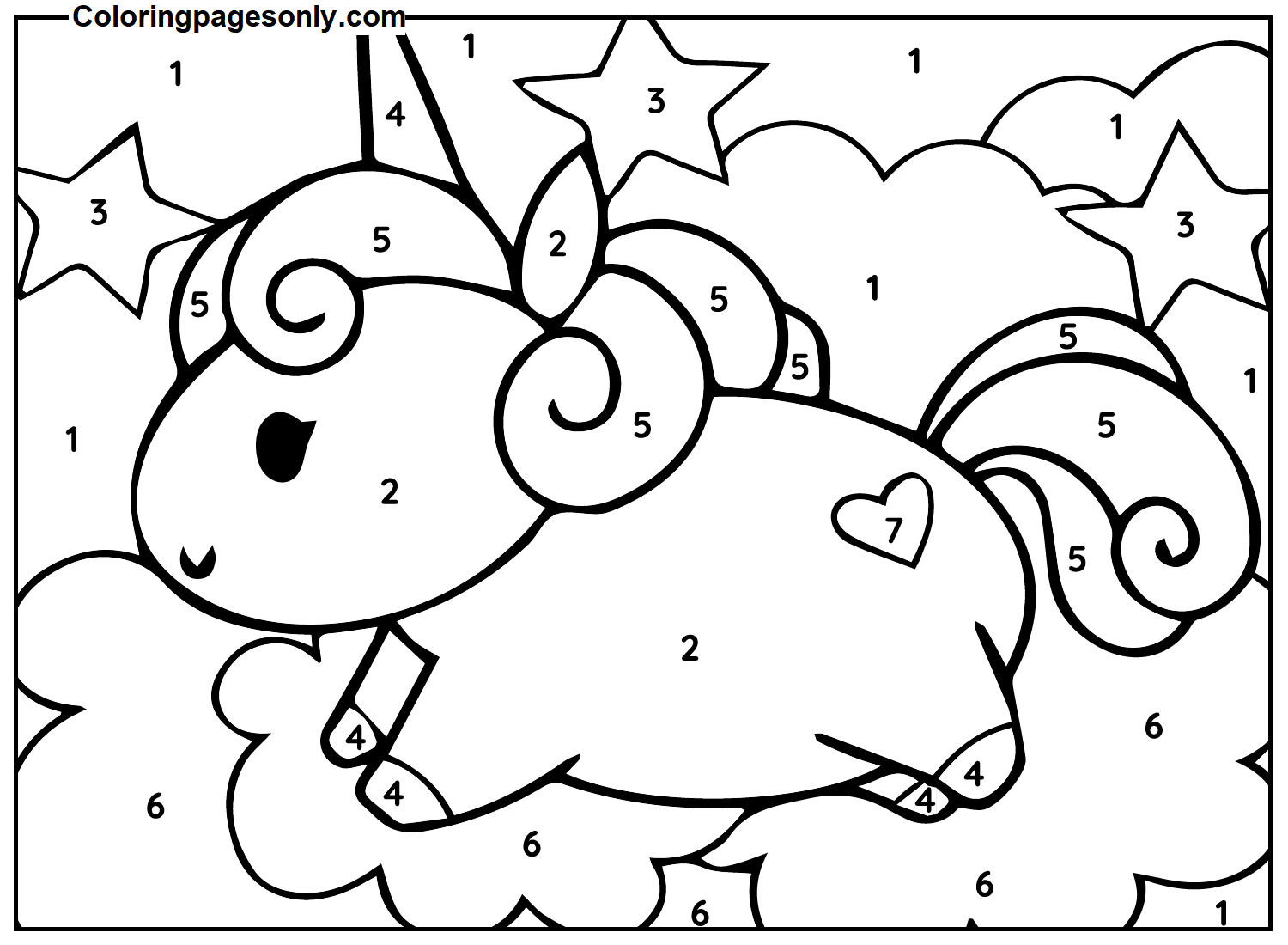
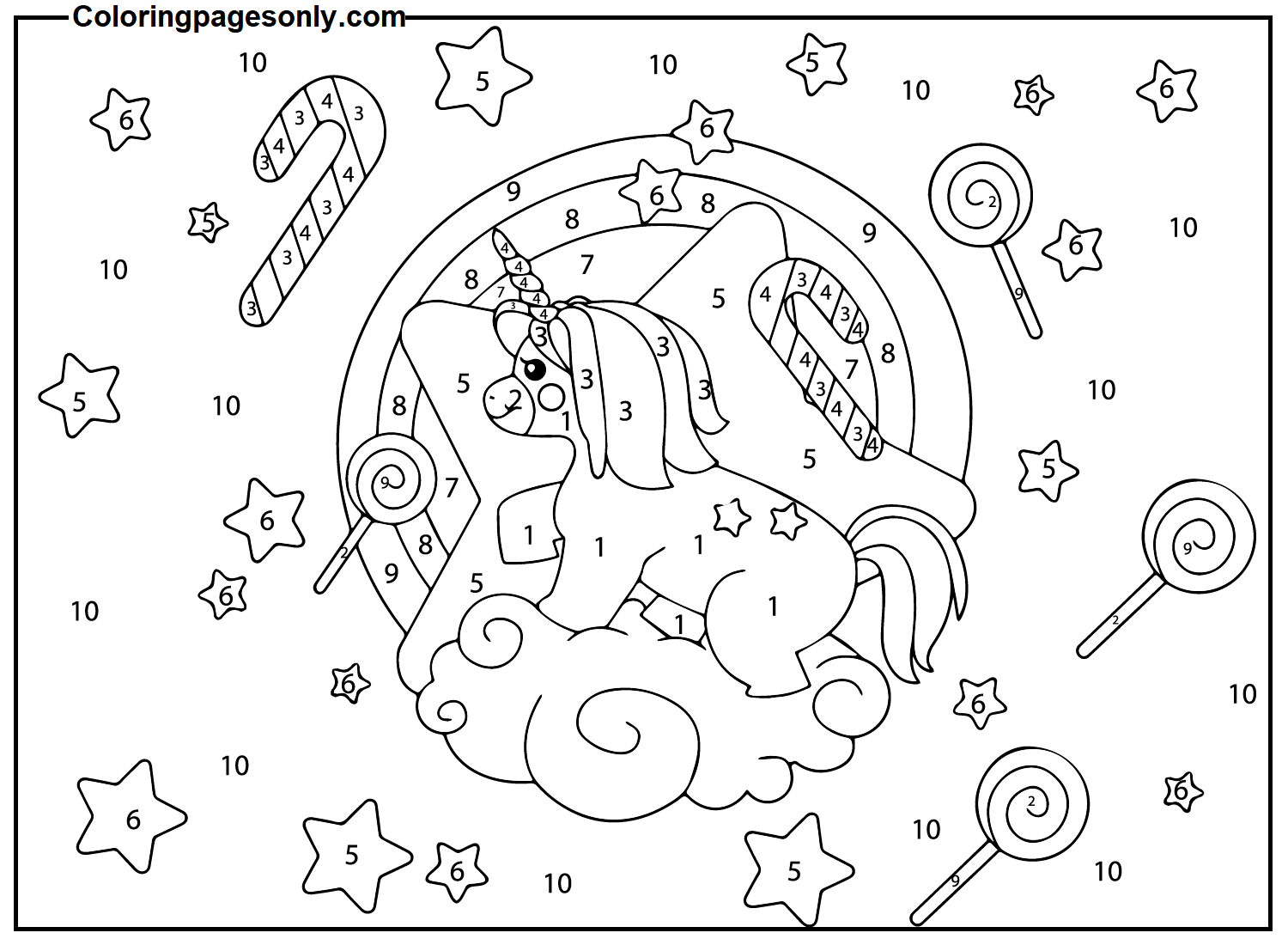
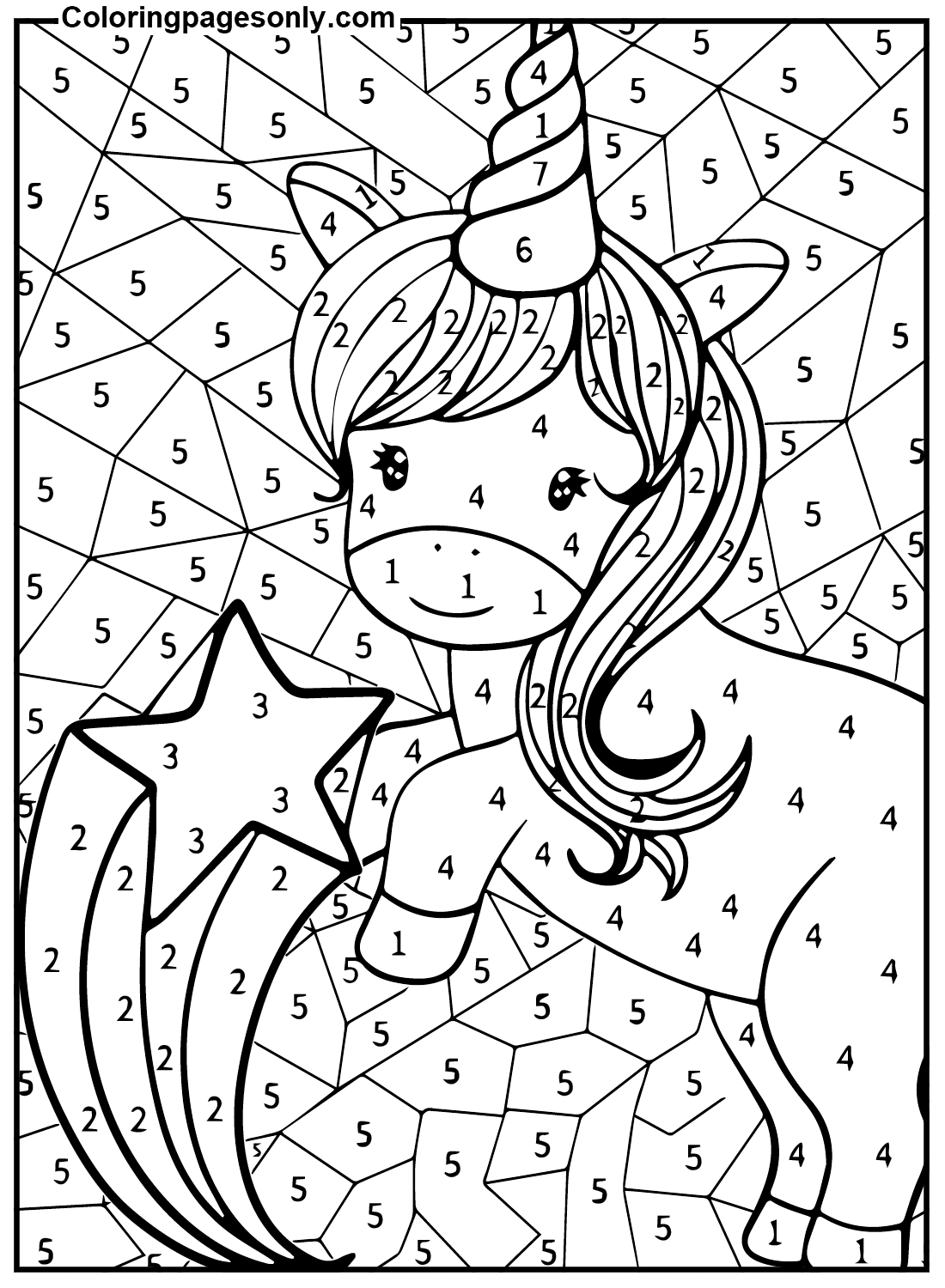
Easy starter sheets, cute unicorn designs, and detailed number puzzles make up the 20 pages.
Easy Starter Sheets
Several pages, including the ones labeled easy, break the unicorn into big, clearly numbered shapes with only a few colors in the key. Chunky crayons in bright Pink, Purple, and Sky Blue make quick work of these and give young kids an early win.
Cute Unicorn Designs
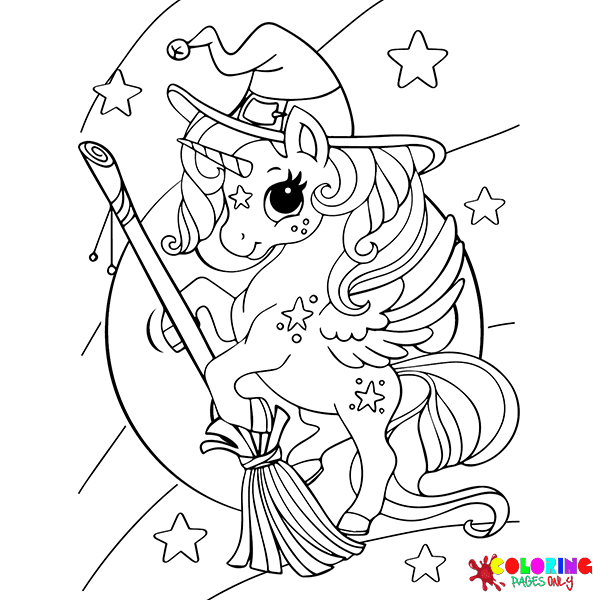
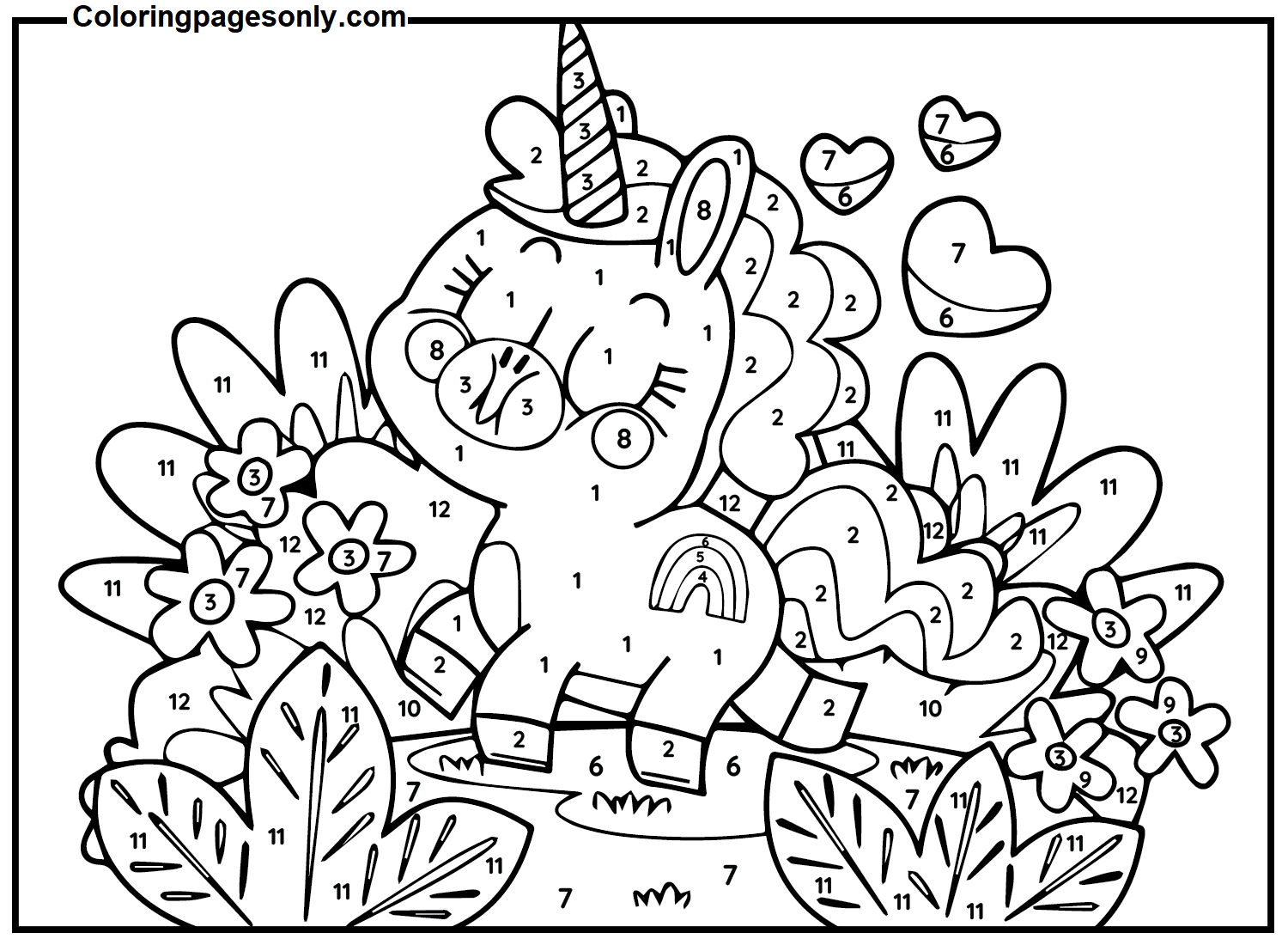
A few sheets show rounder, cartoon-style unicorns with big eyes and short, sweet manes. Soft pastel shades such as Lavender, Mint, and Peach suit their friendly look when the key allows a choice of tones.
Detailed Number Puzzles
The remaining pages split the mane, tail, and background into many smaller spaces, so the picture builds slowly as each number is filled. Fine-tip markers or sharpened colored pencils help keep the colors inside these narrow sections.
What Unicorn Color By Number Coloring Pages Do
Linking numbers to colors. Every space asks a child to read a numeral, find it in the key, and pick the matching shade, which turns number recognition into a hands-on game. Younger kids practice reading digits from 1 to 10, while older ones sharpen their attention by checking the key before each new section.
Strengthening small hand muscles. Staying inside numbered borders requires slow, careful strokes, especially in the curling sections of a mane. The American Academy of Pediatrics counts coloring among the everyday activities that help children ages 2 through 7 develop the fine motor control they later need for writing, and the clear borders on these sheets give that skill a defined target.
Settling into a calm, steady task. Following a key removes the worry of choosing colors so that kids can relax into the rhythm of the page. A 2005 study published in the Art Therapy Journal reported measurable reductions in anxiety after participants worked on structured coloring designs, and color-by-number is about as structured as coloring gets.
Connecting to a creative tradition. In the late 1940s, artist Dan Robbins of the Palmer Paint Company in Detroit designed the first paint-by-number kits, inspired by a story that Leonardo da Vinci used numbered patterns to train his apprentices. Sold under the Craft Master name from 1951, the kits topped 12 million sales by 1954, and today’s color-by-number pages carry the same idea onto paper.
How to Color Unicorn Color By Number Pages Well
- Read the key first: Lay out every crayon or marker listed in the key before starting, in number order. Having the colors lined up prevents mix-ups between look-alike digits such as 6 and 9.
- One number at a time: Fill every space marked with the same number across the whole page before moving on. This keeps the colors consistent and makes it easy to spot any missed sections.
- Horn and hooves: When the key calls for Gold or Yellow on the horn, add a few thin Orange lines along the spiral. The small accent makes the horn look twisted and shiny.
- Rainbow manes: Color the mane sections in the order the key lists them, often Red, Orange, Yellow, Green, Blue, and Purple. Following the sequence keeps the rainbow flowing smoothly from top to bottom.
- Match tool to space: Use broad crayons for the body and background, and switch to fine markers or sharpened pencils for tiny mane and eye sections. The right tip size keeps edges clean.
- Light pressure first: Press gently on the first layer so the printed numbers stay readable underneath. A second, firmer layer can deepen the color once every section is checked.
5 Creative Craft Ideas With Unicorn Color By Number Coloring Pages
1. Custom Key Unicorn
Print the same sheet twice and color the first copy using the printed key. On the second copy, kids create their own key with new colors, then compare the two unicorns side by side.
2. Unicorn Number Puzzle
Glue a finished page onto thin cardboard and let it dry flat. Cut it into six to ten large pieces, then reassemble it as a jigsaw puzzle.
3. Sparkle Horn Accent
After the page is finished, trace the horn with clear glue and sprinkle on a little fine glitter. Shake off the extra once dry for a magical, shimmering horn.
4. Classroom Unicorn Gallery
Have each child complete a different sheet, then mount the pages on colored paper frames. Display them along a hallway or bulletin board with each artist’s name underneath.
5. Unicorn Greeting Card
Fold a sheet of cardstock in half and glue a trimmed, finished unicorn on the front. Write a birthday or thank-you message inside a handmade card.
Frequently Asked Questions
What are Unicorn Color By Number coloring pages?
There are 20 free printable unicorn sheets, where every section is labeled with a number that matches a color in the key. Each one can be printed as a PDF or completed online in the browser.
Where did color by number come from?
The idea grew out of the paint-by-number kits that Dan Robbins designed for the Palmer Paint Company in Detroit in the late 1940s. The kits went on sale in 1951 under the Craft Master brand and became a nationwide craze within a few years.
Where do unicorn legends come from?
Stories of a one-horned animal appear in ancient Greek writings, and the creature later became a favorite symbol in medieval European art. Over centuries, it came to represent purity, grace, and magic.
Why is the unicorn Scotland’s national animal?
The unicorn has appeared on Scottish royal coats of arms for hundreds of years as a symbol of strength and independence. Legends said it could never be tamed, which matched the proud image Scotland wanted to project.
How does the color key work?
Each number printed inside a space matches a color listed at the bottom or side of the page. Kids find the number, check the key, and fill the space with that color until the whole picture is complete.
What happens if a section gets the wrong color?
Small mistakes usually blend in once the surrounding areas are colored. For a fresh start, print another copy of the same page and try again.
What age are Unicorn Color By Number coloring pages for?
The easy sheets with large spaces and numbers from 1 to 5 work for kids around 4 or 5. Detailed pages with many small sections suit children up to about 10, and older kids and adults often enjoy them too.
Can adults use color-by-number pages?
Yes. Many adults find color by number relaxing because the key removes decisions and lets them focus on steady, careful coloring. The detailed unicorn designs offer enough small sections to feel satisfying for older colorists.
Start Coloring
Pick an easy unicorn or a detailed rainbow design, print it for crayons, or follow the numbers on a tablet with no sign-up required. Families can share their finished unicorns on Facebook or Pinterest.