
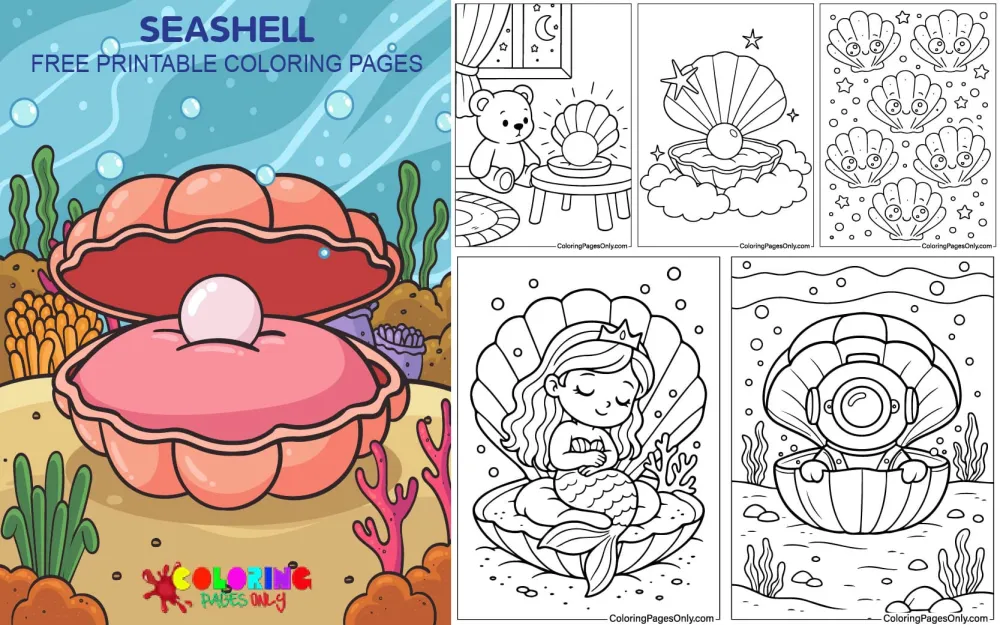
Free Seashell Coloring Pages: 30+ pages featuring classic seashells, scallop shells, spiral shells, shells with pearls, beach shell scenes, coral and shells, ocean animals, kids collecting shells, children drawing shells, cute cartoon seashells, mermaids with shells, shell castles, shell dragons, shell dolls, and storybook ocean designs. All free, printable PDFs and online coloring pages are ready for home, classroom, beach lessons, ocean units, summer crafts, mollusk activities, vacation keepsakes, and relaxing creative time.
Seashells are the hard outer coverings made by many mollusks, including clams, scallops, oysters, cowries, conchs, and some sea snails. Their shapes can be fan-like, spiral, ridged, smooth, rounded, pointed, or patterned with bands, dots, growth lines, and natural color changes. An empty shell found on the beach may look like a small ocean treasure, but it also tells a real nature story: the shell once helped protect a living sea animal. That mix of beauty, science, and beach memory makes seashells especially useful for coloring pages.
This collection gives younger colorists simple shell outlines, cute shell faces, pearls, and beach toys. At the same time, older children can work on scallop ridges, spiral bands, shell openings, coral branches, ocean animals, mermaid pages, fantasy shell castles, and detailed beach compositions. These 30+ free pages at ColoringPagesOnly.com cover seashells, pearls, beach scenes, mollusks, ocean animals, mermaids, coral, kids collecting shells, and imaginative seashell designs. All free, PDF or PNG, print or color online.

What’s Inside
Classic Seashells, Scallops, and Spiral Shells
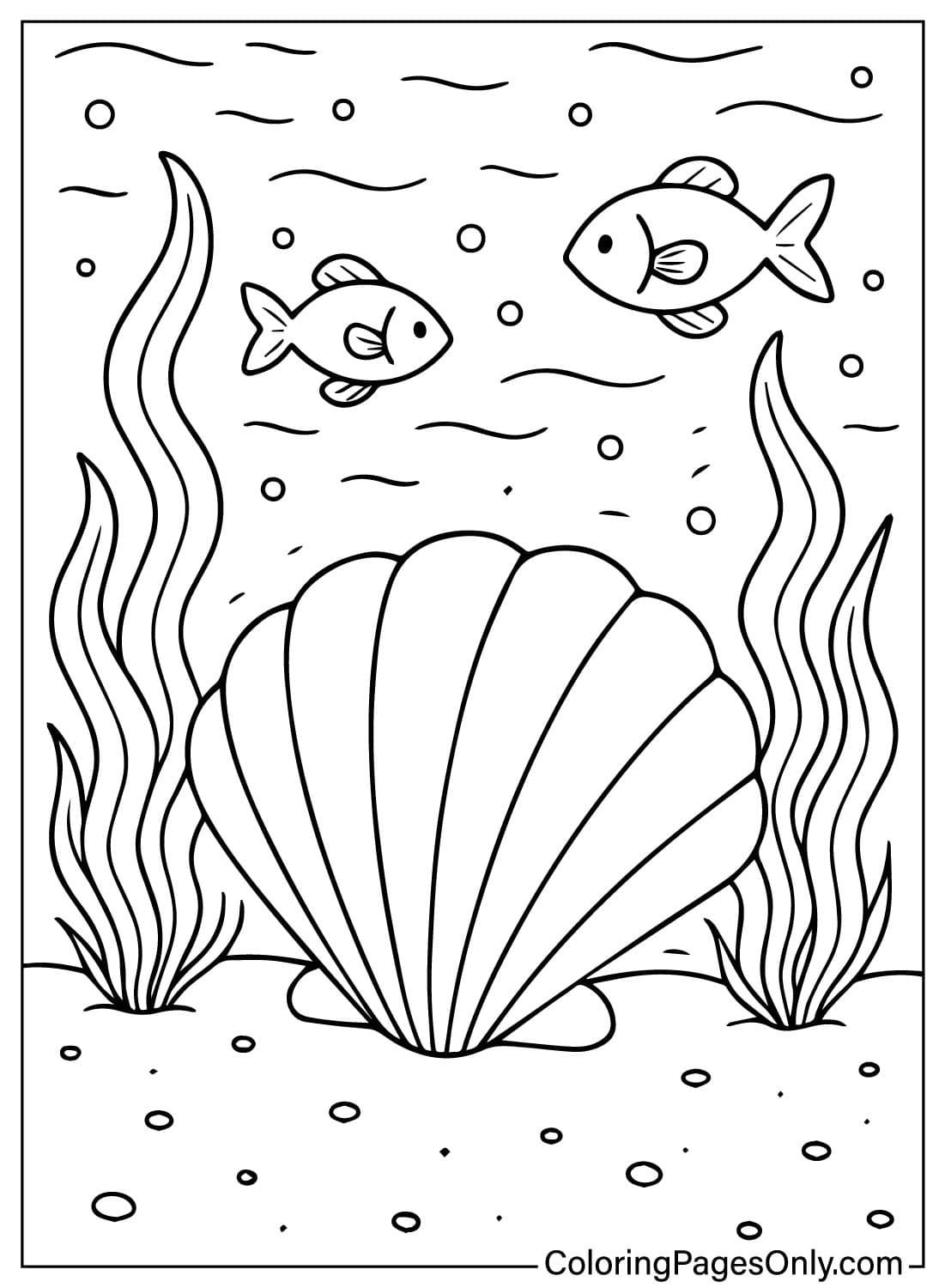
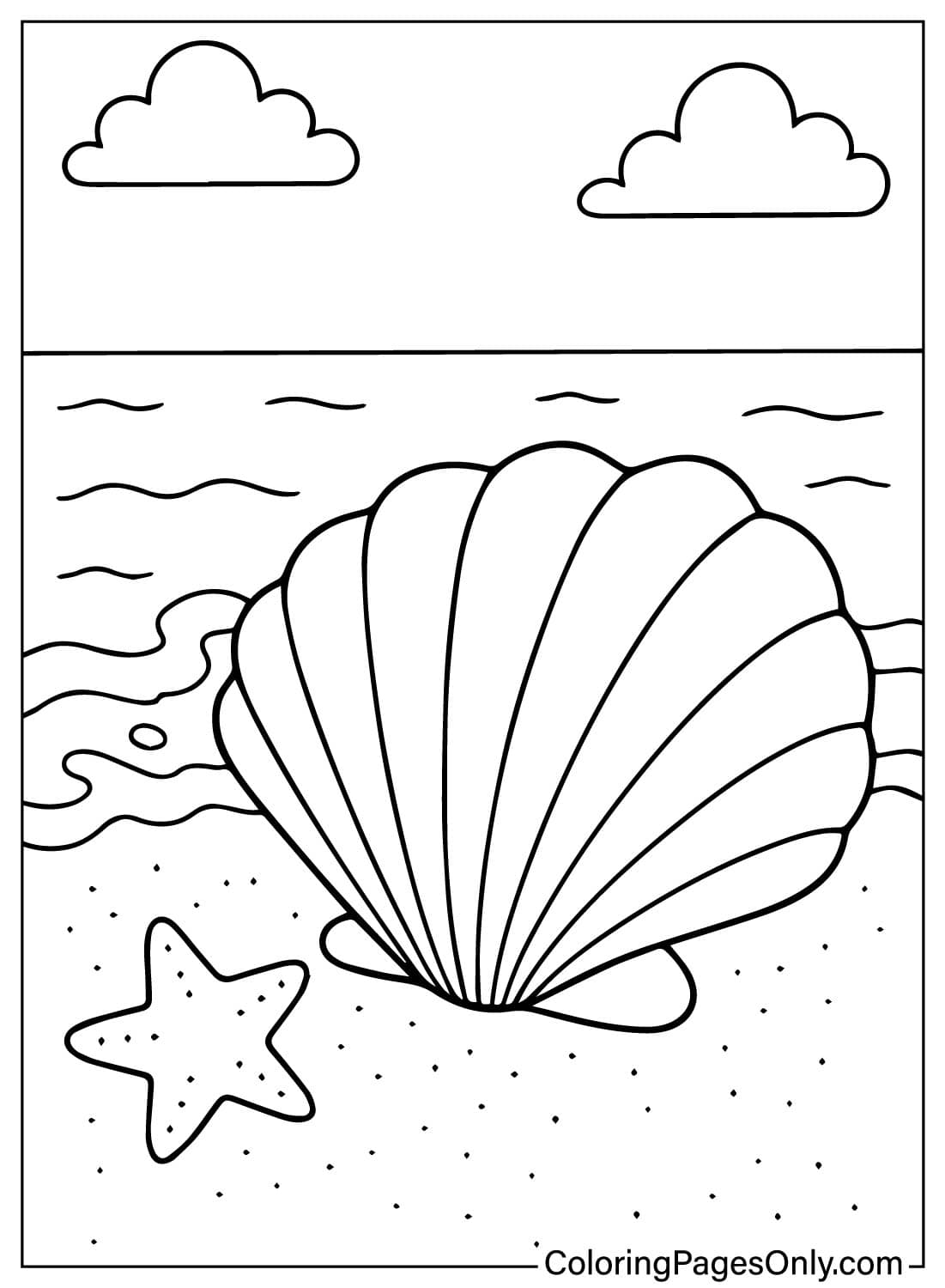
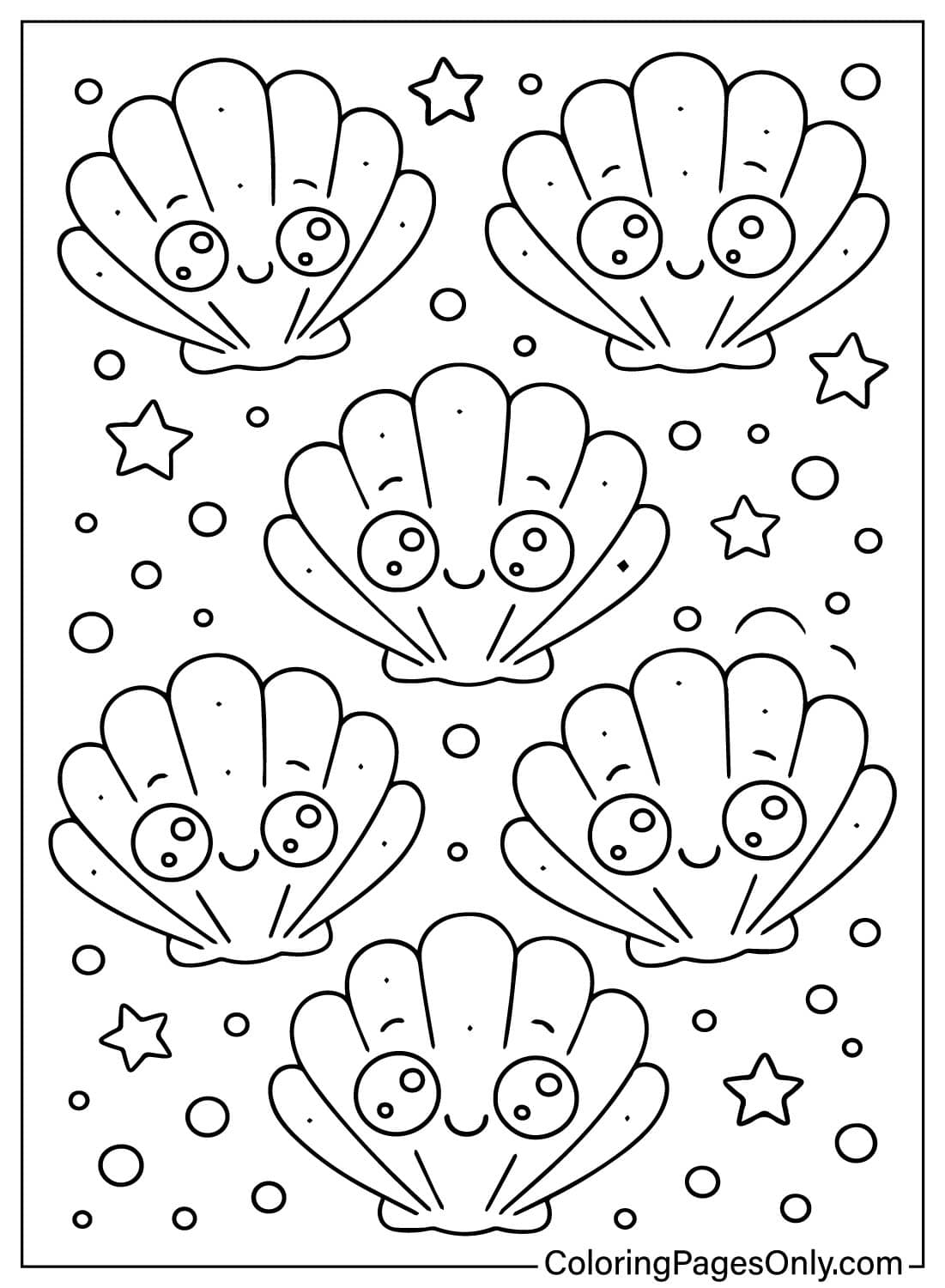
The clearest pages focus on shell shapes children can recognize quickly: scallop shells, spiral shells, conch-like shells, bright seashells, and simple shells on the sand. These pages are useful for nature lessons because children can observe fan ridges, spiral bands, shell openings, growth lines, dotted patterns, and curved edges. A scallop shell gives wide sections to color from base to edge, while a spiral shell teaches movement from the center outward.
Coloring classic seashells: Use sandy beige, shell pink, pearl cream, warm ivory, coral peach, soft lavender, and pale apricot for a natural beach palette. For scallop shells, color each ridge with light pressure first, then shade slightly deeper near the hinge or base. The common mistake is making the whole shell one flat brown; use small changes in tone so the ridges, openings, and curves stay visible.
Pearls, Coral, and Ocean Treasure Pages
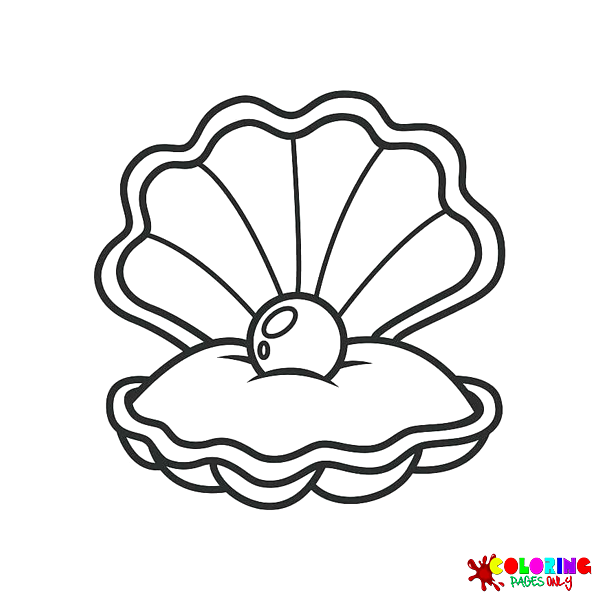
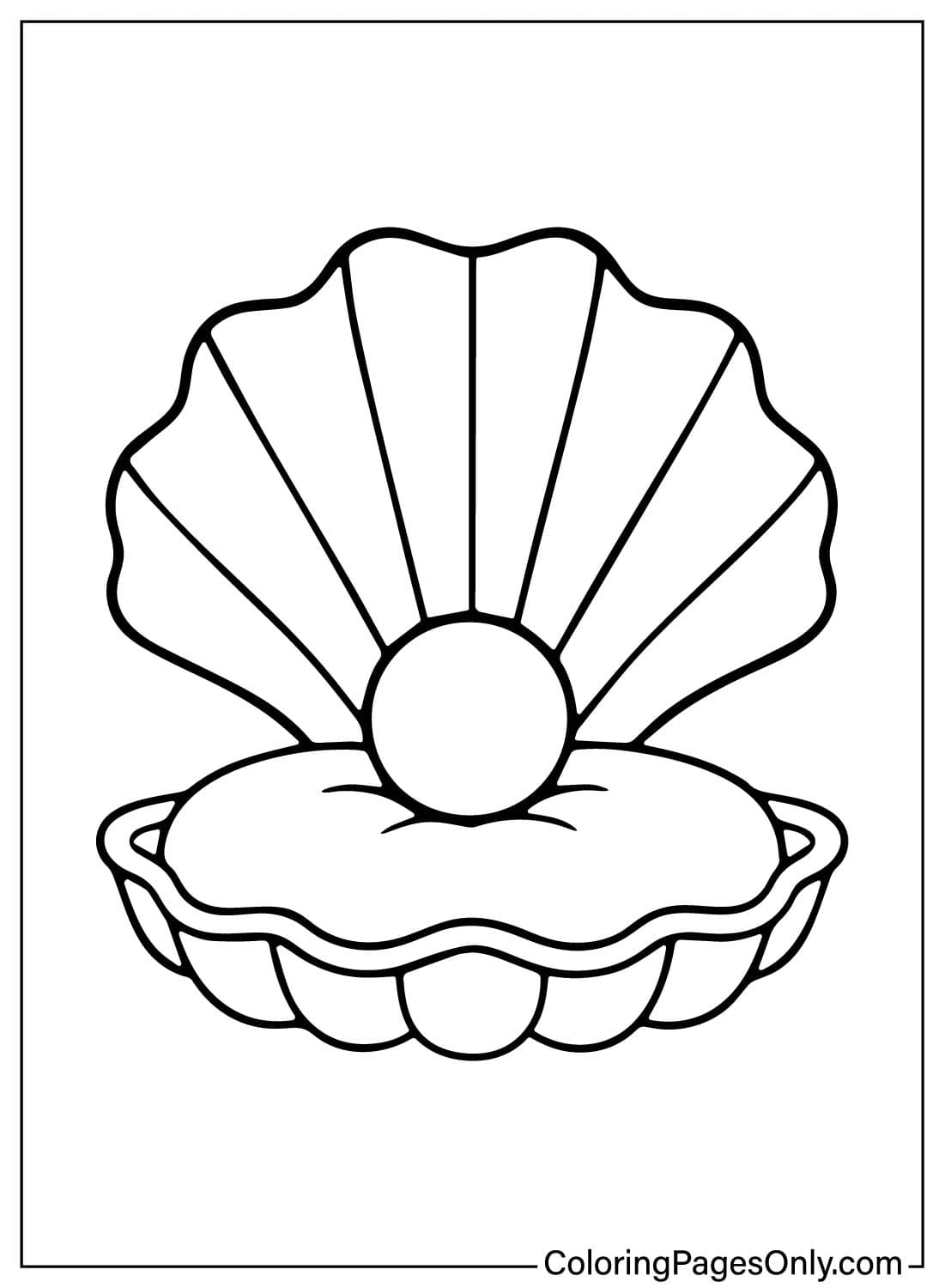
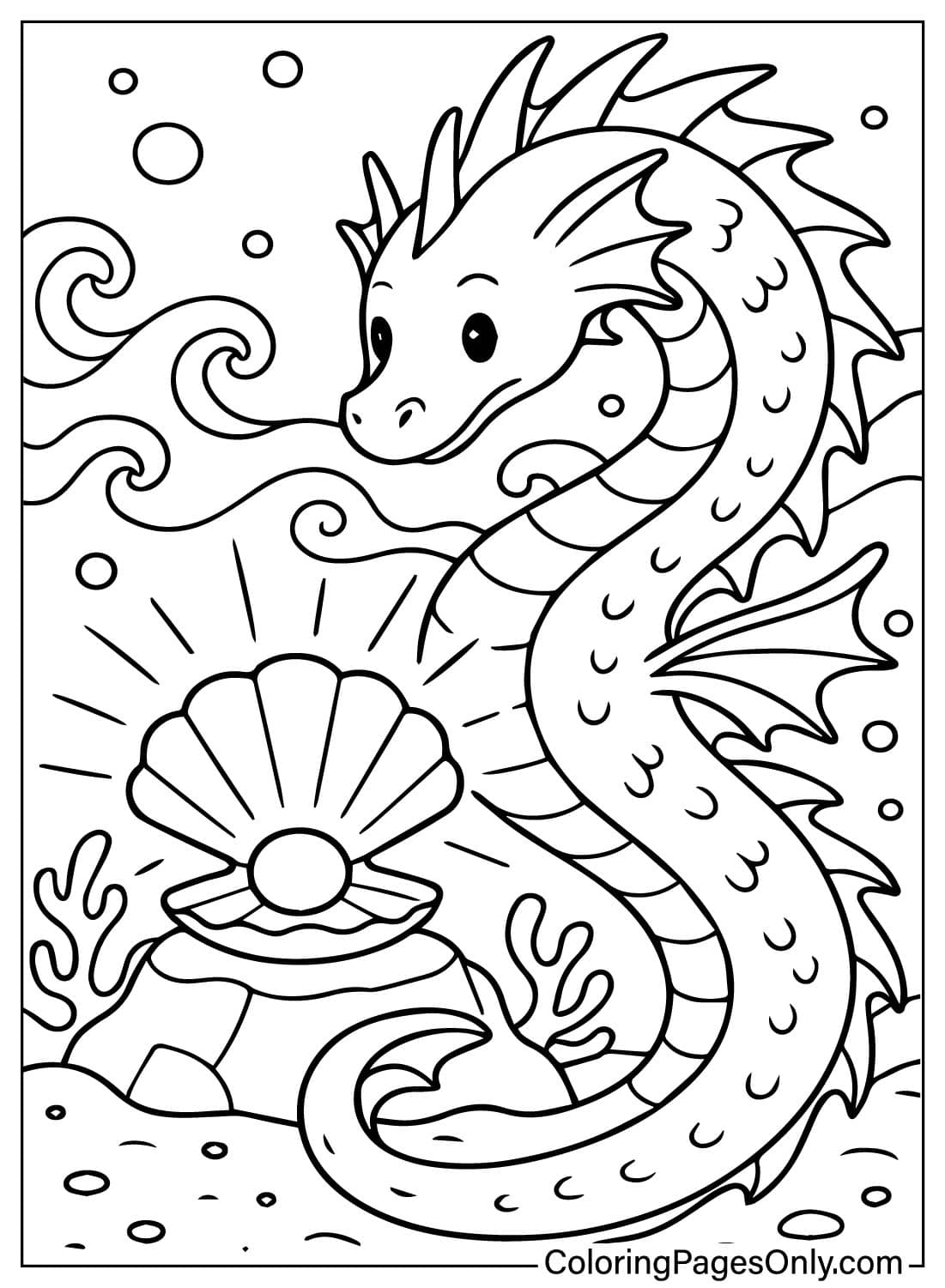
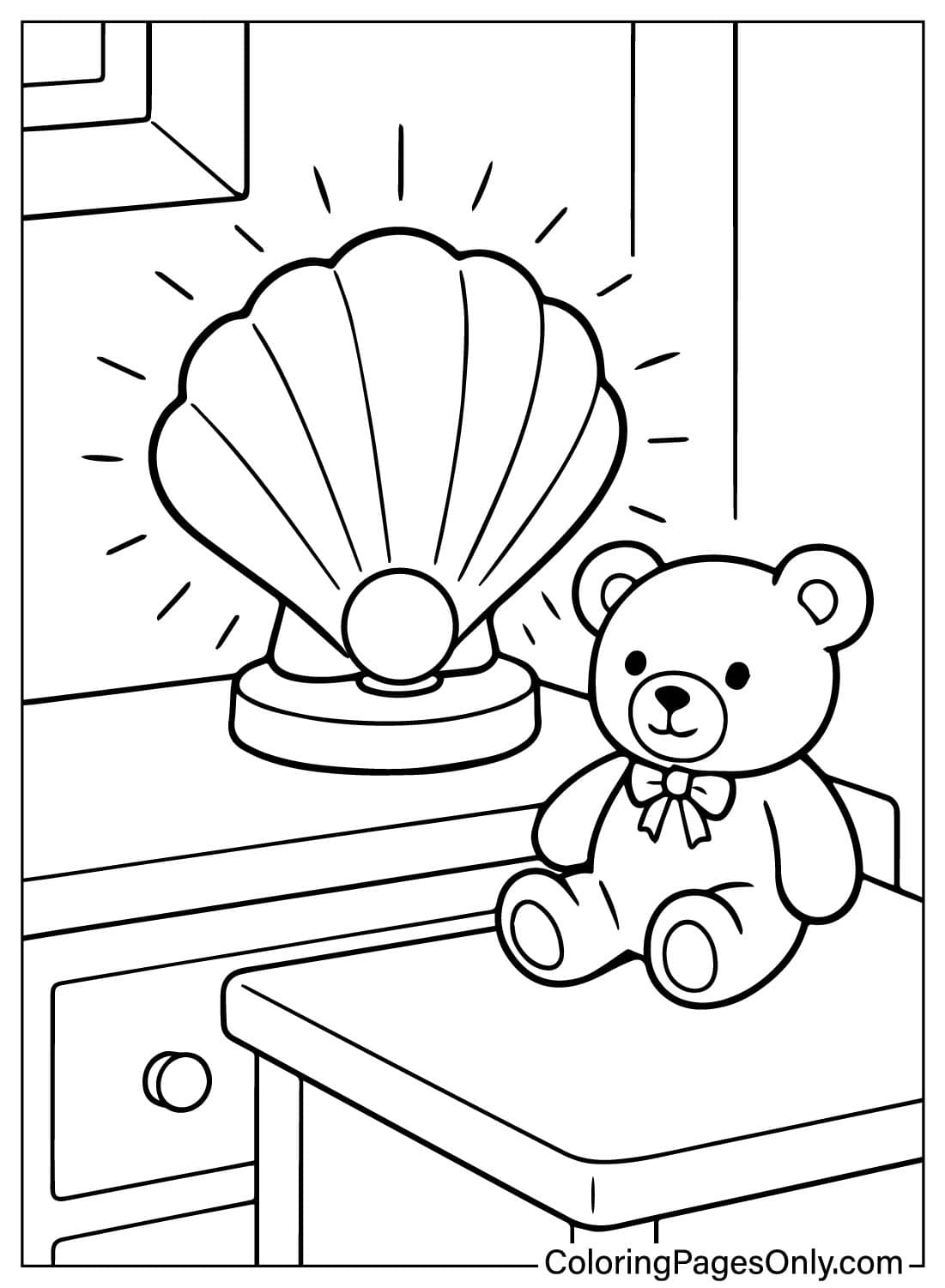
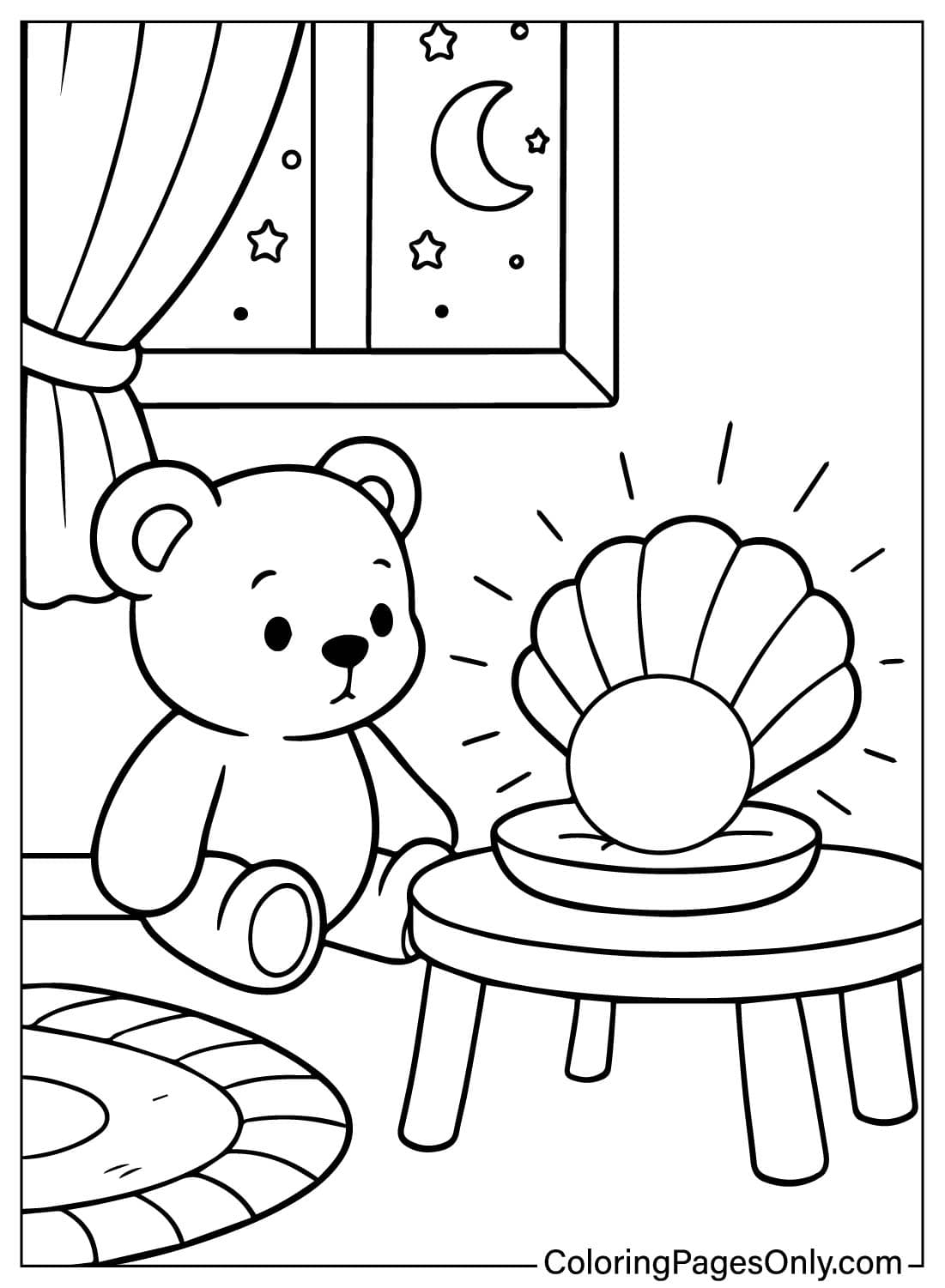
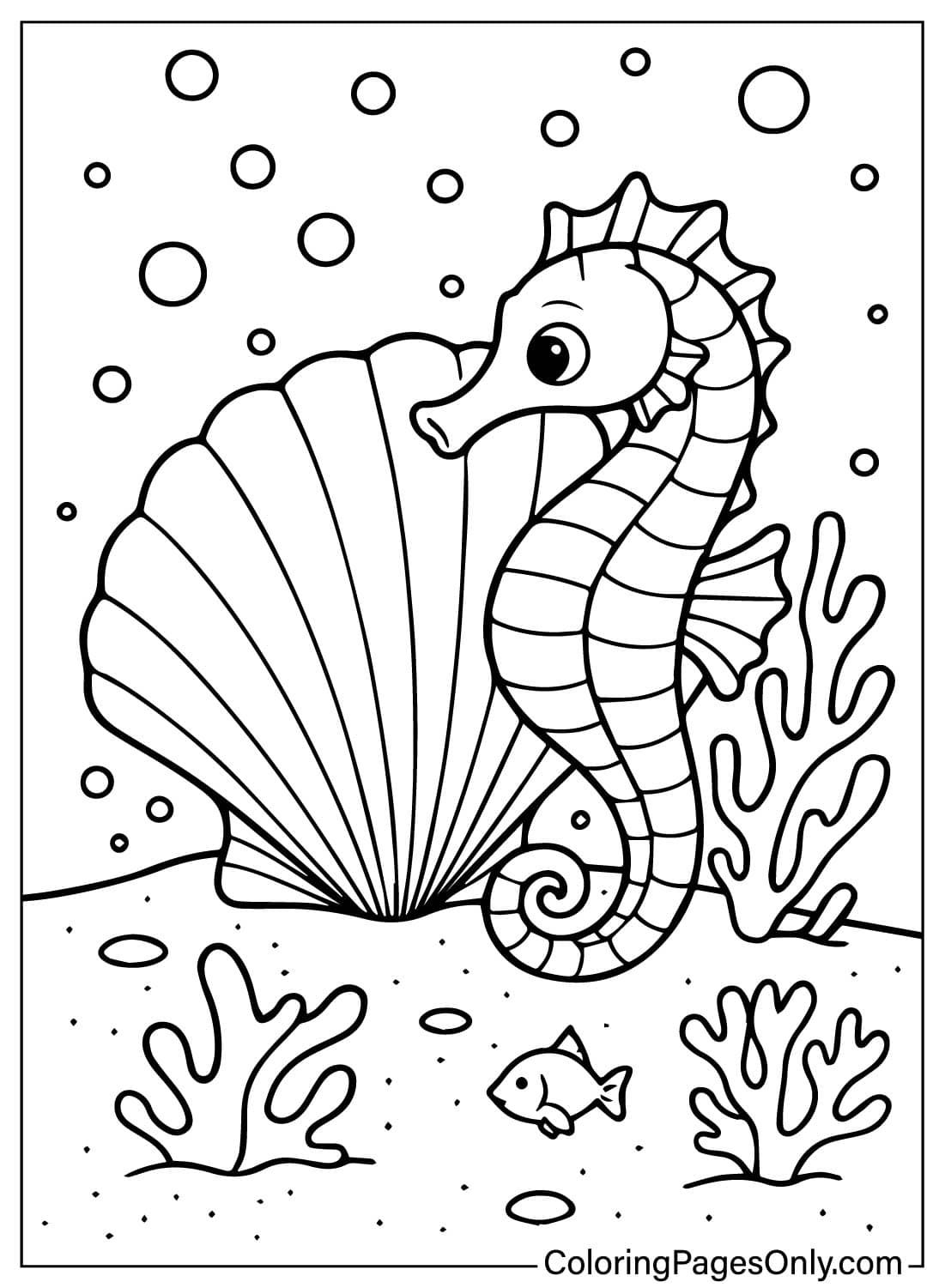
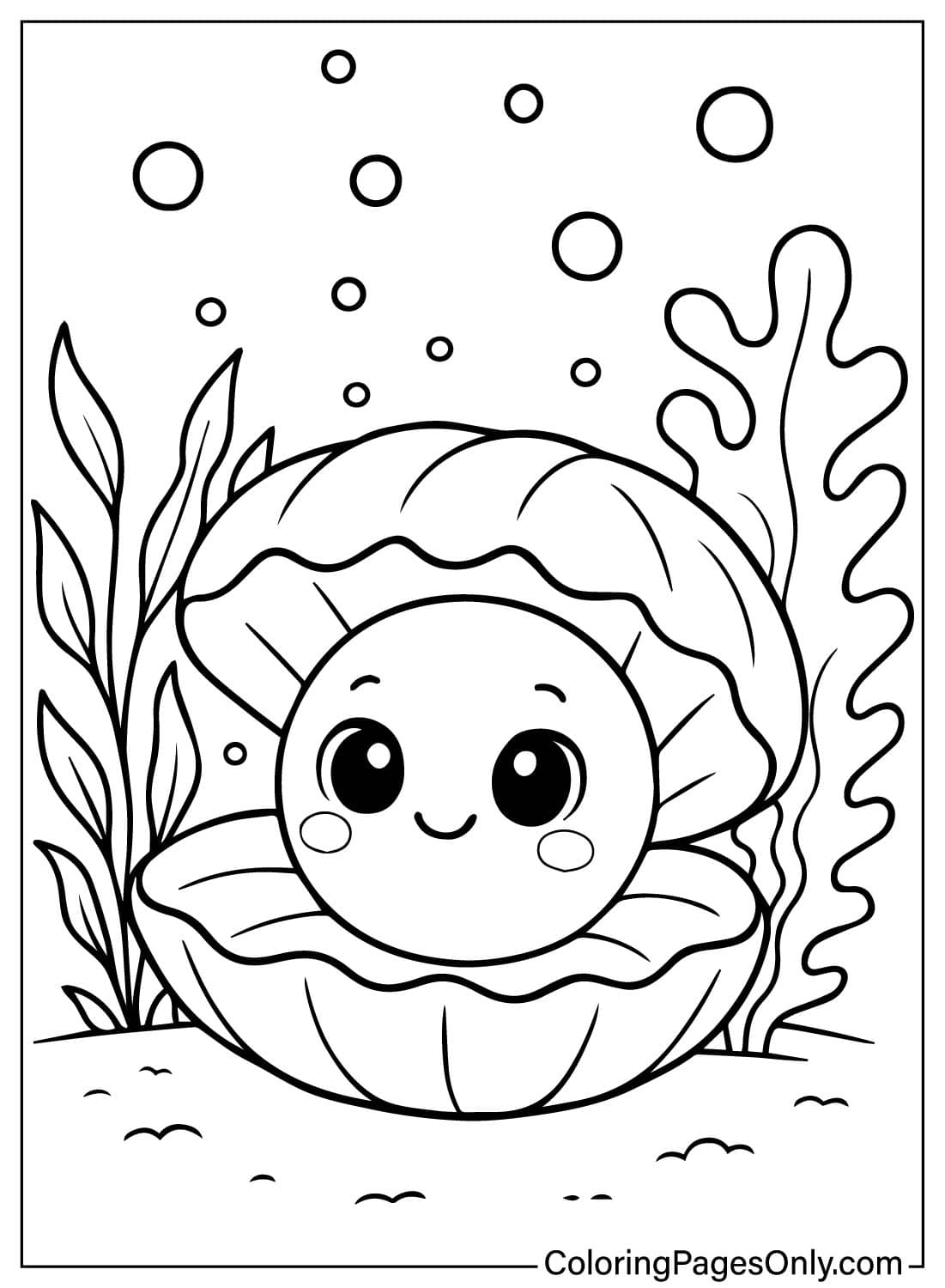
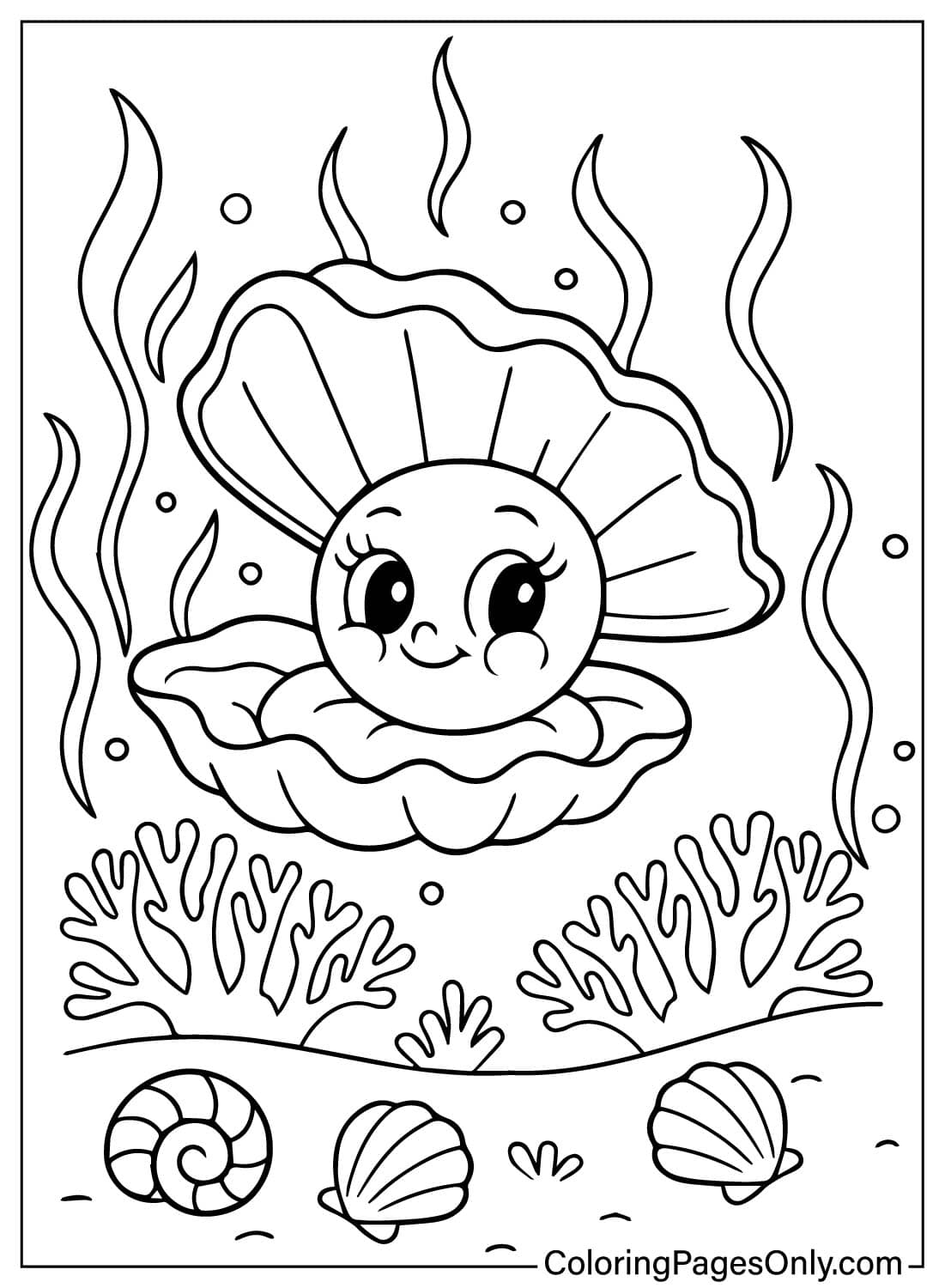
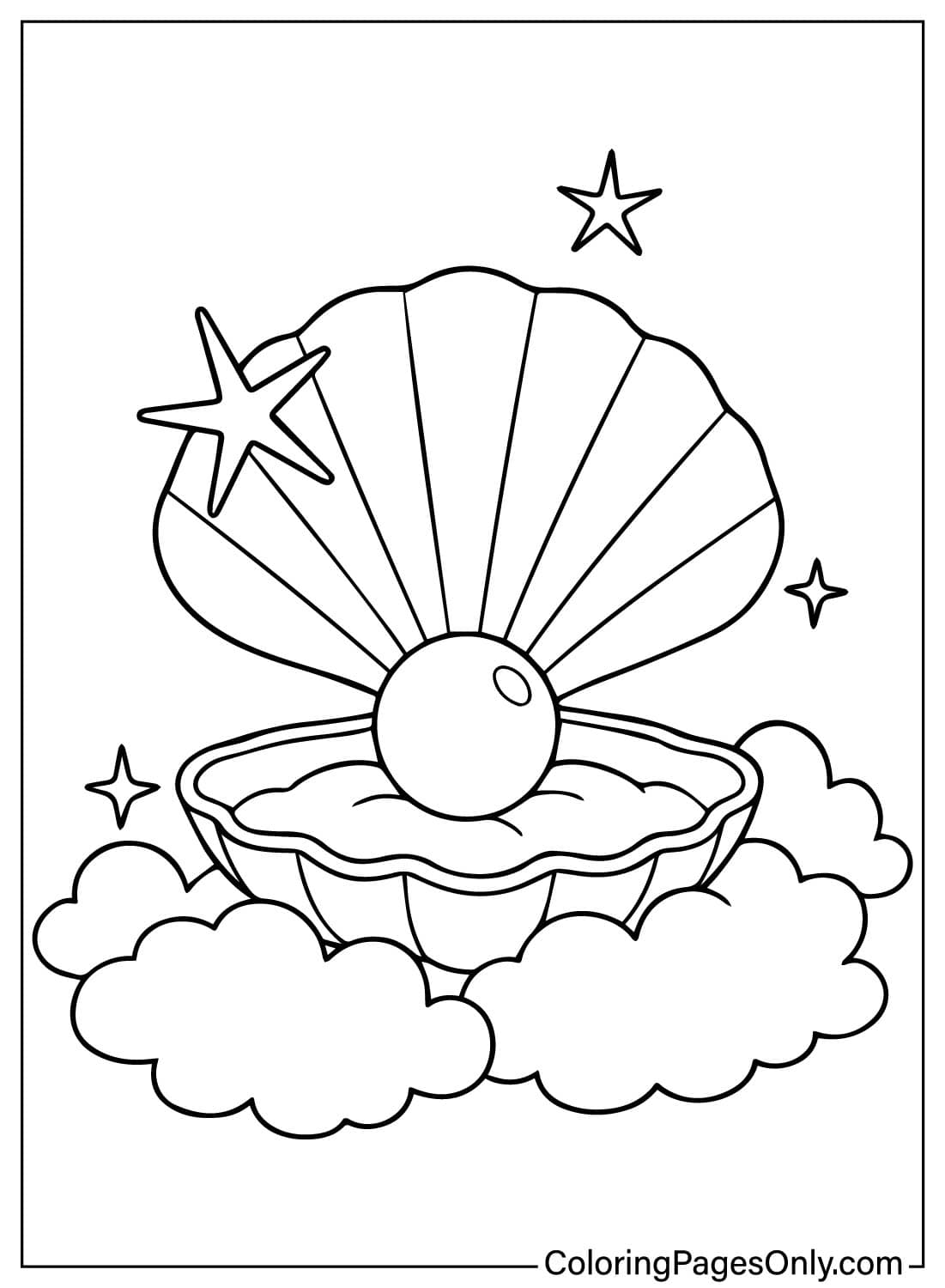
Pearl pages work because they give children two textures at once: a ridged shell and a smooth, round pearl. This group also includes coral, bubbles, sea plants, sand details, and ocean-floor scenes. Pearls, coral branches, shell interiors, and tiny bubbles give older children smaller spaces to color and help them practice contrast between smooth, rough, shiny, and textured surfaces.
Coloring pearls and coral: Use pearl white, pale silver, soft pink, and very light blue-grey for pearls, leaving a tiny white highlight near the top edge. Coral can use coral pink, soft orange, salmon peach, or muted red. The common mistake is coloring pearls solid grey; pearls look better when they stay light with one small shadow and one clean highlight.
Seashells with Ocean Animals
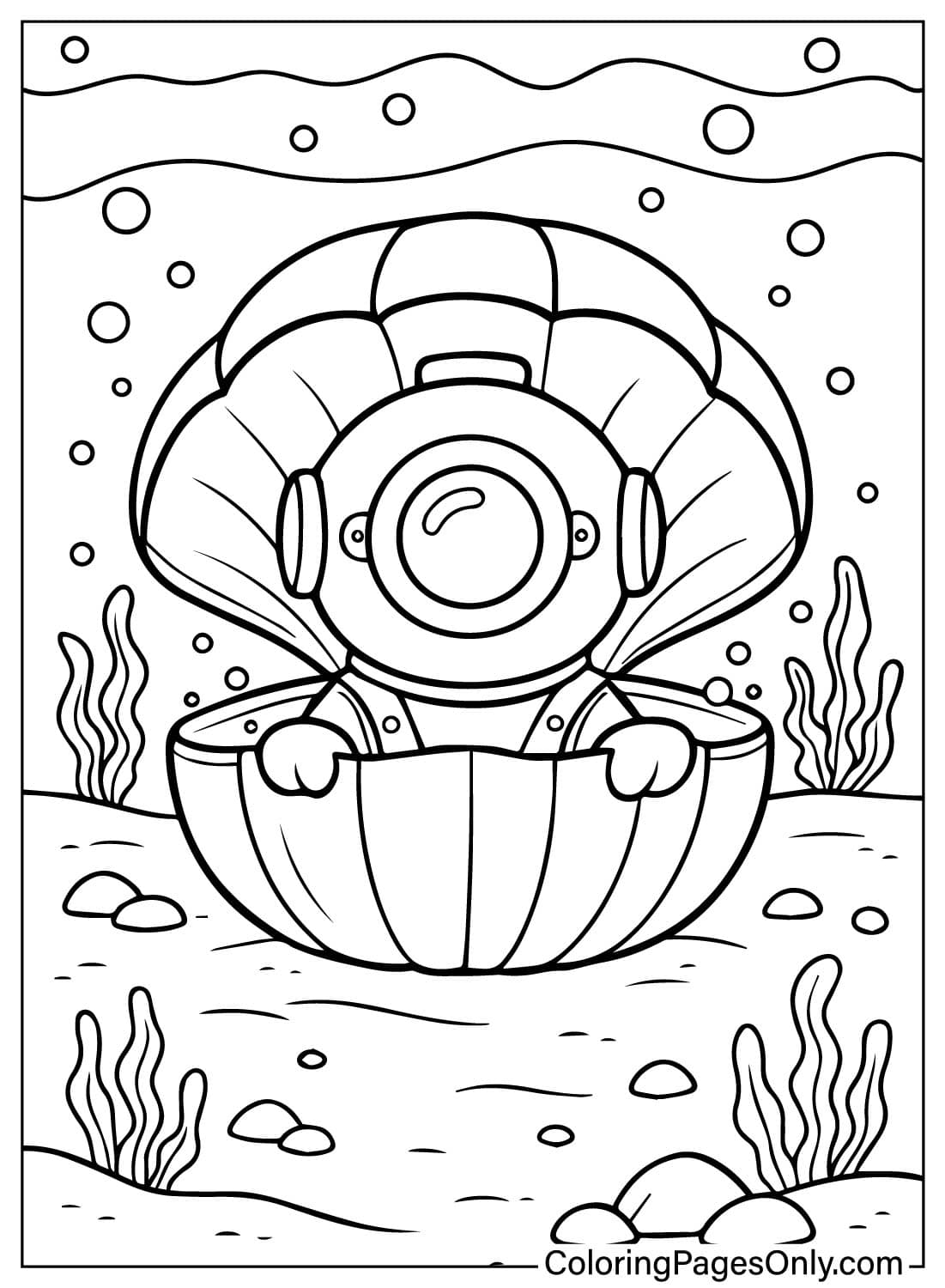
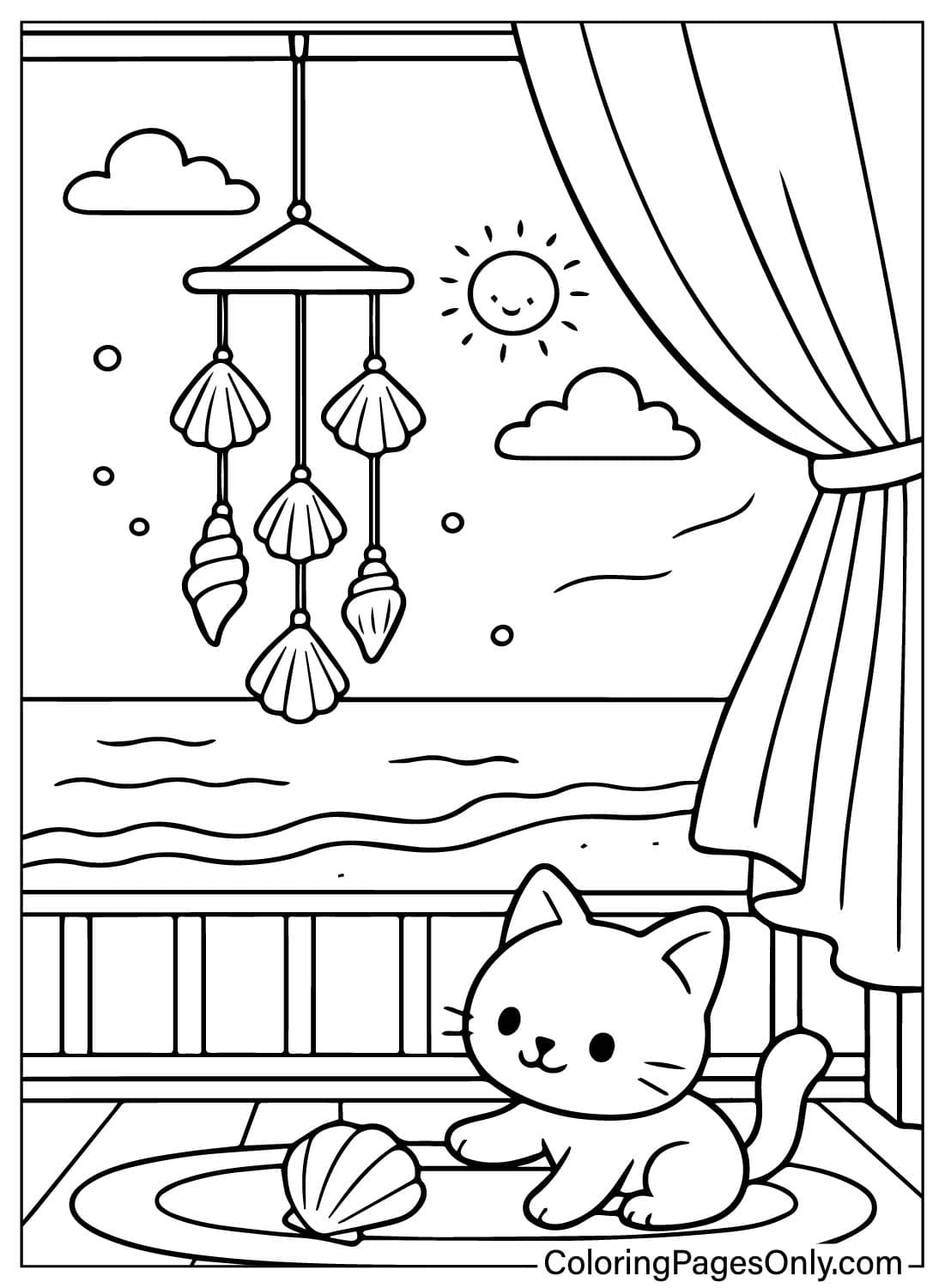
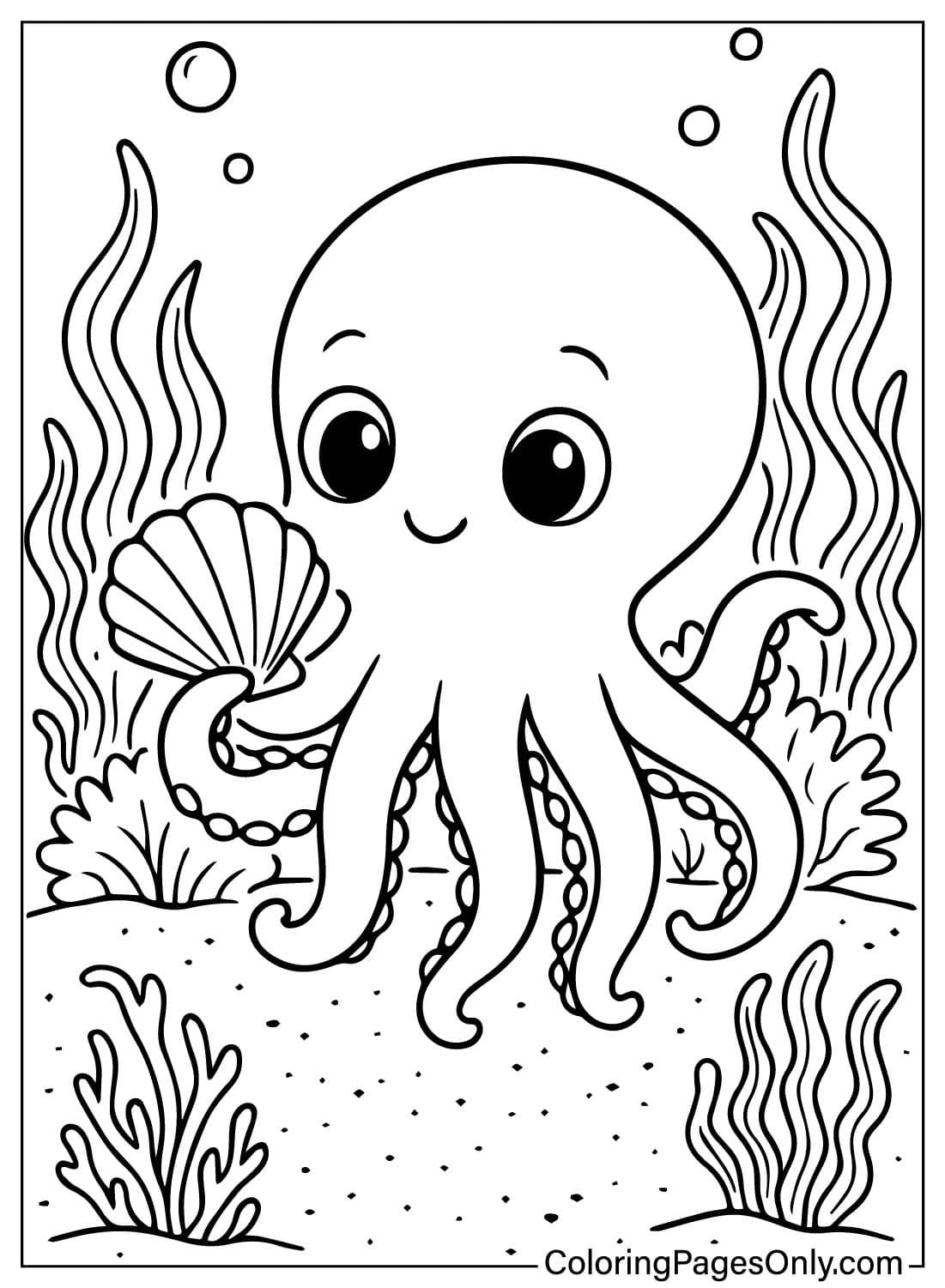
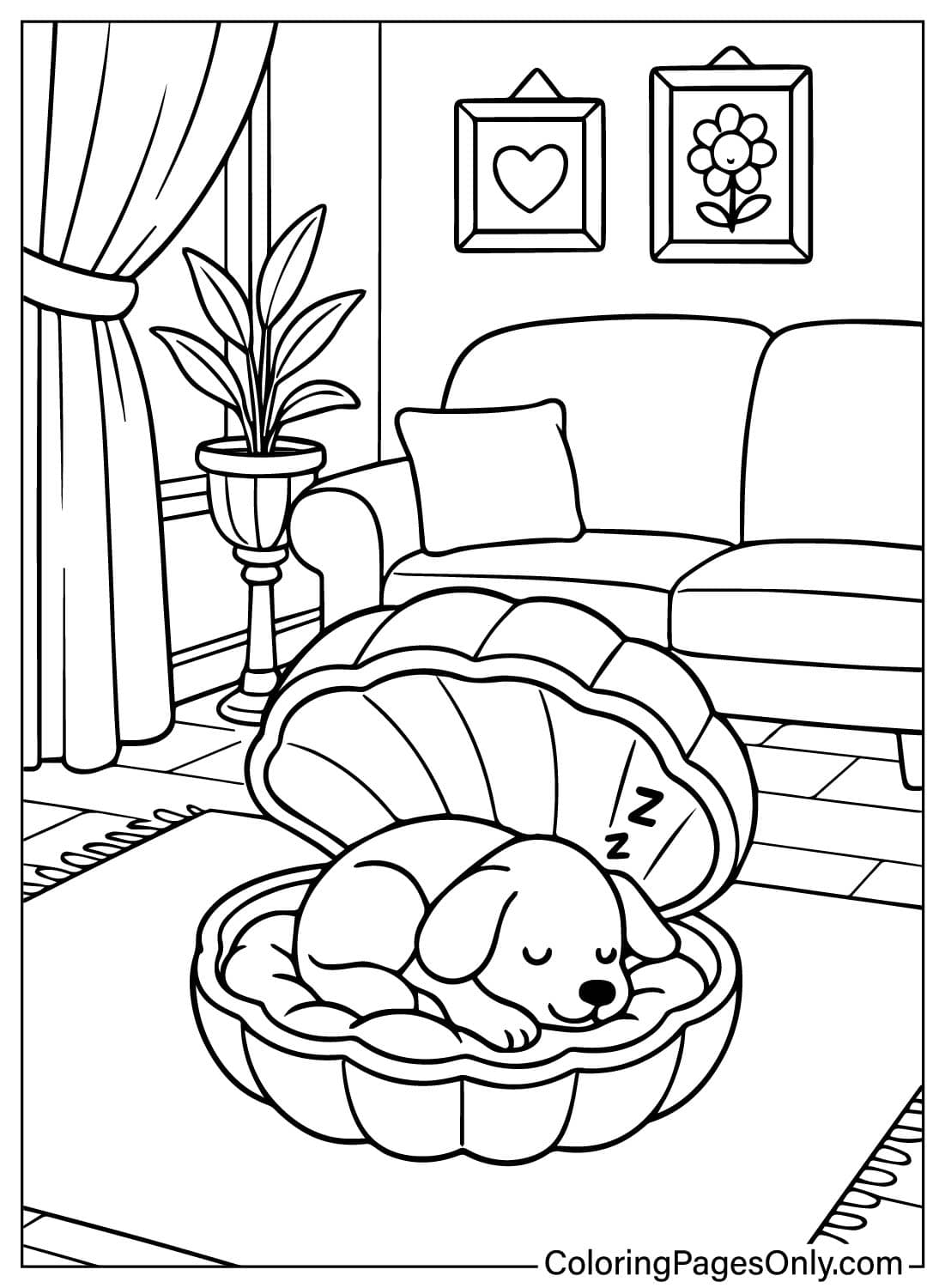
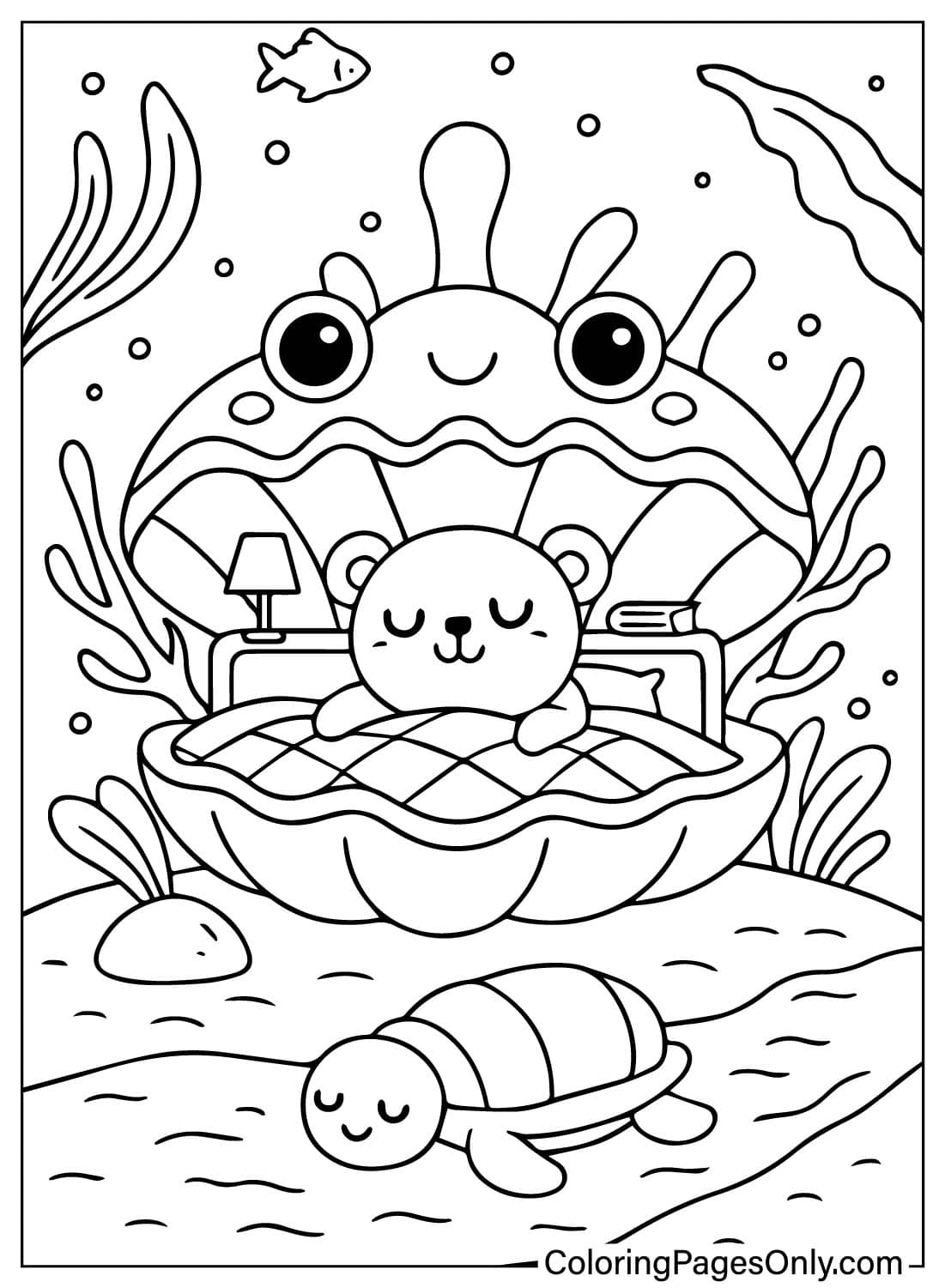
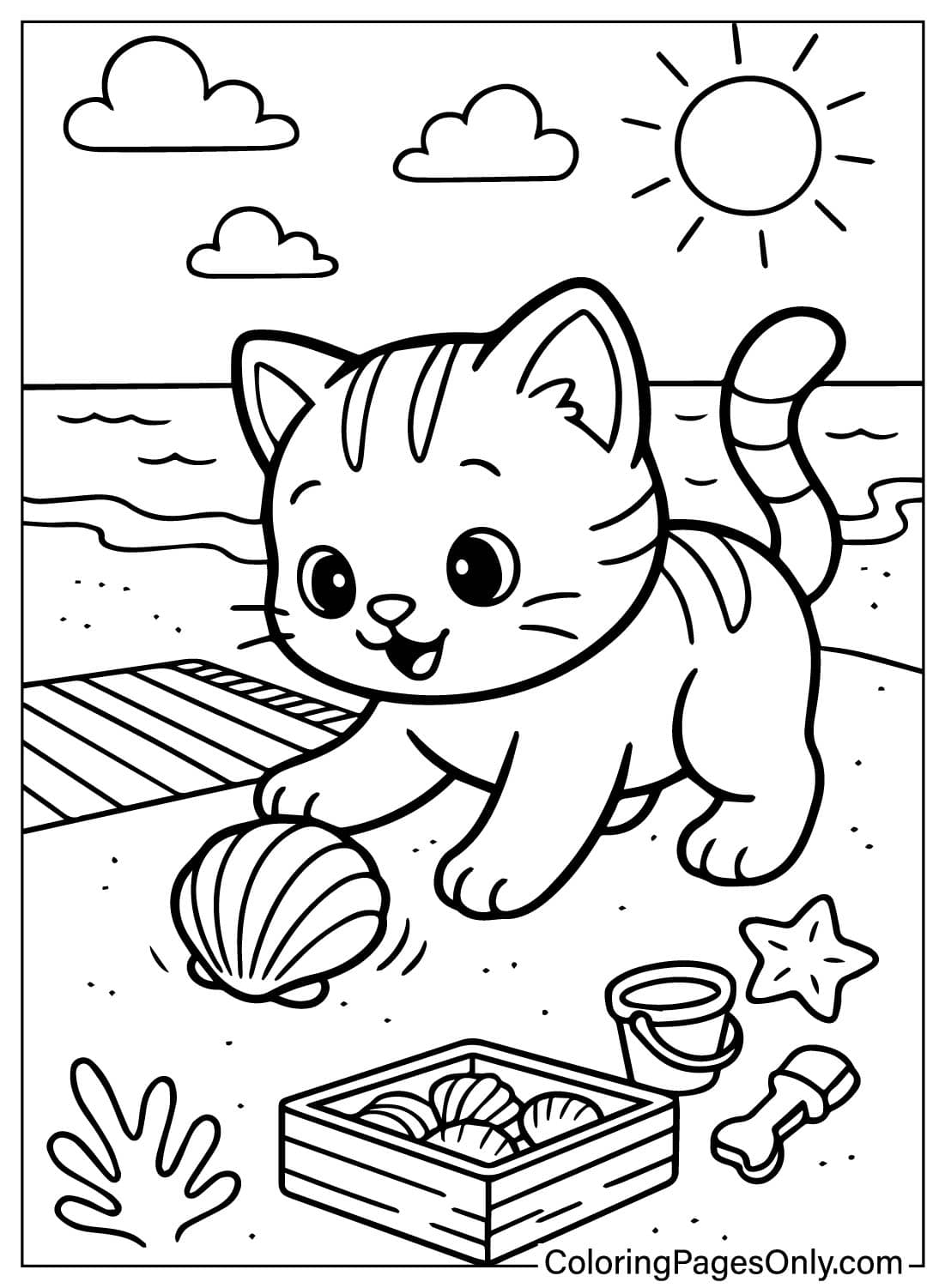
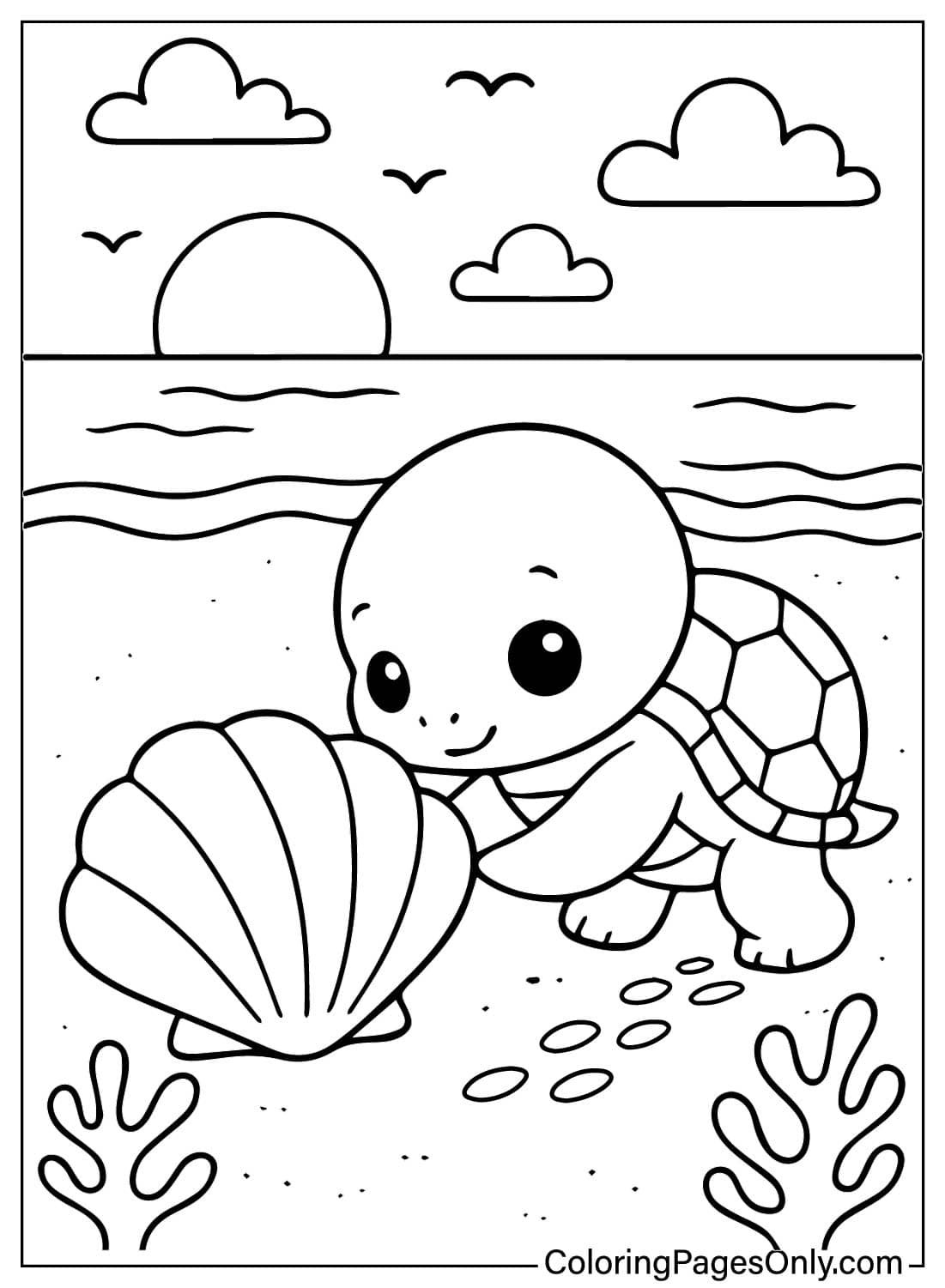
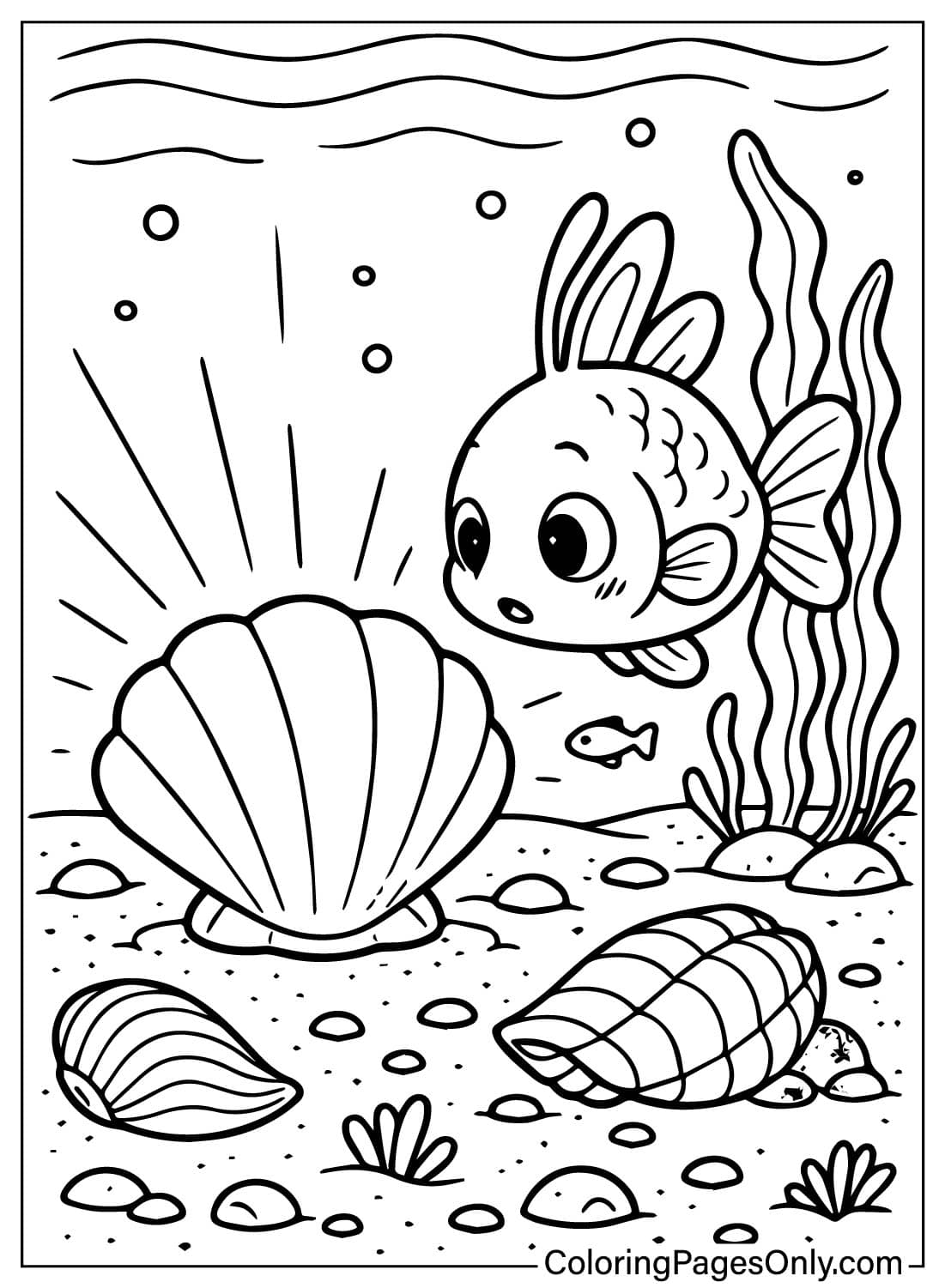
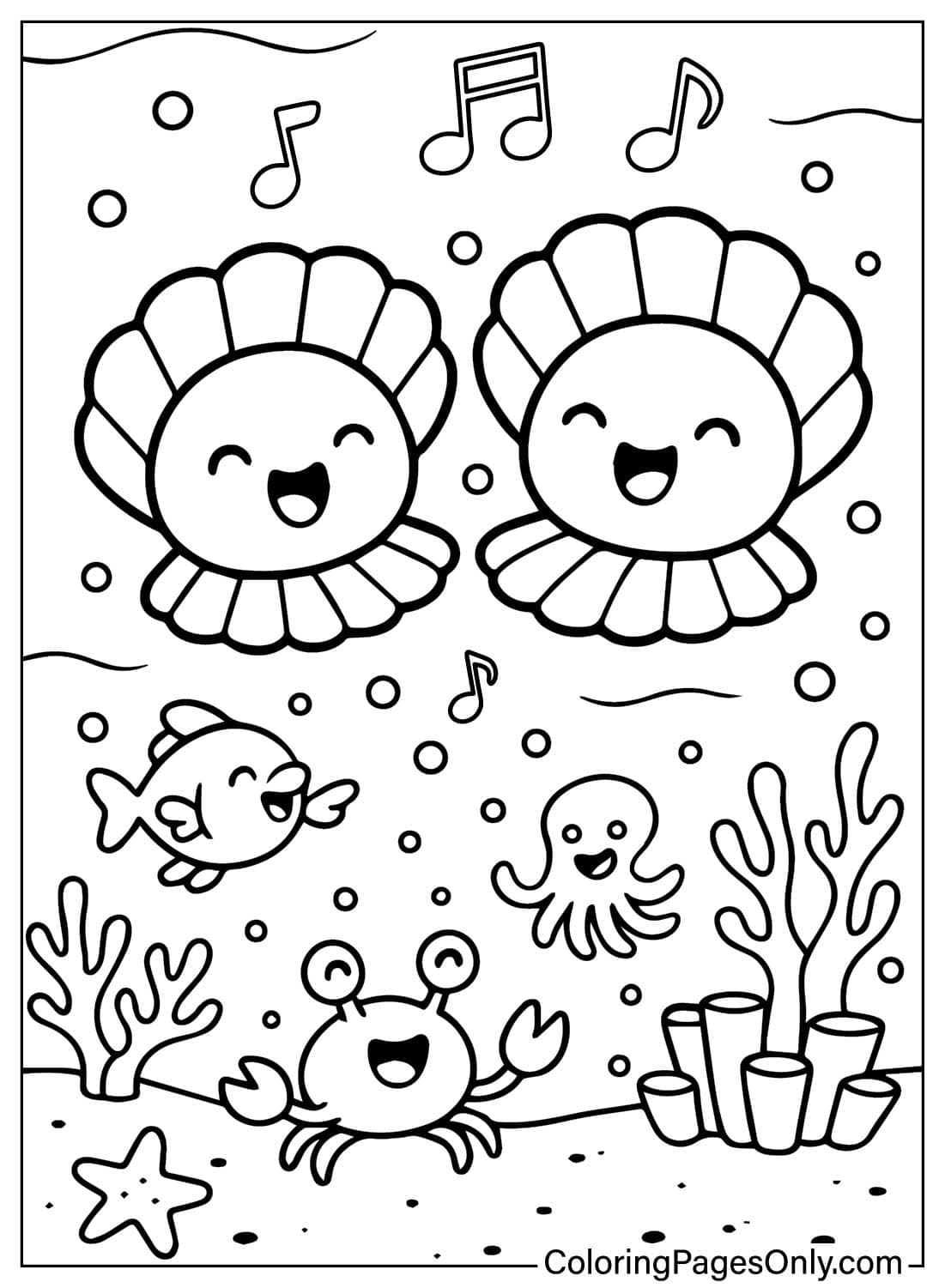
Some pages place seashells beside fish, turtles, octopuses, sea plants, and playful underwater friends. Others add cute beach animals such as puppies or cats in a more storybook style. These pages connect shells to the ocean world while still keeping the shell as the main object. They also support animal vocabulary because children can color a shell, a turtle, a fish, an octopus, a bubble, a coral, seaweed, sand, and water in one scene.
Coloring seashells with animals: Use sea-glass green, ocean blue, turtle green, fish orange, soft grey, sandy beige, and shell pink. Color the animal first, then the shell, then the background water or sand. The common mistake is making the water too dark; keep the ocean backgrounds light so the shell and animal remain easy to see.
Kids Collecting, Drawing, and Decorating Seashells
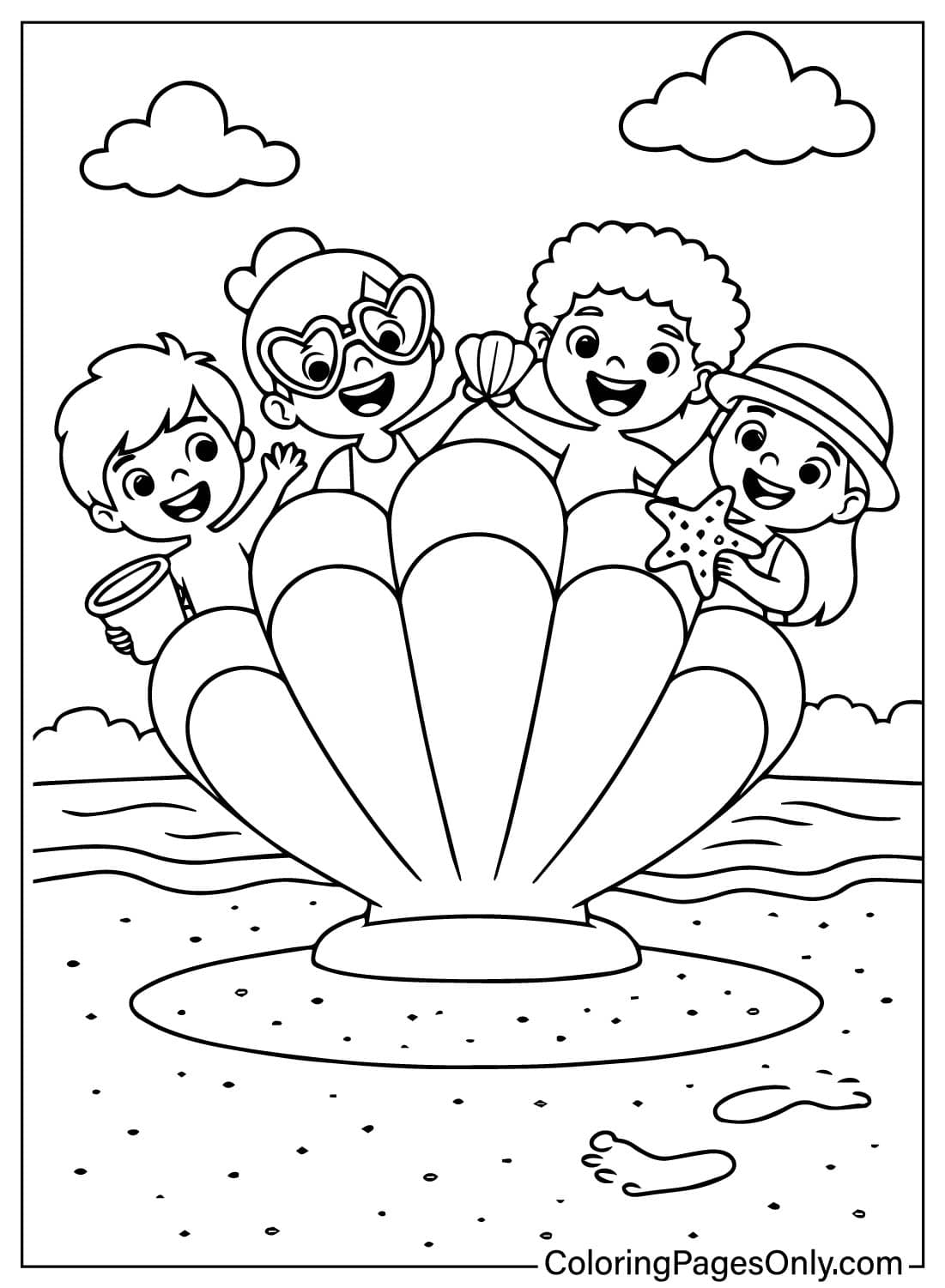
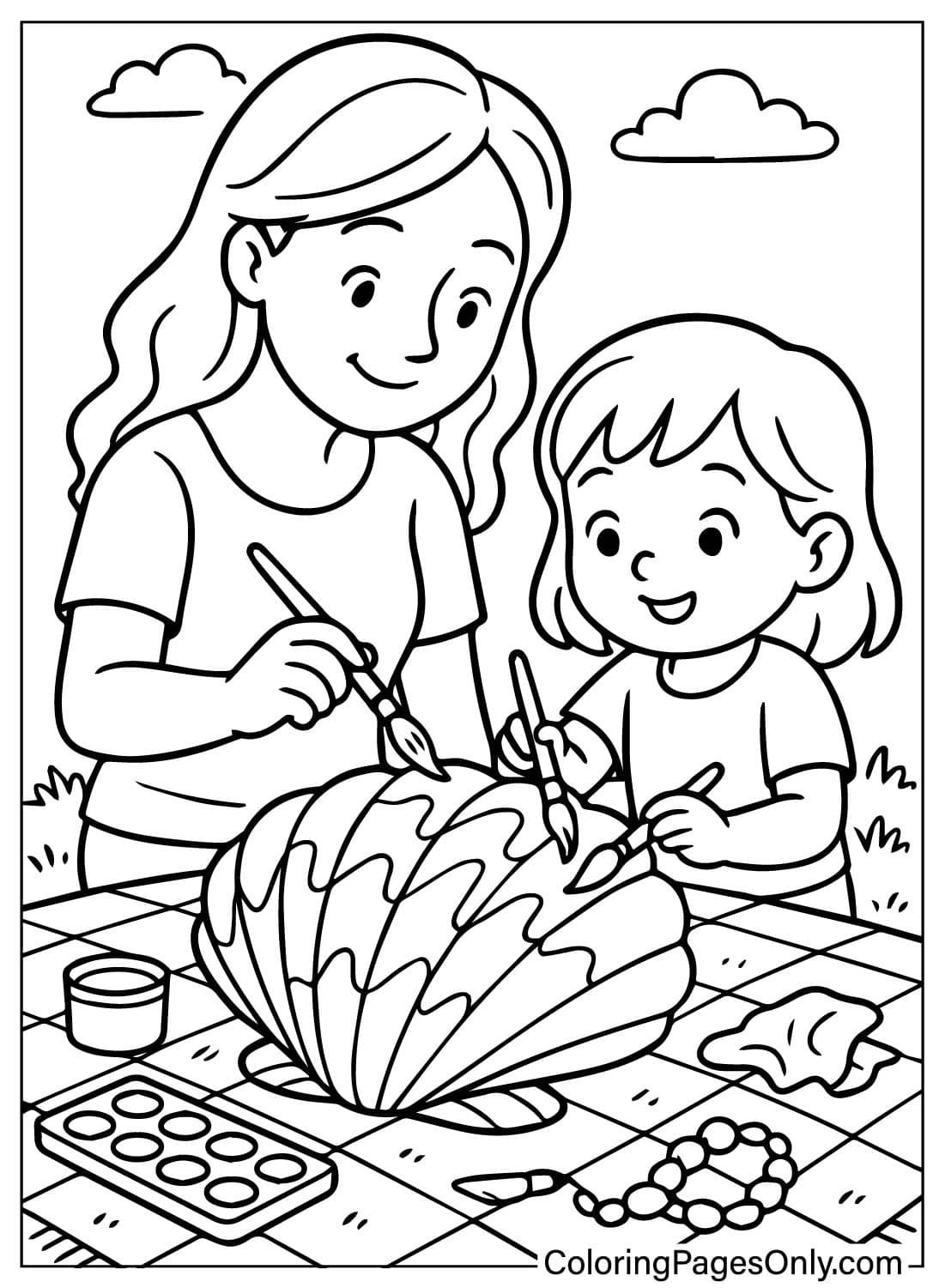
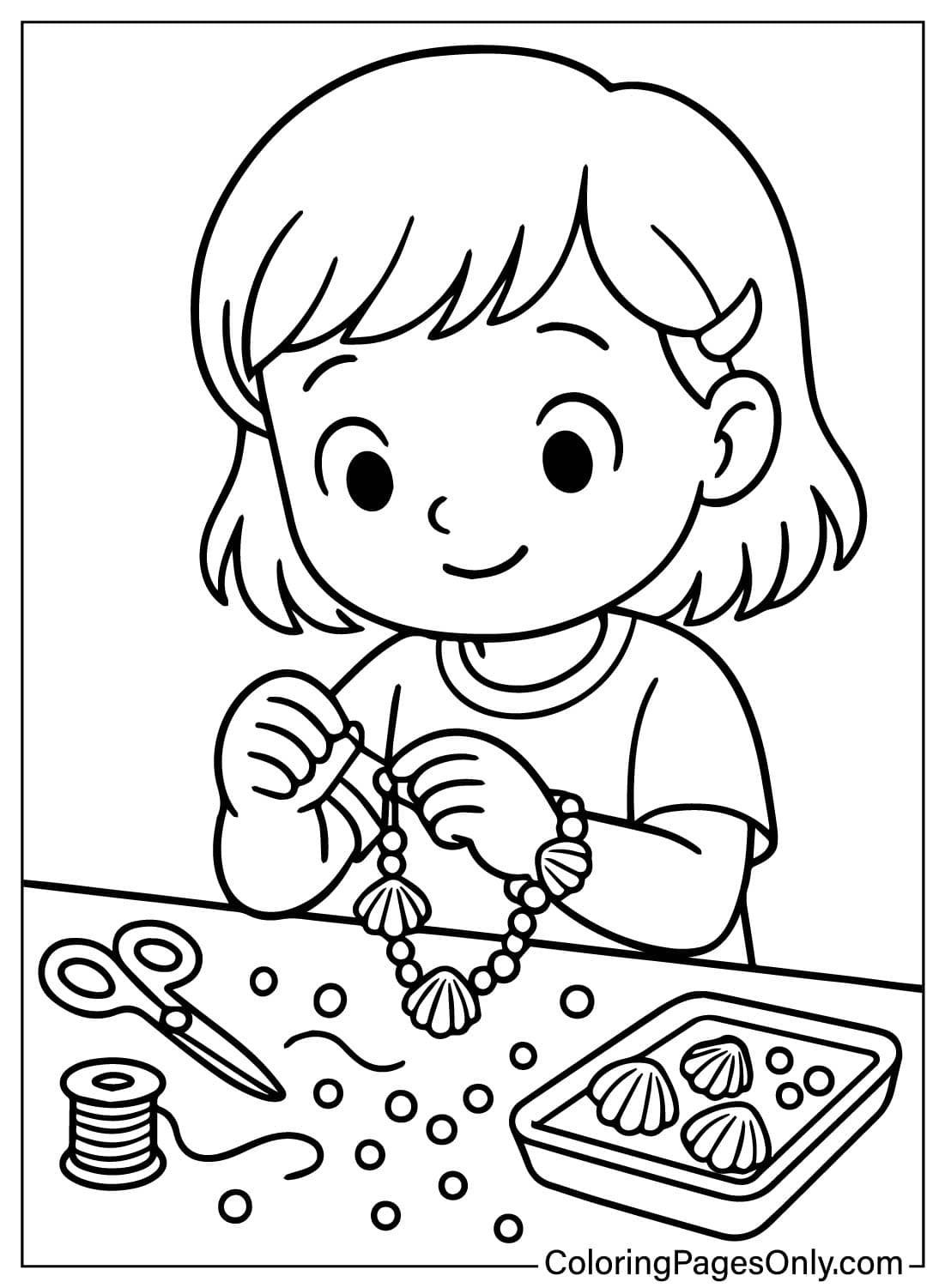
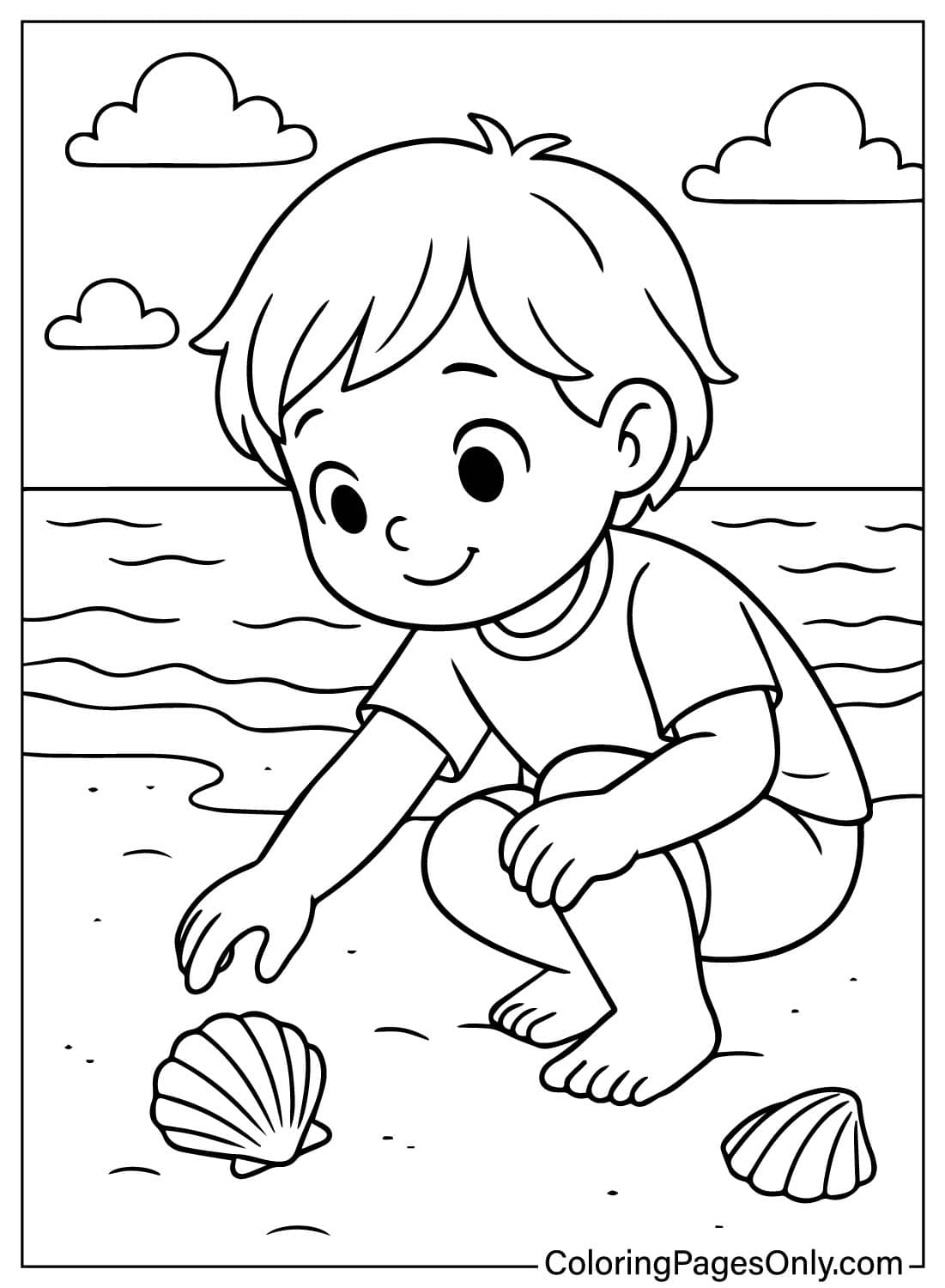
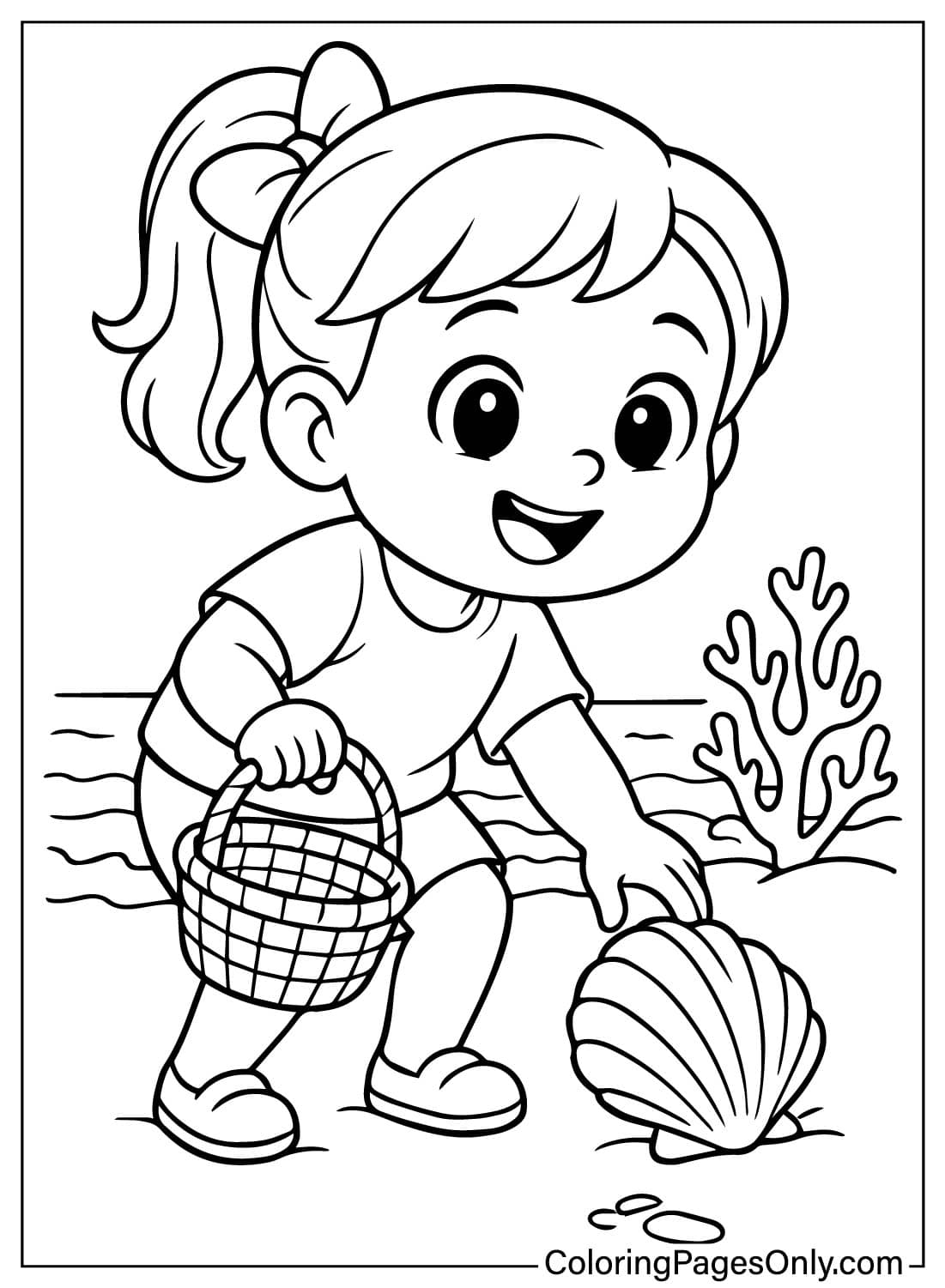
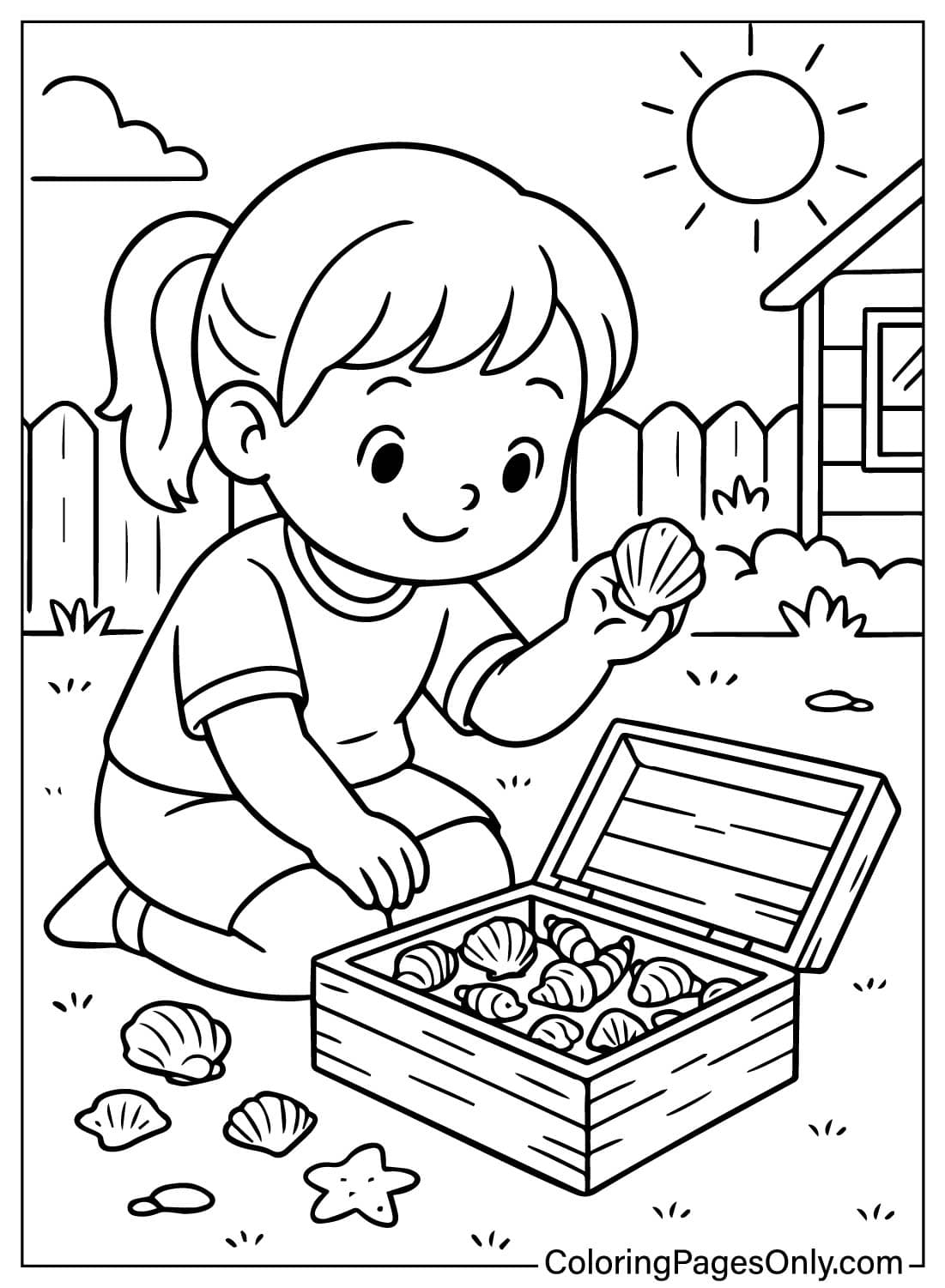
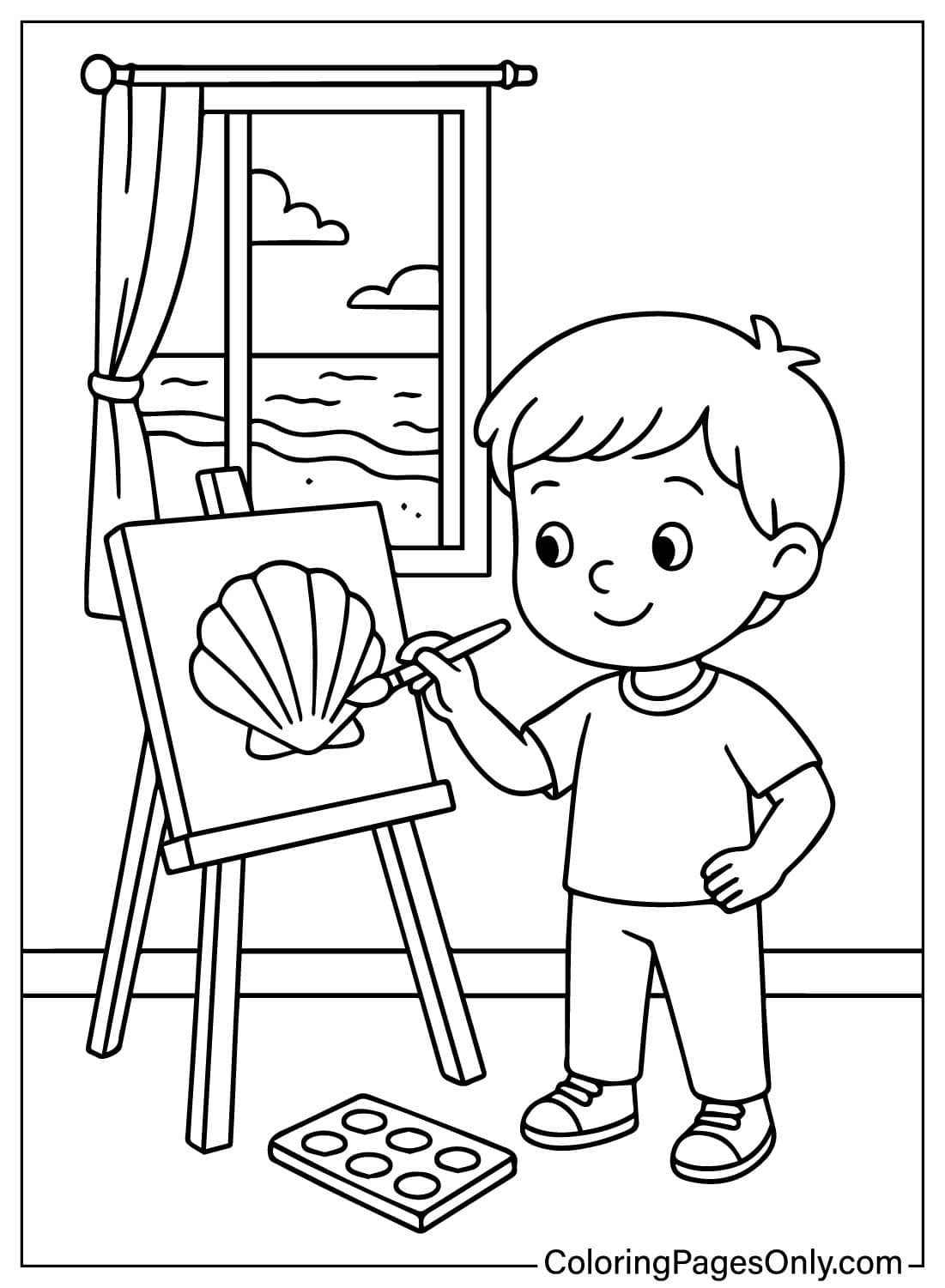
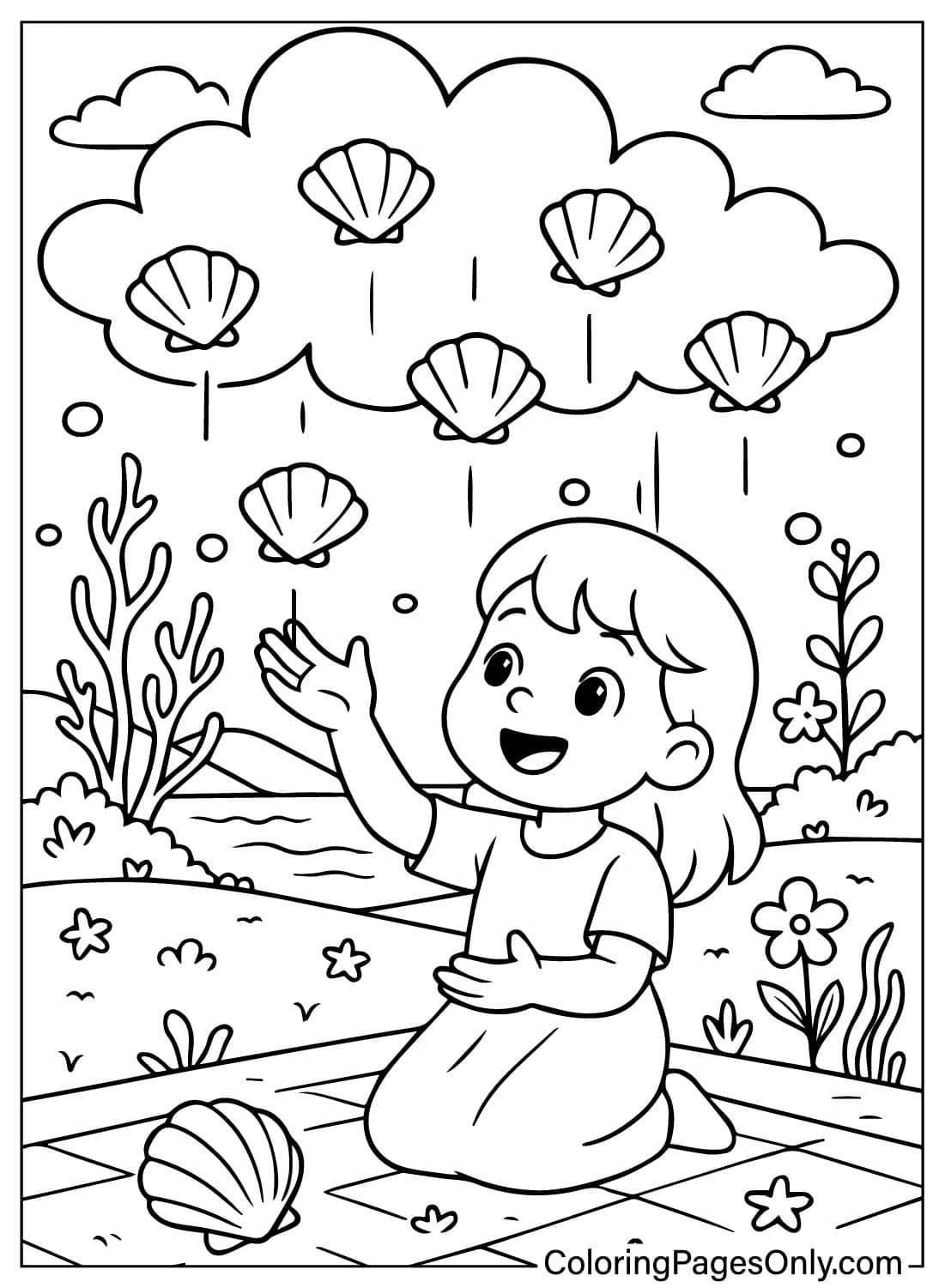
Several pages show children collecting shells, drawing shell pictures, decorating with shells, dreaming about shells, or playing on the beach. These scenes connect the collection to real summer memories: beach walks, sand play, vacation crafts, classroom nature tables, and careful observation. They also give parents and teachers a gentle way to talk about respecting coastal habitats, noticing shells without taking too many from the beach, and seeing shells as part of a living shoreline.
Coloring kids and beach scenes: Use warm peach, honey beige, golden tan, deep sienna, or rich umber for skin tones, then add beach colors such as sand beige, sky blue, sun yellow, and ocean teal. Keep the shells a little brighter than the sand so children can find them easily in the picture. The common mistake is coloring the whole beach the same tan; add light shadows under feet, buckets, shells, and toys for depth.
Fantasy Seashell Castles, Mermaids, and Storybook Designs
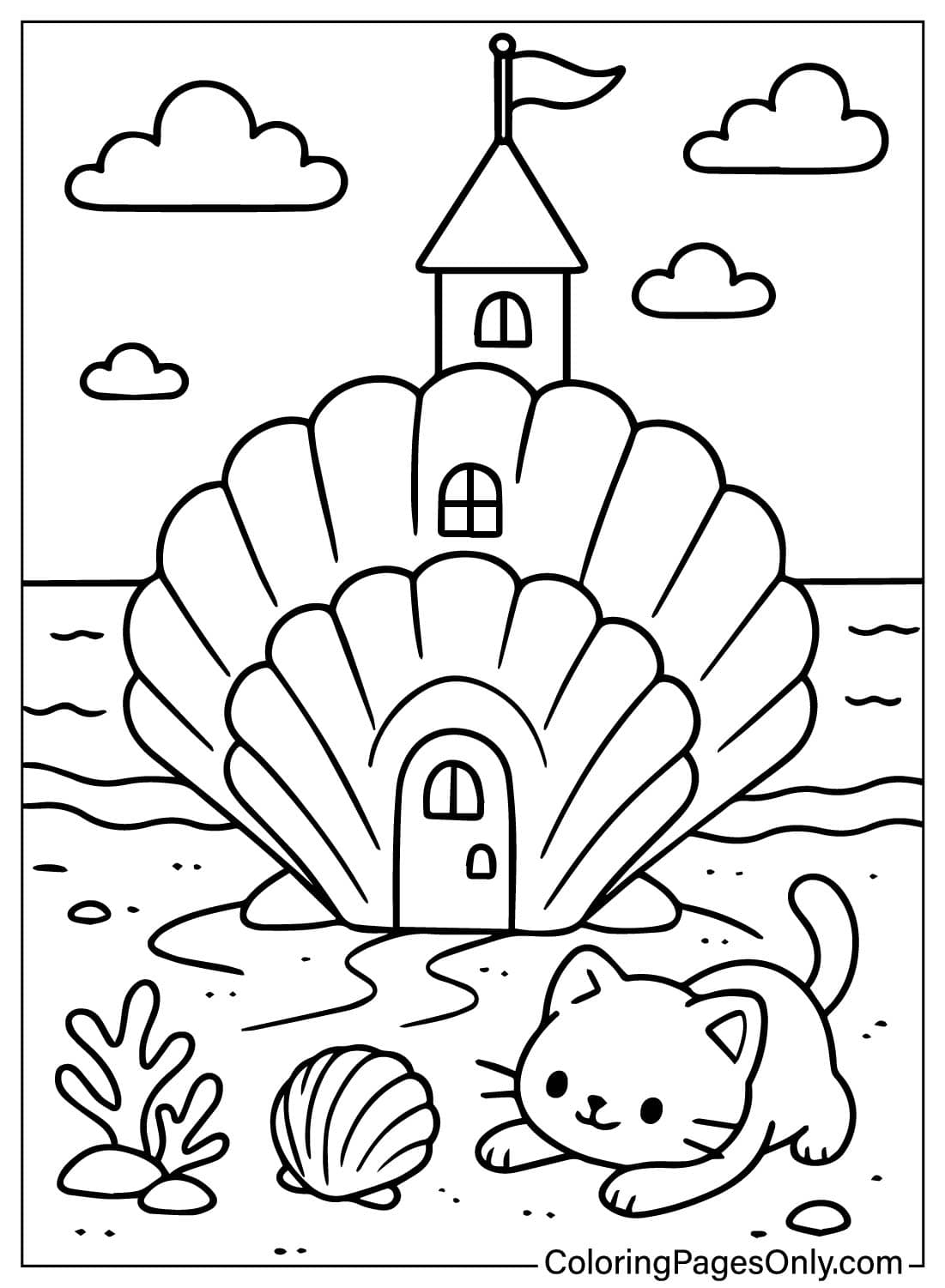
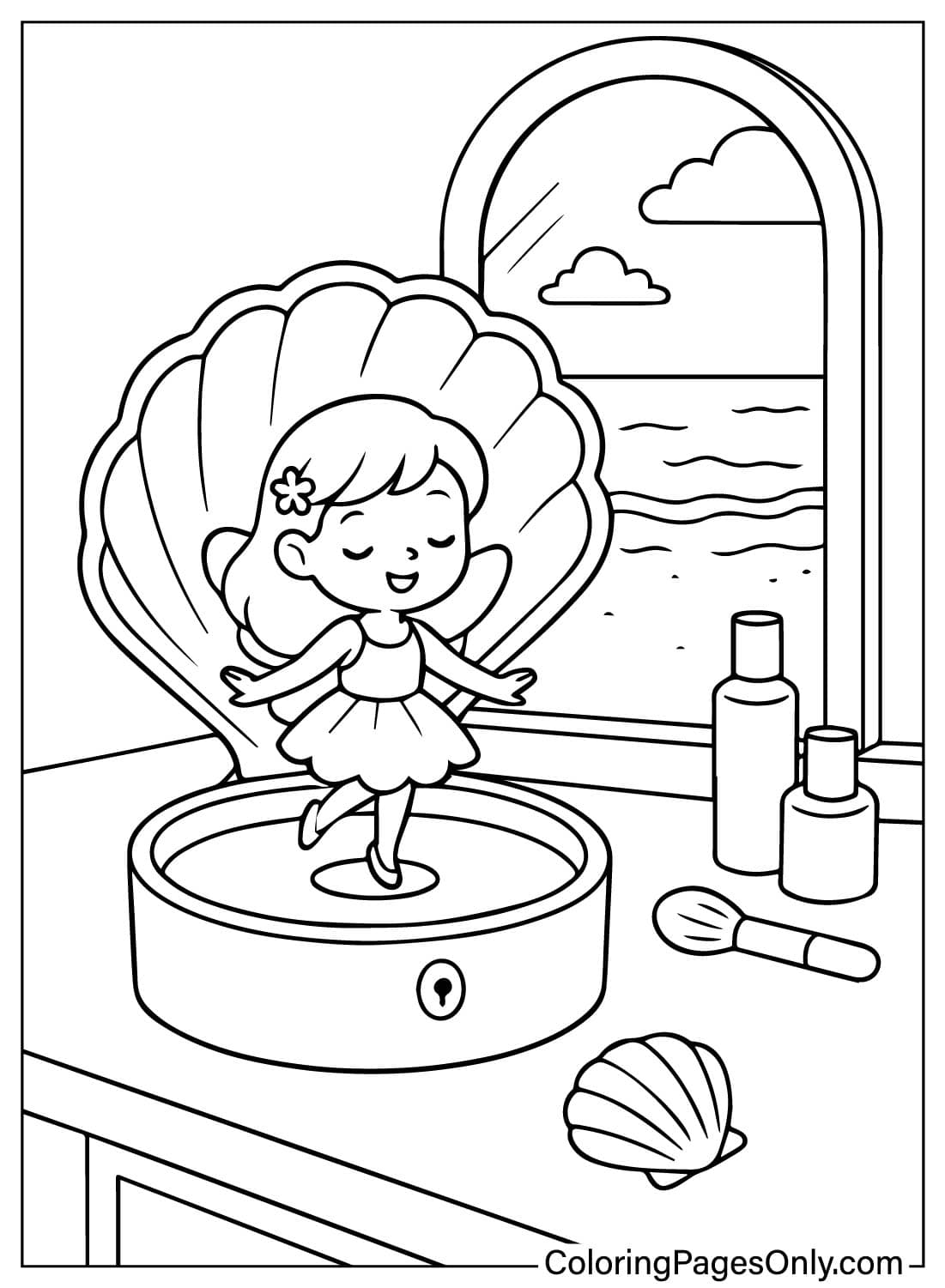
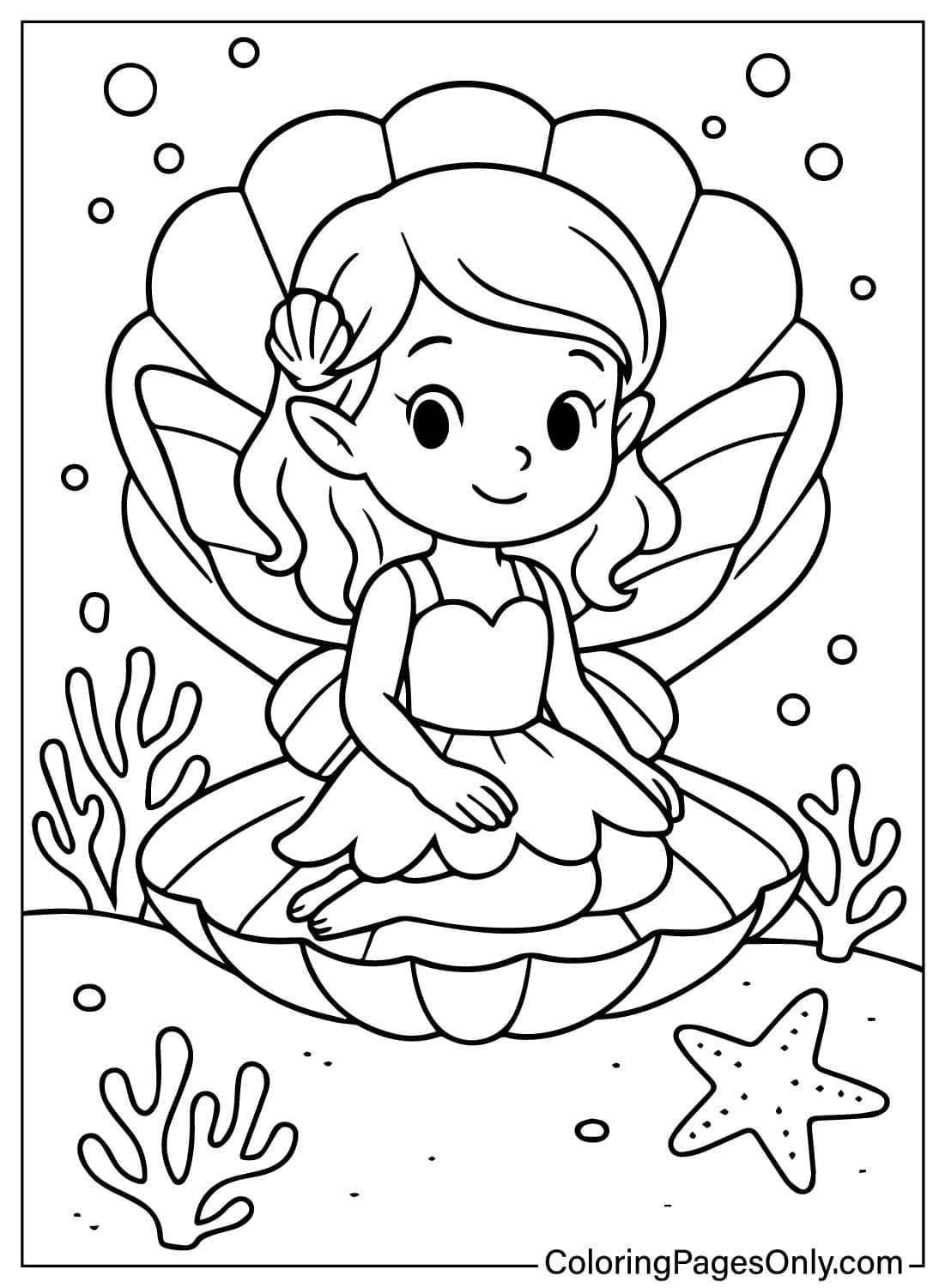
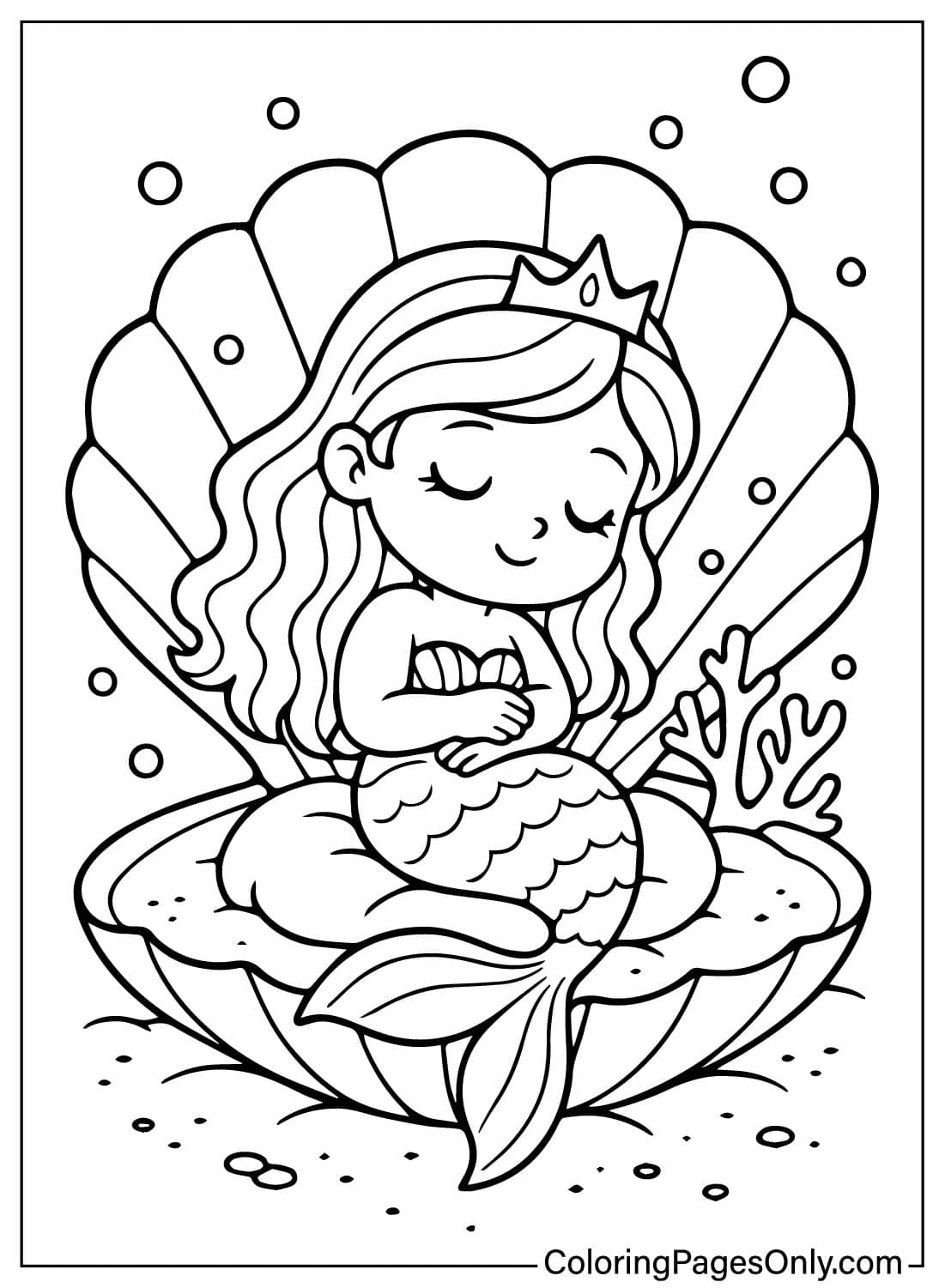
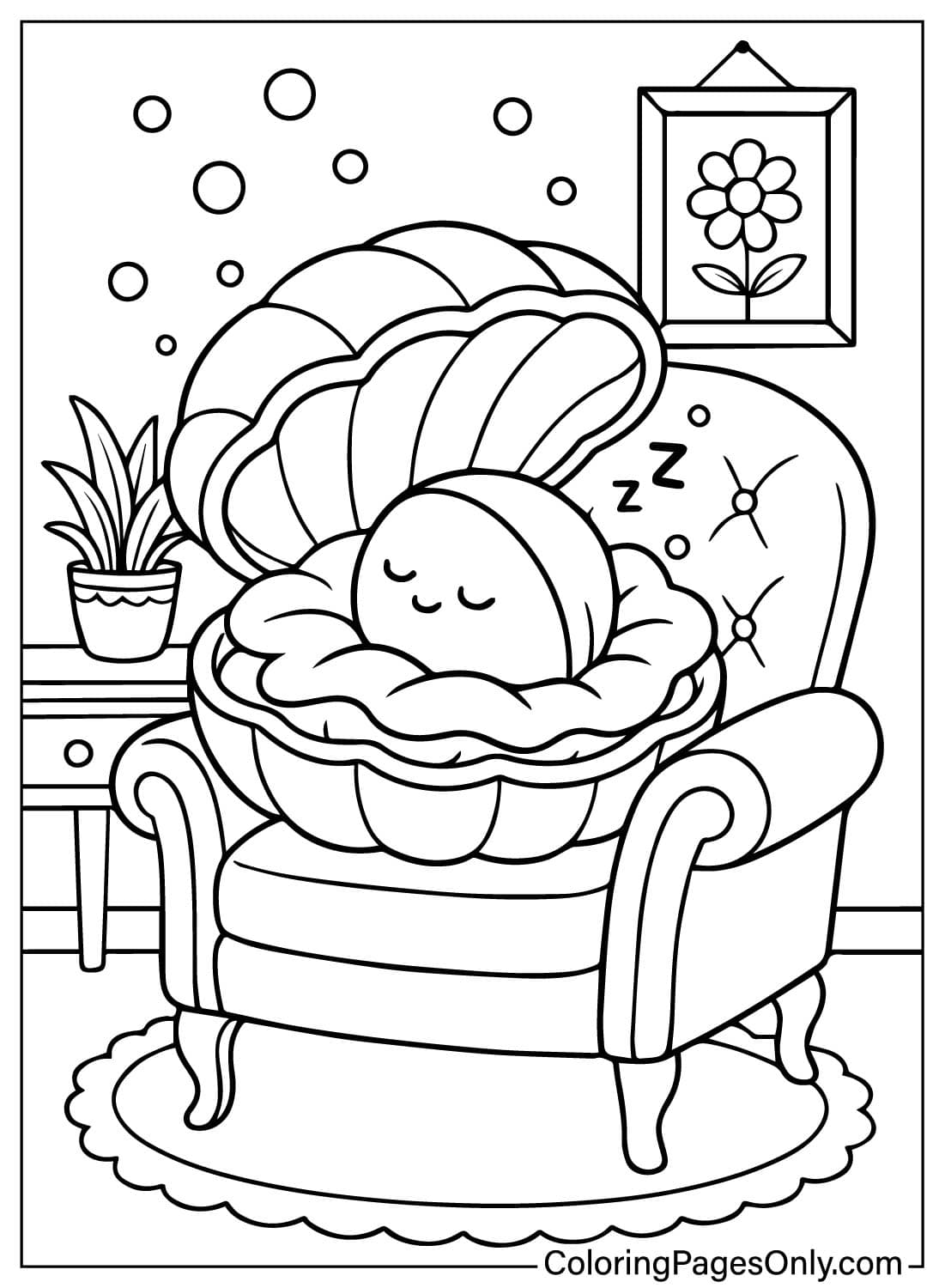
The whimsical pages include seashell castles, seashell dragons, seashell dolls, mermaids with shells, shell beds for bears, shell toys, and imaginative ocean scenes. These designs turn seashells into story objects: a castle roof, a treasure bed, a magical pet, a mermaid keepsake, or a fantasy beach world. They are best for children who enjoy both ocean themes and imaginative details.
Coloring fantasy seashell pages: Choose one mood before starting: pearl pink and lavender for mermaid pages, sand beige and gold for shell castles, seafoam green and blue for underwater scenes, or candy pink and soft yellow for toy-like shells. Keep the shell texture visible even in fantasy pages. The common mistake is using too many unrelated bright colors; let the shell shape stay clear.
What These Pages Do
Seashell coloring pages connect children to beach life, ocean science, and nature observation in a simple visual way. A shell may look like a beach souvenir, but it is also connected to mollusks, tides, sand, coral, and marine habitats. Many shells are made mostly of calcium carbonate, a natural material that helps create their hard protective structure. Coloring shells can introduce children to words such as scallop, pearl, spiral, coral, mollusk, tidepool, seaweed, shoreline, and shell opening.
These pages also teach design through pattern, symmetry, texture, and curved lines. A scallop shell uses fan-like ridges. A spiral shell uses circular movement and banded sections. A shell with a pearl uses contrast between matte shell texture and a smooth, round pearl. A beach scene uses sand, water, objects, and small natural details. These visual structures help children practice observation and controlled coloring.
The American Academy of Pediatrics identifies fine motor skill development as a key milestone throughout early childhood. HealthyChildren.org, the parenting site from the American Academy of Pediatrics, lists coloring with crayons or chalk among quiet-time activities that can help improve a 3-year-old child’s hand abilities. Seashell pages support that development through shell ridges, spiral bands, pearl circles, coral branches, bubbles, seaweed lines, beach toys, and small animal details.
The 2005 Art Therapy Journal study on structured coloring and anxiety reduction applies well to seashell pages with repeated natural patterns. Scallop ridges, spiral bands, sand dots, bubble rows, coral branches, wave lines, and shell borders give colorists organized spaces to complete. This kind of structured coloring can feel calm and focused because the subject is familiar, rhythmic, and connected to quiet beach imagery.
How to Color These Pages Well
Start with soft shell colors before adding shadows. Use sandy beige, pearl cream, shell pink, coral peach, pale apricot, and warm ivory as the first layer. Add darker shading only near the base, inside the opening, or along deep ridges. The common mistake is beginning with dark brown; seashells usually look better when the first layer stays light.
Follow the shell’s natural lines. Scallop shells should be colored along the fan ridges, while spiral shells should follow the curl from the center outward. Use light pressure first, then deepen every other ridge, growth line, or band for texture. This ridge-by-ridge method keeps the shell shape readable.
Make pearls bright and smooth. Pearls should stay mostly white, pearl cream, pale silver, or very light pink. Add one tiny white highlight and one small blue-grey shadow at the lower edge. The common mistake is filling the whole pearl with grey, which makes it look dull instead of shiny.
Separate sand, water, and shell colors. Use sand beige or light tan for the beach, seafoam green or ocean blue for water, and shell pink, cream, or lavender for the shell. If the shell and sand are too similar, outline the shell gently with a slightly darker peach or beige. Test similar colors on scrap paper first to make sure the shell does not disappear.
Use coral and seaweed as accent shapes. Coral can be coral pink, salmon peach, soft orange, or muted red, while seaweed works well in olive green, sea-glass green, or deep teal. Keep these accents softer than the main shell unless the page is focused on an underwater reef. The common mistake is making every underwater object equally bright.
Keep fantasy seashells organized. For castles, dragons, dolls, and mermaid scenes, choose one main shell color and two accent colors before starting. A shell castle can use pearl cream, gold, and soft blue; a mermaid shell can use lavender, shell pink, and seafoam green. Too many bright colors can hide the shell shape and make the page feel crowded.
5 Creative Craft Ideas
Mollusk Shell Sorting Mat
Use classic shell pages, scallop pages, spiral shell pages, and pearl shell pages to make a science-based sorting mat. Materials include printed coloring pages, crayons, scissors, glue, and a large sheet divided into sections labeled “Fan Shells,” “Spiral Shells,” “Round Shells,” and “Shells with Pearls.” Children color the shells, cut out selected pieces, and place them in the matching section. Older children can add labels such as “mollusk,” “ridge,” “spiral,” and “shell opening.” This craft works well for ages 5-9 because it combines coloring, observation, vocabulary, and classification. The finished mat can be used in ocean units, mollusk lessons, or beach-themed classroom centers.
Ocean Treasure Shadow Box
Turn shell, pearl, coral, and ocean animal pages into a small 3D treasure display. Materials include a shoebox lid, printed pages, crayons or colored pencils, scissors, glue, folded paper tabs, and small labels. Children color shells, pearls, coral, fish, and sand details, then cut them out and stand them inside the box using paper tabs. Add labels such as “pearl,” “coral,” “shell,” “fish,” and “sand.” This project works best for ages 7-12 because it requires cutting, arranging, and thinking about depth. The finished shadow box looks like a tiny tidepool or ocean treasure scene.
Mermaid Shell Crown
Use shell, pearl, mermaid, and fantasy seashell pages to create a paper crown. Materials include printed seashell pages, cardstock strips, crayons, scissors, glue, and optional paper jewels. Children color several shells in pearl cream, shell pink, lavender, and seafoam green, then cut them out and attach them along the front of a cardstock band. A large shell or pearl design can sit in the center. This craft is suitable for ages 5-10 with adult help for cutting and fitting the crown. It supports pretend play, color planning, and ocean-themed storytelling.
Beach Memory Postcard
Use kids collecting shells, beach shell pages, or shells on the sand to make a postcard-style keepsake. Materials include printed pages, blank cardstock, crayons, scissors, glue, and a pencil. Children color a shell scene, cut or crop it into a postcard shape, and add a short message such as “My Beach Day,” “Ocean Treasure,” or “Shells I Found.” Older children can write one sentence about where the shell might have come from or why shells should be observed respectfully. This project works well for ages 6-11 because it combines coloring, writing, memory, and nature observation. It can also be used after a beach trip or during a summer classroom unit.
Seashell Pattern Bookmark
Use scallop shells, spiral shells, pearls, and small shell details to create a repeated-pattern bookmark. Materials include printed seashell pages, cardstock, colored pencils, scissors, glue, and clear tape or a laminating sheet. Children color shells in a limited palette such as pearl cream, coral pink, seafoam green, and sandy beige, then arrange them along a long bookmark strip. Older children can create alternating patterns: scallop, pearl, spiral, pearl. This craft supports pattern recognition, fine motor control, and careful cutting. The finished bookmark works well for ocean books, summer reading, or classroom library corners.
Frequently Asked Questions
What is a seashell?
A seashell is the hard outer covering made by many marine mollusks. Shells can protect soft-bodied animals such as clams, scallops, oysters, cowries, conchs, and some sea snails. Empty shells often wash onto beaches after the animal is gone, which is why people find them in sand or tidepools. In coloring pages, seashells appear as beach treasures, ocean objects, pearls, fantasy items, and nature-study shapes.
Do animals make seashells?
Yes. Seashells are made by mollusks, a large group of soft-bodied animals that includes clams, oysters, scallops, cowries, conchs, and many sea snails. The shell helps protect the animal while it is alive. After the animal dies or leaves the shell, the empty shell may become part of the beach, sand, or tidepool environment. That is why seashell pages can support both art activities and gentle ocean science lessons.
What kinds of seashells are included in these coloring pages?
The collection includes scallop-style shells, spiral shells, shells with pearls, cute cartoon shells, beach shells, coral and shell scenes, and fantasy shell designs. Some pages focus on one large shell, while others place shells beside fish, turtles, octopuses, mermaids, puppies, cats, or children at the beach. This range gives younger children simple outlines and gives older colorists more detailed ocean scenes. It also supports both nature lessons and imaginative storytelling.
Why do seashells have ridges, spirals, and patterns?
Shell ridges, spirals, and patterns come from the way the shell grows over time. Many shells add new material along their edges, creating growth lines, bands, ridges, or curved shapes. In coloring pages, these natural patterns give children clear paths to follow with crayons or colored pencils. Scallop ridges, spiral bands, and dotted shell markings are especially useful for practicing controlled coloring.
Why do some shells have pearls in coloring pages?
Pearls are often linked with oysters and other mollusks, so they naturally appear in ocean-themed shell art. In coloring pages, a pearl makes the shell feel like a treasure and gives colorists a smooth, round shape to contrast with the ridged shell texture. A pearl also helps children practice highlights and shadows. It should stay mostly light so it looks shiny.
What colors work best for Seashell Coloring Pages?
Natural seashell colors include sandy beige, pearl cream, shell pink, coral peach, warm ivory, pale apricot, soft lavender, and light grey. Ocean scenes can add seafoam green, ocean blue, deep teal, coral pink, and sand tan. Fantasy shell pages can use brighter colors, but the shell shape should remain clear. Leaving small white highlights can make shells and pearls look brighter.
What age group are these Seashell Coloring Pages best suited for?
The simplest shell outlines, cute cartoon shells, and large pearl pages can work from about age 3 or 4 with thick crayons and adult supervision. Pages with coral, mermaids, octopuses, turtles, shell castles, and children collecting shells are better for ages 6–10 because they include more details. Older children, teens, and adults may enjoy scallop patterns, spiral shells, fantasy shell scenes, and ocean compositions for more careful shading. The best choice depends on the detail level and the child’s patience.
Can seashell coloring pages be used for science or ocean lessons?
Yes. Seashell pages can support lessons about mollusks, beaches, tidepools, coral reefs, ocean animals, and natural patterns. A shell sorting mat can help children compare fan shells, spiral shells, and pearl shells. A beach scene can lead to vocabulary such as sand, waves, coral, seaweed, tidepool, shoreline, and shell opening. These pages are especially useful when science learning is paired with art and observation.
Seashell coloring pages carry the quiet feeling of the shore: a shell in the sand, a pearl tucked inside, a child collecting treasures, or a mermaid holding a shell from the ocean floor. Each page gives colorists a small piece of beach life to finish with their own colors.
Browse the full collection at ColoringPagesOnly.com. All 30+ pages free, no sign-up, PDF or PNG, print at home or color online.
These pages fit many creative moments: an ocean science lesson, a beach vacation keepsake, a summer craft table, a mollusk unit, or a calm coloring break at home. They also give children a useful challenge because seashells look best when ridges, spirals, pearls, and sand details stay clear.
For the final pass, keep shell colors soft, leave pearl highlights white, and use darker shading only in ridges or openings. A few light spaces can make the whole shell scene feel brighter and more natural.
Share your work on Facebook and Pinterest and tag #Coloringpagesonly. We especially want to see your Ocean Treasure Shadow Box and Mermaid Shell Crown.
Soft sand / curved shells/ocean stories in color.