
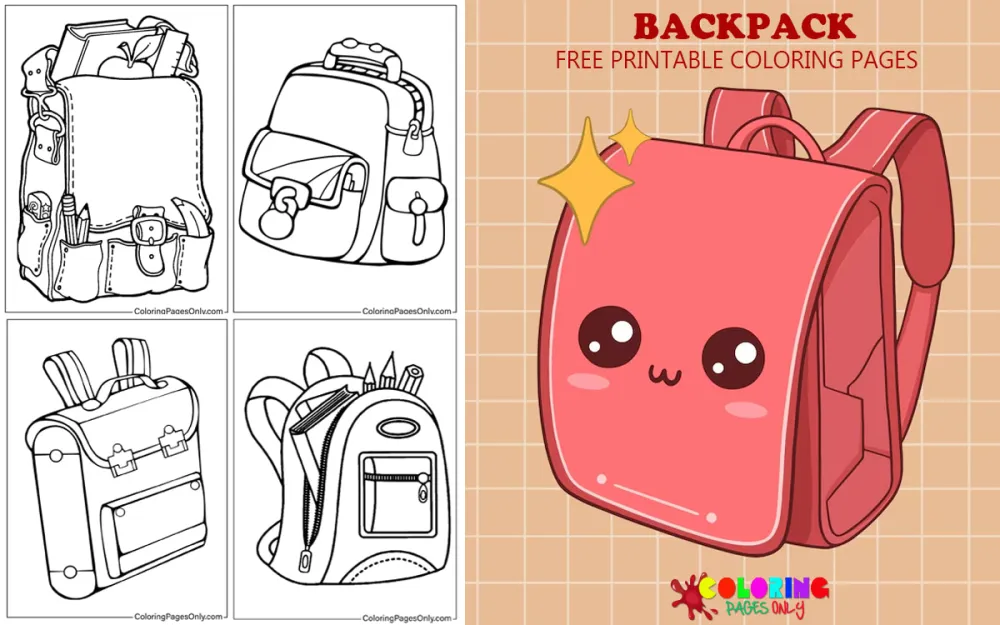
Free Backpack Coloring Pages: 64 printable PDF designs featuring school backpacks, travel packs, and cartoon-style bags with fantasy and nature themes. Each page can be downloaded as a PDF to print or colored online in the browser.
The modern backpack has roots in Henry Merriam’s 1878 patent for a metal-framed knapsack designed for the US Army, though the design most people recognize today came much later. Gerry Cunningham’s outdoor gear company added the first zippered backpack in 1938 and released an early lightweight nylon pack in 1967. JanSport, founded in Seattle by Murray Pletz and Jan Lewis in the late 1960s, began selling a nylon daypack out of a University of Washington bookstore around 1970. Students started using the hiking-style bag to carry books instead of the shoulder straps and leather bundles common at the time, and the school backpack spread from college campuses to schools nationwide over the following decade. The American Academy of Pediatrics now recommends that a child’s loaded backpack weigh no more than 10 to 20 percent of their body weight, and that it be worn on both shoulders. This collection reflects the backpack’s dual identity as both a school essential and a travel companion, with a wide range of decorative styles.
The set spans 64 pages, ranging from simple classic backpack outlines to detailed cartoon, fantasy, and travel-themed designs.
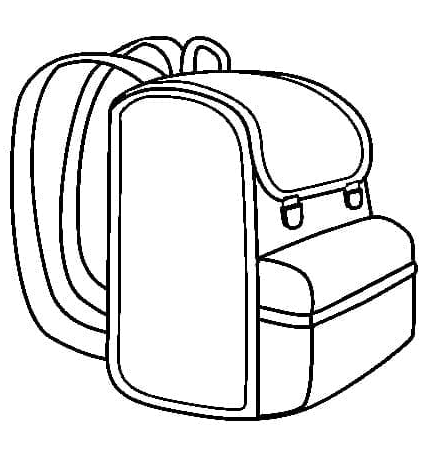
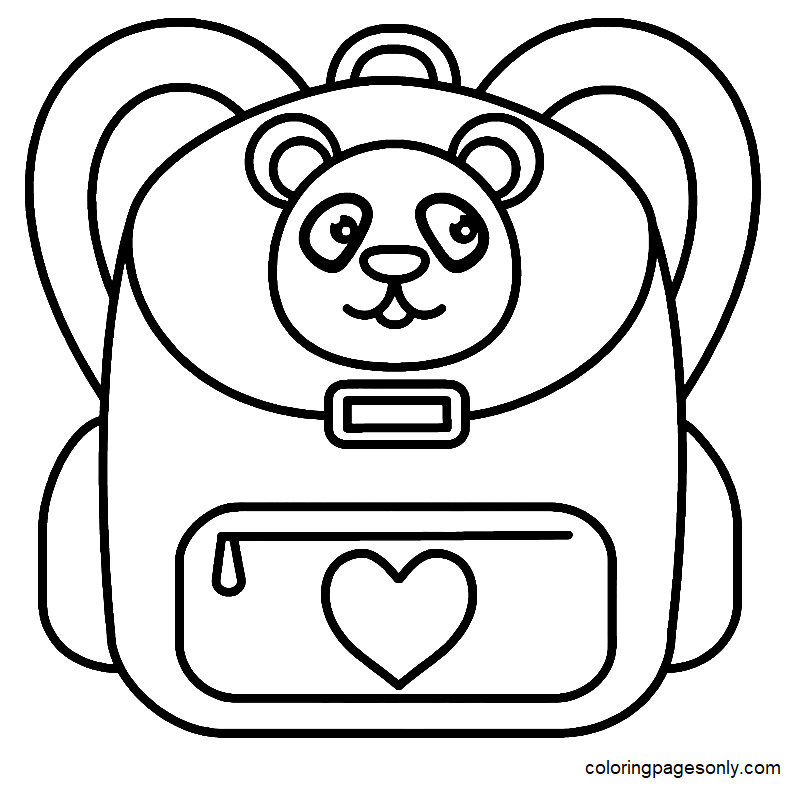
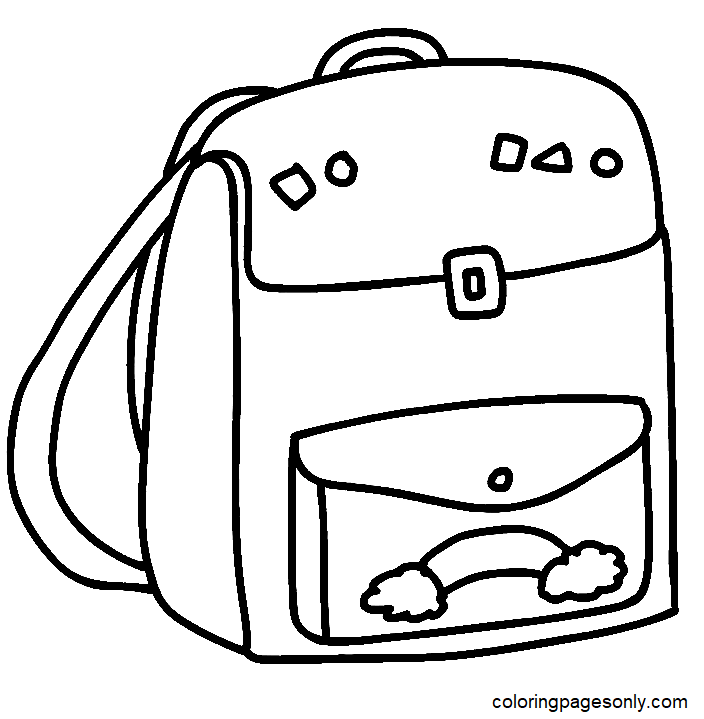
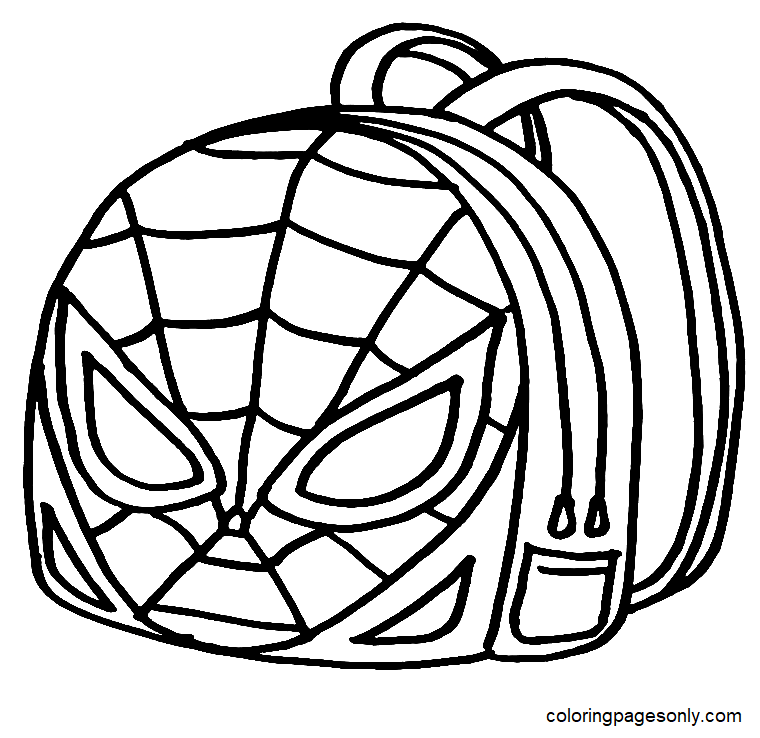

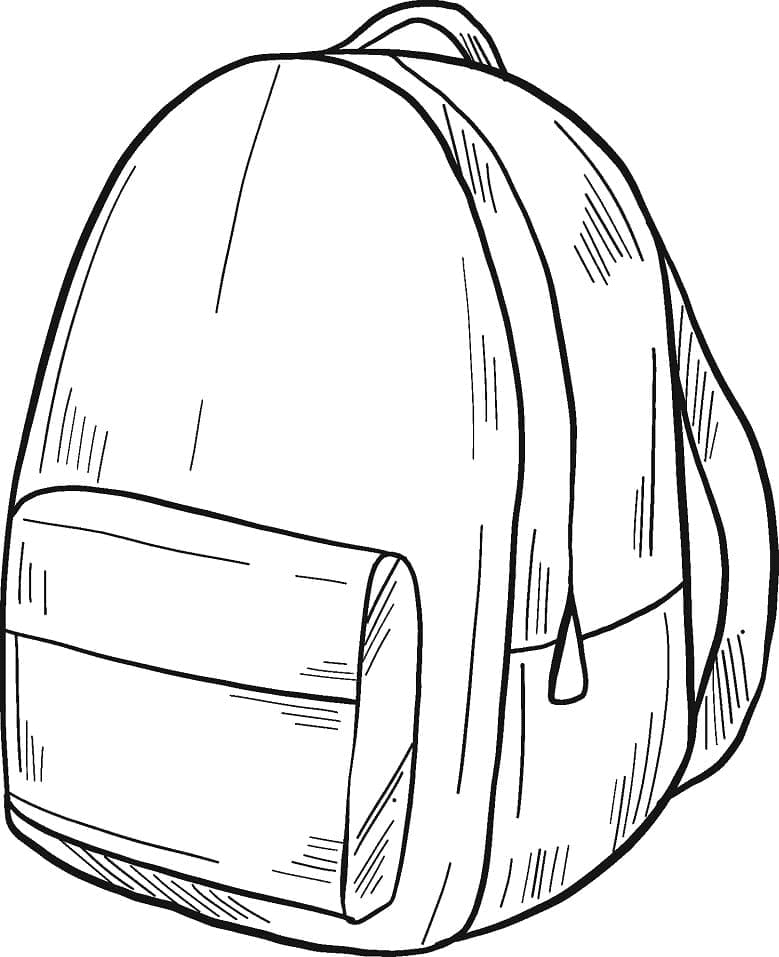
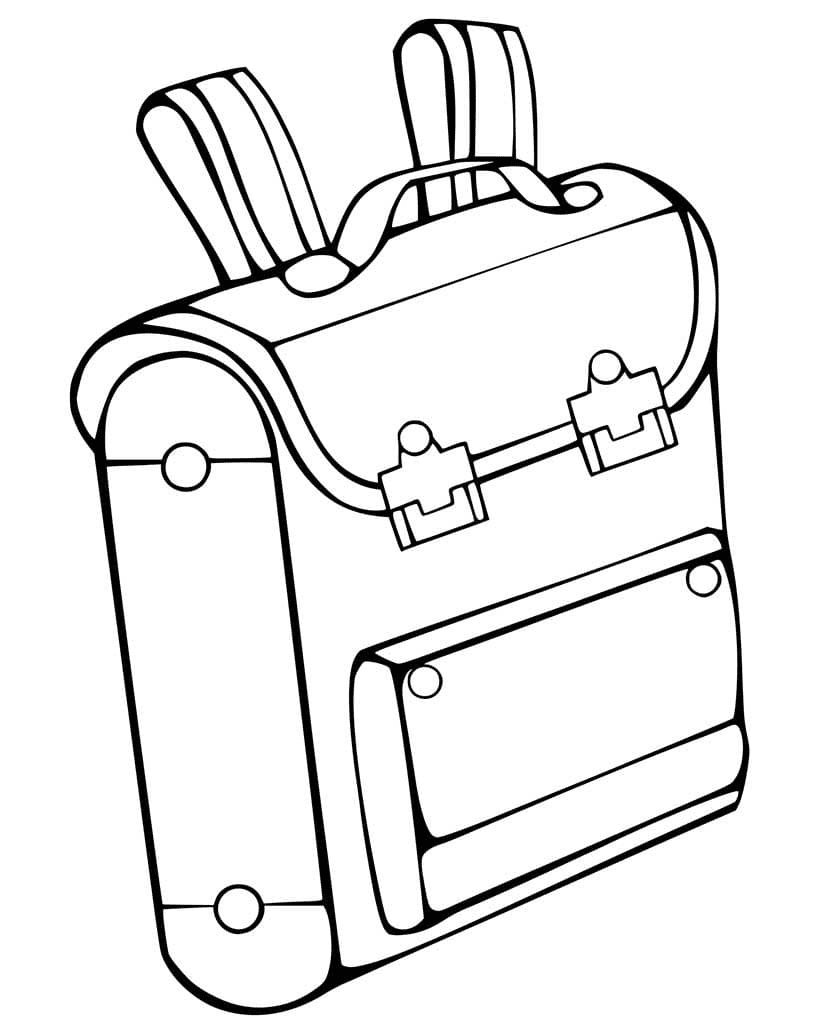
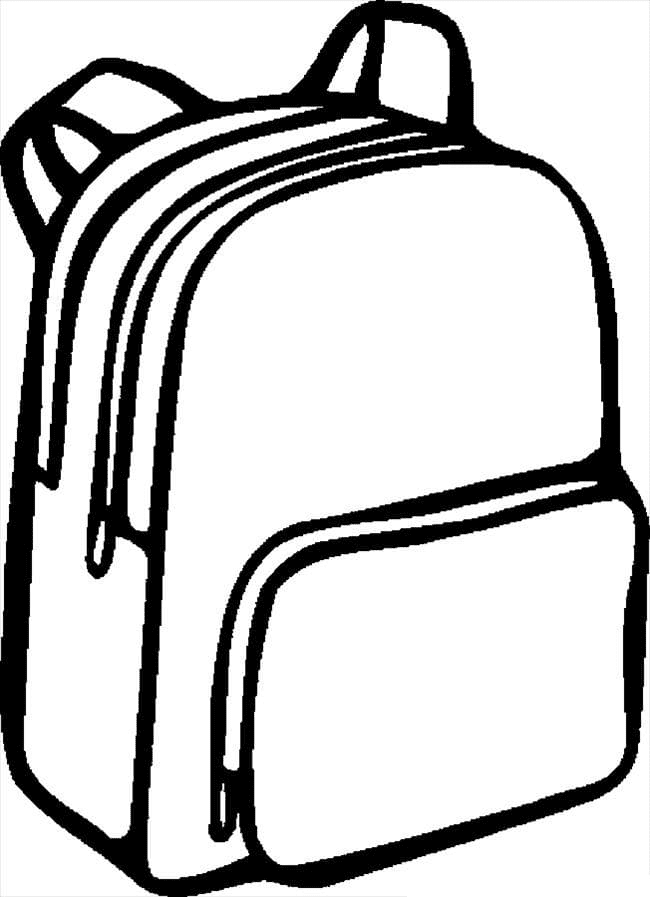
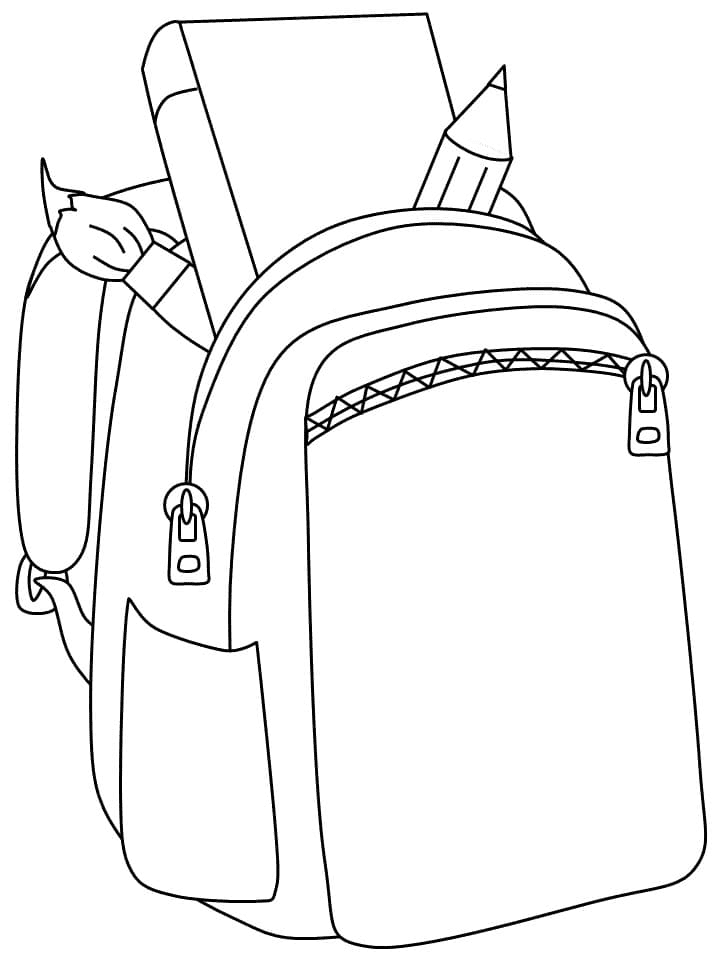

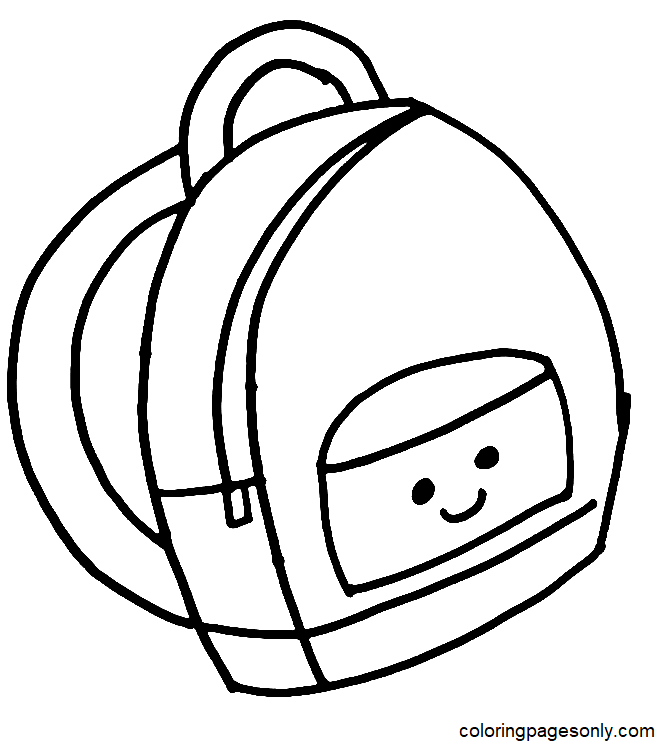
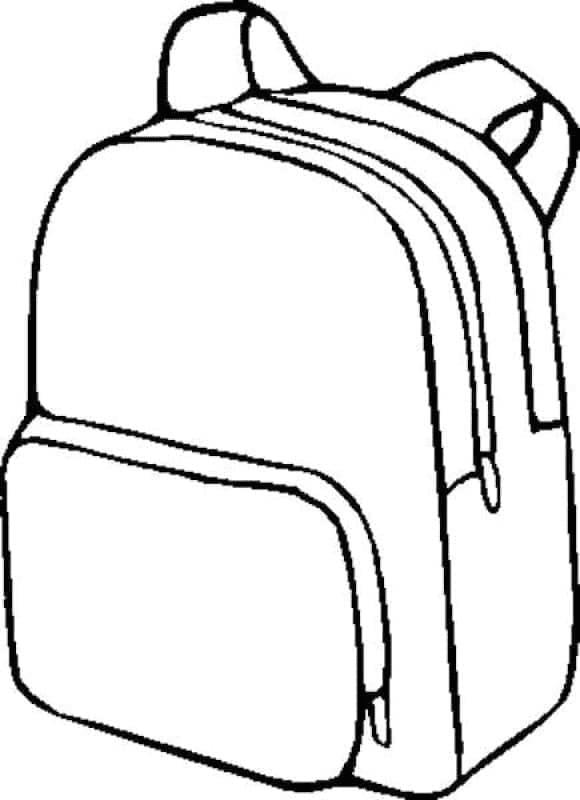
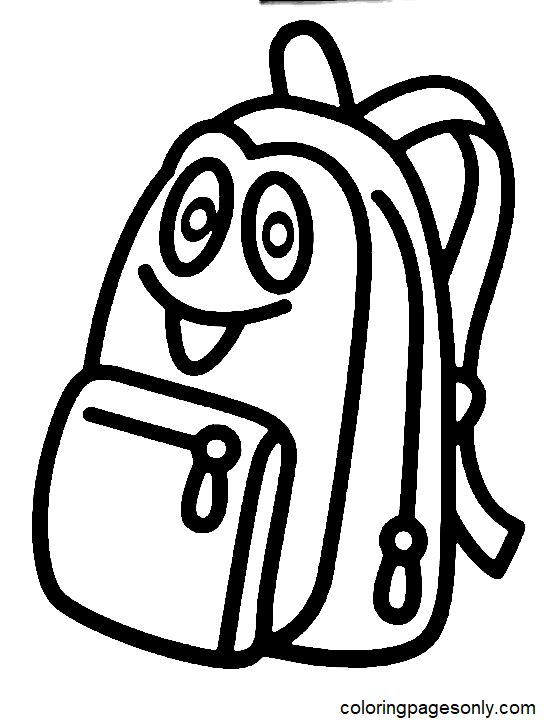
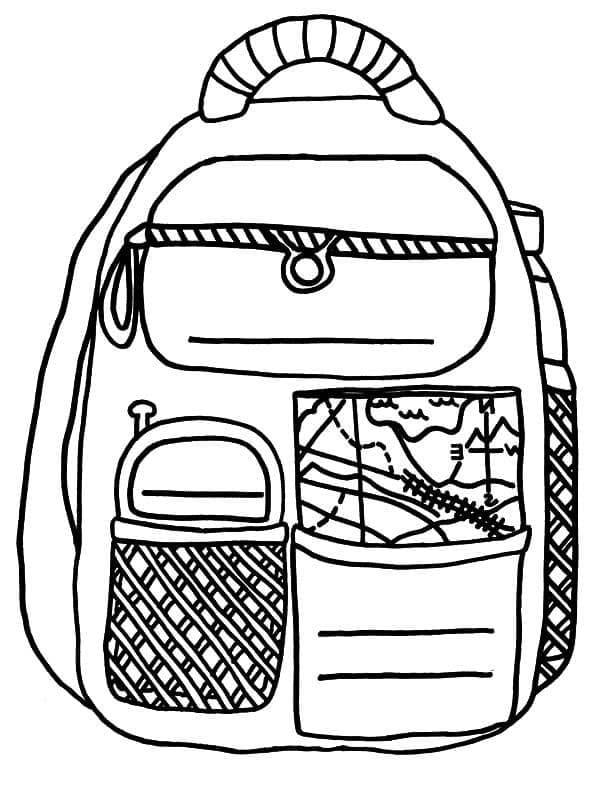





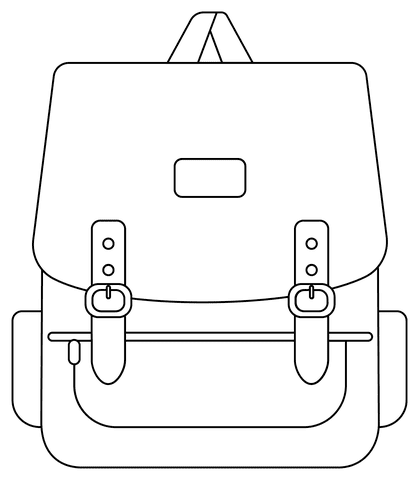

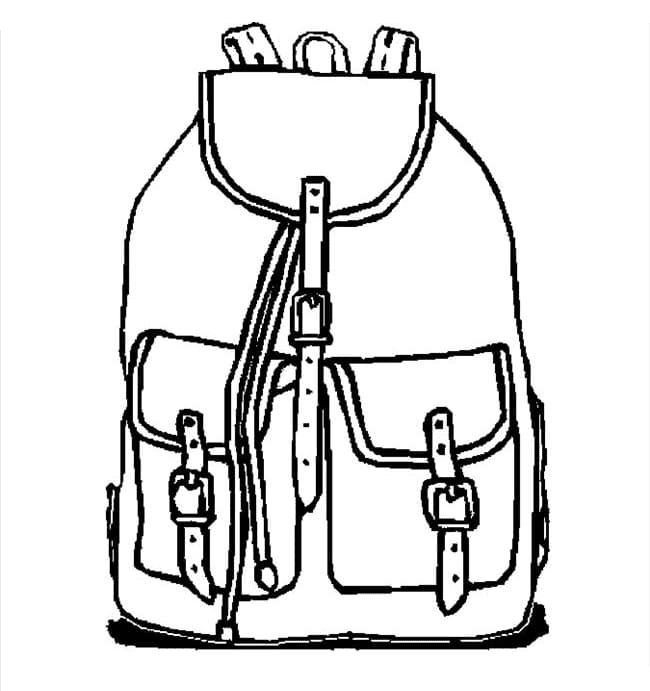
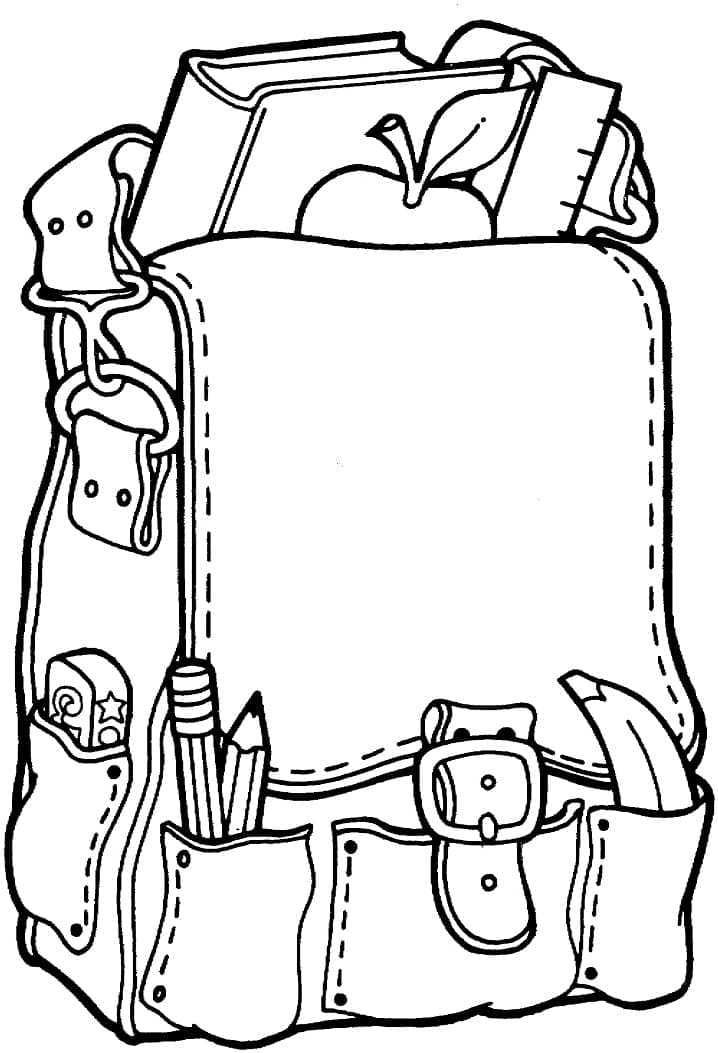
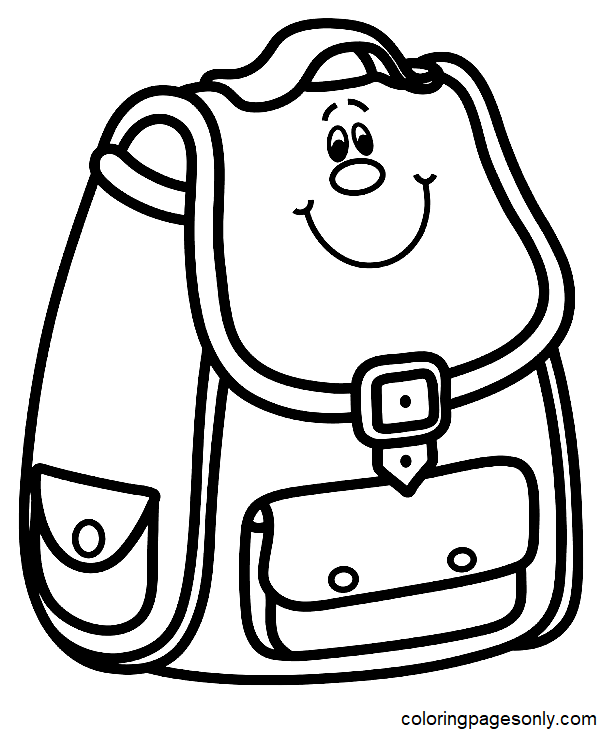
What Is Inside This Collection
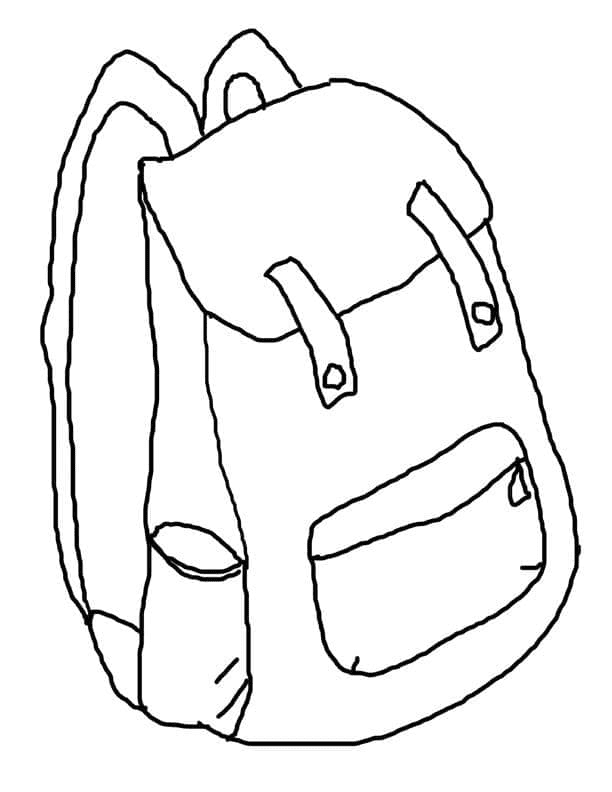
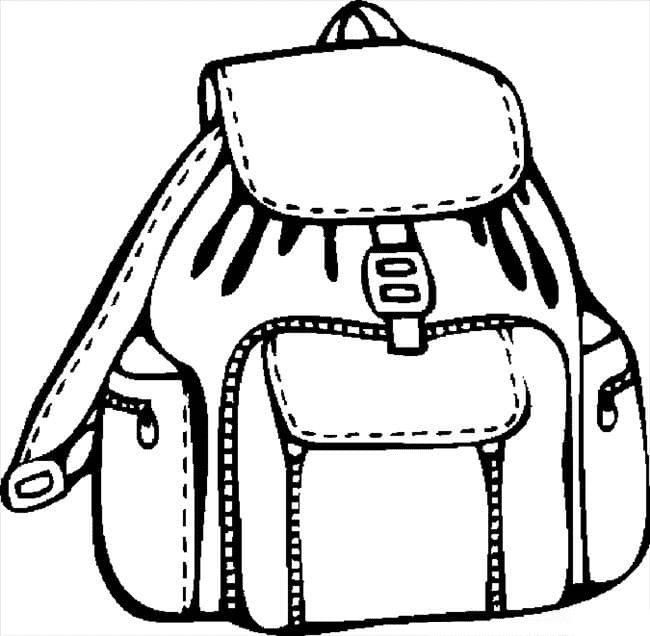
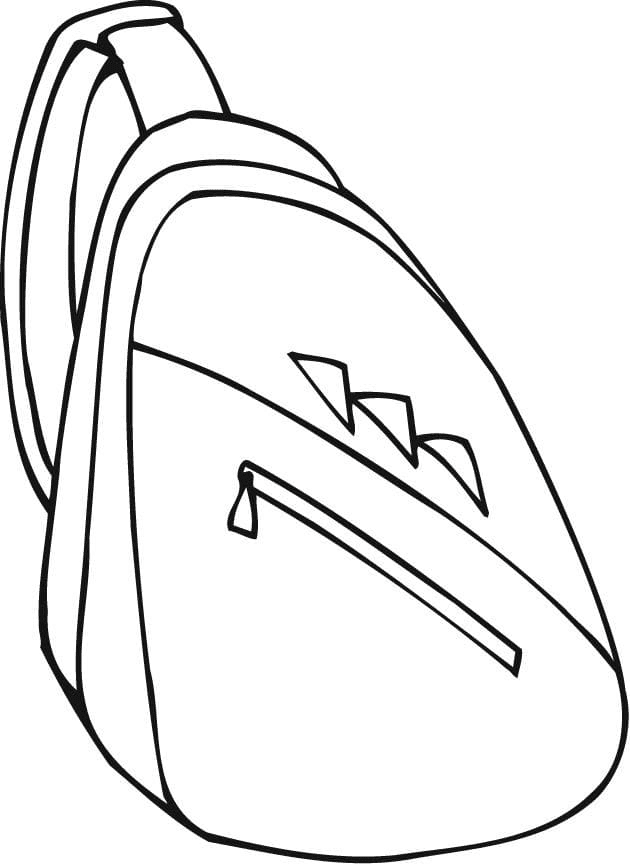
The 64 designs group into a few recurring types, from classic school bags to fantasy-themed designs.
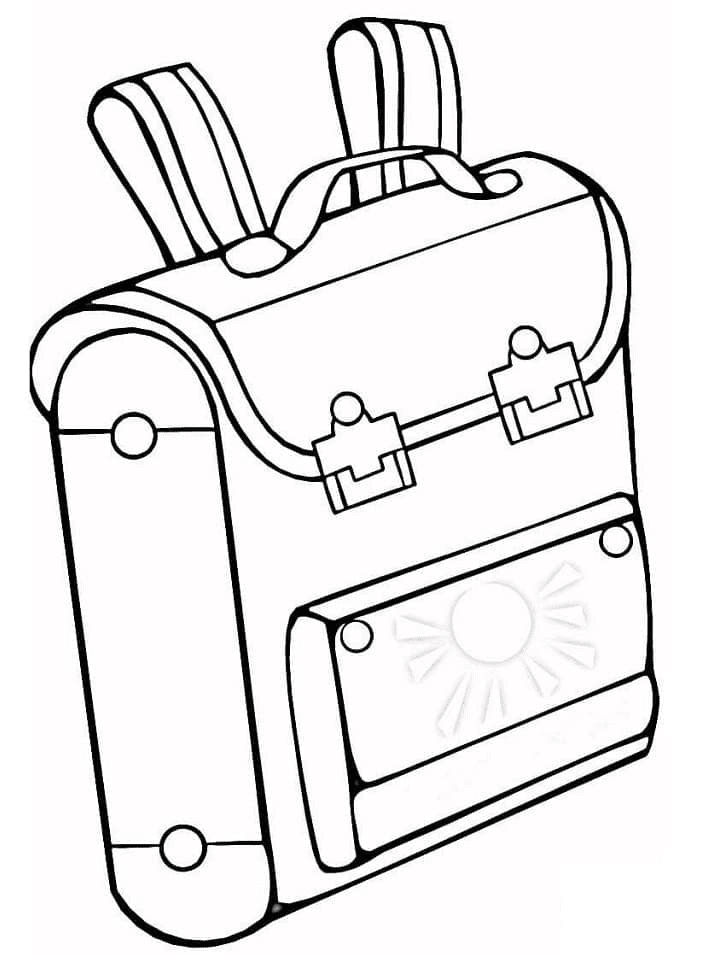
Classic School Backpacks
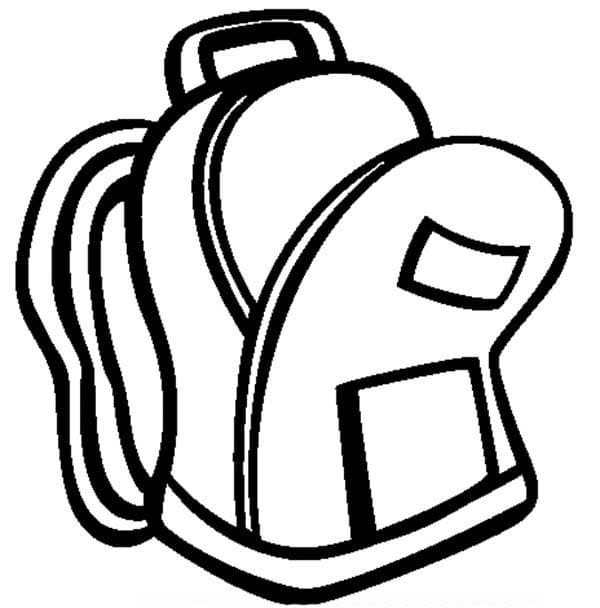
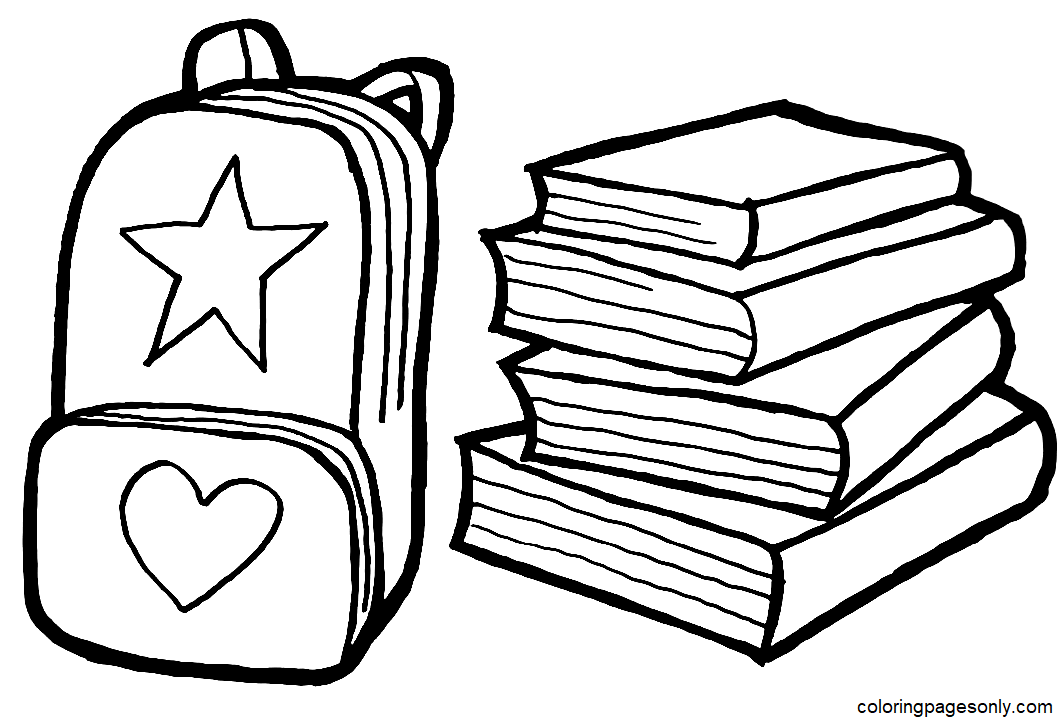
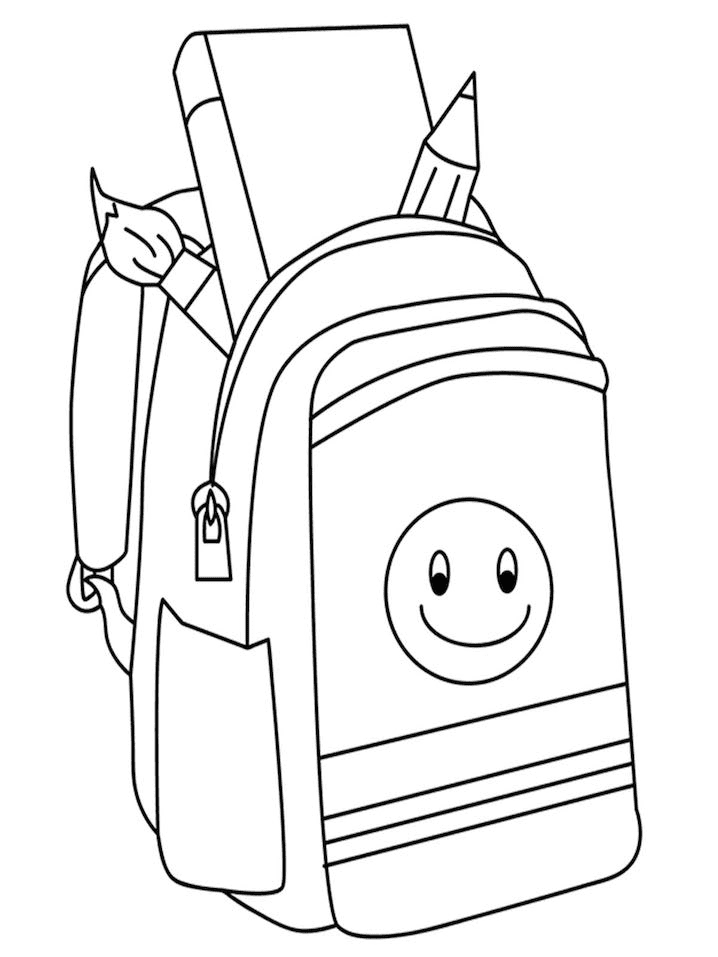
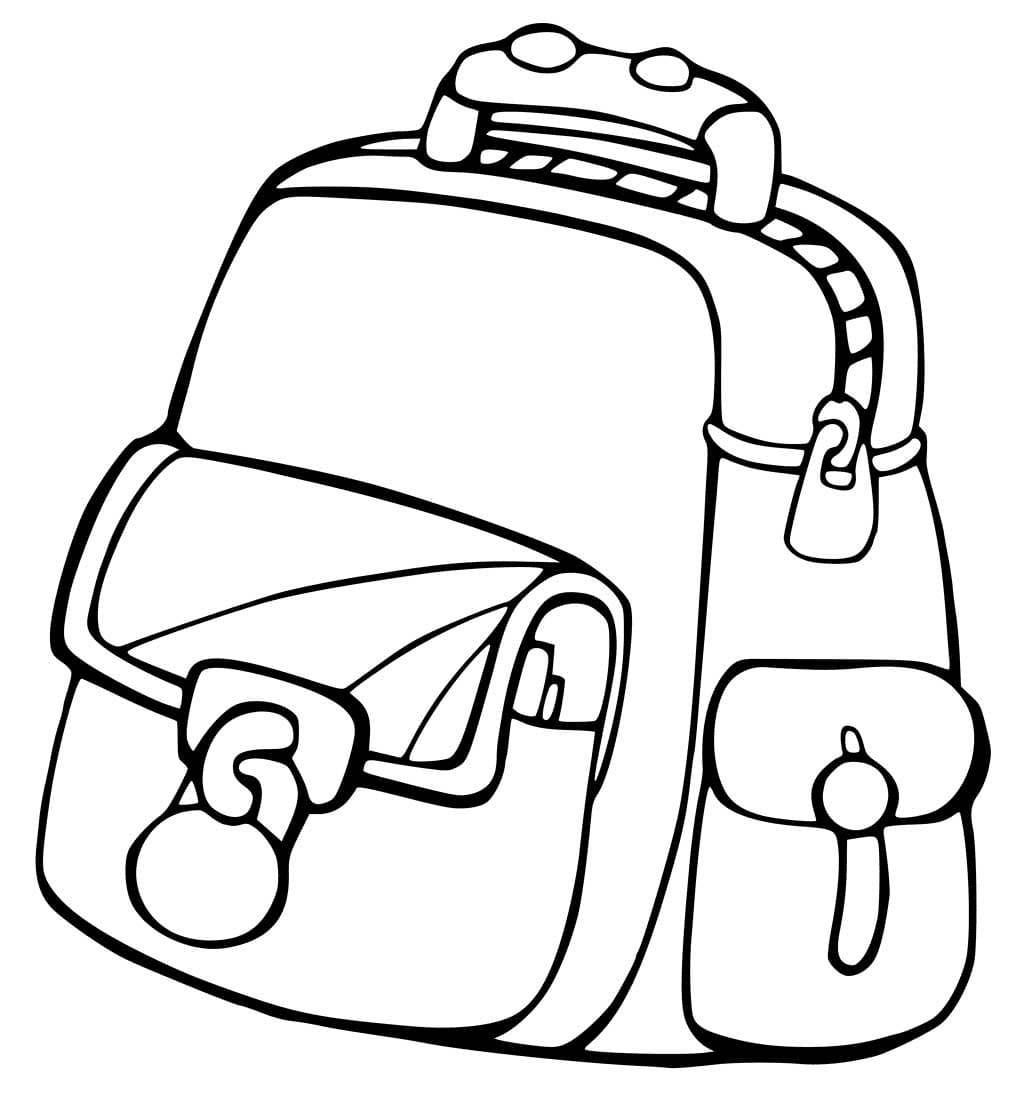
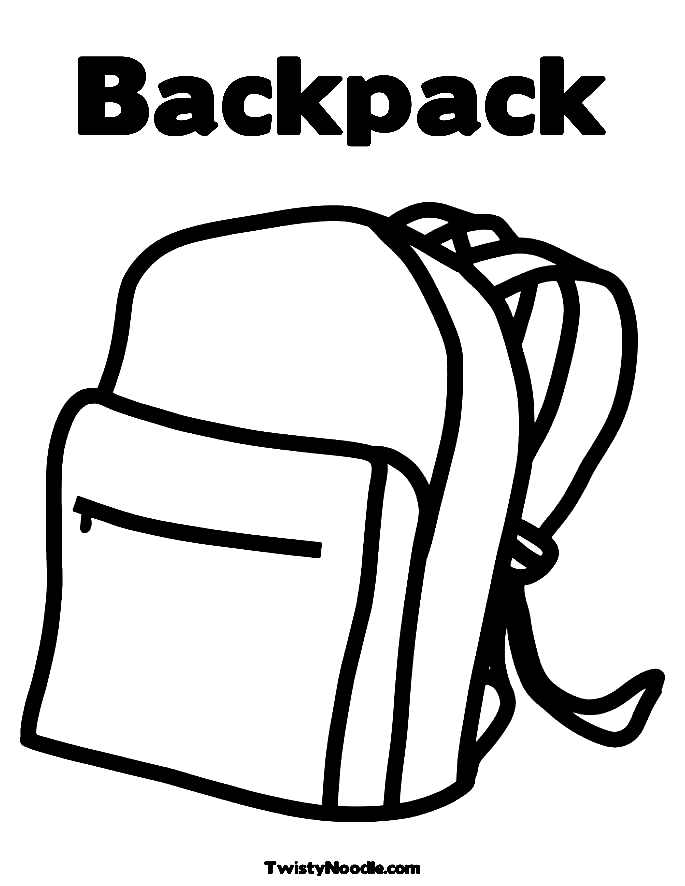
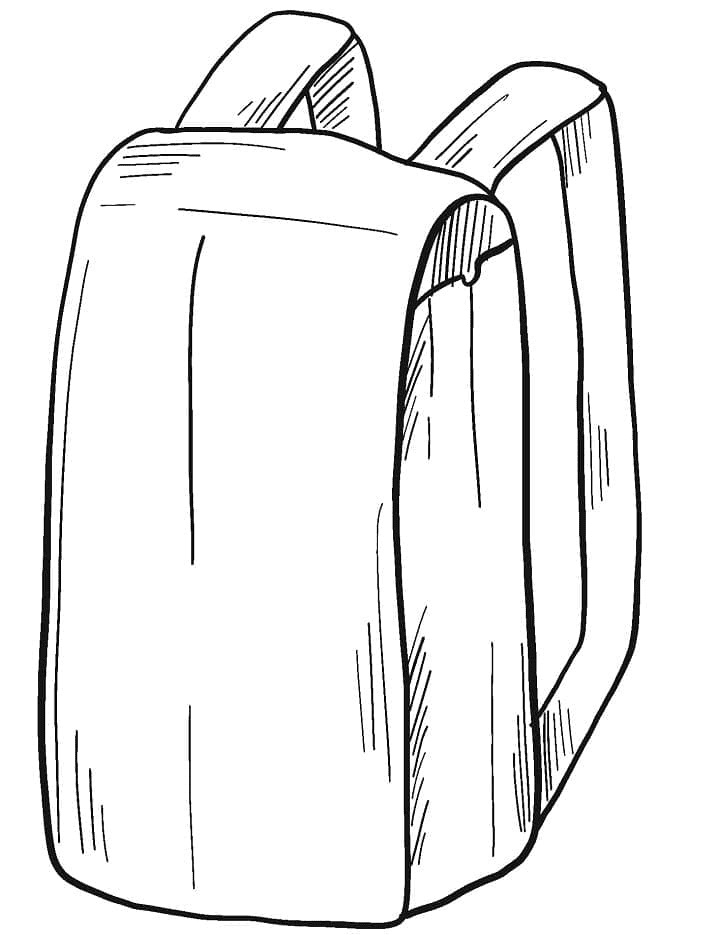
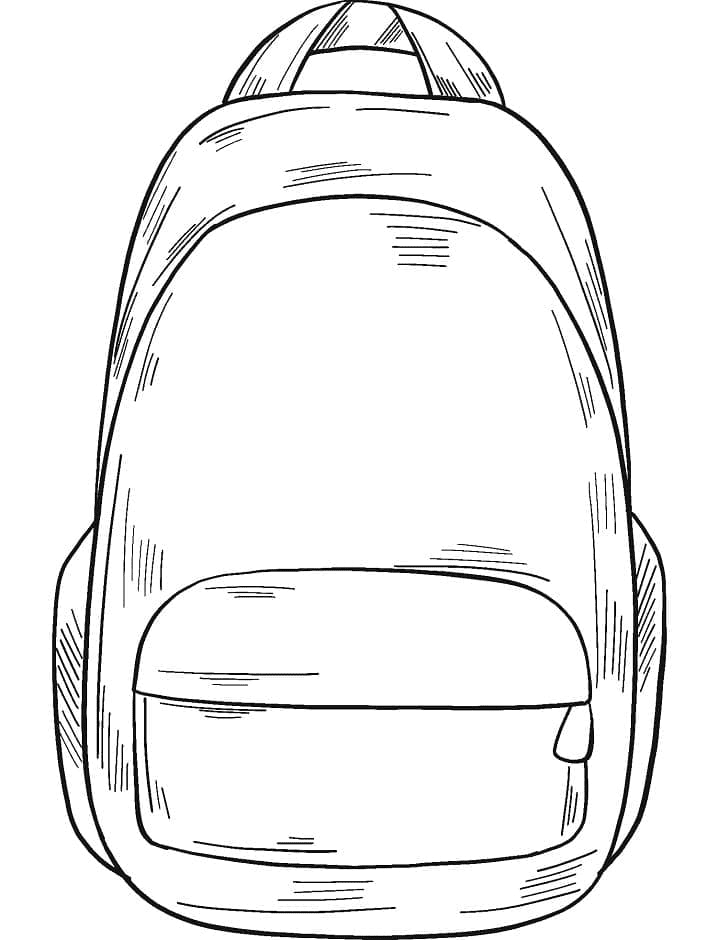
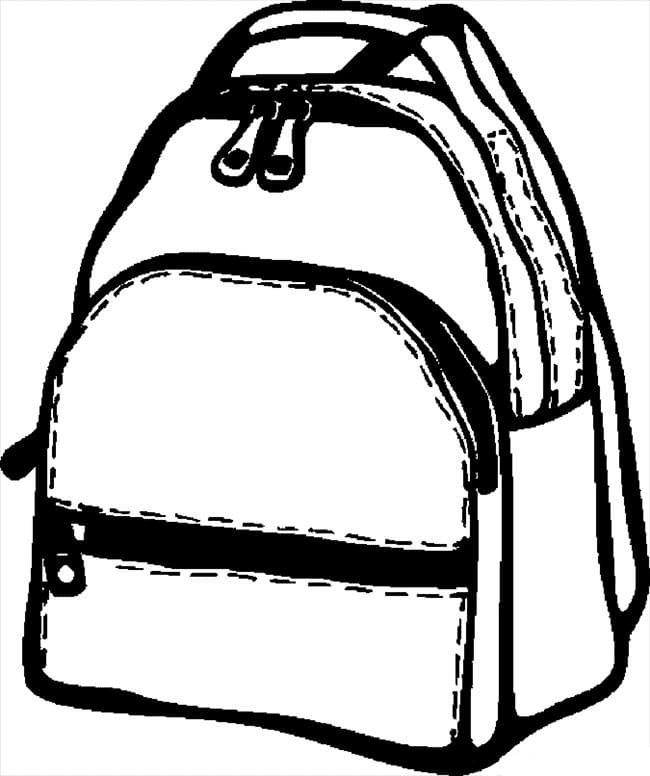
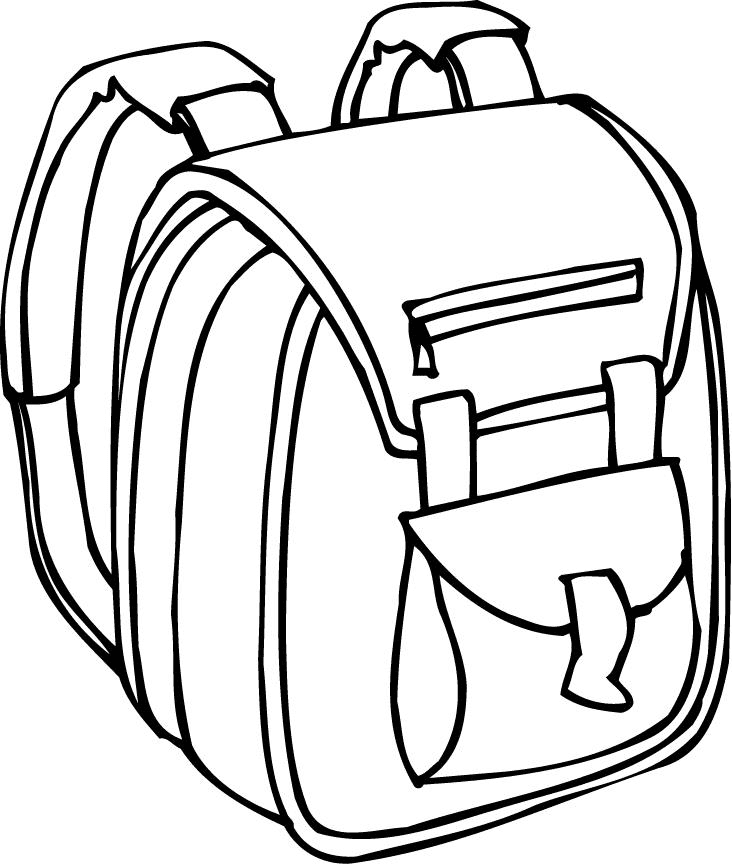
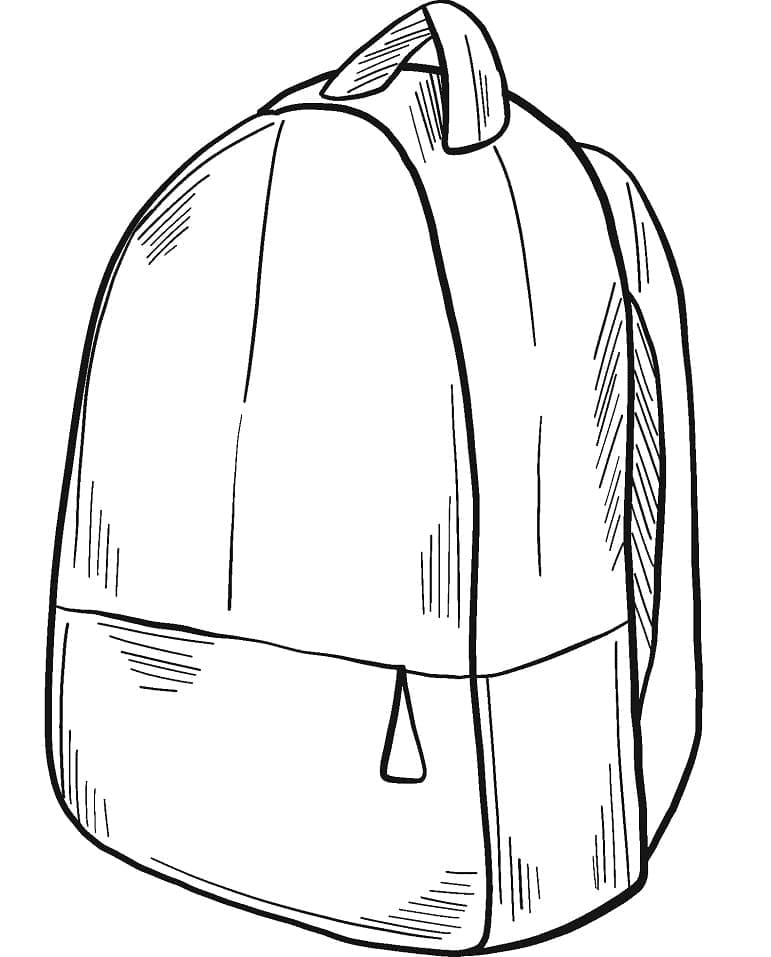
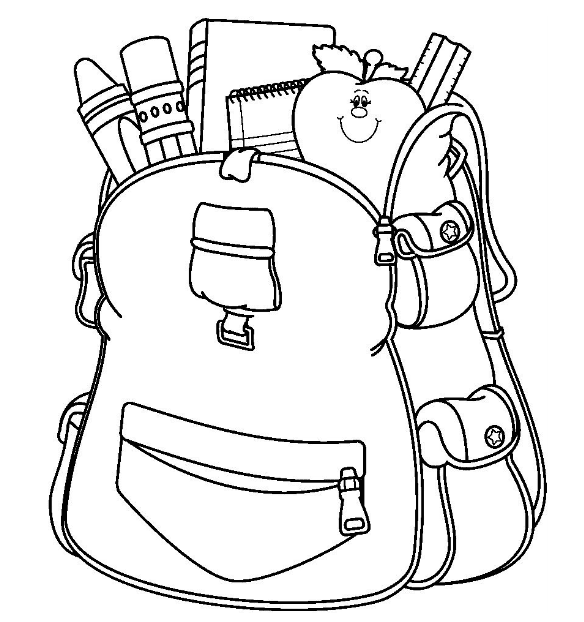
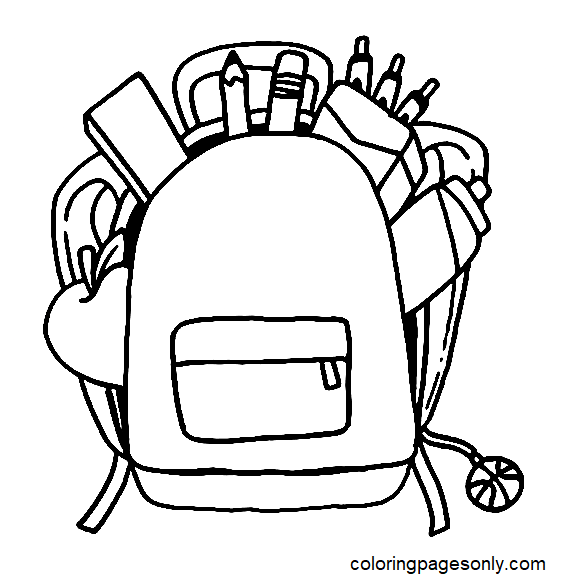
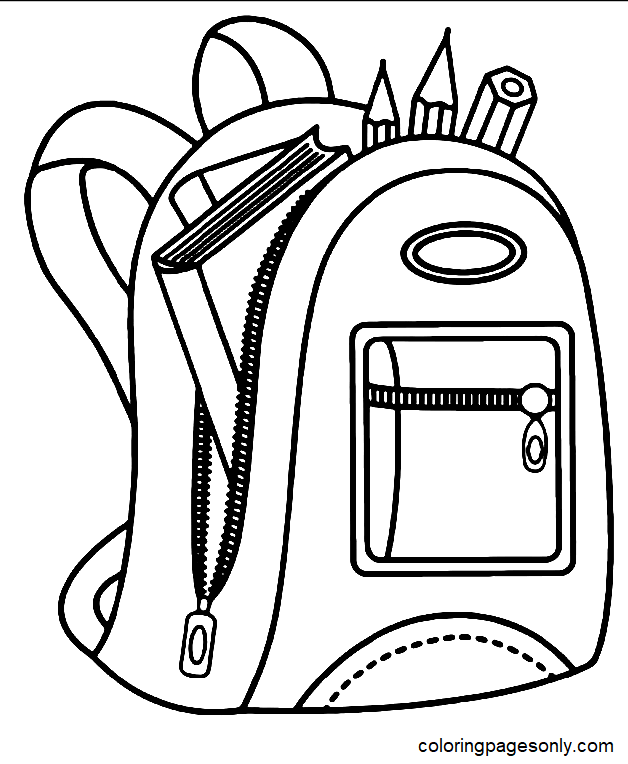
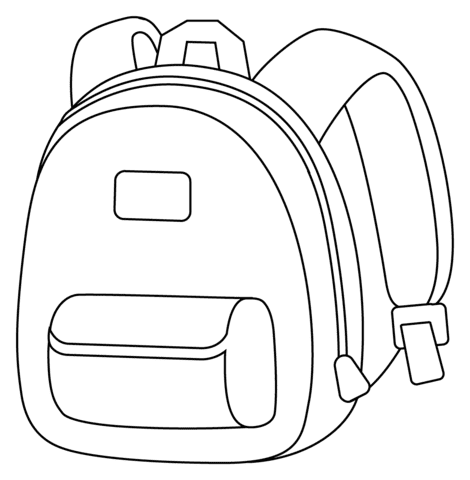
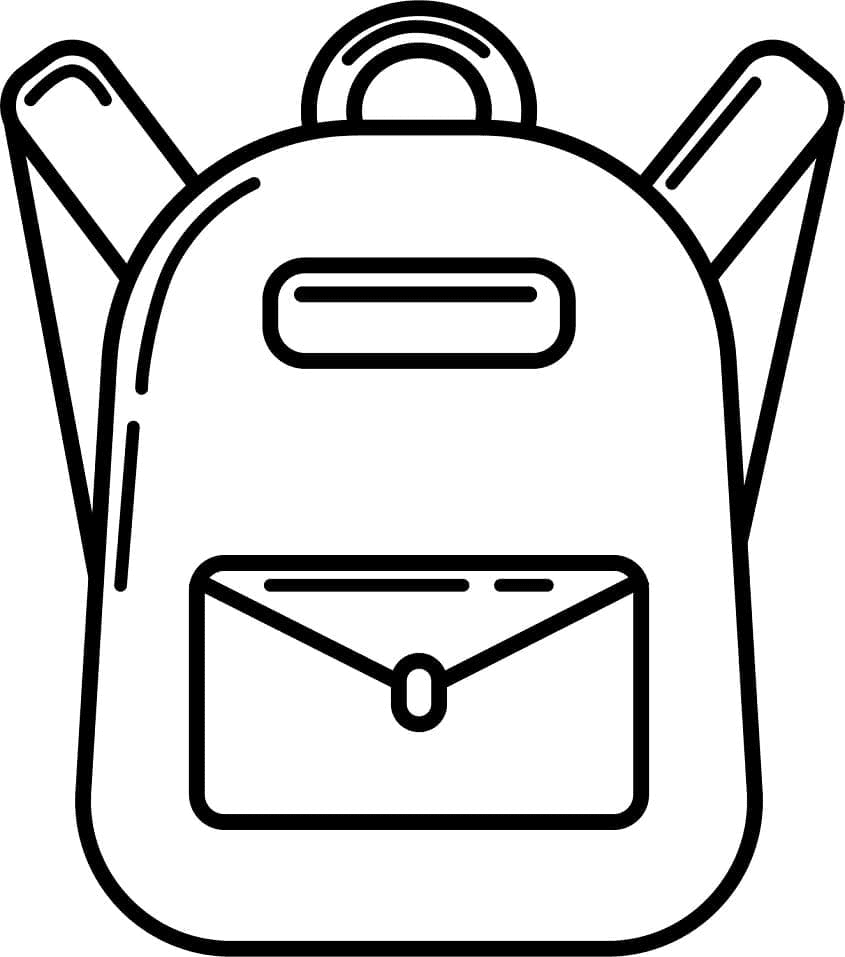
A large group of pages shows traditional school backpacks, some filled with notebooks, pencils, and rulers, capturing the everyday bag used to carry supplies to class.
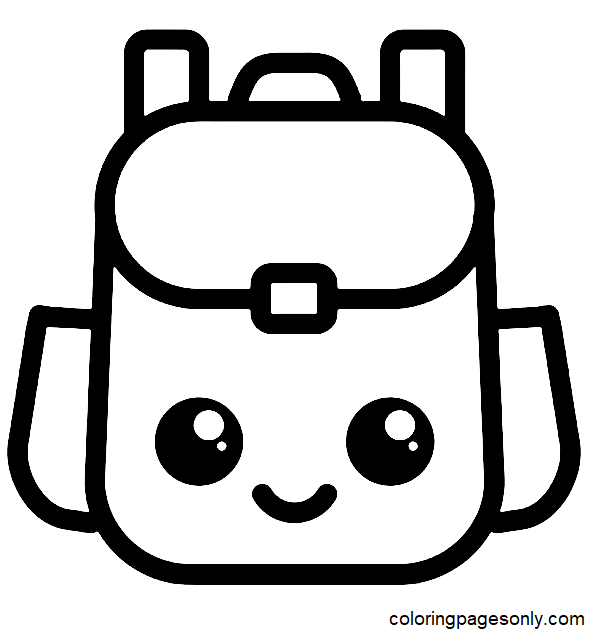
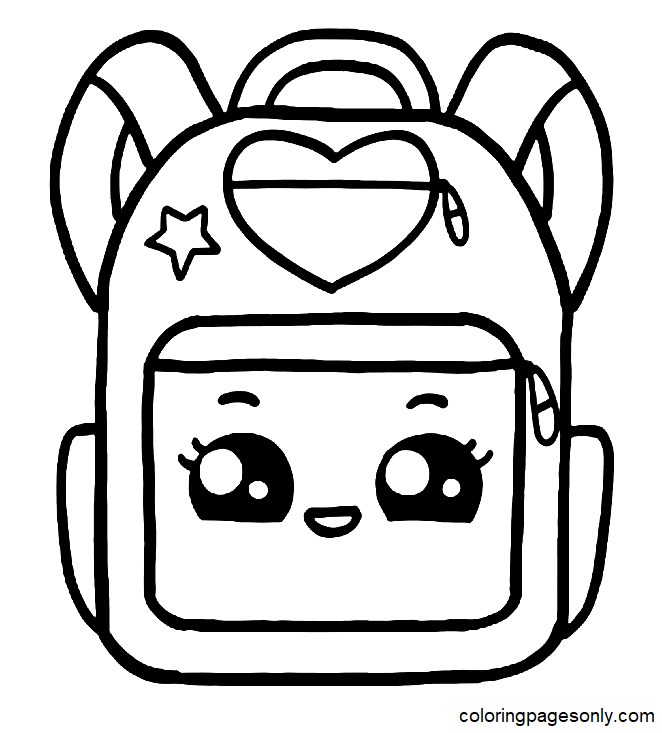
Cute and Cartoon-Style Designs
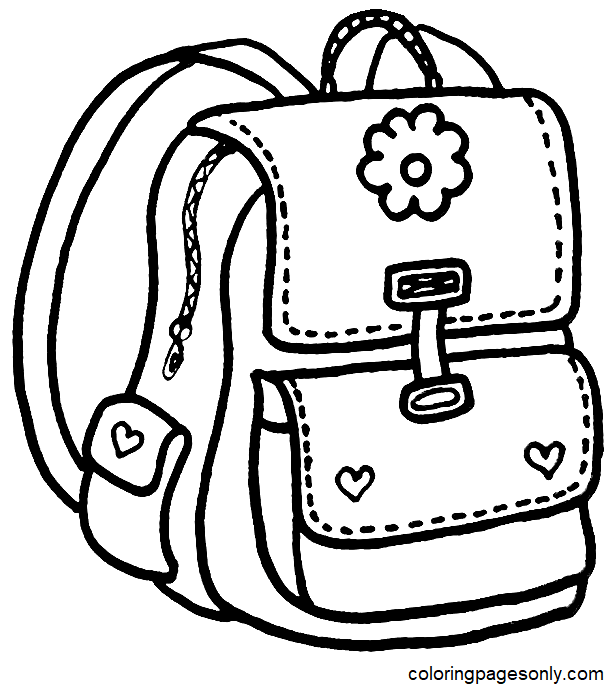
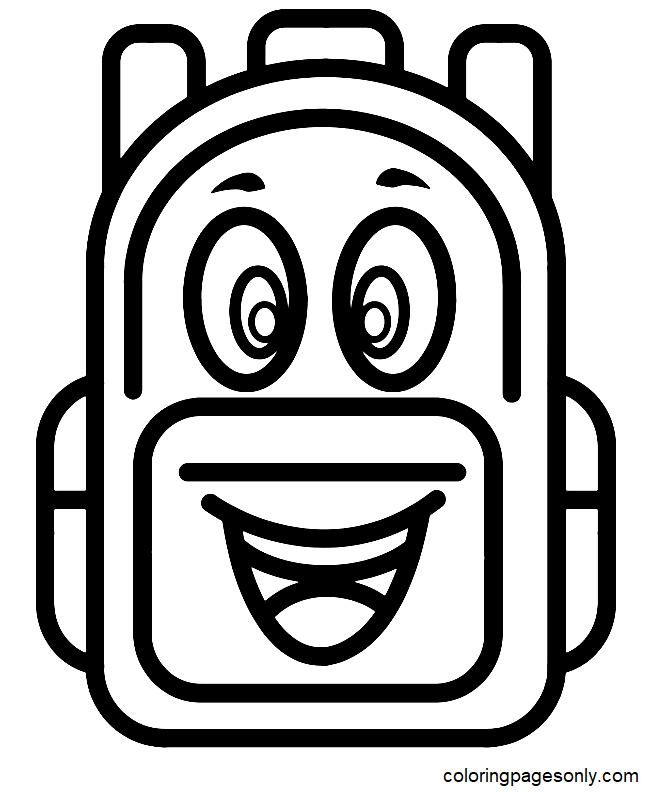
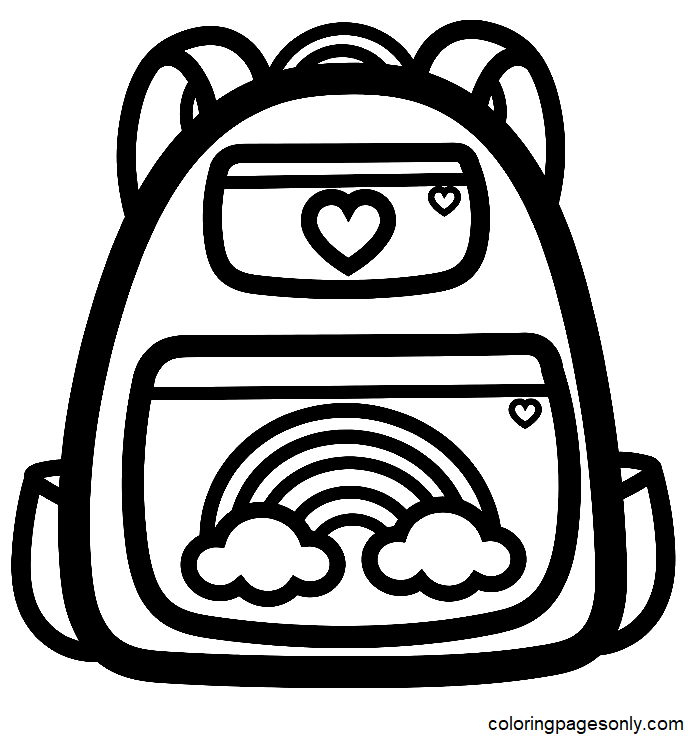
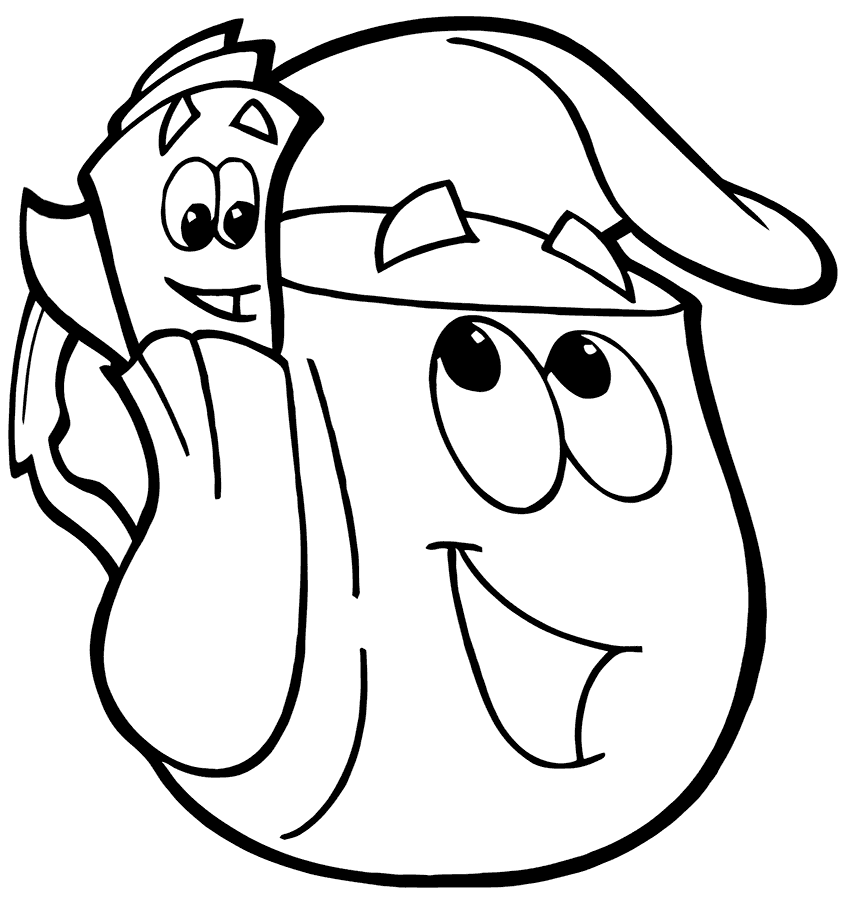
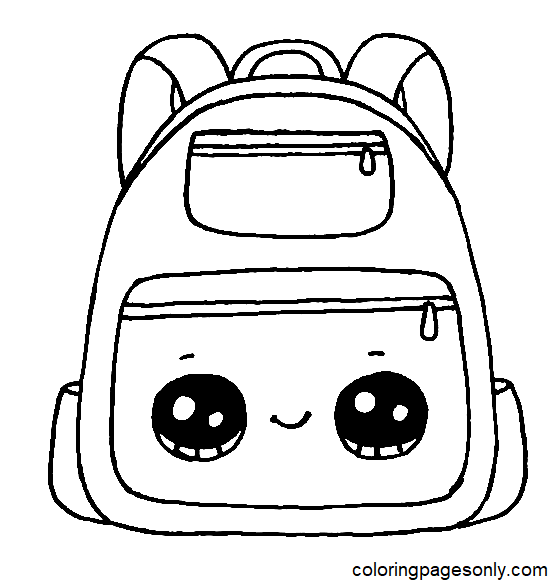
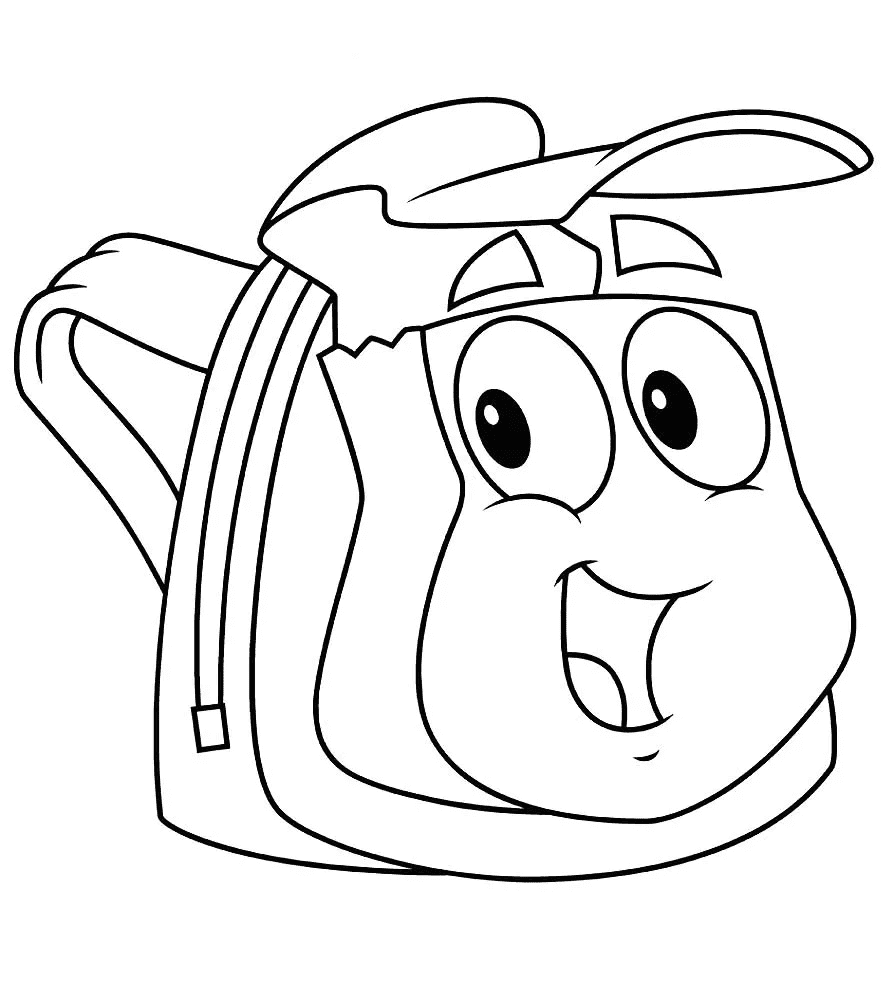
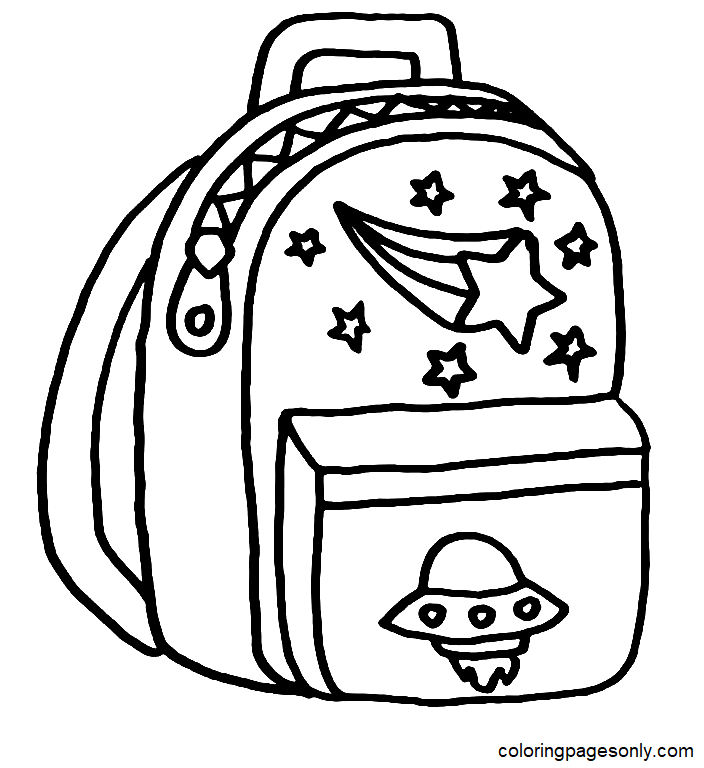
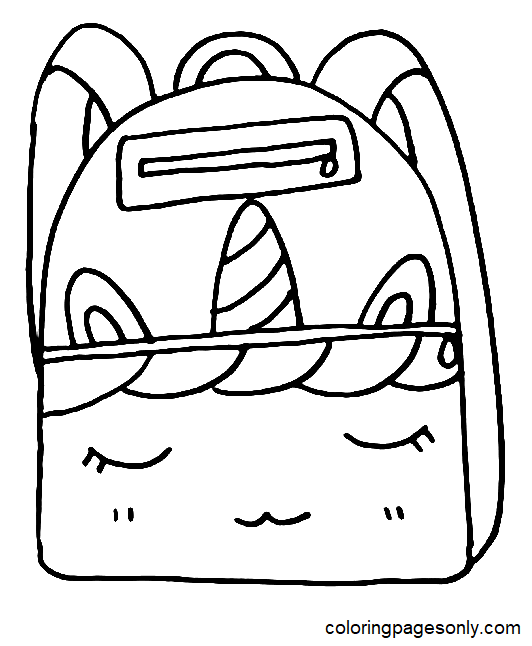
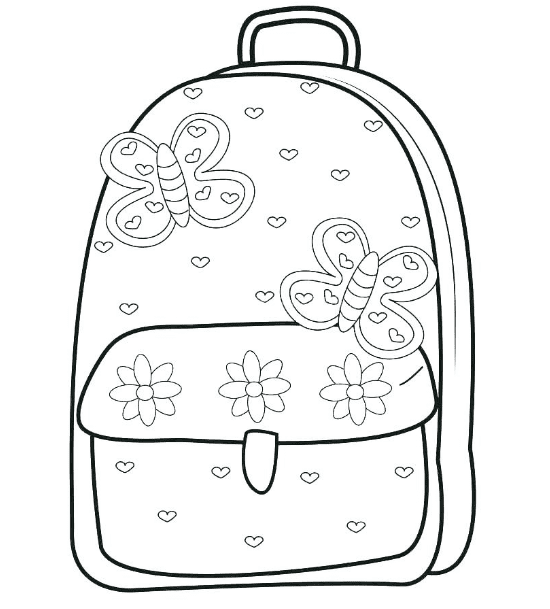
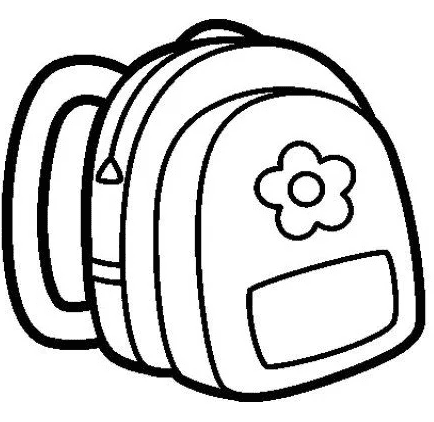
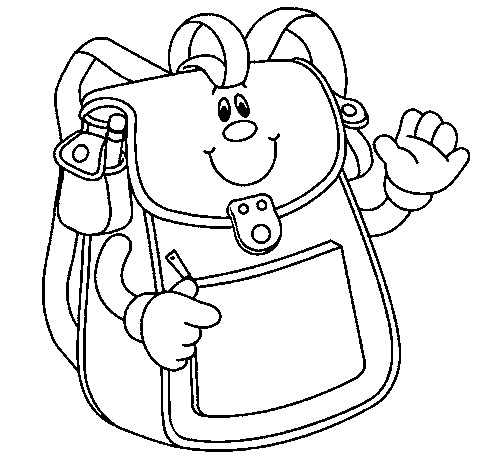
Several pages give the backpack a playful, cartoon look, complete with faces, bright patterns, or details like a butterfly or flower motif on the front pocket.
Fantasy and Themed Backpacks
A number of pages lean into fantasy and adventure themes, including a unicorn-decorated backpack and other imaginative designs beyond a plain school bag.
Travel and Camping Backpacks
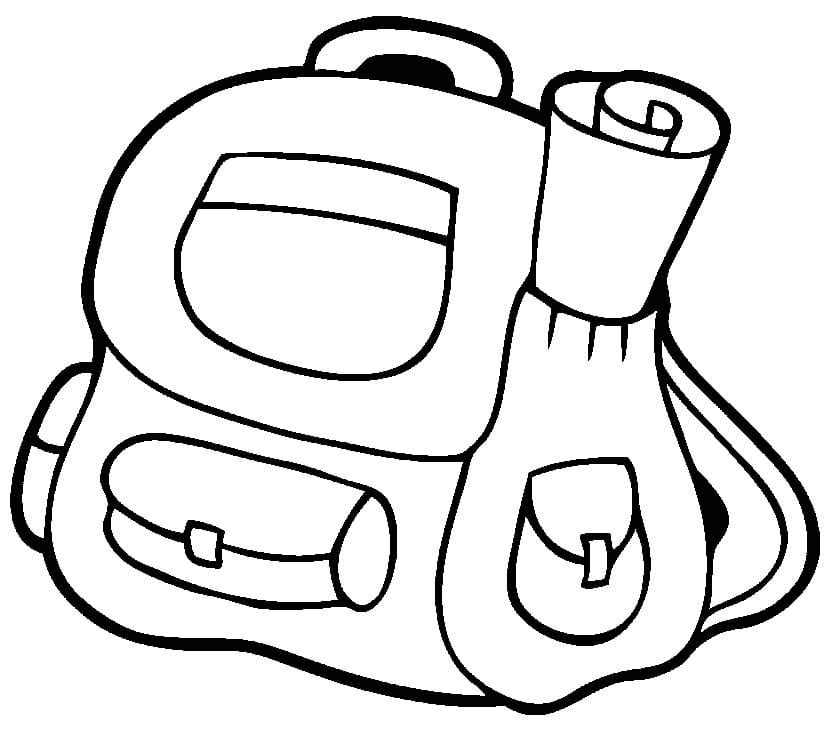
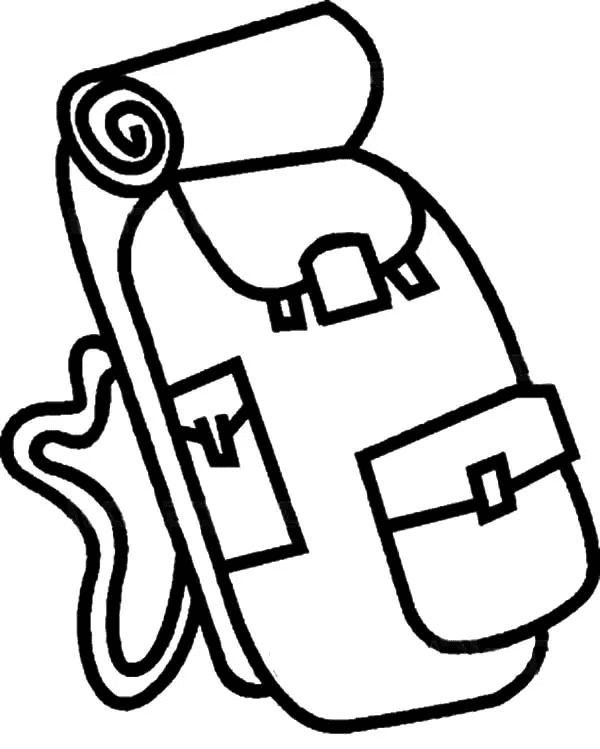
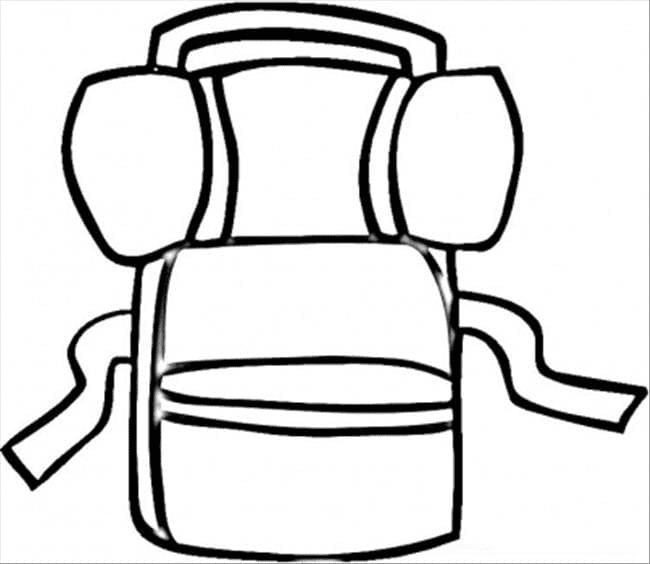
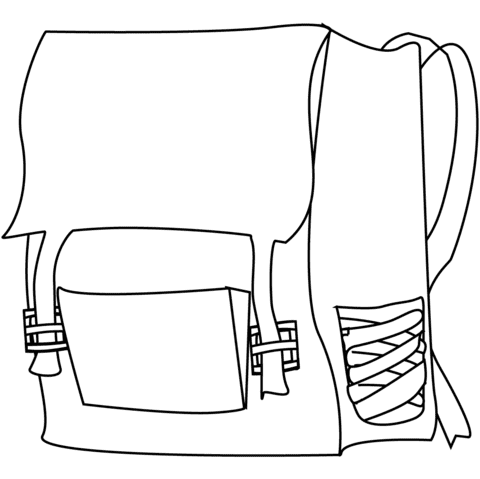
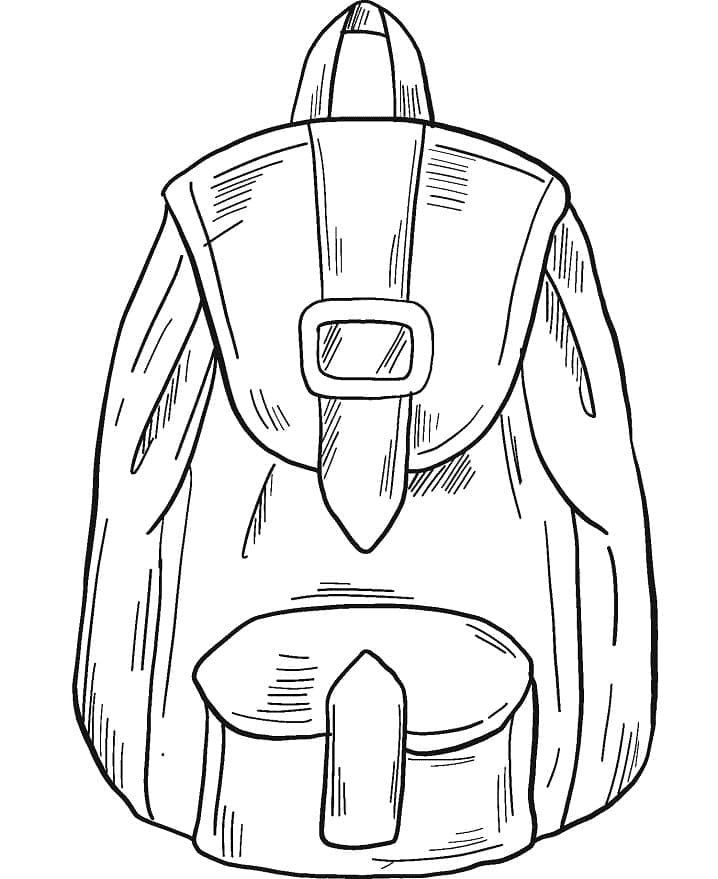
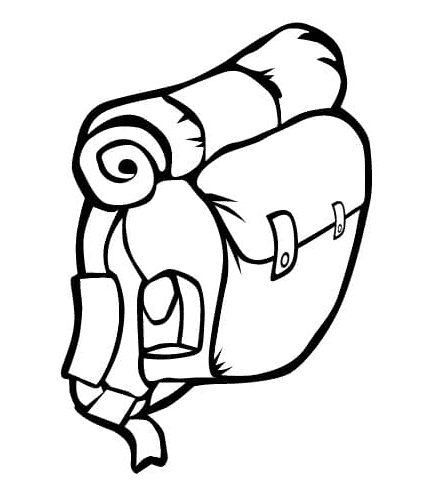
A smaller group of pages shows backpacks built for travel and the outdoors, including a camping pack with straps and pockets sized for gear rather than books.
What Backpack Coloring Pages Do
Fine motor development. The American Academy of Pediatrics identifies fine motor skill development as a core benefit of structured coloring for children ages 2 through 7. The mix of simple bag outlines and more detailed strap and pocket work gives colorers of different skill levels a matching level of detail to work with.
A hands-on way to prepare for a new school year. Coloring a backpack page in the weeks before school starts gives kids a low-pressure way to get familiar with an object they will use every day, which can help build positive associations with the return to school.
Anxiety reduction through focus. A 2005 study in the Art Therapy Journal documented measurable reductions in anxiety following structured coloring sessions. A short coloring session can offer that same calming, low-pressure focus during a busy back-to-school or travel-prep week.
A starting point for design thinking. Because these pages leave the backpack’s pattern and color scheme open, coloring one gives kids a simple way to practice picking a color scheme and carrying it consistently across an object’s different parts.
How to Color Backpack Pages Well
- Main body: Pick one dominant Crayola color, such as Blue, Red, or Violet, for the largest panel of the bag to anchor the design before adding accent colors.
- Straps and zippers: Use Black or Gray for zippers and buckles, and a slightly darker shade of the main body color for the straps so they read as part of the same bag.
- Front pocket details: Flowers, butterflies, or patches on the front pocket work well in a contrasting bright color, such as Yellow or Magenta, so the detail stands out against the main body.
- School supplies: For pages showing pencils, notebooks, or rulers peeking out of the bag, use Yellow for pencils and varied Notebook cover colors to keep each item recognizable.
- Fantasy and cartoon details: Pastel colors like Lavender and Sky Blue suit unicorn and cartoon-style backpacks, while a Gold or Silver accent adds a bit of sparkle to a decorative design.
- Camping and travel packs: Use Olive Green, Brown, or Burnt Orange for outdoor-style backpacks, which reads as more practical and rugged than the brighter tones used for school bags.
5 Creative Craft Ideas With Backpack Coloring Pages
1. Packing List Pairing
Color a backpack page, then write a list next to it of what the child would pack inside for a school day or a trip.
2. First Day of School Keepsake
Color a backpack page and write the child’s name and grade on it to keep as a simple first-day-of-school keepsake.
3. Classroom Decoration
Color several backpack pages as a group, cut out the finished designs, and use them to decorate a classroom bulletin board at the start of the year.
4. Sticker Sheet
Color several small backpack designs, cut them out, and attach them to sticker paper or clear tape to make a custom sticker sheet.
5. Backpack Story Starter
Color a travel or camping backpack page and use it as a prompt to write or tell a short story about where the backpack has been.
Frequently Asked Questions
What are backpack coloring pages?
Backpack coloring pages are printable line-art designs of backpacks in a range of styles, including school bags, cartoon designs, fantasy themes, and travel or camping packs. This collection includes 64 pages, ranging from simple outlines to detailed themed designs.
When did backpacks become common for school use?
The school backpack became common starting around 1970, when the company JanSport began selling a lightweight nylon hiking daypack that university students started using to carry books instead of straps or their arms. The trend spread from college campuses to schools nationwide over the following decade.
What is the earliest patented backpack design?
Henry Merriam patented an early backpack design called the Knapsack in 1878, built with an external metal frame for the US Army. The design was uncomfortable and did not stay popular, but it marked an early formal step toward the modern backpack.
How heavy should a child’s backpack be?
The American Academy of Pediatrics recommends that a child’s loaded backpack weigh no more than 10 to 20 percent of their body weight, and that it be worn on both shoulders rather than one to distribute the weight evenly.
What styles of backpacks appear in this collection?
The collection includes classic school backpacks, cartoon and cute-style designs, fantasy-themed bags such as a unicorn backpack, and travel or camping packs built for gear rather than books.
Can these pages be used for both school and travel themes?
Yes. The collection includes both school-focused designs, such as bags with books and supplies, and travel-focused designs, such as camping packs, making it suited to both back-to-school activities and trip-planning fun.
Are backpack coloring pages suitable for young children?
Yes. The simple, bold outlines in this collection work well for children ages 2 through 7, the age range the American Academy of Pediatrics associates with active fine motor skill development through coloring. The more detailed cartoon and travel designs suit older children.
Can these pages be used for a classroom activity?
Yes. The backpack pages work well as a first-day-of-school activity, a bulletin board decoration, or a simple prompt for a packing-list or storytelling exercise in the classroom.
Start Coloring
Download any page by clicking the design. No account, email, or payment is required. Pages print directly from the browser at full resolution or open in the online coloring tool for screen use. Share finished pages on Facebook or Pinterest with the share buttons at the top of each design page.