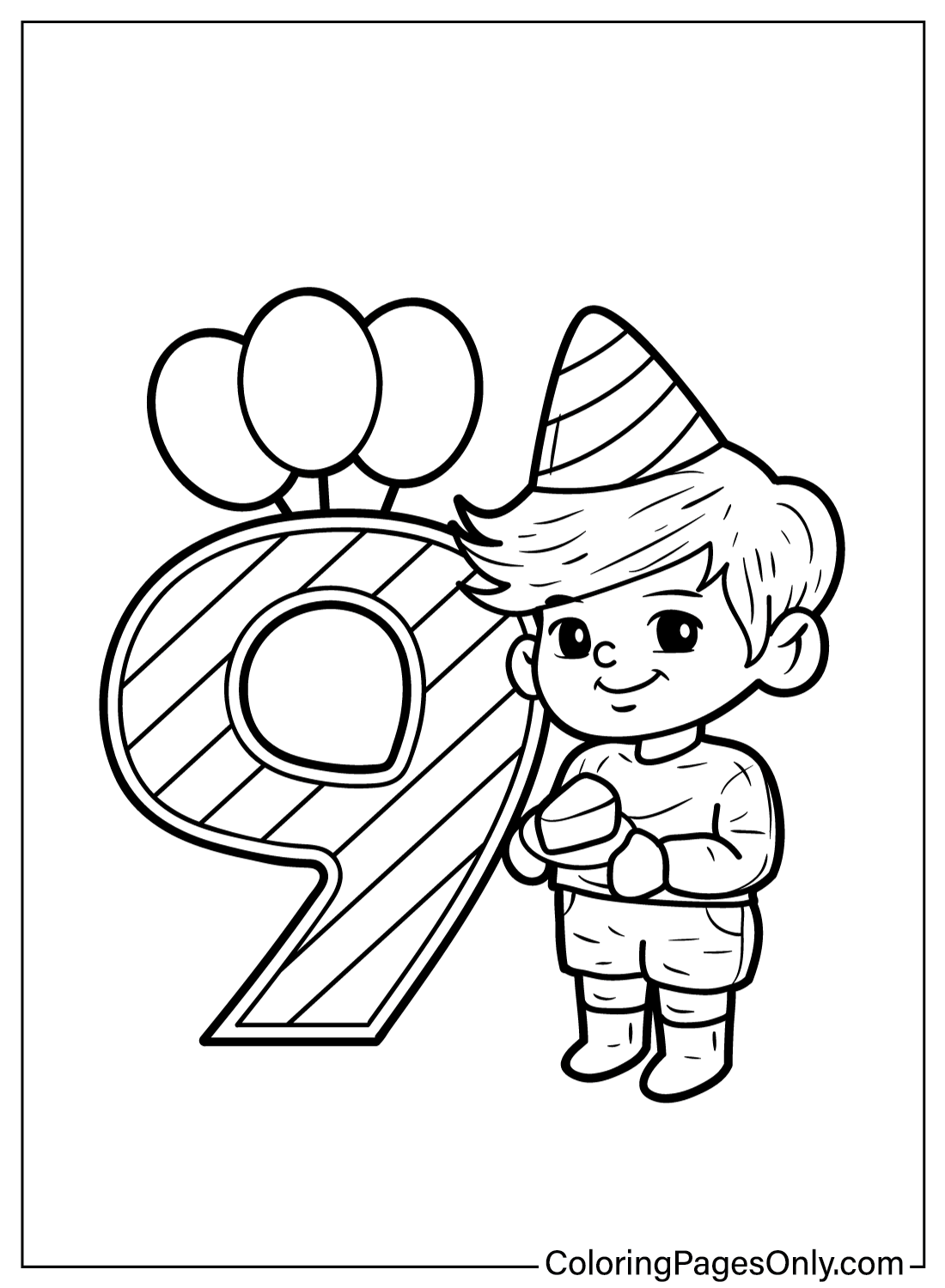
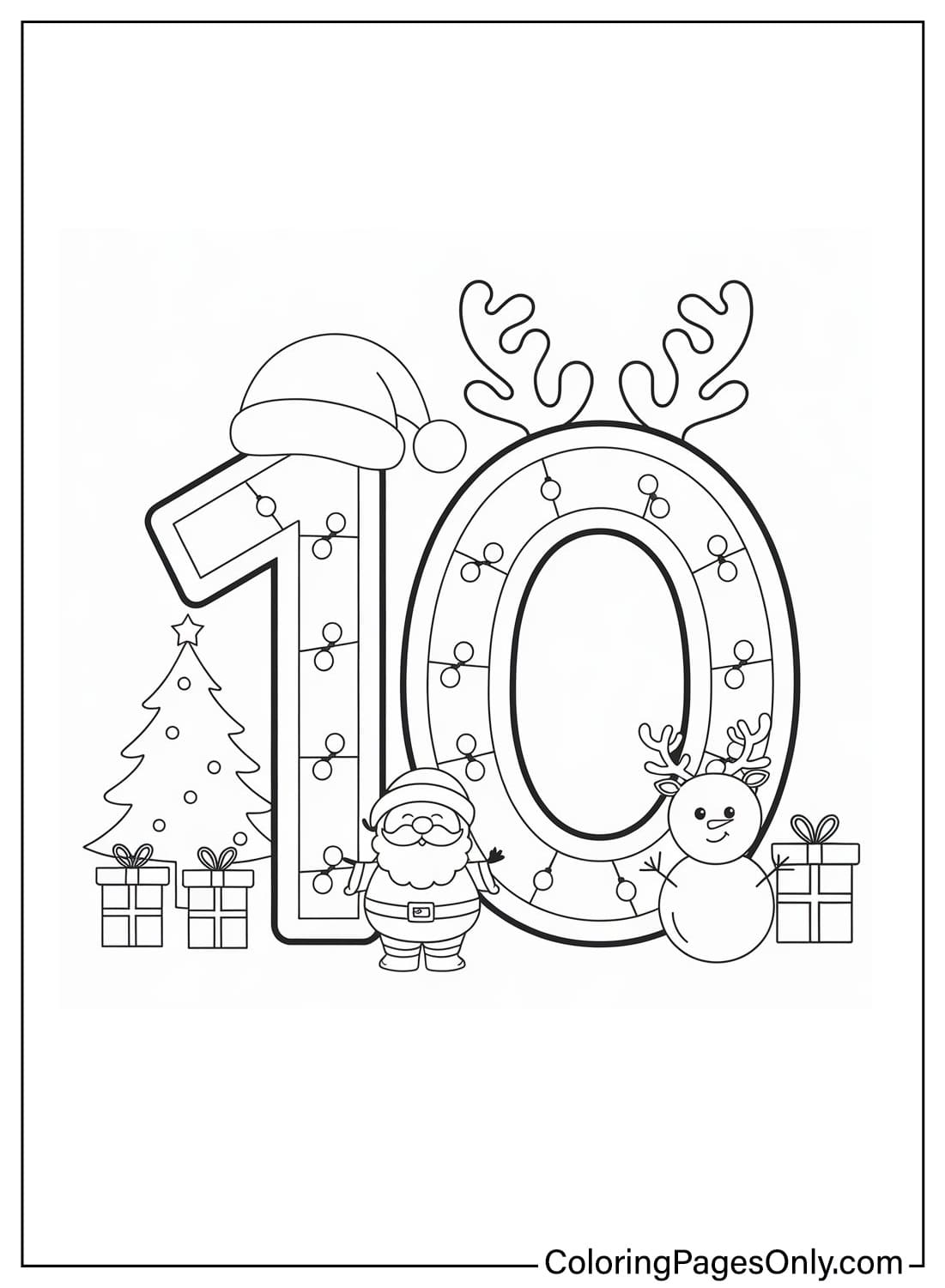
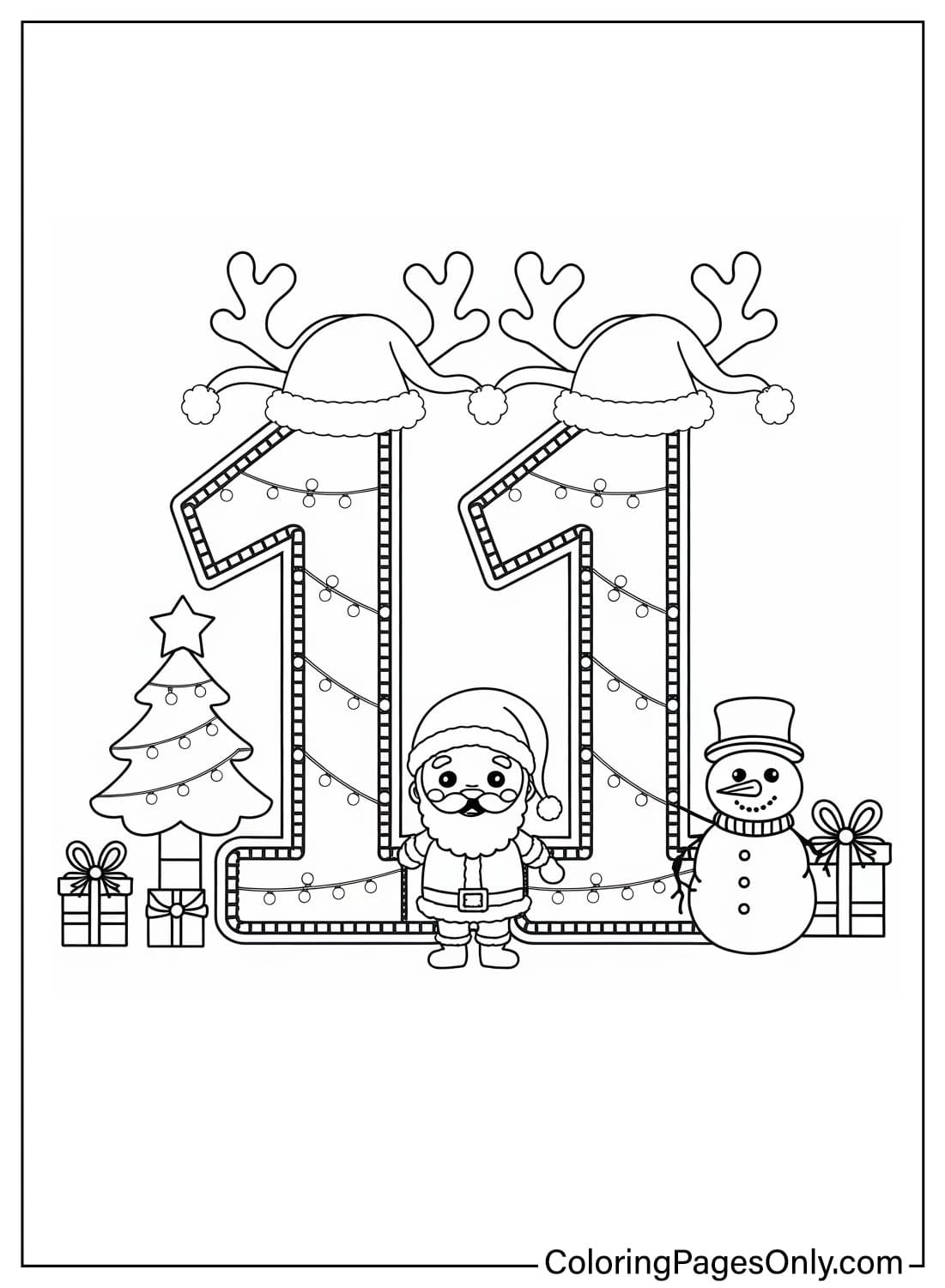
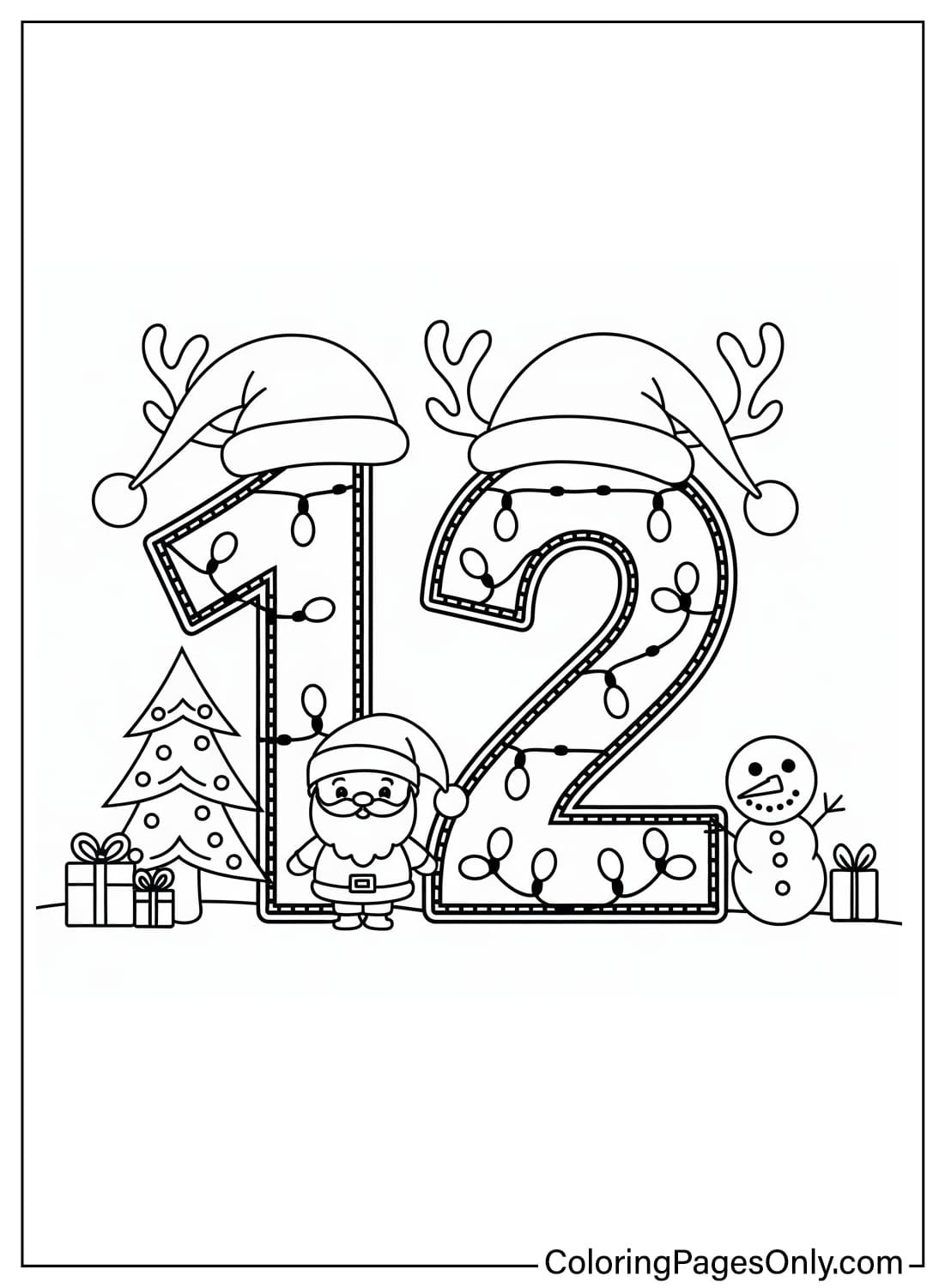
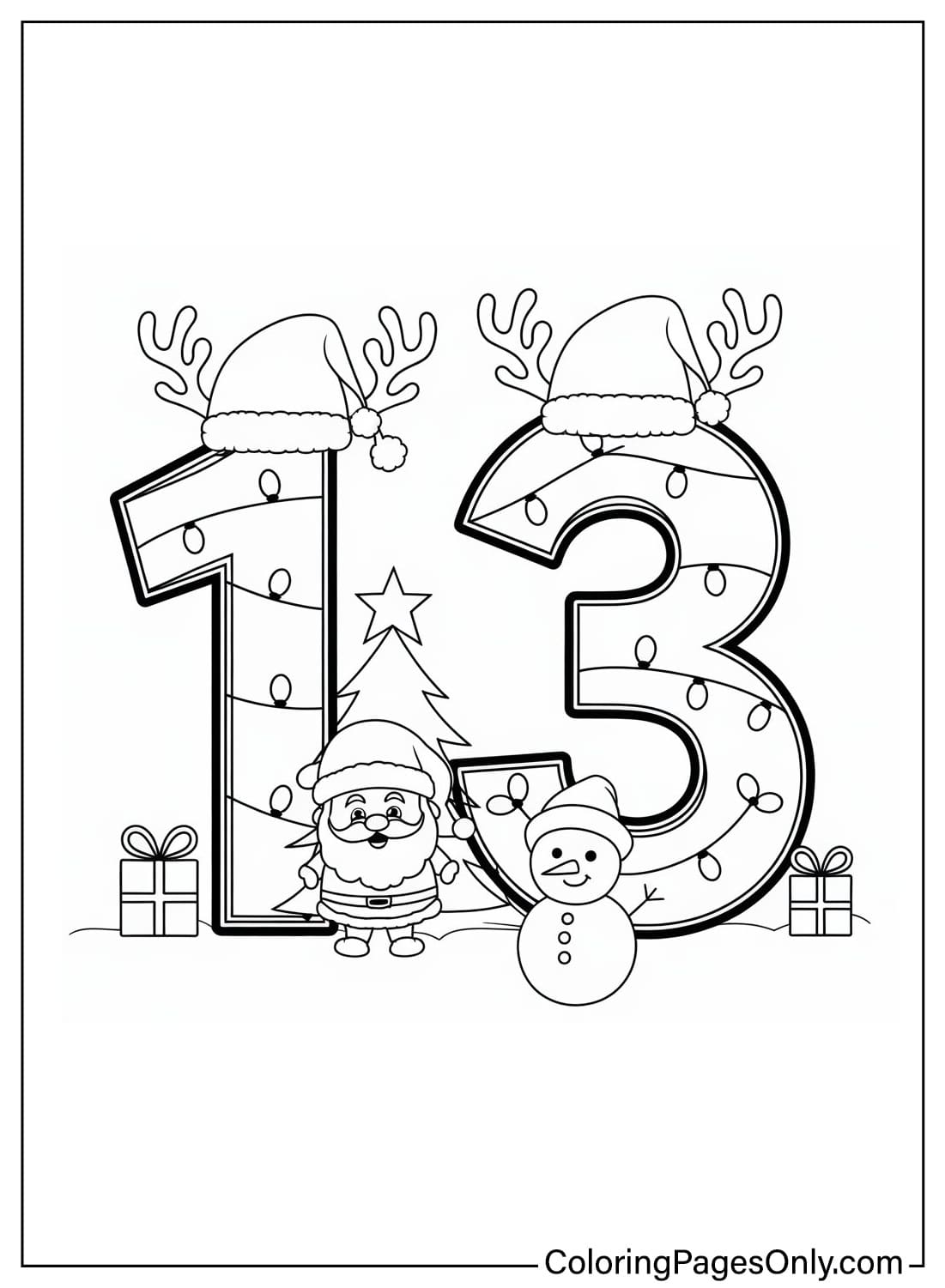
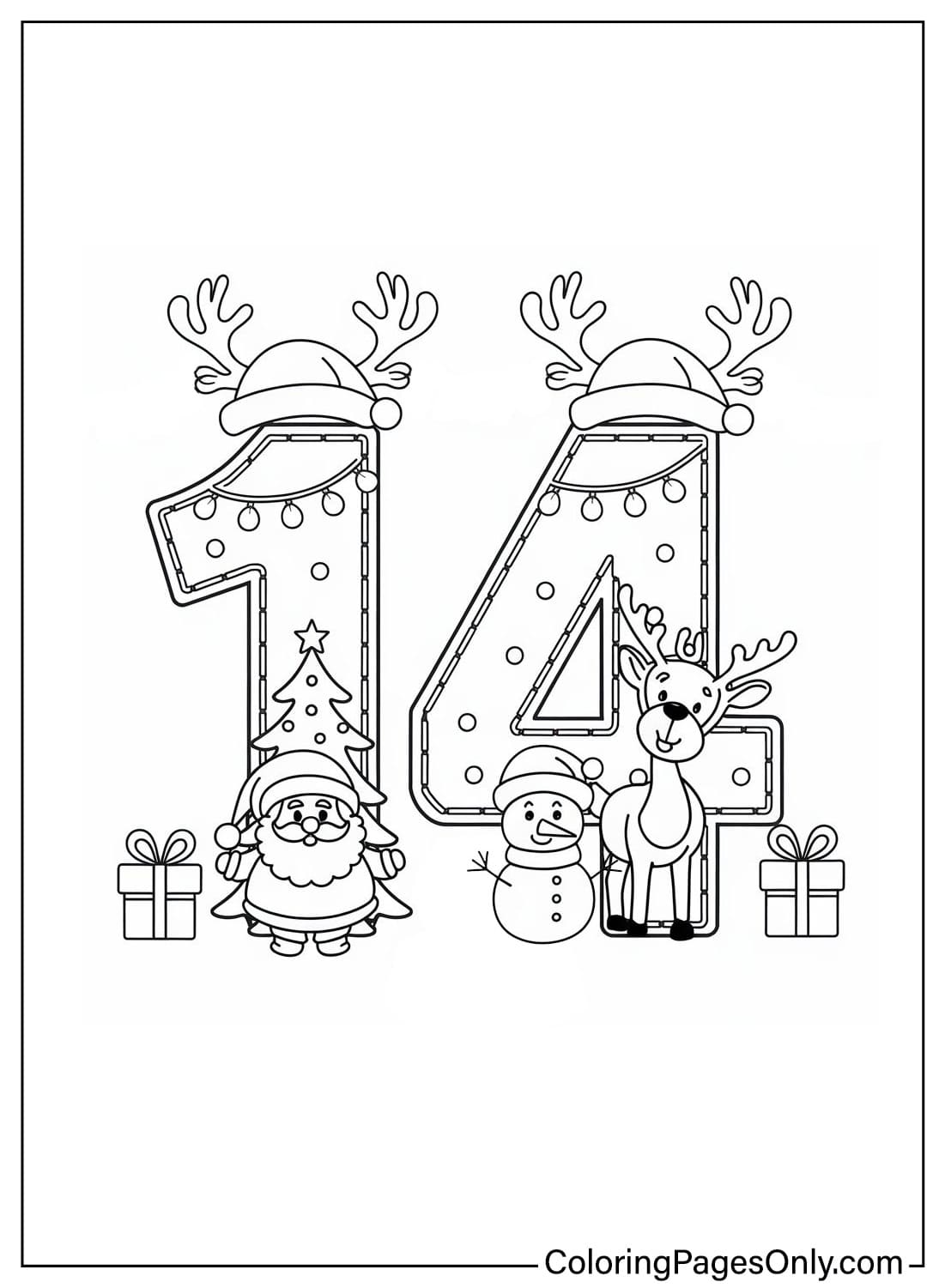
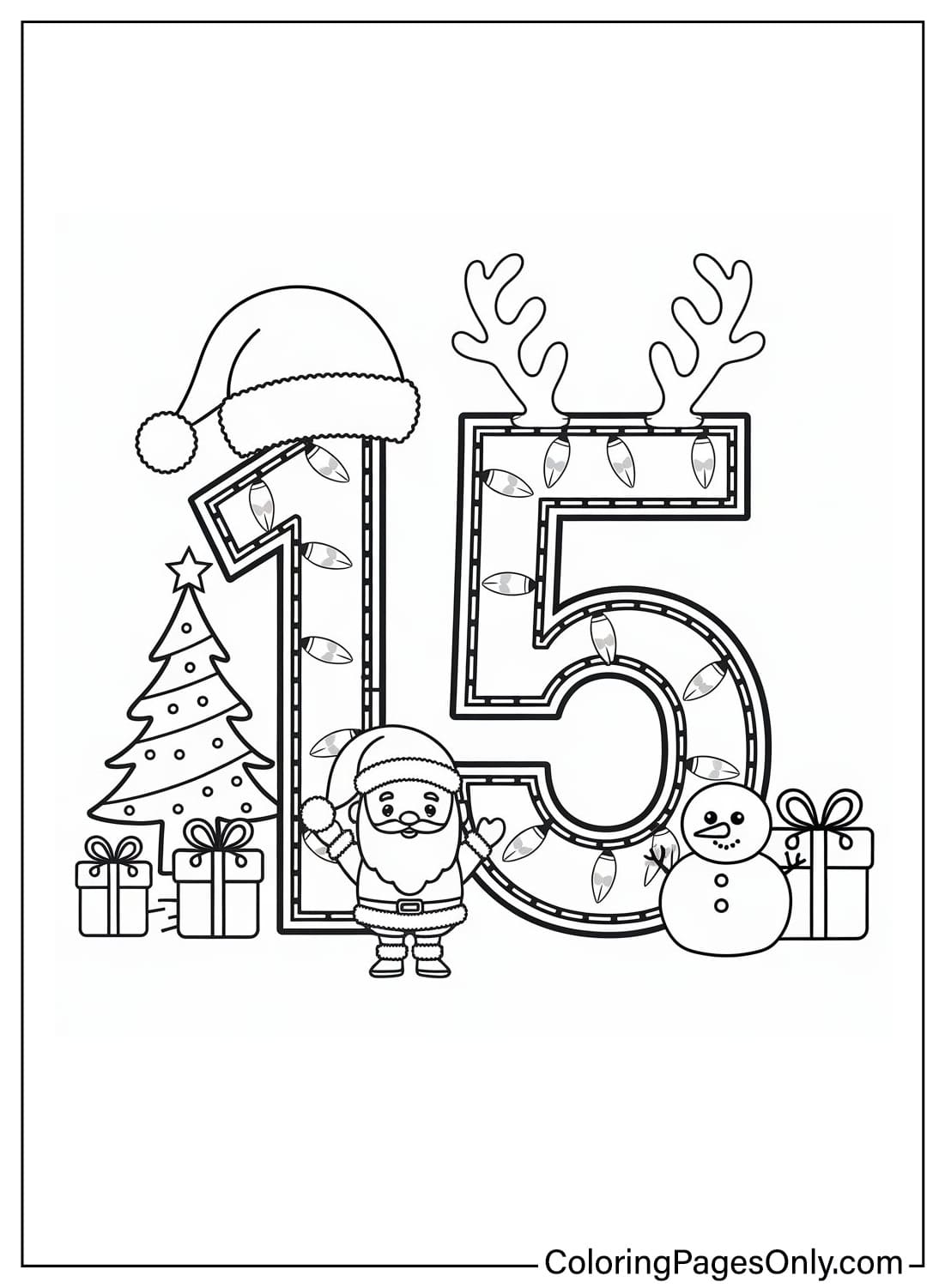
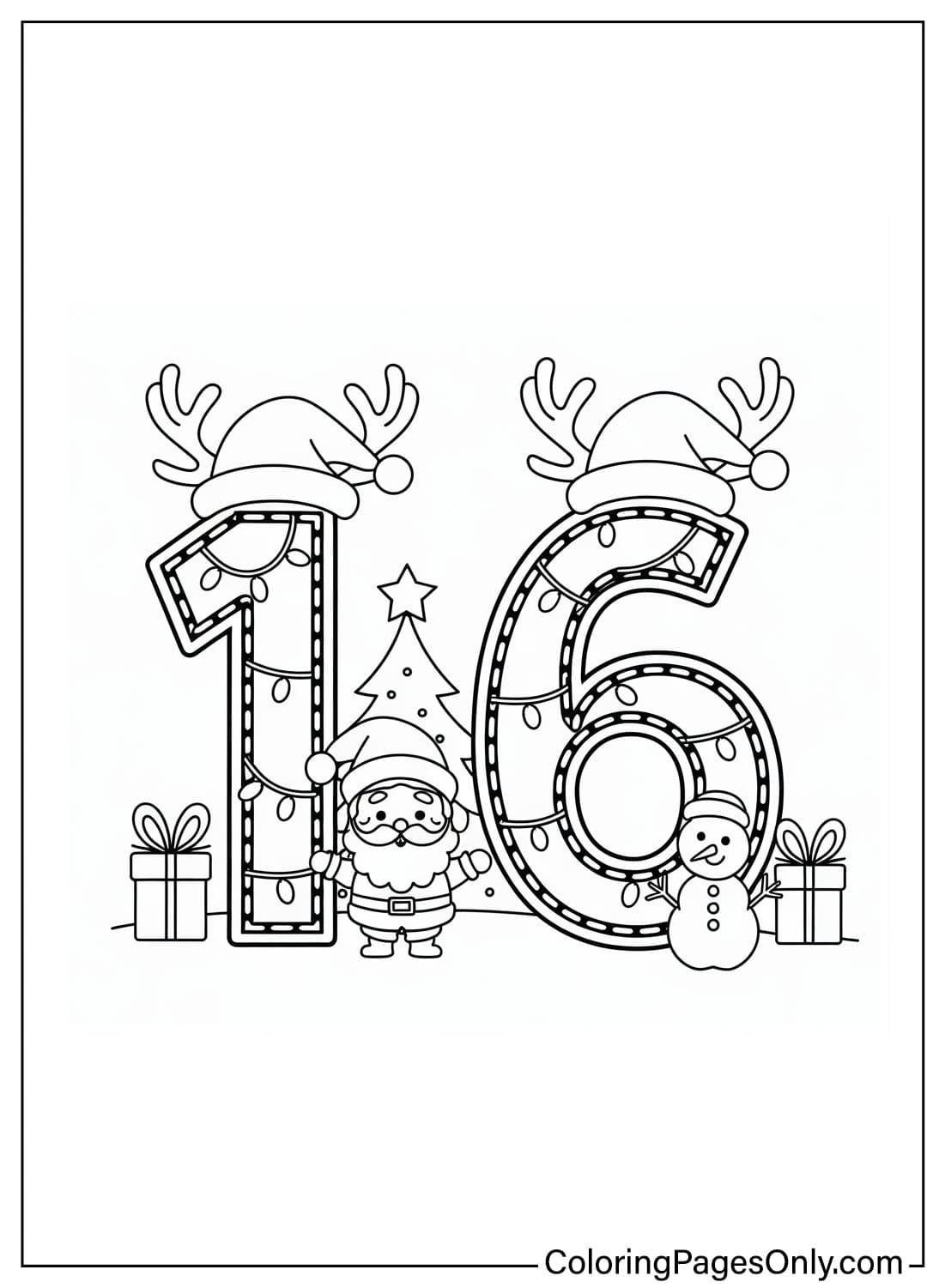
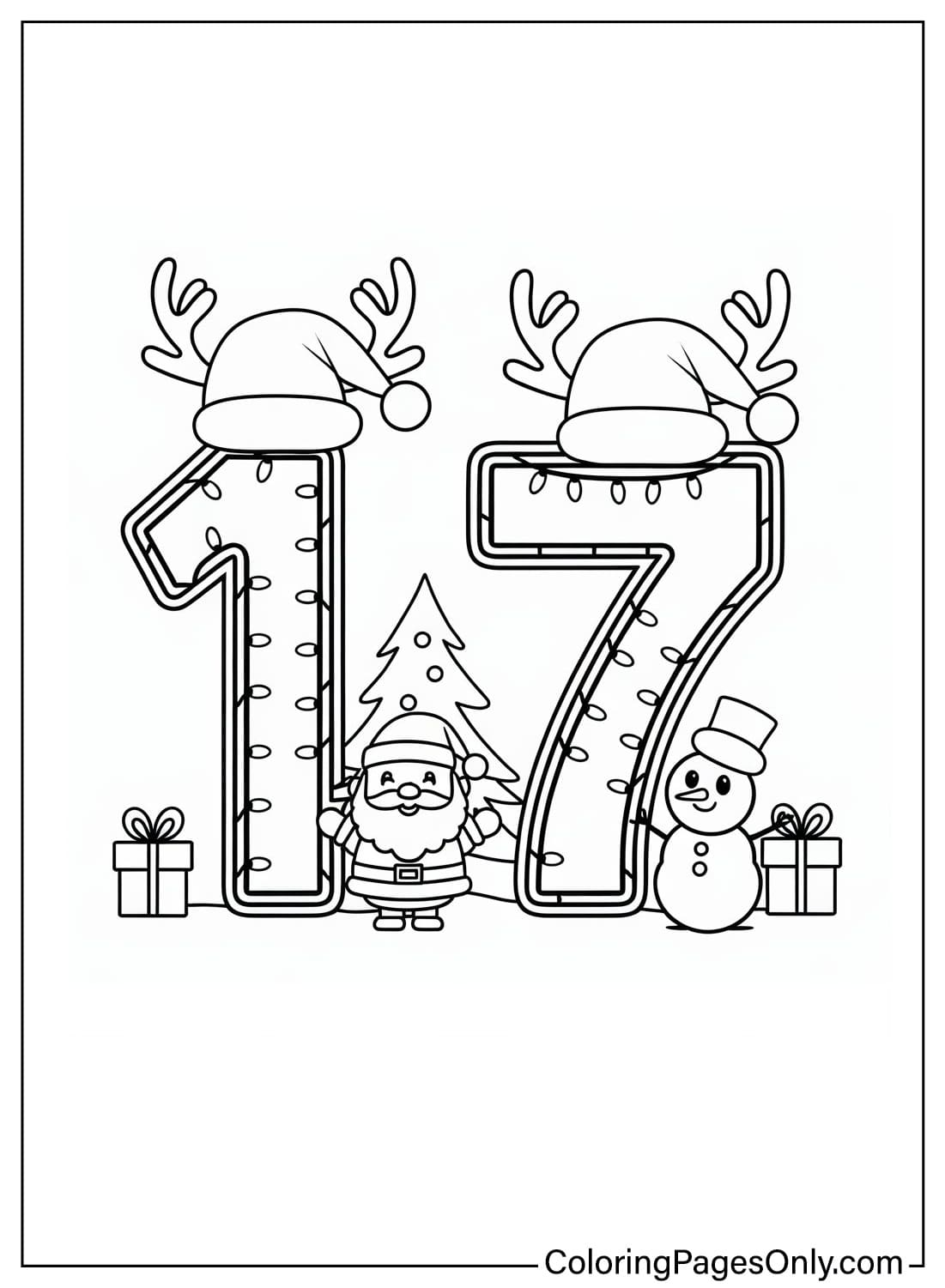
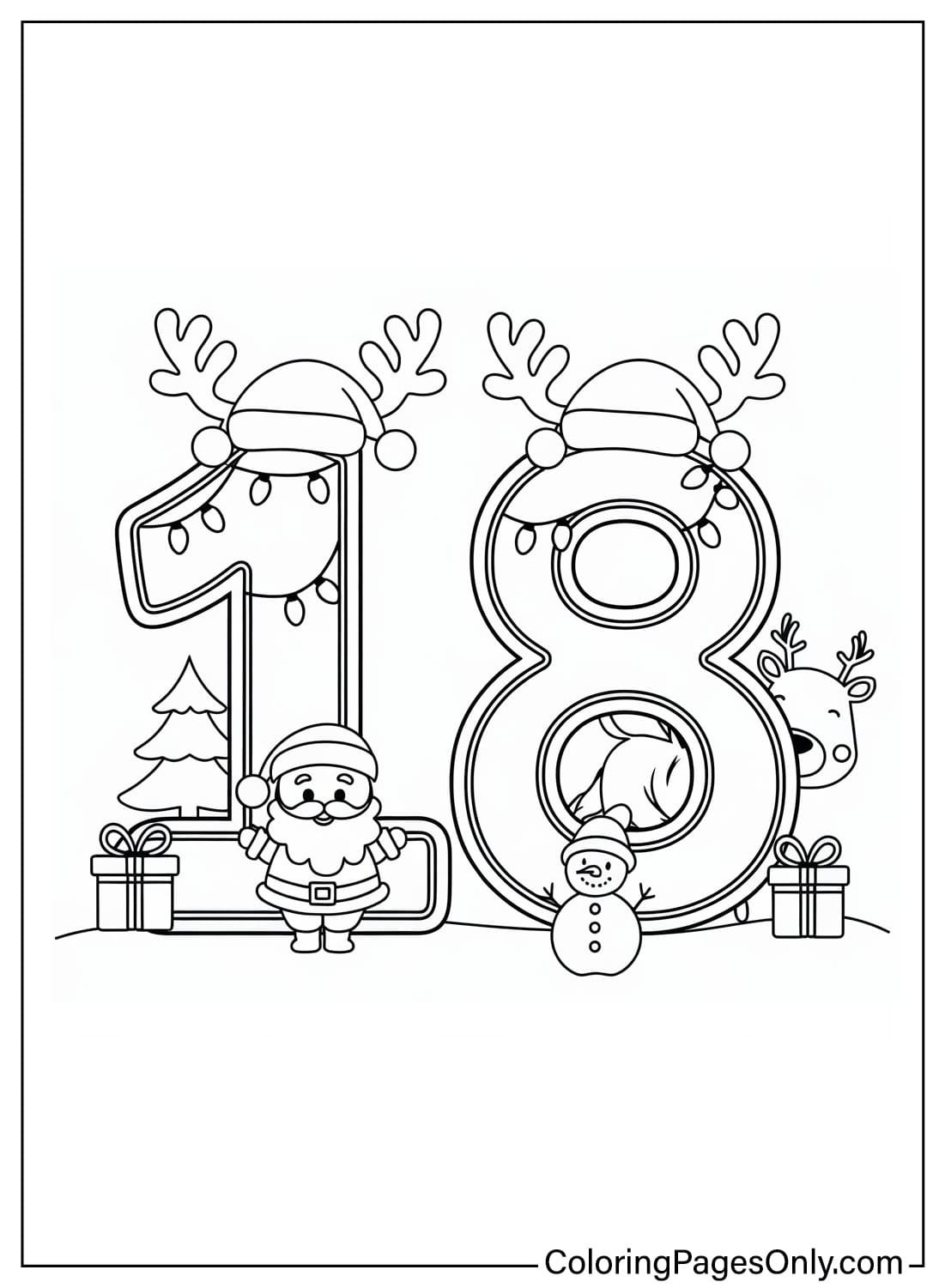
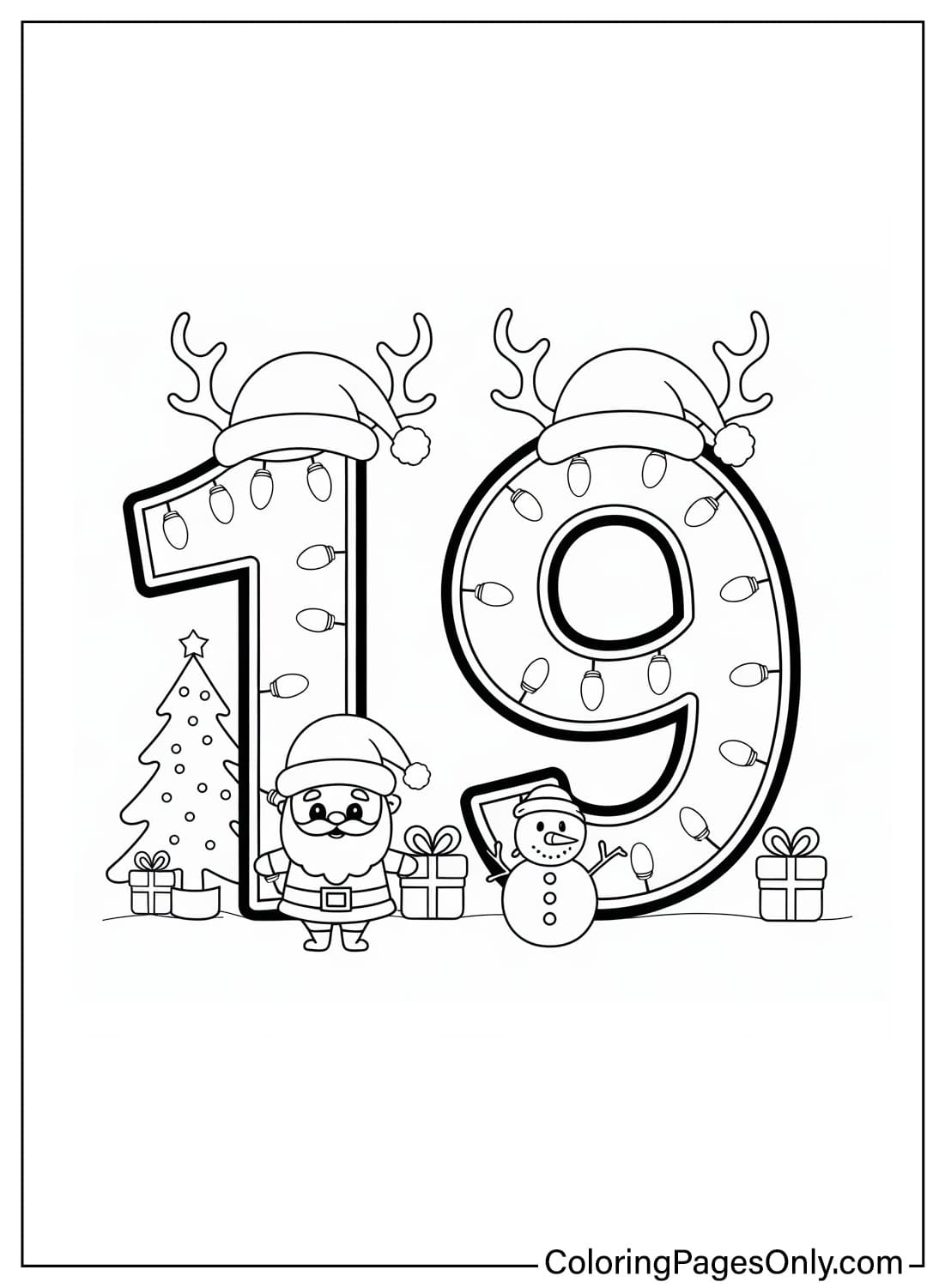
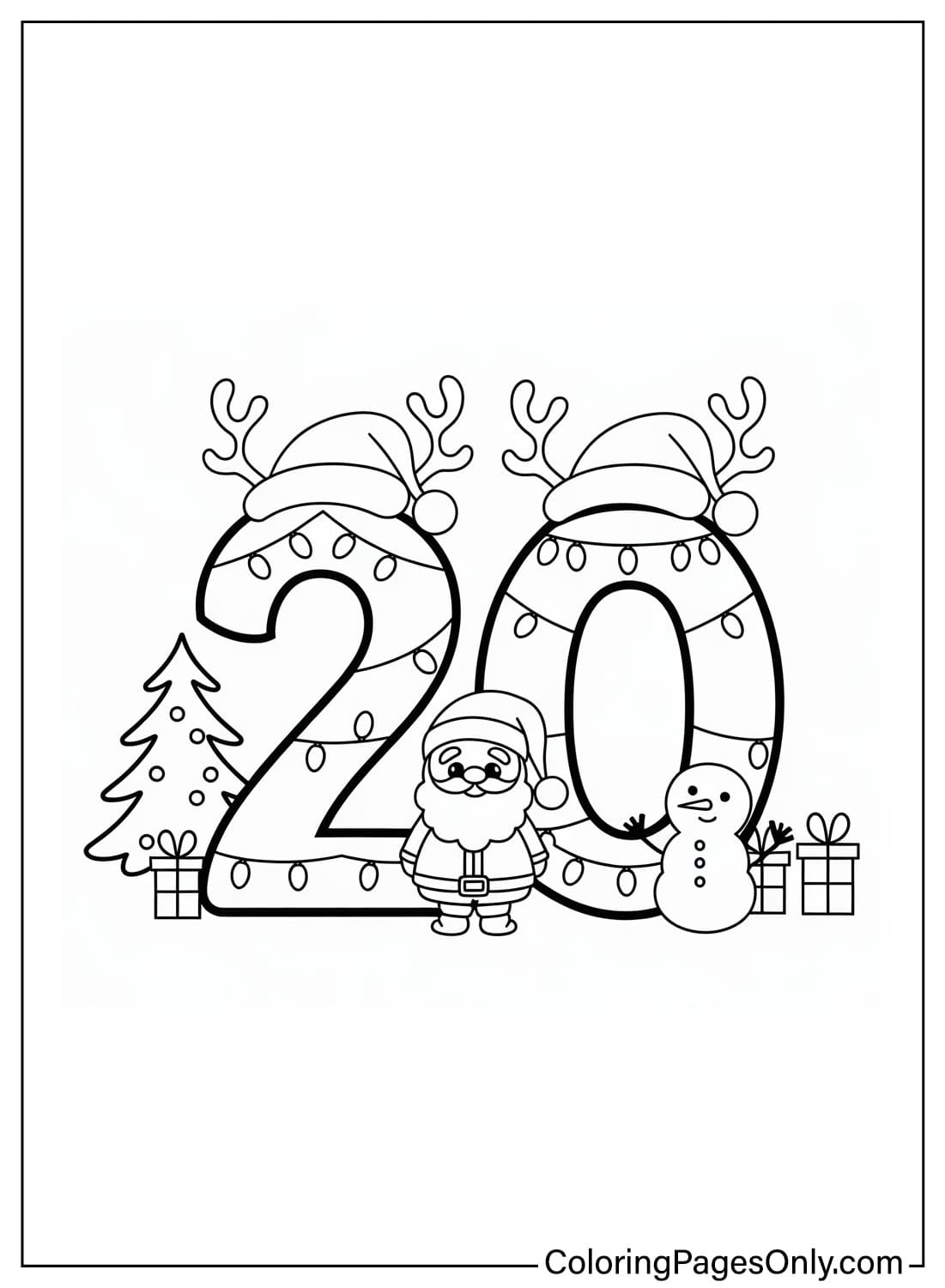
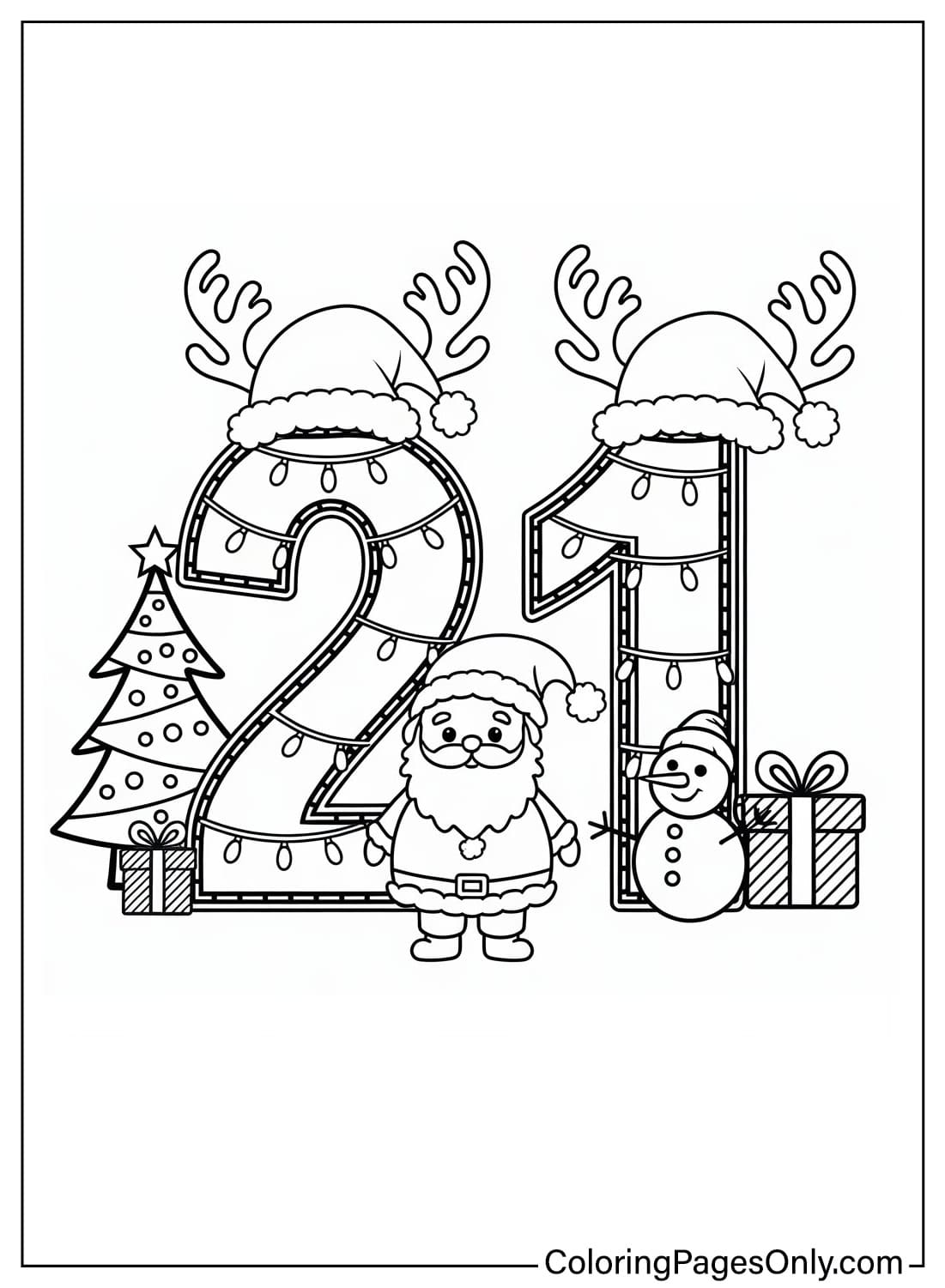
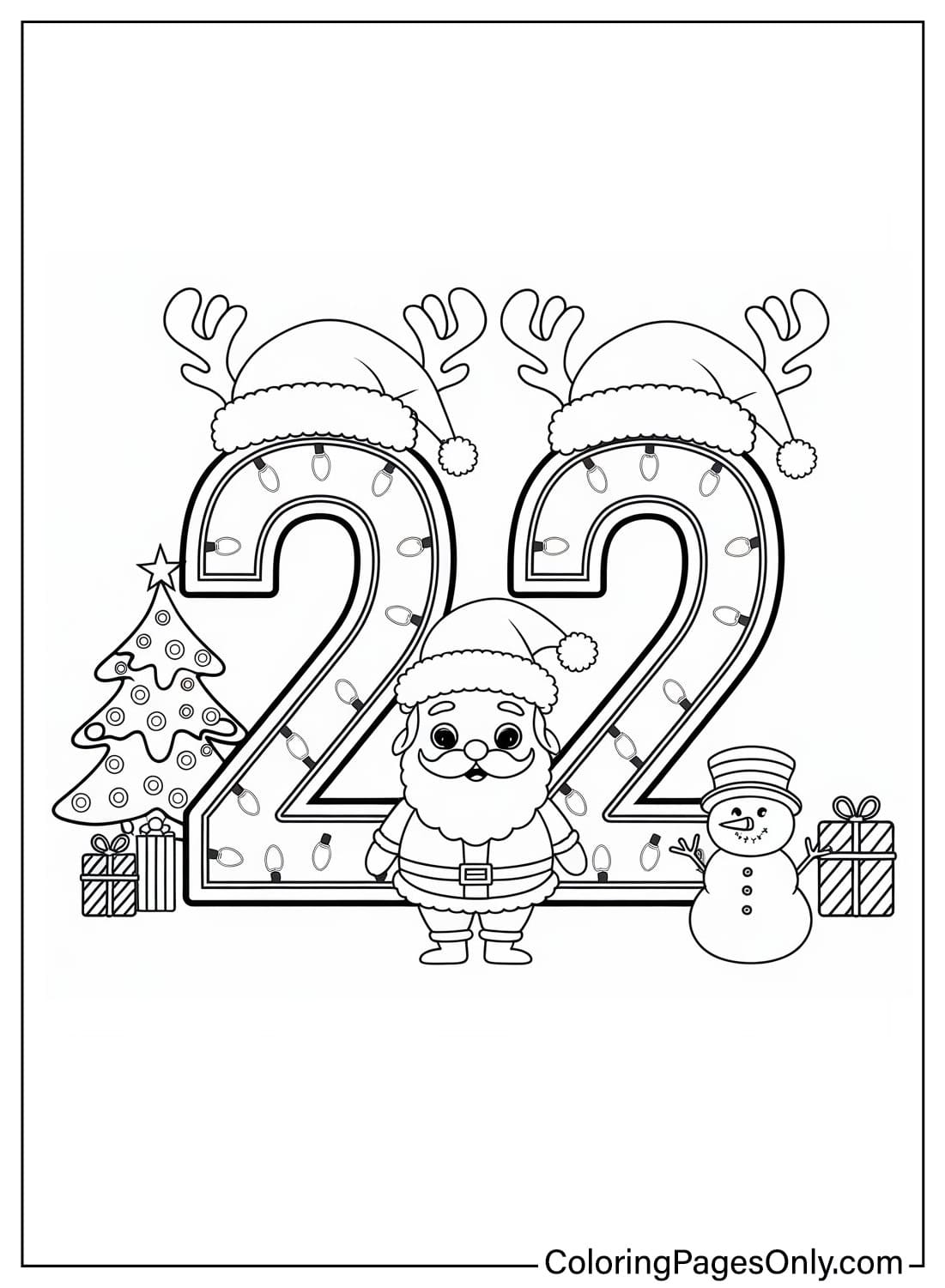
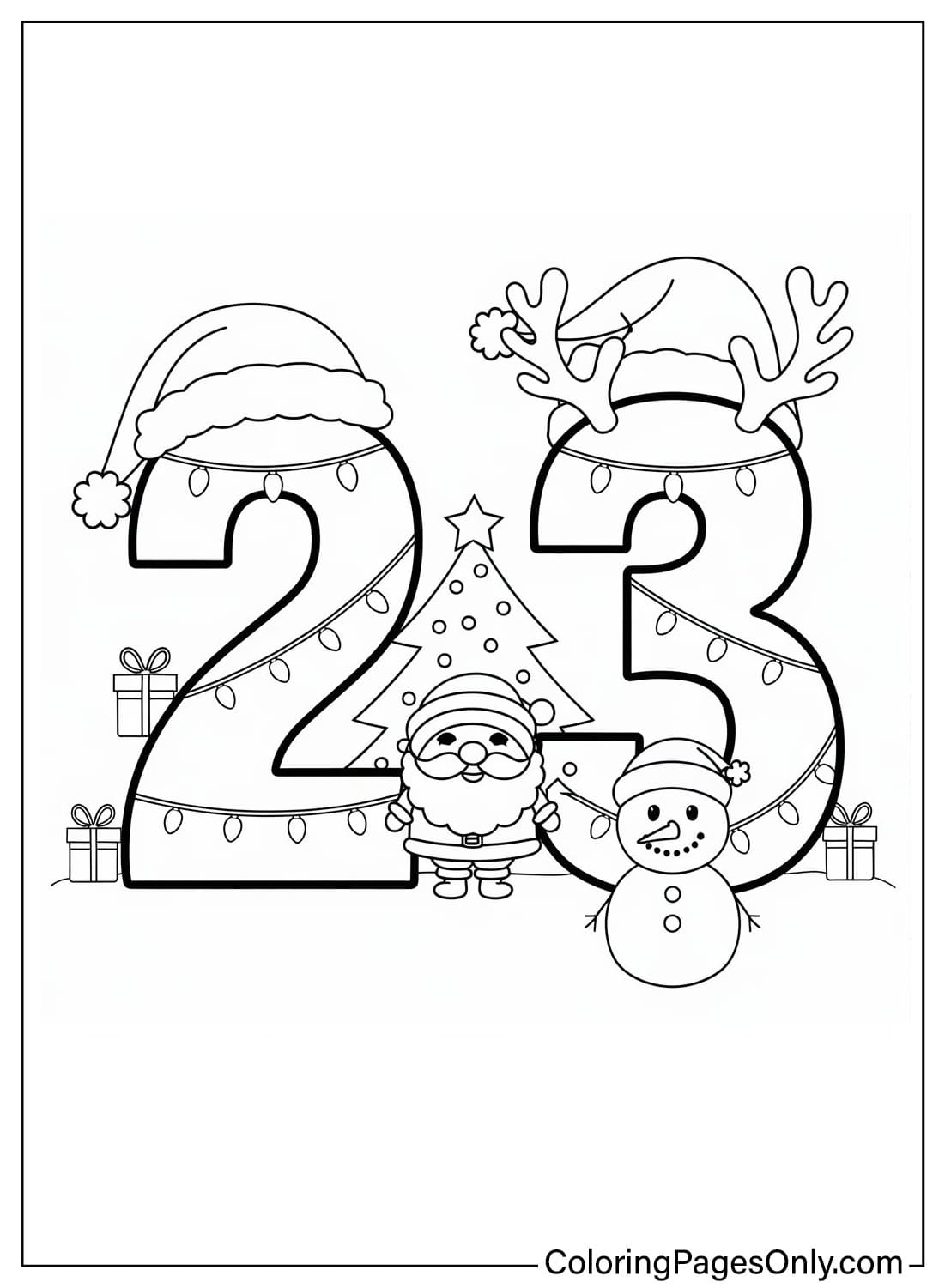
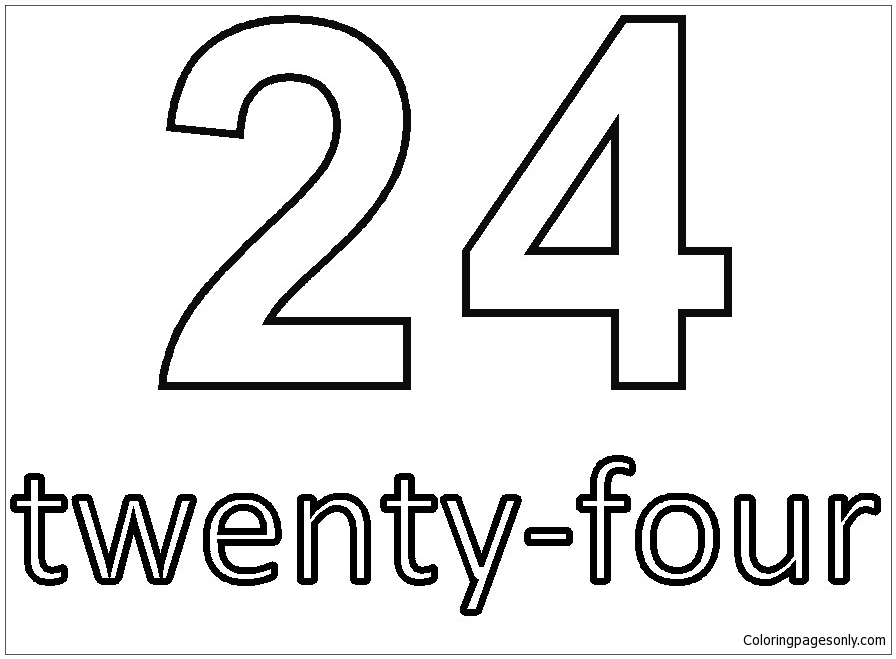
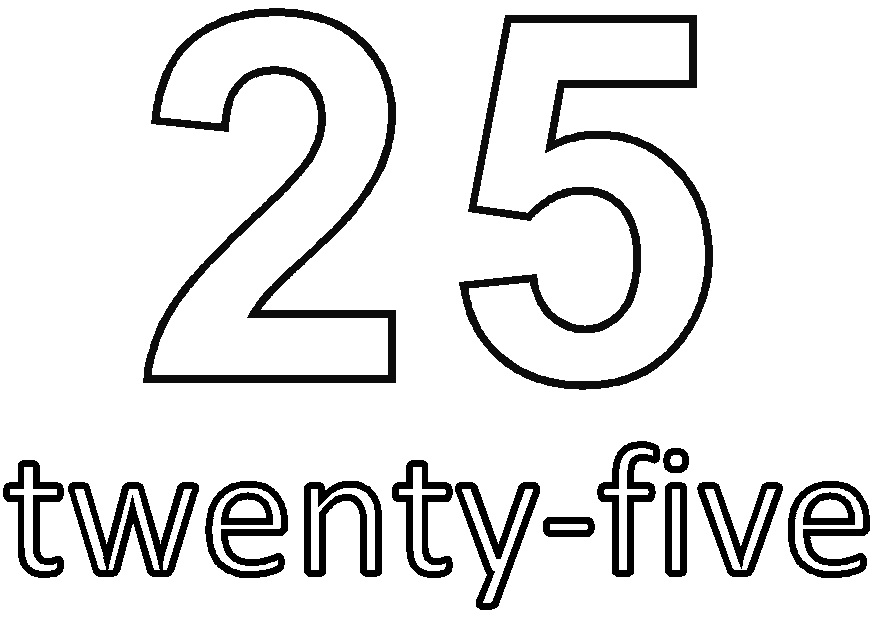
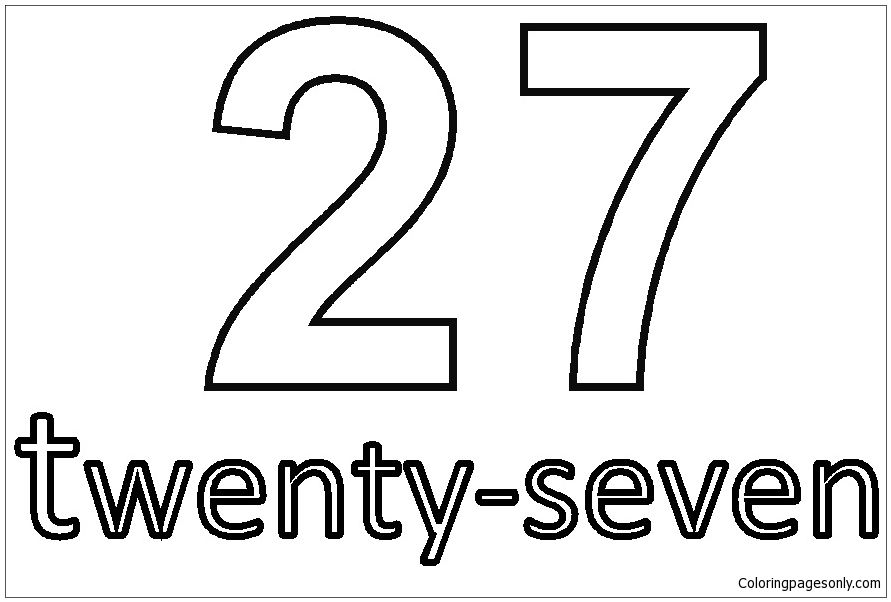
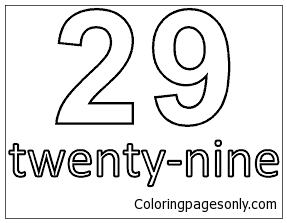
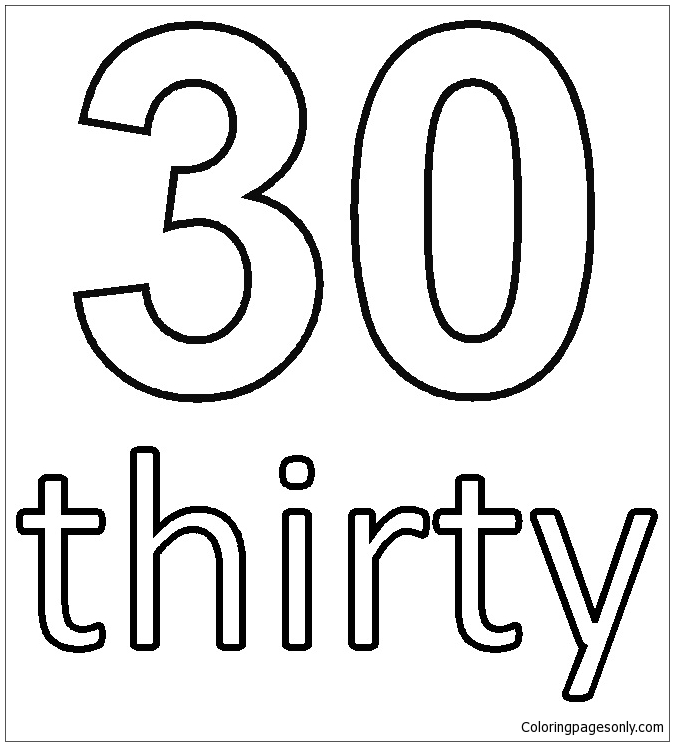
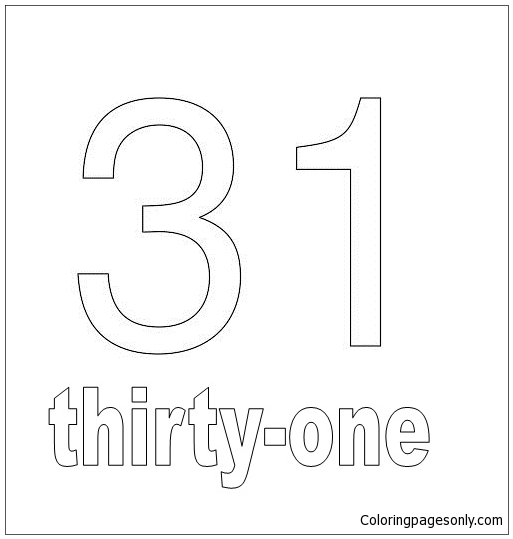
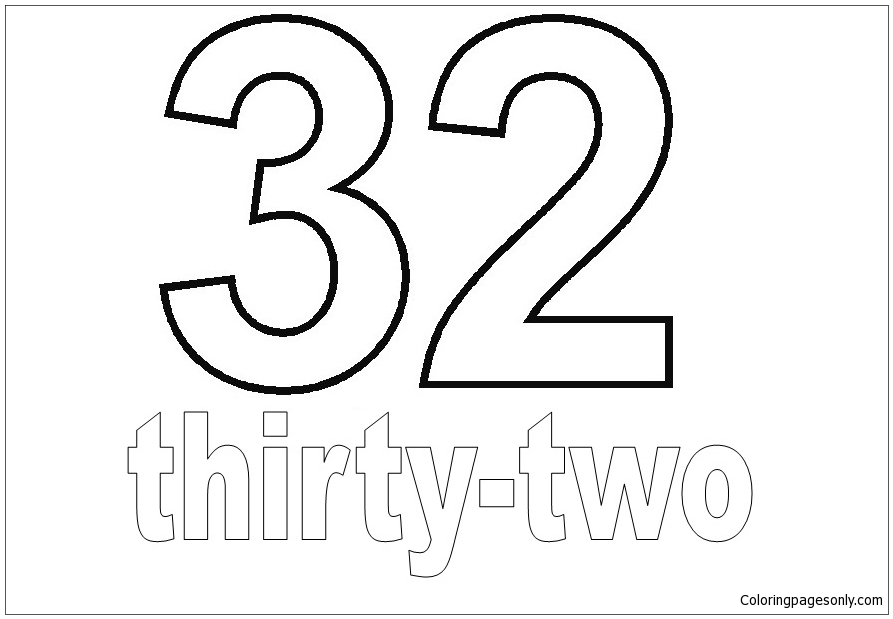
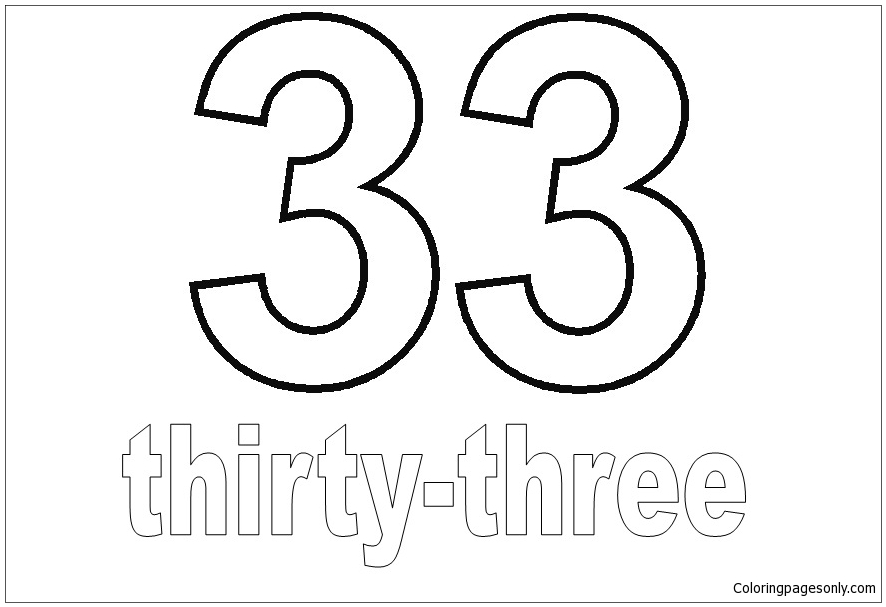
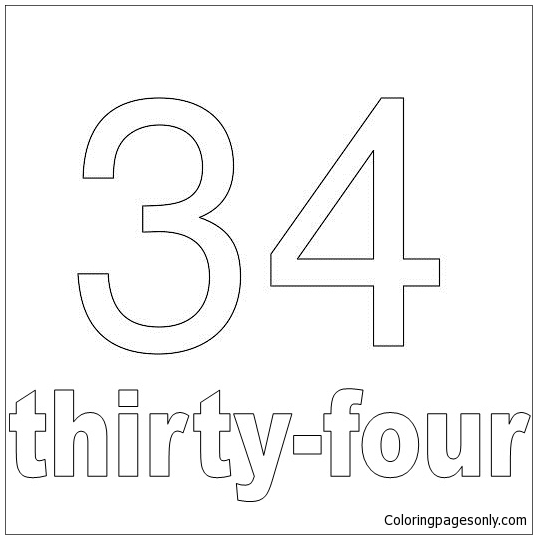
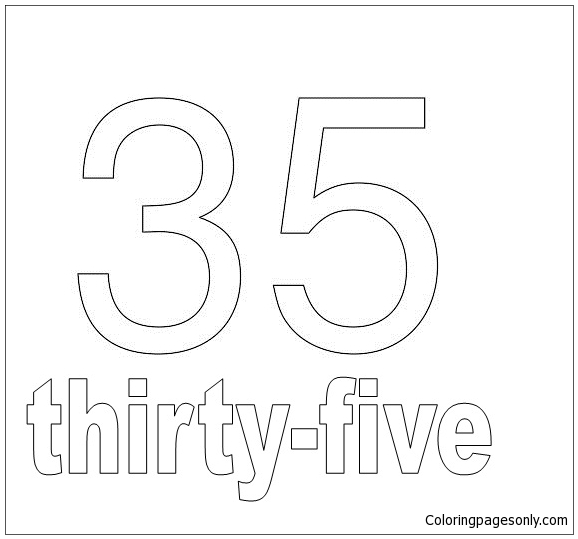
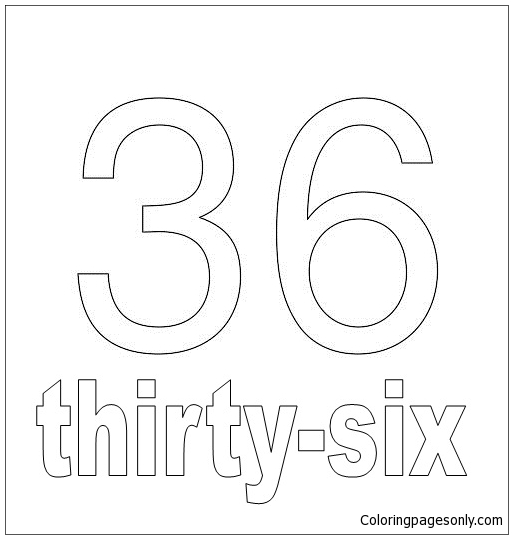
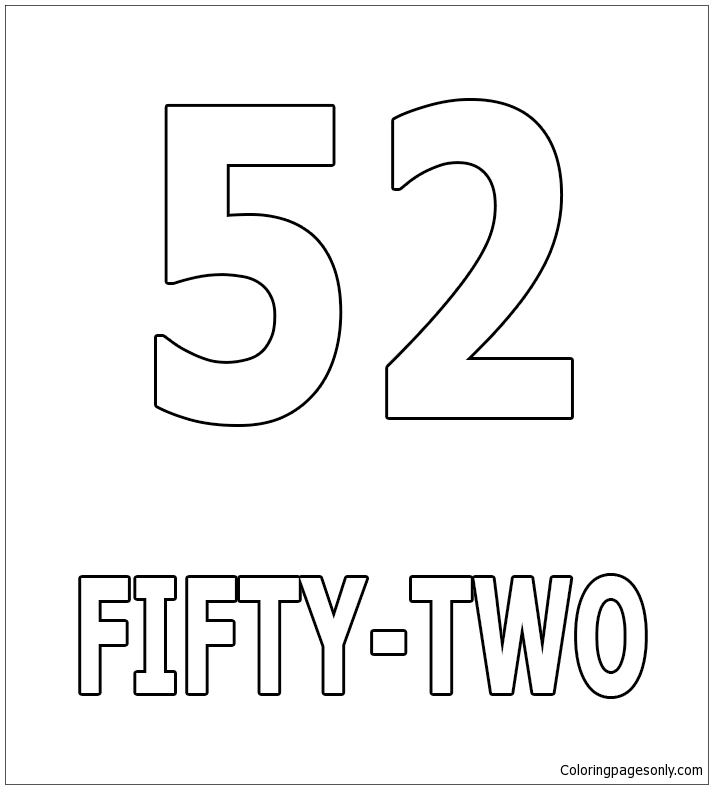
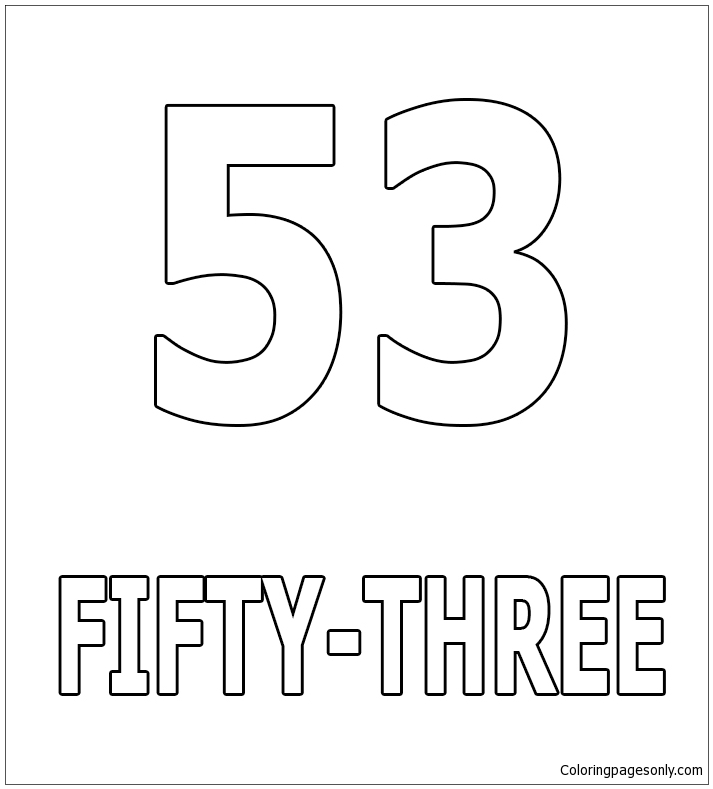
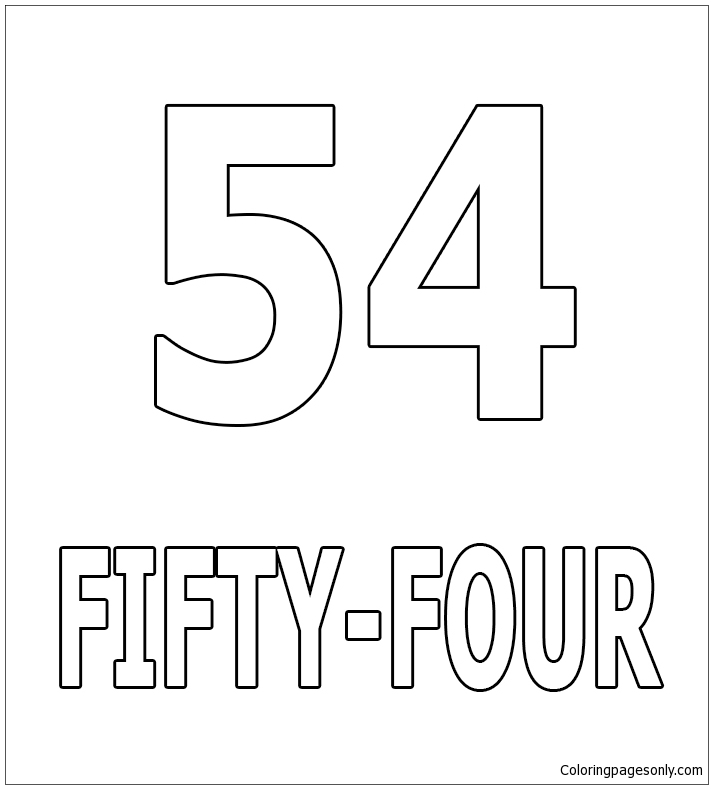
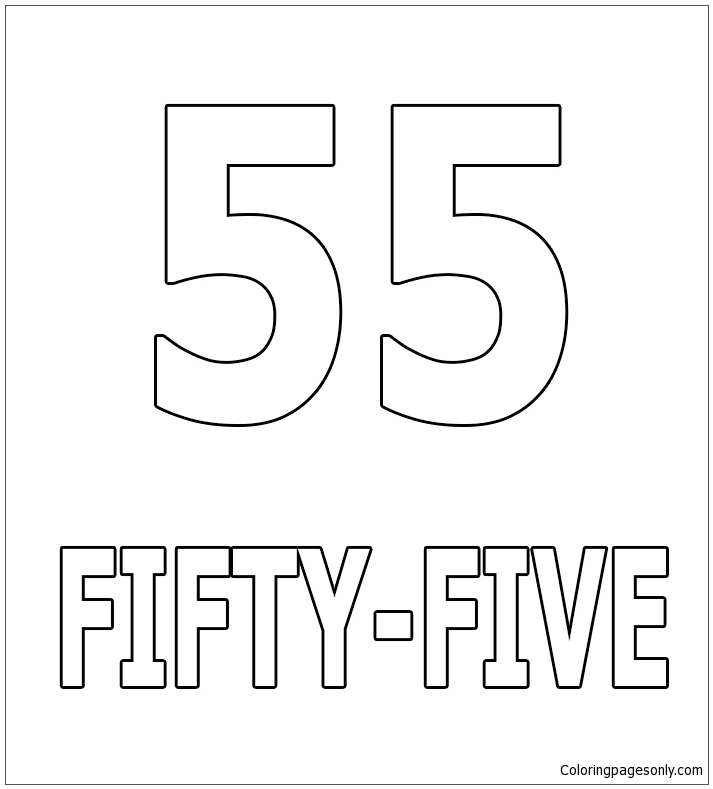
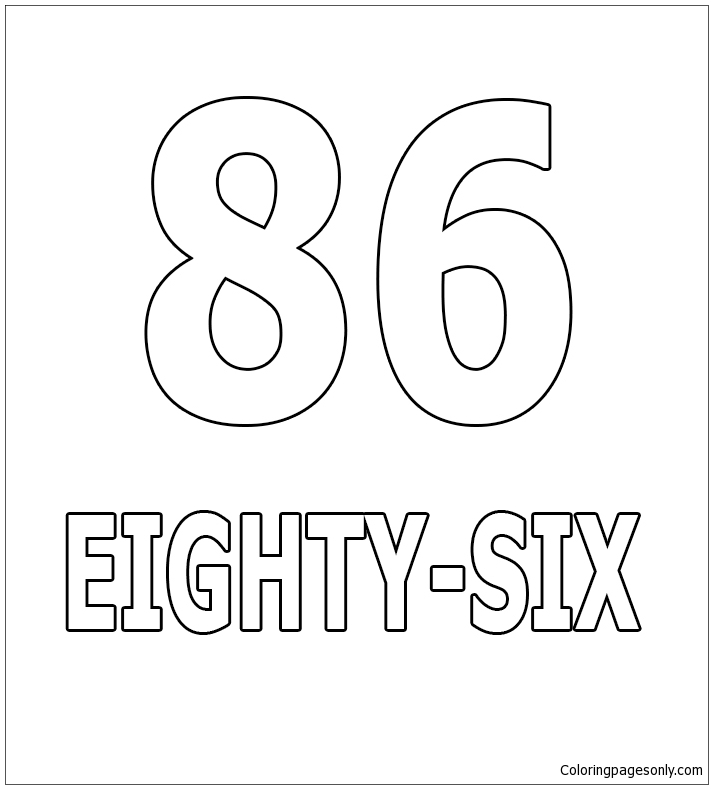
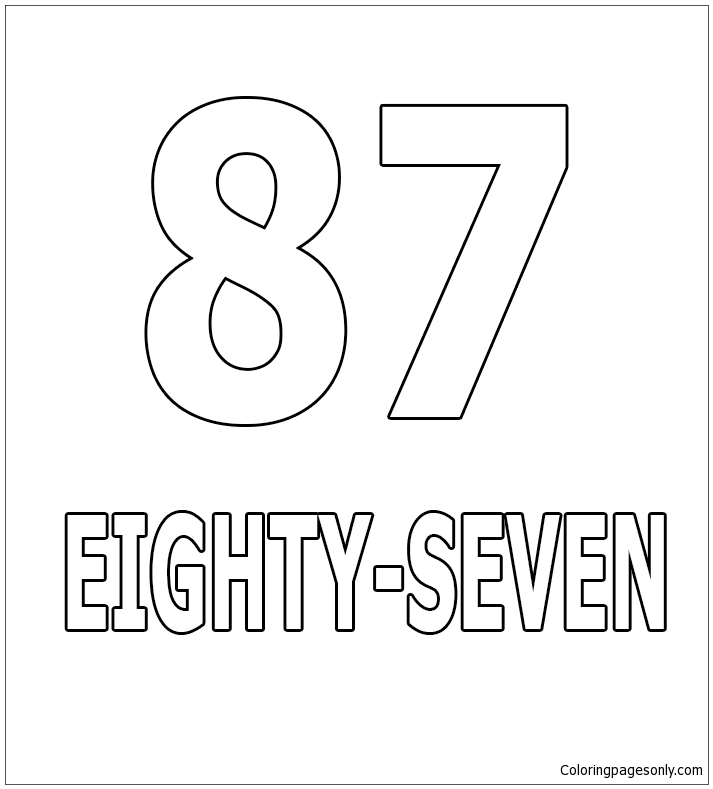
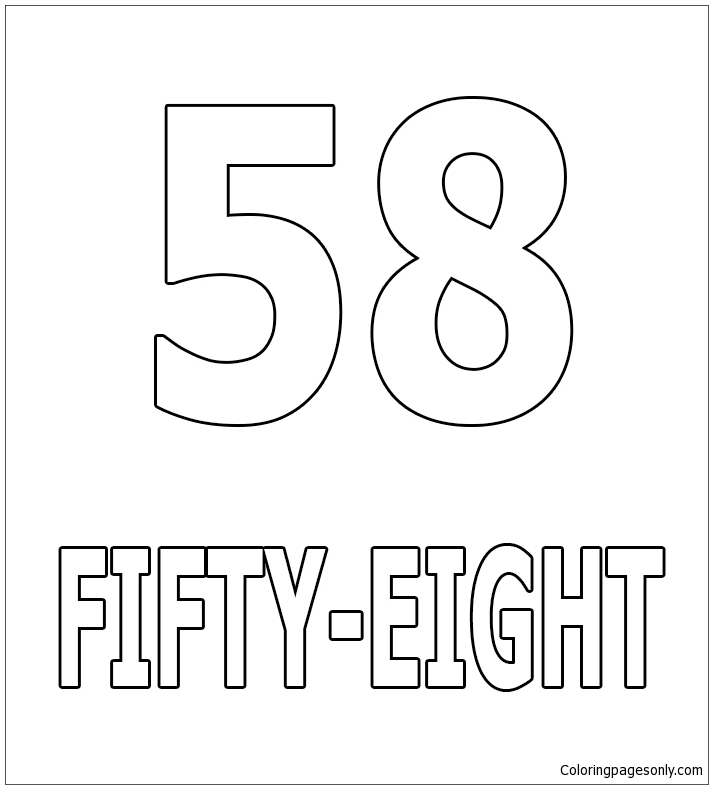
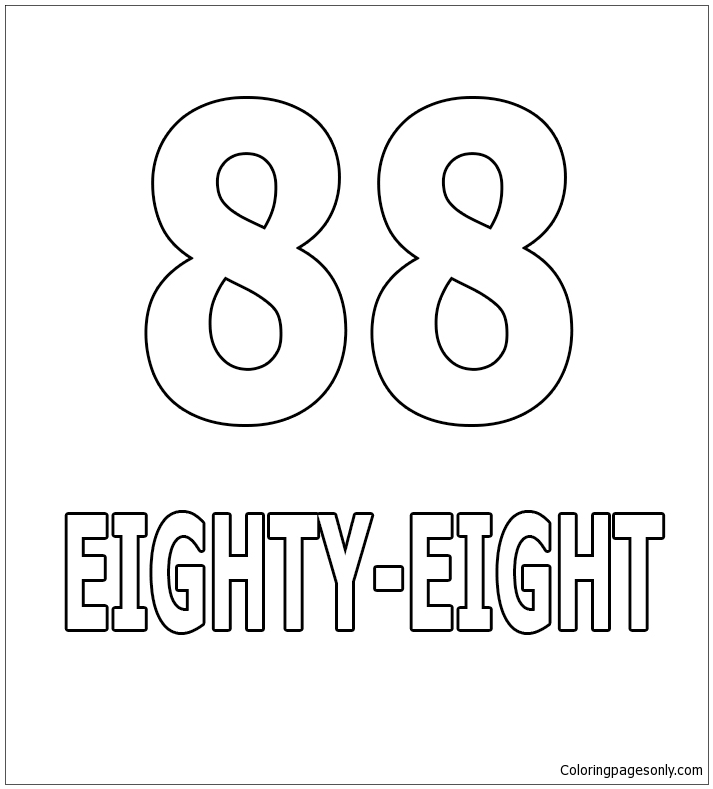
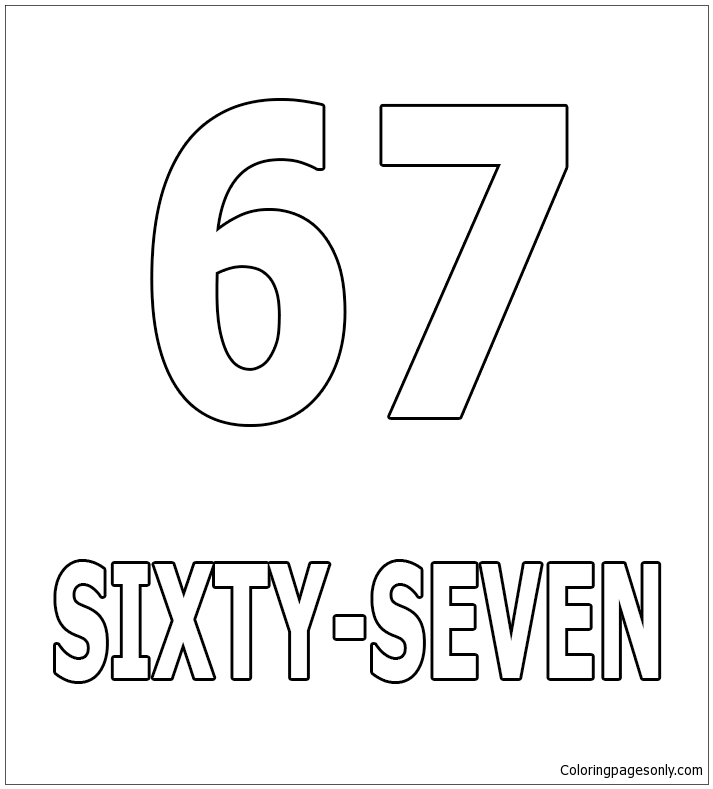
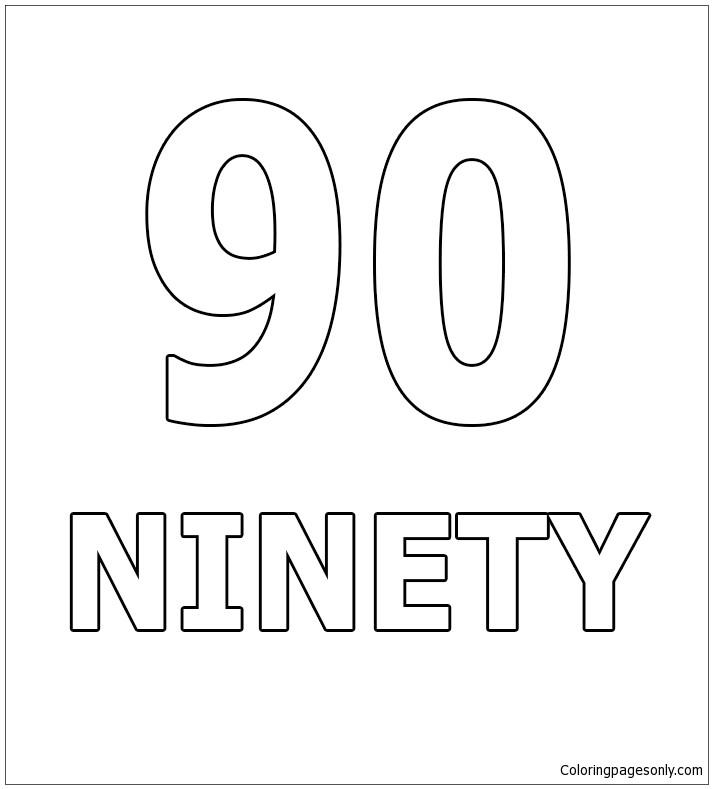
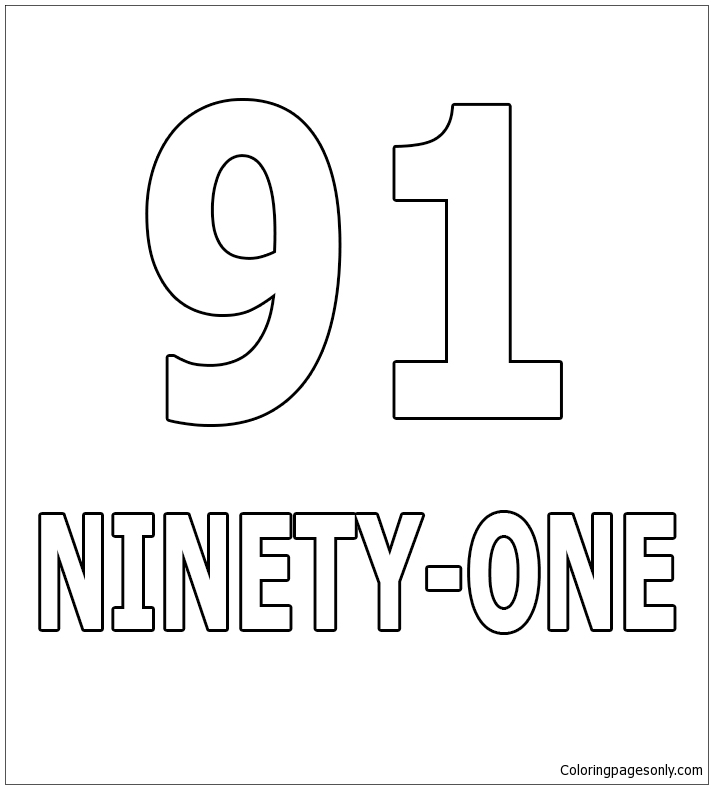
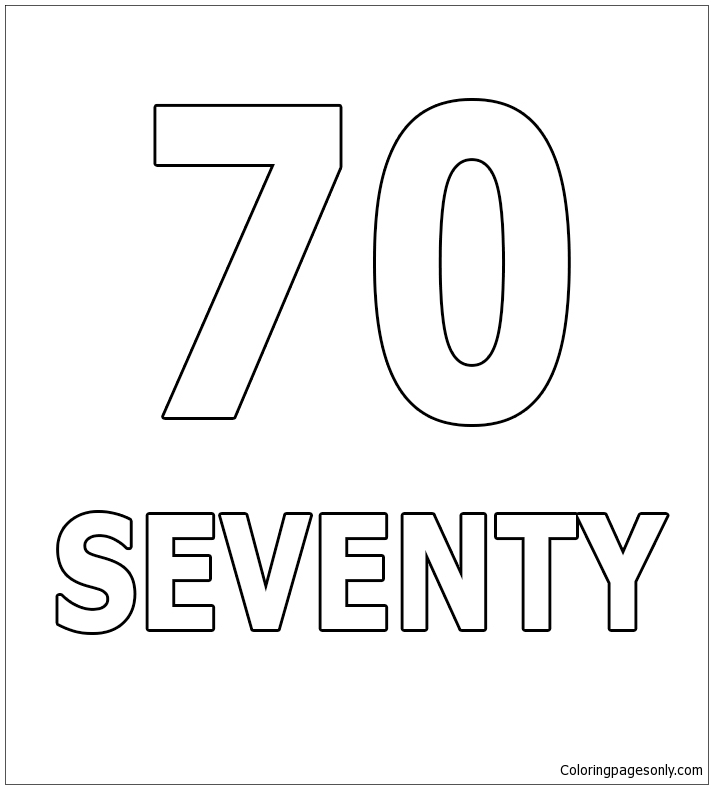
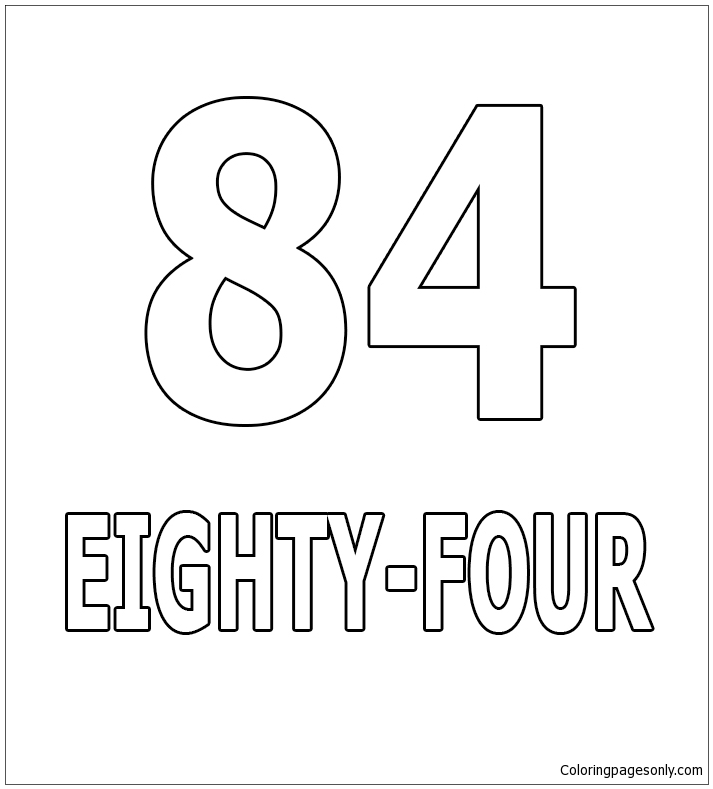
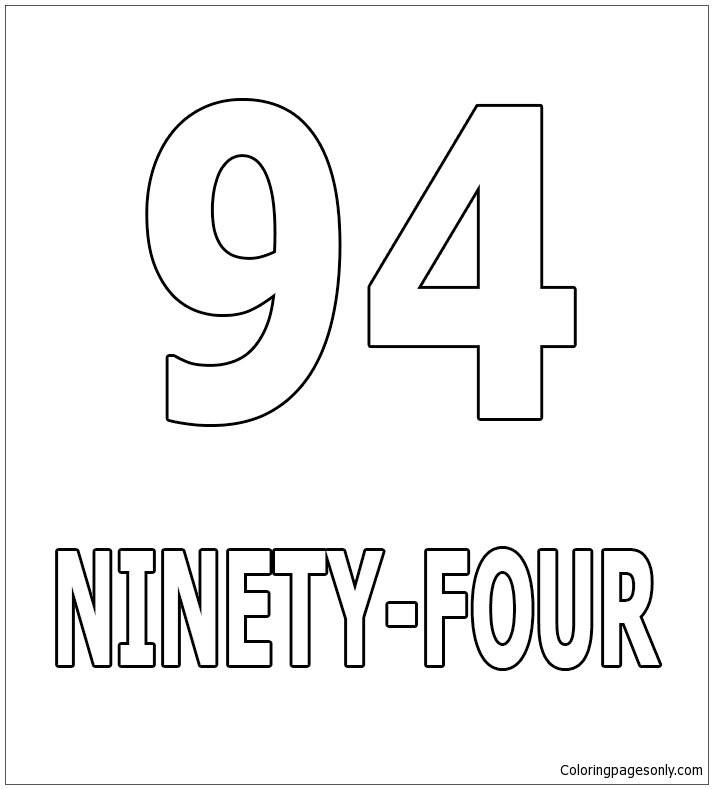
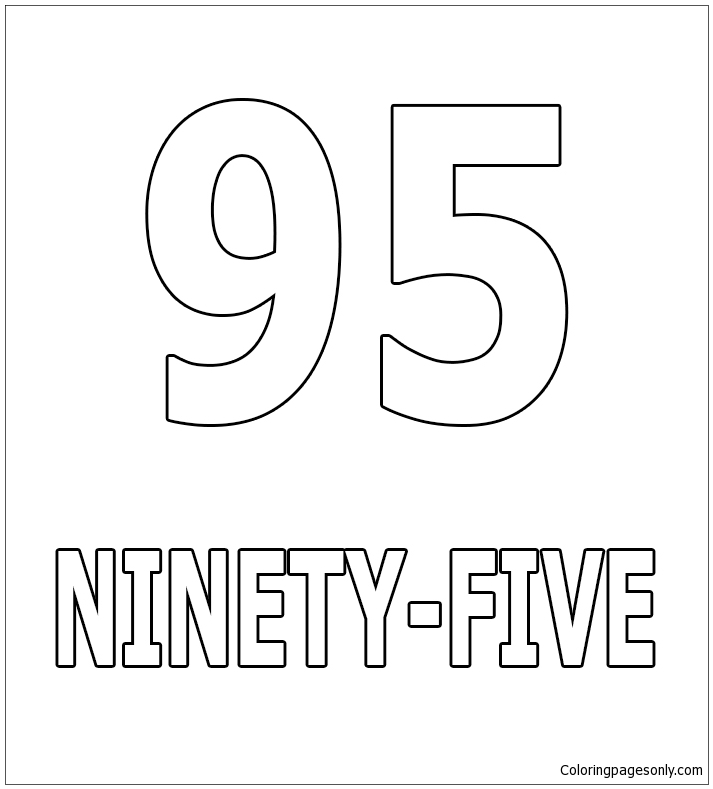
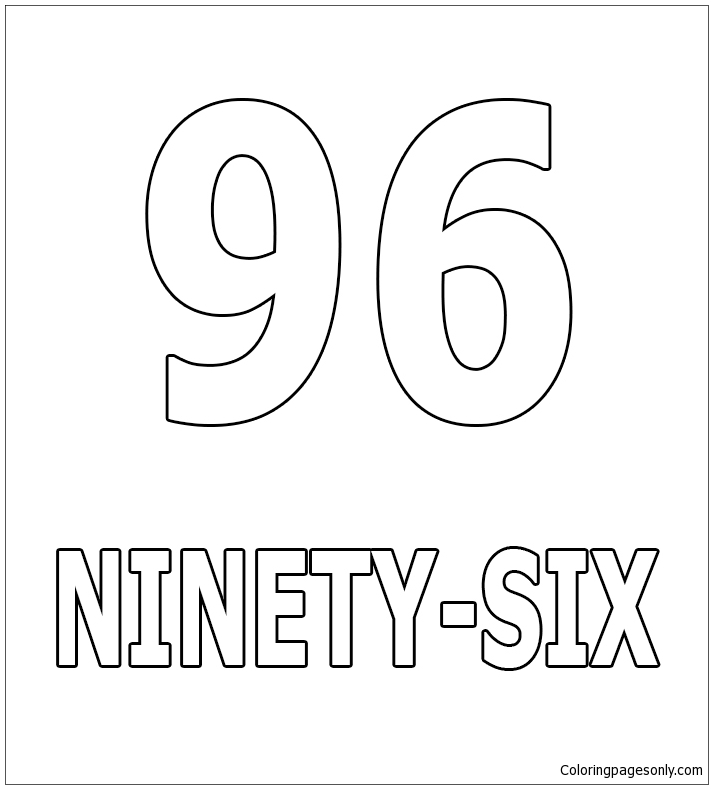
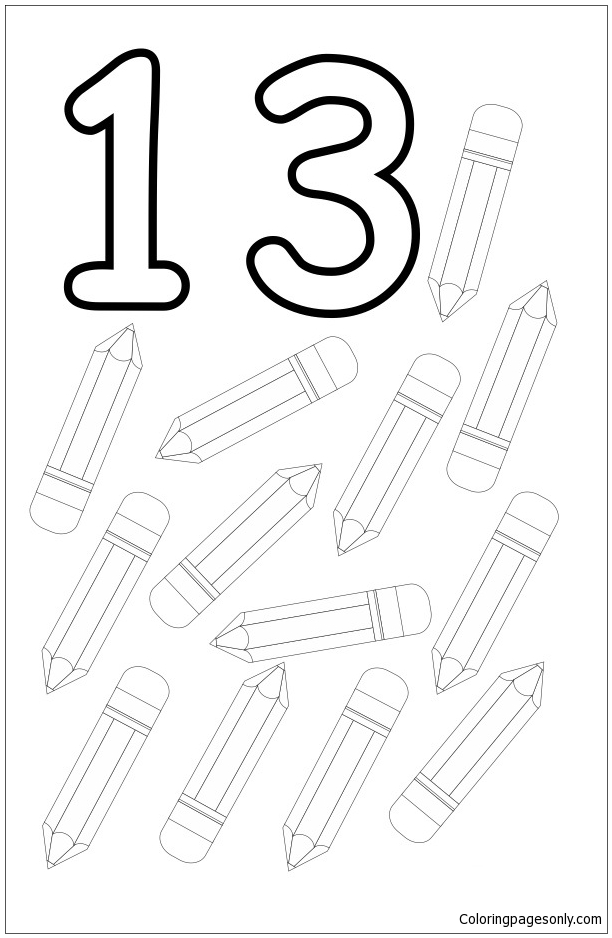
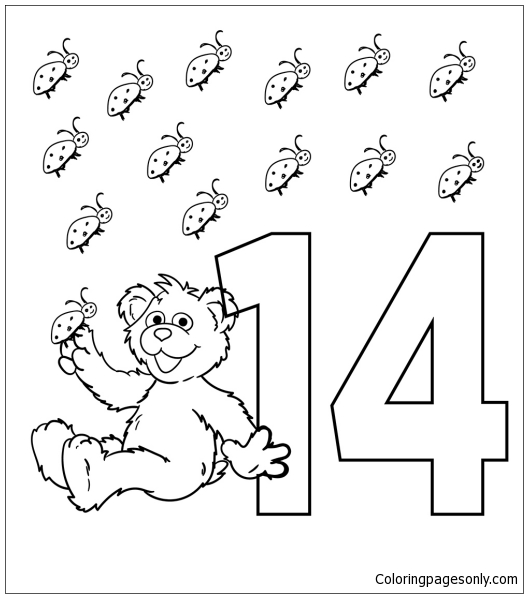
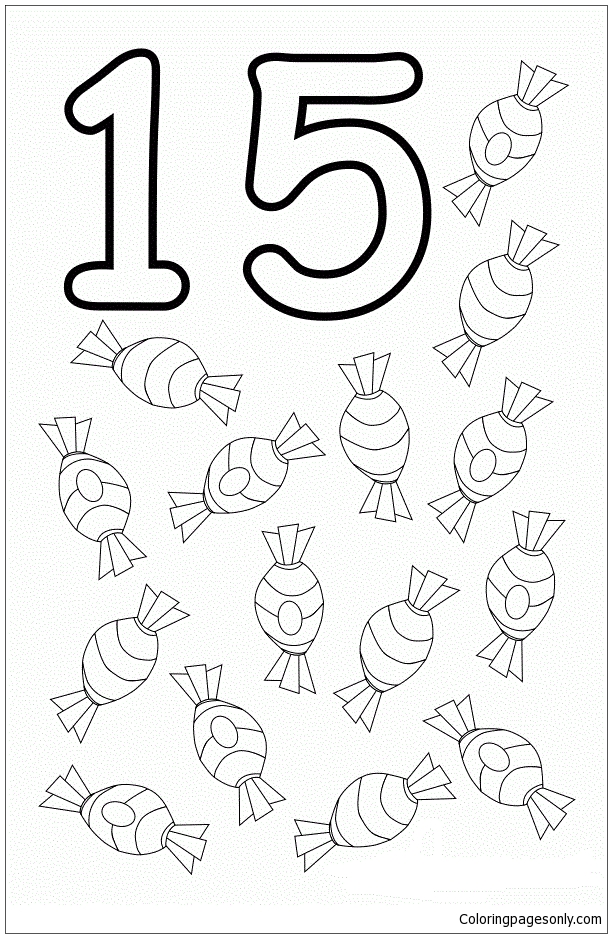
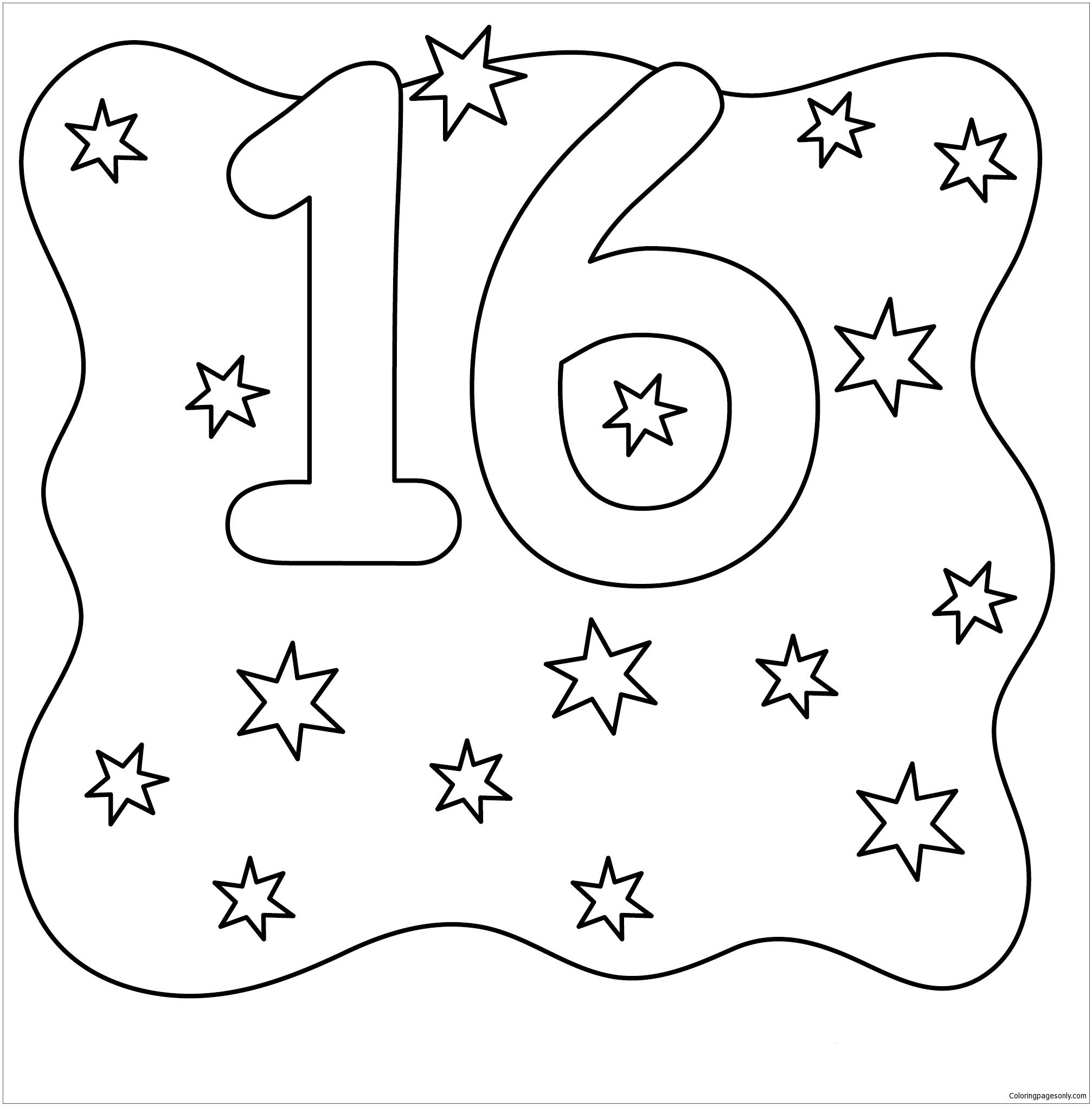
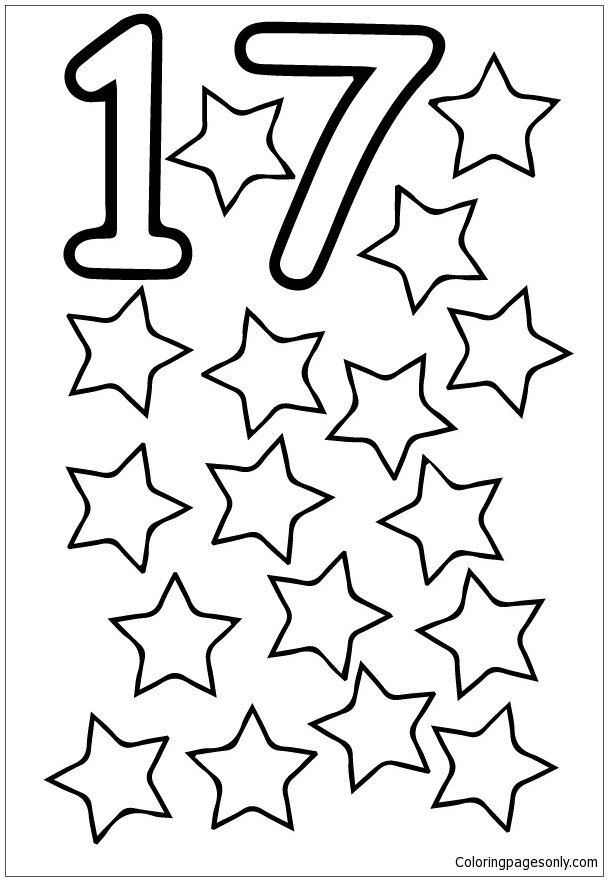
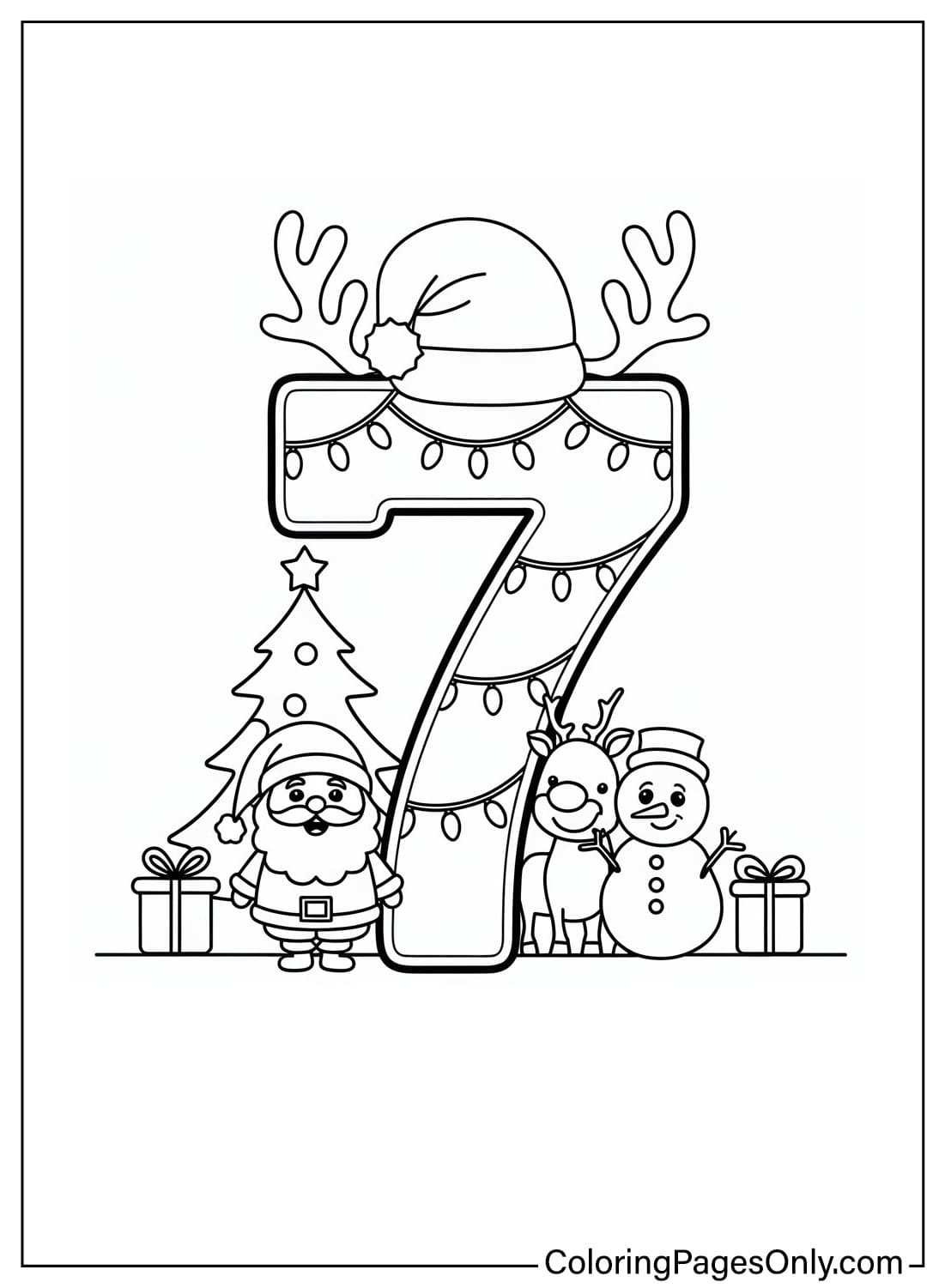
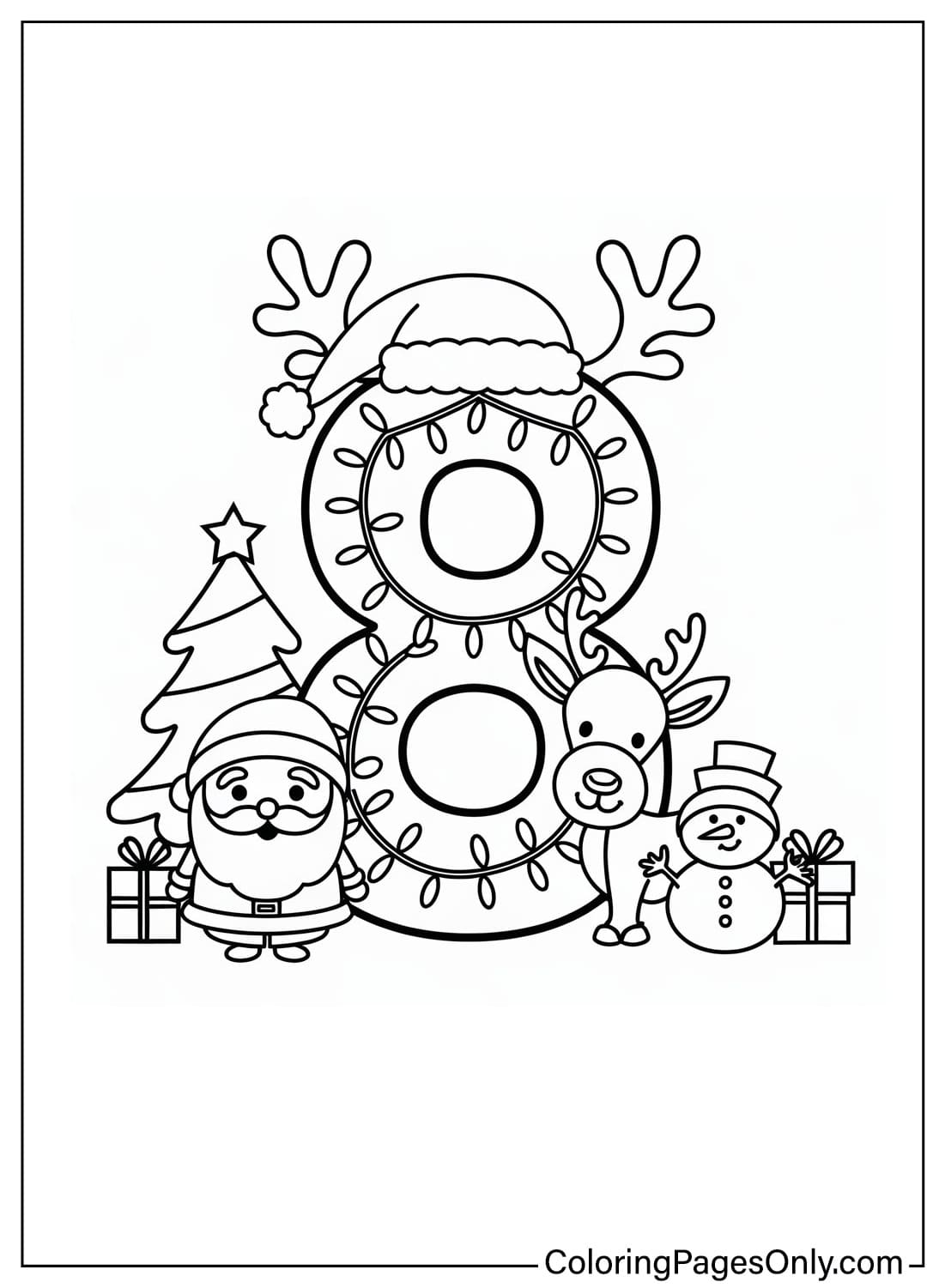
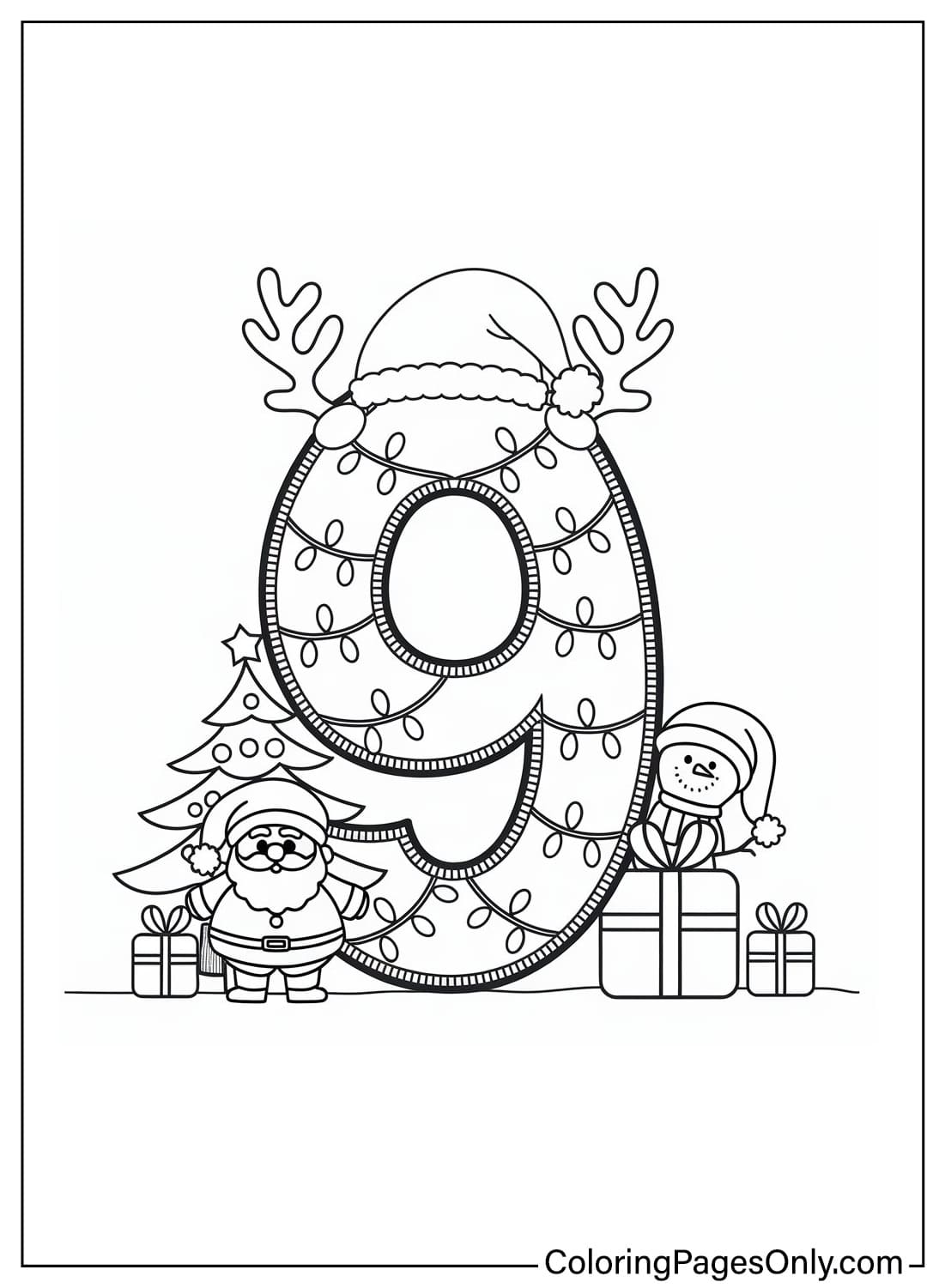
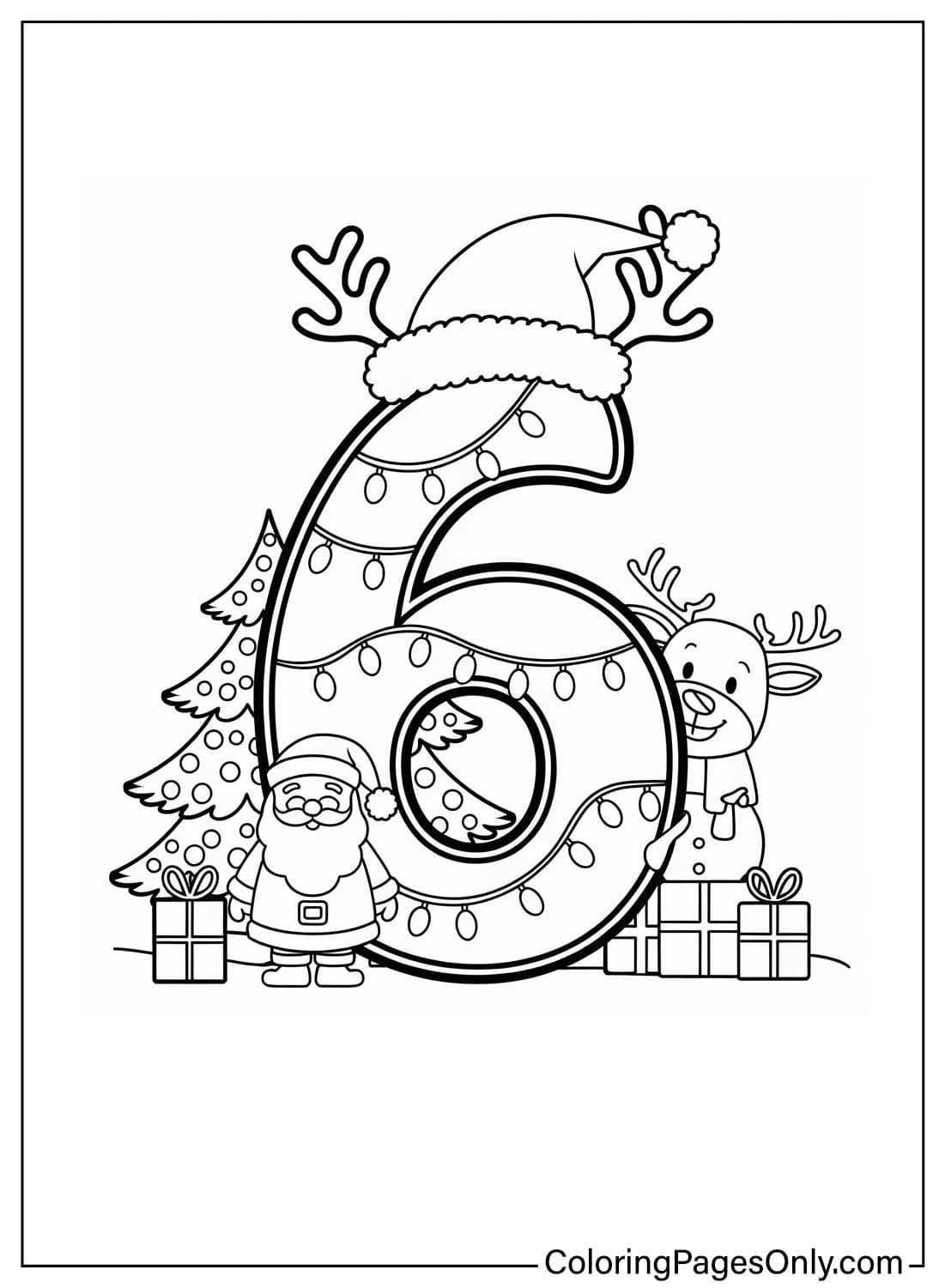
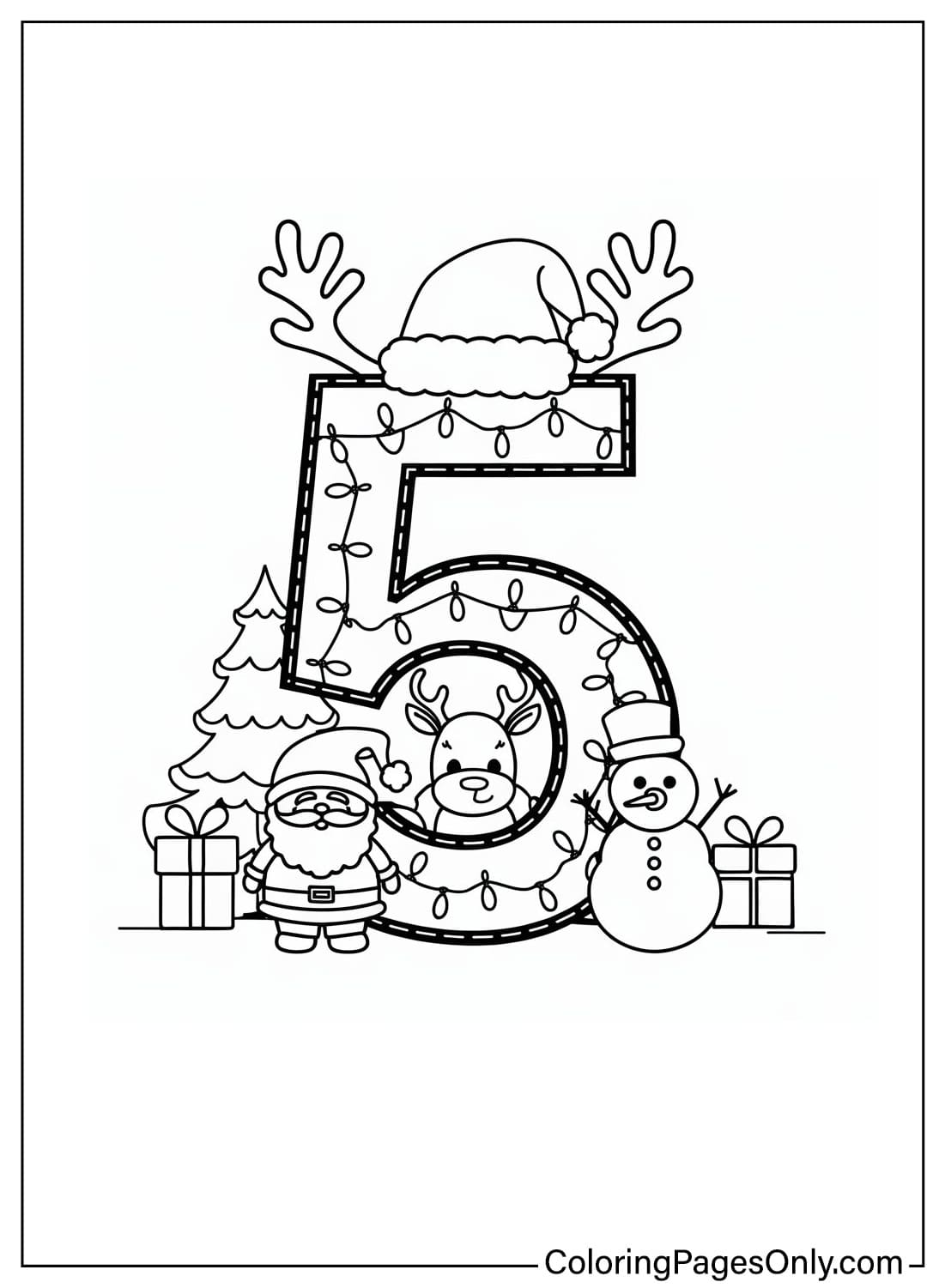
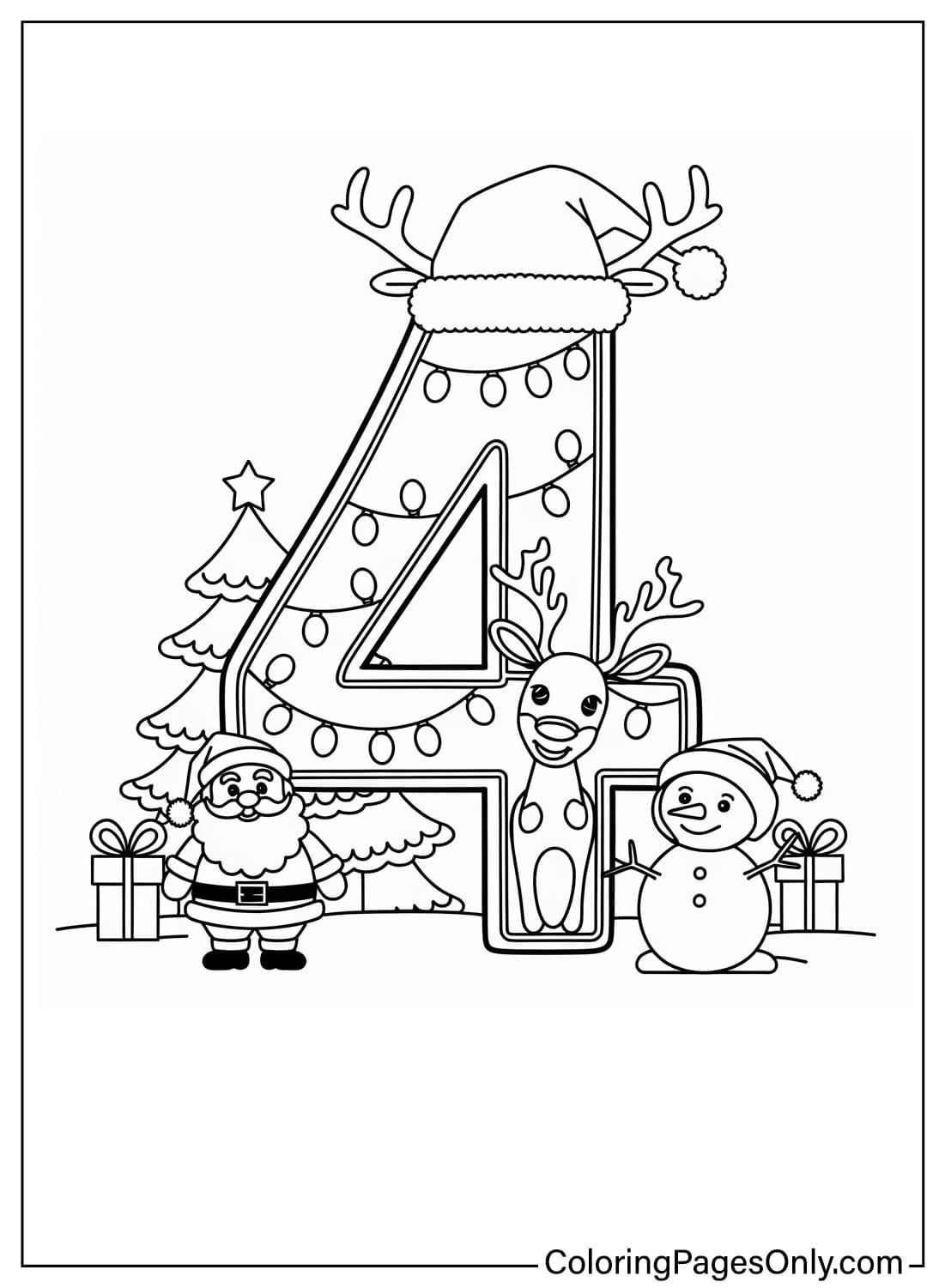
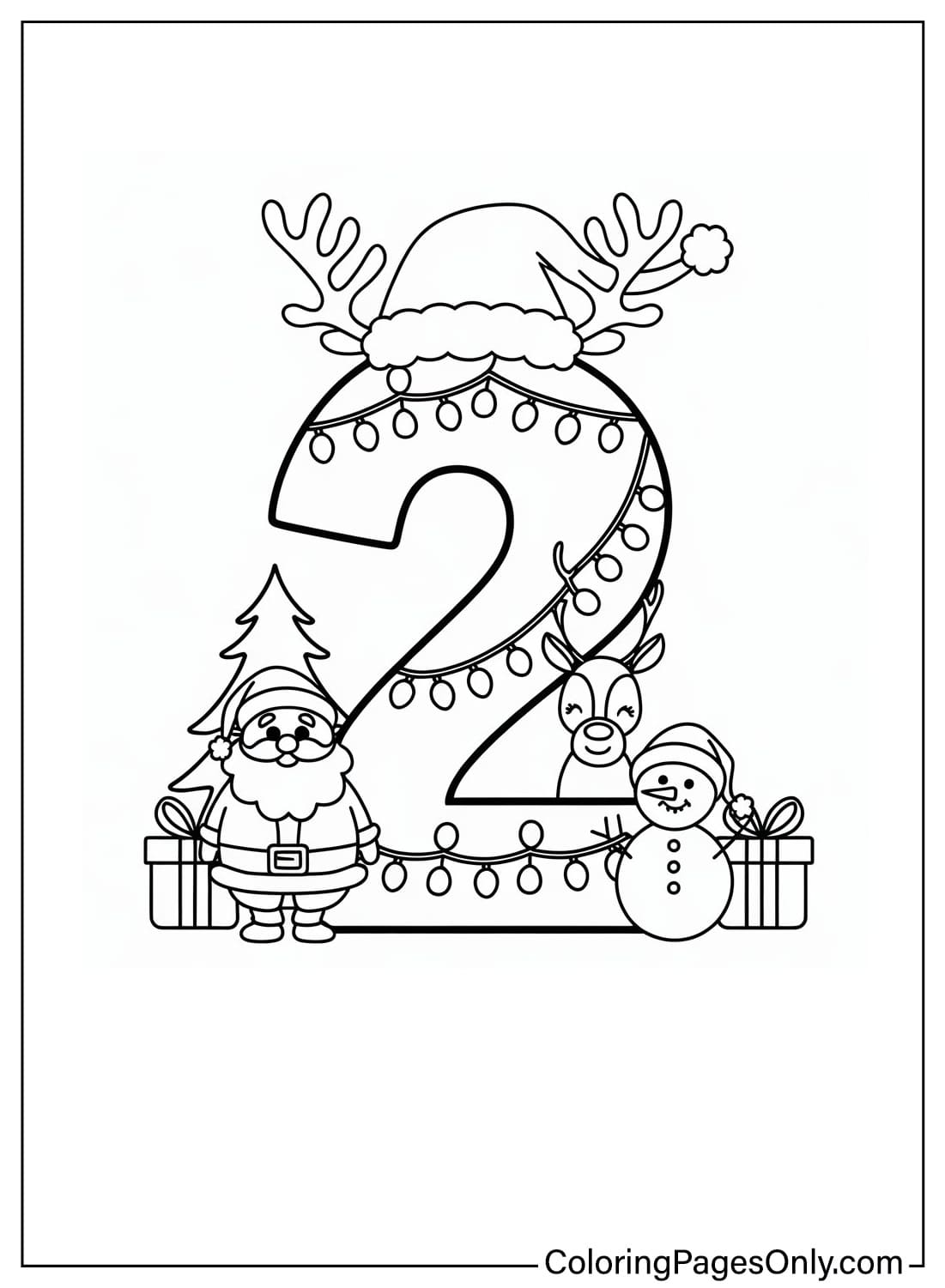
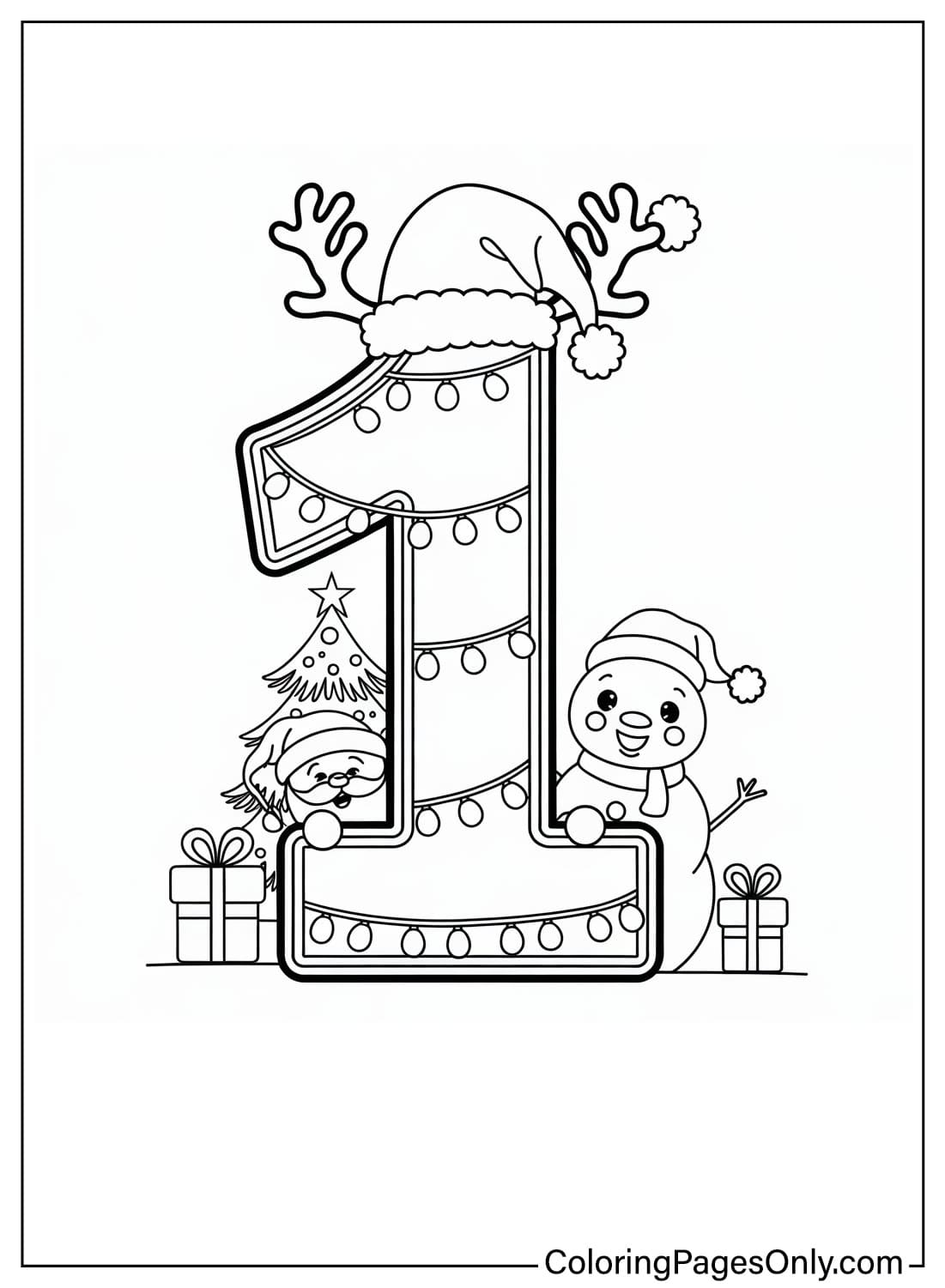
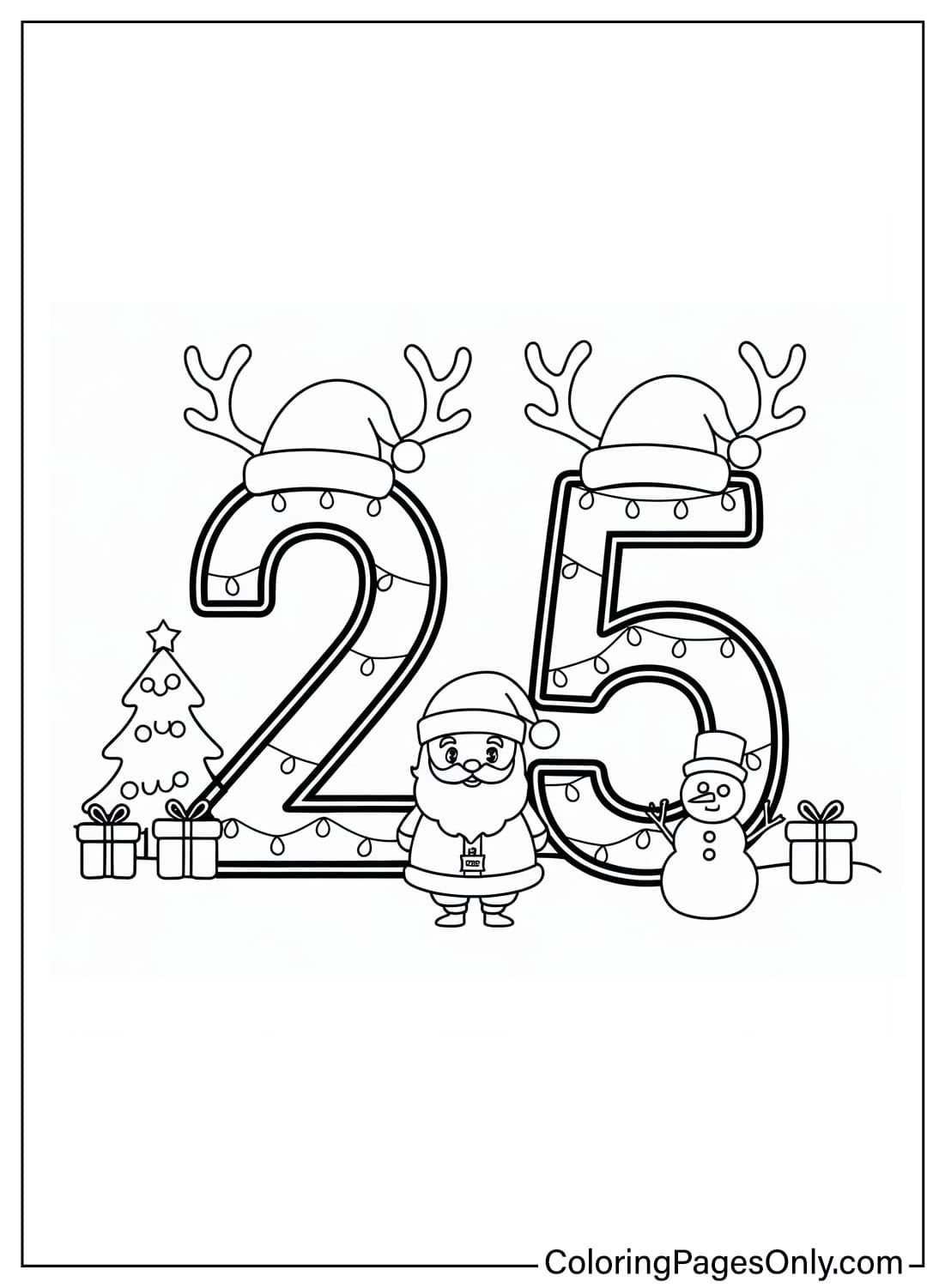
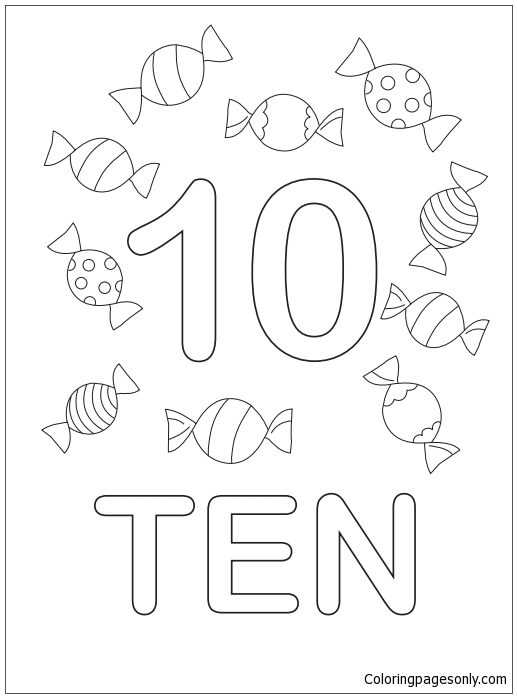
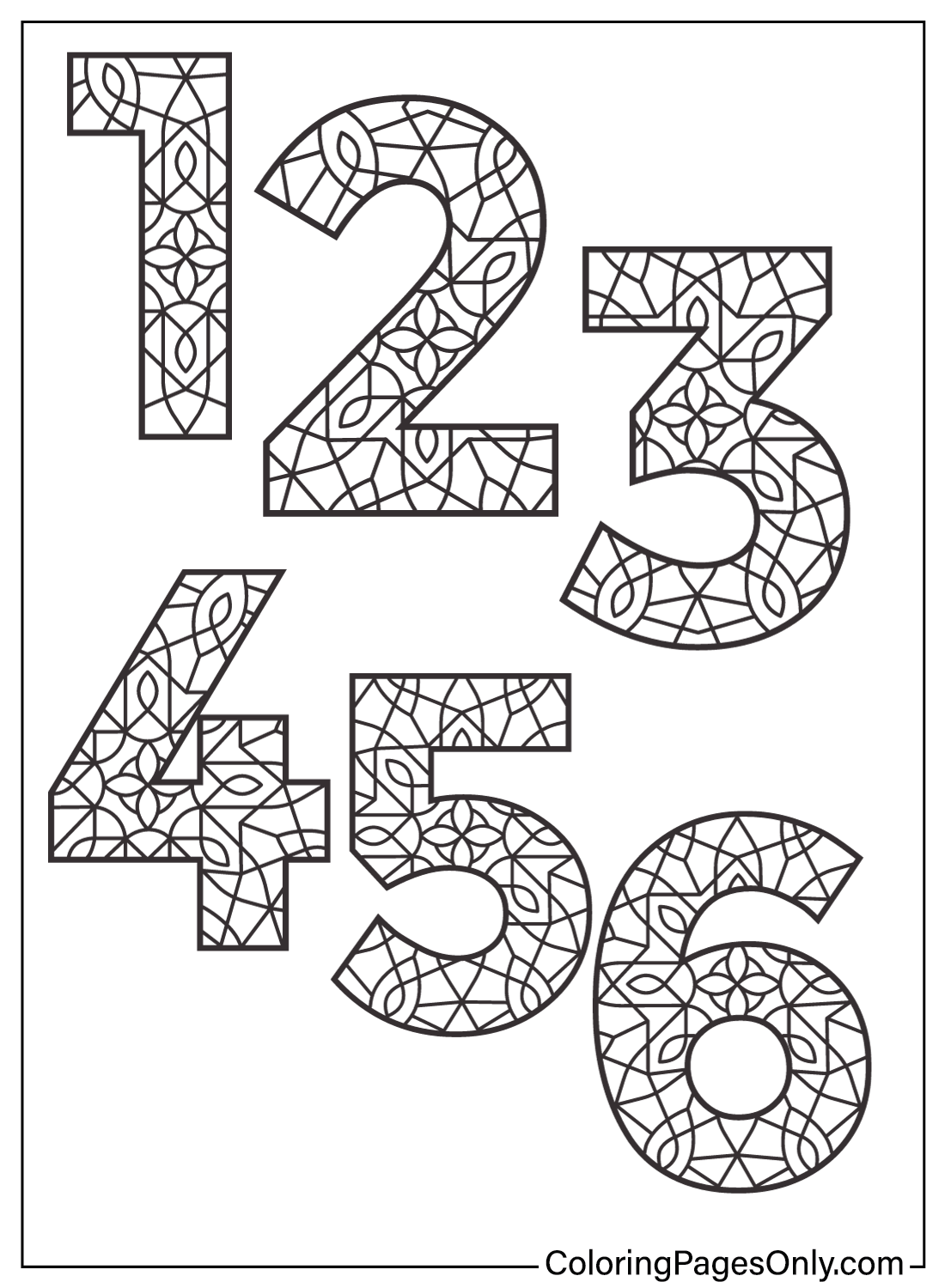
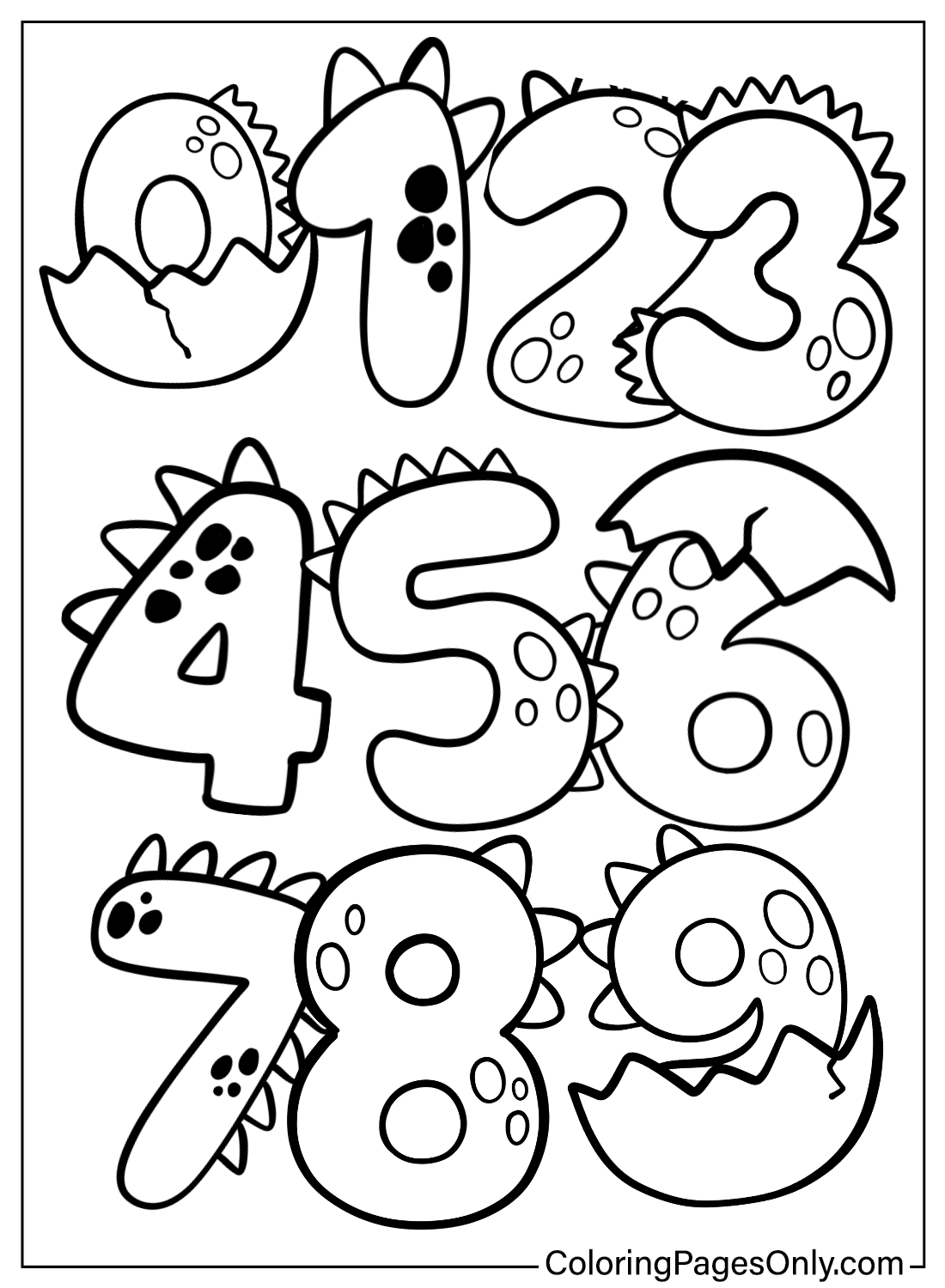
Numbers Coloring Pages at ColoringPagesOnly.com brings together 140+ free pages designed to make early number learning colorful and hands-on – digit portrait pages for each number 0 through 9, counting-with-objects illustrations pairing each number with a matching group of animals or items, decorated and patterned number designs, number-word combination pages, and a festive Christmas Numbers seasonal set (1–25) adorned with Santa hats, snowflakes, and holiday decorations. Download any page as a free PDF to print, or color online directly in your browser.
Number pages are part of the Educational Coloring Pages collection – explore also Alphabet Coloring Pages, Animals Coloring Pages, and Coloring Pages for Kids for more learning-focused resources.
The 10 Digits That Run the World
Everything in modern mathematics – from a child counting five apples to a spacecraft navigating to Mars – is expressed using exactly ten symbols: 0, 1, 2, 3, 4, 5, 6, 7, 8, 9. These ten digits, combined through the principle of place value, can represent any number that has ever existed or ever will exist. That is one of the most remarkable facts in all of human intellectual history, and it rests on an invention that took thousands of years to complete.
The system we use today is called the Hindu-Arabic numeral system – named for the two civilizations most responsible for its creation and transmission. The digits were developed by Indian mathematicians starting around the 3rd century BCE in a script called Brahmi. Over centuries, these symbols evolved through several forms – Brahmi, Gupta, Nagari – gradually approaching the shapes familiar to us today. By approximately 600 CE, Indian mathematicians had assembled the essential components: nine distinct digit symbols, a positional system where the location of a digit determines its value, and – the revolutionary breakthrough – a symbol for zero.
The Persian mathematician Al-Khwarizmi documented this Indian system in his treatise On the Calculation with Hindu Numerals around 825 CE, introducing it to the Islamic world. Arab scholars refined and extended it, adding decimal fractions. European mathematicians encountered it through Arabic texts, and the Italian mathematician Leonardo Fibonacci championed its adoption in Europe through his influential 1202 book Liber Abaci. The printing press, invented around 1450, standardized the symbols’ shapes across Europe. By the 16th century, the ten-digit forms we recognize today were settled.
The French mathematician Pierre-Simon Laplace described this achievement with unusual reverence: the Indian method of expressing all numbers by ten symbols, each receiving a value of position as well as an absolute value, was, he wrote, a profound and important idea that appeared so simple that we ignore its true merit – but its simplicity and the ease it lends to all computation puts arithmetic among the most useful inventions in history.
The key reason this system is so powerful – and so much more practical than Roman numerals, Egyptian hieroglyphs, or the Babylonian base-60 system – is place value: the digit 5 means something entirely different in 5, 50, 500, and 5,000, simply because of where it sits in the number. Without place value, every magnitude of a number requires its own symbol. Roman numerals needed separate characters for 1, 5, 10, 50, 100, 500, and 1,000 – and still couldn’t handle large numbers efficiently. Ten symbols and positional logic replace all of that with elegant simplicity.
Digit by Digit – The Story of 0 Through 9
Each of the ten digits in this collection has its own page, history, and coloring character. Here is what makes each one worth knowing.
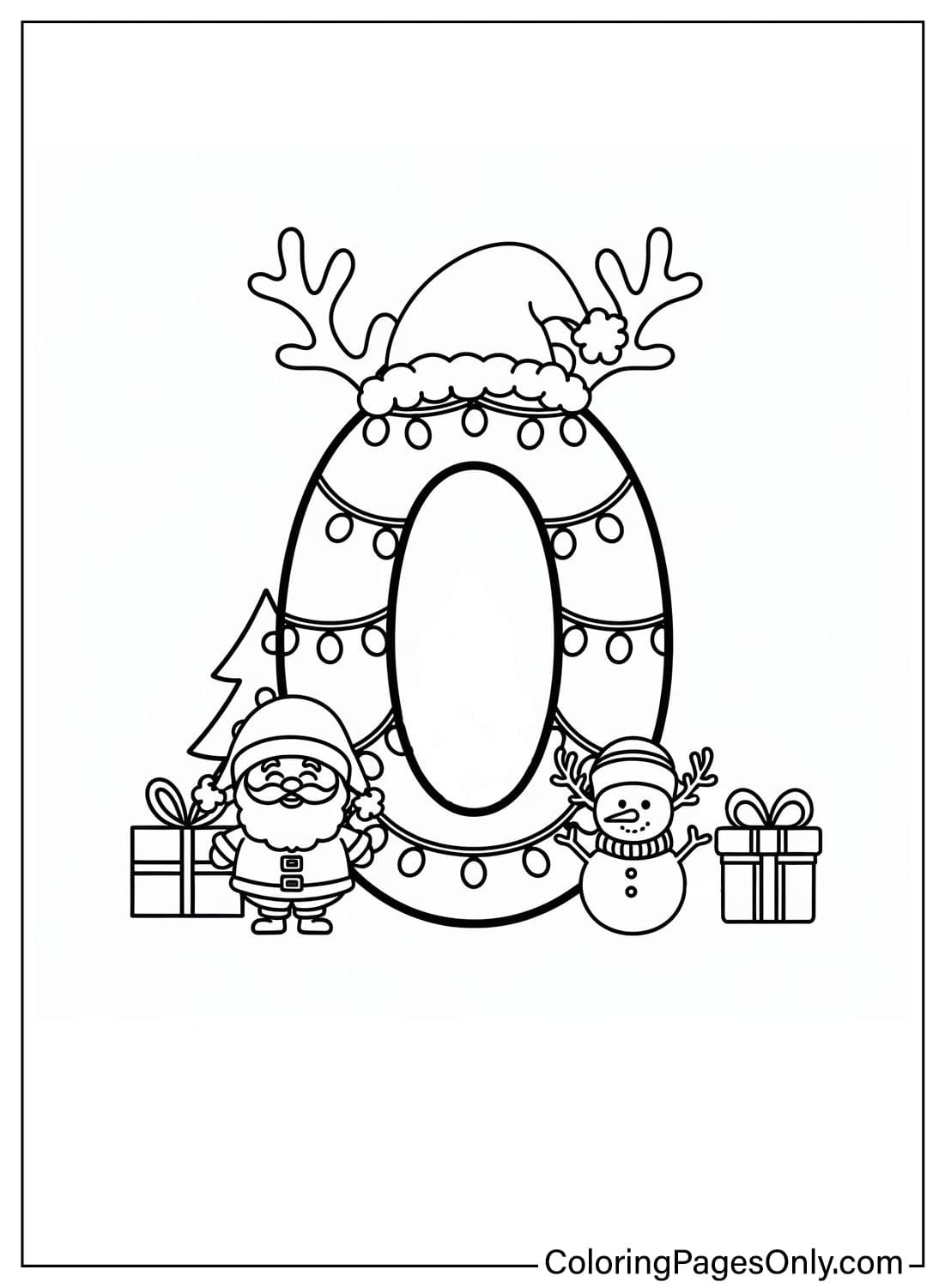
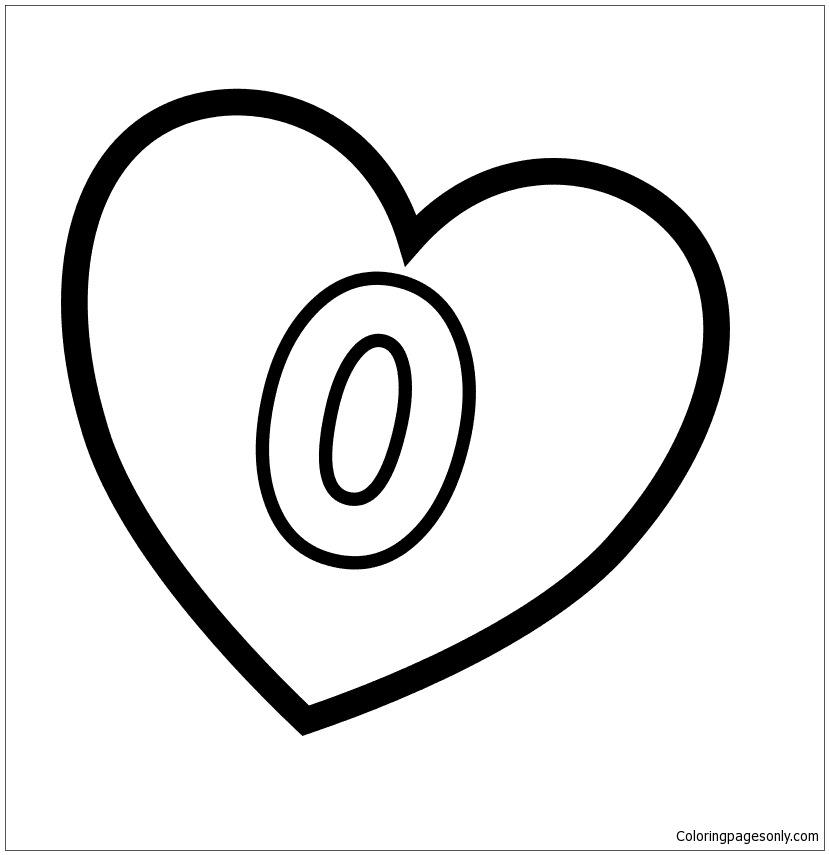
0 – Zero is the most revolutionary digit. For most of human history, no number system had a symbol for “nothing” – the concept of representing the absence of quantity as a numeral was genuinely difficult to imagine. The first recorded use of a symbol for zero in India dates to a stone inscription at the Chaturbhuja Temple at Gwalior, dated 876 CE. But the concept was formalized much earlier by the Indian mathematician Brahmagupta in 628 CE, who defined zero as the result of subtracting a number from itself and established rules for arithmetic involving it. Zero was not welcomed in Europe immediately – merchants in Florence were actually forbidden from using Arabic notation in bookkeeping as late as the 13th century, partly because 0, 6, and 9 could too easily be altered in fraudulent documents. Zero is the only digit with no Roman numeral equivalent; Romans used the word nulla (“nothing”) instead. It is also the only number that is neither positive nor negative. For coloring pages: 0 is a pure oval or ellipse – the most rounded, symmetrical, and enclosed of all digit shapes.
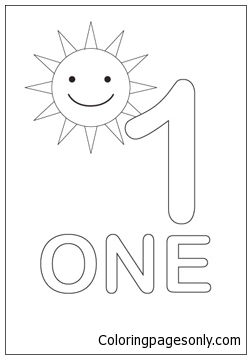
1 – One is the building block of all counting. Every number is ultimately a sum of ones. It is the only number that, when used to multiply or divide any other number, leaves it unchanged – a property called the multiplicative identity. One is also, by convention, not classified as a prime number (though it superficially resembles one), a distinction that preserves an important theorem in mathematics. For coloring pages: 1 is the most vertical, linear digit – a single stroke, simple and confident.
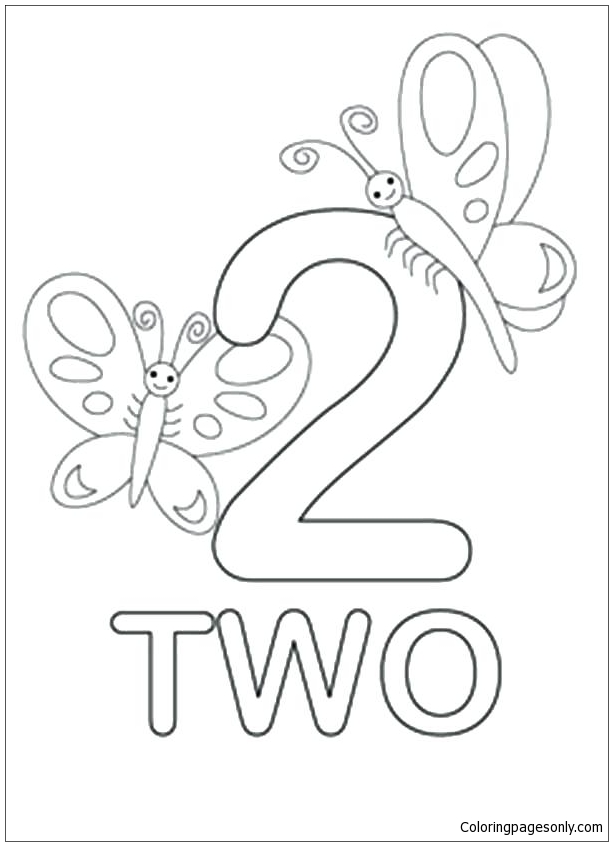
2 – Two is the smallest and only even prime number. All other even numbers are divisible by 2 and therefore not prime. Binary code – the language of every computer, smartphone, and digital device in the world – uses only the digits 0 and 1, where 2 represents the base of the entire system. For coloring pages: 2 has a curved upper section flowing into a horizontal base – the most graceful of the single-digit forms.
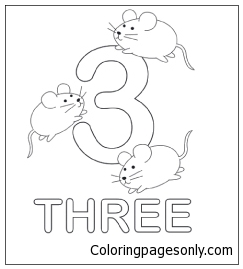
3 – Three is the first odd prime. In geometry, a triangle – a shape with three sides and three angles – is the simplest closed polygon and the only one that is inherently rigid: you cannot deform a triangle without changing the length of at least one side, which is why triangular structures appear throughout engineering and architecture. The word three connects linguistically across many Indo-European languages: tres in Latin, drei in German, trois in French, teen in Hindi. For coloring pages: 3 consists of two back-to-back curves opening to the left – a mirror image of sorts, with the top curve typically slightly smaller than the bottom.
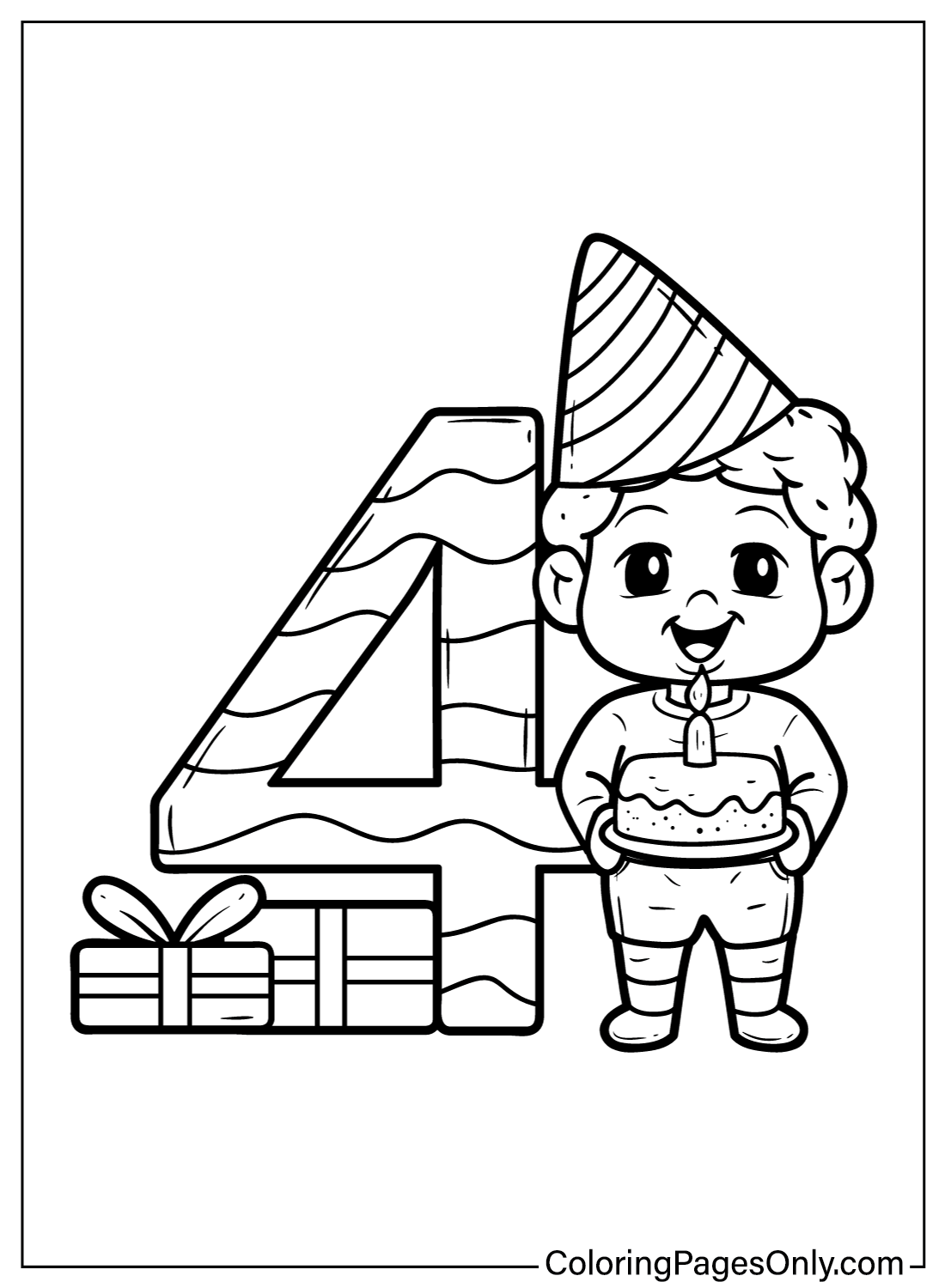
4 – Four is the first composite number – a number that has factors other than 1 and itself (4 = 2 × 2). It is also the only number in English whose name contains exactly as many letters as its value: F-O-U-R, four letters, value four. For coloring pages: 4 is the most angular digit, composed primarily of straight lines meeting at a specific angle – no curves. It is particularly rewarding to color because its triangular upper section and vertical descender create distinct geometric zones that respond well to different color treatments.
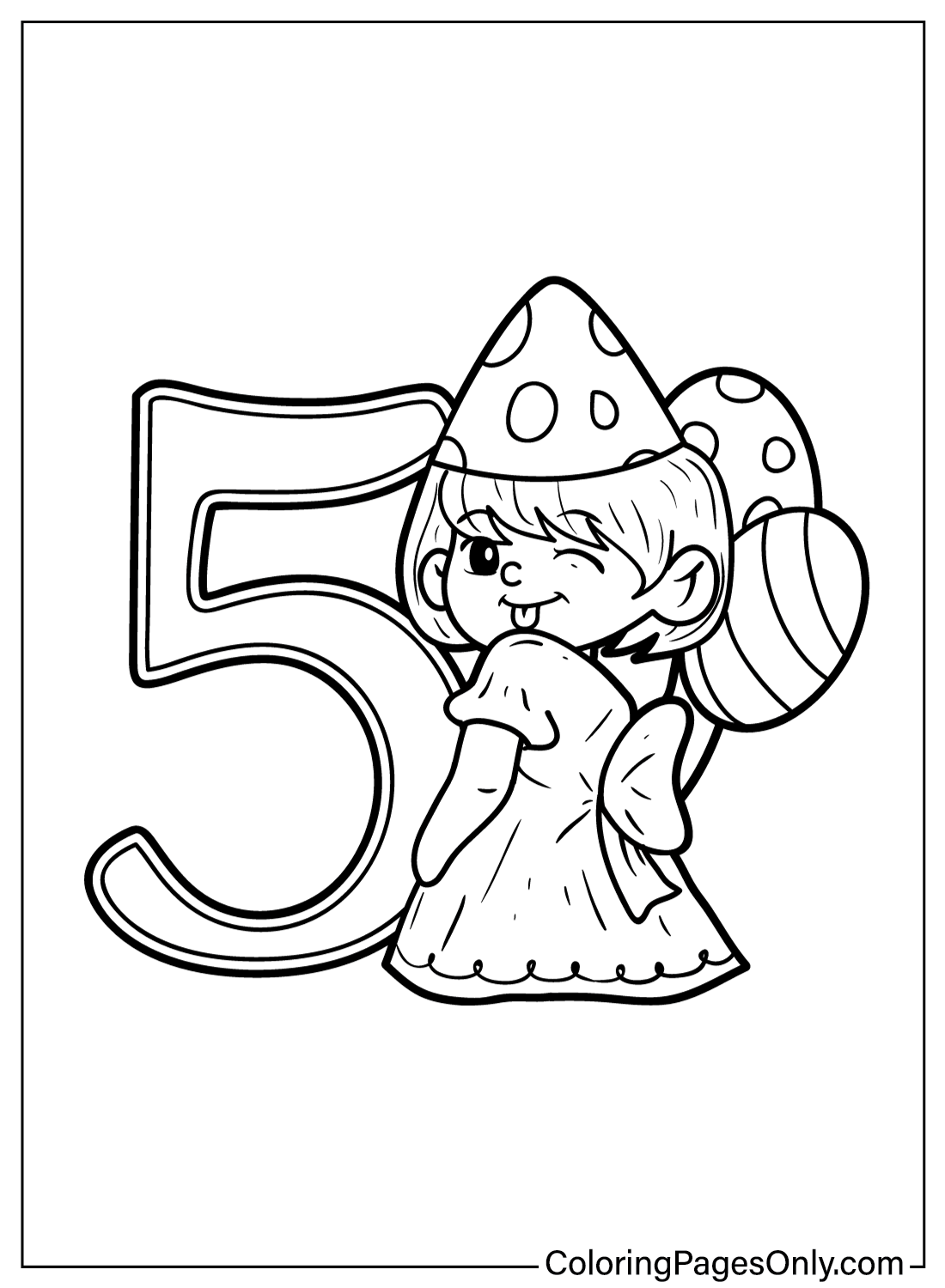
5 – Five is the base of our hand-counting system – we have five fingers on each hand, which is very likely why so many ancient number systems, including early tally systems, grouped in fives. The number five appears in the regular pentagons and five-pointed stars that recur throughout geometry, nature (sea stars, morning glory flowers), and human art. Multiples of 5 (5, 10, 15, 20…) are among the first skip-counting patterns children learn. For coloring pages: 5 has a distinctive shape – a flat top arm, a curved middle belly, and a horizontal base – quite different from the numerals around it.
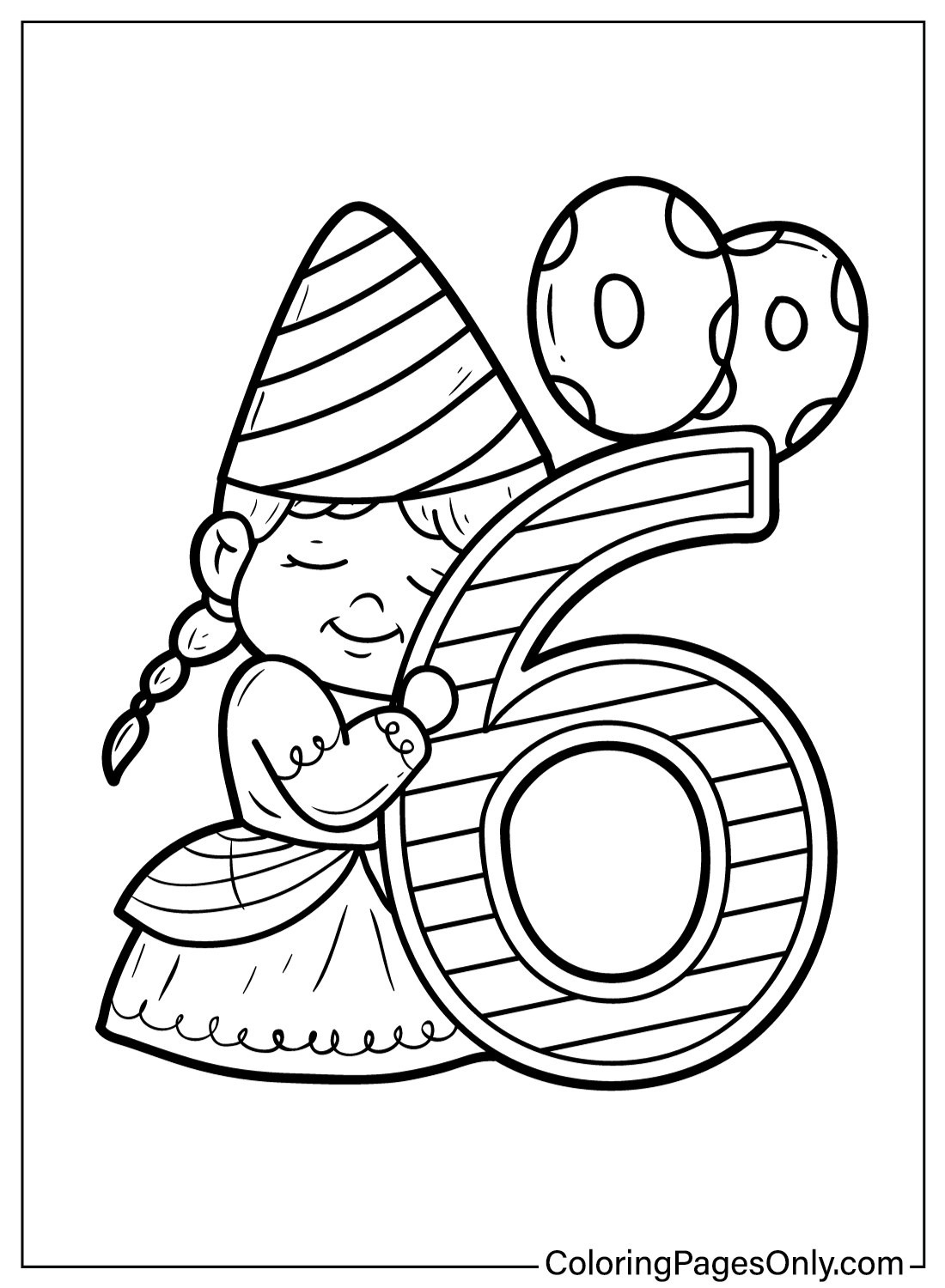
6 – Six is the first “perfect number” – a number whose proper divisors add up to itself (1 + 2 + 3 = 6). The next perfect numbers are 28, 496, and 8,128. Perfect numbers are extraordinarily rare; only 51 have been discovered as of 2026, and it is not known whether any odd perfect number exists. Visually, 6 looks like a spiral that closes into a circle at the bottom – essentially an inverted 9.
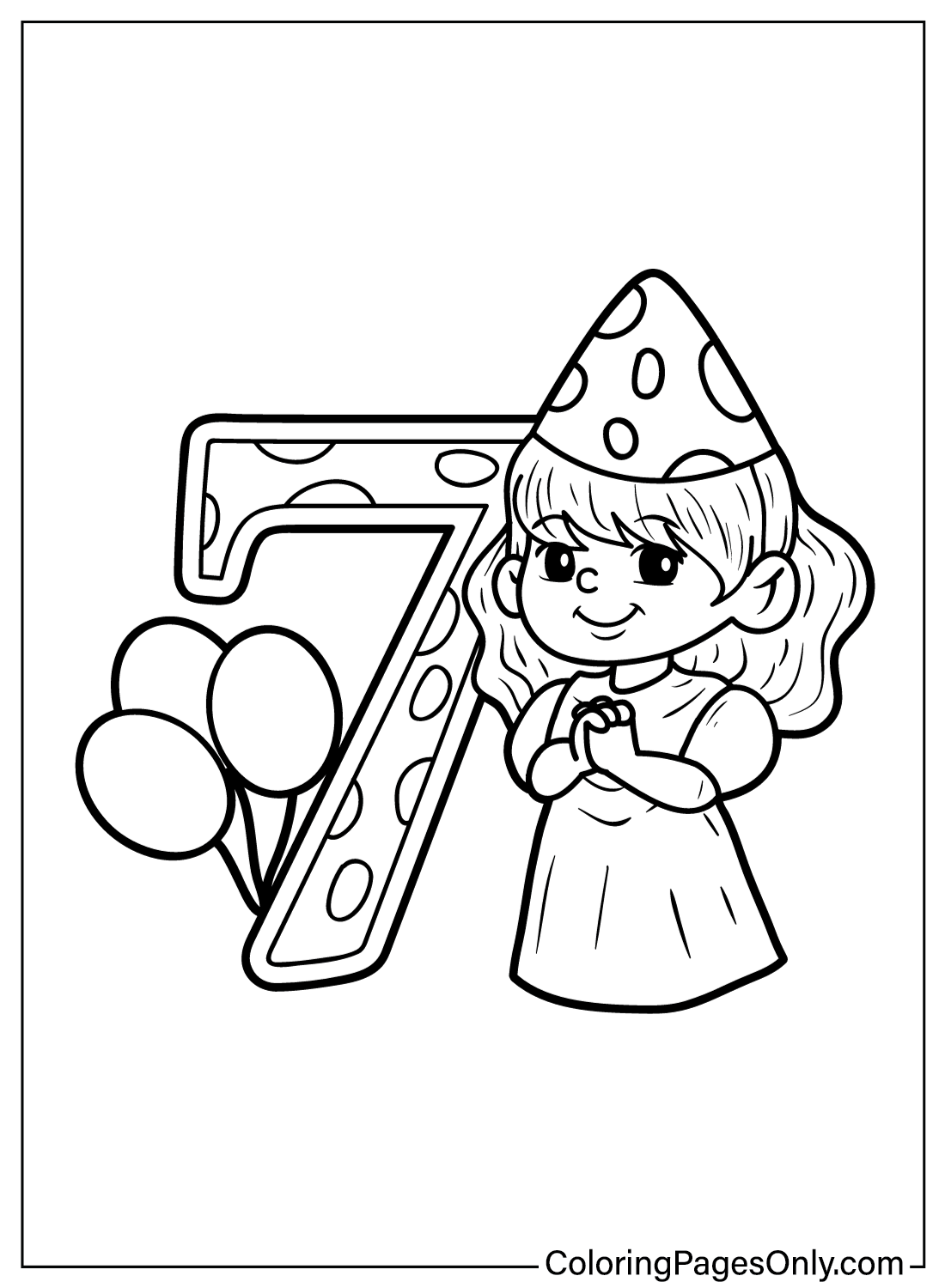
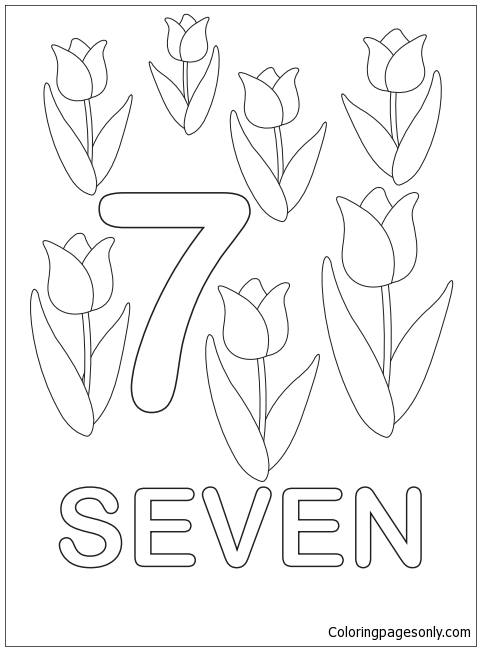
7 – Seven is the number that most humans around the world, when asked to name a random number between 1 and 10, choose. Research into this phenomenon has been replicated across many cultures and languages, though the reasons remain debated. Seven appears in the days of the week, the seven notes of the musical scale, the seven colors of the rainbow (as identified by Newton), and the seven ancient wonders of the world. In the multiplication tables, 7 is widely considered the most difficult single-digit multiplication to memorize, which is why times tables for 7 receive extra practice in most curricula. For coloring pages: 7 is essentially two lines – a horizontal top and a diagonal descender – with a small horizontal tick through the descender in some typographic traditions.
8 – Eight is the first cube number after 1 – 8 = 2 × 2 × 2. It is also the number that, rotated 90 degrees, becomes the symbol for infinity (∞). The shape of 8 – two stacked circles – is the reason: the lemniscate (infinity symbol) traces a path like the digit 8 turned on its side. In many East Asian cultures, 8 is considered the luckiest digit because its pronunciation in Mandarin Chinese (bā) sounds similar to the word for prosperity or fortune. For coloring pages: 8 is two circles stacked – the most naturally symmetrical digit and one that rewards symmetric color choices: both circles the same color, or gradient colors moving through both loops.
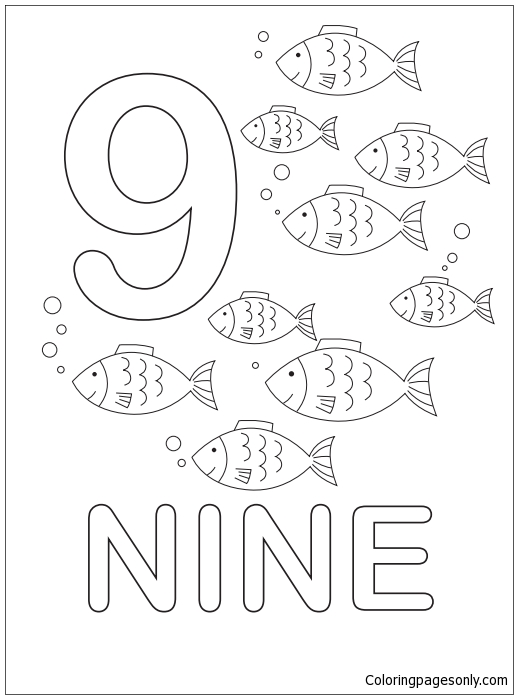
9 – Nine has a remarkable property: multiply any whole number by 9, add all the digits of the result together, and the sum will always reduce to 9 (9 × 7 = 63; 6 + 3 = 9; 9 × 14 = 126; 1 + 2 + 6 = 9; 9 × 123 = 1,107; 1 + 1 + 0 + 7 = 9). This is the “digital root” property of multiples of 9, and it persists no matter how large the original number. Nine is the largest single digit and the last before the system “resets” with a new place, 10 being the first two-digit number. For coloring pages: 9 is the mirror of 6 – a circle at the top with a descending tail. Coloring these two digits alongside each other makes the visual relationship between them immediately clear.
Types of Pages in This Collection
Digit portrait pages show a single number – usually large and centered – as the sole subject of the page. These are the foundational pages: pure number recognition practice. The number fills most of the page surface, giving colorists maximum area to explore within the specific shape of each digit. Ideal for children who are first learning to recognize and distinguish number forms, and for decorative display purposes (a child’s age portrait, a classroom number line).
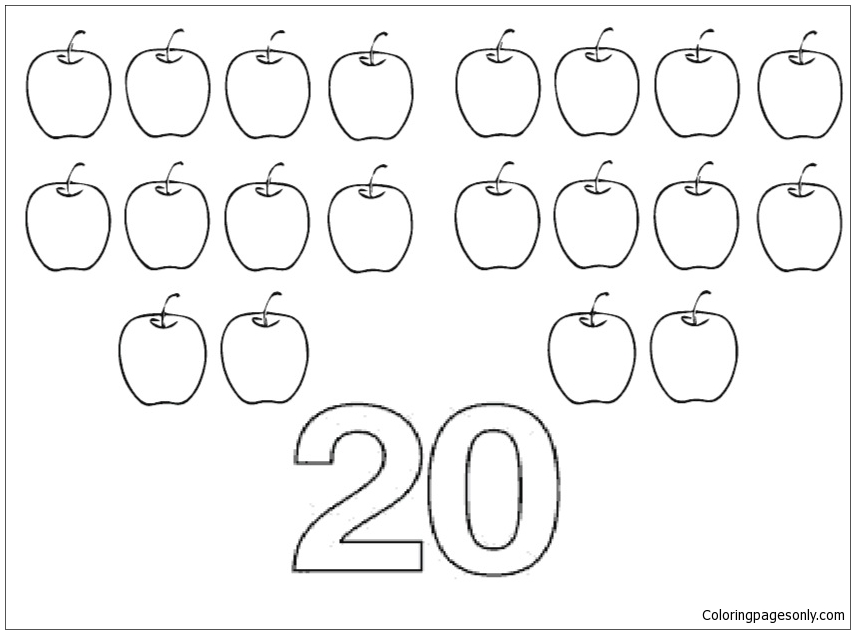
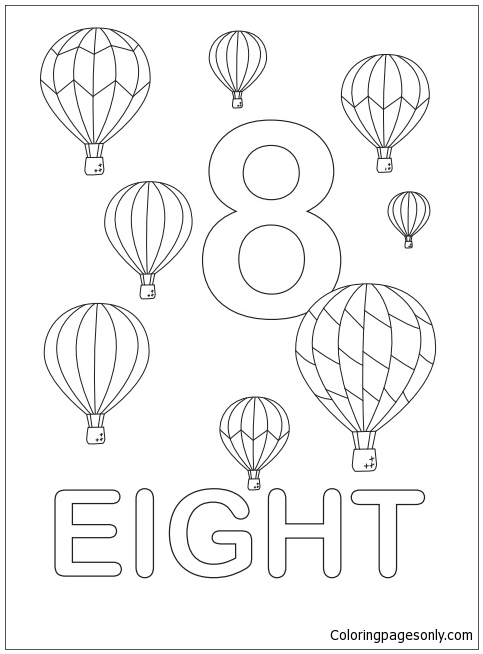
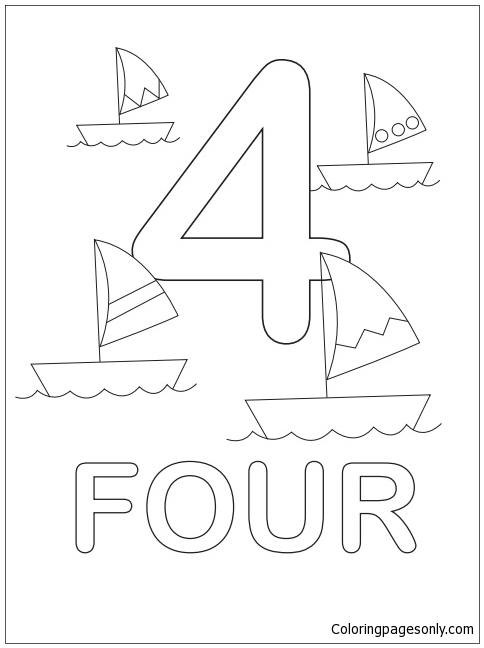
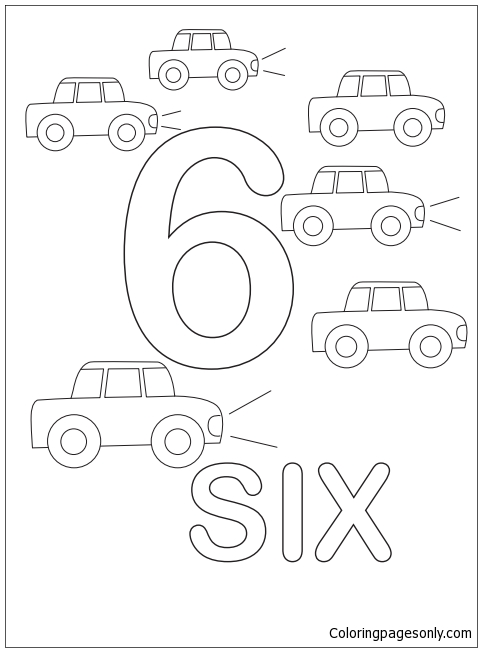
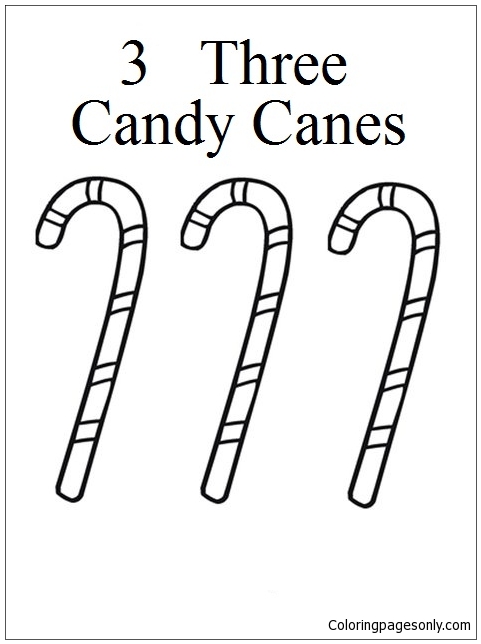
Counting-with-objects pages pair the digit with a matching number of illustrated objects – the number 3 alongside three butterflies, the number 7 with seven stars. These pages connect the abstract symbol to the concrete quantity it represents, which is the core of early numeracy. When a child colors three butterflies and the digit 3 side by side, they are reinforcing the most fundamental mathematical concept: that a numeral represents a real-world count. These are the most educationally comprehensive pages in the collection.
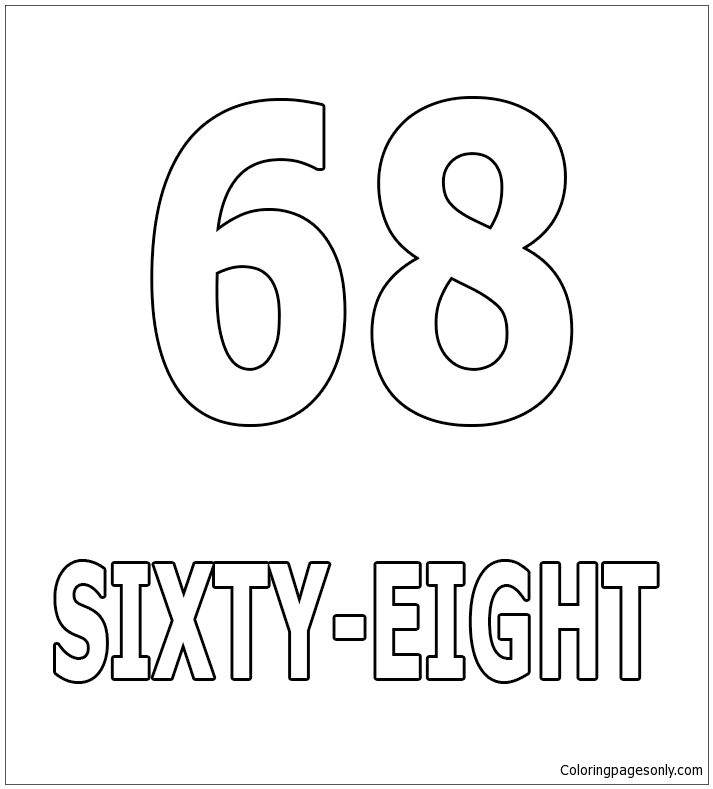
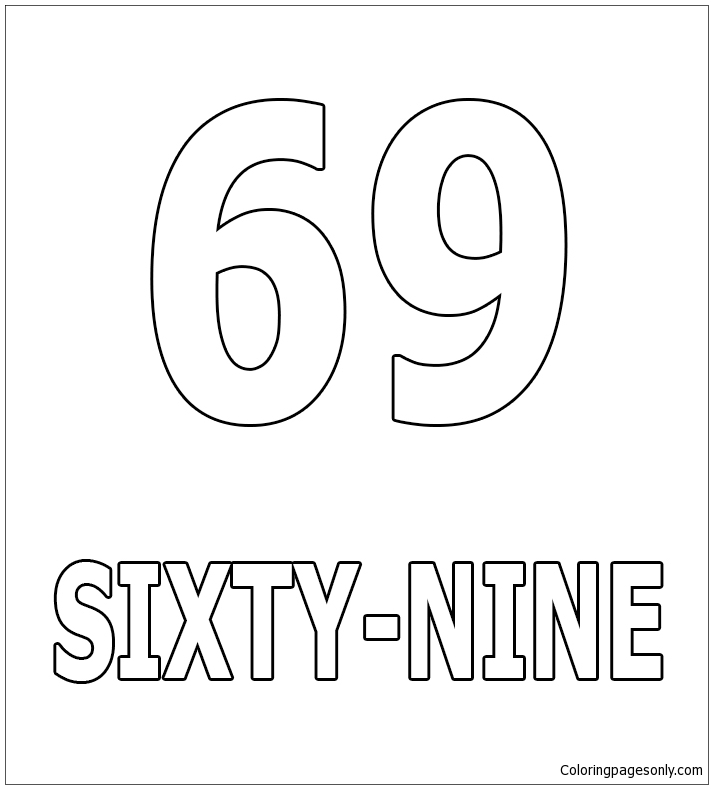
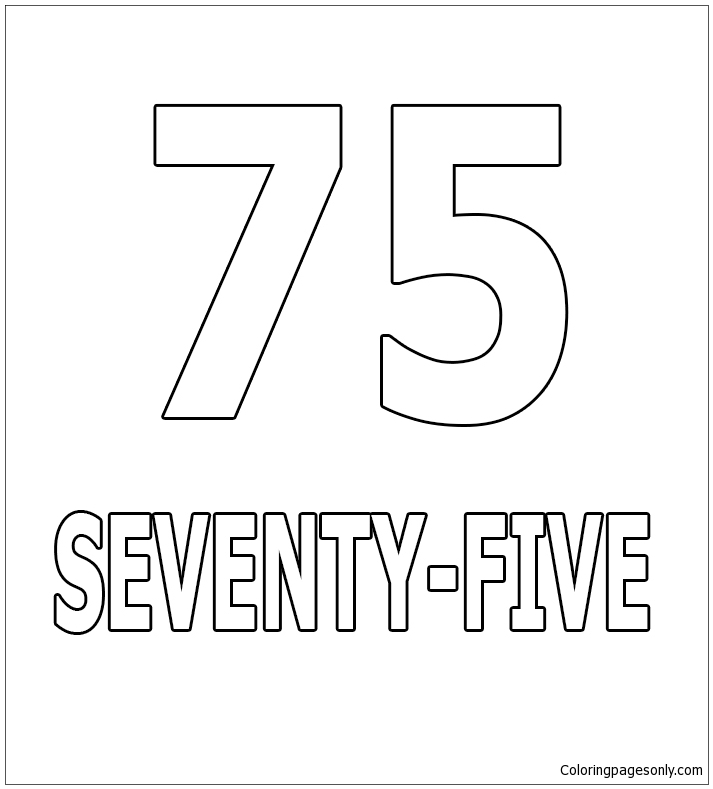
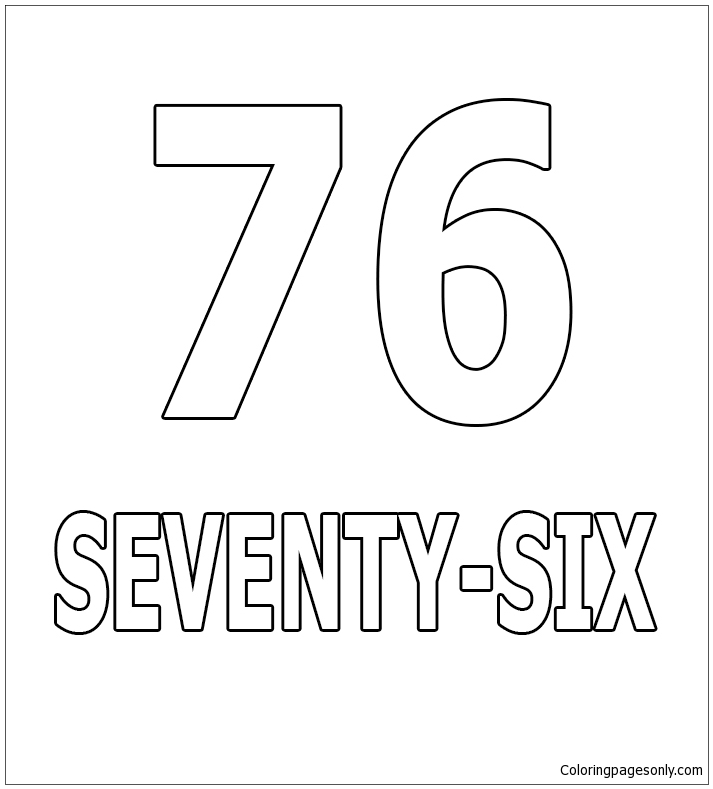
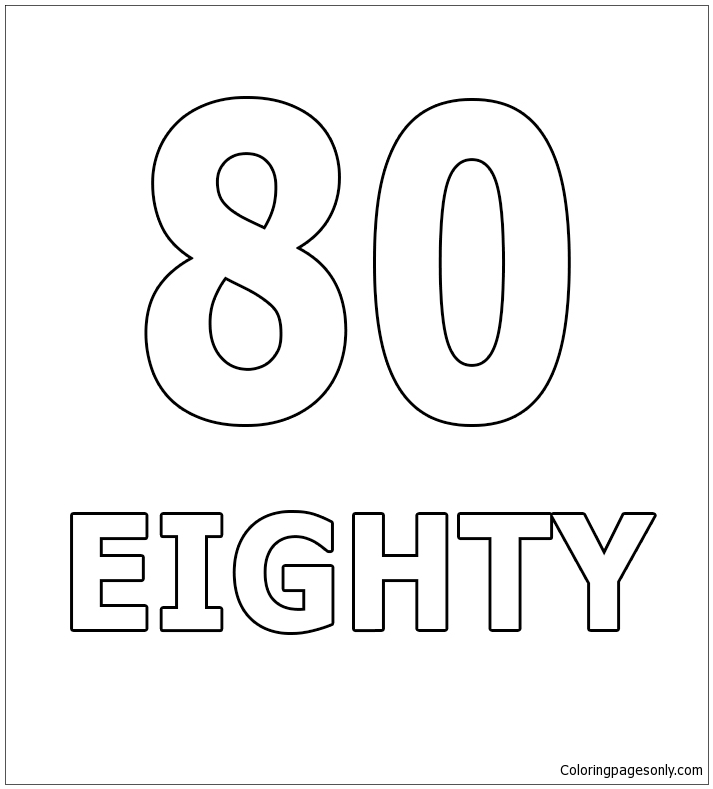
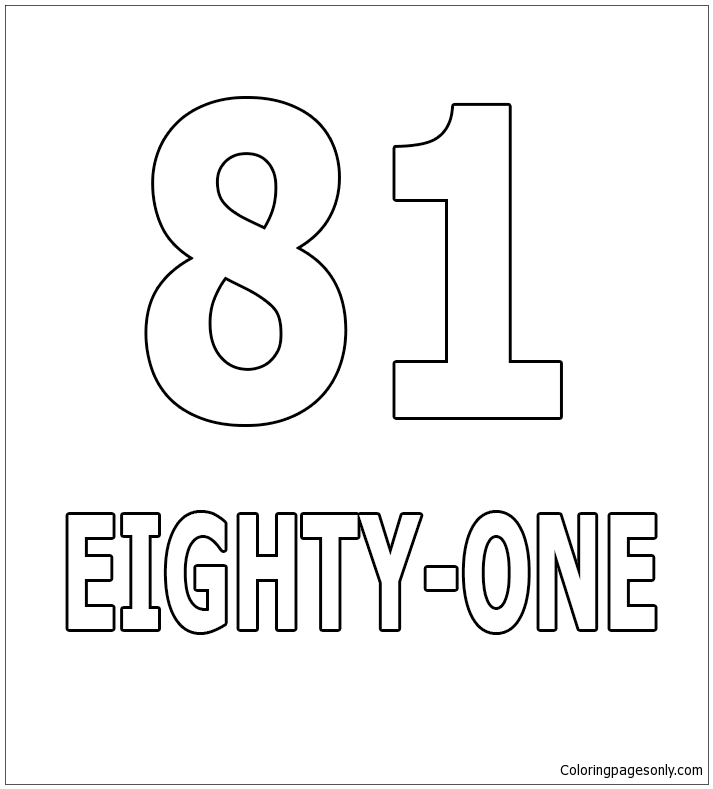
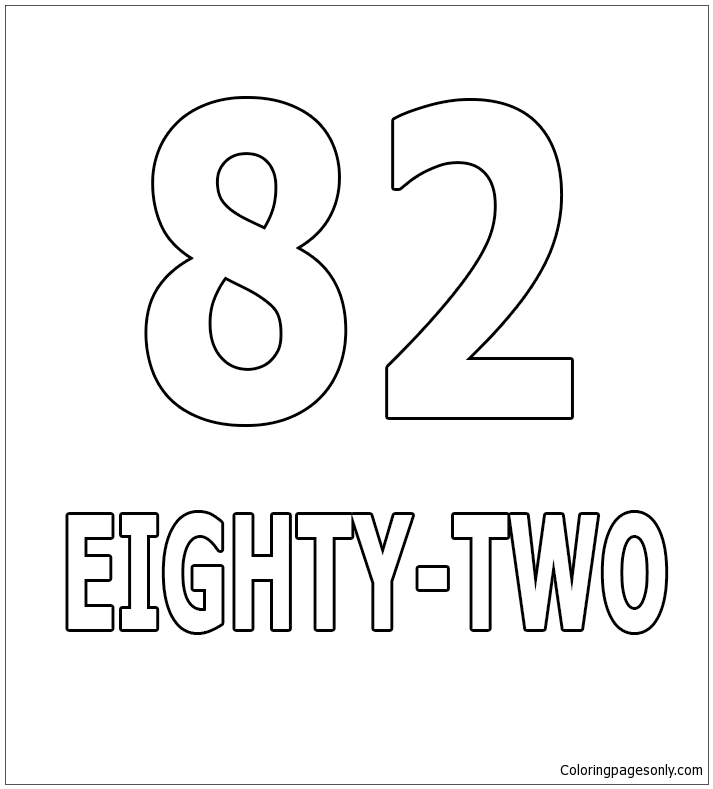
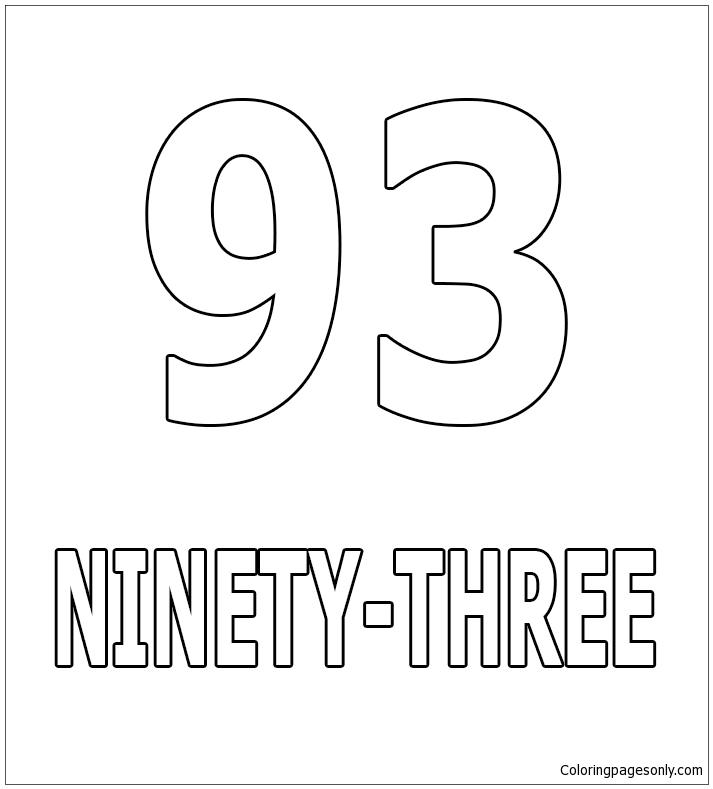
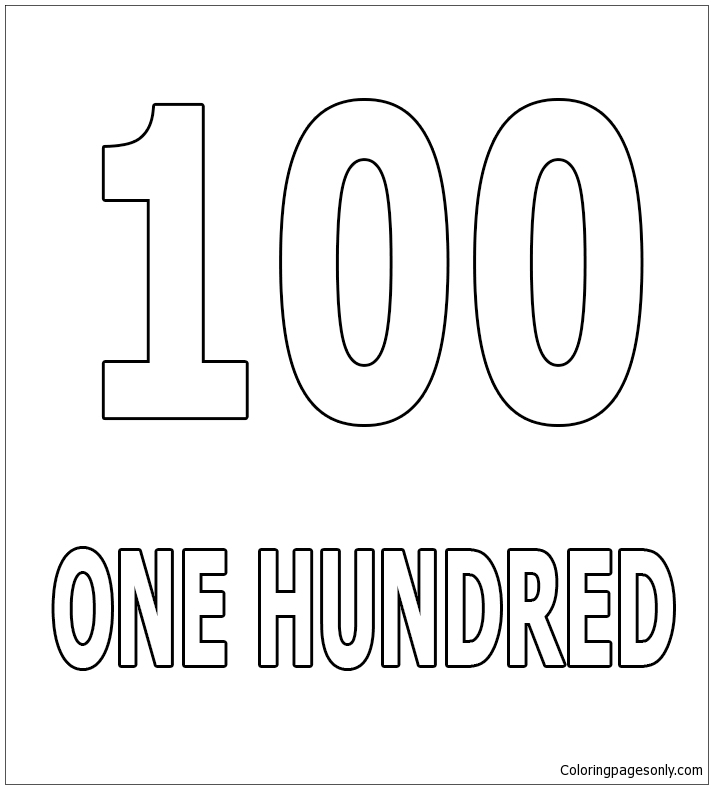
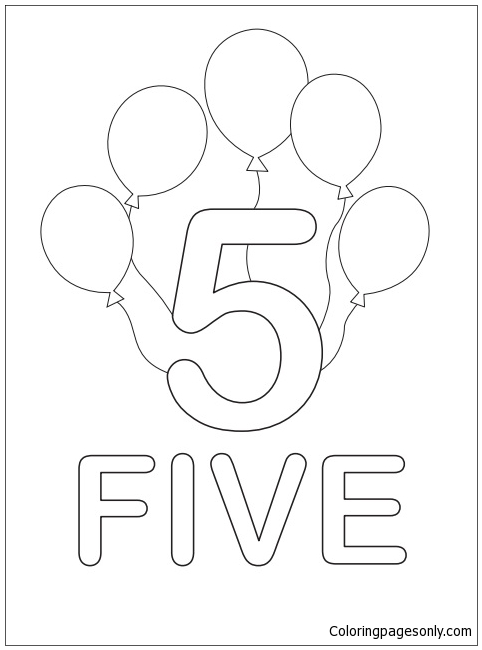
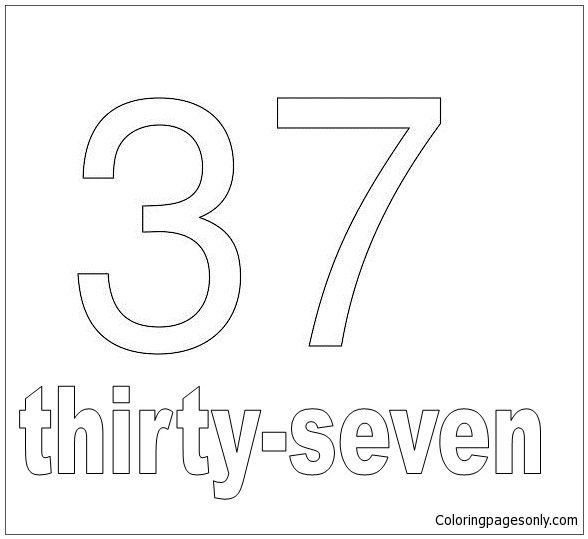
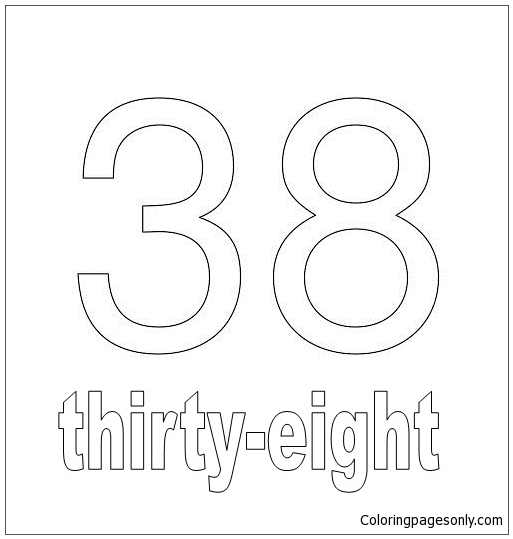
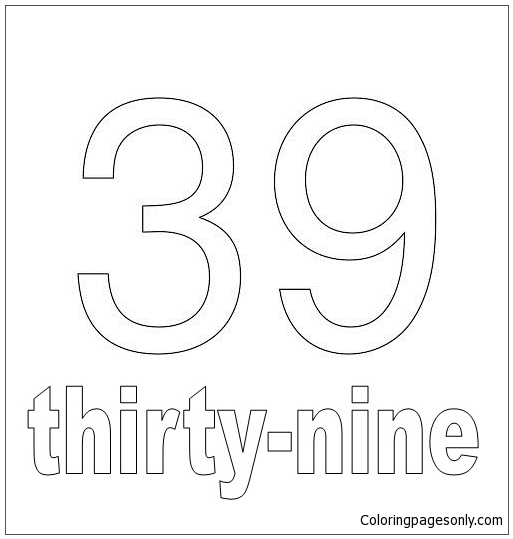
Number-word combination pages show both the digit form (3) and the written word form (THREE) together. These pages bridge the gap between mathematical notation and language, teaching children to recognize numbers in text as well as in numeral form – both of which appear in everyday reading.
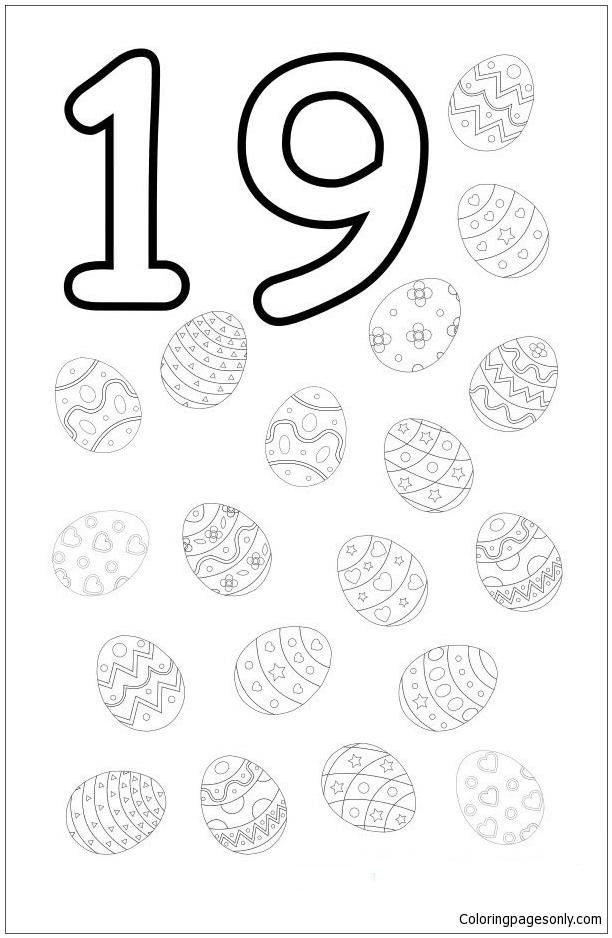
Decorated and patterned number pages treat each digit as an artistic canvas, filling its interior with flowers, geometric patterns, animals, or seasonal motifs. These pages are recommended for children who already recognize their numbers and want a creative challenge, and for older students or adults who enjoy detailed coloring. The outline of the number provides the boundary; the interior is where artistic decisions are made.
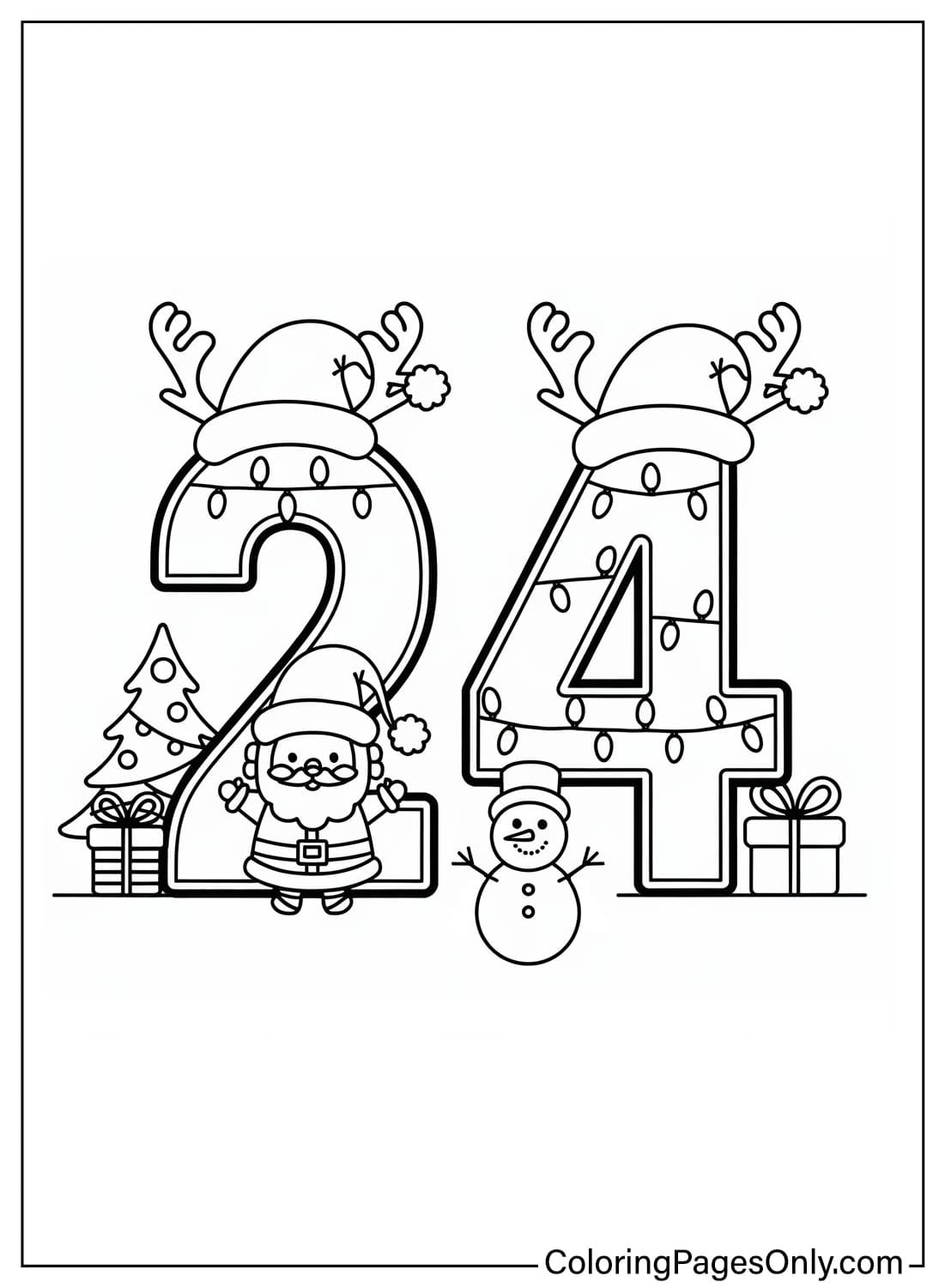
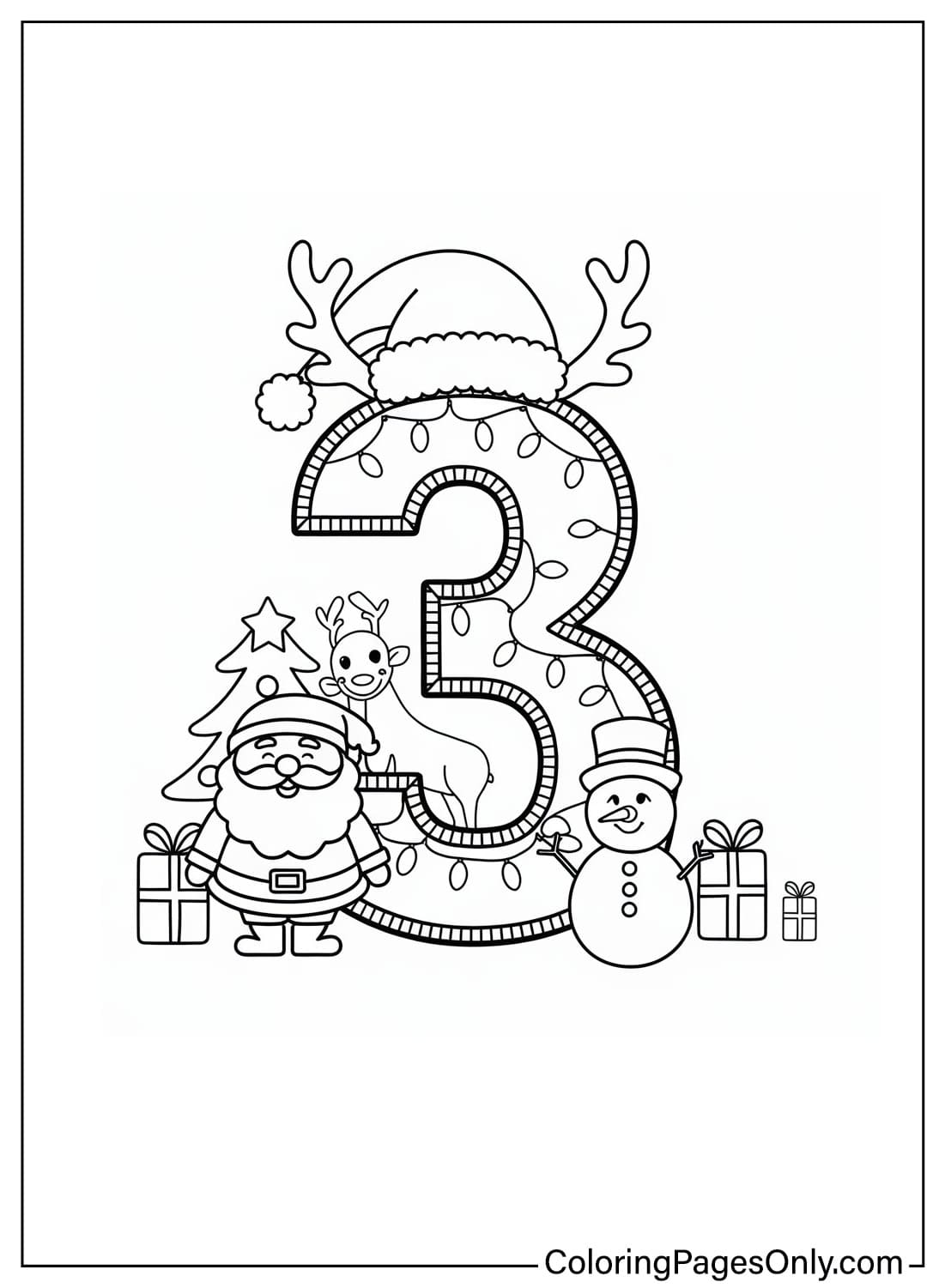
Christmas Numbers (1–25) – the festive seasonal set at the top of this collection – features numbers 1 through 25 adorned with holiday decorations: Santa hats on the digits, snowflakes woven through the numerals, sparkling Christmas lights framing each number. This set is particularly useful as an Advent counting activity (one number page colored each day from December 1st through Christmas Day) or as a classroom decoration project in the weeks leading up to the holiday.
Coloring Tips – Number Pages Are Different from Letter Pages
The closed interior of 0, 6, 8, and 9 is the key design feature. These four digits all contain fully enclosed circular spaces within their form. The decision of whether to fill that enclosed interior the same color as the rest of the digit, a contrasting color, or leave it white entirely changes the whole character of the page. Try filling the loop of 0 in a bright color while rendering the outer boundary (if the numeral has thickness) in a darker tone – the glow effect this creates makes the zero feel like a spotlight or a lens.
Let the digit’s geometry suggest your palette. Angular digits (1, 4, 7) are naturally suited to sharp, geometric color contrasts – two colors meeting at a clean edge along the digit’s straight sections. Curved digits (0, 2, 3, 5, 6, 8, 9) are naturally suited to gradient approaches, where color blends from one tone to another following the curve’s direction. Mixed digits (none of the single digits are purely one or the other – 2, 5 combine curves and straight lines) can receive hybrid treatment: gradient on the curved sections, crisp contrast on the straight sections.
For counting-with-objects pages: number first, objects second. Establish the color of the numeral before touching the surrounding illustrations. The numeral is the educational focal point of the page; it should be the most visually dominant element. Choose a strong, saturated color for the digit, then select a coordinating but secondary palette for the counted objects. If the numeral is a vivid blue, the three butterflies might be in lighter blue, or in a complementary yellow, present but not competing with the digit for visual priority.
The 8 rewards symmetry. Because 8 is literally two circles stacked, it is uniquely suited to symmetrical color treatment. Color the upper circle in one color and the lower circle in another to create a perfect color-split down the figure’s horizontal midline. Alternatively, use the same color in both, but with the upper loop slightly lighter and the lower slightly darker – suggesting the upper circle catches more light. Neither approach works as naturally with any other digit.
Christmas Numbers: go warm on the digits, cool on the decorations. The Christmas set pages have a natural color tension: the digits themselves belong to the abstract numeral world, while the holiday decorations (Santa hats, snowflakes, lights) belong to the seasonal palette. To make these pages feel festive without becoming chaotic, anchor the digit in warm tones (red, gold, warm orange) – the colors of warmth and celebration – and use cool tones (white, icy blue, silver) for the snowflakes and decorative elements. This warm-cool split makes the digit “pop” against its holiday surroundings.
Use color to reinforce place value relationships. On pages that show two-digit or multi-digit numbers, try using a consistent color-coding system: always color the ones-place digit in one specific color, and the tens-place digit in another. This transforms a decorative activity into a place-value lesson without changing anything about the coloring process itself – just the choice of which color goes where.
5 Activities
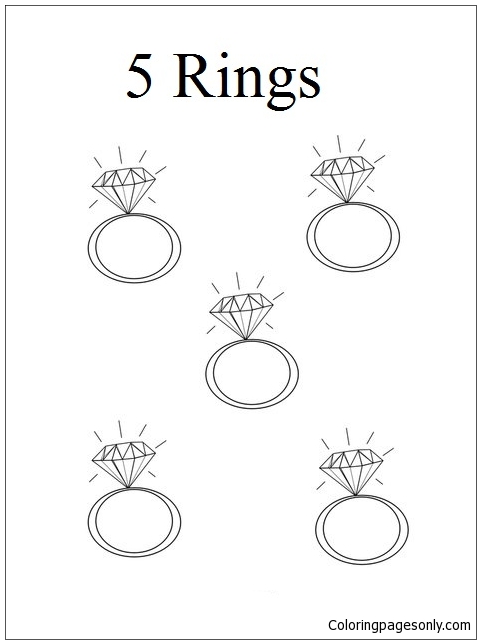
The counting color match. Print any counting-with-objects page – for example, the number 5 with five illustrated items. Using the same color for the numeral and all five objects, color the entire page in a single consistent palette. Then, on a separate piece of paper, draw five real objects from around the room (five pencils, five books, five shoes) and color them in the same color. Place the coloring page next to the hand-drawn objects. Say the number aloud while pointing to the numeral, then count the illustrated objects, then count the drawn objects. This three-way counting activity – abstract numeral, illustrated objects, real objects – maps the number across three representational levels simultaneously, which is how numeracy researchers describe the most robust early number learning: moving fluently between abstract symbols, illustrations, and real-world quantities.
The Advent Numbers calendar. Starting December 1st, print the Christmas Numbers pages 1 through 25 and stack them in reverse order (25 on top, 1 at the bottom). Each morning in December, flip to that day’s number and color it. By December 25th, all 25 pages are colored. Arrange them in order 1 to 25 on a wall or string them on a garland. The activity serves three purposes simultaneously: it creates a visible countdown to Christmas that children can see progressing each day, it provides daily fine motor practice in a structured context, and it builds number sequence recognition from 1 to 25 – a range many preschoolers and kindergarteners are still solidifying. The festive decorations on each number keep the activity engaging across the full month in a way that plain digit pages might not.
The place value color code. Print a selection of two-digit number pages (10, 23, 47, 58, 62, 99). Before coloring, establish a rule: the tens digit is always colored in one specific color (choose, for example, blue), and the ones digit is always colored in a different specific color (say, red). Color all six pages following this rule consistently. When finished, arrange the pages and notice: every tens digit across all pages is blue, every ones digit is red. Point to the blue digit on 23 and name its value (“this 2 means twenty”). Point to the red digit (“this 3 means three”). This visual reinforcement of which position means what is one of the most effective classroom strategies for early place value understanding, and the coloring activity embeds the lesson in a way children choose to repeat because it is creative rather than instructional.
The digits 0-9 comparison study. Print one portrait page for each of the ten digits: 0, 1, 2, 3, 4, 5, 6, 7, 8, 9. Before coloring, arrange them side by side and categorize them by shape: which digits have circles or loops (0, 6, 8, 9)? Which are made of mostly straight lines (1, 4, 7)? Which combine curves and straight sections (2, 3, 5)? Color each group in a family of related colors – loop digits in warm tones, angular digits in cool tones, mixed digits in neutrals. After coloring, arrange all ten in order and discuss: which two digits are mirror images of each other? (6 and 9.) Which digit looks the same upside down? (0, and arguably 8.) This comparative study teaches digit recognition through visual analysis rather than rote memorization, connecting mathematical symbols to spatial reasoning.
The personal number book. Choose ten numbers that are personally meaningful: your age, the number of people in your family, your house number, the number of pets you have, the number of your favorite sports jersey, the day of your birthday, and others. Print the digit pages for each of these numbers from the collection. Color them, and on the back of each page, write or dictate one sentence explaining why that number matters to you: “This is 7 – I am 7 years old.” “This is 4 – there are 4 people in my family.” Bind the pages into a small book. This activity does something powerful: it transforms abstract number symbols into personal, meaningful objects. Research in early childhood mathematics education consistently finds that children develop stronger and more durable number sense when they connect numerals to personally relevant quantities – their own lived experience with “how many” – rather than when they encounter numbers only in abstract or standardized contexts.
Why Number Coloring Works – The Learning Research
Number coloring pages support early numeracy through the same multi-channel mechanism that makes alphabet coloring pages effective for literacy: they engage visual recognition, fine motor development, and (when the activities are done interactively) verbal counting and language, simultaneously.
The specific shape-learning that comes from coloring a digit is directly preparatory for writing it. A child who has repeatedly colored the form of the number 3 – following its two back-facing curves with a crayon or marker – has built motor memory for the same sequence of movements required to write a 3 with a pencil. The coloring is a lower-stakes practice for the same physical act. Children who regularly use number coloring pages alongside writing practice typically show better numeral formation and more confident pencil grip than children who practice only rote writing.
For counting-with-objects pages, the coloring activity also builds what researchers call one-to-one correspondence – the understanding that each object in a counted set corresponds to exactly one count word. When a child colors five butterflies one at a time, counting each as they color it, they are practicing the core counting skill in a way that is self-paced, concrete, and meaningful.
The collection’s range – from simple digit portraits to decorated pattern pages to the festive Christmas set – also means that children can re-engage with the same mathematical content at different levels of interest and complexity as they develop. A four-year-old and an eight-year-old can both use this collection productively, with the four-year-old building basic digit recognition and the eight-year-old exploring place value, decorative design, and the fascinating history behind the ten symbols that make all mathematics possible.