TV Man Coloring Pages
 By:
Jennifer Thoa - Content Editor & Designer
Updated:
By:
Jennifer Thoa - Content Editor & Designer
Updated:
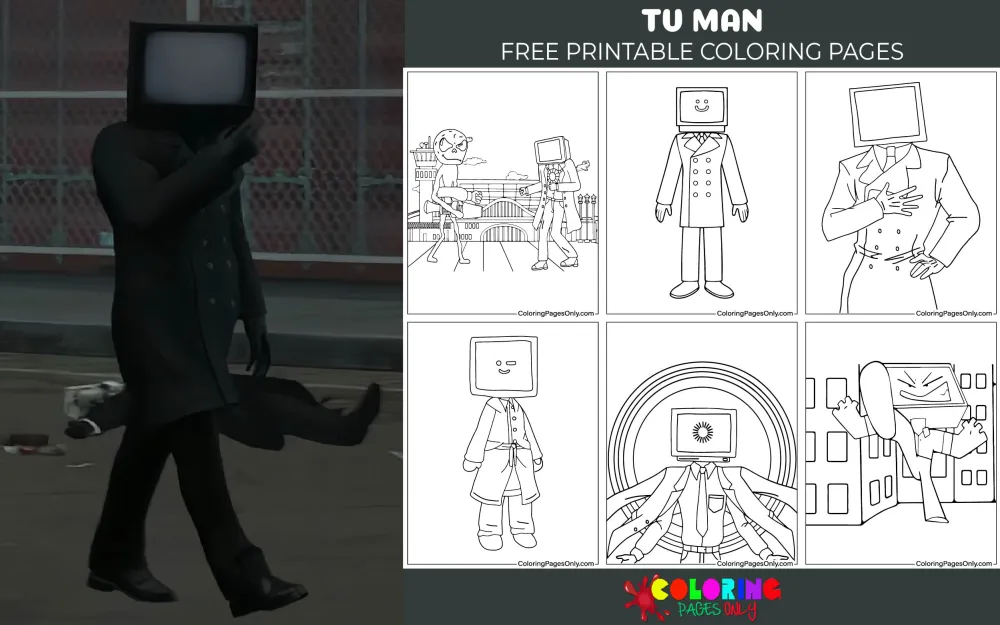
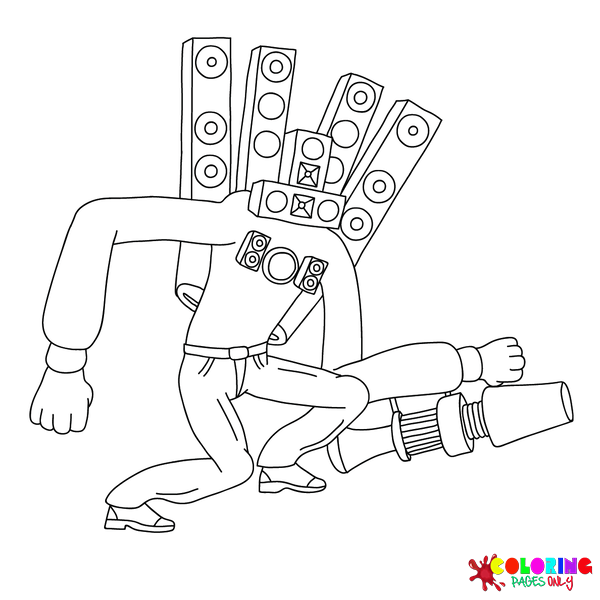
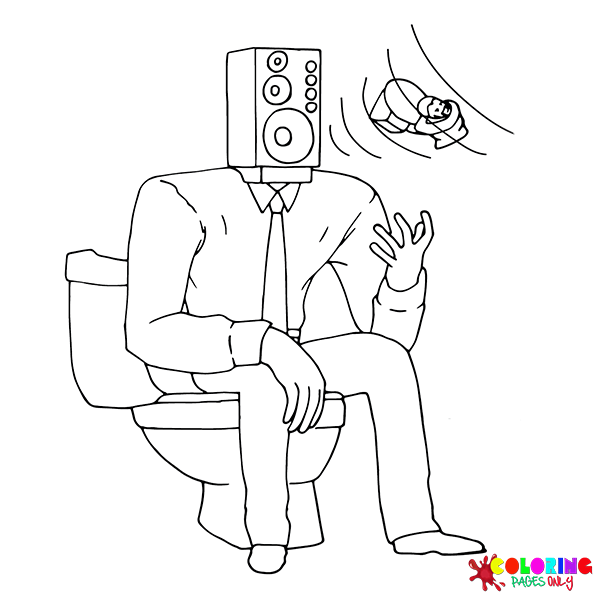
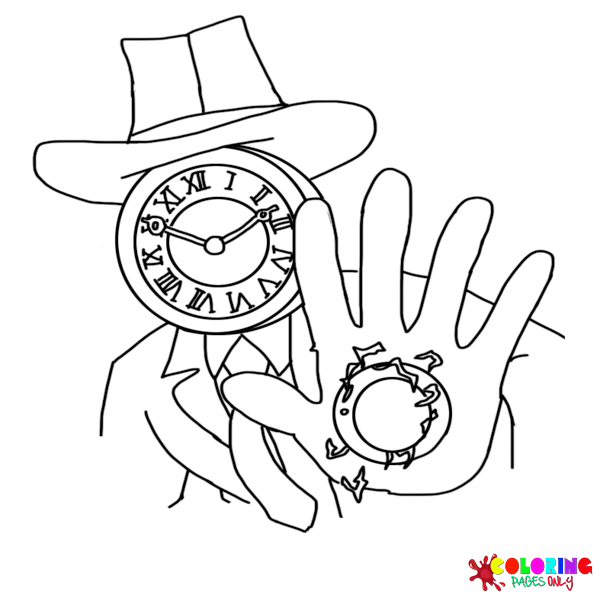
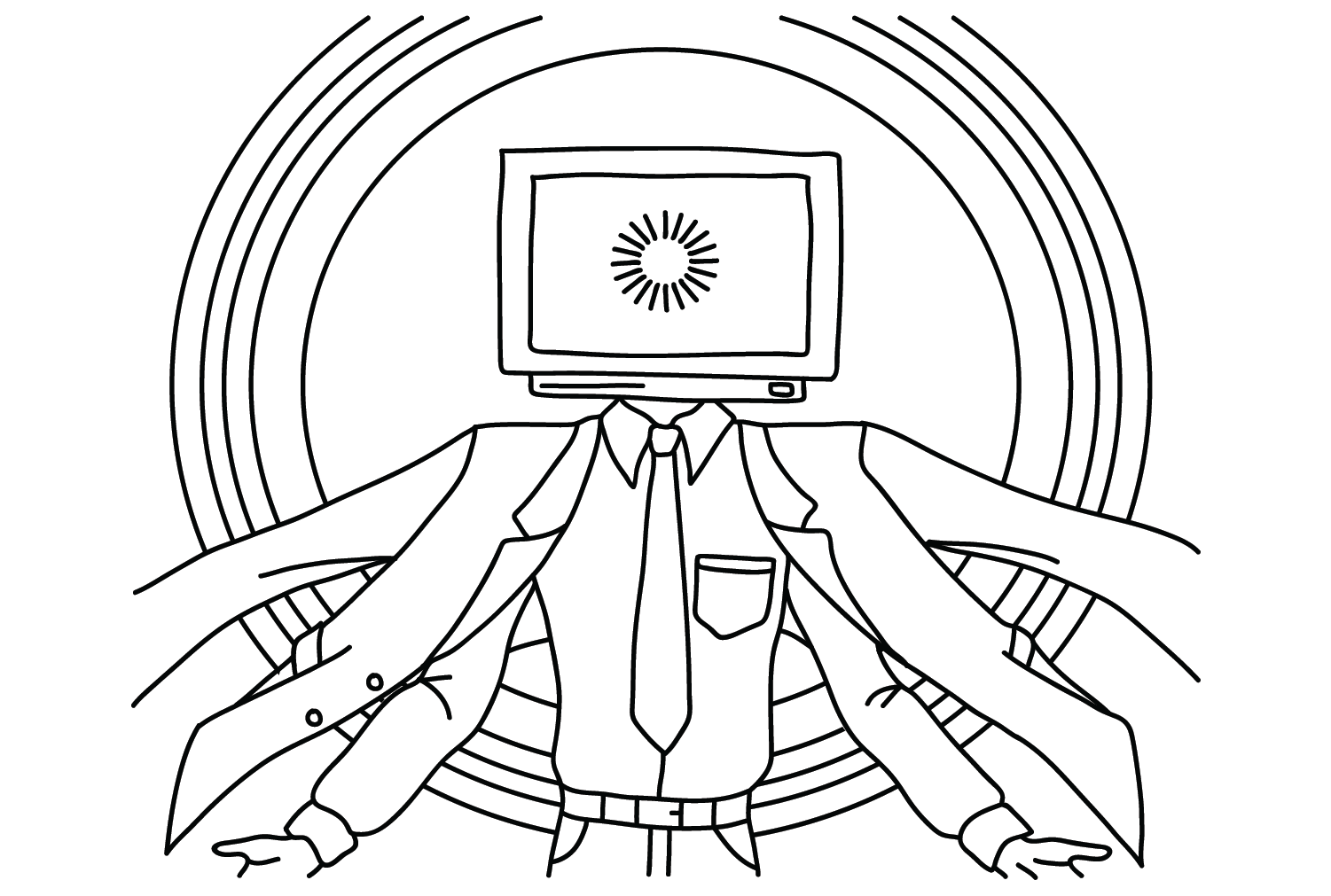
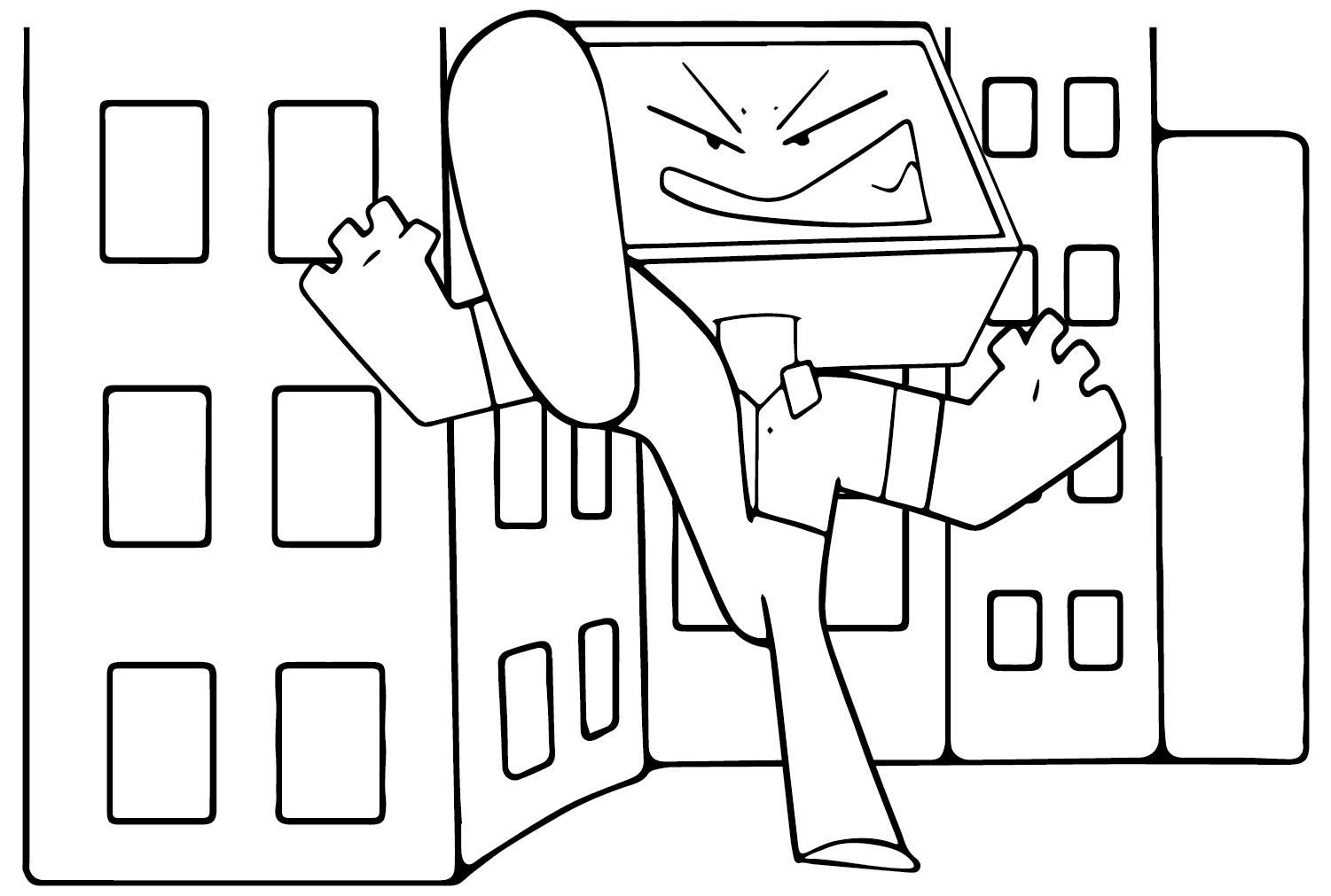
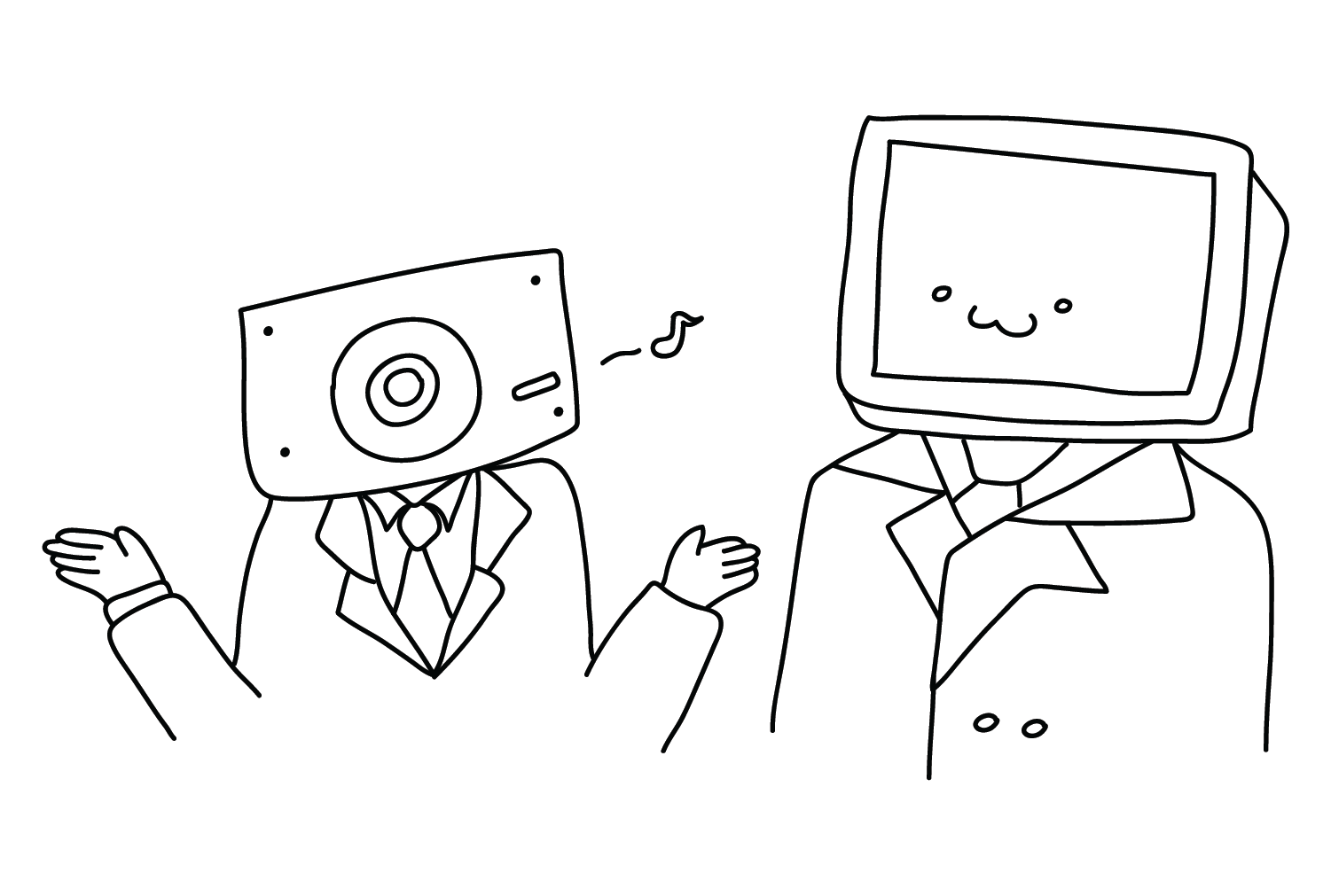
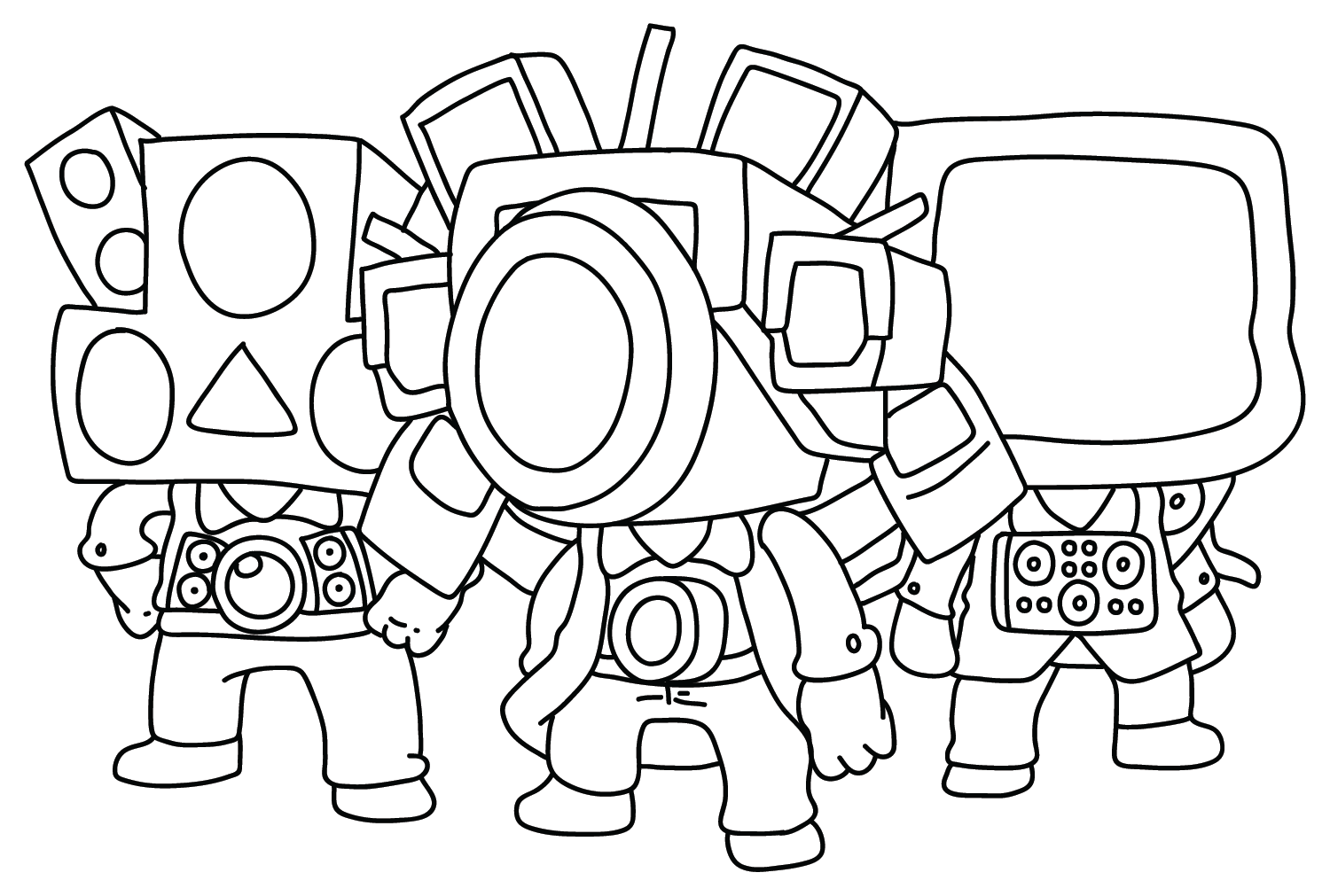
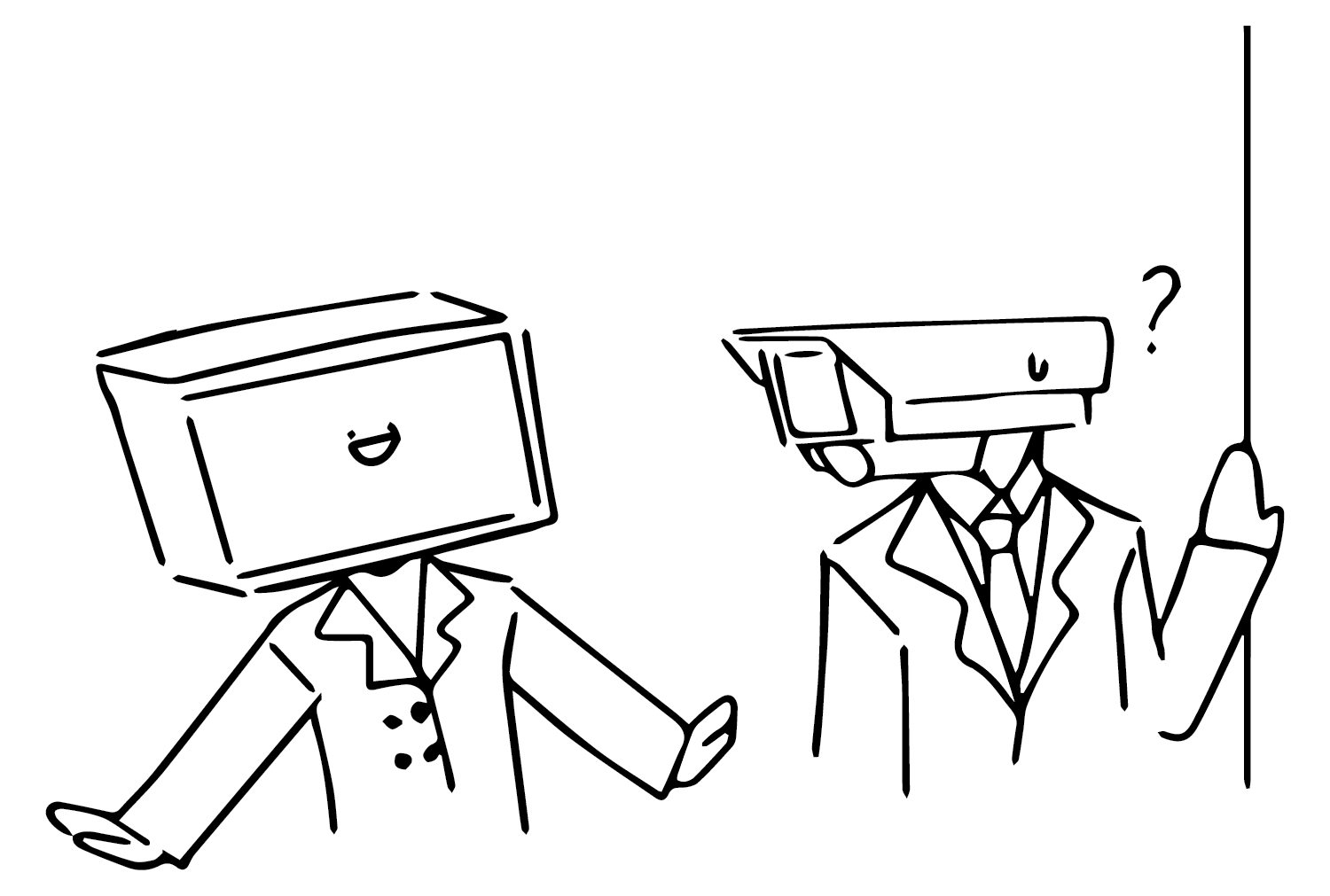
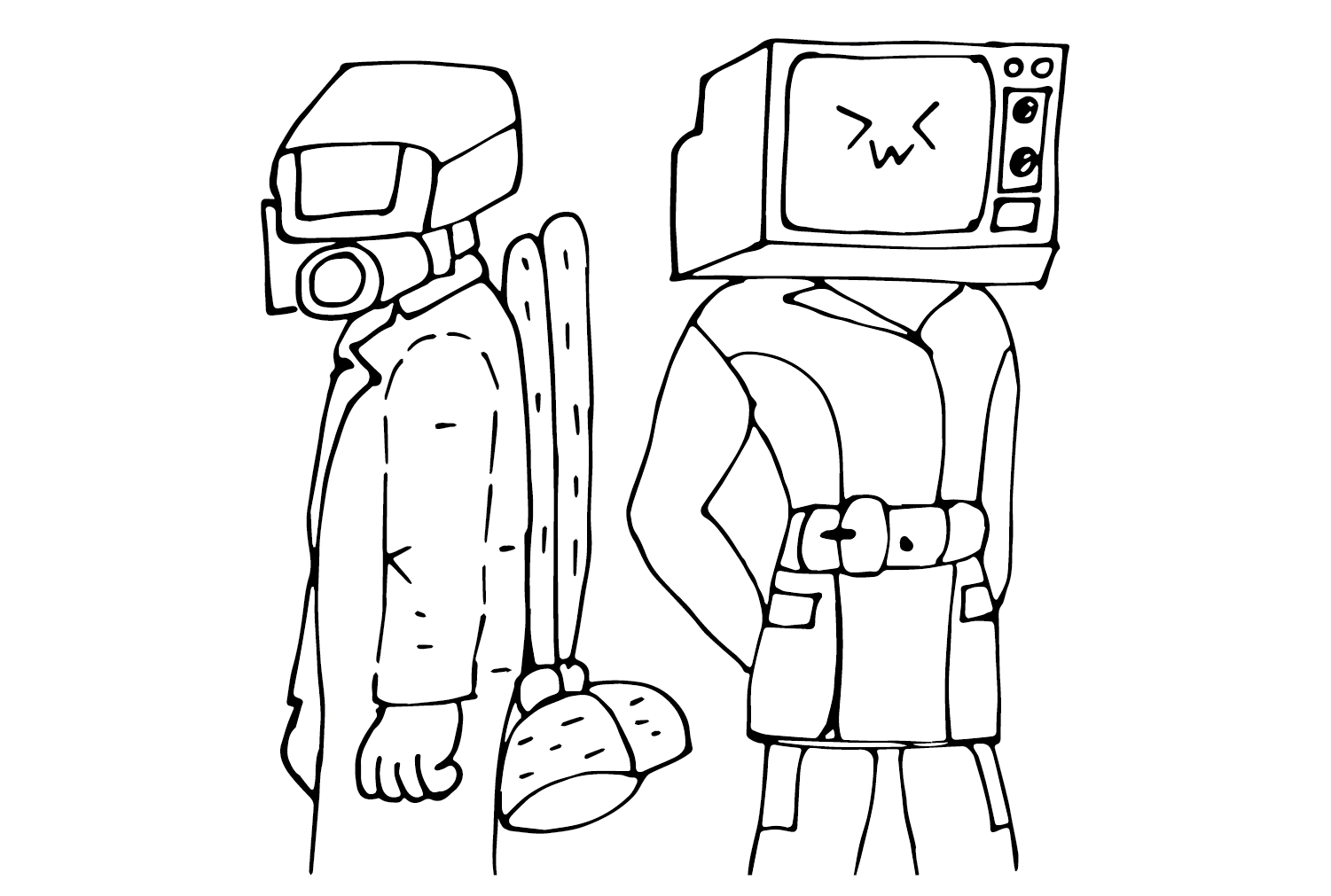
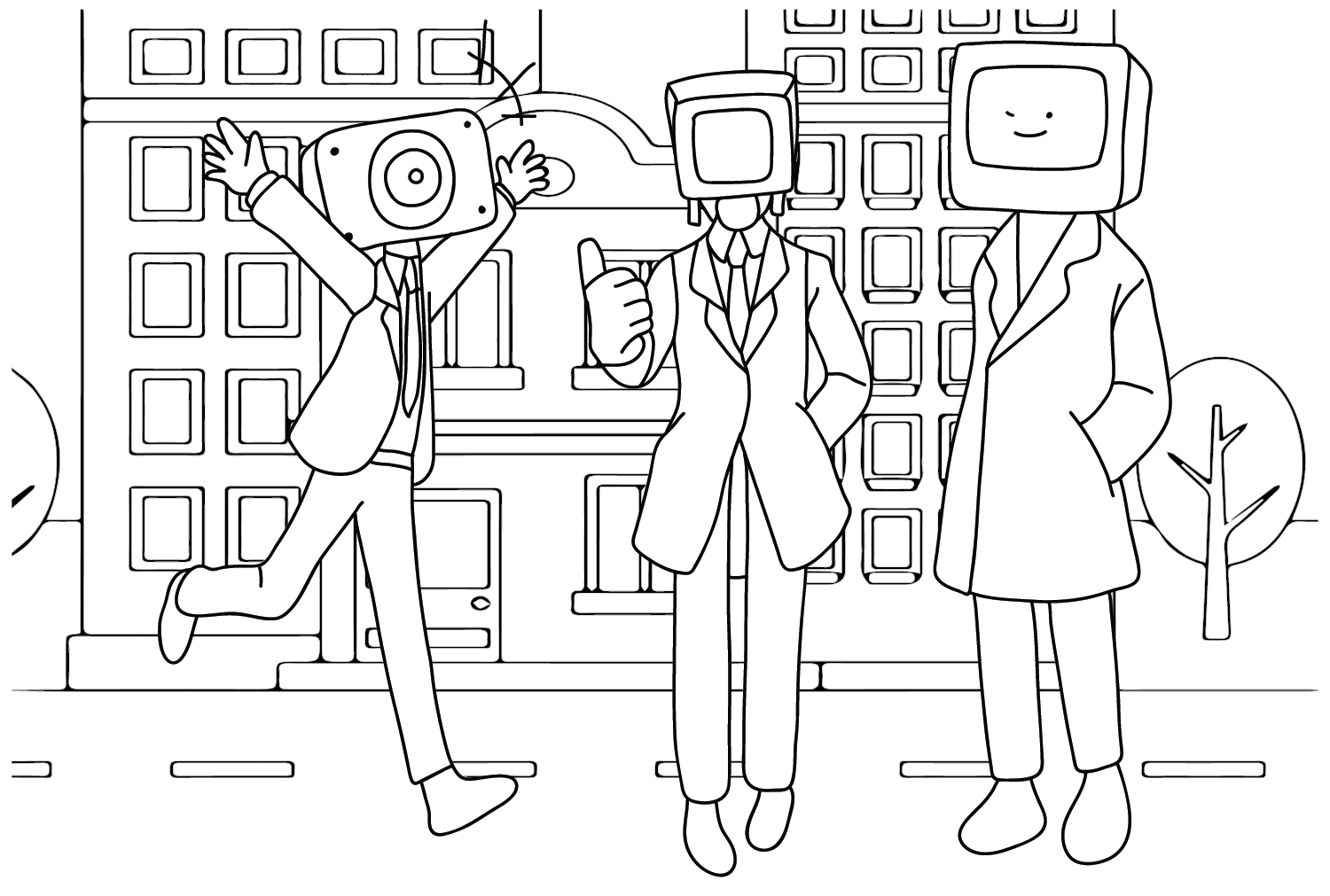
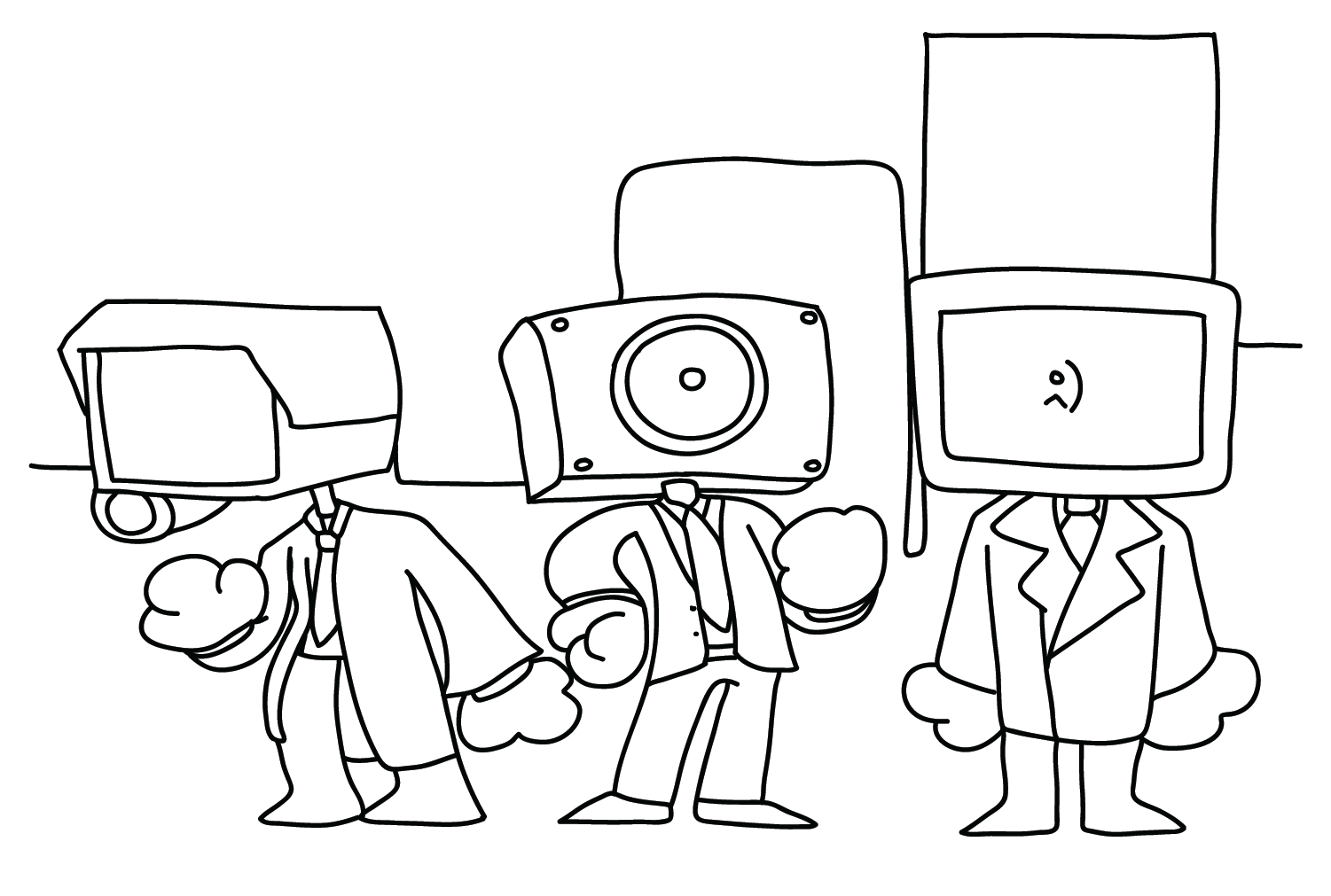
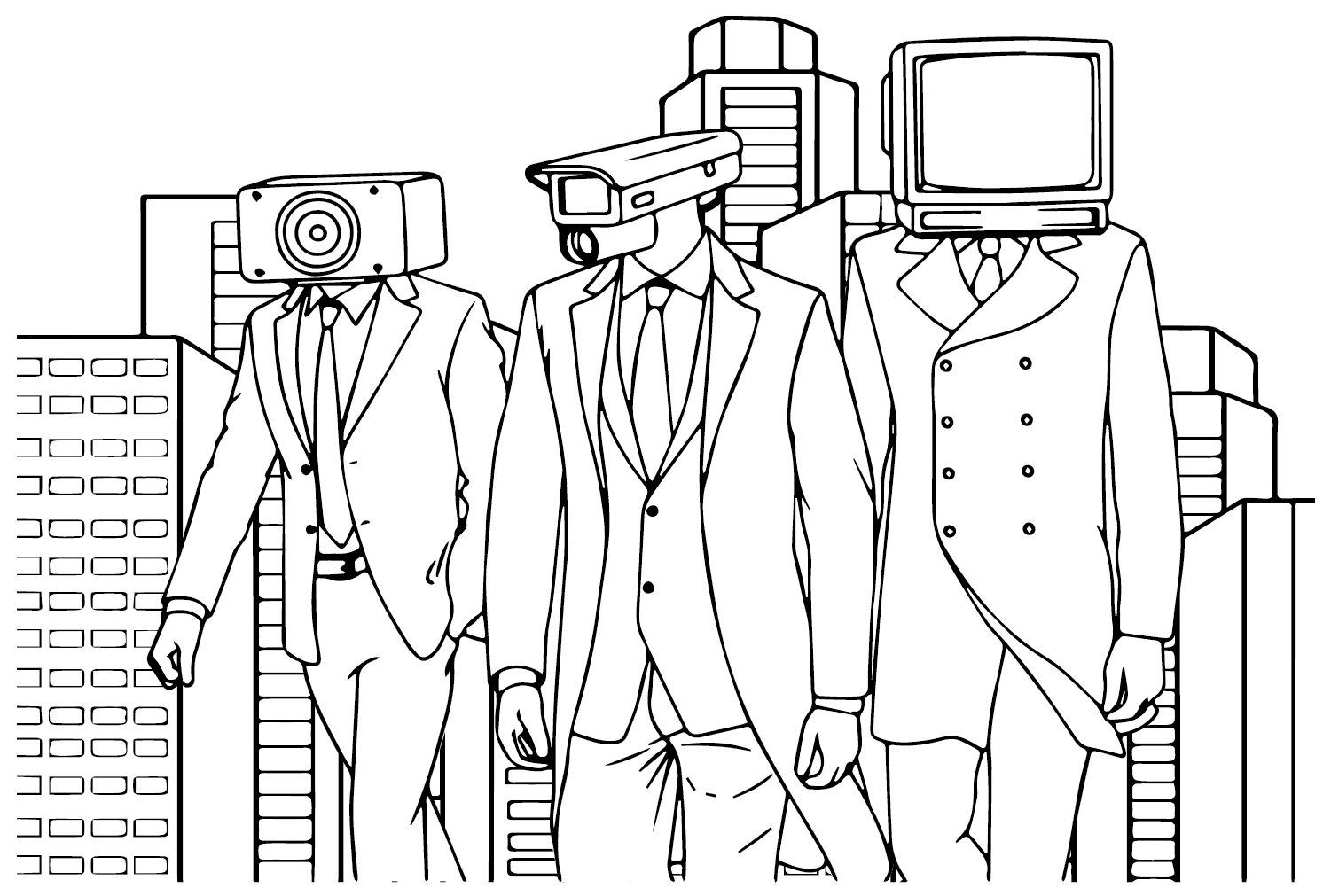
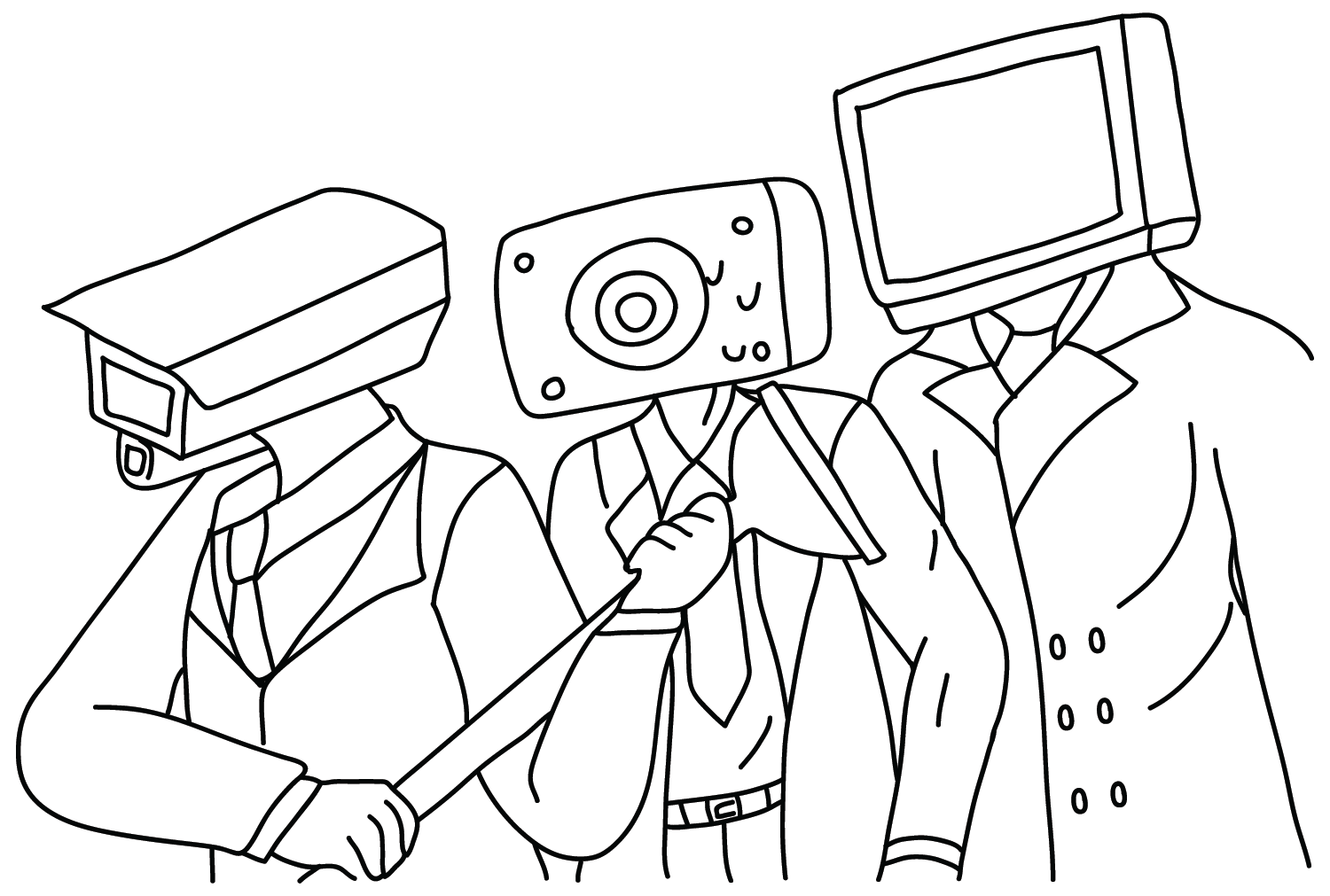
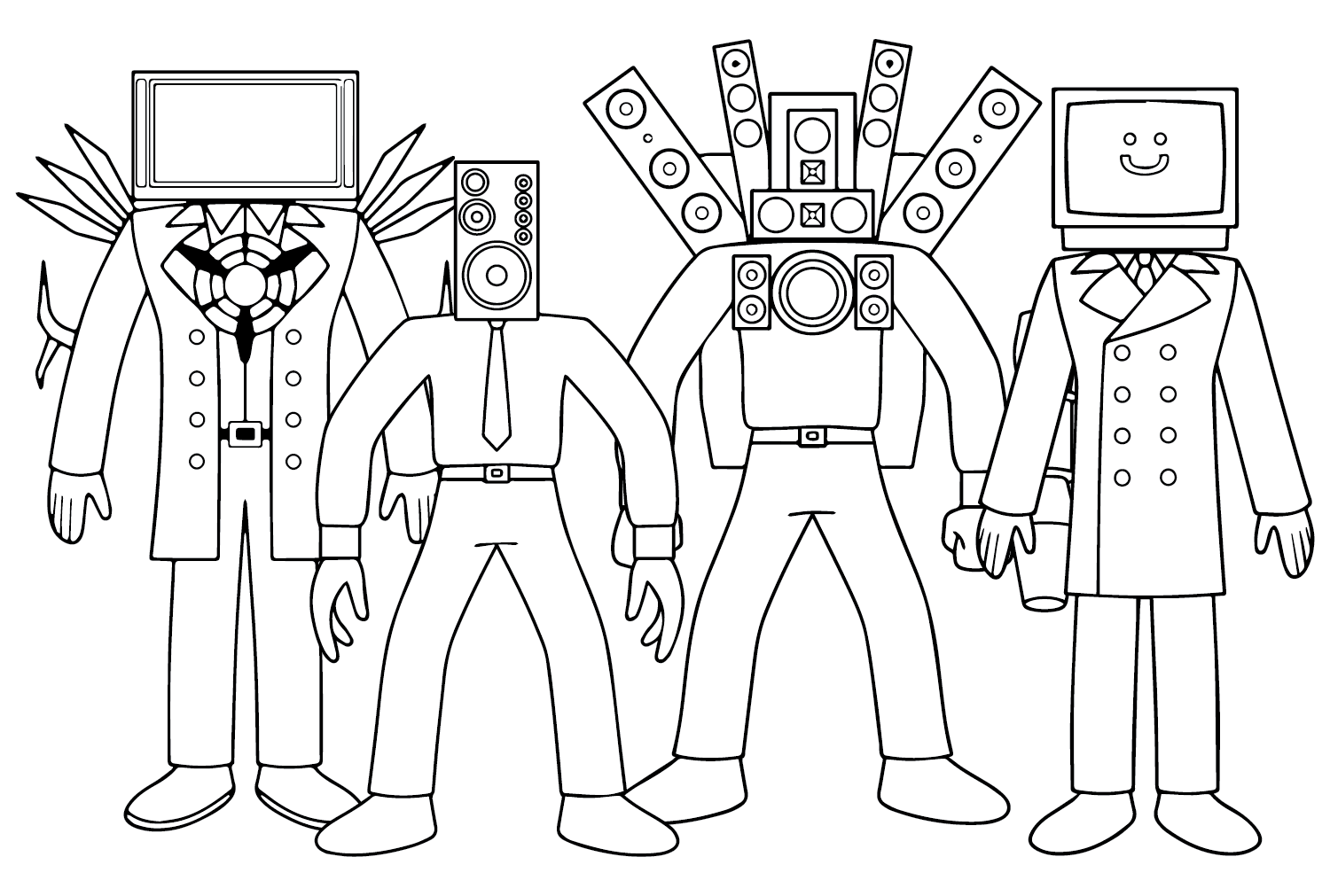
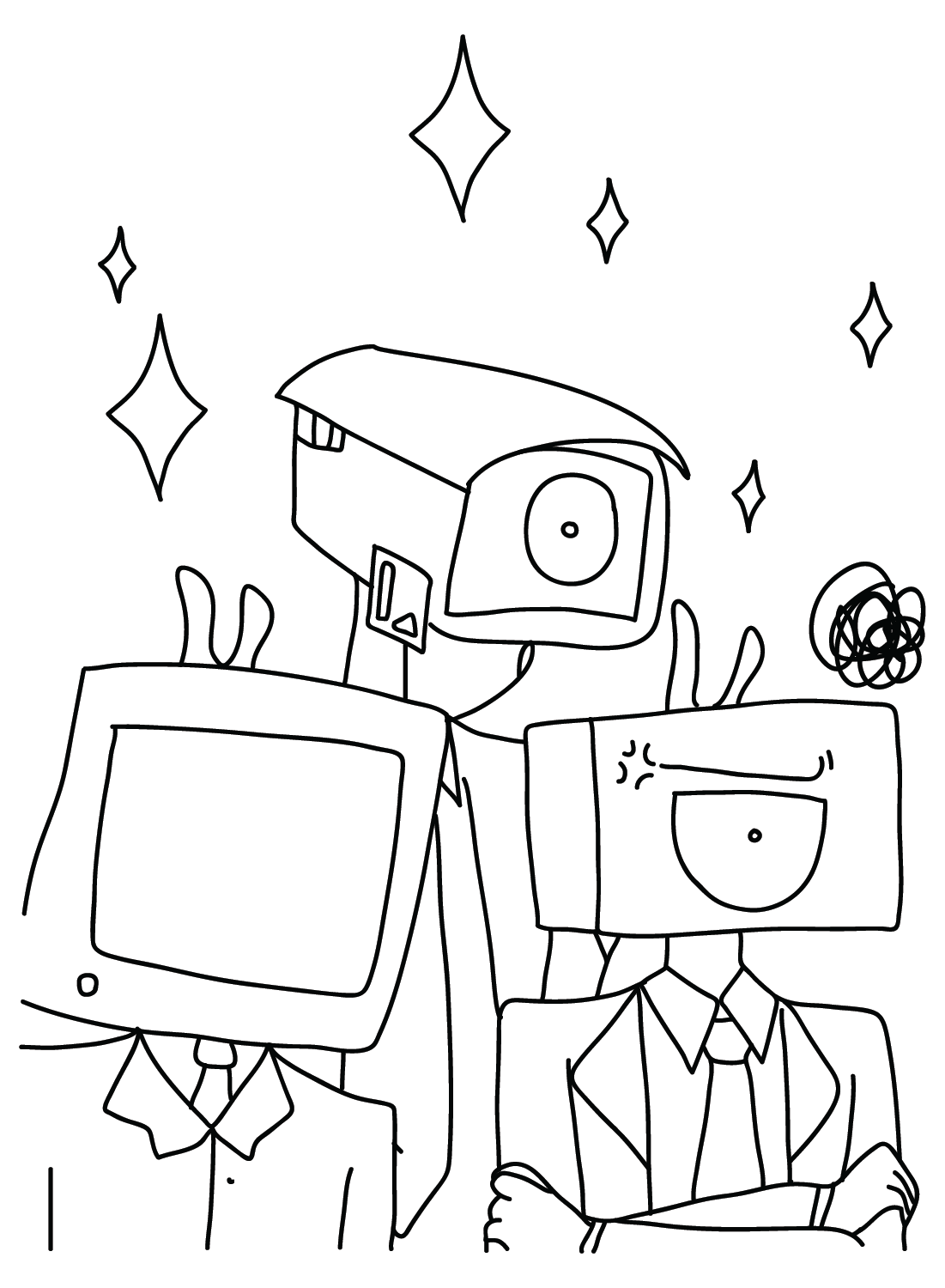
Free TV Man Coloring Pages: 29 printable PDF designs of the television-headed agent from Skibidi Toilet, with ten pages devoted only to him in standing poses, portraits, and simple outlines. Four sheets introduce TV Woman, his female counterpart, and a single page pairs him with Camerawoman. He also teams up with Cameraman, Speakerman, and the towering Titan Cameraman and Titan Speakerman. At the same time, six trio pages line up all three agent types, and one turns them into kawaii mini figures. Two scenes add a Skibidi toilet for some action. Printing any page is free, and the screen-headed agent can be filled in digitally, too.
TV Man belongs to the Alliance, the team of suited agents who battle the singing toilets in Skibidi Toilet, an animated YouTube series that animator Alexey Gerasimov launched in 2023. Instead of a head, each TV Man has a boxy television set mounted on his shoulders. His screen is more than decoration: in the story, it can flash images that stun or confuse enemies, which makes the TV unit one of the cleverest groups on the team. The character’s upgraded giant form, Titan TV Man, later grew into a fan favorite and a powerhouse on the Alliance side.
A TV set is mostly rectangles, so the solo sheets are some of the easiest robot-style pages for younger fans. The trio and Titan scenes squeeze in several figures and more mechanical detail.

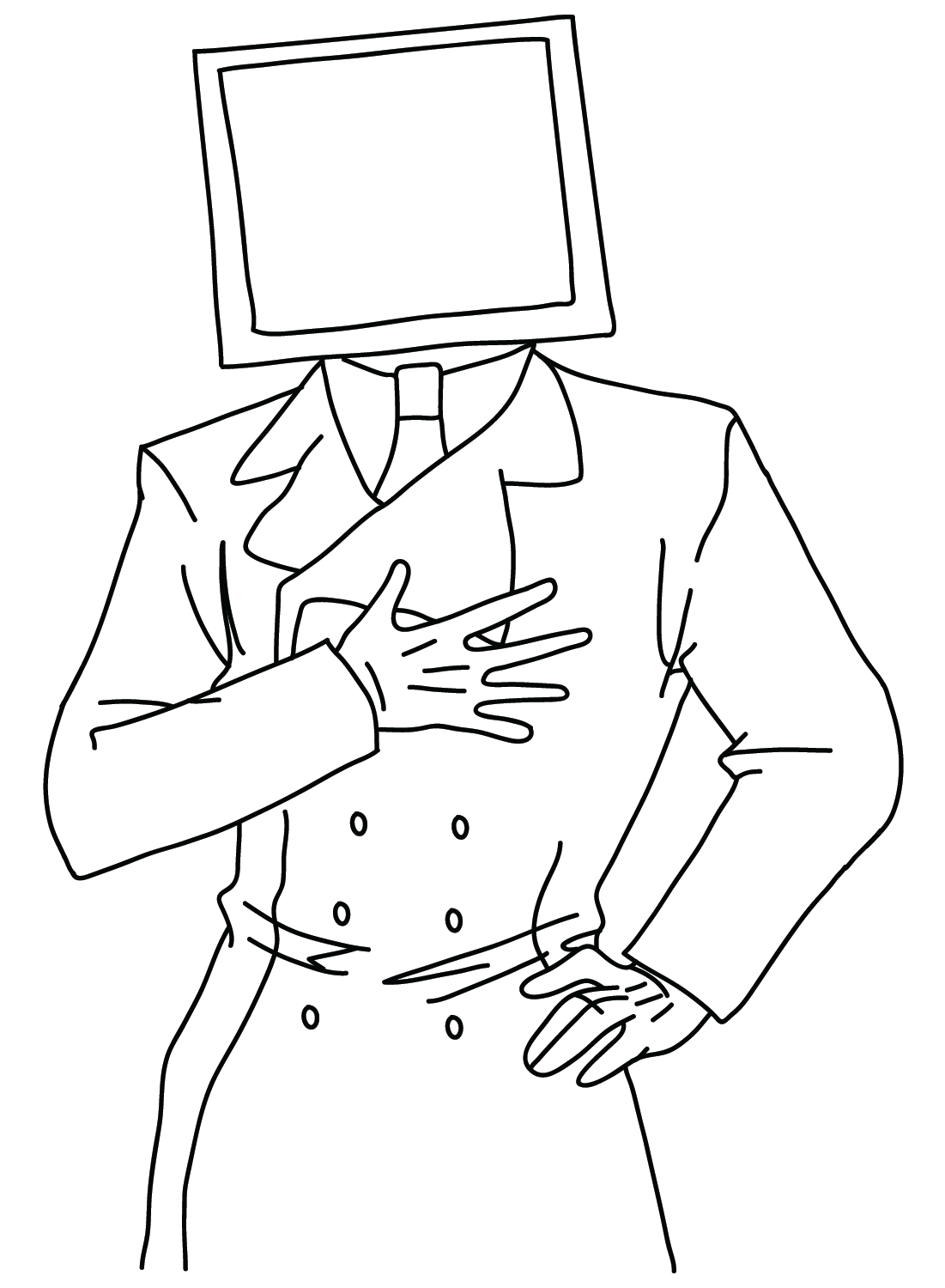
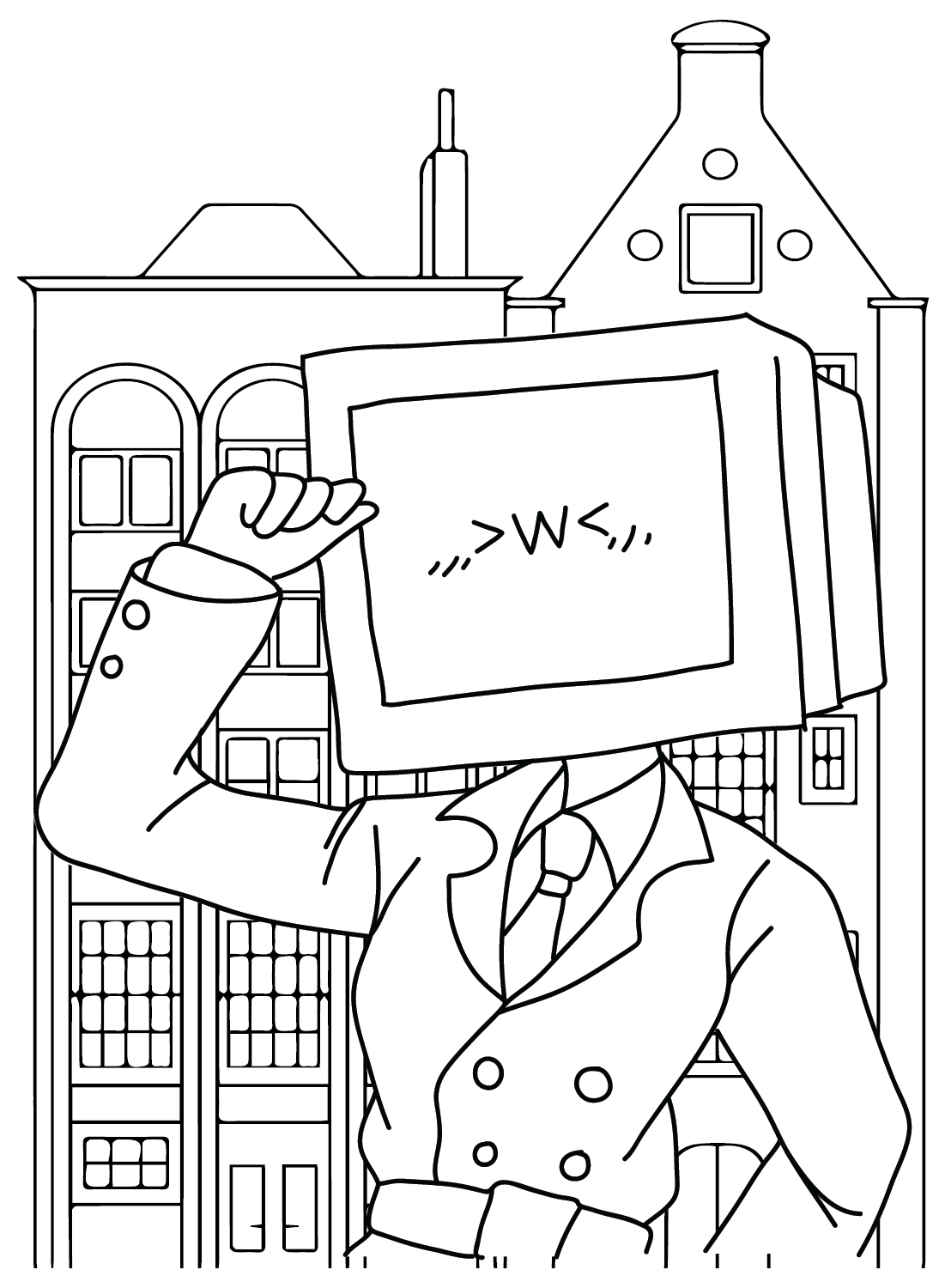
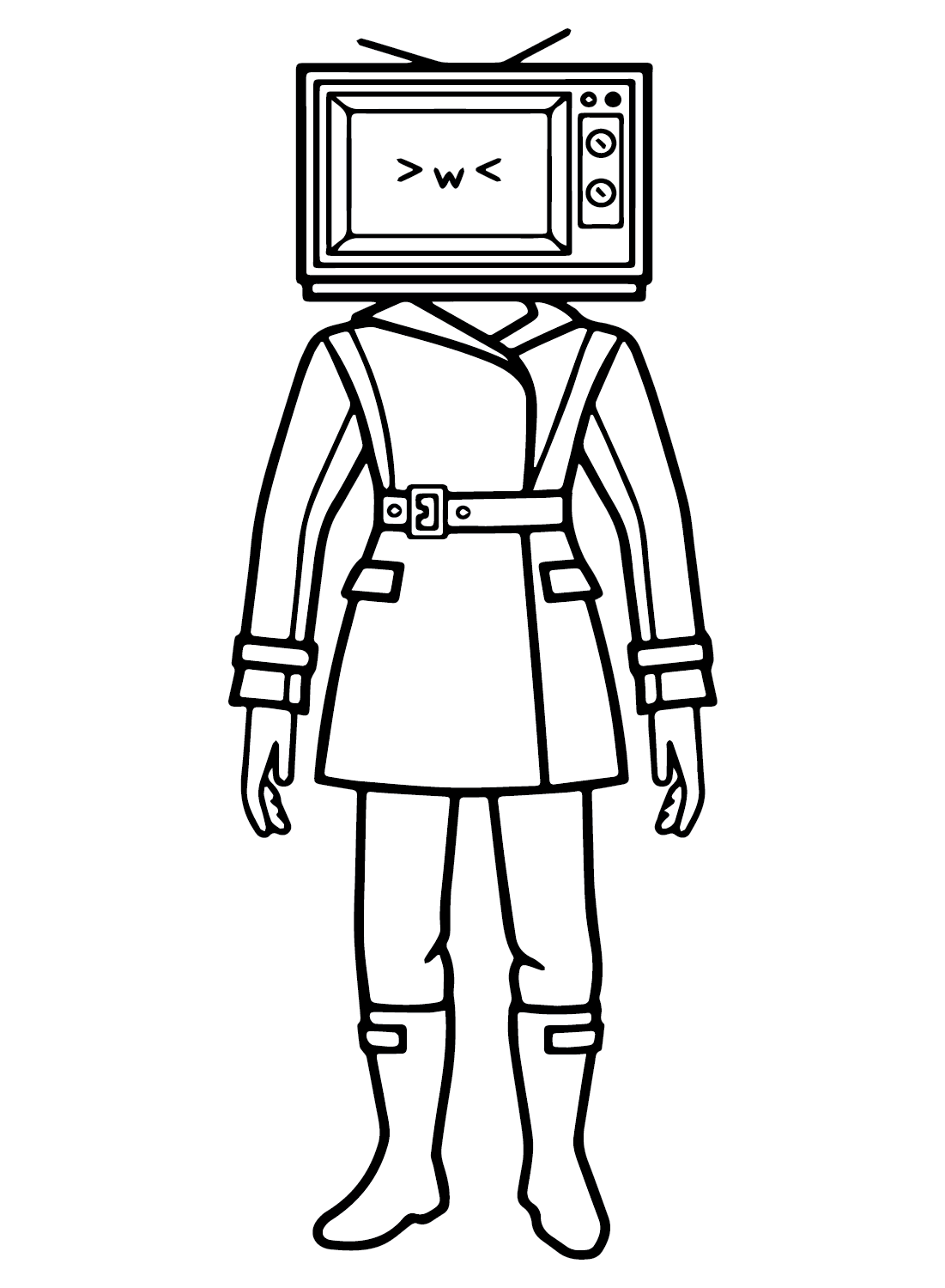
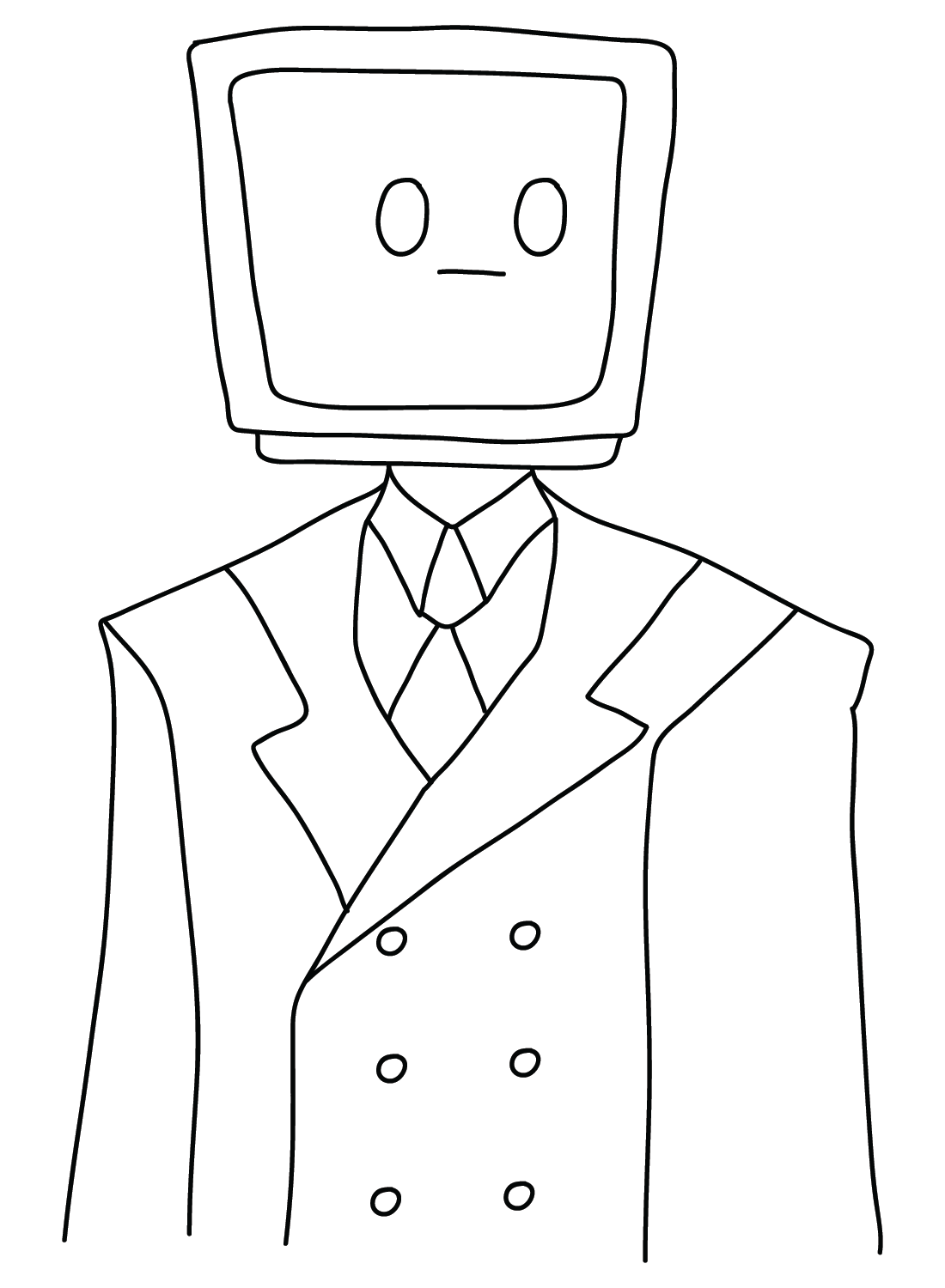
What’s Inside This Collection
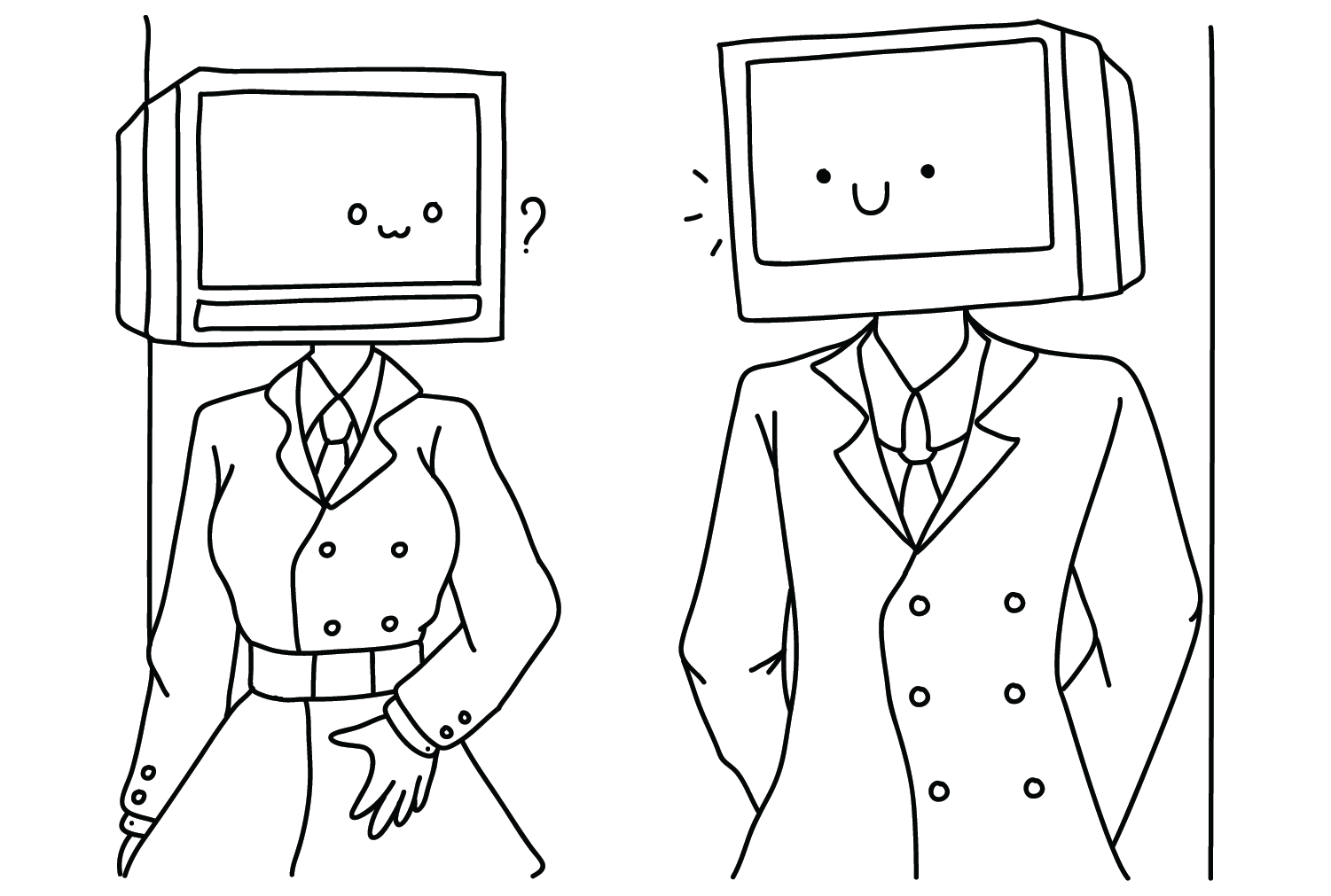
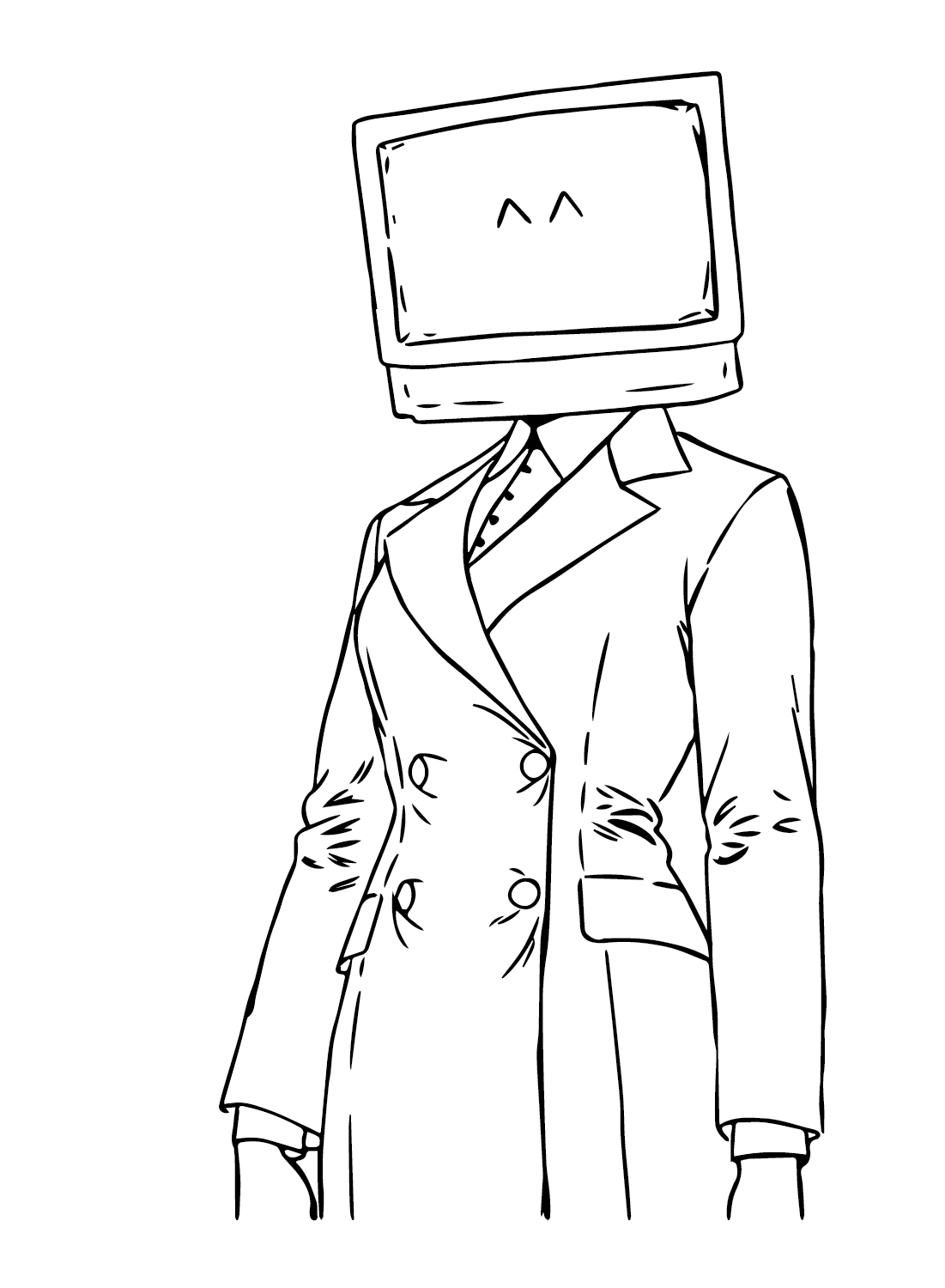
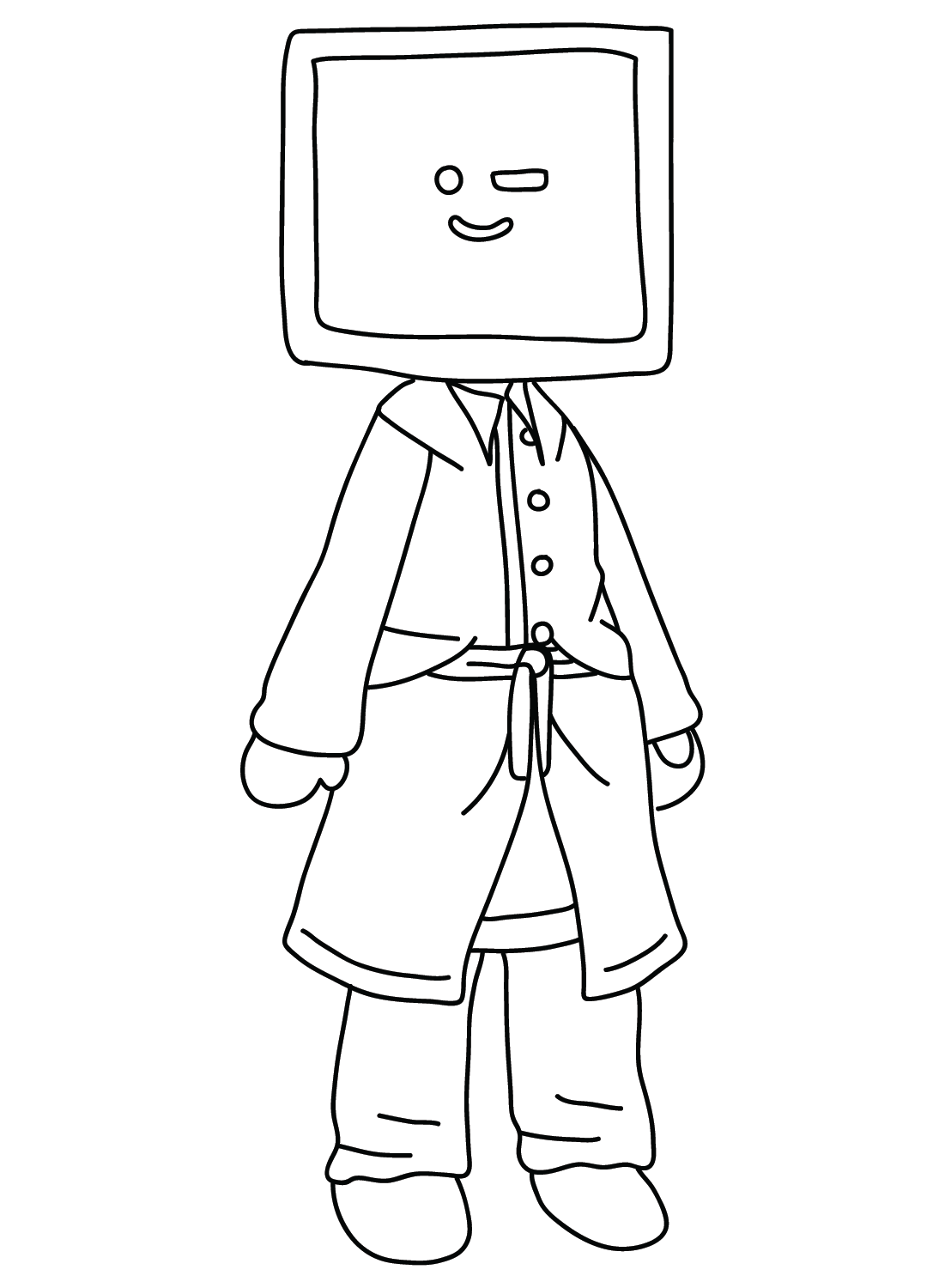
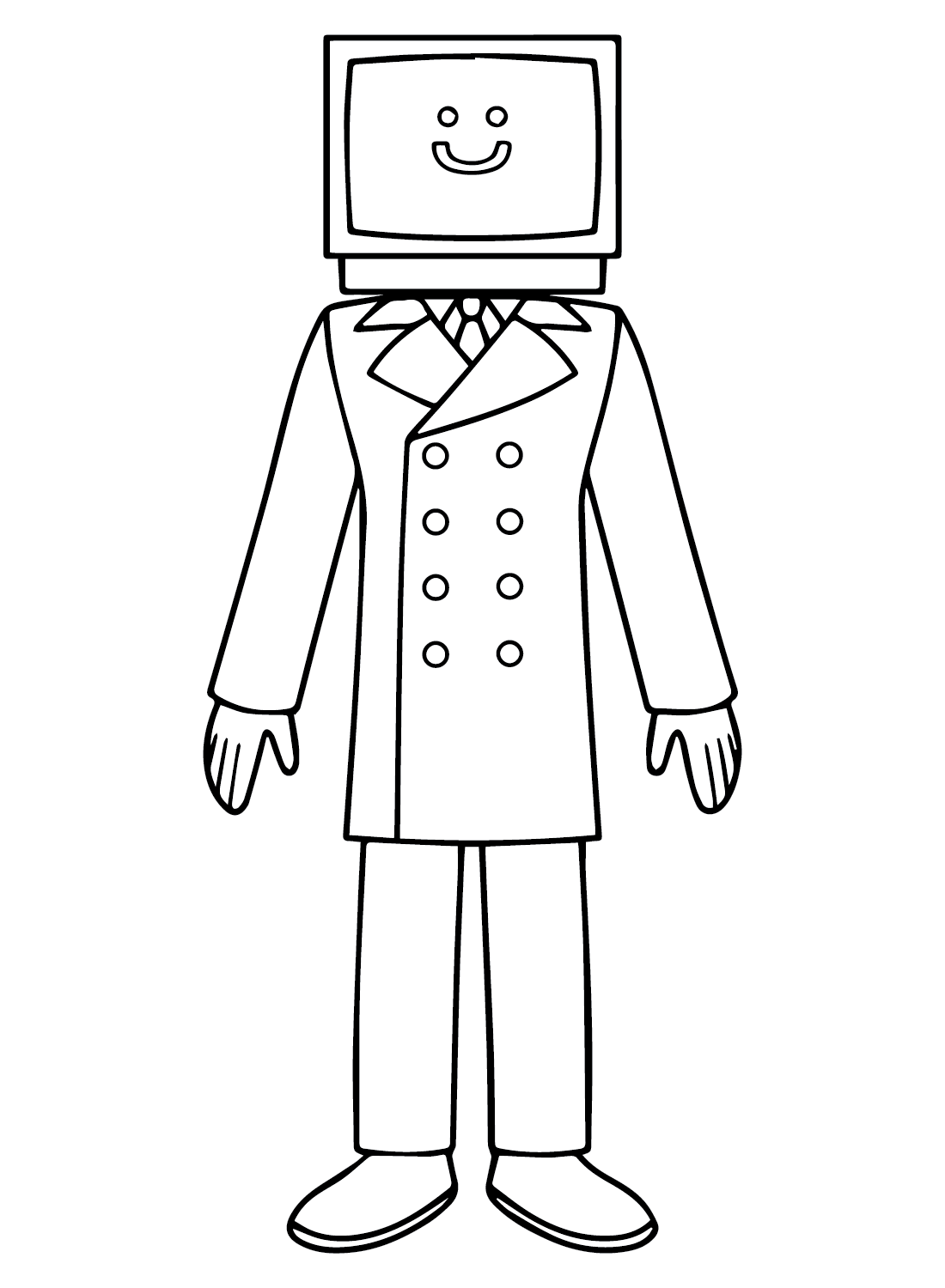
TV Man stars in most of the 29 designs, with TV Woman, Cameraman, Speakerman, and the Titans sharing the rest.
TV Man Portraits
Ten sheets show TV Man on his own. Build the TV frame in Dark Gray with a lighter Silver edge, fill the screen with a soft Purple or Teal glow, and dress him in a Black suit with a White shirt and dark tie.
TV Woman
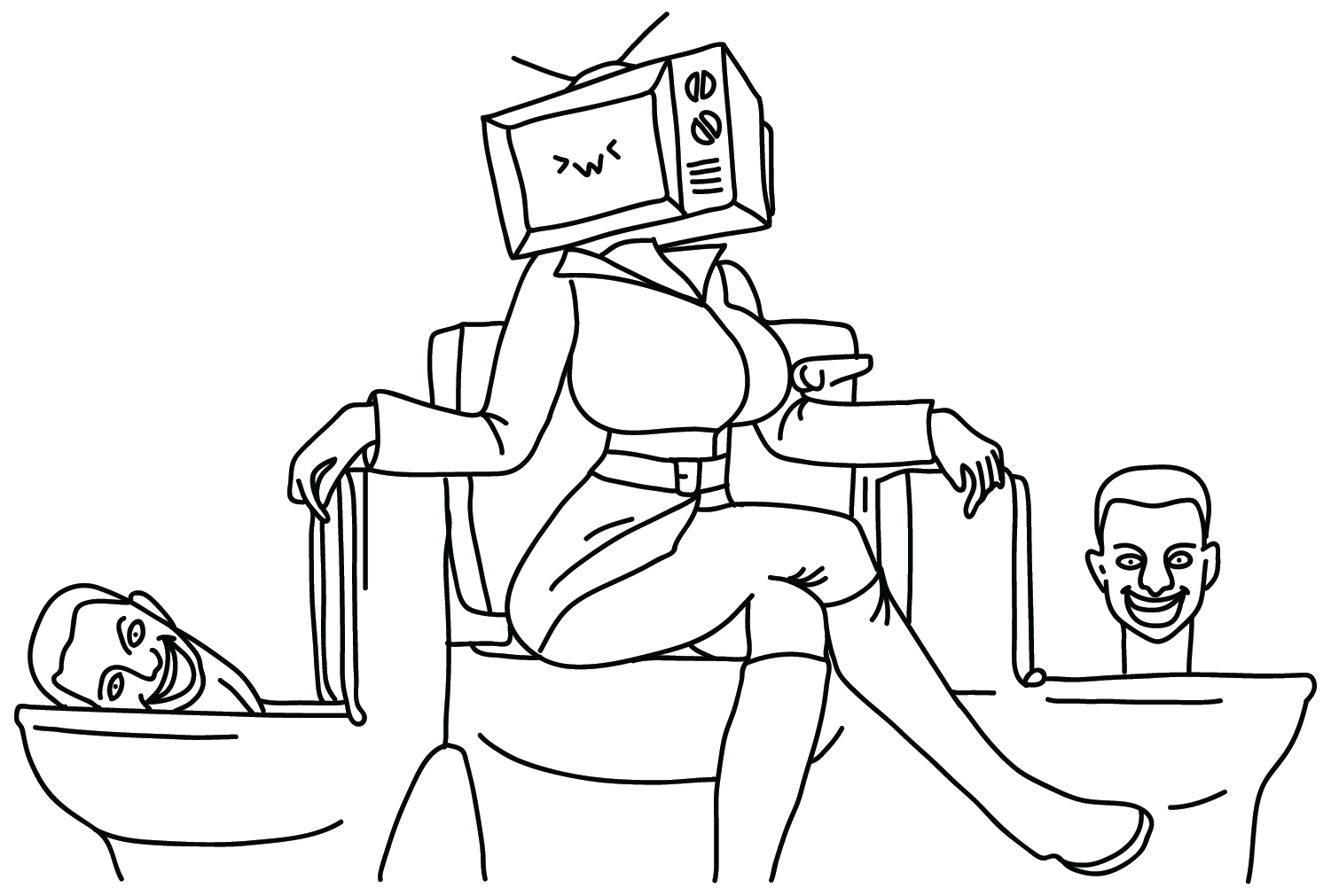
Four pages feature TV Woman alone. Try a slim screen frame in Plum or Rose, then give her suit a different shade than TV Man’s, so the two read as separate agents.
TV Man with Cameraman, Speakerman, and Camerawoman
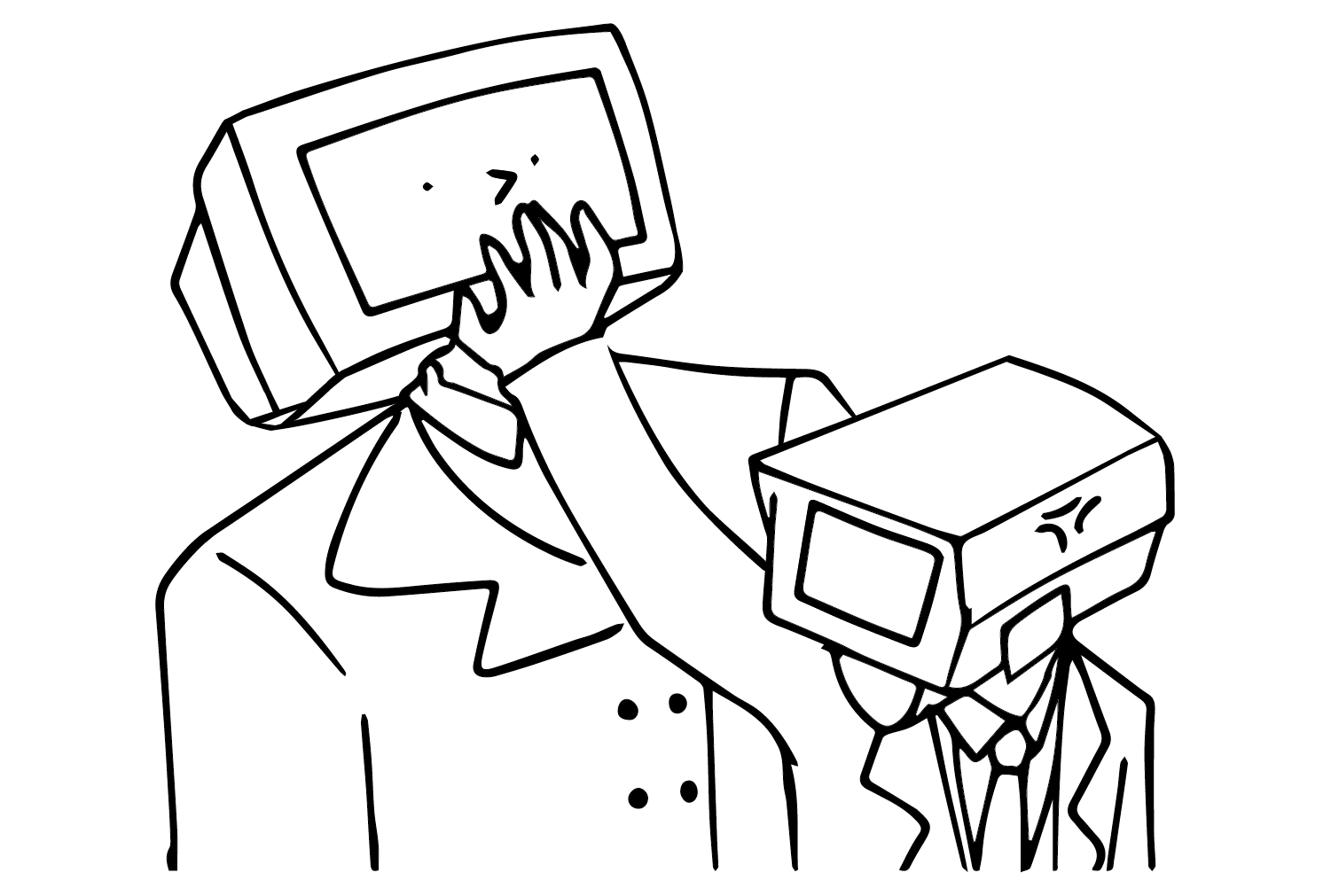
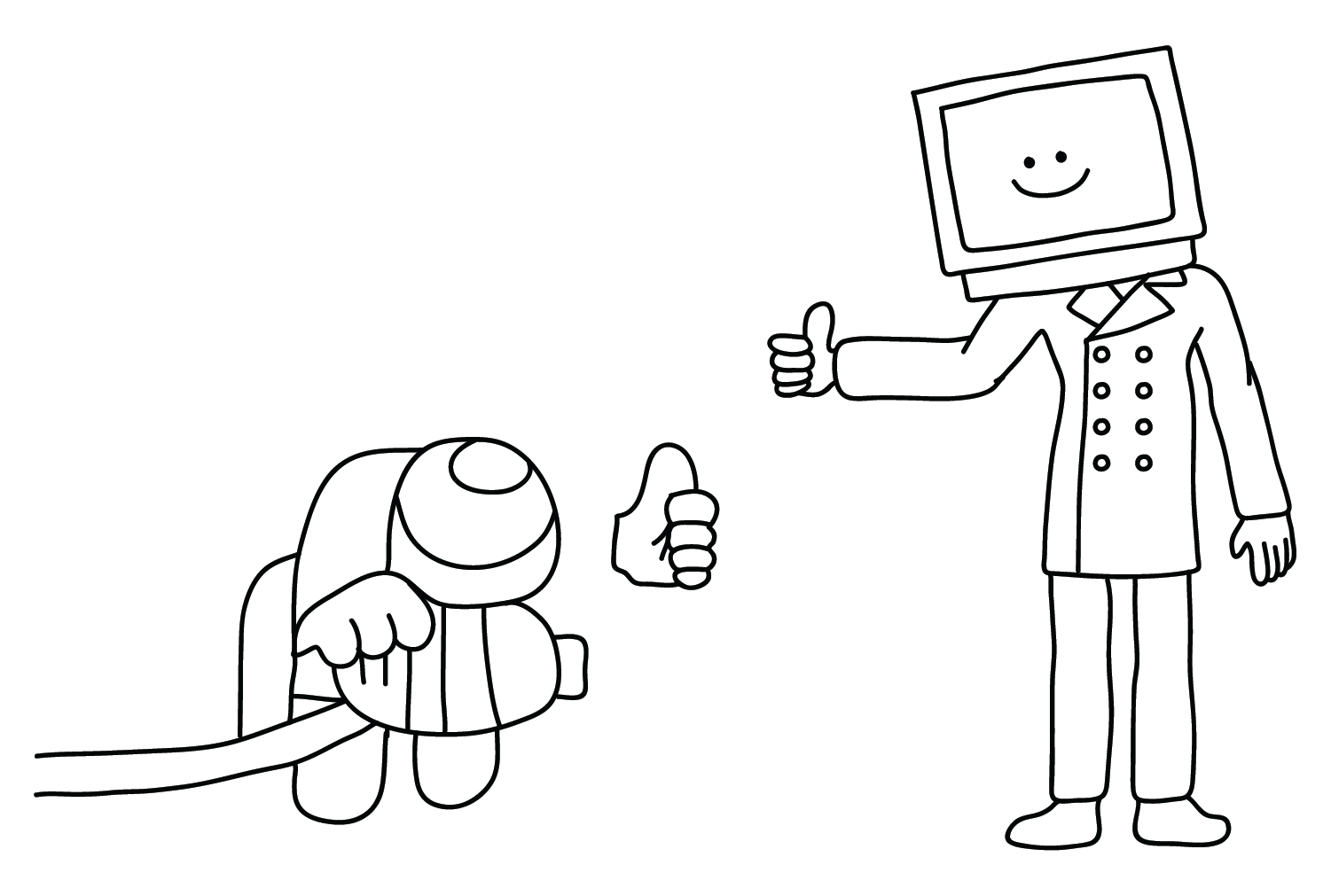
Pages pair him with Cameraman twice, with Speakerman once, and with Camerawoman once. Use Gray for camera heads, Black with Silver cones for speakers, and keep TV Man’s colorful screen as the brightest spot on the page.
Alliance Trio and Kawaii Pages
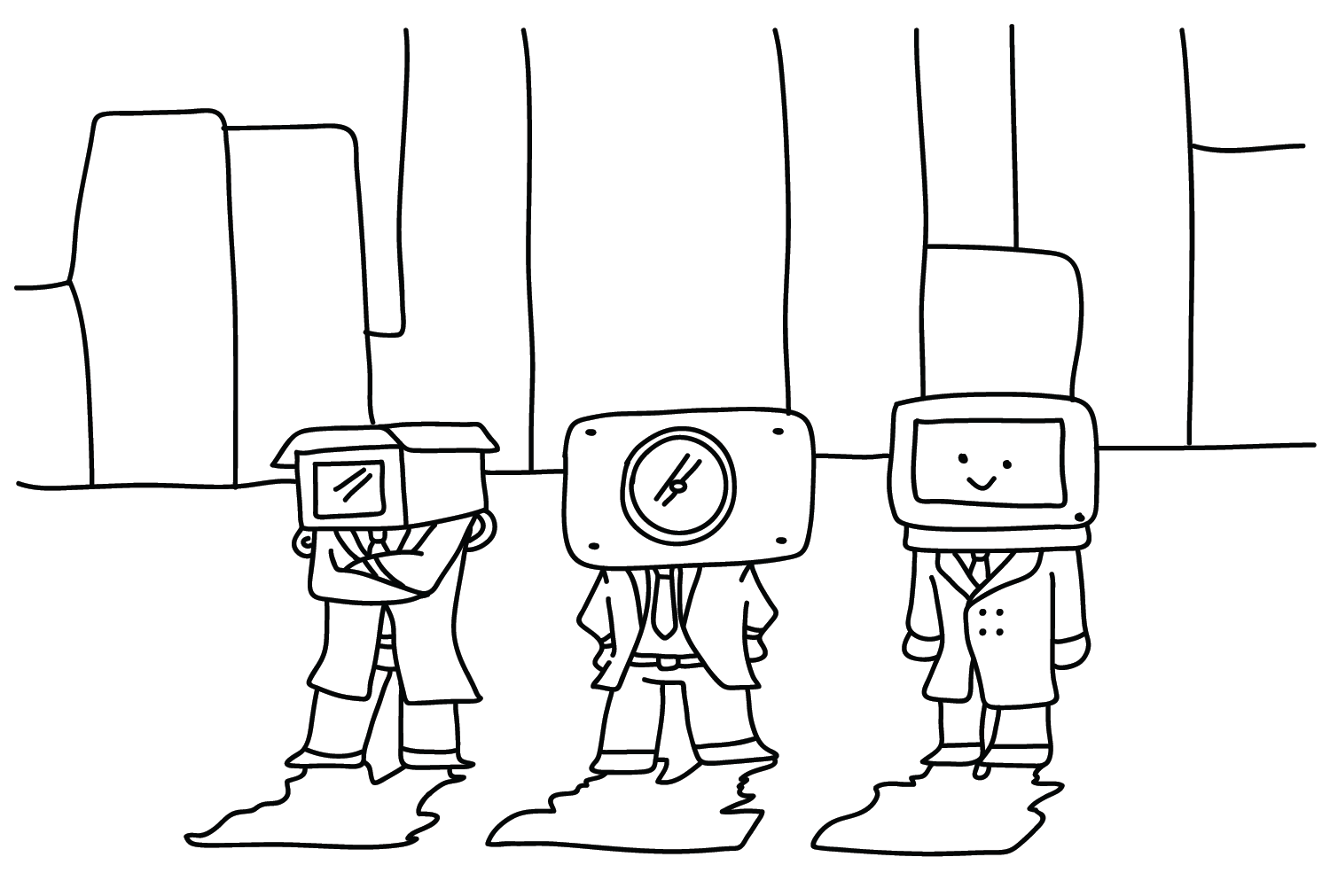
Six sheets gather a TV Man, a Speakerman, and a Cameraman, and one kawaii version shrinks them into round, cute shapes. Give each head type its own color family so young fans can name all three at once.
Titans and Skibidi Toilets
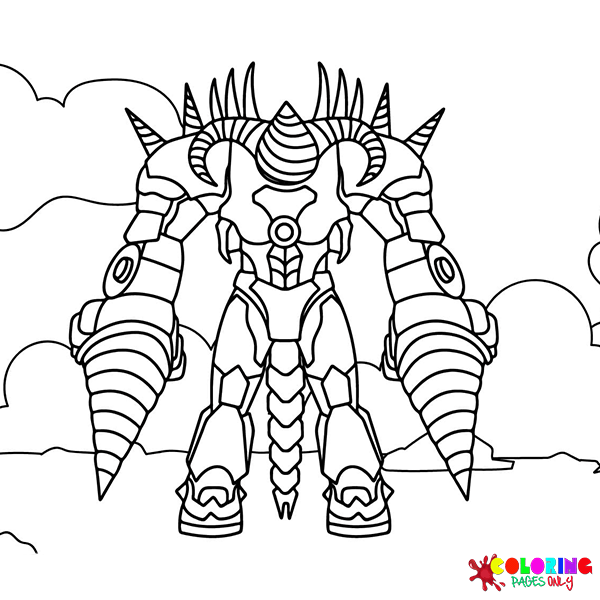
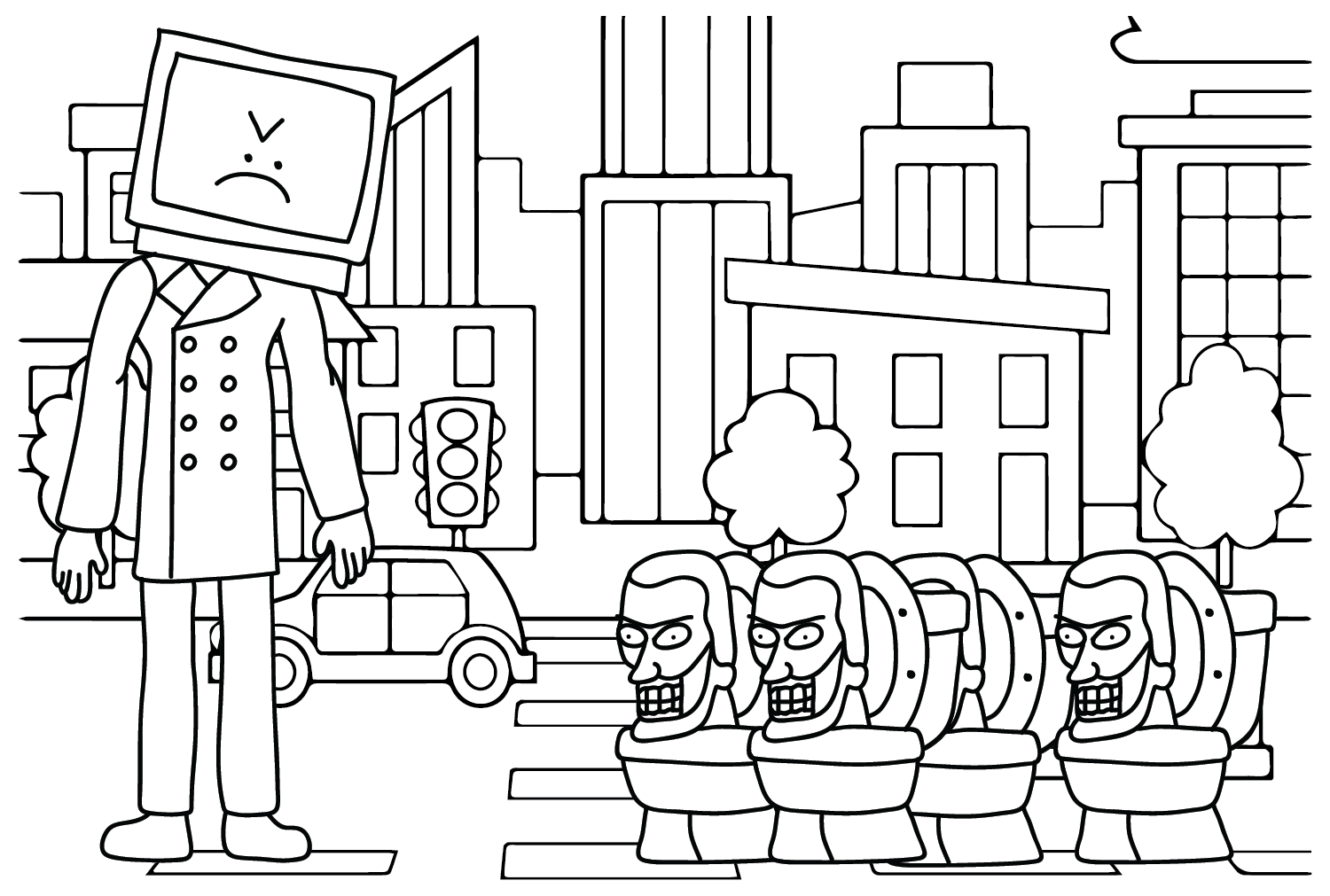
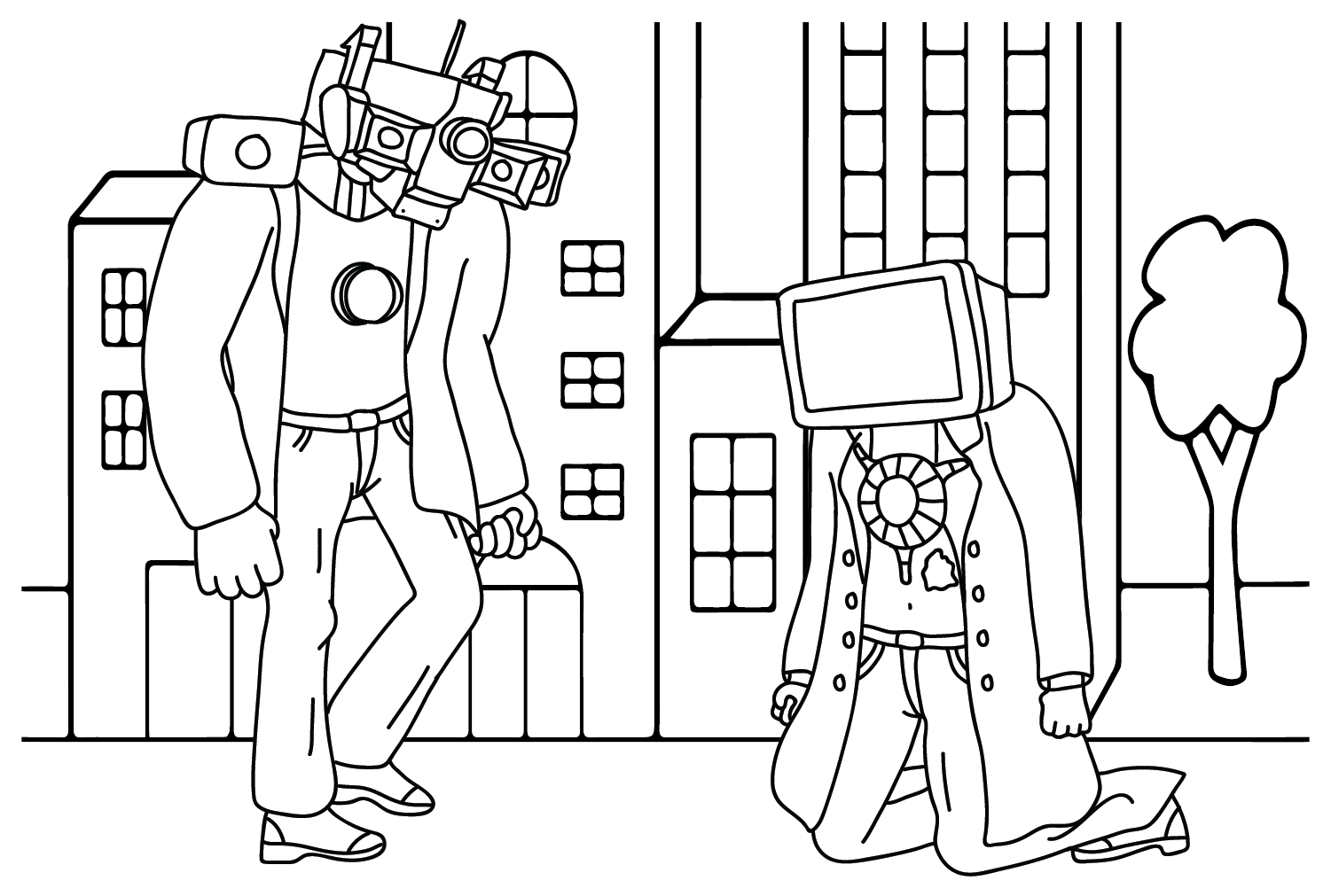
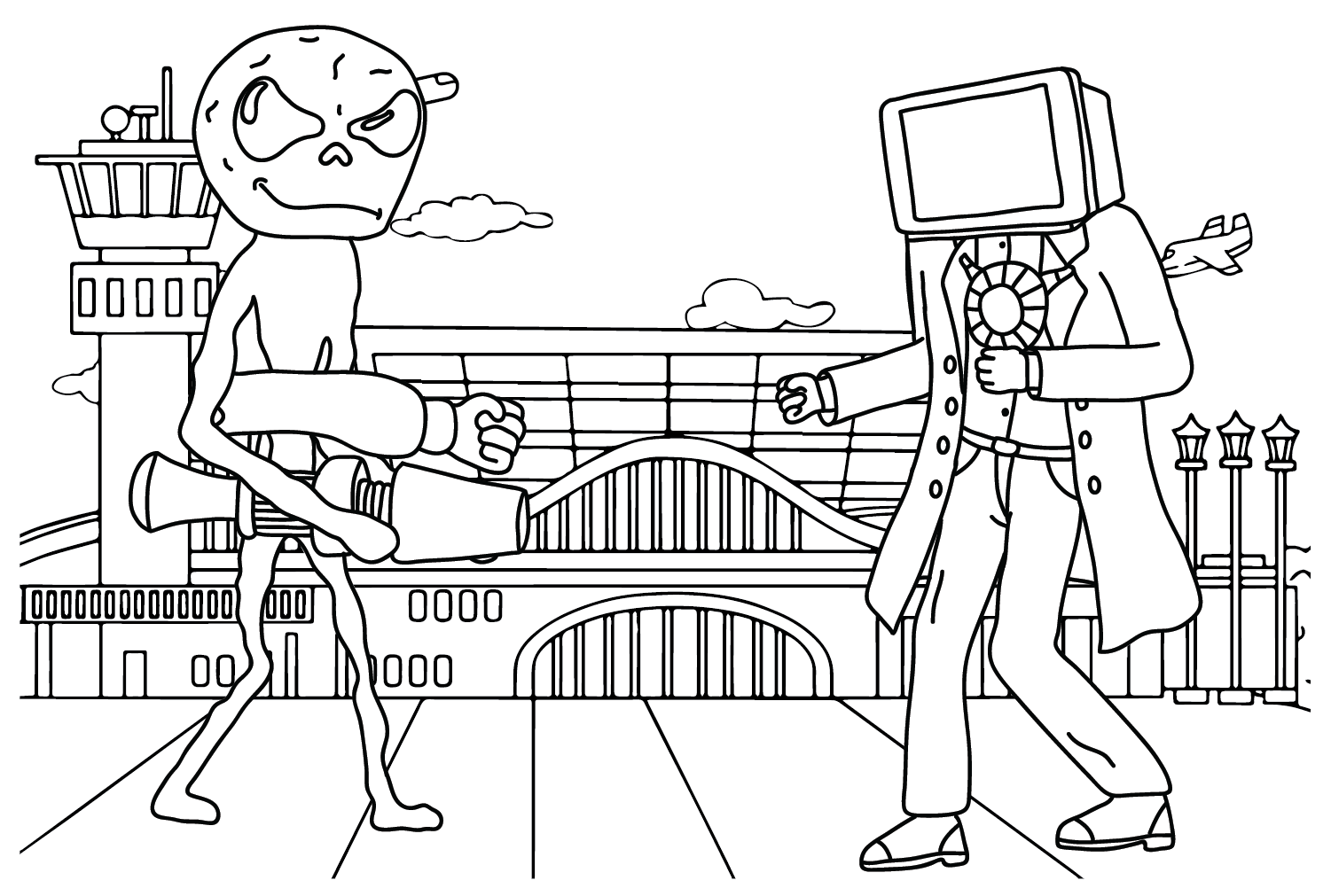
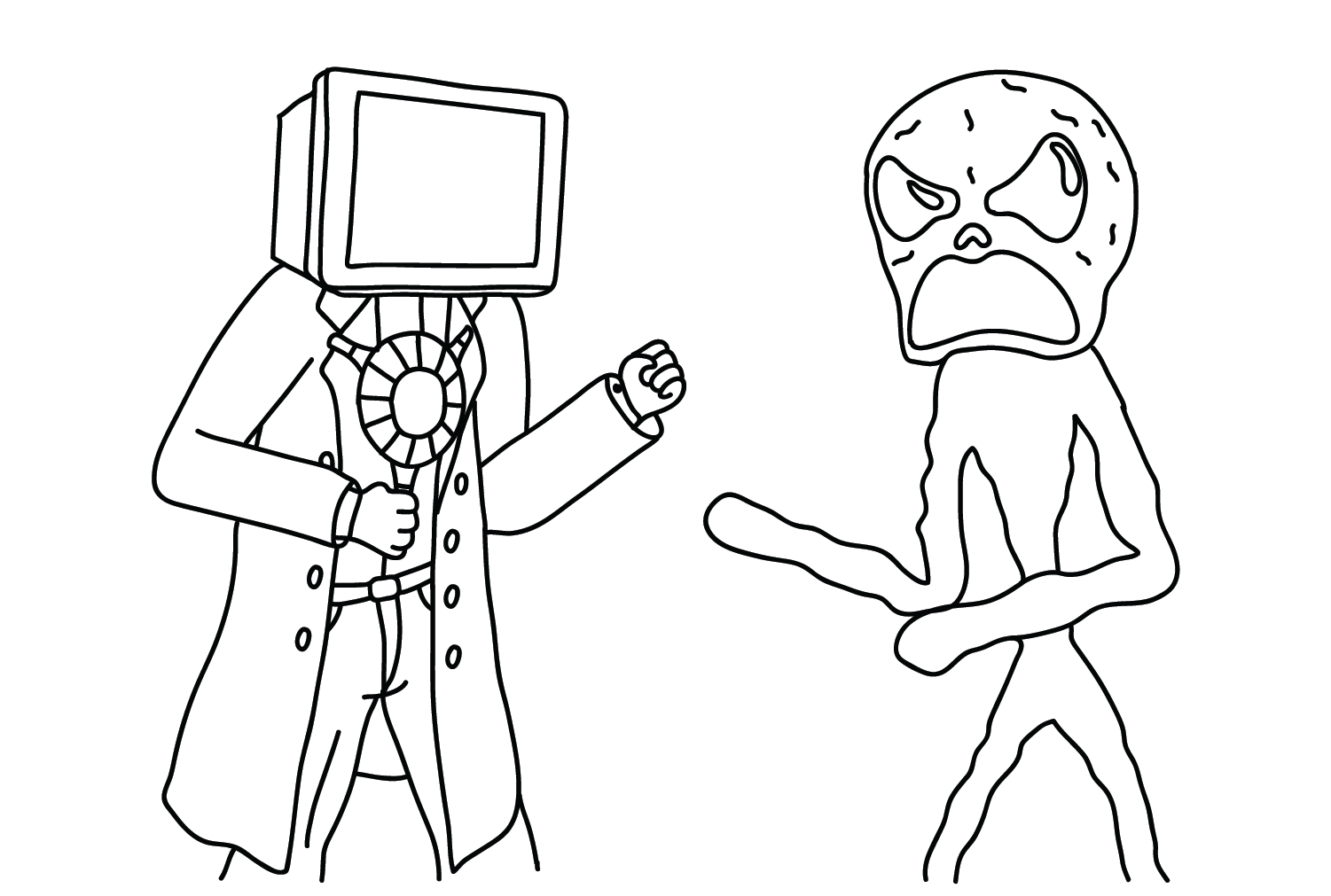
TV Man stands beside Titan Cameraman on one page and with both Titan Cameraman and Titan Speakerman on another, while two sheets bring in a Skibidi toilet. Shade the Titans in metallic Silver and keep the toilets plain White.
What TV Man Coloring Pages Do
Turning screen time into hands-on time. Many kids first meet TV Man through short online videos. Coloring moves that interest onto paper and gives the eyes a rest from the screen.
Practicing straight edges and corners. The TV frame, antenna, and suit lapels are made of lines and right angles. Finger precision like this matures quickly in young children, so it is no surprise that the American Academy of Pediatrics tips recommend crayons and simple art for practice.
A relaxing routine. People who colored predesigned patterns came away calmer than those who doodled on blank paper, a 2005 finding Curry and Kasser shared through Art Therapy. Filling in a single TV screen slowly can be a peaceful wind-down.
Imagining what’s on the screen. Many TV Man pages leave the screen open. Kids can draw their own picture inside, from a cartoon to a sunset, and tell a short story about it.
How to Color TV Man Pages Well
- Screen glow: Color the center of the screen lightest and darken toward the frame to suggest light.
- Frame depth: Use a darker shade on one side of the TV box and a lighter shade on the other.
- Antenna detail: Keep antennas thin and Black with tiny Silver tips.
- Sharp suits: Fill suits with Charcoal and leave thin white lines along the lapels for definition.
- Custom screens: Draw a small picture inside the screen before coloring the rest.
- Group contrast: Assign Purple screens, Gray cameras, and Black speakers on trio pages.
5 Creative Craft Ideas With TV Man Coloring Pages
1. Story Screen Comic
Color three TV Man portraits and draw a different scene inside each screen. Line them up in order to tell a three-panel comic.
2. Cardboard TV Box Model
Color a TV Man page, trim the head, and glue it onto a small box so it pops out in 3D. Add pipe-cleaner antennas on top.
3. TV Woman and TV Man Pair Card
Color the TV Man and TV Woman pages in matching colors and paste the pair into a folded card. Write a short note about teamwork inside.
4. Alliance Badge Set
Color the kawaii trio page, cut out each mini agent, and glue them to cardboard circles. Glue small magnets on the back to make a fridge badge set.
5. Remote Control Bookmark
Color a small TV Man, cut a long strip of cardstock shaped like a remote control, and fix the little agent to its upper end. Draw buttons down the strip for fun.
Frequently Asked Questions
What are TV Man coloring pages?
They are 29 free drawings of TV Man, TV Woman, and their Alliance teammates from Skibidi Toilet, including trio scenes, Titan pages, and a kawaii set – every sheet prints free or colors digitally.
Who created TV Man?
Animator Alexey Gerasimov designed TV Man for his web series Skibidi Toilet, whose first clip went up on YouTube in February 2023.
What does TV Man’s screen do?
In the series, a TV Man’s screen can display images that stun, distract, or confuse the Skibidi toilets, giving the Alliance a chance to win fights.
Who is TV Woman?
TV Woman belongs to the same television unit and is one of its few women. Four pages in this collection show her on her own.
What is Titan TV Man?
Titan TV Man is the giant, armored upgrade of TV Man and ranks among the toughest heroes in the story. He has his own separate coloring collection on the site.
Who are TV Man’s teammates?
TV Man works alongside Cameramen and Speakermen, and the three agent types together make up the Alliance against the Skibidi toilets.
What age are the TV Man coloring pages for?
These drawings contain no fighting, so children from roughly age 6 can enjoy them. The videos are another matter: Common Sense Media lists Skibidi Toilet as best for viewers 14 and older, so watching together is wise.
Can kids draw their own picture on the TV Man’s screen?
Yes. Wherever the screen is left open, children can sketch anything they like inside it before coloring the rest of the agent.
Start Coloring
Choose a solo TV Man, TV Woman, or the cute mini Alliance from these 29 sheets, and grab the free file for paper or shade it digitally, no registration needed. Share the finished agents on Facebook or Pinterest.