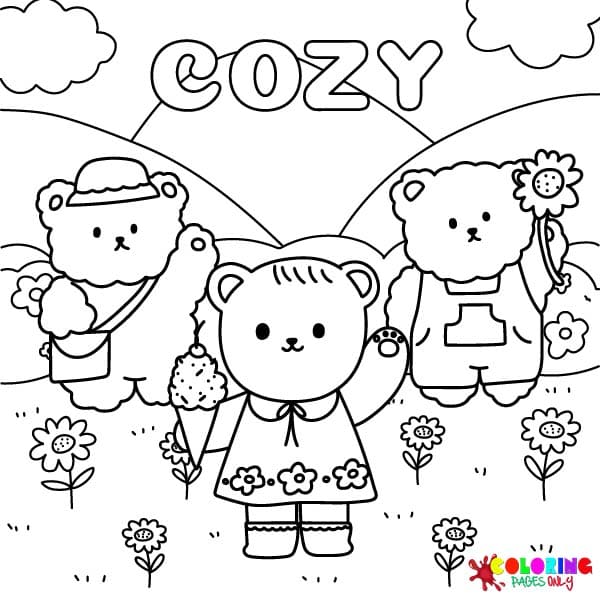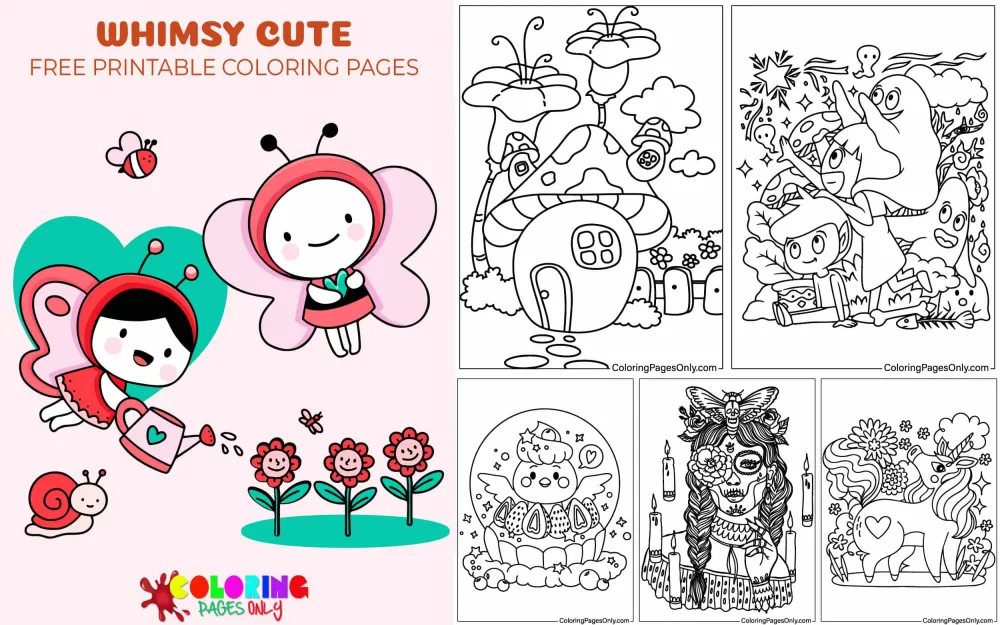
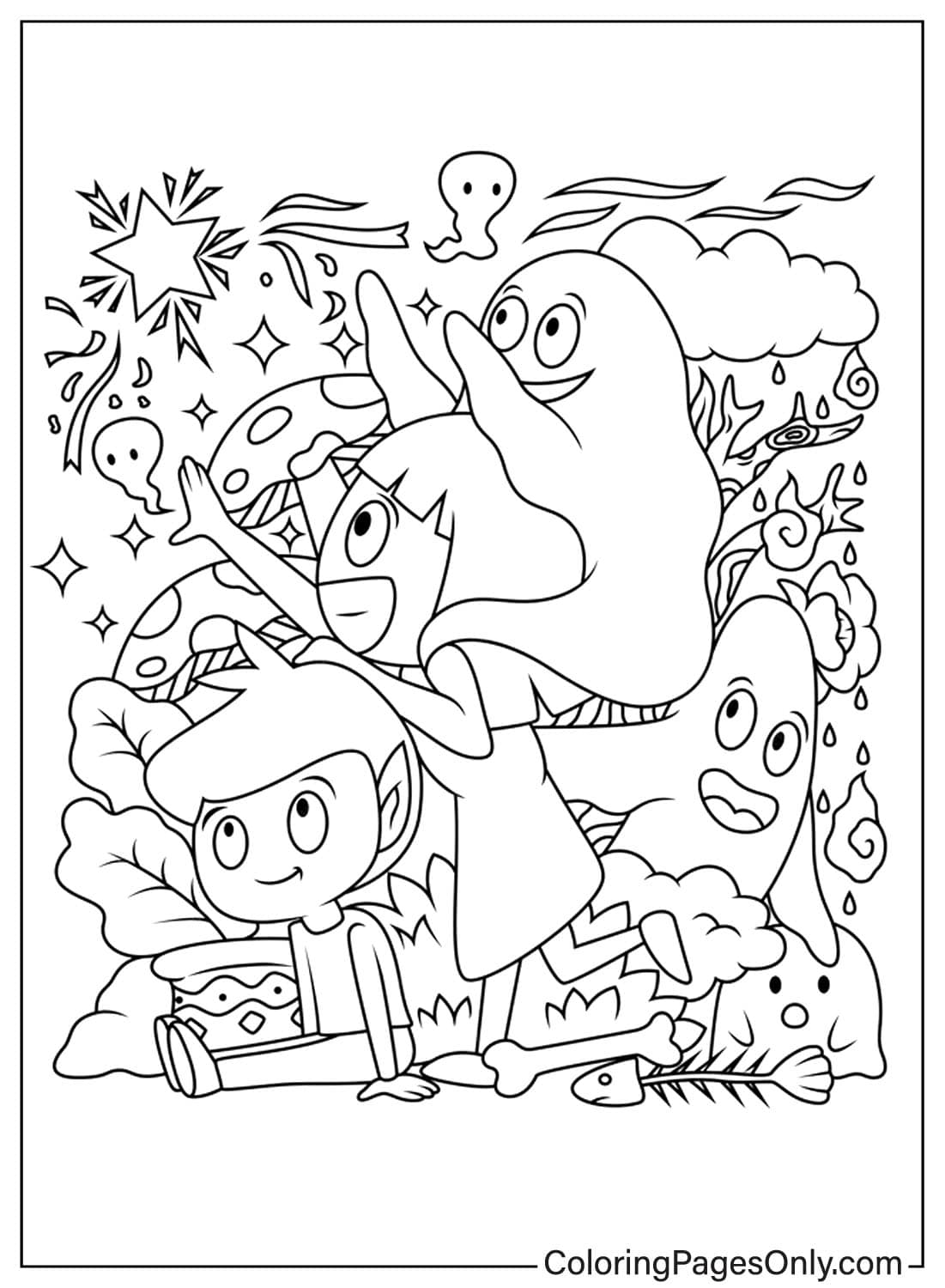
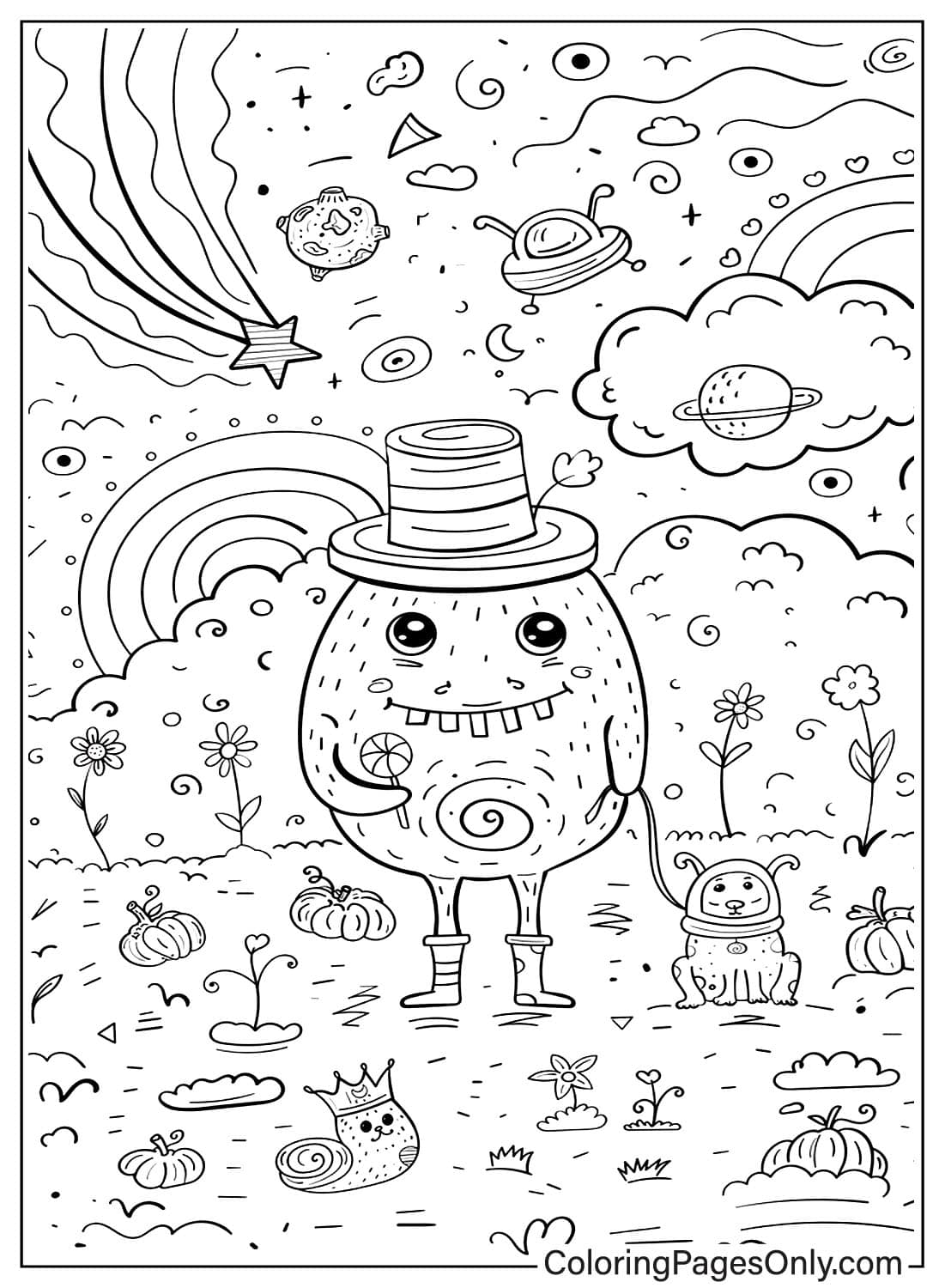
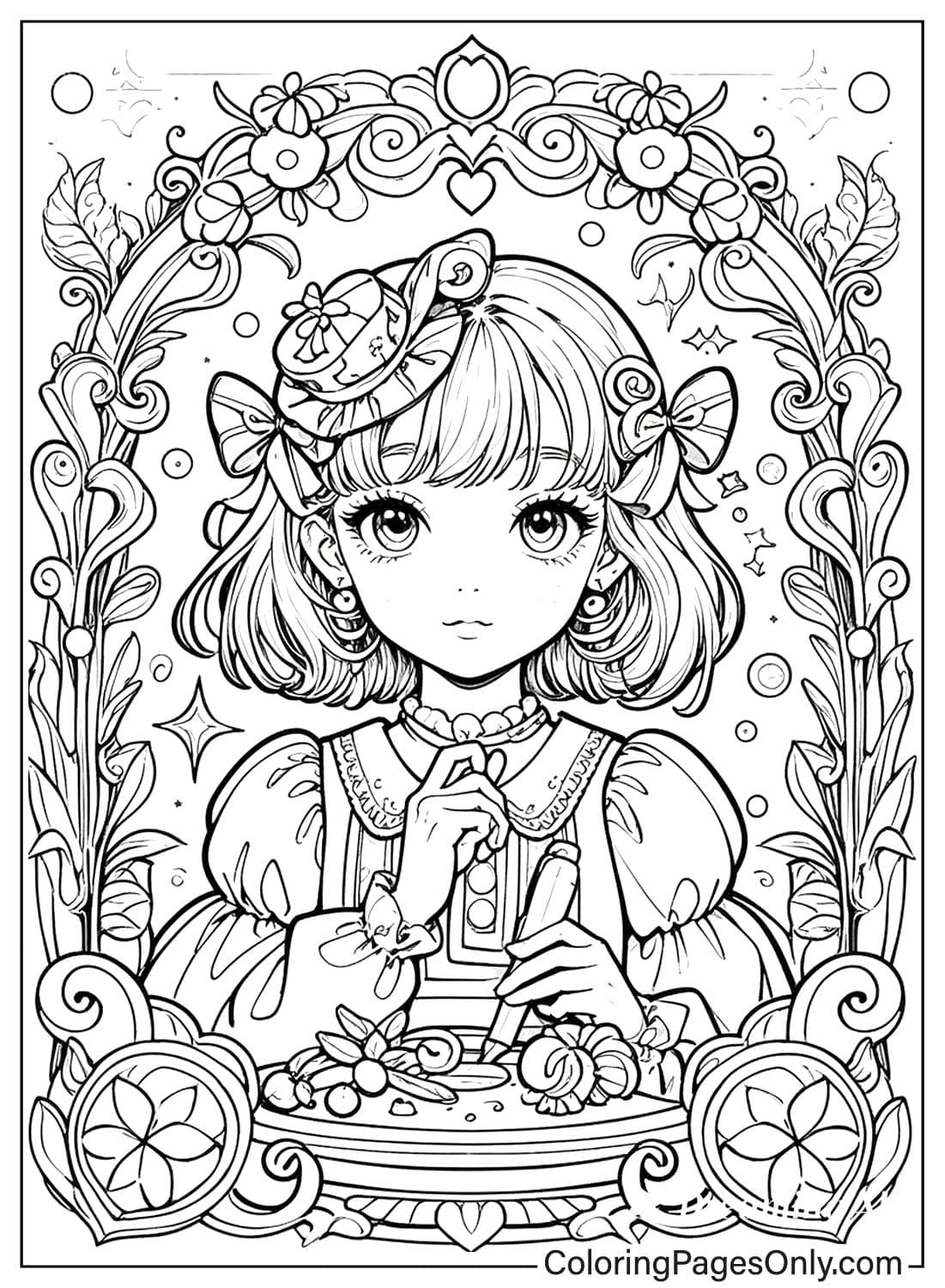
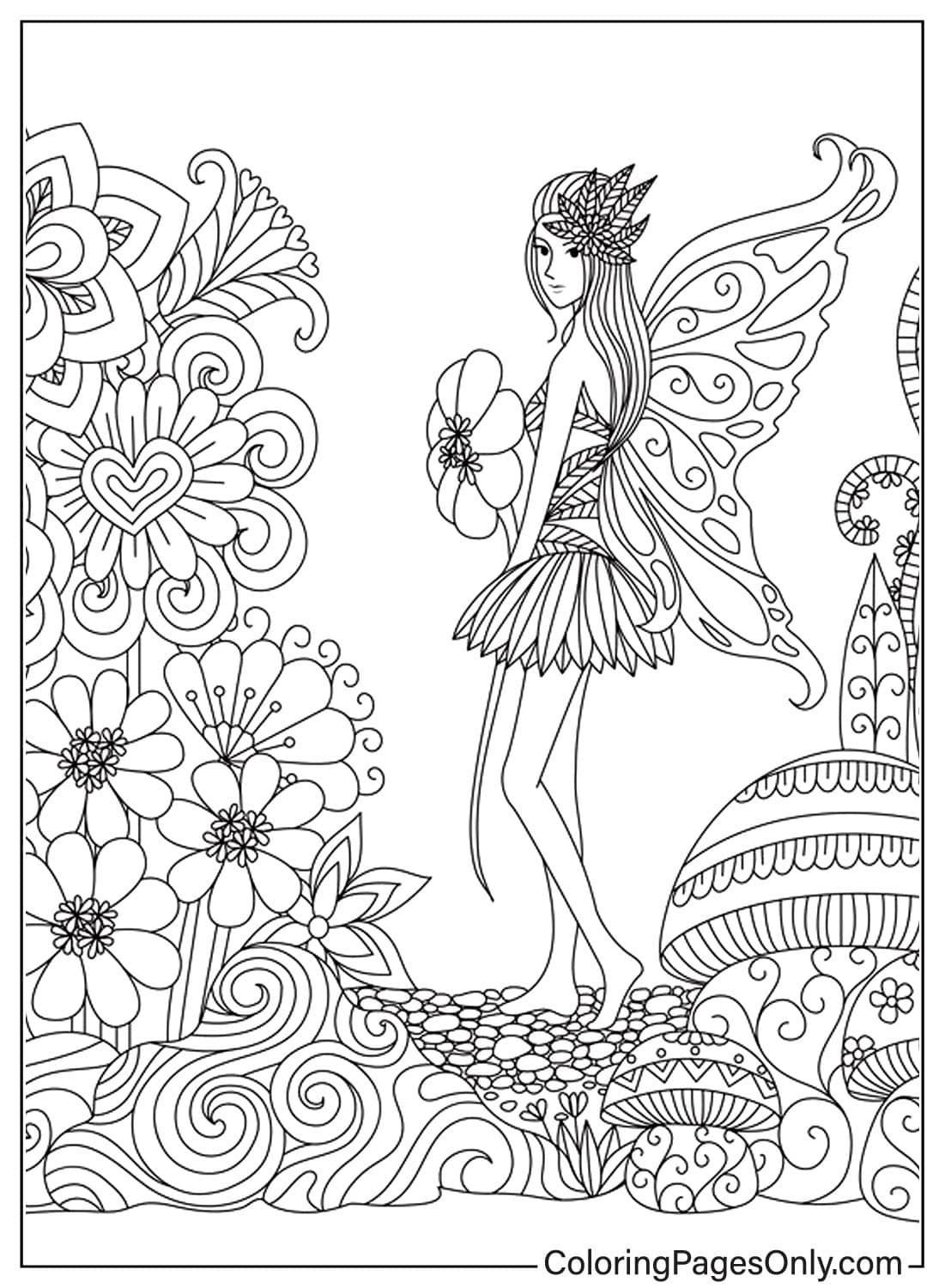
Whimsy Cute Coloring Pages at ColoringPagesOnly.com brings together 50+ free printable pages celebrating one of illustration’s most joyful visual aesthetics – a collection that spans unicorns, fairies, witches, owls, mushrooms, ocean creatures, magical girls, enchanted worlds, and more, all drawn in a style that blends Western whimsical fantasy with the soft, expressive charm of kawaii and chibi illustration. Download any page as a free PDF to print, or color online directly in your browser.
Explore related collections at Unicorn Coloring Pages, Fairy Coloring Pages, Kawaii Coloring Pages, Cute Animal Coloring Pages, and the full Miscellaneous Coloring Pages hub.
What Is “Whimsy Cute”? – Defining the Aesthetic
The word whimsical derives from the Old Norse hvima – to let one’s eyes wander – and the sense of mental wandering it implies has carried forward into its modern meaning: fanciful, playful, pleasingly odd, governed by imagination rather than rules. Whimsical art is art that refuses to be realistic, practical, or predictable. It is the art of fairy tales, of talking mushrooms and moonlit castles, of a world where any ordinary object might have a face and any ordinary girl might have wings.
As an illustration style, whimsy has three defining characteristics. First, playful distortion – proportions, colors, and forms are deliberately exaggerated rather than realistically observed. Heads are too large, eyes are too wide, forests are too lush. Second, anthropomorphism – inanimate objects and animals are given human expressions, emotions, and sometimes clothing or occupations. A mushroom does not just grow; it smiles. A teacup does not just sit; it winks. Third, magical impossibility – the world of the whimsical illustration operates by rules that do not exist in ordinary reality. Creatures that cannot exist in nature appear as naturally as any bird or flower. The impossible is not explained; it is simply accepted and enjoyed.
“Whimsy cute” – the specific fusion this collection represents – adds a second aesthetic layer drawn from Japanese visual culture. Kawaii (可愛い), meaning “cute” or “adorable” in Japanese, emerged as a dominant cultural force in Japan in the 1970s and became globally influential through characters like Hello Kitty (1974), Pikachu (1996), and the broader world of anime and manga character design. Kawaii art is characterized by simplified, rounded forms; very large eyes relative to the face; minimal facial features; soft, pastel-leaning color palettes; and an overall impression of gentleness and approachability. Its closest relative in Western art is the chibi style – a Japanese term for super-deformed or miniaturized character drawing where a character is reduced to a small, simplified, exaggeratedly cute version of themselves.
Whimsy cute sits at the intersection of these two traditions. It brings the subject matter of Western whimsy – unicorns, fairies, enchanted forests, magical creatures – and renders them through the visual language of kawaii and chibi: soft, rounded forms, oversized expressive eyes, simplified features, pastel-dominated palettes, and an overall feeling of innocence and warmth. The result is a distinct aesthetic that is globally beloved, appears across social media, children’s publishing, stationery design, and fan art communities, and has developed a dedicated audience among colorists of all ages.
The Visual Language of Whimsy Cute – What to Look For
Understanding the visual conventions of whimsical, cute illustration makes coloring these pages more rewarding, because every design choice in the drawing was made deliberately, and the coloring choices that best honor those decisions are the ones that understand them.
Eyes are the emotional center. In whimsy cute illustrations, eyes are vastly enlarged relative to the face, often taking up a quarter to a third of the face’s total area. This is the most dramatic departure from realistic proportion and the most direct expression of the kawaii principle. Large eyes communicate openness, vulnerability, wonder, and expressiveness in a way that smaller, more realistically proportioned eyes cannot. When coloring any face in this collection, the eyes should receive the most careful attention and the most color detail. They are not a background element. They are the face.
Simplified features create emotional accessibility. Whimsy cute faces typically have minimal noses (often just a small dot or omitted entirely), small mouths (often a gentle curve, a tiny “o,” or a minimal smile line), and smooth, featureless skin. This simplification is not a limitation – it is a deliberate stylistic choice that makes the characters more universally readable. A face with minimal features invites the viewer to project their own emotional reading onto it, which creates a stronger sense of personal connection than a more detailed, specific face would.
Soft curves dominate the composition. Almost nothing in whimsy cute illustrations is angular or hard-edged. Mushroom caps are perfectly rounded; wings curve gently; character outlines follow smooth, continuous arcs. Even objects that in reality have hard edges – buildings, books, hats – are softened and rounded in whimsy cute illustration. When coloring, soft, flowing color transitions between areas will always feel more consistent with the style than sharp, abrupt contrasts.
Fantasy logic makes everything possible. Mushrooms in the real world do not have polka-dot caps; stars do not float at ground level; owls do not wear tiny scarves. But in whimsy cute illustrations, all of these things are not only acceptable but expected. The visual world is governed by its own consistent dream logic: if a mushroom is going to appear in a whimsy scene, it should look as charming and expressive as possible, which usually means polka dots, large friendly eyes, and perhaps a warm red or pink cap. These “incorrect” but delightful choices are where the whimsy is – and the coloring should embrace them with the same freedom.
The Subjects in This Collection – Coloring Guide
Unicorn
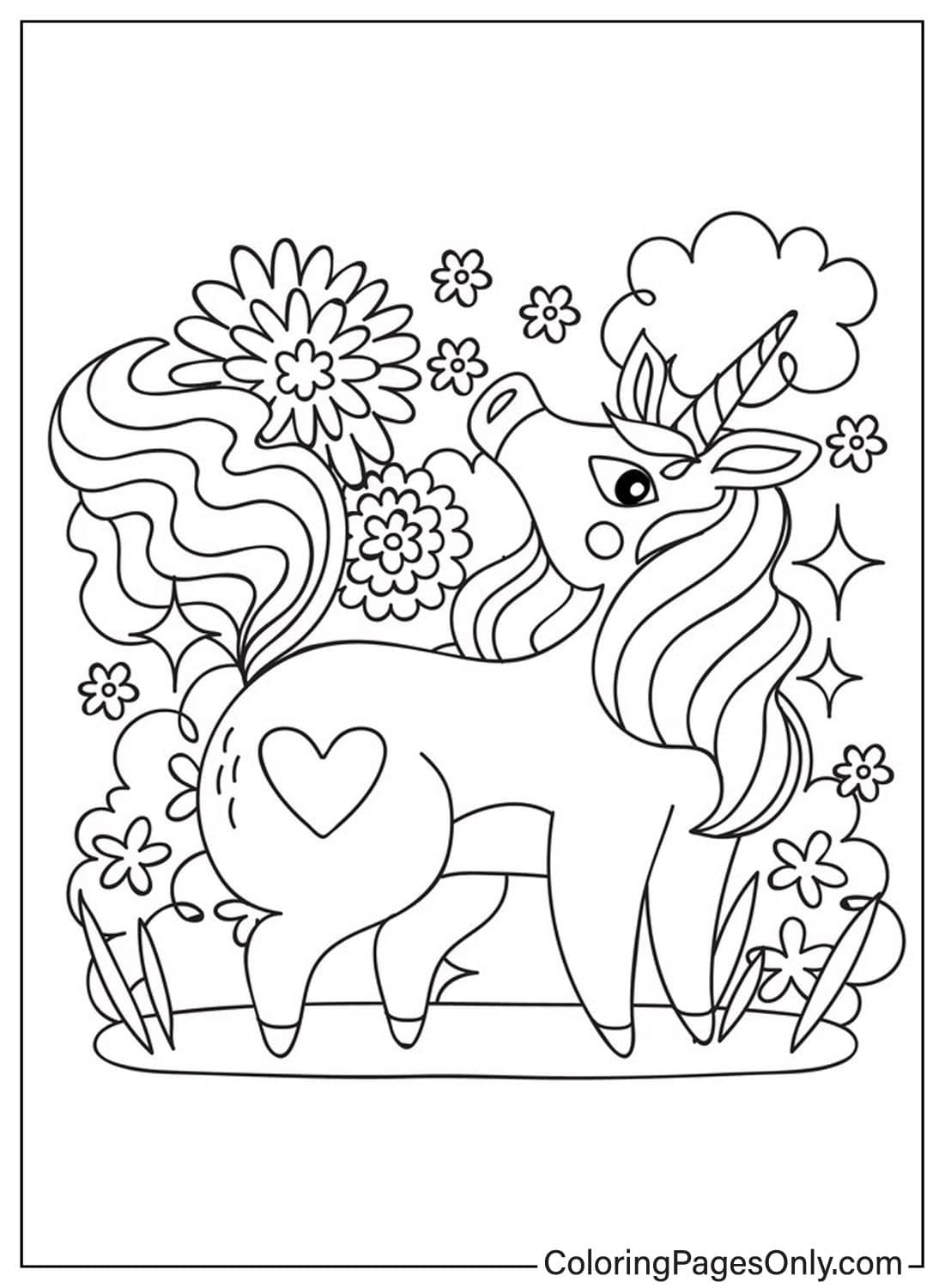
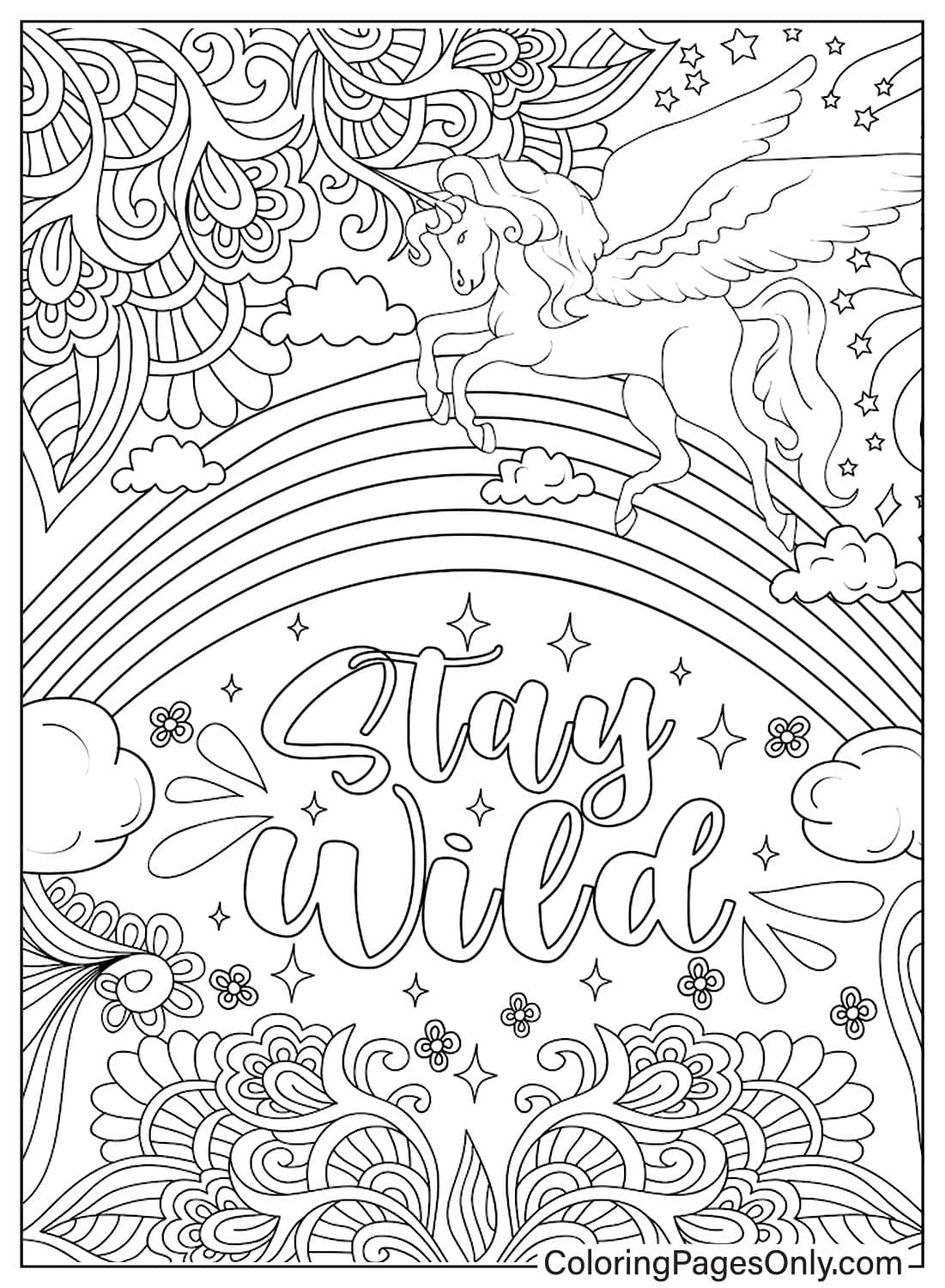
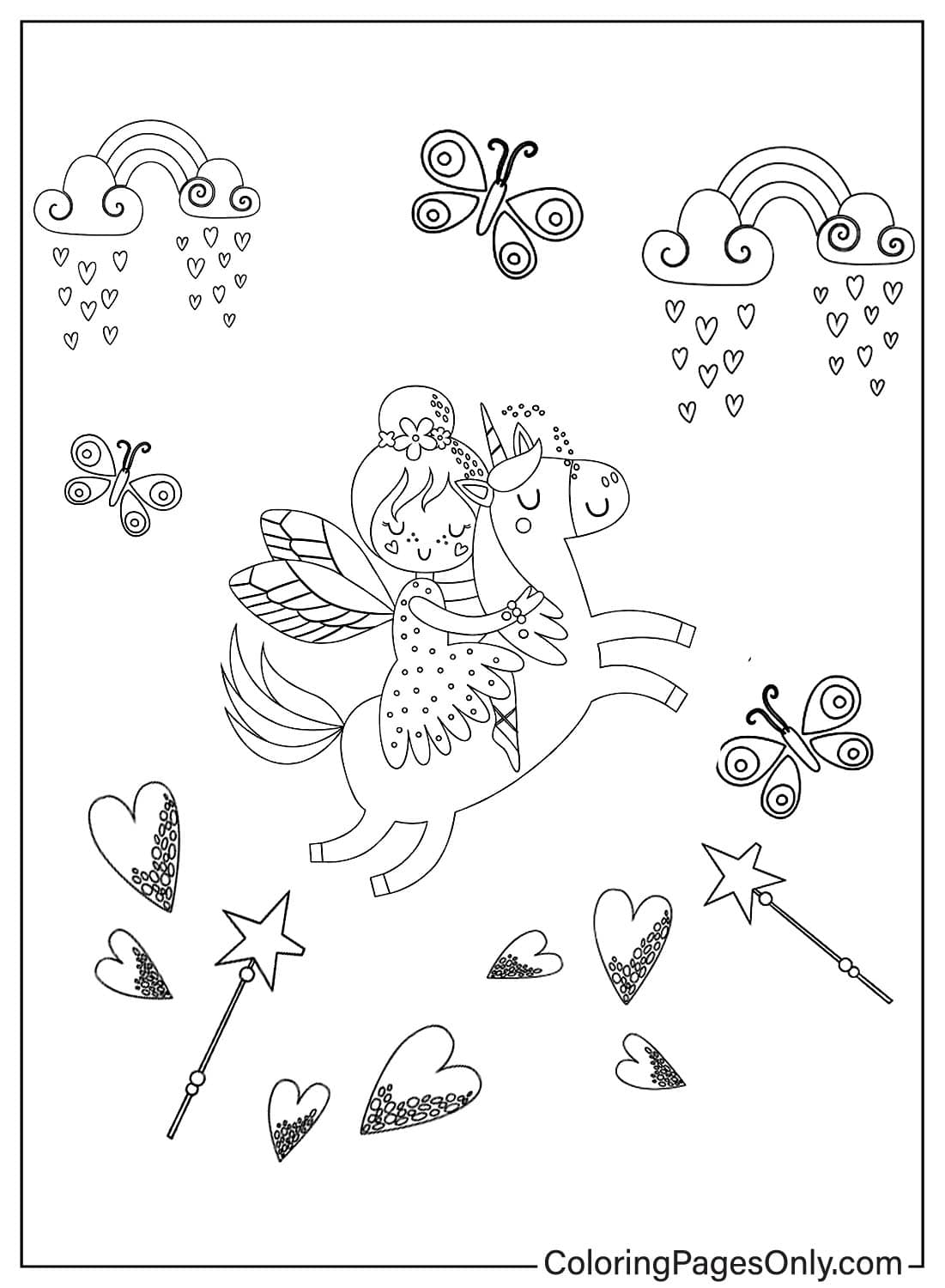
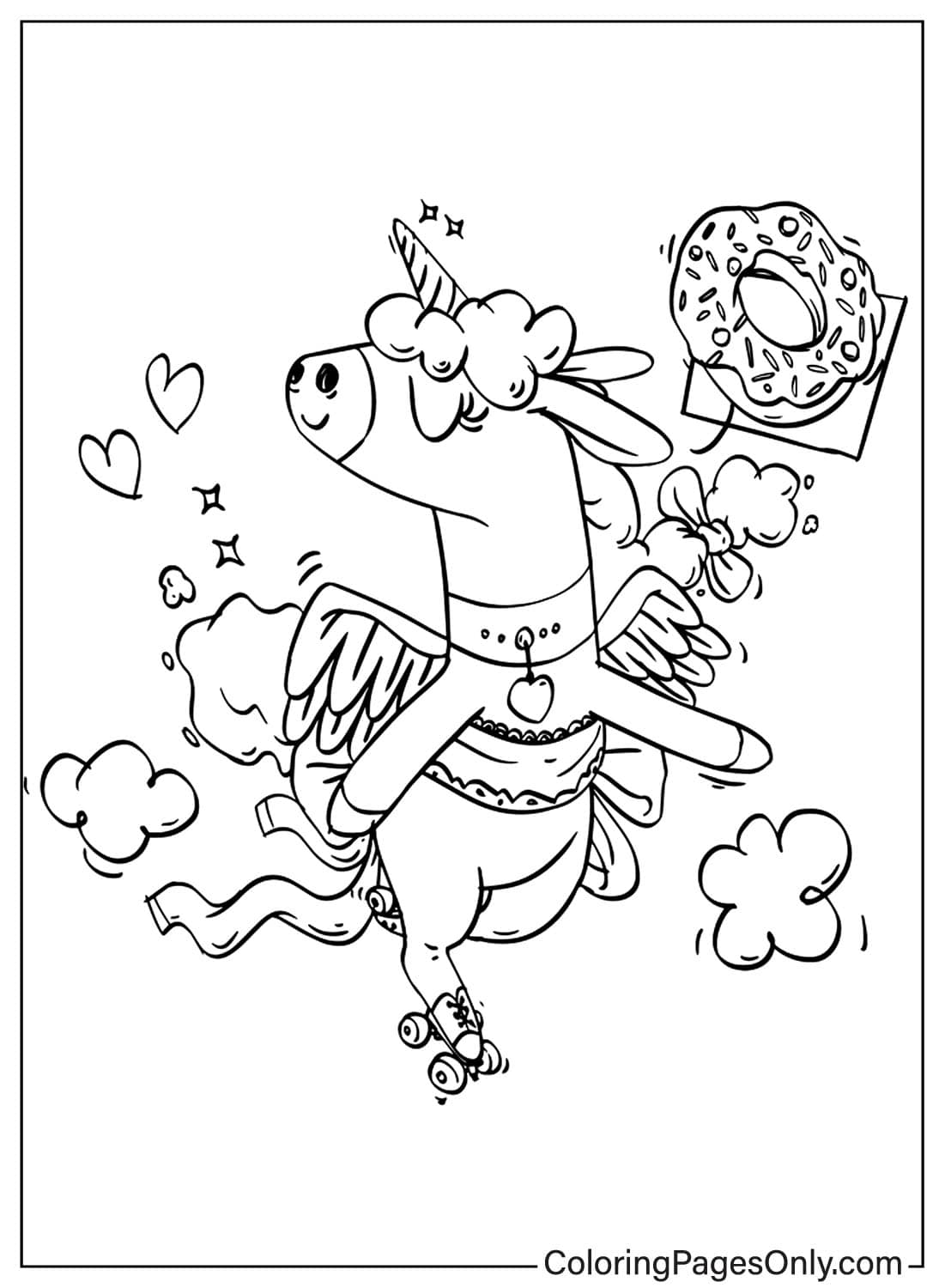
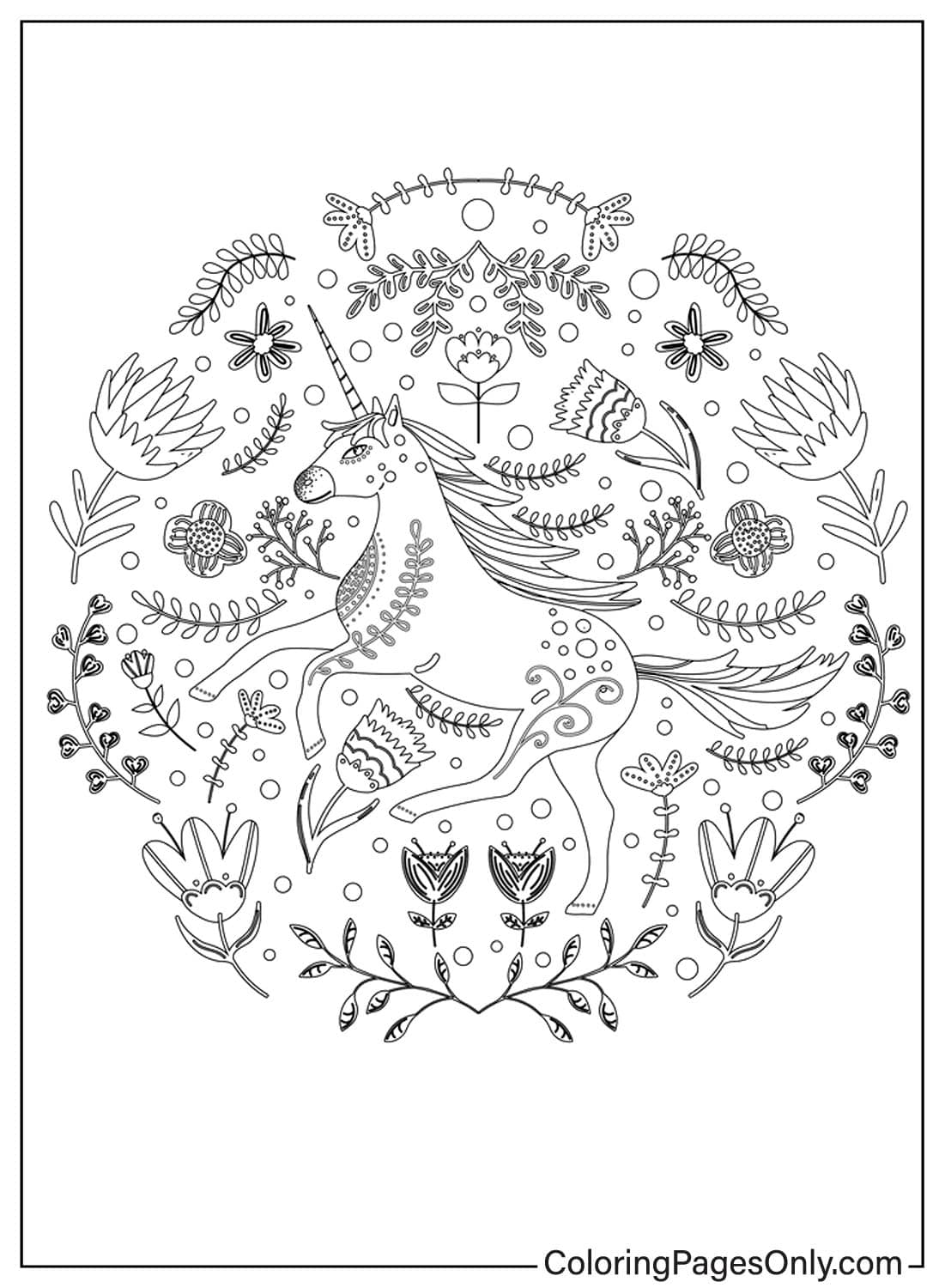
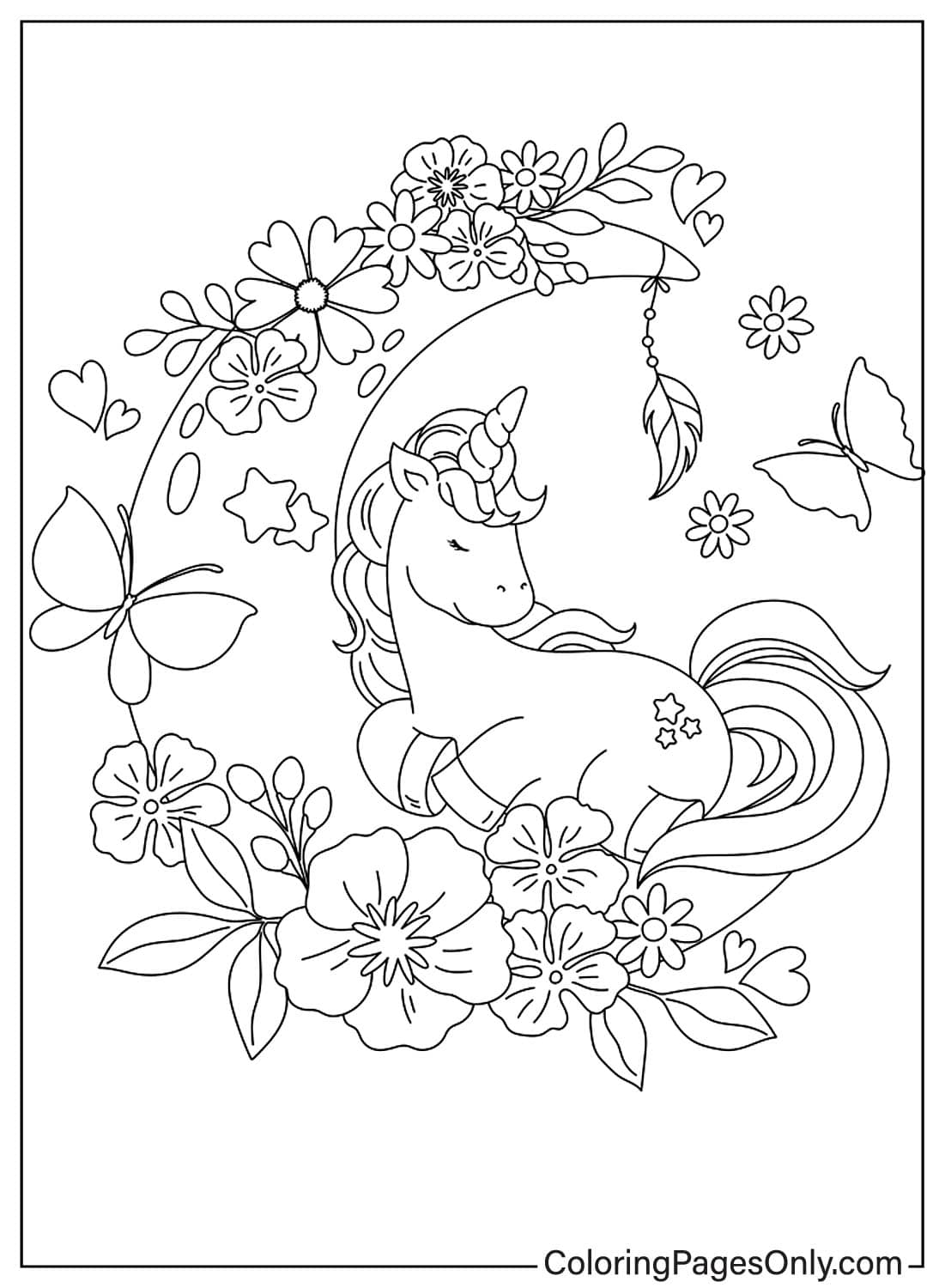
The unicorn is the emblematic whimsy cute creature – impossible, magical, immediately recognizable, and endlessly reinterpretable. Unlike most animals, the unicorn has no canonical coloring in nature; every colorist is free to invent. The conventions of whimsy cute unicorn illustration suggest: a white or very pale body as the base (allowing the mane, tail, and horn to pop dramatically against it), a mane and tail in a multi-color gradient (pink fading into lavender fading into mint green, or gold fading into rose fading into lilac), and a horn rendered in a spiral of gold or pearlescent iridescent tones. Stars, sparkles, and soft glows around the horn are standard visual elements.
For a more original interpretation: try a dark body (deep purple, midnight blue, or even black) with a golden or silver mane and a horn in a contrasting warm accent color. Dark-bodied unicorns in whimsy cute style read as dramatic and sophisticated while remaining fully within the aesthetic.
Fairy
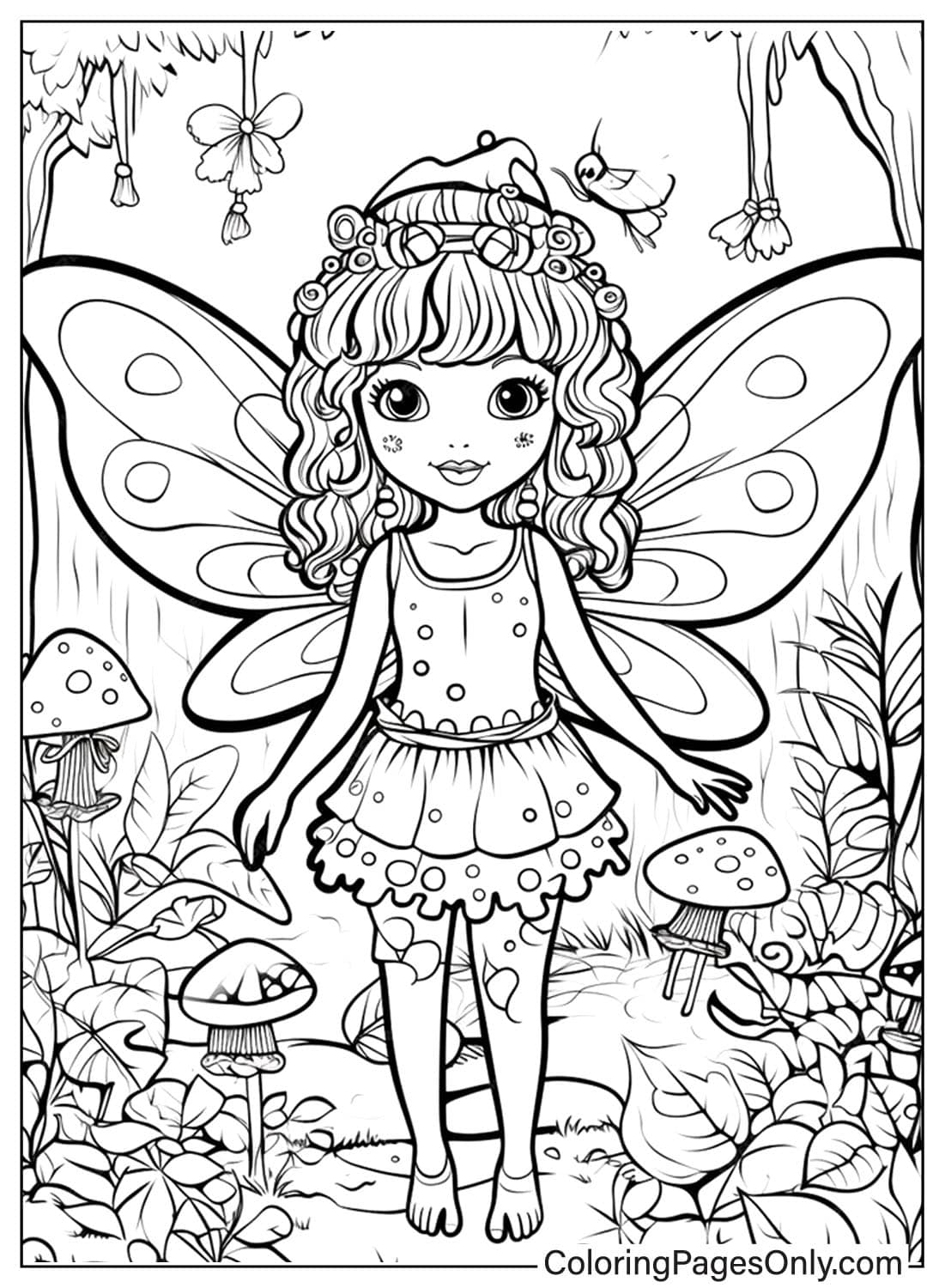
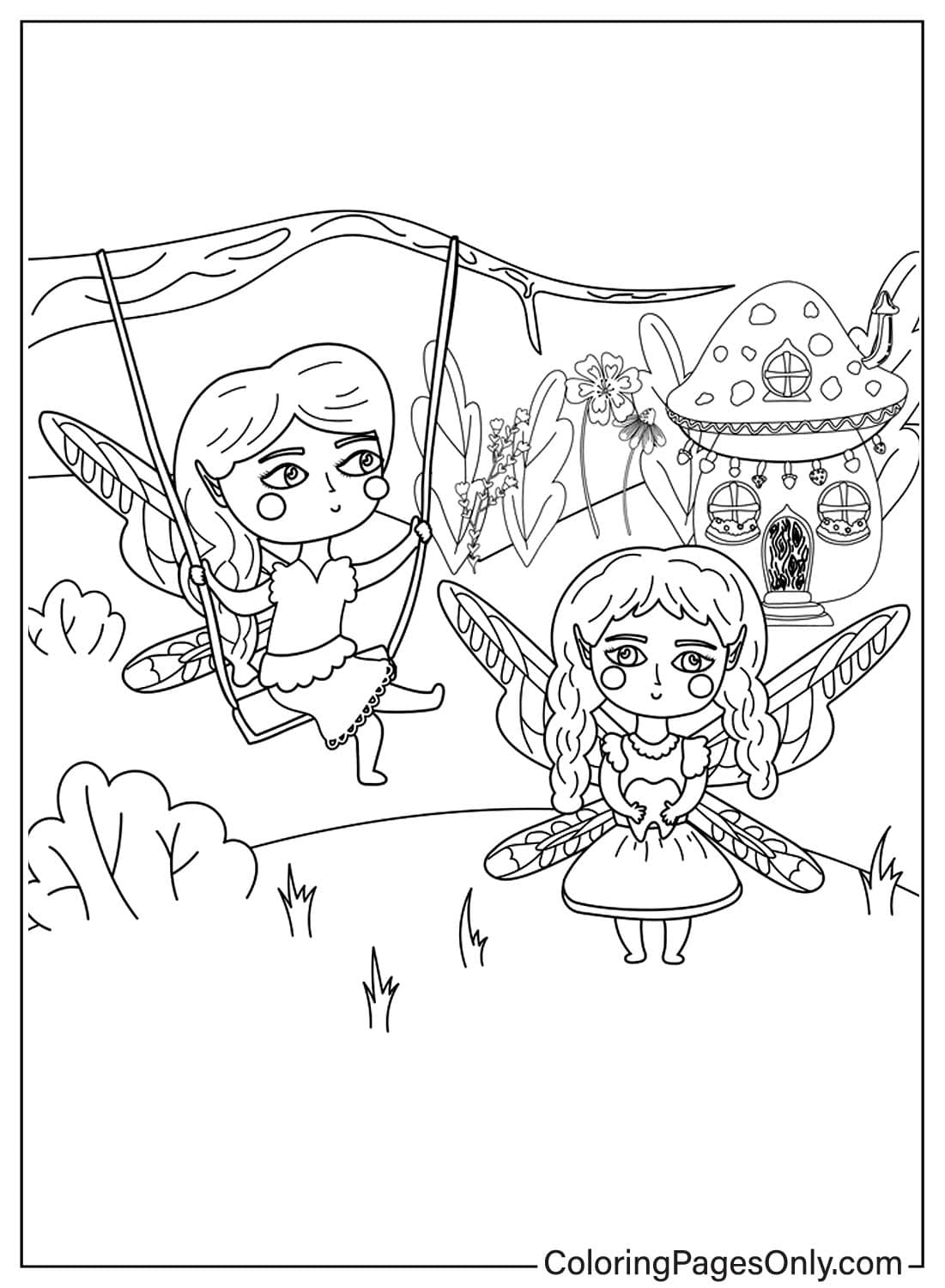
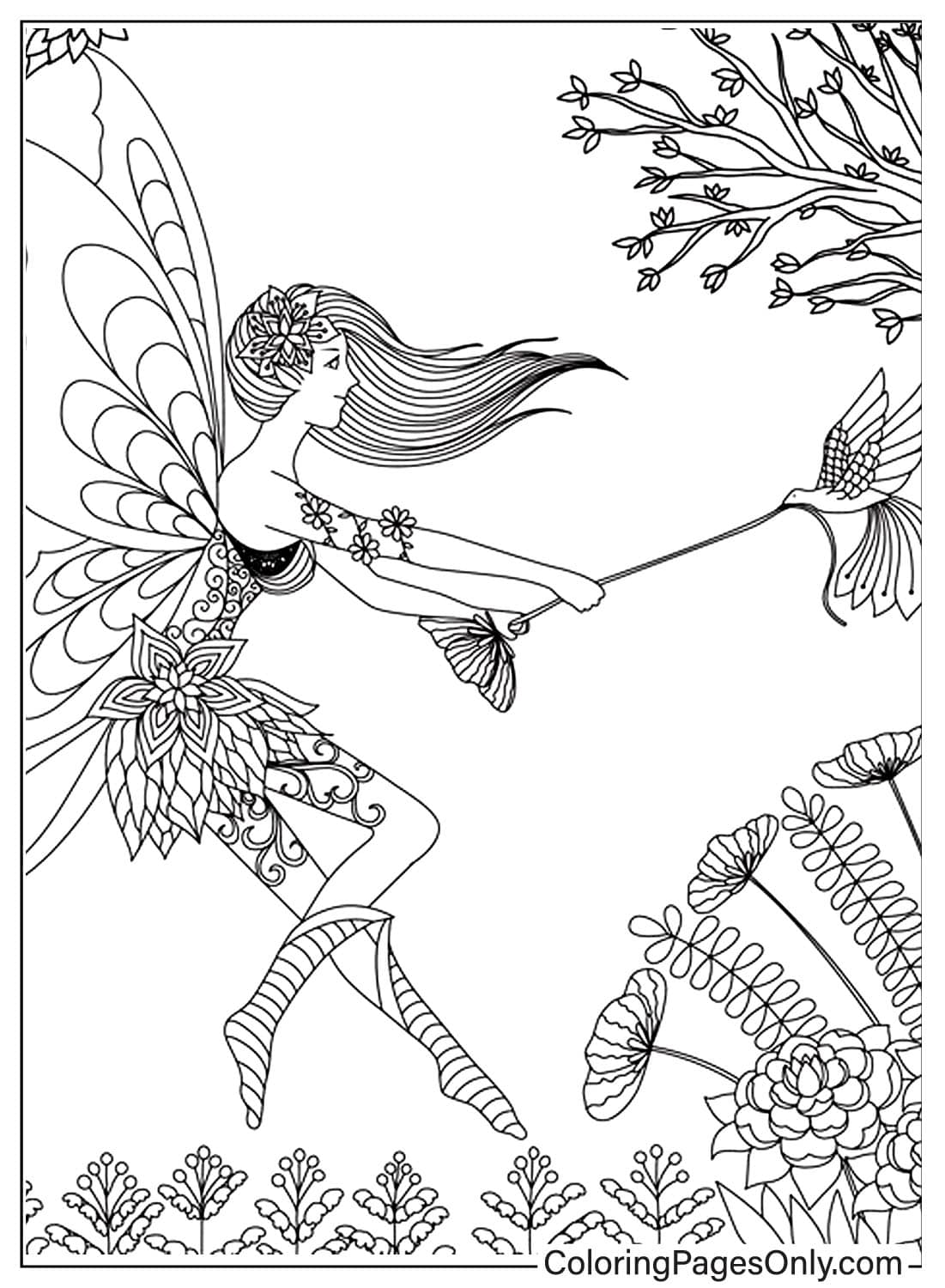
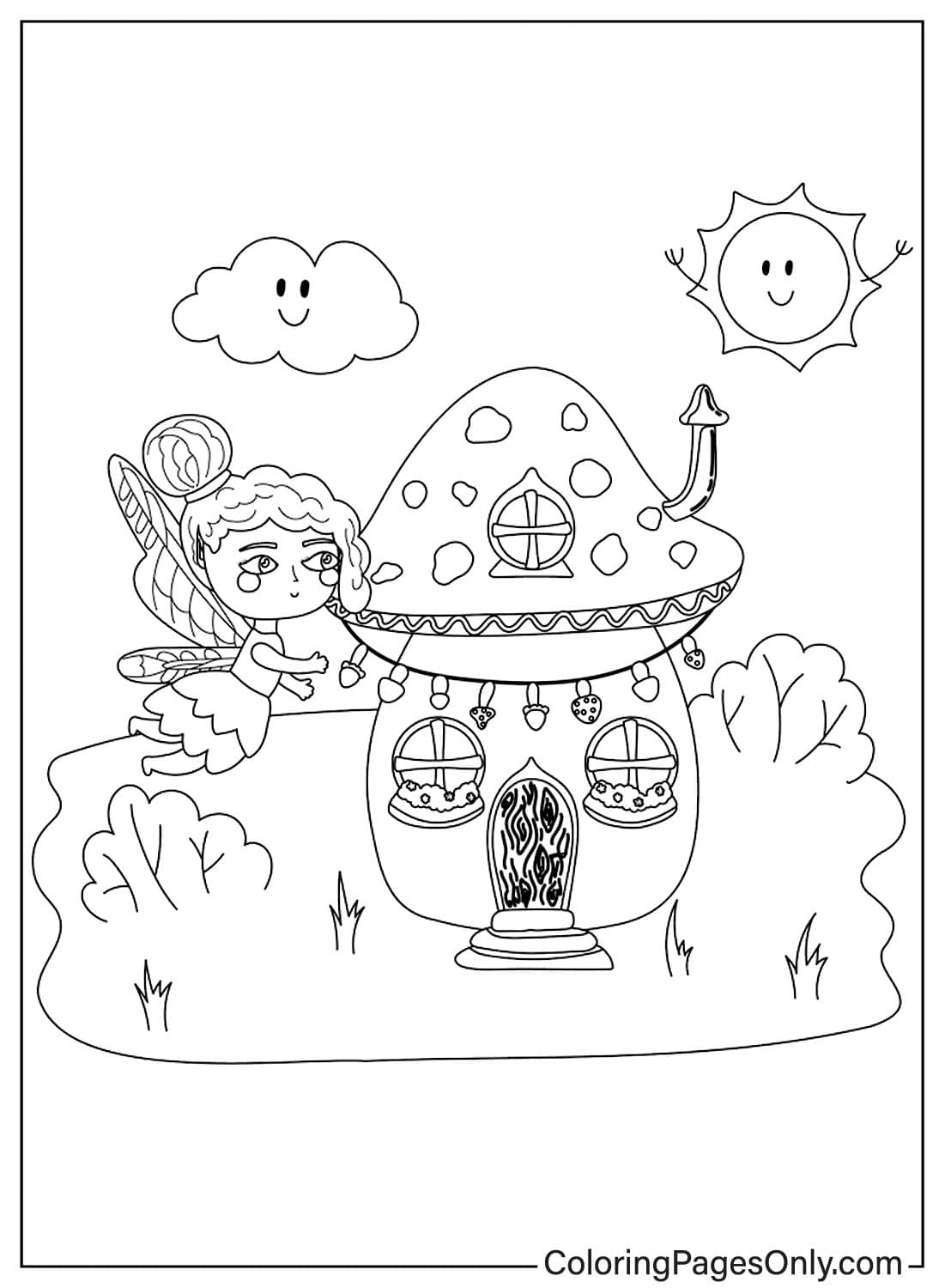
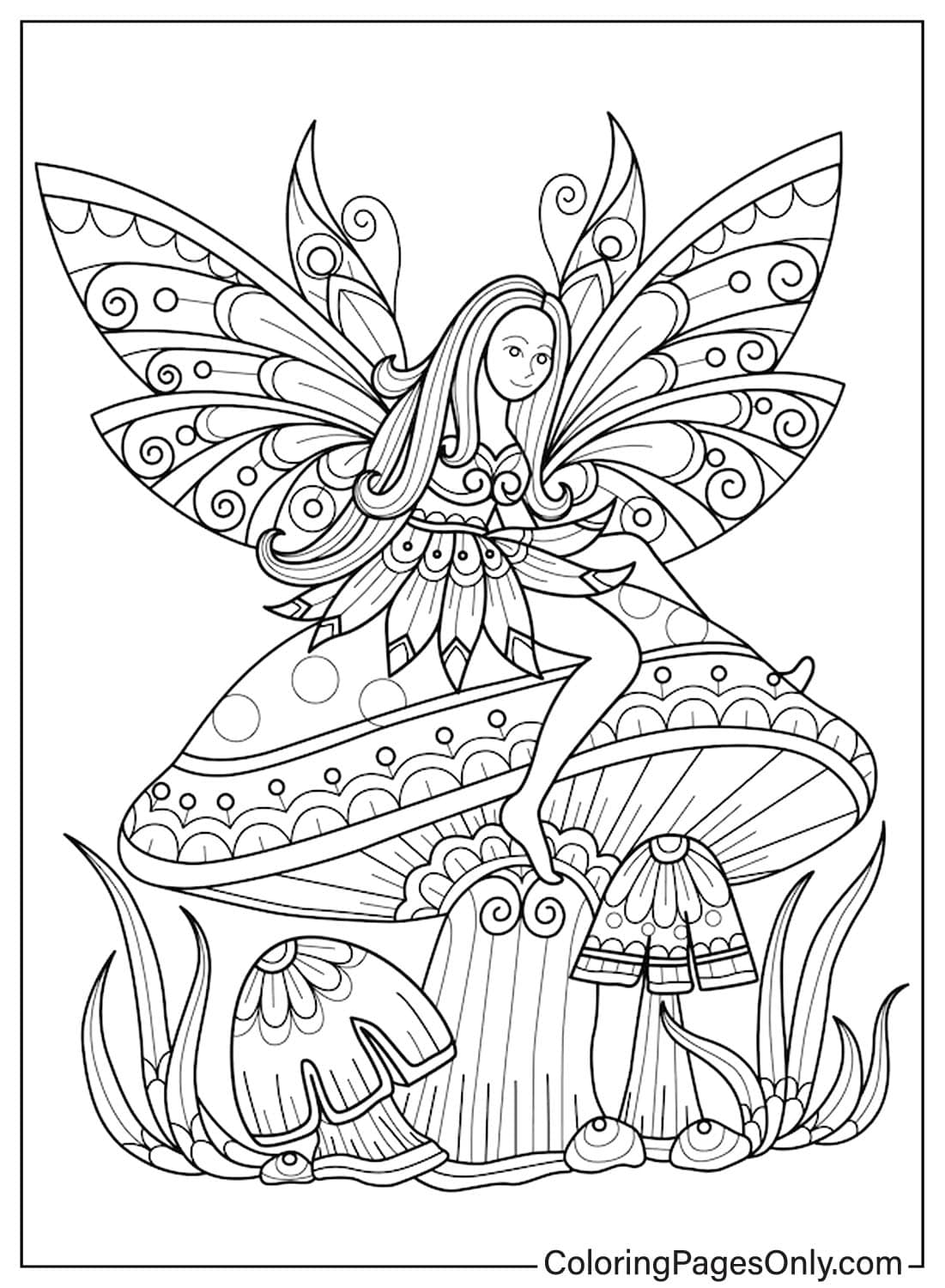
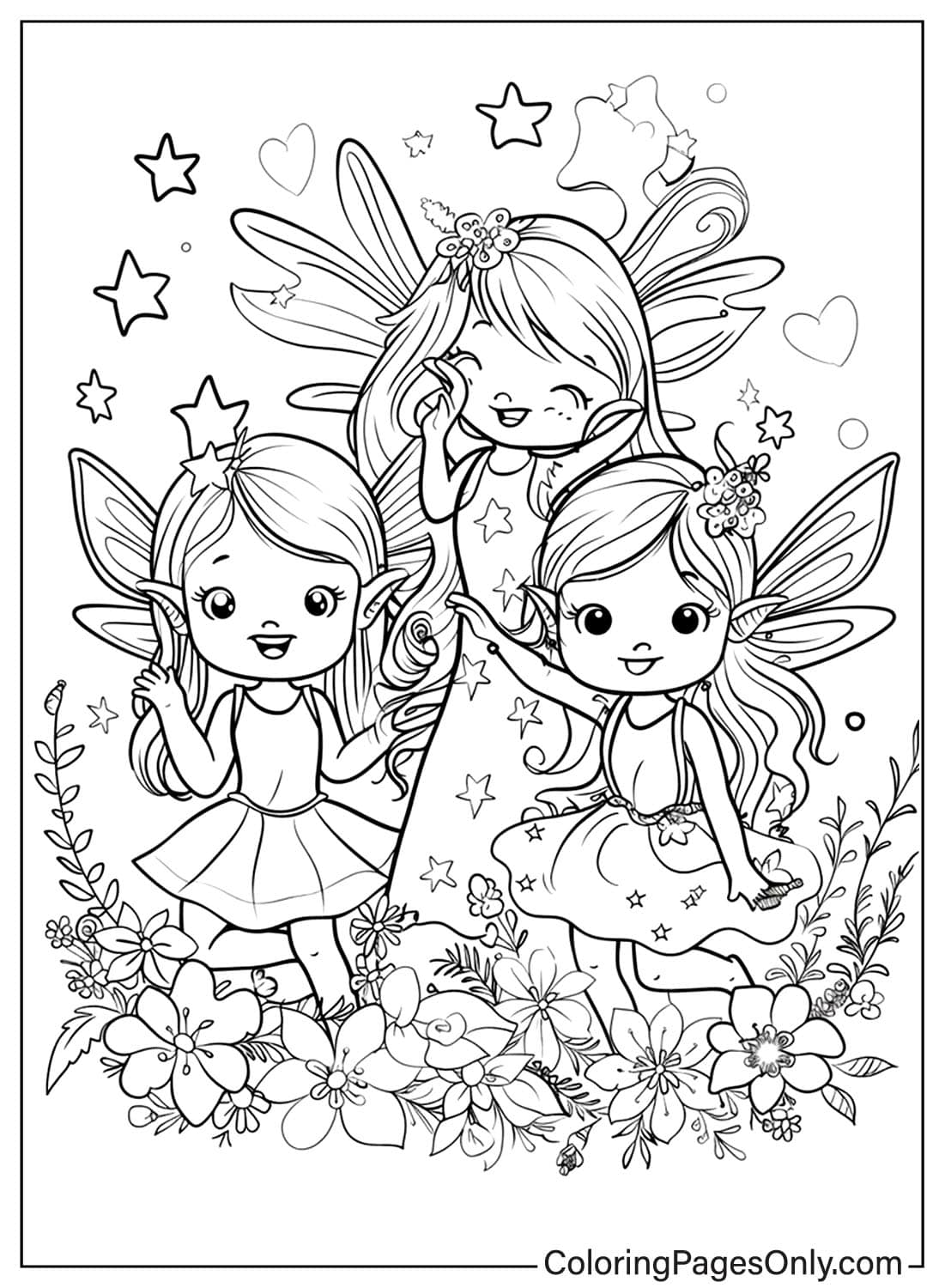
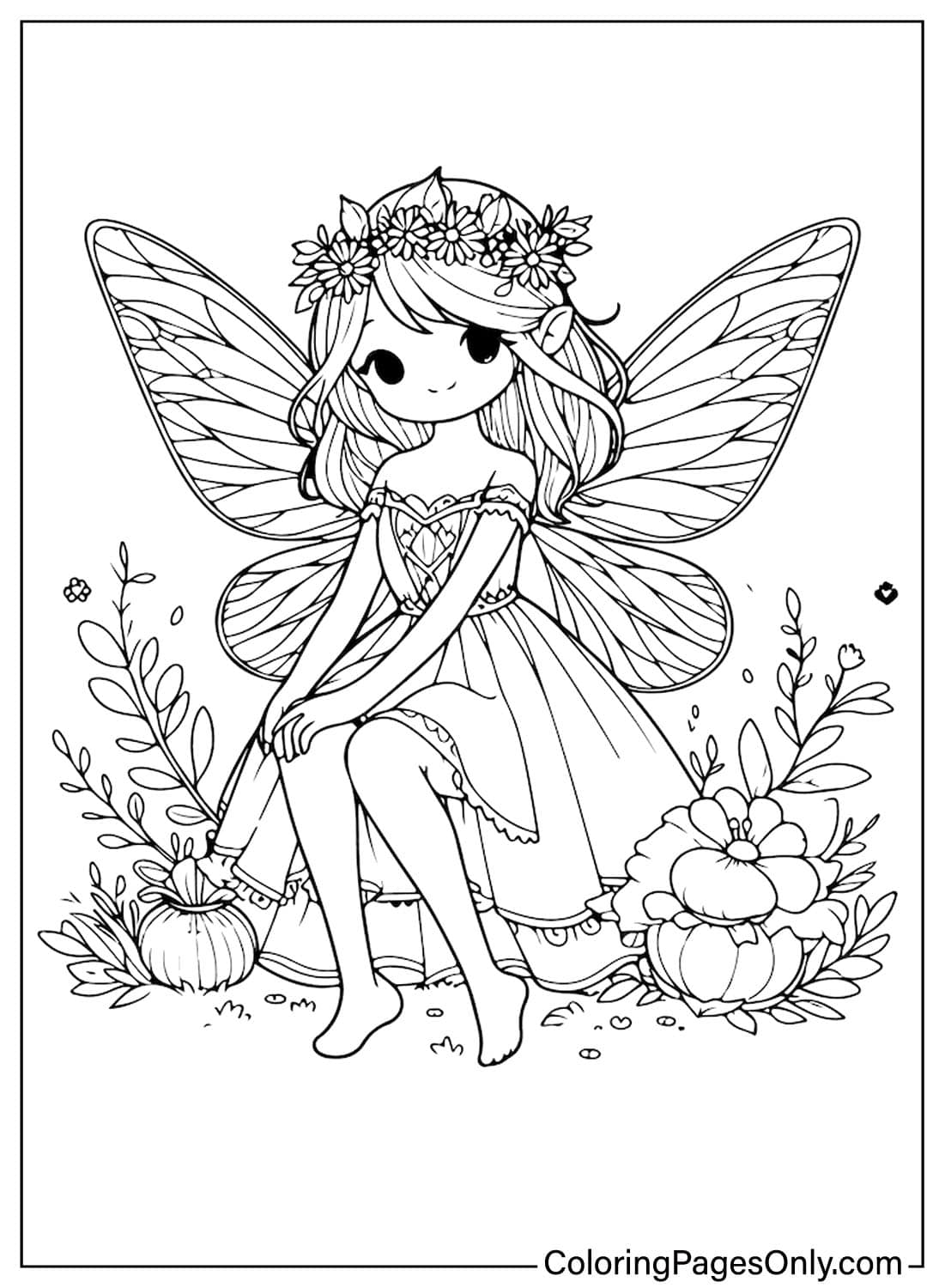
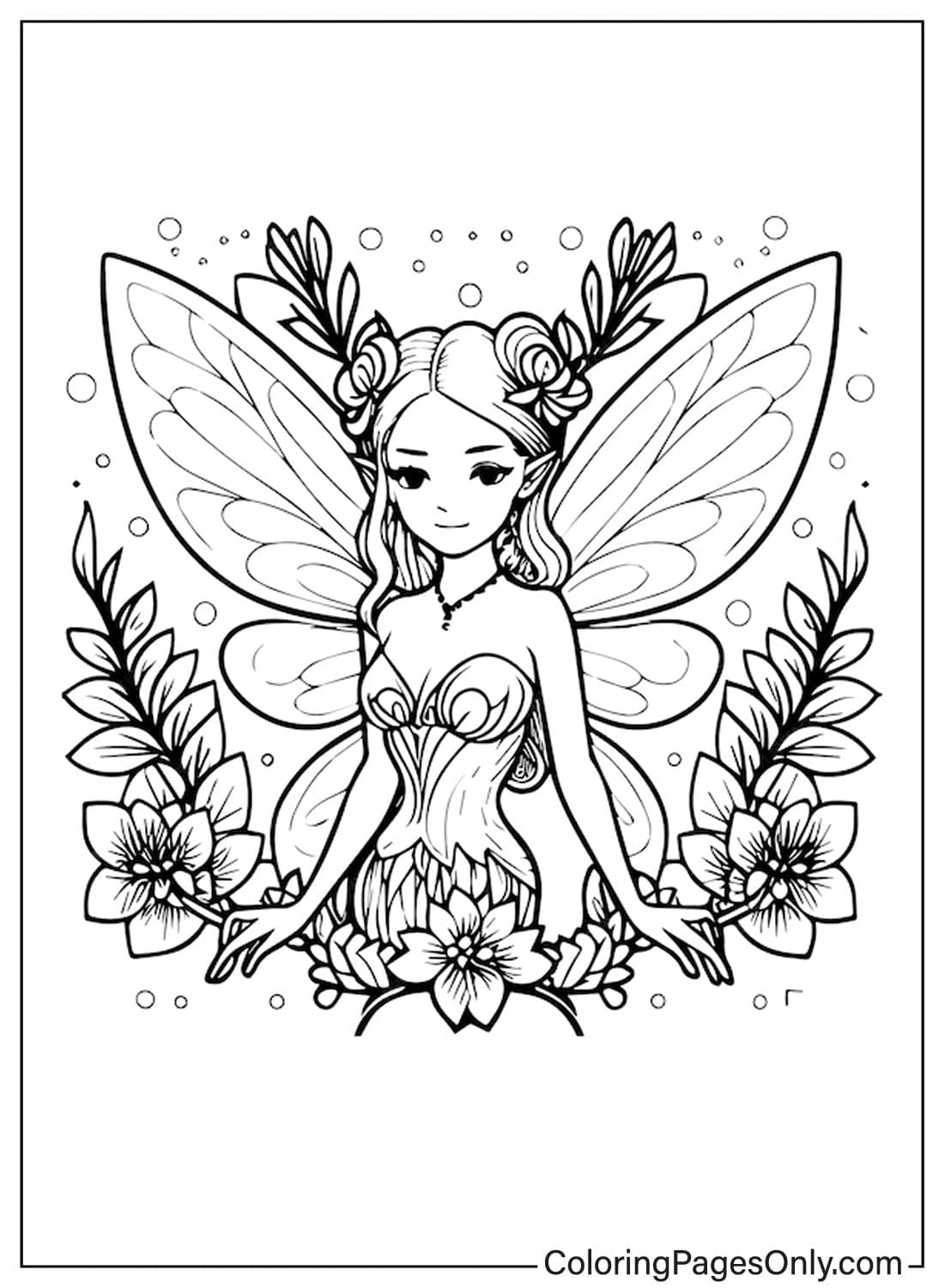
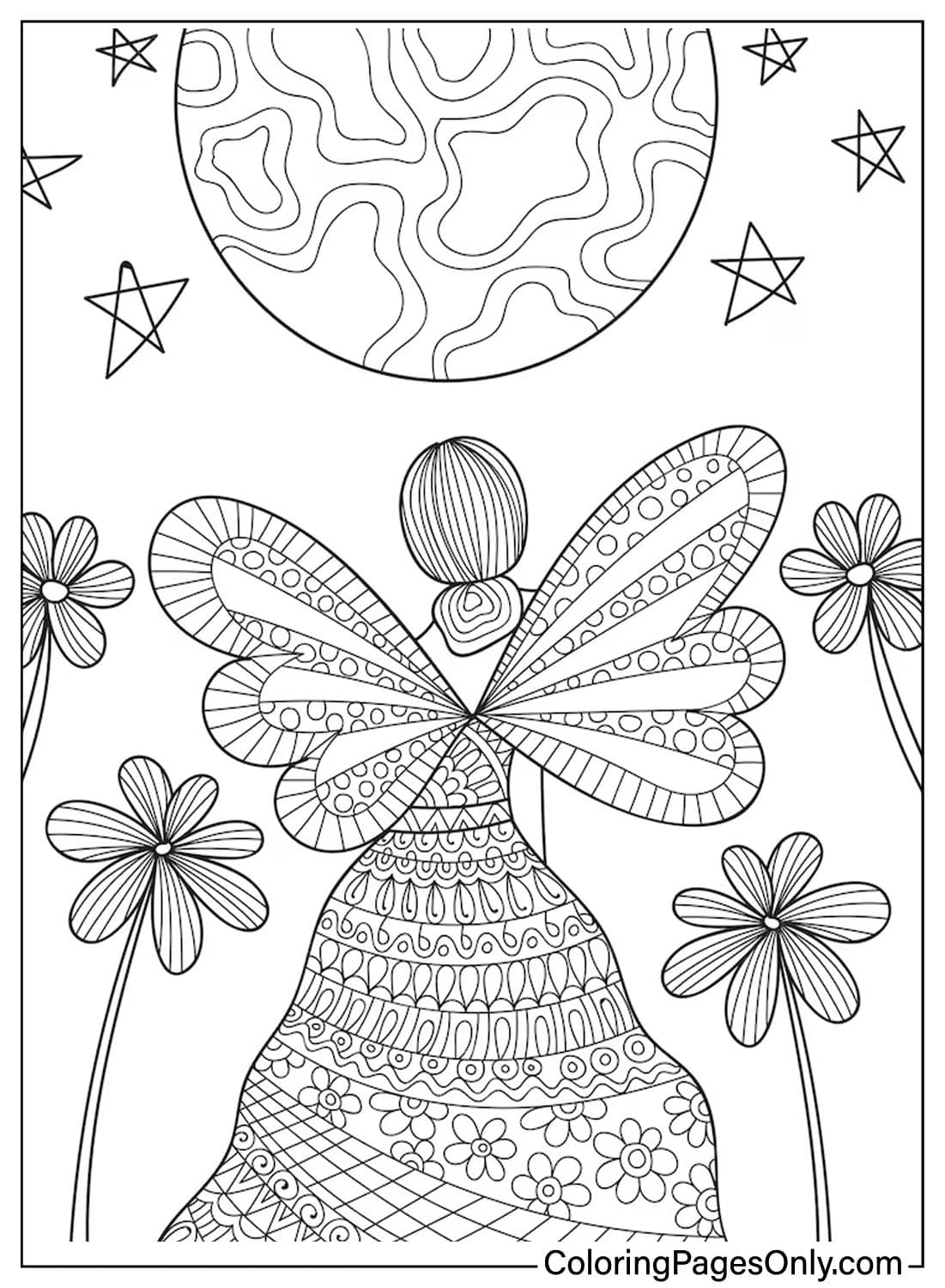
Fairies in whimsical, cute illustrations appear in two main styles: the classic Western fairy (delicate, nature-connected, small-winged, dressed in flower petals or forest materials) and the modern kawaii fairy (rounder features, larger head, chibi proportions, often with oversized magical accessories). Both appear in this collection.
For fairy wings: the most rewarding approach to fairy wings in this style is a gradient treatment – light lavender or pale pink at the base, fading to near-transparent at the outer tips, with a hint of iridescent shimmer suggested by very light streaks of white or pale gold. Wing veins, if shown, should be in a slightly deeper version of the same wing color. Avoid flat, single-color wings – they lose the translucent, delicate quality that makes fairy wings visually interesting.
Fairy hair in whimsy cute style is often a striking, non-natural color (rose gold, mint green, silver, deep blue) or a gradient blend. The outfit, if shown, typically draws from one of these palettes: floral and soft (pink, lavender, cream – cottagecore influence), oceanic (aqua, turquoise, seafoam – water fairy), or forest (moss green, warm brown, golden yellow – nature fairy).
Witch
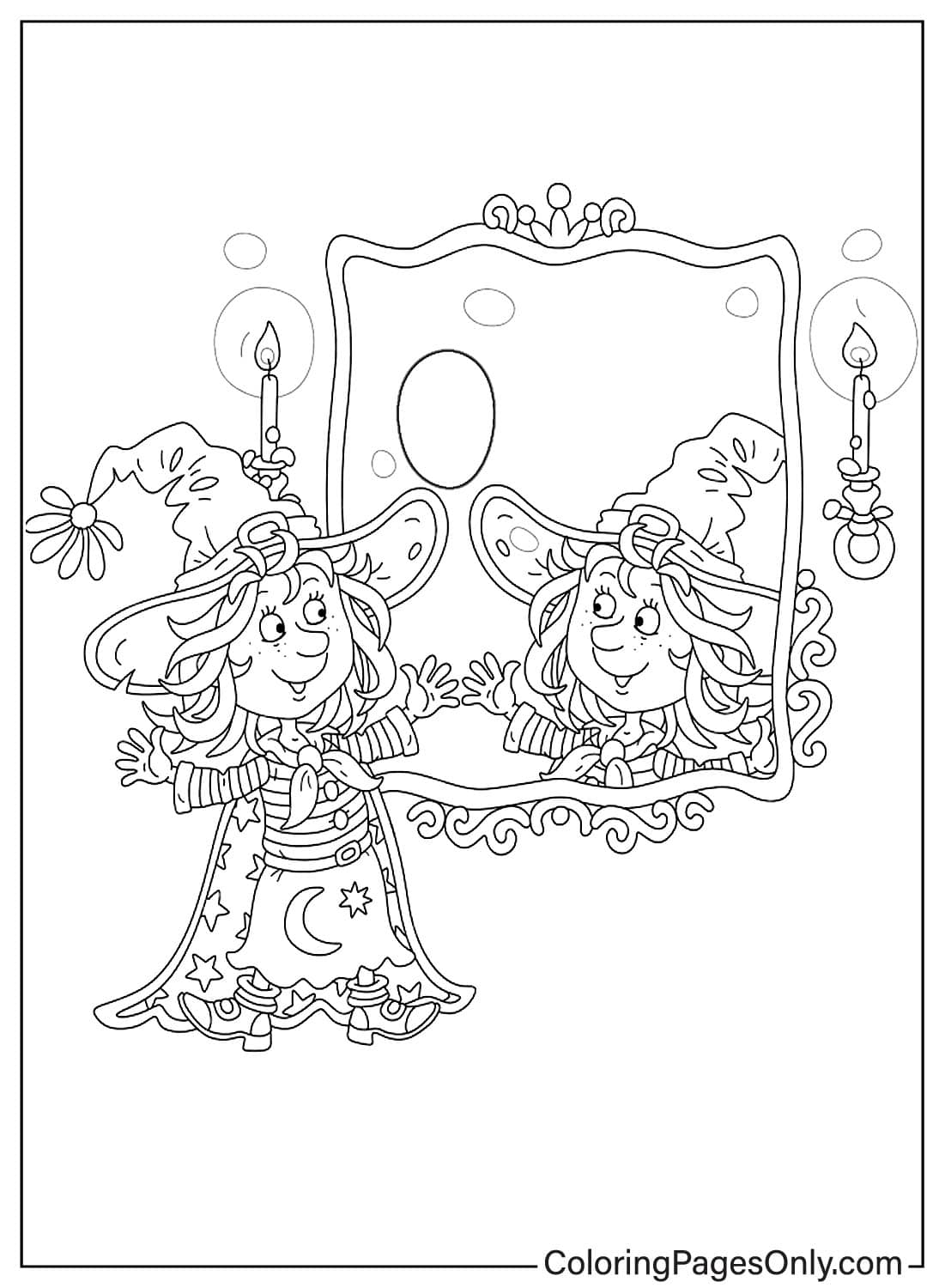
The witch in whimsy cute illustrations is not frightening – she is charming, playful, and often surrounded by small magical companions. The key visual element is the hat: a tall, pointed witch hat, usually in black or deep purple, often with a wide brim decorated with stars, moons, or a ribbon. Witches in this style frequently feature large, expressive eyes (brighter and more luminous than in realistic witch illustrations), black or dark purple robes with decorative details, and warm skin tones.
The typical whimsy cute witch palette: black for the hat and robe (use a very dark navy or charcoal rather than a flat black – this gives the fabric more depth), deep purple or violet as the accent color for trim, ribbon, and magical effects, warm amber or golden yellow for stars and moon motifs, and bright teal or electric blue for any magical sparks or spell-casting effects.
Owl
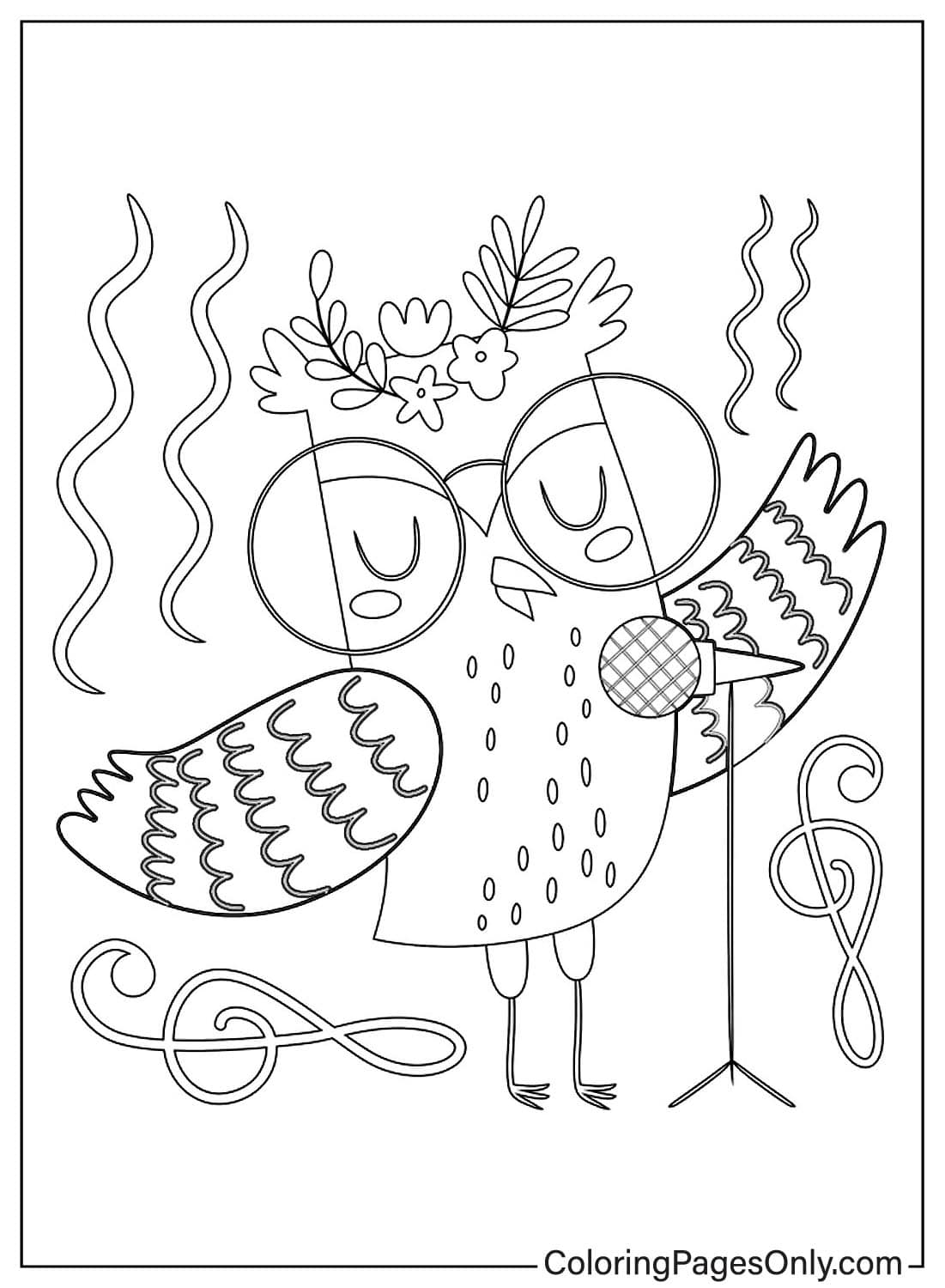
Owls are one of the most naturally “whimsical” birds – their large forward-facing eyes already conform closely to the Kindchenschema features described in behavioral science. In whimsy cute illustrations, owls are rendered with even larger eyes, more expressive feather patterns, and often in decorative, non-naturalistic color combinations.
Canonical whimsy cute owl palette: warm golden-amber as the base color for the body feathers, with a creamy white face disc, deep brown or teal for the patterned wing feathers, and vivid amber or bright yellow for the eyes. The decorative detail of whimsy owls – the mandala-like feather patterns, the stylized wing markings – is where the most coloring time is rewarded. Each feather section can receive its own color variation for a stained-glass effect, or the whole owl can follow a single warm palette for a more unified result.
Mushroom
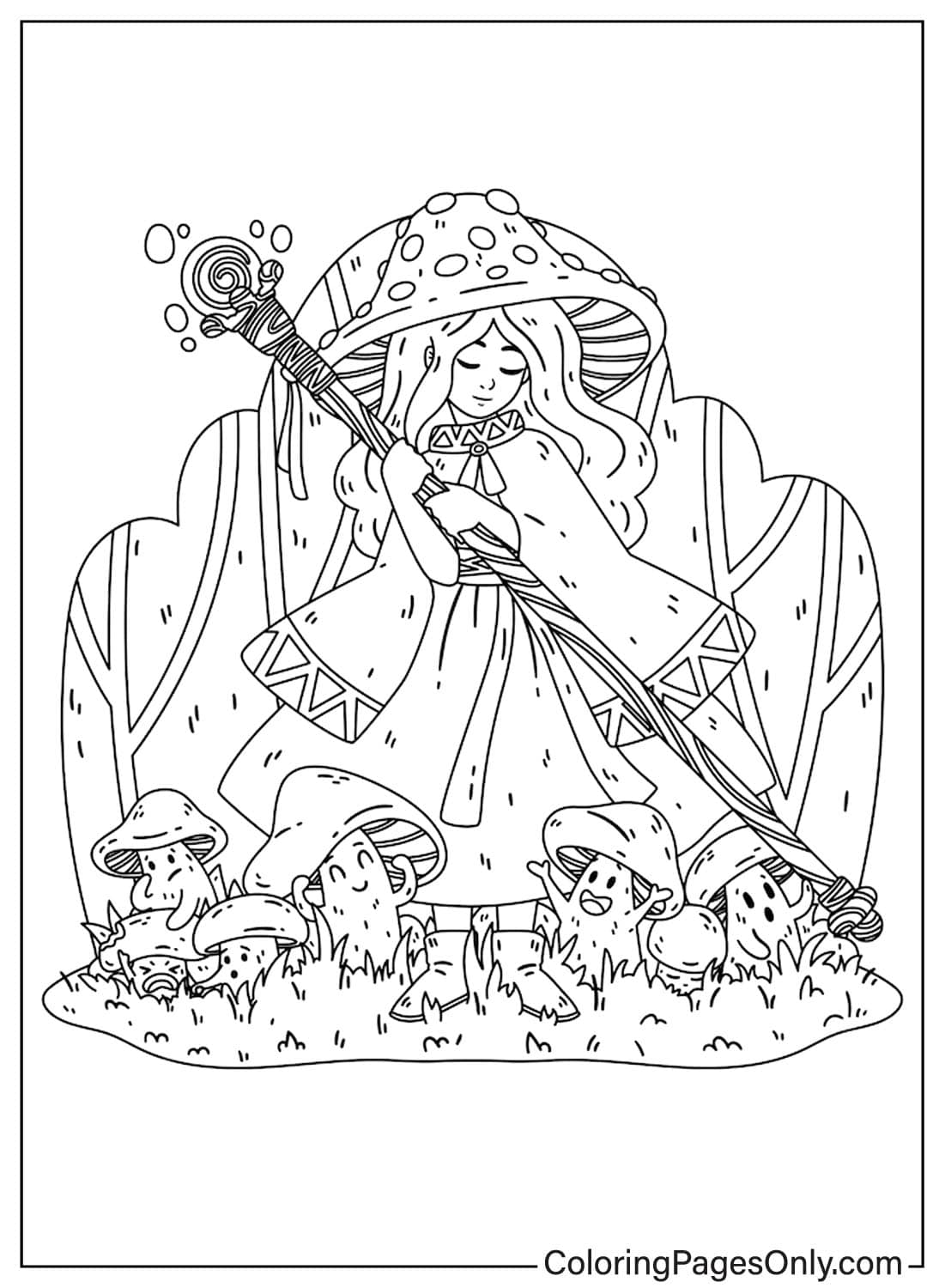
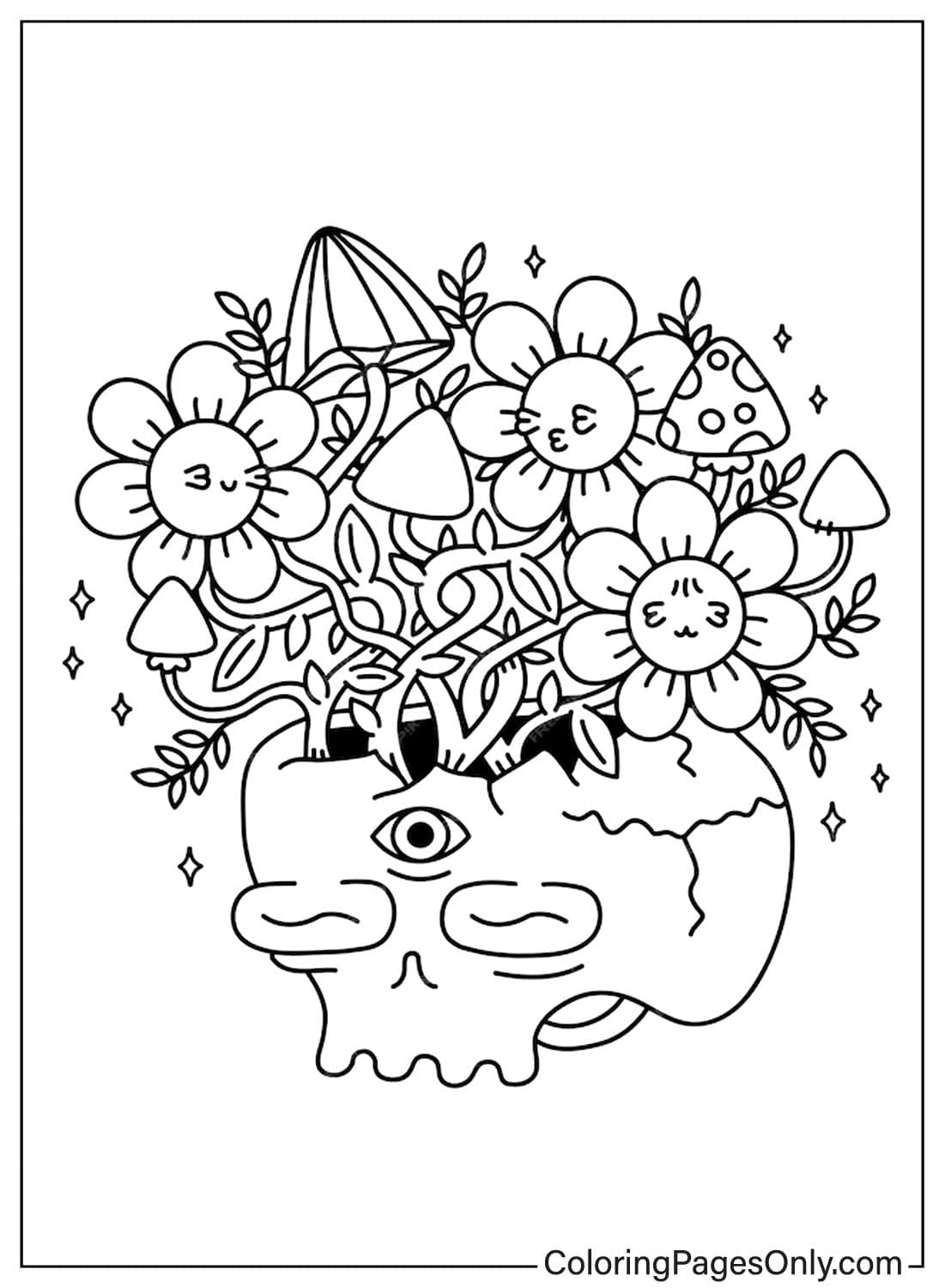
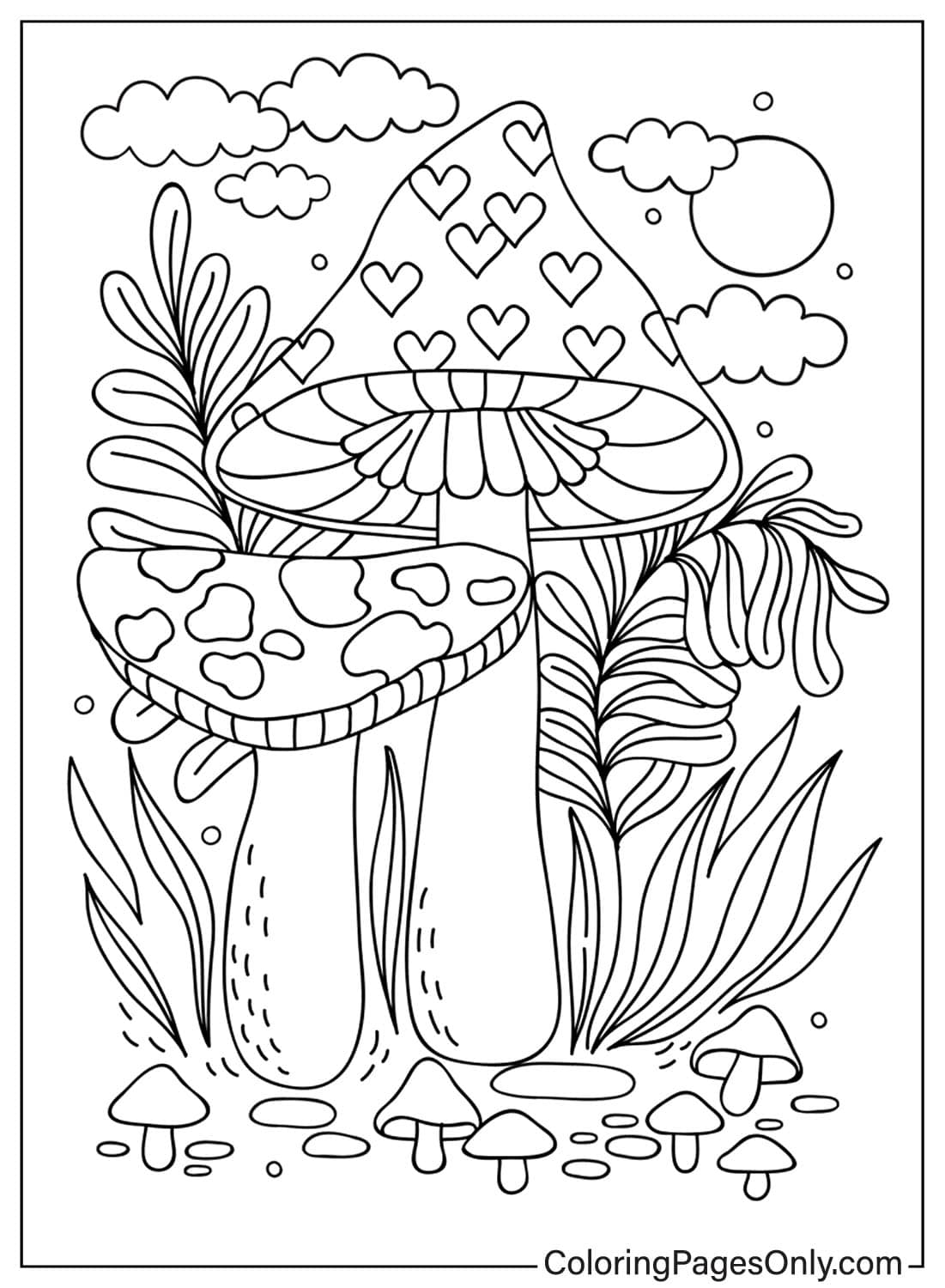
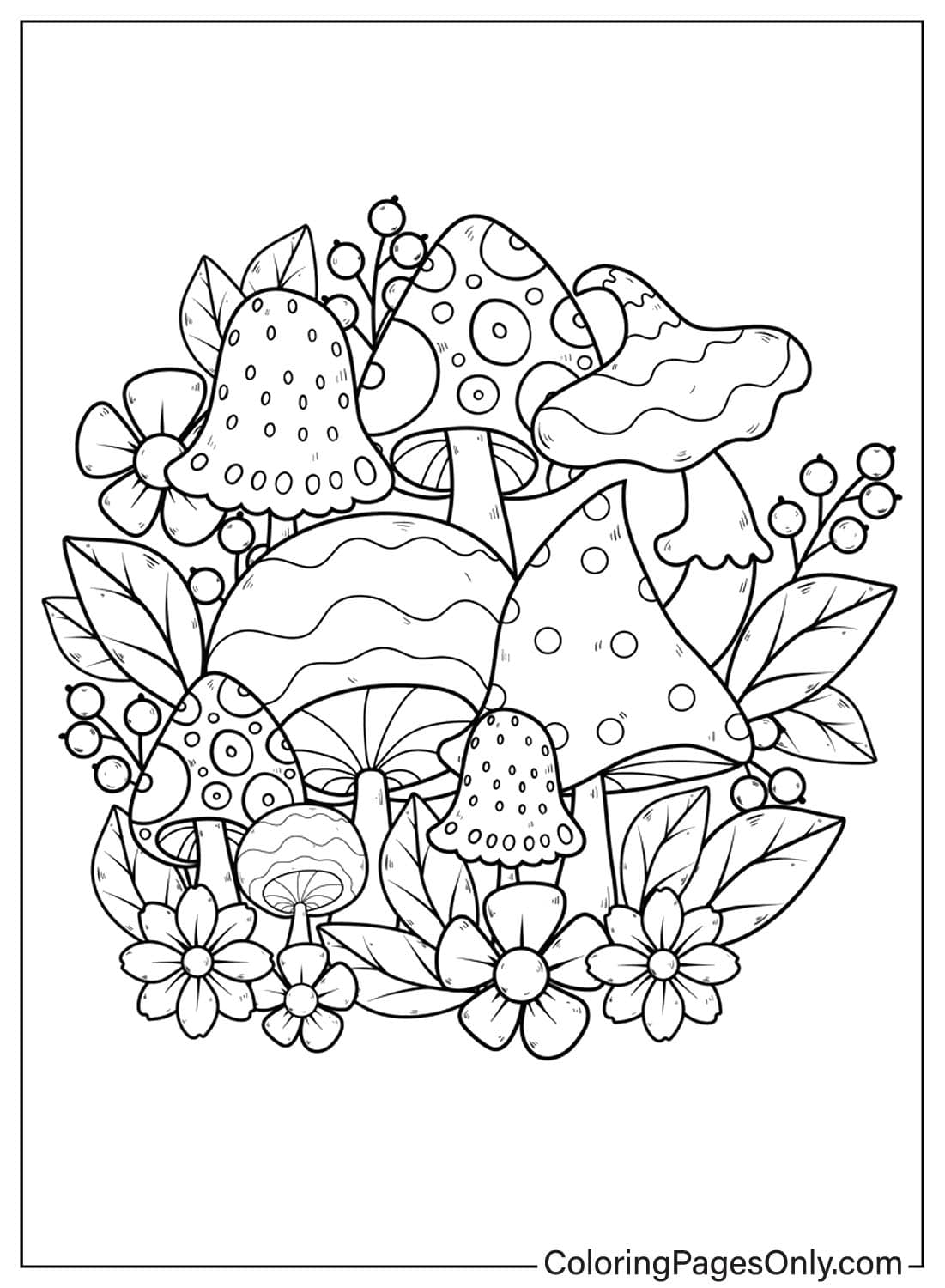
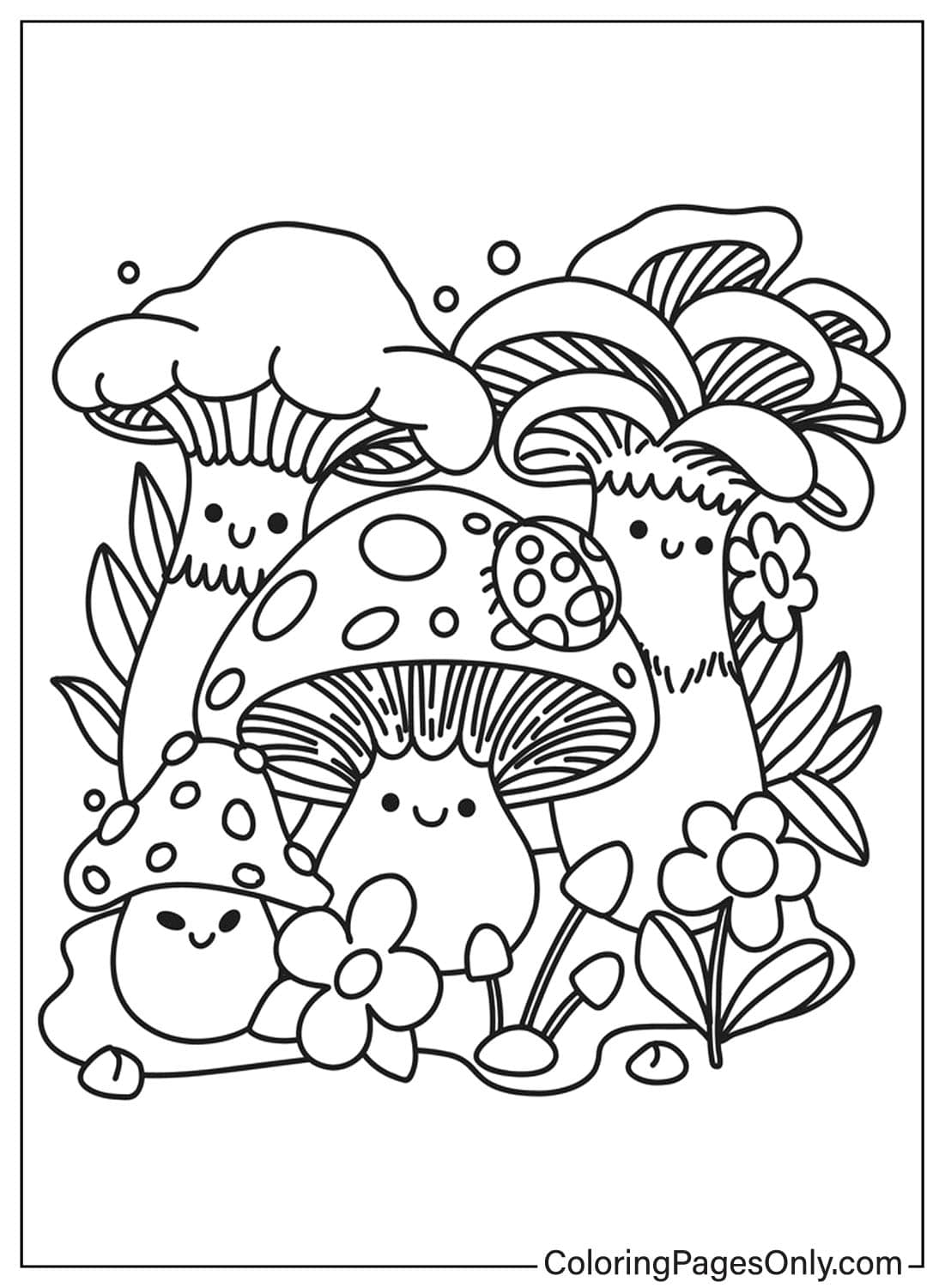
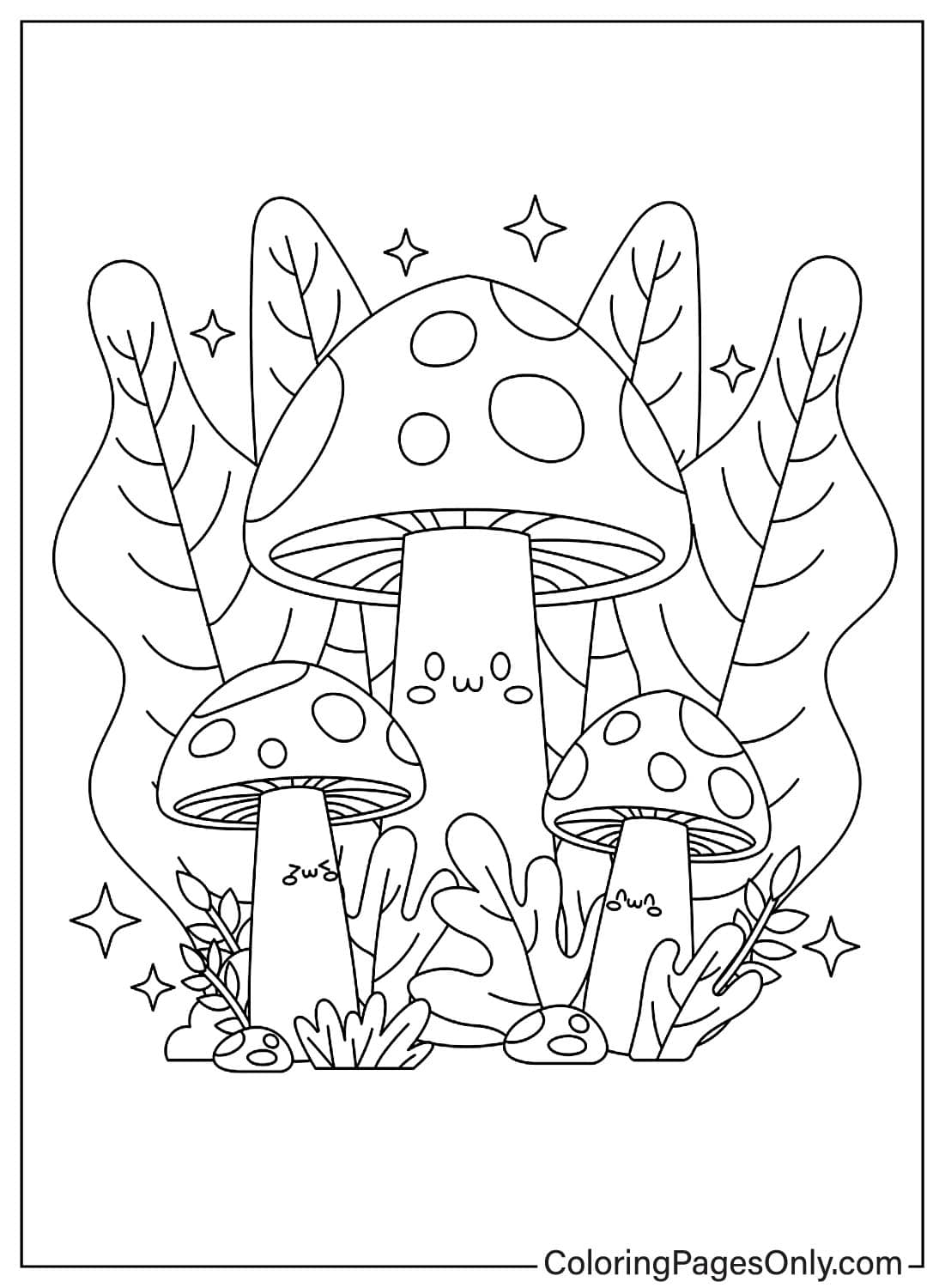
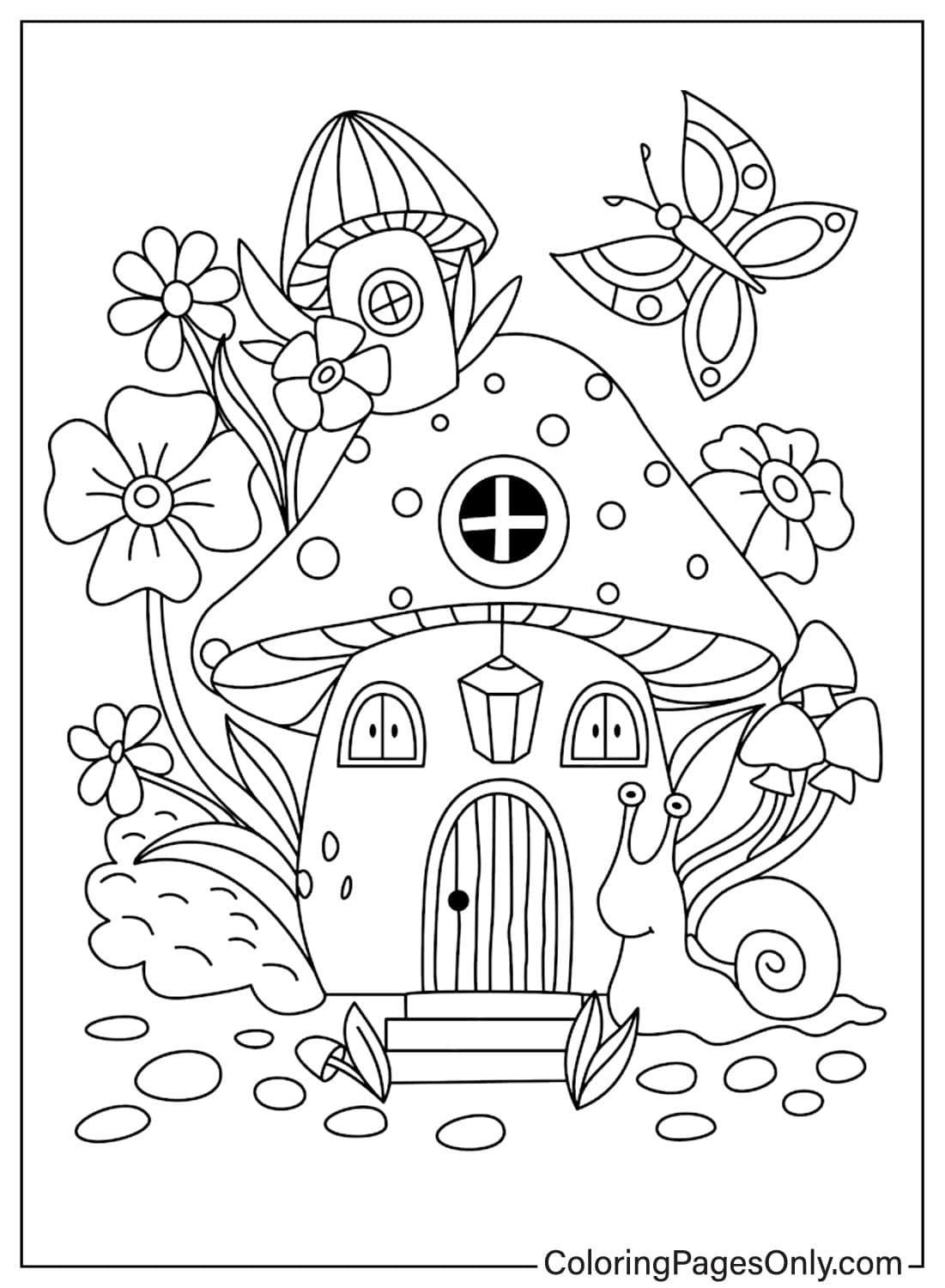
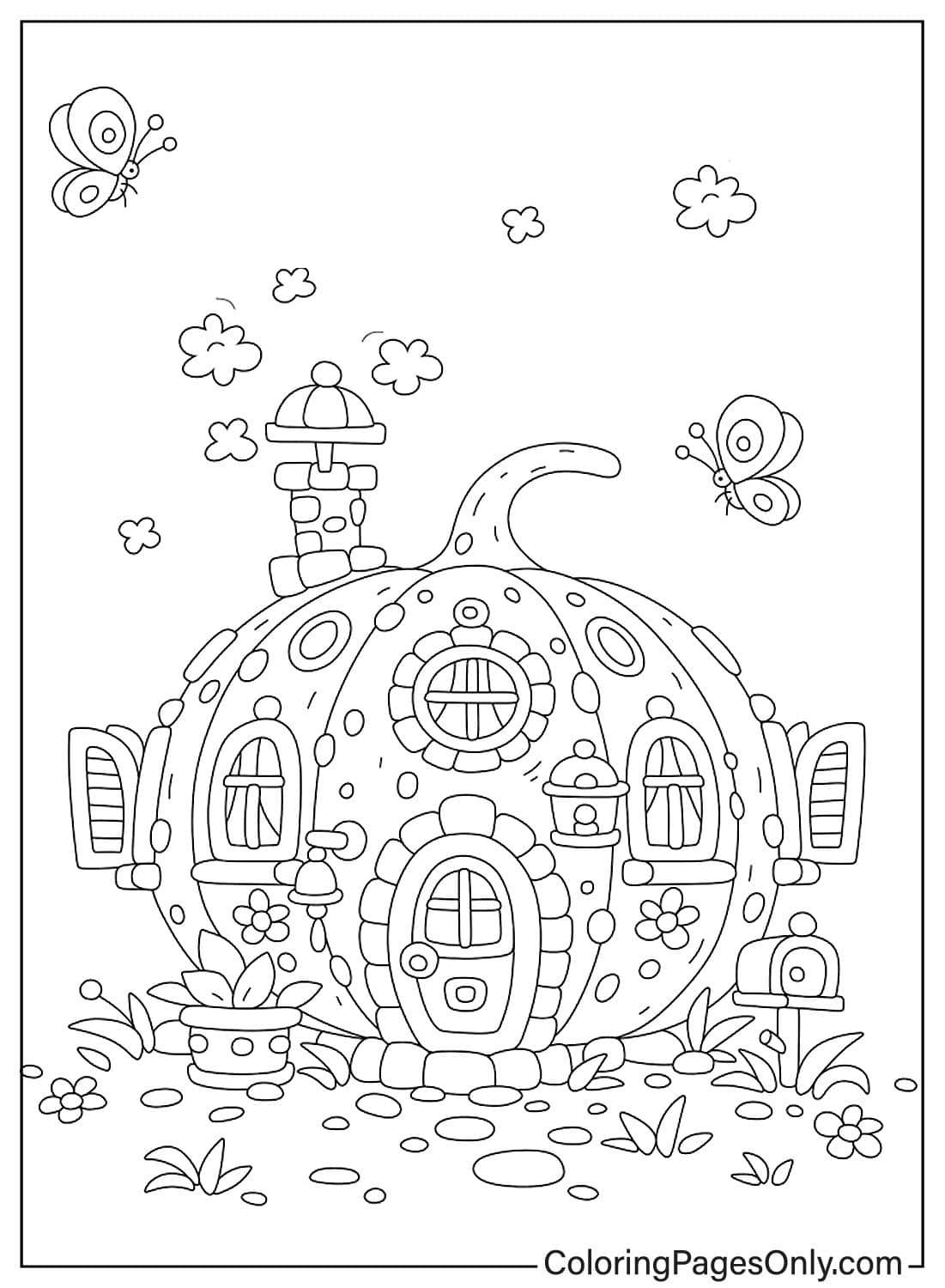
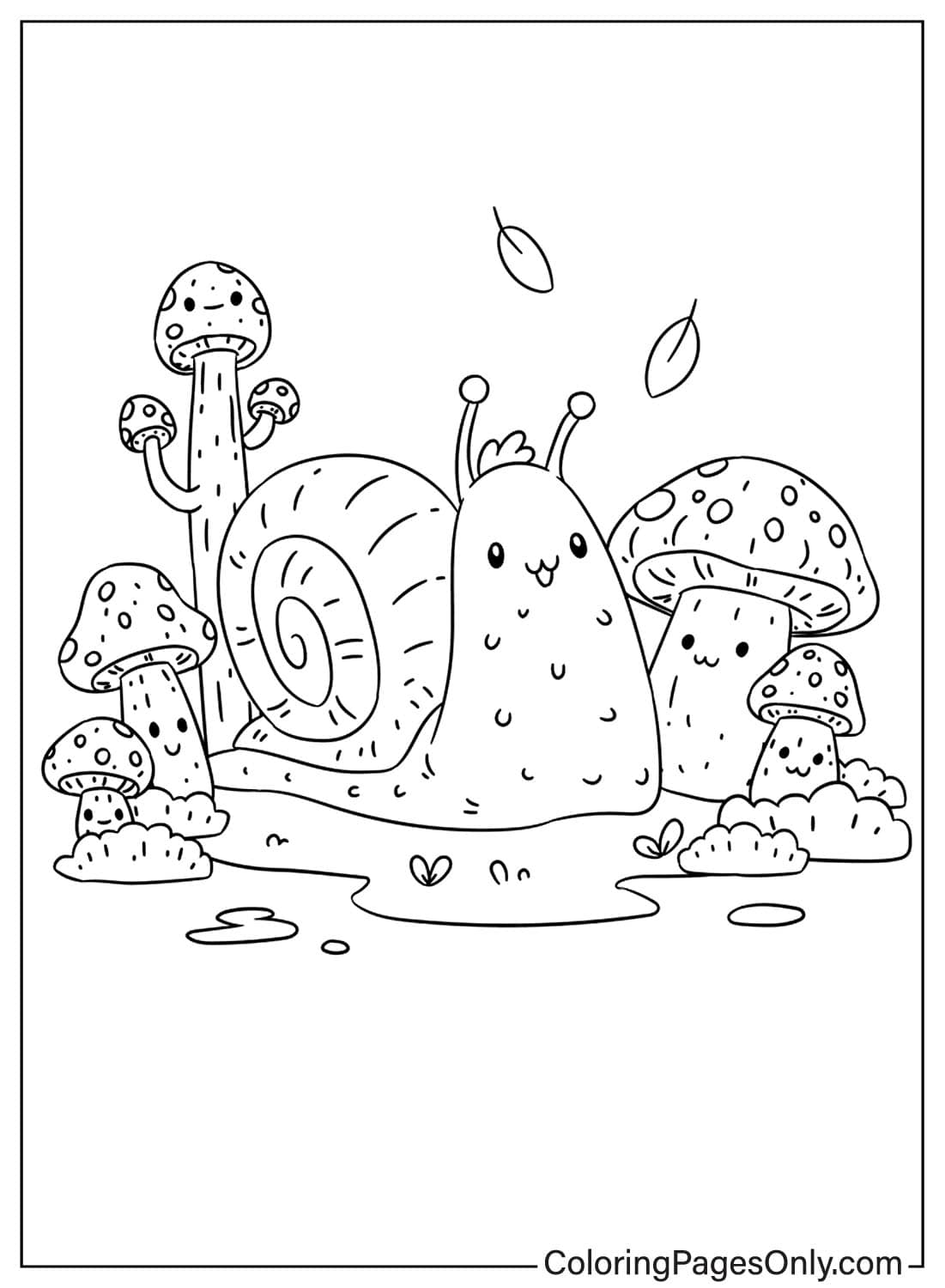
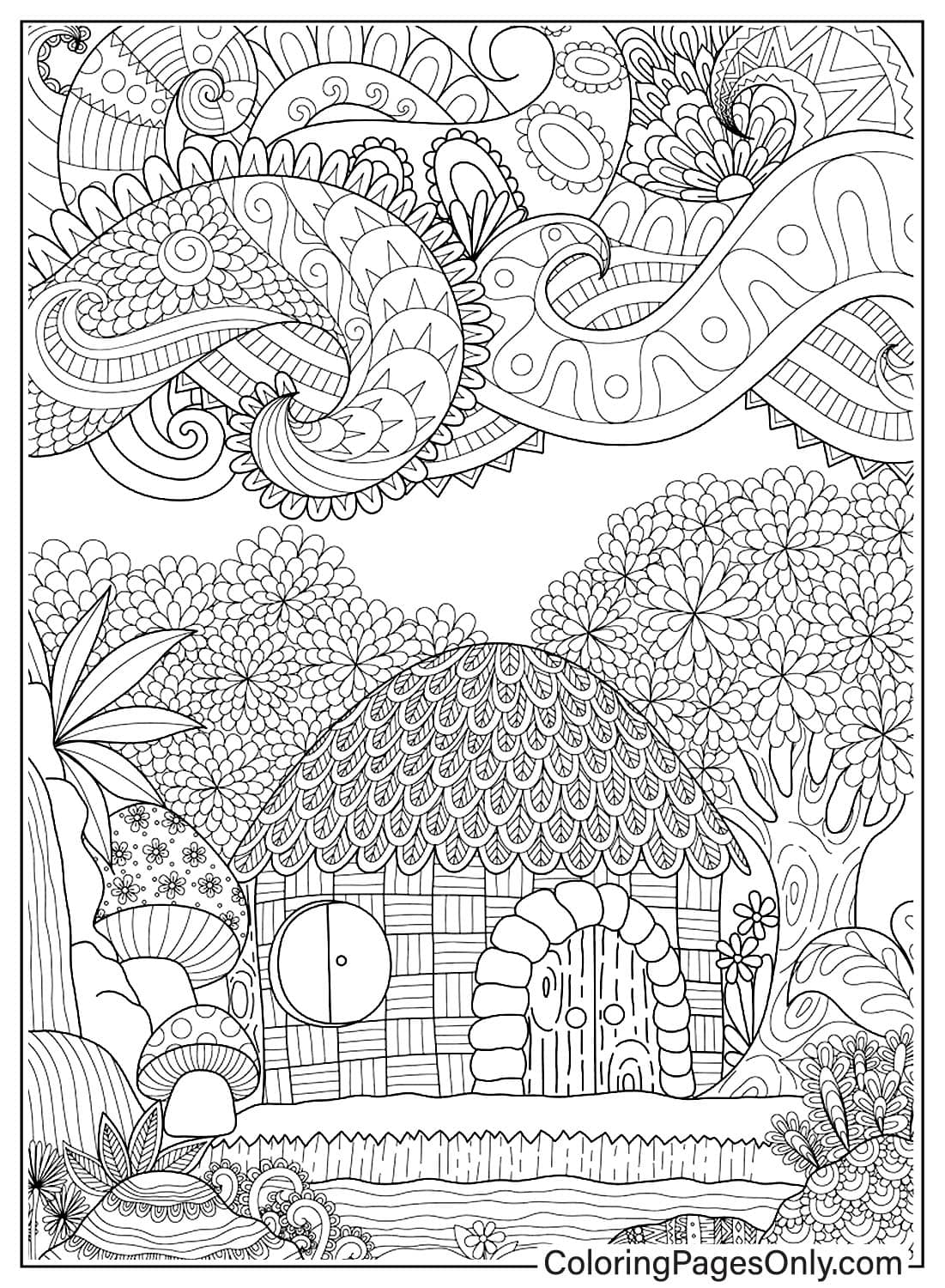
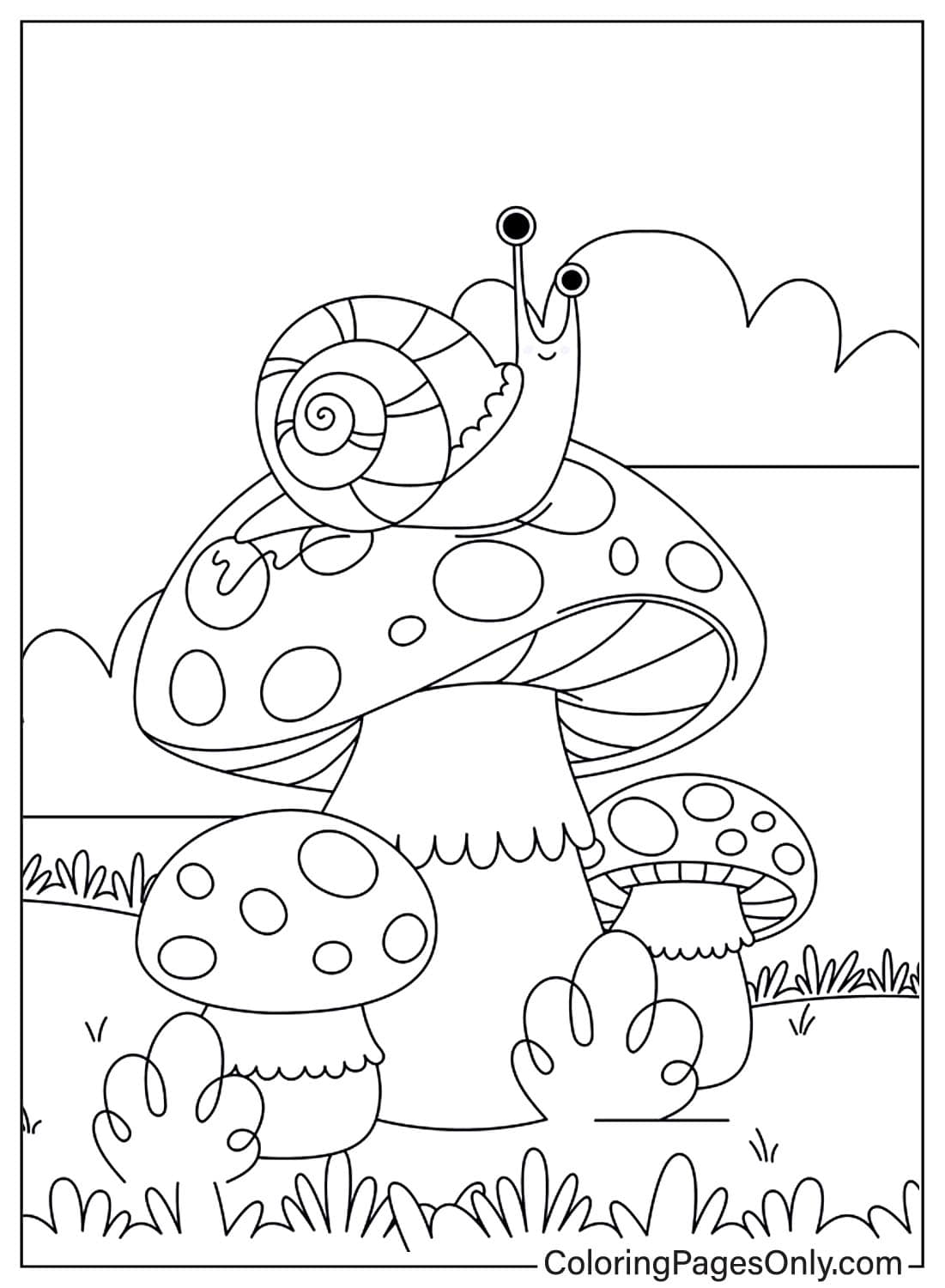
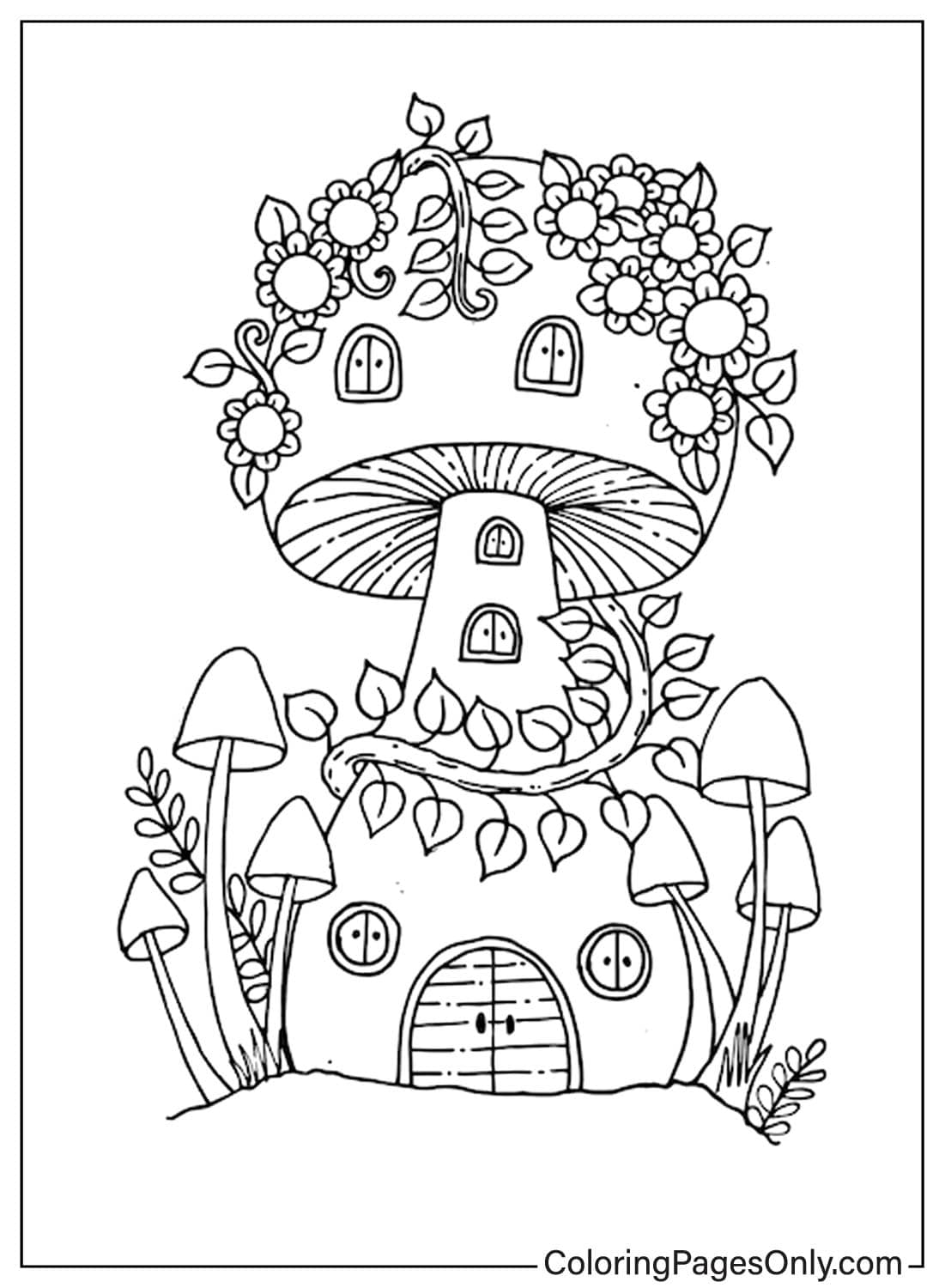
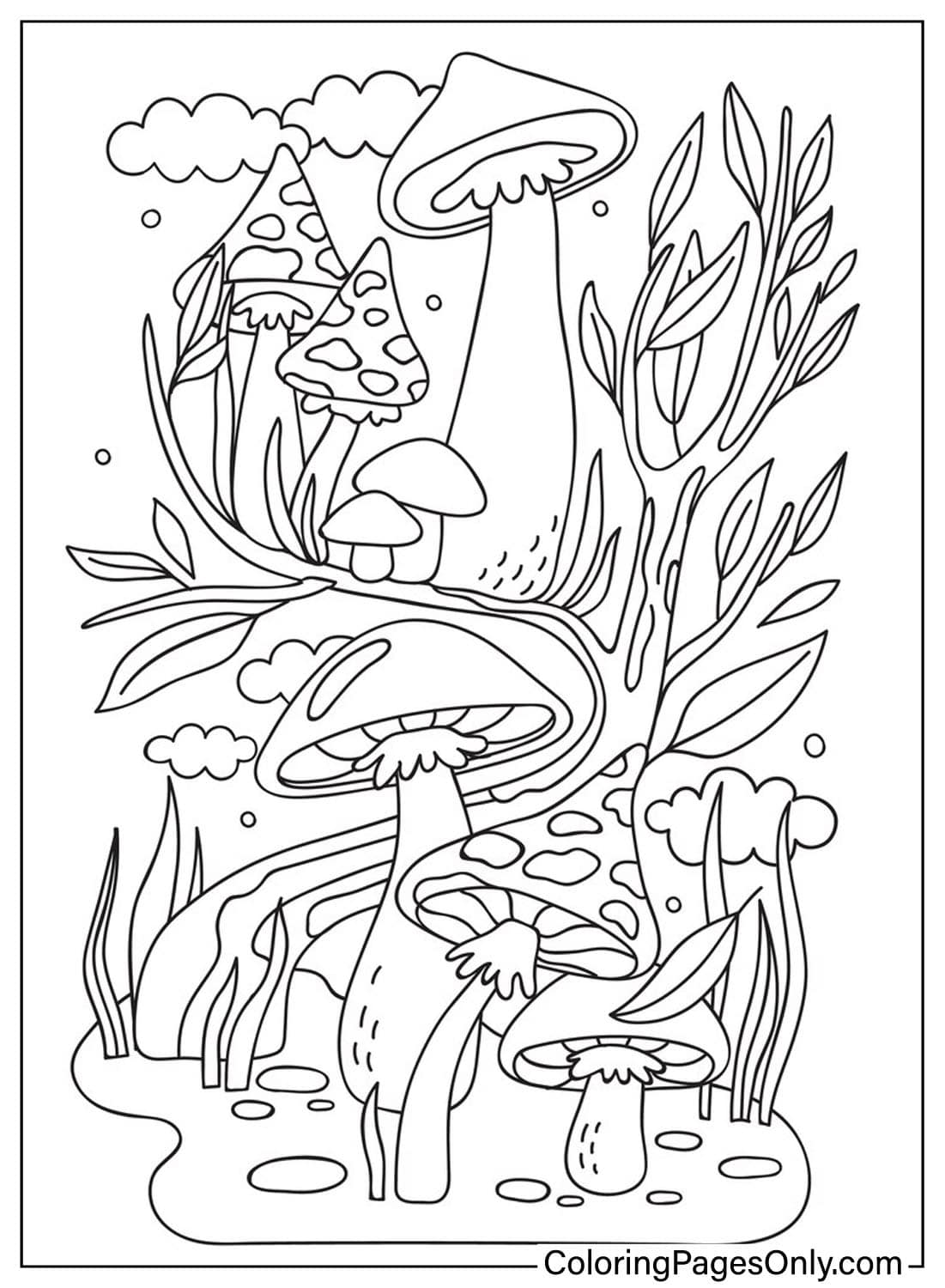
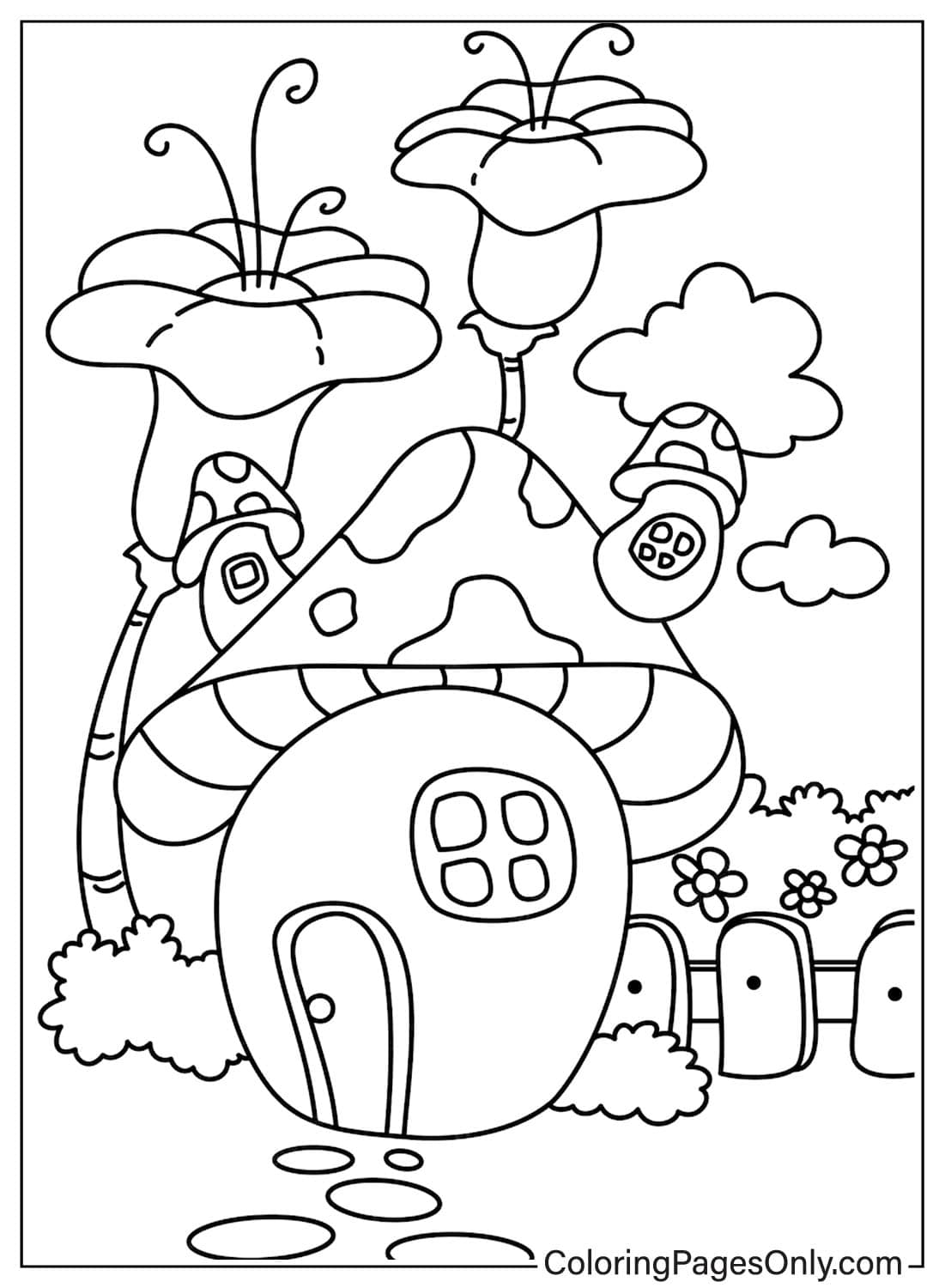
The mushroom is perhaps the single most versatile subject in whimsical, cute illustration, appearing as everything from a simple, charming toadstool to an anthropomorphic character to an entire architecture. The classic whimsy mushroom has a red cap with white polka dots – the Amanita muscaria appearance – which reads instantly as magical and fairy-tale in origin. But whimsy cute mushrooms are not limited to this palette: dusty pink mushrooms with gold spots, pale lavender caps with silver dots, deep teal with white markings, and many other combinations all work.
For a mushroom scene: the cap receives the most saturated color (the “personality” of the mushroom); the stem is always lighter and more neutral (cream, pale pink, or very light grey-green); the gill details under the cap and any facial features (if the mushroom has eyes) add the most visual interest. The environment around whimsy mushrooms typically includes: small flowers, dewdrop sparkles, tiny fairy-scale items (a miniature door, a tiny window), or other small mushrooms in complementary colors.
Ocean / Whimsy Ocean Scene
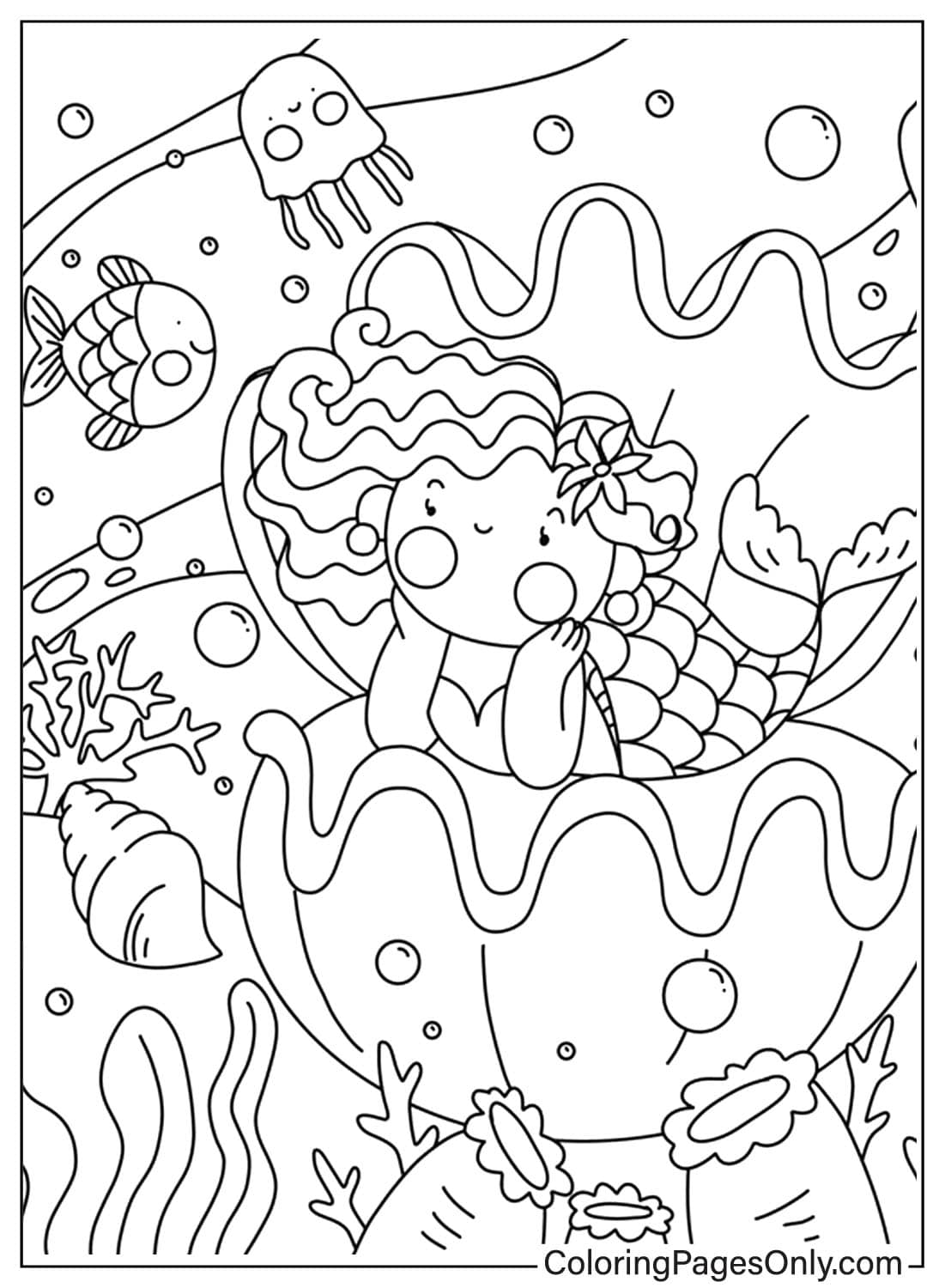
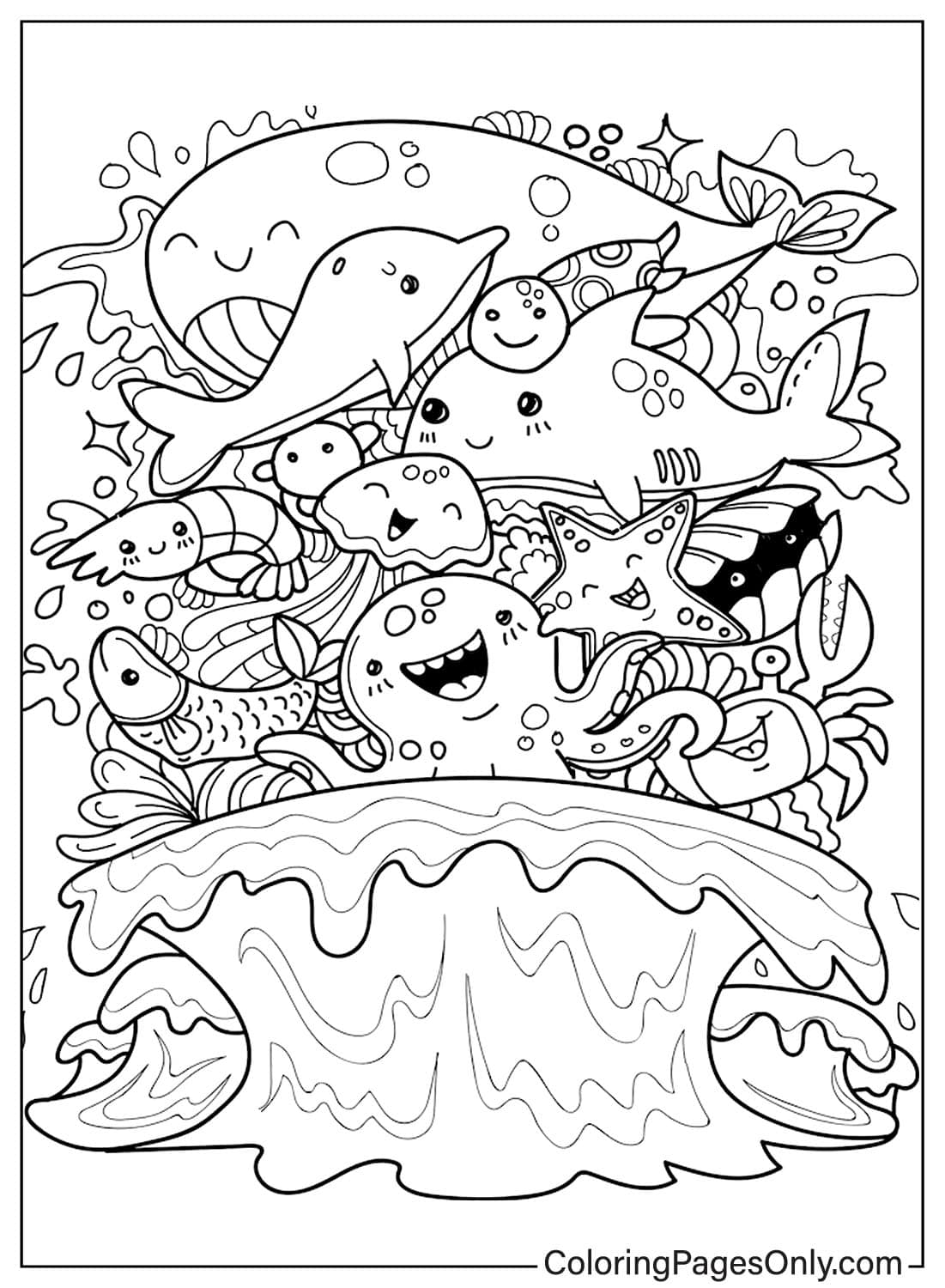
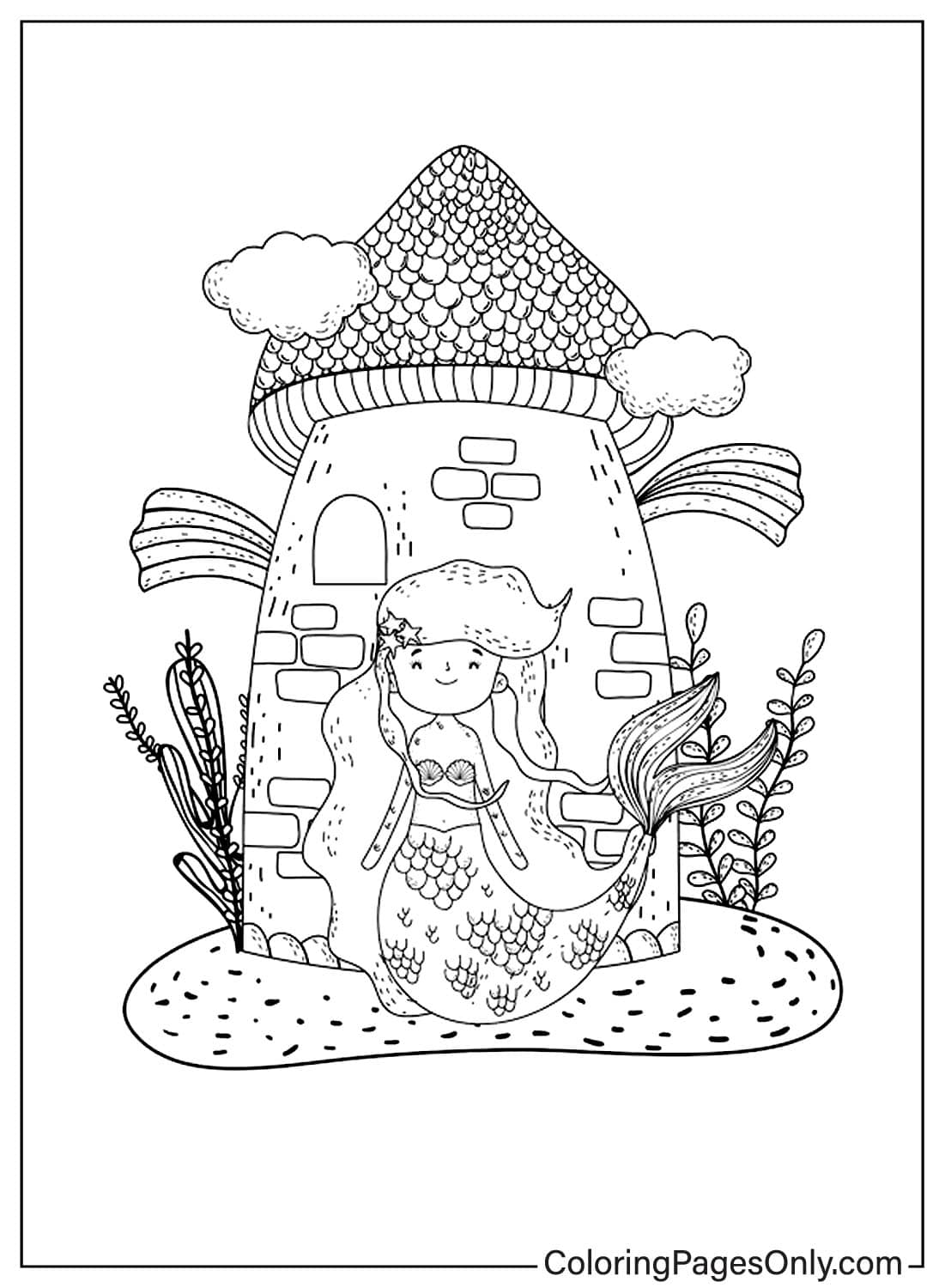
Ocean scenes in whimsical, cute illustration draw on the dual appeal of the underwater world: real marine life (fish, seahorses, octopuses, jellyfish, sea stars) rendered in fantastical, charming color combinations. Realistic ocean color gives way to a pastel aquatic palette: seafoam green, aqua, cerulean blue, coral pink, and golden yellow for sunlit-from-above effects.
The signature of a whimsy ocean scene is contrast between warm and cool: the water itself in cool blues and greens, the creatures and coral in warm peach, coral, golden, and pink tones. Bubbles and light rays in the water should be the lightest, most ethereal elements – rendered in pale blue-white or left as uncolored paper.
Girl / Magical Girl
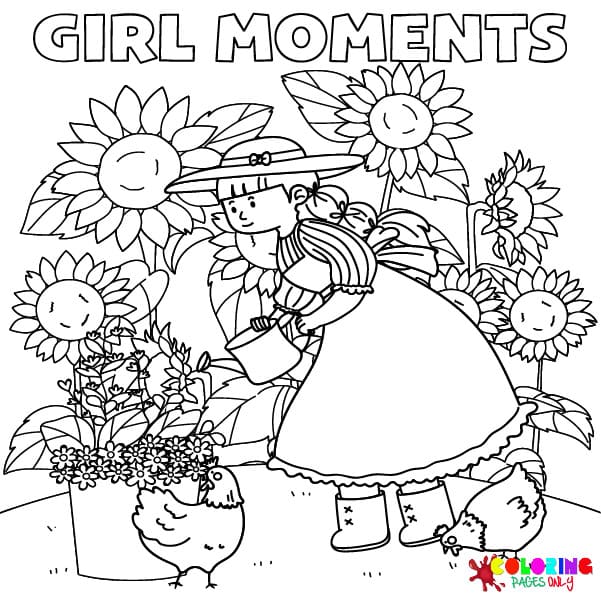
The whimsy cute girl is a character archetype borrowed from the broader kawaii tradition – a young female character (often in a dress, often with distinctive hair) who exists at the center of a magical narrative. The key convention: hair is often an unnatural or stylized color (mint green, rose pink, silver-white, deep violet), and the outfit draws from the same color palette.
For girl pages in this collection: establish the hair color first, as it determines the entire page’s color story. Then build the outfit in a complementary or analogous palette. If the hair is rose pink, the dress might be lavender; if the hair is mint, the dress might be white with mint accents. The magical elements surrounding the girl (stars, flowers, sparkles, small animal companions) should pick up accent colors from both the hair and the dress, creating a visually unified composition.
Choosing Your Whimsy Cute Color Palette
One of the most important decisions in coloring any whimsy cute page is palette selection, because the aesthetic is strongly associated with specific color families. Understanding these families helps produce pages that feel tonally consistent with the whimsy cute style rather than accidentally jarring.
Pastel palette – the most classically kawaii option. Soft pink, lavender, mint green, baby blue, pale yellow, and peach. These colors have a soft, dreamlike quality that directly communicates innocence, gentleness, and magic. They work best for pages featuring unicorns, fairies, ocean scenes, and girl characters. The risk of an all-pastel palette is that it can feel low-contrast and washed out – offset this by including at least one slightly deeper accent color (a medium lavender against pale pink, a teal against seafoam green) to give the composition structure.
Jewel tone palette – the more sophisticated whimsy, cute option, particularly suited for witch, owl, and darker fantasy scenes. Deep amethyst purple, sapphire blue, emerald green, rose gold, and deep teal. These colors bring drama and richness to whimsy cute pages without losing their magical quality. They work especially well for night scenes, magical spell effects, and forest settings. Jewel tones against black or very dark navy create the most dramatic, visually arresting results.
Rainbow spectrum palette – common in the most exuberant whimsy, cute illustrations, particularly those featuring unicorns, magical girls, and celebration scenes. The goal here is not a realistic rainbow color assignment but joyful, unexpected color variety: a mushroom in pink, its neighboring mushroom in mint, the flowers below in lavender and gold. Each element receives a different, deliberately non-naturalistic color from the spectrum. The resulting page looks like a celebration and feels actively joyful to look at.
Warm earth with magic accents – the cottagecore-adjacent option, suited for woodland and mushroom scenes. Warm tan, terracotta, forest green, and golden yellow as the base palette, with small doses of unexpected magic – a streak of glowing purple, a flower in vivid rose, a tiny toadstool cap in bright red – to introduce the whimsy element without losing the overall warmth and naturalism.
Coloring Tips for Whimsy Cute Pages
Leave white space as an intentional glow. Unlike realistic illustration, where every area should be colored, whimsy cute pages benefit from deliberate white space: uncolored areas around sparkle marks, star tips, highlight dots on eyes, and light rays suggest light emission rather than blank paper. Decide before coloring which elements should “glow” and protect those areas from color. The most compelling whimsy, cute finished pages have a luminous quality – light seems to come from within certain elements – and uncolored white space is the simplest way to achieve this effect.
Use circular strokes for soft surfaces. Clouds, creature bodies, large, rounded leaves, and fluffy tails all benefit from circular, figure-eight, or stippling strokes rather than back-and-forth strokes. The circular motion creates a soft, directional texture that reads as three-dimensional and cozy – exactly the tactile quality whimsy cute illustration aims for. On a mushroom cap, circular strokes radiating from the crown create a subtle domed effect. On a fairy’s dress, circular strokes in the skirt suggest soft, gathered fabric.
Color eyes last, not first. Eyes in whimsical, cute illustrations are the most complex and emotionally important element on any face. Coloring them last, after the surrounding skin, hair, and background are established, lets you choose an eye color that creates maximum contrast and expressiveness. For very fair skin: vivid violet, cerulean blue, or bright teal eyes read powerfully. For golden or warm skin tones, amber, warm brown, or rose eyes harmonize. Always add the highlight dot in white as the absolute final step.
Use a consistent “sparkle color” across the whole page. Choose a single bright accent color – vivid gold, hot pink, electric violet, or bright teal – and use it exclusively for the sparkle and star elements scattered throughout the page. This creates visual unity and gives the magical elements a coherent identity. If stars are gold on one side of the page and pink on the other, the composition feels chaotic; if all stars are the same gold throughout, they read as a unified magical system.
For pages with many small sections, establish the largest areas first. Complex whimsy, cute scenes with many elements – a girl surrounded by mushrooms, stars, flowers, and small animal companions – can be overwhelming to begin with. Start with the largest single color area (usually the character’s hair or main garment, or the background sky/ground), establish that color firmly, and then work outward to successively smaller elements. This gives the page an organizing principle from the start and prevents the common problem of small elements looking randomly chosen in relation to each other.
Embrace unexpected color decisions – whimsy rewards it. Whimsy cute illustration explicitly invites non-naturalistic color choices. A pink owl is not “wrong.” A lavender mushroom with silver polka dots is not “wrong.” A girl with blue hair in a yellow dress surrounded by green stars is not “wrong.” The aesthetic grants complete permission to make imaginative, unexpected color choices. The only truly wrong choice in whimsy cute is choosing timid, overly realistic colors – an all-brown owl, an all-green forest with no magical accents – which works against the playful, impossible, joyful spirit the style was designed to express.
5 Activities
The whimsical color story. Select any whimsy scene page from this collection – the ocean page, the magical world page, or any scene with multiple characters and elements. Before coloring, invent a story for the page: Who is the character? What is her name? Where does she live? What magic can she do? What happened today in her world? Write the story in three sentences, then color the page with colors that reflect the story’s emotional tone – if the story is adventurous, use bold jewel tones; if the story is peaceful and dreamy, use soft pastels; if the story is mysterious and nighttime, use deep blues, purples, and blacks with gold accents. When the page is finished, add the story on the back. This activity uses coloring as a storytelling medium, developing the understanding that color communicates emotion and narrative – one of the most sophisticated concepts in visual art and design.
The palette challenge. Print any page from the collection three times. Color each copy using a completely different palette: the first in pastels (all soft, light tones), the second in jewel tones (rich, saturated, dark), and the third in a rainbow spectrum (every element a different vivid color). Compare all three finished versions. Which feels most magical? Which feels most sophisticated? Which feels most joyful? This activity demonstrates that the same composition can communicate dramatically different emotional tones depending solely on color choice – and that there is no single “correct” coloring of any image. The three-version comparison is a genuine art education exercise used in illustration programs to teach color theory through direct creative experience.
The whimsy creature design workshop. Whimsical, cute illustrations have consistent design rules: simplified features, large eyes, rounded forms, and magical elements. Using these rules, design your own original whimsy cute creature on blank paper. Start with a round shape for the head. Add very large eyes. Give the creature one distinctive magical feature (wings, a horn, a star-shaped marking, glowing patterns). Choose a non-naturalistic color palette. Finally, give the creature a name, a magical ability, and a habitat. Color the design in a chosen palette. This activity takes the passive act of coloring and extends it into active character design – the process used by professional illustrators, game designers, and children’s book artists. Children who do this activity after coloring several pages in the collection often produce remarkably coherent and intentional character designs because they have absorbed the style’s visual grammar through their coloring practice.
The whimsy color glossary. Using the color palette concepts introduced in this guide – pastels, jewel tones, rainbow spectrum, warm earth with accents – create a personal color glossary. On a piece of paper, draw a small swatch for each category and label it with its name, three example colors, and one word that describes its emotional quality (dreamy, dramatic, joyful, cozy). Then, for each coloring page you complete in this collection, note which palette category you used on the back of the page. After completing five pages, look at the pattern: do you consistently choose pastels? Jewel tones? Are there pages where you chose a different palette than you initially planned? This simple self-observation practice develops color awareness and intentionality – the difference between a colorist who instinctively reaches for familiar colors and one who makes deliberate creative choices.
The whimsy series project. Choose five pages from the collection that feature different subjects but feel connected by visual theme: perhaps a unicorn, a fairy, a mushroom scene, a girl with magic, and an ocean scene. Color all five using the same core palette – the same three or four primary colors appearing consistently across all five pages, though in different proportions and combinations. The goal is to create a series of five pages that feel visually unified even though they depict different subjects. This is how professional illustrators and art directors create visual cohesion across a body of work: by establishing a consistent color language that makes all the images feel like they belong to the same world. The finished five-page set, displayed together, demonstrates a core principle of visual design that children rarely encounter in isolated single-page coloring activities.
The Appeal of Whimsy – Why This Aesthetic Resonates
The global popularity of whimsical, cute illustration – visible in the success of kawaii character merchandise, whimsical children’s books, the adult coloring book phenomenon, and the enormous social media communities built around cute art – reflects something genuine about human psychology’s relationship with imaginative visual content.
Research on color psychology and aesthetic response consistently finds that soft, rounded, expressive visual content activates the same caregiving and nurturing responses described by Lorenz’s Kindchenschema in the context of cute animal faces. The oversized eyes of a whimsy cute character are doing the same work as the oversized eyes of a baby animal – communicating openness, vulnerability, and the invitation to engage gently.
Beyond the Kindchenschema effect, whimsy cute specifically offers something that purely cute or purely realistic illustration does not: creative permission. The style’s core message – that the world can be impossibly beautiful, that a mushroom can have feelings, that a girl can ride a unicorn through a sparkling midnight sky – grants the viewer and the colorist permission to imagine a better, more magical version of reality. Art historian and artist Thaneeya McArdle, one of the leading contemporary artists in the whimsy illustration tradition, describes her own work as “naturally optimistic,” and this optimism, embedded in the visual choices of the style itself, is what makes whimsy-cute pages so consistently satisfying to color.
In the words of one whimsy illustration community describing their practice: the world inside a whimsy cute coloring page is a place where anything beautiful can exist, nothing frightening has to stay, and every stroke of color is an act of choosing to see the world as softer, more sparkly, and more full of magic than it otherwise appears.